


Nitro
Nitro compounds are organic molecules containing one or more nitro groups (NO2). These compounds are widely used in the synthesis of explosives, pharmaceuticals, and dyes. At CymitQuimica, we offer a wide range of high-quality nitro compounds to support your research and industrial applications, ensuring safe and effective results. Our selection includes a variety of nitro compounds suitable for different chemical syntheses and applications.
Found 2516 products of "Nitro"
Sort by
Purity (%)
0
100
|
0
|
50
|
90
|
95
|
100
4-Acetamido-2-nitrodiphenyl sulphone
CAS:<p>4-Acetamido-2-nitrodiphenyl sulphone is a fine chemical that is used as a versatile building block for research chemicals and complex compounds. The compound can be used as an intermediate for the synthesis of other compounds and reaction components for the manufacture of speciality chemicals. 4-Acetamido-2-nitrodiphenyl sulphone has a CAS number of 914636-75-2, and its high quality makes it a useful scaffold in the development of new drugs.</p>Formula:C14H12N2O5SPurity:Min. 95%Molecular weight:320.32 g/mol2-Chloro-5-nitrotoluene
CAS:<p>2-Chloro-5-nitrotoluene (2CNT) is an organic compound that is used as an intermediate in the synthesis of dyes and pharmaceuticals. It is a potent carcinogen, mutagen, and hepatotoxin. 2CNT can be synthesized from nitrobenzene and hydrochloric acid by a three-step process: nitration to form the corresponding nitro compound, followed by chlorination with chlorine gas to form 2CNT. The industrial preparation of 2CNT includes the following reaction yield:</p>Formula:C7H6ClNO2Purity:Min. 95%Color and Shape:PowderMolecular weight:171.58 g/mol(5-Nitro-1-naphthyl)amine
CAS:<p>(5-Nitro-1-naphthyl)amine is an aromatic amine that has been used as a dye and as a reagent in organic synthesis. (5-Nitro-1-naphthyl)amine has an electron withdrawing effect on the aromatic ring, which creates an electron rich environment. This allows it to undergo reductive elimination reactions with hydrochloric acid or hydrazine. It can also be converted into nitro groups by reduction with hydrogen and hydrochloric acid, or by oxidation with potassium permanganate. The intramolecular hydrogen bond of (5-nitro-1-naphthyl)amine is stronger than the intermolecular hydrogen bonding of the molecule with water molecules. This means that the solubility of (5-nitro-1-naphthyl)amine in water is low because it cannot easily form hydrogen bonds with other water molecules. The chromatographic separation of (5-nit</p>Formula:C10H8N2O2Purity:Min. 95%Color and Shape:Red PowderMolecular weight:188.18 g/mol1-(3-Fluoro-4-methoxyphenyl)-2-nitropropene
CAS:<p>1-(3-Fluoro-4-methoxyphenyl)-2-nitropropene is a chemical compound with the molecular formula CHNO. It is a high quality reagent that is useful for preparing complex compounds, scaffolds and building blocks for use in research and development. 1-(3-Fluoro-4-methoxyphenyl)-2-nitropropene is a fine chemical that can be used as a versatile building block in reactions.</p>Formula:C10H10FNO3Purity:Min. 95%Molecular weight:211.19 g/mol4-Nitro-7-(1-piperazinyl)-2,1,3-benzoxadiazole
CAS:<p>4-Nitro-7-(1-piperazinyl)-2,1,3-benzoxadiazole is an analytical method for the determination of human serum and heart tissue. The dextran sulfate derivative of 4-nitro-7-(1-piperazinyl)-2,1,3-benzoxadiazole is fluorescent and reacts with trifluoroacetic acid to form a fluorescent derivative. This fluorescent derivative can be detected by spectrophotometry at excitation and emission wavelengths of 350 nm and 400 nm respectively. 4N7PB binds to fatty acids in biological samples (e.g., serum) through its piperazine moiety and fluoresces when excited by light at 340 nm. This reaction can be used as a probe for the presence of fatty acid metabolites in blood or other body fluids such as urine or cerebrospinal fluid. Chemical structures include: <br>4N7PB <br>cis-(</p>Formula:C10H11N5O3Purity:Min. 95%Color and Shape:SolidMolecular weight:249.23 g/mol3-Methyl-2-nitrobenzoic acid - 95%
CAS:<p>3-Methyl-2-nitrobenzoic acid is a compound with the molecular formula of C6H5NO2. It is an organic compound that has been shown to be useful in wastewater treatment as an oxidation catalyst and in the photocatalytic oxidation of nitroaromatic compounds. 3-Methyl-2-nitrobenzoic acid can be synthesized by reaction of 2-methyl-6-nitrobenzoic acid with nitrous acid in water. The solubility data for 3-methyl-2-nitrobenzoic acid shows that it is soluble in water, acetone, and ethanol. The thermodynamic properties show that the solubility increases as temperature increases. Soluble compounds are typically more stable than insoluble compounds because they are able to react with other substances more easily. 3-Methyl-2-nitrobenzoic acid is also insoluble in hexane and dichloromethane.</p>Formula:C8H7NO4Purity:Min. 95%Color and Shape:PowderMolecular weight:181.15 g/mol5-Methyl-2-nitropyridine
CAS:<p>Please enquire for more information about 5-Methyl-2-nitropyridine including the price, delivery time and more detailed product information at the technical inquiry form on this page</p>Formula:C6H6N2O2Purity:Min. 95%Color and Shape:PowderMolecular weight:138.12 g/mol2-(4-Nitrophenoxy)acetic acid
CAS:<p>2-(4-Nitrophenoxy)acetic acid is a chemical compound with the molecular formula CHNO. It has been shown to inhibit the polymerase chain reaction, which is an important technique in molecular biology. The intramolecular hydrogen bond between HN and OO stabilizes the molecule and inhibits its rotation. This allows 2-(4-Nitrophenoxy)acetic acid to function as a competitive inhibitor of DNA polymerase. 2-(4-Nitrophenoxy)acetic acid inhibits bacterial growth by binding to the beta subunit of DNA gyrase, an enzyme that maintains the integrity of bacterial DNA. This inhibition prevents topoisomerase IV from relaxing supercoiled DNA, leading to cell death by inhibiting protein synthesis and cell division.</p>Formula:C8H7NO5Purity:Min. 95%Color and Shape:PowderMolecular weight:197.14 g/mol1,6-Dinitropyrene
CAS:<p>1,6-Dinitropyrene (1,6-DPP) is a potent inducer of the cytochrome P450 enzyme system. It has been shown to have genotoxic effects in CD-1 mice and humans, and has been shown to be carcinogenic in rats. 1,6-DPP also induces detoxification enzymes that may protect against its genotoxic effects. 1,6-DPP is found to bind with high affinity to DNA and can be used as a probe for measuring oxidative stress. This chemical has a redox potential of -0.53 volts and can cause potassium dichromate to oxidize from +2 to +3 in solution.</p>Formula:C16H8N2O4Purity:Min. 95%Color and Shape:PowderMolecular weight:292.25 g/mol1-(3-Bromophenyl)-2-nitropropane
CAS:<p>1-(3-Bromophenyl)-2-nitropropane is a fine chemical that is used as a building block in the synthesis of complex organic compounds. It can be used as a reagent and speciality chemical with high quality. 1-(3-Bromophenyl)-2-nitropropane is versatile for use in reactions, such as coupling reactions, because it can be used as an intermediate or scaffold to create many different compounds. CAS No.: 155988-18-4</p>Formula:C9H10BrNO2Purity:Min. 95%Molecular weight:244.09 g/mol3-Nitrobenzanthrone
CAS:<p>3-Nitrobenzanthrone is a pharmacological agent that is used to induce the activation of various enzymes. It has been shown to be an effective inducer of DNA topoisomerase II, DNA gyrase, and cytochrome P450 in vivo. 3-Nitrobenzanthrone has also been shown to cause DNA adducts in hl-60 cells and dna template in vitro. These effects are observed at low doses of 3-nitrobenzanthrone and not at high doses. The carcinogenic potential of 3-nitrobenzanthrone has been studied using a rat model system and analytical methods. Low doses of nitrosamines such as 3-nitrobenzanthrone can induce cancer by forming DNA adducts, which can lead to mutations that cause uncontrolled cell growth.</p>Formula:C17H9NO3Purity:Min. 95%Color and Shape:Clear LiquidMolecular weight:275.26 g/mol4-Methoxy-2-nitro-benzaldehyde
CAS:<p>4-Methoxy-2-nitrobenzaldehyde is a chemical that is used in the synthesis of many pharmaceuticals. It has been shown to be an effective agent in the treatment of cancer cells and is activated by chloride ions. 4-Methoxy-2-nitrobenzaldehyde reacts with nucleophiles such as hydroxide, amines, or thiols in order to form alkylating agents. This reaction can be used for the synthesis of many drugs including antihistamines, antidiabetic drugs, and antipsychotics. The rate of this reaction increases with increasing temperature. It also undergoes demethylation when exposed to nitrous acid, which may lead to a different product.</p>Formula:C8H7NO4Purity:Min. 95%Molecular weight:181.15 g/mol(1-(4-Diethylamino)phenyl)-2-nitroethene
CAS:<p>(1-(4-Diethylamino)phenyl)-2-nitroethene is a fluorescent probe that can be used to measure the growth rate of microorganisms. It is also a polarizable fluorescent molecule that is sensitive to environmental effects such as pH, temperature, and light intensity. This compound has been used as a chromophore in optical devices and has been observed to have linear responses to changes in time constants. The fluorescence of (1-(4-diethylamino)phenyl)-2-nitroethene is proportional to the molecular response of the protein or nucleic acid it binds to. This compound is also an inorganic compound with dipole moments, which are properties that allow it to interact with other compounds.</p>Formula:C12H16N2O2Purity:Min. 95%Molecular weight:220.27 g/mol2-Nitrobiphenyl
CAS:Formula:C12H9NO2Purity:>98.0%(GC)Color and Shape:White or Colorless to Yellow powder to lump to clear liquidMolecular weight:199.213,4-Dichloronitrobenzene
CAS:<p>3,4-Dichloronitrobenzene (3,4-DNBP) is a chemical pesticide that inhibits the activity of glutathione s-transferase. Glutathione is an important antioxidant in the liver, which helps to remove toxic substances from the body. This pesticide also inhibits glutathione S-transferase enzyme activities and transcription polymerase chain reactions. 3,4-DNBP has high resistance to degradation by plant metabolism and has shown biological properties such as fluorescence detection and disulfide bond formation in vitro. The detoxification enzymes are not able to break down 3,4-DNBP completely because it reacts with acids to form nitrosobenzenesulfonic acid (NBS).</p>Formula:C6H3Cl2NO2Purity:Min. 95%Color and Shape:PowderMolecular weight:192 g/molN-α,ε-Bis-Boc-L-lysine 4-nitrophenyl ester
CAS:<p>N-alpha,epsilon-Bis-Boc-L-lysine 4-nitrophenyl ester is a chiral compound that has been used as an antigen for the detection of antibodies against lysine. It is a synthetic peptide that can be used as an adjuvant to improve the efficacy of vaccines. The kinetic and orientations of the antigen were determined by electrospray ionization mass spectrometry. The enantiomeric composition was determined using high performance liquid chromatography with chiral stationary phase, followed by thioether cleavage and liquid chromatography.</p>Formula:C22H33N3O8Purity:Min. 95%Color and Shape:White To Beige To Light (Or Pale) Yellow SolidMolecular weight:467.51 g/mol1,5-Dinitroanthrachinon
CAS:<p>1,5-Dinitroanthracene is an aromatic hydrocarbon that is insoluble in most solvents. It has a high activation energy and is activated by acid supplementation or organic solvents. 1,5-Dinitroanthracene undergoes a radical reaction to form azobenzene, which can be used as a diazonium salt. This compound's liquid chromatography properties are affected by the monosodium salt that it forms with water. The monoammonium salt of 1,5-dinitroanthracene is more soluble than the disodium salt and has a lower retention time in liquid chromatography. The chemical kinetic of 1,5-dinitroanthracene depends on its amine content. Dry powder formulations of this compound are available for use in electrochemical experiments.</p>Formula:C14H6N2O6Purity:(%) Min. 95%Color and Shape:PowderMolecular weight:298.21 g/mol3-Hydroxy-4-nitrobenzoic acid
CAS:<p>3-Hydroxy-4-nitrobenzoic acid is a hydroxybenzoic acid that has been used for the synthesis of other compounds. It is an intermediate in the Friedel-Crafts reaction, which involves the conversion of 3-hydroxybenzoic acid to 3-ethylbenzthiazoline-6-sulfonic acid. It also forms reaction products with p-hydroxybenzoic acid and 5-nitrosalicylic acid as well as monosodium salt. This chemical can be analyzed using spectroscopy, enzymatic reactions, or laser ablation. It can also be used in analytical chemistry to identify phospholipases and hydroxybenzoic acids.</p>Formula:C7H5NO5Purity:Min. 95%Color and Shape:Slightly Yellow PowderMolecular weight:183.12 g/molN-Nitrosodipropylamine
CAS:<p>N-Nitrosodipropylamine is a chemical that is used in wastewater treatment. It is found in acetate extracts of sewage sludge and has been shown to inhibit the activity of rat liver microsomes. N-Nitrosodipropylamine has been linked to cancer, and although it has not been shown to cause cancer in rats, it does have carcinogenic potential. This chemical also inhibits the activity of bacterial cytochrome P450 enzymes, which are important for regulating the synthesis of lipids, steroids, and other biologically important molecules. N-Nitrosodipropylamine has also been shown to be an anthelmintic drug, but when administered orally or intraperitoneally at high doses, it causes maternal toxicity and fetal death in pregnant rats. The use of this drug should therefore be avoided during pregnancy.</p>Formula:C6H14N2OPurity:Min. 95%Color and Shape:Clear LiquidMolecular weight:130.19 g/mol1-(Difluoromethyl)-4-nitrobenzene
CAS:<p>1-(Difluoromethyl)-4-nitrobenzene is a versatile building block that can be used as a fine chemical, research chemical, or reagent. It is an intermediate for the production of difluoromethylene-1,4-diamine and 1,1-difluoroethane. This compound has been shown to be useful in the synthesis of complex compounds such as 3-hydroxyazetidine and 4-amino-5H-thiazolo[3,2-a]pyrimidin-2(7H)-one. The high purity of this product makes it excellent for use in laboratory settings.</p>Formula:C7H5F2NO2Purity:Min. 95%Color and Shape:SolidMolecular weight:173.12 g/mol4'-Trifluoromethoxy-β-methyl-β-nitrostyrene
CAS:<p>4'-Trifluoromethoxy-beta-methyl-beta-nitrostyrene is a fine chemical that is a useful building block in organic synthesis. It can be used as a reagent, specialty chemical, or intermediate for the preparation of more complex compounds. This compound has been shown to be useful in the synthesis of natural products and pharmaceuticals.</p>Formula:C10H8F3NO3Purity:Min. 95%Molecular weight:247.17 g/mol4-Hydroxy-3-nitrobenzoic acid
CAS:<p>4-Hydroxy-3-nitrobenzoic acid is an antioxidant that has been studied for its potential therapeutic effects on pancreatitis. This compound is a precursor to protocatechuic acid, a molecule that helps to protect the pancreas. 4-Hydroxy-3-nitrobenzoic acid is also used in the preparation of hydroxide solution and activated carbon. The terminal half-life of this compound is approximately 15 hours, with a plasma concentration–time curve that peaks at about 2 hours after administration. The biological activity of 4-Hydroxy-3-nitrobenzoic acid can be increased by reaction with sodium hydroxide solution or 5 nitrosalicylic acid.</p>Formula:C7H5NO5Purity:Min. 95%Molecular weight:183.12 g/molD-2-Nitrophenylalanine
CAS:<p>D-2-Nitrophenylalanine is a high-quality, versatile building block for organic synthesis. It is a useful intermediate and scaffold for the production of pharmaceuticals, agrochemicals, and other chemicals. D-2-Nitrophenylalanine has been used as a reagent in research laboratories to synthesize different compounds. The CAS number for this compound is 169383-17-9.</p>Formula:C9H10N2O4Purity:Min. 95%Color and Shape:Off-White PowderMolecular weight:210.19 g/mol5-Nitro-3-pyrazolecarboxylic acid
CAS:<p>5-Nitro-3-pyrazolecarboxylic acid is a lead compound that has been shown to induce transcription of the gene encoding for the transcription factor, PPARγ. This molecule has also been shown to have anti-cancer and anti-diabetic properties in cellular and animal models. 5-Nitro-3-pyrazolecarboxylic acid has been observed to interact with other molecules by bonding to them or inhibiting their function. These interactions may be responsible for some of its diverse effects on metabolic disease, cancer, and transcription factors.</p>Formula:C4H3N3O4Purity:Min. 95%Color and Shape:PowderMolecular weight:157.08 g/mol4-Acetamido-2'-nitro-4'-(trifluoromethyl)diphenyl sulphone
CAS:<p>4-Acetamido-2'-nitro-4'-(trifluoromethyl)phenyl sulphone is a fine chemical that has versatile building block properties. It is a complex compound that has been used in research chemicals and as a reagent. 4-Acetamido-2'-nitro-4'-(trifluoromethyl)phenyl sulphone is also useful for the production of speciality chemicals and as an intermediate for the synthesis of high quality compounds, such as pharmaceuticals, agrochemicals and other industrial products. This product can be used as a reaction component or scaffold for the synthesis of new compounds.</p>Formula:C15H11F3N2O5SPurity:Min. 95%Color and Shape:PowderMolecular weight:388.32 g/mol2-Nitro-4-ethylsulfonylchlorobenzene
CAS:<p>2-Nitro-4-ethylsulfonylchlorobenzene is a high quality, versatile and useful chemical. It has been used as an intermediate in the synthesis of other compounds, such as pharmaceuticals. As a reagent, it has been used to form complex compounds and to produce fine chemicals. 2-Nitro-4-ethylsulfonylchlorobenzene is also a useful scaffold for the production of research chemicals. This compound has shown potential for use in the production of speciality chemicals or as a reaction component.</p>Formula:C8H8ClNO4SPurity:Min. 95%Color and Shape:PowderMolecular weight:249.67 g/mol1-(2-Bromophenyl)-2-nitroethene
CAS:<p>1-(2-Bromophenyl)-2-nitroethene is a chiral, enantioselective nitroalkene that is used in the synthesis of many biologically active compounds. The compound was found to be an effective chiral ligand for asymmetric reactions involving aldehydes, indoles, and bipyridine. It has been shown to be more reactive than other bromoalkyltin reagents and can be used in a variety of reactions. 1-(2-Bromophenyl)-2-nitroethene also has conformationally rigid skeletons, which may allow for higher yields when compared with other alkylation agents.</p>Formula:C8H6BrNO2Purity:Min. 95%Molecular weight:228.04 g/mol1-(4-Carboxyphenyl)-2-nitroethene
CAS:<p>1-(4-Carboxyphenyl)-2-nitroethene is a reagent that belongs to the group of speciality chemicals. It has been used as a reaction component in organic synthesis and as a building block for more complex compounds. 1-(4-Carboxyphenyl)-2-nitroethene is an effective intermediate for the synthesis of fine chemicals such as pesticides, pharmaceuticals, and herbicides. It is also used as an intermediate in the production of dyes and pigments.</p>Formula:C9H7NO4Purity:Min. 95%Molecular weight:193.16 g/mol3-Nitrophenylacetic acid
CAS:<p>3-Nitrophenylaceticacid (3NPAA) is a nitro compound that is used as an intermediate in the synthesis of other organic compounds. It can be synthesized by reacting phenylacetic acid with nitric acid, which is then oxidized to 3-nitrophenol with potassium permanganate. The product is then reacted with acetic anhydride to produce 3-nitrophenylacetic acid. This chemical has been shown to inhibit plant physiology and chlorophyll production by binding reversibly to the protein photosystem II in plants. 3-Nitrophenylaceticacid reacts with chloride ions to form a reversible covalent bond, which may be hydrolyzed by water or alkali.</p>Formula:C8H7NO4Purity:Min. 95%Color and Shape:PowderMolecular weight:181.15 g/mol5-Bromo-2-nitrophenol
CAS:<p>5-Bromo-2-nitrophenol is an organic compound that is used in the industrial production of drugs and dyes. It is soluble in ethanol, but insoluble in water. 5-Bromo-2-nitrophenol can be obtained by extracting it from the filtrate of a solution of potassium tert-butyl ether with aqueous ethanol. The extraction process involves adding morpholine to the solution, which is then heated and refluxed. This process yields high yields of 5-bromo-2-nitrophenol.</p>Formula:C6H4BrNO3Purity:Min. 95%Color and Shape:Yellow solid.Molecular weight:218 g/mol4-Nitrophenylboronic acid
CAS:<p>4-Nitrophenylboronic acid is a chemical compound that has been shown to inhibit the enzyme PTP1B. This enzyme is responsible for the phosphorylation of proteins and plays an important role in regulating insulin release, glucose uptake, and fat metabolism. The inhibition of this enzyme by 4-Nitrophenylboronic acid is reversible and potent. It has also been shown to have anticancer activity in vitro and in vivo, as well as cross-coupling with other boronic acids to form new compounds with different biological activities.</p>Formula:C6H6BNO4Purity:Min. 95%Color and Shape:PowderMolecular weight:166.93 g/mol2,3,4-Trifluoronitrobenzene
CAS:<p>2,3,4-Trifluoronitrobenzene is a chemical compound that contains fluorine and nitrogen. It can be used in the synthesis of medicines to treat cancer and autoimmune diseases. The reaction of 2,3,4-trifluoronitrobenzene with hydrochloric acid produces hydrogen fluoride and nitrous acid. Hydroxide solution is then added to the mixture, which causes a series of chemical reactions involving hydrogen ions. This process results in the formation of a factor receptor that is activated by growth factors. This activated factor receptor is then involved in eye disorders such as age-related macular degeneration and retinitis pigmentosa.</p>Formula:C6H2F3NO2Purity:Min. 95%Molecular weight:177.08 g/molMethyl 4-methyl-3-nitrobenzoate
CAS:<p>Methyl 4-methyl-3-nitrobenzoate is a chemical compound with the molecular formula CHNO. It is a white solid that can be used as a reagent in organic synthesis, and is also used as a building block in organic chemistry. The CAS number for methyl 4-methyl-3-nitrobenzoate is 7356-11-8.</p>Formula:C9H9NO4Purity:Min. 95%Molecular weight:195.17 g/mol4-Nitrobenzyl cyanide
CAS:<p>4-Nitrobenzyl cyanide is a chemical compound that has been shown to have anticancer activity. 4-Nitrobenzyl cyanide inhibits acetylcholinesterase, an enzyme that is found in the synapse of certain nerve cells and breaks down acetylcholine, leading to cell death. It also has been shown to be a solid catalyst for organic reactions. Kinetic data was obtained using electrochemical impedance spectroscopy, which showed that this compound reacts with protons at a much slower rate than methyl ethyl ketone or protonated water.</p>Formula:C8H6N2O2Purity:Min. 95%Color and Shape:PowderMolecular weight:162.15 g/mol2,3,4,6-Tetrafluoronitrobenzene
CAS:<p>2,3,4,6-Tetrafluoronitrobenzene is a fluorinated molecule that has been shown to be an excellent substrate for the hydrolysis of acetonitrile. The reaction products are a mixture of ortho and para isomers with equal amounts of 2,3,4- and 6-fluoro derivatives. The rate of the reaction is dependent on the number of water molecules present in the system. Tetramethylguanidine (TMG) can be used as a catalyst to increase the rate of the hydrolysis reaction without changing its course. The result is an increased yield with decreased time required to complete the experiment.</p>Formula:C6HF4NO2Purity:Min. 95%Color and Shape:Light (Or Pale) Yellow To Yellow LiquidMolecular weight:195.07 g/mol3,6-Dinitro-1,8-naphthalenedicarboxylicanhydride
CAS:<p>3,6-Dinitro-1,8-naphthalenedicarboxylic anhydride is a fine chemical that is used as a building block in the synthesis of other compounds. It is also used as a reagent and can be found in research chemicals with CAS No. 3807-80-5. 3,6-Dinitro-1,8-naphthalenedicarboxylic anhydride is versatile and has many uses as a reaction component. The compound can be used to produce complex compounds or scaffolds that are useful in research.</p>Formula:C12H4N2O7Purity:Min. 95%Color and Shape:Beige PowderMolecular weight:288.17 g/mol3,4-Dinitrophenol
CAS:Controlled Product<p>3,4-Dinitrophenol is a yellow solid that is chemically synthesized from 2,4-dinitrobenzene and morpholine. 3,4-Dinitrophenol is a high energy compound with an activation energy of about 28 kcal/mol. The endpoints for the reaction are oligosaccharides and the acceptor is an ionisation mass. This molecule has a pyrazole ring and can be classified as belonging to group P2 on the periodic table of elements. 3,4-Dinitrophenol has been found to have biological functions in organic solvents such as acetone or benzene.</p>Formula:C6H4N2O5Purity:Min. 95%Color and Shape:PowderMolecular weight:184.11 g/mol1-(3-Hydroxy-4-methoxyphenyl)-2-nitroethane
CAS:<p>1-(3-Hydroxy-4-methoxyphenyl)-2-nitroethane is a chemical intermediate that can be used in the synthesis of other compounds. It is a fine chemical with many potential uses, as well as being a versatile building block for organic synthesis. As an example, 1-(3-Hydroxy-4-methoxyphenyl)-2-nitroethane can be used to synthesize the drug erythromycin. This chemical has been shown to have antihistamine and antiinflammatory properties.</p>Formula:C9H11NO4Purity:Min. 95%Molecular weight:197.19 g/mol2-Nitro-1,8-naphthalic anhydride
CAS:<p>2-Nitro-1,8-naphthalic anhydride is a chemical compound that is used as a photochemical reagent. It reacts with amines to produce nitrosoamines, which are useful in the detection of dna duplexes and nucleophiles. 2-Nitro-1,8-naphthalic anhydride has fluorescence properties and is used as a photoacceptor in photophysical studies. This molecule has been shown to be stable when exposed to light and can be used for optical measurements. 2-Nitro-1,8-naphthalic anhydride is soluble in organic solvents such as chloroform or ether and insoluble in water.</p>Formula:C12H5NO5Purity:90%Color and Shape:PowderMolecular weight:243.17 g/mol3,5-Dinitro-2-hydroxyphenylacetic acid
<p>3,5-Dinitro-2-hydroxyphenylacetic acid is a high quality reagent useful as an intermediate in the synthesis of complex compounds. It is also an important building block in the synthesis of fine chemicals and research chemicals. 3,5-Dinitro-2-hydroxyphenylacetic acid can be used in many chemical reactions due to its versatility as a building block. This compound has CAS number 51343-07-9 and is classified as a speciality chemical.</p>Purity:Min. 95%2-Nitrophenol
CAS:<p>2-Nitrophenol has been used as an antimicrobial agent. 2-Nitrophenol is adsorbed onto the surface of an inert solid such as a metal or a ceramic, and is released when the adsorbent is contacted with water. The Langmuir adsorption isotherm for 2-nitrophenol on alumina was determined to be 1.4x10⁻³ mol/cm2. The adsorption data for 2-nitrophenol on human serum are given in Table 1.</p>Formula:O2NC6H4OHPurity:Min. 95%Color and Shape:PowderMolecular weight:139.11 g/mol1-(2-Chloro-4-fluorophenyl)-2-nitropropene
CAS:<p>1-(2-Chloro-4-fluorophenyl)-2-nitropropene is a versatile building block that can be used to produce a variety of compounds with various properties. It is a high quality, reagent grade chemical that is useful for research and development purposes. This compound has been shown to be an effective intermediate in the synthesis of complex compounds, such as pharmaceuticals and pesticides.</p>Formula:C9H7ClFNO2Purity:Min. 95%Molecular weight:215.61 g/mol2,6-Difluoro-3-nitrobenzonitrile
CAS:<p>2,6-Difluoro-3-nitrobenzonitrile is an aliphatic compound that inhibits the activity of monoamines by binding to the endogenously produced 2,6-difluoro-3-nitrobenzonitrile (DNFB). DNFB is a nitrosamine that has been shown to be a potent inhibitor of muscle contraction. This inhibition occurs at high concentrations and has been found in muscle cells. It has also been shown to inhibit the production of nitric oxide from monoxide or homologous nitrates, which may lead to atherosclerosis. 2,6-Difluoro-3-nitrobenzonitrile is also an amine and exhibits structural similarities with other members of this family.</p>Formula:C7H2F2N2O2Purity:Min. 95%Color and Shape:PowderMolecular weight:184.1 g/mol7-Nitrocoumarin
CAS:<p>7-Nitrocoumarin is an agent that inhibits the growth of protozoa by inhibiting enzyme activities, specifically those involved in glycolysis. It has been shown to be a potent inhibitor of surface proteins and functional assays. 7-Nitrocoumarin is also active against trophozoites in vitro. The compound has been shown to be nontoxic to mammalian cells, with a constant of 0.3 μM for inhibition of resazurin reduction. The mechanism of action for 7-nitrocoumarin is not well understood, but it may involve oxidation products such as nitro groups, which are indicated by the prefix '7-'.</p>Formula:C9H5NO4Purity:Min. 95%Color and Shape:PowderMolecular weight:191.14 g/mol1-(2-Methylphenyl)-2-nitropropene
CAS:<p>1-(2-Methylphenyl)-2-nitropropene is a high quality reagent that is used as a complex compound, useful intermediate, and fine chemical. It has been shown to be a versatile building block for the synthesis of various organic compounds. 1-(2-Methylphenyl)-2-nitropropene is a speciality chemical with CAS No. 103205-27-2. This compound can be used in research chemicals or as a reaction component for the synthesis of other substances.</p>Formula:C10H11NO2Purity:Min. 95%Molecular weight:177.2 g/mol2,4,6-Trinitrobenzenesulfonic acid, 1% DMF solution
CAS:<p>2,4,6-Trinitrobenzenesulfonic acid, also known as TNBS, TNSBA orâ¯picrylsulfonicâ¯acid, is a strongly oxidising organic acid that has long been used as a reagent to determine the presence of free primary amine groups. TNBS reacts rapidly with primary amines to form highly colouredâ¯N-trinitrophenylâ¯products which can thenâ¯beâ¯analysed by colorimetry.â¯Competing hydrolysis of the TNBS reagentâ¯mayâ¯influence the assay result. The amine can be regenerated by treatment with hydrazine. This analytical technique can also be applied to thiols and hydrazides.<br>As is common with nitrated aromatic compounds, there is a risk of explosion and TNBS is typically commercially available as a solution. We also supply the 5% aqueous solution.</p>Formula:C6H3N3O9SPurity:Min. 95%Color and Shape:Clear LiquidMolecular weight:293.17 g/molZ-L-tyrosine 4-nitrophenyl ester
CAS:<p>Z-L-tyrosine 4-nitrophenyl ester is a synthetic, inactivated amide that binds to the active site of enzyme, preventing its enzymatic activity. It prevents the formation of clots by cleaving the clotting factors and is used in blood transfusions. Z-L-tyrosine 4-nitrophenyl ester has been shown to inhibit the synthesis of surfactant and is used as an antiseptic. This drug can be prepared by reacting L-tyrosine with nitrophenol (NO2) in the presence of a base such as sodium hydroxide or potassium carbonate, followed by purification on sephadex g-100 columns. The product is then treated with hydrostatic pressure to remove any unreacted starting materials. This drug also has a sedimentation rate of about 1.5 x 10^6 cm/s.</p>Formula:C23H20N2O7Purity:Min. 95%Color and Shape:White/Off-White SolidMolecular weight:436.41 g/mol5-Chloro-2-nitrotoluene
CAS:<p>5-Chloro-2-nitrotoluene is an anti-cancer drug that has been shown to be effective against a variety of cancer cell lines, including carcinoma and pancreatic cancer cell lines. 5-Chloro-2-nitrotoluene inhibits the growth of cancer cells by binding to sulfhydryl groups in cellular membranes, which prevents the release of essential building blocks for the synthesis of proteins, nucleic acids, and lipids. This compound also inhibits the activity of enzymes that are involved in the synthesis of these compounds. It has been shown to have chemopreventive effects in animal studies.</p>Formula:C7H6ClNO2Purity:Min. 95%Molecular weight:171.58 g/mol4,6-Dimethyl-5-nitro-m-phenylenediamine
CAS:<p>4,6-Dimethyl-5-nitro-m-phenylenediamine is a versatile building block that can be used as a reagent or a speciality chemical. It is used in research to test the susceptibility of bacteria to antibiotics and other toxic substances. 4,6-Dimethyl-5-nitro-m-phenylenediamine has been shown to inhibit the growth of Mycobacterium tuberculosis, Mycobacterium avium complex, and some strains of Staphylococcus aureus. This product is also useful for making high quality compounds that are useful scaffolds for drug development.br><br>4,6-Dimethyl-5-nitro-m-phenylenediamine is an organic compound with the chemical formula C9H8N2O3. It has two asymmetric carbon atoms and exists as two enantiomers, one of which is more reactive than the other. The (S)-en</p>Formula:C8H11N3O2Purity:Min. 95%Molecular weight:181.19 g/mol2-Methyl-6-nitroaniline
CAS:<p>2-Methyl-6-nitroaniline is a nitro compound with the molecular formula C5H7N3O2. It is a colorless solid that can be obtained by the nitration of aniline, followed by reduction of the nitro group. 2-Methyl-6-nitroaniline can be used as a model system to study how solute molecules interact with gas and liquid phases. The solubility data of this molecule has been published in the literature and has been shown to depend on the presence of amines. This molecule has also been shown to be an environmental pollutant when it reacts with hydrogen sulfate in acidic media, forming sulfonic acid derivatives. 2-Methyl-6-nitroaniline is soluble in hydrochloric acid and acetylated, but insoluble in water or ethanol due to its polar functional groups.br><br>br><br>[[Image:2_methyl_6_</p>Formula:C7H8N2O2Purity:Min. 95%Color and Shape:Brown PowderMolecular weight:152.15 g/mol1-(4-Cyanophenyl)-2-nitroethene
CAS:<p>1-(4-Cyanophenyl)-2-nitroethene is a reactive intermediate that belongs to the group of carboxylic acids. It is an unsaturated compound with a cinnamic acid derivative. The nitration of 1-(4-cyanophenyl)-2-nitroethene leads to the formation of 1,2-dinitrobenzene, which can be used for the synthesis of other heterocyclic compounds. This intermediate has been shown to have catalytic activity in biomolecules, including carboxylic and phenolic groups, and can be used for the synthesis of other organic compounds.</p>Formula:C9H6N2O2Purity:Min. 95%Molecular weight:174.16 g/mol1-(4-Nitrophenyl)-2-nitropropene
CAS:<p>1-(4-Nitrophenyl)-2-nitropropene is a chemical compound that is used as a reagent, intermediate, and building block in the synthesis of other compounds. It can be used as a precursor for the production of aniline derivatives, which are useful in the manufacture of dyes and pharmaceuticals. 1-(4-Nitrophenyl)-2-nitropropene is also useful as a scaffold for the synthesis of other compounds. It reacts with sodium hydroxide to produce sodium nitrite and 4-nitrocatechol. This compound has also been shown to be an effective way to synthesize acetic acid from acetaldehyde.</p>Formula:C9H8N2O4Purity:Min. 95%Molecular weight:208.17 g/mol1-(3-Fluorophenyl)-2-nitropropene
CAS:<p>1-(3-Fluorophenyl)-2-nitropropene is a versatile building block that can be used as a reagent, speciality chemical, or a reaction component. This compound is also useful for the synthesis of complex compounds. 1-(3-Fluorophenyl)-2-nitropropene has been shown to react with various electrophiles, including carbonyl compounds and nitro compounds, to give substituted products. This chemical is classified as a high quality compound and can be used in the synthesis of pharmaceuticals and other fine chemicals.</p>Formula:C9H8FNO2Purity:Min. 95%Molecular weight:181.16 g/mol2,4,6-Trihydroxynitrobenzene
CAS:<p>2,4,6-Trihydroxynitrobenzene is a particle that is used as a cross-linking agent. It reacts with polycarboxylic acids to form ionic or covalent bonds. 2,4,6-Trihydroxynitrobenzene is used in analytical chemistry to prepare samples for mass spectrometry analysis by laser ablation and matrix-assisted laser desorption/ionization (MALDI). This compound can be mixed with trifluoroacetic acid and activated before being immobilized on the surface of an analytical chemistry apparatus. The cross-linking reaction occurs when the sample is irradiated with light from a laser, which vaporizes some of the material and ionizes it for analysis.</p>Formula:C6H5NO5Purity:Min. 95%Molecular weight:171.11 g/mol2-Fluoro-3-nitrotoluene
CAS:<p>2-Fluoro-3-nitrotoluene is a synthetic compound that is used as a drug substance to produce other drugs. It has been shown to inhibit cardiac contractility and can be used in the treatment of cardiogenic shock. This drug also has a low degree of toxicity and can be administered in an outpatient setting. 2-Fluoro-3-nitrotoluene is not symmetrical, which means it has two different shapes or configurations. One of these configurations is more stable than the other one. 2-Fluoro-3-nitrotoluene has two possible isomers that are mirror images of each other, called enantiomers. These two isomers have opposite effects on cardiac contractility and the effect depends on the type of heart disease being treated.</p>Formula:C7H6FNO2Purity:Min. 95%Color and Shape:Yellow Clear LiquidMolecular weight:155.13 g/mol3-Bromo-2-nitroanisole
CAS:<p>3-Bromo-2-nitroanisole is a potassium channel blocker that has neuroprotective effects. It can be used for the treatment of glaucoma and hypertension. 3-Bromo-2-nitroanisole can inhibit the activity of potassium channels and act as a neuroprotective agent. The drug has been shown to have neuroprotective effects in animal models, with evidence of efficacy in humans. The drug also inhibits the production of nitric oxide, which may contribute to its neuroprotective effect.</p>Formula:C7H6BrNO3Purity:Min. 95%Color and Shape:Off-White PowderMolecular weight:232.03 g/mol8-Nitroguanine
CAS:<p>8-Nitroguanine is a reactive cell factor that can be found in the skin and other tissues. It is an endogenous product of nitric oxide, which can be formed by the reaction of nitric oxide with superoxide in the presence of peroxynitrite. 8-Nitroguanine has been shown to inhibit matrix metalloproteinase-9 activity and to have a protective effect on cells from UV radiation. 8-Nitroguanine also has been shown to be a potential biomarker for bowel disease and damage. The levels of 8-nitroguanine increase in chronic viral hepatitis and cancer tissues. This compound can also be used as an analytical method for detection of inflammation, oxidative stress, or DNA damage.</p>Formula:C5H4N6O3Purity:Min. 95%Color and Shape:PowderMolecular weight:196.13 g/mol5-Chloro-3-nitrosalicylaldehyde
CAS:Formula:C7H4ClNO4Purity:>98.0%(GC)(T)Color and Shape:Light orange to Yellow to Green powder to crystalMolecular weight:201.565-Methyl-2-nitrobenzonitrile
CAS:<p>5-Methyl-2-nitrobenzonitrile is a versatile building block that is used to synthesize various chemical compounds. It is a fine chemical that can be used to create reagents, speciality chemicals, and useful scaffolds for research. 5-Methyl-2-nitrobenzonitrile has been shown to be an effective intermediate in the synthesis of many complex compounds. It is also a high quality reactant that can be used as a building block for many reactions.</p>Formula:C8H6N2O2Purity:Min. 95%Molecular weight:162.15 g/mol2,6-Dinitrotoluene
CAS:Formula:C7H6N2O4Purity:>99.0%(GC)Color and Shape:White to Orange to Green powder to crystalMolecular weight:182.144'-Hydroxy-3',5-β-trimethyl-β-nitrostyrene
CAS:<p>4'-Hydroxy-3',5-beta-trimethyl-beta-nitrostyrene is a high quality reagent that can be used in the synthesis of complex compounds. It has been shown to be an intermediate for the synthesis of fine chemicals, as well as useful scaffold and building block in research chemicals. 4'-Hydroxy-3',5-beta-trimethyl-beta-nitrostyrene is a versatile building block that has been used in many reactions as a reaction component. CAS No. 53205-17-7</p>Formula:C11H13NO3Purity:Min. 95%Molecular weight:207.23 g/mol4-Iodo-3-nitrobenzoic acid
CAS:<p>4-Iodo-3-nitrobenzoic acid (4-INBA) is a nitro derivative of the aromatic acid. It is used as a chemotherapeutic agent and an intermediate in the synthesis of other drugs. 4-INBA has been shown to be cytotoxic to hamsters and inhibit cellular growth by binding to DNA polymerase and inhibiting DNA synthesis. 4-INBA also binds to RNA polymerase, inhibiting RNA synthesis and protein production, which causes cell death.</p>Formula:C7H4INO4Purity:90%Color and Shape:PowderMolecular weight:293.02 g/mol5-Nitrobarbituric acid
CAS:<p>5-Nitrobarbituric acid is an organic acid that is used as a pharmaceutical preparation and can be found in the form of its calcium salt. 5-Nitrobarbituric acid is a weak acid that forms a complex with orthoboric acid, calcium carbonate, copper oxide, and morphologies such as needles or prisms. 5-Nitrobarbituric acid has been used to treat different types of headache. It has also been used to treat stomach aches and pain caused by gastrointestinal ulcers. The mechanism of action for this drug remains unknown, but it may act by inhibiting the uptake of sodium ions into the cells. 5-Nitrobarbituric acid has also been shown to have physiological functions in hydration and triazine synthesis.</p>Formula:C4H3N3O5Purity:Min. 95%Color and Shape:White Off-White PowderMolecular weight:173.08 g/mol4-Fluoro-3-nitrophenylacetic acid
CAS:<p>4-Fluoro-3-nitrophenylacetic acid is a chiral monomer that can be used to synthesize diphenyl ethers. The reaction requires a carbamic acid as the acid catalyst and a nucleophilic reagent, such as an amine. 4-Fluoro-3-nitrophenylacetic acid has been shown to have anti-cancer properties in vitro and in vivo. 4-Fluoro-3-nitrophenylacetic acid may also inhibit the synthesis of dihydroisoquinolines, which are important for the function of DNA polymerase. There are two strategies for synthesizing this compound: one is based on the condensation of two molecules of phenylacetaldehyde in the presence of an acid catalyst; the other employs a Lewis acid catalyst with a pyridine nucleophile.</p>Formula:C8H6FNO4Purity:Min. 95%Color and Shape:SolidMolecular weight:199.14 g/mol4,5-Dimethoxy-2-nitroaniline
CAS:Controlled Product<p>4,5-Dimethoxy-2-nitroaniline (DMNA) is a nucleophilic compound that reacts with glyoxylate to form formic acid. DMNA has been shown to be an effective anti-malarial agent, as it inhibits the growth of leishmania and related protozoans. The mechanism of action is not fully understood but may be due to its ability to produce reactive oxygen species. DMNA also inhibits bacterial growth in vitro by interfering with DNA synthesis and protein synthesis. DMNA has been shown to have a cytotoxic effect on mammalian cells, which may be due to the production of free radicals from its reaction with formic acid.</p>Formula:C8H10N2O4Color and Shape:PowderMolecular weight:198.18 g/mol1-(3-(Trifluoromethoxy)phenyl)-2-nitroethene
CAS:<p>1-(3-Trifluoromethoxy)phenyl)-2-nitroethene is a fluorinated aromatic compound that can be used as a building block for synthesis of pharmaceuticals, research chemicals, and other specialty chemicals. It is an intermediate that can be used in the production of other compounds. This compound may be used in pharmaceuticals to treat bacterial infections and inflammatory diseases. 1-(3-Trifluoromethoxy)phenyl)-2-nitroethene may also be utilized as a reaction component for synthesizing other organic compounds. It is soluble in solvents such as benzene, ether, chloroform, and acetone.</p>Formula:C9H6F3NO3Purity:Min. 95%Molecular weight:233.14 g/mol1-(4-Aminophenyl)-2-nitroethane
CAS:<p>1-(4-Aminophenyl)-2-nitroethane is a high quality, reagent, complex compound that can be used as a useful intermediate in the production of fine chemicals. It is also used as a useful scaffold for the synthesis of compounds with interesting biological activities. This chemical can be used as a building block for reactions to produce versatile building blocks and reaction components for research chemicals.</p>Formula:C8H10N2O2Purity:Min. 95%Color and Shape:PowderMolecular weight:166.18 g/mol4-Methoxy-3-nitroaniline
CAS:<p>4-Methoxy-3-nitroaniline is a chemical compound that has been shown to have anti-tumor and anti-inflammatory effects. It belongs to the class of amines and can be synthesized by nitrating 4-methoxy aniline. The reaction product is then reacted with sodium hydroxide in a solution of alcohol and water, which produces 2,4-dinitroaniline. When this substance is heated at high temperatures, it converts into a mixture of products, including 2,4,6-trinitroaniline. This compound has been shown to inhibit tumor growth in rats. Toxicity studies revealed that it was not toxic when administered orally in doses up to 5g/kg body weight for 7 days.</p>Formula:C7H8N2O3Purity:Min. 95%Color and Shape:Orange PowderMolecular weight:168.15 g/molN-(4-Nitrophenyl)maleimide
CAS:<p>N-(4-Nitrophenyl)maleimide is a nitro compound that has been shown to be an inhibitor of the enzyme phthalimidase, which catalyzes the hydrolysis of phthalimides. It inhibits the growth of marine sponges and other microorganisms by reacting with primary amino groups in proteins. N-(4-Nitrophenyl)maleimide has also been shown to inhibit the biosynthesis of DNA and RNA.</p>Formula:C10H6N2O4Purity:Min. 95%Color and Shape:White PowderMolecular weight:218.17 g/mol1,4-Dinitrosopiperazine
CAS:<p>1,4-Dinitrosopiperazine is a chemical compound that has been used as an anthelmintic drug and for the treatment of cancer. It is a structural analog of piperazine, but with two nitro groups on each amine group. 1,4-Dinitrosopiperazine can be synthesized from 2,6-diamino-3-nitropyridine and formaldehyde in the presence of sodium nitrite and potassium hydroxide. The reaction mechanism is similar to that of piperazine but with a different product. 1,4-Dinitrosopiperazine can be found in urine samples and reacts with sulfhydryl groups at cysteine residues to form stable adducts. In vitro studies have shown that these adducts inhibit acetylcholinesterase activity and may be responsible for its anticancer properties. <br>1,4-Dinitrosopiperazine inhibits the growth of squamous carcin</p>Formula:C4H8N4O2Purity:Min. 95%Color and Shape:PowderMolecular weight:144.13 g/mol2,6-Dinitro-1,4-phenylenediamine
CAS:<p>2,6-Dinitro-1,4-phenylenediamine is a versatile building block that can be used in the synthesis of complex compounds. It is a high quality chemical with excellent stability and purity. This chemical is also useful as an intermediate for the synthesis of other chemicals, and as a reagent for research purposes. 2,6-Dinitro-1,4-phenylenediamine is also useful in organic chemistry as a scaffold for synthesizing important organic molecules.</p>Formula:C6H6N4O4Purity:Min. 95%Molecular weight:198.14 g/molN-(5-Aminopentyl)-2-nitrobenzenesulfonamide Hydrochloride
CAS:Formula:C11H17N3O4S·HClPurity:>98.0%(T)Color and Shape:Light orange to Yellow to Green powder to crystalMolecular weight:323.79Nitroxoline
CAS:<p>Nitroxoline is a compound that inhibits the formation of iron-containing proteins and has been shown to be effective in reducing tumor growth. It has also been shown to reduce the development of resistant mutants in bacteria, as well as inhibiting the production of epithelial mesenchymal markers. Nitroxoline inhibits the polymerase chain reaction (PCR) by blocking DNA synthesis and is being studied for its potential to treat cancer. Nitroxoline was found to inhibit the proliferation of carcinoma cell lines and showed anticancer activity when combined with temozolomide treatment. Nitroxoline is not active against Gram-positive bacteria such as Staphylococcus aureus or Enterococcus faecalis, but it does have antimicrobial effects against Gram-negative bacteria such as Escherichia coli, Pseudomonas aeruginosa, Haemophilus influenzae, and Klebsiella pneumoniae. Nitroxoline can be used to clean wounds infected with</p>Formula:C9H6N2O3Purity:Min. 95%Color and Shape:PowderMolecular weight:190.16 g/molN-(2-Chloro-5-Nitrophenyl)Benzamide
CAS:<p>Please enquire for more information about N-(2-Chloro-5-Nitrophenyl)Benzamide including the price, delivery time and more detailed product information at the technical inquiry form on this page</p>Formula:C13H9ClN2O3Purity:Min. 95%Color and Shape:PowderMolecular weight:276.67 g/mol2-Hydroxy-3,5-diiodomethylnitrostyrene
CAS:<p>2-Hydroxy-3,5-Diiodomethylnitrostyrene is a high quality chemical that is useful as a reagent and an intermediate. It has been shown to be a useful scaffold in the synthesis of complex compounds and is also used as a building block in the synthesis of speciality chemicals. The compound can be used in reactions as both a reactant and a catalyst, which makes it versatile for research purposes. This chemical reacts with ketones to form nitroalkenes and has been shown to have good activity with aromatic amines, hydrocarbons, alcohols, carboxylic acids, esters, ethers and nitriles.</p>Formula:C10H9I2NO3Purity:Min. 95%Molecular weight:444.99 g/mol3-Amino-5-nitrophenylboronic acid pinacol ester
CAS:<p>3-Amino-5-nitrophenylboronic acid pinacol ester is a versatile building block that can be used in the synthesis of complex compounds. This compound has been shown to have useful properties in research chemicals and as reagents or speciality chemicals. Useful intermediates are usually synthesized from 3-Amino-5-nitrophenylboronic acid pinacol ester, which is also a useful scaffold for the synthesis of other compounds.</p>Formula:C12H17BN2O4Purity:Min. 95%Color and Shape:Yellow PowderMolecular weight:264.09 g/mol4-Nitro-D-phenylalanine hydrate
CAS:<p>4-Nitro-D-phenylalanine hydrate is a cytosolic enzyme that catalyzes the conversion of phenylpropionic acid to its conjugate base, 4-nitrophenol. This reaction is important in the synthesis of antimicrobial peptides and extractants. The enzyme also has hemolytic activity and can be used as an extractant for pancreatic juice. 4-Nitro-D-phenylalanine hydrate is a catalyst for acylation reactions, which are involved in the production of various pharmaceuticals. 4-Nitro-D-phenylalanine hydrate binds to receptors on the surface of bacterial cells, making it an effective antibacterial agent.</p>Formula:C9H10N2O4·H2OPurity:Min. 95%Color and Shape:PowderMolecular weight:228.2 g/mol4-Nitro-3-(trifluoromethyl)aniline (FLU-1)
CAS:<p>4-Nitro-3-(trifluoromethyl)aniline (FLU-1) is a molecule that has been shown to be carcinogenic in both animals and humans. This compound has an activation energy of 4.2 kcal/mol, which is a measure of the amount of energy required for a reaction to occur. FLU-1 is stable in n-dimethylformamide and reacts with acetic acid to form an ester, which can be hydrolyzed to form 4-nitro-3-(trifluoromethyl)acetic acid. FLU-1 also reacts with ammonia and boron nitride to form 4-(aminocarbonyl)-3-(trifluoromethyl)aniline. The physical properties of this compound are dependent on the solvents used in the reaction. For example, its nmr spectra are different in chloroform than they are in acetone or</p>Formula:C7H5F3N2O2Purity:Min. 98 Area-%Color and Shape:PowderMolecular weight:206.12 g/mol4-Nitroaniline
CAS:<p>4-Nitroaniline is a genotoxic chemical that has shown an increase in the rate of DNA synthesis. It has been shown to have synergistic effects with calcium pantothenate and caproic acid, which are materials that can be used for wastewater treatment. The analytical method for nitrite ion is a chromatographic analysis. Nitrate ion is determined by the use of a solid phase microextraction technique and electrochemical impedance spectroscopy. 4-Nitroaniline also has an acute toxicity and can be used in analytical methods such as gas chromatography.</p>Formula:C6H6N2O2Purity:Min. 95%Color and Shape:Yellow Clear LiquidMolecular weight:138.12 g/mol1-(3-Methylphenyl)-2-nitropropene
CAS:<p>1-(3-methylphenyl)-2-nitropropene is a versatile building block that is used in the synthesis of complex compounds. It is also an intermediate for the synthesis of other chemicals, such as reaction components and useful scaffolds. It has been shown to be high quality and useful as reagent and speciality chemical.</p>Formula:C10H11NO2Purity:Min. 95%Molecular weight:177.2 g/mol2-Methyl-1-nitroprop-1-ene
CAS:<p>2-Methyl-1-nitroprop-1-ene is a labile molecule that can be readily synthesized from 2-methyl propanal and nitrous acid. The postulated reaction mechanism for the formation of 2-methyl-1-nitroprop-1-ene begins with the nucleophilic attack of the azide anion on the carbonyl group of 2 methyl propanal, forming a tetrahedral intermediate. This intermediate undergoes a stepwise reaction to form 2 methyl 1 nitropropane. Nitro groups have been observed in both the product and starting material, which could indicate a transfer mechanism.</p>Formula:C4H7NO2Purity:Min. 95%Color and Shape:Clear LiquidMolecular weight:101.1 g/mol5-Methoxy-2-nitrophenylamine
CAS:<p>5-Methoxy-2-nitrophenylamine (5MN) is a synthetic compound. It has been shown to produce an inhibitory effect on Alzheimer's disease and Leishmania infantum by inhibiting the formation of amyloid beta (Aβ) and leishmanicidal alpha-ketoglutarate, respectively. 5MN has also been observed to stabilize supramolecular structures in magnetic resonance spectroscopy experiments. This chemical is synthesized from 4-amino-3-nitrophenol and methylamine by reacting them in the presence of sodium hydroxide and sulfuric acid under refluxing conditions. The reaction products are analyzed using FTIR spectroscopy, as shown below:</p>Formula:C7H8N2O3Purity:Min. 95%Color and Shape:PowderMolecular weight:168.15 g/mol5-Chloro-2-nitrocinnamic acid
CAS:<p>5-Chloro-2-nitrocinnamic acid is a fine chemical with a CAS number of 20357-28-2. It is a versatile building block that can be used as a reaction component or intermediate in the synthesis of more complex compounds. The high purity and quality of 5-Chloro-2-nitrocinnamic acid makes it an ideal reagent for research purposes, and it can be used as a building block for the synthesis of useful scaffolds.</p>Formula:C9H6ClNO4Purity:Min. 95%Molecular weight:227.6 g/mol4-Nitrophenyl N-Benzylcarbamate
CAS:Formula:C14H12N2O4Purity:>98.0%(N)Color and Shape:White to Light yellow to Green powder to crystalMolecular weight:272.263-Ethoxy-4-hydroxyphenylnitroethene
CAS:<p>3-Ethoxy-4-hydroxyphenylnitroethene is a fine chemical with the CAS number 90922-85-3. It is a versatile building block that can be used for research, as a reagent, or as a speciality chemical. This compound has many applications in synthesis due to its high quality and complex nature. It is also an intermediate in the production of other compounds.</p>Formula:C10H11NO4Purity:Min. 95%Color and Shape:PowderMolecular weight:209.2 g/molN-α-[2,4-Dinitro-5-fluorophenyl]-D-alanine amide
CAS:<p>N-alpha-[2,4-Dinitro-5-fluorophenyl]-D-alanine amide is a potential drug for the treatment of cancer. It has been shown to be effective in inhibiting the proliferation of human prostate carcinoma cells in culture. This compound is a potential anticancer drug that binds to DNA and inhibits topoisomerase II, which is an enzyme involved in DNA replication. The mechanism of action of this drug was studied using methods such as optimization, isomers, plates, trifluoroacetic acid, tautomers, amino acid analysis and nanomolar concentrations. N-alpha-[2,4-Dinitro-5-fluorophenyl]-D-alanine amide has also been shown to inhibit cyanobacteria growth.</p>Formula:C9H9N4O5FPurity:Min. 95%Color and Shape:Light (Or Pale) Yellow To Yellow SolidMolecular weight:272.05578-Hydroxy-5-nitroquinoline-2-carbaldehyde
CAS:<p>8-Hydroxy-5-nitroquinoline-2-carbaldehyde is a high quality, versatile building block that can be used as a reaction intermediate or to synthesize heterocycles. It is also a useful scaffold for the synthesis of complex compounds. The CAS number of this chemical is 884497-63-6.</p>Formula:C10H6N2O4Purity:Min. 95%Color and Shape:PowderMolecular weight:218.17 g/mola-Nitrotoluene
CAS:<p>a-Nitrotoluene is a yellow crystalline solid that is soluble in organic solvents. It is used as a precursor to dyes and other chemicals. The chemical has been shown to bind to the DNA of humans, rats, and mice. It also binds to fatty acids and malonic acid, which are important components of cell membranes. a-Nitrotoluene has been shown to induce infectious diseases in animals by inhibiting transcriptional regulation and protein synthesis in rat liver microsomes. In addition, it has been shown to have immunosuppressive properties by inducing nitric oxide synthase and nitrite ion production. These properties may be due to its ability to inhibit the activity of nitroalkanes, including nitrite ion, which can lead to the formation of reactive nitrogen species such as hydroxyl radicals.</p>Formula:C7H7NO2Purity:Min. 95%Color and Shape:PowderMolecular weight:137.14 g/mol4-Nitro-4'-acetylaminodiphenyl sulfone
CAS:<p>4-Nitro-4'-acetylaminodiphenyl sulfone is a high quality reagent that is useful for the synthesis of complex compounds. It is a useful intermediate and building block in the synthesis of fine chemicals, pharmaceuticals, and other organic compounds. 4-Nitro-4'-acetylaminodiphenyl sulfone has CAS No. 1775-37-7 and can be used as a speciality chemical in research laboratories. This compound has versatile uses in many types of reactions and can be used as a reaction component in the synthesis of many types of organic compounds.</p>Formula:C14H12N2O5SPurity:Min. 95%Molecular weight:320.32 g/mol4-Chloro-2-nitrobenzonitrile
CAS:<p>4-Chloro-2-nitrobenzonitrile is a nitroarene that can be used to synthesize gold nanoparticles. It has been shown to inhibit the growth of Candida parapsilosis, an opportunistic fungal pathogen, with a halide anion and a catalytic inorganic base. 4-Chloro-2-nitrobenzonitrile also inhibits the activity of butyrylcholinesterase, which is an enzyme that breaks down acetylcholine in the brain and nervous system. This compound may be useful in the synthesis of pharmaceuticals as well as other synthetic applications.</p>Formula:C7H3ClN2O2Molecular weight:182.56 g/mol3,5-Dinitrosalicylic acid sodium
CAS:<p>3,5-Dinitrosalicylic acid sodium is an inorganic compound that is used as a biochemical reagent. It can be used to measure the phosphatase activity of muscle and liver samples, as well as to determine the level of autophagy in cells. 3,5-Dinitrosalicylic acid sodium has been shown to inhibit the activity of a number of enzymes, including acid phosphatase and thiourea. When combined with chloroplast or mitochondria, it can be used to determine the rate of electron transport chain. 3,5-Dinitrosalicylic acid sodium binds to sulfhydryl groups on proteins and prevents them from being used for other purposes. This process optimization leads to engulfment followed by lysosomal degradation.</p>Formula:C7H3N2NaO7Purity:Min. 95%Color and Shape:PowderMolecular weight:250.1 g/molFenitrothion
CAS:<p>Fenitrothion is a neurotoxic organophosphate insecticide that has been widely used in agriculture. It is toxic to humans and animals, causing headaches, dizziness, nausea, vomiting, diarrhea, and respiratory distress. Fenitrothion has been shown to cause locomotor activity changes in rats. The matrix effect of this chemical has also been studied and found to be high resistance when compared with other organophosphates. Toxicological studies on fenitrothion have shown that it is toxic to the liver and kidneys as well as having biochemical composition that may lead to metabolic disorders. The toxicity of fenitrothion has also been studied using an in vitro assay in which it was found that the compound inhibits acetylcholinesterase (AChE) enzyme activities. Fenitrothion can be analyzed using dispersive solid-phase extraction (DSPE), which involves extracting the chemical from a solid matrix by adsorption on silica particles followed by el</p>Formula:C9H12NO5PSPurity:Min. 95%Color and Shape:Buff To Dark BrownMolecular weight:277.24 g/molZ-L-pyroglutamic acid 4-nitrophenyl ester
CAS:<p>Please enquire for more information about Z-L-pyroglutamic acid 4-nitrophenyl ester including the price, delivery time and more detailed product information at the technical inquiry form on this page</p>Formula:C19H16N2O7Purity:Min. 95%Molecular weight:384.34 g/molN-Phenyl-2-nitro-4-trifluoromethyl-phenylamine
CAS:<p>N-Phenyl-2-nitro-4-trifluoromethylphenylamine is a versatile building block. It is a fine chemical that is used in research and as a reagent, speciality chemical, or useful scaffold for the synthesis of complex compounds. This compound has CAS No. 5108-04-3 and can be used as an intermediate in reactions. It is also useful in the synthesis of various types of building blocks. N-Phenyl-2-nitro-4-trifluoromethylphenylamine has been shown to be a high quality product that can be used in various ways.</p>Formula:C13H9F3N2O2Purity:Min. 95%Molecular weight:282.22 g/mol3-Methyl-6-nitro-2,4,5-trifluorobenzoic acid
CAS:<p>3-Methyl-6-nitrobenzoic acid is a chemical intermediate in the production of nitrobenzene, which is used as a precursor to other chemicals. It can be used for the synthesis of 3-methyl-6-nitrobenzoic acid (used in the synthesis of pesticides) and 3,5-dimethyl-2,4,6-trinitrobenzoic acid (used in the synthesis of dyes). This chemical has been recrystallized and contains less than 1% impurities such as halogens or methylbenzoic acid.</p>Formula:C8H4F3NO4Purity:Min. 95%Molecular weight:235.12 g/molBoc-2-nitro-L-phenylalanine
CAS:<p>Boc-2-nitro-L-phenylalanine is a chemical building block that has been used as an intermediate in the synthesis of other compounds. It has been shown to be a useful scaffold for the synthesis of complex compounds and can be used as a reagent in organic syntheses. Boc-2-nitro-L-phenylalanine is commercially available from several suppliers and can be purchased at low cost.</p>Formula:C14H18N2O6Purity:Min. 95%Color and Shape:PowderMolecular weight:310.3 g/mol4-Nitro-3-picoline
CAS:<p>4-Nitro-3-picoline (NPP) is a colorless liquid that has an intramolecular hydrogen bond. It reacts with water to form the corresponding nitrate, which is a strong oxidizer. 4-Nitro-3-picoline has been shown to have optical properties that are sensitive to changes in pH and temperature. This compound also has dipole, n-oxide, and hydroxyl functional groups that can be used for chemical reactions. 4-Nitro-3-picoline is a type species of 5-azaindole and can be used as a precursor in the synthesis of other compounds such as dyes. NPP also has supramolecular properties that allow it to be used in macroscopic systems such as polymer films or membranes.</p>Formula:C6H6N2O2Purity:Min. 95%Molecular weight:138.12 g/mol4'-Butoxy-β-methyl-β-nitrostyrene
CAS:<p>4'-Butoxy-beta-methyl-beta-nitrostyrene is a fine chemical that has been used as a reagent and a building block. It is an intermediate of various complex compounds and has been used in the synthesis of other high quality products. 4'-Butoxy-beta-methyl-beta-nitrostyrene can be used as a building block to make speciality chemicals, research chemicals, or versatile building blocks which may be useful for reactions.</p>Formula:C13H17NO3Purity:Min. 95%Molecular weight:235.28 g/mol2'-Hydroxy-5'-nitrohexadecanamide sodium
CAS:<p>2'-Hydroxy-5'-nitrohexadecanamide sodium is a reagent that can be used for a variety of laboratory reactions. It is a versatile building block, useful intermediate, and useful building block for complex compounds. This compound has also been shown to be useful in the synthesis of pharmaceuticals and other fine chemicals.</p>Formula:C22H36N2O4NaPurity:Min. 95%Molecular weight:415.52 g/mol5-(3-Nitrophenyl)-1H-pyrazole-3-carboxylic acid
CAS:<p>5-(3-Nitrophenyl)-1H-pyrazole-3-carboxylic acid is a molecule that inhibits the proliferation of cancer cells in vitro. This compound has been shown to inhibit the growth of human breast cancer cells in culture, with IC50 values of 7.8 µM for MCF-7 and 5.6 µM for A549 cells. It also inhibits cell growth in MDA-MB231 cells, which are human breast carcinoma cells, with IC50 values of 4.5 µM for MCF-7 and 2.4 µM for A549 cells. The mechanism by which this drug inhibits cancer cell proliferation is not clear but may be due to its ability to interfere with DNA synthesis or protein synthesis.</p>Formula:C10H7N3O4Purity:Min. 95%Color and Shape:PowderMolecular weight:233.18 g/molN-(4-Nitrophenyl)-3-oxobutyramide
CAS:Formula:C10H10N2O4Purity:>98.0%(T)(HPLC)Color and Shape:White to Amber powder to crystalMolecular weight:222.202-Chloro-3,4-dimethoxy-6-nitrobenzaldehyde
CAS:<p>2-Chloro-3,4-dimethoxy-6-nitrobenzaldehyde is a fine chemical with a CAS number of 82330-54-9. It is a versatile building block that can be used as a reagent or intermediate for the production of other chemicals. This product has been shown to have many different reactions. It is useful in the synthesis of complex compounds and offers high quality and purity.</p>Formula:C9H8ClNO5Purity:Min. 95%Color and Shape:PowderMolecular weight:245.62 g/mol2-Bromo-5-nitroanisole
CAS:<p>2-Bromo-5-nitroanisole is a chemical compound that has been shown to have glutamate receptor modulating properties. This molecule also has been shown to have allosteric modulating effects on metabotropic glutamate receptors. The molecular mechanism of 2-Bromo-5-nitroanisole involves the formation of a covalent bond with glutamine residues, which may be due to its nucleophilic character. This drug has been studied in clinical trials for the treatment of Alzheimer's disease and Parkinson's disease. It has also been studied for its effects on the frequency and severity of migraines.</p>Formula:C7H6BrNO3Purity:Min. 98 Area-%Color and Shape:PowderMolecular weight:232.03 g/mol1-{{[5-(4-Nitrophenyl)-2-furanyl]methylene}amino}-2,4-imidazolidinedione
CAS:<p>Dantrolene is an experimental model for malignant hyperthermia, a rare genetic condition that can cause muscle rigidity and death. Dantrolene has been shown to inhibit the activity of the dinucleotide phosphate (NADH) dehydrogenase enzyme in muscle cells. In addition, it inhibits calcium release from the sarcoplasmic reticulum and activates ryanodine receptors. Dantrolene also inhibits muscle contractions and prevents neuronal death by inhibiting the release of glutamate.</p>Formula:C14H10N4O5Purity:Min. 95%Color and Shape:SolidMolecular weight:314.25 g/mol4-Methoxy-3-nitropyridine
CAS:<p>4-Methoxy-3-nitropyridine (4MNOP) is an organic compound that is a white solid at room temperature. 4MNOP has been shown to interact with alkali metals and can be used in the preparation of emulsifying agents. It also has been found to have pharmacokinetic properties, including a low molecular weight, good solubility in water, and a high degree of absorption. The imidazopyridine ring system is susceptible to reductive amination reactions, which may lead to the formation of amine or surfactant residues.</p>Formula:C6H6N2O3Purity:Min. 95%Color and Shape:PowderMolecular weight:154.13 g/mol3'-(Tetrafluoroethoxy)-β-methyl-β-nitrostyrene
CAS:<p>3'-(Tetrafluoroethoxy)-beta-methyl-beta-nitrostyrene is a versatile building block that can be used as a reaction component for the synthesis of more complex compounds. This compound is also known to have speciality chemical and research chemical properties. 3'-(Tetrafluoroethoxy)-beta-methyl-beta-nitrostyrene has been shown to be an effective reagent for the synthesis of high quality complex compounds.</p>Formula:C11H9F4NO3Purity:Min. 95%Molecular weight:279.19 g/mol2-Nitro-1-(8-quinolyloxy)-4-(trifluoromethyl)benzene
CAS:<p>Please enquire for more information about 2-Nitro-1-(8-quinolyloxy)-4-(trifluoromethyl)benzene including the price, delivery time and more detailed product information at the technical inquiry form on this page</p>Formula:C16H9F3N2O3Purity:Min. 95%Color and Shape:PowderMolecular weight:334.25 g/mol3-((4-Nitrophenyl)amino)-2-phenylinden-1-one
CAS:<p>Please enquire for more information about 3-((4-Nitrophenyl)amino)-2-phenylinden-1-one including the price, delivery time and more detailed product information at the technical inquiry form on this page</p>Formula:C21H14N2O3Purity:Min. 95%Color and Shape:PowderMolecular weight:342.35 g/mol3-((3-Nitrophenyl)amino)-2-phenylinden-1-one
CAS:<p>Please enquire for more information about 3-((3-Nitrophenyl)amino)-2-phenylinden-1-one including the price, delivery time and more detailed product information at the technical inquiry form on this page</p>Formula:C21H14N2O3Purity:Min. 95%Color and Shape:PowderMolecular weight:342.35 g/mol2-(((2-methoxy-4-nitrophenyl)amino)methylene)-5,5-dimethylcyclohexane-1,3-dione
CAS:<p>Please enquire for more information about 2-(((2-methoxy-4-nitrophenyl)amino)methylene)-5,5-dimethylcyclohexane-1,3-dione including the price, delivery time and more detailed product information at the technical inquiry form on this page</p>Purity:Min. 95%2-Iodo-5,5-dimethyl-3-((3-nitrophenyl)amino)cyclohex-2-en-1-one
CAS:<p>Please enquire for more information about 2-Iodo-5,5-dimethyl-3-((3-nitrophenyl)amino)cyclohex-2-en-1-one including the price, delivery time and more detailed product information at the technical inquiry form on this page</p>Formula:C14H15IN2O3Purity:Min. 95%Color and Shape:PowderMolecular weight:386.18 g/mol2-(4-Trifluoromethylphenoxy)-5-nitrobenzaldehyde
CAS:<p>Please enquire for more information about 2-(4-Trifluoromethylphenoxy)-5-nitrobenzaldehyde including the price, delivery time and more detailed product information at the technical inquiry form on this page</p>Formula:C14H8F3NO4Purity:Min. 95%Color and Shape:PowderMolecular weight:311.21 g/mol2-Chloro-3-((4-nitrophenyl)amino)cyclohex-2-en-1-one
CAS:<p>Please enquire for more information about 2-Chloro-3-((4-nitrophenyl)amino)cyclohex-2-en-1-one including the price, delivery time and more detailed product information at the technical inquiry form on this page</p>Formula:C12H11ClN2O3Purity:Min. 95%Color and Shape:PowderMolecular weight:266.68 g/mol1-(4-(2-Nitro-4-(trifluoromethyl)phenoxy)phenyl)ethan-1-one
CAS:<p>Please enquire for more information about 1-(4-(2-Nitro-4-(trifluoromethyl)phenoxy)phenyl)ethan-1-one including the price, delivery time and more detailed product information at the technical inquiry form on this page</p>Purity:Min. 95%N-(2-Methoxy-4-nitrophenyl)-2-chloropropanamide
CAS:<p>Please enquire for more information about N-(2-Methoxy-4-nitrophenyl)-2-chloropropanamide including the price, delivery time and more detailed product information at the technical inquiry form on this page</p>Purity:Min. 95%2-(4-Nitrophenoxy)-3-chloro-5-trifluoromethyl pyridine
CAS:<p>Please enquire for more information about 2-(4-Nitrophenoxy)-3-chloro-5-trifluoromethyl pyridine including the price, delivery time and more detailed product information at the technical inquiry form on this page</p>Purity:Min. 95%N-Nitrosopiperazine
CAS:<p>N-Nitrosopiperazine is a nitrosating agent that forms N-nitrosamines in the body. It is used to produce anthelmintic drugs, such as albendazole and mebendazole. It is also used to activate aromatic amines. Piperazine reacts with electrophilic nucleophiles by nucleophilic attack at the alpha carbon of the piperazine ring to form substituted piperazines. The reaction proceeds via a S1 mechanism and the rate of formation is proportional to the concentration of substrate and inversely proportional to pH. N-Nitrosopiperazine has been shown to be present in human urine samples, with a formation rate that increases significantly when exposed to acidic conditions. This drug was found to have immunotoxic effects, including induction of chronic oral toxicity, autoimmune diseases, and cancer in rats.</p>Formula:C4H9N3OPurity:Min. 95%Color and Shape:Slightly Yellow PowderMolecular weight:115.13 g/molN-(4-Chlorophenyl)-2-nitrobenzamide
CAS:<p>Please enquire for more information about N-(4-Chlorophenyl)-2-nitrobenzamide including the price, delivery time and more detailed product information at the technical inquiry form on this page</p>Formula:C13H9ClN2O3Purity:Min. 95%Color and Shape:PowderMolecular weight:276.67 g/mol1-(2-Methyl(8-quinolyloxy))-2-nitro-4-(trifluoromethyl)benzene
CAS:<p>Please enquire for more information about 1-(2-Methyl(8-quinolyloxy))-2-nitro-4-(trifluoromethyl)benzene including the price, delivery time and more detailed product information at the technical inquiry form on this page</p>Purity:Min. 95%(4-(4-Nitrophenyl)(2,5-thiazolyl))(2-phenylethyl)amine
CAS:<p>Please enquire for more information about (4-(4-Nitrophenyl)(2,5-thiazolyl))(2-phenylethyl)amine including the price, delivery time and more detailed product information at the technical inquiry form on this page</p>Formula:C17H15N3O2SPurity:Min. 95%Color and Shape:PowderMolecular weight:325.39 g/mol3-Nitroformanilide
CAS:<p>3-Nitroformanilide is an organic molecule that is synthesized by the reaction of formamide and nitroethane. It can be used as a precursor for the synthesis of other molecules with pharmaceutical properties, such as imines, sulfoxides, and nucleophilic anions. 3-Nitroformanilide has shown high reactivity with sulfoxide and nucleophilic anions in organic solvents. The reaction yield of the reaction between 3-nitroformanilide and sulfoxide increases when it is carried out in inorganic solvents. This reaction produces a nucleophilic anion, which can then be used to synthesize other molecules with pharmaceutical properties.</p>Formula:C7H6N2O3Purity:Min. 95%Color and Shape:PowderMolecular weight:166.13 g/mol2-(4-((4-Nitrophenyl)methoxy)phenyl)-1,2,3-trihydroquinazolin-4-one
CAS:<p>Please enquire for more information about 2-(4-((4-Nitrophenyl)methoxy)phenyl)-1,2,3-trihydroquinazolin-4-one including the price, delivery time and more detailed product information at the technical inquiry form on this page</p>Formula:C21H17N3O4Purity:Min. 95%Color and Shape:PowderMolecular weight:375.38 g/mol2-Chloro-N-(4-chloro-3-nitrophenyl)propanamide
CAS:<p>Please enquire for more information about 2-Chloro-N-(4-chloro-3-nitrophenyl)propanamide including the price, delivery time and more detailed product information at the technical inquiry form on this page</p>Formula:C9H8Cl2N2O3Purity:Min. 95%Molecular weight:263.08 g/molN-(2-Methoxy-5-nitrophenyl)-2-chloropropanamide
CAS:<p>Please enquire for more information about N-(2-Methoxy-5-nitrophenyl)-2-chloropropanamide including the price, delivery time and more detailed product information at the technical inquiry form on this page</p>Purity:Min. 95%Methyl 3-nitrocinnamate
CAS:<p>Methyl 3-nitrocinnamate is a chemical compound that belongs to the group of useful scaffolds. It is a versatile building block with a variety of uses in research and development of pharmaceuticals. Methyl 3-nitrocinnamate is also used as a reaction component and a speciality chemical, and it can be used as an intermediate or reagent in the production of other chemicals. Methyl 3-nitrocinnamate reacts readily with nucleophiles such as amines, alcohols, and thiols. This substance has high quality properties like purity and stability.</p>Formula:C10H9NO4Molecular weight:207.18 g/mol4-Nitro-N-pyridin-2-ylbenzamide
CAS:<p>Please enquire for more information about 4-Nitro-N-pyridin-2-ylbenzamide including the price, delivery time and more detailed product information at the technical inquiry form on this page</p>Formula:C12H9N3O3Purity:Min. 95%Color and Shape:PowderMolecular weight:243.22 g/mol2-Chloro-N-(3-nitrophenyl)propanamide
CAS:<p>Please enquire for more information about 2-Chloro-N-(3-nitrophenyl)propanamide including the price, delivery time and more detailed product information at the technical inquiry form on this page</p>Formula:C9H9ClN2O3Purity:Min. 95%Molecular weight:228.63 g/mol2-Chloro-N-(2-methyl-4-nitrophenyl)propanamide
CAS:<p>Please enquire for more information about 2-Chloro-N-(2-methyl-4-nitrophenyl)propanamide including the price, delivery time and more detailed product information at the technical inquiry form on this page</p>Formula:C10H11ClN2O3Purity:Min. 95%Molecular weight:242.66 g/mol4-bromo-2-methyl-3-((4-nitrophenoxy)methyl)-1-phenyl-3-pyrazolin-5-one
CAS:<p>Please enquire for more information about 4-bromo-2-methyl-3-((4-nitrophenoxy)methyl)-1-phenyl-3-pyrazolin-5-one including the price, delivery time and more detailed product information at the technical inquiry form on this page</p>Formula:C17H14BrN3O4Purity:Min. 95%Color and Shape:PowderMolecular weight:404.21 g/molN-(4-Methyl-3-nitrophenyl)-2-chloropropanamide
<p>Please enquire for more information about N-(4-Methyl-3-nitrophenyl)-2-chloropropanamide including the price, delivery time and more detailed product information at the technical inquiry form on this page</p>Purity:Min. 95%N-(2H-2,3,4,5-Tetraazolyl)(2-nitrophenyl)formamide
CAS:<p>N-(2H-2,3,4,5-Tetraazolyl)(2-nitrophenyl)formamide is a hydrogenated carbamic methyl ester. This compound is crystallized and has a melting point of 93°C. N-(2H-2,3,4,5-Tetraazolyl)(2-nitrophenyl)formamide is soluble in acetone and ethanol. Carbamic acid and oxalamides are the functional groups in this compound. The carbamic acid group is a carboxylic acid with an additional amine group attached to it. The oxalamides are aromatic compounds that consist of an oxygen atom and a nitrogen atom joined by two bonds. Phenyl is the aromatic ring in this molecule. Carbamates are organic compounds that contain carbamic acid or its derivatives as part of their structure. Acetic acid methyl ester is also found in this molecule.END></p>Formula:C8H6N6O3Purity:Min. 95%Color and Shape:PowderMolecular weight:234.17 g/mol2-[(4-Nitrophenyl)thio]benzoic acid
CAS:<p>Please enquire for more information about 2-[(4-Nitrophenyl)thio]benzoic acid including the price, delivery time and more detailed product information at the technical inquiry form on this page</p>Formula:C13H9NO4SPurity:Min. 95%Molecular weight:275.28 g/molN-(2-Chloro-4-nitrophenyl)-2-chloropropanamide
CAS:<p>Please enquire for more information about N-(2-Chloro-4-nitrophenyl)-2-chloropropanamide including the price, delivery time and more detailed product information at the technical inquiry form on this page</p>Purity:Min. 95%5-Nitro-2-(2'-pyridinethio)benzaldehyde
CAS:<p>Please enquire for more information about 5-Nitro-2-(2'-pyridinethio)benzaldehyde including the price, delivery time and more detailed product information at the technical inquiry form on this page</p>Purity:Min. 95%2-(3-Trifluoromethylphenoxy)-5-nitrobenzaldehyde
CAS:<p>Please enquire for more information about 2-(3-Trifluoromethylphenoxy)-5-nitrobenzaldehyde including the price, delivery time and more detailed product information at the technical inquiry form on this page</p>Formula:C14H8F3NO4Purity:Min. 95%Color and Shape:PowderMolecular weight:311.21 g/molmethyl 2-(3-(3-nitrophenyl)prop-2-enoylamino)acetate
CAS:<p>Please enquire for more information about methyl 2-(3-(3-nitrophenyl)prop-2-enoylamino)acetate including the price, delivery time and more detailed product information at the technical inquiry form on this page</p>Purity:Min. 95%N-(4-Nitrophenyl)-2-thienylformamide
CAS:<p>Please enquire for more information about N-(4-Nitrophenyl)-2-thienylformamide including the price, delivery time and more detailed product information at the technical inquiry form on this page</p>Formula:C11H8N2O3SPurity:Min. 95%Color and Shape:PowderMolecular weight:248.26 g/molN-(2-chloro-5-nitrophenyl)-3-chloropropanamide
CAS:<p>Please enquire for more information about N-(2-chloro-5-nitrophenyl)-3-chloropropanamide including the price, delivery time and more detailed product information at the technical inquiry form on this page</p>Purity:Min. 95%(4-(3-Nitrophenyl)(2,5-thiazolyl))(4-(trifluoromethoxy)phenyl)amine
CAS:<p>Please enquire for more information about (4-(3-Nitrophenyl)(2,5-thiazolyl))(4-(trifluoromethoxy)phenyl)amine including the price, delivery time and more detailed product information at the technical inquiry form on this page</p>Formula:C16H10F3N3O3SPurity:Min. 95%Color and Shape:PowderMolecular weight:381.33 g/mol(3,5-dinitrophenyl)-N-(4-(5-methylbenzothiazol-2-yl)phenyl)formamide
CAS:<p>Please enquire for more information about (3,5-dinitrophenyl)-N-(4-(5-methylbenzothiazol-2-yl)phenyl)formamide including the price, delivery time and more detailed product information at the technical inquiry form on this page</p>Formula:C21H14N4O5SPurity:Min. 95%Color and Shape:PowderMolecular weight:434.42 g/mol2-(2-(N-(3-Nitrophenyl)carbamoyl)phenyl)acetic acid
CAS:<p>Please enquire for more information about 2-(2-(N-(3-Nitrophenyl)carbamoyl)phenyl)acetic acid including the price, delivery time and more detailed product information at the technical inquiry form on this page</p>Formula:C15H12N2O5Purity:Min. 95%Color and Shape:PowderMolecular weight:300.27 g/molN-(3-(2-Nitro-4-(trifluoromethyl)phenoxy)phenyl)ethanamide
CAS:<p>Please enquire for more information about N-(3-(2-Nitro-4-(trifluoromethyl)phenoxy)phenyl)ethanamide including the price, delivery time and more detailed product information at the technical inquiry form on this page</p>Formula:C15H11F3N2O4Purity:Min. 95%Color and Shape:PowderMolecular weight:340.25 g/mol2-Chloro-N-(2-nitrophenyl)propanamide
CAS:<p>Please enquire for more information about 2-Chloro-N-(2-nitrophenyl)propanamide including the price, delivery time and more detailed product information at the technical inquiry form on this page</p>Formula:C9H9ClN2O3Purity:Min. 95%Molecular weight:228.63 g/molMethyl 3-amino-5-nitro-1-benzothiophene-2-carboxylate
CAS:<p>Please enquire for more information about Methyl 3-amino-5-nitro-1-benzothiophene-2-carboxylate including the price, delivery time and more detailed product information at the technical inquiry form on this page</p>Formula:C10H8N2O4SPurity:Min. 95%Color and Shape:PowderMolecular weight:252.25 g/mol3-(tert-butyl)-1-(4-nitrophenyl)-4-((3,4,5-trimethoxyphenyl)methylene)-2-pyrazolin-5-one
CAS:<p>Please enquire for more information about 3-(tert-butyl)-1-(4-nitrophenyl)-4-((3,4,5-trimethoxyphenyl)methylene)-2-pyrazolin-5-one including the price, delivery time and more detailed product information at the technical inquiry form on this page</p>Formula:C23H25N3O6Purity:Min. 95%Color and Shape:PowderMolecular weight:349.46 g/molN-(2-(3,4-dimethoxyphenyl)ethyl)(2-nitrophenyl)formamide
CAS:Controlled Product<p>Please enquire for more information about N-(2-(3,4-dimethoxyphenyl)ethyl)(2-nitrophenyl)formamide including the price, delivery time and more detailed product information at the technical inquiry form on this page</p>Purity:Min. 95%1-Nitro-4-(2-pyridylthio)benzene
CAS:<p>1-Nitro-4-(2-pyridylthio)benzene is a crystalline solid that can be found in the form of its selenoxide. It has been shown to have catalytic activity and is used as a precursor for the synthesis of heterocycles. 1-Nitro-4-(2-pyridylthio)benzene has also been employed in studies on the coordination chemistry of piperidine and phenylacetylene. This selenoxide has also been shown to have antiinflammatory properties, which may be due to its ability to inhibit prostaglandin synthesis.</p>Purity:Min. 95%1-Nitro-4-(3-(trifluoromethyl)phenoxy)benzene
CAS:<p>Please enquire for more information about 1-Nitro-4-(3-(trifluoromethyl)phenoxy)benzene including the price, delivery time and more detailed product information at the technical inquiry form on this page</p>Purity:Min. 95%N-(3,4-Dimethoxyphenyl)(2-nitrophenyl)formamide
CAS:<p>Please enquire for more information about N-(3,4-Dimethoxyphenyl)(2-nitrophenyl)formamide including the price, delivery time and more detailed product information at the technical inquiry form on this page</p>Formula:C15H14N2O5Purity:Min. 95%Color and Shape:PowderMolecular weight:302.28 g/mol4-(3-Nitrophenyl)-1,3-thiazol-2-amine
CAS:<p>4-(3-Nitrophenyl)-1,3-thiazol-2-amine is a spectroscopically active compound that has been reported to have a melting point of about 190°C. It has an absorption maximum of 208 nm and is soluble in acetone, benzene, chloroform, ether, methanol, and water. The yield for the reaction was determined to be about 63%. The chemical structure consists of a thiazole ring with two nitro groups on the phenyl ring. 4-(3-Nitrophenyl)-1,3-thiazol-2-amine has also been shown to react with amines to form oxychlorides. Citric acid can also be used as a reagent for this process.</p>Formula:C9H7N3O2SPurity:Min. 95%Color and Shape:PowderMolecular weight:221.24 g/mol3-(2-chloro-5-nitrophenyl)-N-(2-indol-3-ylethyl)prop-2-enamide
CAS:<p>Please enquire for more information about 3-(2-chloro-5-nitrophenyl)-N-(2-indol-3-ylethyl)prop-2-enamide including the price, delivery time and more detailed product information at the technical inquiry form on this page</p>Formula:C19H16ClN3O3Purity:Min. 95%Color and Shape:PowderMolecular weight:369.8 g/mol(4-(4-nitrophenyl)(2,5-thiazolyl))prop-2-enylamine
CAS:<p>Please enquire for more information about (4-(4-nitrophenyl)(2,5-thiazolyl))prop-2-enylamine including the price, delivery time and more detailed product information at the technical inquiry form on this page</p>Purity:Min. 95%4-(2-methyl(8-quinolyloxy))-1-nitrobenzene
CAS:<p>Please enquire for more information about 4-(2-methyl(8-quinolyloxy))-1-nitrobenzene including the price, delivery time and more detailed product information at the technical inquiry form on this page</p>Purity:Min. 95%3-((4-nitrophenyl)amino)cyclohex-2-en-1-one
CAS:<p>Please enquire for more information about 3-((4-nitrophenyl)amino)cyclohex-2-en-1-one including the price, delivery time and more detailed product information at the technical inquiry form on this page</p>Formula:C12H12N2O3Purity:Min. 95%Color and Shape:PowderMolecular weight:232.24 g/molN-(2,4-difluorophenyl)(4-nitrophenyl)formamide
CAS:<p>Please enquire for more information about N-(2,4-difluorophenyl)(4-nitrophenyl)formamide including the price, delivery time and more detailed product information at the technical inquiry form on this page</p>Purity:Min. 95%N-(4-(3-Chloro-5-(trifluoromethyl)(2-pyridyloxy))phenyl)(2-nitrophenyl)formamide
CAS:<p>Please enquire for more information about N-(4-(3-Chloro-5-(trifluoromethyl)(2-pyridyloxy))phenyl)(2-nitrophenyl)formamide including the price, delivery time and more detailed product information at the technical inquiry form on this page</p>Formula:C19H11ClF3N3O4Purity:Min. 95%Color and Shape:PowderMolecular weight:437.76 g/mol4,5-dichloro-1-(4-nitrophenyl)imidazole
CAS:<p>4,5-Dichloro-1-(4-nitrophenyl)imidazole is a unsymmetrical aryl halide that has been used for the synthesis of various ligands. This compound can be synthesized by reacting an imidazole with an aryl chloride in the presence of copper as catalyst. 4,5-Dichloro-1-(4-nitrophenyl)imidazole yields are low and it is soluble in organic solvents. It has been shown to have luminescence properties. The compound has been used for research purposes.</p>Formula:C9H5Cl2N3O2Purity:Min. 95%Color and Shape:PowderMolecular weight:258.06 g/molN-((3,4-dimethoxyphenyl)methyl)(2-nitrophenyl)formamide
CAS:<p>Please enquire for more information about N-((3,4-dimethoxyphenyl)methyl)(2-nitrophenyl)formamide including the price, delivery time and more detailed product information at the technical inquiry form on this page</p>Formula:C16H16N2O5Purity:Min. 95%Color and Shape:PowderMolecular weight:316.31 g/mol(4-nitrophenyl)-N-(3-(trifluoromethyl)phenyl)formamide
CAS:<p>Please enquire for more information about (4-nitrophenyl)-N-(3-(trifluoromethyl)phenyl)formamide including the price, delivery time and more detailed product information at the technical inquiry form on this page</p>Purity:Min. 95%4-Chloro-2-nitro-1-(phenylmethylthio)benzene
CAS:<p>Please enquire for more information about 4-Chloro-2-nitro-1-(phenylmethylthio)benzene including the price, delivery time and more detailed product information at the technical inquiry form on this page</p>Formula:C13H10ClNO2SPurity:Min. 95%Color and Shape:PowderMolecular weight:279.74 g/mol1-(2-(4-Nitrophenoxy)acetyl)-4-(3-(trifluoromethyl)phenyl)semicarbazide
CAS:<p>Please enquire for more information about 1-(2-(4-Nitrophenoxy)acetyl)-4-(3-(trifluoromethyl)phenyl)semicarbazide including the price, delivery time and more detailed product information at the technical inquiry form on this page</p>Purity:Min. 95%3-(4-(4-Chlorophenylthio)-3-nitrophenyl)-N-(2-indol-3-ylethyl)prop-2-enamide
CAS:<p>Please enquire for more information about 3-(4-(4-Chlorophenylthio)-3-nitrophenyl)-N-(2-indol-3-ylethyl)prop-2-enamide including the price, delivery time and more detailed product information at the technical inquiry form on this page</p>Formula:C25H20ClN3O3SPurity:Min. 95%Color and Shape:PowderMolecular weight:477.96 g/molN-1-Naphthalenyl-4-(3-nitrophenyl)-2-thiazolamine
CAS:<p>Please enquire for more information about N-1-Naphthalenyl-4-(3-nitrophenyl)-2-thiazolamine including the price, delivery time and more detailed product information at the technical inquiry form on this page</p>Formula:C19H13N3O2SPurity:Min. 95%Color and Shape:PowderMolecular weight:347.39 g/mol1,3-Dimethyl-2-nitrobenzene
CAS:Controlled Product<p>Applications 1,3-Dimethyl-2-nitrobenzene is an aromatic compound that is present as a contaminant in agricultural water sources. 1,3-Dimethyl-2-nitrobenzene is also a derivative of Xylene (X749400), an aromatic hydrocarbon that is widely used in the petrochemical industry.<br> Not a dangerous good if item is equal to or less than 1g/ml and there is less than 100g/ml in the package<br>References Chen, C., et al.: J. Air Was. Manag. Ass., 55, 1487 (2005); Li, P.,e t al.: Bull. Env. Cont. Toxicol., 69, 59 (2002)<br></p>Formula:C8H9NO2Color and Shape:Light YellowMolecular weight:151.16Di-tert-butyl-4-nitro-4-(2-boc ethyl)heptanedioate
CAS:Controlled ProductFormula:C22H39NO8Color and Shape:NeatMolecular weight:445.5472-(Dimethylamino)-5-nitrobenzoic Acid
CAS:Controlled ProductFormula:C9H10N2O4Color and Shape:NeatMolecular weight:210.1876-Nitro-1,3-benzodioxane
CAS:Controlled ProductFormula:C8H7NO4Color and Shape:NeatMolecular weight:181.1454-(Methylamino)-3-nitrobenzoic Acid
CAS:Controlled Product<p>Applications 4-(Methylamino)-3-nitrobenzoic Acid (cas# 41263-74-5) is a compound useful in organic synthesis.<br></p>Formula:C8H8N2O4Color and Shape:NeatMolecular weight:196.165-Nitrothiophene-2-carbonyl Chloride
CAS:Controlled ProductFormula:C5H2ClNO3SColor and Shape:NeatMolecular weight:191.591-Nitro-2-[(1E)-2-nitroethenyl]-4-(phenylmethoxy)-benzene
CAS:Controlled Product<p>Applications 1-Nitro-2-[(1E)-2-nitroethenyl]-4-(phenylmethoxy)-benzene is an intermediate used in the synthesis of 5-Hydroxyindole-3-acetic acid (H953605), which is an impurity of chlorpheniramine (C424300), an antihistaminic agent.<br>References Josko, J., et al.: Annal. Acad. Med. Siles., 66, 13, (2012); Carson, R.P., et al.: Human. Molec. Genetics., 22, 140 (2013);<br></p>Formula:C20H24N2OColor and Shape:NeatMolecular weight:308.42N-ethyl-2,4-dinitroaniline
CAS:Controlled Product<p>Applications N-ethyl-2,4-dinitroaniline is used in the synthesis of antitumor activity of novel dinitroaniline prodrugs for nitroreductase-based prostate cancer therapy.<br>References Tokay, E. et al.: Eur. Jou. of Med. Che., 187, (2020)<br></p>Formula:C8H9N3O4Color and Shape:NeatMolecular weight:211.175N,N-Diethyl-3-nitrobenzeneacetamide
CAS:Controlled ProductFormula:C12H16N2O3Color and Shape:NeatMolecular weight:236.271-Nitroso-3,5-dimethyladamantane
CAS:Controlled ProductFormula:C12H19NOColor and Shape:NeatMolecular weight:193.2858-Nitro-3,5,6,7-tetrahydro-2H-S-indacen-1-one, ≥85%
CAS:Controlled Product<p>Applications A useful synthetic intermediate.Contains the analogous 8-nitro compound.<br></p>Formula:C12H11NO3Purity:≥85%Color and Shape:NeatMolecular weight:217.22Methyl 5-chloro-2-nitrobenzoate
CAS:Controlled Product<p>Applications Methyl 5-chloro-2-nitrobenzoate<br></p>Formula:C8H6ClNO4Color and Shape:NeatMolecular weight:215.59α-Chloromethyl-4-nitrobenzenemethanol
CAS:Controlled ProductFormula:C8H8ClNO3Color and Shape:NeatMolecular weight:201.607trans-β-Nitrostyrene
CAS:Controlled Product<p>Applications trans-β-Nitrostyrene, and its derivatives such as 3,4-methylenedioxy-β-nitrostyrene (MNS) and 4-O-benzoyl-3-methoxy-β-nitrostyrene (BMNS), has shown to exhibit potent anti-platelet activities and cytotoxicity.<br>References Hsieh, P. W., et al.: Bioorg. Med. Chem., 18(21), 7621 (2010);<br></p>Formula:C8H7NO2Color and Shape:NeatMolecular weight:149.15N-Nitroso-N,N-dinonylamine
CAS:Controlled ProductFormula:C18H38N2OColor and Shape:NeatMolecular weight:298.5073-(Nitroamino)propanol
CAS:Controlled Product<p>Applications 3-(Nitroamino)propanol is an analog of 2-(Nitroamino)ethanol (N491750), which is used in the preparation of N-alkylnitratoethyl nitramines as energetic plasticizers for explosives and propellants.<br></p>Formula:C3H8N2O3Color and Shape:NeatMolecular weight:120.11N-[4-Cyano-3-(trifluoromethyl)phenyl]-2-hydroxy-5-nitrobenzamide
Controlled ProductFormula:C15H8F3N3O4Color and Shape:NeatMolecular weight:351.2374-Hydrazino-7-nitrobenzofurazane
CAS:Controlled Product<p>Applications 4-Hydrazino-7-nitrobenzofurazane (cas# 90421-78-6) is a useful research chemical.<br></p>Formula:C6H5N5O3Color and Shape:NeatMolecular weight:195.1363-Hydroxy-5-nitrobenzoic acid
CAS:Controlled Product<p>Stability Hygroscopic<br>Applications 3-Hydroxy-5-nitrobenzoic acid<br></p>Formula:C7H5NO5Color and Shape:NeatMolecular weight:183.122-Hydroxy-5-nitrobenzamide
CAS:Controlled Product<p>Applications 2-Hydroxy-5-nitrobenzamide is used in the synthesis of salicylamides and its nitro derivatives.<br>References Gupta, G. L.: J. Proc. Inst. Chem., 38, 165 (1966)<br></p>Formula:C7H6N2O4Color and Shape:NeatMolecular weight:182.134-Nitrosoresorcinol
CAS:Controlled ProductFormula:C6H5NO3Color and Shape:NeatMolecular weight:139.1094-Nitro-1,3-diaminobenzene
CAS:Controlled Product<p>Applications 4-Nitro-1,3-diaminobenzene is a general chemical reagent used in the synthesis of pharmaceuticals. Used in the synthesis of potent and selective Chk-1 inhibitors in the treatment of various cancers.<br>References Wang, L. et al.: J. Med. Chem., 50, 4162 (2007);<br></p>Formula:C6H7N3O2Color and Shape:Yellow-OrangeMolecular weight:153.139N-Nitroso-N-ethyl-4-nitroaniline
CAS:Controlled Product<p>Applications N-Nitroso-N-ethyl-4-nitroaniline is a nitroso derivative of the propellant stabilizer N-Ethyl-4-nitroaniline (E678895).<br>References Bellamy, A., et al.: PEP, 18, 223 (1993);<br></p>Formula:C8H9N3O3Color and Shape:NeatMolecular weight:195.175(E)-N-(2-((7-Nitrobenzo[c][1,2,5]oxadiazol-4-yl)amino)ethyl)-4-oxo-4-phenylbut-2-enamide
Controlled Product<p>Applications (E)-N-(2-((7-nitrobenzo[c][1,2,5]oxadiazol-4-yl)amino)ethyl)-4-oxo-4-phenylbut-2-enamide is a useful research chemical.<br></p>Formula:C18H15N5O5Color and Shape:NeatMolecular weight:381.342N-Ethyl-N-butan-4-ol-nitrosamine
CAS:Controlled Product<p>Applications N-Ethyl-N-butan-4-ol-nitrosamine can be used to study lack of tumorigenic effects on rat renal pelvic transitional epithelium of life-span exposure to low doses of a bladder carcinogen<br>References Shibata, M.A., et.al.: J. Toxicol. Pathol., 6, 47-53, (1993);<br></p>Formula:C6H14N2O2Color and Shape:Colourless To Light YellowMolecular weight:146.193,5-Dinitrobenzoic Acid
CAS:Controlled ProductFormula:C7H4N2O6Color and Shape:NeatMolecular weight:212.126-Nitro-2,2-dimethylchromene
CAS:Controlled ProductFormula:C11H11NO3Color and Shape:NeatMolecular weight:205.21N-[4-Chloro-3-(trifluoromethyl)phenyl]-2-hydroxy-5-nitrobenzamide
CAS:Controlled ProductFormula:C14H8ClF3N2O4Color and Shape:NeatMolecular weight:360.6736-Chloro-1,3-dimethyl-5-nitrouracil
CAS:Controlled ProductFormula:C6H6ClN3O4Color and Shape:NeatMolecular weight:219.583Nitrothal-isopropyl
CAS:Controlled ProductFormula:C14H17NO6Color and Shape:NeatMolecular weight:295.295-(2-Aminoethyl)dithio-2-nitrobenzoic Acid
CAS:Controlled Product<p>Applications A more base-stable alternative to Ellman’s reagent for the quantification of thiol contents and enzymatic assays under basic pH conditions. . It reacts with free thiols similar to Ellman’s reagent but has dramatically improved stability under alkaline conditions, making it an excellent alternative to Ellman’s reagent.<br>References Zhang, H., et al.: Bioorg. Chem., 26, 356 (1998), Chen, Y., et al.: Biochem., 43, 11491 (2004),<br></p>Formula:C9H10N2O4S2Color and Shape:NeatMolecular weight:274.32N,N-Dinitroso-p-phenylenediamine-N,N-diacetic Acid Dimethyl Ester
CAS:Controlled Product<p>Applications A caged, photolabile Nitric Oxide donor that is useful for delivering nitric oxide into intracellular compartments in microsecond time scale without any cytotoxic effects.<br>References Namiki, S., et al.: Bioorg. Med. Chem., 7, 1695 (1999),<br></p>Formula:C12H14N4O6Color and Shape:Off-WhiteMolecular weight:310.26Methyl 2-chloro-6-nitrobenzoate
CAS:Controlled Product<p>Applications Methyl 2-chloro-6-nitrobenzoate<br></p>Formula:C8H6ClNO4Color and Shape:NeatMolecular weight:215.593,5-Dinitro-o-toluic Acid
CAS:Controlled Product<p>Applications 3,5-Dinitro-o-toluic Acid is used to gather data for partition coefficients of solutes and vapors into anhydrous THF and 1,4-dioxane using Abraham model.<br>References Saifullah, M., et al.: J. Solution Chem., 40, 2082 (2011);<br></p>Formula:C8H6N2O6Color and Shape:Off-WhiteMolecular weight:226.145-Nitroanthranilic Acid
CAS:Controlled Product<p>Applications Intermediate in the preparation of nitro substituted quinazolones.<br>References Sirisoma, N., et al.: J. Med. Chem., 52, 2341 (2009), Zeng, X., et al.: Bioorg. Med. Chem. Lett., 20, 6282 (2010),<br></p>Formula:C7H6N2O4Color and Shape:NeatMolecular weight:182.13Benzyl 2-Hydroxy-5-nitrobenzoate
CAS:Controlled ProductFormula:C14H11NO5Color and Shape:NeatMolecular weight:273.24N-[4-Bromo-3,5-(bistrifluoromethyl)phenyl]-2-hydroxy-5-nitrobenzamide
Controlled ProductFormula:C15H7BrF6N2O4Color and Shape:NeatMolecular weight:473.122
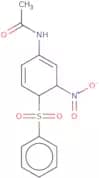


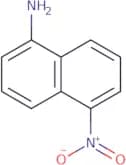
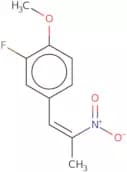
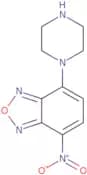
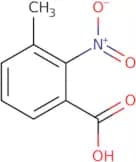

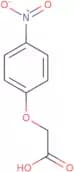
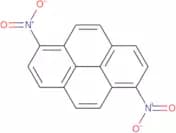
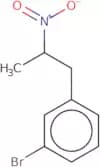

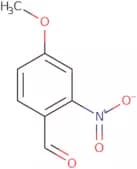
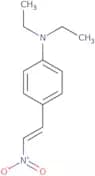


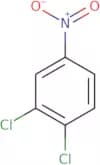

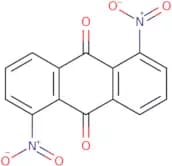
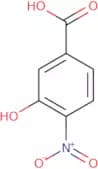
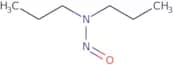
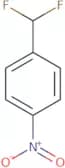

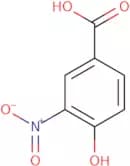


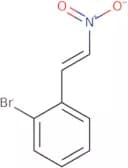
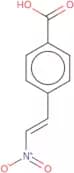


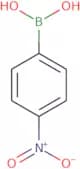
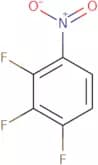
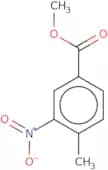
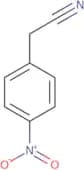
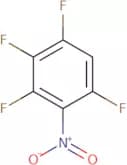
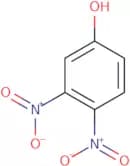
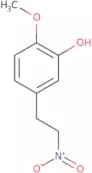


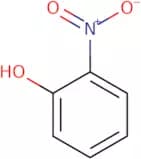
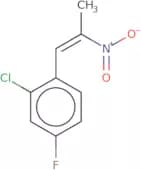
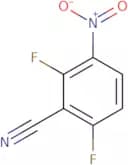
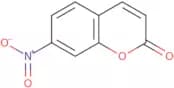
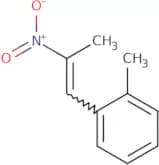
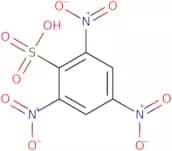
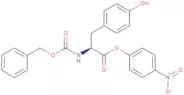
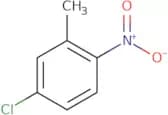

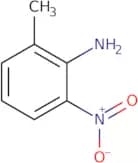
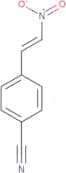
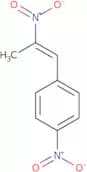

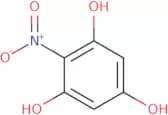

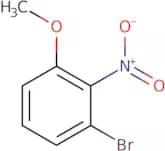
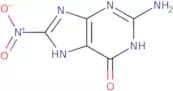
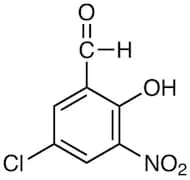
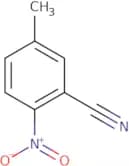
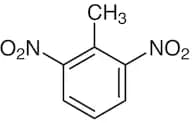
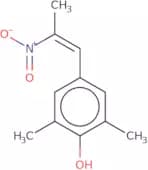
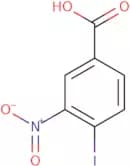
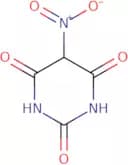
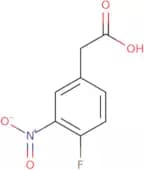
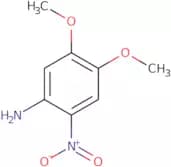
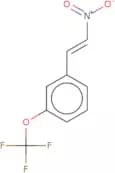
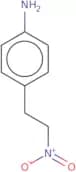

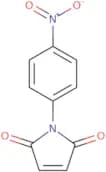

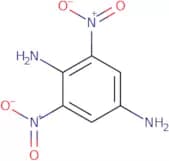
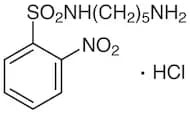
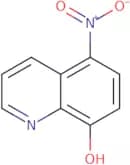
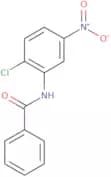
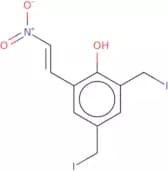
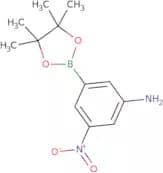
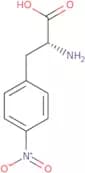
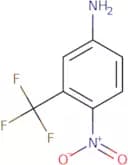
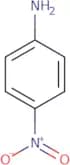

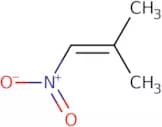
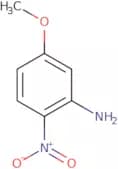
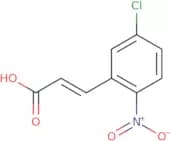
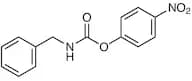

![N-α-[2,4-Dinitro-5-fluorophenyl]-D-alanine amide](/_next/image/?url=https%3A%2Fstatic.cymitquimica.com%2Fproducts%2F3D%2Fthumb-webp%2FFD48427.webp&w=3840&q=75)
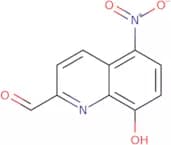


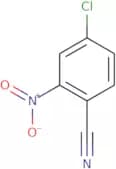


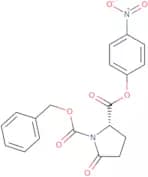
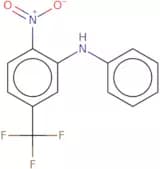
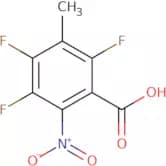

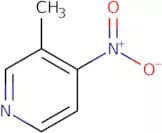
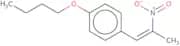

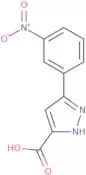
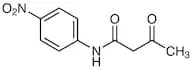
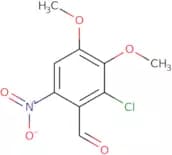
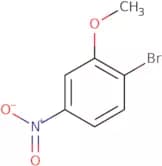
![1-{{[5-(4-Nitrophenyl)-2-furanyl]methylene}amino}-2,4-imidazolidinedione](/_next/image/?url=https%3A%2Fstatic.cymitquimica.com%2Fproducts%2F3D%2Fthumb-webp%2FFN138588.webp&w=3840&q=75)
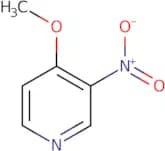
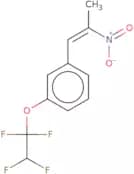
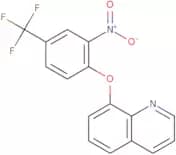
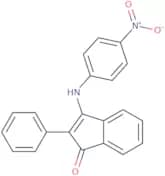


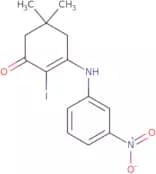
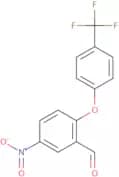


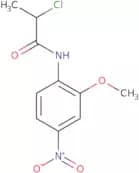


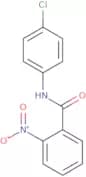


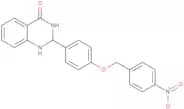
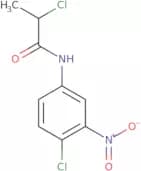
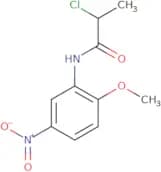
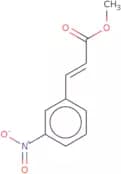
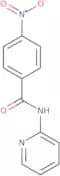
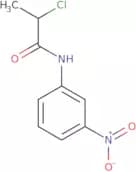
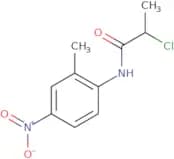

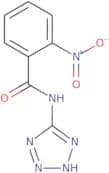
![2-[(4-Nitrophenyl)thio]benzoic acid](/_next/image/?url=https%3A%2Fstatic.cymitquimica.com%2Fproducts%2F3D%2Fthumb-webp%2FFN131025.webp&w=3840&q=75)
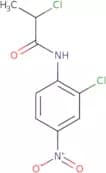
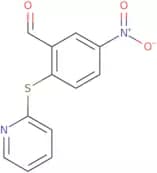
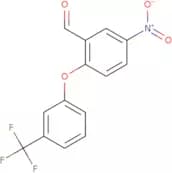
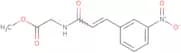
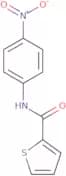
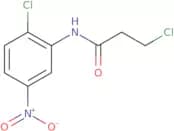

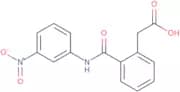
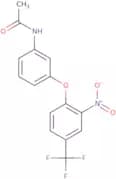
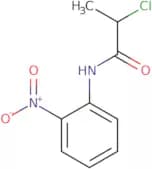


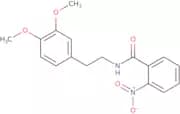
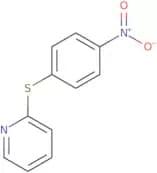
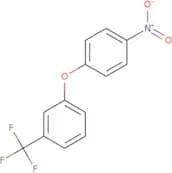
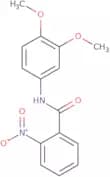
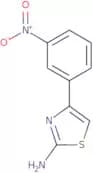
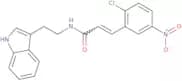
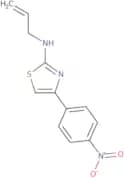
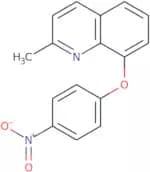
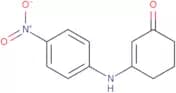
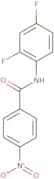
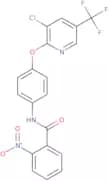
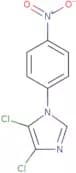
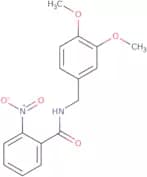
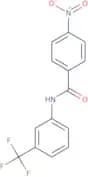

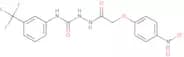
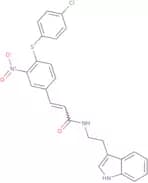
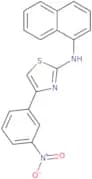
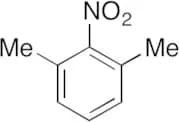


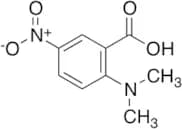
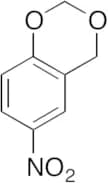
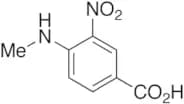
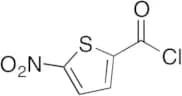
![1-Nitro-2-[(1E)-2-nitroethenyl]-4-(phenylmethoxy)-benzene](/_next/image/?url=https%3A%2Fstatic.cymitquimica.com%2Fproducts%2FTR%2Fthumb-webp%2FN901470.webp&w=3840&q=75)


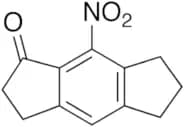
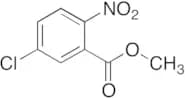
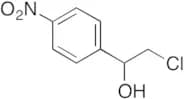


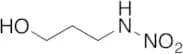
![N-[4-Cyano-3-(trifluoromethyl)phenyl]-2-hydroxy-5-nitrobenzamide](/_next/image/?url=https%3A%2Fstatic.cymitquimica.com%2Fproducts%2FTR%2Fthumb-webp%2FC982240.webp&w=3840&q=75)
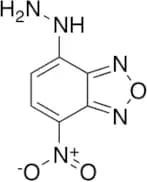

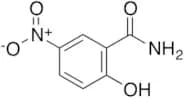


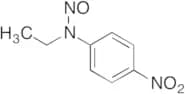
![(E)-N-(2-((7-Nitrobenzo[c][1,2,5]oxadiazol-4-yl)amino)ethyl)-4-oxo-4-phenylbut-2-enamide](/_next/image/?url=https%3A%2Fstatic.cymitquimica.com%2Fproducts%2FTR%2Fthumb-webp%2FN495010.webp&w=3840&q=75)
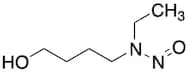

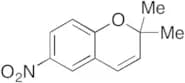
![N-[4-Chloro-3-(trifluoromethyl)phenyl]-2-hydroxy-5-nitrobenzamide](/_next/image/?url=https%3A%2Fstatic.cymitquimica.com%2Fproducts%2FTR%2Fthumb-webp%2FB680370.webp&w=3840&q=75)

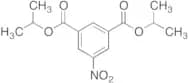
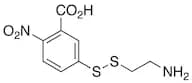
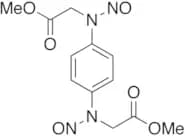

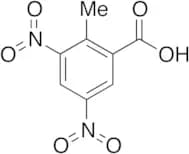


![N-[4-Bromo-3,5-(bistrifluoromethyl)phenyl]-2-hydroxy-5-nitrobenzamide](/_next/image/?url=https%3A%2Fstatic.cymitquimica.com%2Fproducts%2FTR%2Fthumb-webp%2FB680360.webp&w=3840&q=75)