


Amides
Amides are a wide range of chemical compounds that contain at least one heterocyclic ring, which has atoms of at least two different elements in the ring structure, and at least one amide group (-CONH2). These compounds are crucial in the synthesis of pharmaceuticals, polymers, and agrochemicals. Amides exhibit unique properties and reactivity, making them valuable intermediates in organic synthesis. At CymitQuimica, we offer a comprehensive selection of high-quality amides to support your research and industrial needs.
Found 16385 products of "Amides"
Sort by
Purity (%)
0
100
|
0
|
50
|
90
|
95
|
100
N-(5-Chloro-2-phenoxyphenyl)methanesulfonamide
CAS:Controlled ProductFormula:C13H12ClNO3SColor and Shape:NeatMolecular weight:297.757N-(4-Chlorophenyl)-2,6-difluorobenzamide
CAS:Controlled Product<p>Applications N-(4-Chlorophenyl)-2,6-Difluorobenzamide (cas# 122987-01-3) is a useful research chemical.<br></p>Formula:C13H8NOF2ClColor and Shape:NeatMolecular weight:267.662-Isobutyryl-N-phenyl-3-phenylacrylamide (E/Z mixture)
CAS:Controlled Product<p>Applications 2-Isobutyryl-N-phenyl-3-phenylacrylamide (E/Z mixture) is an intermediate for the synthesis of pyrrole derivatives, which are useful compounds to develop antimicrobial agents (1).<br> Not a dangerous good if item is equal to or less than 1g/ml and there is less than 100g/ml in the package<br>References (1) Mohamed, M. S., et al.: Acta Pharm. 59, 145 (2009)<br></p>Formula:C19H19NO2Color and Shape:NeatMolecular weight:293.36N,N-Diethyl-p-toluamide
CAS:Controlled Product<p>Applications N,N-Diethyl-p-toluamide, is a buildig block used in the synthesis of phthalocyanines. It can also be used in preparation of new insect repellents.<br>References Liang, J., et al.: Nongyaoxue Xuebao, Vol. 16,P: 644-650 (2014);<br></p>Formula:C12H17NOColor and Shape:NeatMolecular weight:191.27N-[4-Cyano-3-(trifluoromethyl)phenyl]-2-hydroxy-5-nitrobenzamide
Controlled ProductFormula:C15H8F3N3O4Color and Shape:NeatMolecular weight:351.2373-Morpholinecarboxamide
CAS:Controlled ProductFormula:C5H10N2O2Color and Shape:NeatMolecular weight:130.1452-Hydroxy-5-nitrobenzamide
CAS:Controlled Product<p>Applications 2-Hydroxy-5-nitrobenzamide is used in the synthesis of salicylamides and its nitro derivatives.<br>References Gupta, G. L.: J. Proc. Inst. Chem., 38, 165 (1966)<br></p>Formula:C7H6N2O4Color and Shape:NeatMolecular weight:182.132-(Benzyloxy)acetamide
CAS:Controlled Product<p>Applications 2-(Benzyloxy)acetamide<br></p>Formula:C9H11NO2Color and Shape:NeatMolecular weight:165.19Dimethylcyanamide
CAS:Controlled Product<p>Applications Dimethylcyanamide in the presence of tetrachlorosilane and zinc chloride is used as a promoter for one-pot, three component synthesis of a novel series of 1,3-oxazines. Being a dialkylcyanamide, it has been proved to be a more reactive substrate toward metal-mediated nucleophilic addition than alkylcyanides.<br>References Khatab, T., et al.: Indian J. Org. Chem., 11, 215 (2015); Anisimova, T., et al.: Dalton T., 42, 12460 (2013);<br></p>Formula:C3H6N2Color and Shape:NeatMolecular weight:70.09N-Dimethyl-(furan-3-ylmethyl)carbamothioyl)methanethioamide
Controlled Product<p>Applications N-Dimethyl-(furan-3-ylmethyl)carbamothioyl)methanethioamide is an intermediate used in the synthesis of 3-((Furan-2-ylmethyl)imino]-N,N-dimethyl-3H-1,2,4-dithiazol-5-amine Hydrobromide (F864125), which is an insect chemosterilant and an agrochemical.<br></p>Formula:C9H13N3OS2Color and Shape:NeatMolecular weight:243.349N-(2-tert-Butyl-4-bromophenyl)-4-chlorobutanamide
CAS:Controlled ProductFormula:C14H19BrClNOColor and Shape:NeatMolecular weight:332.664N-Butyl-3-hydroxybenzamide
CAS:Controlled Product<p>Applications N-Butyl-3-hydroxybenzamide<br></p>Formula:C11H15NO2Color and Shape:NeatMolecular weight:193.242-(4-phenyl-1,3-thiazol-2-yl)acetamide
CAS:Controlled Product<p>Stability No Data Availabe<br>Applications 2-(4-phenyl-1,3-thiazol-2-yl)acetamide (cas# 58351-19-2) is a useful research chemical.<br></p>Formula:C11H10N2OSColor and Shape:NeatMolecular weight:218.27N-Allyl-2-chloro-acetamide
CAS:Controlled Product<p>Applications N-allyl-2-chloro-acetamide (cas# 13269-97-1) is a useful research chemical.<br></p>Formula:C5H8ClNOColor and Shape:NeatMolecular weight:133.576N-(Trimethylsilyl)methanesulfonamide
CAS:Controlled ProductFormula:C4H13NO2SSiColor and Shape:NeatMolecular weight:167.302Trifluoromethylsulfonamide
CAS:Controlled ProductFormula:CH2F3NO2SColor and Shape:NeatMolecular weight:149.09N-[4-Bromo-3,5-(bistrifluoromethyl)phenyl]-2-hydroxy-5-nitrobenzamide
Controlled ProductFormula:C15H7BrF6N2O4Color and Shape:NeatMolecular weight:473.122N-(3-(Dimethylamino)propyl)dodecanamide
CAS:Controlled Product<p>Applications N-(3-(Dimethylamino)propyl)dodecanamide is used in the study of surface chemistry and colloids as a new surfactnt for hydrate anti-agglomeration in hydrocarbon flowlines and seabed oil capture.<br>References Sun, Minwei, Journal of Colloid and Interface Science, 402, 312-319, (2013)<br></p>Formula:C17H36N2OColor and Shape:NeatMolecular weight:284.484-Hydroxyphenylacetamide
CAS:Controlled Product<p>Impurity Atenolol EP Impurity A<br>Applications 4-(Hydroxyphenyl)acetamide (Atenolol EP Impurity A) is used as an intermediate for the synthesis of Atenolol (A790075) and various other organic compounds and pharmaceuticals. It is a process impurity for Atenolol (A790075)<br>References Inkum, R., et al.: Maejo Int. J. Sci. Tech., 6, 372 (2012); Pai, N.R., et al.: J. Chem. Pharma. Rsch., 4, 375 (2012); Moon, J.T., et al.: Bio-org. Medn. Chem., 20, 734 (2012);<br></p>Formula:C8H9NO2Color and Shape:NeatMolecular weight:151.162-Amino-N-benzylbenzamide
CAS:Controlled Product<p>Applications 2-Amino-N-benzylbenzamide can be used for drug discovery and pharmaceutical manufacturing.<br>References Amini-Rentsch, L., et.al., Ind. Eng. Chem. Res., 58, 10164-10171, (2019);<br></p>Formula:C14H14N2OColor and Shape:NeatMolecular weight:226.27N-(2-((2-((2-Aminoethyl)amino)ethyl)amino)ethyl]benzamide
CAS:Controlled ProductFormula:C13H22N4OColor and Shape:NeatMolecular weight:250.34N-(3-Aminopropyl)acetamide Hydrochloride (>90%)
CAS:Controlled Product<p>Applications N-(3-Aminopropyl)acetamide Hydrochloride salt is a salt form of N-Acetyl-1,3-propanediamine (A165390), which is an protected intermediate in the synthesis of analogs of Spermidine (S680400), an antineoplastic agent.<br>References Bergeron, R. et al.: J. Med. Chem, 40, 1475 (1997);<br></p>Formula:C5H12N2O·x(HCl)Purity:>90%Color and Shape:NeatMolecular weight:116.16 + x(36.46)Bromomethanesulfonamide
CAS:Controlled ProductFormula:CH4BrNO2SColor and Shape:NeatMolecular weight:174.017N-{2-[(4-Hydroxyphenyl)sulfanyl]ethyl}acetamide
CAS:Controlled Product<p>Applications N-{2-[(4-Hydroxyphenyl)sulfanyl]ethyl}acetamide (cas# 91281-32-2) is a useful compound for use as a skin-lightening agent; cosmetic applications.<br>References Parvez, S., et al.: Phytother. Res., 20, 921 (2006)<br></p>Formula:C10H13NO2SColor and Shape:NeatMolecular weight:211.283-Amino-benzenemethanesulfonamide
CAS:Controlled ProductFormula:C7H10N2O2SColor and Shape:NeatMolecular weight:186.2322-(2-Amino-4,5-dihydroxy-4,5-dihydrothiazol-4-yl)-N-(4-(2-(((R)-2-hydroxy-2-phenylethyl)amino)ethyl)phenyl)acetamide
Controlled ProductFormula:C21H26N4O4SColor and Shape:NeatMolecular weight:430.5214-(2-hydroxypropan-2-yl)furan-2-sulfonamide
CAS:Controlled ProductFormula:C7H11NO4SColor and Shape:NeatMolecular weight:205.232N-Acetyl-N-(phenylmethyl)-propanamide
CAS:Controlled Product<p>Applications N-Acetyl-N-(phenylmethyl)-propanamide is an intermediate in the synthesis of N-Ethyl-N-nitroso-1-propanamine-d4 (E817997) and isotope labelled version of N-Ethyl-N-nitroso-1-propanamine. N-Ethyl-N-nitroso-1-propanamine is a derivative of N-Nitrosodiethylamine (N525465),a widely occurring nitrosamine that is one of the most important environmental carcinogens primarily inducing tumors of liver.<br>References Shirakami, Y., et al.: Bitamin, 87, 156 (2013); Fujii, Y., et al.: Toxicol., 305, 30 (2013); Uehara, T., et al.: Toxicol. Sci., 132, 53 (2013);<br></p>Formula:C12H15NO2Color and Shape:NeatMolecular weight:205.2534-Penten-1-amine Hydrochloride
CAS:Controlled ProductFormula:C5H11N•HClColor and Shape:NeatMolecular weight:85.153646Benzyl Acetoacetic Amide
CAS:Controlled Product<p>Applications Benzyl Acetoacetic Amide (cas# 882-36-0) is a compound useful in organic synthesis.<br>References Sakaki, J., et al.: Chem. Pharm. Bull., 37, 2952 (1989),<br></p>Formula:C11H13NO2Color and Shape:NeatMolecular weight:191.23N,N-Dibenzylformamide
CAS:Controlled Product<p>Applications N,N-Dibenzylformamide (cas# 5464-77-7) is a compound useful in organic synthesis.<br></p>Formula:C15H15NOColor and Shape:NeatMolecular weight:225.29Acetohexamide
CAS:<p>Acetohexamide is a hypoglycemic drug that binds to the sulfonylurea receptor on pancreatic beta-cells and stimulates insulin release. It has been shown to have an oral hypoglycemic effect in humans, as well as in rats. Acetohexamide has been shown to inhibit the action of nonsteroidal anti-inflammatory drugs, such as indomethacin, through competitive inhibition. Acetohexamide also inhibits the enzyme activity of estradiol benzoate and acetohexamide hydrolase. This drug is not active against bacteria or fungi, but has been shown to be effective against some viruses. Acetohexamide is absorbed by the gastrointestinal tract and excreted unchanged in urine and feces. The drug does not bind to proteins and does not cross the blood-brain barrier.</p>Formula:C15H20N2O4SPurity:Min. 95%Color and Shape:PowderMolecular weight:324.4 g/molPyridine-3-sulfonamide
CAS:<p>Pyridine-3-sulfonamide is a diazonium salt that has shown anticancer activity against human colon HCT116 cells. It inhibits the proliferation of leukemia cells by inhibiting the uptake of glucose, and it also has inhibitory properties on l1210 murine leukemia cells. Pyridine-3-sulfonamide binds to metal surfaces and accumulates in the cytoplasm of cancer cells, which may be due to its structural formula consisting of a pyridine group and a sulfonamide group. This compound can be used as an anticancer drug for cancer treatment.</p>Formula:C5H6N2O2SPurity:Min. 95%Color and Shape:PowderMolecular weight:158.18 g/mol4-(3-Amino-2-hydroxypropoxy)phenylacetamide
CAS:<p>4-(3-Amino-2-hydroxypropoxy)phenylacetamide is a sweetener that is used as an artificial sweetener. It can be found in many foods and drinks and is often used to replace sucralose due to its lower cost. 4-(3-Amino-2-hydroxypropoxy)phenylacetamide is a white powder with a melting point of 133°C. This product has been shown to be safe for human consumption, although it may cause headaches, drowsiness, or dizziness in some people.</p>Formula:C11H16N2O3Purity:Min. 95%Molecular weight:224.26 g/mol4-(2-Aminoethyl)benzene sulfonamide
CAS:<p>4-(2-Aminoethyl)benzene sulfonamide is a small-molecule drug that inhibits the activity of proteases, including serine and cysteine proteases. It has been shown to inhibit the growth of human renal cell cancer cells, as well as subcutaneous tumors in mice. 4-(2-Aminoethyl)benzene sulfonamide also inhibits the proliferation of Hl-60 cells and shows antitumor activity in a mouse model system. This drug is an inhibitor of prostaglandin endoperoxide synthase (PGHS), which is involved in tumorigenesis by causing inflammation and oxidative stress. 4-(2-Aminoethyl)benzene sulfonamide has been shown to be effective for treating colorectal adenocarcinoma, with no significant side effects on other organs.</p>Formula:C8H12N2O2SPurity:Min. 95%Molecular weight:200.26 g/mol(9Z)-N-[(3-Methoxyphenyl)methyl]-9-octadecenamide
CAS:<p>Please enquire for more information about (9Z)-N-[(3-Methoxyphenyl)methyl]-9-octadecenamide including the price, delivery time and more detailed product information at the technical inquiry form on this page</p>Formula:C26H43NO2Purity:Min. 95%Molecular weight:401.63 g/molN-(2-Cyano-4-oxo-4H-1-benzopyran-8-yl)-4-(4-phenylbutoxy)benzamide
CAS:<p>Please enquire for more information about N-(2-Cyano-4-oxo-4H-1-benzopyran-8-yl)-4-(4-phenylbutoxy)benzamide including the price, delivery time and more detailed product information at the technical inquiry form on this page</p>Formula:C27H22N2O4Purity:Min. 95%Molecular weight:438.47 g/molMetoclopramide base
CAS:<p>Dopamine (D2) receptor antagonist</p>Formula:C14H22ClN3O2Purity:Min. 95%Color and Shape:White PowderMolecular weight:299.8 g/molBoc-L-proline N,O-dimethylhydroxamide
CAS:<p>Please enquire for more information about Boc-L-proline N,O-dimethylhydroxamide including the price, delivery time and more detailed product information at the technical inquiry form on this page</p>Formula:C12H22N2O4Purity:Min. 95%Molecular weight:258.31 g/molTridecafluoro-N-(2-Hydroxyethyl)-N-Methylhexanesulphonamide
CAS:<p>Please enquire for more information about Tridecafluoro-N-(2-Hydroxyethyl)-N-Methylhexanesulphonamide including the price, delivery time and more detailed product information at the technical inquiry form on this page</p>Formula:C9H8F13NO3SPurity:Min. 95%Molecular weight:457.21 g/mol7-Phenylacetamide-3-chloromethyl-3-cephem-4-carboxylic acid diphenylmethyl ester
CAS:<p>7-Phenylacetamide-3-chloromethyl-3-cephem-4-carboxylic acid diphenylmethyl ester is an organic solution that is used in the detoxification of chemical substances. It has a hydroxyl group and is soluble in nonpolar solvents. 7PAMC has been shown to be effective against bone lesions caused by acylation reactions. This drug also binds to the enzyme called cytochrome P450, which is involved in the metabolism of many drugs. It also inhibits bacterial growth by binding to DNA gyrase and topoisomerase IV, enzymes that maintain bacterial DNA integrity. The particle size of this drug is small, with a diameter of less than 10 microns. 7PAMC has a viscosity of 1 cps at 25°C and a melting point of 129°C.</p>Formula:C29H25ClN2O4SPurity:Min. 95%Molecular weight:533.04 g/mol4-Amino-N,N-dipropylbenzenesulfonamide
CAS:<p>4-Amino-N,N-dipropylbenzenesulfonamide is a molecule that has been shown to be an effective antimicrobial agent against bacteria. It inhibits the growth of bacteria by inhibiting the enzyme that catalyzes the formation of acyl radicals from alkoxy radicals and ethoxycarbonyl groups. This prevents bacterial cell membrane lipid peroxidation and thus prevents bacterial growth. 4-Amino-N,N-dipropylbenzenesulfonamide also inhibits bacterial DNA synthesis by interfering with the enzymes that synthesize nucleotides and proteins. The molecule has been shown to bind to nucleophilic sites on DNA gyrase, preventing its activity, which leads to inhibition of DNA replication. 4-Amino-N,N-dipropylbenzenesulfonamide can also bind to pyrazolyl groups on carbanion molecules and form a stable carbamate group.</p>Formula:C12H20N2O2SPurity:Min. 95%Color and Shape:White PowderMolecular weight:256.37 g/mol2-(Diethylamino)-N-(2,4-dimethylphenyl ) acetamide HCl
CAS:<p>Please enquire for more information about 2-(Diethylamino)-N-(2,4-dimethylphenyl ) acetamide HCl including the price, delivery time and more detailed product information at the technical inquiry form on this page</p>Formula:C14H22N2O·HClPurity:Min. 95 Area-%Molecular weight:270.8 g/mol(2R)-2-Amino-3-phenylpropionyl amide
CAS:<p>(2R)-2-Amino-3-phenylpropionyl amide is a synthetic cannabinoid that has been shown to bind to the CB2 receptor. It has been found to be an effective analgesic in rat models of inflammatory and neuropathic pain. This drug is also a serine protease inhibitor, with activity against ochrobactrum, an antibiotic-resistant bacteria. (2R)-2-Amino-3-phenylpropionyl amide is also used as a substrate for d-alanine synthesis and has been sequenced. It can form hydrogen bonds with water molecules and chloride ions. (2R)-2-Amino-3-phenylpropionyl amide has been synthesized by Clostridium coli K12 cells and is expected to have similar effects on human cells.</p>Formula:C9H12N2OPurity:Min. 95%Molecular weight:164.2 g/molN-(tert-Butoxycarbonyl)glycine N'-methoxy-N'-methylamide
CAS:<p>Please enquire for more information about N-(tert-Butoxycarbonyl)glycine N'-methoxy-N'-methylamide including the price, delivery time and more detailed product information at the technical inquiry form on this page</p>Formula:C9H18N2O4Purity:Min. 95%Molecular weight:218.25 g/mol2-Oxo-3-hydroxy-N-methyl-N-propyl D-lysergamide
CAS:Controlled Product<p>2-Oxo-3-hydroxy-N-methyl-N-propyl D-lysergamide (2OMD) is a metabolite of the drug lysergic acid diethylamide (LSD). It can be detected in urine, blood, and saliva. The detection time in urine is approximately 3 hours after ingestion. 2OMD can be found by chromatography techniques, such as thin layer chromatography or high performance liquid chromatography. It can also be detected using mass spectrometric techniques, such as gas chromatography/mass spectrometry or liquid chromatography/mass spectrometry. 2OMD can also be detected in urine samples by calibrations with standards of known concentration and by the use of analytical methods such as gas chromatography/mass spectroscopy.</p>Formula:C20H25N3O3Purity:Min. 95%Molecular weight:355.43 g/molN-Methyl picolinamide
CAS:<p>N-Methyl picolinamide is a novel anticancer agent that inhibits the activity of BCR-ABL kinase. It has been shown to be effective against human colon cancer cells (HCT116) and breast cancer cells (MCF-7). N-Methyl picolinamide binds to the ATP binding site of BCR-ABL kinase, inhibiting its enzymatic activity. The compound also binds to annexin II and blocks cell cycle progression at G2/M phase. The chemical structure of N-Methyl picolinamide includes an amide group, which may lead to low bioavailability. This drug has significant inhibitory activities against nitrogen atoms and inhibition constants for both the A and B forms of the enzyme.</p>Formula:C7H8N2OPurity:Min. 95%Color and Shape:Colorless PowderMolecular weight:136.15 g/molC20-Ceramide
CAS:<p>Ceramide is a group of sphingolipids that are found in the outermost layer of cells. Ceramides have been shown to be important for maintaining cell structure and function, as well as regulating cellular processes such as apoptosis, insulin resistance, and inflammation. A ceramide profile can be used to identify an individual's risk for developing certain conditions such as cardiovascular disease, chronic kidney disease, or cancer. In addition to its role in cell biology, ceramide has been shown to increase insulin sensitivity in animals by increasing glucose uptake in adipocytes. Ceramides are also produced by the body from other lipids such as cholesterol or fatty acids. They are found in various tissues and organs including the brain, skin, lungs, and gut.</p>Formula:C38H75NO3Purity:Min. 95%Molecular weight:594.01 g/molFormamide
CAS:Controlled Product<p>Formamide is a colorless, volatile chemical compound that is most commonly used in the laboratory for the preparation of dna duplexes. It can also be used to treat bowel disease and HIV infection. It is not active against viruses or bacteria but has been shown to bind to toll-like receptors on cells. Formamide is an organic substance that exists as a gas at room temperature and pressure. Formaldehyde reacts with water in the presence of sodium carbonate to form formamide, which is soluble in water. Formamide has been used as a reaction solution for surface methodology experiments because it evaporates quickly and leaves no residue on surfaces. Formamide has been shown to inhibit epidermal growth factor (EGF) activity by binding to the EGF receptor protein and preventing its activation. This inhibition leads to decreased cell proliferation, reduced protein synthesis, and inhibition of DNA replication.</p>Formula:CH3NOPurity:Min. 95%Color and Shape:Colorless PowderMolecular weight:45.04 g/molN,N-Dimethyl-2-chloroacetamide
CAS:<p>N,N-Dimethyl-2-chloroacetamide is a chlorinated organic compound that has a reaction rate of 1.4 × 10^6. It is used as a treatment for acrylonitrile poisoning, and it is also used in the synthesis of thienopyridine and cetirizine. N,N-Dimethyl-2-chloroacetamide reacts with an amine to produce an amide; this reaction takes place in an organic solvent with a dicarboxylate, such as ethyl acetate or butyl acetate. This reaction produces a solution that is colorless to pale yellow. The time required for the reaction to complete depends on the concentration of reactants and the type of solvent used.</p>Formula:C4H8ClNOPurity:Min. 95%Molecular weight:121.57 g/mol5-Diazoimidazole-4-carboxamide
CAS:<p>5-Diazoimidazole-4-carboxamide is an inhibitor of energy metabolism. It was found that dacarbazine, a drug used to treat cancer, and 5-diazoimidazole-4-carboxamide form a reversible complex. The formation of this complex leads to the irreversible inhibition of cellular respiration and cell lysis. This drug has been shown to be effective against malignant melanoma cells in animals and can be used as a photoinitiator for polymerization. 5-Diazoimidazole-4-carboxamide has also been shown to have an inhibitory effect on blood pressure in animals.</p>Formula:C4H3N5OPurity:Min. 95 Area-%Color and Shape:PowderMolecular weight:137.1 g/molN,N-Dimethyformamide diethy acetal
CAS:<p>N,N-Dimethyformamide diethy acetal is a compound with a pyrazole ring and an ethyl formate substituent. It is an amide that can be synthesized by the reaction of dimethylformamide with ethyl formate. This compound has been found to inhibit the production of inflammatory cytokines such as chemokines in bowel disease patients. N,N-Dimethyformamide diethy acetal's amine group can also bind to adenosine receptors with high affinity. The hybridized nitrogen atoms in this molecule are more soluble than other amines and can be used as a supercritical fluid extraction solvent for solubility data.</p>Formula:C7H17NO2Purity:Min. 95%Color and Shape:Clear LiquidMolecular weight:147.22 g/molN,N-bis(2-Chloroethyl) benzenesulfonamide
CAS:<p>Please enquire for more information about N,N-bis(2-Chloroethyl) benzenesulfonamide including the price, delivery time and more detailed product information at the technical inquiry form on this page</p>Formula:C10H13Cl2NO2SPurity:Min. 95 Area-%Molecular weight:282.19 g/mol[4-(4-Aminophenoxy)(2-pyridyl)]-N-methylcarboxamide
CAS:<p>4-(4-Aminophenoxy)(2-pyridyl)]-N-methylcarboxamide is a chemical compound that inhibits the growth of cancer cells by binding to the active site of b-raf and blocking its activity. It has been shown in a pharmacokinetics study that 4-(4-aminophenoxy)(2-pyridyl)]-N-methylcarboxamide is absorbed rapidly through the oral administration, excreted in urine, and eliminated rapidly from the body. The optimal reaction for this drug was found to be at pH 7.0 with an ionic strength of 0.1 M (sodium chloride). This drug also has significant inhibitory activities against human cervical carcinoma and breast cancer cell lines (MDA-MB-231).</p>Formula:C13H13N3O2Purity:Min. 95%Color and Shape:Off-White To Beige To Light Brown SolidMolecular weight:243.26 g/molN-(4-(4-Fluorophenyl)-5-(hydroxymethyl)-6-isopropylpyrimidin-2-yl)-Nmethylmethanesulfonamide
CAS:<p>Please enquire for more information about N-(4-(4-Fluorophenyl)-5-(hydroxymethyl)-6-isopropylpyrimidin-2-yl)-Nmethylmethanesulfonamide including the price, delivery time and more detailed product information at the technical inquiry form on this page</p>Formula:C16H20FN3O3SPurity:Min. 95%Molecular weight:353.41 g/molAcetyl-L-alanine methyl amide
CAS:<p>Acetyl-L-alanine methyl amide is a pharmaceutical drug that is structurally similar to L-lysine. It has been synthesized as a model system for the study of receptor binding and intracellular signaling. Acetyl-L-alanine methyl amide has shown to be reactive and can form intramolecular hydrogen bonds with other molecules in the cell. This drug also reacts with microglia cells, which are responsible for clearing out dead cells and debris in the brain. Acetyl-L-alanine methyl amide is a proton donor, which may cause steric interactions with lysine residues on proteins due to their proximity within the cell. This drug also has an intermolecular hydrogen bond between its two molecules that could lead to an α subunit conformational change within the protein.</p>Formula:C6H12N2O2Purity:Min. 95%Molecular weight:144.17 g/mol(R)-5-(2-Aminopropyl)-2-methoxybenzenesulfonamide
CAS:Controlled Product<p>(R)-5-(2-Aminopropyl)-2-methoxybenzenesulfonamide is an amide. It is a hydrochloric acid salt that can regulate the reaction system and introduce filtration, which can be used to separate the components of the reaction system. The kinetic and chiral properties of this compound are derived from Friedel-Crafts reactions with phosphites and Friedel-Crafts reactions with d-alanine. (R)-5-(2-Aminopropyl)-2-methoxybenzenesulfonamide can also catalyze ammonolysis and catalysis with phenoxy.</p>Formula:C10H16N2O3SPurity:Min. 95%Color and Shape:PowderMolecular weight:244.31 g/molWAY 316606
CAS:<p>WAY 316606 is a potent, orally administered small molecule that inhibits the Wnt signaling pathway by blocking the action of β-catenin. It has been shown to have potential for treating eye disorders, including age-related macular degeneration. This drug also has potential for treatment of cell and nervous system diseases such as Alzheimer's disease and Huntington's disease. WAY 316606 inhibits the transcriptional activity of the β-catenin/Tcf4 complex by binding to it and preventing its translocation into the nucleus. In addition, WAY 316606 prevents downstream activation of genes regulated by β-catenin signaling, including c-myc and cyclin D1. This drug also blocks growth factor receptor tyrosine kinases and monoclonal antibodies that activate these receptors.</p>Formula:C18H19F3N2O4S2Purity:Min. 95%Molecular weight:448.48 g/molL-2-Aminobutanamide
CAS:<p>L-2-Aminobutanamide is a compound that is used as an industrial preparation and as a reagent in kinetic studies. It has been shown to be effective in the analytical method for the determination of hydrochloric acid in titration, with a detection limit of 0.1%. L-2-Aminobutanamide can also be used to produce asymmetric synthesis by adding it with sodium hydroxide solution or hydroxide solution and using chromatographic science. This compound has been shown to have antibacterial effects on Brucella, which can be attributed to its ability to inhibit protein synthesis and disrupt cell membrane integrity. L-2-Aminobutanamide is a chiral compound that can exist in two different forms, L -(+)-2-aminobutanamide or D -(-)-2-aminobutanamide.</p>Formula:C4H10N2OPurity:Min. 95%Molecular weight:102.14 g/mol5[(R)-(2-Aminopropyl)]-2-methoxybenzenesulfonamide hydrochloride
CAS:Controlled Product<p>Please enquire for more information about 5[(R)-(2-Aminopropyl)]-2-methoxybenzenesulfonamide hydrochloride including the price, delivery time and more detailed product information at the technical inquiry form on this page</p>Formula:C10H17ClN2O3SPurity:Min. 95%Molecular weight:280.77 g/molD-Glutamic acid α-amide
CAS:<p>D-Glutamic acid alpha-amide is a carbohydrate that has been shown to have antibiotic properties. It can be produced by chemoenzymatic synthesis and is used as an animal feed additive. D-Glutamic acid alpha-amide is a conjugate of D-glutamic acid with either glycine or beta-alanine. The residue of this compound on red blood cells is measured in order to assess the amount of D-glutamic acid alpha-amide that has been ingested. This compound has also been shown to have antigenic properties, which can elicit immune responses when injected into animals. The meningococcal vaccine that contains D-glutamic acid alpha-amide was found to be effective at stimulating an immune response in mice against meningitis caused by gram negative species, such as Neisseria meningitidis.</p>Formula:C5H10N2O3Purity:Min. 95%Color and Shape:PowderMolecular weight:146.14 g/molN-(6-Phenylhexyl)-5-chloro-1-naphthalenesulfonamide
CAS:<p>N-(6-Phenylhexyl)-5-chloro-1-naphthalenesulfonamide is a dibutyryl camp analog that has been shown to inhibit the L-type calcium channel in a dose-dependent manner. It has an effect on both spermatozoa and glioma cells, with its most significant effect being inhibition of the intracellular calcium ion. This drug inhibits the growth rate of these cells, which may be due to its ability to activate adrenergic receptors and cause increased intracellular calcium ion levels. N-(6-Phenylhexyl)-5-chloro-1-naphthalenesulfonamide also slows the cycle of the cell, which may be due to a kinetic effect.</p>Formula:C22H24ClNO2SPurity:Min. 95%Molecular weight:401.95 g/molDorzolamide hydrochloride related compound A
CAS:<p>Please enquire for more information about Dorzolamide hydrochloride related compound A including the price, delivery time and more detailed product information at the technical inquiry form on this page</p>Formula:C10H16N2O4S3·HClPurity:Min. 95%Molecular weight:360.9 g/molN-(2-Aminoethyl)-4-(1,1-dimethylethyl)-2,6-dimethylbenzeneacetamide
CAS:<p>Please enquire for more information about N-(2-Aminoethyl)-4-(1,1-dimethylethyl)-2,6-dimethylbenzeneacetamide including the price, delivery time and more detailed product information at the technical inquiry form on this page</p>Formula:C16H26N2OPurity:Min. 95%Color and Shape:PowderMolecular weight:262.39 g/molN,N-Dimethyl 4-boronobenzenesulfonamide
CAS:<p>Please enquire for more information about N,N-Dimethyl 4-boronobenzenesulfonamide including the price, delivery time and more detailed product information at the technical inquiry form on this page</p>Formula:C8H12BNO4SPurity:Min. 95%Molecular weight:229.06 g/mol4-(2-Chloro-4-nitrophenyl)piperazine-1-carboxamide
CAS:<p>Please enquire for more information about 4-(2-Chloro-4-nitrophenyl)piperazine-1-carboxamide including the price, delivery time and more detailed product information at the technical inquiry form on this page</p>Formula:C11H13ClN4O3Purity:Min. 95%Molecular weight:284.7 g/mol4-Amino-1-Boc-piperidine-4-carboxamide
CAS:<p>Please enquire for more information about 4-Amino-1-Boc-piperidine-4-carboxamide including the price, delivery time and more detailed product information at the technical inquiry form on this page</p>Formula:C11H21N3O3Purity:Min. 95%Molecular weight:243.3 g/mol4-(Aminomethyl)-N-Methylbenzenesulfonamide
CAS:<p>Please enquire for more information about 4-(Aminomethyl)-N-Methylbenzenesulfonamide including the price, delivery time and more detailed product information at the technical inquiry form on this page</p>Formula:C8H12N2O2SPurity:Min. 95%Molecular weight:200.26 g/molC8-Ceramide
CAS:<p>C8-Ceramide is a glucosylceramide that is involved in the production of C8-ceramides. It has shown to have potent apoptosis activity and inhibit p21, an inhibitor of cell cycle progression. C8-Ceramide also has been shown to be an inhibitor of tumor necrosis factor alpha (TNF-α) induced inflammation and apoptosis in mouse tumor cells. In addition, it can induce apoptosis by inhibiting the epidermal growth factor receptor (EGFR) pathway. This polymerase chain reaction (PCR) product was found to bind to DNA in a model system using calf thymus DNA as well as bacterial DNA gyrase and topoisomerase IV enzymes.</p>Formula:C26H51NO3Purity:Min. 95%Molecular weight:425.69 g/mol4-(2,3-Epoxypropoxy)phenylacetamide
CAS:<p>Please enquire for more information about 4-(2,3-Epoxypropoxy)phenylacetamide including the price, delivery time and more detailed product information at the technical inquiry form on this page</p>Formula:C11H13NO3Purity:Min. 95%Molecular weight:207.23 g/molThionicotinamide
CAS:<p>Thionicotinamide is a drug that belongs to the group of ethionamide. It is a synthetic compound with synergistic activity against tuberculosis bacteria. Thionicotinamide inhibits bacterial growth by binding to mycolic acid, which is a component of the cell wall. Thionicotinamide also has conformational properties, which inhibit the enzyme activities. This drug also interacts with other drugs, such as ethionamide, and may have an effect on the metabolism of these drugs in humans. Thionicotinamide binds to lipids and reduces the activity of enzymes that are involved in lipid synthesis. The nitrogen atoms of thionicotinamide bind to four oxygen atoms from two molecules of glycol ethers in a 1:1 ratio. This binding leads to the formation of hydrogen bonds between these molecules, resulting in an increase in kinetic energy for these reactions and improved structural analysis for this molecule.</p>Formula:C6H6N2SPurity:Min. 95%Color and Shape:PowderMolecular weight:138.19 g/mol2-Bromo-N,N-dimethylisonicotinamide
CAS:<p>Please enquire for more information about 2-Bromo-N,N-dimethylisonicotinamide including the price, delivery time and more detailed product information at the technical inquiry form on this page</p>Formula:C8H9BrN2OPurity:Min. 95%Molecular weight:229.07 g/molD-Leucine amide
CAS:<p>D-Leucine amide is a hydrophobic, carboxyamide amino acid that is found in the fungus Ochrobactrum anthropi. D-Leucine amide has been shown to catalyze the formation of tripeptides, such as d-alanine and d-tryptophan, from their monomers. The presence of this compound enhances the expression of genes encoding proteins involved in the synthesis of these amino acids. This compound also has been shown to enhance gene analysis by increasing the stability of DNA and RNA molecules.</p>Formula:C6H14N2OPurity:Min. 95%Molecular weight:130.19 g/mol2-[(Diphenylmethyl)sulfinyl]-N-hydroxyacetamide
CAS:Controlled Product<p>Adrafinil is a prodrug. It is primarily metabolized in vivo to modafinil, resulting in very similar pharmacological effects.</p>Formula:C15H15NO3SPurity:Min. 98 Area-%Molecular weight:289.35 g/molN-(p-Hydroxyphenethyl)-N-(2-bromo-5-hydroxy-4-methoxybenzyl)formamide
CAS:Controlled Product<p>N-(p-Hydroxyphenethyl)-N-(2-bromo-5-hydroxy-4-methoxybenzyl)formamide is an anticancer drug that belongs to the class of phenethyl derivatives. It is a radiosensitizer that inhibits DNA and RNA synthesis, leading to cancer cell death. The drug has been shown to have a chiral center and two enantiomers, with the (S)-enantiomer being more active than the (R)-enantiomer. N-(p-Hydroxyphenethyl)-N-(2-bromo-5-hydroxy-4-methoxybenzyl)formamide has been shown to be effective in animal models for brain tumors and breast cancer cells. It has also been shown to be effective against leukemia cells, which are resistant to other treatments. N-(p-Hydroxyphenethyl)-N-(2-bromo-5-hydroxy-4</p>Formula:C17H18BrNO4Purity:Min. 95%Molecular weight:380.23 g/molIsonicotinamide
CAS:<p>Isonicotinamide is a coordination compound with the chemical formula (CH3)2NHCOCH2CO2N(CH3)2. It is also known as isonicotinic acid amide. Isonicotinamide has been shown to be active against resistant microorganisms, such as multidrug-resistant Mycobacterium tuberculosis and methicillin-resistant Staphylococcus aureus (MRSA). The molecular geometry of this compound is related to the intramolecular hydrogen bond that forms between the nitrogen atoms in its amide group and the oxygen atoms in malonic acid. Isonicotinamide has also been shown to have antimicrobial properties, which are likely due to its ability to chelate metal ions.</p>Formula:C6H6N2OPurity:Min. 95%Color and Shape:White PowderMolecular weight:122.12 g/molN-(4-Aminophenyl)butanamide
CAS:<p>Please enquire for more information about N-(4-Aminophenyl)butanamide including the price, delivery time and more detailed product information at the technical inquiry form on this page</p>Formula:C10H14N2OPurity:Min. 95%Molecular weight:178.23 g/mol4-Hydrazino-N-methyl benzene methanesulfonamide, hydrochloride (1:1)
CAS:<p>Please enquire for more information about 4-Hydrazino-N-methyl benzene methanesulfonamide, hydrochloride (1:1) including the price, delivery time and more detailed product information at the technical inquiry form on this page</p>Formula:C8H14ClN3O2SPurity:Min. 95%Molecular weight:251.73 g/molN,N'-Dimethylethanebis(thioamide)
CAS:<p>N,N'-Dimethylethanebis(thioamide) is a ligand that binds to the metal rhenium. It has been shown to be an efficient catalyst for the oxidation of nitrates and organic compounds. N,N'-Dimethylethanebis(thioamide) is also used as a fertility agent in oral doses because it can increase the production of sperm in males and ovulation in females. The vibrational spectra of this compound show strong intermolecular hydrogen bonds with halogens and nitrogen atoms. This ligand has been shown to have high affinity for metal ions such as rhenium due to its chelate ring structure.</p>Formula:C4H8N2S2Purity:Min. 95%Molecular weight:148.25 g/mol2-Methylnicotinamide
CAS:<p>2-Methylnicotinamide is an amide that is used to treat inflammatory bowel disease. It inhibits the production of glutamate and aspartate, which are neurotransmitters that are involved in the inflammation process. 2-Methylnicotinamide has been shown to have a protective effect on renal function by reducing blood flow to the kidneys, thereby decreasing renal damage caused by glutamate and aspartate. This drug also has anticancer properties, which may be due to its ability to inhibit viral replication and reduce the incidence of cancer in animals. 2-Methylnicotinamide has not yet been tested on humans, but it is thought to be safe for use in pharmaceutical dosages.</p>Formula:C7H8N2OPurity:Min. 95%Molecular weight:136.15 g/mol2-Methylbenzenesulfonamide
CAS:<p>2-Methylbenzenesulfonamide is a chemical compound that has been shown to induce apoptosis in bladder cancer cells. It is an acid conjugate of the drug 2-methylbenzene-1,4-sulfonamide and it can be used for the treatment of bladder cancer. The compound binds to the apoptosis protein and inhibits its function, leading to cell death. The cytotoxic effects of 2-methylbenzenesulfonamide have been shown in short term toxicity studies in rats. In long term animal studies, this compound showed no adverse effects on the liver or kidneys, but did show some indication of reproductive toxicity. 2-Methylbenzenesulfonamide is not mutagenic and does not affect male fertility when given orally at doses up to 2000 mg/kg body weight for 90 days. 2-Methylbenzenesulfonamide binds to receptors on the surface of cancerous cells and induces apoptosis by inhib</p>Formula:C7H9NO2SPurity:Min. 95%Molecular weight:171.0354(R)-Dragonfly N-trifluoroacetamide
CAS:Controlled Product<p>Please enquire for more information about (R)-Dragonfly N-trifluoroacetamide including the price, delivery time and more detailed product information at the technical inquiry form on this page</p>Formula:C15H12F3NO3Purity:Min. 95%Molecular weight:311.26 g/mol5-(2-Aminopropyl)-2-methoxybenzenesulphonamide
CAS:Controlled Product<p>5-(2-Aminopropyl)-2-methoxybenzenesulphonamide is a trimethyl derivative of the aminopropyl group. It is used as a reagent to introduce hydroxymethyl groups into organic compounds. 5-(2-Aminopropyl)-2-methoxybenzenesulphonamide reacts with hydrochloric acid and an organic solvent in the preparation process. In the Friedel-Crafts reaction, 5-(2-Aminopropyl)-2-methoxybenzenesulphonamide reacts with d-alanine to form an optical isomer, which can be converted to its racemic form by ammonolysis. This compound is also used as a prostatic agent and an amide in the synthesis of benzene and phenoxymethyl alcohols.</p>Formula:C10H16N2O3SPurity:Min. 95%Molecular weight:244.31 g/molN-(2,3-Dihydro-1H-inden-5-yl)acetamide
CAS:<p>N-(2,3-Dihydro-1H-inden-5-yl)acetamide (DHICA) is an organic compound that is used in the synthesis of stilbazolium and trichophyton. It has been shown to be a kinetic model for photoisomerization of indene derivatives, which is important in the study of chemistry. DHICA has also been shown to be active against the violaceum fungus. The fluorescence properties of DHICA have been studied extensively and it has been found to have high quantum yields and a large number of channels.</p>Formula:C11H13NOPurity:Min. 95%Molecular weight:175.23 g/molL-Serine amide hydrochloride
CAS:<p>L-Serine amide hydrochloride is a synthetic, anti-HIV drug that is used as an antiviral agent. It inhibits the viral life cycle by inhibiting the activity of acyclic nucleoside phosphonates, which are vital to viral DNA synthesis. L-Serine amide hydrochloride binds to the cyclopentane ring of guanosine and prevents its interaction with the enzyme ribonucleotide reductase. This binding prevents the conversion of guanosine into GTP, thereby preventing HIV from using this molecule in their life cycle. L-Serine amide hydrochloride is not active against cellular proteins or prostaglandins.</p>Formula:C3H8N2O2·HClPurity:Min. 95%Molecular weight:140.57 g/molN-Methyl-2-[[3-[(1e)-2-(2-pyridinyl)ethenyl]-1-(tetrahydro-2H-pyran-2-yl)-1H-indazol-6-yl]thio]benzamide
CAS:<p>Please enquire for more information about N-Methyl-2-[[3-[(1e)-2-(2-pyridinyl)ethenyl]-1-(tetrahydro-2H-pyran-2-yl)-1H-indazol-6-yl]thio]benzamide including the price, delivery time and more detailed product information at the technical inquiry form on this page</p>Formula:C27H26N4O2SPurity:Min. 95%Molecular weight:470.59 g/molN-[4-(1-Allyl-3-butyl-2,6-dioxo-2,3,6,7-tetrahydro-1H-purin-8-ylmethyl)phenyl]acetamide
CAS:Controlled Product<p>N-[4-(1-Allyl-3-butyl-2,6-dioxo-2,3,6,7-tetrahydro-1H-purin-8-ylmethyl)phenyl]acetamide (NUAA) is an antiinfective agent that has been shown to be effective against typhimurium. It inhibits bacterial growth by binding to the light chain of the monoclonal antibodies. NUAA is also able to inhibit uptake of iron in E. coli K12 and human cells. The mechanism for this inhibition is not well understood but may be related to its ability to bind iron homeostasis proteins or its oxidation catalyst activity.</p>Formula:C21H25N5O3Purity:Min. 95%Molecular weight:395.46 g/molDecarboxamide meprobamate
CAS:<p>Carisoprodol Related Compound AMeprobamate is a carbamate derivative used as an anxiolytic drug.</p>Formula:C8H17NO3Purity:Min. 95%Color and Shape:White To Light (Or Pale) Yellow SolidMolecular weight:175.23 g/mol2-Ethyl-2-phenylmalonamide
CAS:<p>2-Ethyl-2-phenylmalonamide (2-EPMA) is a metabolite of primidone that acts as an inhibitor of glutamate dehydrogenase and may be used in the treatment of epilepsy. It has been shown to be effective in treating seizures caused by carbamazepine, phenobarbital, or phenytoin. 2-EPMA is also used to measure enzyme activities in serum, which can be used as a diagnostic tool for liver diseases. 2-EPMA is typically prepared for use as an enzyme inhibitor by diluting it with high salt or human serum. This compound may have carcinogenic potential and should not be administered with single doses greater than 100 mg/kg body weight. 2-EPMA interacts with many other drugs such as phenobarbital, phenytoin, and carbamazepine.</p>Formula:C11H14N2O2Purity:Min. 95%Molecular weight:206.24 g/molL-Phenylalanine b-naphthylamide
CAS:<p>L-Phenylalanine b-naphthylamide is a phenylalanine derivative that can be used as an indicator for the detection of Clostridium, 2-naphthylamine, and other anaerobes. This compound is a chromogenic substrate that reacts with amino groups in amino acids and amides in peptides to form a variety of color products. The condensation of phenylalanine with 2-naphthylamine is catalyzed by enzymes found in clostridia. When L-phenylalanine b-naphthylamide is incubated with tissue from animals or humans, it produces a pink coloration that indicates the presence of clostridia. The aerobic conditions necessary for this reaction are also found in the environment and within the body.</p>Formula:C19H18N2OPurity:Min. 95%Molecular weight:290.36 g/mol6-Chloro-3,4-dihydro-3-(a-methylbenzyl)-2H-1,2,4-benzothiadiazine-7-sulfonamide 1,1-dioxide
CAS:<p>6-Chloro-3,4-dihydro-3-(a-methylbenzyl)-2H-1,2,4-benzothiadiazine-7-sulfonamide 1,1-dioxide is an active metabolite of the drug benzbromarone. It is primarily administered as a diuretic to treat high blood pressure and congestive heart failure. The pharmacodynamics of this drug are related to its ability to inhibit the activity of sodium channels in vascular smooth muscle cells and thereby reduce the force of contraction and relax the vessel wall. 6CBDMTD has shown an increase in glomerular filtration rate in patients with congestive heart failure. This drug also decreases the plasma concentration of fatty acids by inhibiting the formation of lipoprotein particles. 6CBDMTD has been shown to be effective at lowering diastolic and systolic blood pressure levels in patients with hypertension.</p>Formula:C15H16ClN3O4S2Purity:Min. 95%Molecular weight:401.89 g/molN-Ethyl-1,1,2,2,3,3,4,4,5,5,6,6,6-tridecafluoro-N-(2-hydroxyethyl)Hexane-1-sulfonamide
CAS:<p>Please enquire for more information about N-Ethyl-1,1,2,2,3,3,4,4,5,5,6,6,6-tridecafluoro-N-(2-hydroxyethyl)Hexane-1-sulfonamide including the price, delivery time and more detailed product information at the technical inquiry form on this page</p>Formula:C10H10F13NO3SPurity:Min. 95%Color and Shape:PowderMolecular weight:471.24 g/molN-(4-Hydroxyphenyl)-N-methylacetamide
CAS:<p>Please enquire for more information about N-(4-Hydroxyphenyl)-N-methylacetamide including the price, delivery time and more detailed product information at the technical inquiry form on this page</p>Formula:C9H11NO2Purity:Min. 95%Molecular weight:165.19 g/mol3-Amino-2-hydroxy-N,N-dimethylbenzamide
CAS:<p>Please enquire for more information about 3-Amino-2-hydroxy-N,N-dimethylbenzamide including the price, delivery time and more detailed product information at the technical inquiry form on this page</p>Formula:C9H12N2O2Purity:Min. 95%Molecular weight:180.2 g/mol3-(2-Aminoethyl)-N-methyl-1H-indole-5-methanesulfonamide
CAS:<p>3-(2-Aminoethyl)-N-methyl-1H-indole-5-methanesulfonamide (AMIS) is an intermediate in the preparation of medicaments. It is a stable process and can be used as an intermediate for other compounds. AMIS is prepared by reacting methanesulfonic acid with methanol and ammonium carbonate, which produces methanesulfonamide, succinic acid and ammonium hydroxide. The reaction liquid is then heated to produce a crystalline solid. The crystals are then recrystallized to yield AMIS as a white solid.</p>Formula:C12H17N3O2SPurity:Min. 95%Color and Shape:Off-White To Beige To Light Brown SolidMolecular weight:267.35 g/molN-(4-Bromonaphthalene-1-yl)-acetamide
CAS:<p>The N-(4-bromonaphthalene-1-yl)-acetamide is a high quality chemical that is used as a reaction component in the synthesis of pharmaceuticals and other speciality chemicals. It can also be used as a building block for creating more complex compounds. This compound is a versatile building block that can be used to synthesise many different types of products.</p>Formula:C12H10BrNOPurity:Min. 95%Molecular weight:264.12 g/mol16-Phenoxy tetranor pgf2alfa cyclopropyl methylamide
CAS:<p>Please enquire for more information about 16-Phenoxy tetranor pgf2alfa cyclopropyl methylamide including the price, delivery time and more detailed product information at the technical inquiry form on this page</p>Formula:C26H37NO5Purity:Min. 95%Molecular weight:443.58 g/molN-(4-Chloro-5-iodo-7H-pyrrolo[2,3-d]pyrimidin-2-yl)pivalamide
CAS:<p>Please enquire for more information about N-(4-Chloro-5-iodo-7H-pyrrolo[2,3-d]pyrimidin-2-yl)pivalamide including the price, delivery time and more detailed product information at the technical inquiry form on this page</p>Formula:C11H12ClIN4OPurity:Min. 95%Molecular weight:378.6 g/molN-Acetylglycinamide
CAS:Controlled Product<p>N-Acetylglycinamide is an amide that is structurally similar to the amino acid glycine. It has been shown to have anti-inflammatory properties by inhibiting prostaglandin synthesis in vitro. In vivo, N-acetylglycinamide is metabolized and excreted as the non-polar solvents n-acetylglycine and chloride. This amide is soluble in non-polar solvents such as chloroform, dichloromethane, or ether. N-acetylglycinamide also has a pairwise orientational order with respect to solvent molecules and exhibits a low degree of hydrogen bonding interactions with water molecules.</p>Purity:Min. 95%N-(1,2,3,4-Tetrahydro-7-methoxy-1-oxo-2-naphthalenyl)propanamide
CAS:Controlled Product<p>Please enquire for more information about N-(1,2,3,4-Tetrahydro-7-methoxy-1-oxo-2-naphthalenyl)propanamide including the price, delivery time and more detailed product information at the technical inquiry form on this page</p>Formula:C14H17NO3Purity:Min. 95%Molecular weight:247.29 g/mol3-(2-Ethyl-1H-benzimidazol-1-yl)propanamide
CAS:Controlled Product<p>Please enquire for more information about 3-(2-Ethyl-1H-benzimidazol-1-yl)propanamide including the price, delivery time and more detailed product information at the technical inquiry form on this page</p>Formula:C12H15N3OPurity:Min. 95%Molecular weight:217.27 g/molL-Glutamic acid γ-tert-butyl ester α-amide hydrochloride
CAS:<p>Please enquire for more information about L-Glutamic acid gamma-tert-butyl ester alpha-amide hydrochloride including the price, delivery time and more detailed product information at the technical inquiry form on this page</p>Formula:C9H18N2O3·HClPurity:Min. 95%Molecular weight:238.71 g/molN'-Cyanobenzenecarboximidamide hydrochloride
CAS:<p>N-Cyanobenzenecarboximidamide hydrochloride (NCBCH) is an intermediate for the synthesis of azomethine dyes. It can be used to produce azo dyes with a methoxy group at the 3 position and a hydrogen atom at the 4 position. NCBCH is also an excellent substrate for chemical reactions involving fragmentation, extraction, or elimination. NCBCH can be synthesized from methyl ether and benzonitrile in the presence of benzamidine. The product is then treated with methanol to give a tautomeric mixture of benzyl and methyl ether.</p>Formula:C8H7N3Purity:Min. 95%Molecular weight:145.16 g/mol(S)-(+)-2-Phenylglycine amide
CAS:<p>(S)-(+)-2-Phenylglycine amide is a racemic mixture of the (R) and (S) enantiomers. It is an inhibitor of the enzyme, racemase, which converts one type of amino acid to another. This inhibition prevents allergic reactions that can be caused by acylation reactions or ph profiles in the body. The amino acid composition of this drug is unique because it contains an ester hydrochloride group, which does not exist in other drugs. The kinetic and thermodynamic properties of (S)-(+)-2-phenylglycine amide have been studied extensively, but there are no reports on its ability to inhibit inflammatory diseases. However, it has been shown that the β-amino acid in this drug can inhibit amide hydroxamic acids and stereoselective hydroxamic acids.</p>Formula:C8H10N2OPurity:Min. 95%Molecular weight:150.18 g/molN-(5-bromo-pyridin-2-yl)-2,2-dimethyl-propionamide
CAS:<p>Please enquire for more information about N-(5-bromo-pyridin-2-yl)-2,2-dimethyl-propionamide including the price, delivery time and more detailed product information at the technical inquiry form on this page</p>Formula:C10H13BrN2OPurity:Min. 95%Molecular weight:257.13 g/molN,N-Dimethyl decanamide
CAS:<p>N,N-Dimethyl decanamide is a fatty acid ester that is used as an amide with sodium carbonate and tebuconazole to form a particle. The particle has a diameter of about 0.5 microns and is thermally stable. N,N-Dimethyl decanamide can be used for the removal of organic substances from water by absorption onto the particle surface. It has been shown to be more efficient than other amides in removing these substances from water.</p>Formula:C12H25NOPurity:Min. 95%Molecular weight:199.33 g/molBenzenesulphonamide
CAS:<p>Benzenesulphonamide is a biologically active compound that has been shown to bind to an integrin receptor, which mediates the attachment of leukocytes to the endothelium. It also binds to a basic protein found in human immunoglobulin. Benzenesulphonamide has been shown to have cytotoxic effects on synchronous fluorescence cells and can be used for the treatment of bowel disease. This drug has also been shown to be toxic in vitro and in vivo, with a moderate acute oral toxicity and low chronic oral toxicity. Benzenesulphonamide has been shown to act as a surfactant by binding with sodium dodecyl sulfate (SDS), which is commonly used in detergents, disinfectants, shampoos, soaps, and other household products. The biological properties of benzenesulphonamide are not well-known due to its low solubility in water.</p>Formula:C6H7NO2SPurity:Min. 95%Molecular weight:157.19 g/molN-(3-Bromo-4-hydroxyphenethyl)-N-(2-bromo-5-hydroxy-4-methoxybenzyl)formamide
CAS:Controlled Product<p>Please enquire for more information about N-(3-Bromo-4-hydroxyphenethyl)-N-(2-bromo-5-hydroxy-4-methoxybenzyl)formamide including the price, delivery time and more detailed product information at the technical inquiry form on this page</p>Formula:C17H17Br2NO4Purity:Min. 95%Molecular weight:459.13 g/mol4-Hydroxy-N-(2-Piperidinylmethyl)-2,5-Bis(2,2,2-Trifluoroethoxy)Benzamide
CAS:<p>Please enquire for more information about 4-Hydroxy-N-(2-Piperidinylmethyl)-2,5-Bis(2,2,2-Trifluoroethoxy)Benzamide including the price, delivery time and more detailed product information at the technical inquiry form on this page</p>Formula:C17H20F6N2O4Purity:Min. 95%Molecular weight:430.34 g/mol4-Amino-5-methoxy-2-methyl-N-methylbenzenesulfonamide
CAS:<p>4-Amino-5-methoxy-2-methyl-N-methylbenzenesulfonamide is a surfactant that is used in the chemical industry to dissolve diazotized aromatic amines. It is also used in the preparation of coupling agents, such as naphthol, and hydrochloric acid. 4-Amino-5-methoxy-2-methylbenzenesulfonamide can be prepared by the diazotization of aniline followed by coupling with hydrochloric acid and sodium phosphate. The product can then be purified by recrystallization from a salt solution containing sodium acetate.</p>Formula:C9H14N2O3SPurity:Min. 95%Molecular weight:230.29 g/mol2-Cyano-N-cyclohexyl-N-methylacetamide
CAS:<p>Please enquire for more information about 2-Cyano-N-cyclohexyl-N-methylacetamide including the price, delivery time and more detailed product information at the technical inquiry form on this page</p>Formula:C10H16N2OPurity:Min. 95%Molecular weight:180.25 g/molDesmethyl lacosamide
CAS:<p>Lacosamide is an antiepileptic drug that has been shown to be bioequivalent to the reference product, Gabapentin. Lacosamide binds to voltage-gated sodium channels and is thought to have a similar clinical profile as Gabapentin. It is used in the treatment of partial seizures (with or without secondary generalization) and adjunctive therapy for generalized seizures in adults and children aged 2 years or older. Lacosamide can interact with other drugs, such as gabapentin, by increasing their serum concentrations. This interaction may lead to adverse effects such as dizziness and confusion. Lacosamide plasma concentrations are measured using LC-MS/MS methods after a two-way crossover study in healthy human volunteers. This study also showed that lacosamide is excreted unchanged in urine samples at a rate of about 50% over 24 hours, indicating that it does not undergo extensive metabolism in humans.</p>Formula:C12H16N2O3Purity:Min. 95%Color and Shape:White Off-White PowderMolecular weight:236.27 g/molN-Bromoacetamide
CAS:<p>N-Bromoacetamide is a reactive chemical that can react with the sodium channel to produce a postulated effect. It has been shown to inhibit the kinetics of the sodium channel in whole-cell voltage clamp experiments. This inhibition is reversible and does not depend on the pH of the solution. Bromoacetamide has been shown to have an irreversible inhibition on potassium channels, which may be due to its ability to form covalent bonds with sulfhydryl groups. Bromoacetamide also inhibits voltage-gated calcium channels, but at a slower rate than it does for sodium channels. N-Bromoacetamide has been shown to be effective in pharmacological treatments for epilepsy, myasthenia gravis, and multiple sclerosis.</p>Formula:C2H4BrNOPurity:Min. 95%Color and Shape:PowderMolecular weight:137.96 g/molN-[4-Amino-3-(trifluoromethyl)phenyl]-2-methylpropanamide
CAS:<p>Please enquire for more information about N-[4-Amino-3-(trifluoromethyl)phenyl]-2-methylpropanamide including the price, delivery time and more detailed product information at the technical inquiry form on this page</p>Formula:C11H13F3N2OPurity:Min. 95%Molecular weight:246.23 g/molα-(Benzoylamino)-4-(benzoyloxy)-N,N-dipropylbenzenepropanamide
CAS:<p>Please enquire for more information about alpha-(Benzoylamino)-4-(benzoyloxy)-N,N-dipropylbenzenepropanamide including the price, delivery time and more detailed product information at the technical inquiry form on this page</p>Formula:C29H32N2O4Purity:Min. 95%Molecular weight:472.58 g/mol5-Amino-1-(4-Fluorophenyl)-1H-Pyrazole-4-Carboxamide
CAS:<p>Please enquire for more information about 5-Amino-1-(4-Fluorophenyl)-1H-Pyrazole-4-Carboxamide including the price, delivery time and more detailed product information at the technical inquiry form on this page</p>Formula:C10H9FN4OPurity:Min. 95%Molecular weight:220.2 g/molL-Proline-β-naphthylamide hydrochloride
CAS:<p>L-proline analogue</p>Formula:C15H16N2O·HClPurity:Min. 95%Molecular weight:276.76 g/mol2-Chloro-N-(2,3-dihydro-1H-inden-2-yl)acetamide
CAS:Controlled Product<p>Please enquire for more information about 2-Chloro-N-(2,3-dihydro-1H-inden-2-yl)acetamide including the price, delivery time and more detailed product information at the technical inquiry form on this page</p>Formula:C11H12ClNOPurity:Min. 95%Molecular weight:209.67 g/molN-Phenylpropanamide
CAS:<p>N-Phenylpropanamide is a chemical inhibitor that has been shown to have a protective effect against the light-induced degradation of drugs in urine samples. The compound also inhibits the hydrolysis of amides by hydrochloric acid and hydrogen bonds with the receptor binding site on human liver cells. N-Phenylpropanamide has been shown to affect cardiac function, as well as growth factor production.</p>Formula:C9H11NOPurity:Min. 95%Molecular weight:149.19 g/molOxamide
CAS:<p>Oxamide is a chemical compound with the molecular formula CHNO. It is a white solid that is moderately soluble in water and alcohol, but not in ether. Oxamide has been shown to have antioxidative properties and to inhibit the formation of reactive oxygen species. This drug also has an effect on thermal expansion and on the blood flow rate in human serum.</p>Formula:C2H4N2O2Purity:Min. 95%Molecular weight:88.07 g/molN'-Hydroxycyclopropanecarboximidamide
CAS:<p>N'-Hydroxycyclopropanecarboximidamide (N-HCPC) is an alkoxycarbonyl-containing heterocycle that is structurally related to the benzodiazepine class of drugs. It has been shown to have depressant activity in animal models and may be useful as a treatment for epilepsy, but it also has psychoactive properties. N-HCPC can cause epileptic seizures in humans, although this effect appears to be dose dependent. It may also have potential use as a treatment for Alzheimer's disease and depression due to its ability to bind to the benzodiazepine receptor. The drug binds with high affinity to muscle tissue, which may explain its effects on muscle control and movement.</p>Formula:C4H8N2OPurity:Min. 95%Molecular weight:100.12 g/mol2-Hydroxy-N-1H-1,2,4-triazol-3-ylbenzamide
CAS:<p>2-Hydroxy-N-1H-1,2,4-triazol-3-ylbenzamide is a synthetic product that is a white crystalline solid. It has a melting point of 105°C and an average particle diameter of 3.5 nm. This compound is used as a precursor to produce the peroxide 2,2'-dihydroxybenzophenone, which can be used in the synthesis of other organic compounds. It can also be used in the production of amides and quaternary ammonium salts. 2-Hydroxy-N-1H-1,2,4-triazol-3-ylbenzamide is structurally similar to hydrotalcite and hydroxyl group which are both natural products found in nature.</p>Formula:C9H8N4O2Purity:Min. 95%Molecular weight:204.19 g/molL-Alanine amide hydrobromide
CAS:<p>L-Alanine amide hydrobromide is a carboxylic acid that can be used as an antibacterial agent. It reacts with the amino group of l-tyrosine and alkylsulfonyl groups to form an amide. L-Alanine amide hydrobromide has been shown to inhibit bacterial growth in vitro, and it also has anti-inflammatory properties. The antibacterial activity of L-alanine amide hydrobromide is activated by reaction time, which may be due to its ability to react with the basic proteins found in bacteria. This drug also interacts with vinyl alcohol, which may be important for its immobilized application.</p>Formula:C3H8N2O·HBrPurity:Min. 95%Molecular weight:169.02 g/mol(NZ)-4-chloro-N-[1-[2-(4-nitrophenyl)ethyl]piperidin-2-ylidene]benzenesulfonamide
CAS:Controlled Product<p>Please enquire for more information about (NZ)-4-chloro-N-[1-[2-(4-nitrophenyl)ethyl]piperidin-2-ylidene]benzenesulfonamide including the price, delivery time and more detailed product information at the technical inquiry form on this page</p>Formula:C19H20ClN3O4SPurity:Min. 95%Molecular weight:421.9 g/molN-tert-Butoxycarbonyl-L-isoleucineamide
CAS:<p>Please enquire for more information about N-tert-Butoxycarbonyl-L-isoleucineamide including the price, delivery time and more detailed product information at the technical inquiry form on this page</p>Formula:C11H22N2O3Purity:Min. 95%Color and Shape:SolidMolecular weight:230.3 g/mol2-Chloro-N-(3-cyano-4,5-dimethylthien-2-yl)acetamide
CAS:<p>Please enquire for more information about 2-Chloro-N-(3-cyano-4,5-dimethylthien-2-yl)acetamide including the price, delivery time and more detailed product information at the technical inquiry form on this page</p>Formula:C9H9ClN2OSPurity:Min. 95%Molecular weight:228.7 g/molDeshydroxy bicalutamide
CAS:<p>Deshydroxy bicalutamide is a ligand that has been synthesized to bind to the androgen receptor. It is an antagonist of the androgen receptor. Deshydroxy bicalutamide has been shown to inhibit cancer cell growth in prostate cancer cell lines, which is due to its ability to bind and block the ligand-binding domain of the androgen receptor. Molecular modelling has shown that deshydroxy bicalutamide binds in the hydroxyl group region of the binding site, which blocks it from binding with other ligands such as testosterone. This may lead to decreased levels of testosterone in males, leading to decreased levels of androgens in prostate cancer cells.</p>Formula:C18H14F4N2O3SPurity:Min. 95%Molecular weight:414.38 g/molN-(3-Aminopropyl)acetamide
CAS:<p>N-(3-Aminopropyl)acetamide is a secondary amine that is used as a reagent in the profiling of tissues. It has been shown to inhibit the growth of Thermus thermophilus and other bacteria, including Staphylococcus aureus, Escherichia coli, and Pseudomonas aeruginosa. N-(3-Aminopropyl)acetamide has also been shown to inhibit the growth of cancer cells in cell culture. It was found to be effective against logarithmic growth phase cells and not against stationary phase cells. However, its mechanism of action is unknown.</p>Formula:C5H12N2OPurity:Min. 95%Color and Shape:Colorless PowderMolecular weight:116.16 g/mol2-(4-Aminophenoxy)acetamide
CAS:<p>2-(4-Aminophenoxy)acetamide is a chemical compound that belongs to the class of acetamides. It is used in the production of polyester fibers and dyes. 2-(4-Aminophenoxy)acetamide is a colorless, crystalline solid that has not been identified in nature.</p>Formula:C8H10N2O2Purity:Min. 95%Molecular weight:166.18 g/molN-Desmethyl loperamide
CAS:<p>N-Desmethyl loperamide is a prodrug of loperamide, which is a peripherally acting μ-opioid receptor agonist. It has been shown to be effective in reducing the uptake of radiation in wild-type mice. This drug also inhibits p-glycoprotein (p-gp), and has been shown to reduce the uptake of pyridinium ions and amide substrates. N-Desmethyl loperamide has been shown to have anticancer properties, including resistance to radiation, inhibition of tumor growth and metastasis, and induction of apoptosis, which may be due to its ability to inhibit cellular proliferation and induce cell death. The mechanism by which this drug functions is not yet clear but it may involve inhibition of the expression or function of p-gp or other efflux pumps in cells that are sensitive to these drugs.</p>Formula:C28H31ClN2O2Purity:Min. 95%Molecular weight:463.01 g/molN-[2-[4-(Aminosulfonyl)-phenyl]-ethyl]-5-methyl-2-pyrazinecarboxamide
CAS:<p>Fluoxetine is a potent inhibitor of the enzyme cytochrome P450 (CYP) 2C19. The inhibition of CYP2C19 by fluoxetine may lead to an increase in the plasma concentration of other drugs that are metabolized by this enzyme, such as glipizide and hydroxycyclohexyl. Fluoxetine inhibits human uric acid secretion and increases plasma concentrations of uric acid. This drug also inhibits human erythrocyte dihydropyrimidine dehydrogenase, leading to increased blood levels of pyrimidines, especially cytotoxic ones like 6-fluoro-3-indoxyl-beta-D-galactopyranoside. Fluoxetine has been shown to have a protective effect against acetaminophen toxicity in rats because it enhances the conversion of acetaminophen to its less toxic metabolite N-acetylcysteine.</p>Formula:C14H16N4O3SPurity:Min. 95%Color and Shape:White To Off-White SolidMolecular weight:320.37 g/molN-(2-Benzoyl-4-chlorophenyl)-2-chloro-N-methylacetamide
CAS:<p>Please enquire for more information about N-(2-Benzoyl-4-chlorophenyl)-2-chloro-N-methylacetamide including the price, delivery time and more detailed product information at the technical inquiry form on this page</p>Formula:C16H13Cl2NO2Purity:Min. 95%Molecular weight:322.19 g/molN-(p-Hydroxyphenethyl)-N-(3-hydroxy-4-methoxybenzyl)formamide
CAS:Controlled Product<p>Please enquire for more information about N-(p-Hydroxyphenethyl)-N-(3-hydroxy-4-methoxybenzyl)formamide including the price, delivery time and more detailed product information at the technical inquiry form on this page</p>Formula:C17H19NO4Purity:Min. 95%Molecular weight:301.34 g/mol2-(2,5-Dimethoxyphenyl)ethylformamide
CAS:Controlled Product<p>Please enquire for more information about 2-(2,5-Dimethoxyphenyl)ethylformamide including the price, delivery time and more detailed product information at the technical inquiry form on this page</p>Formula:C11H15NO3Purity:Min. 95%Molecular weight:209.24 g/mol3-Bromopropionamide
CAS:<p>3-Bromopropionamide is an antibacterial agent that inhibits bacterial growth by blocking the synthesis of proteins. It is a synthetic amide with significant antibacterial activity against S. aureus. 3-Bromopropionamide has been shown to be effective against drug-resistant bacteria, including those that are resistant to metalloid salts or alkylene compounds. This substance also has psychomimetic effects and may be useful for studying the kinetics of protein synthesis in cells. 3-Bromopropionamide can be used as a linker to attach other molecules to proteins, which could allow them to penetrate cell membranes more easily.</p>Formula:C3H6ONBrPurity:Min. 95%Color and Shape:PowderMolecular weight:151.99 g/molNelfinavir hydroxy-tert-butylamide
CAS:<p>Nelfinavir is an antiviral agent that is used to treat HIV/AIDS. It is a protease inhibitor that inhibits the action of the virus in cells by binding to specific enzymes, thus preventing the destruction of human cells by the virus. Nelfinavir also prevents cancer cell growth and has shown anticancer activity in animal models and humans. This drug binds to fatty acids, making it more difficult for the body to eliminate this substance. The half-life of nelfinavir is prolonged in patients with hepatic failure or renal failure. Nelfinavir can be used as a chemotherapeutic agent in infants because it does not cross the blood-brain barrier.</p>Formula:C32H45N3O5SPurity:Min. 95%Molecular weight:583.78 g/molβ-Alanine amide HCl
CAS:<p>Beta-alanine amide HCl is a research chemical that belongs to the class of beta-amino acid derivatives. Beta-alanine amide HCl is an activator of nucleophiles and can be used in analytical chemistry as an indicator for chloride ions. It has been shown to react with asparagine, yielding beta-alanine and ammonia. The reaction system can be analysed by measuring the elimination of a hydrogen chloride ion from the beta-alanine amide HCl molecule and the subsequent increase in pH. The analytical method has also been used to measure concentrations of deamination reactions and redox potentials at high concentrations.</p>Formula:C3H8N2O·HClPurity:Min. 95%Color and Shape:White PowderMolecular weight:124.57 g/molN-Methoxy-N-methylacetamide
CAS:<p>N-Methoxy-N-methylacetamide is a nucleophilic amide that can be synthesized by the reaction of acetamide with methylmagnesium chloride. It has been used to synthesize an enantiopure derivative of 2-aminopropanol, which is used in the synthesis of potent antitumor agents. N-Methoxy-N-methylacetamide has shown potent anticancer activity in mice and rats. This molecule exhibits a carbonyl group that can act as an enolate, which is a reactive intermediate within chemical reactions. The nucleophilic attack on this carbonyl group leads to intramolecular hydrogen transfer, producing a more stable product.</p>Formula:C4H9NO2Purity:Min. 95%Molecular weight:103.12 g/mol2-Chloro-N-1-naphthylacetamide
CAS:<p>2-Chloro-N-1-naphthylacetamide is a synthetic organic compound that belongs to the class of sulfur compounds. It is used in the synthesis of other compounds and has been shown to be a potent inhibitor of hydroxylapatite and sulfate hydrolysis. The reaction mechanism for this compound’s inhibition of sulfate hydrolysis is not known, but it may be due to its ability to act as an electron donor or acceptor. 2-Chloro-N-1-naphthylacetamide also has carcinogenic properties, with some studies suggesting that it can cause liver cancer in rodents.</p>Formula:C12H10ClNOPurity:Min. 95%Molecular weight:219.67 g/mol2-Chloro-N-(2-oxotetrahydro-3-thienyl)acetamide
CAS:<p>2-Chloro-N-(2-oxotetrahydro-3-thienyl)acetamide is a chemical compound that is used as an intermediate in the synthesis of other organic compounds. The impurities are minimized by using organic solvents such as acetone, pyridine, and tetrahydrofuran. The product can be precipitated by adding sodium carbonate or potassium carbonate to the solution, or it can be crystallized from a mixture of methanol and water. 2-Chloro-N-(2-oxotetrahydro-3-thienyl)acetamide is also soluble in ethers such as erdosteine and acetonitrile, which can be used to remove the last traces of water.</p>Formula:C6H8ClNO2SPurity:Min. 95%Molecular weight:193.65 g/molN-[(1S)-1-(Aminocarbonyl)propyl]-4-chlorobutanamide
CAS:<p>Please enquire for more information about N-[(1S)-1-(Aminocarbonyl)propyl]-4-chlorobutanamide including the price, delivery time and more detailed product information at the technical inquiry form on this page</p>Formula:C8H15ClN2O2Purity:Min. 95%Color and Shape:PowderMolecular weight:206.67 g/molN-Allyl-n-(2-chloro-5-cyanophenyl)acetamide
CAS:<p>N-Allyl-n-(2-chloro-5-cyanophenyl)acetamide is a fine chemical that is used as a building block in the synthesis of other compounds. It is also used in research and as a reagent or speciality chemical. N-Allyl-n-(2-chloro-5-cyanophenyl)acetamide has been shown to be an excellent intermediate for complex organic reactions, such as coupling reactions with amines, alcohols, and thiols. In addition, this compound can be used to form new scaffolds for biological studies.</p>Formula:C12H11ClN2OPurity:Min. 95%Color and Shape:PowderMolecular weight:234.68 g/mol6-Aminopicolinamide
CAS:<p>6-Aminopicolinamide is a metabolite of nicotinamide, which can be found in the urine of humans and animals. 6-Aminopicolinamide has been shown to have anti-leukemic activity against experimental leukemias in animals. The mechanism of action is not well understood but may involve inhibition of nucleotide synthesis or the inhibition of dehydrogenase activity. Clinical trials are underway to determine its efficacy as an anti-tumor agent.</p>Formula:C6H7N3OPurity:Min. 95%Molecular weight:137.14 g/molGastric Inhibitory Polypeptide (1-30) amide (porcine)
CAS:<p>Please enquire for more information about Gastric Inhibitory Polypeptide (1-30) amide (porcine) including the price, delivery time and more detailed product information at the technical inquiry form on this page</p>Formula:C162H245N41O47SPurity:Min. 95%Molecular weight:3,550.99 g/molGalanin Message Associated Peptide (1-41) amide trifluoroacetate salt
CAS:<p>Please enquire for more information about Galanin Message Associated Peptide (1-41) amide trifluoroacetate salt including the price, delivery time and more detailed product information at the technical inquiry form on this page</p>Formula:C206H326N56O64SPurity:Min. 95%Molecular weight:4,643.2 g/mol(Tyr36)-pTH-Related Protein (1-36) amide (chicken)
CAS:<p>Please enquire for more information about (Tyr36)-pTH-Related Protein (1-36) amide (chicken) including the price, delivery time and more detailed product information at the technical inquiry form on this page</p>Formula:C184H301N57O55Purity:Min. 95%Molecular weight:4,191.71 g/molGalanin (2-11) amide trifluoroacetate salt
CAS:<p>Galanin (2-11) amide trifluoroacetate salt H-Trp-Thr-Leu-Asn-Ser-Ala-Gly-Tyr-Leu-Leu is a galanin analog and a ligand for the galanin receptor 1. It has affinity for the receptors in the brain, which are involved in cognition, and is used to study Alzheimer's disease. Galanin (2-11) amide trifluoroacetate salt H-Trp-Thr-Leu-Asn-Ser -Ala -Gly -Tyr -Leu -Leu is a member of the family of neuropeptides and neuromodulators that regulate nerve injury and alzheimer's disease.</p>Formula:C54H81N13O14Purity:Min. 95%Molecular weight:1,136.3 g/molLeptin (116-130) amide (mouse) trifluoroacetate salt
CAS:<p>Amide; Trifluoroacetate salt</p>Formula:C64H109N19O24SPurity:Min. 95%Molecular weight:1,560.73 g/molOsteostatin (1-5) amide (human, bovine, dog, horse, mouse, rabbit, rat) trifluoroacetate salt
CAS:<p>Please enquire for more information about Osteostatin (1-5) amide (human, bovine, dog, horse, mouse, rabbit, rat) trifluoroacetate salt including the price, delivery time and more detailed product information at the technical inquiry form on this page</p>Formula:C27H42N10O7Purity:Min. 95%Molecular weight:618.69 g/molPropionyl-Amyloid b-Protein (31-34) amide
CAS:<p>Please enquire for more information about Propionyl-Amyloid b-Protein (31-34) amide including the price, delivery time and more detailed product information at the technical inquiry form on this page</p>Formula:C23H43N5O5Purity:Min. 95%Molecular weight:469.62 g/molPAR-2 (1-6) amide (human) trifluoroacetate salt
CAS:<p>PAR-2 (1-6) amide (human) trifluoroacetate salt H-Ser-Leu-Ile-Gly-Lys-Val-NH2 trifluoroacetate salt is a protease inhibitor that inhibits the activity of PAR2, a protein receptor. PAR2 is implicated in cancer and inflammation. It has been shown to inhibit growth factor signaling, as well as activate toll-like receptor 4 and other inflammatory pathways. PAR2 inhibition has also been studied in vivo and found to be effective in treating wild type mice with melanoma cells. In vitro studies have shown that PAR2 inhibition by PAR 2 (1-6) amide (human) trifluoroacetate salt H-Ser-Leu-Ile-Gly-Lys-Val NH2 trifluoroacetate salt blocks the production of tumour necrosis factor alpha and interleukin 6.</p>Formula:C28H54N8O7Purity:Min. 95%Molecular weight:614.78 g/molN-(2-Amino-ethyl)-2-(benzyl-phenyl-amino)-acetamide
CAS:<p>Please enquire for more information about N-(2-Amino-ethyl)-2-(benzyl-phenyl-amino)-acetamide including the price, delivery time and more detailed product information at the technical inquiry form on this page</p>Formula:C17H21N3OPurity:Min. 95%Color and Shape:White PowderMolecular weight:283.37 g/mol4-Chloro-3-nitrobenzenesulfonamide
CAS:<p>4-Chloro-3-nitrobenzenesulfonamide is a fluorogenic probe that can be used in the diagnosis of cancer. It inhibits the activity of MCL-1, which is an antiapoptotic protein. The skeleton of 4-Chloro-3-nitrobenzenesulfonamide has been shown to have carbonic and fluorescence properties. This chemical compound is also metabolized by azobenzene to form a fluorescent derivative that can be used for optical imaging in vivo.</p>Formula:C6H5ClN2O4SPurity:Min. 95%Molecular weight:236.63 g/molN,N'-Bis(2-mercaptoethyl)isophthalamide
CAS:<p>N,N'-Bis(2-mercaptoethyl)isophthalamide is a peptide hormone that belongs to the group of imines. It is the active substance in fulminant hepatitis and has been used as a diagnostic agent. It has been shown to increase serum alanine levels and decrease intracellular glutathione levels in the brain. N,N'-Bis(2-mercaptoethyl)isophthalamide has also been used as a pharmaceutical formulation for treatment of liver disease. The dosage ranges from 10 mg/kg to 20 mg/kg body weight per day.</p>Formula:C12H16N2O2S2Purity:Min. 95%Molecular weight:284.4 g/molPAR-2 (1-6) amide (human) (scrambled) trifluoroacetate salt
CAS:<p>Please enquire for more information about PAR-2 (1-6) amide (human) (scrambled) trifluoroacetate salt including the price, delivery time and more detailed product information at the technical inquiry form on this page</p>Formula:C28H54N8O7Purity:Min. 95%Molecular weight:614.78 g/molLeu-Enkephalin amide acetate salt
CAS:<p>Leu-Enkephalin amide acetate salt H-Tyr-Gly-Gly-Phe-Leu-NH2 acetate salt is a peptide that is used as an analgesic and antipyretic drug. It is a synthetic form of endogenous enkephalins, which are natural pain relievers. The chemical stability of Leu-Enkephalin amide acetate salt H-Tyr-Gly-Gly-Phe-Leu-NH2 acetate salt makes it an effective drug for chronic use, and it has been shown to have a low side effect profile. This compound also has been shown to block the synthesis of histamine in vivo, but its bioavailability in vivo is not high due to its rapid degradation by proteases.</p>Formula:C28H38N6O6Purity:Min. 95%Color and Shape:PowderMolecular weight:554.64 g/molAcetyl-(D-Phe2)-GRF (1-29) amide (human) trifluoroacetate salt
CAS:<p>Please enquire for more information about Acetyl-(D-Phe2)-GRF (1-29) amide (human) trifluoroacetate salt including the price, delivery time and more detailed product information at the technical inquiry form on this page</p>Formula:C157H252N44O43SPurity:Min. 95%Molecular weight:3,476.02 g/mol(Nle 27)-GRF (1-29) amide (human)
CAS:<p>Please enquire for more information about (Nle 27)-GRF (1-29) amide (human) including the price, delivery time and more detailed product information at the technical inquiry form on this page</p>Formula:C150H248N44O42Purity:Min. 95%Molecular weight:3,339.85 g/molSalicylamide
CAS:<p>Salicylamide is a drug that is used as an analgesic, antipyretic, and anti-inflammatory agent. It is also used to treat bowel disease, including ulcerative colitis and Crohn's disease. Salicylamide has been shown to inhibit the activity of enzymes such as cyclooxygenase-2 (COX-2) and 5-lipoxygenase (5-LOX), which are responsible for the production of inflammatory mediators. Salicylamide also inhibits copper chloride induced synchronous fluorescence in rat colon cells. Salicylamide also binds to human serum albumin and other nitrogen atoms, which can be measured using chemiluminescence methods. Salicylamide may also have properties that make it useful for the detection of cancerous tumors in the colon. Salicylamide can be detected using electrochemical impedance spectroscopy by measuring its resistance at different frequencies when a voltage is applied across a cell containing sal</p>Formula:C7H7NO2Purity:Min. 98 Area-%Color and Shape:PowderMolecular weight:137.14 g/molN,N-Dimethylformamide dibenzyl acetal
CAS:<p>N,N-Dimethylformamide dibenzyl acetal is an organic solvent that has a low volatility and high solubility in water. It is used as a cosolvent for reactions involving carboxylic acids, formamides, and epoxides. N,N-Dimethylformamide dibenzyl acetal can be used to produce peroxide as a reagent for oxidation reactions. Hydrogen peroxide can be produced from this compound by treatment with thionyl chloride or alkanoic acid. This chemical is also derivatized by the mesoporous method to provide mesoporous silica nanoparticles with enhanced surface area.</p>Purity:Min. 95%(Ser8)-GLP-1 (7-36) amide (human, bovine, guinea pig, mouse, rat) trifluoroacetate salt
CAS:<p>Please enquire for more information about (Ser8)-GLP-1 (7-36) amide (human, bovine, guinea pig, mouse, rat) trifluoroacetate salt including the price, delivery time and more detailed product information at the technical inquiry form on this page</p>Formula:C149H226N40O46Purity:Min. 95%Molecular weight:3,313.63 g/molGLP-1 (1-36) amide (human, bovine, guinea pig, mouse, rat) trifluoroacetate salt
CAS:<p>Please enquire for more information about GLP-1 (1-36) amide (human, bovine, guinea pig, mouse, rat) trifluoroacetate salt including the price, delivery time and more detailed product information at the technical inquiry form on this page</p>Formula:C184H273N51O57Purity:Min. 95%Molecular weight:4,111.45 g/mol2-Aminoethanesulphonamide monohydrochloride
CAS:<p>2-Aminoethanesulphonamide monohydrochloride is a perovskite with a hexagonal shape. It has been shown to interact with the pharmacophore of the enzyme cytochrome P450, and it has been optimized for the reaction by altering its structure. This product is soluble in gaseous form, but can also be used as a solid. 2-Aminoethanesulphonamide monohydrochloride has an absorption maximum at 325 nm and emits fluorescence at 420 nm. It is used in devices that detect ionizing radiation.</p>Formula:C2H8N2O2S•HClPurity:Min. 95%Color and Shape:PowderMolecular weight:160.62 g/molC18-Ceramide
CAS:<p>Inducer of apoptosis; down-regulated in tumors</p>Formula:C36H71NO3Purity:Min. 95%Color and Shape:White/Off-White SolidMolecular weight:565.95 g/molN-α-Benzoyl-L-argininamide
CAS:<p>N-alpha-Benzoyl-L-argininamide is a synthetic compound that is used as an enzyme inhibitor. It binds to the active site of proteases, thereby inhibiting their activity. This drug has been shown to inhibit the activities of phosphodiesterase and phosphatase enzymes in vitro. N-alpha-Benzoyl-L-argininamide also inhibits the proteolytic degradation of hippuric acid and casein in vitro. The binding affinity for this drug is due to its structural similarity with substrates such as glutamate and rhizosphere exudates.</p>Formula:C13H19N5O2Purity:Min 98%Color and Shape:White PowderMolecular weight:277.32 g/mol(D-Arg2,Lys4)-Dermorphin (1-4) amide
CAS:<p>Dermorphin is a neuropeptide that has been shown to reduce cortisol levels in badgers and has been shown to have biological activity in vitro. Dermorphin also has a number of pharmacokinetic properties, including water solubility, lipid solubility, and oral bioavailability. The drug binds to δ receptors and inhibits the enzyme activities of rat liver microsomes. Dermorphin is used as an analgesic for bowel disease, such as inflammatory bowel disease or hypogaea. Dermorphin has antinociceptive properties (pain-relieving).</p>Formula:C30H45N9O5Purity:Min. 95%Molecular weight:611.74 g/mol(Phe1,Ser2,Tyr6)-PAR-1 (1-6) amide (human) trifluoroacetate salt
CAS:<p>Please enquire for more information about (Phe1,Ser2,Tyr6)-PAR-1 (1-6) amide (human) trifluoroacetate salt including the price, delivery time and more detailed product information at the technical inquiry form on this page</p>Formula:C39H60N10O8Purity:Min. 95%Molecular weight:796.96 g/molN,N'-Methylenediacrylamide
CAS:<p>N,N'-Methylenediacrylamide is a water-soluble compound that has been used as a fluorescent probe for hydrogen bonding. It has been shown to have different phase transition temperatures in different solvents and can be used as an experimental model for studying the effects of temperature on the behavior of water molecules. N,N'-Methylenediacrylamide reacts with hydrochloric acid to form the fatty acid N,N'-methylenebis(3-chloroacrylic acid) under acidic conditions. This reaction is reversible, and the reverse process can be catalyzed by sodium citrate or human serum. When exposed to radiation or surface methodology, it emits light at a wavelength of 350 nm.</p>Formula:C7H10N2O2Purity:Min. 95%Color and Shape:White Clear LiquidMolecular weight:154.17 g/molN-(2-Hydroxypropyl)benzenesulfonamide
CAS:<p>N-(2-Hydroxypropyl)benzenesulfonamide is a sulfonamide that is used as a plasticizer in thermoplastics. It is the sodium salt of 2-hydroxypropyl benzenesulfonic acid and has been shown to be effective as an antimicrobial agent in plastics. N-(2-Hydroxypropyl)benzenesulfonamide may be used for the prevention of bacterial growth and may inhibit the growth of fungi and algae, although more studies are needed to determine its effectiveness.</p>Formula:C9H13NO3SPurity:Min. 95%Molecular weight:215.27 g/molGlibenclamide
CAS:<p>ATP-sensitive K+ channel blocker</p>Formula:C23H28ClN3O5SPurity:Min. 98 Area-%Color and Shape:White PowderMolecular weight:494 g/molAcetyl-(Pro18,Asp21)-Amyloid b-Protein (17-21) amide
CAS:<p>Acetyl-(Pro18,Asp21)-Amyloid b-Protein (17-21) amide is a peptide that was generated by incubating β-amyloid with the protease papain. This peptide has been shown to induce population and biochemical changes in cells, including focusing of β-amyloid aggregates. It also induces reactive oxygen species and promotes extracellular protofibril formation. Acetyl-(Pro18,Asp21)-Amyloid b-Protein (17-21) amide is a conjugate of acetylated lysine residues and amyloid β-protein that can be used as an anti-amyloid therapeutic. The peptide is characterized by dichroism spectroscopy, which has revealed its specific binding to the fibrils' surface.</p>Formula:C35H46N6O8Purity:Min. 95%Molecular weight:678.78 g/molNeural-Cadherin (76-85) amide (chicken)
CAS:<p>Please enquire for more information about Neural-Cadherin (76-85) amide (chicken) including the price, delivery time and more detailed product information at the technical inquiry form on this page</p>Formula:C44H75N17O13Purity:Min. 95%Molecular weight:1,050.17 g/molAbz-Ala-Gly-Leu-Ala-p-nitrobenzylamide
CAS:<p>Benzamidine is a benzamidase inhibitor that competitively binds to bacterial enzymes such as metalloendopeptidases and matrix metalloproteinases. It inhibits the degradation of collagen, resulting in a higher concentration of soluble extract. This drug also has an effect on spermatozoa, which may be due to its ability to inhibit bacterial enzymes that are involved with uptake and preload. Benzamidine has been shown to have a pH optimum of 8-9 and is most active at this pH range.</p>Formula:C28H37N7O7Purity:Min. 95%Molecular weight:583.64 g/mol(Deamino-Cys11,D-2-Nal 14,Cys18)-b-MSH (11-22) amide trifluoroacetate salt
CAS:<p>Please enquire for more information about (Deamino-Cys11,D-2-Nal 14,Cys18)-b-MSH (11-22) amide trifluoroacetate salt including the price, delivery time and more detailed product information at the technical inquiry form on this page</p>Formula:C69H91N19O16S2Purity:Min. 95%Molecular weight:1,506.71 g/molLHRH (1-6) amide Pyr-His-Trp-Ser-Tyr-Gly-NH2
CAS:<p>Please enquire for more information about LHRH (1-6) amide Pyr-His-Trp-Ser-Tyr-Gly-NH2 including the price, delivery time and more detailed product information at the technical inquiry form on this page</p>Formula:C36H42N10O9Purity:Min. 95%Molecular weight:758.78 g/mol(Pro3)-Dynorphin A (1-11) amide trifluoroacetate salt
CAS:<p>Please enquire for more information about (Pro3)-Dynorphin A (1-11) amide trifluoroacetate salt including the price, delivery time and more detailed product information at the technical inquiry form on this page</p>Formula:C66H108N22O12Purity:Min. 95%Molecular weight:1,401.7 g/molMetorphamide (free acid)
CAS:<p>Please enquire for more information about Metorphamide (free acid) including the price, delivery time and more detailed product information at the technical inquiry form on this page</p>Formula:C44H68N14O10SPurity:Min. 95%Molecular weight:985.17 g/molGalanin Message Associated Peptide (25-41) amide
CAS:<p>Please enquire for more information about Galanin Message Associated Peptide (25-41) amide including the price, delivery time and more detailed product information at the technical inquiry form on this page</p>Formula:C90H143N21O22SPurity:Min. 95%Molecular weight:1,903.29 g/molβ-Casomorphin (1-3) amide acetate salt
CAS:<p>Beta-casomorphin (1-3) amide acetate salt (BCMA) is a peptide that belongs to the class of opioid compounds. It is an amino acid and has been shown to be a potent agonist at opioid receptors. BCMA is used in vivo as a tritiated ligand for mapping the distribution of opioid receptors in rat brain. The affinity of BCMA for opioid receptors increases with dose, and its antinociceptive effects are dose-dependent. Beta-casomorphin (1-3) amide acetate salt has also been shown to have affinity for enkephalins, which are naturally occurring peptides that bind to opioid receptors.</p>Formula:C23H28N4O4Purity:Min. 95%Molecular weight:424.49 g/molChorionic Gonadotropin-β (109-119) amide (human)
CAS:<p>Please enquire for more information about Chorionic Gonadotropin-beta (109-119) amide (human) including the price, delivery time and more detailed product information at the technical inquiry form on this page</p>Formula:C50H76N16O21SPurity:Min. 95%Molecular weight:1,269.3 g/mol(E)-2-(Aminomethyl)-N,N-diethyl-1-phenylcyclopropanecarboxamideHydrochloride
CAS:Controlled Product<p>Levomilnacipran is a serotonin-norepinephrine reuptake inhibitor (SNRI) that is used for the treatment of major depressive disorder and fibromyalgia. It has been shown to have antidepressant effects in patients with major depressive disorder and fibromyalgia. Levomilnacipran inhibits the reuptake of serotonin and norepinephrine by blocking the transporter proteins in these neurotransmitter pathways, increasing their availability to interact with receptors in the brain. Levomilnacipran also has been found to inhibit aminotransferase activity, which may be responsible for its hepatotoxicity.</p>Formula:C15H23ClN2OPurity:Min. 95%Molecular weight:282.81 g/molAcetyl-Neurotrophin Receptor (368-381) amide (human)
CAS:<p>Please enquire for more information about Acetyl-Neurotrophin Receptor (368-381) amide (human) including the price, delivery time and more detailed product information at the technical inquiry form on this page</p>Formula:C69H124N22O19Purity:Min. 95%Molecular weight:1,565.86 g/molTenofovir alafenamide (free base)
CAS:<p>Tenofovir alafenamide (free base) is a prodrug of tenofovir with action on viral reverse transcriptase to block replication and is used for treating HIV/AIDS and chronic hepatitis B with improved safety profile.</p>Formula:C21H29N6O5PPurity:Min. 97 Area-%Color and Shape:PowderMolecular weight:476.47 g/molBis(N,N-dimethylacetamide) hydrogen dibromobromate
CAS:<p>Bis(N,N-dimethylacetamide) hydrogen dibromobromate (DMBB) is a chemical with a variety of uses in research and industrial chemistry. It is an intermediate for the synthesis of other chemicals and can be used as a reagent in organic synthesis. DMBB is also known to be useful as a building block for the synthesis of complex compounds. The CAS number for DMBB is 75381-80-5.</p>Formula:C4H9NO·HBr4Purity:Min. 95%Color and Shape:PowderMolecular weight:494.86 g/mol2-Chloro-N-[2-(diethylamino)ethyl]-4-quinolinecarboxamide
CAS:<p>2-Chloro-N-[2-(diethylamino)ethyl]-4-quinolinecarboxamide is a carboxamide analog of dibucaine. It is synthesized from chloroacetyl chloride and isatin in the presence of sodium hydroxide. The synthesis has been scaled to an industrial level. 2-Chloro-N-[2-(diethylamino)ethyl]-4-quinolinecarboxamide has been shown to have analgesic properties, similar to those of dibucaine. Radiolysis of this compound gives a carboxylic acid and a heterocyclic ring product.</p>Formula:C16H20ClN3OPurity:95%MinColor and Shape:PowderMolecular weight:305.8 g/mol(D-Ala3)-Dynorphin A (1-11) amide trifluoroacetate salt
CAS:<p>Please enquire for more information about (D-Ala3)-Dynorphin A (1-11) amide trifluoroacetate salt including the price, delivery time and more detailed product information at the technical inquiry form on this page</p>Formula:C64H106N22O12Purity:Min. 95%Molecular weight:1,375.67 g/molAmyloid b-Protein (1-40) amide trifluoroacetate salt
CAS:<p>Please enquire for more information about Amyloid b-Protein (1-40) amide trifluoroacetate salt including the price, delivery time and more detailed product information at the technical inquiry form on this page</p>Formula:C194H296N54O57SPurity:Min. 95%Molecular weight:4,328.82 g/molN-(Hydroxymethyl)-phenylacetamide
CAS:<p>N-(Hydroxymethyl)-phenylacetamide is an organic solvent that is used in the synthesis of certain antibiotics. It is a synthetic compound and can be obtained by reacting toluene with benzene, using a strong acid catalyst such as sulfuric acid. N-(Hydroxymethyl)-phenylacetamide has been used in the synthesis of isoquinolones, which are also antibiotics. This organic solvent can also be used for recrystallization, which is a process that helps purify solids from liquids or liquids from solids. The yield of this reaction is high, making it an efficient way to synthesize these compounds.</p>Formula:C9H11NO2Purity:Min. 95%Molecular weight:165.19 g/molGastric Inhibitory Polypeptide (6-30) amide (human) trifluoroacetate salt
CAS:<p>Please enquire for more information about Gastric Inhibitory Polypeptide (6-30) amide (human) trifluoroacetate salt including the price, delivery time and more detailed product information at the technical inquiry form on this page</p>Formula:C139H209N35O38SPurity:Min. 95%Molecular weight:3,010.43 g/molBiotinyl-LL-37 amide trifluoroacetate salt
CAS:<p>Please enquire for more information about Biotinyl-LL-37 amide trifluoroacetate salt including the price, delivery time and more detailed product information at the technical inquiry form on this page</p>Formula:C215H355N63O54SPurity:Min. 95%Molecular weight:4,718.58 g/mol4-Amino-6-(trifluoromethyl)benzene-1,3-disulfonamide
CAS:<p>4-Amino-6-(trifluoromethyl)benzene-1,3-disulfonamide (4AFBDS) is a chemical compound that can be used for the treatment of wastewater. It has shown to be effective against anhydrase, which is an enzyme that catalyzes the conversion of water to hydrogen peroxide and hydroxide ion. 4AFBDS also attenuates oxidative stress in cardiac cells and inhibits the production of active oxygen species by inhibiting the activity of carbonic anhydrase. The chromatographic method used to detect 4AFBDS was found to be more sensitive than a standard colorimetric assay, making it a better tool for detecting this compound in wastewater samples. br> br> br> br> br> This compound has been shown to have inhibitory effects on e3 ubiquitin ligase, which plays a role in protein degradation via aut</p>Formula:C7H8F3N3O4S2Purity:Min. 95%Molecular weight:319.28 g/molGalanin Message Associated Peptide (16-41) amide
CAS:<p>Please enquire for more information about Galanin Message Associated Peptide (16-41) amide including the price, delivery time and more detailed product information at the technical inquiry form on this page</p>Formula:C134H219N35O37SPurity:Min. 95%Molecular weight:2,944.45 g/molSyndyphalin SD-33
CAS:<p>Please enquire for more information about Syndyphalin SD-33 including the price, delivery time and more detailed product information at the technical inquiry form on this page</p>Formula:C25H34N4O5SPurity:Min. 95%Molecular weight:502.63 g/molAmyloid P Component (33-38) amide trifluoroacetate salt
CAS:<p>Please enquire for more information about Amyloid P Component (33-38) amide trifluoroacetate salt including the price, delivery time and more detailed product information at the technical inquiry form on this page</p>Formula:C37H56N10O7SPurity:Min. 95%Molecular weight:784.97 g/molC14-Ceramide
CAS:<p>Ceramide is a fatty acid that is an important component of cell membranes. It has been shown to inhibit the activity of enzymes such as phospholipase A2 and lipoxygenase, which are involved in inflammatory reactions. Ceramide can also be used to diagnose infectious diseases, such as tuberculosis and malaria. The diagnostic procedure involves measuring the enzyme activities of ceramidase and lysosomal sphingomyelinase with the help of a radioactive substrate. This can be done by extracting tissue from mammalian cells or by drawing blood samples from patients. In addition, ceramide may be associated with insulin resistance and cancer.</p>Formula:C32H63NO3Purity:Min. 95%Molecular weight:509.85 g/molN1-Glutathionyl-spermidine disulfide [
CAS:<p>N1-Glutathionyl-spermidine disulfide (N1-GS) is a molecule that has been shown to have clinical use in the treatment of chronic hepatitis C infection. The N1-GS molecule is composed of a glutathione (GSH) scaffold with two sulfhydryl groups and an amino acid side chain. N1-GS has a hydrophobic nature, which allows it to penetrate the cellular membrane and enter cells. It is also able to form hydrogen bonds and act as a catalyst for reactions. Fluorescence analysis revealed that this molecule is selective for disulfides over thiols, amines, or alcohols. Disulfides are very important in biological systems since they can be found in enzymes, proteins, and cellular membranes. The insolubility of the N1-GS molecule makes it difficult to analyze its structure using traditional methods such as gas chromatography or nuclear magnetic resonance spectroscopy. However, fluorescence</p>Formula:C34H66N12O10S2Purity:Min. 95%Molecular weight:867.09 g/molNα-(5-fluoro-2,4-dinitrophenyl)-D-leucinamide
CAS:<p>Nalpha-(5-fluoro-2,4-dinitrophenyl)-D-leucinamide is a chemical compound that inhibits the activity of proteases. It has been shown to inhibit leukemia cells and actinomycetes. This chemical binds to the active site of proteases, inhibiting the hydrolysis of peptides by blocking the access of water molecules to the reactive site. In addition, Nalpha-(5-fluoro-2,4-dinitrophenyl)-D-leucinamide can also be used as a fluorescent probe for protease activity in analytical methods. The product research on this compound has shown that it is a potent inhibitor of cyclic peptide synthetases and can be used as an anti-inflammatory agent.</p>Formula:C12H15FN4O5Purity:Min. 95%Color and Shape:Off-White To Yellow SolidMolecular weight:314.27 g/molN-(3-Dimethylaminopropyl)acrylamide, stabilized with MEHQ
CAS:<p>N-(3-Dimethylaminopropyl)acrylamide is a polymerization initiator that is used in the synthesis of polymers. It is also a model protein, which can be used to study bacterial growth rates and tissue metabolism. N-(3-Dimethylaminopropyl)acrylamide has been shown to have biological properties similar to human serum, as well as to serve as a model for primary cells. The FT-IR spectroscopy of N-(3-Dimethylaminopropyl)acrylamide reveals the presence of chloride ions in its molecular structure. The reaction mechanism for this compound has been determined by deionized water and ionic reactions with chloride ions.</p>Formula:C8H16N2OPurity:Min. 95%Molecular weight:156.23 g/molN-Me-Abz-Amyloid β/A4 Protein Precursor770 (708-715)-Lys(Dnp)-D-Arg-D-Arg-D-Arg amide trifluoroacetate salt
CAS:<p>Please enquire for more information about N-Me-Abz-Amyloid beta/A4 Protein Precursor770 (708-715)-Lys(Dnp)-D-Arg-D-Arg-D-Arg amide trifluoroacetate salt including the price, delivery time and more detailed product information at the technical inquiry form on this page</p>Formula:C70H116N26O18Purity:Min. 95%Molecular weight:1,609.83 g/mol2-[(4-Chloro-2-nitrophenyl)azo]-N-(2-methoxyphenyl)-3-oxobutanamide
CAS:<p>2-[(4-Chloro-2-nitrophenyl)azo]-N-(2-methoxyphenyl)-3-oxobutanamide is a chelating agent that has been used as a control agent in the manufacture of dyes, plastics, and rubber. It is also used as an additive in paints, textiles, and paper. 2-[(4-Chloro-2-nitrophenyl)azo]-N-(2-methoxyphenyl)-3-oxobutanamide is nonvolatile, nonflammable, and does not produce toxic byproducts when heated. This compound has low molecular weight with a molecular formula of C12H13NO5Cl. The structure of this compound includes two hydroxy groups (OH), one aliphatic hydrocarbon group (CH3), one carboxylic acid group (COOH), and three chlorine atoms (Cl). This product is soluble in water</p>Formula:C17H15ClN4O5Color and Shape:Yellow Clear LiquidMolecular weight:390.78 g/mol
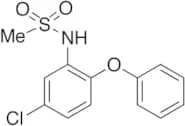

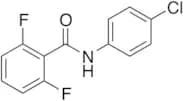
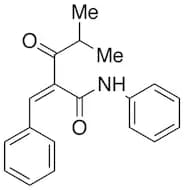
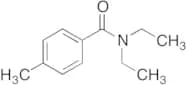
![N-[4-Cyano-3-(trifluoromethyl)phenyl]-2-hydroxy-5-nitrobenzamide](/_next/image/?url=https%3A%2Fstatic.cymitquimica.com%2Fproducts%2FTR%2Fthumb-webp%2FC982240.webp&w=3840&q=75)
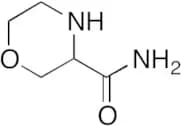
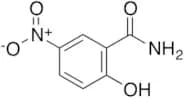
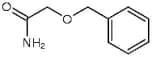
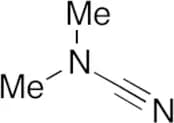
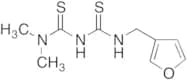
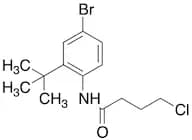
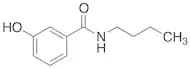
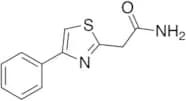
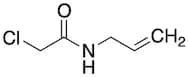
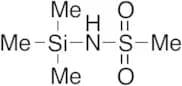
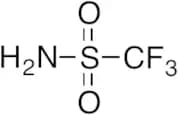
![N-[4-Bromo-3,5-(bistrifluoromethyl)phenyl]-2-hydroxy-5-nitrobenzamide](/_next/image/?url=https%3A%2Fstatic.cymitquimica.com%2Fproducts%2FTR%2Fthumb-webp%2FB680360.webp&w=3840&q=75)
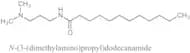
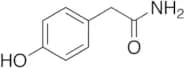
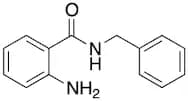
![N-(2-((2-((2-Aminoethyl)amino)ethyl)amino)ethyl]benzamide](/_next/image/?url=https%3A%2Fstatic.cymitquimica.com%2Fproducts%2FTR%2Fthumb-webp%2FA607975.webp&w=3840&q=75)
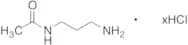
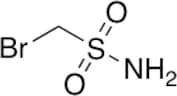
![N-{2-[(4-Hydroxyphenyl)sulfanyl]ethyl}acetamide](/_next/image/?url=https%3A%2Fstatic.cymitquimica.com%2Fproducts%2FTR%2Fthumb-webp%2FC103133.webp&w=3840&q=75)


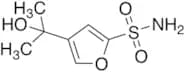
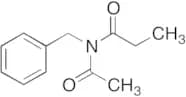

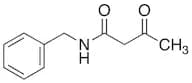
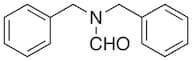
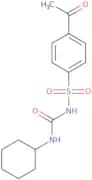


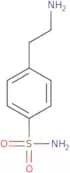
![(9Z)-N-[(3-Methoxyphenyl)methyl]-9-octadecenamide](/_next/image/?url=https%3A%2Fstatic.cymitquimica.com%2Fproducts%2F3D%2Fthumb-webp%2FFN165022.webp&w=3840&q=75)
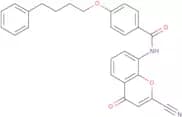
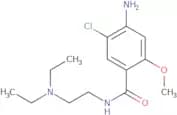
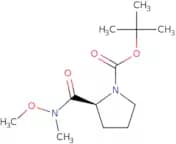
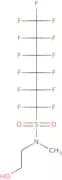

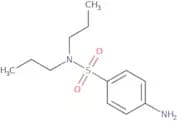
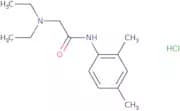


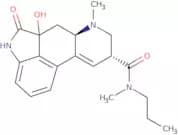
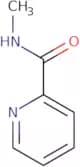

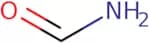
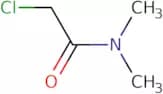
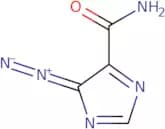

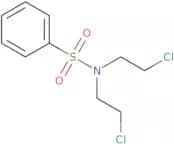
![[4-(4-Aminophenoxy)(2-pyridyl)]-N-methylcarboxamide](/_next/image/?url=https%3A%2Fstatic.cymitquimica.com%2Fproducts%2F3D%2Fthumb-webp%2FFA17813.webp&w=3840&q=75)
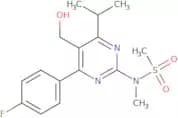
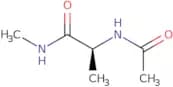
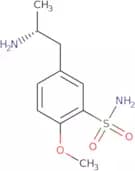

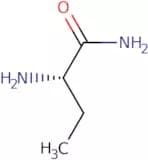
![5[(R)-(2-Aminopropyl)]-2-methoxybenzenesulfonamide hydrochloride](/_next/image/?url=https%3A%2Fstatic.cymitquimica.com%2Fproducts%2F3D%2Fthumb-webp%2FFA17834.webp&w=3840&q=75)
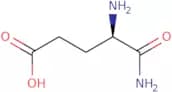

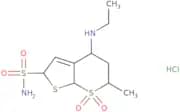
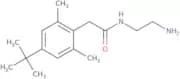
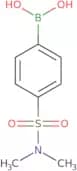
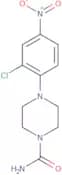
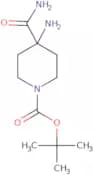
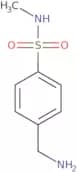

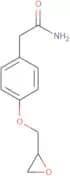
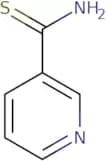
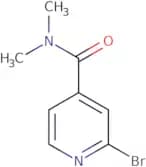
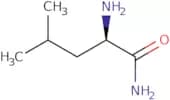
![2-[(Diphenylmethyl)sulfinyl]-N-hydroxyacetamide](/_next/image/?url=https%3A%2Fstatic.cymitquimica.com%2Fproducts%2F3D%2Fthumb-webp%2FW-104904.webp&w=3840&q=75)
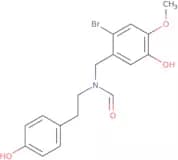
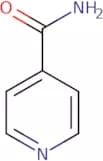
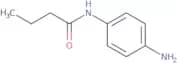
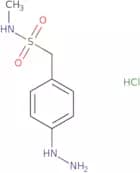
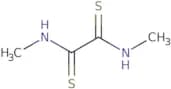
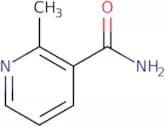
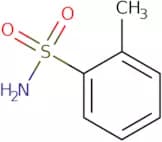
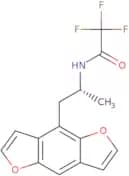

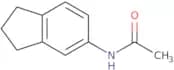
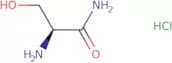
![N-Methyl-2-[[3-[(1e)-2-(2-pyridinyl)ethenyl]-1-(tetrahydro-2H-pyran-2-yl)-1H-indazol-6-yl]thio]ben…](/_next/image/?url=https%3A%2Fstatic.cymitquimica.com%2Fproducts%2F3D%2Fthumb-webp%2FFM151517.webp&w=3840&q=75)
![N-[4-(1-Allyl-3-butyl-2,6-dioxo-2,3,6,7-tetrahydro-1H-purin-8-ylmethyl)phenyl]acetamide](/_next/image/?url=https%3A%2Fstatic.cymitquimica.com%2Fproducts%2F3D%2Fthumb-webp%2FFA17305.webp&w=3840&q=75)
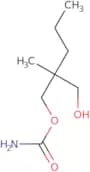
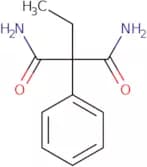
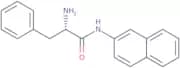
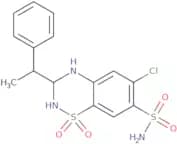
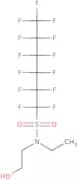
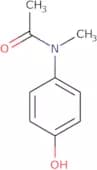
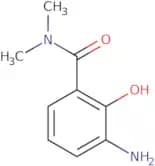
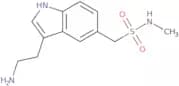
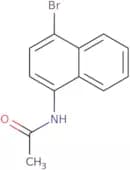

![N-(4-Chloro-5-iodo-7H-pyrrolo[2,3-d]pyrimidin-2-yl)pivalamide](/_next/image/?url=https%3A%2Fstatic.cymitquimica.com%2Fproducts%2F3D%2Fthumb-webp%2FFC138201.webp&w=3840&q=75)
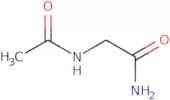

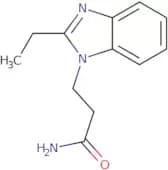

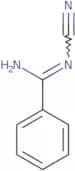
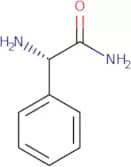
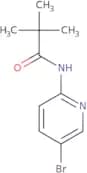
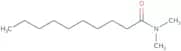
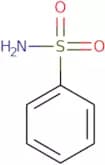
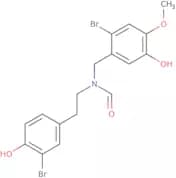

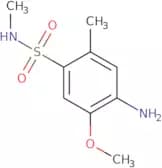
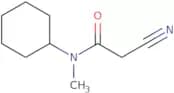
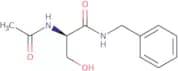
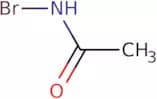
![N-[4-Amino-3-(trifluoromethyl)phenyl]-2-methylpropanamide](/_next/image/?url=https%3A%2Fstatic.cymitquimica.com%2Fproducts%2F3D%2Fthumb-webp%2FFA17485.webp&w=3840&q=75)
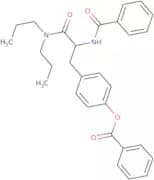
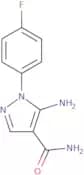
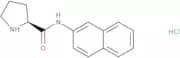
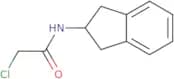
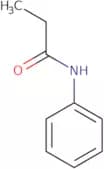
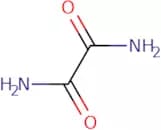
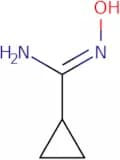
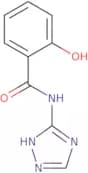

![(NZ)-4-chloro-N-[1-[2-(4-nitrophenyl)ethyl]piperidin-2-ylidene]benzenesulfonamide](/_next/image/?url=https%3A%2Fstatic.cymitquimica.com%2Fproducts%2F3D%2Fthumb-webp%2FFN154024.webp&w=3840&q=75)
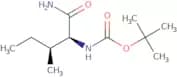
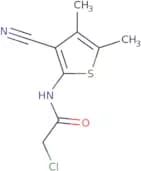
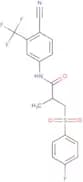
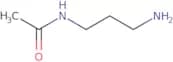

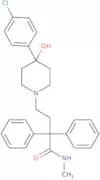
![N-[2-[4-(Aminosulfonyl)-phenyl]-ethyl]-5-methyl-2-pyrazinecarboxamide](/_next/image/?url=https%3A%2Fstatic.cymitquimica.com%2Fproducts%2F3D%2Fthumb-webp%2FFA150607.webp&w=3840&q=75)
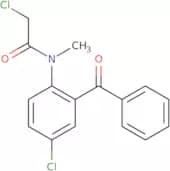
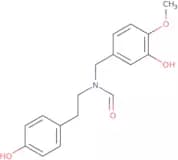
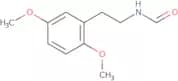
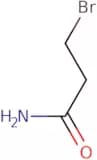
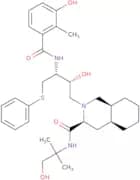

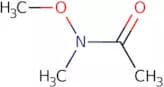
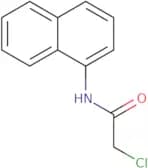
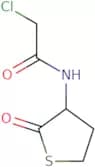
![N-[(1S)-1-(Aminocarbonyl)propyl]-4-chlorobutanamide](/_next/image/?url=https%3A%2Fstatic.cymitquimica.com%2Fproducts%2F3D%2Fthumb-webp%2FFA171302.webp&w=3840&q=75)

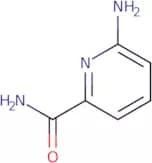



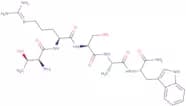
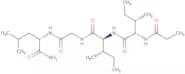
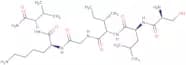
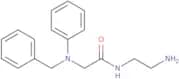
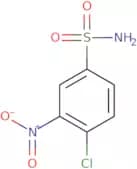


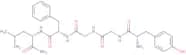


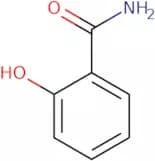

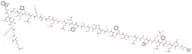
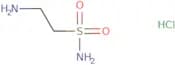

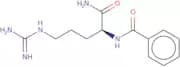
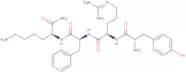
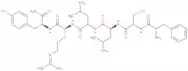
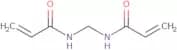


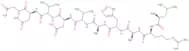
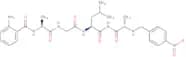

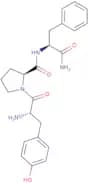
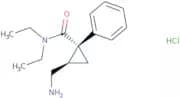
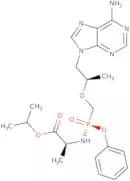
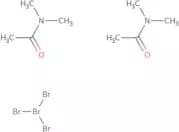
![2-Chloro-N-[2-(diethylamino)ethyl]-4-quinolinecarboxamide](/_next/image/?url=https%3A%2Fstatic.cymitquimica.com%2Fproducts%2F3D%2Fthumb-webp%2FFC20289.webp&w=3840&q=75)
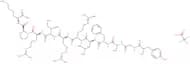

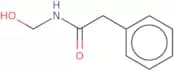
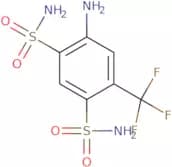
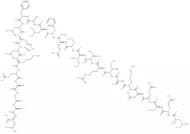
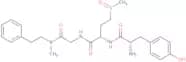
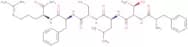

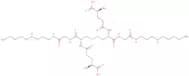
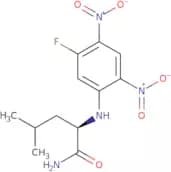
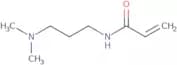
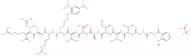
![2-[(4-Chloro-2-nitrophenyl)azo]-N-(2-methoxyphenyl)-3-oxobutanamide](/_next/image/?url=https%3A%2Fstatic.cymitquimica.com%2Fproducts%2F3D%2Fthumb-webp%2FFC149929.webp&w=3840&q=75)