Carboxylic Acids
Carboxylic acids are organic molecules characterized by having a carboxyl-type functional group (-COOH). These acids are fundamental in various chemical reactions, including esterification, amidation, and decarboxylation. Carboxylic acids are widely used in the production of pharmaceuticals, polymers, and agrochemicals. In this section, you can find a large number of carboxylic acids ready to be used. At CymitQuimica, we provide a broad range of high-quality carboxylic acids to support your research and industrial applications.
Found 12453 products of "Carboxylic Acids"
Sort by
Purity (%)
0
100
|
0
|
50
|
90
|
95
|
100
Ethyl 4,4-Difluoroacetoacetate
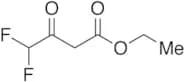
CAS:Controlled Product<p>Applications Ethyl 4,4-Difluoroacetoacetate is an intermediate used for the synthesis of pharmaceuticals such as potassium channel activators and β-alanine derived GABA-T antagonists.<br>References Qi, J.L., et al.: Euro. J. Medn. Chem., 46, 934 (2011); Schirlin, D., et al.: J. Enzymes. Inhibition., 1, 243 (1987);<br></p>Formula:C6H8F2O3Color and Shape:NeatMolecular weight:166.12Ethoxyacetic Acid
CAS:<p>Applications Ethoxyacetic acid<br></p>Formula:C4H8O3Color and Shape:NeatMolecular weight:104.111,2-Diaminopropane-N,N,N',N'-tetraacetic Acid
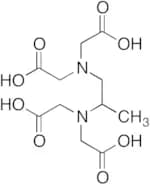
CAS:Controlled Product<p>Applications 1,2-Diaminopropane-N,N,N',N'-tetraacetic Acid is an aminopolycarboxylic acids found at ultra-trace levels in water; Also, it is used in the construction of Eu3+ ion-selective membrane electrode as suitable ionophore.<br>References Nette, D., et al.: Anal. Chim. Acta, 884, 124-132 (2015); Abedi, M. R., et al.: E-J. Chem., 8, S467-S473 (2011)<br></p>Formula:C11H18N2O8Color and Shape:NeatMolecular weight:306.276-Bromohexanoic Acid
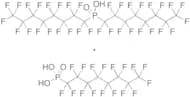
CAS:Controlled Product<p>Applications 6-Bromohexanoic Acid is useful for the preparation of anti-CTLA4 compounds as antitumor agents.<br> Not a dangerous good if item is equal to or less than 1g/ml and there is less than 100g/ml in the package<br>References Rosen, D. B., et al.: PCT Int. Appl. (2020), WO 2020254617 A1<br></p>Formula:C6H11BrO2Color and Shape:NeatMolecular weight:195.05Bis(heptadecafluorooctyl)phosphinic Acid (Heptadecafluorooctyl)phosphonic Acid mixture 1:1 molar
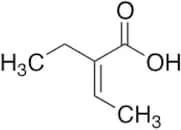
CAS:Controlled ProductFormula:C16HF34O2P•C8H2F17O3PColor and Shape:NeatMolecular weight:902.10 + 500.052-Ethylbut-2-enoic acid
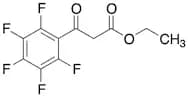
CAS:Controlled ProductFormula:C6H10O2Color and Shape:NeatMolecular weight:114.142Ethyl (Pentafluorobenzoyl)acetate
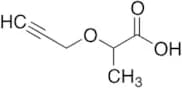
CAS:Controlled Product<p>Applications Ethyl (pentafluorobenzoyl)acetate (cas# 3516-87-8) is a useful research chemical.<br></p>Formula:C11H7O3F5Color and Shape:ColourlessMolecular weight:282.162-(prop-2-ynyloxy)propanoic acid
CAS:Controlled Product<p>Applications 2-(prop-2-ynyloxy)propanoic acid (cas# 134126-59-3) is a useful research chemical.<br></p>Formula:C6H8O3Color and Shape:NeatMolecular weight:128.132,5-Bishydroxymethyl Tetrahydrofuran Diacetate
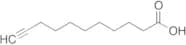
CAS:Controlled ProductFormula:C10H16O5Color and Shape:NeatMolecular weight:216.2310-Undecynoic Acid
CAS:Controlled Product<p>Applications 10-Undecynoic Acid is a fatty acid used in the synthesis of copolyesters.<br>References Beyazkilic, Z. et al.: Polym., 79, 290 (2015);<br></p>Formula:C11H18O2Color and Shape:NeatMolecular weight:182.266-Aminohexanoic Acid Hydrochloride
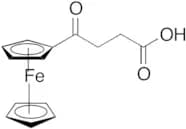
CAS:<p>Applications Used in the preparatiom of esters of 6-aminohexanoic acid as antibacterial agents. EACA is reported to inhibit chymotrypsin, Factor VIIa, lysine carbo xy peptidase, plasmin, and plasminogen activator.<br>References Dolezal, P., et al.: Pharm. Res., 10, 1015 (1993), Vavrova, K., et al.: Curr. Med. Chem., 12, 2273 (2005), Holas, T., et al.: Bioorg. Med. Chem., 14, 7671 (2006),<br></p>Formula:C6H13NO2·HClColor and Shape:Off White SolidMolecular weight:167.6343-Ferrocenoylpropionic Acid
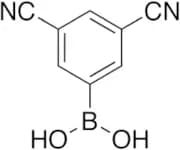
CAS:Controlled Product<p>Applications 3-FERROCENOYLPROPIONIC ACID (cas# 1291-72-1) is a useful research chemical.<br></p>Formula:C14H14FeO3Color and Shape:NeatMolecular weight:286.13,5-Dicyanophenylboronic Acid
CAS:Controlled ProductFormula:C8H5BN2O2Color and Shape:NeatMolecular weight:171.9485-(3-Benzyloxyphenyl)nicotinic acid
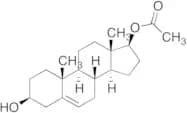
CAS:Controlled Product<p>Applications 5-(3-Benzyloxyphenyl)nicotinic acid<br></p>Formula:C19H15NO3Color and Shape:NeatMolecular weight:305.33Androstenediol 17-Acetate
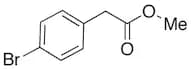
CAS:Controlled Product<p>Applications Androstenediol 17-Acetate is used in synthetic preparation for direct organocatalytic stereoselective transfer hydrogenation of conjugated olefins of steroids. Androstenediol 17-Acetate is also obtained from Dehydro Epiandrosterone (D229585) which is a major secretory steroidal product of the adrenal gland; secretion progresively declines with aging. May have estrogen-or androgen-like effects depending on the hormonal milieu. Intracellularly converted to androstenedione. It is used in treatment of menopausal syndrome.<br>References Ebeling, P., et al.: Lancet, 343, 1479 (1994); Morales, A.J., et al.: J. Clin. Endocrinol. Metab., 78, 1360 (1994); Ramachary, D.B., et al.: RSC Advances, 3, 13497-13506 (2013); Yahara, M., et al.: J. Toxicol. Sci., 2, 161 (1977);<br></p>Formula:C21H32O3Color and Shape:NeatMolecular weight:332.477Methyl 4-Bromophenylacetate
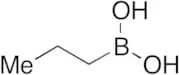
CAS:Controlled Product<p>Applications Methyl 4-Bromophenylacetate (cas# 41841-16-1) is a compound useful in organic synthesis.<br></p>Formula:C9H9BrO2Color and Shape:NeatMolecular weight:229.07N-Propylboronic Acid
CAS:Controlled Product<p>Applications N-Propylboronic Acid is a chemical reagent used in the synthesis of pharmaceutical agents such as inhibitors of mTOR for use in anti-tumor treatments. Also used to synthesize endothelial lipase inhibitors<br>References Takeuchi, C. et al.: J. Med. Chem., 56, 2218 (2013); O'Connell, D. et al.: Bioorg. Med. Chem. Lett., 22, 1397 (2012);<br></p>Formula:C3H9BO2Color and Shape:NeatMolecular weight:87.912,2,5,5-Tetramethyl-4-thiazolidinecarboxylic Acid
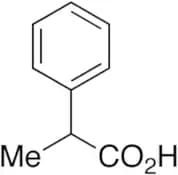
CAS:Controlled ProductFormula:C8H15NO2SColor and Shape:NeatMolecular weight:189.275(±)-2-Phenylpropanoic Acid
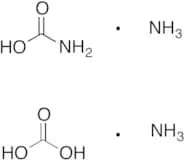
CAS:<p>Applications Used in the preparation of ibuprofen derivatives for their anti-inflammatory activity. Also used in nucleation inhibitors in Dutch resolution of diastereomers.<br>References Leeman, M. et al.: Angew. Chem. Int. Ed., 47, 1287 (2008); Eur. J. Med. Chem., 45, 3564 (2010);<br></p>Formula:C9H10O2Color and Shape:Light Yellow LiquidMolecular weight:150.17Ammonium Carbonate Carbamate
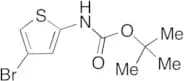
CAS:Controlled Product<p>Applications Ammonium Carbonate Carbamate is used in the study of amino acids and has important implications in biochemical studies.<br>References Nanping, W. et al.: J. Phys. Chem., 99, 359 (1995);<br></p>Formula:C2H11N3O5Color and Shape:NeatMolecular weight:157.13N-(4-Bromo-2-thienyl)-carbamic Acid 1,1-Dimethylethyl Ester
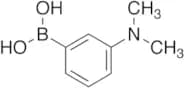
CAS:Controlled Product<p>Applications N-(4-bromo-2-thienyl)-carbamic Acid 1,1-Dimethylethyl Ester, is an intermediate for the synthesis of bicyclic inhibitors of ROCK protein kinsae.<br>References Hahmann, C. et al.: Cell. Mol. Life Sci., 67, 171 (2010);<br></p>Formula:C9H12BrNO2SColor and Shape:NeatMolecular weight:278.1663-(N,N-Dimethylamino)phenylboronic Acid
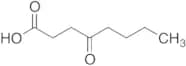
CAS:Controlled Product<p>Applications 3-(N,N-Dimethylamino)phenylboronic Acid (cas# 178752-79-9) is a compound useful in organic synthesis.<br> Not a dangerous good if item is equal to or less than 1g/ml and there is less than 100g/ml in the package<br></p>Formula:C8H12BNO2Color and Shape:NeatMolecular weight:165.004-Oxooctanoic Acid
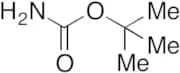
CAS:Controlled Product<p>Applications 4-Oxooctanoic Acid is one of mid-chain oxocarboxylic acids detected in Antarctic aerosols and possible precursors to the production of low molecular weight diacids such as succinic acid.Also, it is derived from 4-Octanolide (O239723), which is one of the fine organic aerosol emitted from meat cooking operations that was examined by high-resolution gas chromatography.<br>References Nishikiori, M., et al.: Chikyu Kagaku, 30, 27-34 (1996); Rogge, W., et al.: Environ. Sci. Technol., 25, 1112 (1992)<br></p>Formula:C8H14O3Color and Shape:NeatMolecular weight:158.195tert-Butyl Carbamate
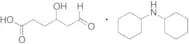
CAS:<p>Applications tert-Butyl carbamate is used to prepare N-Boc-protected anilines. It is also used in the synthesis of tetrasubstituted pyrroles, functionalized with ester or ketone groups at C-3 position.<br>References Bhagwanth, S., et al.: J. Org. Chem., 74, 4634 (2009); Cadierno, V., et al.: J. Heterocycl. Chem., 47, 233 (2010)<br></p>Formula:C5H11NO2Color and Shape:NeatMolecular weight:117.154-Hydroxy-6-oxohexanoic Acid Dicyclohexylamine Salt
CAS:Controlled ProductFormula:C12H23N·C6H10O4Color and Shape:NeatMolecular weight:327.4593-Hydroxythiophene-2-carboxylic Acid
CAS:Controlled ProductFormula:C5H4O3SColor and Shape:NeatMolecular weight:144.1494-(tert-Butyl)benzenesulfonic Acid
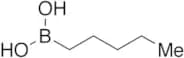
CAS:Controlled ProductFormula:C10H14O3SColor and Shape:NeatMolecular weight:214.281Pentylboronic Acid
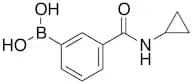
CAS:Controlled Product<p>Applications N-Pentylboronic Acid is used in the synthesis of (-)-Δ8-THC and (-)-Δ9-THC. Also it aids in the synthesis of boronic acid inhibitors of endothelial lipase.<br>References O'Connell, D. et al.: Bioorg. Med. Chem. Lett., 22, 1397 (2012); Cheng, L. et al.: Org. Lett., 15, 764 (2013);<br></p>Formula:C5H13BO2Color and Shape:NeatMolecular weight:115.973-(Cyclopropylcarbamoyl)phenylboronic Acid (>90%)
CAS:Controlled Product<p>Applications 3-(Cyclopropylaminocarbonyl)phenylboronic acid<br></p>Formula:C10H12BNO3Purity:>90%Color and Shape:NeatMolecular weight:205.024-(Cyclopropylcarbonyl)-α,α-dimethylbenzeneacetic Acid
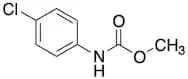
CAS:Controlled Product<p>Applications 4-(Cyclopropylcarbonyl)-α,α-dimethylbenzeneacetic Acid is used for the preparation of Terfenadine ((T114500) analogs.<br>References Uchida., et al.: Chem. Pharm. Bull., 37, 958 (1989),<br></p>Formula:C14H16O3Color and Shape:NeatMolecular weight:232.27methyl n-(4-chlorophenyl)carbamate
CAS:Controlled ProductFormula:C8H8ClNO2Color and Shape:NeatMolecular weight:185.608Trimethyl α-(Acetamido)phosphonoacetate
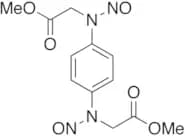
CAS:Controlled Product<p>Applications Methyl 2-Acetamido-2-(Dimethoxyphosphoryl)Acetate (cas# 89524-99-2) is a useful research chemical.<br></p>Formula:C7H14NO6PColor and Shape:NeatMolecular weight:239.16N,N-Dinitroso-p-phenylenediamine-N,N-diacetic Acid Dimethyl Ester
CAS:Controlled Product<p>Applications A caged, photolabile Nitric Oxide donor that is useful for delivering nitric oxide into intracellular compartments in microsecond time scale without any cytotoxic effects.<br>References Namiki, S., et al.: Bioorg. Med. Chem., 7, 1695 (1999),<br></p>Formula:C12H14N4O6Color and Shape:Off-WhiteMolecular weight:310.266-[(34-Amino-8,13,22,27-tetraoxo-7,14,21,28-tetraazatetratriacont-1-yl)amino]-6-oxo-hexanoic Acid
CAS:Controlled ProductFormula:C36H68N6O7Color and Shape:NeatMolecular weight:696.9612-Cyclohexylideneacetic Acid
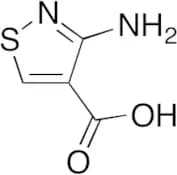
CAS:Controlled Product<p>Applications 2-Cyclohexylideneacetic acid (cas# 1552-91-6) is a useful research chemical.<br></p>Formula:C8H12O2Color and Shape:NeatMolecular weight:140.183-Amino-4-isothiazolecarboxylic Acid
CAS:Controlled ProductFormula:C4H4N2O2SColor and Shape:NeatMolecular weight:144.1522-Hydroxy-5-(phenylethynyl)benzoic Acid (90%)
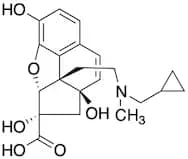
CAS:Controlled Product<p>Applications 2-Hydroxy-5-(phenylethynyl)benzoic Acid has antiinflammatory activity.<br>References Shen, T.-Y., et al.: U.S. (1972), US 3657430 A<br></p>Formula:C15H10O3Purity:90%Color and Shape:NeatMolecular weight:238.23(2S,2aR,2aS,8aR)-2a-(2-((Cyclopropylmethyl)(methyl)amino)ethyl)-2,4,8a-trihydroxy-2,2a,8a-tetrahydro-1H-indeno[1,7,6-bcd]benzo-2-carboxylic Acid
Controlled Product<p>Applications (2S,2aR,2aS,8aR)-2a-(2-((Cyclopropylmethyl)(methyl)amino)ethyl)-2,4,8a-trihydroxy-2,2a,8a-tetrahydro-1H-indeno[1,7,6-bcd]benzo-2-carboxylic Acid is an intermediate used in the synthesis of (4R,4aS,6S,6aR,11bS)-6-Carboxy-3-(cyclopropylmethyl)-1,2,3,4,4a,5,6,6a-octahydro-4a,6,8-trihydroxy-3-methyl-4,11-methanobenzofuro[3',2':2,3]cyclopenta[1,2-c]pyridinium, Inner Salt (C176953), which is an impurity/degradation of N-methyl Naltrexone (M320350), a metabolite of Naltrexone (N285750).<br>References Wall, M., et al.: Drug Metab. Dispos., 12, 677 (1984), Jones, D., et al.: .: Bioorg. Med. Chem., 13, 6727 ( 2005), Chen, T., et al.: Drugs Future, 32, 771 (2007); Chem. and Eng. News p.4 Jan. 23, (2017)<br></p>Formula:C21H25NO6Color and Shape:NeatMolecular weight:387.4263'-Acetoxyacetanilide
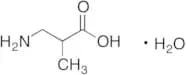
CAS:Controlled Product<p>Applications 3-Acetamidophenyl acetate<br></p>Formula:C10H11NO3Color and Shape:NeatMolecular weight:193.2DL-3-Aminoisobutyric Acid Hydrate
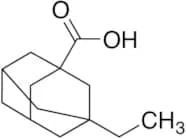
CAS:Controlled Product<p>Applications DL-3-aminoisobutyric acid hydrate is a useful research chemical for organic synthesis and other chemical processes.<br>References Saito, N., et al.: Bunseki Kagaku, 63, 909 (2014)<br></p>Formula:C4H9NO2·H2OColor and Shape:NeatMolecular weight:103.12 + (18.02)3-ethyladamantane-1-carboxylic Acid
CAS:Controlled Product<p>Applications 3-ethyladamantane-1-carboxylic acid (cas# 37845-05-9) is a useful research chemical.<br></p>Formula:C13H20O2Color and Shape:NeatMolecular weight:208.3(1-Aminoethyl)phosphonic Acid
CAS:Controlled ProductFormula:C2H8NO3PColor and Shape:NeatMolecular weight:125.064Methyl 2-Aminothioazole-4-carboxylate
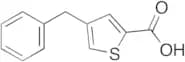
CAS:Controlled Product<p>Applications Methyl 2-Aminothioazole-4-carboxylate (cas# 118452-04-3) is a compound useful in organic synthesis.<br></p>Formula:C5H6N2O2SColor and Shape:NeatMolecular weight:158.184-Benzyl- 2-thiophenecarboxylic Acid
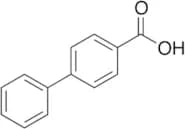
CAS:Controlled ProductFormula:C12H10O2SColor and Shape:NeatMolecular weight:218.2724-Biphenylcarboxylic Acid
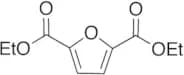
CAS:Controlled Product<p>Applications 4-Biphenylcarboxylic acid (cas# 92-92-2) is a useful research chemical.<br></p>Formula:C13H10O2Color and Shape:NeatMolecular weight:198.222,5-Furandicarboxylic Acid Diethyl Ester
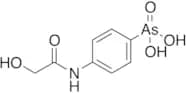
CAS:Controlled Product<p>Applications 2,5-Furandicarboxylic Acid Diethyl Ester (cas# 53662-83-2) is a compound useful in organic synthesis.<br></p>Formula:C10H12O5Color and Shape:NeatMolecular weight:212.20Astryl
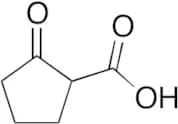
CAS:Controlled Product<p>Applications [4-(2-hydroxyacetamido)phenyl]arsonic acid (cas# 144-87-6) is a useful research chemical.<br> Not a dangerous good if item is equal to or less than 1g/ml and there is less than 100g/ml in the package<br></p>Formula:C8H10NO5AsColor and Shape:NeatMolecular weight:275.092-Oxocyclopentanecarboxylic Acid
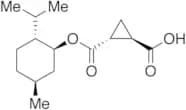
CAS:Controlled Product<p>Stability Temperature Sensitive<br>Applications 2-Oxocyclopentanecarboxylic Acid is a reactant that has been used in the synthesis of Piragliatin, a glucokinase activator.<br>References Sarabu, R., et. al.: J. Med. Chem., 55, 7021 (2012)<br></p>Formula:C6H8O3Color and Shape:NeatMolecular weight:128.13(1S,2S)-Cyclopropane-1,2-dicarboxylic Acid Monomenthyl Ester
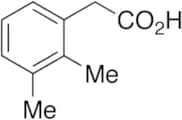
CAS:Controlled ProductFormula:C15H24O4Color and Shape:NeatMolecular weight:268.3492,3-Dimethylphenylacetic Acid
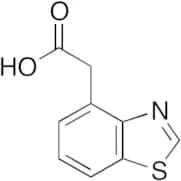
CAS:Controlled Product<p>Applications 2,3-Dimethylphenylacetic Acid (cas# 30981-98-7) is a compound useful in organic synthesis.<br></p>Formula:C10H12O2Color and Shape:NeatMolecular weight:164.24-Benzothiazoleacetic Acid
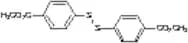
CAS:Controlled ProductFormula:C9H7NO2SColor and Shape:NeatMolecular weight:193.2224,4'-Dithiobisbenzoic Acid Dimethyl Ester
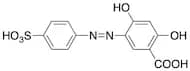
CAS:Controlled Product<p>Applications 4,4'-Dithiobisbenzoic Acid Dimethyl Ester (cas# 35190-68-2) is a compound useful in organic synthesis.<br></p>Formula:C16H14O4S2Color and Shape:NeatMolecular weight:334.412,4-Dihydroxy-5-((4-sulfophenyl)diazenyl)benzoic Acid
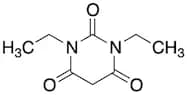
Controlled Product<p>Applications 2,4-Dihydroxy-5-((4-sulfophenyl)diazenyl)benzoic Acid is an intermediate in the synthesis of Acid Orange 24 (A189835), which is used in trickling biofilters for wastewater treatment. Acid Orange 24 is used in suncare compositions. It also serves as a raw material for cosmetics. Mutagenicity test for dye compositions in cosmetics.<br>References Garzon-Zuniga, M. A., et al.: Water Environ. Res., 83, 107 (2011); Anon.: IP.com Journal, 11, 5 (2011); Muzzall, J. M., et al.: Mutat. Res., Genet. Toxicol. Testing, 67, 1 (1979)<br></p>Formula:C13H10N2O7SColor and Shape:NeatMolecular weight:338.2931,3-Diethylbarbituric Acid
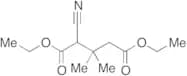
CAS:Controlled Product<p>Applications 1,3-Diethylbarbituric Acid can be used as reactant/reagent in green preparation of spiropyran derivatives via three-component cyclization of indantrione with active methylene compounds and cyclic diketones in the presence of compact fluorescent lamp.<br>References Rai, P., et al.: ChemistrySelect, 1, 4450 (2016)<br></p>Formula:C8H12N2O3Color and Shape:NeatMolecular weight:184.1922-Cyano-3,3-dimethyl-pentanedioic Acid 1,5-Diethyl Ester
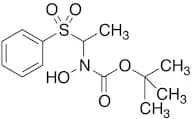
CAS:Controlled ProductFormula:C12H19NO4Color and Shape:NeatMolecular weight:146.141Hydroxy 1-(Phenylsulfonyl)ethylcarbamic acid 1,1-Dimethylethyl Ester
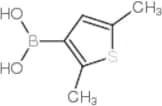
CAS:Controlled ProductFormula:C13H19NO5SColor and Shape:NeatMolecular weight:301.3592,5-Dimethylthiophene-3-boronic Acid
CAS:Controlled Product<p>Applications 2,5-Dimethylthiophene-3-boronic acid<br></p>Formula:C6H9BO2SColor and Shape:NeatMolecular weight:156.01(2S,3R)-3-Benzamido-2-hydroxy-3-phenylpropanoic Acid
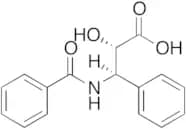
CAS:Controlled ProductFormula:C16H15NO4Color and Shape:NeatMolecular weight:285.2953-(3-Hydroxyphenyl)acrylic Acid
CAS:Controlled Product<p>Stability Light Sensitive<br>Applications 3-(3-Hydroxyphenyl)acrylic acid (cas# 588-30-7) is a useful research chemical.<br></p>Formula:C9H8O3Color and Shape:NeatMolecular weight:164.16exo-2,3-Norbornanedicarboxylic Acid Monoamide
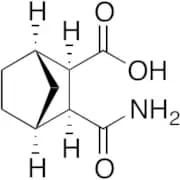
CAS:Controlled Product<p>Applications exo-2,3-Norbornanedicarboxylic Acid Monoamide is an impurity in the synthesis of Lurasidone (L474920) an antipsychotic used for treatment of schizophrenia.<br>References Ishiyama, T., et al.: Eur. J. Pharmacol., 572, 160 (2007), Cole, P., et al.: Drugs of the Fut., 33, 316 (2008),<br></p>Formula:C9H13NO3Color and Shape:NeatMolecular weight:183.24-[[2-(2-Amino-4,5-dihydro-4-oxo-5-thiazolyl)acetyl]amino]benzeneacetic Acid
CAS:Controlled ProductFormula:C13H13N3O4SColor and Shape:NeatMolecular weight:223.311(R)-3-(Benzyloxy)-2-hydroxypropanoic Acid
CAS:Controlled ProductFormula:C10H12O4Color and Shape:NeatMolecular weight:196.23-Cyclohexylbutanoic Acid
CAS:Controlled Product<p>Applications 3-Cyclohexylbutanoic Acid (cas# 4361-38-0) is a useful reagent for the preparation of oxoheterocyclylalkyl hydroxypiperidinylketones as USP19 inhibitors for treating diseases.<br>References Hewitt, P., et al.: PCT Int. Appl. (2018), WO 2018020242 A1<br></p>Formula:C10H18O2Color and Shape:NeatMolecular weight:170.25Ethyl (3aR,5R,7R,7aS)-Hexahydro-5,7-dihydroxy-2,2-dimethyl-1,3-benzodioxole-5-carboxylic Acid Ester
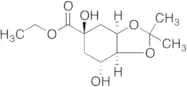
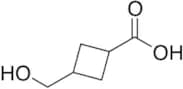
CAS:Controlled ProductFormula:C12H20O6Color and Shape:NeatMolecular weight:260.2843-(Hydroxymethyl)cyclobutanecarboxylic Acid
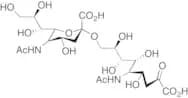
CAS:Controlled ProductFormula:C6H10O3Color and Shape:NeatMolecular weight:130.142N-Acetyl-9-O-(N-acetyl-β-neuraminosyl)-neuraminic Acid
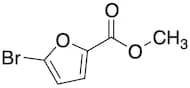
CAS:Controlled ProductFormula:C22H36N2O17Color and Shape:NeatMolecular weight:600.524Methyl 5-bromofuran-2-carboxylate
CAS:Controlled Product<p>Applications Methyl 5-bromofuran-2-carboxylate<br></p>Formula:C6H5BrO3Color and Shape:NeatMolecular weight:205.0062-((tert-Butoxycarbonyl)amino)spiro[3.3]heptane-2-carboxylic Acid
CAS:Controlled ProductFormula:C13H21NO4Color and Shape:NeatMolecular weight:255.31[1-(2-Methoxyethyl)-1H-indol-3-yl]acetic acid
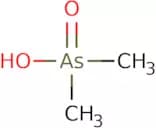
CAS:Controlled Product<p>Please enquire for more information about [1-(2-Methoxyethyl)-1H-indol-3-yl]acetic acid including the price, delivery time and more detailed product information at the technical inquiry form on this page</p>Formula:C13H15NO3Purity:Min. 95%Molecular weight:233.26 g/molCacodylic acid
CAS:<p>Cacodylic acid is a white to brown crystalline powder that is soluble in water. It has been used as an analytical reagent, polymerase chain reaction (PCR) inhibitor, and skin cancer treatment. Cacodylic acid inhibits the activity of the bacterial enzyme activities in humans and other mammals. The mechanism of action of cacodylic acid is not completely understood but it appears that it binds to inorganic iron and blocks its availability for use by bacterial enzymes such as dihydropteroate synthase, which is required for DNA synthesis. This leads to cell death. Cacodylic acid has also been shown to inhibit the growth of human HL-60 cells in vitro, suggesting that it may have carcinogenic potential.</p>Formula:C2H7AsO2Purity:Min. 95%Color and Shape:PowderMolecular weight:138 g/mol1-Boc-4-aminopiperidine-4-carboxylic acid
CAS:<p>Please enquire for more information about 1-Boc-4-aminopiperidine-4-carboxylic acid including the price, delivery time and more detailed product information at the technical inquiry form on this page</p>Formula:C11H20N2O4Purity:Min. 95%Color and Shape:White To Beige SolidMolecular weight:244.29 g/molD-Lactic acid lithium
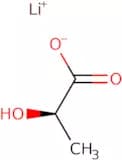
CAS:<p>D(+)-Lactic acid lithium salt is a dipolar molecule with an activation energy of about 44 kJ/mol. It has been studied by NMR techniques and found to have a resonance in the range of 1.8-2.0 ppm, which is characteristic of protons on the oxygen atom. The proton magnetic resonance (PMR) study showed that the d-lactate resonances were very broad and shifted to higher frequencies, whereas the l-lactate resonances were sharp and shifted to lower frequencies. This may be due to the different number of protons on each type of lactate molecule. The magnetic resonance (NMR) study showed that lithium salt was a radical with a spin density distribution around 2.6 ppm in the nmr spectrum.</p>Formula:C3H6O3•LiPurity:Min. 95%Color and Shape:PowderMolecular weight:97.02 g/mol8-Ethyl-1,3,4,9-tetrahydro-1-(1-methylethyl)pyrano[3,4-b]indole-1-acetic acid
CAS:<p>Please enquire for more information about 8-Ethyl-1,3,4,9-tetrahydro-1-(1-methylethyl)pyrano[3,4-b]indole-1-acetic acid including the price, delivery time and more detailed product information at the technical inquiry form on this page</p>Formula:C18H23NO3Purity:Min. 95%Color and Shape:SolidMolecular weight:301.38 g/molFmoc-4-hydrazinobenzoic acid
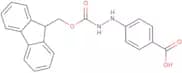
CAS:<p>Please enquire for more information about Fmoc-4-hydrazinobenzoic acid including the price, delivery time and more detailed product information at the technical inquiry form on this page</p>Formula:C22H18N2O4Purity:Min. 95%Molecular weight:374.39 g/molBoc-L-aspartic acid a-9-fluorenylmethyl ester
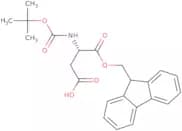
CAS:<p>Boc-L-aspartic acid a-9-fluorenylmethyl ester is a synthetic compound that mimics the structure of acetylcholine. It has been shown to be an efficient method for generating pseudopeptides and cyclic peptides. This compound may be used as a surrogate for acetylcholine in virus research, since it can bind to the same receptor. Boc-L-aspartic acid a-9-fluorenylmethyl ester has also been used to generate monoclonal antibodies that are neutralizing against foot-and-mouth disease viruses.</p>Formula:C23H25NO6Purity:Min. 97 Area-%Molecular weight:411.45 g/mol2-(Bromomethyl)acrylic acid
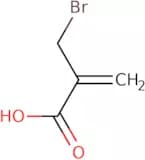
CAS:<p>2-(Bromomethyl)acrylic acid is a monomer that has been synthesized from bromoacetic acid and acrylic acid. It is an efficient method for the synthesis of 2-bromoethyl acrylate, which can be used as a precursor for polyurethanes and other polymers. The 2-bromoethyl acrylate can be obtained through allylation with ethylene glycol, followed by hydrolysis to produce acrylic acid. This monomer reacts with free hydroxyl groups to form esters and ethers. It also reacts with nitrogen atoms to form amides or nitriles. Cell culture studies have shown that this compound has no toxic effects on human erythrocytes or hepatocytes.</p>Formula:C4H5BrO2Purity:Min. 95%Color and Shape:PowderMolecular weight:164.99 g/molMethyl 4-chloroacetoacetate
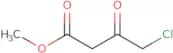
CAS:<p>Methyl 4-chloroacetoacetate is a neutral compound that reacts with hydrochloric acid to produce a salt, chloromethyl acetate. The reaction solution is then heated to evaporate the water and produce an organic solution. This reaction produces a molecular model of the compound, which has potent antibacterial activity against gram-positive and gram-negative bacteria.</p>Formula:C5H7ClO3Purity:Min. 95%Color and Shape:Clear LiquidMolecular weight:150.56 g/mol2-Bromo-5,6-dihydro-8h-imidazo[1,2-a]pyrazine-7-carboxylic acid tert-butyl ester
CAS:<p>Please enquire for more information about 2-Bromo-5,6-dihydro-8h-imidazo[1,2-a]pyrazine-7-carboxylic acid tert-butyl ester including the price, delivery time and more detailed product information at the technical inquiry form on this page</p>Formula:C11H16BrN3O2Purity:Min. 95%Molecular weight:302.17 g/molMethyl 2-pyridylacetate
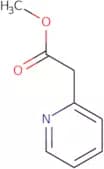
CAS:<p>Methyl 2-pyridylacetate is a reactive compound that can be used as a reagent for trifluoromethylthiolation of terminal alkynes. This compound has been shown to react with anilines and form isomers, including the acid form. The reaction rate of the methyl 2-pyridylacetate with pyridine compounds is slow, but it reacts quickly with thionyl chloride and hydrochloric acid. Methyl 2-pyridylacetate also reacts with nucleophiles such as methyl anthranilate to form the corresponding quinolizine derivatives.</p>Formula:C8H9NO2Purity:Min. 95%Molecular weight:151.16 g/molHydantoin-5-acetic acid
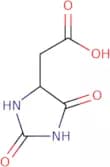
CAS:<p>Hydantoin-5-acetic acid is a molecule that has been studied for its potential use in the stabilization of polymers and plastics. It has shown antibacterial activity against certain bacterial strains including Escherichia coli and Staphylococcus aureus. The molecule has the ability to coordinate with metal ions such as copper, zinc, and iron. The protonation state of the molecule is dependent on the pH of the environment. Hydantoin-5-acetic acid can exist in two tautomeric forms: hydantoin or 5-hydantoin. Hydantoin-5-acetic acid can be used to determine the concentration of hydrogen in proteins through chromatographic methods. This molecule also has Langmuir adsorption isotherm properties, which give it potential for use in supramolecular structures.</p>Formula:C5H6N2O4Purity:Min. 95%Molecular weight:158.11 g/mol2,5-Pyridinedicarboxylic acid
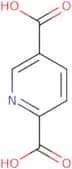
CAS:<p>2,5-Pyridinedicarboxylic acid is a white crystalline solid that is soluble in water and alcohol. It has been shown to be an effective catalyst for the oxidation of hydrocarbons. 2,5-Pyridinedicarboxylic acid also binds with metal hydroxides and forms hydrogen bonding interactions. This compound may be used as a catalyst in the production of nitric acid from ammonia, or in the manufacture of picolinic acid. 2,5-Pyridinedicarboxylic acid has a pK value of 7.4 and an optimum pH of 7. 2,5-Pyridinedicarboxylic acid can also react with sodium salts to form a n-oxide that coordinates with nitrogen atoms to give coordination geometry in which each atom is bonded to four other atoms (e.g., square planar). The molecular formula for this compound is C6H4N2O</p>Formula:C7H5NO4Purity:Min. 95%Molecular weight:167.12 g/mol6-(Methoxycarbonyl)spiro[3.3]heptane-2-carboxylic acid
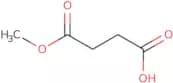
CAS:<p>Please enquire for more information about 6-(Methoxycarbonyl)spiro[3.3]heptane-2-carboxylic acid including the price, delivery time and more detailed product information at the technical inquiry form on this page</p>Formula:C10H14O4Purity:Min. 95%Molecular weight:198.22 g/mol4-Methoxy-4-oxobutanoic acid
CAS:<p>Succinic acid monomethyl ester (SAMME) is an antimicrobial agent that inhibits the enzyme activities of succinate dehydrogenase, producing mitochondrial membrane depolarization and neuronal death. SAMME has been shown to be effective in treating syncytial virus infection and solid tumours, although it has not been studied in depth. The biological sample used for this study was water vapor, which is a substrate molecule for the enzyme succinic acid semialdehyde dehydrogenase (SASD). This enzyme converts SAMME to succinic acid, which can then inhibit phosphofructokinase-1 or pyruvate kinase, leading to cellular necrosis.</p>Formula:C5H8O4Purity:Min. 95%Molecular weight:132.11 g/mol4-(4-Hydroxyphenoxy)benzoic acid
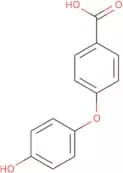
CAS:<p>4-(4-Hydroxyphenoxy)benzoic acid is a molecule that can be used to treat hypercholesterolemia. It is metabolized in the body to butyric acid, which has been shown to have an anti-inflammatory effect on the bladder and may reduce water permeability of the bladder. 4-(4-Hydroxyphenoxy)benzoic acid can also be used as a choline precursor for acetylcholine synthesis and may have osmotic properties.</p>Formula:C13H10O4Purity:Min. 95%Molecular weight:230.22 g/molHyodeoxycholic acid sodium salt
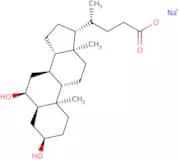
CAS:Controlled Product<p>Hyodeoxycholic acid sodium salt is a nonsteroidal anti-inflammatory drug that belongs to the class of hyodeoxycholic acids. It is an inhibitor of the enzyme activities that are involved in the synthesis of prostaglandins from arachidonic acid. Hyodeoxycholic acid sodium salt has been shown to inhibit the activity of enzymes such as cyclooxygenase, lipoxygenase, and 5-lipoxigenase. This inhibition leads to decreased production of inflammatory prostaglandins, which are responsible for inflammation and pain. Hyodeoxycholic acid sodium salt also has neurotrophic effects that may be due to its ability to stimulate NGF synthesis by neurons in vitro.</p>Formula:C24H39NaO4Purity:Min. 95%Molecular weight:414.55 g/mol4-bromo-2,5-difluorobenzoic Acid
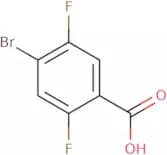
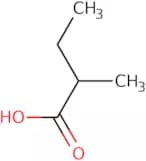
CAS:<p>4-Bromo-2,5-difluorobenzoic acid is a potent inhibitor of isoforms CYP2C9 and CYP2D6. It is an acidic drug with a pKa of 3.8, which makes it ionizable in biological fluids. 4-Bromo-2,5-difluorobenzoic acid inhibits the activity of CYP2C9 and CYP2D6 by binding to the pharmacophore region of these enzymes. 4-Bromo-2,5-difluorobenzoic acid also has an isosteric functionality that increases its selectivity for CYP2C9 and CYP2D6 over other cytochrome P450 isoforms. The functional groups on 4-bromo-2,5-difluorobenzoic acid are part of the inhibitor's nature that make it selective for these two cytochrome</p>Formula:C7H3BrF2O2Purity:Min. 95%Molecular weight:237 g/mol2-Methyl butyric acid
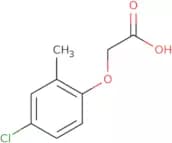
CAS:<p>2-Methyl butyric acid is a fatty acid that is produced by the fungus Monascus purpureus. 2-Methyl butyric acid has been shown to inhibit the activity of a number of enzymes in gland cells, including proteases, lipases, and amylases. This effect may be due to its ability to inhibit lipid peroxidation. Further research into the metabolic profiles of 2-methyl butyric acid has shown that it inhibits the activity of enzymes involved in fatty acid synthesis and metabolism, such as tiglic acid synthase and ketoacyl CoA reductase. It also shows some potential as a solid catalyst for kinetic studies.</p>Formula:C5H10O2Purity:Min. 95%Color and Shape:Clear LiquidMolecular weight:102.13 g/mol2-Methyl-4-chlorophenoxyacetic acid
CAS:<p>2-Methyl-4-chlorophenoxyacetic acid is a sodium salt of 2-methyl-4-chlorophenoxyacetic acid. It is a herbicide that inhibits photosynthesis by disrupting the electron transport chain in chloroplasts. The hydroxyl group on the phenoxy ring is responsible for its herbicidal activity. 2-Methyl-4-chlorophenoxyacetic acid has been shown to cause significant cell death in tissue culture, which may be due to its ability to inhibit enzymes such as acetylcholinesterase, phosphodiesterase, and carboxypeptidase A2. This chemical also has carcinogenic potential, but no toxicological studies have been conducted in humans or animals.</p>Formula:C9H9ClO3Purity:Min. 95%Molecular weight:200.62 g/mol3-Methyl-2-oxo-2,3-dihydro-1H-benzo[d]imidazole-4-carboxylic acid
CAS:<p>Please enquire for more information about 3-Methyl-2-oxo-2,3-dihydro-1H-benzo[d]imidazole-4-carboxylic acid including the price, delivery time and more detailed product information at the technical inquiry form on this page</p>Formula:C9H8N2O3Purity:Min. 95%Molecular weight:192.17 g/molDiethyl 1-[2-(1H-indol-3-yl)ethyl]-2,5-dimethyl-1H-pyrrole-3,4-dicarboxylate
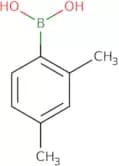
CAS:Controlled Product<p>Please enquire for more information about Diethyl 1-[2-(1H-indol-3-yl)ethyl]-2,5-dimethyl-1H-pyrrole-3,4-dicarboxylate including the price, delivery time and more detailed product information at the technical inquiry form on this page</p>Formula:C22H26N2O4Purity:Min. 95%Molecular weight:382.45 g/mol(2,4-Dimethylphenyl)boronic acid
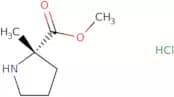
CAS:<p>(2,4-Dimethylphenyl)boronic acid is an arylboronic acid that is used in organic synthesis. The boron atom of the 2,4-dimethylphenyl group coordinates with the metal atom in the catalyst to form a stable complex. This allows for a multilayer reaction and fluorescence to occur. The activated fluorine atoms can be used to boost the reaction by adding them to the substrate and increasing the rate of oxidation. Astragalus membranaceus and rapeseed extracts have been shown to increase the rate of oxidation as well as inhibiting the formation of disaccharides. These extracts also have shown anti-inflammatory effects when tested on rats. (2,4-Dimethylphenyl)boronic acid has also been found to interact with dihydroisoquinolines, which are compounds that are structurally similar to morphine and codeine.</p>Formula:C8H11BO2Purity:Min. 95%Molecular weight:149.98 g/molMethyl (2S)-2-methylpyrrolidine-2-carboxylate hydrochloride
CAS:<p>Please enquire for more information about Methyl (2S)-2-methylpyrrolidine-2-carboxylate hydrochloride including the price, delivery time and more detailed product information at the technical inquiry form on this page</p>Formula:C7H13NO2•HClPurity:Min. 95%Molecular weight:179.64 g/moltert-Butyl 4,7-diazaspiro[2.5]octane-7-carboxylate
CAS:<p>Please enquire for more information about tert-Butyl 4,7-diazaspiro[2.5]octane-7-carboxylate including the price, delivery time and more detailed product information at the technical inquiry form on this page</p>Purity:Min. 95%Aluminum diacetate hydroxide
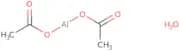
CAS:<p>Aluminum diacetate hydroxide is a white powder that is soluble in water. It is used as a laser ablation material and can be used to seal chemical reactions. Aluminum diacetate hydroxide also functions as a gas sensor, with its sensitivity to aromatic hydrocarbons and fatty acids. This compound has clinical use in detergent compositions, where it prevents the formation of foam.</p>Formula:C4H7AlO5Purity:Min. 28%Color and Shape:PowderMolecular weight:162.08 g/molb-Glycerophosphoric acid disodium salt tetrahydrate
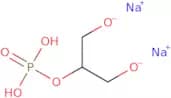
CAS:<p>Glycerolipid metabolism component</p>Formula:C3H7O6P·2Na·4H2OPurity:Min. 95%Molecular weight:288.1 g/molrac-cis despropionyl mefentanyl N-trifluoroacetate
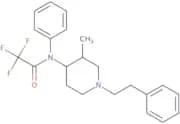
CAS:Controlled Product<p>Please enquire for more information about rac-cis despropionyl mefentanyl N-trifluoroacetate including the price, delivery time and more detailed product information at the technical inquiry form on this page</p>Formula:C22H25F3N2OPurity:Min. 95%Molecular weight:390.44 g/mol1-tert-Butyl 3-methyl pyrrolidine-1,3-dicarboxylate
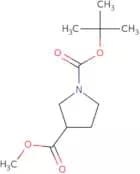
CAS:<p>Please enquire for more information about 1-tert-Butyl 3-methyl pyrrolidine-1,3-dicarboxylate including the price, delivery time and more detailed product information at the technical inquiry form on this page</p>Formula:C11H19NO4Purity:Min. 95%Molecular weight:229.27 g/molBoc-tranexamic acid
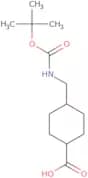
CAS:<p>Tranexamic acid is a non-protein amino acid that is used to reduce the risk of blood loss in surgical procedures. It is an inhibitor of plasmin, which is an enzyme that breaks down clots and fibrin. Tranexamic acid binds to the active site of plasmin and blocks its activity, preventing the breakdown of fibrin clots. Tranexamic acid has been shown to be selective for plasmin, as other enzymes such as urokinase are not blocked by this drug. The picolyl group on tranexamic acid interacts with the benzyl group on plasmin and this interaction may be responsible for the selectivity of tranexamic acid for plasmin over other enzymes.</p>Purity:Min. 95%Lys-Bradykinin acetate salt
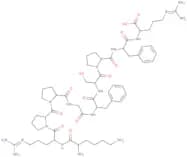
CAS:<p>Lys-Bradykinin is a peptide that is a member of the group of kinins. It has been shown to be effective at inhibiting the activity of kallikrein, which is an enzyme that converts kininogen to bradykinin. This inhibition lowers the levels of bradykinin in the blood and may be used as a diagnostic tool for identifying diseases such as congestive heart failure, pulmonary edema, and acute renal failure. Lys-Bradykinin can also be used as a model system for studying kinins and their biological effects on various systems. For example, it has been shown to have natriuretic properties in humans by increasing levels of erythropoietin and ANP.</p>Formula:C56H85N17O12Purity:Min. 95%Molecular weight:1,188.38 g/mol










![6-[(34-Amino-8,13,22,27-tetraoxo-7,14,21,28-tetraazatetratriacont-1-yl)amino]-6-oxo-hexanoic Acid](/_next/image/?url=https%3A%2Fstatic.cymitquimica.com%2Fproducts%2FTR%2Fthumb-webp%2FA610110.webp&w=3840&q=75)




![4-[[2-(2-Amino-4,5-dihydro-4-oxo-5-thiazolyl)acetyl]amino]benzeneacetic Acid](/_next/image/?url=https%3A%2Fstatic.cymitquimica.com%2Fproducts%2FTR%2Fthumb-webp%2FA629388.webp&w=3840&q=75)


![2-((tert-Butoxycarbonyl)amino)spiro[3.3]heptane-2-carboxylic Acid](/_next/image/?url=https%3A%2Fstatic.cymitquimica.com%2Fproducts%2FTR%2Fthumb-webp%2FT162431.webp&w=3840&q=75)
![[1-(2-Methoxyethyl)-1H-indol-3-yl]acetic acid](/_next/image/?url=https%3A%2Fstatic.cymitquimica.com%2Fproducts%2F3D%2Fthumb-webp%2FFM135744.webp&w=3840&q=75)


![8-Ethyl-1,3,4,9-tetrahydro-1-(1-methylethyl)pyrano[3,4-b]indole-1-acetic acid](/_next/image/?url=https%3A%2Fstatic.cymitquimica.com%2Fproducts%2F3D%2Fthumb-webp%2FFE160504.webp&w=3840&q=75)
![2-Bromo-5,6-dihydro-8h-imidazo[1,2-a]pyrazine-7-carboxylic acid tert-butyl ester](/_next/image/?url=https%3A%2Fstatic.cymitquimica.com%2Fproducts%2F3D%2Fthumb-webp%2FFB163714.webp&w=3840&q=75)
![6-(Methoxycarbonyl)spiro[3.3]heptane-2-carboxylic acid](/_next/image/?url=https%3A%2Fstatic.cymitquimica.com%2Fproducts%2F3D%2Fthumb-webp%2FFM161396.webp&w=3840&q=75)
![3-Methyl-2-oxo-2,3-dihydro-1H-benzo[d]imidazole-4-carboxylic acid](/_next/image/?url=https%3A%2Fstatic.cymitquimica.com%2Fproducts%2F3D%2Fthumb-webp%2FFM143449.webp&w=3840&q=75)
![Diethyl 1-[2-(1H-indol-3-yl)ethyl]-2,5-dimethyl-1H-pyrrole-3,4-dicarboxylate](/_next/image/?url=https%3A%2Fstatic.cymitquimica.com%2Fproducts%2F3D%2Fthumb-webp%2FFD121816.webp&w=3840&q=75)
![tert-Butyl 4,7-diazaspiro[2.5]octane-7-carboxylate](/_next/image/?url=https%3A%2Fstatic.cymitquimica.com%2Fproducts%2F3D%2Fthumb-webp%2FFB141975.webp&w=3840&q=75)