Carboxylic Acids
Carboxylic acids are organic molecules characterized by having a carboxyl-type functional group (-COOH). These acids are fundamental in various chemical reactions, including esterification, amidation, and decarboxylation. Carboxylic acids are widely used in the production of pharmaceuticals, polymers, and agrochemicals. In this section, you can find a large number of carboxylic acids ready to be used. At CymitQuimica, we provide a broad range of high-quality carboxylic acids to support your research and industrial applications.
Found 12453 products of "Carboxylic Acids"
Sort by
Purity (%)
0
100
|
0
|
50
|
90
|
95
|
100
Bromoacetic acid-13C2
CAS:<p>Please enquire for more information about Bromoacetic acid-13C2 including the price, delivery time and more detailed product information at the technical inquiry form on this page</p>Formula:C2H3BrO2Purity:Min. 95%Color and Shape:PowderMolecular weight:140.95 g/molDelta-9(11)-Fluorometholone acetate
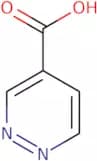
CAS:Controlled Product<p>Please enquire for more information about Delta-9(11)-Fluorometholone acetate including the price, delivery time and more detailed product information at the technical inquiry form on this page</p>Formula:C24H30O4Purity:Min. 95%Molecular weight:382.49 g/mol4-Pyridazinecarboxylic acid
CAS:<p>4-Pyridazinecarboxylic acid is a salt that contains sodium. It is a white crystalline solid that is soluble in water, ethanol, and acetone. It has been shown to be effective against Leishmania species and Cryptococcus neoformans. 4-Pyridazinecarboxylic acid inhibits the growth of these fungi by binding to their cell membrane and inhibiting protein synthesis. 4-Pyridazinecarboxylic acid forms coordination complexes with metal ions that are involved in electron transfer reactions during the oxidative phosphorylation process. This leads to a decrease in ATP production and an increase in reactive oxygen species (ROS), which disrupts the function of macrophages and other phagocytic cells, leading to immunosuppression.</p>Formula:C5H4N2O2Purity:Min. 95%Molecular weight:124.1 g/molGanoderic acid S
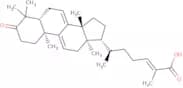
CAS:Controlled Product<p>Ganoderic acid S is a triterpenoid compound that has been shown to inhibit the growth of human cancer cells in vitro. It contains a carbonyl group and an hydroxyl group, which are reactive molecules that can form covalent bonds with proteins and other molecules. Ganoderic acid S also has anti-inflammatory properties and can inhibit the release of growth factors, such as monoclonal antibodies, from immune cells. In addition, it inhibits the production of mitochondrial enzymes, such as hydroxylases and oxidases, by binding to the heme moiety in their active site.<br>Ganoderic acid S is found in rhizoma gastrodiae (a type of mushroom), which has been used for centuries in traditional Chinese medicine to treat various conditions. The populations of mice given ganoderic acid S orally for three months showed increased life span and reduced tumor incidence.</p>Purity:Min. 95%4-Bromobenzenesulfonic acid
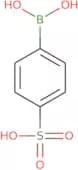
CAS:<p>4-Bromobenzenesulfonic acid is a chemical used in the synthesis of organic molecules. It is an intermediate in the production of cyclopropylboronic acid, which is used as a building block in various organic syntheses. 4-Bromobenzenesulfonic acid can be prepared by reacting pyridine with acetic anhydride and then adding sodium carbonate to remove water. This reaction produces a molecule with two acid groups that are nucleophilic and can react with carboxylic acids to form esters. The yield for this reaction is high and it does not require any special equipment or conditions. This chemical is also used as a linker for other compounds during synthesis reactions, such as diazonium salts or dioxane. 4-Bromobenzenesulfonic acid reacts with triethylphosphite to give disulfides, which are important for protein structure.</p>Formula:C6H7BO5SPurity:Min. 95%Molecular weight:201.99 g/molMedronic acid
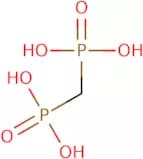
CAS:<p>Medronic acid is a drug that is used for the treatment of chronic bowel disease. Medronic acid is a prodrug, which is converted to its active form, meclofenamic acid, by esterases in the bowel. Medronic acid has been shown to inhibit the activity of 5-lipoxygenase and cyclooxygenase-2 enzymes, and thereby reduce inflammation. It also decreases the production of prostaglandins and leukotrienes in humans. Medronic acid has been shown to be an effective treatment for bone cancer with no significant side effects. Medronic acid has been shown to inhibit the activity of 5-lipoxygenase and cyclooxygenase-2 enzymes, and thereby reduce inflammation. It also decreases the production of prostaglandins and leukotrienes in humans. Medronic acid has been shown to be an effective treatment for bone cancer with no significant side effects.</p>Formula:CH6O6P2Purity:Min. 95%Color and Shape:White PowderMolecular weight:176 g/molEthyl 3-(difluoromethyl)-1H-pyrazole-5-carboxylate
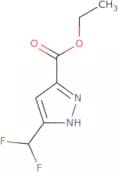
CAS:<p>Please enquire for more information about Ethyl 3-(difluoromethyl)-1H-pyrazole-5-carboxylate including the price, delivery time and more detailed product information at the technical inquiry form on this page</p>Formula:C7H8F2N2O2Purity:Min. 95%Color and Shape:PowderMolecular weight:190.15 g/molDiphenylsulfone-3,3'-disulfonic Acid Disodium Salt
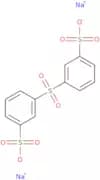
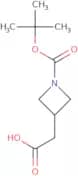
CAS:<p>Please enquire for more information about Diphenylsulfone-3,3'-disulfonic Acid Disodium Salt including the price, delivery time and more detailed product information at the technical inquiry form on this page</p>Purity:Min. 95%2-(1-(tert-Butoxycarbonyl)azetidin-3-yl)acetic acid
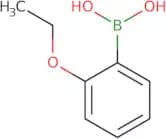
CAS:<p>Please enquire for more information about 2-(1-(tert-Butoxycarbonyl)azetidin-3-yl)acetic acid including the price, delivery time and more detailed product information at the technical inquiry form on this page</p>Formula:C10H17NO4Purity:Min. 95%Molecular weight:215.25 g/mol2-Ethoxyphenylboronic acid
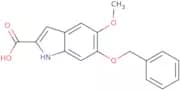
CAS:<p>Ethoxyphenylboronic acid is a triazine compound which inhibits inflammation by inhibiting the kinase that catalyzes the phosphorylation of arachidonic acid. It also inhibits lipid kinase, which is involved in the metabolism of lipids, and it has been shown to inhibit cancer cell growth through hydrogen bond interactions with DNA. Ethoxyphenylboronic acid has been shown to have anti-inflammatory properties and may be useful for the treatment of inflammatory diseases such as arthritis. The compound can also inhibit hydrogen peroxide-induced oxidative damage in cells, due to its ability to release intracellular glutathione.</p>Formula:C8H11BO3Purity:Min. 95%Molecular weight:165.98 g/mol6-Benzyloxy-5-methoxyindole-2-carboxylic acid
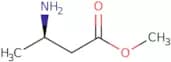
CAS:<p>Please enquire for more information about 6-Benzyloxy-5-methoxyindole-2-carboxylic acid including the price, delivery time and more detailed product information at the technical inquiry form on this page</p>Formula:C17H15NO4Purity:Min. 95%Molecular weight:297.31 g/mol(R)-3-Amino-butyric acid methyl ester
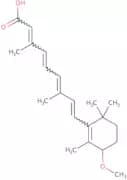
CAS:<p>Please enquire for more information about (R)-3-Amino-butyric acid methyl ester including the price, delivery time and more detailed product information at the technical inquiry form on this page</p>Formula:C5H11NO2Purity:Min. 95%Molecular weight:117.15 g/mol4-Methoxy retinoic acid
CAS:<p>Please enquire for more information about 4-Methoxy retinoic acid including the price, delivery time and more detailed product information at the technical inquiry form on this page</p>Formula:C21H30O3Purity:Min. 95%Molecular weight:330.46 g/molMethyl 4-(benzyloxy)-1-methyl-1H-indole-2-carboxylate
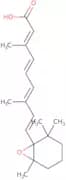
CAS:Controlled Product<p>Please enquire for more information about Methyl 4-(benzyloxy)-1-methyl-1H-indole-2-carboxylate including the price, delivery time and more detailed product information at the technical inquiry form on this page</p>Formula:C18H17NO3Purity:Min. 95%Molecular weight:295.33 g/molall-trans 5,6-Epoxy retinoic acid
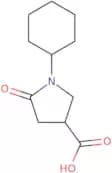
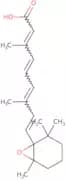
CAS:<p>5,6-Epoxy retinoic acid is a synthetic retinoid that has been shown to have biological properties in tissue culture and rat liver microsomes. It is an agonist of the retinoic acid receptor (RAR) and binds to DNA at the same site as all-trans retinoic acid. 5,6-Epoxyretinoic acid also has effects on gene expression in human serum and inhibits the proliferation of cancer cells by inducing apoptosis. The synthetic retinoid can be used as a novel chemotherapeutic agent for breast cancer or leukemia.</p>Formula:C20H28O3Purity:Min. 95 Area-%Color and Shape:Yellow PowderMolecular weight:316.43 g/mol1-Cyclohexyl-5-oxopyrrolidine-3-carboxylic acid
CAS:<p>Please enquire for more information about 1-Cyclohexyl-5-oxopyrrolidine-3-carboxylic acid including the price, delivery time and more detailed product information at the technical inquiry form on this page</p>Formula:C11H17NO3Purity:Min. 95%Molecular weight:211.26 g/mol7,7-Azo-3-a,12-a-dihydroxytaurocholanic acid sodium salt
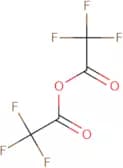
CAS:<p>Please enquire for more information about 7,7-Azo-3-a,12-a-dihydroxytaurocholanic acid sodium salt including the price, delivery time and more detailed product information at the technical inquiry form on this page</p>Formula:C26H42N3NaO6SPurity:Min. 95%Molecular weight:547.68 g/molTrifluoro acetic anhydride
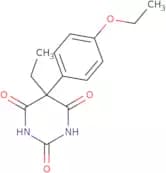
CAS:<p>Trifluoro acetic anhydride is a chemical compound that is used in the laboratory as a model system to study antimicrobial agents and the reaction mechanism of these compounds. It has been shown to have receptor activity against infectious diseases and enzyme activities against bacterial growth. Trifluoroacetic anhydride has also been shown to inhibit plasma mass spectrometry, which may be due to its ability to react with water vapor. The chemical inhibitor can be recovered and reused for other experiments.</p>Formula:C4F6O3Purity:Min. 95%Color and Shape:Colorless Clear LiquidMolecular weight:210.03 g/mol5-(4-Ethoxyphenyl)-5-ethylbarbituric acid
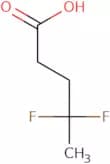
CAS:Controlled Product<p>Please enquire for more information about 5-(4-Ethoxyphenyl)-5-ethylbarbituric acid including the price, delivery time and more detailed product information at the technical inquiry form on this page</p>Formula:C14H16N2O4Purity:Min. 95%Molecular weight:276.29 g/mol4,4-Difluorpentanoic acid
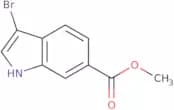
CAS:<p>4,4-Difluorpentanoic acid is an intermediate in the synthesis of amantadine hydrochloride. It is also used as a food additive to inhibit proteolytic enzymes and to produce alkyl esters. 4,4-Difluorpentanoic acid can be used as a competitive inhibitor of serine proteases and cysteine proteases. The compound binds reversibly to the active site of these enzymes and inhibits their activity by competing with the natural substrate for binding. This compound is often used in combination with other protease inhibitors such as phenylmethanesulfonyl fluoride or N-phenylmaleimide.</p>Formula:C5H8F2O2Purity:Min. 95%Molecular weight:138.11 g/molMethyl 3-bromoindole-6-carboxylate
CAS:<p>Please enquire for more information about Methyl 3-bromoindole-6-carboxylate including the price, delivery time and more detailed product information at the technical inquiry form on this page</p>Formula:C10H8BrNO2Purity:Min. 95%Molecular weight:254.08 g/molMethyl 1-aminocyclohexanecarboxylate hydrochloride
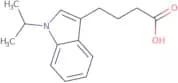
CAS:<p>Please enquire for more information about Methyl 1-aminocyclohexanecarboxylate hydrochloride including the price, delivery time and more detailed product information at the technical inquiry form on this page</p>Formula:C8H15NO2Purity:Min. 95%Molecular weight:157.21 g/mol4-(1-Isopropyl-1H-indol-3-yl)butanoic acid
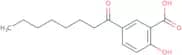
CAS:Controlled Product<p>Please enquire for more information about 4-(1-Isopropyl-1H-indol-3-yl)butanoic acid including the price, delivery time and more detailed product information at the technical inquiry form on this page</p>Formula:C15H19NO2Purity:Min. 95%Molecular weight:245.32 g/mol5-Octanoylsalicylic acid
CAS:<p>5-Octanoylsalicylic acid is an anti-inflammatory and antioxidant agent that has been shown to have skin-conditioning properties. It has been found to be effective in the treatment of skin diseases, such as erythema, scaling, and itching, due to its ability to inhibit tyrosinase activity. 5-Octanoylsalicylic acid has also been shown to increase cellular proliferation and lymphocyte transformation in vitro. This compound is a precursor of all-trans-retinoic acid (a form of vitamin A), which is used for the treatment of acne. 5-Octanoylsalicylic acid can be synthesized from methyl ethyl ketone and potassium dichromate by a Friedel-Crafts reaction. It is also found in fruits such as apples, bananas, peaches, and oranges. Animal studies have shown that chronic oral administration may lead to a decrease in dehydroascorbic acid levels and an increased risk</p>Formula:C15H20O4Purity:Min. 95%Molecular weight:264.32 g/molAG 1-X2 ion exchange resin 200-400 acetate
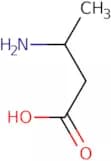
<p>AG 1-X2 ion exchange resin 200-400 acetate is a resin for strong anion exchange. Use this chloride-form resin for gravity or low-pressure chromatography.MW limit: ca 2700Wet density : ≤ 0.74 g/mL</p>Purity:Min. 95%Color and Shape:PowderDL-3-Aminobutyric acid
CAS:<p>DL-3-Aminobutyric acid is a natural compound that belongs to the group of amino acids. It is found in human immunoglobulin, enzymes, and proteins. DL-3-Aminobutyric acid has been shown to have an effect on iron homeostasis, signal pathways, and water permeability. It has also been shown to have anti-fungal activity in vitro and can be used as a model system for plant physiology.</p>Formula:C4H9NO2Purity:Min. 95%Molecular weight:103.12 g/mol1-[2-(5-Fluoro-1H-indol-3-yl)ethyl]-5-oxopyrrolidine-3-carboxylic acid
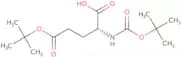
CAS:Controlled Product<p>Please enquire for more information about 1-[2-(5-Fluoro-1H-indol-3-yl)ethyl]-5-oxopyrrolidine-3-carboxylic acid including the price, delivery time and more detailed product information at the technical inquiry form on this page</p>Formula:C15H15FN2O3Purity:Min. 95%Molecular weight:290.29 g/molBoc-D-glutamic acid-gamma-tert-butyl ester
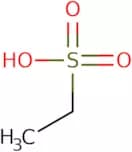
CAS:<p>Please enquire for more information about Boc-D-glutamic acid-gamma-tert-butyl ester including the price, delivery time and more detailed product information at the technical inquiry form on this page</p>Formula:C14H25NO6Purity:Min. 95%Molecular weight:303.35 g/molEthanesulfonic acid, 70% aqueous solution
CAS:<p>Ethanesulfonic acid solution - 70 wt. % in H2O is a monosodium salt that is used as an enzymatic reagent for the determination of bacteria and fungi, as well as for the detection of infectious diseases. It has been shown to be effective against microdialysis probes with a high degree of sensitivity and specificity. Ethanesulfonic acid solution - 70 wt. % in H2O has been shown to have significant physiological effects on various regions of the body, including bowel disease, polymerase chain reaction (PCR), glycol ethers, antimicrobial agents, and radiation. Ethanesulfonic acid solution - 70 wt. % in H2O also inhibits the growth of bacteria by acting as a coumarin derivative that reacts with nucleotides to form dinucleotide phosphate, which blocks DNA synthesis and transcription from RNA templates.</p>Formula:C2H6O3SPurity:(Titration) 68.0 To 72.0%Color and Shape:Clear LiquidMolecular weight:110.13 g/mol4-(1H-Pyrazol-1-yl)butanoic acid
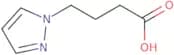
CAS:<p>Please enquire for more information about 4-(1H-Pyrazol-1-yl)butanoic acid including the price, delivery time and more detailed product information at the technical inquiry form on this page</p>Formula:C7H10N2O2Purity:Min. 95%Molecular weight:154.17 g/molMethyl3-iodothiophene-2-carboxylate
CAS:<p>Methyl3-iodothiophene-2-carboxylate is a chemical compound that is involved in the biosynthesis of eicosanoids. It can be synthesized by the cyclization of the corresponding lactam to produce an intermediate, which is then converted to methyl3-iodothiophene-2-carboxylate by hydrolysis or reduction. This compound has been shown to inhibit malaria parasites such as Plasmodium falciparum and Plasmodium vivax. Methyl3-iodothiophene-2-carboxylate also inhibits the growth of bacteria such as Staphylococcus aureus and Bacillus subtilis. The mechanism of action is believed to be due to its ability to inhibit protein synthesis by binding with ribosomes in prokaryotic cells.END></p>Formula:C6H5IO2SPurity:Min. 95%Molecular weight:268.07 g/molMethyl 4,5-dimethoxy-1-methyl-1H-indole-2-carboxylate
CAS:Controlled Product<p>Please enquire for more information about Methyl 4,5-dimethoxy-1-methyl-1H-indole-2-carboxylate including the price, delivery time and more detailed product information at the technical inquiry form on this page</p>Formula:C13H15NO4Purity:Min. 95%Molecular weight:249.26 g/mol(4-Aminophenyl)boronic acid pinacol ester
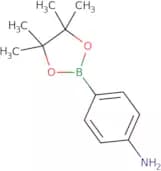
CAS:<p>(4-Aminophenyl)boronic acid pinacol ester is a semiconducting material that can be used in thin film devices. It has been shown to be a good candidate for transistor and device applications due to its high yield, low cost, and high stability. This compound can also be used to modify the structure of other compounds through substitution reactions. (4-Aminophenyl)boronic acid pinacol ester has been synthesized from inexpensive starting materials, such as triphenylamine and amines.</p>Formula:C12H18BNO2Purity:Min. 95%Color and Shape:White PowderMolecular weight:219.09 g/mol5,6-Epoxy-13-cis retinoic acid
CAS:<p>5,6-Epoxy-13-cis retinoic acid (5,6-ER) is the most active metabolite of all-trans-retinoic acid. 5,6-ER binds to the nuclear receptor and acts as a transcription factor. It has been shown to inhibit the growth of several cancer cell lines in vitro, including T47D cells. 5,6-ER also has antacid properties and can be used for the treatment of inflammatory bowel disease. 5,6-ER is found in low concentrations in plasma and tissues and accumulates in high concentrations in rat liver microsomes. The major metabolic pathway includes hydrolysis by trifluoroacetic acid which produces 5,6 epoxyretinoyl coenzyme A (5,6 epoxyretinoyl CoA). This compound is then converted to 5,6 epoxyretinol by an unknown mechanism.</p>Formula:C20H28O3Purity:Min. 95%Molecular weight:316.43 g/mol(6-Hydroxy-2-methyl-4-oxoquinazolin-3(4H)-yl)acetic acid
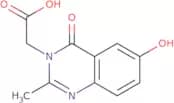
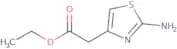
CAS:Controlled Product<p>Please enquire for more information about (6-Hydroxy-2-methyl-4-oxoquinazolin-3(4H)-yl)acetic acid including the price, delivery time and more detailed product information at the technical inquiry form on this page</p>Formula:C11H10N2O4Purity:Min. 95%Molecular weight:234.21 g/molEthyl 2-amino-4-thiazoleacetate
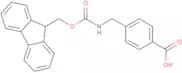
CAS:<p>Ethyl 2-amino-4-thiazoleacetate is a supramolecular molecule that has the potential to be an anticancer agent. It inhibits the growth of tumor cells by binding to tyrosinase and hydrogen-bonding with chloride ions in solution. Ethyl 2-amino-4-thiazoleacetate also binds to a metal ion, such as zinc, which is important for biological functions. When it binds to these metals, it inhibits the enzyme hepg2 cell, which is involved in the synthesis of protein from RNA. Inhibition of this enzyme leads to decreased production of cytokines, which are molecules that regulate immune responses. This drug also has inhibitory activities against oral cephalosporins when used in combination with other drugs.</p>Formula:C7H10N2O2SPurity:Min. 95%Molecular weight:186.23 g/molFmoc-(4-aminomethyl) benzoic acid
CAS:<p>Please enquire for more information about Fmoc-(4-aminomethyl) benzoic acid including the price, delivery time and more detailed product information at the technical inquiry form on this page</p>Formula:C23H19NO4Purity:Min. 95%Molecular weight:373.4 g/mol1-(4-Isopropylphenyl)-5-oxopyrrolidine-3-carboxylic acid
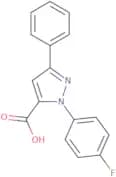
CAS:<p>Please enquire for more information about 1-(4-Isopropylphenyl)-5-oxopyrrolidine-3-carboxylic acid including the price, delivery time and more detailed product information at the technical inquiry form on this page</p>Formula:C14H17NO3Purity:Min. 95%Molecular weight:247.29 g/mol1-(4-Fluorophenyl)-3-phenyl-1H-pyrazole-5-carboxylic acid
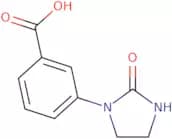
CAS:Controlled Product<p>Please enquire for more information about 1-(4-Fluorophenyl)-3-phenyl-1H-pyrazole-5-carboxylic acid including the price, delivery time and more detailed product information at the technical inquiry form on this page</p>Formula:C16H11FN2O2Purity:Min. 95%Color and Shape:PowderMolecular weight:282.27 g/mol3-(2-Oxo-imidazolidin-1-yl)benzoic acid
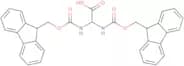
CAS:<p>Please enquire for more information about 3-(2-Oxo-imidazolidin-1-yl)benzoic acid including the price, delivery time and more detailed product information at the technical inquiry form on this page</p>Formula:C10H10N2O3Purity:Min. 95%Molecular weight:206.2 g/molN,N'-bis-Fmoc-diaminoacetic acid
CAS:<p>Please enquire for more information about N,N'-bis-Fmoc-diaminoacetic acid including the price, delivery time and more detailed product information at the technical inquiry form on this page</p>Formula:C32H26N2O6Purity:Min. 95%Molecular weight:534.56 g/molSpiro[2.3]hexane-1-carboxylic acid
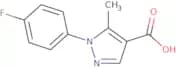
CAS:<p>Please enquire for more information about Spiro[2.3]hexane-1-carboxylic acid including the price, delivery time and more detailed product information at the technical inquiry form on this page</p>Formula:C7H10O2Purity:Min. 95%Molecular weight:126.15 g/mol1-(4-Fluorophenyl)-5-methyl-1H-pyrazole-4-carboxylic acid
CAS:<p>Please enquire for more information about 1-(4-Fluorophenyl)-5-methyl-1H-pyrazole-4-carboxylic acid including the price, delivery time and more detailed product information at the technical inquiry form on this page</p>Formula:C11H9FN2O2Purity:Min. 95%Molecular weight:220.2 g/molDL-Malic acid - food grade
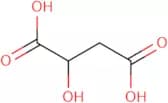
CAS:<p>DL-Malic acid is an organic acid that plays a role in the citric acid cycle. It is also used as an antimicrobial agent, and has been shown to be effective against fungi and bacteria. DL-Malic acid binds to the active site of complex enzymes involved in energy metabolism and has been shown to inhibit transcriptional regulation of numerous genes. DL-Malic acid has also shown to have a positive effect on metabolic disorders such as diabetes mellitus and hypoglycemia. DL-Malic acid may be synthesized with sodium salts or sodium citrate, depending on the desired end product. This compound can also be produced by laser ablation of malonic acid or by enzymatic oxidation of tartaric acid, which is a natural source of this chemical.</p>Formula:C4H6O5Purity:Min. 95%Molecular weight:134.09 g/mol3,5,7-Trimethyladamantane-1-carboxylic acid
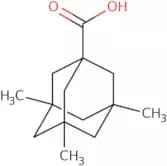
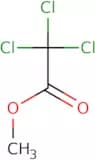
CAS:<p>Please enquire for more information about 3,5,7-Trimethyladamantane-1-carboxylic acid including the price, delivery time and more detailed product information at the technical inquiry form on this page</p>Formula:C14H22O2Purity:Min. 95%Molecular weight:222.32 g/molMethyl trichloroacetate
CAS:<p>Methyl trichloroacetate (MTCA) is a reactive chemical that is used as an intermediate in the synthesis of various organic compounds. It has been shown to react with nucleophiles, such as hydroxyl groups, to form a copper complex. MTCA has also been found to produce light emission when exposed to air and aryl halides. The synthesis of MTCA involves treating 1-chloro-2-propanol with hydrogen fluoride in the presence of an acid catalyst. The chemical can be detected by gas chromatography or liquid chromatography, but it is not readily available on the market.</p>Formula:C3H3Cl3O2Purity:Min. 95%Molecular weight:177.41 g/mol(-)-trans-1,2-Cyclohexanedicarboxylic Anhydride
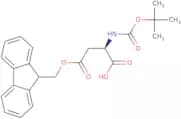
CAS:Controlled Product<p>(-)-trans-1,2-Cyclohexanedicarboxylic Anhydride is a macrocyclic molecule that can be used to synthesize glutaric anhydride. This compound is an analogue of the succinic anhydride and 1,2-cyclohexanedicarboxylic anhydride. (-)-trans-1,2-Cyclohexanedicarboxylic Anhydride has been shown to catalyze the hydrogenation of epoxides. It also has been shown to be a potential precursor for the synthesis of pyrrolizidine alkaloids.</p>Formula:C8H10O3Purity:Min. 95%Molecular weight:154.16 g/molBoc-D-aspartic acid β-9-fluorenylmethyl ester
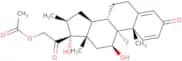
CAS:<p>Please enquire for more information about Boc-D-aspartic acid beta-9-fluorenylmethyl ester including the price, delivery time and more detailed product information at the technical inquiry form on this page</p>Formula:C23H25NO6Purity:Min. 95%Molecular weight:411.45 g/molBetamethasone 21-acetate
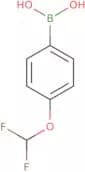
CAS:<p>Betamethasone 21-acetate is a potent corticosteroid that is effective in the treatment of inflammatory conditions, such as asthma and arthritis. It also helps to reduce the symptoms of inflammatory skin diseases, including atopic dermatitis, contact dermatitis, and psoriasis. Betamethasone 21-acetate is used to treat perinatal complications such as preterm labor and neonatal respiratory distress syndrome. This drug has been shown to have a low cardiac effect when administered at a low dose (1 mg/kg). The stability of betamethasone 21-acetate in blood samples is increased by adding benzalkonium chloride or trifluoroacetic acid. Betamethasone 21-acetate has been shown to be absorbed rapidly from the gastrointestinal tract and distributed widely throughout the body. It binds to plasma proteins and has a short elimination half-life of 1.5 hours.</p>Formula:C24H31FO6Purity:Min. 95%Color and Shape:PowderMolecular weight:434.5 g/mol4-(Difluoromethoxy)phenylboronic acid
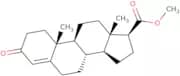
CAS:<p>Please enquire for more information about 4-(Difluoromethoxy)phenylboronic acid including the price, delivery time and more detailed product information at the technical inquiry form on this page</p>Formula:C7H7BF2O3Purity:Min. 95%Molecular weight:187.94 g/mol3-Keto-4-etiocholenic acid methylester
CAS:Controlled Product<p>3-Keto-4-etiocholenic acid methylester is a chemical that has been shown to have insecticidal properties. 3-Keto-4-etiocholenic acid methylester binds to odorant receptors on the antennae of insects and causes an excitatory response. It can be used as a potential environmental pollutant, as well as an insecticide or repellent. 3-Keto-4-etiocholenic acid methylester binds with high affinity to olfactory receptors in the antennae of insects and has been shown to cause excitation when it comes into contact with these receptors. This compound can be used for screening for new materials with similar odorant binding properties, for research purposes, and also as a biosensor for pollution detection. 3-Keto-4-etiocholenic acid methylester has been shown to react with various substances such as oxygen, nitric oxide, nitrous oxide, sulfur dioxide and</p>Formula:C21H30O3Purity:Min. 95%Molecular weight:330.46 g/mol3,6-Dichlorobenzo[b]thiophene-2-carboxylic acid
CAS:<p>3,6-Dichlorobenzo[b]thiophene-2-carboxylic acid is an extracellular metabolite that is involved in the metabolism of muscle. It is produced as a byproduct of the reaction catalyzed by dehydrogenase, which converts 3,6-dichlorobenzo[b]thiophene to 2-carboxybenzothiophene. This compound has been shown to inhibit the enzyme histidine carboxylate synthetase, which is involved in branched-chain amino acid synthesis. The enzyme can be inhibited by either a wild type or an analog of 3,6-dichlorobenzo[b]thiophene-2-carboxylic acid.</p>Formula:C9H4Cl2O2SPurity:Min. 95%Molecular weight:247.1 g/molTetrakis[N-phthaloyl-(S)-phenylalaninato]dirhodium Ethyl Acetate Adduct
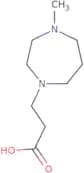
CAS:<p>Please enquire for more information about Tetrakis[N-phthaloyl-(S)-phenylalaninato]dirhodium Ethyl Acetate Adduct including the price, delivery time and more detailed product information at the technical inquiry form on this page</p>Formula:C68H48N4O16Rh2·C4H8O2Purity:Min. 95%Molecular weight:1,471.04 g/mol3-(4-Methyl-1,4-diazepan-1-yl)propanoic acid
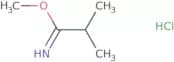
CAS:<p>Please enquire for more information about 3-(4-Methyl-1,4-diazepan-1-yl)propanoic acid including the price, delivery time and more detailed product information at the technical inquiry form on this page</p>Formula:C9H18N2O2Purity:Min. 95%Molecular weight:186.25 g/molMethyl 2-methylpropanimidic acid hydrochloride
CAS:<p>Methyl 2-methylpropanimidic acid hydrochloride is a neutralizing agent that can be used to react with water, acids, and bases. It has been shown to react with gaseous compounds at temperatures as high as 200°C. Methyl 2-methylpropanimidic acid hydrochloride is soluble in organic solvents such as alcohols, ethers, and acetone and can be used to prepare esters by reacting with the corresponding alcohol or phenol. In addition, it has been shown to interact with haloalkyl groups and oxazinones. This compound also has nod-like receptor binding properties that have been shown to play a role in mediating the transport of organic solutions into cells. A receptor protein that reacts with methyl 2-methylpropanimidic acid hydrochloride has been identified in some organisms. The stereostructure of this compound resembles that of triazines and other organometallic compounds.</p>Formula:C5H11NO·HClPurity:Min. 95%Molecular weight:137.61 g/molBoc-Gln-Arg-Arg-AMC acetate salt
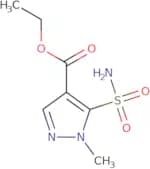
CAS:<p>Please enquire for more information about Boc-Gln-Arg-Arg-AMC acetate salt including the price, delivery time and more detailed product information at the technical inquiry form on this page</p>Formula:C32H49N11O8Purity:Min. 95%Molecular weight:715.8 g/molEthyl 1-methyl-5-sulfamoylpyrazole-4-carboxylate
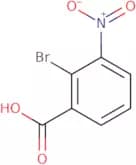
CAS:<p>Ethyl 1-methyl-5-sulfamoylpyrazole-4-carboxylate (EMS) is a fluorescent dye that is used as a reagent for identification of bacterial strains and in sequencing techniques. EMS reacts with dioxane, triazine, and alkylating agents to form yellow compounds. It can be synthesized from 5-aminopyrazole and ethyl chloroformate in basic ph buffers.</p>Purity:Min. 95%2-Bromo-3-nitrobenzoic acid
CAS:<p>2-Bromo-3-nitrobenzoic acid is a reactive chemical used as an antibacterial agent. It inhibits the growth of staphylococcus by inhibiting the synthesis of DNA and protein, which are required for cell division. 2-Bromo-3-nitrobenzoic acid is also effective against mammalian cells, but not against bacteria that grow in a thionyl environment. The chemical reacts with chloride to form 2-bromo-3-chlorobenzoic acid, which can be converted to mercaptoacetic acid by means of reduction with sodium dithionite. Mercaptoacetic acid inhibits bacterial growth by blocking the synthesis of proteins necessary for cell division. 2-Bromo-3-nitrobenzoic acid is synthesized from bromine and nitric acid, while mercaptoacetic acid is synthesized from bromine and acetic anhydride.</p>Formula:C7H4BrNO4Purity:Min. 95%Color and Shape:PowderMolecular weight:246.02 g/molL-Glutamic acid gamma-tert-butyl ester alpha-amide hydrochloride
CAS:<p>Please enquire for more information about L-Glutamic acid gamma-tert-butyl ester alpha-amide hydrochloride including the price, delivery time and more detailed product information at the technical inquiry form on this page</p>Formula:C9H18N2O3·HClPurity:Min. 95%Molecular weight:238.71 g/mol4,6-Diaminobenzene-1,3-dicarboxylic acid
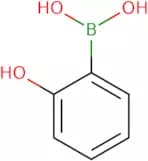
CAS:<p>4,6-Diaminobenzene-1,3-dicarboxylic acid is an inorganic copper compound that is used as a copper salt. It has been shown to be effective as a chelating agent for the treatment of copper toxicity. 4,6-Diaminobenzene-1,3-dicarboxylic acid binds to metal ions and forms a complex with them. This complex can then be excreted from the body through urine or bile.</p>Formula:C8H8N2O4Purity:Min. 95%Molecular weight:196.16 g/mol(2-Hydroxyphenyl)boronic acid
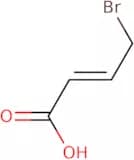
CAS:<p>(2-Hydroxyphenyl)boronic acid is an organic compound that contains a boronate ester group and a hydroxyl group. It is used in the synthesis of lysine-containing peptides, proteins, and other compounds. (2-Hydroxyphenyl)boronic acid is synthesized by cross-coupling reactions using palladium-catalyzed coupling reactions. The most common type of reaction is the Suzuki coupling reaction, which involves the addition of an aryl halide to an aryl or vinyl boronate ester. This reaction is carried out at elevated temperature in organic solvents such as tetrahydrofuran or dioxane. The yield for this reaction can be improved by using catalytic amounts of palladium acetate, which speeds up the rate at which the reaction occurs. The use of catalysts also decreases the need for high temperatures, making it possible to perform this process at</p>Formula:C6H7BO3Purity:Min. 95%Molecular weight:137.93 g/mol4-Bromocrotonic acid - min 98%
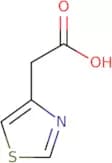
CAS:<p>4-Bromocrotonic acid is a 3-mercaptopropionic acid (3-MPA) derivative. It inhibits the enzyme carnitine acyltransferase, which is involved in the uptake of fatty acids into mitochondria and their subsequent β-oxidation. This leads to an accumulation of fatty acids in the cytosol, which can inhibit insulin-stimulated glucose uptake and protein synthesis. 4-Bromocrotonic acid also inhibits glut1, an amp-activated protein kinase enzyme that plays a key role in cellular metabolism, leading to irreversible inhibition. 4-Bromocrotonic acid is used for analytical purposes as it is a good substrate for mitochondrial enzymes.</p>Formula:C4H5BrO2Purity:Min. 98 Area-%Color and Shape:White PowderMolecular weight:164.99 g/mol1,3-Thiazol-4-ylacetic acid hydrochloride
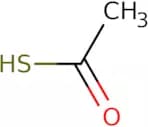
CAS:<p>1,3-Thiazol-4-ylacetic acid hydrochloride is an antimicrobial agent that has been shown to be active against Gram-negative bacteria. It is an acidic compound that hydrolyzes in water to produce a carboxylic acid and an alcohol. 1,3-Thiazol-4-ylacetic acid hydrochloride has been used in pharmaceutical preparations as an antimicrobial and blood platelet aggregating agent. It also inhibits the coagulation of blood platelets and the aggregation of platelets. The mechanism for this may involve the interference with phospholipid biosynthesis or with the cytochrome P450 enzyme system involved in the metabolism of arachidonic acid into prostaglandins.</p>Formula:C5H5NO2SPurity:Min. 95%Molecular weight:143.16 g/molThioacetic acid
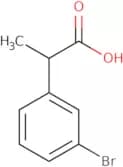
CAS:<p>Thioacetic acid is a monoethyl ether of thioacetic acid. It is used in the synthesis of fatty acids and other organic compounds. Thioacetic acid can be used in the treatment of infectious diseases, such as malaria and cholera, by inhibiting the growth of pathogenic microorganisms. The reactive nature of thioacetic acid makes it ideal for wastewater treatment, where it reacts with ammonia to form ammonium sulfate, which can be easily removed from water.</p>Formula:C2H4OSPurity:Min. 95%Color and Shape:Colorless Clear LiquidMolecular weight:76.12 g/mol2-(3-Bromophenyl)propanoic acid
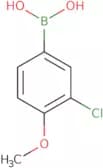
CAS:<p>Please enquire for more information about 2-(3-Bromophenyl)propanoic acid including the price, delivery time and more detailed product information at the technical inquiry form on this page</p>Formula:C9H9BrO2Purity:Min. 95%Molecular weight:229.07 g/mol3-Chloro-4-methoxyphenylboronic acid
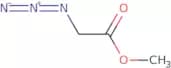
CAS:<p>Please enquire for more information about 3-Chloro-4-methoxyphenylboronic acid including the price, delivery time and more detailed product information at the technical inquiry form on this page</p>Formula:C7H8BClO3Purity:Min. 95%Molecular weight:186.4 g/molMethyl azido acetate
CAS:<p>Methyl azido acetate is a chemical compound with the molecular formula CH3N3O. It is used in biological studies to study the effects of amides on inflammatory bowel disease and solid tumours. Methyl azido acetate has been shown to be cytotoxic against cells, which may be due to its ability to inhibit integrase enzyme activity.</p>Formula:C3H5N3O2Purity:Min. 95%Color and Shape:Clear LiquidMolecular weight:115.09 g/mol[2-(Difluoromethyl)phenyl]boronic acid
CAS:<p>Please enquire for more information about [2-(Difluoromethyl)phenyl]boronic acid including the price, delivery time and more detailed product information at the technical inquiry form on this page</p>Formula:C7H7BF2O2Purity:Min. 95%Molecular weight:171.94 g/mol3,4-Dihydroisoquinolin-2(1H)-ylacetic acid
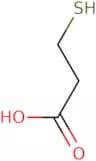
CAS:<p>3,4-Dihydroisoquinolin-2(1H)-ylacetic acid is a chemical compound with the molecular formula of C8H11NO2. It is a useful scaffold for the synthesis of complex compounds and research chemicals. 3,4-Dihydroisoquinolin-2(1H)-ylacetic acid is also a versatile building block for the preparation of fine chemicals. It is used as a reaction component in many organic reactions and can be used as a speciality chemical or reagent due to its high quality.</p>Formula:C11H13NO2Purity:Min. 95%Color and Shape:PowderMolecular weight:191.23 g/mol3-Mercaptopropionic acid
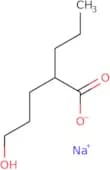
CAS:<p>3-Mercaptopropionic acid is a byproduct of the metabolic process where glutamate, a major excitatory neurotransmitter in the brain, is broken down into 3-mercaptopropionic acid and pyruvic acid. It is known to have synergic effects with other compounds such as fluorescence probes. 3-Mercaptopropionic acid also reacts with glycol ethers to form stable 3-mercaptopropionate esters. This reaction is catalyzed by enzymes such as alcohol dehydrogenase and acetyltransferases. The enzyme activity can be measured using an electrochemical detector. 3-Mercaptopropionic acid can be found in human serum, wastewater treatment plants, and chlorophyll A. It has been shown to inhibit the production of glutathione reductase in human erythrocytes when exposed to light. This inhibition may be due to its ability to induce oxidative stress or damage cell membranes through its protonation properties.</p>Formula:C3H6O2SPurity:Min. 98 Area-%Color and Shape:Clear LiquidMolecular weight:106.14 g/molrac 5-Hydroxy valproic acid sodium
CAS:<p>Please enquire for more information about rac 5-Hydroxy valproic acid sodium including the price, delivery time and more detailed product information at the technical inquiry form on this page</p>Formula:C8H16O3•NaPurity:Min. 95%Color and Shape:PowderMolecular weight:183.2 g/mol(S)-tert-Butyl 3-(methylamino)pyrrolidine-1-carboxylate
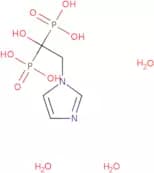
CAS:<p>(S)-tert-Butyl 3-(methylamino)pyrrolidine-1-carboxylate is a research chemical that can be used as a versatile building block for the synthesis of complex compounds. It is also a reaction component in the synthesis of speciality chemicals and useful scaffolds. It has been shown to have high quality, reagent grade and purity.</p>Formula:C10H20N2O2Purity:Min. 95%Color and Shape:PowderMolecular weight:200.28 g/molZoledronic acid trihydrate
CAS:<p>Farnesyl pyrophosphate synthase inhibitor; hepatic de novo lipogenesis inhibitor</p>Formula:C5H16N2O10P2Purity:Min. 95%Molecular weight:326.14 g/mol3-[1-(2-Methoxyethyl)-1H-indol-3-yl]propanoic acid
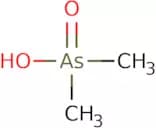
CAS:Controlled Product<p>Please enquire for more information about 3-[1-(2-Methoxyethyl)-1H-indol-3-yl]propanoic acid including the price, delivery time and more detailed product information at the technical inquiry form on this page</p>Formula:C14H17NO3Purity:Min. 95%Molecular weight:247.29 g/molCacodylic acid
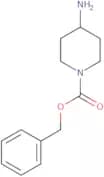
CAS:<p>Cacodylic acid is a white to brown crystalline powder that is soluble in water. It has been used as an analytical reagent, polymerase chain reaction (PCR) inhibitor, and skin cancer treatment. Cacodylic acid inhibits the activity of the bacterial enzyme activities in humans and other mammals. The mechanism of action of cacodylic acid is not completely understood but it appears that it binds to inorganic iron and blocks its availability for use by bacterial enzymes such as dihydropteroate synthase, which is required for DNA synthesis. This leads to cell death. Cacodylic acid has also been shown to inhibit the growth of human HL-60 cells in vitro, suggesting that it may have carcinogenic potential.</p>Formula:C2H7AsO2Purity:Min. 95%Color and Shape:PowderMolecular weight:138 g/molBenzyl 4-aminopiperidine-1-carboxylate
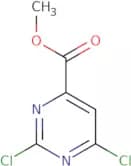
CAS:<p>Please enquire for more information about Benzyl 4-aminopiperidine-1-carboxylate including the price, delivery time and more detailed product information at the technical inquiry form on this page</p>Formula:C13H18N2O2Purity:Min. 95%Color and Shape:PowderMolecular weight:234.29 g/molMethyl 2,4-dichloropyrimidine-6-carboxylate
CAS:<p>Please enquire for more information about Methyl 2,4-dichloropyrimidine-6-carboxylate including the price, delivery time and more detailed product information at the technical inquiry form on this page</p>Formula:C6H4Cl2N2O2Purity:Min. 95%Color and Shape:Off-White To Yellow SolidMolecular weight:207.01 g/mol4-Amino-3,5-difluorobenzoic Acid
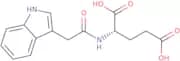
CAS:<p>4-Amino-3,5-difluorobenzoic Acid is a chemical compound that is used to manufacture dyes and pharmaceuticals. It is prepared by the reaction of dimethyl formamide with bromobenzoate and hydrobromic acid. The reaction product is decompressed to remove the toxic hydrogen cyanide gas and then reacted with sodium borohydride in liquid ammonia. This process yields 4-amino-3,5-difluorobenzoic acid which can be purified by recrystallization from water or chloroform.</p>Formula:C7H5F2NO2Purity:Min. 95%Molecular weight:173.12 g/molIndole-3-acetyl-L-glutamic acid
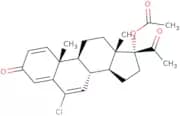
CAS:<p>Indole-3-acetyl-L-glutamic acid is an endogenous substance that is found in plants. It is the conjugated form of indole-3-acetaldehyde and L-glutamic acid. Indole-3-acetylglutamic acid has shown to have antioxidant potential and can be used to regulate plant growth, as well as protect against environmental stresses. Indole-3-acetylglutamic acid also has a role in regulating the production of other hormones, such as ethylene and auxin, which are involved in plant growth regulation.</p>Formula:C15H16N2O5Purity:Min. 98 Area-%Color and Shape:PowderMolecular weight:304.3 g/molDelmadinone acetate
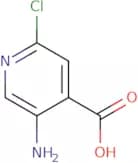
CAS:Controlled Product<p>Delmadinone acetate is an oestrogenic amorphous drug that has been used in the treatment of prostatic hypertrophy, diabetic neuropathy and other conditions. It is a prodrug that is hydrolyzed to delmadinone, its active form, following oral administration. Delmadinone acetate has shown efficacy against a number of pharmacological agents, including fatty alcohols and pharmaceutical dosage form preparations. It binds to fatty acids and carbon sources in the body and is removed by dispersive solid-phase extraction. The effects of this drug are dose-dependent; it can be used for control experiments at low doses but has adverse effects at higher doses.</p>Formula:C23H27ClO4Purity:Min. 95%Color and Shape:PowderMolecular weight:402.91 g/mol5-Amino-2-chloropyridine-4-carboxylic acid
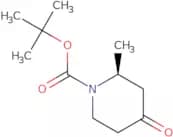
CAS:<p>5-Amino-2-chloropyridine-4-carboxylic acid is a potent tyrosine kinase inhibitor. It inhibits the activation of EGFR, which may be due to its binding to the ATP-binding pocket in EGFR. 5-Amino-2-chloropyridine-4-carboxylic acid has been shown to inhibit cancer cell growth and induce apoptosis in vitro. This drug has also been shown to have potent anticancer activity in vivo, as well as inhibitory effect on tumor growth in xenograft models of human cancer cells. In addition, it inhibits the production of formamidine acetate, a precursor for histamine synthesis. 5-Amino-2-chloropyridine-4-carboxylic acid binds to formamide and formamidine acetate with high affinity and therefore inhibits histamine synthesis.</p>Formula:C6H5ClN2O2Purity:Min. 95%Color and Shape:White PowderMolecular weight:172.57 g/moltert-butyl (2S)-2-Methyl-4-oxopiperidine-1-carboxylate
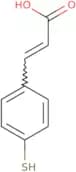
CAS:<p>Please enquire for more information about tert-butyl (2S)-2-Methyl-4-oxopiperidine-1-carboxylate including the price, delivery time and more detailed product information at the technical inquiry form on this page</p>Formula:C11H19NO3Purity:Min. 95%Molecular weight:213.27 g/mol4-Mercaptocinnamic acid
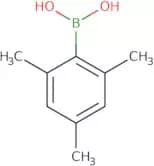
CAS:<p>4-Mercaptocinnamic acid is a liquid crystal that belongs to the class of aromatic compounds. It is chiral and has a high melting point. 4-Mercaptocinnamic acid has been used in electronic devices, such as liquid crystal displays and ferroelectric liquid crystals, for its high boiling point and low viscosity. It can also be used as an additive for other chemicals or as a solvent for coatings. The acid group (COOH) in this compound makes it reactive with elements such as chlorine, fluorine, and bromine. It reacts with dicyclohexylcarbodiimide to form cinnamic acid derivatives and toluene to form trifluoromethylbenzenes. This chemical also has alkylthio groups (CH3S) and alkoxy groups (CH2O).</p>Formula:C9H8O2SPurity:Min. 95%Molecular weight:180.22 g/molMesitylboronic acid
CAS:<p>Mesitylboronic acid is a divalent organoboron compound with the molecular formula CHB(O)OH. It is a white solid that is soluble in organic solvents, but not water. Mesitylboronic acid has been used for the palladium-catalyzed cross-coupling of aryl halides and vinylogous esters, yielding substituted pyridines. Mesitylboronic acid also catalyzes the Suzuki coupling reaction of aryl boronic acids and alkenes, producing substituted indoles. This compound has diagnostic applications due to its ability to form a fluorescent complex with certain metal ions. It also plays an important role in insulin resistance due to its ability to form cross-couplings with unsymmetrical boron compounds.</p>Formula:C9H13BO2Purity:Min. 95%Molecular weight:164.01 g/molBoc-L-aspartic acid 4-tert-butyl ester
CAS:<p>Boc-L-aspartic acid 4-tert-butyl ester is a synthetic aminoacylase that is used in the synthesis of ergosterol. It is an efficient and economical reagent for the preparation of esters of aspartic acid, which are used in fungal antifungal agents. Boc-L-aspartic acid 4-tert-butyl ester has been shown to have various physiological functions, including the ability to inhibit ergosterol synthesis by inhibiting the enzyme polymeric ergosterol synthase in fungi. This compound can also be used to synthesize n-substituted aspartates.</p>Formula:C13H23NO6Purity:Min. 95 Area-%Color and Shape:PowderMolecular weight:289.32 g/mol[1-(2-Methoxyethyl)-1H-indol-3-yl]acetic acid
CAS:Controlled ProductPlease enquire for more information about [1-(2-Methoxyethyl)-1H-indol-3-yl]acetic acid including the price, delivery time and more detailed product information at the technical inquiry form on this pageFormula:C13H15NO3Purity:Min. 95%Molecular weight:233.26 g/molL-Menthyl 2,2-dihydroxyacetate
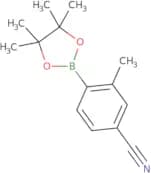
CAS:<p>L-Menthyl 2,2-dihydroxyacetate is a synthetic compound that belongs to the group of salicylic acid derivatives. It is an intermediate in the synthesis of other compounds and can be recycled. L-Menthyl 2,2-dihydroxyacetate reacts with primary amines to form iminoacetic esters and glyoxylates by acidic hydrolysis. The reaction time depends on the type of amine and the acidity of the solution. This compound has been used as a reagent to synthesize maleic anhydride from maleic acid. L-Menthyl 2,2-dihydroxyacetate is also used in methodologies for oxidizing aromatic compounds to produce benzoic acids or phenols.</p>Formula:C12H22O4Purity:Min. 95%Color and Shape:PowderMolecular weight:230.3 g/mol4-Cyano-2-methylphenylboronic acid, pinacol ester
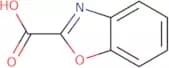
CAS:<p>Please enquire for more information about 4-Cyano-2-methylphenylboronic acid, pinacol ester including the price, delivery time and more detailed product information at the technical inquiry form on this page</p>Formula:C14H18BNO2Purity:Min. 95%Molecular weight:243.11 g/molcBenzooxazole-2-carboxylic acid
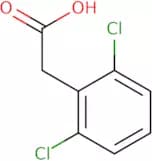
CAS:<p>Benzooxazole-2-carboxylic acid is a chemical compound that has been studied for its potential in the treatment of cancer. It has been shown to bind to estrogen receptors and inhibit the growth of cancer cells. This anti-cancer agent also inhibits the growth of bacteria by binding to metal ions, such as chloride, which are needed for bacterial growth. Benzooxazole-2-carboxylic acid is excreted via urine, which can lead to kidney damage if taken in high doses.</p>Formula:C8H5NO3Purity:Min. 95%Molecular weight:163.13 g/mol2,6-Dichlorophenylacetic acid
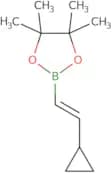
CAS:<p>2,6-Dichlorophenylacetic acid is an inhibitor of the enzyme acetylcholinesterase. It has been shown to be effective in a number of functional assays and is efficient at inhibiting the uptake of 2,6-dichlorobenzoic acid in cells. The inhibition of this enzyme by 2,6-dichlorophenylacetic acid may be due to its protonation and binding to the active site. This binding prevents the release of the acetylcholine molecule that has been bound to the enzyme's active site. This results in increased levels of acetylcholine in the synaptic cleft, leading to an increase in neurotransmitter activity, which can have a variety of effects on neuronal function. 2,6-Dichlorophenylacetic acid also inhibits cell proliferation and induces apoptosis (programmed cell death) in Caco-2 cells by inhibiting protein synthesis.</p>Formula:C8H6Cl2O2Purity:Min. 95%Color and Shape:White Off-White PowderMolecular weight:205.04 g/mol(trans)-2-Cyclopropylvinylboronic acid pinacol ester
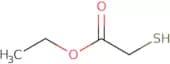
CAS:<p>Please enquire for more information about (trans)-2-Cyclopropylvinylboronic acid pinacol ester including the price, delivery time and more detailed product information at the technical inquiry form on this page</p>Formula:C11H19BO2Purity:Min. 95%Molecular weight:194.08 g/molEthyl mercaptoacetate
CAS:<p>Ethyl mercaptoacetate (EM) is a metabolite of ethyl diazoacetate (EDA) that reacts with nucleophilic groups such as hydroxyl, amino, and thiol groups. It binds to the receptor binding sites of an enzyme that is involved in inflammatory diseases. EM has been shown to have inhibitory effects on the activity of this enzyme and may be used for the treatment of inflammatory diseases. EM also inhibits the production of epoxides by acting as an alkylating agent on protein cysteine residues. This reaction leads to changes in the nmr spectra which can be used for identification purposes.</p>Formula:C4H8O2SPurity:Min. 95%Molecular weight:120.17 g/mol4-amino[1,1'-biphenyl]-3-carboxylic acid
CAS:<p>Please enquire for more information about 4-amino[1,1'-biphenyl]-3-carboxylic acid including the price, delivery time and more detailed product information at the technical inquiry form on this page</p>Formula:C13H11O2NPurity:Min. 95%Molecular weight:213.23 g/mol5-Hydroxyisophthalic acid
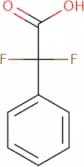
CAS:<p>5-Hydroxyisophthalic acid is a dicarboxylic acid that has one hydroxyl group. It is an odorless, colorless solid that is soluble in water and ether. 5-Hydroxyisophthalic acid has been found to be a good thermal expansion agent for polypropylene and polyethylene, due to its intermolecular hydrogen bonding ability. This compound also has the ability to form diphenyl ethers with carboxylates, which are used as stabilizers in PVC. 5-Hydoxyisophthalic acid is not very reactive and can be used as a neutral pH stabilizer in alkaline solutions. Hydrogen bonds between 5-hydroxyisophthalic acid molecules allow it to form complexes with sodium salts, such as sodium thiosulfate or sodium nitrite. The coordination geometry of the molecule also allows for hydrogen bonding interactions with other neutral molecules, such as p-hydroxybenzoic acid</p>Formula:C8H6O5Purity:Min. 95%Molecular weight:182.13 g/molalpha,alpha-Difluorophenylacetic acid
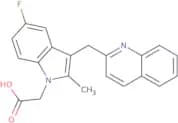
CAS:<p>Please enquire for more information about alpha,alpha-Difluorophenylacetic acid including the price, delivery time and more detailed product information at the technical inquiry form on this page</p>Formula:C8H6F2O2Purity:Min. 95%Molecular weight:172.13 g/molTimapiprant
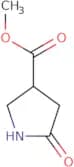
CAS:Controlled ProductTimapiprant is an amide that acts as a selective inhibitor of the prostanoid receptor CRTH2, which is involved in regulating the inflammatory response. Timapiprant inhibits skin eosinophilia, which is associated with inflammatory skin diseases such as atopic dermatitis and psoriasis. It has been shown to be safe in clinical trials and has a good safety profile. The drug's mechanism of action may be due to its ability to inhibit the production of IL-4 and IL-13 by Th2 cells and its ability to inhibit lung function. Timapiprant has shown efficacy in treating allergic rhinitis, asthma, chronic obstructive pulmonary disease, erythema multiforme, pyoderma gangrenosum, and other types of inflammatory skin diseases.Formula:C21H17FN2O2Purity:Min. 95%Molecular weight:348.37 g/molMethyl 5-oxopyrrolidine-3-carboxylate
CAS:<p>Methyl 5-oxopyrrolidine-3-carboxylate is a nonsteroidal anti-inflammatory drug that reduces the production of pro-inflammatory cytokines. It binds to COX-2 and prevents the production of prostaglandins, which are involved in the inflammatory process. Methyl 5-oxopyrrolidine-3-carboxylate has been shown to inhibit mouse hippocampal cells and human THP1 cells, which are important in inflammation. This drug also interacts with other proteins and can be localized to mitochondria membrane potentials. Methyl 5-oxopyrrolidine-3-carboxylate has the potential for use as an anti-inflammatory agent for cellular localization in mitochondria membrane potentials.</p>Formula:C6H9NO3Purity:Min. 95%Molecular weight:143.14 g/moltert-Butyl 4-(2-oxo-2,4-dihydro-1H-benzo[d][1,3]oxazin-1-yl)piperidine-1-carboxylate
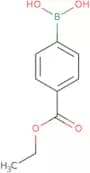
CAS:Controlled Product<p>Please enquire for more information about tert-Butyl 4-(2-oxo-2,4-dihydro-1H-benzo[d][1,3]oxazin-1-yl)piperidine-1-carboxylate including the price, delivery time and more detailed product information at the technical inquiry form on this page</p>Purity:Min. 95%4-(Ethoxycarbonyl)phenylboronic acid
CAS:<p>4-(Ethoxycarbonyl)phenylboronic acid is a potential use for picric acid detection. It has been shown to be a chemosensor with an electrochemical impedance spectroscopy response that is sensitive to chloride ions. 4-(Ethoxycarbonyl)phenylboronic acid can be used as a linker in multigram-scale synthesis of aryl halides, and its reaction mechanism has been elucidated by crystal x-ray diffraction. The synthesis of this compound is scalable and involves the formation of an apical carboxylate from ethoxycarbonyl phenyl boronic acid and an aryl halide.</p>Formula:C9H11BO4Purity:Min. 95%Color and Shape:PowderMolecular weight:193.99 g/molBoc-tranexamic acid
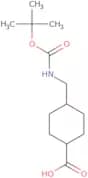
CAS:<p>Tranexamic acid is a non-protein amino acid that is used to reduce the risk of blood loss in surgical procedures. It is an inhibitor of plasmin, which is an enzyme that breaks down clots and fibrin. Tranexamic acid binds to the active site of plasmin and blocks its activity, preventing the breakdown of fibrin clots. Tranexamic acid has been shown to be selective for plasmin, as other enzymes such as urokinase are not blocked by this drug. The picolyl group on tranexamic acid interacts with the benzyl group on plasmin and this interaction may be responsible for the selectivity of tranexamic acid for plasmin over other enzymes.</p>Purity:Min. 95%






![1-[2-(5-Fluoro-1H-indol-3-yl)ethyl]-5-oxopyrrolidine-3-carboxylic acid](/_next/image/?url=https%3A%2Fstatic.cymitquimica.com%2Fproducts%2F3D%2Fthumb-webp%2FFF119448.webp&w=3840&q=75)



![Spiro[2.3]hexane-1-carboxylic acid](/_next/image/?url=https%3A%2Fstatic.cymitquimica.com%2Fproducts%2F3D%2Fthumb-webp%2FFS167675.webp&w=3840&q=75)

![3,6-Dichlorobenzo[b]thiophene-2-carboxylic acid](/_next/image/?url=https%3A%2Fstatic.cymitquimica.com%2Fproducts%2F3D%2Fthumb-webp%2FFD57151.webp&w=3840&q=75)
![Tetrakis[N-phthaloyl-(S)-phenylalaninato]dirhodium Ethyl Acetate Adduct](/_next/image/?url=https%3A%2Fstatic.cymitquimica.com%2Fproducts%2F3D%2Fthumb-webp%2FFT60014.webp&w=3840&q=75)



![[2-(Difluoromethyl)phenyl]boronic acid](/_next/image/?url=https%3A%2Fstatic.cymitquimica.com%2Fproducts%2F3D%2Fthumb-webp%2FFD84620.webp&w=3840&q=75)


![3-[1-(2-Methoxyethyl)-1H-indol-3-yl]propanoic acid](/_next/image/?url=https%3A%2Fstatic.cymitquimica.com%2Fproducts%2F3D%2Fthumb-webp%2FFM135770.webp&w=3840&q=75)


![[1-(2-Methoxyethyl)-1H-indol-3-yl]acetic acid](/_next/image/?url=https%3A%2Fstatic.cymitquimica.com%2Fproducts%2F3D%2Fthumb-webp%2FFM135744.webp&w=3840&q=75)

![4-amino[1,1'-biphenyl]-3-carboxylic acid](/_next/image/?url=https%3A%2Fstatic.cymitquimica.com%2Fproducts%2F3D%2Fthumb-webp%2FFA58870.webp&w=3840&q=75)

![tert-Butyl 4-(2-oxo-2,4-dihydro-1H-benzo[d][1,3]oxazin-1-yl)piperidine-1-carboxylate](/_next/image/?url=https%3A%2Fstatic.cymitquimica.com%2Fproducts%2F3D%2Fthumb-webp%2FFB142189.webp&w=3840&q=75)