Carboxylic Acids
Carboxylic acids are organic molecules characterized by having a carboxyl-type functional group (-COOH). These acids are fundamental in various chemical reactions, including esterification, amidation, and decarboxylation. Carboxylic acids are widely used in the production of pharmaceuticals, polymers, and agrochemicals. In this section, you can find a large number of carboxylic acids ready to be used. At CymitQuimica, we provide a broad range of high-quality carboxylic acids to support your research and industrial applications.
Found 12453 products of "Carboxylic Acids"
Sort by
Purity (%)
0
100
|
0
|
50
|
90
|
95
|
100
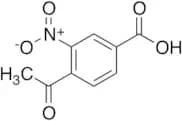
4-Acetyl-3-nitrobenzoic Acid
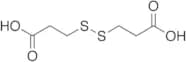
CAS:Controlled ProductFormula:C9H7NO5Color and Shape:NeatMolecular weight:209.156Dithiobis-propanoic Acid
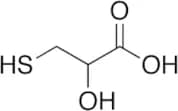
CAS:Controlled ProductFormula:C6H10O4S2Color and Shape:White To Off-WhiteMolecular weight:210.073-Mercaptolactic Acid
CAS:<p>Stability Air Sensitive, Hygroscopic<br>Applications 3-Mercaptolactic Acid is used in the phosphorylation and acetylation of histone H2B.<br> Not a dangerous good if item is equal to or less than 1g/ml and there is less than 100g/ml in the package<br>References Chiang, K. et al.: ChemBioChem., 10, 2182 (2009);<br></p>Formula:C3H6O3SColor and Shape:NeatMolecular weight:122.14Citraconic Acid
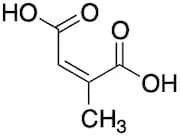
CAS:Controlled Product<p>Applications Citraconic Acid (cas# 498-23-7) is a useful research chemical.<br></p>Formula:C5H6O4Color and Shape:NeatMolecular weight:130.09Octadecylphosphonic Acid
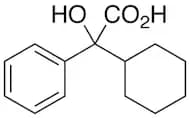
CAS:<p>Applications Octadecylphosphonic acid (cas# 4724-47-4) is a useful research chemical.<br></p>Formula:C18H39O3PColor and Shape:NeatMolecular weight:334.472-Cyclohexyl-2-hydroxy-phenylacetic Acid
CAS:Controlled Product<p>Impurity Oxybutynin USP Related Compound A<br>Applications An intermediate in the synthesis of oxybutynin (O868525). Oxybutynin USP Related Compound A.<br></p>Formula:C14H18O3Color and Shape:WhiteMolecular weight:234.29Dodecylbenzenesulfonic Acid (mixture of isomers) (Technical Grade)
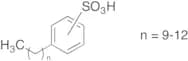
CAS:Controlled Product<p>Applications 4-Dodecylbenzenesulfonic acid<br> Not a dangerous good if item is equal to or less than 1g/ml and there is less than 100g/ml in the package<br></p>Formula:C18H30O3SColor and Shape:NeatMolecular weight:326.494-Undecylbenzenesulfonic Acid Sodium Salt
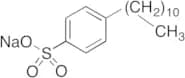
CAS:Controlled Product<p>Applications N-Undecylbenzenesulfonic Acid is an anionic surfactant.<br>References Mottaleb, M. A.: Anal. Sci., 15, 1137 (1999), Kolb, M., et al.: LaborPraxis, 22, 56 (1998); Ferrer D., et al.: Tenside, Surfact., Det., 34, 278 (1997)<br></p>Formula:C17H27NaO3SColor and Shape:NeatMolecular weight:334.45Ethyl Cyano(hydroxyimino)acetate
CAS:Controlled Product<p>Applications Ethyl Cyano(hydroxyimino)acetate is used in peptide synthesis and has shown to suppress racemiztion, has high coupling efficiency in both solution and solid phase synthesis and is a non-explosive alternative to 1-hydroxybenzotriazole (HOBt) and 1-hydroxy-7-azabenzotriazole (HOAt).<br>References Khattab, S.N.: Bull. Chem. Soc. Jpn., 83, 1374 (2010)<br></p>Formula:C5H6N2O3Color and Shape:NeatMolecular weight:142.112,2-Diphenylpentanoic Acid
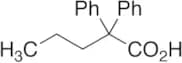
CAS:Controlled Product<p>Applications 2,2-Diphenylpentanoic Acid (cas# 841-32-7) is a compound useful in organic synthesis.<br></p>Formula:C17H18O2Color and Shape:NeatMolecular weight:254.323,3-Dimethylbutyric Acid
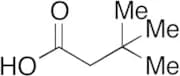
CAS:Controlled Product<p>Applications 3,3-Dimethylbutyric Acid is used in the synthesis of imidazo[4,5-c]pyridine derivatives as anitmicrobial agents.<br> Not a dangerous good if item is equal to or less than 1g/ml and there is less than 100g/ml in the package<br>References Jose. G., et. al.: Eur. J. Med. Chem., 77, 288 (2014)<br></p>Formula:C6H12O2Color and Shape:Clear Colourless To Light YellowMolecular weight:116.16tert-Butyl N-[3-(Chlorosulfonyl)propyl]carbamate
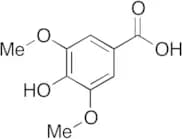
CAS:Controlled Product<p>Applications tert-butyl N-[3-(chlorosulfonyl)propyl]carbamate (cas# 1196153-59-9) is a useful research chemical.<br></p>Formula:C8H16ClNO4SColor and Shape:NeatMolecular weight:257.735Syringic Acid
CAS:Controlled Product<p>Applications Syringic Acid is used in biological studies for electron transfer from plant phenolates to carotenoid radical cations with antioxidant interaction entering the Marcus theory inverted region.<br>References Cheng, H., et al.: J. Agric. Food Chem., 62, 942 (2014)<br></p>Formula:C9H10O5Color and Shape:Off-WhiteMolecular weight:198.1718-(tert-Butoxy)-18-oxooctadecanoic Acid
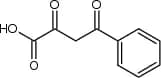
CAS:Controlled Product<p>Applications 18-(tert-Butoxy)-18-oxooctadecanoic Acid is used to engineer long-acting, potent exendin-4 based GLP-1 analog for microstructure-based transdermal delivery for glycemic control.<br>References Yang, P., et al.: Proc. Natl. Acad. Sci. USA, 113, 4140 (2016);<br></p>Formula:C22H42O4Color and Shape:NeatMolecular weight:370.572,4-Dioxo-4-phenylbutanoic acid
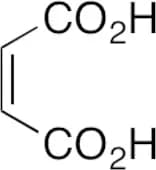
CAS:Controlled Product<p>Applications 2,4-Dioxo-4-phenylbutanoic acid<br></p>Formula:C10H8O4Color and Shape:NeatMolecular weight:192.17Maleic Acid
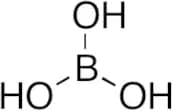
CAS:Controlled Product<p>Applications Maleic Acid is used in the synthesis of pyridoindolones as potent inhibitors of Aurora kinases. Also is a reagent in the preparation of TiO2/carbon nanotube composites.<br>References Le, L. et al.: ChemMedChem., 8, 289 (2013); Yao, Y. et al.: Env. Sci. Tech., 42, 4952 (2008)l<br></p>Formula:C4H4O4Color and Shape:WhiteMolecular weight:116.07Boric Acid
CAS:<p>Applications Boric Acid is a common chemical component in insecticides, specifically for flea erradication. Also has the properties of an effective flame retardant.<br>References Hinkle, N. et al.: J. Med. Entomol., 32, 424 (1995); Dogan, M. et al.: Polym. Degrad. Stab., 99, 12 (2014);<br></p>Formula:BH3O3Color and Shape:WhiteMolecular weight:61.83Ethyl Diazoacetate (>90%)
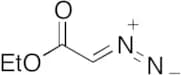
CAS:<p>Applications Ethyl Diazoacetate is used in the synthesis of Arteludovicinolide A as well as pyrimidoazepine analogs as seritonin 5-HT2A/C receptor ligands for treatment of obesity. This compound contains solvent for added stability.<br> E0<br>References Yang, H. et al.: Eur. J. Med. Chem., 63, 558 (2013); Kreuzer, A. et al.: Org. Lett., 15, 3420 (2013);<br></p>Formula:C4H6N2O2Purity:>90%Color and Shape:NeatMolecular weight:114.14-Octylbenzoic Acid
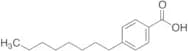
CAS:Controlled Product<p>Applications 4-octylbenzoic acid (cas# 3575-31-3) is a useful research chemical.<br></p>Formula:C15H22O2Color and Shape:NeatMolecular weight:234.344-Hydroxy-isophthalic Acid Dimethyl Ester
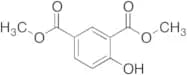
CAS:Controlled Product<p>Impurity Methyl Salicylate USP Related Compound A<br>Applications 4-Hydroxy-isophthalic Acid Dimethyl Ester (cas# 5985-24-0) is a compound useful in organic synthesis.<br></p>Formula:C10H10O5Color and Shape:White To Off-WhiteMolecular weight:210.18Perfluoro-3,6-dioxaheptanoic Acid
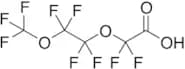
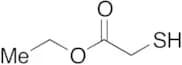
CAS:Controlled Product<p>Applications PERFLUORO-3,6-DIOXAHEPTANOIC ACID (cas# 151772-58-6) is a useful research chemical.<br> Not a dangerous good if item is equal to or less than 1g/ml and there is less than 100g/ml in the package<br></p>Formula:C5HF9O4Color and Shape:ColourlessMolecular weight:296.0447Ethyl 2-Mercaptoacetate
CAS:Controlled Product<p>Applications Ethyl 2-Mercaptoacetate is an off-odor compound in white wine and an eye irritant.<br> Not a dangerous good if item is equal to or less than 1g/ml and there is less than 100g/ml in the package<br>References Nikolantonaki, M., Darriet, P.: J. Agr. Food Chem., 59, 10191 (2011); Bagley, D.M., et. al.: Toxicol. in vitro, 13, 505 (1999)<br></p>Formula:C4H8O2SColor and Shape:NeatMolecular weight:120.17β-Formylpropionic Acid
CAS:Controlled Product<p>Applications β-Formylpropionic Acid is used in the synthesis of potent and orally available nonpeptide antagonist of human gonadotropin-releasing hormone receptor. It is also a reagent in the synthesis of human melanocortin-4 receptor antagonists with a pyrrolidinone moiety.<br>References Chen, C. et al.: J. Med. Chem., 51, 7478 (2008); Jiang, W. et al.: Bioorg. Med. Med. Chem. Lett., 17, 5610 (2007);<br></p>Formula:C4H6O3Color and Shape:NeatMolecular weight:102.092-(2-Butoxyethoxy)acetic Acid
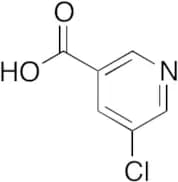
CAS:<p>Applications 2-(2-butoxyethoxy)acetic acid (cas# 82941-26-2) is a useful research chemical.<br></p>Formula:C8H16O4Color and Shape:NeatMolecular weight:176.215-Chloronicotinic Acid
CAS:Controlled Product<p>Applications 5-Chloronicotinic Acid is used as reagent/reactant luminescence and hydrothermal preparation of cobalt/cadmium/lead chloronicotinate phenanthroline MOF.<br>References Gao, Z.Q., et al.: J. Solid State Chem., 241, 121-130 (2016)<br></p>Formula:C6H4ClNO2Color and Shape:NeatMolecular weight:157.5543-Carboxyphenylboronic Acid
CAS:Controlled Product<p>Applications 3-Carboxyphenylboronic Acid is used in phenylboronic acid-decorated gelatin nanoparticles for enhanced tumor targeting and penetration.<br>References Wang, X., et al.: Nanotechnology, 27, 385101 (2016); Wang, X., et al.: Eur. J. Pharm. Biopharm., 113, 168 (2017)<br></p>Formula:C7H7BO4Color and Shape:Off WhiteMolecular weight:165.945-Formylfuran-2-carboxylic Acid
CAS:<p>Applications 5-Formylfuran-2-carboxylic Acid is a compound useful in organic synthesis.<br>References Nocito, F., et al.: ACS Omega, 3, 18724 (2018); Chen, G., et al.: Ind. Eng. Chem. Res., 57, 16172 (2018)<br></p>Formula:C6H4O4Color and Shape:NeatMolecular weight:140.092-[(Phenylsulfanyl)methyl]benzenecarboxylic Acid
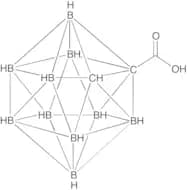
CAS:<p>Applications 2-[(phenylsulfanyl)methyl]benzenecarboxylic acid (cas# 1699-03-2) is a useful research chemical.<br></p>Formula:C14H12O2SColor and Shape:NeatMolecular weight:244.31o-Carborane-1-carboxylic Acid
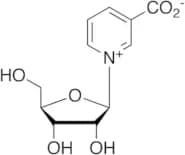
CAS:Controlled ProductFormula:C3H12B10O2Color and Shape:NeatMolecular weight:188.24Nicotinic Acid Riboside
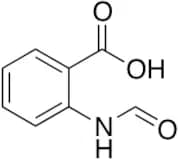
CAS:Controlled Product<p>Applications An effective agent for increasing nicotinamide adenine dinucleotide (NAD) concentrations in mammalian cells.<br>References Yang, T. et al.: J. Med. Chem., 50, 6458 (2007);<br></p>Formula:C11H13NO6Color and Shape:NeatMolecular weight:255.222-(Formylamino)benzoic Acid (>90%)
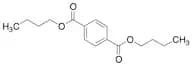
CAS:Controlled Product<p>Applications 2-(formylamino)benzoic acid (cas# 3342-77-6) is a useful research chemical.<br></p>Formula:C8H7NO3Purity:>90%Color and Shape:NeatMolecular weight:165.151,4-Dibutyl Benzene-1,4-dicarboxylate
CAS:<p>Applications 1,4-dibutyl benzene-1,4-dicarboxylate (cas# 1962-75-0) is a useful research chemical.<br></p>Formula:C16H22O4Color and Shape:NeatMolecular weight:278.34[p-Terphenyl]-4,4''-dicarboxylic Acid
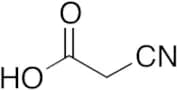
CAS:Controlled Product<p>Applications Used in the synthesis of substituted terphenyls.<br>References Strukelj, M., et al.: Science, 267, 1969 (1995), Burroughes, J., et al.: Nature, 347, 589 (1990),<br></p>Formula:C20H14O4Color and Shape:NeatMolecular weight:318.32Cyanoacetic Acid
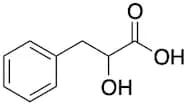
CAS:Controlled Product<p>Applications Cyanoacetic acid is a dangerous compound that is commonly used as a synthetic intermediate. Cyanoacetic acid has also been found to have teratogenic effects on rat embryos.<br> Not a dangerous good if item is equal to or less than 1g/ml and there is less than 100g/ml in the package<br>References Simpson, M., et al.: Food Chem. Toxicol., 24, 634 (1986)<br></p>Formula:C3H3NO2Color and Shape:NeatMolecular weight:85.06DL-3-phenyllactic acid
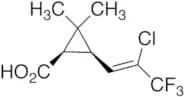
CAS:Controlled Product<p>Applications DL-3-phenyllactic acid had been identified as a urinary food intake biomarker for milk, cheese and soy-based drinks.<br>References Munger, L.H.; et al.: J. Proteome Res., 16, 3321 (2017)<br></p>Formula:C9H10O3Color and Shape:NeatMolecular weight:166.17cis-3-(2-Chloro-3,3,3-trifluoro-1-propenyl)-2,2-dimethyl-cyclopropanecarboxylic Acid
CAS:Controlled Product<p>Applications Reagent used in the synthesis of cyhalothric pesticides and fungicides.<br>References Sun, C., et al.: Bioorg. Med. Chem., 14, 8574 (2006),<br></p>Formula:C9H10ClF3O2Color and Shape:Off White SolidMolecular weight:242.621,11-Undecanedicarboxylic Acid
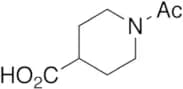
CAS:<p>Applications 1,11-Undecanedicarboxylic Acid is used in the synthesis of two Bis(tetrahydroisoquinoline) which were highly cytotoxic for cancer-cell cultures and less toxic to healthy cells and exhibited noticeable antimicrobial activity against Gram-positive and Gram-negative bacteria and fungal strain Candida albicans.<br>References Terent’eva, E. O., et al.: Chem. Nat. Compd., 53, 328-332 (2017)<br></p>Formula:C13H24O4Color and Shape:NeatMolecular weight:244.331-Acetylisonipecotic Acid
CAS:Controlled Product<p>Applications Metabolite fingerprinting in transgenic Nicotiana tabacum altered by the Escherichia coli glutamate dehydrogenase gene. A synthetic intermediate in the preparation of CNS depressants.<br>References Mungur, R., et al.: J. Biomed. Biotechnol., 2, 198 (2005), Young, J., et al.: Bioorg. Med. Chem. Lett., 17, 5310 (2007),<br></p>Formula:C8H13NO3Color and Shape:NeatMolecular weight:171.192-[(2-Hydroxyethyl)octadecylamino]ethyl ester octadecanoic acid
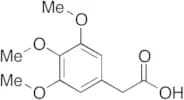
CAS:Controlled Product<p>Applications 2-[(2-Hydroxyethyl)octadecylamino]ethyl ester octadecanoic acid is used as a modifier to Polymer films of LDPE and ethylene-vinyl acetate copolymers (EVA) to enhance antifog properties.<br>References Irusta, L., et al.: J. Appl. Polym. Sci., 111, 2299-2307 (2009);<br></p>Formula:C40H81NO3Color and Shape:NeatMolecular weight:624.0763,4,5-Trimethoxyphenylacetic Acid
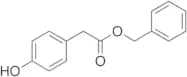
CAS:Controlled Product<p>Applications 3,4,5-Trimethoxyphenylacetic Acid is a reagent in the preparation of 3-phenylcoumarins as antidepressant agents.<br>References Sashidhara, K.V., et al.: Bioorg. Med. Chem. Lett., 24, 4876 (2014);<br></p>Formula:C11H14O5Color and Shape:NeatMolecular weight:226.23Benzyl (4-Hydroxyphenyl)acetate
CAS:Controlled Product<p>Applications Intermediate in the preparation of Camostat metabolites.<br>References Bodor, N., et al.: Pharm. Res., 3, 120 (1984), Han, L., et al.: Biochem., 46, 1432 (2007),<br></p>Formula:C15H14O3Color and Shape:NeatMolecular weight:242.273,4-Dimethoxybenzoic Acid (Veratric Acid)
CAS:Controlled Product<p>Applications Veratric Acid is a derivative of Protocatechuic Acid. Veratric Acid is a reagent used in the production of antimicrobial agents, antifeedants, and a variety of other biologically active compounds.<br>References Alissandrakis, E., et al.: Eur. Food Res. Technol., 229, 365 (2009), Spaccini, R., et al.: Soil Biol. Biochem., 41, 1164 (2009), Narasimhan, B., et al.: Eur. J. Med. Chem., 44, 689 (2009), Pereira, L., et al.: J. Biotechnol., 139, 68 (2009),<br></p>Formula:C9H10O4Color and Shape:NeatMolecular weight:182.17Sulfanilic Acid
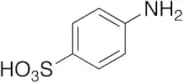
CAS:<p>Impurity Sulfadimethoxine EP Impurity D/ Mesalazine EP Impurity O<br>Applications Sulfanilic Acid (Sulfadimethoxine EP Impurity D) is a toxic metabolite of Tartrazine (T007700). Used as Ehrlich’s reagent, for detecting of nitrites. Antibacterial.<br>References Collins, T., et al.: Food Chem. Toxic., 28, 821 (1990), Levine, W., et al.: Drug Metab. Rev., 23, 235 (1991), Sasaki, Y., et al.: Mutat. .Res., 519, 103 (2002),<br></p>Formula:C6H7NO3SColor and Shape:GreyMolecular weight:173.19Acetyl Propionate
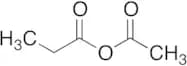
CAS:Controlled Product<p>Applications Acetic propionic anhydride<br></p>Formula:C5H8O3Color and Shape:NeatMolecular weight:116.11522,4-Diaminopteridine-6-carboxylicAcid
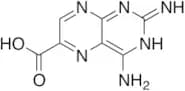
CAS:Controlled Product<p>Applications 2,4-DIAMINOPTERIDINE-6-CARBOXYLIC ACID (cas# 716-74-5) is a useful research chemical.<br></p>Formula:C7H6N6O2Color and Shape:Off-WhiteMolecular weight:206.1623-(9H-Carbazol-9-yl)propanoic Acid
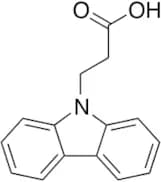
CAS:Controlled Product<p>Applications 3-(9H-carbazol-9-yl)propanoic acid (cas# 6622-54-4) is a useful research chemical.<br></p>Formula:C15H13NO2Color and Shape:NeatMolecular weight:239.2693-Hydroxybutyric acid
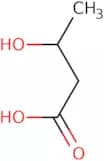
CAS:<p>3-Hydroxybutyric acid is a fatty acid that is the product of the oxidation of butyric acid. It has been shown to have biological functions such as inhibition of glucose uptake and activation of transport properties in recombinant cells. 3-Hydroxybutyric acid also has a role in regulation of intracellular pH, which can be measured by monitoring changes in the levels of hydrochloric acid or sodium salts in urine samples. The biological function of 3-hydroxybutyric acid may be related to its ability to inhibit the growth of bacteria, such as Pseudomonas aeruginosa. This compound has been successfully used as a model protein for cytosolic proteins.</p>Formula:C4H8O3Purity:(%) Min. 80%Color and Shape:Clear LiquidMolecular weight:104.1 g/molcis-4,7,10,13,16,19-Docosahexaenoic acid ethyl ester - 90%
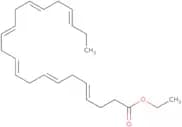
CAS:<p>Cis-4,7,10,13,16,19-Docosahexaenoic acid ethyl ester (DHAEE) is a polyunsaturated fatty acid that belongs to the omega-3 family. It is used as an alternative feedstock for biodiesel production and has been shown to be a good candidate for hydrogenation reactions. The adsorption equilibrium of DHAEE has been studied using isotherms at different densities and pressures. At high pressures, the adsorption of DHAEE on silica gel was found to be reversible. This means that adsorbed DHAEE can be desorbed by heating the solid phase. This property could be useful in the recovery of this compound from spent catalysts or in other applications where it needs to be recovered from a solid phase.</p>Formula:C24H36O2Purity:Min. 95%Color and Shape:PowderMolecular weight:356.54 g/mol7-Azido-heptanoic acid
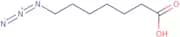
CAS:<p>7-Azido-heptanoic acid is an analog of the heptanoyl group. It has been shown to inhibit cancer cell growth and induce apoptosis in a variety of human tumor cells. This compound is used for the selective activation of anticancer drugs, as well as for the prevention of photodynamic damage to healthy tissue. 7-Azido-heptanoic acid can be conjugated with biomolecules such as proteins or peptides to form a bifunctional molecule that can function both as an acceptor and a donor. It also binds to streptavidin, which has been shown to have anticancer activity in mice.</p>Formula:C7H13N3O2Purity:Min. 95%Color and Shape:Colorless Clear LiquidMolecular weight:171.2 g/molMeconic acid
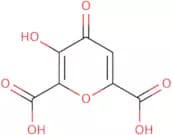
CAS:<p>Meconic acid is a metal chelate that binds to metals such as zinc and copper, which are required for the synthesis of prostaglandins. Meconic acid has been shown to have significant interactions with other drugs, including sodium carbonate, acetylcholinesterase inhibitors, and antipsychotics. Meconic acid also inhibits the activity of pestivirus, which affects the nervous system in rats. Studies on long-term toxicity have not been conducted. Meconic acid has been used as a treatment for curcuma aromatica induced hepatitis and is toxic to animals at high doses.</p>Formula:C7H4O7Purity:Min. 95 Area-%Color and Shape:PowderMolecular weight:200.1 g/mol1,3-Acetonedicarboxylic acid
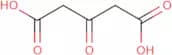
CAS:<p>1,3-Acetonedicarboxylic acid is a crystalline solid that belongs to the group of carboxylic acids. 1,3-Acetonedicarboxylic acid interacts with its receptor by binding to a hydroxyl group and two hydrogen atoms. It has been shown that 1,3-acetonedicarboxylic acid can inhibit HIV infection in vitro by preventing the virus from attaching to cells. It also inhibits malonic acid oxidation and citric acid cycle enzymes in rat liver mitochondria. The synthesis of 1,3-acetonedicarboxylic acid can be achieved through different methods:<br><br>1) By reacting sodium carbonate with malonic acid <br>2) By reacting hydrogen fluoride with malonic acid <br>3) By reacting sodium carbonate with citric acid (malonic ester) and then hydrolyzing it <br>4) By reacting sodium carbonate with malonitrile and then hydro</p>Formula:C5H6O5Purity:Min. 95%Color and Shape:PowderMolecular weight:146.1 g/molAnthraquinone-2,7-disulfonic acid disodium salt - 80%
CAS:<p>Anthraquinone-2,7-disulfonic acid disodium salt, 2,7-AQDS, is an anthraquinone sulfonate used for many different purposes, such as, desulfurizing agent for removing oil in refinery and as an intermediate for dyes or decolorization agent. In addition, anthraquinone-2,7-disulfonic salt or 2,7-AQDS is frequently used in electrochemistry, as a redox mediator. For example, in aqueous organic redox flow batteries (AORFB), anthraquinone-2,7-disulfonic acid disodium salt (2,7-AQDS) plays a role in increasing the capacity and the performance of these types of batteries.</p>Formula:C14H6O8S2·2NaPurity:Min. 80 Area-%Color and Shape:Red Purple PowderMolecular weight:412.3 g/molCrotonic acid
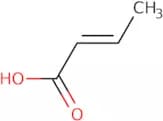
CAS:<p>Crotonic acid is a metabolite of crotonaldehyde, which is found in cigarette smoke. Crotonic acid has been shown to have agonist binding site activity and inhibitory properties on the enzyme that synthesizes gamma-aminobutyric acid (GABA), an important neurotransmitter. It also has inhibitory effects on other enzymes such as fatty acid synthase, which makes it an antimicrobial agent. Crotonic acid also inhibits the growth of bacteria by binding to hydroxyl groups on their cell walls, which are important for maintaining their structure. Crotonic acid has been shown to have anti-inflammatory properties in mice and rats.</p>Formula:C4H6O2Purity:Min. 98 Area-%Color and Shape:PowderMolecular weight:86.09 g/mol(2R)-2-Acetamido-3-acetylsulfanyl-propanoic acid
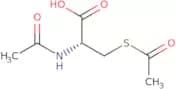
CAS:<p>2-Acetamido-3-acetylsulfanylpropanoic acid is a pharmaceutical preparation that has been shown to have antitumor activity in cell lines derived from human breast, colon, lung, and prostate cancer. It has been shown to inhibit the growth of tumour cells by inducing apoptosis. The mechanism of action may be due to its ability to bind with fatty alcohols and hydroxyapatite in the acidic environment of cancer cells. This binding prevents the formation of fatty acid radicals and cancerous substances. 2-Acetamido-3-acetylsulfanylpropanoic acid also has anticancer activity when it is used on cell lines derived from human colorectal carcinoma.</p>Formula:C7H11NO4SPurity:Min. 95 Area-%Color and Shape:White Off-White PowderMolecular weight:205.23 g/mol3,4,5-Trimethoxybenzoic acid
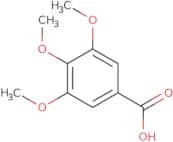
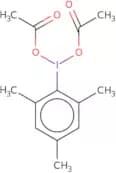
CAS:<p>3,4,5-Trimethoxybenzoic acid is an experimental drug that has been shown to have significant cytotoxicity in a chronic oral model. It inhibits the activity of a number of enzymes including esterases, lipases, and proteases. This compound also showed significant cytotoxicity when tested in the water vapor chronic inhalation model. 3,4,5-Trimethoxybenzoic acid may be toxic to humans because it binds to calcium channels and inhibits the release of ryanodine from its storage sites on the sarcoplasmic reticulum. This inhibition may lead to muscle cramps and tetany as well as cardiac arrhythmias. The toxicity of 3,4,5-trimethoxybenzoic acid has been studied in rats using a number of methods including titration calorimetry and chlorogenic acids extraction from rat liver.</p>Formula:C10H12O5Purity:Min. 95%Color and Shape:PowderMolecular weight:212.2 g/molIodomesitylene Diacetate
CAS:<p>Iodomesitylene Diacetate is a chemical building block with versatile applications. This compound can react with a variety of reagents to form useful scaffolds for synthetic organic chemistry, or it can be used as a useful intermediate in the synthesis of more complicated molecules. Iodomesitylene Diacetate is also an excellent starting material for the production of complex compounds such as pharmaceuticals, polymers, and agrochemicals. It is stable at room temperature and has a high quality.</p>Formula:C13H17IO4Purity:(Iodometric Titration) Min. 98%Color and Shape:White To Off-White To Yellow SolidMolecular weight:364.18 g/mol4-(Trifluoromethoxy)phenylacetic acid
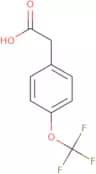
CAS:<p>4-(Trifluoromethoxy)phenylacetic acid is a useful scaffold, versatile building block, and useful intermediate in organic synthesis. It is a speciality chemical that is used as a reaction component in the preparation of complex compounds. 4-(Trifluoromethoxy)phenylacetic acid is also a reagent for the synthesis of high-quality pharmaceuticals, such as antibiotics and antiviral agents. This compound has CAS No. 4315-07-5 and can be found at Chemicals Online.</p>Formula:C9H7F3O3Purity:Min. 95%Color and Shape:PowderMolecular weight:220.15 g/molrac cis-9,10-Epoxystearic acid
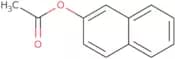
CAS:<p>Rac cis-9,10-epoxystearic acid is a fatty acid that is used as a surfactant. It has been shown to have a kinetic effect on Saccharomyces cerevisiae and has been found to increase the activity of enzymes such as phospholipase A2, lipase, and esterase. Rac cis-9,10-epoxystearic acid also increases the rate of chemical ionization when exposed to sephadex g-100. This compound has been shown to be effective in vivo against human liver cells and has been found to have an epoxide group on each side of the molecule. The enantiomer of rac cis-9,10-epoxystearic acid is hydrated in water or ethanol and reacts with alcohols in the presence of an oxidizing agent to form epoxides. Rac cis-9,10-epoxystearic acid can catalyze reactions involving epoxides.</p>Formula:C18H34O3Purity:Min. 98 Area-%Color and Shape:White PowderMolecular weight:298.46 g/molβ-Naphthylacetate
CAS:<p>Beta-naphthylacetate is a chemical that is used in the synthesis of pharmaceuticals and pesticides. It is an ester of naphthalene and acetic acid. Beta-naphthylacetate has been shown to inhibit the enzyme activity of hydrogen fluoride, which is used in the production of polyester fibers. Beta-naphthylacetate has also been shown to have anti-inflammatory properties by inhibiting prostaglandin synthesis. This chemical also has epoxidase activity, which makes it useful in the conversion of dl-alpha-tocopherol to vitamin E. Beta-naphthylacetate is soluble in water and can be made into solid dispersions or cationic surfactant solutions with high concentrations of beta-naphthylacetate, making it useful for tissue culture. The optimum pH for beta-naphthylacetate is between 7 and 8, while the optimum temperature range is between 25</p>Formula:C12H10O2Purity:Min. 95%Color and Shape:White PowderMolecular weight:186.21 g/mol4-Chloro-3-nitrobenzoic acid ethyl ester
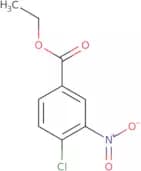
CAS:<p>4-Chloro-3-nitrobenzoic acid ethyl ester is a six-membered, planar, hydrogen bond that has a crystal structure with a six-membered ring. It has hydrogen bonds and five-membered ring. The molecule is coplanar and oriented.</p>Formula:C9H8ClNO4Purity:Min. 95%Color and Shape:PowderMolecular weight:229.62 g/mol4-Fluoro-2-methoxybenzoic acid
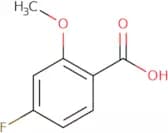
CAS:<p>4-Fluoro-2-methoxybenzoic acid is a versatile building block that is used in the synthesis of many complex compounds. It is a reagent, which means it can be used as an intermediate in the synthesis of other compounds. 4-Fluoro-2-methoxybenzoic acid is also a useful scaffold for the preparation of new chemical entities with specific pharmaceutical properties. The CAS number for this compound is 395-82-4.</p>Formula:C8H7FO3Purity:Min. 95%Color and Shape:PowderMolecular weight:170.14 g/mola-Ketoglutaric acid
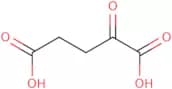
CAS:<p>a-Ketoglutaric acid is a naturally occurring organic compound that is found in the body as well as in plants. It belongs to the group of organic acids and is produced from the breakdown of amino acids, such as leucine and valine. a-Ketoglutaric acid has been shown to have physiological effects on cells and tissues by inhibiting enzymes involved in energy metabolism. In vitro assays have shown that a-ketoglutaric acid has inhibitory properties against plant metabolism. This drug also inhibits the transcriptional regulation of genes for fatty acid synthesis in human erythrocytes.<br>A-ketoglutaric acid has also been shown to inhibit glucose production in rat liver cells, which may be due to its ability to bind covalently with proteins or lipids, changing their structures and functions.</p>Formula:C5H6O5Color and Shape:White Off-White PowderMolecular weight:146.1 g/mol2-((4-(2-Furylcarbonyl)piperazinyl)carbonyl)cyclohexanecarboxylic acid
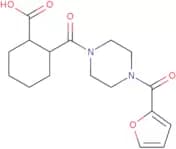
CAS:<p>Please enquire for more information about 2-((4-(2-Furylcarbonyl)piperazinyl)carbonyl)cyclohexanecarboxylic acid including the price, delivery time and more detailed product information at the technical inquiry form on this page</p>Formula:C17H22N2O5Purity:Min. 95%Color and Shape:PowderMolecular weight:334.37 g/mol5-Ethylindole-3-acetic acid
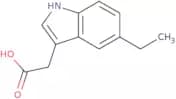
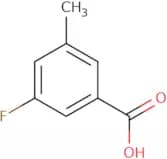
CAS:<p>5-Ethylindole-3-acetic acid is a high quality chemical that is an intermediate in the synthesis of a variety of complex compounds. It is also a reagent for many reactions and can be used as a building block for more complex compounds. 5-Ethylindole-3-acetic acid has been shown to have antihistamine, analgesic, and antipyretic properties and is useful in treating allergic reactions.</p>Formula:C12H13NO2Purity:Min. 95%Molecular weight:203.24 g/mol3-Fluoro-5-methylbenzoic acid
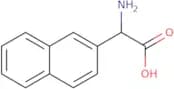
CAS:<p>3-Fluoro-5-methylbenzoic acid is a sulfilimine that has been shown to have insecticidal, functional, and biological activities. 3-Fluoro-5-methylbenzoic acid binds to the enzyme diamide reductase in insects, which prevents the production of toxic amines in insects. 3-Fluoro-5-methylbenzoic acid also inhibits the synthesis of anthranilic acid and organosulfur compounds in plants. This sulfilimine is structurally similar to other insecticides such as DDT and carbofuran. It is soluble in water but insoluble in organic solvents.</p>Formula:C8H7FO2Purity:Min. 95%Color and Shape:PowderMolecular weight:154.14 g/molAmino(naphthalen-2-yl)acetic acid
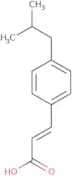
CAS:<p>Amino(naphthalen-2-yl)acetic acid is a versatile chemical building block that can be used in research, industry and as a high quality reagent. It is a useful scaffold for the synthesis of complex compounds. Amino(naphthalen-2-yl)acetic acid has been shown to be an excellent reactant for the production of fine chemicals and is high quality, with a purity of 99%. This product is also used as a speciality chemical for the production of pharmaceuticals, pesticides, and other chemical products.</p>Formula:C12H11NO2Purity:Min. 95%Color and Shape:PowderMolecular weight:201.22 g/mol4-Isobutylcinnamic acid
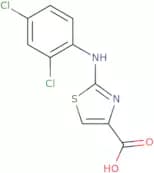
CAS:<p>4-Isobutylcinnamic acid is an organic compound that is a derivative of the organic compound acrylic acid. It is an organic ester, which means it is formed by the reaction of an alcohol and an acid. Acrylic acid can be reacted with either ethyl alcohol or isobutyl alcohol to produce 4-isobutylcinnamic acid. The resulting product can be used in the production of polymers and plastics.</p>Formula:C13H16O2Purity:Min. 95%Color and Shape:PowderMolecular weight:204.26 g/mol2-((2,4-Dichlorophenyl)amino)-1,3-thiazole-4-carboxylic acid
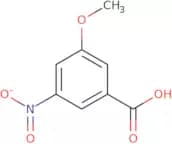
CAS:<p>Please enquire for more information about 2-((2,4-Dichlorophenyl)amino)-1,3-thiazole-4-carboxylic acid including the price, delivery time and more detailed product information at the technical inquiry form on this page</p>Purity:Min. 95%3-Methoxy-5-nitrobenzoic acid
CAS:<p>3-Methoxy-5-nitrobenzoic acid is an organic compound that has mesomorphic and switchable properties. It is a chalcone derivative, with homologues such as 3-hydroxybenzoic acid. It is synthesized from the reaction of nitrous acid and 3-methoxybenzoic acid. The synthesis of this compound can be achieved by two different routes: peroxide oxidation or fluorine substitution. Both routes produce the same product, but offer different advantages. The first route involves the addition of hydrogen peroxide to 3-methoxybenzoic acid, which produces a mixture of products containing 3-methoxy-5-nitrobenzoic acid. This route is advantageous in that it can be conducted at room temperature with high yields, but the disadvantage is that this method produces a mixture of products which may contain undesired byproducts. The second route involves the use of sodium hypofluorite and potassium</p>Formula:C8H7NO5Purity:Min. 95%Color and Shape:PowderMolecular weight:197.14 g/molSex Pheromone Inhibitor iPD1 trifluoroacetate salt
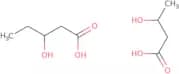
CAS:<p>Sex pheromone inhibitor IPD1 is an antibody that inhibits the production of sex pheromones by Streptococcus faecalis. It is used to diagnose and treat allergic diseases, such as atopic dermatitis or bronchial asthma. This antibody binds to a protein called polypide, which is involved in the synthesis of sex pheromones, and inhibits its activity. It has been shown to inhibit the production of sex pheromones by Streptococcus faecalis when analyzed using an SDS-polyacrylamide gel electrophoresis method. Sex pheromone inhibitor IPD1 also binds to antibodies against streptococcus, acari, and other bacteria.</p>Formula:C39H72N8O11Purity:Min. 95%Color and Shape:PowderMolecular weight:829.04 g/molPoly(3-hydroxybutyric acid-co-3-hydroxyvaleric acid)
CAS:<p>Poly(3-hydroxybutyric acid-co-3-hydroxyvaleric acid) is a biodegradable polymer that has been shown to have high water vapor permeability and low values for water uptake and swelling. The polymer is also biocompatible, with no cytotoxicity or hemolysis. Poly(3-hydroxybutyric acid-co-3-hydroxyvaleric acid) was synthesized by ring opening polymerization of 3-hydroxybutyric acid and 3-hydroxyvaleric acid. The polymer has shown synergistic effects when used in combination with other polymers, such as polyvinyl alcohol. Poly(3-hydroxybutyric acid-co-3-hydroxyvaleric acid) can be used in tissue culture as a scaffold for the growth of animal cells.</p>Color and Shape:Powder2-(1-Naphthoxy)-acetic acid
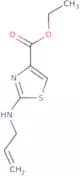
CAS:<p>2-(1-Naphthoxy)-acetic acid is a natural product that is found in urine samples. It has been found to have various biological effects, such as inhibiting sugar transport and root formation. 2-(1-Naphthoxy)-acetic acid can also be used to inhibit the transcription of certain genes by interacting with the response elements for these genes. 2-(1-Naphthoxy)-acetic acid binds to monoclonal antibodies and can be used in immunoprecipitation experiments.</p>Formula:C12H10O3Purity:Min. 95%Color and Shape:PowderMolecular weight:202.21 g/molethyl 4-(prop-2-enylamino)-3,5-thiazolecarboxylate
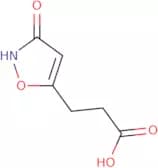
CAS:<p>Please enquire for more information about ethyl 4-(prop-2-enylamino)-3,5-thiazolecarboxylate including the price, delivery time and more detailed product information at the technical inquiry form on this page</p>Purity:Min. 95%3-(3-Hydroxyisoxazol-5-yl)propanoic acid
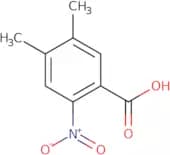
CAS:<p>3-(3-Hydroxyisoxazol-5-yl)propanoic acid is a fine chemical used as a reagent, speciality chemical, and reaction component in the synthesis of complex compounds. It is also used as a building block or scaffold in the synthesis of other compounds. 3-(3-Hydroxyisoxazol-5-yl)propanoic acid is less reactive than other carboxylic acids due to its bulky group at one end. This makes it more stable and easier to handle. 3-(3-Hydroxyisoxazol-5-yl)propanoic acid can be used for research purposes and has been shown to be an effective inhibitor of HIV protease.</p>Formula:C6H7NO4Purity:Min. 95 Area-%Color and Shape:PowderMolecular weight:157.12 g/mol3,4-Dimethyl-6-nitrobenzoic acid
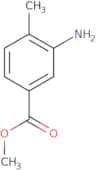
CAS:<p>3,4-Dimethyl-6-nitrobenzoic acid is a nitrated aromatic compound that has been shown to have anticancer activity. It is used as an anticancer agent in the treatment of cancers such as leukemia, lymphoma, and lung cancer. 3,4-Dimethyl-6-nitrobenzoic acid has been shown to be effective against species diversity and diversity of tumor cells. This compound inhibits protein synthesis by binding to ribosomes and inhibiting the production of proteins vital for cell division. 3,4-Dimethyl-6-nitrobenzoic acid also binds to DNA and interferes with transcription and replication of DNA, causing cell death. This compound has been found in wetlands (e.g., <br>the Yangtze River) but its function in these ecosystems is not known.</p>Formula:C9H9NO4Purity:Min. 95%Color and Shape:PowderMolecular weight:195.17 g/mol3-Amino-4-methylbenzoic acid methyl ester
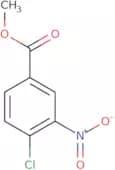
CAS:<p>3-Amino-4-methylbenzoic acid methyl ester (3AMB) is an organic compound that is used as a reagent in the synthesis of amides. It can also be used to synthesize various heterocycles by reacting with aldehydes and ketones. 3AMB has been used as a substrate in assays for amines, yielding high yields. The compound's unsymmetrical structure can be attributed to the presence of different substituents on either side of the central carbon atom. 3AMB has been shown to inhibit metal ion enzymes such as dioxygenases and nitric oxide synthases, which are involved in the metabolism of nitric oxide and oxygen respectively. In addition, 3AMB has been shown to have anti-inflammatory properties and may be a potential candidate for use as an anticoagulant or antiplatelet drug.br>br><br>br>br><br>3AMB is</p>Formula:C9H11NO2Purity:Min. 95%Color and Shape:PowderMolecular weight:165.19 g/mol4-Chloro-3-nitrobenzoic acid methyl ester
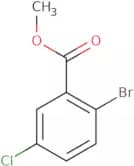
CAS:<p>4-Chloro-3-nitrobenzoic acid methyl ester is a chemical compound that inhibits the synthesis of nucleic acids. It binds to the functional groups of DNA, preventing replication and transcription. 4-Chloro-3-nitrobenzoic acid methyl ester also inhibits protein synthesis by inhibiting ribosomal RNA which is required for translation. This agent has been shown to induce apoptotic cell death in leukemia cells, HL60 cells, and other types of cancer cells in vitro. 4-Chloro-3-nitrobenzoic acid methyl ester has a potent inhibitory activity against replicons in vitro and is a synthetic molecule with two sulfoxide functional groups.</p>Formula:C8H6ClNO4Purity:Min. 95%Color and Shape:PowderMolecular weight:215.59 g/mol2-Bromo-5-chlorobenzoic acid methyl ester
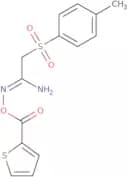
CAS:<p>2-Bromo-5-chlorobenzoic acid methyl ester is a chemical compound that is a component of the perborate oxidant. This chemical reacts with hydrogen peroxide to produce water, oxygen, and 2-bromo-5-chlorobenzoic acid. It can also be used in cyclisation reactions to synthesise heterocyclic compounds. The reaction mechanism for this process involves the formation of an unstable intermediate that spontaneously breaks down into two bromine atoms and one carbon atom. This process is catalyzed by metal ions such as copper, silver, and zinc. 2-Bromo-5-chlorobenzoic acid methyl ester has been used as an intermediate in the synthesis of homologues of ribonucleotide reductase.</p>Formula:C8H6BrClO2Purity:Min. 95%Color and Shape:PowderMolecular weight:249.49 g/mol2-Amino-1-aza-3-((4-methylphenyl)sulfonyl)prop-1-enyl thiophene-2-carboxylate
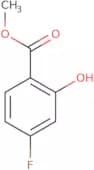
CAS:<p>Please enquire for more information about 2-Amino-1-aza-3-((4-methylphenyl)sulfonyl)prop-1-enyl thiophene-2-carboxylate including the price, delivery time and more detailed product information at the technical inquiry form on this page</p>Formula:C14H14N2O4S2Purity:Min. 95%Color and Shape:PowderMolecular weight:338.4 g/mol4-Fluoro-2-hydroxybenzoic acid methyl ester
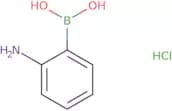
CAS:<p>4-Fluoro-2-hydroxybenzoic acid methyl ester is a chemical compound that is used as a synthetic intermediate in the synthesis of drugs. 4-Fluoro-2-hydroxybenzoic acid methyl ester can be prepared by reductive amination of an acyl chloride with an amine, followed by reaction with methanol. This chemical intermediate is used in the synthesis of the BCL-2 inhibitor venetoclax, which inhibits cell growth and induces apoptosis in lymphoma cells. 4-Fluoro-2-hydroxybenzoic acid methyl ester also has been shown to inhibit the activity of amidating enzymes and transferases, suggesting it may have potential as an anti-inflammatory drug.</p>Formula:C8H7FO3Purity:Min. 95%Color and Shape:PowderMolecular weight:170.14 g/mol(2-Aminophenyl)boronic acid hydrochloride
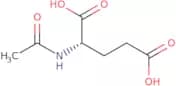
CAS:<p>(2-Aminophenyl)boronic acid hydrochloride is an analytical reagent that is used in the cross-coupling reaction between aryl bromides and organoboron compounds. It has been synthesized from 2-aminophenylboronic acid, which can be produced by the alkylation of phenol with 3-bromoquinoline. This compound has been shown to have antimalarial activity against the human malaria parasite Plasmodium falciparum in vitro. (2-Aminophenyl)boronic acid hydrochloride has also been shown to have a high intestinal absorption rate when given orally to rats. In vivo studies are needed to determine whether this chemical is safe for humans.</p>Formula:C6H9BClNO2Purity:Min. 95%Color and Shape:PowderMolecular weight:173.41 g/molN-Acetyl-L-glutamic acid
CAS:<p>N-Acetylglutamic acid is a biologically active compound that is found in the cells. It is a product of the urea cycle and has been shown to inhibit the activity of enzymes such as ester hydrochloride synthetase, which catalyzes the conversion of arginine and citrulline to ornithine and carbamoyl phosphate. N-Acetylglutamic acid also plays an important role in cellular physiology, such as transcriptional regulation and protein synthesis. Deficiency can lead to glutamate accumulation and neurological disorders such as epilepsy. The biochemical properties of N-acetylglutamic acid are still not well known, but it has been shown to react with ammonia to form glutamine.</p>Formula:C7H11NO5Purity:Min 98%Color and Shape:White PowderMolecular weight:189.17 g/mol2,4-Dihydroxycinnamic acid
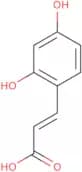
CAS:<p>2,4-Dihydroxycinnamic acid (2,4-DHCA) is a naturally occurring compound that is synthesized by the shikimate pathway. 2,4-DHCA has been shown to inhibit the growth of influenza virus in cell culture. 2,4-DHCA may provide protection from influenza in humans and animals by inhibiting the release of inflammatory cytokines such as tumor necrosis factor and interleukin-1 from cells. This anti-inflammatory effect has been observed in animal models for various inflammatory diseases including arthritis and asthma.</p>Formula:C9H8O4Purity:Min. 95%Color and Shape:PowderMolecular weight:180.16 g/mol[5-Methyl-3-(trifluoromethyl)-1H-pyrazol-1-yl]acetic acid
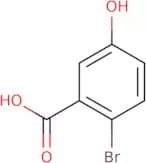
CAS:<p>[5-Methyl-3-(trifluoromethyl)-1H-pyrazol-1-yl]acetic acid is a reaction component that can be used in organic synthesis as a reagent. This chemical has been shown to have high quality, and is useful for research purposes. It is also a versatile building block and useful intermediate, which can be used in the production of complex compounds. [5-Methyl-3-(trifluoromethyl)-1H-pyrazol-1-yl]acetic acid has CAS number 345637-71-0, and is a fine chemical that is useful for chemistry research.</p>Formula:C7H7F3N2O2Purity:Min. 95%Color and Shape:PowderMolecular weight:208.14 g/mol2-Bromo-5-hydroxybenzoic acid
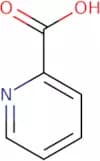
CAS:<p>2-Bromo-5-hydroxybenzoic acid is a naturally occurring chemical that belongs to the group of phenols. It is an intermediate in the biosynthesis of the phorbol esters and is used as a nutrient for many bacteria. 2-Bromo-5-hydroxybenzoic acid has been shown to protect against microbial infections by inhibiting the growth of certain bacteria. It also inhibits production of inflammatory compounds, such as leukotrienes and prostaglandins, by modifying the enzyme activity of peroxidases and other enzymes involved in lipid metabolism. 2-Bromo-5-hydroxybenzoic acid has been shown to inhibit the enzyme lactoperoxidase and prevent oxidation of thiol groups in proteins, altering their functions. This compound also potently inhibits tissue inflammation induced by phorbol myristate acetate (PMA).</p>Formula:C7H5BrO3Purity:Min. 95%Color and Shape:PowderMolecular weight:217.02 g/mol2-Pyridinecarboxylic acid
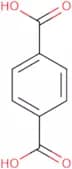
CAS:<p>2-Pyridinecarboxylic acid is a chemical compound that has been shown to have minimal toxicity. It is a potent inducer of various enzymes, including c-jun phosphorylation and enzyme activities. This compound has also been shown to bind to picolinic acid and picolinate, which are chemical compounds that have been associated with many physiological effects. 2-Pyridinecarboxylic acid may also be able to regulate the activity of growth factor-β1, which plays an important role in energy metabolism. Molecular docking analysis has shown that 2-pyridinecarboxylic acid may bind to chromium picolinate, a form of chromium with antioxidant properties.</p>Formula:C6H5NO2Purity:Min. 95%Color and Shape:PowderMolecular weight:123.11 g/molTerephthalic acid
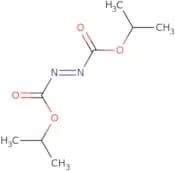
CAS:<p>Terephthalic acid is a dicarboxylic acid that is used as a monomer in the production of polyesters. It is produced by the oxidation of p-hydroxybenzoic acid with aqueous sodium hydroxide. The reaction solution of terephthalic acid and glycol ethers contains water vapor and glycol esters, which are formed during the reaction. This product has been shown to inhibit drugs such as acetylcholinesterase and butyrylcholinesterase, which are important for the treatment of Alzheimer's disease and other neurological disorders. Terephthalic acid can be used as a fluorescence probe for determination of redox potential in analytical methods such as cyclic voltammetry, or to determine human serum levels in clinical analysis. Structural analyses have revealed intramolecular hydrogen bonds between the carboxyl groups and phenolic hydroxyl groups in terephthalic acid.</p>Formula:C8H6O4Purity:Min. 95%Color and Shape:White PowderMolecular weight:166.13 g/molDiisopropyl azodicarboxylate
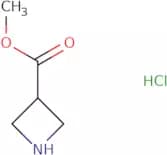
CAS:<p>Diisopropyl azodicarboxylate is a pyrimidine compound that can be used in the treatment of autoimmune diseases and eye disorders. It is also an important chemical intermediate for pharmaceuticals, such as chemotherapeutic agents. Diisopropyl azodicarboxylate reacts with a nucleophilic group to form a new carbon-nitrogen bond by elimination of nitrogen gas. The reaction mechanism has been studied extensively and is well understood. Diisopropyl azodicarboxylate is a potent inhibitor of many enzymes, including those involved in the synthesis of proteins and phospholipids. It inhibits angiotensin-converting enzyme (ACE), which breaks down angiotensin I into angiotensin II, leading to vasoconstriction. Diisopropyl azodicarboxylate also inhibits receptor molecules that are involved in cell signaling pathways, such as the epidermal growth factor receptor (EGFR).</p>Formula:C8H14N2O4Purity:Min. 98 Area-%Color and Shape:Clear LiquidMolecular weight:202.21 g/molMethyl azetidine-3-carboxylate hydrochloride
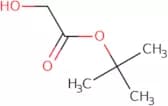
CAS:<p>Methyl azetidine-3-carboxylate hydrochloride is a potent suppressant of the immune system. It has been shown to be effective at reducing the incidence of experimental autoimmune encephalomyelitis in monkeys, and also shows promise as a therapeutic agent for human immunodeficiency virus (HIV) infection. Methyl azetidine-3-carboxylate hydrochloride is orally active and can be administered in doses that are not toxic to the host. There have been no reports of adverse effects from administration of this drug, with the exception of nausea and vomiting, which were reported at doses greater than 30 mg/kg. Pharmacokinetic studies indicate that methyl azetidine-3-carboxylate hydrochloride does not accumulate in lymphocytes or other tissues following repeated oral doses, but instead is excreted rapidly via urine. The pharmacological activity of this compound appears to be due to its ability to inhibit protein synthesis by binding to rib</p>Formula:C5H10ClNO2Purity:Min. 95%Color and Shape:PowderMolecular weight:151.59 g/moltert-Butyl 2-hydroxyacetate
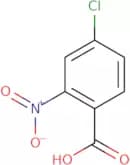
CAS:<p>Tert-Butyl 2-hydroxyacetate is a monomer that can be used for the synthesis of furopyridines. It is an enolate and reacts with guanine in the presence of catalysts, such as dicyclohexyl, to form an alkylating agent. The resulting product is then reacted with a second molecule of guanine to form the desired furopyridine. Tert-Butyl 2-hydroxyacetate can also be used in cross-coupling reactions mediated by palladium, which allow for the synthesis of polymers with high yields and trackability.</p>Formula:C6H12O3Purity:Min. 98%Color and Shape:Clear LiquidMolecular weight:132.16 g/mol4-Chloro-2-nitrobenzoic acid
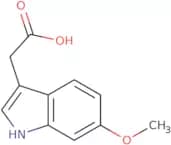
CAS:<p>4-Chloro-2-nitrobenzoic acid is a hydrogen bond donor with a coordination geometry of tetrahedral. It has two functional groups: an organic acid and a nitro group. This compound has been used in molecular modeling to study telomeric interactions. 4-Chloro-2-nitrobenzoic acid is also found in biological systems such as the enzyme chloramphenicol acetyltransferase and the antibiotic chloramphenicol. 4-Chloro-2-nitrobenzoic acid can be synthesized from phosphorus pentachloride and amine, which are both commercially available.</p>Formula:C7H4CINO4Purity:Min. 95%Color and Shape:PowderMolecular weight:305.03 g/mol6-Methoxyindole-3-acetic acid
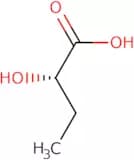
CAS:<p>Please enquire for more information about 6-Methoxyindole-3-acetic acid including the price, delivery time and more detailed product information at the technical inquiry form on this page</p>Formula:C11H11NO3Purity:Min. 95%Color and Shape:PowderMolecular weight:205.21 g/mol(S)-2-Hydroxybutyric acid
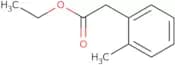
CAS:<p>(S)-2-Hydroxybutyric acid is a substrate molecule for the enzyme malate dehydrogenase, which catalyzes the conversion of (S)-2-hydroxybutyric acid to propionate and carbon dioxide. This reaction is important in energy production when glycolysis is unable to meet the body's energy requirements. The (S)-2-hydroxybutyric acid can be used as an analytical method for determining insulin resistance by measuring its concentration in urine samples. The logistic regression model was used to predict the probability that a cancer patient would respond positively to treatment with (S)-2-hydroxybutyric acid. Hydroxyl groups are found on both enantiomers of (S)-2-hydroxybutyric acid. In order to determine which enantiomer may have more therapeutic potential, researchers must prepare a sample for analysis and identify which enantiomer is present.</p>Formula:C4H8O3Purity:Min. 97 Area-%Color and Shape:Colorless PowderMolecular weight:104.1 g/molEthyl 2-tolylacetate
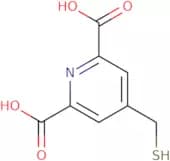
CAS:<p>Ethyl 2-tolylacetate is a colorless liquid with a fruity odor. It is used as an intermediate in the synthesis of other organic compounds, such as pharmaceuticals and agrochemicals. This compound can be prepared by the reductive coupling of ethyl bromoacetate with toluene via palladium catalysis or by the cross-coupling of ethyl bromoacetate with 2-chloropropiophenone. The regiospecificity of this reaction was found to depend on the nature of the nucleophile and the boronic acid used in the reaction. Ethyl 2-tolylacetate is also used for peptide synthesis and as an ligand for sulphoxides.</p>Formula:C11H14O2Purity:Min. 95%Color and Shape:Clear LiquidMolecular weight:178.23 g/mol4-Mercaptomethyl dipicolinic acid
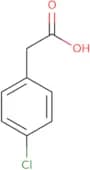
CAS:<p>4-Mercaptomethyl dipicolinic acid is a polymerized, bifunctional molecule that can be used as a luminescent probe to study the structure and dynamics of proteins. It has been shown to bind to lanthanide ions and has fluorescence properties. 4-Mercaptomethyl dipicolinic acid can be synthesized by a method involving the reaction of mercaptoethanol with sodium dithiocarbamate and copper(II) sulfate in an aqueous solution. This reaction produces two molecules of 4-mercaptomethyl dipicolinic acid for every one molecule of mercaptoethanol used, which then reacts with two molecules of 2,4-dinitrophenol in an aqueous solution. The resulting product is then purified by recrystallization from hot water. The conformational properties of 4-mercaptomethyl dipicolinic acid are dependent on temperature, pH,</p>Formula:C8H7NO4SPurity:Min. 95%Color and Shape:PowderMolecular weight:213.21 g/mol4-Chlorophenylacetic acid
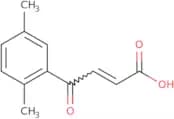
CAS:<p>4-Chlorophenylacetic acid is a fatty acid that reacts with hydroxyl groups to form reaction intermediates. It has been used in antiestrogen therapy as it is able to inhibit the activity of estrogen. It has also been used in polymeric matrices to control the release of silver ions for the treatment of cancer. 4-Chlorophenylacetic acid is synthesized by acylation of phenylacetic acid with chloroacetyl chloride in the presence of hydrochloric acid and sephadex g-100. 4-Chlorophenylacetic acid has been shown to inhibit tumor growth in animal models, which may be due to its ability to induce apoptosis.</p>Formula:C8H7ClO2Purity:Min. 97.5 Area-%Color and Shape:White PowderMolecular weight:170.59 g/mol3-(2,5-Dimethylbenzoyl)-acrylic acid
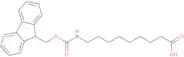
CAS:<p>3-(2,5-Dimethylbenzoyl)-acrylic acid is a reactive component and reagent that is used in the synthesis of molecular building blocks. It can also be used as a versatile building block for complex compounds, such as pharmaceutical intermediates. 3-(2,5-Dimethylbenzoyl)-acrylic acid has a CAS number of 15254-22-5. This chemical is considered to be high quality and is useful in research laboratories and speciality chemical suppliers.</p>Formula:C12H12O3Purity:Min. 95%Molecular weight:204.22 g/molFmoc-9-aminononanoic acid
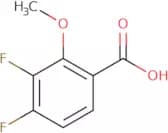
CAS:<p>Fmoc-9-aminononanoic acid is a versatile building block that can be used in the synthesis of complex compounds. This compound has been shown to be useful for the production of speciality chemicals and research chemicals, as well as for the preparation of reagents and reaction components. Fmoc-9-aminononanoic acid is also a high quality intermediate with a wide range of applications. It can be used as an electrophile or nucleophile in organic synthesis reactions, or it can be used as a scaffold to prepare more complicated molecules.</p>Formula:C24H29NO4Purity:Min. 98 Area-%Color and Shape:PowderMolecular weight:395.49 g/mol3,4-Difluoro-2-methoxybenzoic acid
CAS:<p>3,4-Difluoro-2-methoxybenzoic acid is a chemical compound that can be used as a reaction component or reagent. It is also a useful scaffold for organic synthesis of complex compounds and can be used as a building block to produce fine chemicals. 3,4-Difluoro-2-methoxybenzoic acid has the CAS number 875664-52-1 and is listed under the chemical name 3,4-difluoro-2-methoxybenzoic acid.</p>Formula:C8H6F2O3Purity:Min. 95%Color and Shape:PowderMolecular weight:188.13 g/mol



![tert-Butyl N-[3-(Chlorosulfonyl)propyl]carbamate](/_next/image/?url=https%3A%2Fstatic.cymitquimica.com%2Fproducts%2FTR%2Fthumb-webp%2FB811700.webp&w=3840&q=75)





![2-[(Phenylsulfanyl)methyl]benzenecarboxylic Acid](/_next/image/?url=https%3A%2Fstatic.cymitquimica.com%2Fproducts%2FTR%2Fthumb-webp%2FB481480.webp&w=3840&q=75)
![[p-Terphenyl]-4,4''-dicarboxylic Acid](/_next/image/?url=https%3A%2Fstatic.cymitquimica.com%2Fproducts%2FTR%2Fthumb-webp%2FT116700.webp&w=3840&q=75)









![[5-Methyl-3-(trifluoromethyl)-1H-pyrazol-1-yl]acetic acid](/_next/image/?url=https%3A%2Fstatic.cymitquimica.com%2Fproducts%2F3D%2Fthumb-webp%2FFM54360.webp&w=3840&q=75)