Carboxylic Acids
Carboxylic acids are organic molecules characterized by having a carboxyl-type functional group (-COOH). These acids are fundamental in various chemical reactions, including esterification, amidation, and decarboxylation. Carboxylic acids are widely used in the production of pharmaceuticals, polymers, and agrochemicals. In this section, you can find a large number of carboxylic acids ready to be used. At CymitQuimica, we provide a broad range of high-quality carboxylic acids to support your research and industrial applications.
Found 12453 products of "Carboxylic Acids"
Sort by
Purity (%)
0
100
|
0
|
50
|
90
|
95
|
100
R-(-)-Arundic acid
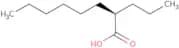
CAS:<p>R-(-)-Arundic acid is a chiral compound, which is a derivative of arundic acid specifically designed for enantiomeric purity. It is sourced through synthetic organic chemistry processes, allowing for precise control over its stereochemistry. The mode of action of R-(-)-Arundic acid involves the inhibition of astrocyte activation by modulating the synthesis of certain cytokines and inflammatory mediators. This mechanism provides a neuroprotective effect, making it a valuable tool in the study of neurodegenerative diseases and brain injuries.</p>Formula:C11H22O2Purity:Min. 98 Area-%Color and Shape:Clear Viscous LiquidMolecular weight:186.29 g/mol2-Chloronicotinic acid
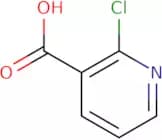
CAS:<p>2-Chloronicotinic acid is a chemical compound that belongs to the group of phosphorus compounds. It is a colorless liquid that is soluble in water and has a pungent odor. 2-Chloronicotinic acid can be found in wastewater treatment, as it binds strongly to phosphorus compounds. It also participates in the Suzuki coupling reaction with various organometallic catalysts, such as palladium and nickel, to produce amides and n-oxides. 2-Chloronicotinic acid inhibits the growth of Pseudomonas aeruginosa and other bacteria by binding to the bacterial ribosome and inhibiting protein synthesis. 2-Chloronicotinic acid has been shown to inhibit prostaglandin synthesis, which may be due to its ability to bind nonsteroidal anti-inflammatory drugs (NSAIDs) by hydrogen bonding at their active site.</p>Formula:C6H4ClNO2Purity:Min. 95%Color and Shape:PowderMolecular weight:157.55 g/mol2,6-Pyridinedicarboxylic acid
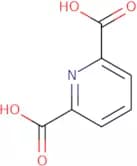
CAS:<p>2,6-Pyridinedicarboxylic acid is a chemical compound that is mainly used as an antimicrobial agent. It binds to DNA by hydrogen bonding interactions and alters the polymerase chain reaction (PCR) process. This leads to inhibition of DNA synthesis and cell death. 2,6-Pyridinedicarboxylic acid has been shown to have synergistic effects when combined with sodium salts. It also inhibits transfer reactions in bacteria, which may be due to its ability to bind to picolinic acid. The structural analysis of 2,6-pyridinedicarboxylic acid showed that it contains a pyridine ring fused with two carboxyl groups. 2,6-Pyridinedicarboxylic acid reacts with picolinic acid in the presence of sodium salts and undergoes a series of reactions leading to the formation of picolinamide, which may explain its inhibitory properties.</p>Formula:C7H5NO4Purity:Min. 95%Color and Shape:PowderMolecular weight:167.12 g/mol2,3-Dimethylbenzoic acid
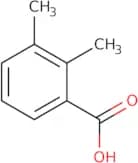
CAS:<p>2,3-Dimethylbenzoic acid is a reagent that is used as a molecular ion in mass spectrometry. It is volatile and can be used to identify carboxylic acids that are aliphatic or oxygenated. 2,3-Dimethylbenzoic acid can also be used to identify methyl groups and the conjugate acid of an ester.</p>Formula:C9H10O2Purity:Min. 95%Color and Shape:PowderMolecular weight:150.17 g/molHomovanillic acid sulfate sodium salt
CAS:<p>Homovanillic acid sulfate sodium salt (HVA) is a metabolite of dopamine that is used to diagnose or monitor diseases related to the central nervous system. The HVA concentration in urine can be determined by colorimetric assay, which has been shown to be useful for identifying patients with Parkinson's disease and other degenerative diseases. HVA is also found in blood plasma and cerebrospinal fluid, as well as in many other body tissues. HVA levels are increased during pregnancy, because it is an intermediate in the biosynthesis of estradiol from testosterone. In addition, concentrations of HVA increase with age, due to decreased clearance rates.</p>Formula:C9H8Na2O7SPurity:Min. 95%Color and Shape:PowderMolecular weight:306.2 g/molSex Pheromone Inhibitor iPD1 trifluoroacetate salt
CAS:<p>Sex pheromone inhibitor IPD1 is an antibody that inhibits the production of sex pheromones by Streptococcus faecalis. It is used to diagnose and treat allergic diseases, such as atopic dermatitis or bronchial asthma. This antibody binds to a protein called polypide, which is involved in the synthesis of sex pheromones, and inhibits its activity. It has been shown to inhibit the production of sex pheromones by Streptococcus faecalis when analyzed using an SDS-polyacrylamide gel electrophoresis method. Sex pheromone inhibitor IPD1 also binds to antibodies against streptococcus, acari, and other bacteria.</p>Formula:C39H72N8O11Purity:Min. 95%Color and Shape:PowderMolecular weight:829.04 g/mol5-Methoxysalicylic acid sodium
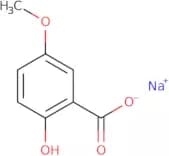
CAS:<p>5-Methoxysalicylic acid sodium (MSAS) is a drug that is used to treat intestinal ulcers. It is also used to reduce the viscosity of blood and as an adjuvant in the treatment of rheumatoid arthritis. The bioavailability of MSAS is increased when it is administered with cefmetazole, which enhances the absorption of this drug in the small intestine. MSAS has a hypoglycemic effect and can be used to treat high blood sugar levels. This drug binds to muscle cells and prevents their contraction, which can lead to relief from muscle pain or spasms. MSAS may also have a pharmacological effect on ligation, which occurs when tissue is cut off from its blood supply.</p>Formula:C8H7O4·NaPurity:Min. 95%Color and Shape:PowderMolecular weight:190.13 g/mol2-Hydroxy-4-aminobutanoic acid
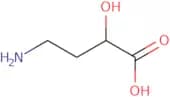
CAS:<p>2-Hydroxy-4-aminobutanoic acid is a synthetic compound that has been shown to be a potent antibacterial agent. It is active against both Gram-positive and Gram-negative bacteria, including Pseudomonas aeruginosa, Enterococcus faecalis, Staphylococcus aureus, and Escherichia coli. 2-Hydroxy-4-aminobutanoic acid is also an indole alkaloid that can be produced from the amino acid tryptophan by the enzyme pyridoxal phosphate. This prebiotic is found in tissues of many animals and humans. 2-Hydroxy-4-aminobutanoic acid has been shown to have antiinflammatory properties in human serum.</p>Formula:C4H9NO3Purity:Min. 95 Area-%Color and Shape:PowderMolecular weight:119.12 g/molMeclofenamic acid
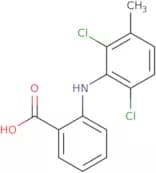
CAS:<p>Meclofenamic acid is a nonsteroidal anti-inflammatory drug (NSAID) that inhibits the activity of cyclooxygenase and lipoxygenase. It is used for the treatment of mild to moderate pain, dysmenorrhea, and menstrual cramps. Meclofenamic acid binds to polymerase chain reaction (PCR) substrate-binding site, inhibiting DNA synthesis in rat hippocampal neurons. This drug has also been shown to suppress disease activity in animals with experimental arthritis. Meclofenamic acid can be administered orally or intravenously without altering its effect on disease activity or blood sampling results. The drug is rapidly metabolized by hydroxylation and conjugation with glucuronic acid, followed by excretion in urine or feces. Meclofenamic acid significantly cytotoxic to human polymorphonuclear leukocytes at high concentrations, which may be due to its ability to modify RNA synthesis and protein synthesis.</p>Formula:C14H11Cl2NO2Purity:Min. 95%Color and Shape:White PowderMolecular weight:296.15 g/molMethyl 3-aminothieno[2,3-β]pyridine-2-carboxylate
CAS:<p>Please enquire for more information about Methyl 3-aminothieno[2,3-β]pyridine-2-carboxylate including the price, delivery time and more detailed product information at the technical inquiry form on this page</p>Formula:C9H8N2O2SPurity:Min. 95%Color and Shape:PowderMolecular weight:208.24 g/mol2-Hydroxy-5-nitrophenylacetic acid
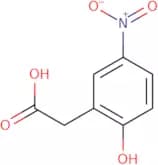
CAS:<p>2-Hydroxy-5-nitrophenylacetic acid is a versatile building block that can be used as a reagent, speciality chemical, or research chemical. It has been synthesized and characterized from the nitrobenzene derivative 2-hydroxyacetophenone. The compound has been shown to inhibit the growth of bacteria by binding to bacterial DNA gyrase and topoisomerase IV. This inhibits bacterial growth by preventing DNA replication and transcription. As an intermediate, 2-hydroxy-5-nitrophenylacetic acid is useful in organic synthesis as a reaction component or scaffold.</p>Formula:C8H7NO5Purity:Min. 95%Color and Shape:PowderMolecular weight:197.14 g/molH-Ala-Phe-Lys-AMC trifluoroacetate salt
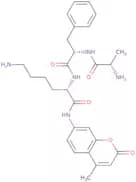
CAS:<p>H-Ala-Phe-Lys-AMC trifluoroacetate salt is a chemical compound that can be used as an intermediate in the synthesis of peptides, peptidomimetics, and other organic compounds. This reagent is a high quality, versatile building block that can be used in the synthesis of complex compounds. H-Ala-Phe-Lys-AMC trifluoroacetate salt is a fine chemical that has been assigned CAS No. 120928-02-1. It is a useful scaffold for the synthesis of novel compounds with potential pharmaceutical value.</p>Formula:C28H35N5O5•C2HF3O2Purity:Min. 95 Area-%Color and Shape:PowderMolecular weight:635.63 g/mol4,5-Difluoro-2-methylbenzoic acid
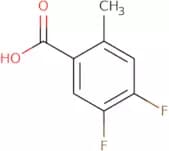
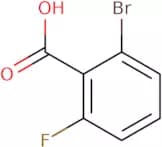
CAS:<p>4,5-Difluoro-2-methylbenzoic acid is a versatile building block that can be used in research and industrial settings. It is a high quality chemical with a CAS number of 183237-86-7. 4,5-Difluoro-2-methylbenzoic acid can be used as a building block for the synthesis of complex compounds. This chemical is also useful as an intermediate or scaffold for organic reactions.</p>Formula:C8H6F2O2Purity:Min. 95%Color and Shape:PowderMolecular weight:172.13 g/mol2-Bromo-6-fluorobenzoic acid
CAS:<p>2-Bromo-6-fluorobenzoic acid is a carboxylate that has been used in the treatment of prostate cancer cells. It is activated by nucleophilic attack to form a reactive intermediate, which then reacts with the fluorine or chlorine substituents on DNA bases. This reaction leads to the replacement of the fluorine or chlorine with bromine, resulting in the formation of a quinazolinone. The substituted nucleotide is then recognized by enzymes, leading to cell death.<br>2-Bromo-6-fluorobenzoic acid has also been shown to be active against other cancer cells, such as lung and breast cancer cells.</p>Formula:C7H4BrFO2Purity:Min. 95%Color and Shape:PowderMolecular weight:219.01 g/mol3-Cysteinylacetaminophen trifluoroacetic acid salt
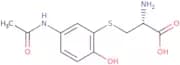
CAS:<p>Acetaminophen is a common pain reliever and fever reducer. It is available over-the-counter in many countries. Acetaminophen is a member of the class of drugs known as analgesic, antipyretic, and anti-inflammatory drugs (APAP). The drug has been shown to be effective for acute pain relief, but not for chronic pain. Acetaminophen has also been found to be an effective analgesic when taken at high doses (above 1000 mg per day) for more than one week. In vivo studies have shown that acetaminophen inhibits mitochondrial membrane potential in hk-2 cells and cd-1 mice. This inhibition leads to apoptosis and cell death. Acetaminophen is not associated with serious side effects when used at the recommended dose, although it can lead to liver damage if taken in large quantities or on a prolonged basis.</p>Formula:C11H14N2O4S·xC2HO2F3Purity:(%) Min. 95%Color and Shape:Brown PowderMolecular weight:270.31 g/molPoly(3-hydroxybutyric acid-co-3-hydroxyvaleric acid)
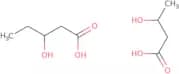
CAS:<p>Poly(3-hydroxybutyric acid-co-3-hydroxyvaleric acid) is a biodegradable polymer that has been shown to have high water vapor permeability and low values for water uptake and swelling. The polymer is also biocompatible, with no cytotoxicity or hemolysis. Poly(3-hydroxybutyric acid-co-3-hydroxyvaleric acid) was synthesized by ring opening polymerization of 3-hydroxybutyric acid and 3-hydroxyvaleric acid. The polymer has shown synergistic effects when used in combination with other polymers, such as polyvinyl alcohol. Poly(3-hydroxybutyric acid-co-3-hydroxyvaleric acid) can be used in tissue culture as a scaffold for the growth of animal cells.</p>Color and Shape:PowderAbiraterone acetate
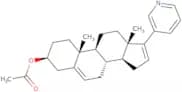
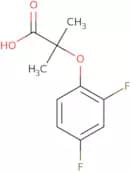
CAS:Controlled Product<p>CYP17 enzyme inhibitor</p>Formula:C26H33NO2Purity:Min. 98 Area-%Color and Shape:PowderMolecular weight:391.55 g/mol2-(2,4-Difluorophenoxy)-2-methylpropanoic acid
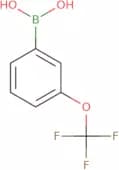
CAS:<p>2-(2,4-Difluorophenoxy)-2-methylpropanoic acid is a versatile building block that can be used in research and development of complex compounds. It has CAS No. 667413-00-5 and is classified as a fine chemical. 2-(2,4-Difluorophenoxy)-2-methylpropanoic acid can be used in the synthesis of useful scaffolds and reaction components. It is also a reagent for use in the synthesis of speciality chemicals. This compound has high quality and is an important intermediate for the production of other compounds.</p>Formula:C10H10F2O3Purity:Min. 95%Color and Shape:PowderMolecular weight:216.18 g/mol3-Trifluoromethoxyphenylboronic acid
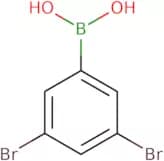
CAS:<p>3-Trifluoromethoxyphenylboronic acid is a lead compound that has the potential to be an efficient and water-soluble inhibitor of protein kinases. It has been shown to have a significant inhibitory effect on vismodegib transport. This compound may also have anticancer properties. 3-Trifluoromethoxyphenylboronic acid binds to the active site of protein kinases, blocking their catalytic activity and inhibiting cell proliferation by interfering with the signaling pathway that regulates cancer cells.</p>Formula:C7H6BF3O3Purity:Min. 90%Color and Shape:PowderMolecular weight:205.93 g/mol3,5-Dibromophenylboronic acid
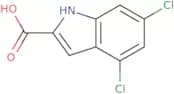
CAS:<p>3,5-Dibromophenylboronic acid is a boronic acid with the chemical formula B(OH)Br. The boron atom in this molecule has a unique electron configuration that allows it to form strong bonds with other atoms and molecules. This reactive compound can be used as a ligand in cross-coupling reactions or to modify an organic molecule by coupling it to another molecule. 3,5-Dibromophenylboronic acid is typically used as a precursor for the synthesis of nanomaterials and can be synthesized from monomers at temperatures ranging from -78°C to 80°C.</p>Formula:C6H5BBr2O2Purity:Min. 95%Molecular weight:279.72 g/mol4,6-Dichloroindole-2-carboxylic acid
CAS:<p>4,6-Dichloroindole-2-carboxylic acid (DCI) is a potential drug candidate for the treatment of neurological disorders. DCI binds to glutamate receptors, which are involved in many neurological diseases. It has been shown to inhibit glutamate dehydrogenase and thus block the production of glutamate from glucose. DCI also prevents neuronal death caused by excessive levels of glutamate and inhibits the activation of N-methyl-D-aspartate (NMDA) receptors. This drug is currently being investigated as a therapy for inflammatory diseases such as multiple sclerosis and Alzheimer's disease. One study has shown that DCI may be useful for treating cerebellar granule cells in a model system. It has been found to inhibit glycogen synthase kinase 3, which is an enzyme involved in signaling pathways that regulate cell growth and survival.</p>Formula:C9H5Cl2NO2Purity:Min. 95%Color and Shape:White PowderMolecular weight:230.05 g/mol2-Fluoro-6-methoxybenzoic acid
CAS:<p>2-Fluoro-6-methoxybenzoic acid is a monocarboxylic acid that is synthesized from 2,6-dichlorobenzoic acid by a mediated, synthetic sequence. This compound can be used as a substrate for kinetic analyses of the transport of carboxylic acids across cellular membranes. The uptake of 2-fluoro-6-methoxybenzoic acid is expressed in the apical surface membrane of Caco2 cells. Kinetic studies indicate that this compound reacts rapidly with butyllithium to form an enamine intermediate. The enamine intermediate then reacts with either water or methanol to produce a final product, depending on the reaction time.</p>Formula:C8H7FO3Purity:Min. 95%Color and Shape:PowderMolecular weight:170.14 g/mol4-Hydroxyphthalic acid
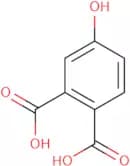
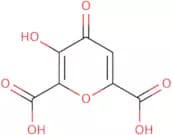
CAS:<p>4-Hydroxyphthalic acid is a hydroxybenzoic acid. It is a reaction product of pyrite and protocatechuic acid. It has been shown to bind to the receptor site in phagocytic cells, which may be due to its ability to form an adduct with the hydroxyl group on the cell membrane. 4-Hydroxyphthalic acid also has antimicrobial properties that inhibit bacterial growth by destroying the cell wall and inhibiting protein synthesis. This compound also has pharmacokinetic properties that make it suitable for drug delivery applications. 4-Hydroxyphthalic acid is metabolized by hydrolysis and oxidation, with most of it being excreted unchanged in urine or bile. The reaction products are converted back into protocatechuic acid, which can be recycled again through other reactions to create more 4-hydroxyphthalic acid.</p>Formula:C8H6O5Purity:Min. 97 Area-%Color and Shape:Off-White PowderMolecular weight:182.13 g/mol2-(1-Naphthoxy)-acetic acid
CAS:<p>2-(1-Naphthoxy)-acetic acid is a natural product that is found in urine samples. It has been found to have various biological effects, such as inhibiting sugar transport and root formation. 2-(1-Naphthoxy)-acetic acid can also be used to inhibit the transcription of certain genes by interacting with the response elements for these genes. 2-(1-Naphthoxy)-acetic acid binds to monoclonal antibodies and can be used in immunoprecipitation experiments.</p>Formula:C12H10O3Purity:Min. 95%Color and Shape:PowderMolecular weight:202.21 g/mol10-Formyl folic acid
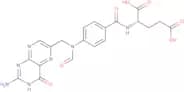
CAS:<p>10-Formyl folic acid is a type of folic acid that is found in the human serum. It can be detected by liquid chromatography-mass spectrometry (LC-MS/MS). 10-Formyl folic acid has been studied for its potential to be used as an early indicator of leukemia, and can also be used to study the effects of matrix effects on chromatographic methods. 10-Formyl folic acid is often used in product research because it has high detection and can be used to detect streptococcus faecalis.</p>Formula:C20H19N7O7Purity:Min. 90 Area-%Color and Shape:PowderMolecular weight:469.41 g/molDiethyl iminodiacetate
CAS:<p>Diethyl iminodiacetate is a reactive chemical that is used in the polymerization of plastics, paints, and other products. It reacts with the carbonyl group of unsaturated fatty acid to form an ester. This reaction also occurs in biological systems where it can inhibit the activity of enzymes. Diethyl iminodiacetate has been shown to inhibit the growth of bacteria by inhibiting their ability to synthesize proteins. The protonated form of diethyl iminodiacetate is a potent radiation-protective agent for use in veterinary and human medicine. The nitrogen atoms on the compound are responsible for its dendritic structure.</p>Formula:C8H15NO4Purity:Min. 95%Color and Shape:Colorless Clear LiquidMolecular weight:189.21 g/molIsonipecotic acid
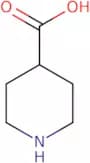
CAS:<p>Isonipecotic acid is a potent antagonist that binds to the response element of the platelet cyclic adenosine monophosphate (cAMP) receptor. This receptor is a regulatory protein that controls the activity of cAMP in cells, including platelets. Isonipecotic acid can be used to treat coronary heart diseases and autoimmune diseases by regulating blood clotting, as well as for treatment of insect resistance and autoimmune diseases. It has been shown to have pharmacokinetic properties that are similar to those of other coumarin derivatives.</p>Formula:C6H11NO2Purity:Min. 95%Color and Shape:White PowderMolecular weight:129.16 g/mol(2-Iodocyclohexyl)carbamic acid ethyl ester
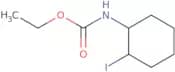
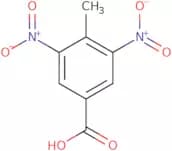
CAS:<p>(2-Iodocyclohexyl)carbamic acid ethyl ester is a fine chemical that can be used as a building block, reagent, or speciality chemical in research. It is soluble in organic solvents and can be used as a reaction component, useful intermediate, or useful scaffold. This compound has been shown to react with various groups including amines, alcohols, phenols and thiols.</p>Formula:C9H16INO2Purity:Min. 95%Color and Shape:PowderMolecular weight:297.13 g/mol3,5-Dinitro-4-methylbenzoic acid
CAS:<p>3,5-Dinitro-4-methylbenzoic acid is a compound that can be used in the synthesis of many organic compounds. It is an important reagent for the preparation of nitroarenes and it is also used as a precursor to other organic compounds. 3,5-Dinitro-4-methylbenzoic acid has been shown to have a hydrogen bond with malonic acid and can form an asymmetric hydrogen bond with the hydroxyl group of protonated water. 3,5-Dinitro-4-methylbenzoic acid has three different resonance structures and its x-ray diffraction data show that it has a cavity shape. This molecule can be found in the nmr spectra at around 8.3 ppm and its kinetic constants are given as k1 = 0.01 s−1 and k2 = 0.06 s−1 for the two reactions. 3,5-Dinitro-4-methylben</p>Formula:C8H6N2O6Purity:Min. 95%Color and Shape:PowderMolecular weight:226.14 g/molMethyl 2-(chlorosulfonyl)acetate
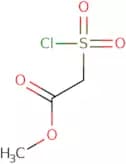
CAS:<p>Methyl 2-(chlorosulfonyl)acetate is a chemical compound that has been shown to reduce the number of ovarian cells in mice. It has also been shown to have anti-inflammatory properties, as it inhibits the production of prostaglandin, which is a hormone that causes inflammation. Methyl 2-(chlorosulfonyl)acetate also has the ability to induce cell apoptosis and is being studied for its potential use as an anti-cancer agent. This chemical compound binds to chloride ions and ammonium nitrate ions and forms a carbanion. The carbanion can then react with hydrogen bonds with other molecules, forming new compounds. X-ray diffraction studies have revealed that methyl 2-(chlorosulfonyl)acetate binds to cancer cells through hydrogen bonds and kills the cells by causing them to undergo apoptosis, or programmed cell death.</p>Formula:C3H5SO4ClPurity:Min. 95%Color and Shape:Clear LiquidMolecular weight:172.59 g/molSuberic acid monomethyl ester
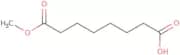
CAS:<p>Suberic acid monomethyl ester is a fatty acid that has potent inhibitory activity against tumor formation. It is an inhibitor of histone deacetylase (HDAC) enzymes, which are important for the regulation of gene expression. Suberic acid monomethyl ester has been shown to have potent inhibitory effects on tumor growth and the development of cancerous cells in animal studies. This agent may be useful for inhibiting the production of acid in tumors and preventing cancer-induced cell death. Suberic acid monomethyl ester has been found to bind to hydroxyl groups and interacts with other molecules that contain hydroxy groups, such as proteins or DNA bases.</p>Formula:C9H16O4Purity:Min. 95%Color and Shape:PowderMolecular weight:188.22 g/molBoldenone 17-acetate
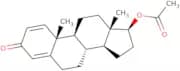
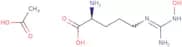
CAS:Controlled Product<p>Boldenone 17-acetate is a synthetic anabolic steroid that has been used in the past to increase muscle mass and appetite. It is a prodrug that converts to boldenone, its active form, with the help of enzymes called esterases. Boldenone 17-acetate binds to the androgen receptor and exerts its effects by increasing protein synthesis, nitrogen retention, and bone density. This drug has a matrix effect that can be seen in chromatographic profiles after sample preparation. The detection time for this drug is typically less than 3 hours.</p>Formula:C21H28O3Purity:Min. 95%Color and Shape:SolidMolecular weight:328.45 g/molN-γ-Hydroxy-L-arginine, acetate salt
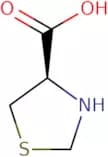
CAS:Controlled Product<p>N-gamma-Hydroxy-L-arginine, acetate salt is a fluorescent compound that is used for the measurement of dinucleotide phosphate. It is synthesized from L-arginine by an enzymatic reaction in order to activate its fluorescence. N-gamma-Hydroxy-L-arginine, acetate salt has been shown to bind to calmodulin and therefore may be used as a potential biomarker for cancer diagnosis. The binding constants of N-gamma-Hydroxy-L-arginine, acetate salt to calmodulin have been measured using fluorescence spectroscopy. The matrix effect was also investigated and it was found that the maximum intensity of the compound's fluorescence emission shifted with varying concentrations of ammonium sulfate. This shift in frequency depends on the concentration of ammonium sulfate added to the solution. N-gamma-Hydroxy-L-arginine, acetate salt has been</p>Formula:C8H18N4O5Purity:Min. 95 Area-%Color and Shape:Off-White PowderMolecular weight:250.25 g/molL(-)-Thiazolidine-4-carboxylic acid
CAS:<p>L(-)-Thiazolidine-4-carboxylic acid is a proline derivative that inhibits the enzyme cyclase, which is involved in the production of cAMP. It is also an antioxidant and has been shown to protect against oxidative damage induced by reactive oxygen species (ROS) in fetal bovine tissues. L(-)-Thiazolidine-4-carboxylic acid has been shown to inhibit the activity of other enzymes, such as α1 subunit, which are involved in energy metabolism. The enzyme activities of L(-)-thiazolidine-4-carboxylic acid have been shown to be high in E. coli K-12 cells and in plants. L(-)-Thiazolidine-4-carboxylic acid can also be used as a plant growth regulator and has been shown to inhibit the elongation of plant roots.</p>Formula:C4H7NO2SPurity:Min. 95%Color and Shape:PowderMolecular weight:133.17 g/molAc-Lys-AMC acetate salt
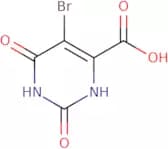
CAS:<p>Ac-Lys-AMC acetate salt is a fine chemical that is used as a building block in biological research. It is a versatile building block that can be used in the synthesis of complex compounds, and as a reaction component for the production of useful intermediates. Ac-Lys-AMC acetate salt is also used as a reagent in the detection of nucleic acids.</p>Formula:C18H23N3O4•C2H4O2Purity:Min. 98 Area-%Color and Shape:PowderMolecular weight:405.44 g/mol5-Bromoorotic acid
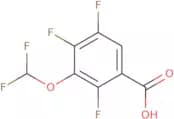
CAS:<p>5-Bromoorotic acid is a chemical compound that contains one bromine atom. This compound has been shown to inhibit the growth of mammalian cells, which may be due to its ability to bind to DNA and interfere with protein synthesis. 5-Bromoorotic acid also has an inhibitory effect on radiation, which may be due to its ability to form stable complexes with electrons. 5-Bromoorotic acid has a helical structure, which may make it more stable than other compounds. It also inhibits the production of uridine by inhibiting uridine phosphorylase and nitro group production in g. lamblia, which is a parasitic protozoan that causes intestinal infections in humans.</p>Formula:C5H3BrN2O4Purity:Min. 95%Color and Shape:White PowderMolecular weight:234.99 g/mol3-(Difluoromethoxy)-2,4,5-trifluorobenzoic acid
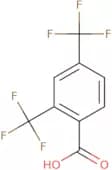
CAS:<p>3-(Difluoromethoxy)-2,4,5-trifluorobenzoic acid is an antibacterial drug that belongs to the class of fluoroquinolones. It inhibits bacterial growth by binding to DNA gyrase and topoisomerase IV enzymes in bacteria. 3-(Difluoromethoxy)-2,4,5-trifluorobenzoic acid has been shown to be active against a wide variety of bacteria and is used as a treatment for urinary tract infections and skin infections. 3-(Difluoromethoxy)-2,4,5-trifluorobenzoic acid can also be used in combination with other antibiotics such as tetrabutyl ammonium chloride to enhance their effects.</p>Formula:C8H3F5O3Purity:Min. 95%Color and Shape:SolidMolecular weight:242.1 g/mol2,4-Bis(trifluoromethyl)benzoic acid
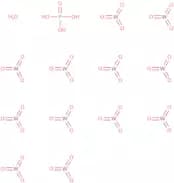
CAS:<p>2,4-Bis(trifluoromethyl)benzoic acid (2,4-BTFBA) is a styrene derivative that can be used as a matrix in the preparation of polystyrene for MALDI mass spectrometry analysis. 2,4-BTFBA is a monomer that has been shown to lead to high yields and transfer in the production of polystyrene and poly(methyl methacrylate). It has also been found to be an effective inhibitor of 2,5-dihydroxybenzoic acid (DHBA) and other DHBA derivatives. The inhibition mechanism of 2,4-BTFBA on DHBA activity is not yet clear. The nature of this compound as well as its use in matrix-assisted laser desorption/ionization are still under investigation.</p>Formula:C9H4F6O2Purity:Min. 95%Color and Shape:PowderMolecular weight:258.12 g/molPhosphotungstic acid hydrate
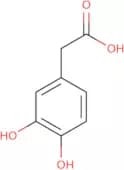
CAS:<p>Phosphotungstic acid hydrate is a white, crystalline solid that belongs to the group of phosphotungstates. It is soluble in methanol and water and has a low vapor pressure. Phosphotungstic acid hydrate is stable at room temperature and below, but decomposes above 100°C. The reaction mechanism for phosphotungstic acid hydrate is the formation of an acid complex with a proton from water, which can be written as<br>PW6O14(OH)2 + H2O <br>PW6O14(OH)3H+ + OH-<br>This reaction solution is acidic, with a pH of 2 or less. Hydroxyl groups on the phosphotungstate react with hydrogen fluoride to form tungsten hexafluoride gas. Hydrogen bonding interactions between the hydroxyl groups in phosphotungstic acid hydrate are responsible for its structural analysis. Oxidation catalysts such as magnesium salt</p>Formula:H3P(W3O10)4•H2OPurity:Min. 95%Color and Shape:PowderMolecular weight:2,880.05 g/mol3,4-Dihydroxyphenylacetic acid
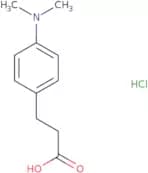
CAS:<p>3,4-Dihydroxyphenylacetic acid (DOPAC) is a metabolite of dopamine and is found in the central nervous system. Dopamine is an important neurotransmitter that is involved in the regulation of movement, emotional responses, and hormone release. Dopamine is synthesized from tyrosine by tyrosine hydroxylase and then converted to L-3,4-dihydroxyphenylalanine by L-aromatic amino acid decarboxylase. DOPAC can be formed from dopamine by monoamine oxidases or catechol O-methyltransferases. The level of DOPAC in the brain has been shown to be increased following exposure to neurotoxins such as 6-hydroxy dopamine or 1-methyl 4-phenyl 1,2,3,6 tetrahydropyridine (MPTP). This increase may be due to decreased activity of monoamine oxidases. The level</p>Formula:C8H8O4Purity:Min. 95%Color and Shape:Beige PowderMolecular weight:168.15 g/mol3-(4-Dimethylaminophenyl)propionic acid hydrochloride
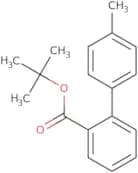
CAS:<p>3-(4-Dimethylaminophenyl)propionic acid hydrochloride is a white crystalline compound that is soluble in water. It has many uses as a building block, reagent, intermediate, or scaffold in organic synthesis due to its versatility and stability. 3-(4-Dimethylaminophenyl)propionic acid hydrochloride can be used as an additive to improve the performance of other substances. In addition, this chemical is a useful building block for the production of research chemicals or speciality chemicals.</p>Formula:C11H15NO2•HClPurity:Min. 95%Molecular weight:229.7 g/moltert-Butyl 4'-methylbiphenyl-2-carboxylate
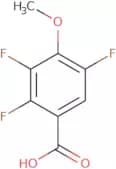
CAS:<p>Tert-Butyl 4'-methylbiphenyl-2-carboxylate is a versatile building block that can be used to synthesize complex compounds. It has CAS No. 114772-36-0 and is a fine chemical, which means it is not intended for use as a food additive, drug or cosmetic ingredient. Tert-Butyl 4'-methylbiphenyl-2-carboxylate is also a reagent, speciality chemical and useful scaffold for the synthesis of pharmaceuticals, pesticides and other chemicals.</p>Formula:C18H20O2Purity:Min. 95%Color and Shape:Slightly Yellow PowderMolecular weight:268.35 g/mol4-Methoxy-2,3,5-trifluorobenzoic acid
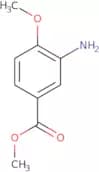
CAS:<p>4-Methoxy-2,3,5-trifluorobenzoic acid is a versatile building block that can be used in the synthesis of complex compounds. It is a high quality chemical that can be used as a reagent or speciality chemical in research. This compound has been shown to have many uses including as an intermediate for the synthesis of other chemicals and as a reaction component. 4-Methoxy-2,3,5-trifluorobenzoic acid can also be used as an important scaffold in the design of new drugs.</p>Formula:C8H5F3O3Purity:Min. 95%Color and Shape:White PowderMolecular weight:206.12 g/mol3-Amino-4-methoxybenzoic acid methyl ester
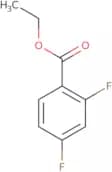
CAS:<p>3-Amino-4-methoxybenzoic acid methyl ester is a modified quinoline derivative that exhibits potent antioxidant activity. It has been shown to inhibit the activation of p38 kinase, which is a proinflammatory enzyme. This leads to decreased levels of inflammatory cytokines and chemokines. 3-Amino-4-methoxybenzoic acid methyl ester also has anti-cancer effects and can be used as an anti-cancer agent in the treatment of cancer, such as lung cancer. It induces apoptosis by inhibiting the synthesis of DNA and proteins. The synthesized drug has been shown to have a chiral center, making it a potential candidate for use in pharmaceuticals.</p>Formula:C9H11NO3Purity:Min. 95%Color and Shape:PowderMolecular weight:181.19 g/mol2,4-Difluorobenzoic acid ethyl ester
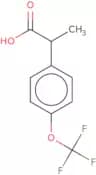
CAS:<p>C9H8F2O2 2,4-Difluorobenzoic acid ethyl ester is a drug that inhibits the growth of protozoan parasites in the intestine. It has been shown to be effective against coccidiosis and grignard reagent, an antifungal drug. C9H8F2O2 2,4-Difluorobenzoic acid ethyl ester is a fungicide that inhibits the synthesis of RNA by binding to the cgmp-dependent protein (cyclic guanosine monophosphate) in protozoa, preventing protein synthesis and causing cell death. Magnesium chloride and chloride ions are required for this reaction to take place.</p>Formula:C9H8F2O2Purity:Min. 95%Color and Shape:Clear LiquidMolecular weight:186.16 g/mol2-(4-Trifluoromethoxyphenyl)propionic acid
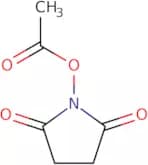
CAS:<p>Please enquire for more information about 2-(4-Trifluoromethoxyphenyl)propionic acid including the price, delivery time and more detailed product information at the technical inquiry form on this page</p>Formula:C10H9F3O3Purity:Min. 95%Molecular weight:234.17 g/molAcetic acid N-hydroxysuccinimide ester
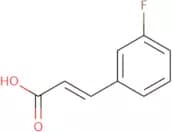
CAS:<p>Acetic acid N-hydroxysuccinimide ester is a reactive compound that reacts with lysine residues in proteins. It is used as an analytical reagent and chemical intermediate. Acetic acid N-hydroxysuccinimide ester reacts with carbonyl groups to form Schiff bases, which are then reacted with amino groups on the protein molecule to form acyl-amino adducts. This reaction can be followed by analysis using high performance liquid chromatography (HPLC) or mass spectroscopy.</p>Formula:C6H7NO4Purity:Min. 97.5 Area-%Color and Shape:White PowderMolecular weight:157.12 g/mol3-Fluorocinnamic acid
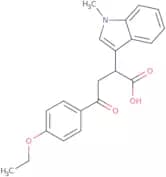
CAS:<p>3-Fluorocinnamic acid is an organic compound that belongs to the class of amides. It reacts with metal ions such as copper, silver, or gold. 3-Fluorocinnamic acid has a constant boiling point and can be used in the preparation of cinnamic acid derivatives. 3-Fluorocinnamic acid also has redox potential and is used as a substrate in enzyme preparations. 3-Fluorocinnamic acid can be synthesized by hydrolysis of malonic acid and metal salts with hydrochloric acid, which then reacts with triticum aestivum. The product is purified by recrystallization from water. This compound inhibits the reaction that converts lactose into glucose and galactose, leading to the production of lactic acid from milk.</p>Formula:C9H7FO2Purity:Min. 98 Area-%Color and Shape:PowderMolecular weight:166.15 g/mol4-(4-Ethoxyphenyl)-2-(1-methylindol-3-yl)-4-oxobutanoic acid
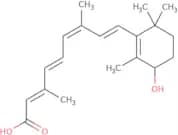
CAS:<p>Please enquire for more information about 4-(4-Ethoxyphenyl)-2-(1-methylindol-3-yl)-4-oxobutanoic acid including the price, delivery time and more detailed product information at the technical inquiry form on this page</p>Purity:Min. 95%rac 4-Hydroxy-9-cis-retinoic acid
CAS:<p>9-cis-Retinoic acid is a retinoid that is found in the human body. It can be extracted from the cells of animals or plants and purified by using an organic solvent, such as hexane. 9-cis-Retinoic acid can also be synthesized by using a validated hplc method. Analysts use this compound to measure conjugate acids, hydroxy acids, and other compounds related to endogenous metabolism. It is often used as a buffering agent for specific applications.</p>Formula:C20H28O3Purity:Min. 95%Molecular weight:316.43 g/molDi-O-benzoyl D-tartaric acid
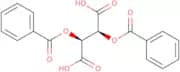
CAS:<p>Di-O-benzoyl D-tartaric acid is an inorganic acid that is used as an acid catalyst in organic synthesis. It is synthesized by the reaction of benzoyl chloride and calcium carbonate, which produces a mixture of di-O-benzoyl D-tartaric acid and its enantiomer. Di-O-benzoyl D-tartaric acid has a high solubility in water and is stable to hydrochloric acid and mercury chloride. This compound also interacts with hydrogen bonding interactions with l-tartaric acid and hydrogen bonding interactions with calcium carbonate. Di-O-benzoyl D-tartaric acid is not toxic to human cells at concentrations up to 100 mM.</p>Formula:C18H14O8Purity:Min. 95%Color and Shape:PowderMolecular weight:358.3 g/mol3-Carboxymethyl-1-adamantane carboxylic acid
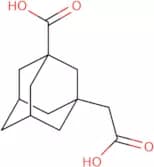
CAS:<p>3-Carboxymethyl-1-adamantane carboxylic acid is a tribasic, carboxylic acid that is used in the field of appraisal. 3-Carboxymethyl-1-adamantane carboxylic acid was first synthesized by the reaction of a dibromide and formic acid. This synthesis has been shown to produce a product with high purity, homogeneity, and stability. The use of this technique can be applied in tribasic, carboxylic acids as well as other polycarboxylates such as polyacrylics, polymaleic, and polyitaconic acids. The technique of analyzing these compounds by spectroscopic techniques is called profiling. This technique can be used for the identification of copper in natural environments such as rivers or lakes.</p>Formula:C13H18O4Purity:Min. 95%Color and Shape:PowderMolecular weight:238.28 g/molethyl 4-(prop-2-enylamino)-3,5-thiazolecarboxylate
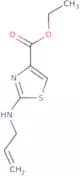
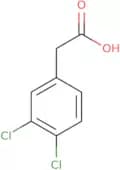
CAS:<p>Please enquire for more information about ethyl 4-(prop-2-enylamino)-3,5-thiazolecarboxylate including the price, delivery time and more detailed product information at the technical inquiry form on this page</p>Purity:Min. 95%3,4-Dichlorophenylacetic acid
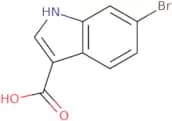
CAS:<p>3,4-Dichlorophenylacetic acid is a chemical compound that can be found in plants and animals. 3,4-Dichlorophenylacetic acid has been shown to inhibit the activity of receptors that are involved in the regulation of blood pressure. It also binds to lysine residues on proteins, which may be part of its inhibitory effect. 3,4-Dichlorophenylacetic acid is a selective ligand for the alpha2A adrenergic receptor. This chemical has a molecular weight of 122.09 g/mol and a chlorine atom in its structure.</p>Formula:C8H6Cl2O2Purity:Min. 95%Color and Shape:PowderMolecular weight:205.04 g/mol6-Bromo-1H-indole-3-carboxylic acid
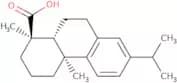
CAS:<p>6-Bromo-1H-indole-3-carboxylic acid is a natural product that is isolated from the marine sponge Smenospongia purpurea. It was first reported in 1979 and has been used for the synthesis of other compounds. 6-Bromoindole, a precursor to 6-bromo-1H-indole-3-carboxylic acid, is biosynthesized from methyl ester and NMR spectra indicate that it has a dihedral angle of 173°. This compound has been shown to have antibacterial activity against staphylococcus.</p>Formula:C9H6BrNO2Purity:Min. 95%Color and Shape:PowderMolecular weight:240.05 g/molDehydroabietic acid
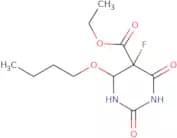
CAS:<p>Dehydroabietic acid is a compound that belongs to the class of natural products. It has been shown to have anticancer activity in 3T3-L1 preadipocytes, which are cells that are used for research on obesity and diabetes. Dehydroabietic acid inhibits mitochondrial membrane potential and induces apoptosis in cancer cell lines, including carcinoma cells. This compound has also shown synergistic effects with other compounds in inhibiting the growth of tumor cells.</p>Formula:C20H28O2Purity:Min. 90 Area-%Color and Shape:White Off-White PowderMolecular weight:300.44 g/molEthyl 4-butoxy-5-fluoro-2,6-dioxohexahydropyrimidine-5-carboxylate
CAS:Controlled Product<p>Ethyl 4-butoxy-5-fluoro-2,6-dioxohexahydropyrimidine-5-carboxylate is a drug that has been used in clinical studies for the treatment of primary brain tumors. It has shown clinical response rates of up to 87%, with the most favourable response observed in patients with low tumor grade and well differentiated histology. The drug is administered orally and penetrates tissues, including the central nervous system. Ethyl 4-butoxy-5-fluoro-2,6-dioxohexahydropyrimidine-5 carboxylate has been found to be toxic to ameloblasts and cancer cells in vitro. Tumor regression was observed in animals treated with ethyl 4 butoxy 5 fluoro 2 6 dioxohexahydropyrimidine 5 carboxylate, which led to decreased symptoms such as weight loss and cachexia.</p>Formula:C11H17FN2O5Purity:Min. 95%Molecular weight:276.26 g/mol1,2,4-Benzenetricarboxylic acid
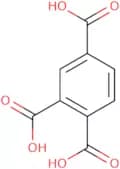
CAS:<p>1,2,4-Benzenetricarboxylic acid is a natural compound that belongs to the group of polyvinyl derivatives. It can be synthesized by reacting trimellitic anhydride with sodium salts in a reaction solution containing trifluoroacetic acid. The compound has been used as a component in analytical methods for determining the purity of polyvinyl chloride (PVC). 1,2,4-Benzenetricarboxylic acid is also known to react with human serum proteins and ester linkages to form carcinogenic compounds. 1,2,4-Benzenetricarboxylic acid reacts rapidly with the film of methyl ethyl ketone to form methyl ethyl benzoate.</p>Formula:C9H6O6Purity:Min. 98 Area-%Color and Shape:White PowderMolecular weight:210.14 g/molL-(-)-Malic acid monosodium
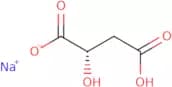
CAS:<p>L-Malic acid is a dicarboxylic acid that is found in many fruits and vegetables. It is the substrate for the enzyme malate dehydrogenase, which catalyzes the oxidation of L-malate to oxaloacetate. L-Malic acid is used to study mitochondrial function, as it can be used as an alternative energy source. The L-malic acid monosodium salt (LAM) has been shown to be effective in preventing muscle damage caused by exercise. This may be due to its ability to decrease oxidative stress and increase ATP production through increased mitochondrial activity. LAM also has been shown to promote photoreceptor cell survival and improve retinal function in animals with damaged photoreceptors, although it does not have any effect on normal animal eyes.</p>Formula:C4H6O5•NaPurity:Min. 95%Color and Shape:PowderMolecular weight:157.08 g/molN-Methyltetrahydrofolic acid
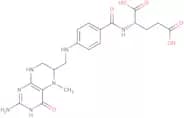
CAS:<p>N-Methyltetrahydrofolic acid is a form of folic acid, which is an important vitamin for the production of red blood cells and the prevention of neural tube defects. It can be found in food such as leafy vegetables, whole grains, and citrus fruits. N-Methyltetrahydrofolic acid is important for DNA synthesis and energy metabolism. It also has been shown to exert antioxidant effects in human serum.</p>Formula:C20H25N7O6Purity:Min. 97.5 Area-%Color and Shape:White PowderMolecular weight:459.46 g/mol3-Cyanocinnamic acid
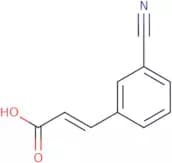
CAS:<p>3-Cyanocinnamic acid is a reactive, unreactive, and stepwise cycloaddition compound. It can participate in photochemical reactions with other compounds to form photodimers. 3-Cyanocinnamic acid has an optimal reaction temperature of 100°C and a reaction time of 5 minutes. The diradical nature of 3-cyanocinnamic acid makes it sensitive to UV light, and the photochemical reactions are simulated by quantum mechanics calculations. Photodimerisation simulations show that 3-cyanocinnamic acid is capable of forming photodimers with 2-cyanocinnamic acid or 4-cyanocinnamic acid at room temperature.</p>Formula:C10H7NO2Purity:Min. 95%Color and Shape:PowderMolecular weight:173.17 g/mol3-Hydroxyhippuric acid
CAS:<p>3-Hydroxyhippuric acid is an organic acid that is the main metabolite of benzoic acid. It is excreted in urine and can be used as a biomarker for the ingestion of benzoic acid. 3-Hydroxyhippuric acid has been detected in human urine samples after ingestion of caffeic acids, chlorogenic acids, or phenolic acids. 3-Hydroxyhippuric acid is also produced by microbial metabolism of p-hydroxybenzoate (pHBA) and may be used as a biomarker for pHBA consumption. The metabolic profile of 3-hydroxyhippuric acid varies with the type of substrate consumed: caffeic acids lead to the production of 3,4-dihydroxyphenylacetic acid (DOPAC), while chlorogenic acids produce 4-chlorophenol (4CP). Cholesterol estersase (CES) catalyzes the hydrolysis of</p>Formula:C9H9NO4Purity:Min. 95 Area-%Color and Shape:White PowderMolecular weight:195.17 g/molFmoc-NH-PEG10-propionic acid
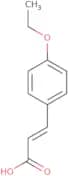
CAS:<p>Fmoc-NH-PEG10-propionic acid is a PEG compound with two different functional groups (also known as heterobifunctional). Unlike homobifunctional PEG compounds (same functional group on both ends), this type of compounds are more versatile as have two different anchor points. Fmoc-NH-PEG10-propionic acid is used as a linker and spacer to add a PEG moiety, via pegylation (a bioconjugation technique) to proteins, peptides, oligonucleotides, small molecules and nanoparticles.</p>Formula:C38H57NO14Purity:Min. 95%Color and Shape:Colorless PowderMolecular weight:751.86 g/mol4-Ethoxycinnamic acid
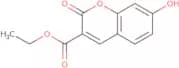
CAS:<p>4-Ethoxycinnamic acid is a phenolic compound that is found in many plants and fruits. It has been shown to have bioactivities such as anti-inflammatory, anti-allergic, and anticancer activities. 4-Ethoxycinnamic acid has been shown to inhibit tyrosinase activity by interacting with the enzyme's active site. This inhibition reduces the production of melanin, which may be due to its ability to inhibit dopamine oxidation or the conversion of dopachrome into dopaquinone. 4-Ethoxycinnamic acid also inhibits prolyl hydroxylase activity, which can lead to increased collagen synthesis and reduced inflammation.</p>Formula:C11H12O3Purity:Min. 95%Color and Shape:PowderMolecular weight:192.21 g/molEthyl 7-hydroxycoumarin-3-carboxylate
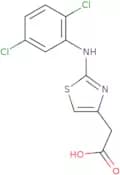
CAS:<p>Ethyl 7-hydroxycoumarin-3-carboxylate is a coumarin derivative that acts as a selective and potent inhibitor of the adenosine A3 receptor. It has been shown to inhibit growth of cancer cells in vitro, and it also inhibits the proliferation of S.aureus. Ethyl 7-hydroxycoumarin-3-carboxylate binds to the α subunit in an irreversible manner, inhibiting its function. This compound has been used to study plant physiology and homogeneous catalysis.</p>Formula:C12H10O5Purity:Min. 95%Color and Shape:PowderMolecular weight:234.2 g/mol2-(4-(2,5-Dichlorophenylamino)-3,5-thiazolyl)acetic acid
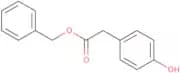
CAS:<p>Please enquire for more information about 2-(4-(2,5-Dichlorophenylamino)-3,5-thiazolyl)acetic acid including the price, delivery time and more detailed product information at the technical inquiry form on this page</p>Purity:Min. 80%Benzyl (4-hydroxyphenyl)acetate
CAS:<p>Benzyl (4-hydroxyphenyl)acetate is a prodrug that is converted to its active form, phenylephrine, in the cytosol. It has been shown to inhibit carbenes and enhance the contractions of muscle cells. Benzyl (4-hydroxyphenyl)acetate has been shown to be effective in reducing blood pressure and normalized blood glucose levels in diabetic mice. The drug has also been shown to have a dose-dependent effect on nerve cells.</p>Formula:C15H14O3Purity:Min. 90 Area-%Color and Shape:PowderMolecular weight:242.27 g/mol3-(3-Hydroxyisoxazol-5-yl)propanoic acid
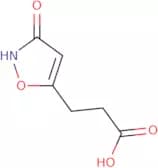
CAS:<p>3-(3-Hydroxyisoxazol-5-yl)propanoic acid is a fine chemical used as a reagent, speciality chemical, and reaction component in the synthesis of complex compounds. It is also used as a building block or scaffold in the synthesis of other compounds. 3-(3-Hydroxyisoxazol-5-yl)propanoic acid is less reactive than other carboxylic acids due to its bulky group at one end. This makes it more stable and easier to handle. 3-(3-Hydroxyisoxazol-5-yl)propanoic acid can be used for research purposes and has been shown to be an effective inhibitor of HIV protease.</p>Formula:C6H7NO4Purity:Min. 95 Area-%Color and Shape:PowderMolecular weight:157.12 g/molDelicious peptide (bovine) trifluoroacetate
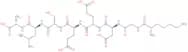
CAS:<p>Delicious peptide (bovine) trifluoroacetate is a polymerase chain reaction probe that is complementary to the 3' end of the human insulin gene. When used in a polymerase chain reaction, it amplifies the DNA sequences at the 3' end of the gene. The product of this amplification has been shown to inhibit genetic disorders such as metabolic disorders, iron homeostasis, and leukemia. This agent also inhibits acidic fibroblast proliferation and pluripotent cells. This drug has been shown to have a molecular docking analysis with pharmacological agents and may be helpful in treatments for various diseases.</p>Formula:C34H57N9O16•(C2HF3O2)xPurity:Min. 95 Area-%Color and Shape:PowderMolecular weight:847.87 g/molSyringic acid hydrazide
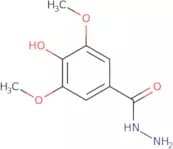
CAS:<p>Syringic acid hydrazide is a heterocyclic molecule with anticancer activity. It has been shown to inhibit the growth of cancer cells, both in vitro and in vivo. Syringic acid hydrazide is a chlorinating agent that reacts with p-hydroxybenzoic acid to form an intermediate that binds to active site residues on the cancer cell's DNA. This binding prevents the synthesis of DNA, leading to cell death. Syringic acid hydrazide does not affect uninfected plants or cultivars resistant to Fusarium oxysporum f., as it does not bind to their chlorophyll molecules.</p>Formula:C9H12N2O4Purity:Min. 95%Color and Shape:PowderMolecular weight:212.2 g/mol2,3-Diphospho-D-glyceric acid pentasodium salt
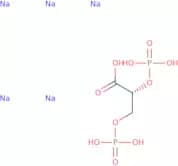
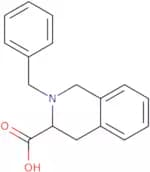
CAS:<p>2,3-Diphospho-D-glyceric acid pentasodium salt is a pyridine complex that is found in nature as a constant. It is also synthesized by humans and can be formed in the laboratory. 2,3-Diphospho-D-glyceric acid pentasodium salt is reactive and has been shown to be useful for producing radical species. This compound has been analysed in the human body at physiological concentrations and has been shown to interact with endogenous molecules such as lipids. The interaction of this compound with lipids could be due to its ability to form emulsions.</p>Formula:C3H3Na5O10P2Purity:Min. 95%Color and Shape:PowderMolecular weight:375.95 g/mol2-Benzyl-1,2,3,4-tetrahydro-isoquinoline-3-carboxylic acid
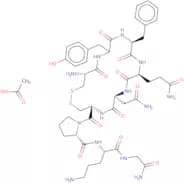
CAS:<p>2-Benzyl-1,2,3,4-tetrahydroisoquinoline-3-carboxylic acid is a versatile building block that can be used in the synthesis of fine chemicals and pharmaceuticals. It is used as a precursor to other compounds such as 2-benzylisoquinoline and 2-(2'-benzyloxy)benzoic acid. It is also used as a reagent for various research purposes.</p>Formula:C17H17NO2Purity:Min. 95%Color and Shape:PowderMolecular weight:267.32 g/molOrnipressin acetate
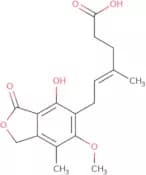
CAS:Controlled Product<p>Ornipressin acetate is a chemical compound that belongs to the group of reaction components. This substance is a useful scaffold for the synthesis of complex compounds and fine chemicals. Ornipressin acetate can be used as a reagent in organic chemistry. It has CAS No. 914453-98-8 and is classified as a speciality chemical. Ornipressin acetate also has versatile building block and intermediate properties.</p>Formula:C45H63N13O12S2·xC2H4O2Purity:Min. 95%Color and Shape:PowderMolecular weight:1,042.19 g/molMycophenolic acid
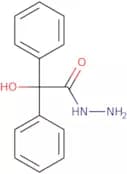
CAS:<p>Mycophenolic acid is a guanosine monophosphate synthesis pathway blocker. It selectively inhibits inosine monophosphate dehydrogenase (IMPDH) which blocks the conversion of inosine-5-phosphate and xanthine-5-phosphate to guanosine-5-phosphate. This drug inhibits de novo purine biosynthesis. Mycophenolic acid is an immunosuppressant metabolite present in drug formulations that are used to prevent rejections after organ transplants. It has also shown to have antibacterial and antifungal properties.</p>Formula:C17H20O6Purity:Min. 95%Color and Shape:PowderMolecular weight:320.34 g/molDiphenylglycolic acid hydrazide
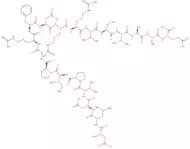
CAS:<p>Diphenylglycolic acid hydrazide is a novel antimicrobial agent that has been shown to have potent activity against Mycobacterium tuberculosis. It inhibits the synthesis of mycobacterial cell wall components, including phospholipids and glycolipids, by inhibiting the enzymes involved in the synthesis of these compounds. Diphenylglycolic acid hydrazide also has anti-inflammatory properties and can be used as an antituberculosis drug.</p>Formula:C14H14N2O2Purity:Min. 95%Color and Shape:PowderMolecular weight:242.27 g/molCalcineurin Substrate trifluoroacetate salt H-Asp-Leu-Asp-Val-Pro-Ile-Pro-Gly-Arg-Phe-Asp-Arg-Arg-Val-Ser-Val-Ala-Ala-Glu-OH trifluo roacetate salt
CAS:<p>Please enquire for more information about Calcineurin Substrate trifluoroacetate salt H-Asp-Leu-Asp-Val-Pro-Ile-Pro-Gly-Arg-Phe-Asp-Arg-Arg-Val-Ser-Val-Ala-Ala-Glu-OH trifluo roacetate salt including the price, delivery time and more detailed product information at the technical inquiry form on this page</p>Formula:C92H150N28O29Purity:Min. 95%Molecular weight:2,112.35 g/mol5-Formylsalicylic acid
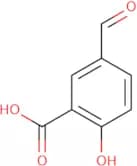
CAS:<p>5-Formylsalicylic acid is a molecule that has the chemical formula HOOC-(CH2)4-COOH. It is an organic acid that is derived from 5-nitrosalicylic acid, which is prepared by reacting sodium carbonate with hydroxybenzoic acid in the presence of ethylene diamine. This compound has been shown to have the ability to form hydrogen bonds with other molecules and itself. 5-Formylsalicylic acid can be synthesized by reacting sodium hydroxide with hydrogen chloride gas in a neutral pH environment. The surface methodology for this compound was determined to be gravimetric analysis, while it exhibits intermolecular hydrogen bonding interactions and matrix effects. Hydrogen bonding interactions are formed through nitrogen atoms and carboxylate groups on the surface of the molecule.</p>Formula:C8H6O4Purity:Min. 95%Color and Shape:PowderMolecular weight:166.13 g/molL-Pyroglutamic acid-β-naphthylamide
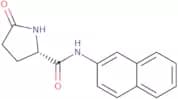
CAS:<p>L-Pyroglutamic acid-beta-naphthylamide is a cell nucleus pressor that has been shown to stimulate locomotor activity in rats. It is a highly selective agonist at the 5-HT2 receptor, which is involved in the regulation of energy metabolism and feeding behaviour. L-Pyroglutamic acid-beta-naphthylamide also stimulates cholinergic and serotonergic systems. This drug also inhibits bacterial growth by binding to the receptor site on bacterial cell nuclei, thereby preventing DNA synthesis and locomotor activity. L-Pyroglutamic acid-beta-naphthylamide is an antimicrobial agent that can be used to treat infections caused by bacteria resistant to erythromycin. The antimicrobial effect of this drug is due to its ability to bind to the receptor site on bacterial cell nuclei, thereby preventing DNA synthesis and locomotor activity.</p>Formula:C15H14N2O2Purity:Min. 98 Area-%Color and Shape:White PowderMolecular weight:254.28 g/mol4-Bromo-2,6-difluorobenzoic acid
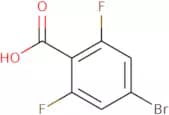
CAS:<p>4-Bromo-2,6-difluorobenzoic acid is a liquid crystal that belongs to the class of fluorinated benzoic acids. It is an activated liquid crystal composed of chiral molecules with substituents on the 4- and 6-positions of the aromatic ring. The compound has been shown to have excellent fluoroarene solubilizing properties in a glycol matrix and can be used as an additive to produce liquid crystals with desired properties.</p>Formula:C7H3BrF2O2Purity:Min. 95%Color and Shape:PowderMolecular weight:237 g/molMeconic acid
CAS:<p>Meconic acid is a metal chelate that binds to metals such as zinc and copper, which are required for the synthesis of prostaglandins. Meconic acid has been shown to have significant interactions with other drugs, including sodium carbonate, acetylcholinesterase inhibitors, and antipsychotics. Meconic acid also inhibits the activity of pestivirus, which affects the nervous system in rats. Studies on long-term toxicity have not been conducted. Meconic acid has been used as a treatment for curcuma aromatica induced hepatitis and is toxic to animals at high doses.</p>Formula:C7H4O7Purity:Min. 95 Area-%Color and Shape:PowderMolecular weight:200.1 g/mol4-Chloroanthranilic acid
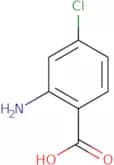
CAS:<p>4-Chloroanthranilic acid is an inorganic acid that has antimicrobial properties. It is a bound form of anthranilic acid, which is not water soluble and can be easily absorbed by the skin. 4-Chloroanthranilic acid is used as an antibiotic in topical preparations because it has been shown to have inhibitory effects on the growth of P. aeruginosa, epidermal growth factor, and nitrogen atoms. 4-Chloroanthranilic acid also has coordination complex with copper and inhibits the growth of bacteria by inhibiting the production of bacterial cell wall synthesis enzymes.</p>Formula:C7H6ClNO2Purity:Min. 95%Color and Shape:Off-White PowderMolecular weight:171.58 g/mol5-Methyl-[1,3,4]oxadiazole-2-carboxylic acid, potassium salt
CAS:<p>5-Methyl-[1,3,4]oxadiazole-2-carboxylic acid, potassium salt (5-MOC) is a multistage laser treatment that can be used to treat pigmentation. 5-MOC inhibits the production of melanin in the skin by inhibiting tyrosinase activity. This drug also has been shown to reduce hyperpigmentation by reducing the number of pigment cells. 5-MOC is delivered using an electron microscopic technique and is packaged in a capsule for oral administration. The colorimeter sensor detects the amount of light reflected from the skin surface and converts it into a color value. The sensor measures the amount of light that reflects back from areas with pigmentation problems and determines whether or not they are treated correctly.</p>Formula:C4H3N2O3·KPurity:Min. 95%Color and Shape:PowderMolecular weight:166.18 g/mol5-Amino-2-bromobenzoic acid ethyl ester
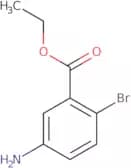
CAS:<p>5-Amino-2-bromobenzoic acid ethyl ester is a chemical compound that can be used for the production of pharmaceuticals and research chemicals. It is a versatile building block that can be used in the synthesis of complex compounds with valuable applications. 5-Amino-2-bromobenzoic acid ethyl ester is a reagent, speciality chemical, and useful building block that can be used in the synthesis of high quality compounds. This compound has been identified as an intermediate in organic reactions and as a reaction component. CAS No. 208176-32-3</p>Formula:C9H10BrNO2Purity:Min. 95%Color and Shape:PowderMolecular weight:244.09 g/molHepcidin-25 (human) trifluoroacetate salt
CAS:<p>Please enquire for more information about Hepcidin-25 (human) trifluoroacetate salt including the price, delivery time and more detailed product information at the technical inquiry form on this page</p>Formula:C113H170N34O31S9·C2HF3O2Purity:Min. 95 Area-%Color and Shape:PowderMolecular weight:2,903.38 g/mol4-Acetoxycinnamic acid
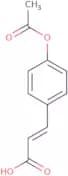
CAS:<p>4-Acetoxycinnamic acid is a staphylococcal bactericide that inhibits bacterial growth and is active against many gram-positive bacteria, including Staphylococcus aureus. It is also active against many gram-negative bacteria, such as Escherichia coli and Pseudomonas aeruginosa. 4-Acetoxycinnamic acid has been shown to inhibit the growth of Staphylococcus aureus in an in vitro experiment by interfering with membrane permeability and inhibiting lipid synthesis. 4-Acetoxycinnamic acid has been shown to have antimicrobial activity against gram-positive and gram-negative bacteria, including methicillin resistant S. aureus (MRSA).</p>Formula:C11H10O4Purity:Min. 97 Area-%Color and Shape:PowderMolecular weight:206.19 g/molDirect Red 16
CAS:<p>Direct Red 16 is a dye that reacts with acids to form an intensely red compound. It is used in research and as a reagent for the production of other dyes. Direct Red 16 is also used as a building block in the synthesis of complex molecules, such as pharmaceuticals and dyes.</p>Formula:C26H17N5Na2O8S2Purity:Min. 95%Molecular weight:639.57 g/mol6-Hydrazino-3-pyridinecarboxylic acid
CAS:<p>6-Hydrazino-3-pyridinecarboxylic acid is a potent inhibitor of angiogenesis. It inhibits the activity of vascular endothelial growth factor, which is a potent pro-angiogenic factor. 6HPCA has been shown to inhibit the growth of prostate cancer cells in vitro and tumor growth in vivo. The mechanism for this inhibition may be due to its ability to decrease levels of all-trans retinoic acid (RA), a potent pro-angiogenic molecule. 6HPCA also inhibits the proliferation of human serum, monoclonal antibody, and polymer drug uptake in cell culture systems. In addition, 6HPCA has low toxicity and low pharmacokinetic properties that have been demonstrated by several studies using radiolabeled analogues and autoradiography.</p>Formula:C6H7N3O2Purity:Min. 97 Area-%Color and Shape:PowderMolecular weight:153.14 g/molDL-Mandelic acid
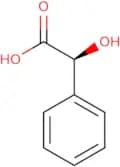
CAS:Controlled Product<p>Antibacterial treatment for urinary tract infections; keratolytic</p>Formula:C8H8O3Purity:Min. 97.0 Area-%Color and Shape:White PowderMolecular weight:152.15 g/mol4-Hydroxy-3-nitrobenzoic acid ethyl ester
CAS:<p>4-Hydroxy-3-nitrobenzoic acid ethyl ester is a small molecule that binds to DNA and RNA. It is cytotoxic, inhibiting cell growth in the presence of amides, nucleosides, or nucleotides. 4-Hydroxy-3-nitrobenzoic acid ethyl ester also inhibits the proliferation of cancer cells in culture. This drug has been shown to be effective against pancreatic cancer, ovarian cancer, and glioblastoma cells. The structure of this compound was elucidated by spectral analysis of its NMR and mass spectra data. It has yielded a 2780% increase in glioblastoma cell line growth rates when compared to control cells.</p>Formula:C9H9NO5Purity:Min. 95%Color and Shape:PowderMolecular weight:211.17 g/mol3-Amino-3-methylbutanoic acid
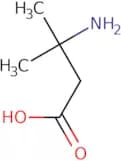
CAS:<p>3-Amino-3-methylbutanoic acid is a carbonaceous compound that can be synthesized from b-alanine and perchloroethylene. It is used in the manufacture of butanoic acid, which is an important industrial chemical. 3-Amino-3-methylbutanoic acid has been shown to exist as four isomers, each with a different molecular weight. The isomers are produced by a synthetic process involving the reaction of b-alanine and perchloroethylene. In an amination reaction, the compounds are heated in the presence of ammonia gas or ammonium chloride to form 3-amino-3-methylbutanoic acid.</p>Formula:C5H11NO2Purity:Min 95%Color and Shape:PowderMolecular weight:117.15 g/molSPDP acid
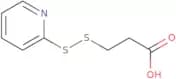
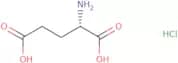
CAS:<p>SPDP acid is a linker that forms reversible disulfide bonds with thiols on drugs or proteins. The cleavage occurs under intracellular reducing conditions. Its heterobifunctionality permits the formation of new disulfide bonds by reacting with free thiol groups on proteins (like cysteines) and also with amines.</p>Formula:C8H9NO2S2Purity:Min. 95%Color and Shape:PowderMolecular weight:215.29 g/molL-(+)-Glutamic acid HCl
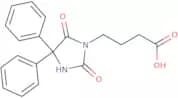
CAS:<p>L-(+)-Glutamic acid HCl is a monosodium salt that belongs to the group of water-soluble organic acids. It has been used as a food additive and in wastewater treatment, as well as for the production of polymers and pharmaceuticals. Glutamate can be converted to glutamic acid by hydrolysis with sodium hydroxide or other strong bases. Glutamic acid is an important biochemical precursor in the synthesis of proteins, peptides, and nucleic acids. It also functions as a neurotransmitter in the central nervous system. L-(+)-glutamic acid HCl has been shown to induce apoptosis in human HL-60 cells by increasing reactive oxygen species (ROS) levels and activating caspase-3 activity in these cells. The crystalline cellulose used in this study was obtained from cellulose powder (Avicel PH101).</p>Formula:C5H9NO4·HClPurity:Min. 95%Color and Shape:White PowderMolecular weight:183.59 g/mol5,5-Diphenylhydantoin-3-butyric acid
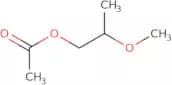
CAS:<p>5,5-Diphenylhydantoin-3-butyric acid is a drug that is classified as a hydantoin derivative. It has been shown to be an active compound in the treatment of human brain tumors. This drug has also been found to be detectable in human serum and urine by means of electrochemical immunoassay.</p>Formula:C19H18N2O4Purity:Min. 95%Color and Shape:PowderMolecular weight:338.36 g/mol2-Methoxypropyl acetate
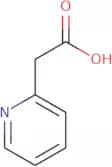
CAS:<p>2-Methoxypropyl acetate is a cross-linking agent that is used in water treatment. It is used as an additive to deionized water and can be found in high concentrations in wastewater. 2-Methoxypropyl acetate reacts with xylene to produce light emission, which makes it suitable for use as a chemical marker. The optimum dose of 2-methoxypropyl acetate ranges from 0.025% to 0.2%. 2-Methoxypropyl acetate has been shown to be toxic when injected into rats at doses of 100 mg/kg body weight, but not at doses of 25 mg/kg body weight or less. This compound was also shown to cause protrusion and necrosis of the nasal septum in rats after administration at doses of 500 mg/kg body weight.</p>Formula:C6H12O3Purity:Min. 95%Color and Shape:Colourless LiquidMolecular weight:132.16 g/mol2-Pyridylacetic acid
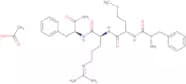
CAS:<p>2-Pyridylacetic acid is an organic compound that is found in the urine of patients with inflammatory bowel disease. It is associated with a high risk of colorectal cancer and has been shown to inhibit tumor cell proliferation in a number of studies. 2-Pyridylacetic acid inhibits the reaction of picolinic acid with lactic acid, which is a mechanism for the synthesis of nicotinamide adenine dinucleotide (NAD). This compound also has inhibitory properties against the activity of phosphofructokinase. 2-Pyridylacetic acid can be quantified using liquid chromatography tandem mass spectrometry (LC-MS/MS) methods that are based on chemical ionization or electron impact ionization. It can also be detected by gas chromatography mass spectrometry. The sample preparation involves hydrochloric acid extraction followed by concentration and derivatization.</p>Formula:C7H7NO2Purity:Min. 95 Area-%Color and Shape:White PowderMolecular weight:137.14 g/molH-Phe-Met-Arg-Phe-NH2 acetate
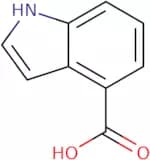
CAS:Controlled Product<p>H-Phe-Met-Arg-Phe-NH2 acetate is a high quality reagent that is useful in the synthesis of complex compounds. It can be used as an intermediate for the production of fine chemicals and speciality chemicals, as well as being a versatile building block in the synthesis of organic compounds. H-Phe-Met-Arg-Phe-NH2 acetate can also be used to make research chemicals or reaction components.</p>Formula:C29H42N8O4S•(C2H4O2)xPurity:Min. 95%Color and Shape:PowderMolecular weight:598.76 g/molIndole-4-carboxylic acid
CAS:<p>Indole-4-Carboxylic acid is a molecule that belongs to the group of indole carboxylic acids. It is an organic compound that has a dipole moment and isomers. Indole-4-carboxylic acid can be synthesized by the saponification of indole-7-carboxylic acid, which has two functional groups: a hydroxy group and an amide group. The molecule has a chemical structure with an amide bond between the carboxyl and amino groups at one end, which forms a protonated amide. This protonated amide also has two orientations: trans and cis. The trans orientation is found in human cytochrome P450 and other proteins, while the cis orientation is found in enzymes such as tryptophan synthase, indoleamine 2,3 dioxygenase, or tyrosine hydroxylase.</p>Formula:C9H7NO2Purity:Min. 98 Area-%Color and Shape:PowderMolecular weight:161.16 g/mol2-[(2,4-Dimethylphenyl)amino]nicotinic acid
CAS:<p>Please enquire for more information about 2-[(2,4-Dimethylphenyl)amino]nicotinic acid including the price, delivery time and more detailed product information at the technical inquiry form on this page</p>Formula:C14H14N2O2Purity:Min. 95%Color and Shape:PowderMolecular weight:242.27 g/molL-Aspartic acid
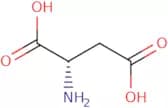
CAS:<p>L-Aspartic acid is an amino acid that plays a role in the biochemical reactions of energy metabolism. This amino acid is also important for the synthesis of proteins, such as enzymes and structural proteins. L-Aspartic acid is synthesized from oxaloacetate by transamination. It can also be synthesized from glutamate by the action of aspartate aminotransferase using pyridoxal phosphate as a cofactor. L-Aspartic acid has been shown to play a role in neuronal death, particularly in primary sclerosing cholangitis, and may have potential therapeutic use for this condition. L-Aspartic acid has been used as a model system to study polymerase chain reaction (PCR) methods and analytical methods in biochemistry research.</p>Formula:C4H7NO4Purity:Min. 95%Color and Shape:White Off-White PowderMolecular weight:133.1 g/mol4,6-Dichloro-1H-indole-2-carboxylic acid ethyl ester
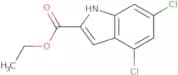
CAS:<p>4,6-Dichloro-1H-indole-2-carboxylic acid ethyl ester is a synthetic compound that functions as an agonist of the indole 2 receptor. It has been shown to have affinity for cortical and brain membranes, with a greater affinity for acidic regions of the membrane. 4,6-Dichloro-1H-indole-2-carboxylic acid ethyl ester is also capable of binding to the indole 2 receptor and activating it. The carboxyl group in this compound is substituted with benzene rings, which are connected by a moiety containing two carboxylic groups. 4,6-Dichloro-1H-indole-2-carboxylic acid ethyl ester was synthesised from 1H -indole acetic acid and chloroethane in four steps.</p>Formula:C11H9Cl2NO2Purity:Min. 95%Color and Shape:SolidMolecular weight:258.1 g/mol



![Methyl 3-aminothieno[2,3-β]pyridine-2-carboxylate](/_next/image/?url=https%3A%2Fstatic.cymitquimica.com%2Fproducts%2F3D%2Fthumb-webp%2FFM57205.webp&w=3840&q=75)






![5-Methyl-[1,3,4]oxadiazole-2-carboxylic acid, potassium salt](/_next/image/?url=https%3A%2Fstatic.cymitquimica.com%2Fproducts%2F3D%2Fthumb-webp%2FFM56554.webp&w=3840&q=75)



![2-[(2,4-Dimethylphenyl)amino]nicotinic acid](/_next/image/?url=https%3A%2Fstatic.cymitquimica.com%2Fproducts%2F3D%2Fthumb-webp%2FFD136109.webp&w=3840&q=75)