Carboxylic Acids
Carboxylic acids are organic molecules characterized by having a carboxyl-type functional group (-COOH). These acids are fundamental in various chemical reactions, including esterification, amidation, and decarboxylation. Carboxylic acids are widely used in the production of pharmaceuticals, polymers, and agrochemicals. In this section, you can find a large number of carboxylic acids ready to be used. At CymitQuimica, we provide a broad range of high-quality carboxylic acids to support your research and industrial applications.
Found 12453 products of "Carboxylic Acids"
Sort by
Purity (%)
0
100
|
0
|
50
|
90
|
95
|
100
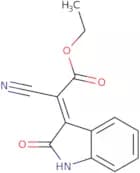
Ethyl 2-nitrilo-2-(2-oxoindolin-3-ylidene)acetate
CAS:<p>Please enquire for more information about Ethyl 2-nitrilo-2-(2-oxoindolin-3-ylidene)acetate including the price, delivery time and more detailed product information at the technical inquiry form on this page</p>Purity:Min. 95%Benzilic acid
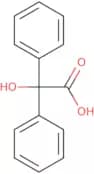
CAS:Controlled Product<p>Benzilic acid is a natural compound with the molecular formula C6H5CO2H. It belongs to the group of organic compounds called benzilic acids, which are characterized by a benzene ring and carboxylic acid functional groups. This compound can be prepared in the laboratory using a preparative high-performance liquid chromatography technique. Benzilic acid has been shown to have antioxidant properties that may help protect cells from free radical-induced damage and inhibit tumor growth. Benzilic acid has also been shown to act as an inhibitor for epidermal growth factor and may be used to treat metabolic disorders or skin conditions such as psoriasis or ichthyosis.</p>Formula:C14H12O3Purity:Min. 98 Area-%Color and Shape:White PowderMolecular weight:228.24 g/molModafinil carboxylate methyl ester
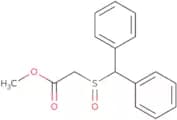
CAS:<p>Modafinil is a wakefulness-promoting agent that has been approved for the treatment of excessive daytime sleepiness associated with narcolepsy. Modafinil carboxylate methyl ester (MCE) is an active pharmaceutical ingredient (API) that is synthesized from modafinil. MCE is a white to off-white powder that is soluble in water and acetonitrile. It has been shown to be identical to the API on the basis of analytical data, including analytical methods such as reversed-phase high-performance liquid chromatography (RP-HPLC), quantified by UV spectrophotometry at 230 nm, and validated by process development.</p>Formula:C16H16O3SPurity:Min. 95%Color and Shape:PowderMolecular weight:288.36 g/mol2-Oxo-3-benzothiazolacetic acid
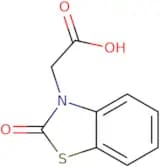
CAS:<p>2-Oxo-3-benzothiazolacetic acid is a fine chemical and building block that has been used as an intermediate in the synthesis of a variety of complex compounds. It can be used in research as a reaction component, and is useful in the manufacture of speciality chemicals. This compound has many uses, including as a reagent for organic syntheses and as a building block for other chemicals. 2-Oxo-3-benzothiazolacetic acid is also known to have high purity, making it an excellent quality reagent.</p>Formula:C9H7NO3SPurity:Min. 95 Area-%Color and Shape:PowderMolecular weight:209.22 g/mol(S)-2-Amino-3-(methylamino)propanoic acid hydrochloride
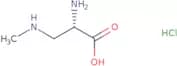
CAS:<p>(S)-2-Amino-3-(methylamino)propanoic acid hydrochloride is a synthetic compound often used in scientific research. It is derived from non-proteinogenic amino acids and has important implications for the study of neurotoxicology. This compound mimics the structural properties of certain naturally occurring amino acids, which allows it to act as a significant tool for understanding biological pathways affected by neurotoxins.</p>Formula:C4H11ClN2O2Color and Shape:Off-White PowderMolecular weight:154.6 g/molOleic acid - EP
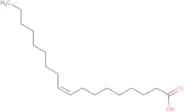
CAS:<p>Oleic acid is a naturally occurring monounsaturated fatty acid (C18:1, cis-9-octadecenoic acid) widely used as an excipient in pharmaceutical formulations. Due to its amphiphilic and lipophilic properties, oleic acid is an important drug excipient primarily used to enhance the solubility and bioavailability of poorly water-soluble drugs. As a fatty acid, it is widely used in cosmeceuticals as it acts as a solubilizer in lipid-based systems, an emulsifier in creams and ointments, and a penetration enhancer in transdermal patches, aiding drug absorption through the skin.</p>Formula:C18H34O2Purity:Min. 95%Color and Shape:Colorless Clear LiquidMolecular weight:282.46 g/molMethyl 1-(2-chloro-4-fluorobenzyl)-3-formyl-6-methoxy-1H-indole-2-carboxylate
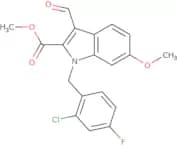
CAS:Controlled Product<p>Please enquire for more information about Methyl 1-(2-chloro-4-fluorobenzyl)-3-formyl-6-methoxy-1H-indole-2-carboxylate including the price, delivery time and more detailed product information at the technical inquiry form on this page</p>Formula:C19H15ClFNO4Purity:Min. 95%Molecular weight:375.78 g/mol4-(Hydroxymethyl)phenylacetic acid
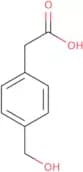
CAS:<p>4-(Hydroxymethyl)phenylacetic acid is an intermediate in the biosynthetic pathway of phenylpropanoids. It is a metabolite of several flavonoids and is found in plants, animals, and humans. 4-(Hydroxymethyl)phenylacetic acid has been shown to have a high concentration in human serum and plasma with low toxicity. This metabolite has been shown to be stable when complexed with collagen or other proteins, which may be due to its insolubility. 4-(Hydroxymethyl)phenylacetic acid can also be biotransformed by microflora into other metabolites such as 4-hydroxybenzoic acid, which is a precursor of salicylic acid.</p>Formula:C9H10O3Purity:Min. 95%Color and Shape:White PowderMolecular weight:166.17 g/mol3,4-Dimethoxy-2-methylcinnamic acid
CAS:<p>3,4-Dimethoxy-2-methylcinnamic acid is a fine chemical that can be used as a building block to produce complex compounds. It is also an intermediate in the synthesis of chemicals such as cinnamyl alcohol, cinnamaldehyde, and 2-methyl-3-(4'-methoxyphenyl)propanoic acid. This compound is useful for research purposes as it has been shown to be an effective reaction component in organic reactions. 3,4-Dimethoxy-2-methylcinnamic acid is a high quality reagent with CAS No. 868562-26-9.</p>Formula:C12H14O4Purity:Min. 95%Color and Shape:PowderMolecular weight:222.24 g/mol2-Bromo-3-hydroxybenzoic acid
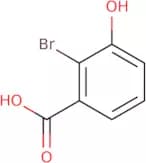
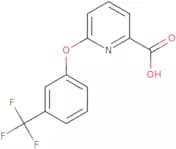
CAS:<p>2-Bromo-3-hydroxybenzoic acid is an inhibitor of HIV protease that has potent antiviral activity. It inhibits the enzyme responsible for the cleavage of the gag and pol polyproteins in HIV, preventing the formation of new virus particles. 2-Bromo-3-hydroxybenzoic acid is orally bioavailable and can be used as a prodrug for other benzamides or urethanes with antiviral potency. This drug is a cyclic inhibitor that binds to the hydrophobic pocket on the surface of HIV protease and prevents it from functioning as an enzyme.</p>Formula:C7H5BrO2Purity:Min. 95%Color and Shape:PowderMolecular weight:201.02 g/mol6-(3-(Trifluoromethyl)phenoxy)picolinic acid
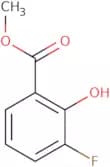
CAS:<p>6-(3-(Trifluoromethyl)phenoxy)picolinic acid is a fine chemical that is used as a building block for complex compounds or as an intermediate for the synthesis of other compounds. It has been used in the synthesis of several pharmaceuticals, such as tamoxifen, and also has been used in research studies. 6-(3-(Trifluoromethyl)phenoxy)picolinic acid can be used to synthesize many different types of compounds, making it a versatile building block with many useful applications.</p>Formula:C13H8F3NO3Purity:Min. 95%Color and Shape:PowderMolecular weight:283.2 g/mol3-Fluoro-2-hydroxybenzoic acid methyl ester
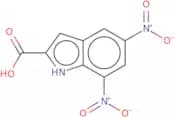
CAS:<p>3-Fluoro-2-hydroxybenzoic acid methyl ester (3-FHBA) is a high quality chemical compound that is used as an intermediate to produce other compounds. It has been shown to be a useful scaffold for the synthesis of complex compounds with various functional groups. 3-FHBA is also a reagent in the production of fine chemicals, research chemicals, and speciality chemicals. This compound has many uses, including being a versatile building block for reactions in organic synthesis and being a reaction component in the production of many types of products.</p>Formula:C8H7FO3Purity:Min. 95%Color and Shape:White PowderMolecular weight:170.14 g/mol5,7-Dinitroindole-2-carboxylic acid
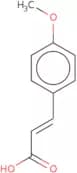
CAS:<p>5,7-Dinitroindole-2-carboxylic acid is a versatile building block that has been used as a reagent in organic synthesis. It has also been shown to be an intermediate in the preparation of 5,7-dichloroindole and other complex compounds. This compound is a reaction component for the synthesis of many useful compounds, including research chemicals and speciality chemicals. 5,7-Dinitroindole-2-carboxylic acid is soluble in most solvents and can be purified by recrystallization or chromatography. The purity can be determined by elemental analysis or nuclear magnetic resonance spectroscopy.</p>Formula:C9H5N3O6Purity:Min. 95%Color and Shape:PowderMolecular weight:251.15 g/mol4-Methoxycinnamic acid
CAS:<p>4-Methoxycinnamic acid is a derivative that is activated by light exposure. It has been shown to have antimicrobial activity against Gram-positive bacteria and yeast, but not Gram-negative bacteria. 4-Methoxycinnamic acid is an analytical reagent that can be used to measure the dry weight of skin cancer cells, as well as to study the genotoxic effects of human liver cells. The chemical has also been shown to be genotoxic in mouse bone marrow cells and human lymphocytes. 4-Methoxycinnamic acid has been found to cause synchronous fluorescence when exposed to UV light, which may be due to its ability to react with molecular oxygen. This reaction produces a linear model with two products: 4-hydroxybenzoic acid and 2,5-dihydroxybenzoic acid.</p>Formula:C10H10O3Purity:Min. 95%Color and Shape:PowderMolecular weight:178.18 g/molGanoderic acid C6
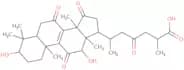
CAS:Controlled Product<p>Ganoderic acid C6 is a natural product with potent anti-cancer and anti-inflammatory activities. It has shown to inhibit the growth of human cancer cells in vitro by targeting the fatty acid synthase enzyme, which is involved in biosynthesis of fatty acids. Ganoderic acid C6 also inhibits hydroxylation of oleic acid, an important step in the synthesis of prostaglandins and leukotrienes. This inhibition leads to a decrease in inflammation and chronic bronchitis. Although ganoderic acid C6 has been shown to have beneficial effects on metabolic disorders, it has also been shown to be toxic to liver cells at high concentrations. The toxicity may be due to its ability to inhibit different enzymes that are involved in fatty acid metabolism.</p>Formula:C30H42O8Purity:Min. 95%Color and Shape:PowderMolecular weight:530.65 g/mol3-(2-(2-Aminoethoxy)ethoxy)-propanoic acid
CAS:<p>3-(2-(2-Aminoethoxy)ethoxy)-propanoic acid is a PEG compound with two different functional groups (also known as heterobifunctional). Unlike homobifunctional PEG compounds (same functional group on both ends), this type of compounds are more versatile as have two different anchor points. 3-(2-(2-Aminoethoxy)ethoxy)-propanoic acid is used as a linker and spacer to add a PEG moiety, via pegylation (a bioconjugation technique) to proteins, peptides, oligonucleotides, small molecules and nanoparticles.</p>Formula:C7H15NO4Purity:Min. 95%Color and Shape:White PowderMolecular weight:177.2 g/mol3-Cyanophenylacetic acid
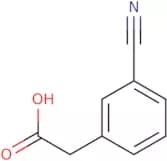
CAS:<p>3-Cyanophenylacetic acid is a versatile building block and useful intermediate that can be used in the synthesis of a wide range of organic compounds. 3-Cyanophenylacetic acid is a fine chemical with CAS No. 1878-71-3 that can be used as a research chemical, reaction component, or speciality chemical. It is an important reagent for making complex organic compounds. 3-Cyanophenylacetic acid is a high quality product with the following characteristics: <br>1) Colorless crystals; <br>2) Soluble in water; <br>3) Soluble in acetone; <br>4) Slightly soluble in ether; <br>5) Reactivity: stable to heat, light, and air; <br>6) pH (1% solution): 2.0 - 4.0; <br>7) Melting point: 129 °C; <br>8) Boiling point: 188 °C at 760 mmH</p>Formula:C9H7NO2Purity:Min. 95%Molecular weight:161.16 g/molFlumethasone acetate
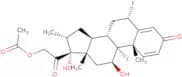
CAS:Controlled Product<p>Flumethasone acetate is a synthetic corticosteroid that has anti-inflammatory, antipruritic, and vasoconstrictive properties. It is used in the treatment of various skin disorders, including psoriasis, eczema and atopic dermatitis. Flumethasone acetate binds to the cytosolic glucocorticoid receptor (GR) and inhibits the transcription of genes that encode proteins involved in inflammation. The drug also has potent anti-inflammatory activity, but lacks the mineralocorticoid activity of hydrocortisone or cortisone. Flumethasone acetate does not bind significantly to the sex hormone binding globulin (SHBG), which is important for its use in females as it will not interfere with estrogen production.</p>Formula:C24H30F2O6Purity:Min. 95%Color and Shape:White/Off-White SolidMolecular weight:452.49 g/mol3-(2-(2-(2-Aminoethoxy)ethoxy)ethoxy)propanoic acid HCI
CAS:<p>3-(2-(2-(2-Aminoethoxy)ethoxy)ethoxy)propanoic acid HCI is a PEG compound with two different functional groups (also known as heterobifunctional). Unlike homobifunctional PEG compounds (same functional group on both ends), this type of compounds are more versatile as have two different anchor points. 3-(2-(2-(2-Aminoethoxy)ethoxy)ethoxy)propanoic acid HCI is used as a linker and spacer to add a PEG moiety, via pegylation (a bioconjugation technique) to proteins, peptides, oligonucleotides, small molecules and nanoparticles.</p>Formula:C9H19NO5·HClColor and Shape:Slightly Yellow Yellow Clear Liquid PowderMolecular weight:257.71 g/mol4-Nitrohippuric acid
CAS:<p>4-Nitrohippuric acid is a metabolite of the amino acid glycine, which is converted to 4-nitrohippuric acid by nitroreductase. It is an aromatic compound that has been shown to have high affinity for tissues such as kidney and liver. 4-Nitrohippuric acid can be used as an ion-exchange reagent for the separation of peptide hormones from plasma or urine. The kinetic constants of 4-nitrohippuric acid have been determined in rat studies. This compound has also been used to measure the rate of hydrolysis of hippurate in human urine samples. The optical properties of this compound have not yet been fully characterized for its use in spectroscopic applications.</p>Formula:C9H8N2O5Purity:Min. 95%Color and Shape:Yellow PowderMolecular weight:224.17 g/mol3,5-Dichloro-2,6-dihydroxybenzoic acid
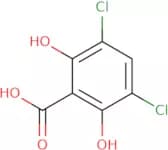
CAS:<p>3,5-Dichloro-2,6-dihydroxybenzoic acid is a synthetic compound that has been shown to have anti-leishmanial activity. It prevents the release of iron from the parasite by binding to iron ions and preventing the formation of iron complexes. 3,5-Dichloro-2,6-dihydroxybenzoic acid also inhibits disulfide bond formation in proteins. This inhibition leads to a decrease in protein synthesis. The effect of 3,5-dichloro-2,6-dihydroxybenzoic acid on Leishmania species was confirmed using metabolomics analysis on human blood samples collected from women in Tanzania.</p>Formula:C7H4Cl2O4Purity:Min. 95%Color and Shape:PowderMolecular weight:223.01 g/mol2-Methylpyridine-4-boronic acid pinacol ester
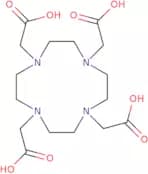
CAS:<p>Please enquire for more information about 2-Methylpyridine-4-boronic acid pinacol ester including the price, delivery time and more detailed product information at the technical inquiry form on this page</p>Formula:C12H18BNO2Purity:Min. 95%Molecular weight:219.09 g/mol1,4,7,10-Tetraazacyclododecane-1,4,7,10-tetraacetic acid
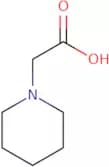
CAS:<p>1,4,7,10-Tetraazacyclododecane-1,4,7,10-tetraacetic acid (DOTA) is a metal chelator or radioligand that is used for the diagnosis of cancer. DOTA, as other analogous compounds such as NOTA, TETA and DTPA, has a high affinity for gadolinium and binds to integrin receptors on the surface of cancer cells. It can then be detected by nuclear magnetic resonance spectroscopy or computed tomography. This agent is also used in conjunction with other drugs to treat certain cancers. The most common use of DOTA is as a component of chemotherapy drugs such as docetaxel and cisplatin. DOTA has been shown to be biocompatible with human serum and metabolic response studies have been conducted in animals without any serious side effects. DOTA has shown to be an effective anti-cancer drug for solid tumors in animals and humans with minimal toxicity due to its coordination geometry.</p>Formula:C16H28N4O8Purity:Min. 95%Color and Shape:White PowderMolecular weight:404.42 g/molPiperidin-1-yl-acetic acid
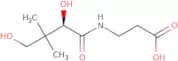
CAS:<p>Piperidin-1-yl-acetic acid is a nitrogen-containing organic compound, which is an alkanoic acid. It has a molecular weight of 104.09 and empirical formula C6H11NO2. Piperidin-1-yl-acetic acid is not soluble in cold water, but it dissolves in boiling water to form a white solid. This compound can be used as an enzyme inhibitor or as a pharmacological agent.<br>Piperidin-1-yl-acetic acid has been shown to inhibit the transcriptional regulation of enzymes that are involved in the production of porphyrins and other heme protein cofactors such as cytochrome c. The compound also inhibits the synthesis of these enzymes by binding to their active sites and inhibiting their function.</p>Formula:C7H13NO2Purity:Min. 95 Area-%Color and Shape:PowderMolecular weight:143.18 g/molD-Pantothenic acid - Technical grade
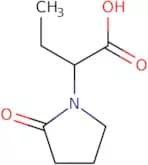
CAS:<p>D-Pantothenic acid is a vitamin that is involved in the metabolism of carbohydrates and fats. It is a cofactor for the synthesis of acetyl-coenzyme A, which is important for energy metabolism. D-Pantothenic acid also participates in the synthesis of hemoglobin and red blood cells, as well as being important for proper nerve function and cell growth. D-Pantothenic acid can be synthesized by humans from pantetheine, which is found in the diet and can be made by bacteria in the intestines. Pantetheine can also be converted to coenzyme A through an intermediate called pantethine. The human body needs both pantethine and pantetheine to produce adequate levels of D-pantothenic acid.</p>Formula:C9H17NO5Purity:Min. 95%Color and Shape:PowderMolecular weight:219.24 g/mol2-(2-Oxo-1-pyrrolidinyl)butyric acid
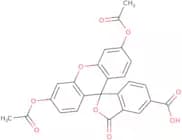
CAS:<p>2-Oxo-1-pyrrolidineacetic acid ethylester is a chiral compound that has been used as a calibration standard for the determination of hexane in pharmaceutical formulations. It has also been used as an impurity in ion-exchange chromatography and as an acidic reagent in the preparation of pharmaceutical formulations. 2-Oxo-1-pyrrolidineacetic acid ethylester is a racemic mixture, containing equal amounts of two enantiomers, which can be separated by column chromatography on silica gel. The separation of these enantiomers was achieved using a butanoic acid mobile phase with a flow rate of 1 mL/min. The elution order was found to be (R)-2-oxo-1-pyrrolidineacetic acid ethylester > (S)-2-oxo-1-pyrrolidineacetic acid ethylester.</p>Formula:C8H13NO3Purity:Min. 95%Color and Shape:PowderMolecular weight:171.19 g/mol5-Carboxyfluorescein diacetate
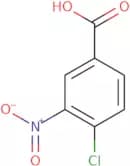
CAS:<p>5-Carboxyfluorescein diacetate is a reactive dye that can be used as a model system to study the effects of reactive species on biological molecules. It has been shown to inhibit mitochondrial membrane potential and activate detoxification enzymes in rats. 5-Carboxyfluorescein diacetate also induces apoptosis in human leukemia cells and inhibits the proliferation of human breast cancer cells. The effect of 5-carboxyfluorescein diacetate on collagen synthesis in a rat wound healing model has been investigated, with an increase in collagen found after treatment. This drug can also cause immunomodulatory effects by inhibiting macrophage activity and increasing T lymphocytes.</p>Formula:C25H16O9Purity:Min. 95 Area-%Color and Shape:White PowderMolecular weight:460.39 g/mol4-Chloro-3-nitrobenzoic acid
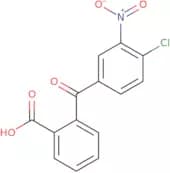
CAS:<p>4-Chloro-3-nitrobenzoic acid is a solute that reacts with sodium hydroxide to form 4-chloro-3-nitrophenolate. It also reacts with hydrogen chloride to form 4-chloro-3-nitrobenzoyl chloride. The solubility of the compound in different solvents can be determined by experimental solubility data and structural analysis. <br>4-Chloro-3-nitrobenzoic acid has been shown to inhibit protein synthesis in liver cells, which may be due to its ability to bind copper ions and form a complex that inhibits the activity of copper enzymes. This compound may also react with sodium salts in the presence of heat or light, leading to the formation of an insoluble precipitate. When heated with strong acids such as hydrogen chloride, 4-chloro-3 nitrobenzoic acid reacts with benzene and forms 3,4 dinitrobenezene</p>Formula:C7H4ClNO4Purity:Min. 95%Color and Shape:PowderMolecular weight:201.56 g/mol2-(4-Chloro-3-nitrobenzoyl)benzoic acid
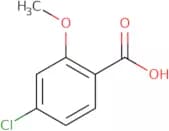
CAS:<p>2-(4-Chloro-3-nitrobenzoyl)benzoic acid is a high quality, reagent, and complex compound that is useful as an intermediate. It has the CAS number of 85-54-1 and is classified as a fine chemical. This compound can be used as a building block for speciality chemicals or research chemicals. It is also a versatile building block for reactions and has many applications in synthetic chemistry.</p>Formula:C14H8ClNO5Purity:Min. 95%Color and Shape:PowderMolecular weight:305.67 g/mol4-Chloro-2-methoxybenzoic acid
CAS:<p>4-Chloro-2-methoxybenzoic acid is a chloroacetic acid that is used as an antibacterial agent. It has been shown to have a broad spectrum of activity against bacteria, including gram-positive and gram-negative bacteria. 4-Chloro-2-methoxybenzoic acid is active against both stationary and mobile phases of growth. It has also been shown to be effective in inhibiting the growth of fungi, such as Aspergillus niger, Aspergillus fumigatus, Penicillium notatum, and Fusarium oxysporum. This compound can be synthesized from carboxylic acids by reacting them with sodium nitrite in the presence of dry nitrogen gas to form chloroacetic acid. The chemical formula for this compound is CHClOOC(CH)COOH.</p>Formula:C8H7ClO3Purity:Min. 95%Color and Shape:PowderMolecular weight:186.59 g/mol(3R,5R)-6-Cyano-3,5-dihydroxy-hexanoic acid tert-butyl ester
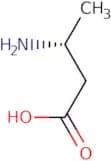
CAS:<p>(3R,5R)-6-Cyano-3,5-dihydroxy-hexanoic acid tert-butyl ester is a building block for organic synthesis. It is a versatile intermediate that can be used in the preparation of pharmaceuticals and other organic compounds. The compound is also used as a reagent to study the biological activity of other compounds. CAS No. 125971-93-9 is a fine chemical that has been shown to have high quality and purity.</p>Formula:C11H19NO4Purity:Min. 98 Area-%Color and Shape:Yellow PowderMolecular weight:229.27 g/mol(R)-3-Aminobutanoic acid
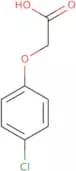
CAS:<p>(R)-3-Aminobutanoic acid is a β-amino acid that is involved in the biosynthesis of other amino acids. It has been shown to have inhibitory effects on lymphoblast cells and to be an intermediate in the synthesis of dioncophylline, a calcium-mobilizing agent. (R)-3-Aminobutanoic acid is also an intermediate in the formation of crotonic acid, which is involved in the synthesis of butyric acid. This compound has been shown to have catalytic activity with a variety of organic reactions because it can act as both a base and a nucleophile. The reaction system may be reversed phase high performance liquid chromatography, gas chromatography, or thin layer chromatography.</p>Formula:C4H9NO2Purity:Min. 95%Color and Shape:PowderMolecular weight:103.12 g/mol4-Chlorophenoxyacetic acid
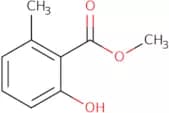
CAS:<p>4-Chlorophenoxyacetic acid is a chemical compound that is used in wastewater treatment. It can be used as a potassium dichromate substitute and exhibits synergic effects with sodium carbonate. 4-Chlorophenoxyacetic acid has been shown to have antimicrobial activity against group P2 bacteria, such as Pseudomonas aeruginosa, Staphylococcus aureus, and Enterococcus faecalis. 4-Chlorophenoxyacetic acid also inhibits the growth of human serum and monoclonal antibodies by inhibiting protein synthesis through intramolecular hydrogen linkage.</p>Formula:C8H7ClO3Color and Shape:PowderMolecular weight:186.59 g/mol2-Hydroxy-6-methylbenzoic acid methyl ester
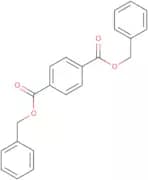
CAS:<p>Methyl anthranilate is a bioactive molecule that belongs to the group of methyl 2-hydroxybenzoates. It has been shown to be effective against formicidae and other insects in bioassays. The chemical composition of methyl anthranilate includes a hydroxyl group and an aromatic ring, which may allow for a diverse range of chemical structures. Methyl anthranilate is synthesized by the non-enzymatic condensation of formaldehyde with 2-hydroxybenzoic acid. This molecule has been used as an insecticide in model organisms such as Drosophila melanogaster and Caenorhabditis elegans.</p>Formula:C9H10O3Purity:Min. 95%Color and Shape:PowderMolecular weight:166.17 g/molTerephthalic acid dibenzyl ester
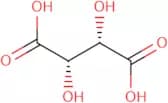
CAS:<p>Terephthalic acid dibenzyl ester is a reactive dye that changes color when it reacts with metals. It is used in the preparation of polyvinyl chloride (PVC) and other polymers. Terephthalic acid dibenzyl ester has a low energy, which means that it does not emit much heat or light when heated or exposed to light. This property makes it useful for recording devices such as thermometers and recorders. The hydroxyl group on the aromatic hydrocarbon allows this compound to react with unsaturated alkyls, which are compounds containing carbon-to-carbon double bonds. Terephthalic acid dibenzyl ester has been shown to increase insulin sensitivity in rats by increasing glucose uptake into skeletal muscle cells.</p>Formula:C22H18O4Purity:Min. 95%Color and Shape:PowderMolecular weight:346.38 g/molD-(-)-Tartaric acid
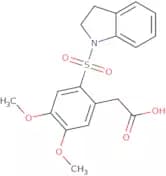
CAS:<p>Used in the preparation of enantiospecific homochiral cis-4-formyl b-lactams</p>Formula:C4H6O6Purity:Min 98.5%Color and Shape:White PowderMolecular weight:150.09 g/mol2-(4,5-Dimethoxy-2-(indolin-1-ylsulfonyl)phenyl)acetic acid
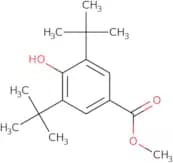
CAS:<p>Please enquire for more information about 2-(4,5-Dimethoxy-2-(indolin-1-ylsulfonyl)phenyl)acetic acid including the price, delivery time and more detailed product information at the technical inquiry form on this page</p>Purity:Min. 95%3,5-Di-tert-Butyl-4-hydroxybenzoic acid methyl ester
CAS:<p>3,5-Di-tert-Butyl-4-hydroxybenzoic acid methyl ester is a chemical that belongs to the group of low molecular weight solvents. It is used as an intermediate in organic synthesis and as a solvent for paints, lacquers, and varnishes. 3,5-Di-tert-Butyl-4-hydroxybenzoic acid methyl ester has been found to be resistant to radiation and ultraviolet light. This chemical has also been shown to have no mutagenic effects on calf thymus DNA.</p>Formula:C16H24O3Purity:Min. 95%Color and Shape:PowderMolecular weight:264.36 g/mol5-[(3aR,6S,6aS)-2,5,5-trioxo-1,3,3a,4,6,6a-hexahydrothieno[3,4-d]imidazol-6-yl]pentanoic acid
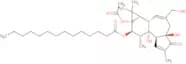
CAS:<p>The compound 5-[(3aR,6S,6aS)-2,5,5-trioxo-1,3,3a,4,6,6a-hexahydrothieno[3,4-d]imidazol-6-yl]pentanoic acid (TIPA) is a diagnostic marker for the diagnosis of urinary tract infections. The compound is present in urine and can be detected with an antibody response. TIPA is excreted by human kidneys in a circadian pattern and has a maximum concentration at pH 7.0. This compound is taken up by bacteria in the urinary tract and its presence can be used to diagnose UTI. TIPA also binds to biotin and polyclonal antibodies that are used for immunohistochemical assays.</p>Formula:C10H16N2O5SPurity:Min. 95%Color and Shape:White To Off-White SolidMolecular weight:276.31 g/molPhorbol-12-myristate-13-acetate
CAS:<p>Phorbol-12-myristate-13-acetate is a phorbol ester that inhibits the activity of protein kinase C. It binds to the response element on DNA and blocks RNA synthesis, leading to cell death. Phorbol 12-myristate 13-acetate has been shown to inhibit the proliferation of human squamous cells in culture, which may be caused by its ability to inhibit the cell cycle. This drug also has been shown to inhibit the production of cytokines such as interleukin-1β and tumor necrosis factor α (TNFα) in human polymorphonuclear leukocytes (PMNLs).</p>Formula:C36H56O8Purity:Min. 98 Area-%Color and Shape:White PowderMolecular weight:616.83 g/mol2-Ethylbenzoic acid
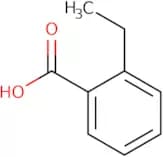
CAS:<p>2-Ethylbenzoic acid is a fatty acid that is found in plants, animals and microorganisms. It dissolves in water to form an amorphous drug with a molecular weight of about 170. 2-Ethylbenzoic acid has been shown to inhibit the activity of several enzymes, such as protein kinases and phospholipases. It also inhibits the activity of liver enzymes involved in the metabolism of drugs and other xenobiotics, such as phenylpropionic acid and malic acid. This drug has been shown to have an inhibitory effect on glucose uptake by cells and may be used as an anti-diabetic agent.</p>Formula:C9H10O2Purity:Min. 95%Color and Shape:PowderMolecular weight:150.17 g/mol1,1,2,2,3,3,4,4-Octafluorobutane-1-sulphonic acid
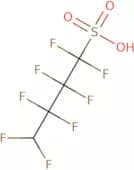
CAS:<p>1,1,2,2,3,3,4,4-Octafluorobutane-1-sulphonic acid is a fine chemical that is used as a reactive intermediate in the synthesis of more complex compounds. It has been shown to be useful in the synthesis of 1H-benzo[d]imidazole derivatives and 2-(trifluoromethyl)thiophenes. This compound has also been used as a reaction component for the preparation of other chemicals such as tetrafluoroethylene oxide. 1,1,2,2,3,3,4,4-Octafluorobutane-1-sulphonic acid is a versatile building block that can be used to create high quality reagents and research chemicals.</p>Formula:C4H2F8O3SPurity:Min. 95%Color and Shape:Clear LiquidMolecular weight:282.11 g/mol4-(4-Ethoxyphenyl)-2-(3-methyl-5-oxo-1-phenyl(2-pyrazolin-4-yl))-4-oxobutanoic acid
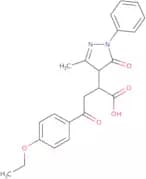
CAS:<p>Please enquire for more information about 4-(4-Ethoxyphenyl)-2-(3-methyl-5-oxo-1-phenyl(2-pyrazolin-4-yl))-4-oxobutanoic acid including the price, delivery time and more detailed product information at the technical inquiry form on this page</p>Purity:Min. 95%1,3-Dimethylvioluric acid
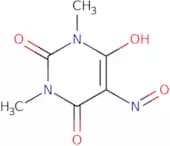
CAS:<p>1,3-Dimethylvioluric acid is a molecule that has been shown to reduce the size of experimental animal models of ventricular myocardium. It also increases the levels of atp and urea nitrogen in the heart, suggesting an increase in cardiac function. This molecule may be used to help prevent or treat cardiovascular diseases such as heart failure. 1,3-Dimethylvioluric acid has also been shown to have pluripotent cell properties and can be used to generate cells that are capable of differentiating into other types of cells. The effective dose for 1,3-dimethylvioluric acid is not known.</p>Formula:C6H7N3O4Purity:Min. 95%Color and Shape:White PowderMolecular weight:185.14 g/molAnilino(oxo)acetic acid
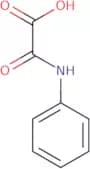
CAS:<p>Anilino(oxo)acetic acid is a metabolite of the aniline group of chemicals. It is produced in the human body, and has been detected in urine samples. Anilino(oxo)acetic acid is used as a substrate for kinetic analysis, and is used to determine the rate of formation of an acid by measuring the time taken for the pH to drop. The amide group can be cleaved by hydrolysis with sodium hydroxide, which produces ammonium ions that react with hydrogen ions to form ammonia. This reaction is irreversible under normal conditions. The molecule has a high value for hydrogen bonds, which may account for its stability at higher temperatures.</p>Formula:C8H7NO3Purity:Min. 95 Area-%Color and Shape:PowderMolecular weight:165.15 g/mol4-Amino-3-chlorobenzoic acid
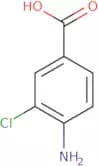
CAS:<p>4-Amino-3-chlorobenzoic acid is a white solid with a molecular weight of 170.1 g/mol, melting point of 158.5°C and boiling point of 267°C. It has the molecular formula C6H5ClNO2 and the IUPAC name 4-(aminomethyl)-3-chlorobenzoic acid. The chemical structure of this compound is shown in Figure 1.</p>Formula:C7H6ClNO2Purity:Min. 95%Color and Shape:PowderMolecular weight:171.58 g/mol4-Formylphenoxyacetic acid
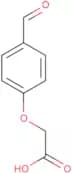
CAS:<p>4-Formylphenoxyacetic acid is a molecule that has been studied by molecular modeling. The molecular modeling study revealed the geometry of the protocatechuic acid molecule, which is a phenol that has an oxygen atom in its ring structure. Protocatechuic acid has a tyrosinase inhibitory activity and can be used as an anticancer agent. It also inhibits the production of melanin and can be used to treat skin discolorations or hyperpigmentation. 4-Formylphenoxyacetic acid was synthesized by using homogeneous catalysts and it is active as a serine protease inhibitor. This compound also has diphenolase activity, which is an enzyme that breaks down phenolic compounds such as lignin, a major component of plant cell walls.</p>Formula:C9H8O4Purity:Min. 95%Color and Shape:Off-White PowderMolecular weight:180.16 g/mol3-(2-Carboxyphenyl)propionic acid
CAS:<p>3-(2-Carboxyphenyl)propionic acid is a chemical compound that belongs to the group of phytoalexins. It is a synthetic compound that is used as a raw material for the synthesis of various pharmaceuticals and other organic compounds. 3-(2-Carboxyphenyl)propionic acid has shown luminescence properties, which may be due to its oxidation products. The isoquinoline alkaloids present in this compound are responsible for its anti-inflammatory effects. 3-(2-Carboxyphenyl)propionic acid can also be found in conjugates with chloride or other organic acids, such as diazide, which inhibit bacterial growth and increase the solubility of this substance.</p>Formula:C10H10O4Purity:Min. 95%Color and Shape:White/Off-White SolidMolecular weight:194.18 g/mol3-Fluorocinnamic acid
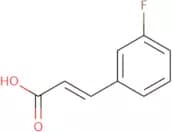
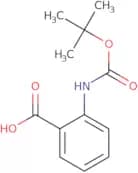
CAS:<p>3-Fluorocinnamic acid is an organic compound that belongs to the class of amides. It reacts with metal ions such as copper, silver, or gold. 3-Fluorocinnamic acid has a constant boiling point and can be used in the preparation of cinnamic acid derivatives. 3-Fluorocinnamic acid also has redox potential and is used as a substrate in enzyme preparations. 3-Fluorocinnamic acid can be synthesized by hydrolysis of malonic acid and metal salts with hydrochloric acid, which then reacts with triticum aestivum. The product is purified by recrystallization from water. This compound inhibits the reaction that converts lactose into glucose and galactose, leading to the production of lactic acid from milk.</p>Formula:C9H7FO2Purity:Min. 98 Area-%Color and Shape:PowderMolecular weight:166.15 g/molBoc-2-aminobenzoic acid
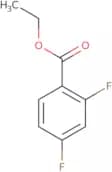
CAS:<p>Boc-2-aminobenzoic acid is a synthetic amino acid that can be used for the synthesis of recombinant proteins. It contains lysine residues, which are often used in protein engineering. This product is hydrolyzed to form a chloride gas and a hydrochloride salt by the enzyme chloridase. The hydrolysis proceeds through an amine intermediate and proceeds with a rate that is first order in chloride gas and second order in Boc-2-aminobenzoic acid. The kinetic constants for this reaction have been determined using fluorescence resonance energy transfer (FRET) spectroscopy on the solid phase.</p>Formula:C12H15NO4Purity:Min. 95%Color and Shape:PowderMolecular weight:237.25 g/mol2,4-Difluorobenzoic acid ethyl ester
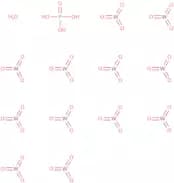
CAS:<p>C9H8F2O2 2,4-Difluorobenzoic acid ethyl ester is a drug that inhibits the growth of protozoan parasites in the intestine. It has been shown to be effective against coccidiosis and grignard reagent, an antifungal drug. C9H8F2O2 2,4-Difluorobenzoic acid ethyl ester is a fungicide that inhibits the synthesis of RNA by binding to the cgmp-dependent protein (cyclic guanosine monophosphate) in protozoa, preventing protein synthesis and causing cell death. Magnesium chloride and chloride ions are required for this reaction to take place.</p>Formula:C9H8F2O2Purity:Min. 95%Color and Shape:Clear LiquidMolecular weight:186.16 g/molPhosphotungstic acid hydrate
CAS:<p>Phosphotungstic acid hydrate is a white, crystalline solid that belongs to the group of phosphotungstates. It is soluble in methanol and water and has a low vapor pressure. Phosphotungstic acid hydrate is stable at room temperature and below, but decomposes above 100°C. The reaction mechanism for phosphotungstic acid hydrate is the formation of an acid complex with a proton from water, which can be written as<br>PW6O14(OH)2 + H2O <br>PW6O14(OH)3H+ + OH-<br>This reaction solution is acidic, with a pH of 2 or less. Hydroxyl groups on the phosphotungstate react with hydrogen fluoride to form tungsten hexafluoride gas. Hydrogen bonding interactions between the hydroxyl groups in phosphotungstic acid hydrate are responsible for its structural analysis. Oxidation catalysts such as magnesium salt</p>Formula:H3P(W3O10)4•H2OPurity:Min. 95%Color and Shape:PowderMolecular weight:2,880.05 g/molAc-Lys-AMC acetate salt
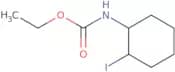
CAS:<p>Ac-Lys-AMC acetate salt is a fine chemical that is used as a building block in biological research. It is a versatile building block that can be used in the synthesis of complex compounds, and as a reaction component for the production of useful intermediates. Ac-Lys-AMC acetate salt is also used as a reagent in the detection of nucleic acids.</p>Formula:C18H23N3O4•C2H4O2Purity:Min. 98 Area-%Color and Shape:PowderMolecular weight:405.44 g/mol(2-Iodocyclohexyl)carbamic acid ethyl ester
CAS:<p>(2-Iodocyclohexyl)carbamic acid ethyl ester is a fine chemical that can be used as a building block, reagent, or speciality chemical in research. It is soluble in organic solvents and can be used as a reaction component, useful intermediate, or useful scaffold. This compound has been shown to react with various groups including amines, alcohols, phenols and thiols.</p>Formula:C9H16INO2Purity:Min. 95%Color and Shape:PowderMolecular weight:297.13 g/molDiethyl iminodiacetate
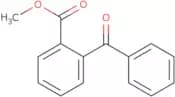
CAS:<p>Diethyl iminodiacetate is a reactive chemical that is used in the polymerization of plastics, paints, and other products. It reacts with the carbonyl group of unsaturated fatty acid to form an ester. This reaction also occurs in biological systems where it can inhibit the activity of enzymes. Diethyl iminodiacetate has been shown to inhibit the growth of bacteria by inhibiting their ability to synthesize proteins. The protonated form of diethyl iminodiacetate is a potent radiation-protective agent for use in veterinary and human medicine. The nitrogen atoms on the compound are responsible for its dendritic structure.</p>Formula:C8H15NO4Purity:Min. 95%Color and Shape:Colorless Clear LiquidMolecular weight:189.21 g/mol2-Benzoylbenzoic acid methyl ester
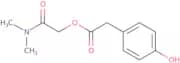
CAS:<p>2-Benzoylbenzoic acid methyl ester (2BABME) is a silicone that is used in the manufacturing of polyurethane foams, sealants, and adhesives. It has been shown to have anti-tumor properties. 2BABME was found to inhibit the proliferation of lung fibroblasts and induce apoptosis via induction of caspase-3/7 activity. The production of reactive oxygen species (ROS) and release of cytochrome C from mitochondria are also important factors in the induction of apoptosis by 2BABME. 2BABME induces apoptosis pathways by activating proapoptotic members of the Bcl-2 family, such as Bid, Bad, and Bax. The cytotoxic effects are enhanced by inhibition of ROS production or inhibition of mitochondrial membrane potential. This chemical is not mutagenic or genotoxic in vitro or in vivo.</p>Formula:C15H12O3Purity:Min. 95%Color and Shape:PowderMolecular weight:240.25 g/mol4-Hydroxy benzeneacetic acid 2-(dimethylamino)-2-oxoethyl ester
CAS:<p>4-Hydroxybenzeneacetic acid 2-(dimethylamino)-2-oxoethyl ester is a reagent with a CAS number of 59721-16-3. It is one of the building blocks of complex compounds, useful as an intermediate in fine chemicals and research chemicals. This chemical is used in reactions as a reaction component or scaffold. The versatility of this chemical makes it a useful building block for speciality chemicals.</p>Formula:C12H15NO4Purity:Min. 95%Color and Shape:PowderMolecular weight:237.25 g/molDL-3-Aminoisobutyric acid
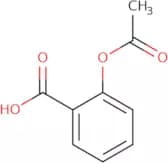
CAS:<p>DL-3-Aminoisobutyric acid (LAA) is a metabolite of the amino acid L-arginine. It is produced in the liver by the enzyme arginase and can be used to diagnose hepatic steatosis. It is also found in urine and human serum, as well as in microbial metabolism. LAA has been shown to regulate gene transcription and metabolism through its ability to inhibit the activity of gamma-aminobutyric acid (GABA), an inhibitory neurotransmitter that regulates energy metabolism and metabolic disorders. In addition, LAA has been shown to have antioxidant properties, which may be related to its role in caproic acid biosynthesis.</p>Formula:C4H9NO2Color and Shape:White Off-White PowderMolecular weight:103.12 g/molAcetylsalicylic acid
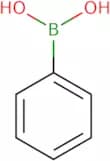
CAS:<p>Acetylsalicylic acid is a nonsteroidal anti-inflammatory drug that inhibits the production of prostaglandins, which are involved in the inflammatory response. Acetylsalicylic acid is used to prevent heart attacks or strokes. It has been shown to inhibit the migration of neutrophils and monocytes, with minimal toxicity. Acetylsalicylic acid also inhibits the binding of integrin receptors to their ligands on endothelial cells, which prevents platelet aggregation. The drug can cause drug interactions with other drugs such as clopidogrel and acetylsalicylic acid, which may lead to increased bleeding. Acetylsalicylic acid is a natural compound found in plants such as willow bark and meadowsweet. It has been shown to have analgesic and anti-inflammatory properties in mice studies, but there is not enough evidence for its effectiveness in humans.</p>Formula:C9H8O4Purity:Min. 95%Color and Shape:White PowderMolecular weight:180.16 g/molPhenylboronic acid
CAS:<p>Phenylboronic acid is a natural compound that has been shown to inhibit the growth of squamous carcinoma cells. The optical sensor can be used to measure the amount of phenylboronic acid in a solution. The sensor is made from a thin film of colloidal gold, which changes color in response to phenylboronic acid. This method of detection is not as accurate as other methods and can only be used with low concentrations. Phenylboronic acid has been shown to have anti-inflammatory properties, which may be due to its ability to inhibit toll-like receptor 4 and toll-like receptor 6 signaling pathways.</p>Formula:C6H7BO2Purity:Min. 95%Color and Shape:White PowderMolecular weight:121.93 g/mol2,4-Dihydroxybenzoic acid hydrazide
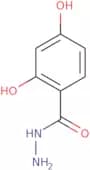
CAS:<p>2,4-Dihydroxybenzoic acid hydrazide is an antibiotic that inhibits the growth of bacteria by binding to the enzyme chorismate synthase and blocking the synthesis of folate. It has been shown to have bactericidal activity against Chlamydia, a sexually transmitted disease caused by this bacteria. 2,4-Dihydroxybenzoic acid hydrazide is a protonated form of 2,4-dihydroxyphenylacetic acid, which is a molecule found in humans and other mammals. This drug may be useful for treating herpes simplex virus and inhibiting the spread of HIV.</p>Formula:C7H8N2O3Purity:Min. 95%Molecular weight:168.15 g/mol5-Bromo-2-methoxycinnamic acid
CAS:<p>5-Bromo-2-methoxycinnamic acid is a fine chemical that is used as a scaffold, versatile building block, and useful intermediate. It has been shown to be a useful reaction component in the preparation of complex compounds. 5-Bromo-2-methoxycinnamic acid can also be used as a speciality chemical or reagent. This compound has high quality and is an important research chemical.</p>Formula:C10H9BrO3Purity:Min. 95%Color and Shape:PowderMolecular weight:257.08 g/mol4-Amino-3-fluorobenzoic acid
CAS:<p>4-Amino-3-fluorobenzoic acid (4AFB) is an inhibitor of the enzyme nitric oxide synthase. It has been shown to inhibit chronic inflammation by reducing blood pressure and inhibiting the production of reactive oxygen species that can cause damage to cells in the body. 4AFB is a competitive inhibitor of nitric oxide synthase, which prevents the production of nitric oxide from L-arginine. Nitric oxide is an important signaling molecule in the nervous system, and its inhibition may lead to hyperpolarization of the membrane, which can have therapeutic benefits for certain conditions.</p>Formula:C7H6FNO2Purity:Min. 95%Color and Shape:PowderMolecular weight:155.13 g/mol4-(Benzyloxyphenyl)acetic acid methyl ester
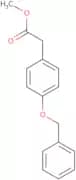
CAS:<p>4-(Benzyloxyphenyl)acetic acid methyl ester is a synthetic, phenolic, tetronic, enolates, hydrophobic, tetrahydrofuran. It is used as a precursor to a variety of chemicals including pharmaceuticals and polymerase inhibitors. 4-(Benzyloxyphenyl)acetic acid methyl ester can be synthesized by reacting benzaldehyde with 4-nitrophenol in the presence of lithium enolates. It has been shown to have acidic properties and inhibits polymerase activity.</p>Formula:C16H16O3Purity:Min. 95%Color and Shape:PowderMolecular weight:256.3 g/mol2,3,4,5-Tetrafluoro-6-chlorobenzoic acid
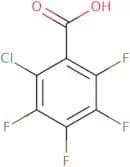
CAS:<p>2,3,4,5-Tetrafluoro-6-chlorobenzoic acid is a useful chemical that can be used as a precursor in the synthesis of many organic compounds. This compound has been shown to be an efficient and reliable reagent for the preparation of high quality 2,3,4,5-tetrafluoro-6-chlorobenzoic acid. It is also an important building block in organic chemistry and has been shown to be versatile enough to react with a wide range of other chemicals. CAS No. 1868-80-0</p>Formula:C7HClF4O2Purity:Min. 95%Color and Shape:PowderMolecular weight:228.53 g/mol2-[4-(2,2-Dichlorocyclopropyl)phenoxy]-2-methylpropanoic acid
CAS:<p>2-[4-(2,2-Dichlorocyclopropyl)phenoxy]-2-methylpropanoic acid (CGP) is a drug that blocks the nuclear receptor PPARγ. It has been shown to reduce cholesterol levels by inhibiting the synthesis of cholesterol, as well as reducing liver lesions in vivo. CGP also inhibits the growth of cancer cells through its ability to bind to DNA and regulate transcriptional activity. The response element for this compound is found in the promoter region of the gene encoding the growth factor-β1 (GF-β1), which is an important regulator of cell proliferation, differentiation, and apoptosis. CGP also inhibits peroxisome proliferator activator receptor α (PPARα) and γ (PPARγ). This inhibition leads to decreased expression of genes involved in lipid metabolism, such as acyl CoA synthase and fatty acid synthetase. CGP has also been shown to be carcinogenic in vivo</p>Formula:C13H14Cl2O3Purity:Min. 98 Area-%Color and Shape:PowderMolecular weight:289.15 g/molLevomefolic acid
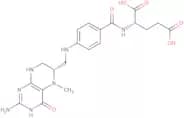
CAS:<p>Levomefolic acid is a derivative of folic acid and belongs to the group of dinucleotide phosphates. It has been shown to have a protective effect against blood clots, and is used in the treatment of pernicious anaemia, megaloblastic anaemia, and leukopenia. Levomefolic acid also inhibits energy metabolism in bacteria. Its mode of action is not fully understood but it has been demonstrated that it inhibits enzyme activities such as methylenetetrahydrofolate reductase (MTHFR) and 5-methyltetrahydrofolate cyclohydrolase. The production of DNA nucleotides has also been shown to be inhibited by the drug. Levomefolic acid has also been shown to have an effect on redox potentials in cancer cell lines. In addition, it has been found that levomefolic acid can be transferred from maternal blood to human serum.</p>Formula:C20H25N7O6Purity:Min. 95 Area-%Color and Shape:White PowderMolecular weight:459.46 g/molDL-erythro Ritalinic acid
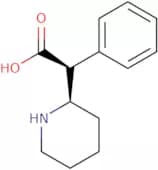
CAS:Controlled Product<p>DL-erythro Ritalinic acid is a fine chemical that is used as a versatile building block in the synthesis of complex compounds. It is also a useful intermediate in research chemicals and speciality chemicals production. DL-erythro Ritalinic acid can be used as a reaction component to form complex compounds. This chemical has high purity and quality, making it an excellent reagent for use in laboratory reactions.</p>Formula:C13H17NO2Purity:Min. 90%Color and Shape:PowderMolecular weight:219.28 g/molβ-Naphthoic acid ethyl ester
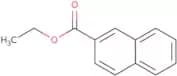
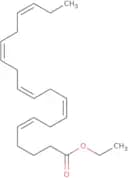
CAS:<p>β-Naphthoic acid ethyl ester (BNAE) is a synthetic compound that has been used as an intermediate in the synthesis of organic compounds. It is also used to prepare hydroxamic acids, which are active methylene compounds. BNAE reacts with nucleophiles and is susceptible to nucleophilic attack. The reaction mechanism for this type of compound involves a cavity with a constant volume, which increases the reactivity of the molecule. This type of reaction can be explained using the functional theory and the use of organic solvents. BNAE is stable when exposed to carbon tetrachloride and hydroxamic acids, but not when exposed to diethyl succinate or chemical agents such as sodium nitrite.</p>Formula:C13H12O2Purity:Min. 95%Color and Shape:PowderMolecular weight:200.23 g/mol(all-Z)-6,9,12,15,18-Heneicosapentaenoic acid ethyl ester 98%, 10mg/ml ethanol solution
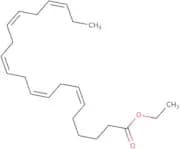
CAS:<p>(all-Z)-6,9,12,15,18-Heneicosapentaenoic acid ethyl ester 98% is a quaternary ammonium salt that is useful as a reaction component or reagent. It has been shown to be a useful scaffold for the synthesis of complex compounds with high quality. This chemical can also be used as a building block for the synthesis of speciality chemicals and versatile building blocks. This compound is highly reactive and can be used in reactions with other chemicals to form more complex compounds. (all-Z)-6,9,12,15,18-Heneicosapentaenoic acid ethyl ester 98% has CAS No. 131775-86-5 and is soluble in ethanol solution at 10mg/ml.</p>Formula:C23H36O2Purity:Min. 98 Area-%Color and Shape:Clear LiquidMolecular weight:344.53 g/molFmoc-12-amino-4,7,10-trioxadodecanoic acid
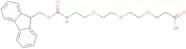
CAS:<p>Fmoc-12-amino-4,7,10-trioxadodecanoic acid is a PEG compound with two different functional groups (also known as heterobifunctional). Unlike homobifunctional PEG compounds (same functional group on both ends), this type of compounds are more versatile as have two different anchor points. Fmoc-12-amino-4,7,10-trioxadodecanoic acid is used as a linker and spacer to add a PEG moiety, via pegylation (a bioconjugation technique) to proteins, peptides, oligonucleotides, small molecules and nanoparticles.</p>Formula:C24H29NO7Purity:Min. 97 Area-%Color and Shape:White Off-White Solidified MassMolecular weight:443.49 g/mol3-((2-Fluorophenyl)piperazinylcarbamoyl)prop-2-enoic acid
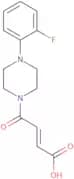
CAS:Controlled Product<p>Please enquire for more information about 3-((2-Fluorophenyl)piperazinylcarbamoyl)prop-2-enoic acid including the price, delivery time and more detailed product information at the technical inquiry form on this page</p>Formula:C14H15Fn2O3Purity:Min. 80%Color and Shape:PowderMolecular weight:278.29 g/molFmoc-21-amino-4,7,10,13,16,19-hexaoxaheneicosanoic acid
CAS:<p>Fmoc-21-amino-4,7,10,13,16,19-hexaoxaheneicosanoic acid is a PEG compound with two different functional groups (also known as heterobifunctional). Unlike homobifunctional PEG compounds (same functional group on both ends), this type of compounds are more versatile as have two different anchor points. Fmoc-21-amino-4,7,10,13,16,19-hexaoxaheneicosanoic acid is used as a linker and spacer to add a PEG moiety, via pegylation (a bioconjugation technique) to proteins, peptides, oligonucleotides, small molecules and nanoparticles.</p>Formula:C30H41NO10Purity:Min. 95%Color and Shape:PowderMolecular weight:575.65 g/mol(S)-BoroLeu-(+)-pinanediol-trifluoroacetate
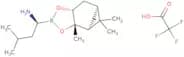
CAS:<p>(S)-BoroLeu-(+)-pinanediol-trifluoroacetate is a useful scaffold, building block, and intermediate for the synthesis of complex compounds. It is a high quality reagent that can be used in research chemicals and speciality chemicals. (S)-BoroLeu-(+)-pinanediol-trifluoroacetate is a versatile building block because it can be used as a reaction component in the synthesis of fine chemicals and as an intermediate in the synthesis of other reagents. CAS No. 477254-69-6</p>Formula:C15H28BNO2·C2HF3O2Purity:Min. 95%Color and Shape:PowderMolecular weight:379.22 g/mol3-Hydroxypropanoic acid - 30% solution in water
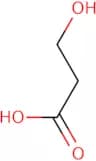
CAS:<p>3-Hydroxypropanoic acid is a fatty acid with a hydroxyl group. It can be found in synthetic pathways that produce glycerol, and is an intermediate in the production of antimicrobial peptides. 3-Hydroxypropanoic acid has been shown to inhibit the growth of bacteria and fungi in vitro assays. This compound also inhibits the activity of enzymes such as malonic acid decarboxylase, which catalyzes the conversion of malonic acid to succinic acid. 3-Hydroxypropanoic acid is used as a model system for congestive heart failure because it has been shown to mimic some aspects of this condition by inhibiting mitochondrial function. The reaction mechanism involves inhibition of oxidative phosphorylation, leading to an accumulation of reactive oxygen species (ROS) and reduced ATP production.</p>Formula:C3H6O3Color and Shape:Colorless Clear LiquidMolecular weight:90.08 g/molOctadecylphosphonic acid
CAS:<p>Octadecylphosphonic acid is a chemical compound that belongs to the group of phosphoric acids. It is a non-volatile, colorless liquid with a pungent smell. The octadecylphosphonic acid molecule has two alkyl chains attached to the phosphate group. This molecule can be formed by the reaction of phosphorus trichloride and an alcohol. Octadecylphosphonic acid has been used as a model system for studying acid-base properties, kinetic energy, and molecular structures.<br>The octadecylphosphonic acid molecule has been studied using photoelectron spectroscopy and electrochemical impedance spectroscopy to understand its chemical structure, which is important in analytical chemistry. This acid complex also plays an important role in fatty acid synthesis by acting as an intermediate in the production of acyl CoA esters from free fatty acids and glycerol 3-phosphate. Octadecylphosphonic acid is also used as a re</p>Formula:C18H39O3PPurity:Min 95%Color and Shape:White PowderMolecular weight:334.47 g/mol2,5-Dichloroterephthalic acid
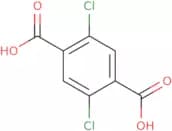
CAS:<p>2,5-Dichloroterephthalic acid is a luminescent chemical that has been shown to be able to act as a probe for transcription-polymerase chain reactions. It can be used as a luminescent probe to detect hydrogen bond interactions by measuring the amount of light emitted by the compound. 2,5-Dichloroterephthalic acid has an ether linkages and is stable in many solvents, including organic solvents and water. The reaction time for this compound is fast and it emits a green light when it reacts with oxygen.</p>Formula:C8H4Cl2O4Purity:Min. 95%Color and Shape:PowderMolecular weight:235.02 g/mol3,5-Dibromoanthranilic acid
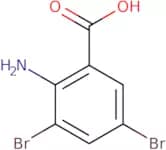
CAS:<p>3,5-Dibromoanthranilic acid is an anthranilic acid derivative that has been the subject of a number of chemical studies. The compound possesses the functional groups found in many other aromatic compounds and isomers. It can be used as a precursor to make other chemicals, such as dyes. 3,5-Dibromoanthranilic acid has been shown to have antitumour activity and cytotoxic potency. It also binds to DNA and inhibits RNA synthesis, which leads to cell death by inhibiting protein synthesis. This compound has been found in urine samples with concentrations of up to 0.2 mg/L, suggesting that it may be metabolized in the body.</p>Formula:C7H5Br2NO2Purity:Min. 95%Color and Shape:PowderMolecular weight:294.93 g/molEicosapentaenoic acid
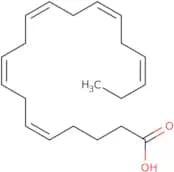
CAS:<p>Inhibitor of 5-lipoxygenase; reduces thromboxane A2 production</p>Formula:C20H30O2Purity:Min. 96 Area-%Color and Shape:Colorless Clear LiquidMolecular weight:302.45 g/molEthyl 3-((4-chlorophenyl)amino)-5-methyl-2,4-thiazolecarboxylate
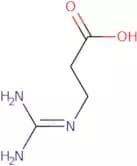
CAS:<p>Please enquire for more information about Ethyl 3-((4-chlorophenyl)amino)-5-methyl-2,4-thiazolecarboxylate including the price, delivery time and more detailed product information at the technical inquiry form on this page</p>Purity:Min. 90%3-Guanidinopropionic acid
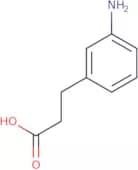
CAS:<p>3-Guanidinopropionic acid (3GP) is a disinfectant that has been shown to have a chronic oral toxicity. 3GP is also used as an additive in nutrient solutions and has antimicrobial properties. 3GP inhibits the production of ATP by binding to the atp-sensitive K+ channels, thereby blocking the influx of potassium ions into the cell. This process can lead to cardiac arrest. 3GP also has antimicrobial effects against many microorganisms, including Streptococcus pyogenes, Staphylococcus aureus, Pseudomonas aeruginosa, and Escherichia coli.</p>Formula:C4H9N3O2Purity:Min. 95%Color and Shape:PowderMolecular weight:131.13 g/molβ-(3-Aminophenyl)propionic acid
CAS:<p>Beta-(3-aminophenyl)propionic acid (BAPA) is a β-amino acid that inhibits the formation of nitric oxide and other reactive oxygen species by binding to a receptor on the surface of cells. BAPA also has inhibitory properties against certain enzymes, such as aminopyrine N-demethylase and carbonic anhydrase. It is used in analytical methods for amines, malonic acid, and hydrochloride salts. Carbon sources that are metabolized by fungi can be converted into BAPA through the process of asymmetric synthesis. This compound is also used as a precursor for gamma-aminobutyric acid (GABA), which is a neurotransmitter in the central nervous system.</p>Formula:C9H11NO2Purity:Min. 95%Color and Shape:PowderMolecular weight:165.19 g/molD-Aspartic acid sodium salt
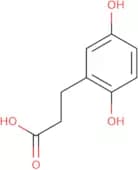
CAS:<p>D-Aspartic acid sodium salt is a fine chemical that is useful as a scaffold for the preparation of other compounds. It can be used as a building block in the synthesis of complex compounds, and has been shown to be an intermediate in the production of research chemicals. Aspartic acid sodium salt can also serve as a reaction component for the production of other chemical substances, and is often used as a reagent in laboratory work. D-Aspartic acid sodium salt is available at high purity and quality.</p>Formula:C4H6NO4·NaPurity:Min. 95%Color and Shape:PowderMolecular weight:155.08 g/mol(2,5-Dihydroxyphenyl)propionic acid
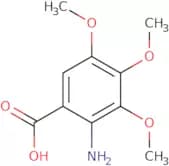
CAS:<p>(2,5-Dihydroxyphenyl)propionic acid is a natural compound that has been shown to inhibit integrase enzymes in vitro. The chemical structure of (2,5-dihydroxyphenyl)propionic acid is similar to that of the herbimycin antibiotics, which are also known as ansamycins. These compounds have been shown to be potential therapeutics for cancer and HIV infection. Ansamycins inhibit the activity of integrase enzymes by binding to the enzyme's active site, preventing it from carrying out its normal function. This prevents the integration of viral DNA into host cells, thus inhibiting virus replication.</p>Formula:C9H10O4Purity:Min. 95%Color and Shape:PowderMolecular weight:182.17 g/mol2-Amino-3,4,5-trimethoxybenzoic acid
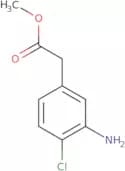
CAS:<p>2-Amino-3,4,5-trimethoxybenzoic acid (2AMTB) is a potential anticancer agent that inhibits the growth of cancer cells by interfering with the epidermal growth factor receptor. It also blocks the binding of this receptor to its ligands, preventing the activation of downstream signaling pathways. 2AMTB has been shown to inhibit epidermal growth factor (EGF)-induced proliferation in vitro and in vivo. 2AMTB has also been shown to inhibit the production of reactive oxygen species and DNA damage caused by amines such as quinazolone, which are commonly found in chemotherapy drugs. These properties make it a potential anticancer drug candidate for use with other chemotherapeutic agents such as epirubicin.</p>Formula:C10H13NO5Purity:Min. 95%Color and Shape:PowderMolecular weight:227.21 g/mol3-Amino-4-chlorophenylacetic acid methyl ester
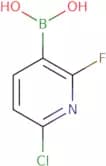
CAS:<p>3-Amino-4-chlorophenylacetic acid methyl ester is a fine chemical that is useful as a building block in the synthesis of complex compounds. It has been used as a reagent and speciality chemical, which can be used for research purposes. CAS No. 59833-69-1</p>Formula:C9H10ClNO2Purity:Min. 95%Molecular weight:199.63 g/mol6-Chloro-2-fluoropyridine-3-boronic acid
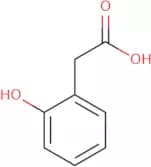
CAS:<p>6-Chloro-2-fluoropyridine-3-boronic acid is a versatile building block for the synthesis of complex compounds, which can be used as a reagent in research or as a speciality chemical. This compound can be used as an intermediate, reaction component, or scaffold to synthesize other more complex structures. 6-Chloro-2-fluoropyridine-3-boronic acid is available in high quality and has CAS No. 1256345-66-0.</p>Formula:C5H4BClFNO2Purity:Min. 95%Color and Shape:Light (Or Pale) Orange SolidMolecular weight:175.35 g/mol2-Hydroxyphenylacetic acid
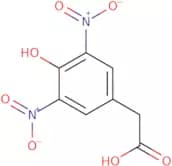
CAS:<p>2-Hydroxyphenylacetic acid is a hydroxylated phenolic acid that is structurally similar to other phenolic acids. It is present in many plants, including tea leaves and coffee beans, where it acts as an antioxidant. 2-Hydroxyphenylacetic acid has been found in the urine of humans and animals following ingestion of excessive amounts of these plants. It is also found in urine samples from patients with certain types of kidney disease. The synthesis of 2-hydroxyphenylacetic acid can be achieved by reacting ethylene diamine with sodium hydroxide solution or hydrochloric acid.</p>Formula:C8H8O3Purity:Min. 95%Color and Shape:Off-White Slightly Brown PowderMolecular weight:152.15 g/mol3,5-Dinitro-4-hydroxyphenylacetic acid
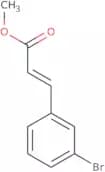
CAS:<p>3,5-Dinitro-4-hydroxyphenylacetic acid is a conjugate that consists of an antigen and a carrier molecule. It is used to enhance the immune response by stimulating T cells which are responsible for the production of antibodies. The conjugate is also known to have cytotoxic effects on the surface of cancer cells in vitro. 3,5-Dinitro-4-hydroxyphenylacetic acid has been shown to be effective in immunizing mice against the antigen ovalbumin, which is often used as a model antigen in immunology research. This conjugate has been shown to promote mitogenesis, or cell division, in spleen cells isolated from immunized mice.</p>Formula:C8H6N2O7Purity:Min. 95%Molecular weight:242.14 g/mol3-Bromocinnamic acid methyl ester
CAS:<p>3-Bromocinnamic acid methyl ester is a chemical compound that belongs to the group of useful scaffolds. It is a versatile building block and can be used as an intermediate in the synthesis of complex compounds. 3-Bromocinnamic acid methyl ester has been found to be a useful research chemical, reaction component, and speciality chemical. This chemical can be used in the production of fine chemicals and other products. 3-Bromocinnamic acid methyl ester is also useful as a reagent for organic reactions.</p>Formula:C10H9BrO2Purity:Min. 95%Color and Shape:PowderMolecular weight:241.08 g/molEicosapentaenoic acid ethyl ester
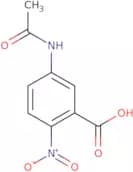
CAS:<p>Eicosapentaenoic acid ethyl ester (EPA-E) is a natural compound that belongs to the group of polyunsaturated fatty acids. EPA-E has been shown to be an antioxidant, which prevents oxidative damage and reduces inflammation. It has been found to lower LDL cholesterol and triglycerides in clinical trials. EPA-E also decreases body mass index, hepatic steatosis, and symptoms of metabolic syndrome. The mechanism of action for these effects is not fully understood but may be due to increased activity of the enzyme spal2. EPA-E has been shown to have favorable biochemical properties in animal models of atherosclerosis.</p>Formula:C22H34O2Purity:Min. 96 Area-%Color and Shape:Clear LiquidMolecular weight:330.5 g/mol5-Acetamido-2-nitrobenzoic acid
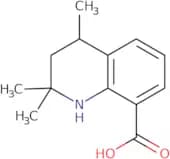
CAS:<p>5-Acetamido-2-nitrobenzoic acid is a metabolic precursor of homarine, which is an important intermediate in the synthesis of pharmaceuticals. 5-Acetamido-2-nitrobenzoic acid is a white crystalline powder that is soluble in water and sparingly soluble in ethanol. It has a molecular weight of 176.1 g/mol and an empirical formula of C7H6NO4P. The compound exists as a zwitterion at neutral pH. The solubility can be increased by adding phosphoric acid or orthophosphoric acid to increase the pH to 3-5, although this may result in the formation of impurities such as orthophosphate or multicolour compounds. 5-Acetamido-2-nitrobenzoic acid is used for the quantitative determination of phosphate in pharmaceutical dosage formulations by regression analysis with multicolour photometry and chromatographic methods.</p>Formula:C9H8N2O5Purity:Min. 95%Color and Shape:SolidMolecular weight:224.17 g/mol2,2,4-Trimethyl-1,2,3,4-tetrahydroquinoline-8-carboxylic acid
CAS:<p>2,2,4-Trimethyl-1,2,3,4-tetrahydroquinoline-8-carboxylic acid is a versatile building block that can be used as a reagent or speciality chemical in research and development. It is also an intermediate for the synthesis of complex compounds with various properties. This compound has been shown to be useful as a building block for the synthesis of new compounds with potential pharmaceutical applications.</p>Formula:C13H17NO2Purity:Min. 95%Color and Shape:White Off-White PowderMolecular weight:219.28 g/mol5-Amino-2-bromobenzoic acid
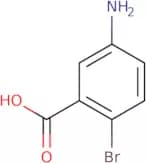
CAS:<p>5-Amino-2-bromobenzoic acid is an organic compound that is used in the manufacture of other chemicals. It is a white crystalline solid with a melting point of 133°C, and it has a molecular weight of 222.27 g/mol. This chemical has been shown to be mutagenic, and it may also cause adverse effects on the liver, kidneys, stomach, and skin when taken orally or applied to the skin. 5-Amino-2-bromobenzoic acid is found in many products that are used for industrial purposes such as dyes, rubber chemicals, textile chemicals, pesticides, and herbicides. The chemical can be found in products that are sold in hardware stores and supermarkets.</p>Formula:C7H6BrNO2Purity:Min. 95%Color and Shape:PowderMolecular weight:216.03 g/mol5-Hydroxyisophthalic acid dimethyl ester
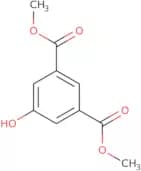
CAS:<p>5-Hydroxyisophthalic acid dimethyl ester (5-HIPED) is a palladium complex that can be used in the synthesis of polymers. It has been shown to be an effective linker molecule for use in the polymerization of monomers with functional groups, such as chloride and hydroxyl groups. 5-HIPED has also been used for linking polyethylene glycols to form copolymers, which may have applications in cancer diagnosis and detection. 5-HIPED can also be used to synthesize cationic polymers, which are useful in cancer treatment.</p>Formula:C10H10O5Purity:97.5 To 100.0 Area-%Color and Shape:White PowderMolecular weight:210.18 g/mol4-(4-Acetamidophenyl)-4-oxobutanoic acid
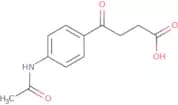
CAS:<p>4-(4-Acetamidophenyl)-4-oxobutanoic acid is a versatile building block that can be used as a reaction component, reagent, or useful scaffold. It is also a high quality chemical with CAS number 5473-15-4. This chemical has been shown to have many applications in research and development, such as the synthesis of pharmaceuticals, agrochemicals, and textiles. 4-(4-Acetamidophenyl)-4-oxobutanoic acid is an important intermediate for the synthesis of complex compounds. It is also a fine chemical that can be used for research purposes.</p>Formula:C12H13NO4Purity:Min. 95 Area-%Color and Shape:PowderMolecular weight:235.24 g/molHomovanillic acid
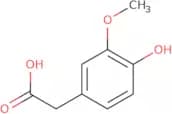
CAS:<p>Homovanillic acid is widely used as a fluorogenic substrate of peroxidase. The reaction is however not specific and has been shown to react also with soybean lipoxygenase in the presence of hydrogen peroxide. Excitation and emission wavelengths for homovanillic acid are 312 and 420 nm, respectively.</p>Formula:C9H10O4Purity:Min. 97.5 Area-%Color and Shape:Red PowderMolecular weight:182.17 g/molCAPSO
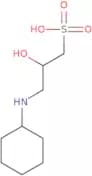
CAS:<p>CAPSO, also known as 3-(Cyclohexylamino)-2-hydroxy-1-propanesulfonic acid, is a zwitterionic buffer chemical that has an optimal pH range of 8.9-10.3 and a pKa of 9.6. This buffering agent shows low metal ion binding and high solubility and is commonly used in protein transfer applications and during cell lysis for membrane protein extraction.</p>Formula:C9H19NO4SPurity:Min. 95%Color and Shape:White PowderMolecular weight:237.32 g/mol5-Amino-2-methoxybenzoic acid
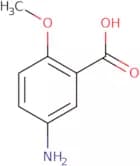
CAS:<p>5-Amino-2-methoxybenzoic acid (5AMBA) is a hydrogen bond acceptor that binds to peptides and rna. It also has enzymatic activity, which can be used in the treatment of diseases such as Alzheimer's disease. 5AMBA is a small molecule that contains two methoxy groups and one hydrogen. It has been shown to bind to an intramolecular hydrogen bond within a peptide or rna sequence and inhibit enzymatic activity. This inhibition occurs by removing the nucleophile from the enzyme's active site or by sterically hindering access to the enzyme's active site. The luminescent properties of 5AMBA make it an ideal candidate for fluorescent labeling, with applications in biomolecular research.</p>Formula:C8H9NO3Purity:Min. 95%Color and Shape:PowderMolecular weight:167.16 g/molAmmonium acetate
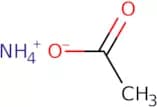
CAS:<p>Ammonium acetate is a salt that is used in the laboratory to synthesize ubiquitin ligases. It has been shown to have receptor activity and can be used to study the interaction between ammonium ions and sodium citrate. Ammonium acetate is a chemical reagent that is used to synthesize ubiquitin ligases, which are proteins that are involved in the degradation of other proteins. Ammonium acetate can also be used as an experimental model for myocardial infarct. The reaction between ammonium and water vapor yields ammonia gas, which can be analyzed with electrochemical impedance spectroscopy (EIS). A solution of ammonium acetate and palladium on zirconium oxide is suitable for coupling reactions, such as amination reactions. This compound has been used as an analytical method for the structural analysis of organic compounds.</p>Formula:C2H7NO2Color and Shape:White Clear LiquidMolecular weight:77.08 g/mol







![5-[(3aR,6S,6aS)-2,5,5-trioxo-1,3,3a,4,6,6a-hexahydrothieno[3,4-d]imidazol-6-yl]pentanoic acid](/_next/image/?url=https%3A%2Fstatic.cymitquimica.com%2Fproducts%2F3D%2Fthumb-webp%2FFB64039.webp&w=3840&q=75)






![2-[4-(2,2-Dichlorocyclopropyl)phenoxy]-2-methylpropanoic acid](/_next/image/?url=https%3A%2Fstatic.cymitquimica.com%2Fproducts%2F3D%2Fthumb-webp%2FFD11320.webp&w=3840&q=75)