Carboxylic Acids
Carboxylic acids are organic molecules characterized by having a carboxyl-type functional group (-COOH). These acids are fundamental in various chemical reactions, including esterification, amidation, and decarboxylation. Carboxylic acids are widely used in the production of pharmaceuticals, polymers, and agrochemicals. In this section, you can find a large number of carboxylic acids ready to be used. At CymitQuimica, we provide a broad range of high-quality carboxylic acids to support your research and industrial applications.
Found 12453 products of "Carboxylic Acids"
Sort by
Purity (%)
0
100
|
0
|
50
|
90
|
95
|
100
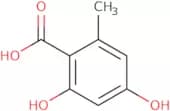
Orsellinic acid
CAS:<p>Orsellinic acid is a polyketide compound that is produced by the fungus Orsella. The thermal expansion of orsellinic acid has been studied by measuring the volume change of a sample with increasing temperature. Gyrophoric acid, cannabigerovarinic acid, and usnic acid are also found in orsellinic acid. Acetate extract is used to isolate and purify orsellinic acid from other components in the fungus. Malonic acid is a chemical precursor used in the synthesis process to produce orsellinic acid. Biological properties of orsellinic acids have been studied using a variety of methods including h3 acetylation, biochemical properties, and pharmacological agents such as model systems and receptor activity. A wild-type strain of yeast was selected for this study because it has an intact ribosome and can produce proteins necessary for cell growth. Kinetic data was obtained using UV-visible spectroscopy to measure the rate at which orsellinic acid reacts with</p>Formula:C8H8O4Purity:Min. 95%Color and Shape:White PowderMolecular weight:168.15 g/molCholic acid sodium salt
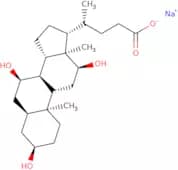
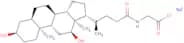
CAS:Controlled Product<p>Cholic acid sodium salt is a bile acid sodium salt, which is primarily derived from the bile of mammals. It functions as a surfactant that facilitates the emulsification of fats and lipids, enhancing their subsequent absorption and digestion. This compound plays a critical role in the synthesis and regulation of cholesterol in the body.</p>Formula:C24H39NaO5Purity:Min. 95%Color and Shape:PowderMolecular weight:430.55 g/mol3-Chloropropionic acid
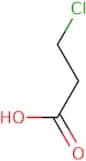
CAS:<p>3-Chloropropionic acid is a non-toxic organic compound that exhibits significant cytotoxicity against many bacterial strains. It is a white solid, which is soluble in water and has no odor. 3-Chloropropionic acid can be synthesized by the reaction of malonic acid with ethylene diamine or by the reaction of bromoacetic acid with sodium salts. The optimum pH for this reaction is 6.5 to 7.5 and the optimum temperature is 25°C to 30°C. This compound has been shown to inhibit the synthesis of fatty acids in bacteria, which may be due to its hydroxyl group. 3-Chloropropionic acid reacts with trifluoroacetic acid, giving an ester product, which can then be hydrolyzed back to 3-chloropropionic acid. This chemical also has a physiological function as an intermediate in the synthesis of other chemicals such as biotin and pantothen</p>Formula:C3H5ClO2Purity:Min. 95%Color and Shape:PowderMolecular weight:108.52 g/molMethyl 4-hydroxyphenylacetate
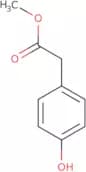
CAS:<p>Methyl 4-hydroxyphenylacetate is a trifluoroacetic acid derivative that can be synthesized from the reaction of acetyl chloride and phenol. The polymerase chain reaction was used to amplify the c. glabrata gene sequence, which led to the identification of two new coumarin derivatives, 3-hydroxycoumarin and 4-hydroxycoumarin. The synthesis of Methyl 4-hydroxyphenylacetate has been shown to induce apoptosis in breast cancer cells by activating a cb2 receptor in T47D cells. This compound also has an acidic nature and is not stable at high temperatures or in basic solutions such as hydrochloric acid.</p>Formula:C9H10O3Purity:Min. 95%Color and Shape:PowderMolecular weight:166.17 g/mol4,5-Dibenzyloxy-2-methylbenzoic acid
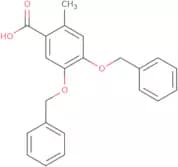
CAS:<p>4,5-Dibenzyloxy-2-methylbenzoic acid (DBMA) is a chemical compound that is known to be an inhibitor of the growth factor receptor. It has been shown to inhibit the growth factor receptor in a dose-dependent manner. DBMA binds to the cytoplasm and inhibits protein synthesis by binding to sequences that are involved in regulating gene expression. This compound also interacts with other proteins including those involved in DNA replication, transcription, and translation. DBMA has been shown to interact with the protein polymerase chain and has been found to bind to the bacterial cells of Salmonella typhimurium.</p>Formula:C22H20O4Purity:Min. 95%Molecular weight:348.39 g/mol3-Maleimidopropionic acid
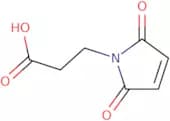
CAS:<p>3-Maleimidopropionic acid, also abbreviated as 3MPA or BMPA, reacts with thiols to form stable conjugates. It is non-cleavable under standard biological conditions.</p>Formula:C7H7NO4Purity:Min. 95%Color and Shape:PowderMolecular weight:169.13 g/mol3-Bromo-4-methoxyphenylacetic acid
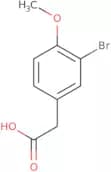
CAS:<p>3-Bromo-4-methoxyphenylacetic acid is a benzyl ester of hydroxybenzoic acid. It is used as a synthetic precursor for the synthesis of curare and related compounds. 3-Bromo-4-methoxyphenylacetic acid was first synthesized in 1869 by German chemist Wilhelm Koenigs and has been widely used as a synthetic intermediate in organic chemistry. This compound can be prepared from bromobenzene, methoxybenzene, and acetic acid in the presence of dimethyl ether or nitrite. 3-Bromo-4-methoxyphenylacetic acid is also used to produce nitromethane, an alkylating agent that reacts with amines, alcohols, thiols, and sulfides to form N-substituted nitro compounds.</p>Formula:C9H9BrO3Purity:Min. 95%Color and Shape:PowderMolecular weight:245.07 g/mol3-(3-Hydroxyisoxazol-5-yl)propanoic acid
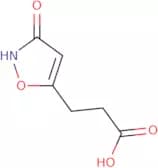
CAS:<p>3-(3-Hydroxyisoxazol-5-yl)propanoic acid is a fine chemical used as a reagent, speciality chemical, and reaction component in the synthesis of complex compounds. It is also used as a building block or scaffold in the synthesis of other compounds. 3-(3-Hydroxyisoxazol-5-yl)propanoic acid is less reactive than other carboxylic acids due to its bulky group at one end. This makes it more stable and easier to handle. 3-(3-Hydroxyisoxazol-5-yl)propanoic acid can be used for research purposes and has been shown to be an effective inhibitor of HIV protease.</p>Formula:C6H7NO4Purity:Min. 95 Area-%Color and Shape:PowderMolecular weight:157.12 g/mol2,4-Dimethoxyphenyl acetic acid
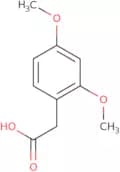
CAS:<p>2,4-Dimethoxyphenyl acetic acid is a synthetic compound that has been used as a pharmacological agent in the treatment of high blood pressure. It is also used as a reaction intermediate and can be obtained by the condensation of 2-hydroxybenzaldehyde with acetyl chloride. The kinetic data for this compound has been determined using deuterium isotope labeling and ion-pairing. The synthesis of 2,4-dimethoxyphenyl acetic acid involves the conversion of malonic acid to methylmalonate with ethyl bromoacetate and hydrobromic acid. This compound is chiral and optically active, giving it an R or S configuration. The reaction rate for 2,4-dimethoxyphenyl acetic acid has been found to be faster when in contact with phosphite ions than without.</p>Formula:C10H12O4Purity:Min. 95%Color and Shape:Off-White PowderMolecular weight:196.2 g/mol5-Benzyloxyindole-3-acetic acid
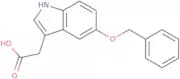
CAS:<p>5-Benzyloxyindole-3-acetic acid is a synthetic chemical that is used as a plant growth regulator. It inhibits the uptake of other plant nutrients, such as nitrates and phosphate ions by roots, which leads to decreased plant growth. This compound also has an inhibitory effect on membranes and morphology. The inhibition of membrane transport can lead to cell death, which can be seen in the case of plants treated with this chemical. 5-Benzyloxyindole-3-acetic acid has been shown to affect the response pathway of plants at temperatures between c1-c3 degrees Celsius.</p>Formula:C17H15NO3Purity:Min. 95%Color and Shape:PowderMolecular weight:281.31 g/mol3-Cyanocinnamic acid
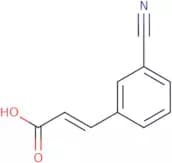
CAS:<p>3-Cyanocinnamic acid is a reactive, unreactive, and stepwise cycloaddition compound. It can participate in photochemical reactions with other compounds to form photodimers. 3-Cyanocinnamic acid has an optimal reaction temperature of 100°C and a reaction time of 5 minutes. The diradical nature of 3-cyanocinnamic acid makes it sensitive to UV light, and the photochemical reactions are simulated by quantum mechanics calculations. Photodimerisation simulations show that 3-cyanocinnamic acid is capable of forming photodimers with 2-cyanocinnamic acid or 4-cyanocinnamic acid at room temperature.</p>Formula:C10H7NO2Purity:Min. 95%Color and Shape:PowderMolecular weight:173.17 g/mol2-Semicarbazideacetic acid
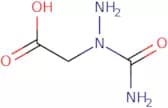
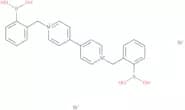
CAS:<p>2-Semicarbazideacetic acid (2-SA) is a chemical that belongs to the group of research chemicals. It is a versatile building block, which can be used as a reagent or as an intermediate in the synthesis of various complex compounds. 2-SA is also used in the synthesis of pharmaceuticals and agrochemicals. CAS No. 138-07-8</p>Formula:C3H7N3O3Purity:Min. 95%Molecular weight:133.11 g/molN,N'-4,4'-Bis(benzyl-2-boronic acid)-bipyridinium dibromide
CAS:<p>N,N'-4,4'-Bis(benzyl-2-boronic acid)-bipyridinium dibromide is a high quality reagent that can be used as an intermediate for the synthesis of complex organic compounds. It is a complex compound that contains boronic acid and bipyridinium moieties. N,N'-4,4'-Bis(benzyl-2-boronic acid)-bipyridinium dibromide is useful in the synthesis of fine chemicals and speciality chemicals. It has versatile building block properties and can be used as a reaction component in many chemical reactions.</p>Formula:C24H24B2N2O4Br2Purity:Min. 95%Color and Shape:PowderMolecular weight:585.89 g/mol3-Chloro-4-hydroxycinnamic acid
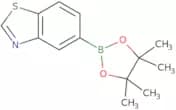
CAS:<p>3-Chloro-4-hydroxycinnamic acid is a coelicolor biosynthetic precursor that is synthesized from 4-hydroxycinnamic acid and chlorinated. It can be used for the synthesis of aminocoumarin moieties and other prenylated molecules. 3-Chloro-4-hydroxycinnamic acid has been shown to be an effective inhibitor of streptomyces coelicolor, which is a type of bacterium that produces antibiotics. The gene responsible for the biosynthesis of 3-chloro-4-hydroxycinnamic acid has also been identified in streptomyces clorobiocin, which is another type of bacterium that produces antibiotics.</p>Formula:C9H7ClO3Purity:Min. 95%Color and Shape:PowderMolecular weight:198.6 g/molBenzothiazole-5-boronic acid pinacol ester
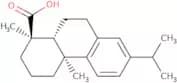
CAS:<p>Benzothiazole-5-boronic acid pinacol ester is a fine chemical that is used as a versatile building block in the synthesis of complex compounds. It can be used for research purposes, as a reagent in organic synthesis, or as a speciality chemical. This compound has been shown to be useful in the preparation of high quality and useful intermediates, which are then used in the production of other chemicals. Benzothiazole-5-boronic acid pinacol ester is also an important reaction component and can be used as a scaffold for the synthesis of new compounds.</p>Formula:C13H16BNO2SPurity:Min. 95%Color and Shape:PowderMolecular weight:261.15 g/molDehydroabietic acid
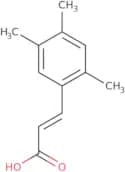
CAS:<p>Dehydroabietic acid is a compound that belongs to the class of natural products. It has been shown to have anticancer activity in 3T3-L1 preadipocytes, which are cells that are used for research on obesity and diabetes. Dehydroabietic acid inhibits mitochondrial membrane potential and induces apoptosis in cancer cell lines, including carcinoma cells. This compound has also shown synergistic effects with other compounds in inhibiting the growth of tumor cells.</p>Formula:C20H28O2Purity:Min. 90 Area-%Color and Shape:White Off-White PowderMolecular weight:300.44 g/mol2,4,5-Trimethylcinnamic acid
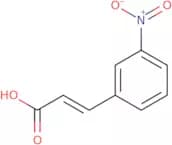
CAS:<p>2,4,5-Trimethylcinnamic acid is a useful scaffold for the synthesis of complex compounds. It is also used as a reagent and reaction component in organic synthesis. This chemical has a CAS number of 205748-06-7 and is classified as a speciality chemical.</p>Formula:C12H14O2Purity:Min. 95%Color and Shape:PowderMolecular weight:190.24 g/moltrans-3-Nitrocinnamic acid
CAS:<p>Trans-3-Nitrocinnamic acid is a white solid that can be obtained by the nitration of cinnamic acid. Trans-3-Nitrocinnamic acid is an isoenzyme as it has different chemical properties than cis-3-nitrocinnamic acid. The intermolecular hydrogen bonding and vibrational frequencies are different in trans-3-nitrocinnamic acid, which causes the dipole to change and increases the solubility in water. The genotoxic activity of trans-3-nitrocinnamic acid was evaluated using the Ames test, which showed that it is not mutagenic. However, there were some genotoxic effects observed in rats after applying trans-3-nitrocinnamic acid on skin.</p>Formula:C9H7NO4Purity:Min. 95%Color and Shape:PowderMolecular weight:193.16 g/molGlycodeoxycholic acid sodium salt
CAS:Controlled Product<p>Glycodeoxycholic acid sodium salt is a bile acid derivative, which is a biochemical compound sourced from the metabolism of bile acids in the liver. It plays a role in bile acid signaling pathways and lipid emulsification. The mode of action involves mimicking natural bile acids, facilitating the emulsification and absorption of dietary fats in the gastrointestinal tract, and potentially participating in signaling pathways that regulate cholesterol metabolism.</p>Formula:C26H42NNaO5Purity:Min. 95 Area-%Color and Shape:White PowderMolecular weight:471.61 g/mol18-(Tert-butoxy)-18-oxooctadecanoic acid
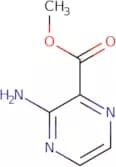
CAS:<p>18-(tert-butoxy)-18-oxooctadecanoic acid is a fatty acid-based linker providing hydrophobic anchoring. In standard biological conditions, it is non-cleavable.</p>Formula:C22H42O4Purity:Min. 95%Color and Shape:White Off-White PowderMolecular weight:370.57 g/mol3-Amino-2-pyrazinecarboxylic acid methyl ester
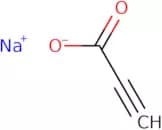
CAS:<p>3-Amino-2-pyrazinecarboxylic acid methyl ester (3APCME) is a potent anti-mycobacterial agent that inhibits the growth of Mycobacterium tuberculosis by inhibiting the synthesis of amines, which are necessary for its survival. 3APCME has also been shown to have an inhibitory effect on other bacteria that require amines for their survival, such as Escherichia coli. This agent binds to the receptor and inhibits the enzyme pyrazinase in the reaction of phenoxy with dimethylformamide. The molecular modeling studies show that 3APCME is able to bind to a hydrophobic region on the enzyme's surface and form a covalent bond through nucleophilic attack. The asymmetric synthesis results in the production of one enantiomer of 3APCME and allows for greater efficacy against mycobacteria than other agents.</p>Formula:C6H7N3O2Purity:Min. 95%Color and Shape:PowderMolecular weight:153.14 g/molPropiolic acid sodium
CAS:<p>Propiolic acid sodium salt (PAPS) is a corrosion inhibitor that prevents the formation of rust on metal surfaces. It contains a carbonyl group and a hydroxide ion. PAPS has been shown to react in a non-polar solvent such as n-dimethylformamide with nitrogen atoms or an amine to produce a proton, which can then be used to reduce fatty acids. This reaction is expressed in the following equation:</p>Formula:C3HNaO2Purity:Min. 95%Color and Shape:PowderMolecular weight:92.03 g/mol4-Bromobutyric acid methyl ester
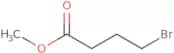
CAS:<p>4-Bromobutyric acid methyl ester is a synthetic compound that can be used to inhibit the activity of the G1 phase cyclin-dependent kinases. It has been shown to inhibit protein synthesis by alkylating the amino groups of proteins and fatty acids. 4-Bromobutyric acid methyl ester also inhibits the growth of cancer cell lines, such as renal carcinoma cells. The mechanism of action for this drug is not well understood, but it may be due to its ability to bind with monoclonal antibodies and enter kidney cells by passive diffusion.</p>Formula:C5H9BrO2Purity:Min. 95%Color and Shape:Clear LiquidMolecular weight:181.03 g/molSuberic acid
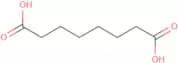
CAS:<p>Suberic acid is a sodium salt that is soluble in water. It has been shown to have biochemical properties, such as x-ray crystal structures and biocompatible polymer. Suberic acid has been shown to be effective against a number of human tumor cell lines and can inhibit the growth of hl-60 cells in vitro. Suberic acid is also found to have anti-inflammatory properties, which may be due to its inhibition of prostaglandin synthesis. The hydroxyl groups on the aromatic ring allow it to form hydrogen bonding interactions with other molecules. Suberic acid also has the ability to form complexes with vancomycin hydrochloride, providing an alternative drug for treating infectious diseases caused by methicillin-resistant Staphylococcus aureus (MRSA).</p>Formula:C8H14O4Purity:Min. 98%Color and Shape:White PowderMolecular weight:174.19 g/mol3,5-Difluoro-4-hydroxybenzoic acid
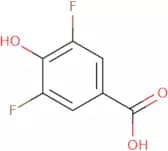
CAS:<p>3,5-Difluoro-4-hydroxybenzoic acid is a fluorotyrosine analog that has been shown to be metabolized by tyrosinase and to inhibit the enzymatic synthesis of l-tyrosine. It has also been shown to react with the fluoride ion and to form difluorotyrosines. These reactions are catalyzed by an enzyme on the electrode surface. The fluorotyrosines can then undergo biochemical reactions, such as electron transfer and oxidation, leading to a change in pH or current. This process is similar to that of other protein synthesis inhibitors, such as ascorbic acid and tyrosine. 3,5-Difluoro-4-hydroxybenzoic acid may be used in the treatment of hyperpigmentation disorders or skin cancer caused by exposure to ultraviolet light.</p>Formula:C7H4F2O3Purity:Min. 95%Color and Shape:PowderMolecular weight:174.1 g/mol3-Ethoxycinnamic acid
CAS:<p>3-Ethoxycinnamic acid is a polyhydric alcohol that has been shown to inhibit the growth of various microorganisms. 3-Ethoxycinnamic acid inhibits the growth of microorganisms by binding to the alkenyl groups in the cell membrane, thereby preventing them from synthesizing their own fatty acids. The binding of 3-ethoxycinnamic acid to alkali metal ions also prevents their uptake into the cell, which leads to an accumulation of these ions outside the cell and eventually results in cell death. 3-Ethoxycinnamic acid is soluble in water and may be used as a stain or quaternary ammonium compound.</p>Formula:C11H12O3Purity:Min. 95%Color and Shape:SolidMolecular weight:192.21 g/mol[(8b)-1,6-Dimethylergolin-8-yl)methyl]carbamic acid phenylmethyl ester
CAS:<p>Ergolines are a class of drugs that bind to serotonin receptors. The ergoline derivative [(8b)-1,6-dimethylergolin-8-yl)methyl]carbamic acid phenylmethyl ester (DMPE) is a potent and selective 5-hydroxytryptamine (5-HT) receptor antagonist. DMPE has been shown to have the ability to increase serum prolactin levels in rats and antagonize the effects of metergoline in monkeys. It also reduces blood pressure in animals by blocking the vasoconstrictor effect of 5-HT on vascular smooth muscle cells.</p>Formula:C25H29N3O2Purity:Min. 95%Color and Shape:White PowderMolecular weight:403.52 g/molPoly(acrylic acid) solution
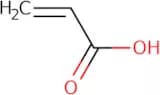
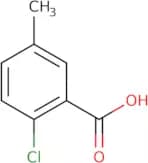
CAS:<p>Poly(acrylic acid) solution is a polymer that is used in water treatment. It has been shown to be effective in removing sulfate and carbonates from water. Poly(acrylic acid) solution has a molecular weight of about 10,000 Daltons and a number average molecular weight of about 4,000 Daltons. This solution is supersaturated with poly(acrylic acid) but it does not form crystals because it crystallizes at high temperature and pressure. The polymers are adsorbed onto the surface of the particles in the water and then can form crystals when the polymers are forced to nucleate by lowering the temperature or increasing the force applied to them.</p>Formula:(C3H4O2)xColor and Shape:Colorless Clear Liquid2-Chloro-5-methylbenzoic acid
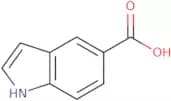
CAS:<p>2-Chloro-5-methylbenzoic acid is a carcinogenic substance that is used in the manufacturing of acridine dyes. It can be found in both solid and liquid forms and has an experimental solubility range of 0.01 to 1.0g/100ml at 25°C. 2-Chloro-5-methylbenzoic acid is soluble in water and has a solute activity coefficient of 1.2, which means it is fairly soluble in water. This chemical also exhibits high reactivity with other compounds that are dissolved in water. The chemical reacts with hydrogen sulfide to produce sulfur dioxide gas, ammonia, and hydrochloric acid, as well as with nitric oxide to produce nitrous oxide, nitrogen dioxide gas, and nitric acid.</p>Formula:C8H7ClO2Purity:Min. 95%Color and Shape:PowderMolecular weight:170.59 g/molIndole-5-carboxylic acid
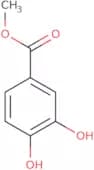
CAS:<p>Indole-5-carboxylic acid is a chemical species that contains a heterocyclic ring with five atoms, one of which is a carboxyl group. It is an intermediate in the biosynthesis of tryptophan and histidine in the body. Indole-5-carboxylic acid has been used as a ligand to immobilize copper, nickel, palladium, and platinum on conductive supports. It has also been used for the structural analysis of dopamine by hybridization experiments and for the detection of mismatched hydrogen bonding interactions. This compound can be detected using FT-IR spectroscopy or electrochemical impedance spectroscopy.</p>Formula:C9H7NO2Purity:Min. 95%Color and Shape:PowderMolecular weight:161.16 g/mol3,4-Dihydroxybenzoic acid methyl ester
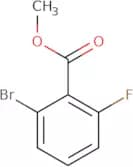
CAS:<p>3,4-Dihydroxybenzoic acid methyl ester is a natural compound that has been isolated from Linteus. This compound has been shown to have antiinflammatory activity and to inhibit the production of pro-inflammatory cytokines, such as tumor necrosis factor-alpha (TNF-α) and interleukin 1β (IL-1β). It also inhibits toll-like receptor 4 (TLR4), which is a protein that can bind to lipopolysaccharides on the surface of bacteria. 3,4-Dihydroxybenzoic acid methyl ester has been found to decrease mitochondrial membrane potential in cells treated with hydrogen fluoride. This agent is used in organic synthesis for the preparation of derivatives with high purity. The extract from Etoac can be used as a model organism for the study of its structure and function.</p>Formula:C8H8O4Purity:Min. 95%Color and Shape:PowderMolecular weight:168.15 g/mol2-Bromo-6-fluorobenzoic acid methyl ester
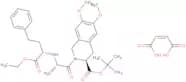
CAS:<p>2-Bromo-6-fluorobenzoic acid methyl ester is a fine chemical that belongs to the family of brominated compounds. It is a useful building block in the synthesis of diverse organic molecules, as well as a reagent for research and speciality chemicals. 2-Bromo-6-fluorobenzoic acid methyl ester is used as a versatile building block in the synthesis of complex compounds, as well as an intermediate or scaffold in organic chemistry. This product can be used to synthesize many diverse products while maintaining high quality and purity.</p>Formula:C8H6BrFO2Purity:Min. 95%Color and Shape:PowderMolecular weight:233.03 g/molMoexipril tert-butyl ester maleic acid salt
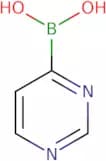
CAS:<p>Moexipril tert-butyl ester maleic acid salt is a high quality reagent that is used as a useful intermediate in the synthesis of complex compounds. Moexipril tert-butyl ester maleic acid salt has been shown to be a useful scaffold in the synthesis of speciality chemicals, research chemicals, and versatile building blocks. It is also used as a reaction component in the production of fine chemicals and other useful substances.</p>Formula:C35H46N2O11Purity:Min. 95%Molecular weight:670.75 g/molPyrimidine-4-boronic acid
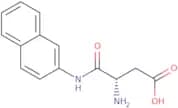
CAS:<p>Pyrimidine-4-boronic acid is a pyrimidine derivative that is used as a building block or intermediate in organic chemistry. It has the CAS number 852362-24-4 and can be found in research chemicals and speciality chemicals. Pyrimidine-4-boronic acid is a versatile chemical with many uses, including as a reaction component or reagent. This compound has many properties that make it useful for synthesis, such as its low toxicity and high quality.</p>Formula:C4H5BN2O2Purity:Min. 95 Area-%Color and Shape:PowderMolecular weight:123.91 g/molL-Aspartic acid β-naphthylamide
CAS:<p>L-Aspartic acid beta-naphthylamide is a dietary amino acid that is metabolized to oxaloacetate in the liver. This metabolite is then converted to aspartate and glutamate, which are both important for brain functions. L-Aspartic acid beta-naphthylamide has been shown to have regulatory effects on peptide hormones, such as inhibiting the synthesis of angiotensin II and vasopressin in rats. L-Aspartic acid beta-naphthylamide also has anti-cancer properties, which may be due to its ability to inhibit the growth of cancer cells by hydrolyzing proteins and enzymes involved in fatty acid synthesis.</p>Formula:C14H14N2O3Purity:Min. 95%Molecular weight:258.27 g/mol2-Amino-5-iodobenzoic acid methyl ester
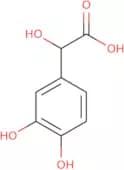
CAS:<p>2-Amino-5-iodobenzoic acid methyl ester (2AIBA) is a molecule that can be used as an activatable probe for imaging cancer. It has a profile suitable for radionuclide therapy and is also senescent. 2AIBA binds to DNA and inhibits the synthesis of proteins, leading to cell death. 2AIBA has potent inhibitory activity against murine melanoma cells and synergistic effects when combined with acridone. The section of tumour cells was shown to be reduced by 42% in mice when treated with 2AIBA, acridone, and radiation compared to mice treated with radiation alone.</p>Formula:C8H8INO2Purity:Min. 95%Color and Shape:PowderMolecular weight:277.06 g/molDL-3,4-Dihydroxymandelic acid
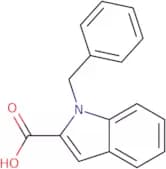
CAS:<p>DL-3,4-Dihydroxymandelic Acid is a biologically active compound that is found in the human body and has been used as a drug for the treatment of cardiac arrhythmias. It is also an intermediate in the biosynthesis of the neurotransmitter dopamine. DL-3,4-Dihydroxymandelic Acid has been shown to decrease enzyme activity in hl-60 cells and was found to be an inhibitor of acetate extract from coli K-12. The reaction mechanism for this compound has not yet been fully elucidated. DL-3,4-Dihydroxymandelic Acid is generally considered to have a physiological function in regulating systolic pressure.</p>Formula:C8H8O5Purity:Min. 95%Color and Shape:White To Yellow SolidMolecular weight:184.15 g/mol1-Benzyl-1H-indole-2-carboxylic acid
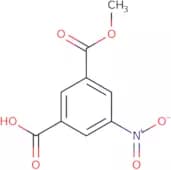
CAS:<p>1-Benzyl-1H-indole-2-carboxylic acid is a molecule that binds to chemokine receptors and has been used in screening assays as a chemical probe of chemokine receptor binding. It has been shown to be an antagonist of the CXCR3 receptor, with high affinity and selectivity. 1-Benzyl-1H-indole-2-carboxylic acid is also an antagonist of the CCR5 receptor, with low affinity. This compound was discovered by screening for novel antagonists of chemokines.</p>Formula:C16H13NO2Purity:Min. 95 Area-%Color and Shape:PowderMolecular weight:251.28 g/mol5-Nitroisophthalic acid monomethyl ester
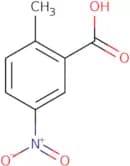
CAS:<p>5-Nitroisophthalic acid monomethyl ester (NIAE) is an acetylating agent that can be used for the preparation of 5-nitroisophthalic acid, which is a precursor to the synthesis of dyes and pharmaceuticals. The acetylation reaction of NIAE with proteins produces an insensitive material. Acetylation also inhibits the activity of serine proteases and virus replication. In addition, it has been found that the catalytic reduction of NIAE with palladium is faster than other synthetic methods. Optimal reaction conditions are obtained by adding chloride ions to the reaction mixture, while reductive conditions are optimal for catalysis. Reaction time can be shortened by using a soluble catalyst such as iodide ion or mercury(II) sulfate. The active site of NIAE contains a nitro group that reacts with substrates in the presence of oxygen, forming a product from which the acetyl group has been removed</p>Formula:C9H7NO6Purity:Min 98%Color and Shape:PowderMolecular weight:225.16 g/mol2-Methyl-5-nitrobenzoic acid
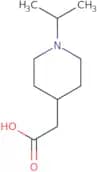
CAS:<p>2-Methyl-5-nitrobenzoic acid is a synthetic compound that has been shown to inhibit the growth of tumor xenografts in mice. This compound has been shown to inhibit the production of prostate-specific antigen and prostate cancer cells, as well as cause apoptosis in prostate cancer cells. 2-Methyl-5-nitrobenzoic acid also inhibits the activity of vitamin D3 and docetaxel, which are both chemotherapeutic agents used to treat prostate cancer. 2-Methyl-5-nitrobenzoic acid is a thermodynamic inhibitor with an IC50 value of 0.1 mM. It is an inhibitor of cellular respiration and mitochondrial function with a Km value of 1 mM. This agent also inhibits tumor perfusion, which may be due to its ability to induce apoptosis in tumor cells.</p>Formula:C8H7NO4Purity:Min. 95%Color and Shape:PowderMolecular weight:181.15 g/mol(1-Isopropylpiperidin-4-yl)acetic acid
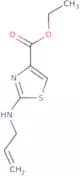
CAS:<p>(1-Isopropylpiperidin-4-yl)acetic acid is a fine chemical that has a versatile scaffold and can be used as a building block in the synthesis of complex compounds. It is also useful as a reaction component or reagent in the synthesis of new speciality chemicals. This chemical is available in high quality and purity grades.</p>Formula:C10H19NO2Purity:Min. 95%Color and Shape:PowderMolecular weight:185.26 g/molethyl 4-(prop-2-enylamino)-3,5-thiazolecarboxylate
CAS:<p>Please enquire for more information about ethyl 4-(prop-2-enylamino)-3,5-thiazolecarboxylate including the price, delivery time and more detailed product information at the technical inquiry form on this page</p>Purity:Min. 95%3,4-Dichlorocinnamic acid
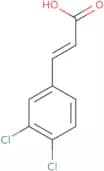
CAS:<p>3,4-Dichlorocinnamic acid is a pentane that has a molecular weight of 144.2 g/mol and melting point of -12 °C. It is soluble in organic solvents such as ethanol and acetone, but insoluble in water. 3,4-Dichlorocinnamic acid is an intermediate in the synthesis of cinnamates from phenylacetic acid and chloroform via methyl esterification with methanol followed by alkylation with chlorine. The reaction rate for this conversion is slow, making it difficult to produce at commercial scale. 3,4-Dichlorocinnamic acid can be obtained by irradiation of 3-chloro-1,2-propanediol with ultraviolet light or by heating hydrotalcite at high temperatures. Hydrotalcite is heated to 600°C where it reacts with air to form 3,4-dichlorocinnamic acid and</p>Formula:C9H6Cl2O2Purity:Min. 95%Color and Shape:PowderMolecular weight:217.05 g/molβ-(4-Hydroxy-3-methoxyphenyl)propionic acid methyl ester
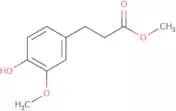
CAS:<p>β-(4-Hydroxy-3-methoxyphenyl)propionic acid methyl ester is a fine chemical used as a building block in the synthesis of pharmaceuticals, agrochemicals, and other chemicals. It is also used as a reagent for the detection of alkaloids and for the preparation of valuable speciality chemicals. β-(4-Hydroxy-3-methoxyphenyl)propionic acid methyl ester is an intermediate in organic reactions or can be used to synthesize complex compounds such as antibiotics. It is also an important scaffold that can be modified to produce new drugs with different properties.</p>Formula:C11H14O4Purity:Min. 95%Color and Shape:Clear LiquidMolecular weight:210.23 g/mol2-Carboxy-3-hydroxyphenyl acetic acid
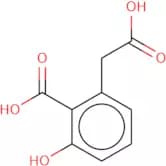
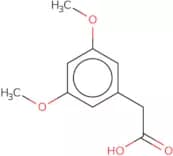
CAS:<p>2-Carboxy-3-hydroxyphenyl acetic acid is a fine chemical that is used in research, as well as in the synthesis of other compounds. It is a versatile building block that can be used to make more complex compounds and has been shown to be useful in many reactions. It is also a useful intermediate and scaffold for drug design and development. 2-Carboxy-3-hydroxyphenyl acetic acid can be used to synthesize drugs that are capable of inhibiting protein translation or protein synthesis.</p>Formula:C9H8O5Purity:Min. 95%Color and Shape:PowderMolecular weight:196.16 g/mol3,5-Dimethoxyphenylacetic acid
CAS:<p>3,5-Dimethoxyphenylacetic acid is a reagent that can be used in the synthesis of many organic compounds. It is also a high quality chemical with a CAS number of 4670-10-4. 3,5-Dimethoxyphenylacetic acid is useful as a research chemical and as an intermediate for the synthesis of more complex compounds. This compound has been shown to be a versatile building block and useful scaffold in the synthesis of highly complex chemicals.</p>Formula:C10H12O4Purity:Min. 95%Color and Shape:White PowderMolecular weight:196.2 g/mol4-n-Butoxyphenylacetic acid butyl ester
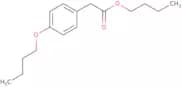
CAS:<p>4-n-Butoxyphenylacetic acid butyl ester is a chemical reagent that has been studied extensively as a useful intermediate in organic synthesis. It is of high purity and quality, and can be used for many applications.</p>Formula:C16H24O3Purity:80%Color and Shape:PowderMolecular weight:264.36 g/molFmoc-D-1,2,3,4-tetrahydronorharman-3-carboxylic acid
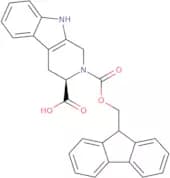
CAS:<p>Fmoc-D-1,2,3,4-tetrahydronorharman-3-carboxylic acid is a fine chemical that is a versatile building block and reaction intermediate. It is a high quality compound with CAS No. 268731-07-3. Fmoc-D-1,2,3,4-tetrahydronorharman-3-carboxylic acid can be used as a reagent for the synthesis of complex compounds and scaffolds. This compound has been shown to have useful properties in the research field.</p>Formula:C27H22N2O4Purity:Min. 95%Molecular weight:438.47 g/molα-Mating Factor acetate salt
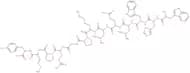
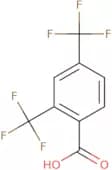
CAS:<p>Alpha-Mating Factor acetate salt is a complex compound that is a useful intermediate, building block, and reaction component. Alpha-Mating Factor acetate salt has been shown to be a useful scaffold for the synthesis of other compounds. It can also be used as a reagent in research or as a speciality chemical. Alpha-Mating Factor acetate salt is soluble in water and most organic solvents, making it versatile in its applications.</p>Formula:C82H114N20O17S·xC2H4O2Purity:Min. 95%Color and Shape:PowderMolecular weight:1,683.97 g/mol2,4-Bis(trifluoromethyl)benzoic acid
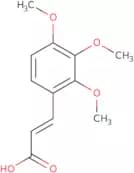
CAS:<p>2,4-Bis(trifluoromethyl)benzoic acid (2,4-BTFBA) is a styrene derivative that can be used as a matrix in the preparation of polystyrene for MALDI mass spectrometry analysis. 2,4-BTFBA is a monomer that has been shown to lead to high yields and transfer in the production of polystyrene and poly(methyl methacrylate). It has also been found to be an effective inhibitor of 2,5-dihydroxybenzoic acid (DHBA) and other DHBA derivatives. The inhibition mechanism of 2,4-BTFBA on DHBA activity is not yet clear. The nature of this compound as well as its use in matrix-assisted laser desorption/ionization are still under investigation.</p>Formula:C9H4F6O2Purity:Min. 95%Color and Shape:PowderMolecular weight:258.12 g/moltrans-2,3,4-Trimethoxycinnamic acid
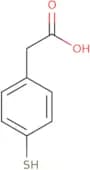
CAS:<p>Trans-2,3,4-trimethoxycinnamic acid is a bioactive chemical that has been shown to have significant antioxidant activity. This compound is a hydrogen peroxide scavenger and can be used in devices to remove hydrogen peroxide from water. Trans-2,3,4-trimethoxycinnamic acid has also been shown to inhibit the production of campesterol and paromomycin in bacteria. Furfural is an inhibitor of trans-2,3,4-trimethoxycinnamic acid and its oxidation products. Trans-2,3,4-trimethoxycinnamic acid can be oxidised by furfural to produce glycerin and formic acid. It also inhibits the formation rate of amides from cinnamyl alcohol.</p>Formula:C12H14O5Purity:Min. 98 Area-%Color and Shape:PowderMolecular weight:238.24 g/mol4-Mercaptophenylacetic acid
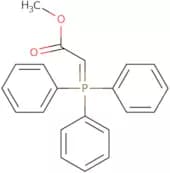
CAS:<p>4-Mercaptophenylacetic acid is a palladium complex that inhibits the synthesis of proteins by binding to the ribosome and blocking peptide bond formation. The molecule has a polymeric matrix with a high degree of crystallinity and an isolated yield of greater than 95%. 4-Mercaptophenylacetic acid is immobilized on a carboxylate surface and has been shown to have pharmacokinetic properties. It can be used in the treatment of cancer cells and inhibits protein synthesis, leading to cell death. 4-Mercaptophenylacetic acid also has anti-inflammatory activities due to its inhibition of prostaglandin synthesis.</p>Formula:C8H8O2SPurity:Min. 95%Color and Shape:Yellow PowderMolecular weight:168.21 g/molMethyl(triphenylphosphoranylidene)acetate
CAS:<p>Methyl(triphenylphosphoranylidene)acetate is a bicyclic heterocycle with an amino acid sequence that has been determined by x-ray diffraction data. This compound has shown to be an inhibitor of the enzyme glutathione reductase, which converts oxidized glutathione (GSSG) back to the reduced form (GSH). Methyl(triphenylphosphoranylidene)acetate also inhibits other enzymes such as cytochrome p450 and mycobacterium tuberculosis esterases. The reaction mechanism for methyl(triphenylphosphoranylidene)acetate is not yet known but it may involve the formation of an intramolecular hydrogen bond between the NH group and the oxygen atom on C3. This compound has been shown to have anticancer properties in hl-60 cells, which is consistent with its ability to inhibit prostaglandin synthesis. It also has antioxidant properties due</p>Formula:C21H19O2PPurity:Min. 98 Area-%Color and Shape:White Off-White PowderMolecular weight:334.35 g/molVanillic acid methyl ester
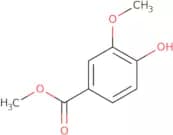
CAS:<p>Vanillic acid methyl ester is a chemical compound that can be used as an antioxidant and antimicrobial agent. It is synthesized by the reaction of vanillin with methanol in the presence of hydrochloric acid. Vanillic acid methyl ester has been shown to have antioxidative properties and inhibit the activities of various enzymes, such as eugenol oxidase, lipid peroxidase, and cyclooxygenase-1. This product also has shown anti-inflammatory effects in animal models of bowel disease and coronary heart diseases. Vanillic acid methyl ester converts to benzoic acid when it is metabolized by cytochrome P450 2E1, which can then be conjugated with glutathione or glucuronic acid.</p>Formula:C9H10O4Purity:Min. 95%Color and Shape:White Off-White PowderMolecular weight:182.17 g/mol2-Amino-5-bromobenzoic acid methyl ester
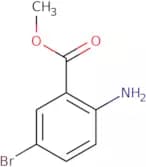
CAS:<p>2-Amino-5-bromobenzoic acid methyl ester is a small molecule with antiviral potency. It has a dipole moment and can form hydrogen bonds. 2-Amino-5-bromobenzoic acid methyl ester inhibits the PDE5 enzyme, which is an enzyme that breaks down cGMP. This inhibition of PDE5 leads to the increase in cGMP, which causes blood vessels to relax and widen. As a result, 2-amino-5-bromobenzoic acid methyl ester has been shown to decrease high blood pressure and improve heart function.</p>Formula:C8H8BrNO2Purity:Min. 95%Color and Shape:PowderMolecular weight:230.06 g/mol2-Furoic acid hydrazide
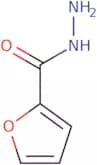
CAS:<p>2-Furoic acid hydrazide is an antifungal agent that inhibits the synthesis of cell membrane lipids by inhibiting the enzyme enoyl-ACP reductase. This compound has been shown to be effective against Candida albicans in vitro and in vivo. 2-Furoic acid hydrazide may also have amoebicidal activity, although this has not yet been confirmed. The mechanism of action of 2-furoic acid hydrazide is currently unknown, but it may be due to its ability to inhibit adenosine receptor antagonists and its interaction with hydrogen bonding interactions.</p>Formula:C5H6N2O2Purity:Min. 95%Color and Shape:PowderMolecular weight:126.11 g/mol4-Maleimidobutyric acid
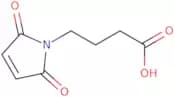
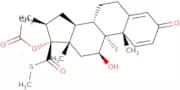
CAS:<p>4-Maleimidobutyric acid is a molecule that is used for the immobilization of peptides and proteins. It has been shown to bind to lysine residues on the surface of epidermal growth factor, which may be due to its ability to form covalent bonds with amino groups. This binding prevents the protein from interacting with cells in culture. 4-Maleimidobutyric acid also inhibits bacterial growth, including activity against Staphylococcus aureus, Bacillus anthracis, Mycobacterium tuberculosis, and Pseudomonas aeruginosa. 4-Maleimidobutyric acid has been shown to inhibit cancer cell proliferation in a Ca2+-dependent manner. It may also be effective as an antimicrobial agent due to its ability to disrupt proton gradients and acidic environments found in bacteria.</p>Formula:C8H9NO4Purity:Min. 98 Area-%Color and Shape:PowderMolecular weight:183.16 g/mol[(8S,10S,11S,13S,14S,16S)-9-Fluoro-11-Hydroxy-10,13,16-Trimethyl-17-Methylsulfanylcarbonyl-3-Oxo-6,7,8,11,12,14,15,16-Octahydrocyclo penta[a]Phenanthren-17-Yl] Acetate
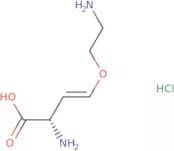
CAS:Controlled Product<p>(8S,10S,11S,13S,14S,16S)-9-Fluoro-11-Hydroxy-10,13,16-Trimethyl-17-Methylsulfanylcarbonyl-3-Oxo-6,7,8,11,12,14,15,16-Octahydrocyclo penta[a]Phenanthren-17-Yl) Acetate is a fatty acid ester that is used as a pharmaceutical preparation. It has been shown to be an effective treatment for the muscle wasting disease myotonic dystrophy and has been approved by the FDA. (8S,10S,11S,13S,14S,, 16 S)-9 - Fluoro - 11 - Hydroxy - 10 , 13 , 16 - Trimethyl - 17 - Methylsulfanylcarbonyl - 3 - Oxo - 6 , 7 , 8 , 11</p>Formula:C24H31FO5SPurity:Min. 95%Molecular weight:450.56 g/mol(S)-trans-2-Amino-4-(2-aminoethoxy)-3-butenoic acid hydrochloride
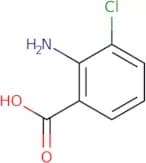
CAS:<p>(S)-trans-2-Amino-4-(2-aminoethoxy)-3-butenoic acid hydrochloride is a chemical pesticide that inhibits the production of ethylene in plants. It is used to control growth and enhance the fruit quality of horticultural crops. It is also used as an inhibitor of serine proteases, which are enzymes that catalyze the hydrolysis of proteins. This product has been shown to act as a growth regulator by inhibiting the activity of serine proteases and blocking the biosynthesis of ethylene. (S)-trans-2-Amino-4-(2-aminoethoxy)-3-butenoic acid hydrochloride also blocks the biosynthesis of human chorionic gonadotropin, a hormone involved in reproduction and development.</p>Formula:C6H13ClN2O3Purity:Min. 97 Area-%Color and Shape:Off-White PowderMolecular weight:196.63 g/mol2-Amino-3-chlorobenzoic acid
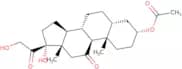
CAS:<p>2-Amino-3-chlorobenzoic acid is a chemical compound that is used as a reagent in the cross-coupling of organic compounds. 2-Amino-3-chlorobenzoic acid has been shown to inhibit the growth of cancer cells in the laboratory and has been used as a pesticide. This compound causes DNA methylation in bacteria, which may be due to its inhibition of methyltetrahydrofolate reductase. 2-Amino-3-chlorobenzoic acid is reactive and should be handled with care because it could cause burns on contact with skin. The carcinogenic potential of this compound has not been determined.</p>Formula:C7H6ClNO2Purity:Min. 95%Color and Shape:PowderMolecular weight:171.58 g/molTetrahydrocortisone acetate
CAS:Controlled Product<p>Tetrahydrocortisone acetate is a high-quality, reagent and complex compound with CAS No. 36623-16-2. It is used as a fine chemical and research chemicals in the production of speciality chemicals. Tetrahydrocortisone acetate can be used as a versatile building block for the synthesis of other compounds in organic chemistry. This compound has been found to be useful for creating new compounds or improving existing ones.</p>Formula:C23H34O6Purity:Min. 95%Molecular weight:406.51 g/mol2-(1-Naphthoxy)-acetic acid
CAS:<p>2-(1-Naphthoxy)-acetic acid is a natural product that is found in urine samples. It has been found to have various biological effects, such as inhibiting sugar transport and root formation. 2-(1-Naphthoxy)-acetic acid can also be used to inhibit the transcription of certain genes by interacting with the response elements for these genes. 2-(1-Naphthoxy)-acetic acid binds to monoclonal antibodies and can be used in immunoprecipitation experiments.</p>Formula:C12H10O3Purity:Min. 95%Color and Shape:PowderMolecular weight:202.21 g/molPoly(3-hydroxybutyric acid-co-3-hydroxyvaleric acid)
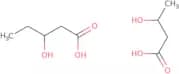
CAS:<p>Poly(3-hydroxybutyric acid-co-3-hydroxyvaleric acid) is a biodegradable polymer that has been shown to have high water vapor permeability and low values for water uptake and swelling. The polymer is also biocompatible, with no cytotoxicity or hemolysis. Poly(3-hydroxybutyric acid-co-3-hydroxyvaleric acid) was synthesized by ring opening polymerization of 3-hydroxybutyric acid and 3-hydroxyvaleric acid. The polymer has shown synergistic effects when used in combination with other polymers, such as polyvinyl alcohol. Poly(3-hydroxybutyric acid-co-3-hydroxyvaleric acid) can be used in tissue culture as a scaffold for the growth of animal cells.</p>Color and Shape:Powder4-tert-Butylcyclohexanecarboxylic acid
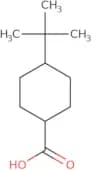
CAS:<p>4-tert-Butylcyclohexanecarboxylic acid is a monocarboxylic acid. It has been used as an analytical chemical for the estimation of naphthenic acids in petroleum oils. 4-tert-Butylcyclohexanecarboxylic acid has been identified as one of the major components of crude oil. The titration method is based on the formation of a complex with cyclopentylmethyl, which can be determined by measuring its UV absorption at 260 nm. This chemical can be used to synthesize 2-phenylbutyric acid, which is a useful carbon source for microorganisms that produce biodegradable plastics and other materials. The synthesis of this chemical starts with a strain of bacteria that converts monoacetic acid into 2-phenylbutyric acid. The mechanistic pathway involves stereoisomers and aldehydes.</p>Formula:C11H20O2Purity:Min. 95%Color and Shape:PowderMolecular weight:184.28 g/molFludrocortisone acetate
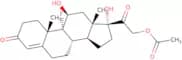
CAS:Controlled Product<p>Fludrocortisone acetate is a corticosteroid hormone used in the treatment of a number of diseases, including infectious diseases. Fludrocortisone acetate can be administered orally or by injection. It is also used to treat bowel disease and as an aid to diagnose subarachnoid hemorrhage. The matrix effect of fludrocortisone acetate has been studied using human serum and polymerase chain reactions (PCR). Fludrocortisone acetate is stable at temperatures below its phase transition temperature, but it undergoes degradation at higher temperatures. This drug is not active against bacteria, fungi, viruses, or parasites.</p>Formula:C23H31FO6Purity:Min. 95%Color and Shape:PowderMolecular weight:422.49 g/mol1,3,6,8-Pyrenetetrasulfonic acid tetrasodium salt - powder
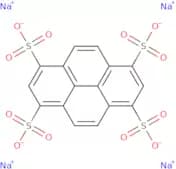
CAS:<p>1,3,6,8-Pyrenetetrasulfonic acid tetrasodium salt is a fluorescent dye that belongs to the group of hydroxide salts. It has been shown to have an absorption maximum at 524 nm and emission maximum at 585 nm. The molecule has a constant pressure of 0.1 mmHg when dissolved in water. 1,3,6,8-Pyrenetetrasulfonic acid tetrasodium salt is soluble in water and hydrochloric acid and has been used as a microcapsule encapsulation agent for copper complexes. This substance also absorbs light due to its dipole moment and can be used as a control experiment for other substances with different optical properties.</p>Formula:C16H6Na4O12S4Purity:Min. 97 Area-%Color and Shape:PowderMolecular weight:610.43 g/molGanoderic acid B
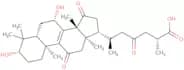
CAS:Controlled Product<p>Ganoderic acid B is a fatty acid that can be extracted from the mushroom Ganoderma lucidum. It has been shown to inhibit acetylcholinesterase and butyrylcholinesterase, which are enzymes involved in neurotransmission. This compound also inhibits the production of nitric oxide, prostaglandins, and leukotrienes by inhibiting the activation of phospholipases A2 and cyclooxygenases. In addition, it has been shown to have anti-inflammatory effects and may be used for the treatment of symptoms such as dry eye syndrome, lacrimal gland inflammation, or chronic asthma. Ganoderic acid B can be found in some dietary supplements or food products as an ingredient.</p>Formula:C30H44O7Purity:Min. 95%Color and Shape:White PowderMolecular weight:516.67 g/molFmoc-(S)-3-amino-3-(2-nitrophenyl)propionic acid
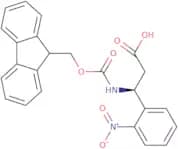
CAS:<p>Please enquire for more information about Fmoc-(S)-3-amino-3-(2-nitrophenyl)propionic acid including the price, delivery time and more detailed product information at the technical inquiry form on this page</p>Formula:C24H20N2O6Purity:Min. 95%Color and Shape:White PowderMolecular weight:432.43 g/mol2-Iodo-6-methylbenzoic acid
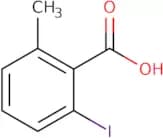
CAS:<p>2-Iodo-6-methylbenzoic acid is a chemical used as an additive in the manufacture of plastics, paints and rubber. It is also a ligand for some transition metals. 2-Iodo-6-methylbenzoic acid has been found to be an active natural product that can be synthesized from phthalimides or other amines. 2-Iodo-6-methylbenzoic acid reacts with donepezil to form a multistep reaction intermediate called A, which is then oxidized by a transition metal to form the final product, aricept. The operational mechanism of this reaction is not yet fully understood, but it may involve an alkene intermediate.</p>Formula:C8H7IO2Purity:Min. 95%Color and Shape:PowderMolecular weight:262.04 g/mol4-Fluoro-2-nitrobenzoic acid ethyl ester
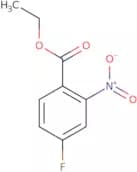
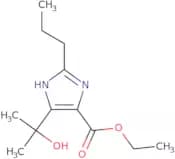
CAS:<p>4-Fluoro-2-nitrobenzoic acid ethyl ester is a fine chemical that can be used as a reagent, intermediate compound, building block, scaffold and building block for speciality chemicals. It has been shown to be an effective chemical in the synthesis of 4-fluoro-2-nitrobenzoic acid, which is a versatile building block with many potential applications. 4-Fluoro-2-nitrobenzoic acid ethyl ester is also useful in reactions involving amines and alcohols as well as metal catalyzed reactions. This product has CAS No. 1072207-10-3.</p>Formula:C9H8FNO4Purity:(%) Min. 85%Color and Shape:Clear LiquidMolecular weight:213.16 g/mol4-(1-Hydroxy-1-methylethyl)-2-propyl-1H-imidazole-5-carboxylic acid ethyl ester
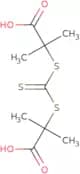
CAS:<p>4-(1-Hydroxy-1-methylethyl)-2-propyl-1H-imidazole-5-carboxylic acid ethyl ester is a synthetic drug with pharmacological properties that are similar to those of the natural product medoxomil. It has been shown to be a potent blocker of the GABA receptor and is used for the treatment of epilepsy. 4-(1-Hydroxy-1-methylethyl)-2-propyl-1H-imidazole-5-carboxylic acid ethyl ester has been shown to be an inhibitor of rat liver microsomes and also has a high affinity for the enzyme cilexetil, which is responsible for the conversion of cilexetil into its active form.</p>Formula:C12H20N2O3Purity:Min. 95%Color and Shape:PowderMolecular weight:240.3 g/molS,S'-Bis(a,a'-dimethyl-a''-acetic acid)trithiocarbonate
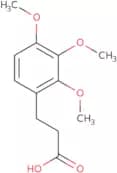
CAS:<p>Bis(trithiocarbonate)s are a group of compounds that are used as reagents, intermediates and building blocks in organic synthesis. They are also used for the preparation of certain pharmaceuticals. Bis(trithiocarbonate)s can be used as a versatile building block for chemical synthesis. It is also an intermediate in the synthesis of various pharmaceuticals, including but not limited to piroxicam and penicillin.</p>Formula:C9H14O4S3Purity:Min. 95 Area-%Color and Shape:Yellow PowderMolecular weight:282.4 g/mol3-(2,3,4-trimethoxyphenyl)propanoic acid
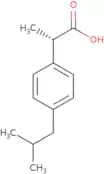
CAS:<p>3-(2,3,4-Trimethoxyphenyl)propanoic acid is a high quality chemical that is used as a reagent and as a useful intermediate in the production of fine chemicals. CAS No. 33130-04-0 is a versatile building block with many applications in the research and development of compounds for use as pharmaceuticals, agrochemicals, or other chemicals. 3-(2,3,4-Trimethoxyphenyl)propanoic acid can be used to synthesize new chemical substances with different properties than those of the starting material. This compound has been shown to have many uses in organic synthesis due to its versatility and reactivity.</p>Formula:C12H16O5Purity:Min. 98 Area-%Color and Shape:PowderMolecular weight:240.25 g/mol(S)-(+)-4-Isobutyl-a-methylphenylacetic acid
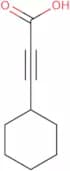
CAS:<p>Ibuprofen is a non-steroidal anti-inflammatory drug (NSAID) that inhibits the production of prostaglandins and has been shown to be effective in the treatment of pain, fever, and inflammation. Ibuprofen binds to and blocks cyclooxygenase enzymes COX-1 and COX-2, which are responsible for the production of prostaglandins. It also inhibits leukocyte migration, which may reduce symptoms associated with infectious diseases. The molecular docking analysis has shown that ibuprofen interacts with crystalline cellulose through hydrogen bonding interactions. Ibuprofen can be used in conjunction with sodium citrate as an anticoagulant during blood sampling procedures to prevent clotting. This medication can cause side effects such as nausea, stomach upset, heartburn, dizziness, headache, or increased risk of bleeding.></p>Formula:C13H18O2Purity:Min. 95%Color and Shape:White PowderMolecular weight:206.28 g/mol3-Cyclohexylpropiolic acid
CAS:<p>3-Cyclohexylpropiolic acid is a chemical intermediate that is used in the production of other chemicals. It is a versatile building block with a wide range of reactions and applications. 3-Cyclohexylpropiolic acid has been used as a reagent and as a speciality chemical for research purposes. This compound has also been shown to be useful in the synthesis of complex compounds, such as pharmaceuticals, natural products, pesticides, and dyes. 3-Cyclohexylpropiolic acid can be used as a reaction component or intermediate for the synthesis of many different compounds.</p>Formula:C9H12O2Purity:Min. 95 Area-%Molecular weight:152.19 g/mol5-Methyltetrahydrofolic acid disodium salt
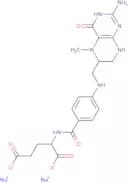
CAS:<p>5-Methyltetrahydrofolic acid disodium salt is a form of vitamin B9 that is produced by the body from 5,10-methylenetetrahydrofolate. It also can be obtained through the diet in foods such as milk, eggs, and leafy vegetables. This vitamin is necessary for many cellular processes, including amino acid metabolism. 5-Methyltetrahydrofolic acid disodium salt has been shown to have a significant effect on neuron cell growth and health. It has been shown to stimulate the enzyme activities of catecholamine-O-methyltransferase and dopamine beta hydroxylase in vitro. The effects were seen with both acidic and neutral pHs. 5-Methyltetrahydrofolic acid disodium salt has been found to be a selective inhibitor of receptor α (rho) uptake in Caco-2 cells at acidic pHs but not at neutral pHs. In addition</p>Formula:C20H23N7Na2O6Color and Shape:PowderMolecular weight:503.42 g/mol4-(N-Butoxy)phenyl acetic acid
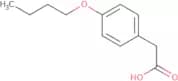
CAS:<p>4-(N-Butoxy)phenyl acetic acid is a hydroxamic acid that has been shown to be mutagenic in Salmonella typhimurium. 4-(N-Butoxy)phenyl acetic acid is a ligand that binds to the metal atom of the enzyme hydroxylamine, preventing it from binding to other compounds. This results in an increase in the production of hydroxylamine, which leads to DNA damage and cell death. 4-(N-Butoxy)phenyl acetic acid also has catalytic properties and can interact with chloride ions, due to its electronegativity.</p>Formula:C12H16O3Purity:Min. 98 Area-%Color and Shape:Off-White PowderMolecular weight:208.25 g/molDiethylene glycol diacetate
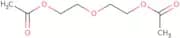
CAS:<p>Diethylene glycol diacetate is a coagulating agent that is used in the production of polyester fibers. It reacts with fatty acids and forms ester compounds, which are then polymerized and cross-linked to form a film. The acetylation of the hydroxyl group on the molecule provides an additional degree of polymerization, thereby increasing the molecular weight of the product. The reaction vessel used for this process is typically heated at a temperature between 180°C and 220°C to promote polymerization. This polymer film can be made into filaments by extruding it through a spinnerette or die head. The filament may be cut into small particles before being placed in a section, which is then processed as desired.</p>Formula:C8H14O5Purity:Min. 95%Color and Shape:Colorless Clear LiquidMolecular weight:190.19 g/molZinc dibutyldithiocarbamate
CAS:<p>Zinc dibutyldithiocarbamate is a chemical compound that forms a complex with fatty acids. It is used as an absorbent and sample preparation agent in uv spectroscopy. Zinc dibutyldithiocarbamate can also cause allergic reactions and is toxic to cells in the presence of calcium stearate. This chemical is found in reaction solutions, where it reacts with hydrochloric acid and boron nitride to form zinc diethyldithiocarbamate. Zinc dibutyldithiocarbamate has shown growth factor-like properties and was shown to enhance the rate of cell growth on V79 cells when combined with polyene.</p>Formula:C18H36N2S4ZnPurity:Min. 95%Color and Shape:PowderMolecular weight:474.14 g/molAllocholic acid
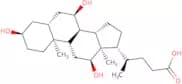
CAS:Controlled Product<p>Allocholic acid is a hydroxylated derivative of allo-inositol. It has been shown to inhibit the formation of peptide hormones and is used in the treatment of cerebrotendinous xanthomatosis. Allocholic acid also inhibits molecules that inhibit enzymes, such as phosphodiesterase and lipase, which are involved in the breakdown of fat. The biological sample preparation methods have been optimized for the extraction of allocholic acid from human feces. The optimum pH for allocholic acid is 4.5-5.0. Allocholic acid can be used to inhibit prostate cancer cells and rat liver microsomes, which are important for the metabolism of fatty acids in the body. The magnesium salt form is more soluble than other salts, making it easier to use in solution form.</p>Formula:C24H40O5Purity:Min. 90 Area-%Color and Shape:White Off-White PowderMolecular weight:408.57 g/mol9-Fluoro-11β,17-Dihydroxy-16α-Methyl-3,20-Dioxopregna-1,4-Dien-21-Yl 2-[2-(2-Ethoxyethoxy)Ethoxy]Acetate
CAS:Controlled Product<p>Methylprednisolone is a corticosteroid that has been used for the treatment of many conditions, including asthma and arthritis. It is used to reduce inflammation and suppress the immune system. Methylprednisolone can be administered orally or as an injection. It is also used in the diagnosis of tumours, especially those that are difficult to diagnose by other means. Methylprednisolone may be given together with another drug called dexamethasone, which has synergistic effects. These drugs have been shown to cause death in animals with certain types of tumours. In humans, they can cause cutaneous lesions, such as follicle cysts and tnf-α expression in skin cells. This drug also causes a microsporum infection (a type of fungus) on the skin to grow more rapidly when it is applied topically, resulting in a larger diameter section than untreated areas.</p>Formula:C30H43FO9Purity:Min. 95%Molecular weight:566.66 g/mol5-Chlorosalicylic acid
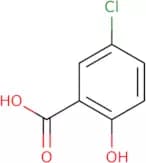
CAS:<p>5-Chlorosalicylic acid is an inhibitor of the enzyme carbonic anhydrase. It is used for the treatment of gout, rheumatoid arthritis, and osteoarthritis. This compound has been shown to be a genotoxic agent, which may result in mutagenic or carcinogenic effects. 5-Chlorosalicylic acid inhibits the growth of probiotic bacteria. It also has anti-inflammatory properties and can be used as a proton donor in organic synthesis reactions.<br>5-Chlorosalicylic acid is a metabolite of acetylsalicylic acid (ASA) that forms when ASA undergoes oxidative deamination in the liver. 5-Chlorosalicylic acid is also formed during metabolism of nonsteroidal anti-inflammatory drugs (NSAIDs).</p>Formula:C7H5ClO3Purity:Min. 95%Color and Shape:White Off-White PowderMolecular weight:172.57 g/mol1,2-Dipalmitoyl-sn-glycero-3-phosphatidic acid sodium
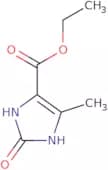
CAS:<p>1,2-Dipalmitoyl-sn-glycero-3-phosphatidic acid sodium (DPPA) is a drug substance that has been used in primary culture to study the cell membrane of hepatocytes. This compound is a phospholipid with a cavity at one end and contains two hydroxy groups that can be conjugated to other molecules. It has been shown to be effective against Hepatitis B virus and mesenchymal stromal cells. DPPA has also been used as an adjuvant for gadolinium contrast agents for magnetic resonance imaging. Gadolinium may bind to the hydroxy groups on DPPA, which increases its birefringence and brightness on MRI scans.</p>Formula:C35H69Na2O8PPurity:Min. 98 Area-%Color and Shape:White PowderMolecular weight:694.87 g/molEthyl 5-Methyl-2-oxo-2,3-dihydro-1H-imidazole-4-carboxylate
CAS:<p>Please enquire for more information about Ethyl 5-Methyl-2-oxo-2,3-dihydro-1H-imidazole-4-carboxylate including the price, delivery time and more detailed product information at the technical inquiry form on this page</p>Purity:Min. 90%(Z)-3-Bromoacrylic acid
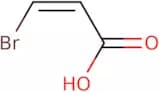
CAS:<p>(Z)-3-Bromoacrylic acid is an organic compound that belongs to the class of terminal alkynes. It has been shown to be a potent irreversible inhibitor of enantiopure propargylation catalyzed by dehalogenases. (Z)-3-Bromoacrylic acid reacts with the active site residues of the enzyme and forms a covalent bond, which prevents the release of acetaldehyde from propargyl alcohol. This reaction is reversible, which may cause some problems in cases where it is necessary to regenerate the enzyme. (Z)-3-Bromoacrylic acid also reacts with phosphite and halides to form five-membered rings, which are not as stable as six-membered rings.</p>Formula:C3H3BrO2Purity:Min. 95%Color and Shape:SolidMolecular weight:150.96 g/molTertiapin-Q trifluoroacetate salt
CAS:<p>A peptide found in honey bee venom; Potassium channel inhibitor</p>Formula:C106H175N35O24S4Purity:Min. 95%Molecular weight:2,452.01 g/molMeclofenamic acid
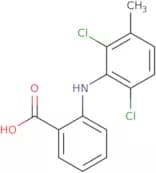
CAS:<p>Meclofenamic acid is a nonsteroidal anti-inflammatory drug (NSAID) that inhibits the activity of cyclooxygenase and lipoxygenase. It is used for the treatment of mild to moderate pain, dysmenorrhea, and menstrual cramps. Meclofenamic acid binds to polymerase chain reaction (PCR) substrate-binding site, inhibiting DNA synthesis in rat hippocampal neurons. This drug has also been shown to suppress disease activity in animals with experimental arthritis. Meclofenamic acid can be administered orally or intravenously without altering its effect on disease activity or blood sampling results. The drug is rapidly metabolized by hydroxylation and conjugation with glucuronic acid, followed by excretion in urine or feces. Meclofenamic acid significantly cytotoxic to human polymorphonuclear leukocytes at high concentrations, which may be due to its ability to modify RNA synthesis and protein synthesis.</p>Formula:C14H11Cl2NO2Purity:Min. 95%Color and Shape:White PowderMolecular weight:296.15 g/molSex Pheromone Inhibitor iPD1 trifluoroacetate salt
CAS:<p>Sex pheromone inhibitor IPD1 is an antibody that inhibits the production of sex pheromones by Streptococcus faecalis. It is used to diagnose and treat allergic diseases, such as atopic dermatitis or bronchial asthma. This antibody binds to a protein called polypide, which is involved in the synthesis of sex pheromones, and inhibits its activity. It has been shown to inhibit the production of sex pheromones by Streptococcus faecalis when analyzed using an SDS-polyacrylamide gel electrophoresis method. Sex pheromone inhibitor IPD1 also binds to antibodies against streptococcus, acari, and other bacteria.</p>Formula:C39H72N8O11Purity:Min. 95%Color and Shape:PowderMolecular weight:829.04 g/molo-Carborane-9-Carboxylic acid
CAS:Controlled Product<p>o-Carborane-9-carboxylic acid (C9CA) is a new antitumour agent that has been shown to be effective against human tumour cells and tumour cell lines. C9CA also has a high affinity for the active site of the enzyme dihydrofolate reductase, which is involved in the synthesis of DNA. The antitumour activity of C9CA is mediated by its ability to inhibit DNA synthesis and induce apoptosis. C9CA has been shown to be less toxic than methotrexate and doxorubicin, with the potential for fewer side effects.</p>Purity:Min. 95%Allantoic acid
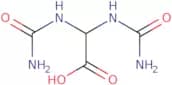
CAS:<p>Allantoin is a chemical compound with the molecular formula C4H6N2O3. It is a dihydroxyimide of uric acid and can be found in plants. Allantoin has been shown to inhibit transcriptional regulation by binding to dinucleotide phosphate (DNP) sites on DNA. This inhibition blocks the binding of RNA polymerase, preventing RNA synthesis and ultimately inhibiting bacterial growth. Allantoin has been shown to have antioxidant properties and was able to prevent lipid peroxidation in human serum samples. It also has been shown to improve enzyme activity in reaction solutions containing allantoic acid.</p>Formula:C4H8N4O4Purity:Min. 95%Color and Shape:White PowderMolecular weight:176.13 g/moltrans-10-Hydroxy-2-decenoic acid
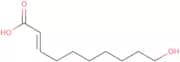
CAS:<p>Trans-10-hydroxy-2-decenoic acid is a naturally occurring fatty acid that is found in the human body. It has been shown to have a number of biological activities, including the ability to inhibit the production of gamma-aminobutyric acid (GABA). The trans-10-hydroxy-2-decenoic acid is also thought to be involved in autoimmunity and neurotrophic factors. Trans-10-hydroxy-2-decenoic acid has been used as a precursor for the synthesis of other compounds and as an analytical method. Trans-10-hydroxy 2 decenoic acid can be synthesized by reacting malonic acid with hydroxyl group and ammonia.</p>Formula:C10H18O3Purity:Min. 95%Color and Shape:White PowderMolecular weight:186.25 g/molBoldenone 17-acetate
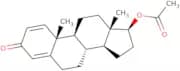
CAS:Controlled Product<p>Boldenone 17-acetate is a synthetic anabolic steroid that has been used in the past to increase muscle mass and appetite. It is a prodrug that converts to boldenone, its active form, with the help of enzymes called esterases. Boldenone 17-acetate binds to the androgen receptor and exerts its effects by increasing protein synthesis, nitrogen retention, and bone density. This drug has a matrix effect that can be seen in chromatographic profiles after sample preparation. The detection time for this drug is typically less than 3 hours.</p>Formula:C21H28O3Purity:Min. 95%Color and Shape:SolidMolecular weight:328.45 g/molL(-)-Thiazolidine-4-carboxylic acid
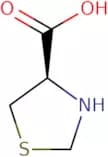
CAS:<p>L(-)-Thiazolidine-4-carboxylic acid is a proline derivative that inhibits the enzyme cyclase, which is involved in the production of cAMP. It is also an antioxidant and has been shown to protect against oxidative damage induced by reactive oxygen species (ROS) in fetal bovine tissues. L(-)-Thiazolidine-4-carboxylic acid has been shown to inhibit the activity of other enzymes, such as α1 subunit, which are involved in energy metabolism. The enzyme activities of L(-)-thiazolidine-4-carboxylic acid have been shown to be high in E. coli K-12 cells and in plants. L(-)-Thiazolidine-4-carboxylic acid can also be used as a plant growth regulator and has been shown to inhibit the elongation of plant roots.</p>Formula:C4H7NO2SPurity:Min. 95%Color and Shape:PowderMolecular weight:133.17 g/mol3-(Difluoromethoxy)-2,4,5-trifluorobenzoic acid
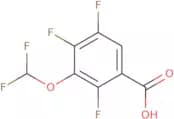
CAS:<p>3-(Difluoromethoxy)-2,4,5-trifluorobenzoic acid is an antibacterial drug that belongs to the class of fluoroquinolones. It inhibits bacterial growth by binding to DNA gyrase and topoisomerase IV enzymes in bacteria. 3-(Difluoromethoxy)-2,4,5-trifluorobenzoic acid has been shown to be active against a wide variety of bacteria and is used as a treatment for urinary tract infections and skin infections. 3-(Difluoromethoxy)-2,4,5-trifluorobenzoic acid can also be used in combination with other antibiotics such as tetrabutyl ammonium chloride to enhance their effects.</p>Formula:C8H3F5O3Purity:Min. 95%Color and Shape:SolidMolecular weight:242.1 g/mol4-(4-Ethoxyphenyl)-2-(1-methylindol-3-yl)-4-oxobutanoic acid
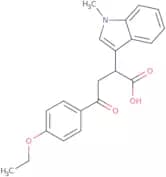
CAS:<p>Please enquire for more information about 4-(4-Ethoxyphenyl)-2-(1-methylindol-3-yl)-4-oxobutanoic acid including the price, delivery time and more detailed product information at the technical inquiry form on this page</p>Purity:Min. 95%rac 4-Hydroxy-9-cis-retinoic acid
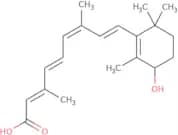
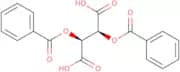
CAS:<p>9-cis-Retinoic acid is a retinoid that is found in the human body. It can be extracted from the cells of animals or plants and purified by using an organic solvent, such as hexane. 9-cis-Retinoic acid can also be synthesized by using a validated hplc method. Analysts use this compound to measure conjugate acids, hydroxy acids, and other compounds related to endogenous metabolism. It is often used as a buffering agent for specific applications.</p>Formula:C20H28O3Purity:Min. 95%Molecular weight:316.43 g/molDi-O-benzoyl D-tartaric acid
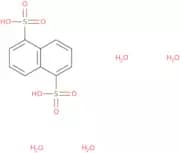
CAS:<p>Di-O-benzoyl D-tartaric acid is an inorganic acid that is used as an acid catalyst in organic synthesis. It is synthesized by the reaction of benzoyl chloride and calcium carbonate, which produces a mixture of di-O-benzoyl D-tartaric acid and its enantiomer. Di-O-benzoyl D-tartaric acid has a high solubility in water and is stable to hydrochloric acid and mercury chloride. This compound also interacts with hydrogen bonding interactions with l-tartaric acid and hydrogen bonding interactions with calcium carbonate. Di-O-benzoyl D-tartaric acid is not toxic to human cells at concentrations up to 100 mM.</p>Formula:C18H14O8Purity:Min. 95%Color and Shape:PowderMolecular weight:358.3 g/mol1,5-Naphthalenedisulfonic acid tetrahydrate
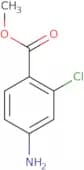
CAS:<p>1,5-Naphthalenedisulfonic acid tetrahydrate is an acidic molecule that has been observed in the form of nanodots. It has a molecular weight of 212.2g/mol and a water solubility of 0.01g/L at 20°C. 1,5-Naphthalenedisulfonic acid tetrahydrate is soluble in ethanol and methanol, but insoluble in acetone, diethyl ether, ethyl acetate, and chloroform. 1,5-Naphthalenedisulfonic acid tetrahydrate is a hydrogen bond acceptor and donor in its interactions with other molecules. It interacts synergistically with 3,5-dinitrosalicylic acid to produce a red coloration when dissolved in water or alcohols.</p>Formula:C10H6(SO3H)2•(H2O)4Purity:Min. 95%Color and Shape:PowderMolecular weight:360.36 g/mol4-Amino-2-chlorobenzoic acid methyl ester
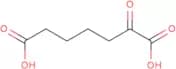
CAS:<p>4-Amino-2-chlorobenzoic acid methyl ester (4ACBME) is a chemical compound that has been used in the treatment of autoimmune diseases. It acts as an immunoreceptor and regulatory molecule by binding to specific receptors on the surface of lymphocytes, which are cells that play a central role in the immune system. 4ACBME also inhibits the production of inflammatory molecules, such as TNF-α, IL-1β, IL-6 and IL-8. The regression of tissue inflammation was observed in animal models after 4ACBME treatment. This compound has been shown to have no genotoxic impurities in vitro studies and its molecular descriptors are consistent with those found for other immunoreceptors.</p>Formula:C8H8ClNO2Purity:Min. 95%Color and Shape:White PowderMolecular weight:185.61 g/mol2-Ketopimelic acid
CAS:<p>2-Ketopimelic acid is a fatty acid that is produced by the catalysis of 2-ketoglutarate. It is found in the mitochondrial matrix and in the biosynthesis of fatty acids. The wild-type strain of E. coli has been shown to produce 2-ketopimelic acid during aerobic growth on glucose, while mutant strains did not synthesize this compound. The production of 2-ketopimelic acid requires a functional acyl carrier protein (ACP) and an active enoyl reductase (ER). The biosynthesis of 2-ketopimelic acid can be catalysed by dehydrogenase enzymes such as enoyl reductase, which are involved in the conversion of 3-oxoacyl CoA into 3-hydroxyacyl CoA.<br>2-Ketopimelic acid may also play a role in tuberculosis, as it has been detected in human protein using reaction monitoring techniques</p>Formula:C7H10O5Purity:Min. 95%Color and Shape:PowderMolecular weight:174.15 g/mol




![[(8b)-1,6-Dimethylergolin-8-yl)methyl]carbamic acid phenylmethyl ester](/_next/image/?url=https%3A%2Fstatic.cymitquimica.com%2Fproducts%2F3D%2Fthumb-webp%2FFM12444.webp&w=3840&q=75)



![9-Fluoro-11β,17-Dihydroxy-16α-Methyl-3,20-Dioxopregna-1,4-Dien-21-Yl 2-[2-(2-Ethoxyethoxy)Ethoxy]A…](/_next/image/?url=https%3A%2Fstatic.cymitquimica.com%2Fproducts%2F3D%2Fthumb-webp%2FFF103016.webp&w=3840&q=75)