Carboxylic Acids
Carboxylic acids are organic molecules characterized by having a carboxyl-type functional group (-COOH). These acids are fundamental in various chemical reactions, including esterification, amidation, and decarboxylation. Carboxylic acids are widely used in the production of pharmaceuticals, polymers, and agrochemicals. In this section, you can find a large number of carboxylic acids ready to be used. At CymitQuimica, we provide a broad range of high-quality carboxylic acids to support your research and industrial applications.
Found 12453 products of "Carboxylic Acids"
Sort by
Purity (%)
0
100
|
0
|
50
|
90
|
95
|
100
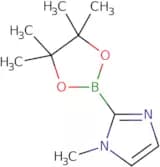
1-Methyl-1H-imidazole-2-boronic acid pinacolester
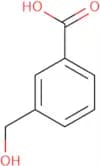
CAS:<p>1-Methyl-1H-imidazole-2-boronic acid pinacolester is a chemical compound that is used as a reagent in organic synthesis. It is also a useful building block for complex compounds, and can be used as a versatile building block for drug discovery research. 1-Methyl-1H-imidazole-2-boronic acid pinacolester is soluble in water, has good solubility in organic solvents such as ethanol, acetone, THF, and DMF. It has a CAS number of 553651-31-3 and the molecular weight of 252.24 g/mol.</p>Formula:C10H17BN2O2Purity:Min. 95 Area-%Color and Shape:White PowderMolecular weight:208.07 g/mol3-(Hydroxymethyl)benzoic acid
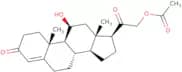
CAS:<p>3-(Hydroxymethyl)benzoic acid is a versatile building block that can be used in the synthesis of a wide range of compounds. It is an important intermediate in the synthesis of pharmaceuticals and agrochemicals. 3-(Hydroxymethyl)benzoic acid is also used as a reagent for organic synthesis, and as a speciality chemical and research chemicals. This compound has many uses, including as a building block for complex compounds, as a reaction component for the preparation of other useful compounds, and as a scaffold for diverse synthetic applications.</p>Formula:C8H8O3Purity:Min. 95%Color and Shape:PowderMolecular weight:152.15 g/molCorticosterone 21-acetate
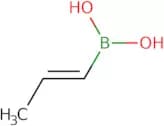
CAS:Controlled Product<p>Corticosterone 21-acetate is a fatty acid that has been used as a pharmaceutical preparation for the treatment of high blood pressure. It also has antihypertensive activity and can be used to treat congestive heart failure. Corticosterone 21-acetate binds to the distal tubule cells in the kidney, causing an increase in the production of hydroxyproline, which leads to increased synthesis of collagen. This drug has been shown to inhibit the growth of some types of cancerous cells and may have synergistic interactions with other drugs that are used to treat cancer. Corticosterone 21-acetate is bound to corticosteroid binding globulin in the blood plasma, preventing it from crossing into tissues.</p>Formula:C23H32O5Purity:Min. 95%Color and Shape:SolidMolecular weight:388.5 g/moltrans-1-Propen-1-yl-boronic acid
CAS:<p>Trans-1-propenylboronic acid is a boronic acid that can be used to synthesize chiral compounds. It is a product of the Sharpless asymmetric dihydroxylation reaction and has been shown to inhibit the activity of aldehyde oxidase. Trans-1-propenylboronic acid is reusable, which makes it an economical alternative to other boronic acids. The enantiomer of trans-1-propenylboronic acid can be obtained by the Suzuki coupling reaction with a variety of different electrophiles. This product also forms hydrogen bonds with the substrate and has shown anti-inflammatory effects in mice. Trans-1-propenylboronic acid can also undergo oxidation, reduction, or cyclization reactions and can form monosubstituted alicyclic products.</p>Formula:C3H7BO2Purity:Min. 95%Color and Shape:SolidMolecular weight:85.9 g/mol4-(2-Hydroxyethyl)benzoic acid
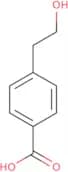
CAS:<p>4-(2-Hydroxyethyl)benzoic acid is a synthetic drug that binds to the dopamine D2 receptor and blocks adenylyl cyclase, which synthesizes cAMP. This results in a decrease in the binding of dopamine to its receptors, and therefore reduces the amount of dopamine that is transported into the cell. It has been demonstrated that 4-(2-hydroxyethyl)benzoic acid has affinity for both dopamine D4 receptors and dopamine D3 receptors. 4-(2-Hydroxyethyl)benzoic acid has been shown to be an effective anticancer agent in vitro, as it inhibits proliferation of human cancer cells by inhibiting DNA synthesis.</p>Formula:C9H10O3Purity:Min. 95%Color and Shape:White PowderMolecular weight:166.17 g/mol3,5-Dimethoxyphenylacetic acid
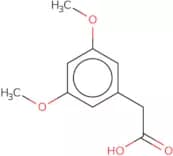
CAS:<p>3,5-Dimethoxyphenylacetic acid is a reagent that can be used in the synthesis of many organic compounds. It is also a high quality chemical with a CAS number of 4670-10-4. 3,5-Dimethoxyphenylacetic acid is useful as a research chemical and as an intermediate for the synthesis of more complex compounds. This compound has been shown to be a versatile building block and useful scaffold in the synthesis of highly complex chemicals.</p>Formula:C10H12O4Purity:Min. 95%Color and Shape:White PowderMolecular weight:196.2 g/molBathocuproine disulfonic acid disodium salt hydrate
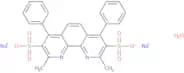
CAS:<p>Bathocuproine disulfonic acid disodium salt hydrate is a copper complex that can be used for the analysis of urine samples. It is a multicellular animal-specific enzyme inhibitor that binds to phosphatase, which is an important component in the metabolism of carbohydrates and proteins. Bathocuproine disulfonic acid disodium salt hydrate inhibits the activity of this enzyme by forming a stable copper complex, thereby preventing the hydrolysis of phosphoric esters. Bathocuproine disulfonic acid disodium salt hydrate has been shown to inhibit growth factor activity in human serum, while inhibiting the reaction vessel corrosion process. This compound also contains functional groups such as sulfonic acid, carboxylate and sulfonamide groups.</p>Formula:C26H18N2Na2O6S2·xH2OPurity:Min. 95%Color and Shape:White PowderMolecular weight:584.57 g/mol3-(Hydroxymethyl)phenylboronic acid
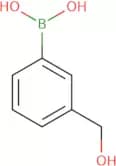
CAS:<p>3-(Hydroxymethyl)phenylboronic acid (3HMBBA) is an analog of 3-hydroxymethylphenylboronic acid. It has been used in the Suzuki coupling reaction to produce a number of biologically important compounds, such as beta-lactamase inhibitors. This compound also inhibits the activity of human liver cancer cells and human liver tissue in vitro. The hydroxy group on the left-hand side of the molecule provides a potent inhibition effect on beta-lactamases that are produced by bacteria and may be useful for treating infections caused by these bacteria. 3HMBBA is soluble in neutral pH solutions, which makes it easy to work with and store. 3HMBBA can also be used as a ferrite for permanent magnets due to its high magnetic moment.</p>Formula:C7H9BO3Purity:Min. 95%Color and Shape:PowderMolecular weight:151.96 g/molDimethylol propionic acid
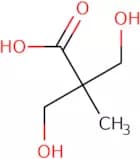
CAS:<p>Dimethylol propionic acid is a synthetic compound that is chemically related to the natural product paclitaxel and is used as a cross-linking agent. Dimethylol propionic acid has been shown to be effective in neutralizing, emulsifying and cross-linking of polybasic, neutralizing, and trimethylolpropane acrylic polymer systems. It is also biodegradable and can be used as an additive for deionized water. Dimethylol propionic acid may be used as a chromophore or silicon donor in organic synthesis. Stannous octoate can be used as an inorganic catalyst for this reaction.</p>Formula:C5H10O4Purity:Min. 95%Color and Shape:PowderMolecular weight:134.13 g/mol5,5-Dimethyl-2-phenyl-1,3-thiazolidine-4-carboxylic acid
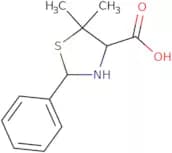
CAS:<p>5,5-Dimethyl-2-phenyl-1,3-thiazolidine-4-carboxylic acid is a chemical compound that contains a thiazolidine ring. This compound is a chiral molecule and has been shown to have an interaction with tyrosinase, which is an enzyme involved in the production of melanin. The conformation of this molecule can be determined by x-ray diffraction studies. The reaction product is formed when 5,5-dimethyl-2-phenyl-1,3-thiazolidine 4 carboxylic acid reacts with an aldehyde.</p>Formula:C12H15NO2SPurity:Min. 95%Color and Shape:PowderMolecular weight:237.32 g/mol2,5-Dichlorobenzoic acid potassium
CAS:<p>2,5-Dichlorobenzoic acid potassium salt is a fine chemical that is used as an intermediate for the synthesis of pharmaceuticals and speciality chemicals. It is a versatile building block with a variety of uses in research and manufacturing, including being used as a reaction component or as a reagent. This product has CAS No. 184637-62-5 and has been assigned the Chemical Abstract Service (CAS) number 184637-62-5.</p>Formula:C7H4Cl2O2•KPurity:Min. 95%Color and Shape:PowderMolecular weight:230.11 g/molMca-Tyr-Val-Ala-Asp-Ala-Pro-Lys(Dnp)-OH trifluoroacetate
CAS:<p>Please enquire for more information about Mca-Tyr-Val-Ala-Asp-Ala-Pro-Lys(Dnp)-OH trifluoroacetate including the price, delivery time and more detailed product information at the technical inquiry form on this page</p>Formula:C53H64N10O19•(C2HF3O2)xPurity:95%NmrColor and Shape:PowderMolecular weight:1,145.13 g/mol4-Chlorosulfonylbenzoic acid methyl ester
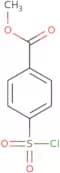
CAS:<p>4-Chlorosulfonylbenzoic acid methyl ester is a reagent that is used in glycan biosynthesis. It is a deuterated analogue of uridine and can be used to screen for 4-epimerase enzymes. The 4-chlorosulfonylbenzoic acid methyl ester can be synthesized by the deuteration of uridine, which is then reacted with methanol and chlorosulfonic acid. This reagent can be used to study glycan biosynthesis by labeling the sugar moiety of glycans with carbon-13 atoms. The use of this reagent has been problematic because it cannot be reversibly converted back to uridine, so it cannot serve as a substrate for further synthetic reactions.</p>Formula:C8H7ClO4SPurity:Min. 95 Area-%Color and Shape:PowderMolecular weight:234.66 g/molAscorbic acid
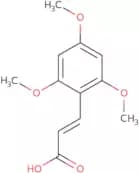
CAS:<p>Ascorbic acid is an essential vitamin, also known as Vitamin C, which is a naturally occurring organic compound abundant in various fruits and vegetables, including citrus fruits, berries, and peppers. Its mode of action primarily relies on its ability to donate electrons, thereby neutralizing free radicals and reducing oxidative stress at the cellular level. Furthermore, ascorbic acid acts as a cofactor for several vital enzymatic reactions, including collagen synthesis, iron absorption, and the biosynthesis of neurotransmitters.</p>Formula:C32H42N2O7Purity:Min. 95%Molecular weight:566.69 g/mol2,4,6-Trimethoxycinnamic acid
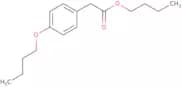
CAS:<p>2,4,6-Trimethoxycinnamic acid is a cinnamoyl compound that can be isolated from the seeds of Garcinia gummi-guta. This compound has been synthesised and optimised for use as an antioxidant in food and cosmetic products. 2,4,6-Trimethoxycinnamic acid has a high product yield under isothermal conditions using β-cyclodextrin as a solvent. It also shows good stability in the presence of light. 2,4,6-Trimethoxycinnamic acid has been shown to be efficient in preventing oxidation reactions by acting as a scavenger of singlet oxygen and peroxyl radicals. The analytical data obtained from this study suggests that 2,4,6-Trimethoxycinnamic acid will not produce any moieties or photostability problems when used in these applications.</p>Formula:C12H14O5Purity:Min. 95%Color and Shape:PowderMolecular weight:238.24 g/mol4-n-Butoxyphenylacetic acid butyl ester
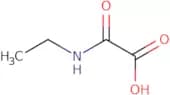
CAS:<p>4-n-Butoxyphenylacetic acid butyl ester is a chemical reagent that has been studied extensively as a useful intermediate in organic synthesis. It is of high purity and quality, and can be used for many applications.</p>Formula:C16H24O3Purity:80%Color and Shape:PowderMolecular weight:264.36 g/mol(Ethylamino)(oxo)acetic acid
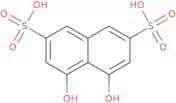
CAS:<p>(Ethylamino)(oxo)acetic acid is a low molecular weight compound that is found in many sources, including plants and animals. It has been shown to inhibit the growth of bacteria such as escherichia coli and azelaic acid, although it is not active against mycobacteria. This molecule has also been shown to be potent in inhibiting the activity of dehydrogenase enzymes. The molecular weight of this compound is unknown, but it has been determined that it contains one carboxylic group, two amide groups, and one amino group.</p>Formula:C4H7NO3Purity:Min. 95%Color and Shape:PowderMolecular weight:117.1 g/mol1,8-Dihydroxynaphthylene-3,6-disulfonic acid
CAS:<p>1,8-Dihydroxynaphthylene-3,6-disulfonic acid is a sulfonic acid that has been shown to be an effective biocide for wastewater treatment. It has the ability to form stable complexes with organic matter and is not readily degraded by chemical reactions. 1,8-Dihydroxynaphthylene-3,6-disulfonic acid has been shown to have a strong affinity for certain metals and can be used to remove them from wastewater. This compound is also able to form stable complexes with metal ions in solution, which leads to the removal of these metals from the water column. The optimum concentration of 1,8-dihydroxynaphthylene-3,6-disulfonic acid varies depending on the specific metal being targeted and ranges from 0.01% to 0.1%.</p>Formula:C10H8O8S2Purity:Min. 95%Color and Shape:White PowderMolecular weight:320.3 g/mol4-Chlorophenoxyacetic acid
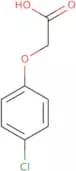
CAS:<p>4-Chlorophenoxyacetic acid is a chemical compound that is used in wastewater treatment. It can be used as a potassium dichromate substitute and exhibits synergic effects with sodium carbonate. 4-Chlorophenoxyacetic acid has been shown to have antimicrobial activity against group P2 bacteria, such as Pseudomonas aeruginosa, Staphylococcus aureus, and Enterococcus faecalis. 4-Chlorophenoxyacetic acid also inhibits the growth of human serum and monoclonal antibodies by inhibiting protein synthesis through intramolecular hydrogen linkage.</p>Formula:C8H7ClO3Color and Shape:PowderMolecular weight:186.59 g/molDihydrofolic acid
CAS:<p>Dihydrofolic acid is an organic compound that is a derivative of folic acid. It is the reduced form of folic acid and can be used to treat certain autoimmune diseases, such as bowel disease. Dihydrofolic acid has been shown to have antimicrobial effects against infectious diseases, including tuberculosis. This compound can also be used to treat metal-chelate resistant bacteria, such as methicillin-resistant Staphylococcus aureus (MRSA). Dihydrofolic acid has been shown to have neuroprotective properties in animals models and may be a potential drug target for the treatment of Alzheimer's disease.</p>Formula:C19H21N7O6Purity:(%) Min. 90%Color and Shape:PowderMolecular weight:443.41 g/molFerroceneboronic acid
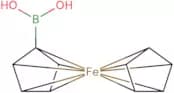
CAS:<p>Ferroceneboronic acid is a reagent, complex compound, useful intermediate, fine chemical and useful scaffold. It is also a versatile building block for the synthesis of speciality chemicals. Ferroceneboronic acid reacts with an organic halide to form a ferrocenyl-containing boronate ester that is useful as a reaction component in organic synthesis. The CAS number for ferroceneboronic acid is 12152-94-2.</p>Formula:C5H6BO2·C5H5·FePurity:Min. 95 Area-%Color and Shape:PowderMolecular weight:229.85 g/molFmoc-D-1,2,3,4-tetrahydronorharman-3-carboxylic acid
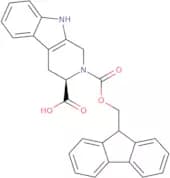
CAS:<p>Fmoc-D-1,2,3,4-tetrahydronorharman-3-carboxylic acid is a fine chemical that is a versatile building block and reaction intermediate. It is a high quality compound with CAS No. 268731-07-3. Fmoc-D-1,2,3,4-tetrahydronorharman-3-carboxylic acid can be used as a reagent for the synthesis of complex compounds and scaffolds. This compound has been shown to have useful properties in the research field.</p>Formula:C27H22N2O4Purity:Min. 95%Molecular weight:438.47 g/mol(3-Aminophenyl)boronic acid hydrochloride
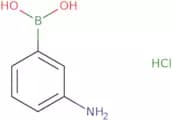
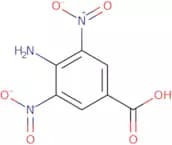
CAS:<p>3-Aminophenylboronic acid hydrochloride is a chemical compound that is used for analytical chemistry, bioconjugate chemistry, and clinical diagnostics. The compound binds to model proteins with high affinity and specificity. 3-Aminophenylboronic acid hydrochloride has been shown to have low binding constants with polyols, which make it ideal for use in cell culture. 3-Aminophenylboronic acid hydrochloride has a pK of 2.7 at pH 7.4, making it acidic at this pH. The compound also has a pK of 9.3 at pH 4.5, making it neutral at this pH. 3-Aminophenylboronic acid hydrochloride is an electrochemically active molecule and can be used as an electrode material in electrochemical impedance spectroscopy experiments.</p>Formula:C6H9BClNO2Purity:Min. 95%Color and Shape:PowderMolecular weight:173.4 g/mol4-Amino-3,5-dinitrobenzoic acid
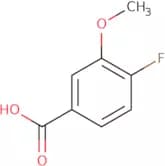
CAS:<p>4-Amino-3,5-dinitrobenzoic acid (4ADBA) is a reactive chemical compound with acidic properties. It reacts with nucleophiles to form diazo compounds, which are used in analytical methods for the detection of amines and phenols. 4ADBA can be used to measure the concentration of aspirin in pharmaceutical formulations. The reaction is linear over a wide range of concentrations and has an optimal reaction time of 10 minutes at pH 2.0–2.5. The half-life values for 4ADBA are approximately 3 hours at pH 3 and 7 hours at pH 5.</p>Formula:C7H5N3O6Purity:Min. 95%Color and Shape:SolidMolecular weight:227.13 g/mol4-Fluoro-3-methoxybenzoic acid
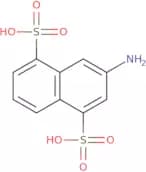
CAS:<p>4-Fluoro-3-methoxybenzoic acid is a chiral, organic compound. It is an estrogen antagonist that binds to the estrogen receptor. 4-Fluoro-3-methoxybenzoic acid has been shown to inhibit tumor growth by blocking the interaction of estradiol with its receptor in the cancer cell line MCF-7. The metabolically active form of this compound is 4′-hydroxymethyl 4′,4″-difluorobenzoate and it can be converted into other metabolites such as 3′,4′,5′,6′-tetrahydroxybenzoic acid. This conversion may be mediated by cytochrome P450 enzymes or through hydrolysis by esterases or glucuronidases. The stereoisomers of 4-fluoro-3 methoxybenzoic acid are erythro and threo forms which have different affinities for</p>Formula:C8H7FO3Purity:Min. 95%Color and Shape:PowderMolecular weight:170.14 g/mol2-Amino-4,8-naphthalenedisulfonic acid
CAS:<p>2-Amino-4,8-naphthalenedisulfonic acid is a structural analog of the natural amino acid phenylalanine. It is an inhibitor of the enzyme tyrosinase, which participates in the oxidation of dopamine to DOPA and subsequent conversion to melanin. 2-Amino-4,8-naphthalenedisulfonic acid has been shown to inhibit the growth of probiotic bacteria and can be used as a food additive. The compound also inhibits the oxidation catalyst that is required for some analytical chemistry tests. 2-Amino-4,8-naphthalenedisulfonic acid has been shown to have toxicological properties in animal studies and this toxicity is exacerbated by its ability to bind with pyridine nucleotides found in cells. The toxicological effects are thought to be related to the inhibition of protein synthesis that leads to cell death.</p>Formula:C10H9NO6S2Purity:Min. 95%Color and Shape:PowderMolecular weight:303.31 g/mol4-Bromo-2-nitrocinnamic acid
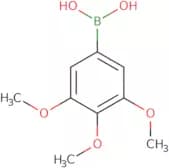
CAS:<p>4-Bromo-2-nitrocinnamic acid is a naturally occurring amino acid that is a component of wheat, carrots, and cereals. It is an enzyme inhibitor and has been found to be stable under heat treatment. 4-Bromo-2-nitrocinnamic acid has been shown to inhibit the activity of 3 lysine hydrolase enzymes (LysE1, LysE2, LysE3) in vitro. This inhibition decreases lysine levels and may have health implications for infants fed with 4-bromo-2-nitrocinnamic acid treated wheat flour. The efficiency of 4-bromo-2 nitrocinnamic acid as an enzymatic inhibitor for these enzymes was determined by measuring the release of free lysine from various substrates at different concentrations of the inhibitor. These parameters were then used to calculate the theoretical inhibition percentage for each substrate at a given concentration.</p>Formula:C9H6BrNO4Purity:Min. 95%Molecular weight:272.05 g/mol(3,4,5-Trimethoxyphenyl)boronic acid
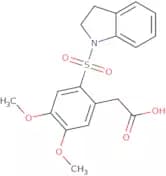
CAS:<p>(3,4,5-Trimethoxyphenyl)boronic acid is an active analogue of 3,4,5-trimethoxybenzoic acid. It has potent anti-inflammatory properties and inhibits cancer cell proliferation. (3,4,5-Trimethoxyphenyl)boronic acid has been shown to inhibit the growth of cancer cells in vitro by binding to the gyrase enzyme. This drug also has biological properties that may be useful for treating human liver diseases such as hepatic steatosis or nonalcoholic fatty liver disease (NAFLD).</p>Formula:C9H13BO5Purity:Min. 95 Area-%Color and Shape:PowderMolecular weight:212.01 g/mol2-(4,5-Dimethoxy-2-(indolin-1-ylsulfonyl)phenyl)acetic acid
CAS:<p>Please enquire for more information about 2-(4,5-Dimethoxy-2-(indolin-1-ylsulfonyl)phenyl)acetic acid including the price, delivery time and more detailed product information at the technical inquiry form on this page</p>Purity:Min. 95%Benzohydroxamic acid potassium
CAS:<p>Benzohydroxamic acid potassium salt is an organic compound that is soluble in water, but insoluble in organic solvents. It has a molecular weight of 134.2, and its chemical formula is C7H6N4O3K. It can react with acid solutions to form hydroxamic acids (e.g., benzohydroxamic acid). The nmr spectra of these compounds have been shown to be sensitive to the presence of molybdenum or other metal ions. Benzohydroxamic acid potassium salt can be synthesized by reacting hydrochloric acid with zirconium tetrachloride and carbon tetrachloride in the presence of ethyl bromoacetate. This reaction produces insoluble benzohydroxamic acid potassium salt together with ethyl bromoacetate as a byproduct.<br>Molecular weight: 134.2<br>Chemical formula: C7H6N4O3K<br>Soluble</p>Formula:C7H7NO2•KPurity:Min. 95%Color and Shape:PowderMolecular weight:176.23 g/mol5-[(3aR,6S,6aS)-2,5,5-trioxo-1,3,3a,4,6,6a-hexahydrothieno[3,4-d]imidazol-6-yl]pentanoic acid
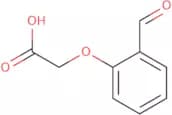
CAS:<p>The compound 5-[(3aR,6S,6aS)-2,5,5-trioxo-1,3,3a,4,6,6a-hexahydrothieno[3,4-d]imidazol-6-yl]pentanoic acid (TIPA) is a diagnostic marker for the diagnosis of urinary tract infections. The compound is present in urine and can be detected with an antibody response. TIPA is excreted by human kidneys in a circadian pattern and has a maximum concentration at pH 7.0. This compound is taken up by bacteria in the urinary tract and its presence can be used to diagnose UTI. TIPA also binds to biotin and polyclonal antibodies that are used for immunohistochemical assays.</p>Formula:C10H16N2O5SPurity:Min. 95%Color and Shape:White To Off-White SolidMolecular weight:276.31 g/mol2-Formylphenoxyacetic acid
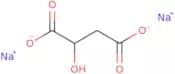
CAS:<p>2-Formylphenoxyacetic acid (FPAA) is a molecule that belongs to the group of p2 molecules. It has been detected in urine samples and can be used as a marker for urinary tract infections. FPAA is an electrochemical detector for copper complexes and has been shown to have antimicrobial activity against Staphylococcus, amines, and carboxylates. The mechanism of its antimicrobial activity may involve hydrogen bonding interactions with the negatively charged groups on the cell wall of bacteria. Chemical structures and structural analysis have shown that FPAA contains two aldehyde groups linked by an ether bond.</p>Formula:C9H8O4Purity:Min. 95%Color and Shape:PowderMolecular weight:180.16 g/molDL-Hydroxysuccinic acid sodium
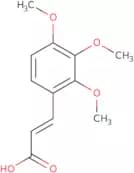
CAS:<p>DL-Hydroxysuccinic acid sodium (DLS) is a metabolite of the enzyme succinic dehydrogenase, which is involved in the conversion of malic acid to acrylate. It is an inhibitor of malic enzyme and glycol ether hydrolase, with toxicity studies showing that DLS inhibits the activity of complex enzymes. DLS has been shown to have interactions with sunitinib and sodium salts. The potential for drug interactions should be considered when administering DLS with other drugs. DL-Hydroxysuccinic acid sodium also has effects on energy metabolism, as it may inhibit enzymes such as malate dehydrogenase and 2-oxoglutarate dehydrogenase.</p>Formula:C4H4Na2O5Purity:Min. 95%Color and Shape:PowderMolecular weight:178.05 g/moltrans-2,3,4-Trimethoxycinnamic acid
CAS:<p>Trans-2,3,4-trimethoxycinnamic acid is a bioactive chemical that has been shown to have significant antioxidant activity. This compound is a hydrogen peroxide scavenger and can be used in devices to remove hydrogen peroxide from water. Trans-2,3,4-trimethoxycinnamic acid has also been shown to inhibit the production of campesterol and paromomycin in bacteria. Furfural is an inhibitor of trans-2,3,4-trimethoxycinnamic acid and its oxidation products. Trans-2,3,4-trimethoxycinnamic acid can be oxidised by furfural to produce glycerin and formic acid. It also inhibits the formation rate of amides from cinnamyl alcohol.</p>Formula:C12H14O5Purity:Min. 98 Area-%Color and Shape:PowderMolecular weight:238.24 g/mol2-Bromo-5-chlorobenzoic acid methyl ester
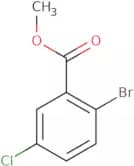
CAS:<p>2-Bromo-5-chlorobenzoic acid methyl ester is a chemical compound that is a component of the perborate oxidant. This chemical reacts with hydrogen peroxide to produce water, oxygen, and 2-bromo-5-chlorobenzoic acid. It can also be used in cyclisation reactions to synthesise heterocyclic compounds. The reaction mechanism for this process involves the formation of an unstable intermediate that spontaneously breaks down into two bromine atoms and one carbon atom. This process is catalyzed by metal ions such as copper, silver, and zinc. 2-Bromo-5-chlorobenzoic acid methyl ester has been used as an intermediate in the synthesis of homologues of ribonucleotide reductase.</p>Formula:C8H6BrClO2Purity:Min. 95%Color and Shape:PowderMolecular weight:249.49 g/mol4-(Heptyloxy)benzoic acid
CAS:<p>4-(Heptyloxy)benzoic Acid is a white crystalline solid that has a melting point of about 140-145°C. It is soluble in water, methanol, acetone and ethanol. The solubility in water can be increased by adding sodium hydroxide or potassium hydroxide to the solution. 4-(Heptyloxy)benzoic acid has been used for optical properties studies, as well as for ternary mixtures. 4-(Heptyloxy)benzoic acid has also been used to study hydrogen bonding interactions between molecules and the mesomorphic character of polymers. This chemical has also been studied using molecular descriptors and thermal expansion measurements.<br>4-(Heptyloxy)benzoic acid is primarily used as an intermediate in polymer chemistry research.</p>Formula:C14H20O3Purity:Min. 95%Color and Shape:PowderMolecular weight:236.31 g/molPhorbol-12-myristate-13-acetate
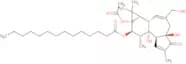
CAS:<p>Phorbol-12-myristate-13-acetate is a phorbol ester that inhibits the activity of protein kinase C. It binds to the response element on DNA and blocks RNA synthesis, leading to cell death. Phorbol 12-myristate 13-acetate has been shown to inhibit the proliferation of human squamous cells in culture, which may be caused by its ability to inhibit the cell cycle. This drug also has been shown to inhibit the production of cytokines such as interleukin-1β and tumor necrosis factor α (TNFα) in human polymorphonuclear leukocytes (PMNLs).</p>Formula:C36H56O8Purity:Min. 98 Area-%Color and Shape:White PowderMolecular weight:616.83 g/mol4-(4-Ethoxyphenyl)-2-indol-3-yl-4-oxobutanoic acid
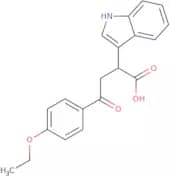
CAS:<p>Please enquire for more information about 4-(4-Ethoxyphenyl)-2-indol-3-yl-4-oxobutanoic acid including the price, delivery time and more detailed product information at the technical inquiry form on this page</p>Purity:Min. 90%Dimethyl 4,4'-biphenyldicarboxylate
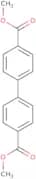
CAS:<p>Dimethyl 4,4'-biphenyldicarboxylate is a chemical that has been used to study chronic viral hepatitis. It is known to have an effect on the nuclear DNA and signal pathways, which are involved in the regulation of energy metabolism. Dimethyl 4,4'-biphenyldicarboxylate has been shown to have hepatoprotective properties by protecting against hepatic steatosis and hepatocarcinogenesis in mice.</p>Formula:C16H14O4Purity:Min. 95%Color and Shape:PowderMolecular weight:270.28 g/molSalicylhydroxamic acid
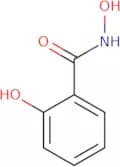
CAS:<p>Salicylhydroxamic acid is a hydroxamic acid that inhibits the activity of p-hydroxybenzoic acid (PHBA) reductase, an enzyme involved in the conversion of PHBA to benzoic acid. The compound has been shown to inhibit mitochondrial membrane potential and mitochondrial functions, leading to cell death. Salicylhydroxamic acid has also been shown to be active against wild-type strains of Candida glabrata, but not against resistant mutants. This drug may have therapeutic potential for bone cancer and metabolic disorders such as obesity.</p>Formula:C7H7NO3Purity:Min. 95%Color and Shape:White PowderMolecular weight:153.14 g/mol2-Ethylbenzoic acid
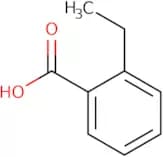
CAS:<p>2-Ethylbenzoic acid is a fatty acid that is found in plants, animals and microorganisms. It dissolves in water to form an amorphous drug with a molecular weight of about 170. 2-Ethylbenzoic acid has been shown to inhibit the activity of several enzymes, such as protein kinases and phospholipases. It also inhibits the activity of liver enzymes involved in the metabolism of drugs and other xenobiotics, such as phenylpropionic acid and malic acid. This drug has been shown to have an inhibitory effect on glucose uptake by cells and may be used as an anti-diabetic agent.</p>Formula:C9H10O2Purity:Min. 95%Color and Shape:PowderMolecular weight:150.17 g/molHydroquinone-2,2'-diacetic acid
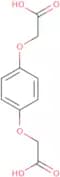
CAS:<p>Hydroquinone-2,2'-diacetic acid is a labile and water soluble ester with activating properties. It is used in bioconjugate chemistry for the modification of proteins and peptides. Hydroquinone-2,2'-diacetic acid can be reused and has been shown to react with a wide range of synthons or linkers. This compound has been shown to induce apoptosis in cancer cells. Hydroquinone-2,2'-diacetic acid also has fluorescence properties that are sensitive to copper ions, making it useful for analytical applications such as protein quantification and detection of metal ions.</p>Formula:C10H10O6Purity:Min. 98 Area-%Color and Shape:PowderMolecular weight:226.18 g/mol3,4-Diacetamidobenzoic acid
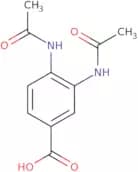
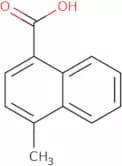
CAS:<p>3,4-Diacetamidobenzoic acid is a chemical compound that can be used as a reactant or scaffold in organic chemistry. It is also used as an intermediate in the synthesis of other chemicals and has been shown to have anti-inflammatory properties. 3,4-Diacetamidobenzoic acid is a versatile reagent that can be used to synthesize complex compounds and fine chemicals with high quality. It has CAS number 205873-56-9.</p>Formula:C11H12N2O4Purity:Min. 98 Area-%Color and Shape:PowderMolecular weight:236.22 g/mol4-Methyl-1-naphthoic acid
CAS:<p>4-Methyl-1-naphthoic acid (4MN) is a chemical that belongs to the group of diene compounds. It is a precursor in the biosynthesis of naphthoquinones and can be used for the preparation of aziridines and amides. 4MN has shown inhibitory properties against tumor cells and has been used as an experimental anticancer drug. The antineoplastic activity of 4MN may be due to its ability to interfere with DNA replication and cell division.</p>Formula:C12H10O2Purity:Min. 95%Color and Shape:White PowderMolecular weight:186.21 g/mol3β-Myrianthic acid
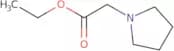
CAS:Controlled Product<p>3beta-Myrianthic acid is a triterpenoid compound, which is naturally derived from the plant Myrianthus arboreus. This species belongs to the Moraceae family, known for a wide array of bioactive substances. The compound exhibits its effects through several biochemical pathways, modulating multiple target sites, including anti-inflammatory and antiproliferative activities. Its mode of action primarily involves the inhibition of key enzymes and signaling pathways, contributing to its potential therapeutic applications. Researchers have shown interest in 3beta-Myrianthic acid for its potential utility in pharmaceutical and biotechnological fields, specifically as a candidate for developing new anti-cancer and anti-inflammatory agents. The compound's efficacy in preclinical studies highlights its promise, making it a subject of ongoing research with the aim to uncover further therapeutic possibilities.</p>Formula:C30H48O6Purity:Min. 98 Area-%Color and Shape:White PowderMolecular weight:504.7 g/molEthyl pyrrolidinoacetate
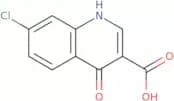
CAS:<p>Ethyl pyrrolidinoacetate is a chemical intermediate that can be used as a building block for other chemicals. It has been shown to react with aliphatic amines to form imine derivatives, which are useful in the synthesis of polymers and other chemicals. Ethyl pyrrolidinoacetate is also a versatile scaffold for organic chemistry, being able to undergo reactions with both nucleophilic and electrophilic reagents. This compound is also used in research for pharmaceuticals and other compounds.</p>Formula:C8H15NO2Color and Shape:Clear LiquidMolecular weight:157.21 g/mol7-Chloro-4-hydroxyquinoline-3-carboxylic acid
CAS:<p>7-Chloro-4-hydroxyquinoline-3-carboxylic acid is a chemical compound that has antioxidative activity and is used in the production of various organic substances. It is synthesized by reacting ammonium nitrate with a hydroxy group, an organic solvent, and phenoxy. The resulting product can be heated to form 7-chloro-4-hydroxyquinoline, which undergoes a series of reactions to produce 7-chloro-4-(2,2,2,-trichloroethoxy)quinoline. This reaction system produces a quinoline derivative that has been shown to be expressed at high levels in phosphatidylcholine (PC) and alpha-tocopherol (a vitamin E derivative). The final product is then purified by triethyl orthoformate (TEO), which removes the sulfoxide group.</p>Formula:C10H6ClNO3Purity:Min. 95%Color and Shape:PowderMolecular weight:223.61 g/mol6-Hydroxy-3-anisic acid
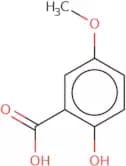
CAS:<p>6-Hydroxy-3-anisic acid is a building block that can be used to synthesize complex compounds. It is a versatile intermediate that can be used in the synthesis of pharmaceuticals, agrochemicals, and fine chemicals. 6-Hydroxy-3-anisic acid has been shown to have high quality and purity, making it a valuable research chemical for scientific studies. It is also useful in the production of specialty chemicals such as dyes and perfumes.</p>Formula:C8H8O4Purity:Min. 98 Area-%Color and Shape:PowderMolecular weight:168.15 g/mol4-[3-(Trifluoromethyl)diazirin-3-yl]benzoic acid N-hydroxysuccinimide ester
CAS:<p>4-[3-(Trifluoromethyl)diazirin-3-yl]benzoic acid N-hydroxysuccinimide ester is a complex molecule that belongs to the group of reagents, useful intermediates, and speciality chemicals. This compound is a high quality chemical that is an excellent building block for the synthesis of other compounds. It is also a versatile building block and can be used in reactions that require a building block with electron-withdrawing properties. 4-[3-(Trifluoromethyl)diazirin-3-yl]benzoic acid N-hydroxysuccinimide ester has been shown to be useful in the synthesis of fluoroquinolones and other pharmaceuticals.</p>Formula:C13H8F3N3O4Purity:Min. 95%Color and Shape:White PowderMolecular weight:327.22 g/mol3-Hydroxybutyric acid
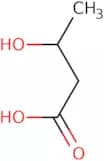
CAS:<p>3-Hydroxybutyric acid is a fatty acid that is the product of the oxidation of butyric acid. It has been shown to have biological functions such as inhibition of glucose uptake and activation of transport properties in recombinant cells. 3-Hydroxybutyric acid also has a role in regulation of intracellular pH, which can be measured by monitoring changes in the levels of hydrochloric acid or sodium salts in urine samples. The biological function of 3-hydroxybutyric acid may be related to its ability to inhibit the growth of bacteria, such as Pseudomonas aeruginosa. This compound has been successfully used as a model protein for cytosolic proteins.</p>Formula:C4H8O3Purity:(%) Min. 80%Color and Shape:Clear LiquidMolecular weight:104.1 g/molIralukast Na
CAS:<p>Iralukast Na is a leukotriene receptor antagonist that prevents bronchoconstrictor response. It binds to the cystic fibrosis transmembrane conductance regulator (CFTR) and blocks the binding of leukotrienes, which are potent bronchoconstrictors. Iralukast Na also blocks the activity of inflammatory cells and reduces bowel inflammation. Iralukast Na has been shown to be effective in treating asthma, inflammatory bowel disease, and other autoimmune diseases.</p>Formula:C38H36F3NaO8SPurity:Min. 95%Molecular weight:732.198071,4'-Bipiperidine-1-carboxylic chloride hydrochloride
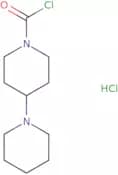
CAS:<p>1,4'-Bipiperidine-1-carboxylic chloride hydrochloride is a phosphorus pentachloride derivative that is used as a binding agent in the synthesis of cyclic trialkylsilyl compounds. It has been shown to inhibit topoisomerase II and III and may be useful in cancer therapy. 1,4'-Bipiperidine-1-carboxylic chloride hydrochloride binds to the active site of topoisomerase II and inhibits DNA replication, leading to cell death. This compound can also be used as a solvent for acetonitrile and chloroform.</p>Formula:C11H19ClN2O·HClPurity:Min. 95%Color and Shape:PowderMolecular weight:267.19 g/mol(2,4-Dichlorophenoxy)acetic acid methyl ester
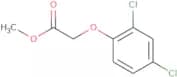
CAS:<p>2,4-Dichlorophenoxyacetic acid methyl ester is a herbicide that inhibits the growth of plants by inhibiting photosynthesis. It is an organic compound with a molecular weight of 168.2 g/mol. This product has been shown to biodegrade in soil and water, as well as be non-persistent in the environment. 2,4-Dichlorophenoxyacetic acid methyl ester is also a pesticide that kills plants by blocking the synthesis of chlorophyll and other plant pigments. This product can be used on trees and shrubs for control of broadleaf weeds and grasses.</p>Formula:C9H8Cl2O3Purity:Min. 95%Color and Shape:PowderMolecular weight:235.06 g/mol2-Methoxy-4-nitrobenzoic acid
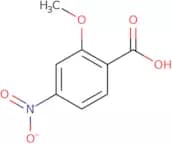
CAS:<p>Please enquire for more information about 2-Methoxy-4-nitrobenzoic acid including the price, delivery time and more detailed product information at the technical inquiry form on this page</p>Formula:C8H7NO5Purity:Min. 95%Molecular weight:197.14 g/mol2-Furoic acid
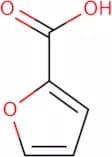
CAS:<p>2-Furoic acid is a compound that belongs to group P2 of the picolinic acid family. It has been shown to have synergistic effects with picolinic acid and a number of other compounds, including sodium fusidate, in inhibiting the growth of Escherichia coli and Staphylococcus aureus. 2-Furoic acid has been identified as a potential drug target for hypertension and may be used as an antihypertensive agent. This compound can be prepared by mixing hydrazine with 2-furoic acid chloride in water or ethanol at room temperature. The product can then be purified using column chromatography or recrystallized from methanol. The mechanism of this reaction is not yet known but it may involve the formation of dehydroascorbic acid by dehydration.</p>Formula:C5H4O3Purity:Min. 95%Color and Shape:PowderMolecular weight:112.08 g/mol5α-Pregnan-3β-ol-20-one 3β-acetate
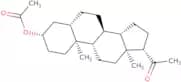
CAS:Controlled Product<p>5α-Pregnan-3β-ol-20-one 3β-acetate is a synthetic steroid that is used to treat various neurological disorders, including dystonias, depression, and dyskinesias. It is an agonist of the GABA receptor and has been shown to have antidepressant effects in hamsters. 5α-Pregnan-3β-ol-20-one 3β-acetate has also been shown to have antiaggressive effects in mice and to decrease hormone levels in animals. The drug has been found to be safe for use in humans and does not affect fertility. 5α-Pregnan-3β-ol-20-one 3βacetate has been shown to be effective only when administered at high doses, which may be due to its poor oral bioavailability.</p>Formula:C23H36O3Purity:Min. 95%Color and Shape:White PowderMolecular weight:360.53 g/mol2-(2-Bromo-4-methoxyphenyl)acetic acid
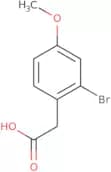
CAS:<p>2-(2-Bromo-4-methoxyphenyl)acetic acid is a versatile building block that is used as a research chemical, reaction component, and reagent. It is also used as a speciality chemical and complex compound. This compound has the CAS number 66916-99-2.</p>Formula:C9H9BrO3Color and Shape:SolidMolecular weight:245.07 g/mol3,6-Difluorophthalic acid
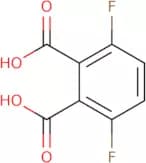
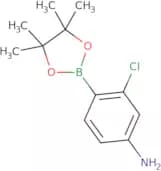
CAS:<p>3,6-Difluorophthalic acid is a fine chemical with a CAS number of 651-97-8. It is used as an intermediate in the production of pesticides and pharmaceuticals and is also a useful building block for more complex compounds. 3,6-Difluorophthalic acid has been shown to be stable when heated to 190°C. This product can be used as a reagent and is available in high quality.</p>Formula:C8H4F2O4Purity:Min. 95%Molecular weight:202.11 g/mol4-Amino-2-chlorophenylboronic acid pinacol ester
CAS:<p>4-Amino-2-chlorophenylboronic acid pinacol ester is a versatile building block that is used in the synthesis of complex compounds. It can be used as a research chemical, reagent, or speciality chemical depending on the desired use. 4-Amino-2-chlorophenylboronic acid pinacol ester reacts with nucleophiles to form covalent bonds and is also useful as a scaffold for synthesizing other compounds. This compound has been shown to be useful in the synthesis of many different types of chemicals.</p>Formula:C12H17BClNO2Purity:Min. 95%Color and Shape:PowderMolecular weight:253.53 g/mol2,4,5-Trimethoxybenzoic acid
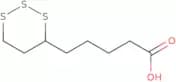
CAS:<p>2,4,5-Trimethoxybenzoic acid is a polarizer that belongs to the group of phenols. It is used in the production of photographic film and as an intermediate in organic synthesis. The 2,4,5-trimethoxybenzoic acid has been shown to have a protective effect on Toll-like receptor 4 (TLR4) and TLR2 signaling pathways after thermal expansion. This compound may be helpful in reducing risk due to its involvement in the M2 phenotype and its lack of cytotoxic effects on macrophages. 2,4,5-Trimethoxybenzoic acid also has a hydroxyl group that can form hydrogen bonds with other compounds or water molecules. It also has fatty acids that can permeate through cell membranes and increase water permeability.</p>Formula:C10H12O5Purity:Min. 95%Color and Shape:PowderMolecular weight:212.2 g/mol1,2,3-Trithiane-4-pentanoic acid
CAS:<p>Trithiane-4-pentanoic acid is a chemical compound that belongs to the group of 1,2,3-trithiane. It has been shown to have anti-oxidant properties in animals and humans at high doses. This study also showed no significant toxic effects on the organs or clinical chemistry parameters in these studies. Trithiane-4-pentanoic acid has also been shown to be safe for long-term use with no behavioural changes observed in rats.</p>Formula:C8H14O2S3Purity:Min. 98 Area-%Color and Shape:PowderMolecular weight:238.39 g/mol3-(2-Carboxyphenyl)propionic acid
CAS:<p>3-(2-Carboxyphenyl)propionic acid is a chemical compound that belongs to the group of phytoalexins. It is a synthetic compound that is used as a raw material for the synthesis of various pharmaceuticals and other organic compounds. 3-(2-Carboxyphenyl)propionic acid has shown luminescence properties, which may be due to its oxidation products. The isoquinoline alkaloids present in this compound are responsible for its anti-inflammatory effects. 3-(2-Carboxyphenyl)propionic acid can also be found in conjugates with chloride or other organic acids, such as diazide, which inhibit bacterial growth and increase the solubility of this substance.</p>Formula:C10H10O4Purity:Min. 95%Color and Shape:White/Off-White SolidMolecular weight:194.18 g/molResorcinol-o,o'-diacetic acid
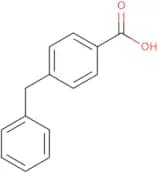
CAS:<p>Resorcinol-o,o'-diacetic acid is a copolymer that is used in the production of polyurethane, glyceride, or heptane. It has been shown to have a brittleness of less than 1% and can be used for the production of polyester. Resorcinol-o,o'-diacetic acid is also used as an intermediate in the synthesis of terephthalic acid and chromatographic detection method. Resorcinol-o,o'-diacetic acid is hydrophilic and can be used for packaging food and packaging materials.</p>Formula:C10H10O6Purity:Min. 95%Color and Shape:White PowderMolecular weight:226.18 g/molDiphenylmethane-4-carboxylic acid
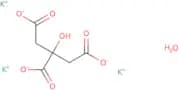
CAS:<p>Diphenylmethane-4-carboxylic acid is a synthetic compound that has been used as a contraceptive. It works by forming a hydrophobic complex with fatty acids in the cell membrane, which prevents the uptake of glyoxal and thiosemicarbazide. Diphenylmethane-4-carboxylic acid has also been shown to be effective in treating cancerous tumors in rats. The formation rate of diphenylmethane-4-carboxylic acid can be increased when it is reacted with citric acid or phosphoric acid in the presence of phosphorus pentoxide. The reaction is catalyzed by sodium hydroxide solution or hydroxide solution.</p>Formula:C14H12O2Purity:Min. 98 Area-%Color and Shape:PowderMolecular weight:212.24 g/molCitric acid tripotassium monohydrate
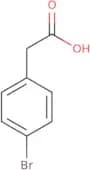
CAS:<p>Citric acid tripotassium salt monohydrate is a membrane-stabilizing agent that has been shown to improve the function of the circuitry in animals. It has been used for the treatment of motoneurons and muscle pain. Citric acid tripotassium salt monohydrate has also been found to be an effective treatment for chronic pain, which may be due to its ability to block pain signals from reaching the brain. This drug has also shown efficacy in treating neurological disorders such as Parkinson's disease, Alzheimer's disease, and multiple sclerosis. Citric acid tripotassium salt monohydrate is effective at improving the physiological mechanisms that are responsible for translating nervous system activity into movement.</p>Formula:C6H8O7•H2O•K3Purity:Min. 95%Color and Shape:White To Off-White SolidMolecular weight:237.43 g/mol(4-Bromophenyl)acetic acid
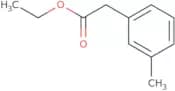
CAS:<p>4-Bromophenylacetic acid is a monocarboxylic acid that has been identified as an inhibitor of phosphatase. It also has an inhibitory effect on microbial infection and can be used for the synthesis of amides and cationic surfactants. 4-Bromophenylacetic acid has shown to have a high affinity for humans, which may be due to its glucuronide conjugate, isolated yield, and plant physiology. This molecule is able to undergo electrochemical studies due to its electrophilic nature.</p>Formula:C8H7BrO2Purity:Min. 95%Color and Shape:PowderMolecular weight:215.04 g/molEthyl 3-tolylacetate
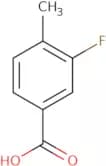
CAS:<p>Ethyl 3-tolylacetate is a colorless or light yellow liquid. It has a boiling point of 123-124 degrees Celsius and a density of 1.067 g/mL. It is soluble in water, but insoluble in ethanol and ether. Ethyl 3-tolylacetate has been used to synthesize hydrochlorides, ethoxycarbonyls, imines, hydrazones, and isatins.</p>Formula:C11H14O2Purity:Min. 95%Color and Shape:PowderMolecular weight:178.23 g/mol3-Fluoro-4-methylbenzoic acid
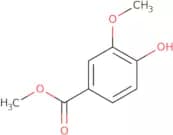
CAS:<p>3-Fluoro-4-methylbenzoic acid is an organic compound that is used as a ligand in coordination chemistry. This compound is an alkynyl ligand with a selenium atom at the 3 position, and it can be used to make metal complexes with cycloalkyl and heterocycloalkyl rings. 3-Fluoro-4-methylbenzoic acid has been shown to be a potent inhibitor of matrix metalloproteinase activity.</p>Formula:C8H7FO2Purity:Min. 95%Color and Shape:PowderMolecular weight:154.14 g/molVanillic acid methyl ester
CAS:<p>Vanillic acid methyl ester is a chemical compound that can be used as an antioxidant and antimicrobial agent. It is synthesized by the reaction of vanillin with methanol in the presence of hydrochloric acid. Vanillic acid methyl ester has been shown to have antioxidative properties and inhibit the activities of various enzymes, such as eugenol oxidase, lipid peroxidase, and cyclooxygenase-1. This product also has shown anti-inflammatory effects in animal models of bowel disease and coronary heart diseases. Vanillic acid methyl ester converts to benzoic acid when it is metabolized by cytochrome P450 2E1, which can then be conjugated with glutathione or glucuronic acid.</p>Formula:C9H10O4Purity:Min. 95%Color and Shape:White Off-White PowderMolecular weight:182.17 g/mol3-Fluorocinnamic acid
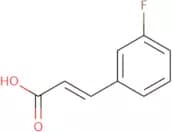
CAS:<p>3-Fluorocinnamic acid is an organic compound that belongs to the class of amides. It reacts with metal ions such as copper, silver, or gold. 3-Fluorocinnamic acid has a constant boiling point and can be used in the preparation of cinnamic acid derivatives. 3-Fluorocinnamic acid also has redox potential and is used as a substrate in enzyme preparations. 3-Fluorocinnamic acid can be synthesized by hydrolysis of malonic acid and metal salts with hydrochloric acid, which then reacts with triticum aestivum. The product is purified by recrystallization from water. This compound inhibits the reaction that converts lactose into glucose and galactose, leading to the production of lactic acid from milk.</p>Formula:C9H7FO2Purity:Min. 98 Area-%Color and Shape:PowderMolecular weight:166.15 g/molUndecafluorohexanoic acid
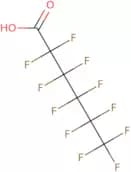
CAS:<p>Undecafluorohexanoic acid is a reactive chemical that has carcinogenic potential. It can permeate the skin and react with water to produce hexafluoropropylene oxide, which is toxic to humans. Undecafluorohexanoic acid also binds to and activates receptors in the body, which leads to many pharmacological effects. The toxicity of undecafluorohexanoic acid has been studied in vitro by measuring its effect on cell growth and mitochondrial membrane potential. It has also been tested for its ability to cause mutations in human cells. This chemical is toxic when ingested or inhaled and can lead to death if not treated quickly.</p>Formula:C6HF11O2Purity:Min. 95%Color and Shape:Clear LiquidMolecular weight:314.05 g/mol4-Acetoxy-3,5-dimethoxybenzoic acid
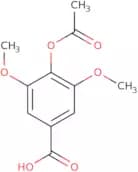
CAS:<p>4-Acetoxy-3,5-dimethoxybenzoic acid (4ADOB) is a chemical substance that has been shown to have cancer chemotherapeutic properties. It is hydroxylated by the enzyme acetylase, which converts it into 4-acetoxy-3,5-dimethoxybenzoyl coenzyme A (4ADBCA). 4ADBCA inhibits the activity of amine oxidase, an enzyme that breaks down natural substances such as amino acids and neurotransmitters. Inhibition of amine oxidase leads to a decrease in the production of proinflammatory substances and cytokines that play a role in inflammatory diseases.</p>Formula:C11H12O6Purity:Min. 95%Color and Shape:PowderMolecular weight:240.21 g/moltrans-trans-10,11-Epoxy farnesenic acid methyl ester
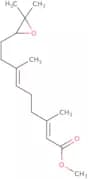
CAS:<p>Trans-trans-10,11-Epoxy farnesenic acid methyl ester is a bound form of the hormone juvenile hormone. It is found in plants and insects. Trans-trans-10,11-Epoxy farnesenic acid methyl ester binds to the receptor on the surface of cells and initiates a series of reactions that lead to the production of proteins needed for development. The bound form is converted to an active form by methyl transferase activity or epoxidase activity. Trans-trans-10,11-Epoxy farnesenic acid methyl ester has been shown to be effective against juvenile hormone binding protein (JHBP) and has high values in samples from juvenile insects.</p>Formula:C16H26O3Purity:Min. 90 Area-%Color and Shape:Colorless PowderMolecular weight:266.38 g/mol2-(4-Trifluoromethoxyphenyl)propionic acid
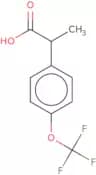
CAS:<p>Please enquire for more information about 2-(4-Trifluoromethoxyphenyl)propionic acid including the price, delivery time and more detailed product information at the technical inquiry form on this page</p>Formula:C10H9F3O3Purity:Min. 95%Molecular weight:234.17 g/mol5(6)-Carboxyfluorescein diacetate N-succinimidyl ester
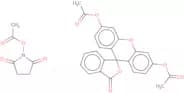
CAS:<p>5(6)-Carboxyfluorescein diacetate N-succinimidyl ester is a high quality chemical that is used as an intermediate in the synthesis of fluorescein, a complex compound. It is also useful as a reagent and building block in the synthesis of other compounds. 5(6)-Carboxyfluorescein diacetate N-succinimidyl ester is soluble in water and can be used to make fine chemicals, such as speciality chemicals and research chemicals. The chemical is also versatile and can be used as a reaction component for synthesizing other compounds.</p>Formula:C29H19NO11Purity:Min. 95%Color and Shape:White PowderMolecular weight:557.46 g/mol2-Amino-1-aza-3-((4-methylphenyl)sulfonyl)prop-1-enyl thiophene-2-carboxylate
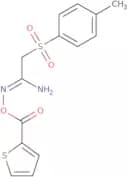
CAS:<p>Please enquire for more information about 2-Amino-1-aza-3-((4-methylphenyl)sulfonyl)prop-1-enyl thiophene-2-carboxylate including the price, delivery time and more detailed product information at the technical inquiry form on this page</p>Formula:C14H14N2O4S2Purity:Min. 95%Color and Shape:PowderMolecular weight:338.4 g/mol2,4-Difluorobenzoic acid ethyl ester
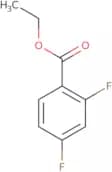
CAS:<p>C9H8F2O2 2,4-Difluorobenzoic acid ethyl ester is a drug that inhibits the growth of protozoan parasites in the intestine. It has been shown to be effective against coccidiosis and grignard reagent, an antifungal drug. C9H8F2O2 2,4-Difluorobenzoic acid ethyl ester is a fungicide that inhibits the synthesis of RNA by binding to the cgmp-dependent protein (cyclic guanosine monophosphate) in protozoa, preventing protein synthesis and causing cell death. Magnesium chloride and chloride ions are required for this reaction to take place.</p>Formula:C9H8F2O2Purity:Min. 95%Color and Shape:Clear LiquidMolecular weight:186.16 g/molComenic acid
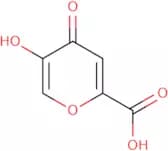
CAS:<p>Comenic acid is a metal chelate that is used as a model system to study the effects of disulfide bonds on signal pathways. It has been shown to reduce neuronal death in a tissue culture model. Comenic acid binds to glutamate, which leads to hydroxylation, and formaldehyde production. This reaction produces sodium salts and cyclic peptides that are toxic to cells. The mechanism of action of comenic acid is not well understood, but it may be due to metal chelation properties and the formation of reactive oxygen species, such as superoxide anion or hydrogen peroxide. Comenic acid also has a protective effect against seizures in mice with epilepsy and magnesium salt can decrease the concentration of this compound in the blood stream.</p>Formula:C6H4O5Purity:Min. 95%Color and Shape:PowderMolecular weight:156.09 g/mol(2-Benzyloxyphenyl)acetic acid
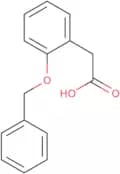
CAS:<p>2-Benzyloxyphenylacetic acid is a phenolic compound that has been shown to be an inhibitor of the enzyme borohydride reductase. The model studies on 2-benzyloxyphenylacetic acid were conducted in acidic and alkaline environments. The presence of buffers and other biomolecules did not affect the inhibition. 2-Benzyloxyphenylacetic acid was also found to be selective for the borohydride reductase enzyme, inhibiting it more than any other tested enzyme. This compound has been shown to inhibit the oxidation of dienones by 2-hydroxyphenylacetic acid, which may have implications in pharmaceutical applications.</p>Formula:C15H14O3Purity:Min. 95%Color and Shape:PowderMolecular weight:242.27 g/molPhosphotungstic acid hydrate
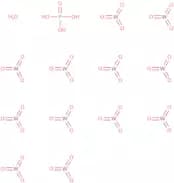
CAS:<p>Phosphotungstic acid hydrate is a white, crystalline solid that belongs to the group of phosphotungstates. It is soluble in methanol and water and has a low vapor pressure. Phosphotungstic acid hydrate is stable at room temperature and below, but decomposes above 100°C. The reaction mechanism for phosphotungstic acid hydrate is the formation of an acid complex with a proton from water, which can be written as<br>PW6O14(OH)2 + H2O <br>PW6O14(OH)3H+ + OH-<br>This reaction solution is acidic, with a pH of 2 or less. Hydroxyl groups on the phosphotungstate react with hydrogen fluoride to form tungsten hexafluoride gas. Hydrogen bonding interactions between the hydroxyl groups in phosphotungstic acid hydrate are responsible for its structural analysis. Oxidation catalysts such as magnesium salt</p>Formula:H3P(W3O10)4•H2OPurity:Min. 95%Color and Shape:PowderMolecular weight:2,880.05 g/mol3,5-Dihydroxybenzoic acid ethyl ester
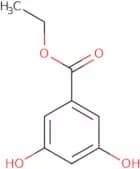
CAS:<p>3,5-Dihydroxybenzoic acid ethyl ester (3,5-DHBA) is a compound that inhibits the growth of cancer cells by binding to the active site of serine protease. It has been shown to inhibit the activity of two enzymes that are involved in phosphatase and hydroxylation reactions. 3,5-DHBA is also a photophysical reagent for palladium complexes which have been used for the treatment of cancers. This compound also binds to oxadiazole, a substance found in plants that may have anticancer properties. The synthesis of 3,5-DHBA has been studied extensively and it has been shown to be synthesized from hydroxybenzoic acid and carbinols.</p>Formula:C9H10O4Purity:90%Color and Shape:PowderMolecular weight:182.17 g/mol(2-Iodocyclohexyl)carbamic acid ethyl ester
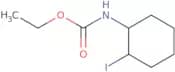
CAS:<p>(2-Iodocyclohexyl)carbamic acid ethyl ester is a fine chemical that can be used as a building block, reagent, or speciality chemical in research. It is soluble in organic solvents and can be used as a reaction component, useful intermediate, or useful scaffold. This compound has been shown to react with various groups including amines, alcohols, phenols and thiols.</p>Formula:C9H16INO2Purity:Min. 95%Color and Shape:PowderMolecular weight:297.13 g/molTungstosilicic acid hydrate
CAS:<p>Tungstosilicic acid hydrate is an alkanoic acid that has a chemical formula of ZrO(OH)(SO)2. It is insoluble in water and reacts with hydrogen fluoride to form tungsten hexafluoride. Tungstosilicic acid hydrate is used as a catalyst in wastewater treatment, and also has biological properties that can be used for the synthesis of esters. The chemical stability of tungstosilicic acid hydrate is high, and it has been shown to be an excellent catalyst for the hydrogenation of alkenes. Tungstosilicic acid hydrate does not react with protonated amines or amides, which makes it a good candidate for catalyzing reactions involving these functional groups.</p>Formula:H4O40SiW12·xH2OPurity:(%) Min. 80%Color and Shape:PowderMolecular weight:2,878.17 g/molAmmoniumdithiocarbamate
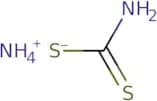
CAS:<p>Ammoniumdithiocarbamate is a group p2 compound that reacts with hydrochloric acid to form a dithiocarbamic acid. This reaction is reversible and an equilibrium between the two compounds exists. Ammoniumdithiocarbamate can be used to synthesize nucleophilic substitutions, which are used in many industrial applications. The reactivity of ammoniumdithiocarbamate is increased by the presence of amp-activated protein, which increases hydrogen bonding interactions with the dithiocarbamic acid. Ammoniumdithiocarbamate has been shown in animal studies to inhibit inflammatory diseases and lung damage caused by carbon disulphide.</p>Formula:CH6N2S2Purity:Min. 95%Color and Shape:PowderMolecular weight:110.2 g/molDL-3-Aminoisobutyric acid
CAS:<p>DL-3-Aminoisobutyric acid (LAA) is a metabolite of the amino acid L-arginine. It is produced in the liver by the enzyme arginase and can be used to diagnose hepatic steatosis. It is also found in urine and human serum, as well as in microbial metabolism. LAA has been shown to regulate gene transcription and metabolism through its ability to inhibit the activity of gamma-aminobutyric acid (GABA), an inhibitory neurotransmitter that regulates energy metabolism and metabolic disorders. In addition, LAA has been shown to have antioxidant properties, which may be related to its role in caproic acid biosynthesis.</p>Formula:C4H9NO2Color and Shape:White Off-White PowderMolecular weight:103.12 g/molZoledronic acid monohydrate
CAS:<p>Farnesyl pyrophosphate synthase inhibitor; hepatic de novo lipogenesis inhibitor</p>Formula:C5H10N2O7P2•H2OPurity:Min. 98.5 Area-%Color and Shape:PowderMolecular weight:290.1 g/mol2-Amino-4-bromocinnamic acid
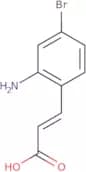
CAS:<p>2-Amino-4-bromocinnamic acid is a fine chemical with a CAS number of 914636-63-8. It is used in the synthesis of complex compounds and useful building blocks, as well as in research. This compound has been shown to be an intermediate for the preparation of derivatives with potential pharmaceutical applications, such as antihistamines, antipsychotics, and antibiotics. 2-Amino-4-bromocinnamic acid is also an important reagent for organic syntheses.</p>Formula:C9H8BrNO2Purity:Min. 98 Area-%Color and Shape:PowderMolecular weight:242.07 g/molEthylenediaminetetraacetic acid disodium dihydrate
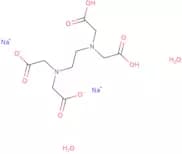
CAS:<p>Hexadentate chelator</p>Formula:C10H14N2Na2O8·2H2OColor and Shape:White PowderMolecular weight:372.24 g/molβ-(4-Acetoxyphenyl)propionic acid
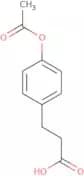
CAS:<p>Beta-Propionic acid is an organic compound that belongs to the group of monocarboxylic acids. The chemical name for beta-propionic acid is 2-oxopropanoic acid. Beta-Propionic acid has a molecular weight of 88.06 grams per mole and a melting point of -79 degrees Celsius. This product is soluble in water, ethanol, ether, and ethyl acetate. It also reacts with dilute alkalis to form salts such as sodium bicarbonate and potassium propionate. Beta-Propionic acid is used in the manufacturing of polyurethane plastics, as well as in the production of resins for paints and varnishes.</p>Formula:C11H12O4Purity:Min. 95%Color and Shape:PowderMolecular weight:208.21 g/molp-Phenylenediamine-2,5-disulphonic acid
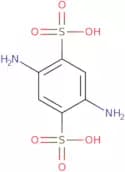
CAS:<p>P-Phenylenediamine-2,5-disulphonic acid is a diazonium salt that is used as a chemical in the textile industry. It can be activated with chlorine and hydrolyzed to form 2,5-dichloro-p-phenylenediamine (DCPD). DCPD is a viscose activator, which increases the viscosity of the viscose solution. The activation of p-Phenylenediamine-2,5-disulphonic acid with chlorine produces cyanuric chloride as an intermediate product. Cyanuric chloride has been shown to have a yellow colour when dissolved in water.</p>Formula:C6H8N2O6S2Purity:Min. 95%Color and Shape:PowderMolecular weight:268.27 g/molTaurochenodeoxycholic acid
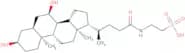
CAS:<p>Taurochenodeoxycholic acid is a bile acid derivative, which is a conjugated form of chenodeoxycholic acid. It is sourced from the bile of mammals, specifically as a conjugate of taurine and chenodeoxycholic acid. This compound participates in the emulsification of dietary fats, which is crucial for lipid digestion and absorption. Additionally, it contributes to the regulation of cholesterol homeostasis by modulating bile acid pool sizes and is involved in signaling pathways that affect lipid metabolism.</p>Formula:C26H45NO6SPurity:Min. 95%Color and Shape:PowderMolecular weight:499.7 g/mol4-Aminobenzoyl-L-glutamic acid
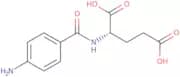
CAS:<p>4-Aminobenzoyl-L-glutamic acid (PABA) is a dinucleotide phosphate that can be found in human serum. It has been shown to have receptor activity for epithelial mesenchymal cells and is used as a model organism for folate, group p2 polymerase chain reactions (PCR). PABA is also involved in the reaction mechanism of linear calibration curves.</p>Formula:C12H14N2O5Purity:Min. 95%Color and Shape:PowderMolecular weight:266.25 g/mol3,5-Dihydroxyphenylacetic acid
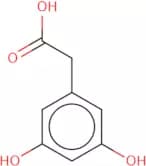
CAS:<p>3,5-Dihydroxyphenylacetic acid is a versatile building block that can be used to synthesize complex molecules. 3,5-Dihydroxyphenylacetic acid is a reagent in organic chemistry and has been used in the synthesis of novel drugs, among other applications. This chemical has been shown to be useful as a building block for the synthesis of high-quality compounds. 3,5-Dihydroxyphenylacetic acid can be used as an intermediate for the synthesis of pharmaceuticals or other chemicals. It is also a useful scaffold for the production of new molecules with desired properties.</p>Formula:C8H8O4Purity:Min. 95%Color and Shape:PowderMolecular weight:168.15 g/mol2-Amino-5-bromobenzoic acid methyl ester
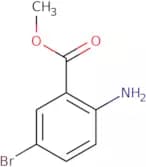
CAS:<p>2-Amino-5-bromobenzoic acid methyl ester is a small molecule with antiviral potency. It has a dipole moment and can form hydrogen bonds. 2-Amino-5-bromobenzoic acid methyl ester inhibits the PDE5 enzyme, which is an enzyme that breaks down cGMP. This inhibition of PDE5 leads to the increase in cGMP, which causes blood vessels to relax and widen. As a result, 2-amino-5-bromobenzoic acid methyl ester has been shown to decrease high blood pressure and improve heart function.</p>Formula:C8H8BrNO2Purity:Min. 95%Color and Shape:PowderMolecular weight:230.06 g/molRhodizonic acid dipotassium salt
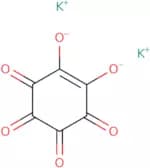
CAS:<p>Rhodizonic acid dipotassium salt is a solubilized dye that is used to stain acidic polysaccharides in the cell wall of bacteria. This compound has been shown to be useful in clinical studies for identifying colon cancer, as well as being used as a dietary supplement. Rhodizonic acid dipotassium salt contains nitrogen atoms and an oxidation product, malonic acid, which are found in a variety of biological systems. Rhodizonic acid dipotassium salt has been shown to have staining properties and is often used for the identification of bacteria with a simple staining technique. It can also be used to identify bacteria with more complicated techniques such as electrophoresis and chromatography. Rhodizonic acid dipotassium salt has been found to be rechargeable by treatment with chloride ions under acidic conditions.</p>Formula:C6O6·2KPurity:Min. 95%Color and Shape:PowderMolecular weight:246.26 g/molNesfatin-1 (rat) trifluoroacetate salt
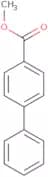
CAS:<p>Please enquire for more information about Nesfatin-1 (rat) trifluoroacetate salt including the price, delivery time and more detailed product information at the technical inquiry form on this page</p>Formula:C424H684N116O136Purity:Min. 95%Molecular weight:9,582.67 g/mol4-Phenylbenzoic acid methyl ester
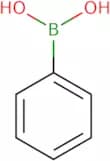
CAS:<p>4-Phenylbenzoic acid methyl ester is a bifunctional molecule that has been shown to be an effective antibacterial agent. It contains two oxadiazole moieties, which are structurally similar to sulfonamides and can form a stable amide bond with an amino group. The pharmacophore of 4-phenylbenzoic acid methyl ester is a four-member ring with two nitrogens and two carbons. This compound has been shown to have antibacterial properties by cleaving the magnesium bond in the enzyme methionine synthase, which catalyzes the formation of methionine from homocysteine and ATP. 4-Phenylbenzoic acid methyl ester is also able to cleave bonds in nonpolar solvents such as benzene, chloroform, and dichloromethane.</p>Formula:C14H12O2Purity:Min. 95%Color and Shape:PowderMolecular weight:212.24 g/molPhenylboronic acid
CAS:<p>Phenylboronic acid is a natural compound that has been shown to inhibit the growth of squamous carcinoma cells. The optical sensor can be used to measure the amount of phenylboronic acid in a solution. The sensor is made from a thin film of colloidal gold, which changes color in response to phenylboronic acid. This method of detection is not as accurate as other methods and can only be used with low concentrations. Phenylboronic acid has been shown to have anti-inflammatory properties, which may be due to its ability to inhibit toll-like receptor 4 and toll-like receptor 6 signaling pathways.</p>Formula:C6H7BO2Purity:Min. 95%Color and Shape:White PowderMolecular weight:121.93 g/molcis-5-Aza-4-oxo-oct-2-en-dioic acid
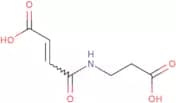
CAS:<p>cis-5-Aza-4-oxo-oct-2-en-dioic acid is a chemical that belongs to the group of reagents and is used as a reaction component. cis-5-Aza-4-oxo-oct-2-en-dioic acid has been shown to react with aniline in a one pot reaction to produce 4,6 diaminohexanoic acid. cis -5 Aza -4 oxo oct 2 en dioic acid also reacts with methyl acetoacetate in a one pot reaction to produce 3,4,5 triamino pentanoic acid. cis -5 Aza -4 oxo oct 2 en dioic acid is versatile and can be used as a building block or an intermediate for complex compounds. It has been shown to be useful in the synthesis of fine chemicals, such as benzofuran derivatives.</p>Formula:C7H9NO5Purity:Min. 95 Area-%Color and Shape:PowderMolecular weight:187.15 g/mol5-Bromoorotic acid
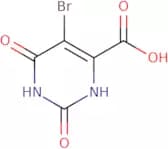
CAS:<p>5-Bromoorotic acid is a chemical compound that contains one bromine atom. This compound has been shown to inhibit the growth of mammalian cells, which may be due to its ability to bind to DNA and interfere with protein synthesis. 5-Bromoorotic acid also has an inhibitory effect on radiation, which may be due to its ability to form stable complexes with electrons. 5-Bromoorotic acid has a helical structure, which may make it more stable than other compounds. It also inhibits the production of uridine by inhibiting uridine phosphorylase and nitro group production in g. lamblia, which is a parasitic protozoan that causes intestinal infections in humans.</p>Formula:C5H3BrN2O4Purity:Min. 95%Color and Shape:White PowderMolecular weight:234.99 g/mol






![5-[(3aR,6S,6aS)-2,5,5-trioxo-1,3,3a,4,6,6a-hexahydrothieno[3,4-d]imidazol-6-yl]pentanoic acid](/_next/image/?url=https%3A%2Fstatic.cymitquimica.com%2Fproducts%2F3D%2Fthumb-webp%2FFB64039.webp&w=3840&q=75)

![4-[3-(Trifluoromethyl)diazirin-3-yl]benzoic acid N-hydroxysuccinimide ester](/_next/image/?url=https%3A%2Fstatic.cymitquimica.com%2Fproducts%2F3D%2Fthumb-webp%2FFT28476.webp&w=3840&q=75)