Carboxylic Acids
Carboxylic acids are organic molecules characterized by having a carboxyl-type functional group (-COOH). These acids are fundamental in various chemical reactions, including esterification, amidation, and decarboxylation. Carboxylic acids are widely used in the production of pharmaceuticals, polymers, and agrochemicals. In this section, you can find a large number of carboxylic acids ready to be used. At CymitQuimica, we provide a broad range of high-quality carboxylic acids to support your research and industrial applications.
Found 12453 products of "Carboxylic Acids"
Sort by
Purity (%)
0
100
|
0
|
50
|
90
|
95
|
100
2-Amino-5-iodobenzoic acid methyl ester
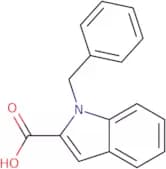
CAS:<p>2-Amino-5-iodobenzoic acid methyl ester (2AIBA) is a molecule that can be used as an activatable probe for imaging cancer. It has a profile suitable for radionuclide therapy and is also senescent. 2AIBA binds to DNA and inhibits the synthesis of proteins, leading to cell death. 2AIBA has potent inhibitory activity against murine melanoma cells and synergistic effects when combined with acridone. The section of tumour cells was shown to be reduced by 42% in mice when treated with 2AIBA, acridone, and radiation compared to mice treated with radiation alone.</p>Formula:C8H8INO2Purity:Min. 95%Color and Shape:PowderMolecular weight:277.06 g/mol1-Benzyl-1H-indole-2-carboxylic acid
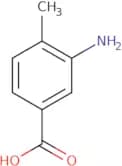
CAS:<p>1-Benzyl-1H-indole-2-carboxylic acid is a molecule that binds to chemokine receptors and has been used in screening assays as a chemical probe of chemokine receptor binding. It has been shown to be an antagonist of the CXCR3 receptor, with high affinity and selectivity. 1-Benzyl-1H-indole-2-carboxylic acid is also an antagonist of the CCR5 receptor, with low affinity. This compound was discovered by screening for novel antagonists of chemokines.</p>Formula:C16H13NO2Purity:Min. 95 Area-%Color and Shape:PowderMolecular weight:251.28 g/mol3-Amino-4-methylbenzoic acid
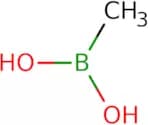
CAS:<p>3-Amino-4-methylbenzoic acid is a chemical that is used in the synthesis of pharmaceuticals. It has been shown to have receptor binding activity and is able to inhibit aminotransferase activity. 3-Amino-4-methylbenzoic acid has been shown to be a competitive inhibitor of ptp1b, an enzyme that degrades phosphatidylinositol (3,4,5)-triphosphate. This property may be useful for treating inflammatory diseases such as Crohn's disease and rheumatoid arthritis. 3-Amino-4-methylbenzoic acid binds to the active site of ptp1b with high affinity and forms a coordination complex with two zinc ions. Monomers are also able to bind to ptp1b and inhibit its function.<br>3-Amino-4-methylbenzoic acid has been tested in vitro for its ability to inhibit the growth</p>Purity:Min. 95%Color and Shape:PowderMolecular weight:151.16 g/molMethylboronic acid
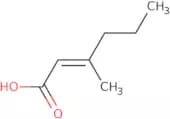
CAS:<p>Methylboronic acid is a cyclic peptide that can be found in plants. It was first discovered as an antimicrobial agent in the 1980s and has since been used to treat infectious diseases. Methylboronic acid reacts with oxygen nucleophiles such as penicillin-binding proteins, leading to their inhibition and subsequent death of bacteria. This compound also has potential for use in treating autoimmune diseases and inflammatory bowel disease due to its ability to inhibit the production of cytokines and other inflammatory mediators.</p>Formula:CH5BO2Purity:Min. 95%Color and Shape:PowderMolecular weight:59.86 g/mol(2E)-3-Methyl-2-hexenoic acid
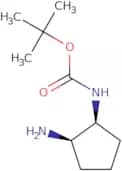
CAS:<p>(2E)-3-Methyl-2-hexenoic acid is a fatty acid that is metabolized by the liver to 3-hydroxy-3-methylhexanoic acid. This compound has been shown to be effective in the treatment of chronic schizophrenia, with clinical studies showing that it may be more effective than other anti-schizophrenia drugs. (2E)-3-Methyl-2-hexenoic acid has also been shown to have antibiotic properties against bacteria such as Staphylococcus aureus, Streptococcus pneumoniae and Pseudomonas aeruginosa. It has also been shown to be effective in treating infectious diseases such as malaria and tuberculosis. (2E)-3-Methyl-2-hexenoic acid binds to bacterial enzymes, inhibiting their function and preventing them from replicating DNA. This binding prevents the formation of an antibiotic inhibitor complex with the enzyme cell wall synthesis that is required for cell wall biosynthesis</p>Formula:C7H12O2Purity:Min. 95 Area-%Color and Shape:White PowderMolecular weight:128.17 g/moltert-Butyl ((1S,2R)-2-aminocyclopentyl)carbamate
CAS:<p>tert-Butyl ((1S,2R)-2-aminocyclopentyl)carbamate is a fine chemical with versatile uses as a building block in the synthesis of more complex compounds. It is used as an intermediate in the production of pharmaceuticals and research chemicals. This compound has a CAS number of 445479-01-6. The tert-butyl group can be removed from this molecule in order to form a variety of different building blocks. Tert-butyl ((1S,2R)-2-aminocyclopentyl)carbamate is a high quality reagent that can be used for many reactions, such as amination, amidation, and carbamoylation.</p>Formula:C10H20N2O2Purity:Min. 95%Color and Shape:PowderMolecular weight:200.28 g/mol3,7-Diketo-5β-cholan-24-oic acid
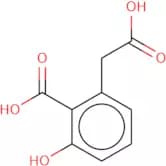
CAS:Controlled Product<p>3,7-Diketo-5beta-cholan-24-oic acid is a bile acid that is found in the body. It is one of the major bile acids in humans, and it circulates in the blood bound to albumin. 3,7-Diketo-5beta-cholan-24-oic acid has been shown to be synthesized by the liver and secreted into bile as a conjugate with taurine or glycine. 3,7-Diketo-5beta-cholan-24-oic acid is hydrated by water and micelles before it reaches the intestinal lumen. It can be absorbed by intestinal cells and reabsorbed into the bloodstream. The process of absorption starts when 3,7-diketo 5beta cholan 24 oic acid binds to an ileal receptor on intestinal cells. This binding causes a conformational change in the receptor that activates signaling pathways</p>Formula:C24H36O4Purity:Min. 95%Color and Shape:PowderMolecular weight:388.54 g/mol2-Carboxy-3-hydroxyphenyl acetic acid
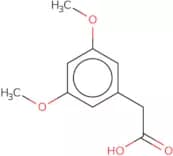
CAS:<p>2-Carboxy-3-hydroxyphenyl acetic acid is a fine chemical that is used in research, as well as in the synthesis of other compounds. It is a versatile building block that can be used to make more complex compounds and has been shown to be useful in many reactions. It is also a useful intermediate and scaffold for drug design and development. 2-Carboxy-3-hydroxyphenyl acetic acid can be used to synthesize drugs that are capable of inhibiting protein translation or protein synthesis.</p>Formula:C9H8O5Purity:Min. 95%Color and Shape:PowderMolecular weight:196.16 g/mol3,5-Dimethoxyphenylacetic acid
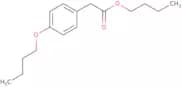
CAS:<p>3,5-Dimethoxyphenylacetic acid is a reagent that can be used in the synthesis of many organic compounds. It is also a high quality chemical with a CAS number of 4670-10-4. 3,5-Dimethoxyphenylacetic acid is useful as a research chemical and as an intermediate for the synthesis of more complex compounds. This compound has been shown to be a versatile building block and useful scaffold in the synthesis of highly complex chemicals.</p>Formula:C10H12O4Purity:Min. 95%Color and Shape:White PowderMolecular weight:196.2 g/mol4-n-Butoxyphenylacetic acid butyl ester
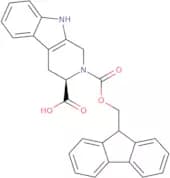
CAS:<p>4-n-Butoxyphenylacetic acid butyl ester is a chemical reagent that has been studied extensively as a useful intermediate in organic synthesis. It is of high purity and quality, and can be used for many applications.</p>Formula:C16H24O3Purity:80%Color and Shape:PowderMolecular weight:264.36 g/molFmoc-D-1,2,3,4-tetrahydronorharman-3-carboxylic acid
CAS:<p>Fmoc-D-1,2,3,4-tetrahydronorharman-3-carboxylic acid is a fine chemical that is a versatile building block and reaction intermediate. It is a high quality compound with CAS No. 268731-07-3. Fmoc-D-1,2,3,4-tetrahydronorharman-3-carboxylic acid can be used as a reagent for the synthesis of complex compounds and scaffolds. This compound has been shown to have useful properties in the research field.</p>Formula:C27H22N2O4Purity:Min. 95%Molecular weight:438.47 g/molTaurocholic acid sodium salt hydrate
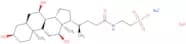
CAS:<p>Taurocholic acid sodium salt hydrate is a potential biomarker for inflammatory bowel disease. It is a chemical that is produced by the liver and stored in the gallbladder. It can be found in the bile, which is made from cholesterol and secreted into the small intestine with fat-soluble substances. Taurocholic acid sodium salt hydrate has been shown to induce necrotic cell death in vitro, which may be due to its ability to activate nuclear factor κB (NF-κB), leading to increased production of cytokines such as tumor necrosis factor-α (TNF-α). The bioavailability of taurocholic acid sodium salt hydrate has been shown to be greater than that of other bile acids in vivo. This bile acid also has protective effects against bacterial translocation because it chaperones bacterial cells and prevents them from attaching to the epithelial cells lining the intestines. Taurocholic acid sodium salt hyd</p>Formula:C26H44NNaO7S·xH2OPurity:Min. 97 Area-%Color and Shape:White Off-White PowderMolecular weight:537.69 g/mol2-Fluoro-3-nitrobenzoic acid
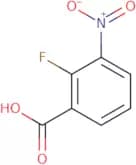
CAS:<p>2-Fluoro-3-nitrobenzoic acid is a fine chemical that has been used as a building block for research chemicals, reagents, and speciality chemicals. It is also a versatile building block for the synthesis of complex compounds and useful scaffolds. 2-Fluoro-3-nitrobenzoic acid can be used as an intermediate in organic reactions or as a reaction component in the synthesis of pharmaceuticals. This compound has been shown to have high purity and good quality with CAS No. 317-46-4.</p>Formula:C7H4O4NFPurity:Min. 95%Color and Shape:PowderMolecular weight:185.11 g/molN-Acetyl-L-aspartic acid
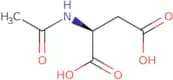
CAS:<p>N-Acetyl-L-aspartic acid is a molecule that has been shown to be a potential biomarker for neuronal death, with activity index levels inversely correlating with the number of granule neurons. The chemical stability of N-acetyl-L-aspartic acid was tested using various in vitro methods and found to be stable at a wide range of pHs and temperatures. This compound has also been shown to have a role in brain function, axonal growth, and metabolic disorders. This compound is found naturally in vivo in humans.</p>Formula:C6H9NO5Color and Shape:White PowderMolecular weight:175.14 g/mol4-Mercaptophenylacetic acid
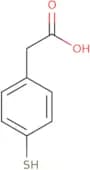
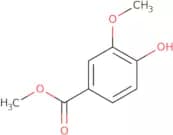
CAS:<p>4-Mercaptophenylacetic acid is a palladium complex that inhibits the synthesis of proteins by binding to the ribosome and blocking peptide bond formation. The molecule has a polymeric matrix with a high degree of crystallinity and an isolated yield of greater than 95%. 4-Mercaptophenylacetic acid is immobilized on a carboxylate surface and has been shown to have pharmacokinetic properties. It can be used in the treatment of cancer cells and inhibits protein synthesis, leading to cell death. 4-Mercaptophenylacetic acid also has anti-inflammatory activities due to its inhibition of prostaglandin synthesis.</p>Formula:C8H8O2SPurity:Min. 95%Color and Shape:Yellow PowderMolecular weight:168.21 g/molVanillic acid methyl ester
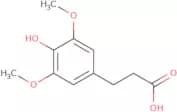
CAS:<p>Vanillic acid methyl ester is a chemical compound that can be used as an antioxidant and antimicrobial agent. It is synthesized by the reaction of vanillin with methanol in the presence of hydrochloric acid. Vanillic acid methyl ester has been shown to have antioxidative properties and inhibit the activities of various enzymes, such as eugenol oxidase, lipid peroxidase, and cyclooxygenase-1. This product also has shown anti-inflammatory effects in animal models of bowel disease and coronary heart diseases. Vanillic acid methyl ester converts to benzoic acid when it is metabolized by cytochrome P450 2E1, which can then be conjugated with glutathione or glucuronic acid.</p>Formula:C9H10O4Purity:Min. 95%Color and Shape:White Off-White PowderMolecular weight:182.17 g/mol3-(3,5-Dimethoxy-4-hydroxyphenyl)-propionic acid
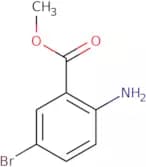
CAS:<p>3-(3,5-dimethoxy-4-hydroxyphenyl)-propionic acid (3DMP) is a phenolic compound that is the major metabolite of sinalbin. It has been shown to be a bioactive compound with anti-inflammatory and antiatherosclerotic properties. 3DMP has also been found to have anti-cancer and anti-microbial activities. 3DMP is catabolized in the liver by cytochrome P450. This process produces metabolites including 3,5-dimethoxybenzoic acid, which can be excreted in urine samples. The physiological effects of 3DMP are mediated through binding to ABC transporters as well as G protein coupled receptors on cells such as BV2 microglial cells.</p>Formula:C11H14O5Purity:Min. 95%Color and Shape:White PowderMolecular weight:226.23 g/mol2-Amino-5-bromobenzoic acid methyl ester
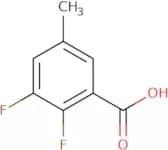
CAS:<p>2-Amino-5-bromobenzoic acid methyl ester is a small molecule with antiviral potency. It has a dipole moment and can form hydrogen bonds. 2-Amino-5-bromobenzoic acid methyl ester inhibits the PDE5 enzyme, which is an enzyme that breaks down cGMP. This inhibition of PDE5 leads to the increase in cGMP, which causes blood vessels to relax and widen. As a result, 2-amino-5-bromobenzoic acid methyl ester has been shown to decrease high blood pressure and improve heart function.</p>Formula:C8H8BrNO2Purity:Min. 95%Color and Shape:PowderMolecular weight:230.06 g/mol2,3-Difluoro-5-methylbenzoic acid
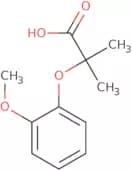
CAS:<p>2,3-Difluoro-5-methylbenzoic acid is a versatile building block that can be used as a reagent in organic chemistry. It is a useful intermediate for the synthesis of more complex compounds. The compound is also a useful scaffold for the preparation of new chemical entities for research purposes.</p>Formula:C8H6F2O2Purity:Min. 95%Color and Shape:PowderMolecular weight:172.13 g/mol2-(2-Methoxyphenoxy)-2-methylpropanoic acid
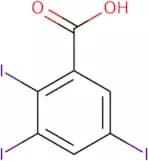
CAS:<p>2-(2-Methoxyphenoxy)-2-methylpropanoic acid is a versatile building block that can be used as a reagent in organic synthesis. It is also an intermediate for the synthesis of various pharmaceuticals, including 2-methoxyestradiol and methoxymacroin. This compound is commercially available from chemical suppliers and can be used to synthesize other compounds with a variety of functional groups.</p>Formula:C11H14O4Purity:Area-% Min. 95 Area-%Color and Shape:PowderMolecular weight:210.23 g/mol2,3,5-Triiodobenzoic acid
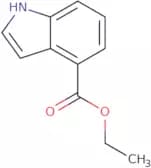
CAS:<p>Inhibitor of auxin transport in plants</p>Formula:C7H3I3O2Purity:Min. 98 Area-%Color and Shape:PowderMolecular weight:499.81 g/molEthyl indole-4-carboxylate
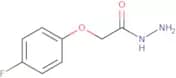
CAS:<p>Ethyl indole-4-carboxylate is an organic compound that belongs to the group of sulfonium salts. It has a ring system, an ether and a sulfone group. The chemical structure also includes two sulfones. This compound has shown nematicidal activity and can be used as a fungicide. In addition, it can be used as an intermediate in the synthesis of other compounds, such as therapeutics and fungicides.</p>Formula:C11H11NO2Purity:Min. 95%Color and Shape:Brown PowderMolecular weight:189.21 g/mol4-Fluorophenoxyacetic acid hydrazide
CAS:<p>4-Fluorophenoxyacetic acid hydrazide (4FPAAH) is a palladium complex with anti-cancer activity. It induces apoptosis, or programmed cell death, in myelogenous leukemia cells and breast cancer cells. 4FPAAH has been shown to bind to the ATP binding site of the catalytic domain of topoisomerase II on DNA and inhibit its activity. The molecular modeling studies show that 4FPAAH binds in the same way as cisplatin, which is a platinum-based drug commonly used for cancer treatment. The structural analysis shows that 4FPAAH binds to the nitrogen atoms of the protein and eliminates the possibility of any hydrogen bonding interactions. This mechanism may be due to an electrostatic interaction between the positively charged nitrogen atom in 4FPAAH and negative charge on topoisomerase II's active site.</p>Formula:C8H9FN2O2Purity:Min. 95%Color and Shape:PowderMolecular weight:184.17 g/mol2-Phenyl-4-quinolinecarboxylic acid
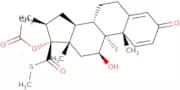
CAS:<p>2-Phenyl-4-quinolinecarboxylic acid is a nonsteroidal anti-inflammatory drug that is commonly used to treat bronchoconstrictor response and inflammatory bowel disease. It is also an antimicrobial agent, which can be used to treat infectious diseases. The compound was found to have structural similarity to other nonsteroidal anti-inflammatory drugs, such as ibuprofen and naproxen. 2-Phenyl-4-quinolinecarboxylic acid has shown the ability to inhibit leukemia inhibitory factor (LIF) production by lymphocytes, which may have a role in the development of leukemia. This drug also possesses antioxidative properties and has been shown to have high values in group P2 polymerase chain reactions.</p>Formula:C16H11NO2Purity:Min. 98.5%Color and Shape:PowderMolecular weight:249.26 g/mol[(8S,10S,11S,13S,14S,16S)-9-Fluoro-11-Hydroxy-10,13,16-Trimethyl-17-Methylsulfanylcarbonyl-3-Oxo-6,7,8,11,12,14,15,16-Octahydrocyclo penta[a]Phenanthren-17-Yl] Acetate
CAS:Controlled Product<p>(8S,10S,11S,13S,14S,16S)-9-Fluoro-11-Hydroxy-10,13,16-Trimethyl-17-Methylsulfanylcarbonyl-3-Oxo-6,7,8,11,12,14,15,16-Octahydrocyclo penta[a]Phenanthren-17-Yl) Acetate is a fatty acid ester that is used as a pharmaceutical preparation. It has been shown to be an effective treatment for the muscle wasting disease myotonic dystrophy and has been approved by the FDA. (8S,10S,11S,13S,14S,, 16 S)-9 - Fluoro - 11 - Hydroxy - 10 , 13 , 16 - Trimethyl - 17 - Methylsulfanylcarbonyl - 3 - Oxo - 6 , 7 , 8 , 11</p>Formula:C24H31FO5SPurity:Min. 95%Molecular weight:450.56 g/molS-Methyl-L-thiocitrulline acetate salt
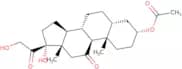
CAS:Controlled Product<p>S-Methyl-L-thiocitrulline acetate salt (SMTSA) is an inhibitor of the enzyme cyclase that inhibits the production of 5-hydroxytryptamine (5-HT) in the gastrointestinal tract. SMTSA has been shown to reduce 5-HT concentrations in mesenteric vessels and inhibit the physiological effects of 5-HT in rats. This drug also inhibits dopamine release from synaptosomes, which may be due to its ability to act as a competitive inhibitor of ester hydrochloride, dinucleotide phosphate, and cyclase. In addition, this drug has been shown to have a cytotoxic effect on cardiac myocytes by causing calcium influx into the cytosol and inhibiting ryanodine receptor channels.</p>Formula:C7H15N3O2SPurity:Min. 95%Color and Shape:PowderMolecular weight:205.28 g/molTetrahydrocortisone acetate
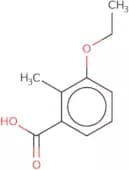
CAS:Controlled Product<p>Tetrahydrocortisone acetate is a high-quality, reagent and complex compound with CAS No. 36623-16-2. It is used as a fine chemical and research chemicals in the production of speciality chemicals. Tetrahydrocortisone acetate can be used as a versatile building block for the synthesis of other compounds in organic chemistry. This compound has been found to be useful for creating new compounds or improving existing ones.</p>Formula:C23H34O6Purity:Min. 95%Molecular weight:406.51 g/mol3-Ethoxy-2-methylbenzoic acid - 90%
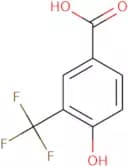
CAS:<p>3-Ethoxy-2-methylbenzoic acid is a white solid that is soluble in organic solvents. It has a molecular weight of 192.3 and an empirical formula of C9H11O3. 3-Ethoxy-2-methylbenzoic acid can be used as a building block for diverse chemical reactions and processes, including the synthesis of pharmaceuticals, pesticides, and other fine chemicals. This compound is also used as a research chemical, reaction component, or speciality chemical in various experiments and projects. 3-Ethoxy-2-methylbenzoic acid provides high quality reagents to scientists for use in research.br>br></p>Formula:C10H12O3Purity:Min. 95%Color and Shape:PowderMolecular weight:180.2 g/mol4-Hydroxy-3-(trifluoromethyl)benzoic acid
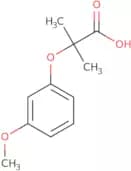
CAS:<p>4-Hydroxy-3-(trifluoromethyl)benzoic acid (4OTFB) is a ligand that binds to the inflammatory response receptor complex. The 4OTFB-ligand complex has been shown to inhibit inflammation in animals and humans, which may be due to its ability to inhibit the production of proinflammatory cytokines and suppress the production of reactive oxygen species (ROS). 4OTFB was found to bind strongly to sew2871, a protein that regulates the inflammatory response. However, it did not bind with any other proteins in the brain tissue extract. This suggests that 4OTFB might not have any adverse effects on brain function.</p>Formula:C8H5F3O3Purity:Min. 95%Color and Shape:PowderMolecular weight:206.12 g/mol2-(3-Methoxyphenoxy)-2-methylpropanoic acid
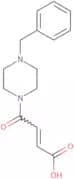
CAS:<p>2-(3-Methoxyphenoxy)-2-methylpropanoic acid is a reagent, useful intermediate and speciality chemical. It is a versatile building block for the synthesis of complex compounds. This product has CAS No. 140239-94-7, which is a fine chemical with high quality. It is an essential reaction component for the preparation of many other valuable chemicals in the laboratory.</p>Formula:C11H14O4Purity:Min. 95%Color and Shape:PowderMolecular weight:210.23 g/mol4-Oxo-4-(4-benzylpiperazinyl)but-2-enoic acid
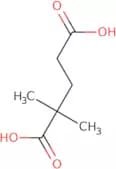
CAS:Controlled Product<p>Please enquire for more information about 4-Oxo-4-(4-benzylpiperazinyl)but-2-enoic acid including the price, delivery time and more detailed product information at the technical inquiry form on this page</p>Formula:C15H18N2O3Purity:Min. 95%Color and Shape:PowderMolecular weight:274.32 g/mol2,2-Dimethylglutaric acid
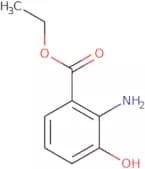
CAS:<p>2,2-Dimethylglutaric acid is a reactive, aliphatic hydrocarbon with a carbonyl group. It is an intermediate in the metabolism of fatty acids and may be formed by the hydrogenation of 2,2-dimethylsuccinic acid. This compound has been used as a film-forming polymer in detergent compositions and may also be used in biological samples to detect light emission. 2,2-Dimethylglutaric acid reacts with ethylene diamine to form malonic acid and x-ray crystal structures have been obtained for this compound. Pyrimidine compounds are formed when 2,2-dimethylglutaric acid reacts with ammonia or amines.</p>Formula:C7H12O4Color and Shape:White Off-White PowderMolecular weight:160.17 g/mol2-Amino-3-hydroxybenzoic acid ethyl ester
CAS:<p>2-Amino-3-hydroxybenzoic acid ethyl ester is soluble in organic solvents and is a catalyst for the hydrolysis of phenoxazinones. It has been shown to be the most active among the amino acid esters at pH 7. The optimum temperature for this enzyme is 37 degrees Celsius. The substrate specificity of this enzyme, which was purified by fractionation, is 3-hydroxyanthranilic acid and 3-hydroxyanthranilic acid with metals such as copper or zinc ions. This enzyme also catalyses the hydrolysis of proteins and peptides containing hydrophobic amino acids.</p>Formula:C9H11NO3Purity:Min. 95%Color and Shape:PowderMolecular weight:181.19 g/molFludrocortisone acetate
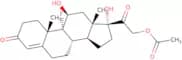
CAS:Controlled Product<p>Fludrocortisone acetate is a corticosteroid hormone used in the treatment of a number of diseases, including infectious diseases. Fludrocortisone acetate can be administered orally or by injection. It is also used to treat bowel disease and as an aid to diagnose subarachnoid hemorrhage. The matrix effect of fludrocortisone acetate has been studied using human serum and polymerase chain reactions (PCR). Fludrocortisone acetate is stable at temperatures below its phase transition temperature, but it undergoes degradation at higher temperatures. This drug is not active against bacteria, fungi, viruses, or parasites.</p>Formula:C23H31FO6Purity:Min. 95%Color and Shape:PowderMolecular weight:422.49 g/molMethyl 2,3,4-trimethoxyphenyl acetate
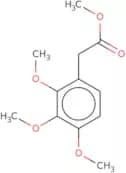
CAS:<p>Methyl 2,3,4-trimethoxyphenyl acetate is a high quality reagent that can be used to synthesize complex compounds. This compound is also useful as an intermediate in the synthesis of fine chemicals and useful scaffolds for chemical research. CAS No. 22480-88-2 Methyl 2,3,4-trimethoxyphenyl acetate is a versatile building block that can be used to synthesize other compounds with a wide range of applications.</p>Formula:C12H16O5Purity:Min. 95%Color and Shape:PowderMolecular weight:240.25 g/molSulfo-SMCC sodium
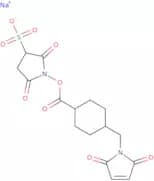
CAS:<p>Crosslinker reacting rapidly with primary amines. It is used as a protein crosslinker where it reacts with cysteine to yield specific conjugates. The cyclohexane bridge confers added stability to the maleimide group making it ideal for maleimide activation of proteins. It is soluble in water and many other aqueous buffers although it is less stable then in DMSO or DMF.</p>Formula:C16H17N2O9SNaPurity:Min. 95 Area-%Color and Shape:White Off-White PowderMolecular weight:436.37 g/molcis-4-Chloro-3-nitrocinnamic acid
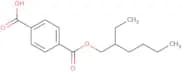
<p>Cis-4-Chloro-3-nitrocinnamic acid is an aromatic organic compound with potential utility in biochemical research and synthesis. This compound is typically derived from synthetic chemical processes involving chlorination and nitration reactions on cinnamic acid derivatives. Its molecular structure, characterized by both chloro and nitro functional groups, allows it to interact in unique ways with various biochemical pathways and molecular frameworks.</p>Formula:C9H6ClNO4Purity:Min. 95%Color and Shape:White PowderMolecular weight:227.6 g/molMono(2-ethylhexyl) terephthalate
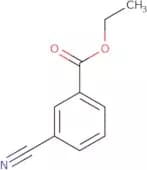
CAS:<p>Please enquire for more information about Mono(2-ethylhexyl) terephthalate including the price, delivery time and more detailed product information at the technical inquiry form on this page</p>Formula:C16H22O4Purity:Min. 95%Color and Shape:PowderMolecular weight:278.34 g/mol3-Cyanobenzoic acid ethyl ester
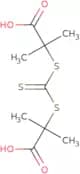
CAS:<p>3-Cyanobenzoic acid ethyl ester is a reaction component that is used in organic synthesis. It is a versatile building block, useful intermediate, and useful building block. 3-Cyanobenzoic acid ethyl ester is a fine chemical that can be used as a reagent for the preparation of other compounds. This compound has been assigned CAS No. 2463-16-3 and has the molecular formula C7H6O2.</p>Formula:C10H9NO2Purity:Min. 95%Color and Shape:PowderMolecular weight:175.18 g/molS,S'-Bis(a,a'-dimethyl-a''-acetic acid)trithiocarbonate
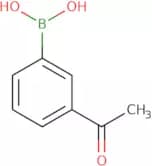
CAS:<p>Bis(trithiocarbonate)s are a group of compounds that are used as reagents, intermediates and building blocks in organic synthesis. They are also used for the preparation of certain pharmaceuticals. Bis(trithiocarbonate)s can be used as a versatile building block for chemical synthesis. It is also an intermediate in the synthesis of various pharmaceuticals, including but not limited to piroxicam and penicillin.</p>Formula:C9H14O4S3Purity:Min. 95 Area-%Color and Shape:Yellow PowderMolecular weight:282.4 g/mol3-Acetylphenylboronic acid
CAS:<p>3-Acetylphenylboronic acid is a functional group with an acetyl group substituted for the hydroxyl group of phenol. 3-Acetylphenylboronic acid has been shown to inhibit cholinesterase through competitive inhibition. It also binds to the endocannabinoid receptor CB1 and competes with anandamide, which is a natural ligand of this receptor. 3-Acetylphenylboronic acid may be used as a replacement for fatty acids in carbon nanotubes because it has the same basic structure but does not react with oxygen or other chemicals. 3-Acetylphenylboronic acid also reacts with metal ions such as copper and zinc, which may be due to its electron withdrawing ability.</p>Formula:C8H9BO3Purity:Min. 98 Area-%Color and Shape:White Slightly Yellow PowderMolecular weight:163.97 g/mol5-Methyltetrahydrofolic acid disodium salt
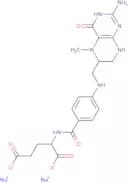
CAS:<p>5-Methyltetrahydrofolic acid disodium salt is a form of vitamin B9 that is produced by the body from 5,10-methylenetetrahydrofolate. It also can be obtained through the diet in foods such as milk, eggs, and leafy vegetables. This vitamin is necessary for many cellular processes, including amino acid metabolism. 5-Methyltetrahydrofolic acid disodium salt has been shown to have a significant effect on neuron cell growth and health. It has been shown to stimulate the enzyme activities of catecholamine-O-methyltransferase and dopamine beta hydroxylase in vitro. The effects were seen with both acidic and neutral pHs. 5-Methyltetrahydrofolic acid disodium salt has been found to be a selective inhibitor of receptor α (rho) uptake in Caco-2 cells at acidic pHs but not at neutral pHs. In addition</p>Formula:C20H23N7Na2O6Color and Shape:PowderMolecular weight:503.42 g/mol2,5-Dichlorocinnamic acid
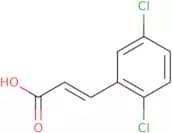
CAS:<p>2,5-Dichlorocinnamic acid is a chemical compound with the formula CHClCOCHCl. It is typically used as a reagent or building block in organic synthesis. 2,5-Dichlorocinnamic acid is an alpha-hydroxycarboxylic acid that exists in two tautomeric forms: the enol form (2,5-dichloro-3-oxopentanoic acid) and the keto form (2,5-dichlorohexanedioic acid). The enol form predominates at pH 7 and above. The keto form predominates at pH 1 and below.</p>Formula:C9H6Cl2O2Purity:Min. 95%Color and Shape:PowderMolecular weight:217.05 g/mol3,5-Dimethoxycinnamic acid
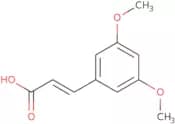
CAS:<p>3,5-Dimethoxycinnamic acid is a compound that belongs to the class of cinnamic acid derivatives. It is a synthetic substance obtained by demethylation of 3,5-dimethoxybenzoic acid. This substance has been shown to have an antifungal activity in vitro against filamentous fungi and many other microorganisms. The antimicrobial effect can be explained by the presence of functional groups such as hydroxyl and methoxyl on the aromatic ring. Hydroxide solution can be used as an analytical reagent for determining the formation rate of this compound.</p>Formula:C11H12O4Purity:Min. 95%Color and Shape:PowderMolecular weight:208.21 g/molDiethylene glycol diacetate
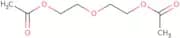
CAS:<p>Diethylene glycol diacetate is a coagulating agent that is used in the production of polyester fibers. It reacts with fatty acids and forms ester compounds, which are then polymerized and cross-linked to form a film. The acetylation of the hydroxyl group on the molecule provides an additional degree of polymerization, thereby increasing the molecular weight of the product. The reaction vessel used for this process is typically heated at a temperature between 180°C and 220°C to promote polymerization. This polymer film can be made into filaments by extruding it through a spinnerette or die head. The filament may be cut into small particles before being placed in a section, which is then processed as desired.</p>Formula:C8H14O5Purity:Min. 95%Color and Shape:Colorless Clear LiquidMolecular weight:190.19 g/mol2,3-Difluoro-6-methoxybenzoic acid methyl ester
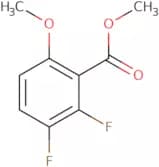
CAS:<p>2,3-Difluoro-6-methoxybenzoic acid methyl ester is a versatile building block that can be used in the production of fine chemicals and research chemicals. It is an intermediate for the synthesis of complex compounds and can be used as a reagent or speciality chemical in research. 2,3-Difluoro-6-methoxybenzoic acid methyl ester is also a useful building block for the synthesis of drugs.</p>Formula:C9H8F2O3Purity:Min. 95%Molecular weight:202.15 g/molPyruvic acid ethyl ester
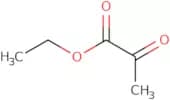
CAS:<p>Ethyl pyruvate, also known as 2-oxo-propionic acid ethyl ester, is a colourless transparent liquid at room temperature with a fresh, sweet, floral aroma. Ethyl pyruvate is a novel anti-inflammatory agent for the treatment of critical inflammatory conditions as it has potent anti-inflammatory properties and tissue protection activity, in multiple animal models of disease including: pancreatitis, ischemia-reperfusion injury, sepsis, renal injury, and endotoxemia.</p>Formula:C5H8O3Purity:Min. 95%Color and Shape:Colorless Clear LiquidMolecular weight:116.12 g/mol4-Bromo-3,5-dimethoxybenzoic acid methyl ester
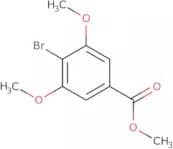
CAS:<p>4-Bromo-3,5-dimethoxybenzoic acid methyl ester is a crystalline solid that can be obtained from the reaction of 4-bromo-3,5-dimethoxybenzoic acid and methyl iodide. It has been shown to undergo an intramolecular cyclization when irradiated with ultraviolet light. This transformation is characterized by an increase in the length of the C=C bond and the appearance of a new C=O bond. The skeleton of 4-bromo-3,5-dimethoxybenzoic acid methyl ester consists of four five membered rings and two six membered rings. The molecule interacts with ligands such as styrene, mesitylene, vinylated benzyl halides, or halides.</p>Formula:C10H11BrO4Purity:Min. 95%Color and Shape:PowderMolecular weight:275.1 g/mol3-Hydroxy-2-nitrobenzoic acid
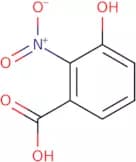
CAS:<p>3-Hydroxy-2-nitrobenzoic acid is a metabolite of 3-hydroxyanthranilic acid, which is an intermediate in the biosynthesis of amino acids. It can be found in animals and plants. 3-Hydroxy-2-nitrobenzoic acid has two isomers: 3,5-dihydroxybenzoic acid and 3,4,5-trihydroxybenzoic acid. The former is more abundant than the latter. In animal tissues, 3-hydroxybenzoic acid can be found as a diacid or as a salt with sodium or potassium. It reacts with various compounds to form oxidation products that have been shown to have sequences that are different from those of their precursors. These oxidation products are analyzed for the presence of their carboxylate group to identify the original compound. This carboxylate group can then be used as a ligand in matrix assisted laser desorption</p>Formula:C7H5NO5Purity:90%Color and Shape:Yellow PowderMolecular weight:183.12 g/mol2-Naphthoxyacetic acid
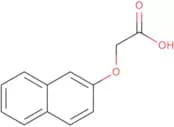
CAS:<p>2-Naphthoxyacetic acid is a chemical compound that has been shown to be a matrix effect agent in the kidney bean extract. It is also used as a nutrient solution in synchronous fluorescence and hydroxyl group. 2-Naphthoxyacetic acid can be used as an analytical method for sodium citrate, dispersive solid-phase extraction, nitrogen atoms, and acid complex. The optical sensor can be used for low light surface methodology. Fluoroacetic acid is a chemical compound that has been shown to have analytical properties similar to 2-Naphthoxyacetic acid.</p>Formula:C12H10O3Purity:Min 98%Color and Shape:PowderMolecular weight:202.21 g/molZinc dibutyldithiocarbamate
CAS:<p>Zinc dibutyldithiocarbamate is a chemical compound that forms a complex with fatty acids. It is used as an absorbent and sample preparation agent in uv spectroscopy. Zinc dibutyldithiocarbamate can also cause allergic reactions and is toxic to cells in the presence of calcium stearate. This chemical is found in reaction solutions, where it reacts with hydrochloric acid and boron nitride to form zinc diethyldithiocarbamate. Zinc dibutyldithiocarbamate has shown growth factor-like properties and was shown to enhance the rate of cell growth on V79 cells when combined with polyene.</p>Formula:C18H36N2S4ZnPurity:Min. 95%Color and Shape:PowderMolecular weight:474.14 g/molDihydro caffeic acid 3-O-sulfate sodium salt
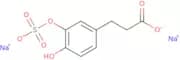
CAS:<p>Dihydro caffeic acid 3-O-sulfate sodium salt is a flavonol that is found in plants. It has been shown to have antioxidant properties and may be effective in the treatment of diseases associated with oxidative stress, such as diabetes mellitus and cancer. Dihydrocaffeic acid 3-O-sulfate sodium salt has also been shown to inhibit the growth of bacteria by modulating the production of nitric oxide. This agent has been quantified in human urine, which provides evidence for its potential use as a biomarker for disease risk due to its association with phenolic metabolites.</p>Formula:C9H8Na2O7SPurity:Min. 95%Color and Shape:White Off-White PowderMolecular weight:306.2 g/mol5-Chlorosalicylic acid
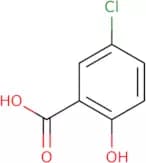
CAS:<p>5-Chlorosalicylic acid is an inhibitor of the enzyme carbonic anhydrase. It is used for the treatment of gout, rheumatoid arthritis, and osteoarthritis. This compound has been shown to be a genotoxic agent, which may result in mutagenic or carcinogenic effects. 5-Chlorosalicylic acid inhibits the growth of probiotic bacteria. It also has anti-inflammatory properties and can be used as a proton donor in organic synthesis reactions.<br>5-Chlorosalicylic acid is a metabolite of acetylsalicylic acid (ASA) that forms when ASA undergoes oxidative deamination in the liver. 5-Chlorosalicylic acid is also formed during metabolism of nonsteroidal anti-inflammatory drugs (NSAIDs).</p>Formula:C7H5ClO3Purity:Min. 95%Color and Shape:White Off-White PowderMolecular weight:172.57 g/mol6-Azido-hexanoic acid
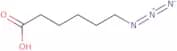
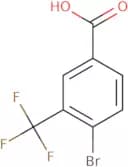
CAS:<p>6-Azido-hexanoic acid is a growth factor that inhibits the binding of TGF-β to its receptor. It has been shown to inhibit the proliferation of cancer cells in vitro and in vivo. 6-Azido-hexanoic acid binds with high affinity to the acidic region of TGF-β, preventing it from binding to its receptor. This molecule also inhibits the activation of the TGF-β receptor complex by decreasing the phosphorylation of Smad 1/5/8. 6-Azido-hexanoic acid has been shown to be effective in pancreatic cancer models and control studies have demonstrated an absence of toxicity or side effects.</p>Formula:C6H11N3O2Purity:Min. 97.0 Area-%Color and Shape:PowderMolecular weight:157.17 g/mol4-Bromo-3-(trifluoromethyl)benzoic acid
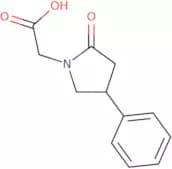
CAS:<p>4-Bromo-3-(trifluoromethyl)benzoic acid is a synthetic molecule that has been used for the synthesis of polymers. It is used in the production of polyketones and polyphenylene, which are monomers for the polymerization process. 4-Bromo-3-(trifluoromethyl)benzoic acid is also used as an electrophile in the acylation step of polycondensation reactions. The biphenylene structure can be synthesized by sequential or simultaneous addition of bromine to phenol with sodium hydroxide or potassium tetrachloroplatinate. This chemical compound can be made into two isomers: 3,4-dibromobenzene dicarboxylic acid and 3,4-dichlorobenzene dicarboxylic acid.</p>Formula:C8H4BrF3O2Purity:Min. 95%Color and Shape:PowderMolecular weight:269.02 g/mol(2-Oxo-4-phenylpyrrolidin-1-yl)acetic acid
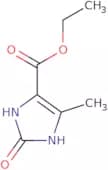
CAS:<p>Phenotropil is a nootropic drug that belongs to the group of aromatic amines. It is a high-activity, active compound with optical activity and an analyzed structure. Phenotropil has been shown to be safe and effective in the treatment of overweight patients with mild cognitive impairment (MCI). Phenotropil has also been used as an adjuvant therapy for brain trauma and cerebrovascular diseases. The most common side effects are nausea, vomiting, diarrhea, dizziness, headache, agitation, drowsiness, insomnia, depression, and hallucinations. Phenotropol can exist as two optical isomers: R-(+)-phenylpiracetam and S-(-)-phenylpiracetam. These optical isomers have different pharmacological properties.</p>Formula:C12H13NO3Purity:Min. 95%Color and Shape:PowderMolecular weight:219.24 g/molEthyl 5-Methyl-2-oxo-2,3-dihydro-1H-imidazole-4-carboxylate
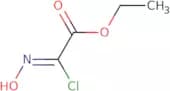
CAS:<p>Please enquire for more information about Ethyl 5-Methyl-2-oxo-2,3-dihydro-1H-imidazole-4-carboxylate including the price, delivery time and more detailed product information at the technical inquiry form on this page</p>Purity:Min. 90%Ethyl 2-chloro-2-(hydroxyimino)acetate
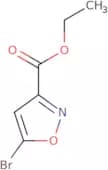
CAS:<p>Ethyl 2-chloro-2-(hydroxyimino)acetate is an organic compound that contains a chloride group, two oxadiazole rings, and an ethyl group. It has been shown to bind to receptors on the surface of cells and act as a competitive antagonist. It has also been shown to inhibit influenza virus growth by binding to the receptor binding site on the virus surface. Ethyl 2-chloro-2-(hydroxyimino)acetate can be made synthetically or in nature by the reaction of formaldehyde with ammonia, which produces glutamic acid and hydrogen chloride gas. This molecule is able to react with sodium carbonate in water to produce ethyl chloroformate. The molecule has been shown to have cancerous effects when injected into rats.</p>Formula:C4H6ClNO3Purity:Min. 95%Color and Shape:PowderMolecular weight:151.55 g/molEthyl 5-bromoisoxazole-3-carboxylate
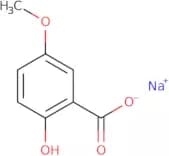
CAS:<p>Ethyl 5-bromoisoxazole-3-carboxylate is a fine chemical that can be used as a versatile building block for research chemicals and pharmaceuticals. It is also a useful intermediate for complex compounds, useful building blocks, and reagents. The CAS number for this compound is 1914946-33-0.</p>Formula:C6H6BrNO3Purity:Min. 95%Color and Shape:PowderMolecular weight:220.02 g/mol5-Methoxysalicylic acid sodium
CAS:<p>5-Methoxysalicylic acid sodium (MSAS) is a drug that is used to treat intestinal ulcers. It is also used to reduce the viscosity of blood and as an adjuvant in the treatment of rheumatoid arthritis. The bioavailability of MSAS is increased when it is administered with cefmetazole, which enhances the absorption of this drug in the small intestine. MSAS has a hypoglycemic effect and can be used to treat high blood sugar levels. This drug binds to muscle cells and prevents their contraction, which can lead to relief from muscle pain or spasms. MSAS may also have a pharmacological effect on ligation, which occurs when tissue is cut off from its blood supply.</p>Formula:C8H7O4·NaPurity:Min. 95%Color and Shape:PowderMolecular weight:190.13 g/molTertiapin-Q trifluoroacetate salt
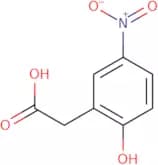
CAS:<p>A peptide found in honey bee venom; Potassium channel inhibitor</p>Formula:C106H175N35O24S4Purity:Min. 95%Molecular weight:2,452.01 g/mol2-Hydroxy-5-nitrophenylacetic acid
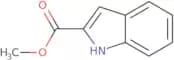
CAS:<p>2-Hydroxy-5-nitrophenylacetic acid is a versatile building block that can be used as a reagent, speciality chemical, or research chemical. It has been synthesized and characterized from the nitrobenzene derivative 2-hydroxyacetophenone. The compound has been shown to inhibit the growth of bacteria by binding to bacterial DNA gyrase and topoisomerase IV. This inhibits bacterial growth by preventing DNA replication and transcription. As an intermediate, 2-hydroxy-5-nitrophenylacetic acid is useful in organic synthesis as a reaction component or scaffold.</p>Formula:C8H7NO5Purity:Min. 95%Color and Shape:PowderMolecular weight:197.14 g/molIndole-2-carboxylic acid methyl ester
CAS:<p>Indole-2-carboxylic acid methyl ester is a carbazole that can be synthesized from indole and hydrogen chloride. It has been shown to inhibit the production of β-amyloid, an important factor in the pathogenesis of Alzheimer’s disease. Indole-2-carboxylic acid methyl ester has also been shown to have inhibitory effects on ion-exchange, melatonin synthesis, and yields of aziridines. The affinity of indole-2-carboxylic acid methyl ester for aldehydes was found to be very high. It is also able to cross the blood brain barrier into the brain and has been shown to be effective against pancreatic cancer cells in vitro.</p>Formula:C10H9NO2Purity:Min. 95%Color and Shape:Slightly Brown PowderMolecular weight:175.18 g/molCyclosporin A acetate
CAS:<p>Cyclosporin A is a cyclic non-hydrolyzable glycol ester that inhibits the production of cytokines and inflammatory mediators by binding to specific intracellular receptors. Cyclosporin A acetate is an inactive prodrug that is converted to active cyclosporine in the liver. Cyclosporin A acetate has been shown to be effective in treating autoimmune diseases such as rheumatoid arthritis and psoriasis, as well as atopic dermatitis. Cyclosporin A acetate is used orally and usually taken with food or milk to reduce gastrointestinal irritation. The oral dosage form of this drug contains saccharose as a diluent and surfactant, which reduces the risk of gastrointestinal irritation.</p>Formula:C64H113N11O13Purity:(%) Min. 95%Color and Shape:PowderMolecular weight:1,244.65 g/molVinyl carbamate
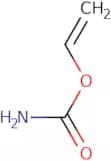
CAS:<p>Vinyl carbamate is a reactive chemical that is carcinogenic in animals. It can be synthesized by reacting vinyl chloride with anhydrous ammonia at high temperature and pressure. Vinyl carbamate is used in the synthesis of polymers, such as epidermal growth factor and hydroxyl group-containing proteins. It also has been used to prepare monoclonal antibodies against the cd-1 mouse lymphoma cell line. However, it should not be used at low doses due to its carcinogenic potential. The carcinogenic effects of vinyl carbamate have been observed in mice after administration of a single dose (2 mg/kg) or repeated doses (0.3 mg/kg per day for 5 days).</p>Formula:C3H5NO2Purity:Min. 95%Color and Shape:White To Off-White SolidMolecular weight:87.08 g/molPodocarpic acid
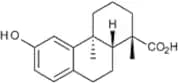
CAS:<p>Abietane diterpenoid; Transient Receptor Potential (TRP) channel agonist</p>Formula:C17H22O3Purity:Min. 95%Color and Shape:Off-White PowderMolecular weight:274.35 g/mol2-[N-[(3,5-Difluorophenyl)carbamoylamino]-C-methylcarbonimidoyl]pyridine-3-carboxylic acid
CAS:<p>2-[N-[(3,5-Difluorophenyl)carbamoylamino]-C-methylcarbonimidoyl]pyridine-3-carboxylic acid (2FPC) is a potent herbicide that inhibits the fatty acid synthase enzyme and blocks cellular energy production. Fatty acid synthase is an important enzyme in the synthesis of essential fatty acids and this inhibition can lead to a number of health complications. 2FPC also inhibits epidermal growth factor receptor (EGFR) and glucocorticoid receptors, which can lead to autoimmune diseases. The compound has been shown to produce neurotoxic effects in animals and humans, including optical sensor activation and cation channel modulation.<br>2FPC is used as a herbicide to control weeds such as knapweed. It is also used as an anti-inflammatory agent in the treatment of rheumatoid arthritis.</p>Formula:C15H12F2N4O3Purity:Min. 97 Area-%Color and Shape:PowderMolecular weight:334.28 g/mol3,5-Dinitro-4-methylbenzoic acid
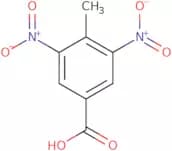
CAS:<p>3,5-Dinitro-4-methylbenzoic acid is a compound that can be used in the synthesis of many organic compounds. It is an important reagent for the preparation of nitroarenes and it is also used as a precursor to other organic compounds. 3,5-Dinitro-4-methylbenzoic acid has been shown to have a hydrogen bond with malonic acid and can form an asymmetric hydrogen bond with the hydroxyl group of protonated water. 3,5-Dinitro-4-methylbenzoic acid has three different resonance structures and its x-ray diffraction data show that it has a cavity shape. This molecule can be found in the nmr spectra at around 8.3 ppm and its kinetic constants are given as k1 = 0.01 s−1 and k2 = 0.06 s−1 for the two reactions. 3,5-Dinitro-4-methylben</p>Formula:C8H6N2O6Purity:Min. 95%Color and Shape:PowderMolecular weight:226.14 g/molDiethyl 3,4-furandicarboxylate
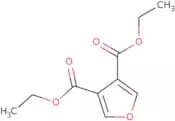
CAS:<p>Diethyl 3,4-furandicarboxylate is a chemical compound that is used as an antiproliferative drug in cancer therapy. It is synthesized by the thermal isomerization of diethyl acetylenedicarboxylate. The product has been shown to inhibit the growth of human cancer cells and has antibacterial activity against Gram-positive bacteria. Diethyl 3,4-furandicarboxylate also inhibits the synthesis of DNA and RNA by binding to the enzyme ribonucleotide reductase. Its cytostatic effects are due to its ability to inhibit cellular proliferation by inhibiting protein synthesis.</p>Formula:C10H12O5Purity:Min. 95%Color and Shape:Clear LiquidMolecular weight:212.2 g/molSuberic acid monomethyl ester
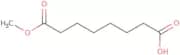
CAS:<p>Suberic acid monomethyl ester is a fatty acid that has potent inhibitory activity against tumor formation. It is an inhibitor of histone deacetylase (HDAC) enzymes, which are important for the regulation of gene expression. Suberic acid monomethyl ester has been shown to have potent inhibitory effects on tumor growth and the development of cancerous cells in animal studies. This agent may be useful for inhibiting the production of acid in tumors and preventing cancer-induced cell death. Suberic acid monomethyl ester has been found to bind to hydroxyl groups and interacts with other molecules that contain hydroxy groups, such as proteins or DNA bases.</p>Formula:C9H16O4Purity:Min. 95%Color and Shape:PowderMolecular weight:188.22 g/molCresyl Violet acetate
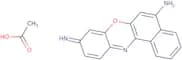
CAS:Controlled Product<p>Cresyl violet acetate is a dye that is used in histology to stain tissue sections. It binds to basic proteins, such as those found in the cytoplasm and nucleus, and has a strong affinity for nucleic acids. Cresyl violet acetate can be used to identify inflammatory lesions and other biological samples. The dye has been shown to induce neuronal death by reducing the redox potentials of neurons through the activation of Toll-like receptors (TLRs). Basic proteins are also involved in oral hypoglycaemic activity.</p>Formula:C18H15N3O3Purity:Limit? 65.%Color and Shape:PowderMolecular weight:321.33 g/mol4-(Maleimidomethyl)cyclohexane-1-carboxyl-hydrazide trifluoroacetic acid
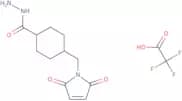
CAS:<p>4-(Maleimidomethyl)cyclohexane-1-carboxyl-hydrazide trifluoroacetic acid is a versatile building block that is useful as a reagent and scaffold in many chemical reactions. It is used in the synthesis of complex compounds, research chemicals, and speciality chemicals. 4-(Maleimidomethyl)cyclohexane-1-carboxyl-hydrazide trifluoroacetic acid has been shown to be a high quality compound with uses as a reaction component and useful scaffold.</p>Formula:C12H17N3O3·CF3CO2HPurity:Min. 95%Color and Shape:White PowderMolecular weight:365.31 g/mol5-Bromo-2-hydroxy-3-methoxybenzoic acid
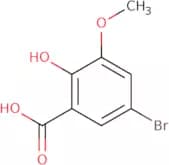
CAS:<p>5-Bromo-2-hydroxy-3-methoxybenzoic acid (5BHB) is a phenolic compound that has been shown to have fungicidal properties. The uptake of 5BHB in the brain was studied using positron emission tomography and computerized tomography scans in monkeys. The affinity of 5BHB for the dopamine D2 receptor, and its ability to inhibit methylation reactions, were also investigated. The results show that 5BHB is able to cross the blood-brain barrier and bind with high affinity to the dopamine D2 receptor. These findings suggest that 5BHB may be used as a therapeutic agent for Parkinson's disease.</p>Formula:C8H7BrO4Purity:Min. 95%Color and Shape:PowderMolecular weight:247.04 g/mol7-Azido-heptanoic acid
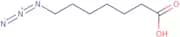
CAS:<p>7-Azido-heptanoic acid is an analog of the heptanoyl group. It has been shown to inhibit cancer cell growth and induce apoptosis in a variety of human tumor cells. This compound is used for the selective activation of anticancer drugs, as well as for the prevention of photodynamic damage to healthy tissue. 7-Azido-heptanoic acid can be conjugated with biomolecules such as proteins or peptides to form a bifunctional molecule that can function both as an acceptor and a donor. It also binds to streptavidin, which has been shown to have anticancer activity in mice.</p>Formula:C7H13N3O2Purity:Min. 95%Color and Shape:Colorless Clear LiquidMolecular weight:171.2 g/molFusidic acid sodium
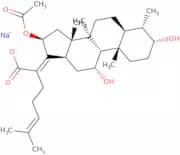
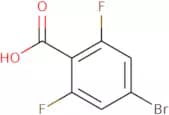
CAS:<p>Inhibitor of protein synthesis; steroid antibiotic</p>Formula:C31H48O6•NaPurity:Min. 95%Color and Shape:PowderMolecular weight:539.7 g/mol4-Bromo-2,6-difluorobenzoic acid
CAS:<p>4-Bromo-2,6-difluorobenzoic acid is a liquid crystal that belongs to the class of fluorinated benzoic acids. It is an activated liquid crystal composed of chiral molecules with substituents on the 4- and 6-positions of the aromatic ring. The compound has been shown to have excellent fluoroarene solubilizing properties in a glycol matrix and can be used as an additive to produce liquid crystals with desired properties.</p>Formula:C7H3BrF2O2Purity:Min. 95%Color and Shape:PowderMolecular weight:237 g/mol3-Trifluoromethoxyphenylboronic acid
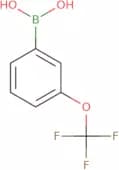
CAS:<p>3-Trifluoromethoxyphenylboronic acid is a lead compound that has the potential to be an efficient and water-soluble inhibitor of protein kinases. It has been shown to have a significant inhibitory effect on vismodegib transport. This compound may also have anticancer properties. 3-Trifluoromethoxyphenylboronic acid binds to the active site of protein kinases, blocking their catalytic activity and inhibiting cell proliferation by interfering with the signaling pathway that regulates cancer cells.</p>Formula:C7H6BF3O3Purity:Min. 90%Color and Shape:PowderMolecular weight:205.93 g/molAnthraquinone-2,7-disulfonic acid disodium salt - 80%
CAS:<p>Anthraquinone-2,7-disulfonic acid disodium salt, 2,7-AQDS, is an anthraquinone sulfonate used for many different purposes, such as, desulfurizing agent for removing oil in refinery and as an intermediate for dyes or decolorization agent. In addition, anthraquinone-2,7-disulfonic salt or 2,7-AQDS is frequently used in electrochemistry, as a redox mediator. For example, in aqueous organic redox flow batteries (AORFB), anthraquinone-2,7-disulfonic acid disodium salt (2,7-AQDS) plays a role in increasing the capacity and the performance of these types of batteries.</p>Formula:C14H6O8S2·2NaPurity:Min. 80 Area-%Color and Shape:Red Purple PowderMolecular weight:412.3 g/molCrotonic acid
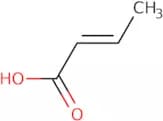
CAS:<p>Crotonic acid is a metabolite of crotonaldehyde, which is found in cigarette smoke. Crotonic acid has been shown to have agonist binding site activity and inhibitory properties on the enzyme that synthesizes gamma-aminobutyric acid (GABA), an important neurotransmitter. It also has inhibitory effects on other enzymes such as fatty acid synthase, which makes it an antimicrobial agent. Crotonic acid also inhibits the growth of bacteria by binding to hydroxyl groups on their cell walls, which are important for maintaining their structure. Crotonic acid has been shown to have anti-inflammatory properties in mice and rats.</p>Formula:C4H6O2Purity:Min. 98 Area-%Color and Shape:PowderMolecular weight:86.09 g/molIodomesitylene Diacetate
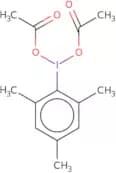
CAS:<p>Iodomesitylene Diacetate is a chemical building block with versatile applications. This compound can react with a variety of reagents to form useful scaffolds for synthetic organic chemistry, or it can be used as a useful intermediate in the synthesis of more complicated molecules. Iodomesitylene Diacetate is also an excellent starting material for the production of complex compounds such as pharmaceuticals, polymers, and agrochemicals. It is stable at room temperature and has a high quality.</p>Formula:C13H17IO4Purity:(Iodometric Titration) Min. 98%Color and Shape:White To Off-White To Yellow SolidMolecular weight:364.18 g/molIndole-2-acetic acid
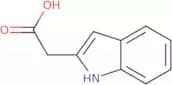
CAS:<p>Indole-2-acetic acid is a coumarin derivative that is found in plants and is used as a dietary supplement. It has been shown to have an inhibitory effect on photosynthetic activity and the growth of bacteria, fungi, and protozoa. Indole-2-acetic acid can be produced by chemical reactions involving aromatic hydrocarbons such as benzene or dioxane. It also inhibits the production of insulin in vivo and has been shown to reduce insulin resistance in rats.</p>Formula:C10H9NO2Purity:Min. 95%Color and Shape:PowderMolecular weight:175.18 g/molCitric acid anhydrous
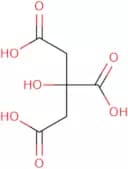
CAS:<p>Citric acid is an organic compound that is a weak organic acid. It is a colorless, odorless solid with a sour taste. Citric acid participates in many biochemical reactions, including the citric acid cycle and fatty acid metabolism. Citric acid can be found in many citrus fruits, such as lemons, limes, and grapefruits. Citric acid also has antioxidant properties and functions as an anti-inflammatory agent. Citric acid is used for the production of citrates and citrate salts, which are added to food preservatives or acidic foods such as lemonade or vinegar. Citric acid can be used to measure water vapor concentration by using fluorescence probes that react with hydrated electrons in water molecules. It also has electrochemical impedance spectroscopy (EIS) applications in biomedical research and biotechnology as an enzyme inhibitor or activator.</p>Formula:C6H8O7Purity:Min. 95%Color and Shape:Colorless PowderMolecular weight:192.12 g/molβ-Naphthylacetate
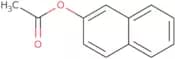
CAS:<p>Beta-naphthylacetate is a chemical that is used in the synthesis of pharmaceuticals and pesticides. It is an ester of naphthalene and acetic acid. Beta-naphthylacetate has been shown to inhibit the enzyme activity of hydrogen fluoride, which is used in the production of polyester fibers. Beta-naphthylacetate has also been shown to have anti-inflammatory properties by inhibiting prostaglandin synthesis. This chemical also has epoxidase activity, which makes it useful in the conversion of dl-alpha-tocopherol to vitamin E. Beta-naphthylacetate is soluble in water and can be made into solid dispersions or cationic surfactant solutions with high concentrations of beta-naphthylacetate, making it useful for tissue culture. The optimum pH for beta-naphthylacetate is between 7 and 8, while the optimum temperature range is between 25</p>Formula:C12H10O2Purity:Min. 95%Color and Shape:White PowderMolecular weight:186.21 g/mol4-Chloro-3-nitrobenzoic acid ethyl ester
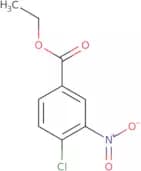
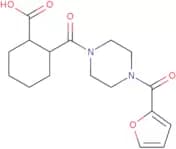
CAS:<p>4-Chloro-3-nitrobenzoic acid ethyl ester is a six-membered, planar, hydrogen bond that has a crystal structure with a six-membered ring. It has hydrogen bonds and five-membered ring. The molecule is coplanar and oriented.</p>Formula:C9H8ClNO4Purity:Min. 95%Color and Shape:PowderMolecular weight:229.62 g/mol2-((4-(2-Furylcarbonyl)piperazinyl)carbonyl)cyclohexanecarboxylic acid
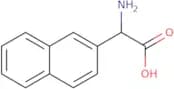
CAS:<p>Please enquire for more information about 2-((4-(2-Furylcarbonyl)piperazinyl)carbonyl)cyclohexanecarboxylic acid including the price, delivery time and more detailed product information at the technical inquiry form on this page</p>Formula:C17H22N2O5Purity:Min. 95%Color and Shape:PowderMolecular weight:334.37 g/molAmino(naphthalen-2-yl)acetic acid
CAS:<p>Amino(naphthalen-2-yl)acetic acid is a versatile chemical building block that can be used in research, industry and as a high quality reagent. It is a useful scaffold for the synthesis of complex compounds. Amino(naphthalen-2-yl)acetic acid has been shown to be an excellent reactant for the production of fine chemicals and is high quality, with a purity of 99%. This product is also used as a speciality chemical for the production of pharmaceuticals, pesticides, and other chemical products.</p>Formula:C12H11NO2Purity:Min. 95%Color and Shape:PowderMolecular weight:201.22 g/molSex Pheromone Inhibitor iPD1 trifluoroacetate salt
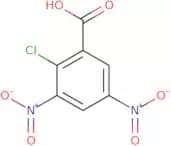
CAS:<p>Sex pheromone inhibitor IPD1 is an antibody that inhibits the production of sex pheromones by Streptococcus faecalis. It is used to diagnose and treat allergic diseases, such as atopic dermatitis or bronchial asthma. This antibody binds to a protein called polypide, which is involved in the synthesis of sex pheromones, and inhibits its activity. It has been shown to inhibit the production of sex pheromones by Streptococcus faecalis when analyzed using an SDS-polyacrylamide gel electrophoresis method. Sex pheromone inhibitor IPD1 also binds to antibodies against streptococcus, acari, and other bacteria.</p>Formula:C39H72N8O11Purity:Min. 95%Color and Shape:PowderMolecular weight:829.04 g/mol2-Chloro-3,5-dinitrobenzoic acid
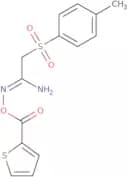
CAS:<p>2-Chloro-3,5-dinitrobenzoic acid is a chemical reagent that belongs to the group of p2-substituted benzenes. It is used in organic synthesis as a synthon for dimethylnaphthalene, which is an intermediate in the production of polyester fibers and polyurethane. The compound has been shown to induce apoptosis in prostate cancer cells. This effect may be due to its ability to react with amines and form nitrosating species, which may cause DNA damage. 2-Chloro-3,5-dinitrobenzoic acid can also react with 5-nitrosalicylic acid to form a stepwise reaction product.</p>Formula:C7H3ClN2O6Purity:Min. 95%Color and Shape:PowderMolecular weight:246.56 g/mol2-Amino-1-aza-3-((4-methylphenyl)sulfonyl)prop-1-enyl thiophene-2-carboxylate
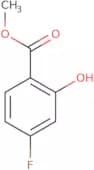
CAS:<p>Please enquire for more information about 2-Amino-1-aza-3-((4-methylphenyl)sulfonyl)prop-1-enyl thiophene-2-carboxylate including the price, delivery time and more detailed product information at the technical inquiry form on this page</p>Formula:C14H14N2O4S2Purity:Min. 95%Color and Shape:PowderMolecular weight:338.4 g/mol4-Fluoro-2-hydroxybenzoic acid methyl ester
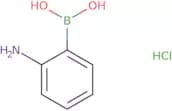
CAS:<p>4-Fluoro-2-hydroxybenzoic acid methyl ester is a chemical compound that is used as a synthetic intermediate in the synthesis of drugs. 4-Fluoro-2-hydroxybenzoic acid methyl ester can be prepared by reductive amination of an acyl chloride with an amine, followed by reaction with methanol. This chemical intermediate is used in the synthesis of the BCL-2 inhibitor venetoclax, which inhibits cell growth and induces apoptosis in lymphoma cells. 4-Fluoro-2-hydroxybenzoic acid methyl ester also has been shown to inhibit the activity of amidating enzymes and transferases, suggesting it may have potential as an anti-inflammatory drug.</p>Formula:C8H7FO3Purity:Min. 95%Color and Shape:PowderMolecular weight:170.14 g/mol(2-Aminophenyl)boronic acid hydrochloride
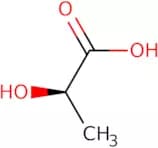
CAS:<p>(2-Aminophenyl)boronic acid hydrochloride is an analytical reagent that is used in the cross-coupling reaction between aryl bromides and organoboron compounds. It has been synthesized from 2-aminophenylboronic acid, which can be produced by the alkylation of phenol with 3-bromoquinoline. This compound has been shown to have antimalarial activity against the human malaria parasite Plasmodium falciparum in vitro. (2-Aminophenyl)boronic acid hydrochloride has also been shown to have a high intestinal absorption rate when given orally to rats. In vivo studies are needed to determine whether this chemical is safe for humans.</p>Formula:C6H9BClNO2Purity:Min. 95%Color and Shape:PowderMolecular weight:173.41 g/molD-Lactic acid
CAS:<p>D-lactic acid is a metabolic byproduct of lactic acid bacteria that can be found in food products such as fermented vegetables and dairy products. It is also produced in the human body and can be used as an energy source. D-lactic acid has been shown to have antibacterial efficacy against wild-type strains of Escherichia coli, but not against multidrug-resistant strains. D-lactic acid has been shown to increase the mitochondrial membrane potential and decrease the surface area of squamous carcinoma cells.</p>Formula:C3H6O3Color and Shape:Clear LiquidMolecular weight:90.08 g/molTetracosactide acetate
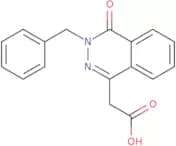
CAS:Controlled Product<p>Synthetic peptide; adrenocorticotropic hormone</p>Formula:C136H210N40O31S•(C2H4O2)xPurity:Min. 97 Area-%Color and Shape:PowderMolecular weight:2,933.44 g/mol(3-Benzyl-4-oxo-3,4-dihydrophthalazin-1-yl)acetic acid
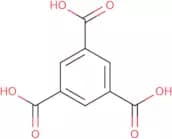
CAS:<p>3-Benzyl-4-oxo-3,4-dihydrophthalazin-1-yl)acetic acid is a chemical substance that can be used in the synthesis of pharmaceuticals. This chemical has a variety of uses as a reagent and is considered to be of high quality. It is useful in the synthesis of speciality chemicals, versatile building blocks and fine chemicals. 3-Benzyl-4-oxo-3,4-dihydrophthalazin-1-yl)acetic acid can be used as a reaction component for complex compounds or as an intermediate for the synthesis of other compounds.</p>Formula:C17H14N2O3Purity:Min. 95%Color and Shape:PowderMolecular weight:294.3 g/molTrimesic acid
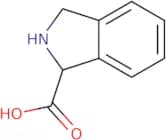
CAS:<p>Trimesic acid is a chemical compound that belongs to the family of pyrazoles. It is stable in water and has a low surface tension. Trimesic acid has been used as a model for developing new drugs for human serum, which is difficult to study due to its complexity. The x-ray crystal structures of trimesic acid have been determined and show that it has three hydrogen bond interactions with the amine group of an amino acid residue on the protein surface, as well as two intermolecular hydrogen bonds with water molecules. Trimesic acid also shows permeation through a membrane made from human serum albumin, which makes it useful as a drug delivery agent.</p>Formula:C9H6O6Purity:Min. 95%Color and Shape:PowderMolecular weight:210.14 g/mol2,3-Dihydro-1H-isoindole-1-carboxylic acid
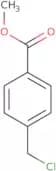
CAS:<p>2,3-Dihydro-1H-isoindole-1-carboxylic acid is an acidic molecule that can be found in high concentrations in the blood. It is also a metabolite of isoindolines, which are an important class of drugs used to treat chronic hypertension. 2,3-Dihydro-1H-isoindole-1-carboxylic acid belongs to the group of structural formula categorized as an enolate; this group is a type of enzyme inhibitor that blocks enzymes involved in the production of cholesterol. 2,3-Dihydro-1H-isoindole-1-carboxylic acid has been shown to inhibit the activity of two enzymes: cytochrome P450 and sterol C5 reductase. The mechanism behind this inhibition is homologous with other known inhibitors such as 3-(2′,4′dichlorophenyl)acrylic acid (methaz</p>Formula:C9H9NO2Purity:Min. 97 Area-%Color and Shape:PowderMolecular weight:163.17 g/mol4-(Chloromethyl)benzoic acid methyl ester
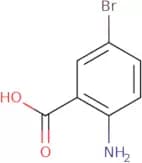
CAS:<p>4-(Chloromethyl)benzoic acid methyl ester is a synthetic compound that inhibits the DPP-IV enzyme, which is involved in the breakdown of the incretin hormones glucagon-like peptide-1 (GLP-1) and glucose-dependent insulinotropic polypeptide (GIP). Its structure consists of a benzene ring with a chloromethyl group on one side and an ester group on the other. 4-(Chloromethyl)benzoic acid methyl ester has been shown to be more potent than other known DPP-IV inhibitors. It has also been shown to have genotoxic impurities and chronic treatment effects, such as cancer.</p>Formula:C9H9ClO2Purity:Min. 95%Color and Shape:PowderMolecular weight:184.62 g/mol2-Amino-5-bromobenzoic acid
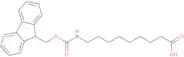
CAS:<p>2-Amino-5-bromobenzoic acid is a chemical compound that is used to synthesize other pharmaceuticals. It has been shown to have potent antiinflammatory activity and inhibit the growth of certain types of cancer cells. 2-Amino-5-bromobenzoic acid also has antiviral properties, and it inhibits the replication of human immunodeficiency virus type 1 (HIV-1) in cell culture. This drug has been shown to be effective against herpes simplex virus type 1 (HSV-1), varicella zoster virus (VZV), and cytomegalovirus (CMV). 2-Amino-5-bromobenzoic acid is poorly soluble in water; therefore, it can be administered intravenously as a prodrug. The absorption of this drug is dependent on pH levels, with higher concentrations found in acidic environments.</p>Formula:C7H6BrNO2Purity:Min. 95%Color and Shape:PowderMolecular weight:216.03 g/molFmoc-9-aminononanoic acid
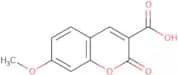
CAS:<p>Fmoc-9-aminononanoic acid is a versatile building block that can be used in the synthesis of complex compounds. This compound has been shown to be useful for the production of speciality chemicals and research chemicals, as well as for the preparation of reagents and reaction components. Fmoc-9-aminononanoic acid is also a high quality intermediate with a wide range of applications. It can be used as an electrophile or nucleophile in organic synthesis reactions, or it can be used as a scaffold to prepare more complicated molecules.</p>Formula:C24H29NO4Purity:Min. 98 Area-%Color and Shape:PowderMolecular weight:395.49 g/mol7-Methoxycoumarin-3-carboxylicacid
CAS:<p>7-Methoxycoumarin-3-carboxylic acid (MC) is a potent inhibitor of metalloendopeptidases and cyclic peptide receptors. MC has been shown to inhibit protein synthesis, leading to apoptotic cell death. It has also been reported to have anti-inflammatory properties, which may be due to its inhibition of prostaglandin synthesis. The fluorophore 7-methoxycoumarin is derived from the natural product coumarin and can be used as a fluorescent probe for hydrogen bonding in molecular modeling studies.</p>Formula:C11H8O5Purity:Min. 95%Color and Shape:PowderMolecular weight:220.18 g/mol







![2-[N-[(3,5-Difluorophenyl)carbamoylamino]-C-methylcarbonimidoyl]pyridine-3-carboxylic acid](/_next/image/?url=https%3A%2Fstatic.cymitquimica.com%2Fproducts%2F3D%2Fthumb-webp%2FFD101726.webp&w=3840&q=75)