Carboxylic Acids
Carboxylic acids are organic molecules characterized by having a carboxyl-type functional group (-COOH). These acids are fundamental in various chemical reactions, including esterification, amidation, and decarboxylation. Carboxylic acids are widely used in the production of pharmaceuticals, polymers, and agrochemicals. In this section, you can find a large number of carboxylic acids ready to be used. At CymitQuimica, we provide a broad range of high-quality carboxylic acids to support your research and industrial applications.
Found 12453 products of "Carboxylic Acids"
Sort by
Purity (%)
0
100
|
0
|
50
|
90
|
95
|
100
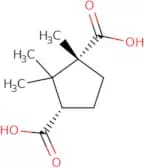
D-(+)-Camphoric acid
CAS:<p>D-(+)-Camphoric acid is a chiral compound that has been synthesized and studied for its anticancer activity. It was found to be effective against cancer cells in the presence of metal cations, such as copper, nickel, and zinc. D-(+)-Camphoric acid can be used as a test compound to investigate the mechanism of action of drugs that target the lysosomal membrane. It is also useful in determining homochirality by x-ray diffraction studies. This compound has been shown to have an adsorption kinetic behaviour that is dependent on pH and ionic strength, which can be determined by luminescence experiments. D-(+)-Camphoric acid is an enantiopure chemical with a reaction time of 5 minutes at room temperature and is available in crystalline form. The crystal x-ray diffraction data for this compound has been published and it exhibits anticancer activity.</p>Formula:C10H16O4Color and Shape:White PowderMolecular weight:200.23 g/mol2,6-Dimethoxy-4-methylbenzoic acid
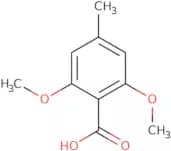
CAS:<p>2,6-Dimethoxy-4-methylbenzoic acid is a carboxylic acid that is used as an intermediate in the production of lithium.</p>Formula:C10H12O4Purity:Min. 95%Color and Shape:PowderMolecular weight:196.2 g/mol3-Trifluoromethoxyphenylboronic acid
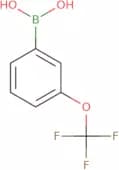
CAS:<p>3-Trifluoromethoxyphenylboronic acid is a lead compound that has the potential to be an efficient and water-soluble inhibitor of protein kinases. It has been shown to have a significant inhibitory effect on vismodegib transport. This compound may also have anticancer properties. 3-Trifluoromethoxyphenylboronic acid binds to the active site of protein kinases, blocking their catalytic activity and inhibiting cell proliferation by interfering with the signaling pathway that regulates cancer cells.</p>Formula:C7H6BF3O3Purity:Min. 90%Color and Shape:PowderMolecular weight:205.93 g/molGlycolic acid - 70% aqueous solution
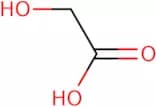
CAS:<p>Glycolic acid is a dicarboxylic acid that is used as a chemical peeling agent for the treatment of hyperkeratotic skin disorders. This product has been shown to inhibit the transcription-polymerase chain reaction (PCR) in maternal blood, which may be due to its ability to form glycolate from glucose and glyceraldehyde-3-phosphate. Glycolic acid inhibits the production of malonic acid by inhibiting the enzyme malonate decarboxylase, which converts malonic acid into succinic acid. The inhibition of this enzyme leads to an accumulation of intracellular glycolate and increased levels of succinic acid in cells. Glycolic acid also inhibits dapagliflozin, an inhibitor of sodium-dependent glucose transport proteins, suggesting that it may have pharmacological effects on diabetes mellitus. Glycolic acid binds with fatty acids by forming ester bonds, thereby preventing them from being incorporated into</p>Formula:C2H4O3Purity:Min. 95%Molecular weight:76.05 g/mol4-Maleimidobutyric acid N-succinimidyl ester
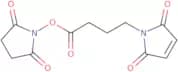
CAS:<p>4-Maleimidobutyric acid N-succinimidyl ester is a maleimide compound that can be used as an antimicrobial. It has been shown to have the ability to bind to toll-like receptors, which are proteins found on cells that play a role in immune responses. 4-Maleimidobutyric acid N-succinimidyl ester has been shown to inhibit the growth of bacteria by binding to DNA and crosslinking it. The drug also inhibits protein synthesis and enzyme activities in bacteria.<br>4-Maleimidobutyric acid N-succinimidyl ester has not been tested for its effects on humans, but it has been shown to be nontoxic in animal studies. This drug may cause cell lysis and thermal expansion, which means that it may be useful in the study of axonal growth and toxicity studies.</p>Formula:C12H12N2O6Purity:Min. 98 Area-%Color and Shape:PowderMolecular weight:280.23 g/mol4-Bromo-2-fluorobenzoic acid
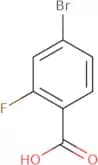
CAS:<p>4-Bromo-2-fluorobenzoic acid is an organic solvent that is used in the introduction of 2-aminoisobutyric acid. The reaction solution is typically heated and contains a small amount of either chloride, sulfoxide, or both. Various analytical methods can be used to determine the yield of the acylation reaction. 4-Bromo-2-fluorobenzoic acid's ligand can be converted to an acid chloride with a Grignard reagent and then reacted with carboxylate to form an ester. This ester reacts with amines to form amides, which are used as pharmaceuticals and intermediates for various other reactions. 4-Bromo-2-fluorobenzoic acid inhibits bacterial growth by binding to glutamine synthetase, thereby inhibiting protein synthesis.</p>Formula:C7H4BrFO2Purity:Min. 95%Color and Shape:PowderMolecular weight:219.01 g/mol3-Carboxycinnamic acid
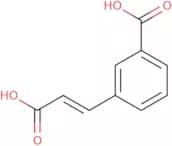
CAS:<p>3-Carboxycinnamic acid is a metabolite of cinnamic acid and belongs to the group of phenols. It is a potent inducer of apoptosis in human carcinoma cell lines, with potency comparable to all-trans retinoic acid. 3-Carboxycinnamic acid has been shown to induce apoptosis by increasing the expression of proapoptotic proteins such as Bax and decreasing the expression of antiapoptotic proteins such as Bcl-2. 3-Carboxycinnamic acid also interacts with other transcriptional regulators, including all-trans retinoic acid, which may explain its potent cytotoxic effects. This compound has been shown to inhibit cell cycle progression at G2/M phase by inhibiting DNA synthesis. In addition, 3-carboxycinnamic acid can increase protein synthesis in liver cells, but inhibits it in cardiac cells.</p>Formula:C10H8O4Purity:Min. 95%Color and Shape:PowderMolecular weight:192.17 g/mol(3-Formyl-1-indolyl)acetic acid
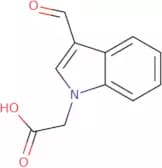
CAS:<p>(3-Formyl-1-indolyl)acetic acid is a small molecule that has been shown to inhibit the activity of various enzymes, including acetylcholinesterase (AChE), butyrylcholinesterase (BChE), and histamine N-methyltransferase (HNMT). The crystal structure of (3-formyl-1-indolyl)acetic acid was determined by X-ray crystallography. The active conformation of the molecule was found to be a nonplanar chair conformation with a hydrogen bond acceptor at C8. This conformation is stabilized by a hydrogen bond donor at C7, which also creates an additional hydrogen bond acceptor at O2. These interactions stabilize the molecule in its active form. The docking studies showed that the ligand binds to AChE with high affinity, while binding to BChE and HNMT with lower affinity. The inhibition effects on these</p>Formula:C11H9NO3Purity:Min. 95%Color and Shape:Off-White PowderMolecular weight:203.19 g/mol3-Chloro-4-nitrobenzoic acid
CAS:<p>3-Chloro-4-nitrobenzoic acid (3CNB) is an amine that has been shown to be a 5-HT1A receptor agonist. It has been used in animal models of anxiety, depression and schizophrenia. 3CNB is able to activate the 5-HT1A receptor, which is involved in the regulation of anxiety, mood and other behaviors. The activation energies for the binding of 3CNB to the 5-HT1A receptor are calculated to be 8.3 kcal/mol and 9.2 kcal/mol at pH 7.0 and 10 respectively. A clinical study found that this agent was effective in treating trichomonas vaginalis infections as well as reducing symptoms of irritable bowel syndrome. In vivo studies have revealed that 3CNB is capable of inducing a sustained increase in extracellular serotonin levels in rat brain tissue with a half life of 2 hours. Kinetic studies have also shown that nitro groups enhance</p>Formula:C7H4ClNO4Purity:Min. 98 Area-%Color and Shape:PowderMolecular weight:201.56 g/mol6-Fluoro-2-(2'-fluorobiphenyl-4-yl)-3-methylquinoline-4-carboxylic acid
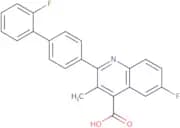
CAS:<p>Brequinar sodium is a drug that belongs to the class of quinoline carboxylic acid derivatives. It has been shown to be effective in the treatment of infectious diseases and bowel disease. Brequinar sodium inhibits bacterial growth by binding to DNA-dependent RNA polymerase, thereby preventing transcription and replication. The high frequency of human activity has been shown using a patch-clamp technique on human erythrocytes. This active form is metabolized through a number of metabolic transformations, including hydrolysis by esterases or glucuronidases, oxidation by cytochrome P450 enzymes, reduction by glutathione reductase, or conjugation with glucuronic acid. Brequinar also specifically binds to markers expressed at high levels in Mycobacterium tuberculosis strains (e.g., ESX-1 secretion system protein) and inhibits cell growth in culture.</p>Formula:C23H15F2NO2Purity:Min. 97 Area-%Color and Shape:White/Off-White SolidMolecular weight:375.37 g/molL(-)-Thiazolidine-4-carboxylic acid
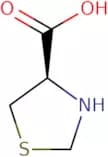
CAS:<p>L(-)-Thiazolidine-4-carboxylic acid is a proline derivative that inhibits the enzyme cyclase, which is involved in the production of cAMP. It is also an antioxidant and has been shown to protect against oxidative damage induced by reactive oxygen species (ROS) in fetal bovine tissues. L(-)-Thiazolidine-4-carboxylic acid has been shown to inhibit the activity of other enzymes, such as α1 subunit, which are involved in energy metabolism. The enzyme activities of L(-)-thiazolidine-4-carboxylic acid have been shown to be high in E. coli K-12 cells and in plants. L(-)-Thiazolidine-4-carboxylic acid can also be used as a plant growth regulator and has been shown to inhibit the elongation of plant roots.</p>Formula:C4H7NO2SPurity:Min. 95%Color and Shape:PowderMolecular weight:133.17 g/mol4-(2-Hydroxyethyl)benzoic acid
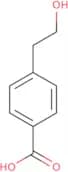
CAS:<p>4-(2-Hydroxyethyl)benzoic acid is a synthetic drug that binds to the dopamine D2 receptor and blocks adenylyl cyclase, which synthesizes cAMP. This results in a decrease in the binding of dopamine to its receptors, and therefore reduces the amount of dopamine that is transported into the cell. It has been demonstrated that 4-(2-hydroxyethyl)benzoic acid has affinity for both dopamine D4 receptors and dopamine D3 receptors. 4-(2-Hydroxyethyl)benzoic acid has been shown to be an effective anticancer agent in vitro, as it inhibits proliferation of human cancer cells by inhibiting DNA synthesis.</p>Formula:C9H10O3Purity:Min. 95%Color and Shape:White PowderMolecular weight:166.17 g/mol(3,4-Bis(trifluoromethyl)phenyl)boronic acid
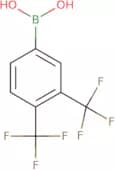
CAS:<p>3,4-Bis(trifluoromethyl)phenylboronic acid is a versatile building block that can be used as a reagent in organic synthesis. It has been shown to be a high quality product with the CAS number 1204745-88-9. This chemical is used to produce fine chemicals and research chemicals. 3,4-Bis(trifluoromethyl)phenylboronic acid is also a useful intermediate in the production of complex compounds and can be used as a building block for speciality chemicals.</p>Formula:C8H5BF6O2Purity:Min. 95%Color and Shape:PowderMolecular weight:257.93 g/molIsonicotinic acid
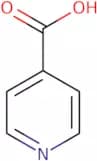
CAS:<p>Isonicotinic acid is an intramolecular hydrogen compound that has been shown to have antimicrobial activity. It has the ability to bind to the surface of bacteria and inhibit their growth by forming a complex with water vapor. Isonicotinic acid also inhibits the growth of subcutaneous tumors in mice and is believed to have anti-inflammatory properties. Isonicotinic acid may be a non-toxic agent for the treatment of bacterial infections because it does not react with human serum or cause hemolysis.</p>Formula:C6H5NO2Purity:Min. 98.5 %Color and Shape:PowderMolecular weight:123.11 g/mol2-(4-Aminophenoxy)acetic acid hydrate
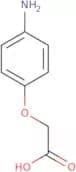
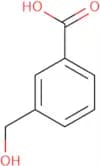
CAS:<p>2-(4-Aminophenoxy)acetic acid hydrate is a synthetic, chlorine atom, primary amino compound that has been used as a lysine analogue in the production of lysine-deficient media. It also has been shown to be an inhibitor of the uptake of L-lysine by rat liver cells. 2-(4-Aminophenoxy)acetic acid hydrate can also be used to synthesize conjugates with other compounds such as fluorescein and luciferin. This compound is acidic and can form hydrogen bonds with other molecules. 2-(4-Aminophenoxy)acetic acid hydrate has shown novartis in fluorescence techniques, which may be due to its ability to emit light when excited at specific wavelengths.</p>Formula:C8H9NO3·H2OPurity:Min. 95%Color and Shape:Off-White PowderMolecular weight:185.18 g/mol3-(Hydroxymethyl)benzoic acid
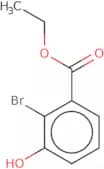
CAS:<p>3-(Hydroxymethyl)benzoic acid is a versatile building block that can be used in the synthesis of a wide range of compounds. It is an important intermediate in the synthesis of pharmaceuticals and agrochemicals. 3-(Hydroxymethyl)benzoic acid is also used as a reagent for organic synthesis, and as a speciality chemical and research chemicals. This compound has many uses, including as a building block for complex compounds, as a reaction component for the preparation of other useful compounds, and as a scaffold for diverse synthetic applications.</p>Formula:C8H8O3Purity:Min. 95%Color and Shape:PowderMolecular weight:152.15 g/mol2-Bromo-3-hydroxybenzoic acid ethyl ester
CAS:<p>2-Bromo-3-hydroxybenzoic acid ethyl ester is a versatile building block that can be used in the synthesis of complex compounds. It is a fine chemical and research chemical with CAS No. 1260889-94-8. This compound has high quality and is used as a reagent, scaffold, or intermediate in organic syntheses. 2-Bromo-3-hydroxybenzoic acid ethyl ester is also useful for the preparation of speciality chemicals and reaction components.</p>Formula:C9H9BrO3Purity:Min. 95%Color and Shape:Yellow PowderMolecular weight:245.07 g/mol3-Amino-2,4,6-tribromobenzoic acid
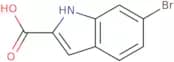
CAS:<p>3-Amino-2,4,6-tribromobenzoic acid is an antibacterial agent that has a strong interaction with the optical properties of diaminopyridine. This interaction leads to an enhancement in the fluorescence of 3-amino-2,4,6-tribromobenzoic acid. The photophysical properties of 3-amino-2,4,6-tribromobenzoic acid have been investigated by measuring its fluorescence emission in acetonitrile and zirconium chloride solutions. It has been shown that this compound is active against many bacterial strains including methicillin resistant Staphylococcus aureus (MRSA). This compound has also been shown to be effective against Mycobacterium tuberculosis and Mycobacterium avium complex.</p>Formula:C7H4Br3NO2Purity:Min. 95%Color and Shape:PowderMolecular weight:373.82 g/mol6-Bromoindole-2-carboxylic acid
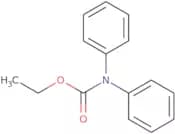
CAS:<p>6-Bromoindole-2-carboxylic acid is a useful building block that can be used in the synthesis of complex compounds. This chemical is also a versatile intermediate for research chemicals and pharmaceuticals. 6-Bromoindole-2-carboxylic acid is often used as a reaction component for organic syntheses, such as the manufacture of reagents and other specialty chemicals.</p>Formula:C9H6BrNO2Purity:Min. 95%Color and Shape:PowderMolecular weight:240.05 g/molEthyl N,N-diphenylcarbamate
CAS:<p>Ethyl N,N-diphenylcarbamate is a monomer that belongs to the aromatic hydrocarbon family. It has a ph optimum of 7.0 and is soluble in organic solvents such as chloroform or acetone. The chemical's kinetic constants have been determined by thermally induced displacement of sodium nitrate from an insoluble polymer and by infrared spectroscopy at a frequency of 10 cm-1. Ethyl N,N-diphenylcarbamate can be used for the production of polymers with functionalities such as geranyl in the presence of an enzyme.</p>Formula:C15H15NO2Purity:Min. 95%Color and Shape:White Off-White PowderMolecular weight:241.29 g/mol2-Pyridinecarboxylic acid
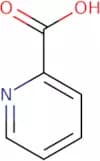
CAS:<p>2-Pyridinecarboxylic acid is a chemical compound that has been shown to have minimal toxicity. It is a potent inducer of various enzymes, including c-jun phosphorylation and enzyme activities. This compound has also been shown to bind to picolinic acid and picolinate, which are chemical compounds that have been associated with many physiological effects. 2-Pyridinecarboxylic acid may also be able to regulate the activity of growth factor-β1, which plays an important role in energy metabolism. Molecular docking analysis has shown that 2-pyridinecarboxylic acid may bind to chromium picolinate, a form of chromium with antioxidant properties.</p>Formula:C6H5NO2Purity:Min. 95%Color and Shape:PowderMolecular weight:123.11 g/mol2-Bromo-5-hydroxybenzoic acid
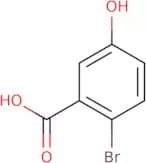
CAS:<p>2-Bromo-5-hydroxybenzoic acid is a naturally occurring chemical that belongs to the group of phenols. It is an intermediate in the biosynthesis of the phorbol esters and is used as a nutrient for many bacteria. 2-Bromo-5-hydroxybenzoic acid has been shown to protect against microbial infections by inhibiting the growth of certain bacteria. It also inhibits production of inflammatory compounds, such as leukotrienes and prostaglandins, by modifying the enzyme activity of peroxidases and other enzymes involved in lipid metabolism. 2-Bromo-5-hydroxybenzoic acid has been shown to inhibit the enzyme lactoperoxidase and prevent oxidation of thiol groups in proteins, altering their functions. This compound also potently inhibits tissue inflammation induced by phorbol myristate acetate (PMA).</p>Formula:C7H5BrO3Purity:Min. 95%Color and Shape:PowderMolecular weight:217.02 g/mol2-Cyanocinnamic acid
CAS:<p>2-Cyanocinnamic acid is a fatty acid that has been shown to inhibit the synthesis of proteins. It binds to cytochrome c oxidase, inhibiting mitochondrial respiration and electron transport, leading to decreased ATP production. 2-Cyanocinnamic acid is not easily transported out of mitochondria, which leads to its accumulation in the mitochondrial matrix. This accumulation causes synergistic inhibition with glutamate, leading to a decrease in ATP production and an increase in intracellular levels of reactive oxygen species (ROS). The use of 2-cyanoacrylic acid as a mitochondrial transport inhibitor has been proposed for the treatment of obesity and diabetes.<br>2-Cyanocinnamic acid also inhibits fatty acid uptake by binding to the protein translocase at the outer membrane of cells. This binding prevents monomers from entering the cell, where they are broken down by beta oxidation and converted into acetyl-CoA, which can be used for energy production or stored as triglycer</p>Formula:C10H7NO2Purity:Min. 95%Molecular weight:173.17 g/molNonanoic acid
CAS:<p>Nonanoic acid is a fatty acid that is metabolized by the liver, and is used as a substrate in the film-forming test to measure the rate constant of glycol ethers. Nonanoic acid also has anti-inflammatory properties and can be used to treat skin diseases caused by bacteria. It can also be used as a therapeutic for people with chronic obstructive pulmonary disease (COPD). In mice, nonanoic acid has been shown to have an antibacterial effect on Gram-positive bacteria, including methicillin resistant Staphylococcus aureus (MRSA). This compound also prevents the activation of toll-like receptor 4 (TLR4) and TLR2 in human monocytes. Nonanoic acid is structurally similar to benzalkonium chloride and pelargonic acid, which are both antimicrobial agents.</p>Formula:C9H18O2Purity:Min. 95 Area-%Color and Shape:Clear LiquidMolecular weight:158.24 g/molBenzylmalonic acid
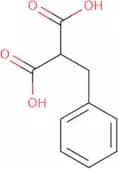
CAS:<p>Benzylmalonic acid is a chemical that has been used to study the role of ATP-binding cassette transporter (ABC) proteins in autoimmune diseases. ABC proteins are involved in transporting molecules across cell membranes, and their dysfunction leads to the development of autoimmune diseases. Benzylmalonic acid binds to the receptor site on ABC proteins and blocks their function, inhibiting the production of inflammatory cytokines. This agent also binds to picolinic acid, which is an intermediate metabolite in the kynurenine pathway that is linked to inflammatory response. The structure of benzylmalonic acid may be responsible for its effects on congestive heart disease because it can bind with phosphorus pentoxide and form a precipitate that may interfere with calcium binding. This drug has also shown anti-inflammatory properties as well as cardiotoxic effects when used at high doses.</p>Formula:C10H10O4Purity:Min. 95%Color and Shape:White PowderMolecular weight:194.18 g/mol3-Aminophenylboronic acid hemisulphate
CAS:<p>3-Aminophenylboronic acid hemisulphate is a cross-linking agent that has been shown to induce apoptosis in mammalian cells. It also has the ability to bind to glycan, a sugar molecule on the surface of cells. The binding of 3-aminophenylboronic acid hemisulphate induces morphogenetic protein (MP) secretion, which leads to cell death. This compound is used as an adjuvant in vaccines and also as a research reagent for studying protein sequences and antigen/antibody interactions.</p>Formula:C6H8BNO2•(H2SO4)0Purity:Min. 95%Color and Shape:White PowderMolecular weight:185.98 g/mol4-Acetoxyphenoxyacetic acid
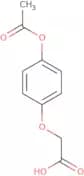
CAS:<p>4-Acetoxyphenoxyacetic acid is a high-quality, versatile building block that is used as an intermediate in the synthesis of various pharmaceuticals and agricultural chemicals. It has been shown to be a useful scaffold for drug design. 4-Acetoxyphenoxyacetic acid is also used as a reagent for organic synthesis. This compound can be used to synthesize complex compounds and speciality chemicals. 4-Acetoxyphenoxyacetic acid can be used as a reaction component for reactions including cycloadditions, acylations, esterifications, and hydrolysis reactions.</p>Formula:C10H10O5Purity:Min. 95%Color and Shape:PowderMolecular weight:210.18 g/mol3-Bromophenylacetic acid
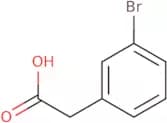
CAS:<p>3-Bromophenylacetic acid is a metabolic disorder that belongs to the group of substances that have hydrogen bond. It is a receptor binding substance and can be used as an analog. 3-Bromophenylacetic acid has been shown to inhibit the CB1 receptor, which is involved in the regulation of appetite and pain perception. This compound has also been shown to have an inhibitory effect on cb1 receptor, which may be due to its ability to act as a solute in vitro. 3-Bromophenylacetic acid has been shown to be an efficient method for phase liquid chromatography when it is combined with proton exchange resin and solutes.</p>Formula:C8H7BrO2Purity:Min. 95%Color and Shape:PowderMolecular weight:215.04 g/mol3,4-Methylenedioxy-5-methoxycinnamic acid
CAS:3,4-Methylenedioxy-5-methoxycinnamic acid is a fine chemical that can be used as a versatile building block in the synthesis of many organic compounds. It is a useful intermediate for research chemicals, reaction components, and specialty chemicals. This compound can be used as a reagent for the synthesis of complex compounds. It has high purity and quality.Formula:C11H10O5Purity:Min. 95%Color and Shape:PowderMolecular weight:222.19 g/mol(R)-(+)-Methylsuccinic acid
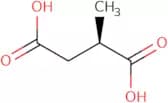
CAS:<p>(R)-(+)-Methylsuccinic acid is a catalysed, synthetic, asymmetric synthesis of the methylsuccinic acid skeleton. It is a liquid crystal compound that has been shown to be spontaneously racemic and have enantiopure versions of itself. The stereoisomers are an important part of its biological activity.<br>Methylsuccinic acid plays a role in the biosynthesis of butanol, which can be used as a biofuel or for industrial purposes.</p>Formula:C5H8O4Purity:Min. 95%Color and Shape:White PowderMolecular weight:132.11 g/mol2-Indol-3-yl-4-(4-isopropylphenyl)-4-oxobutanoic acid
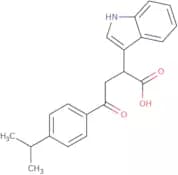
CAS:<p>Please enquire for more information about 2-Indol-3-yl-4-(4-isopropylphenyl)-4-oxobutanoic acid including the price, delivery time and more detailed product information at the technical inquiry form on this page</p>Formula:C21H21NO3Purity:Min. 95%Color and Shape:PowderMolecular weight:335.4 g/mol6-Bromochromone-3-carboxylic acid
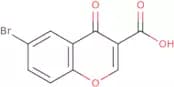
CAS:<p>6-Bromochromone-3-carboxylic acid is a reactive building block that is used as a reagent. It is also a useful scaffold for the synthesis of complex compounds, due to its high quality and versatility. 6-Bromochromone-3-carboxylic acid can be used as a starting material for the synthesis of fine chemicals such as pharmaceuticals, pesticides, and dyes. This compound has CAS number 51085-91-7.br><br>6-Bromochromone-3-carboxylic acid is an important intermediate in organic syntheses because it can be reacted with other molecules containing functional groups to produce new compounds.br><br>The 6-bromochromone carboxylic acid group reacts with alcohols and amines to form esters and amides respectively. The carboxylic acid group can also react with phenols to produce phenoxy acids.br><br>This compound</p>Formula:C10H5BrO4Purity:Min. 95%Color and Shape:PowderMolecular weight:269.05 g/molMalonic acid
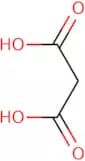
CAS:<p>Malonic acid is a potent inducer of biocompatible polymers and sodium salts. It is an acidic chemical compound that belongs to the group of malonates. Malonic acid has been shown to induce neuronal death in model systems, but also has a protective effect on human serum fibroblasts. The reaction solution containing malonic acid and sodium bicarbonate generates malonate, which can be used as a precursor for energy metabolism and cell signaling.</p>Formula:C3H4O4Color and Shape:White Off-White PowderMolecular weight:104.06 g/mol3,7-Diketo-5β-cholan-24-oic acid
CAS:Controlled Product<p>3,7-Diketo-5beta-cholan-24-oic acid is a bile acid that is found in the body. It is one of the major bile acids in humans, and it circulates in the blood bound to albumin. 3,7-Diketo-5beta-cholan-24-oic acid has been shown to be synthesized by the liver and secreted into bile as a conjugate with taurine or glycine. 3,7-Diketo-5beta-cholan-24-oic acid is hydrated by water and micelles before it reaches the intestinal lumen. It can be absorbed by intestinal cells and reabsorbed into the bloodstream. The process of absorption starts when 3,7-diketo 5beta cholan 24 oic acid binds to an ileal receptor on intestinal cells. This binding causes a conformational change in the receptor that activates signaling pathways</p>Formula:C24H36O4Purity:Min. 95%Color and Shape:PowderMolecular weight:388.54 g/molRoxatidine acetate hydrochloride
CAS:<p>Histamine H2 receptor antagonist</p>Formula:C19H28N2O4•HClPurity:Min. 95%Molecular weight:384.9 g/molb-Amyrin acetate
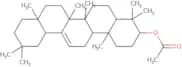
CAS:Controlled Product<p>Please enquire for more information about b-Amyrin acetate including the price, delivery time and more detailed product information at the technical inquiry form on this page</p>Purity:Min. 95%tert-Butyl methyl(2-(methylamino)ethyl)carbamate
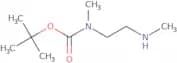
CAS:<p>Tert-Butyl methyl(2-(methylamino)ethyl)carbamate (TBMMEC) is an experimental anticancer drug that has been shown to induce the regression of a variety of cancers in animal models. TBMMEC binds to the antigen Cetuximab and its conjugates, which have been found to be effective against colorectal cancer cells. TBMMEC has also been shown to inhibit the replication of human cytomegalovirus, a virus that causes cancer in humans. This drug is currently being tested for safety and efficacy in humans.</p>Formula:C9H20N2O2Purity:Min. 95%Color and Shape:Colourless To Pale Yellow LiquidMolecular weight:188.27 g/molCresyl Violet acetate
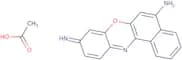
CAS:Controlled Product<p>Cresyl violet acetate is a dye that is used in histology to stain tissue sections. It binds to basic proteins, such as those found in the cytoplasm and nucleus, and has a strong affinity for nucleic acids. Cresyl violet acetate can be used to identify inflammatory lesions and other biological samples. The dye has been shown to induce neuronal death by reducing the redox potentials of neurons through the activation of Toll-like receptors (TLRs). Basic proteins are also involved in oral hypoglycaemic activity.</p>Formula:C18H15N3O3Purity:Limit? 65.%Color and Shape:PowderMolecular weight:321.33 g/mol4-Fluorophenoxyacetic acid hydrazide
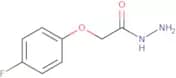
CAS:<p>4-Fluorophenoxyacetic acid hydrazide (4FPAAH) is a palladium complex with anti-cancer activity. It induces apoptosis, or programmed cell death, in myelogenous leukemia cells and breast cancer cells. 4FPAAH has been shown to bind to the ATP binding site of the catalytic domain of topoisomerase II on DNA and inhibit its activity. The molecular modeling studies show that 4FPAAH binds in the same way as cisplatin, which is a platinum-based drug commonly used for cancer treatment. The structural analysis shows that 4FPAAH binds to the nitrogen atoms of the protein and eliminates the possibility of any hydrogen bonding interactions. This mechanism may be due to an electrostatic interaction between the positively charged nitrogen atom in 4FPAAH and negative charge on topoisomerase II's active site.</p>Formula:C8H9FN2O2Purity:Min. 95%Color and Shape:PowderMolecular weight:184.17 g/mol(2E)-3-Methyl-2-hexenoic acid
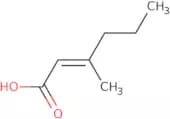
CAS:<p>(2E)-3-Methyl-2-hexenoic acid is a fatty acid that is metabolized by the liver to 3-hydroxy-3-methylhexanoic acid. This compound has been shown to be effective in the treatment of chronic schizophrenia, with clinical studies showing that it may be more effective than other anti-schizophrenia drugs. (2E)-3-Methyl-2-hexenoic acid has also been shown to have antibiotic properties against bacteria such as Staphylococcus aureus, Streptococcus pneumoniae and Pseudomonas aeruginosa. It has also been shown to be effective in treating infectious diseases such as malaria and tuberculosis. (2E)-3-Methyl-2-hexenoic acid binds to bacterial enzymes, inhibiting their function and preventing them from replicating DNA. This binding prevents the formation of an antibiotic inhibitor complex with the enzyme cell wall synthesis that is required for cell wall biosynthesis</p>Formula:C7H12O2Purity:Min. 95 Area-%Color and Shape:White PowderMolecular weight:128.17 g/molD,L-Mevalonic acid dicyclohexylammonium salt
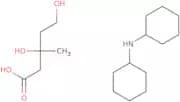
CAS:Controlled Product<p>Mevalonic acid dicyclohexylammonium salt is a reagent, compound, and fine chemical that is used in the synthesis of complex compounds. It has CAS No. 1215802-31-5 and is a useful intermediate, building block, and scaffold for the synthesis of many speciality chemicals. Mevalonic acid dicyclohexylammonium salt is also a versatile building block that can be used as a reaction component in many organic syntheses. This product can be used in research chemicals or as an intermediate for pharmaceuticals.</p>Formula:C18H35NO4Purity:Min. 95%Color and Shape:PowderMolecular weight:329.47 g/mol4,5-Dimethoxy-2-nitrocinnamic acid
CAS:<p>4,5-Dimethoxy-2-nitrocinnamic acid is a versatile building block that can be used as a reagent or speciality chemical. It is useful for the synthesis of complex compounds, and can be used as a reaction component or scaffold in organic chemistry. 4,5-Dimethoxy-2-nitrocinnamic acid is a high quality intermediate with CAS No. 20567-38-8.</p>Formula:C11H11NO6Purity:Min. 95%Molecular weight:253.21 g/mol3-Phenoxybenzoic acid
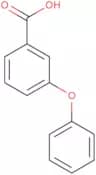
CAS:<p>3-Phenoxybenzoic acid is a metabolite of nonsteroidal anti-inflammatory drugs (NSAIDs) and pyrethroid insecticides. It is an inhibitor of the enzyme matrix metalloproteinases, which are involved in the degradation of collagen. 3-Phenoxybenzoic acid was used as a model system to study the effects of NSAIDs on urinary excretion rates and to identify biomarkers for NSAID use. The metabolite can be detected in urine after ingestion by using analytical methods such as preparative high performance liquid chromatography or electrochemical impedance spectroscopy. 3-Phenoxybenzoic acid is also present in cells from human HL-60 cells and has been shown to inhibit the growth of human leukemia cells by interfering with protein synthesis.</p>Formula:C13H10O3Purity:Min. 95%Color and Shape:PowderMolecular weight:214.22 g/mol9-Fluoro-3-methyl-7-oxo-10-(1-piperazinyl)-2,3-dihydro-7H-[1,4]oxazino[2,3,4-Ij]quinoline-6-carboxylic acid
CAS:<p>9-Fluoro-3-methyl-7-oxo-10-(1-piperazinyl)-2,3-dihydro-7H-[1,4]oxazino[2,3,4-Ij]quinoline (FQ) is a fluoroquinolone antibiotic. It inhibits the DNA gyrase and topoisomerase IV enzymes that maintain the integrity of bacterial DNA. FQ has been used to treat urinary tract infections in humans and other animals. This drug is also effective against methicillin resistant Staphylococcus aureus (MRSA) and Clostridium perfringens. FQ binds to bacterial 16S ribosomal RNA and inhibits protein synthesis leading to cell death by inhibiting the production of proteins vital for cell division. The 9 position on the quinoline ring can be detected using UV detection at 260 nm.<br>FQ can be analyzed using mass spectrometry with fluor</p>Formula:C17H18FN3O4Purity:Min. 95 Area-%Color and Shape:White PowderMolecular weight:347.34 g/mol5-Chloro-2-methylbenzoic acid
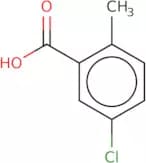
CAS:<p>5-Chloro-2-methylbenzoic acid (CAS No. 7499-06-1) is a fine chemical that is used as a versatile building block for the production of various organic and inorganic compounds. This compound is also used as an intermediate in the synthesis of pharmaceuticals and other organic chemicals, such as polymers and pigments. 5-Chloro-2-methylbenzoic acid has been shown to have high reactivity with many types of functional groups, making it a valuable research chemical. This compound can be used to synthesize complex compounds with a variety of applications, such as pharmaceuticals, dyes, and pesticides.</p>Formula:C8H7ClO2Purity:Min. 95%Color and Shape:PowderMolecular weight:170.59 g/mol2,6-Dihydroxy-4-pentylbenzoic acid
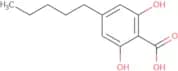
CAS:<p>2,6-Dihydroxy-4-pentylbenzoic acid is a building block for the synthesis of a variety of compounds. It has been used as an intermediate and building block for the synthesis of complex organic compounds. 2,6-Dihydroxy-4-pentylbenzoic acid is also used in research chemical laboratories as a reagent. This chemical has CAS number 61695-63-4 and can be purchased through speciality chemical suppliers.</p>Formula:C12H16O4Purity:Min. 95%Color and Shape:PowderMolecular weight:224.25 g/mol1,1'-Bicyclo[1,1,1]pentane-1,3-dicarboxylic acid
CAS:<p>1,1'-Bicyclo[1,1,1]pentane-1,3-dicarboxylic acid is a diacid that has been found to be effective in the synthesis of many organic compounds. It can be used as a building block for other molecules with different functional groups and is an excellent bioisostere for disulfides. The addition of 1,1'-bicyclo[1,1,1]pentane-1,3-dicarboxylic acid to a nucleophilic compound can be used to synthesize an ester. This molecule can also undergo cross-coupling reactions with halogens such as chlorine or bromine. The crystal x-ray diffraction pattern indicates that this molecule has a linear structure.</p>Formula:C7H8O4Purity:Min. 95%Color and Shape:SolidMolecular weight:156.14 g/mol2-Bromo-3-fluorobenzoic acid ethyl ester
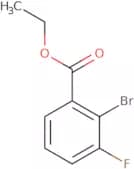
CAS:<p>2-Bromo-3-fluorobenzoic acid ethyl ester is a versatile building block that can be used in the preparation of many different chemical compounds. It is a high quality chemical with a CAS number 1131040-49-7. 2-Bromo-3-fluorobenzoic acid ethyl ester is useful in the synthesis of complex compounds, and has been shown to be an effective reagent. This chemical has also been used as a reaction component and scaffold in research chemicals.</p>Formula:C9H8BrFO2Purity:Min. 95%Color and Shape:PowderMolecular weight:247.06 g/molFmoc-iminodiacetic acid
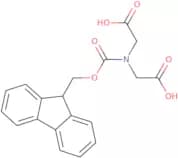
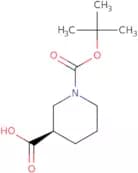
CAS:<p>Fmoc-iminodiacetic acid is a versatile building block and reagent that is used in the synthesis of complex compounds, such as peptides, proteins, and pharmaceuticals. It is also a useful intermediate in organic synthesis reactions. Fmoc-iminodiacetic acid has been shown to be effective as a reactant for the preparation of various scaffolds with high purity and quality.</p>Formula:C19H17NO6Purity:Min. 95%Color and Shape:PowderMolecular weight:355.34 g/molN-Boc-(R)-Nipecotic acid
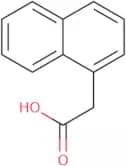
CAS:<p>N-Boc-(R)-Nipecotic acid is a synthetic compound that is used in the treatment of lymphocytic leukemia, chronic lymphocytic leukemia, and other types of cancer. It is a dry powder that can be taken orally or subcutaneously. N-Boc-(R)-Nipecotic acid binds to p53 mutations and inhibits DNA synthesis. This drug has been shown to reduce the size of tumors in mice with subcutaneous tumors and has been found to be effective against leukemia cells in vitro. The development of this drug was rationalized on the basis of fluorescence profiles.</p>Formula:C11H19NO4Purity:Min. 95%Color and Shape:PowderMolecular weight:229.27 g/mol1-Naphthylacetic acid
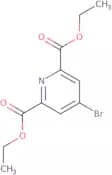
CAS:<p>1-Naphthylacetic acid is a fluorescent compound that can be used as a chemical marker for the identification of sodium salts. It has an optimum concentration of 0.1 mg/L and a maximum concentration of 1 mg/L in water. The fluorescence detector is set to measure the synchronous fluorescence at a wavelength of 515 nm. 1-Naphthylacetic acid is soluble in water and organic solvents, but insoluble in nonpolar solvents such as ether, chloroform, or benzene. This compound can be used for the detection of pesticides with a chemical structure similar to that of 1-naphthylacetic acid, such as 2-chloro-4-(trifluoromethoxy)phenol and 2-chloro-5-(trifluoromethoxy)phenol, using dispersive solid phase extraction (DSPE). The product description should include:</p>Formula:C12H10O2Purity:Min. 98 Area-%Color and Shape:White PowderMolecular weight:186.21 g/mol4-Bromo-2,6-pyridinedicarboxylic acid ethyl ester
CAS:<p>4-Bromo-2,6-pyridinedicarboxylic acid ethyl ester is a luminescent compound that emits light in the visible region of the spectrum. It can be used as a ligand for polymerized monolayers or as a bifunctional covalent coupling agent. The carboxylate group on 4-Bromo-2,6-pyridinedicarboxylic acid ethyl ester interacts with lanthanide metal ions to produce luminescence. This chemical also has low frequency emission and can be used for supramolecular interactions.</p>Formula:C11H12BrNO4Purity:Min. 95%Molecular weight:302.12 g/molmethyl 1-[(4-methylphenyl)sulfonyl]-4-piperidinecarboxylate
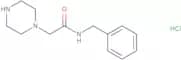
CAS:<p>Please enquire for more information about methyl 1-[(4-methylphenyl)sulfonyl]-4-piperidinecarboxylate including the price, delivery time and more detailed product information at the technical inquiry form on this page</p>Formula:C14H19NO4SPurity:Min. 95%Color and Shape:PowderMolecular weight:297.37 g/molPiperazinophenylacetic acid benzylamide hydrochloride
CAS:<p>Piperazinophenylacetic acid benzylamide hydrochloride is a versatile building block that can be used in the synthesis of complex compounds for research and development. It is a reagent for the preparation of speciality chemicals and also a useful intermediate for the synthesis of reaction components. Piperazinophenylacetic acid benzylamide hydrochloride is a high quality, commercially available chemical that can be used as a scaffold for the preparation of new chemical compounds.</p>Formula:C13H19N3O•HClPurity:Min. 95%Color and Shape:PowderMolecular weight:269.77 g/molBenzo[b]thiophene-2-carboxylic acid
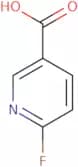
CAS:<p>A raw material for use in pharma, dye and organic synthesis industries.</p>Formula:C9H6O2SPurity:Min. 95%Color and Shape:PowderMolecular weight:178.21 g/mol6-Fluoronicotinic acid
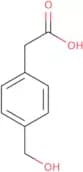
CAS:<p>6-Fluoronicotinic acid is a compound class that is biosynthesized from picolinic acid. It has been found to have biological properties such as the ability to form positrons and spiroindolines. 6-Fluoronicotinic acid can be synthesized by solid-phase synthesis and analyzed using vibrational spectroscopy. This compound class is also a radionuclide, which means it can be used in positron emission tomography (PET) scans of the human body. 6-Fluoronicotinic acid has been shown to bind to cardiac tissue and cancer cells, making it an effective drug for treating these diseases.</p>Formula:C6H4FNO2Purity:Min. 95%Color and Shape:PowderMolecular weight:141.1 g/mol4-(Hydroxymethyl)phenylacetic acid
CAS:<p>4-(Hydroxymethyl)phenylacetic acid is an intermediate in the biosynthetic pathway of phenylpropanoids. It is a metabolite of several flavonoids and is found in plants, animals, and humans. 4-(Hydroxymethyl)phenylacetic acid has been shown to have a high concentration in human serum and plasma with low toxicity. This metabolite has been shown to be stable when complexed with collagen or other proteins, which may be due to its insolubility. 4-(Hydroxymethyl)phenylacetic acid can also be biotransformed by microflora into other metabolites such as 4-hydroxybenzoic acid, which is a precursor of salicylic acid.</p>Formula:C9H10O3Purity:Min. 95%Color and Shape:White PowderMolecular weight:166.17 g/mol3,4-Dimethoxy-2-methylcinnamic acid
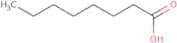
CAS:<p>3,4-Dimethoxy-2-methylcinnamic acid is a fine chemical that can be used as a building block to produce complex compounds. It is also an intermediate in the synthesis of chemicals such as cinnamyl alcohol, cinnamaldehyde, and 2-methyl-3-(4'-methoxyphenyl)propanoic acid. This compound is useful for research purposes as it has been shown to be an effective reaction component in organic reactions. 3,4-Dimethoxy-2-methylcinnamic acid is a high quality reagent with CAS No. 868562-26-9.</p>Formula:C12H14O4Purity:Min. 95%Color and Shape:PowderMolecular weight:222.24 g/molOctanoic acid
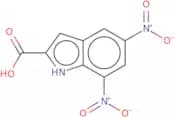
CAS:<p>Octanoic acid is a medium-chain fatty acid that is synthesized by the condensation of two molecules of acetyl-CoA. It is an antimicrobial agent that inhibits Gram-positive bacteria, such as Aerobacter aerogenes and Staphylococcus aureus. Octanoic acid has been shown to be effective in inhibiting the growth of Gram-negative bacteria, such as Escherichia coli and Pseudomonas aeruginosa. Octanoic acid has also been shown to have physiological effects on the human body, such as its ability to induce metabolic disorders. It is also used for energy metabolism and structural analysis.</p>Formula:C8H16O2Purity:Min. 98%Color and Shape:Clear LiquidMolecular weight:144.21 g/mol5,7-Dinitroindole-2-carboxylic acid
CAS:<p>5,7-Dinitroindole-2-carboxylic acid is a versatile building block that has been used as a reagent in organic synthesis. It has also been shown to be an intermediate in the preparation of 5,7-dichloroindole and other complex compounds. This compound is a reaction component for the synthesis of many useful compounds, including research chemicals and speciality chemicals. 5,7-Dinitroindole-2-carboxylic acid is soluble in most solvents and can be purified by recrystallization or chromatography. The purity can be determined by elemental analysis or nuclear magnetic resonance spectroscopy.</p>Formula:C9H5N3O6Purity:Min. 95%Color and Shape:PowderMolecular weight:251.15 g/molIndole-2-carboxylic acid
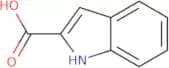
CAS:<p>Indole-2-carboxylic acid is a potent inducer of the cytochrome P450 enzyme. It has been shown to bind to the active site of the enzyme and inhibit its activity. Indole-2-carboxylic acid is an acidic molecule with two hydrogen atoms that are capable of forming an intermolecular hydrogen bond, which may be responsible for its ability to bind to the enzyme. This compound has been shown to inhibit the activity of other enzymes such as xanthine oxidase and phosphodiesterase, which are involved in chemical reactions that produce reactive oxygen species (ROS). ROS are implicated in neuronal death and Parkinson's disease.</p>Formula:C9H7NO2Purity:Min 98%Color and Shape:PowderMolecular weight:161.16 g/molChromotropic acid disodium dihydrate
CAS:<p>Chromotropic acid dihydrate is a chromogenic compound that has an adsorption mechanism and is used as an analytical reagent. Chromotropic acid disodium dihydrate (CDA) is used in the determination of hydrochloric acid, natural gas and other liquids. It also can be used to measure the concentration of tyramine hydrochloride. CDA has been shown to be effective in the measurement of molecular orbitals and kinetic constants. The optical sensor is sensitive to wavelengths ranging from 200-900 nm, with a peak absorption at around 500 nm. This sensor can be used for many types of chemical reactions, such as organic synthesis, hydrogenation, and oxidation.</p>Formula:C10H6O8S2Na2·2H2OPurity:Min. 95%Color and Shape:Off-White PowderMolecular weight:400.29 g/mol3-Bromo-4-hydroxybenzoic acid
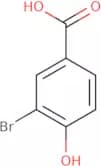
CAS:<p>3-Bromo-4-hydroxybenzoic acid (3BBA) is a hydroxylated benzoic acid that is used as an intermediate in the production of dyes, pharmaceuticals, and other chemicals. 3BBA also has been shown to have anti-inflammatory effects and may be useful for the treatment of heart disease patients. The antimicrobial activity of 3BBA is due to its ability to inhibit bacterial growth by inhibiting the enzyme acetate extract, which is involved in the biosynthesis of fatty acids. This substance also inhibits bacterial growth by binding to particle and p. aeruginosa. 3BBA can be synthesized using ethylene diamine and p-hydroxybenzoic acid in basic dye reactions at pH optimum 7.5.</p>Formula:C7H5BrO3Purity:Min. 95%Color and Shape:SolidMolecular weight:217.02 g/molGlycohyodeoxycholic acid
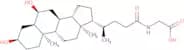
CAS:<p>Glycohyodeoxycholic acid is a bile acid derivative, which is synthesized from hyodeoxycholic acid in the liver. It is a naturally occurring compound found in certain animal sources, particularly in the bile of pigs. The mode of action of glycohyodeoxycholic acid involves its role in the emulsification and absorption of dietary fats, contributing to the digestion process. Additionally, as a bile acid, it is involved in cholesterol metabolism and regulation within the liver.</p>Formula:C26H43NO5Purity:Min. 95%Color and Shape:White/Off-White SolidMolecular weight:449.62 g/mol(4-Formyl-2-methoxyphenoxy)acetic acid
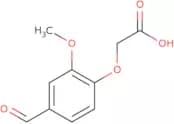
CAS:<p>Phenoxyacetic acid is a phenoxy compound that exhibits antibacterial and anthelmintic activity. It has been shown to be highly active against helminthes, such as tapeworms and roundworms. Phenoxyacetic acid interacts with the helminth's cell membrane, which causes the release of cytochrome c from mitochondria and inhibits mitochondrial function. This leads to cell death by inhibiting protein synthesis and DNA replication. The hydrophobic nature of phenoxyacetic acid allows it to penetrate the anthelmint's cuticle and enter the worm's body cavity where it inhibits mitochondrial function. Phenoxyacetic acid has also been shown to inhibit tuberculosis in mice in vivo, but not in vitro. In addition, phenoxyacetic acid binds to nuclei of cancer cells and prevents the production of RNA and protein synthesis. This results in cell death by apoptosis or necrosis.</p>Formula:C10H10O5Purity:Min. 95%Color and Shape:PowderMolecular weight:210.18 g/mol4-Aminobenzoic acid sodium salt
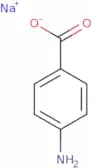
CAS:<p>4-Aminobenzoic acid sodium salt is an aminobenzoic acid that is used as a pharmaceutical intermediate. It is soluble in water and alcohol and has a pH of 4.5. The compound has been shown to inhibit the growth of bacteria by binding to enzymes involved in fatty acid synthesis, which prevents the formation of fatty acids and results in cell death. The compound also inhibits allergic reactions through its inhibition of histamine release from mast cells. 4-Aminobenzoic acid sodium salt has been found to have anti-inflammatory properties, which may be due to its ability to bind to epidermal growth factor receptors on the surface of keratinocytes, leading to increased cell proliferation and less inflammation.</p>Formula:C7H6NO2NaPurity:Min. 95%Color and Shape:PowderMolecular weight:159.12 g/mol6-Methoxy-2-naphthaleneacetic acid
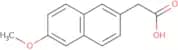
CAS:<p>6-Methoxy-2-naphthaleneacetic acid (6-MNA) is a nonsteroidal anti-inflammatory drug that is used to treat patients with chronic pain. 6-MNA has been shown to be an effective treatment for osteoarthritis, rheumatoid arthritis and other inflammatory conditions. It inhibits the production of prostaglandins and leukotrienes by inhibiting the enzyme cyclooxygenase, which is responsible for the conversion of arachidonic acid to these mediators. 6-MNA can also inhibit the activity of α1-acid glycoprotein and increase the activity of human serum albumin, which may contribute to its antiinflammatory effect. 6-MNA has several side effects including nausea, vomiting, diarrhea and abdominal pain. These adverse reactions are caused by inhibition of protein synthesis in the stomach lining, which leads to decreased production of mucus and bicarbonate ions.</p>Formula:C13H12O3Purity:Min. 95%Color and Shape:PowderMolecular weight:216.23 g/mol4-Methoxy-tetrahydro-2h-pyran-4-carboxylic acid
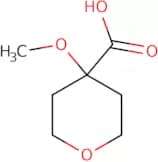
CAS:<p>4-Methoxy-tetrahydro-2h-pyran-4-carboxylic acid is a fine chemical that belongs to the group of research chemicals. It is a versatile building block and useful intermediate in organic synthesis. 4-Methoxy-tetrahydro-2h-pyran-4-carboxylic acid has been used as a reagent for the preparation of the compound 5,5'-dithiobis(4,4'-dimethylvaleronitrile) (CAS No. 1010836-49). This compound has been shown to be an effective antiviral agent against HIV.</p>Formula:C7H12O4Purity:Min. 95 Area-%Color and Shape:PowderMolecular weight:160.17 g/molQuinolin-4-ylboronic acid
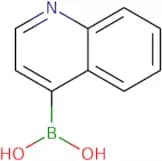
CAS:<p>Quinolin-4-ylboronic acid is a heterocyclic compound with two nitrogen atoms that are attached to the ring by means of carbonyl groups. This compound is a precursor in the synthesis of the drug dorsomorphin, which is used for pain relief. It also has an important role in pharmacokinetics because it can be used as a marker for estimating blood levels of other drugs. Quinolin-4-ylboronic acid yields an active form, quinolin-4-yl boronic acid, when reacted with piperazine in basic conditions. The drug ldn-193189 is a derivative of this active form and has been evaluated as a potential drug for treating osteoporosis and cancer.</p>Formula:C9H8BNO2Purity:Min. 95 Area-%Color and Shape:PowderMolecular weight:172.98 g/molPiperidin-1-yl-acetic acid
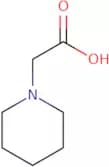
CAS:<p>Piperidin-1-yl-acetic acid is a nitrogen-containing organic compound, which is an alkanoic acid. It has a molecular weight of 104.09 and empirical formula C6H11NO2. Piperidin-1-yl-acetic acid is not soluble in cold water, but it dissolves in boiling water to form a white solid. This compound can be used as an enzyme inhibitor or as a pharmacological agent.<br>Piperidin-1-yl-acetic acid has been shown to inhibit the transcriptional regulation of enzymes that are involved in the production of porphyrins and other heme protein cofactors such as cytochrome c. The compound also inhibits the synthesis of these enzymes by binding to their active sites and inhibiting their function.</p>Formula:C7H13NO2Purity:Min. 95 Area-%Color and Shape:PowderMolecular weight:143.18 g/mol4-Methoxy-3-nitrobenzoic acid methyl ester
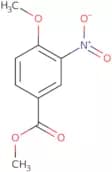
CAS:<p>4-Methoxy-3-nitrobenzoic acid methyl ester (4MNBM) is a potent antitumor agent that inhibits tumor cell proliferation by interfering with DNA replication. 4MNBM selectively binds to the nuclear magnetic resonance and has been shown to inhibit tumor growth in animal models. This drug also shows potent antitumor activity against solid tumor cells, which is due to its ability to induce conformational changes in the DNA of these cells. 4MNBM has been shown to be selective for tumor cells, which may be due to its lack of effect on the metabolism of normal tissue and its ability to bind to proteins in tumor cell nuclei.</p>Formula:C9H9NO5Purity:Min. 95%Color and Shape:Clear LiquidMolecular weight:211.17 g/moltert-Butyl 4-cyanobenzylcarbamate
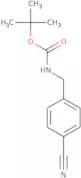
CAS:<p>tert-Butyl 4-cyanobenzylcarbamate (tB4Cbz) is a high quality chemical that can be used as a reagent, complex compound, or useful intermediate in the production of fine chemicals. Tert-Butyl 4-cyanobenzylcarbamate is also a useful scaffold for the synthesis of speciality chemicals and research chemicals. It can be used as a versatile building block for reactions involving amides, nitriles, esters, and amines.</p>Formula:C13H16N2O2Purity:Min. 95%Color and Shape:PowderMolecular weight:232.28 g/mol(6-Chloro-2-oxo-1,3-benzoxazol-3(2H)-yl)acetic acid
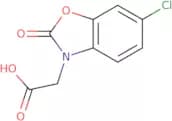
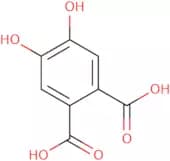
CAS:<p>Please enquire for more information about (6-Chloro-2-oxo-1,3-benzoxazol-3(2H)-yl)acetic acid including the price, delivery time and more detailed product information at the technical inquiry form on this page</p>Formula:C9H6ClNO4Purity:Min. 95%Color and Shape:PowderMolecular weight:227.6 g/mol4,5-Dihydroxybenzene-1,2-dicarboxylic acid
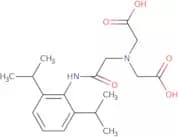
CAS:<p>Protocatechuic acid is an aromatic hydrocarbon that is the main metabolite of 4,5-dihydroxybenzene-1,2-dicarboxylic acid. It is a carbon source for bacteria and has been shown to increase the synthesis of protocatechuate 3,4-dioxygenase (PCO) in rat liver cells when incubated. Protocatechuic acid is also a precursor for the production of 2-hydroxybenzoic acid and 4-hydroxybenzoic acid, which are found in many foods. The genus that produces protocatechuic acid belongs to the class of extradiols. This means that it contains four contiguous double bonds on one side of the molecule. Stenotrophomonas maltophilia is a species with high levels of protocatechuic acid and can be used as an indicator for this compound.</p>Formula:C8H6O6Purity:Min. 95%Color and Shape:PowderMolecular weight:198.13 g/molN-(2,6-Diisopropylphenylcarbamoylmethyl)iminodiacetic acid
CAS:<p>N-(2,6-Diisopropylphenylcarbamoylmethyl)iminodiacetic acid is a monosodium salt that has been shown to be an inhibitor of the energy metabolism in cells. It is a structural analog of adenosine and inhibits the enzyme adenosine deaminase, which converts adenosine into inosine. Inhibiting this enzyme leads to increased levels of adenosine in the cell and causes depletion of ATP, resulting in cell death. N-(2,6-Diisopropylphenylcarbamoylmethyl)iminodiacetic acid has been shown to have therapeutic potential for autoimmune diseases such as primary sclerosing cholangitis (PSC). This compound also blocks T-cell activation and proliferation by inhibiting protein kinase C and cyclic AMP response element binding protein, leading to decreased inflammation.</p>Formula:C18H26N2O5Purity:Min. 95%Color and Shape:PowderMolecular weight:350.41 g/molHydroxyphosphono-acetic acid - 50% in water
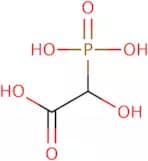
CAS:<p>Hydroxyphosphono-acetic acid is a fine chemical that is used as a versatile building block in the synthesis of complex compounds. It has been shown to be useful as an intermediate in the preparation of research chemicals and as a reaction component in the preparation of speciality chemicals. Hydroxyphosphono-acetic acid is also an important reagent for the production of pharmaceuticals and agrochemicals, including antibiotics, herbicides, fungicides, and plant growth regulators. This compound can also be used as a useful scaffold for drug discovery because it contains a carboxylic acid group that can be modified with various substituents.</p>Formula:C2H5O6PColor and Shape:Clear LiquidMolecular weight:156.03 g/mol4-Chloro-3-nitrobenzoic acid
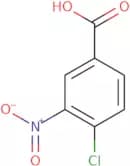
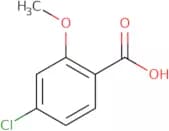
CAS:<p>4-Chloro-3-nitrobenzoic acid is a solute that reacts with sodium hydroxide to form 4-chloro-3-nitrophenolate. It also reacts with hydrogen chloride to form 4-chloro-3-nitrobenzoyl chloride. The solubility of the compound in different solvents can be determined by experimental solubility data and structural analysis. <br>4-Chloro-3-nitrobenzoic acid has been shown to inhibit protein synthesis in liver cells, which may be due to its ability to bind copper ions and form a complex that inhibits the activity of copper enzymes. This compound may also react with sodium salts in the presence of heat or light, leading to the formation of an insoluble precipitate. When heated with strong acids such as hydrogen chloride, 4-chloro-3 nitrobenzoic acid reacts with benzene and forms 3,4 dinitrobenezene</p>Formula:C7H4ClNO4Purity:Min. 95%Color and Shape:PowderMolecular weight:201.56 g/mol4-Chloro-2-methoxybenzoic acid
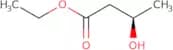
CAS:<p>4-Chloro-2-methoxybenzoic acid is a chloroacetic acid that is used as an antibacterial agent. It has been shown to have a broad spectrum of activity against bacteria, including gram-positive and gram-negative bacteria. 4-Chloro-2-methoxybenzoic acid is active against both stationary and mobile phases of growth. It has also been shown to be effective in inhibiting the growth of fungi, such as Aspergillus niger, Aspergillus fumigatus, Penicillium notatum, and Fusarium oxysporum. This compound can be synthesized from carboxylic acids by reacting them with sodium nitrite in the presence of dry nitrogen gas to form chloroacetic acid. The chemical formula for this compound is CHClOOC(CH)COOH.</p>Formula:C8H7ClO3Purity:Min. 95%Color and Shape:PowderMolecular weight:186.59 g/mol(R)-(-)-3-Hydroxybutyric acid ethyl ester
CAS:<p>(R)-(-)-3-Hydroxybutyric acid ethyl ester is an enantiomer of 3-hydroxybutyric acid. It is synthesized from diethyl succinate in a one-pot, stereoselective, high-yield process by using asymmetric synthesis and hydrogenation. The reaction vessel used for this synthesis is a reaction solution that has been optimized to be resistant to high pressure and temperature. This product can be used as a renewable feedstock in the production of polyesters and other polymers.</p>Formula:C6H12O3Purity:Min. 95%Color and Shape:Colorless Clear LiquidMolecular weight:132.16 g/molDihydrofolic acid
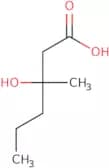
CAS:<p>Dihydrofolic acid is an organic compound that is a derivative of folic acid. It is the reduced form of folic acid and can be used to treat certain autoimmune diseases, such as bowel disease. Dihydrofolic acid has been shown to have antimicrobial effects against infectious diseases, including tuberculosis. This compound can also be used to treat metal-chelate resistant bacteria, such as methicillin-resistant Staphylococcus aureus (MRSA). Dihydrofolic acid has been shown to have neuroprotective properties in animals models and may be a potential drug target for the treatment of Alzheimer's disease.</p>Formula:C19H21N7O6Purity:(%) Min. 90%Color and Shape:PowderMolecular weight:443.41 g/mol3-Hydroxy-3-methylhexanoic acid
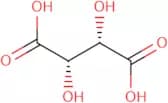
CAS:<p>3-Hydroxy-3-methylhexanoic acid is a fatty acid that is one of the metabolic products of leukocytes. It is formed in the body by conjugation with an acid and is excreted in urine. 3-Hydroxy-3-methylhexanoic acid has been shown to be a substrate for bacterial enzymes, such as corynebacterium, which can convert it to isovaleric acid. The analytical method for measuring 3-hydroxy-3-methylhexanoic acid in urine has been developed and validated on women.</p>Formula:C7H14O3Purity:Min. 95%Color and Shape:Clear LiquidMolecular weight:146.18 g/molD-(-)-Tartaric acid
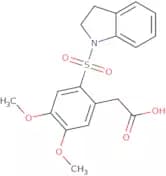
CAS:<p>Used in the preparation of enantiospecific homochiral cis-4-formyl b-lactams</p>Formula:C4H6O6Purity:Min 98.5%Color and Shape:White PowderMolecular weight:150.09 g/mol2-(4,5-Dimethoxy-2-(indolin-1-ylsulfonyl)phenyl)acetic acid
CAS:<p>Please enquire for more information about 2-(4,5-Dimethoxy-2-(indolin-1-ylsulfonyl)phenyl)acetic acid including the price, delivery time and more detailed product information at the technical inquiry form on this page</p>Purity:Min. 95%5-[(3aR,6S,6aS)-2,5,5-trioxo-1,3,3a,4,6,6a-hexahydrothieno[3,4-d]imidazol-6-yl]pentanoic acid
CAS:<p>The compound 5-[(3aR,6S,6aS)-2,5,5-trioxo-1,3,3a,4,6,6a-hexahydrothieno[3,4-d]imidazol-6-yl]pentanoic acid (TIPA) is a diagnostic marker for the diagnosis of urinary tract infections. The compound is present in urine and can be detected with an antibody response. TIPA is excreted by human kidneys in a circadian pattern and has a maximum concentration at pH 7.0. This compound is taken up by bacteria in the urinary tract and its presence can be used to diagnose UTI. TIPA also binds to biotin and polyclonal antibodies that are used for immunohistochemical assays.</p>Formula:C10H16N2O5SPurity:Min. 95%Color and Shape:White To Off-White SolidMolecular weight:276.31 g/mol3,4-Diacetamidobenzoic acid
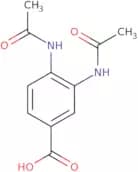
CAS:<p>3,4-Diacetamidobenzoic acid is a chemical compound that can be used as a reactant or scaffold in organic chemistry. It is also used as an intermediate in the synthesis of other chemicals and has been shown to have anti-inflammatory properties. 3,4-Diacetamidobenzoic acid is a versatile reagent that can be used to synthesize complex compounds and fine chemicals with high quality. It has CAS number 205873-56-9.</p>Formula:C11H12N2O4Purity:Min. 98 Area-%Color and Shape:PowderMolecular weight:236.22 g/mol4-Ethyl-5-methylthiophene-3-carboxylic acid
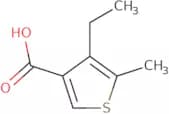
CAS:<p>4-Ethyl-5-methylthiophene-3-carboxylic acid is a chemical compound that can be used as an intermediate for the synthesis of other compounds. It is also a building block and a versatile building block in organic synthesis, with many applications in research and industry. This compound has a CAS number of 884497-34-1 and is classified as a speciality chemical.</p>Formula:C8H10O2SPurity:Min. 95%Color and Shape:PowderMolecular weight:170.23 g/mol2-Cyano-5-fluorobenzoic acid ethyl ester
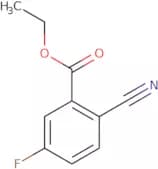
CAS:<p>2-Cyano-5-fluorobenzoic acid ethyl ester is a chemical compound with the formula C6H4(COOCH2)2FO. The compound is an intermediate in the synthesis of other chemicals, such as pharmaceuticals. It is also used as a building block in other syntheses. 2-Cyano-5-fluorobenzoic acid ethyl ester has been assigned CAS No. 1260751-65-2 and is useful in organic synthesis because it is a versatile building block, complex compound, and fine chemical.</p>Formula:C10H8FNO2Purity:Min. 95%Molecular weight:193.17 g/mol3,5-Diiodo-4-hydroxyphenylpropionic acid
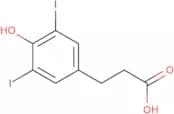
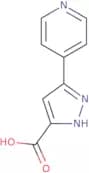
CAS:<p>3,5-Diiodo-4-hydroxyphenylpropionic acid (DIPPA) is a nucleophilic compound that inhibits the catechol-O-methyltransferase enzyme and is used to treat cardiac disease. It has been shown to improve ventricular function in congestive heart failure patients. DIPPA binds to the hydroxyl group of the enzyme's active site and competitively inhibits the binding of catechol or o-methoxybenzaldehyde. This prevents the methylation of catecholamines, which are important for cardiac function. The mechanism of action for DIPPA is similar to that of other drugs that have been found to be effective in treating congestive heart failure such as propranolol or amiodarone.</p>Formula:C9H8I2O3Molecular weight:417.97 g/mol5-Pyridin-4-yl-1H-pyrazole-3-carboxylic acid
CAS:<p>5-Pyridin-4-yl-1H-pyrazole-3-carboxylic acid is a white crystalline solid. It is soluble in water, methanol and ethanol. The molecular weight of 5-Pyridin-4-yl-1H-pyrazole-3 carboxylic acid is 177.17 g/mol. This compound has been found to have an elemental composition of C, H, N and O with a calculated density of 1.62 g/cm3 in the form of a single crystal x ray diffraction pattern. 5-Pyridin 4 yl 1H pyrazole 3 carboxylic acid has synergistic effects with other drugs used for chemotherapy such as cisplatin and doxorubicin against cancer cells.</p>Formula:C9H7N3O2Purity:Min. 95%Color and Shape:PowderMolecular weight:189.17 g/molACTH(1-39) trifluoroacetate
CAS:<p>ACTH(1-39) trifluoroacetate is a synthetic form of ACTH that is used for the diagnosis of autoimmune diseases and bowel disease. It is also used to assess the function of the adrenal gland in cases of suspected Cushing's syndrome. The blood sampling procedure involves withdrawing a small amount of blood from the patient and adding ACTH(1-39) trifluoroacetate to it, which causes an increase in cortisol concentration. ACTH(1-39) trifluoroacetate binds to corticotropin receptors on cells in the body, causing them to release basic proteins that are responsible for inflammation. This drug may be a potential biomarker for metabolic disorders such as obesity. It has been shown to have anti-inflammatory properties and can be used as a nonsteroidal anti-inflammatory drug (NSAID).</p>Formula:C207H308N56O58SPurity:Min. 98 Area-%Color and Shape:PowderMolecular weight:4,541.07 g/molBoc-2-aminobenzoic acid
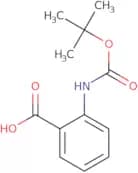
CAS:<p>Boc-2-aminobenzoic acid is a synthetic amino acid that can be used for the synthesis of recombinant proteins. It contains lysine residues, which are often used in protein engineering. This product is hydrolyzed to form a chloride gas and a hydrochloride salt by the enzyme chloridase. The hydrolysis proceeds through an amine intermediate and proceeds with a rate that is first order in chloride gas and second order in Boc-2-aminobenzoic acid. The kinetic constants for this reaction have been determined using fluorescence resonance energy transfer (FRET) spectroscopy on the solid phase.</p>Formula:C12H15NO4Purity:Min. 95%Color and Shape:PowderMolecular weight:237.25 g/mol2-(2-Hydroxy-4-methoxyphenyl)-5,5-dimethyl-4-thiazolidinecarboxylic acid
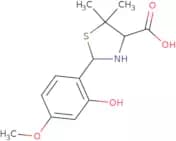
CAS:<p>Please enquire for more information about 2-(2-Hydroxy-4-methoxyphenyl)-5,5-dimethyl-4-thiazolidinecarboxylic acid including the price, delivery time and more detailed product information at the technical inquiry form on this page</p>Formula:C13H17NO4SPurity:Min. 95%Color and Shape:PowderMolecular weight:283.34 g/mol5-Bromo-2-methoxycinnamic acid
CAS:<p>5-Bromo-2-methoxycinnamic acid is a fine chemical that is used as a scaffold, versatile building block, and useful intermediate. It has been shown to be a useful reaction component in the preparation of complex compounds. 5-Bromo-2-methoxycinnamic acid can also be used as a speciality chemical or reagent. This compound has high quality and is an important research chemical.</p>Formula:C10H9BrO3Purity:Min. 95%Color and Shape:PowderMolecular weight:257.08 g/molN-Acetyl-thiazolidine 4-carboxylic acid
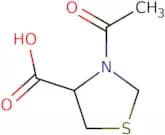
CAS:<p>N-Acetyl-thiazolidine 4-carboxylic acid is a natural product that has been shown to have an acetylation activity. Acetylation of N-Acetyl-thiazolidine 4-carboxylic acid is achieved by reacting it with acetic anhydride in the presence of a base, such as triethylamine. This reaction produces N-acetyl-thiazolidine 4,5 dicarboxylic acid. Acetylation of the compound prevents it from being oxidized, which may prevent the formation of toxic substances. It is also used as a diluent for other medicines and drugs. The acetylated form is sold under the trade name "Thiazone".</p>Formula:C6H9NO3SPurity:Min. 95%Color and Shape:PowderMolecular weight:175.21 g/mol2,4-Dimethoxypyrimidine-5-boronic acid, pinacol ester
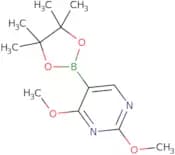
CAS:<p>2,4-Dimethoxypyrimidine-5-boronic acid is a high quality chemical that can be used as a reagent or a complex intermediate. It is an important building block for the synthesis of many compounds and has been shown to be useful in the synthesis of 2,4-dimethoxybenzaldehyde. This compound has been used in the preparation of 2,4-dimethoxypyrimidin-5(6H)-ones and as a reaction component in organic chemistry.</p>Formula:C12H19BN2O4Purity:Min. 97%Molecular weight:266.1 g/mol2-Acetamido-5-aminopentanoic acid
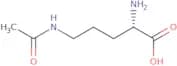
CAS:2-Acetamido-5-aminopentanoic acid (2AAP) is a potential biomarker for obesity. 2AAP is synthesized from the amino acid glutamate by a synthetase that is active in adipose tissue and has a high level of aminotransferase activity. This molecule can be an inhibitor of the enzyme aconitase, which plays an important role in the citric acid cycle. This inhibition could lead to changes in body mass index (BMI). The wild-type strain of Escherichia coli and Salmonella typhimurium have been shown to produce 2AAP with x-ray diffraction data. Preparative hplc was used to isolate this compound from urine samples.Formula:C7H14N2O3Purity:Min. 95 Area-%Color and Shape:White Off-White PowderMolecular weight:174.2 g/mol4-(Benzyloxyphenyl)acetic acid methyl ester
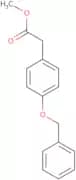
CAS:<p>4-(Benzyloxyphenyl)acetic acid methyl ester is a synthetic, phenolic, tetronic, enolates, hydrophobic, tetrahydrofuran. It is used as a precursor to a variety of chemicals including pharmaceuticals and polymerase inhibitors. 4-(Benzyloxyphenyl)acetic acid methyl ester can be synthesized by reacting benzaldehyde with 4-nitrophenol in the presence of lithium enolates. It has been shown to have acidic properties and inhibits polymerase activity.</p>Formula:C16H16O3Purity:Min. 95%Color and Shape:PowderMolecular weight:256.3 g/mol1-Pyrrolidinecarbodithioic acid,ammonium
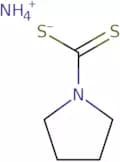
CAS:<p>1-Pyrrolidinecarbodithioic acid, ammonium salt is an inhibitor of the NMDA receptor. It blocks the activation of this receptor by glutamate, a neurotransmitter that plays an important role in pain transmission and memory formation. 1-Pyrrolidinecarbodithioic acid, ammonium salt has been shown to inhibit the growth of human pathogenic fungi in cell culture. The polymerase chain reaction (PCR) technique was used to detect the presence of this drug in solutions and phase microextraction was used for chromatographic analysis. The control method for these experiments was pyrrolidine dithiocarbamate, which is a structural analog of 1-pyrrolidinecarbodithioic acid, ammonium salt. Pyrrolidine dithiocarbamate inhibits NF-κB pathway and is used to treat injury. This drug also has anti-inflammatory properties due to its inhibition of nuclear factor kappa B (NF-</p>Formula:C5H9NS2•NH3Purity:Min. 95%Color and Shape:PowderMolecular weight:164.29 g/mol5-Bromo-2-hydroxy-3-methoxybenzoic acid
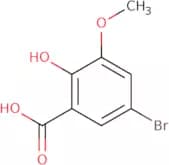
CAS:<p>5-Bromo-2-hydroxy-3-methoxybenzoic acid (5BHB) is a phenolic compound that has been shown to have fungicidal properties. The uptake of 5BHB in the brain was studied using positron emission tomography and computerized tomography scans in monkeys. The affinity of 5BHB for the dopamine D2 receptor, and its ability to inhibit methylation reactions, were also investigated. The results show that 5BHB is able to cross the blood-brain barrier and bind with high affinity to the dopamine D2 receptor. These findings suggest that 5BHB may be used as a therapeutic agent for Parkinson's disease.</p>Formula:C8H7BrO4Purity:Min. 95%Color and Shape:PowderMolecular weight:247.04 g/molBiotin-PEG3-propionic acid
CAS:<p>Biotin-PEG3-propionic acid is a PEG compound with two different functional groups (also known as heterobifunctional). Unlike homobifunctional PEG compounds (same functional group on both ends), this type of compounds are more versatile as have two different anchor points. Biotin-PEG3-propionic acid is used as a linker and spacer to add a PEG moiety, via pegylation (a bioconjugation technique) to proteins, peptides, oligonucleotides, small molecules and nanoparticles.</p>Formula:C19H33N3O7SPurity:Min. 95%Color and Shape:PowderMolecular weight:447.55 g/mol










![9-Fluoro-3-methyl-7-oxo-10-(1-piperazinyl)-2,3-dihydro-7H-[1,4]oxazino[2,3,4-Ij]quinoline-6-carbox…](/_next/image/?url=https%3A%2Fstatic.cymitquimica.com%2Fproducts%2F3D%2Fthumb-webp%2FFF102861.webp&w=3840&q=75)
![1,1'-Bicyclo[1,1,1]pentane-1,3-dicarboxylic acid](/_next/image/?url=https%3A%2Fstatic.cymitquimica.com%2Fproducts%2F3D%2Fthumb-webp%2FFB33678.webp&w=3840&q=75)
![methyl 1-[(4-methylphenyl)sulfonyl]-4-piperidinecarboxylate](/_next/image/?url=https%3A%2Fstatic.cymitquimica.com%2Fproducts%2F3D%2Fthumb-webp%2FFM168868.webp&w=3840&q=75)
![Benzo[b]thiophene-2-carboxylic acid](/_next/image/?url=https%3A%2Fstatic.cymitquimica.com%2Fproducts%2F3D%2Fthumb-webp%2FFB01173.webp&w=3840&q=75)



![5-[(3aR,6S,6aS)-2,5,5-trioxo-1,3,3a,4,6,6a-hexahydrothieno[3,4-d]imidazol-6-yl]pentanoic acid](/_next/image/?url=https%3A%2Fstatic.cymitquimica.com%2Fproducts%2F3D%2Fthumb-webp%2FFB64039.webp&w=3840&q=75)