Carboxylic Acids
Carboxylic acids are organic molecules characterized by having a carboxyl-type functional group (-COOH). These acids are fundamental in various chemical reactions, including esterification, amidation, and decarboxylation. Carboxylic acids are widely used in the production of pharmaceuticals, polymers, and agrochemicals. In this section, you can find a large number of carboxylic acids ready to be used. At CymitQuimica, we provide a broad range of high-quality carboxylic acids to support your research and industrial applications.
Found 12453 products of "Carboxylic Acids"
Sort by
Purity (%)
0
100
|
0
|
50
|
90
|
95
|
100
4-Acetoxybenzoic acid
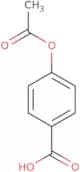
CAS:<p>4-Acetoxybenzoic acid is a hydroxylated benzoic acid that has been used as an intermediate in the synthesis of 2,4-dichlorobenzoic acid. 4-Acetoxybenzoic acid is a metabolite of the amino acid picolinic acid, which is found in plants. It has been shown to have binding constants with human serum albumin and human erythrocytes, making it useful as a reagent for pharmacological studies. A kinetic study of 4-acetoxybenzoic acid has been performed using vitro assays on rat liver microsomes to determine its reaction mechanism. The product of this reaction is p-hydroxybenzoic acid, which can be converted into 4-benzoyloxybenzoic acid by hydrolysis. This compound can also be produced by treating fatty acids with potassium hydroxide or sodium hydroxide in methanol, followed by hydroly</p>Formula:C9H8O4Purity:Min. 95%Color and Shape:PowderMolecular weight:180.16 g/mol2-Methylindole-3-acetic acid
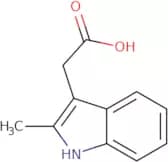
CAS:<p>2-Methylindole-3-acetic acid is a molecule that has been shown to interact with membrane lipids and induce lipid peroxidation. It also interacts with the molecule creatinine, which is excreted in urine, and has been shown to increase urinary levels of creatinine. 2-Methylindole-3-acetic acid has been shown to have antioxidant activity by scavenging radicals and inhibiting lipid peroxidation. The mechanism for this activity is due to its ability to form hydrogen bonds with radicals and react with them, thereby removing them from the cell membrane. 2-Methylindole-3-acetic acid also interacts with receptor protein within the cell, targeting intracellular targets such as DNA and RNA molecules. This compound is an endogenous hormone that may reduce cholesterol levels in cells.<br>2-Methylindole-3-acetic acid was first isolated from the bark of "Indocalamus latifolius" (</p>Formula:C11H11NO2Purity:Min. 95%Molecular weight:189.21 g/mol3-Hydroxy-4-methylbenzoic acid
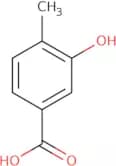
CAS:<p>3-Hydroxy-4-methylbenzoic acid is a cardiotonic glycoside that has been used in the treatment of cardiac arrhythmia. It has been shown to inhibit the enzyme persulfate, which is involved in the activation of hydrogen peroxide and may be responsible for the therapeutic effect of 3-hydroxy-4-methylbenzoic acid. The inhibition of persulfate by 3-hydroxy-4-methylbenzoic acid may be due to an intramolecular hydrogen bond that is formed between the sulfonate group on 3-hydroxy-4 methyl benzoic acid and the hydroxyl group on 4-tert butylbenzoic acid. Animal studies have shown that this drug inhibits sodium urate crystal formation and excretion in urine samples. This drug also inhibits renal ammoniagenesis, which is a metabolic pathway where ammonia is converted to urea, thereby lowering blood levels of ammonia. The metabolism of</p>Formula:C8H8O3Purity:Min. 95%Color and Shape:PowderMolecular weight:152.15 g/molValeric acid sodium
CAS:<p>Valeric acid sodium salt is a fatty acid that has been shown to inhibit bacterial growth in the presence of epidermal growth factor and sodium salts. Valeric acid sodium salt is used as an antiseptic in topical formulations and as a preservative for pharmaceuticals. Valeric acid sodium salt also inhibits HIV infection by inhibiting the binding of HIV to its receptor, which prevents the virus from entering cells.</p>Formula:C5H10O2•NaPurity:Min. 95%Color and Shape:PowderMolecular weight:125.12 g/mol4-Chloro-3-nitrobenzoic acid
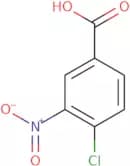
CAS:<p>4-Chloro-3-nitrobenzoic acid is a solute that reacts with sodium hydroxide to form 4-chloro-3-nitrophenolate. It also reacts with hydrogen chloride to form 4-chloro-3-nitrobenzoyl chloride. The solubility of the compound in different solvents can be determined by experimental solubility data and structural analysis. <br>4-Chloro-3-nitrobenzoic acid has been shown to inhibit protein synthesis in liver cells, which may be due to its ability to bind copper ions and form a complex that inhibits the activity of copper enzymes. This compound may also react with sodium salts in the presence of heat or light, leading to the formation of an insoluble precipitate. When heated with strong acids such as hydrogen chloride, 4-chloro-3 nitrobenzoic acid reacts with benzene and forms 3,4 dinitrobenezene</p>Formula:C7H4ClNO4Purity:Min. 95%Color and Shape:PowderMolecular weight:201.56 g/mol2-Amino-5-chlorobenzoic acid
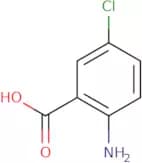
CAS:<p>2-Amino-5-chlorobenzoic acid is a drug that inhibits the enzyme dopamine beta-hydroxylase. It has been used to treat Parkinson's disease, as well as schizophrenia and depression. This drug binds to the enzyme by forming a coordination complex with the 5th position of the substrate, which prevents it from binding to other substrates. 2-Amino-5-chlorobenzoic acid also inhibits prostaglandin E2 synthesis by inhibiting cyclooxygenase activity in rats. The inhibitory properties of this drug are enhanced when it is dissolved in hydroxide solution or in solutions containing sodium hydroxide. The synthesis of 2-amino-5-chlorobenzoic acid involves reacting 3,4-dihydroxybenzeneacetic acid with hydrochloric acid and sodium hydroxide solution. This reaction produces a carboxylate anion that reacts with hydrogen chloride gas to form</p>Purity:Min. 95%Color and Shape:PowderMolecular weight:171.58 g/molHydroxyphosphono-acetic acid - 50% in water
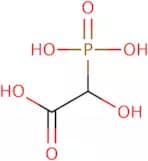
CAS:<p>Hydroxyphosphono-acetic acid is a fine chemical that is used as a versatile building block in the synthesis of complex compounds. It has been shown to be useful as an intermediate in the preparation of research chemicals and as a reaction component in the preparation of speciality chemicals. Hydroxyphosphono-acetic acid is also an important reagent for the production of pharmaceuticals and agrochemicals, including antibiotics, herbicides, fungicides, and plant growth regulators. This compound can also be used as a useful scaffold for drug discovery because it contains a carboxylic acid group that can be modified with various substituents.</p>Formula:C2H5O6PColor and Shape:Clear LiquidMolecular weight:156.03 g/molPiperidin-1-yl-acetic acid
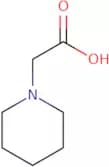
CAS:<p>Piperidin-1-yl-acetic acid is a nitrogen-containing organic compound, which is an alkanoic acid. It has a molecular weight of 104.09 and empirical formula C6H11NO2. Piperidin-1-yl-acetic acid is not soluble in cold water, but it dissolves in boiling water to form a white solid. This compound can be used as an enzyme inhibitor or as a pharmacological agent.<br>Piperidin-1-yl-acetic acid has been shown to inhibit the transcriptional regulation of enzymes that are involved in the production of porphyrins and other heme protein cofactors such as cytochrome c. The compound also inhibits the synthesis of these enzymes by binding to their active sites and inhibiting their function.</p>Formula:C7H13NO2Purity:Min. 95 Area-%Color and Shape:PowderMolecular weight:143.18 g/mol(L)-2-Bromo-3-phenylpropionic acid
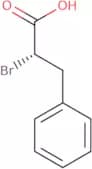
CAS:<p>L-2-Bromo-3-phenylpropionic acid is a synthetic amino acid that is structurally similar to L-phenylalanine. It can be prepared by the reaction of triphosgene with l-(+)-phenylglycine, followed by hydrolysis of the resulting 2-(bromophenyl)acetic acid. L-2-Bromo-3-phenylpropionic acid has been used in peptidomimetics, which are synthesized using strategies derived from the structures and properties of proteins. One of these strategies is based on the conformational change of an amide bond. This synthetic amino acid has been shown to have affinity for certain chiral conformations and may be used as a chiral ligand in asymmetric synthesis.</p>Formula:C9H9BrO2Purity:Min. 95%Color and Shape:Slightly Yellow PowderMolecular weight:229.07 g/mol3,4-Dimethylphenoxyacetic acid
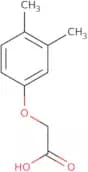
CAS:<p>3,4-Dimethylphenoxyacetic acid is a versatile building block that is used in the synthesis of complex compounds. It is often used as a reagent and has been shown to be useful in the synthesis of high quality and useful intermediates. 3,4-Dimethylphenoxyacetic acid can also be used as a reaction component or scaffold for further chemical reactions.</p>Formula:C10H12O3Purity:Min. 95%Molecular weight:180.2 g/mol3,5-Dimethoxy-4-methylbenzoic acid
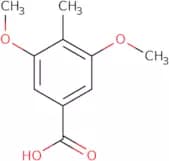
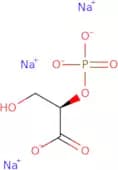
CAS:<p>3,5-Dimethoxy-4-methylbenzoic acid is an organic compound that has a carboxylate group and a long chain. It is synthesized from 3,5-dimethoxybenzoic acid through the borohydride reduction of the primary alcohols to produce a mixture of 2,3,4-trimethoxybenzoic acid and 3,5-dimethoxybenzoic acid. The nitro group on the phenolic ring can be reduced to the corresponding amine with sodium borohydride. 3,5-Dimethoxy-4-methylbenzoic acid has been found in natural products such as Cephalotaxus fortunei and Acacia confusa.</p>Formula:C10H12O4Purity:Min. 95%Color and Shape:PowderMolecular weight:196.2 g/molD-(+)-2-Phosphoglyceric acid sodium hydrate
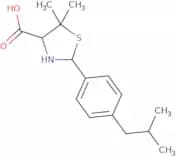
CAS:<p>Please enquire for more information about D-(+)-2-Phosphoglyceric acid sodium hydrate including the price, delivery time and more detailed product information at the technical inquiry form on this page</p>Formula:C3H4Na3O7PPurity:Min. 95 Area-%Color and Shape:PowderMolecular weight:252 g/mol5,5-dimethyl-2-(4-(2-methylpropyl)phenyl)-1,3-thiazolidine-4-carboxylic acid
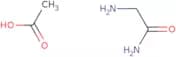
CAS:<p>Please enquire for more information about 5,5-dimethyl-2-(4-(2-methylpropyl)phenyl)-1,3-thiazolidine-4-carboxylic acid including the price, delivery time and more detailed product information at the technical inquiry form on this page</p>Purity:Min. 95%Glycine amide acetate
CAS:Controlled Product<p>Glycine amide acetate is a product that contains an imine group. It has been shown to have staining properties when applied to human keratin and is used in the cosmetic industry as a depigmenting agent. Glycine amide acetate has been shown to be effective in the treatment of depression, although it is not yet approved for this use. The molecule also contains an iridoid compound, which may be responsible for its effects on mood.</p>Formula:C2H6N2O•C2H4O2Purity:Min. 95%Color and Shape:PowderMolecular weight:134.13 g/mol4-Nitrobenzyl (4R,5R,6S)-3-[(diphenylphosphono)oxy]-6-[(R)-1-hydroxyethyl]-4-methyl-7-oxo-1-azabicyclo[3.2.0]hept-2-ene-2-carboxylat e
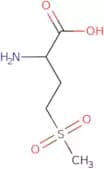
CAS:<p>4-Nitrobenzyl (4R,5R,6S)-3-[(diphenylphosphono)oxy]-6-[(R)-1-hydroxyethyl]-4-methyl-7-oxo-1-azabicyclo[3.2.0]hept-2-ene-2-carboxylat e is a synthetic compound that is used as an alkalizer and impurity scavenger in the manufacture of pesticides and other organic chemicals. It has been shown to be a stereoselective herbicide with acetonitrile as its primary degradation product. The compound has also been found to be a potent inhibitor of the enzyme carbapenemase, which may lead to increased resistance to antibiotics such as monosodium salt of ertapenem.</p>Formula:C29H27N2O10PPurity:Min. 98 Area-%Color and Shape:White PowderMolecular weight:594.51 g/mol2-Amino-4-(methylsulfonyl)butanoic acid
CAS:<p>2-Amino-4-(methylsulfonyl)butanoic acid is a nonsteroidal anti-inflammatory drug that belongs to the group of sulfonamides. It is a prodrug that is hydrolyzed in vivo to its active form, 4-(methylsulfonyl)butanamide. 2-Amino-4-(methylsulfonyl)butanoic acid has been shown to be effective in the treatment of pain and inflammation in animal models. The mechanism of action has not been fully elucidated, but it may be due to its ability to inhibit prostaglandin synthesis by blocking the enzyme cyclooxygenase. This drug also inhibits glutamate release and may have epigenetic modulating effects on gene expression. 2-Amino-4-(methylsulfonyl)butanoic acid has been found to have matrix effect on physiological effects such as blood pressure, heart rate, and respiration. This drug also binds</p>Formula:C5H11NO4SPurity:Min. 95%Color and Shape:PowderMolecular weight:181.21 g/mol2,5-Dimethoxy-3-nitrobenzoic acid
CAS:<p>2,5-Dimethoxy-3-nitrobenzoic acid is a versatile building block that can be used to synthesize many different compounds. It is often used in the synthesis of complex organic molecules and can be used as a reagent or intermediate. The CAS number for this compound is 17894-26-7.</p>Formula:C9H9NO6Purity:Min. 95%Color and Shape:PowderMolecular weight:227.17 g/mol3,5-Dimethoxy-4-hydroxyphenylacetic acid
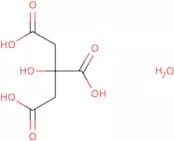
CAS:<p>3,5-Dimethoxy-4-hydroxyphenylacetic acid is a phenolic compound that is found in the leaves of plants. It is a major component of the essential oil from the bark of the cinnamon tree. 3,5-Dimethoxy-4-hydroxyphenylacetic acid has been shown to be a potent inhibitor of plant growth and an effective herbicide for weed control in tobacco. 3,5-Dimethoxy-4-hydroxyphenylacetic acid has also been shown to have antiplatelet activity and may be useful in treating thrombosis.</p>Formula:C10H12O5Purity:Min. 95%Color and Shape:Brown PowderMolecular weight:212.2 g/molCitric acid monohydrate
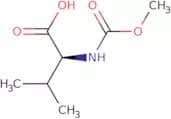
CAS:<p>Citric acid monohydrate is an organic compound that is used in biochemical research. It can be converted to citrate, which is a potential drug for chronic coughs. It has been shown to bind to toll-like receptor 4 and 5 (TLR4 and TLR5), reducing the activation of these receptors. Citric acid monohydrate also has a high rate constant, which makes it a good candidate for use in control analysis. This compound has been shown to have disease-modifying properties by altering iron homeostasis and ameliorating symptoms of inflammatory bowel disease. Citric acid monohydrate is also used as an analytical reagent for benzalkonium chloride in water samples.</p>Formula:C6H8O7·H2OPurity:Min. 95%Color and Shape:White Clear LiquidMolecular weight:210.14 g/mol(S)-2-((Methoxycarbonyl)amino)-3-methylbutanoic acid
CAS:<p>(S)-2-((Methoxycarbonyl)amino)-3-methylbutanoic acid is a synthetic molecule that has been studied for its antiviral activity against hepatitis C virus. The compound was found to inhibit the replication of the virus, with an IC50 of 0.5 mM in cell culture studies. It also inhibited the replicon and reaction yield of the virus in vitro. (S)-2-((Methoxycarbonyl)amino)-3-methylbutanoic acid is effective against genotype 1 and 2, but not against genotype 3. It is active against a broad range of HCV isolates, including those resistant to other drugs such as ribavirin or telaprevir. The drug has been shown to be well tolerated in animals and humans. END></p>Formula:C7H13NO4Purity:Min. 95%Color and Shape:White PowderMolecular weight:175.18 g/molSodium carboxyl methylstarch
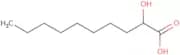
CAS:<p>Sodium carboxymethyl starch, sometimes abbreviated as CMS or SCMS, is a modified starch derivative widely used as an excipient in pharmaceutical formulations. It is used to support the stability, delivery, and performance of the API in drug products.</p>Purity:Min. 95%Color and Shape:Powder(+/-)-2-Hydroxydecanoic acid
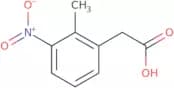
CAS:<p>2-Hydroxydecanoic acid is a fatty acid that has a hydroxy group and a hydroxyl group. It is used as an active substance in pharmaceutical preparations and as a synthetic chemical intermediate. 2-Hydroxydecanoic acid can be produced by the oxidation of 2-hydroxyoctanoic acid with hydrogen peroxide or sodium perborate. The analytical method for this compound is based on its constant boiling point (184°C). 2-Hydroxydecanoic acid has been shown to have nootropic activity in rats at nanomolar concentrations and also has sustained-release properties when it is incorporated into microspheres. The average particle diameter of these microspheres is 10 micrometers, which makes them suitable for use as a sustained-release drug delivery system.</p>Formula:C10H20O3Purity:Min. 95%Color and Shape:White PowderMolecular weight:188.26 g/mol2-Methyl-3-nitrophenylacetic acid
CAS:<p>2-Methyl-3-nitrophenylacetic acid is an alkali metal, which is obtained by the condensation of 2-methylphenol and nitric acid. The synthesis of this compound can be achieved through catalytic reduction of the nitro group with hydrogen in the presence of a nickel catalyst. This method has been shown to produce high yields. 2-Methyl-3-nitrophenylacetic acid is mildly toxic to humans and animals. It is a dopaminergic agent that has been used as a precursor for the production of ropinirole hydrochloride, which is used in the treatment of Parkinson's disease.</p>Formula:C9H9NO4Purity:Min. 95%Color and Shape:PowderMolecular weight:195.17 g/mol4-Methoxy-tetrahydro-2h-pyran-4-carboxylic acid
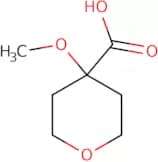
CAS:<p>4-Methoxy-tetrahydro-2h-pyran-4-carboxylic acid is a fine chemical that belongs to the group of research chemicals. It is a versatile building block and useful intermediate in organic synthesis. 4-Methoxy-tetrahydro-2h-pyran-4-carboxylic acid has been used as a reagent for the preparation of the compound 5,5'-dithiobis(4,4'-dimethylvaleronitrile) (CAS No. 1010836-49). This compound has been shown to be an effective antiviral agent against HIV.</p>Formula:C7H12O4Purity:Min. 95 Area-%Color and Shape:PowderMolecular weight:160.17 g/mol4-Hydroxy-4'-biphenylcarboxylic acid
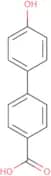
CAS:<p>4-Hydroxy-4'-biphenylcarboxylic acid is a kind of organic compound that has carboxylic acid functional group. It can be used as an intermediate for the synthesis of pharmaceuticals, dyes, and other organic compounds. 4-Hydroxy-4'-biphenylcarboxylic acid can be synthesized from p-hydroxybenzoic acid in the presence of a chloride donor and an acceptor (e.g., sodium hydroxide solution) with oxalyl as the catalyst. Trichloroacetic acid is used to remove the hydroxybenzoic acid byproduct which may cause corrosion and instability problems. The molecular structure of 4-Hydroxy-4'-biphenylcarboxylic acid is shown below:</p>Formula:C13H10O3Purity:Min. 95%Color and Shape:White PowderMolecular weight:214.22 g/molDiphenylacetic acid
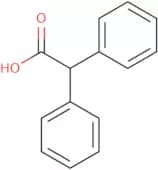
CAS:<p>Diphenylacetic acid is a chiral compound that has been shown to inhibit the synthesis of prostaglandin E2 (PGE2) and other inflammatory mediators, which play a role in autoimmune diseases. The synthesis of these mediators is dependent on the enzyme cyclooxygenase-1 (COX-1). Diphenylacetic acid inhibits COX-1 by forming an acyl ester with arachidonic acid, which blocks the formation of PGE2. This drug also inhibits COX-2 and leukotriene A4 hydrolase, which are enzymes involved in inflammation. Diphenylacetic acid has been shown to be effective in inhibiting the detrusor muscle contractions that cause urinary incontinence.</p>Formula:C14H12O2Purity:Min. 95%Color and Shape:PowderMolecular weight:212.24 g/mol4-Bromo-3-fluorocinnamic acid
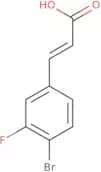
CAS:<p>4-Bromo-3-fluorocinnamic acid is a brominated derivative of cinnamic acid. It is used as an alloying agent in steel production, and can be used to control the content of manganese, nickel, phosphorous, and sulfur in steels. The equation for the preparation of 4-bromo-3-fluorocinnamic acid from cinnamic acid is: <br>4C6H5CO2H + 3HBr → 4C6H5BrFO2 + 2H2O</p>Formula:C9H6BrFO2Purity:Min. 95%Color and Shape:PowderMolecular weight:245.05 g/mol3-Bromo-4-hydroxycinnamic acid
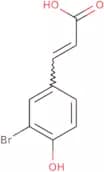
CAS:<p>3-Bromo-4-hydroxycinnamic acid is a useful building block that is obtained from cinnamic acid by substitution of the hydroxyl group with a bromine atom. It has been used in research as a reagent, speciality chemical, and reaction component. 3-Bromo-4-hydroxycinnamic acid is also an important intermediate for the synthesis of various organic compounds. This compound can be used as a scaffold for the synthesis of complex compounds.</p>Formula:C9H7BrO3Color and Shape:PowderMolecular weight:243.05 g/mol3,5,3',5'-Tetraiodothyroacetic acid
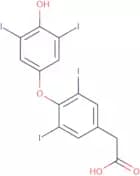
CAS:<p>3,5,3',5'-Tetraiodothyroacetic acid (T4) is a thyroid hormone that can be found in the blood and has been shown to have angiogenic properties. T4 has been shown to bind to integrin receptors on endothelial cells and stimulate the proliferation of these cells. This hormone also has pro-apoptotic activity, inducing programmed cell death in cancer cells. T4 is used as a model system for studying the molecular pathogenesis of thyroid cancer. T4 is also able to inhibit DNA polymerase activity, which may be responsible for its ability to inhibit tumor growth.</p>Formula:C14H8I4O4Purity:Min. 95%Color and Shape:White PowderMolecular weight:747.83 g/molBiotin caproic acid
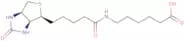
CAS:<p>Podophyllotoxin is a natural product that has been used in the treatment of cancer. Biotin caproic acid is a synthetic analogue of podophyllotoxin and has been shown to have potent antimicrobial activity. Podophyllotoxin is an inhibitor of microtubule polymerization, which leads to cell death. It also induces apoptosis by interacting with dopamine receptors on the cell surface and inhibiting their binding to dopamine. This inhibits dopamine-induced proliferation of cells, leading to cell death. Biotin caproic acid has been shown to have anticancer properties against human cancer cells in vitro. The mechanism of action may be due to binding to the cytochrome P450 enzyme and inhibiting its activity, which affects the metabolism of various drugs and hormones such as dopamine.</p>Formula:C16H27N3O4SPurity:Min. 95%Color and Shape:PowderMolecular weight:357.47 g/molEpi hydrocortisone 21-acetate
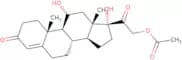
CAS:Controlled Product<p>Epi hydrocortisone 21-acetate is a high quality chemical. It is a reagent, which is used as a fine chemical, useful scaffold, and versatile building block in synthetic chemistry. Epi hydrocortisone 21-acetate has CAS No. 1250-97-1 and can be used in research chemicals or speciality chemicals. This compound is also a reaction component that can be used to synthesize other compounds with desirable properties.</p>Formula:C23H32O6Purity:Min. 95%Color and Shape:PowderMolecular weight:404.5 g/mol3,4,5-Trimethoxybenzoic acid
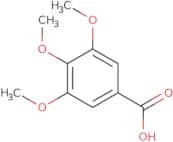
CAS:<p>3,4,5-Trimethoxybenzoic acid is an experimental drug that has been shown to have significant cytotoxicity in a chronic oral model. It inhibits the activity of a number of enzymes including esterases, lipases, and proteases. This compound also showed significant cytotoxicity when tested in the water vapor chronic inhalation model. 3,4,5-Trimethoxybenzoic acid may be toxic to humans because it binds to calcium channels and inhibits the release of ryanodine from its storage sites on the sarcoplasmic reticulum. This inhibition may lead to muscle cramps and tetany as well as cardiac arrhythmias. The toxicity of 3,4,5-trimethoxybenzoic acid has been studied in rats using a number of methods including titration calorimetry and chlorogenic acids extraction from rat liver.</p>Formula:C10H12O5Purity:Min. 95%Color and Shape:PowderMolecular weight:212.2 g/molIodomesitylene Diacetate
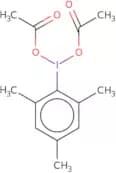
CAS:<p>Iodomesitylene Diacetate is a chemical building block with versatile applications. This compound can react with a variety of reagents to form useful scaffolds for synthetic organic chemistry, or it can be used as a useful intermediate in the synthesis of more complicated molecules. Iodomesitylene Diacetate is also an excellent starting material for the production of complex compounds such as pharmaceuticals, polymers, and agrochemicals. It is stable at room temperature and has a high quality.</p>Formula:C13H17IO4Purity:(Iodometric Titration) Min. 98%Color and Shape:White To Off-White To Yellow SolidMolecular weight:364.18 g/mol3-Amino-4-anisic acid
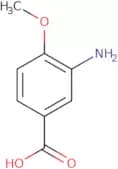
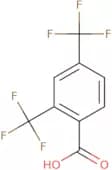
CAS:<p>3-Amino-4-anisic acid is a conjugate of an aromatic carboxylic acid and an amino group. The vapor pressure of 3-amino-4-anisic acid is higher than that of the free 3-amino-4-anisic acid. Immunocompetent cells are the most sensitive to this compound, with metastasis and tumor growth being inhibited. This compound is also used in the treatment of cancer, although it has not been proven to be effective for all cancers. Sorafenib and other compounds that have similar structures may be used as substitutes for 3-amino-4-anisic acid in some cases. There are two isomers of 3-amino-4-anisic acid: cis and trans form. The cis form has better binding properties than the trans form, which can lead to decreased efficacy when a mixture of both forms is used. Hyaluronic acid and link</p>Formula:C8H9NO3Purity:Min. 95%Color and Shape:PowderMolecular weight:167.16 g/mol2,4-Bis(trifluoromethyl)benzoic acid
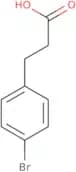
CAS:<p>2,4-Bis(trifluoromethyl)benzoic acid (2,4-BTFBA) is a styrene derivative that can be used as a matrix in the preparation of polystyrene for MALDI mass spectrometry analysis. 2,4-BTFBA is a monomer that has been shown to lead to high yields and transfer in the production of polystyrene and poly(methyl methacrylate). It has also been found to be an effective inhibitor of 2,5-dihydroxybenzoic acid (DHBA) and other DHBA derivatives. The inhibition mechanism of 2,4-BTFBA on DHBA activity is not yet clear. The nature of this compound as well as its use in matrix-assisted laser desorption/ionization are still under investigation.</p>Formula:C9H4F6O2Purity:Min. 95%Color and Shape:PowderMolecular weight:258.12 g/mol3-(4-Bromophenyl)propionic acid
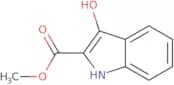
CAS:<p>3-(4-Bromophenyl)propionic acid is a potent linker that is synthesized from trifluoromethanesulfonic acid by the reaction of bromine and 4-bromobenzene. 3-(4-Bromophenyl)propionic acid inhibits the biosynthesis of fatty acids by inhibiting the enzyme fatty acid synthase. 3-(4-Bromophenyl)propionic acid has been shown to be an effective inhibitor of cellular growth in glioma cells. It also decreases blood pressure through inhibition of angiotensin II receptors.</p>Formula:C9H9BrO2Purity:Min. 95%Color and Shape:PowderMolecular weight:229.07 g/mol3-Hydroxyindole-2-carboxylic acid methyl ester
CAS:<p>3-Hydroxyindole-2-carboxylic acid methyl ester, an organic compound with CAS number [31827-04-0], is classified as an indole derivative - a type of heterocyclic organic compound. It has potential applications as a building block in organic synthesis as well as other areas such as in pharmaceutical and agrochemical industries due to its biological activity.</p>Formula:C10H9NO3Purity:Min. 95%Color and Shape:PowderMolecular weight:191.18 g/mol[4-(1-Methyl-1-phenylethyl)phenoxy]acetic acid
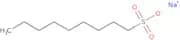
CAS:<p>4-(1-Methyl-1-phenylethyl)phenoxyacetic acid is a versatile building block that is used in the synthesis of a variety of fine chemicals and drugs. 4-(1-Methyl-1-phenylethyl)phenoxyacetic acid is an intermediate in the synthesis of a number of complex compounds, including research chemicals, reagents, and speciality chemicals. This compound can also be used as a reaction component for the synthesis of other chemical compounds or as a scaffold for larger molecules.</p>Formula:C17H18O3Purity:Min. 95%Color and Shape:PowderMolecular weight:270.32 g/mol1-Nonanesulfonic acid sodium salt
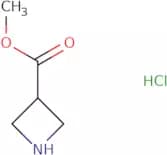
CAS:<p>1-Nonanesulfonic acid sodium salt is a chromatographic method for the analysis of aliphatic hydrocarbons. It has been shown to have strong thermal expansion properties and can be used for the preparation of polyvinyl chloride (PVC) films with high particle transport properties. 1-Nonanesulfonic acid sodium salt has also been used in the development of covid-19, a pandemic influenza vaccine. 1-Nonanesulfonic acid sodium salt is an interferometric technique that can be used as a clinical diagnostic for detecting chloride ions in urine samples.</p>Formula:C9H19O3SNaPurity:Min. 95%Color and Shape:PowderMolecular weight:230.3 g/molMethyl azetidine-3-carboxylate hydrochloride
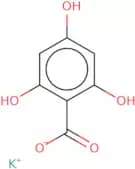
CAS:<p>Methyl azetidine-3-carboxylate hydrochloride is a potent suppressant of the immune system. It has been shown to be effective at reducing the incidence of experimental autoimmune encephalomyelitis in monkeys, and also shows promise as a therapeutic agent for human immunodeficiency virus (HIV) infection. Methyl azetidine-3-carboxylate hydrochloride is orally active and can be administered in doses that are not toxic to the host. There have been no reports of adverse effects from administration of this drug, with the exception of nausea and vomiting, which were reported at doses greater than 30 mg/kg. Pharmacokinetic studies indicate that methyl azetidine-3-carboxylate hydrochloride does not accumulate in lymphocytes or other tissues following repeated oral doses, but instead is excreted rapidly via urine. The pharmacological activity of this compound appears to be due to its ability to inhibit protein synthesis by binding to rib</p>Formula:C5H10ClNO2Purity:Min. 95%Color and Shape:PowderMolecular weight:151.59 g/molPotassium phloroglucinol carboxylate
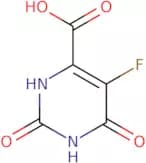
CAS:<p>Potassium phloroglucinol carboxylate is a fine chemical that can be used as a versatile building block, complex compound, research chemical, reagent, speciality chemical and useful intermediate. It is also a useful scaffold for the synthesis of other compounds. Potassium phloroglucinol carboxylate has been shown to react with a wide variety of functional groups and has been used in the preparation of new compounds. The CAS number for potassium phloroglucinol carboxylate is 91313-55-2.</p>Formula:C7H5O5·KPurity:Min. 95%Color and Shape:PowderMolecular weight:208.21 g/mol5-Fluoroorotic acid hydrate
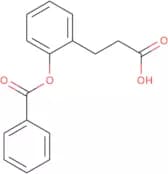
CAS:<p>Selection reagent for orotidine 5'-phosphate decarboxylase mutants</p>Formula:C5H3FN2O4·xH2OPurity:(%) Min. 97%Color and Shape:Off-White Yellow PowderMolecular weight:174.09 g/mol3-[2-(Benzoyloxy)phenyl)propionic acid
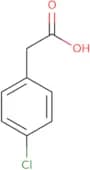
CAS:<p>3-[2-(Benzoyloxy)phenyl]propionic acid is a fine chemical that is useful for the synthesis of a wide range of chemicals. It is used as a versatile building block, intermediate and reagent in organic chemistry. This compound has CAS number 59725-59-6 and is soluble in water. 3-[2-(Benzoyloxy)phenyl]propionic acid can be synthesized from benzaldehyde, phenylacetic acid and propionic anhydride in the presence of sodium acetate.</p>Formula:C16H14O4Purity:Min. 95%Color and Shape:PowderMolecular weight:270.28 g/mol4-Chlorophenylacetic acid
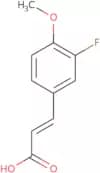
CAS:<p>4-Chlorophenylacetic acid is a fatty acid that reacts with hydroxyl groups to form reaction intermediates. It has been used in antiestrogen therapy as it is able to inhibit the activity of estrogen. It has also been used in polymeric matrices to control the release of silver ions for the treatment of cancer. 4-Chlorophenylacetic acid is synthesized by acylation of phenylacetic acid with chloroacetyl chloride in the presence of hydrochloric acid and sephadex g-100. 4-Chlorophenylacetic acid has been shown to inhibit tumor growth in animal models, which may be due to its ability to induce apoptosis.</p>Formula:C8H7ClO2Purity:Min. 97.5 Area-%Color and Shape:White PowderMolecular weight:170.59 g/mol3-Fluoro-4-methoxycinnamic acid
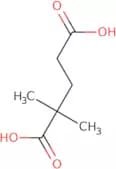
CAS:<p>3-Fluoro-4-methoxycinnamic acid is a template for the synthesis of azido compounds. Azide is a versatile functional group that can be used in many chemical reactions. 3-Fluoro-4-methoxycinnamic acid can be used to synthesize various azido products by reacting with hydrogen gas and an appropriate nucleophile, such as acrylic acid or ammonia. This reaction is called the "hydrogenating" reaction because it involves the addition of hydrogen. The target product can be synthesized by adding an appropriate electrophile, such as sodium azide, to the starting material in a solvent such as methylene chloride.</p>Formula:C10H9FO3Purity:Min. 95%Color and Shape:PowderMolecular weight:196.18 g/mol2,2-Dimethylglutaric acid
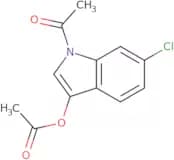
CAS:<p>2,2-Dimethylglutaric acid is a reactive, aliphatic hydrocarbon with a carbonyl group. It is an intermediate in the metabolism of fatty acids and may be formed by the hydrogenation of 2,2-dimethylsuccinic acid. This compound has been used as a film-forming polymer in detergent compositions and may also be used in biological samples to detect light emission. 2,2-Dimethylglutaric acid reacts with ethylene diamine to form malonic acid and x-ray crystal structures have been obtained for this compound. Pyrimidine compounds are formed when 2,2-dimethylglutaric acid reacts with ammonia or amines.</p>Formula:C7H12O4Color and Shape:White Off-White PowderMolecular weight:160.17 g/mol6-Chloro-3-indolyl 1,3-diacetate
CAS:<p>6-Chloro-3-indolyl 1,3-diacetate is an aglycone that is used as a chromogenic substrate for the detection of bacteria. It reacts with specific enzymes in the bacterial cell wall to produce a red or pink color. 6-Chloro-3-indolyl 1,3-diacetate is used as a diagnostic tool to identify bacteria and has been shown to be excreted in urine.</p>Formula:C12H10ClNO3Purity:Min. 95%Color and Shape:Yellow To Light Brown SolidMolecular weight:251.67 g/molDimethyl malonic acid
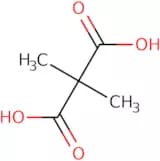
CAS:<p>Dimethyl malonic acid is an inorganic acid that contains a methyl group and two hydroxyl groups. Dimethyl malonic acid has been shown to have high values in analytical methods, such as x-ray crystal structures and high performance liquid chromatography. It is also used as a reagent for the determination of amino acids, including methylamine and ethylamine. This compound can be used as an intermediate in organic synthesis reactions. Dimethyl malonic acid has been shown to inhibit enzymes involved in fatty acid metabolism, such as carboxylase and acetyl-CoA carboxylase, which are involved in the formation of fatty acids. The use of this compound may lead to the production of less fatty acids and lower cholesterol levels.</p>Formula:C5H8O4Color and Shape:White Off-White PowderMolecular weight:132.11 g/molCarbethoxysyringic acid
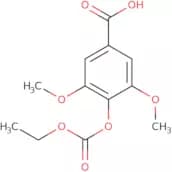
CAS:<p>Carbethoxysyringic acid is a reagent, complex compound, useful intermediate and fine chemical. It is also a useful scaffold for the synthesis of other organic compounds. Carbethoxysyringic acid is used in the production of speciality chemicals, research chemicals and versatile building blocks. Carbethoxysyringic acid has been shown to be an excellent reaction component in many reactions such as hydrogenation, nitro reduction, oxidation and hydrolysis.</p>Formula:C12H14O7Purity:Min. 95%Color and Shape:PowderMolecular weight:270.24 g/mol1,4-Phenylenebisboronic acid
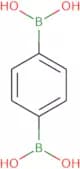
CAS:<p>1,4-Phenylenebisboronic acid is a chemical compound with the following structural formula:<br>It is a white crystalline solid, soluble in water and ethanol. 1,4-Phenylenebisboronic acid has been used for analytical chemistry and photochemical studies. It has also been studied as a model system for ternary complex formation, x-ray diffraction data analysis, and ester linkages. Structural analysis of 1,4-phenylenebisboronic acid reveals hydrogen bonding interactions between the nitrogen atoms and the boron atoms.</p>Formula:C6H8B2O4Purity:Min. 95 Area-%Color and Shape:PowderMolecular weight:165.75 g/mol3,5,3',5'-Tetraiodo thyrolactic acid
CAS:<p>3,5,3',5'-Tetraiodo thyrolactic acid is a fine chemical that belongs to the group of useful building blocks. It is a reagent and speciality chemical. 3,5,3',5'-Tetraiodo thyrolactic acid can be used as a reaction component in the synthesis of pharmaceuticals and other organic molecules. This compound is also versatile and can be used as a scaffold for developing new analogues. 3,5,3',5'-Tetraiodo thyrolactic acid has excellent quality and purity with CAS No. 7069-47-8.</p>Formula:C15H10I4O5Purity:Min. 95%Color and Shape:PowderMolecular weight:777.85 g/mol2-Bromo-3-hydroxybenzoic acid ethyl ester
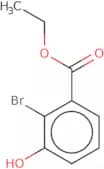
CAS:<p>2-Bromo-3-hydroxybenzoic acid ethyl ester is a versatile building block that can be used in the synthesis of complex compounds. It is a fine chemical and research chemical with CAS No. 1260889-94-8. This compound has high quality and is used as a reagent, scaffold, or intermediate in organic syntheses. 2-Bromo-3-hydroxybenzoic acid ethyl ester is also useful for the preparation of speciality chemicals and reaction components.</p>Formula:C9H9BrO3Purity:Min. 95%Color and Shape:Yellow PowderMolecular weight:245.07 g/mol3-Chloro-4-nitrobenzoic acid
CAS:<p>3-Chloro-4-nitrobenzoic acid (3CNB) is an amine that has been shown to be a 5-HT1A receptor agonist. It has been used in animal models of anxiety, depression and schizophrenia. 3CNB is able to activate the 5-HT1A receptor, which is involved in the regulation of anxiety, mood and other behaviors. The activation energies for the binding of 3CNB to the 5-HT1A receptor are calculated to be 8.3 kcal/mol and 9.2 kcal/mol at pH 7.0 and 10 respectively. A clinical study found that this agent was effective in treating trichomonas vaginalis infections as well as reducing symptoms of irritable bowel syndrome. In vivo studies have revealed that 3CNB is capable of inducing a sustained increase in extracellular serotonin levels in rat brain tissue with a half life of 2 hours. Kinetic studies have also shown that nitro groups enhance</p>Formula:C7H4ClNO4Purity:Min. 98 Area-%Color and Shape:PowderMolecular weight:201.56 g/mol2,6-Dimethoxy-4-methylbenzoic acid
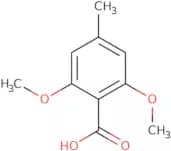
CAS:<p>2,6-Dimethoxy-4-methylbenzoic acid is a carboxylic acid that is used as an intermediate in the production of lithium.</p>Formula:C10H12O4Purity:Min. 95%Color and Shape:PowderMolecular weight:196.2 g/molNorethindrone acetate
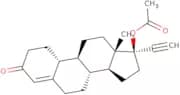
CAS:<p>Norethindrone acetate is a synthetic estrogen with progestational activity. It is used in combination with an estrogen to treat symptoms of menopause such as hot flashes and vaginal dryness, or in the prevention of endometriosis. Norethindrone acetate is also used in combination with progestin for contraception. It binds to estrogen receptors and produces similar effects to other estrogens, including inhibition of gonadotropin secretion, increased breast size, reduced risk of uterine cancer, and prevention of osteoporosis. The addition of norethisterone acetate provides the benefits of progestogen without the side effect of menstrual bleeding. Norethindrone acetate has been shown to increase serum prolactin levels in women and can cause breast tenderness or enlargement. This drug has been approved by the FDA as a treatment for bowel disease in women when given together with erythromycin. Norethindrone acetate</p>Formula:C22H28O3Purity:Min. 95%Color and Shape:PowderMolecular weight:340.46 g/molEthyl indole-6-carboxylate
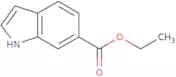
CAS:<p>Ethyl indole-6-carboxylate is a chiral compound with nitrogen atoms. It has a topology and substituents, so it can be substituted in several positions. It also has nitrate, which is an ion that can carry an electric charge. This molecule can form channels and crystals with a single-crystal x-ray diffraction pattern. The hydrocarbon part of the molecule has a crystal system and framework, making it porous. The x-ray diffraction pattern of ethyl indole-6-carboxylate shows its chemistry as well.</p>Formula:C11H11NO2Purity:Min. 95%Molecular weight:189.21 g/mol4-Hydroxymandelic acid monohydrate
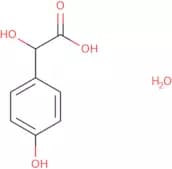
CAS:<p>4-Hydroxymandelic acid monohydrate is a chiral, herbicidal compound synthesized from mandelic acid and formaldehyde. It is often used as a coating additive in the synthesis of elastomers. 4-Hydroxymandelic acid monohydrate has been shown to have an interaction with elastomers by changing the flow rate of the elastomer and its parameters. The enantiomer of this compound is 2-hydroxymandelic acid monohydrate.</p>Formula:C8H8O4•H2OPurity:(%) Min. 95%Color and Shape:White PowderMolecular weight:186.16 g/mol2,6-Pyridinedicarboxylic acid
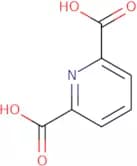
CAS:2,6-Pyridinedicarboxylic acid is a chemical compound that is mainly used as an antimicrobial agent. It binds to DNA by hydrogen bonding interactions and alters the polymerase chain reaction (PCR) process. This leads to inhibition of DNA synthesis and cell death. 2,6-Pyridinedicarboxylic acid has been shown to have synergistic effects when combined with sodium salts. It also inhibits transfer reactions in bacteria, which may be due to its ability to bind to picolinic acid. The structural analysis of 2,6-pyridinedicarboxylic acid showed that it contains a pyridine ring fused with two carboxyl groups. 2,6-Pyridinedicarboxylic acid reacts with picolinic acid in the presence of sodium salts and undergoes a series of reactions leading to the formation of picolinamide, which may explain its inhibitory properties.Formula:C7H5NO4Purity:Min. 95%Color and Shape:PowderMolecular weight:167.12 g/mol4-Methoxy-2,3,5-trifluorobenzoic acid
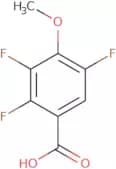
CAS:<p>4-Methoxy-2,3,5-trifluorobenzoic acid is a versatile building block that can be used in the synthesis of complex compounds. It is a high quality chemical that can be used as a reagent or speciality chemical in research. This compound has been shown to have many uses including as an intermediate for the synthesis of other chemicals and as a reaction component. 4-Methoxy-2,3,5-trifluorobenzoic acid can also be used as an important scaffold in the design of new drugs.</p>Formula:C8H5F3O3Purity:Min. 95%Color and Shape:White PowderMolecular weight:206.12 g/mol3,4-Dichlorophenylacetic acid
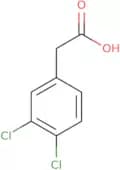
CAS:<p>3,4-Dichlorophenylacetic acid is a chemical compound that can be found in plants and animals. 3,4-Dichlorophenylacetic acid has been shown to inhibit the activity of receptors that are involved in the regulation of blood pressure. It also binds to lysine residues on proteins, which may be part of its inhibitory effect. 3,4-Dichlorophenylacetic acid is a selective ligand for the alpha2A adrenergic receptor. This chemical has a molecular weight of 122.09 g/mol and a chlorine atom in its structure.</p>Formula:C8H6Cl2O2Purity:Min. 95%Color and Shape:PowderMolecular weight:205.04 g/mol6-Bromo-1H-indole-3-carboxylic acid
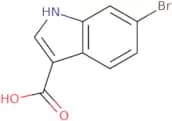
CAS:<p>6-Bromo-1H-indole-3-carboxylic acid is a natural product that is isolated from the marine sponge Smenospongia purpurea. It was first reported in 1979 and has been used for the synthesis of other compounds. 6-Bromoindole, a precursor to 6-bromo-1H-indole-3-carboxylic acid, is biosynthesized from methyl ester and NMR spectra indicate that it has a dihedral angle of 173°. This compound has been shown to have antibacterial activity against staphylococcus.</p>Formula:C9H6BrNO2Purity:Min. 95%Color and Shape:PowderMolecular weight:240.05 g/molMycophenolic acid
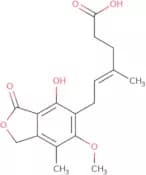
CAS:<p>Mycophenolic acid is a guanosine monophosphate synthesis pathway blocker. It selectively inhibits inosine monophosphate dehydrogenase (IMPDH) which blocks the conversion of inosine-5-phosphate and xanthine-5-phosphate to guanosine-5-phosphate. This drug inhibits de novo purine biosynthesis. Mycophenolic acid is an immunosuppressant metabolite present in drug formulations that are used to prevent rejections after organ transplants. It has also shown to have antibacterial and antifungal properties.</p>Formula:C17H20O6Purity:Min. 95%Color and Shape:PowderMolecular weight:320.34 g/molDirect Red 16
CAS:<p>Direct Red 16 is a dye that reacts with acids to form an intensely red compound. It is used in research and as a reagent for the production of other dyes. Direct Red 16 is also used as a building block in the synthesis of complex molecules, such as pharmaceuticals and dyes.</p>Formula:C26H17N5Na2O8S2Purity:Min. 95%Molecular weight:639.57 g/molL-(+)-Glutamic acid HCl
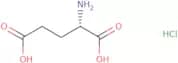
CAS:<p>L-(+)-Glutamic acid HCl is a monosodium salt that belongs to the group of water-soluble organic acids. It has been used as a food additive and in wastewater treatment, as well as for the production of polymers and pharmaceuticals. Glutamate can be converted to glutamic acid by hydrolysis with sodium hydroxide or other strong bases. Glutamic acid is an important biochemical precursor in the synthesis of proteins, peptides, and nucleic acids. It also functions as a neurotransmitter in the central nervous system. L-(+)-glutamic acid HCl has been shown to induce apoptosis in human HL-60 cells by increasing reactive oxygen species (ROS) levels and activating caspase-3 activity in these cells. The crystalline cellulose used in this study was obtained from cellulose powder (Avicel PH101).</p>Formula:C5H9NO4·HClPurity:Min. 95%Color and Shape:White PowderMolecular weight:183.59 g/molL-Aspartic acid
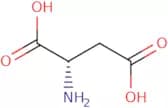
CAS:<p>L-Aspartic acid is an amino acid that plays a role in the biochemical reactions of energy metabolism. This amino acid is also important for the synthesis of proteins, such as enzymes and structural proteins. L-Aspartic acid is synthesized from oxaloacetate by transamination. It can also be synthesized from glutamate by the action of aspartate aminotransferase using pyridoxal phosphate as a cofactor. L-Aspartic acid has been shown to play a role in neuronal death, particularly in primary sclerosing cholangitis, and may have potential therapeutic use for this condition. L-Aspartic acid has been used as a model system to study polymerase chain reaction (PCR) methods and analytical methods in biochemistry research.</p>Formula:C4H7NO4Purity:Min. 95%Color and Shape:White Off-White PowderMolecular weight:133.1 g/mol5-Chloroindole-2-carboxylic acid methyl ester
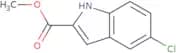
CAS:<p>5-Chloroindole-2-carboxylic acid methyl ester is a potent inhibitor of the enzyme tyrosine kinase in cell culture, with an IC50 value of 0.5 nM. It has been shown to inhibit the growth of cancer cells (e.g., MDA-MB231, MCF-7) in vitro and in vivo. The IC50 values for inhibition of MDA-MB231 and MCF-7 cells are 0.1 and 10 nM, respectively. 5-Chloroindole-2-carboxylic acid methyl ester binds to the ATP binding site on tyrosine kinase, preventing ATP from binding and inhibiting phosphorylation of the receptor protein. This allows the receptor's downstream signaling pathways to be blocked, which leads to cell growth inhibition by arresting cell cycle progression at G0/G1 phase or inducing apoptosis.</p>Formula:C10H8ClNO2Purity:Min. 95%Molecular weight:209.63 g/mol6-(3-(Adamantan-1-yl)-4-methoxyphenyl)-2-naphthoic acid
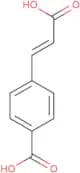
CAS:Controlled Product<p>Agonist of retinoic acid receptors (RAR-? and RAR-?); pro-apoptotic</p>Formula:C28H28O3Purity:Min. 95%Color and Shape:PowderMolecular weight:412.52 g/mol4-Carboxycinnamic acid
CAS:<p>4-Carboxycinnamic acid is an organic compound that is a derivative of cinnamic acid. It is a colorless solid that is soluble in organic solvents and has high resistance to environmental pollution. 4-Carboxycinnamic acid has been shown to have photocatalytic activity in the presence of UV radiation, with a quantum yield of 0.2% at 365 nm. It also exhibits fluorescence properties, but these are not as strong as the parent compound, cinnamic acid. 4-Carboxycinnamic acid has functional groups that can be activated by hydrogen bonding interactions and uptake into cells. This compound also reacts with sulfonic acids to form sulfinic acids and hydrochloric acid to form chlorocinnamic acids. Chronic pulmonary effects were observed in animals after inhalation of this substance for 30 minutes per day for 10 days. X-ray crystal structures have been determined for 4-carboxycinnamic acid and its</p>Formula:C10H8O4Purity:Min. 95%Color and Shape:PowderMolecular weight:192.17 g/mol5,6,7,8-Tetrahydro-[1,8]naphthyridine-2-carboxylic acid
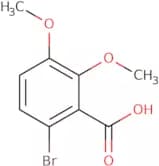
CAS:<p>5,6,7,8-Tetrahydro-[1,8]naphthyridine-2-carboxylic acid is a chemical compound with CAS No. 885278-22-8. It is a high quality reagent that can be used as a building block for the synthesis of complex compounds. 5,6,7,8-Tetrahydro-[1,8]naphthyridine-2-carboxylic acid can also be used as a reaction component in chemical synthesis and as an intermediate in the production of various fine chemicals and speciality chemicals.</p>Formula:C9H10N2O2Purity:Min. 98 Area-%Color and Shape:PowderMolecular weight:178.19 g/mol6-Bromo-2,3-dimethoxybenzoic acid
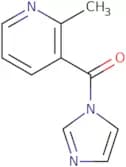
CAS:<p>6-Bromo-2,3-dimethoxybenzoic acid is a synthetic chemical that has been shown to have antibacterial activity. It has been shown to inhibit the growth of bacteria by binding to the imine group in the bacterial cell wall and preventing its synthesis. 6-Bromo-2,3-dimethoxybenzoic acid has also been shown to be synthesised from 2,3-dimethoxybenzoic acid and bromine. This compound is a benzophenanthridine alkaloid that inhibits protein synthesis and cell division.</p>Formula:C9H9BrO4Purity:Min. 95%Color and Shape:PowderMolecular weight:261.07 g/mol2-Methylnicotinic acid imidazolide
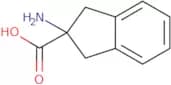
CAS:<p>2-Methylnicotinic acid imidazolide is a small molecule with the ability to regulate RNA splicing. It has been shown to inhibit the transcription of specific genes by binding to the RNA sequence and forming a stable complex with the mRNA. The chemical structure of 2-methylnicotinic acid imidazolide has also been shown to be similar to that of nicotinamide, which is a precursor for NAD+, a coenzyme involved in cellular metabolism. This may explain how 2-methylnicotinic acid imidazolide regulates gene expression and promotes neuronal health.</p>Formula:C10H9N3OPurity:Min. 95%Color and Shape:PowderMolecular weight:187.2 g/mol2-Aminoindane-2-carboxylic acid
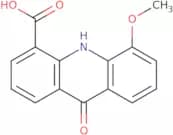
CAS:<p>2-Aminoindane-2-carboxylic acid is a potent opioid analgesic with a high affinity for kappa-opioid receptors. Molecular modeling studies suggest that it binds to the receptor in an orientation similar to morphine and has a higher binding affinity than morphine. In functional assays, 2-Aminoindane-2-carboxylic acid showed low potency at the delta opioid receptor. It also has been shown to have a high affinity for the kappa opioid receptor and a low affinity for delta opioid receptors, which are associated with respiratory depression. This drug can be made from indole and carboxylic acids or by treating 2 aminoindanone with hydrochloric acid and hydrogen gas.</p>Formula:C10H11NO2Purity:Min. 95%Color and Shape:PowderMolecular weight:177.2 g/mol9,10-Dihydro-5-methoxy-9-oxo-4-acridinecarboxylic acid
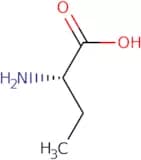
CAS:<p>Please enquire for more information about 9,10-Dihydro-5-methoxy-9-oxo-4-acridinecarboxylic acid including the price, delivery time and more detailed product information at the technical inquiry form on this page</p>Formula:C15H11NO4Purity:Min. 95%Color and Shape:PowderMolecular weight:269.25 g/molL-2-Aminobutyric acid
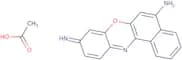
CAS:<p>L-2-Aminobutyric acid is a nonessential amino acid that serves as a substrate for enzymes that catalyze the alpha-elimination of hydroxyl groups. This process is used in the synthesis of proteins and other biological molecules. The L-2-Aminobutyric acid is also an analog to 2-aminoethanol, which has been shown to inhibit amyloid protein production in human serum. A synthetic route for the preparation of L-2-Aminobutyric acid has been developed using anhydrous sodium hydroxide and blood sampling from a bacterial strain. L-2-Aminobutyric acid inhibits protease activity and has been shown to have antibacterial properties. The optimum pH for this compound is 5.5, with an approximate intramolecular hydrogen bond distance of 3.1 angstroms.</p>Formula:C4H9NO2Purity:Min. 95%Color and Shape:White PowderMolecular weight:103.12 g/molCresyl Violet acetate
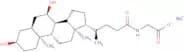
CAS:Controlled Product<p>Cresyl violet acetate is a dye that is used in histology to stain tissue sections. It binds to basic proteins, such as those found in the cytoplasm and nucleus, and has a strong affinity for nucleic acids. Cresyl violet acetate can be used to identify inflammatory lesions and other biological samples. The dye has been shown to induce neuronal death by reducing the redox potentials of neurons through the activation of Toll-like receptors (TLRs). Basic proteins are also involved in oral hypoglycaemic activity.</p>Formula:C18H15N3O3Purity:Limit? 65.%Color and Shape:PowderMolecular weight:321.33 g/molGlycochenodeoxycholic acid sodium salt
CAS:<p>Glycochenodeoxycholic acid sodium salt is a bile acid derivative, which is an important component of the bile produced in the liver. It originates from the metabolism and conjugation of chenodeoxycholic acid with glycine, a process that occurs in the liver. This compound plays a significant role in the emulsification and solubilization of dietary fats, which facilitates their absorption in the intestines.</p>Formula:C26H42NNaO5Purity:Min. 96 Area-%Color and Shape:White Off-White PowderMolecular weight:471.61 g/molLactobionic acid sodium salt monohydrate
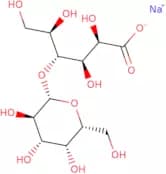
CAS:<p>Lactobionic acid is a white, crystalline powder with a molecular weight of 278.3 g/mol. It is an organic compound that is used as a reactant in organic synthesis, as a reagent for the determination of iron and calcium in biological samples, and as an intermediate in the production of polyesters. Lactobionic acid can be used to synthesize polyester materials with high molecular weights and high purity. The compound has been shown to have anti-inflammatory properties, which may be due to its inhibition of prostaglandin synthesis.</p>Formula:C12H21NaO12·H2OPurity:Min. 95%Color and Shape:PowderMolecular weight:398.3 g/mol2-Bromo-6-nicotinic acid methyl ester
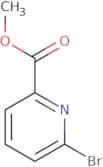
CAS:<p>2-Bromo-6-nicotinic acid methyl ester is a monomer that is used in vivo as a reactive probe. It undergoes a thermally induced reaction with sodium carbonate to form picolinic acid and 2,6-dibromonicotinic acid. The picolinic acid can be converted to its fluorescent analog, which has been shown to be useful for the detection of tumors in mice. This compound also reacts with metal ions such as copper and zinc, which allows it to act as a ligand for metal complexes.</p>Formula:C7H6BrNO2Purity:Min. 95%Color and Shape:PowderMolecular weight:216.03 g/mol(2-Amino-2-adamantyl)acetic acid
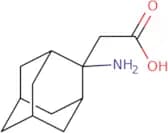
CAS:<p>2-Amino-2-adamantylacetic acid is a fine chemical that is used as a building block in the synthesis of many other compounds. It is also used as a research reagent and speciality chemical, and has been shown to be a versatile building block for complex molecules. This compound can be reacted with other chemicals to form useful intermediates that are used in the synthesis of pharmaceuticals and agrochemicals. 2-Amino-2-adamantylacetic acid is listed on the Chemical Abstracts Service (CAS) registry as 1573548-14-7.</p>Formula:C12H19NO2Purity:Min. 95%Color and Shape:White PowderMolecular weight:209.28 g/molcis-2-Amino-1-cyclohexane-carboxylic acid
CAS:<p>Cis-2-Amino-1-cyclohexane-carboxylic acid (ACCA) is a β-amino acid that binds to peptides and cyclohexane rings. ACCA has been shown to have high resistance against denaturation, which may be due to its ability to form hydrogen bonds with water molecules. It also has an analog, cis-2-(aminomethyl)cyclohexanol (CAMCH), which is used in the treatment of Gram-positive bacterial infections. ACCA can be found in glycopeptide antibiotics such as vancomycin and teicoplanin, which are used for the treatment of resistant bacteria including methicillin resistant Staphylococcus aureus (MRSA).</p>Formula:C7H13NO2Purity:Min. 95%Color and Shape:PowderMolecular weight:143.18 g/molMethyl-2-formyl-4-thiophenecarboxylate
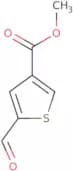
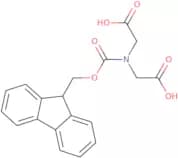
CAS:<p>Methyl-2-formyl-4-thiophenecarboxylate is a high quality reagent that is useful as an intermediate in the synthesis of complex compounds. It has a CAS number of 67808-66-6 and can be used as a building block in the synthesis of biologically active molecules. Methyl-2-formyl-4-thiophenecarboxylate is also a versatile building block that can be used to synthesize speciality chemicals, such as research chemicals and reaction components. This chemical has been shown to have many uses in organic synthesis, including being used for the preparation of pharmaceuticals. Methyl 2 formyl 4 thiophenecarboxylate is also useful for the production of fine chemicals, such as dyes and fragrances.</p>Formula:C7H6O3SPurity:Min. 95%Color and Shape:PowderMolecular weight:170.19 g/molFmoc-iminodiacetic acid
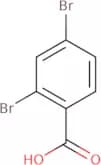
CAS:<p>Fmoc-iminodiacetic acid is a versatile building block and reagent that is used in the synthesis of complex compounds, such as peptides, proteins, and pharmaceuticals. It is also a useful intermediate in organic synthesis reactions. Fmoc-iminodiacetic acid has been shown to be effective as a reactant for the preparation of various scaffolds with high purity and quality.</p>Formula:C19H17NO6Purity:Min. 95%Color and Shape:PowderMolecular weight:355.34 g/mol2,4-Dibromobenzoic acid
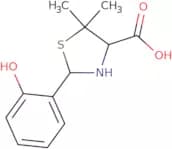
CAS:<p>2,4-Dibromobenzoic acid is a synthetic chemical that is a cross-coupling product. It is used as an intermediate in the synthesis of hydrophobic compounds. 2,4-Dibromobenzoic acid has been validated and its use is arguably safe. It can be synthesized through a number of methods, including the use of fluorescence to detect reaction progress and the use of binder to increase sensitivity. The compound binds to ionizable groups on proteins and interacts with them through hydrogen bonding. This interaction can lead to conformational changes in the protein, which are reversible or not.</p>Formula:C7H4Br2O2Purity:Min. 95%Color and Shape:PowderMolecular weight:279.91 g/mol2-(2-Hydroxyphenyl)-5,5-dimethyl-1,3-thiazolidine-4-carboxylic acid
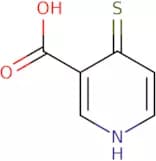
CAS:<p>Please enquire for more information about 2-(2-Hydroxyphenyl)-5,5-dimethyl-1,3-thiazolidine-4-carboxylic acid including the price, delivery time and more detailed product information at the technical inquiry form on this page</p>Formula:C12H15NO3SPurity:Min. 95%Color and Shape:PowderMolecular weight:253.32 g/mol4-Mercaptonicotinic acid
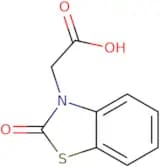
CAS:<p>Please enquire for more information about 4-Mercaptonicotinic acid including the price, delivery time and more detailed product information at the technical inquiry form on this page</p>Formula:C6H5NO2SPurity:Min. 95%Color and Shape:PowderMolecular weight:155.18 g/mol2-Oxo-3-benzothiazolacetic acid
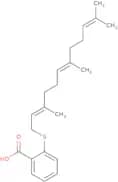
CAS:<p>2-Oxo-3-benzothiazolacetic acid is a fine chemical and building block that has been used as an intermediate in the synthesis of a variety of complex compounds. It can be used in research as a reaction component, and is useful in the manufacture of speciality chemicals. This compound has many uses, including as a reagent for organic syntheses and as a building block for other chemicals. 2-Oxo-3-benzothiazolacetic acid is also known to have high purity, making it an excellent quality reagent.</p>Formula:C9H7NO3SPurity:Min. 95 Area-%Color and Shape:PowderMolecular weight:209.22 g/moltrans,trans-Farnesyl thiosalicylic acid
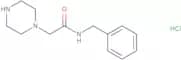
CAS:<p>Farnesyl thiosalicylic acid (FTSA) is a synthetic compound that exhibits potent anticancer activity. FTSA binds to the active site of the enzyme protein kinase C-alpha (PKC-α), which prevents its phosphorylation and activation. This prevents the activation of the mitogen-activated protein kinases, which are involved in cell proliferation and differentiation. FTSA also inhibits cancer cell migration by blocking MMP-9 activity, leading to tumor regression. FTSA has been shown to be effective against chemotherapy resistant breast cancer cells, as well as cancer cells from other tissues such as colon, prostate, and ovary.</p>Formula:C22H30O2SPurity:Min. 95%Color and Shape:White to off-white solid.Molecular weight:358.54 g/molPiperazinophenylacetic acid benzylamide hydrochloride
CAS:<p>Piperazinophenylacetic acid benzylamide hydrochloride is a versatile building block that can be used in the synthesis of complex compounds for research and development. It is a reagent for the preparation of speciality chemicals and also a useful intermediate for the synthesis of reaction components. Piperazinophenylacetic acid benzylamide hydrochloride is a high quality, commercially available chemical that can be used as a scaffold for the preparation of new chemical compounds.</p>Formula:C13H19N3O•HClPurity:Min. 95%Color and Shape:PowderMolecular weight:269.77 g/molBenzo[b]thiophene-2-carboxylic acid
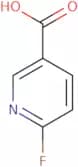
CAS:<p>A raw material for use in pharma, dye and organic synthesis industries.</p>Formula:C9H6O2SPurity:Min. 95%Color and Shape:PowderMolecular weight:178.21 g/mol6-Fluoronicotinic acid
CAS:<p>6-Fluoronicotinic acid is a compound class that is biosynthesized from picolinic acid. It has been found to have biological properties such as the ability to form positrons and spiroindolines. 6-Fluoronicotinic acid can be synthesized by solid-phase synthesis and analyzed using vibrational spectroscopy. This compound class is also a radionuclide, which means it can be used in positron emission tomography (PET) scans of the human body. 6-Fluoronicotinic acid has been shown to bind to cardiac tissue and cancer cells, making it an effective drug for treating these diseases.</p>Formula:C6H4FNO2Purity:Min. 95%Color and Shape:PowderMolecular weight:141.1 g/mol7-Hydroxy-2-naphthalene sulfonic acid sodium
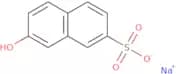
CAS:<p>7-Hydroxy-2-naphthalene sulfonic acid sodium (7HNS) is a fluorescent probe that can be used for the detection of cross-links in collagen and elastin. The sensitivity of this compound is very high, with a detection limit of 1 pmol/ml. 7HNS binds to the lysine residues in collagen and elastin, forming covalent bonds that are detectable by fluorescence. It has been used in the analysis of tissues such as cartilage, bone, skin, and blood vessels.</p>Formula:C10H7NaO4SPurity:Min. 93 Area-%Color and Shape:PowderMolecular weight:246.22 g/molSodium acetate anhydrous
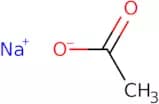
CAS:<p>Sodium acetate anhydrous is a salt of sodium and acetic acid. It is a white crystalline solid that can be obtained by reacting sodium hydroxide with acetic acid. This material is used as the buffer in analytical methods to maintain pH levels during chemical reactions. The addition of this salt to solution will cause the solution to have a higher boiling point, which can be used for phase transition temperature measurements. Injection solutions containing this salt are also used for injection into humans. Sodium acetate anhydrous has been shown to have covalent linkages when it reacts with DNA and ATP, which may be related to its ability to inhibit mitochondrial membrane potential and disrupt energy metabolism.</p>Formula:C2H4O2•NaPurity:Min. 95%Color and Shape:PowderMolecular weight:82.03 g/molOctanoic acid
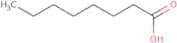
CAS:<p>Octanoic acid is a medium-chain fatty acid that is synthesized by the condensation of two molecules of acetyl-CoA. It is an antimicrobial agent that inhibits Gram-positive bacteria, such as Aerobacter aerogenes and Staphylococcus aureus. Octanoic acid has been shown to be effective in inhibiting the growth of Gram-negative bacteria, such as Escherichia coli and Pseudomonas aeruginosa. Octanoic acid has also been shown to have physiological effects on the human body, such as its ability to induce metabolic disorders. It is also used for energy metabolism and structural analysis.</p>Formula:C8H16O2Purity:Min. 98%Color and Shape:Clear LiquidMolecular weight:144.21 g/molGanoderic acid C6
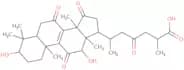
CAS:Controlled Product<p>Ganoderic acid C6 is a natural product with potent anti-cancer and anti-inflammatory activities. It has shown to inhibit the growth of human cancer cells in vitro by targeting the fatty acid synthase enzyme, which is involved in biosynthesis of fatty acids. Ganoderic acid C6 also inhibits hydroxylation of oleic acid, an important step in the synthesis of prostaglandins and leukotrienes. This inhibition leads to a decrease in inflammation and chronic bronchitis. Although ganoderic acid C6 has been shown to have beneficial effects on metabolic disorders, it has also been shown to be toxic to liver cells at high concentrations. The toxicity may be due to its ability to inhibit different enzymes that are involved in fatty acid metabolism.</p>Formula:C30H42O8Purity:Min. 95%Color and Shape:PowderMolecular weight:530.65 g/mol(4-Formyl-2-methoxyphenoxy)acetic acid
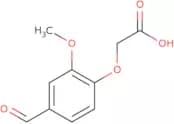
CAS:<p>Phenoxyacetic acid is a phenoxy compound that exhibits antibacterial and anthelmintic activity. It has been shown to be highly active against helminthes, such as tapeworms and roundworms. Phenoxyacetic acid interacts with the helminth's cell membrane, which causes the release of cytochrome c from mitochondria and inhibits mitochondrial function. This leads to cell death by inhibiting protein synthesis and DNA replication. The hydrophobic nature of phenoxyacetic acid allows it to penetrate the anthelmint's cuticle and enter the worm's body cavity where it inhibits mitochondrial function. Phenoxyacetic acid has also been shown to inhibit tuberculosis in mice in vivo, but not in vitro. In addition, phenoxyacetic acid binds to nuclei of cancer cells and prevents the production of RNA and protein synthesis. This results in cell death by apoptosis or necrosis.</p>Formula:C10H10O5Purity:Min. 95%Color and Shape:PowderMolecular weight:210.18 g/mol4-Nitrohippuric acid
CAS:<p>4-Nitrohippuric acid is a metabolite of the amino acid glycine, which is converted to 4-nitrohippuric acid by nitroreductase. It is an aromatic compound that has been shown to have high affinity for tissues such as kidney and liver. 4-Nitrohippuric acid can be used as an ion-exchange reagent for the separation of peptide hormones from plasma or urine. The kinetic constants of 4-nitrohippuric acid have been determined in rat studies. This compound has also been used to measure the rate of hydrolysis of hippurate in human urine samples. The optical properties of this compound have not yet been fully characterized for its use in spectroscopic applications.</p>Formula:C9H8N2O5Purity:Min. 95%Color and Shape:Yellow PowderMolecular weight:224.17 g/mol3,5-Dichloro-2,6-dihydroxybenzoic acid
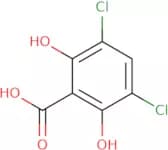
CAS:<p>3,5-Dichloro-2,6-dihydroxybenzoic acid is a synthetic compound that has been shown to have anti-leishmanial activity. It prevents the release of iron from the parasite by binding to iron ions and preventing the formation of iron complexes. 3,5-Dichloro-2,6-dihydroxybenzoic acid also inhibits disulfide bond formation in proteins. This inhibition leads to a decrease in protein synthesis. The effect of 3,5-dichloro-2,6-dihydroxybenzoic acid on Leishmania species was confirmed using metabolomics analysis on human blood samples collected from women in Tanzania.</p>Formula:C7H4Cl2O4Purity:Min. 95%Color and Shape:PowderMolecular weight:223.01 g/molN-Dihydrocinnamoylaminocaproic acid
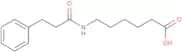
CAS:<p>Please enquire for more information about N-Dihydrocinnamoylaminocaproic acid including the price, delivery time and more detailed product information at the technical inquiry form on this page</p>Formula:C15H21NO3Purity:Min. 95%Molecular weight:263.33 g/molQuinolin-4-ylboronic acid
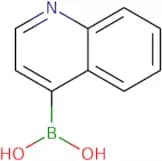
CAS:<p>Quinolin-4-ylboronic acid is a heterocyclic compound with two nitrogen atoms that are attached to the ring by means of carbonyl groups. This compound is a precursor in the synthesis of the drug dorsomorphin, which is used for pain relief. It also has an important role in pharmacokinetics because it can be used as a marker for estimating blood levels of other drugs. Quinolin-4-ylboronic acid yields an active form, quinolin-4-yl boronic acid, when reacted with piperazine in basic conditions. The drug ldn-193189 is a derivative of this active form and has been evaluated as a potential drug for treating osteoporosis and cancer.</p>Formula:C9H8BNO2Purity:Min. 95 Area-%Color and Shape:PowderMolecular weight:172.98 g/mol3-(4-Nitrophenyl)propanoic acid - technical
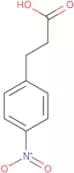
CAS:<p>3-(4-Nitrophenyl)propanoic acid is an inhibitor of aminopeptidases. Amino acid catabolism, in particular the cleavage of peptides by proteolytic enzymes, is a central process in cellular metabolism. Amino acid catabolism is regulated by a number of different enzymes, including aminopeptidases. 3-(4-Nitrophenyl)propanoic acid inhibits the activity of these enzymes and thereby prevents the degradation of amino acids. This product has been shown to inhibit aminopeptidase A with an IC50 value of about 0.5 mM and aminopeptidase B with an IC50 value of about 1 mM. 3-(4-Nitrophenyl)propanoic acid also has anti-inflammatory properties that may be due to its inhibition of prostaglandin synthesis.</p>Formula:C9H9NO4Purity:Min. 90 Area-%Color and Shape:PowderMolecular weight:195.17 g/mol


![4-Nitrobenzyl (4R,5R,6S)-3-[(diphenylphosphono)oxy]-6-[(R)-1-hydroxyethyl]-4-methyl-7-oxo-1-azabic…](/_next/image/?url=https%3A%2Fstatic.cymitquimica.com%2Fproducts%2F3D%2Fthumb-webp%2FFM140061.webp&w=3840&q=75)


![[4-(1-Methyl-1-phenylethyl)phenoxy]acetic acid](/_next/image/?url=https%3A%2Fstatic.cymitquimica.com%2Fproducts%2F3D%2Fthumb-webp%2FFM112689.webp&w=3840&q=75)




![5,6,7,8-Tetrahydro-[1,8]naphthyridine-2-carboxylic acid](/_next/image/?url=https%3A%2Fstatic.cymitquimica.com%2Fproducts%2F3D%2Fthumb-webp%2FFT56542.webp&w=3840&q=75)

![Benzo[b]thiophene-2-carboxylic acid](/_next/image/?url=https%3A%2Fstatic.cymitquimica.com%2Fproducts%2F3D%2Fthumb-webp%2FFB01173.webp&w=3840&q=75)