Carboxylic Acids
Carboxylic acids are organic molecules characterized by having a carboxyl-type functional group (-COOH). These acids are fundamental in various chemical reactions, including esterification, amidation, and decarboxylation. Carboxylic acids are widely used in the production of pharmaceuticals, polymers, and agrochemicals. In this section, you can find a large number of carboxylic acids ready to be used. At CymitQuimica, we provide a broad range of high-quality carboxylic acids to support your research and industrial applications.
Found 12453 products of "Carboxylic Acids"
Sort by
Purity (%)
0
100
|
0
|
50
|
90
|
95
|
100
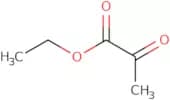
Pyruvic acid ethyl ester
CAS:<p>Ethyl pyruvate, also known as 2-oxo-propionic acid ethyl ester, is a colourless transparent liquid at room temperature with a fresh, sweet, floral aroma. Ethyl pyruvate is a novel anti-inflammatory agent for the treatment of critical inflammatory conditions as it has potent anti-inflammatory properties and tissue protection activity, in multiple animal models of disease including: pancreatitis, ischemia-reperfusion injury, sepsis, renal injury, and endotoxemia.</p>Formula:C5H8O3Purity:Min. 95%Color and Shape:Colorless Clear LiquidMolecular weight:116.12 g/molMethyl 4-chlorophenylacetate
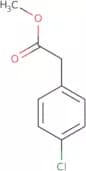
CAS:<p>Methyl 4-chlorophenylacetate is an antibacterial agent that belongs to the group of decarboxylated compounds. It has been synthesised and chiral, with a pyruvic acid moiety. Methyl 4-chlorophenylacetate is bactericidal against Pyricularia oryzae and other microorganisms in vitro. It has also been shown to inhibit histamine H1 receptors in rats. The molecular modelling study showed that methyl 4-chlorophenylacetate forms hydrogen bonds with the bacterial cell membrane, which may lead to the formation of pores in the membrane, resulting in cell death.</p>Formula:C9H9ClO2Purity:Min. 95%Molecular weight:184.62 g/mol5-Methyl-2-pyrazinecarboxylic acid
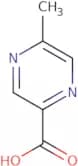
CAS:<p>5-Methyl-2-pyrazinecarboxylic acid is a natural compound that can be found in plants. It has been shown to have antidiabetic properties and to be useful as a fluorescence probe. 5-Methyl-2-pyrazinecarboxylic acid can be synthesized by the condensation of pyrazinamide with formaldehyde, followed by oxidation with sodium formate. The synthesis of 5-methyl-2-pyrazinecarboxylic acid can also be achieved by heating an aqueous solution of pyrazinamide at 100°C for 30 minutes. This process yields the desired product in high yield, which is then purified by recrystallization or column chromatography.</p>Formula:C6H6N2O2Purity:Min. 95%Color and Shape:PowderMolecular weight:138.12 g/molFenofibric acid methyl ester
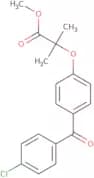
CAS:<p>Fenofibric acid methyl ester is a chemical that has been used as a reference standard for the calibration of HPLC. It is an acidic compound that can be used to measure the flow rate of liquids. Fenofibric acid methyl ester has a particle size between 2 and 4 micrometers in diameter, which has been shown to be consistent with the use of dihedrals and diameters. This product has been found to be suitable for chromatographic methods such as calibration and validation. The purity of this chemical has been validated by regression analysis using chromatograms.</p>Formula:C18H17ClO4Purity:Min. 95%Color and Shape:PowderMolecular weight:332.78 g/mol5,5-dimethyl-2-(3-thienyl)-1,3-thiazolidine-4-carboxylic acid
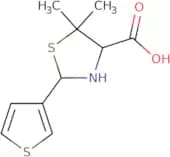
CAS:<p>Please enquire for more information about 5,5-dimethyl-2-(3-thienyl)-1,3-thiazolidine-4-carboxylic acid including the price, delivery time and more detailed product information at the technical inquiry form on this page</p>Purity:Min. 95%Zinc ethylphenyl dithiocarbamate
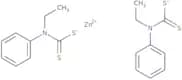
CAS:<p>Zinc ethylphenyl dithiocarbamate is a hydrogenated zinc diethyldithiocarbamate that is used as an industrial chemical. The process of hydrogenation changes the chemical properties of the molecule by replacing one or more hydrogens with a hydrogen atom. It has been shown to have strong antioxidant properties and to inhibit the oxidation of fats, oils, and other organic substances. Zinc ethylphenyl dithiocarbamate has also been shown to be anti-inflammatory and to have hemolytic activity. This product is a white powder that is soluble in organic solvents such as ethers, benzene, and chloroform. It can be mixed into molten waxes and oils at high temperatures without decomposing.</p>Formula:C18H20N2S4ZnPurity:Min. 95%Color and Shape:White PowderMolecular weight:458.01 g/mol4-Hydroxy-2-methylcinnamic acid
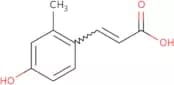
CAS:<p>4-Hydroxy-2-methylcinnamic acid is a chemical intermediate that can be used in organic synthesis as a building block or reagent. It has been shown to have a high quality and purity, and is also an excellent reaction component. This compound is used as a speciality chemical, versatile building block, and complex compound. 4-Hydroxy-2-methylcinnamic acid has been used in the production of drugs such as amiodarone, sotalol, and tacrolimus. It can also be used in the production of other fine chemicals such as benzaldehyde, cinnamyl alcohol, cinnamaldehyde, and hydroxyacetophenone.</p>Formula:C10H10O3Purity:Min. 95%Color and Shape:PowderMolecular weight:178.18 g/mol2-Acetyl-3-oxo-butyric acid ethyl ester - 90%
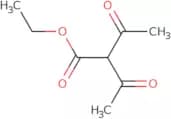
CAS:<p>2-Acetyl-3-oxo-butyric acid ethyl ester (2ABEE) is a chemokine receptor antagonist that binds to the CCR5 receptor. It is a small molecule drug candidate with potential therapeutic value for HIV and other diseases. 2ABEE has been shown to be active against human immunodeficiency virus type 1 (HIV-1) in cell culture and animal models, as well as against influenza virus in mice. This compound also inhibits the production of chemokines, which are inflammatory proteins that recruit immune cells from the blood stream to the site of infection. In addition, 2ABEE is not toxic to healthy human cells, indicating that it may have fewer side effects than other anti-HIV drugs.</p>Formula:C8H12O4Purity:Min. 95%Color and Shape:Clear LiquidMolecular weight:172.18 g/mol3-Chloro-4-fluorobenzoic acid
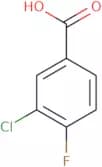
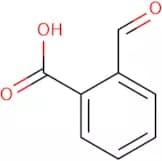
CAS:<p>3-Chloro-4-fluorobenzoic acid is a prodrug that is converted to fluvoxamine maleate, its active form, by esterases. It is an inhibitor of the enzyme nitric oxide synthase and is used in the treatment of cancer. 3-Chloro-4-fluorobenzoic acid has been shown to inhibit cellular growth and proliferation in cancer cells. The molecular modeling study showed that 3-chloro-4-fluorobenzoic acid binds to the kinesin motor domain in a manner similar to fluvoxamine maleate but has a lower inhibitory potency than fluvoxamine maleate. Nonetheless, it was found that 3-chloro-4-fluorobenzoic acid could be used as a prodrug for fluvoxamine maleate.</p>Formula:C7H4ClFO2Purity:Min. 95%Color and Shape:PowderMolecular weight:174.56 g/molPhthalaldehydic acid
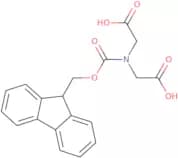
CAS:<p>Phthalaldehydic acid is a dicarboxylic acid with the molecular formula C6H4(CO2H)2. It is a white solid that is soluble in water and alcohols. The compound can be prepared from phthalic anhydride, which is converted to the acid by hydrolysis with hydrochloric acid or sodium hydroxide. The acid also forms salts such as sodium phthalate, potassium phthalate, and calcium phthalate. Phthalaldehydic acid has been shown to react with amines to form esters, and with trifluoroacetic acid to form an acid complex. This reaction mechanism has been confirmed using FT-IR spectroscopy on protonated molecules of the reactants. The structure of this molecule has been determined using NMR and X-ray crystallography techniques. Gamma-aminobutyric acid (GABA) binds to a site on the beta subunit of the G</p>Formula:C8H6O3Purity:Min. 95%Color and Shape:PowderMolecular weight:150.13 g/molFmoc-iminodiacetic acid
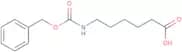
CAS:<p>Fmoc-iminodiacetic acid is a versatile building block and reagent that is used in the synthesis of complex compounds, such as peptides, proteins, and pharmaceuticals. It is also a useful intermediate in organic synthesis reactions. Fmoc-iminodiacetic acid has been shown to be effective as a reactant for the preparation of various scaffolds with high purity and quality.</p>Formula:C19H17NO6Purity:Min. 95%Color and Shape:PowderMolecular weight:355.34 g/molN-Benzyloxycarbonyl-6-aminocaproic acid
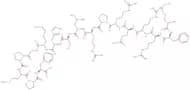
CAS:<p>N-Benzyloxycarbonyl-6-aminocaproic acid is a synthetic molecule that has been shown to inhibit ubiquitin ligases. It may be used as an antigen for the detection of cancer cells, and it can also serve as a potential drug for inhibiting the growth of cancer cells. This molecule is a peptidomimetic that mimics the structure of ubiquitin. N-Benzyloxycarbonyl-6-aminocaproic acid binds to ubiquitin through hydrogen bonding interactions and can interfere with the protein's function by forming crosslinks with other proteins. N-Benzyloxycarbonyl-6-aminocaproic acid has been found to have a high molecular weight (MW) and viscosity, which makes it difficult to use in biological systems. However, this molecule can be used as an e3 ubiquitin ligase inhibitor in supramolecular systems because it does not interfere with other</p>Formula:C14H19NO4Purity:Min. 95%Color and Shape:White PowderMolecular weight:265.31 g/molApelin-17 trifluoroacetate
CAS:<p>Apelin-17 trifluoroacetate is a reaction component, reagent and useful scaffold for the synthesis of complex compounds. It is a high quality, research chemical that is used in the synthesis of fine chemicals. Apelin-17 trifluoroacetate has versatile building block and can be used as a useful intermediate or as a speciality chemical. It also has high reactivity and is soluble in organic solvents.</p>Formula:C96H156N34O20S•C2HF3O2Purity:Min. 95%Color and Shape:PowderMolecular weight:2,252.57 g/mol(3R,5R)-6-Cyano-3,5-dihydroxy-hexanoic acid tert-butyl ester
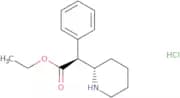
CAS:<p>(3R,5R)-6-Cyano-3,5-dihydroxy-hexanoic acid tert-butyl ester is a building block for organic synthesis. It is a versatile intermediate that can be used in the preparation of pharmaceuticals and other organic compounds. The compound is also used as a reagent to study the biological activity of other compounds. CAS No. 125971-93-9 is a fine chemical that has been shown to have high quality and purity.</p>Formula:C11H19NO4Purity:Min. 98 Area-%Color and Shape:Yellow PowderMolecular weight:229.27 g/mol(aS,2S)-α-Phenyl-2-piperidineacetic acid Ethyl ester hydrochloride
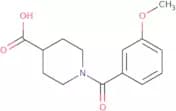
CAS:Controlled Product<p>Please enquire for more information about (aS,2S)-alpha-Phenyl-2-piperidineacetic acid Ethyl ester hydrochloride including the price, delivery time and more detailed product information at the technical inquiry form on this page</p>Formula:C15H21NO2·HClPurity:Min. 95%Molecular weight:283.79 g/mol1-(3-Methoxybenzoyl)piperidine-4-carboxylic acid
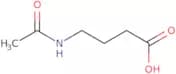
CAS:<p>1-(3-Methoxybenzoyl)piperidine-4-carboxylic acid is a fine chemical that can be used as a building block in organic synthesis. It has CAS No. 353465-22-2 and is also known as P1. This compound is useful in the preparation of a variety of complex compounds, including pharmaceuticals, agrochemicals, and other specialty chemicals. The compound can be used as a reagent or intermediate for reactions such as Friedel-Crafts acylation, carbonylation, and sulfonylation. 1-(3-Methoxybenzoyl)piperidine-4-carboxylic acid is also an excellent scaffold for the synthesis of complex molecules with versatile functional groups.</p>Formula:C14H17NO4Purity:Min. 98 Area-%Color and Shape:PowderMolecular weight:263.29 g/mol4-Acetamidobutyric acid
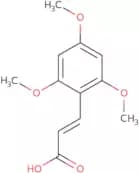
CAS:<p>4-Acetamidobutyric acid (4AA) is a metabolite of acetamide, an amide of the amino acid butyric acid. It is a byproduct of protein and lipid metabolism in the liver and kidney. 4AA is excreted in urine as a covalent adduct with glutathione, which may be related to its role in protecting cells from oxidative damage. The concentration of 4AA has been shown to be elevated in patients with chronic renal failure and metabolic disorders, such as obesity and diabetes mellitus. It has also been found to have diagnostic value for cancer, drug reactions, and diagnosis of metabolic disorders.</p>Formula:C6H11NO3Purity:Min. 95%Color and Shape:White Off-White PowderMolecular weight:145.16 g/mol2,4,6-Trimethoxycinnamic acid
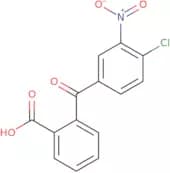
CAS:<p>2,4,6-Trimethoxycinnamic acid is a cinnamoyl compound that can be isolated from the seeds of Garcinia gummi-guta. This compound has been synthesised and optimised for use as an antioxidant in food and cosmetic products. 2,4,6-Trimethoxycinnamic acid has a high product yield under isothermal conditions using β-cyclodextrin as a solvent. It also shows good stability in the presence of light. 2,4,6-Trimethoxycinnamic acid has been shown to be efficient in preventing oxidation reactions by acting as a scavenger of singlet oxygen and peroxyl radicals. The analytical data obtained from this study suggests that 2,4,6-Trimethoxycinnamic acid will not produce any moieties or photostability problems when used in these applications.</p>Formula:C12H14O5Purity:Min. 95%Color and Shape:PowderMolecular weight:238.24 g/mol2-(4-Chloro-3-nitrobenzoyl)benzoic acid
CAS:<p>2-(4-Chloro-3-nitrobenzoyl)benzoic acid is a high quality, reagent, and complex compound that is useful as an intermediate. It has the CAS number of 85-54-1 and is classified as a fine chemical. This compound can be used as a building block for speciality chemicals or research chemicals. It is also a versatile building block for reactions and has many applications in synthetic chemistry.</p>Formula:C14H8ClNO5Purity:Min. 95%Color and Shape:PowderMolecular weight:305.67 g/molHydroxyphosphono-acetic acid - 50% in water
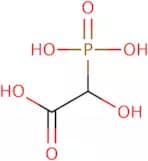
CAS:<p>Hydroxyphosphono-acetic acid is a fine chemical that is used as a versatile building block in the synthesis of complex compounds. It has been shown to be useful as an intermediate in the preparation of research chemicals and as a reaction component in the preparation of speciality chemicals. Hydroxyphosphono-acetic acid is also an important reagent for the production of pharmaceuticals and agrochemicals, including antibiotics, herbicides, fungicides, and plant growth regulators. This compound can also be used as a useful scaffold for drug discovery because it contains a carboxylic acid group that can be modified with various substituents.</p>Formula:C2H5O6PColor and Shape:Clear LiquidMolecular weight:156.03 g/mol3,4-Dimethoxy-2-methylphenylpropionic acid
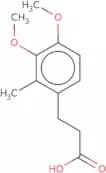
CAS:<p>3,4-Dimethoxy-2-methylphenylpropionic acid is a building block for organic synthesis. It has been used as a research chemical and as a reaction component in the synthesis of other chemicals. 3,4-Dimethoxy-2-methylphenylpropionic acid is also available at high purity levels and can be used as a reagent for analytical purposes.</p>Formula:C12H16O4Purity:Min. 95%Color and Shape:PowderMolecular weight:224.25 g/mol(S)-(+)-2-Phenylpropionic acid
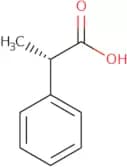
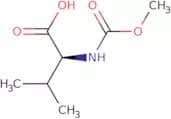
CAS:<p>(S)-(+)-2-Phenylpropionic acid is an organic solvent that is catalyzed by a hydroxy group. It has been shown to be active against bacterial strains in the presence of borohydride reduction and immobilized on polystyrene beads. The enzyme activities were stereoselectively inhibited in the presence of (R)-(-)2-phenylpropionic acid, which is an enantiomer of (S)-(+)2-phenylpropionic acid. This inhibition may be due to the ability of this compound to form a more stable radical coupling with fatty acids such as oleic acid. The reaction temperature can affect the stereoselectivity, with higher temperatures favoring (R)-(-)2-phenylpropionic acid.</p>Formula:C9H10O2Purity:Min. 98 Area-%Color and Shape:Clear LiquidMolecular weight:150.17 g/mol(S)-2-((Methoxycarbonyl)amino)-3-methylbutanoic acid
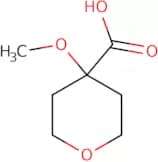
CAS:<p>(S)-2-((Methoxycarbonyl)amino)-3-methylbutanoic acid is a synthetic molecule that has been studied for its antiviral activity against hepatitis C virus. The compound was found to inhibit the replication of the virus, with an IC50 of 0.5 mM in cell culture studies. It also inhibited the replicon and reaction yield of the virus in vitro. (S)-2-((Methoxycarbonyl)amino)-3-methylbutanoic acid is effective against genotype 1 and 2, but not against genotype 3. It is active against a broad range of HCV isolates, including those resistant to other drugs such as ribavirin or telaprevir. The drug has been shown to be well tolerated in animals and humans. END></p>Formula:C7H13NO4Purity:Min. 95%Color and Shape:White PowderMolecular weight:175.18 g/mol4-Methoxy-tetrahydro-2h-pyran-4-carboxylic acid
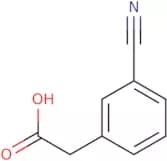
CAS:<p>4-Methoxy-tetrahydro-2h-pyran-4-carboxylic acid is a fine chemical that belongs to the group of research chemicals. It is a versatile building block and useful intermediate in organic synthesis. 4-Methoxy-tetrahydro-2h-pyran-4-carboxylic acid has been used as a reagent for the preparation of the compound 5,5'-dithiobis(4,4'-dimethylvaleronitrile) (CAS No. 1010836-49). This compound has been shown to be an effective antiviral agent against HIV.</p>Formula:C7H12O4Purity:Min. 95 Area-%Color and Shape:PowderMolecular weight:160.17 g/mol3-Cyanophenylacetic acid
CAS:<p>3-Cyanophenylacetic acid is a versatile building block and useful intermediate that can be used in the synthesis of a wide range of organic compounds. 3-Cyanophenylacetic acid is a fine chemical with CAS No. 1878-71-3 that can be used as a research chemical, reaction component, or speciality chemical. It is an important reagent for making complex organic compounds. 3-Cyanophenylacetic acid is a high quality product with the following characteristics: <br>1) Colorless crystals; <br>2) Soluble in water; <br>3) Soluble in acetone; <br>4) Slightly soluble in ether; <br>5) Reactivity: stable to heat, light, and air; <br>6) pH (1% solution): 2.0 - 4.0; <br>7) Melting point: 129 °C; <br>8) Boiling point: 188 °C at 760 mmH</p>Formula:C9H7NO2Purity:Min. 95%Molecular weight:161.16 g/molHydroxy-[4-(4-hydroxy-5-bromo-3-iodophenoxy)-3,5-diiodophenyl]acetic acid
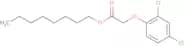
<p>Hydroxy-[4-(4-hydroxy-5-bromo-3-iodophenoxy)-3,5-diiodophenyl]acetic acid is a fine chemical that is useful as a scaffold, versatile building block and an intermediate. Hydroxy-[4-(4-hydroxy-5-bromo-3-iodophenoxy)-3,5-diiodophenyl]acetic acid is typically used in research and development of new compounds. It has been shown to react with various compounds in different ways depending on the desired outcome. Hydroxy-[4-(4-hydroxy-5-bromo-3-iodophenoxy)-3,5-diiodophenyl]acetic acid also has CAS number 10891–02–8 and can be found in catalog numbers 3229209 and 3140016. This compound is of high quality and reagent grade.</p>Formula:C14H8BrI3O5Purity:Min. 95%Molecular weight:716.83 g/molOctyl (2,4-dichlorophenoxy)acetate
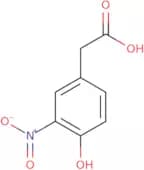
CAS:<p>Octyl (2,4-dichlorophenoxy)acetate is a herbicide that has high selectivity and selectivity. It is used to control grassland weeds. Octyl (2,4-dichlorophenoxy)acetate is an efficient herbicide that can be used in a variety of situations. It can be applied as a pre-emergent or post-emergent herbicide to control weeds on lawns and other turfgrass areas, or as a selective herbicide for the control of broadleaf weeds in fields and other non-crop areas. This compound is also an effective emulsifier for the preparation of various compounds with octadecyl groups. Octyl (2,4-dichlorophenoxy)acetate has been used in China to control Euphorbiae weeds.</p>Formula:C16H22Cl2O3Purity:Min. 95%Color and Shape:Colorless PowderMolecular weight:333.25 g/mol4-Hydroxy-3-nitrophenylacetic acid
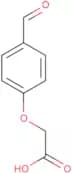
CAS:<p>4-Hydroxy-3-nitrophenylacetic acid is a metabolite of caproic acid in the mouse. It is also an analytical marker for caproic acid in human serum and a biochemical marker for 4-hydroxybenzoic acid in human urine. The affinity of 4-hydroxy-3-nitrophenylacetic acid to antibodies has been shown by its ability to be titrated calorimetrically with antibodies, which are used as a model system. The antibody response has been studied by immunizing mice with 4-hydroxybenzoic acid, which resulted in the production of antibodies that had the same reactivity as those against 4-hydoxy-3-nitrophenylacetic acid. The reaction mechanism of hydrolysis of 4-hydroxybenzoic acid by monoclonal antibodies has been proposed and was supported by the results obtained from titration calorimetry experiments.</p>Formula:C8H7NO5Purity:Min. 95%Color and Shape:Off-White PowderMolecular weight:197.14 g/mol4-Formylphenoxyacetic acid
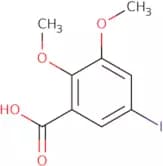
CAS:<p>4-Formylphenoxyacetic acid is a molecule that has been studied by molecular modeling. The molecular modeling study revealed the geometry of the protocatechuic acid molecule, which is a phenol that has an oxygen atom in its ring structure. Protocatechuic acid has a tyrosinase inhibitory activity and can be used as an anticancer agent. It also inhibits the production of melanin and can be used to treat skin discolorations or hyperpigmentation. 4-Formylphenoxyacetic acid was synthesized by using homogeneous catalysts and it is active as a serine protease inhibitor. This compound also has diphenolase activity, which is an enzyme that breaks down phenolic compounds such as lignin, a major component of plant cell walls.</p>Formula:C9H8O4Purity:Min. 95%Color and Shape:Off-White PowderMolecular weight:180.16 g/mol5-Iodo-2,3-dimethoxybenzoic acid
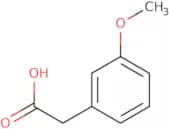
CAS:<p>5-Iodo-2,3-dimethoxybenzoic acid (5IMB) is a synthetic chemical that is used as a radiolabeled substrate for the synthesis of dopamine. The 5IMB is a substrate for the enzyme monoamine oxidase, which converts it to 5-hydroxyindoleacetic acid (5HIAA). The intensity of the signal emitted by 5IMB increases with the increase in concentration of dopamine. It can be used as a positron emission tomography (PET) tracer for dopamine receptors in the brain. The kinetic and uptake properties of 5IMB are different in various regions of the brain, such as striatum and caudate putamen. This difference can be measured using high-performance liquid chromatography (HPLC) and flow rate.<br>5IMB has been shown to have anti-oxidant properties due to its ability to scavenge peroxide radicals.</p>Formula:C9H9IO4Purity:Min. 98 Area-%Color and Shape:PowderMolecular weight:308.07 g/mol3-Methoxyphenylacetic acid
CAS:<p>3-Methoxyphenylacetic acid is a molecule that belongs to the class of fatty acids. It can be synthesized by the Friedel-Crafts reaction between 3-methoxyphenol and acetic anhydride in an organic solvent. The molecule has been shown to inhibit the growth of k562 cells and subtilis, which are both bacteria, at low concentrations. 3-Methoxyphenylacetic acid is also used as a reagent for solid phase synthesis of organic molecules. Immobilization of this molecule is done by covalent linkage to silica gel, polystyrene, or other insoluble supports. This immobilization prevents the loss of 3-methoxyphenylacetic acid during reaction conditions such as heating, vacuum distillation, or exposure to air. 3-Methoxyphenylacetic acid has been shown to have a diameter of approximately 2 nm and hydrogen bonding capability with anhyd</p>Formula:C9H10O3Purity:Min. 95%Color and Shape:PowderMolecular weight:166.17 g/molMethyl (1S,2S,3S,5R)-3-[Bis(4-Fluorophenyl)Methoxy]-8-Methyl-8-Azabicyclo[3.2.1]Octane-2-Carboxylate
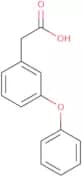
CAS:Controlled Product<p>Methyl (1S,2S,3S,5R)-3-[Bis(4-fluorophenyl)methoxy]-8-methyl-8-azabicyclo[3.2.1]octane-2-carboxylate is a molecule that has been shown to bind with high affinity to the serotonin receptor and blocks dopamine uptake. This drug has also demonstrated dose-dependent locomotor activity in rats and m1 muscarinic receptor binding. Methyl (1S,2S,3S,5R)-3-[Bis(4-fluorophenyl)methoxy]-8-methyl-8-azabicyclo[3.2.1]octane-2-carboxylate is being developed for use as a diagnostic tool for detecting Parkinsonian symptoms or chemical reactions in the brain.</p>Formula:C23H25F2NO3Purity:Min. 95%Molecular weight:401.45 g/mol3-Phenoxyphenylacetic acid
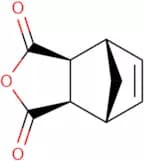
CAS:<p>3-Phenoxyphenylacetic acid is a diphenyl ether compound. It is used as a preservative and has antimycobacterial activity. 3-Phenoxyphenylacetic acid has been shown to be active against tuberculosis, with an MIC of 0.5 ug/mL. In addition, it can inhibit the growth of methicillin-resistant Staphylococcus aureus (MRSA) and erythromycin-resistant Mycobacterium tuberculosis. The mechanism of action is not fully understood, but may involve the inhibition of electron transport or oxidative phosphorylation in bacterial cells. 3-Phenoxyphenylacetic acid also inhibits the formation of reactive oxygen species from NADPH oxidase in human neutrophils, which may contribute to its antimicrobial activity.</p>Formula:C14H12O3Purity:Min. 95%Color and Shape:PowderMolecular weight:228.24 g/molcis-Norbornene-exo-2,3-dicarboxylic anhydride
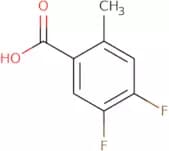
CAS:<p>Cis-Norbornene-exo-2,3-dicarboxylic anhydride is a reactive compound that is used as a precursor in the production of other chemicals. It can be used as an oxidation catalyst for organic synthesis reactions and has been shown to have high reactivity with hydroxyl groups under acidic conditions. Cis-Norbornene-exo-2,3-dicarboxylic anhydride reacts with calcium stearate to form a variety of products including aromatic hydrocarbons and boron nitride. The solubility data for cis-Norbornene-exo-2,3-dicarboxylic anhydride in human serum is available. The quantum theory predicts that cis-Norbornene-exo-2,3-dicarboxylic anhydride will undergo cationic polymerization in an acidic environment. This product also reacts with fatty acids to produce al</p>Formula:C9H8O3Purity:Min. 95%Color and Shape:White PowderMolecular weight:164.16 g/mol4,5-Difluoro-2-methylbenzoic acid
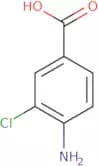
CAS:<p>4,5-Difluoro-2-methylbenzoic acid is a versatile building block that can be used in research and industrial settings. It is a high quality chemical with a CAS number of 183237-86-7. 4,5-Difluoro-2-methylbenzoic acid can be used as a building block for the synthesis of complex compounds. This chemical is also useful as an intermediate or scaffold for organic reactions.</p>Formula:C8H6F2O2Purity:Min. 95%Color and Shape:PowderMolecular weight:172.13 g/mol4-Amino-3-chlorobenzoic acid
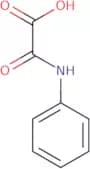
CAS:<p>4-Amino-3-chlorobenzoic acid is a white solid with a molecular weight of 170.1 g/mol, melting point of 158.5°C and boiling point of 267°C. It has the molecular formula C6H5ClNO2 and the IUPAC name 4-(aminomethyl)-3-chlorobenzoic acid. The chemical structure of this compound is shown in Figure 1.</p>Formula:C7H6ClNO2Purity:Min. 95%Color and Shape:PowderMolecular weight:171.58 g/molAnilino(oxo)acetic acid
CAS:<p>Anilino(oxo)acetic acid is a metabolite of the aniline group of chemicals. It is produced in the human body, and has been detected in urine samples. Anilino(oxo)acetic acid is used as a substrate for kinetic analysis, and is used to determine the rate of formation of an acid by measuring the time taken for the pH to drop. The amide group can be cleaved by hydrolysis with sodium hydroxide, which produces ammonium ions that react with hydrogen ions to form ammonia. This reaction is irreversible under normal conditions. The molecule has a high value for hydrogen bonds, which may account for its stability at higher temperatures.</p>Formula:C8H7NO3Purity:Min. 95 Area-%Color and Shape:PowderMolecular weight:165.15 g/mol3β-Myrianthic acid
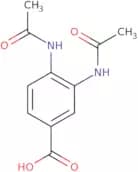
CAS:Controlled Product<p>3beta-Myrianthic acid is a triterpenoid compound, which is naturally derived from the plant Myrianthus arboreus. This species belongs to the Moraceae family, known for a wide array of bioactive substances. The compound exhibits its effects through several biochemical pathways, modulating multiple target sites, including anti-inflammatory and antiproliferative activities. Its mode of action primarily involves the inhibition of key enzymes and signaling pathways, contributing to its potential therapeutic applications. Researchers have shown interest in 3beta-Myrianthic acid for its potential utility in pharmaceutical and biotechnological fields, specifically as a candidate for developing new anti-cancer and anti-inflammatory agents. The compound's efficacy in preclinical studies highlights its promise, making it a subject of ongoing research with the aim to uncover further therapeutic possibilities.</p>Formula:C30H48O6Purity:Min. 98 Area-%Color and Shape:White PowderMolecular weight:504.7 g/mol3,4-Diacetamidobenzoic acid
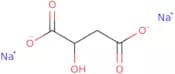
CAS:<p>3,4-Diacetamidobenzoic acid is a chemical compound that can be used as a reactant or scaffold in organic chemistry. It is also used as an intermediate in the synthesis of other chemicals and has been shown to have anti-inflammatory properties. 3,4-Diacetamidobenzoic acid is a versatile reagent that can be used to synthesize complex compounds and fine chemicals with high quality. It has CAS number 205873-56-9.</p>Formula:C11H12N2O4Purity:Min. 98 Area-%Color and Shape:PowderMolecular weight:236.22 g/molL-Malic acid disodium salt monohydrate
CAS:<p>L-Malic acid disodium salt monohydrate is a versatile building block that can be used in the production of research chemicals, reagents and speciality chemicals. It is also a useful building block for the synthesis of complex compounds with high quality. L-Malic acid disodium salt monohydrate has been used as a reagent in organic syntheses, as well as in the production of pharmaceuticals. In addition, it is an intermediate for the synthesis of polymers and other materials. The CAS number for L-Malic acid disodium salt monohydrate is 207511-06-6.</p>Formula:C4H4O5Na2·H2OPurity:Min. 95%Color and Shape:PowderMolecular weight:196.07 g/mol2,6-Dichloropyridine-3-carboxylic acid
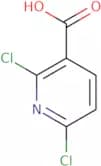
CAS:<p>2,6-Dichloropyridine-3-carboxylic acid is an inhibitor of histone deacetylase (HDAC), and it has been shown to be effective in treating autoimmune diseases, cancer, inflammatory diseases, and other disorders. This drug binds to the catalytic site of HDACs and blocks the removal of acetyl groups from lysine residues on histones. 2,6-Dichloropyridine-3-carboxylic acid has been shown to inhibit the glutamate receptor subtype that is responsible for pain transmission in mice. This drug also has anti-inflammatory properties due to its alkylthio group that can disrupt protein–protein interactions. 2,6-Dichloropyridine-3-carboxylic acid is a cavity inhibitor that binds to a cavity formed by two amides on proteins.</p>Formula:C6H3Cl2NO2Purity:Min. 95%Color and Shape:PowderMolecular weight:192 g/mol3-(3,4,5-Trimethoxyphenyl)propionic acid
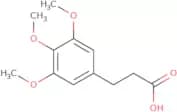
CAS:<p>3-(3,4,5-Trimethoxyphenyl)propionic acid (TMPPA) is a monocarboxylic acid that is structurally related to the amino acid lysine. It has been shown to have antinociceptive effects in animals and humans. TMPPA inhibits the production of prostaglandins and nitric oxide, which are inflammatory mediators that induce pain. TMPPA also has nociceptive properties in rats when given intraperitoneally or intrathecally, showing a reduction in locomotor activity. This compound also inhibits protein synthesis by binding to the ribosomal protein S6 kinase-1 (RSK-1), which is the target of many antibiotics used for cancer treatment. TMPPA binds to human serum albumin with high affinity and specificity, suggesting it may be useful as an agent for targeting human blood cells or as an antiobesity drug.</p>Formula:C12H16O5Purity:Min. 95%Color and Shape:Clear LiquidMolecular weight:240.25 g/mol3,5-Di-tert-Butyl-4-hydroxybenzoic acid methyl ester
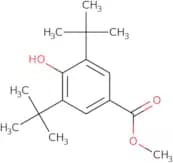
CAS:<p>3,5-Di-tert-Butyl-4-hydroxybenzoic acid methyl ester is a chemical that belongs to the group of low molecular weight solvents. It is used as an intermediate in organic synthesis and as a solvent for paints, lacquers, and varnishes. 3,5-Di-tert-Butyl-4-hydroxybenzoic acid methyl ester has been found to be resistant to radiation and ultraviolet light. This chemical has also been shown to have no mutagenic effects on calf thymus DNA.</p>Formula:C16H24O3Purity:Min. 95%Color and Shape:PowderMolecular weight:264.36 g/molEthyl [2-methyl-3-(chlorosulfonyl)phenoxy]acetate
CAS:<p>Ethyl [2-methyl-3-(chlorosulfonyl)phenoxy]acetate is a fine chemical that has been used as a building block in the synthesis of other complex chemicals. It is also an intermediate for the production of pesticides and pharmaceuticals. The compound can be used to form more than one hundred different organic compounds, which makes it a versatile building block. It can be reacted with other chemicals to create new compounds, such as drugs or herbicides.</p>Formula:C11H13ClO5SPurity:Min. 95 Area-%Color and Shape:PowderMolecular weight:292.74 g/molD-(-)-Tartaric acid
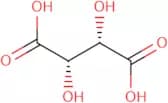
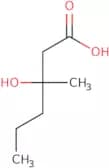
CAS:<p>Used in the preparation of enantiospecific homochiral cis-4-formyl b-lactams</p>Formula:C4H6O6Purity:Min 98.5%Color and Shape:White PowderMolecular weight:150.09 g/mol3-Hydroxy-3-methylhexanoic acid
CAS:<p>3-Hydroxy-3-methylhexanoic acid is a fatty acid that is one of the metabolic products of leukocytes. It is formed in the body by conjugation with an acid and is excreted in urine. 3-Hydroxy-3-methylhexanoic acid has been shown to be a substrate for bacterial enzymes, such as corynebacterium, which can convert it to isovaleric acid. The analytical method for measuring 3-hydroxy-3-methylhexanoic acid in urine has been developed and validated on women.</p>Formula:C7H14O3Purity:Min. 95%Color and Shape:Clear LiquidMolecular weight:146.18 g/molDihydrofolic acid
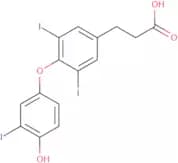
CAS:<p>Dihydrofolic acid is an organic compound that is a derivative of folic acid. It is the reduced form of folic acid and can be used to treat certain autoimmune diseases, such as bowel disease. Dihydrofolic acid has been shown to have antimicrobial effects against infectious diseases, including tuberculosis. This compound can also be used to treat metal-chelate resistant bacteria, such as methicillin-resistant Staphylococcus aureus (MRSA). Dihydrofolic acid has been shown to have neuroprotective properties in animals models and may be a potential drug target for the treatment of Alzheimer's disease.</p>Formula:C19H21N7O6Purity:(%) Min. 90%Color and Shape:PowderMolecular weight:443.41 g/mol3,3',5-Triiodo thyropropionic acid
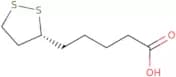
CAS:<p>Triiodothyropropionic acid is a metabolite of thyroxine, an important hormone that regulates the basal metabolic rate. It has been shown to be involved in the repair mechanism of cardiac and liver cells. Triiodothyropropionic acid is also a major metabolite of thyroxine and it is produced by the action of hydroxylases on thyroxine with water vapor as the substrate. This compound has been shown to increase cardiac function and improve heart tissue repair at physiological levels. The uptake, distribution, and excretion of triiodothyropropionic acid are similar to those for thyroxine. The metabolism of triiodothyropropionic acid occurs mainly in the liver, where it is converted into fatty acids such as 3-hydroxybutyric acid. Triiodothyropropionic acid has been shown to have effects on protein genes and rat liver microsomes.</p>Formula:C15H11I3O4Purity:Min. 95%Color and Shape:PowderMolecular weight:635.96 g/mol(R)-(+)-a-Lipoic acid
CAS:<p>(R)-(+)-a-Lipoic acid is a naturally occurring compound with antioxidant properties in the body. It is found in high concentrations in the kidney, liver, and pancreas, and is an important cofactor for mitochondrial enzymes that catalyze the oxidation of pyruvate to acetyl CoA. (R)-(+)-a-Lipoic acid has been shown to be effective against cisplatin-induced nephrotoxicity, oxidative injury caused by ischemia–reperfusion injury, diabetic neuropathy and other conditions. The exact mechanism of action of (R)-(+)-a-Lipoic acid is not known but it may be due to its ability to restore mitochondrial membrane potential or inhibit reactive oxygen species production. (R)-(+)-a-Lipoic acid has also been shown to reduce body mass index and glomerular filtration rate in mice.</p>Formula:C8H14O2S2Purity:Min. 95%Color and Shape:PowderMolecular weight:206.33 g/molLead(IV) acetate - Stabilized with acetic acid (5-10%)
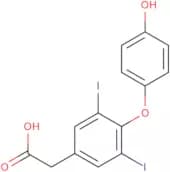
CAS:<p>Lead acetate is an alkanoic acid that can be used as a lead salt. It has been shown to react with protocatechuic acid in the presence of hydrogen to form lead(IV) protocatechuate and acetic acid. This reaction mechanism can be applied to the analysis of other organic acids, such as fatty acids. Lead acetate also inhibits protease activity in vitro and has been shown to have therapeutic effects against autoimmune diseases and polycystic ovarian syndrome. Lead acetate has a low toxicity and is stable when mixed with trifluoroacetic acid or nitro compounds, but very reactive with strong oxidizing agents such as hydrochloric acid or hydrogen fluoride. Lead acetate is non-hygroscopic and insoluble in water, making it suitable for use in analytical chemistry.</p>Formula:C8H12O8PbPurity:Min. 95%Color and Shape:White PowderMolecular weight:443.38 g/mol3,5-Diiodothyroacetic acid
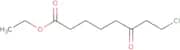
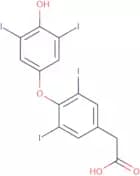
CAS:<p>3,5-Diiodothyroacetic acid is a diphenyl ether that has been shown to have calorigenic activity in rats. This compound inhibits the conversion of thyroxine (T4) to triiodothyronine (T3) by binding to the thyroid hormone receptor and inhibiting the enzyme 3,5-diiodothyroacetic acid deiodinase. It also inhibits the conversion of T4 to reverse T3 by binding to thyroid hormone receptors and competing with thyroxine for nuclear receptors. 3,5-Diiodothyroacetic acid has been shown to be present in human serum and is thought to originate from dietary sources such as soybean products.</p>Formula:C14H10I2O4Purity:Min. 95%Color and Shape:Off-White PowderMolecular weight:496.04 g/mol8-Chloro-6-oxo-octanoic acid ethyl ester
CAS:<p>8-Chloro-6-oxo-octanoic acid ethyl ester is a chiral, thermostable and oxidizing agent that is used as an intermediate in organic synthesis. It is used to produce 8-chloro-6-oxo-octanoic acid ethyl ester, a reactive carbonyl reagent that can be used in the synthesis of amines and amides. This compound has been shown to be effective against wild type strains of E. coli as well as recombinant strains of E. coli. It also has been found to have fungicidal activity against Candida parapsilosis and Paracoccidioides brasiliensis at concentrations of 0.1 mg/mL or less.</p>Formula:C10H17ClO3Purity:Min. 95%Color and Shape:PowderMolecular weight:220.69 g/mol3-Amino-4-chlorobenzoic acid
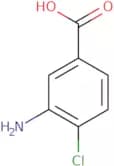
CAS:<p>3-Amino-4-chlorobenzoic acid is a diacid that has been shown to have strong steric interactions with manumycin and fibrinogen, which are proteins found in the human body. 3-Amino-4-chlorobenzoic acid has a carboxylate group at one end of the molecule, which can coordinate to metal ions such as chloride. The other end of the molecule contains a hydrogen atom that can form hydrogen bonds with other molecules. 3-Amino-4-chlorobenzoic acid can be synthesized by reacting 2 moles of chloroacetyl chloride with an amino acid.</p>Formula:C7H6ClNO2Purity:Min. 95%Color and Shape:PowderMolecular weight:171.58 g/mol2,4-Dioxo-4-phenylbutanoic acid
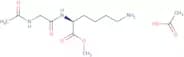
CAS:<p>2,4-Dioxo-4-phenylbutanoic acid is an inhibitor of the influenza virus that binds to its surface proteins and inhibits the replication of the virus. 2,4-Dioxo-4-phenylbutanoic acid is a stable complex that has been shown to be active against HIV. This compound has been shown to inhibit viral life by binding to the subunits of influenza A and B viruses. 2,4-Dioxo-4-phenylbutanoic acid has been synthesized as an active analogue of zanamivir and it is believed that this compound binds to the same site on the influenza A virus as zanamivir. The molecule is also tautomerizable, which means it can exist in two forms: ketone (the more stable form) or enol (less stable).</p>Formula:C10H8O4Purity:Min. 95%Color and Shape:PowderMolecular weight:192.17 g/molAc-Gly-Lys-OMe acetate
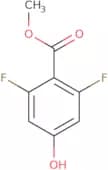
CAS:Controlled Product<p>Ac-Gly-Lys-OMe acetate salt is a reactive chemical compound that is used in the synthesis of peptides. This salt is synthesized by reacting glycine with lysine and formaldehyde. Ac-Gly-Lys-OMe acetate salt has been shown to have hemolytic activity and can be used as a synthetic substrate for kinetic studies. It has also been found to activate complement, which may be due to its disulfide bond formation. Ac-Gly-Lys-OMe acetate salt has been shown to inhibit fibrinogen and nitrosylation, which may result in thrombotic disorders.</p>Formula:C11H21N3O4•C2H4O2Purity:Min. 95%Color and Shape:PowderMolecular weight:319.35 g/mol2,6-Difluoro-4-hydroxybenzoic acid methyl ester
CAS:<p>2,6-Difluoro-4-hydroxybenzoic acid methyl ester is an inhibitor of monoamine oxidase (MAO). It inhibits the oxidation of monoamines such as norepinephrine and serotonin. The inhibition of MAO leads to increase in norepinephrine levels and decrease in serotonin levels. 2,6-Difluoro-4-hydroxybenzoic acid methyl ester has been shown to have antidepressant effects. This drug has also been shown to be effective for treating intraocular hypertension, by inhibiting the formation rate of aqueous humor and lowering intraocular pressure.</p>Formula:C8H6F2O3Purity:Min. 95%Color and Shape:PowderMolecular weight:188.13 g/mol3-Chloro-4-hydroxybenzoic acid hemihydrate
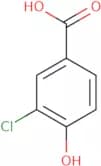
CAS:<p>3-Chloro-4-hydroxybenzoic acid hemihydrate is an analog of forskolin that is used in cancer research. It has been shown to inhibit the growth of lung cancer cells, which may be due to its ability to activate protein kinase A and phosphatase enzymes. 3-Chloro-4-hydroxybenzoic acid hemihydrate is being studied as a potential treatment for multiple sclerosis and other autoimmune disorders, although it has not yet been approved for these conditions. This drug inhibits the proliferation of tumor suppressor protein p53 and reverses the effects of a synthetic form of fty720 on the activation of the p38 mitogen activated protein kinase.</p>Formula:C7H5ClO3·H2OPurity:Min. 98 Area-%Color and Shape:PowderMolecular weight:363.15 g/molTaurochenodeoxycholic acid sodium
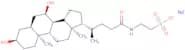
CAS:<p>Taurochenodeoxycholic acid sodium is a bile acid derivative, which is naturally sourced from the bile of mammals. It is synthesized by conjugating chenodeoxycholic acid with taurine, resulting in its sodium salt form. The primary mode of action of taurochenodeoxycholic acid sodium involves its role in the emulsification and absorption of dietary fats and fat-soluble vitamins in the intestines. Additionally, it acts on the liver, where it enhances bile flow and exhibits hepatoprotective properties by modulating bile acid composition and reducing cytotoxicity.</p>Formula:C26H45NO6S•NaPurity:Min. 95%Color and Shape:PowderMolecular weight:522.7 g/mol1-Pentanesulfonic acid sodium monohydydrate
CAS:<p>1-Pentanesulfonic acid sodium monohydydrate (1PS) is the sodium salt of 1-pentanesulfonic acid. It is used as a fluorescent probe for atropine, which is a drug that blocks nerve impulses to muscles and produces paralysis. The concentration of 1PS can be determined by measuring the fluorescence intensity. This method can be used in conjunction with plates or quantifying with a spectrophotometer. Acetonitrile and dilution are required to produce the solution for measurement, which may then be injected into a chromatographic column for separation. Optical absorbance measurements are used to detect the presence of 1PS in the eluant from the column. Recoveries of 100% were obtained using this method on atropine sulfate in acetonitrile solutions containing 1-pentanesulfonic acid sodium monohydydrate at concentrations ranging from 0.01 to 10 mg/mL.</p>Formula:C5H11O3SNa•H2OPurity:Min. 95%Color and Shape:PowderMolecular weight:192.21 g/mol3,5,3',5'-Tetraiodothyroacetic acid
CAS:<p>3,5,3',5'-Tetraiodothyroacetic acid (T4) is a thyroid hormone that can be found in the blood and has been shown to have angiogenic properties. T4 has been shown to bind to integrin receptors on endothelial cells and stimulate the proliferation of these cells. This hormone also has pro-apoptotic activity, inducing programmed cell death in cancer cells. T4 is used as a model system for studying the molecular pathogenesis of thyroid cancer. T4 is also able to inhibit DNA polymerase activity, which may be responsible for its ability to inhibit tumor growth.</p>Formula:C14H8I4O4Purity:Min. 95%Color and Shape:White PowderMolecular weight:747.83 g/mol3-Chlorophenyl-3-propanoic acid
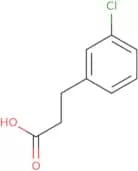
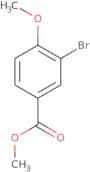
CAS:<p>3-Chlorophenyl-3-propanoic acid is an organic compound that is used in the synthesis of a variety of drugs, including analgesics and antibacterials. It is synthesized by reacting chlorides with alcohols. 3-Chlorophenyl-3-propanoic acid acts as a surfactant, which reduces surface tension between two liquids or between a liquid and a solid. It can also be used as an intermediate in the synthesis of other drugs. 3-Chlorophenyl-3-propanoic acid has been shown to have antibacterial properties mediated by its ability to inhibit the enzymes responsible for bacterial fatty acid synthesis. It may have neuroprotective effects, which are due to its inhibition of acetylcholinesterase (AChE) and carboxylesterase (CES). 3-Chlorophenyl-3-propanoic acid also has analgesic properties through its ability to inhibit lipases and monoamine</p>Formula:C9H9ClO2Purity:Min. 95%Color and Shape:PowderMolecular weight:184.62 g/mol3-Bromo-4-methoxybenzoic acid methyl ester
CAS:<p>3-Bromo-4-methoxybenzoic acid methyl ester is an isomer of 4-methoxybenzoic acid. It is a natural product that can be found in dihydroisoquinoline and in the ethyl formate oxidation products. There are two ways to synthesize this compound: by oxidation of diphenyl ethers or by hydrolysis of chloride acetaldehyde. 3-Bromo-4-methoxybenzoic acid methyl ester has been shown to have cellular toxicity against human cells and biphenyl.</p>Formula:C9H9BrO3Purity:Min. 95%Color and Shape:PowderMolecular weight:245.07 g/mol4-Chloro-(α-phenyl)-cinnamic acid
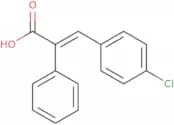
CAS:<p>4-Chloro-(alpha-phenyl)-cinnamic acid is a fine chemical that is useful as a building block for research chemicals, reagents and speciality chemicals. It is also a versatile intermediate for the synthesis of complex compounds and a useful scaffold for the synthesis of high quality products. This compound can be used in reactions such as Friedel-Crafts acylation, nitration, amination, esterification and cyclization.</p>Formula:C15H11ClO2Purity:Min. 95%Color and Shape:PowderMolecular weight:258.7 g/molCalconcarboxylic acid
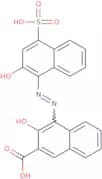
CAS:<p>Calconcarboxylic acid is a chemical compound that is used in wastewater treatment. It is a derivative of the carboxylic acid family and has the general formula CH3CO2H. Calconcarboxylic acid can be synthesized by reacting anhydrous sodium carbonate with fatty acids or ethylene diamine. The reaction yields a white solid that can be purified by filtration, recrystallization, or chromatography. This chemical compound has been shown to have potent antagonistic effects against psychotic disorders, such as schizophrenia. Calconcarboxylic acid works by blocking the binding of dopamine receptors at synapses in the brain, which reduces neurotransmission and prevents psychotic episodes from occurring.</p>Formula:C21H14N2O7SColor and Shape:Purple PowderMolecular weight:438.41 g/mol4-Methoxybenzoic acid sodium
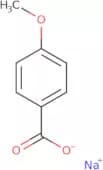
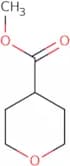
CAS:<p>4-Methoxybenzoic acid sodium is an amide that has been used as a preservative and antimicrobial agent in food products. It is also a second-order rate constant with a Ca2+ concentration of 0.1 mM for staphylococcus. The fatty acids of 4-methoxybenzoic acid sodium are hydrophobic and inhibit the growth of microorganisms by disrupting the cell membrane, which leads to leakage of cellular content. This compound also inhibits the activity of fatty acyl coenzyme A reductase and has been shown to have a microbicidal effect on gram-positive bacteria, such as Staphylococcus aureus. 4-Methoxybenzoic acid sodium has also been shown to be effective against Candida albicans, Streptococcus pyogenes, and Bacillus subtilis when combined with an antimicrobial peptide or cationic surfactant.</p>Formula:C8H7NaO3Purity:Min. 98 Area-%Color and Shape:PowderMolecular weight:174.13 g/molMethyl tetrahydropyran-4-carboxylate
CAS:<p>Methyl tetrahydropyran-4-carboxylate (MTHPC) is a synthetic chemical that is used as a drug for the treatment of tuberculosis. MTHPC inhibits bacterial growth by binding to the CB1 receptor, which leads to the inhibition of protein synthesis, cell division, and cell wall biosynthesis. MTHPC has been shown to be effective against resistant strains of tuberculosis in vitro and in vivo. MTHPC is also an alkylating agent with significant activity against Mycobacterium tuberculosis isolates.</p>Formula:C7H12O3Purity:Min. 95%Molecular weight:144.17 g/mol3β-Ursodeoxycholic acid
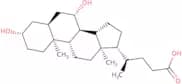
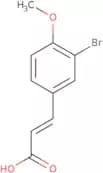
CAS:Controlled Product<p>3beta-Ursodeoxycholic acid is a bile acid that is synthesized in the liver and secreted into the intestine. It is used as a treatment for congestive heart failure, HIV infection, bowel disease, and autoimmune diseases. 3beta-Ursodeoxycholic acid has been shown to be a potent inhibitor of hydroxylation of cholesterol in the liver. It also exhibits an ability to increase the transport rate of cholesterol from the liver to other tissues in the body. 3beta-Ursodeoxycholic acid inhibits monoethyl ether formation by competing with ethylene oxide for binding sites on microsomal proteins. This compound also protects against primary sclerosing cholangitis and ursodiol therapy by preventing enzymatic inactivation of bile acids.</p>Formula:C24H40O4Purity:Min. 98 Area-%Color and Shape:White PowderMolecular weight:392.57 g/mol3-Bromo-4-methoxycinnamic acid
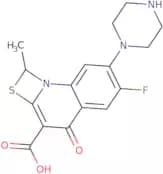
CAS:<p>3-Bromo-4-methoxycinnamic acid is an organic compound that is used as a reagent, a useful scaffold, and a useful intermediate. It has been shown to be an excellent building block for the synthesis of complex compounds. 3-Bromo-4-methoxycinnamic acid can be used in the production of fine chemicals.</p>Formula:C10H9BrO3Purity:Min. 95%Color and Shape:PowderMolecular weight:257.08 g/molUlifloxacin
CAS:<p>Extensive research has been conducted on the antimicrobial activity of 6-fluoro-1-methyl-4-oxo-7-(1-piperazinyl)-4H-(1,3)thiazeto(3,2a)quinoline-3-carboxylic acid (FPMT). FPMT is a levorotatory compound that is rapidly metabolized by esterases to 6FMT, which is also active against bacteria. FPMT inhibits bacterial growth, but does not inhibit mammalian cell growth. The main mechanism of action for FPMT is probably through its ability to inhibit the synthesis of bacterial DNA and RNA. This drug has been shown to be effective against sinusitis caused by bacterial rhinosinusitis and urinary tract infections caused by Escherichia coli and Pseudomonas aeruginosa. FPMT can be used as an alternative to prulifloxacin for the treatment of these types of infections</p>Formula:C16H16FN3O3SPurity:Min. 98 Area-%Molecular weight:349.38 g/mol2-Hydroxypentanoic acid
CAS:<p>2-Hydroxypentanoic acid is a fatty acid that is naturally produced in the body. It is also a reaction product of polylactic acid and malic acid, which are used as low-calorie substitutes for sugar. 2-Hydroxypentanoic acid has been shown to lower LDL cholesterol levels. It can be detected by an analytical method based on diazonium salt hydrolysis or hydrogen chloride mineralization, and it can be found in pharmaceutical dosage forms such as vitamin E acetate and alpha-tocopherol acetate. This compound has been used as a diagnostic tool in the identification of aliphatic hydrocarbons in metabolic profiles.</p>Formula:C5H10O3Purity:Min. 95%Color and Shape:PowderMolecular weight:118.13 g/molCrotonic acid
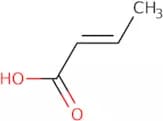
CAS:<p>Crotonic acid is a fatty acid that is a potential inhibitor of glycol ethers. It has been demonstrated to inhibit the formation of infectious diseases by binding to the agonist binding site on the surface of bacteria. Crotonic acid also binds to water molecules and forms crotonic acid hydroxide, which may be responsible for its inhibitory properties. The hydrolysis of crotonic acid can be achieved through a reaction mechanism involving water and an electrochemical process in which methyl ethyl groups are oxidized and form methyl ethyl radicals. These radicals react with hydrogen atoms from water, forming methoxy radicals that react with two hydroxyl groups, which results in the cleavage of the C-O bonds in crotonic acid to form acetic acid and methanol. Crotonic acid has also been shown to have detergent properties when used as a solid catalyst for organic reactions or as an additive in detergent compositions.</p>Formula:C4H6O2Purity:Min. 95%Color and Shape:PowderMolecular weight:86.09 g/mol2,4,5-Trichlorophenoxyacetic acid
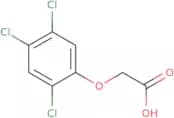
CAS:Controlled Product<p>2,4,5-Trichlorophenoxyacetic acid (2,4,5-T) is a herbicide that inhibits the growth of plants by inhibiting photosynthesis. It can be found in the environment as a contaminant of manufactured items such as vinyl chloride and polyurethane. 2,4,5-T is also used to produce dioxin and polychlorinated biphenyls (PCBs). The mechanism of toxicity involves inhibition of the activity of an enzyme called acetolactate synthase (ALS), which is responsible for synthesizing an important amino acid called L-alanine. ALS inhibitors are toxic to animals because they inhibit the formation of L-alanine and disrupt cellular energy production. In CD-1 mice, 2,4,5-T has been shown to have an inhibitory dose at 1 mg/kg body weight with long-term toxicity at doses up to 5 mg/kg body weight. 2,4,5</p>Formula:Cl3C6H2OCH2CO2HPurity:Min. 95%Color and Shape:PowderMolecular weight:255.48 g/molGlyoxylic acid methyl ester dimethyl acetal
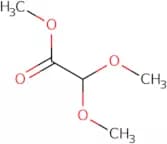
CAS:<p>Glyoxylic acid methyl ester dimethyl acetal is a synthetic chemical that is used as a control agent in the production of pharmaceutical preparations. It has been shown to inhibit the replication of syncytial viruses, including the human respiratory syncytial virus (RSV). Glyoxylic acid methyl ester dimethyl acetal binds to methoxy groups and coagulation factors, which may be responsible for its anti-coagulation properties. The optical properties of this compound are similar to those of glyoxylate. This chemical has also been shown to have an effect on blood pressure.</p>Formula:C5H10O4Purity:Min. 95%Color and Shape:Clear LiquidMolecular weight:134.13 g/molEthyl 2,5-dimethoxyphenylacetate
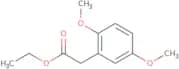
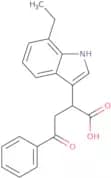
CAS:<p>Ethyl 2,5-dimethoxyphenylacetate is a chemical that has a wide range of uses in the synthesis of complex compounds. It can be used as an intermediate for the production of research chemicals or as a reaction component for speciality chemicals. The compound is also useful in the synthesis of fine chemicals and other useful scaffolds. It has been used as a building block to produce high-quality reagents.</p>Formula:C12H16O4Purity:Min. 95%Color and Shape:PowderMolecular weight:224.25 g/mol2-(7-Ethylindol-3-yl)-4-oxo-4-phenylbutanoic acid
CAS:<p>Please enquire for more information about 2-(7-Ethylindol-3-yl)-4-oxo-4-phenylbutanoic acid including the price, delivery time and more detailed product information at the technical inquiry form on this page</p>Purity:Min. 95%(S)-Fmoc-2-amino-heptanedioic acid-7-tert-butyl ester
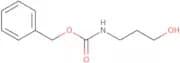
CAS:<p>Please enquire for more information about (S)-Fmoc-2-amino-heptanedioic acid-7-tert-butyl ester including the price, delivery time and more detailed product information at the technical inquiry form on this page</p>Formula:C26H31NO6Purity:Min. 95%Molecular weight:453.53 g/molBenzyl (3-hydroxypropyl)carbamate
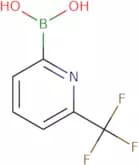
CAS:Benzyl (3-hydroxypropyl)carbamate is a molecule that was synthesized as an acetylating agent. It is stable in the presence of strong acids and alkalis, and has a high amination reaction rate. This molecule is used to prepare synthons for the synthesis of biologically active compounds such as mannosylated benzyl carbamates. The ring-opening reaction mechanism of this molecule has been studied extensively in order to understand why its synthetic ability is superior to other molecules. Benzyl (3-hydroxypropyl)carbamate has enhanced the rate of reactions by more than 100 times when compared with other molecules.Formula:C11H15NO3Purity:Min. 95%Color and Shape:PowderMolecular weight:209.24 g/mol6-(Trifluoromethyl)pyridine-2-boronic acid
CAS:<p>6-(Trifluoromethyl)pyridine-2-boronic acid is a solid chemical that is soluble in organic solvents. It is a building block for the synthesis of more complex compounds, and also serves as an intermediate in the synthesis of pharmaceuticals. 6-(Trifluoromethyl)pyridine-2-boronic acid has been shown to be useful for the preparation of fine chemicals and has been widely used as a reagent in research.</p>Formula:C6H5BF3NO2Purity:Min. 95%Color and Shape:PowderMolecular weight:190.92 g/molPolyanetholesulfonic acid sodium salt
CAS:Polyanetholesulfonic acid sodium salt or sodium polyanetholesulfonate (SPS) is the polymer of anetholesulfonic acid and is a mixture of regioisomers with respect of the position of the sulfonic acid group. Sodium polyanetholesulfonate was originally developed as an anticoagulant, however it also possesses anticomplement properties and lowers the bactericidal action of blood. Polyanetholesulfonic acid sodium salt is therefore useful as a diagnostic reagent to encourage the growth of pathogens within blood.Formula:(C10H11NaO4S)nPurity:Min. 98%Color and Shape:Off-White Powder5-Hydroxyaloin a 6'-o-acetate
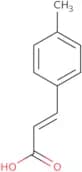
CAS:<p>5-Hydroxyaloin A 6'-O-acetate is a naturally occurring polysubstituted anthraquinone glycoside, which is derived primarily from Aloe species. It is synthesized through biosynthetic pathways in the Aloe vera plant, where anthraquinones are acetylated to enhance their biological activity. This compound is known for its potential bioactive properties, including anti-inflammatory and antioxidant activities, which are attributed to its ability to modulate various biochemical pathways.</p>Formula:C23H24O11Purity:Min. 95%Molecular weight:476.43 g/mol4-Methylcinnamic acid
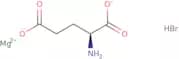
CAS:<p>4-Methylcinnamic acid is a cinnamic acid derivative that is used as an intermediate in the synthesis of various drugs. It can be synthesized from 2-chlorocinnamic acid, which is prepared by reaction with phosphorus pentachloride. 4-Methylcinnamic acid is also able to be oxidized to 4-hydroxycinnamic acid, which has been shown to have anti-aging effects. The molecule can be modeled using molecular dynamics simulations and was found to be polarizable and diffracting.</p>Formula:C10H10O2Purity:Min. 95%Color and Shape:White PowderMolecular weight:162.19 g/molL-Glutamic acid magnesium salt HBr
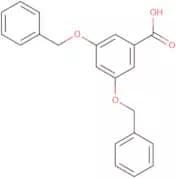
CAS:<p>Amino acid; neurotransmitter</p>Formula:C5H8BrMgNO4Purity:Min. 95 Area-%Color and Shape:Off-White PowderMolecular weight:250.33 g/mol3,5-Dibenzyloxybenzoic acid
CAS:<p>3,5-Dibenzyloxybenzoic Acid is a photophysical and optical material that has many functional groups including the benzene ring. This compound is a potassium salt that can be synthesized by reacting dipolar compounds with nucleophiles. It is also found in organic solvents such as chloroform, acetone, and acetic acid. 3,5-Dibenzyloxybenzoic Acid can be used in photodynamic therapy to treat cancer cells by targeting the tumor's porphyrin. This compound has been shown to be potent antagonists of chloride channels and could potentially be used for treating pain caused by nerve injury.</p>Formula:C21H18O4Purity:Min. 95%Molecular weight:334.37 g/mol2-[(Carboxymethyl)thio]benzoic acid
CAS:<p>2-[(Carboxymethyl)thio]benzoic acid is a bidentate ligand that binds to metal ions. It is coordinated, ligated, and stacked with the metal ion. The chelating ability of 2-[(Carboxymethyl)thio]benzoic acid allows it to form hydrogen bonds with both the anion and cation. This compound has been used as a catalyst for nitration reactions and for the synthesis of other organic compounds.</p>Formula:C9H8O4SPurity:Min. 95%Molecular weight:212.22 g/moltert-Butyl [(tert-butoxycarbonyl)oxy]carbamate
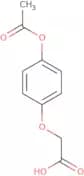
CAS:<p>tert-Butyl [(tert-butoxycarbonyl)oxy]carbamate is a compound that belongs to the class of hydroxylamine derivatives. It is used as a monomer for polystyrene and can be synthesized by reacting tert-butyl alcohol with hydrochloric acid and anhydrous ammonia. This substance has two main functions in the synthesis process: 1) it protects the hydroxamic acid group from hydrolysis by water; 2) it facilitates the extraction of the product from solvent. In addition, tert-Butyl [(tert-butoxycarbonyl)oxy]carbamate is also used in other applications such as the production of carboxylic acid analogues and their use in trackable aminolysis reactions. This substance is not likely to cause adverse effects at low doses, but may have lethal effects at higher doses because of its potential to inhibit protein synthesis.</p>Formula:C10H19NO5Purity:Min. 95%Molecular weight:233.26 g/mol4-Acetoxyphenoxyacetic acid
CAS:<p>4-Acetoxyphenoxyacetic acid is a high-quality, versatile building block that is used as an intermediate in the synthesis of various pharmaceuticals and agricultural chemicals. It has been shown to be a useful scaffold for drug design. 4-Acetoxyphenoxyacetic acid is also used as a reagent for organic synthesis. This compound can be used to synthesize complex compounds and speciality chemicals. 4-Acetoxyphenoxyacetic acid can be used as a reaction component for reactions including cycloadditions, acylations, esterifications, and hydrolysis reactions.</p>Formula:C10H10O5Purity:Min. 95%Color and Shape:PowderMolecular weight:210.18 g/mol(Des-Gly10,D-His2,D-Trp6,Pro-NHEt 9)-LHRH trifluoroacetate
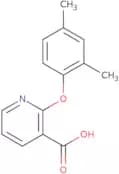
CAS:<p>Please enquire for more information about (Des-Gly10,D-His2,D-Trp6,Pro-NHEt 9)-LHRH trifluoroacetate including the price, delivery time and more detailed product information at the technical inquiry form on this page</p>Formula:C64H83N17O12•(C2HF3O2)xPurity:Min. 95%Molecular weight:1,282.45 g/mol2-(2,4-dimethylphenoxy)pyridine-3-carboxylic acid
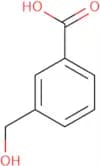
CAS:<p>Please enquire for more information about 2-(2,4-dimethylphenoxy)pyridine-3-carboxylic acid including the price, delivery time and more detailed product information at the technical inquiry form on this page</p>Purity:Min. 95%3-(Hydroxymethyl)benzoic acid
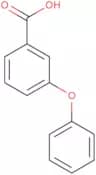
CAS:<p>3-(Hydroxymethyl)benzoic acid is a versatile building block that can be used in the synthesis of a wide range of compounds. It is an important intermediate in the synthesis of pharmaceuticals and agrochemicals. 3-(Hydroxymethyl)benzoic acid is also used as a reagent for organic synthesis, and as a speciality chemical and research chemicals. This compound has many uses, including as a building block for complex compounds, as a reaction component for the preparation of other useful compounds, and as a scaffold for diverse synthetic applications.</p>Formula:C8H8O3Purity:Min. 95%Color and Shape:PowderMolecular weight:152.15 g/mol3-Phenoxybenzoic acid
CAS:<p>3-Phenoxybenzoic acid is a metabolite of nonsteroidal anti-inflammatory drugs (NSAIDs) and pyrethroid insecticides. It is an inhibitor of the enzyme matrix metalloproteinases, which are involved in the degradation of collagen. 3-Phenoxybenzoic acid was used as a model system to study the effects of NSAIDs on urinary excretion rates and to identify biomarkers for NSAID use. The metabolite can be detected in urine after ingestion by using analytical methods such as preparative high performance liquid chromatography or electrochemical impedance spectroscopy. 3-Phenoxybenzoic acid is also present in cells from human HL-60 cells and has been shown to inhibit the growth of human leukemia cells by interfering with protein synthesis.</p>Formula:C13H10O3Purity:Min. 95%Color and Shape:PowderMolecular weight:214.22 g/mol2-Formylphenoxyacetic acid
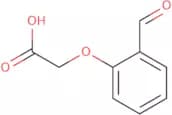
CAS:<p>2-Formylphenoxyacetic acid (FPAA) is a molecule that belongs to the group of p2 molecules. It has been detected in urine samples and can be used as a marker for urinary tract infections. FPAA is an electrochemical detector for copper complexes and has been shown to have antimicrobial activity against Staphylococcus, amines, and carboxylates. The mechanism of its antimicrobial activity may involve hydrogen bonding interactions with the negatively charged groups on the cell wall of bacteria. Chemical structures and structural analysis have shown that FPAA contains two aldehyde groups linked by an ether bond.</p>Formula:C9H8O4Purity:Min. 95%Color and Shape:PowderMolecular weight:180.16 g/molcis-3-(2-Chloro-3,3,3-trifluoro-1-propenyl)-2,2-dimethyl-cyclopropanecarboxylic acid
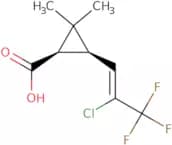
CAS:<p>Cis-3-(2-Chloro-3,3,3-trifluoro-1-propenyl)-2,2-dimethyl-cyclopropanecarboxylic acid is a synthetic pyrethroid insecticide that is used in pest control. It has been detected in urine samples at concentrations of up to 10 ng/mL and has been found to be an enantiomer of the natural pyrethroid cis-3-(2,2,2-trifluoroethoxy)-2,2-dimethylcyclopropanecarboxylic acid. Cis-3-(2-Chloro-3,3,3-trifluoro-1-propenyl)-2,2,-dimethylcyclopropanecarboxylic acid is also known as "RIVM" and has been shown to have high detection rates for naphthalene. This compound is acidic and can be hydro</p>Formula:C9H10ClF3O2Purity:Min. 95%Color and Shape:White PowderMolecular weight:242.62 g/molN-(Aminoethyl)-5-naphthylamine-1-sulfonic acid sodium
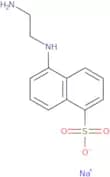
CAS:<p>N-(Aminoethyl)-5-naphthylamine-1-sulfonic acid sodium salt (NAES) is a fluorescent dye that has been used to study the structure of proteins. NAES binds to acceptor sites on the protein, which can be either amino acid side chains or other ions in solution. The fluorescence of NAES depends on the environment and the number of acceptors present. This dye has been used in assays for staphylococcus, as it is resistant to staining by Gram stain and stains brightly with fluorescence assay. NAES has also been shown to have a high kinetic rate and sensitivity, making it an effective virus assay.</p>Formula:C12H14N2O3S•NaPurity:Min. 95%Molecular weight:289.31 g/molRef: 3D-FA17739
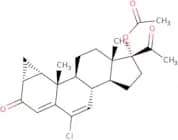
1gTo inquire2gTo inquire100mgTo inquire250mgTo inquire500mgTo inquire-Unit-ggTo inquireCyproterone acetate
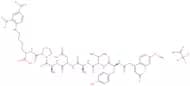
CAS:Controlled Product<p>Androgen receptor antagonist; apoptotic in hepatic cells</p>Formula:C24H29ClO4Purity:Min. 98 Area-%Color and Shape:PowderMolecular weight:416.94 g/molMca-Tyr-Val-Ala-Asp-Ala-Pro-Lys(Dnp)-OH trifluoroacetate
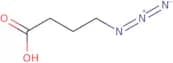
CAS:<p>Please enquire for more information about Mca-Tyr-Val-Ala-Asp-Ala-Pro-Lys(Dnp)-OH trifluoroacetate including the price, delivery time and more detailed product information at the technical inquiry form on this page</p>Formula:C53H64N10O19•(C2HF3O2)xPurity:95%NmrColor and Shape:PowderMolecular weight:1,145.13 g/mol4-Azidobutyric acid
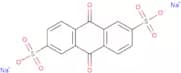
CAS:<p>4-Azidobutyric acid (4-AA) is a cyclic peptide with an amide bond that forms the backbone of the molecule. The 4-AA skeleton has been used in the synthesis of a number of organic compounds, including azides and tethering molecules. The synthesis of 4-AA is carried out on solid phase as it is insoluble in water. It has also been used for the production of supramolecular assemblies and quantum dots with novel properties. This compound can be found in nature as part of streptavidin or calcium assay reagents.</p>Formula:C4H7N3O2Purity:Min. 95 Area-%Color and Shape:Clear LiquidMolecular weight:129.12 g/molAnthraquinone-2,6-disulfonic acid disodium
CAS:<p>Anthraquinone-2,6-disulfonic acid disodium salt is a reactive, redox potential chemical that has been shown to be stable to intermolecular hydrogen bonding and crystalline in structure. It has the ability to react with carbon sources and can be used as a catalyst in coordination chemistry. Anthraquinone-2,6-disulfonic acid disodium salt has been shown to have fluorescence properties under UV light and FTIR spectroscopy.</p>Formula:C14H6Na2O8S2Purity:Min. 95%Color and Shape:Beige PowderMolecular weight:412.3 g/molb-N-Methyl-guanadinopropionic acid
<p>b-N-Methyl-guanadinopropionic acid is a versatile, high quality, and useful building block that is used as a reagent and speciality chemical. It is also an intermediate in the synthesis of research chemicals, which are synthesized using b-N-Methyl-guanadinopropionic acid as a reactant. This compound can be used as a building block in the synthesis of complex compounds with high molecular weight. The CAS number for b-N-Methyl-guanadinopropionic acid is</p>Purity:Min. 95%2-Bromobenzoic acid
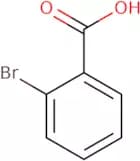
CAS:<p>2-Bromobenzoic acid is a sodium salt that has been reported to be used in the treatment of autoimmune diseases and bowel disease. It is a prodrug that is hydrolyzed in vivo to 2-bromophenol, its active form. 2-Bromobenzoic acid has been shown to inhibit the production of inflammatory mediators, such as prostaglandins, leukotrienes, and cytokines by inhibiting cyclooxygenase 1 and 2 enzymes. This drug also inhibits the activation of nuclear factor kappa B (NF-κB) in vitro. 2-Bromobenzoic acid may have an anti-inflammatory effect through its ability to inhibit NF-κB activation by preventing the release of tumor necrosis factor alpha (TNFα).</p>Formula:C7H5BrO2Purity:Min. 95%Color and Shape:PowderMolecular weight:201.02 g/mol2-(4-Hydroxybenzoyl)benzoic acid
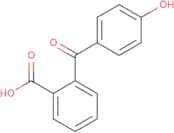
CAS:<p>2-(4-Hydroxybenzoyl)benzoic acid (HBBA) is an activated ester that can be used as a precursor for the synthesis of pharmaceuticals. It has been used in the clinical development of drugs such as anti-inflammatory agents, antibiotics, and anticancer compounds. HBBA can be synthesized by acylation of 4-hydroxybenzoic acid with an appropriate carboxylic acid via a dehydration reaction. This reaction requires high temperatures and acidic catalysts. The product is then purified to remove any residual acid catalyst and other impurities. 2-(4-Hydoxybenzoyl)benzoic acid has been shown to react with nucleophiles such as amines and alcohols, providing fluorescent compounds when reacted with diazonium salts or phthalazinone respectively.</p>Formula:C14H10O4Purity:Min. 95%Color and Shape:White PowderMolecular weight:242.23 g/mol


![Hydroxy-[4-(4-hydroxy-5-bromo-3-iodophenoxy)-3,5-diiodophenyl]acetic acid](/_next/image/?url=https%3A%2Fstatic.cymitquimica.com%2Fproducts%2F3D%2Fthumb-webp%2FFH66633.webp&w=3840&q=75)
![Methyl (1S,2S,3S,5R)-3-[Bis(4-Fluorophenyl)Methoxy]-8-Methyl-8-Azabicyclo[3.2.1]Octane-2-Carboxyla…](/_next/image/?url=https%3A%2Fstatic.cymitquimica.com%2Fproducts%2F3D%2Fthumb-webp%2FFM102464.webp&w=3840&q=75)
![Ethyl [2-methyl-3-(chlorosulfonyl)phenoxy]acetate](/_next/image/?url=https%3A%2Fstatic.cymitquimica.com%2Fproducts%2F3D%2Fthumb-webp%2FFE22936.webp&w=3840&q=75)







![2-[(Carboxymethyl)thio]benzoic acid](/_next/image/?url=https%3A%2Fstatic.cymitquimica.com%2Fproducts%2F3D%2Fthumb-webp%2FFC115531.webp&w=3840&q=75)
![tert-Butyl [(tert-butoxycarbonyl)oxy]carbamate](/_next/image/?url=https%3A%2Fstatic.cymitquimica.com%2Fproducts%2F3D%2Fthumb-webp%2FFB130830.webp&w=3840&q=75)