Carboxylic Acids
Carboxylic acids are organic molecules characterized by having a carboxyl-type functional group (-COOH). These acids are fundamental in various chemical reactions, including esterification, amidation, and decarboxylation. Carboxylic acids are widely used in the production of pharmaceuticals, polymers, and agrochemicals. In this section, you can find a large number of carboxylic acids ready to be used. At CymitQuimica, we provide a broad range of high-quality carboxylic acids to support your research and industrial applications.
Found 12453 products of "Carboxylic Acids"
Sort by
Purity (%)
0
100
|
0
|
50
|
90
|
95
|
100
tert-Butyl 4-{[(methylsulfonyl)oxy]methyl}piperidine-1-carboxylate
CAS:<p>Please enquire for more information about tert-Butyl 4-{[(methylsulfonyl)oxy]methyl}piperidine-1-carboxylate including the price, delivery time and more detailed product information at the technical inquiry form on this page</p>Formula:C12H23NO5SPurity:Min. 95%Molecular weight:293.38 g/molEthyl 1,2-dimethyl-5-hydroxyindole-3-carboxylate
CAS:Controlled Product<p>Ethyl 1,2-dimethyl-5-hydroxyindole-3-carboxylate (EDMC) is an implantable drug that is used to treat hypertension. It is a diuretic that can be taken orally or injected. EDMC works by reducing the amount of urea nitrogen in the blood and increasing the amount of chlorine atom in the urine. This leads to an increase in active substances such as malonic acid and a decrease in arthropoda. EDMC has been shown to have antihypertensive activity due to its ability to lower diastolic and systolic pressure. The molecule also contains hydroxyl group and aldehyde groups that are analyzed by analytical chemistry.</p>Formula:C13H15NO3Purity:Min. 95%Molecular weight:233.26 g/mol3,5,3',5' -Tetraiodo thyromandelic acid
CAS:<p>Please enquire for more information about 3,5,3',5' -Tetraiodo thyromandelic acid including the price, delivery time and more detailed product information at the technical inquiry form on this page</p>Formula:C14H8I4O5Purity:Min. 95%Color and Shape:PowderMolecular weight:763.83 g/mol1-(4-Chlorophenyl)-3-(4-methylphenyl)-1H-pyrazole-5-carboxylic acid
CAS:Controlled Product<p>Please enquire for more information about 1-(4-Chlorophenyl)-3-(4-methylphenyl)-1H-pyrazole-5-carboxylic acid including the price, delivery time and more detailed product information at the technical inquiry form on this page</p>Formula:C17H13ClN2O2Purity:Min. 95%Molecular weight:312.75 g/molTrichloroacetic anhydride
CAS:<p>Trichloroacetic anhydride is a chemical compound that is used in organic synthesis. It is a strong acid that reacts with fatty acids to form trifluoroacetic acid, which can be used as an analytical method for determining the presence of amines in a sample. It also shows inhibitory properties against inflammatory bowel disease and has been shown to have anti-inflammatory activity. Trichloroacetic anhydride is not very soluble in water, but it can be dissolved in alcohols and alkalis. This compound's ability to react with hydroxyl groups makes it useful for the synthesis of esters and ethers. Trichloroacetic anhydride's ability to react with intramolecular hydrogen may lead to metabolic disorders such as diabetes mellitus.</p>Formula:C4Cl6O3Purity:Min. 95%Molecular weight:308.76 g/molThallium(I) acetate
CAS:<p>Used as a selective agent against gram-negative bacteria in selective media</p>Formula:C2H3O2TlPurity:Min. 95%Molecular weight:263.43 g/molFmoc-(2S,4S)-4-phenylpyrrolidine-2-carboxylic acid
CAS:<p>Please enquire for more information about Fmoc-(2S,4S)-4-phenylpyrrolidine-2-carboxylic acid including the price, delivery time and more detailed product information at the technical inquiry form on this page</p>Formula:C26H23NO4Purity:Min. 95%Molecular weight:413.47 g/molEthyl 1-benzyl-3-(4-bromophenyl)-1H-pyrazole-5-carboxylate
CAS:Controlled Product<p>Please enquire for more information about Ethyl 1-benzyl-3-(4-bromophenyl)-1H-pyrazole-5-carboxylate including the price, delivery time and more detailed product information at the technical inquiry form on this page</p>Formula:C19H17BrN2O2Purity:Min. 95%Molecular weight:385.25 g/molL-Glutamic acid γ-tert-butyl ester α-amide hydrochloride
CAS:<p>Please enquire for more information about L-Glutamic acid gamma-tert-butyl ester alpha-amide hydrochloride including the price, delivery time and more detailed product information at the technical inquiry form on this page</p>Formula:C9H18N2O3·HClPurity:Min. 95%Molecular weight:238.71 g/molTimapiprant
CAS:Controlled Product<p>Timapiprant is an amide that acts as a selective inhibitor of the prostanoid receptor CRTH2, which is involved in regulating the inflammatory response. Timapiprant inhibits skin eosinophilia, which is associated with inflammatory skin diseases such as atopic dermatitis and psoriasis. It has been shown to be safe in clinical trials and has a good safety profile. The drug's mechanism of action may be due to its ability to inhibit the production of IL-4 and IL-13 by Th2 cells and its ability to inhibit lung function. Timapiprant has shown efficacy in treating allergic rhinitis, asthma, chronic obstructive pulmonary disease, erythema multiforme, pyoderma gangrenosum, and other types of inflammatory skin diseases.</p>Formula:C21H17FN2O2Purity:Min. 95%Molecular weight:348.37 g/molMethyl 6-Bromo-1-Methyl-1H-Indole-2-Carboxylate
CAS:Controlled Product<p>Please enquire for more information about Methyl 6-Bromo-1-Methyl-1H-Indole-2-Carboxylate including the price, delivery time and more detailed product information at the technical inquiry form on this page</p>Formula:C11H10BrNO2Purity:Min. 95%Molecular weight:268.11 g/mol(2Z,4E,6Z,8E)-3,7-Dimethyl-9-(2,6,6-trimethyl-1-cyclohexenyl)nona-2,4,6,8-tetraenoic acid
CAS:Controlled Product<p>2,4-Dienoylglycerol (2,4-DG) is a metabolite of arachidonic acid and is a potent activator of protein kinase C. It has been shown that 2,4-DG binds to the liver cell membrane and causes a cytoskeletal reorganization. This is an analytical method for measuring the binding constants between 2,4-DG and various proteins in human liver cells. The redox potentials of 2,4-DG are -0.17 V in the pH range of 7 to 8 and -0.12 V in the pH range of 4 to 5. This means that 2,4-DG will be reduced by NADH at pH 7 to 8 and oxidized by NADH at pH 4 to 5. The growth factor activity of 2,4-DG has been demonstrated using human liver cells as well as other cell types such as viruses and cancer cells. The ability of</p>Formula:C20H28O2Purity:Min. 95%Color and Shape:Yellow PowderMolecular weight:300.44 g/molSodium acetate trihydrate
CAS:<p>Sodium acetate trihydrate is a salt that is used in the production of sodium salts and surface methodology, as well as in analytical methods. It is also used to prepare anhydrous sodium. Sodium acetate trihydrate can be used as a cell lysis agent for water vapor.</p>Formula:CH3COONa·3H2OPurity:Min. 95%Color and Shape:White/Off-White SolidMolecular weight:136.08 g/mol1-(4-Chlorophenyl)-3-phenyl-1H-pyrazole-5-carboxylic acid
CAS:Controlled Product<p>Please enquire for more information about 1-(4-Chlorophenyl)-3-phenyl-1H-pyrazole-5-carboxylic acid including the price, delivery time and more detailed product information at the technical inquiry form on this page</p>Formula:C16H11ClN2O2Purity:Min. 95%Color and Shape:PowderMolecular weight:298.72 g/mol(R)-2-Chloromandelic acid
CAS:<p>(R)-2-Chloromandelic acid is an organic compound with the formula CHClCOH. It is a mandelonitrile, which is a benzene ring fused to a nitrile. It has an optimal reaction at acidic pH and in organic solvents and is enantiopure. The cell lysis of Escherichia coli can be achieved by this compound, as seen through the use of acid dehydrogenase. (R)-2-Chloromandelic acid has been shown to inhibit platelet aggregation, making it an antiplatelet agent. This product can be synthesized using methods such as the enantioselective synthesis of clopidogrel or the asymmetric synthesis of D-mandelic acid methyl ester. The isolated yield for (R)-2-Chloromandelic acid is about 45%.</p>Formula:C8H7ClO3Purity:Min. 95%Color and Shape:SolidMolecular weight:186.59 g/mol3-(4-Chlorophenyl)glutaric acid
CAS:<p>3-(4-Chlorophenyl)glutaric acid is a subunit of lanthanide complexes. It has been synthesized from cinchona alkaloids and single-crystal x-ray diffraction data obtained in the absence of ligands. 3-(4-Chlorophenyl)glutaric acid is a desymmetrization reagent and has been shown to be an effective ligand for lanthanide complexes. This compound has the potential to form impurities during the synthesis process, which can lead to morphological changes, luminescence, or high-performance liquid chromatography interference.</p>Formula:C11H11ClO4Purity:Min. 95%Molecular weight:242.66 g/mol3,5,7-Trimethyladamantane-1-carboxylic acid
CAS:<p>Please enquire for more information about 3,5,7-Trimethyladamantane-1-carboxylic acid including the price, delivery time and more detailed product information at the technical inquiry form on this page</p>Formula:C14H22O2Purity:Min. 95%Molecular weight:222.32 g/molMedronic acid
CAS:<p>Medronic acid is a drug that is used for the treatment of chronic bowel disease. Medronic acid is a prodrug, which is converted to its active form, meclofenamic acid, by esterases in the bowel. Medronic acid has been shown to inhibit the activity of 5-lipoxygenase and cyclooxygenase-2 enzymes, and thereby reduce inflammation. It also decreases the production of prostaglandins and leukotrienes in humans. Medronic acid has been shown to be an effective treatment for bone cancer with no significant side effects. Medronic acid has been shown to inhibit the activity of 5-lipoxygenase and cyclooxygenase-2 enzymes, and thereby reduce inflammation. It also decreases the production of prostaglandins and leukotrienes in humans. Medronic acid has been shown to be an effective treatment for bone cancer with no significant side effects.</p>Formula:CH6O6P2Purity:Min. 95%Color and Shape:White PowderMolecular weight:176 g/molEthanesulfonic acid, 70% aqueous solution
CAS:<p>Ethanesulfonic acid solution - 70 wt. % in H2O is a monosodium salt that is used as an enzymatic reagent for the determination of bacteria and fungi, as well as for the detection of infectious diseases. It has been shown to be effective against microdialysis probes with a high degree of sensitivity and specificity. Ethanesulfonic acid solution - 70 wt. % in H2O has been shown to have significant physiological effects on various regions of the body, including bowel disease, polymerase chain reaction (PCR), glycol ethers, antimicrobial agents, and radiation. Ethanesulfonic acid solution - 70 wt. % in H2O also inhibits the growth of bacteria by acting as a coumarin derivative that reacts with nucleotides to form dinucleotide phosphate, which blocks DNA synthesis and transcription from RNA templates.</p>Formula:C2H6O3SPurity:(Titration) 68.0 To 72.0%Color and Shape:Clear LiquidMolecular weight:110.13 g/mol(4-Aminophenyl)boronic acid pinacol ester
CAS:<p>(4-Aminophenyl)boronic acid pinacol ester is a semiconducting material that can be used in thin film devices. It has been shown to be a good candidate for transistor and device applications due to its high yield, low cost, and high stability. This compound can also be used to modify the structure of other compounds through substitution reactions. (4-Aminophenyl)boronic acid pinacol ester has been synthesized from inexpensive starting materials, such as triphenylamine and amines.</p>Formula:C12H18BNO2Purity:Min. 95%Color and Shape:White PowderMolecular weight:219.09 g/mol[(5-Methyl-4-phenyl-4H-1,2,4-triazol-3-yl)thio]acetic acid
CAS:<p>Please enquire for more information about [(5-Methyl-4-phenyl-4H-1,2,4-triazol-3-yl)thio]acetic acid including the price, delivery time and more detailed product information at the technical inquiry form on this page</p>Formula:C11H11N3O2SPurity:Min. 95%Molecular weight:249.29 g/molPyridine-3-sulfonic acid
CAS:<p>Pyridine-3-sulfonic acid is a reactive molecule that can exist in two forms. It reacts with iron oxides to form pyridine-3-sulfonic acid amide and reacts with picolinic acid to form pyridine-3-sulfonic acid phosphoric acid complex. Pyridine 3 sulfonic acid is an intermediate in the synthesis of picolinic acid and is involved in the genetic mechanisms of bacteria. It has been shown to be effective at concentrations of 10 mM or higher when used in tissue culture experiments. The optimum concentration for the reaction varies depending on the reactant and its environment, which is why experimentation should be conducted before using it as a reagent.</p>Formula:C5H5NO3SPurity:Min. 95%Molecular weight:159.16 g/mol(Des-Gly10,D-Ala6,Pro-NHEt 9)-LHRH acetate salt
CAS:Controlled Product<p>Des-Gly10,D-Ala6,Pro-NHEt 9)-LHRH acetate salt Pyr-His-Trp-Ser-Tyr-D-Ala-Leu-Arg-Pro-NHEt acetate (DGPRP) is a drug that is used to treat endometriosis. It is an agonist of the LHRH receptor and inhibits body formation by preventing the release of gonadotropin hormones. DGPRP has been shown to inhibit cell proliferation in cancer tissues and may be useful for the treatment of leukemia. This drug has also been shown to be biocompatible with polymer scaffolds and can be synthesized using methods such as solid phase peptide synthesis.</p>Formula:C56H78N16O12•xC2H4O2Purity:Min. 95%Molecular weight:1,167.32 g/mol2-Aminopyrimidine-5-boronic acid pinacol ester
CAS:<p>2-Aminopyrimidine-5-boronic acid pinacol ester is a boronic acid derivative that has been shown to inhibit the activity of protein kinase C. This compound is also an effective linker for cross-coupling reactions and has a low reactivity with nucleophiles, which makes it safer than other boronic acids. 2-Aminopyrimidine-5-boronic acid pinacol ester has been shown to be potent against cancer cells in vitro and in vivo and synthetic cells. 2-Aminopyrimidine-5-boronic acid pinacol ester inhibits the growth of cancer cells by binding to the ATP site on protein kinase C, thereby inhibiting its function.</p>Formula:C10H16BN3O2Purity:Min. 95 Area-%Color and Shape:PowderMolecular weight:221.06 g/molMethyl 5-oxopyrrolidine-3-carboxylate
CAS:<p>Methyl 5-oxopyrrolidine-3-carboxylate is a nonsteroidal anti-inflammatory drug that reduces the production of pro-inflammatory cytokines. It binds to COX-2 and prevents the production of prostaglandins, which are involved in the inflammatory process. Methyl 5-oxopyrrolidine-3-carboxylate has been shown to inhibit mouse hippocampal cells and human THP1 cells, which are important in inflammation. This drug also interacts with other proteins and can be localized to mitochondria membrane potentials. Methyl 5-oxopyrrolidine-3-carboxylate has the potential for use as an anti-inflammatory agent for cellular localization in mitochondria membrane potentials.</p>Formula:C6H9NO3Purity:Min. 95%Molecular weight:143.14 g/molMethyl 1H-imidazole-2-carboxylate
CAS:<p>Please enquire for more information about Methyl 1H-imidazole-2-carboxylate including the price, delivery time and more detailed product information at the technical inquiry form on this page</p>Formula:C5H6N2O2Purity:Min. 95%Molecular weight:126.11 g/mol3-Methylglutaric acid
CAS:<p>3-Methylglutaric acid is an organic compound that belongs to the group of alkanocarboxylic acids. It has been shown to reduce the formation of malonic acid, which can be toxic to the heart and cause congestive heart failure. 3-Methylglutaric acid also inhibits oxidation catalysts and increases the production of energy in cells by providing electrons. The kinetic data for 3-methylglutaric acid have been determined using a gas chromatography technique on a high-temperature conversion reactor at a pH of 7.0 with a concentration of 0.1 M potassium phosphate buffer (pH 7) and a temperature of 70°C. 3-Methylglutaric acid has been shown to inhibit monoclonal antibody cationic polymerization, which may be due to its reactive nature and its ability to donate hydrogen ions or electrons.</p>Formula:C6H10O4Purity:Min. 95%Molecular weight:146.14 g/molEthylcyclobutanecarboxylate
CAS:<p>Ethylcyclobutanecarboxylate is an organic compound that is used as a drug for the treatment of cancer. It has been shown to inhibit cholesterol ester transfer and has been used in the treatment of pancreatitis, autoimmune diseases, dyslipoproteinemia, and inflammatory diseases. This drug has been shown to reduce insulin resistance and can be used as a treatment for diabetes-associated complications. Ethylcyclobutanecarboxylate is also metabolized into a pharmacologically active form by cb2 receptor. The biological samples that have been studied include plasma and urine; however, it can also be detected in other types of tissue such as brain, stomach, and kidney.</p>Formula:C7H12O2Purity:Min. 95%Molecular weight:128.17 g/mol2,3-Dibromopropanoic acid
CAS:<p>2,3-Dibromopropanoic acid is a carcinogenic chemical that has been shown to cause liver tumors in rats. It is a nucleophile that reacts with amide groups to form an amide bond. The analytical method for 2,3-dibromopropanoic acid is gas chromatography with flame ionization detection. Its structural formula is CHBrCHBrCOH. It has a carbonyl group and acidic properties, as well as a chloride ion present on the molecule. 2,3-Dibromopropanoic acid is an anxiolytic drug that has been shown to have health effects such as drowsiness and headache.</p>Formula:C3H4Br2O2Purity:Min. 95%Color and Shape:PowderMolecular weight:231.87 g/molD-Glyceric acid calcium dihydrate
CAS:<p>Please enquire for more information about D-Glyceric acid calcium dihydrate including the price, delivery time and more detailed product information at the technical inquiry form on this page</p>Formula:C3H6O4•Ca0•H2OPurity:Min. 95%Molecular weight:288.26 g/mol(-)-trans-1,2-Cyclohexanedicarboxylic Anhydride
CAS:Controlled Product<p>(-)-trans-1,2-Cyclohexanedicarboxylic Anhydride is a macrocyclic molecule that can be used to synthesize glutaric anhydride. This compound is an analogue of the succinic anhydride and 1,2-cyclohexanedicarboxylic anhydride. (-)-trans-1,2-Cyclohexanedicarboxylic Anhydride has been shown to catalyze the hydrogenation of epoxides. It also has been shown to be a potential precursor for the synthesis of pyrrolizidine alkaloids.</p>Formula:C8H10O3Purity:Min. 95%Molecular weight:154.16 g/mol4-(2-Oxopyrrolidin-1-yl)benzoic acid
CAS:<p>4-(2-Oxopyrrolidin-1-yl)benzoic acid (4-OPBA) is a hydrogen bonding inhibitor that is used to study the interactions of cavity proteins. It has shown to interact with glutathione and prostaglandin D2, which are important for hematopoietic and inflammatory responses. 4-OPBA has been observed to bind with a water molecule in the cavity, which may explain its affinity for these molecular targets. The crystal structure of 4-OPBA shows that it forms an interaction with two water molecules and one other molecule in the cavity. This may be due to its ability to form hydrogen bonds with both water molecules as well as the molecule in the cavity.</p>Formula:C11H11NO3Purity:Min. 95%Molecular weight:205.21 g/molEthyl 4-chloroacetoacetate
CAS:<p>Ethyl 4-chloroacetoacetate is a chiral organic compound that is synthesized by the asymmetric synthesis of ethyl chloroacetate. This reaction is performed in an organic solution, using sodium salts as the solvent. The expression plasmid and logarithmic growth phase are needed for the enzyme catalysis and stereoselective reactions. The reaction solution is recombined with hydrochloric acid and chiral compound to produce high yields of ethyl 4-chloroacetoacetate.</p>Formula:C6H9ClO3Purity:Min. 95%Color and Shape:Colorless Clear LiquidMolecular weight:164.59 g/molNicotinuric acid
CAS:<p>Nicotinuric acid is an endogenous metabolite of nicotinic acid, which is a cofactor for the enzyme that catalyzes the conversion of phosphoenolpyruvate to pyruvate. Nicotinuric acid has been shown to be a potential biomarker for human pharmacokinetics. It has been shown to be involved in energy metabolism and may play a role in the pathogenesis of atherosclerotic cardiovascular disease. Nicotinuric acid is also a product of the enzymatic degradation of pyrrolidinecarboxylic acid, which is found in papillary muscle cells and penicillin-binding protein. The formation of nicotinuric acid can be inhibited by nicotinic acid, pyrazinoic acid, or by inhibitors of lc-ms/ms method.</p>Formula:C8H8N2O3Purity:Min. 95%Molecular weight:180.16 g/molBoc-(S)-3-amino-3-(2-methoxyphenyl)propionic acid
CAS:<p>Please enquire for more information about Boc-(S)-3-amino-3-(2-methoxyphenyl)propionic acid including the price, delivery time and more detailed product information at the technical inquiry form on this page</p>Formula:C15H21NO5Purity:Min. 95%Color and Shape:PowderMolecular weight:295.33 g/molAcetyl-ACTH (3-24) (human, bovine, rat) trifluoroacetate salt
CAS:<p>Please enquire for more information about Acetyl-ACTH (3-24) (human, bovine, rat) trifluoroacetate salt including the price, delivery time and more detailed product information at the technical inquiry form on this page</p>Formula:C126H198N38O28SPurity:Min. 95%Molecular weight:2,725.23 g/mol3-Isopropylisoxazole-5-carboxylic acid
CAS:<p>3-Isopropylisoxazole-5-carboxylic acid (3IPA) is an inhibitor of voltage-gated calcium channels. It has been shown to be effective in the treatment of neuropathic pain by reducing the excitability of neurons. 3IPA exhibits its analgesic properties through its binding to the t-type calcium channel, which is responsible for regulating the flow of calcium ions into cells. 3IPA also reduces neuronal excitability by inhibiting voltage-gated potassium channels and glutamate release. 3IPA may be a potential therapeutic agent for neuropathic pain, as it provides a novel approach to treating this type of pain.</p>Formula:C7H9NO3Purity:Min. 95%Molecular weight:155.15 g/mol1-(4-Isopropylphenyl)-5-oxopyrrolidine-3-carboxylic acid
CAS:<p>Please enquire for more information about 1-(4-Isopropylphenyl)-5-oxopyrrolidine-3-carboxylic acid including the price, delivery time and more detailed product information at the technical inquiry form on this page</p>Formula:C14H17NO3Purity:Min. 95%Molecular weight:247.29 g/molEthyl 5-fluoroindole-2-carboxylate
CAS:<p>Ethyl 5-fluoroindole-2-carboxylate is a cytotoxic compound that belongs to the class of organic compounds called aryl rings. It has been shown to inhibit tumor growth in vitro and in vivo through the inhibition of protein synthesis. The molecular docking studies have shown that this compound binds to the enzyme SMMC-7721 cell, which is involved in DNA transcription and replication. It also inhibits activity of other enzymes, such as kinases and phosphatases, which are involved in cellular processes such as proliferation and differentiation. Ethyl 5-fluoroindole-2-carboxylate may be used for the treatment of blood cancer or monosugar diseases, such as diabetes mellitus or hyperlipidemia.</p>Formula:C11H10FNO2Purity:Min. 95%Molecular weight:207.2 g/molcBenzooxazole-2-carboxylic acid
CAS:<p>Benzooxazole-2-carboxylic acid is a chemical compound that has been studied for its potential in the treatment of cancer. It has been shown to bind to estrogen receptors and inhibit the growth of cancer cells. This anti-cancer agent also inhibits the growth of bacteria by binding to metal ions, such as chloride, which are needed for bacterial growth. Benzooxazole-2-carboxylic acid is excreted via urine, which can lead to kidney damage if taken in high doses.</p>Formula:C8H5NO3Purity:Min. 95%Molecular weight:163.13 g/mol17-Hydroxy-19-nor-17alpha-pregna-4,6-dien-20-yn-3-one acetate
CAS:<p>Please enquire for more information about 17-Hydroxy-19-nor-17alpha-pregna-4,6-dien-20-yn-3-one acetate including the price, delivery time and more detailed product information at the technical inquiry form on this page</p>Formula:C22H26O3Purity:Min. 95%Color and Shape:Off-white to pale yellowsolid.Molecular weight:338.44 g/molEthyl 2-ethylacetoacetate
CAS:<p>Ethyl 2-ethylacetoacetate is a carbonyl compound that belongs to the supramolecular class of chromenones. The molecule has an x-ray diffraction pattern that is characteristic of a ring structure. It can be synthesized by an efficient method involving the reaction of ethyl benzoylacetate with a halide in the presence of acid catalyst. The reactants are isolated in high yield and structural analysis shows the presence of a methylene group and an ethyl group on opposite sides of the ring, which are bonded to each other through an acetoacetate group. This chromenone also displays photochemical properties and can be used as a substrate for functional theory studies.</p>Formula:C8H14O3Purity:Min. 95%Molecular weight:158.19 g/molLys-Bradykinin acetate salt
CAS:<p>Lys-Bradykinin is a peptide that is a member of the group of kinins. It has been shown to be effective at inhibiting the activity of kallikrein, which is an enzyme that converts kininogen to bradykinin. This inhibition lowers the levels of bradykinin in the blood and may be used as a diagnostic tool for identifying diseases such as congestive heart failure, pulmonary edema, and acute renal failure. Lys-Bradykinin can also be used as a model system for studying kinins and their biological effects on various systems. For example, it has been shown to have natriuretic properties in humans by increasing levels of erythropoietin and ANP.</p>Formula:C56H85N17O12Purity:Min. 95%Molecular weight:1,188.38 g/molSinapic acid acyl-β-D-glucoside
CAS:<p>a functionalised glucoside</p>Formula:C17H22O10Purity:Min. 95%Molecular weight:386.35 g/mol3-Chloro-4-methoxyphenylboronic acid
CAS:<p>Please enquire for more information about 3-Chloro-4-methoxyphenylboronic acid including the price, delivery time and more detailed product information at the technical inquiry form on this page</p>Formula:C7H8BClO3Purity:Min. 95%Molecular weight:186.4 g/molCobalt(II) acetate tetrahydrate
CAS:<p>Cobalt(II) acetate tetrahydrate is a model system that can be used to study the structures of coordination complexes. The cobalt ion has a coordination geometry with two water molecules, two oxygen atoms from the acetate anion, and one proton from the hydroxide anion. The crystal structure is composed of six-membered rings of alternating metal ions and oxygen atoms. The reaction solution contains excess sodium hydroxide and water vapor. It was determined that cobalt(II) acetate tetrahydrate reacts electrochemically at low frequencies as well as with 5-hmf, an oxidizing agent, in the presence of sodium citrate as an oxidation catalyst.</p>Formula:C4H6CoO4·4H2OPurity:Min. 95%Color and Shape:Pink To Red SolidMolecular weight:249.08 g/molPolyoxyethylated 12-hydroxystearic acid
CAS:<p>Polyoxyethylated 12-hydroxystearic acid is a surface active agent that is used as an adjuvant in pharmaceutical preparations. Polyoxyethylated 12-hydoxystearic acid has been shown to have antimicrobial properties, which are due to its ability to disrupt the lipid membrane of bacteria and fungi. This agent also has a protective effect against the cytotoxicity of trifluoroacetic acid, which is often used in cell culture studies. Polyoxyethylated 12-hydoxystearic acid also has potential applications in cancer therapy because it can be conjugated with anticancer drugs to form liposome nanoparticles, which may allow for more efficient delivery of these drugs into cancer cells.</p>Color and Shape:Off-White PowderN, N-Bis(Carboxymethyl)-L -glutamic acid tetrasodium salt - ca. 40% in water
CAS:<p>N,N-Bis(carboxymethyl)-L-glutamic acid tetrasodium salt is a cationic surfactant that has been used in the production of personal care products and industrial cleaners. This compound is soluble in water and can be used as a post-treatment to reduce the redox potential of hydrochloric acid. It also has antibacterial efficacy against both Gram-positive and Gram-negative bacteria. N,N-Bis(carboxymethyl)-L-glutamic acid tetrasodium salt has been shown to be effective against tumor cells.</p>Formula:C9H9NO8·4NaPurity:Min. 95%Color and Shape:PowderMolecular weight:351.13 g/mol2,3,3-Trimethyl-2-norbornyl isothiocyanic acid ester
CAS:<p>Please enquire for more information about 2,3,3-Trimethyl-2-norbornyl isothiocyanic acid ester including the price, delivery time and more detailed product information at the technical inquiry form on this page</p>Formula:C11H17NSPurity:Min. 95%Molecular weight:195.33 g/molL-Aspartic acid α-tert-butyl ester
CAS:<p>L-Aspartic acid alpha-tert-butyl ester is a synthetic amino acid that can be used as a substrate for the synthesis of L-cysteine in the presence of selenomethionine. This compound is an auxotroph and cannot be synthesized by the body, so it must be obtained through diet or supplementation. It has been shown to have anti-cancer properties, which may be due to its role in regulating cell proliferation, apoptosis, and angiogenesis. L-Aspartic acid alpha-tert-butyl ester may also inhibit colon cancer cells by preventing them from recycling proteins. This compound was shown to inhibit HCT116 human colon cancer cells in both experimentally and computationally studies. Additionally, this molecule was seen to induce tumor regression in mice with colitis by inhibiting eukaryotic protein synthesis. This inhibition was found to be mediated through a trifluoromethyl group on the molecule's</p>Formula:C8H15NO4Purity:Min. 95%Color and Shape:PowderMolecular weight:189.21 g/mol5-(4-Ethoxyphenyl)-5-ethylbarbituric acid
CAS:Controlled Product<p>Please enquire for more information about 5-(4-Ethoxyphenyl)-5-ethylbarbituric acid including the price, delivery time and more detailed product information at the technical inquiry form on this page</p>Formula:C14H16N2O4Purity:Min. 95%Molecular weight:276.29 g/mol1-[2-(Methoxycarbonyl)phenyl]-5-oxopyrrolidine-3-carboxylic acid
CAS:<p>Please enquire for more information about 1-[2-(Methoxycarbonyl)phenyl]-5-oxopyrrolidine-3-carboxylic acid including the price, delivery time and more detailed product information at the technical inquiry form on this page</p>Formula:C13H13NO5Purity:Min. 95%Molecular weight:263.25 g/mol4-Bromobenzenesulfonic acid
CAS:<p>4-Bromobenzenesulfonic acid is a chemical used in the synthesis of organic molecules. It is an intermediate in the production of cyclopropylboronic acid, which is used as a building block in various organic syntheses. 4-Bromobenzenesulfonic acid can be prepared by reacting pyridine with acetic anhydride and then adding sodium carbonate to remove water. This reaction produces a molecule with two acid groups that are nucleophilic and can react with carboxylic acids to form esters. The yield for this reaction is high and it does not require any special equipment or conditions. This chemical is also used as a linker for other compounds during synthesis reactions, such as diazonium salts or dioxane. 4-Bromobenzenesulfonic acid reacts with triethylphosphite to give disulfides, which are important for protein structure.</p>Formula:C6H7BO5SPurity:Min. 95%Molecular weight:201.99 g/mol2-Oxo-1,2,5,6,7,8-hexahydroquinoline-3-carboxylic acid
CAS:<p>Please enquire for more information about 2-Oxo-1,2,5,6,7,8-hexahydroquinoline-3-carboxylic acid including the price, delivery time and more detailed product information at the technical inquiry form on this page</p>Formula:C10H11NO3Purity:Min. 95%Molecular weight:193.2 g/mol2-Phenylisobutyric acid
CAS:<p>2-Phenylisobutyric acid is a colorless to white crystalline solid with a molecular weight of 218.29 g/mol and a melting point of 120-122 °C. It is soluble in water, but not in alcohol or ether. 2-Phenylisobutyric acid is used as an intermediate for pharmaceutical preparations and as a reagent for organic synthesis. It is also used to produce thiomorpholine, which has been shown to have anti-inflammatory properties and can be used in the treatment of bowel disease. Thiomorpholine reacts with acylation agents such as phosphorus pentachloride to form esters that are useful pharmaceuticals, including corticosteroids. 2-Phenylisobutyric acid has been shown to inhibit insulin resistance by reacting with reactive sites on the insulin receptor, thus preventing the binding of insulin molecules to their receptors on cells.</p>Formula:C10H12O2Purity:Min. 95%Color and Shape:White to off-white solid.Molecular weight:164.2 g/molrac-cis despropionyl mefentanyl N-trifluoroacetate
CAS:Controlled Product<p>Please enquire for more information about rac-cis despropionyl mefentanyl N-trifluoroacetate including the price, delivery time and more detailed product information at the technical inquiry form on this page</p>Formula:C22H25F3N2OPurity:Min. 95%Molecular weight:390.44 g/mol4-(Benzyloxy)butanoic acid
CAS:Controlled Product<p>4-(Benzyloxy)butanoic acid, also known as 4-BABA, is an organic compound that is a white solid. It has a molecular weight of 128.11 and it can be found in the form of its chloride salt. The compound is used in analytical chemistry and has been shown to have potential use in analytical methods. 4-BABA can be synthesized from 2-hydroxyphenylacetic acid which is obtained through alkylation with benzyl bromide. This reaction yields a molecule with one more carbon atom than the starting material, which is called an epoxide. The epoxide reacts with chloride to produce the desired product along with a molecule of hydrogen chloride gas. The process requires catalysts such as palladium(II) acetate and triethylamine or platinum(IV) oxide and triethylamine. 4-(Benzyloxy)butanoic acid has two functional groups: an alcohol group (-OH) and an ether</p>Formula:C11H14O3Purity:Min. 95%Molecular weight:194.23 g/molNomegestrol acetate
CAS:Controlled Product<p>Nomegestrol acetate is a nonsteroidal anti-inflammatory drug that binds to the response element of the gene, which leads to an increase in transcription. It is used in women to treat conditions such as endometriosis, menstrual disorders and breast cancer. The apoptosis pathway is activated by nomegestrol acetate by binding to the bcl-2 protein. This then causes a decrease in caspase activity, leading to cell death. Nomegestrol acetate also has been shown to have effects on ovarian activity and may be used as an analytical tool for determining the rate constant of polymerase chain reaction (PCR).</p>Formula:C23H30O4Purity:Min. 95%Molecular weight:370.48 g/molL-Pyroglutamic acid pentachlorophenyl ester
CAS:Controlled Product<p>Please enquire for more information about L-Pyroglutamic acid pentachlorophenyl ester including the price, delivery time and more detailed product information at the technical inquiry form on this page</p>Formula:C11H6Cl5NO3Purity:Min. 95%Molecular weight:377.43 g/molMethyl 1H-pyrrolo[2,3-b]pyridine-2-carboxylate
CAS:<p>Please enquire for more information about Methyl 1H-pyrrolo[2,3-b]pyridine-2-carboxylate including the price, delivery time and more detailed product information at the technical inquiry form on this page</p>Formula:C9H8N2O2Purity:Min. 95%Molecular weight:176.17 g/molCyclopiazonic acid
CAS:<p>Cyclopiazonic acid is a sesquiterpene lactone that inhibits the transcription activator-binding site in the promoter region of c-myc and c-jun. Cyclopiazonic acid also inhibits protein synthesis by preventing phosphorylation of dinucleotide phosphate, which leads to an increase in intracellular calcium levels. This compound also has a cytotoxic effect on HL60 cells, which may be due to its ability to inhibit the production of secretases. Cyclopiazonic acid's effects on pluripotent cells have not been well studied, but it is known to have pharmacological properties that are similar to other compounds that are being studied for their potential anti-cancer effects.</p>Formula:C20H20N2O3Purity:Min. 95%Color and Shape:PowderMolecular weight:336.39 g/molN-Boc-amino-(4-N-fmoc-piperidinyl)carboxylic acid
CAS:<p>Please enquire for more information about N-Boc-amino-(4-N-fmoc-piperidinyl)carboxylic acid including the price, delivery time and more detailed product information at the technical inquiry form on this page</p>Formula:C26H30N2O6Purity:Min. 95%Molecular weight:466.53 g/molMethyl 2-cyclohexyl-2-hydroxyphenylacetate
CAS:<p>Methyl 2-cyclohexyl-2-hydroxyphenylacetate is a c6 alkyl and diode. It is an orally active hormone with potential use in catalysis of additives, as well as in the treatment of metabolic disorders. Methyl 2-cyclohexyl-2-hydroxyphenylacetate has been shown to have anticholinergic properties, which may be due to its ability to inhibit acetylcholine release from nerve endings. Lectins are proteins found on the surface of cells that bind to specific sugars and play a role in many biological processes. A lectin that binds to erythrocytes can be used as a marker for damaged red blood cells. Methyl 2-cyclohexyl-2-hydroxyphenylacetate has been shown to react with this lectin in plasma samples from humans, indicating that it is metabolized by enzymes present in red blood cells.</p>Formula:C15H20O3Purity:Min. 95%Molecular weight:248.32 g/mol1-Phenyl-1H-pyrrole-2-carboxylic acid
CAS:<p>1-Phenyl-1H-pyrrole-2-carboxylic acid is a heterocyclic compound with a carbonyl group. It is the simplest furan derivative. 1PPC has been shown to react with phosphite and trimethyl phosphite to form an intramolecular cycloaddition product, which is a biomolecular reaction. 1PPC competes with furan for the formation of pyrroles. This study also showed that pyrrole rings can be opened by 1PPC and other carbonyl groups in the presence of base, forming new compounds.</p>Formula:C11H9NO2Purity:Min. 95%Color and Shape:PowderMolecular weight:187.19 g/mol1-tert-Butyl 2-methyl 2-methylpyrrolidine-1,2-dicarboxylate
CAS:<p>Please enquire for more information about 1-tert-Butyl 2-methyl 2-methylpyrrolidine-1,2-dicarboxylate including the price, delivery time and more detailed product information at the technical inquiry form on this page</p>Formula:C12H21NO4Purity:Min. 95%Color and Shape:SolidMolecular weight:243.3 g/mol1,2,3,4-Tetrahydroquinoline-3-carboxylic acid
CAS:<p>Tetrahydroquinoline-3-carboxylic acid is a crystalline, water-soluble compound. It is an intermediate in the synthesis of l-phenylalanine, paraformaldehyde and formaldehyde. Tetrahydroquinoline-3-carboxylic acid can be hydrolyzed to produce formic acid and hydrogen chloride. This product is also optically active and can be used as an indicator for hydroiodic acid.</p>Formula:C10H11NO2Purity:Min. 95%Molecular weight:177.2 g/molTetrahydro-a-(1-naphthalenylmethyl)-2-furanpropanoic Acid 2-(Diethylamino)ethyl Ester
CAS:Controlled Product<p>Tetrahydro-a-(1-naphthalenylmethyl)-2-furanpropanoic Acid 2-(Diethylamino)ethyl Ester is a fatty acid analog that has antimicrobial properties. It is used in the treatment of bone cancer, and can be used to diagnose and treat other diseases such as glomerular filtration rate, receptor binding, and malonic acid. Tetrahydro-a-(1-naphthalenylmethyl)-2-furanpropanoic Acid 2-(Diethylamino)ethyl Ester binds to receptors on cells, which leads to an increase in the amount of monoamine neurotransmitters released by the cells.</p>Formula:C24H33NO3Purity:Min. 95%Molecular weight:383.52 g/molEthyl 3-(difluoromethyl)-1H-pyrazole-5-carboxylate
CAS:<p>Please enquire for more information about Ethyl 3-(difluoromethyl)-1H-pyrazole-5-carboxylate including the price, delivery time and more detailed product information at the technical inquiry form on this page</p>Formula:C7H8F2N2O2Purity:Min. 95%Color and Shape:PowderMolecular weight:190.15 g/molOctyl 3-octyloxiraneoctanoic acid
CAS:<p>Octyl 3-octyloxiraneoctanoic acid is a chloride compound that is used as a surfactant in the formulation of paints, lacquers, and coatings. Octyl 3-octyloxiraneoctanoic acid has been shown to be an effective emulsifier for water and oil based systems. It can also be used as a solvent for polyvinyl chloride. This compound reacts with water to form hydrogen chloride gas. The octadecyl group on the molecule is responsible for this property. Octyl 3-octyloxiraneoctanoic acid has been shown to react with boron nitride and cationic polymerization products, such as polylactic acid or polyethyleneimine. This reactive functional group allows it to be used in reactive coating applications, including powder coating and flame retardants.</p>Formula:C26H50O3Purity:Min. 95%Color and Shape:Colorless PowderMolecular weight:410.67 g/mol4-(1-Isopropyl-1H-indol-3-yl)butanoic acid
CAS:Controlled Product<p>Please enquire for more information about 4-(1-Isopropyl-1H-indol-3-yl)butanoic acid including the price, delivery time and more detailed product information at the technical inquiry form on this page</p>Formula:C15H19NO2Purity:Min. 95%Molecular weight:245.32 g/moltert-Butyl 4,7-diazaspiro[2.5]octane-7-carboxylate
CAS:<p>Please enquire for more information about tert-Butyl 4,7-diazaspiro[2.5]octane-7-carboxylate including the price, delivery time and more detailed product information at the technical inquiry form on this page</p>Purity:Min. 95%Methyl 1,5-diphenyl-1H-pyrazole-3-carboxylate
CAS:Controlled Product<p>Please enquire for more information about Methyl 1,5-diphenyl-1H-pyrazole-3-carboxylate including the price, delivery time and more detailed product information at the technical inquiry form on this page</p>Formula:C17H14N2O2Purity:Min. 95%Molecular weight:278.31 g/mol3-Amino-5-methoxybenzoic acid
CAS:<p>3-Amino-5-methoxybenzoic acid is a macrocyclist, which means that it can switch between two different forms. When the temperature is below 27 degrees Celsius, it exists as a mesomorphic phase and when the temperature increases above 27 degrees Celsius, it exists as an isotropic phase. 3-Amino-5-methoxybenzoic acid also has homologues that are also mesomorphic or isotropic depending on their temperatures. The chemoenzymatic parameters of the two phases are different and so are their lamellar morphologies. The fluorine atom in 3-amino-5-methoxybenzoic acid makes it act like a Lewis acid, decreasing its melting point and increasing its vapor pressure. There are two isomers of 3-amino-5-methoxybenzoic acid: dodecyl and octadecyl 3--amino--5--methoxyben</p>Formula:C8H9NO3Purity:Min. 95%Color and Shape:White To Yellow To Light Brown SolidMolecular weight:167.16 g/mol2,5-Pyridinedicarboxylic acid diethyl ester
CAS:<p>2,5-Pyridinedicarboxylic acid diethyl ester is a porphyrin derivative that has been used in the synthesis of phthalocyanines and porphyrins. It is reactive and can be made to react with other compounds by cross-coupling reactions. This compound can also be synthesized through the reaction of picolyl chloride with 2,5-diketopiperazine. The yield of this product is low, but it can be improved through cross-coupling reactions. The functionality of this molecule is determined by the pyridyl group at one end and the diethyl ester at the other.</p>Formula:C11H13NO4Purity:Min. 95%Color and Shape:White PowderMolecular weight:223.23 g/mol16-Deacetyl fusidic acid sodium salt
CAS:Controlled Product<p>Please enquire for more information about 16-Deacetyl fusidic acid sodium salt including the price, delivery time and more detailed product information at the technical inquiry form on this page</p>Formula:C29H45NaO5Purity:Min. 95%Molecular weight:496.65 g/mol6-Deschloro-4-chloro cyproterone acetate
CAS:Controlled Product<p>Please enquire for more information about 6-Deschloro-4-chloro cyproterone acetate including the price, delivery time and more detailed product information at the technical inquiry form on this page</p>Formula:C24H29ClO4Purity:Min. 95%Molecular weight:416.94 g/mol3-[(Dimethylamino)methyl]benzoic acid hydrochloride
CAS:<p>Please enquire for more information about 3-[(Dimethylamino)methyl]benzoic acid hydrochloride including the price, delivery time and more detailed product information at the technical inquiry form on this page</p>Formula:C10H13NO2Purity:Min. 95%Molecular weight:179.22 g/mol5-Chloro-2-(ethylsulfonyl)pyrimidine-4-carboxylic acid
CAS:<p>Please enquire for more information about 5-Chloro-2-(ethylsulfonyl)pyrimidine-4-carboxylic acid including the price, delivery time and more detailed product information at the technical inquiry form on this page</p>Formula:C7H7ClN2O4SPurity:Min. 95%Molecular weight:250.66 g/mol1,3-Dihydroxy-2-naphthoic acid
CAS:<p>1,3-Dihydroxy-2-naphthoic acid is an organic compound that belongs to the binaphthyls. It is a white solid that can be obtained by reacting naphthalene with inorganic phosphite in the presence of acidic potassium carbonate. This reaction system produces 1,3-dihydroxy-2-naphthoic acid and potassium biphosphite as byproducts. The reaction time depends on the concentration of reactants. 1,3-Dihydroxy-2-naphthoic acid has acidic properties and can be used as a catalyst for chemical reactions involving carboxylic compounds. This compound has been shown to be effective at treating abdominal pain caused by intestinal inflammation or infection with a carbon source such as carbohydrates (e.g., glucose) or fats (e.g., oleic acid).</p>Formula:C11H8O4Purity:Min. 95%Molecular weight:204.18 g/mol15-Tritylmercapto-4,7,10,13-tetraoxapentadecanoic acid monohydrate
CAS:<p>Please enquire for more information about 15-Tritylmercapto-4,7,10,13-tetraoxapentadecanoic acid monohydrate including the price, delivery time and more detailed product information at the technical inquiry form on this page</p>Formula:C30H36O6S•H2OPurity:Min. 95%Color and Shape:PowderMolecular weight:542.68 g/molMethyl 5-bromo-1H-pyrazole-3-carboxylate
CAS:<p>Please enquire for more information about Methyl 5-bromo-1H-pyrazole-3-carboxylate including the price, delivery time and more detailed product information at the technical inquiry form on this page</p>Formula:C5H5BrN2O2Purity:Min. 95%Molecular weight:205.01 g/mol3-(3-Amino-1H-1,2,4-triazol-5-yl)propanoic acid
CAS:<p>Aminoguanidine is a selective inhibitor of the enzyme succinic dehydrogenase, which catalyzes the conversion of succinic acid to fumarate. Aminoguanidine is used in the treatment of diabetic complications and other conditions that result from high levels of blood glucose in order to lower the levels of blood sugar. The drug is administered orally or intravenously as aminoguanidine hydrochloride, which is converted to aminoguanidine in the body. Aminoguanidine can also be synthesized by reacting succinic anhydride with guanidine hydrochloride in a regioselective reaction. This synthesis yields quantitatively aminoguanidine, with little or no formation of guanidine. The product can be purified by washing with alkali and recrystallizing it from water. X-ray diffraction studies have shown that aminoguanidine hydrochloride exists as zwitterions in solution at physiological pH values.</p>Formula:C5H8N4O2Purity:Min. 95%Molecular weight:156.14 g/mol2-Amino-3-(4-hydroxy-3-methoxyphenyl)propanoic acid
CAS:Controlled Product<p>2-Amino-3-(4-hydroxy-3-methoxyphenyl)propanoic acid is a metabolite of levodopa in the body. It is formed by oxidation of levodopa via the enzyme catechol-O-methyltransferase (COMT). This compound is used as an analytical reagent to measure levels of levodopa and its metabolites in biological samples. 2-Amino-3-(4-hydroxy-3-methoxyphenyl)propanoic acid can also be used to diagnose Parkinson’s disease, since it is produced in excess when dopamine production decreases due to the degeneration of dopaminergic neurons. The concentration–time curve for this compound can be used to calculate the clearance rate of levodopa from the blood plasma.</p>Formula:C10H13NO4Purity:Min. 95 Area-%Color and Shape:PowderMolecular weight:211.21 g/mol3,5-difluoro-4-formylbenzoic Acid
CAS:<p>3,5-Difluoro-4-formylbenzoic acid is a sulfamic acid derivative that is used as a catalyst in the synthesis of aldehydes. The catalytic activity of 3,5-difluoro-4-formylbenzoic acid is due to its ability to be oxidized by air and light to give an active form. It also has other uses in the synthesis of dihydropyrans and regioselectivity studies.</p>Formula:C8H4F2O3Purity:Min. 95%Molecular weight:186.11 g/mol5-Oxo Rosuvastatin
CAS:<p>5-Oxo Rosuvastatin is a drug product that has been synthesized from natural ingredients. It is an analytical standard for the impurity, 5-oxo-rosuvastatin, which is a potential impurity in the API, rosuvastatin. This drug product has been custom synthesized in order to provide an Impurity Standard for HPLC. This drug product is also used as a Synthetic Reference Standard for Drug Development and Research and Development.</p>Formula:C22H26FN3O6SPurity:Min. 95%Color and Shape:Off-White To Light (Or Pale) Yellow To Dark Yellow SolidMolecular weight:479.52 g/molThioglycolic acid
CAS:<p>Thioglycolic acid is a strong antimicrobial agent that has been shown to be effective against bacteria and fungi. It is used in the preparation of biological samples for titration calorimetry studies. Thioglycolic acid reacts with proteins by forming covalent linkages, which can be identified using laser ablation techniques. The redox potential of thioglycolic acid makes it an ideal candidate for chemiluminescent reactions.</p>Formula:C2H4O2SPurity:95%MinColor and Shape:Colorless Clear LiquidMolecular weight:92.12 g/molEthyl 2-amino-thiazole-4-carboxylate
CAS:<p>Ethyl 2-amino-thiazole-4-carboxylate (ETAC) is an inhibitor of protein synthesis. It binds to the dna and inhibits transcription, leading to cell death by inhibiting the production of proteins vital for cell division. ETAC has been shown to have cytotoxic activity against cancer cells and hemolytic activity. It also has a strong fluorescence probe property, which may be used in cancer diagnosis. ETAC can inhibit protein synthesis in cells that are resistant to other antimicrobial agents and platinum-based chemotherapy, making it a potential treatment for these infections. The pharmacokinetic properties of ETAC are not well studied but it is excreted through urine, suggesting that it is hydrophilic and may be metabolized with glucuronidation or sulfation. The molecular modeling study suggests that the hydrogen bond between ETAC and the dna phosphate group may explain its inhibitory effects on DNA synthesis.</p>Formula:C6H8N2O2SPurity:Min. 99.0 Area-%Molecular weight:172.21 g/molTrifluoro acetic anhydride
CAS:<p>Trifluoro acetic anhydride is a chemical compound that is used in the laboratory as a model system to study antimicrobial agents and the reaction mechanism of these compounds. It has been shown to have receptor activity against infectious diseases and enzyme activities against bacterial growth. Trifluoroacetic anhydride has also been shown to inhibit plasma mass spectrometry, which may be due to its ability to react with water vapor. The chemical inhibitor can be recovered and reused for other experiments.</p>Formula:C4F6O3Purity:Min. 95%Color and Shape:Colorless Clear LiquidMolecular weight:210.03 g/mol1,3-Thiazol-4-ylacetic acid hydrochloride
CAS:<p>1,3-Thiazol-4-ylacetic acid hydrochloride is an antimicrobial agent that has been shown to be active against Gram-negative bacteria. It is an acidic compound that hydrolyzes in water to produce a carboxylic acid and an alcohol. 1,3-Thiazol-4-ylacetic acid hydrochloride has been used in pharmaceutical preparations as an antimicrobial and blood platelet aggregating agent. It also inhibits the coagulation of blood platelets and the aggregation of platelets. The mechanism for this may involve the interference with phospholipid biosynthesis or with the cytochrome P450 enzyme system involved in the metabolism of arachidonic acid into prostaglandins.</p>Formula:C5H5NO2SPurity:Min. 95%Molecular weight:143.16 g/mol1-Methyl-pyrrolidine-3-carboxylic acid
CAS:<p>1-Methyl-pyrrolidine-3-carboxylic acid is a hepatoprotective agent that has been shown to inhibit the growth of cervical glands in animals. It also has anticarcinogenic and locomotor activity, as well as antidiabetic and depressant activities. The alkaloid 1-methyl-pyrrolidine-3-carboxylic acid can be found in many medicinal plants, including Ganoderma lucidum and Semen erythrophlei. In vitro assays show that this compound inhibits the enzyme lipase, which is involved in fat digestion and pancreatic function. The compound also has a depressant effect on the central nervous system, as shown by animal studies.</p>Formula:C6H11NO2Purity:Min. 95%Color and Shape:PowderMolecular weight:129.16 g/molMethyl 3-(2,2-dichlorovinyl)-2,2-dimethylcyclopropanecarboxylate
CAS:<p>Methyl 3-(2,2-dichlorovinyl)-2,2-dimethylcyclopropanecarboxylate is a pyrethroid insecticide. It is formulated as an emulsifiable concentrate and applied to the soil surface or injected into the root zone of plants. This insecticide is also used in combination with other pesticides to provide broad spectrum control of insect pests. Methyl 3-(2,2-dichlorovinyl)-2,2-dimethylcyclopropanecarboxylate is chemically synthesized from 2,3-dihydro-1,3-benzodioxole and chloroacetic acid. The mechanism of action for this pesticide is not well understood but may be due to its ability to inhibit hydrolase enzymes. This product also has a low toxicity on mammals and birds that are exposed orally or through inhalation at high concentrations.</p>Formula:C9H12Cl2O2Purity:Min. 95%Color and Shape:LiquidMolecular weight:223.1 g/molTert-butyl(8-anti)-3-azabicyclo[3.2.1]oct-8-ylcarbamate
CAS:<p>Tert-butyl(8-anti)-3-azabicyclo[3.2.1]oct-8-ylcarbamate (tBAA) is a heterocycle that has been modified to enhance its pharmacokinetic properties. Tert-butyl(8-anti)-3-azabicyclo[3.2.1]oct-8-ylcarbamate was designed to be metabolically stable and have a high bioavailability and isosteric properties with phosphatidylinositol, which it uses as a substrate in the catalytic cycle. This modification also increased tBAA's stability in vivo, leading to an increase in efficacy. The covalent attachment of the phenyl ring on the tertiary amine nitrogen of tBAA provides additional protection against hepatic metabolism by CYP450 enzymes, making it more potent than other compounds with similar structures that are not covalently attached to the amine group.</p>Formula:C12H22N2O2Purity:Min. 95%Molecular weight:226.32 g/mol3-(2-Ethyl-1H-imidazol-1-yl)-2-methylpropanoic acid
CAS:Controlled Product<p>Please enquire for more information about 3-(2-Ethyl-1H-imidazol-1-yl)-2-methylpropanoic acid including the price, delivery time and more detailed product information at the technical inquiry form on this page</p>Formula:C9H14N2O2Purity:Min. 95%Molecular weight:182.22 g/molBromoacetic acid-13C2
CAS:<p>Please enquire for more information about Bromoacetic acid-13C2 including the price, delivery time and more detailed product information at the technical inquiry form on this page</p>Formula:C2H3BrO2Purity:Min. 95%Color and Shape:PowderMolecular weight:140.95 g/molTolfenamic Acid
CAS:<p>Tolfenamic acid is a non-steroidal anti-inflammatory drug that has been shown to inhibit the MCL-1 protein, which is involved in the regulation of programmed cell death. It has been used for the treatment of bowel disease and can be given orally or rectally. Tolfenamic acid may be effective against inflammatory bowel diseases such as ulcerative colitis and Crohn's disease. Tolfenamic acid binds to anionic sites on the matrix of cartilage and inhibits the production of prostaglandin E2 by inhibiting cyclooxygenase activity. Tolfenamic acid has also been shown to reduce pain by inhibiting the enzyme COX-2, which is associated with inflammation. The drug also has a strong effect on human polymorphonuclear leukocytes (PMN).</p>Formula:C14H12ClNO2Purity:Min. 97%Color and Shape:PowderMolecular weight:261.7 g/mol5-(3-Hydroxyphenyl)isoxazole-3-carboxylic acid
CAS:<p>Please enquire for more information about 5-(3-Hydroxyphenyl)isoxazole-3-carboxylic acid including the price, delivery time and more detailed product information at the technical inquiry form on this page</p>Formula:C10H7NO4Purity:Min. 95%Molecular weight:205.17 g/mol14-Azido-3,6,9,12-tetraoxatetradecanoic acid solution - 0.5M solution in tert-butyl methyl ether
CAS:<p>Please enquire for more information about 14-Azido-3,6,9,12-tetraoxatetradecanoic acid solution - 0.5M solution in tert-butyl methyl ether including the price, delivery time and more detailed product information at the technical inquiry form on this page</p>Formula:C10H19N3O6Purity:Min. 95%Color and Shape:Colorless PowderMolecular weight:277.27 g/molEthanesulfonic acid - 70% aqueous solution
CAS:<p>Ethanesulfonic acid is a highly reactive and readily available chemical that has been investigated for the treatment of cancer. It has shown to be effective as an adjuvant in the treatment of bowel disease and radiation therapy. Ethanesulfonic acid is also used as an antimicrobial agent and disinfectant. This chemical can be used to produce polymers with glycol ethers, coumarin derivatives, and dextran sulfate for use in biological samples such as blood or urine. Ethanesulfonic acid is a potent inhibitor of the polymerase chain reaction (PCR). The inhibition of PCR may be due to its ability to inhibit enzyme activities involved in DNA synthesis, including dinucleotide phosphate enzymes and glycol-ether-sensitive enzymes.</p>Formula:C2H6O3SPurity:Min. 95%Color and Shape:Colourless To Pale Yellow Clear LiquidMolecular weight:110.13 g/molCyclopropanecarboxylic acid chloride
CAS:<p>Cyclopropanecarboxylic acid chloride is an organic compound with a molecular formula of C3H6Cl2O. It belongs to the group of carboxylic acids and has a pyrazole ring, which is a potential drug target. Cyclopropanecarboxylic acid chloride has been found to be active against infectious diseases such as herpes, influenza, and Ebola. The mechanism of action for this compound is not yet fully understood but it has been shown to have an effect on growth factors and kinetic data.</p>Formula:C4H5ClOPurity:Min. 95%Molecular weight:104.53 g/mol2,1,3-Benzoxadiazole-5-carboxylic acid
CAS:<p>2,1,3-Benzoxadiazole-5-carboxylic acid is a functional theory that is an agonist of the opioid receptors. It is also a quaternary ammonium salt that has been shown to cause respiratory depression and death in mice. This drug is used as an anion in pentobarbital sodium, which has been linked to overdoses. 2,1,3-Benzoxadiazole-5-carboxylic acid can be activated by membrane proteins and other agents to increase its energy efficiency. It can also enhance the effect of molecules such as coulombic forces and depression.</p>Formula:C7H4N2O3Purity:Min. 95%Molecular weight:164.12 g/mol4-Pyridazinecarboxylic acid
CAS:<p>4-Pyridazinecarboxylic acid is a salt that contains sodium. It is a white crystalline solid that is soluble in water, ethanol, and acetone. It has been shown to be effective against Leishmania species and Cryptococcus neoformans. 4-Pyridazinecarboxylic acid inhibits the growth of these fungi by binding to their cell membrane and inhibiting protein synthesis. 4-Pyridazinecarboxylic acid forms coordination complexes with metal ions that are involved in electron transfer reactions during the oxidative phosphorylation process. This leads to a decrease in ATP production and an increase in reactive oxygen species (ROS), which disrupts the function of macrophages and other phagocytic cells, leading to immunosuppression.</p>Formula:C5H4N2O2Purity:Min. 95%Molecular weight:124.1 g/molN-α-Trityl-Nβ-Fmoc-L-2,3-diaminopropionic acid
CAS:<p>Please enquire for more information about N-alpha-Trityl-Nbeta-Fmoc-L-2,3-diaminopropionic acid including the price, delivery time and more detailed product information at the technical inquiry form on this page</p>Formula:C37H32N2O4Purity:Min. 95%Molecular weight:568.66 g/moltert-Butyl 4-azidopiperidine-1-carboxylate
CAS:<p>Please enquire for more information about tert-Butyl 4-azidopiperidine-1-carboxylate including the price, delivery time and more detailed product information at the technical inquiry form on this page</p>Formula:C10H18N4O2Purity:Min. 95%Molecular weight:226.28 g/mol1,1'-Bicyclo[1,1,1]pentane-1,3-dicarboxylic acid monomethyl ester
CAS:<p>1,1'-Bicyclo[1,1,1]pentane-1,3-dicarboxylic acid monomethyl ester is a chemical compound used in research and as a building block for complex compounds. It is a high quality and versatile compound that has a wide range of uses in the production of fine chemicals. This compound is an intermediate for the synthesis of 1,4-benzodioxan. CAS No. 83249-10-9</p>Formula:C8H10O4Purity:Min. 95%Color and Shape:White PowderMolecular weight:170.16 g/mol3,5-Dimethylpyrazine-2-carboxylic acid
CAS:<p>Please enquire for more information about 3,5-Dimethylpyrazine-2-carboxylic acid including the price, delivery time and more detailed product information at the technical inquiry form on this page</p>Purity:Min. 95%L-a-Aminosuberic acid
CAS:<p>L-a-aminosuberic acid is a synthetic amino acid that has been used as an analog of L-cysteine. It can be used to induce tumor cell death by inhibiting the uptake of fatty acids in prostate cancer cells. L-a-aminosuberic acid is also able to inhibit the expression of proteins that are involved in prostate cancer, such as monoclonal antibodies and sequences. This compound may be a potential biomarker for the diagnosis of prostate cancer. The low expression levels may be due to the lack of disulfide bond formation, which is necessary for protein activity.</p>Formula:C8H15NO4Purity:Min. 95%Molecular weight:189.21 g/mol3-Cyanopropionic acid methyl ester
CAS:<p>3-Cyanopropionic acid methyl ester is a compound that belongs to the class of aliphatic carboxylic acids. It is an intermediate in the production of adiponitrile and acrylonitrile. This compound is used as a feedstock for the manufacture of vinylene, which can be used to produce c1-6 alkyl. 3-Cyanopropionic acid methyl ester can be produced from propylene and hydrogen cyanide in a high salt, activated reaction system. It has been shown that this compound may have metabolic disorders due to its ability to inhibit fatty acid oxidation and increase viscosity. 3-Cyanopropionic acid methyl ester is a colorless liquid at room temperature with a boiling point of 154°C and a molecular weight of 98.14 g/mol.</p>Formula:C5H7NO2Purity:Min. 95%Color and Shape:Clear LiquidMolecular weight:113.11 g/mol[2-(Difluoromethyl)phenyl]boronic acid
CAS:<p>Please enquire for more information about [2-(Difluoromethyl)phenyl]boronic acid including the price, delivery time and more detailed product information at the technical inquiry form on this page</p>Formula:C7H7BF2O2Purity:Min. 95%Molecular weight:171.94 g/molDehydrotumulosic acid
CAS:Controlled Product<p>Dehydrotumulosic acid is a natural product that has been shown to inhibit the activity of P-glycoprotein (P-gp) in vitro. It also inhibits tumor growth and metastasis by inducing apoptosis in HL60 cells, as well as inhibiting the proliferation of human leukemia cells. Dehydrotumulosic acid is not toxic to normal cells because it does not induce apoptosis in these cells. The effect on tumor cell proliferation was found with an acetate extract of dehydrotumulosic acid and matrix effects were observed by use of poria, which may lead to a more accurate analytical method. Pharmacokinetic studies have been done with dehydrotumulosic acid, but no toxicity or adverse effects have been reported for this drug. This compound is being investigated for its potential use in cancer therapy and treatment.</p>Formula:C31H48O4Purity:Min. 95%Color and Shape:SolidMolecular weight:484.71 g/moltert-Butyl azetidine-3-carboxylate
CAS:<p>Please enquire for more information about tert-Butyl azetidine-3-carboxylate including the price, delivery time and more detailed product information at the technical inquiry form on this page</p>Formula:C8H15NO2Purity:Min. 95%Molecular weight:157.21 g/molIsoamyl acetate
CAS:<p>Isoamyl acetate is a volatile, colorless liquid with the smell of bananas. Isoamyl acetate is found in many foods and drinks, such as banana, apple, pear, pineapple, and strawberry flavors. It has been shown that isoamyl acetate can inhibit the growth of resistant mutants of Escherichia coli by inhibiting their ability to synthesize proteins for locomotor activity. This inhibition may be due to the reaction mechanism that involves methyl ethyl alcohol (MEA). Methyl ethyl alcohol is involved in the production of isoamyl acetate. MEA reacts with 3-methyl-2-oxobutanoic acid (3M2B) to form 2-methyl-3-oxopropanoic acid (MOPA) and then reacts with ATP to form AMP and MOPP. The reaction between MOPP and ATP results in the conversion of MEA into isoamyl acetate.</p>Formula:C7H14O2Purity:Min. 95%Color and Shape:Clear LiquidMolecular weight:130.18 g/molMethyl 2-fluoroacetate
CAS:<p>Methyl 2-fluoroacetate is a nucleophilic drug that has been shown to cause conformational changes in the target protein. It has been shown to be water-soluble, and can be used as a probe for studying biological processes. Methyl 2-fluoroacetate has been shown to be effective against papillary muscle, and is a potential drug for treating cardiac conditions. The mechanism of action of methyl 2-fluoroacetate is not well understood, but it is thought to involve the formation of an alkoxy radical. The molecular structure of methyl 2-fluoroacetate was studied using vibrational spectroscopy and nuclear magnetic resonance (NMR) spectra. This drug was also found to inhibit the growth of tissue culture cells at low concentrations, which may indicate that it can affect cell function.</p>Formula:C3H5FO2Purity:Min. 95%Molecular weight:92.07 g/molPhosphonooxy acetic acid
CAS:<p>Phosphonooxy acetic acid is a product of the reaction between phosphoglycolate and oxygen. It is involved in photosynthesis and has been shown to have a physiological function in plants. Phosphonooxy acetic acid also has enzyme activities, including hydroxylase and phosphatase activities. The bacterial strain can affect the production of this compound, as well as the plant's physiological conditions. Epidermal growth factor (EGF) is an important protein that regulates cell proliferation and differentiation that has been found to be regulated by phosphonooxy acetic acid in vitro. In addition, structural analysis of this compound has revealed that it binds to transcriptional regulators such as activator protein 1 and nuclear factor-kappa B, which are important for autoimmune diseases. This chemical also has biochemical properties, including its optimum pH of 7.0 and x-ray diffraction data.</p>Formula:C2H5O6PPurity:Min. 95%Color and Shape:SolidMolecular weight:156.03 g/molMethyl 3-bromoindole-6-carboxylate
CAS:<p>Please enquire for more information about Methyl 3-bromoindole-6-carboxylate including the price, delivery time and more detailed product information at the technical inquiry form on this page</p>Formula:C10H8BrNO2Purity:Min. 95%Molecular weight:254.08 g/mol3-Bromo-4-pyridinecarboxylic acid
CAS:<p>3-Bromo-4-pyridinecarboxylic acid is a naphthyridine derivative that is used in drug development. It is a crystalline solid that can be dissolved in organic solvents. 3-Bromo-4-pyridinecarboxylic acid has been shown to have antiinflammatory properties and can be used as an oxidant. 3-Bromo-4-pyridinecarboxylic acid is being investigated as a receptor subtype for inflammatory diseases, and it has also been used to study the mechanism of chronic inflammatory diseases.</p>Formula:C6H4BrNO2Purity:Min. 95%Molecular weight:202.01 g/mol6-Formylpyridine-3-carboxylic acid
CAS:<p>Please enquire for more information about 6-Formylpyridine-3-carboxylic acid including the price, delivery time and more detailed product information at the technical inquiry form on this page</p>Formula:C7H5NO3Purity:Min. 95%Molecular weight:151.12 g/molDiethyl 1-[2-(1H-indol-3-yl)ethyl]-2,5-dimethyl-1H-pyrrole-3,4-dicarboxylate
CAS:Controlled Product<p>Please enquire for more information about Diethyl 1-[2-(1H-indol-3-yl)ethyl]-2,5-dimethyl-1H-pyrrole-3,4-dicarboxylate including the price, delivery time and more detailed product information at the technical inquiry form on this page</p>Formula:C22H26N2O4Purity:Min. 95%Molecular weight:382.45 g/mol(Asp371)-Tyrosinase (369-377) (human) acetate salt
CAS:<p>Tyrosinase protein:<br>Peptide Tyrosinase (Asp371) – HLA-A*0201 (YMDGTMSQV) is a human tyrosinase-derived (369-377) peptide by posttranslational conversion of the sequence YMNGTMSQV. Tyrosinase is an oxidase membrane-bound protein. Tyrosinase play a key role in the melanin synthesis pathway. Tyrosinase is presented on the surface of HLA-A*02:01 melanomas and also expressed in melanocytes. Tyrosinase has been still suggested to be a tumor antigen and might be implicated in improvement of immunotherapeutic strategies such as for efficient anticancer vaccine development.<br>Applications of Peptide Tyrosinase (Asp371) – HLA-A*0201 (YMDGTMSQV):<br>Peptide Tyrosinase (Asp371) – HLA-A*0201 (YMDGTMSQV) is used to stimulate specific cytotoxic T lymphocytes (CTL) in PBMCs and then to analyze CTL response especially the cytokine production by ELISPOT assay. Peptide Tyrosinase (Asp371) – HLA-A*0201 (YMDGTMSQV) is also involved in experimental therapies of metastatic melanoma by allogeneic hematopoietic stem cell transplantation. In fact, cytotoxic T cells were generated from peripherical blood mononuclear cells (PBMCs) of HLA-A*02:01 healthy donors after being stimulated by injection of Asp371 antigen (2). This strategy raises issues which concern the graft versus tumor (GvT) effect and graft versus host disease (GvHD).</p>Formula:C42H66N10O16S2Purity:Min. 95%Molecular weight:1,031.16 g/mol3,4-Dimethylbenzoic acid
CAS:<p>3,4-Dimethylbenzoic acid is a benzoate compound that is produced by bacteria. It has been shown to have a viscosity of 0.05 cP at 25°C and a melting point of 181°C. It also has the molecular formula C9H11O2, which consists of two carbons, 11 hydrogens, and one oxygen atom. 3,4-Dimethylbenzoic acid is found in urine samples as a metabolite of p-hydroxybenzoic acid (p-OHBA). This compound also has photochemical properties and can be used for analytical determination of urinary p-OHBA levels. 3,4-Dimethylbenzoic acid is not active against bacterial pathogens such as Staphylococcus aureus or Salmonella enterica serovar Typhimurium. However, it does show some activity against Pseudomonas aeruginosa and Escherichia coli.</p>Formula:C9H10O2Purity:Min. 98 Area-%Color and Shape:PowderMolecular weight:150.17 g/mol(S)-2-Acetoxy-propionic acid
CAS:<p>(S)-2-Acetoxy-propionic acid is a hexyl, enantiopure, and biologically active chemical. It is a pheromone that is secreted by the streptomycetaceae bacterium as part of its mating process. It has been shown to have an inhibitory effect on stingless bees, which are native to Central America and South America. (S)-2-Acetoxy-propionic acid has been found in the mandibular glands of these bees and is believed to play a role in their behavior. This chemical can be synthesized from propionic acid and acetaldehyde or from lactic acid and acetaldehyde. It is also possible to produce it from 2-bromopropanoic acid through the tripropionate pathway. The chemical was first isolated in 1957 by Takaichi Yamashita, who named it for its ability to inhibit bee stings when applied externally. (S)-2-Acetoxy</p>Formula:C5H8O4Purity:Min. 95%Color and Shape:Colorless Clear LiquidMolecular weight:132.11 g/mol4-(Piperazinomethyl)benzoic acid, dihydrochloride
CAS:Controlled Product<p>Please enquire for more information about 4-(Piperazinomethyl)benzoic acid, dihydrochloride including the price, delivery time and more detailed product information at the technical inquiry form on this page</p>Formula:C12H18Cl2N2O2Purity:Min. 95%Molecular weight:293.19 g/mol(2,4-Dichlorophenoxy)acetic acid sodium salt monohydrate
CAS:<p>(2,4-Dichlorophenoxy)acetic acid sodium salt monohydrate is a chemical that belongs to the phenoxy herbicides. It is used as a selective herbicide for control of annual and perennial grasses and broadleaf weeds in noncrop areas. This compound has been detected by gas chromatography/mass spectrometric analysis after a dispersive solid-phase extraction procedure. The target analytes were found to be acidic with an unknown molecular weight.</p>Formula:C8H5Cl2O3·Na·H2OPurity:Min. 95%Color and Shape:PowderMolecular weight:261.03 g/molγ-Aminobutyric acid
CAS:<p>Gamma-aminobutyric acid (GABA) is a neurotransmitter that inhibits the transmission of nerve impulses in the brain. GABA binds to specific receptors and blocks voltage-dependent calcium channels, which are ion channels that allow the passage of calcium ions into cells. GABA also has a number of other functions, including biochemical properties, its role in brain function and drug interactions. The GABA receptor is found on neurons and is subject to modulation by drugs that interact with GABA receptors. In addition, GABA can react with water vapor to produce hydrogen bonding interactions. This reaction is used in electrochemical impedance spectroscopy as an analytical tool for determining the concentration of free water in a sample.</p>Formula:C4H9NO2Purity:Min. 98.0%Color and Shape:White PowderMolecular weight:103.12 g/molDiphenylsulfone-3,3'-disulfonic Acid Disodium Salt
CAS:<p>Please enquire for more information about Diphenylsulfone-3,3'-disulfonic Acid Disodium Salt including the price, delivery time and more detailed product information at the technical inquiry form on this page</p>Purity:Min. 95%2-Methyl-4-chlorophenoxyacetic acid
CAS:<p>2-Methyl-4-chlorophenoxyacetic acid is a sodium salt of 2-methyl-4-chlorophenoxyacetic acid. It is a herbicide that inhibits photosynthesis by disrupting the electron transport chain in chloroplasts. The hydroxyl group on the phenoxy ring is responsible for its herbicidal activity. 2-Methyl-4-chlorophenoxyacetic acid has been shown to cause significant cell death in tissue culture, which may be due to its ability to inhibit enzymes such as acetylcholinesterase, phosphodiesterase, and carboxypeptidase A2. This chemical also has carcinogenic potential, but no toxicological studies have been conducted in humans or animals.</p>Formula:C9H9ClO3Purity:Min. 95%Molecular weight:200.62 g/molall-cis-6,9,12,15-Octadecatetraenoic acid
CAS:<p>All-cis-6,9,12,15-octadecatetraenoic acid is a polyunsaturated fatty acid that has been shown to have anti-inflammatory properties. It is found in the form of stearidonic acid and can be derived from plants such as flaxseed or soybeans. All-cis-6,9,12,15-octadecatetraenoic acid has been shown to inhibit the production of chemoattractant protein (MCP) in 3T3L1 preadipocytes by blocking the synthesis of arachidonic acid. This compound also inhibits the proliferation of MDA-MB 231 breast cancer cells and induces cell death via apoptosis.</p>Formula:C18H28O2Purity:Min. 95%Molecular weight:276.41 g/molMAGE-3 Antigen (271-279) (human) trifluoroacetate salt
CAS:<p>ALPHA FACTOR SIGNALING PEPTIDE</p>Formula:C53H79N13O10Purity:Min. 95%Molecular weight:1,058.28 g/mol3,4-Dihydro-1H-isochromene-1-carboxylic acid
CAS:<p>3,4-Dihydro-1H-isochromene-1-carboxylic acid is a pyridine derivative that has been used as an intermediate in the synthesis of other compounds. 3,4-Dihydro-1H-isochromene-1-carboxylic acid is a weak acid that can be prepared by the reaction of 3,4-dihydroisoquinoline with chloroform and hydrochloric acid. It is also synthesized from 1,4 benzodioxane and phenylacetic acid. This compound has been used to prepare amides, amidines, and ureas. 3,4-Dihydroisoquinoline is also used as a precursor for the synthesis of pyridinium salts.</p>Formula:C10H10O3Purity:Min. 95%Molecular weight:178.18 g/molMorpholin-4-yl-acetic acid
CAS:<p>Morpholin-4-yl-acetic acid is a water-soluble drug that has been used for the treatment of infectious diseases, such as hepatitis and malaria. It can be detected using a number of analytical methods, including gas chromatography, mass spectroscopy, and nuclear magnetic resonance. Morpholin-4-yl-acetic acid has also been used in the treatment of autoimmune diseases and cancer. It is a pharmacological agent with a variety of biological effects, including antiinflammatory activities. Morpholin-4-yl-acetic acid binds to protein kinase C (PKC) receptors and inhibits the activity of PKC enzymes by interfering with their ability to bind to phospholipids on the outside of cells. This binding prevents the formation of an enzyme complex with the cell membrane that is required for signal transduction pathways. Morpholin-4-yl-acetic acid also has hydroxyl group that can react with inorganic acids to form salts or esters.</p>Formula:C6H11NO3Purity:Min. 95%Color and Shape:Off-White PowderMolecular weight:145.16 g/mol1-(4-Fluorophenyl)-5-methyl-1H-pyrazole-4-carboxylic acid
CAS:<p>Please enquire for more information about 1-(4-Fluorophenyl)-5-methyl-1H-pyrazole-4-carboxylic acid including the price, delivery time and more detailed product information at the technical inquiry form on this page</p>Formula:C11H9FN2O2Purity:Min. 95%Molecular weight:220.2 g/mol2,5-Bis(2,2,2-trifluoroethoxy)benzoic acid
CAS:<p>Please enquire for more information about 2,5-Bis(2,2,2-trifluoroethoxy)benzoic acid including the price, delivery time and more detailed product information at the technical inquiry form on this page</p>Formula:C11H8F6O4Purity:Min. 95%Color and Shape:PowderMolecular weight:318.17 g/mol4-(Methoxycarbonyl)bicyclo[2.1.1]hexane-1-carboxylic acid
CAS:<p>Please enquire for more information about 4-(Methoxycarbonyl)bicyclo[2.1.1]hexane-1-carboxylic acid including the price, delivery time and more detailed product information at the technical inquiry form on this page</p>Formula:C9H12O4Purity:Min. 95%Molecular weight:184.19 g/molN-Succinimdyl-N-methylcarbamate
CAS:<p>N-Succinimdyl-N-methylcarbamate is a reactive, antimicrobial agent that inhibits the activity of an enzyme in the cycle of cellular respiration. It binds to the active site of the enzyme, preventing it from functioning. N-Succinimdyl-N-methylcarbamate has been shown to inhibit hepatitis by inducing apoptosis. The drug has a phase transition temperature of approximately -6°C and is stable at higher temperatures. N-Succinimdyl-N-methylcarbamate has been shown to have an inhibitory effect on cyclic peptides, including those found in bacteria such as Helicobacter pylori and Chlamydia trachomatis.</p>Formula:C6H8N2O4Purity:Min. 95%Molecular weight:172.14 g/mol4-Aminomethylphenylacetic acid
CAS:<p>4-Aminomethylphenylacetic acid is a nonsteroidal anti-inflammatory drug that is used to treat inflammation and pain. It belongs to the class of peptidomimetics, which are compounds that mimic the structure of a natural biological molecule. 4-Aminomethylphenylacetic acid has an analog with a lactam ring at position 3, which is not present in other NSAIDs. This structural difference may contribute to its high stability and low reactivity. 4-Aminomethylphenylacetic acid has been shown to exhibit antiviral activity against viruses such as HIV or Hepatitis C virus by inhibiting viral replication.</p>Formula:C9H11NO2·HClPurity:Min. 95%Molecular weight:201.65 g/mol5-Octanoylsalicylic acid
CAS:<p>5-Octanoylsalicylic acid is an anti-inflammatory and antioxidant agent that has been shown to have skin-conditioning properties. It has been found to be effective in the treatment of skin diseases, such as erythema, scaling, and itching, due to its ability to inhibit tyrosinase activity. 5-Octanoylsalicylic acid has also been shown to increase cellular proliferation and lymphocyte transformation in vitro. This compound is a precursor of all-trans-retinoic acid (a form of vitamin A), which is used for the treatment of acne. 5-Octanoylsalicylic acid can be synthesized from methyl ethyl ketone and potassium dichromate by a Friedel-Crafts reaction. It is also found in fruits such as apples, bananas, peaches, and oranges. Animal studies have shown that chronic oral administration may lead to a decrease in dehydroascorbic acid levels and an increased risk</p>Formula:C15H20O4Purity:Min. 95%Molecular weight:264.32 g/molDelta-9(11)-Fluorometholone acetate
CAS:Controlled Product<p>Please enquire for more information about Delta-9(11)-Fluorometholone acetate including the price, delivery time and more detailed product information at the technical inquiry form on this page</p>Formula:C24H30O4Purity:Min. 95%Molecular weight:382.49 g/mol4-{[1-(tert-Butoxycarbonyl)azetidin-3-yl]oxy}benzoic acid
CAS:<p>Please enquire for more information about 4-{[1-(tert-Butoxycarbonyl)azetidin-3-yl]oxy}benzoic acid including the price, delivery time and more detailed product information at the technical inquiry form on this page</p>Formula:C15H19NO5Purity:Min. 95%Molecular weight:293.32 g/molJ147
CAS:<p>2,2,2-Trifluoroacetic acid 1-(2,4-dimethylphenyl)-2-[(3-methoxyphenyl)methylene]hydrazide is a neuroprotective drug that belongs to the class of hydrazides. It has been shown to have neurotrophic activity in vitro and in vivo and can be used for the treatment of conditions such as diabetic neuropathy or cancer tissues. 2,2,2-Trifluoroacetic acid 1-(2,4-dimethylphenyl)-2-[(3-methoxyphenyl)methylene]hydrazide also has anti-inflammatory properties and can be used for the treatment of autoimmune diseases. The drug's mechanism of action is not fully understood but is thought to involve monoamine neurotransmitters.</p>Formula:C18H17F3N2O2Purity:Min. 95%Molecular weight:350.34 g/mol(1-Isopropyl-1H-indol-3-yl)acetic acid
CAS:Controlled Product<p>Please enquire for more information about (1-Isopropyl-1H-indol-3-yl)acetic acid including the price, delivery time and more detailed product information at the technical inquiry form on this page</p>Formula:C13H15NO2Purity:Min. 95%Molecular weight:217.26 g/mol(1R)-(-)-Menthyl acetate
CAS:<p>(1R)-(-)-Menthyl acetate is a lipase that catalyzes the hydrolysis of esters and amides. It has been immobilized to produce a solid-state biocatalyst that is efficient for the hydrolysis of ester bonds. Candida is an unicellular eukaryotic organism belonging to the phylum Ascomycota, class Saccharomycetes. The enzyme has shown excellent activity against Candida albicans, which causes candidiasis.</p>Formula:C12H22O2Purity:Min. 95%Color and Shape:Clear LiquidMolecular weight:198.3 g/mol1-BOC-2,3-Dihydropyrrole-4-boronic acid, pinacol ester
CAS:<p>Please enquire for more information about 1-BOC-2,3-Dihydropyrrole-4-boronic acid, pinacol ester including the price, delivery time and more detailed product information at the technical inquiry form on this page</p>Formula:C15H26BNO4Purity:Min. 95%Molecular weight:295.18 g/mol2-Bromoisonicotinic acid
CAS:<p>2-Bromoisonicotinic acid is a phenylpyridine molecule that has been shown to have inhibitory activity against the NF-κB pathway, which regulates inflammatory responses. This compound inhibits the production of TNF-α triggered by lipopolysaccharide (LPS) in vitro and in vivo. 2-Bromoisonicotinic acid may be synthesized from commercially available starting materials and can be easily scaled up for large-scale synthesis. The properties of this molecule make it an excellent candidate for further investigation as a potential therapeutic or prophylactic agent for diseases involving inflammation.</p>Purity:Min. 95%Fluperolone acetate
CAS:Controlled Product<p>Fluperolone acetate is a synthetic steroid that has been used as an anti-inflammatory agent. It is a potent corticosteroid and has been shown to inhibit the growth of microorganisms, such as bacteria and fungi. Fluperolone acetate does not cross the blood-brain barrier into the central nervous system, so it can be used for the treatment of inflammatory diseases in the eye without affecting vision. This drug also has been shown to reduce choroidal neovascularization in patients with age-related macular degeneration. Some biodegradable implants have been made from fluoropolymers, which are biocompatible polymers that are degraded by hydrolysis or enzymatic action in vivo. These implants may provide a sealant for use in surgical procedures and for treating cavities.</p>Formula:C24H31FO6Purity:Min. 95%Molecular weight:434.5 g/molEthyl 6-methylpyridine-2-carboxylate
CAS:<p>Ethyl 6-methylpyridine-2-carboxylate is a pyridine derivative that has a nitrogen at the 6 position. It is an anionic compound, which is soluble in methanol and dichloromethane. The compound can be used to synthesize pharmaceuticals or as a precursor for polymers. It has been shown to inhibit the growth of tumor cells by binding to type 1 receptor sites on the surface of cancer cells. It also binds to quinine and enolate groups, which are found in many drugs. These binding sites may be exploited for drug design purposes.</p>Formula:C9H11NO2Purity:Min. 95%Molecular weight:165.19 g/mol1-Benzyl-5-methyl-1H-1,2,3-triazole-4-carboxylic acid
CAS:<p>1-Benzyl-5-methyl-1H-1,2,3-triazole-4-carboxylic acid is a compound with an esterified hydroxyl group in the form of an acetylacetone. It can be used as a monohydrate or dihydrate and it is stabilized by hydrogen bonding. 1-Benzyl-5-methyl-1H-1,2,3-triazole-4-carboxylic acid has been studied as a potential drug for cancer treatment because it is active against tumor cells and has little toxicity to normal cells.</p>Formula:C11H11N3O2Purity:Min. 95%Molecular weight:217.22 g/moltert-Butyl-n-(6-methoxy-3-pyridyl)carbamate
CAS:<p>Please enquire for more information about tert-Butyl-n-(6-methoxy-3-pyridyl)carbamate including the price, delivery time and more detailed product information at the technical inquiry form on this page</p>Formula:C11H16N2O3Purity:Min. 95%Molecular weight:224.26 g/mol3,5-Difluoromandelic acid
CAS:<p>3,5-Difluoromandelic acid is a biomolecule that is synthesized in the laboratory. It has been shown to have anti-cancer properties by inhibiting the formation of amyloid plaques and inhibiting γ-secretase, which are substances involved in the development of Alzheimer's disease. 3,5-Difluoromandelic acid has been shown to be more potent than other ligands in its class with respect to inhibition of γ-secretase activity. This molecule also shows stereospecificity for the L- and D-isomers of lactam substrates. 3,5-Difluoromandelic acid may be used as a potential lead for development of new drugs for treatment of Alzheimer's disease.</p>Formula:C8H6F2O3Purity:Min. 95%Color and Shape:White PowderMolecular weight:188.13 g/mol3,6-Dihydro-4-(tributylstannyl)-1(2H)-pyridinecarboxylic acid t-butyl ester
CAS:Controlled Product<p>Please enquire for more information about 3,6-Dihydro-4-(tributylstannyl)-1(2H)-pyridinecarboxylic acid t-butyl ester including the price, delivery time and more detailed product information at the technical inquiry form on this page</p>Formula:C22H43NO2SnPurity:Min. 95%Color and Shape:PowderMolecular weight:472.29 g/molN,N'-bis-Fmoc-diaminoacetic acid
CAS:<p>Please enquire for more information about N,N'-bis-Fmoc-diaminoacetic acid including the price, delivery time and more detailed product information at the technical inquiry form on this page</p>Formula:C32H26N2O6Purity:Min. 95%Molecular weight:534.56 g/molMethyl 1H-indazole-3-carboxylate
CAS:Controlled Product<p>Methyl 1H-indazole-3-carboxylate is a synthetic cannabinoid that is structurally related to the natural cannabinoid, anandamide. It has been shown to be a potent activator of the CB2 receptor and to inhibit spontaneous activity in mice. Methyl 1H-indazole-3-carboxylate also binds to CB1 receptors and has potential use as a cancer therapy due to its ability to induce apoptosis. This compound is illegal in many countries, including the United States and Canada, where it is classified as a Schedule I drug.</p>Formula:C9H8N2O2Purity:Min. 95%Molecular weight:176.17 g/mol4-Methylcyclohex-3-ene-1-carboxylic acid
CAS:<p>4-Methylcyclohex-3-ene-1-carboxylic acid is an anionic compound that is used in the preparation of perfumes. This substance has been shown to have a cycloaddition reaction with nonionic detergents and isoprene, catalyzing the oxidation of terephthalic acid to ethylene. 4-Methylcyclohex-3-ene-1-carboxylic acid can also be used as a medicinal agent for aromatization or as a catalyst for the production of aldehydes.</p>Formula:C8H12O2Purity:Min. 95%Color and Shape:White PowderMolecular weight:140.18 g/molBetamethasone 21-acetate-17-propionate
CAS:Controlled Product<p>Betamethasone 21-acetate-17-propionate is a drug product that is a mixture of betamethasone and betamethasone dipropionate. It is used to treat inflammatory skin conditions such as dermatitis, eczema, psoriasis, and other conditions. Betamethasone 21-acetate-17-propionate is one of the most potent corticosteroids available for topical use. The validation process has been completed on the acetonitrile phase and the reversed phase mobile phase. The validation was successful for both the acetonitrile and reversed phases. A validated HPLC method was developed for this drug product in order to monitor its production process.</p>Formula:C27H35FO7Purity:Min. 95%Color and Shape:PowderMolecular weight:490.56 g/mol5β-Cholanic acid
CAS:Controlled Product<p>5beta-Cholanic acid is a fatty acid that is the product of cholesterol metabolism. It has been shown to inhibit tumor growth by binding to ATP-binding cassette transporter and blocking the transport of tumor cells. 5beta-Cholanic acid also inhibits HIV infection by interfering with the virus's ability to bind and enter host cells. 5beta-Cholanic acid may also be used as a treatment for autoimmune diseases such as multiple sclerosis, rheumatoid arthritis, ulcerative colitis and Crohn's disease. This compound has been shown to inhibit mitochondrial membrane potential and induce apoptosis in prostate cancer cells in vitro. The mechanism of action for this compound is not well understood but it may be due to its ability to decrease ATP levels in mitochondria or interfere with the production of bile acids from cholesterol by inhibiting hydroxylation reactions.</p>Formula:C24H40O2Purity:Min. 95%Color and Shape:PowderMolecular weight:360.57 g/mol3-Methyl-2-oxo-2,3-dihydro-1H-benzo[d]imidazole-4-carboxylic acid
CAS:<p>Please enquire for more information about 3-Methyl-2-oxo-2,3-dihydro-1H-benzo[d]imidazole-4-carboxylic acid including the price, delivery time and more detailed product information at the technical inquiry form on this page</p>Formula:C9H8N2O3Purity:Min. 95%Molecular weight:192.17 g/mol3-(1,3-Dimethyl-1H-pyrazol-4-yl)isoxazole-5-carboxylic acid
CAS:<p>Please enquire for more information about 3-(1,3-Dimethyl-1H-pyrazol-4-yl)isoxazole-5-carboxylic acid including the price, delivery time and more detailed product information at the technical inquiry form on this page</p>Formula:C9H9N3O3Purity:Min. 95%Molecular weight:207.19 g/molD-Aspartic acid b tert-butyl ester
CAS:<p>D-Aspartic acid b tert-butyl ester (DATB) is an antimicrobial agent that has been shown to inhibit the growth of drug-resistant bacteria. DATB has been shown to be active against both gram-positive and gram-negative bacteria, with a selectivity for those with a peptidoglycan cell wall. DATB inhibits the synthesis of amide and peptide bonds and has been shown to have a wide range of uses in the production of antibiotics, such as carbamates and natural products.</p>Formula:C8H15NO4Purity:Min. 95%Color and Shape:PowderMolecular weight:189.21 g/molBoc-D-aspartic acid β-9-fluorenylmethyl ester
CAS:<p>Please enquire for more information about Boc-D-aspartic acid beta-9-fluorenylmethyl ester including the price, delivery time and more detailed product information at the technical inquiry form on this page</p>Formula:C23H25NO6Purity:Min. 95%Molecular weight:411.45 g/mol5-Amino-2-(trifluoromethyl)isonicotinic acid
CAS:<p>Please enquire for more information about 5-Amino-2-(trifluoromethyl)isonicotinic acid including the price, delivery time and more detailed product information at the technical inquiry form on this page</p>Formula:C7H5F3N2O2Purity:Min. 95%Molecular weight:206.12 g/mol3-(2-Oxo-imidazolidin-1-yl)benzoic acid
CAS:<p>Please enquire for more information about 3-(2-Oxo-imidazolidin-1-yl)benzoic acid including the price, delivery time and more detailed product information at the technical inquiry form on this page</p>Formula:C10H10N2O3Purity:Min. 95%Molecular weight:206.2 g/mol(2-Hydroxyphenyl)boronic acid
CAS:<p>(2-Hydroxyphenyl)boronic acid is an organic compound that contains a boronate ester group and a hydroxyl group. It is used in the synthesis of lysine-containing peptides, proteins, and other compounds. (2-Hydroxyphenyl)boronic acid is synthesized by cross-coupling reactions using palladium-catalyzed coupling reactions. The most common type of reaction is the Suzuki coupling reaction, which involves the addition of an aryl halide to an aryl or vinyl boronate ester. This reaction is carried out at elevated temperature in organic solvents such as tetrahydrofuran or dioxane. The yield for this reaction can be improved by using catalytic amounts of palladium acetate, which speeds up the rate at which the reaction occurs. The use of catalysts also decreases the need for high temperatures, making it possible to perform this process at</p>Formula:C6H7BO3Purity:Min. 95%Molecular weight:137.93 g/mol5-Chlorofuran-2-carboxylic acid
CAS:<p>5-Chlorofuran-2-carboxylic acid is an unlabeled compound that has been found in the chloroacetate fraction of a crude extract of leaves from the plant Garcinia hombroniana. The compound was evaluated for its potential as a bioactive molecule using acetylation, which led to the formation of 5-chlorofuran-2-carboxylic acid methyl ester. This compound was then analysed for its chemical properties, including sequences and parameters. 5-Chlorofuran-2-carboxylic acid methyl ester had no effects on the growth rate of Escherichia coli, but did inhibit the activity of some enzymes involved in DNA replication and repair. Furan, an anion found in 5-chlorofuran-2-carboxylic acid methyl ester, is also present in many other compounds such as 2,4,6 trichlorophenol and 2,5 dichlorophenol</p>Formula:C5H3ClO3Purity:Min. 95%Molecular weight:146.53 g/molTetrakis[N-tetrachlorophthaloyl-(S)-tert-leucinato]dirhodium Bis(ethyl Acetate) Adduct
CAS:<p>Please enquire for more information about Tetrakis[N-tetrachlorophthaloyl-(S)-tert-leucinato]dirhodium Bis(ethyl Acetate) Adduct including the price, delivery time and more detailed product information at the technical inquiry form on this page</p>Formula:C56H40Cl16N4O16Rh2·C8H16O4Purity:Min. 95%Molecular weight:1,974.2 g/mol2-(5-Chloro-1H-indol-2-yl)acetic acid
CAS:<p>Please enquire for more information about 2-(5-Chloro-1H-indol-2-yl)acetic acid including the price, delivery time and more detailed product information at the technical inquiry form on this page</p>Formula:C10H8CINO2Purity:Min. 95%Molecular weight:313.09 g/mol4-(2-Chlorophenyl)-9-methyl-6H-thieno[3,2-f][1,2,4]triazolo[4,3-a][1,4]diazepine-2-propanoic acid
CAS:Controlled Product<p>Please enquire for more information about 4-(2-Chlorophenyl)-9-methyl-6H-thieno[3,2-f][1,2,4]triazolo[4,3-a][1,4]diazepine-2-propanoic acid including the price, delivery time and more detailed product information at the technical inquiry form on this page</p>Formula:C18H15ClN4O2SPurity:Min. 95%Molecular weight:386.86 g/mol15b-Hydroxy cyproterone acetate
CAS:Controlled Product<p>15b-Hydroxy cyproterone acetate is a metabolite of cyproterone and cyproterone acetate, which are synthetic anti-androgens that inhibit the production of testosterone. This metabolite can be detected in urine as an inactive form or as an active form that binds to the androgen receptor. 15b-Hydroxy cyproterone acetate has been shown to cause tumours in monkeys.</p>Formula:C24H29ClO5Purity:Min. 95%Molecular weight:432.94 g/molMethyl 3-amino-5-fluoro-1-methyl-1H-indole-2-carboxylate
CAS:Controlled Product<p>Please enquire for more information about Methyl 3-amino-5-fluoro-1-methyl-1H-indole-2-carboxylate including the price, delivery time and more detailed product information at the technical inquiry form on this page</p>Formula:C11H11FN2O2Purity:Min. 95%Molecular weight:222.22 g/mol3,6-Dioxaoctanedioic acid
CAS:<p>3,6-Dioxaoctanedioic acid is a functional group that can be found in nature and has been studied for its potential to inhibit cancer cell growth. 3,6-Dioxaoctanedioic acid is a magnesium salt that is used as an experimental drug to treat bronchial asthma. It works by interfering with the function of serine protease enzymes. In addition, this compound has been shown to have particle size and transport properties that are suitable for inhalation therapy. These properties make it an effective drug for treatment of respiratory diseases such as asthma or chronic obstructive pulmonary disease.</p>Formula:C6H10O6Purity:90%MinMolecular weight:178.14 g/mol2-(Chloromethyl)benzoic acid
CAS:<p>2-(Chloromethyl)benzoic acid (CMBA) is a reactive chemical that can be used as an oxidant or a carbanion. CMBA is activated by sulfinyl, alicyclic, and sulfoxides, which are organic compounds with one or more sulfur atoms. These reactions may be either alkylation or condensation reactions. The activated CMBA can then react with chlorine to form chlorinated products. This reaction can be catalyzed by low energy sources, such as light or heat.</p>Formula:C8H7ClO2Purity:Min. 95%Color and Shape:PowderMolecular weight:170.59 g/molDibromoisocyanuric acid
CAS:<p>Dibromoisocyanuric Acid is an intermediate in the metabolism of fatty acids. It has been shown to inhibit fatty acid synthesis by inhibiting the transfer reactions of fatty acids from their acyl coenzyme A ester to carnitine, which is necessary for transport across the mitochondrial membrane. Dibromoisocyanuric Acid also inhibits monoclonal antibody production by monocytes and macrophages. Dibromoisocyanuric Acid may be used as a tumor suppressor in mice with tumors because it reduces gamma-aminobutyric acid levels, leading to increased locomotor activity and decreased body mass index.</p>Formula:C3HBr2N3O3Purity:Min. 95%Color and Shape:PowderMolecular weight:286.87 g/molArjunolic acid
CAS:Controlled Product<p>Arjunolic acid is a hypoglycemic agent that belongs to the group of pharmacological agents. It is a reactive compound, which can be found in pueraria lobata and melaleuca alternifolia. Studies have shown that arjunolic acid has an effect on mitochondrial membrane potential, enzyme activities, and cardiac function. This compound also has anti-inflammatory activity and could be used for the treatment of inflammation. Arjunolic acid may have many other effects due to its ability to inhibit proinflammatory transcription factors such as NF-κB and AP-1.</p>Formula:C30H48O5Purity:(Hplc-Ms) Min. 95 Area-%Color and Shape:PowderMolecular weight:488.7 g/mol(2S)-2-Amino-2-[(5S)-3-chloro-4,5-dihydroisoxazol-5-Yl]acetic acid
CAS:<p>(2S)-2-Amino-2-[(5S)-3-chloro-4,5-dihydroisoxazol-5-Yl]acetic acid is an inhibitor of the enzyme glutathione reductase (GR) and cytochrome P450. GR activates glutathione in cells to form a powerful antioxidant that protects against oxidative stress. (2S)-2-Amino-2-[(5S)-3-chloro-4,5-dihydroisoxazol-5-Yl]acetic acid inhibits GR and cytochrome P450 activity, leading to increased oxidative stress and neuronal death. This drug has been shown to have inhibitory properties on bowel disease by reducing the production of proinflammatory cytokines IL1β and TNFα. The compound also exhibits anti tumor response against mouse tumors by inducing apoptosis and inhibiting cell proliferation. The compound targets intracellular targets</p>Formula:C5H7ClN2O3Purity:Min. 95%Color and Shape:White PowderMolecular weight:178.57 g/molBromoacetic acid
CAS:<p>Bromoacetic acid is a brominated carboxylic acid that has been shown to bind to response elements and inhibit the synthesis of proteins. It has been shown to inhibit the growth of bacteria in human serum at concentrations of 1-5 mM. Bromoacetic acid also binds to metals, such as copper and zinc, and inhibits their activity. This compound has also been shown to have anti-inflammatory properties in experimental models. Bromoacetic acid is not toxic in rats, but it may cause myocardial infarction in humans.</p>Formula:C2H3BrO2Purity:Min. 95%Color and Shape:Clear LiquidMolecular weight:138.95 g/mol1-(4-Bromophenyl)-3-(4-chlorophenyl)-1H-pyrazole-5-carboxylic acid
CAS:Controlled Product<p>Please enquire for more information about 1-(4-Bromophenyl)-3-(4-chlorophenyl)-1H-pyrazole-5-carboxylic acid including the price, delivery time and more detailed product information at the technical inquiry form on this page</p>Formula:C16H10BrClN2O2Purity:Min. 95%Molecular weight:377.62 g/molAc-Lys(Ac)-D-Ala-D-lactic acid
CAS:<p>Please enquire for more information about Ac-Lys(Ac)-D-Ala-D-lactic acid including the price, delivery time and more detailed product information at the technical inquiry form on this page</p>Formula:C16H27N3O7Purity:Min. 95%Molecular weight:373.4 g/molMagnesium acetate tetrahydrate
CAS:<p>Magnesium acetate tetrahydrate is a white crystalline solid that is soluble in water and is used as a nutritional supplement. It is produced by the reaction of magnesium carbonate with an aqueous solution of acetic acid. The particle size varies depending on the synthesis method used. Magnesium acetate tetrahydrate has been shown to be effective for treating diabetes mellitus, as it helps regulate blood sugar levels by promoting insulin release from pancreatic cells and increasing glucose uptake into these cells. This compound also has been found to be effective in reducing hiv infection rates, which may be due to its ability to increase the activity of CD4+ T-cells.</p>Formula:Mg(C2H3O2)2•(H2O)4Purity:Min. 95%Color and Shape:White/Off-White SolidMolecular weight:214.45 g/mol2-Methyl butyric acid
CAS:<p>2-Methyl butyric acid is a fatty acid that is produced by the fungus Monascus purpureus. 2-Methyl butyric acid has been shown to inhibit the activity of a number of enzymes in gland cells, including proteases, lipases, and amylases. This effect may be due to its ability to inhibit lipid peroxidation. Further research into the metabolic profiles of 2-methyl butyric acid has shown that it inhibits the activity of enzymes involved in fatty acid synthesis and metabolism, such as tiglic acid synthase and ketoacyl CoA reductase. It also shows some potential as a solid catalyst for kinetic studies.</p>Formula:C5H10O2Purity:Min. 95%Color and Shape:Clear LiquidMolecular weight:102.13 g/mol2,3-Diketogulonic acid potassium
CAS:<p>Please enquire for more information about 2,3-Diketogulonic acid potassium including the price, delivery time and more detailed product information at the technical inquiry form on this page</p>Formula:C6H7KO7Purity:Min. 95%Color and Shape:SolidMolecular weight:230.21 g/molHydrocortisone Acetate Impurity G
CAS:Controlled Product<p>Hydrocortisone is a corticosteroid that is used to treat inflammation, allergies and skin diseases. It is also used to treat adrenal gland disorders. Hydrocortisone Acetate Impurity G (HA) is a drug that has anti-inflammatory properties, which may be due to its inhibition of prostaglandin synthesis. HA was the first hydrocortisone impurity found in prednisolone tablets. This discovery led to the development of corticosteroids and their use in medicine for the treatment of inflammation and allergies.</p>Formula:C25H34O7Purity:Min. 95%Molecular weight:446.53 g/mol(R)-(-)-2-Methylglutaric Acid
CAS:<p>Please enquire for more information about (R)-(-)-2-Methylglutaric Acid including the price, delivery time and more detailed product information at the technical inquiry form on this page</p>Formula:C6H10O4Purity:Min. 95%Molecular weight:146.14 g/mol3-Bromo-2-methylbenzoic acid methyl ester
CAS:<p>3-Bromo-2-methylbenzoic acid methyl ester is a serotonin transporter and reuptake inhibitor. It has selectivities for serotonin, dopamine and norepinephrine transporters. 3-Bromo-2-methylbenzoic acid methyl ester acts as a linker molecule in the synthesis of complex molecules like neurotransmitters. It is also a bifunctional molecule that can act as an antidepressant or anti-anxiety drug by increasing serotonin levels in the brain. 3-Bromo-2-methylbenzoic acid methyl ester’s function as a ligand is to bind to receptors on cells, which may be linked with its effects on depression and anxiety.</p>Formula:C9H9BrO2Purity:Min. 95%Molecular weight:229.07 g/molα-Amino-2H-tetrazole-5-acetic acid
CAS:<p>Alpha-amino-2H-tetrazole-5-acetic acid (AAT) is a neurotoxin that inhibits glutamate receptors and causes neuronal cell death. It also decreases heart function in rats by inhibiting the cardiac sodium channel. AAT has been shown to be effective for inducing neuronal death in Xenopus oocytes, as well as decreasing the expression of certain receptor protein, such as NMDA and AMPA receptor subtypes. AAT is also known to cause apoptosis, which may be due to its inhibition of receptor function.</p>Formula:C3H5N5O2Purity:Min. 95%Color and Shape:Light (Or Pale) Green To Green SolidMolecular weight:143.1 g/mol4-Isopropoxyphenylboronic acid
CAS:<p>4-Isopropoxyphenylboronic acid is a boronic acid that can be used as a cross-coupling partner in palladium-catalyzed cross-coupling reactions. It is synthesized by reacting 4-hydroxyphenylacetic acid with 2 equivalents of naphthoquinone diazide. The addition of the 4-isopropoxy group to the phenyl substituent increases the reactivity of this boronic acid. This compound has been used in the synthesis of rofecoxib and cyclooxygenase inhibitors, such as aspirin and ibuprofen. The presence of an electron withdrawing group on one phenyl ring enhances the reactivity of this boronic acid towards nucleophiles, such as amines or alcohols.</p>Formula:C9H13BO3Purity:Min. 95%Molecular weight:180.01 g/molMethyl trichloroacetate
CAS:<p>Methyl trichloroacetate (MTCA) is a reactive chemical that is used as an intermediate in the synthesis of various organic compounds. It has been shown to react with nucleophiles, such as hydroxyl groups, to form a copper complex. MTCA has also been found to produce light emission when exposed to air and aryl halides. The synthesis of MTCA involves treating 1-chloro-2-propanol with hydrogen fluoride in the presence of an acid catalyst. The chemical can be detected by gas chromatography or liquid chromatography, but it is not readily available on the market.</p>Formula:C3H3Cl3O2Purity:Min. 95%Molecular weight:177.41 g/mol2-(4-Bromophenyl)succinic acid
CAS:<p>Please enquire for more information about 2-(4-Bromophenyl)succinic acid including the price, delivery time and more detailed product information at the technical inquiry form on this page</p>Formula:C10H9BrO4Purity:Min. 95%Molecular weight:273.08 g/molBoc-D-glutamic acid-γ-tert-butyl ester
CAS:<p>Please enquire for more information about Boc-D-glutamic acid-gamma-tert-butyl ester including the price, delivery time and more detailed product information at the technical inquiry form on this page</p>Formula:C14H25NO6Purity:Min. 95%Molecular weight:303.35 g/mol4,4'-Biphenyldisulfonic acid
CAS:<p>4,4'-Biphenyldisulfonic acid is a reactive and stable complex that can be used in organic synthesis. It has been shown to react with nitrogen-containing compounds to form stable complexes, such as 4,4'-biphenyldisulfonyl azide and 4,4'-biphenyldisulfonyl chloride. It also reacts with Friedel-Crafts reactions to form biphenyl. The alkali hydrolysis of this compound leads to the formation of sulfonic acids. This reaction also produces carbonyl groups and structural formula. 4,4'-Biphenyldisulfonic acid can be used as an anti-inflammatory agent for the treatment of influenza virus and molybdenum deficiency diseases.</p>Formula:C12H10O6S2Purity:Min. 95%Color and Shape:SolidMolecular weight:314.34 g/molHeptadecafluorononanoic acid
CAS:<p>Heptadecafluorononanoic acid is a long-chain fatty acid that has been used as a building block in the synthesis of polymers. It has been shown to have an effect on locomotor activity and thermal expansion in human serum, as well as on maternal blood. Heptadecafluorononanoic acid has also been found to be effective for the treatment of hepatic steatosis and may have long-term efficacy. This compound is also able to bind with receptors, which can contribute to its biological properties. Heptadecafluorononanoic acid has been shown to inhibit geriatric patients' reaction solution. The analytical method for heptadecafluorononanoic acid consists of gas chromatography with flame ionization detection (GC-FID).</p>Formula:C9HF17O2Purity:Min. 95%Color and Shape:PowderMolecular weight:464.08 g/mol3-Oxopentanoic acid
CAS:<p>3-Oxopentanoic acid is a fatty acid that is produced by the subunits of the liver. It is metabolized to propionyl CoA and then converted to 3-hydroxybutyrate or acetoacetate in the mitochondria. The conversion of propionyl CoA to 3-oxopentanoic acid is catalyzed by an amide synthetase, while the conversion of 3-oxopentanoic acid to acetoacetate is catalyzed by a β-ketothiolase. This fatty acid has been shown to be useful for the treatment of diabetes because it suppresses insulin secretion from pancreatic β cells and improves glucose uptake in muscle cells. It has also been speculated that this compound may have anti-inflammatory properties due to its inhibition of prostaglandin synthesis.</p>Formula:C5H8O3Purity:Min. 95%Color and Shape:PowderMolecular weight:116.12 g/mol(4-Chloro-3-(methoxycarbonyl)phenyl)boronic acid
CAS:<p>Please enquire for more information about (4-Chloro-3-(methoxycarbonyl)phenyl)boronic acid including the price, delivery time and more detailed product information at the technical inquiry form on this page</p>Formula:C8H8BClO4Purity:Min. 95%Molecular weight:214.41 g/mol2-Oxovaleric acid
CAS:<p>2-Oxovaleric acid is a monocarboxylic acid that is produced by the oxidation of 2-oxopentanoic acid. It was first discovered as an inhibitory compound for glutamate dehydrogenase, which catalyzes the conversion of glutamate to alpha-ketoglutarate. This inhibition leads to a buildup of glutamate in the cell, which can cause metabolic disorders. The importance of 2-oxovaleric acid was demonstrated using a chromatographic method on type strain cells. The electron microscopic images showed that 2-oxovaleric acid inhibited the growth of bacteria by binding to extracellular Ca2+, carbon source, and animals.</p>Formula:C5H8O3Purity:Min. 95%Molecular weight:116.12 g/mol3'-Chloro-biphenyl-4-carboxylic acid
CAS:<p>Please enquire for more information about 3'-Chloro-biphenyl-4-carboxylic acid including the price, delivery time and more detailed product information at the technical inquiry form on this page</p>Purity:Min. 95%L-Cysteinesulfinic acid, monohydrate
CAS:<p>Please enquire for more information about L-Cysteinesulfinic acid, monohydrate including the price, delivery time and more detailed product information at the technical inquiry form on this page</p>Formula:C3H7NO4S·H2OPurity:Min. 95%Molecular weight:171.17 g/molKisspeptin-54 (human) trifluoroacetate salt
CAS:<p>Kisspeptin-54 is a mammalian peptide hormone that regulates the release of gonadotropin-releasing hormone (GnRH) from the hypothalamus. Kisspeptin-54 has been shown to be potently immunogenic in humans and can be used as an antigen for the production of monoclonal antibodies. It is also a candidate drug for the treatment of obesity and may have neuroprotective effects. Kisspeptin-54 has been shown to reduce body mass index, which may be due to its ability to stimulate the immune system and promote antibody production against tumors. This peptide also has potent on-line binding properties that are useful in polymerase chain reactions.</p>Formula:C258H401N79O78Purity:Min. 95%Molecular weight:5,857.43 g/mol2-Bromo-3-methylbutenoic acid methyl ester
CAS:<p>Please enquire for more information about 2-Bromo-3-methylbutenoic acid methyl ester including the price, delivery time and more detailed product information at the technical inquiry form on this page</p>Formula:C6H9BrO2Purity:Min. 95%Molecular weight:193.04 g/molDimethyl 7,7'-dimethoxy-[4,4'-bibenzo[d][1,3]dioxole]-5,5'-dicarboxylate
CAS:<p>Dimethyl 7,7'-dimethoxy-[4,4'-bibenzo[d][1,3]dioxole]-5,5'-dicarboxylate is a biocompatible polymer that can be used in the treatment of liver injury. It has been shown to have an inhibitory effect on hepatic enzyme activities and synchronous fluorescence. Dimethyl 7,7'-dimethoxy-[4,4'-bibenzo[d][1,3]dioxole]-5,5'-dicarboxylate can be used as a matrix for curcuma aromatica to remove wastewater contaminants. This polymer also has the ability to inhibit monoethyl ether-induced liver injury in low-dose groups and reduce hepatitis B virus replication.</p>Formula:C20H18O10Purity:Min. 95%Molecular weight:418.35 g/molTrifluoromethanesulfonic acid-D
CAS:Controlled Product<p>Triflic acid is a strong acid that reacts with nucleophiles such as water, alcohols, and amines. It is used in organic synthesis for desulfurization reactions, for example to convert thiophene to benzothiophene. Triflic acid is a synthetic chemical that is prepared by the reaction of sulfur trioxide with chlorotrifluoroethanesulfonyl fluoride. The protonation of the triflic acid molecule generates a sulfide anion. This anion then reacts with a nucleophile (e.g., chloride ion) to generate a chloride anion and regenerate the triflic acid molecule, which can then react again with another nucleophile. The reaction mechanism is shown below: HSOClF + NH3 → HSOClF + NH2Cl HSOClF + Cl- → HSO-Cl- + Cl The reaction mechanism for this process is shown below: HSOCl</p>Formula:CDF3O3SPurity:Min. 95%Color and Shape:Clear LiquidMolecular weight:151.08 g/mol2-(Benzimidazolylthio) acetic acid
CAS:<p>2-(Benzimidazolylthio) acetic acid is a ligand that can be used as an antihelminthic. It can also be used to produce luminescent substances, inorganic salts and heterocycles. 2-(Benzimidazolylthio) acetic acid reacts with nucleophiles by nucleophilic attack, cleaving the bond and releasing the atom or group. 2-(Benzimidazolylthio) acetic acid has been used to synthesize condensation products with irradiation. This chemical has been shown to have antimicrobial properties against bacteria and fungi.</p>Formula:C9H8N2O2SPurity:Min. 95%Color and Shape:PowderMolecular weight:208.24 g/mol5-Oxo-1-(pyridin-3-ylmethyl)pyrrolidine-3-carboxylic acid
CAS:<p>Please enquire for more information about 5-Oxo-1-(pyridin-3-ylmethyl)pyrrolidine-3-carboxylic acid including the price, delivery time and more detailed product information at the technical inquiry form on this page</p>Formula:C11H12N2O3Purity:Min. 95%Molecular weight:220.22 g/molACTH (2-24) (human, bovine, rat) trifluoroacetate salt
CAS:<p>Please enquire for more information about ACTH (2-24) (human, bovine, rat) trifluoroacetate salt including the price, delivery time and more detailed product information at the technical inquiry form on this page</p>Formula:C133H205N39O29SPurity:Min. 95%Molecular weight:2,846.36 g/mol3-Bromo-4-oxo-piperidine-1-carboxylic acid ethyl ester
CAS:<p>3-Bromo-4-oxo-piperidine-1-carboxylic acid ethyl ester is a monoclinic crystal of the salt of 3-bromo-4-oxo-piperidine and 1,2-ethanediol. It is used as an intermediate in the synthesis of cisapride, a medication that regulates gastrointestinal motility. 3BOCEP has been shown to hydrolyze in the stomach with a rate constant of 2 x 10 M s. The bromination product is cisapride, which has been shown to regulate gastrointestinal motility by stimulating GI smooth muscle contractions.</p>Formula:C8H12BrNO3Purity:Min. 95%Molecular weight:250.09 g/mol
![tert-Butyl 4-{[(methylsulfonyl)oxy]methyl}piperidine-1-carboxylate](/_next/image/?url=https%3A%2Fstatic.cymitquimica.com%2Fproducts%2F3D%2Fthumb-webp%2FFB122853.webp&w=3840&q=75)

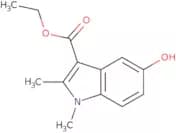
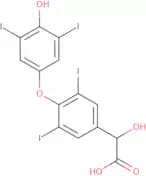
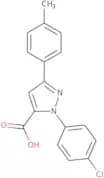
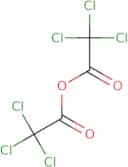
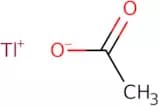
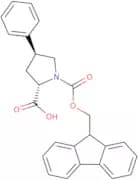
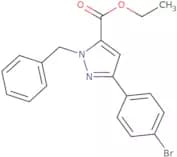

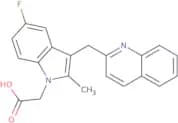
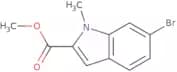
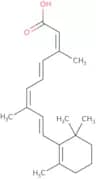
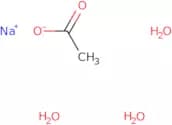
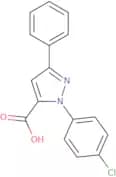
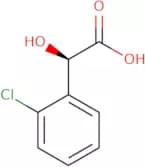
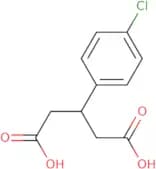
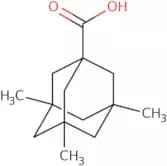
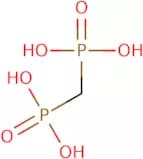
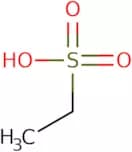
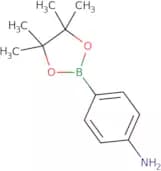
![[(5-Methyl-4-phenyl-4H-1,2,4-triazol-3-yl)thio]acetic acid](/_next/image/?url=https%3A%2Fstatic.cymitquimica.com%2Fproducts%2F3D%2Fthumb-webp%2FFM132283.webp&w=3840&q=75)
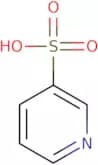
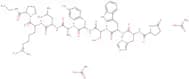
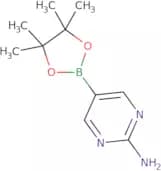
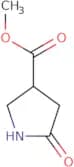
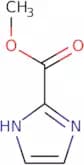
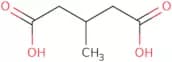
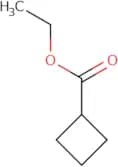
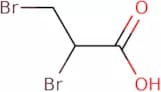
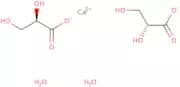

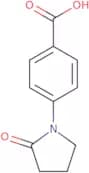
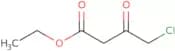
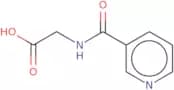
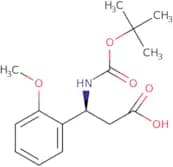
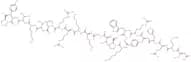
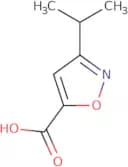

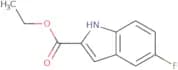
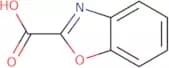
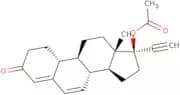
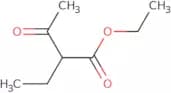
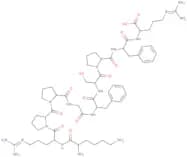
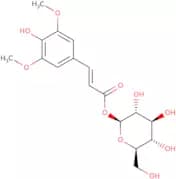
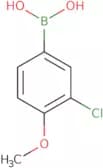
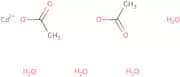

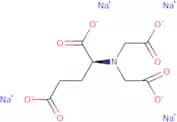
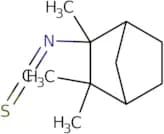
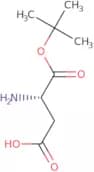
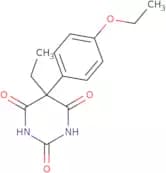
![1-[2-(Methoxycarbonyl)phenyl]-5-oxopyrrolidine-3-carboxylic acid](/_next/image/?url=https%3A%2Fstatic.cymitquimica.com%2Fproducts%2F3D%2Fthumb-webp%2FFM123736.webp&w=3840&q=75)
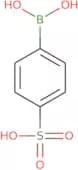
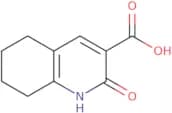
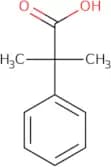
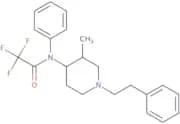
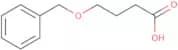

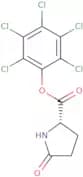
![Methyl 1H-pyrrolo[2,3-b]pyridine-2-carboxylate](/_next/image/?url=https%3A%2Fstatic.cymitquimica.com%2Fproducts%2F3D%2Fthumb-webp%2FFM142039.webp&w=3840&q=75)
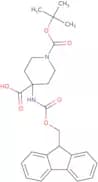
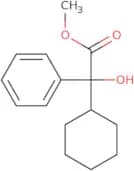
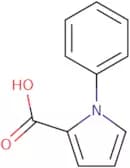
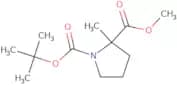

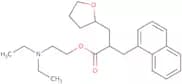
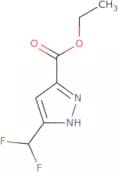

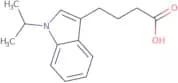
![tert-Butyl 4,7-diazaspiro[2.5]octane-7-carboxylate](/_next/image/?url=https%3A%2Fstatic.cymitquimica.com%2Fproducts%2F3D%2Fthumb-webp%2FFB141975.webp&w=3840&q=75)
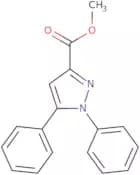

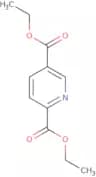
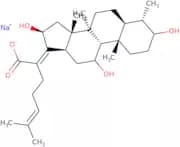
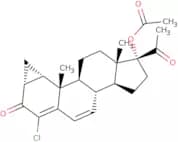
![3-[(Dimethylamino)methyl]benzoic acid hydrochloride](/_next/image/?url=https%3A%2Fstatic.cymitquimica.com%2Fproducts%2F3D%2Fthumb-webp%2FFD124093.webp&w=3840&q=75)

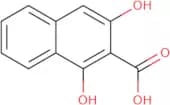
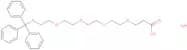
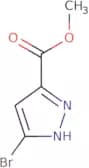
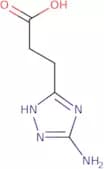
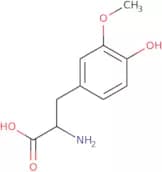
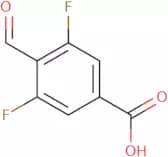
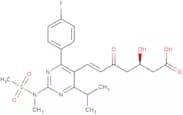
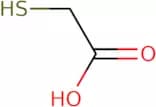

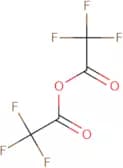
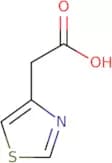
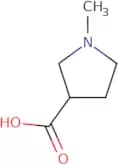
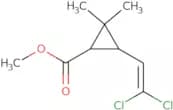
![Tert-butyl(8-anti)-3-azabicyclo[3.2.1]oct-8-ylcarbamate](/_next/image/?url=https%3A%2Fstatic.cymitquimica.com%2Fproducts%2F3D%2Fthumb-webp%2FFT167890.webp&w=3840&q=75)
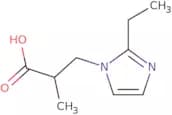

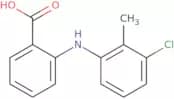
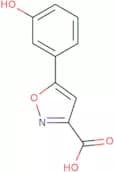

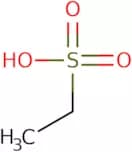

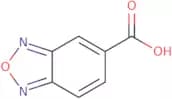
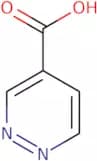
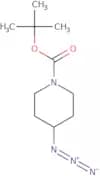
![1,1'-Bicyclo[1,1,1]pentane-1,3-dicarboxylic acid monomethyl ester](/_next/image/?url=https%3A%2Fstatic.cymitquimica.com%2Fproducts%2F3D%2Fthumb-webp%2FFB33677.webp&w=3840&q=75)
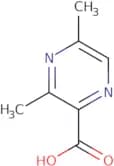
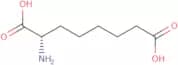
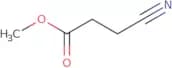
![[2-(Difluoromethyl)phenyl]boronic acid](/_next/image/?url=https%3A%2Fstatic.cymitquimica.com%2Fproducts%2F3D%2Fthumb-webp%2FFD84620.webp&w=3840&q=75)
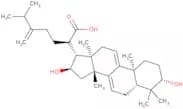

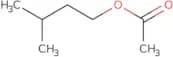
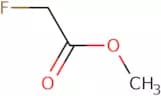
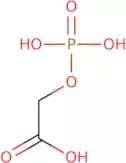
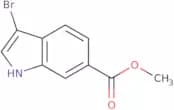
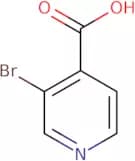
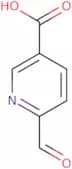
![Diethyl 1-[2-(1H-indol-3-yl)ethyl]-2,5-dimethyl-1H-pyrrole-3,4-dicarboxylate](/_next/image/?url=https%3A%2Fstatic.cymitquimica.com%2Fproducts%2F3D%2Fthumb-webp%2FFD121816.webp&w=3840&q=75)
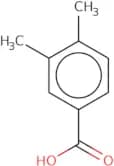
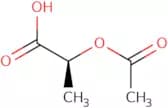
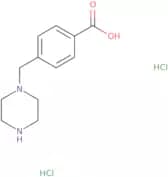
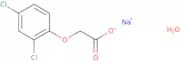

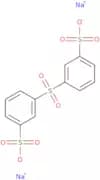
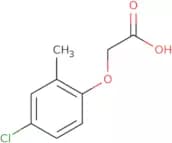
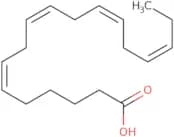
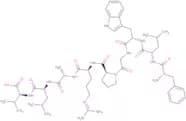
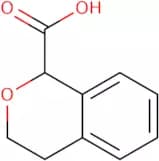
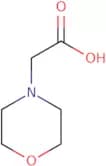
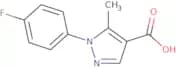
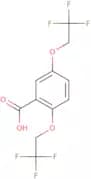
![4-(Methoxycarbonyl)bicyclo[2.1.1]hexane-1-carboxylic acid](/_next/image/?url=https%3A%2Fstatic.cymitquimica.com%2Fproducts%2F3D%2Fthumb-webp%2FFM76248.webp&w=3840&q=75)
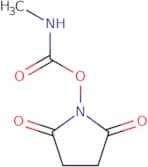


![4-{[1-(tert-Butoxycarbonyl)azetidin-3-yl]oxy}benzoic acid](/_next/image/?url=https%3A%2Fstatic.cymitquimica.com%2Fproducts%2F3D%2Fthumb-webp%2FFB125449.webp&w=3840&q=75)
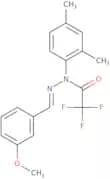
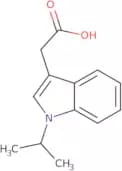
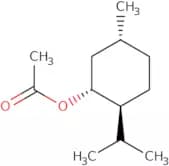
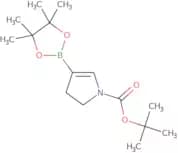
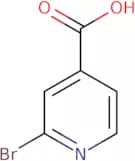
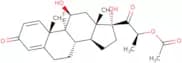
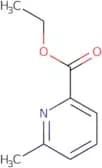
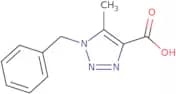
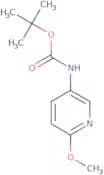
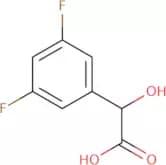
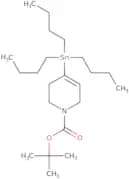
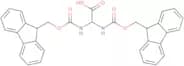
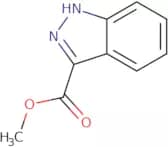
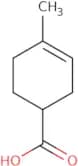
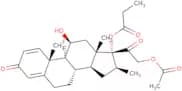
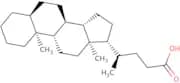
![3-Methyl-2-oxo-2,3-dihydro-1H-benzo[d]imidazole-4-carboxylic acid](/_next/image/?url=https%3A%2Fstatic.cymitquimica.com%2Fproducts%2F3D%2Fthumb-webp%2FFM143449.webp&w=3840&q=75)
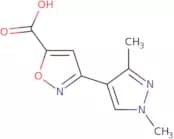
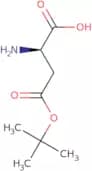
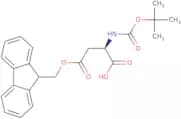
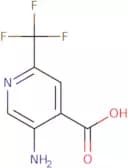
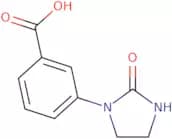
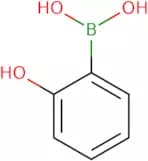
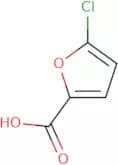
![Tetrakis[N-tetrachlorophthaloyl-(S)-tert-leucinato]dirhodium Bis(ethyl Acetate) Adduct](/_next/image/?url=https%3A%2Fstatic.cymitquimica.com%2Fproducts%2F3D%2Fthumb-webp%2FFT60020.webp&w=3840&q=75)
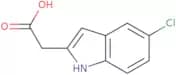
![4-(2-Chlorophenyl)-9-methyl-6H-thieno[3,2-f][1,2,4]triazolo[4,3-a][1,4]diazepine-2-propanoic acid](/_next/image/?url=https%3A%2Fstatic.cymitquimica.com%2Fproducts%2F3D%2Fthumb-webp%2FFC20336.webp&w=3840&q=75)
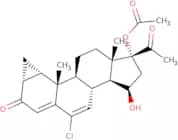
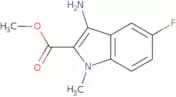
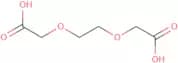
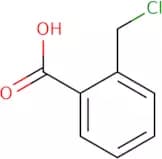
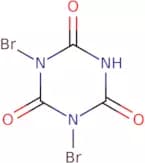
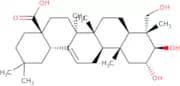
![(2S)-2-Amino-2-[(5S)-3-chloro-4,5-dihydroisoxazol-5-Yl]acetic acid](/_next/image/?url=https%3A%2Fstatic.cymitquimica.com%2Fproducts%2F3D%2Fthumb-webp%2FFA17203.webp&w=3840&q=75)
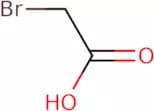
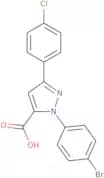
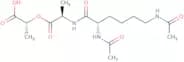
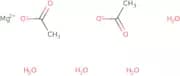
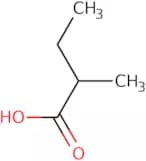
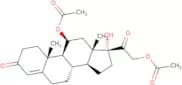
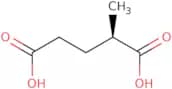

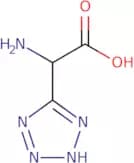
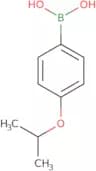
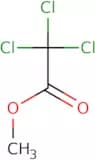
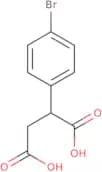
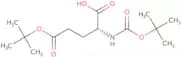
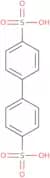
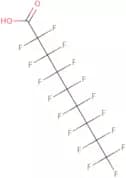
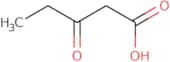
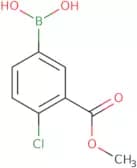
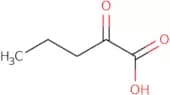
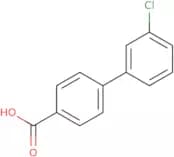
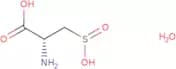
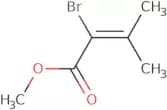
![Dimethyl 7,7'-dimethoxy-[4,4'-bibenzo[d][1,3]dioxole]-5,5'-dicarboxylate](/_next/image/?url=https%3A%2Fstatic.cymitquimica.com%2Fproducts%2F3D%2Fthumb-webp%2FFD139796.webp&w=3840&q=75)