Pharmaceutical Standards
Pharmaceutical standards are a comprehensive set of reference materials essential for ensuring the safety, efficacy, and quality of pharmaceutical products. This category includes standards for active pharmaceutical ingredients (APIs), which are the core components responsible for therapeutic effects. Additionally, it covers compounds and metabolites relevant to both the pharmaceutical and veterinary industries, providing benchmarks for the accurate measurement and analysis of these substances. Nitrosamine control standards are crucial for detecting and mitigating potentially harmful nitrosamines in drug formulations. Toxicology standards help assess the safety and potential adverse effects of pharmaceutical compounds. Furthermore, enzyme activators and inhibitors standards are vital for research and development, enabling precise studies of biochemical pathways and drug mechanisms. These pharmaceutical standards are indispensable tools for regulatory compliance, quality control, and research, ensuring that pharmaceutical products meet stringent safety and effectiveness criteria.
Subcategories of "Pharmaceutical Standards"
- APIs for research and impurities(274,845 products)
- Enzyme Activators and Inhibitors(2,827 products)
- Nitrosamines(2,605 products)
- Pharmaceutical and Veterinary Compounds and Metabolites(2,869 products)
- Toxicology(13,652 products)
Found 7836 products of "Pharmaceutical Standards"
Sort by
Purity (%)
0
100
|
0
|
50
|
90
|
95
|
100
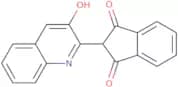
3'-Hydroxyquinophthalone
CAS:<p>3'-Hydroxyquinophthalone is a fatty acid that is found in the seed oil of the African tree Acokanthera schimperi. It has shown to be reactive with alcohols and other organic chemicals and has been found to be an antimicrobial agent. 3'-Hydroxyquinophthalone is also a photosynthetic pigment, which means it will absorb light and use it to produce energy. This compound was observed to have a constant pressure of 0.5 atm (5 psi) when exposed to sunlight. The chemical structure of 3'-hydroxyquinophthalone consists of two long chains of alkanoic acid molecules that are linked together by polymeric matrixes. When this compound reacts with water, it forms hydrogen ions and hydroxide ions, which are absorbed by the alkanoic acid chains in the chemical structure, resulting in adsorption onto the surface of water droplets or onto other surfaces such as soil particles or clothing fibers.</p>Formula:C18H11NO3Purity:90%Color and Shape:Brown SolidMolecular weight:289.29 g/molSaquinavir mesylate
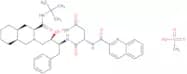
CAS:Anti-viral; HIV protease inhibitorFormula:C38H50N6O5•CH4O3SPurity:Min. 95%Color and Shape:PowderMolecular weight:766.95 g/mol2-Amino-5-bromo-2'-chlorobenzophenone
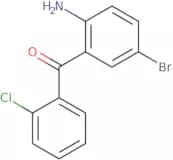
CAS:<p>2-Amino-5-bromo-2'-chlorobenzophenone (2ABPC) is an aniline derivative that induces a reversible inhibition of the NMDA receptor. This agent has been shown to inhibit glutamate binding and to have a high affinity for the NMDA receptor. 2ABPC is also able to inhibit cancer growth by binding and neutralizing the receptors that allow for ligand-mediated activation of the NMDA receptor. 2ABPC has been shown to be effective in preventing dorsal root ganglia from developing into cancerous cells, which may be due to its ability to bind receptors that are involved in cell proliferation.</p>Formula:C13H9BrClNOPurity:Min. 95%Color and Shape:SolidMolecular weight:310.57 g/mol2'-Fluoro acetophenone
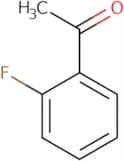
CAS:2'-Fluoro acetophenone is a chiral compound that can be used as an organic overlayer to control the enantiomeric purity of organic reactions. The cavity in the molecule provides an electronic interaction that stabilizes the radical form of 2'-fluoroacetophenone. This cavity also allows for hydrogenation reactions to occur more quickly and with less byproduct formation than other types of reactions. Additionally, this reaction occurs at a lower temperature than most other reactions, making it optimal for industrial production.Formula:C8H7FOPurity:Min. 95%Color and Shape:Clear LiquidMolecular weight:138.14 g/molValeric acid sodium
CAS:<p>Valeric acid sodium salt is a fatty acid that has been shown to inhibit bacterial growth in the presence of epidermal growth factor and sodium salts. Valeric acid sodium salt is used as an antiseptic in topical formulations and as a preservative for pharmaceuticals. Valeric acid sodium salt also inhibits HIV infection by inhibiting the binding of HIV to its receptor, which prevents the virus from entering cells.</p>Formula:C5H10O2•NaPurity:Min. 95%Color and Shape:PowderMolecular weight:125.12 g/mol6-Amino-7-hydroxy-4-methylcoumarin
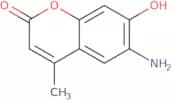
CAS:<p>6-Amino-7-hydroxy-4-methylcoumarin is an antibacterial agent that has been shown to be effective against a range of Gram-positive and Gram-negative bacteria. It is synthesized from coumarins in nature, but also can be synthesized in the laboratory. This compound has been shown to inhibit bacterial growth by forming a covalent bond with the bacterial enzyme DNA gyrase, preventing the synthesis of DNA. 6-Amino-7-hydroxy-4-methylcoumarin has also been shown to have anti cancer properties.</p>Formula:C10H9NO3Purity:Min. 95%Color and Shape:Yellow solid.Molecular weight:191.18 g/mol2-Methoxycinnamic acid methyl ester
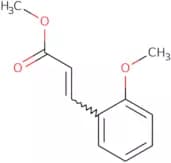
CAS:2-Methoxycinnamic acid methyl ester is a monomer that can be used in the synthesis of magnetic nanoparticles. It has been shown to have high activity and can be used at temperatures between 20°C and 40°C. This reagent is also soluble in organic solvents, making it easy to purify. The size of the particles can be controlled by changing the diameter of the monomer, which can be determined using various techniques such as magnetic separation, filtration, or centrifugation. 2-Methoxycinnamic acid methyl ester was found to have a mesoporous structure when synthesized using an organometallic technique. This reagent is suitable for use in analytical methods such as gas chromatography-mass spectrometry (GC-MS) or liquid chromatography-mass spectrometry (LC-MS).Formula:C11H12O3Purity:Min. 95%Color and Shape:PowderMolecular weight:192.21 g/mol(-)-Corey lactone benzoate
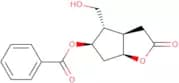
CAS:(-)-Corey lactone benzoate is a compound that was synthesized from a reaction between a primary alcohol and an acylating agent. It has been shown that (-)-Corey lactone benzoate can be used to synthesize the drug clofazimine, which is an anti-tuberculosis drug. The reaction system contains a constant pressure, organic solvent, and anhydrous conditions. (-)-Corey lactone benzoate is produced as a white solid with a melting point of 167 °C. It has been found to be impure and contain chloride and other impurities that are difficult to remove.Formula:C15H16O5Purity:Min. 95 Area-%Color and Shape:White Off-White PowderMolecular weight:276.28 g/molGeraniol
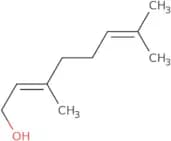
CAS:<p>Geraniol is a naturally occurring compound found in many plants. It has been shown to possess anti-cancer properties against the fungus Candida glabrata, and has been used as a chemical pesticide. It is also believed to have antioxidant, antiviral, and antimicrobial properties. The biological activities of geraniol have been confirmed by enzyme assays and solid phase microextraction experiments. Geraniol can scavenge anion radicals, which are reactive oxygen species that play a role in cancer development, and has been shown to inhibit skin tumor formation in mice. This compound is not toxic to humans at doses up to 2000 mg/kg body weight per day for 30 days. Chemical analysis of geraniol revealed it contains two functional groups: an alcohol group and a phenol group. An analytical method using gas chromatography-mass spectrometry (GC-MS) with electron capture detection (ECD) was developed for the quantitative determination of this compound in plant oils. GC-MS</p>Formula:C10H18OPurity:Min. 95%Molecular weight:154.25 g/molDL-Aspartic acid
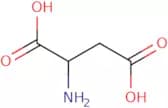
CAS:<p>Aspartic acid is an amino acid that belongs to the group of aspartates. It is synthesized in the human body and used in biochemical reactions. Aspartic acid has been shown to play a role in cancer, bowel disease, and fibrosis. The chemical properties of aspartic acid have been studied using various model systems such as polymerase chain reaction (PCR) and p-nitrophenyl phosphate assay. Aspartic acid is a substrate for the enzyme asparaginase, which converts it into asparagine, another amino acid that can be used by the body.</p>Formula:C4H7NO4Color and Shape:White Off-White PowderMolecular weight:133.1 g/mol3-Nitrophthalic acid
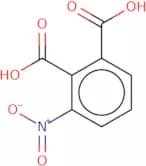
CAS:<p>3-Nitrophthalic acid is an organic compound that has been used in biological studies. It has been shown to bind to DNA and RNA, which may be due to hydrogen bonding interactions with the nitrogen atoms. 3-Nitrophthalic acid is synthesized by reacting sodium carbonate with trifluoroacetic acid, resulting in a carboxylate group. This compound has photochemical properties and can be used as a photosensitizer for the treatment of certain forms of cancer. 3-Nitrophthalic acid reacts with oxygen and generates singlet oxygen, which results in cellular damage.</p>Formula:C8H5NO6Purity:Min. 95%Color and Shape:PowderMolecular weight:211.13 g/mol(4α,6β(E))-DL-6-(2-(4'-Fluoro-3,3',5-trimethyl(1,1'-biphenyl)-2-Yl)ethenyl)tetrahydro-4-hydroxy-2H-pyran-2-one
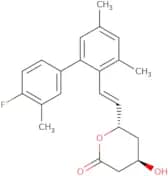
CAS:Controlled Product(4alpha,6beta(E))-DL-6-(2-(4'-Fluoro-3,3',5-trimethyl(1,1'-biphenyl)-2-Yl)ethenyl)tetrahydro-4-hydroxy-2H-pyran-2-one is a pharmacological agent that binds to and inhibits the HMG CoA reductase enzyme. This enzyme plays a role in the production of cholesterol, which is used to form bile acids and steroid hormones. The ring structure of (4alpha,6beta(E))-DL-6-(2-(4'-Fluoro-3,3',5-trimethyl(1,1'-biphenyl)-2--Yl)ethenyl)tetrahydro -4hydroxy -2H pyran 2 one allows for it to bind to the active site of the reductase enzymeFormula:C22H23FO3Purity:Min. 95%Molecular weight:354.41 g/molFluvastatin
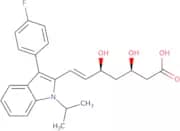
CAS:<p>Fluvastatin is a statin that lowers blood cholesterol and triglycerides by inhibiting HMG-CoA reductase, an enzyme that plays a critical role in the synthesis of cholesterol. Fluvastatin has also been shown to reduce the incidence of myocardial infarction, and to reduce atherosclerotic lesions in animal models, reducing the incidence of cardiovascular disease. Fluvastatin also has been shown to inhibit the activation of toll-like receptor 4 (TLR4) by lipopolysaccharide (LPS), which may be related to its anti-inflammatory effects. Furthermore, through lowering blood cholesterol, Fluvastatin also inhibits tubulointerstitial injury and prevents renal damage caused by high concentrations of the lipid.</p>Formula:C24H26FNO4Purity:Min. 95%Color and Shape:PowderMolecular weight:411.47 g/mol(E)-3-[3'-(4''-fluorophenyl)-1'-(1''-methylethyl)-1H-indol-2''-yl]-2-propnal
CAS:<p>(E)-3-[3'-(4''-Fluorophenyl)-1'-(1''-methylethyl)-1H-indol-2''-yl]-2-propnal is an amoebicidal agent that belongs to the class of indole derivatives. It has been shown to inhibit tumor growth in animal models, and thus may be a potential anti-cancer drug. The activity index of (E)-3-[3'-(4''-fluorophenyl)-1'-(1''-methylethyl)-1H-indol-2''-yl]-2-propnal was significantly lower than those of fenoldopam, a well known antihypertensive agent, for the treatment of liver cancer. The compound also inhibits the growth of bacteria by inhibiting protein synthesis in organisms such as amoeba.</p>Formula:C20H18FNOPurity:Min. 95%Color and Shape:Yellow PowderMolecular weight:307.36 g/mol2,2'-Dithio-bis(5-nitropyridine)
CAS:<p>2,2'-Dithio-bis(5-nitrophenyl) is a redox probe that can be used to study ATP-sensitive K+ channels. This probe has been shown to bind to the carboxy terminal of the channel and disulfide bond through its thiol group. The binding of 2,2'-dithio-bis(5-nitropyridine) to the activated liver cells causes an increase in the redox potential, which leads to an accumulation of electrons in these cells. These electrons are then transferred to pyridine nucleotides and phosphate ions, leading to an increase in ATP levels and activation of ATP-sensitive K+ channels.</p>Formula:C10H6N4O4S2Purity:Min. 95%Molecular weight:310.31 g/molL-Aspartic acid sodium salt monohydrate
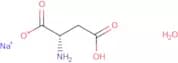
CAS:<p>L-Aspartic acid sodium salt monohydrate is a sodium carbonate salt of L-aspartic acid that has been shown to inhibit the growth of leishmania in vitro. It may also be effective against other protozoa and amoeba, including Entamoeba histolytica and Naegleria fowleri. L-Aspartic acid sodium salt monohydrate inhibits acid formation by inhibiting the enzyme carbonate synthetase. This compound also has potential as a drug target for infantile lysosomal storage disease due to its ability to activate glutamate, which is an amino acid that is deficient in this condition. The surface methodology used for this study was titration calorimetry, which can be used to measure the thermodynamic properties of activated carboxylates.</p>Formula:C4H6NO4Na·H2OColor and Shape:White Off-White Clear LiquidMolecular weight:173.1 g/molFenofibric acid methyl ester
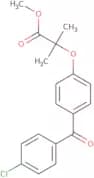
CAS:<p>Fenofibric acid methyl ester is a chemical that has been used as a reference standard for the calibration of HPLC. It is an acidic compound that can be used to measure the flow rate of liquids. Fenofibric acid methyl ester has a particle size between 2 and 4 micrometers in diameter, which has been shown to be consistent with the use of dihedrals and diameters. This product has been found to be suitable for chromatographic methods such as calibration and validation. The purity of this chemical has been validated by regression analysis using chromatograms.</p>Formula:C18H17ClO4Purity:Min. 95%Color and Shape:PowderMolecular weight:332.78 g/molN-Acetyl-phytosphingosine
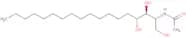
CAS:<p>N-Acetyl-phytosphingosine is a sphingoid base that functions as a phospholipid constituent of the cell membrane. It participates in the regulation of calcium and lipid metabolism, as well as cell proliferation and differentiation. N-Acetyl-phytosphingosine has been shown to suppress the production of prostaglandin E2, which may be due to its ability to inhibit cyclooxygenases and their downstream products, prostaglandin synthesis. This compound also represses activity of human cancer cells by intercepting the process that leads to prostaglandin synthesis. The anti-inflammatory effect of this molecule is demonstrated by its ability to reduce inflammation in keratinocytes (skin cells) and human keratinocytes.</p>Formula:C20H41NO4Purity:Min. 98 Area-%Color and Shape:PowderMolecular weight:359.54 g/mol3-Nitrophenylguanidine nitrate
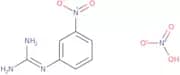
CAS:<p>3-Nitrophenylguanidine nitrate is a drug that targets the enzyme kinases, which are involved in the regulation of cell growth and division. It has been shown to inhibit the activity of stromal tumor cells, as well as chronic myeloid leukemia cells. 3-Nitrophenylguanidine nitrate inhibits protein synthesis by inhibiting demethylation and efflux, which enables imatinib to bind to the target site. This drug also has a rapid onset of action and can be used for monitoring chronic myeloid leukemia patients without the need for positron emission tomography (PET) scanning.</p>Formula:C7H8N4O2•HNO3Purity:Min. 95%Color and Shape:PowderMolecular weight:243.18 g/mol6'-Hydroxy buspirone
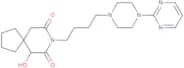
CAS:<p>6'-Hydroxy buspirone is a prodrug of buspirone, which is an antidepressant drug. It has been shown to have a matrix effect and profile similar to that of buspirone in humans. The compound has been found to be effective in the treatment of depression. 6'-Hydroxy buspirone has been shown to inhibit the dopamine D3 receptor with a potency similar to that of buspirone and other dopamine antagonists. This inhibition may be responsible for the antidepressant effects observed in clinical trials. The compound also inhibits serotonin reuptake, which may account for its antidepressant activity. 6'-Hydroxy buspirone is not metabolized by cytochrome P450 enzymes, making it more selective than some other drugs that are metabolized by this enzyme system.</p>Formula:C21H31N5O3Purity:Min. 95%Color and Shape:PowderMolecular weight:401.5 g/molGly-pro-4-methoxy-β-naphthylamide hydrochloride
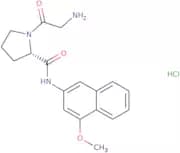
CAS:<p>Gly-pro-4-methoxy-β-naphthylamide hydrochloride is a fine chemical that is useful as a versatile building block and intermediate. It is a research chemical that has been used in the production of other compounds, such as drugs, pesticides, and dyes. This compound is also used to synthesize certain polymers and plastics. Gly-pro-4-methoxy-β-naphthylamide hydrochloride has CAS number 100929-90-6, but it can be found under many other names including 4-(2′,5′dimethylphenyl)-1-(2′hydroxyethyl)piperazine (CAS 105999).</p>Formula:C18H22ClN3O3Purity:Min. 95 Area-%Color and Shape:PowderMolecular weight:363.84 g/mol4,5-Dihydronaphtho[1,2-d][1,3]thiazol-2-amine
CAS:Please enquire for more information about 4,5-Dihydronaphtho[1,2-d][1,3]thiazol-2-amine including the price, delivery time and more detailed product information at the technical inquiry form on this pageFormula:C11H10N2SPurity:Min. 95%Molecular weight:202.28 g/mol3’-Deoxy-3’-fluoro-6-thioinosine
CAS:<p>Please enquire for more information about 3’-Deoxy-3’-fluoro-6-thioinosine including the price, delivery time and more detailed product information at the technical inquiry form on this page</p>Purity:Min. 95%Hydrocinnamic acid N-hydroxysuccinimide ester
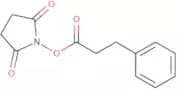
CAS:Please enquire for more information about Hydrocinnamic acid N-hydroxysuccinimide ester including the price, delivery time and more detailed product information at the technical inquiry form on this pageFormula:C13H13NO4Purity:Min. 95%Color and Shape:PowderMolecular weight:247.25 g/molTropicamide
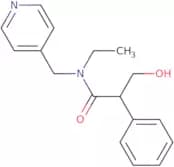
CAS:Tropicamide is a cholinergic agent that is used as a short-term mydriatic, or eye dilator, for diagnostic purposes. It belongs to the group of nonsteroidal anti-inflammatory drugs and has been shown to have a stable complex with benzalkonium chloride. Tropicamide has been shown to affect the signal pathways in cells, leading to an increase in IL-2 receptor expression. This drug also affects locomotor activity and has been studied as a potential treatment for murine sarcoma virus. Tropicamide is administered intravenously and can cause side effects such as blurred vision, nausea, vomiting and convulsions. Tropicamide may be given together with phenylephrine in order to reduce these side effects.Formula:C17H20N2O2Purity:Min. 95%Color and Shape:PowderMolecular weight:284.35 g/mol3-(4-methoxy-1-naphthyl)acrylic acid
CAS:Please enquire for more information about 3-(4-methoxy-1-naphthyl)acrylic acid including the price, delivery time and more detailed product information at the technical inquiry form on this pagePurity:Min. 95%6',7'-Dihydroxy bergamottin
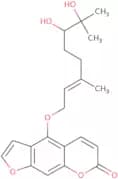
CAS:<p>Bergamottin is a naturally occurring flavonoid that is found in grapefruit and other citrus fruit. It has been shown to inhibit the activity of the P-glycoprotein (P-gp) transporter in human cells, which may lead to drug interactions. A number of analytical methods have been developed for the determination of bergamottin in biological samples such as humans, rat liver microsomes, and natural compounds. Bergamottin has been shown to be a potent inhibitor of cytochrome P450 enzymes and can inhibit skin cancer development in mice by inhibiting the growth of human keratinocytes (HK-2 cells). Bergamottin also inhibits tumorigenesis in mice by decreasing cell proliferation and inducing apoptosis in hk-2 cells.</p>Formula:C21H24O6Purity:Min. 95%Color and Shape:PowderMolecular weight:372.41 g/mol1,6-Dihydroxy-naphthalene
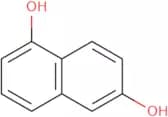
CAS:1,6-Dihydroxy-naphthalene is a fluorescent compound that has been used as a cross-linking agent for proteins and as an analytical method for determining the concentration of naphthalene. It has been shown to inhibit protein synthesis by acting as an enzyme inhibitor, preventing the formation of peptide bonds in the ribosome. 1,6-Dihydroxy-naphthalene also has cationic surfactant properties and inhibits the growth of bacteria by binding to bacterial 16S ribosomal RNA, inhibiting protein synthesis. The chemical diversity of this molecule is due to intramolecular hydrogen bonding between its two hydroxyl groups. This bond can be broken by amines such as amino acids or ammonia, which are found in proteins.Formula:C10H8O2Purity:Min. 98 Area-%Color and Shape:White Green PowderMolecular weight:160.17 g/mol2-Chloro-2',6'-dimethylacetanilide
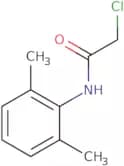
CAS:2-Chloro-2',6'-dimethylacetanilide is a synthetic drug that is used as an intermediate for the manufacture of diazepam. It has been shown to be effective in reducing the severity of symptoms and mortality rate of patients with severe influenza, also known as "pandemic flu". This compound has been shown to be effective in protecting animals from the effects of carbon monoxide poisoning. It has also been used in medicines such as covid-19, which is used for the treatment of Parkinson's disease. 2-Chloro-2',6'-dimethylacetanilide can be found in a number of other pharmaceuticals, such as antidepressants and antibiotics.Formula:C10H12ClNOPurity:Min. 95%Color and Shape:White PowderMolecular weight:197.66 g/mol(Cyanomethyl)urea
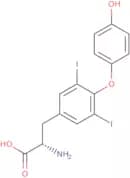
CAS:<p>Cyanomethyl)urea is a fine chemical that belongs to a class of compounds known as ureas. It is used as a versatile building block in the synthesis of more complex compounds, as a research chemical and as an intermediate. It can be used to synthesize pharmaceuticals, pesticides, and other chemicals. Cyanomethyl)urea is used in the production of polyurethane foams, which are commonly found in mattresses, furniture upholstery and insulation.</p>Formula:C3H5N3OPurity:Min. 95%Color and Shape:Brown PowderMolecular weight:99.09 g/mol3,5-Diiodo-L-thyronine
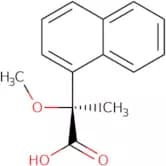
CAS:<p>3,5-Diiodo-L-thyronine (3,5DIT) is a thyroid hormone that has been shown to have a number of physiological effects. It is capable of altering the activity of target enzymes, such as growth factor β1 and 3,5-diiodo-L-thyronine 5'-deiodinase (DID). 3,5DIT can stimulate cardiac effects by binding to the nuclear receptor TRβ1. It also stimulates weight loss by regulating fat metabolism through its effect on adipose tissue. 3,5DIT has been shown to alter mitochondrial functions and mitochondrial energy metabolism. This hormone may be used as an analytical tool for measuring mitochondrial functions in living cells.</p>Formula:C15H13I2NO4Purity:Min. 98 Area-%Color and Shape:White Off-White PowderMolecular weight:525.08 g/mol(S)-2-Methoxy-2-(1-naphthyl)propanoic acid
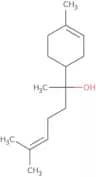
CAS:(S)-2-Methoxy-2-(1-naphthyl)propanoic acid is a chiral molecule that can exist in two different forms, each of which has the same physical and chemical properties. The two enantiomers are not optically active, meaning they have the same degree of rotation when passed through a polarizing filter. It is an organic compound that is used as a flavoring agent in food chemistry and as a bioactive compound. (S)-2-Methoxy-2-(1-naphthyl)propanoic acid also has been shown to function as an attractant for hemipteran insects such as mosquitoes, although it is not clear if this property is due to its aromatic or enantiomeric structure.Formula:C14H14O3Purity:Min. 95%Color and Shape:PowderMolecular weight:230.26 g/mola-Bisabolol
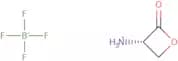
CAS:<p>Bisabolol is a sesquiterpene lactone that is found in plants such as chamomile and rose. Bisabolol has been shown to have amoebicidal activity in vitro, as well as antiinflammatory activity. Bisabolol has also been shown to have mitochondrial membrane potential-modulating effects and to inhibit the growth of human cancer cells. Bisabolol can act intracellularly by inhibiting protein synthesis, which may lead to apoptosis. It also inhibits the production of pro-inflammatory cytokines, such as TNF-α and IL-1β, which are involved in tumorigenesis. Bisabolol can also bind to polymyxin B and form a complex that is more effective than polymyxin B alone at killing bacteria.</p>Formula:C15H26OPurity:Min. 95%Color and Shape:Colorless Clear LiquidMolecular weight:222.37 g/molL-Serine β-lactone tetrafluoroborate
CAS:L-Serine beta-lactone tetrafluoroborate salt is a fine chemical that is used as a reagent, complex compound and building block in the synthesis of other compounds. It is also an important intermediate for the production of pharmaceuticals and agrochemicals. L-Serine beta-lactone tetrafluoroborate salt has been shown to be a versatile building block in organic synthesis. This product may react with acids to produce hydrogen fluoride gas, which can cause injury or death through inhalation or contact with skin, eyes or clothing.Formula:C3H5NO2•BF4•HPurity:Min. 95%Color and Shape:White/Off-White SolidMolecular weight:174.89 g/mol5,5'-Dehydrodivanillate
CAS:5,5'-Dehydrodivanillate is an intermediate in the biosynthesis of vanillin from 5-carboxyvanillic acid. It is produced by the enzyme dehydrodivanillate synthase and converted to vanillin by the enzyme dehydrodivanillate reductase. The conversion of 5,5'-dehydrodivanillate to vanillin is an example of a radical coupling reaction. In plant cells, this intermediate is found in the cytoplasm and vacuoles. The uptake of 5,5'-dehydrodivanillate into plant cells has been shown to be facilitated by a transporter gene that is regulated by the presence of biphenyl or fatty acids. This function may be related to its role as an alternative substrate for olefin biosynthesis in plants. The dry weight of plant cells grown on 5,5'-dehydrodivanillate was shown to be greater than cells grown on other carbon sourcesFormula:C16H14O8Purity:Min. 95%Color and Shape:PowderMolecular weight:334.28 g/mol9,10-Bis(bromomethyl)anthracene
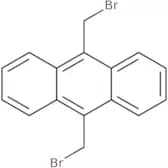
CAS:<p>9,10-Bis(bromomethyl)anthracene is a chemical compound that can be used as a chemical probe for electron spin resonance (ESR) spectroscopy. The ESR spectrum of 9,10-bis(bromomethyl)anthracene in trifluoroacetic acid shows a single peak at g = 2.0286 and the emission spectrum exhibits peaks at 612 nm and 581 nm. 9,10-Bis(bromomethyl)anthracene has been used to detect potassium ions by observing the fluorescence properties of the chromophore. This compound also has fluorine groups which make it very soluble in nonpolar solvents such as hexane or pentane. It can be synthesized with an efficient method that involves reacting an imine with dichloroacetic acid followed by reaction with bromine and potassium hydroxide in chloroform.</p>Formula:C16H12Br2Purity:Min. 95%Color and Shape:PowderMolecular weight:364.07 g/mol(+)-Biotin-(PEO)3-amine
CAS:<p>(+)-Biotin-(PEO)3-amine is a PEG compound with two different functional groups (also known as heterobifunctional). Unlike homobifunctional PEG compounds (same functional group on both ends), this type of compounds are more versatile as have two different anchor points. (+)-Biotin-(PEO)3-amine is used as a linker and spacer to add a PEG moiety, via pegylation (a bioconjugation technique) to proteins, peptides, oligonucleotides, small molecules and nanoparticles.</p>Formula:C16H30N4SO4Purity:Min. 95 Area-%Color and Shape:White Off-White PowderMolecular weight:374.5 g/mol4'-Methoxy-α-naphthoflavone
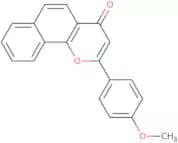
CAS:4'-Methoxy-alpha-naphthoflavone is a flavonoid that has been shown to have inhibitory effects on the metabolism of 3-methylcholanthrene and other xenobiotics. The compound inhibits the oxidation of these compounds by both the cytochrome P450 and NADPH-dependent oxidases. 4'-Methoxy-alpha-naphthoflavone also inhibits the activation of these compounds by hepatic tissues, as well as the metabolism of phenobarbital by rat liver microsomes. The compound may be metabolized in vivo to 4'-hydroxy-alpha-naphthoflavone, which is more potent than 4'-methoxy-alpha-naphthoflavone.Formula:C20H14O3Purity:Min. 95%Molecular weight:302.32 g/mol2',4'-Dimethylacetophenone
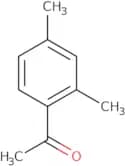
CAS:<p>2',4'-Dimethylacetophenone is an acetylating agent that can be used in organic synthesis. It is a chiral compound, which means it has two enantiomers with different properties. The racemic mixture of 2',4'-dimethylacetophenone degrades to form 2-chloro-2',4'-dimethoxybenzene and 2,4-dimethoxybenzoic acid. The reaction time for the formation of these products depends on the concentration of the reactants as well as the acid catalyst used. The Friedel-Crafts acylation occurs when an acetylated phenol reacts with an alkyl halide in the presence of an acid catalyst. This reaction produces a diketone and an alkyl halide, which can then undergo a second Friedel-Crafts acylation with another acetylated phenol. Acetylation also methylates ketones to produce methyl ketones.ref</p>Formula:C10H12OPurity:Min. 95%Color and Shape:Colorless Clear LiquidMolecular weight:148.2 g/mol1-(4-(Methylthio)phenyl)-2-nitropropene
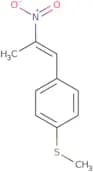
CAS:<p>Please enquire for more information about 1-(4-(Methylthio)phenyl)-2-nitropropene including the price, delivery time and more detailed product information at the technical inquiry form on this page</p>Formula:C10H11NO2SPurity:Min. 95%Color and Shape:PowderMolecular weight:209.27 g/molDiosmetinidin chloride
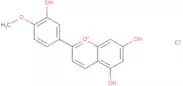
CAS:<p>Diosmetinidin chloride is a fine chemical that can be used as a versatile building block for the synthesis of complex compounds. Diosmetinidin chloride has been shown to have useful scaffolding properties and is useful as a reaction component in research chemicals and speciality chemicals. It reacts with alcohols, phenols, amines, thiols, sulfides, and carboxylic acid derivatives to form new compounds. This compound is also used as a reagent in organic synthesis.</p>Formula:C16H13ClO5Purity:Min. 95%Color and Shape:PowderMolecular weight:320.72 g/mol2,2-Bis(hydroxymethyl)-2,2',2''-nitrilotriethanol
CAS:<p>Bis-Tris is a Bis(2-hydroxyethyl) amine buffer that forms metal chelates and can be used with proteins and nucleic acids. This buffering agent has an optimal pH range of 5.8-7.2 and a pKa of 6.46.</p>Formula:C8H19NO5Purity:Min. 98%Color and Shape:PowderMolecular weight:209.24 g/mol3',5'-Dinitroacetophenone
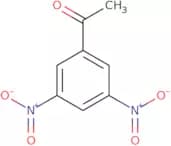
CAS:3',5'-Dinitroacetophenone is a chemical compound that is used as an intermediate in the synthesis of other organic compounds. This chemical is highly toxic and can be fatal if ingested. 3',5'-Dinitroacetophenone has a high solubility in water, but reacts quickly with air, so it should be stored in an airtight container. It has been shown to produce foramen ovale-type lesions when applied to the maxillary sinus. This chemical also has an electron deficient profile and produces frequencies at about 350 MHz and chloride ions at about 250 MHz.Formula:C8H6N2O5Purity:Min. 95%Color and Shape:PowderMolecular weight:210.14 g/molBiotin-PEG3-azide
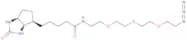
CAS:<p>Biotin-PEG3-azide is a PEG compound with two different functional groups (also known as heterobifunctional). Unlike homobifunctional PEG compounds (same functional group on both ends), this type of compounds are more versatile as have two different anchor points. Biotin-PEG3-azide is used as a linker and spacer to add a PEG moiety, via pegylation (a bioconjugation technique) to proteins, peptides, oligonucleotides, small molecules and nanoparticles.</p>Formula:C18H32N6O5SPurity:(¹H-Nmr) Min. 95 Area-%Color and Shape:PowderMolecular weight:444.55 g/molCinnamamide
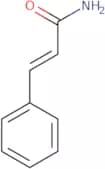
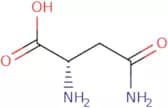
CAS:Cinnamamide is a natural compound that is structurally related to the amino acid lysine and has been shown to regulate skin cell proliferation. Cinnamamide has also been found to be an effective inhibitor of the mitochondrial membrane potential in human erythrocytes. It has been shown to inhibit the production of reactive oxygen species (ROS) and reverse oxidative damage in cells, which may reduce the risk of developing autoimmune diseases. Cinnamamide is also able to prevent cell death caused by epidermal growth factor (EGF) withdrawal and induce apoptosis in HL-60 cells.Formula:C9H9NOPurity:Min. 95%Color and Shape:White Off-White PowderMolecular weight:147.17 g/molL-Asparagine anhydrous
CAS:<p>L-Asparagine anhydrous is a guanine nucleotide-binding protein that binds to the response element of the human serum albumin gene. It has been shown to stimulate liver enzymes and increase the synthesis of low-density lipoprotein (LDL) cholesterol, which may lead to atherosclerosis. L-Asparagine anhydrous has been used in wastewater treatment as a nitrogen source for nitrification and denitrification. The enzyme activity of L-asparagine anhydrous has been shown to be high in tumour cells and is also present in solid tumours. This protein can be used as a model system for studying oligosaccharides because it is able to produce these molecules from glucose. L-Asparagine anhydrous is not active against carcinoma cell lines, but it does have some activity against solid tumours.</p>Formula:C4H8N2O3Color and Shape:White Off-White PowderMolecular weight:132.12 g/mol2,2'-Dianisoyl-diphenyl
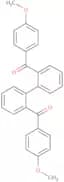
CAS:<p>2,2'-Dianisoyl-diphenyl is a chemical compound with the molecular formula C6H5C6H5. It has been used as a reagent in organic synthesis, and is useful in the preparation of various complexes. 2,2'-Dianisoyl-diphenyl is highly reactive and can be used as a scaffold for other reactions. This material can be used to make fine chemicals like dyes, pharmaceuticals, fragrances, and polymers. The CAS number for this compound is 20837-34-7.</p>Formula:C28H22O4Purity:Min. 95%Molecular weight:422.47 g/mol4,4',6,6'-Tetramethyl-2,2'-bipyridine
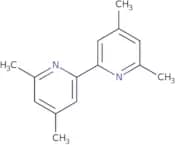
CAS:4,4',6,6'-Tetramethyl-2,2'-bipyridine (TMTB) is a small molecule that can be used as an efficient and cost-effective catalyst for the production of hydrogen from water. TMTB is able to transform solar energy into chemical energy by converting light absorbed in a semiconductor material to an electric current. TMTB has been shown to improve the efficiency of solar cells by boosting the performance of the catalysts that drive chemical reactions in the devices. This effect was found to be synergistic with other materials such as graphene oxide and tungsten disulfide. In addition, TMTB nanoparticles were shown to have a normalizing effect on the charge density in photoelectrochemical cells, which may lead to improved stability and durability.Formula:C14H16N2Purity:Min. 95 Area-%Color and Shape:PowderMolecular weight:212.30 g/mol3,5-Di-tert-butyl-4'-hydroxyacetophenone
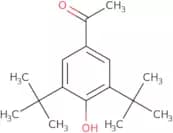
CAS:<p>3,5-Di-tert-butyl-4'-hydroxyacetophenone is a phenol that is used in the synthesis of pharmaceuticals and other compounds. It has been shown to promote angiogenesis by stimulating vascular endothelial cells. The stereoisomers of 3,5-Di-tert-butyl-4'-hydroxyphenylacetic acid have been shown to inhibit tumour growth and induce apoptosis. This compound also has antiangiogenic effects, which may be due to its ability to inhibit vascular endothelial cell proliferation and migration. 3,5-Di-tert-butyl-4'-hydroxyacetophenone is metabolized through a number of metabolic transformations including tautomerization and hydration reactions.</p>Formula:C16H24O2Purity:Min. 95%Color and Shape:White PowderMolecular weight:248.36 g/mol6-Bromo-2-naphthol
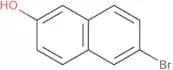
CAS:<p>6-Bromo-2-naphthol is a hydroxylated aromatic compound that is used as a reagent in organic chemistry. It has shown to be an excellent substrate for the cavity test and can be used to detect the presence of a hydroxyl group in other molecules. The nmr spectra of 6-bromo-2-naphthol shows two peaks at 5.1 ppm and 7.5 ppm with a broad peak at 2.6 ppm, which is characteristic of 3-bromoquinoline. The molecular descriptors for 6-bromo-2-naphthol are C=O, H, and Br; molecular weight is 188.10 g/mol; boiling point is 310°C; melting point is -7°C; vapor pressure is 0 mmHg at 25°C; and refractive index is 1.6333 (20°C). The reaction solution of 6-brom</p>Formula:C10H7BrOPurity:Min. 95%Color and Shape:PowderMolecular weight:223.07 g/molLopinavir metabolite M-1
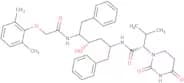
CAS:Lopinavir M-1 is a metabolite of lopinavir, which is an HIV protease inhibitor. Lopinavir M-1 has been shown to have antiviral activity against HIV-1 and other retroviruses. It is a versatile building block that can be used as a reagent or a complex compound in the synthesis of other compounds. Lopinavir M-1 also has antiviral activity against HIV-2 and SIV, but not against the influenza virus.Formula:C37H46N4O6Purity:Min. 95%Molecular weight:642.78 g/mol2-Amino-N-[2-(2-chlorobenzoyl)-4-nitrophenyl]acetamide
CAS:<p>2-Amino-N-[2-(2-chlorobenzoyl)-4-nitrophenyl]acetamide is a fine chemical that is used as a building block in organic synthesis. It is a versatile intermediate for the synthesis of other compounds and can be used to make a variety of useful scaffolds. 2-Amino-N-[2-(2-chlorobenzoyl)-4-nitrophenyl]acetamide has been used in research and development of pharmaceuticals, agrochemicals, herbicides, and other compounds.</p>Formula:C15H12ClN3O4Purity:Min. 95%Color and Shape:Slightly Yellow PowderMolecular weight:333.73 g/mol4-(2-Hydroxyethylamino)-3-nitrophenol
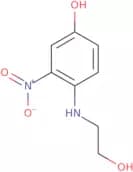
CAS:<p>4-(2-Hydroxyethylamino)-3-nitrophenol is a nitrophenol that can cause toxicity in humans. It has been investigated for its potential use as a treatment for erectile dysfunction. The compound was found to have a long half-life of over 24 hours, which may be due to its slow metabolism by esterases and glucuronidases. 4-(2-Hydroxyethylamino)-3-nitrophenol has been shown to be an allergen and is toxic to the skin, lungs, and muscles. This chemical can cause cancer when it is irradiated or mixed with other chemicals such as 4-amino-2-nitrophenol (ANP).</p>Formula:C8H10N2O4Purity:Min. 95%Color and Shape:PowderMolecular weight:198.18 g/molCytisine
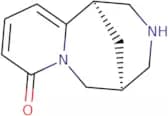
CAS:<p>Cytisine is an alkaloid found in plants of the Cytisus genus of the family Fabaceae. It is a partial agonist to α4β2 nicotinic acetylcholine receptors, which are implicated in the nicotine dependence. In Eastern Europe, it has been used for 50 years to aid smoking cessation.</p>Formula:C11H14N2OPurity:Min. 95%Color and Shape:White PowderMolecular weight:190.24 g/molTiotropium bromide
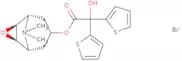
CAS:<p>Muscarinic antagonist; bronchodilator</p>Formula:C19H22BrNO4S2Purity:Min. 95%Color and Shape:PowderMolecular weight:472.42 g/mol25-Fluorocholesterol
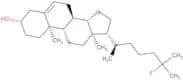
CAS:Controlled Product25-Fluorocholesterol is a hydroxylated form of cholesterol that was originally synthesized in vitro. It has been found to inhibit cholesterol synthesis and is used to study the role of cholesterol in mitochondrial function. 25-Fluorocholesterol has also been shown to possess anti-carcinogenic properties, as it inhibits adrenocortical carcinoma cells by inhibiting the production of desmosterol, which is required for their growth. This compound is also able to inhibit cho-k1 cells by side-chain cleavage. 25-Fluorocholesterol has the ability to cross cell membranes and can be detected in non-steroidal anti-inflammatory drug studies using chromatography.Formula:C27H45FOPurity:Min. 95%Molecular weight:404.64 g/mol6-Fluoroserotonin
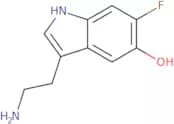
CAS:Controlled Product<p>The 6-Fluoroserotonin is a selective serotonin uptake inhibitor that has been used to study the serotonin transporter. It has been shown to inhibit the uptake of 5-hydroxyindoleacetic acid and 5-hydroxytryptamine, which is mediated by the serotonin transporter. The 6-Fluoroserotonin is also able to bind to clomipramine and zimelidine with high affinity. Analysis of the chromatographic profile of this compound revealed two peaks, one at 3.2 minutes and another at 4.7 minutes, corresponding to the two diastereoisomers of 6-fluoroserotonin.</p>Formula:C10H11FN2OPurity:Min. 95%Molecular weight:194.21 g/molO-Methyl-L-threonine
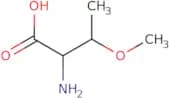
CAS:<p>O-Methyl-L-threonine is an analog of L-threonine. O-Methyl-L-threonine inhibits the production of fatty acids in resistant mutants, which are activated by the addition of a hydroxy group to their amino acid backbone. This analog has been shown to be effective at suppressing the growth of animal health bacteria and fungi, and has been used as a treatment for protein synthesis disorders in animals. O-Methyl-L-threonine is also used as a precursor for nicotinic acetylcholine synthesis. In vivo tests have shown that it has no toxic effects on mammalian cells, but does not inhibit photosynthesis in plants.</p>Formula:C5H11NO3Purity:Min. 95%Color and Shape:PowderMolecular weight:133.15 g/mol3-Hydroxy-6,2',4',5'-tetramethoxychalcone
CAS:<p>3-Hydroxy-6,2',4',5'-tetramethoxychalcone (3HTMC) is a fine chemical that is used as a versatile building block in the synthesis of various organic compounds. 3HTMC is soluble in most organic solvents and can be used as an intermediate for the preparation of other organic compounds. This chemical has been shown to be effective in the formation of complex compounds with high quality. 3HTMC is available in bulk quantities at competitive prices.</p>Formula:C19H20O6Purity:Min. 95%Molecular weight:344.36 g/mol3-Amino-4-methylbenzoic acid methyl ester
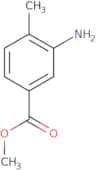
CAS:<p>3-Amino-4-methylbenzoic acid methyl ester (3AMB) is an organic compound that is used as a reagent in the synthesis of amides. It can also be used to synthesize various heterocycles by reacting with aldehydes and ketones. 3AMB has been used as a substrate in assays for amines, yielding high yields. The compound's unsymmetrical structure can be attributed to the presence of different substituents on either side of the central carbon atom. 3AMB has been shown to inhibit metal ion enzymes such as dioxygenases and nitric oxide synthases, which are involved in the metabolism of nitric oxide and oxygen respectively. In addition, 3AMB has been shown to have anti-inflammatory properties and may be a potential candidate for use as an anticoagulant or antiplatelet drug.br>br><br>br>br><br>3AMB is</p>Formula:C9H11NO2Purity:Min. 95%Color and Shape:PowderMolecular weight:165.19 g/molCholesterol formate
CAS:Controlled Product<p>Cholesterol formate is a chemical that belongs to the group of organic compounds and is classified as an ester. It can be used in research, where it is a reagent for the synthesis of other chemicals. Cholesterol formate can be used in the production of pharmaceuticals, pesticides, fragrances, and other products. Cholesterol formate is also used as a building block in complex chemical reactions because it can act as a versatile scaffold.</p>Formula:C28H46O2Purity:Min. 95%Color and Shape:White PowderMolecular weight:414.66 g/mol3,3'-Dimethylazoxybenzene
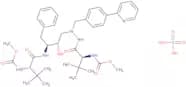
CAS:<p>3,3'-Dimethylazoxybenzene is a methylating agent that reacts with an amine to form a triflate. The reactivity of the methylating agent is determined by the electron-donating ability of the methyl group. 3,3'-Dimethylazoxybenzene reacts with electron-poor amines such as aromatic amines to form alkyltriflates. This reaction is not reversible and can lead to DNA damage in cells, which may contribute to cancer formation.</p>Formula:C14H14N2OPurity:Min. 95%Molecular weight:226.27 g/molAtazanavir sulfate
CAS:<p>Anti-viral; HIV protease inhibitor</p>Formula:C38H52N6O7·H2SO4Purity:Min. 95%Color and Shape:PowderMolecular weight:802.94 g/mol6-Methoxy-2-naphthoic acid
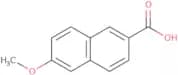
CAS:<p>6-Methoxy-2-naphthoic acid (MN) is a cavity amide that has been shown to have an inhibitory effect on the growth of cancer cells. MN has been found to be more effective in inhibiting β-amyrin than caffeine, which may be due to its increased lipophilicity. It also has a higher affinity for adriamycin and enhances its anticancer effects. MN has been shown to be beneficial in treating diabetic patients, as it can reduce blood glucose levels by stimulating insulin release. The pharmacokinetic properties of MN are similar to those of other cavity amides, with rapid absorption and distribution throughout the body. This compound is metabolized in the liver by CYP2C8, CYP2C9, CYP3A4 and CYP3A5 enzymes. Molecular docking analysis of MN with β-amyrin showed that there was a strong interaction between them due to their complementary shapes and charge distributions</p>Formula:C12H10O3Purity:Min. 98 Area-%Color and Shape:PowderMolecular weight:202.21 g/mol4-Fluoro-2-hydroxybenzoic acid methyl ester
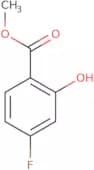
CAS:<p>4-Fluoro-2-hydroxybenzoic acid methyl ester is a chemical compound that is used as a synthetic intermediate in the synthesis of drugs. 4-Fluoro-2-hydroxybenzoic acid methyl ester can be prepared by reductive amination of an acyl chloride with an amine, followed by reaction with methanol. This chemical intermediate is used in the synthesis of the BCL-2 inhibitor venetoclax, which inhibits cell growth and induces apoptosis in lymphoma cells. 4-Fluoro-2-hydroxybenzoic acid methyl ester also has been shown to inhibit the activity of amidating enzymes and transferases, suggesting it may have potential as an anti-inflammatory drug.</p>Formula:C8H7FO3Purity:Min. 95%Color and Shape:PowderMolecular weight:170.14 g/molTropaeolin O sodium salt
CAS:<p>Tropaeolin O sodium salt is a reactive dye that possesses the ability to form hydrogen bonds with hydroxyl groups. Tropaeolin O sodium salt has been used in pharmaceutical preparations as a dye for serum and urine samples. It is also used as an indicator for the presence of fatty acids in human serum. The reactive dye is cationic and can be used to detect anionic surfactants, such as sodium dodecyl sulfate, which are commonly found in detergents and soaps. Tropaeolin O sodium salt exhibits synchronous fluorescence when it reacts with hydroxyl ions. This property can be useful for detecting the presence of hydrochloric acid in a sample or identifying p-hydroxybenzoic acid (a product of human metabolism) in urine samples.</p>Formula:C12H9N2O5SNaPurity:Min. 95%Color and Shape:PowderMolecular weight:316.27 g/mol1,1'-Azonaphthalene - 80%
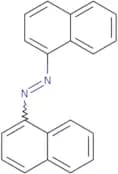
CAS:<p>1,1'-Azonaphthalene is a quinoid that produces an azobenzene with a 1,3-dipolar cycloaddition reaction. This azobenzene is used as a model system for the study of enzyme inducers. It acts as an inhibitor of vascular endothelial growth factor (VEGF) and has been shown to inhibit tumor growth in murine hepatoma models. 1,1'-Azonaphthalene also reacts with dimethyl fumarate to form the dichroic compound with high optical activity. The asymmetric synthesis of 1,1'-azonaphthalene is achieved by using catalytic asymmetric hydrogenation with rhodium on carbon as a catalyst. Reaction mechanism studies have revealed that 1,1'-azonaphthalene can be converted into aromatic hydrocarbons by reacting with aliphatic hydrocarbons.</p>Formula:C20H14N2Purity:Min. 80%Color and Shape:PowderMolecular weight:282.34 g/mol3-Hydroxyindole-2-carboxylic acid methyl ester
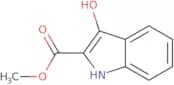
CAS:3-Hydroxyindole-2-carboxylic acid methyl ester, an organic compound with CAS number [31827-04-0], is classified as an indole derivative - a type of heterocyclic organic compound. It has potential applications as a building block in organic synthesis as well as other areas such as in pharmaceutical and agrochemical industries due to its biological activity.Formula:C10H9NO3Purity:Min. 95%Color and Shape:PowderMolecular weight:191.18 g/mol2,4-Dihydroxycinnamic acid
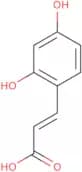
CAS:<p>2,4-Dihydroxycinnamic acid (2,4-DHCA) is a naturally occurring compound that is synthesized by the shikimate pathway. 2,4-DHCA has been shown to inhibit the growth of influenza virus in cell culture. 2,4-DHCA may provide protection from influenza in humans and animals by inhibiting the release of inflammatory cytokines such as tumor necrosis factor and interleukin-1 from cells. This anti-inflammatory effect has been observed in animal models for various inflammatory diseases including arthritis and asthma.</p>Formula:C9H8O4Purity:Min. 95%Color and Shape:PowderMolecular weight:180.16 g/molNaphthyl glycidylether
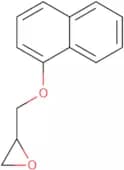
CAS:Naphthyl glycidylether is a chemical compound with chemical stability, which makes it useful for the manufacture of ethers and epoxides. It has been used as an acid catalyst and in the synthesis of polycarboxylic acids. Naphthyl glycidylether is also used to produce genotoxic impurities that are not removed by sterilants or metal hydroxides. This substance can be found as an impurity in some disinfectants, such as mercuric chloride, which can cause toxicity when ingested. In order to determine if naphthyl glycidylether is present in a material, a plate test can be performed to detect its presence.Formula:C13H12O2Purity:(%) Min. 95%Color and Shape:Colorless Clear LiquidMolecular weight:200.23 g/mol4-Amino-3-methoxybenzoic acid methyl ester
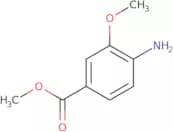
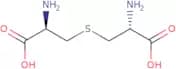
CAS:<p>4-Amino-3-methoxybenzoic acid methyl ester is a reactive molecule that has been used as a radiotracer for positron emission tomography (PET). It is also used in the synthesis of oligodeoxynucleotides and hybridization probes. 4-Amino-3-methoxybenzoic acid methyl ester is not soluble in water, but it can be dissolved in organic solvents such as acetone or methanol. This compound has shown to have anticancer activity and may be useful for treating cancers of the brain, breast, colon, lung, prostate, and stomach.</p>Formula:C9H11NO3Purity:Min. 95%Color and Shape:PowderMolecular weight:181.19 g/molDL/meso-Lanthionine
CAS:<p>DL/meso-Lanthionine is a mixture of two amino acids, L-Lysine and L-Methionine. It has been shown to be effective in the treatment of bowel disease caused by Clostridium difficile and other bacteria that produce toxins. This drug also has a protective effect on neuronal cells by inhibiting their death. DL/meso-Lanthionine binds to penicillin-binding proteins in the bacterial cell wall, preventing them from binding with the enzyme cell wall synthesis that is required for cell wall biosynthesis, inhibiting protein synthesis and cell division. DL/meso-Lanthionine also inhibits ATPase activity and the expression of atp-binding cassette transporters. These effects are similar to those observed with penicillin, methicillin, erythromycin, vancomycin, clindamycin, and bacitracin.</p>Formula:C6H12N2O4SPurity:Min. 95%Color and Shape:White PowderMolecular weight:208.24 g/molTibolone
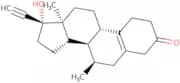
CAS:Controlled Product<p>Tibolone is a synthetic steroidal estrogen with both estrogenic and progestogenic activity. It has been shown to be effective in the treatment of postmenopausal symptoms, especially those related to the breast. Tibolone is also used for prevention of osteoporosis and to prevent recurrence of hormone-dependent cancers such as breast cancer or endometrial cancer. Tibolone binds to both estrogen receptor subtypes (ERα and ERβ) and progesterone receptor (PR), but with higher affinity for ERβ. This leads to increased levels of circulating estradiol and progesterone when compared to other estrogens such as nomegestrol acetate or conjugated equine estrogen. The drug also decreases expression of genes that are regulated by the response element (RE) in ERβ-positive cells, which may contribute to its anti-cancer effects. Tibolone has been shown to be statistically more effective than nomegestrol acetate in reducing hot flashes</p>Formula:C21H28O2Purity:Min. 95%Color and Shape:PowderMolecular weight:312.45 g/mol2-(4-Nitrophenoxy)ethanol
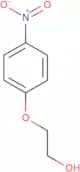
CAS:<p>2-(4-Nitrophenoxy)ethanol (NPEO) is a water soluble, synthetic compound that has been shown to have anti-tumor properties. NPEO was found to be toxic to tumor cells in vitro and inhibits the growth of tumor cells in vivo. NPEO also inhibits the synthesis of DNA and RNA, which are important for cell division. This inhibitory effect may lead to the death of cancer cells by interfering with their ability to grow and divide.</p>Formula:C8H9NO4Purity:Min. 95%Color and Shape:PowderMolecular weight:183.16 g/mol3’-Deoxy-N6,N6-dimethyladenosine
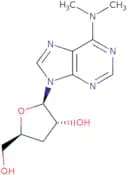
CAS:<p>Please enquire for more information about 3’-Deoxy-N6,N6-dimethyladenosine including the price, delivery time and more detailed product information at the technical inquiry form on this page</p>Purity:Min. 95%1-(2,4-Dimethoxyphenyl)-2-nitropropene
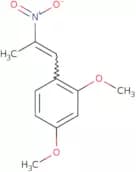
CAS:<p>1-(2,4-Dimethoxyphenyl)-2-nitropropene is a versatile building block that can be used in the synthesis of a wide range of compounds. It is a high quality chemical with a CAS number of 15804-78-1. This compound has been used as an intermediate to synthesize other compounds such as 2-amino-3,5,6-trimethylbenzaldehyde and 1-(2,4-dimethoxyphenyl)-2-(pyrrolidin-1-yl)propene. The compound is also useful as a reagent for reaction components in organic chemistry and biochemistry.</p>Formula:C11H13NO4Purity:Min. 95%Color and Shape:PowderMolecular weight:223.23 g/mol2-Propylglutaric acid
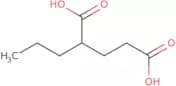
CAS:<p>2-Propylglutaric acid (2PGA) is a metabolic byproduct of the metabolism of branched chain amino acids. It is found in urine samples and has been shown to cause liver lesions in rats. 2PGA is metabolized to propionic acid, which can be detected in urine as a marker for renal dysfunction. 2PGA also increases gamma-aminobutyric acid levels in the brain and may have an effect on GABAergic neurotransmission. The elimination rate of 2PGA is slower than that of propionic acid, which means that it persists longer in the body than other metabolites. This chemical ionization technique can be used to measure the concentration of 2PGA and other fatty acids in biological fluids.</p>Formula:C8H14O4Purity:Min. 95%Color and Shape:PowderMolecular weight:174.19 g/mol2-Chloro-4-hydroxybenzoic acid methyl ester
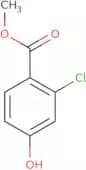
CAS:<p>2-Chloro-4-hydroxybenzoic acid methyl ester is a white crystalline solid at room temperature. It is soluble in water and ethanol and has a melting point of 137°C. 2-Chloro-4-hydroxybenzoic acid methyl ester can be used as a versatile building block for the synthesis of fine chemicals, useful intermediates, research chemicals, reaction components, specialty chemicals, and complex compounds. It can also be used as a reagent to prepare other compounds.</p>Formula:C8H7ClO3Purity:Min. 95%Color and Shape:PowderMolecular weight:186.59 g/mol(4-(4-(tert-butyl)phenyl)(2,5-thiazolyl))-1-naphthylamine
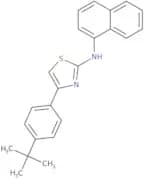
CAS:<p>Please enquire for more information about (4-(4-(tert-butyl)phenyl)(2,5-thiazolyl))-1-naphthylamine including the price, delivery time and more detailed product information at the technical inquiry form on this page</p>Purity:Min. 95%Thymosin α1
CAS:<p>Please enquire for more information about Thymosin α1 including the price, delivery time and more detailed product information at the technical inquiry form on this page</p>Formula:C129H215N33O55Purity:Min. 95%Color and Shape:PowderMolecular weight:3,108.28 g/molThioflavin T
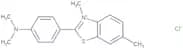
CAS:<p>Amyloid dye; membrane potential reporter</p>Formula:C17H19N2SClPurity:Min. 95%Color and Shape:PowderMolecular weight:318.86 g/mol7a-Hydroxy cholesterol
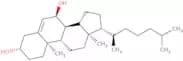
CAS:Controlled Product<p>7a-Hydroxycholesterol is a cholesterol metabolite that has been shown to inhibit the proliferation of 3T3-L1 preadipocytes and HL-60 cells. This compound also inhibits the growth of tumor cells by inhibiting the enzyme activities necessary for cell division and synthesis. 7a-Hydoxycholesterol has been found to be a potent inducer of cholesterol biosynthesis in cultured liver cells, which may be due to its ability to inhibit the conversion of cholesterol into bile acids. 7a-hydroxycholesterol has also been shown to inhibit viral replication in vitro. It binds to mitochondrial DNA and inhibits ATP production, leading to inhibition of mitochondrial membrane potential and cell death. 7a-hydroxycholesterol is also known as an oxysterol because it can be made from 25(OH)D3 or 2,5(OH)2D3. A high level of this metabolite is associated with atherosclerosis or formation of cholesterol deposits on artery walls</p>Formula:C27H46O2Purity:Min. 95%Color and Shape:White PowderMolecular weight:402.65 g/mol(±)-a-Tocopherol phosphate disodium salt
CAS:(±)-a-Tocopherol phosphate disodium salt is a synthetic form of vitamin E and is used in skin care products and supplements. Like vitamin E it has antioxidant properties.Formula:C29H49Na2O5PPurity:Min 97%Color and Shape:PowderMolecular weight:554.66 g/mol9'-cis-Neoxanthin - solution in ethanol (sold by weight of solution)
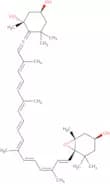
CAS:<p>9'-cis-Neoxanthin is a carotenoid that belongs to the class of xanthophylls. It is found in high concentrations in the seeds of peas, spinach, and corn. 9'-cis-Neoxanthin has been shown to inhibit prostate cancer cells by targeting their transcriptional regulation. 9'-cis-Neoxanthin is a precursor for violaxanthin, which is a powerful antioxidant that can scavenge free radicals. This molecule also binds to DNA polymerase and inhibits its activity. The structural analysis of 9'-cis-Neoxanthin has revealed that it contains two chromophores: one with an oxygenated end (the neoxanthin side chain) and one with an unsaturated end (the other side chain).</p>Formula:C40H56O4Purity:Min. 97 Area-%Color and Shape:Clear LiquidMolecular weight:600.87 g/molN-(1-Naphthyl)phthalamic acid
CAS:N-(1-Naphthyl)phthalamic acid (NPA) is a plant growth regulator that is used to increase the yield and quality of crops. It inhibits the production of ethylene, which is a plant hormone responsible for fruit ripening and senescence. NPA also has been shown to affect the levels of fatty acids in plants. The effects of NPA on mitochondrial cytochrome P450 enzymes have been studied using electrochemical impedance spectroscopy (EIS). This study showed that NPA can inhibit the activity of these enzymes, which may be due to its ability to bind to them or alter their structure.Formula:C18H13NO3Purity:Min. 95%Color and Shape:Light (Or Pale) Purple To Purple SolidMolecular weight:291.3 g/mol2-Hydroxy-5-nitroacetophenone
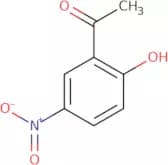
CAS:2-Hydroxy-5-nitroacetophenone is a synthetic molecule that has two functional groups. It is synthesized by reacting morpholine with malonic acid. 2-Hydroxy-5-nitroacetophenone is an electron donor, which means it can accept electrons from other molecules. This compound can be used as a diagnostic tool for cancer cells because it reacts with oxygen to form polyhedra, which are indicative of cancer senescence. In addition, this compound can be used to measure the concentration of plasma mass spectrometers by using electron spin resonance (ESR) and magnetic resonance imaging (MRI). The unpaired electrons on the nitro group of the molecule react with oxygen in the air to form polyhedra and give off characteristic signals in ESR and MRI. These signals are proportional to the concentration of unpaired electrons and therefore provide a quantitative measurement of 2-hydroxy-5 nitroacetophenone in solution.Formula:C8H7NO4Purity:Min. 95%Color and Shape:PowderMolecular weight:181.15 g/mol1-Naphthylacetic acid
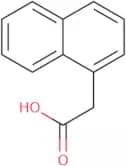
CAS:1-Naphthylacetic acid is a fluorescent compound that can be used as a chemical marker for the identification of sodium salts. It has an optimum concentration of 0.1 mg/L and a maximum concentration of 1 mg/L in water. The fluorescence detector is set to measure the synchronous fluorescence at a wavelength of 515 nm. 1-Naphthylacetic acid is soluble in water and organic solvents, but insoluble in nonpolar solvents such as ether, chloroform, or benzene. This compound can be used for the detection of pesticides with a chemical structure similar to that of 1-naphthylacetic acid, such as 2-chloro-4-(trifluoromethoxy)phenol and 2-chloro-5-(trifluoromethoxy)phenol, using dispersive solid phase extraction (DSPE). The product description should include:Formula:C12H10O2Purity:Min. 98 Area-%Color and Shape:White PowderMolecular weight:186.21 g/mol4,5-Dihydro-2-(1-naphthylmethyl)-1H-imidazole hydrochloride
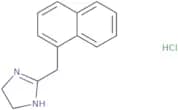
CAS:4,5-Dihydro-2-(1-naphthylmethyl)-1H-imidazole hydrochloride is a fatty acid that functions as an adrenergic receptor agonist. It has been shown to be effective in the diagnosis of cutaneous squamous cell carcinoma. 4,5-Dihydro-2-(1-naphthylmethyl)-1H-imidazole hydrochloride has also shown to have anti-cancer effects in animal models of cancer. This drug binds to fatty acid esters and can be used as a crosslinking agent for polymers. 4,5-Dihydro-2-(1-naphthylmethyl)-1H-imidazole hydrochloride is available as a sodium citrate solution for injection.Formula:C14H14N2·HClPurity:Min. 98 Area-%Color and Shape:White PowderMolecular weight:246.74 g/molLovastatin
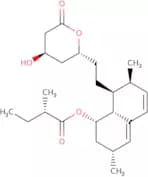
CAS:<p>HMG-CoA reductase inhibitor; mevalonic acid synthesis inhibitor</p>Formula:C24H36O5Purity:Min. 98 Area-%Color and Shape:White PowderMolecular weight:404.54 g/molApomorphine
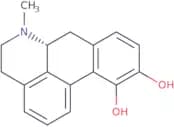
CAS:Controlled Product<p>Apomorphine is a chemical compound that can be used as an analytical tool to study the effects of dopamine on physiological processes, and pharmacological agents on pharmacokinetics. It is also used in the treatment of Parkinson's disease. Apomorphine is a potent agonist at dopaminergic receptors in the central nervous system, and has been shown to increase locomotor activity and improve the rotarod test performance in rats. Apomorphine binds to dopamine receptors in the brain, replacing dopamine as it becomes depleted. The drug also blocks reuptake of dopamine by neurons and increases release of dopamine from nerve terminals. Apomorphine has a short half-life of about 2 hours, but may have potential for long-term treatment because its effects can last up to 24 hours.</p>Formula:C17H17NO2Purity:Min. 95%Color and Shape:PowderMolecular weight:267.32 g/mol4-Nitrophenyl propionate
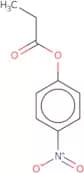
CAS:<p>4-Nitrophenyl propionate is a synthetic surfactant that is used in many products, including detergents, fabric softeners, and dishwashing liquids. It has been shown to have a positioning effect on the enzyme lipase and to shift its enzymatic activity. 4-Nitrophenyl propionate can be used as a catalyst for sodium fusidate in the synthesis of microemulsions. The catalytic activity of 4-nitrophenyl propionate is constant and it has high catalytic efficiency.</p>Formula:CH3CH2COOC6H4NO2Purity:Min. 95%Color and Shape:White PowderMolecular weight:195.17 g/molL-Aspartic acid b-benzyl ester
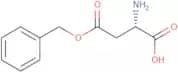
CAS:L-Aspartic acid b-benzyl ester (L-ABE) is a cytostatic drug that is biodegradable and can be used in a variety of animal species. It has been shown to inhibit the growth of cancer cells in vitro and in vivo, as well as micelles. L-ABE inhibits the action of dehydroascorbic acid reductase, an enzyme that reduces dehydroascorbic acid to ascorbic acid. This inhibition leads to an increase in the concentration of dehydroascorbic acid, which may cause cell death by damaging DNA. L-ABE also has been shown to inhibit P-glycoprotein (Pgp), leading to increased accumulation of anticancer drugs such as doxorubicin, which can lead to cell death.Formula:C11H13NO4Purity:Min. 95%Color and Shape:White PowderMolecular weight:223.23 g/mol2,2'-Azino-bis(3-ethylbenzothiazoline-6-sulfonic acid) diammonium salt
CAS:ABTS can be used as a peroxidase substrate that gives a metastable cation when in the presence of H2O2. 2,2'-Azino-bis (3-ethylbenzothiazoline-6-sulfonic acid) or ABTS is commonly used in the enzyme-linked immunosorbent assay (ELISA). ABTS is chosen because the enzyme facilitates the reaction to give a green end-product with an absorbance maximum of 420nm and can therefore be detected with a spectrophotometer.Formula:C18H24N6O6S4Purity:Min. 98.0 Area-%Color and Shape:PowderMolecular weight:548.68 g/mol3-(4-Nitrophenyl)-1-adamantanecarboxylic acid
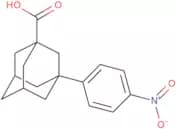
CAS:3-(4-Nitrophenyl)-1-adamantanecarboxylic acid is a high quality, versatile building block compound that has been used as a reagent and as a useful intermediate. This product is commercially available and can be used in the synthesis of complex compounds with many different applications, such as pharmaceuticals, pesticides, dyes, and photographic chemicals. It is also a useful scaffold for the production of speciality chemicals and research chemicals. 3-(4-Nitrophenyl)-1-adamantanecarboxylic acid has been used in reactions involving electron transfer, nucleophilic substitution, and condensation reactions.Formula:C17H19NO4Purity:Min. 95%Molecular weight:301.34 g/moltrans,trans-Farnesyl thiosalicylic acid
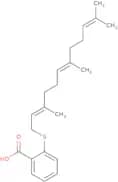
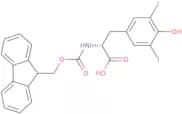
CAS:<p>Farnesyl thiosalicylic acid (FTSA) is a synthetic compound that exhibits potent anticancer activity. FTSA binds to the active site of the enzyme protein kinase C-alpha (PKC-α), which prevents its phosphorylation and activation. This prevents the activation of the mitogen-activated protein kinases, which are involved in cell proliferation and differentiation. FTSA also inhibits cancer cell migration by blocking MMP-9 activity, leading to tumor regression. FTSA has been shown to be effective against chemotherapy resistant breast cancer cells, as well as cancer cells from other tissues such as colon, prostate, and ovary.</p>Formula:C22H30O2SPurity:Min. 95%Color and Shape:White to off-white solid.Molecular weight:358.54 g/molFmoc-3,5-diiodo-D-tyrosine
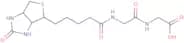
CAS:<p>Please enquire for more information about Fmoc-3,5-diiodo-D-tyrosine including the price, delivery time and more detailed product information at the technical inquiry form on this page</p>Formula:C24H19I2NO5Purity:Min. 95%Color and Shape:PowderMolecular weight:655.22 g/molBiotinyl-Gly-Gly-OH
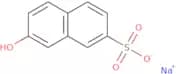
CAS:<p>Please enquire for more information about Biotinyl-Gly-Gly-OH including the price, delivery time and more detailed product information at the technical inquiry form on this page</p>Formula:C14H22N4O5SPurity:Min. 95%Molecular weight:358.41 g/mol7-Hydroxy-2-naphthalene sulfonic acid sodium
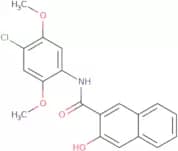
CAS:<p>7-Hydroxy-2-naphthalene sulfonic acid sodium (7HNS) is a fluorescent probe that can be used for the detection of cross-links in collagen and elastin. The sensitivity of this compound is very high, with a detection limit of 1 pmol/ml. 7HNS binds to the lysine residues in collagen and elastin, forming covalent bonds that are detectable by fluorescence. It has been used in the analysis of tissues such as cartilage, bone, skin, and blood vessels.</p>Formula:C10H7NaO4SPurity:Min. 93 Area-%Color and Shape:PowderMolecular weight:246.22 g/molNaphthol AS-LC
CAS:<p>Naphthol AS-LC is a reactive ester compound that has been used as a histological stain for cells and tissues. It can be used to detect the presence of propionate in homogenates. Naphthol AS-LC stains are also commonly used to determine the location of proteins and esters in cells, as well as to identify acid phosphatase activity in submandibular gland tissue. The reaction time for this reagent is short, so it can be used on samples that require rapid staining. Naphthol AS-LC is sensitive to light, which may cause it to lose its color or react with other compounds.</p>Formula:C19H16ClNO4Purity:Min. 95%Color and Shape:PowderMolecular weight:357.79 g/molL-Tyrosinol hydrochloride
CAS:L-Tyrosinol hydrochloride is a chiral molecule that is the hydrogenated form of L-tyrosine. It is an intermediate in the synthesis of L-dopa, which is used to treat Parkinson's disease. The enzymatic reaction that converts L-tyrosinol hydrochloride to L-dopa requires adenosine 5'-phosphosulfate as cofactor and histidine as a catalyst. The conversion of L-tyrosinol hydrochloride to L-dopa occurs with high yield and has been shown to be stereoselective. This synthetic pathway has been shown to have an activation energy of 53 kcal/mol and a reaction time of 30 minutes at room temperature.Formula:C9H13NO2·HClColor and Shape:White Off-White PowderMolecular weight:203.67 g/mol


![(E)-3-[3'-(4''-fluorophenyl)-1'-(1''-methylethyl)-1H-indol-2''-yl]-2-propnal](/_next/image/?url=https%3A%2Fstatic.cymitquimica.com%2Fproducts%2F3D%2Fthumb-webp%2FFF37514.webp&w=3840&q=75)

![4,5-Dihydronaphtho[1,2-d][1,3]thiazol-2-amine](/_next/image/?url=https%3A%2Fstatic.cymitquimica.com%2Fproducts%2F3D%2Fthumb-webp%2FFD127118.webp&w=3840&q=75)





![2-Amino-N-[2-(2-chlorobenzoyl)-4-nitrophenyl]acetamide](/_next/image/?url=https%3A%2Fstatic.cymitquimica.com%2Fproducts%2F3D%2Fthumb-webp%2FFA17795.webp&w=3840&q=75)