


Pharmaceutical Standards
Pharmaceutical standards are a comprehensive set of reference materials essential for ensuring the safety, efficacy, and quality of pharmaceutical products. This category includes standards for active pharmaceutical ingredients (APIs), which are the core components responsible for therapeutic effects. Additionally, it covers compounds and metabolites relevant to both the pharmaceutical and veterinary industries, providing benchmarks for the accurate measurement and analysis of these substances. Nitrosamine control standards are crucial for detecting and mitigating potentially harmful nitrosamines in drug formulations. Toxicology standards help assess the safety and potential adverse effects of pharmaceutical compounds. Furthermore, enzyme activators and inhibitors standards are vital for research and development, enabling precise studies of biochemical pathways and drug mechanisms. These pharmaceutical standards are indispensable tools for regulatory compliance, quality control, and research, ensuring that pharmaceutical products meet stringent safety and effectiveness criteria.
Subcategories of "Pharmaceutical Standards"
- APIs for research and impurities(274,845 products)
- Enzyme Activators and Inhibitors(2,827 products)
- Nitrosamines(2,605 products)
- Pharmaceutical and Veterinary Compounds and Metabolites(2,869 products)
- Toxicology(13,652 products)
Found 7836 products of "Pharmaceutical Standards"
Sort by
Purity (%)
0
100
|
0
|
50
|
90
|
95
|
100
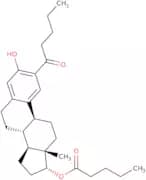
2-Valeryl-17'-estradiol 17-valerate
CAS:Controlled Product<p>Please enquire for more information about 2-Valeryl-17'-estradiol 17-valerate including the price, delivery time and more detailed product information at the technical inquiry form on this page</p>Formula:CHOPurity:Min. 95%Bromocresol purple sodium salt
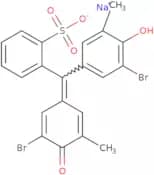
CAS:<p>Bromocresol purple sodium salt is a dye that emits light when it is irradiated with light of a particular wavelength. It has been used to detect amniotic fluid contamination in the laboratory and as an absorber in polymer films. Bromocresol purple sodium salt absorbs ultraviolet and visible light, which causes it to emit red light. The molecules of bromocresol purple sodium salt are long-chain triazoles, which absorb water vapor and emit infrared radiation. This property can be used to detect the presence of alkali metals. The luminescent property of bromocresol purple sodium salt can be enhanced by adding an alkali metal, such as potassium or lithium chloride, to the solution where it is dissolved.</p>Formula:C21H15Br2O5S·NaPurity:Min. 95%Molecular weight:562.2 g/molN-(4-Bromonaphthalene-1-yl)-acetamide
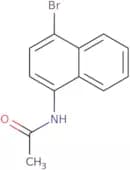
CAS:The N-(4-bromonaphthalene-1-yl)-acetamide is a high quality chemical that is used as a reaction component in the synthesis of pharmaceuticals and other speciality chemicals. It can also be used as a building block for creating more complex compounds. This compound is a versatile building block that can be used to synthesise many different types of products.Formula:C12H10BrNOPurity:Min. 95%Molecular weight:264.12 g/mol4'-Chloroacetophenone
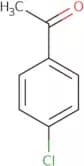
CAS:<p>4'-Chloroacetophenone is a chemical substance that is used in the synthesis of other substances. It has been shown to be an effective tool for cell-specific reactions, such as methyl ketones and benzaldehyde. 4'-Chloroacetophenone reacts with hydrochloric acid and palladium complexes to produce electron reduction, which leads to the activation of methyl ketones. This reaction provides a method for synthesizing molecules with a carbonyl group. The isolated yield of this reaction is dependent on the reaction solution temperature and concentration. The mechanism of this reaction appears to be Suzuki coupling reaction.</p>Formula:C8H7ClOPurity:Min. 95%Color and Shape:Clear Colourless To Pale Yellow LiquidMolecular weight:154.59 g/molL-Phenylalanine b-naphthylamide
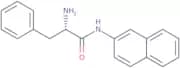
CAS:<p>L-Phenylalanine b-naphthylamide is a phenylalanine derivative that can be used as an indicator for the detection of Clostridium, 2-naphthylamine, and other anaerobes. This compound is a chromogenic substrate that reacts with amino groups in amino acids and amides in peptides to form a variety of color products. The condensation of phenylalanine with 2-naphthylamine is catalyzed by enzymes found in clostridia. When L-phenylalanine b-naphthylamide is incubated with tissue from animals or humans, it produces a pink coloration that indicates the presence of clostridia. The aerobic conditions necessary for this reaction are also found in the environment and within the body.</p>Formula:C19H18N2OPurity:Min. 95%Molecular weight:290.36 g/mol(2-Chloro-4-nitrophenyl)methanol
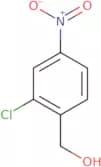
CAS:<p>Please enquire for more information about (2-Chloro-4-nitrophenyl)methanol including the price, delivery time and more detailed product information at the technical inquiry form on this page</p>Formula:C7H6ClNO3Purity:Min. 95%Color and Shape:PowderMolecular weight:187.58 g/mola,O-Dimethyl serotonin
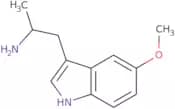
CAS:Controlled Product<p>a,O-Dimethyl serotonin is a monoamine compound that is synthesized by the enzymatic decarboxylation of 5-hydroxytryptophan. It has been shown to increase dopamine levels and inhibit the enzyme activity of serotonin in mice. This drug also binds to 5-ht2 receptors and induces the release of serotonin from nerve cells. A linear calibration curve was obtained using bufotenin as a standard. This drug has been used in analytical toxicology for determining the uptake of serotonin into human lung tissue and its effect on 5-ht1a receptors. In addition, a study was conducted with perennial ryegrass to determine whether this drug inhibits plant toxin synthesis. The results showed that it did not have an inhibitory effect on plant toxins and may even promote their synthesis.</p>Formula:C12H16N2OPurity:Min. 95%Molecular weight:204.27 g/molFormaldehyde-2,4-dinitrophenylhydrazone
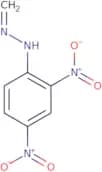
CAS:<p>Formaldehyde-2,4-dinitrophenylhydrazone (FDNH) is a chemical compound that inhibits the production of galacturonic acid. It is used as an analytical method to measure the concentration of galacturonic acid in biological samples. FDNH reacts with galacturonic acid to form a diazonium salt and a hydrazone derivative. The diazonium salt can be measured by liquid chromatography, while the hydrazone derivative can be measured by gas chromatography. This test has been used to measure the concentration of galacturonic acid in plants, pharmaceutical drugs, and reaction products.</p>Formula:C7H6N4O4Purity:Min. 95%Molecular weight:210.15 g/mol7-Dehydro desmosterol
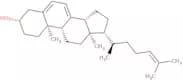
CAS:Controlled Product<p>7-Dehydro Desmosterol is a hydroxylated sterol found in the liver. It is an intermediate in cholesterol synthesis and participates in the regulation of glucose metabolism. The enzyme responsible for its synthesis (7-dehydrocholesterol reductase) is inhibited by radiation, which leads to its accumulation in the liver. 7-Dehydro desmosterol has been shown to have beneficial effects on experimental models of diabetes and metabolic disorders. In these studies, it was found that 7-dehydro desmosterol can inhibit glucose absorption from the intestine and stimulate insulin secretion from pancreatic beta cells.</p>Formula:C27H42OPurity:Min. 95%Color and Shape:PowderMolecular weight:382.62 g/molCodeine Impurity F
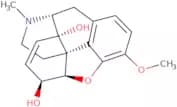
CAS:Controlled Product<p>Codeine Impurity F is a biochemical that is an impurity of codeine. Codeine Impurity F is a byproduct of the enzymatic reaction with morphine and the bacterial strain Pseudomonas putida. Codeine Impurity F has been shown to inhibit the growth of gram-negative bacteria, including Escherichia coli and Salmonella enterica, by binding to cellular membranes and inhibiting their function. It also binds to RNA in vitro and prevents translation of mRNA from its ribosome complex. The hydroxyl group on Codeine Impurity F binds to aluminium ions, which may interfere with the absorption of other drugs such as ampicillin or tetracycline. This impurity has been shown to have an effect on biological products such as immunoglobulins and albumin.</p>Formula:C18H21NO4Purity:Min. 95%Molecular weight:315.36 g/mol6-Bromo-1,2,3,4-tetrahydronaphthalen-2-ylamine hydrochloride
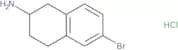
CAS:Controlled Product<p>Please enquire for more information about 6-Bromo-1,2,3,4-tetrahydronaphthalen-2-ylamine hydrochloride including the price, delivery time and more detailed product information at the technical inquiry form on this page</p>Formula:C10H12BrN·HClPurity:Min. 95%Molecular weight:262.57 g/molDelta6-Testosterone
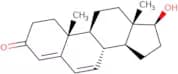
CAS:Controlled Product<p>Delta6-Testosterone is a natural steroid hormone that belongs to the group of steroid drugs. It is a potent androgen, or male sex hormone, which stimulates the development and maintenance of male sexual characteristics, including the growth of prostate gland and seminal vesicles. The effects of Delta6-testosterone are mediated by binding to and activating the Androgen Receptor (AR). The effects may also be increased when Delta6-testosterone binds to AR in combination with other hormones such as estradiol.<br>Delta6-Testosterone is metabolized by the liver into testosterone through the cytochrome p450 enzyme system. This process begins with conversion of Delta6-testosterone into 6alpha-dihydrotestosterone (DHT) by 5a-reductase. DHT can then be converted into testosterone by 3beta-hydroxysteroid dehydrogenase/3alpha-hydroxysteroid dehydrogenase (3betaHSD) or 17beta hyd</p>Formula:C19H26O2Purity:Min. 95%Molecular weight:286.41 g/molClovamide
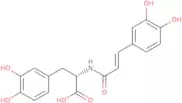
CAS:<p>Clovamide is a bioactive compound, which is a naturally occurring phenolic amide found primarily in certain plant species. This compound is derived from sources such as the leaves of Trifolium pratense (red clover) and certain leguminous plants. With its molecular structure comprising both phenolic acid and amino acid moieties, clovamide exhibits significant antioxidant properties.</p>Formula:C18H17NO7Purity:Area-% Min. 95 Area-%Color and Shape:PowderMolecular weight:359.33 g/mol2-[4-(tert-Butyldimethylsilyloxymethyl)-2-nitrophenoxy]acetic Acid
CAS:<p>Please enquire for more information about 2-[4-(tert-Butyldimethylsilyloxymethyl)-2-nitrophenoxy]acetic Acid including the price, delivery time and more detailed product information at the technical inquiry form on this page</p>Formula:C15H23NO6SiPurity:Min. 95%Molecular weight:341.43 g/mol22α-Hydroxy cholesterol
CAS:Controlled Product<p>22a-Hydroxycholesterol is a naturally occurring, oxygenated cholesterol metabolite. It binds to the transcriptional coactivator retinoid X receptor (RXR) and inhibits the activity of certain liver enzymes. 22a-Hydroxycholesterol has been shown to have toxic effects on mouse tumors and to inhibit the production of ATP in vitro. 22a-Hydoxycholesterol also inhibits the function of ATP binding cassette (ABC) transporter proteins, which are involved in cholesterol transport from cells. The long-term toxicity of 22a-hydroxycholesterol is not well understood, although it has been shown that this metabolite can induce autoimmune diseases in rats.</p>Formula:C27H46O2Purity:Min. 95%Molecular weight:402.65 g/molWhiskey lactone
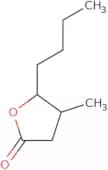
CAS:<p>Whiskey lactone is an organic compound that belongs to the class of lactones. This sample preparation technique employs a solution of sodium hydroxide that acts as an extractant. The hydroxide solution reacts with the acidic ph of the sample, which causes hydrolysis and esterification of the fatty acid chains in the sample. The reaction is accompanied by a color change from yellow to blue. Whiskey lactone has been shown to have high values for eugenol and chemical structures such as isovaleric acid and hydroxyl group.</p>Formula:C9H16O2Purity:Min. 98 Area-%Color and Shape:Clear LiquidMolecular weight:156.22 g/mol(R)-1,2,3,4-Tetrahydro-5-methoxy-N-propyl-2-naphthalenamine hydrochloride
CAS:Controlled ProductPlease enquire for more information about (R)-1,2,3,4-Tetrahydro-5-methoxy-N-propyl-2-naphthalenamine hydrochloride including the price, delivery time and more detailed product information at the technical inquiry form on this pageFormula:C14H22ClNOPurity:Min. 95%Molecular weight:255.78 g/mol2,4,6-Trichloro-5-nitropyrimidine
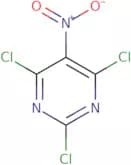
CAS:<p>2,4,6-Trichloro-5-nitropyrimidine is a purine derivative that inhibits the cell proliferation of cancer cells. It has been shown to inhibit the activity of kinases and to induce apoptosis in human cancer cells in vitro. This drug also has antiproliferative potential against erythrocytes and is being investigated as a treatment for renal disease. 2,4,6-Trichloro-5-nitropyrimidine shows inhibitory effects on the phosphorylation of roscovitine by ATP and may be used to treat patients with glomerulonephritis. 2,4,6-Trichloro-5-nitropyrimidine can be synthesized from 2,4,6-trichloropyrimidinethiol and nitric acid according to the following equation: CClNO + HNO → CClNOH + NO 2 Cl + 3 HNO</p>Formula:C4Cl3N3O2Purity:Min. 97 Area-%Molecular weight:228.42 g/mol5,6,7,8-Tetrahydronaphthalene-1-carbaldehyde
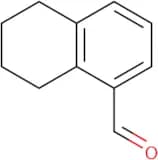
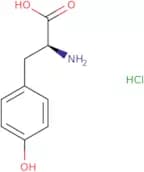
CAS:<p>Please enquire for more information about 5,6,7,8-Tetrahydronaphthalene-1-carbaldehyde including the price, delivery time and more detailed product information at the technical inquiry form on this page</p>Formula:C11H12OPurity:Min. 95%Color and Shape:Clear LiquidMolecular weight:160.21 g/molL-Tyrosine hydrochloride
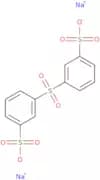
CAS:<p>L-Tyrosine hydrochloride is a pharmaceutical preparation that has been used clinically in the treatment of infectious diseases, cancer, and autoimmune diseases. Tyrosine is an amino acid with a hydroxyl group on its side chain. Tyrosine can be synthesized from phenylalanine by hydroxylation of the phenolic group and decarboxylation of the carboxylic acid group. It is also a precursor to catecholamines and other important biological molecules. L-Tyrosine hydrochloride is used as an intermediate in the production of monoclonal antibodies for use in cancer research. In addition, it has been shown to be an effective inhibitor of virus replication when combined with ester hydrochloride, which prevents the release of progeny virus particles from infected cells.</p>Formula:C9H11NO3·HClPurity:Min. 95%Molecular weight:217.65 g/molDiphenylsulfone-3,3'-disulfonic Acid Disodium Salt
CAS:<p>Please enquire for more information about Diphenylsulfone-3,3'-disulfonic Acid Disodium Salt including the price, delivery time and more detailed product information at the technical inquiry form on this page</p>Purity:Min. 95%Descyclopropyl abacavir
CAS:<p>Descyclopropyl abacavir is a synthetic prodrug form of the antiviral drug abacavir, which is used to treat HIV infection. It is metabolized by amine oxidases and, as such, has been shown to be a potent inhibitor of these enzymes. Descyclopropyl abacavir has also been shown to have herbicidal properties against control weeds and glyphosate-resistant weeds.</p>Formula:C11H14N6OPurity:Min. 95%Molecular weight:246.27 g/molSpiro[androsta-1,4-diene-6,2'-oxirane]-3,17-dione
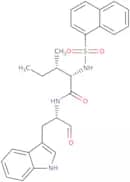
CAS:Please enquire for more information about Spiro[androsta-1,4-diene-6,2'-oxirane]-3,17-dione including the price, delivery time and more detailed product information at the technical inquiry form on this pageFormula:C20H24O3Purity:Min. 95%Molecular weight:312.4 g/mol1-Naphthalenylsulfonyl-Ile-Trp-aldehyde
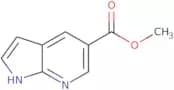
CAS:<p>1-Naphthalenylsulfonyl-Ile-Trp-aldehyde is a recombinant protein that has protease activity. It is a serine protease that cleaves proteins at the amino acid sequence Ser-Xaa-Gly or Ser-Xaa. The recombinant protein has been shown to have proteolytic activity and can be used in assays to measure the amount of β-catenin, collagen, and growth factor in cells. 1-Naphthalenylsulfonyl-Ile-Trp-aldehyde also binds to monoclonal antibodies and can be used as a neutralizing agent for these proteins. This recombinant protein also has been shown to inhibit the growth of lung fibroblasts.</p>Formula:C27H29N3O4SPurity:Min. 95%Color and Shape:PowderMolecular weight:491.6 g/mol7-Azaindole-5-carboxylic acid methyl ester
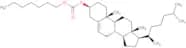
CAS:<p>7-Azaindole-5-carboxylic acid methyl ester is an ester derivative that can be synthesized from the reaction of acetyl chloride and diazotization. 7-Azaindole-5-carboxylic acid methyl ester has been used in research for its biological activity, specifically as a cytotoxic agent. It has also been shown to inhibit the growth of cancer cells by alkylation reactions and cyclization reactions. 7-Azaindole-5-carboxylic acid methyl ester has been shown to have antitumor properties with a mechanism that is not yet fully understood.</p>Formula:C9H8N2O2Purity:Min. 95%Molecular weight:176.17 g/molCholesterol Heptyl Carbonate
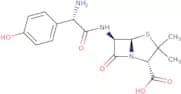
CAS:Controlled ProductCholesterol heptyl carbonate is a cholesteric liquid crystal with a high melting point, which can be used as a coating for pharmaceutical tablets and other products. Cholesteric liquid crystals are composed of molecules that have different shapes in the solid phase and in the liquid phase, forming an ordered structure. The conformational state of the molecule determines the optical properties of cholesteric liquid crystals. This product has an average particle diameter of around 200 nm and is made from organic solvent. The treatment method for this product is not specified, but it may be treated by heating with thermal energy or using optical energy to create a cross-linked polymer network.Purity:Min. 95%Amoxicillin trihydrate impurity B
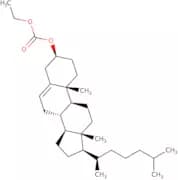
CAS:<p>Amoxicillin trihydrate impurity B is an impurity of amoxicillin trihydrate, a penicillin antibiotic. Impurities are substances that are not intentionally added to the drug and may be formed during the manufacturing process. Impurities can affect the quality and safety of drugs, although their presence does not necessarily indicate a problem with the drug. Impurities in amoxicillin trihydrate include clavulanate potassium (impurity A) and heptane-2-carboxylic acid (impurity C). Impurity A is present in small quantities, typically less than 1% of the total amount of amoxicillin trihydrate. Impurity C is present in larger quantities and can make up to 10% of the total amount of amoxicillin trihydrate.</p>Formula:C16H19N3O5SPurity:Min. 95%Molecular weight:365.41 g/molCholesterol Ethyl Carbonate
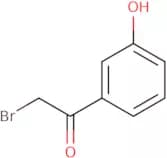
CAS:Controlled Product<p>Cholesterol Ethyl Carbonate is a crystalline solid with the formula C27H44O3. It has a particle size of less than 10 microns and an average particle diameter of 3.1 microns. Cholesterol ethyl carbonate is a form of cholesterol that can be administered to patients as an oral therapy for high cholesterol levels in the blood. This drug is dissolved in organic solvents and administered orally, usually as microcapsules. The treatment method reversibly inhibits the enzyme HMG-CoA reductase, which is responsible for producing cholesterol in the liver cells, thereby reducing blood cholesterol levels. Cholesterol ethyl carbonate has a high melting point and low efficiency when used as a drug due to its high molecular weight and lipophilicity.</p>Formula:C30H50O3Purity:Min. 95%Color and Shape:PowderMolecular weight:458.72 g/mol2-Bromo-3'-hydroxyacetophenone
CAS:<p>2-Bromo-3'-hydroxyacetophenone is a molecule that has been shown to be cytotoxic and effective in inhibiting the growth of cancer cells. 2-Bromo-3'-hydroxyacetophenone inhibits the production of kynurenine, an amino acid that is used in the production of proteins, by competitively binding to the enzyme IDO1. This binding prevents the conversion of tryptophan into kynurenine, leading to cell death. The cytotoxicity of 2-bromo-3'-hydroxyacetophenone was also confirmed by testing its ability to inhibit cellular interaction with human erythrocytes (blood cells) and by measuring its effects on crystallography efficiency.</p>Formula:C8H7BrO2Purity:Min. 95%Color and Shape:Slightly Yellow PowderMolecular weight:215.04 g/mol3,4’-O-dimethylellagic acid
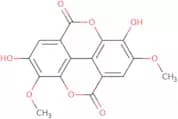
CAS:<p>3,4’-O-dimethylellagic acid is a phenolic compound, which is a type of ellagic acid derivative. It is derived from natural sources, typically found in various fruits, nuts, and vegetables, particularly in certain berries and pomegranates. The compound is formed through the methylation of ellagic acid, which amplifies its lipophilicity and enhances its bioavailability.</p>Purity:Min. 95%2-Methyl-5-nitropyridin-3-amine
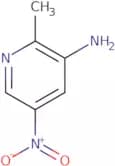
CAS:<p>2-Methyl-5-nitropyridin-3-amine is a heterocyclic compound that is synthesized by the cyclization of 2-methylpyridine with sodium nitrite. The reaction product is hydrolyzed to yield the desired compound, 5-nitropyridine. The synthesis of this compound can be used as a target for organic synthesis.</p>Formula:C6H7N3O2Purity:Min. 95%Molecular weight:153.14 g/molNoratropine
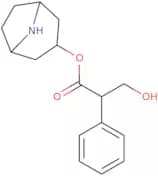
CAS:Noratropine is a drug that belongs to the group of anticholinergic drugs. It is used as a pharmaceutical preparation for the treatment of urinary incontinence and other conditions that are caused by overactivity of the bladder muscles. Noratropine has been shown to have a significant effect on symptoms such as increased urination, urgency, frequency, and nocturia. In addition, it reduces the amount of urine produced at night and during the day. Noratropine can be found in pueraria lobata (Kudzu) and angelicae dahuricae (Angelica). These plants contain natural compounds with anticholinergic properties. Noratropine can also be synthesized from benzalkonium chloride and n-oxide. The synthesis involves two steps: first, benzalkonium chloride reacts with an alcohol to form an acid which then reacts with n-oxide to produce noratropine. This compound can also be obtained from tissueFormula:C16H21NO3Purity:Min. 95%Molecular weight:275.34 g/molD,L-Threo-b-hydroxy aspartic acid
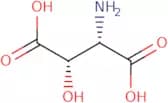
CAS:<p>D,L-Threo-b-hydroxy aspartic acid is a stereoselective synthetic amino acid that has been used to study the uptake and hydrolysis of D,L-threo-b-hydroxy aspartic acid by rat brain synaptosomes. It has also been used in the synthesis of an L-alanine analogue with the same stereochemistry at the chiral center. The stereoselective synthesis of this compound is achieved by epimerization reaction using d-alanine as a starting material. Threo bhda has been shown to inhibit glutamate release from neurons and stimulate GABA release in synaptosomes, which may be due to its ability to bind to ion channels. Threo bhda has also been found to inhibit the binding of radioactive thymidine to calf thymus DNA with a high degree of stereoselectivity.</p>Formula:C4H7NO5Purity:Min. 95%Molecular weight:149.1 g/molErythrosin B
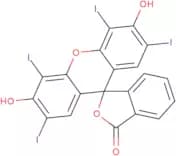
CAS:<p>Erythrosin B is a fluorescent dye that is used in biological research. It has been shown to have cytotoxic effects on human leukemia cells (HL-60) and cytotoxic effects on human lymphocytes. The toxicities of this compound are dependent on the concentration and the duration of exposure, as well as the type of biological sample. Erythrosin B can be used to detect DNA damage in cells by using an analytical method called matrix effect synchronous fluorescence. This dye appears to be genotoxic in vitro and in vivo, but its long-term toxicity is unknown. Erythrosin B has antimicrobial properties against gram-positive bacteria and fungi, but it does not have any activity against Gram negative bacteria or viruses.</p>Formula:C20H8I4O5Purity:Min. 95%Color and Shape:PowderMolecular weight:835.89 g/molVitamin B12 e-Monocarboxylic Acid
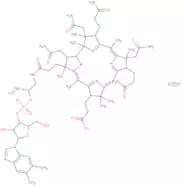
CAS:Controlled Product<p>Please enquire for more information about Vitamin B12 e-Monocarboxylic Acid including the price, delivery time and more detailed product information at the technical inquiry form on this page</p>Formula:C63H87CoN13O15PPurity:Area-% Min. 95 Area-%Color and Shape:PowderMolecular weight:1,356.35 g/molIsovaleryl-Phe-Nle-Sta-Ala-Sta-OH
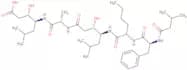
CAS:<p>Isovaleryl-Phe-Nle-Sta-Ala-Sta-OH (IVAS) is a small molecule that has been shown to be an angiotensin system inhibitor. IVAS blocks the binding site of the angiotensin receptor and prevents the activation of this system. This effect is dose dependent and can be used to treat high blood pressure in humans. IVAS is a long-acting drug and has been shown to be effective in primates as well as humans. The drug is rapidly absorbed from the gastrointestinal tract and eliminated by metabolism, mainly through hydrolysis by esterases or glucuronidases, oxidation by cytochrome P450 enzymes, reduction by glutathione reductase, or conjugation with glucuronic acid. IVAS also specifically binds to markers expressed at high levels in Mycobacterium tuberculosis strains (e.g., ESX-1 secretion system protein) and inhibits cell growth in culture.</p>Formula:C39H65N5O9Purity:Min. 95%Molecular weight:747.96 g/mol3-(4'-Methoxy-3'-sulfonamidophenyl)-2-propylamine, hydrochloride
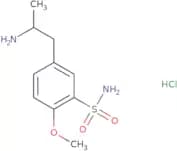
CAS:Controlled Product<p>Please enquire for more information about 3-(4'-Methoxy-3'-sulfonamidophenyl)-2-propylamine, hydrochloride including the price, delivery time and more detailed product information at the technical inquiry form on this page</p>Formula:C10H16N2O3S•HClPurity:Min. 95%Color and Shape:PowderMolecular weight:280.77 g/mol(2'S)-Nicotine 1-oxide
CAS:(2'S)-Nicotine 1-oxide is a nicotinic acetylcholine receptor agonist that acts as an insecticide. It is used on plants to control aphids, thrips, and other pests. The effects of (2'S)-nicotine 1-oxide on animals are not well studied. This compound is marketed as a dietary supplement for weight loss, although there has been no validation of this claim. The matrix effect of this drug can cause interference in the analysis of urine samples. Nuclear DNA can be used to detect the presence of (2'S)-nicotine 1-oxide in cancer tissue. Analytical methods for quantifying (2'S)-nicotine 1-oxide include gas chromatography with mass spectrometry detection (GC/MS), liquid chromatography with tandem mass spectrometry detection (LC/MS/MS), and liquid chromatography with ultraviolet detection (LC/UV).Formula:C10H14N2OPurity:Min. 95%Color and Shape:PowderMolecular weight:178.23 g/molEnt-paroxetine hydrochloride
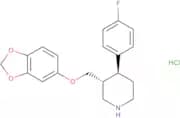
CAS:Controlled Product<p>Please enquire for more information about Ent-paroxetine hydrochloride including the price, delivery time and more detailed product information at the technical inquiry form on this page</p>Formula:C19H21ClFNO3Purity:Min. 95%Color and Shape:PowderMolecular weight:365.83 g/mol2,4,4’-Trichlorobiphenyl
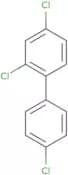
CAS:Controlled Product<p>2,4,4’-Trichlorobiphenyl is a polychlorinated biphenyl congener. It has been shown to have an adverse effect on the central nervous system, causing neurotoxicity. 2,4,4’-Trichlorobiphenyl has been used as a model system for the study of the effects of environmental toxins on mitochondrial membrane potential and lipid peroxidation. 2,4,4’-Trichlorobiphenyl binds to fatty acids in mitochondria and inhibits fatty acid β-oxidation. The inhibition of fatty acid oxidation leads to increased levels of protocatechuic acid in the serum and liver tissue. 2,4,4’-Trichlorobiphenyl has also been found to be toxic to aquatic organisms such as fish and shrimp at low concentrations.</p>Formula:C12H7Cl3Purity:Min. 95%Molecular weight:257.54 g/mol(R)-(-)-3-Hydroxybutyric acid methyl ester
CAS:<p>(R)-(-)-3-Hydroxybutyric acid methyl ester is a monocarboxylic acid that is metabolized by phosphofructokinase and other enzymes to produce the corresponding 3-hydroxybutyrate. This compound is synthesized from tiglic acid, which can be obtained from corynebacterium. The production of (R)-(-)-3-Hydroxybutyric acid methyl ester can be optimized by using a biotransformation process. This process includes enzymatic reactions and chemical transformations, such as hydroxylation, carbonylation, and stereoselective synthesis. The metabolic pathway for this compound has been studied using a DNA microarray analysis.</p>Formula:C5H10O3Purity:Min. 95%Molecular weight:118.13 g/mol4-Nitrophenylhydrazine hydrochloride
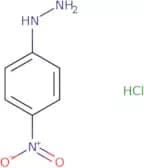
CAS:<p>4-Nitrophenylhydrazine hydrochloride is an organic compound that belongs to the class of hydrazines. It is a colorless solid that has a melting point of 202-204 °C. 4-Nitrophenylhydrazine hydrochloride is used in the synthesis of other compounds, such as trifluoroacetic acid and nucleophilic compounds. The chemical structure can be analyzed using nuclear magnetic resonance (NMR) spectroscopy, which shows that this compound contains amines and nitro groups. 4-Nitrophenylhydrazine hydrochloride is also soluble in water due to its acidic nature. This compound reacts with bases and alcohols to form salts, such as monosodium salt.</p>Formula:C6H7N3O2·HClPurity:Min. 95%Color and Shape:PowderMolecular weight:189.6 g/molN-Cbz-L-aspartic acid 1-benzyl ester
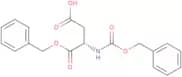
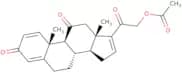
CAS:<p>N-Cbz-L-aspartic acid 1-benzyl ester is a synthetic stereoselective allyl group that can be used for biochemical studies. It has been shown to have a role in the repair of damaged DNA and cellular growth. N-Cbz-L-aspartic acid 1-benzyl ester is an adenosine diphosphate (ADP) analog, which acts as an acceptor of ADP and inhibits phosphatases.</p>Formula:C19H19NO6Purity:Min. 95%Color and Shape:PowderMolecular weight:357.36 g/mol21-Hydroxy-pregna-1,4,16-triene-3,11,20-trione 21-acetate
CAS:Controlled ProductPlease enquire for more information about 21-Hydroxy-pregna-1,4,16-triene-3,11,20-trione 21-acetate including the price, delivery time and more detailed product information at the technical inquiry form on this pageFormula:C23H26O5Purity:Min. 95%Molecular weight:382.45 g/molCalcitonin N-Terminal Flanking Peptide (human)
CAS:<p>Please enquire for more information about Calcitonin N-Terminal Flanking Peptide (human) including the price, delivery time and more detailed product information at the technical inquiry form on this page</p>Formula:C264H426N74O97SPurity:Min. 95%Molecular weight:6,220.71 g/molEltrombopag olamine
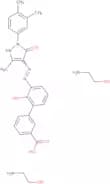
CAS:Eltrombopag olamine is an orally active drug that belongs to the class of thiazolidinones. It has been used for the treatment of thrombocytopenia in patients with chronic liver disease and myelodysplastic syndrome. Eltrombopag olamine inhibits platelet aggregation by binding to glycoprotein IIb/IIIa receptors on the surface of platelets. The drug is a prodrug that is metabolized in vivo to its active form, eltrombopag. This conversion is catalysed by CYP3A4 and CYP2D6 enzymes and can be inhibited by drugs that inhibit these enzymes, such as trifluoroacetic acid and hydroxyl group-containing compounds. Eltrombopag olamine binds to erythrocytes, which may be due to its ability to form intramolecular hydrogen bonds with nitrogen atoms. The synthesis of eltFormula:C25H22N4O4•(C2H7NO)2Purity:Min. 95%Color and Shape:PowderMolecular weight:564.63 g/mol3-Fluoro-4-nitrophenol
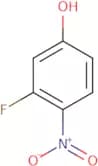
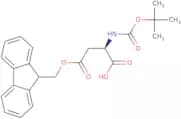
CAS:<p>3-Fluoro-4-nitrophenol is an organic solvent that is used in the synthesis of a number of organic and inorganic compounds, including diazonium salts. 3-Fluoro-4-nitrophenol can be reacted with organometallic reagents to form tetraphenylmethane derivatives. It has been shown to have potential use as a precursor for the synthesis of a number of pharmaceuticals, such as regorafenib, which is an antiangiogenic drug. 3-Fluoro-4-nitrophenol reacts with chloride ions to form coelomic acid (3-fluoroaniline) and other organic acids. Reaction with magnesium and aluminium produces silicon nitride.</p>Formula:C6H4FNO3Purity:Min. 95%Molecular weight:157.1 g/molBoc-D-aspartic acid β-9-fluorenylmethyl ester
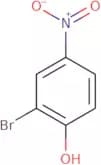
CAS:<p>Please enquire for more information about Boc-D-aspartic acid beta-9-fluorenylmethyl ester including the price, delivery time and more detailed product information at the technical inquiry form on this page</p>Formula:C23H25NO6Purity:Min. 95%Molecular weight:411.45 g/mol2-Bromo-4-nitrophenol
CAS:2-Bromo-4-nitrophenol is a byproduct of the reaction between hydrogen peroxide and sodium bromate. It can be detected in the presence of hydrochloric acid, which reacts with 2-bromo-4-nitrophenol to form an orange color that can be detected spectrophotometrically. 2-Bromo-4-nitrophenol has been shown to inhibit the growth of various strains of bacteria, including Escherichia coli, Bacillus subtilis, and Pseudomonas aeruginosa. This compound binds to flavin adenine dinucleotide (FAD) as well as other nucleophilic cofactors such as thioredoxin reductase. The binding affinity is increased when carbon sources are present. This property makes it a useful inhibitor for catalytic reduction reactions in biotechnology and synthetic chemistry applications.br>br> 2B4NP is a byFormula:C6H4BrNO3Purity:Min. 95%Color and Shape:PowderMolecular weight:218 g/mol1-[(4-Nitrophenyl)methyl]-1H-1,2,4-triazole
CAS:1-[(4-Nitrophenyl)methyl]-1H-1,2,4-triazole (NPT) is a drug that is used to treat migraine. It is an effective and fast acting drug that has been shown to be more efficient than other triptans. NPT inhibits the uptake of serotonin by binding to its receptors in the brain and causing vasoconstriction. The compound has been found to be safe for use in humans. However, it may cause impurities such as genotoxic nitro groups which are harmful to cells if present at high concentrations. There are various techniques that can be used to measure the kinetics of NPT and determine whether it has been hydrogenated during synthesis or not. These include calibration curves, HPLC, and GC methods.Formula:C9H8N4O2Purity:Min. 95%Molecular weight:204.19 g/mol

![2-[4-(tert-Butyldimethylsilyloxymethyl)-2-nitrophenoxy]acetic Acid](/_next/image/?url=https%3A%2Fstatic.cymitquimica.com%2Fproducts%2F3D%2Fthumb-webp%2FFB60313.webp&w=3840&q=75)



![Spiro[androsta-1,4-diene-6,2'-oxirane]-3,17-dione](/_next/image/?url=https%3A%2Fstatic.cymitquimica.com%2Fproducts%2F3D%2Fthumb-webp%2FFS27865.webp&w=3840&q=75)


![1-[(4-Nitrophenyl)methyl]-1H-1,2,4-triazole](/_next/image/?url=https%3A%2Fstatic.cymitquimica.com%2Fproducts%2F3D%2Fthumb-webp%2FFN149526.webp&w=3840&q=75)