Flavonoids
Subcategories of "Flavonoids"
- Anthocyanidins(46 products)
- Anthocyanin(46 products)
- Catechin(88 products)
- Chalcones(237 products)
- Pterocarpan(28 products)
Found 2410 products of "Flavonoids"
Isoliquiritin
CAS:Isoliquiritin is a flavonoid compound, which is primarily extracted from the roots of the Glycyrrhiza glabra plant, commonly known as licorice. The compound is characterized by its unique chemical structure that plays a significant role in its biological activity. The mode of action of isoliquiritin is tied to its ability to interact with various cellular signaling pathways. It exhibits antioxidant, anti-inflammatory, and antimicrobial properties by modulating the expression of specific enzymes and inhibiting the activity of pro-inflammatory cytokines. Additionally, its potential in modulating cellular pathways makes it an intriguing subject for research related to metabolic and cardiovascular health.Formula:C21H22O9Purity:Min. 85.0 Area-%Molecular weight:418.39 g/molRef: 3D-Q-100563
-Unit-mgmgTo inquire10mgTo inquire25mgTo inquire50mgTo inquire100mgTo inquire250mgTo inquireCochliophilin A
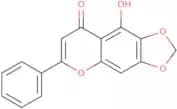
CAS:Cochliophilin A is a specialized secondary metabolite, which is isolated from certain fungal species, notably of the genus *Cochliobolus*. This compound is known for its role as a self-germination and tropic factor, meaning it can influence both the germination and directional growth of fungal spores. The mechanism of action involves its binding to specific receptors on the spore surface, triggering intracellular pathways that promote germination under suitable environmental conditions. Furthermore, it can induce directed growth responses, facilitating interactions between fungi and host organisms in nature.Formula:C16H10O5Purity:Min. 95%Color and Shape:PowderMolecular weight:282.25 g/molBiochanin A-7-methyl ether
CAS:Biochanin A-7-methyl ether is a naturally occurring isoflavone, which is derived from plant sources such as the Fabaceae family. It is a methylated derivative of the isoflavone biochanin A. The compound is predominantly obtained through extraction and purification processes from specific plant materials known to contain isoflavones.
Formula:C17H14O5Purity:Min. 98 Area-%Color and Shape:PowderMolecular weight:298.29 g/mol3,2'-Dimethoxyflavone
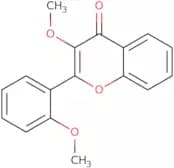
CAS:3,2'-Dimethoxyflavone is a specialized type of naturally occurring flavone, which is commonly derived from various plant sources such as leaves, stems, and roots. As a flavonoid compound, it is part of a larger class of polyphenolic substances known for their diverse biological activities. The mode of action of 3,2'-Dimethoxyflavone primarily involves its interaction with cellular oxidative pathways, where it exhibits potential antioxidant properties. Additionally, it may act as an enzyme inhibitor, possibly affecting pathways tied to signal transduction and metabolism.
Formula:C17H14O4Purity:Min. 95%Molecular weight:282.29 g/molLoureirin B
CAS:Loureirin B is a natural polyphenolic compound, which is derived from the resin of Dracaena cochinchinensis, commonly known as Dragon's Blood. This compound exhibits its mode of action primarily through the inhibition of key inflammatory pathways, including the suppression of cyclooxygenase-2 (COX-2) and the reduction of pro-inflammatory cytokines. Such mechanisms suggest its potential in modulating inflammatory responses effectively.Formula:C18H20O5Purity:Min. 95%Color and Shape:White PowderMolecular weight:316.35 g/mol7,2'-Dibenzyloxy-8,4'-dimethoxyisoflavone
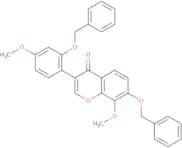
CAS:7,2'-Dibenzyloxy-8,4'-dimethoxyisoflavone is a complex flavonoid derivative, which is a synthetic isoflavone compound with potential applications in medical and biochemical research. It is derived from the modification of naturally occurring isoflavones, typically found in various plants, including soybeans. Isoflavones like this compound are of significant interest due to their estrogenic activities, as they can mimic or influence estrogen action in biological systems.
Formula:C31H26O6Purity:Min. 95%Molecular weight:494.53 g/mol5,6,7,2'-Tetramethoxyflavone
CAS:5,6,7,2'-Tetramethoxyflavone is a naturally occurring flavonoid, which is a type of polyphenolic compound. It is predominantly sourced from various plant species known for their medicinal properties. Flavonoids are typically derived from the intricate biochemical pathways in plants, where they contribute to the plant's defense mechanisms against environmental stressors.Formula:C19H18O6Purity:Min. 95%Molecular weight:342.34 g/mol4',6-Dihydroxyflavone
CAS:4',6-Dihydroxyflavone is a naturally occurring flavonoid, commonly found in various plants and foods. It is a compound derived from the flavonoid class, which is known for its wide range of biological activities. This compound is isolated from plant sources, and it shares the common structure of flavones, consisting of a 15-carbon skeleton with hydroxyl groups at specific positions, enhancing its antioxidant properties.Formula:C15H10O4Purity:Min. 95%Color and Shape:PowderMolecular weight:254.24 g/mol2',5,6',7-Tetrahydroxyflavanone
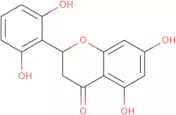
CAS:2',5,6',7-Tetrahydroxyflavanone is a naturally occurring flavanone, which is a type of flavonoid compound. It is primarily sourced from various plant species, where it functions as a secondary metabolite. This compound exhibits significant antioxidant activity, which is mediated through its ability to scavenge free radicals and chelate metal ions, thereby mitigating oxidative stress at the cellular level.Formula:C15H12O6Purity:Min. 95%Color and Shape:PowderMolecular weight:288.25 g/mol6-Hydroxyflavone
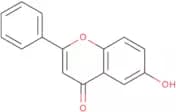
CAS:6-Hydroxyflavone is a flavonoid compound, which is a type of secondary metabolite derived from plants. It is commonly found in various plant species and is known for its diverse array of biological activities. The mode of action of 6-Hydroxyflavone involves its interaction with various enzymatic systems and receptors, including modulation of signaling pathways and antioxidant activity. This compound acts primarily through the inhibition of enzymes such as phosphodiesterases and by exhibiting potential neuroprotective effects through GABAergic and serotonergic systems.
Formula:C15H10O3Purity:Min. 95%Color and Shape:PowderMolecular weight:238.24 g/molPunctatin
CAS:Punctatin is a naturally occurring anthraquinone, which is primarily sourced from various plant species. This compound is characterized by its unique chemical structure, which contributes to its potent bioactivity. The mode of action of Punctatin involves the disruption of microbial cell wall synthesis and interference with essential enzymatic functions, rendering it effective against a wide range of microbial pathogens.Formula:C17H14O6Purity:Min. 95%Molecular weight:314.29 g/molSilymonin
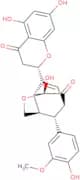
CAS:Silymonin is a herbal supplement, which is derived from the seeds of the milk thistle plant, Silybum marianum. The active components of Silymonin are flavonolignans, collectively known as silymarin. These compounds exhibit potent antioxidant activity by scavenging free radicals and interfering with lipid peroxidation, thereby protecting cellular membranes from oxidative damage. Additionally, Silymonin modulates the expression of genes associated with inflammation and apoptosis, contributing further to its hepatoprotective effects.
Formula:C25H22O9Purity:Min. 95%Color and Shape:PowderMolecular weight:466.44 g/molRobinetin
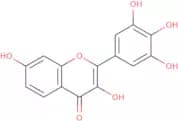
CAS:Robinetin is a flavonoid, which is a type of polyphenolic compound, isolated primarily from the black locust tree (Robinia pseudoacacia). As a naturally occurring compound, it is biosynthesized within the plant's tissues and is responsible for various physiological activities. The mode of action of Robinetin primarily involves its antioxidant properties, where it interacts with free radicals to neutralize oxidative stress, thus protecting cells from damage. Additionally, it has been observed to modulate enzyme activities and may influence signaling pathways related to inflammation and cellular responses.Formula:C15H10O7Purity:Min. 95%Color and Shape:Yellow PowderMolecular weight:302.24 g/molAbyssinone IV
CAS:Abyssinone IV is a naturally occurring isoflavonoid, which is derived from plants, particularly those in the genus Erythrina. Isoflavonoids are a class of secondary metabolites known for their diverse pharmacological properties. The source of Abyssinone IV is primarily the Erythrina species, which have been traditionally used in various ethnomedicinal practices.Formula:C25H28O4Purity:Min. 95%Molecular weight:392.49 g/molGlabridin
CAS:Glabridin is a flavonoid compound, which is primarily isolated from the root of the licorice plant, Glycyrrhiza glabra. It functions as a potent skin-lightening and anti-inflammatory agent through its ability to inhibit melanin synthesis in the skin. This mode of action is primarily achieved by inhibiting the activity of tyrosinase, an enzyme crucial in the melanin biosynthesis pathway. Additionally, Glabridin exhibits antioxidant properties, which help to protect skin cells from oxidative damage.Formula:C20H20O4Purity:Min. 98 Area-%Color and Shape:PowderMolecular weight:324.37 g/mol5,4'-Dihydroxy-6,7,8-trimethoxyflavone
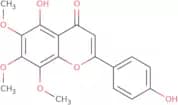
CAS:5,4'-Dihydroxy-6,7,8-trimethoxyflavone is a flavonoid compound, which is derived from various plant sources known for their bioactive properties. This compound is a type of polyphenolic molecule typically found in certain medicinal herbs and plants. Its mode of action involves the modulation of cellular signaling pathways due to its antioxidant properties. It exhibits the ability to scavenge free radicals, thereby protecting cells from oxidative stress. Additionally, it may influence enzyme activity that is crucial for maintaining cellular homeostasis.
Formula:C18H16O7Purity:Min. 95%Molecular weight:344.32 g/mol(+/-)-Taxifolin
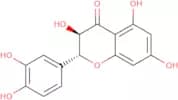
CAS:(+/-)-Taxifolin is a flavonoid compound, which is a type of polyphenolic antioxidant. It is derived primarily from natural sources such as the Siberian larch tree (Larix sibirica), among other plant species. Its mode of action involves the scavenging of free radicals and inhibition of oxidative stress pathways, contributing to reduced cellular damage caused by reactive oxygen species (ROS). Furthermore, taxifolin modulates the activity of various enzymes and receptors involved in inflammatory pathways, thereby exerting anti-inflammatory effects.Formula:C15H12O7Purity:Min. 95%Color and Shape:PowderMolecular weight:304.25 g/molLuteolin-6-C-glucoside
CAS:Luteolin-6-C-glucoside is a flavonoid glycoside, which is a bioactive compound derived from various plant sources, including celery, parsley, and certain herbs. This compound is characterized by the attachment of a glucose molecule at the C-6 position of luteolin, a naturally occurring flavonoid. The mode of action of luteolin-6-C-glucoside primarily involves its antioxidant properties, where it neutralizes free radicals and reduces oxidative stress within biological systems.Formula:C21H20O11Purity:Min. 98 Area-%Color and Shape:PowderMolecular weight:448.38 g/molLuteolin
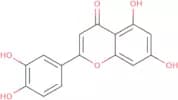
CAS:Luteolin is a flavonoid compound, which is a naturally occurring substance found predominantly in various fruits, vegetables, and medicinal herbs. Its sources are diverse, including parsley, artichokes, celery, and chamomile tea, where it is accumulated as a secondary metabolite. The mode of action of luteolin primarily involves the inhibition of key enzymes and pathways that lead to oxidative stress and inflammation, including but not limited to the cyclooxygenase and lipoxygenase pathways. This inhibition results in its strong antioxidant and anti-inflammatory properties.Formula:C15H10O6Purity:Min. 95 Area-%Color and Shape:White Yellow Green PowderMolecular weight:286.24 g/mol3,6,2'-Trimethoxyflavone
CAS:3,6,2'-Trimethoxyflavone is a synthetic flavonoid compound, which is derived from structural modifications of naturally occurring flavones found in various plants. Flavonoids are a class of polyphenolic compounds known for their diverse biological activities. The synthetic derivation of this compound allows researchers to explore modifications that can enhance or diversify its biological properties.Formula:C18H16O5Purity:Min. 95%Color and Shape:PowderMolecular weight:312.32 g/mol3',4',5'-Trimethoxyflavanone
3',4',5'-Trimethoxyflavanone is a specialized flavonoid compound, which is synthesized from natural sources, such as plants belonging to the flavonoid family. This compound is characterized by its distinctive methoxy group modifications on the flavanone backbone, enhancing its bioactive potential. Its mode of action involves modulation of various biochemical pathways, including antioxidant systems and inflammatory mediators. By stabilizing free radicals and inhibiting pro-inflammatory enzymes, 3',4',5'-Trimethoxyflavanone plays a crucial role in cellular protection and homeostasis.
Formula:C18H16O5Purity:Min. 95%Molecular weight:312.3 g/molCarthamidin tetramethyl ether
CAS:Carthamidin tetramethyl ether is a chemical compound classified as a flavonoid, which is a naturally occurring phytochemical. It is derived from the safflower plant (Carthamus tinctorius), which belongs to the Asteraceae family. The primary mode of action of Carthamidin tetramethyl ether involves its antioxidant properties, which allow it to scavenge free radicals and reduce oxidative stress. Additionally, it may interact with specific cellular pathways, influencing gene expression and enzyme activities related to inflammatory responses and cellular metabolism.Formula:C19H20O6Purity:Min. 95%Molecular weight:344.36 g/mol6,3'-Dihydroxyflavone
CAS:6,3'-Dihydroxyflavone is a naturally occurring flavonoid, which is a type of polyphenolic compound. It is sourced from various plant species known for their beneficial phytochemicals. This compound acts primarily as a selective TrkB agonist, mimicking the effects of brain-derived neurotrophic factor (BDNF), thereby influencing neurotrophic signaling pathways. By promoting TrkB phosphorylation, 6,3'-Dihydroxyflavone supports neuronal survival, differentiation, and synaptic plasticity.
Formula:C15H10O4Purity:Min. 95%Color and Shape:PowderMolecular weight:254.24 g/mol3,7,2'-Trihydroxyflavone
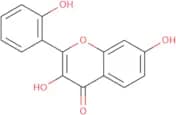
CAS:3,7,2'-Trihydroxyflavone is a naturally occurring flavonoid, which is derived from various plant sources, including fruits, vegetables, and certain herbs. This compound exhibits a significant bioactive profile attributed to its structural characteristics, which include multiple hydroxyl groups. The mode of action of 3,7,2'-Trihydroxyflavone primarily involves its ability to act as a potent antioxidant. This activity is due to its capacity to neutralize free radicals, thereby reducing oxidative stress and contributing to cellular protection.Formula:C15H10O5Purity:Min. 95%Color and Shape:PowderMolecular weight:270.24 g/molPicoxystrobin
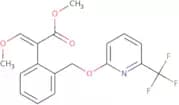
CAS:Picoxystrobin is a strobilurin fungicide, which is derived from natural fungal compounds. This compound is synthesized to mimic the mode of action found in fungi of the Strobilurus species. Picoxystrobin acts by inhibiting mitochondrial respiration in fungal cells. Specifically, it disrupts the electron transport chain by competitively binding to the Qo site of cytochrome b, effectively halting ATP production and leading to cell death.
Formula:C18H16F3NO4Purity:Min. 95%Color and Shape:PowderMolecular weight:367.32 g/mol4'-Hydroxyflavonol
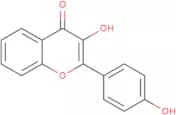
CAS:4'-Hydroxyflavonol is a flavonoid compound, which is a naturally occurring phenolic structure commonly found in various plants. It is derived from sources such as fruits, vegetables, and certain medicinal herbs known for their rich polyphenolic content. The mode of action of 4'-Hydroxyflavonol primarily involves its antioxidant properties. It is capable of scavenging free radicals and chelating metal ions, thus protecting cells from oxidative stress and potential damage. Additionally, it may influence signaling pathways related to inflammation and immune response.Formula:C15H10O4Color and Shape:Slightly Yellow PowderMolecular weight:254.24 g/mol5,4'-Dimethoxyflavone
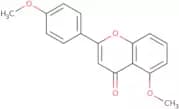
CAS:5,4'-Dimethoxyflavone is a synthetic flavone, which is derived from modifications to the natural flavonoid backbone found in various plant sources, particularly within the family of citrus fruits. This compound acts primarily by modulating multiple cellular pathways, including those involved in oxidative stress and signal transduction, thereby influencing apoptotic and cell proliferation processes.Formula:C17H14O4Purity:Min. 95%Color and Shape:PowderMolecular weight:282.29 g/mol6-Methoxyflavonol
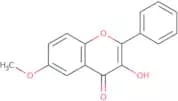
CAS:6-Methoxyflavonol is a flavonoid compound, which is a type of polyphenolic substance commonly found in various plants. It is derived from natural sources such as fruits, vegetables, and certain herbs. Flavonoids like 6-Methoxyflavonol are known for their diverse biological activities, largely attributed to their antioxidant properties. The compound acts as an antioxidant by neutralizing free radicals, which helps to protect cells from oxidative stress and potential damage.
Formula:C16H12O4Purity:Min. 95%Color and Shape:Off-White PowderMolecular weight:268.26 g/mol3-Hydroxy-7,3',4',5'-tetramethoxyflavone
CAS:3-Hydroxy-7,3',4',5'-tetramethoxyflavone is a specific type of polymethoxylated flavonoid, which is a bioactive compound extracted primarily from the plant Oroxylum indicum. This compound falls into a broader class of flavonoids, which are polyphenolic compounds known for a variety of biological activities. The source, Oroxylum indicum, is a tree widely used in traditional medicine, particularly in Ayurveda, for its rich concentration of phytochemicals.Formula:C19H18O7Purity:Min. 95%Molecular weight:358.34 g/mol5',8''-Biluteolin
CAS:5',8''-Biluteolin is a naturally occurring flavonoid, which is a specific type of plant-derived polyphenolic compound. It is primarily sourced from various plant species known for their rich flavonoid content, including certain herbs and fruits. This compound exerts its effects by modulating key signaling pathways, including the inhibition of specific kinases and transcription factors, which are critical in the regulation of cellular inflammation and proliferation.Formula:C30H18O12Purity:Min. 95%Color and Shape:Orange PowderMolecular weight:570.46 g/molHispidulin
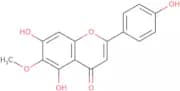
CAS:Hispidulin is a naturally occurring flavonoid compound, which is predominantly derived from plants such as Salvia and Artemisia species. This bioactive compound exhibits a broad spectrum of pharmacological activities that have garnered attention in the scientific community. Its mode of action involves the modulation of cellular pathways, including the inhibition of enzymes like cyclooxygenases, which are pivotal in inflammatory responses. Furthermore, Hispidulin has been shown to influence neurotransmitter systems, including GABAergic activity, indicating potential neuroprotective effects.Formula:C16H12O6Purity:Min. 98 Area-%Color and Shape:Off-White PowderMolecular weight:300.26 g/molHesperidin methylchalcone
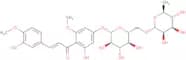
CAS:Hesperidin methylchalcone is a specialized flavonoid product, which is derived from citrus fruits, predominantly oranges. It is chemically modified from its natural form to enhance its solubility and bioavailability, making it more effective in biological systems. The mode of action of hesperidin methylchalcone involves the modulation of oxidative stress and inflammation within the body, primarily by acting as an antioxidant and anti-inflammatory agent. It achieves these effects by scavenging free radicals and inhibiting pro-inflammatory enzymes, which contributes to cellular protection and stabilization of connective tissues.
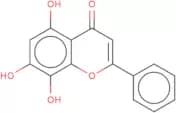
Formula:C29H36O15Purity:Min. 98.0%Color and Shape:PowderMolecular weight:624.59 g/mol5,7,8-Trihydroxyflavone
CAS:5,7,8-Trihydroxyflavone is a flavonoid compound, which is a type of phytochemical derived from the structural class of polyphenols commonly found in various plants. This specific flavonoid is naturally occurring in certain botanicals and can be isolated through extraction processes. The mode of action of 5,7,8-Trihydroxyflavone involves its interaction with cellular pathways, primarily acting as an antioxidant. It mitigates oxidative stress by scavenging free radicals and upregulating the expression of antioxidant enzymes.Formula:C15H10O5Purity:Min. 95%Color and Shape:Yellow PowderMolecular weight:270.24 g/mol3,3',4',5,7-Pentamethoxyflavone
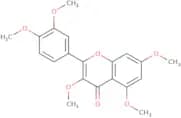
CAS:3,3',4',5,7-Pentamethoxyflavone is a naturally occurring flavonoid compound, which is often extracted from specific plant sources. As a member of the flavonoid family, it is typically found in various plant extracts and contributes to the chemical diversity observed in phytochemistry.
Formula:C20H20O7Purity:Min. 98 Area-%Color and Shape:Slightly Yellow PowderMolecular weight:372.37 g/molKaempferol-3,4'-diglucoside
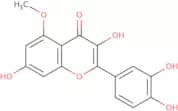
CAS:Kaempferol-3,4'-diglucoside is a glycosylated flavonoid, which is a type of chemical compound found abundantly in various plants. This product is derived from natural sources, particularly from several edible and medicinal plants known for their health benefits. Kaempferol-3,4'-diglucoside functions through mechanisms related to its antioxidant properties, scavenging free radicals and reducing oxidative stress within biological systems.Formula:C27H30O16Purity:Min. 95%Molecular weight:610.52 g/mol5-O-Methyl quercetin
CAS:5-O-Methyl quercetin is a flavonoid compound, which is derived from various plant sources, particularly found in certain fruits, vegetables, and medicinal herbs. It is a methylated form of quercetin, a well-known polyphenolic antioxidant. As a natural derivative, its mode of action includes modulation of various signaling pathways, exhibiting both anti-inflammatory and antioxidant properties through its interaction with intracellular signaling molecules and enzymes such as kinases and transcription factors.Formula:C16H12O7Purity:Min. 95%Color and Shape:Off-White PowderMolecular weight:316.26 g/molNarcissin
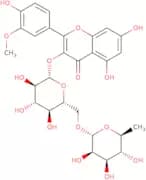
CAS:Narcissin is a flavonoid glycoside, which is a bioactive compound isolated from the Narcissus species, particularly found in various plant parts of the genus Narcissus. The source of narcissin is primarily within the botanical family Amaryllidaceae, known for its diverse metabolic profile and prominent ornamental species.Formula:C28H32O16Purity:Min. 95%Color and Shape:PowderMolecular weight:624.54 g/molMonoxerutin
CAS:Monoxerutin is a bioflavonoid derivative, which is sourced from plant-based compounds known for their beneficial effects on vascular function. Bioflavonoids are naturally occurring compounds present in various fruits, vegetables, and plants, playing a crucial role in plant defense mechanisms and offering significant health benefits when used in medicinal applications. The mode of action of Monoxerutin involves enhancing endothelial function and stabilizing capillary walls, thus improving vascular health. It achieves this by reducing capillary permeability and fragility, which in turn aids in enhancing circulation and providing anti-inflammatory benefits.
Purity:Min. 95%5,3',4'-Trihydroxyflavone
CAS:5,3',4'-Trihydroxyflavone is a natural flavonoid compound often found in a variety of plants. This compound is derived from numerous botanical sources, including fruits and vegetables known to contain flavonoids, which are secondary metabolites widely distributed in the plant kingdom. The mode of action of 5,3',4'-Trihydroxyflavone involves its ability to interact with diverse biological pathways, often exhibiting antioxidant, anti-inflammatory, and potential anti-cancer effects. This interaction occurs through the modulation of enzyme activity and signaling pathways, as well as the scavenging of free radicals, thereby protecting cells from oxidative stress and damage.Formula:C15H10O5Purity:Min. 95%Color and Shape:Slightly Yellow PowderMolecular weight:270.24 g/mol5,2',3'-Trimethoxyflavanone
5,2',3'-Trimethoxyflavanone is a specialized methoxyflavanone, which is a derivative of flavanone compounds. This compound is typically sourced from naturally occurring flavonoids found in various plant species. Its structure incorporates methoxy groups that contribute to its distinct chemical properties and potential biological activity.Formula:C18H16O5Purity:Min. 95%Molecular weight:312.3 g/molPratol
CAS:Pratol is a synthetic antiparasitic agent, which is chemically synthesized from readily available organic precursors. It functions by disrupting the vital metabolic pathways of the targeted parasites, specifically inhibiting certain enzymes vital for parasite survival. Pratol's mode of action involves binding to the active site of these enzymes, effectively halting the necessary biochemical transformations and leading to the death of the parasite.
Formula:C16H12O4Purity:Min. 95%Color and Shape:PowderMolecular weight:268.26 g/mol6-Hydroxygenistein
CAS:6-Hydroxygenistein is a phytoestrogen, which is derived from soy-based isoflavones. Its source, primarily found in soybeans, is rich in naturally occurring compounds that exhibit estrogen-like activity. 6-Hydroxygenistein operates through various mechanisms, including acting as an antioxidant and interacting with estrogen receptors to modulate biological processes.Formula:C15H10O6Purity:Min. 95%Color and Shape:PowderMolecular weight:286.24 g/molEupatilin
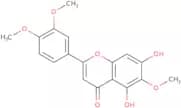
CAS:Eupatilin is a flavonoid compound, which is derived from the Artemisia species. This plant-based source has been traditionally used in various medicinal applications across different cultures. Eupatilin’s mode of action involves inhibition of pro-inflammatory cytokines and modulation of signaling pathways associated with inflammation, such as the NF-kB pathway. Additionally, it has been found to possess antioxidant activities, which further contributes to its therapeutic potential.Formula:C18H16O7Purity:Min. 95%Color and Shape:PowderMolecular weight:344.32 g/molIsorhamnetin-3-O-b-D-glucoside
CAS:Isorhamnetin-3-O-b-D-glucoside is a flavonoid glycoside, which is typically extracted from various plant sources, notably from fruits and medicinal herbs like sea buckthorn and Ginkgo biloba. This compound is recognized for its role in modulating oxidative stress due to its antioxidant capabilities. The glycoside linkage enhances the solubility and bioavailability compared to the aglycone, isorhamnetin.
Formula:C22H22O12Purity:Min. 95 Area-%Color and Shape:Yellow PowderMolecular weight:478.4 g/molQuercetin 3,4'-dimethyl ether
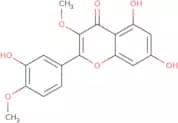
CAS:Quercetin 3,4'-dimethyl ether is a flavonoid derivative, which is a naturally occurring compound found in various plants. It is part of the larger family of flavonoids, known for their diverse biological activities and presence in numerous botanical sources such as fruits, vegetables, and medicinal herbs. The modification of quercetin by methylation alters its solubility and bioavailability, potentially enhancing its biological effects.Formula:C17H14O7Purity:Min. 95%Molecular weight:330.29 g/molApigenin - 97%
CAS:Apigenin - 97% is a high-purity flavonoid compound, which is primarily derived from various plant sources such as parsley, chamomile, and celery. This compound is known for its significant presence in the plant kingdom, where it functions as a secondary metabolite contributing to plant defense.Formula:C15H10O5Purity:Min. 97 Area-%Color and Shape:PowderMolecular weight:270.24 g/mol3-Hydroxy-7,3'-dimethoxyflavone
CAS:3-Hydroxy-7,3'-dimethoxyflavone is a naturally occurring flavonoid, which is a subclass of polyphenolic compounds found in various plants. As a flavonoid, it is characterized by its polyphenolic structure and the presence of hydroxyl and methoxy groups, which are integral to its biological activity. Originating from diverse plant sources, these compounds are often isolated for their potential health benefits and biological activities.Formula:C17H14O5Purity:Min. 95%Molecular weight:298.29 g/molTheaflavin-3,3'-digallate
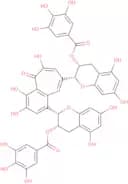
CAS:Theaflavin-3,3'-digallate is a polyphenolic compound, which is primarily derived from black tea through the oxidative fermentation of tea leaves. This compound is part of the theaflavins, which result from the enzymatic oxidation of catechins, the major constituents of green tea. It exhibits various biological activities due to its complex molecular structure, which includes multiple hydroxyl groups that facilitate specific intermolecular interactions.Formula:C43H32O20Purity:Min. 95%Color and Shape:Red PowderMolecular weight:868.7 g/mol6-O-Acetyldaidzin
CAS:6-O-Acetyldaidzin is a chemical compound that serves as an isoflavone derivative, primarily obtained from the acetylation of daidzin. This compound is a naturally occurring glycoside found in soy products and other leguminous plants, acting as a bioactive constituent with diverse pharmacological properties.
Formula:C23H22O10Purity:Min. 95 Area-%Color and Shape:White PowderMolecular weight:458.41 g/mol5,7,8,2'-Tetramethoxyflavone
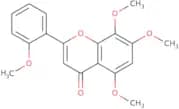
CAS:5,7,8,2'-Tetramethoxyflavone is a naturally occurring flavone compound, which is classified as a polyphenolic molecule commonly found in certain plant species. As a flavonoid, it is derived from plant sources, often extracted from species within the Rutaceae family, among others. These compounds are known for their complex biosynthetic pathways, which involve modified phenylpropanoid and acetate pathways.Formula:C19H18O6Purity:Min. 95%Molecular weight:342.34 g/mol