Carbohydrates and glycoconjugates
Carbohydrates are organic compounds composed of carbon, hydrogen, and oxygen, with a basic structure formed by monosaccharides. These can combine to form disaccharides, oligosaccharides, or polysaccharides, depending on the number of monomeric units. Carbohydrates play a fundamental role in energy storage, cell structure, and cellular communication. Their derivatives are used in pharmaceutical products, such as sweeteners and excipients.
At CymitQuimica, we offer a wide range of carbohydrates and their derivatives for research and industrial applications.
Found 5013 products of "Carbohydrates and glycoconjugates"
Sort by
Purity (%)
0
100
|
0
|
50
|
90
|
95
|
100
N,N',N''-Triacetylchitotriose
CAS:<p>N,N',N''-Triacetylchitotriose is a chiral compound that is formed from the acetylation of chitin. It has been shown to be an antigen for monoclonal antibodies and a model system for exploring the enzymatic hydrolysis of chitin. N,N',N''-Triacetylchitotriose can be used to investigate the catalytic mechanism of chitinase enzymes, which are involved in breaking down the polysaccharide chitin. It has also been shown to have bioactive properties, such as inhibiting lectins and binding with mannose receptors.</p>Formula:C24H41N3O16Purity:Min. 95 Area-%Color and Shape:White PowderMolecular weight:627.59 g/molCarboxymethyl-dextran sodium salt 20-30% COOH - Average molecular weight 40000
CAS:<p>Drug carrier for cancer therapy & imaging, biocompatible, soluble, biodegradable</p>Color and Shape:PowderD-Melezitose hydrate
CAS:<p>Melezitose is a non-reducing trisaccharide that is produced by many plant sap-consuming insects, such as aphids (e.g. Cinara pilicornis). Melezitose is a component of honeydew which acts as an attractant for ants and also as food for bees. Partial hydrolysis of melizitose releases glucose and turanose, an isomer of sucrose.</p>Formula:C18H32O16•(H2O)xPurity:Min. 95%Color and Shape:White PowderMolecular weight:504.44 g/mol4-Aminophenyl 1,3-a-1,6-a-D-mannotriose
<p>4-Aminophenyl 1,3-a-1,6-a-D-mannotriose is a custom synthesis of the complex carbohydrate Oligosaccharide. It belongs to the group of saccharides and has a CAS number. This product is modified with methylation and glycosylation and is made up of a series of monosaccharides linked by alpha (1,4) or beta (1,2) glycosidic bonds. 4-Aminophenyl 1,3-a-1,6-a-D-mannotriose may be fluorinated during its synthesis using an electrophilic substitution reaction. This product is synthetic and has high purity.</p>Purity:Min. 95%Hyaluronic acid disaccharide sodium salt
CAS:<p>The hyaluronic acid discaccharide and other enzymatically produced polymer homologs from hyaluronic acid have been of value in the study of hyaluronic acid metabolism in healthy and diseased tissues (Hascall, 2019). Hyaluronic acid is a polysaccharide containing repeating disaccharide units of β-1,3-N-acetyl glucosamine and β-1, 4-glucuronic acid. The unsaturated disaccharide hyalobiuronic acid is released from hyaluronic acid by the action of hyaluronidase on umbilical cord (Weissman, 1954).</p>Formula:C14H20NNaO11Purity:Min. 95 Area-%Color and Shape:PowderMolecular weight:401.3 g/molGA1-Ganglioside
CAS:<p>GA1-ganglioside is also known as asialo-GM1 ganglioside. Autoimmune responses to GA1 ganglioside and high titers of anti-GA1 antibodies have been associated with neuromotor disorders, such as, motor neuron disease, multifocal motor neuropathy, and Guillain-Barré syndrome (Kolter, 2006). Anti-GA1 antibodies are also associated withâ¯Borrelia burgdorferiâ¯infection and Lyme disease (Djellaoui, 2016).</p>Formula:C62H114N2O23Purity:Min. 95%Color and Shape:PowderMolecular weight:1,255.57 g/molHeparin derived dp12 Saccharide ammonium salt
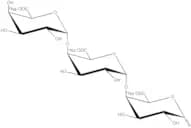
<p>Heparin is a carbohydrate that is derived from the mucopolysaccharide heparin. It is a complex carbohydrate that consists of a chain of alternating N-acetylglucosamine and glucuronic acid. Heparin is used as an anticoagulant to prevent blood clotting, which may occur due to injury or during surgery. Heparin's use in medicine has been limited by its low solubility and rapid clearance from the body. Recently, it has been modified with a fluorine atom on the sugar ring, which increases their solubility and bioavailability. Click chemistry can be used to attach other molecules to the saccharide ammonium salt in order to modify the properties of heparin. This modification can be done with methyl groups or glycosyl groups, and it can also be done with other sugars such as galactose or glucose.</p>Purity:Min. 95%Color and Shape:PowderMolecular weight:~3550 (Average)1,4-β-D-Xylotriose
CAS:<p>1,4-β-D-Xylotriose is a pentose sugar that is the main component of hemicellulose. It is found in plant cell walls and has been studied using surface methodology to determine the covalent linkages and structure of 1,4-β-D-Xylotriose. Xylotrioses are also used as a substrate for enzyme reactions and have shown to have a number of enzymatic activities, including glycosidases, cellulases, xylanases, and arabinofuranosidases. Xylotrioses are also part of complex enzyme models that can be used to study disulfide bonds. Xylotrioses are polymers that are important for structural analysis due to the presence of β-1,4 links. The genome DNA has been found to contain many genes coding for xylanase enzymes.</p>Formula:C15H26O13Purity:Min. 95 Area-%Color and Shape:White PowderMolecular weight:414.36 g/molN-Acetylallolactosamine
CAS:<p>N-Acetylallolactosamine is a lectin that has been shown to have an acceptor for the oligosaccharide, n-acetylllactosamine. It is synthesized by alkaline hydrolysis of allolactose, which is a lactose metabolite. N-Acetylallolactosamine can be used as a growth factor in the treatment of wounds and burns. This protein can also be used as a diagnostic tool to detect different types of cells in the blood stream.</p>Formula:C14H25NO11Purity:Min. 95%Color and Shape:PowderMolecular weight:383.35 g/molNeoagarobiose
CAS:<p>Agarose is a polysaccharide found in red algae, typically Gelidium and Gracilaria. It is a strictly alternating polysaccharide of α-1,3 linked D-galactose and β-1,4 linked L-3,6 anhydrogalactose, with occasional sulfation at position 6 of the anhydrogalactose residue. Agaro-oligosaccharides result from cleavage at galactose residues and neoagaro-oligosaccharides from cleavage at 3,6-anhydro residues. Neoagarobiose is reported to exhibit skin moisturising and whitening properties.</p>Formula:C12H20O10Purity:Min. 98 Area-%Color and Shape:PowderMolecular weight:324.28 g/molMannotetraose squarate
CAS:<p>Mannotetraose squarate is a modified oligosaccharide that is synthesized from mannose and tetraose. It has high purity, which is an advantage over natural oligosaccharides, and can be used in the synthesis of other carbohydrates. Mannotetraose squarate has a CAS number of 385842-90-0, which can be found on the ChemSpider database.</p>Formula:C35H57NO24SPurity:Min. 95%Molecular weight:907.89 g/mol4-Methoxyphenyl 4-O-(4,6-O-benzylidene-3-O-tert-butyldimethylsilyl-2-O-levulinoyl-β-D-glucopyranosyl)-3,6-di-O-benzyl-2-deoxy-2-phth alimido-β-D-glucopyranoside
<p>4-Methoxyphenyl 4-O-(4,6-O-benzylidene-3-O-tert-butyldimethylsilyl-2-O-levulinoyl-b-D-glucopyranosyl)-3,6-di-O-benzyl -2,6'-dideoxygalactopyranoside is a modification of the natural carbohydrate galactose. The sugar moiety has been methylated and glycosylated with a levulinate ester and then fluorinated. This compound is highly pure and can be synthesized on custom order.</p>Formula:C59H67NO15SiPurity:Min. 95%Molecular weight:1,058.24 g/molParomamine 3HCl
CAS:<p>Paromamine is a chemical compound that inhibits protein synthesis by enzymatic inactivation. It has been shown to have a broad spectrum of antibacterial activity against Gram-positive and Gram-negative bacteria. Paromamine also has the ability to inhibit bacterial growth at high salt concentrations, making it an attractive candidate for development as an oral antibiotic drug. Paromamine is synthesized from natural products, such as salicylaldehyde or phenylhydrazine, which are readily available and inexpensive. The reaction mechanism for the formation of paromamine starts with dehydration of the hydroxyl group on the hydrazine to form a carbonyl group. This carbonyl group reacts with sephadex g-100 to form a cyanohydrin. The cyanohydrin reacts with ammonia to form an amide bond between the two nitrogen atoms in the molecule, which forms paromamine.</p>Formula:C12H25N3O7·3HClPurity:Min. 95%Molecular weight:323.34 g/molNGA1 N-Glycan
<p>NGA1 N-glycan is a modified oligosaccharide, carbohydrate, and complex carbohydrate. It is custom synthesized, high purity, and has CAS No. This monosaccharide is methylated and glycosylated. It has a sugar that has been fluorinated and saccharides.</p>Purity:Min. 95%Sucrose stearate - 25-33% monostearate
CAS:<p>The "tallowate" esters are probably the best known derivatives of sucrose and many attempts have been made to commercialise them in order to exploit their excellent surfactant functionalities. The most functional products are the mono- and diesters of the tallow acids (stearic, palmitic, oleic) with hydrophile-lipophile balance (HLB) values that lend themselves to surfactant applications in foods and cosmetics. They also have other uses, for example in coating fruits with a semipermeable membrane that acts as a preservative. Manufacturing economics have prevented these products from mass production and they remain in niche applications.</p>Formula:C30H56O12Color and Shape:White PowderMolecular weight:608.77 g/molGala1-3Galb1-4Glc
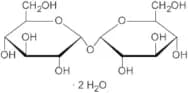
CAS:<p>Galacto-oligosaccharides (GOS) are a class of oligosaccharides that consist of galactose, galactose derivatives, and glucose. They are found in the human diet as a result of lactose breakdown by gut bacteria. GOS can bind to glycoconjugates in the human body, such as glycoproteins and glycolipids, and have been shown to be effective in preventing the growth of pathogens. Galacto-oligosaccharides are also synthetically produced, using a chromatographic method that separates them into individual sugars, where they can be used for research or diagnostic purposes. The biosynthesis of GOS is also known; it is an enzyme-catalyzed reaction involving calcium ions. This process is regulated by Ca2+ signaling, which leads to an increase in the production of GOS when there is a need for more immune cells or white blood cells.</p>Formula:C18H32O16Purity:Min. 90 Area-%Color and Shape:White PowderMolecular weight:504.44 g/mola-Lactose monohydrate
CAS:<p>An α-anomer, obtained by crystallization at low temperature, can be dehydrated to stable form above 130°C or an unstable (hygroscopic) form at lower temperatures. An example of the applications for α-Lactose monohydrate is in dry powder inhalers. These are devices that deliver medication to the lung in the form of a dry powder generating an aerosol directly from the drug powder or mixture, using an excipient such as lactose monohydrate.</p>Formula:C12H22O11·H2OPurity:(%) Min. 95%Color and Shape:PowderMolecular weight:360.31 g/molBiotin impurity C 2HCl
CAS:<p>Biotin impurity C 2HCl is an analytical standard impurity in drug product. It is a bivalent form of biotin, which is a natural amide with the chemical formula C 20 H 27 ClN 2 O 4 S. It has been synthesized and characterized as a custom synthesis. The purity of this compound meets the requirements of pharmacopoeia.</p>Formula:C9H16N2O2SCl2Purity:Min. 95%Molecular weight:287.21 g/molLactosyl fluoride
CAS:<p>Lactosyl fluoride is a kinetic inhibitor of glycosidase enzymes. It has been shown to be an effective inhibitor of the enzyme β-galactosidase in both the presence and absence of calcium. Lactosyl fluoride has also been shown to inhibit other glycosidases, including α-galactosidase and α-mannosidase. The lactose derivative is activated by hydrogen fluoride, which allows it to react with the enzyme and block its activity. This product can be used as a chemical biology tool for studying glycoconjugates or as a medicine for treating diseases caused by the accumulation of oligosaccharides, such as Gaucher's disease or Tay-Sachs disease.</p>Formula:C12H21FO10Purity:Min. 95%Color and Shape:White PowderMolecular weight:344.29 g/molLacto-N-tetraose - 90%
CAS:<p>Core human milk oligosaccharide</p>Formula:C26H45NO21Purity:Min. 90 Area-%Color and Shape:White PowderMolecular weight:707.63 g/molD-Cellopentose heptadecaacetate
CAS:<p>D-Cellopentose heptadecaacetate is a fluorinated, monosaccharide that is synthesized from the sugar cellobiose. It is an oligosaccharide and a complex carbohydrate with one of its glycosidic bonds modified by methylation. D-Cellopentose heptadecaacetate has been shown to be effective in inhibiting glycosylation reactions and can be used as a sugar substitute or for custom synthesis. This product has been shown to have high purity and is available at CAS No. 83058-38-2.</p>Formula:C64H86O43Purity:Min. 95%Color and Shape:White to off-white solid.Molecular weight:1,543.34 g/mol1,6-Anhydro-2-azido-3-O-benzoyl-4-O-(2,3-di-O-benzyl-6-methyl-b-D-glucopyranuronosyl)-b-D-glucopyranose
<p>1,6-Anhydro-2-azido-3-O-benzoyl-4-O-(2,3-di-O-benzyl-6-methyl-b-Dglucopyranosyl)-bDglucopyranose is a custom synthesis that is an oligosaccharide with a molecular weight of 672.1 Da. It is a complex carbohydrate that has been modified to include saccharides and sugars, with the addition of methylation and glycosylation. This molecule has been fluorinated for the purpose of synthesizing a synthetic molecule.</p>Purity:Min. 95%GD2-Ganglioside
CAS:<p>GD2 (shown as sodium salt) has a core trisaccharide structure (GalNAc-b-1,4-Gal-b-1,4-Glc) with its two sialic acids linked b-2,3/b-2,8 to the inner galactose residue and ceramide linked to position 1 on the reducing terminal glucose residue. GD2 ganglioside is expressed at a low concentration in the central nervous system, nerves, skin melanocytes and stem cells in healthy adults. On the other hand, GD2 is overexpressed in a number of tumors, including: neuroblastoma, melanoma, small cell lung carcinoma and brain tumors. Recently, it has been found in low concentrations on breast cancer stem cells (CSC) that possess: self-renewal properties (division without disrupting the undifferentiated state), and tumor-initiating capabilities. It has been suggested that GD2 ganglioside may be developed as an effective target antigen for CSC immunotherapy (Fleurence, 2017).</p>Formula:C78H138N4O34·xNaPurity:Min. 95 Area-%Color and Shape:PowderMolecular weight:1,675.94 g/mol1,1,1,1,1-Kestoheptaose
CAS:<p>Kestoheptaose is a long-chain inulin with a molecular weight of 1,000 Da. It is found in the plant family Asteraceae and is the only natural polysaccharide with seven glucose units. Kestoheptaose has been shown to be involved in the regulation of muscle glycogen levels and can be used as a supplement for athletes or those who are active. The biochemical functions of Kestoheptaose have been validated using an oral ethanol extract, which was shown to increase muscle glycogen levels by up to 132%. This extract also decreased malondialdehyde concentrations by up to 41% and increased urea nitrogen levels by up to 89%.</p>Formula:C42H72O36Purity:Min. 75 Area-%Color and Shape:White PowderMolecular weight:1,153 g/molBlood Group A pentasaccharide type I
<p>A antigen pentasaccharide Type I, possible use in antiviral development</p>Formula:C34H58N2O25Purity:Min. 85%Color and Shape:PowderMolecular weight:894.82 g/molNGA2F Glycan, 2-AB labelled
<p>NGA2F Glycan is a complex carbohydrate that is synthesized by the enzymatic transfer of an N-acetylgalactosamine (GalNAc) residue to a serine or threonine residue on protein. It is modified with methylation, Click modification, and fluorination. NGA2F Glycan has two binding sites for 2-AB labelled monosaccharides. The glycosylation site is located at the non-reducing end of the molecule, while the oligosaccharide site is located at the reducing end of the molecule.</p>Purity:Min. 95%Galactofuranose pentasaccharide PEG6-NH-sp-biotin
<p>Galactofuranose pentasaccharide PEG6-NH-sp-biotin is a PEG compound with two different functional groups (also known as heterobifunctional). Unlike homobifunctional PEG compounds (same functional group on both ends), this type of compounds are more versatile as have two different anchor points. Galactofuranose pentasaccharide PEG6-NH-sp-biotin is used as a linker and spacer to add a PEG moiety, via pegylation (a bioconjugation technique) to proteins, peptides, oligonucleotides, small molecules and nanoparticles.</p>Purity:Min. 95%Erlose
CAS:<p>Erlose is a trisaccharide (b-D-fructofuranosyl-a-D-glucopyranosyl-(1,4)-a-D-glucopyranoside) found in royal jelly and honeys. Erlose has the same sweetening power as sucrose but is less cariogenic.</p>Formula:C18H32O16Purity:Min. 95 Area-%Color and Shape:White PowderMolecular weight:504.44 g/mol4-Methoxyphenyl 4-O-(4-O-acetyl-3,6-di-O-benzyl-2-deoxy-2-phthalimido-b-D-glucopyranosyl)-3-O-benzyl-2-deoxy-2-phthalimido-b-D-gluco pyranoside
<p>4-Methoxyphenyl 4-O-(4-O-acetyl-3,6-di-O-benzyl-2-deoxy-2-phthalimido-b-D-glucopyranosyl)-3,6,2′,4′″triphosphate (4MPP) is a methylated saccharide. It can be modified with click chemistry and has been shown to inhibit the synthesis of glycogen in the liver. 4MPP is a high purity product that has been synthesized from naturally occurring carbohydrates. It is also fluorinated for use in research.</p>Formula:C58H54N2O15Purity:Min. 95%Molecular weight:1,019.05 g/molD-Maltotriose undecaacetate
CAS:<p>CO2-philic compound with uses in pharmaceuticals and CO2-based processes</p>Formula:C40H54O27Purity:Min. 95%Color and Shape:White PowderMolecular weight:966.84 g/molHuman milk neutral di- to -tetrasaccharides
<p>This mixture contains some of the lower oligosaccharides found in human milk. There are small amounts of lactose but the bulk of the mixture are tri- and tetrasaccharides. 3-Fucosyllactose, 3'-Sialyllactose, 6'-Sialyllactose, Lacto-N-tetraose, Sialyllacto-N-tetraose b, Sialyllacto-N-tetraose b and Blood Group A tetrasaccharide type V are the major components that have been found in the mixture by chromatography but there may be other minor components not mentioned here.</p>Purity:Min. 95%N-Acetylneuraminyl-(a2-3)-D-galactopyranosyl-(b1-3)-D-N-acetylgalactosaminyl serine-biotin
<p>N-Acetylneuraminyl-(a2-3)-D-galactopyranosyl-(b1-3)-D-N-acetylgalactosaminyl serine-biotin is a custom synthesis of complex carbohydrates. It is an oligosaccharide with a CAS number and has been modified with methylation, glycosylation, and click chemistry. The carbohydrate has a high purity and has been fluorinated for the purpose of making it synthetic.</p>Formula:C36H58N4O23SPurity:Min. 95%Molecular weight:946.92 g/molN-Glycolylneuraminic acid dimer sodium salt
<p>N-Glycolylneuraminic acid dimer sodium salt is a synthetic sugar that is a glycosylat of N-glycolylneuraminic acid. It is soluble in water and has a CAS number of 1114-12-3. The product has been modified with methyl groups and is available for custom synthesis. It can be used as an intermediate for the synthesis of oligosaccharides, or it can be modified to form complex carbohydrates. This product has been fluorinated and is high purity, making it ideal for use in Click chemistry applications.</p>Purity:Min. 95%Carboxymethyl cellulose sodium - Viscosity 400-800cps
CAS:<p>Food additive; soil suspension polymer in detergents; thickening agent</p>Formula:C28H30Na8O27Purity:Min. 95%Color and Shape:White To Light Brown SolidMolecular weight:982.44Lacto-N-difucohexaose II
CAS:<p>Neutral difuco hexasasaccharide naturally present in human breast milk</p>Formula:C38H65NO29Purity:Min. 90%Color and Shape:PowderMolecular weight:999.91 g/molMaltosan
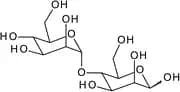
CAS:<p>Anhydro maltose found in the pyrolysis products of cellulose</p>Formula:C12H20O10Purity:Min. 95%Color and Shape:PowderMolecular weight:324.28 g/molMethyl 3-O-(a-D-mannopyranosyl)-b-D-mannopyranoside
<p>Methyl 3-O-(a-D-mannopyranosyl)-b-D-mannopyranoside is a custom synthesized compound that belongs to the group of complex carbohydrates. It is used in the synthesis of oligosaccharides and polysaccharides. Methyl 3-O-(a-D-mannopyranosyl)-b-D-mannopyranoside can be modified through fluorination, which enhances its properties. This product is available in high purity and with a monosaccharide content of 99%. The CAS number for this compound is 4127757-76-4.</p>Formula:C13H24O11Purity:Min. 95%Molecular weight:356.32 g/molMan-8D1D2 N-Glycan
<p>Man-8D1D2 N-glycan is a synthetic glycan that is used as a monosaccharide or polysaccharide. This product is produced through the modification of the natural Man-8D1D2 glycan by the addition of fluorine atoms and methyl groups to the sugar, making it a useful reagent for chemical synthesis. The purity of this product is high and its CAS number is 56612-59-6.</p>Purity:Min. 95%Allyl-D-lactose
CAS:<p>1-O-Allyl-D-lactose is a fluorinated carbohydrate with the chemical formula C6H12O5. It is an oligosaccharide that can be synthesized in high purity and custom synthesis. 1-O-Allyl-D-lactose is a modified saccharide that has been fluorinated at the 1 position and methylated at the 2 position. It can be used as a substrate for glycosylation or click chemistry reactions.</p>Formula:C15H26O11Purity:Min. 95%Color and Shape:White PowderMolecular weight:382.36 g/molN-Acetylneuraminyl-(a2-3)-D-galactopyranosyl-(b1-3)-D-N-acetylgalactosaminyl serine
<p>N-Acetylneuraminyl-(a2-3)-D-galactopyranosyl-(b1-3)-D-N-acetylgalactosaminyl serine is a custom synthesized carbohydrate with an average molecular weight of about 1,000. It has been modified with fluorination, methylation, and click chemistry. This polysaccharide has an acetamido group on the C6 position of N-acetylneuraminic acid and a glycosidic linkage at the C4 position of galactose. The saccharide units are composed of a 2,3-linked galactose residue and a b1,3 linked N-acetylgalactosamine residue. The CAS number for this carbohydrate is 116863-87-8.</p>Formula:C28H47N3O21Purity:Min. 95%Color and Shape:PowderMolecular weight:761.68 g/molD-Cellobiose octaacetate
CAS:<p>Fully acetylated cellohexoses, part of a polymer homologous series of oligosaccharides isolated from cellulose by acetolysis followed by chromatography.</p>Formula:C28H38O19Purity:Min. 98 Area-%Color and Shape:White PowderMolecular weight:678.59 g/molSucrose dodecanoate
CAS:<p>Sucrose dodecanoate is a sugar ester that has been shown to be a 5-HT agonist. It is used as an absorption enhancer for the treatment of choroidal neovascularization. Sucrose dodecanoate was also found to have trypsin-like protease activity and cyclic peptide properties. This drug has been shown to increase insulin sensitivity and growth factor levels in animal models, which may be due to its effects on serine proteases. Sucrose dodecanoate is available as a pharmaceutical dosage form containing fatty acid esters at a concentration of 10%. It has a viscosity of approximately 100 cP, which is expected to provide good bioavailability.</p>Formula:C12H24O2•(C12H22O11)xColor and Shape:Clear LiquidMolecular weight:342.3 g/molBlood group H type I tetrasaccharide
<p>The H type I tetrasaccharide is a glycosylated molecule that belongs to the class of complex carbohydrates. It is an oligosaccharide with a high purity and high degree of methylation. The H Type I Tetrasaccharide is an important component in immunoglobulin G and can be used in the modification of proteins and other compounds, such as oligosaccharides. The H Type I Tetrasaccharide has been shown to have anti-inflammatory properties due to its ability to inhibit the release of pro-inflammatory cytokines from mast cells.</p>Formula:C26H45NO20Purity:Min. 95%Color and Shape:PowderMolecular weight:691.63 g/molDextran 2000 - MW: 1,500,000 to 3,500,000
CAS:<p>Dextran 2000 is a high molecular weight biocompatible polymer with transport properties. It is used in a variety of medical applications, such as red blood cell transfusions and the prevention of post-surgical adhesions. Dextran 2000 has been shown to be a safe and effective means of preventing hemolysis during red blood cell transfusion. This agent binds to amine groups on the surface of erythrocytes, which prevents complement activation and subsequent lysis. Additionally, dextran 2000 has been shown to exhibit low cytotoxicity against neuronal cells in vitro.</p>Purity:Min. 95%Color and Shape:White Off-White PowderChondroitin disaccharide di-4S disodium
CAS:<p>Chondroitin disaccharide Δdi-4S disodium salt (α-ΔUA-[1→3]-GalNAc-4S) comprises a sulfated N-acetylgalactosamine (GalNAc) and a dehydro glucuronic acid (GlcA) unit by the [1→3] linkage . It can used as a substrate for the identification and characterization of enzymes such as Clostridium perfringens unsaturated glucuronyl hydrolase.</p>Formula:C14H19NO14SNa2Purity:Min. 95 Area-%Color and Shape:PowderMolecular weight:503.34 g/molLacto-N-fucopentaose I
CAS:<p>Milk oligosaccharide; expressed on human induced pluripotent cells</p>Formula:C32H55NO25Purity:Min. 95%Color and Shape:White PowderMolecular weight:853.77 g/molBlood Group A trisaccharide-BSA
<p>Core antigen ABO trisaccharide conjugated to BSA</p>Purity:Min. 95%Color and Shape:SolidMethyl 3-O-(2-acetamido-2-deoxy-b-D-galactopyranosyl)-a-D-galactopyranoside
CAS:<p>Methyl 3-O-(2-acetamido-2-deoxy-b-D-galactopyranosyl)-a-D-galactopyranoside is a sugar that is synthesized by the Click modification of 3,4,6-trihydroxybenzoic acid and 2,3,6,7,8-pentahydroxyacetophenone. This sugar is used in glycosylation reactions to modify proteins or peptides.</p>Formula:C15H27NO11Purity:Min. 95%Color and Shape:White PowderMolecular weight:397.38 g/molLactose octaacetate
CAS:<p>The acetates of lactose are useful starting points and intermediates in the synthesis of oligosaccharides based on lactose, particularly in the synthesis of the important oligosaccharides that occur in human milk.</p>Formula:C28H38O19Purity:Min. 98 Area-%Color and Shape:White PowderMolecular weight:678.59 g/molL-Rhamnose monohydrate
CAS:<p>Used to differentiate microorganisms based on their metabolic properties.</p>Formula:C6H14O6Purity:Min. 98.0 Area-%Molecular weight:182.17 g/molRef: 3D-R-3000
1kgTo inquire5kgTo inquire10kgTo inquire500gTo inquire2500gTo inquire-Unit-kgkgTo inquireD-Cellopentaose
CAS:<p>Cellotriose is a bifunctional sugar that can be chemically converted to cellobiose and D-cellopentaose. Cellotriose is a component of cellulose, which is the most abundant biopolymer on Earth. Cellotriose is a source of chitin, which is a major component of the exoskeleton of insects and crustaceans. The molecule has been observed using atomic force microscopy to have an amphiphilic nature, in that it has both hydrophobic and hydrophilic regions. Cellotriose has been synthesized in the laboratory for use as an artificial sweetener, but it does not taste as good as sucrose because it lacks the sweetness profile. When heated, cellotriose undergoes a color change from yellow to blue-green due to its ability to form hydrogen bonds with oxygen molecules. This property can be used as a colorimetric test for cellulase activity in solutions.</p>Formula:C30H52O26Purity:Min. 95%Color and Shape:White Off-White PowderMolecular weight:828.72 g/mol5-O-(a-D-[6,6'-2H2]Glucopyranosyl)-D-fructopyranose
Controlled Product<p>5-O-(a-D-[6,6'-2H2]Glucopyranosyl)-D-fructopyranose is a custom synthesis carbohydrate that is an oligosaccharide. It is a saccharide with a general formula of C6H10O5. One of its modifications is methylation. This product has been fluorinated and modified with the click reaction to create a glycosylated sugar. 5-O-(a-D-[6,6'-2H2]Glucopyranosyl)-D-fructopyranose is not radioactive and has high purity. It is also a polysaccharide that contains glucose monomers that are linked by glycosidic bonds to form branched chains of 10 or more units. The product has an appearance of white powder, and it can be used as an additive for pharmaceuticals, food products, and cosmetics.</p>Formula:C12H20O11D2Purity:Min. 95%Molecular weight:344.31 g/molLactobionate hydrazide
<p>Lactobionate hydrazide is a custom synthesis of an oligosaccharide. It is a complex carbohydrate with CAS No. that has been modified by glycosylation, methylation and fluorination. Lactobionate hydrazide is a polysaccharide which has been synthesized by click chemistry and contains high purity with a sugar content of over 99%. This oligosaccharide is not saccharide-bound and can be modified to produce different chemical structures. Lactobionate hydrazide has been used for glycogen storage disorders, as well as for the synthesis of oligosaccharides for the treatment of cancer cells.</p>Purity:Min. 95%FA2B Glycan, 2-AB labelled
<p>This is a monosaccharide with 2-AB labelled. It is a modification of the oligosaccharide, carbohydrate, complex carbohydrate, and custom synthesis. This product has high purity and CAS No. It is methylated and glycosylated. The product is fluorinated and saccharide.</p>Purity:Min. 95%4-O-{[(6-Azidoethoxy)ethoxy]ethyl}-β-D-galactopyranosyl-2-deoxy-α-D-glucopyranose-2,1-oxazoline
CAS:<p>Please enquire for more information about 4-O-{[(6-Azidoethoxy)ethoxy]ethyl}-β-D-galactopyranosyl-2-deoxy-α-D-glucopyranose-2,1-oxazoline including the price, delivery time and more detailed product information at the technical inquiry form on this page</p>Formula:C20H34N4O12Purity:Min. 95%Molecular weight:522.5 g/mol1,4-b-D-Mannotetraose
CAS:<p>Isolated from ivory-nut mannan, Picea glauca and Pinus strobus glucomannans</p>Formula:C24H42O21Purity:Min. 95 Area-%Color and Shape:White PowderMolecular weight:666.58 g/mol4-O-β-D-Galactosylsucrose
CAS:<p>Similar to Raffinose but with the galactose residue attached 1,4 to the glucose</p>Formula:C18H32O16Purity:Min. 95 Area-%Color and Shape:White PowderMolecular weight:504.44 g/mol4-O-(β-D-Galactopyranosyl)-D-galactopyranose
CAS:<p>Used as enzyme substrates, analytical standards and for in vitro diagnostics</p>Formula:C12H22O11Purity:Min. 95%Color and Shape:White Off-White PowderMolecular weight:342.29 g/molMethyl 2-acetamido-2-deoxy-3-O-(b-D-galactopyranosyl)-a-D-galactopyranoside
CAS:<p>Methyl 2-acetamido-2-deoxy-3-O-(b-D-galactopyranosyl)-a-D-galactopyranoside is a lectin that binds to the terminal galactose of b-D-galactopyranosides. It has been shown to be a potent inhibitor of cellular death and is able to bind to the surface of cells, preventing their destruction by the immune system or other natural factors. The binding site for MGA is found on cell membranes, and it can also act as an antiinflammatory agent. MGA has also been shown to inhibit interactions between proteins, which may lead to changes in protein synthesis and regulation. Lectins are proteins that bind to specific carbohydrates on the surfaces of cells. They are part of a group called glycoproteins and are often used as probes in techniques such as lectin histochemistry and immunohistochemistry.</p>Formula:C15H27NO11Purity:Min. 98 Area-%Color and Shape:White PowderMolecular weight:397.38 g/molChondroitin disaccharide di-diSD trisodium salt
CAS:<p>Chondroitin disaccharide di-diSD trisodium salt is a synthetic, high purity chondroitin sulfate with a molecular weight of about 1 million. It is custom synthesized and modified to include a Click modification on the sugar, fluorination, glycosylation and methylation. The CAS number for this product is 149368-03-6. This product can be used as an ingredient in pharmaceuticals or in cosmetics.</p>Formula:C14H18NO17S2Na3Purity:Min. 95%Color and Shape:PowderMolecular weight:605.39 g/mol3'-Sulfated Lewis X sodium salt
CAS:<p>3'-Sulfated Lewis X sodium salt is a synthetic carbohydrate with a sulfate group on the 3' position of the sugar. It is a selective blocker of E-selectin, a type of selectin that plays an important role in inflammation and tissue injury. The binding site for 3'-sulfated Lewis X sodium salt is the cavity at the end of the selectin molecule, which has a hydrophobic region. This cavity can be blocked by hydrophobic moieties such as sulfates, fatty acids, or steroids. 3'-Sulfated Lewis X sodium salt has been shown to be effective in treating inflammatory conditions such as asthma and arthritis.</p>Formula:C20H34NSO18NaPurity:Min. 95%Color and Shape:White PowderMolecular weight:631.55 g/molDisialyllacto-N-tetraose
CAS:<p>Disialyllacto-N-tetraose is a medicinal compound that has shown promising anticancer properties. It is an analog of a human urinary glycoprotein and has been found to induce apoptosis in cancer cells. Disialyllacto-N-tetraose acts as a tumor inhibitor by blocking the activity of certain protein kinases, which are enzymes that play a role in cell growth and division. This compound has been studied extensively in Chinese medicine and has shown potential as an effective anticancer agent. Its unique structure and mechanism of action make it a promising candidate for further research into cancer treatment.</p>Formula:C48H79N3O37Purity:Min. 85%Molecular weight:1,290.16 g/mol4-Methoxyphenyl 4-O-{2-O-acetyl-3-O-[2,4-di-O-(3,4 ,6-tri-O-acetyl-2-deoxy-2-phthalimido-β-D-glucopyranosyl)-3 ,6-di-O-benzyl-β-D-mannopyranosyl]-β-D-mannopyranosyl}-3 ,6-di-O-benzyl-2-deoxy-2-phthalimido-β-D-glucopyranoside
<p>4-Methoxyphenyl 4-O-[2-O-(3,4,6-tri-O-acetyl-2-deoxy-2-phthalimido-b-D-glucopyranosyl)-3,6-di-O-(3,4,6,-tri -O acetyl 2 deoxy 2 phthalimido b D glucopyranosyl) b D mannopyranosyl] 3,6 di O benzyl 2 deoxy 2 phthalimido b D glucopyranoside (MPP) is a carbohydrate that belongs to the group of saccharides. It is an oligosaccharide sugar with a molecular weight of 1029.5 Da. This compound has been custom synthesized and is available in high purity. MPP is an ester of 4 methoxyphenol and 4 O-[2 O-(3,4,6 tri O acetyl 2 deoxy</p>Formula:C103H105N3O37Purity:Min. 95%Molecular weight:1,976.93 g/molD-Lactal
CAS:<p>D-Lactal is a dibutyltin oxide that is used in the synthesis of n-acetyllactosamine, disaccharides and trisaccharides. D-Lactal has been shown to have high resistance to chloride ion, which is one of the most common reagents for cleavage. It can also be used as a synthetic precursor for other glycoside derivatives by reacting with triflic acid or trisaccharide. Triflic acid and trisaccharide react with chloride to form a stereoselective glycosidic bond. D-Lactal is also able to bind lectins, carbohydrate chemistry and carbohydrate chemistry reagents.</p>Formula:C12H20O9Purity:Min. 95%Color and Shape:White/Off-White SolidMolecular weight:308.28 g/molMaltodecaose - min 90%
CAS:<p>α 1,4-glucodecasaccharide derived from starch by hydrolysis and chromatography</p>Formula:C60H102O51Color and Shape:White PowderMolecular weight:1,639.42 g/molKojibiose
CAS:<p>A rare sugar, prebiotic fibre and inhibitor of α-glucosidases. It inhibits animal-, plant- and microorganism-derived α-glucosidases I. In rodent models for diabetes, it ameliorates arachidic acid-induced liver injury and reduces hepatic inflammatory markers.</p>Formula:C12H22O11Purity:Min. 99 Area-%Color and Shape:White PowderMolecular weight:342.3 g/mol4-Methoxyphenyl 4-O-[2-O-acetyl-3,4-di-O-(2,3,4,6-tetra-O-acetyl-α-D-mannopyranosyl)-6-O-tert-butyldimethylsilyl-β-D-mannopyranosyl] -3,6-di-O-benzyl-2-deoxy-2-phthalimido-β-D-glucopyranoside
<p>This is a modification of the monosaccharide, methylation, glycosylation and polysaccharide. This product has been custom synthesized and is available in high purity with CAS No. The molecular weight of this compound is 476.19 g/mol. The chemical formula is C28H39NO8.</p>Formula:C77H95NO32SiPurity:Min. 95%Molecular weight:1,574.65 g/molGM1b-Oligosaccharide
<p>GM1b pentasaccharide (sodium salt) has a core tetrasaccharide structure (Galβ1,3GalNAcβ1,4Galβ1,4Glc) with a single sialic acid residue linked α2,3 to the terminal galactose residue (Ledeen, 2009). GM1b oligosaccaharide is the carbohydrate moiety in GM1b ganglioside, which is a minor component of human brain monosialoganglioside fraction. GM1b ganglioside and especially anti-GM1b IgG antibodies are associated with axonal Guillain-Barré syndrome, which develops followingâ¯C. jejuniâ¯infection (Yuki, 1999).</p>Formula:C37H61N2O29NaPurity:Min. 90 Area-%Color and Shape:PowderMolecular weight:1,020.87 g/molMaltotriose - Ultrapure
CAS:<p>linear a-(1,4) trisaccharide produced from starch by acid or enzyme hydrolysis</p>Formula:C18H32O16Purity:Min. 95.0 Area-%Color and Shape:PowderMolecular weight:504.44 g/molGangliosides
<p>Sialic acid-containing glycosphingolipids-important component of neuronal cells</p>Purity:Min. 95 Area-%Color and Shape:PowderNeocarrabiose
CAS:<p>Neocarrabiose is a low-energy, hydrogen-bonded sugar that has an optimum concentration of 0.5 M. It is found in the basic structure of oligosaccharides and belongs to group p2. Structural analysis has revealed that Neocarrabiose has a denaturation temperature of 98 °C. Clinical studies have shown that Neocarrabiose may be effective in treating influenza virus, although it is not currently approved for this use. Neocarrabiose can be used as a molecule to form intramolecular hydrogen bonds in organic synthesis and magnetic resonance spectroscopy.</p>Formula:C12H20O10Purity:Min. 95%Color and Shape:White Off-White PowderMolecular weight:324.28 g/molLactobionic acid
CAS:<p>Lactobionic acid is produced by oxidation of lactose. It is widely used in the food and in pharmaceutical field, due to its excellent biocompatibility, biodegradability, nontoxicity, chelating, amphiphilic and antioxidant properties. Lactobionic acid is produced as a white solid powder, freely soluble in water and slightly soluble in anhydrous ethanol and methanol.</p>Formula:C12H22O12Color and Shape:White PowderMolecular weight:358.3 g/mol1,2,3-Tri-O-acetyl-5-O-benzoyl-4-C-fluoromethyl-D-ribofuranose
<p>1,2,3-Tri-O-acetyl-5-O-benzoyl-4-C-fluoromethyl-D-ribofuranose is an organic compound. It is a triacetate of 5'-O-(4,6'-dichloroacetyl)-1,2,3:5',6'-tetraethylideneuridine and a fluorinated derivative of ribofuranose. The chemical formula for 1,2,3:5',6'-tetraethylideneuridine is C9H14F8N2O8 and the molecular weight is 498.17 g/mol.</p>Purity:Min. 95%5-O-β-D-Glucopyranosyl-D-xylitol
CAS:<p>5-O-β-D-Glucopyranosyl-D-xylitol is a disaccharide that is synthesized for use in research.</p>Formula:C11H22O10Purity:Min. 95%Color and Shape:PowderMolecular weight:314.29 g/molGanglioside GM1
CAS:<p>Ganglioside GM1 has a core tetrasaccharide structure (Galβ1,3GalNAcβ1,4Galβ1,4Glc) with sialic acid linked α2,3 to the inner galactose residue, ceramide linked β to position 1 on the reducing terminal glucose residue (Ledeen, 2009), and is abundant in all mammalian brains, where it covers 10%-20% of the total ganglioside mixture. Ganglioside GM1 is found in epithelial membranes and is a key element for the detection of bacterial toxicity and viral infection. It is the intestinal receptor for cholera toxin, the B-subunits of heat-labile toxin (LTB) from E.coli, for rotavirus, and simian virus 40. GM1 functions as a neurotrophic and neuroprotective compound and has been used therapeutically for diabetic and peripheral neuropathies. It also has the ability to bind amyloid-β proteins and is involved in Alzheimer’s pathogenesis (Chiricozzi, 2020).</p>Formula:C73H131N3O31·xNaPurity:Min. 95 Area-%Color and Shape:White PowderMolecular weight:1,546.82 g/molGM3-Ganglioside sodium
CAS:<p>Ganglioside GM3 (sodium salt) has a core disaccharide structure (Galβ1,4Glc) with sialic acid linked α2,3 to the galactose residue and ceramide linked β to position 1 on the reducing terminal glucose residue (Ledeen, 2009). Ganglioside GM3 is strongly associated with human tumors, such as: lung, brain and melanomas, where it is over expressed. It is seen as a possible tumor-associated carbohydrate antigen for cancer immunotherapy (Changping, 2019). GM3 ganglioside is implicated in various other diseases involving chronic inflammation, such as: insulin resistance, leptin resistance, T-cell function and immune disorders (e.g., allergic asthma). It has also been shown to play an essential role in murine and human auditory systems, and a common pathological feature of GM3S deficiency is deafness (Inokuchi, 2018).</p>Formula:C64H118N2O21·xNaPurity:Min. 98 Area-%Color and Shape:White PowderMolecular weight:1,252 g/mol6-O-b-D-Galactosylsucrose
CAS:<p>6-O-b-D-Galactosylsucrose is a methylated, saccharide that can be modified with Click chemistry to produce glycosides. It is a polysaccharide that can be modified with the Modification technique to produce oligosaccharides. 6-O-b-D-Galactosylsucrose is a synthetic, fluorinated, complex carbohydrate with CAS No. 41545-69-1. This product has been shown to have high purity and can be custom synthesized in different lengths and configurations.</p>Formula:C18H32O16Purity:Min. 95%Color and Shape:PowderMolecular weight:504.44 g/molIsomaltoheptaose
CAS:<p>Produced from high maltose syrup by treatment with transglucosidase</p>Formula:C42H72O36Purity:Min. 90 Area-%Color and Shape:White PowderMolecular weight:1,153 g/molMethyl a-maltohexaoside
<p>This product is a custom-synthesized, high purity sugar. The sugar is glycosylated and has undergone click chemistry modification and fluorination. It has been synthesized from monosaccharides and oligosaccharides, which are saccharide carbohydrates. The sugar is an example of a complex carbohydrate.</p>Purity:Min. 95%4-Methoxyphenyl 2,3,6-tri-O-acetyl-4-O-(2,4,6-tri-O-acetyl-3-O-allyl-β-D-galactopyranosyl)-β-D-glucopyranoside
<p>4-Methoxyphenyl 2,3,6-tri-O-acetyl-4-O-(2,4,6-tri-O-acetyl-3-O-allyl bDgalactopyranosyl)-bDglucopyranoside is a modification of an oligosaccharide. It is a high purity and custom synthesis. This product can be found under CAS No. 807827-28-0.</p>Formula:C34H44O18Purity:Min. 95%Molecular weight:740.7 g/mol4'-Galactosyllactose
CAS:<p>Galactosyllactose attenuated NF-κB inflammatory signaling in human intestinal epithelial cells and in human immature intestine. Thus, galactosyllactoses are strong anti-inflammatory agents in human colostrum and early milk, contributing to innate immune modulation. The potential clinical utility of galactosyllactose warrants investigation.</p>Formula:C18H32O16Purity:Min. 90%Color and Shape:White PowderMolecular weight:504.44 g/molKojipentaose
CAS:<p>Kojipentaose is a glycosidic oligosaccharide that is synthesized by the enzyme phosphorylase. It is an important nutrient for many organisms, including bacteria and fungi. Kojipentaose has been found to be synthesized from the terminal sugars of teichoic acids in both Gram-positive and Gram-negative bacteria. The stereoselectivity of the synthesis may be due to enzymatic activity or the availability of chiral substrates.</p>Formula:C30H52O26Purity:Min. 95%Molecular weight:828.72 g/molNystose
CAS:<p>A short chain isomer of inulin</p>Formula:C24H42O21Purity:Min. 98 Area-%Color and Shape:White Off-White PowderMolecular weight:666.58 g/molChondroitin sulphate octasaccharide ammonium salt
<p>Chondroitin sulphate octasaccharide ammonium salt is a synthetic, fluorinated glycosaminoglycan. It is a synthetic, fluorinated glycosaminoglycan that has been synthesized from chondroitin sulfate and 2-amino-2-deoxy-D-glucose. Chondroitin sulphate octasaccharide ammonium salt has the CAS number 93860-92-7. It can be modified to make it more complex, such as methylation or click modification to give it different properties. This product is offered in high purity with a custom synthesis service available on request.</p>Purity:Min. 95%1,4-β-D-Xylohexaose
CAS:<p>1,4-beta-D-xylohexaose is a sugar that belongs to the group of xylooligosaccharides. It is an enzymatic inactivator that binds to the enzyme hydrolase family. Xylooligosaccharides are found in plant cell walls, where they can be used as a carbon source by termites. 1,4-beta-D-xylohexaose has been shown to be most active against neutral ph, but it is not active against acidic ph. The enzyme hydrolase family is inhibited by binding with 1,4-beta-D-xylohexaose and this prevents hydrolysis of carbohydrates, which includes glycosidic bonds.br>br><br>1,4-beta-D-xylohexaose has also been shown to be beneficial for sustainable agriculture practices as it inhibits enzymes that break down xylooligosaccharides</p>Formula:C30H50O25Purity:Min. 95%Color and Shape:PowderMolecular weight:810.7 g/mol3-Aminopropyl b-D-lactose
CAS:<p>Synthetic building block for oligosaccharide synthesis</p>Formula:C15H29O11NPurity:Min. 95 Area-%Color and Shape:White PowderMolecular weight:399.39 g/molBlood group B trisaccharide
CAS:<p>Core antigen fragment in ABO blood group system</p>Formula:C18H32O15Purity:Min. 95%Color and Shape:White PowderMolecular weight:488.44 g/mol3-O-(a-L-Fucopyranosyl)-4-O-(3-sialyl-b-D-galactopyranosyl)-D-glucose
<p>3-O-(a-L-Fucopyranosyl)-4-O-(3-sialyl-b-D-galactopyranosyl)-D-glucose is a modification of the complex carbohydrate, oligosaccharide, monosaccharide, and polysaccharide. It is synthesized by methylation of glucose and glycosylation with sialic acid. The product has a CAS number and a high purity level. This product is an example of a synthetic oligosaccharide that has been fluorinated. The product can be used as an additive or preservative in food products.</p>Formula:C29H49NO23Purity:Min. 95%Molecular weight:779.71 g/molA1F N-Glycan
CAS:<p>N-acetylglucosamine is a monosaccharide that is one of the building blocks of complex carbohydrates. It is found in the A1F N-glycan, which is located on the surface of cancer cells and may be a potential biomarker for endometrial cancer. A1F N-glycan has been detected in many types of cancer, including ovarian, breast, prostate, colorectal, lung, and pancreatic cancers. This glycan also has been shown to play a role in autoimmune diseases and cancer pathogenesis. The A1F N-glycan can be profiled by liquid chromatography with mass spectrometry (LC-MS).</p>Formula:C68H114N4O50·C11H19NO9Purity:Min. 95%Color and Shape:PowderMolecular weight:2,096.9 g/mol4-Aminobutyl 2-O-(a-D-mannopyranosyl)-a-D-mannopyranoside
<p>4-Aminobutyl 2-O-(a-D-mannopyranosyl)-a-D-mannopyranoside is a custom synthesis that has been fluorinated, methylated, and modified with a click modification. The product is a glycosylation that is an oligosaccharide sugar. It is an Oligosaccharide saccharide CAS No. Carbohydrate complex carbohydrate.</p>Purity:Min. 95%Pentagalacturonic Acid
CAS:<p>Pentagalacturonic acid (α-1,4 galacturonopentaose) is derived from pectin or pectic acid, by enzymatic or partial acid hydrolysis (Combo, 2012). It is used in galacturonic acid metabolism research as a substrate to identify, differentiate and characterize endo- and exopolygalacturonase(s) and gluconase(s) (Jayani, 2005). The addition of very short fragments of homogalacturonan, tri-galacturonate, tetra-galacturonate, and penta-galacturonate oligosaccharides, restores development in dark-grown, de-etiolated seedling mutants, suggesting that they are unable to generate de-methylesterified pectin fragments. A model of spatiotemporally separated photoreceptive and signal-responsive cell types has been proposed that contains overlapping subsets of the regulatory network of light-dependent seedling development (Sinclair, 2017).</p>Formula:C30H42O31Purity:Min. 95%Color and Shape:PowderMolecular weight:898.64 g/mol2-Azidoethyl 2-O-(2-acetamido-2-deoxy-b-D-glucopyranosyl)-a-D-mannopyranoside
<p>2-Azidoethyl 2-O-(2-acetamido-2-deoxy-b-D-glucopyranosyl)-a-D-mannopyranoside is a carbohydrate that is a modification of the saccharide oligosaccharide. It has been synthesized by custom synthesis and has high purity, methylation, glycosylation and click modification.</p>Formula:C16H28N4O11Purity:Min. 95%Molecular weight:452.41 g/mol3-O-(a-D-Galactopyranosyl)-b-D-fucopyranosyl propylamine
<p>3-O-(a-D-Galactopyranosyl)-b-D-fucopyranosyl propylamine is a custom synthesis. It is a modification of the natural product. This compound has been fluorinated, methylated and monosaccharide modified. <br>3-O-(a-D-Galactopyranosyl)-b-D-fucopyranosyl propylamine is a synthetic compound that has been created by click chemistry. It contains an oligosaccharide and saccharide group. The CAS number for this compound is 5873087-81-8. 3-O-(a-D-Galactopyranosyl)-b-D-fucopyranosyl propylamine is also glycosylated with sugar groups and has complex carbohydrate chains.</p>Formula:C15H29NO10Purity:Min. 95%Molecular weight:383.39 g/molHeparin disaccharide I-A trisodium salt
CAS:<p>Heparin disaccharide I-A trisodium salt is an oligosaccharide that is a synthetic and modified form of heparin. It is used as a pharmaceutical agent to prevent coagulation, and in the treatment of thrombosis, deep vein thrombosis, pulmonary embolism, and other cardiovascular diseases. This product has been custom synthesized for the modification of sugar structures, fluorination, methylation, sugar modification and click chemistry.</p>Formula:C14H21NO17S2·3NaPurity:Min. 95 Area-%Color and Shape:White Off-White PowderMolecular weight:608.41 g/mol4-Methoxyphenyl 4-O-(3,6-di-O-benzyl-2-deoxy-2-phthalimido-b-D-glucopyranosyl)-3,6-di-O-benzyl-2-deoxy-2-phthalimido-b-D-glucopyrano side
CAS:<p>4-Methoxyphenyl 4-O-(3,6-di-O-benzyl-2-deoxy-2-phthalimido-b-D-glucopyranosyl)-3,6-di-O-benzyl-2-deoxy -2 -phthalimido -b -D -glucopyrano side is a custom synthesis of a complex carbohydrate. It has a CAS number of 140615‑82‑3 and can be found in glycosylations, carbohydrates, methylation, sugar, fluorination. It is high purity with a lot of modifications.</p>Formula:C63H58N2O14Purity:Min. 95%Molecular weight:1,067.14 g/molTetra-guluronic acid sodium
CAS:<p>Tetra-guluronic acid sodium salt (1,4-linked α-L-sodium guluronotetraose) is one of a number of oligosaccharides obtained from alginate, a polysaccharide from brown seaweeds. It contains blocks of: repeating mannuronic acid sequences (M-M-M-M etc), repeating guluronic acid sequences (G-G-G-G etc), and alternating M-G-M-G sequences. This oligosaccharide can be released by acid hydrolysis and a number of biological activities have been discussed in a recent review.</p>Formula:C24H30O25Na4Purity:Min. 98 Area-%Color and Shape:White PowderMolecular weight:810.44 g/molMaltodextrin - dextrose equivalent 16.5-19.5
CAS:<p>Produced from starch by partial hydrolysis. White hygroscopic spray-dried powder, easily digestible, either moderately sweet or almost flavorless (depending on the degree of polymerisation).</p>Color and Shape:White Powder3'-Sialyllacto-N-neotetraose sodium
CAS:<p>3'-Sialyllacto-N-neotetraose sodium is a synthetic, fluorinated oligosaccharide with a sialic acid side chain. This compound has been shown to be an inhibitor of lacto-N-neotetraose synthesis in the human gut. It is also used as a raw material for the synthesis of various complex carbohydrates and as a click modification reagent for saccharides and polysaccharides. 3'-Sialyllacto-N-neotetraose sodium can be modified at its methyl group or sugar moiety to produce desired products.</p>Formula:C37H61N2O29NaPurity:Min. 90%Molecular weight:1,020.86 g/molBlood Group B type III/IV linear trisaccharide
<p>The blood group B type III/IV linear trisaccharide is a synthetic oligosaccharide. The methylation of the saccharide and click modification of the polysaccharide molecule allow for fast, efficient synthesis. This product has been custom synthesized to be free of impurities, high in purity, and available in glycosylation form. It can be modified with fluorination or other modifications to meet your needs.</p>Formula:C20H35NO16Purity:Min. 95%Molecular weight:545.49 g/molSialyllacto-N-fucopentaose VI
<p>Sialyllacto-N-fucopentaose VI is a synthetic, high-purity, complex carbohydrate that has been modified with methylation and fluorination. It is a glycosylate oligosaccharide with a molecular weight of about 4500. Sialyllacto-N-fucopentaose VI can be custom synthesized to order and is available in both powder and solid forms.</p>Formula:C43H72N2O33Purity:Min. 95%Molecular weight:1,145.03 g/molHexa-mannuronic acid sodium
<p>Hexa-mannuronic acid sodium salt (β-1,4-linked sodium mannuronohexaose) is one of a number of oligosaccharides obtained from alginate which is a polysaccharide in brown seaweeds containing: blocks of repeating mannuronic acid sequences (M-M-M-M etc), repeating guluronic acid sequences (G-G-G-G etc), and alternating M-G-M-G sequences.Oligosaccharides can be released using several methods (Lua, 2015; Yanga, 2004) and claims have been published that mannuronic acid oligosaccharides for example, can be effective in the prophylaxis and treatment of Alzheimer's disease, or for the prophylaxis and treatment of diabetes (USP 8835403B2, 2014).</p>Formula:C36H44O37Na6Purity:Min. 95 Area-%Color and Shape:PowderMolecular weight:1,206.65 g/molHuman milk neutral tetrasaccharides
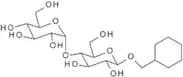
<p>Mainly a mixture of Lacto-N-tetraose, Lacto-N-neo-tetraose, Lactodifucotetraose</p>Purity:Min. 95%Color and Shape:PowderBenzyl 4-O-(β-D-galactopyranosyl)-β-D-glucopyranoside
CAS:<p>Benzyl 4-O-(b-D-galactopyranosyl)-b-D-glucopyranoside is a Glycosylation product that is custom synthesized to order. It is an oligosaccharide, which is synthesized by the modification of monosaccharides with other saccharides. This product has been fluorinated and acetylated at its C4 position and methylated at its C6 position. This compound has CAS No. 18404-72-3 and can be used as a sugar in the synthesis of complex carbohydrates or as a component of polysaccharides.</p>Formula:C19H28O11Purity:Min. 95%Color and Shape:PowderMolecular weight:432.42 g/molSucrose palmitate
CAS:<p>The ‘tallowate’ esters are probably the best known derivatives of sucrose and many attempts have been made to commercialise them in order to exploit their excellent surfactant functionalities. The most functional products are the mono- and diesters of the tallow acids (stearic, palmitic, oleic) with hydrophile-lipophile balance (HLB) values that lend themselves to surfactant applications in foods and cosmetics. They also have other uses, for example in coating fruits with a semipermeable membrane that acts as a preservative. Manufacturing economics have prevented these products from mass production and they remain in niche applications.</p>Formula:C28H52O12Purity:(%) Min. 90.0%Color and Shape:White PowderMolecular weight:508.72 g/molLaminaribiose
CAS:<p>Disaccharide; substrate for glucanases and laminaribiose phosphorylase</p>Formula:C12H22O11Purity:Min. 95%Color and Shape:PowderMolecular weight:342.3 g/molMurNAc-6-phosphate-GlcNAc
<p>MurNAc-6-phosphate-GlcNAc is a complex carbohydrate that is composed of a glycosylation, methylation, and fluorination. It is an important component in polysaccharides and oligosaccharides. This compound has been modified with Click chemistry to form a reactive site for incorporation of a variety of molecules such as fluorophores, biotin, or other small molecules. This compound can be synthesized using custom synthesis methods and has CAS number 106579-01-4. MurNAc-6-phosphate-GlcNAc is available in high purity and can be custom synthesized to specific needs.</p>Purity:Min. 95%Maltopentaose
CAS:<p>Alpha-1,4-glucopentasaccharide derived from starch by hydrolysis and chromatography</p>Formula:C30H52O26Purity:Min. 90 Area-%Color and Shape:White PowderMolecular weight:828.72 g/molBlood Group B trisaccharide-(CH2)5COOH derivative
<p>Blood group antigen with spacer arm</p>Formula:C24H42O17Purity:Min. 95%Color and Shape:Brown LiquidMolecular weight:602.58 g/molDisialyl-TF
CAS:<p>Disialyl-TF is a monoclonal antibody that binds to the CD33 antigen on the surface of all types of cancer cells, including breast cancer cells. Disialyl-TF has been shown to reduce the growth and spread of prostate cancer cells in mice, reducing tumor size and weight. Disialyl-TF is also active against infectious diseases such as HIV, which may be due to its ability to inhibit the expression of glycan receptors. The mechanism by which it works is not yet known. Disialyl-TF has been shown to bind with high affinity to erythrocytes bearing A or B blood group antigens, making it an excellent diagnostic tool for detecting these antigens in patients with acute myeloid leukemia or other cancers.</p>Formula:C36H59N3O27Purity:Min. 95%Molecular weight:965.86 g/molGD1a-Oligosaccharide
CAS:<p>GD1a oligosaccharide is the carbohydrate moiety from the disialylated glycosphingolipid GD1a of the a-series (shown in the sodium form), a major ganglioside found in neuronal and glial membranes. GD1a oligosaccharide has a core tetrasaccharide structure (Galβ1,3GalNAcβ1,4Galβ1,4Glc) with sialic acids linked α2,3/α2,8 to the inner galactose residue, α2,3 to the outer galactose residue (Ledeen, 2009). GD1a ganglioside interacts with myelin-associated glycoprotein (MAG) and is essential for long-term axon-myelin stability. GD1a ganglioside plays a role in viral infection as it is a receptor for viral glycoproteins in rotavirus and paramyxovirus 1. The hexasaccharide GD1a moiety was also found on a glycoprotein that acts as a receptor for adenovirus type 37. Additionally, GD1a ganglioside interacts with botulinum neurotoxin (BoNT) and is crucial for its entry into cells (Kolter, 2012).</p>Formula:C48H79N3O37Purity:Min. 95%Color and Shape:PowderMolecular weight:1,290.14 g/mol4'-O-(2-Acetamido-2-deoxy-3-O-(b-D-galactopyranosyl)-b-D-galactopyanosyl)-b-D-lactose
<p>4'-O-(2-Acetamido-2-deoxy-3-O-(b-D-galactopyranosyl)-b-D-galactopyanosyl) -b-D-lactose is a modified saccharide that belongs to the group of polysaccharides. It has a CAS number and can be custom synthesized by our company. This product is classified as a carbohydrate, sugar, or synthetic. It can be used in click modification, modification, or glycosylation reactions. 4'-O-(2-Acetamido-2-deoxy-3-O-(b-D-galactopyranosyl)-b -D -galactopyanosyl) -b -D -lactose is also fluorinated with trifluoromethanesulfonic acid and can be used for complex carbohydrate synthesis.</p>Formula:C26H45NO21Purity:Min. 95%Color and Shape:White PowderMolecular weight:707.63 g/mol4-O-(a-D-Galactopyranosyl)-b-D-fucopyranosyl propylamine
<p>4-O-(a-D-Galactopyranosyl)-b-D-fucopyranosyl propylamine is a methylated, custom synthesized monosaccharide with an Oligosaccharide and Polysaccharide. It is a Carbohydrate with Fluorination and complex carbohydrate. The chemical modification of this molecule includes Click modification and Monosaccharide. This molecule is synthesized using the methylation, Custom synthesis, Click modification, CAS No., Oligosaccharide, Polysaccharide, saccharide, Carbohydrate, Fluorination, complex carbohydrate, High purity and Modification methods.</p>Formula:C15H29NO10Purity:Min. 95%Molecular weight:383.39 g/molMaltodextrin - dextrose equivalent 13.0-17.0
CAS:<p>Produced from starch; white hygroscopic spray-dried powder; easily digestible</p>Purity:Min. 95%Color and Shape:White Powder1,2,3,6-Tetra-O-acetyl-4-O-(2,3,4,6-tetra-O-acetyl-b-D-galactopyranosyl)-b-D-thioglucopyranose
CAS:<p>This is a synthetic, high purity and custom-synthesized carbohydrate. The chemical name is 1,2,3,6-Tetra-O-acetyl-4-O-(2,3,4,6-tetra-O-acetyl-b-D-galactopyranosyl)-b-D-thioglucopyranose. It has been modified with the Click reaction to allow for chemical modification. This product is a complex carbohydrate that has been fluorinated to create an organic fluorine compound.</p>Formula:C28H38O18SPurity:Min. 95%Molecular weight:694.66 g/molD-Cellotriose
CAS:<p>Energy source for cellulose-metabolising bacteria</p>Formula:C18H32O16Purity:Min. 95 Area-%Color and Shape:White Off-White PowderMolecular weight:504.44 g/molCellobiitol
CAS:<p>Cellobiitol is produced by the borohydride reduction of cellobiose. Few publications discuss the chemistry of cellobiitol but applications in the food and pharmaceutical industries have been published.</p>Formula:C12H24O11Purity:Min. 95%Color and Shape:PowderMolecular weight:344.31 g/molMan-9 Glycan, 2-AB labelled
<p>Man-9 Glycan, 2-AB labelled is a high purity, custom synthesis sugar. It has been modified with fluorination, glycosylation and methylation. This product is synthesized from a mannose core with the addition of terminal sugars and 2-AB labelling.</p>Purity:Min. 95%4-Methoxyphenyl 2,6-di-O-acetyl-4-O-[2,4,6-tri-O-acetyl-3-O-allyl-β-D-galactopyranosyl]-3-O-allyl-β-D-glucopyranoside
<p>The chemical structure of this compound is composed of a custom synthesis, modification, and fluorination. The molecular weight is 572.6 g/mol and the CAS No. is 1027152-06-6. The molecular formula is C50H76O24. This compound has a molecular weight of 572.6 g/mol and an empirical formula of C50H76O24. It appears as a white crystalline powder that can be dissolved in water or ethanol.=END>></p>Formula:C35H46O17Purity:Min. 95%Molecular weight:738.73 g/mol3'-(D-[UL-13C6]Galactosyl)lactose
CAS:<p>Galactosyllactose attenuated NF-κB inflammatory signaling in human intestinal epithelial cells and in human immature intestine. Thus, galactosyllactoses are strong anti-inflammatory agents in human colostrum and early milk, contributing to innate immune modulation. This product has a 13C heavy-label and so can be used in applications such as metabolic tracing and quantitative mass spectrometry.</p>Formula:C6C12H32O16Purity:Min. 90 Area-%Color and Shape:PowderMolecular weight:510.46 g/mol[UL-2H7glc]Lactose monohydrate
<p>Custom synthesis, Modification, Fluorination, Methylation, Monosaccharide, Synthetic, Click modification.<br>Oligosaccharide. Saccharide. CAS No. Polysaccharide. Glycosylation. Sugar. Carbohydrate complex carbohydrate<br>Custom synthesis, Modification, Fluorination, Methylation, Monosaccharide Synthetic Click modification Oligosaccharide saccharide CAS No Polysaccharide Glycosylation sugar Carbohydrate complex carbohydrate</p>Purity:Min. 95%1,2,3,6-Tetra-O-acetyl-4-O-(2,3,6-tri-O-acetyl-4-O-(2,3,4,6-tetra-O-acetyl-a-D-glucopyranosyl)-a-D-glucopyranosyl)-b-D-thioglucopyra nose
<p>1,2,3,6-Tetra-O-acetyl-4-O-(2,3,6-tri-O-acetyl-4-O-(2,3,4,6-tetra-O-acetylaDglucopyranosyl)-aDglucopyranosyl)-bDthioglucopyra nose is a sugar with the chemical formula C27H42O14. This compound is synthesized by the glycosylation of 1,2,3,6 tetra O acetyl 4 O (2 3 6 tri O acetyl 4 O (2 3 4 6 tetra O acetyl a D glucopyranosyl) a D glucopyranosyl) b D thioglucopyrazine with 2 3 6 tri O acetate 4 O (2 3 4 6 tetra O acetate a D glucopyranoside a D glucopyranoside</p>Formula:C40H54O26SPurity:Min. 95%Molecular weight:982.91 g/molAllyl a-D-lactose
CAS:<p>A functionalized carbohydrate that serves as a valuable precursor for the synthesis of complex glycoconjugates, oligosaccharides, and glycopolymers through reactions like glycosylation and click chemistry</p>Formula:C15H26O11Molecular weight:382.36 g/molThiodiglucoside
CAS:<p>Thiodiglucoside is a plant glycoside that is used as a preparative agent for the isolation of active substances from lymphocytes. It can be used in chromatographic and inhibition studies to determine the binding sites on lymphocytes. Thiodiglucoside has been shown to bind to lectins and inhibit protein synthesis in activated lymphocytes. This glycoside also inhibits the constriction of smooth muscle cells, which may be due to its inhibition of protein synthesis. The physiological function of thiodiglucoside is not yet fully understood; however, it is known that this compound binds to macropores and affects subunits within the cell membrane.</p>Formula:C12H22O10SPurity:Min. 95%Color and Shape:PowderMolecular weight:358.36 g/molAgaroheptaose
CAS:<p>Agarose is a polysaccharide found in red algae, typically Gelidium and Gracilaria. It is a strictly alternating polysaccharide of α-1,3 linked D-galactose and β-1,4 linked L-3,6 anhydrogalactose with occasional sulfation at position 6 of the anhydrogalactose residue. Agaro-oligosaccharides result from cleavage at galactose residues and neoagaro-oligosaccharides from cleavage at 3,6-anhydro residues. A number of publications have suggested that agaroheptaose has properties that include: anti-microbial, antiviral, prebiotic, anti-tumoral, immunomodulatory, anti-inflammatory, glucosidase inhibitory, and hepatoprotective properties.</p>Formula:C42H66O33Purity:Min. 97 Area-%Color and Shape:White Off-White PowderMolecular weight:1,098.95 g/molMethyl 3-O-(2,3,4,6-tetra-O-acetyl-a-D-mannopyranosyl)-a-D-mannopyranoside
CAS:<p>Methyl 3-O-(2,3,4,6-tetra-O-acetyl-a-D-mannopyranosyl)-a-D-mannopyranoside is a synthetic glycosylation product of methyl 3,4,6-triacetate and a mannose. It is an Oligosaccharide with the molecular formula (C12H25O14)n. Methyl 3-O-(2,3,4,6-tetra-O-acetyl-a-D-mannopyranosyl)-a-D -mannopyranoside is a white crystalline powder that can be used in the synthesis of complex carbohydrates. It has been shown to react with fluorine to produce a monofluorinated product and methylated products. This compound can be custom synthesized and modified for specific applications. Methyl 3 - O - ( 2 , 3 , 4 , 6 -</p>Formula:C21H32O15Purity:Min. 95%Molecular weight:524.47 g/molLaminaritetraose
CAS:<p>Ex algal/bacterial polysaccharides-value in b1-3 glucanase assays & diagnostics</p>Formula:C24H42O21Purity:Min. 95 Area-%Color and Shape:White PowderMolecular weight:666.6 g/mol4-Methoxyphenyl 4-O-(4-O-acetyl-3,6-di-O-benzyl-2-deoxy-2-phthalimido-b-D-glucopyranosyl)-3,6-di-O-benzyl-2-deoxy-2-phthalimido-b-D- glucopyranoside
CAS:<p>4-Methoxyphenyl 4-O-(4-O-acetyl-3,6-di-O-benzyl-2-deoxy-2-phthalimido-b-D-glucopyranosyl)-3,6-di-O-benzyl -2,4,6-(1',4'-dioxan)-tris(2,3,5',6'-tetraethoxy)phenol</p>Formula:C65H60N2O15Purity:Min. 95%Molecular weight:1,109.17 g/moli-Carradecaitoldecasulfate decasodium salt
<p>i-carrageenan-derived decasaccharide alcohol decasulfate +(3-6 anhydrogalactose)</p>Formula:C60H84O72S10Na10Purity:Min. 95%Molecular weight:2,507.82 g/molGlobo-N-tetraose GEL
<p>Immobilised on Fractogel with glycosylamine formation of the monosaccharide</p>Purity:Min. 95%D-Cellotetraose tetradecaacetate
CAS:<p>D-Cellotetraose tetradecaacetate is a complex carbohydrate that consists of a single sugar, D-cellotetraose. It is made up of four glucose molecules attached to each other by glycosidic bonds. The modification of this carbohydrate can be done by methylation and glycosylation. The synthesis of this molecule can be custom-made, as it is not found in nature. This product is high purity and has a CAS number: 83058-25-7.</p>Formula:C52H70O35Purity:Min. 98 Area-%Color and Shape:PowderMolecular weight:1,255.09 g/molChitosan oligomer (Dp 3-7) hydrochloride - Molecular weight 1640
<p>Chitosan oligomer (Dp 3-7) hydrochloride is a carbohydrate with a molecular weight of 1640. It is used as a sugar and an adjuvant in vaccine development. Chitosan oligomer (Dp 3-7) hydrochloride is synthesized by the reaction of chitosan with phosphoryl chloride and has been shown to have antiviral, antibacterial, and anti-inflammatory effects.</p>Formula:(C6H13NO5•HCl)nPurity:Min. 95 Area-%Color and Shape:Powder6'-(D-[UL-13C6]Galactosyl)lactose
CAS:<p>Galactosyllactose attenuated NF-κB inflammatory signaling in human intestinal epithelial cells and in human immature intestine. Thus, galactosyllactoses are strong anti-inflammatory agents in human colostrum and early milk, contributing to innate immune modulation. This product has a 13C heavy-label and so can be used in applications such as metabolic tracing and quantitative mass spectrometry.</p>Formula:C6C12H32O16Purity:Min. 90 Area-%Molecular weight:510.39 g/molD-Raffinose pentahydrate
CAS:<p>Raffinose is the most abundant of the family of oligosaccharides that are alpha-galactosyl derivatives of sucrose (Collins, 2006). The other main member of the group is the tetrasaccharide stachyose. Raffinose is found in sugar beet molasses and whole grains. Soybean oligosaccharides make up approximately 5% of dry matter in whole beans and up to 8% of dry matter in soybean meal. Together raffinose and stachyose rank second only to sucrose in abundance, as water-soluble carbohydrates (Kumar, 2010).</p>Formula:C18H32O16·5H2OPurity:Min. 98 Area-%Color and Shape:White PowderMolecular weight:594.51 g/mol6-Deoxy-D-lactosylamine
<p>6-Deoxy-D-lactosylamine (6DLA) is a carbohydrate that belongs to the group of oligosaccharides. It is an N-substituted glycosylated sugar with a methyl ester at the 6 position. The chemical name for 6DLA is 6-deoxy-N,N′,N″-(2,3,4,6-tetra-O-acetyl)-β--galactopyranosyl-(1→4)-β--glucopyranoside and it has CAS number 59225-12-5. This product can be custom synthesized and offers high purity. It can also be modified in different ways to create new products such as fluorination or methylation.</p>Purity:Min. 95%Chitobiose octaacetate
CAS:<p>Octacetylated chitobiose derivative</p>Formula:C28H40N2O17Purity:Min. 95%Color and Shape:White PowderMolecular weight:676.62 g/molChitosan oligosaccharide HCl
CAS:<p>Chitosan oligosaccharide HCl is a water-soluble, biocompatible polymer with an average molecular weight of 2,000. It has been shown to have hypoglycemic effects in vivo and inhibitory properties against inflammatory bowel disease. Chitosan oligosaccharide HCl also exhibits an ability to enhance the activity of monoclonal antibodies directed against human tumor cells. This effect may be due to the ability of chitosan oligosaccharide HCl to bind to antigens on the surface of tumor cells and facilitate antibody binding.</p>Formula:(C12H24N2O9)nColor and Shape:Off-White PowderMaltoheptaose
CAS:<p>α 1,4-glucoheptasaccharide derived from starch by hydrolysis and chromatography</p>Formula:C42H72O36Purity:Min. 60%Color and Shape:White PowderMolecular weight:1,153.02 g/molIsomaltotriose
CAS:<p>Produced from high maltose syrup by treatment with transglucosidase</p>Formula:C18H32O16Purity:Min. 97 Area-%Color and Shape:White Off-White PowderMolecular weight:504.44 g/molTrehalose-6,6'-dibehenate
CAS:<p>Trehalose-6,6'-dibehenate (TDB) is a novel synthetic lipid that has been shown to have beneficial effects in the treatment of inflammatory bowel disease. This compound may act as an anti-inflammatory agent by inhibiting toll-like receptor 4 (TLR4)-mediated signaling and TLR4-dependent production of proinflammatory cytokines. TDB also inhibits HIV infection by interfering with CD4+ T cell function and decreasing the number of CD4+ cells in the gut. In addition, TDB has been shown to be effective against lps-induced inflammatory response in cell culture.</p>Formula:C56H106O13Purity:One SpotColor and Shape:PowderMolecular weight:987.43 g/molHuman meconium oligosaccharides
<p>This mixture contains some of the neutral and sialylated oligosaccharides found in human meconium.</p>Purity:Min. 95%Color and Shape:Powder6'-Sialyllactose sodium salt
CAS:<p>6'-Sialyllactose is found in milk with immunoprotective effects against pathogens in newborns and aids development and maturation of the immune system and gut microbiota. It suppresses adhesion and infectivity of bacteria and viruses, such as influenza viruses, HIV-1 and rotaviruses and inhibits binding of cholera toxin.</p>Formula:C23H38NO19NaPurity:Min. 90 Area-%Color and Shape:White PowderMolecular weight:655.53 g/mol3-(a-D-Rhamnopyranosyl)-D-glucose
<p>3-(a-D-Rhamnopyranosyl)-D-glucose is a glycosylation product that is synthesized by the methylation of glucose. It is a complex carbohydrate with a high purity, CAS number and custom synthesis. 3-(a-D-Rhamnopyranosyl)-D-glucose has been modified by fluorination and click chemistry to produce a versatile reagent for glycosylation reactions.</p>Purity:Min. 95%4-Aminophenyl 2,3,6-tri-O-acetyl-4-O-(2,3,4,6-tetra-O-acetyl-b-D-glucopyranosyl)-b-D-thioglucopyranoside
CAS:<p>4-Aminophenyl 2,3,6-tri-O-acetyl-4-O-(2,3,4,6-tetra-O-acetyl-b-D-glucopyranosyl)-b-D-thioglucopyranoside is a custom synthesis that has been fluorinated and methylated. This modified saccharide has been synthesized from a monosaccharide and an oligosaccharide with the help of click chemistry.<br>The CAS number for this product is 60515-61-9.</p>Formula:C32H41NO17SPurity:Min. 95%Color and Shape:PowderMolecular weight:743.73 g/molMethyl 2-O-(a-D-mannopyranosyl)-b-D-mannopyranoside
<p>Methyl 2-O-(a-D-mannopyranosyl)-b-D-mannopyranoside is a glycosylation product of mannose and glucose. It is an intermediate in the synthesis of the complex carbohydrate, methylated mannan. This compound is also an intermediate in the synthesis of saccharides with a fluorinated sugar moiety. Methyl 2-O-(a-D-mannopyranosyl)-b-D-mannopyranoside can be custom synthesized to meet your needs.</p>Formula:C13H24O11Purity:Min. 95%Molecular weight:356.32 g/mol2,3,6-Tri-O-acetyl-γ-cyclodextrin
CAS:<p>2,3,6-Tri-O-acetyl-gamma-cyclodextrin is a custom synthesis of a cyclodextrin. This compound is fluorinated with trifluoromethanesulfonic acid to give the desired product. The methylation of the saccharide is accomplished by reacting it with methyl iodide and sodium hydroxide in an alcoholic solution. The sugar molecule is then glycosylated by reacting it with glycosylation reagent, such as cyanuric chloride or thionyl chloride. Click modification is achieved through the reaction of a glycosylated sugar molecule with azides. Polysaccharides are synthesized by combining glycosylated sugars and polymers into one molecule.BR> CAS No: 30786-38-0BR> Modification: Fluorination, Methylation, Monosaccharide, Synthetic, Click modificationBR> Oligosacchar</p>Formula:C96H128O64Purity:Min. 95%Color and Shape:PowderMolecular weight:2,306.01 g/mol3'-Sialylgalacto-N-biose sodium salt
CAS:<p>3'-Sialylgalacto-N-biose sodium salt is a high purity synthetic glycosaminoglycan with a single sugar residue. This product has been custom synthesized for research purposes and may be used as a control in experiments. The chemical name of this product is 3'-sialylgalacto-N-biose sodium salt, and it has CAS number 1370359-76-4. It is important to note that this product is not available for sale at this time.</p>Formula:C25H41N2O19NaPurity:Min. 95 Area-%Color and Shape:White Off-White PowderMolecular weight:696.58 g/mol4-Methoxyphenyl 4-O-(3,6-di-O-benzyl-2-deoxy-4-O-levulinoyl-2-phthalimido-β-D-glucopyranosyl)-6-O-tert-butyldimethylsilyl-3-O-benzyl -2-deoxy-2-phthalimido-β-D-glucopyranoside
<p>4-Methoxyphenyl 4-O-(3,6-di-O-benzyl-2-deoxy-4-O-levulinoyl-2-phthalimido-b-D-glucopyranosyl)-6-O-tert butyldimethylsilyl 3,O benzyl 2 deoxy 2 phthalimido b D glucopyranoside is a custom synthesis of a synthetic oligosaccharide. This glycosylation product is soluble in water and has CAS No. of 81238.</p>Formula:C67H72N2O16SiPurity:Min. 95%Molecular weight:1,189.38 g/molTriisopropylsilyl 2-azido-3-O-(2,3,4,6-tetra-O-benzoyl-b-D-galactopyranosyl)-4,6-O-benzylidene-2-deoxy-a-D-thiogalactopyranoside
<p>Triisopropylsilyl 2-azido-3-O-(2,3,4,6-tetra-O-benzoyl-b-D-galactopyranosyl)-4,6-O-benzylidene-2-deoxy--aDthiogalactopyranoside is an azido glycoside that can be used in the synthesis of oligosaccharides. It has been shown to be a potent inhibitor of bacterial growth. This compound is synthesized by reacting 2-(trimethylsilyl)ethanol with 3-[(2,3,4,6-tetraacetyl bDgalactopyranosyl)oxy]propionic acid and sodium azide in the presence of triethylamine. The reaction produces a mixture of products which are purified by chromatography. This product is then reacted with benzaldehyde to produce the desired product.</p>Formula:C56H61N3O13SSiPurity:Min. 95%Molecular weight:1,044.25 g/molBlood Group H type I trisaccharide
CAS:<p>Core antigen fragment in ABO blood group system</p>Formula:C20H35NO15Purity:Min. 90%Color and Shape:PowderMolecular weight:529.49 g/molα1,3-Galactobiosyl β-methyl glycoside
<p>a1,3-Galactobiosyl b-methyl glycoside is a fluorinated saccharide that possesses the same chemical structure as N-acetylgalactosamine. It has been synthesized by click modification with methyl iodide and methyl bromoacetate. The synthesis of this compound was achieved by glycosylation of galactose with 1,3-diiodo-2,2'-bithiopropane followed by methylation of the resulting glycosylation product with methyl bromoacetate to form the desired compound. This carbohydrate can be used in a variety of applications including anti-inflammatory drugs, antibiotics, and cancer treatments.</p>Formula:C13H24O11Purity:Min. 95%Color and Shape:White/Off-White SolidMolecular weight:356.32 g/molLacto-N-neotetraose
CAS:<p>Lacto-N-neotetraose (LNnT) is a neutral and abundant human milk oligosaccharide (HMO), composed of four sugar molecules. It supports the infant's gut microbiota development and provides protection against infectious diseases. LNnT like many other HMOs offers great interest for the studies of baby milk formula.</p>Formula:C26H45NO21Purity:Min. 95%Color and Shape:White PowderMolecular weight:707.63 g/mol3-O-(β-D-Galactopyranosyl)-D-glucopyranose
CAS:<p>3-O-(β-D-Galactopyranosyl)-D-glucopyranose is a custom synthesis, modification, and fluorination of a monosaccharide. It is a synthetic and modified saccharide. The molecular formula for this compound is C6H10O5 and its molecular weight is 180.17 g/mol. This chemical has been assigned CAS No. 28447-38-3 and has the following structure:</p>Formula:C12H22O11Purity:Min. 95%Color and Shape:White PowderMolecular weight:342.3 g/molBenzyl 4-O-(2,6-di-O-benzyl-b-D-galactopyranosyl)-2,3,6-tri-O-benzyl-D-glucopyranoside
<p>Benzyl 4-O-(2,6-di-O-benzyl-b-D-galactopyranosyl)-2,3,6-tri-O-benzyl-D-glucopyranoside is a carbohydrate that belongs to the oligosaccharide class of saccharides. It is a synthetic compound with a CAS number (CAS No.: 128364-79-5) and a high purity. The carbohydrate has been synthesized by methylation, glycosylation, and click modification. Its chemical name is benzyl 4-[(2,6-di-[3'-O-(4,4'-dimethoxytrityl)butyldimethylsilyl]benzoyl)-a -D--galactopyranosyl]-2,3,6-[3'-O-(4',4''dimethoxytrityl)butyl]tri[3',5']</p>Formula:C34H88O11Purity:Min. 98 Area-%Color and Shape:PowderMolecular weight:673.06 g/molN-Acetyl-D-lactosamine heptaacetate
CAS:<p>N-Acetyl-D-lactosamine heptaacetate is a synthetically produced, fluorinated monosaccharide that is used in the production of glycosylations and polysaccharides. N-Acetyl-D-lactosamine heptaacetate can be custom synthesized to meet your needs. This compound is a high purity product.</p>Formula:C28H39NO18Purity:Min. 95%Color and Shape:PowderMolecular weight:677.61 g/mol1,4-D-Xylobiose
CAS:<p>1,4-D-Xylobiose, also called 4-O-(b-D-Xylopyranosyl)-D-xylopyranose, is a beta 1-4 linked disaccharide made of 2 xylose monomers. 1,4-D-Xylobiose is a low-calories sweetener that can be used as an alternative or additive to sucrose. Supplementing a high fat diet with 1,4-D-xylobiose has been shown to prevent and treat obesity in mice.</p>Formula:C10H18O9Purity:Min. 95 Area-%Color and Shape:White PowderMolecular weight:282.25 g/molN-Propyl β-lactoside
CAS:<p>N-Propyl b-lactoside is a synthetic sugar that belongs to the group of complex carbohydrates. It is a modification on the saccharide that is made by methylation, glycosylation and carbonylation. N-Propyl b-lactoside is synthesized from the monosaccharides glucose, galactose and fructose with the help of click chemistry. This product has high purity, fluorination and synthetic properties.</p>Formula:C15H28O11Purity:Min. 95%Molecular weight:384.38 g/molHyaluronate rhodamine - Molecular Weight - 10kDa
<p>Hyaluronate rhodamine is a fluorescent dye that is used in molecular biology to visualize the distribution of intracellular glycoconjugates. It is a water-soluble, cationic dye that binds to negatively charged saccharides and glycosaminoglycans. The dye fluoresces when bound to these molecules, making it useful for detecting the distribution of glycoproteins in cells. Hyaluronate rhodamine can be used as a marker for carbohydrate-rich tissues such as cartilage, synovial fluid, and vitreous humor. This dye can also be used to detect glycoconjugates on the surface of cells and in extracellular spaces.</p>Purity:Min. 95%Globo H pentenyl glycoside
CAS:<p>GloboH-pentanyl backbone for incorporation onto peptide or conjugated to protein</p>Purity:Min. 95%GT1b-Ganglioside ammonium
CAS:<p>GT1b ganglioside (ammonium salt) has a core tetrasaccharide structure (Galβ1,3GalNAcβ1,4Galβ1,4Glc) with two sialic acids (NeuAc) linked α2,3/α2,8 to the inner galactose residue, sialic acid (NeuAc) linked α2,3 to the terminal galactose residue, and ceramide linked β to position 1 on the reducing terminal glucose residue (Ledeen, 2009). GT1b ganglioside is one of the major gangliosides in neuronal and glial membranes. It interacts with myelin-associated glycoprotein (MAG) and is essential for long-term axon-myelin stability. GT1b ganglioside also acts as a receptor for bacterial toxins, such as, tetanus and botulinum toxins (Nishiki, 1996), as well as for viruses. A few examples of which include: Merkel cell polyomavirus, JC virus, BK virus, norovirus, and others (Low, 2006).</p>Formula:C95H165N5O48·xNH4Purity:Min. 95%Color and Shape:PowderMolecular weight:2,145.33 g/mol6-O-(2-Acetamido-2-deoxy-b-D-galactopyranosyl)-D-galactopyranose
<p>6-O-(2-Acetamido-2-deoxy-b-D-galactopyranosyl)-D-galactopyranose is a fluorinated carbohydrate that belongs to the group of saccharides. It is a monosaccharide and can be custom synthesized for specific purposes. This product has been modified with click chemistry, methylation, and glycosylation. 6-O-(2-Acetamido-2-deoxy-b-D-galactopyranosyl)-D-galactopyranose is soluble in water and has high purity.</p>Formula:C14H25NO11Purity:Min. 90 Area-%Color and Shape:PowderMolecular weight:383.35 g/molMethyl 2-O-(a-D-mannopyranosyl)-a-D-mannopyranoside
CAS:<p>Used for structural and conformational studies and as enzyme substrates</p>Formula:C13H24O11Purity:Min. 95%Color and Shape:PowderMolecular weight:356.32 g/molKojitriose
CAS:<p>Kojitriose is a disaccharide composed of two glucose molecules. It has been shown to have insulin-sensitizing effects in animals and humans. Kojitriose binds to the surface of Streptococcus faecalis and prevents the growth of this bacteria. Kojitriose also has an inhibitory effect on mesenteroides, which are a type of bacterium found in the human gut. This disaccharide is enzymatically hydrolyzed to produce hydrogen fluoride, which inhibits the growth of Streptococcus faecalis and mesenteroides. The enzyme trehalase is responsible for this hydrolysis reaction, while hydroxyl groups act as nucleophiles that react with chloride ions to form hydrogen fluoride.</p>Formula:C18H32O16Purity:Min. 95%Color and Shape:PowderMolecular weight:504.44 g/molMaltodextrin - dextrose equivalent 18-28
CAS:<p>Ex starch-partial hydrolysis,food ingredient, moderatly sweet, easily digested</p>Color and Shape:White PowderGD3-Ganglioside sodium
CAS:<p>GD3 (shown as sodium salt) has a core disaccharide structure (Galβ1,4Glc) with two sialic acids linked α2,3/α2,8 to the non-reducing galactose residue and ceramide linked β to position 1 on the reducing terminal glucose residue (Ledeen, 2009). GD3 is a minor ganglioside in most normal tissues but plays a crucial role in the development of the brain; it is significantly reduced in adults. However, expression of GD3 is increased in pathological conditions, such as, cancers and neurodegenerative disorders (Malisan, 2002). GD3 was the first cancer-associated ganglioside discovered that promotes adhesion and invasion of cancers. GD3 and GD2 are highly expressed in a various malignant tumours and have become potential targets for next-generation cancer therapy (Liu, 2018).</p>Formula:C70H125N3O29·xNaPurity:One SpotColor and Shape:White/Off-White SolidMolecular weight:1,472.74 g/molBlood Group B trisaccharide-PAA-Biotin
<p>Blood group antigen conjugated to spacer and biotin</p>Purity:Min. 95 Area-%Color and Shape:PowderMolecular weight:545.5 g/molMycothione
<p>Please enquire for more information about Mycothione including the price, delivery time and more detailed product information at the technical inquiry form on this page</p>Formula:C34H58N4O24S2Purity:Min. 95%Molecular weight:970.97 g/mol4-Aminobutyl 3-O-(a-D-mannopyranosyl)-a-D-mannopyranoside
<p>4-Aminobutyl 3-O-(a-D-mannopyranosyl)-a-D-mannopyranoside is a fluorescent, water soluble, and hydrophilic glycoside. This compound is synthesized through the condensation of 4-aminobutyric acid with 3-(2,3,4,6-tetraacetyl glucosamine) to form an aminobutyl ester. The aminobutyl ester is then reacted with a D-mannose derived from 2,3,4,6-tetraacetyl glucosamine. This product is used in glycoprotein analysis and can be modified for various purposes.</p>Purity:Min. 95%4-O-(6-O-[2-Acetamido-2-deoxy-b-D-glucopyranosyl]-b-D-galactopyranosyl)-D-glucopyranose
CAS:<p>Lacto-N-neotetraose is a trisaccharide composed of two galactose units and one glucose unit. It has been found to be an effective carbohydrate for the treatment of colostrum depletion in newborns. Lacto-N-neotetraose can be obtained through methanolysis, which is the hydrolysis of lactose by the addition of methanol to produce a mixture of sugars. This process is activated by ion exchange chromatography, and then hydrolyzed to produce oligosaccharides. Lacto-N-neotetraose can also be obtained from human or horse milk as 13C NMR spectroscopy shows that it is present in both species.</p>Formula:C20H35NO16Purity:Min. 98 Area-%Color and Shape:PowderMolecular weight:545.49 g/molCyclohexylmethyl-4-O-(a-D-glucopyranosyl)-b-D-glucopyranoside
CAS:<p>Detergent used for the solubilization of membrane proteins. Important for the solubilization is the detergent-to-protein ratio. At low ratios (1:10) the membranes are lysed and large complexes of are formed containing protein, detergent, and membrane lipids. With progressively larger ratios smaller complexes are obtained. Finally, at ratios of 10:1 to 20:1 individual detergent-protein complexes are formed free of membrane lipids. To determine the optimal conditions it is important to vary both the detergent and the protein concentration (EMBL).</p>Formula:C19H34O11Purity:Min. 95%Color and Shape:PowderMolecular weight:438.47 g/mol2-Acetamido-2-deoxy-4-O-(a-D-galactopyranosyl)-D-glucopyranose
<p>The 2-acetamido-2-deoxy-4-O-(a-D-galactopyranosyl)-D-glucopyranose is a carbohydrate. It is an oligosaccharide, which is a sugar with more than two monosaccharides. The CAS number of this compound is 9077-98-0. The molecular weight of this compound is 450.01 g/mol and the purity level is 99%. This compound can be custom synthesized to meet your needs. This product can be methylated, glycosylated, or click modified to create products with different properties.</p>Formula:C14H25NO11Purity:Min. 95%Color and Shape:PowderMolecular weight:383.35 g/mol3'-Sialyllactose-sp-biotin
CAS:<p>3'-Sialyllactose-sp-biotin is a monosaccharide that is modified with fluorine. It has been used in the synthesis of glycosylated proteins and peptides. 3'-Sialyllactose-sp-biotin is also used to modify glycoproteins, which are proteins that contain carbohydrate chains. The modification with fluorine makes this product ideal for use in the synthesis of glycosylated proteins and peptides.</p>Formula:C42H71N5O22SPurity:Min. 95%Color and Shape:White Off-White PowderMolecular weight:1,030.1 g/molk-Carrahexaitol trisulfate trisodium salt
<p>k-carrageenan derived hexasaccharide alcohol trisulfate+(3-6 anhydrogalactose)</p>Formula:C36H55O37S3Na3Purity:Min. 95%Molecular weight:1,244.97 g/molMaltohexaose
CAS:<p>Maltohexaose is a polysaccharide formed by 6 units of glucose and can be metabolised inside the cell to a substrate-based inhibitor of fucosyltransferases. It can also be converted to GDP-2-deoxy-2-fluoro-L-fucose, a competitive inhibitor of α-1,3-fucosyltransferase. Matohexaose is used as acceptor for measuring the activity of 4-Alpha-Glucanotransferase.</p>Formula:C36H62O31Purity:Min. 70 Area-%Color and Shape:White PowderMolecular weight:990.86 g/molIsomalt
CAS:<p>Used as a sugar replacer in sugar-free confectionery and beverages</p>Formula:C12H24O11Purity:Min. 98 Area-%Color and Shape:White PowderMolecular weight:344.31 g/mol1,4-b-D-Xylotetraose decasulfate sodium salt
<p>1,4-b-D-Xylotetraose decasulfate sodium salt is a highly purified and custom synthesized carbohydrate. It is used as a reagent in biochemical research. 1,4-b-D-Xylotetraose decasulfate sodium salt can be modified with various reagents to produce desired properties for use in various applications. Modifications can include methylation, saccharide, Polysaccharide, Click modification, or Modification. Carbohydrate modifications can include Oligosaccharide or Custom synthesis. Fluorination of 1,4-b-D-Xylotetraose decasulfate sodium salt is an available modification that produces the product with high purity and reduced viscosity. <br>1,4-b-D-Xylotetraose decasulfate sodium salt has a CAS number of 52878-68-9 and is available for custom synthesis at</p>Purity:Min. 95%4-Methoxyphenyl 4-O-{2-O-acetyl-4-O-[2,4-di-O-(3,4,6-tri-O-acetyl-2-deoxy-2-phthalimido-β-D-glucopyranosyl)-3,4-di-O-benzyl-α-D-mann opyranosyl]-β-D-mannopyranosyl}-3,6-di-O-benzyl-2-deoxy-2-phthalimido-β-D-glucopyranoside
<p>4-Methoxyphenyl 4-O-{2-O-acetyl-4-O-[2,4-di-O-(3,4,6-tri-O-acetyl-2,3,5,6 -tetra-O-[(triisopropylsilyl)oxy]-2,5 -dideoxyglucan]-b-(D)-glucopyranosyl)-3,4di O-[benzyl]-a-(D)-mannopyranosyl}b-(D)-mannopyranoside is a high purity custom synthesis sugar. It can be fluorinated and glycosylated with methylation and modification. This compound is an oligosaccharide that can be used as a monosaccharide or complex carbohydrate.</p>Formula:C103H105N3O37Purity:Min. 95%Molecular weight:1,976.93 g/molHeparin disaccharide II-A disodium salt
CAS:<p>Heparin Disaccharide II-A Disodium Salt is a modification of heparin. It is an oligosaccharide with a molecular weight of about 2,000 Daltons. This product can be custom synthesized as per the requirement of the customer. The purity level of this product is very high and it has been shown to have antiviral, anticoagulant, anti-inflammatory, and anticlotting properties.</p>Formula:C14H19NO14SNa2Purity:Min. 95 Area-%Color and Shape:White Off-White PowderMolecular weight:503.34 g/molAllyl 2,4,6-tri-O-(3,4,6-tri-O-acetyl-2-deoxy-2-phthalimido-b-D-glucopyranosyl)-3-O-benzyl-a-D-mannopyranoside
<p>Allyl 2,4,6-tri-O-(3,4,6-tri-O-acetyl-2-deoxy-2-phthalimido-b-D-glucopyranosyl)-3-O-benzyl a -D -mannopyranoside is a glycosylated oligosaccharide. It is synthesized from 3,4,6 tri O acetyl 2 deoxy 2 phthalimido b D glucopyranosyl chloride and allyl alcohol by the click reaction with sodium azide in the presence of palladium catalysis. This product has been fluorinated at the 6 position of allose. The purity of this product is high and it has been modified on the saccharide chain with methyl groups at the C1 and C2 positions of glucose. Allyl 2,4,6 tri O (3 4 6 tri O acetyl 2 deoxy 2 phthalimido b D gluc</p>Formula:C76H79N3O33Purity:Min. 95%Molecular weight:1,562.44 g/mol4-O-(2-Acetamido-2-deoxy-a-D-glucopyranosyl)-D-galactopyranose
CAS:<p>4-O-(2-Acetamido-2-deoxy-a-D-glucopyranosyl)-D-galactopyranose is a disaccharide that contains two acetamido groups. It is an acceptor for the receptor activity and has been shown to have biological properties. This compound can be synthesized using lactam and glycosylation with the use of sodium cyanoborohydride. 4-O-(2-Acetamido-2-deoxy-a-D-glucopyranosyl)-D-galactopyranose can also be used in the synthesis of oligosaccharides, which are important for cellular function. 4O-(2 Acetamido 2 deoxy a D glucopyranosyl) D galactopyranose shows high affinity for pertussis bacteria and bordetella pertussis. It binds to the surface of these bacteria,</p>Formula:C14H25NO11Purity:Min. 95 Area-%Color and Shape:PowderMolecular weight:383.35 g/mol3-O-(2,3,4,6-Tetra-O-acetyl-b-D-galactopyranosyl)-2-azido-4,6-O-benzylidene-2-deoxy-a-D-galactopyranosyl-Fmoc threonine tert-butyl e ster
CAS:<p>3-O-(2,3,4,6-Tetra-O-acetyl-b-D-galactopyranosyl)-2-azido-4,6-O-benzylidene-2-deoxy-a-D--galactopyranosyl (TBS) is a synthetic carbohydrate that has been modified with fluorine and methyl groups. It is a complex carbohydrate that can be used as an intermediate in the synthesis of oligosaccharides and other saccharides. TBS is a monosaccharide that can be glycosylated or methylated to form many different products. This product can be custom synthesized to meet specific customer needs.</p>Formula:C50H58N4O18Purity:Min. 95%Molecular weight:1,003.01 g/molLS-tetrasaccharide C -sp-biotin
<p>LS-tetrasaccharide C -sp-biotin is a custom synthesis of an oligosaccharide with modifications. It is a high purity, synthetic biotinylated polysaccharide. LS-tetrasaccharide C -sp-biotin has been fluorinated and glycosylated. This product is a complex carbohydrate that has been modified with methylation and click chemistry.</p>Purity:Min. 95%Glycyl-6'-sialyllactose
<p>Glycyl-6'-sialyllactose is a custom synthesis that modifies glycyl 6'-sialyllactose. It has been fluorinated, methylated and then monosaccharide and synthetic. This product has been Click modified, which is an oligosaccharide. The CAS number for this product is 1040391-14-8. Glycyl-6'-sialyllactose is a saccharide with a complex carbohydrate structure. It is a sugar that contains the carbohydrates glucose, galactose and sialic acid.</p>Formula:C25H43N3O19Purity:Min. 95%Molecular weight:689.62 g/mol4-Cyclohexylbutyl-4-O-(α-D-glucopyranosyl)-β-D-glucopyranoside
CAS:<p>For more than two decades, there has been substantial interest in developing novel membrane mimics specifically targeted for the biochemical and biophysical characterization of membrane proteins. Examples include new types of detergents, such as cycloalkyl maltosides (CYMAL detergents).</p>Formula:C22H40O11Color and Shape:PowderMolecular weight:480.55 g/mol2-O-(2-Acetamido-2-deoxy-β-D-glucopyranosyl)-D-mannopyranose
CAS:<p>2-O-(2-Acetamido-2-deoxy-b-D-glucopyranosyl)-D-mannopyranose is a disaccharide that contains two acetamides. It has a glycosidic bond and is classified as a glycoside. This compound has the same sequence of residues as D-mannose, but one less carbon atom. The acetamides form an ester linkage to the 2’ and 3’ hydroxyl groups on the sugar moiety.</p>Formula:C14H25NO11Purity:Min. 95%Color and Shape:PowderMolecular weight:383.35 g/mol2-O-b-D-Galactosylsucrose
CAS:<p>2-O-b-D-Galactosylsucrose is a synthetic, fluorinated sugar that has been custom synthesized for your needs. It is a complex carbohydrate that has been modified with methylation and click chemistry. 2-O-b-D-Galactosylsucrose is a monosaccharide, polysaccharide, and saccharide that is soluble in water. It can be used as a research tool for glycobiology and glycosylation, or as an ingredient in industrial applications such as food processing and pharmaceuticals.</p>Formula:C18H32O16Purity:Min. 95%Color and Shape:PowderMolecular weight:504.44 g/mol1,1,1,1-Kestohexose
CAS:<p>Non-reducing sucrose analog containing glucose and fructose</p>Formula:C36H62O31Purity:Min. 90%Color and Shape:White PowderMolecular weight:990.86 g/mol6-Deoxy-6-fluoro-D-lactose
<p>Used for studies of the D-lactose pathway by non-invasive techniques using ¹â¹F-NMR spectroscopy or positron emission from the ¹âžF-labeled compound.</p>Formula:C12H21O10FPurity:Min. 95%Color and Shape:PowderMolecular weight:344.29 g/molGD3-Ganglioside ammonium
CAS:<p>GD3 ganglioside (shown as sodium salt) has a core disaccharide structure (Gal-1,4-Glc) with two sialic acids linked to the non-reducing galactose residue, and ceramide linked to position 1 on the reducing terminal glucose residue (Ledeen, 2009). GD3 ganglioside is a minor ganglioside in most normal tissues but plays a crucial role in the development of the brain; its presence is significantly reduced in adults. However, expression of GD3 ganglioside is increased in pathological conditions, such as, cancers and neurodegenerative disorders (Malisan, 2002). GD3 ganglioside was the first cancer-associated ganglioside discovered, that promotes adhesion and invasion of cancers. GD3 ganglioside and GD2 ganglioside are highly expressed in a various malignant cancers and have become potential targets for next-generation cancer therapy (Liu, 2018).</p>Formula:C70H125N3O29·xNH4Purity:Min. 95%Color and Shape:PowderMan-1-Fuc
CAS:<p>Man-1-Fuc is a fluorinated sugar with a mannose backbone. This compound can be custom synthesized and modified to meet your specific needs. It is used in research as an oligosaccharide, polysaccharide, saccharide, or carbohydrate. Man-1-Fuc has a high purity and is available at low cost. It can be used for complex carbohydrate synthesis or modification. The chemical name of this compound is methyl 1,6-diacetoxylidene-2,3-dihydroxypropane fucopentaose.</p>Formula:C28H48N2O20Purity:Min. 95%Molecular weight:732.68 g/molD-Lactose monohydrate
CAS:<p>Lactose is the principal sugar in human and most other mammalian milks, ( 4-O-(β-d-galactopyranosyl)-d-glucopyranose) (Collins, 2006). Lactose undergoes mutarotation; it is a reducing sugar and is significantly less soluble in water than sucrose. Lactose is much less sweet than sucrose (at ~1% about 0.15 (sucrose=1). The enzyme lactase (β-galactosidase), which is present in the small intestine, catalyzes hydrolysis of lactose to form glucose and galactose. Anhydrous lactose is an excipient, filler, diluent, and bulking agent in a wide variety of pharmaceutical tablets, capsules, powders and other preparations. Lactose also has applications as a nutrient and multi-functional ingredient in infant formulae, geriatric, dietetic and health foods (Linko, 1982).</p>Formula:C12H22O11·H2OPurity:Min. 96 Area-%Color and Shape:White Off-White PowderMolecular weight:360.31 g/molGalacturonan DP3 sodium salt
<p>Sodium Trigalacturonate (α-1,4 sodium galacturonotriose) is derived from pectin or pectic acid, by enzymatic or partial acid hydrolysis (Combo, 2012). It is used inâ¯galacturonic acidâ¯metabolism research as a substrate to identify, differentiate, and characterize endo- and exopolygalacturonase(s), and gluconase(s) (Jayani, 2005). The addition of very short fragments of homogalacturonan, tri-galacturonate, and tetra-galacturonate oligosaccharides, restore development in dark-grown, de-etiolated seedling mutants, suggesting that they are unable to generate de-methylesterified pectin fragments. A model of spatiotemporally separated photoreceptive and signal-responsive cell types has been proposed, that contains overlapping subsets of the regulatory network of light-dependent seedling development (Sinclair, 2017).</p>Purity:Min. 75 Area-%Color and Shape:PowderD-Trehalose dihydrate
CAS:<p>Trehalose is a naturally occurring disaccharide found in many organisms.Its role in nature is as versatile as its applications in the laboratory. Trehalose is synthesized by cells in response to stress and helps retaining the cellular integrity under tough conditions: An important function of Trehalose is to stabilize protein structures and to prevent proteins from their degradation. Researchers use Trehalosefor instance as a carbon source in selective microbiological media, as desiccation protectant and for cryoprotection.</p>Formula:C12H26O13Purity:Min. 98.0 Area-%Molecular weight:378.33 g/molRef: 3D-T-5000
25gTo inquire5kgTo inquire10kgTo inquire25kgTo inquire2500gTo inquire-Unit-kgkgTo inquire4-O-(α-D-Mannopyranosyl)-D-mannose
CAS:<p>Isolated from partial acetolysate of ivory-nut (Phytelephas macrocarpa) mannan</p>Formula:C12H22O11Purity:Min. 95 Area-%Color and Shape:PowderMolecular weight:342.3 g/molXyloglucan nonasaccharide
CAS:<p>Xyloglucan is a non-cellulosic polysaccharide polymer that is important in plant cell walls. Xyloglucan nonasaccharide (XN) is a linear molecule with an average molecular weight of 10,000 Da and consists of xylose monomers. The XN molecule has a basic structure, which may be due to the presence of amino acid residues, although the exact function of these amino acids is not known. XN has been shown to inhibit colony-stimulating factor (CSF) production and induce CSF release in mouse bone marrow cells. This inhibition may be due to the binding of XN to the monoclonal antibody CD45R on the surface of mouse bone marrow cells.</p>Formula:C51H86O43Purity:Min. 95%Color and Shape:PowderMolecular weight:1,387.2 g/molTetra-mannuronic acid sodium
<p>Tetra-mannuronic acid sodium salt (β-1,4-linked sodium mannuronotetraose) is one of a number of oligosaccharides obtained from alginate which is a polysaccharide in brown seaweeds containing: blocks of repeating mannuronic acid sequences (M-M-M-M etc), repeating guluronic acid sequences (G-G-G-G etc), and alternating M-G-M-G sequences. Oligosaccharides can be released using several methods (Lua, 2015; Yanga, 2004) and claims have been published that mannuronic acid oligosaccharides for example, can be effective in the prophylaxis and treatment of Alzheimer's disease, or for the prophylaxis and treatment of diabetes (USP 8835403B2, 2014).</p>Formula:C24H30O25Na4Purity:Min. 97 Area-%Color and Shape:Off-White PowderMolecular weight:810.44 g/mol2,3,6-Tri-O-acetyl-4-O-[2,3,6-tri-O-acetyl-4-O-(2,3,6-tri-O-acetyl-4-O-(2,3,4,6-tetra-O-acetyl-b-D-galactopyranosyl)-b-D-glucopyrano syl)-b-D-glucopyranosyl]-a-D-glucopyranosyl bromide
<p>2,3,6-Tri-O-acetyl-4-O-[2,3,6-tri-O-acetyl-4-O-(2,3,6-tri-O-acetyl-4-O-(2,3,4,6-tetra-O-acetyl bDgalactopyranosyl)-bDglucopyranosyl]-aDglucopyranosyl bromide (TTA) is an acetylated oligosaccharide with a degree of polymerization of 5. It has a molecular weight of 1312. The compound is a methylated saccharide which is synthesized from 2,3,6 tri O acetyl 4 O methyl 2 3 6 tetra O acetyl b D galactopyranosy 1</p>Formula:C50H67BrO33Purity:Min. 95%Molecular weight:1,275.95 g/mol4-Methoxyphenyl 4-O-(3,6-di-O-benzyl-2-deoxy-2-phthalimido-b-D-glucopyranosyl)-3-O-benzyl-2-deoxy-6-O-(4-methoxybenzyl)-2-phthalimid o-b-D-glucopyranoside
<p>4-Methoxyphenyl 4-O-(3,6-di-O-benzyl-2-deoxy-2-phthalimido-b-D-glucopyranosyl)-3-O-benzyl-2-deoxy -6-(4methoxybenzyl)-2 phthalimid (4) is a carbohydrate compound with the molecular formula C27H32N2O9. It is a white to off white powder that has a molecular weight of 565.5 and an empirical formula of C27H32N2O9.</p>Formula:C64H60N2O15Purity:Min. 95%Molecular weight:1,097.17 g/molGlycyl-sialyllacto-N-tetraose b
<p>Glycyl-sialyllacto-N-tetraose b is a custom synthesis of an oligosaccharide consisting of four monosaccharides. The monosaccharides are glycyl, sialyllactose and two tetrasaccharides with the configuration of (1,4)-alpha-D-mannopyranosyl-(1,2)-alpha-D-mannopyranosyl-(1,6)-beta-D-glucopyranosyl-(1,4)-alpha-D-mannopyranosyl. Glycyl-sialyllacto-N-tetraose b is a high purity product that can be modified to contain fluorine atoms. This product has been shown to have methylation activity in Methylation reactions.</p>Formula:C39H66N4O29Purity:Min. 95%Molecular weight:1,054.95 g/molLewis X-PAA-biotin
<p>PAA is poly[N-(2-hydroxyethyl)acrylamide], flexible polymer chain serves as an additional spacer. Mr approx. 30 kDa (according to gel-filtration, proteins as Mr markers). Carbohydrate content is 20% mol.</p>Purity:Min. 95%Color and Shape:White PowderMolecular weight:586.6 g/mol2-O-(β-D-Galactopyranosyl)-D-glucose
CAS:<p>2-O-(β-D-galactopyranosyl)-D-glucose is a sugar that can be custom synthesized to meet your needs. It is an oligosaccharide, polysaccharide, and carbohydrate that has been modified with methylation, glycosylation, and carbonylation. This product is available in high purity and fluorination.</p>Formula:C12H22O11Purity:Min. 95%Color and Shape:PowderMolecular weight:342.3 g/mol


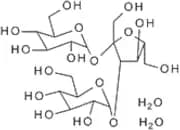
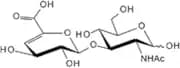

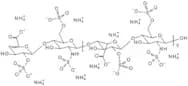

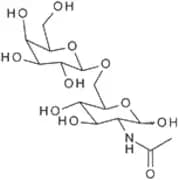
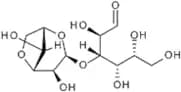
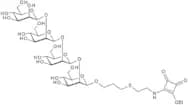
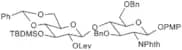
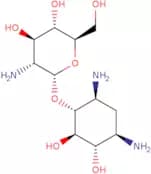



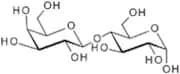

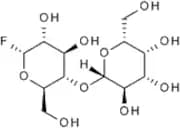
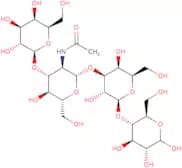

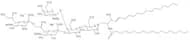

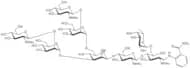
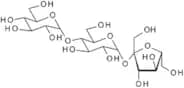
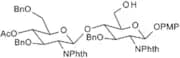
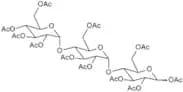


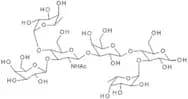
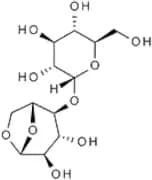

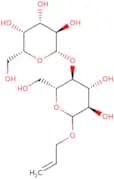

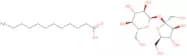

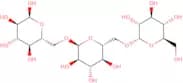
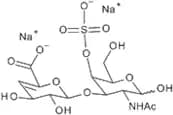

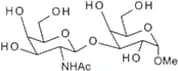
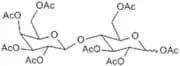


![5-O-(a-D-[6,6'-2H2]Glucopyranosyl)-D-fructopyranose](/_next/image/?url=https%3A%2Fstatic.cymitquimica.com%2Fproducts%2F3D%2Fthumb-webp%2FOG11201.webp&w=3840&q=75)
![4-O-{[(6-Azidoethoxy)ethoxy]ethyl}-β-D-galactopyranosyl-2-deoxy-α-D-glucopyranose-2,1-oxazoline](/_next/image/?url=https%3A%2Fstatic.cymitquimica.com%2Fproducts%2F3D%2Fthumb-webp%2FOA183929.webp&w=3840&q=75)

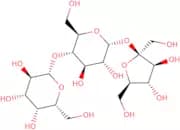

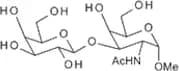
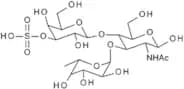
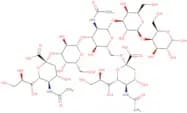
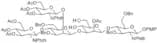
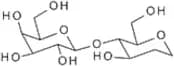


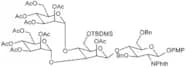
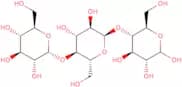

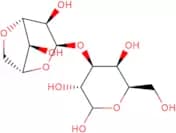
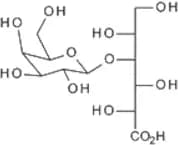
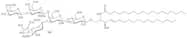
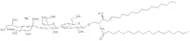
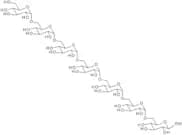
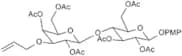
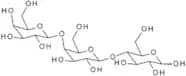

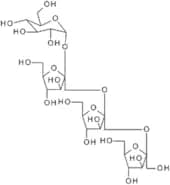

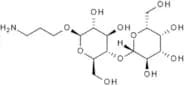
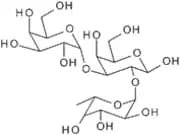
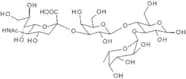
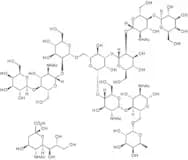
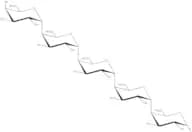
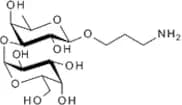

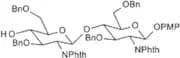
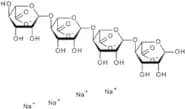
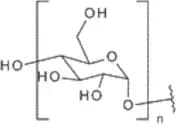
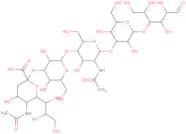
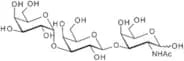
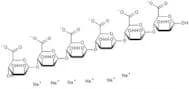


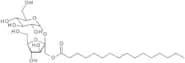
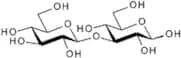
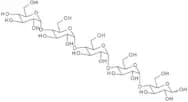
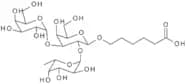


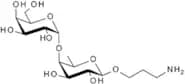


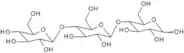
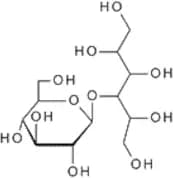

![4-Methoxyphenyl 2,6-di-O-acetyl-4-O-[2,4,6-tri-O-acetyl-3-O-allyl-β-D-galactopyranosyl]-3-O-allyl-…](/_next/image/?url=https%3A%2Fstatic.cymitquimica.com%2Fproducts%2F3D%2Fthumb-webp%2FOM10984.webp&w=3840&q=75)
![3'-(D-[UL-13C6]Galactosyl)lactose](/_next/image/?url=https%3A%2Fstatic.cymitquimica.com%2Fproducts%2F3D%2Fthumb-webp%2FOG15068.webp&w=3840&q=75)
![[UL-2H7glc]Lactose monohydrate](/_next/image/?url=https%3A%2Fstatic.cymitquimica.com%2Fproducts%2F3D%2Fthumb-webp%2FOL16276.webp&w=3840&q=75)
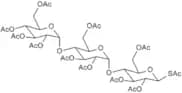
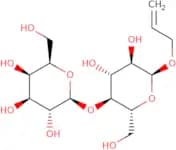
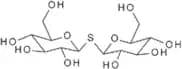
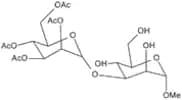
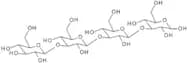
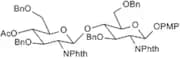
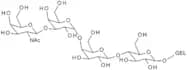
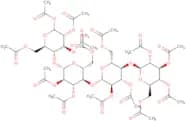
![6'-(D-[UL-13C6]Galactosyl)lactose](/_next/image/?url=https%3A%2Fstatic.cymitquimica.com%2Fproducts%2F3D%2Fthumb-webp%2FOG15067.webp&w=3840&q=75)
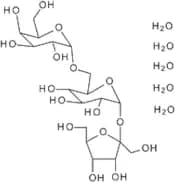


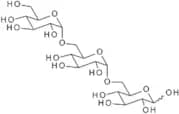
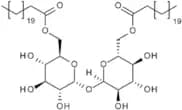
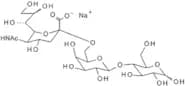

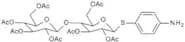

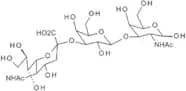
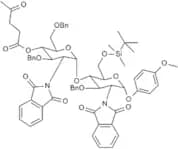

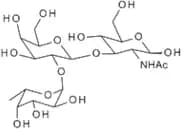
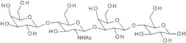
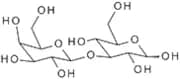

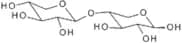
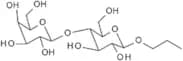



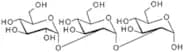



![4-O-(6-O-[2-Acetamido-2-deoxy-b-D-glucopyranosyl]-b-D-galactopyranosyl)-D-glucopyranose](/_next/image/?url=https%3A%2Fstatic.cymitquimica.com%2Fproducts%2F3D%2Fthumb-webp%2FOA05021.webp&w=3840&q=75)