


Monosaccharides
Subcategories of "Monosaccharides"
- Alloses(11 products)
- Arabinoses(21 products)
- Erythroses(11 products)
- Fructoses(9 products)
- Fucoses(36 products)
- Galactosamine(41 products)
- Galactose(262 products)
- Glucoses(365 products)
- Glucuronic Acids(52 products)
- Glyco-substrates for Enzyme(78 products)
- Guloses(6 products)
- Idoses(4 products)
- Inositols(15 products)
- Lyxoses(4 products)
- Mannoses(65 products)
- O-Glycans(48 products)
- Psicoses(3 products)
- Rhamnoses(10 products)
- Riboses(61 products)
- Sialic Acids(100 products)
- Sorboses(4 products)
- Sugars(174 products)
- Tagatoses(4 products)
- Taloses(8 products)
- Xyloses(20 products)
Found 6138 products of "Monosaccharides"
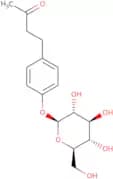
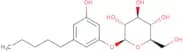
Raspberry ketone glucoside
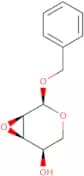
CAS:Raspberry ketone glucoside is a hydrogenated, isopropyl palmitate fatty acid. It is a dietary supplement that has been shown to inhibit the activity of matrix metalloproteinases, which are enzymes that break down collagen in the skin and lead to wrinkles. Raspberry ketone glucoside also inhibits tyrosinase, an enzyme involved in the production of melanin. As a result, raspberry ketone glucoside has been shown to reduce pigmentation and inhibit UV-induced skin damage. Raspberry ketone glucoside may have an inhibitory effect on fatty acids by inhibiting the synthesis of fatty acids and reducing the number of fat cells in adipose tissue. This compound is also used as a crystallization aid for cellulose and as an organic solvent for food composition.Formula:C16H22O7Purity:Min. 95%Color and Shape:White PowderMolecular weight:326.34 g/molBenzyl-2,3-anhydro-a-D-ribopyranoside
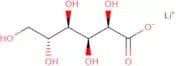
CAS:Benzyl-2,3-anhydro-a-D-ribopyranoside is a monosaccharide that is synthesized by the modification of the sugar benzyl 2,3-anhydro-a-D-ribofuranose. It is a white powder. Benzyl-2,3-anhydro-a-D-ribopyranoside is used as a reagent in glycosylation and methylation reactions. It has CAS No. 61134–24–5 and molecular weight of 230.22 g/mol. The molecule contains an anhydro group at C1 and hydroxyl groups at C6 and C8 positions. This product is soluble in water and ethanol.Formula:C12H14O4Purity:Min. 95%Molecular weight:222.24 g/molD-Gluconic acid lithium salt
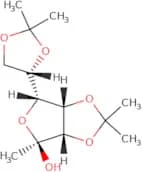
CAS:D-Gluconic acid lithium salt is a cationic compound that has been shown to inhibit the growth of bacteria by forming a covalent linkage with the ribose in RNA. This inhibits the enzyme activity of the cell and prevents transcription and replication. The chemical formula for this compound is CH3CH2OH-CH2COOH+Li+→CH3CH2OLi+H2O, where D-gluconic acid is carboxylate anion and lithium ion is cation. Electrophoresis studies have shown that this compound binds to proteins, which may be due to its hydrophilic properties. X-ray diffraction data has revealed that it forms a crystalline structure. This compound can be used as an antimicrobial agent against Group P2 Gram-positive cocci (e.g., Enterococcus faecalis) and other infectious diseases such as Staphylococcus aureus, Streptococcus pneumoniaFormula:C6H11O7LiPurity:Min. 95%Color and Shape:White PowderMolecular weight:202.09 g/mol1-Deoxy-3,4:6,7-Di-O-isopropylidene L-gulo-hept-2-ulose
CAS:1-Deoxy-3,4:6,7-Di-O-isopropylidene L-gulo-hept-2-ulose is a synthetic sugar that can be used to synthesize oligosaccharides. It is a methylated derivative of the natural sugar galactose and has been modified with fluorine atoms at C1 and C3 positions. This product is offered as a custom synthesis and can be ordered in high purity. Methylation of 1,2,3,4 tetra-, penta-, hexa-, or octa-saccharides is a way to introduce new chemical functionalities into the molecule. This process can be achieved through the use of methyl donors such as methanol or dimethyl sulfate. In this case, the methyl groups are introduced on the oxygen atom of glucose at position 3, 4, 6 or 7. The result is a new type of sugar called an oligosaccharidePurity:Min. 95%1,2:5,6-Di-O-isopropylidene-α-D-ribo-hexofuranose-3-ulose hydrate
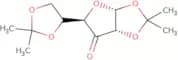
CAS:This is a sugar that is found in the urine of reindeer and caribou. It was first identified in the urine of animals captured in Alaska during the winter months. It has been shown to be present in human urine, as well, but at lower concentrations. Radiocarbon dating has revealed that this sugar is produced seasonally, with higher levels being found during the winter months. The seasonal variation may be due to changes in diet or metabolism.Formula:C12H18O6Purity:Min. 95%Color and Shape:PowderMolecular weight:258.27 g/molN-Acetyl-D-glucosaminitol
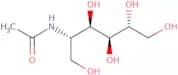
CAS:N-Acetyl-D-glucosaminitol is a fatty acid that is found in blood group antigens. It has been shown to be a potent inhibitor of human liver serine proteases, with an IC50 of 10 μM and a Ki value of 1.6 μM. N-Acetyl-D-glucosaminitol also inhibits the terminal steps in glycolysis and can be used as a substrate for glycosidases. It is capable of forming oligosaccharides with terminal residues and can be analyzed using titration calorimetry. The molecular weight of N-acetyl-D-glucosaminitol is calculated to be 398 Da by nmr spectroscopy. Structural analysis shows that this compound contains monoclonal antibodies and sugar residues, which are important for its function.Formula:C8H17NO6Purity:Min. 95%Color and Shape:White PowderMolecular weight:223.22 g/mol4-O-Methyl-D-glucose
CAS:4-O-Methyl-D-glucose is an acidic sugar that is found in the cell walls of plants. It has been shown to have structural studies on plant cells, with ion-exchange and ester linkages. 4-O-Methyl-D-glucose is metabolized by microorganisms, including bacteria, fungi, and yeast. This sugar can be oxidized to form acid or oligosaccharides as well as oxidation products such as methylglyoxal. 4-O-Methyl-D-glucose is also used in the synthesis of mucopolysaccharides which make up the connective tissue of tumor cells. This sugar can be synthesized from D-mannose by a diazonium salt reaction followed by oxidation with sodium hypochlorite. The hydroxyl group on this sugar can be acetylated to form acetylated 4-O methyl glucose.Formula:C7H14O6Purity:Min. 95%Color and Shape:White PowderMolecular weight:194.18 g/molFerric carboxymaltose
CAS:Ferric carboxymaltose is a form of iron that is administered intravenously and is used to treat iron deficiency. Ferric carboxymaltose has been shown to be effective in treating iron deficiency anemia as well as other conditions, such as inflammation of the bowel or hematologic response. Ferric carboxymaltose binds to free iron in the blood and prevents it from oxidizing. Ferric carboxymaltose also exhibits an anti-inflammatory effect by inhibiting the production of pro-inflammatory cytokines and chemokines. The polymerase chain reaction (PCR) technique has been used to measure ferritin levels in the blood, which are then used to determine whether treatment with ferric carboxymaltose is necessary.Color and Shape:Powder4-Aminophenyl a-D-mannopyranoside
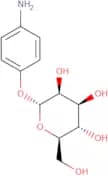
CAS:4-Aminophenyl a-D-mannopyranoside is a compound that has been shown to have anti-inflammatory properties. It is also used as a starting material in the synthesis of other drugs. Rats with chronic kidney disease were given 4-aminophenyl a-D-mannopyranoside daily for three weeks, and it was found that this compound prevented the development of kidney injury markers. This drug has also been shown to be effective against mouse strains with nervous system diseases. 4-Aminophenyl a-D-mannopyranoside binds to lysine residues on proteins and prevents the interactions between these residues and the amino acid glutathione, which is required for glut1 uptake in brain cells. This uptake is essential for cellular function, and therefore 4-aminophenyl a-D-mannopyranoside may be useful as chemotherapeutic treatment for brain cancer.
Formula:C12H17NO6Purity:Min. 95%Color and Shape:Off-White PowderMolecular weight:271.27 g/mol3-O-Benzyl-a- D- glucofuranose cyclic 5, 6- carbonate
3-O-Benzyl-a-D-Glucofuranose Cyclic 5,6-Carbonate is a custom synthesis that can be modified with fluorination, methylation, and click modification. It is a saccharide with CAS number. 3-O-Benzyl-a-D-Glucofuranose Cyclic 5,6-Carbonate is an oligosaccharide and polysaccharide that has a sugar and carbohydrate structure.
Purity:Min. 95%3,6-Anhydro-D-glucose
CAS:3,6-Anhydro-D-glucose is a compound that is produced by the dehydration of D-glucose. It has been synthesized in an acidic hydrolysis reaction involving mercaptoacetic acid and sodium carbonate. The synthesis of 3,6-Anhydro-D-glucose involves the use of chloride as a reactive agent and metal ion catalysis. This compound can be used to create isomers with other sugars. It also has supramolecular chemistry properties due to its ability to form complexes with other molecules.Formula:C6H10O5Purity:Min. 97 Area-%Color and Shape:White Off-White PowderMolecular weight:162.14 g/mol3-Deoxy- 3- fluoro- 1, 2- O- isopropylidene - D- allofuranose
3-Deoxy-3-fluoro-1,2-O-isopropylidene-D-allofuranose is an oligosaccharide that has been fluorinated at the 3 position and 3' position of the allofuranose moiety. It is a synthetic monosaccharide that belongs to a family of complex carbohydrates. The modification of this sugar with fluorine atoms is done by click chemistry, which entails the use of copper (II) ions. This sugar can be used for glycosylation and polysaccharide synthesis. Its high purity makes it ideal for use in laboratory settings.Formula:C9H15FO5Purity:Min. 95%Molecular weight:222.21 g/mol4-Methoxyphenyl 2,4,6-tri-O-acetyl-b-D-galactopyranoside
CAS:4-Methoxyphenyl 2,4,6-tri-O-acetyl-b-D-galactopyranoside is a synthetic carbohydrate that can be modified to meet your requirements. It is also known as Glycosylation, Oligosaccharide, sugar, Synthetic, Fluorination, Custom synthesis, Methylation, CAS No. 383905-62-2 and Monosaccharide Polysaccharide Saccharide. This product has been Click modification and complex carbohydrate. We offer this product at high purity and with modification.Formula:C19H24O10Purity:Min. 95%Molecular weight:412.39 g/molThymol-β-D-glucopyranoside
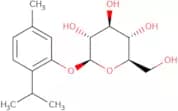
CAS:Thymol-b-D-glucopyranoside is a bactericidal agent that is resistant to encapsulation. It has been shown to be effective against animals and typhimurium in an incubated population and endogenous deaminase inhibitor strategy. The porcine activated food chemistry and abattoir experiments show that thymol-b-D-glucopyranoside has the potential to reduce populations of bacteria in the gastrointestinal tract by inhibiting protein synthesis.Formula:C16H24O6Purity:Min. 95%Color and Shape:PowderMolecular weight:312.36 g/mol9-O-Acetyl-N-acetyl-neuraminic acid
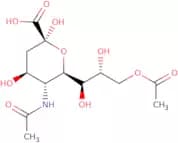
CAS:9-O-Acetyl-N-acetyl-neuraminic acid is a sialic acid produced by the human body. It can be found in human serum and has been shown to have inhibitory properties against viruses, such as hepatitis B and C viruses. 9-O-Acetyl-N-acetylneuraminic acid binds to the α1-acid glycoprotein in the blood, which can reduce its ability to bind to other molecules. This leads to a lower concentration of 9-O-acetylneuraminic acid in the blood. This molecule also has chemical biology properties that are being studied for their effects on biological processes such as histological analysis, receptor molecule binding, polymerase chain reaction (PCR), and mucin gene transcription. 9-O-Acetylneuraminic acid also has antihistamine activities that may be due to its ability to block histamine receptors or inhibit histamine release.Formula:C13H21NO10Purity:Min. 75 Area-%Color and Shape:White Off-White PowderMolecular weight:351.31 g/mol2,4-Dihydroxy-2-hydroxymethylbutanoic acid 1,4-lactone
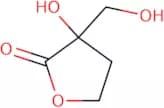
CAS:2,4-Dihydroxy-2-hydromethylbutanoic acid-1,4-lactone is a hydroxy anion that can be synthesized by the lactonization of 2,4-dihydroxybutanoic acid. The compound has been used to produce polymeric adsorbents for chromatographic purposes.Formula:C5H8O4Purity:Min. 95%Color and Shape:White PowderMolecular weight:132.11 g/mol2C-Hydroxymethyl-2,3:5,6-di-O-isopropylidene-L-gulono-1,4-lactone
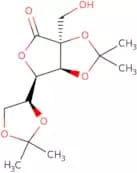
CAS:2C-Hydroxymethyl-2,3:5,6-di-O-isopropylidene-L-gulono-1,4-lactone is a synthetic compound with the molecular formula C8H11O7. It is a sugar derivative that is used as an intermediate in the synthesis of saccharides and oligosaccharides. 2C-Hydroxymethyl-2,3:5,6-di-O-isopropylidene-L-gulono-1,4 -lactone has been shown to be a good candidate for Click chemistry modification.Formula:C13H20O7Purity:Min. 95%Molecular weight:288.29 g/mol3,4,6-Tri-O-acetyl-D-galactal
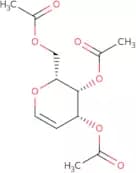
CAS:3,4,6-Tri-O-acetyl-D-galactal is a versatile building block used for the synthesis of mono- and oligosaccharides. The galactal double bond affords a ready means through which to introduce new functionality or introduce deoxy positions at the C1 and C2 positions to afford functionalised monosaccharides and also allows galactals to be used as glycosylation donors.Formula:C12H16O7Purity:Min. 98 Area-%Color and Shape:Slightly Yellow Clear LiquidMolecular weight:272.25 g/molβ-D-Xylopyranosyl azide
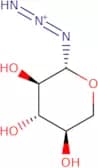
CAS:b-D-Xylopyranosyl azide is a device that records multimedia. It has been found that b-D-Xylopyranosyl azide can record audio, video, and data recordings by automated means. The renaming of multimedia files is also possible with b-D-Xylopyranosyl azide.Formula:C5H9N3O4Purity:Min. 95%Color and Shape:White PowderMolecular weight:175.14 g/mol4-O-Benzyl-2-O-levulinoyl-3-O-para-methoxybenzyl-a-L-rhamnopyranosyl trichloroacetimidate
4-O-Benzyl-2-O-levulinoyl-3-O-para-methoxybenzyl-a-L-rhamnopyranosyl trichloroacetimidate is a synthetic sugar that has been fluorinated and methylated. It has been custom synthesized for use in glycosylation and is also used as a reagent for click chemistry to modify complex carbohydrates. This compound is available with high purity, which is determined by its chemical composition, including the absence of impurities and the presence of only one type of atom. 4-O-Benzyl--2--O--levulinoyl--3--O--para--methoxybenzyl--a--L--rhamnopyranosyl trichloroacetimidate can be found on CAS registry number 10082282.Formula:C28H32Cl3NO8Purity:Min. 98 Area-%Molecular weight:616.91 g/molThermopsoside
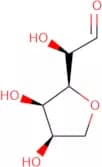
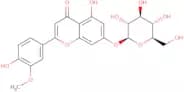
CAS:Thermopsoside is an organic acid that has been isolated from the plant species Vitex agnus-castus. Thermopsoside has shown antibacterial activity against a variety of bacteria and fungi, including Escherichia coli, Staphylococcus aureus, and Candida albicans. It is thought to act by inhibiting the synthesis of fatty acids and vitexin in the bacterial cell membrane or by binding to the bacterial ribosome. Thermopsoside also shows anti-inflammatory effects on skin cells and is used in some cosmetic products as an ingredient in skin-conditioning lotions. Thermopside inhibits prostaglandin production by blocking cyclooxygenase (COX) enzymes.Formula:C22H22O11Purity:Min. 98 Area-%Color and Shape:PowderMolecular weight:462.4 g/mol(1R) -1- [(2S, 3R) - 3- Hydroxy- 1- butyl - 2- azetidinyl] -1, 2- ethanediol
(1R) -1- [(2S, 3R) - 3- Hydroxy- 1- butyl - 2- azetidinyl] -1, 2- ethanediol is a glycosylase that catalyzes the hydrolysis of terminal sialic acid residues from oligosaccharides and monosaccharides. It is used in the synthesis of complex carbohydrates. This glycosylase has been shown to be highly specific for terminal sialic acids and can also be used to produce oligosaccharides with desired linkages between the sugars. The enzyme is most active at low pH and high temperatures.
Purity:Min. 95%(3S, 4R,5S) -3-O-Benzhydryloxybis(trimethylsilyloxy)silyl- 1-benzyl-4,5-O-isopropylidene-3, 4, 5- piperidinetriol
(3S, 4R,5S) -3-O-Benzhydryloxybis(trimethylsilyloxy)silyl- 1-benzyl-4,5-O-isopropylidene-3, 4, 5- piperidinetriol is a synthetic monosaccharide that can be used in the synthesis of oligosaccharides and complex carbohydrates. This compound has a molecular weight of 487.43 g/mol and a CAS number of 634265-09-2. It is an Oligosaccharide that contains a sugar chain with three to five monosaccharide units. This product has been custom synthesized for the modification of glycans or polysaccharides by methylation or click chemistry.Purity:Min. 95%1,2,3,4-Tetra-O-acetyl-6-O-trityl-a-D-mannopyranose
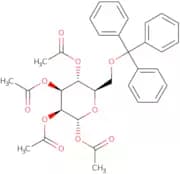
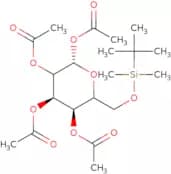
CAS:Tetra-O-acetyl-6-O-trityl-a-D-mannopyranose is a synthetic glycoside that is used as an intermediate in the synthesis of oligosaccharides. It has been modified with a fluorine atom at C1 to form 1,2,3,4-tetra-O-acetyl 6-(trifluoromethyl)-a-D mannopyranoside. This modification can be done through a click reaction. Tetra-O acetyl 6-(trifluoromethyl)-a D mannopyranoside is soluble in water and has a melting point of about 210°C.Formula:C33H34O10Purity:Min. 95%Color and Shape:White PowderMolecular weight:590.62 g/mol1,2,3,4-Tetra-O-acetyl-6-O-(tert-butyldimethylsilyl)-b-D-glucopyranose
CAS:1,2,3,4-Tetra-O-acetyl-6-O-(tert-butyldimethylsilyl)-b-D-glucopyranose is a custom synthesis of an Oligosaccharide. It is a complex carbohydrate that has been modified with Methylation and Glycosylation. Carbohydrate Click chemistry has been used to modify the sugar molecule with Fluorination. This product is manufactured in high purity and can be used for pharmaceutical purposes.Formula:C20H34O10SiPurity:Min. 95%Molecular weight:462.57 g/molD-Glucono-1,5-lactone
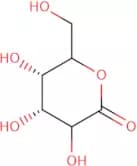
CAS:D-Glucono-1,5-lactone is a chemical compound that is a member of the class of compounds known as diketones. It can be used in chemical biology and polymer chemistry to probe hydrogen bonding interactions, polymer compositions, and redox potentials. D-Glucono-1,5-lactone has been shown to inhibit the growth of cells in culture by inhibiting DNA synthesis. This inhibition is due to its ability to bind with high affinity to nucleic acids and prevent the formation of the enzyme complexes required for transcription and replication. The effects are reversible.
Formula:C6H10O6Purity:Min. 95%Color and Shape:PowderMolecular weight:178.14 g/molL-Mannitol
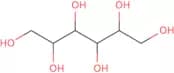
CAS:L-Mannitol is a sugar alcohol that is an important component of pharmaceutical preparations. It is used as a preservative, diluent, and sweetener in many pharmaceutical products. L-Mannitol has been shown to have anti-inflammatory properties and may help prevent allergic reactions by inhibiting the production of prostaglandin D2. L-Mannitol also inhibits the activity of xylitol dehydrogenase, which prevents the conversion of xylitol to DHA, an intermediate metabolite that can cause tissue damage in animals and humans. L-Mannitol has been shown to have a laxative effect when taken orally or injected as an intravenous solution. This property may be due to its ability to stimulate chloride secretion from intestinal cells and increase water reabsorption from the colon. L-Mannitol is also used as a chromatographic matrix for saponins and conjugates with other amino acids.Formula:C6H14O6Purity:Min. 95%Color and Shape:PowderMolecular weight:181.6 g/mol[(2S, 3R,4S) - 3-Hydroxy-4-hydroxymethyl- 1- benzyl - 2- azetidinyl]carboxylic acid methylamide
(2S, 3R,4S) - 3-Hydroxy-4-hydroxymethyl- 1- benzyl - 2- azetidinyl]carboxylic acid methylamide is a custom synthesis. It has been fluorinated at the 3 position. The glycosylation of this compound can be done by using a variety of sugars such as monosaccharides and disaccharides or oligosaccharides. This compound can also be methylated at the alpha position to produce (2S,3R,4S) - 3-methyoxy-4-hydroxymethyl-1-benzyl - 2-azetidinyl]carboxylic acid methylamide. This molecule is a carbohydrate. It is a complex carbohydrate that contains saccharide and oligosaccharide moieties.Purity:Min. 95%2-Amino-2-deoxy-D-talose
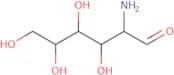
CAS:2-Amino-2-deoxy-D-talose (2ADDT) is an intermediate in the synthesis of 2,3:4,5-di-O-acetylideneamino-2,3:4,5-di-O-methylideneamino D -talose. It is obtained by the hydrolysis of 2,3:4,5-di-O-acetylideneamino D -talose with hydrochloric acid and methanol. The product is a white solid that can be purified by recrystallization from water or ethanol. 2ADDT can be converted to 2,3:4,5-di - O - acetylideneamino D - talose by treatment with sodium methoxide in methanolic solution. 2ADDT also reacts with nitromethane in methanolic solution to produce d - lyxose and 1 deoxy 1 nitroPurity:Min. 95%DL-Glyceraldehyde 3-phosphate - 45-55 mg/mL aqueous solution
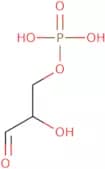
CAS:Glyceraldehyde-3-phosphate dehydrogenase (GAPDH) is an enzyme that catalyzes the conversion of glyceraldehyde-3-phosphate to 1,3 bisphosphoglycerate. GAPDH is involved in glycolysis and the pentose phosphate pathway. It has been shown to be an important player in mediating cellular responses to hypoxia, inflammation, and oxidative stress. The glyceraldehyde-3-phosphate dehydrogenase gene has been found to be mutated in a number of cancers including breast cancer and colon cancer. This gene also has a role in inflammatory lesion development as well as energy metabolism. GAPDH also participates in the biochemical reactions that lead to neuronal death during neurodegenerative diseases such as Alzheimer's disease and Parkinson's disease.Formula:C3H7O6PColor and Shape:Colorless Clear LiquidMolecular weight:170.06 g/molMethyl 3,5-di-O-acetyl-2-deoxy-b-D-ribofuranoside
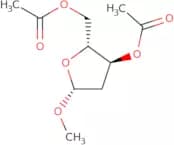
CAS:Methyl 3,5-di-O-acetyl-2-deoxy-b-D-ribofuranoside is a synthetic sugar that is used in the synthesis of glycosides. It is a high purity product and can be custom synthesized to meet your needs. This product is available as a solution in water and is also offered as an oil. Methyl 3,5-di-O-acetyl-2-deoxy-b-D-ribofuranoside is soluble in alcohols and ethers, but insoluble in hydrocarbons or chlorinated solvents. The CAS number for this product is 62853–55–8. Methyl 3,5-di-O-[(acetyloxymethyl)oxymethyl]-2 deoxy-[beta]D ribofuranoside can be used for Click modification reactions to introduce acetyl groups on the sugar moiety. Click chemistry has been shown to haveFormula:C10H16O6Purity:Min. 95%Molecular weight:232.23 g/mol6-Deoxy-2,3:4,5-di-O-isopropylidene-L-glucose
6-Deoxy-2,3:4,5-di-O-isopropylidene-L-glucose is a methylated sugar that is custom synthesized for research purposes. It is an oligosaccharide with a polysaccharide backbone. 6DG has been modified with fluorination and the Click reaction to produce novel compounds. The compound has been shown to have various biological activities, including anti-inflammatory effects. 6DG is a sugar with a complex carbohydrate structure that can be used in synthetic chemistry for modification and modification reactions.
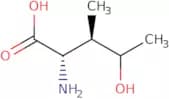
Purity:Min. 95%4-Hydroxy-L-isoleucine
CAS:Insulinotropic; anti-diabeticFormula:C6H13NO3Purity:Min. 98 Area-%Color and Shape:White PowderMolecular weight:147.17 g/mol2, 5- Anhydro- 3- deoxy-D- xylo- hexonic acid 1-propyl ester
2,5-Anhydro-3-deoxy-D-xylo-hexonic acid 1-propyl ester is a modification of the oligosaccharide xylan. The compound has been synthesized using chemical methods and can be used as a raw material in the production of other products. 2,5-Anhydro-3-deoxy-D-xylo-hexonic acid 1-propyl ester has been custom synthesized to produce high purity and is available with CAS number. It is a monosaccharide that can be methylated and glycosylated and is a polysaccharide made up of sugars (sucrose, glucose, fructose) with various types of saccharides (sugar).Purity:Min. 95%2,4,7,8,9-Pentaacetyl-N- [(2- propyn- 1- yloxy) carbonyl] - b- neuraminic acid methyl ester
CAS:2,4,7,8,9-Pentaacetyl-N-[(2-propen-1-yloxy)carbonyl]-b-neuraminic acid methyl ester is a Glycosylation reagent that is used in the synthesis of oligosaccharide and polysaccharide. The product can be modified to produce Click modifications and complex carbohydrates. It has been shown to have high purity and can be custom synthesized.Formula:C24H31NO15Purity:Min. 95%Molecular weight:573.5 g/mol1,3,5-Tri-O-benzoyl-2-deoxy-2-fluoro-a-D-ribofuranose
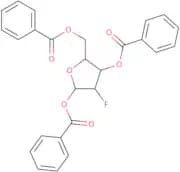
CAS:1,3,5-Tri-O-benzoyl-2-deoxy-2-fluoro-a-D-ribofuranose is a synthetic saccharide that can be used as a fluorinated carbohydrate. This compound has been shown to have high purity and can be custom synthesized with various functional groups. 1,3,5-Tri-O-benzoyl-2-deoxy-2-fluoro--aD ribofuranose is a methylated sugar that can be modified to include glycosylation or modification of the sugar with click chemistry. It has CAS number 704916121.Formula:C26H21FO7Purity:Min. 95%Color and Shape:White PowderMolecular weight:464.44 g/molIsolinamarin
CAS:Isolinamarin is a natural product and chemical compound that has been found in leaves of the plant Passiflora edulis. Isolinamarin is synthesized by β-glucosidase from isolinol, an alicyclic alcohol. The synthetic route to isolinamarin starts with acetobromoglucose and proceeds through a series of steps that involve the formation of an acetal group, conversion to an aldehyde, oxidation to a carboxylic acid, and finally conversion to the desired product. Isolinamarin inhibits β-glucosidase by binding at the active site and preventing further substrate hydrolysis. It blocks glucose uptake into cells by inhibiting glucose transporters on cell membranes, as well as inhibiting glycolysis in humans.Purity:Min. 95%Methyl 2,3-di-O-p-toluenesulfonyl-a-D-glucopyranoside
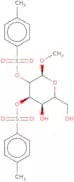
Methyl 2,3-di-O-p-toluenesulfonyl-a-D-glucopyranoside is a high purity, custom synthesis sugar that is used in glycosylation and modification. It has a CAS number of 83792-07-4 and can be synthesized from methyl p-toluenesulfonate, D-glucose, and sodium hydroxide. Methyl 2,3-di-O-p-toluenesulfonyl-a-Dglucopyranoside has been shown to react with fluorine to form fluoro derivatives. This compound reacts with glycosylations and modifications such as methylation or acetylation. It is also an oligosaccharide that is composed of monosaccharides and saccharides.
Formula:C21H26O10S2Purity:Min. 95%Molecular weight:502.56 g/mol2,3-O-Isopropylidene-D-glyceraldehyde - 50% solution in DCM
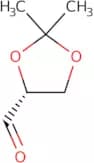
CAS:2,3-O-Isopropylidene-D-glyceraldehyde is an acetal protected glyceraldehyde building block for use in organic chemistry. The aldehyde group of 2,3-O-Isopropylidene-D-glyceraldehyde is left unprotected which allows for a range of reactions to be performed. These include aldol condensations, olefinations, Grignard reactions and imine formation, including reductive amination.Formula:C6H10O3Purity:Min. 95%Color and Shape:Colorless Clear LiquidMolecular weight:130.14 g/mol2-Deoxy-2-fluoro-D-galactose
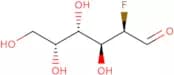
CAS:2-Deoxy-2-fluoro-D-galactose, also called 3-fluoro-6-hydroxymethyl-tetrahydro-pyran-2,4,5-triol, can be added to the medium of primary cultured rat hepatocytes to inhibit N-glycosylation of proteins. Immunoglobulin G (IgG) is the most common antibody found in blood and 2-deoxy-2-fluoro-D-galactose modifies the galactosylation of the N-linked glycan in the IgG-Fc receptor. We also have this product from a non-animal origin, MD71984.
Formula:C6H11FO5Purity:Min. 97 Area-%Color and Shape:White PowderMolecular weight:182.15 g/mol2,3,5-Tri-O-benzyl-L-arabinofuranose - technical grade
CAS:2,3,5-Tri-O-benzyl-L-arabinofuranose is a benzyl ester of an anomeric mixture that can be prepared by hydrogenolysis of 2,3,5-tri-O-benzyl L-arabinofuranose. It is an experimental compound that may be used for the synthesis of optical anomers or as a starting material for the preparation of other compounds. The reactivity of the carbonyl group in this compound is determined by the steric hindrance from the benzyl esters. This compound also has chloride and trifluoromethanesulfonic acid esters.Formula:C26H28O5Purity:Min. 95%Color and Shape:White PowderMolecular weight:420.5 g/mol2,3:4,5-Di-O-isopropylidene-D-talitol (altritol)
2,3:4,5-Di-O-isopropylidene-D-talitol (altritol) is a complex carbohydrate that can be used as a monosaccharide. It is a glycosylation product of D-talitol and it has been shown to have Methylation, Click modification and Polysaccharide modification. 2,3:4,5-Di-O-isopropylidene-D-talitol (altritol) is fluorinated at the C2 position and is soluble in water. It has CAS number 51617-94-7 and can be synthesized with high purity.Purity:Min. 95%Benzyl β-L-arabinopyranoside
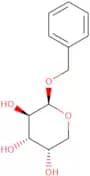
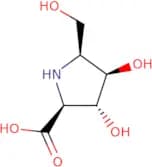
CAS:Benzyl β-L-arabinopyranoside is a Glycosylation, complex carbohydrate, Methylation, Click modification, Polysaccharide, Fluorination, CAS No. 7473-38-3 that can be synthesized in the lab and is available for custom synthesis. It is used in the synthesis of saccharides and other glycosylated natural products.Formula:C12H16O5Purity:(%) Min. 98%Color and Shape:White Off-White PowderMolecular weight:240.25 g/mol(3R, 4R, 5S) -3, 4- Dihydroxy- 5- (hydroxymethyl) - L- proline
CAS:(3R, 4R, 5S) -3, 4- Dihydroxy- 5- (hydroxymethyl) - L- proline is a fluorinated monosaccharide that is synthesized from D-glucose and D-alanine. It can be modified to form oligosaccharides or polysaccharides with various glycosylations, methylations, and click modifications. This compound has shown promising results in cancer research studies and is available at high purity.Purity:Min. 95%L(+)-Ascorbic acid sodium salt
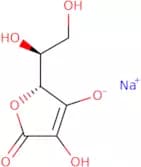
CAS:L(+)-Ascorbic acid sodium salt is the L-isomer of ascorbic acid. It is an essential nutrient for humans and animals, and a cofactor for many enzymes involved in cellular metabolism. Ascorbic acid is an effective metal chelator, which can be used to treat infectious diseases such as tuberculosis. L(+)-Ascorbic acid sodium salt has been shown to have antioxidant properties. It also has antineoplastic activity against skin tumors when used at optimum concentration.
Formula:C6H7NaO6Purity:Min. 97 Area-%Color and Shape:White PowderMolecular weight:198.11 g/molD-Galactose-1-phosphate disodium
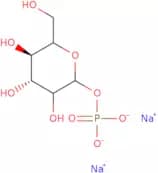
CAS:D-Galactose-1-phosphate disodium is an organic compound that is used as a methylation and glycosylation reagent. It can be used in the synthesis of oligosaccharides, polysaccharides, and other complex carbohydrates. D-Galactose-1-phosphate disodium is a fluorinated saccharide that can be custom synthesized to order. It is also available in high purity and has CAS No. 147072-63-7.Formula:C6H13O9P•(Na)2Purity:(31P-Nmr) Min. 98%Color and Shape:PowderMolecular weight:304.1 g/molTopiramate
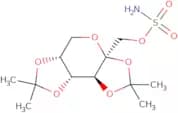
CAS:Controlled ProductAn anticonvulsant drug
Formula:C12H21NO8SPurity:Min. 95%Color and Shape:PowderMolecular weight:339.37 g/mol1-Deoxy-2-fluoronojirimycin
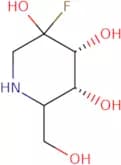
CAS:1-Deoxy-2-fluoronojirimycin is a glycosylation inhibitor that was synthesized to inhibit the formation of complex carbohydrates. It has been shown to inhibit methyltransferases and glycosylation enzymes in vitro with IC50 values of 0.1 μM, 2 μM, and 4 μM, respectively. This compound has also been shown to inhibit the synthesis of saccharides by targeting sugar moieties. 1-Deoxy-2-fluoronojirimycin inhibits the addition of various sugars at their C1 position with IC50 values ranging from 0.3 μM to 6 μM. The modification of sugars at the C2 position is also inhibited with IC50 values ranging from 3 μM to 10 μM. 1-Deoxy-2-fluoronojirimycin is a custom synthesis that can be ordered in high purity as well as in bulk quantities for research purposes .
Formula:C6H12FNO4Purity:Min. 95%Color and Shape:PowderMolecular weight:181.16 g/mol11-Dehydroxygrevilloside B
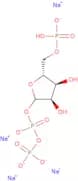
CAS:11-Dehydroxygrevilloside B is a natural glycoside compound, which is primarily isolated from the plant genus Grevillea. This genus is known for its rich diversity of secondary metabolites with various biological activities. The mode of action of 11-Dehydroxygrevilloside B involves interactions with specific molecular targets, potentially influencing biochemical pathways associated with inflammation, oxidative stress, or other cellular processes. Its exact mechanism is still under research, aiming to unravel its potential therapeutic or protective effects. Applications of 11-Dehydroxygrevilloside B are mainly within the realm of biochemical and pharmacological research, where it serves as a subject for in vitro or in vivo experiments to explore its efficacy and safety profile. Its study contributes to understanding how plant-derived compounds can be harnessed for medicinal purposes and augments the exploration of novel drug candidates from natural sources.Formula:C17H26O7Purity:Min. 95 Area-%Color and Shape:PowderMolecular weight:342.38 g/mol5-Phospho-D-ribose 1-diphosphate pentasodium
CAS:Substrate for phosphoribosyltransferasesFormula:C5H8Na5O14P3Purity:Min. 80 Area-%Color and Shape:PowderMolecular weight:499.98 g/molBenzyl 2-acetamido-3-O-allyl-6-O-benzyl-2-deoxy-a-D-glucopyranoside
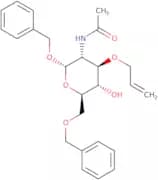
CAS:Benzyl 2-acetamido-3-O-allyl-6-O-benzyl-2-deoxy-aDglucopyranoside is an Oligosaccharide that contains a benzene ring. It has been synthesized by the method of glycosylation and click modification. This product is for research purposes only and should not be used as a food additive, preservative, or dietary supplement.Formula:C25H31NO6Purity:Min. 95%Color and Shape:Off-White Beige PowderMolecular weight:441.52 g/mol5-Azido-2-C-(benzylaminomethyl)-5-deoxy-2,3-O-isopropylidene-L-lyxonic acid b-lactam
5-Azido-2-C-(benzylaminomethyl)-5-deoxy-2,3-O-isopropylidene-L-lyxonic acid b-lactam is a synthetic glycoside. It is an intermediate in the synthesis of various saccharides and oligosaccharides. 5-Azido-2-C-(benzylaminomethyl)-5-deoxy-2,3-O-isopropylidene L -lyxonic acid b -lactam has been shown to be useful for click modification, a technique used to modify saccharides and oligosaccharides with azide groups.Purity:Min. 95%Peonidin-3-O-galactoside chloride
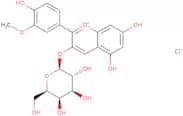
CAS:Peonidin-3-O-galactoside chloride is a natural product that can be found in many plants, such as the genus Peonia, and is also commonly found in wine. It has been shown to inhibit pancreatic lipase in vitro and may have potential as a dietary supplement. The surface methodology used to study the interaction of protocatechuic acid with caco-2 cells was efficient and showed the ability of this compound to interact with fatty acids. This interaction could be related to its health effects, which have been studied using cell culture methods. The dietary intake of protocatechuic acid has been shown to reduce blood pressure in rats, but it is unclear if this effect would occur in humans because of the lack of a suitable animal model for human studies.Formula:C22H23O11·ClPurity:Min. 95%Color and Shape:PowderMolecular weight:498.86 g/mol3-O-Benzyl-4,6-O-benzylidene-a-D-glucopyranose
3-O-Benzyl-4,6-O-benzylidene-a-D-glucopyranose is a custom synthesis of a complex carbohydrate. This product has CAS No. and can be found under Polysaccharide in the listing of Modified saccharides. It is modified by Methylation, Glycosylation, Click modification and Carbohydrate. The product is synthesized using Fluorination and Synthetic methods. It is high purity, with a purity level of 99%.
Purity:Min. 95%Methyl 5-Acetamido-N-benzyl-5,6-dideoxy-2,6-imino-3-O-benzyl-L-galactofuranoside
Methyl 5-Acetamido-N-benzyl-5,6-dideoxy-2,6-imino-3-O-benzyl-L-galactofuranoside is a modified carbohydrate with a methyl group at the C5 position. It is synthesized by modification of the saccharide and has a CAS number. This compound is used as a custom synthesis for synthesis of complex carbohydrates.Purity:Min. 95%a-D-Mannose-1-phosphate ammonium salt
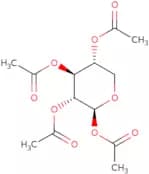
CAS:a-D-Mannose-1-phosphate ammonium salt is a modification of an oligosaccharide, a carbohydrate that is complex in structure. It is a custom synthesis and has high purity. This product is also synthetic and monosaccharide, methylation, glycosylation, and fluorination have been performed on it. The CAS No. for this compound is 1388225-12-4.Formula:C6H19O9PN2Purity:Min. 95%Color and Shape:PowderMolecular weight:294.2 g/mol1,2,3,4-Tetra-O-acetyl-β-D-xylopyranose
CAS:1,2,3,4-Tetra-O-acetyl-b-D-xylopyranose is a sugar that is used as a regulatory agent in the synthesis of other sugars. It has been shown to inhibit the activity of lipolytic enzymes in vitro and may be useful for controlling obesity. 1,2,3,4-Tetra-O-acetyl-b-D-xylopyranose is also able to disrupt the structure of bacterial membranes and has been shown to have an inhibitory effect on p. aeruginosa. The element analysis indicates that this compound contains carbon, hydrogen, oxygen, and nitrogen.Formula:C13H18O9Purity:Min. 95%Color and Shape:PowderMolecular weight:318.28 g/molMedicagenic acid 3,28-di-O-glucoside
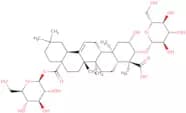
CAS:Medicagenic acid 3,28-di-O-glucoside is a synthetic compound that is the product of a custom synthesis. It is a sugar with 1,2-linked glucose units. Medicagenic acid 3,28-di-O-glucoside is an intermediate in the synthesis of glycoconjugates. Medicagenic acid 3,28-di-O-glucoside can be modified to produce saccharides with various properties and functions. This compound has been modified by fluorination, methylation and click chemistry to produce medicagenic acid 3,28-di-O-[(2-(4′-[N′-(3′,5′'-dimethoxytrityl)-3H]thiophenyl)carbonyl]-6′-(4′-[N′-(3',5'-dimethoxytrityl)-3H]thiophenyl)methyl] glucopyranoside.Formula:C42H66O16Purity:Min. 95%Molecular weight:826.96 g/mol4-O-Allyl-3,6-di-O-tert-butyldimethylsilyl-D-glucal
4-O-Allyl-3,6-di-O-tert-butyldimethylsilyl-D-glucal is a custom synthesis of an oligosaccharide. It has been modified with fluorination, methylation, and click chemistry. 4-O-Allyl-3,6-di-O-tert-butyldimethylsilyl-D-glucal has been shown to be a high purity product that can be used in glycosylation reactions. This compound is very reactive and can be used in the synthesis of complex carbohydrates such as saccharides and polysaccharides.Purity:Min. 95%Ethyl 6-azido-6-deoxy-a-D-thiomannopyranoside
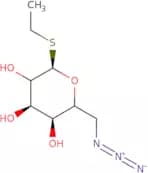
Ethyl 6-azido-6-deoxy-a-D-thiomannopyranoside is a custom synthesis of a complex carbohydrate that is used in the modification of saccharides and glycosylations. It can be modified with methylation, fluorination, or click chemistry to create new derivatives. The chemical name for this product is Ethyl 6-azido-6-deoxymannopyranoside. This product has CAS Number 141459-18-4 and molecular weight of 308.86 g/mol. It is available in high purity with 98% yield.Formula:C8H15N3O4SPurity:Min. 95%Molecular weight:249.29 g/molEthyl 2,3-O-isopropylidene-a-L-thiorhamnopyranoside
CAS:Ethyl 2,3-O-isopropylidene-a-L-thiorhamnopyranoside (Ip) is a glycosylation inhibitor that inhibits the formation of an alpha-(1,2)-link between glucose and mannose in the glycosylation of the pentasaccharide. The maximum tolerated dosages of Ip have been determined in HL-60 cells. Trichloroacetimidate is used as a substitute for Ip in these experiments because it can be dissolved in water and has a high therapeutic index. Convergent synthesis of Ip was achieved by reacting pentasaccharides with trichloroacetimidate to produce pentasaccharides with substituted mannose residues at position two and three.Formula:C11H20O4SPurity:Min. 95%Molecular weight:248.34 g/mol3-O-Benzyl-1,2-O-isopropylidene-a-D-xylofuranose
3-O-Benzyl-1,2-O-isopropylidene-a-D-xylofuranose is a monosaccharide that is synthesized by methylation of the corresponding aldose. It has been used in the synthesis of oligosaccharides and polysaccharides. 3-O-Benzyl-1,2-O-isopropylidene-a-D-xylofuranose has also been shown to be useful in the fluorination of saccharide chains.Purity:Min. 95%5,6-O-Isopropylidene-3,5-di-C-methyl-L-galactofuranose
5,6-O-Isopropylidene-3,5-di-C-methyl-L-galactofuranose is a custom synthesis of an oligosaccharide with a CAS number. It is a polysaccharide that has been modified by methylation and glycosylation. The modification of the saccharide includes fluorination and click chemistry. This product is extremely pure and has been synthesized using high purity reagents.Purity:Min. 95%Phenyl 3-O-Allyl-2,4,6-tri-O-benzyl-b-D-thiogalactopyranoside
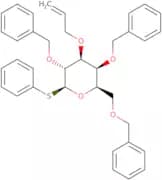
CAS:Phenyl 3-O-Allyl-2,4,6-tri-O-benzyl-b-D-thiogalactopyranoside (PTAG) is a modified glycosylated monosaccharide which has been synthesized by the Click Reaction. The synthesis of PTAG was achieved by the reaction between 2,3,4,6-tetra O-benzyl bD thiogalactopyranose and benzylic alcohol. PTAG is an oligosaccharide with a molecular weight of 1,000 Da and consists of six glucopyranose units. It can be used as a building block in the synthesis of complex carbohydrates.
Formula:C36H38O5SPurity:Min. 95%Color and Shape:White Off-White PowderMolecular weight:582.75 g/mol1,2,3,4-Tetra-O-benzoyl-6-O-tert-butyldiphenylsilyl-b-D-glucopyranose
1,2,3,4-Tetra-O-benzoyl-6-O-tert-butyldiphenylsilyl-b-D-glucopyranose is a synthetic sugar that is used as an intermediate in the synthesis of a variety of saccharides. It is prepared by the benzoylation of glucose with 1,2,3,4 tetra O benzoyl chloride in the presence of tert butyldiphenylsilyl chloride. The product is then treated with hydrochloric acid to form the corresponding methyl ester. This compound has been shown to have high purity and excellent solubility in organic solvents.Formula:C50H46O10SiPurity:Min. 95%Molecular weight:835 g/mol1,2-Di-O-tert.butyldimethylsilyl-3,4:5,6-di-O-isopropylidene-D-glycero-a-D-talopyranoside
This compound is a high purity, custom synthesis. It is a sugar that can be fluorinated and glycosylated. It also has the ability to be modified with methylation and modification. The CAS Number is 1213-78-3. This carbohydrate has many functions: it can act as an oligosaccharide or monosaccharide and can also be used as a complex carbohydrate.Purity:Min. 95%Linamarin
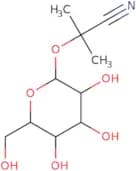
CAS:Cyanogenic glycosideFormula:C10H17NO6Purity:Min. 97 Area-%Color and Shape:White PowderMolecular weight:247.25 g/mol2-Azido-((R)-3,5-O-benzylidene)-2,6-dideoxy-L-glucono-1.4-lactone
2-Azido-((R)-3,5-O-benzylidene)-2,6-dideoxy-L-glucono-1.4-lactone is a sugar and sugar derivative. It is a synthetic product that has been modified with methylation, fluorination and click chemistry. 2-Azido-(R)-3,5-O-benzylidene)-2,6-dideoxy--L--glucono--1.4--lactone is a carbohydrate with a saccharide at the end of its chain. This product is synthesized in high purity and without any contaminants, as it has been custom synthesized for your company's needs.Purity:Min. 95%D-Fructose-1,6-diphosphate
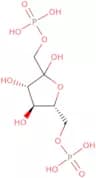
CAS:D-Fructose-1,6-diphosphate is a chemical that is found in the cytosol of cells. It is an intermediate in the metabolism of fructose and also has an important role in the synthesis of fatty acids and phospholipids. D-Fructose-1,6-diphosphate is an effective inhibitor of sodium succinate dehydrogenase, which converts succinate to fumarate. D-Fructose-1,6-diphosphate has a neutral pH profile and is not affected by changes in pH levels. The optimum pH for this compound is between 6.5 and 7.5. D-Fructose-1,6-diphosphate binds to proteins with unsaturated alkyl chains such as creatine kinase and glutamate dehydrogenase. It has been shown to have hemolytic effects on erythrocytes (red blood cells) at high concentrations, which may be due to its ability to bindFormula:C6H14O12P2Purity:(¹H-Nmr) Min. 95 Area-%Color and Shape:White PowderMolecular weight:340.12 g/molMethyl a-D-fucopyranoside
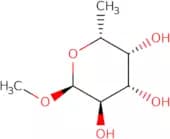
CAS:Methyl a-D-fucopyranoside is a monoclonal antibody that binds to the O-antigen of the polysaccharide chain. It is a synthetic trisaccharide consisting of an o-antigen, an α-linked D-fucose residue, and an α-linked galactose residue. This antibody interacts with the serologic subtypes of Group A Streptococcus, but not with other serogroups. Methyl a-D-fucopyranoside utilizes conformational epitopes and disaccharides which are not accessible to other antibodies in order to bind to the o-antigen. The o-antigen is composed of two serologically distinct regions: one region for binding by anti-A antibodies, and another for binding by anti-B antibodies.
Formula:C7H14O5Purity:Min. 98 Area-%Color and Shape:White Off-White PowderMolecular weight:178.18 g/mol5-Bromo-5,6-dideoxy-3-O-benzoyl-D-gulono-1.4-lactone
5-Bromo-5,6-dideoxy-3-O-benzoyl-D-gulono-1.4-lactone is a Carbohydrate with the molecular formula C8H12Br2O7 and a molecular weight of 338. The CAS number for this compound is 9061-52-8. This compound is an Oligosaccharide with a molecular weight of 334. The structure of this compound is related to the structure of the natural sugar, glucose. 5-Bromo-5,6-dideoxy-3-O-(benzoyl)-D--gulono--1.4--lactone has been synthesized from 5,6 dideoxy erythrose in which one hydroxyl group has been replaced by bromine and one hydroxyl group has been replaced by benzoyl chloride. It has also been methylated and glycosylated.Purity:Min. 95%Ethyl 3-O-allyl-4,6-O-benzylidene-b-D-thiogalactopyranoside
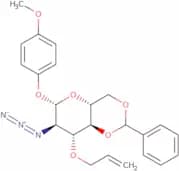
Ethyl 3-O-allyl-4,6-O-benzylidene-b-D-thiogalactopyranoside is an oligosaccharide that has been synthesized by a modified Click reaction. It is a white powder with a melting point of 116°C and a molecular weight of 554. The purity of this compound is greater than 98%. Ethyl 3-O-allyl-4,6-O-benzylidene-b-D-thiogalactopyranoside can be used for glycosylation reactions. This product can be custom synthesized to meet your specific needs.Purity:Min. 95%4-Methoxyphenyl 3-O-allyl-2-azido-4,6-O-benzylidene-2-deoxy-β-D-glucopyranoside
CAS:4-Methoxyphenyl 3-O-allyl-2-azido-4,6-O-benzylidene-2-deoxy-b-D-glucopyranoside (MPA) is a glycosylated antigen that has been shown to be specific for mycobacterium avium. It is a cytosolic calcium ionophore and can induce platelet membrane activation and coagulation. MPA has also been found to be chemoprotective in animal models of cancer. MPA can be used as an indicator of the body mass index (BMI).Formula:C23H25N3O6Purity:Min. 95%Color and Shape:PowderMolecular weight:439.47 g/molHexadecyl-D-xylopyranoside
CAS:Hexadecyl-D-xylopyranoside is a synthetic sugar that has been fluorinated and methylated. It is a complex carbohydrate that belongs to the group of modified sugars. This product has many applications in the synthesis of oligosaccharides and saccharides, as well as in glycosylation reactions. Hexadecyl-D-xylopyranoside can be used in custom syntheses, and has been shown to have high purity with a CAS No. 115211-19-3.Formula:C21H42O5Purity:Min. 95 Area-%Color and Shape:White Off-White PowderMolecular weight:374.56 g/mol2-C-Azidomethyl- 2, 3:5, 6- di-O-isopropylidene)-D- mannose
2-C-Azidomethyl-2,3:5,6-di-O-isopropylidene)-D-mannose (2CAM) is a custom synthesis that is created by modifying the natural sugar D-mannose. The modification of this sugar yields 2CAM, which is a fluorinated and methylated compound. The monosaccharide in 2CAM is an alpha anomeric structure with a 6 carbon chain. This chemical can be synthesized from D-mannose through the addition of an azide group to the C4 hydroxyl group on the mannose ring. This modification to the natural sugar leads to a complex carbohydrate that exhibits saccharide properties as well as glycosylation properties. 2CAM has been shown to have inhibitory effects against bacterial pathogens such as Mycobacterium tuberculosis and Clostridium perfringens, which are both gram negative bacteria. In contrast,Purity:Min. 95%Methyl 2,4-Di-O-acetyl-3-deoxy-3-fluoro-b-D-xylopyranoside
CAS:Methyl 2,4-Di-O-acetyl-3-deoxy-3-fluoro-b-D-xylopyranoside is a synthetic, fluorinated glycosylation product. It is used in the synthesis of complex carbohydrates, and has been shown to be useful for click modification. This product has been custom synthesized by our company, and can be ordered in high purity.Formula:C10H15FO6Purity:Min. 95%Molecular weight:250.22 g/mol(2S,3R,4S)-2-(Benzoyloxy)methyl-3,4,N-tri-O-benzoyl-5-methyl-pyrrolidine-3,4-diol
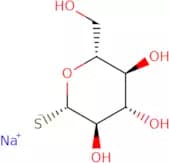
(2S,3R,4S)-2-(Benzoyloxy)methyl-3,4,N-tri-O-benzoyl-5-methyl-pyrrolidine-3,4-diol is a high purity synthetic carbohydrate that is custom synthesized to your specifications. It can be used for saccharide and oligosaccharide modification or glycosylation. (2S,3R,4S)-2-(Benzoyloxy)methyl-3,4,N-tri-O-benzoyl-5-methyl-pyrrolidine-3,4-diol is prepared from benzoyl chloride and 3'-chloroacetyl chloride in the presence of triethylamine. This product is available for methylation and click chemistry modification.Purity:Min. 95%b-D-Thioglucose sodium salt
CAS:Keratin-reducing component in cosmetic applications; used in Glc conjugation
Formula:C6H11NaO5SPurity:Min. 95%Color and Shape:White PowderMolecular weight:218.2 g/mol2-Acetamido-2-deoxy-L-mannopyranose
CAS:2-Acetamido-2-deoxy-L-mannopyranose is a sugar that is synthesized by the enzyme arabinofuranosidase. This enzyme catalyzes the hydrolysis of arabinose to form 2-acetamido-2-deoxy-l-mannopyranose. The enzyme has been shown to be thermostable and can be used as an acceptor for other enzymes, such as glycosyltransferases and glucosidases. The biosynthesis of 2-acetamido-2-deoxymannopyranose starts with l -arabinose, which is converted into d -arabinose by the action of aldaribinofuranosidase, followed by conversion into 2 acetamido--2 deoxymannopyranose by the action of arabinofuranosidase. Mutations in these enzymes have been found to affect the stereospecificFormula:C8H15NO6Purity:Min. 95%Color and Shape:PowderMolecular weight:221.2 g/molMethy 2-deoxy-5-O-(4-phenylbenzoyl)-a-D-ribofuranoside
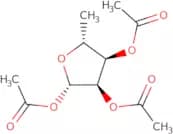
CAS:Methyl 2-deoxy-5-O-(4-phenylbenzoyl)-a-D-ribofuranoside is a custom synthesis of an Oligosaccharide, Polysaccharide, saccharide, Carbohydrate. It is a fluorinated modification of a high purity custom synthesis of Methy 2-deoxy-5-O-(3,4,6-trichlorobenzoyl)-a-D-ribofuranoside. The compound has been modified by Click chemistry to include a methyl group at the C2 position and it has been shown to be a complex carbohydrate. The compound has also been synthesized with great purity and high quality. This compound can be used in the study of monosaccharides, sugars and synthetic compounds.Formula:C19H20O5Purity:Min. 95%Molecular weight:328.36 g/mol1,2,3-Tri-O-acetyl-5-deoxy-b-D-ribofuranose
CAS:1,2,3-Tri-O-acetyl-5-deoxy-b-D-ribofuranose is a fluoropyrimidine prodrug. It can be converted to 5-fluorocytosine in vivo and has been shown to have antitumor properties. The positron emission from 1,2,3-triacetyl-5-deoxyribofuranose is used as a radiotracer for colorectal cancer.Formula:C11H16O7Purity:Min. 95%Color and Shape:White PowderMolecular weight:260.24 g/molSalicylic acid 2-O-β-D-glucoside
CAS:Predominant glycosylated metabolite of Salicylic AcidFormula:C13H16O8Purity:Min. 95%Color and Shape:PowderMolecular weight:300.26 g/molXylitol
CAS:Xylitol is a sugar alcohol that has been shown to have antimicrobial properties. It is also used as a sweetener in chewing gum and toothpaste. Xylitol inhibits the growth of bacteria by binding to the enzyme adenosine triphosphate (ATP) synthase, which is required for energy metabolism. The binding of xylitol to ATP synthase prevents the formation of ATP and blocks bacterial growth, leading to cell death. Xylitol can be produced from xylose, a sugar found in plants and animals, through biochemical reactions that are catalyzed by enzymes such as xylitol dehydrogenase and xylulokinase. This process is anaerobic and does not require oxygen or organic nutrients. Xylitol has been shown to have physiological effects on wild-type strain bacteria such as Aerobacter aerogenes.Formula:C5H12O5Purity:Min. 95%Color and Shape:White PowderMolecular weight:152.15 g/mol2,3,5-Tri-O-benzyl-D-ribofuranose
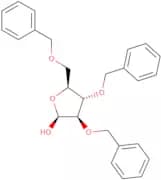
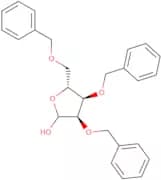
CAS:2,3,5-Tri-O-benzyl-D-ribofuranose is a carbohydrate that can be synthesized through an efficient method. It is a glycoside with an oxotitanium (oxo) group. The synthesis of this compound requires magnesium as the activating agent and o-glycosylation. The glycoconjugates of this compound are found in organisms such as fungi, yeast, and bacteria. In addition to its carbohydrate function, 2,3,5-Tri-O-benzyl-D-ribofuranose has been shown to have antimicrobial properties. This sugar has also been shown to have antiviral properties due to its ability to inhibit the enzyme ribonucleotide reductase (RNR).Formula:C26H28O5Purity:Min. 95%Color and Shape:White PowderMolecular weight:420.5 g/molMethyl 2,3,4,6-tetra-O-benzyl-α-D-glucopyranoside
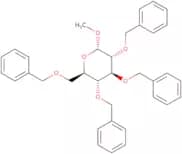
CAS:Methyl 2,3,4,6-tetra-O-benzyl-α-D-glucopyranoside is a benzylated glycoside that inhibits the activity of β-glucosidases and glycoside hydrolases. It is used as an inhibitor in ecological studies to investigate the effects of benzyl groups on biotic and abiotic stressors. Methyl 2,3,4,6-tetra-O-benzyl-α-D-glucopyranoside has been shown to have inhibitory potency against the transition state in enzymatic reactions. This compound also has been shown to be effective in treating diabetes.Formula:C35H38O6Purity:Min. 95%Color and Shape:PowderMolecular weight:554.67 g/molD-Mannitol 1-phosphate lithium salt
CAS:D-Mannitol 1-phosphate lithium salt (DMPL) is a bacterial growth-inhibiting agent that inhibits the ribitol dehydrogenase enzyme that converts mannitol to ribitol. The wild-type strain of bacteria is more sensitive to DMPL than the mutant strains, which lack this enzyme. This compound has been shown to be active against Aerobacter aerogenes, and it can be used as an antimicrobial agent in plant physiology, where it prevents cell lysis. DMPL is also effective against wild-type strains of E. coli K-12 and has a broad range of pH optima with a maximum at pH 6.0 to 7.0. The reaction mechanism for this drug is not well understood, but it may involve inhibition of the polymerase chain reaction or other enzyme activities.Formula:C6H15O9P·xLiPurity:Min. 95 Area-%Color and Shape:White Off-White PowderMolecular weight:262.15 g/molValidamine acetate
CAS:Inhibitor of beta-glucosidaseFormula:C17H25NO9Purity:Min. 95%Molecular weight:387.38 g/molD-Arabinose
CAS:The aldopentose D-arabinose also known as aloinose, Aloe sugar, pectinose (Collins, 2006), is not as common in nature as its enantiomer L-arabinose. D-arabinose is a component of the polysaccharide in Aloe (Haynes, 1963) and is present in the unripe (green) tomato (Lycopersicon esculentum) (Chandra, 2009). The major cell wall carbohydrate of Corynebacterineae (a bacterial group that includes tuberculosis, leprosy and diphtheriae) is an arabinogalactan, a branched polysaccharide that is essential for the physiology of these bacteria. The arabinogalactan complex is often referred to as mycolyl-arabinogalactan-peptidoglycan complex. As arabinogalactan is made up of D-arabinofuranosyl and D-galactofuranosyl residues, a complete understanding of their biosynthethic pathways could provide suitable targets for new chemotherapeutics (Meniche, 2008).Formula:C5H10O5Purity:Min. 99 Area-%Color and Shape:PowderMolecular weight:150.13 g/mol6-O-Malonylgenistin, free acid
CAS:Genistin is an isoflavone found in soybeans and other plants. It has antioxidative properties, which may be due to its ability to scavenge free radicals. Genistin also has protein-binding activity, and it can inhibit the growth of certain insects by binding to their DNA. Genistin can also bind to a number of enzymes and affect their activities, including amylase, chymotrypsin, trypsin, and lipase. It is also involved in energy metabolism and protein synthesis. The physiological effects of genistin are not well understood but may be related to its ability to act as a phytoestrogen or mimic estrogen.Formula:C24H22O13Purity:Min. 95%Color and Shape:Slightly Brown PowderMolecular weight:518.42 g/mol2,3,5-Tri-O-benzoyl-a-D-arabinofuranosyl bromide
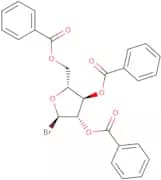
CAS:2,3,5-Tri-O-benzoyl-a-D-arabinofuranosyl bromide is a glycosylation reagent that can be used in the synthesis of polysaccharides and oligosaccharides. It is also used to modify sugars with methyl and fluorination reagents. 2,3,5-Tri-O-benzoyl-a-D-arabinofuranosyl bromide has CAS number 434868 9.Formula:C26H21BrO7Purity:Min. 95%Color and Shape:PowderMolecular weight:525.34 g/molMethyl 3,5-di-O-(p-chlorobenzoyl)-α-D-ribofuranoside
Methyl 3,5-di-O-(p-chlorobenzoyl)-a-D-ribofuranoside is an organic compound. It is a synthetic product that is used in the synthesis of saccharides and polysaccharides. This chemical can be modified with Click chemistry to create a glycosylate or fluorinated complex carbohydrate. The compound has CAS number 62700-92-3 and can be custom synthesized to meet customer specifications.Purity:Min. 95%2,3,4,6-Tetra-O-acetyl-β-D-glucopyranosyl-Fmoc serine
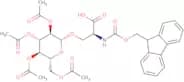
CAS:2,3,4,6-Tetra-O-acetyl-b-D-glucopyranosyl-Fmoc serine is a protein that belongs to the group of bifunctional glycosides. It is used in recombinant virus production as a component of the viral coat protein (VP). 2,3,4,6-Tetra-O-acetyl-b-D-glucopyranosyl-Fmoc serine binds to tyrosine kinase receptors and inhibits their activity. This inhibition prevents cell adhesion and migration and can cause tumor regression in some cancers. 2,3,4,6-Tetra-O-acetyl-b-D--glucopyranosyl--Fmoc serine also has antiviral activity due to its ability to inhibit the replication of viruses containing RNA genomes.
Formula:C32H35NO14Purity:Min. 95%Color and Shape:SolidMolecular weight:657.63 g/mol1-O-Methyl-β-D-xylopyranoside
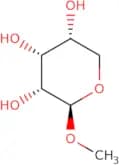
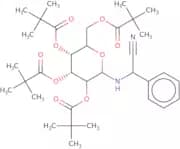
CAS:1-O-Methyl-beta-D-xylopyranoside is a glycoside that consists of a glucose molecule linked to the hydroxyl group of p-hydroxybenzoic acid through an alpha glycosidic bond. It is found in many plants, such as in the leaves of the common bay tree (Laurus nobilis) and in the bark of the cinnamon tree (Cinnamomum verum). 1-O-Methyl-beta-D-xylopyranoside is used as a sweetener and flavoring agent. It is also used in some pharmaceutical drugs, including antiulcer agents and antidiarrheal agents. This compound has been shown to have an effective dose of 5 mg/kg when given orally to humans.Formula:C6H12O5Purity:Min. 98.0 Area-%Molecular weight:164.16 g/molN-(2'-Phenylacetonitrile)-2,3,4,6-tetra-O-pivaloyl-D-glucopyranoside
CAS:N-(2'-Phenylacetonitrile)-2,3,4,6-tetra-O-pivaloyl-D-glucopyranoside is a synthetic glycosyl compound that has been modified with fluorine. The compound has been shown to be effective in the methylation of saccharides and oligosaccharides. It can be used for modification of polysaccharides and carbohydrates by Click chemistry. This product is offered as a custom synthesis and can be ordered in high purity.Formula:C34H50N2O9Purity:Min. 95%Molecular weight:630.77 g/molN-Azidoacetylglucosamine
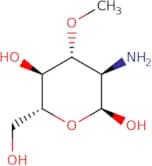
CAS:Click reagent for metabolic labeling of GlcNAcFormula:C8H14N4O6Purity:Min. 95%Color and Shape:PowderMolecular weight:262.22 g/mol2-Amino- 2- deoxy- 3- O- methyl-D- glucose
CAS:2-Amino-2-deoxy-3-O-methyl-D-glucose is a modified sugar that has been synthesized by the methylation of D-glucose. This product is often used as a building block in glycosylation, which is the process of adding sugars to proteins or polysaccharides. The modification of this carbohydrate makes it resistant to hydrolysis and oxidation reactions, making it suitable for use in pharmaceuticals and other applications. 2-Amino-2-deoxy-3-O-methyl-D-glucose can be fluorinated to produce 2-(Fluoro)amino 2 deoxy 3 O methyl D glucose, which has been shown to have antihypertensive effects in rats with high blood pressure. This product can also be modified with click chemistry to produce 2-[(Azidomethyl)amino]-2 deoxy 3 O methyl D glucose, which can be usedFormula:C7H15NO5Purity:Min. 95%Molecular weight:193.2 g/molUDP-D-glucuronide trisodium salt
CAS:Substrate for glucuronosyltransferases
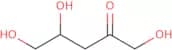
Formula:C15H19N2Na3O18P2Purity:Min. 98 Area-%Color and Shape:White Off-White PowderMolecular weight:646.24 g/mol3-Deoxypentulose
CAS:3-Deoxypentulose is a kinetic, reactive and chromatographic compound that belongs to the family of glycolysis. It is present in small amounts in the blood and is derived from pentose sugars. The reaction mechanism of 3-deoxypentulose can be divided into two steps: glyoxal formation and hydroxide solution modification. In the first step, 3-deoxypentulose reacts with glucose to form glyoxal. In the second step, 3-deoxypentulose reacts with hydroxide solution to form galactose, which can further react with other compounds or be modified by enzymatic reactions. This compound has been used as a tagatose substitute in food products and as an oligosaccharide modifier. Recently, it has been shown that 3-deoxypentulose may be used as a chemical probe for studying glycolic acid synthesis in bacteria.Formula:C5H10O4Purity:Min. 95%Color and Shape:PowderMolecular weight:134.13 g/mol6-[tert-Butoxycarbonyl-(2,3,4,5,6-pentahydroxy-hexyl)-amino]-2-(9H-fluoren-9-ylmethoxycarbonylamino)-hexanoic acid
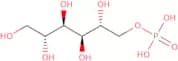
CAS:6-[tert-Butoxycarbonyl-(2,3,4,5,6-pentahydroxy-hexyl)-amino]-2-(9H-fluoren-9-ylmethoxycarbonylamino)-hexanoic acid is a synthetic sugar that is modified by Click chemistry. It has a CAS number of 1078721-99-9. This product is often used as a glycosylation or oligosaccharide building block in the synthesis of complex carbohydrates. It has been shown to have high purity and can be modified using methylation and monosaccharides.Formula:C32H44N2O11Purity:Min. 95%Molecular weight:632.7 g/mol3-Azidopropyl 2-acetamido-2-deoxy-3,4,6-tri-O-acetyl-b-D-glucopyranoside
3-Azidopropyl 2-acetamido-2-deoxy-3,4,6-tri-O-acetyl-b-D-glucopyranoside is a synthetic carbohydrate. It is a modification of the natural saccharide 3,4,6 tri O acetyl b D glucopyranoside. The modification in this case is the addition of an azide group to one of the hydroxyl groups on the sugar. This product has a CAS number and can be custom synthesized to meet your specific needs. It is available in high purity and can be modified by methylation or glycosylation.Purity:Min. 95%




![(1R) -1- [(2S, 3R) - 3- Hydroxy- 1- butyl - 2- azetidinyl] -1, 2- ethanediol](/_next/image/?url=https%3A%2Fstatic.cymitquimica.com%2Fproducts%2F3D%2Fthumb-webp%2FMH163534.webp&w=3840&q=75)
![[(2S, 3R,4S) - 3-Hydroxy-4-hydroxymethyl- 1- benzyl - 2- azetidinyl]carboxylic acid methylamide](/_next/image/?url=https%3A%2Fstatic.cymitquimica.com%2Fproducts%2F3D%2Fthumb-webp%2FMH163531.webp&w=3840&q=75)

![2,4,7,8,9-Pentaacetyl-N- [(2- propyn- 1- yloxy) carbonyl] - b- neuraminic acid methyl ester](/_next/image/?url=https%3A%2Fstatic.cymitquimica.com%2Fproducts%2F3D%2Fthumb-webp%2FMP168633.webp&w=3840&q=75)















![6-[tert-Butoxycarbonyl-(2,3,4,5,6-pentahydroxy-hexyl)-amino]-2-(9H-fluoren-9-ylmethoxycarbonylamin…](/_next/image/?url=https%3A%2Fstatic.cymitquimica.com%2Fproducts%2F3D%2Fthumb-webp%2FMB11580.webp&w=3840&q=75)
