Monosaccharides
Monosaccharides are the simplest form of carbohydrates and serve as fundamental building blocks for more complex sugars and polysaccharides. These single sugar molecules play critical roles in energy metabolism, cellular communication, and structural components of cells. In this section, you will find a wide variety of monosaccharides essential for research in biochemistry, molecular biology, and glycoscience. These compounds are crucial for studying metabolic pathways, glycosylation processes, and developing therapeutic agents. At CymitQuimica, we offer high-quality monosaccharides to support your research needs, ensuring precision and reliability in your scientific investigations.
Subcategories of "Monosaccharides"
- Alloses(11 products)
- Arabinoses(21 products)
- Erythroses(11 products)
- Fructoses(9 products)
- Fucoses(36 products)
- Galactosamine(41 products)
- Galactose(261 products)
- Glucoses(365 products)
- Glucuronic Acids(51 products)
- Glyco-substrates for Enzyme(77 products)
- Guloses(6 products)
- Idoses(4 products)
- Inositols(15 products)
- Lyxoses(4 products)
- Mannoses(65 products)
- O-Glycans(48 products)
- Psicoses(3 products)
- Rhamnoses(10 products)
- Riboses(61 products)
- Sialic Acids(100 products)
- Sorboses(4 products)
- Sugars(173 products)
- Tagatoses(4 products)
- Taloses(8 products)
- Xyloses(20 products)
Show 17 more subcategories
Found 6088 products of "Monosaccharides"
Sort by
Purity (%)
0
100
|
0
|
50
|
90
|
95
|
100
6-Phosphogluconic acid, trisodium salt dihydrate
CAS:<p>6-Phosphogluconic acid, trisodium salt dihydrate is a custom synthesis that has been made to order. It is a complex carbohydrate that can be modified with methylation, glycosylation and other modifications. 6-Phosphogluconic acid, trisodium salt dihydrate is an Oligosaccharide and Polysaccharide of Modification saccharides. It can be made as an Methylated Glycosylated Carbohydrate or a Click Modified Sugar. It can be Fluorinated or Synthetically made for high purity.</p>Formula:C6H14Na3O12PMolecular weight:378.11 g/molTetracycline 10-O-β-D-galactopyranoside
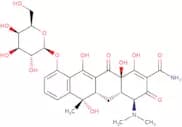
CAS:<p>Tetracycline 10-O-b-D-galactopyranoside is a tetracycline antibiotic that has been modified with a fluorinating agent to increase its water solubility. Tetracycline 10-O-b-D-galactopyranoside is the most active of the tetracyclines for the treatment of infections caused by mycoplasmas, rickettsias, and chlamydiae. It inhibits protein synthesis in these bacteria by binding to ribosomes. This drug also has an inhibitory effect on the growth of Mycobacterium tuberculosis and Mycobacterium avium complex.</p>Formula:C28H34N2O13Purity:Min. 95%Color and Shape:Dark red solid.Molecular weight:606.58 g/mol6-O-Malonylglycitin
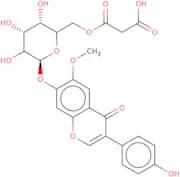
CAS:<p>6-O-Malonylglycitin is a glycosylated flavonoid that belongs to the group of isoflavones. It is found in a variety of plants, including soybeans and fava beans. 6-O-Malonylglycitin has been shown to be an effective inhibitor of β-glucosidase activity at temperatures below 37°C, which overlaps with the range of temperatures where it inhibits glycitein production. This inhibition may be due to its pleiotropic effects on various treatments, such as its ability to inhibit cancer cell growth by inhibiting protein synthesis and inducing apoptosis. 6-O-Malonylglycitin also has synergistic effects when used concomitantly with chromatographic markers, such as high performance liquid chromatography (HPLC), which can be used to analyze the levels of endogenous compounds in human blood samples.</p>Formula:C25H24O13Purity:Min. 95%Color and Shape:PowderMolecular weight:532.45 g/mol4-Methoxyphenyl 2,3,4,6-tetra-O-acetyl-β-D-galactopyranoside
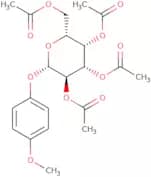
CAS:<p>4-Methoxyphenyl 2,3,4,6-tetra-O-acetyl-b-D-galactopyranoside is a white crystalline powder. It is soluble in water and ethanol. This chemical has been used as a reagent for the methylation of saccharides and oligosaccharides with 4-methoxybenzene sulfonate. It is also an excellent substrate for click chemistry reactions.</p>Formula:C21H26O11Purity:Min. 95%Color and Shape:White to off-white solid.Molecular weight:454.42 g/mol3,4,6-Tri-O-acetyl-L-glucal
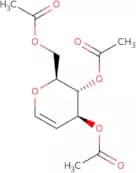
CAS:<p>Resource for the synthesis of 2-azido- and 2-deoxy-L-glucoses and 1,2-epoxides</p>Formula:C12H16O7Purity:Min. 95%Color and Shape:White PowderMolecular weight:272.25 g/molCalcium D-saccharate tetrahydrate
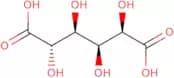
CAS:<p>Calcium D-saccharate is the calcium salt of saccharic acid, also known as glucaric acid. Calcium D-saccharate has been evaluated for chemopreventive activity in a rat tracheal epithelial cell following exposure to the carcinogen benzo[a]pyrene. Addition of calcium D-saccharate to sugarcane juice during liming enhanced clarification as high molecular weight components were removed by filtration.</p>Formula:C6H8O8·Ca·(H2O)4Color and Shape:PowderMolecular weight:320.26 g/mol2,3,5-Tri-O-acetyl-L-arabinofuranosyl fluoride
<p>2,3,5-Tri-O-acetyl-L-arabinofuranosyl fluoride is a monosaccharide sugar that has been fluorinated. It is a custom synthesis of methylation and click modification. The CAS number for this product is 565-64-8. This product has been modified to make it more resistant to degradation by enzymes such as alpha amylase and beta amylase. It is also used for polysaccharide synthesis and saccharides with higher purity than other products on the market. This product is synthesized from natural sources, making it high in purity and suitable for use in food production.END></p>Formula:C11H15FO7Purity:Min. 95%Color and Shape:Colourless To Yellow LiquidMolecular weight:278.23 g/mol3'-Sialyl-N-acetyllactosamine-β-ethylamine
<p>Please enquire for more information about 3'-Sialyl-N-acetyllactosamine-β-ethylamine including the price, delivery time and more detailed product information at the technical inquiry form on this page</p>Formula:C27H47N3O19Purity:Min. 95%Molecular weight:717.67 g/mol(1S) -1- [(2S, 3S,4R) -4-Hydroxymethyl-3- hydroxy-1- azetidinyl] -1, 2- ethanediol hydrochloride
<p>This is a modification of an oligosaccharide, a carbohydrate that is composed of more than one sugar. This custom synthesis can be synthesized with high purity and in large quantities. The CAS number is 67767-44-0 and the molecular weight is 528.</p>Purity:Min. 95%1,2-Dideoxy-3,5-di-O-toluoyl-D-ribose
CAS:<p>1,2-Dideoxy-3,5-di-O-toluoyl-D-ribose is a synthetic sugar that can be used in the synthesis of complex carbohydrates. It has been modified with fluorine, methylation, and click chemistry. It is also available as a high purity product. 1,2-Dideoxy-3,5-di-O-toluoyl-D-ribose is an oligosaccharide that is used in glycosylation reactions to form polysaccharides or saccharides. Click chemistry allows for the modification of this sugar with other molecules such as amino acids or peptides. This modification may be useful for studying protein interactions or for drug development.</p>Formula:C21H22O5Purity:Min. 95%Molecular weight:354.4 g/mol2,3,4,6-Tetra-O-pivaloyl-D-glucopyranosyl amine
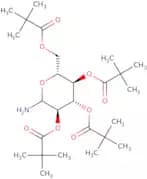
CAS:<p>2,3,4,6-Tetra-O-pivaloyl-D-glucopyranosyl amine is a monosaccharide that is custom synthesized and modified with fluorination. It also has saccharide properties such as methylation and glycosylation. This product can be used in the synthesis of complex carbohydrates or polysaccharides. It is a high purity compound with CAS No. 888963-33-5.</p>Formula:C26H45NO9Purity:Min. 95%Molecular weight:515.64 g/mol1,2-Isopropylidene-D,L-myo-inositol
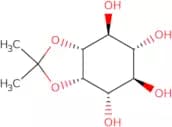
CAS:<p>1,2-Isopropylidene-D,L-myo-inositol is a modification of the natural product myo-inositol. It is synthesized by methylation and glycosylation of inositol with methanol. This chemical compound has been modified to include fluorination and saccharide.</p>Formula:C9H16O6Purity:Min. 95%Color and Shape:White PowderMolecular weight:220.22 g/molβ-D-Galactose pentaacetate plant origin (ex peach gum)
CAS:<p>1,2,3,4,6-Penta-O-acetyl-b-D-galactopyranose, also known as beta-D-galactose pentaacetate, has high chemical stability and long shelf life. This protected form of galactose is a key building block of any chemical synthesis of galactose-containing oligosaccharides or glycoconjugates. In the presence of Lewis acids it can be used as a glycosyl donor to make simple glycosides. In order to perform more complex galactosylations it can be converted into more reactive donors, such as glycosyl halides or thioglycosides.</p>Formula:C16H22O11Molecular weight:390.35 g/molRef: 3D-G-1782
1kgTo inquire5kgTo inquire10kgTo inquire500gTo inquire2500gTo inquire-Unit-kgkgTo inquire5-O-Lauryl-D-xylofuranose
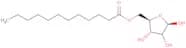
CAS:<p>5-O-Lauryl-D-xylofuranose is a lipase that can hydrolyze pentoses and hexoses. This enzyme has been shown to be active at temperatures between 0°C and 40°C, with optimal activity at 30°C. 5-O-Lauryl-D-xylofuranose is also thermostable and can be immobilized on silica gel or alumina. It is used in the manufacture of lysine, L-arabinose, and D-xylose. The enzyme catalyzes the reaction by removing a hydroxyl group from the pentoses or hexoses through an ester linkage with a dodecanoate group. The aliphatic chain of 5-O-lauryl dodecanoate is attached to the pentose or hexose molecule in an ester linkage by a thioether bond.</p>Formula:C17H32O6Purity:Min. 95%Molecular weight:332.43 g/mol1,2,3,6-Tetra-O-methyl-D-glucopyranoside
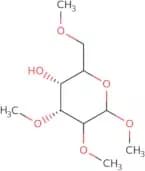
<p>Tetra-O-methylglucose is a sugar that has four methyl groups at the 1,2,3,6 positions. It is a custom synthesis for research purposes and it has not been found in nature. Tetra-O-methylglucose can be synthesized by the fluorination of glucose followed by glycosylation with an acetylating agent and finally methylation with an alkylating agent. Tetra-O-methylglucose has not been used as a food additive or pharmaceutical product.</p>Formula:C10H20O6Purity:Min. 95%Molecular weight:236.26 g/molD-Galactono-1,4-lactone
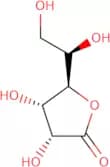
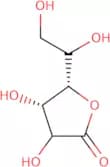
CAS:<p>D-Galactono-1,4-lactone is an intermediate in the galactose catabolism pathway. It is an acidic compound that can be found in plants and bacteria. D-Galactono-1,4-lactone has been shown to inhibit enzyme activities when it is present at high concentrations. This compound also inhibits the enzyme carbon source, which is involved in the conversion of glucose to energy. The deuterium isotope effect on the inhibition of enzyme activity by D-galactono-1,4-lactone has been studied extensively using plant phytochemicals such as triticum aestivum.</p>Formula:C6H10O6Purity:Min. 95%Color and Shape:White PowderMolecular weight:178.14 g/molD-Glucurono-3,6-lactone
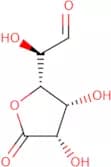
CAS:<p>Glucose metabolite</p>Formula:C6H8O6Purity:Min 98%Color and Shape:White PowderMolecular weight:176.12 g/mol1-(2,2,2-Trifluoro-N-phenylethanimidate)-2,3,4-tri-O-acetyl-D-glucopyranuronic acid methyl ester
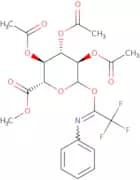
CAS:<p>1-(2,2,2-Trifluoro-N-phenylethanimidate)-2,3,4-tri-O-acetyl-D-glucopyranuronic acid methyl ester is a methylated variant of an oligosaccharide. It has been synthesized by the click modification of an oligosaccharide with a monosaccharide and a fluorinated saccharide. This compound has been shown to have antiviral activity against the influenza virus in vitro. The antiviral activity may be due to its ability to inhibit the viral polymerase and RNA synthesis or to prevent virus assembly and release.</p>Formula:C21H22F3NO10Purity:Min. 95%Molecular weight:505.4 g/molL-Arabinose
CAS:<p>The aldopentose L-arabinose (Ara) is, after xylose, the second most abundant pentose in nature. It is found in plant cell walls as a component of polysaccharides, including: hemicelluloses, pectin, arabinogalactan-protein complexes and in exudate plant gums, such as: Gum Arabic (Feher, 2018). L-Arabinopyranose is an important component of the mycobacterial cell wall and is involved in the synthesis of arabinogalactan and lipoarabinomannan, which suggests that it can modulate cell wall permeability and drug resistance. Mycobacterium smegmatis is a useful tool for research into Mycobacteria due to it being a "fast grower" and non-pathogenic (Zhou, 2019).</p>Formula:C5H10O5Purity:Min. 99 Area-%Color and Shape:White PowderMolecular weight:150.13 g/mol1,2:5,6-Di-O-isopropylidene-α-D-gulofuranose
CAS:<p>1,2:5,6-Di-O-isopropylidene-alpha-D-gulofuranose is a sugar molecule that has a carbon and oxygen atoms in the 1,2 positions and an oxygen atom in the 5,6 position. It is an intermediate in the synthesis of lipids. The kinetic and clinical relevance of this compound have not been fully studied. 1,2:5,6-Di-O-isopropylidene-alpha-D-gulofuranose binds to fatty acid receptors on liver cells and initiates a cascade of events that lead to inflammation and cell death. This sugar molecule also inhibits hepatitis C virus RNA replication by binding to specific sequences on the virus’s RNA genome. The molecular interactions between 1,2:5,6-Di-O-isopropylidene alpha D gulofuranose and other molecules are determined by steric interactions with its hydroxyl group as</p>Formula:C12H20O6Purity:Min. 98.0 Area-%Molecular weight:260.28 g/mol2-(2-Aminoethoxy)ethyl 6-deoxy-α-L-mannopyranoside
CAS:<p>Please enquire for more information about 2-(2-Aminoethoxy)ethyl 6-deoxy-α-L-mannopyranoside including the price, delivery time and more detailed product information at the technical inquiry form on this page</p>Formula:C10H21NO6Purity:Min. 95%Molecular weight:251.28 g/mol1-O-Methyl-α-D-galactopyranoside monohydrate
CAS:<p>1-O-Methyl-α-D-galactopyranoside is a gratuitous α-galactosidase inducer.</p>Formula:C7H16O7Molecular weight:212.20 g/molAllyl b-D-glucopyranoside
CAS:<p>Allyl b-D-glucopyranoside is a sweet and stable sugar that is used in the production of food and pharmaceutical products. It is sourced from corn starch or rice starch. Allyl b-D-glucopyranoside has been shown to be more efficient than chloride when added to tandospirone citrate, a herbal medicine, for the prevention of gastric ulcers. This sugar has also been used in clinical use as an additive in medicines such as alginic acid.</p>Formula:C9H16O6Purity:Min. 98 Area-%Color and Shape:White Off-White PowderMolecular weight:220.22 g/molTetra- O- benzoyl- b- D- xylofuranose
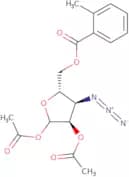
CAS:<p>Tetra-O-benzoyl-b-D-xylofuranose is a custom synthesis. It is an oligosaccharide with a saccharide chain of four sugar units that are linked by glycosylation. The first and third sugars have a benzoyl group, while the second and fourth sugars are xylopyranosyl residues. The molecule has been modified with fluorination, methylation, and click chemistry. Tetra-O-benzoyl-b-D-xylofuranose is soluble in water, methanol, acetone, chloroform, ethanol, ethylene glycol ethers, and acetonitrile.<br>Tetra-O-benzoyl-b-D-xylofuranose has CAS number 18530–90–0.</p>Formula:C33H26O9Purity:Min. 95%Molecular weight:566.55 g/mol1,2-Di-O-acetyl-3-azido-3-deoxy-5-O-toluoyl-D-ribofuranose
CAS:<p>1,2-Di-O-acetyl-3-azido-3-deoxy-5-O-toluoyl-D-ribofuranose is a synthetic sugar that can be modified to produce oligosaccharides or polysaccharides. It has a CAS number of 120143-22-8 and is composed of a sugar molecule with an acetyl group on the 2' position and toluene sulfonyl group on the 3' position. This modification can be used for glycosylation or methylation reactions. 1,2-Di-O-acetyl -3,4,6,-triaminopyrimidine is also known as fluorinated ribofuranose.</p>Formula:C17H19N3O7Purity:Min. 95%Molecular weight:377.35 g/mol2,3-O-Isopropylidene-2-C-methyl-D-ribono-1,4-lactone
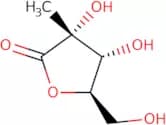
CAS:<p>2,3-O-Isopropylidene-2-C-methyl-D-ribono-1,4-lactone is a crystalline compound that is obtained by the reaction of dimethylamine with epichlorohydrin. The compound has an asymmetric carbon atom and exists in two enantiomeric forms. It can be used as an acceptor in crystallographic analysis. The chemical structure of 2,3-O-Isopropylidene-2-C-methyl-D-ribono-1,4 -lactone is a lactone form of episulfide. Episulfides are lactones with episulfide groups attached to the C2 and C3 positions on the D ring. The episulfide group is formed by the reaction between the alcohol and sulfhydryl group from cysteamine with sulfur trioxide. The chemical formula for this compound is C13H20N2O8S</p>Formula:C9H14O5Purity:Min. 95%Color and Shape:PowderMolecular weight:202.2 g/mol3-O-Benzyl-D-glucopyranose
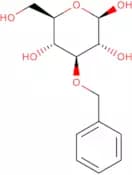
CAS:<p>3-O-Benzyl-D-glucopyranose is a molecule that has been optimized for its autodock score. It binds to the active site of peptidases, which are enzymes that break down proteins in the body. 3-O-Benzyl-D-glucopyranose is a nauclea that can be used as a pharmacokinetic (PK) or pharmacodynamic (PD) inhibitor. Nauclea have shown effectiveness against diabetes by preventing the breakdown of glucose, which is an important energy source for cells. 3-O-Benzyl-D-glucopyranose has also been found to be an effective inhibitor of DPPIV, which is an enzyme involved in breaking down insulin and other hormones in blood circulation. In vitro studies have shown that it may also have antiaging properties due to its ability to inhibit production of inflammatory cytokines such as IL1β, IL6, and TNFα.</p>Formula:C13H18O6Purity:Min. 95%Color and Shape:PowderMolecular weight:270.28 g/molD-Mannose
CAS:<p>Mannose (Man) is the C2 epimer of glucose with one hydroxyl group axial which by Hudsons rules makes it slightly less stable than glucose (Hudson, 1948). However, mannose is very common in plants and animals, and occurs in many polysaccharides, such as, galactomannans (e.g. Guar, Locust Bean Gum), mananns (e.g. Ivory Nut Mannan), Spruce Galactoglucomannan, Gum Ghatti (Whistler, 1993) and bakerâs yeast (Saccharomyces cerevisiae) (Manners, 1973). Mannose is one of the key mammalian monosaccharides (Glucose, Galactose, Mannose, Fucose, N-Acetyl Glucosamine, N-Acetyl galactosamine and Sialic acid) and occurs in N-linked glycans where it is a core oligosaccharide (Gabius, 2009).</p>Formula:C6H12O6Purity:Min. 98 Area-%Color and Shape:White PowderMolecular weight:180.16 g/molMethyl 4-O-methyl-β-L-arabinopyranoside
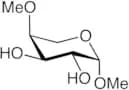
CAS:<p>Methyl 4-O-methyl-β-L-arabinopyranoside is an L-arabinose analogue</p>Formula:C7H14O5Purity:Min. 95%Color and Shape:PowderMolecular weight:178.18 g/mol2,3,4,6-Tetra-O-pivaloyl-D-mannopyranosyl fluoride
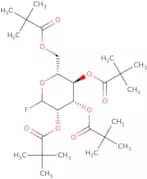
CAS:<p>2,3,4,6-Tetra-O-pivaloyl-D-mannopyranosyl fluoride is a carbohydrate that is synthesized by the modification of D-mannose with 4,6-dichlorohexanoic acid. It is a white powder with a melting point of 170°C. 2,3,4,6-Tetra-O-pivaloyl-D-mannopyranosyl fluoride can be used as a monosaccharide for glycosylation reactions or as an intermediate for custom synthesis. This product has been methylated and glycosylated before the final purification process. It has a high purity level and can be used in Click chemistry reactions.</p>Formula:C26H43FO9Purity:Min. 95%Color and Shape:White PowderMolecular weight:518.61 g/molL-Ribose
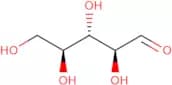
CAS:<p>Constituent of RNA; important resource for RNA- and DNA-related syntheses</p>Formula:C5H10O5Purity:Min. 98 Area-%Color and Shape:White PowderMolecular weight:150.13 g/mol3-Deoxy-3-fluoro-D-glucose
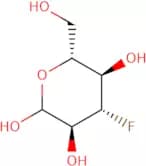
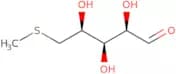
CAS:<p>Fluorinated glucose analog</p>Formula:C6H11FO5Purity:Min. 95%Color and Shape:White PowderMolecular weight:182.15 g/mol5-S-Methyl-5-thio-D-xylose
CAS:<p>5-S-Methyl-5-thio-D-xylose is a carbohydrate that can be synthesized from 5,5’ -dithiobis(2-nitrobenzoic acid) and D-xylose. It is a high purity, custom synthesis product. This carbohydrate has been modified with fluorination at the 5 position of the sugar ring and methylation of the alpha carbon to form a methylated xylose. The molecular weight is 488.1 g/mol and it has a CAS number of 53458-58-5. This product can be used to modify saccharides and oligosaccharides with fluorination and methylation reactions.</p>Formula:C6H12O4SPurity:Min. 95%Molecular weight:180.22 g/molN-Acetyl-D-glucosamine-3-O-sulphate sodium
<p>N-Acetyl-D-glucosamine-3-O-sulphate sodium (NADG) is a type of high purity, monosaccharide that is synthesized from D-glucosamine and sulphuric acid. NADG is a synthetic carbohydrate that can be used in the synthesis of complex carbohydrates. It has been modified to contain fluorine atoms at the 3rd and 4th carbon positions. This modification prevents NADG from being hydrolyzed by aminoglycosides such as kanamycin and neomycin, which are used in chemotherapy treatment.</p>Formula:C8H15NO9S•NaPurity:Min. 95%Color and Shape:PowderMolecular weight:324.25 g/mol2,3:4,5-Di-O-isopropylidene-L-arabitol
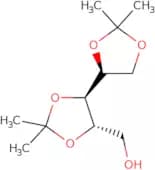
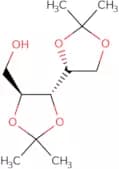
CAS:<p>2,3:4,5-Di-O-isopropylidene-L-arabitol is a modification of an oligosaccharide in which the hydroxyl group at position 4 on the D-ribose moiety has been replaced with an isopropylidene group. The synthesis of 2,3:4,5-Di-O-isopropylidene-L-arabitol can be achieved by methylation and fluorination of L-arabinose. This compound is used in glycosylations and polysaccharide syntheses. 2,3:4,5-Di-O-isopropylidene-L--arabitol is also found as a natural constituent of many plants.<br>2,3:4,5--Di--O--isopropylidene--L--arabitol is chemically described as α-(1→6)-D--glucop</p>Formula:C11H20O5Purity:Min. 95%Color and Shape:PowderMolecular weight:232.27 g/mol4-Acetamido-4-deoxy-D-glucose
CAS:<p>4-Acetamido-4-deoxy-D-glucose is a custom synthesis of a monosaccharide that is modified with fluorine and methyl groups. It is synthesized by the Click modification, which involves the addition of an azide to an alkyne in a copper catalyzed reaction. 4-Acetamido-4-deoxy-D-glucose can be used as a building block for complex carbohydrate synthesis. 4-Acetamido-4-deoxy-D-glucose has shown effectiveness against fluoroquinolone resistance, as well as activity against methicillin resistant Staphylococcus aureus (MRSA) and Clostridium perfringens.</p>Formula:C8H15NO6Purity:Min. 95%Color and Shape:PowderMolecular weight:221.21 g/mol1-Deoxygalactonojirimycin hydrochloride salt
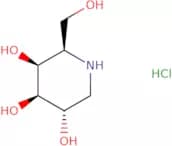
CAS:<p>Specific and potent inhibitor of lysosomal α-galactosidase with IC50 in nanomolar range. It acts as pharmacological chaperone and assists folding of the wild type and mutant versions of the enzyme. It places itself in the instable active site and prevents the damage to the enzyme during the passage through Golgi apparatus, endoplasmatic reticulum and lysosome axis. The exposure to this compound leads to increased levels of functional α-galactosidase in models for lysosomal storage disorders and brings therapeutic benefits to patients with Fabry disease.</p>Formula:C6H13NO4·HClPurity:Min. 95 Area-%Color and Shape:White PowderMolecular weight:199.63 g/molL-Menthylglucoside
CAS:<p>L-Menthylglucoside is a custom synthesis, complex carbohydrate. It has CAS number 16203-27-3 and is an Oligosaccharide and Polysaccharide. L-Menthylglucoside has been modified with methylation and glycosylation, which may be due to its Click modification. L-Menthylglucoside is a sugar that is high purity, fluorinated, and synthetic.</p>Formula:C16H30O6Purity:Min. 95%Color and Shape:PowderMolecular weight:318.41 g/mol(2R,3S,4R)-4-C-((2R,3S)-N-Benzyl-3-tert.butylsilyloxy-2-azetidinyl)-3-O-tert.butyldimethylsilyl-2,3,4-trihydroxybutanoic acid methyl ester
<p>(2R,3S,4R)-4-C-((2R,3S)-N-Benzyl-3-tert.butylsilyloxy-2-azetidinyl)-3-O-tert.butyldimethylsilyl-2,3,4-trihydroxybutanoic acid methyl ester is a synthetic glycosylation that has been modified with fluorination and custom synthesis. It is a high purity product at CAS No. 90132-76-6 that can be modified with click chemistry. The product is sold by the gram and has a purity of >98%.</p>Purity:Min. 95%1,2,3,4-Tetra-O-acetyl-L-rhamnopyranose
CAS:<p>1,2,3,4-Tetra-O-acetyl-L-rhamnopyranose is an acetylated disaccharide that is glycosylated with mercuric triflate and glycoalkaloid acceptors. It has been shown to be a glycosylation coupling agent for theophylline in solanum species. 1,2,3,4-Tetra-O-acetyl-L-rhamnopyranose can also act as a steroidal glycoalkaloid acceptor and has been identified in Solanum species.</p>Formula:C14H20O9Purity:Min. 95%Color and Shape:Colorless PowderMolecular weight:332.3 g/molD-Psicose
CAS:<p>D-Psicose is a rare ketohexose carbohydrate that is water-soluble and has a sweet taste. It is also known as D-allulose or d-psicose, and is the C3 epimer of L-fructose. D-Psicose can be used as a sweetener in various food and beverage products, providing a low-calorie alternative to traditional sugar. This natural sweetener is derived from corn and has been found to have minimal impact on blood sugar levels, making it suitable for individuals with diabetes or those following a low-carbohydrate diet. Additionally, D-Psicose has been studied for its potential health benefits, including its ability to reduce the risk of hyperuricemia and improve insulin sensitivity. It is also a intestinal beta-glucosidase inhibitor.</p>Formula:C6H12O6Purity:Min. 98 Area-%Color and Shape:White PowderMolecular weight:180.16 g/mol6-O-Desmethyl donepezil glucuronide sodium (Mixture of Diastereomers)
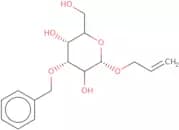
CAS:<p>Please enquire for more information about 6-O-Desmethyl donepezil glucuronide sodium (Mixture of Diastereomers) including the price, delivery time and more detailed product information at the technical inquiry form on this page</p>Formula:C29H35NO9•NaPurity:Min. 95%Molecular weight:540.59 g/molAllyl 3-O-benzyl-a-D-glucopyranoside
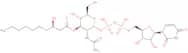
CAS:<p>Allyl 3-O-benzyl-a-D-glucopyranoside is a synthetic, monosaccharide carbohydrate. The product is a modification of the natural polysaccharide allyl 3-O-benzyl-a-D-glucopyranoside. Allyl 3-O-benzyl-a -D glucopyranoside is an Oligosaccharide with CAS No. 145454-72 -4 and has the molecular formula C14H20O6 and molecular weight of 312.32 g/mol. The product is available in high purity and can be synthesized to order. Allyl 3-O -benzyl -a D glucopyranosides are useful as a Fluorination, saccharide for use in glycosylation or methylation reactions or as a complex carbohydrate in the synthesis of oligosaccharides, polysaccharides, or sugar chains.</p>Formula:C16H22O6Purity:Min. 95%Molecular weight:310.34 g/molUDP-3-O-(R-3-hydroxydecanoyl)-GlcNAc sodium salt
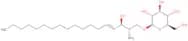
CAS:<p>Substrate for UDP-3-O-acyl-GlcNAc deacetylase</p>Formula:C27H43N3O19P2·xNaPurity:Min. 90 Area-%Color and Shape:White Off-White Solidified MassMolecular weight:777.6 g/molGlucosyl-C18-sphingosine
CAS:<p>Glucosyl-C18-sphingosine is a sphingolipid that has been shown to inhibit the activity of Gaucher's enzyme, which is responsible for the synthesis of glucosylceramide. It has been demonstrated in a model system that glucosyl-C18-sphingosine inhibits mitochondrial membrane potential and decreases ATP levels, leading to cell death. The molecular pathogenesis of Gaucher disease is not well understood but it is believed to be related to defective lysosomal function. Glucosyl-C18-sphingosine may be used as a diagnostic agent for Gaucher disease and other metabolic disorders involving glucosylceramide accumulation.</p>Formula:C24H47NO7Purity:Min. 95%Color and Shape:PowderMolecular weight:461.63 g/mol1,3-O-Benzylidene-4-O-DMT-D-threitol
<p>1,3-O-Benzylidene-4-O-DMT-D-threitol is an oligosaccharide that is used as a synthetic building block for the synthesis of complex carbohydrates. This compound has been modified to include fluorine and methyl groups. It can be synthesized via a click reaction with 3,4,5,6-tetraiodoacetone. 1,3-O-Benzylidene-4-O-DMT-D-threitol is soluble in water and aqueous solutions and can be used as a carbohydrate marker. The modification of this compound allows it to be detected by electrophoresis or chromatography due to changes in its mobility and charge.</p>Purity:Min. 95%4-Methoxyphenyl 2,3:4,6-di-O-benzylidene-α-D-mannopyranoside
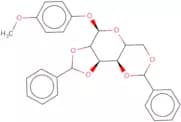
CAS:<p>4-Methoxyphenyl 2,3:4,6-di-O-benzylidene-a-D-mannopyranoside is a water soluble polysaccharide that is a methylated derivative of mannose. It has been fluorinated at the 4 position and modified with benzyl groups at the 2, 3, and 6 positions. This compound is used in custom synthesis to synthesize oligosaccharides or polysaccharides.</p>Formula:C27H26O7Purity:Min. 95%Molecular weight:462.49 g/molHesperetin 3'-O-b-D-glucuronide
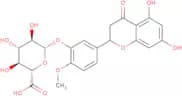
CAS:<p>Hesperetin 3'-O-b-D-glucuronide is a natural product that is synthesized by glycosylation of hesperidin with 3,4,5-trihydroxybenzoic acid. It is a synthetic and complex carbohydrate that can be modified to include fluorination, monosaccharide, oligosaccharide, methylation, and click modification. Hesperetin 3'-O-b-D-glucuronide can also be used in the synthesis of polysaccharides with glycosylations. This product has high purity and can be custom synthesized for customers.</p>Formula:C22H22O12Purity:Min. 95%Color and Shape:Slightly Yellow PowderMolecular weight:478.4 g/molPerseitol
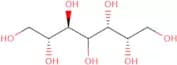
CAS:<p>Perseitol is a nutrient solution that contains fatty acids and is used in tissue culture to supplement the growth of cells. It can be used as a substitute for animal serum, which is usually derived from bovine or porcine sources. Perseitol provides all essential components required for cell growth, including amino acids, vitamins, minerals, and lipids. Perseitol is also used in vitro assay systems to determine the redox potential of substances. This solution has been shown to have anti-inflammatory properties due to its ability to inhibit prostaglandin synthesis.</p>Formula:C7H16O7Purity:Min. 95%Color and Shape:White Off-White PowderMolecular weight:212.2 g/molQuercetin-3-O-b-D-glucose-7-O-b-D-gentiobioside
CAS:<p>Quercetin-3-O-b-D-glucose-7-O-b-D-gentiobioside is a flavonoid that is found in fruits and vegetables. Quercetin has been shown to have antioxidative activity and can be used as a dietary supplement for the prevention of cardiovascular disease. Quercetin has also been shown to inhibit the oxidation of cholesterol, which may help prevent atherosclerosis. Quercetin has been shown to have antiinflammatory properties in women with symptoms of premenstrual syndrome (PMS). Quercetin inhibits the production of prostaglandins, which are inflammatory mediators that are associated with PMS. Quercetin also blocks the inflammatory effects of methyl linoleate, a fatty acid found in meat, dairy products, and vegetable oils. Quercetin has also been shown to bind with specific proteins on white blood cells called immunoglobulins or antibodies. The</p>Formula:C33H40O22Purity:Min. 95%Color and Shape:White PowderMolecular weight:788.66 g/molN-Dodecyldeoxynojirimycin
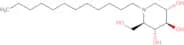
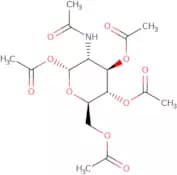
CAS:<p>Dodecyldeoxynojirimycin is a polyketide natural product that has been shown to be a potent inhibitor of the synthesis of mannose-containing glycoproteins, including glucans and chitooligosaccharides. It binds to the active site of glucan synthetase and prevents the formation of glucose residues, which blocks glucan biosynthesis. Dodecyldeoxynojirimycin has also been shown to have anti-inflammatory properties.</p>Formula:C18H37NO4Purity:Min. 95 Area-%Color and Shape:White PowderMolecular weight:331.49 g/mol2-Acetamido-1,3,4,6-tetra-O-acetyl-2-deoxy-a-D-glucopyranose
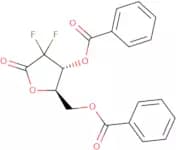
CAS:<p>2-Acetamido-1,3,4,6-tetra-O-acetyl-2-deoxy-a-D-glucopyranose (2AAT) is a synthetic nucleoside that binds to the same sequence of n-acetylgalactosamine in the cell wall of Gram positive bacteria. It was found to be effective against bacterial strains that produce beta lactamase enzymes. 2AAT has been shown to inhibit the growth of Gram positive bacteria and is able to penetrate tissues. It also prevents bacterial DNA gyrase and topoisomerase IV from binding with their respective substrates. 2AAT is made up of four parts: two ribose molecules, one deoxyribose molecule and one acetamido group. This last part is what makes it bind to the bacterial cell wall and inhibits protein synthesis by preventing mRNA from being translated into proteins.</p>Formula:C16H23NO10Purity:Min. 98 Area-%Color and Shape:White PowderMolecular weight:389.36 g/mol3,5-Di-O-benzoyl-2-deoxy-2,2-difluoro-D-ribonic acid-1,4-lactone
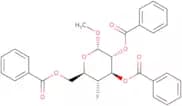
CAS:<p>3,5-Di-O-benzoyl-2-deoxy-2,2-difluoro-D-ribonic acid-1,4-lactone (3DBR) is a nucleoside that has been shown to have antiaging properties. It has been found to be an effective scavenger of peroxyl radicals and reactive oxygen species (ROS). 3DBR also inhibits the formation of aluminum oxide and styrene by catalyzing the salt formation reaction. This compound also has anti-tumour activity and can be used as a chemotherapeutic agent for the treatment of cancer. It is heat resistant and can be combined with gemcitabine hydrochloride in chemotherapy.</p>Formula:C19H14F2O6Purity:Min. 95%Color and Shape:White PowderMolecular weight:376.31 g/molMethyl 2,3,6-tri-O-benzoyl-4-deoxy-4-fluoro-a-D-glucopyranoside
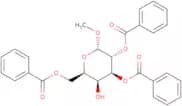
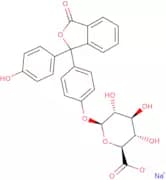
CAS:<p>Methyl 2,3,6-tri-O-benzoyl-4-deoxy-4-fluoro-a-D-glucopyranoside is a sugar that is synthetically modified. This product has been fluorinated and glycosylated with a benzoyl group at C2 position. It contains methyl groups attached to the ring carbons at C1 and C6 positions. The product is also an oligosaccharide that contains two monosaccharides (sugar units) linked by an alpha (1→4) glycosidic bond. Methyl 2,3,6-tri-O-benzoyl-4-deoxy-4-fluoro-a-Dglucopyranoside can be used as a synthetic building block for the synthesis of complex carbohydrate structures.</p>Formula:C28H25FO8Purity:Min. 95%Color and Shape:White PowderMolecular weight:508.49 g/molPhenolphthalein b-D-glucuronic acid sodium salt
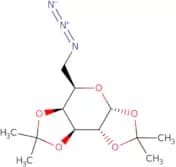
CAS:<p>beta-glucuronidase substrate</p>Formula:C26H22O10NaPurity:Min. 95 Area-%Color and Shape:Yellow PowderMolecular weight:517.44 g/mol6-Azido-6-deoxy-1,2:3,4-di-O-isopropylidene-a-D-galactopyranose
CAS:<p>6-Azido-6-deoxy-1,2:3,4-di-O-isopropylidene-a-D-galactopyranose is a copper complex that is soluble in water. It is used as an initiator for the polymerization of galactose monomers. 6AIDOGAL reacts with azide or diazo compounds to form a cycloaddition reaction and can be used to prepare copolymers by reacting with other monomers such as D-glucose. The temperature range for this reaction is between 20°C and 100°C. This compound has been shown to form stable complexes with Cu(II) ions at temperatures below 0°C.</p>Formula:C12H19N3O5Purity:Min. 98 Area-%Color and Shape:Colorless Clear LiquidMolecular weight:285.3 g/mol2-Acetamido-2-deoxy-D-mannono-1,4-lactone
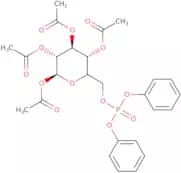
CAS:<p>2-Acetamido-2-deoxy-D-mannono-1,4-lactone is a chemical compound that is an aldonic acid and is classified as an ester. It has a molecular formula of C8H10O5 and it has the following structural formula:<br>This product can be synthesized from benzoic acid and glyceraldehyde. 2-Acetamido-2-deoxy-D-mannono-1,4-lactone is also known as benzoylated mannose. It has been reconfirmed to have high yield in acetylation reactions with molybdate. 2-Acetamido-2deoxy-Dmannono1,4lactone can also undergo epimerization to form the optical antipode of 2,3,4,6tetraacetyloxybenzoic acid (2,3,4,6tetraacetyl</p>Formula:C8H13NO6Purity:Min. 95%Color and Shape:White to off-white solid.Molecular weight:219.19 g/mol1,2,3,4-Tetra-O-acetyl-6-diphenylphosphoryl-b-D-mannopyranose
CAS:<p>This product is custom synthesized. The synthesis of this product was accomplished by modification, fluorination, methylation and monosaccharide synthesis. It is a synthetic oligosaccharide that has been modified with click chemistry. This product is made up of saccharides in a glycosylation configuration. It is a complex carbohydrate that contains sugar units in various configurations. This product has high purity and can be used as an intermediate for the synthesis of other products.</p>Formula:C26H29O13PPurity:Min. 95%Color and Shape:White PowderMolecular weight:580.47 g/mol2-Iodoethyl 2,3,4,6-tetra-O-acetyl-α-D-mannopyranoside
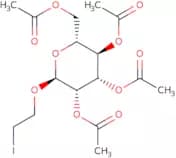
CAS:<p>2-Iodoethyl 2,3,4,6-tetra-O-acetyl-a-D-mannopyranoside is a high purity custom synthesis that can be modified with Click chemistry. It can be synthesized by modification of methylated glycosides and saccharides. This product has been shown to have a wide range of applications in the areas of fluorination, glycosylation, and methylation. The sugar moiety is an oligosaccharide made up of one or more monosaccharides (simple sugars) joined together by glycosidic bonds. This product is often found in complex carbohydrates such as glycogen and starch.</p>Formula:C16H23IO10Purity:Min. 95%Color and Shape:White to off-white solid.Molecular weight:502.25 g/mol2-O-Methyl-D-glucose
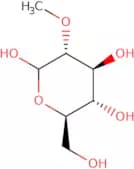
CAS:<p>2-O-Methyl-D-glucose is an aldohexose that is used in the synthesis of a number of biological compounds. It has been shown to inhibit the growth of cancer cells by interfering with the synthesis of fatty acids and proteins.</p>Formula:C7H14O6Purity:Min. 95%Color and Shape:PowderMolecular weight:194.18 g/mol4-Methoxyphenyl 3-O-benzyl-6-O-tert-butyldimethylsilyl-2-deoxy-2-phthalimido-b-D-glucopyranoside
CAS:<p>C3-Benzyl-6-O-tert-butyldimethylsilyl-2-deoxy-2-phthalimido-b-D-glucopyranoside is a synthetic glycosylation agent that converts carbohydrates to sugar derivatives. It is a fluorinated sugar with a benzyl group and can be used in the synthesis of complex polysaccharides and saccharides. C3BzTBDMSG has been shown to have high purity, which makes it an ideal choice for Click chemistry and modification.</p>Formula:C34H41NO8SiPurity:Min. 95%Molecular weight:619.78 g/molMethyl 2,3-di-O-benzoyl-4,6-O-benzylidene-a-D-glucopyranoside
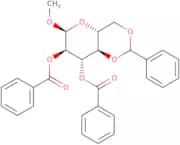
CAS:<p>Methyl 2,3-di-O-benzoyl-4,6-O-benzylidene-a-D-glucopyranoside is a synthetic compound that has been shown to be an inhibitor of the receptor for the proinflammatory cytokine TNF. It has been proposed as a possible treatment for chronic kidney disease, acute phase, and neurodegenerative diseases such as chronic pain. Methyl 2,3-di-O-benzoyl-4,6-O-benzylidene-a-D-glucopyranoside is an inhibitor of factor receptors and inhibits the activation of NFκB in a dose dependent manner. This inhibition leads to decreased production of proinflammatory cytokines such as TNF.</p>Formula:C28H26O8Purity:Min. 95%Color and Shape:PowderMolecular weight:490.5 g/mol4'-O-(β-D-Glucopyranosyl)-L-DOPA
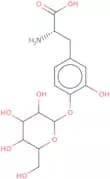
Controlled Product<p>4'-O-(b-D-Glucopyranosyl)-L-DOPA is a custom synthesis, modification, fluorination, methylation, monosaccharide, synthetic, click modification, oligosaccharide saccharide. 4'-O-(b-D-Glucopyranosyl)-L-DOPA may be used in the treatment of certain cancers and for other conditions as determined by your doctor. 4'-O-(b-D-Glucopyranosyl)-L-DOPA may also be used for purposes not listed in this medication guide.</p>Formula:C15H21NO9Purity:Min. 95%Color and Shape:White to off-white solid.Molecular weight:359.33 g/molN-Acetylneuraminic acid dihydrate
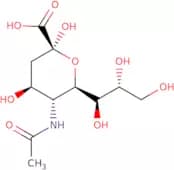
CAS:<p>N-Acetylneuraminic acid dihydrate, also known as sialic acid dehydrate or Neu5Ac dehydrate, is often present in the terminal chains of many oligosaccharides and has a cellular recognition function (Varki and Schauer, 2009). Together with its non-hydrated form, N-acetylneuraminic acid and derivatives function as neurotransmitters and are involved in many post-translational protein modifications. N-acetylneuraminic acids are present on the surface of the vertebrate cells and can interact with pathogens, such as, bacteria and viruses. Recent scientific studies have revealed that the spike glycoprotein of the SARS-COV 2 coronavirus, responsible of the COVID-19, shows a high affinity to N-acetylneuranimic acid (Baker, 2020).</p>Formula:C11H19NO9·2H2OPurity:Min. 95%Color and Shape:PowderMolecular weight:345.3 g/molBenzyl 2-acetamido-2-deoxy-4,6-O-isopropylidene-b-D-glucopyranoside
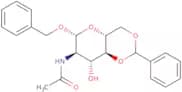
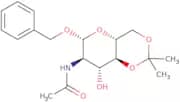
CAS:<p>Benzyl 2-acetamido-2-deoxy-4,6-O-isopropylidene-b-D-glucopyranoside is a surfactant that is used in the measurement of polymers. It is soluble in water and has a low concentration. This surfactant can be used as a copolymer with terephthalate to form polyurethane foam. Benzyl 2-acetamido-2-deoxy-4,6-O-isopropylidene b -D -glucopyranoside also has high concentrations for sedimentation and sulfonate properties.</p>Formula:C18H25NO6Purity:Min. 95%Color and Shape:PowderMolecular weight:351.39 g/molD-Ribose-5-phosphate barium salt hexahydrate
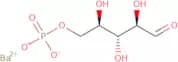
CAS:<p>D-Ribose-5-phosphate barium salt hexahydrate is a Modification, Oligosaccharide, Carbohydrate, complex carbohydrate. It is a Custom synthesis, Synthetic, High purity, Monosaccharide, Methylation, Glycosylation and Polysaccharide. D-Ribose-5-phosphate barium salt hexahydrate has CAS No. 15673-79-7 and Fluorination. It is an saccharide sugar.</p>Formula:C5H9BaO8P·6H2OPurity:Min. 95%Color and Shape:White PowderMolecular weight:473.51 g/mol4-O-Methyl-D-glucuronic acid
CAS:<p>Component of plant, especially grape, glucuronoxylans</p>Formula:C7H12O7Purity:Min. 95%Color and Shape:Colorless PowderMolecular weight:208.17 g/molMethyl 2,3:4,6-di-O-isopropylidene-D-mannopyranoside
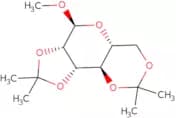
CAS:<p>Methyl 2,3:4,6-di-O-isopropylidene-D-mannopyranoside is a synthetic glycosylate sugar that has been modified with fluorination. It is a monosaccharide that is used in the synthesis of complex carbohydrates. Click modification of this molecule has been performed to yield high purity and desired modifications. CAS number 50705-56-1.</p>Formula:C13H22O6Purity:Min. 95%Color and Shape:PowderMolecular weight:274.31 g/molD-Mannosaminuronic acid
<p>D-Mannosaminuronic acid is a monosaccharide that has been isolated from the seed of the African plant, Acacia drepanolobium. It is found to be an antigenic component of shigella and related enterobacteria and plays an important role in the biosynthesis of glycolipids. D-Mannosaminuronic acid can be hydrolyzed by acidic enzymes such as lipases, esterases, phosphatases, or proteases. This process may lead to the liberation of fatty acids and sugars. The purified enzyme preparations have been shown to catalyze the synthesis of D-mannosaminuronic acid from mannose and fructose.</p>Purity:Min. 95%D-Glucosaminic acid
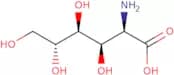
CAS:<p>D-Glucosaminic acid is a monosaccharide that is found in many glycosaminoglycans. It has been shown to have synergistic effects when combined with malonic acid and hydroxyl group. D-Glucosaminic acid can be used for wastewater treatment, as it is able to form stable complexes with the anionic groups of cell walls. D-Glucosaminic acid also shows antibacterial activity against bacterial strains, including Mycoplasma pneumoniae and Streptococcus pyogenes. The wild-type strain of Escherichia coli is not inhibited by this compound.</p>Formula:C6H13NO6Purity:Min. 96 Area-%Color and Shape:White Off-White PowderMolecular weight:195.17 g/molD-Sorbitol hexaacetate
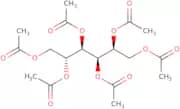
CAS:<p>Sorbitol hexaacetate is a low-energy compound that has a hydroxyl group and a phenolic acid. It is used as an intermediate in the production of detergents, surfactants, and other industrial chemicals. In addition to this, sorbitol hexaacetate can be used as a radiation shield and an effective dose for radiation therapy. Sorbitol hexaacetate is also used as an ingredient in lipolytic enzymes. It has been shown to inhibit the activity of lipolytic enzymes by forming hydrogen bonds with the enzyme active site. Magnetic resonance spectroscopy studies have revealed that sorbitol hexaacetate has a cavity that can be filled with water molecules, which may explain its ability to act as an optical polarizer.</p>Formula:C18H26O12Purity:Min. 97 Area-%Color and Shape:White PowderMolecular weight:434.39 g/molMethyl 2,3,5-tri-O-(p-chlorobenzoyl)-β-D-ribofuranoside
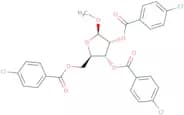
CAS:<p>Methyl 2,3,5-tri-O-(p-chlorobenzoyl)-b-D-ribofuranoside is a custom synthesis that has been modified with fluorination and methylation. It is a monosaccharide that can be synthesized by the reaction of 3,5-di-O-(p-chlorobenzoyl)ribose with formaldehyde. Methyl 2,3,5-tri-O-(p-chlorobenzoyl)-b-D-ribofuranoside can be used in saccharide or glycosylation reactions to produce oligosaccharides or polysaccharides. This chemical is also useful for click chemistry modifications.</p>Formula:C27H21Cl3O8Purity:Min. 95%Color and Shape:White to off-white solid.Molecular weight:579.81 g/molD-Glucose - monohydrate
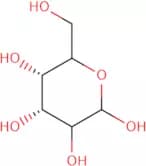
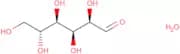
CAS:<p>D-Glucose - monohydrate is a glucose molecule that is found in the blood stream. It is the preferred source of energy for the brain and has been shown to enhance brain function. Glucose is also used to maintain the water balance of cells and tissues, as well as to prevent or treat hypoglycemia. This molecule can be found in many foods, such as honey, corn syrup, molasses, fruits and fruit juices. D-Glucose - monohydrate has antibacterial efficacy against a number of bacteria including staphylococcus aureus, Escherichia coli, Pseudomonas aeruginosa and Bacillus subtilis. It can also inhibit squamous cell carcinoma growth in vivo by preventing the proliferation of cancer cells. D-Glucose - monohydrate is structurally similar to adenosine diphosphate (ADP), which binds to dinucleotide phosphate (DP) enzymes that are involved in energy metabolism</p>Formula:C6H12O6·H2OPurity:(%) Min. 95%Color and Shape:White PowderMolecular weight:198.17 g/mol1,2-O-Isopropylidene-α-D-glucofuranurono-6,3-lactone
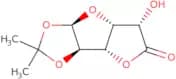
CAS:<p>1,2-O-Isopropylidene-a-D-glucofuranurono-6,3-lactone is a compound with hepatocyte growth factor activity that is used in the diagnosis of liver diseases. It can also be used as a reagent for the detection of lactones and as an industrial chemical. 1,2-O-Isopropylidene-a-D-glucofuranurono-6,3-lactone has been shown to activate the hepatocyte growth factor receptor (HGFR) and induce cell proliferation in human hepatocytes. This compound is not toxic to cells at concentrations up to 100 mM.</p>Formula:C9H12O6Purity:Min. 98%Color and Shape:PowderMolecular weight:216.19 g/mol2,3:4,5-Di-O-isopropylidene-D-xylitol
CAS:<p>2,3:4,5-Di-O-isopropylidene-D-xylitol is an acceptor for the Stannic Chloride Reaction. It is a lacto-n-biose derivative of D-xylitol that has been shown to have antibiotic activity against Streptococcus section A and B. The temporary protection of the hydroxyl group in 2,3:4,5diOisopropylidene-Dxylitol with methyl glycosides provides a convenient method for glycosylations. The chloride ion can be replaced by hexaacetate to yield 1amino1deoxyDxylitol hydrochloride, which is a benzyl derivative. This reaction allows for research into the transfer of 2,3:4,5diOisopropylideneDxylitol.</p>Formula:C11H20O5Purity:Min. 95%Color and Shape:Solidified MassMolecular weight:232.27 g/mol5-Aldo-1,2-O-isopropylidene-b-D-arabinofuranose
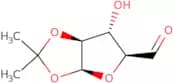
CAS:<p>5-Aldo-1,2-O-isopropylidene-b-D-arabinofuranose is a sugar that is synthesized from D-glucose. It has been modified with fluorine to produce an analogue of 5-fluoroarabinofuranose. The methylation and glycosylation of this compound have also been investigated. This chemical can be used for the synthesis of complex carbohydrates.</p>Formula:C8H12O5Purity:Min. 95%Color and Shape:PowderMolecular weight:188.18 g/molD-Glucosamine-2-N-sulfate sodium
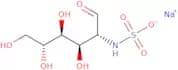
CAS:<p>D-Glucosamine-2-N-sulfate sodium is a synthetic, high purity carbohydrate with a custom synthesis. It is an oligosaccharide that is also a sugar and a saccharide. The methylation of D-glucosamine 2-N-sulfate sodium can be achieved by glycosylation or click modification. Click modification is the addition of a carbon atom to the molecule through the reaction with an electrophile, such as N-hydroxysuccinimide ester. This modification can be used to introduce fluorine atoms into the molecules, which can improve their solubility and stability. The product has shown anti-inflammatory activities in animal models, which may be due to its ability to inhibit prostaglandin synthesis.</p>Formula:C6H12NNaO8SPurity:Min. 95 Area-%Color and Shape:White Off-White PowderMolecular weight:281.22 g/mol2,3,4,6-Tetra-O-acetyl-1-S-acetyl-b-D-thiogalactopyranose
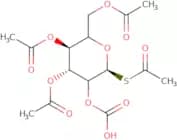
<p>2,3,4,6-Tetra-O-acetyl-1-S-acetyl-b-D-thiogalactopyranose is a synthetic sugar that is used in the synthesis of complex carbohydrates. It has been modified with methylation and acetylation reactions. The CAS number for this compound is 112724-71-8.</p>Formula:C15H20O11SPurity:Min. 95%Molecular weight:408.38 g/molD-Ribose, 99.0%+
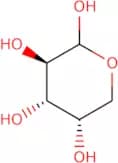
CAS:<p>D-Ribose is a pentose sugar that is the ribose sugar of D-arabinose. It is an inhibitor of bacterial growth and has been shown to inhibit binding of adenine nucleotides to their receptors in the human erythrocyte membrane. Ribose plays a vital role in energy metabolism, as it is a component of ATP and NADH. It also participates in the synthesis of DNA and RNA. Ribose can be found in many foods, such as pears, apples, potatoes, and rice. D-ribose has been shown to have significant cytotoxicity against cancer cells that are dependent on glycolysis for their energy needs.<br>D-Ribose may also be used as a polymerase chain reaction (PCR) substrate to determine the presence of infectious diseases such as HIV or hepatitis C virus in human serum samples.</p>Formula:C5H10O5Purity:Min. 99.0 Area-%Molecular weight:150.13 g/molRef: 3D-R-5495
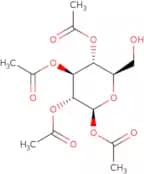
1kgTo inquire100gTo inquire250gTo inquire500gTo inquire2500gTo inquire-Unit-kgkgTo inquire1,2,3,4-Tetra-O-acetyl-β-D-glucopyranose
CAS:<p>Building block for the 6-O-modification of Glc, including 6-O-glycosylations</p>Formula:C14H20O10Purity:Min. 98 Area-%Color and Shape:PowderMolecular weight:348.3 g/molD-Glucopyranosyl thiosemicarbazide
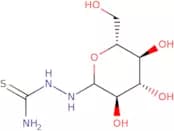
CAS:<p>D-Glucopyranosyl thiosemicarbazide is a synthetic molecule that reacts with halides to produce regiospecifically substituted aldehydes. It has been used in the synthesis of glycosylated heterocycles and for the conversion of amines into reactive intermediates. D-Glucopyranosyl thiosemicarbazide can be prepared by reacting 2,3-dichloro-5,6-dicyanobenzoquinone with sodium nitrite in methanol followed by hydrolysis with water. This reaction produces an intermediate that reacts with sulfur dioxide to form the desired product. The structure of this molecule was determined using X-ray crystallography on crystals obtained from aspergillus mold.</p>Formula:C7H15N3O5SPurity:Min. 95%Color and Shape:White to off-white powder.Molecular weight:253.28 g/mol2,4,6-Tri-O-benzoyl-3-benzyl-D-mannopyranosyl trichloroacetimidate
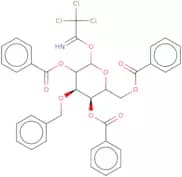
<p>2,4,6-Tri-O-benzoyl-3-benzyl-D-mannopyranosyl trichloroacetimidate is a synthetic glycosylation compound. It can be used for the synthesis of complex carbohydrates, such as polysaccharides and oligosaccharides. This product is a high purity, custom synthesis that has been modified with fluorination and methylation. CAS No.: 59978-06-0</p>Formula:C36H30Cl3NO9Purity:Min. 95%Molecular weight:726.98 g/molN-[(4'-Nitrophenyl)-1-propenyl]imino-2,3,4,6-tetra-O-pivaloyl-D-glucopyranoside
<p>N-[(4'-Nitrophenyl)-1-propenyl]imino-2,3,4,6-tetra-O-pivaloyl-D-glucopyranoside is a synthetic polysaccharide. It is a complex carbohydrate that is modified by methylation and glycosylation. The monomeric unit of this polysaccharide is a 6-(nitrophenoxy)hexose. N-[(4'-Nitrophenyl)-1-propenyl]imino-2,3,4,6-tetra-O-pivaloyl-D-glucopyranoside has been shown to have antiviral effects in the past.</p>Formula:C35H50N2O11Purity:Min. 95%Molecular weight:674.78 g/molD-(-)-Threose
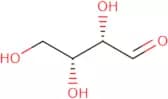
CAS:<p>Popular resource for chiral-pool based organic syntheses<br>Sold as an aqueous solution and by weight of active material</p>Formula:C4H8O4Purity:Min. 90 Area-%Color and Shape:Colorless Clear LiquidMolecular weight:120.1 g/molD-Allono-1,4-lactone
CAS:<p>D-Allono-1,4-lactone is a biochemical compound that has been shown to have immunosuppressant properties. D-Allono-1,4-lactone is an inhibitor of maltase, an enzyme involved in the digestion of starch and glycogen. D-Allono-1,4-lactone also inhibits transglucosylase, an enzyme involved in the conversion of sucrose into glucose. It binds to sulfur transfer proteins and has been shown to be effective against mutants with altered biochemical properties.</p>Formula:C6H10O6Purity:Min. 95%Color and Shape:PowderMolecular weight:178.14 g/molMethyl 2,3,6-tri-O-benzoyl-α-D-galactopyranoside
CAS:<p>Methyl 2,3,6-tri-O-benzoyl-α-D-galactopyranoside is a water soluble white powder. It has a molecular weight of 370.62 and a melting point of 199°C. This product is used as an intermediate in the synthesis of complex carbohydrates and is also used in the production of glycosylations and polysaccharides. The purity of this product is >98%.</p>Formula:C28H26O9Purity:Min. 95%Color and Shape:White PowderMolecular weight:506.5 g/molMethyl 2-deoxy-3,5-di-O-toluoyl-L-ribofuranoside
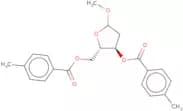
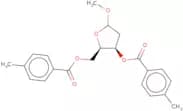
CAS:<p>Methyl 2-deoxy-3,5-di-O-toluoyl-L-ribofuranoside is a custom synthesis that is a complex carbohydrate that is used in the modification of saccharides. It has been shown to be able to methylate and glycosylate carbohydrates and can be fluorinated for use in click chemistry experiments. Methyl 2-deoxy-3,5-di-O-toluoyl-L-ribofuranoside is highly pure and can be synthesized with high yield.</p>Formula:C22H24O6Purity:Min. 95%Color and Shape:Brown oil.Molecular weight:384.43 g/molD-Galactosamine-1-phosphate
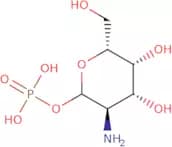
CAS:<p>D-Galactosamine-1-phosphate is a precursor of UDP-glucose and is used in the synthesis of fatty acids. D-Galactosamine-1-phosphate is synthesized by the enzyme UDP-glucose pyrophosphorylase, which catalyzes the reaction between UDP and D-galactose. It is expressed in strains that have been engineered to produce recombinant proteins. This product can be produced in vitro by a number of methods, including enzymatic or chemical synthesis. The enzyme activity of D-galactosamine 1 phosphate synthase is temperature dependent, with optimal activity at 40°C. This product has been shown to inhibit hepatitis virus production and lipid formation in vitro.</p>Formula:C6H14NO8PPurity:Min. 95%Color and Shape:PowderMolecular weight:259.15 g/mol2-Azidoethyl b-D-fructopyranoside
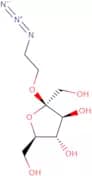
CAS:<p>2-Azidoethyl b-D-fructopyranoside is a custom synthesis of glycogen, which is a complex carbohydrate. This product can be fluorinated or methylated at the 2’ position of the sugar moiety. It also has been modified with Click chemistry and polysaccharides. The CAS number for this product is 99042-58-7 and it has a purity of >99%.</p>Formula:C8H15N3O6Purity:Min. 95%Color and Shape:PowderMolecular weight:249.3 g/mol2-Acetamido-3,4,6-tri-O-benzyl-2-deoxy-D-glucono-1,5-lactone
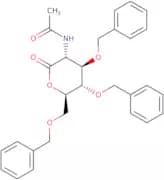
CAS:<p>2-Acetamido-3,4,6-tri-O-benzyl-2-deoxy-D-glucono-1,5-lactone is a methylated saccharide with a modified sugar. This compound can be used as a building block for the synthesis of glycosides and oligosaccharides. 2AATGL has been shown to be compatible with click chemistry and is available in high purity. It can also be custom synthesized to meet your needs.</p>Formula:C29H31NO6Purity:Min. 90%Color and Shape:PowderMolecular weight:489.56 g/molPhenyl 4,6-O-benzylidene-2-deoxy-2-phthalimido-b-D-thioglucopyranoside
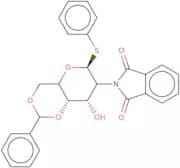
CAS:<p>Phenyl 4,6-O-benzylidene-2-deoxy-2-phthalimido-b-D-thioglucopyranoside is a custom synthesis sugar that has been modified with fluorination, glycosylation, and carbamoylation. It is an oligosaccharide that contains a saccharide at the reducing end of the molecule. The CAS number for this compound is 79528-51-1.</p>Formula:C27H23NO6SPurity:Min. 95%Color and Shape:White PowderMolecular weight:489.54 g/molMethyl 2-deoxy-3,5-di-O-toluoyl-D-ribofuranoside
CAS:<p>Methyl 2-deoxy-3,5-di-O-toluoyl-D-ribofuranoside is a carbohydrate compound that is a modification of the saccharide and oligosaccharide. It is fluorinated at the 3' position. The monosaccharide is synthesized from D-ribose and methylated at the 2' and 5' positions. Methyl 2-deoxy-3,5-di-O-toluoyl-D-ribofuranoside is a synthetic sugar that has been modified with glycosylation and Click chemistry.</p>Formula:C22H24O6Purity:Min. 95%Color and Shape:PowderMolecular weight:384.42 g/molBenzyl 2-acetamido-4,6-O-benzylidene-2-deoxy-β-D-glucopyranoside
CAS:<p>This product is a computational, experimental, and acoustic expansion of benzyl 2-acetamido-4,6-O-benzylidene-2-deoxy-b-D-glucopyranoside. It is used as an additive to motorcycle fuel, with the purpose of preventing engine knock. The experiment was conducted by measuring the pressure levels in a cylinder at different temperatures. The results showed that the highest pressure level was obtained when the temperature was increased to 220 degrees Celsius and the pressure level decreased when it was lowered to 200 degrees Celsius.</p>Formula:C22H25NO6Purity:Min. 95%Color and Shape:White to off-white solid.Molecular weight:399.44 g/molN- (2, 5-Anhydro- 3- azido- 3- deoxy-4,6-di-O-acetyl- D- altronoyl) - 2, 5- anhydro- 3- amino- 3- deoxy-4,6-di-O-acetyl- D- altronic acid methyl ester
<p>N- (2, 5-Anhydro- 3- azido- 3- deoxy-4,6-di-O-acetyl- D- altronoyl) - 2, 5- anhydro- 3- amino -3,6 di O acetyl -D altronic acid methyl ester is a glycosylation compound that is synthesized by modifying the corresponding nitrophenol with methylamine. It has a CAS number of 1205843.</p>Purity:Min. 95%Methyl β-L-arabinopyranoside
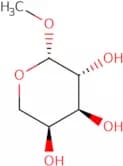
CAS:<p>Methyl β-L-arabinopyranoside is a stereochemically pure monosaccharide that has been used to calibrate and quantify the conformational, stereochemical, and spectrometric methods. Methyl β-L-arabinopyranoside has a conformation that is restricted by the presence of an α-hydroxyl group at C2. The chloride ion can be used to monitor this conformation. The diameter of methyl β-L-arabinopyranoside can be measured with a micropipette and monitored using an aerosol detector. Methyl β-L-arabinopyranoside can also be quantified by mass spectrometry or spectrophotometry. The conformational, stereochemical, and spectrometric methods have been calibrated using methyl β-L-arabinopyranoside as a standard to determine their accuracy in measuring the size of other molecules.</p>Formula:C6H12O5Purity:Min. 95%Color and Shape:White Off-White PowderMolecular weight:164.16 g/molPhenyl 2,3,6-tri-O-acetyl-2-deoxy-2-trichloroacetamido-b-D-thioglucopyranoside
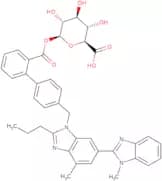
<p>Phenyl 2,3,6-tri-O-acetyl-2-deoxy-2-trichloroacetamido-b-D-thioglucopyranoside is a monosaccharide with a molecular weight of 594.5. It is derived from the reaction of methyl acetate and benzene in the presence of sulfuric acid. Phenyl 2,3,6-tri-O-acetyl-2-deoxy-2-trichloroacetamido b D thioglucopyranoside is an intermediate in the synthesis of saccharides that are modified by click chemistry or modification. <br>This product has been shown to be synthesized with high purity and good yield. The product can be used for custom synthesis as well as glycosylation reactions. This product also has a CAS number and can be used for Click chemistry or modification reactions.</p>Formula:C20H22Cl3NO8SPurity:Min. 95%Color and Shape:White to off-white solid.Molecular weight:542.81 g/molTelmisartan acyl-b-D-glucuronide
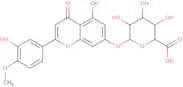
CAS:<p>Telmisartan acyl-b-D-glucuronide is a drug metabolite that is formed by the conjugation of telmisartan with glucuronic acid. Telmisartan acyl-b-D-glucuronide is activated in vivo and reversibly inhibits the enzyme creatine kinase, which is involved in the metabolism of creatine to creatinine. The effective dose for this compound has been shown to be 10 mg/kg (orally) in humans. Telmisartan acyl-b-D-glucuronide has been shown to be an at1 receptor antagonist and may have some antihypertensive effects via modulation of ion channels. This drug also appears to have some proliferative effects on cells that are inhibited by radiation.</p>Formula:C39H38N4O8Purity:Min. 95%Color and Shape:Off-White PowderMolecular weight:690.74 g/mol3,4-Dihydro-5-hydroxy-2-(3-hydroxy-4-methoxyphenyl)-4-oxo-2H-1-benzopyran-7-yl β-D-glucopyranosiduronic acid
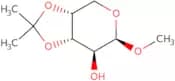
CAS:<p>Hesperetin 7-O-b-D-glucuronide is a metabolite of hesperetin, a flavonoid primarily sourced from citrus fruits. This compound is formed through the glucuronidation process, a metabolic pathway that modifies hesperetin to enhance its solubility and facilitate its excretion from the human body. Hesperetin 7-O-b-D-glucuronide exerts biological effects through various modes of action, including antioxidant and anti-inflammatory mechanisms. It is thought to scavenge free radicals and modulate inflammatory pathways by inhibiting specific enzymes and cytokines.In scientific research, Hesperetin 7-O-b-D-glucuronide is studied for its potential therapeutic applications, particularly its role in reducing oxidative stress and inflammation-related diseases. It has garnered attention in the context of cardiovascular health, neuroprotection, and metabolic disorders. The exploration of its bioavailability and specific interactions at the molecular level continues to provide insights into its promising applications in nutraceuticals and pharmaceuticals. Researchers investigate its efficacy and safety to better understand its potential role in disease prevention and therapy.</p>Formula:C22H22O12Purity:Min. 95%Color and Shape:PowderMolecular weight:478.4 g/molMethyl 3,4-O-isopropylidene-β-D-arabinopyranoside
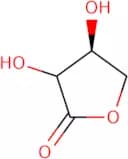
CAS:<p>Methyl 3,4-O-isopropylidene-b-D-arabinopyranoside is a custom synthesis that has been modified with fluorination, methylation and click modification. It can be found in the CAS registry as 4594-60-9. This compound is a monosaccharide. Methyl 3,4-O-isopropylidene-b-D-arabinopyranoside is synthetically produced and can be used for glycosylation reactions. This compound has been shown to have a saccharide structure, which includes sugar or carbohydrates. It also has an oligosaccharide structure, which includes polysaccharides or complex carbohydrates.</p>Formula:C9H16O5Purity:Min. 95%Color and Shape:Clear LiquidMolecular weight:204.22 g/molD-Threonic acid-1,4,-lactone
CAS:<p>D-Threonic acid-1,4,-lactone is a methylated saccharide that is prepared by the oxidation of D-threo-aldose. It can be used as a building block in the synthesis of glycosylates, oligosaccharides, and polysaccharides. The compound has been shown to inhibit the growth of Mycobacterium tuberculosis and Mycobacterium avium complex. D-Threonic acid-1,4,-lactone can also be fluorinated for use as an imaging agent for positron emission tomography (PET).</p>Formula:C4H6O4Purity:Min. 95%Color and Shape:PowderMolecular weight:118.08 g/mol


![(1S) -1- [(2S, 3S,4R) -4-Hydroxymethyl-3- hydroxy-1- azetidinyl] -1, 2- ethanediol hydrochloride](/_next/image/?url=https%3A%2Fstatic.cymitquimica.com%2Fproducts%2F3D%2Fthumb-webp%2FMH163375.webp&w=3840&q=75)










![N-[(4'-Nitrophenyl)-1-propenyl]imino-2,3,4,6-tetra-O-pivaloyl-D-glucopyranoside](/_next/image/?url=https%3A%2Fstatic.cymitquimica.com%2Fproducts%2F3D%2Fthumb-webp%2FMN08501.webp&w=3840&q=75)