Monosaccharides
Subcategories of "Monosaccharides"
- Alloses(11 products)
- Arabinoses(21 products)
- Erythroses(11 products)
- Fructoses(9 products)
- Fucoses(36 products)
- Galactosamine(41 products)
- Galactose(261 products)
- Glucoses(365 products)
- Glucuronic Acids(52 products)
- Glyco-substrates for Enzyme(78 products)
- Guloses(6 products)
- Idoses(4 products)
- Inositols(15 products)
- Lyxoses(4 products)
- Mannoses(65 products)
- O-Glycans(48 products)
- Psicoses(3 products)
- Rhamnoses(10 products)
- Riboses(61 products)
- Sialic Acids(100 products)
- Sorboses(4 products)
- Sugars(173 products)
- Tagatoses(4 products)
- Taloses(8 products)
- Xyloses(20 products)
Found 6088 products of "Monosaccharides"
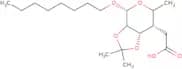
Octyl 4-O-acetyl-2,3-O-isopropylidene-a-L-rhamnopyranoside
CAS:Octyl 4-O-acetyl-2,3-O-isopropylidene-a-L-rhamnopyranoside is a monosaccharide that is synthesized from the glycosylation of octyl β-D-glucopyranoside and L-rhamnose by means of an acetal exchange reaction. The product is a complex carbohydrate with a molecular weight of 578. This compound can be fluorinated at the hydroxyl group to produce octyl 4-[4-(trifluoromethoxy)phenyl]butanoate, which has been shown to have significant antiinflammatory activities in animal models.Formula:C19H34O6Purity:Min. 95%Molecular weight:358.47 g/mol2-(L-Fuco-tetrahydroxypentyl)-4(R)-1,3-thiazolidine-4-carboxylic acid
CAS:2-(L-Fuco-tetrahydroxypentyl)-4(R)-1,3-thiazolidine-4-carboxylic acid is a high purity custom synthesis sugar. It has been synthesized by click modification and fluorination of 2-(L-fuco-tetrahydroxypentyl)-4(R)-1,3-thiazolidine-4-carboxylic acid methyl ester. This compound can be used in glycosylation with oligosaccharides, monosaccharides, saccharides and complex carbohydrates.Formula:C10H19NO6SPurity:Min. 95%Molecular weight:281.33 g/mol2,4:3,5-Di-O-benzylidene-aldehydo-D-ribose hydrate
CAS:2,4:3,5-Di-O-benzylidene-aldehydo-D-ribose hydrate is a complex carbohydrate that contains a glycosylation site. The CAS number for this product is 32580-00-0. This product can be modified by methylation, fluorination, and saccharide modification. It is also available in custom synthesis or high purity.Formula:C19H18O5·H2OPurity:Min. 95%Molecular weight:344.36 g/molD-Arabinopyranosyl thiosemicarbazide
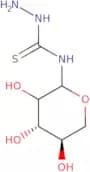
CAS:D-Arabinopyranosyl thiosemicarbazide is a synthetic compound. It has been shown to be effective in the synthesis of oligosaccharides and sugars, as well as glycosylation reactions. This product can be used in fluorination, methylation, and other custom synthesis reactions. D-Arabinopyranosyl thiosemicarbazide is also useful for click modification of complex carbohydrates. The purity of this product is high and it can be modified with various functional groups.
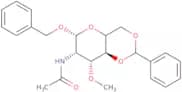
Formula:C6H13N3O4SPurity:Min. 95%Molecular weight:223.25 g/molBenzyl 2-acetamido-4,6-O-benzylidene-2-deoxy-3-O-methyl-a-D-glucopyranoside
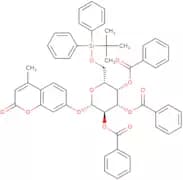
CAS:Benzyl 2-acetamido-4,6-O-benzylidene-2-deoxy-3-O-methyl-aDglucopyranoside is a synthetic oligosaccharide with a complex carbohydrate structure. It is custom synthesized by glycosylation and polysaccharide modification to produce a high purity product. Click chemistry modifications, methylations, and fluorination are used for the synthesis of benzyl 2-acetamido-4,6-Obenzylidene -2deoxy -3OmethylaDglucopyranoside. The CAS number for this product is 116696–66–3.Formula:C23H27NO6Purity:Min. 95%Molecular weight:413.46 g/mol4-Methylumbelliferyl 2,3,4-tri-O-benzoyl-6-O-(tert-butyldiphenylsilyl)-b-D-galactopyranoside
CAS:This is a fluorinated monosaccharide that is synthesized by glycosylation. It is a synthetic oligosaccharide with a complex carbohydrate structure, which has been modified with click chemistry. This product has CAS No. 920975-58-2 and can be custom synthesized to meet your needs. It is methylated and high purity and can be used for glycosylation, polysaccharides, or custom synthesis.Formula:C53H48O11SiPurity:Min. 95%Molecular weight:889.03 g/molMethyl 4,6-dichloro-4,6-dideoxy-a-D-galactopyranoside
CAS:Methyl 4,6-dichloro-4,6-dideoxy-a-D-galactopyranoside is an innovative sweetener that can be used in food and drinks. It is a type of sugar alcohol with a sweet taste similar to sucrose. This substance is not metabolized by bacteria in the intestine or absorbed into the bloodstream. Methyl 4,6-dichloro-4,6-dideoxy-a-D-galactopyranoside has been shown to inhibit the activity of nerve cells by preventing the release of neurotransmitters such as glutamate and GABA. This inhibition mechanism is thought to be due to its ability to enhance the release of chloride ions from nerve cells. The model Euclidean was used to predict the potential stimulatory effect on tympanic membrane (eardrum) cells when exposed to methyl 4,6-dichloro-4,6-dideoxy-a-DFormula:C7H12Cl2O4Purity:Min. 95%Molecular weight:231.08 g/molMethyl 4-deoxy-2,3-O-isopropylidene-L-threonate
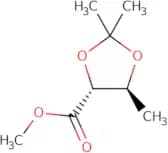
CAS:Methyl 4-deoxy-2,3-O-isopropylidene-L-threonate is a fluorinated sugar that can be synthesized with high purity. It has been used for the synthesis of glycosyls and polysaccharides or for the modification of natural sugars. This compound is an intermediate in the synthesis of complex carbohydrates such as oligosaccharides and polysaccharides. Click chemistry has also been used as a modification to this compound. Methyl 4-deoxy-2,3-O-isopropylidene-L-threonate is a white crystalline solid that is soluble in water and methanol but not in ethanol. It has a melting point of 155°C and a CAS number of 78086-72-3.Formula:C8H14O4Purity:Min. 95%Molecular weight:174.19 g/mol4-Methylphenyl 2,3,4-tri-O-acetyl-b-D-thioglucuronide methyl ester
CAS:4-Methylphenyl 2,3,4-tri-O-acetyl-b-D-thioglucuronide methyl ester is a synthetic, fluorinated monosaccharide. It is a custom synthesis for use in glycosylation reactions. The product can be used as a carbohydrate building block in the synthesis of oligosaccharides and polysaccharides. This compound is also suitable for click modification and methylation reactions. 4-Methylphenyl 2,3,4-tri-O-acetyl-b-D-thioglucuronide methyl ester has CAS number 61025-09-0 and purity of >99%.Formula:C20H24O9SPurity:Min. 95%Molecular weight:440.47 g/mol1,2,3,4-Tetra-O-benzyl-6-O-trityl-b-D-galactopyranose
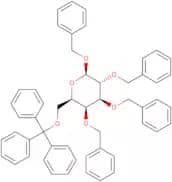
CAS:1,2,3,4-Tetra-O-benzyl-6-O-trityl-β-D-galactopyranose is a synthetic sugar that has been modified with methylation and glycosylation. It is an oligosaccharide that is composed of glucose units linked by β(1→4) glycosidic bonds. 1,2,3,4-Tetra-O-benzyl-6-O-trityl-β-D-galactopyranose is soluble in water and can be used as a fluorescence probe for the detection of sugars in solution.Formula:C53H50O6Purity:Min. 95%Molecular weight:782.96 g/mol3,5-O-Isopropylidene-a-D-xylofuranose
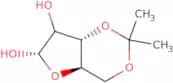
CAS:3,5-O-Isopropylidene-a-D-xylofuranose is a modification of the sugar xylose. It is a complex carbohydrate that can be synthesized by custom synthesis or by glycosylation. 3,5-O-Isopropylidene-a-D-xylofuranose is an oligosaccharide and has high purity. The methylation, fluorination, and saccharide modification of 3,5-O-Isopropylidene-a-D-xylofuranose has been studied extensively. This chemical is also a monosaccharide that can be used in the synthesis of polysaccharides.Formula:C8H14O5Purity:Min. 95%Molecular weight:190.19 g/mol4'-Hydroxy atomoxetine b-D-glucuronide
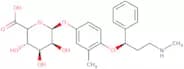
CAS:4'-Hydroxy atomoxetine b-D-glucuronide is a synthetic compound that has been modified for use in the synthesis of saccharides and oligosaccharides. The modification is a high-yielding, efficient, and economical method for the preparation of complex carbohydrates. This compound is an intermediate in the synthesis of glycosylations. It can be used for the click modification of proteins or polysaccharides.br>br> 4'-Hydroxy atomoxetine b-D-glucuronide is an intermediate in the synthesis of glycosylations. It can be used for the click modification of proteins or polysaccharides. Click chemistry is a form of chemical reaction used to modify molecules by attaching them to other molecules with similar reactive groups, such as hydroxyl groups, through a process called "click" chemistry. The term was coined by K. Barry Sharpless at Stanford University in 2000 after he demonstrated that certain metalFormula:C23H29NO8Purity:Min. 95%Molecular weight:447.49 g/molD-Xylulose 5-phosphate lithium
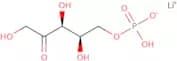
CAS:D-Xylulose 5-phosphate lithium salt is a chiral ester that is used in the synthesis of natural products. It has been shown to be a potent inhibitor of bacterial growth and its use as an antibiotic may be limited due to its toxicity in humans. D-Xylulose 5-phosphate lithium salt can inhibit the functions of many enzymes, such as escherichia coli β-glucosidase and cerevisiae α-amylase. This compound inhibits microbial growth and is used to produce monosaccharides from long chain polysaccharides through enzymatic hydrolysis pathways. D-Xylulose 5-phosphate lithium salt also inhibits the production of human metabolites. The enzyme activities of this compound are monitored by measuring the levels of glucose, lactate, pyruvate, acetate, and ethanol in serum samples taken at different time intervals after administration.Formula:C5H11O8P•LixPurity:Min. 95%Molecular weight:230.11 g/mol1-Chloro-2-deoxy-3,5-di-O-acetyl-a-D-ribofuranose
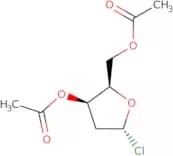
CAS:Synthetic building block for nucleic acid research
Formula:C9H13ClO5Purity:Min. 95%Molecular weight:236.65 g/molPhenyl 2,3-di-O-benzyl-b-D-thioglucopyranoside
CAS:Phenyl 2,3-di-O-benzyl-b-D-thioglucopyranoside is a Glycosylation product that belongs to the category of complex carbohydrates. Phenyl 2,3-di-O-benzyl-b-D-thioglucopyranoside is an Methylation product that can be Click modified with Polysaccharides and Fluorinated with saccharides. This product has been shown to have Modification capabilities in sugar and Oligosaccharides. Phenyl 2,3-di-O-benzyl-b-D-thioglucopyranoside is a Synthetic product that can be Custom synthesized for High purity.Formula:C33H34O5SPurity:Min. 95%Molecular weight:542.69 g/mol2,3,4-Tri-O-benzyl-5-O-(2-naphthyl)methyl-D-ribitol
2,3,4-Tri-O-benzyl-5-O-(2-naphthyl)methyl-D-ribitol is an organic compound that is an important intermediate in the synthesis of saccharides and oligosaccharides. This compound can be modified with methylation, click modification or fluorination. It is also used for the preparation of complex carbohydrates. 2,3,4-Tri-O-benzyl-5-O-(2-naphthyl)methyl -D-ribitol has a CAS number of 129610–41–8 and a molecular weight of 538.7 g/mol.Formula:C44H44O5Purity:Min. 95%Molecular weight:652.82 g/mol6-O-Benzyl-2,3:4,5-di-O-cyclohexylidene-L-myo-inositol
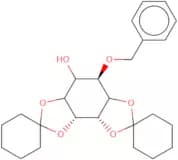
CAS:6-O-Benzyl-2,3:4,5-di-O-cyclohexylidene-L-myo-inositol is a methylated derivative of 2,3:4,5-di--O--cyclohexylidene--L--myo--inositol. It can be used as a building block for glycosylation or modification reactions for the synthesis of oligosaccharides or polysaccharides. 6-O-Benzyl-2,3:4,5-di--O--cyclohexylidene--L--myo--inositol is also an excellent substrate for click chemistry and fluorination reactions.Formula:C25H34O6Purity:Min. 95%Molecular weight:430.53 g/mol1,4,6-Tri-O-acetyl-2,3-O-carbonyl-a-D-mannopyranose
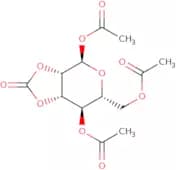
CAS:1,4,6-Tri-O-acetyl-2,3-O-carbonyl-a-D-mannopyranose is a synthetic carbohydrate that can be modified with fluorine to produce its active form. This molecule has been shown to inhibit bacterial growth by inhibiting cell wall synthesis and protein synthesis. 1,4,6-Tri-O-acetyl-2,3-O-carbonyl-a-D-mannopyranose has been shown to have high purity and custom synthesis, as well as methylation and glycosylation.Formula:C13H16O10Purity:Min. 95%Molecular weight:332.26 g/mola-L-Fucose-1-phosphate bis(cyclohexylammonium) salt
CAS:a-L-Fucose-1-phosphate bis(cyclohexylammonium) salt is a synthetic, high purity, custom synthesis that is used for Click modification. It can be synthesized by fluorination and glycosylation of fucose. This product has a CAS No. 24333-03-7, and can be modified with methylation and oligosaccharide. It is used in the production of complex carbohydrates such as saccharides and monosaccharides.Formula:C6H13O8P·2C6H13NPurity:Min. 95%Color and Shape:SolidMolecular weight:442.48 g/molEthyl 2-O-benzoyl-4,6-O-benzylidene-D-thiomannopyranoside
CAS:Ethyl 2-O-benzoyl-4,6-O-benzylidene-D-thiomannopyranoside is a glycosylation reagent that is used in the synthesis of oligosaccharides. This product has been fluorinated and methylated to provide high purity. The chemical name for this product is ethyl 2-O-benzoyl-4,6-O-(1,1'-biphenyl)-2,3,4,5,6 tetrahydroxy thiomannopyranoside. The CAS number for this compound is 153062-23-8.Formula:C22H24O6SPurity:Min. 95%Color and Shape:PowderMolecular weight:416.49 g/molMethyl 2,3,6-tri-O-benzyl-b-D-glucopyranoside
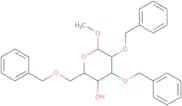
CAS:Methyl 2,3,6-tri-O-benzyl-b-D-glucopyranoside is a glycoconjugate that is a synthetically modified glycosylated sugar. It is used to modify proteins by covalently attaching the sugar to an amino acid residue. Methyl 2,3,6-tri-O-benzyl-b-D-glucopyranoside has been shown to be useful for click chemistry reactions and can be used in the synthesis of polysaccharides and oligosaccharides. This compound can also be used as a substitute for glucose in the synthesis of saccharides or sugars. Methyl 2,3,6-tri-O-benzyl-b-D-glucopyranoside is insoluble in water and has a CAS number of 19488494.Formula:C28H32O6Purity:Min. 95%Molecular weight:464.55 g/mol1,3,4,6-Tetra-O-acetyl-2-deoxy-2-fluoro-D-mannopyranose
1,3,4,6-Tetra-O-acetyl-2-deoxy-2-fluoro-D-mannopyranose is a custom synthesis that can be used as a sugar and monosaccharide. It is a modification of an Oligosaccharide and Carbohydrate. Custom synthesis has been shown to have high purity and low cost. 1,3,4,6-Tetra-O-acetyl-2-deoxy-2-fluoro--D--mannopyranose is a complex carbohydrate that has been shown to have glycosylation and polysaccharide properties. This compound also has methylation properties that make it useful for creating custom synthesis with fluorination or saccharide modifications.Purity:Min. 95%2,6-Anhydro-1-deoxy-1-nitro-3,4,5-tri-O-acetyl-D-gulitol
CAS:2,6-Anhydro-1-deoxy-1-nitro-3,4,5-tri-O-acetyl-D-gulitol is a custom synthesized sugar that is manufactured by Click modification with the fluorination and glycosylation of the 2,6 anhydro sugar. The CAS No. 20204-84-6 belongs to the category of high purity and is a synthetic carbohydrate. This complex carbohydrate can be modified for its methylation and oligosaccharide content.Purity:Min. 95%1,2:5,6-Di-O-isopropylidene-3-O-tosyl-a-D-gulofuranose
CAS:1,2:5,6-Di-O-isopropylidene-3-O-tosyl-a-D-gulofuranose is an oligosaccharide modification. The compound is a complex carbohydrate that can be synthesized with high purity and monosaccharide methylation. It can be used as a glycosylation or saccharide fluorination agent for the synthesis of polysaccharides. 1,2:5,6-Di-O-isopropylidene-3-O-tosyl-a-D-gulofuranose is also known by its CAS number 19131–06–7.Formula:C19H26O8SPurity:Min. 95%Molecular weight:414.47 g/molR,S-Equol 7-b-D-glucuronide sodium salt
CAS:R,S-equol 7-b-D-glucuronide sodium salt is a Methylated, Custom synthesis, Click modification, CAS No. 38482-82-5, Oligosaccharide, Polysaccharide, saccharide, Carbohydrate with high purity and modifiction.Formula:C21H21NaO9Purity:Min. 95%Color and Shape:PowderMolecular weight:440.38 g/mol1,2,3,4-Tetra-O-benzoyl-L-fucopyranose
CAS:Tetra-O-benzoyl-L-fucopyranose is a glycosylate nucleoside that is synthesized from the sugar L-fucose. It is an activated form of fucose, which can be used for the synthesis of guanosine diphosphate. Tetra-O-benzoyl-L-fucopyranose has been used to synthesize large amounts of guanosine diphosphate, which is a nucleoside that participates in the synthesis of DNA and RNA.Formula:C34H28O9Purity:Min. 95%Molecular weight:580.58 g/molEthyl 2,3,4-tri-O-benzoyl-b-D-thioglucopyranosiduronic acid methyl ester
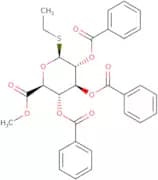
CAS:Ethyl 2,3,4-tri-O-benzoyl-b-D-thioglucopyranosiduronic acid methyl ester is a modification to the sugar molecule. It is an oligosaccharide that has been synthesized and modified by methylation, glycosylation, and fluorination. The CAS number for this compound is 302965-09-9. This compound has a high purity and can be used in various types of research including the synthesis of complex carbohydrates.Formula:C30H28O9SPurity:Min. 95%Molecular weight:564.6 g/mol6-O-tert-Butyldiphenylsilyl-D-glucal
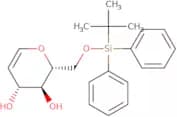
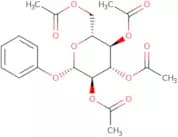
CAS:6-O-tert-Butyldiphenylsilyl-D-glucal is a methylated sugar that can be used for glycosylation. It is an important building block for the synthesis of oligosaccharides and polysaccharides. The compound is readily available in high purity, which makes it suitable for synthesis of complex carbohydrates. In addition to its use as a synthetic reagent, 6-O-tert-Butyldiphenylsilyl-D-glucal can be used as a fluorinating agent. This product is listed as CAS No. 87316-22-1 in the Chemical Abstract Service (CAS) registry.Purity:Min. 95%Phenyl 2,3,4,6-tetra-O-acetyl-b-D-glucopyranoside
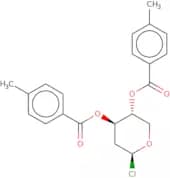
CAS:Phenyl 2,3,4,6-tetra-O-acetyl-b-D-glucopyranoside is an imidate that can be synthesized from glycosides and derivatized with a variety of groups. This molecule is reactive and can be used to form glycosides by the reaction of a saccharide with phenyl 2,3,4,6-tetra-O-acetyl-b-D-glucopyranoside in the presence of acid or base. The resulting compounds are called glycosides because they contain both a sugar and phenyl 2,3,4,6-tetra-O-acetyl-b-D-glucopyranoside. Phenyl 2,3,4,6 tetra O acetyl b D glucopyranoside can also react with disaccharides to form glycosides.Purity:Min. 95%1-Chloro-2-deoxy-3,4-di-O-toluoyl-D-ribopyranose
CAS:1-Chloro-2-deoxy-3,4-di-O-toluoyl-D-ribopyranose is a custom synthesis of a complex carbohydrate. It is an Oligosaccharide and Polysaccharide that has been modified using methylation and glycosylation. The saccharide has also been fluorinated and the synthetic product is highly pure with CAS No. 516511-18-5. 1-Chloro-2,3,4,-diO-(1'-chloroethylidene) -D-[alpha] -ribopyranose is a sugar that can be used in many different applications including pharmaceuticals, agrochemicals, and biotechnology.Formula:C21H21ClO5Purity:Min. 95%Color and Shape:White to off-white solid.Molecular weight:388.84 g/mol2-Naphthylmethyl 2-acetamido-3,4,6-tri-O-acetyl-2-deoxy-b-D-glucopyranoside
CAS:2-Naphthylmethyl 2-acetamido-3,4,6-tri-O-acetyl-2-deoxy-b-D-glucopyranoside is a custom synthesis of a fluorinated sugar. It is synthesized by reacting 2,6-dichloroisonicotinoyl chloride with 3,4,6 triacetylated glucose in the presence of DMAP and DBU. The product is purified by column chromatography to give a white powder.Formula:C25H29NO9Purity:Min. 95%Molecular weight:487.5 g/mola-D-Glucuronic acid 1-phosphate tripotassium salt pentahydrate
CAS:1. Product Name: a-D-Glucuronic acid 1-phosphate tripotassium salt pentahydrateFormula:C6H8O10PNa3Purity:Min. 95%Molecular weight:340.06 g/molEthyl 4-O-allyl-3,6-di-O-benzyl-2-O-levulinoyl-b-D-thioglucopyranoside
Ethyl 4-O-allyl-3,6-di-O-benzyl-2-O-levulinoyl-b-D-thioglucopyranoside is a carbonylated sugar. It is used as an intermediate in the synthesis of glycosides and saccharides. This chemical can be custom synthesized to meet your requirements. Ethyl 4-O-allyl-3,6-di-O-benzyl 2,5,6 trideoxygalactoside can be methylated, glycosylated, or fluorinated to produce different derivatives.Purity:Min. 95%Phenyl 2-O-benzyl-4,6-O-benzylidene-a-D-thiomannopyranoside
Phenyl 2-O-benzyl-4,6-O-benzylidene-a-D-thiomannopyranoside is a synthetic glycoside with the chemical formula C20H24N2O5. This compound is a fluorinated thioglycoside that has been used in the synthesis of complex carbohydrates. The monosaccharide is synthesized from phenol and benzaldehyde via an aldol reaction, followed by a Claisen condensation. Phenyl 2-O-benzyl-4,6-O-benzylidene-a-D-thiomannopyranoside can be modified to create polysaccharides using methylation or click chemistry on the benzyl ethers.Formula:C26H26O5SPurity:Min. 95%Molecular weight:450.55 g/molMethyl 3,5-di-O-(p-chlorobenzoyl)-2-deoxy-D-ribofuranoside
CAS:Methyl 3,5-di-O-(p-chlorobenzoyl)-2-deoxy-D-ribofuranoside is a custom synthesis. It is a complex carbohydrate that is an oligosaccharide or polysaccharide. It has been modified by methylation and glycosylation with saccharides. This product has high purity and can be used in the preparation of other compounds that require glycosylation or carbonylation reactions. The CAS number for this product is 99886-53-0.Formula:C20H18Cl2O6Purity:Min. 95%Molecular weight:425.26 g/molMethyl 2,3-di-O-benzyl-6-deoxy-a-D-glucopyranoside
CAS:Methyl 2,3-di-O-benzyl-6-deoxy-a-D-glucopyranoside is a fluorinated monosaccharide that is synthesized by the glycosylation and polysaccharide modification of methyl 2,3-di-O-benzylglycosides. The fluorination process can be carried out on a variety of saccharides, including erythrose, threose, arabinose, and glucose. This product has been shown to have high purity and is suitable for use in research applications.Formula:C21H26O5Purity:Min. 95%Molecular weight:358.18 g/mol5-O-tert-Butyldimethylsilyl-1,N-dehydro-1,4-dideoxy-1,4-imino-2,3-O-isopropylidene-D-ribitol
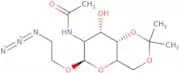
CAS:5-O-tert-Butyldimethylsilyl-1,N-dehydro-1,4-dideoxy-1,4-imino-2,3-O-isopropylidene-D-ribitol is a modified carbohydrate that is synthesized from D ribitol. It has been used in the preparation of oligosaccharides and polysaccharides with methylation and glycosylation. 5BDSR can be fluorinated to give 5BDSF. This product is a white crystalline solid that melts at 120°C.Formula:C14H27NO3SiPurity:Min. 95%Molecular weight:285.45 g/mol2-Azidoethyl 2-acetamido-2-deoxy-4,6-O-isopropylidene-b-D-glucopyranoside
2-Azidoethyl 2-acetamido-2-deoxy-4,6-O-isopropylidene-b-D-glucopyranoside is a synthetic sugar that is used in the synthesis of oligosaccharides and saccharides. This product can be custom synthesized to meet your specifications. It is soluble in water and ethanol, and insoluble in ether. It has a molecular weight of 453.5 g/mol with CAS number 53955-43-0.Formula:C13H22N4O6Purity:Min. 95%Molecular weight:330.34 g/mol2-Acetamido-2,4-dideoxy-4-fluoro-D-galactopyranose
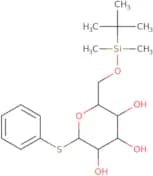
CAS:2-Acetamido-2,4-dideoxy-4-fluoro-D-galactopyranose (2ADF) is a synthetic ligand that binds to selectins, which are receptors expressed on the surface of cells. 2ADF has been shown to have a pharmacological effect in inhibiting inflammatory diseases by binding to and blocking the function of selectins. This drug has also been shown to inhibit leukocyte trafficking and chemotaxis by preventing the binding of selectins with their ligands, galectin 1 or galectin 3. 2ADF does not bind to glycan structures found on the cell membrane, but instead binds to glycan structures found on the surfaces of cells.Formula:C8H14FNO5Purity:Min. 95%Molecular weight:223.2 g/molPhenyl 6-O-t-butyldimethylsilyl-b-D-thiogalactopyranoside
CAS:Phenyl 6-O-t-butyldimethylsilyl-b-D-thiogalactopyranoside is a custom synthesis that can be used to modify the fluoroquinolone antibiotic Gatifloxacin. It has been shown to inhibit the growth of bacteria in vitro and in vivo. Phenyl 6-O-t-butyldimethylsilyl-b-D-thiogalactopyranoside is not active against acid-fast bacteria such as Mycobacterium tuberculosis or Mycobacterium avium complex.
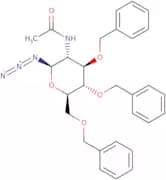
Purity:Min. 95%2-Acetamido-3,4,6-tri-O-benzyl-2-deoxy-b-D-glucopyranosyl azide
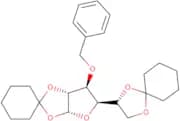
CAS:2-Acetamido-3,4,6-tri-O-benzyl-2-deoxy-b-D-glucopyranosyl azide is a custom synthesis of an oligosaccharide that has been modified with fluorination and methylation. This carbohydrate is a sugar that can be used in the production of glycosylations or click chemistry reactions. It is a complex carbohydrate with high purity and can be used for research purposes or other applications.Formula:C29H32N4O5Purity:Min. 95%Molecular weight:516.59 g/mol3-O-Benzyl-1,2:5,6-di-O-cyclohexylidene-a-D-glucofuranose
CAS:3-O-Benzyl-1,2:5,6-di-O-cyclohexylidene-a-D-glucofuranose is a synthetic sugar that is used in the synthesis of glycosides and other carbohydrates. 3-O-Benzyl-1,2:5,6-di-O-cyclohexylideneglucopyranose is an oligosaccharide that has been modified with fluorine at the C3 position. This modification is often seen in saccharides that are synthesized from monosaccharides. It is also possible to methylate the C3 position of this molecule to produce 3′-[methyl(4′)benzyl] glucopyranose. This molecule can be glycosylated or click modified to create a custom synthesis.Formula:C25H34O6Purity:Min. 95%Molecular weight:430.53 g/mol(4R)-Benzyl-4-deoxy-4-C-nitromethyl-b-D-arabinopyranoside
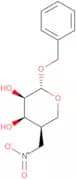
CAS:(4R)-Benzyl-4-deoxy-4-C-nitromethyl-b-D-arabinopyranoside is a custom synthesis of an oligosaccharide. It is a polysaccharide, which are complex carbohydrates that consist of many sugar molecules linked together. The saccharide in this compound has been modified with methylation and glycosylation, which are important modifications for the structure and function of saccharides. This compound also contains a carbohydrate modification called click chemistry, where two molecules are connected by a copper ion. There is high purity in this compound and it has been fluorinated to increase its biological stability. Molecular Formula: C11H14O6N2O3 Molecular Weight: 282.25 CAS Number: 383173-71-5 Purity: >99%Formula:C13H17NO6Purity:Min. 95%Molecular weight:283.28 g/mol2-Methylphenyl 4-O-benzyl-a-L-thiorhamnopyranoside
2-Methylphenyl 4-O-benzyl-a-L-thiorhamnopyranoside is a custom synthesis that can be modified to suit the needs of the customer. It is a fluorinated oligosaccharide with a complex carbohydrate structure. The product has been shown to have high purity and will be synthesized according to customer specifications. 2-Methylphenyl 4-O-benzyl-a-L-thiorhamnopyranoside is an oligosaccharide that contains a saccharide and monosaccharide unit, which are linked together by glycosidic bonds. This product is also known as methylated thioretinamide or MTT.
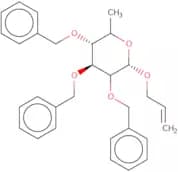
Purity:Min. 95%Allyl 2,3,4,-tri-O-benzyl-b-L-fucopyranoside
CAS:Please enquire for more information about Allyl 2,3,4,-tri-O-benzyl-b-L-fucopyranoside including the price, delivery time and more detailed product information at the technical inquiry form on this page
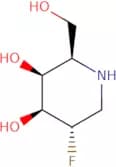
Formula:C30H34O5Purity:Min. 95%Molecular weight:474.59 g/mol1,2-Dideoxy-2-fluoro-galactonojirimycin
CAS:1,2-Dideoxy-2-fluoro-galactonojirimycin is a synthetic glycoside derived from galactonojirimycin. It has been modified to include fluorine and methyl groups. 1,2-Dideoxy-2-fluoro-galactonojirimycin is an oligosaccharide with a complex carbohydrate structure. It can be synthesized by Click modification of the sugar moiety with fluoroacetate followed by glycosylation and methylation of the saccharide chain.
Formula:C6H12NO3FPurity:Min. 95%Molecular weight:165.16 g/mol5-O-tert-Butyldimethylsilyl-2,3-O-isopropylidene-D-lyxono-1,4-lactone
CAS:5-O-tert-Butyldimethylsilyl-2,3-O-isopropylidene-D-lyxono-1,4-lactone is a synthetic monosaccharide that has been modified with fluorine. It is an oligosaccharide that has been synthesized from D-lyxose by glycosylation and methylation. The CAS number for this product is 1266546-70-6. This chemical can be used in the synthesis of complex carbohydrates such as polysaccharides or glycoconjugates. 5SDMTDSL is a white crystalline powder that can be custom synthesized to meet the requirements of customers.Formula:C14H26O5SiPurity:Min. 95%Molecular weight:302.45 g/molcis-Resveratrol 4'-O-b-D-glucuronide
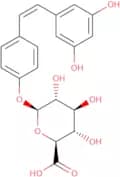
CAS:cis-Resveratrol 4'-O-b-D-glucuronide is a synthetic compound that is a sugar, with a molecular weight of 598. It is an oligosaccharide and has been modified with fluorination on the C2 position. cis-Resveratrol 4'-O-b-D-glucuronide is the methylated form of resveratrol. It has been shown to have anti-inflammatory properties and can be used for the treatment of inflammation associated with arthritis, psoriasis, or septic shock. cis-Resveratrol 4'-O-b-D-glucuronide binds to polysaccharides in the body and inhibits their ability to bind to glycoproteins on cell surfaces. This results in a decrease in inflammation and other inflammatory responses that are mediated by these cells.Formula:C20H20O9Purity:Min. 95%Molecular weight:404.37 g/molMethyl 6-azido-6-deoxy-2,3-di-O-benzyl-a-D-glucopyranoside
CAS:Methyl 6-azido-6-deoxy-2,3-di-O-benzyl-a-D-glucopyranoside is a custom synthesized compound that belongs to the group of glycosylation. It is an Oligosaccharide, sugar, Synthetic, Fluorination, Custom synthesis, Methylation, Monosaccharide, Polysaccharide and saccharide. This compound has CAS No. 54522-58-6 and a molecular weight of 598.29 g/mol. The purity level is >99% and the modification level is Click modification.Formula:C21H25N3O5Purity:Min. 95%Molecular weight:399.18 g/molMethyl 2,4,6-tri-O-methyl-a-D-glucopyranoside
CAS:Methyl 2,4,6-tri-O-methyl-a-D-glucopyranoside is a sugar that has been modified by the addition of a methyl group to the hydroxyl group at the C2 position. The chemical name for this sugar is methyl 2,4,6-tri-O-methyl-β--glucopyranoside. This modification of the sugar molecule can be achieved through either a Click or an Oligosaccharide synthesis approach. Methyl 2,4,6-tri-O-methyl-a-D--glucopyranoside is used in various applications including as a synthetic intermediate for saccharides or as a carbohydrate building block for glycosylations. Methyl 2,4,6--tri--O--methyl--β--glucopyranoside is also used in fluorination reactions to produce fluoro sugars and can be used as a custom synthesis service with high purityPurity:Min. 95%Propofol 2,3,4-tri-O-benzoyl-b-D-glucuronide methyl ester
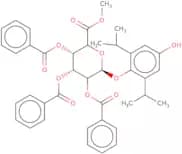
Propofol is a general anesthetic that is used to induce and maintain anesthesia. It binds to GABA receptors in the brain, leading to suppression of neuronal activity. Propofol is metabolized by esterases in the liver, resulting in its active form 2,3,4-tri-O-benzoyl-b-D-glucuronide methyl ester. This active form inhibits glycolysis by inhibiting the conversion of glucose to fructose 1,6-bisphosphate and glyceraldehyde 3-phosphate by phosphoglucose isomerase and triose phosphate isomerase respectively. It also inhibits protein synthesis by binding to the ribosomes and preventing peptide bond formation on amino acids.Formula:C40H40O10Purity:Min. 95%Molecular weight:680.74 g/mol5-(Acetylamino)-4-amino-2,6-anhydro-3,4,5-trideoxy-7-O-methyl-D-glycero-D-galacto-non-2-enonic acid
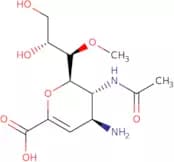
CAS:5-(Acetylamino)-4-amino-2,6-anhydro-3,4,5-trideoxy-7-O-methyl-D-glycero-D-galacto-non-2-enonic acid is a custom synthesis. It is synthesized by modification of the 7th carbon in the glycosidic bond and fluorination of the 4th carbon on the sugar ring. The chemical structure is based on an amino sugar composed of two acetic acid residues, one anhydro sugar residue and one methyl group. This product is a white to off white solid with a molecular weight of 597.07 g/mol that has a melting point of 154°C.Formula:C12H20N2O7Purity:Min. 95%Molecular weight:304.3 g/molCys-spacer-Gly-Gly-Tyr-D-Thr-Gly-Phe-Leu-Ser(glucoside)-amide
Custom synthesis, Modification, Fluorination, Methylation, Monosaccharide, Synthetic, Click modification, Oligosaccharide, saccharide CAS No.: 1101-98-2 Polysaccharide: Glycosylated Sugar: Carbohydrate Complex carbohydrate: Glycosylated Glycosylation: sugarPurity:Min. 95%Methyl 2,3,5-tri-O-acetyl-D-arabinofuranoside
CAS:Methyl 2,3,5-tri-O-acetyl-D-arabinofuranoside is a monosaccharide that is used in the synthesis of carbohydrates. It has been shown to inhibit the growth of Rhizopus stolonifer and other fungi. Methyl 2,3,5-tri-O-acetyl-D-arabinofuranoside has also been used for the quantitative analysis of deacetylated sugars. A chromatographic method was developed using an ion exchange resin and methyl glycosides as standards. The sugar was quantified by electron ionization mass spectrometry (EI) after conversion to its trimethylsilyl ether derivatives with triethylamine in methylene chloride. The spectrum obtained from EI analysis showed the presence of anomeric proton peaks at m/z 184 and 186, indicating that this sugar contains two anomeric hydroxyl groups on the same carbon atom.
Formula:C12H18O8Purity:Min. 95%Molecular weight:290.27 g/molMethyl 2,3,6-tri-O-benzoyl-a-D-glucopyranoside
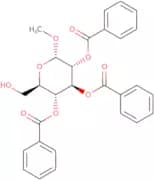
CAS:Methyl 2,3,6-tri-O-benzoyl-a-D-glucopyranoside is a biodegradable polymer that can be used for the prevention of boron diffusion into a prosthesis. It is also resistant to corrosion. Methyl 2,3,6-tri-O-benzoyl-a-D-glucopyranoside has been shown to have a transition temperature of 232 °C and this property makes it suitable for use in high temperature applications. This material is resistant to refractory environments and can be used as an additive in thermodynamic systems.
Formula:C28H26O9Purity:Min. 98 Area-%Color and Shape:PowderMolecular weight:506.5 g/mol3-Deoxy-D-arabino-heptulosonic acid 7-phosphate disodium salt
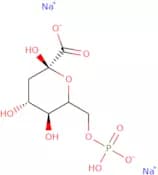
CAS:3-Deoxy-D-arabinonoheptulosonic acid 7-phosphate disodium salt is a phosphate derivative of 3-deoxy-D-arabinoheptulosonic acid (DAHP), which is an intermediate in the biosynthesis of heparin. DAHP is synthesized by the enzyme DAHP synthetase, which catalyses the conversion of D-xylose to DAHP. The enzyme can be activated by adding xylose or other sugar phosphates, and it can be inhibited by adding anthranilate or arabinose. 3-Deoxy-D-arabinonoheptulosonic acid 7-phosphate disodium salt is used as a substrate for various enzymes, including enzymes in biological samples and model systems. It was also used to study the rate constant for the polymerase chain reaction (PCR).Formula:C7H11Na2O10PPurity:Min. 95%Color and Shape:Off-White PowderMolecular weight:332.11 g/mol2-Deoxy-3,5-di-O-toluoyl-b-D-ribofuranosyl cyanide
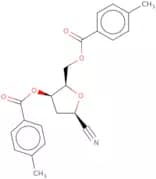
2-Deoxy-3,5-di-O-toluoyl-b-D-ribofuranosyl cyanide is a fluorinated sugar that is synthesized from 2,6-dichloro-1,4,5,8,-tetraoxybenzene and 3,5-di-O-toluoyl bromide. It is a carbohydrate that belongs to the family of oligosaccharides.Formula:C22H21NO5Purity:Min. 95%Molecular weight:379.41 g/mol3,6-Di-O-tert-butyldiphenylsilyl-D-glucal
CAS:3,6-Di-O-tert-butyldiphenylsilyl-D-glucal is a monosaccharide that is synthesized from D-glucal. It can be modified with methyl groups and fluorine atoms. 3,6-Di-O-tert-butyldiphenylsilyl-D-glucal has been shown to be effective in modifying polysaccharides, glycosylation, and oligosaccharides. This compound is also used in the synthesis of complex carbohydrates.Purity:Min. 95%Methyl 2,3,4,6-tetra-O-acetyl-b-D-glucopyranose
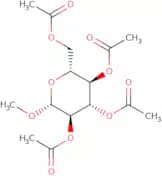
CAS:Methyl 2,3,4,6-tetra-O-acetyl-b-D-glucopyranose is a fluorinated synthetic oligosaccharide. It is custom synthesized to meet your specifications. Methyl 2,3,4,6-tetra-O-acetyl-b-D-glucopyranose is a complex carbohydrate with a glycosylation pattern that can be modified and methylated. This product has CAS No. 486085 9 and purity of >99%.Formula:C15H22O10Purity:Min. 95%Molecular weight:362.33 g/molHydroxy pioglitazone (M-VII) b-D-glucuronide
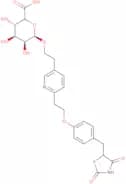
CAS:Hydroxy pioglitazone (M-VII) b-D-glucuronide is a synthetic, fluorinated glucuronide of hydroxy pioglitazone. It has been shown to inhibit the activity of bacterial dna gyrase and topoisomerase IV enzymes.
Formula:C25H28N2O10SPurity:Min. 95%Molecular weight:548.56 g/molMethyl 3-acetamido-4-O-benzoyl-6-bromo-2,3,6-trideoxy-a-D-ribo-hexopyranoside
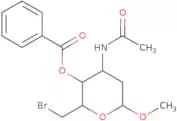
CAS:Methyl 3-acetamido-4-O-benzoyl-6-bromo-2,3,6-trideoxy--aDribohexopyranoside is a Custom synthesis that is classified as an Oligosaccharide. It has a molecular weight of 576.07 and a purity of >99%. The chemical formula for this compound is C22H30BrNO8. Methyl 3-acetamido-4-O-benzoyl-6-bromo-2,3,6--trideoxy--aDribohexopyranoside is used in the modification of saccharides with the purpose of synthesizing polysaccharides. This compound has been shown to be effective for the synthesis of glycosylations and methylations. Methyl 3 acetamido 4 O benzoyl 6 bromo 2,3,6 trideoxy - a D ribFormula:C16H20BrNO5Purity:Min. 95%Molecular weight:386.25 g/mol6-(4-Azido-2-hydroxybenzamido)-6-deoxy-D-glucopyranose
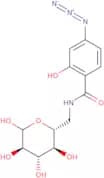
CAS:6-(4-Azido-2-hydroxybenzamido)-6-deoxy-D-glucopyranose (AGB) is a potential photoaffinity label that can be used to identify and characterize the transporter. The photoaffinity label is synthesized by reacting 2,4-dinitrophenylhydrazine with 6-(4-azido-2-hydroxybenzamido)-6-deoxy-D-glucopyranose in the presence of sodium bicarbonate or potassium carbonate. The photolysis of AGB produces an azide radical cation that reacts with amino acid residues on the protein surface, forming a covalent bond. This labeling process is irreversible.Formula:C13H16N4O7Purity:Min. 95%Molecular weight:340.29 g/moltrans-Resveratrol 4'-O-b-D-glucuronide
CAS:Trans-resveratrol 4'-O-b-D-glucuronide is a natural compound that is found in red wine and other foods. It has been shown to inhibit the growth of cancer cells through the activation of adenosine receptors, which are found on cancer cells and are responsible for apoptosis. Trans-resveratrol 4'-O-b-D-glucuronide has been shown to be an agonist of the adenosine a3 receptor, with high concentrations leading to apoptosis in human colon cancer cells. This compound also inhibits colon carcinogenesis by inhibiting cell proliferation and inducing apoptosis.Formula:C20H20O9Purity:Min. 95%Molecular weight:404.37 g/mol3-Methylflavone-8-carboxylic acid acyl-b-D-glucuronide
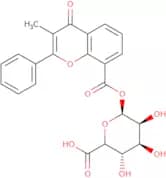
CAS:3-Methylflavone-8-carboxylic acid acyl-b-D-glucuronide is a fluorinated synthetic compound that has been custom synthesized with a high purity. It is an oligosaccharide, monosaccharide, and complex carbohydrate. This chemical can be used for glycosylation, methylation, or click modification. The product is stable at room temperature and does not require any special storage conditions.Formula:C23H20O10Purity:Min. 95%Molecular weight:456.4 g/molrac N,O-didesmethyl venlafaxine b-D-glucuronide hydrochloride
CAS:RacN,O-didesmethylvenlafaxine b-D-glucuronide hydrochloride is a synthetic glycosylated active metabolite of venlafaxine. It is an N-desmethyl derivative of racemic venlafaxine, which has been modified by oxygenation and fluorination of the methyl group at the nitrogen atom. RacN,O-didesmethylvenlafaxine b-D-glucuronide hydrochloride is a complex carbohydrate with high purity. It is also a saccharide that can be modified with click chemistry for desired modifications. The CAS No. for this compound is 1021933-99-2.Formula:C21H32ClNO8Purity:Min. 95%Molecular weight:461.93 g/mol2,3,4-Tri-O-benzoyl-L-fucopyranosyl bromide
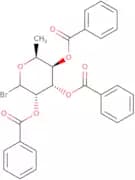
CAS:2,3,4-Tri-O-benzoyl-L-fucopyranosyl bromide is a synthetic compound that is used as a reagent in the synthesis of complex carbohydrates. It is also an intermediate in the synthesis of oligosaccharides and polysaccharides. This product can be modified by methylation, glycosylation and fluorination to generate desired products. The CAS number for this product is 855662-12-3.Formula:C27H23BrO7Purity:Min. 95%Molecular weight:539.37 g/mol3,4,6-Tri-O-benzyl-2-deoxy-2-phthalimdo-b-D-glucopyranosyl fluoride
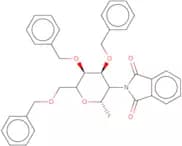
3,4,6-Tri-O-benzyl-2-deoxy-2-phthalimdo-b-D-glucopyranosyl fluoride is a modified sugar that is synthesized by the addition of a benzyl group to the 3' hydroxyl group. It's a white powder that is soluble in water and ethanol. This product has been shown to be stable in acid environments and can be used in glycosylation reactions.Formula:C35H32FNO6Purity:Min. 95%Molecular weight:581.63 g/mol4-Methylphenyl 2-O-acetyl-3-O-benzyl-b-D-thioglucuronide methyl ester
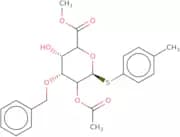
CAS:4-Methylphenyl 2-O-acetyl-3-O-benzyl-b-D-thioglucuronide methyl ester is a custom synthesis of an oligosaccharide. It has been modified with fluorination and methylation, which are chemical reactions that alter the structure of the substance. Click modification is also a type of chemical reaction involving this substance.Formula:C23H26O7SPurity:Min. 95%Molecular weight:446.51 g/mol2,3-O-Cyclohexylidene-b-D-ribofuranose
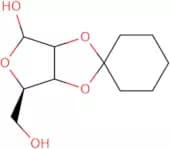
CAS:2,3-O-Cyclohexylidene-b-D-ribofuranose is a monosaccharide that is used in the synthesis of complex carbohydrates. This compound possesses a cyclic structure that contains an oxygen atom at the 2 position and a hydroxyl group at the 3 position. It has been modified by fluorination, methylation, glycosylation, and click chemistry. The chemical name for this compound is 2,3-O-Cyclohexylideneb-D-ribofuranose.
Formula:C11H18O5Purity:Min. 95%Molecular weight:230.26 g/mol2-(L-Arabino-tetrahydroxybutyl)-4(R)-1,3-thiazolidine-4-carboxylic acid
CAS:2-(L-Arabino-tetrahydroxybutyl)-4(R)-1,3-thiazolidine-4-carboxylic acid is a synthetic compound that has been modified to include sugar groups. It can be used for the synthesis of oligosaccharides and monosaccharides. The carbohydrate group has been modified with fluorination, glycosylation, and methylation. This modification can be useful in the production of complex carbohydrates.Formula:C8H15NO6SPurity:Min. 95%Molecular weight:253.27 g/mol2-Acetamido-1,3,4,6-tetra-O-acetyl-2-deoxy-D-gluconhydroximo-1,5-lactone
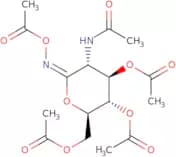
CAS:2-Acetamido-1,3,4,6-tetra-O-acetyl-2-deoxy-D-gluconhydroximo-1,5-lactone is a custom synthesis. It is a modification of natural sugars. It has fluorination and methylation to make the product more stable. The product is an oligosaccharide that is a saccharide with two monosaccharides attached together. It is made up of complex carbohydrates.Formula:C16H22N2O10Purity:Min. 95%Molecular weight:402.35 g/mol4-Methoxyphenyl 3,4-O-isopropylidene-2,6-di-O-toluoyl-b-D-galactopyranoside
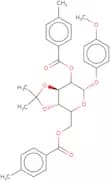
4-Methoxyphenyl 3,4-O-isopropylidene-2,6-di-O-toluoyl-b-D-galactopyranoside is a custom synthesis that is a complex carbohydrate. It is an oligosaccharide that has been modified with methylation and glycosylation. It also has been fluorinated and has undergone a click modification reaction. This product is of high purity and has been synthesized from saccharides and sugars.Formula:C32H34O9Purity:Min. 95%Molecular weight:562.62 g/molMethyl 2,3,4,6-tetra-O-acetyl-b-D-thiogalactopyranoside
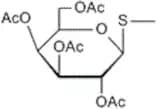
CAS:Methyl 2,3,4,6-tetra-O-acetyl-b-D-thiogalactopyranoside is a synthetic carbohydrate with the CAS number 55722-48-0. Methyl 2,3,4,6-tetra-O-acetyl-b-D-thiogalactopyranoside is used in the synthesis of oligosaccharides and monosaccharides. This product can be custom synthesized to meet your specifications. Methyl 2,3,4,6-tetra-O-acetyl-b -D -thiogalactopyranoside has been fluorinated and glycosylated for the synthesis of complex carbohydrates and saccharides. This product has high purity and can be customized to meet your specifications.Formula:C15H22O9SPurity:Min. 95%Molecular weight:378.4 g/mol1-O -Acetyl-2,5-di-O-benzoyl-3-fluoro-3-deoxy-b-D-ribofuranoside
CAS:1-O -Acetyl-2,5-di-O-benzoyl-3-fluoro-3-deoxy-b-D-ribofuranoside is a synthetic sugar that belongs to the class of saccharides. It is a modification of fluorinated sugar that has been modified with acetylation and benzoylation. This compound can be used as an intermediate in the synthesis of oligosaccharides and glycosylations.Purity:Min. 95%1,2,3,4,6-Penta-O-acetyl-5-thio-b-D-galactopyranoside
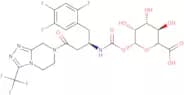
The 1,2,3,4,6-Penta-O-acetyl-5-thio-b-D-galactopyranoside is a custom synthesis. The compound is a complex carbohydrate that belongs to the group of Oligosaccharides. It is a saccharide with six hydroxyl groups and one acetate ester group. The CAS number for this compound is CID:270145-25-0. This compound has been modified by methylation and glycosylation. The 1,2,3,4,6-Penta-O-acetyl-5-thio-b-D-galactopyranoside can be used as an intermediate in the synthesis of other compounds with similar structures.Purity:Min. 95%Sitagliptin carbamoyl b-D-glucuronide
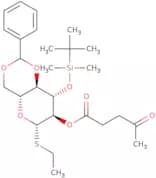
CAS:Sitagliptin carbamoyl b-D-glucuronide is a synthetic drug that has been modified to be sitagliptin, which is an oral antihyperglycemic agent. Sitagliptin carbamoyl b-D-glucuronide has been synthesized through the methylation of a polysaccharide. It is a complex carbohydrate and is soluble in water. This product can be used as an additive to many food items because it does not affect their taste or texture. The CAS number for this product is 940002-59-5. This product is synthesized by the modification of natural saccharides with fluorine gas and it has a high purity level. It can be used as an intermediate in other organic synthesis reactions and its primary use is as a sugar substitute that is not metabolized by human enzymes.Formula:C23H23F6N5O9Purity:Min. 95%Molecular weight:627.45 g/molEthyl 4,6-O-benzylidene-3-O-tert-butyldimethylsilyl-2-O-levulinoyl-b-D-thioglucopyranoside
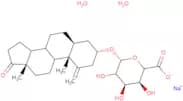
CAS:Ethyl 4,6-O-benzylidene-3-O-tert-butyldimethylsilyl-2-O-levulinoyl-b-D-thioglucopyranoside is a synthetic oligosaccharide that can be used for methylation. It is a fluorinated, complex carbohydrate that has been modified to have a high purity and low toxicity. This product has been custom synthesized for Click modification and oligosaccharides.Formula:C26H40O7SSiPurity:Min. 95%Molecular weight:524.74 g/mol1-Methylene-5-a-androstan-3-a-ol-17-one glucuronide
1-Methylene-5-a-androstan-3-a-ol-17-one glucuronide is a synthetic, modified sugar that is used for the synthesis of complex carbohydrates. It is available in high purity and can be custom synthesized according to customer specifications. 1 Methylene 5 a androstan 3 a ol 17 one glucuronide can be fluorinated, glycosylated, or methylated to meet the needs of different customers. This product has CAS No. 9002-00-6 and is available on request.Formula:C26H37O8·Na·2H2OPurity:Min. 95%Molecular weight:536.59 g/molMethyl 4,6-O-benzylidene-2-O-p-toluenesulfonyl-a-D-glucopyranoside
CAS:Methyl 4,6-O-benzylidene-2-O-p-toluenesulfonyl-a-D-glucopyranoside is a modification of the natural carbohydrate, alpha-D-(1→4)-glucose. It is an oligosaccharide that is synthesized by the methylation of a natural sugar and subsequent glycosylation with a saccharide. This compound has been shown to inhibit the activity of bacterial RNA polymerase and DNA gyrase enzymes. The synthesis of this compound has been described in detail in the literature. Methyl 4,6-O-benzylidene-2-O-(p-toluenesulfonyl)a D glucopyranoside This compound is a modification of the natural carbohydrate, alpha D (1 ->4) glucose. It is an oligosaccharide that is synthesized by methylation of a naturalFormula:C21H24O8SPurity:Min. 95%Molecular weight:436.48 g/molPhenyl 2,3,4-tri-O-benzyl-a-L-thiorhamnopyranose
Phenyl 2,3,4-tri-O-benzyl-a-L-thiorhamnopyranose is a modified carbohydrate that is synthesized from the saccharide thiorhamnopyranose. The carbonyl group of the saccharide is substituted with phenyl group and then benzylated. Phenyl 2,3,4-tri-O-benzyl-a-L-thiorhamnopyranose is a white powder that has a CAS number, can be custom synthesized to order, and has high purity. It can be used in glycosylation reactions as well as click modification reactions, which are modifications to the molecule that increase its stability and allow it to react more readily with other molecules.Formula:C33H34O4SPurity:Min. 95%Molecular weight:526.69 g/molO-Ethyl S-[methyl (5-acetamido-4,7,8,9-tetra-O-acetyl-3,5-dideoxy-2-thio-b-D-glycero-a-D-galacto-2-nonulopyranoside)onate] dithiocar bonate
Methylation is a process by which a methyl group is added to a substrate. This product is custom synthesized and has been modified with click chemistry. Methylation of saccharides, carbohydrates and other carbon-containing molecules is an important biochemical process in which the hydroxyl (-OH) group on the sugar or carbohydrate reacts with the -S-H bond on the methyl donor. This product also has fluorination and high purity.
Purity:Min. 95%1,2,3-Tri-O-acetyl-b-D-ribofuranuronic acid methyl ester
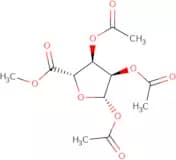
CAS:1,2,3-Tri-O-acetyl-b-D-ribofuranuronic acid methyl ester is a synthetic compound which has the chemical formula C6H8O5. It is a complex carbohydrate that can be modified with fluorination, monosaccharide and polysaccharide synthesis. This product is also used in glycosylation reactions and click chemistry to modify saccharides. The purity of this product is high and it can be custom synthesized to meet customer needs.Formula:C12H16O9Purity:Min. 95%Molecular weight:304.25 g/mol1,2,3,4-Tetra-O-acetyl-b-L-xylopyranose
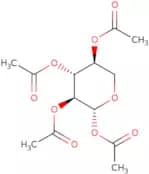
CAS:1,2,3,4-Tetra-O-acetyl-b-L-xylopyranose is a carbohydrate that can be synthesized by the fluorination of a xylose. This modification can be done to any sugar or oligosaccharide and has high purity. The methylation and glycosylation of 1,2,3,4-tetra-O-acetyl-b-L-xylopyranose are also available for custom synthesis.Purity:Min. 95%Phenyl 2,3,4,6-tetra-O-benzoyl-a-D-thiomannopyranoside
CAS:Phenyl 2,3,4,6-tetra-O-benzoyl-a-D-thiomannopyranoside is a synthetic carbohydrate that can be modified with methylation, saccharide and fluorination. This product has been modified with a Click reaction to create an oligosaccharide. Phenyl 2,3,4,6-tetra-O-benzoyl-a-D-thiomannopyranoside is synthesized by the glycosylation of the sugar phenyl 2,3,4,6-tetraacetate. The CAS number for this product is 65236-83-1.
Purity:Min. 95%Phenyl 2-Deoxy-1-thio-2-(2,2,2-trichloroethoxyformamido)-b-D-galactopyranoside
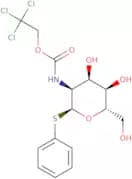
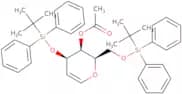
CAS:Phenyl 2-Deoxy-1-thio-2-(2,2,2-trichloroethoxyformamido)-b-D-galactopyranoside is a pyrimidine compound that has been shown to be active against chronic diarrhea and bowel disease. It has been shown to work in cells and animal models of cancer. The mechanism for this activity is unknown. Phenyl 2-Deoxy-1-thio-2-(2,2,2-trichloroethoxyformamido)-b-D-galactopyranoside can induce an immune response against the bacterial antigen by acting as a vaccine adjuvant. This drug also has been shown to have biochemical abnormalities in patients with inflammatory bowel disease.Formula:C15H18Cl3NO6SPurity:Min. 95%Molecular weight:446.73 g/mol4-O-Acetyl-3,6-di-O-tert-butyldiphenylsilyl-D-galactal
CAS:4-O-Acetyl-3,6-di-O-tert-butyldiphenylsilyl-D-galactal is a synthetic oligosaccharide that has been fluorinated and modified with acetyl groups. It has been shown to have antihypertensive activity in animal studies.Purity:Min. 95%5-Azido-6-O-(tert-butyldimethylsilyl)-2,3-O-isopropylidene L-gulono-1,4-lactone
CAS:5-Azido-6-O-(tert-butyldimethylsilyl)-2,3-O-isopropylidene L-gulono-1,4-lactone is a custom synthesis carbohydrate that has been modified by methylation and glycosylation. This carbohydrate is also fluorinated. It is a complex carbohydrate that has been synthesized using the click modification to form an azide on the C5 position of the sugar. The product has high purity and can be used in a variety of applications including as a fluorescence probe for DNA sequencing or as a fluorescent labeling agent for proteins or other biomolecules.Formula:C15H27N3O5SiPurity:Min. 95%Color and Shape:White PowderMolecular weight:357.48 g/mol1-O-Acetyl-2-deoxy-3,5-di-O-toluoyl-b-D-erythropentofuranose
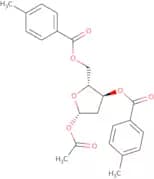
CAS:1-O-Acetyl-2-deoxy-3,5-di-O-toluoyl-b-D-erythropentofuranose is a monosaccharide that belongs to the group of complex carbohydrates. It is synthetically derived and has been modified with fluorination and acetylation. 1OATBDE is used as a selective labeling agent for glycosyls in glycoconjugates.
Purity:Min. 95%Methyl 3,4-O-isopropylidene-a-D-galactopyranoside
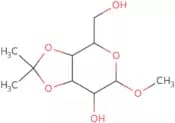
CAS:Methyl 3,4-O-isopropylidene-a-D-galactopyranoside is a white crystalline powder that is soluble in water. This product is used in the synthesis of complex carbohydrate and glycosylation. It has CAS No. 40269-01-0 and can be custom synthesized to meet your requirements. The purity of this product is over 99%.Formula:C10H18O6Purity:Min. 95%Molecular weight:234.25 g/mol2-Deoxy-2-fluoro-b-D-mannopyranosyl azide
CAS:2-Deoxy-2-fluoro-b-D-mannopyranosyl azide is a fluorinated carbohydrate that can be used in methylation reactions. It is a custom synthesis and has been shown to be effective for the modification of oligosaccharides, polysaccharides, and saccharides. This compound is also used as a fluorinating reagent for carbohydrates and other molecules. 2-Deoxy-2-fluoro-b-D-mannopyranosyl azide can be used in the preparation of complex carbohydrates. The CAS number for this compound is 1258940805.Formula:C6H10FN3O4Purity:Min. 95%Molecular weight:207.16 g/molHydroxy pioglitazone (M-IV) b-D-glucuronide
CAS:Hydroxy pioglitazone (M-IV) b-D-glucuronide is a synthetic sugar that can be modified to produce a variety of derivatives. It is also known as M-IV, which stands for methylated IV, and has the following chemical structure:Formula:C25H28N2O10SPurity:Min. 95%Molecular weight:548.56 g/mol6-O-tert-Butyldiphenylsilyl-D-galactal
CAS:6-O-tert-Butyldiphenylsilyl-D-galactal is a glycosylated compound that is used as a starting material for the synthesis of various natural products. It is prepared by glycosylation of 6-bromo-1,2,3,4,5,6-hexahydroxydiphenylsulfide with D-galactose in the presence of potassium carbonate and triethylamine. The product was purified by recrystallization from ethyl acetate and n-butanol.Purity:Min. 95%2,4-O-Benzylidene-1-O-tosyl-D-threitol
CAS:2,4-O-Benzylidene-1-O-tosyl-D-threitol is a synthetic sugar that has been modified. It can be used in the synthesis of oligosaccharides and monosaccharides as well as complex carbohydrates. 2,4-O-Benzylidene-1-O-tosyl-D-threitol is a high purity product with a purity level of 99%. This product can be custom synthesized to meet your needs.Formula:C18H20O6SPurity:Min. 95%Molecular weight:364.41 g/mol3,6-Di-O-tert-butyldimethylsilyl-D-galactal
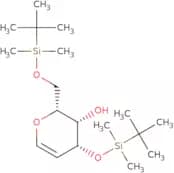
CAS:3,6-Di-O-tert-butyldimethylsilyl-D-galactal is a sugar that has been modified with fluorination. This sugar can be used as an intermediate for the synthesis of complex carbohydrate or glycosylation. 3,6-Di-O-tert-butyldimethylsilyl-D-galactal can also be used in Click chemistry to modify proteins and polysaccharides. This product is offered at high purity and custom synthesis.Purity:Min. 95%Ethyl 6-O-benzyl-2-deoxy-4-O-Fmoc-3-O-levulinoyl-2-trichloroacetamido-b-D-thioglucopyranoside
CAS:Ethyl 6-O-benzyl-2-deoxy-4-O-Fmoc-3-O-levulinoyl-2-trichloroacetamido-b-D-thioglucopyranoside is a synthetic, custom synthesis of an oligosaccharide. It is composed of a saccharide and a fluorinated methyl group. The glycosylation pattern is not disclosed due to the proprietary nature of the product. The purity level is high, with minimal impurities.
Purity:Min. 95%O-Desmethyl galanthamine b-D-glucuronide
CAS:O-Desmethyl galanthamine b-D-glucuronide is a synthetic carbonyl glycoside. It is an acetylated monosaccharide with a fluorinated sugar. O-Desmethyl galanthamine b-D-glucuronide is prepared by the click modification of N-acetylgalactosamine and D,L-galactose with ethyl diazoacetate in the presence of copper(I) iodide. The methylation of the hydroxyl group on the C2 position of the sugar moiety and glycosylation at the C3 position are also carried out to produce this compound.Formula:C22H27NO9Purity:Min. 95%Molecular weight:449.45 g/molMethyl (1,2-Di-O-benzoyl-3-O-benzyl-a-L-idopyranosyluronate)
Methyl (1,2-Di-O-benzoyl-3-O-benzyl-a-L-idopyranosyluronate) is an oligosaccharide that is synthetically made and modified with the addition of a fluorine atom. This carbohydrate has a CAS number and may have applications in the synthesis of complex carbohydrates. It is also used as a component of glycoproteins for its ability to act as a linker between the protein and sugar strands. It can be found in nature in monosaccharides, methylated saccharides, or glycosylated polysaccharides.Formula:C28H26O9Purity:Min. 95%Molecular weight:506.5 g/mol1,6-Anhydro-2-azido-4-O-benzyl-2-deoxy-b-D-glucopyranose
CAS:1,6-Anhydro-2-azido-4-O-benzyl-2-deoxy-b-D-glucopyranose is a synthetic sugar that has been modified with a methyl group at the C6 position. This modification allows the sugar to be used in glycosylation reactions and as a site for Click modification. It is also an important building block for oligosaccharide synthesis. 1,6-Anhydro-2-azido-4-O-benzyl-2--deoxy--b--D--glucopyranose is available in high purity and can be custom synthesized to meet your needs. CAS No.: 55682 47 8
Formula:C13H15N3O4Purity:Min. 95%Color and Shape:PowderMolecular weight:277.28 g/mol1,2,3,6-Tetra-O-acetyl-4-azido-4-deoxy-b-D-glucose
Tetra-O-acetyl-4-azido-4-deoxy-b-D-glucose is a modified carbohydrate with the chemical formula C8H14N2O6. It is a white crystalline solid that can be synthesized from methylated 1,2,3,6-tetra-O-acetyl b-D-glucopyranoside and sodium azide. Tetra-O-acetyl b-(1→4)-d-[(1→2)-a] D -glucopyranose is used as an intermediate in the synthesis of glycosides and polysaccharides. It is also used as a reagent for preparing oligosaccharides and glycoproteins by modification reactions.Purity:Min. 95%1,6-Anhydro-4-O-p-toluenesufonyl-b-D-glucopyranose
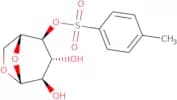
CAS:This modified sugar can be used in the synthesis of oligosaccharides and polysaccharides. It can also be used as a custom synthesis to introduce fluorine atoms into saccharides. This modification is useful for obtaining specific glycosylation products, such as those that are methylated or click-modified.Formula:C13H16O7SPurity:Min. 95%Molecular weight:316.33 g/mol