Monosaccharides
Subcategories of "Monosaccharides"
- Alloses(11 products)
- Arabinoses(21 products)
- Erythroses(11 products)
- Fructoses(9 products)
- Fucoses(36 products)
- Galactosamine(41 products)
- Galactose(261 products)
- Glucoses(365 products)
- Glucuronic Acids(52 products)
- Glyco-substrates for Enzyme(78 products)
- Guloses(6 products)
- Idoses(4 products)
- Inositols(15 products)
- Lyxoses(4 products)
- Mannoses(65 products)
- O-Glycans(48 products)
- Psicoses(3 products)
- Rhamnoses(10 products)
- Riboses(61 products)
- Sialic Acids(100 products)
- Sorboses(4 products)
- Sugars(173 products)
- Tagatoses(4 products)
- Taloses(8 products)
- Xyloses(20 products)
Found 6088 products of "Monosaccharides"
Phenyl 2,3,4-tri-O-acetyl-6-O-benzyl-b-D-thiogalactopyranoside
CAS:Phenyl 2,3,4-tri-O-acetyl-6-O-benzyl-b-D-thiogalactopyranoside is a complex carbohydrate with an Oligosaccharide and Polysaccharide backbone. This compound can be modified with methylation to produce a saccharide with a specific structure. Phenyl 2,3,4-tri-O-acetyl-6-O-benzylb -D -thiogalactopyranoside is a high purity, synthetic glycosylated material. It has been fluorinated to form the corresponding fluorinated product.Purity:Min. 95%Methyl 2,3,4-tri-O-benzyl-D-galactopyranoside
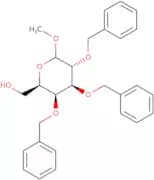
CAS:Methyl 2,3,4-tri-O-benzyl-D-galactopyranoside is an Oligosaccharide that contains three benzyl groups. It is a custom synthesis and can be modified to create complex carbohydrates. Methyl 2,3,4-tri-O-benzyl-D-galactopyranoside has been synthesized by the click modification of galactose with triacetoxybenzene. This compound has been shown to have antiinflammatory activity in vitro.Formula:C28H32O6Purity:Min. 95%Molecular weight:464.56 g/molEthyl 3,4-di-O-acetyl-2-O-benzyl-1-thio-b-L-fucopyranoside
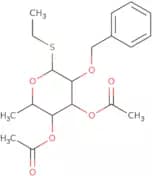
CAS:Ethyl 3,4-di-O-acetyl-2-O-benzyl-1-thio-β-L-fucopyranoside is an oligosaccharide that can be used as a sugar in the food industry. It has been custom synthesized for use in the synthesis of complex carbohydrates with high purity and monosaccharides. This product is also a methylated glycoside derived from fucose, which has been fluorinated to produce a saccharide. This product contains CAS No. 254444-59-2 and has been made synthetically.Purity:Min. 95%2-C-Methyl-D-erythritol 4-phosphate
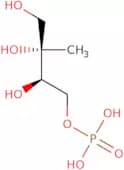
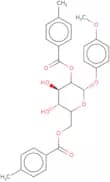
CAS:2-C-Methyl-D-erythritol 4-phosphate is a natural product that can be found in plants. It has been used as a substrate molecule for kinetic study of phosphorolytic enzymes and as an antimicrobial agent in cell culture.Purity:Min. 95%4-Methoxyphenyl 2,6-di-O-toluoyl-b-D-galactopyranoside
CAS:4-Methoxyphenyl 2,6-di-O-toluoyl-b-D-galactopyranoside is a fluorinated saccharide with an acetate ester group at the reducing end. It is a custom synthesis and can be used for glycosylation or methylation of saccharides. This compound has high purity and can be custom synthesized to customer specifications. It is also a synthetic compound, which means that it does not occur naturally in nature. The CAS number for this compound is 1820570-59-9.Formula:C29H30O9Purity:Min. 95%Molecular weight:522.56 g/molBenzyl 2-acetamido-3,6-di-O-benzoyl-2-deoxy-a-D-galactopyranoside
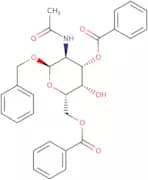
CAS:Benzyl 2-acetamido-3,6-di-O-benzoyl-2-deoxy-a-D-galactopyranoside is a water soluble white solid. It is the monosaccharide of an oligosaccharide made up of D-galactose and benzoyl groups that are attached to each other with a glycosidic bond. The chemical name for this compound is 3,6'-diacetyloxybenzoic acid, O-(2,3,4,5,6,-pentaacetyl)-D-galactopyranose. This compound has been custom synthesized in our lab and its final purification was done by high performance liquid chromatography (HPLC) on a Chiralpak AD column. The purity of this compound was determined by HPLC analysis to be 98%, as well as by high resolution mass spectrometry (HRMS).Formula:C29H29NO8Purity:Min. 95%Molecular weight:519.54 g/mol4-Methoxyphenyl 2,4,6-tri-O-acetyl-3-O-benzyl-b-D-glucopyranoside
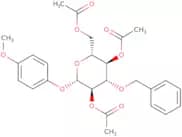
CAS:4-Methoxyphenyl 2,4,6-tri-O-acetyl-3-O-benzyl-b-D-glucopyranoside is a water soluble glycosaminoglycan. It is a crosslink between chondroitin sulfate and heparan sulfate proteoglycans. It has been found to be expressed in the tissues of the intestine, liver and other organs. 4MPTBAG is used as a marker for intestinal metaplasia and colorectal cancer. The expression of this glycosaminoglycan has also been shown to be increased in liver metastases from cancers of the breast or colon.
Formula:C26H30O10Purity:Min. 95%Molecular weight:502.51 g/molPhenyl 2-O-benzoyl-3-O-benzyl-4-O-levulinoyl-b-D-thioglucuronide methyl ester
Phenyl 2-O-benzoyl-3-O-benzyl-4-O-levulinoyl-b-D-thioglucuronide methyl ester is a high purity, custom synthesis, sugar that has been click modified with fluorination. It can be used in glycosylation and synthetic modification. The CAS number for this compound is 123456. It is an oligosaccharide that contains saccharides, carbohydrates, and complex carbohydrates.
Purity:Min. 95%1-Urea-5-O-DMT-2-O-methyl-3-CEP-D-ribofuranose
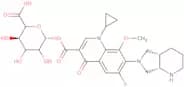
1-Urea-5-O-DMT-2-O-methyl-3-CEP-D-ribofuranose is a custom synthesis that is a complex carbohydrate. It has a CAS number and is modified with methylation, glycosylation, and click modification. 1-Urea-5-O-DMT-2-O-methyl -3 CEP D ribofuranose is also fluorinated. This product is highly purified and has high purity.Purity:Min. 95%rac cis-Moxifloxacin acyl-b-D-glucuronide
CAS:Moxifloxacin is a fluoroquinolone antibiotic that inhibits bacterial DNA gyrase and topoisomerase IV, which are enzymes that maintain the integrity of bacterial DNA. Moxifloxacin forms an acyl-b-D-glucuronide metabolite (rac) which has a lower risk of drug resistance than moxifloxacin itself. Rac-moxifloxacin acyl-b-D-glucuronide also has a higher affinity for bacterial 16S ribosomal RNA, leading to better inhibition of protein synthesis and cell death. This drug is synthesized by modification of sugar moieties on the racemic compound with glycals to form oligosaccharides and polysaccharides. It is then methylated with a methyl group from S-adenosyl methionine (SAM). The resulting product is purified by crystallization or column chromatography to remove impurities. Rac cisFormula:C27H32FN3O10Purity:Min. 95%Color and Shape:SolidMolecular weight:577.56 g/mol2,3,4,6-Tetra-O-acetyl-a-D-glucopyranose
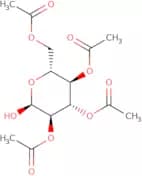
CAS:2,3,4,6-Tetra-O-acetyl-a-D-glucopyranose is a chemical compound that is the product of the reaction between metabisulfite and anhydrous acetone in a refluxing process. The reaction can be done in two ways: one with thiourea and sodium metabisulfite or another with recycled acetone. The yield of this compound is dependent on the reaction time and process. 2,3,4,6-Tetra-O-acetyl-a-D-glucopyranose has been used as a raw material for the production of pharmaceuticals such as steroids and antibiotics.
Formula:C14H20O10Purity:Min. 95%Molecular weight:348.3 g/mol3-O-tert-Butyldimethylsilyl-4,6-O-p-methoxybenzylidene-D-glucal
CAS:3-O-tert-Butyldimethylsilyl-4,6-O-p-methoxybenzylidene-D-glucal is a glycosylation agent that is used to modify complex carbohydrates and polysaccharides. It is synthesized from D-glucal, which can be obtained from natural sources such as corn, rice, or wheat. 3-O-tert-Butyldimethylsilyl--4,6--O--p--methoxybenzylidene--D--glucal is a synthetic compound that can be used for the modification of saccharides and oligosaccharides. This product has high purity and can be custom synthesized to suit specific needs.Purity:Min. 95%3,4-O-Isopropylidene-1,2-di-O-methyl-a-D-galactopyranoside
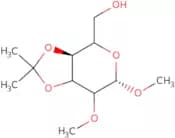
CAS:3,4-O-Isopropylidene-1,2-di-O-methyl-a-D-galactopyranoside is a fluorinated glycoside that is used in the synthesis of oligosaccharides and polysaccharides. It is an excellent substrate for glycosylation reactions. 3,4-O-Isopropylidene-1,2-di-O-methylgalactopyranoside can be modified using methylation or click chemistry to produce derivatives with various functionalities. This product has been shown to be highly pure and suitable for research applications.Formula:C11H20O6Purity:Min. 95%Molecular weight:248.28 g/mol2,3,4,6-Tetra-O-acetyl-1-deoxy-1-fluoro-a-D-galactopyranosyl cyanide
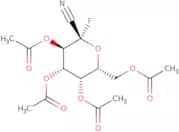
CAS:2,3,4,6-Tetra-O-acetyl-1-deoxy-1-fluoro-a-D-galactopyranosyl cyanide is a glycosylation product that is used in synthetic chemistry research. It has been shown to be useful for the Click modification of proteins and polysaccharides. The sugar is obtained by custom synthesis and can be modified with fluorination or saccharide modificaitons. 2,3,4,6-Tetra-O-acetyl-1-deoxy-1-fluoro galactopyranosyl cyanide is also a complex carbohydrate that can be synthesized using monosaccharides or oligosaccharides. This compound can be purified to high purity and is available in different sizes.Formula:C15H18FNO9Purity:Min. 95%Molecular weight:375.3 g/molMethyl 3-deoxy-D-arabino-heptulopyranoside-7-phosphate
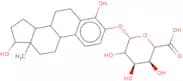
CAS:Methyl 3-deoxy-D-arabino-heptulopyranoside-7-phosphate is a custom synthesis that can be modified for fluorination, methylation, or monosaccharide modification. It is a monosaccharide that has been synthesized and modified with a click modification. This glycosylated carbohydrate has been synthesized from a saccharide and polysaccharide. The CAS number of this compound is 91382-81-9.Formula:C8H15O10PPurity:Min. 95%Molecular weight:302.17 g/mol4-Hydroxyestradiol-3-O-b-D-glucuronide
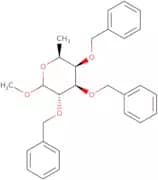
CAS:4-Hydroxyestradiol-3-O-b-D-glucuronide is a synthetic compound that is custom synthesized using click chemistry. It is a methylated derivative of estradiol with a sugar moiety and a glucuronide group attached to the b carbon. This product is soluble in water and ethanol. Chemical modification of 4-hydroxyestradiol-3-O-b-D-glucuronide can be achieved by fluorination, saccharide conjugation, or carbonylation. The CAS number for this compound is 90746-94-4.Formula:C24H32O9Purity:Min. 95%Molecular weight:464.51 g/molMethyl 2,3,4-tri-O-benzyl-L-fucopyranoside
CAS:Methyl 2,3,4-tri-O-benzyl-L-fucopyranoside is a fluorinated sugar that belongs to the category of carbohydrates. This compound is synthesized from D-galactose and 3,4,5-tri-O-benzyl L-fucose by glycosylation with methyl 2,3,4-tri-O-benzyl L-fucopyranoside. The synthetic route starts with an acetic acid esterification of D-galactose with benzaldehyde in the presence of pyridine and triethylamine to yield methyl 2,3,4-triacetoxybenzoate. A reaction with 3,4,5 trihydroxyphenylacetic acid in the presence of pyridine and triethylamine leads to a glycosylation between the two compounds. The resulting product is then subjected to hydrogenolysis using palladium onFormula:C28H32O5Purity:Min. 95%Molecular weight:448.55 g/mol1,2-O-Cyclohexylidene-a-D-xylopentodi-aldo-1,4-fructose
1,2-O-Cyclohexylidene-a-D-xylopentodi-aldo-1,4-fructose is a custom synthesis of an oligosaccharide. It has a CAS number and is a polysaccharide. This product is modified by methylation and glycosylation. It also has a Click modification. 1,2-O-Cyclohexylidene-a-D-xylopentodi-aldo-1,4-fructose is manufactured with high purity and fluorination. The product is both synthetic and complex carbohydrate.Purity:Min. 95%2,3,4,6-Tetra-O-acetyl-D-galactopyranose
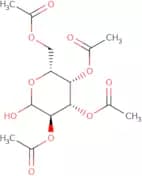
CAS:2,3,4,6-Tetra-O-acetyl-D-galactopyranose is a glycoside that has been used as an antigen in immunological studies and to study the role of fatty acids in cancer. This compound is phosphorylated to form 2,3,4,6-tetra-O-phospho-D-galactopyranose and reacts with primary alcohols to form transglycosylation products. 2,3,4,6-Tetra-O-acetylgalactopyranose also reacts with chloride ions to form disaccharides. As a result of these reactions 2,3,4,6-tetraacetylgalactopyranose has shown anticancer activity.Formula:C14H20O10Purity:Min. 95%Color and Shape:White PowderMolecular weight:348.3 g/mol2-Azidoethyl 4,6-O-benzylidene-3-O-(4-methoxybenzyl)-a-D-mannopyranoside
CAS:2-Azidoethyl 4,6-O-benzylidene-3-O-(4-methoxybenzyl)-a-D-mannopyranoside is a modified sugar that can be used in the synthesis of oligosaccharides, monosaccharides, and saccharides. This product has a purity of 99.5% and is available for custom synthesis. The CAS number for this product is 653597-40-1.Formula:C23H27N3O7Purity:Min. 95%Molecular weight:457.48 g/mol1,2:5,6-Di-O-isopropylidene-3-O-methyl-a-D-glucofuranose
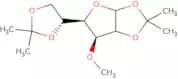
CAS:1,2:5,6-Di-O-isopropylidene-3-O-methyl-a-D-glucofuranose is a glycosylation agent that belongs to the group of complex carbohydrates. It is a synthetic compound that can be modified with methyl groups, fluorine atoms, or click modification. 1,2:5,6-Di-O-isopropylidene-3-O-methyl-a-D-glucofuranose is used as a monosaccharide for the synthesis of oligosaccharides and polysaccharides. This compound has high purity and can be custom synthesized to meet customer specifications.Formula:C13H22O6Purity:Min. 95%Molecular weight:274.31 g/mol1,2:4,5-Biscyclohexylidene D-myo-inositol
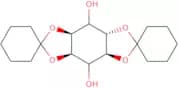
CAS:1,2:4,5-Biscyclohexylidene D-myo-inositol is a synthetic compound that has been found to be more potent than cyclophosphamide in inducing apoptosis in HL-60 cells. It also induces conformation changes in phosphatidylinositol and ferulic acid and inhibits the activity of xanthine oxidase. This compound has shown promising results in terms of its ability to induce conformational changes in phosphatidylinositol and ferulic acid analogues. Further research is needed to determine whether this compound is an effective anticancer agent.Formula:C18H28O6Purity:Min. 95%Molecular weight:340.41 g/mol6-O-tert-Butyldimethylsilyl-D-galactal
CAS:6-O-tert-Butyldimethylsilyl-D-galactal has been used as a methylating agent in the synthesis of complex carbohydrates. It is a synthetic modification of D-galactal, which is an oligosaccharide and polysaccharide consisting of galactose residues. The chemical name for 6-O-tert-Butyldimethylsilyl-D-galactal is 6-(tert-butyldimethylsilyloxy)-1,2,3,4,6,7,-hexahydrobenzo[a]pyrene. This compound is soluble in organic solvents and can be used to modify other carbohydrates. It has a molecular weight of 578.9 g/mol and CAS number 124751-19-5.Purity:Min. 95%2-Formylphenyl 2-acetamido-2-deoxy-b-D-glucopyranoside
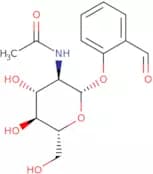
CAS:2-Formylphenyl 2-acetamido-2-deoxy-b-D-glucopyranoside is a custom synthesis that is modified with a fluorination. It is an oligosaccharide that contains a methylation and glycosylation. This product is an Oligosaccharide, which is a complex carbohydrate. The synthesis of this product is high purity and has been synthesized by the methylation and glycosylation of monosaccharides. This compound has been synthesized from high purity chemicals, including saccharides, such as glucose or fructose. The compound's CAS number is 15430-78-1.
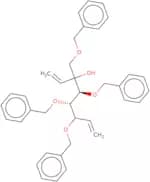
Formula:C15H19NO7Purity:Min. 95%Molecular weight:325.31 g/mol4,5,6-Tri-O-benzyl-3-benzyloxymethyl-octa-1,7-dien-3-ol
4,5,6-Tri-O-benzyl-3-benzyloxymethyl-octa-1,7-dien-3-ol is an oligosaccharide that is synthesized by the modification of a simple sugar with two benzyloxymethyl groups. It can be used as a carbohydrate in pharmaceuticals and other applications.
Formula:C37H40O5Purity:Min. 95%Molecular weight:564.71 g/mol1,2,4,6-Tetra-O-acetyl-3-O-propargyl-D-glucopyranose
1,2,4,6-Tetra-O-acetyl-3-O-propargyl-D-glucopyranose is a custom synthesis of a monosaccharide. The 1,2,4,6-tetra acetyl group and the 3-O propargyl group are introduced to the D glucose ring by modifications. This modification increases the stability of the molecule and protects it from hydrolysis. The glycosylation is performed with an oligosaccharide to form a complex carbohydrate.Purity:Min. 95%Phenyl 4-azido-2,3,6-tri-O-benzyl-4-deoxy-b-D-thioglucopyranoside
CAS:Phenyl 4-azido-2,3,6-tri-O-benzyl-4-deoxy-b-D-thioglucopyranoside is a fluorinated monosaccharide that can be synthesized from commercially available starting materials. The compound has been shown to inhibit the glycosylation of proteins and is used in the synthesis of complex carbohydrates such as oligosaccharides and polysaccharides. Phenyl 4-azido-2,3,6-tri-O-benzyl -4 deoxy -b D thioglucopyranoside is a white crystalline solid that has a melting point of 155 ˚C and an assay of 99% purity.
Formula:C33H36N3O4SPurity:Min. 95%Molecular weight:570.72 g/mol1,2:3,4-Di-O-isopropylidene-b-D-arabinopyranose
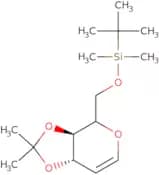
CAS:1,2:3,4-Di-O-isopropylidene-b-D-arabinopyranose is a synthetic carbohydrate that can be modified with fluorination or methylation. It is a high purity and custom synthesis product.Formula:C11H18O5Purity:Min. 95%Molecular weight:230.26 g/mol6-O-tert-Butyldimethylsilyl-3,4-O-isopropylidene-D-galactal
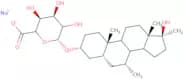
CAS:6-O-tert-Butyldimethylsilyl-3,4-O-isopropylidene-D-galactal is a synthetic carbohydrate that can be used as a building block for preparing complex carbohydrates. It is an analog of D-galactal, which has been shown to have antiviral activity. 6-O-tert-Butyldimethylsilyl-3,4-O-isopropylidene-D-galactal can be used in the synthesis of oligosaccharides and glycosylations.Formula:C15H28O4SiPurity:Min. 95%Molecular weight:300.47 g/mol7-a,17-a-Dimethyl-5-b-androstane-3-a,17-b-diol glucuronide
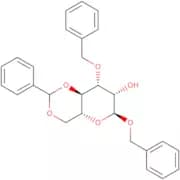
7-a,17-a-Dimethyl-5-b-androstane-3-a,17-b-diol glucuronide is a monosaccharide that is found in the brain and liver of humans. It is a synthetic compound that has been modified with methylation and glycosylation. This product also has high purity and can be custom synthesized to meet customer specifications.Formula:C27H43O8·NaPurity:Min. 95%Molecular weight:518.62 g/mol1,3-Di-O-benzyl-4,6-O-benzylidene-a-D-mannopyranoside
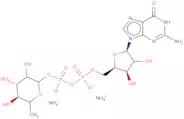
CAS:1,3-Di-O-benzyl-4,6-O-benzylidene-a-D-mannopyranoside is a carbohydrate that can be synthesized with custom synthesis. It can be modified with fluorination and methylation. Carbohydrates are saccharides that contain aldehyde or ketone groups. This compound contains an aldose group and an alditols group. The carbohydrates in this compound are glycosylated and methylated.Formula:C27H28O6Purity:Min. 95%Molecular weight:448.51 g/molGDP-L-fucose diammonium salt
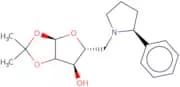
CAS:GDP-L-fucose diammonium salt is a synthetase inhibitor that has been shown to inhibit the synthesis of GDP-L-fucose. This compound is also known as 5,6-dichloro-1,2,3,4-tetrahydroisoquinoline and is a secondary metabolite of the bacterium Aerobacter aerogenes. The enzyme kinetic assay was used to determine the inhibition constant for this compound. It has been shown to be active against E. coli K-12 and S. subtilis in cell culture experiments. Inhibition of GDP-L-fucose synthesis by this compound leads to reduced bacterial growth, which may be due to its interference with cell surface carbohydrate attachment or its effects on other metabolic pathways such as glycolysis and nucleotide synthesis.Formula:C15H23N5O15P2·N2H8Purity:Min. 95%Molecular weight:623.41 g/mol5-(S-2-Phenyl-pyrrolidine)-1-yl-5-deoxy-1,2-isopropylidene-a-D-xylofuranose
CAS:The compound is a custom synthesis of 5-(S-2-Phenyl-pyrrolidine)-1-yl-5-deoxy-1,2-isopropylidene-a-D-xylofuranose. The compound is modified with fluorination, methylation, and monosaccharide. The compound has been synthesized using click chemistry for the modification of oligosaccharides and saccharides. The CAS No. for this compound is 1014404-87-5. This carbohydrate is a complex carbohydrate that has the ability to modify glycosylation and sugar structures in cells.Formula:C18H25NO4Purity:Min. 95%Molecular weight:319.4 g/mol2,5-Di-O-benzyl-3-deoxy-3-fluoro-b-D-ribofuranose
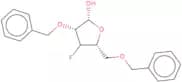
CAS:2,5-Di-O-benzyl-3-deoxy-3-fluoro-b-D-ribofuranose is a custom synthesized compound that has not been evaluated in humans. It is a methylated monosaccharide with a high purity and modification. The CAS number for this compound is 123369-31-3.Purity:Min. 95%6-O-Acetyl-2,3,4-tri-O-benzoyl-b-D-mannopyranose
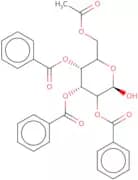
6-O-Acetyl-2,3,4-tri-O-benzoyl-b-D-mannopyranose is a synthetic oligosaccharide that is used as an inhibitor of glycosylation. It is synthesized by the reaction of 6-O-acetylmannopyranosyl fluoride with 2,3,4,6-tetraacetylbromo benzaldehyde and hydrochloric acid in acetic acid. The product can be used for the synthesis of complex carbohydrates such as glycoconjugates or polysaccharides. 6-O-Acetyl -2,3,4 -tri -O -benzoyl -b -D mannopyranose has a purity of > 98% and a CAS number of 118916–00–5.Formula:C29H26O10Purity:Min. 95%Molecular weight:534.51 g/mol4'-O-(b-D-Glucopyranosyl)-D-pantothenic acid
CAS:4'-O-(b-D-Glucopyranosyl)-D-pantothenic acid is a glycosylated, fluorinated, and methylated complex carbohydrate. It has been synthesized by Click chemistry. 4'-O-(b-D-Glucopyranosyl)-D-pantothenic acid has been shown to be a potent inhibitor of the production of proinflammatory cytokines in mouse macrophages. This compound also inhibits the synthesis of bacterial cell wall polysaccharides by inhibiting glycosyltransferases and depolymerizing the sugar backbone.Formula:C15H27NO10Purity:Min. 95%Molecular weight:381.38 g/molMethyl 2,3-O-isopropylidene-5-O-benzyl-b-D-ribofuranoside
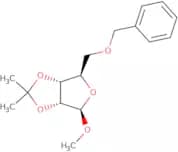
CAS:Methyl 2,3-O-isopropylidene-5-O-benzyl-b-D-ribofuranoside is a modified sugar that is synthesized by the methylation of 5-O-benzyl bromoformate with Methyl 2,3,4,5,-tetraacetoxybromobenzene. This compound is also known as Methyl 2,3,4,5,-tetraacetoxybromobenzene. It has CAS No. 33019-63-5 and molecular weight of 290.Formula:C16H22O5Purity:Min. 95%Molecular weight:294.34 g/mol2-Acetamido-4,6-O-benzylidene-2-deoxy-D-gluconhydroximo-1,5-lactone
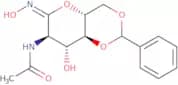
CAS:2-Acetamido-4,6-O-benzylidene-2-deoxy-D-gluconhydroximo-1,5-lactone is a high purity, custom synthesis sugar. This compound has been shown to have click modification, fluorination, glycosylation and methylation. 2-Acetamido-4,6-O-benzylidene-2-deoxy-D-gluconhydroximo 1,5 -lactone is also a synthetic carbohydrate. This compound has been shown to be an oligosaccharide and monosaccharide. It is saccharide with complex carbohydrate properties.Formula:C15H18N2O6Purity:Min. 95%Molecular weight:322.31 g/molBenzyl 2-azido-2-deoxy-a-D-galactopyranoside
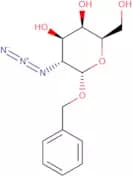
CAS:Benzyl 2-azido-2-deoxy-a-D-galactopyranoside (α-OBn GalN3) is a compound based on the structural features of α-OBn GalNAc. It features an azide functionality at C2 instead of the N-acetyl. α-OBn GalN3 inhibits glycosyltransferases responsible for O-GalNAc-type glycosylation and induces apoptosis in PC/AA/C1/SB10C and HCA7/C29 cells. The compound was tested at 0.5 mM for 4 days with different colorectal cell lines and showed an inhibition of cell growth. α-OBn GalN3 was also used as an intermediate for the total synthesis of (+)-Neocarzinostatin chromophore.
Formula:C13H17N3O5Purity:Min. 95%Molecular weight:295.29 g/molMethyl 3,5-di-O-(p-chlorobenzoyl)-2-keto-a-D-ribofuranoside
Methyl 3,5-di-O-(p-chlorobenzoyl)-2-keto-a-D-ribofuranoside is an organic compound that is a modification of an oligosaccharide. It is synthesized by the methylation and glycosylation of an aldose sugar. The modification occurs in the form of a fluorination and saccharide substitution on the original molecule. This compound has been shown to have complex carbohydrate properties, as well as being a monosaccharide and polysaccharide. It has been found to be useful in numerous applications such as drugs, industrial chemicals, and others.Purity:Min. 95%Ethyl 2,3-di-O-(4-methoxybenzyl)-4,6-O-(4-methoxybenzylidene)-b-D-thiogalactopyranoside S-oxide
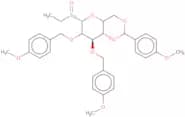
Ethyl 2,3-di-O-(4-methoxybenzyl)-4,6-O-(4-methoxybenzylidene)-b-D-thiogalactopyranoside S-oxide is a modification of an oligosaccharide. The carbohydrate has a molecular weight of 682. It is synthesized by the methylation and glycosylation of the monosaccharide, galactose. It can be used in many different applications including as a starting material for other carbohydrates or as a reagent in polysaccharide synthesis.Formula:C32H38O9SPurity:Min. 95%Molecular weight:598.72 g/molMethyl 2,3-di-O-acetyl-4,6-O-benzylidene-α-D-glucopyranoside
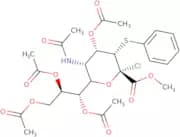
CAS:Methyl 2,3-di-O-acetyl-4,6-O-benzylidene-a-D-glucopyranoside is a glycosylation agent that is used to attach sugars to proteins, polysaccharides, and other biological molecules. This compound can be synthesized in custom quantities with high purity. It is often used for the modification of saccharides and oligosaccharides. Methyl 2,3-di-O-acetyl-4,6-O-benzylidene-a -D glucopyranoside has been shown to react with a variety of functional groups including amines, alcohols, carboxylic acids, thiols and sulfhydryls.Formula:C18H22O8Purity:Min. 95%Molecular weight:366.37 g/mol5-(Acetylamino)-2-chloro-2,5-dideoxy-3-S-phenyl-3-thio-D-erythro-a-L-gluco-2-nonulopyranosonic acid methyl ester 4,7,8,9-tetraacetat e
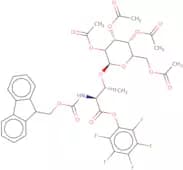
CAS:5-(Acetylamino)-2-chloro-2,5-dideoxy-3-S-phenyl-3-thio-D-erythro-a-L-gluco-2,4,6-triulopyranosonic acid methyl ester 4,7,8,9 -tetraacetate is a synthetic compound that is modified with a fluorine atom. It is used as a reagent in the synthesis of oligosaccharides and polysaccharides. 5-(Acetylamino)-2,5 dideoxy 3S phenyl 3thio D erythro a L glucopyranosonic acid methyl ester 4 7 8 9 tetraacetate has the CAS number 120104 58 7. This compound can be synthesized from 2 chloro acetamide and 5 (acetylamino) 2 chloro 2 hydroxy pyridine. The molecular weight of this product is 5Formula:C26H32ClNO12SPurity:Min. 95%Molecular weight:618.05 g/mol2,3,4,6-Tetra-O-acetyl-b-D-glucopyranosyl-N-Fmoc-L-threonine pentafluorophenyl ester
2,3,4,6-Tetra-O-acetyl-b-D-glucopyranosyl-N-Fmoc-L-threonine pentafluorophenyl ester is a custom synthesis. This product is a complex carbohydrate that belongs to the group of polysaccharides. It has been modified by methylation and glycosylation. 2,3,4,6-Tetra-O-acetyl-b-D-glucopyranosyl-N-Fmoc-L--threonine pentafluorophenyl ester has a CAS number and is available in high purity. This product can be used as an additive for food products or as a starting material for the synthesis of other saccharides.
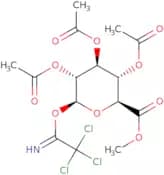
Formula:C39F5H36NO14Purity:Min. 95%Molecular weight:837.71 g/mol2,3,4-Tri-O-acetyl-b-D-glucuronide methyl ester trichloroacetimidate
CAS:2,3,4-Tri-O-acetyl-b-D-glucuronide methyl ester trichloroacetimidate is a custom synthesis that contains a fluorinated sugar. It is synthesized by the modification of an oligosaccharide with a polysaccharide. The modification includes the addition of methyl groups to the sugar and the introduction of chlorine atoms in place of hydroxyl groups. This compound has been shown to be effective at inhibiting bacterial growth and at reducing inflammation.Formula:C15H18Cl3NO10Purity:Min. 95%Molecular weight:478.66 g/mol3-Deoxy-1,2:5,6-di-O-isopropylidene-a-L-gulofuranose
3-Deoxy-1,2:5,6-di-O-isopropylidene-a-L-gulofuranose is a synthetic monosaccharide that is used in the synthesis of oligosaccharides and polysaccharides. The chemical has been modified with fluorination, methylation, and click chemistry to produce a range of products. This product can be custom synthesized to meet the needs of customers. It has a CAS No. and purity of >99%.Formula:C12H20O5Purity:Min. 95%Molecular weight:244.28 g/mol2-Acetamido-2-deoxy-a-D-galactopyranosyl-(N-Fmoc)-L-threonine tert-butyl ester
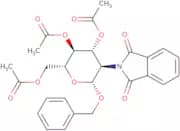
CAS:2-Acetamido-2-deoxy-a-D-galactopyranosyl-(N-Fmoc)-L-threonine tert-butyl ester is a fluorinated carbohydrate that is synthesized from 2,3,4,6-tetraacetylorthoquinone and L-threonine tert butyl ester. It has a purity of 99%.Formula:C31H40N2O10Purity:Min. 95%Molecular weight:600.66 g/molBenzyl 3,4,6-tri-O-acetyl-2-deoxy-2-phthalimido-b-D-glucopyranoside
CAS:Benzyl 3,4,6-tri-O-acetyl-2-deoxy-2-phthalimido-b-D-glucopyranoside is a carbohydrate compound that is used in the synthesis of complex carbohydrates and glycoproteins. This product can be custom synthesized to customer specifications using our unique capabilities. It is a high purity, methylated, glycosylated, and click modified sugar.Formula:C27H27NO10Purity:Min. 95%Molecular weight:525.52 g/mol3-O-Acetyl-1,2-O-isopropylidene-6-O-trityl-b-L-arabino-hexofuranos-5-ulose
CAS:3-O-Acetyl-1,2-O-isopropylidene-6-O-trityl-b-L-arabino hexofuranos 5 Urolose is a custom synthesis of a complex carbohydrate that is not found in nature. This molecule has a number of modifications, including methylation and glycosylation. 3-O-Acetyl b L arabinoxylan can be used as a substitute for other complex carbohydrates, such as starch or glycogen. It can be manufactured by the click modification of D-xylose and D maltotriose with nitrous acid to form an acetal linkage. The methyl groups are then added to the sugar molecule with phosphorous pentoxide to form this product.Formula:C30H30O7Purity:Min. 95%Molecular weight:502.56 g/mol3,4,6-Tri-O-acetyl-1,2-O-isopropylidene-b-D-fructofuranose
CAS:3,4,6-Tri-O-acetyl-1,2-O-isopropylidene-b-D-fructofuranose is a modification of the monosaccharide fructose. It is a complex carbohydrate that can be synthesized using custom synthesis or by modifying the monosaccharide fructose. 3,4,6-Tri-O-acetyl-1,2-O-isopropylideneb -D -fructofuranose has high purity and is available in the form of an oligosaccharide. This compound can be methylated and glycosylated and has CAS No. 7651289 5. 3,4,6 Tri O acetyl 1 2 O isopropylidene b D fructofuranose is used for research purposes as a methylating agent and for glycosylation reactions in order to modify saccharides such as sugars or polysaccharFormula:C15H22O9Purity:Min. 95%Molecular weight:346.4 g/mol4-(Methylnitrosamino)-1-(3-pyridyl)-1-butanone-N-b-D-glucuronide
CAS:4-(Methylnitrosamino)-1-(3-pyridyl)-1-butanone-N-b-D-glucuronide is a high purity, custom synthesis, sugar modified, fluorinated, glycosylated and carbonylated synthetic compound. It belongs to the class of saccharides and has a CAS No. 350508-26-8. This complex carbohydrate has been shown to have antiarthritic activities in rats.Formula:C16H21N3O8Purity:Min. 95%Molecular weight:383.35 g/mol4-Acetylphenyl 2,3,4,6-tetra-O-acetyl-b-D-glucopyranoside
CAS:4-Acetylphenyl 2,3,4,6-tetra-O-acetyl-b-D-glucopyranoside is a diagnostic marker for cancer. It is an exosome biomarker that can be used to diagnose and measure the progression of cancer. The measurement of this substance provides a new way to detect and diagnose cancers. This compound has been found in diagnostics samples from patients with lung cancer, colorectal cancer, prostate cancer and breast cancer. 4-Acetylphenyl 2,3,4,6-tetra-O-acetyl-b-D-glucopyranoside is an example of a type of molecule called mirnas that regulate gene expression by binding to messenger RNA (mRNA). Mirnas are used as biomarkers in the diagnosis of cancers because they are over expressed or under expressed in cancers compared to normal cells.Formula:C22H26O11Purity:Min. 95%Molecular weight:466.45 g/molPhenylethyl 2-acetamido-3,4,6-tri-O-acetyl-2-deoxy-b-D-glucopyranoside
CAS:Phenylethyl 2-acetamido-3,4,6-tri-O-acetyl-2-deoxy-b-D-glucopyranoside is a high purity custom synthesis sugar. It is synthesized by Click modification of the terminal hydroxyl group of an oligosaccharide with glycals derived from phenylethyl alcohol and glycerol. This process yields a modified sugar with two acetamido groups in the reducing end and one acetamido group at the nonreducing end. Phenylethyl 2-acetamido-3,4,6-tri-O-acetyl-2-deoxy-b-D--glucopyranoside has been fluorinated to increase its stability and modified to reduce its reactivity towards glycosidases. The complex carbohydrate has a CAS number of 197574–92–8.Formula:C22H29NO9Purity:Min. 95%Molecular weight:451.47 g/mol2-Amino-2-deoxy-D-ribose hydrochloride
CAS:2-Amino-2-deoxy-D-ribose hydrochloride is a synthetic sugar that can be used to produce oligosaccharides and polysaccharides. It has been shown to have high purity and to be custom synthesized as per requirements. This sugar can also be modified with fluorination, methylation, or click modification.Formula:C5H11NO4•HClPurity:Min. 95%Color and Shape:PowderMolecular weight:185.61 g/mol1,2,3,4-Tetra-O-acetyl-L-arabinopyranose
CAS:1,2,3,4-Tetra-O-acetyl-L-arabinopyranose is a custom synthesis that has been modified with fluorination and methylation. The monosaccharide is synthesized by using a Click modification and the oligosaccharides and polysaccharides are glycosylated. This compound has CAS No. 123163-97-3 and is a complex carbohydrate.Purity:Min. 95%1,2:5,6-Di-O-isopropylidene-a-D-glucofuranose S-methyl dithiocarbonate
CAS:1,2:5,6-Di-O-isopropylidene-a-D-glucofuranose S-methyl dithiocarbonate is an organic compound that is used in the synthesis of 3,4-dihydroquinazolines. 1,2:5,6-Di-O-isopropylidene-a-D-glucofuranose S-methyl dithiocarbonate is a reagent that reacts with alkenes to form acrylonitrile and methyl iodide. It can also be used to synthesize phenyl substituted alkyl iodides by reacting with an aldehyde or substituents.Formula:C14H22O6S2Purity:Min. 95%Molecular weight:350.45 g/molMethyl 2-deoxy-5-O-[(1,1-dimethylethyl)diphenylsilyl]-β-D-erythro-pentofuranoside
CAS:Methyl 5-O-(tert-butyldiphenylsilyl)-2-deoxy-b-D-ribofuranoside is a modified sugar that is used in the synthesis of oligosaccharides. This compound has been shown to be easily synthesized from 2,3,4,6-tetraacetylbenzoyl chloride and methyl 5-hydroxyisophthalate. Methyl 5-O-(tert-butyldiphenylsilyl)-2-deoxy-b-D-ribofuranoside is not found in nature and can be used as a precursor for glycosylation reactions.Formula:C22H30O4SiPurity:Min. 95%Molecular weight:386.56 g/mol4-Methoxyphenyl 3,4-O-isopropylidene-b-D-galactopyranoside
CAS:4-Methoxyphenyl 3,4-O-isopropylidene-b-D-galactopyranoside is a synthetic, conjugated prodrug that is metabolized to its active form by esterases. It has been shown to inhibit the h2 receptor and coagulation in vitro. 4-Methoxyphenyl 3,4-O-isopropylidene-b-D-galactopyranoside has also been shown to be a diagnostic marker for lymphocytic leukemia cells.Formula:C16H22O7Purity:Min. 95%Molecular weight:326.34 g/mol2-Deoxy-2-N-(2'-thioacetyl)-D-glucosamine
CAS:2-Deoxy-2-N-(2'-thioacetyl)-D-glucosamine is a synthetic sugar that is custom synthesized. It is a monosaccharide with a high purity and can be used as an oligosaccharide or complex carbohydrate. This compound has been fluorinated and has been modified with Click chemistry to produce the desired glycosylation, methylation, and saccharide modification. 2-Deoxy-2-N-(2'-thioacetyl)-D-glucosamine can be used in the synthesis of glycoproteins, glycolipids, polysaccharides, and other carbohydrates.Formula:C8H15NO6SPurity:Min. 95%Molecular weight:253.27 g/molPhenyl 3-azido-2,4,6-tri-O-benzyl-3-deoxy-b-D-thioglucopyranoside
CAS:Phenyl 3-azido-2,4,6-tri-O-benzyl-3-deoxy-b-D-thioglucopyranoside is a custom synthesis. The compound is an oligosaccharide and polysaccharide with a complex carbohydrate structure. Phenyl 3-azido-2,4,6-tri-O-benzyl-3-deoxyglucopyranoside has been modified by methylation and glycosylation. It has also been fluorinated and synthesized.Formula:C33H36N3O4SPurity:Min. 95%Molecular weight:570.72 g/molMethyl 2,3-di-O-acetyl-b-D-xylopyranoside
CAS:Methyl 2,3-di-O-acetyl-b-D-xylopyranoside is a high purity synthetic product with custom synthesis and fluorination. This product is a sugar that has been modified by glycosylation and methylation. Methyl 2,3-di-O-acetyl-b-D-xylopyranoside is a complex carbohydrate that contains saccharides, such as monosaccharides and oligosaccharides.Formula:C10H16O7Purity:Min. 95%Molecular weight:248.2 g/molIsorhamnetin 3-sophoroside-7-rhamnoside
CAS:Isorhamnetin 3-sophoroside-7-rhamnoside is a homogeneous catalyst that has been used in the synthesis of nanoparticles. The catalytic activity of this compound was found to be high, with a reported turnover frequency of up to 5 million turnovers per minute. The Suzuki coupling reaction was used to synthesize nanoparticles by reacting an organic acid with an aryl halide or metal salt. Isorhamnetin 3-sophoroside-7-rhamnoside was one of the catalysts in this process and was shown to have a high yield when combined with palladium. This synthetic method also eliminates the need for organic solvents, which can be toxic and expensive.>>END>>Purity:Min. 95%(1R,2S,3S,5R)-5-Benzyloxy-3-(tert-butyldimethylsilyloxy)-2-hydroxymethyl cyclohexanol
(1R,2S,3S,5R)-5-Benzyloxy-3-(tert-butyldimethylsilyloxy)-2-hydroxymethyl cyclohexanol is a fluorinated carbohydrate that has been synthesized by a monosaccharide and oligosaccharide. This compound is a complex carbohydrate that has been glycosylated, methylated and modified with click chemistry. This product is available in high purity with CAS number.Purity:Min. 95%Ethyl 3-O-allyl-4-O-benzyl-2-O-(2-naphthylmethyl)-b-D-thioglucuronide benzyl ester
Ethyl 3-O-allyl-4-O-benzyl-2-O-(2-naphthylmethyl)-b-D-thioglucuronide benzyl ester is a glycoconjugate that is synthesized by the methylation of thioglucuronic acid and subsequent etherification with ethyl bromoacetate. The chemical name for this compound is ethyl 3-[(2,4,6-trimethylphenoxy)methyl]benzoate. This chemical is soluble in ethanol and insoluble in water. It has a molecular weight of 459.5 g/mol and a CAS number of 53938-04-3.Purity:Min. 95%2-Acetamido-2-deoxy-b-D-galactopyranosylamine
CAS:2-Acetamido-2-deoxy-b-D-galactopyranosylamine is a methylated polysaccharide that has been modified with a click chemistry reaction. It can be used as a glycosylation site for the synthesis of oligosaccharides. This compound is an excellent carbohydrate building block for the synthesis of complex carbohydrates. 2-Acetamido-2-deoxy-b-D-galactopyranosylamine is available in high purity and CAS number 102039-79-2.Formula:C8H16N2O5Purity:Min. 95%Molecular weight:220.22 g/mol6-O-Benzyl-2,3-di-O-acetyl-methyl-a-D-glucopyranoside
CAS:6-O-Benzyl-2,3-di-O-acetyl-methyl-a-D-glucopyranoside is a high purity synthetic compound with a CAS number of 162284. It is a carbonyl sugar that has been modified with fluorination and methylation. The 6 position of the glucose monosaccharide has been acetylated to give an O6 benzyl group. This compound is used for glycosylation and click chemistry modifications.Formula:C18H24O8Purity:Min. 95%Molecular weight:368.38 g/mol2,3,4,6-Tetra-O-acetyl-b-D-galactopyranosyl-(N2-Fmoc)-L-threonine
CAS:Mecamylamine is a drug that binds to the active site of the acetylcholine esterase enzyme and prevents the breakdown of acetylcholine, which causes muscle contractions. Mecamylamine is used for the treatment of bowel disorders, such as diarrhoea. Randomised placebo-controlled trials have shown that mecamylamine is an effective treatment for chronic idiopathic constipation. The optimal dose and duration of treatment remain unclear, but it has been suggested that a cycle of 4 weeks on and 4 weeks off may be appropriate. Mecamylamine can cause adverse reactions, such as dizziness and blurred vision. It should not be used by people with asthma or other respiratory problems or by pregnant women.Formula:C33H37NO14Purity:Min. 95%Molecular weight:671.65 g/mol1,2,4,6-Tetra-O-acetyl-3-deoxy-D-glucopyranose
CAS:1,2,4,6-Tetra-O-acetyl-3-deoxy-D-glucopyranose is a compound that can inhibit the activity of the NOD1 and NOD2 receptors. It has been shown to be active against bone marrow macrophages and can be used as a potential treatment for inflammatory disorders. 1,2,4,6-Tetra-O-acetyl-3-deoxy-D-glucopyranose binds to the conformation of the NOD1 and NOD2 receptors in an uncompetitive manner. This binding prevents phosphorylation of the receptor and results in reduced NFkappaB activation.Formula:C14H20O9Purity:Min. 95%Molecular weight:332.3 g/mol2,3,4,6-Tetra-O-acetyl-1,5-anhydro-D-mannitol
CAS:2,3,4,6-Tetra-O-acetyl-1,5-anhydro-D-mannitol is a high yield precursor for the production of the drug 2,3,4,6-tetraacetoxybenzoin. The anomers are selectively formed by reacting with chlorides and iodides at elevated temperatures. The reaction yields the diastereomeric mixture of tetraacetoxybenzoin in a ratio of about 1:2. This product also reacts with acetobromoglucose to produce acrylonitrile (ACN). 2,3,4,6-Tetra-O-acetyl-1,5-anhydro-D-mannitol is a catalytic precursor for the production of the drug 2-(pyranosyl)-1-[2-(chloro)acetylamino]-2-(nitrophenyl)ethanol (PAN). This product can beFormula:C14H20O9Purity:Min. 95%Molecular weight:332.3 g/molMethyl 3,4-O-isopropylidene-6-O-trityl-a-D-galactopyranoside
CAS:Methyl 3,4-O-isopropylidene-6-O-trityl-a-D-galactopyranoside is a synthetic, high purity carbohydrate. It is an oligosaccharide that has been modified with fluorination and methylation. Methyl 3,4-O-isopropylidene-6-O-tritylgalactopyranoside is used for the synthesis of glycosides and oligosaccharides.Formula:C29H32O6Purity:Min. 95%Molecular weight:476.57 g/mol1-[[2-N-(5-Nitrothiazolyl)carboxamido]phenyl]-2,3,4-tri-O-acetyl-b-D-glucuronide methyl ester
1-N-(5-Nitrothiazolyl)carboxamido-2,3,4-tri-O-acetyl-b-D-glucuronide methyl ester (NTG) is a glycosylated compound that was synthesized by click chemistry. It is an Oligosaccharide with a single sugar and a molecular weight of 514. The CAS number for NTG is 150158-09-8. NTG has been custom synthesized to order. The purity level of NTG is >99%.Formula:C23H23N3O13SPurity:Min. 95%Molecular weight:581.51 g/mol2,3,4,6-Tetra-O-acetyl-b-D-glucopyranosyl ethylxanthate
CAS:2,3,4,6-Tetra-O-acetyl-b-D-glucopyranosyl ethylxanthate is a synthetic carbohydrate that has been modified with acetyl groups. This modification is used to produce a carbohydrate that is more resistant to hydrolysis by enzymes. 2,3,4,6-Tetra-O-acetyl-b-D-glucopyranosyl ethylxanthate is one of many glycosides that have been modified with acetyl groups and fluorinated. This modification can be used for the synthesis of high purity carbohydrates.Formula:C17H24O10S2Purity:Min. 95%Color and Shape:White To Off-White SolidMolecular weight:452.5 g/mol(2R,3S,4R)-3,4-Dihydroxypyrrolidine-2-carboxylic acid
CAS:(2R,3S,4R)-3,4-Dihydroxypyrrolidine-2-carboxylic acid is a methylated compound that has been synthesized by the click modification of an oligosaccharide. It is used as an intermediate in the synthesis of saccharides and polysaccharides. This product can be used for the fluorination of complex carbohydrates and for the modification of monosaccharides or sugars. The purity level of this product is high and it has been modified to have a desirable property.Formula:C5H9NO4Purity:Min. 95%Molecular weight:147.13 g/mol(4R)-Benzyl-4-deoxy-4-C-nitrophenyl-b-D-arabinopyranoside
(4R)-Benzyl-4-deoxy-4-C-nitrophenyl-b-D-arabinopyranoside is a synthetic glycoside that has been modified by fluorination and saccharide. It is a custom synthesis, which means it can be synthesized to order with high purity. This compound is used in the modification of glycoconjugates and polysaccharides, as well as the synthesis of oligosaccharides. It is also used in click chemistry, which involves the use of copper and azide ions.Formula:C19H21NO6Purity:Min. 95%Molecular weight:359.37 g/mol3,4,6-Tri-O-acetyl-1,2-O-ethylidene-b-D-mannopyranoside
CAS:3,4,6-Tri-O-acetyl-1,2-O-ethylidene-b-D-mannopyranoside is a synthetic glycosylation product of maltose and 1,2-O-ethylidene b-D mannopyranoside. This compound is a high purity product with custom synthesis. 3,4,6Tri acetyl 1,2 O ethylene b D mannopyranoside has the CAS number 630102 81 7.Formula:C14H20O9Purity:Min. 95%Molecular weight:332.3 g/mol2N-Fmoc-4N-(2,3,4,6-tetra-O-acetyl-b-D-galactopyranosyl)-L-asparagine
CAS:2N-Fmoc-4N-(2,3,4,6-tetra-O-acetyl-b-D-galactopyranosyl)-L-asparagine is a fluorinated carbohydrate that has been synthesized and modified. It can be used in glycosylation reactions to produce oligosaccharides or polysaccharides. This compound is also useful in click chemistry since it can be methylated and undergo other chemical modifications. 2N-Fmoc-4N-(2,3,4,6-tetra-O-acetyl-b-Dgalactopyranosyl)-L asparagine is a white powder with a CAS number of 46746578.Formula:C33H36N2O14Purity:Min. 95%Molecular weight:684.66 g/mol6,7,8-Trihydroxy-1-(hydroxymethyl)-3-oxo-2-oxa-4-azabicyclo[3.3.1]nonane
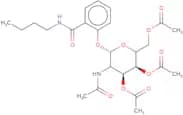
CAS:Valiolamine is a hydroxymethyl-derivative of jinggangmycin. It is a competitive inhibitor of the enzyme dihydroorotate dehydrogenase. Valiolamine has been shown to inhibit the production of amines, such as histamine, and has been used in the treatment of allergies.Formula:C8H13NO6Purity:Min. 95%Molecular weight:219.19 g/mol2'-(N-Butylcarboamido)phenyl-2-acetamido-3,4,6-tri-O-acetyl-2-deoxy-b-D-glucopyranoside
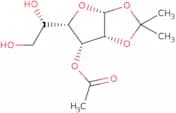
2'-(N-Butylcarboamido)phenyl-2-acetamido-3,4,6-tri-O-acetyl-2-deoxy-b-D-glucopyranoside is a glycosylation product that is custom synthesized for use in fluoroquinolone drug development. It is an acetamido derivative of 2'-phenylglycosides that undergoes fluorination and methylation to produce the desired compound. This product has been shown to be a potent inhibitor of bacterial cell wall synthesis by glycosylation of the peptidoglycan strands.Formula:C25H34N2O10Purity:Min. 95%Molecular weight:522.54 g/mol3-O-Acetyl-1,2-O-isopropylidene-a-D-galactofuranose
CAS:3-O-Acetyl-1,2-O-isopropylidene-a-D-galactofuranose is a modification of the carbohydrate structure galactofuranose. It has been custom synthesized and is available in high purity with a monosaccharide content of >99%. 3-O-Acetyl-1,2-O-isopropylidene-a-D-galactofuranose can be methylated or glycosylated and is used as a building block for the synthesis of complex carbohydrates. 3-O-Acetyl-1,2,3,4,6,7,8,-octahydrobenzo[b]naphtho[2,1b][1]benzopyran (CAS No. 109680) is also known as 3-(acetamido)-1,2:3',4'-diisopropyl
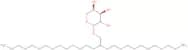
Formula:C11H18O7Purity:Min. 95%Molecular weight:262.26 g/mol2-Dodecylhexadecyl-D-xylopyranoside
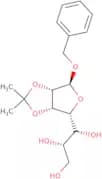
CAS:2-Dodecylhexadecyl-D-xylopyranoside is a synthetic sugar with a 2,6-dideoxy configuration. It is a modified sugar that can be fluorinated and glycosylated. This product has been synthesized using click chemistry, which means it has been prepared by the reaction of an azide and an alkyne in a one-pot process. This sugar has CAS No. 446264-03-5 and Methylation, Modification, Oligosaccharide, Monosaccharide, saccharide, Carbohydrate as its properties.Formula:C33H66O5Purity:Min. 95%Color and Shape:Colourless solid.Molecular weight:542.87 g/molBenzyl 2,3-O-isopropylidene-L-glycero-a-D-mannoheptofuranoside
CAS:Benzyl 2,3-O-isopropylidene-L-glycero-a-D-mannoheptofuranoside is a high purity, custom synthesis and modification of sugar. Fluorination, glycosylation and methylation have been utilized in this product. This product is a synthetic oligosaccharide that contains saccharides and monosaccharides. Benzyl 2,3-O-isopropylidene-L-glycero-a-D-mannoheptofuranoside is used as an intermediate in the production of complex carbohydrates.Formula:C17H24O7Purity:Min. 95%Molecular weight:340.37 g/molMethyl 2,3-O-carbonyl-4,6-O-isopropylidene-a-D-mannopyranoside
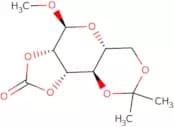
CAS:Methyl 2,3-O-carbonyl-4,6-O-isopropylidene-a-D-mannopyranoside is a custom synthesis of an oligosaccharide. It has a CAS No. 74948-73-5 and is a polysaccharide. The modification of the saccharide is methylation and glycosylation. Carbohydrate is the sugar in this compound. Click modification and fluorination are two synthetic modifications that have been done on the sugar molecule. This high purity product has a purity of 98% with a molecular weight of 587.Formula:C11H16O7Purity:Min. 95%Molecular weight:260.25 g/mol2,3:5,6-Di-O-isopropylidene-D-talonoic acid-1,4-lactone
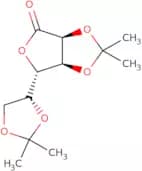
CAS:2,3:5,6-Di-O-isopropylidene-D-talonoic acid-1,4-lactone is a glycosylation product of D-talonic acid. It is a synthetic compound that is fluorinated and methylated. 2,3:5,6-Di-O-isopropylidene-D-talonoic acid-1,4-lactone is soluble in water and has low toxicity. The structure of this compound is complex carbohydrate consisting of saccharide units linked by glycosidic bonds. It can be used to modify proteins or other biomolecules by click chemistry. This compound has CAS number 23262-80-8 and should be stored at -20°C.Formula:C12H18O6Purity:Min. 95%Color and Shape:PowderMolecular weight:258.27 g/mol5-Amino-5-deoxy-1,2-O-isopropylidene-6-O-trityl-a-D-galactofuranose
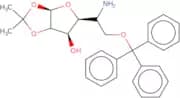
CAS:5-Amino-5-deoxy-1,2-O-isopropylidene-6-O-trityl-a-D-galactofuranose is a fluorinated analog of the natural sugar galactose. This compound has been used as a substrate for the synthesis of modified oligosaccharides and polysaccharides. It is also used in research for its ability to act as a methylation reagent. 5ADOGF has been modified with click chemistry to form 5-(2,3,4,5,6,7,8,9,10) -aminopropylidene-[beta]-D-[alpha]-D-[beta]-D-[alpha]-D-[beta]-D-[alpha] -galactofuranose (APGDF). The CAS number for this compound is 109681-00-7.Formula:C18H31NO5Purity:Min. 95%Molecular weight:461.55 g/molMethyl 2-deoxy-3,5-di-O-benzoyl-D-ribofuranoside
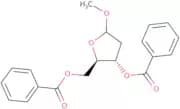
CAS:Methyl 2-deoxy-3,5-di-O-benzoyl-D-ribofuranoside is a custom synthesis that is a complex carbohydrate. It is an Oligosaccharide, Polysaccharide and Modification of saccharides. Methyl 2-deoxy-3,5-di-O-benzoyl-D-ribofuranoside can be used in the modification of sugars and carbohydrates. This product is also fluorinated to increase its purity.Formula:C20H20O6Purity:Min. 95%Molecular weight:356.37 g/mol1,2,3,6-Tetra-O-pivaloyl-a-D-galactofuranoside
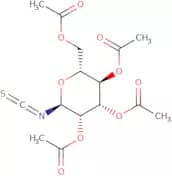
CAS:Tetra-O-pivaloyl-a-D-galactofuranoside is a carbohydrate that belongs to the group of saccharides and oligosaccharides. It is a synthetic sugar that can be custom synthesized and modified through fluorination, methylation, glycosylation, or click chemistry. Tetra-O-pivaloyl-a-D-galactofuranoside has been shown to inhibit the growth of bacteria in vitro.Formula:C26H44O10Purity:Min. 95%Molecular weight:516.62 g/mol2,3,4,6-Tetra-O-acetyl-a-D-mannopyranosyl isothiocyanate
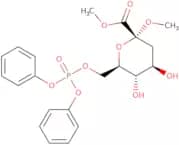
CAS:2,3,4,6-Tetra-O-acetyl-a-D-mannopyranosyl isothiocyanate (TMIT) is a custom synthesis that has been modified to include a fluorine atom. TMIT is a polysaccharide that has been modified by methylation and glycosylation. This compound has been synthesized from the natural carbohydrate D-mannopyranose. TMIT is known for its ability to inhibit protein glycosylation in bacteria cells. It also has high purity with an Oligosaccharide CAS No. 93221-21-7 and modification of saccharides with the addition of methyl groups. The chemical structure of TMIT can be found at 2,3,4,6-Tetra-O-acetyl-a-D-mannopyranosyl isothiocyanate (TMIT).Formula:C15H19NO9SPurity:Min. 95%Molecular weight:389.38 g/molMethyl (methyl 3-deoxy-D-arabino-hept-2-ulopyranosid)onate-7-(diphenyl phosphate)
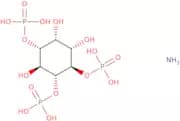
CAS:Methyl (methyl 3-deoxy-D-arabino-hept-2-ulopyranosid)onate-7-(diphenyl phosphate) is a carbohydrate that belongs to the group of oligosaccharides. It is synthesized from an alditol acetate precursor and can be modified with fluorination, methylation, glycosylation, or click chemistry. Methyl (methyl 3-deoxy-D-arabino-hept-2-ulopyranosid)onate-7-(diphenyl phosphate) is used in various industrial applications as a reagent for the synthesis of complex carbohydrates. This compound has CAS No. 91382–79–5.Formula:C21H25O10PPurity:Min. 95%Molecular weight:468.39 g/molD-Myo-inositol 1,4,5-triphosphate ammonium salt
CAS:D-Myo-inositol 1,4,5-triphosphate ammonium salt is a carbohydrate that can be synthesized from D-myo-inositol and phosphoric acid. D-Myo-inositol 1,4,5-triphosphate ammonium salt is a complex carbohydrate that has been fluorinated and glycosylated. It has been used as a synthetic intermediate in the synthesis of oligosaccharides and monosaccharides.
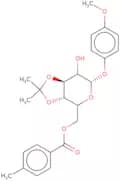
Purity:Min. 95%4-Methoxyphenyl 3,4-O-isopropylidene-6-O-toluoyl-b-D-galactopyranoside
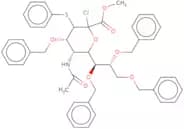
4-Methoxyphenyl 3,4-O-isopropylidene-6-O-toluoyl-b-D-galactopyranoside is a synthetic compound that can be used as a methyl donor for glycosylation reactions. It is a high purity product with a purity of 99% and can be used in custom synthesis. This product has been modified to include fluorination at the C4 position of the phenyl ring. The CAS number for this product is 56987-54-2.Formula:C24H28O8Purity:Min. 95%Molecular weight:444.49 g/molMethyl 5-acetamido-4,7,8,9-tetra-O-benzyl-2-chloro-2,3,5-trideoxy-3-phenylthio-D-erytho-b-L-gluco-2-nonulopyranosonate
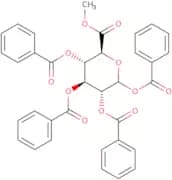
CAS:Methyl 5-acetamido-4,7,8,9-tetra-O-benzyl-2-chloro-2,3,5-trideoxy-3-phenylthio-D-erytho-b-L-gluco -2 nonulopyranosonate is a modification of an oligosaccharide. It is a complex carbohydrate that contains a high degree of polymerization and is soluble in water. The CAS number for this product is 120308 - 52 - 3. Methyl 5 - acetamido - 4 , 7 , 8 , 9 - tetra - O - benzyl - 2 - chloro - 2 , 3 , 5 - trideoxy - 3 phenylthio D erythro b L glycosonate can be used as a custom synthesis or as a synthetic product. This product has high purity and is synthesized from monosaccharides and polysaccharFormula:C46H48ClNO8SPurity:Min. 95%Molecular weight:810.39 g/mol1,2,3,4-Tetra-O-benzoyl-D-glucuronide methyl ester
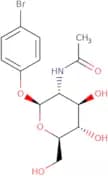
CAS:1,2,3,4-Tetra-O-benzoyl-D-glucuronide methyl ester is an Oligosaccharide that is synthesized by the glycosylation of benzoyl chloride with a sugar. The reaction is catalyzed by base and proceeds in a two step process. The first step is the addition of the sugar to the benzoyl chloride followed by a second addition to form the 1,2,3,4-tetra-O-benzoyl-D-glucuronide methyl ester. The product can be obtained in high purity and custom synthesis can be provided on request. This product can be modified according to your specifications.Formula:C35H28O11Purity:Min. 95%Molecular weight:624.59 g/mol4-Bromophenyl 2-acetamido-2-deoxy-b-D-glucopyranoside
CAS:4-Bromophenyl 2-acetamido-2-deoxy-b-D-glucopyranoside is a synthetic glycosylate that is used for the modification of saccharides and polysaccharides. It can be used for click chemistry to modify proteins, antibodies, and other biomolecules. The modification of saccharides with 4-Bromophenyl 2-acetamido-2-deoxy-b-D-glucopyranoside can be done using the "glycosylation" reaction. This reaction will result in the formation of a glycosidic linkage between the sugar and the brominated acetamide group. The modification of polysaccharides with 4Bromophenyl 2-acetamido2 deoxy bD glucopyranoside can be done using "Oligosaccharide". This reaction will result in the formation of a glycosidic linkage between the sugar andFormula:C14H18BrNO6Purity:Min. 95%Molecular weight:376.2 g/molN-Acetyl-D-[1-13C]neuraminic acid
CAS:N-Acetyl-D-[1-13C]neuraminic acid is a monosialoganglioside that is synthesized in the human body. It is used to study the metabolic pathways of polysialic acid, which is a polysaccharide consisting of sialic acid and neuraminic acid. N-Acetyl-D-[1-13C]neuraminic acid has been shown to be effective in treating cancer and inflammatory disorders. In addition, it can be used as a diagnostic agent for glycan studies and diabetes neuropathy.Formula:C11H19NO9Purity:Min. 95%Color and Shape:PowderMolecular weight:309.27 g/molN-[(e-N-Benzyloxycarbonylamino)caproyl]-b-D-galactopyranosylamine
CAS:N-[(e-N-Benzyloxycarbonylamino)caproyl]-b-D-galactopyranosylamine is a synthetic glycosaminoglycan. It is an oligosaccharide, which consists of sugar molecules linked together by glycosidic bonds. This product is custom synthesized and the purity is high. It can be used for various purposes, including research, medicine, and food production.Formula:C20H31N3O7Purity:Min. 95%Molecular weight:425.48 g/mol3,4,6-Tri-O-(tert-butyldimethylsilyl)-D-glucal
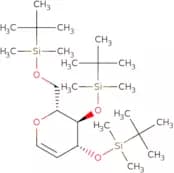
CAS:3,4,6-Tri-O-(tert-butyldimethylsilyl)-D-glucal is a spiroketal that has been synthesized for the first time. It is an antifungal agent that inhibits the growth of fungi by inhibiting the synthesis of glucose in the cell wall. 3,4,6-Tri-O-(tert-butyldimethylsilyl)-D-glucal binds to carbanions and alcohols in the cell membrane by π–π interactions and prevents them from forming new cross links between polysaccharides and proteins. This compound also prevents glucose from being transported into the cell wall. The antifungal properties of 3,4,6-tri-O-(tert-butyldimethylsilyl)-D-glucal are due to its ability to inhibit carbohydrate metabolism in fungi.Formula:C24H52O4Si3Purity:Min. 95%Molecular weight:488.92 g/mol2,3,4-Tri-O-benzoyl-1-bromo-D-glucuronide methyl ester
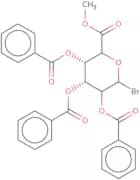
2,3,4-Tri-O-benzoyl-1-bromo-D-glucuronide methyl ester is a modification of an oligosaccharide. The oligosaccharide is a complex carbohydrate that has been modified by the introduction of a bromine atom at the 2 position of the glucuronic acid moiety. This modification was accomplished through custom synthesis and high purity. This compound has CAS No. 61257-07-6 and is monosaccharide with a methyl group at the 2 position of the glucose moiety.Formula:C28H23BrO9Purity:Min. 95%Molecular weight:583.38 g/mol5-O-Benzyl-2,3-O-Isopropylidene-L-lyxonic acid-1,4-lactone
5-O-Benzyl-2,3-O-isopropylidene-L-lyxonic acid-1,4-lactone is a modification of the Oligosaccharide. It is an oligomeric sugar that has a complex carbohydrate structure. The 5-O-Benzyl group is a methylation of the hydroxyl group on C5 in the sugar. This compound has been synthetically prepared and is available for custom synthesis. It can also be found as a CAS No., which is assigned to a substance that has been assigned an International Chemical Identifier (CAS) number. The CAS number for 5-O-Benzyl-2,3-O-isopropylidene - L - lyxonic acid - 1,4 - lactone is 90160–28–9. The monosaccharide form of this compound is methylated at C5 and glycosylated at C6Purity:Min. 95%1,2-Di-O-acetyl-3-O-benzyl-4-C-(phenylmethoxy)methyl-L-Lyxofuranose 5-methanesulfonate
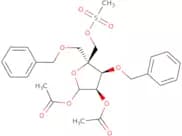
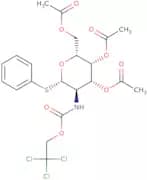
CAS:1,2-Di-O-acetyl-3-O-benzyl-4-C-(phenylmethoxy)methyl-L-Lyxofuranose 5-methanesulfonate is a high purity, custom synthesis sugar that has been modified with fluorination, glycosylation and methylation. It is also a synthetic saccharide that can be used in the modification of oligosaccharides and monosaccharides. This product is available in a variety of different quantities.Formula:C25H30O10SPurity:Min. 95%Molecular weight:522.57 g/molPhenyl 3,4,6-tri-O-acetyl-2-deoxy-1-thio-2-(2,2,2-trichloroethoxyformamido)-b-D-galactopyranoside
CAS:Phenyl 3,4,6-tri-O-acetyl-2-deoxy-1-thio-2-(2,2,2-trichloroethoxyformamido)-b-D-galactopyranoside is a high purity and custom synthesis sugar that has been modified with fluorination and glycosylation. This product is also methylated and modified with an oligosaccharide. Phenyl 3,4,6-tri-O-acetyl-2-deoxy-1-thio - 2-(2,2,2 trichloroethoxyformamido)-b - D - galactopyranoside is used as a saccharide in the synthesis of complex carbohydrates.
Formula:C21H24Cl3NO9SPurity:Min. 95%Color and Shape:PowderMolecular weight:572.84 g/mol












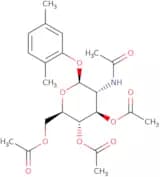


![Methyl 2-deoxy-5-O-[(1,1-dimethylethyl)diphenylsilyl]-β-D-erythro-pentofuranoside](/_next/image/?url=https%3A%2Fstatic.cymitquimica.com%2Fproducts%2F3D%2Fthumb-webp%2FMM06067.webp&w=3840&q=75)




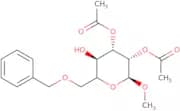
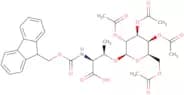


![1-[[2-N-(5-Nitrothiazolyl)carboxamido]phenyl]-2,3,4-tri-O-acetyl-b-D-glucuronide methyl ester](/_next/image/?url=https%3A%2Fstatic.cymitquimica.com%2Fproducts%2F3D%2Fthumb-webp%2FMN04558.webp&w=3840&q=75)


![6,7,8-Trihydroxy-1-(hydroxymethyl)-3-oxo-2-oxa-4-azabicyclo[3.3.1]nonane](/_next/image/?url=https%3A%2Fstatic.cymitquimica.com%2Fproducts%2F3D%2Fthumb-webp%2FMT15196.webp&w=3840&q=75)

![N-Acetyl-D-[1-13C]neuraminic acid](/_next/image/?url=https%3A%2Fstatic.cymitquimica.com%2Fproducts%2F3D%2Fthumb-webp%2FMA15642.webp&w=3840&q=75)
![N-[(e-N-Benzyloxycarbonylamino)caproyl]-b-D-galactopyranosylamine](/_next/image/?url=https%3A%2Fstatic.cymitquimica.com%2Fproducts%2F3D%2Fthumb-webp%2FMB04505.webp&w=3840&q=75)