Monosaccharides
Subcategories of "Monosaccharides"
- Alloses(11 products)
- Arabinoses(21 products)
- Erythroses(11 products)
- Fructoses(9 products)
- Fucoses(36 products)
- Galactosamine(41 products)
- Galactose(261 products)
- Glucoses(365 products)
- Glucuronic Acids(52 products)
- Glyco-substrates for Enzyme(78 products)
- Guloses(6 products)
- Idoses(4 products)
- Inositols(15 products)
- Lyxoses(4 products)
- Mannoses(65 products)
- O-Glycans(48 products)
- Psicoses(3 products)
- Rhamnoses(10 products)
- Riboses(61 products)
- Sialic Acids(100 products)
- Sorboses(4 products)
- Sugars(173 products)
- Tagatoses(4 products)
- Taloses(8 products)
- Xyloses(20 products)
Found 6085 products of "Monosaccharides"
Allyl 4-O-benzyl-2,3-di-O-levulinyl-a-L-rhamnopyranoside
Allyl 4-O-benzyl-2,3-di-O-levulinyl-a-L-rhamnopyranoside is a custom synthesis of an oligosaccharide with a complex carbohydrate backbone. It is modified by methylation and glycosylation and fluorinated to give it high purity.
Purity:Min. 95%6-Azido-6-deoxy-D-fructose
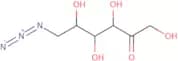
CAS:6-Azido-6-deoxy-D-fructose is a piperidine that condenses with glyceraldehyde in the presence of aldolase and produces D-glyceraldehyde. This reaction is stereospecifically catalyzed by aldolase, which converts the product to D-glyceraldehyde 3-phosphate. 6Azido-6deoxy-D-fructose has been shown to exhibit polyhydroxylated properties.
Formula:C6H11N3O5Purity:Min. 95%Color and Shape:Clear LiquidMolecular weight:205.17 g/molRef: 3D-MA58244
Discontinued product(2S, 3S, 4S) -4- (Hydroxymethyl) - N- methyl- 3- (phenylmethoxy) - 1- (phenylmethyl) -2- azetidinecarboxamide
CAS:(2S, 3S, 4S) -4- (Hydroxymethyl) - N- methyl- 3- (phenylmethoxy) - 1- (phenylmethyl) -2- azetidinecarboxamide is a synthetic glycosylinase inhibitor. It is an Oligosaccharide which contains a sugar and a saccharide. The synthesis of this product can be customized according to the customer's needs. This product has been fluorinated and custom synthesized. It is a high purity, complex carbohydrate with click modification.
Formula:C20H24N2O3Purity:Min. 95%Molecular weight:340.42 g/molL(+)-Ascorbic acid sodium salt
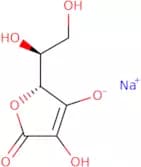
CAS:L(+)-Ascorbic acid sodium salt is the L-isomer of ascorbic acid. It is an essential nutrient for humans and animals, and a cofactor for many enzymes involved in cellular metabolism. Ascorbic acid is an effective metal chelator, which can be used to treat infectious diseases such as tuberculosis. L(+)-Ascorbic acid sodium salt has been shown to have antioxidant properties. It also has antineoplastic activity against skin tumors when used at optimum concentration.
Formula:C6H7NaO6Purity:Min. 97 Area-%Color and Shape:White PowderMolecular weight:198.11 g/molRef: 3D-MA29975
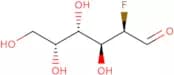
Discontinued product2-Deoxy-2-fluoro-D-galactose
CAS:2-Deoxy-2-fluoro-D-galactose, also called 3-fluoro-6-hydroxymethyl-tetrahydro-pyran-2,4,5-triol, can be added to the medium of primary cultured rat hepatocytes to inhibit N-glycosylation of proteins. Immunoglobulin G (IgG) is the most common antibody found in blood and 2-deoxy-2-fluoro-D-galactose modifies the galactosylation of the N-linked glycan in the IgG-Fc receptor. We also have this product from a non-animal origin, MD71984.
Formula:C6H11FO5Purity:Min. 97 Area-%Color and Shape:White PowderMolecular weight:182.15 g/molRef: 3D-MD04718
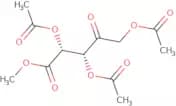
Discontinued productTri-O-acetyl-4-pentulosonic acid methyl ester
CAS:Tri-O-acetyl-4-pentulosonic acid methyl ester is a high purity, custom synthesis sugar that has been modified by click chemistry. It is fluorinated, glycosylated and synthetically modified. The chemical name for this product is 3'-O-Acetyl-4'-O-(2,3,5,6-tetrafluoro)pentylosonic acid methyl ester. Tri-O-acetyl-4-pentulosonic acid methyl ester is a saccharide that has the CAS No. 108595-14-8 and has been shown to be useful in the synthesis of oligosaccharides and monosaccharides.
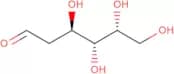
Formula:C12H16O9Purity:Min. 95%Molecular weight:304.25 g/mol2-Deoxy-D-galactose
CAS:2-Deoxy-D-galactose is a metabolite of the carbohydrate galactose. It is found in the rat striatum and has been shown to inhibit glutamate dehydrogenase activity. 2-Deoxy-D-galactose also inhibits 2,3,4,5 tetrahydropyridine (MPTP) induced neurotoxicity in mice by increasing levels of uridine and nucleotides in the brain. This agent also has an effect on glomerular filtration rate and on protein synthesis. The glycoside derivatives of 2-deoxy-D-galactose are formed by joining a sugar molecule to hydroxyl group. These derivatives are then transported into cells via glucose transport proteins.
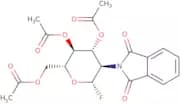
Formula:C6H12O5Purity:(%) Min. 99.0%Color and Shape:White PowderMolecular weight:164.16 g/mol3,4,6-Tri-O-acetyl-2-deoxy-2-phthalimido-b-D-glucopyranosyl fluoride
CAS:3,4,6-Tri-O-acetyl-2-deoxy-2-phthalimido-b-D-glucopyranosyl fluoride is a synthetic glycoside that has been synthesized by the click modification of a fluorinated saccharide. The compound has an acetyl group at C3 and C6 positions with an OCH3 group at the C4 position. This compound has been used in glycosylation reactions to modify the carbohydrate moiety of peptides and proteins. It has also been used in research on complex carbohydrate chemistry.
Formula:C20H20FNO9Purity:Min. 95%Molecular weight:437.37 g/mol1,2:3,4:5,6-Tri-O-isopropylidene-D-glycero-L-gulo-heptitol
1,2:3,4:5,6-Tri-O-isopropylidene-D-glycero-L-gulo-heptitol is a fluorinated monosaccharide that is synthesized from D-glucose. It is used as an experimental carbohydrate for glycosylation and modification reactions with other compounds. 1,2:3,4:5,6-Tri-O-isopropylidene-D-glycero-L-gulo-heptitol has a CAS number of 152400–59–1.
Purity:Min. 95%4-Methoxyphenyl 2,4,6-tri-O-benzoyl-a-D-mannopyranoside
4-Methoxyphenyl 2,4,6-tri-O-benzoyl-a-D-mannopyranoside is a glycosylation product of mannose with 4-methoxybenzoic acid. It is a complex carbohydrate that has been modified by methylation and click modification. The fluorination increases the reactivity of the hydroxyl groups on the sugar ring. This product can be synthesized in high purity and custom synthesis.
Formula:C34H30O10Purity:Min. 95%Molecular weight:598.6 g/molMethyl 3,5-O-isopropylidene-b-D-xylofuranoside
Methyl 3,5-O-isopropylidene-b-D-xylofuranoside is a methylated saccharide. It is an intermediate in the synthesis of glycosides and can be used for modifying proteins and polysaccharides. This compound is also useful for investigating carbohydrate metabolism and for determining the structure of complex carbohydrates.
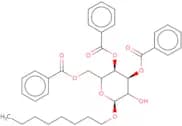
Purity:Min. 95%Octyl 3,4,6-tri-O-benzoyl-a-D-mannopyranoside
CAS:Octyl 3,4,6-tri-O-benzoyl-a-D-mannopyranoside is a carbohydrate that has been custom synthesized. It has a molecular weight of 614.4 g/mol and the chemical formula C30H50O8. This compound is an oligosaccharide with a polysaccharide backbone. Octyl 3,4,6-tri-O-benzoyl-a-D-mannopyranoside is soluble in water and ethanol, but insoluble in hexane or ether. It has CAS No. 19308-45-3 and can be modified by methylation or glycosylation. The molecule contains three sugar residues that have been linked through glycosidic bonds to form a triose sugar (a sugar containing three carbon atoms). The molecule also contains an acetal group at the C1 position of the mannose moiety that can be fluorinated with b
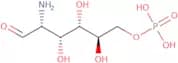
Formula:C35H40O9Purity:Min. 95%Molecular weight:604.69 g/molD-Glucosamine 6-phosphate
CAS:D-Glucosamine 6-phosphate is a non-essential amino acid that belongs to the group of nucleotide sugar phosphates. It is a metabolite of the sugar D-glucose and it plays an important role in the energy metabolism of bacteria, plants, and animals. It has been shown to have anti-cancer effects on prostate cancer cells. D-Glucosamine 6-phosphate inhibits methyltransferase activity by binding to the enzyme's active site. This inhibition prevents DNA synthesis, leading to cell death. The structural analysis has been done using NMR spectroscopy on d-arabinose as a model substrate.
Formula:C6H14NO8PPurity:Min. 98 Area-%Color and Shape:White PowderMolecular weight:259.15 g/molRef: 3D-MG09772
Discontinued productL-Xylose
CAS:L-Xylose is a monosaccharide that is found in many plants. It is used as a sweetener, and also has been shown to be beneficial in the treatment of diabetic neuropathy. L-Xylose can be metabolized by the enzyme xylitol dehydrogenase to produce energy for the cell. The enzyme catalyzes the conversion of xylitol to D-xylulose and then D-xylulose 1-phosphate, which can be converted into ATP for use by cells. L-Xylose is not metabolized by bacterial enzymes and does not affect blood sugar levels. L-Xylose has been shown to have an effect on taste perception, with a sweet taste at concentrations of 10 milligrams per liter (mg/L). This sweet taste is due to its hydroxymethyl group on the C2 position, which reacts with sodium ions in the mouth. The optimum pH for L-xylose
Formula:C5H10O5Purity:Min. 99.0 Area-%Molecular weight:150.13 g/molRef: 3D-X-8000
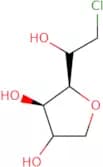
Discontinued product1,4-Anhydro-6-chloro-6-deoxy-D-glucitol
1,4-Anhydro-6-chloro-6-deoxy-D-glucitol is a complex carbohydrate that has been fluorinated and modified with methyl groups. It can be custom synthesized to produce high purity compounds. 1,4-Anhydro-6-chloro-6-deoxy-D-glucitol is used in synthesis of saccharides and oligosaccharides. The compound has been modified with Click chemistry to produce glycosylation products. It can also be used as an intermediate for the synthesis of sugar derivatives.
1,4-Anhydro-6-chloro-6-deoxy--D--glucitol has the following chemical structure:Formula:C6H11ClO4Purity:Min. 95%Molecular weight:182.61 g/mol2,3-O-Isopropylidene-1-C-methyl-D-erythrose
2,3-O-Isopropylidene-1-C-methyl-D-erythrose is a modified oligosaccharide that is synthesized from D-erythrose. It can be used in the synthesis of complex carbohydrates with various biological activities. It is a sugar that can be methylated, glycosylated, or fluorinated and has been shown to have anti-inflammatory properties.
Purity:Min. 95%1-Deoxy-3,4-O-isopropylidene-6-O-tert.butyldimethylsilyl-D-tagatose
1-Deoxy-3,4-O-isopropylidene-6-O-tert.butyldimethylsilyl-D-tagatose (1DOP) is a carbohydrate that can be used in the synthesis of oligosaccharides and polysaccharides. It is a synthetic monosaccharide that has been modified with fluorine and methyl groups to increase its stability. 1DOP can be reacted with other sugars like glucose or mannose to form glycosidic linkages. The resulting product is called an oligosaccharide, which can then be further modified by adding more sugar residues to form a polysaccharide.
Purity:Min. 95%N-(3-Nitrobenzyliden)imino-2,3,4,6-tetra-O-pivaloyl-D-glucopyranoside
3-Nitrobenzylidenimino-2,3,4,6-tetra-O-pivaloyl-D-glucopyranoside is a fluorinated carbohydrate that is synthesized from 2,3,4,6-tetra-O-pivaloyl-D-glucopyranose. It has been modified with a nitrobenzylidene group. This compound can be used in the synthesis of glycosides and polysaccharides.
Formula:C33H48N2O11Purity:Min. 95%Molecular weight:648.74 g/mol(2R, 3S, 4R, 5S) -2- Butyl-3, 4, 5- piperidinetriol
(2R, 3S, 4R, 5S) -2- Butyl-3, 4, 5- piperidinetriol is a custom synthesis of a fluorinated saccharide. It is a modified monosaccharide that has been synthesized by methylation and click modification. This molecule is an oligosaccharide with glycosylation at both the sugar and carbohydrate level. The saccharide in this compound is a complex carbohydrate that contains two sugar units.
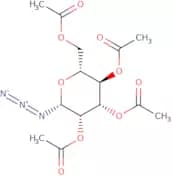
Purity:Min. 95%2,3,4,6-Tetra-O-acetyl-a-D-galactopyranosyl azide
CAS:Please enquire for more information about 2,3,4,6-Tetra-O-acetyl-a-D-galactopyranosyl azide including the price, delivery time and more detailed product information at the technical inquiry form on this page
Formula:C14H19N3O9Purity:Min. 98 Area-%Color and Shape:PowderMolecular weight:373.32 g/molα-Chloralose (max. 20% β-anomer)
CAS:Alpha-Chloralose (max. 20% beta-anomer) is a chemical compound primarily used as a sedative and for rodent control. It is synthesized through a chemical reaction involving glucose and chloral, creating a substance with unique physiological properties. Its mode of action primarily involves depressing the central nervous system, leading to reduced responsiveness and hypothermia in targeted organisms. Alpha-Chloralose induces symptoms that facilitate its application as a tranquilizer, particularly in small mammals and birds during scientific research. Additionally, due to its efficacy in lowering metabolic rates, it is utilized as a rodenticide. Within this context, it serves to humanely control rodent populations by inducing hypothermic conditions, leading to a humane death. Its dual functionality—both as a sedative and a rodenticide—makes it a versatile tool in scientific research and pest management. The specification of a maximum 20% beta-anomer content ensures a standardized formulation, enhancing its reliability and consistency for experimental and practical applications.
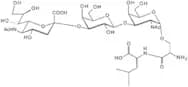
Formula:C8H11Cl3O6Molecular weight:309.53 g/mol(Neu5Ac a(2-3)-Gal-b(1-3)-GalNAc)SL-OH
Neu5Ac a(2-3)-Gal-b(1-3)-GalNAc)SL-OH is an Oligosaccharide that is a complex carbohydrate with a Methylation modification. It is the product of Click chemistry and has been Fluorinated and saccharide, Modification, sugar, Oligosaccharide, Synthetic, CAS No., Monosaccharide, Custom synthesis, High purity.
Purity:Min. 95%Ethyl 3-O-benzyl-4,6-O-benzylidene-2-deoxy-2-N-phthalimido-b-D-thioglucopyranoside
CAS:Ethyl 3-O-benzyl-4,6-O-benzylidene-2-deoxy-2-N-phthalimido-b-D-thioglucopyranoside is a synthetically modified sugar. It is a monosaccharide that has been fluorinated and methylated. This modification has been shown to increase the stability of the sugar in the presence of water. The sugar also has an oligosaccharide and polysaccharide moiety attached to it. These saccharides are glycosylated and have a complex carbohydrate structure.
Formula:C30H29NO6SPurity:Min. 95%Color and Shape:PowderMolecular weight:531.62 g/molRef: 3D-ME08389
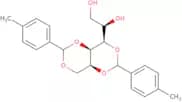
Discontinued productBis(p-methylbenzylidene)sorbitol
CAS:Bis(p-methylbenzylidene)sorbitol is an organic solvent that has been used in a variety of applications, including polyolefin production, as an additive for plastics, and as a surface treatment for metals. Bis(p-methylbenzylidene)sorbitol also has been used to reduce the weight of paper and textiles. It is synthesized by the reaction of vinyl alcohol with dibenzylidene sorbitol in the presence of base. Bis(p-methylbenzylidene)sorbitol can be identified by its crystalline structure, which consists of three molecules of glucose linked together. Bis(p-methylbenzylidene)sorbitol is a colorless liquid that has no odor or taste and it has a low viscosity. This chemical is also soluble in organic solvents such as benzene or ethylene glycol ethers.
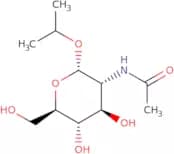
Formula:C22H26O6Purity:Min. 95%Color and Shape:PowderMolecular weight:386.44 g/molIsopropyl 2-acetamido-2-deoxy-α-D-glucopyranoside
CAS:Isopropyl 2-acetamido-2-deoxy-α-D-glucopyranoside is a modification of an oligosaccharide. It has been synthesized and characterized by NMR spectroscopy. This carbohydrate is custom synthesized as a complex carbohydrate. It is also a synthetic carbohydrate. Isopropyl 2-acetamido-2-deoxy-α-D-glucopyranoside is used as a monosaccharide, in glycosylation, methylation, polysaccharides, and other sugar chemistry reactions. Isopropyl 2-acetamido-2-deoxy-α-D-glucopyranoside can be used for fluorination or saccharides.
Formula:C11H21NO6Purity:Min. 95%Color and Shape:PowderMolecular weight:263.29 g/mol1,3,4,6-Tetra-O-acetyl-N-propanoyl-D-mannosamine
CAS:1,3,4,6-Tetra-O-acetyl-N-propanoyl-D-mannosamine is a sugar that is used for the synthesis of novel glycosides. It is prepared by the methylation of D-mannose with acetic anhydride in the presence of sodium methoxide. This reaction can also be carried out on a variety of other sugars and carbohydrates, such as D-galactose, D-xylose, or L-arabinose. 1,3,4,6-Tetra-O-acetyl-N-propanoyl-D-mannosamine has been shown to react with 4-(pyridinium)butanoic acid to produce 4-(pyridinium)butanal (1), which reacts with glycine to produce 1-(pyridinium)butanediamide (2). The carbonyl group in 2 can
Formula:C17H25NO10Purity:Min. 95%Molecular weight:403.38 g/molRef: 3D-MT162101
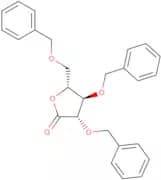
Discontinued product2,3,5-Tri-O-benzyl-D-arabino-1,4-lactone
CAS:2,3,5-Tri-O-benzyl-D-arabino-1,4-lactone is a carbonyl compound that has been used to synthesize carbonyl compounds. It has been shown to catalyze the formation of benzaldehyde from acetoacetic ester in the presence of hydrochloric acid. The melting point of 2,3,5-tri-O-benzyl-D-arabino-1,4--lactone is reported to be between 138° and 141°C.Formula:C26H26O5Purity:Min. 95%Color and Shape:PowderMolecular weight:418.48 g/molRef: 3D-MT05389
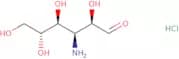
Discontinued productD-Galactosamine hydrochloride
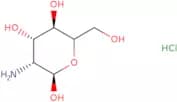
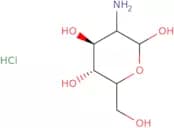
CAS:D-Galactosamine (GalN) is an aldohexose (2-Amino-2-deoxygalactose) in which the hydroxyl group at position 2 is replaced by an amino group (Collins, 2006). Galactosamine (as the N-Acetyl derivative) forms a key part of both N- and O-linked glycoproteins, glycolipids and glycosaminoglycans. Treatment of experimental animals with D-galactosamine / lipopolysaccharide causes lethal liver injury characterized by apoptosis of the hepatocyte and it is used as a laboratory model to study the effect of therapeutic agents (Hirono, 2001).
Formula:C6H14ClNO5Molecular weight:215.63 g/molRef: 3D-G-1500
Discontinued productD-Quinovosamine hydrochloride
CAS:Quinovosamine hydrochloride (QNH) is a fatty acid that belongs to the group of galacturonic acid. It has been shown to be biologically active in wild-type strains and in some bacterial strains, including Pseudomonas aeruginosa. QNH has also been used for preparation of monoclonal antibodies directed against receptor activity, which are activated by QNH.
Formula:C6H13NO4·HClPurity:Min. 95%Color and Shape:PowderMolecular weight:199.63 g/molRef: 3D-MQ31639
Discontinued productTopiramate D-galactopyranose
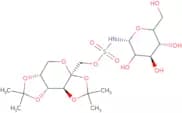
Topiramate D-galactopyranose is a custom synthesis, modification, fluorination, methylation and monosaccharide. It is synthesized by clicking modification and oligosaccharide. Topiramate D-galactopyranose has CAS No. and polysaccharide. This product has sugar and complex carbohydrate. It can be used as a fluoroquinolone antibiotic for the treatment of bacterial infections such as tuberculosis, leprosy, mycobacterium avium complex, or staphylococcus aureus infection.
!--Formula:C18H31NO13SPurity:Min. 95%Molecular weight:501.5 g/mol2-Keto-D-gluconic acid hemicalcium monohydrate
CAS:Enhances dissolution of soil minerals; intermediate in L-ascorbic acid syntheses
Formula:C6H9O7•(Ca)•H2OPurity:Min. 99 Area-%Color and Shape:White PowderMolecular weight:231.19 g/mol2-Methylphenyl 2-acetamido-2-deoxy-β-D-glucopyranoside
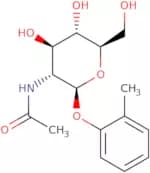
CAS:2-Methylphenyl 2-acetamido-2-deoxy-b-D-glucopyranoside is a fluorinated glycosylation product that is synthesized by custom synthesis. It is a complex carbohydrate with high purity and modification.Formula:C15H21NO6Purity:Min. 95%Color and Shape:PowderMolecular weight:311.33 g/molRef: 3D-MM00867
Discontinued productD-Xylose
CAS:Xylose (Xyl) is an aldopentose also known as wood sugar (Collins, 2006). The main sources of xylose are hemicelluloses found in hardwood and perennial plants, such as, grasses, cereals, and herbs (Petzold-Welcke, 2014) and some algae. Xylose is used in the production of xylitol, a low calory sugar substitute. Xylose is used in glycosaminoglycan (GAG) biosynthesis, which is initiated by peptide O-xylosyltransferases, which transfer xylose onto selected serine residues in the core proteins. The first enzyme in the pathway, peptide O-xylosyltransferase, catalyzes the transfer of xylose from uridine diphosphate (UDP)-α-D-xylose onto serine and thus determines the site(s) of GAG attachment on the core protein (Briggs, 2018).
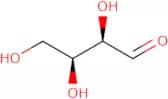
Formula:C5H10O5Purity:Min. 98.0 Area-%Color and Shape:White PowderMolecular weight:150.13 g/molD-Erythrose 4-phosphate
CAS:The utilization of D-Erythrose 4-phosphate extends to various research applications, particularly in studying metabolic pathways and enzyme catalysis relevant to both prokaryotic and eukaryotic organisms.
Formula:C4H9O7PPurity:Min. 95%Molecular weight:200.08 g/molMethyl 6-O-tert-butyldimethylsilyl-2,3,4-tri-O-pivaloyl-a-D-mannopyranoside
Methyl 6-O-tert-butyldimethylsilyl-2,3,4-tri-O-pivaloyl-a-D-mannopyranoside is a synthetic glycosylation agent that can be used for the synthesis of complex carbohydrates. This product has been fluorinated and saccharide modified. Methyl 6-O-tert-butyldimethylsilyl-2,3,4-tri-O-pivaloyl-aDmannopyranoside is available in CAS number: 5756782.
Formula:C28H52O9SiPurity:Min. 95%Molecular weight:560.81 g/molN-Acetyl-D-mannosamine
CAS:N-Acetyl D-mannosamine (ManNAc) is an aldohexose (2-acetamido-2-deoxymannose) in which the axial hydroxyl group at position 2 is replaced by a N-acetyl group (Collins, 2006). It has been reported that N-acetyl D-mannosamine supplementation, may provide novel means to break the link between obesity and hypertension (Peng, 2019). N-Acetyl-D-mannosamine and N-acetyl-D-glucosamine are the essential precursors of sialic acid, the specific monomer of polysialic acid, a bacterial pathogenic determinant, for example, Escherichia coli K1 uses both amino sugars as carbon sources. It has been reported that ManNAc can be used as a treatment for hereditary inclusion body myopathy, an adult-onset, progressive neuromuscular disorder and also for renal disorders involving proteinuria and hematuria due to podocytopathy and/or segmental splitting of the glomerular basement membrane (Galeano, 2007).
Formula:C8H15NO6Purity:Min. 98 Area-%Color and Shape:White PowderMolecular weight:221.21 g/molRef: 3D-MA05269
Discontinued productAllosamizoline
CAS:Allosamizoline is a potent inhibitor of bacterial enzyme that is produced by the bacteria. It inhibits viral replication and has been shown to inhibit the biosynthesis of other bioactive molecules, such as cyclohexane ring, nitrogen atoms, and growth regulators. Allosamizoline is a bicyclic compound with an acetylation at the carbon atom and a cyclohexane ring. This compound also has two nitrogen atoms in its structure that are important for inhibiting bacterial enzymes. In addition, allosamizoline can be conjugated to fluorescein via an ester linkage. The fluorescein-allosamizoline conjugate can be used as a fluorescent probe for the detection of bacterial enzymes in live cells and tissues.
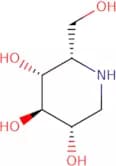
Formula:C9H16N2O4Purity:Min. 95%Molecular weight:216.23 g/mol(2S, 3R, 4R, 5S) -2- (Hydroxymethyl) - 3, 4, 5- piperidinetriol
CAS:(2S, 3R, 4R, 5S) -2- (Hydroxymethyl) - 3, 4, 5- piperidinetriol is a naturally occurring metabolite of the amino acid tryptophan. It is a structural analog of glucosylceramide and has been shown to have inhibitory properties against β-glucosidase. Structural studies have shown that this compound has similar stereoselective properties as the natural product glucosylceramide. This compound was also found to be a competitive inhibitor of amines and a non-competitive inhibitor of β-glucosidase.
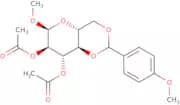
Formula:C6H13NO4Purity:Min. 95%Molecular weight:163.17 g/molMethyl 2,3-di-O-acetyl-4,6-O-(4-methoxybenzylidene)-a-D-glucopyranoside
CAS:Methyl 2,3-di-O-acetyl-4,6-O-(4-methoxybenzylidene)-a-D-glucopyranoside is a synthetic saccharide that has been modified with methylation and fluorination. It is an oligosaccharide derived from glucose that can be obtained through the custom synthesis of a polysaccharide. This product has CAS No. 52526-77-9 and is available in high purity. It can be used for the modification of monosaccharides or other carbohydrates.
Formula:C19H24O9Purity:Min. 95%Molecular weight:396.4 g/molColchicoside
CAS:Colchicoside is a natural compound that belongs to the chemical family of phenylpropanoids. It is used in the treatment of gout and pseudogout, and has been shown to be effective against demecolcine-induced hemolytic activity. Colchicoside has also shown to be an analog for other compounds with toxicological studies, such as hydrochloric acid and potassium dichromate. The toxicity studies performed on colchicoside have shown that it can cause damage to cells in culture by inhibiting DNA repair mechanisms.
Formula:C27H33NO11Purity:Min. 95%Color and Shape:PowderMolecular weight:547.55 g/molRef: 3D-MC16661
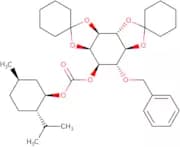
Discontinued product6-O-Benzyl-1-(-)-carboxymenthyl-2,3:4,5-di-O-cyclohexylidene-L-myo-inositol
CAS:6-O-Benzyl-1-(-)-carboxymenthyl-2,3:4,5-di-O-cyclohexylidene-L-myo-inositol is a synthetic oligosaccharide with the chemical formula C9H14FNO5. It is a monosaccharide composed of a single sugar unit, inositol, which has been modified with benzyl groups on the 6th and 1st positions of the inositol ring. This compound is used as an intermediate in the synthesis of other saccharides.
Formula:C36H52O8Purity:Min. 95%Molecular weight:612.79 g/mol(2, 4- Anhydro- 6- deoxy- L- mannonoyl)-glycine methyl ester
This is a custom synthesized product. It has been modified to include a methyl group at the 2,4-positions on the anhydro-6-deoxy-L-mannopyranose molecule. This modification is done using Click chemistry and the product contains a high level of purity. The modification can be used to create saccharides with high carbohydrate content and polysaccharides with different degrees of polymerization.
Purity:Min. 95%Butyl α-D-glucopyranoside
CAS:Butyl a-D-glucopyranoside is an antimicrobial agent that inhibits the growth of photosynthetic organisms. It has been shown to have high cytotoxicity against Gram-positive bacteria, including Enterobacter and Bacillus. Butyl a-D-glucopyranoside also exhibits strong antimicrobial activity against Gram-negative bacteria such as Escherichia coli, Salmonella enterica, Klebsiella pneumoniae, and Pseudomonas aeruginosa. This compound also has potent activity against fungi and yeast. The mechanism of action is not known but may involve the inhibition of tyrosol synthesis or the disruption of microbial membranes.
Formula:C10H20O6Purity:Min. 95%Color and Shape:PowderMolecular weight:236.26 g/molRef: 3D-MB08243
Discontinued product4-Aminobutyl 2- acetamido - 2- deoxy-b- D- galactopyranoside
4-Aminobutyl 2-acetamido-2-deoxy-b-D-galactopyranoside is a modification of the carbohydrate, which is an Oligosaccharide. It is synthesized by the chemical process of Methylation and Glycosylation. The functional groups on this modification are Carbohydrate and Fluorination. CAS No. for this product is 51310-59-3, and Monosaccharide is the sugar type.
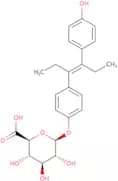
Formula:C12H24N2O6Purity:Min. 95%Molecular weight:292.33 g/molDiethyl stilbestrol β-D-glucuronide
CAS:Diethylstilbestrol (DES) is an endogenous substance that has been shown to be a potent estrogen. It is metabolized in the body to form stilbestrol glucuronide, which is excreted in the urine. Radiolabeling studies have shown that DES has a chemical structure similar to estradiol, although its pharmacologic effects are not as potent. Diethylstilbestrol glucuronide can be used for the diagnosis of cancer and other diseases by using nuclear medicine techniques such as positron emission tomography (PET) and single-photon emission computed tomography (SPECT). Studies have also demonstrated that DES can induce erythropoietic protoporphyria in animals.
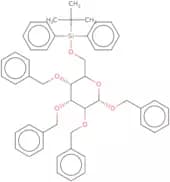
Formula:C24H28O8Purity:Min. 95%Color and Shape:White to off-white powder.Molecular weight:444.47 g/mol1,2,3,4-Tetra-O-benzyl-6-O-tert-butyldiphenylsilyl-a-D-mannopyranose
CAS:1,2,3,4-Tetra-O-benzyl-6-O-tert-butyldiphenylsilyl-a-D-mannopyranose is a synthetic glycoside that can be used as a building block for the synthesis of complex carbohydrates. It is a fluorinated sugar that can be modified with methyl groups and other functional groups. This product is available in high purity and can be custom synthesized to meet your specific needs.
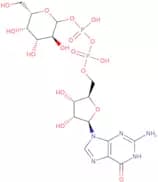
Formula:C50H54O6SiPurity:Min. 95%Molecular weight:779.07 g/molGDP-L-fucose disodium
CAS:Please enquire for more information about GDP-L-fucose disodium including the price, delivery time and more detailed product information at the technical inquiry form on this page
Formula:C16H23N5O15P2Na2Purity:Min. 90 Area-%Molecular weight:633.31 g/mol2-Deoxy-2-fluoro-D-galactose
CAS:Please enquire for more information about 2-Deoxy-2-fluoro-D-galactose including the price, delivery time and more detailed product information at the technical inquiry form on this page
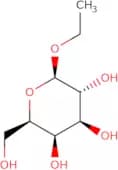
Formula:C6H11FO5Purity:Min. 97 Area-%Molecular weight:182.15 g/molEthyl b-D-galactopyranoside
CAS:Ethyl b-D-galactopyranoside is a galactosylated glycoside that can be synthesized by the transfer of an acetyl group from ethyl alcohol to a sugar. It has antibacterial activity and is used in solvents as a stabilizer. The chemical structure of this compound consists of two benzene rings with an -OH group on one end, which are linked together by a covalent bond. The spacing between these two benzene rings is important for the stability of this compound, and it will break down when there is not enough space for the electron clouds to interact with each other. Ethyl b-D-galactopyranoside has been shown to be effective against tuberculosis bacteria, Mycobacterium tuberculosis, and Mycobacterium avium complex.
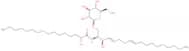
Formula:C8H16O6Color and Shape:White PowderMolecular weight:208.21 g/molGlucosylceramide
CAS:Glucosylceramide (Glc-Cer) is the common precursor in the biosynthesis of most glycosphingolipids, with exception of some Gal-Cer derivatives, such as, GM4. Glucosylceramide consists of a glucosyl moiety which is β-O-glycosydically linked to ceramide, which itself, consists of the long-chain aminoalcohol sphingosine and a fatty acid. Glucosylceramide (also called glucocerebroside) is synthesised enzymatically, by the glucosylceramide synthase-catalysed with the addition of a glucose residue to ceramide. Glucosylceramide is involved in the regulation of various cellular events and also serves as a main constituent in liposome formulations.
Formula:C40H75NO9Purity:Min. 98 Area-%Color and Shape:White Off-White PowderMolecular weight:714.02 g/molRef: 3D-MG16326
Discontinued productD-Galactosamine hydrochloride
CAS:D-Galactosamine (GalN) is an aldohexose (2-amino-2-deoxygalactose) in which the hydroxyl group at position 2 is replaced by an amino group (Collins, 2006). Galactosamine (as the N-acetyl derivative) forms a key part of both N- and O-linked glycoproteins, glycolipids and glycosaminoglycans. Treatment of experimental animals with D-galactosamine / lipopolysaccharide causes lethal liver injury characterized by apoptosis of the hepatocyte and it is used as a laboratory model to study the effect of therapeutic agents (Hirono, 2001).
Formula:C6H13NO5·HClPurity:Min. 98 Area-%Color and Shape:White Off-White PowderMolecular weight:215.63 g/molRef: 3D-MG05030
Discontinued productMethyl 2,3-di-O-p-toluenesulfonyl-6-O-trityl-a-D-glucopyranoside
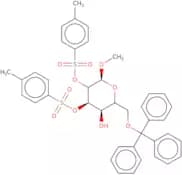
CAS:Methyl 2,3-di-O-p-toluenesulfonyl-6-O-trityl-a-D-glucopyranoside is a custom synthesis of a natural product. It is an analogue of the disaccharide sucrose (CAS No. 69649-64-5). Methyl 2,3-di-O-p-toluenesulfonyl 6-[(trityloxy)methyl]-a-(1,2:4,5)-D glucopyranoside reacts with fluoride ion to form methyl 2,3 di -O - p - toluenesulfonyl 6-[(trityloxy)methyl]-a-(1,2:4,5)-D glucopyranoside fluoride ion. The monosaccharides are linked by glycosyl bonds and can be modified by different reactions such as oxidation or reduction. The saccharide can be modified
Formula:C40H40O10S2Purity:Min. 95%Molecular weight:744.87 g/molBenzyl 3,4-O-(2',3'-dimethoxybutane-2',3'-diyl)-a-D-mannopyanoside
CAS:Benzyl 3,4-O-(2',3'-dimethoxybutane-2',3'-diyl)-a-D-mannopyanoside is a modification of an oligosaccharide. It is a complex carbohydrate that has been synthesized from a monosaccharide and methylated on the 3' hydroxyl group. This product is available as a custom synthesis and is offered in high purity. The CAS number for this compound is 1423035-45-3.
br>
Benzyl 3,4-O-(2',3'-dimethoxybutane-2',3'-diyl)-a-D-mannopyanoside can be used as a sugar or fluorinated saccharide in glycosylation reactions with other molecules. It can also be used to produce polysaccharides by glycosylation with other molecules such as glucose, mannose, or sucrose.Formula:C19H28O8Purity:Min. 95%Molecular weight:384.42 g/molRef: 3D-MB11021
Discontinued product2-Amino-2,6-dideoxy-L-mannose hydrochloride
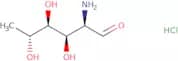
2-Amino-2,6-dideoxy-L-mannose hydrochloride is a high purity and custom synthesis sugar. It is synthesized from 2,6-Dideoxymannose with the use of Click chemistry. This modification allows for a variety of fluorinations, glycosylations, and methylations to be used in the synthesis process. The CAS number for this compound is 107625-00-3.
Purity:Min. 95%Tetracycline 10-O-β-D-galactopyranoside
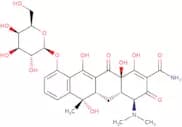
CAS:Tetracycline 10-O-b-D-galactopyranoside is a tetracycline antibiotic that has been modified with a fluorinating agent to increase its water solubility. Tetracycline 10-O-b-D-galactopyranoside is the most active of the tetracyclines for the treatment of infections caused by mycoplasmas, rickettsias, and chlamydiae. It inhibits protein synthesis in these bacteria by binding to ribosomes. This drug also has an inhibitory effect on the growth of Mycobacterium tuberculosis and Mycobacterium avium complex.Formula:C28H34N2O13Purity:Min. 95%Color and Shape:Dark red solid.Molecular weight:606.58 g/mol6-Deoxy-L-allitol
6-Deoxy-L-allitol is a white crystalline solid that melts at 122°C. It has an amorphous character and may be present as a mixture of rotations, form, and crystalline polymorphs. 6-Deoxy-L-allitol can be oxidized to its diol derivative by hydrogen peroxide or sodium periodate. This compound is soluble in water, methanol, and acetone. The molecular weight of this compound is 179.06 g/mol.
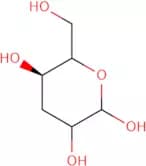
Purity:Min. 95%3-Deoxy-D-galactopyranose
CAS:3-Deoxy-D-galactopyranose is a galectin that has been synthetically produced. It has shown to be an antagonist of galactoside, which may be useful in the treatment of type 2 diabetes. The synthetic method for this molecule is still being developed.
Formula:C6H12O5Purity:Min. 95%Color and Shape:PowderMolecular weight:164.16 g/molRef: 3D-MD06264
Discontinued product5,6-O-Isopropylidene-D-mannofurano-1,4-lactone
5,6-O-Isopropylidene-D-mannofurano-1,4-lactone (5,6-OI) is a synthetic monosaccharide that is used in the synthesis of oligosaccharides and complex carbohydrates. This compound can be fluorinated to 5,6-OI(F) and methylated to 5,6-OMe. It also has a glycosylation site at C2. The CAS number for this compound is 218070-07-5.
Purity:Min. 95%L-Xylosamine
L-Xylosamine is a carbohydrate that has been modified with fluorine. It is a monosaccharide and is found in plant cell walls. L-Xylosamine can be custom synthesized and has a high purity level. It is also methylated and glycosylated, which makes it an ideal compound for click chemistry.
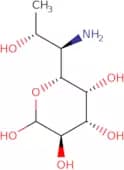
Formula:C5H11NO4Purity:Min. 95%Molecular weight:149.15 g/molLincosamine
CAS:Lincosamine is a nitrogen nucleophile that reacts with the electrophilic carbon of an activated aromatic ring in a chemical reaction. Lincosamine has been shown to be effective against infectious diseases caused by bacteria, such as Staphylococcus and Streptococcus, but not against viruses. The glycosidic bond between lincosamine and glucose is stereoselective. Lincosamine binds to the hybridoma cell strain through its monoclonal antibody and can be used for pharmacokinetic properties studies. Lincosamine has been used as an antimicrobial agent in biological samples such as urine, blood, and sputum.
Formula:C8H17NO6Purity:Min. 95%Molecular weight:223.22 g/molReduced nicotinamide riboside
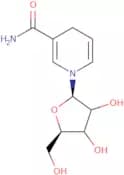
CAS:The reduced form of nicotinamide riboside or NRH is a potent NAD+ precursor that helps to replenish its levels in the cell. The reduced nicotinamide riboside form has shown high tolerance against degradation in plasma, which is why it is beneficial as a metabolite for the synthesis of NAD/NADH.
Formula:C11H16N2O5Purity:Min. 95 Area-%Color and Shape:Clear Viscous LiquidMolecular weight:256.26 g/molRef: 3D-MR31174
Discontinued productPetunidin 3-glucoside chloride
CAS:Petunidin 3-glucoside chloride is a natural compound found in the human serum and in kidney beans. It is structurally similar to chlorogenic acid, a major phenolic acid in coffee. Petunidin 3-glucoside chloride is extracted using hydrochloric acid and then purified by a surface methodology. The main degradation products of this compound are protocatechuic acid, fluorescence detector, procyanidin B4, and malonic acid. This compound can be used as an antioxidant or chemoattractant protein. It has been shown to have high levels of anthocyanins and trifluoroacetic acid (TFA) when exposed to sunlight.
Formula:C22H23O12ClPurity:Min. 95%Color and Shape:PowderMolecular weight:514.86 g/molRef: 3D-MP44898
Discontinued productPropofol-4-Hydroxy-1-D-glucuronide
Propofol-4-Hydroxy-1-D-glucuronide is a modification of propofol, which is commonly used as an intravenous anesthetic. It is a synthetic compound that can be custom synthesized by adding the sugar group to propofol. Propofol-4-Hydroxy-1-D-glucuronide has been shown to be a high purity and pure oligosaccharide with a CAS number. It also contains methylated and glycosylated saccharides.
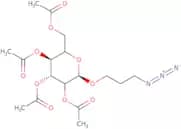
Formula:C18H26O8Purity:Min. 95%Molecular weight:370.39 g/mol3-Azidopropyl 2,3,4,6-tetra-O-acetyl-b-D-galactopyranoside
CAS:3-Azidopropyl 2,3,4,6-tetra-O-acetyl-b-D-galactopyranoside is a Custom synthesis of the monosaccharide galactose. It is modified with fluorine at the 3 and 4 positions on the carbon chain and also has an acetyl group at the 6 position. 3-Azidopropyl 2,3,4,6-tetra-O-acetyl-b-D-galactopyranoside is synthesized from the sugar glucose by methylation of the hydroxyl groups on C1 and C2. The chemical formula for this compound is C8H14N2O5. This molecule has a molecular weight of 204.22 g/mol and its CAS number is 819053-49-1.
Formula:C17H25N3O10Purity:Min. 95%Color and Shape:Colorless PowderMolecular weight:431.39 g/molRef: 3D-MA10045
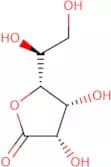
Discontinued productL-Gulonic acid-1,4-lactone
CAS:L-Gulonic acid-1,4-lactone is an ascorbic acid derivative that inhibits the production of matrix metalloproteinases (MMPs) and other enzymes. L-Gulonic acid-1,4-lactone has been shown to inhibit the activity of MMPs in hl-60 cells, which may be due to its ability to chelate metal ions, such as zinc and copper. This molecule also has a stabilizing effect on collagen type I because it prevents cross linking between lysine amino acids. The discovery process for this molecule was found by screening clones from a cDNA library with biochemical properties similar to those of ascorbic acid. This molecule has been shown to inhibit the activation of protein kinase C (PKC) and phosphorylation of extracellular signal regulated kinase (ERK). L-Gulonic acid-1,4-lactone is metabolized through plant metabolism
Formula:C6H10O6Purity:Min. 95 Area-%Color and Shape:White PowderMolecular weight:178.14 g/mol3-Amino-3-deoxy-D-glucose HCl
CAS:3-Amino-3-deoxy-D-glucose HCl is a synthetic compound that inhibits the efflux of glucose from cells. It has been shown to inhibit growth in Saccharomyces cerevisiae, which may be due to its ability to inhibit the function of an efflux pump. 3-Amino-3-deoxy-D-glucose HCl has also shown antifungal activity against Candida albicans and Aspergillus fumigatus.
Formula:C6H13NO5·HClPurity:Min. 98 Area-%Color and Shape:Slightly Yellow PowderMolecular weight:215.63 g/molRef: 3D-MA05156
Discontinued product3-Epicasuarine
CAS:3-Epicasuarine is an Oligosaccharide, which is a carbohydrate with a low molecular weight. It has two monosaccharides, which are the structural units of carbohydrates. 3-Epicasuarine is a glycosylation product of sucrose and glycine and has been fluorinated at the 8-position. The chemical formula for 3-Epicasuarine is C6H14FO4S2. This compound can be custom synthesized to meet your specifications or it can be purchased from us at a reasonable price.
A variety of modifications are available including methylation, click chemistry, and modification with saccharride residues such as maltose or glucose.
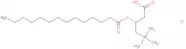
3-Epicasuarine may be used in the synthesis of oligosaccharides or as an intermediate in the synthesis of complex carbohydrates. It has been shown to have high purity and can be synthesized at any desired purity level.Formula:C8H15NO5Purity:Min. 95%Molecular weight:205.21 g/molMyristoyl-DL-carnitine chloride
CAS:Myristoyl-DL-carnitine chloride (MC) is a prodrug that is hydrolyzed to form L-carnitine and myristic acid. The drug has been shown to be absorbed intranasally, and its absorption kinetics are enhanced by the presence of lipids. MC was found to increase the level of human growth hormone in Sprague-Dawley rats. It also decreased the amount of chloride excreted in the urine by inhibiting intestinal epithelial cells from absorbing chloride ions. This drug may be used as a nasal spray for treatment of gastrointestinal disorders such as chronic constipation.
Formula:C21H42ClNO4Purity:Min. 95%Color and Shape:PowderMolecular weight:408.02 g/mol5-O-tert-Butyldimethylsilyl-2,3-O-isopropylidene-L-ribono-1,4-lactone
CAS:5-O-tert-Butyldimethylsilyl-2,3-O-isopropylidene-L-ribono-1,4-lactone is a high purity custom synthesis and custom synthesis of complex carbohydrates. 5-O-tert-Butyldimethylsilyl-2,3-O-isopropylidene-L-ribono--1,4--lactone is a fluorination and an oligosaccharide that contains methylated sugar. It is a polysaccharide with a click modification that can be used for glycosylation and methylation. This product has been shown to be effective in the synthesis of oligosaccharides.
Formula:C15H28O5SiPurity:Min. 95%Molecular weight:316.47 g/molPropargyl a-D-glucopyranoside
CAS:Propargyl a-D-glucopyranoside is a high purity custom synthesis sugar. It is synthesized by Click modification, fluorination, and glycosylation followed by methylation. Propargyl a-D-glucopyranoside can be used for the modification of oligosaccharides and monosaccharides to produce complex carbohydrates.
Formula:C9H14O6Purity:Min. 95%Color and Shape:PowderMolecular weight:218.2 g/molRef: 3D-MP31404
Discontinued product1,5-Anhydro-D-mannitol
CAS:1,5-Anhydro-D-mannitol is a monosaccharide that is used as an active ingredient in many pharmaceuticals. It is synthesized by the reaction of benzyl chloride with galactose. The compound has been shown to have radical scavenging activities and to inhibit the formation of carbonyl groups and hydroxyl radicals. 1,5-Anhydro-D-mannitol has also been shown to be effective against dendrobium candidum. This substance is tasteless and has a sweet taste at high concentrations.br>
1,5-Anhydro-D-mannitol is a molecule that consists of two hydroxyl groups and one deuterium atom. The molecule has a basic ph and can exist in six different forms depending on the orientation of the hydrogen atoms on the hydroxyl group. In addition, it contains one acidic ph because it contains a carboxylic acid group on one side.Formula:C6H12O5Purity:Min. 97 Area-%Color and Shape:PowderMolecular weight:164.16 g/molRef: 3D-MA06625
Discontinued product(+)-syringaresinol-4,4'-bis-O-b-D-glucopyranoside
(+)-syringaresinol-4,4'-bis-O-b-D-glucopyranoside is a synthetic compound that is fluorinated with (2,2,2-trifluoroethyl)trimethylsilane. It is a sugar molecule that is an oligosaccharide. This compound has been synthesized from syringic acid and (+)-syringaresinol by glycosylation and methylation. It is insoluble in water and has a melting point of 129°C. The CAS number for this compound is 73987-07-8.
Purity:Min. 95%b-D-Glucose - 95%
CAS:B-D-glucose is a monosaccharide with the molecular formula C6H12O6. It is the major form of glucose in plants, and is one of the simplest carbohydrates. B-D-glucose is synthesized by photosynthesis in plants and used as an energy source for cellular respiration. The hydroxyl group of b-D-glucose reacts with p-hydroxybenzoic acid to form a new compound called glucopyranosiduronic acid. The hydroxyl group also reacts with sodium citrate to form sodium hydrogen citrate. This reaction can be used to measure the concentration of b-D-glucose in an unknown solution using high performance liquid chromatography (HPLC). B-D-glucose has been shown to have antidiabetic activity, as it improves insulin sensitivity, reduces blood glucose levels, and decrease body mass index (BMI) in animal models. A model system
Formula:C6H12O6Purity:Min. 95 Area-%Color and Shape:PowderMolecular weight:180.16 g/molDi-O-isopropylidene psicose
Di-O-isopropylidene psicose is a synthetic sugar that is a modification of the natural compound, psicose. It can be used for the synthesis of oligosaccharides, polysaccharides and other complex carbohydrates. Di-O-isopropylidene psicose can be methylated and glycosylated to form other sugar derivatives or fluorinated to form fluoroquinolones. This sugar has been shown to have high purity and stability under a wide range of conditions.
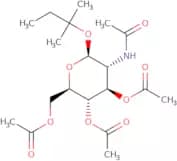
Purity:Min. 95%tert-Amyl 2-acetamido-3,4,6-tri-O-acetyl-2-deoxy-b-D-glucopyranoside
CAS:Tert-Amyl 2-acetamido-3,4,6-tri-O-acetyl-2-deoxy-b-D-glucopyranoside is a custom synthesis that has not been reported in the literature or commercialized. The compound is an oligosaccharide with a fluorinated saccharide unit. It is synthesized by methylation of glycosylation and click modification of the sugar. Tert-Amyl 2-acetamido-3,4,6-tri-O-acetyl-2DGPA has been shown to be resistant to enzymatic digestion and hydrolysis by esterases. The compound can also be used as a fluorescent probe for studying carbohydrate metabolism.
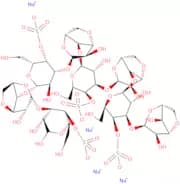
Formula:C19H31NO9Purity:Min. 95%Molecular weight:417.45 g/molNeocarraoctaose-4¹,4³,4⁵,4⁷-tetra-O-sulfate sodium
CAS:Neocarraoctaose-41,3,5,7-tetra-O-sulfate sodium salt is a synthetic carbohydrate compound that is used in the synthesis of oligosaccharides and polysaccharides. The chemical name of this product is Neocarraoctaose-41,3,5,7-tetra-O-sulfate sodium salt. It has a molecular weight of 598.34 g/mol and a CAS number of 133647-94-6. This product can be synthesized by methylation, custom synthesis, click modification and fluorination.
Formula:C48H74O49S4•Na4Purity:Min. 95%Color and Shape:PowderMolecular weight:1,655.3 g/molRef: 3D-MN01692
Discontinued product2,3-O-Isopropylidene-hamamelono-1,4-lactone
2,3-O-Isopropylidene-hamamelono-1,4-lactone is an Oligosaccharide with a Glycosylation that is Synthetic and Fluorinated. It has a Custom synthesis and Methylation. This product is Monosaccharide and Polysaccharide. It has a Click modification, a complex carbohydrate, and is High purity. The CAS number for this product is 62968-07-1.
Purity:Min. 95%2-Azido-2-deoxy-L-lyxono-1,4-lactone
2-Azido-2-deoxy-L-lyxono-1,4-lactone is a fluorinated monosaccharide. It is synthesized using the Curtius rearrangement of 2-azidoethyl 4,6-dioxohexanoate and a Lewis acid. This compound is used as an intermediate in the synthesis of glycosylides and polysaccharides. The methylation of this molecule has been shown to be useful for the modification of carbohydrates, such as polysaccharides. The product purity can be as high as 98% when it is custom synthesized to order.
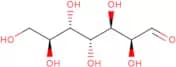
Purity:Min. 95%L-Glycero-L-galacto-heptose
CAS:L-Glycero-L-galacto-heptose is a cyclitol that is structurally similar to glycerol and galactose. It has been found in the Australian sea urchin Strongylocentrotus franciscanus. L-Glycero-L-galacto-heptose can be synthesized by reacting methyl glycosides with calcium ions. This reaction produces an electrophoretic mobility that is greater than that of glycerol, which may be due to the greater degree of hydrogen bonding between methyl glycosides and calcium ions. The presence of hydroxyl groups on the sugar residue allows for the formation of hydrogen bonds with neighboring molecules. These interactions lead to a conformation that is different from other cyclitols, such as D-glycero-D-galactopyranose, which has no hydroxyl group on its sugar residue.
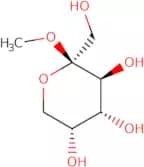
Formula:C7H14O7Purity:Min. 95%Molecular weight:210.2 g/molMethyl β-D-fructopyranoside
CAS:Methyl β-D-fructopyranoside is a glycoside that is made up of a pyranose ring and the sugar d-fructose. This molecule is stable because of its hydrogen bonds, which are formed between the oxygen atom of the hydroxyl group and the hydrogen atom of the methyl group. Methyl β-D-fructopyranoside has two chiral centers, so it can exist as two enantiomers. The most common form is D-(+)-methyl β-d-fructopyranoside, which has a configuration of R (right) and S (left).
Formula:C7H14O6Purity:One SpotColor and Shape:PowderMolecular weight:194.18 g/molRef: 3D-MM168138
Discontinued product1,2-O-Benzylidene -β- L- idofuranuronic acid γ-lactone
1,2-O-Benzylidene -beta- L- idofuranuronic acid gamma-lactone is a custom synthesis of a fluorinated monosaccharide. The modification of the sugar is accomplished by methylation and click chemistry. The monosaccharide can be used as a building block for oligosaccharides and polysaccharides. It is also used as an intermediate in the glycosylation process that produces complex carbohydrates.
Purity:Min. 95%(3S, 4R) -3, 4- Dihydroxy- 2- methyl-D- proline
(3S, 4R) -3, 4-Dihydroxy-2-methyl-D-proline is a synthetic monosaccharide. It is an intermediate in the synthesis of (3S, 4R)-3,4-dihydroxy-2-methyl-D-proline and can be used for the production of glycosylated products. This carbohydrate has been synthesized by fluorination followed by methylation and glycosylation. This is a high purity product that can be custom synthesized to meet your needs.
Purity:Min. 95%2,5-Anhydro- 3- deoxy-D- ribo- hexonic acid
2,5-Anhydro-3-deoxy-D-ribohexonic acid is a fluorinated monosaccharide. It is synthesized by the modification of 2,5-anhydro-3-deoxyglucose with N-(2'-fluoroethyl)trimethoxysilane (FETS). This synthetic compound can be used as a glycosylation or polysaccharide building block in the synthesis of complex carbohydrates. The FETS modification allows for the introduction of various functional groups on C1 and C2 while maintaining the high purity.
Purity:Min. 95%Methyl 4-azido-4-deoxy-2,3-O-isopropylidene-a-D-mannopyranoside
Methyl 4-azido-4-deoxy-2,3-O-isopropylidene-a-D-mannopyranoside is a glycosylation reagent that is used to synthesize complex carbohydrates. This product is a monosaccharide with CAS No. 682487-41-6 and has a custom synthesis. It can be fluorinated and saccharified, resulting in an oligosaccharide. The synthesis of this product is based on the Click reaction, which is an efficient way to modify sugar molecules. This product has high purity and can be custom synthesized to meet your needs.
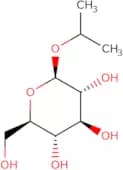
Purity:Min. 95%Isopropyl beta-D-glucopyranoside
CAS:Isopropylbeta-D-glucopyranoside is a chemical compound that has been studied for its antibacterial activity. It has been shown to inhibit the growth of bacteria by reacting with fatty acids in the cell membrane, which leads to the disruption of the cell membrane and death. Isopropylbeta-D-glucopyranoside is a member of the sugar alcohols class, and it can be synthesized from glucose, fatty acid, and hydrochloric acid using an acid catalyst. The reaction system is typically carried out in microcapsules.
Formula:C9H18O6Purity:Min. 95%Color and Shape:PowderMolecular weight:222.24 g/molRef: 3D-FI152923
Discontinued productGDP-L-galactose sodium salt
CAS:GDP-L-galactose is a sugar molecule that is an intermediate in the biosynthesis of ascorbate. GDP-L-galactose is synthesized from GDP-D-mannose and GDP-L-glucose by the enzyme GDP-mannose 4,6 dehydratase. The enzyme GDP-L-galactose dehydrogenase then converts GDP-L-galactose to ascorbic acid (vitamin C). Ascorbate is essential for many biological functions such as synthesis of collagen and neurotransmitters, regulation of gene expression, and protection against oxidative stress. The biosynthesis of ascorbate occurs in a light dependent reaction involving L -galactono 1,4 diphosphate synthase and UDP glucose 6 phosphate uridylyl transferase. This process is regulated by transcriptional factors such as MYB and NAC2/NAC4.
Formula:C16H23N5O16P2Na2Purity:(Hplc-Ms) Min. 95 Area-%Color and Shape:White Off-White PowderMolecular weight:649.3 g/mol2-Azido-2-deoxy-L-xylonic acid
2-Azido-2-deoxy-L-xylonic acid is a synthetic monosaccharide and a member of the xylonic acid family. It is used in the synthesis of glycosides and oligosaccharides, as well as being used to modify proteins. 2-Azido-2-deoxy-L-xylonic acid has been fluorinated and then glycosylated with a variety of saccharides including maltose, cellobiose, and sucrose. This compound is also methylated at the hydroxyl group to give an azidomethyl ester derivative. The chemical name for this compound is 2-[(2S)-2-(diethylamino)ethylamino]pentanedioic acid, 2-[1-(diethylamino)ethyl]azide].
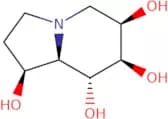
Purity:Min. 95%6-Epi-castanospermine
CAS:6-Epi-castanospermine is a nitro compound that is synthesized by the allylic oxidation of castanospermine. It has been shown to inhibit glycosidases and glycosidase inhibitors in vitro, including those from the families of α-amylase, α-L-arabinofuranosidases, β-hexosaminidases, α-glucuronidases, and phytases. 6-Epi-castanospermine has also been used as an intermediate for the synthesis of chiral polyhydroxylated compounds. The 13C NMR spectrum of this compound was found to be diagnostic for its structural assignment.
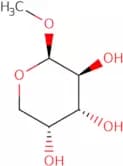
Formula:C8H15NO4Purity:Min. 95 Area-%Color and Shape:White Off-White PowderMolecular weight:189.21 g/molMethyl β-D-arabinopyranoside
CAS:Methyl b-D-arabinopyranoside is a fluorine containing molecule that has been shown to be an excellent marker for suberin. It is insoluble in water, and can be detected by resonator diffraction. The chemical composition of methyl b-D-arabinopyranoside was determined using liquid crystal composition and plates. A polymer particle with a macroscopic size was used to determine the fluorescence of methyl b-D-arabinopyranoside. Fluorescence analysis showed that methyl b-D-arabinopyranoside is a green fluorescent material with a maximum emission wavelength of 514 nm. Hydroalcoholic extraction was used to isolate this compound from the plant Ricinus communis L., where it was found in constant proportions.Formula:C6H12O5Purity:Min. 95%Color and Shape:PowderMolecular weight:164.16 g/molRef: 3D-MM04721
Discontinued productDL-Arabinose
CAS:Arabinose is a pentose sugar that has been shown to have antimicrobial properties. It inhibits the growth of bacteria by binding to their ribosomes and interfering with protein synthesis. Arabinose has also been shown to inhibit the growth of bone cancer cells in mice, which may be due to its ability to stimulate the production of growth factor-β1. The biochemical properties of arabinose are similar to those of d-arabinose, an active analogue that is used as a water vapor pump inhibitor. X-ray crystal structures have been obtained for both compounds, and they show that they differ in the position of one hydrogen atom on the sugar ring.
Formula:C5H10O5Purity:Min. 95%Color and Shape:White Off-White PowderMolecular weight:150.1 g/molRef: 3D-MA06854
Discontinued product2,3,4,6-Tetra-O-acetyl-β-D-mannopyranosyl azide
CAS:2,3,4,6-Tetra-O-acetyl-β-D-mannopyranosyl azide is a crystallographic technique that can be used to determine the structure of molecules. This technique involves the use of x-ray diffraction analysis to produce images of crystal structures. The technique is useful for determining the three dimensional structure of molecules that are too small to be seen with other techniques such as electron microscopy.
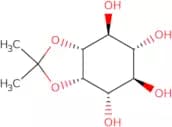
Formula:C14H19N3O9Purity:Min. 98 Area-%Color and Shape:White Off-White PowderMolecular weight:373.32 g/mol1,2-Isopropylidene-D,L-myo-inositol
CAS:1,2-Isopropylidene-D,L-myo-inositol is a modification of the natural product myo-inositol. It is synthesized by methylation and glycosylation of inositol with methanol. This chemical compound has been modified to include fluorination and saccharide.
Formula:C9H16O6Purity:Min. 95%Color and Shape:White PowderMolecular weight:220.22 g/molRef: 3D-MI04760
Discontinued product6-Methyl-2-pyridyl 2-acetamido-2-deoxy-b-D-thioglucopyranoside
CAS:The 6-Methyl-2-pyridyl 2-acetamido-2-deoxy-b-D-thioglucopyranoside is a chloride salt that has been used in the laboratory to develop an analytical method for the determination of glucose in urine samples. The bioavailability of 6MP is low and it is excreted by renal filtration, so this compound has been used as a marker for renal transplantation. Glomerular filtration rate (GFR) is reduced in diabetic patients, leading to a decrease in the amount of 6MP excreted. This drug can be administered orally or intravenously and has shown efficacy at low dose levels. Low doses have also been associated with decreased detection sensitivity due to its low level of excretion, which makes it an ideal candidate for use as a biomarker for chronic kidney disease. A chronic kidney disease animal model was used to study the effects on GFR and creatinine clearance ratesPurity:Min. 95%Color and Shape:White PowderMolecular weight:328.39 g/molRef: 3D-EM10847
Discontinued productRaloxifene-4'-D-glucuronide D4 lithium salt
Controlled ProductRaloxifene-4'-D-glucuronide D4 lithium salt is a synthetic glycosylate drug, which belongs to the group of anti-estrogens. Raloxifene-4'-D-glucuronide D4 lithium salt is used for the treatment of postmenopausal osteoporosis and prevention of osteoporotic fractures in women with intact uterus. It has been shown to inhibit bone resorption, increase bone mineral density and reduce the incidence of vertebral fractures in postmenopausal women. Raloxifene-4'-D-glucuronide D4 lithium salt can be synthesized using a click chemistry reaction which involves the addition of an azide to an alkyne followed by copper catalysis and subsequent reduction with sodium borohydride. Synthesis of this compound can be achieved without any purification steps due to its high purity.
Formula:C34H30NO10SD4·LiPurity:Min. 95%Molecular weight:659.66 g/molD-Fructose 1-phosphate disodium
CAS:Please enquire for more information about D-Fructose 1-phosphate disodium including the price, delivery time and more detailed product information at the technical inquiry form on this page
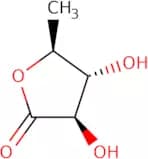
Formula:C6H11Na2O9PPurity:90%Color and Shape:PowderMolecular weight:304.1 g/mol5-Deoxy-L-arabonic acid 1,4-lactone
CAS:5-Deoxy-L-arabonic acid 1,4-lactone is a phytochemical present in the flowers of some plants. It has been shown to have anti-cancer properties in lung cancer cells by inhibiting the growth of these cells. 5-Deoxy-L-arabonic acid 1,4-lactone inhibits cell division and induces apoptosis by binding to DNA, preventing replication. This compound also inhibits the production of prostaglandins that promote inflammation, which may be related to its anti-cancer effects. 5-Deoxy-L-arabonic acid 1,4-lactone has been shown to inhibit the production of phenolic compounds such as vanillic acid and apigenin in lung cancer cell lines. These compounds have been shown to have chemopreventive activities against various cancers including breast cancer and colon cancer.
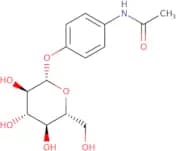
Formula:C5H8O4Purity:Min. 95%Color and Shape:PowderMolecular weight:132.12 g/molParacetamol glucoside
CAS:Paracetamol glucoside is a prodrug that is hydrolyzed in vivo to paracetamol. It has an inhibitory effect on the uptake of photosynthetic pigments, and has been shown to have a chronic exposure inhibitory effect on the activity of enzymes such as catalase, peroxidase, and glutathione reductase. The uptake and toxic effects of paracetamol glucoside have been studied in vitro and also in vivo. In vitro studies have shown that animals are less sensitive to the toxicity of this compound than humans.
Formula:C14H19NO7Purity:Min. 95%Color and Shape:PowderMolecular weight:313.3 g/molRef: 3D-MP182735
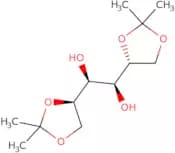
Discontinued product1,2:5,6-Di-O-isopropylidene-D-mannitol
CAS:1,2:5,6-Di-O-isopropylidene-D-mannitol (IDM) is a chemical compound that has been shown to have physiological activities. It has been studied for its potential use as an antimicrobial agent against bacteria and fungi. IDM is structurally similar to 2,3:5,6-Tri-O-methylenetetrahydrofolate (THF), which can be used in the synthesis of polysaccharides and DNA bases. IDM also has properties that may be beneficial in treating congenital heart disease.
Formula:C12H22O6Purity:Min. 98 Area-%Color and Shape:White PowderMolecular weight:262.3 g/molRef: 3D-MD03323
Discontinued productL-Threose - aqueous solution
CAS:L-Threose is a sugar molecule that is used as a structural component of DNA and RNA. It is also an important part of the energy metabolism in cells. L-Threose can be enzymatically inactivated by glycosidases, which are enzymes that hydrolyze glycosidic bonds. The inhibition of glycosidases by L-threose may be useful for the prevention or treatment of diseases associated with enzyme activity, such as diabetes mellitus type II. L-Threose has been shown to have inhibitory properties against sephadex G-100, a membrane protein found in bacteria. L-Threose may be useful as a control agent for research into the response element of polymerase chain reaction (PCR).
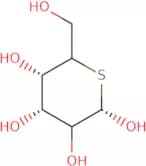
Formula:C4H8O4Purity:Min. 60 Area-%Color and Shape:Clear LiquidMolecular weight:120.1 g/mol5-Thio-a-D-mannose
CAS:5-Thio-a-D-mannose is a disaccharide that contains a sulfhydryl group. It has been shown to be a cellular and trackable molecule, which can be acetylated by mercuric chloride. The glycosidases of this molecule are mannosidases, which cleave the 5th carbon from the glycosidic linkage of the sugar. This is an important process for a variety of biological functions, such as the synthesis of DNA and proteins. In addition, this disaccharide is involved in various metabolic pathways, including glycolysis and gluconeogenesis.
Formula:C6H12O5SPurity:Min. 95%Molecular weight:196.22 g/mol