Monosaccharides
Monosaccharides are the simplest form of carbohydrates and serve as fundamental building blocks for more complex sugars and polysaccharides. These single sugar molecules play critical roles in energy metabolism, cellular communication, and structural components of cells. In this section, you will find a wide variety of monosaccharides essential for research in biochemistry, molecular biology, and glycoscience. These compounds are crucial for studying metabolic pathways, glycosylation processes, and developing therapeutic agents. At CymitQuimica, we offer high-quality monosaccharides to support your research needs, ensuring precision and reliability in your scientific investigations.
Subcategories of "Monosaccharides"
- Alloses(11 products)
- Arabinoses(21 products)
- Erythroses(11 products)
- Fructoses(9 products)
- Fucoses(36 products)
- Galactosamine(41 products)
- Galactose(260 products)
- Glucoses(365 products)
- Glucuronic Acids(51 products)
- Glyco-substrates for Enzyme(77 products)
- Guloses(6 products)
- Idoses(4 products)
- Inositols(15 products)
- Lyxoses(4 products)
- Mannoses(65 products)
- O-Glycans(48 products)
- Psicoses(3 products)
- Rhamnoses(10 products)
- Riboses(61 products)
- Sialic Acids(100 products)
- Sorboses(4 products)
- Sugars(173 products)
- Tagatoses(4 products)
- Taloses(8 products)
- Xyloses(20 products)
Show 17 more subcategories
Found 6088 products of "Monosaccharides"
Sort by
Purity (%)
0
100
|
0
|
50
|
90
|
95
|
100
Octyl 4-O-acetyl-2,3-O-isopropylidene-a-L-rhamnopyranoside
CAS:<p>Octyl 4-O-acetyl-2,3-O-isopropylidene-a-L-rhamnopyranoside is a monosaccharide that is synthesized from the glycosylation of octyl β-D-glucopyranoside and L-rhamnose by means of an acetal exchange reaction. The product is a complex carbohydrate with a molecular weight of 578. This compound can be fluorinated at the hydroxyl group to produce octyl 4-[4-(trifluoromethoxy)phenyl]butanoate, which has been shown to have significant antiinflammatory activities in animal models.</p>Formula:C19H34O6Purity:Min. 95%Molecular weight:358.47 g/molO-(2-Azido-4,6-O-benzylidene-2-deoxy-a-D-galactopyranosyl)-N-[(9H-fluoren-9-ylmethoxy)carbonyl]-L-serine tert-Butyl Ester
CAS:<p>O-(2-Azido-4,6-O-benzylidene-2-deoxy-a-D-galactopyranosyl)-N-[(9H-fluoren-9-ylmethoxy)carbonyl]-L-serine tert butyl ester (Fluoride) is a modified carbohydrate that has been synthesized from a sugar. The fluorination step of the synthesis has replaced the hydroxyl group at C1 with fluorine. <br>The glycosylation and methylation steps have added a new saccharide to the existing carbohydrate chain. The modification step has introduced an oligosaccharide which has been linked to the monosaccharides by an amide bond. This synthetic carbohydrate was designed to be used as a fluorescent probe for glycoproteins and glycolipids in biomedical research.</p>Formula:C35H38N4O9Purity:Min. 95%Molecular weight:658.7 g/molD-Arabinose-5-13C
CAS:<p>D-Arabinose-5-13C is a fluorinated monosaccharide that has been used in the synthesis of oligosaccharides and polysaccharides. It can be custom synthesized to meet customer specifications. D-Arabinose-5-13C is a white, crystalline powder that is soluble in water. This compound can be methylated or glycosylated for further modification.</p>Formula:C5H10O5Purity:Min. 95%Molecular weight:151.12 g/mol1,3-Di-O-acetyl-2-deoxy-5-O-benzoyl-L-erythro-pentofuranose
CAS:<p>1,3-Di-O-acetyl-2-deoxy-5-O-benzoyl-L-erythro-pentofuranose is a sugar with a complex carbohydrate structure. It is synthesized by the reaction of 1,3:2,4:5,6:7,8:9,10:11,12:13,14:15,16:17,18:19,20:21 and 22 O acetyl groups with 2 deoxyribose moieties. This product can be used in Click chemistry and glycosylization reactions. The CAS number for this product is 327027-21-4.</p>Formula:C16H18O7Purity:Min. 95%Molecular weight:322.31 g/mol1,2-Di-[(Trishydroxymethyl)aminomethane]-succinamide
<p>1,2-Di-[(Trishydroxymethyl)aminomethane]-succinamide is a synthetic chemical compound that has been modified to have a high purity. It can be used in the synthesis of oligosaccharides and saccharides, as well as complex carbohydrates. The chemical formula for 1,2-Di-[(Trishydroxymethyl)aminomethane]-succinamide is C6H10N4O3. This product can be found under CAS No.: 4173-71-1.</p>Purity:Min. 95%1,2,4,6-Tetra-O-acetyl-3-deoxy-3-phthalimido-D-galactopyranoside
<p>This product is a custom synthesis of 1,2,4,6-Tetra-O-acetyl-3-deoxy-3-phthalimido-D-galactopyranoside. It is a sugar that is synthesized from 4 acetyl groups and 6 hydroxyl groups. The compound has a CAS number of 71034-05-4 and can be modified by fluorination, glycosylation, methylation, or modification. This product is an oligosaccharide that contains a saccharide with more than one monosaccharide unit. It is a complex carbohydrate with the formula C12H20O11.</p>Formula:C22H23NO11Purity:Min. 95%Molecular weight:477.42 g/molscyllo-Inosamine hydrochloride
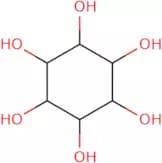
CAS:<p>Scyllo-inosamine is a synthetic compound that is used as an oxime for the treatment of ascites tumors. It is synthesized from benzyl cyanide and cyclohexane. The benzyl groups are removed by catalytic hydrogenation, and the resulting product is hydrolyzed to scyllo-inosamine. Scyllo-inosamine has been shown to have a stereogenic center at C3, which allows it to act as an aminocyclitol, with the nitrogen atom acting as a nucleophile in the ring opening reaction. Scyllo-inosamine has been shown to be active against a number of tumor cells in culture and has been investigated as chemotherapeutic agent for cancer treatment.</p>Formula:C6H13NO4·HClPurity:Min. 95%Molecular weight:199.63 g/mol4-O-Acetyl-3,6-di-O-tert-butyldimethylsilyl-D-glucal
CAS:<p>4-O-Acetyl-3,6-di-O-tert-butyldimethylsilyl-D-glucal is a methylated derivative of D-glucal which has been synthesized by the click reaction using acetyl chloride, triethylamine, and dimethyl sulfate. 4OATBDMSDG is a high purity sugar with a CAS number of 132891-79-3. This sugar can be used in the synthesis of polysaccharides or as an intermediate for custom synthesis.</p>Purity:Min. 95%2-(L-Fuco-tetrahydroxypentyl)-4(R)-1,3-thiazolidine-4-carboxylic acid
CAS:<p>2-(L-Fuco-tetrahydroxypentyl)-4(R)-1,3-thiazolidine-4-carboxylic acid is a high purity custom synthesis sugar. It has been synthesized by click modification and fluorination of 2-(L-fuco-tetrahydroxypentyl)-4(R)-1,3-thiazolidine-4-carboxylic acid methyl ester. This compound can be used in glycosylation with oligosaccharides, monosaccharides, saccharides and complex carbohydrates.</p>Formula:C10H19NO6SPurity:Min. 95%Molecular weight:281.33 g/mol2,4:3,5-Di-O-benzylidene-aldehydo-D-ribose hydrate
CAS:<p>2,4:3,5-Di-O-benzylidene-aldehydo-D-ribose hydrate is a complex carbohydrate that contains a glycosylation site. The CAS number for this product is 32580-00-0. This product can be modified by methylation, fluorination, and saccharide modification. It is also available in custom synthesis or high purity.</p>Formula:C19H18O5·H2OPurity:Min. 95%Molecular weight:344.36 g/mol4-O-Acetyl-2,5-anhydro-1,3-O-isopropylidene-6-O-trityl-D-glucitol
CAS:<p>4-O-Acetyl-2,5-anhydro-1,3-O-isopropylidene-6-O-trityl-D-glucitol is a custom synthesis of an oligosaccharide. It is a complex carbohydrate that has been modified by methylation and glycosylation. 4OATG has been fluorinated with 1,4 difluorobenzene and then reacted with Ac 2 O to make the glycosylate form. The compound was obtained in high purity and as a white solid.</p>Formula:C30H32O6Purity:Min. 95%Molecular weight:488.57 g/molD-Arabinopyranosyl thiosemicarbazide
CAS:<p>D-Arabinopyranosyl thiosemicarbazide is a synthetic compound. It has been shown to be effective in the synthesis of oligosaccharides and sugars, as well as glycosylation reactions. This product can be used in fluorination, methylation, and other custom synthesis reactions. D-Arabinopyranosyl thiosemicarbazide is also useful for click modification of complex carbohydrates. The purity of this product is high and it can be modified with various functional groups.</p>Formula:C6H13N3O4SPurity:Min. 95%Molecular weight:223.25 g/mol3,4-Dideoxyglucosone-3-ene
CAS:<p>3,4-di-deoxyglucosone-3-ene is a bioreactive glucose degradation product which can be formed during heat sterilisation of glucose containing peritoneal dialysis solutions. Chemically, 3,4-Dideoxyglucosone-3-ene is an α,β-unsaturated carbonyl compound which increases its reactivity with cellular sulfhydryl, amino groups, proteins, and DNA. 3,4-Dideoxyglucosone-3-ene induces apoptosis in neutrophils, renal cells and peripheral blood mononuclear cells. Such induction leads to impaired peritoneal antibacterial defence.</p>Formula:C6H8O4Purity:Min. 95 Area-%Color and Shape:Colorless PowderMolecular weight:144.13 g/molEthyl 2,3-di-O-(4-methoxybenzyl)-4,6-O-(4-methoxybenzylidene)-b-D-thiogalactopyranoside
<p>Ethyl 2,3-di-O-(4-methoxybenzyl)-4,6-O-(4-methoxybenzylidene)-b-D-thiogalactopyranoside is a high purity, custom synthesis sugar that can be modified with fluorination, glycosylation, and methylation. This product has CAS number 401071-27-8. Ethyl 2,3-di-O-(4-methoxybenzyl)-4,6-O-(4-methoxybenzylidene)-b-D-thiogalactopyranoside is an oligosaccharide and monosaccharide of the carbohydrate complex.</p>Formula:C32H38O8SPurity:Min. 95%Molecular weight:582.7 g/molBenzyl 2-acetamido-4,6-O-benzylidene-2-deoxy-3-O-methyl-a-D-glucopyranoside
CAS:<p>Benzyl 2-acetamido-4,6-O-benzylidene-2-deoxy-3-O-methyl-aDglucopyranoside is a synthetic oligosaccharide with a complex carbohydrate structure. It is custom synthesized by glycosylation and polysaccharide modification to produce a high purity product. Click chemistry modifications, methylations, and fluorination are used for the synthesis of benzyl 2-acetamido-4,6-Obenzylidene -2deoxy -3OmethylaDglucopyranoside. The CAS number for this product is 116696–66–3.</p>Formula:C23H27NO6Purity:Min. 95%Molecular weight:413.46 g/molD-Ribose-2,3,4,5-13C4
CAS:<p>D-Ribose-2,3,4,5-13C4 is a complex carbohydrate with saccharide units. It is synthesized by the chemical modification of D-ribose. This product can be used to modify or methylate glucose and other carbohydrates. It has been shown to inhibit the formation of amyloid plaques in Alzheimer's disease, which may be due to its ability to reduce nitric oxide and reactive oxygen species levels. The purity of this product is at least 98%.</p>Formula:C5H10O5Purity:Min. 95%Molecular weight:154.1 g/molPhenyl 4,6-O-benzylidene-3-O-(4-methoxybenzyl)-a-D-thiomannopyranoside
CAS:<p>Phenyl 4,6-O-benzylidene-3-O-(4-methoxybenzyl)-a-D-thiomannopyranoside is a custom synthetic sugar with a molecular weight of 514.87 and an empirical formula of C11H12FNO8. It has fluorination at the 2-, 3-, 4-, and 6-positions and methylation at the 2-, 3-, 4-, 5-, and 6-positions. Phenyl 4,6-O-benzylidene-3-O-(4-methoxybenzyl)-a-D-thiomannopyranoside is a modification of the natural product that is used in the synthesis of Oligosaccharides, Glycosylations, and Click modifications. This product is available for sale to qualified buyers.</p>Purity:Min. 95%Anhydro-4-azido-5,6,8-tri-O-benzyl-1,2,4-trideoxy-D-glycero-D-gulo-oct-1-ynitol
CAS:<p>Anhydro-4-azido-5,6,8-tri-O-benzyl-1,2,4-trideoxy -D-glycero-D-gulo-oct 1 -ynitol is a methylated saccharide. It is a fluorinated sugar that can be used as an intermediate in the synthesis of oligosaccharides and polysaccharides. This compound has been modified by click chemistry to allow for the incorporation of azide groups at the 3′ position of the sugar moiety. The modification allows for the synthesis of complex carbohydrates with high purity and high yield. The product is a white powder that is soluble in water.</p>Formula:C29H29N3O4Purity:Min. 95%Color and Shape:Colourless syrupMolecular weight:483.56 g/mol1,2,3-Tri-O-benzyl-4,6-O-benzylidene-a-D-galactopyranoside
CAS:<p>The 1,2,3-Tri-O-benzyl-4,6-O-benzylidene-a-D-galactopyranoside is a synthetic glycoside that can be used as a saccharide in the synthesis of complex carbohydrates. This compound has been shown to have high purity and can be custom synthesized. It has been modified with methylation and fluorination. The CAS No. for this compound is 53929-36-5.</p>Formula:C34H34O6Purity:Min. 95%Molecular weight:538.63 g/mol5-Deoxy-1,2-O-isopropylidene-5-(morpholin-1-yl)-a-D-xylofuranose
CAS:<p>5-Deoxy-1,2-O-isopropylidene-5-(morpholin-1-yl)-a-D-xylofuranose is a glycosylated monosaccharide. It is also known as 5DIMOF and is a synthetic compound that can be used for the synthesis of oligosaccharides. This compound has been shown to have antiviral, antiparasitic, and anticancer activities.</p>Formula:C12H21NO5Purity:Min. 95%Molecular weight:259.3 g/molAllyl 2-deoxy-2-phthalimido-b-D-glucopyranoside
CAS:<p>Allyl 2-deoxy-2-phthalimido-b-D-glucopyranoside is a modification of a sugar. It is an oligosaccharide that is synthesized and modified by methylation and glycosylation. Allyl 2-deoxy-2-phthalimido-b-D-glucopyranoside has high purity and is a monosaccharide. This modification contains fluorine atoms, which are added to the saccharide backbone to increase its stability.</p>Formula:C17H19NO7Purity:Min. 95%Molecular weight:349.34 g/mol6-O-Benzoyl-3-O-tert-butyldiphenylsilyl-D-glucal
<p>6-O-Benzoyl-3-O-tert-butyldiphenylsilyl-D-glucal is a modification of the oligosaccharide, 6-O-(benzoyloxy)hexyl glucal. The product is used as a synthetic intermediate in the synthesis of complex carbohydrates. It is also used in the production of high purity monosaccharides and polysaccharides. This product has been shown to be effective in methylation reactions, glycosylation reactions, and fluorination reactions.</p>Purity:Min. 95%Methyl 1-(6-tert-butylmethylsilyl-4'-hydroxyraloxifene)-2,3,4,-tri-O-acetyl-b-D-glycopyranuronate
CAS:<p>This is a complex carbohydrate, which is a modification of an oligosaccharide. The structure of this carbohydrate is based on the sugar methyl 1-(6-tert-butylmethylsilyl-4'-hydroxyraloxifene)-2,3,4,-tri-O-acetyl-b-D-glycopyranuronate. This modification has been shown to be useful for glycosylation and polysaccharide synthesis. This compound can be synthesized by click chemistry and has high purity with little or no impurities.</p>Formula:C46H55NO13SSiPurity:Min. 95%Molecular weight:890.08 g/mol2-Hydroxyimipramine b-D-glucuronide
CAS:<p>2-Hydroxyimipramine b-D-glucuronide is a custom synthesis, modification, and fluorination of the drug 2-hydroxyimipramine. The methyl group from the molecule is replaced with a fluoro group. This modification leads to a new compound with improved pharmacokinetic properties. The new compound also has glycosylation sites on the sugar ring that are not present in the parent drug. This modification may lead to an increase in the therapeutic efficacy of 2-hydroxyimipramine b-D-glucuronide as it interacts with other drugs and increases their bioavailability.</p>Formula:C25H32N2O7Purity:Min. 95%Color and Shape:SolidMolecular weight:472.54 g/mol4-Methylumbelliferyl 2,3,4-tri-O-benzoyl-6-O-(tert-butyldiphenylsilyl)-b-D-galactopyranoside
CAS:<p>This is a fluorinated monosaccharide that is synthesized by glycosylation. It is a synthetic oligosaccharide with a complex carbohydrate structure, which has been modified with click chemistry. This product has CAS No. 920975-58-2 and can be custom synthesized to meet your needs. It is methylated and high purity and can be used for glycosylation, polysaccharides, or custom synthesis.</p>Formula:C53H48O11SiPurity:Min. 95%Molecular weight:889.03 g/mol1-O-tert-Butyldimethylsilyl-2-azido-2-deoxy-b-D-glucopyranoside
CAS:<p>1-O-tert-Butyldimethylsilyl-2-azido-2-deoxy-b-D-glucopyranoside is a Carbohydrate, Modification, saccharide, Oligosaccharide, sugar that has been fluorinated and methylated. It is a custom synthesis. The CAS No. 99049-65-7 is 9904965.</p>Formula:C12H25N3O5SiPurity:Min. 95%Molecular weight:319.43 g/molVanillic acid 4-β-D-glucoside
CAS:<p>Vanillic acid 4-beta-D-glucoside is a Custom synthesis that is used as an Oligosaccharide. It is Polysaccharide and Modification of the natural product vanillin. Vanillic acid 4-beta-D-glucoside has CAS No. 32142-31-7, Methylation, Glycosylation, Carbohydrate, Click modification, saccharide, sugar, High purity and Fluorination. It is also Synthetic.</p>Formula:C14H18O9Purity:Min. 95%Molecular weight:330.29 g/mol2,3,4,5-Tetra-O-acetyl-D-xylononitrile
CAS:<p>2,3,4,5-Tetra-O-acetyl-D-xylononitrile is a carbohydrate with the chemical formula C10H14O8N2. It is a white crystalline solid that has been custom synthesized with high purity and methylation. This compound is an oligosaccharide with a sugar modification. The glycosylation of this compound is Click modification.</p>Formula:C13H17NO8Purity:Min. 95%Molecular weight:315.28 g/molEthyl 2,3,4-tri-O-benzyl-b-D-thiogalactopyranoside
CAS:<p>Ethyl 2,3,4-tri-O-benzyl-b-D-thiogalactopyranoside is a synthetically produced saccharide typically used as a building block in oligo-saccharide synthesis.</p>Purity:Min. 95%α-D-Maltotetraose
CAS:<p>α-D-Maltotetraose is a natural carbohydrate that has been shown to have potential as an anticancer agent. It is an inhibitor of tumor-associated kinases and has been found to induce apoptosis in cancer cells. α-D-Maltotetraose has also been shown to inhibit streptokinase, an enzyme involved in the breakdown of blood clots. This carbohydrate analog has been detected in human urine and may play a role in regulating gastrin secretion. Studies have shown that α-D-Maltotetraose can inhibit the growth of Chinese hamster ovary cells, suggesting its potential as a novel anticancer therapy.</p>Formula:C24H42O21Purity:Min. 95%Molecular weight:666.6 g/mol1,2,6-Tri-O-methyl-D-glucopyranoside
CAS:<p>1,2,6-Tri-O-methyl-D-glucopyranoside is a synthetic sugar that has been modified by fluorination and glycosylation. This product is a white crystalline powder with a melting point of 185°C. The chemical formula for this product is C5H12O5.</p>Formula:C9H18O6Purity:Min. 95%Molecular weight:222.24 g/molSitagliptin carbamoyl b-D-glucuronide
CAS:<p>Sitagliptin carbamoyl b-D-glucuronide is a synthetic drug that has been modified to be sitagliptin, which is an oral antihyperglycemic agent. Sitagliptin carbamoyl b-D-glucuronide has been synthesized through the methylation of a polysaccharide. It is a complex carbohydrate and is soluble in water. This product can be used as an additive to many food items because it does not affect their taste or texture. The CAS number for this product is 940002-59-5. This product is synthesized by the modification of natural saccharides with fluorine gas and it has a high purity level. It can be used as an intermediate in other organic synthesis reactions and its primary use is as a sugar substitute that is not metabolized by human enzymes.</p>Formula:C23H23F6N5O9Purity:Min. 95%Molecular weight:627.45 g/molBenzyl 2-(acetylamino)-2-deoxy-3-o-[3,4,6-tri-o-acetyl-2-(acetylamino)-2-deoxy-β-D-glucopyranosyl]-α-D-galactopyranoside 4,6-diaceta te
CAS:<p>Please enquire for more information about Benzyl 2-(acetylamino)-2-deoxy-3-o-[3,4,6-tri-o-acetyl-2-(acetylamino)-2-deoxy-β-D-glucopyranosyl]-α-D-galactopyranoside 4,6-diaceta te including the price, delivery time and more detailed product information at the technical inquiry form on this page</p>Formula:C33H44N2O16Purity:Min. 95%Molecular weight:724.7 g/molN-(Trifluoroacetyl)-1-desmethyl daunorubicin
CAS:<p>N-(trifluoroacetyl)-1-desmethyl daunorubicin is an analog of daunorubicin that is synthesized by the click chemistry and fluorination reactions. It contains a trifluoroacetyl group on the 1-position of the desmethyl group, which has been shown to increase its stability in vivo. N-(trifluoroacetyl)-1-desmethyl daunorubicin has been shown to be effective in the treatment of hematological malignancies such as leukemia and lymphoma. This compound is synthesized in high purity and with a purity of greater than 99%. It is also glycosylated and methylated.</p>Formula:C28H26F3NO11Purity:Min. 95%Molecular weight:609.5 g/molEthyl 4,6-O-benzylidene-3-O-tert-butyldimethylsilyl-2-O-levulinoyl-b-D-thioglucopyranoside
CAS:<p>Ethyl 4,6-O-benzylidene-3-O-tert-butyldimethylsilyl-2-O-levulinoyl-b-D-thioglucopyranoside is a synthetic oligosaccharide that can be used for methylation. It is a fluorinated, complex carbohydrate that has been modified to have a high purity and low toxicity. This product has been custom synthesized for Click modification and oligosaccharides.</p>Formula:C26H40O7SSiPurity:Min. 95%Molecular weight:524.74 g/mol2,3-O-Carbonyl-4,6-O-isopropylidene-a-D-mannopyranoside
CAS:<p>2,3-O-Carbonyl-4,6-O-isopropylidene-a-D-mannopyranoside is a custom synthesis of a monosaccharide with a fluorinated methyl group. It is an oligosaccharide with a saccharide that contains an oxygen atom and two carbon atoms. This carbohydrate is polysaccharide which has glycosylation. 2,3-O-Carbonyl-4,6-O-isopropylidene-a-D-mannopyranoside is also known as CAS No. 669730 - 3,6'-diacetoxyacetone</p>Formula:C10H14O7Purity:Min. 95%Molecular weight:246.21 g/molMethyl 2,3,4-tri-O-benzoyl-6-O-tert-butyldimethylsilyl-a-D-glucopyranoside
CAS:<p>Methyl 2,3,4-tri-O-benzoyl-6-O-tert-butyldimethylsilyl-a-D-glucopyranoside is a custom synthesis of a complex carbohydrate. It is an Oligosaccharide and Polysaccharide that has been modified with methylation and glycosylation. The CAS number for this chemical is 128142-70-1 and it has a purity of >99%. This chemical also has fluorination and click modification. Methyl 2,3,4-tri-O-benzoyl-6-O-tert-butyldimethylsilyl--a--D--glucopyranoside can be used in the production of polymers and plastics.</p>Formula:C34H40O9SiPurity:Min. 95%Molecular weight:620.78 g/molEthyl 4,6-O-benzylidene-D-thiomannopyranoside
CAS:<p>Ethyl 4,6-O-benzylidene-D-thiomannopyranoside is a synthetic monosaccharide with the molecular formula C 10 H 12 O 8 and a molecular weight of 340.24 g/mol. It is a white crystalline solid that is soluble in many organic solvents. Ethyl 4,6-O-benzylidene-D-thiomannopyranoside has the potential to be used as a building block for the synthesis of oligosaccharides and polysaccharides. This building block can be modified with fluorination, methylation, or click modification to produce other derivatives.</p>Formula:C15H20O5SPurity:Min. 95%Color and Shape:PowderMolecular weight:312.38 g/molPhenyl 2,3-di-O-benzyl-4,6-O-benzylidene-b-D-thioglucopyranoside
CAS:<p>Phenyl 2,3-di-O-benzyl-4,6-O-benzylidene-b-D-thioglucopyranoside is an oligosaccharide that can be used to modify carbohydrate polymers. It is synthesized from the reaction of phenyl 2,3-di-O-benzylglycosides with boron trifluoride etherate and dithioglycolate in acetic acid. This material has a purity of >98% and can be used as a sugar modification agent for glycoproteins.</p>Formula:C33H32O5SPurity:Min. 95%Molecular weight:540.67 g/molD-(+)-Melezitose dihydrate
CAS:<p>D-(+)-Melezitose dihydrate is a potent inhibitor of cancer cell growth. It has been shown to inhibit the proliferation of Chinese hamster ovary cells and human bladder cancer cells in vitro. D-(+)-Melezitose dihydrate is also found in urine samples from cancer patients, suggesting that it may be a potential biomarker for cancer diagnosis. This compound has been identified as an analog of indirubin, which is known to have anti-tumor properties. D-(+)-Melezitose dihydrate has been shown to induce apoptosis in cancer cells by inhibiting protein kinases, including the kinase inhibitors and tumor suppressor proteins. Additionally, this compound has demonstrated anticancer activity against a variety of tumors, making it a promising candidate for future cancer therapies.</p>Formula:C18H36O18Purity:Min. 95%Molecular weight:540.5 g/mol2-Acetamido-6-azido-2,6-dideoxy-D-galactopyranose
CAS:<p>2-Acetamido-6-azido-2,6-dideoxy-D-galactopyranose is a synthetic, unnatural monosaccharide bearing an azido biorthogonal reaction group. This compound can enter the cell and is processed by biosynthetic enzymes, in a manner similar to the natural O-linked N-acetyl-β-D-glucosamine. The glycans produced bear the azido functional group which can be chemically tagged with fluorescent dyes or biotin for visualisation or affinity.</p>Formula:C8H14N4O5Purity:Min. 95%Molecular weight:246.22 g/molIsopropyl 2-acetamido-3,4,6-tri-O-acetyl-2-deoxy-b-D-glucopyranoside
CAS:<p>Isopropyl 2-acetamido-3,4,6-tri-O-acetyl-2-deoxy-b-D-glucopyranoside (IATA) is a synthetic analog of retinoic acid (RA), a natural metabolite of vitamin A. IATA has been shown to be effective in the treatment of acute lung cancer. It activates TLR4 and inhibits TNF production in human monocytes. IATA also has antiinflammatory properties and can be used as a diagnostic agent for inflammatory diseases. This molecule can be used to diagnose the presence of various cancers, including prostate cancer, breast cancer, colon cancer, pancreatic cancer, lung cancer and leukemia.</p>Formula:C17H27NO9Purity:Min. 95%Molecular weight:389.4 g/mol5-O-(t-Butyldiphenylsilyl)-1,2-O-isopropylidene-a-D-xylofuranose
CAS:<p>5-O-(t-Butyldiphenylsilyl)-1,2-O-isopropylidene-a-D-xylofuranose is a modification of the sugar xylofuranose. This compound is synthesized from 1,2-O-isopropylidene erythrose using tetrabutyldiphenylsilyl chloride and triethylamine. It is a white solid that can be used as a monosaccharide or polysaccharide in glycosylation reactions. 5-O-(t-Butyldiphenylsilyl)-1,2-O-isopropylidene -a D -xylofuranose has been found to have high purity and can be used for methylation and fluorination reactions.</p>Formula:C24H32O5SiPurity:Min. 95%Molecular weight:428.59 g/mol1,2-o-Isopropylidene-β-D-fructopyranose
CAS:<p>1,2-O-Isopropylidene-β-D-fructopyranose is a synthetic monosaccharide. It is a fluorinated derivative of fructopyranose. This product is a modification of the alpha anomeric form of β-D-fructopyranose. It has been used as a substrate for various types of glycosylation reactions, such as methylation and click modification.</p>Formula:C9H16O6Purity:Min. 95%Molecular weight:220.22 g/mol1-Methylene-5-a-androstan-3-a-ol-17-one glucuronide
<p>1-Methylene-5-a-androstan-3-a-ol-17-one glucuronide is a synthetic, modified sugar that is used for the synthesis of complex carbohydrates. It is available in high purity and can be custom synthesized according to customer specifications. 1 Methylene 5 a androstan 3 a ol 17 one glucuronide can be fluorinated, glycosylated, or methylated to meet the needs of different customers. This product has CAS No. 9002-00-6 and is available on request.</p>Formula:C26H37O8·Na·2H2OPurity:Min. 95%Molecular weight:536.59 g/molMethyl 4,6-O-benzylidene-2-O-p-toluenesulfonyl-a-D-glucopyranoside
CAS:<p>Methyl 4,6-O-benzylidene-2-O-p-toluenesulfonyl-a-D-glucopyranoside is a modification of the natural carbohydrate, alpha-D-(1→4)-glucose. It is an oligosaccharide that is synthesized by the methylation of a natural sugar and subsequent glycosylation with a saccharide. This compound has been shown to inhibit the activity of bacterial RNA polymerase and DNA gyrase enzymes. The synthesis of this compound has been described in detail in the literature.<br>Methyl 4,6-O-benzylidene-2-O-(p-toluenesulfonyl)a D glucopyranoside <br>This compound is a modification of the natural carbohydrate, alpha D (1 ->4) glucose. It is an oligosaccharide that is synthesized by methylation of a natural</p>Formula:C21H24O8SPurity:Min. 95%Molecular weight:436.48 g/molPhenyl 2,3,4-tri-O-benzyl-a-L-thiorhamnopyranose
<p>Phenyl 2,3,4-tri-O-benzyl-a-L-thiorhamnopyranose is a modified carbohydrate that is synthesized from the saccharide thiorhamnopyranose. The carbonyl group of the saccharide is substituted with phenyl group and then benzylated. Phenyl 2,3,4-tri-O-benzyl-a-L-thiorhamnopyranose is a white powder that has a CAS number, can be custom synthesized to order, and has high purity. It can be used in glycosylation reactions as well as click modification reactions, which are modifications to the molecule that increase its stability and allow it to react more readily with other molecules.</p>Formula:C33H34O4SPurity:Min. 95%Molecular weight:526.69 g/molD-Gluconic acid calcium salt monohydrate
CAS:<p>D-Gluconic acid calcium salt monohydrate (DGC) is a metabolite of the digestion of glucose. It is a calcium salt that is usually formed in the gut due to the neutralization of acids by sodium bicarbonate. DGC has been shown to be effective for treatment of bowel diseases such as ulcerative colitis, but has not been tested for other conditions. DGC has been shown to have antioxidant properties, which may be responsible for its therapeutic effects in treating bowel disease. The structural analysis of DGC show that it can form stable complexes with many drugs and therefore may interfere with their absorption and distribution into tissue cells. It also can increase the risk of drug interactions because it inhibits P-glycoprotein, an efflux pump protein that pumps drugs out of cells. DGC also may cause metabolic disorders due to its ability to inhibit enzymes involved in glycolysis and gluconeogenesis, including pyruvate kinase, phosphofructokin</p>Formula:C12H22CaO14·H2OPurity:Min. 95%Molecular weight:448.39 g/molPhenyl 6-deoxy-6-fluoro-a-D-glucopyranoside
<p>Phenyl 6-deoxy-6-fluoro-a-D-glucopyranoside is a modification of the natural sugar, deoxyglucose. It is an oligosaccharide with a complex carbohydrate structure that has been modified by methylation and glycosylation. This product is synthesized from monosaccharides, and it can be fluorinated or saccharided. Phenyl 6-deoxy-6-fluoro-a-D-glucopyranoside is used in the synthesis of polysaccharides.</p>Formula:C12H15FO5Purity:Min. 95%Molecular weight:258.24 g/molAllyl 6-o-allyl-α-D-galactopyranoside
CAS:<p>Allyl 6-o-allyl-α-D-galactopyranoside is a medicinal compound with potential anticancer properties. It is an analog of α-D-galactopyranoside and has been shown to inhibit the activity of protein kinases, which are enzymes involved in cell signaling and regulation. This inhibition can lead to apoptosis, or programmed cell death, in cancer cells. Allyl 6-o-allyl-α-D-galactopyranoside has been studied extensively in Chinese medicine as a potential inhibitor of tumor growth and has also been found in human urine. This compound holds great promise as a natural alternative for cancer treatment and warrants further investigation into its therapeutic potential.</p>Formula:C12H20O6Purity:Min. 95%Molecular weight:260.28 g/molO-Ethyl S-[methyl (5-acetamido-4,7,8,9-tetra-O-acetyl-3,5-dideoxy-2-thio-b-D-glycero-a-D-galacto-2-nonulopyranoside)onate] dithiocar bonate
<p>Methylation is a process by which a methyl group is added to a substrate. This product is custom synthesized and has been modified with click chemistry. Methylation of saccharides, carbohydrates and other carbon-containing molecules is an important biochemical process in which the hydroxyl (-OH) group on the sugar or carbohydrate reacts with the -S-H bond on the methyl donor. This product also has fluorination and high purity.</p>Purity:Min. 95%n-Butyl b-D-fructopyranoside
CAS:<p>n-Butyl b-D-fructopyranoside is a type of monosaccharide that is present in the rhizomes of Lamium. It is an ingredient in traditional Chinese medicine, where it has been used to treat various types of inflammation and pain. <br>n-Butyl b-D-fructopyranoside is a white crystalline powder with a melting point of 137°C. The chemical structure consists of a glucose molecule that has been substituted at the hydroxyl group with butanol. n-Butyl b-D-fructopyranoside has an aromatic odor and tastes sweet and slightly bitter. n-Butyl b-D-fructopyranoside can be found in many plants, including acteoside, glycosidic linarin, and taraxerol from lamium species. This compound can be synthesized systematically by reacting d-mannitol with salicylic acid in the</p>Formula:C10H20O6Purity:Min. 95%Molecular weight:236.26 g/mol1,2,3-Tri-O-acetyl-b-D-ribofuranuronic acid methyl ester
CAS:<p>1,2,3-Tri-O-acetyl-b-D-ribofuranuronic acid methyl ester is a synthetic compound which has the chemical formula C6H8O5. It is a complex carbohydrate that can be modified with fluorination, monosaccharide and polysaccharide synthesis. This product is also used in glycosylation reactions and click chemistry to modify saccharides. The purity of this product is high and it can be custom synthesized to meet customer needs.</p>Formula:C12H16O9Purity:Min. 95%Molecular weight:304.25 g/mol5-Deoxy-3,4-di-O-methyl-D-arabinose
<p>5-Deoxy-3,4-di-O-methyl-D-arabinose is a custom synthesis that is a complex carbohydrate. It has been modified by methylation and glycosylation. This product is soluble in water and can be used as a saccharide or sugar. The product has been fluorinated and modified with click chemistry to provide high purity.</p>Purity:Min. 95%Luteolin 7,3'-di-O-glucuronide
CAS:<p>Luteolin 7,3'-di-O-glucuronide is a flavonoid that is structurally similar to luteolin. It has been characterized by deglycosylation and the technique of fluitans. The deglycosylation step was carried out using glycosidase from liverwort, which cleaves the glycosidic linkage between the sugar and the aglycone. Luteolin 7,3'-di-O-glucuronide has been found in Chrysoeriol and Fluitans, which are flavonoid glycosides from Liverwort. Luteolin 7,3'-di-O-glucuronide also exhibits antiplatelet activity due to its ability to inhibit platelet aggregation and thrombus formation.</p>Formula:C27H26O18Purity:Min. 95%Color and Shape:PowderMolecular weight:638.48 g/molN-(Dithiocarboxy)-N-methyl-D-glucamine sodium salt
CAS:<p>N-(Dithiocarboxy)-N-methyl-D-glucamine sodium salt is a carbohydrate that can be synthesized by the reaction of D-glucamine with 2,4,6-trichlorobenzene dicarboxylic acid. This product is often used as a modifying agent for saccharides and oligosaccharides. N-(Dithiocarboxy)-N-methyl-D-glucamine sodium salt has CAS No. 91840-27-6 and the molecular formula C12H14Cl3NO5S2Na. The molecular weight is 503.95 g/mol.</p>Formula:C8H16NO5S2NaPurity:Min. 95 Area-%Color and Shape:PowderMolecular weight:293.34 g/molPhenyl 2,4,6-Tri-O-acetyl-3-O-allyl-b-D-thiogalactopyranoside
CAS:<p>Phenyl 2,4,6-Tri-O-acetyl-3-O-allyl-b-D-thiogalactopyranoside is a custom synthesis that can be modified to suit your needs. This product is a complex carbohydrate that is used in glycosylation reactions as an Oligosaccharide. It is fluorinated at the hydroxyl group of the sugar and methylated at the C5 position of the sugar. The CAS number for this product is 1820572-28-8.</p>Formula:C21H26O8SPurity:Min. 95%Molecular weight:438.49 g/mol1,2,3,4-Tetra-O-acetyl-b-L-xylopyranose
CAS:<p>1,2,3,4-Tetra-O-acetyl-b-L-xylopyranose is a carbohydrate that can be synthesized by the fluorination of a xylose. This modification can be done to any sugar or oligosaccharide and has high purity. The methylation and glycosylation of 1,2,3,4-tetra-O-acetyl-b-L-xylopyranose are also available for custom synthesis.</p>Purity:Min. 95%4-Methoxyphenyl 3-O-allyl-4,6-O-benzylidene-2-O-(4-methylbenzoyl)-b-D-galactopyranoside
<p>4-Methoxyphenyl 3-O-allyl-4,6-O-benzylidene-2-O-(4-methylbenzoyl)-b-D-galactopyranoside is a custom synthesis of saccharide, CAS No. 90423-62-9. This compound has been modified by fluorination and methylation. It has also been shown to be useful for click modification, oligosaccharides, saccharides, and polysaccharides.</p>Formula:C31H32O8Purity:Min. 95%Molecular weight:532.58 g/mol1,6, 2,3-Dianhydro-β-D-talopyranose
CAS:<p>1,6, 2,3-Dianhydro-beta-D-talopyranose is a fluorinated sugar that is an intermediate in the synthesis of complex carbohydrates. It has been used as a monosaccharide building block and can also be used to synthesize oligosaccharides and polysaccharides. 1,6, 2,3-Dianhydro-beta-D-talopyranose can be modified with methylation or click chemistry to alter its properties. This product is a carbohydrate that has been modified for research purposes.</p>Formula:C6H8O4Purity:Min. 95%Molecular weight:144.12 g/molD-Xylose-1-C-D
CAS:<p>Please enquire for more information about D-Xylose-1-C-D including the price, delivery time and more detailed product information at the technical inquiry form on this page</p>Formula:C5H10O5Purity:Min. 95%Molecular weight:151.14 g/molInositol nicotinate
CAS:<p>Inositol nicotinate is a combination of two substances, inositol and nicotinate. It is used to reduce the risk of heart disease by lowering low-density lipoprotein-cholesterol (LDL) levels. Inositol nicotinate has been shown to increase the surface area of mitochondria, which may be due to its ability to inhibit the release of fatty acids from fat cells. Inositol nicotinate also increases magnesium levels in cells and induces mitochondrial functions. This drug has been tested in cell culture for its effects on skin cells and found that it can reduce the amount of x-linked adrenoleukodystrophy protein (XALD), a substance that accumulates in patients with X-linked adrenoleukodystrophy, an inherited disorder that causes progressive damage to the nervous system. The drugs also have been shown to have beneficial effects on cholesterol metabolism, reducing LDL cholesterol levels, as well as inhibiting platelet aggregation.</p>Formula:C42H30N6O12Purity:Min. 95%Color and Shape:White PowderMolecular weight:810.72 g/mol2,3,4,6-Tetra-O-benzoyl-D-galactopyranosyl trichloroacetimidate
CAS:<p>2,3,4,6-Tetra-O-benzoyl-D-galactopyranosyl trichloroacetimidate is a fluorinated carbohydrate that can be used for synthesis of complex carbohydrates. It is a monosaccharide with an O-benzoyl group at the 2 position and a glycosylation at the 4 position. The chemical structure has been modified by a reaction with trichloroacetimidate to form an acetal linker. This product is available in both custom synthesis and high purity.</p>Formula:C36H28Cl3NO10Purity:Min. 95%Color and Shape:White To Yellow SolidMolecular weight:740.97 g/molMethylphenyl 2,3,4-tri-O-benzyl-b-L-thiorhamnopyranose
<p>Methylphenyl 2,3,4-tri-O-benzyl-b-L-thiorhamnopyranose is a modification of the natural sugar thiorhamnopyranose. It has been synthesized by methylation and glycosylation of the monosaccharide. This carbohydrate has been custom synthesized with high purity and CAS number. The chemical formula is C18H22O11. Methylphenyl 2,3,4-tri-O-benzyl-b-L-thiorhamnopyranose is a complex carbohydrate that can be used in biomedical applications.</p>Purity:Min. 95%1,5-Dideoxy-1,5-imino-D-xylitol
CAS:<p>1,5-Dideoxy-1,5-imino-D-xylitol is a synthetic molecule that inhibits the enzyme glycinamide ribonucleotide transformylase (GART) and blocks the synthesis of purines. 1,5-Dideoxy-1,5-imino-D-xylitol has been shown to be potent in inhibiting GART with an IC50 of 0.3 μM. This inhibitory effect was observed in Sprague Dawley rats after oral administration of 1,5-dideoxy-1,5 imino D xylitol at a dose of 10 mg/kg. The inhibition was found to be specific for amination reactions that are catalyzed by GART and not by other enzymes such as glycine amidinotransferase or adenylate kinase. It can be used to study the structure and function of tissue cells.</p>Formula:C5H11NO3Purity:Min. 95%Molecular weight:133.15 g/mol4-Methylphenyl 2,3,4,6-tetra-O-benzyl-b-D-thiogalactopyranoside
CAS:<p>4-Methylphenyl 2,3,4,6-tetra-O-benzyl-b-D-thiogalactopyranoside is a synthetic saccharide set up to be an oligo-saccharide building block.</p>Formula:C41H42O5SPurity:Min. 95%Molecular weight:646.84 g/molD-Desosamine
CAS:<p>D-Desosamine is a chemical compound that has been isolated from human serum. It is an enzyme inhibitor that inhibits the activity of enzymes such as phosphatases, kinases, and proteases. D-Desosamine also has a matrix effect, which can be used to modify the properties of polymer matrices in order to improve their biocompatibility and mechanical properties. The molecular docking analysis indicated that desosamine can bind to bacterial serine/threonine protein kinase Streptococcus pyogenes phage T4 (SpyPK) and inhibit its activity. This inhibition may be due to the transfer reactions caused by desosamine binding to the enzyme's active site and blocking it. Structural analysis showed that D-desosamine forms hydrogen bonds with amino acids in SpyPK's active site, forming a covalent bond with cysteine residue Cys240. D-Desosamine has been shown to have anti-bacterial properties against</p>Purity:Min. 95%3,7,7a-Triepicasuarine
CAS:<p>3,7,7a-Triepicasuarine is a synthetic compound that belongs to the group of polysaccharides. It can be used as a fluorinated reagent for the synthesis of complex carbohydrates and sugar molecules. 3,7,7a-Triepicasuarine is one of the most widely applied reagents in organic synthesis because it can be easily modified with various functional groups. This product has been shown to have high purity and may be used as an additive in other products.</p>Formula:C8H15NO5Purity:Min. 95%Molecular weight:205.21 g/molPhenyl 2-azido-3,4,6-tri-O-benzyl-2-deoxy-b-D-thioglucopyranoside
CAS:<p>Phenyl 2-azido-3,4,6-tri-O-benzyl-2-deoxy-b-D-thioglucopyranoside is a custom synthesis of an oligosaccharide with a complex carbohydrate. It is modified by methylation and has been fluorinated for the purpose of synthesizing the drug. This product is stable to heat and acid and can be used as a synthetic sugar. It has high purity and can be used in glycosylation reactions or click chemistry.</p>Formula:C33H36N3O4SPurity:Min. 95%Molecular weight:570.72 g/molPhenyl 2,3,4,6-tetra-O-benzoyl-a-D-thiomannopyranoside
CAS:<p>Phenyl 2,3,4,6-tetra-O-benzoyl-a-D-thiomannopyranoside is a synthetic carbohydrate that can be modified with methylation, saccharide and fluorination. This product has been modified with a Click reaction to create an oligosaccharide. Phenyl 2,3,4,6-tetra-O-benzoyl-a-D-thiomannopyranoside is synthesized by the glycosylation of the sugar phenyl 2,3,4,6-tetraacetate. The CAS number for this product is 65236-83-1.</p>Purity:Min. 95%3,4-Di-O-acetyl-1,6-anhydro-2-O-p-toluenesulfonyl-b-D-glucopyranose
CAS:<p>3,4-Di-O-acetyl-1,6-anhydro-2-O-p-toluenesulfonyl-b-D-glucopyranose is a synthetic, high purity carbohydrate with a CAS number of 84207-46-5. This carbohydrate is synthesized by the methylation and glycosylation of 3,4 di O acetyl 1,6 anhydro 2 O p toluenesulfonyl b D glucopyranose. It is an oligosaccharide with a complex structure that has been modified by fluorination and glycosylation. This carbohydrate can be used in the production of drugs or other chemicals.</p>Formula:C17H20O9SPurity:Min. 95%Molecular weight:400.4 g/molPhenyl 2-Deoxy-1-thio-2-(2,2,2-trichloroethoxyformamido)-b-D-galactopyranoside
CAS:<p>Phenyl 2-Deoxy-1-thio-2-(2,2,2-trichloroethoxyformamido)-b-D-galactopyranoside is a pyrimidine compound that has been shown to be active against chronic diarrhea and bowel disease. It has been shown to work in cells and animal models of cancer. The mechanism for this activity is unknown. Phenyl 2-Deoxy-1-thio-2-(2,2,2-trichloroethoxyformamido)-b-D-galactopyranoside can induce an immune response against the bacterial antigen by acting as a vaccine adjuvant. This drug also has been shown to have biochemical abnormalities in patients with inflammatory bowel disease.</p>Formula:C15H18Cl3NO6SPurity:Min. 95%Molecular weight:446.73 g/molo-Methoxytopolin-9-glucoside
CAS:<p>O-Methoxytopolin-9-glucoside is a sugar that is used in the synthesis of glycoproteins, glycosaminoglycans, and glycoconjugates. It can be used as a fluorinated sugar probe to study glycosylation. This compound has been synthesized with a variety of modifications such as methylation, fluorination, and click chemistry. O-Methoxytopolin-9-glucoside is an oligosaccharide with a monosaccharide at its reducing end. The saccharides are linked through beta 1→4 glycosidic bonds with alpha 1→2 glycosidic bonds at their other ends.<br>O-Methoxytopolin-9-glucoside has been shown to be stable under acidic conditions and can act as both an antioxidant and prooxidant depending on the pH level.</p>Formula:C19H23N5O6Purity:Min. 95%Molecular weight:417.42 g/molLosartan N1-glucuronide
CAS:<p>Losartan N1-glucuronide is a glucuronidated metabolite of losartan that is produced naturally in the human body. It is converted from losartan by the enzyme UDP-glucuronosyltransferase, which is found in humans and other animals. The rate of glucuronidation varies between individuals and is determined by genetic factors. Losartan N1-glucuronide has shown to be an effective inhibitor of angiotensin II, with an IC50 value of 1.4 μM. This inhibition can be reversed by dobutamine or recombinant human UGT2B7 enzyme, which are both competitive inhibitors of the enzyme UGT2B7. Magnetic resonance spectroscopy has been used to study the kinetic properties of this inhibitor and its effect on dobutamine-induced changes in cardiac function.</p>Formula:C28H31ClN6O7Purity:Min. 95%Molecular weight:599.03 g/mol4-Methylphenyl b-D-thioglucuronide methyl ester
<p>4-Methylphenyl b-D-thioglucuronide methyl ester is a Carbohydrate, Modification, saccharide, Oligosaccharide, sugar. It is a synthetic monosaccharide that has been modified with fluorination and methylation. This chemical is typically used as a reagent in glycosylation reactions to synthesize complex carbohydrates.</p>Formula:C14H18O6SPurity:Min. 95%Molecular weight:314.36 g/molcis-Zeatin-9-glucoside
CAS:<p>Cis-Zeatin-9-glucoside is a plant hormone known as a cytokinin, which is primarily synthesized in plants such as Zea mays (corn) and other monocots. Cytokinins play a critical role in regulating plant growth and development by promoting cell division, influencing nutrient allocation, and delaying leaf senescence. The mode of action of cis-Zeatin-9-glucoside involves its role as a signaling molecule that interacts with specific receptors in plant cells, thereby triggering a cascade of gene expression changes that modulate physiological processes.</p>Formula:C16H23N5O6Purity:Min. 95%Color and Shape:PowderMolecular weight:381.38 g/mol6,6'-Di-O-tert-butyldiphenylsilyl-lactal
CAS:<p>6,6'-Di-O-tert-butyldiphenylsilyl-lactal is an oligosaccharide that has been modified with a click modification. This chemical is synthesized from lactal and contains three monosaccharides. The monosaccharides are 6,6'-di-O-tert-butyldiphenylsilyl-lactal and two different sugars. It is a white to off white solid that is soluble in water. The chemical can be used for glycosylation reactions or for other modifications of carbohydrates.</p>Purity:Min. 95%3,5-O-Isopropylidene-L-arabinofuranose
<p>3,5-O-Isopropylidene-L-arabinofuranose is a sugar that is used in the synthesis of saccharides. It is a monosaccharide that can be modified by fluorination, methylation, and custom synthesis. This product has been shown to be an excellent substrate for click chemistry and can be used as an intermediate in the production of oligosaccharides and polysaccharides. 3,5-O-Isopropylidene-L-arabinofuranose has a high purity level and can be used as a replacement for other sugars in complex carbohydrate synthesis.</p>Purity:Min. 95%D-Xylonic acid lithium
CAS:<p>D-Xylonic acid lithium salt is a redox potential regulator that belongs to the class of nucleotide phosphate. It has been shown to inhibit the transcriptional regulation of genes in Saccharomyces cerevisiae strain. D-Xylonic acid lithium salt inhibits the growth of bacteria by binding to a hydroxyl group on the surface of bacterial cells, which disrupts the cell membrane and causes cell death. This drug also has film-forming properties and can be used as a model system for studying glycolaldehyde, an intermediate in sugar metabolism.</p>Formula:C5H10O6•LiPurity:Min. 95%Molecular weight:173.07 g/mol2,3,4-Tri-O-benzoyl-D-glucuronide methyl ester
CAS:<p>2,3,4-Tri-O-benzoyl-D-glucuronide methyl ester is a modification of an oligosaccharide. It has a molecular formula of C12H22O11 and a molecular weight of 342.34 g/mol. This compound has been synthesized by custom synthesis and has high purity. 2,3,4-Tri-O-benzoyl-D-glucuronide methyl ester can be used as a pharmaceutical intermediate or in the manufacture of other chemicals such as glycosides or polysaccharides. It is also used in the synthesis of sugars such as glucose and fructose and can be found in many foods such as honey and milk.br>br>2,3,4-Tri-O-benzoyl-D-glucuronide methyl ester may be used to identify complex carbohydrates with a specific structure based on its fluorescence properties. This compound is registered under</p>Formula:C28H24O10Purity:Min. 95%Molecular weight:520.14 g/molD-[6,6'-2H2]Glucose
CAS:Controlled Product<p>D-[6,6'-2H2]Glucose is a carbohydrate that is present in many foods and also produced by the cells of the human body. It can be used as a biomarker for cancer cells because it is taken up by malignant cells at a higher rate than normal cells. D-[6,6'-2H2]Glucose is often used to assess the response of patients to chemotherapy treatment. The uptake of D-[6,6'-2H2]Glucose by malignant cells can be measured using vibrational spectroscopy or chromatographic science. The deformation of glucose molecules can be quantified using nuclear magnetic resonance (NMR) spectroscopy and this data can then be used to estimate the degree of glycolysis in specific tissues.</p>Formula:C6D2H10O6Purity:Min. 95%Molecular weight:182.17 g/mol6-Deoxy-3-C-methyl-D-gulose
CAS:<p>6-Deoxy-3-C-methyl-D-gulose is an enantiomer of 3,6-dideoxy-D-gluconic acid. This compound has been shown to be a virulent factor in mastitis caused by the mutant strain of Escherichia coli (MT1) and to be expressed at a higher level in mastitic milk than in normal milk. 6DMG has also been shown to induce monoclonal antibody production and stimulate specific immune responses. It is thought that 6DMG damages cells, which leads to the release of intracellular components that trigger an antibody response. The biological function of 6DMG is not known, but it may play a role in the infection process by stimulating an antibody response against infectious agents.</p>Purity:Min. 95%4-O-Acetyl-3,6-di-O-tert-butyldiphenylsilyl-D-galactal
CAS:<p>4-O-Acetyl-3,6-di-O-tert-butyldiphenylsilyl-D-galactal is a synthetic oligosaccharide that has been fluorinated and modified with acetyl groups. It has been shown to have antihypertensive activity in animal studies.</p>Purity:Min. 95%1-Amino-1-deoxy-D-ribitol
CAS:<p>1-Amino-1-deoxy-D-ribitol is a product of the enzymatic conversion of ribose to ribulose. It is an intermediate in the synthesis of other biologically important compounds, such as flavin and coenzyme A. 1-Amino-1-deoxy-D-ribitol can be stabilized with hydrochloric acid, acetylated into 1,2,3,4,-tetrahydroxybutane by acetic anhydride and metaperiodate. The bond cleavage reaction can be activated by hydrogen chloride or metaperiodate. High concentrations of these reagents are needed for this process to take place.</p>Formula:C5H13NO4Purity:Min. 95%Molecular weight:151.16 g/molN-Ethyl glucamine
CAS:<p>N-Ethyl glucamine is a nonsteroidal anti-inflammatory drug (NSAID) that belongs to the class of drugs called salicylates. It is a prodrug that is hydrolyzed in vivo to form salicylic acid and ethylene glycol. The sub-effective dose of N-ethyl glucamine has been shown to be effective against various types of cancer cells, including lung, colon, breast, prostate, and skin cancers. This drug also has an effect on lipid metabolism and can be used for the treatment of metabolic disorders such as hyperlipidemia. N-Ethyl glucamine has been shown to have anti-inflammatory properties by inhibiting prostaglandin synthesis.</p>Formula:C9H19NO5Purity:Min. 95%Molecular weight:221.25 g/molRhein acyl-b-D-glucuronide
CAS:<p>Rhein acyl-b-D-glucuronide is a fluorinated monosaccharide, which can be synthesized from glucose. This product is a complex carbohydrate that is synthesized from glucose and has been modified with methyl groups to provide high purity. It is also an oligosaccharide and can be custom synthesized for your needs. The chemical formula for Rhein acyl-b-D-glucuronide is C6H14O5F2O4.</p>Formula:C21H16O12Purity:Min. 95%Molecular weight:460.34 g/molMethyl a-L-arabinopyranoside
CAS:<p>Methyl a-L-arabinopyranoside is an organic compound that has resonance configurations and can exist in two different stereoisomers. It can be synthesized by reacting 1,2-dichloroethane with glycerol and aqueous sodium hydroxide. The ethers of methyl a-L-arabinopyranoside are catalytic oxidation epoxides. Magnetic resonance analysis of the molecule has been done using nuclear magnetic resonance (NMR).<br>Methylation of the compound will yield methyl ethers, which are obtained by reacting methyl a-L-arabinopyranoside with methanol and sodium methoxide in methanol.</p>Purity:Min. 95%Heptamaloxyloglucan
CAS:<p>Heptamaloxyloglucan is an analog of marbofloxacin that has been shown to inhibit tumor growth and induce apoptosis in cancer cells. This compound acts as a kinase inhibitor, blocking the activity of enzymes involved in cell division and proliferation. Heptamaloxyloglucan has also been found to have anticancer properties, inhibiting the growth of cancer cells and inducing apoptosis through various mechanisms. In addition, this compound has been shown to be effective in treating urinary tract infections caused by gram-negative bacteria such as Escherichia coli and Proteus mirabilis. Heptamaloxyloglucan may also have potential therapeutic applications for other diseases such as hypertension, as it has been found to be a potent inhibitor of ACE (angiotensin-converting enzyme) activity.</p>Formula:C40H70O33Purity:75%MinMolecular weight:1,079 g/mol2,3-Desisopropylidene topiramate
CAS:<p>2,3-Desisopropylidene topiramate is a modified sugar that is synthesized from 2-deoxy-D-ribose and 3,4,5-trihydroxybenzoic acid. This product is a white to off-white powder with a molecular weight of 238.17 g/mol. It has been shown to have excellent stability and high purity in synthesis.</p>Formula:C9H17NO8SPurity:Min. 95%Color and Shape:White to off-white solid.Molecular weight:299.3 g/molD-Glucose-1,3-13C2
CAS:<p>Please enquire for more information about D-Glucose-1,3-13C2 including the price, delivery time and more detailed product information at the technical inquiry form on this page</p>Formula:C6H12O6Purity:Min. 95%Molecular weight:182.14 g/molUzarigenin digitaloside
CAS:<p>Uzarigenin digitaloside is a glycoside that belongs to the group of cardiac glycosides. It is derived from digitoxigenin and uzarigenin, which are present in the roots of Digitalis lanata. Uzarigenin digitaloside has been shown to have effects on cardiac muscle tissue, inhibiting the production of cAMP and cGMP and thereby reducing the activity of protein kinases and phosphodiesterase. This leads to an increase in intracellular levels of calcium ions, which in turn activates the myofilaments that contract the heart muscle cells.</p>Purity:Min. 95%prim-O-glucosylangelicain
CAS:<p>Prim-O-glucosylangelicain is a complex carbohydrate that has been synthesized by custom synthesis and modification. Prim-O-glucosylangelicain is a monosaccharide that has been methylated and then click modified. It also contains an oligosaccharide with glycosylation. The prim-O-glucosylangelicain has been synthesized to have a saccharide chain consisting of glycosidic linkages with a polysaccharide. Click modification is the process of attaching reactive groups to the hydroxyl groups of sugars. This process can be used to replace the hydroxyl group with fluorine, which is done in this case to increase stability and reduce reactivity.</p>Purity:Min. 95%Methylglycol chitosan
CAS:<p>Methylglycol chitosan is a cationic surfactant that has been shown to have the ability to bind with zirconium oxide and polymannuronic acid. It is used in the treatment of infectious diseases, autoimmune diseases, and histological analysis. Methylglycol chitosan has been shown to inhibit the toll-like receptor 4 (TLR4) from binding with lipopolysaccharides and other molecules that are implicated in autoimmune diseases. This binding also prevents TLR4 from activating other cells involved in inflammatory responses. The surface of methylglycol chitosan particles also have a patterning effect on bacteria by preventing them from adhering to the surface of the particle, reducing their virulence.</p>Purity:Min. 95%Daunorubicin-13C,d3
<p>Daunorubicin-13C,d3 is a custom synthesis of daunorubicin that has been modified by the addition of 13C and 3H isotopes. The chemical name is: 4′,5′-O-(4,4′-dimethoxytrityl)-2′,3′-dideoxyadenosine-5′-O-(4,4′-dimethoxytrityl)<br>(13C,d3) 2″-[(2″-deoxy-β--D--ribofuranosyl)amino]-5’-[(2″-deoxy--β--D--ribofuranosyl)amino]-3’<br>adenosine. It contains a complex carbohydrate with an oligosaccharide chain. This product is CAS No., 50739-09-1 and has a purity of 98%. Daunorubicin is a sugar</p>Formula:CC26H26D3NO10Purity:Min. 95%Molecular weight:531.53 g/molR,S-Flurbiprofen-acyl-b-D-glucuronide
CAS:<p>R,S-Flurbiprofen-acyl-b-D-glucuronide is a custom synthesis of an oligosaccharide that has been modified by fluorination and methylation. This saccharide is synthesized from R,S-flurbiprofen using the click modification. It is a polysaccharide with glycosylation at the sugar level. The carbohydrate chain also contains monosaccharides and complex carbohydrates.</p>Formula:C21H21FO8Purity:Min. 95%Molecular weight:420.39 g/mol2,4-Dideoxy-2,4-difluoro-D-galactose
<p>2,4-Dideoxy-2,4-difluoro-D-galactose is a high purity custom synthetic monosaccharide that is modified with fluorine. It has been synthesized by the methylation of 2,4-dideoxy-2,4-difluoroglucose followed by the click modification of the methyl group. This compound is a complex carbohydrate and an oligosaccharide. It can be used as an intermediate in the synthesis of polysaccharides and saccharides. 2,4-Dideoxy-2,4-difluoro D galactose has CAS No.: 157099-27-1.</p>Purity:Min. 95%2,3-O-Isopropylidene-L-apiose
CAS:<p>2,3-O-Isopropylidene-L-apiose is a synthetic monosaccharide with a fluorinated substituent at the C2 position. It is an oligosaccharide that has been custom synthesized for glycosylation and polysaccharide modifications. The chemical name of 2,3-O-Isopropylidene-L-apiose is 2,3-O-(2,3,4,5,6) -Heptafluoroisopropylidene apiose. The CAS number for this compound is 70147-51-2. This product is available in high purity.</p>Formula:C8H14O5Purity:Min. 95%Molecular weight:190.19 g/mol2-Acetamido-3-O-acetyl-2-deoxy-D-glucopyranose
CAS:<p>2-Acetamido-3-O-acetyl-2-deoxy-D-glucopyranose is a methylated, acetylated, and fluorinated sugar that is used in the synthesis of glycosides. It is a polysaccharide with an Oligosaccharide and saccharide with Click modification that can be modified to suit your needs. The carbohydrate has high purity and can be synthesized from custom molecules. It can be synthesized from carbohydrates or sugars. This product is made synthetically for research purposes only, not for human consumption.</p>Formula:C10H17NO7Purity:Min. 95%Color and Shape:Yellow syrup.Molecular weight:263.24 g/molL-Fucal
CAS:<p>L-Fucal is a chemical that belongs to the group of glycosidic bonds. It is synthesized by reacting ethyl diazoacetate with an activated hydroxyl group. L-Fucal has been shown to inhibit the growth of cancer cells and lymphocytic leukemia cells. It binds to the receptors on the surface of cancer cells and inhibits their growth by interfering with cellular metabolism and DNA synthesis.</p>Purity:Min. 95%Methyl 1-thiolincosaminide
CAS:<p>Intermediate in the production of biosynthetic antibiotics</p>Formula:C9H19NO5SPurity:Min. 95%Molecular weight:253.32 g/molFurosemide acyl-b-D-glucuronide
CAS:<p>Furosemide acyl-b-D-glucuronide is a derivative of Furosemide. It is a potent diuretic that has been used in the treatment of hypertension and congestive heart failure. The drug is excreted by the kidney, and its clearance is dependent on urine flow rate. Furosemide acyl-b-D-glucuronide can be detected in human serum and urine samples following oral administration, but its detection in urine may be delayed due to its low solubility. This active form of the drug may also cause drug reactions, such as nausea and vomiting, which are most likely due to the acidic nature of this form. Hydrochloric acid increases the absorption of Furosemide acyl-b-D-glucuronide, so it is recommended to take this medication with an acidic beverage containing hydrochloric acid or food high in pyridinium content. The elimination half life for this active</p>Formula:C18H19ClN2O11SPurity:Min. 95%Color and Shape:Yellow PowderMolecular weight:506.87 g/mol1-Benzyl-4,6-O-acetamidogalactose
<p>1-Benzyl-4,6-O-acetamidogalactose is an aminoglycoside antibiotic that inhibits the growth of bacteria by binding to the 50S ribosomal subunit. It enters the bacterial cell wall and blocks the synthesis of peptidoglycan, which is an essential component of the cell wall. 1-Benzyl-4,6-O-acetamidogalactose has been shown to have a potent bactericidal effect against Mycobacterium tuberculosis, with a half maximal inhibitory concentration (IC50) of 0.5 µg/mL. It also has a significant inhibitory effect on Mycobacterium avium complex (MIC=8 µg/mL).</p>Purity:Min. 95%4-Methylphenyl 4,6-o-benzylidene-2,3-di-o-(4-methoxybenzyl)-β-D-thiogalactopyranoside
CAS:<p>Please enquire for more information about 4-Methylphenyl 4,6-o-benzylidene-2,3-di-o-(4-methoxybenzyl)-β-D-thiogalactopyranoside including the price, delivery time and more detailed product information at the technical inquiry form on this page</p>Formula:C36H38O7SPurity:Min. 95%Molecular weight:614.7 g/mol6-o-Benzyl D-mannose
CAS:<p>Please enquire for more information about 6-o-Benzyl D-mannose including the price, delivery time and more detailed product information at the technical inquiry form on this page</p>Formula:C12H16O6Purity:Min. 95%Molecular weight:256.25 g/mol3-Acetamido-3-deoxy-D-allose
CAS:<p>3-Acetamido-3-deoxy-D-allose is a ringed sugar that is nucleophilic and reacts with hydroxide solution to form a dithioacetal. It has been analyzed using deuterium and cyclic voltammetry. 3-Acetamido-3-deoxy-D-allose can be oxidized by periodate to form an alditol acetal and then reacted with ammonium hydroxide to produce the corresponding amine. This reaction was used to generate the compound in large quantities.</p>Formula:C8H15NO6Purity:Min. 95%Molecular weight:221.21 g/molD-Arabinose-2-D
CAS:<p>Please enquire for more information about D-Arabinose-2-D including the price, delivery time and more detailed product information at the technical inquiry form on this page</p>Formula:C5H10O5Purity:Min. 95%Molecular weight:151.14 g/molD-Galactose-4-D
CAS:<p>Please enquire for more information about D-Galactose-4-D including the price, delivery time and more detailed product information at the technical inquiry form on this page</p>Formula:C6H12O6Purity:Min. 95%Molecular weight:181.16 g/molD-Threose-4-13C
CAS:<p>Please enquire for more information about D-Threose-4-13C including the price, delivery time and more detailed product information at the technical inquiry form on this page</p>Formula:C4H8O4Purity:Min. 95%Molecular weight:121.1 g/molα-D-Mannose 1-phosphate
CAS:<p>α-D-Mannose 1-phosphate is a complex carbohydrate that is modified with methylation, glycosylation and fluorination. This product has been custom synthesized to order. It is an oligosaccharide that can be modified with glycosylation and carbonylation. Methylation of α-D-mannose 1-phosphate leads to the formation of a fluorinated sugar called α-D-mannose 1,6-diphosphate. The modification process can be done in several ways, including Click chemistry. This product is of high purity and has been synthesized from natural materials.</p>Formula:C6H13O9PPurity:Min. 95%Molecular weight:260.14 g/moltrans-Zeatin-9-glucuronide
<p>trans-Zeatin-9-glucuronide is a cytokinin derivative, which is synthesized from the conjugation of trans-zeatin with glucuronic acid. It is sourced from plant metabolic processes where cytokinins play a pivotal role in promoting cell division and growth regulation. The mode of action of trans-Zeatin-9-glucuronide involves its capacity to modulate signal transduction pathways linked to cytokinin activity. This regulation influences various physiological processes such as cell proliferation, differentiation, and morphogenesis in plants.</p>Formula:C16H21N5O7Purity:Min. 95%Molecular weight:395.37 g/molUDP-N-acetyl-D-glucosamine
CAS:<p>UDP-N-acetyl-D-glucosamine is a nucleotide that is found in the cell membrane of Gram-positive bacteria. It has been shown to inhibit the growth of bacteria by binding to the 50S ribosomal subunit. This binding prevents the formation of an antibiotic-inhibitor complex with the enzyme cell wall synthesis that is required for cell wall biosynthesis, inhibiting protein synthesis and cell division. UDP-N-acetyl-D-glucosamine has also been shown to be a substrate for glycosylation enzymes, which are involved in the production of glycogen, chitin, and other polysaccharides.</p>Formula:C17H27N3O17P2Purity:Min. 95%Color and Shape:PowderMolecular weight:607.35 g/molb-D-Glucosyl C4-ceramide
CAS:<p>b-D-Glucosyl C4-ceramide is a synthetic, fluorinated polysaccharide that has been modified with methylation, saccharide and glycosylation. This product is a complex carbohydrate consisting of a polymer of D-glucose units linked by β-(1→4) bonds. It is used in the synthesis of polysaccharides and oligosaccharides. The b-D-glucosyl C4-ceramide can be custom synthesized to meet customer specifications for purity, molecular weight and other physical properties.</p>Formula:C28H53NO8Purity:Min. 95%Molecular weight:531.72 g/molL-[5-13C]Xylose
CAS:<p>Please enquire for more information about L-[5-13C]Xylose including the price, delivery time and more detailed product information at the technical inquiry form on this page</p>Formula:C5H10O5Purity:Min. 95%Molecular weight:151.12 g/molD-Allose-13C
CAS:<p>Please enquire for more information about D-Allose-13C including the price, delivery time and more detailed product information at the technical inquiry form on this page</p>Formula:C6H12O6Purity:Min. 95%Molecular weight:181.15 g/mol2,3,4-Tri-O-acetyl-a-D-glucuronic acid methyl ester
CAS:<p>2,3,4-Tri-O-acetyl-a-D-glucuronic acid methyl ester is a hydroxylated glucuronic acid that is found in the structural skeleton of many organisms. It has been shown to have isosteric properties and it can be used as a transport agent for xenobiotics. 2,3,4-Tri-O-acetyl-a-D-glucuronic acid methyl ester is metabolized by alcohols and hydrolysis to form adducts with nitrosoamines. These adducts are excreted from the body through urine.</p>Formula:C13H18O10Purity:Min. 95%Color and Shape:White PowderMolecular weight:334.28 g/molIvermectin monosaccharide
CAS:<p>Ivermectin monosaccharide is a molecule that has been shown to have an inhibitory effect on the uptake of glucose by cyathostomes. This molecule does not bind to inulin, but it does bind to the receptor binding site for ivermectin. Ivermectin monosaccharide has been shown to have a high affinity for the receptor binding site and can be used as an alternative method for detecting low concentrations of ivermectin.</p>Formula:C41H62O11Purity:Min. 95%Molecular weight:730.92 g/molD-Galactose-2-D
CAS:<p>D-Galactose-2-D is an anticancer agent that has been shown to inhibit the activity of kinases, which are enzymes involved in cell signaling pathways. It is a derivative of D-galactose and has been found in human urine. D-Galactose-2-D has demonstrated potent antitumor effects against various cancer cell lines, including Chinese hamster ovary cells and human colon carcinoma cells. This compound induces apoptosis, or programmed cell death, in cancer cells by inhibiting the activity of key proteins involved in cell survival. Additionally, D-Galactose-2-D has been found to be a potent inhibitor of capsaicin-induced activation of kinase, suggesting its potential as a therapeutic agent for inflammatory conditions.</p>Formula:C6H12O6Purity:Min. 95%Molecular weight:181.16 g/mol1,2,3,4-Tetra-O-acetyl-L-xylopyranose
CAS:<p>1,2,3,4-Tetra-O-acetyl-L-xylopyranose is a custom synthesis product. It is a sugar that is found in glycosaminoglycans and proteoglycans. This product can be customized through the modification of the sugar with fluorination, methylation, acetylation or other modifications. This product has a CAS number of 142130-89-0 and can be synthesized from sucrose using Click chemistry. The chemical name for this compound is 1,2,3,4-Tetra-O-[(trimethylsilyl)acetyl]-L-xylopyranose.</p>Formula:C13H18O9Purity:Min. 95%Molecular weight:318.28 g/molN-Acetyl-4,6-(p-methoxybenzylidene)-2-deoxy-1-O-methyl-α-D-galactosamine
CAS:<p>N-Acetyl-4,6-(p-methoxybenzylidene)-2-deoxy-1-O-methyl-a-D-galactosamine is a custom synthesis of a monosaccharide. It has been modified with fluorination and methylation. The structure is an oligosaccharide, polysaccharide, saccharide or sugar that can be used as a carbohydrate. CAS No. 188666-34-4</p>Formula:C17H23NO7Purity:Min. 95%Molecular weight:353.37 g/mol1-Deoxy-D-glucitol
CAS:<p>1-Deoxy-D-glucitol is a sugar alcohol that is a reduction product of glucose. It can be produced by the reduction of glucose 6-phosphate in muscle cells. The enzyme dehydrogenase catalyzes this reaction, which is influenced by the presence of gemini surfactants such as DMSO. 1-Deoxy-D-glucitol has been shown to have anti-fungal properties against Aspergillus parasiticus and other organisms. This activity may be due to its ability to inhibit phosphofructokinase, hexokinases, or other enzymes that are involved in the metabolism of glucose by these organisms.</p>Formula:C6H14O5Purity:Min. 95%Molecular weight:166.17 g/mol5-Azido-6-O-(tert-butyldimethylsilyl)-2,3-O-isopropylidene L-gulono-1,4-lactone
CAS:<p>5-Azido-6-O-(tert-butyldimethylsilyl)-2,3-O-isopropylidene L-gulono-1,4-lactone is a custom synthesis carbohydrate that has been modified by methylation and glycosylation. This carbohydrate is also fluorinated. It is a complex carbohydrate that has been synthesized using the click modification to form an azide on the C5 position of the sugar. The product has high purity and can be used in a variety of applications including as a fluorescence probe for DNA sequencing or as a fluorescent labeling agent for proteins or other biomolecules.</p>Formula:C15H27N3O5SiPurity:Min. 95%Color and Shape:White PowderMolecular weight:357.48 g/molD-Lyxose-1-C-D
CAS:<p>Please enquire for more information about D-Lyxose-1-C-D including the price, delivery time and more detailed product information at the technical inquiry form on this page</p>Formula:C5H10O5Purity:Min. 95%Molecular weight:151.14 g/molD-Arabinose-1-D
CAS:<p>D-Arabinose-1-D is a potent inhibitor of human kinases, which are enzymes that play a crucial role in the regulation of cell growth and division. This analog has been shown to be effective in inhibiting tumor growth and inducing apoptosis in cancer cells. D-Arabinose-1-D is commonly used as a medicinal compound for its anticancer properties. It has also been found in human urine and Chinese medicinal herbs. As an inhibitor of protein kinases, D-Arabinose-1-D can block the activity of these enzymes, which are often overexpressed in cancer cells. The inhibition of these kinases can lead to the suppression of tumor growth and increase the efficacy of other anticancer drugs.</p>Formula:C5H10O5Purity:Min. 95%Molecular weight:151.14 g/mol1-o-Acetyl-2,3,5-tri-o-benzoyl-L-ribose
CAS:<p>1-o-Acetyl-2,3,5-tri-o-benzoyl-L-ribose is a potent inhibitor of human kinases and has been shown to have anticancer properties. It is an analog of tumor suppressor protein and induces apoptosis in cancer cells. This compound has been found in the urine of Chinese medicinal plants and has been extensively studied for its potential use in cancer treatment. Its ability to inhibit kinases makes it a promising candidate for the development of new anticancer drugs. Additionally, 1-o-Acetyl-2,3,5-tri-o-benzoyl-L-ribose has been found to have significant anti-inflammatory effects, which may also make it useful in treating other diseases associated with inflammation. Overall, this compound shows great potential as a therapeutic agent for various diseases and conditions.</p>Formula:C28H24O9Purity:Min. 95%Molecular weight:504.5 g/mol1,2-o-Isopropylidene-β-L-idofuranuronic acid 5-o-pivaloate 6,3-lactone
CAS:<p>Please enquire for more information about 1,2-o-Isopropylidene-β-L-idofuranuronic acid 5-o-pivaloate 6,3-lactone including the price, delivery time and more detailed product information at the technical inquiry form on this page</p>Formula:C14H20O7Purity:Min. 95%Molecular weight:300.3 g/molCMP-Neu5Gc sodium salt
CAS:<p>Please enquire for more information about CMP-Neu5Gc sodium salt including the price, delivery time and more detailed product information at the technical inquiry form on this page</p>Formula:C20H29N4Na2O17PMolecular weight:674.41 g/mol3,6-Di-O-triisopropylsilyl-D-glucal
CAS:<p>3,6-Di-O-triisopropylsilyl-D-glucal is a synthetic monosaccharide. It has a molecular weight of 368.76 g/mol and chemical formula C14H22O8Si. 3,6-Di-O-triisopropylsilyl-D-glucal is soluble in water and ethanol.<br>It is used for the synthesis of oligosaccharides and polysaccharides, as well as for modification of sugar moieties on glycoproteins and glycolipids. 3,6-Di-O-triisopropylsilyl-D-glucal can be used for the preparation of complex carbohydrate structures by glycosylation or polysaccharide structures by methylation. 3,6-Di-O-triisopropylsilyl--D--glucal can also be used to synthesize sugar mo</p>Formula:C24H50O4Si2Purity:Min. 95%Molecular weight:458.82 g/molVitamin D3 b-D-glucuronide
CAS:<p>Vitamin D3 b-D-glucuronide is a modified version of vitamin D3. It is a high purity chemical with a purity level of at least 99%. This product can be used in the synthesis of complex carbohydrates and saccharides.</p>Formula:C33H52O7Purity:Min. 95%Molecular weight:560.76 g/molCalcium α-D-isosaccharinate
CAS:<p>Please enquire for more information about Calcium α-D-isosaccharinate including the price, delivery time and more detailed product information at the technical inquiry form on this page</p>Formula:C12H24O12•CaPurity:Min. 95%Molecular weight:400.39 g/molEthyl 2,3,6-tri-O-benzyl-1-thio-β-D-galactopyranoside
CAS:<p>Ethyl 2,3,6-tri-O-benzyl-1-thio-β-D-galactopyranoside is a synthetic monosaccharide that has been used in the synthesis of oligosaccharides and polysaccharides. It has also been used in glycosylation reactions to produce high purity sugar derivatives. It is a fluorinated sugar molecule that can be custom synthesized to order with a high degree of purity. The CAS number for this compound is 152964-77-7.</p>Formula:C29H34O5SPurity:Min. 95%Molecular weight:494.64 g/mol2-Acetamido-4-O-(2-acetamido-2-deoxy-b-D-glucopyranosyl)-2-deoxy-D-muramic acid
CAS:<p>2-Acetamido-4-O-(2-acetamido-2-deoxy-b-D-glucopyranosyl)-2-deoxy-D-muramic acid is a synthetic, monosaccharide that is used in the synthesis of complex carbohydrates. 2AA2DMUA has been modified with methylation, glycosylation, and fluorination. This product has a CAS No. 41137-10-4 and can be custom synthesized for your needs.</p>Formula:C19H32N2O13Purity:Min. 95%Molecular weight:496.46 g/molMethyl 2-deoxy-4,6-o-(phenylmethylene)-α-D-ribo-hexopyranoside benzoate
CAS:<p>Please enquire for more information about Methyl 2-deoxy-4,6-o-(phenylmethylene)-α-D-ribo-hexopyranoside benzoate including the price, delivery time and more detailed product information at the technical inquiry form on this page</p>Formula:C21H22O6Purity:Min. 95%Molecular weight:370.4 g/moltrans-Zeatin-o-glucuronide
CAS:<p>Trans-Zeatin-o-glucuronide is a synthetic cytokinin derivative, which is derived from zeatin, a naturally occurring plant hormone. Zeatin originates from a variety of plant tissues but is predominantly found in corn, where it plays a crucial role in plant growth and development. As a cytokinin, trans-Zeatin-o-glucuronide acts by influencing cell division, differentiation, and apical dominance in plants. Its glucuronide form is a metabolite, which allows researchers to study the storage and transport of cytokinins within plant cells.</p>Formula:C16H21N5O7Purity:Min. 95%Molecular weight:395.37 g/molCiprofloxacin b-D-glucuronide
CAS:<p>Ciprofloxacin b-D-glucuronide is a metabolite of ciprofloxacin that is excreted in the bile. Ciprofloxacin b-D-glucuronide has high activity against gram-negative bacteria and broad-spectrum activity. It has been shown to have antibacterial effect on serum concentration, bioassay, and synthetic models. This drug binds to the beta-subunit of bacterial DNA gyrase and topoisomerase IV, inhibiting the synthesis of proteins vital for cell division. Ciprofloxacin b-D-glucuronide is a glycosidic metabolite of ciprofloxacin that is excreted in the bile. Ciprofloxacin b-D-glucuronide has high activity against gram negative bacteria and broad spectrum activity. It has been shown to have antibacterial effect on serum</p>Formula:C23H26FN3O9Purity:Min. 95%Molecular weight:507.47 g/mol1,2,3,4,5,6-Hexa-O-acetyl-D-mannitol
CAS:<p>1, 2, 3, 4, 5, 6-Hexa-O-acetyl-D-mannitol (1,2,3,4,5,6-HOM) is a glycoside that belongs to the group of pentose sugars. It is the only natural hexose sugar that contains an acetate residue in its structure. 1,2,3,4,5,6-HOM is found in plants and animals and has been shown to have anti-cancer properties. The reaction products of 1 with various enzymes are also studied for their cancer inhibitory effects. This molecule has also been shown to inhibit lipid peroxidation in mitochondria.<br>1,2,3,4,5,6-HOM binds to cell surface receptors on cancer cells and inhibits growth by inhibiting the synthesis of DNA and RNA.</p>Formula:C18H26O12Purity:Min. 95%Color and Shape:PowderMolecular weight:434.39 g/mol1-O-Acetyl-2-deoxy-3,5-di-O-toluoyl-b-D-erythropentofuranose
CAS:<p>1-O-Acetyl-2-deoxy-3,5-di-O-toluoyl-b-D-erythropentofuranose is a monosaccharide that belongs to the group of complex carbohydrates. It is synthetically derived and has been modified with fluorination and acetylation. 1OATBDE is used as a selective labeling agent for glycosyls in glycoconjugates.</p>Purity:Min. 95%GalNAcβ(1-4)GlcNAc-β-pNP
CAS:<p>Galnacβ(1-4)GlcNAc-β-PNP is a high purity, custom synthesized, synthetic carbohydrate. It is a complex carbohydrate that has been modified with a click modification at the reducing end of the sugar to attach an amine group. The sugar has also been methylated and glycosylated. The sugar has been fluorinated and saccharide, which is a monosaccharide or polysaccharide.</p>Formula:C22H31N3O13Purity:Min. 95%Color and Shape:PowderMolecular weight:545.5 g/molMoexipril acyl-b-D-glucuronide
<p>Moexipril acyl-b-D-glucuronide is a complex carbohydrate that contains a saccharide and an oligosaccharide. It is synthesized by reacting moexipril with bromoacetic acid in the presence of sodium cyanoborohydride, followed by hydrolysis with potassium hydroxide to form the methyl ester. Moexipril acyl-b-D-glucuronide has CAS number 93890-82-2 and is available for custom synthesis. It has a high purity (99%) and can be methylated or glycosylated. The synthesis of this compound includes click modification.</p>Formula:C33H42N2O13Purity:Min. 95%Molecular weight:674.69 g/molMethyl b-L-daunosaminide HCl
CAS:<p>Methyl b-L-daunosaminide HCl is a glycoconjugate that has been custom synthesized by our team. It is a complex carbohydrate that has been modified with glycosylation and methylation groups. Methyl b-L-daunosaminide HCl is an oligosaccharide that contains multiple saccharides linked together in a specific order. It is also fluorinated at the C4 position, which makes it more stable in water. Methyl b-L-daunosaminide HCl has high purity, making it suitable for use in the modification of other compounds or as a research tool for studying glycosylations.</p>Formula:C7H15NO3·HClPurity:Min. 95%Molecular weight:197.66 g/molMethyl 3,4-O-isopropylidene-a-D-galactopyranoside
CAS:<p>Methyl 3,4-O-isopropylidene-a-D-galactopyranoside is a white crystalline powder that is soluble in water. This product is used in the synthesis of complex carbohydrate and glycosylation. It has CAS No. 40269-01-0 and can be custom synthesized to meet your requirements. The purity of this product is over 99%.</p>Formula:C10H18O6Purity:Min. 95%Molecular weight:234.25 g/molMethyl 3,4-O-isopropylidene-L-threonate
CAS:<p>Methyl 3,4-O-isopropylidene-L-threonate is a chromatographic chiral compound that is synthesized by the reaction of malonate and aspartyl amide. This product can be used to determine the stereochemistry of other chiral compounds. It is an endocannabinoid that has been found to have anti-inflammatory activities in animals. Methyl 3,4-O-isopropylidene-L-threonate has also been shown to have antiobesity effects in mice fed a high fat diet and may be used as a synthetic carbohydrate replacement for diabetics.</p>Formula:C8H14O5Purity:Min. 95%Molecular weight:190.19 g/mol1,3,4,6-Tetra-O-acetyl-2-benzoylamino-2-deoxy-D-glucopyranoside
CAS:<p>1,3,4,6-Tetra-O-acetyl-2-benzoylamino-2-deoxy-D-glucopyranoside is a synthetic carbohydrate with a fluorinated sugar that has been custom synthesized for use in click chemistry. The fluorination at the 2 position of the sugar provides an additional site for modification and has been shown to increase stability. This product is available in high purity, and can be used for oligosaccharide synthesis.</p>Formula:C21H25NO10Purity:Min. 95%Molecular weight:451.42 g/mol2,3-O-Isopropylidene-a-L-sorbofuranose
CAS:<p>2,3-O-Isopropylidene-a-L-sorbofuranose is a furanose ring that can form both intermolecular and intramolecular hydrogen bonds. The five-membered and six-membered conformations are the most stable of the conformational isomers, although there are many different possible configurations. 2,3-O-Isopropylidene-a-L-sorbofuranose is an analog of D-(+)-fructose and has been used to produce analogs of D-(+)-fructose. This compound has also been used in carbohydrate chemistry as a reagent for the synthesis of other carbohydrates.</p>Formula:C9H16O6Purity:Min. 95%Color and Shape:White solid.Molecular weight:220.22 g/molMethyl 3,6-di-O-benzyl-2-deoxy-2-phthalimido-b-D-glucopyranoside
CAS:<p>Methyl 3,6-di-O-benzyl-2-deoxy-2-phthalimido-b-D-glucopyranoside is a custom synthesis product that is used to modify saccharides. This compound is an oligosaccharide and polysaccharide that can be fluorinated to form a complex carbohydrate. Methyl 3,6-di-O-benzyl-2-deoxy-2-phthalimido-b-D--glucopyranoside has been shown to react with monosaccharides and sugars in the presence of base to form a modified sugar.</p>Formula:C29H29NO7Purity:Min. 95%Molecular weight:503.54 g/mol1,2,3,4-Tetra-O-acetyl-β-D-ribopyranose
CAS:<p>1,2,3,4-Tetra-O-acetyl-b-D-ribopyranose is a lipase inhibitor that belongs to the class of lipolytic enzymes. It has been shown to be an effective inhibitor of lipases and has demonstrated enantiopure selectivity for the hydrolysis of racemic mixtures. This substance is used in industrial processes as a surrogate for other more expensive substances. The 1,2,3,4-Tetra-O-acetyl-b-D-ribopyranose has been used as a screening tool to identify potential inhibitors of human pancreatic lipase. The results have shown that this compound inhibits the activity of this enzyme with high specificity and sensitivity.</p>Formula:C13H18O9Purity:Min. 95%Color and Shape:PowderMolecular weight:318.28 g/molD-Arabonic acid
CAS:<p>D-Arabonic acid is an acidic compound that is a sodium salt of D-arabitol. It is used as a kinetic, reactive model system for the study of the mechanism of action and inhibition of enzymes such as polymerase chain reaction (PCR) and DNA-dependent RNA polymerase (RdRP). D-Arabonic acid has been shown to be a potent inhibitor of these enzymes, although it does not inhibit other enzyme classes. The target enzyme binds to the substrate by electrostatic interactions with the negative oxygen atoms on the nitrogen atoms in its basic structure. The reaction mechanism may involve oxidation catalysts such as iron or copper ions. Kinetic data can be obtained using laser ablation.</p>Formula:C5H10O6Purity:Min. 95%Molecular weight:166.13 g/molN-Acetyl-D-galactosamine, plant-based
CAS:<p>N-Acetyl-D-galactosamine (GalNAc) is an aldohexose. It forms a key part of both N- and O-linked glycoproteins, glycolipids, gangliosides, blood groups, glycosaminoglycans (chondroitin and dermatan sulfate) and human milk oligosaccharides.This N-Acetyl-D-galactosamine product (MA184543) is plant-based and produced synthetically from Arabic gum.GalNAc clusters and derivatives, typically composed of three (or more) GalNAc moieties arranged in a specific spatial configuration, are a powerful tool for targeted delivery of nucleic acid therapeutics, specifically in liver targeted therapies. These multivalent ligands effectively bind and internalize via the asialoglycoprotein receptor (ASGPR) expressed on the surface of hepatocytes.</p>Formula:C8H15NO6Purity:Min. 97 Area-%Molecular weight:221.21 g/molDisialylnonasaccharide-β-PNP
CAS:<p>Disialylnonasaccharide-β-PNP is a synthetic glycosylated oligosaccharide. It has a disialic acid residue at the reducing end and β-linked nonasaccharide residues at the nonreducing end. Disialylnonasaccharide-β-PNP is used as a monomer for the synthesis of polysaccharides, which are complex carbohydrates. Click modification of the saccharide unit can be carried out with an azido or nitro group. Disialylnonasaccharide-β-PNP is typically found in high purity and can be modified to suit your needs.</p>Formula:C90H141N7O64Purity:Min. 95%Molecular weight:2,345.1 g/mol6-Amino-6-deoxy-L-sorbose
CAS:<p>6-Amino-6-deoxy-L-sorbose is a sugar that is metabolized by the body to produce energy. This compound has been shown to be an effective antidiabetic, as it may inhibit glucose production in the liver and enhance insulin sensitivity. 6-Amino-6-deoxy-L-sorbose is a nutrient that can be found in food sources such as bananas, potatoes, and soybeans. It can also be synthesized from various plant sources. The biosynthesis of this compound is dependent on a number of enzymes, including L-arabinose 1 phosphate dehydrogenase.</p>Purity:Min. 95%Dicyclohexylidene pinitol
CAS:<p>Dicyclohexylidene pinitol is a synthetic, cyclic oligosaccharide with an interesting structure. It is produced by the Click modification of a sugar, followed by a fluorination step and glycosylation. The methylation of the sugar can also be performed to produce this product. Its CAS number is 1037-92-1. Dicyclohexylidene pinitol has been used as an intermediate in the synthesis of saccharides, polysaccharides and other carbohydrates.</p>Formula:C19H30O6Purity:Min. 95%Molecular weight:354.44 g/mol1-Acetyl-3-O-(2,3,4,6-tetra-O-acetyl-b-D-glucopyranosyl)indole
CAS:<p>1-Acetyl-3-O-(2,3,4,6-tetra-O-acetyl-b-D-glucopyranosyl)indole is a synthetic glycoside that is used as a fluorescent probe for the analysis of glycoconjugates. It has been shown to be a highly sensitive reagent for the detection of N-linked glycoproteins. 1A3G can be modified by click chemistry and the modifications are stable under harsh conditions.</p>Formula:C24H27NO11Purity:Min. 95%Molecular weight:505.47 g/molConiferin
CAS:<p>Coniferin is a phenolic compound found in plants. It is a 4-hydroxycinnamic acid ester of p-hydroxybenzoic acid. Coniferin can be used as an additive for food and animal feed, as well as a preservative for cellulose. Coniferin has been shown to inhibit the growth of cancer cells, such as K562 cells, by affecting energy metabolism and polymerase chain reaction activities. The physiological effects of coniferin have not been extensively studied but it has been shown to inhibit enzyme activities in plant tissues. Coniferin has also been shown to act synergistically with crystalline cellulose and dihydroconiferyl alcohol to produce HPC powder, which is used for the preparation of HPC-cellulose membranes for protein separation.</p>Formula:C16H22O8Purity:Min. 95%Molecular weight:342.34 g/mol2-Deoxy-2-fluoro-b-D-mannopyranosyl azide
CAS:<p>2-Deoxy-2-fluoro-b-D-mannopyranosyl azide is a fluorinated carbohydrate that can be used in methylation reactions. It is a custom synthesis and has been shown to be effective for the modification of oligosaccharides, polysaccharides, and saccharides. This compound is also used as a fluorinating reagent for carbohydrates and other molecules. 2-Deoxy-2-fluoro-b-D-mannopyranosyl azide can be used in the preparation of complex carbohydrates. The CAS number for this compound is 1258940805.</p>Formula:C6H10FN3O4Purity:Min. 95%Molecular weight:207.16 g/molm-Topolin-9-glucoside
CAS:<p>M-topolin-9-glucoside is a synthetic sugar that has been modified by the introduction of fluorine atoms at C-2, C-3, and C-4. This sugar is used to study the interactions between carbohydrates and proteins. It is also used for the synthesis of oligosaccharides as well as for glycosylation and methylation reactions. M-topolin-9-glucoside is a monosaccharide that has been glycosylated and methylated. It can be used as a replacement for glucose in some reactions due to its stability and low cost.</p>Formula:C18H21N5O6Purity:Min. 95%Color and Shape:PowderMolecular weight:403.39 g/mol2,3,4,6-Tetra-O-acetyl-a-D-mannopyranosyl-N-Fmoc-L-serine pentafluorophenyl ester
CAS:<p>2,3,4,6-Tetra-O-acetyl-a-D-mannopyranosyl-N-Fmoc-L-serine pentafluorophenyl ester is a saccharide that has been modified using the Click chemistry. It is a polysaccharide and an oligosaccharide with a high degree of purity. The chemical formula for this compound is C22H32FN3O14PS and its molecular weight is 594.06 g/mol. This substance can be used in the synthesis of complex carbohydrates.</p>Formula:C38F5H34NO14Purity:Min. 95%Molecular weight:823.68 g/molAnthrose
CAS:<p>Anthrose is a natural product that has been isolated from the larvae of Galleria mellonella, an insect. It has been shown to have antiviral activity against anthracis, a bacterium that causes anthrax. Anthrose treatment leads to cell lysis and DNA degradation in both prokaryotic and eukaryotic cells. The mechanism of action of this compound is not yet known, but it may be due to its ability to act as a competitive inhibitor for the enzyme aminotransferase activity. It also has antimicrobial properties and has been shown to inhibit Mycobacterium tuberculosis growth.</p>Formula:C12H23NO6Purity:Min. 95%Color and Shape:PowderMolecular weight:277.31 g/mol1-a-Methyl-5-a-androstan-3-a-ol-17-one glucuronide
<p>1-a-Methyl-5-a-androstan-3-a-ol-17-one glucuronide is a synthetic, fluorinated, and modified monosaccharide. It has a molecular weight of 244.062 g/mol and its chemical formula is C10H9FO6. The CAS number for this compound is 47597-62-1. This product can be custom synthesized or ordered as a high purity product. 1-a-Methyl 5a -androstan 3a -ol 17one glucuronide has been shown to be useful in glycosylation reactions with oligosaccharides, sugars, and polysaccharides. This product can also be used in Click chemistry modifications to complex carbohydrates.</p>Formula:C26H39O8·Na·H2OPurity:Min. 95%Molecular weight:520.59 g/mol4,5,7-Tri-O-acetyl-2,6-anhydro-3-deoxy-D-arabino-hept-2-enononitrile
CAS:<p>4,5,7-Tri-O-acetyl-2,6-anhydro-3-deoxy-D-arabino-hept-2-enononitrile is a high purity synthetic compound that is used as a fluorination reagent. It has been shown to be an efficient click modification reagent for complex carbohydrates. 4,5,7-Tri-O-acetyl--2,6--anhydro--3--deoxy--D--arabino--hept--2--enononitrile can produce glycosylation products with high yield and purity. This product is CAS No. 120085-62-3.</p>Purity:Min. 95%Bromoxynil 2,3,4-tri-O-acetyl-D-glucuronide methyl ester
<p>Bromoxynil 2,3,4-tri-O-acetyl-D-glucuronide methyl ester is a custom synthesis of a polysaccharide. It is a modification of the natural saccharides with an acetyl group at the 3’ position on glucose and a methyl group at the 4’ position. Bromoxynil 2,3,4-tri-O-acetyl-D-glucuronide methyl ester is synthesized by glycosylation and then fluorination to form the desired product. The compound has high purity and is stable in water solution.</p>Formula:C20H19Br2NO10Purity:Min. 95%Molecular weight:593.17 g/molParicalcitol 25-b-D-glucuronide
CAS:<p>Paricalcitol 25-b-D-glucuronide is a synthetic analogue of calcitriol, which is the active form of vitamin D. It is a high-purity glycosylate with an average molecular weight of 522.5 Da and a purity of >98%. Paricalcitol 25-b-D-glucuronide has been shown to be effective in prevention or treatment of secondary hyperparathyroidism in patients with chronic kidney disease (CKD). This compound has shown to inhibit calcium absorption in the gut and increase urinary excretion of calcium. It also increases serum phosphate levels, which may lead to increased calcium phosphate deposition in bone. Paricalcitol 25-b-D-glucuronide is methylated at the 25 position, which prevents it from being metabolized by the liver. This modification allows for higher concentrations to be administered without causing toxicity.</p>Formula:C33H52O9Purity:Min. 95%Molecular weight:592.76 g/mol4-Methylumbelliferyl 2,3,4,6-tetra-O-acetyl-a-D-mannopyranoside
CAS:<p>The expression profile of 4-methylumbelliferyl 2,3,4,6-tetra-O-acetyl-a-D-mannopyranoside was analyzed in human cells. The gene expression levels were analyzed and compared to the profiles from other cell types. Analysis showed that this compound is expressed at high levels in the zingiberaceae family of plants.</p>Formula:C24H26O12Purity:Min. 95%Molecular weight:506.46 g/molThiotolyl b-D-ribofuranoside
CAS:<p>Thiotolyl b-D-ribofuranoside is a carbohydrate that is modified with fluorine. It is synthesized from 2,3-dichloro-5,6-dicyano-1,4-benzoquinone and thioglycolic acid in the presence of sodium nitrite. The product is an oligosaccharide that contains a methyl group at C2 and a glycosylation at C6. Thiotolyl b-D-ribofuranoside has been used in the synthesis of polysaccharides with click chemistry reactions.</p>Formula:C12H16O4SPurity:Min. 95%Molecular weight:256.32 g/mol1,3-o-Dibenzyl-N-acetyl-β-D-glucosamine 4,6-diacetate
CAS:<p>Please enquire for more information about 1,3-o-Dibenzyl-N-acetyl-β-D-glucosamine 4,6-diacetate including the price, delivery time and more detailed product information at the technical inquiry form on this page</p>Formula:C26H31NO8Purity:Min. 95%Molecular weight:485.5 g/molHydroxy pioglitazone (M-IV) b-D-glucuronide
CAS:<p>Hydroxy pioglitazone (M-IV) b-D-glucuronide is a synthetic sugar that can be modified to produce a variety of derivatives. It is also known as M-IV, which stands for methylated IV, and has the following chemical structure:</p>Formula:C25H28N2O10SPurity:Min. 95%Molecular weight:548.56 g/molmyo-Inositol 2,3,4,5,6-pentakisphosphate decasodium salt
CAS:<p>Myo-inositol 2,3,4,5,6-pentakisphosphate decasodium salt is an analog of inositol. It has been shown to have physiological functions in the human body. Myo-inositol 2,3,4,5,6-pentakisphosphate decasodium salt is a significant interaction with camp levels that may be due to its uptake by cells and plasma mass spectrometry. It also interacts with cellular organelles such as the mitochondria and endoplasmic reticulum. This compound can bind to myo-inositol and inhibit phosphoinositide 3-kinase activity. It has been shown to have a biological effect in vivo through structural analysis and vivomodel studies.</p>Formula:C6H7Na10O21P5Purity:Min. 95%Molecular weight:799.87 g/mol6-O-tert-Butyldiphenylsilyl-D-galactal
CAS:<p>6-O-tert-Butyldiphenylsilyl-D-galactal is a glycosylated compound that is used as a starting material for the synthesis of various natural products. It is prepared by glycosylation of 6-bromo-1,2,3,4,5,6-hexahydroxydiphenylsulfide with D-galactose in the presence of potassium carbonate and triethylamine. The product was purified by recrystallization from ethyl acetate and n-butanol.</p>Purity:Min. 95%4,6-O-(p-Methoxybenzylidene)-D-glucal
<p>4,6-O-(p-Methoxybenzylidene)-D-glucal is a methylated sugar with the CAS number of 51444-87-7. It is a modified sugar that has been chemically synthesized and is available for custom synthesis. This chemical is used to modify saccharides and polysaccharides in order to produce a glycosylation. 4,6-O-(p-Methoxybenzylidene)-D-glucal can also be fluorinated in order to create complex carbohydrates. This chemical has high purity and can be synthesized at a low cost.</p>Purity:Min. 95%D-Fructose-3-13C
CAS:<p>Please enquire for more information about D-Fructose-3-13C including the price, delivery time and more detailed product information at the technical inquiry form on this page</p>Formula:C6H12O6Purity:Min. 95%Molecular weight:181.15 g/mol1,4-b-Xylobiose hexaacetate
CAS:<p>1,4-b-Xylobiose hexaacetate is a sugar that is used in the glycosylation of complex carbohydrates. It can be synthesized from xylose and acetaldehyde by Methylation and Click modification. 1,4-b-Xylobiose hexaacetate has been fluorinated to give a stable product. This product is soluble in water, ethanol, acetone, DMF, DMSO and other organic solvents. It can also be used for methylation or polysaccharide synthesis. The CAS number for this compound is 58024-20-7.</p>Formula:C22H30O15Purity:Min. 95%Color and Shape:White PowderMolecular weight:534.46 g/mol2,5-Anhydro-3,4-dibenzyl-D-glucitol
CAS:<p>2,5-Anhydro-3,4-dibenzyl-D-glucitol is a synthetic monosaccharide that has been modified to have a 2,5 anhydro ring and an O-linked glycosylation. It is used in the synthesis of polysaccharides and oligosaccharides. The fluorination at the 3 position protects against degradation by acid hydrolysis. The 2,5 anhydro ring makes this product more stable than other sugars because it does not undergo epimerization reactions with other sugars. This product can be custom synthesized to meet your needs. Please contact us for more information about this product.</p>Formula:C20H24O5Purity:Min. 95%Molecular weight:344.4 g/molD-Mannose-3-13C
CAS:<p>Please enquire for more information about D-Mannose-3-13C including the price, delivery time and more detailed product information at the technical inquiry form on this page</p>Formula:C6H12O6Purity:Min. 95%Molecular weight:181.15 g/mol1,3,6-Tri-O-benzyl-2-deoxy-2-phthalimido-β-D-glucopyranoside
CAS:<p>1,3,6-Tri-O-benzyl-2-deoxy-2-phthalimido-b-D-glucopyranoside is a custom synthesis of a complex carbohydrate.</p>Formula:C35H33NO7Purity:Min. 95%Molecular weight:579.64 g/mol2,3,4,6-Tetra-O-acetyl-a-D-mannopyranosyl ethylxanthate
CAS:<p>2,3,4,6-Tetra-O-acetyl-a-D-mannopyranosyl ethylxanthate is an oligosaccharide that can be used as a building block for the synthesis of complex carbohydrates and glycosylation. It is synthesized by the reaction of 2,3,4,6-tetraacetylmannose with ethylxanthate in the presence of triethylamine. This compound is used for methylation reactions and click modification. It can also be used to modify saccharides and monosaccharides. The chemical formula of this compound is C14H24O8.</p>Formula:C17H24O10S2Purity:Min. 95%Molecular weight:452.5 g/molα-Man-PEG3-Amine
CAS:<p>Please enquire for more information about α-Man-PEG3-Amine including the price, delivery time and more detailed product information at the technical inquiry form on this page</p>Formula:C12H25NO8Purity:Min. 95%Molecular weight:311.33 g/mol4-Methoxyphenyl 3-O-allyl-4,6-O-benzylidene-2-deoxy-2-phthalimido-b-D-glucopyranoside
CAS:<p>4-Methoxyphenyl 3-O-allyl-4,6-O-benzylidene-2-deoxy-2-phthalimido-b-D-glucopyranoside (BAP) is a phosphatase inhibitor. It binds to the active site of the enzyme phosphatase and prevents it from hydrolyzing phosphate esters. BAP is used to prevent the release of calcium ions from bone, which can lead to osteitis fibrosa cystica in patients with esophagectomy or those who have undergone abdominal surgery. Thermodynamic studies indicate that BAP binds to phosphatases with a 1:1 stoichiometry and that this binding is irreversible.</p>Formula:C31H29NO8Purity:Min. 95%Molecular weight:543.56 g/mol2-N-(S'-Acetyl-2'-thioacetyl)-2-deoxy-D-glucamine
<p>2-N-(S'-Acetyl-2'-thioacetyl)-2-deoxy-D-glucamine is a monosaccharide and is the acetylated form of 2-deoxyglucose. It can be used as a methyl donor, click reagent, or fluorinating agent. This product has been custom synthesized to meet your specifications and has been shown to have purity greater than 99%.</p>Formula:C10H17NO7SPurity:Min. 95%Color and Shape:White to off-white solid.Molecular weight:295.31 g/molAmiprilose
CAS:<p>Amiprilose is a nonsteroidal anti-inflammatory drug that inhibits the production of IL-2. Amiprilose has been shown to inhibit IL-17a, which is an inflammatory cytokine, in skin cells and mononuclear cells. It also inhibits cell proliferation by binding to the il-2 receptor on muscle cells. Amiprilose has been shown to be effective as a pharmacological agent for treating autoimmune diseases such as rheumatoid arthritis and psoriasis.</p>Formula:C14H27NOPurity:Min. 95%Molecular weight:225.37 g/mol2,4-O-Benzylidene-1-O-tosyl-D-threitol
CAS:<p>2,4-O-Benzylidene-1-O-tosyl-D-threitol is a synthetic sugar that has been modified. It can be used in the synthesis of oligosaccharides and monosaccharides as well as complex carbohydrates. 2,4-O-Benzylidene-1-O-tosyl-D-threitol is a high purity product with a purity level of 99%. This product can be custom synthesized to meet your needs.</p>Formula:C18H20O6SPurity:Min. 95%Molecular weight:364.41 g/mol2,3,4-Tri-O-acetyl-b-D-arabinopyranosyl cyanide
CAS:<p>2,3,4-Tri-O-acetyl-b-D-arabinopyranosyl cyanide is a synthetic sugar used in the synthesis of complex carbohydrates. It is a white to light yellow powder that is soluble in water and alcohol. This compound can be used to modify saccharides, such as monosaccharides and oligosaccharides. It has been shown that 2,3,4-tri-O-acetyl-b-D-arabinopyranosyl cyanide can be used for the fluorination of saccharides with high purity and modification.</p>Formula:C11H15N3O7Purity:Min. 95%Molecular weight:301.3 g/mol4,6-O-(2-Naphthylidene)-D-glucal
<p>4,6-O-(2-Naphthylidene)-D-glucal is a complex carbohydrate that is synthesized by the modification of a polysaccharide. It has been modified by a methylation reaction, glycosylation, and click chemistry. It is an Oligosaccharide with CAS No., and has a high purity. 4,6-O-(2-Naphthylidene)-D-glucal has been fluorinated to increase its stability in the presence of water as well as to prevent it from reacting with other molecules.</p>Purity:Min. 95%1,2,3,4,6-Penta-O-pivaloyl-b-D-galactopyranoside
CAS:<p>1,2,3,4,6-Penta-O-pivaloyl-b-D-galactopyranoside is a high purity custom synthesis sugar. It is the product of a click modification, fluorination, glycosylation and carbamylation. This compound is also methylated and modified with an oligosaccharide and monosaccharide. The CAS number for 1,2,3,4,6-Penta-O-pivaloyl-b-D-galactopyranoside is 108342-85-4.</p>Formula:C31H52O11Purity:Min. 95%Molecular weight:600.74 g/mol2,3,4,6-Tetra-O-benzoyl-a-D-glucopyranosyl p-trifluoromethylbenzylthio-N-(trifluoromethylphenyl)formimidate
CAS:<p>2,3,4,6-Tetra-O-benzoyl-a-D-glucopyranosyl p-trifluoromethylbenzylthio-N-(trifluoromethylphenyl)formimidate is a carbohydrate that has been synthesized from an oligosaccharide and a monosaccharide. It has been modified by fluorination, methylation, glycosylation and click chemistry. This product has been custom synthesized for use in the synthesis of saccharides.</p>Formula:C50H37F6NO10SPurity:Min. 95%Molecular weight:957.91 g/mol2,3,4-Tri-O-benzyl-D-glucuronide benzyl ester trichloroacetimidate
<p>The compound is a custom synthesis and modification of a complex carbohydrate. It has been synthesized by glycosylation, methylation, and click chemistry. The compound can be used as a building block for the synthesis of saccharides. It is also useful in the synthesis of polysaccharides, which are polymers consisting of long chains of sugars. The compound is a highly pure and fluorinated sugar that can be used in research as a standard or control.</p>Formula:C36H34Cl3NO7Purity:Min. 95%Molecular weight:699.02 g/molD-[1-13C]Galacturonic acid potassium salt
<p>D-[1-13C]Galacturonic acid potassium salt is a sugar that is synthesized by the reaction of galactose with carbon dioxide. This sugar has been custom synthesized and is used in glycosylation reactions. Other modifications to this sugar include methylation and click modification, which can be done to make the sugar more reactive. D-[1-13C]Galacturonic acid potassium salt is a high purity product with a CAS number.</p>Purity:Min. 95%N-Desacetyl-N-formyl thiocolchicoside
CAS:<p>N-Desacetyl-N-formyl thiocolchicoside is a methylated saccharide that has been modified with a click chemistry reaction. This modification allows for the addition of various functional groups to the saccharide, including fluorine and bromine. N-Desacetyl-N-formyl thiocolchicoside is an oligosaccharide that contains both glucose and mannose as its constituent sugars. It is synthesized in high purity and has a CAS No. of 219547-29-2. It can be used to create glycosidic linkages between amino acids in protein synthesis and carbohydrates in glycosylation reactions.</p>Formula:C26H31NO10SPurity:Min. 95%Molecular weight:549.59 g/mol3,4,6-Tri-O-acetyl-2-azido-2-deoxy-a-D-galactopyranosyl bromide - stabilised with 2% CaCO3
CAS:<p>3,4,6-Tri-O-acetyl-2-azido-2-deoxy-a-D-galactopyranosyl bromide - stabilised with 2% CaCO3 is a complex carbohydrate that is synthesized from 3,4,6-tri-O-acetylgalactose and 2-(bromoethyl) azide. This modification has been used to produce an oligosaccharide for use in the synthesis of glycoproteins. The modification was also used in the synthesis of a polysaccharide that is used as a reagent for the methylation of saccharides.</p>Formula:C12H16BrN3O7Purity:Min. 95%Molecular weight:394.18 g/molD-Galactosamine-2-N-sulfate sodium
CAS:<p>D-Galactosamine-2-N-sulfate sodium is a chemical compound with potential applications in cancer treatment. It has been shown to enhance the cytotoxic effects of certain drugs, such as Tolvaptan and Luliconazole, in human cancer cells. Additionally, D-Galactosamine-2-N-sulfate sodium has been reported to inhibit kinase activity in Staphylococcus aureus and induce apoptosis in cancer cells. This compound may also have potential as an inhibitor of betamethasone-induced apoptosis and as an analog of cytisine and gossypol. Further research is needed to fully understand the potential therapeutic benefits of D-Galactosamine-2-N-sulfate sodium for cancer treatment.</p>Formula:C6H12NNaO8SPurity:Min. 95%Molecular weight:281.22 g/molBenzyl b-D-arabinopyranoside
CAS:<p>Benzyl b-D-arabinopyranoside is a custom synthesis that can be used in the modification of complex carbohydrates, oligosaccharides, and polysaccharides. This product is a synthetic carbohydrate that can be fluorinated for use as a pharmaceutical or biological agent. It has CAS number 5329-50-0, and can be glycosylated, methylated, or click modified for different applications.</p>Formula:C12H16O5Purity:Min. 95%Color and Shape:White To Off-White SolidMolecular weight:240.25 g/mol4-Methylphenyl 4,6-O-benzylidene-b-D-thiogalactopyranoside
CAS:<p>4-Methylphenyl 4,6-O-benzylidene-b-D-thiogalactopyranoside is a synthetically produced carbohydrate typically used as a building block in oligo-saccharide synthesis.</p>Formula:C20H22O5SPurity:Min. 95%Molecular weight:374.45 g/mol2,3,4,6-Tetra-O-benzyl-1,5-di-O-mesyl-D-glucitol
<p>2,3,4,6-Tetra-O-benzyl-1,5-di-O-mesyl-D-glucitol is a substituted sugar alcohol that can exist as either an intramolecular or an intermolecular isomer. The intramolecular isomer has a carboxylate group in the 6 position and the intermolecular isomer has a propionate group in the 6 position. 2,3,4,6-Tetra-O-benzyl-1,5-di-O-mesyl-D-glucitol has conformational properties that depend on which substituent occupies the 4 position. Benzene rings are more flexible than benzyloxy groups. The geometry of 2,3,4,6 - Tetra - O - benzyl - 1 , 5 - di - O - mesyl - D - glucitol changes from chair to boat with substitution at position</p>Formula:C36H42O10S2Purity:Min. 95%Molecular weight:698.84 g/mol1,3,6-Tri-O-acetyl-2,4-di-O-benzyl-a-D-glucopyranose
CAS:<p>Glycosylation is a process by which glucose molecules are covalently attached to other molecules, such as proteins or lipids. This process can be accomplished through the addition of a phosphate group to the glucose molecule. The Methylation, Click modification, and Polysaccharide reactions are all methods of modifying glycosides. Glycosylation is an important part of many biological processes such as cell growth and repair, the immune response, and blood clotting. Fluorination is a chemical reaction between fluorine and another element or compound in which one or more atoms of fluorine replace hydrogen atoms on the other element or compound. This process has been used for the synthesis of carbohydrates with specific properties that may not be found in nature. The CAS number for 1,3,6-Tri-O-acetyl-2,4-di-O-benzyl-a-D-glucopyranose is 79414-66-7. This product</p>Formula:C26H30O9Purity:Min. 95%Molecular weight:486.51 g/molMaltotriose hydrate
CAS:<p>Maltotriose hydrate is a Chinese-made inhibitor analog that has shown promising anticancer properties. It has been shown to inhibit kinases, which are proteins involved in cell signaling pathways that regulate cell growth and division. This inhibition leads to apoptosis, or programmed cell death, in cancer cells. Maltotriose hydrate has been found in human urine and may have potential as a medicinal agent for the treatment of various types of tumors and cancers. Its ability to target cancer cells specifically makes it a promising candidate for further research into cancer treatments.</p>Formula:C18H34O17Purity:Min. 95%Molecular weight:522.5 g/mol2,3,4,6-Tetra-O-acetyl-N-(b-D-galactopyranosyl)-N'-[(2-methanethiosulfonyl)ethyl]urea
CAS:<p>2,3,4,6-Tetra-O-acetyl-N-(b-D-galactopyranosyl)-N'-[(2-methanethiosulfonyl)ethyl]urea is a glycoside that has been custom synthesized for a sugar. This product is fluorinated and has a purity of 99%. It can be used as an intermediate in the Click modification reaction. It is available in bulk quantities and can be customized to meet customer needs.</p>Formula:C17H26N2O12S2Purity:Min. 95%Molecular weight:514.53 g/molPhenyl 3,4,6-tris-o-(phenylmethyl)-1-thio-B-D-glucopyranoside
CAS:<p>Please enquire for more information about Phenyl 3,4,6-tris-o-(phenylmethyl)-1-thio-B-D-glucopyranoside including the price, delivery time and more detailed product information at the technical inquiry form on this page</p>Formula:C33H34O5SPurity:Min. 95%Molecular weight:542.7 g/mol3,6-Di-O-tert-butyldimethylsilyl-D-galactal
CAS:<p>3,6-Di-O-tert-butyldimethylsilyl-D-galactal is a sugar that has been modified with fluorination. This sugar can be used as an intermediate for the synthesis of complex carbohydrate or glycosylation. 3,6-Di-O-tert-butyldimethylsilyl-D-galactal can also be used in Click chemistry to modify proteins and polysaccharides. This product is offered at high purity and custom synthesis.</p>Purity:Min. 95%D-[UL-13C6]Glucosamine HCl
<p>D-[UL-13C6]Glucosamine HCl is a custom synthesis of an oligosaccharide. This compound has been modified by methylation, glycosylation, and click modification. D-[UL-13C6]Glucosamine HCl is an Oligosaccharide with a CAS No. of 515-95-5. It is a complex carbohydrate that has the chemical name of Polysaccharide. D-[UL-13C6]Glucosamine HCl is Modification of saccharides, which are Carbohydrates or sugars that are composed of Carbon, Hydrogen, and Oxygen. The sugar in this compound is Glucose. D-[UL-13C6]Glucosamine HCl is a high purity product with a purity level greater than 99%. The Fluorination on this molecule increases the solubility of the compound and can be used to synthesize other compounds with similar</p>Formula:C6H14NO5ClPurity:(%) Min. 98%Color and Shape:PowderMolecular weight:221.59 g/molallo-Inositol
CAS:<p>Allo-inositol is a naturally occurring molecule that is classified as a vitamin. It is a member of the B-complex group of vitamins and has been shown to inhibit growth of cells in the HL-60 cell line. The optimum concentration for allo-inositol was found to be at 100 μM, with an IC50 value of 67 μM. Allo-inositol also has inhibitory properties against ovarian cancer cells and has been investigated as a potential treatment for ovarian cancer. Allo-inositol can be converted into myo-inositol in mammalian cells and may have anticancer effects through this conversion.</p>Formula:C6H12O6Purity:Min. 95%Molecular weight:180.16 g/mol1,2,5-Tri-O-acetyl-3-deoxy-3-fluoro-D-ribofuranose
CAS:<p>1,2,5-Tri-O-acetyl-3-deoxy-3-fluoro-D-ribofuranose is a custom synthesis. It is a complex carbohydrate that can be modified with methylation and glycosylation to produce an Oligosaccharide or Polysaccharide. This molecule has been used in click chemistry to modify the sugar moiety and fluorinate the ribose group. 1,2,5-Tri-O-acetyl-3-deoxy--D--ribofuranose has CAS number 1556020-32-6 and has a purity of 99%.</p>Formula:C11H15FO7Purity:Min. 95%Molecular weight:278.23 g/mol9-Amino-N-acetylneuraminic acid
CAS:<p>9-Amino-N-acetylneuraminic acid (9AAN) is a neuraminidase inhibitor. It blocks the activity of neuraminidase, which is an enzyme that hydrolyzes sialic linkages in glycoproteins and glycolipids. 9AAN prevents the release of influenza virus particles from infected cells. This drug can also inhibit toxins that target the nervous system, such as botulinum neurotoxin and tetanus toxin. 9AAN has been shown to have a stabilizing effect on the conformation of proteins and has been used to study conformational changes in enzymes involved in metabolism. 9AAN is synthesized by recombinant DNA technology and acts as a competitive inhibitor for the enzymatic reaction.</p>Formula:C11H20N2O8Purity:Min. 95%Color and Shape:PowderMolecular weight:308.29 g/mol3-Cyclohexylpropyl-b-D-glucopyranoside
CAS:<p>3-Cyclohexylpropyl-b-D-glucopyranoside is a synthetic glycoside that is used as an intermediate in the production of complex carbohydrates. This product is custom synthesized and available at a purity of 99%. It can be modified with methylation, glycosylation, or click chemistry. The saccharide can also be fluorinated for use in the synthesis of other products. 3-Cyclohexylpropyl-b-D-glucopyranoside has been shown to be stable during storage at room temperature for up to three months.</p>Formula:C15H28O6Purity:Min. 95%Molecular weight:304.38 g/mol
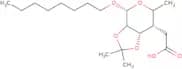

![O-(2-Azido-4,6-O-benzylidene-2-deoxy-a-D-galactopyranosyl)-N-[(9H-fluoren-9-ylmethoxy)carbonyl]-L-…](/_next/image/?url=https%3A%2Fstatic.cymitquimica.com%2Fproducts%2F3D%2Fthumb-webp%2FMA60610.webp&w=3840&q=75)
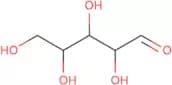
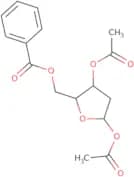
![1,2-Di-[(Trishydroxymethyl)aminomethane]-succinamide](/_next/image/?url=https%3A%2Fstatic.cymitquimica.com%2Fproducts%2F3D%2Fthumb-webp%2FMD12056.webp&w=3840&q=75)

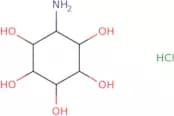
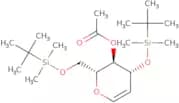


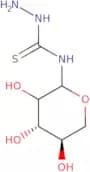
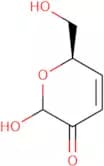

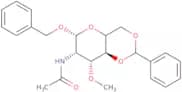
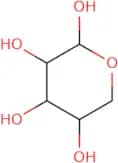
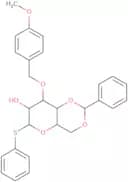


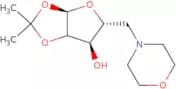
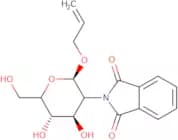
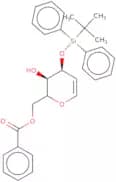
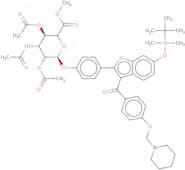

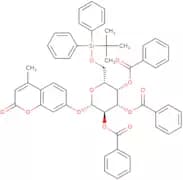
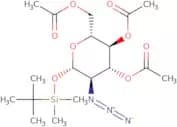
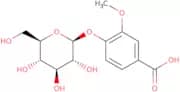
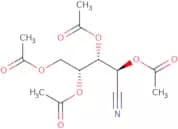
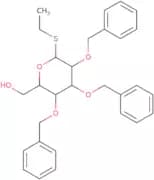

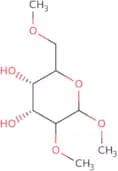
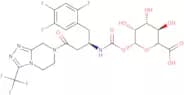
![Benzyl 2-(acetylamino)-2-deoxy-3-o-[3,4,6-tri-o-acetyl-2-(acetylamino)-2-deoxy-β-D-glucopyranosyl]…](/_next/image/?url=https%3A%2Fstatic.cymitquimica.com%2Fproducts%2F3D%2Fthumb-webp%2FKDA05428.webp&w=3840&q=75)
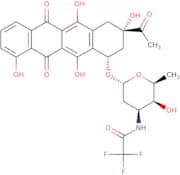
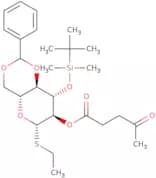
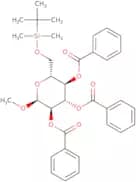


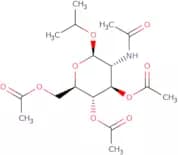

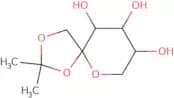
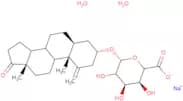
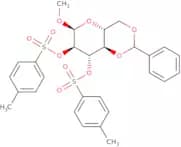
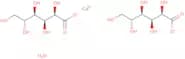
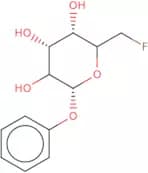


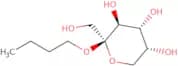
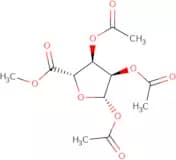
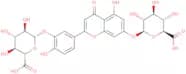

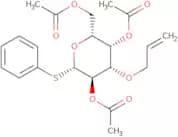
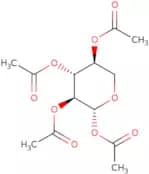
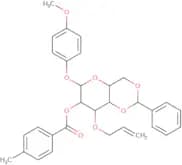
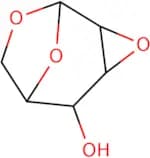
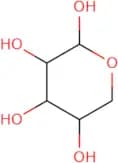
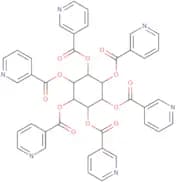
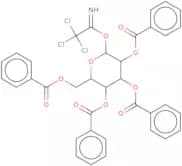
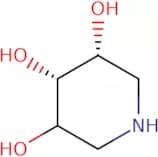
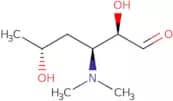
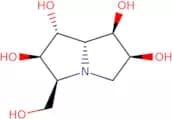

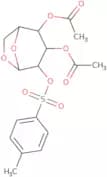
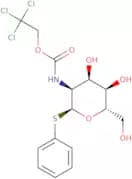

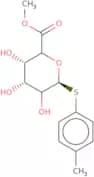

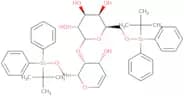

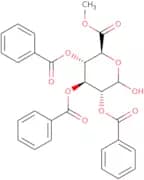
![D-[6,6'-2H2]Glucose](/_next/image/?url=https%3A%2Fstatic.cymitquimica.com%2Fproducts%2F3D%2Fthumb-webp%2FMG74985.webp&w=3840&q=75)
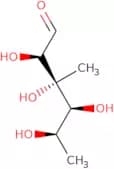
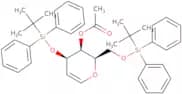
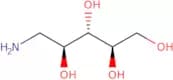
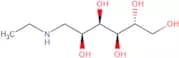
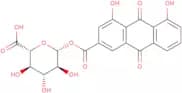
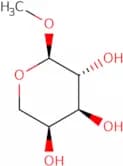

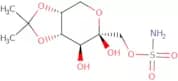

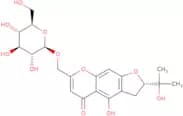

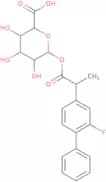
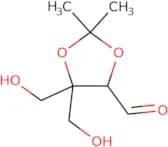
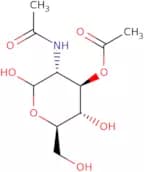
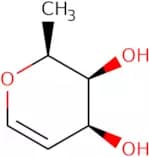
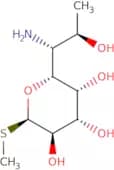
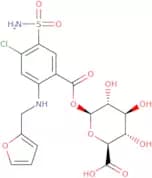
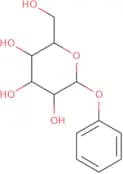
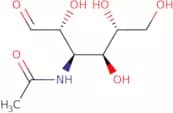
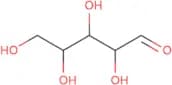

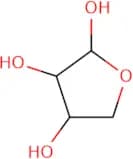
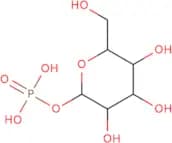
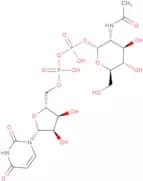

![L-[5-13C]Xylose](/_next/image/?url=https%3A%2Fstatic.cymitquimica.com%2Fproducts%2F3D%2Fthumb-webp%2FDUA50664.webp&w=3840&q=75)


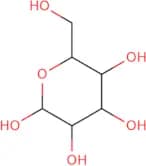
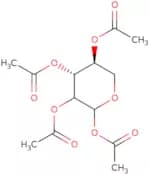
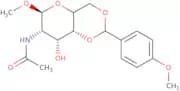


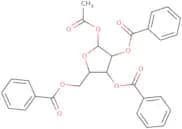
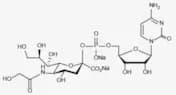
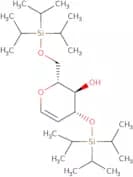
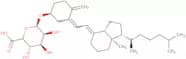

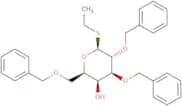


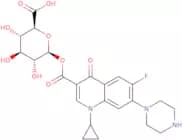

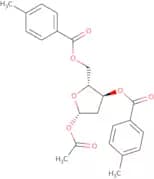
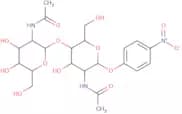
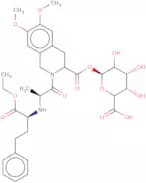
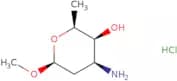
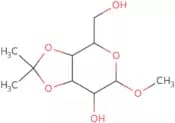


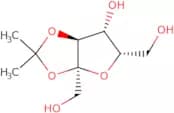
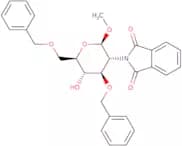
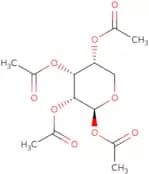
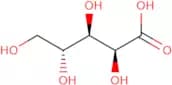

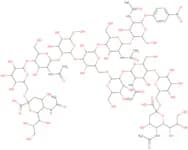



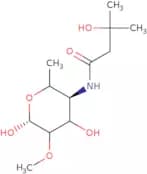
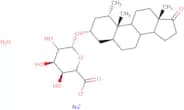
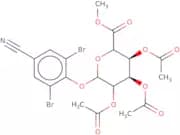
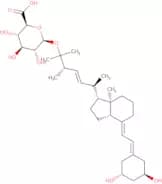
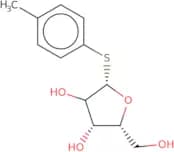
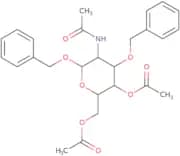


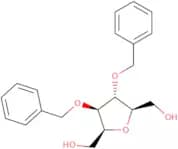
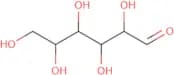
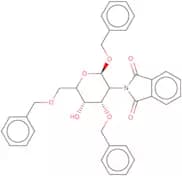

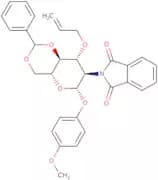

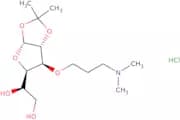

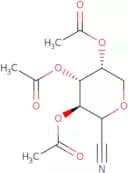
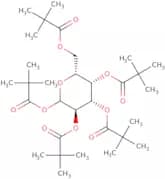
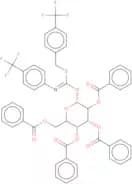
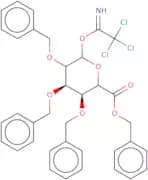
![D-[1-13C]Galacturonic acid potassium salt](/_next/image/?url=https%3A%2Fstatic.cymitquimica.com%2Fproducts%2F3D%2Fthumb-webp%2FMG28931.webp&w=3840&q=75)
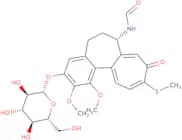
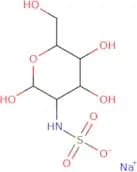
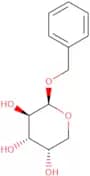
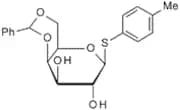
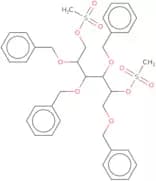
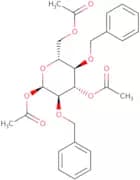
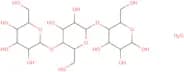
![2,3,4,6-Tetra-O-acetyl-N-(b-D-galactopyranosyl)-N'-[(2-methanethiosulfonyl)ethyl]urea](/_next/image/?url=https%3A%2Fstatic.cymitquimica.com%2Fproducts%2F3D%2Fthumb-webp%2FMT01191.webp&w=3840&q=75)
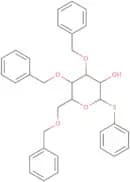
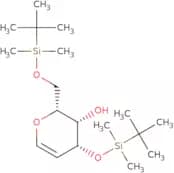
![D-[UL-13C6]Glucosamine HCl](/_next/image/?url=https%3A%2Fstatic.cymitquimica.com%2Fproducts%2F3D%2Fthumb-webp%2FMG45066.webp&w=3840&q=75)