Monosaccharides
Monosaccharides are the simplest form of carbohydrates and serve as fundamental building blocks for more complex sugars and polysaccharides. These single sugar molecules play critical roles in energy metabolism, cellular communication, and structural components of cells. In this section, you will find a wide variety of monosaccharides essential for research in biochemistry, molecular biology, and glycoscience. These compounds are crucial for studying metabolic pathways, glycosylation processes, and developing therapeutic agents. At CymitQuimica, we offer high-quality monosaccharides to support your research needs, ensuring precision and reliability in your scientific investigations.
Subcategories of "Monosaccharides"
- Alloses(11 products)
- Arabinoses(21 products)
- Erythroses(11 products)
- Fructoses(9 products)
- Fucoses(36 products)
- Galactosamine(41 products)
- Galactose(260 products)
- Glucoses(365 products)
- Glucuronic Acids(51 products)
- Glyco-substrates for Enzyme(77 products)
- Guloses(6 products)
- Idoses(4 products)
- Inositols(15 products)
- Lyxoses(4 products)
- Mannoses(65 products)
- O-Glycans(48 products)
- Psicoses(3 products)
- Rhamnoses(10 products)
- Riboses(61 products)
- Sialic Acids(100 products)
- Sorboses(4 products)
- Sugars(173 products)
- Tagatoses(4 products)
- Taloses(8 products)
- Xyloses(20 products)
Show 17 more subcategories
Found 6088 products of "Monosaccharides"
Sort by
Purity (%)
0
100
|
0
|
50
|
90
|
95
|
100
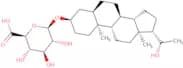
Pregnanediol 3α-O-β-D-glucuronide
CAS:<p>Pregnanediol 3α-O-β-D-glucuronide is a glucuronide metabolite of progesterone, which is a key steroid hormone in the reproductive system. This compound is derived from the metabolic conversion of progesterone, primarily within the liver, where it undergoes glucuronidation. This process involves the addition of glucuronic acid, mediated by the enzyme UDP-glucuronosyltransferase, enhancing the compound’s solubility for renal excretion.</p>Formula:C27H44O8Purity:Min. 95%Color and Shape:PowderMolecular weight:496.63 g/mol4'-Hydroxypropanolol D-glucuronide D5
Controlled Product<p>4'-Hydroxypropanolol D-glucuronide D5 is a custom synthesis.</p>Formula:C22H24NO9D5Purity:Min. 95%Molecular weight:456.51 g/mol3-Amino-3-deoxy-1,2:5,6-di-O-isopropylidene-α-D-glucofuranose
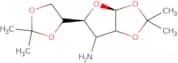
CAS:<p>3-Amino-3-deoxy-1,2:5,6-di-O-isopropylidene-a-D-glucofuranose is a synthetic, custom carbohydrate with a saccharide backbone. The modification of this molecule includes methylation and fluorination. 3-Amino-3-deoxy-1,2:5,6-di-O-isopropylidene is a modification on the saccharide backbone. This molecule is also synthesized with click chemistry to produce an amine functionality at the reducing end of the sugar. This product has high purity and can be used in research or as an intermediate for other compounds.</p>Formula:C12H21NO5Purity:Min. 95%Color and Shape:Pale yellow solid.Molecular weight:259.3 g/mol2,3,4,6-Tetra-O-acetyl-a-D-galactopyranosyl azide
CAS:<p>Please enquire for more information about 2,3,4,6-Tetra-O-acetyl-a-D-galactopyranosyl azide including the price, delivery time and more detailed product information at the technical inquiry form on this page</p>Formula:C14H19N3O9Purity:Min. 98 Area-%Color and Shape:PowderMolecular weight:373.32 g/mol1-O-Methyl-β-D-glucuronic acid, sodium salt
CAS:<p>1-O-Methyl-β-D-glucuronic acid is a β-glucuronidase inducer.</p>Formula:C7H11NaO7Molecular weight:230.15 g/mol1,3,4,6-Tetra-O-acetyl-2-deoxy-2-iodo-β-D-galactopyranose
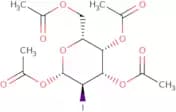
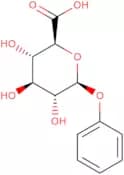
CAS:<p>Synthetic carbohydrate building block</p>Formula:C14H19IO9Purity:Min. 95%Molecular weight:458.2 g/molPhenyl-β-D-glucuronic acid monohydrate
CAS:<p>Phenyl-beta-D-glucuronic acid monohydrate is a genotoxic agent that is metabolized to S-phenylmercapturic acid. This metabolite can be detected in urine as an indicator of exposure to the compound. Phenyl-beta-D-glucuronic acid monohydrate has been shown to have toxic effects on humans, such as decreasing the glomerular filtration rate and increasing reactive oxygen species levels. It also decreases antioxidant vitamin levels and causes blood disorders, including hemolytic anemia. Phenyl-beta-D-glucuronic acid monohydrate may also be used for the treatment of autoimmune diseases by inhibiting certain enzymes involved in inflammation and immune response.</p>Formula:C12H16O8Purity:Min. 98 Area-%Color and Shape:White PowderMolecular weight:288.26 g/molL-Guluronic acid sodium
CAS:<p>L-Guluronic acid sodium is a monosaccharide that plays a crucial role in cardiac health. It is involved in the uptake and utilization of polyene carbohydrates, carotenoids, and fatty acids by human myocardial cells. L-Guluronic acid sodium has been shown to enhance the bioavailability of these essential nutrients, promoting optimal heart function. Additionally, this compound acts as a reactive analog, mimicking the effects of certain molecules involved in mammalian cell signaling pathways. This unique property makes L-Guluronic acid sodium a potential therapeutic agent for various cardiovascular conditions and may have implications in other areas such as stent technology and cancer research.</p>Formula:C6H9O7NaPurity:Min. 98 Area-%Color and Shape:PowderMolecular weight:216.12 g/molMitiglinide-acyl-b-D-glucuronide
<p>Mitiglinide-acyl-b-D-glucuronide is a custom synthesis of an oligosaccharide and polysaccharide that has been fluorinated, modified and then acylated. This reagent is available in high purity and with a modification of methylation. It is a complex carbohydrate with high purity that is obtained by modifying the sugar monomer. Mitiglinide-acyl-b-D-glucuronide is a synthetic monosaccharide that has been modified with polysaccharides and saccharides to produce a product with high purity.</p>Formula:C25H33NO9Purity:Min. 95%Molecular weight:491.53 g/molEsculin sesquihydrate
CAS:<p>Sugars formed by photosynthesis are essential for plants nutrition and they can be carried by a sophisticated system called phloem from the leaves to the root tips. Since the phloem is a delicate tissue composed of various specialized cell types, the study of its structure and functions remains a challenging task. Recently, fluorescent coumarin glucoside derivatives, including esculin (Plant Physiology 2015, 1211-1220) have been used as phloem probes. Among the probes tested, only esculin and fraxin are transported, while skimmin is not, suggesting a certain specifity of natural coumarin glucosides for the transporter AtSUC2.</p>Formula:C30H38O21Purity:Min. 98.0 Area-%Molecular weight:734.62 g/mol1,2,3,4-Tetra-O-acetyl-D-lyxopyranose
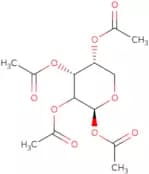
CAS:<p>1,2,3,4-Tetra-O-acetyl-D-lyxopyranose (LXT) is a human lymphocyte growth factor that stimulates the proliferation of human lymphocytes. It also exhibits antiviral activity against murine leukemia and murine viruses in cell culture. LXT has been shown to inhibit the replication of the virus that causes human breast carcinoma. This compound also exhibits anti-inflammatory effects on murine leukemia cells and can stimulate the production of interferon from mouse spleen cells.</p>Formula:C13H18O9Purity:Min. 95%Molecular weight:318.3 g/mol1,3,4,6-Tetra-O-acetyl-b-D-glucosamine HCl
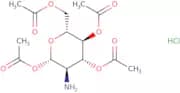
CAS:<p>1,3,4,6-Tetra-O-acetyl-b-D-glucosamine HCl is a compound that can be used in the production of bacterial cellulose. It is a white powder with a molecular weight of 536.2. 1,3,4,6-Tetra-O-acetyl-b-D-glucosamine HCl has been shown to be effective in the cultivation of microorganisms such as bacteria and fungi. This product is also an additive for deionized water and deionized sucrose solutions. Tetraacetylated glucosamine hydrochloride is used to produce bacterial cellulose through the action of cellulase enzymes on sucrose solutions containing NaOH. In addition, this product has been shown to inhibit the proliferation of fibroblasts and epithelial cells when cultured in vitro.</p>Formula:C14H21NO9·HClPurity:Min. 95.0 Area-%Color and Shape:PowderMolecular weight:383.78 g/mol3-Cyano-(1H)-1,2,4-triazine
<p>3-Cyano-(1H)-1,2,4-triazine is a synthetic compound that belongs to the group of complex carbohydrates. It is a monosaccharide and an oligosaccharide that can be custom synthesized and modified. 3-Cyano-(1H)-1,2,4-triazine is used as a glycosylation or polysaccharide modification agent in the synthesis of sugar molecules. It has been shown to have high purity and low toxicity.</p>Purity:Min. 95%2,3,4,6-Tetra-O-acetyl-b-D-glucopyranosyl chloride
CAS:<p>2,3,4,6-Tetra-O-acetyl-b-D-glucopyranosyl chloride is a fluorescent probe for nuclei and quadrupole resonance spectroscopy. It has been used to study the nuclear quadrupole resonance of anions in aqueous solution. The fluorescence intensity of 2,3,4,6-Tetra-O-acetyl-b-D-glucopyranosyl chloride is proportional to the concentration of anions in water. Fluorescence properties were evaluated by measuring the emission spectrum at various excitation wavelengths. The absorption spectrum was also measured to determine the fluorescence quantum yield and fluorescence lifetime.</p>Formula:C14H19ClO9Purity:Min. 95 Area-%Color and Shape:White Off-White PowderMolecular weight:366.8 g/mol3,4,5,7-Tetra-O-acetyl-2,6-anhydro-D-lyxo-hept-2-enononitrile
CAS:<p>3,4,5,7-Tetra-O-acetyl-2,6-anhydro-D-lyxo-hept-2-enononitrile is a synthetic compound that is used in the synthesis of glycosylation and oligosaccharide. This product has been modified with fluorine and methyl groups. The purity of this product is greater than 99%. 3,4,5,7-Tetra-O-acetyl-2,6-anhydro-D-lyxo-hept-2 -enononitrile is also known as CAS No. 120085–67–8.</p>Formula:C15H17NO9Purity:Min. 95%Color and Shape:PowderMolecular weight:355.3 g/mol2-Deoxy-2-fluoro-D-galactose
CAS:<p>Please enquire for more information about 2-Deoxy-2-fluoro-D-galactose including the price, delivery time and more detailed product information at the technical inquiry form on this page</p>Formula:C6H11FO5Purity:Min. 97 Area-%Molecular weight:182.15 g/mol1,2,3,4-Tetra-O-pivaloyl-6-O-(tert-butyldiphenylsilyl)-a-D-mannopyranose
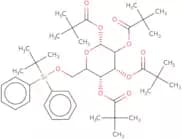
<p>1,2,3,4-Tetra-O-pivaloyl-6-O-(tert-butyldiphenylsilyl)-a-D-mannopyranose is a glycosylated sugar that can be methylated and fluorinated. It has high purity and is custom synthesized for the synthesis of oligosaccharides. This sugar has CAS number 29091-01-9 and is used in the synthesis of polysaccharides.</p>Formula:C42H62O10SiPurity:Min. 95%Molecular weight:755.02 g/mol1,3,4,6-Tetra-O-acetyl-2-azido-2-deoxy-β-D-glucopyranose
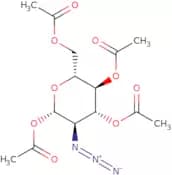
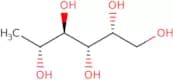
CAS:<p>1,3,4,6-Tetra-O-acetyl-2-azido-2-deoxy-b-D-glucopyranose is a monosaccharide that has been shown to be a potential biomarker for protein synthesis. It has been used in the diagnosis of dissections and potential models in vitro. 1,3,4,6-Tetra-O-acetyl-2-azido-2-deoxy--b -D--glucopyranose has also been used as a model system for the study of protein transport and whole genome sequencing. It is an experimental tool for studying protein synthesis and cell nuclei in vitro.</p>Formula:C14H19N3O9Purity:Min. 95%Color and Shape:PowderMolecular weight:373.32 g/mol6-Deoxy-D-altritol
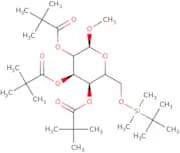
CAS:<p>6-Deoxy-D-altritol is a structural analysis of a polysaccharide carbohydrate that is found in the cell walls of asteroides. It has been shown to contain mannose, d-arabinose, and d-glucose residues. 6-Deoxy-D-altritol also contains galactosyl and phosphate groups. The backbone of 6-Deoxy-D-altritol is made up of phosphodiester bonds with a d-galactose skeleton. This molecule can be used for the identification and characterization of bacteria species such as Mycobacterium tuberculosis and Mycobacterium avium complex.</p>Formula:C6H14O5Purity:Min. 95%Molecular weight:166.17 g/molMethyl 6-O-tert-butyldimethylsilyl-2,3,4-tri-O-pivaloyl-a-D-mannopyranoside
<p>Methyl 6-O-tert-butyldimethylsilyl-2,3,4-tri-O-pivaloyl-a-D-mannopyranoside is a synthetic glycosylation agent that can be used for the synthesis of complex carbohydrates. This product has been fluorinated and saccharide modified. Methyl 6-O-tert-butyldimethylsilyl-2,3,4-tri-O-pivaloyl-aDmannopyranoside is available in CAS number: 5756782.</p>Formula:C28H52O9SiPurity:Min. 95%Molecular weight:560.81 g/molb-L-Arabinopyranose
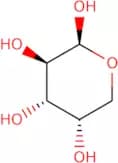
CAS:<p>b-L-Arabinopyranose is a monosaccharide that is found in exudates, melibiose, and radiation hydrolysate. It has been shown to be hydrolyzed by intestinal enzymes and to have an optimum pH of 5.5. b-L-Arabinopyranose also has a high degree of polymerization (DP) and can form five-membered rings with galactans as well as terminal residues that are resistant to hydrolysis by carbon tetrachloride.</p>Formula:C5H10O5Purity:Min. 95%Molecular weight:150.1 g/molL-Xylose
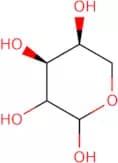
CAS:<p>Chiral-pool resource for organic synthesis</p>Formula:C5H10O5Purity:Min. 99 Area-%Color and Shape:White PowderMolecular weight:150.13 g/molAllyl α-D-galactopyranoside
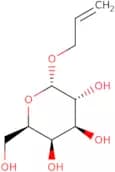
CAS:<p>Allyl α-D-galactopyranoside is a colorimetric reagent that reacts with the polysaccharides to form a colored product. The reaction is based on the transfer of an allyl group from the reagent to the polysaccharide. This reaction can be performed using atomic force microscopy and microscopy techniques, as well as using light and UV-visible spectroscopy. The reaction can also be used to measure glycopolymer concentrations. A titration procedure has been developed for this purpose, in which an excess of allyl α-D-galactopyranoside is added to a solution containing galactose and ammonium sulfate. Allyl α-D-galactopyranoside reacts with galactose to produce an insoluble precipitate that can be measured by weighing or using optical density measurements at a certain wavelength.</p>Formula:C9H16O6Purity:Min. 97 Area-%Color and Shape:White Off-White PowderMolecular weight:220.22 g/molL-Galactose
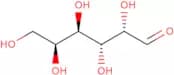
CAS:<p>L-Galactose is a glycol ether that has been shown to have antibacterial efficacy against Gram-positive bacteria. It acts by inhibiting the synthesis of p-hydroxybenzoic acid, which is required for the synthesis of bacterial cell walls and their components. L-Galactose also has an inhibitory effect on the growth of Gram-negative bacteria by preventing methyl glycoside formation. L-Galactose has been used in polymerase chain reaction assays as a competitive inhibitor in analytical methods. It can be used at concentrations up to 5% and does not affect x-ray diffraction data or pluripotent cells.<br>L-galactose can be used as a preservative in cosmetics such as lotions, creams, and ointments due to its mildness and lack of toxicity. The use of L-galactose in these products may prevent spoilage due to microbial contamination.</p>Formula:C6H12O6Purity:Min. 99 Area-%Color and Shape:White PowderMolecular weight:180.16 g/mol(Neu5Ac a(2-3)-Gal-b(1-3)-GalNAc)SL-OH
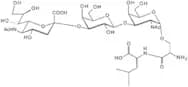
<p>Neu5Ac a(2-3)-Gal-b(1-3)-GalNAc)SL-OH is an Oligosaccharide that is a complex carbohydrate with a Methylation modification. It is the product of Click chemistry and has been Fluorinated and saccharide, Modification, sugar, Oligosaccharide, Synthetic, CAS No., Monosaccharide, Custom synthesis, High purity.</p>Purity:Min. 95%1,2,3,4,6-Penta-O-acetyl-5-thio-D-galactose
<p>1,2,3,4,6-Penta-O-acetyl-5-thio-D-galactose is a fluorinated monosaccharide that is synthesized by the reaction of 1,2,3,4,6-penta-O-acetyl-D-galactose with sodium hypochlorite in the presence of sodium bicarbonate. This compound has been shown to be an excellent substrate for glycosylation reactions and can be used as a sugar donor in polysaccharide synthesis. 1,2,3,4,6 penta O acetyl 5 thio D galactose can also be methylated with dimethylsulfoxide and trimethylsilyl chloride to form the corresponding methylated derivative. This product is available at high purity levels and CAS No. 68713-89-1.END></p>Formula:C16H22O10SPurity:Min. 95%Molecular weight:406.41 g/molmyo-Inositol
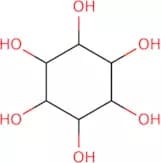
CAS:<p>Vitamin added to plant cell culture medium to promote growth. Used to differentiate microorganisms based on their metabolic properties.</p>Formula:C6H12O6Purity:Min. 99.0 Area-%Molecular weight:180.16 g/mol4-O-Acetyl-N-acetyl-neuraminic acid
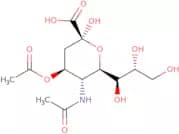
CAS:<p>4-O-Acetyl-N-acetyl-neuraminic acid is a derivative of sialic acid, which is an important component of the human cell membrane. It has been found to have inhibitory properties against influenza virus and other viruses. 4-O-Acetyl-N-acetyl-neuraminic acid inhibits viral activity by irreversible inhibition of the α subunit on the surface glycoprotein, preventing it from binding to host cells. This compound has been shown to be effective against hepatitis B virus and galleria mellonella (a type of wax moth). 4-O-Acetylneuraminic acid has also been shown to be effective in inhibiting the replication of Influenza A virus strains that are resistant to neuraminidase inhibitors such as zanamivir and oseltamivir.</p>Formula:C13H21NO10Purity:Min. 95 Area-%Color and Shape:PowderMolecular weight:351.31 g/mol3,4,6-Tri-O-acetyl-N-azidoacetylmannosamine
<p>3,4,6-Tri-O-acetyl-N-azidoacetylmannosamine is a custom synthesis, modification and fluorination of mannose. It is an oligosaccharide composed of 3,4,6-tri-O-acetyl-N-azidoacetylmannosamine which is linked to a glycosylated saccharide. The carbohydrate backbone is composed of two glucose molecules with the modified mannose attached at the 1 position on each. This compound can be used in research as a model for N3'-linked sugar modifications and has been shown to have antiviral properties.</p>Purity:Min. 95%Dihydrozeatin-O-glucoside riboside
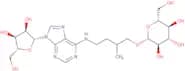
CAS:<p>Dihydrozeatin-O-glucoside riboside is a plant hormone that is found in the roots of Eucomis species. It has been shown to interact with indole-3-acetyl-L-aspartic acid and inhibit the growth of plantlets. The interaction between dihydrozeatin and indole-3-acetyl-L-aspartic acid has been shown to be due to the formation of an intermediate, which is also metabolized by rhizobia. Dihydrozeatin also interacts with ammonium formate and profiles have been obtained for its metabolic products. This molecule also inhibits the production of growth regulators such as abscisic acid, alnifolia, and salicylic acid.</p>Formula:C21H33N5O10Purity:Min. 95 Area-%Color and Shape:PowderMolecular weight:515.51 g/molAllyl α-D-Glucopyranoside
CAS:<p>Allyl alpha-D-glucopyranoside is an optical isomer of D-glucose that is used in the synthesis of a number of synthetic trisaccharides, including maltotriose. Allyl alpha-D-glucopyranoside is also a potent antibacterial agent and has been shown to be active against Escherichia coli, Staphylococcus aureus, and Pseudomonas aeruginosa. Allyl alpha-D-glucopyranoside has hydrophilic and hydrophobic properties, which makes it soluble in both water and organic solvents. This compound can also form stable complexes with metal cations such as sodium and potassium, making it useful for tissue culture experiments.</p>Formula:C9H16O6Molecular weight:220.22 g/molRef: 3D-W-203706
10gTo inquire25gTo inquire50gTo inquire100gTo inquire250gTo inquire-Unit-ggTo inquireN-Acetyl-L-lyxosamine
<p>N-Acetyl-L-lyxosamine is a glycosylation that is used in the synthesis of complex carbohydrates. It can be modified with methyl groups, fluorine atoms, and other substances to produce desired products. N-Acetyl-L-lyxosamine can be used in the synthesis of saccharides such as oligosaccharides and polysaccharides. It is also used in the modification of sugars and monosaccharides. This compound has been synthesized from various sources, including natural glycerol or plant oils. The purity of this chemical is greater than 99%.</p>Formula:C7H13NO5Purity:Min. 95%Molecular weight:191.18 g/mol4-O-Benzyl-D-mannose
<p>4-O-Benzyl-D-mannose is a high purity, custom synthesis sugar with Click modification, fluorination and glycosylation. The CAS No. for this compound is 108611-67-0. 4-O-Benzyl-D-mannose is an oligosaccharide monosaccharide saccharide carbohydrate complex carbohydrate with the chemical formula C5H6O5 that has a molecular weight of 174.11 g/mol. This compound can be used to synthesize polysaccharides, which are carbohydrates that contain more than ten monosaccharides and are found in plant cell walls and other biological polymers such as chitin, cellulose, and glycogen. 4-O-Benzyl-D-mannose is also used in the synthesis of saccharides that are found in glycoproteins or proteoglycans.</p>Formula:C13H18O6Purity:Min. 95%Molecular weight:270.28 g/molD-Glucuronic acid, sodium salt monohydrate
CAS:<p>D-Glucuronic acid, sodium salt monohydrate is a chromatographic standard. It is used to measure the hydrophilicity of a sample and its interaction with proteins. In addition, it can be used as an immunomodulator. D-Glucuronic acid, sodium salt monohydrate has been shown to have anti-inflammatory effects by inhibiting the production of prostaglandins and leukotrienes. The acidic nature of this compound may play a role in its membrane system interactions with lysine residues on protein surfaces.</p>Formula:C6H11NaO8Molecular weight:234.14 g/mol6-Phosphogluconic acid, trisodium salt dihydrate
CAS:<p>6-Phosphogluconic acid, trisodium salt dihydrate is a custom synthesis that has been made to order. It is a complex carbohydrate that can be modified with methylation, glycosylation and other modifications. 6-Phosphogluconic acid, trisodium salt dihydrate is an Oligosaccharide and Polysaccharide of Modification saccharides. It can be made as an Methylated Glycosylated Carbohydrate or a Click Modified Sugar. It can be Fluorinated or Synthetically made for high purity.</p>Formula:C6H14Na3O12PMolecular weight:378.11 g/mola-D-Arabinopyranosyl azide
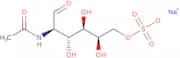
CAS:<p>a-D-Arabinopyranosyl azide is a new modified sugar that has been synthesized by the Click chemistry method. It is a complex carbohydrate with different substituents at the C2, C4, and C6 positions. This compound can be used for methylation, saccharide, polysaccharide, glycosylation or other custom synthesis. The CAS No. for this product is 138892-04-3, and it has a purity of >99%.</p>Formula:C5H9N3O4Purity:Min. 95%Molecular weight:175.14 g/molN-Acetyl-D-galactosamine-6-O-sulphate sodium salt - 95%
CAS:<p>N-Acetyl-D-galactosamine-6-O-sulphate sodium salt is a glycosylation product that can be used in the synthesis of oligosaccharides and saccharides. It is also used for the modification of proteins, polysaccharides, fluorination reactions, and click reactions. This compound has been synthesized from D-galactose and acetylated with sulfuric acid to form an ester. N-Acetyl-D-galactosamine-6-O-sulphate sodium salt has a molecular weight of 584.12 g/mol and a melting point of 236°C.</p>Formula:C8H14NO9SNaPurity:Min. 95 Area-%Color and Shape:PowderMolecular weight:323.25 g/mol3,5-Di-C-methyl-L-mannose
<p>3,5-Di-C-methyl-L-mannose is a custom synthesis that is an Oligosaccharide with a CAS number of <br>83683-03-1. It is a polysaccharide that is modified by methylation and glycosylation. 3,5-Di-C-methyl-L-mannose has been shown to be effective in inhibiting the growth of cancer cells through modification of glycosylations on proteins and other molecules. 3,5-Di-C-methyl-L-mannose also has high purity and can be synthesized using fluorination reactions.</p>Purity:Min. 95%5-Deoxy-iso-DMDP HCl
<p>5-Deoxy-iso-DMDP HCl is a custom synthesis sugar that can be modified with Click chemistry. It is fluorinated, glycosylated, and methylated. The CAS number for 5-Deoxy-iso-DMDP HCl is 97790-10-2. This oligosaccharide has a molecular weight of about 607.5 Daltons and contains monosaccharides and saccharides. The carbohydrate complex has a molecular weight of about 1201 Daltons and includes complex carbohydrates such as polysaccharides, glycoproteins, glycogen, and polysaccharolytic enzymes.</p>Purity:Min. 95%2,3,4,6-Tetra-O-acetyl-β-D-glucopyranosyl trichloroacetimidate
CAS:<p>Gadolinium is a magnetic, paramagnetic metal that is used to enhance the contrast in magnetic resonance imaging (MRI) and has been shown to be effective in ectopic expression of gene products. Gadolinium-enhanced MRI has been shown to be a more sensitive method for detection of pancreatic cancer cells than CT scans. Gadolinium also binds to monoclonal antibodies and can be detected using immunohistochemical staining. Gadolinium is a prohormone that is converted into its active form by cleavage of the glycosidic bond between carbons 2 and 3 in the 6-phosphate position. The gadolinium ion is chemically neutral, which may account for its lack of toxicity in vivo.</p>Formula:C16H20Cl3NO10Purity:Min. 98 Area-%Color and Shape:PowderMolecular weight:492.69 g/molMethyl (phenyl 2,3-di-O-benzyl-1-thio-b-D-glucopyranoside)uronate
CAS:<p>Methyl (phenyl 2,3-di-O-benzyl-1-thio-b-D-glucopyranoside)uronate is a synthetic glycosylation product. It is the methyl ester of 2,3,4,6-tetra-O-benzylated glucuronic acid. This product can be used for the modification of polysaccharides and saccharides with click chemistry. The synthesis of this compound can be customized to meet your needs.</p>Purity:Min. 95%1,2:4,5-Biscyclohexylidene-DL-myo-inositol
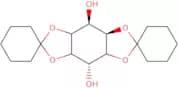
CAS:<p>1,2:4,5-Biscyclohexylidene-DL-myo-inositol is an Oligosaccharide that is synthetically made. It belongs to the group of Glycosylation and can be used in a variety of applications. This compound can be used as a sugar in protein glycosylation, or it can act as an initiator for polysaccharide synthesis. 1,2:4,5-Biscyclohexylidene-DL-myo-inositol has been modified with Click chemistry and has been shown to be high purity and complex carbohydrate.</p>Formula:C18H28O6Purity:Min. 95%Color and Shape:PowderMolecular weight:340.41 g/mol1- Deoxy- 2, 3:4, 5:6, 7- Tris- O- (1- methylethylidene) -D- glycero- D- gulo- heptitol
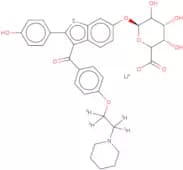
CAS:<p>1-Deoxy-2,3:4,5:6,7-Tris-O-(1-methylethylidene)-D-glycero-D-guloheptitol is a high purity custom synthesis sugar that can be modified with fluorination and glycosylation. This product is synthesized from monosaccharides and saccharides. It has the CAS No. 1801528-80-2 and molecular weight of 354.25 g/mol. 1,2,3,4,5,6,7 -Tris (1 methylethylidene) -D glycero D gulo heptitol is a complex carbohydrate that is used in the synthesis of oligosaccharides and monosaccharides.</p>Purity:Min. 95%Raloxifene-6-D-glucuronide D4 lithium salt
Controlled Product<p>This is a custom synthesis of an oligosaccharide with a 6-D-glucuronide D4 lithium salt. It is a complex carbohydrate that has been modified with methylation and glycosylation. This compound can be used as a synthetic intermediate for the production of other compounds or it can be used as a pharmaceutical agent.</p>Formula:C34H30NO10SD4·LiPurity:Min. 95%Molecular weight:659.66 g/mol4-O-Acetyl-2,5-anhydro-1,3-isopropylidene-D-glucitol
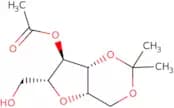
CAS:<p>4-O-Acetyl-2,5-anhydro-1,3-isopropylidene-D-glucitol (4AIG) is a modification of glucose. 4AIG is a white to light yellow crystalline solid that melts with decomposition at 150°C. It is soluble in water and acetone but insoluble in ether. 4AIG can be used as a raw material for the synthesis of oligosaccharides and polysaccharides.</p>Formula:C11H18O6Purity:Min. 95%Molecular weight:246.26 g/mol3,5-((R)-Benzylidene)-6-deoxy-L-glucono-1,4-lactone
<p>3,5-((R)-Benzylidene)-6-deoxy-L-glucono-1,4-lactone is a synthesized sugar that can be modified to include fluorination, glycosylation, methylation and other modifications. It is an oligosaccharide with a saccharide backbone made up of glucose units. The monosaccharides are galactose and glucuronic acid. 3,5-(R) Benzylidene)-6-deoxy-L-glucono-1,4-lactone is used in the synthesis of complex carbohydrates for research purposes.</p>Purity:Min. 95%3-O-benzyl-D-xylose
<p>3-O-benzyl-D-xylose is a sugar that belongs to the group of dimethyl, diisobutylaluminium, dicarboxylate, malonate, oxygenated, acetylation, cyclopentane. It has been shown to be effective in cleavage and condensation reactions. 3-O-benzyl-D-xylose can be used in the synthesis of pyridinium chlorochromate and chlorochromate. This compound also reacts with pyridinium via hydride reduction and hydroxide cleavage.</p>Purity:Min. 95%1,4-Anhydro-D-glucitol
CAS:<p>1,4-Anhydro-D-glucitol is a compound that belongs to the group of monosaccharides and has biological properties. It has also been used in the production of acetate extracts from fetal bovine erythrocytes. The ester linkages are formed between 1,4-anhydro-D-glucitol and sodium salt by reaction with acetic anhydride. The reaction mechanism has been studied in detail, and it was found that hydroxyl groups on the molecule react with sodium ions to form an ester linkage. This compound is toxicologically safe at high doses, but can become toxic at lower doses due to its acid formation potential.</p>Formula:C6H12O5Purity:Min. 97.0 Area-%Molecular weight:164.16 g/molRef: 3D-W-202151
5gTo inquire10gTo inquire25gTo inquire50gTo inquire2500mgTo inquire-Unit-ggTo inquire2,3,4,6-Tetra-O-acetyl-b-D-glucopyranosyl-N'-(2-aminophenyl)thiourea
<p>2,3,4,6-Tetra-O-acetyl-b-D-glucopyranosyl-N'-(2-aminophenyl)thiourea is a fluorinated glycoside that is synthesized by the coupling of an acetyl group with an aminophenylthiourea. The synthesis of this compound can be customized for specific carbohydrate requirements. This product has been shown to be effective in the modification of complex carbohydrates such as polysaccharides and glycans. It is also useful for applications involving glycosylation and methylation reactions.</p>Formula:C21H26N2O9SPurity:Min. 95%Molecular weight:482.51 g/molBenzyl 2-acetamido-2-deoxy-b-D-glucopyranoside
CAS:<p>The family of sporadically occurring benzyl 2-acetamido-2-deoxy-b-D-glucopyranoside is characterized by chromosome terminal deletions, cytogenetic abnormalities, and phenotypes. The sporadically occurring benzyl 2-acetamido-2-deoxy-b-D-glucopyranoside is a member of the glucosamine family. It is characterized by chromosome terminal deletions, cytogenetic abnormalities, and phenotypes.</p>Formula:C15H21NO6Purity:Min. 95%Color and Shape:White PowderMolecular weight:311.33 g/mol