Volatile Organic Compound (VOC) Standards
Volatile Organic Compound (VOC) standards are critical for the analysis and quantification of VOCs, which are commonly present in air, water, and soil. VOCs are a key focus in environmental monitoring due to their potential health impacts. At CymitQuimica, we offer high-purity VOC standards that guarantee precise calibration of analytical equipment, ensuring reliable results in environmental, industrial, and air quality testing.
Found 194 products of "Volatile Organic Compound (VOC) Standards"
Sort by
Purity (%)
0
100
|
0
|
50
|
90
|
95
|
100
Dimethoxytetraethylene glycol
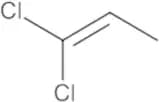
CAS:Controlled ProductFormula:C10H22O5Color and Shape:NeatMolecular weight:222.281,1-Dichloro-1-propene
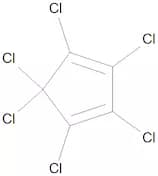
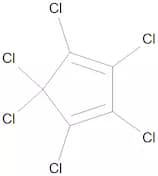
CAS:Controlled ProductFormula:C3H4Cl2Color and Shape:NeatMolecular weight:110.97Hexachlorocyclopentadiene 100 µg/mL in Isooctane
CAS:Controlled ProductFormula:C5Cl6Color and Shape:Single SolutionMolecular weight:272.77California Residual Solvent Mixture 2A 1000 µg/mL in Dimethyl Sulfoxide Second Source
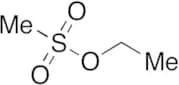
CAS:Color and Shape:MixtureEthylmethanesulfonate
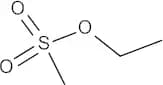
CAS:Controlled ProductFormula:C3H8O3SColor and Shape:NeatMolecular weight:124.16YC 207-2014 VOC Mixture 112 Kit 0.15-1000 µg/mL in Triacetin
CAS:Controlled Product- 100-41-4
- 100-42-5
- 106-42-3
- 106-65-0
- 107-98-2
- 108-10-1
- 108-21-4
- 108-38-3
- 108-88-3
- 108-94-1
- 109-60-4
- 110-80-5
- 111-15-9
- 1119-40-0
- 123-86-4
- 141-78-6
- 1569-02-4
- 627-93-0
- 64-17-5
- 67-56-1
- 67-63-0
- 67-64-1
- 71-23-8
- 71-36-3
- 71-43-2
- 78-93-3
- 95-47-6
Color and Shape:MixtureResidual Solvent Mixture 650 150-2500 µg/mL in N,N-Dimethylacetamide
CAS:Controlled Product- 100-41-4
- 106-42-3
- 106-97-8
- 107-83-5
- 108-21-4
- 108-38-3
- 108-88-3
- 109-66-0
- 110-54-3
- 141-78-6
- 142-82-5
- 463-82-1
- 60-29-7
- 64-17-5
- 67-56-1
- 67-63-0
- 67-64-1
- 74-98-6
- 75-05-8
- 75-09-2
- 75-28-5
- 75-83-2
- 78-78-4
- 79-29-8
- 95-47-6
- 96-14-0
Color and Shape:MixtureHJ 713, HJ 714-2014, HJ 735, HJ 736-2015 VOC Internal Standards Mixture 118 2000 µg/mL in Methanol
CAS:Controlled ProductColor and Shape:MixtureHexachlorocyclopentadiene 10 µg/mL in Isooctane
CAS:Controlled ProductFormula:C5Cl6Color and Shape:Single SolutionMolecular weight:272.77California Residual Solvent Calibration Mixture 1 10 µg/mL in Triacetin
CAS:Controlled ProductFormula:C2H4Cl2Color and Shape:MixtureMolecular weight:98.96Oregon Residual Solvent Mixture 238 1000 µg/mL in Triacetin, Second Source
CAS:Controlled Product- 100-41-4
- 106-42-3
- 106-97-8
- 107-21-1
- 107-83-5
- 108-21-4
- 108-38-3
- 108-88-3
- 109-66-0
- 109-99-9
- 110-54-3
- 110-80-5
- 110-82-7
- 123-91-1
- 141-78-6
- 142-82-5
- 463-82-1
- 60-29-7
- 64-17-5
- 67-56-1
- 67-63-0
- 67-64-1
- 71-43-2
- 74-98-6
- 75-05-8
- 75-09-2
- 75-21-8
- 75-28-5
- 75-83-2
- 78-78-4
- 78-92-2
- 79-29-8
- 95-47-6
- 96-14-0
- 98-82-8
Formula:C4H8O2Color and Shape:MixtureMolecular weight:88.11VOC Mixture 901 200 µg/mL in Methanol
CAS:Controlled Product- 100-41-4
- 100-42-5
- 10061-01-5
- 10061-02-6
- 103-65-1
- 104-51-8
- 106-42-3
- 106-43-4
- 106-46-7
- 106-93-4
- 107-06-2
- 108-38-3
- 108-67-8
- 108-86-1
- 108-88-3
- 108-90-7
- 120-82-1
- 124-48-1
- 127-18-4
- 135-98-8
- 142-28-9
- 156-59-2
- 156-60-5
- 541-73-1
- 56-23-5
- 563-58-6
- 594-20-7
- 630-20-6
- 67-66-3
- 71-43-2
- 71-55-6
- 74-95-3
- 74-97-5
- 75-09-2
- 75-25-2
- 75-27-4
- 75-34-3
- 75-35-4
- 78-87-5
- 79-00-5
- 79-01-6
- 79-34-5
- 87-61-6
- 87-68-3
- 91-20-3
- 95-47-6
- 95-49-8
- 95-50-1
- 95-63-6
- 96-12-8
- 96-18-4
- 98-06-6
- 98-82-8
- 99-87-6
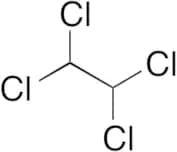
Formula:C2H2Cl4Color and Shape:MixtureMolecular weight:167.85SVOC Mixture 231 100 µg/mL in Methanol
CAS:Controlled Product- 105-67-9
- 106-44-5
- 106-48-9
- 108-39-4
- 108-43-0
- 108-68-9
- 108-95-2
- 120-83-2
- 123-07-9
- 1570-64-5
- 15950-66-0
- 2416-94-6
- 4901-51-3
- 496-78-6
- 526-75-0
- 527-54-8
- 527-60-6
- 576-24-9
- 576-26-1
- 58-90-2
- 583-78-8
- 59-50-7
- 591-35-5
- 609-19-8
- 620-17-7
- 697-82-5
- 87-65-0
- 87-86-5
- 88-06-2
- 90-00-6
- 933-75-5
- 933-78-8
- 935-95-5
- 95-48-7
- 95-57-8
- 95-65-8
- 95-77-2
- 95-87-4
- 95-95-4
Color and Shape:MixtureCalifornia Residual Solvent Mixture 1 1000 µg/mL in Dimethyl Sulfoxide
CAS:Controlled ProductColor and Shape:MixtureWashington Residual Solvent Mixture 765 10000 µg/mL in N,N-Dimethylacetamide
CAS:Controlled ProductFormula:C3H8Color and Shape:MixtureMolecular weight:44.10Canada Residual Gases Mixture 2000 µg/mL in Dimethyl Sulfoxide
CAS:Controlled ProductFormula:C4H10Color and Shape:MixtureMolecular weight:58.12California Residual Solvent Mixture 2A 1000 µg/mL in Dimethyl Sulfoxide
CAS:Controlled ProductFormula:C3H8Color and Shape:MixtureMolecular weight:44.10Oregon Cannabis Solvent Mixture 1000 µg/mL in Triacetin
CAS:Controlled Product- 100-41-4
- 106-42-3
- 106-97-8
- 107-21-1
- 107-83-5
- 108-21-4
- 108-38-3
- 108-88-3
- 109-66-0
- 109-99-9
- 110-54-3
- 110-80-5
- 110-82-7
- 123-91-1
- 141-78-6
- 142-82-5
- 463-82-1
- 60-29-7
- 64-17-5
- 67-56-1
- 67-63-0
- 67-64-1
- 71-43-2
- 74-98-6
- 75-05-8
- 75-09-2
- 75-21-8
- 75-28-5
- 75-83-2
- 78-78-4
- 78-92-2
- 79-29-8
- 95-47-6
- 96-14-0
- 98-82-8
Formula:C4H8O2Color and Shape:MixtureMolecular weight:88.11HJ 644-2013 VOC Mixture 532 2000 µg/mL in Methanol
CAS:Controlled Product- 100-41-4
- 100-42-5
- 100-44-7
- 10061-01-5
- 10061-02-6
- 106-42-3
- 106-46-7
- 106-93-4
- 107-05-1
- 107-06-2
- 108-38-3
- 108-67-8
- 108-88-3
- 108-90-7
- 120-82-1
- 127-18-4
- 156-59-2
- 541-73-1
- 56-23-5
- 622-96-8
- 67-66-3
- 71-43-2
- 71-55-6
- 75-09-2
- 75-34-3
- 75-35-4
- 76-13-1
- 78-87-5
- 79-00-5
- 79-01-6
- 79-34-5
- 87-68-3
- 95-47-6
- 95-50-1
- 95-63-6
Color and Shape:MixtureArizona Residual Solvents Mixture 500 90-7500 µg/mL in N,N-Dimethylacetamide
CAS:Controlled Product- 100-41-4
- 106-42-3
- 107-83-5
- 108-21-4
- 108-38-3
- 108-88-3
- 109-66-0
- 110-54-3
- 141-78-6
- 142-82-5
- 463-82-1
- 60-29-7
- 64-17-5
- 67-56-1
- 67-63-0
- 67-64-1
- 67-66-3
- 75-05-8
- 75-09-2
- 75-83-2
- 78-78-4
- 79-29-8
- 95-47-6
- 96-14-0
Color and Shape:MixtureArizona Residual Solvents Mixture Kit 504 3-7500 µg/mL in N,N-Dimethylacetamide, Second Source
CAS:Controlled Product- 100-41-4
- 106-42-3
- 107-83-5
- 108-21-4
- 108-38-3
- 108-88-3
- 109-66-0
- 110-54-3
- 141-78-6
- 142-82-5
- 463-82-1
- 60-29-7
- 64-17-5
- 67-56-1
- 67-63-0
- 67-64-1
- 67-66-3
- 71-43-2
- 75-05-8
- 75-09-2
- 75-83-2
- 78-78-4
- 79-29-8
- 95-47-6
- 96-14-0
Color and Shape:MixtureHJ 713, HJ 714-2014, HJ 735, HJ 736-2015 VOC Mixture 116 2000 µg/mL in Methanol
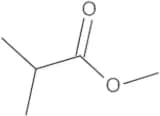
CAS:Controlled ProductColor and Shape:MixtureIsobutyric acid-methyl ester
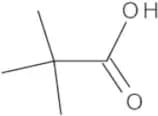
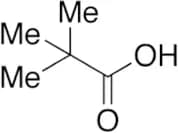
CAS:Controlled ProductFormula:C5H10O2Color and Shape:NeatMolecular weight:102.132,2-Dimethylpropionic acid
CAS:Controlled ProductFormula:C5H10O2Color and Shape:NeatMolecular weight:102.13Canada Residual Solvents Mixture 1046 5000 µg/mL in Triacetin
CAS:Controlled Product- 100-66-3
- 108-21-4
- 109-60-4
- 109-66-0
- 109-94-4
- 110-19-0
- 121-44-8
- 123-51-3
- 123-86-4
- 141-78-6
- 142-82-5
- 1634-04-4
- 60-29-7
- 64-17-5
- 64-18-6
- 64-19-7
- 67-63-0
- 67-64-1
- 67-68-5
- 71-23-8
- 71-36-3
- 71-41-0
- 78-83-1
- 78-92-2
- 78-93-3
- 79-20-9
Formula:C3H8OColor and Shape:MixtureMolecular weight:60.101,2-Dichloroethane D4 & Toluene D8 Mixture 528 1000 µg/mL in Methanol
CAS:Controlled ProductColor and Shape:MixtureHJ 642-2013 VOC Mixture 136 1000 µg/mL in Methanol
CAS:Controlled Product- 100-41-4
- 100-42-5
- 106-42-3
- 106-46-7
- 106-93-4
- 107-06-2
- 108-38-3
- 108-67-8
- 108-88-3
- 108-90-7
- 120-82-1
- 124-48-1
- 127-18-4
- 156-59-2
- 156-60-5
- 541-73-1
- 56-23-5
- 630-20-6
- 67-66-3
- 71-43-2
- 71-55-6
- 75-01-4
- 75-09-2
- 75-25-2
- 75-27-4
- 75-34-3
- 75-35-4
- 78-87-5
- 79-00-5
- 79-01-6
- 79-34-5
- 87-68-3
- 95-47-6
- 95-50-1
- 95-63-6
- 96-18-4
Color and Shape:MixtureCalifornia Residual Solvent Mixture 2 various MRL based concentrations in Triacetin
CAS:Controlled ProductFormula:C2H4Cl2Color and Shape:MixtureMolecular weight:98.96California Residual Solvent Mixture 1 1000 µg/mL in Dimethyl Sulfoxide Second Source
CAS:Controlled ProductColor and Shape:MixtureArizona Residual Solvents Mixture Kit 499 3-7500 µg/mL in N,N-Dimethylacetamide
CAS:Controlled Product- 100-41-4
- 106-42-3
- 107-83-5
- 108-21-4
- 108-38-3
- 108-88-3
- 109-66-0
- 110-54-3
- 141-78-6
- 142-82-5
- 463-82-1
- 60-29-7
- 64-17-5
- 67-56-1
- 67-63-0
- 67-64-1
- 67-66-3
- 71-43-2
- 75-05-8
- 75-09-2
- 75-83-2
- 78-78-4
- 79-29-8
- 95-47-6
- 96-14-0
Color and Shape:MixtureWashington Residual Solvent Mixture 762 10000 µg/mL in N,N-Dimethylacetamide
CAS:Controlled ProductFormula:C3H8Color and Shape:MixtureMolecular weight:44.10Rhode Island Residual Solvents Mixture Kit 608 2-5000 µg/mL in Triacetin
CAS:Controlled Product- 100-41-4
- 106-42-3
- 106-97-8
- 107-06-2
- 107-21-1
- 107-83-5
- 108-10-1
- 108-21-4
- 108-38-3
- 108-87-2
- 108-88-3
- 109-60-4
- 109-66-0
- 109-99-9
- 110-54-3
- 110-71-4
- 110-80-5
- 110-82-7
- 110-86-1
- 119-64-2
- 123-91-1
- 124-48-1
- 126-33-0
- 127-19-5
- 141-78-6
- 142-82-5
- 156-59-2
- 56-23-5
- 591-78-6
- 60-29-7
- 64-17-5
- 67-56-1
- 67-63-0
- 67-64-1
- 67-68-5
- 68-12-2
- 71-23-8
- 71-36-3
- 71-41-0
- 71-43-2
- 71-55-6
- 74-98-6
- 75-05-8
- 75-21-8
- 75-28-5
- 75-35-4
- 75-52-5
- 75-83-2
- 78-78-4
- 78-83-1
- 78-92-2
- 78-93-3
- 79-00-5
- 79-29-8
- 872-50-4
- 95-47-6
- 96-14-0
- 98-82-8
Color and Shape:MixtureHJ 642-2013 VOC Internal Standards Mixture 134 250 µg/mL in Methanol
CAS:Controlled ProductColor and Shape:MixtureCannabis Residual Solvent Mixture 138 1000 µg/mL in Triacetin
CAS:Controlled Product- 100-41-4
- 106-42-3
- 106-97-8
- 107-21-1
- 107-83-5
- 108-21-4
- 108-38-3
- 108-88-3
- 109-66-0
- 109-99-9
- 110-54-3
- 110-71-4
- 110-80-5
- 110-82-7
- 110-86-1
- 123-91-1
- 126-33-0
- 127-19-5
- 141-78-6
- 142-82-5
- 60-29-7
- 64-17-5
- 67-56-1
- 67-63-0
- 67-64-1
- 67-68-5
- 68-12-2
- 71-23-8
- 71-36-3
- 71-41-0
- 71-43-2
- 74-98-6
- 75-05-8
- 75-09-2
- 75-28-5
- 75-83-2
- 78-78-4
- 78-92-2
- 78-93-3
- 79-29-8
- 95-47-6
- 96-14-0
- 98-82-8
Formula:C4H10O2Color and Shape:MixtureMolecular weight:90.12California Residual Solvent Mixture 1 1000 µg/mL in Dimethyl Sulfoxide Second Source
CAS:Controlled ProductColor and Shape:MixtureChloroform (Stabilized with ~1% Ethanol)
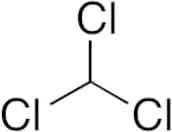
CAS:Controlled Product<p>Applications Chloroform is generally used in NMR spectroscopy as a solvent, in trimethylsilane solution. It has been used an an anaesthetic due to its action on the central nervous system.<br> Not a dangerous good if item is equal to or less than 1g/ml and there is less than 100g/ml in the package<br>References Johansson, J. et al.: Photochem. Photobiol., 77, 89 (2003); Fryczkowski, R. et al.: Synth. Metals, 166, 14 (2013); Guo, S. et al.: Tetra. Asymm., 24, 480 (2013);<br></p>Formula:CHCl3Color and Shape:NeatMolecular weight:119.381,1-Dichloro-2-propanone
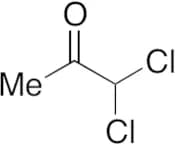
CAS:<p>Applications 1,1-Dichloro-2-propanone is a disinfection byproduct in drinking water. It may cause bladder cancer and other adverse health effects.<br> Not a dangerous good if item is equal to or less than 1g/ml and there is less than 100g/ml in the package<br>References Farre, M., et al.: Water Sci. Tehnol., 12, 573 (2012); Catherine, M., et al.: Water Res., 47, 3231 (2013); Neale, P., et al.: Environ. Sci. Technol., 46, 10317 (2012)<br></p>Formula:C3H4Cl2OColor and Shape:Light YellowMolecular weight:126.971,2-Dichloroethane
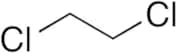
CAS:Controlled Product<p>Applications 1,2-Dichloroethane is one of the major waste products of the Vinyl Chloride industries, and has also been classified as a potential human carcinogen.<br> Not a dangerous good if item is equal to or less than 1g/ml and there is less than 100g/ml in the package<br>References Hung, W., et al.: Appl. Surf. Sci., 255, 2205 (2008); Rannug, U., et al.: Chem.-Biol. Int., 20, 1 (1978)<br></p>Formula:C2H4Cl2Color and Shape:NeatMolecular weight:98.96N-Acetyl-S-benzyl-L-cysteine
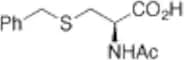
CAS:Controlled Product<p>Applications A metabolite of Toluene.<br>References Gargas, M., et al.: Toxicol. Appl. Pharmacol., 98, 87 (1989), Commandeur, J., et al.: Pharmacol. Rev., 47(2), 271 (1995), Campo, P., et al.: Neurotoxicol. Teratol., 21, 427 (1999), Lohse, C., et al.: J. Agr. Food Chem., 48, 5913 (2000),<br></p>Formula:C12H15NO3SColor and Shape:Off-WhiteMolecular weight:253.32Tetrahydrofurfuryl Alcohol
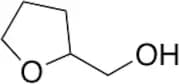
CAS:Controlled Product<p>Applications Tetrahydrofurfuryl alcohol (cas# 97-99-4) is a useful research chemical.<br></p>Formula:C5H10O2Color and Shape:NeatMolecular weight:102.13172-Bromoethanol
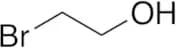
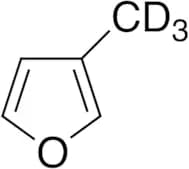
CAS:Controlled Product<p>Applications 2-Bromoethanol is an widely used intermediate in organic synthesis.<br> Not a dangerous good if item is equal to or less than 1g/ml and there is less than 100g/ml in the package<br>References Tian, Z., et al.: Int. J. Quant. Chem., 111, 631 (2011); Thayer, F.K., et al.: Org. Syntheses., 6, (1926);<br></p>Formula:C2H5BrOColor and Shape:NeatMolecular weight:124.963-Methylfuran-d3 (1 mg/mL in Methanol)
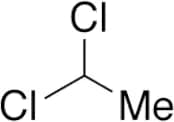
CAS:Controlled ProductFormula:C52H3H3OColor and Shape:Single SolutionMolecular weight:85.121,1-Dichloroethane (Stabilized with Nitromethane, ~0.5%) (>90%)
CAS:Controlled Product<p>Stability Very Volatile<br>Applications 1,1-Dichloroethane is used as a chemical solvent in the preparation of precursors of quinolizine, isoquinoline and indole alkaloids(1). Groundwater contaminant, DDT biodegredation product(2,3). Drinking water contaminant candidate list 3 (CCL 3) compound as per United States Environmental Protection Agency (EPA). Environmental contaminants; Food contaminants.<br> Not a dangerous good if item is equal to or less than 1g/ml and there is less than 100g/ml in the package<br>References 1. Butler, E. et al.: Env. Sci. Tech. 2000, 34 (3), pp 422–429.2. Ren, L. et al.: Chemosphere. 2017 Feb;168:244-253.3. Grewal, J. et al.: J. Environ. Sci. Health. B. 2016 Dec;51(12):809-816.<br></p>Formula:C2H4Cl2Purity:>90%Color and Shape:NeatMolecular weight:98.961-Bromo-3-chloropropane
CAS:Controlled Product<p>Applications 1-Bromo-3-chloropropane can be used safer and equally efficient alternative to chloroform as a phase-separation agent in the 1-step method of RNA isolation from biological samples such as animal and plant tissue.<br>References Chomczynski, P. et al.: Anal. Biochem., 225, 163 (1995); Chey, S. et al.: Anal. Biochem., 411, 164 (2011);<br></p>Formula:C3H6BrClColor and Shape:Colourless LiquidMolecular weight:157.442,2,2-Trichloroethanol
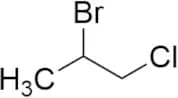
CAS:<p>Applications 2,2,2-trichloroethanol (TCE) is an active metabolite of Trichloroacetaldehyde monohydrate [chloral hydrate (CH)] (T774055), a sedative/hypnotic that increases cerebral blood flow (CBF).<br>References Parelkar, N., et al.: J. Pharma. Exper. Ther., 332, 803 (2010); Merdink, J., et al.: Toxicol, 245, 130 (2008)<br></p>Formula:C2H3Cl3OColor and Shape:NeatMolecular weight:149.402-Bromo-1-chloropropane
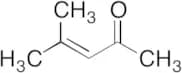
CAS:Formula:C3H6BrClPurity:>90%Color and Shape:Colourless LiquidMolecular weight:157.44Mesityl Oxide
CAS:<p>Stability Light Sensitive, Polymerize easily<br>Applications Mesityl Oxide, a α,β-unsaturated ketone, and has a strong peppermint odor. It is mainly used as a solvent and in the production of methyl isobutyl ketone by hydrogenation.<br> Not a dangerous good if item is equal to or less than 1g/ml and there is less than 100g/ml in the package<br>References Conant, J. B., et al.: Org. Synth.: Coll., 1, 345 (1941); Jalali-Heravi, M., et al.: J. Chromatography A, 1218, 2569 (2011);<br></p>Formula:C6H10OColor and Shape:ColourlessMolecular weight:98.14Tetraglyme
CAS:Controlled Product<p>Applications It is used as a solvent.<br></p>Formula:C10H22O5Color and Shape:NeatMolecular weight:222.281,4-Dichlorobenzene
CAS:Controlled Product<p>Applications 1,4-Dichlorobenzene, is a versatile building block and a small bioactive molecule, used in various organic synthesis. It is also used as disinfectant, deodorant, and pesticide.This compound is a contaminant of emerging concern (CECs).<br> Not a dangerous good if item is equal to or less than 1g/ml and there is less than 100g/ml in the package<br>References Fahey, D. R., et al.: Macromolecules, 24 (15), 4242 (1991); Rossberg, M., et al.: Ullmann's Encyclopedia of Industrial Chemistry, (2006);<br></p>Formula:C6H4Cl2Color and Shape:WhiteMolecular weight:147.001-Propanol
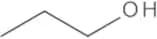
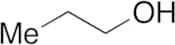
CAS:Controlled Product<p>Stability Volatile<br>Applications 1-Propanol is a low molecular weight alcohol that is currently being investigated as an alternative fuel for direct methanol/oxygen fuel cells. 1-Propanol is also used as a coupling and dispersing agent in the pharmaceutical and chemicals industries.<br> Not a dangerous good if item is equal to or less than 1g/ml and there is less than 100g/ml in the package<br>References Gupta, M., et al.: Fluid Phase Equil., 244, 26 (2006); Lamy, C., et al.: J. Appl. Electrochem., 31, 799 (2001); Wang, J., et al.: J. Electrochem. Soc., 142 (1995)<br></p>Formula:C3H8OColor and Shape:ClearMolecular weight:60.10Vinyl Bromide (1.0 M in THF)
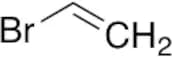
CAS:Controlled ProductFormula:C2H3BrColor and Shape:Single SolutionMolecular weight:106.95Trichloroacetonitrile
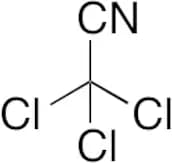
CAS:Controlled Product<p>Stability Light Sensitive, Volatile<br>Applications Trichloroacetonitrile is a by-product of the chlorine disinfection of water and is commonly used as a fumigant. It is also used as a direct alkylating agent and reacts with primary and secondary aliphatic amines to produce N-substituted trichloroacetamidines.<br> Not a dangerous good if item is equal to or less than 1g/ml and there is less than 100g/ml in the package<br>References Christ, S.: J. Toxicol. Env. Health A, 47, 233 (1996); Davies, M. & Jenkin, D.: J. Chem. Soc., No vol. given, 2374 (1954); Grivas, J. & Taurins, A.: J. Chem., 36, 771 (1958)<br></p>Formula:C2Cl3NColor and Shape:NeatMolecular weight:144.39Dibromochloromethane
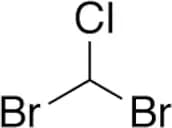
CAS:Controlled Product<p>Applications A volatile halogenated methane present in trace amounts in drinking water as a result of the water treatment process. It is useful as chain transfer agents in PVC polymerization.<br>References Stanaback, R.J.: Tech. Pap. Soc. Plast. Engin., 23, 262 (1977); Nestmann, E.R. et al.: Water Chlorin. Env. Impact Health. Eff., 4, 1151 (1983);<br></p>Formula:CHBr2ClColor and Shape:Light YellowMolecular weight:208.281,2-Dichlorobenzene
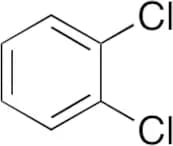
CAS:Controlled Product<p>Applications 1,2-Dichlorobenzene is used as an organic solvent in a wide array of chemical reactions. Also known to cause oxidative stress and induction of apoptotic markers in lung epithelial cells. 1,2-Dichlorobenzene is a side product of the production of chlorobenzene.<br> Not a dangerous good if item is equal to or less than 1g/ml and there is less than 100g/ml in the package<br>References Peljo, P. et al.: J. Am. Chem. Soc., 134, 5974 (2012); Morbt, N. et al.: J. Proteome Res., 10, 363 (2011); Serguchev, Y.A., et al.: Theoretic. Experiment. Chem., 47, 123 (2011); Aracil, I., et al.: Environ. Sci. Technol., 44, 4169 (2010);<br></p>Formula:C6H4Cl2Color and Shape:Colourless Light YellowMolecular weight:147.002-Methoxypropanol
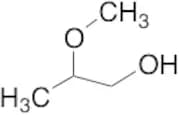
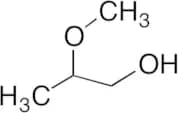
CAS:Controlled Product<p>Applications 2-Methoxypropanol is a susbtance used in the relative parameter sensitivity in prenatal toxicity studies with substances classified as developmental toxicants. Also applied in the studies for the analysis of volatile organic compounds in cigarette packaging materials by SPME-GC/MS.<br> Not a dangerous good if item is equal to or less than 1g/ml and there is less than 100g/ml in the package<br>References Rorije, E., et al.: Reprod. Toxicol., 34, 284 (2012); Hong, W, et al.: Fujian Fenxi Ceshi, 19, 24 (2010)<br></p>Formula:C4H10O2Color and Shape:ColourlessMolecular weight:90.12Tetrachloroethylene
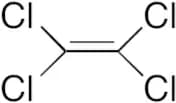
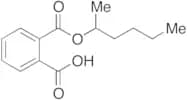
CAS:<p>Applications Tetrachloroethylene is a common industrial solvent that is often found as a contaminant in groundwater. Tetrachloroethylene is also a suspected carcinogen to humans and is difficult to degrade biologically as it has no natural source. This compound is a contaminant of emerging concern (CECs).<br> Not a dangerous good if item is equal to or less than 1g/ml and there is less than 100g/ml in the package<br>References Fathepure, B. & Boyd, S.: Appl Environ. Microb., 54, 2976 (1988); Ryoo, D., et al.: Nat. Biotech., 18, 775 (2000); Vogel, T. & McCarty, P.: Appl. Environ. Microb., 49, 1080 (1985)<br></p>Formula:C2Cl4Color and Shape:NeatMolecular weight:165.83sec-Hexyl Alcohol Phthalate
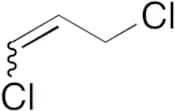
CAS:Controlled ProductFormula:C14H18O4Color and Shape:NeatMolecular weight:250.291,3-Dichloropropene (E/Z Mixture)
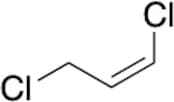
CAS:Controlled ProductFormula:C3H4Cl2Color and Shape:ColourlessMolecular weight:110.97cis-1,3-Dichloropropene
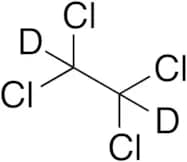
CAS:Controlled Product<p>Applications cis-1,3-Dichloropropene (CAS# 10061-01-5) is a useful research chemical compound.<br></p>Formula:C3H4Cl2Color and Shape:NeatMolecular weight:110.971,1,2,2-Tetrachloroethane-d2
CAS:Controlled Product<p>Applications Isotope labelled 1,1,2,2-Tetrachloroethane is a material used in the manufacturing of thermoelectric material including carbon nanotubes. It was primarily used as a solvent however due to toxicity it is no longer a viable compound.<br>References Basu, D. et al.: J. Environ. Sci. Health. A. Tox. Hazard. Subst. Environ. Eng., 47, 638 (2012);<br></p>Formula:C2D2Cl4Color and Shape:ColourlessMolecular weight:169.86Tetrabromoethane
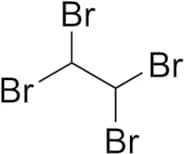
CAS:Controlled Product<p>Applications Tetrabromoethane (CAS# 79-27-6) is a useful research chemical compound.<br></p>Formula:C2H2Br4Color and Shape:NeatMolecular weight:345.65Hexachloro-1,3-butadiene
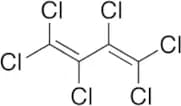
CAS:Controlled Product<p>Applications Hexachloro-1,3-butadiene is used as an urinary biomarker as a tool for early screening of potential kidney toxicity. Hexachloro-1,3-butadiene (HCBD) causes kidney injury. Flame Retardant; One of the new POPs under the Stockholm Convention.<br> Not a dangerous good if item is equal to or less than 1g/ml and there is less than 100g/ml in the package<br>References Wolf, C., et al.: J. Pharmacol. Exp. Ther., 228, 202 (1984), Birner, G., et al.: Toxicol. Appl. Pharmacol., 132, 203 (1995), Kirby, G., et al.: Toxicol. Pathol., 23, 303 (1995), Kharasch, E., et al.: Toxicol. Sci., 90, 419 (2006),<br></p>Formula:C4Cl6Color and Shape:Colourless To Light YellowMolecular weight:260.76Benzonitrile
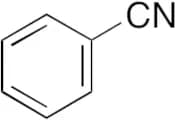
CAS:Controlled ProductFormula:C7H5NColor and Shape:Clear ColourlessMolecular weight:103.12n-Hexane
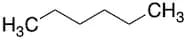
CAS:Controlled Product<p>Stability Volatile<br>Applications n-Hexane is an industrial chemical and also found in natural gas, crude oil and gasoline. It is used as an organic solvent for extraction.<br> Not a dangerous good if item is equal to or less than 1g/ml and there is less than 100g/ml in the package<br>References Laily, N., et al.: Pharmacogn J. 9, 280 (2017); Nyaba, L., et al.: J. Mol. Liq. 231, 154 (2017)<br></p>Formula:C6H14Color and Shape:NeatMolecular weight:86.181,1-Dichloroethene (stabilized with MEHQ)
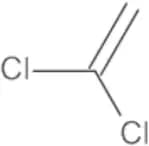
CAS:<p>Stability Light Sensitive<br>Applications 1,1-DCE is mainly used as a comonomer in the polymerization of vinyl chloride, acrylonitrile, and acrylates. It is also used in semiconductor device fabrication for growing high purity silicon dioxide films.<br> E3<br>References Otsu, T., et al.: J. Polym. Sci. A Polym. Chem., 30, 1559 (1992); Jenkins, A., et al.: Macromol. Symposia, 111, 159 (1996); Eur. Polym. J., 10, 481 (1974)<br></p>Formula:C2H2Cl2Color and Shape:NeatMolecular weight:96.94Trichloroethylene
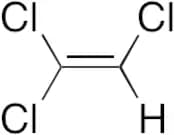
CAS:<p>Applications Trichloroethylene is a common industrial solvent that is used in dry cleaning and metal degreasing. Trichloroethylene is also a suspected carcinogen to humans, and is a common groundwater contaminant.<br> Not a dangerous good if item is equal to or less than 1g/ml and there is less than 100g/ml in the package<br>References Little, D., et al., Appl. Env. Microb., 54, 951 (1988); Vogel, T. & McCarty, P.: Appl. Environ. Microb., 49, 1080 (1985); Wartenberg, D., et al.: Environ. Health Persp., 108, 161 (2000)<br></p>Formula:C2HCl3Color and Shape:ColourlessMolecular weight:131.394-Chlorodiphenyl Ether
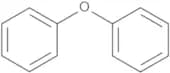
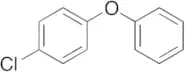
CAS:Controlled Product<p>Applications 4-Chlorodiphenyl Ether is a standard for environmental testing and research. Biodegradability studies with organic priority pollutant compounds.<br>References Tabak, H. H., et al.: J. Water Pollut. Control Fed., 53, 1503 (1981)<br></p>Formula:C12H9ClOColor and Shape:NeatMolecular weight:204.65Decyl Hexyl Phthalate-d4
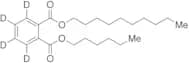
CAS:Controlled ProductFormula:C24D4H34O4Color and Shape:NeatMolecular weight:394.5811,2-Dichloroethylene (Mixture of cis and trans)
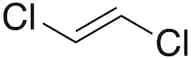
CAS:Controlled Product<p>Stability Light Sensitive<br>Applications 1,2-Dichloroethylene (Mixture of cis and trans) is a chlorinated solvent used in organic synthesis. Environmental pollutant found in river ecosystems contributing to habitat degradation.Environmental toxin on US EPA Toxic Release Inventory list (TRI) list.<br> Not a dangerous good if item is equal to or less than 1g/ml and there is less than 100g/ml in the package<br>References Schaefer, R. et al.: Freshwater Biol., 61, 2116 (2016);<br></p>Formula:C2H2Cl2Color and Shape:ColourlessMolecular weight:96.941,2-Pentanediol
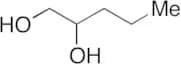
CAS:Controlled Product<p>Applications 1,2-Pentanediol is used in synthesizing quinoxalines from biomass-derived glycols. Also used in the synthesis of propiconazole (P770100) a fungicide as well as other antifungals.<br>References Climent, M. et al.: J. Catal., 292, 118 (2012); Zhou, Y. et al.: Carbo. Res., 344, 1289 (2009);<br></p>Formula:C5H12O2Color and Shape:ColourlessMolecular weight:104.15Bromodiiodomethane (>85%)
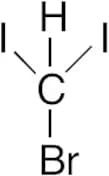
CAS:Controlled Product<p>Stability Light Sensitive<br>Applications Bromodiiodomethane, is a Iodinated trihalomethanes (ITHMs),which can be used for several medicinal or pharmaceutical taste and odor events in drinking water.<br>References Cancho, B. et al.: Wat. Res,, 34. No. 13, 3380 (2000);<br></p>Formula:CHBrI2Purity:>85%Color and Shape:YellowMolecular weight:346.73Dimethyl Trisulphide
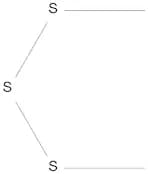
CAS:Controlled Product<p>Applications Dimethyl trisulphide (CAS# 3658-80-8) is a useful research chemical compound.<br></p>Formula:C2H6S3Color and Shape:ColourlessMolecular weight:126.261,2-Dichloroethane-D4
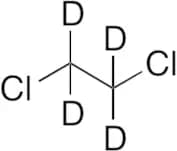
CAS:Controlled Product<p>Stability Volatile<br>Applications 1,2-Dichloroethane-D4 is a labelled analogue of 1,2-Dichloroethane (D434325). 1,2-Dichloroethane is one of the major waste products of the Vinyl Chloride industries, and has also been classified as a potential human carcinogen.<br> Not a dangerous good if item is equal to or less than 1g/ml and there is less than 100g/ml in the package<br>References Hung, W., et al.: Appl. Surf. Sci., 255, 2205 (2008); Rannug, U., et al.: Chem.-Biol. Int., 20, 1 (1978)<br></p>Formula:C22H4Cl2Color and Shape:ColourlessMolecular weight:102.98Hexafluoroacetone Trihydrate
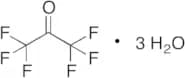
CAS:Controlled ProductFormula:C3F6O·3H2OColor and Shape:NeatMolecular weight:220.071,2-Diethoxyethane
CAS:Controlled Product<p>Applications 1,2-Diethoxyethane is from the group of glycol ether class of industrial solvents, widely used in the manufacture of protective coatings.<br> Not a dangerous good if item is equal to or less than 1g/ml and there is less than 100g/ml in the package<br>References George, J.D., et al.: Toxicol Sci., 19, 15 (1991)<br></p>Formula:C6H14O2Color and Shape:NeatMolecular weight:118.172-Pentylfuran
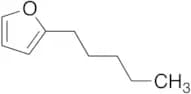
CAS:Controlled Product<p>Stability Volatile<br>Applications 2-Pentylfuran is a volatile compound that is detected in meat smoke aerosol, rice aroma and tomato paste volatiles.<br> Not a dangerous good if item is equal to or less than 1g/ml and there is less than 100g/ml in the package<br>References Rogge, W., et al.; Environ. Sci. Technol., 25, 1112 (1991); Buttery, R., et al.: J. Agric. Food Chem., 36, 1006 (1988); Buttery, R., et al.: J. Agric. Food Chem., 38, 336 (1990);<br></p>Formula:C9H14OColor and Shape:Colourless To Light YellowMolecular weight:138.21Hexylene Glycol
CAS:<p>Applications Hexylene Glycol is used as a reagent in the synthesis of functionalized boronic esters. Also used in the preparation of vinylboronates.<br>References Demory, E. et al: Org. Proc. Res. Dev., 15, 710 (2011); PraveenGanesh, N. et al.: J. Org. Chem., 72 4510 (2007);<br></p>Formula:C6H14O2Color and Shape:ColourlessMolecular weight:118.17Methyl Methanesulfonate
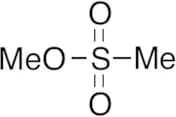
CAS:<p>Applications Methyl Methanesulfonate is used as a reagent in the synthesis of 2-Methyllamotrigine (M315350); an impurity of Lamotrigine (L173250) which is an anticonvulsant that inhibits glutamate release, possible through inhibition of sodium, potassium and calcium currents. Also used in treatment of bipolar depression.<br> Not a dangerous good if item is equal to or less than 1g/ml and there is less than 100g/ml in the package<br>References Miller, A.A., et al.: Epilepsia, 27, 483 (1986); Grunze, et al.: Neuropsychobiology, 38, 131 (1998); Calabrese, J.R., et al.: J. Clin. Psychiatry, 60, 79 (1999)<br></p>Formula:C2H6O3SColor and Shape:Colourless LiquidMolecular weight:110.132-Methylfuran-d3 (>90%) (1 mg/mL in Methanol)
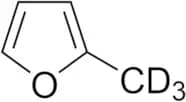
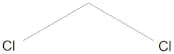
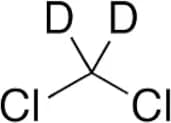
CAS:Controlled ProductFormula:C52H3H3OPurity:>90%Color and Shape:ColourlessMolecular weight:85.12Dichloromethane(Methylene Chloride)
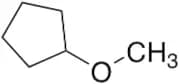
CAS:Controlled ProductFormula:CH2Cl2Color and Shape:ColourlessMolecular weight:84.93Cyclopentyl Methyl Ether
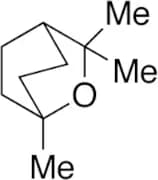
CAS:Controlled ProductFormula:C6H12OColor and Shape:ColourlessMolecular weight:100.161,8-Cineol
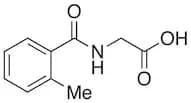
CAS:<p>Applications 1,8-Cineol is the chief constituent of oil of eucalyptus. Used as pharmaceutic aid (flavor).<br> Not a dangerous good if item is equal to or less than 1g/ml and there is less than 100g/ml in the package<br>References Jori, et al.: Eur. J. Pharmacol., 9, 362 (1970); Maugh, T.H., Science, 218, 278 (1982),<br></p>Formula:C10H18OColor and Shape:NeatMolecular weight:154.252-Methyl Hippuric Acid
CAS:Controlled Product<p>Applications The main metabolite of o-xylene.<br>References Gregus, Z., et al.: Drug Metab. Dispos., 26, 1082 (1998), Gregus, Z., et al.: Xenobiotica, 29, 547 (1999), Gonzalez-Reche, L., et al.: Arch. Toxicol., 77, 80 (2003),<br></p>Formula:C10H11NO3Color and Shape:White To Off-WhiteMolecular weight:193.202,2-Dichloroethanol
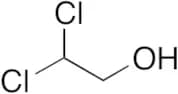
CAS:Controlled Product<p>Applications 2,2-Dichloroethanol is a reagent in the preparation of tunable molecular catalysts via functionalizing methylene bridge of bis(N-heterocyclic carbene) ligands.<br>References Zhong, R., et al.: ChemPlusChem, 79, 1294-1303 (2014)<br></p>Formula:C2H4Cl2OColor and Shape:NeatMolecular weight:114.961,3-Dichlorobenzene
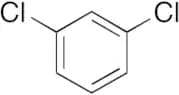
CAS:Controlled Product<p>Applications 1,3-Dichlorobenzene was used to study the effect of solvent vapor pressure on the vertical nanowire of C60 molecules. It can be detected in environmental samples using an advanced Fourier transform infrared spectroscopy-attenuated total reflectance (FTIR-ATR) sensor.<br> Not a dangerous good if item is equal to or less than 1g/ml and there is less than 100g/ml in the package<br>References Kim, J.: ACS Nano, 7, 9122 (2013); Lu, R., et al.: Scientific Reports, 3, 2525 (2013)<br></p>Formula:C6H4Cl2Color and Shape:ColourlessMolecular weight:147.00Allyl Chloride
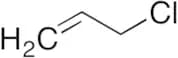
CAS:<p>Stability Light Sensitive, Volatile<br>Applications Allyl chloride is a chlorinated hydrocarbon that is considered to be a hazardous air pollutant because of its potential human health effects. Allyl chloride is also a known mutagen towards Salmonella typhimurium, and induces gene conversion in Saccharomyces cerevisiae.<br> E0<br>References Mc Coy, E., et al.: Mut. Res./Fund. Mol. Mech. Mutagen., 57, 11 (1978); Shepson, P., et al.: Environ. Sci. Technol., 21, 568 (1987)<br></p>Formula:C3H5ClColor and Shape:ColourlessMolecular weight:76.521-Butylpyrrolidin-2-one
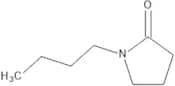
CAS:Controlled Product<p>Applications 1-BUTYLPYRROLIDIN-2-ONE (cas# 3470-98-2) is a useful research chemical.<br></p>Formula:C8H15NOColor and Shape:ColourlessMolecular weight:141.214-Isopropylthioxanthone
CAS:<p>Applications 4-Isopropylthioxanthone is a thioxanthone derivative useful as photoinitiators.<br>References Ginex, T., et al.: Chem. Res. Toxicol., 27, 279 (2014); Reitsma, M., et al.: Toxicol. Sci., 133, 345 (2013);<br></p>Formula:C16H14OSColor and Shape:Light YellowMolecular weight:254.351,4-Dichlorobenzene-d4
CAS:Controlled Product<p>Applications 1,4-Dichlorobenzene-d4 is labelled 1,4-Dichlorobenzene (D431875), a versatile building block and a small bioactive molecule, used in various organic synthesis. It is also used as disinfectant, deodorant, and pesticide.<br> Not a dangerous good if item is equal to or less than 1g/ml and there is less than 100g/ml in the package<br>References Fahey, D. R., et al.: Macromolecules, 24 (15), 4242 (1991); Rossberg, M., et al.: Ullmann's Encyclopedia of Industrial Chemistry, (2006);<br></p>Formula:C6D4Cl2Color and Shape:ColourlessMolecular weight:151.027Ethyl Methanesulfonate
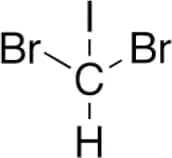
CAS:Controlled Product<p>Stability Moisture Sensitive<br>Applications Ethyl Methanesulfonate is used in studies as DNA damage specific control of cell death by cryptochrome in p53-mutant Ras-transformed cells.<br>References Lee, J.H., et al.: Cancer Res., 73, 785 (2013);<br></p>Formula:C3H8O3SColor and Shape:NeatMolecular weight:124.16Dibromoiodomethane (90%)
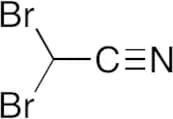
CAS:<p>Stability Light Sensitive, Volatile<br>Applications Dibromoiodomethane was found as a disinfection byproducts in European drinking water.<br>References Jeong, C.H., et al.: Environ. Sci. Technol. 46, 12120 (2012); Krasner, S.W., et al.: Proceed. Water. Qual. Technol. Confer., 1592 (2001);<br></p>Formula:CHBr2IPurity:90%Color and Shape:Dark Red To Dark BrownMolecular weight:299.73Dibromoacetonitrile
CAS:Controlled Product<p>Stability Light Sensitive<br>Applications Dibromoacetonitrile is a carcinogenic nitrogenous disinfection byproduct. Dibromoacetonitrile in drinking water was linked to oral cavity cancer in rats and forestomach cancer in mice. In addition, Dibromoacetonitrile may cause oxidative damage in rat brain.<br> Not a dangerous good if item is equal to or less than 1g/ml and there is less than 100g/ml in the package<br>References Guo, Z., et al.: Chem. Eng. J. 306, 1180 (2016); Krasner, S. W., et al.: Environ. Sci. Technol. 50, 9583 (2016); Natl Toxicol Program Tech Rep Ser. 544, 1 (2010); Klattisaksiri, P., et al.: Water Res 98, 160 (2016); Sayed, R. H., et al.: Environ Toxicol Pharmacol. 34, 849 (2012)<br></p>Formula:C2HBr2NColor and Shape:ColourlessMolecular weight:198.84Isopropanol-d7
CAS:Controlled Product<p>Applications A deuterated alcohol used in the study of lignite liquefaction.<br> Not a dangerous good if item is equal to or less than 1g/ml and there is less than 100g/ml in the package<br>References Kuznetov, P.N. et al.: Fuel, 70, 559 (1991);<br></p>Formula:C32H7HOColor and Shape:ColourlessMolecular weight:67.14tert-Butyl Methyl Ether
CAS:<p>Applications tert-Butyl Methyl Ether is used in the preparation of gasolines, acting as an oxygenate to improve octane index and combustion efficiency (1). A mutagenic component of the mixtures present in the environment through degredation (2). Drinking water contaminant candidate list 3 (CCL 3) compound as per United States Environmental Protection Agency (EPA), environmental, and food contaminants.<br> Not a dangerous good if item is equal to or less than 1g/ml and there is less than 100g/ml in the package<br>References 1. Landmeyer, J. et al.: Ground Water Monit. R. 1998 Nov:18(4) p93-1022. Fayolle, F. et al.: Appl. Microbiol. Biotechnol. 2001 Aug;56(3-4):339-49.<br></p>Formula:C5H12OColor and Shape:ColourlessMolecular weight:88.15n-Heptane
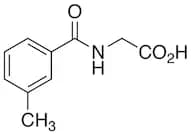
CAS:<p>Applications n-Heptane is used a component of blended fuel compositions as well as a solvent in organic chemical reactions.<br> Not a dangerous good if item is equal to or less than 1g/ml and there is less than 100g/ml in the package<br>References Ding, Y. et al.: J. Haz. Mat., 271, 82 (2014); Xu, H. et al.: J. Chem. Eng. Dat., 59, 1281 (2014);<br></p>Formula:C7H16Color and Shape:ColourlessMolecular weight:100.203-Methyl Hippuric Acid
CAS:Controlled Product<p>Applications Α substituted hippurate analog as substrates and inhibitor of peptidylglycine α-hydroxylating monooxygenase (PHM).<br>References Kruse, L., et al.: J. Med. Chem., 33, 781 (1990), Jeng, A., et al.: J. Biol. Chem., 272, 14666 (1997), Schally, A., et al.: Horm. Metab. Res., 40, 315 (2008),<br></p>Formula:C10H11NO3Color and Shape:Off-WhiteMolecular weight:193.20Hippuric Acid
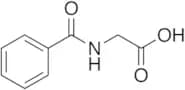
CAS:Controlled Product<p>Applications N-Benzoylglycine also known as Hippuric Acid is the glycine conjugate of benzoic acid commonly found in ruminant urine. Hippuric acid is synthesized in the liver and its production is greatly increased following consumption of benzoic acid. In itself it does not have a direct biological function, however p-hydroxy-hippurica acid can be used as an inhibitor of Ca2+ ATPase.A possible biomarker of Parkinson’s disease.<br>References Jankowski J. T. et. al.: Kidney Int. 78, 84 (2001); Chem. and Eng. News p. 13, Apr. 1, (2019)<br></p>Formula:C9H9NO3Color and Shape:NeatMolecular weight:179.172-Picoline
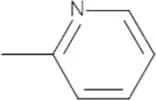
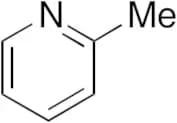
CAS:Controlled Product<p>Applications 2-Picoline is used as a reagent in the synthesis of 2-Picolineborane, a non-toxic alternative to sodium borohydride for the labelling of oligosaccharides.<br> Not a dangerous good if item is equal to or less than 1g/ml and there is less than 100g/ml in the package<br>References Renee Ruhaak, L., et al.: Proteomics, 10, 2330 (2010)<br></p>Formula:C6H7NColor and Shape:NeatMolecular weight:93.131-Bromopropane
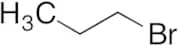
CAS:Controlled Product<p>Stability Volatile<br>Applications 1-Bromopropane, is used as a solvent and for the cleaning of metal surfaces, removal of soldering residues from electronic circuit boards. It is anticipated to be human carcinogen.<br> Not a dangerous good if item is equal to or less than 1g/ml and there is less than 100g/ml in the package<br>References Lingyo Zh., et al.: Toxicology, 304, 76 (2013); Samukawa, M. et al.: Archives Internal Med., 172(16), 1257 (2012);<br></p>Formula:C3H7BrColor and Shape:NeatMolecular weight:122.99Chlorbutanol Hemihydrate
CAS:<p>Applications Chlorbutanol Hemihydrate acts as a fish anaesthetic, primarily on members of the octopus species. Also used as an ophthalmic antimicrobial preservative agent (1).<br>References (1) Amin, A. et al.;Pharm. Dev. Tech., 17, 614 (2012)<br></p>Formula:C4H7Cl3O·H2OColor and Shape:White To Off-WhiteMolecular weight:372.93Methylene Chloride-d2
CAS:Controlled Product<p>Stability Volatile<br>Applications Labelled Methylene Chloride used in organic chemical reactions as a general solvent.<br> Not a dangerous good if item is equal to or less than 1g/ml and there is less than 100g/ml in the package<br>References Fulmer, G. et al.: Organometal., 29, 2176 (2010); Kobayashi, M. et al.: J. Porph. Pthalo., 16, 359 (2012);<br></p>Formula:C2H2Cl2Color and Shape:Colourless LiquidMolecular weight:86.941-Chlorobutane
CAS:<p>Stability Volatile<br>Applications 1-Chlorobutane is used in biological studies to evaluate the activity of haloalkan dehalogenase from Sphingomonas paucimobilis.<br> Not a dangerous good if item is equal to or less than 1g/ml and there is less than 100g/ml in the package<br>References Oakley, A.J., et al.: Biochem., 41, 4847 (2002)<br></p>Formula:C4H9ClColor and Shape:NeatMolecular weight:92.57Isobutyric Acid
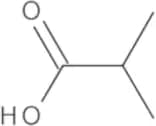
CAS:Controlled Product<p>Applications Isobutyric acid is used in biological studies to discriminate between the different volatile compounds found in wines and beers.<br> Not a dangerous good if item is equal to or less than 1g/ml and there is less than 100g/ml in the package<br>References Dourtoglou, V., et al.: Food Chem., 159, 181 (2014); Webber, V., et al.: Food Chem., 159, 391 (2014)<br></p>Formula:C4H8O2Color and Shape:ColourlessMolecular weight:88.11Isoflurane
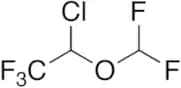
CAS:<p>Applications Isoflurane is a halogenated ether used for inhalational anesthesia. Recent studies suggest that there might be a relationship between administration of isoflurane and postoperative cognitive dysfunction (POCD).<br> Not a dangerous good if item is equal to or less than 1g/ml and there is less than 100g/ml in the package<br>References Lewis, M.C. et al.: Med. Hypoth., 68, 484 (2007); Mellon, R.D. et al.: Anesth. Analg., 104, 509 (2007);<br></p>Formula:C3H2ClF5OColor and Shape:NeatMolecular weight:184.49Borneol
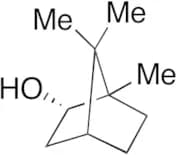
CAS:<p>Applications Borneol is found in the composition of essential oils extracted from Kaempferia Galanga L. Also used to promote absorption of drugs into various foods, liquids and edible items.<br> Not a dangerous good if item is equal to or less than 1g/ml and there is less than 100g/ml in the package<br>References Wong, K. et al.: Flav. Frag. J., 7, 263 (1992); Yang, L. et al.: J. Zhejiang. Univ. Sci. B., 12, 143 (2011);<br></p>Formula:C10H18OColor and Shape:White To Off-WhiteMolecular weight:154.252,3-Dichloro-1-propanol
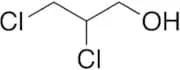
CAS:Controlled ProductFormula:C3H6Cl2OColor and Shape:NeatMolecular weight:128.992-Bromo-2-chloroacetonitrile (~90%)
CAS:Controlled Product<p>Applications 2-Bromo-2-chloroacetonitrile is a disinfection byproduct in drinking water. Discharges of produced waters from oil and gas extraction via wastewater treatment plants are the sources of disinfection byproducts to receiving streams.<br> Not a dangerous good if item is equal to or less than 1g/ml and there is less than 100g/ml in the package<br>References Raymer, J. H., et al.: J. Expo. Anal. Env. Epid., 10, 808-815 (2000); Hladik. M. L., et al.: ; Sci. Total. Environ. 466-467, 1085-1093 (2014)<br></p>Formula:C2HBrClNPurity:~90%Color and Shape:ColourlessMolecular weight:154.39p-Benzoquinone
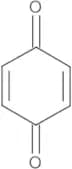
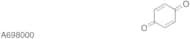
CAS:<p>Applications p-Benzoquinone is used as a catalyst in the preperation of allyl silyl ethers. p-Benzoquinone is a superoxide scavenger that has been used in the characterization of carnation-like SnS2 nanostructure photocatalysts for photodegredation. p-Benzoquinone is a toxic metabolite found in human blood.<br> Not a dangerous good if item is equal to or less than 1g/ml and there is less than 100g/ml in the package<br>References Kinoshita, H., et. al.: Org. Lett., 15, 5538 (2013); Liu, H., et. al.: J. Mol. Catal. A-Chem., 288, 19221 (2013); Du, H., et. al.: Environ Sci. Technol., 47, 2823 (2013)<br></p>Formula:C6H4O2Color and Shape:Dark BrownMolecular weight:108.09Bromobenzene-d5
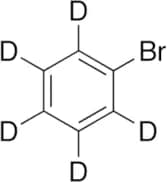
CAS:Controlled Product<p>Stability Volatile<br>Applications The labelled version of Bromobenzene (B680145), used as a general reagent in palladium-catalyzed reactions and in the synthesis of Grignard reagents.<br> Not a dangerous good if item is equal to or less than 1g/ml and there is less than 100g/ml in the package<br>References Miyaura, N. et al.: Synth. Commun., 11, 513 (1981); Nahm, S. et al.: Tetra. Lett., 22, 3815 (1981);<br></p>Formula:C62H5BrColor and Shape:NeatMolecular weight:162.042,6-Lutidine
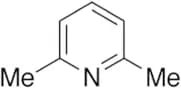
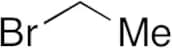
CAS:Controlled Product<p>Applications Isolated from the basic fraction of coal tar. A semi-volatile compound in tobacco.<br> Not a dangerous good if item is equal to or less than 1g/ml and there is less than 100g/ml in the package<br>References Van den Dool, H., et al.: J. Chromatogr.,11, 463 ( 1963), Radulovic, N., et al.: Phytother. Res., 20, 85 (2006),<br></p>Formula:C7H9NColor and Shape:NeatMolecular weight:107.15Bromoethane
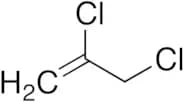
CAS:Controlled Product<p>Applications Bromoethane is used in the synthesis of novel non-competitive antagonists of kainate Glu1/Glu2 receptors (1). Bromoethane is a useful reagent to prepare tryptophan analogues and the antibiotic, Tamoxifen (2).<br> Not a dangerous good if item is equal to or less than 1g/ml and there is less than 100g/ml in the package<br>References (1) Kaczor, A. et al.: Lett Drug Discov 9, 891 (2012) (1) Ma, C. et al.: J. Org Chem. 66, 4525 (2001)<br></p>Formula:C2H5BrColor and Shape:NeatMolecular weight:108.972,3-Dichloro-1-propene
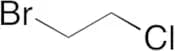
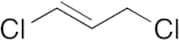
CAS:Controlled Product<p>Applications 2,3-Dichloro-1-propene is a chemical reagent used in organic synthesis. Used as a reagent to synthesize the intermediate [(difluorophenyl)propenyl]propanediol diacetate for Posazonazole (P689600).Environmental toxin on US EPA Toxic Release Inventory list (TRI) list.<br> Not a dangerous good if item is equal to or less than 1g/ml and there is less than 100g/ml in the package<br>References Chen, Y. et al.: Synth. Comm., 45, 734 (2015);<br></p>Formula:C3H4Cl2Color and Shape:Colourless To YellowMolecular weight:110.971-Bromo-2-chloroethane
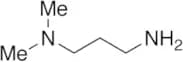
CAS:Controlled Product<p>Applications 1-Bromo-2-chloroethane is a reagent used in the preparation of potent P-glycoprotein inhibitors carrying a polycyclic scaffold.<br> Not a dangerous good if item is equal to or less than 1g/ml and there is less than 100g/ml in the package<br>References Bisi, A., et al.: J. Med. Chem, 49, 3049 (2006);<br></p>Formula:C2H4BrClColor and Shape:ColourlessMolecular weight:143.41N,N-Dimethyl-1,3-propylenediamine
CAS:Controlled Product<p>Applications N,N-Dimethyl-1,3-propylenediamine is a useful catalyst for Knoevenagel condensation. It is also a useful hardening agent for expoxy resin.<br> Not a dangerous good if item is equal to or less than 1g/ml and there is less than 100g/ml in the package<br>References Li, G. et al.: Green Chem., 13, 1828 (2011); Kroupa, J. et al.: Cgem. Prum., 26, 477 (1976); Caldwell, J. et al.: Polym. Preprints, 8, 687 (1967);<br></p>Formula:C5H14N2Color and Shape:ColourlessMolecular weight:102.18Tetrahydropyran
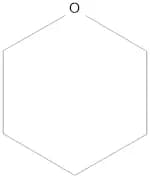
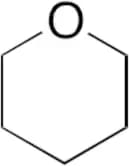
CAS:Controlled Product<p>Applications Tetrahydropyran is a useful synthetic intermediate. Tetrahydropyranyl (THP-) ethers derived from the reaction of alcohols and dihydropyran are common intermediates in organic synthesis. In organic synthesis, the 2-tetrahydropyranyl group is used as a protecting group for alcohols.<br> Not a dangerous good if item is equal to or less than 1g/ml and there is less than 100g/ml in the package<br>References Earl, R., et al.: Org. Synth., 7, 334 (1990); Kluge, A.: Org. Synth., 7, 160 (1990)<br></p>Formula:C5H10OColor and Shape:ColourlessMolecular weight:86.132Carbon Tetrabromide
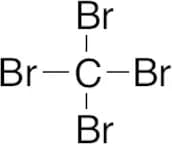
CAS:Controlled Product<p>Applications Carbon tetrabromide is commonly employed as an electron acceptor in organic synthesis reactions. Carbon tetrabromide is also an efficient catalyst for regioselective ring opening of epoxides with alcohols.<br> Not a dangerous good if item is equal to or less than 1g/ml and there is less than 100g/ml in the package<br>References Rosokha, S., et al.: Heteroatom Chem., 17, 449 (2006); Yadav, J., et al.: Synthesis, 2005, 2897 (2005)<br></p>Formula:CBr4Color and Shape:NeatMolecular weight:331.631-Iodobutane
CAS:Controlled Product<p>Applications 1-Iodobutane is one of the most universally useful substrates in the assessment of haloalkene dehalogenase activity.<br> Not a dangerous good if item is equal to or less than 1g/ml and there is less than 100g/ml in the package<br>References Koudelakova, T., et al.: Biochem. J., 435, 345 (2011)<br></p>Formula:C4H9IColor and Shape:NeatMolecular weight:184.02Isopropylamine
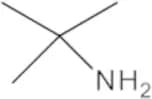
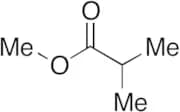
CAS:<p>Stability Volatile<br>Applications Isopropylamine is an organic compound is a widely used for the synthesis of pharmaceutical and agricultural goods such as glyphosphate herbicides and as an additive for petroleum industry.<br> E0<br>References Dam, J.H. et al.: Chem. A. Eur. J., 16, 6820 (2010); Latli, B. et al.: J Labelled. Compd. Radiopharm., 48, 447 (2005); Guadry, D., et al.: Biomed. Mass. Spectro., 12, 269 (1985);<br></p>Formula:C3H9NColor and Shape:NeatMolecular weight:59.11Methyl Isobutyrate
CAS:Controlled Product<p>Applications Methyl Isobutyrate is an odor-active compound found in pineapples.<br> Not a dangerous good if item is equal to or less than 1g/ml and there is less than 100g/ml in the package<br>References Pino, J.A.: Int. J. Food Sci. Tech., 48, 564 (2013)<br></p>Formula:C5H10O2Color and Shape:ColourlessMolecular weight:102.13sec-Butyl Mercaptan
CAS:Controlled Product<p>Applications sec-Butyl Mercaptan is used in the preparation of arylsulfides via palladium catalyzed thioetherification of aryl bromides and iodides.<br>References Fernandez-Rodriguez, M. et al.: J. Org. Chem., 74, 1663 (2009);<br></p>Formula:C4H10SColor and Shape:ColourlessMolecular weight:90.19trans-1,3-Dichloropropene
CAS:<p>Stability Light Sensitive<br>Applications trans-1,3-Dichloropropene is used in a biological study to evaluate the fumigant emission and distribution in relation to soil moisture and texture.<br> Not a dangerous good if item is equal to or less than 1g/ml and there is less than 100g/ml in the package<br>References Qin, R., et al.: Chemosphere, 90, 866 (2013)<br></p>Formula:C3H4Cl2Color and Shape:Clear ColourlessMolecular weight:110.971,4-Dichlorobutane
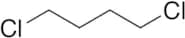
CAS:Controlled Product<p>Applications 1,4-DICHLOROBUTANE (cas# 110-56-5) is a useful research chemical.<br></p>Formula:C4H8Cl2Color and Shape:ColourlessMolecular weight:127.012-Bromopropane
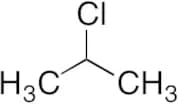
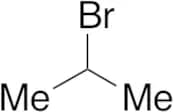
CAS:Controlled Product<p>Applications 2-Bromopropane is a compound that induces hemapoietic and reproductive effects on humans. It is known to cause male infertility and primary ovarian failure in humans as well. In the industry, 2-bromopropane is used as an alternative solvent to ozone depleting chlorofluorocarbons (e.g. 1,1,1-Trichlorotrifluoroethane [T774305]).<br> Not a dangerous good if item is equal to or less than 1g/ml and there is less than 100g/ml in the package<br>References Park, J., et al.: J. Occup. Health, 39, 138 (1997); Takeuchi, Y., et al.: Occup. Heal. Ind. Med., 38, No pp given (1998)<br></p>Formula:C3H7BrColor and Shape:NeatMolecular weight:122.99Dimethyl Carbonate
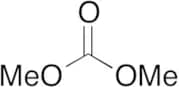
CAS:<p>Applications Dimethyl Carbonate is used in the synthesis of phosphine-boranes in the preparation of new bidentate ligands. Also used in the synthesis of flavonoid analogs.<br> Not a dangerous good if item is equal to or less than 1g/ml and there is less than 100g/ml in the package<br>References Imamoto, T. et al.: J. Am. Chem. Soc., 112, 5244 (1990); Cushman, M. et al.: J. Med. Chem., 34, 798 (1991);<br></p>Formula:C3H6O3Color and Shape:NeatMolecular weight:90.0779Isopropenyl Acetate
CAS:Controlled Product<p>Applications Isopropenyl Acetate, is an enol acetate of acetone. It is used as a solvent for cellulose, plastics, oil and fats. It is also a building block used for various organic synthesis.<br> Not a dangerous good if item is equal to or less than 1g/ml and there is less than 100g/ml in the package<br>References Walters, M., et al.: e-EROS Encyclopedia of Reag. for Organ. Synth.(2001);<br></p>Formula:C5H8O2Color and Shape:NeatMolecular weight:100.11581-Chlorohexane
CAS:Controlled Product<p>Applications 1-CHLOROHEXANE (cas# 544-10-5) is a useful research chemical.<br></p>Formula:C6H13ClColor and Shape:NeatMolecular weight:120.624-Nitro-1,2,3-triazole
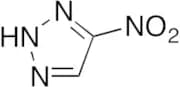
CAS:Controlled Product<p>Applications 4-Nitro-1,2,3-triazole is a highly impact sensitive and explosive material.<br>References Politzer, P. et al.: Int. J. Quant. Chem., 61, 389 (1997);<br></p>Formula:C2H2N4O2Color and Shape:NeatMolecular weight:114.061,3-Dibromopropane
CAS:Controlled Product<p>Applications Substrate specificity of haloalkane dehalogenases.<br> Not a dangerous good if item is equal to or less than 1g/ml and there is less than 100g/ml in the package<br>References Koudelakova, T., et al.: Biochem. J., 435, 345 (2011),<br></p>Formula:C3H6Br2Color and Shape:NeatMolecular weight:201.892-Acetylfuran
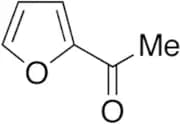
CAS:Controlled Product<p>Applications 2-Acetylfuran is a widely used reagent in manufacturing pharmaceuticals and aroma compounds.<br> Not a dangerous good if item is equal to or less than 1g/ml and there is less than 100g/ml in the package<br>References Bertero, M., et al.: Fuel, 95, 263 (2012); Dang, Q., et al.: J. Medn. Chem., 54, 153 (2011); Candu, N., et al.: Topics. Catalysis., 52, 571 (2009);<br></p>Formula:C6H6O2Color and Shape:WhiteMolecular weight:110.11Hexachloroethane
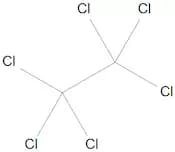
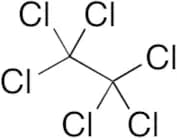
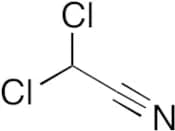
CAS:Controlled Product<p>Applications Hexachloroethane is a highly efficient chlorinating agent in the preparation of chlorosilanes from hydrosilanes.<br> Not a dangerous good if item is equal to or less than 1g/ml and there is less than 100g/ml in the package<br>References Pongkittiphan, V., et al.: Tetrahedron Lett., 50, 5080 (2009)<br></p>Formula:C2Cl6Color and Shape:NeatMolecular weight:236.74Dichloroacetonitrile
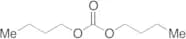
CAS:Controlled Product<p>Applications Dichloroacetonitrile is commonly used with gas chromatography-mass spectrometry instrument to evaluate and quantify the common halogenated disinfection by products using the headspace technique.<br> Not a dangerous good if item is equal to or less than 1g/ml and there is less than 100g/ml in the package<br>References Montesinos, I., et al.: J. Chromatogr. A., 1310 113 (2013)<br></p>Formula:C2HCl2NColor and Shape:NeatMolecular weight:109.94Dibutyl Carbonate
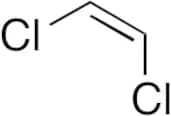
CAS:Controlled Product<p>Applications Dibutyl Carbonate is a potential fuel substitute due to the observed decrease in CO2 emissions. Also used in CO2 catalytic activation.<br>References Hellier, P. et al.: Energy Fuel, 27, 5222 (2013); Shang, J. et al.: Green Che,., 14, 2899 (2012);<br></p>Formula:C9H18O3Color and Shape:NeatMolecular weight:174.2374(Z)-1,2-Dichloroethene
CAS:Controlled Product<p>Stability Volatile<br>Applications (Z)-1,2-Dichloroethene is a synthetic intermediate of solvents and chlorinated compounds. It is mainly used as a solvent for resins, fats, perfumes, dyes, paints, plastics thermosensitive, phenols, etc., also used to extract sensitive products cold to heat (caffeine, rubber, fragrant fat, etc). It is also used in some degreasing metals.<br> Not a dangerous good if item is equal to or less than 1g/ml and there is less than 100g/ml in the package<br>References Mark, J.: Physical Properties of Polymer Handbook, Springer,? 2nd Edition, 1076 (2007)<br></p>Formula:C2H2Cl2Color and Shape:NeatMolecular weight:96.941,3-Dichloropropane
CAS:Controlled Product<p>Applications 1,3-Dichloropropane is an intermediate used to prepare analogs of tamoxifen with improved calmodulin antagonism.<br> Not a dangerous good if item is equal to or less than 1g/ml and there is less than 100g/ml in the package<br>References Hardcastle, I., et al.: J. Med. Chem., 38, 241 (1995);<br></p>Formula:C3H6Cl2Color and Shape:NeatMolecular weight:112.99Pivalic Acid
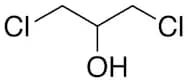
CAS:Controlled Product<p>Applications Pivalic Acid is a metabolite of oral cephem (β-lactam) antibiotics such as S-1108, containing pivaloyl moieties.<br> Not a dangerous good if item is equal to or less than 1g/ml and there is less than 100g/ml in the package<br>References Mizojiri, K. et al.: Antimicrob. Agents, Chemother. 39, 1445 (1995);<br></p>Formula:C5H10O2Color and Shape:NeatMolecular weight:102.131,3-Dichloro-2-propanol
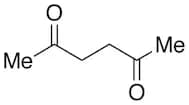
CAS:Controlled Product<p>Applications A chloropropanol which shows toxic effects.<br> Not a dangerous good if item is equal to or less than 1g/ml and there is less than 100g/ml in the package<br>References Andersen, H., et al.: Toxicology, 136, 67 (1999), Fry, J., et al.: Food Chem. Toxicol., 37, 351 (1999), Garle, M., et al.: Xenobiotica, 29, 533 (1999),<br></p>Formula:C3H6Cl2OColor and Shape:NeatMolecular weight:128.992,5-Hexanedione
CAS:Controlled Product<p>Applications It is the metabolite implicated in n-hexane neurotoxicity.<br>References Abou-Donia, M., et al.: Biochem. Pharmacol., 27, 2055 (1978), Abou-Donia, M., et al.: Biochem. Pharmacol., 27, 2055 (1978), DeCaprio, A., et al.: Brain Res., 586, 219 (1992), LoPachin, R., et al.: Toxicol. Sci., 86, 214 (2005),<br></p>Formula:C6H10O2Color and Shape:NeatMolecular weight:114.142,2,2-Trifluoroethanol
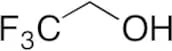
CAS:Controlled Product<p>Applications 2,2,2-Trifluoroethanol is used in the synthesis of competitive inhibitors for phospholipase A2. Used in the preparation of a key Efavirenz (E425000) intermediate, a nonnucleoside HIV-1 reverse transcriptase inhibitor. Antiviral.<br> Not a dangerous good if item is equal to or less than 1g/ml and there is less than 100g/ml in the package<br>References Jain, M. et al.: Biochem., 30, 10256 (1991); Young, S.D., et al.: Antimicrob. Ag. Chemother., 39, 2602 (1995), Tan, L. et al.: Angew. Chem. Int. Ed., 38, 711 (1999);<br></p>Formula:C2H3F3OColor and Shape:NeatMolecular weight:100.04(S)-Rivastigmine
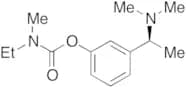
CAS:<p>Applications S-Rivastigmine is an isomer of Rivastigmine ( an acetylcholinesterase inhibitor used in the treatment of neurological disorders such as Alzheimer’s disease.<br> Not a dangerous good if item is equal to or less than 1g/ml and there is less than 100g/ml in the package<br>References Howes, L et al.: Drug. Safe., 37, 391 (2014); Shahar, O. et al.: Nucl. Acids Res., 42, 5869 (2014);<br></p>Formula:C14H22N2O2Color and Shape:ColourlessMolecular weight:250.34Bromoform
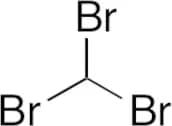
CAS:Controlled Product<p>Applications Bromoform is a brominated organic solvent, sedative and flame retardant, in the past. Now it is mainly used as a laboratory reagent, for example as an extraction solvent.This compound is a contaminant of emerging concern (CECs)<br> Not a dangerous good if item is equal to or less than 1g/ml and there is less than 100g/ml in the package<br>References Haag, W., et al.: Environ. Sci. Technol., 26, 1005 (1992); Giesen, D., et al.: Theoretical Chem. Accounts, 98, 85 (1997); Shvakumar, D., et al.: J. Chem. Theory Compt., 5, 919 (2009)<br></p>Formula:CHBr3Color and Shape:ColourlessMolecular weight:252.731,2-Dibromo-3-chloropropane
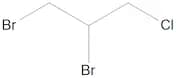
CAS:Controlled ProductFormula:C3H5Br2ClColor and Shape:Yellow To BrownMolecular weight:236.331-Bromo-2-fluorobenzene
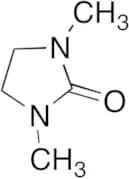
CAS:Controlled Product<p>Applications 1-Bromo-2-fluorobenzene is used as a reagent in the synthesis of organic compounds inlcuding that of brominated N-arylated carbazoles which are widely useful in organic chemistry.<br> Not a dangerous good if item is equal to or less than 1g/ml and there is less than 100g/ml in the package<br>References Wang, L., Synthesis, pages ahead of print, (2015);<br></p>Formula:C6H4BrFColor and Shape:NeatMolecular weight:175.001,3-Dimethyl-2-imidazolidinone
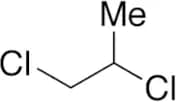
CAS:Controlled Product<p>Applications 1,3-Dimethyl-2-imidazolidone, is a solvent used in various synthetic organic transformations. Studied in the formation of functionally stabilized hydrosilanediyl-transition metal complexes produced photochemically from arylsilanes.<br>References Mukaiyama, T., et al.: Chem. Lett., 1507 (1980); Seebach, D., et al.: Chem. Ber., 115, 1705 (1982);<br></p>Formula:C5H10N2OColor and Shape:ColourlessMolecular weight:114.1461,2-Dichloropropane
CAS:Controlled Product<p>Applications 1,2-Dichloropropane is a byproduct in the production of epichlorohydrin (E582310), an important industrial chemical, is a bifunctional alkylating agent with the potential to form DNA cross-links.<br> Not a dangerous good if item is equal to or less than 1g/ml and there is less than 100g/ml in the package<br>References Stratula, C., et al.: Revista. De. Chimie., 56, 677 (2005); Kaiser, E.W., et al.: J. Phy. Chem., 100, 9788 (1996);<br></p>Formula:C3H6Cl2Color and Shape:NeatMolecular weight:112.99Nonadecane
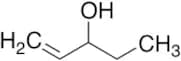
CAS:Controlled Product<p>Applications Nonadecane is a long chain saturated aliphatic hydrocarbon. Nonadecane is found in tar from coal and other forssil organic matter. Nonadecane is used as a fragrance agent in cosmetics and perfumes.<br>References Youtcheff, J.J. et al.: Org. Geochem., 5, 157 (1983): Etienne, J.J.: Riv. Ital. EPPOS, 15, 418 (1997);<br></p>Formula:C19H40Color and Shape:White To Off-WhiteMolecular weight:268.521-Penten-3-ol
CAS:Controlled Product<p>Applications 1-PENTEN-3-OL (cas# 616-25-1) is a useful research chemical.<br></p>Formula:C5H10OColor and Shape:ColourlessMolecular weight:86.131,1,1,2-Tetrachloroethane
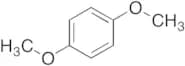
CAS:Controlled Product<p>Applications 1,1,1,2-Tetrachloroethane is a chlorinated hydrocarbon and used as a solvent for cellulose, acetate, fat, waxes, greases, rubber, and sulfur. It is a contaminant in groundwater. 1,1,1,2-Tetrachloroethane can also induce heptotoxicity.Environmental contaminants; food contaminants.<br>References Lorah, M. M., and Olsen, L. D. Environ. Sci. Technol. 33, 227 (1999); Zheng, R. D., et al.: J Dig Dis. 13, 321 (2012)<br></p>Formula:C2H2Cl4Color and Shape:ColourlessMolecular weight:167.851,4-Dimethoxybenzene
CAS:Controlled Product<p>Applications 1,4-Dimethoxybenzene is a useful chemical in organic synthesis.<br>References Digwal, Chander S., et al.: Asian J. of Org. Chem., 7(5), 865-869 (2018);Cai, Zhi-Bin, et al.: RSC Advances, 6(52), 46853-46863 (2016);Lin, Qi, et al.: Soft Matter, 13(39), 7222-7226 (2017)<br></p>Formula:C8H10O2Color and Shape:Off-WhiteMolecular weight:138.164Residual Solvents Mixture 179 2500 µg/mL in Dimethyl sulfoxide
CAS:Controlled Product- 100-41-4
- 106-42-3
- 107-21-1
- 107-83-5
- 108-38-3
- 108-88-3
- 109-66-0
- 110-54-3
- 110-82-7
- 141-78-6
- 142-82-5
- 540-84-1
- 60-29-7
- 64-17-5
- 67-56-1
- 67-63-0
- 67-64-1
- 67-66-3
- 71-23-8
- 71-41-0
- 71-43-2
- 75-09-2
- 75-83-2
- 78-78-4
- 78-93-3
- 79-29-8
- 811-97-2
- 95-47-6
- 96-14-0
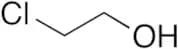
Formula:C2H2F4Color and Shape:MixtureMolecular weight:102.032-Chloroethanol
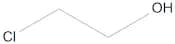
CAS:Controlled ProductFormula:C2H5ClOColor and Shape:Colourless OilMolecular weight:80.51