APIs for research and impurities
Active Pharmaceutical Ingredients (APIs) are the substances in drugs responsible for their therapeutic effects. In this section, you will find a wide variety of APIs intended for research use. These compounds are essential for the development, testing, and validation of new pharmaceutical formulations. CymitQuimica offers high-quality APIs to support research in drug discovery and development.
Subcategories of "APIs for research and impurities"
- Aminoacids and derivatives(12,328 products)
- Anthraquinones and derivatives(405 products)
- Benzimidazole and Imidazole Derivatives(10,438 products)
- Benzodiazepine Derivatives(335 products)
- Carbohydrates and glycoconjugates(5,016 products)
- Esters and Derivatives(42,240 products)
- Fatty Acids and Lypidic Derivatives(32,395 products)
- Flavonoids and Polyphenols(17,087 products)
- Free Radicals and Oxidant/Reducing Agents(213 products)
- Ketones and derivatives(2,402 products)
- Natural and semi-synthetic antibiotics(6,380 products)
- Nitriles and Cyano Derivatives(3,067 products)
- Nitrosamines and Derivatives(55 products)
- Nucleosides and Nucleotides(3,431 products)
- Organic Phosphates and Phosphonates(1,202 products)
- Organic Sulphonates and Sulphates(10,434 products)
- Organometallics(4,422 products)
- Others(6,292 products)
- Peptides and Proteins(3,153 products)
- Polymers and Derivatives(100 products)
- Purines and Pyrimidine Derivatives(8,948 products)
- Quinazoline and Quinoline Derivatives(65,966 products)
- Quinones and Derivatives(24,349 products)
- Salts and Derivatives of Active Pharmaceutical Ingredients (API)(79,696 products)
- Steroids and Derivatives(4,975 products)
- Sulfonamides and Derivatives(2,594 products)
- Terpenoids and Derivatives(3,846 products)
- Thiazolidinediones and Thiopyrans(2,752 products)
- β-Adrenergic Compounds(230 products)
Show 21 more subcategories
Found 57012 products of "APIs for research and impurities"
Sort by
Purity (%)
0
100
|
0
|
50
|
90
|
95
|
100
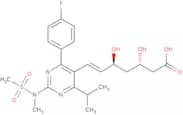
(3S,5S)-Rosuvastatin calcium
CAS:Rosuvastatin calcium is a statin drug that belongs to the group of HMG-CoA reductase inhibitors. Rosuvastatin is a racemic mixture of 3S,5S and 3R,5R stereoisomers and has been shown to have cholesterol-lowering effect in humans. The sample solution was prepared by dissolving rosuvastatin calcium in methanol and then diluting it with water. The calibration curve was performed using solutions of substances at different concentrations and injecting them into the liquid chromatograph. After running for 2 minutes, the detection wavelength and detection method were used to measure the concentration of rosuvastatin. The result was recorded as mg/mL (molecules per milliliter).Formula:C22H27FN3O6SCaPurity:Min. 95%Molecular weight:480.53 g/mol3-Oxo-4-aza-5a-androst-1-ene-17b-carboxylic acid
CAS:3-Oxo-4-aza-5a-androst-1-ene-17b-carboxylic acid is a covalently bonded prodrug that is metabolized to its active form, finasteride, in the body. It has been shown to have physiological activities such as skin permeation and cell growth. 3-Oxo-4-aza-5a-androst-1-ene 17b carboxylic acid also has immunotherapy properties and can be conjugated with other compounds for use in cancer treatment.Formula:C19H27NO3Purity:Min. 98 Area-%Color and Shape:PowderMolecular weight:317.42 g/mol(3R,5S)-Atorvastatin sodium salt
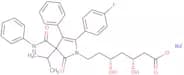
CAS:<p>(3R,5S)-Atorvastatin sodium salt is a synthetic compound that is used in the treatment of high cholesterol. It belongs to the class of statins, which are used for lowering blood cholesterol levels. The drug product contains at least 99% by weight of (3R,5S)-atorvastatin sodium salt. This product also has an analytical purity greater than 98%. It is metabolized via oxidation and hydroxylation to form metabolites that exhibit pharmacological activity similar to the parent molecule. (3R,5S)-Atorvastatin sodium salt is a natural product that can be found in plants such as yew trees. This drug has been shown to have niche applications in drug development and research and development.</p>Formula:C33H34FN2NaO5Purity:Min. 95%Color and Shape:PowderMolecular weight:580.62 g/mol(1R)-1-(3,4-Dihydroxyphenyl)-2-(methylamino)ethanesulfonic acid
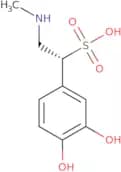
CAS:<p>(1R)-1-(3,4-Dihydroxyphenyl)-2-(methylamino)ethanesulfonic acid is a synthetic compound that is used as an API impurity in the manufacture of a drug product. It is an analytical standard for HPLC and has been shown to be a metabolite of 1-methyl-3,4-dihydroxyphenylalanine. The CAS number for (1R)-1-(3,4-Dihydroxyphenyl)-2-(methylamino)ethanesulfonic acid is 78995-75-2 and it can be found in the pharmacopoeia.</p>Formula:C9H13NO5SPurity:Min. 96 Area-%Color and Shape:White Off-White PowderMolecular weight:247.27 g/molBiotin impurity E
<p>Biotin impurity E is a metabolite of biotin that is produced by the metabolism of biotin in humans. It can be detected in urine, saliva, and blood. Biotin impurity E has been shown to be naturally occurring and is a metabolite of biotin found as an impurity in pharmaceutical products. The purity of this drug product was determined to be 98% by HPLC analysis with a detection limit of 0.1%.</p>Formula:C34H44N4O6S2Purity:Min. 95%Molecular weight:668.9 g/molApixaban Impurity 3
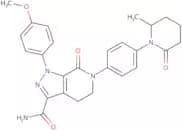
CAS:<p>Apixaban Impurity 3 is a reactant in medicines. It reacts with an amide to form the target compound, apixaban. Apixaban is a drug used to prevent stroke and blood clots in patients who have atrial fibrillation.</p>Formula:C26H27N5O4Purity:Min. 95%Color and Shape:PowderMolecular weight:473.52 g/molCeftazidime impurity G
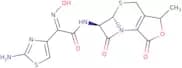
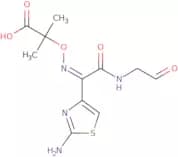
CAS:<p>Ceftazidime impurity G is a heterocycle that has been found to be a potential flavonoid. It has antiviral and protease inhibitory properties, which may be due to its ability to bind to the serine protease. It also has anti-inflammatory properties, which may be due to its inhibition of tyrosine kinase activity. Ceftazidime impurity G can be used as a pharmaceutical preparation for cardiovascular diseases, cancer, hepatitis, and other diseases.</p>Formula:C11H14N4O5SPurity:90%MinColor and Shape:PowderMolecular weight:314.32 g/mol2-[[[4-(3-Methoxypropoxy)-3-methyl-2-pyridinyl]methyl]thio]-1H-benzimidazole
CAS:<p>Rabeprazole is a proton pump inhibitor that is used to treat acid-related disorders such as gastroesophageal reflux disease and peptic ulcers. Rabeprazole inhibits the production of gastric acid by blocking the hydrogen/potassium ATPase that is found in the parietal cells of the stomach. The main mechanism of action for rabeprazole is competitive inhibition of the proton pump, which leads to decreased gastric acid secretion. Rabeprazole can be administered orally or intravenously, with a half-life of about 2 hours. It has been shown to have an effect on human liver cytochrome P450s, but does not affect the activity of recombinant cytochrome P450 3A4 (CYP3A4). In clinical studies, rabeprazole was shown to have no adverse effects on CYP3A4 activity and may even increase it slightly.</p>Formula:C18H21N3O2SPurity:Min. 95%Color and Shape:White PowderMolecular weight:343.44 g/molEne sacubitril (Impurity L)
<p>Ene sacubitril is an impurity in the drug product sacubitril. It is a synthetic compound that belongs to the class of drugs called angiotensin II receptor antagonists. This impurity can be used as a research and development standard, custom synthesis, or drug product impurity standard. Ene sacubitril is also a metabolite of sacubitril and can be used for metabolism studies or HPLC standard.</p>Purity:Min. 95%(R)-3-(3-Fluoro-4-morpholin-4-ylphenyl)-2-oxo-5-oxazolidinyl)methyl methansulfonate
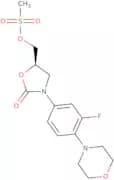
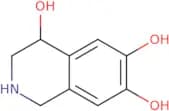
CAS:<p>(R)-3-(3-Fluoro-4-morpholin-4-ylphenyl)-2-oxo-5-oxazolidinyl)methyl methansulfonate is a Custom synthesis, drug product, Metabolite, Synthetic, Drug development, Impurity standard, Metabolism studies, API impurity, Natural, pharmacopoeia, analytical and HPLC standard. It is CAS No. 174649-09-3.</p>Formula:C15H19FN2O6SPurity:Min. 95%Molecular weight:374.39 g/mol1,2,3,4-Tetrahydroisoquinoline-4,6,7-triol
CAS:<p>1,2,3,4-Tetrahydroisoquinoline-4,6,7-triol is an analytical standard that has been synthesized using a custom synthesis. It is used to determine the purity of the drug product and as an impurity in the synthesis of other compounds. 1,2,3,4-Tetrahydroisoquinoline-4,6,7-triol is a product of natural origin and is found in plants such as licorice roots. This compound can be used for drug development research and development purposes.</p>Formula:C9H11NO3Purity:Min. 95%Molecular weight:181.19 g/mol[(2-Butoxyethoxy)ethyl] 2-[(trifluoromethyl)phenylamino]benzoate
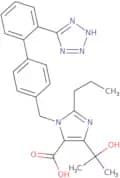
CAS:<p>[(2-Butoxyethoxy)ethyl] 2-[(trifluoromethyl)phenylamino]benzoate is a synthetic chemical that is an impurity in the synthesis of the drug product, [(2-butoxyethoxy)ethyl] 2-[(trifluoromethyl)phenylamino]-benzoate. It is a white to off-white solid with a melting point of 53°C. The purity of this compound is high and it has been used as an analytical standard for HPLC. This compound also has niche application in pharmacopoeia and drug development.</p>Formula:C22H26F3NO4Purity:Min. 95%Color and Shape:Pale yellow to yellow liquidMolecular weight:425.44 g/molOlmesartan
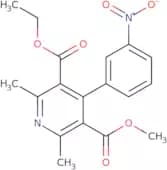
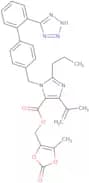
CAS:<p>Olmesartan medoxomil is a prodrug that is hydrolyzed to olmesartan, its active form. It is a member of the angiotensin II receptor antagonists and it is used for the treatment of hypertension and heart failure. Olmesartan medoxomil reduces the risk of cardiovascular events in patients with resistant hypertension or heart failure. The drug binds to the angiotensin II type 1 receptor, thereby blocking the binding of angiotensin II to this receptor. This prevents activation of downstream signaling pathways, including phospholipase C, protein kinase C, and mitogen-activated protein kinases. Olmesartan medoxomil also blocks the formation of new blood vessels and vascular remodeling in animal models.</p>Formula:C24H26N6O3Purity:Min. 95%Color and Shape:White PowderMolecular weight:446.5 g/mol2,6-Dimethyl-4-(3-nitrophenyl)-3,5-pyridinedicarboxylic acid ethyl methyl ester
CAS:2,6-Dimethyl-4-(3-nitrophenyl)-3,5-pyridinedicarboxylic acid ethyl methyl ester (DMPD) is an enzyme inhibitor that belongs to the group of metabolic inhibitors. This agent is used for the preparation of samples for analysis by chromatography and mass spectrometry. DMPD inhibits the activity of enzymes involved in drug metabolism, including CYP2C8, CYP2C9, CYP2D6, and CYP3A4. The matrix effect can be minimized by using a more acidic sample preparation. The immunosuppressant properties of DMPD have been shown in mice by inhibiting T cell activation and proliferation in vitro.Formula:C18H18N2O6Purity:Min. 95%Color and Shape:Pale yellow to yellow solid.Molecular weight:358.35 g/mol5-(2-Fluorophenyl)-1H-pyrrole-3-carboxylic acid
CAS:<p>5-(2-Fluorophenyl)-1H-pyrrole-3-carboxylic acid is a synthetic drug that is used as an impurity standard. It has been shown to be metabolized by CYP450 enzymes and glucuronidases, and can inhibit the enzyme glutathione reductase. 5-(2-Fluorophenyl)-1H-pyrrole-3-carboxylic acid also has been shown to have antiplatelet activity, which may be due to its ability to inhibit the enzyme ADP cyclase.</p>Formula:C11H8FNO2Purity:Min. 95%Color and Shape:PowderMolecular weight:205.18 g/molNLRP3i
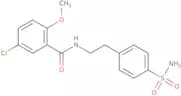
CAS:<p>NLRP3i is a molecule that is orally administered and has been shown to have anti-inflammatory effects in the heart. NLRP3i reduces pro-inflammatory cytokines and protects against cardiac dysfunction in mice with chronic kidney disease. It also protects against heart failure caused by ischemia reperfusion. This drug has been shown to be effective as a therapy for cancer, with some patients being resistant to chemotherapy, although it is not yet approved for this use.</p>Formula:C16H17ClN2O4SPurity:Min. 95%Molecular weight:368.84 g/molrac N-Demethyl promethazine hydrochloride
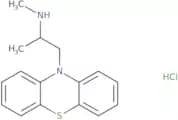
CAS:<p>Rac-N-Demethylpromethazine hydrochloride is a racemic mixture of promethazine. It is an analytical reference material that is offered as a high purity API impurity standard, which can be used for HPLC analysis. Rac-N-Demethylpromethazine hydrochloride is also offered as a drug development and drug product impurity standard for the manufacture of drugs. The racemic mixture of promethazine has been shown to inhibit the growth of bacteria by competitive inhibition of bacterial enzymes. Rac-N-Demethylpromethazine hydrochloride acts on bacterial DNA gyrase and topoisomerase IV, which maintain the integrity of bacterial DNA by inhibiting the production of proteins vital for cell division. Rac-N-Demethylpromethazine hydrochloride has also been shown to have antiinflammatory properties in animal studies.</p>Formula:C16H19ClN2SPurity:Min. 95%Color and Shape:PowderMolecular weight:306.86 g/mol3-[Methyl(phenylmethyl)amino]-1-phenyl-1-propanone hydrochloride
CAS:<p>Nisoxetine is a norepinephrine (NE) reuptake inhibitor that is used as an antidepressant. It has been shown to be a potent and selective NE reuptake inhibitor with a high affinity towards the NE transporter in rat brain synaptosomes, with potency several times higher than that of tricyclic antidepressants. Nisoxetine's major advantage over other antidepressants is its high efficiency, which makes it suitable for large-scale production. The synthesis of nisoxetine involves two steps: 1) reaction of 3-[methyl(phenylmethyl)amino]-1-phenyl-1-propanone hydrochloride with toluene to form the corresponding methyl ester and 2) hydrogenation of the methyl ester to form nisoxetine. This synthesis is efficient, stable, and chiral due to the use of bimetallic catalysts.</p>Formula:C17H19NO•HClPurity:Min. 95%Color and Shape:PowderMolecular weight:289.8 g/molDihydro-α-ergocryptine mesylate
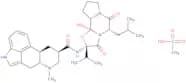
CAS:Dihydro-alpha-ergocryptine mesylate is a drug that inhibits the effects of ergotamine and other drugs. It is used in animals to treat drug reactions, such as those caused by morphine and penicillin. Dihydro-alpha-ergocryptine mesylate can be detected in urine samples for up to 72 hours after administration. The pharmacokinetic properties of this drug are not well understood, but there is a linear relationship between dose and plasma concentration. The clinical response to dihydro-alpha-ergocryptine mesylate has been shown to be dose dependent. This drug also has dopaminergic properties, which may be due to its ability to bind with dopamine receptors in the central nervous system. There are several symptoms that may be related to taking this drug, including drowsiness or fatigue, nausea or vomiting, dry mouth, muscle spasms, and involuntary shaking of a part of the body (tremor).Formula:C33H47N5O8SPurity:Min. 95%Molecular weight:673.82 g/molRemdesivir related compound 12
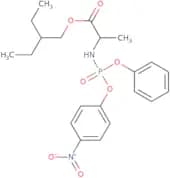
CAS:<p>Remdesivir related compound 12 is a synthetic drug product. It is an impurity standard used for the production of the active pharmaceutical ingredient, remdesivir. The substance is a custom synthesis and can be synthesized to meet customer specifications. Remdesivir related compound 12 has been studied in animal models for metabolism studies and human pharmacokinetic studies. This substance is also used for research and development, as well as niche drug development.</p>Formula:C21H27N2O7PPurity:Min. 95%Molecular weight:450.42 g/molTerbinafine dimer impurity dihydrochloride
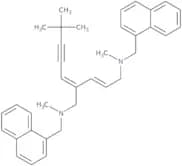
CAS:<p>Terbinafine is an antifungal agent that belongs to the family of medicines. It is used to treat fungal infections of the skin, nails and scalp. Terbinafine can also be used to treat other types of fungal infections, such as tinea corporis (ringworm), tinea cruris (jock itch), tinea pedis (athlete's foot) and tinea capitis (scalp ringworm). Terbinafine dimer impurity dihydrochloride is a by-product of terbinafine hydrochloride that has been shown to have industrial applications as a dispersant or lubricant in industries such as papermaking.</p>Formula:C36H40N2·2HClPurity:Min. 95%Color and Shape:White Off-White PowderMolecular weight:573.64 g/mol3-O-Methylcarbidopa
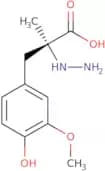
CAS:Controlled Product<p>3-O-Methylcarbidopa is a drug that belongs to the class of dopa decarboxylase inhibitors. It is an inactive prodrug, which is converted into its active form by hydrolysis in the body. 3-O-Methylcarbidopa has been shown to have a plasma concentration that can be detected, with an elimination rate of about 4 hours. The active substance is found in the particle size range of 0.1 to 1 micrometer and can be analyzed using chromatographic methods. 3-O-Methylcarbidopa is primarily used for the treatment of Parkinson's disease, but also has potential applications in other diseases such as Alzheimer's disease, depression and schizophrenia.</p>Purity:Min. 95%Molecular weight:240.263,3'-(3,6-Dihydropyrazine-2,5-diyl)dipropanoic acid
CAS:<p>3,3'-(3,6-Dihydropyrazine-2,5-diyl)dipropanoic acid (DPPA) is a potent metal chelator that can be used in the treatment of cancer. DPPA binds to metal ions and prevents their access to vital cellular components such as DNA and proteins. This agent has been shown to inhibit the growth of carcinoma cells in culture. It also has an effect on the synthesis of demyelination, which may account for its ability to prevent reactive oxygen species from damaging DNA. DPPA is a strong inhibitor of mitochondrial function and at high concentrations it damages mitochondria by releasing hydrogen peroxide into the cell cytoplasm. The release of hydrogen peroxide causes catalase to become active, leading to cell death.</p>Formula:C10H14N2O4Purity:Min. 95%Molecular weight:226.23 g/mol1-Benzyl-4-(5,6-dimethoxy-1-oxoindan-2-ylidene)methylpiperidine
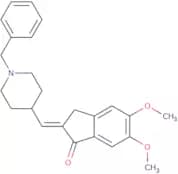
CAS:1-Benzyl-4-(5,6-dimethoxy-1-oxoindan-2-ylidene)methylpiperidine is an analytical standard and a drug product. It is a synthetic compound that has been shown to have pharmacological effects similar to those of the analgesic or opioid drugs. 1-Benzyl-4-(5,6-dimethoxy-1-oxoindan-2-ylidene)methylpiperidine can be used as an impurity standard for HPLC analyses as well as metabolic studies. This compound is also known to have potential interactions with other drugs.Formula:C24H27NO3Purity:Min. 98 Area-%Color and Shape:PowderMolecular weight:377.48 g/molDesmethyl fondenafil
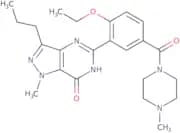
CAS:Fondenafil is a drug that belongs to the class of PDE-5 inhibitors. It is used for the treatment of erectile dysfunction and pulmonary hypertension. Fondenafil is chemically related to sildenafil, but lacks the ethyl group. Fondenafil has been shown to be effective in treating insulin resistance by increasing glucose uptake in adipose tissue and skeletal muscle cells. Fondenafil also reduces blood pressure, cholesterol, and triglyceride levels in patients with metabolic syndrome.Formula:C23H30N6O3Purity:Min. 95%Molecular weight:438.5 g/mol4-Methoxy-N,N-dimethyl-phenethylamine
CAS:Controlled Product<p>4-Methoxy-N,N-dimethylphenethylamine is a natural product that has been shown to inhibit the transfer of bacteria from the environment to food. It also has regulatory properties and can be used as a supplement in dietary drinks. 4-Methoxy-N,N-dimethylphenethylamine is an alkaloidal extract and has been shown to have antibacterial activity against Escherichia coli, Salmonella enterica, and Listeria monocytogenes. This compound was also found to have diffraction properties, which are related to its ability to bind DNA in bacterial cells.</p>Formula:C11H17NOPurity:Min. 95%Color and Shape:Clear LiquidMolecular weight:179.26 g/mol2-(3-(1-Benzylpiperidin-4-yl)-2-oxopropyl)-4,5-dimethoxybenzoic acid sodium salt
<p>2-(3-(1-Benzylpiperidin-4-yl)-2-oxopropyl)-4,5-dimethoxybenzoic acid sodium salt is a white to off-white crystalline powder. It is soluble in water and sparingly soluble in alcohol. This product is used as an analytical standard and has been found to be a metabolite of the drug clozapine. 2-(3-(1-Benzylpiperidin-4-yl)-2-oxopropyl)-4,5-dimethoxybenzoic acid sodium salt has also been found to be an impurity in the drug product lamotrigine.</p>Formula:C24H29NO5•NaPurity:Min. 95%Molecular weight:434.49 g/molVarenicline Diamine Impurity - Bio-X ™
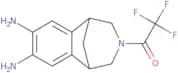
CAS:<p>Varenicline Diamine Impurity - Bio-X ™ is a diamine impurity of varenicline, a medication used for smoking cessation. Varenicline acts as a partial agonist at α4β2 nicotinic acetylcholine receptors, which are involved in the addictive effects of nicotine. Researchers utilize this compound to study its effects on nicotine addiction and develop potential treatments for smoking cessation. This impurity is used as a reference standard or analytical tool in the quality control and manufacturing process of varenicline and serves as an important marker for ensuring the purity and consistency of varenicline during its production, helping to maintain the medication's safety and efficacy for patients seeking to quit smoking.This product is part of our Bio-X ™ Range. These products are aimed at life science researchers who need high quality ready-to-use products for assay development, screening or other R&D work. With a solubility datasheet and convenient vials, all of our Bio-X ™ products are in stock across our global warehouses for rapid delivery and ease of use.</p>Formula:C13H14F3N3OPurity:Min. 95%Color and Shape:PowderMolecular weight:285.27 g/mol2-Hydroxy-2-{4-[2-(hydroxyethoxy)ethyl]piperazin-1-yl}dithiazepin
CAS:<p>2-Hydroxy-2-{4-[2-(hydroxyethoxy)ethyl]piperazin-1-yl}dithiazepin (LPSE) is a monoclonal antibody that is used in the diagnosis of atrial fibrillation. It binds to the antigenic determinant on the surface of atrial cells and also has high affinity for cardiac troponin I. LPSE has biochemical properties that distinguish it from other antibodies and is not known to have any adverse reactions or interactions with other drugs. The clinical relevance of LPSE has been demonstrated by its ability to detect atrial cells in tissue samples from patients with atrial fibrillation, and to discriminate between samples taken from patients who had undergone catheter ablation or those who had not undergone this procedure. LPSE binds to tetroxide, gamma-aminobutyric acid (GABA), amides, and proteins, as well as hl-60 cells,</p>Formula:C21H27N3O3SPurity:Min. 97 Area-%Color and Shape:Yellow Clear LiquidMolecular weight:401.53 g/molN,N-Dimethyl-3-(4-methylbenzoyl)propionamide
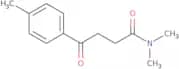
CAS:N,N-Dimethyl-3-(4-methylbenzoyl)propionamide is a metabolite of the antihistamine drug diphenhydramine. It is a natural impurity and an impurity standard for this drug. N,N-Dimethyl-3-(4-methylbenzoyl)propionamide can be used in pharmacopoeia to test for purity and quality of drugs, as well as for analytical purposes. It has also been used in drug development and metabolism studies.Formula:C13H17NO2Purity:Min. 95%Color and Shape:PowderMolecular weight:219.28 g/molAtorvastatin epoxy tetrahydrofuran impurity
CAS:<p>Atorvastatin epoxy tetrahydrofuran impurity is a byproduct of the synthesis process. It is a white crystalline powder that is soluble in organic solvents and sparingly soluble in water. Atorvastatin epoxy tetrahydrofuran impurity has been shown to be an impurity of atorvastatin. It is not known to have any biological activity, but it may pose a health risk if present in large quantities.</p>Formula:C26H24FNO5Purity:Min. 95%Color and Shape:PowderMolecular weight:449.47 g/mol3-Ethyl 5-methyl 2-((2-aminoethoxy)methyl)-4-(2-chlorophenyl) -6-methylpyridine-3,5-dicarboxylate 2- butenedioate
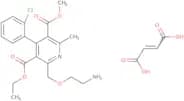
CAS:<p>3-Ethyl 5-methyl 2-((2-aminoethoxy)methyl)-4-(2-chlorophenyl) -6-methylpyridine-3,5-dicarboxylate 2- butenedioate is a synthetic compound that has been developed for the treatment of bacterial infections. This drug product is metabolized by hydrolysis to form 3,5-dimethyl 2-(2-(2-(2-(2-(2-(2-(hydroxymethyl)amino)ethoxy) ethoxy)ethoxy)ethoxy)ethoxy)-4,6-dimethylpyridine. The analytical standards for this drug are 3,5-dimethyl 2-(2-(2-(2-(2 (hydroxymethyl)amino)ethoxy)ethoxy)ethoxy)-4,6-dimethylpyridine; 3,5-, 6-, and 8-, 10-, 12-, 14-, 16-, 18-,</p>Formula:C20H23ClN2O5•C4H4O4Purity:Min. 95%Color and Shape:PowderMolecular weight:522.93 g/molO-Methyl atorvastatin calcium
CAS:<p>O-Methyl atorvastatin calcium is a drug product that is an HPLC standard. It is a natural metabolite of atorvastatin, which is synthesized by cytochrome P450 3A4 in the liver. O-Methyl atorvastatin calcium has been shown to be an impurity in some batches of atorvastatin calcium. It has been observed to have pharmacological effects similar to those of atorvastatin. O-Methyl atorvastatin calcium has been used as a research and development (R&D) tool for studies on the metabolism of drugs, including its own synthesis and the study of the effect on other drugs such as amiodarone.</p>Formula:CaC68H71F2N4O10Purity:Min. 95%Color and Shape:PowderMolecular weight:1,182.39 g/mol(betaS,deltaS)-2-(4-Fluorophenyl)-beta,delta-dihydroxy-5- (1-methylethyl)-3-phenyl-4-[(phenylamino)carbonyl]-1H-pyrrole- 1-heptanoic acid calcium salt (2:1)
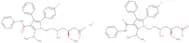
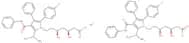
CAS:<p>(betaS,deltaS)-2-(4-Fluorophenyl)-beta,delta-dihydroxy-5- (1-methylethyl)-3-phenyl-4-[(phenylamino)carbonyl]-1H-pyrrole- 1-heptanoic acid calcium salt (2:1) is a fluorinated derivative of the natural metabolite 2-(4-fluorophenyl)-beta,delta-dihydroxy -5-(1 methylethyl)-3 phenyl 4-[(phenylamino)carbonyl]-1H pyrrole 1 heptanoic acid. It is an enantiomer of the racemate with optical purity > 98%. The compound has been used as a pharmacological and supramolecular chemistry probe for assays and chemosensors.</p>Formula:C66H68CaF2N4O10Purity:Min. 98 Area-%Color and Shape:PowderMolecular weight:1,155.34 g/molDehydrocorybulbine chloride
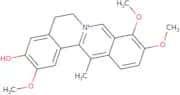
CAS:Dehydrocorybulbine chloride salt is a medicinal compound that has shown potential as an anticancer agent. It is an analog of the Chinese herb Corydalis yanhusuo and has been found to inhibit protein kinases, which are enzymes that play a key role in cancer cell growth and proliferation. Dehydrocorybulbine chloride salt has been shown to induce apoptosis (programmed cell death) in various types of cancer cells, including bladder, lung, and breast cancer cells. This compound also exhibits low toxicity towards normal human cells and has shown promise as a possible treatment for certain types of cancer.Formula:C21H22ClNO4Purity:Min. 95%Color and Shape:PowderMolecular weight:352.4 g/molTelmisartan-D3-acyl-b-D-glucuronide
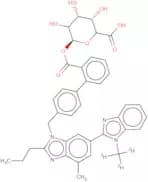
Controlled Product<p>Isotopically labelled metabolite of telmisartan</p>Formula:C39H35D3N4O8Purity:Min. 95%Molecular weight:693.76 g/molN-(5-Aminopentyl) methotrexate amide
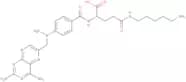
CAS:<p>N-(5-Aminopentyl) methotrexate amide is a fluorescent probe that is used to study the transport of drugs across cell membranes. It binds to the plasma membrane of cells and can be visualized with a fluorescence microscope. N-(5-Aminopentyl) methotrexate amide has been shown to bind to leukemia cells in murine leukemia models. It has a high affinity for drug-resistant cells, which makes it useful for studying drug resistance mechanisms. This probe can be used at nanomolar concentrations for imaging studies, as well as for measuring the uptake of drugs into cancer cells by flow cytometry.</p>Formula:C25H34N10O4Purity:Min. 95%Color and Shape:Yellow PowderMolecular weight:538.6 g/molTyrosol glucuronide
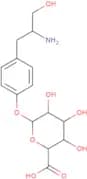
CAS:<p>Tyrosol is a phenolic compound found in olive oil and other plant sources. It has been shown to have antioxidant, anti-inflammatory, and anti-cancer activities. Tyrosol glucuronide is the main form of tyrosol found in urine samples. The absorption process of tyrosols is due to their uptake by the liver cells, where they are converted into fatty acids and then conjugated with glucuronic acid. Tyrosols are also metabolized through a number of metabolic transformations, including hydrolysis by esterases or glucuronidases, oxidation by cytochrome P450 enzymes, reduction by glutathione reductase, or conjugation with glucuronic acid. Studies have shown that tyrosols can help lower blood pressure and improve insulin resistance in women.</p>Formula:C14H18O8Purity:Min. 95%Color and Shape:PowderMolecular weight:314.29 g/molS-Methyl-N-cyano-N'-[2-[(5-methyl-1H-imidazol-4-yl)methylthio]ethyl]isothiourea
CAS:<p>Methylisothiourea is a label that can be used to identify cells in vivo. It is a fluorescent molecule that is activated by the presence of cytokines, such as IL-1β and TNF-α. Methylisothiourea has been used to evaluate corneal epithelial cells for their response to injury. The effect of Methylisothiourea on the tissue was assessed by histology and evaluated by the presence of cytokine concordance with the fluorescence intensity. Reconstitution experiments were conducted in vitro using human tissues. It was found that Methylisothiourea was not toxic at concentrations up to 500 μM and that it did not interfere with DNA synthesis or cell division at concentrations up to 10 mM.</p>Formula:C10H15N5S2Purity:Min. 95%Color and Shape:White PowderMolecular weight:269.39 g/mol(+/-)-N-Benzyl-N-methyl-3-phenyl-3-[4-(trifluoromethyl)phenoxy]-propylamine hydrochloride
CAS:(+/-)-N-Benzyl-N-methyl-3-phenyl-3-[4-(trifluoromethyl)phenoxy]-propylamine hydrochloride is a synthetic drug product with the chemical name of (+/-)-N-Benzyl-N-methyl-3-phenyl-3-[4-(trifluoromethyl)phenoxy]-propylamine hydrochloride. It is an analytical standard, and its CAS No. is 660414-56-2. It has the purity of 99% and a molecular weight of 377.5. The impurities in this product are less than 1%. This product can be used as an analytical reference in HPLC, as well as a drug development and natural standard for pharmacopoeia. This product was synthesized by a process that included: (1) 3,4-(trifluoromethyl)benzaldehyde; (2) A mixture ofFormula:C24H24F3NO·HClPurity:Min. 95%Color and Shape:PowderMolecular weight:435.91 g/molRiboflavin EP Impurity C
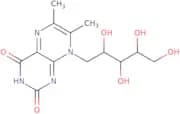
CAS:<p>Riboflavin EP Impurity C is a synthetic compound that is used as an impurity standard in the manufacture of Riboflavin-5'-Phosphate. Riboflavin EP Impurity C is also a metabolite that can be found in human urine, and is used to study metabolism.</p>Formula:C13H18N4O6Purity:90%MinColor and Shape:PowderMolecular weight:326.31 g/molDihexyl 3,3'-(pyrazine-2,5-diyl)dipropanoate
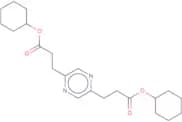
CAS:Dihexyl 3,3'-(pyrazine-2,5-diyl)dipropanoate is a drug product that is used as an impurity standard for the determination of metabolites in drug development and metabolism studies. It has been shown to be a metabolite in the human body and is also found in rat urine. The purity of this substance is high and can be custom synthesized to meet specific needs. Dihexyl 3,3'-(pyrazine-2,5-diyl)dipropanoate can be used as an analytical standard for HPLC analysis. This compound can also be used in pharmacopoeia as a reference substance for the determination of purity and impurities.Formula:C22H36N2O4Purity:Min. 95%Color and Shape:Off-white to yellow liquid.Molecular weight:392.53 g/molAtorvastatin methyl ester
CAS:<p>Atorvastatin methyl ester is a statin drug that inhibits the synthesis of cholesterol and other lipids in the body. It is used to reduce high levels of low-density lipoprotein (LDL) cholesterol, which may lead to heart disease or stroke. Atorvastatin methyl ester has been shown to be effective in reducing the uptake of LDL cholesterol into cells by preventing the formation of LDL particles. This drug also decreases the production of biphosphate-containing phospholipids, which are essential for dendritic cell maturation. The crystalline polymorphs have been characterized by X-ray diffraction and microscopy. Impurities can be detected using ultraviolet spectroscopy, infrared spectroscopy, or nuclear magnetic resonance spectroscopy.</p>Formula:C34H37FN2O5Purity:Min. 95%Color and Shape:PowderMolecular weight:572.67 g/molNaltrexone impurity A
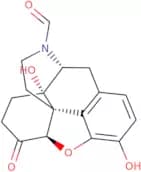
CAS:Controlled Product<p>Naltrexone impurity A is a synthetic, high-purity drug product that is used as an analytical reference standard in the development and manufacture of pharmaceuticals. It is also used as a pharmacopoeia reference standard and to study metabolism. Naltrexone impurity A has been shown to be a major metabolite of naltrexone and can be found in the urine at concentrations of 1-2% following oral administration. This impurity is not active when given orally, but may have activity if injected intravenously or intramuscularly.</p>Formula:C17H17NO5Purity:Min. 95%Color and Shape:PowderMolecular weight:315.32 g/molLansoprazole sulfone - Bio-X ™
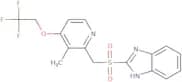
CAS:Lansoprazole is a proton pump inhibitor that is used in the treatment of gastrointestinal ulcers, symptoms of GERD and to eradicate Helicobacter pylori. This drug works by decreasing gastric acid secretion by targeting H+ and K+ ATPase. It offers pain relief from heartburn and reduces ulcer related pain.Formula:C16H14F3N3O3SPurity:Min. 95%Color and Shape:PowderMolecular weight:385.36 g/mol3-(Dimethylamino)-1-(3-thienyl)propan-1-ol
CAS:<p>3-(Dimethylamino)-1-(3-thienyl)propan-1-ol (DMAT) is an impurity that was identified in a drug product and that is not found in the natural form. DMAT is an intermediate of the synthesis of DMH, which is used as a research and development tool. DMAT has been shown to be metabolized by cytochrome P450 enzymes and other oxidative reactions, such as oxidation by cytochrome P450 enzymes or conjugation with glucuronic acid. DMAT also binds to markers expressed at high levels in Mycobacterium tuberculosis strains (e.g., ESX-1 secretion system protein) and inhibits cell growth in culture.</p>Formula:C9H15NOSPurity:Min. 95%Color and Shape:White to yellow solid.Molecular weight:185.29 g/mol[5-[(Dimethylamino)methyl]furan-2-yl]methanethiol, oxalate
CAS:<p>5-[(Dimethylamino)methyl]furan-2-yl]methanethiol, oxalate is a chemical compound with the molecular formula of C4H8O2S. It is a colorless to pale yellow liquid that is soluble in water and ethanol. This product is used as an impurity standard for HPLC analysis of drugs and as a synthetic intermediate in the drug development process. 5-[(Dimethylamino)methyl]furan-2-yl]methanethiol, oxalate can be synthesized from furfuryl alcohol and methylamine under mild conditions. The purity of this product can be determined by HPLC analysis or GCMS analysis.</p>Formula:C8H13NOS·C2H2O4Purity:Min. 95%Molecular weight:261.3 g/molPteroic acid - 60%
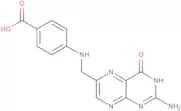
CAS:Pteroic acid is a synthetic compound that is an analog of the natural amino acid phenylalanine. It has been shown to inhibit protein synthesis and may be useful for the treatment of cancer. Pteroic acid can be activated by the addition of trifluoroacetic acid and reacts with metal ions such as nickel, cobalt, copper, and zinc. It also binds to receptors on tubule cells in kidney tissue. This binding inhibits the enzyme carbonic anhydrase II, which catalyzes the conversion of carbon dioxide to bicarbonate in these cells. The inhibition of this enzyme results in a decrease in bicarbonate concentration within these cells, leading to cell death.Formula:C14H12N6O3Purity:Min. 93 Area-%Color and Shape:PowderMolecular weight:312.28 g/mol(S)-Duloxetine succinamide
CAS:Duloxetine succinamide is a chromatographic, solid, acidic compound. It has been synthesized by reacting (S)-duloxetine hydrochloride with succinic anhydride in the presence of triethylamine and acetonitrile. The reaction mixture was purified by high-performance liquid chromatography to produce the desired product. The purity of the compound was confirmed by postulating that it should have a reversed-phase HPLC profile similar to that of duloxetine succinate. Duloxetine succinamide is not soluble in water and is insoluble in organic solvents such as acetone, chloroform, ether, or benzene. The compound is stable at room temperature but decomposes when heated at higher temperatures. !--Formula:C22H23NO4SPurity:Min. 95%Color and Shape:PowderMolecular weight:397.49 g/molCalcipotriol EP Impurity B
Calcipotriol EP Impurity B is a drug product that is an impurity in Calcipotriol EP. It is produced during the synthesis of calcipotriol and may be present in the natural product. It has been shown to have anti-inflammatory properties, and can be used as a research tool to study calcipotriol metabolism.Formula:C27H40O3Purity:Min. 95%Molecular weight:412.6 g/molEsomeprazole Impurity Q
<p>Esomeprazole Impurity Q is a drug product. It is an impurity standard of esomeprazole, CAS No. 131428-60-1, which is used in the development of drugs and as an analytical reagent. It is synthesized from natural materials and has a purity of 99%. The metabolite can be found in animal and human metabolism studies. Esomeprazole Impurity Q is used for niche purposes such as HPLC standards, analytical reagents, or pharmacopoeia reference substances.</p>Purity:Min. 95%5-Benzoyl-7-bromo-2,3-dihydro-1H-pyrrolizine-1-carboxylic acid - Racemic
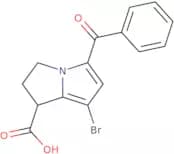
CAS:5-Benzoyl-7-bromo-2,3-dihydro-1H-pyrrolizine-1-carboxylic acid - Racemic is a drug product that is used for the research and development of drugs. It is manufactured synthetically. This compound has been shown to be metabolized in rats and humans. Studies have also shown that this compound may be an impurity in other drugs. The use of 5-Benzoyl-7-bromo-2,3-dihydro-1H-pyrrolizine-1-carboxylic acid - Racemic can be found in the USP/NF as a HPLC standard or as an analytical reference standard.Formula:C15H12BrO3NPurity:Min. 95%Molecular weight:334.16 g/mol5-Methoxy-2-[[(4-methoxy-3,5-dimethyl-2-pyridinyl)methyl]thio]-1H-benzimidazole
CAS:Omeprazole is a drug that belongs to the class of benzimidazole compounds. It is an inhibitor of gastric acid secretion in the stomach, reducing the production of hydrochloric acid and pepsin. Omeprazole has been shown to have greater chemical stability than other proton pump inhibitors (PPIs), with a higher solubility in water and a longer shelf life. Omeprazole also has anti-inflammatory properties, which may be due to its inhibition of prostaglandin synthesis. Omeprazole also exhibits pharmacokinetic properties that are different from other PPIs. Omeprazole is rapidly absorbed following oral administration and has a high bioavailability, which can be attributed to its hydroxyl group. This hydroxyl group allows for esomeprazole (a prodrug) to be formed by hydrolysis in the gut or liver, increasing omeprazole's absorption and bioavailability.Formula:C17H19N3O2SPurity:Min. 95%Color and Shape:PowderMolecular weight:329.42 g/molAllopurinol impurity C
CAS:Allopurinol impurity C is a product of the reaction between allopurinol and n-butyl alcohol, which occurs in the presence of sodium hydroxide solution and dimethylformamide. The reaction condition is heated to reflux for 12 hours, after which the mixture is filtered and concentrated under reduced pressure. The resultant crude product is purified by column chromatography with ethyl acetate and then recrystallized from methanol. The synthesis scheme can be found in Figure 1.Formula:C6H6N6OPurity:Min. 95%Color and Shape:Slightly Yellow PowderMolecular weight:178.15 g/molLevonorgestrel EP Impurity P
CAS:<p>Soluble in Chloroform & in Methanol Confirmed<br>Insoluble in Wate</p>Purity:90% minColor and Shape:Off White or Beige SolidMolecular weight:312.45Amikacin EP Impurity A
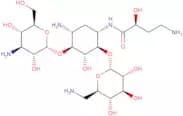
CAS:Amikacin EP Impurity A is a metabolite of amikacin. It is a white crystalline substance with a molecular weight of 269.5. Amikacin EP Impurity A is found in the urine and bile of individuals who have been administered amikacin. It has been shown to be pharmacologically active, inhibiting bacterial growth by binding to DNA-dependent RNA polymerase, thereby preventing transcription and replication.Formula:C22H43N5O13Purity:Min. 95%Molecular weight:585.6 g/molMethyl 2-disazobenzoate hydrochloride
CAS:Methyl 2-disazobenzoate hydrochloride is a drug product that is used as an HPLC standard and as a metabolite in the development of drugs. It has been found to be naturally occurring and is a research and development metabolite. Methyl 2-disazobenzoate hydrochloride is also an impurity of API, which can be quantified in analytical studies. It is a synthetic compound with CAS No. 35358-78-2 and it can be used to manufacture high purity pharmaceuticals. Methyl 2-disazobenzoate hydrochloride has been shown to have niche pharmacological effects, such as anti-inflammatory activities.Formula:C8H7N2O2ClPurity:Min. 95%Molecular weight:198.61 g/molMolnupiravir Impurity 8
CAS:Controlled ProductMolnupiravir Impurity 8 is an impurity of molnupiravir, a drug product. It is a synthetic chemical compound that has not been found in nature. Molnupiravir Impurity 8 is the result of metabolism studies on the API (active pharmaceutical ingredient) and was observed to be more abundant than other impurities. Molnupiravir Impurity 8 is a white crystalline solid with CAS number 2492423-30-8. It is soluble in water, ethanol, acetone, and chloroform. The purity of this impurity is 99%.Formula:C13H19N3O7Purity:Min. 95%Molecular weight:329.31 g/molCephalosporin impurity
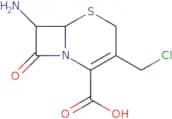
CAS:Cephalosporin impurity is an industrial by-product that is generated during the production of cephalosporins. It is a white powder that has no known toxicological effects. Cephalosporin impurity can be used as a supplement in inoculated soil to increase the yield of cephalosporium, which is a fungus that produces cephalosporins.Formula:C8H9ClN2O3SPurity:Min. 95%Molecular weight:248.69 g/molEsomeprazole sodium - EP
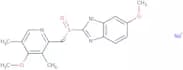
CAS:<p>Esomeprazole sodium is a proton pump inhibitor that decreases the production of stomach acid. It is used in the treatment of symptoms such as heartburn, regurgitation, and ulcers caused by gastroesophageal reflux disease (GERD). Esomeprazole sodium has been shown to reduce the amount of acid produced in the stomach and to increase the pH level in the stomach. This drug also has significant interactions with other drugs, which can lead to an increased risk of adverse events. Esomeprazole sodium is excreted from the body through urine and feces. The active form of esomeprazole is also found in wastewater treatment plants and can contribute to antimicrobial resistance.</p>Formula:C17H18N3NaO3SPurity:Min. 95%Color and Shape:White/Off-White SolidMolecular weight:367.4 g/mol(1R,3S,5S)-8-Methyl-8-azabicyclo[3.2.1]oct-6-en-3-yl-2'-hydroxy-2',2'-di(thiophen-2''-yl)acetate
CAS:Tanshinone IIA is an enantioselective hydroxamic acid that inhibits matrix metalloproteinase. It is a structural analogue of the hydroxamic acid Tanshinone I and has been shown to inhibit aggrecanase, which is an enzyme that hydrolyzes the glycosaminoglycan aggrecan. It also has anti-cancer effects due to its inhibition of cell proliferation in cancer cells. Tanshinone IIA can be used as a chiral synthon for polymerase chain reactions (PCR) because it contains a stereogenic centre in its structure.Formula:C18H19NO3S2Purity:Min. 95%Color and Shape:PowderMolecular weight:361.48 g/molL-138,037
CAS:Please enquire for more information about L-138,037 including the price, delivery time and more detailed product information at the technical inquiry form on this pageFormula:C28H34N4Purity:Min. 95%Color and Shape:PowderMolecular weight:426.6 g/molDesethylene Ciprofloxacin hydrochloride
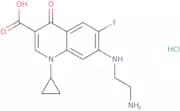
CAS:<p>Desethylene ciprofloxacin hydrochloride is a metabolite of ciprofloxacin that is converted to the active form of the drug. Desethylene ciprofloxacin hydrochloride has a concentration-response relationship, which can be used for in vitro testing of pharmaceutical preparations. The chromatographic evaluation of this metabolite can be used to identify the presence of antibiotics in environmental samples. Desethylene ciprofloxacin hydrochloride is also a substrate for carbonyl reductase and piperazine, which are enzymes that produce an activated form of the metabolite.</p>Formula:C15H16FN3O3·HClPurity:Min. 95%Color and Shape:Off-White Yellow PowderMolecular weight:341.77 g/molLisdexamfetamine dimesylate impurity C
<p>Lisdexamfetamine dimesylate impurity C is a drug product that is an analytical standard. It is a synthetic impurity found in the drug Lisdexamfetamine Dimesylate, which is used for the treatment of ADHD and narcolepsy. Lisdexamfetamine Dimesylate Impurity C has been shown to be metabolized through oxidation by cytochrome P450 enzymes and conjugation with glucuronic acid. The impurity has been shown to have no effect on the pharmacological activity of the parent compound.</p>Purity:Min. 95%Atorvastatin lactam sodium salt impurity
CAS:<p>Atorvastatin is a drug used for the treatment of hypercholesterolemia and cardiovascular diseases. Atorvastatin lactam, which is an impurity formed during the synthesis of atorvastatin, has been shown to inhibit cholesterol biosynthesis in a rat model. The in vivo metabolism of atorvastatin lactam was studied by HPLC-MS/MS and was found to be identical to that of the parent molecule. This impurity may be useful as a research and development or custom synthesis product, or as an impurity standard for HPLC analysis.</p>Formula:C33H34FN2NaO6Purity:Min. 95%Color and Shape:White PowderMolecular weight:596.62 g/molLoperamide N-oxide
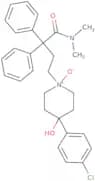
CAS:<p>μ-opioid receptor agonist; calcium channel inhibitor; anti-diarrheal</p>Formula:C29H33ClN2O3Purity:Min. 95 Area-%Color and Shape:PowderMolecular weight:493.04 g/molN-(2-Phenethyl)benzamide
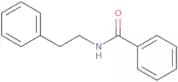
CAS:<p>N-(2-Phenethyl)benzamide (NPEB) is a molecule that belongs to the group of reactive molecules. It has been shown to be toxic to gram-positive bacteria, such as Staphylococcus aureus and Bacillus subtilis, but not gram-negative bacteria such as Escherichia coli. NPEB also has been shown to have locomotor activity in animals, which may be due to its ability to inhibit the mitochondrial electron transport chain and inhibit ATP production. NPEB's biological properties are well characterized. FTIR spectroscopy showed that this molecule has an amide functional group and is a small molecule with a molecular weight of 176.4 g/mol. This molecule was also found to be able to bind to mitochondria in animals.</p>Formula:C15H15NOPurity:Min. 97 Area-%Color and Shape:PowderMolecular weight:225.29 g/mol5-Aminolevulinic acid hexyl ester hydrochloride
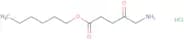
CAS:5-Aminolevulinic acid hexyl ester hydrochloride (5-ALA HCl) is a fluorescent probe that is used in the diagnosis of bladder and skin cancers. It is a prodrug that is converted to 5-aminolevulinic acid (ALA), which reacts with intracellular porphyrins to form an excited state. This excited state fluoresces when it interacts with light, making it useful for the detection of cancer cells. 5-ALA HCl has been shown to be effective in the diagnosis of multifocal urothelial carcinoma and cervical intraepithelial neoplasia.Formula:C11H22ClNO3Molecular weight:251.75 g/mol(R)-5-Hydroxymethyl tolterodine
CAS:<p>(R)-5-Hydroxymethyl tolterodine is a prodrug that is metabolized by cytochrome P450 3A4 (CYP3A4) in the liver to its active form, tolterodine. This drug can be used as an alternative for gabapentin in the treatment of detrusor muscle overactivity associated with neurogenic bladder dysfunction. The pharmacokinetic properties of (R)-5-hydroxymethyl tolterodine are similar to those of gabapentin, including the elimination half-life and volume of distribution. However, unlike gabapentin, which has been shown to increase the glomerular filtration rate (GFR) and renal blood flow, there is no evidence that this drug has any effect on GFR or renal blood flow. There is also no evidence that (R)-5-hydroxymethyl tolterodine causes any symptoms that may be attributed to</p>Formula:C22H31NO2Purity:Min. 98 Area-%Color and Shape:Off-White PowderMolecular weight:341.49 g/molD-Val(10)-Semaglutide
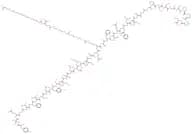
<p>D-Val(10)-Semaglutide is a semaglutide impurity. The amino acid at position 10 has been replaced by the D-form of the amino acid D-valine (D-Val). Semaglutide impurities are structurally related compounds that arise during synthesis, purification, or storage of semaglutide, a long-acting GLP-1 receptor agonist for managing type 2 diabetes and obesity.</p>Formula:C187H291N45O59Molecular weight:4,113.64 g/mol4-[2'-(7''-Deazaguanine)ethyl]benzoic acid N-hydroxysuccinimide ester
CAS:<p>4-[2'-(7''-Deazaguanine)ethyl]benzoic acid N-hydroxysuccinimide ester is a useful intermediate in the synthesis of 7''-deazaguanine, which is a key building block in the synthesis of DNA. 4-[2'-(7''-Deazaguanine)ethyl]benzoic acid N-hydroxysuccinimide ester is a versatile building block that can be used in the synthesis of complex compounds. It has been shown to react with amines, sulfonyl chlorides, and epoxides to form amides, sulfonamides, and epoxy amines respectively. The CAS number for this compound is 204257-65-8.</p>Formula:C19H17N5O5Purity:Min. 95%Molecular weight:395.37 g/molD-Thr(5)-Semaglutide
<p>D-Thr(5)-Semaglutide is a semaglutide impurity. The amino acid at position 5 has been replaced by the D-form of the amino acid D-threonine (D-Thr). Semaglutide impurities are structurally related compounds that arise during synthesis, purification, or storage of semaglutide, a long-acting GLP-1 receptor agonist for managing type 2 diabetes and obesity.</p>Formula:C187H291N45O59Molecular weight:4,113.64 g/mol1,4-Dihydro-2,6-dimethyl-4-(3-nitrophenyl)-3,5-pyridinedicarboxylic acid diethyl ester
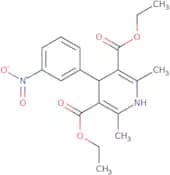
CAS:<p>1,4-Dihydro-2,6-dimethyl-4-(3-nitrophenyl)-3,5-pyridinedicarboxylic acid diethyl ester is an API impurity. It is a white or cream powder with a melting point of about 135°C. This impurity can be used as an impurity standard for HPLC applications to determine the purity of drug products. It is also suitable for use as a pharmacopoeia analytical reference material and as a synthetic intermediate in research and development (R&D) studies.</p>Formula:C19H22N2O6Purity:Min. 95%Color and Shape:Yellow PowderMolecular weight:374.39 g/molN-Carbamoyl-N'-methyl-N''-[2-[(5-methyl-1H-imidazol-4-yl)methylthio]ethyl]guanidine
CAS:N-Carbamoyl-N'-methyl-N''-[2-[(5-methyl-1H-imidazol-4-yl)methylthio]ethyl]guanidine is a sulfoxide that can be used as an analytical reagent for the determination of other substances. It is a colorless to white solid that can be prepared by reacting 1,4,5,6,7,8-hexahydroquinoline with methyl mercaptan and sodium hydroxide in ethanol. The detection limit for this compound is 0.01 mg/L. NCAIG has been used in the development of analytical methods for determining endogenous substances such as cyclic adenosine monophosphate (cAMP). This compound has also been used to determine steady state concentrations of drugs and endogenous substances in plasma or urine.Formula:C10H18N6OS·2HClPurity:Min. 95%Color and Shape:White PowderMolecular weight:343.28 g/mol4-Keto 13-cis-retinoic acid
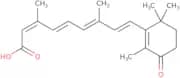
CAS:<p>4-Keto 13-cis-retinoic acid is a synthetic retinoid that was first synthesized in the 1970s. It is used for the treatment of ichthyosiform erythroderma and other skin diseases. 4-Keto 13-cis-retinoic acid binds to the retinoic acid receptor, which may be responsible for its effects on epidermal growth factor and cytosolic calcium. Treatment with 4-keto 13-cis-retinoic acid has been shown to inhibit the proliferation of hl-60 cells and squamous carcinoma cells in vitro, as well as reduce tumor size and metastasis in vivo. >>END</p>Formula:C20H26O3Purity:Min. 95%Color and Shape:PowderMolecular weight:314.42 g/mol3-Oxo-1,2-benzisothiazole-2(3H)-acetic acid ethyl ester 1,1-dioxide
CAS:3-Oxo-1,2-benzisothiazole-2(3H)-acetic acid ethyl ester 1,1-dioxide is an impurity in the synthesis of a drug. It is not active and has no known therapeutic value. 3-Oxo-1,2-benzisothiazole-2(3H)-acetic acid ethyl ester 1,1-dioxide is used as a reference standard for HPLC and has been shown to be metabolized by cytochrome P450 enzymes.Formula:C11H11NO5SPurity:Min. 95%Color and Shape:White to off-white solid.Molecular weight:269.27 g/molOlmesartan EP Impurity C
CAS:<p>Olmesartan medoxomil is a prodrug that is metabolized to the active form, olmesartan, in the liver. The esters of olmesartan medoxomil are metabolized by hydrolysis and by esterases. The most common side effects of olmesartan medoxomil are headache, dizziness, fatigue, nausea and diarrhea. Olmesartan medoxomil is used for the treatment of high blood pressure in adults. This drug also has anti-inflammatory properties due to its inhibition of prostaglandin synthesis.</p>Formula:C29H28N6O5Purity:Min. 95%Color and Shape:White Off-White PowderMolecular weight:540.57 g/molCetirizine impurity B dihydrochloride
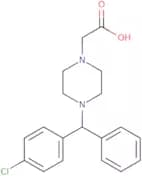
CAS:Cetirizine impurity B dihydrochloride is a minor impurity of cetirizine, which is a non-sedating antihistamine. The purity of the compound was determined by high performance liquid chromatography (HPLC) and its bioequivalence to cetirizine was assessed in a population pharmacokinetic study. Cetirizine impurity B dihydrochloride has been shown to have a similar pharmacokinetic profile to cetirizine and can be used as an alternative for the treatment of allergic rhinitis.Formula:C19H21ClN2O2•(HCl)2Purity:Min. 90 Area-%Color and Shape:PowderMolecular weight:417.76 g/mol{(5R)-3-[3-Fluoro-4-(4-morpholinyl)phenyl]-2-oxo-1.3-oxazolidin-5-yl}methyl acetate
CAS:This product is a metabolite of the drug product and impurity standard. It has been synthesized as a custom synthesis to meet the needs of research and development, pharmacopoeia, or natural products. This compound is an API impurity that has been characterized by HPLC. The purity of this product is high, with a minimum purity of 98%.Formula:C16H19FN2O5Purity:Min. 95%Color and Shape:Off-White To Yellow SolidMolecular weight:338.33 g/molMinocycline EP Impurity H
CAS:<p>Please enquire for more information about Minocycline EP Impurity H including the price, delivery time and more detailed product information at the technical inquiry form on this page</p>Formula:C23H25N3O7Purity:Min. 95%Molecular weight:455.47 g/mol(1,2-Dimethylpropyl)benzene
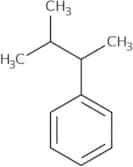
CAS:1,2-Dimethylpropylbenzene is an alkenylbenzene that is used as a precursor to other chemicals. It can be synthesized by the dehydrogenation of 1,2-dimethylethylbenzene with a nickel catalyst or by the formylation of benzene with formaldehyde and potassium hydroxide. The cyclohexenyl group in 1,2-dimethylpropylbenzene can be converted to an alkene group by alkylation with acetylene. The linear regression analysis showed that the toolkit of 1,2-dimethylpropylbenzene isomerization reactions are useful for the synthesis of many different compounds and provide a better understanding of their reactivity.Formula:C11H16Purity:Min. 95%Color and Shape:Clear LiquidMolecular weight:148.24 g/molN-[1-(R)-(-)-(1-Naphthyl)ethyl]-3-[3-(trifluoromethyl)phenyl]-1-aminopropane hydrochloride
CAS:<p>N-[1-(R)-(-)-(1-Naphthyl)ethyl]-3-[3-(trifluoromethyl)phenyl]-1-aminopropane hydrochloride is a synthetic compound that is used for the treatment of hyperparathyroidism. It inhibits parathyroid hormone (PTH) synthesis by inhibiting the enzyme responsible for PTH synthesis, which is called adenyl cyclase. This drug also binds to calcium ions and inhibits their release from bones and teeth. N-[1-(R)-(-)-(1-Naphthyl)ethyl]-3-[3-(trifluoromethyl)phenyl]-1-aminopropane hydrochloride has been shown to be effective in treating skin cancer in animal models. It has also been shown to have a reaction mechanism in which it binds to DNA, preventing transcription and replication through inhibition of RNA polymerase. The clinical significance of this drug as a potential biomark</p>Formula:C22H22F3N·HClPurity:Min. 95%Color and Shape:White PowderMolecular weight:393.87 g/molRemdesivir impurity 12
CAS:<p>Remdesivir impurity 12 is a drug product that is used in research and development. It is a synthetic impurity standard for HPLC analytical methods. Remdesivir impurity 12 is an impurity of the drug, remdesivir, which has antiviral activity against HIV-1. Metabolism studies have been conducted to investigate how this impurity affects the pharmacokinetics of remdesivir. The use of synthetic material ensures high purity and quality for this product.</p>Formula:C21H31N6O8PPurity:Min. 95%Molecular weight:526.48 g/molCefdinir impurity E
CAS:<p>Cefdinir impurity E is a research and development, impurity standard, custom synthesis, drug product, synthetic, high purity, pharmacopoeia, drug development and analytical standard. CAS No. 946573-41-7 is the metabolite of cefdinir. It is used to study metabolism of cefdinir in vitro and in vivo. HPLC standards are available for this compound.</p>Purity:Min. 95%2-Phenylbutyric acid
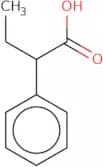
CAS:<p>2-Phenylbutyric acid is a product of the oxidation of phenylacetic acid by flavus. 2-Phenylbutyric acid is an inhibitor of contactor reactions that use α1-acid glycoprotein as a chromatographic support. It has been shown to inhibit the reaction mechanism of extractants (e.g., butamirate citrate) with enantiomeric compounds (e.g., creatine). It also inhibits subclinical mastitis in cows and fatty acid synthesis, leading to decreased cholesterol synthesis in humans.</p>Formula:C10H12O2Purity:Min. 95%Molecular weight:164.2 g/molEmpagliflozin R/S-furanose
<p>Please enquire for more information about Empagliflozin R/S-furanose including the price, delivery time and more detailed product information at the technical inquiry form on this page</p>Formula:C23H27ClO7Purity:95%NmrColor and Shape:PowderMolecular weight:450.91 g/molMethotrexate dimethylamide
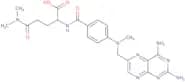
CAS:<p>Methotrexate dimethylamide is a research and development impurity standard with high purity. It is a synthetic drug product that can be custom synthesized to meet the needs of the customer. Methotrexate dimethylamide has been used as an analytical standard for HPLC analysis and as a natural metabolite in metabolism studies. This compound is also known as 71074-44-7, CAS No. 71074-44-7, or Metabolite.</p>Formula:C22H27N9O4Purity:Min. 95%Molecular weight:481.51 g/molrac-3-Oxo atorvastatin sodium salt
CAS:<p>Racemic 3-Oxo atorvastatin sodium salt (3OAS) is a drug product that has been tested in the laboratory and found to be suitable for further development. It is a natural substance that has not been chemically synthesized. Racemic 3-Oxo atorvastatin sodium salt is an impurity standard that can be used to establish the purity of API drugs. It can also be used as a metabolite in metabolism studies. Racemic 3-Oxo atorvastatin sodium salt is high purity and can be used for niche applications such as pharmacopoeia production.</p>Formula:C33H32FN2NaO5Purity:Min. 95%Color and Shape:PowderMolecular weight:578.61 g/molSemaglutide Impurity 56 (D-Glu 21)
<p>D-Glu(21)-Semaglutide is a semaglutide impurity. The amino acid at position 21 has been replaced by the D-form of the amino acid D-glutamic acid (D-Glu). Semaglutide impurities are structurally related compounds that arise during synthesis, purification, or storage of semaglutide, a long-acting GLP-1 receptor agonist for managing type 2 diabetes and obesity.</p>Formula:C187H291N45O59Molecular weight:4,113.64 g/molPitavastatin 3S,5R isomer calcium
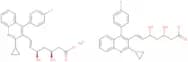
CAS:Pitavastatin 3S,5R isomer Calcium Salt is a potent inhibitor of cholesterol biosynthesis. It is marketed as the hemihydrate form under the trade name Pravacol and is used in the treatment of type 2 diabetes. Pitavastatin 3S,5R isomer Calcium Salt inhibits cholesterol biosynthesis by blocking HMG-CoA reductase, which converts 3-hydroxy-3-methylglutaryl coenzyme A (HMG-CoA) to mevalonate (MVA). The active metabolite, pitavastatin, binds to the regulatory region of HMG-CoA reductase and prevents it from converting MVA to HMG-CoA. This reduces the pool of HMG-CoA available for conversion to cholesterol. The inhibition of this enzyme slows down the production of cholesterol and decreases blood levels. It has been approved for use in adults with type 2 diabetes and for lowering highFormula:(C25H24FNO4)2•CaPurity:Min. 95%Color and Shape:White/Off-White SolidMolecular weight:880.98 g/mol3,5-Di-O-(4-chlorobenzoyl)-2-deoxy-a-D-ribofuranosyl isocyanate
<p>3,5-Di-O-(4-chlorobenzoyl)-2-deoxy-a-D-ribofuranosyl isocyanate (CAS No. 53477) is a drug product that belongs to the class of drugs called nucleosides. 3,5-Di-O-(4-chlorobenzoyl)-2-deoxy-a-D-ribofuranosyl isocyanate has been shown to be metabolized through a number of metabolic transformations, including hydrolysis by esterases or glucuronidases, oxidation by cytochrome P450 enzymes, reduction by glutathione reductase, or conjugation with glucuronic acid. This product has been shown to have antiplasmodial activity and may be useful in the treatment of malaria.</p>Formula:C20H15Cl2NO6Purity:Min. 95%Molecular weight:436.24 g/molGlipizide EP Impurity F
CAS:<p>Glipizide EP Impurity F is a synthetic impurity that is used as a research and development impurity standard. It has high purity and is pharmacopoeia grade. Glipizide EP Impurity F is also a metabolite of the drug product Glipizide and has been shown to have analytical applications for pharmacokinetic studies. It can be synthesized from natural materials or can be custom synthesized depending on the needs of the customer.</p>Formula:C11H16N2O4SPurity:Min. 95%Color and Shape:PowderMolecular weight:272.32 g/molEverolimus O-ethyl impurity
CAS:<p>Everolimus is an immunosuppressant that belongs to the group of rapamycin analogs. It is a synthetic drug and has been shown to be effective in preventing rejection of transplanted organs, such as kidneys, livers, and hearts. Everolimus O-ethyl impurity is a metabolite of everolimus that can be used as a standard for HPLC analysis. The CAS number for this impurity is 1704711-12-5. Everolimus O-ethyl impurity can also be used as a reference material in metabolism studies.</p>Formula:C54H85NO14Purity:Min. 95%Molecular weight:972.25 g/molN-(2-Amino-4-thiazolyl)acetyl mirabegron
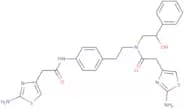
CAS:<p>N-(2-Amino-4-thiazolyl)acetyl mirabegron is a research chemical that belongs to the category of drugs. It is custom synthesized and purified through analytical methods. N-(2-Amino-4-thiazolyl)acetyl mirabegron has been studied for its metabolism in vivo, including its pharmacokinetics and pharmacodynamics. This drug product is a metabolite of mirabegron, an agent used for the treatment of overactive bladder syndrome (OAB). The metabolite is also present in urine and plasma samples.</p>Formula:C26H28N6O3S2Purity:Min. 95%Molecular weight:536.7 g/mol(2R,3aS,7aR)-Octahydro-1H-indole-2-carboxylic acid
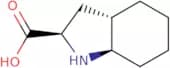
CAS:<p>(2R,3aS,7aR)-Octahydro-1H-indole-2-carboxylic acid is a drug product that is an analytical standard used in the study of metabolism. It is a natural compound that can be synthesized and purified. This chemical has been used as an impurity standard to identify other compounds. It has been used in the synthesis of other drugs and can be custom synthesized for research and development purposes. (2R,3aS,7aR)-Octahydro-1H-indole-2-carboxylic acid can be used as an HPLC standard or high purity chemical. This compound has shown pharmacopoeia activity and is used in drug development and research studies.</p>Formula:C9H15NO2Purity:Min. 95%Molecular weight:169.22 g/mol


![2-[[[4-(3-Methoxypropoxy)-3-methyl-2-pyridinyl]methyl]thio]-1H-benzimidazole](/_next/image/?url=https%3A%2Fstatic.cymitquimica.com%2Fproducts%2F3D%2Fthumb-webp%2FIM57863.webp&w=3840&q=75)
![[(2-Butoxyethoxy)ethyl] 2-[(trifluoromethyl)phenylamino]benzoate](/_next/image/?url=https%3A%2Fstatic.cymitquimica.com%2Fproducts%2F3D%2Fthumb-webp%2FIB58089.webp&w=3840&q=75)
![3-[Methyl(phenylmethyl)amino]-1-phenyl-1-propanone hydrochloride](/_next/image/?url=https%3A%2Fstatic.cymitquimica.com%2Fproducts%2F3D%2Fthumb-webp%2FIM58070.webp&w=3840&q=75)


![2-Hydroxy-2-{4-[2-(hydroxyethoxy)ethyl]piperazin-1-yl}dithiazepin](/_next/image/?url=https%3A%2Fstatic.cymitquimica.com%2Fproducts%2F3D%2Fthumb-webp%2FFQ06935.webp&w=3840&q=75)

![S-Methyl-N-cyano-N'-[2-[(5-methyl-1H-imidazol-4-yl)methylthio]ethyl]isothiourea](/_next/image/?url=https%3A%2Fstatic.cymitquimica.com%2Fproducts%2F3D%2Fthumb-webp%2FIM58264.webp&w=3840&q=75)
![(+/-)-N-Benzyl-N-methyl-3-phenyl-3-[4-(trifluoromethyl)phenoxy]-propylamine hydrochloride](/_next/image/?url=https%3A%2Fstatic.cymitquimica.com%2Fproducts%2F3D%2Fthumb-webp%2FIB58068.webp&w=3840&q=75)


![[5-[(Dimethylamino)methyl]furan-2-yl]methanethiol, oxalate](/_next/image/?url=https%3A%2Fstatic.cymitquimica.com%2Fproducts%2F3D%2Fthumb-webp%2FID57849.webp&w=3840&q=75)


![5-Methoxy-2-[[(4-methoxy-3,5-dimethyl-2-pyridinyl)methyl]thio]-1H-benzimidazole](/_next/image/?url=https%3A%2Fstatic.cymitquimica.com%2Fproducts%2F3D%2Fthumb-webp%2FIM57923.webp&w=3840&q=75)

![(1R,3S,5S)-8-Methyl-8-azabicyclo[3.2.1]oct-6-en-3-yl-2'-hydroxy-2',2'-di(thiophen-2''-yl)acetate](/_next/image/?url=https%3A%2Fstatic.cymitquimica.com%2Fproducts%2F3D%2Fthumb-webp%2FIM42883.webp&w=3840&q=75)



![4-[2'-(7''-Deazaguanine)ethyl]benzoic acid N-hydroxysuccinimide ester](/_next/image/?url=https%3A%2Fstatic.cymitquimica.com%2Fproducts%2F3D%2Fthumb-webp%2FFD20837.webp&w=3840&q=75)
![[D-Phe6]-Tirzepatide](/_next/image/?url=https%3A%2Fstatic.cymitquimica.com%2Fproducts%2F3D%2Fthumb-webp%2FIP11027.webp&w=3840&q=75)

![N-Carbamoyl-N'-methyl-N''-[2-[(5-methyl-1H-imidazol-4-yl)methylthio]ethyl]guanidine](/_next/image/?url=https%3A%2Fstatic.cymitquimica.com%2Fproducts%2F3D%2Fthumb-webp%2FIC58188.webp&w=3840&q=75)

![{(5R)-3-[3-Fluoro-4-(4-morpholinyl)phenyl]-2-oxo-1.3-oxazolidin-5-yl}methyl acetate](/_next/image/?url=https%3A%2Fstatic.cymitquimica.com%2Fproducts%2F3D%2Fthumb-webp%2FIF58043.webp&w=3840&q=75)
![N-[1-(R)-(-)-(1-Naphthyl)ethyl]-3-[3-(trifluoromethyl)phenyl]-1-aminopropane hydrochloride](/_next/image/?url=https%3A%2Fstatic.cymitquimica.com%2Fproducts%2F3D%2Fthumb-webp%2FIN58180.webp&w=3840&q=75)