APIs for research and impurities
Subcategories of "APIs for research and impurities"
- Aminoacids and derivatives(12,332 products)
- Anthraquinones and derivatives(404 products)
- Benzimidazole and Imidazole Derivatives(10,439 products)
- Benzodiazepine Derivatives(333 products)
- Carbohydrates and glycoconjugates(5,051 products)
- Esters and Derivatives(42,250 products)
- Fatty Acids and Lypidic Derivatives(32,408 products)
- Flavonoids and Polyphenols(17,081 products)
- Free Radicals and Oxidant/Reducing Agents(212 products)
- Ketones and derivatives(2,399 products)
- Natural and semi-synthetic antibiotics(6,376 products)
- Nitriles and Cyano Derivatives(3,068 products)
- Nitrosamines and Derivatives(55 products)
- Nucleosides and Nucleotides(3,471 products)
- Organic Phosphates and Phosphonates(1,200 products)
- Organic Sulphonates and Sulphates(10,430 products)
- Organometallics(4,421 products)
- Others(6,300 products)
- Peptides and Proteins(3,146 products)
- Polymers and Derivatives(100 products)
- Purines and Pyrimidine Derivatives(8,940 products)
- Quinazoline and Quinoline Derivatives(65,982 products)
- Quinones and Derivatives(24,359 products)
- Salts and Derivatives of Active Pharmaceutical Ingredients (API)(80,669 products)
- Steroids and Derivatives(4,952 products)
- Sulfonamides and Derivatives(2,589 products)
- Terpenoids and Derivatives(3,846 products)
- Thiazolidinediones and Thiopyrans(2,753 products)
- β-Adrenergic Compounds(231 products)
Found 58005 products of "APIs for research and impurities"
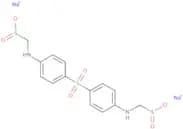
Sodium sulfoxone
CAS:Sodium sulfoxone is a sulfa drug that is used in the treatment of a number of conditions, including cancer and inflammatory skin diseases. It works by blocking the synthesis of DNA and RNA in bacterial cells, thereby inhibiting cell growth. Sodium sulfoxone has been shown to be effective against a wide variety of microorganisms, including Escherichia coli, Pseudomonas aeruginosa, Staphylococcus aureus, Streptococcus pyogenes and Enterococcus faecalis. Sodium sulfoxone can also be used as an eye drop to treat eye disorders such as choroidal neovascularization.Formula:C14H14N2Na2O6S3Purity:Min. 95%Molecular weight:448.5 g/molFusidic acid EP Impurity C
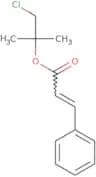
Fusidic acid EP Impurity C is an impurity found in Fusidic acid EP. It is a natural product with CAS No. 598-10-3 and molecular weight of 225.24 g/mol. It is a synthetic product with CAS No. 477-81-8 and molecular weight of 219.25 g/mol. This impurity has been shown to be pharmacologically active and may account for the observed activity of the drug product in some cases, but not all cases. This impurity can be synthesized from commercially available starting materials or by custom synthesis as required by customers' specifications.Purity:Min. 95%3,4-Dihydro-7-(3’carboxy)propoxy-2(1H)-quinolinone
CAS:Controlled ProductPlease enquire for more information about 3,4-Dihydro-7-(3’carboxy)propoxy-2(1H)-quinolinone including the price, delivery time and more detailed product information at the technical inquiry form on this pageFormula:C13H15NO4Purity:Min. 95%Color and Shape:PowderMolecular weight:249.26 g/mol6-Hydroxy melatonin-d4 (major)
CAS:Controlled Product6-Hydroxy melatonin is a metabolite of the hormone melatonin. It is used as a research and development impurity standard for drug product, as well as a custom synthesis. 6-Hydroxy melatonin is synthesized from the amino acid tryptophan, which is converted to serotonin in the pineal gland by the enzyme tryptophan hydroxylase. This conversion occurs through two steps: tryptophan hydroxylase converts tryptophan to 5-hydroxytryptamine (serotonin), and then 5-hydroxytryptamine to 6-hydroxytryptamine (6-OHMT). 6-OHMT can be methylated to form 6-methoxyindoleacetic acid (6-MITA) or oxidized to form melatonin.Formula:C13H12D4N2O3Purity:Min. 95%Molecular weight:252.3 g/molDiethylaminocarboxymethyl poc tenofovir fumarate
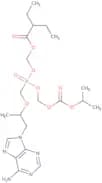
CAS:The drug product is a synthetic, non-natural, white powder. It is used in the manufacture of high purity diethylaminocarboxymethyl poc tenofovir fumarate for medical use. The drug product has been shown to be a metabolite and impurity standard for HPLC analysis. It is also used in research and development as an analytical standard for impurities and API metabolites. This drug product has niche applications in pharmacopoeias.Formula:C20H33N6O9·C4H4O4Purity:Min. 95%Molecular weight:532.48 g/mol2',3'-Isopropylidene ribavirin
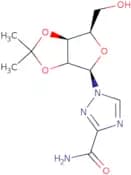
CAS:Intermediate in the synthesis of ribavirin
Formula:C11H16N4O5Purity:Min. 95%Molecular weight:284.27 g/mol1,2-Dioleoyl-sn-glycero-3-phospho-(1'-myo-inositol) ammonium salt
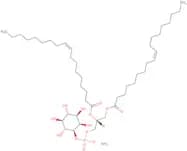
CAS:1,2-Dioleoyl-sn-glycero-3-phospho-(1'-myo-inositol) ammonium salt (DOPMP) is a synthetic compound that is used as an impurity standard for the manufacture of drug products. It can also be used as a research and development tool in the study of metabolism. DOPMP is not found in nature and has a CAS number of 799268-53-4. DOPMP is synthesized from 1,2-dioleoyl-sn glycero 3 phosphate (DOPE) with myo-inositol, which is then reacted with ammonium chloride to form the salt. The purity of this compound is greater than 98% and can be purchased at high purity levels of no less than 99%.Formula:C45H83O13P·(NH3)Purity:Min. 95%Molecular weight:863.11 g/molo-Methyl malathion β-monoacid
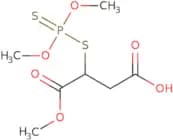
CAS:Please enquire for more information about o-Methyl malathion β-monoacid including the price, delivery time and more detailed product information at the technical inquiry form on this page
Formula:C7H13O6PS2Purity:Min. 95%Molecular weight:288.3 g/molR-96544 Hydrochloride
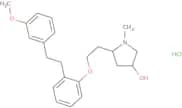
CAS:R-96544 Hydrochloride is an analytical standard used in HPLC analysis. It is also a metabolite of R-96544, which is an investigational drug for the treatment of schizophrenia. The impurity standard is a mixture of the racemic form and the pure enantiomeric form. This product is available in both natural and synthetic forms.
Formula:C22H30ClNO3Purity:Min. 95%Molecular weight:391.9 g/mol2-(2,3-Dichlorophenyl)-2-(guanidinoimino) acetonitrile
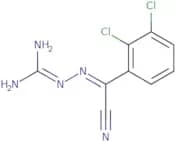
CAS:Lamotrigine is a chemically unrelated compound, which is the active ingredient of a new class of adjuvant drugs for epilepsy. This drug has been found to be effective against seizures in patients with partial seizures and generalized seizures. Lamotrigine is an orally administered suspensoid that can be mixed with water or other liquids to form a suspension. It has been used as a flavouring agent and an adjuvant in pharmaceuticals, including tablets and capsules. The chemical structure of lamotrigine includes two 2,3-dichlorophenyl groups connected by an amino group (guanidinoimino). This structure gives lamotrigine its chemical name: 2-(2,3-dichlorophenyl)-2-(guanidinoimino) acetonitrile.Formula:C9H7Cl2N5Purity:Min. 95%Molecular weight:256.09 g/molMono(3-hydroxybutyl)phthalate-d4
CAS:Mono(3-hydroxybutyl)phthalate-d4 is a research and development, impurity standard, custom synthesis, drug product, synthetic and high purity chemical that is used as an analytical standard in the pharmacopoeia. Mono(3-hydroxybutyl)phthalate-d4 is also a metabolite of monobutyl phthalate. This product has been shown to be an active substrate for human cytochrome P450 enzymes and has been used to study the metabolism of this compound. Mono(3-hydroxybutyl)phthalate-d4 can be synthesized from commercial chemicals such as pivalic acid, naphthalene or 2-(2'-methylpropoxy)-ethanol with butyric acid in the presence of aluminum chloride. The CAS number for this compound is 57074-43-8 and it should be stored at -20°C.
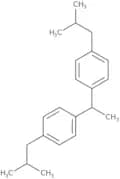
Formula:C12H10D4O5Purity:Min. 95%Molecular weight:242.26 g/mol1,1-Bis(p-isobutylphenyl)ethane
CAS:1,1-Bis(p-isobutylphenyl)ethane is an acid catalyst that can be used in the synthesis of alkyl esters. It is unreactive at high temperatures and can be reused many times. 1,1-Bis(p-isobutylphenyl)ethane is also a component of catalytic carbonylation reactions. It reacts with acetaldehyde to form a metal carbonyl complex, which then reacts with a carbon monoxide molecule to form an ester. Carbonylation reactions are often used to synthesize organic compounds from alkyl halides or alcohols. Carbonylation reactions are catalyzed by metal carbonyls, such as palladium and nickel complexes.Formula:C22H30Purity:Min. 95%Molecular weight:294.47 g/mol[4-(4-Amino-6-hydroxy-7-methoxy-2-quinazolinyl)-1-piperazinyl](tetrahydro-2-furanyl)-methanone
CAS:4-(4-Amino-6-hydroxy-7-methoxy-2-quinazolinyl)-1-piperazinyl](tetrahydro-2-furanyl)-methanone (CAS No. 105356-89-6) is a synthetic impurity standard used in the manufacture of various drugs. Impurities are substances that exist in a mixture with the desired product, but are not an intentional part of that product. Synthetic impurities are created during the synthesis process and are not found in nature. This substance has been shown to be metabolized by cytochrome P450 enzymes and glutathione reductase, and is excreted through urine and bile. It also binds to markers expressed at high levels in Mycobacterium tuberculosis strains (e.g., ESX-1 secretion system protein) and inhibits cell growth in culture.Formula:C18H23N5O4Purity:Min. 95%Molecular weight:373.41 g/molrac N-Demethyl promethazine
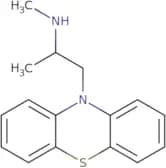
CAS:Rac-N-Demethylpromethazine is an inorganic compound with a diameter of 0.15 nm. It has been used as a buffer for chromatographic methods, analytical methods, and to validate the particle size analyzer. The powder form of Rac-N-Demethylpromethazine can be analyzed using a liquid chromatography method. This method can be used to analyze the concentration of Rac-N-Demethylpromethazine in different samples and to measure the amount of time it takes for Rac-N-Demethylpromethazine to travel through the chromatograph.Formula:C16H18N2SPurity:Min. 95%Molecular weight:270.4 g/molGastrofensin an 5
CAS:Gastrofensin an 5 is a drug product that is undergoing research and development. It is not yet approved for use in humans. Gastrofensin an 5 is used as a reference substance in analytical work, metabolism studies, and natural product analysis. The CAS No. for this compound is 89845-16-9. Gastrofensin an 5 has the following impurities: 0.1% (m/m) of 2-(6-chloroquinolin-2-yl)acetic acid; 0.1% (m/m) of 2-(6-chloroquinolin-3-yl)acetic acid; 0.1% (m/m) of 2-(6,7-dichloroquinolyl)-acetic acid; 0.1% (m/m) of 3-(6,7 dichloroquinolyl)-acetic acid; 0.1% (Formula:C19H21ClN2O2Purity:Min. 95%Molecular weight:344.8 g/molN1.9,N1.9-Dimethyldesmopressin
N1.9,N1.9-Dimethyldesmopressin is a synthetic analog of the natural hormone vasopressin. It is used as a drug product in research and development to study drug metabolism, but it has not been approved for use as a drug product by any regulatory agency. Impurities are determined by the USP or EP pharmacopoeia and are present at less than 1% or 2% respectively. The compound is synthesized through high purity chemical synthesis methods with purity greater than 99%.Purity:Min. 95%Dapagliflozin Impurity 17
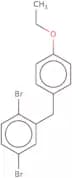
CAS:Dapagliflozin Impurity 17 is a research and development impurity standard for HPLC. It is a natural product and is registered under CAS No. 1807632-93-4. Dapagliflozin Impurity 17 is a metabolite of dapagliflozin, an oral anti-diabetic drug that has been shown to be effective in the treatment of type 2 diabetes. This impurity standard has been synthesized as a research tool for the study of metabolism and pharmacokinetics, as well as analytical methods validation.Formula:C15H14Br2OPurity:Min. 95%Molecular weight:370.08 g/molFingolimod phosphate d4
CAS:Controlled ProductFingolimod is a drug product that belongs to the class of synthetic drugs. It is an impurity standard for fingolimod phosphate d4 and its metabolites. Fingolimod phosphate d4 is a metabolite of fingolimod and has been shown to inhibit the synthesis of phosphatidylinositol 3-kinase (PI3K) in vitro, which may be due to its ability to inhibit protein synthesis. The pharmacopoeia for fingolimod phosphate d4 is CAS No. 1794828-93-5.Formula:C19H30D4NO5PPurity:Min. 95%Molecular weight:391.48 g/mol5-Amino-N,N’-bis[2-hydroxy-1-(hydroxymethyl)ethyl]-2,4,6-triiodo-1,3-benzenedicarboxamide - EP
CAS:5-Amino-N,N’-bis[2-hydroxy-1-(hydroxymethyl)ethyl]-2,4,6-triiodo-1,3-benzenedicarboxamide - EP is an impurity found in the synthetic process of iopamidol. It is a nonionic chemical that has been shown to be synthesized using the following methods: dichloride and synthetic. 5-Amino-N,N’-bis[2-hydroxy-1-(hydroxymethyl)ethyl]-2,4,6-triiodo-1,3-benzenedicarboxamide - EP is used as a contrast agent for magnetic resonance imaging (MRI).Formula:C14H18I3N3O6Purity:Min. 95%Molecular weight:705.02 g/molMolnupiravir Impurity C
CAS:Molnupiravir Impurity C is a drug product that is synthesized in-house. This chemical is a high purity, synthetic, impurity standard for Molnupiravir. It has been shown to exhibit metabolic properties similar to those of the natural metabolite of this drug. Molnupiravir Impurity C is used as an analytical reference material for HPLC and GC-MS methods.Formula:C13H18N2O7Purity:Min. 95%Molecular weight:314.29 g/molTalaromycesone A
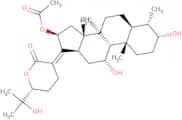
CAS:Talaromycesone A is a natural product derived from the fungus Talaromyces erythraeus. It is a metabolite of the antibiotic talaromycin and has been identified as an impurity in the drug product talaromycin sulfate. Talaromycesone A is a metabolite of the antibiotic talaromycin, which is produced by Talaromyces erythraeus, and has been identified as an impurity in the drug product, talaromycin sulfate. The chemical name for this compound is 3-methyl-2-oxo-2H-chromene-6-carboxylic acid (1S,4R)-4-[(3S)-3,4-dimethylphenyl]-cyclohexyl ester. Talaromycesone A was originally isolated from the fungus Talaromyces erythraeus and purified to be used as a reference standard for HPLC analysisFormula:C29H24O11Purity:Min. 95%Molecular weight:548.50 g/molTortoside A
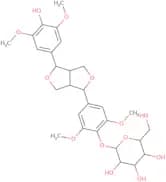
CAS:Tortoside A is a potent inhibitor of protein kinases and has been found to have anticancer properties. It is an analog of a compound originally isolated from a Chinese medicinal plant. Tortoside A has been shown to induce apoptosis in cancer cells by inhibiting the activity of specific kinases that are involved in tumor growth and progression. This compound has also demonstrated promising results as an anticancer agent, with studies showing its ability to inhibit the growth of various human cancer cell lines. Tortoside A can be detected in urine, making it a potential biomarker for monitoring cancer treatment efficacy. Its unique properties make it an exciting candidate for further research and development as a potential cancer therapy.Formula:C28H36O13Purity:Min. 95%Molecular weight:580.6 g/mol[9-Glycine]desmopressin
9-Glycine Desmopressin is a drug product that has been custom synthesized for use in research and development. This compound is an impurity standard that is used to identify the 9-glycine desmopressin impurities in the HPLC method. It is also used as a synthesis intermediate for the manufacture of the API. The CAS number for this compound is [CAS NO.]. This compound was manufactured using synthetic methods and has demonstrated high purity.Purity:Min. 95%4-Hydroxy-α1-[[[6-(3-phenylpropoxy)hexyl]amino]methyl]-1,3-benzenedimethanol-d3
CAS:4-Hydroxy-α1-[[[6-(3-phenylpropoxy)hexyl]amino]methyl]-1,3-benzenedimethanol (4OHBZ) is a metabolite of the drug product 4OHBZ. It is an impurity standard for HPLC analysis of the drug product 4OHBZ. The impurity has been characterized by LCMS and MS studies. The purity of this compound is >99%.Formula:C24H35NO4Purity:Min. 95%Molecular weight:401.5 g/molAmpicillin desoxyazetidin-2-one
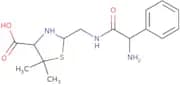
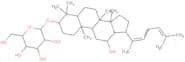
CAS:Please enquire for more information about Ampicillin desoxyazetidin-2-one including the price, delivery time and more detailed product information at the technical inquiry form on this pageFormula:C15H21N3O3SPurity:Min. 95%Molecular weight:323.4 g/mol4-Methyl-N-(5-methyl-2-pyridinyl)benzamide
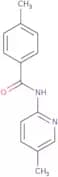
CAS:4-Methyl-N-(5-methyl-2-pyridinyl)benzamide is a birefringent, crystalline compound that is soluble in organic solvents. This compound exhibits liquid crystal composition and can be synthesized by the reaction of 2,4-dimethylbenzoyl chloride with 5-methylpyrimidine. It has been used in the production of photolytic materials such as fluorine. 4-Methylbenzamide has been shown to have a skeleton that is composed of two fused pyridine rings and an amide group. The impurities found in this product are mainly methyl benzoate and methyl pyridine.Formula:C14H14N2OPurity:Min. 95%Molecular weight:226.27 g/molIsoginsenoside rh3
CAS:Isoginsenoside Rh3 is a metabolite of the natural product ginseng. It has been reported to have anti-inflammatory properties in vitro and in vivo, but it has not been studied extensively. Isoginsenoside Rh3 is not found in the human body, but it is an impurity of Ginseng extract that is routinely measured by HPLC. The concentration of this metabolite can be used as a quality control measure for Ginseng extracts.Formula:C36H60O7Purity:Min. 95%Molecular weight:604.9 g/molIndoxacarb impurity 6
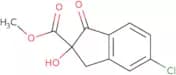
CAS:Indoxacarb is a racemic compound that is used as an insecticide. It belongs to the class of carbamate insecticides and is marketed under the trade name of "Provaunt". Indoxacarb inhibits acetylcholinesterase, which leads to increased acetylcholine in the synapse, resulting in death. The production of indoxacarb has been optimized to yield a high-level of stereoselectivity. This optimization was achieved through a biocatalytic process that uses a strain of Escherichia coli with high stereoselectivity. This strain produces indoxacarb with a high level of stereoselectivity, which can be confirmed by NMR analysis.Formula:C11H9ClO4Purity:Min. 95%Color and Shape:PowderMolecular weight:240.64 g/mol(-)-Cloprostenol
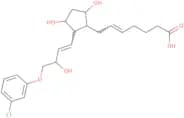
CAS:(-)-Cloprostenol is an analog of prostaglandin F2α and a potent inhibitor of protein kinase C. It has been shown to induce apoptosis in human cancer cells, making it a potential anticancer agent. (-)-Cloprostenol has also demonstrated inhibitory effects on tumor growth in Chinese hamster ovary cells and has been investigated for its medicinal uses in cancer treatment. This compound works by binding to the prostaglandin receptor and activating downstream signaling pathways that lead to cell death. Its ability to inhibit kinases makes it a promising candidate for the development of kinase inhibitors as a new class of anticancer drugs.
Formula:C22H29ClO6Purity:Min. 95%Molecular weight:424.9 g/molMethotrexate-5-monomethyl ester
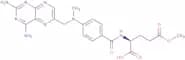
CAS:Methotrexate-5-monomethyl ester is an analytical standard that is synthesized synthetically. The synthetic route used to produce the compound has been optimized for high purity, making this product suitable for use as a drug product or impurity standard. The structure of methotrexate-5-monomethyl ester was confirmed by 1H and 13C NMR spectroscopy and mass spectrometry. Methotrexate-5-monomethyl ester is an impurity found in the synthesis of methotrexate and is a metabolite of methotrexate. It has been shown to inhibit DNA synthesis and protein synthesis in animal cells, which may be due to its ability to inhibit transcription factors such as NFATc1, NFkB, STAT3, STAT5A and STAT5B.
Formula:C21H24N8O5Purity:Min. 95%Molecular weight:468.47 g/molAlanycarb
CAS:Alanycarb is a potent protein kinase inhibitor that has shown promising results in the treatment of cancer. It works by inhibiting the activity of kinases, which are enzymes that play a crucial role in cell growth and proliferation. Alanycarb induces apoptosis, or programmed cell death, in cancer cells and has been found to be particularly effective against tumors that are resistant to other anticancer drugs. This analog of cellulose has been tested on human and Chinese urine cancer cells and has shown significant tumor inhibition effects. Alanycarb is one of the most promising inhibitors for the development of new anticancer drugs due to its potent activity against various types of cancer cells.
Formula:C17H25N3O4S2Purity:Min. 95%Molecular weight:399.5 g/mol4-Amino-6-chloro-benzene-1,3-disulfonic acid 1-amide 3-ethylamide
CAS:4-Amino-6-chloro-benzene-1,3-disulfonic acid 1-amide 3-ethylamide is an analytical standard that is used in drug development and as a reference material. It is used to produce the USP/NF standard for HPLC and to develop new drugs. This compound is a metabolite of the drug clonidine hydrochloride. 4-Amino-6-chloro-benzene-1,3-disulfonic acid 1-amide 3-(ethylamide) is also known by its CAS number 166863–9. It has a molecular weight of 328.5 g/mol and it's been approved by the FDA for use in food animals. Impurities found in this compound are: methanol, acetone, formic acid, acetic acid, chloroform and sulfamic acid. This product can be custom synthesized or obtained from natural sources such as plantFormula:C8H12ClN3O4S2Purity:Min. 95%Molecular weight:313.78 g/molDRI-c21045
CAS:DRI-c21045 is an analog of a medicinal compound that has been shown to inhibit the activity of a specific protein kinase involved in cell cycle regulation and tumor growth. This inhibitor has been demonstrated to induce apoptosis in cancer cells, making it a promising candidate for anticancer therapy. DRI-c21045 has been tested in both Chinese and human cancer cell lines and has shown potent activity against various types of tumors. Additionally, this compound has been detected in urine samples from patients with cancer, suggesting that it may have potential as a diagnostic marker for certain types of cancer. Overall, DRI-c21045 shows great promise as a potential anticancer agent with significant therapeutic potential.
Formula:C32H24N2O7SPurity:Min. 95%Molecular weight:580.6 g/molN-[(2E)-6,6-Dimethyl-2-hepten-4-ynyl]-1-naphthalenemethanamine
CAS:N-[(2E)-6,6-Dimethyl-2-hepten-4-ynyl]-1-naphthalenemethanamine (DHEA) is a human metabolite and an endogenous hormone. DHEA has been shown to have antifungal activity against Candida albicans in vitro. It also possesses an inhibitory effect on the growth of some fungi that are resistant to azole drugs, such as Coccidioides immitis, Cryptococcus neoformans and Blastomyces dermatitidis. DHEA has been used in the treatment of pediatric patients with chronic granulomatous disease and is currently being evaluated for use in other pediatric conditions.Formula:C20H23NPurity:Min. 95%Molecular weight:277.4 g/mol3-(3-Trifluoromethylphenyl)propionaldehyde diethylacetal
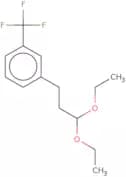
CAS:3-(3-Trifluoromethylphenyl)propionaldehyde diethylacetal is a synthetic compound that belongs to the class of drug products. It is used for research and development, as well as for developing analytical standards for HPLC. This product has been shown to be metabolized in the rat liver by hydrolysis of the acetal group and oxidation of the alcohol.
Formula:C14H19F3O2Purity:Min. 95%Molecular weight:276.29 g/molPyrimisulfan
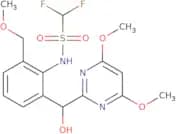
CAS:Pyrimisulfan is a medicinal compound that has shown potent anticancer activity in both human and Chinese hamster cancer cell lines. It is an analog of pyrimidine, a naturally occurring compound found in urine. Pyrimisulfan works by inhibiting the activity of protein kinases, which are enzymes that regulate cell cycle progression and promote cell growth. This inhibition leads to apoptosis, or programmed cell death, in cancer cells. Pyrimisulfan has been shown to be a highly selective inhibitor of certain protein kinases, making it a promising candidate for the development of targeted cancer therapies. Its unique mechanism of action and specificity make it a valuable addition to the arsenal of anticancer inhibitors currently available.
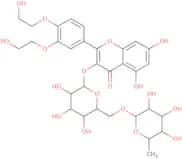
Formula:C16H19F2N3O6SPurity:Min. 95%Molecular weight:419.4 g/mol3’,4’-Bis(hydroxyethyl)rutoside
CAS:Please enquire for more information about 3’,4’-Bis(hydroxyethyl)rutoside including the price, delivery time and more detailed product information at the technical inquiry form on this pageFormula:C31H38O18Purity:Min. 95%Molecular weight:698.6 g/molAcyclovir Impurity K
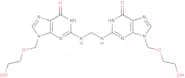
CAS:Acyclovir Impurity K is a drug product that is used as an analytical reference standard for metabolism studies. Acyclovir Impurity K is a natural product and an impurity of acyclovir, which has CAS No. 1797131-64-6. The chemical name of this drug is 3-hydroxy-2,5,6,7-tetrahydro-1H-[1]benzopyran-2,4(3H)-dione. It can be synthesized in the laboratory by custom synthesis or it can be obtained from a commercial supplier as an impurity standard. This product is used to help with drug development and research and development in the pharmaceutical industry. It can also be used as a high purity HPLC standard for pharmacopoeia testing purposes.
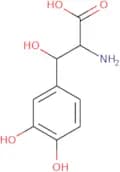
Formula:C17H22N10O6Purity:Min. 95%Molecular weight:462.42 g/molD-Threo-3,4-dihydroxyphenylserine hydrochloride
CAS:D-Threo-3,4-dihydroxyphenylserine hydrochloride is a potent inhibitor that has been shown to induce apoptosis in various cancer cell lines. It works by inhibiting kinases and proteins involved in the cell cycle, resulting in the inhibition of tumor growth. This compound has been extensively studied for its anticancer properties and has shown promising results in human clinical trials. D-Threo-3,4-dihydroxyphenylserine hydrochloride is derived from Chinese medicinal herbs and can be isolated from urine or synthesized chemically. Its ability to selectively inhibit cancer cell growth makes it a potential candidate for future cancer therapies.Formula:C9H11NO5Purity:Min. 95%Molecular weight:213.19 g/mol1-Desmethyl 2-methyl granisetron
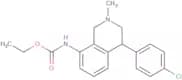
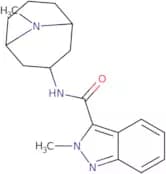
CAS:Controlled ProductGranisetron is a serotonin 5-hydroxytryptamine 3 (5-HT3) receptor antagonist. It is used in the prevention and treatment of nausea and vomiting caused by cytotoxic chemotherapy, radiation therapy, or surgery. Granisetron hydrochloride is a white to off-white powder with a molecular weight of 476.0. The chemical formula for granisetron hydrochloride is C22H24ClN2O2S. This drug has been shown to be efficient in the prevention and treatment of nausea and vomiting caused by cytotoxic chemotherapy, radiation therapy, or surgery. The potential impurities are as follows:
1) 1-Desmethyl 2-methyl granisetron
2) 2-Methyl granisetron
3) 2-Methyl 3-(4'-hydroxyphenyl)propionitrile
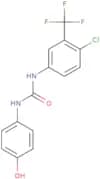
4) 2-(4'-Hydroxyphenyl)-3-(Formula:C18H24N4OPurity:Min. 95%Molecular weight:312.41 g/mol1-(4-Chloro-3-trifluoromethylphenyl)-3-(4-hydroxyphenyl)urea
CAS:Please enquire for more information about 1-(4-Chloro-3-trifluoromethylphenyl)-3-(4-hydroxyphenyl)urea including the price, delivery time and more detailed product information at the technical inquiry form on this page
Formula:C14H10ClF3N2O2Purity:Min. 95%Molecular weight:330.69 g/molThiohempa
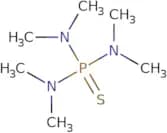
CAS:Thiohempa is an anticancer drug that has been shown to inhibit tumor growth by targeting kinases, which are enzymes involved in cell signaling pathways. This drug induces apoptosis, or programmed cell death, in cancer cells by inhibiting the activity of these kinases. Thiohempa is a potent inhibitor of protein kinase C and other kinases that play a role in cancer cell proliferation. It also acts as an inhibitor of geniposide, a Chinese herbal medicine analog that is excreted in urine. Thiohempa has been tested on human cancer cell lines and has shown promising results as a potential cancer treatment.Formula:C6H18N3PSPurity:Min. 95%Molecular weight:195.27 g/molDecarboxy ciprofloxacin
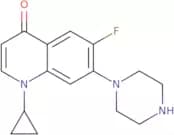
CAS:Decarboxy ciprofloxacin is a prodrug that is active against bacteria and other microorganisms. It has been shown to have an affinity for the fluoroquinolone binding site on the bacterial ribosome, inhibiting protein synthesis and cell division. Decarboxy ciprofloxacin has been used in animals to treat infections caused by Escherichia coli, Klebsiella pneumoniae, Salmonella enterica, Proteus mirabilis, and Pseudomonas aeruginosa. Decarboxy ciprofloxacin is administered orally in the form of tablets or capsules. The drug binds to metal ions and can be detected with a biosensor that uses an aptamer-coated electrode. This sensor can be used for the detection of both metal ions and fluoroquinolones. Decarboxy ciprofloxacin is also used as a research tool toFormula:C16H18FN3OPurity:Min. 95%Color and Shape:PowderMolecular weight:287.33 g/mol9,13β-Dehydro epinastine
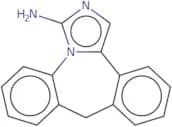
CAS:9,13β-Dehydro epinastine is a synthetic impurity that is an analytical reference material. It is a metabolite of the drug epinastine and has been shown to have pharmacological activity.Formula:C16H13N3Purity:Min. 95%Molecular weight:247.29 g/mol2-(Hydroxymethyl)-1-phenylcyclopropanecarbonitrile
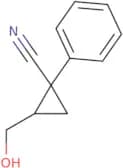
CAS:Please enquire for more information about 2-(Hydroxymethyl)-1-phenylcyclopropanecarbonitrile including the price, delivery time and more detailed product information at the technical inquiry form on this pageFormula:C11H11NOPurity:Min. 95%Molecular weight:173.21 g/molNSC 116339
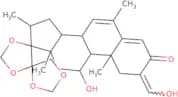
CAS:Please enquire for more information about NSC 116339 including the price, delivery time and more detailed product information at the technical inquiry form on this pageFormula:C26H34O7Purity:Min. 95%Molecular weight:458.5 g/mol4-Hydroxy guanabenz hydrochloride
CAS:Please enquire for more information about 4-Hydroxy guanabenz hydrochloride including the price, delivery time and more detailed product information at the technical inquiry form on this pageFormula:C8H9Cl3N4OPurity:Min. 95%Molecular weight:283.5 g/molAlverine EP Impurity D
Alverine EP Impurity D is a synthetic impurity that is the result of the synthesis of Alverine EP. It is a metabolite that can be found in blood plasma and urine. This substance has been shown to have pharmacological activity, but its exact function is unknown. It is not present in natural sources and it does not have pharmacopoeia listing. Alverine EP Impurity D has been detected by HPLC analysis.END>Formula:C20H33NPurity:Min. 95%Molecular weight:287.48 g/molMethyl 1-C-[4-chloro-3-[(4-ethoxyphenyl)methyl]phenyl]-a-D-glucopyranoside
CAS:Methyl 1-C-[4-chloro-3-[(4-ethoxyphenyl)methyl]phenyl]-alpha-D-glucopyranoside is an impurity of Dapagliflozin.
Formula:C22H27ClO7Purity:Min. 95%Molecular weight:438.9 g/molBCL6-IN-5
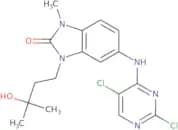
CAS:Please enquire for more information about BCL6-IN-5 including the price, delivery time and more detailed product information at the technical inquiry form on this pageFormula:C17H19Cl2N5O2Purity:Min. 95%Molecular weight:396.3 g/molOlsalazine sodium impurity A
Olsalazine sodium impurity A is a synthetic drug that is used as an active pharmaceutical ingredient (API) in the development of drug products. It is a metabolite of olsalazine sodium, which is a natural product. Olsalazine sodium impurity A has been shown to be an analytical impurity for HPLC standards and is also used in metabolism studies. This impurity has niche applications as an analytical standard or as a pharmacopoeia reference material.END>Formula:C15H12N2O6Purity:Min. 95%Molecular weight:316.27 g/molS(-)-BZM
CAS:S(-)-BZM is a potent kinase inhibitor that has been shown to induce apoptosis in cancer cells. It is an analog of the natural product staurosporine and has been isolated from human urine. S(-)-BZM inhibits the activity of several kinases, including protein kinase C and cyclin-dependent kinases, which are involved in cell cycle regulation and tumor growth. This drug has been tested on various cancer cell lines, including leukemia, and has demonstrated significant antitumor activity. S(-)-BZM is a promising medicinal agent for the treatment of cancer and other diseases characterized by abnormal cell proliferation.
Formula:C15H22N2O3Purity:Min. 95%Molecular weight:278.35 g/molAmoxicillin EP impurity K
CAS:Amoxicillin EP impurity K is a research and development impurity standard. It is a synthetic ampicillin-derived beta-lactam antibiotic that is a metabolite of amoxicillin. Amoxicillin EP impurity K has been shown to be an inhibitor of bacterial protein synthesis, which may be due to its ability to inhibit the activity of ribosomes and 50S subunits. This product can be custom synthesized and is available at high purity. Amoxicillin EP impurity K is used in the manufacture of pharmaceutical products, such as tablets and capsules, for drug development.Purity:Min. 95%(S)-2-Amino-3-(3,5-diiodo-4-(4-methoxyphenoxy)phenyl propanoic acid
CAS:(S)-2-Amino-3-(3,5-diiodo-4-(4-methoxyphenoxy)phenyl propanoic acid is a synthetic compound that is used as an impurity standard. It has been shown to be metabolized by cytochrome P450 enzyme system and its metabolites are excreted in the urine. This chemical can also act as an analytical reference for HPLC analysis of other compounds.Formula:C16H15I2NO4Purity:Min. 95%Molecular weight:539.1 g/molDihydroxy diketo atorvastatin impurity
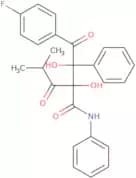
CAS:Dihydroxy diketo atorvastatin impurity is a synthetic impurity that is generated by the metabolism of atorvastatin. This drug product is an analytical standard for the determination of purity, and can also be used to develop high purity drugs.Formula:C26H24FNO5Purity:Min. 95%Molecular weight:449.47 g/molN2-Methyl alfuzosin hydrochloride (1:1)
CAS:N2-Methyl alfuzosin hydrochloride (1:1) is a synthetic compound that is used as an impurity standard for the drug product Alfuzosin. It has been shown to be metabolized by the liver, and its metabolites are excreted through the bile. The N2-methyl group of this compound provides a marker for metabolism studies and it has been shown to inhibit bacterial growth in vitro.Formula:C19H28ClN5O4Purity:Min. 95%Molecular weight:425.91 g/mol(S)-3''-Hydroxy pravastatin sodium salt
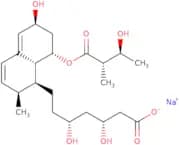
CAS:(S)-3''-Hydroxy pravastatin sodium salt is a drug product that is custom synthesized. It is the sodium salt of (S)-3''-hydroxypravastatin, which has been shown to be a natural product with high purity. The metabolite of (S)-3''-hydroxypravastatin sodium salt is 3'-hydroxypravastatin. This product can be used for analytical purposes as well as in pharmacopoeia, drug development, and research and development. It can also be used as an impurity standard for HPLC and GC analysis.Formula:C23H35NaO8Purity:Min. 95%Molecular weight:462.51 g/molBenzo[b]thien-2-yl ketone (zileuton impurity)
CAS:Benzo[b]thien-2-yl ketone (zileuton impurity) is a metabolite of the drug zileuton, which is used to treat asthma. Benzo[b]thien-2-yl ketone is formed by the oxidation of benzo[b]thiophene in the presence of cytochrome P450 enzyme system. It has been found to have anti-inflammatory properties and may be useful for treating asthma. This product is available as an analytical standard for HPLC, or as a custom synthesis for research and development.Formula:C17H10OS2Purity:Min. 95%Molecular weight:294.4 g/molClobetasol Propionate - Impurity D
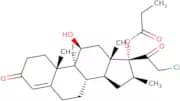
CAS:Controlled ProductPlease enquire for more information about Clobetasol Propionate - Impurity D including the price, delivery time and more detailed product information at the technical inquiry form on this pageFormula:C25H34ClFO5Purity:Min. 95%Molecular weight:468.99 g/molSolifenacin N-oxide
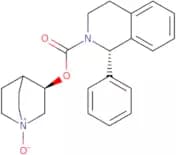
CAS:Solifenacin N-oxide is an anti-cholinergic agent that has been shown to be effective in the treatment of overactive bladder. Solifenacin N-oxide is a prodrug that is hydrolyzed in vivo to solifenacin, its active form. The compound reversibly binds to muscarinic receptors and inhibits the release of acetylcholine. Solifenacin N-oxide has been shown to have low levels of impurities and is highly soluble in water. It was also found to be stable when stored at room temperature for two months. This drug has a high flow rate and moderate retention time, which makes it suitable for reversed-phase liquid chromatography (RPLC). RPLC is a chromatographic technique that separates compounds by size, hydrophobicity, or charge.
Formula:C23H26N2O3Purity:Min. 95%Color and Shape:White PowderMolecular weight:378.46 g/mol4-Methyl-2-[3-[(1-methylethyl)amino]-1-phenylpropyl]phenol
CAS:4-Methyl-2-[3-[(1-methylethyl)amino]-1-phenylpropyl]phenol is a synthetic impurity standard that is used in the synthesis of drug products. This compound is also known as 4-methyl-2-[3-[(1-methylethyl)amino]-1-phenylpropyl]phenol and has a CAS number of 480432-14-2. It is used to verify the purity of drugs and drug products. 4MMPP can be found in pharmacopoeia, drug development, and metabolite studies. This compound is a research and development product for niche markets. 4MMPP can be obtained through custom synthesis or by synthesis.Formula:C19H25NOPurity:Min. 95%Molecular weight:283.41 g/molDesgadolinium gadoteridol
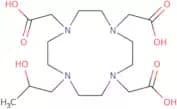
CAS:Desgadolinium gadoteridol is a contrast agent that is used in magnetic resonance imaging (MRI). It is a gadolinium-based contrast agent that contains an ester linkage. The chelate complex of gadolinium with desgadolinium has been shown to have high water permeability and target tissue affinity, as well as low toxicity. Desgadolinium gadoteridol is used to diagnose inflammatory bowel diseases by determining the thickness of the bowel wall. This agent may also be used to evaluate blood pressure and diagnose hemorrhoids or colorectal polyps.
Formula:C17H32N4O7Purity:Min. 95%Molecular weight:404.5 g/molAceclofenac ethyl ester
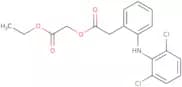
CAS:Aceclofenac ethyl ester is a prodrug of diclofenac. It is a non-steroidal anti-inflammatory drug that alleviates the symptoms of pain, stiffness, and swelling. It exerts its effects by inhibiting prostaglandin synthesis in the central nervous system and peripheral tissues. Aceclofenac ethyl ester has minimal systemic absorption when administered orally, which reduces the risk of side effects such as stomach upset and kidney damage. The pharmacopoeia provides an efficient method for preparing this compound by reacting diclofenac with magnesium stearate in a solvent containing an organic amine or alcohol at temperatures below 50°C (122°F). Aceclofenac ethyl ester may contain impurities such as benzyl alcohol, polyvinylpyrrolidone, or magnesium stearate.
Formula:C18H17Cl2NO4Purity:Min. 95 Area-%Color and Shape:PowderMolecular weight:382.24 g/molMaprotiline-d5 hydrochloride
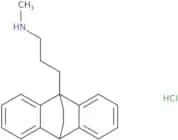
CAS:Controlled ProductMaprotiline-d5 hydrochloride is a drug product that is used in Metabolism studies. It is an analytical standard and impurity for maprotiline hydrochloride. Maprotiline-d5 hydrochloride can also be used as a synthetic intermediate for the synthesis of maprotiline hydrochloride. Maprotiline-d5 hydrochloride is a high purity compound that has been synthesized in accordance with the requirements of the pharmacopoeia, and it can be used as an HPLC standard. This compound has CAS No. 1794942-12-3 and its natural form is maprotiline.Formula:C20H19D5ClNPurity:Min. 95%Molecular weight:318.9 g/molCefotaxime sodium impurity C
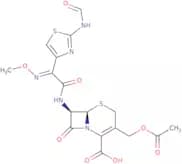
CAS:Cefotaxime sodium impurity C is a by-product of the synthesis of cefotaxime. It is an impurity standard for drug product, custom synthesis and research and development. The CAS number for this substance is 66403-32-5. This compound has been shown to be a metabolite in metabolism studies. Impurity standard compounds are used in analytical methods such as HPLC.Formula:C17H17N5O8S2Purity:Min. 95%Molecular weight:483.48 g/molAliskiren carboxylic acid
CAS:Aliskiren is a drug that is used for the treatment of hypertension. It is not active orally and must be given by injection or intravenously. Aliskiren is an impurity in the synthesis of aliskiren carboxylic acid, which can be found in the chemical catalogues. Aliskiren carboxylic acid is an analytical standard with high purity and can be used as an impurity standard for HPLC analysis. The CAS number for Aliskiren carboxylic acid is 173400-13-0. Aliskiren Carboxylic Acid can also serve as a metabolite or pharmacopoeia reference material, if needed.Formula:C30H52N2O7Purity:Min. 95%Molecular weight:552.70 g/molEthosuximide impurity A
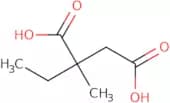
CAS:Ethosuximide impurity A is a fluorinated compound that inhibits the enzyme acetylcholinesterase. It has been shown to inhibit the catalytic mechanism of acetylcholinesterase, which leads to its inhibitory effect on the enzyme. The compound does not have any structural similarity to the other known inhibitors of this enzyme. Ethosuximide impurity A has been shown to be an antimutagen and anticarcinogen in vitro, with a postulated mechanism of action that involves inhibition of a water molecule from binding to the active site.
Formula:C7H12O4Purity:Min. 95%Molecular weight:160.17 g/molSurfactin
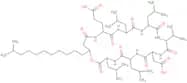
CAS:Surfactin is a cyclic lipopeptide that has been found in urine and has shown potential as an anticancer agent. It has been shown to inhibit kinases, including indirubin and Chinese hamster ovary cell tumor kinase, which are involved in cancer cell proliferation. Surfactin analogs have also been developed as inhibitors of cancer cell growth and inducers of apoptosis. In addition to its anticancer properties, surfactin has been found to have antimicrobial activity against a variety of bacteria, including Clostridium perfringens. Overall, surfactin shows promise as a multifunctional therapeutic agent with potential applications in both cancer treatment and microbial control.
Formula:C53H93N7O13Purity:Min. 95%Molecular weight:1,036.3 g/mol8-o-4-Hydroxycinnamoylharpagide
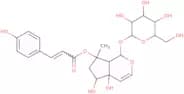
CAS:8-O-4-hydroxycinnamoylharpagide is a phenylpropanoid glycoside that is found in Scrophularia, a genus of plants within the family Scrophulariaceae. It has been isolated from the roots of Scrophularia striata and has been shown to have anti-inflammatory activity. 8-O-4-hydroxycinnamoylharpagide is also an iridoid glycoside and can be cleaved into two different compounds, harpagoside and scrophulariin. The latter compound has been shown to have antiviral properties.Formula:C24H30O12Purity:Min. 95%Molecular weight:510.5 g/moltrans-Clomiphene
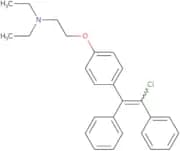
CAS:Controlled ProductClomiphene is a drug that is used to treat female infertility. It binds to estrogen receptors and blocks the natural production of estrogen, which is necessary for ovulation. Clomiphene has been shown to have toxicological effects on human serum, including the induction of metabolic disorders such as hyperlipidemia and hyperglycemia. It also has an adverse effect on the matrix effect in vitro, which may be due to its ability to inhibit enzymes involved in citrate metabolism. Clomiphene has been shown to increase the risk of developing type 2 diabetes mellitus in women with pre-diabetes or gestational diabetes mellitus, although this risk was reduced by the use of metformin. Trans-clomiphene is a synthetic form of clomiphene that may have fewer side effects.Formula:C26H28ClNOPurity:Min. 95%Color and Shape:PowderMolecular weight:406 g/molLoe 908 hydrochloride
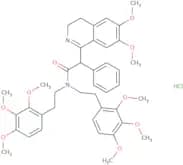
CAS:Loe 908 hydrochloride is a cytosolic calcium ionophore with a biphasic response. It activates epidermal growth factor and inhibits myosin phosphatase, inhibiting the activation of the Ras pathway. Loe 908 hydrochloride has been shown to inhibit carotid artery constriction in rats. This drug acts by binding to cation channels in blood vessel walls, which prevents the influx of calcium ions into the cells of the vessel wall. Loe 908 hydrochloride also binds to 5-HT2 receptors and activates them. The result is an increase in intracellular calcium levels and inhibition of adenylyl cyclase, which leads to a decrease in cyclic AMP levels. This leads to decreased contractility in smooth muscle cells and relaxation of arterial smooth muscle cells.Formula:C41H49ClN2O9Purity:Min. 95%Molecular weight:749.3 g/mol4-Methylbenzylidene camphor-d4
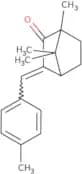
CAS:4-Methylbenzylidene camphor-d4 is an analytical reference standard. It is used as a high purity drug development API impurity, HPLC standard, and CAS No. 1219806-41-3. 4-Methylbenzylidene camphor-d4 is also used in the manufacture of niche drug products that require Impurity standards and Metabolites.Formula:C18H18D4OPurity:Min. 95%Molecular weight:258.39 g/molFluticasone Impurity D
CAS:Fluticasone Impurity D is a sulfoxide that is found in the drug fluticasone. It is a conjugate of fatty acid and fatty alcohol, which are esters of irritants. Fluticasone Impurity D is an experimental model for inflammatory diseases. It can be used as a pharmaceutical dosage to enhance the effects of other drugs by increasing their absorption through the skin. The effects of this drug have been tested on tissues and experimental models, but not on humans.Purity:Min. 95%Moexipril cyclohexyl analogue hydrochloride
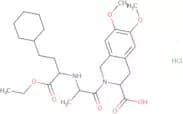
CAS:Moexipril, also known as Moexipril cyclohexyl analogue hydrochloride, is an analytical standard for HPLC and LC-MS. It is a white to off-white powder with a molecular weight of 461.84. Moexipril is soluble in ethanol and methanol, but insoluble in water. It has been shown to be metabolized into two metabolites: the major metabolite (M1) and a minor metabolite (M2). The CAS number for Moexipril is 1356019-89-0.Formula:C27H41ClN2O7Purity:Min. 95%Molecular weight:541.1 g/mol2,12-Dihydro-1,3-dimethyl-8-methoxy-12-thioxobenzo [4,5] pyrido [1,2-c] imidazo [1,2-a] imidazol-2-one
CAS:2,12-Dihydro-1,3-dimethyl-8-methoxy-12-thioxobenzo [4,5] pyrido [1,2-c] imidazo [1,2-a] imidazol-2-one is a metabolite of the drug 2-[2-(4,5,-dihydroimidazo[1,2a]imidazol -2(3H)-yl)ethoxy]-N-(methylsulfonyl)benzamide. It can be used as an impurity standard for the manufacture of drugs and as a research chemical.Formula:C16H13N3O2SPurity:Min. 95%Molecular weight:311.36 g/mol25-Hydroxyvitamin d2 3-hemisuccinate
CAS:25-Hydroxyvitamin D2 3-hemisuccinate is a drug product that belongs to the group of natural products. It is a metabolite of vitamin D2 and has been shown to have anti-inflammatory properties. 25-Hydroxyvitamin D2 3-hemisuccinate is used as an analytical standard for HPLC, but it is also used in research and development for drug development. This product can be used as an impurity standard for API's because it is easily purified and stable in storage. Research has shown that this compound may be effective in protecting against osteoporosis, cardiovascular disease, and cancer.
Formula:C32H48O5Purity:Min. 95%Molecular weight:512.72 g/mol2-[(2,6-Dichlorophenyl)amino]benzeneacetic Acid 2-(carboxymethoxy)-2-oxoethyl ester
CAS:2-[(2,6-Dichlorophenyl)amino]benzeneacetic Acid 2-(carboxymethoxy)-2-oxoethyl ester is a drug product that belongs to the class of Custom synthesis. It is a metabolite of loratadine, an antihistamine drug. The compound is a metabolite of loratadine, which is an antihistamine drug used for the treatment of allergies. It is produced by the oxidation of loratadine by cytochrome P450 enzymes and can be detected in urine at concentrations up to 5 ng/mL. 2-[(2,6-Dichlorophenyl)amino]benzeneacetic Acid 2-(carboxymethoxy)-2-oxoethyl ester has been shown to be effective in inhibiting the growth of bacteria that are resistant to penicillin and erythromycin.Formula:C18H15Cl2NO6Purity:Min. 95%Molecular weight:412.22 g/mol(4-Carboxy-3-ethoxy)phenyl acetic acid
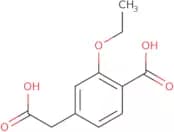
CAS:4-Carboxy-3-ethoxy)phenyl acetic acid (CPAE) is a fluorescent compound that has been shown to have antidiabetic and luminescence properties. It absorbs light at wavelengths of 340, 405, and 455 nm and emits light at 525 nm. It also absorbs UV light at 310 nm and emits fluorescence at 495 nm. CPAE is formed by the condensation of two molecules of 4-carboxybenzaldehyde with one molecule of ethyl 3-ethoxypropanoate in the presence of a base. The crystals are monoclinic, with space group P2/c and lattice constants a = 12.872(1) Å, b = 7.319(1) Å, c = 17.814(2) Å, β = 98.664(9)°, Z = 2. The molecular weight is 182.24 g/mol and its molecular
Formula:C11H12O5Purity:Min. 95%Molecular weight:224.21 g/molIsoleucine valsartan
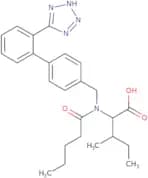
CAS:Isoleucine valsartan is a drug product that is chemically synthesized from the natural amino acid isoleucine. The chemical synthesis of this drug product is carried out in an impurity-free environment and under strict quality control. Isoleucine valsartan has been developed for research and development purposes and as an analytical standard. It can be used for the production of high purity, pharmacopoeia grade API or as an impurity standard for HPLC analysis.
Formula:C25H31N5O3Purity:Min. 95%Molecular weight:449.5 g/molPerindopril-N-desethylpentanoate
CAS:Perindopril-N-desethylpentanoate is a drug product that is used in research and development of new drugs. It belongs to the class of drugs called angiotensin converting enzyme inhibitors, which act by inhibiting the conversion of angiotensin I to angiotensin II. Perindopril-N-desethylpentanoate can be used for the manufacture of HPLC standards. It can also be used as an analytical standard for impurities found in API, and has been shown to have niche applications in metabolism studies. This compound is purified to high purity levels that meet pharmacopoeia requirements.Formula:C12H20N2O3Purity:Min. 95%Molecular weight:240.30 g/molo-Acetyl scopolamine hydrobromide
CAS:Scopolamine is a muscarinic antagonist that is used to prevent motion sickness and the nausea and vomiting associated with anesthesia. It is an ester of scopolamine with hydrobromic acid. Scopolamine hydrobromide has been shown to have similar effects on humans as it does on rats. It is absorbed through the skin and metabolized in the liver, where it is excreted in bile and eliminated through the urinary system. The elimination half-life of scopolamine hydrobromide in humans ranges from 1 to 3 hours, which means that its effects wear off after about three hours.Formula:C19H24BrNO5Purity:Min. 95%Molecular weight:426.3 g/mol2-Demethoxy-2-chloro urapidil
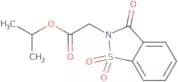
CAS:2-Demethoxy-2-chloro urapidil is an analytical standard that is used in drug development and research. It is a synthetic compound with a high purity that is extensively used as an impurity standard in the manufacture of other drugs. The CAS number for 2-demethoxy-2-chloro urapidil is 34661-73-9.Formula:C19H26ClN5O2Purity:Min. 95%Molecular weight:391.89 g/molSaccharin N-(2-acetic acid isopropyl ester)
CAS:Saccharin is a drug product that consists of saccharin N-isopropyl ester and an impurity standard. Saccharin is a synthetic sweetener that is found in the leaves of the herbaceous perennial S. dulcis, which has been used as a natural sweetener for centuries. Saccharin can be metabolized by humans to form 2-acetic acid and 4-methyl-1,2,3-thiadiazole (MTT) as a byproduct. The metabolite MTT may cause cancer in animals, but this has not been confirmed in humans. The pharmacopoeia specifies the purity of saccharin as 98% or greater. Metabolite standards are also provided for research purposes.Formula:C12H13NO5SPurity:Min. 95%Molecular weight:283.3 g/molSAR131675
CAS:SAR131675 is a small molecule that potently inhibits angiotensin converting enzyme (ACE) and angiotensin receptor type 1 (AT1). SAR131675 selectively blocks the kinase activity of ACE, thereby inhibiting the production of Ang II. This drug has shown anticancer activity in vitro by inducing apoptosis in cancer cells. SAR131675 also has anti-herpes simplex virus activity, which may be due to its ability to inhibit viral DNA synthesis and/or stimulate cell death.
Formula:C18H22N4O4Purity:Min. 95%Molecular weight:358.4 g/molThiamine triphosphate
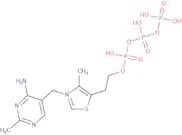
CAS:Thiamine triphosphate is a coenzyme that plays an essential role in many biochemical reactions. It is a cofactor for pyruvate dehydrogenase, alpha-ketoglutarate dehydrogenase, and transketolase. Thiamine triphosphate is required for the production of acetyl-CoA from carbohydrates and amino acids. This coenzyme also participates in the synthesis of thiamin, which is necessary for maintaining normal nerve function. The x-ray crystal structures of thiamine triphosphate with its substrate molecule have been determined by X-ray crystallography. These structures are available at PDB ID 1TMP and 1THP. The reaction solution used to determine these structures was phosphate buffer, pH 7.0, at 30 degrees Celsius. The receptor activity of this enzyme has been studied using rat brain homogenates following incubation with various concentrations of prasugrel (a substrate molecule). EnzymeFormula:C12H20N4O10P3SPurity:Min. 95%Molecular weight:505.3 g/mol1,2,3,4-Tetrahydro-2-[2-(4-hydroxyphenyl)-1-methylethyl]-4,6,8-isoquinolinetriol
CAS:Controlled ProductTetrahydro-2-[2-(4-hydroxyphenyl)-1-methylethyl]-4,6,8-isoquinolinetriol is a synthetic compound that is used as an analytical reference standard for the detection of impurities in drugs. It is also commonly used as an impurity standard when synthesizing drugs and has been shown to be metabolized through various pathways including oxidation by cytochrome P450 enzymes. Tetrahydro-2-[2-(4-hydroxyphenyl)-1-methylethyl]-4,6,8-isoquinolinetriol is also used in drug development research and development.Formula:C18H21NO4Purity:Min. 95%Molecular weight:315.36 g/molRivaroxaban
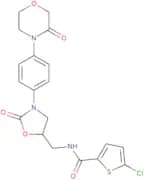
CAS:Rivaroxaban is an analog of the kinase inhibitor which has been shown to have potent anticancer activity. It works by inhibiting kinases that are involved in cancer cell growth and survival. Rivaroxaban induces apoptosis in human and Chinese hamster ovary cells, leading to tumor cell death. This drug also inhibits glutathione S-transferase activity, which plays a role in the detoxification of reactive oxygen species and other electrophilic compounds. Rivaroxaban has been found to be effective against a variety of cancer types, including breast, lung, prostate, and colon cancers. It is a promising candidate for use as an anticancer therapy due to its ability to inhibit protein kinases that are overexpressed in cancer cells.Formula:C19H18ClN3O5SPurity:Min. 95%Molecular weight:435.9 g/molResolvin E2
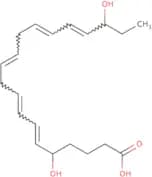
CAS:Resolvin E2 is an analog of a protein found in human urine that has been shown to have anticancer properties. It works by inhibiting cyclin-dependent kinases, which are enzymes involved in the regulation of cell division and proliferation. Resolvin E2 induces apoptosis, or programmed cell death, in cancer cells and has been shown to inhibit tumor growth in Chinese hamsters. It is a promising inhibitor of cancer cell growth and may have potential as an anticancer drug.Formula:C20H30O4Purity:Min. 95%Molecular weight:334.4 g/molDihydroxy bendamustine sodium salt
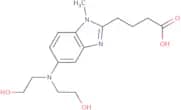
CAS:Dihydroxy bendamustine sodium salt is a medicinal protein analog that has been shown to be effective in the treatment of various types of cancer. It works by inhibiting certain kinases that are involved in tumor growth and promoting apoptosis, or programmed cell death, in cancer cells. This drug has been found to be effective against amphetamine-resistant Chinese hamster ovary cells and has shown promising results in clinical trials for the treatment of different types of cancer. Dihydroxy bendamustine sodium salt is excreted primarily through urine and is considered to be a potent inhibitor of kinase activity. Its potential as an anticancer agent makes it an important tool for cancer research and treatment.Formula:C16H23N3O4Purity:Min. 95%Molecular weight:321.37 g/molFluticasone propionate dithioacid
Fluticasone propionate dithioacid is a synthetic corticosteroid that has anti-inflammatory and anti-allergic effects. It binds to the glucocorticoid receptor, which prevents the release of inflammatory mediators. Fluticasone propionate dithioacid is used in research and development, as well as for custom synthesis and drug product development. This compound has been shown to have high purity and is often used as a pharmacopoeia or drug development standard. Metabolism studies have also been conducted on this compound.Formula:C24H30F2O4S2Purity:Min. 95%Molecular weight:484.62 g/molMangostin-d3
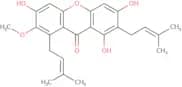
CAS:Please enquire for more information about Mangostin-d3 including the price, delivery time and more detailed product information at the technical inquiry form on this pageFormula:C24H26O6Purity:Min. 95%Molecular weight:413.5 g/molAC-263093
CAS:AC-263093 is a medicinal compound that acts as an inhibitor of apoptosis, which is the natural process of programmed cell death. It has been shown to be effective in inhibiting tumor growth by targeting specific kinases and proteins involved in the cell cycle. AC-263093 works by blocking the activity of certain kinases, which are enzymes that regulate various cellular processes. This inhibition leads to the disruption of cancer cell growth and division, ultimately resulting in cell death. This compound has demonstrated anticancer properties and has been tested on various human cancer cell lines with positive results. Its potential as an effective treatment for cancer makes it a promising candidate for further research and development.Formula:C8H8Br2N4Purity:Min. 95%Molecular weight:319.98 g/molPZ-II-029
CAS:PZ-II-029 is an analog of a Chinese medicinal compound that has shown promising results in the treatment of cancer. This compound has been found to induce apoptosis (programmed cell death) and arrest the cell cycle in human cancer cells. PZ-II-029 is an inhibitor of a protein kinase, which plays a critical role in the growth and proliferation of tumor cells. This potent anticancer agent has been shown to be effective against various types of tumors and may have potential for use in combination with other cancer treatments. PZ-II-029 is derived from urine and is part of a new class of kinase inhibitors that hold great promise for the future of cancer therapy.Formula:C18H15N3O3Purity:Min. 95%Molecular weight:321.3 g/molDec-poc pmpa
CAS:Dec-poc pmpa is an oral prodrug that exhibits potent antiviral activity against HIV. It is rapidly converted to its active form, tenofovir alafenamide hemifumarate, in the presence of hydrochloric acid. Dec-poc pmpa has excellent pharmacokinetic properties, resulting in sustained plasma levels and enhanced bioavailability compared to other pharmaceutical preparations of tenofovir. This prodrug undergoes a phase transfer reaction in the body, allowing for efficient conversion to the active antiretroviral agent. Additionally, Dec-poc pmpa has been formulated to minimize impurities and contains an acid-binding agent to reduce potential renal biomarkers associated with tenofovir administration. Its mechanism of action involves inhibiting viral replication by targeting adenine residues in viral DNA synthesis.Formula:C22H32N5O14PPurity:Min. 95%Molecular weight:621.5 g/molCefmetazole diphenylmethyl ester
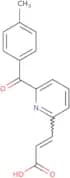
CAS:Cefmetazole diphenylmethyl ester is an analog of the antibiotic cefmetazole that has shown promising anticancer activity. It has been found to induce apoptosis in human cancer cells and inhibit the activity of various kinases, which are involved in the regulation of cell cycle and proliferation. Cefmetazole diphenylmethyl ester acts as a potent inhibitor of protein kinases, making it a promising candidate for the development of new medicinal drugs for cancer treatment. This compound has also been found to be excreted in urine, suggesting its potential use as a diagnostic tool for detecting tumors. Overall, cefmetazole diphenylmethyl ester shows great potential as an effective inhibitor of cancer cell growth and proliferation.Formula:C28H27N7O5S3Purity:Min. 95%Molecular weight:637.8 g/mol(E)-3-{6-(4-Toluoyl-2-pyridyl}-acrylic acid
CAS:Please enquire for more information about (E)-3-{6-(4-Toluoyl-2-pyridyl}-acrylic acid including the price, delivery time and more detailed product information at the technical inquiry form on this pageFormula:C16H13NO3Purity:Min. 95%Molecular weight:267.28 g/molSuspensolide
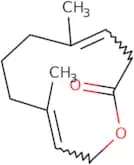
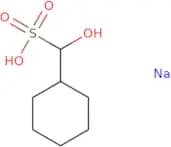
CAS:Suspensolide is a medicinal compound that has been shown to have potent anticancer properties. It is an analog of a protein found in Chinese medicine and acts as a kinase inhibitor, blocking the activity of enzymes involved in cancer cell growth and proliferation. Suspensolide induces apoptosis, or programmed cell death, in human cancer cells and has shown promising results as a potential treatment for various types of tumors. This compound can be detected in urine samples and has the potential to become an important tool in cancer therapy.Formula:C12H18O2Purity:Min. 95%Molecular weight:194.27 g/molα-Hydroxy-cyclohexanemethanesulfonic acid sodium salt
CAS:Please enquire for more information about α-Hydroxy-cyclohexanemethanesulfonic acid sodium salt including the price, delivery time and more detailed product information at the technical inquiry form on this pageFormula:C7H14NaO4SPurity:Min. 95%Molecular weight:217.24 g/molTrka-in-1
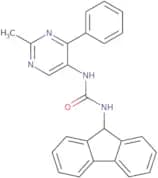
CAS:Please enquire for more information about Trka-in-1 including the price, delivery time and more detailed product information at the technical inquiry form on this pageFormula:C25H20N4OPurity:Min. 95%Molecular weight:392.5 g/molLercanidipine-D impurity 6
CAS:Please enquire for more information about Lercanidipine-D impurity 6 including the price, delivery time and more detailed product information at the technical inquiry form on this pageFormula:C13H15ClO2Purity:Min. 95%Molecular weight:238.71 g/mol


-methanone](/_next/image/?url=https%3A%2Fstatic.cymitquimica.com%2Fproducts%2F3D%2Fthumb-webp%2FIA63846.webp&w=3840&q=75)

![5-Amino-N,N’-bis[2-hydroxy-1-(hydroxymethyl)ethyl]-2,4,6-triiodo-1,3-benzenedicarboxamide - EP](/_next/image/?url=https%3A%2Fstatic.cymitquimica.com%2Fproducts%2F3D%2Fthumb-webp%2FIA138685.webp&w=3840&q=75)

![[9-Glycine]desmopressin](/_next/image/?url=https%3A%2Fstatic.cymitquimica.com%2Fproducts%2F3D%2Fthumb-webp%2FIG173262.webp&w=3840&q=75)
![4-Hydroxy-α1-[[[6-(3-phenylpropoxy)hexyl]amino]methyl]-1,3-benzenedimethanol-d3](/_next/image/?url=https%3A%2Fstatic.cymitquimica.com%2Fproducts%2F3D%2Fthumb-webp%2FUDA74911.webp&w=3840&q=75)
![N-[(2E)-6,6-Dimethyl-2-hepten-4-ynyl]-1-naphthalenemethanamine](/_next/image/?url=https%3A%2Fstatic.cymitquimica.com%2Fproducts%2F3D%2Fthumb-webp%2FID21330.webp&w=3840&q=75)


![Methyl 1-C-[4-chloro-3-[(4-ethoxyphenyl)methyl]phenyl]-a-D-glucopyranoside](/_next/image/?url=https%3A%2Fstatic.cymitquimica.com%2Fproducts%2F3D%2Fthumb-webp%2FFE171681.webp&w=3840&q=75)



![Benzo[b]thien-2-yl ketone (zileuton impurity)](/_next/image/?url=https%3A%2Fstatic.cymitquimica.com%2Fproducts%2F3D%2Fthumb-webp%2FXDA97807.webp&w=3840&q=75)
![4-Methyl-2-[3-[(1-methylethyl)amino]-1-phenylpropyl]phenol](/_next/image/?url=https%3A%2Fstatic.cymitquimica.com%2Fproducts%2F3D%2Fthumb-webp%2FIM27501.webp&w=3840&q=75)

![2,12-Dihydro-1,3-dimethyl-8-methoxy-12-thioxobenzo [4,5] pyrido [1,2-c] imidazo [1,2-a] imidazol-2…](/_next/image/?url=https%3A%2Fstatic.cymitquimica.com%2Fproducts%2F3D%2Fthumb-webp%2FID57924.webp&w=3840&q=75)

![2-[(2,6-Dichlorophenyl)amino]benzeneacetic Acid 2-(carboxymethoxy)-2-oxoethyl ester](/_next/image/?url=https%3A%2Fstatic.cymitquimica.com%2Fproducts%2F3D%2Fthumb-webp%2FID156912.webp&w=3840&q=75)

![1,2,3,4-Tetrahydro-2-[2-(4-hydroxyphenyl)-1-methylethyl]-4,6,8-isoquinolinetriol](/_next/image/?url=https%3A%2Fstatic.cymitquimica.com%2Fproducts%2F3D%2Fthumb-webp%2FLGA04025.webp&w=3840&q=75)