APIs for research and impurities
Active Pharmaceutical Ingredients (APIs) are the substances in drugs responsible for their therapeutic effects. In this section, you will find a wide variety of APIs intended for research use. These compounds are essential for the development, testing, and validation of new pharmaceutical formulations. CymitQuimica offers high-quality APIs to support research in drug discovery and development.
Subcategories of "APIs for research and impurities"
- Aminoacids and derivatives(12,327 products)
- Anthraquinones and derivatives(405 products)
- Benzimidazole and Imidazole Derivatives(10,437 products)
- Benzodiazepine Derivatives(335 products)
- Carbohydrates and glycoconjugates(5,015 products)
- Esters and Derivatives(42,240 products)
- Fatty Acids and Lypidic Derivatives(32,393 products)
- Flavonoids and Polyphenols(17,085 products)
- Free Radicals and Oxidant/Reducing Agents(213 products)
- Ketones and derivatives(2,401 products)
- Natural and semi-synthetic antibiotics(6,377 products)
- Nitriles and Cyano Derivatives(3,067 products)
- Nitrosamines and Derivatives(55 products)
- Nucleosides and Nucleotides(3,431 products)
- Organic Phosphates and Phosphonates(1,202 products)
- Organic Sulphonates and Sulphates(10,433 products)
- Organometallics(4,422 products)
- Others(6,292 products)
- Peptides and Proteins(3,152 products)
- Polymers and Derivatives(100 products)
- Purines and Pyrimidine Derivatives(8,948 products)
- Quinazoline and Quinoline Derivatives(65,955 products)
- Quinones and Derivatives(24,349 products)
- Salts and Derivatives of Active Pharmaceutical Ingredients (API)(79,663 products)
- Steroids and Derivatives(4,975 products)
- Sulfonamides and Derivatives(2,593 products)
- Terpenoids and Derivatives(3,845 products)
- Thiazolidinediones and Thiopyrans(2,752 products)
- β-Adrenergic Compounds(230 products)
Show 21 more subcategories
Found 56980 products of "APIs for research and impurities"
Sort by
Purity (%)
0
100
|
0
|
50
|
90
|
95
|
100
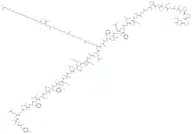
D-Val(10)-Semaglutide
<p>D-Val(10)-Semaglutide is a semaglutide impurity. The amino acid at position 10 has been replaced by the D-form of the amino acid D-valine (D-Val). Semaglutide impurities are structurally related compounds that arise during synthesis, purification, or storage of semaglutide, a long-acting GLP-1 receptor agonist for managing type 2 diabetes and obesity.</p>Formula:C187H291N45O59Molecular weight:4,113.64 g/molOlmesartan medoxomil
CAS:<p>Olmesartan is a drug that belongs to the class of angiotensin II receptor antagonists. It is used for the treatment of high blood pressure, heart failure, and kidney disease. The therapeutic effect of olmesartan can be increased by concomitant use with other drugs if it is being used as a combination therapy. This drug interacts with many other drugs, including diuretics and ACE inhibitors. Drugs that are known to interact with olmesartan include furosemide, hydrochlorothiazide, amiloride, spironolactone, triamterene, chlorothiazide and quinethazone. Blood sampling is often required during therapy in order to monitor the efficacy of this drug.</p>Formula:C29H30N6O6Purity:Min. 95%Color and Shape:White PowderMolecular weight:558.59 g/molN-Methyl-3-(1-naphthalenyloxy)-3-(3-thienyl) propanamine tartrate
<p>N-Methyl-3-(1-naphthalenyloxy)-3-(3-thienyl) propanamine tartrate is an impurity standard used for the quantitative analysis of norephedrine in pharmaceutical products. It is also a metabolite of methamphetamine, which has been shown to have anti-inflammatory activities.</p>Formula:C18H19NOS·C4H6O6Purity:Min. 95%Molecular weight:447.5 g/molOlanzapine thiolactam impurity
CAS:Degradation product of olanzapineFormula:C17H20N4OSPurity:Min. 98.0 Area-%Color and Shape:Yellow PowderMolecular weight:328.43 g/molGlipizide EP Impurity F
CAS:<p>Glipizide EP Impurity F is a synthetic impurity that is used as a research and development impurity standard. It has high purity and is pharmacopoeia grade. Glipizide EP Impurity F is also a metabolite of the drug product Glipizide and has been shown to have analytical applications for pharmacokinetic studies. It can be synthesized from natural materials or can be custom synthesized depending on the needs of the customer.</p>Formula:C11H16N2O4SPurity:Min. 95%Color and Shape:PowderMolecular weight:272.32 g/mol(1S,2S,3R,5S)-3-[7-[[(1R,2S)-2-(2,3-Difluorophenyl)cyclopropyl]amino]-5-(propylthio)-3H-1,2,3-triazolo[4,5-d]pyrimidin-3-yl]-5-(2-hy droxyethoxy)-1,2-cyclopentanediol
CAS:<p>Please enquire for more information about (1S,2S,3R,5S)-3-[7-[[(1R,2S)-2-(2,3-Difluorophenyl)cyclopropyl]amino]-5-(propylthio)-3H-1,2,3-triazolo[4,5-d]pyrimidin-3-yl]-5-(2-hy droxyethoxy)-1,2-cyclopentanediol including the price, delivery time and more detailed product information at the technical inquiry form on this page</p>Formula:C23H28F2N6O4SMolecular weight:522.57 g/mol5-Methyl Zolpidem
CAS:<p>5-Methyl Zolpidem is a zolpidem tartrate that is used for the treatment of insomnia and as a sedative. It is an intermediate in the synthesis of zolpidem tartrate, which is synthesized from 5-methyl-1-(4-methoxybenzoyl)-1H-benzo[d]imidazole with potassium t-butoxide. The synthesis starts with the conversion of 5-methyl-1-(4-methoxybenzoyl)-1H-benzo[d]imidazole to 1-(4'-methylphenyl) benzene by reaction with methyl iodide followed by hydrolysis of the ester group to form 1-(4'-methylphenyl) benzene. The next step involves a nucleophilic substitution reaction using potassium t-butoxide to produce 1-(4'-methylphenyl) benzene t-butoxide, followed by reaction with methanol</p>Formula:C19H21N3OPurity:Min. 95%Color and Shape:White/Off-White SolidMolecular weight:307.39 g/mol3-Bromo-N,N-dimethyl-3-(4-methylbenzoyl)propionamide
CAS:3-Bromo-N,N-dimethyl-3-(4-methylbenzoyl)propionamide is a natural metabolite of the drug 3-(2,6-dichlorobenzoyl)-1,2,3,4-tetrahydroisoquinoline. It is an impurity found in the synthesis of 3-(2,6-dichlorobenzoyl)-1,2,3,4-tetrahydroisoquinoline and has been shown to be a metabolite of this compound. 3-Bromo-N,N-dimethyl-3-(4-methylbenzoyl)propionamide is also used as an analytical reference material for HPLC. This chemical can be synthesized from commercially available starting materials or custom synthesized with your specifications.Formula:C13H16BrNO2Purity:Min. 95%Color and Shape:PowderMolecular weight:298.18 g/molN,N'''-(Dithia-2,1-ethanediyl)bis-(N'-cyano-N''-methyl)guanidine
CAS:<p>N,N'''-(Dithia-2,1-ethanediyl)bis-(N'-cyano-N''-methyl)guanidine is a metabolite of guanidine. It is a synthetic compound that is used as an analytical reference standard and impurity in pharmaceutical products. It is also used to create an impurity standard for HPLC analysis. This compound has been found in natural sources such as plants and animal tissues, but it can also be synthesized in the lab. The CAS number for this substance is 74886-59-2.</p>Formula:C10H18N8S2Purity:Min. 95%Color and Shape:White PowderMolecular weight:314.43 g/molEthyl 3-aminopyrazole-4-carboxylate
CAS:<p>Ethyl 3-aminopyrazole-4-carboxylate is an anticancer drug that inhibits the growth of cancer cells by inhibiting protein synthesis. It has been shown to inhibit the activity of dpp-iv and pde5, which are enzymes involved in cellular proliferation. Ethyl 3-aminopyrazole-4-carboxylate has also been shown to have antiinflammatory properties, which may be due to inhibition of prostaglandin synthesis. <br>Ethyl 3-aminopyrazole-4-carboxylate is a multinuclear compound that reacts with nitrogen atoms from the pyrazoles to form a stable molecule. Dimethylformamide is used as a solvent for this reaction. The synthesis of ethyl 3-aminopyrazole-4-carboxylate starts with acetylation, which converts the carboxylic acid group into an acetic acid group. The acetic acid group reacts with ammonia and hydrogen cyan</p>Formula:C6H9N3O2Purity:Min. 95%Color and Shape:PowderMolecular weight:155.16 g/mol5-Methoxy-2-[[(3,5-dimethyl-2-pyridinyl)methyl]sulphinyl]-1H-benzimidazole
CAS:5-Methoxy-2-[[(3,5-dimethyl-2-pyridinyl)methyl]sulphinyl]-1H-benzimidazole is a natural product. It is an impurity in the drug development process and may be present as an analytical marker for impurities. 5-Methoxy-2-[(3,5-dimethylpyridinium)methyl]sulfinyl]-1Hbenzimidazole is used as a pharmacopoeia standard and can be synthesized on request.Formula:C16H17N3O2SPurity:Min. 95%Color and Shape:PowderMolecular weight:315.39 g/mol(RS)-Di-isopropyl 1,4-dihydro-2,6-dimethyl-4-(3-nitrophenyl)pyridine-3,5-dicarboxylate
CAS:<p>Di-isopropyl 1,4-dihydro-2,6-dimethyl-4-(3-nitrophenyl)pyridine-3,5-dicarboxylate is a metabolite of gatifloxacin. It is a natural product and its CAS number is 21881-78-7. Diisopropyl 1,4-dihydro 2,6-dimethyl 4-(3 nitrophenyl) pyridine 3,5 di carboxylate is an impurity standard for gatifloxacin. It has been synthesized and can be custom made to meet the pharmacopeia or API impurity requirements for drug development. The purity of this compound ranges from 98% to 100%. This compound is used in HPLC standards for research and development purposes such as metabolism studies.</p>Formula:C21H26N2O6Purity:Min. 95%Color and Shape:White PowderMolecular weight:402.44 g/molCetirizine glycerol ester impurity
CAS:<p>Cetirizine glycerol ester impurity is a drug product that is an analytical impurity. It is a natural, API impurity, and synthetic. The CAS number for this impurity is 1243652-36-9. Research and Development (R&D) of cetirizine glycerol ester impurity is required for the manufacture of pharmaceutical products. High purity cetirizine glycerol ester impurity can be used as a pharmacopoeia standard for HPLC analyses.</p>Formula:C24H31ClN2O5Purity:Min. 95%Molecular weight:462.97 g/molN-((-3-(3-Fluoro-4-(4-morpholinyl)phenyl)-2-oxo-5-oxazolidinyl)methyl) acetamide
CAS:<p>N-((-3-(3-Fluoro-4-(4-morpholinyl)phenyl)-2-oxo-5-oxazolidinyl)methyl) acetamide is a custom synthesis, drug product, niche, Metabolite, Drug Development, CAS No. 224323-50-6. It is a natural compound and has pharmacopoeia and API impurity. It is an analytical standard for HPLC and research and development. It is a high purity synthetic with impurity standard.</p>Formula:C16H20FN3O4Purity:Min. 95%Color and Shape:PowderMolecular weight:337.35 g/molL-138,037
CAS:Please enquire for more information about L-138,037 including the price, delivery time and more detailed product information at the technical inquiry form on this pageFormula:C28H34N4Purity:Min. 95%Color and Shape:PowderMolecular weight:426.6 g/molRabeprazole Impurity 2
CAS:<p>Rabeprazole Impurity 2 is a research and development impurity standard that is used for qualitative analysis. It can be custom synthesized to meet specific needs, and it can also be used in drug product synthesis. Rabeprazole Impurity 2 is a high purity synthetic compound that has been pharmacopoeia-qualified. It can also be used as a metabolite or analytical standard, and it has been studied for its metabolism studies with HPLC-MS. Rabeprazole Impurity 2 has CAS No. 1807988-36-8.</p>Formula:C18H19N3O4Purity:Min. 95%Molecular weight:341.36 g/molDesmethyl tacrolimus
CAS:<p>Tacrolimus is a macrolide antibiotic that binds to the calcineurin receptor and inhibits the production of cytokines. It is used to treat certain types of autoimmunity and hyperproliferation in patients with cancer, organ transplant recipients, and those who have undergone radiation therapy. The drug is available in two forms: tacrolimus (the natural form) and desmethyl tacrolimus (a metabolite). Desmethyl tacrolimus is produced by microbial transformation, which converts the natural form into a more water-soluble derivative. This conversion can be prevented by adding additives such as proton pump inhibitors or pde5 inhibitors. Symptoms of tacrolimus include hyperglycemia, hyperlipidemia, gastrointestinal disturbances, headache, fever, skin rash, diarrhea, and anemia. Tacrolimus has been shown to inhibit the activity of fk506-binding proteins in vitro and in vivo through competitive inhibition.</p>Formula:C43H67NO12Purity:Min. 90 Area-%Color and Shape:White PowderMolecular weight:789.99 g/molOlmesartan EP Impurity C
CAS:<p>Olmesartan medoxomil is a prodrug that is metabolized to the active form, olmesartan, in the liver. The esters of olmesartan medoxomil are metabolized by hydrolysis and by esterases. The most common side effects of olmesartan medoxomil are headache, dizziness, fatigue, nausea and diarrhea. Olmesartan medoxomil is used for the treatment of high blood pressure in adults. This drug also has anti-inflammatory properties due to its inhibition of prostaglandin synthesis.</p>Formula:C29H28N6O5Purity:Min. 95%Color and Shape:White Off-White PowderMolecular weight:540.57 g/mol4-Isobutyl-2-pyrrolidinone
CAS:<p>4-Isobutyl-2-pyrrolidinone is a colorless liquid that belongs to the category of phosphites. It has a high boiling point, which makes it suitable for use in organic solvents and as a heat transfer agent. The thermodynamic properties of 4-Isobutyl-2-pyrrolidinone have been evaluated using the protonation theory. It can be protonated at either the nitrogen or the methyl group, and both forms are present in solution. This means that 4-Isobutyl-2-pyrrolidinone is acidic and can react with other compounds to form salts called lactams. There are two isomers of this compound: cis and trans. Both isomers exist in equilibrium; however, the cis isomer predominates at room temperature. The most common impurities of 4-Isobutyl-2-pyrrolidinone are dehydration products formed during synthesis or</p>Formula:C8H15NOPurity:Min. 95%Color and Shape:White PowderMolecular weight:141.21 g/molN,N-Dimethyl-2-ene-3-(4-methylbenzoyl)-propionamide
CAS:<p>Dimethyl-2-ene-3-(4-methylbenzoyl)propionamide is an impurity that is found in N,N-dimethyl-3-(4-methylbenzoyl)-propionamide. It is a white solid and has a melting point of 132°C. Dimethyl-2-ene-3-(4-methylbenzoyl)propionamide is not soluble in water or ethanol. This compound is used as a high purity, API impurity, HPLC standard, niche, pharmacopoeia, Custom synthesis, Drug development, analytical and Synthetic drug product. Dimethyl-2-ene-3-(4-methylbenzoyl)propionamide can be metabolized by the liver to 2-[(2E)-1H-[1]benzopyran--5(6H)-ylidene]-N,N'-dimethylethane--3(2H)-carbox</p>Formula:C13H15NO2Purity:Min. 95%Color and Shape:PowderMolecular weight:217.26 g/molLisdexamfetamine dimesylate impurity C
<p>Lisdexamfetamine dimesylate impurity C is a research and development chemical with CAS No. 1207-0284-00-6 that belongs to the class of drugs. It is a custom synthesis, high purity, pharmacopoeia grade drug product that exhibits analytical properties similar to the drug product. Lisdexamfetamine dimesylate impurity C has been shown to be a metabolite of lisdexamfetamine dimesylate and is used for metabolism studies.</p>Purity:Min. 95%4-(2-Bromo-ethyl)-1-ethyl-3,3-diphenyl-pyrrolidin-2-one
CAS:<p>This compound is a research and development impurity standard. It is synthesized in accordance with the pharmacopoeia, and it is an API impurity. It is also used as a metabolite standard for drug development and metabolism studies. This compound has been tested in HPLC standards.</p>Purity:Min. 95%Methyl 2-deoxy-3,4-di-O-toluoyl-D-ribopyranoside
CAS:<p>Methyl 2-deoxy-3,4-di-O-toluoyl-D-ribopyranoside is a synthetic impurity standard for the drug product. It has been used in studies on metabolism and as an analytical reference material. Methyl 2-deoxy-3,4-di-O-toluoyl-D-ribopyranoside is also available as a custom synthesis at high purity.</p>Formula:C22H24O6Purity:Min. 95%Color and Shape:White powder.Molecular weight:384.42 g/mol1,3-Bis[(p-chlorobenzylidene)amino]guanidine hydrochloride
CAS:<p>1,3-Bis(p-chlorobenzylidene)amino]guanidine hydrochloride (1,3-BCBGAH) is a method for the determination of p-hydroxybenzoic acid in reaction solutions. It is used as an analytical reagent in the analysis of p-hydroxybenzoic acid in pharmaceuticals and other organic chemicals. The matrix effect can be reduced by adding quillaja saponaria to the extraction solution. The main application of this compound is for the detection of resistant mutants in infectious diseases such as liver lesions and tissue infection. 1,3-BCBGAH has also been shown to be effective against robenidine and polymyxin B., with a more favorable toxicity profile than maduramicin ammonium or anhydrous sodium.</p>Formula:C15H14Cl3N5Purity:Min. 95%Color and Shape:White PowderMolecular weight:370.66 g/mol(+)-9-Hydroxyrisperidone
CAS:Controlled Product<p>(+)-9-Hydroxyrisperidone is an active metabolite of risperidone, which is an atypical antipsychotic. It functions as a dopamine (D2) receptor antagonist and serotonin (5-HT2A) receptor antagonist. The (+)-9-hydroxyrisperidone binds to the D2 receptor in the brain and prevents dopamine from binding, thereby blocking dopamine D2 receptors. This blocks the action of dopamine on postsynaptic cells, which results in a decrease in dopaminergic effects such as extrapyramidal symptoms and akathisia. In addition, (+)-9-hydroxyrisperidone binds to serotonin 5-HT2A receptors and blocks serotonin from binding, thereby blocking serotonin effects such as hallucinations and suicidal thoughts.</p>Formula:C23H27FN4O3Purity:Min. 95%Color and Shape:PowderMolecular weight:426.48 g/molN,N-Dimethyl-2-(1-phenyl-1-(pyridin-4-yl)ethoxy)ethanamine
CAS:Controlled ProductThe synthesis of N,N-dimethyl-2-(1-phenyl-1-(pyridin-4-yl)ethoxy)ethanamine is a two step process. It involves the reaction of pyridine with 2,6-dichloroacetophenone in the presence of excess potassium carbonate followed by the elimination of diethyl ether to produce the desired product. The yield for this reaction is high and it is selective when compared to other reactions that use organic solvents. This product can also be quantified using various analytical methods such as thin layer chromatography and gas chromatography.Formula:C17H22N2OPurity:Min. 95%Color and Shape:Clear LiquidMolecular weight:270.37 g/molFluticasone furoate impurity F
<p>Fluticasone furoate impurity F is a synthetic, high-purity, pharmacopoeia grade drug product. It has been developed for research and development purposes only. Impurity standard: Fluticasone furoate impurity F is a metabolite of fluticasone furoate.<br>Synthetic: Fluticasone furoate impurity F is a synthetic compound that has been custom synthesized to meet your requirements.<br>Drug Development: Fluticasone furoate impurity F has been developed as a drug product to be used in the development of new drugs.<br>Metabolism Studies: Fluticasone furoate impurity F can be used in metabolism studies and analytical determinations.END>></p>Purity:Min. 95%2'-Deoxyribavirin
CAS:<p>Intermediate in the synthesis of ribavirin</p>Formula:C8H12N4O4Purity:Min. 95%Molecular weight:228.21 g/mol1,4-Dihydro-2,6-dimethyl-4-(3-nitrophenyl)-3,5-pyridinedicarboxylic acid diethyl ester
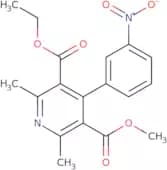
CAS:<p>1,4-Dihydro-2,6-dimethyl-4-(3-nitrophenyl)-3,5-pyridinedicarboxylic acid diethyl ester is an API impurity. It is a white or cream powder with a melting point of about 135°C. This impurity can be used as an impurity standard for HPLC applications to determine the purity of drug products. It is also suitable for use as a pharmacopoeia analytical reference material and as a synthetic intermediate in research and development (R&D) studies.</p>Formula:C19H22N2O6Purity:Min. 95%Color and Shape:Yellow PowderMolecular weight:374.39 g/molEmpagliflozin R-furanose
CAS:<p>Empagliflozin R-furanose is a drug product that belongs to the class of drugs for treatment of type II diabetes. It is a synthetic derivative of Empagliflozin, which is a natural compound found in plants. Empagliflozin R-furanose has been shown to inhibit the activity of dipeptidyl peptidase 4 (DPP-4) and reduce postprandial glucose levels in healthy subjects. This drug product has also been shown to be safe and effective in lowering blood sugar and hemoglobin A1c levels in patients with type II diabetes mellitus or impaired glucose tolerance.</p>Formula:C23H27ClO7Purity:Min. 95%Color and Shape:PowderMolecular weight:450.91 g/molDutasteride impurity F
CAS:<p>Dutasteride impurity D is a natural impurity found in dutasteride and has been reported to be an analytical marker for dutasteride. It is also used as an impurity standard, HPLC standard, and custom synthesis for drug development. Metabolism studies have shown that the major route of elimination for Dutasteride impurity D is through glucuronidation with minor amounts being excreted in urine unchanged.</p>Formula:C27H31ClF6N2O2Purity:Min. 95 Area-%Molecular weight:564.99 g/mol3-[Methyl(phenylmethyl)amino]-1-phenyl-1-propanone hydrochloride
CAS:<p>Nisoxetine is a norepinephrine (NE) reuptake inhibitor that is used as an antidepressant. It has been shown to be a potent and selective NE reuptake inhibitor with a high affinity towards the NE transporter in rat brain synaptosomes, with potency several times higher than that of tricyclic antidepressants. Nisoxetine's major advantage over other antidepressants is its high efficiency, which makes it suitable for large-scale production. The synthesis of nisoxetine involves two steps: 1) reaction of 3-[methyl(phenylmethyl)amino]-1-phenyl-1-propanone hydrochloride with toluene to form the corresponding methyl ester and 2) hydrogenation of the methyl ester to form nisoxetine. This synthesis is efficient, stable, and chiral due to the use of bimetallic catalysts.</p>Formula:C17H19NO•HClPurity:Min. 95%Color and Shape:PowderMolecular weight:289.8 g/mol2,5-Pyrazinedipropionic acid
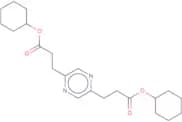
CAS:<p>2,5-Pyrazinedipropionic acid is a pyrazine derivative with two carboxylic acid groups. It has been shown to be effective in the stabilization of bladder tissue and as a treatment method for bladder cancer. 2,5-Pyrazinedipropionic acid can also be used in the diagnosis of cutaneous melanoma and mesoporous silica nanoparticles that are used in cancer detection. The compound has been found to have a high melting point and water absorption capacity, which makes it suitable for use as an aminolevulinic acid precursor for photodynamic therapy. The compound also has vibrational spectral characteristics that make it suitable for nucleophilic attack on DNA</p>Formula:C10H12N2O4Purity:Min. 95%Color and Shape:PowderMolecular weight:224.21 g/mol(R)-5-Hydroxymethyl tolterodine
CAS:<p>(R)-5-Hydroxymethyl tolterodine is a prodrug that is metabolized by cytochrome P450 3A4 (CYP3A4) in the liver to its active form, tolterodine. This drug can be used as an alternative for gabapentin in the treatment of detrusor muscle overactivity associated with neurogenic bladder dysfunction. The pharmacokinetic properties of (R)-5-hydroxymethyl tolterodine are similar to those of gabapentin, including the elimination half-life and volume of distribution. However, unlike gabapentin, which has been shown to increase the glomerular filtration rate (GFR) and renal blood flow, there is no evidence that this drug has any effect on GFR or renal blood flow. There is also no evidence that (R)-5-hydroxymethyl tolterodine causes any symptoms that may be attributed to</p>Formula:C22H31NO2Purity:Min. 98 Area-%Color and Shape:Off-White PowderMolecular weight:341.49 g/molAmoxicillin EP impurity K
CAS:<p>Amoxicillin EP impurity K is a research and development impurity standard. It is a synthetic ampicillin-derived beta-lactam antibiotic that is a metabolite of amoxicillin. Amoxicillin EP impurity K has been shown to be an inhibitor of bacterial protein synthesis, which may be due to its ability to inhibit the activity of ribosomes and 50S subunits. This product can be custom synthesized and is available at high purity. Amoxicillin EP impurity K is used in the manufacture of pharmaceutical products, such as tablets and capsules, for drug development.</p>Purity:Min. 95%2-Methyl-10-(2-nitrophenyl)-10H-benzo[b]thieno[2,3-e] [1,4]diazepin-4-amine
<p>2-Methyl-10-(2-nitrophenyl)-10H-benzo[b]thieno[2,3-e][1,4]diazepin-4-amine is an analytical standard for HPLC. It is a research and development chemical and should be handled with care. 2-Methyl-10-(2-nitrophenyl)-10H-benzo[b]thieno[2,3-e][1,4]diazepin-4-amine is a drug development API impurity that can be found in the drug product. Impurities standards are available for this compound. The CAS number for 2 methyl 10 (2 nitrophenyl) 10H benzo [b] thieno [2,3 - e][1,4] diazepin 4 amine is 71437–05–9.</p>Purity:Min. 95%Clobazam impurity D
<p>Clobazam impurity D is a natural metabolite of clobazam. It is a white crystalline solid that is soluble in methanol, ethanol, and dichloromethane. Clobazam impurity D has been shown to be an analytical standard for HPLC analysis. It has also been used as a reference material for the pharmacopoeia, which is a publication that sets standards for purity or strength of chemicals and drugs. Clobazam impurity D is synthesized by the reaction of 3-chloro-2-(2-oxopyrrolidin-1-yl)benzamide with N,N-dimethylformamide dimethyl acetal.</p>Formula:C18H17ClN2O2Purity:Min. 95%Molecular weight:328.79 g/molTrazodone hydrochloride impurity C
<p>Trazodone is a psychotropic agent that belongs to the group of antidepressants. Trazodone hydrochloride impurity C is a metabolite of trazodone and can be used as an impurity standard for the drug product in pharmacopoeia. Trazodone hydrochloride impurity C has been found in urine, blood, and saliva after administration of trazodone. It is also found in the plasma of pregnant women who are taking trazodone to treat depression or anxiety during pregnancy. <br>Trazodone hydrochloride impurity C is synthesized using a custom synthesis with high purity. It has been shown to have a niche market as an analytical reference material for HPLC standards.</p>Formula:C19H23Cl2N5OPurity:Min. 95%Molecular weight:408.32 g/molHydrocortisone dimer impurity 4
<p>Hydrocortisone dimer impurity 4 is an impurity found in the drug product Hydrocortisone. It is a natural, API impurity, CAS No. 5949-44-8, and has been synthesized for use as an analytical standard. The substance's Metabolism studies were conducted using rats and mice, and it was found to be metabolized mainly by hydrolysis with glucuronidases or esterases. It also has a high purity of >99%.</p>Purity:Min. 95%2,3,4-Trimethoxybenzyl alcohol
CAS:2,3,4-Trimethoxybenzyl alcohol is a photooxidant that is used in pharmaceutical formulations. It has a catalytic effect on the photooxidation of trifluoroacetic acid and is used for the production of fluoroquinolones. It can also be used to produce other pharmaceutical compounds such as antibiotics and anti-cancer drugs. 2,3,4-Trimethoxybenzyl alcohol is found in small quantities in many natural products such as fruits and vegetables. It has been shown to have potential impurities including 4-methoxybenzaldehyde and selectivity modifiers.Formula:C10H14O4Purity:Min 96.5%Color and Shape:Clear LiquidMolecular weight:198.22 g/molClarithromycin EP Impurity K
CAS:<p>Clarithromycin EP Impurity K is an impurity standard for Clarithromycin in the form of a crystalline white powder. It is a synthetic compound which has been used as a drug product and as an analytical standard. This compound can be synthesized from erythromycin A, but it is not active against bacteria. Clarithromycin EP Impurity K has been shown to have metabolite properties in animals and humans, including metabolism studies with HPLC standards.</p>Formula:C30H51NO8Purity:Min. 95 Area-%Color and Shape:PowderMolecular weight:553.73 g/molMethyl 2,2-dithienylglycolate
CAS:<p>Intermediate for tiotropium bromide synthesis</p>Formula:C11H10O3S2Purity:Min. 95%Color and Shape:White PowderMolecular weight:254.33 g/molCalcipotriol EP Impurity B
Calcipotriol EP Impurity B is a drug product that is an impurity in Calcipotriol EP. It is produced during the synthesis of calcipotriol and may be present in the natural product. It has been shown to have anti-inflammatory properties, and can be used as a research tool to study calcipotriol metabolism.Formula:C27H40O3Purity:Min. 95%Molecular weight:412.6 g/molMethyl 4-hydroxy-2-methyl-(2H)-1,2-benzothiazine-3-carboxylate-1,1-dioxide
CAS:Methyl 4-hydroxy-2-methyl-(2H)-1,2-benzothiazine-3-carboxylate-1,1-dioxide is a centrosymmetric molecule with an aspergillus flavus conformation. It is an acetanilide derivative that has been shown to be an effective antioxidant and medicine for the treatment of cancer. This product is also used in the production of hydrogen bonds and linkers in organic synthesis. The yields are high and it can be oriented during irradiation.Formula:C11H11NO5SPurity:Min. 95%Color and Shape:PowderMolecular weight:269.28 g/molOlanzapine N-oxide
CAS:Olanzapine N-oxide is a metabolite of olanzapine. It is produced by the oxidative deamination of olanzapine, which is catalyzed by cytochrome P450 enzymes. Olanzapine N-oxide has been shown to be responsible for some of the side effects associated with olanzapine, such as weight gain and sedation. The presence of olanzapine N-oxide in human plasma has been shown to increase with age and in women, which may be due to its higher affinity for α1-acid glycoprotein. Olanzapine N-oxide can be detected in urine or faeces using gas chromatography/mass spectrometry (GC/MS) or liquid chromatography with tandem mass spectrometry (LC/MS).Formula:C17H20N4OSPurity:Min. 95%Color and Shape:PowderMolecular weight:328.43 g/mol11-Piperazin-1-yl-dibenzo[b,f][1,4]thiazepine
CAS:<p>11-Piperazin-1-yl-dibenzo[b,f][1,4]thiazepine is a drug used to treat schizophrenia and bipolar disorder. It is a member of the thiazepine class of antipsychotics that blocks dopamine receptors in the brain. 11-Piperazin-1-yl-dibenzo[b,f][1,4]thiazepine has been shown to be effective for treatment trials and toxicity studies in animals. This drug has also been shown to have an anti-inflammatory effect on cytokines such as il-10. The drug interacts with other drugs by inhibiting the activity of certain enzymes that metabolize it so it can be eliminated from the body more quickly. The elimination half life for this drug is about 6 hours. 11-Piperazin-1-yl-dibenzo[b,f][1,4]thiazepine binds to specific receptors in the brain which</p>Formula:C17H17N3SPurity:Min. 95%Color and Shape:PowderMolecular weight:295.4 g/molRoxithromycin impurity K
<p>Roxithromycin impurity K is a custom synthesis that is used as a research and development tool. It is not intended for use in drug products. Roxithromycin impurity K has been shown to have effects similar to those of roxithromycin, but with different metabolic pathways and properties. Roxithromycin impurity K has been shown to be metabolized through the cytochrome P450 system, which may result in the production of metabolites that are more potent than roxithromycin itself.</p>Formula:C41H76N2O16Purity:Min. 95%Molecular weight:853.05 g/molRemdesivir related compound 12
CAS:<p>Remdesivir related compound 12 is a synthetic drug product. It is an impurity standard used for the production of the active pharmaceutical ingredient, remdesivir. The substance is a custom synthesis and can be synthesized to meet customer specifications. Remdesivir related compound 12 has been studied in animal models for metabolism studies and human pharmacokinetic studies. This substance is also used for research and development, as well as niche drug development.</p>Formula:C21H27N2O7PPurity:Min. 95%Molecular weight:450.42 g/molMontelukast ketone impurity
CAS:The impurity (2,6-dichlorobenzaldehyde) is a metabolite of montelukast. It is an analytical impurity that has been quantified in the drug product and has also been found to be present in the synthetic process. The impurity standard was developed using HPLC. It can be used as a high purity reference material for pharmacopoeia and custom synthesis.Formula:C29H26ClNO2Purity:Min. 95%Color and Shape:PowderMolecular weight:455.97 g/molSildenafil N-Oxide
CAS:<p>Sildenafil N-Oxide is a solvate, hydrate, and prodrug of sildenafil citrate. It is used for the treatment of erectile dysfunction or pulmonary hypertension. Sildenafil N-Oxide is an oral drug that is converted to its active form, sildenafil, in the liver by CYP3A4. Sildenafil N-Oxide's effects on human erection are thought to be due to its ability to block phosphodiesterase type 5 (PDE5), which increases the levels of cGMP in smooth muscle cells and causes relaxation of the corpus cavernosum. This leads to increased blood flow into the penis and an erection.</p>Formula:C22H30N6O5SPurity:Min. 95%Molecular weight:490.58 g/molCaspofungin impurity C
<p>Caspofungin impurity C is a high-purity, chromatographically pure, caspofungin impurity. It was isolated by chromatography and was found to have a retention time of 12.5 minutes on the chromatogram. The impurity is thought to be an organic compound with a molecular weight of 437.2 and may be due to the presence of an acetyl group or hydroxyl group.</p>Purity:Min. 95%Methyl 2-[[3-trifluoromethyl)phenyl]amino]benzoate
CAS:<p>Methyl 2-[[3-trifluoromethyl)phenyl]amino]benzoate is a bifunctional modulator of androgen receptors. It is a competitive inhibitor of the androgen receptor with an IC50 of 16 nM. Methyl 2-[[3-trifluoromethyl)phenyl]amino]benzoate has been shown to have weak binding affinity for the human androgen receptor, but it is not soluble in water and will require further research before it can be used clinically.</p>Formula:C15H12F3NO2Purity:Min. 95%Color and Shape:Pale yellow to yellow solid.Molecular weight:295.26 g/molLisdexamfetamine dimesylate impurity C
<p>Lisdexamfetamine dimesylate impurity C is a drug product that is an analytical standard. It is a synthetic impurity found in the drug Lisdexamfetamine Dimesylate, which is used for the treatment of ADHD and narcolepsy. Lisdexamfetamine Dimesylate Impurity C has been shown to be metabolized through oxidation by cytochrome P450 enzymes and conjugation with glucuronic acid. The impurity has been shown to have no effect on the pharmacological activity of the parent compound.</p>Purity:Min. 95%Methotrexate dimethylamide
CAS:<p>Methotrexate dimethylamide is a research and development impurity standard with high purity. It is a synthetic drug product that can be custom synthesized to meet the needs of the customer. Methotrexate dimethylamide has been used as an analytical standard for HPLC analysis and as a natural metabolite in metabolism studies. This compound is also known as 71074-44-7, CAS No. 71074-44-7, or Metabolite.</p>Formula:C22H27N9O4Purity:Min. 95%Molecular weight:481.51 g/mol(3R,5S)-Atorvastatin sodium salt
CAS:<p>(3R,5S)-Atorvastatin sodium salt is a synthetic compound that is used in the treatment of high cholesterol. It belongs to the class of statins, which are used for lowering blood cholesterol levels. The drug product contains at least 99% by weight of (3R,5S)-atorvastatin sodium salt. This product also has an analytical purity greater than 98%. It is metabolized via oxidation and hydroxylation to form metabolites that exhibit pharmacological activity similar to the parent molecule. (3R,5S)-Atorvastatin sodium salt is a natural product that can be found in plants such as yew trees. This drug has been shown to have niche applications in drug development and research and development.</p>Formula:C33H34FN2NaO5Purity:Min. 95%Color and Shape:PowderMolecular weight:580.62 g/molDesfluoro atorvastatin
CAS:<p>Desfluoro atorvastatin is a crystalline polymorph of atorvastatin that has been shown to have improved flowrate and dissolution profile compared with the conventional form. Desfluoro atorvastatin is synthesized by adding a fluorine atom to a specific position in the molecule. The synthesis procedure includes chromatographic purification and analysis of impurities, which are then eliminated by diode laser irradiation. Impurities may also be eliminated through hydrogenation or recrystallization.</p>Formula:C33H36N2O5Purity:Min. 95%Color and Shape:PowderMolecular weight:540.65 g/molCefpodoxime proxetil impurity H
CAS:<p>Cefpodoxime proxetil impurity H is an impurity of cefpodoxime proxetil, which is a prodrug that has been shown to be metabolized by esterases to the active form cefpodoxime. Cefpodoxime proxetil impurity H was found in the elution fraction when using liquid chromatography with reversed-phase as the separation method. It is thought that this impurity may arise from the use of methanol in the process of preparing cefpodoxime proxetil, although other mechanisms have not been ruled out. The mass spectrum for cefpodoxime proxetil impurity H shows peaks at m/z 812 and 682, which correspond to the parent drug and its hydrolysis product, respectively. The fragmentation pattern observed for cefpodoxime proxetil impurity H corresponds to that seen for cephalosporins.</p>Formula:C42H54N10O18S4Purity:Min. 95%Molecular weight:1,115.2 g/molD-Thr(5)-Semaglutide
<p>D-Thr(5)-Semaglutide is a semaglutide impurity. The amino acid at position 5 has been replaced by the D-form of the amino acid D-threonine (D-Thr). Semaglutide impurities are structurally related compounds that arise during synthesis, purification, or storage of semaglutide, a long-acting GLP-1 receptor agonist for managing type 2 diabetes and obesity.</p>Formula:C187H291N45O59Molecular weight:4,113.64 g/molEthyl-(5-benzoyl-2,3-dihydro-1H-pyrrolizine-1-carboxylate, racemic
CAS:<p>Ethyl (5-benzoyl-2,3-dihydro-1H-pyrrolizine-1-carboxylate, racemic) is a molecule that can be used in the treatment of cardiac diseases. It is a cardiotonic agent that has been shown to shorten the duration of ventricular fibrillation and restore contractility. This drug also decreases the frequency and severity of angina pectoris and enhances coronary artery blood flow. The most effective dose for this drug is 1.5 mg per kg body weight. It is administered orally or intravenously and should not be used with fatty esters because it may cause hypotension. Ethyl (5-benzoyl-2,3-dihydro-1H-pyrrolizine-1-carboxylate, racemic) has been shown to have an effect on metal coordination profiles as well as an activated form of the molecule.</p>Formula:C17H17O3NPurity:Min. 98 Area-%Color and Shape:Off-White PowderMolecular weight:283.32 g/molLisdexamfetamine dimesylate impurity B
<p>Lisdexamfetamine dimesylate impurity B is a high purity, synthetic, custom synthesis drug product. Lisdexamfetamine dimesylate impurity B is a metabolite of lisdexamfetamine and the impurity standard for lisdexamfetamine dimesylate. It is used in pharmacopoeia to develop drugs. Lisdexamfetamine dimesylate impurity B is also used in analytical studies such as HPLC standards.</p>Purity:Min. 95%Semaglutide Impurity 56 (D-Glu 21)
<p>D-Glu(21)-Semaglutide is a semaglutide impurity. The amino acid at position 21 has been replaced by the D-form of the amino acid D-glutamic acid (D-Glu). Semaglutide impurities are structurally related compounds that arise during synthesis, purification, or storage of semaglutide, a long-acting GLP-1 receptor agonist for managing type 2 diabetes and obesity.</p>Formula:C187H291N45O59Molecular weight:4,113.64 g/molDefluoro atorvastatin calcium
CAS:Defluoro atorvastatin calcium is a bulk drug that has been approved to be used as an adjunct to diet to reduce elevated cholesterol levels in adults. Defluoro atorvastatin calcium is the desfluoro-enantiomer of atorvastatin, which is a statin that inhibits the enzyme HMG-CoA reductase. This enzyme catalyzes the conversion of HMG-CoA to mevalonic acid, which is an early step in the synthesis of cholesterol. The fluoro group on defluoro atorvastatin calcium is not expected to have any significant effect on its potency or metabolic pathways and any impurities are not expected to have any therapeutic effect.Formula:C66H70CaN4O10Purity:Min. 95%Color and Shape:White PowderMolecular weight:1,119.36 g/molN-Methylnitroacetamide
CAS:<p>N-Methylnitroacetamide is a pyridinium salt used as an additive in pharmaceutical preparations. It is also a drug substance that is used for oral dosage, and has been shown to be active in methylene chloride and organic solvents. This chemical has been found to have a number of impurities, including acidic compounds and organic solvents, which can cause it to degrade over time. The use of this compound requires validation and kinetic studies to ensure it meets the quality standards for its intended use.</p>Formula:C3H6N2O3Purity:Min. 95%Color and Shape:PowderMolecular weight:118.09 g/molcis-4-[[[(1,1-Dimethylethoxy)carbonyl]amino]methyl]-cyclohexanecarboxylic acid
CAS:<p>Cis-4-[[[(1,1-Dimethylethoxy)carbonyl]amino]methyl]-cyclohexanecarboxylic acid is a tert-butyl derivative of cis-4-[(dimethylamino)methyl]-cyclohexanecarboxylic acid. It has been shown to interact with plasmin and inhibit both the enzymatic activity and the binding of plasmin to its substrates. Cis-4-[(dimethylamino)methyl]-cyclohexanecarboxylic acid interacts with the side chain of the amino group in plasmin's active site, which is different from other known inhibitors. This compound has also been shown to inhibit urokinase and picolyl plasminogen activator (PPA).</p>Formula:C13H23NO4Purity:Min. 95%Molecular weight:257.33 g/molTrityl olmesartan acid
CAS:<p>4-(1-Hydroxy-1-methylethyl)-2-propyl-1[4-[2-(trityltetrazol-5-yl)phenyl]phenyl]methylimidazol-5-caboxylic acid (4MPPC) is a water soluble, clear liquid that is used as a solvent. It can be prepared by the reaction of sodium carbonate with an organic or inorganic salt solution in acetonitrile. The solvents are then removed using filtration and the final product is obtained by evaporation of the solvent. 4MPPC has been used in the preparation of medoxomil, which is an antibiotic that inhibits bacterial growth by binding to DNA gyrase and topoisomerase IV.</p>Formula:C43H40N6O3Purity:Min. 95%Color and Shape:PowderMolecular weight:688.82 g/mol6'-Methoxy-2'-acetonaphthone
CAS:6'-Methoxy-2'-acetonaphthone is a reactive chemical that can be used as a reagent in organic synthesis. It is an electron-rich aromatic compound and its reactivity is enhanced by electron-donating groups such as -OH, -NH2, or -SH. 6'-Methoxy-2'-acetonaphthone can be used to form new carbon-carbon bonds in the presence of metal catalysts. This reaction can be done in either the presence or absence of a solvent, although the yield is better when carried out in organic solvents. Oxime derivatives are formed as oxidation products during this reaction. Acetylation may also occur, which would produce acetophenones or phenylacetones.Formula:C13H12O2Purity:Min. 95%Color and Shape:Off-White PowderMolecular weight:200.23 g/molPantoprazole sulphone
CAS:<p>Pantoprazole sulphone is a proton-pump inhibitor that inhibits the production of stomach acid and protects the esophagus from damage. Pantoprazole sulphone has been shown to be effective in treating heart disease patients and reducing their risk of death. It also has biological properties, including modulating the effects of bosentan, which is used to treat pulmonary arterial hypertension. Pantoprazole sulphone has been shown to be chemically stable and stereoselective, which means it binds more strongly to one site than another. Clinical pharmacology studies have found that pantoprazole sulphone has no effect on abomasal motility or gastric emptying time.</p>Formula:C16H15F2N3O5SPurity:Min. 97 Area-%Color and Shape:PowderMolecular weight:399.37 g/mol3'-N,N-Didesmethyl-N-(methoxycarbonyl) azithromycin
CAS:<p>3'-N,N-Didesmethyl-N-(methoxycarbonyl) azithromycin is a research and development impurity standard. It is synthesized by reacting 3-desacetylazithromycin with methoxycarbonyl chloride in the presence of triethylamine. This product has been tested for purity by HPLC. CAS No. 16892-65-2</p>Formula:C39H74N2O14Purity:Min. 95%Molecular weight:795.01 g/molAtorvastatin epoxy tetrahydrofuran impurity
CAS:<p>Atorvastatin epoxy tetrahydrofuran impurity is a byproduct of the synthesis process. It is a white crystalline powder that is soluble in organic solvents and sparingly soluble in water. Atorvastatin epoxy tetrahydrofuran impurity has been shown to be an impurity of atorvastatin. It is not known to have any biological activity, but it may pose a health risk if present in large quantities.</p>Formula:C26H24FNO5Purity:Min. 95%Color and Shape:PowderMolecular weight:449.47 g/mol5-(2-Cyclopropyl-1-(3-fluorophenyl)-2-oxoethyl)-4,5,6,7-tetrahydrothieno[3,2-c]pyridin-2-yl acetate
CAS:<p>5-(2-Cyclopropyl-1-(3-fluorophenyl)-2-oxoethyl)-4,5,6,7-tetrahydrothieno[3,2-c]pyridin-2-yl acetate is a substance that is used as a reference in high performance liquid chromatography (HPLC) methods. It is used to validate the method in accordance with the International Conference on Harmonisation of Technical Requirements for Registration of Pharmaceuticals for Human Use (ICH). The substance is also known as prasugrel hydrochloride and it is used as an antiplatelet agent.</p>Formula:C20H20FNO3SPurity:Min. 95 Area-%Color and Shape:Slightly Yellow PowderMolecular weight:373.44 g/molAll-trans-retinol-d5
CAS:Controlled Product<p>All-trans-retinol-d5 is a supplement that is used to protect the brain from oxidative damage and to help maintain healthy skin. It is an antioxidant that prevents free radicals from damaging cells and helps maintain the structural integrity of cell membranes. All-trans-retinol-d5 can be found in high concentrations in animal tissues, such as liver, lung, kidney, heart, brain, and eye. It can also be found in human urine. The presence of all-trans-retinol-d5 in urine has been correlated with neuroprotective effects. Retinol levels have been shown to be higher in children who are less obese than those who are obese or overweight. All-trans retinol has been shown to inhibit cancer cell proliferation and induce apoptosis by inhibiting protein synthesis at the level of transcription.</p>Formula:C20H25D5OPurity:(%) Min. 80%Color and Shape:Clear Viscous LiquidMolecular weight:291.48 g/mol1b-(4-Fluorophenyl)hexahydro-β,7-dihydroxy-7-(1-methylethyl)-1a-phenyl-7a-[(phenylamino)carbonyl]-3H-oxireno[3,4]pyrrolo[2,1-b][1,3] oxazine-3-butanoic acid sodium
CAS:Fluoxetine is a selective serotonin reuptake inhibitor that is used to treat major depressive disorder, obsessive-compulsive disorder (OCD), bulimia nervosa, panic disorder, premenstrual dysphoric disorder (PMDD), and social anxiety disorder. It is also used as an appetite suppressant in some countries. Fluoxetine inhibits the neuronal uptake of serotonin by blocking the presynaptic transporter protein. The most common adverse effects are nausea, diarrhea, drowsiness, dry mouth, blurred vision and sexual dysfunction.Formula:C33H35FN2O7•NaPurity:Min. 95%Color and Shape:PowderMolecular weight:613.63 g/molCetirizine Impurity B
CAS:<p>Cetirizine Impurity B is a custom synthesis impurity. It is a product of the metabolism of cetirizine, an anti-allergic drug. Cetirizine Impurity B is used as an impurity standard for drug development and analytical HPLC studies. It has been assigned CAS number 113740-61-7 by the Chemical Abstracts Service. The purity of this compound is greater than 99%.</p>Formula:C19H21ClN2O2Purity:Min. 90 Area-%Color and Shape:PowderMolecular weight:344.8 g/molOmeprazole impurity F and G
CAS:Omeprazole is a proton pump inhibitor that inhibits the H+/K+-ATPase enzyme in gastric parietal cells. Omeprazole impurity F and G are metabolites of omeprazole. Omeprazole impurity F is a metabolite of omeprazole that forms by oxidation of the methylthio group in omeprazole to form a sulfoxide. Omeprazole impurity G is formed by hydrolysis of the methylthio group in omeprazole to form an alcohol. The purity of this product is high and can be custom synthesized based on customer's needs. It is also available as an HPLC standard or as an API impurity for use in metabolism studies.Formula:C16H13N3O2SPurity:Min. 95%Color and Shape:Red PowderMolecular weight:311.36 g/molAllopurinol impurity C
CAS:Allopurinol impurity C is a product of the reaction between allopurinol and n-butyl alcohol, which occurs in the presence of sodium hydroxide solution and dimethylformamide. The reaction condition is heated to reflux for 12 hours, after which the mixture is filtered and concentrated under reduced pressure. The resultant crude product is purified by column chromatography with ethyl acetate and then recrystallized from methanol. The synthesis scheme can be found in Figure 1.Formula:C6H6N6OPurity:Min. 95%Color and Shape:Slightly Yellow PowderMolecular weight:178.15 g/molD-[Pro]31-Tirzepatide
<p>Tirzepatide impurity.</p>Formula:C225H348N48O68Molecular weight:4,813.5 g/mol[[5-[[(2-Aminoethyl)thio]methyl]furan-2-yl]methyl]dimethylamine
CAS:<p>[[5-[[(2-Aminoethyl)thio]methyl]furan-2-yl]methyl]dimethylamine is a metabolite of the drug [[5-[[(2-Aminoethyl)thio]methyl]furan-2-yl]methyl]dimethylamine. It is found in the urine of patients taking [[5-[[(2-Aminoethyl)thio]methyl]furan-2-yl]methyl]dimethylamine and has been used as an impurity standard for [[5-[(2-(Aminoethyl)thio]-methyl]-furan-2ylmethyl]-dimethylamine.</p>Formula:C10H18N2OSPurity:Min. 95%Color and Shape:Colorless Clear LiquidMolecular weight:214.33 g/mol25-Hydroxytachysterol
CAS:<p>25-Hydroxytachysterol is a drug product that is manufactured by natural and synthetic means. The natural form of the compound is found in the urine of pregnant women, while the synthetic form is produced by chemical synthesis. 25-Hydoxytachysterol has been shown to be an analytical standard, impurity standard, and API impurity. It also has been used extensively in metabolism studies and pharmacopoeia research.<br>25-Hydroxytachysterol can be synthesized from cholesterol or obtained from animal sources such as bile acids or piglets. The compound is metabolized by cytochrome P450 enzymes to produce 7alpha,24-dihydroxycholesterol, which has progesterone-like properties.</p>Formula:C27H44O2Purity:Min. 95%Molecular weight:400.64 g/mol(R)-3-(3-Fluoro-4-(4-morpholinyl)phenyl)-5-(hydroxymethyl)oxazolidin-2-one
CAS:<p>(R)-3-(3-Fluoro-4-(4-morpholinyl)phenyl)-5-(hydroxymethyl)oxazolidin-2-one (FPH) is a synthetic drug product that is used as an impurity standard in the synthesis of pharmaceuticals. It is also used in metabolism studies and research and development. FPH has been shown to be a metabolite of the drug product, 3-(3-fluoro-4-(4-morpholinyl)phenyl)-5-(hydroxymethyl)oxazolidin-2-one, which is classified as an API impurity for pharmacopoeia purposes. FPH has a molecular formula of C11H14FO2N2O and a molecular weight of 222.26 g/mol. The CAS number for FPH is 168828-82-8.</p>Formula:C14H17FN2O4Purity:Min. 98 Area-%Color and Shape:PowderMolecular weight:296.29 g/mol3,5-Di-O-(4-chlorobenzoyl)-2-deoxy-a-D-ribofuranosyl isocyanate
<p>3,5-Di-O-(4-chlorobenzoyl)-2-deoxy-a-D-ribofuranosyl isocyanate (CAS No. 53477) is a drug product that belongs to the class of drugs called nucleosides. 3,5-Di-O-(4-chlorobenzoyl)-2-deoxy-a-D-ribofuranosyl isocyanate has been shown to be metabolized through a number of metabolic transformations, including hydrolysis by esterases or glucuronidases, oxidation by cytochrome P450 enzymes, reduction by glutathione reductase, or conjugation with glucuronic acid. This product has been shown to have antiplasmodial activity and may be useful in the treatment of malaria.</p>Formula:C20H15Cl2NO6Purity:Min. 95%Molecular weight:436.24 g/mol5-Methoxy-2-[[(4-methoxy-3,5-dimethyl-2-pyridinyl)methyl]sulphonyl]-1H-benzimidazole N-oxide
CAS:<p>5-Methoxy-2-[[(4-methoxy-3,5-dimethyl-2-pyridinyl)methyl]sulphonyl]-1H-benzimidazole N-oxide is a cyclic sulfoxide that has shown to be a potent inhibitor of gastric acid secretion. It is an important intermediate in the synthesis of esomeprazole magnesium, a proton pump inhibitor used to treat gastroesophageal reflux disease and other gastrointestinal disorders. 5-Methoxy-2-[(4-methoxy 3,5 dimethyl 2 pyridinyl) methyl] sulphonyl]-1H benzimidazole N oxide is also known as (RS)-N-[4-(4′ methoxyphenyl)-3,5 dimethylpyrazol -2 - ylmethyl] methanesulfonamide. This compound has been shown to have a polymorphic form with two different</p>Formula:C17H19N3O5SPurity:Min. 95%Color and Shape:PowderMolecular weight:377.42 g/molColchicine EP Impurity B
<p>Colchicine EP Impurity B is a synthetic, impurity standard that is used in research and development for drug product development. It is also used as an analytical reagent. Colchicine EP Impurity B has been shown to be a metabolite of colchicine, which is found in the natural environment. This impurity can be synthesized by reacting 4-hydroxybenzaldehyde with nitroethane and sodium nitrite in the presence of hydrochloric acid. Analytical methods to detect this impurity include HPLC and GC-MS.</p>Purity:Min. 95%3-O-Methylcarbidopa
CAS:Controlled Product<p>3-O-Methylcarbidopa is a drug that belongs to the class of dopa decarboxylase inhibitors. It is an inactive prodrug, which is converted into its active form by hydrolysis in the body. 3-O-Methylcarbidopa has been shown to have a plasma concentration that can be detected, with an elimination rate of about 4 hours. The active substance is found in the particle size range of 0.1 to 1 micrometer and can be analyzed using chromatographic methods. 3-O-Methylcarbidopa is primarily used for the treatment of Parkinson's disease, but also has potential applications in other diseases such as Alzheimer's disease, depression and schizophrenia.</p>Purity:Min. 95%Molecular weight:240.26N-(Aminosulphonyl)-3-[[[2-[(aminoiminomethyl)amino]-4-thiazolyl]methyl]thio]propanamide, hydrochloride
CAS:<p>Famotidine is a histamine H2 receptor antagonist. It is used to prevent stomach ulcers, heartburn, or "acid indigestion." Famotidine is available in various forms for oral administration: tablets, capsules, and solution. The chemical name for famotidine is N-(aminosulphonyl)-3-[[[2-[(aminoiminomethyl)amino]-4-thiazolyl]methyl]thio]propanamide hydrochloride.</p>Formula:C8H15ClN6O3S3·HClPurity:Min. 95%Color and Shape:White To Off-White SolidMolecular weight:411.35 g/molRosuvastatin impurity B
CAS:<p>Rosuvastatin impurity B is a hydrophilic impurity with a molecular weight of 716.8 that is found in the formulation of rosuvastatin. It is an analyte that can be detected by liquid chromatography and interacts with metformin, one of the analytes in the analysis. The calibration curve for this impurity was generated by adding ammonium formate to the mobile phase at different concentrations and measuring its interaction with rosuvastatin. The validation of this method was done by injecting samples containing known amounts of rosuvastatin impurity B and comparing the results to those obtained from the calibration curve. This method has a flow rate of 1 mL/min, which is sufficient for analyzing compounds that are eluted at low concentrations.</p>Formula:C22H27FN3O6S·NaPurity:Min. 95%Molecular weight:503.52 g/mol2-Hydroxy-2-{4-[2-(hydroxyethoxy)ethyl]piperazin-1-yl}dithiazepin
CAS:<p>2-Hydroxy-2-{4-[2-(hydroxyethoxy)ethyl]piperazin-1-yl}dithiazepin (LPSE) is a monoclonal antibody that is used in the diagnosis of atrial fibrillation. It binds to the antigenic determinant on the surface of atrial cells and also has high affinity for cardiac troponin I. LPSE has biochemical properties that distinguish it from other antibodies and is not known to have any adverse reactions or interactions with other drugs. The clinical relevance of LPSE has been demonstrated by its ability to detect atrial cells in tissue samples from patients with atrial fibrillation, and to discriminate between samples taken from patients who had undergone catheter ablation or those who had not undergone this procedure. LPSE binds to tetroxide, gamma-aminobutyric acid (GABA), amides, and proteins, as well as hl-60 cells,</p>Formula:C21H27N3O3SPurity:Min. 97 Area-%Color and Shape:Yellow Clear LiquidMolecular weight:401.53 g/molPentixafor
CAS:<p>When bound with 68Ga is used in PET/CT as a diagnostic in multiple myeloma detection</p>Formula:C60H80N14O14Purity:Min. 95%Color and Shape:PowderMolecular weight:1,221.4 g/molN-(1-Oxopentyl)-N-[[2'-(2H-tetrazol-5-yl)[1,1'-biphenyl]-4-yl]methyl]-D-valine
CAS:<p>N-(1-Oxopentyl)-N-[[2'-(2H-tetrazol-5-yl)[1,1'-biphenyl]-4-yl]methyl]-D-valine is a potent and selective inhibitor of the enzyme lipase. It prevents the hydrolysis of triglycerides by competitively binding to the active site of lipase. This inhibition leads to an increase in serum levels of triglycerides, which are associated with cardiometabolic risk factors. Novartis developed this drug as an alternative to sacubitril/valsartan, which is used for the treatment of heart failure. The pharmacokinetics and pharmacodynamics of this drug are similar to those of sacubitril/valsartan. N-(1-Oxopentyl)-N-[[2'-(2H-tetrazol-5-yl)[1,1'-biphenyl]-4-yl]methyl]-D-</p>Formula:C24H29N5O3Purity:Min. 95%Color and Shape:White To Off-White SolidMolecular weight:435.52 g/mol2-[[1-(Methylamino)-2-nitroethenyl]amino]-ethanethiol
CAS:<p>Please enquire for more information about 2-[[1-(Methylamino)-2-nitroethenyl]amino]-ethanethiol including the price, delivery time and more detailed product information at the technical inquiry form on this page</p>Formula:C5H11N3O2SPurity:Min. 95%Molecular weight:177.23 g/molAtorvastatin epoxy pyrrolooxazin tricyclic impurity
<p>Atorvastatin is a drug product that is metabolized to atorvastatin epoxy pyrrolooxazin tricyclic impurity. Due to the presence of this impurity, the purity of the drug product is not 100%. Atorvastatin epoxy pyrrolooxazin tricyclic impurity is a natural metabolite with CAS number 516-80-1. It has been shown to have effects on metabolism and may be involved in the development of atherosclerosis. Metabolism studies have been conducted on animals, but not humans.</p>Formula:C33H32FN2NaO6Purity:Min. 95%Molecular weight:594.61 g/molDecitabine impurity 12
<p>Decitabine Impurity 12 is an analytical standard that is used in the research and development of drug products. It is a high purity, HPLC-grade impurity that complies with USP/NF requirements. Decitabine Impurity 12 has been shown to be a metabolite of decitabine, which is an anti-cancer drug used in the treatment of myelodysplastic syndrome (MDS) and acute myeloid leukemia (AML). This impurity has also been shown to have pharmacopoeia value as an impurity standard for drug products.</p>Formula:C4H6N6O2Purity:Min. 95%Molecular weight:170.13 g/mol4-Amino-7-iodopyrrolo[2,1-f][1,2,4]triazine
CAS:<p>4-Amino-7-iodopyrrolo[2,1-f][1,2,4]triazine is an impurity standard of the drug product. It is a high purity synthetic compound with a niche in pharmacopoeia and drug development. 4-Amino-7-iodopyrrolo[2,1-f][1,2,4]triazine has been shown to be a metabolite of the natural product.</p>Formula:C6H5IN4Purity:Min. 97 Area-%Color and Shape:PowderMolecular weight:260.04 g/molSemaglutide Impurity 51 (D-Thr 7)
<p>D-Thr(7)-Semaglutide is a semaglutide impurity. The amino acid at position 7 has been replaced by the D-form of the amino acid D-threonine (D-Thr). Semaglutide impurities are structurally related compounds that arise during synthesis, purification, or storage of semaglutide, a long-acting GLP-1 receptor agonist for managing type 2 diabetes and obesity.</p>Formula:C187H291N45O59Molecular weight:4,113.64 g/molBicalutamide sulfide
CAS:<p>Bicalutamide sulfide is a synthetic, phosphotungstic acid-reactive, bifunctional reagent that is synthesized from the reaction of bicalutamide and trifluoroacetic acid. This product can be used for the separation of fatty acids in environmental pollutants. The product has been shown to be useful for the analysis of fatty acid esters in recycled oils and fats. Bicalutamide sulfide is also used as an intermediate in the synthesis of pharmaceuticals, such as phosphotungstitane derivatives.</p>Formula:C18H14F4N2O2SPurity:Min. 95%Color and Shape:White To Off-White SolidMolecular weight:398.37 g/mol7-epi-Taxol
CAS:Paclitaxel is an anticancer drug that belongs to the class of taxanes. Paclitaxel binds to cell membranes and interferes with cell division by preventing the polymerization of microtubule proteins. This drug can be prepared by high-performance liquid chromatography (HPLC) and has minimal toxicity in humans, but is highly toxic in rats. Paclitaxel also inhibits glucose uptake in breast cancer cells, leading to significant cytotoxicity. It has inhibitory properties against toll-like receptor 4, which may contribute to its anti-inflammatory effects.Formula:C47H51NO14Purity:Min. 95%Color and Shape:PowderMolecular weight:853.91 g/mol2-(4-Dibenzo[b,f][1,4]thiazepin-11-yl-piperazin-1-yl)-ethanol
CAS:<p>2- (4-Dibenzo[b,f][1,4]thiazepin-11-yl-piperazin-1-yl)-ethanol is a pharmaceutical intermediate that is a potent inhibitor of the enzyme acetylcholinesterase. It has been used as a photolytic probe in chromatographic experiments. 2-(4-Dibenzo[b,f][1,4]thiazepin-11-yl-piperazin-1-yl)-ethanol has been synthesized by the reaction of 4-(benzo[b]thieno[2,3d]thiazol)piperazine with ethanol. The impurities present are quantified and their concentrations are reported as percent weight/volume (% w/v). Impurities that may be found in this product include acetonitrile, orthophosphate, and linearity.</p>Formula:C19H21N3OSPurity:Min. 95%Color and Shape:PowderMolecular weight:339.46 g/mol5,6-Dimethoxy-2-(4-piperidinyl)methyleneindan-1-one (donepezil impurity)
CAS:<p>5,6-Dimethoxy-2-(4-piperidinyl)methyleneindan-1-one (donepezil impurity) is an analytical standard used as a reference in HPLC assays for donepezil. It is also a metabolite of donepezil and has been found to have pharmacological activity similar to that of the parent compound. This impurity is present in donepezil drug products at levels up to 0.5%.</p>Formula:C17H21NO3Purity:Min. 95%Molecular weight:287.35 g/molCeftazidime impurity G
CAS:<p>Please enquire for more information about Ceftazidime impurity G including the price, delivery time and more detailed product information at the technical inquiry form on this page</p>Formula:C11H14N4O5SPurity:Min. 95%Color and Shape:PowderMolecular weight:314.32 g/molrac-3-Oxo atorvastatin sodium salt
CAS:<p>Racemic 3-Oxo atorvastatin sodium salt (3OAS) is a drug product that has been tested in the laboratory and found to be suitable for further development. It is a natural substance that has not been chemically synthesized. Racemic 3-Oxo atorvastatin sodium salt is an impurity standard that can be used to establish the purity of API drugs. It can also be used as a metabolite in metabolism studies. Racemic 3-Oxo atorvastatin sodium salt is high purity and can be used for niche applications such as pharmacopoeia production.</p>Formula:C33H32FN2NaO5Purity:Min. 95%Color and Shape:PowderMolecular weight:578.61 g/mol3-O-Desmethyl amlodipine
CAS:<p>3-O-Desmethyl amlodipine is a metabolite of the drug amlodipine. It has been shown to be formed in vivo and may contribute to the pharmacological activity of amlodipine, although its contribution is not well understood. 3-O-Desmethyl amlodipine has been used as an analytical standard for chemical purity testing of pharmaceuticals, and as an impurity standard for HPLC analysis.</p>Formula:C19H23ClN2O5Purity:Min. 95%Color and Shape:PowderMolecular weight:394.85 g/mol(S)-5-((tert-Butylamino)methyl)-3-(3-fluoro-(4-morpholinyl)phenyl)oxazolidin-2-one
CAS:<p>(S)-5-((tert-Butylamino)methyl)-3-(3-fluoro-(4-morpholinyl)phenyl)oxazolidin-2-one is a drug product with CAS No. 1215006-08-8, which is a metabolite of Fluoxetine. It is an impurity standard for Fluoxetine and has been used as a reference compound in metabolism studies. (S)-5-((tert-Butylamino)methyl)-3-(3-fluoro-(4-morpholinyl)phenyl)oxazolidin-2-one is also an analytical reagent that can be used to calibrate HPLC systems.</p>Formula:C18H26FN3O3Purity:Min. 95%Color and Shape:White To Off-White SolidMolecular weight:351.42 g/molDihydroergotamine mesylate impurity C
<p>Dihydroergotamine mesylate impurity C is an analytical standard used for the determination of purity in Dihydroergotamine Mesylate drug products. The impurity is a metabolite that has been shown to be pharmacologically active and thus should not exceed the limit of detection.</p>Formula:C33H37N5O6Purity:Min. 95%Molecular weight:599.68 g/molMethyl 2-deoxy-3,5-di-O-(4-chlorobenzoyl)-a-D-ribofuranoside
CAS:<p>Methyl 2-deoxy-3,5-di-O-(4-chlorobenzoyl)-a-D-ribofuranoside is a research and development impurity standard for the synthesis of drug products. This chemical is used as a metabolite in the study of metabolic pathways and can be converted to Methyl 3,5-di-O-(4-chlorobenzoyl)-a-D-ribofuranoside by hydrolysis with dilute acid. Methyl 2-deoxy-3,5-di-O-(4-chlorobenzoyl)-a-D ribofuranoside has been shown to be a synthetic molecule and is listed in pharmacopoeia. CAS No. 7818564 5.</p>Formula:C22H24O6Purity:Min. 95%Molecular weight:384.42 g/molAtorvastatin lactam sodium salt impurity
CAS:<p>Atorvastatin is a drug used for the treatment of hypercholesterolemia and cardiovascular diseases. Atorvastatin lactam, which is an impurity formed during the synthesis of atorvastatin, has been shown to inhibit cholesterol biosynthesis in a rat model. The in vivo metabolism of atorvastatin lactam was studied by HPLC-MS/MS and was found to be identical to that of the parent molecule. This impurity may be useful as a research and development or custom synthesis product, or as an impurity standard for HPLC analysis.</p>Formula:C33H34FN2NaO6Purity:Min. 95%Color and Shape:White PowderMolecular weight:596.62 g/molTerbinafine dimer impurity dihydrochloride
CAS:<p>Terbinafine is an antifungal agent that belongs to the family of medicines. It is used to treat fungal infections of the skin, nails and scalp. Terbinafine can also be used to treat other types of fungal infections, such as tinea corporis (ringworm), tinea cruris (jock itch), tinea pedis (athlete's foot) and tinea capitis (scalp ringworm). Terbinafine dimer impurity dihydrochloride is a by-product of terbinafine hydrochloride that has been shown to have industrial applications as a dispersant or lubricant in industries such as papermaking.</p>Formula:C36H40N2·2HClPurity:Min. 95%Color and Shape:White Off-White PowderMolecular weight:573.64 g/molAlbendazole sulfoxide
CAS:<p>Albendazole sulfoxide is a sulfoxide of albendazole. The molecular docking analysis of the two molecules showed that the sulfoxide group is located in the same position as the hydroxyl group on albendazole. It has been shown that this replacement of hydroxyl with a sulfoxide group increases the solubility and stability of albendazole, which may be due to hydrogen bonding interactions between these groups. Albendazole sulfoxide has been shown to be an effective treatment for infections caused by parasites such as helminths. However, it should not be used in combination with drugs that are metabolized by cytochrome P450 enzymes because it can inhibit their activity.</p>Formula:C12H15N3O3SPurity:Min. 97 Area-%Color and Shape:White PowderMolecular weight:281.33 g/molRifaximin Impurity 1
CAS:<p>Rifaximin Impurity 1 is a synthetic impurity standard for Rifaximin. It is a metabolite of rifaximin and is used in research and development to test the purity of drug products. It has a molecular weight of 314.2 g/mol and molecular formula C9H16N4O4S. This product is not manufactured by or for the original equipment manufacturer (OEM).</p>Formula:C43H49N3O11Purity:Min. 95%Molecular weight:783.86 g/molBiotin impurity C 2HCl
CAS:<p>Biotin impurity C 2HCl is an analytical standard impurity in drug product. It is a bivalent form of biotin, which is a natural amide with the chemical formula C 20 H 27 ClN 2 O 4 S. It has been synthesized and characterized as a custom synthesis. The purity of this compound meets the requirements of pharmacopoeia.</p>Formula:C9H16N2O2SCl2Purity:Min. 95%Molecular weight:287.21 g/molAcetaminophen acetate
CAS:Acetaminophen acetate is a cholinergic amine that binds to the active site of the enzyme acetylcholine esterase, preventing it from breaking down acetylcholine. Acetaminophen is used as a pain reliever and antipyretic agent. It is also used for its anti-inflammatory effects in the treatment of rheumatoid arthritis and other inflammatory conditions. Acetaminophen has been shown to have anticancer properties, which may be due to its ability to bind to cancer cells, inhibit their growth, and induce apoptosis. Acetaminophen acetate is also an acylation reaction product that can be isolated by liquid chromatography in phase with fluorescence properties.Formula:C10H11NO3Purity:Min. 95%Color and Shape:White PowderMolecular weight:193.2 g/mol[D-Phe22]-Tirzepatide
<p>Tirzepatide impurity</p>Formula:C225H348N48O68Molecular weight:4,813.5 g/molSemaglutide Impurity 60 (D-Arg 30)
<p>D-Arg(30)-Semaglutide is a semaglutide impurity. The amino acid at position 30 has been replaced by the D-form of the amino acid D-arginine (D-Arg). Semaglutide impurities are structurally related compounds that arise during synthesis, purification, or storage of semaglutide, a long-acting GLP-1 receptor agonist for managing type 2 diabetes and obesity.</p>Formula:C187H291N45O59Molecular weight:4,113.64 g/mol3-[[[2-[(Aminoiminomethyl)amino]-4-thiazolyl]methyl]thio]-propanoic acid methyl ester
CAS:<p>3-[[[2-[(Aminoiminomethyl)amino]-4-thiazolyl]methyl]thio]-propanoic acid methyl ester is an impurity standard for HPLC. The compound is a metabolite of the drug product and is naturally occurring. The CAS number for 3-[[[2-[(Aminoiminomethyl)amino]-4-thiazolyl]methyl]thio]-propanoic acid methyl ester is 76824-14-1. It has a purity of > 99% and can be used in research and development, analytical applications, or as an impurity standard for HPLC.</p>Formula:C9H14N4O2S2Purity:Min. 95%Molecular weight:274.37 g/molCefdinir impurity E
CAS:<p>Cefdinir impurity E is a research and development, impurity standard, custom synthesis, drug product, synthetic, high purity, pharmacopoeia, drug development and analytical standard. CAS No. 946573-41-7 is the metabolite of cefdinir. It is used to study metabolism of cefdinir in vitro and in vivo. HPLC standards are available for this compound.</p>Purity:Min. 95%Micafungin impurity B
<p>Micafungin impurity B is a natural metabolite of micafungin. It is a synthetic impurity standard used in HPLC analysis. Micafungin impurity B has been shown to be the primary metabolite of micafungin in humans and is excreted in the urine and feces. Metabolism studies have shown that it may be formed by oxidation of the hydroxyl group at position C-3 or by hydrolysis of the amide bond between carbons C-4 and C-5.</p>Purity:Min. 95%N-[(1R)-1-(1-Naphthalenyl)ethyl]carbamic acid 3-[3-(trifluoromethyl)phenyl]propyl] ester
CAS:<p>N-[(1R)-1-(1-Naphthalenyl)ethyl]carbamic acid 3-[3-(trifluoromethyl)phenyl]propyl] ester is a drug product. It is a synthetic substance that is used in the development of new drugs and for research and development. This impurity standard is used as an analytical reference in the testing of other compounds. N-[(1R)-1-(1-Naphthalenyl)ethyl]carbamic acid 3-[3-(trifluoromethyl)phenyl]propyl] ester has been shown to be a metabolite of CAS No. 915979-44-1, which is also known as N-[(2S)-2-[[5-[3-(Trifluoromethoxy)phenoxy]-2-pyridinyl]methyl]-2,5-dioxopyrrolidin-1-yl]-3,</p>Formula:C23H22F3NO2Purity:Min. 95%Color and Shape:Colorless to yellow liquid.Molecular weight:401.42 g/molVarenicline Diamine Impurity - Bio-X ™
CAS:<p>Varenicline Diamine Impurity - Bio-X ™ is a diamine impurity of varenicline, a medication used for smoking cessation. Varenicline acts as a partial agonist at α4β2 nicotinic acetylcholine receptors, which are involved in the addictive effects of nicotine. Researchers utilize this compound to study its effects on nicotine addiction and develop potential treatments for smoking cessation. This impurity is used as a reference standard or analytical tool in the quality control and manufacturing process of varenicline and serves as an important marker for ensuring the purity and consistency of varenicline during its production, helping to maintain the medication's safety and efficacy for patients seeking to quit smoking.This product is part of our Bio-X ™ Range. These products are aimed at life science researchers who need high quality ready-to-use products for assay development, screening or other R&D work. With a solubility datasheet and convenient vials, all of our Bio-X ™ products are in stock across our global warehouses for rapid delivery and ease of use.</p>Formula:C13H14F3N3OPurity:Min. 95%Color and Shape:PowderMolecular weight:285.27 g/mol5-(2-Ethoxyphenyl)-1-methyl-3-n-propyl-1,6-dihydro-7H-pyrazolo[4,3-d]pyrimidin-7-one
CAS:Sildenafil is a selective PDE-5 inhibitor that is used in the treatment of erectile dysfunction. It has been shown to have anticancer activity in vitro and in vivo. Sildenafil inhibits the activity of cyclic guanosine monophosphate (cGMP) phosphodiesterase type 5 (PDE-5), which is found in the corpus cavernosum of the penis and inhibits cGMP degradation, leading to vasodilation and increased blood flow. Sildenafil has been shown to inhibit cancer cell proliferation by blocking the synthesis of both DNA and protein, as well as inhibiting the expression of genes encoding for anti-apoptotic proteins. Sildenafil binds to PDE-5 with high affinity, but does not bind to other PDEs or ion channels at therapeutic concentrations.Formula:C17H20N4O2Purity:Min. 95%Color and Shape:White To Off-White SolidMolecular weight:312.37 g/molEsomeprazole sodium
CAS:<p>Esomeprazole is a proton pump inhibitor used to treat gastroesophageal reflux disease and other conditions where there is too much stomach acid. It is available as a capsule or tablet in doses of 20, 40, and 60 mg. Esomeprazole inhibits the production of gastric acid by blocking the hydrogen/potassium adenosine triphosphate (H+/K+ ATPase) enzyme system at the secretory surface of the gastric parietal cells. Omeprazole is an acidic drug that blocks the H+/K+ ATPase enzyme system. The two drugs have been compared in two-way crossover studies using healthy volunteers who were given omeprazole magnesium for one week followed by esomeprazole sodium for another week. There was no difference in their effect on acid secretion or on heartburn relief. The plasma concentrations of both drugs increased with increasing dose, but there was no significant difference between them in terms of either</p>Formula:C17H18N3NaO3SPurity:(%) Min. 95%Color and Shape:PowderMolecular weight:367.4 g/molTrazodone hydrochloride impurity H
<p>Trazodone hydrochloride impurity H is an impurity of the drug product Trazodone hydrochloride. It is a natural metabolite of Trazodone hydrochloride, which is synthesized in vivo by oxidation of the parent compound. Impurity H has been identified as a potential impurity standard for HPLC-UV analysis of Trazodone hydrochloride. The purity of this compound is 98.3% and it is available on a custom synthesis basis.</p>Formula:C23H30Cl2N4·HClPurity:Min. 95%Molecular weight:469.88 g/mol3-(3-(Trifluoromethl)phenyl-N-(R)-1-(naphthalen-1-yl)ethyl)prop-2-en-1-amine hydrochloride
CAS:<p>3-(3-(Trifluoromethl)phenyl-N-(R)-1-(naphthalen-1-yl)ethyl)prop-2-en-1-amine is a synthetic compound, which is not found in nature. It is an API impurity and a metabolite of the drug product. It can be synthesized in high purity and with a custom synthesis. 3-(3-(Trifluoromethl)phenyl-N-(R)-1-(naphthalen-1-yl)ethyl)prop-2-en-1-amine has been found to be involved in metabolism studies and research and development, as well as analytical purposes. This compound can also serve as an impurity standard for HPLC analysis.</p>Formula:C22H20F3N•HClPurity:Min. 95%Color and Shape:White To Off-White SolidMolecular weight:391.86 g/mol(-)-9-Hydroxyrisperidone
CAS:Controlled Product<p>(-)-9-Hydroxyrisperidone is a metabolite of risperidone that is structurally related to the neurotransmitter dopamine. This compound has been found to be a potent antagonist of serotonin and adrenergic receptors, which may contribute to its therapeutic effects in schizophrenia. (-)-9-Hydroxyrisperidone also has been shown to have a high affinity for human liver plasma proteins, which suggests it may be responsible for the long half-life seen with risperidone. The (+) form of the drug has been shown to be more potent than (-)-9-hydroxyrisperidone, while (-)-9-hydroxyrisperidone is more selective in terms of receptor binding.</p>Formula:C23H27FN4O3Purity:Min. 95%Color and Shape:PowderMolecular weight:426.48 g/molD-Ser-(12)-Semaglutide
<p>D-Ser(12)-Semaglutide is a semaglutide impurity. The amino acid at position 12 has been replaced by the D-form of the amino acid D-serine (D-Ser). Semaglutide impurities are structurally related compounds that arise during synthesis, purification, or storage of semaglutide, a long-acting GLP-1 receptor agonist for managing type 2 diabetes and obesity.</p>Formula:C187H291N45O59Molecular weight:4,113.64 g/mol5-Chloro-N-[[(5R)-2-oxo-3-[4-(3-oxo-4-morpholinyl)phenyl]-5-oxazolidinyl]methyl]-2-thiophenecarboxamide
CAS:<p>5-chloro-N-[[(5R)-2-oxo-3-[4-(3-oxo-4-morpholinyl)phenyl]-5-oxazolidinyl]methyl]-2-thiophenecarboxamide (CTP) is a potent inhibitor of the cytochrome P450 enzyme CYP3A4. CTP has been shown to inhibit the metabolism of midazolam, an important drug for general anesthesia and sedation, in a study investigating the interaction between CYP3A4 inhibitors and midazolam. Ketoconazole, another inhibitor of CYP3A4, inhibited the metabolism of midazolam in vitro as well. In addition, CTP was shown to be a substrate for CYP2D6 and CYP1A2 in vitro.</p>Formula:C19H18ClN3O5SPurity:Min. 95%Color and Shape:White PowderMolecular weight:435.88 g/molN-(2-Phenethyl)benzamide
CAS:<p>N-(2-Phenethyl)benzamide (NPEB) is a molecule that belongs to the group of reactive molecules. It has been shown to be toxic to gram-positive bacteria, such as Staphylococcus aureus and Bacillus subtilis, but not gram-negative bacteria such as Escherichia coli. NPEB also has been shown to have locomotor activity in animals, which may be due to its ability to inhibit the mitochondrial electron transport chain and inhibit ATP production. NPEB's biological properties are well characterized. FTIR spectroscopy showed that this molecule has an amide functional group and is a small molecule with a molecular weight of 176.4 g/mol. This molecule was also found to be able to bind to mitochondria in animals.</p>Formula:C15H15NOPurity:Min. 97 Area-%Color and Shape:PowderMolecular weight:225.29 g/mol(3R)-3-Amino-1-[5,6-dihydro-3-(trifluoromethyl)-1,2,4-triazolo[4,3-α]pyrazin-7(8H)-yl]-4-(2,3,5-trifluorophenyl)-1-butanone
CAS:<p>Please enquire for more information about (3R)-3-Amino-1-[5,6-dihydro-3-(trifluoromethyl)-1,2,4-triazolo[4,3-α]pyrazin-7(8H)-yl]-4-(2,3,5-trifluorophenyl)-1-butanone including the price, delivery time and more detailed product information at the technical inquiry form on this page</p>Formula:C16H15F6N5OPurity:Min. 95%Molecular weight:407.31 g/molBis-[[2-[(diaminomethylene)amino]thiazol-4-yl]methyl]disulfide
CAS:<p>Bis-[[2-[(diaminomethylene)amino]thiazol-4-yl]methyl]disulfide is a disulfide derivative of famotidine. It has been used as an analytical reagent for the determination of impurities in famotidine and other related compounds. Bis-[[2-[(diaminomethylene)amino]thiazol-4-yl]methyl]disulfide is soluble in methanol, ethanol and water, but not in acetone. The compound can be prepared by reacting 4-(dimethylamino)-1H-1,2,3-benzothiadiazole with 2-[(diaminomethylene)amino]-4-(N'-methoxycarbonylthio)benzaldehyde and then reductive amination with sodium bisulfite.</p>Formula:C10H14N8S4Purity:Min. 95%Color and Shape:PowderMolecular weight:374.54 g/molrac-2-Cyano-2-phenylbutanamide
CAS:<p>Rac-2-cyano-2-phenylbutanamide is a synthetic molecule that is used as a growth regulator. It has been shown to be toxic to the arthropod Mollusca, with an LD50 of 1.6 µg/cm² (milligrams per square centimeter). Rac-2-cyano-2-phenylbutanamide also inhibits the growth of organisms such as Anisopliae and Metarhizium, and has been shown to have an asymmetric effect on tissue culture cells. Rac-2-cyano-2-phenylbutanamide is chemically related to the antibiotic subtilin, which belongs to the class of aminoglycoside antibiotics. Rac-2-cyano-2-phenylbutanamide may inhibit bacterial protein synthesis by binding to ribosomes and blocking the attachment of aminoacyl tRNA molecules during translation. This compound also inhibits DNA replication in bacteria by preventing DNA</p>Formula:C11H12N2OPurity:Min. 95 Area-%Color and Shape:White PowderMolecular weight:188.23 g/molBisoprolol impurity K
CAS:<p>Bisoprolol impurity K is a drug product that is an analytical standard used for the detection and identification of bisoprolol in pharmaceutical products. It is a synthetic impurity with CAS No. 864544-37-6 that does not have any pharmacological activity. Bisoprolol impurity K is a high purity HPLC standard that can be used to develop analytical methods for the determination of bisoprolol in pharmaceutical products.</p>Formula:C18H29NO5Purity:Min. 95%Color and Shape:White PowderMolecular weight:339.43 g/molCetirizine propanediol ester impurity
<p>Cetirizine is a drug product that is metabolized to cetirizine propanediol ester. This impurity has been identified in the drug and is not expected to cause any adverse effects in humans. Cetirizine propanediol ester can be synthesized and purified through high-purity, analytical, and natural methods. The pharmacopoeia defines cetirizine propanediol ester as a metabolite of cetirizine. It can also be used as an impurity standard for HPLC analysis.</p>Formula:C24H31ClN2O4Purity:Min. 95%Molecular weight:446.97 g/mol4-(Aminomethyl)-1-cyclohexene-1-carboxylic acid
CAS:4-(Aminomethyl)-1-cyclohexene-1-carboxylic acid is an antifibrinolytic agent that can be used to control bleeding. It is a carboxymethyl cellulose with a menthol flavour and it stabilizes the hemostatic effect of tranexamic acid. 4-(Aminomethyl)-1-cyclohexene-1-carboxylic acid has been shown to be effective in controlling bleeding in patients with disorders such as hemophilia and von Willebrand disease. The drug is stable in acidic compositions, making it useful for dental applications as well.Formula:C8H13NO2Purity:Min. 95%Color and Shape:White PowderMolecular weight:155.19 g/molChlorthalidone impurity H
CAS:<p>Chlorthalidone impurity H is an impurity standard for chlorthalidone. It is a synthetic chemical and its CAS number is 2200280-98-2. It has the molecular formula C14H14ClN4O4S, molecular weight of 336.36 g/mol, and melting point of 174°C. Chlorthalidone impurity H is soluble in water and ethanol, but insoluble in ether or chloroform. It can be used as an analytical standard for HPLC and as an API impurity in the pharmacopoeia. This drug can also be used in drug development, natural product synthesis, metabolism studies, and drug product manufacturing.</p>Formula:C17H17ClN2O4SPurity:Min. 95%Color and Shape:White To Off-White SolidMolecular weight:380.85 g/molRitonavir Impurity G
CAS:<p>Ritonavir is a protease inhibitor that prevents HIV from replicating. It binds to the active site of the protease enzyme and inhibits its activity, which prevents the conversion of viral proteins into their respective functional forms. Ritonavir impurity G is a metabolite that is not present in the final drug product. This impurity standard has been characterized by HPLC and NMR spectroscopy.</p>Formula:C37H48N6O7S2Purity:Min. 95%Molecular weight:752.9 g/mol2-[[3-(Trifluoromethyl)phenyl]amino] benzoic acid 2-hydroxyethyl ester
CAS:<p>2-[[3-(Trifluoromethyl)phenyl]amino] benzoic acid 2-hydroxyethyl ester is a metabolite of the drug desloratadine. It is used as an impurity standard in HPLC and as a metabolite to study metabolism.</p>Formula:C16H14F3NO3Purity:Min. 95%Color and Shape:White To Off-White SolidMolecular weight:325.28 g/mol4-[(3,4-Dimethoxyphenethyl)methylamino]-2-(3,4-dimethoxyphenyl)-2-isopropylbutyronitrile monohydrochloride
CAS:Metoclopramide is a dopamine receptor ligand used as an antiemetic in the treatment of nausea and vomiting. It also has been shown to be effective in the treatment of neuropathic pain, including post-herpetic neuralgia, diabetic neuropathy, and post-mastectomy pain syndrome. Metoclopramide has been shown to relieve allodynia by binding to opioid receptors in the central nervous system. It also has been found to have metabolic effects that may help reduce the risk of developing metabolic syndrome and other related conditions such as diabetes mellitus type 2, which are associated with chronic pain conditions. Metoclopramide is used as a medicament for chemotherapy patients experiencing severe nausea or vomiting.Formula:C26H36N2O4•HClPurity:Min. 95%Color and Shape:PowderMolecular weight:477.04 g/mol2-Amino-2-deoxy-β-arabinofuranosyladenine
CAS:<p>2-Amino-2-deoxy-beta-arabinofuranosyladenine is an impurity standard for the synthesis of 2,6-diaminopurine. It is a synthetic compound that can be used to study metabolism. 2-Amino-2-deoxy-beta-arabinofuranosyladenine is a metabolite of nucleosides and nucleotides. It has been shown to have anti-inflammatory properties in animal models. 2,6-Diaminopurine protects the liver from oxidative stress by modulating glutathione biosynthesis and providing sulfur to the cell.</p>Formula:C10H14N6O3Purity:Min. 95%Molecular weight:266.26 g/molN-Desmethyl galanthamine
CAS:Controlled Product<p>N-Desmethyl galanthamine is a plant alkaloid that is found in the Huperzia serrata plant. It has been shown to have cholinergic activity and calcium binding properties. N-Desmethyl galanthamine inhibits acetylcholinesterase, an enzyme responsible for the breakdown of acetylcholine, which is a neurotransmitter. This inhibition leads to increased levels of acetylcholine, which results in increased neuron stimulation and improved memory function. N-Desmethyl galanthamine also binds to β2 nicotinic receptor sites and blocks the binding of nicotine, leading to decreased nicotine dependence.</p>Formula:C16H19NO3Purity:Min. 95%Molecular weight:273.33 g/mol3,3'-(3,6-Dihydropyrazine-2,5-diyl)dipropanoic acid
CAS:<p>3,3'-(3,6-Dihydropyrazine-2,5-diyl)dipropanoic acid (DPPA) is a potent metal chelator that can be used in the treatment of cancer. DPPA binds to metal ions and prevents their access to vital cellular components such as DNA and proteins. This agent has been shown to inhibit the growth of carcinoma cells in culture. It also has an effect on the synthesis of demyelination, which may account for its ability to prevent reactive oxygen species from damaging DNA. DPPA is a strong inhibitor of mitochondrial function and at high concentrations it damages mitochondria by releasing hydrogen peroxide into the cell cytoplasm. The release of hydrogen peroxide causes catalase to become active, leading to cell death.</p>Formula:C10H14N2O4Purity:Min. 95%Molecular weight:226.23 g/molO-Methyl atorvastatin calcium
CAS:<p>O-Methyl atorvastatin calcium is a drug product that is an HPLC standard. It is a natural metabolite of atorvastatin, which is synthesized by cytochrome P450 3A4 in the liver. O-Methyl atorvastatin calcium has been shown to be an impurity in some batches of atorvastatin calcium. It has been observed to have pharmacological effects similar to those of atorvastatin. O-Methyl atorvastatin calcium has been used as a research and development (R&D) tool for studies on the metabolism of drugs, including its own synthesis and the study of the effect on other drugs such as amiodarone.</p>Formula:CaC68H71F2N4O10Purity:Min. 95%Color and Shape:PowderMolecular weight:1,182.39 g/molTopiramate N-methyl impurity
CAS:<p>Topiramate is a drug used to treat epilepsy and weight loss. The N-methyl impurity is a synthetic compound that is an impurity in the drug product. The impurity was synthesized by reacting 4-hydroxybenzaldehyde with methylamine in the presence of triethylamine. It has been shown to be not metabolized, but excreted unchanged in urine.</p>Formula:C13H23NO8SPurity:Min. 95%Color and Shape:Colourless LiquidMolecular weight:353.39 g/molEmpagliflozin R/S-furanose
<p>Please enquire for more information about Empagliflozin R/S-furanose including the price, delivery time and more detailed product information at the technical inquiry form on this page</p>Formula:C23H27ClO7Purity:95%NmrColor and Shape:PowderMolecular weight:450.91 g/mol2-Ethoxy-4-[2-[[(1R)-3-methyl-1-[2-(1-piperidinyl)phenyl]butyl]amino]-2-oxoethyl]benzoic acid ethyl ester
CAS:<p>2-Ethoxy-4-[2-[[(1R)-3-methyl-1-[2-(1-piperidinyl)phenyl]butyl]amino]-2-oxoethyl]benzoic acid ethyl ester is a drug product that has been custom synthesized for use in research and development. This chemical has analytical properties, which can be used to study the metabolism of this compound. It is also used as a pharmacopoeia impurity standard and an API impurity. 2-Ethoxy-4-[2-[[(1R)-3-methyl-1-[2-(1-piperidinyl)phenyl]butyl]amino]-2-oxoethyl]benzoic acid ethyl ester is metabolized in vivo to form metabolites with different spectra of activity. These metabolites are used as analytical standards for HPLC analysis.</p>Formula:C29H40N2O4Purity:Min. 95%Molecular weight:480.64 g/molMethyl 2-disazobenzoate hydrochloride
CAS:Methyl 2-disazobenzoate hydrochloride is a drug product that is used as an HPLC standard and as a metabolite in the development of drugs. It has been found to be naturally occurring and is a research and development metabolite. Methyl 2-disazobenzoate hydrochloride is also an impurity of API, which can be quantified in analytical studies. It is a synthetic compound with CAS No. 35358-78-2 and it can be used to manufacture high purity pharmaceuticals. Methyl 2-disazobenzoate hydrochloride has been shown to have niche pharmacological effects, such as anti-inflammatory activities.Formula:C8H7N2O2ClPurity:Min. 95%Molecular weight:198.61 g/mol3-o-Methyl colterol
CAS:<p>3-o-Methyl colterol is a synthetic drug product. It is an impurity found in the natural product colterol, which is used as a drug for the treatment of high blood pressure. 3-o-Methyl colterol can be prepared by reacting its dihydropyridine with methyl iodide and hydrochloric acid. The compound has been found to be an impurity in colterol, which prevents its use as a therapeutic agent. 3-o-Methyl colterol has been studied in Metabolism studies and has shown no toxic effects on animals or humans.</p>Formula:C13H21NO3Purity:Min. 95%Molecular weight:239.31 g/mol5-Benzoyl-7-bromo-2,3-dihydro-1H-pyrrolizine-1-carboxylic acid - Racemic
CAS:<p>5-Benzoyl-7-bromo-2,3-dihydro-1H-pyrrolizine-1-carboxylic acid - Racemic is a drug product that is used for the research and development of drugs. It is manufactured synthetically. This compound has been shown to be metabolized in rats and humans. Studies have also shown that this compound may be an impurity in other drugs. The use of 5-Benzoyl-7-bromo-2,3-dihydro-1H-pyrrolizine-1-carboxylic acid - Racemic can be found in the USP/NF as a HPLC standard or as an analytical reference standard.</p>Formula:C15H12BrO3NPurity:Min. 95%Molecular weight:334.16 g/molD-Ser(11)-Semaglutide
<p>D-Ser(11)-Semaglutide is a semaglutide impurity. The amino acid at position 11 has been replaced by the D-form of the amino acid D-serine (D-Ser). Semaglutide impurities are structurally related compounds that arise during synthesis, purification, or storage of semaglutide, a long-acting GLP-1 receptor agonist for managing type 2 diabetes and obesity.</p>Formula:C187H291N45O59Molecular weight:4,113.64 g/mol7-(4-Bromobutoxy)-3,4-dihydroquinolin-2-one
CAS:<p>7-(4-Bromobutoxy)-3,4-dihydroquinolin-2-one is a palladium catalyst that can be used in a Buchwald reaction. This reaction is an industrially scalable process that has been developed to produce high yields of valuable organic compounds from inexpensive starting materials. The catalytic cycle involves the formation of the palladium species Pd(0) followed by its oxidative addition to an alkyl halide. This addition leads to the formation of a palladium(II) species and subsequent reductive elimination of hydrogen halide. 7-(4-Bromobutoxy)-3,4-dihydroquinolin-2-one is used as a catalyst in this process because it selectively reacts with electron rich aromatic substrates to form substituted benzoquinones or phenols. The product distribution is determined by the reactivity of the substrate and the relative rates of competing reactions. Impurities are formed during synthesis due to</p>Formula:C13H16BrNO2Purity:Min. 95%Molecular weight:298.18 g/molrac-Diacetolol
CAS:<p>Rac-Diacetolol is a racemic mixture of two isomers, (+) and (-), of acebutolol. Rac-Diacetolol is used to treat bowel disease, chronic oral inflammation and cardiac arrhythmias. It is also used as an experimental solubility probe in the study of the interactions between drugs and biological membranes. Rac-Diacetolol has been shown to have a low affinity for cytochrome P450 enzymes, which are responsible for metabolizing many drugs in the body. Rac-Diacetolol has been found to reduce plasma concentrations of PCSK9 antibody in patients with inflammatory bowel disease. The drug also has anti-inflammatory properties that may be due to its inhibition of prostaglandin synthesis.</p>Formula:C16H24N2O4Purity:Min. 95%Color and Shape:PowderMolecular weight:308.37 g/molRisedronate sodium hydrate
CAS:<p>Risedronate sodium hydrate is a polymorphic, water-soluble salt of risedronate. It has been used in the treatment of osteoporosis and Paget's disease of bone. Risedronate sodium hydrate binds to calcium ions in the body and prevents them from being deposited in bone tissue. This drug also cross-links collagen fibers in the bone matrix, which increases mineralization and decreases the risk of fracture by strengthening the bones. The monosodium salt form of risedronate is soluble in water and is used as an analytical reagent for determining ionic strength or pH. It has been shown to inhibit ionotropic gelation, which may be due to its polyphosphoric acid content. Risedronate sodium hydrate is a polymorphic, water-soluble salt of risedronate that has been used in the treatment of osteoporosis and Paget's disease of bone. Risedronate sodium hyd</p>Formula:C7H10NNaO7P2·xH2OPurity:Min. 98 Area-%Color and Shape:PowderMolecular weight:350.13 g/mol3,4-Dihydroxybenzoic acid 3-o-sulfate sodium salt
CAS:3,4-Dihydroxybenzoic acid 3-O-sulfate sodium salt is an active compound that has been shown to have potential as a cancer inhibitor. It acts by inhibiting the activity of mutant cells and cancer cells, making it a promising candidate for cancer treatment. This compound has been tested on human cell lines and analogs, demonstrating its ability to inhibit tumor growth and prevent the progression of cancer cells. Additionally, 3,4-Dihydroxybenzoic acid 3-O-sulfate sodium salt has been identified as one of the active agents in Chinese medicine that can regulate protein expression and cell cycle progression by targeting kinases. Its potent anti-cancer properties make it a promising therapeutic agent for the treatment of various forms of cancer.Formula:C7H6O7SPurity:Min. 95%Color and Shape:PowderMolecular weight:234.19 g/molTenofovir disoproxil related compound B
CAS:<p>Tenofovir disoproxil related compound B is a peptidyl prodrug that is metabolized by esterases to tenofovir. It has been shown to be an effective agent against Mycobacterium tuberculosis and other bacterial species. Tenofovir disoproxil related compound B was also found to inhibit protein synthesis in Mycobacterium avium and Mycobacterium smegmatis, but not in Escherichia coli. This drug binds to the ribosome's 30S subunit, which blocks the binding of aminoacyl-tRNA and prevents the formation of peptide bonds. The mechanism of action for this drug is similar to that of the antibiotic erythromycin.</p>Formula:C8H9N5Purity:Min. 98 Area-%Molecular weight:175.19 g/molSitagliptin keto amide impurity
CAS:<p>Sitagliptin Keto Amide Impurity is a research and development impurity standard that has been shown to be an impurity in the drug product Sitagliptin. It is a synthetic, analytical impurity that has been shown to be present in the drug product at 0.1% of the total weight. This impurity is soluble in water and ethanol, but insoluble in ether, chloroform, benzene, and dichloromethane. The CAS number for this compound is 764667-65-4. Sitagliptin Keto Amide Impurity can be used as an analytical reference material or as a pharmacopoeia reference standard for HPLC analysis of sitagliptin keto amide and its metabolites.</p>Formula:C16H12F6N4O2Purity:Min. 95%Color and Shape:Slightly Yellow PowderMolecular weight:406.28 g/mol2-Isopropyl-6-propylphenol
CAS:<p>2-Isopropyl-6-propylphenol is a reactive alkylating agent that reacts with proteins and enzymes. It binds to the hydroxyl group of a protein target, which modifies the activity of the target molecule by introducing a new functional group. 2-Isopropyl-6-propylphenol has been shown to bind to the active site of several enzymes, including human serum albumin and cytochrome P450 reductase. The binding constants for these targets have been determined computationally using an algorithm based on quantum chemical calculations. These values are in good agreement with experimental data obtained from titration calorimetry experiments at different temperatures.</p>Formula:C12H18OPurity:Min. 95%Color and Shape:Clear LiquidMolecular weight:178.27 g/mol4-(2-((Cyclohexylcarbamoyl)amino)ethyl)benzenesulfonamide
CAS:<p>4-(2-((Cyclohexylcarbamoyl)amino)ethyl)benzenesulfonamide is a research and development impurity standard that is used for the synthesis of drug products. CAS No. 10080-05-4, 4-(2-((Cyclohexylcarbamoyl)amino)ethyl)benzenesulfonamide is a synthetic compound that has been shown to be metabolized in humans and in rats. It has been extensively evaluated as a potential antituberculosis drug candidate and shown to inhibit bacterial growth by binding to DNA-dependent RNA polymerase, thereby preventing transcription and replication. This active form is metabolized through a number of metabolic transformations, including hydrolysis by esterases or glucuronidases, oxidation by cytochrome P450 enzymes, reduction by glutathione reductase, or conjugation with glucuronic acid. In vitro studies have demonstrated its efficacy against Mycobacter</p>Formula:C15H23N3O3SPurity:Min. 95%Molecular weight:325.4 g/molDapagliflozin Impurity 4
<p>Dapagliflozin Impurity 4 is a research and development impurity standard for the drug Dapagliflozin. Dapagliflozin Impurity 4 is a white crystalline solid with a molecular weight of 646.5 and an empirical formula of C20H22N2O2. It is soluble in water, methanol, ethanol, and acetonitrile. The compound has a melting point of 181°C with decomposition and a boiling point of 254°C at 760 mm Hg. It is not oxidizable under aerobic conditions and does not react with acid or alkali to form any ionizable species.</p>Purity:Min. 95%22-Oxo-vincaleukoblastine 6'-oxide
CAS:<p>22-Oxo-vincaleukoblastine 6'-oxide is a synthetic drug with no known clinical use. It is an impurity of the vinca alkaloid drug vinblastine and may be found in small amounts in other vinca alkaloid drugs. 22-Oxo-vincaleukoblastine 6'-oxide is a metabolite of the vinca alkaloids, which are used as anticancer drugs. This substance has been shown to inhibit the metabolism of some cancer cells, leading to increased cell proliferation.</p>Formula:C46H56N4O11Purity:Min. 95%Color and Shape:PowderMolecular weight:840.96 g/molN-[1-(S)-(-)-(1-Naphthyl)ethyl]-3-[3-(trifluoromethyl)phenyl]-1-aminopropane hydrochloride
CAS:N-[1-(S)-(-)-(1-Naphthyl)ethyl]-3-[3-(trifluoromethyl)phenyl]-1-aminopropane hydrochloride is an analytical reagent that is used in biological and pharmaceutical research. It is a potent inhibitor of parathyroid hormone release and has been shown to be a potential biomarker for hyperparathyroidism. The drug is also used as a control analysis in polymerase chain reaction experiments. When administered to animals, it has been shown to reduce the thermal expansion of cartilage tissue and increase the rate of bone resorption. There are no known drug interactions with this drug, but it can interact with other drugs that have similar metabolic effects such as calcium or vitamin D.Formula:C22H22F3N·HClPurity:Min. 95%Color and Shape:White PowderMolecular weight:393.87 g/molEthyl 3-(dimethylamino)-2-(4-methoxyphenyl)propanoate
CAS:<p>Ethyl 3-(dimethylamino)-2-(4-methoxyphenyl)propanoate is an impurity standard for drug product. It is a high purity, API impurity, HPLC standard and niche chemical that is found in the CAS No. 323176-93-8. This compound is used in drug development and analytical research. It is a synthetic compound that can be custom synthesized, natural or found in research and development.</p>Formula:C14H21NO3Purity:(%) Min. 95%Color and Shape:Clear Viscous LiquidMolecular weight:251.32 g/molOlanzapine ketolactam
CAS:<p>Olanzapine Ketolactam is a drug product that can be custom synthesized. It has a purity of at least 98% and is identified by its CAS number, 1017241-34-7. The metabolite of Olanzapine ketolactam is olanzapine N-oxide, which can be found in the urine of patients who have taken Olanzapine ketolactam. Metabolism studies have been conducted on this drug product to determine how it may affect the body. This drug product is also used in natural or synthetic drug development, pharmacopoeia, and analytical research.</p>Formula:C17H20N4O2Purity:Min. 95%Color and Shape:PowderMolecular weight:312.37 g/mol6-Hydroxy chlorzoxazone β-D-glucuronide lithium salt
CAS:Please enquire for more information about 6-Hydroxy chlorzoxazone β-D-glucuronide lithium salt including the price, delivery time and more detailed product information at the technical inquiry form on this pageFormula:C13H12ClNO9Purity:Min. 95%Color and Shape:PowderMolecular weight:361.69 g/mol3-(3-Fluoro-4-(4-morpholinyl)phenyl)-5-(hydroxymethyl)oxazolidin-2-one
CAS:<p>3-(3-Fluoro-4-(4-morpholinyl)phenyl)-5-(hydroxymethyl)oxazolidin-2-one is a synthetic compound with research and development, impurity standard, custom synthesis, drug product, synthetic, high purity and pharmacopoeia applications. It is an impurity standard for the production of 3-[3-fluoro-4-(4-morpholinyl)phenyl]-5-(hydroxymethyl)oxazolidin-2-one hydrochloride (CAS No. 513068-96-7). This compound has been synthesized in order to study the metabolism of this metabolite. Metabolism studies have indicated that 3-(3-fluoro-4-(4-morpholinyl)phenyl)-5-(hydroxymethyl)oxazolidin-2 one is rapidly metabolized to form 3-[3-[(1S)-1,2,2</p>Formula:C14H17FN2O4Purity:Min. 95%Molecular weight:296.29 g/molLercanidipine impurity A
CAS:<p>Lercandipine Impurity A is a metabolite of the drug lercandipine. It is synthesized in the body by oxidation at the benzylic position of the cinnamoyl moiety. This impurity may be present in lercandipine-containing drugs and products, as well as in other drugs and products containing lercandipine. Lercandipine Impurity A has been shown to inhibit the metabolism of lercandipine and may also have anti-inflammatory properties. It is used as an analytical standard for HPLC, pharmacopoeia, drug development, and metabolism studies. Lercandipine Impurity A is found in the following: -Impurities of Lercandipine -Custom synthesis -Lercandipine Drug Product -Synthetic -High purity -Pharmacopoeia -Drug development</p>Formula:C19H22N2O6Purity:Min. 95%Color and Shape:PowderMolecular weight:374.39 g/mol(S)-(+)-4-Phenyl-2-oxazolidinone
CAS:<p>(S)-(+)-4-Phenyl-2-oxazolidinone is a synthetic, white to off-white solid that is soluble in water and ethanol. It is used as an analytical standard for the determination of the drug product and impurities during development and manufacture. The CAS number for (S)-(+)-4-Phenyl-2-oxazolidinone is 99395-88-7.</p>Formula:C9H9NO2Purity:Min. 95%Molecular weight:163.17 g/molTrimethoxy dobutamine hydrochloride
CAS:Trimethoxy dobutamine hydrochloride is a custom synthesis with CAS No. 51062-14-7, drug product and Metabolite. It is developed for niche, Drug development and Natural. Trimethoxy dobutamine hydrochloride is an API impurity with analytical and HPLC standard. The Impurity standard of it is Synthetic, while the high purity of this compound can be Research and Development or Synthetic.Formula:C21H30ClNO3Purity:Min. 95%Color and Shape:PowderMolecular weight:379.92 g/mol5-Aminolevulinic acid hydrochloride
CAS:<p>Photodynamic Therapy of Actinic Keratosis. Porphobilinogen synthase substrate that produces endogenous porphyrins useful for sensitizing cells in photodynamic therapy. Intermediate in heme and chlorophyll biosynthesis. Estimation of 5-aminolevulinic acid dehydratase. PBG formed in the assay is determined spectrophotometrically with Ehrlich's reagent. Used in Porphyrin test for differentiation of Haemophilus species. Enzymes that convert ALA to porphyrins in the biosynthesis of hemin (X factor) are not produced by H. influenzae, H.aegyptius and H. canis. These enzymes are produced by H. parainfluenzae, H. parahaemolyticus, H. gallinarum, H. parasuis, H. parahaemolyticus and H. aphrophilus. A positive reaction is indicated by an orange-red fluorescence.</p>Formula:C5H10ClNO3Purity:Min. 98.0 Area-%Molecular weight:167.59 g/molD-Phe(6)-Semaglutide
<p>D-Phe(6)-Semaglutide is a semaglutide impurity. The amino acid at position 6 has been replaced by the D-form of the amino acid D-phenylalanine (D-Phe). Semaglutide impurities are structurally related compounds that arise during synthesis, purification, or storage of semaglutide, a long-acting GLP-1 receptor agonist for managing type 2 diabetes and obesity.</p>Formula:C187H291N45O59Molecular weight:4,113.64 g/mol2-[[[4-(3-Methoxypropoxy)-3-methyl-2-pyridinyl]methyl]thio]-1H-benzimidazole
CAS:<p>Rabeprazole is a proton pump inhibitor that is used to treat acid-related disorders such as gastroesophageal reflux disease and peptic ulcers. Rabeprazole inhibits the production of gastric acid by blocking the hydrogen/potassium ATPase that is found in the parietal cells of the stomach. The main mechanism of action for rabeprazole is competitive inhibition of the proton pump, which leads to decreased gastric acid secretion. Rabeprazole can be administered orally or intravenously, with a half-life of about 2 hours. It has been shown to have an effect on human liver cytochrome P450s, but does not affect the activity of recombinant cytochrome P450 3A4 (CYP3A4). In clinical studies, rabeprazole was shown to have no adverse effects on CYP3A4 activity and may even increase it slightly.</p>Formula:C18H21N3O2SPurity:Min. 95%Color and Shape:White PowderMolecular weight:343.44 g/mol4-(1-Hydroxy-1-methylethyl)-2-propyl-1[4-[2-(tetrazol-5-yl)phenyl]phenyl]methyl imidazole-5-carboxylate [4-[2-(tetrazol-5-yl)phenyl] phenyl]methyl
CAS:<p>4-[2-(Tetrazol-5-yl)phenyl] phenyl]methyl is a metabolite of the drug product 4-(1-Hydroxy-1-methylethyl)-2-propyl-1[4-[2-(tetrazol-5-yl)phenyl]phenyl]methyl imidazole-5-carboxylate. 4-[2-(Tetrazol-5-yl)phenyl] phenyl]methyl is a yellowish solid with a melting point of 128°C and a molecular weight of 246.8 g/mol. The impurity standard for 4-[2-(Tetrazol-5-yl)phenyl] phenyl]methyl is available in the form of an analytical grade, HPLC standard, or pharmacopoeia grade.</p>Formula:C38H36N10O3Purity:Min. 95%Color and Shape:White to off-white solid.Molecular weight:680.76 g/mol2,3-Dichlorobenzoic acid
CAS:<p>2,3-Dichlorobenzoic acid is an organic compound that belongs to the class of carboxylates. It is used as a drug substance in the treatment of mycobacterial infections. 2,3-Dichlorobenzoic acid has been shown to have antimicrobial activity against Mycobacterium tuberculosis and other mycobacteria. The sensitivity index for this compound was determined using a chromatographic method with human erythrocytes as the test organism. 2,3-Dichlorobenzoic acid displays its antibacterial activity by inhibiting protein synthesis and cell division. This drug also forms crystalline solids that are soluble in organic solvents such as chloroform or benzene.</p>Formula:C7H4Cl2O2Purity:Min. 95%Color and Shape:PowderMolecular weight:191.01 g/molSunitinib Impurity 18
CAS:<p>Sunitinib impurity 18 is a natural API impurity that has been identified as the metabolite of sunitinib. This impurity is an analytical standard for HPLC and it is used in drug development, research and development, and niche markets. Sunitinib impurity 18 can be custom synthesized to meet your needs or you can purchase it as a synthetic or high purity API impurity. Metabolism studies on this compound have shown that it is not known to be toxic, mutagenic, carcinogenic, teratogenic, or cause reproductive toxicity.</p>Formula:C18H18FN3O2Purity:Min. 98 Area-%Color and Shape:PowderMolecular weight:327.35 g/molCefazolin impurity A
CAS:<p>Cefazolin impurity A is a by-product in the synthesis of Cefazolin, which is a drug product. It has CAS No. 30246-33-4 and is used as an impurity standard for analytical purposes. The Impurity Standard is also known as Metabolite A. Research and Development (R&D) studies are needed to identify the appropriate analytical impurities for this API, which will be reported on Pharmacopoeia's List of Impurities for reference. The high purity and custom synthesis of this API makes it ideal for use in R&D studies, HPLC standards, or niche markets.<br>CAS No.: 30246-33-4<br>Synonyms: Metabolite A<br>Formula: C11H14N2O5S <br>Molecular weight: 289.24 g/mol <br>Appearance: white solid powder</p>Formula:C11H12N4O3S3Purity:Min. 95%Color and Shape:PowderMolecular weight:344.44 g/molBis{2-[(2S-trans)-Methyl 7-chloro-6,7,8-trideoxy-6-[((1-methyl-4-propyl-2-pyrrolidinyl)-carbonyl)amino]-1-thio-L-threo-a-D-galacto-o ctopyranoside]} pyrophosphate
CAS:<p>CAS No. 37450-78-5, drug product, Custom synthesis, High purity, analytical, Metabolism studies, Natural, Drug development, pharmacopoeia, Metabolite, niche, Synthetic</p>Formula:C36H66Cl2N4O15P2S2Purity:Min. 95%Molecular weight:991.91 g/mol5-Methoxy-2-[[(4-methoxy-3,5-dimethyl-2-pyridinyl)methyl]sulfinyl]-1H-benzimidazole N-oxide
CAS:<p>5-Methoxy-2-[[(4-methoxy-3,5-dimethyl-2-pyridinyl)methyl]sulfinyl]-1H-benzimidazole N-oxide is an ammonium salt of a sulfoxide with a chloride. It is also known as esomeprazole magnesium. This drug is used in the preparation of pharmaceutical preparations and is used to treat gastroesophageal reflux disease (GERD), peptic ulcers, and other conditions. The magnesium salt form is a polymorphic substance that has a crystalline form that occurs in nature, called alpha form, and a synthetic form that occurs in laboratory experiments and has been designated beta form. The alpha form exhibits enantioselectivity when it binds to the enzyme pepsin, which causes the drug to have an antiulcer effect.</p>Formula:C17H19N3O4SPurity:Min. 95%Color and Shape:PowderMolecular weight:361.42 g/molGuaifenesin EP impurity C
CAS:<p>This is a metabolite of guaifenesin, and it is an impurity in the EP guaifenesin. It can be custom synthesized for research and development purposes. The purity of this product is high, and it can be used as an analytical standard or a drug product.</p>Formula:C20H26O7Purity:Min. 95 Area-%Color and Shape:Colorless Clear LiquidMolecular weight:378.42 g/mol(1R)-1-(3,4-Dihydroxyphenyl)-2-(methylamino)ethanesulfonic acid
CAS:<p>(1R)-1-(3,4-Dihydroxyphenyl)-2-(methylamino)ethanesulfonic acid is a synthetic compound that is used as an API impurity in the manufacture of a drug product. It is an analytical standard for HPLC and has been shown to be a metabolite of 1-methyl-3,4-dihydroxyphenylalanine. The CAS number for (1R)-1-(3,4-Dihydroxyphenyl)-2-(methylamino)ethanesulfonic acid is 78995-75-2 and it can be found in the pharmacopoeia.</p>Formula:C9H13NO5SPurity:Min. 96 Area-%Color and Shape:White Off-White PowderMolecular weight:247.27 g/molDehydrocorybulbine chloride
CAS:Dehydrocorybulbine chloride salt is a medicinal compound that has shown potential as an anticancer agent. It is an analog of the Chinese herb Corydalis yanhusuo and has been found to inhibit protein kinases, which are enzymes that play a key role in cancer cell growth and proliferation. Dehydrocorybulbine chloride salt has been shown to induce apoptosis (programmed cell death) in various types of cancer cells, including bladder, lung, and breast cancer cells. This compound also exhibits low toxicity towards normal human cells and has shown promise as a possible treatment for certain types of cancer.Formula:C21H22ClNO4Purity:Min. 95%Color and Shape:PowderMolecular weight:352.4 g/molD-Asp-15 Tirzepatide
<p>Tirzepatide impurity.</p>Formula:C225H348N48O68Molecular weight:4,813.5 g/mol[(2-Butoxyethoxy)ethyl] 2-[(trifluoromethyl)phenylamino]benzoate
CAS:<p>[(2-Butoxyethoxy)ethyl] 2-[(trifluoromethyl)phenylamino]benzoate is a synthetic chemical that is an impurity in the synthesis of the drug product, [(2-butoxyethoxy)ethyl] 2-[(trifluoromethyl)phenylamino]-benzoate. It is a white to off-white solid with a melting point of 53°C. The purity of this compound is high and it has been used as an analytical standard for HPLC. This compound also has niche application in pharmacopoeia and drug development.</p>Formula:C22H26F3NO4Purity:Min. 95%Color and Shape:Pale yellow to yellow liquidMolecular weight:425.44 g/mol2-(3-(1-Benzylpiperidin-4-yl)-2-oxopropyl)-4,5-dimethoxybenzoic acid sodium salt
<p>2-(3-(1-Benzylpiperidin-4-yl)-2-oxopropyl)-4,5-dimethoxybenzoic acid sodium salt is a white to off-white crystalline powder. It is soluble in water and sparingly soluble in alcohol. This product is used as an analytical standard and has been found to be a metabolite of the drug clozapine. 2-(3-(1-Benzylpiperidin-4-yl)-2-oxopropyl)-4,5-dimethoxybenzoic acid sodium salt has also been found to be an impurity in the drug product lamotrigine.</p>Formula:C24H29NO5•NaPurity:Min. 95%Molecular weight:434.49 g/molLansoprazole sulfone - Bio-X ™
CAS:Lansoprazole is a proton pump inhibitor that is used in the treatment of gastrointestinal ulcers, symptoms of GERD and to eradicate Helicobacter pylori. This drug works by decreasing gastric acid secretion by targeting H+ and K+ ATPase. It offers pain relief from heartburn and reduces ulcer related pain.Formula:C16H14F3N3O3SPurity:Min. 95%Color and Shape:PowderMolecular weight:385.36 g/molFeudomycinone B
CAS:<p>Feudomycinone B is a synthetic analogue of the natural product, Feudomycin. It is a potent cytotoxic agent with a broad spectrum of activity against microorganisms, including Gram-positive and Gram-negative bacteria, mycobacteria, and fungi.</p>Purity:Min. 95%Roxithromycin impurity E
CAS:<p>Roxithromycin impurity E is a metabolite of roxithromycin. It is a yellow powder with a melting point of about 130°C and a molecular weight of 226.14g/mol. Roxithromycin impurity E has been shown to be an inhibitor of CYP3A4 and CYP2D6, as well as an inducer of CYP1A2. This impurity can be used for the research and development of roxithromycin, as well as production of analytical standards for HPLC analysis.</p>Formula:C40H74N2O15Purity:Min. 95%Molecular weight:823.02 g/molDihexyl 3,3'-(pyrazine-2,5-diyl)dipropanoate
CAS:<p>Dihexyl 3,3'-(pyrazine-2,5-diyl)dipropanoate is a drug product that is used as an impurity standard for the determination of metabolites in drug development and metabolism studies. It has been shown to be a metabolite in the human body and is also found in rat urine. The purity of this substance is high and can be custom synthesized to meet specific needs. Dihexyl 3,3'-(pyrazine-2,5-diyl)dipropanoate can be used as an analytical standard for HPLC analysis. This compound can also be used in pharmacopoeia as a reference substance for the determination of purity and impurities.</p>Formula:C22H36N2O4Purity:Min. 95%Color and Shape:Off-white to yellow liquid.Molecular weight:392.53 g/molTenofovir isoproxil monoester
CAS:<p>Tenofovir isoproxil monoester is a prodrug of Tenofovir, which is an antiviral drug. Tenofovir prevents the growth of HIV by interfering with the synthesis of viral DNA. The process development stage involves converting Tenofovir to its disoproxil monoester form, which has been shown to have greater antiviral activity than Tenofovir alone. This conversion process involves condensing one molecule of fumarate with two molecules of tenofovir, forming tenofovir disoproxil fumarate (TFD). TFD can be converted back to Tenofovir using hydrolysis and hydrogenation. Impurities in TFD include isopropyl tenofovir and unidentified impurities that are not present in the parent drug, tenofovir. Tenofovir Disoproxil Fumarate was also shown to be more potent than TFD and is undergoing clinical trials for</p>Formula:C14H22N5O7PPurity:Min. 97 Area-%Color and Shape:White/Off-White SolidMolecular weight:403.33 g/molO3-Desethyl apremilast
CAS:<p>O3-Desethyl apremilast is an experimental drug product that belongs to the class of drug products. This drug product has been shown to be a natural, synthetic and analytical impurity in API. It is also an impurity standard for HPLC analysis. O3-Desethyl apremilast can be used in research and development, as well as niche applications in the pharmaceutical industry.</p>Formula:C20H20N2O7SPurity:Min. 95%Color and Shape:PowderMolecular weight:432.45 g/molN-Acetylmemantine
CAS:<p>N-Acetylmemantine is a drug that inhibits the activity of acetylcholinesterase in the brain. It has been shown to inhibit cancer cell growth and induce apoptosis, as well as inhibit the reaction of hydrolysis of acetonitrile with hydrochloric acid in an organic solvent. N-Acetylmemantine is synthesized by heating ethylene in the presence of hydrochloric acid. The synthesis yields a white solid that consists mainly of N-acetylmethamphetamine. This drug interacts with cellular membranes, which may be due to its ability to react with cholesterol or phospholipids. The interaction leads to changes in membrane permeability, which can result in apoptosis.</p>Formula:C14H23NOPurity:Min. 95%Color and Shape:White PowderMolecular weight:221.34 g/molAfatinib Impurity 2
CAS:<p>Afatinib Impurity 2 is a synthetic API impurity that is used as an HPLC standard in the pharmaceutical industry. It is also a metabolite of afatinib, which is used as a drug product. This impurity has niche applications in drug development and research and development. Afatinib Impurity 2 has been synthesized from natural sources and can be custom-synthesized to meet customer needs.</p>Purity:Min. 95%2,6-Dimethyl-4-(3-nitrophenyl)-3,5-pyridinedicarboxylic acid ethyl methyl ester
CAS:2,6-Dimethyl-4-(3-nitrophenyl)-3,5-pyridinedicarboxylic acid ethyl methyl ester (DMPD) is an enzyme inhibitor that belongs to the group of metabolic inhibitors. This agent is used for the preparation of samples for analysis by chromatography and mass spectrometry. DMPD inhibits the activity of enzymes involved in drug metabolism, including CYP2C8, CYP2C9, CYP2D6, and CYP3A4. The matrix effect can be minimized by using a more acidic sample preparation. The immunosuppressant properties of DMPD have been shown in mice by inhibiting T cell activation and proliferation in vitro.Formula:C18H18N2O6Purity:Min. 95%Color and Shape:Pale yellow to yellow solid.Molecular weight:358.35 g/molAmoxicillin impurity 33
CAS:<p>Amoxicillin impurity 33 is a drug product that is used as an analytical standard for impurities in amoxicillin. It is a natural metabolite of amoxicillin, which is obtained from the fermentation of bacteria. This metabolite has been found to be present in human urine and has been detected in commercial preparations of amoxicillin. Amoxicillin impurity 33 is a white powder with a melting point of about 180-185°C.</p>Purity:Min. 95%Phytofluene
CAS:Phytofluene is a natural compound that has been found to have potential as an anticancer agent. It acts as an inhibitor of cancer cell growth and induces apoptosis, or programmed cell death, in tumor cells. Phytofluene has been shown to inhibit the activity of several important proteins involved in cancer development, including chitinase and heparin-binding protein. It is derived from Chinese medicinal plants and has been used for centuries for its anti-inflammatory and antioxidant properties. In addition to its anticancer effects, phytofluene has also been found to inhibit the activity of kinases in human urine, suggesting a potential role in the treatment of other diseases such as diabetes and cardiovascular disease.Formula:C40H62Purity:Min. 95%Molecular weight:542.9 g/mol


![[D-Phe6]-Tirzepatide](/_next/image/?url=https%3A%2Fstatic.cymitquimica.com%2Fproducts%2F3D%2Fthumb-webp%2FIP11027.webp&w=3840&q=75)

![(1S,2S,3R,5S)-3-[7-[[(1R,2S)-2-(2,3-Difluorophenyl)cyclopropyl]amino]-5-(propylthio)-3H-1,2,3-tria…](/_next/image/?url=https%3A%2Fstatic.cymitquimica.com%2Fproducts%2F3D%2Fthumb-webp%2FID184387.webp&w=3840&q=75)
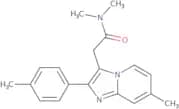
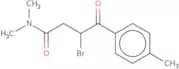
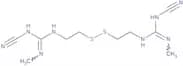
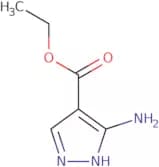
![5-Methoxy-2-[[(3,5-dimethyl-2-pyridinyl)methyl]sulphinyl]-1H-benzimidazole](/_next/image/?url=https%3A%2Fstatic.cymitquimica.com%2Fproducts%2F3D%2Fthumb-webp%2FIM57917.webp&w=3840&q=75)
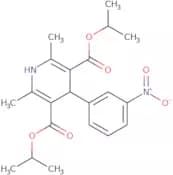
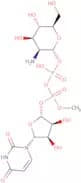


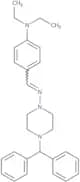
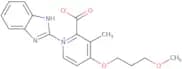

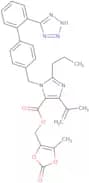

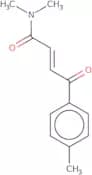
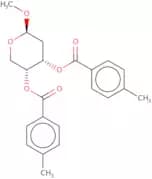
![1,3-Bis[(p-chlorobenzylidene)amino]guanidine hydrochloride](/_next/image/?url=https%3A%2Fstatic.cymitquimica.com%2Fproducts%2F3D%2Fthumb-webp%2FIB57827.webp&w=3840&q=75)

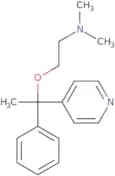
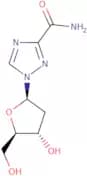
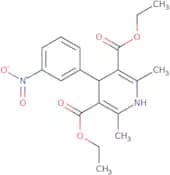
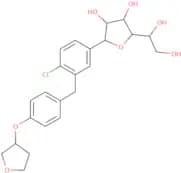
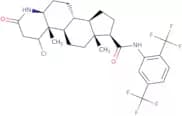
![3-[Methyl(phenylmethyl)amino]-1-phenyl-1-propanone hydrochloride](/_next/image/?url=https%3A%2Fstatic.cymitquimica.com%2Fproducts%2F3D%2Fthumb-webp%2FIM58070.webp&w=3840&q=75)


![2-Methyl-10-(2-nitrophenyl)-10H-benzo[b]thieno[2,3-e] [1,4]diazepin-4-amine](/_next/image/?url=https%3A%2Fstatic.cymitquimica.com%2Fproducts%2F3D%2Fthumb-webp%2FIM146328.webp&w=3840&q=75)
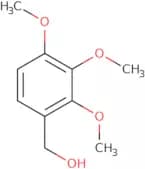
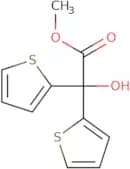
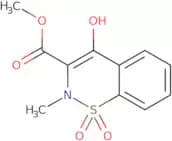
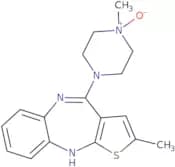
![11-Piperazin-1-yl-dibenzo[b,f][1,4]thiazepine](/_next/image/?url=https%3A%2Fstatic.cymitquimica.com%2Fproducts%2F3D%2Fthumb-webp%2FIP57871.webp&w=3840&q=75)
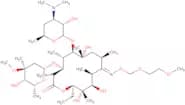
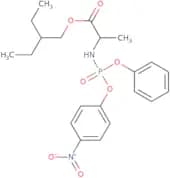
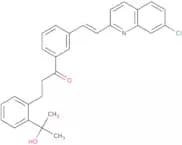

![Methyl 2-[[3-trifluoromethyl)phenyl]amino]benzoate](/_next/image/?url=https%3A%2Fstatic.cymitquimica.com%2Fproducts%2F3D%2Fthumb-webp%2FIM58092.webp&w=3840&q=75)

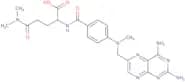

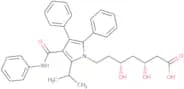
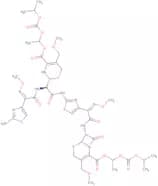

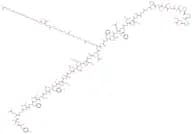
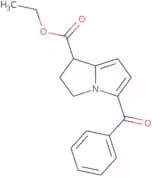
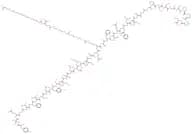
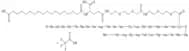
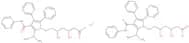
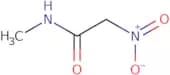
![cis-4-[[[(1,1-Dimethylethoxy)carbonyl]amino]methyl]-cyclohexanecarboxylic acid](/_next/image/?url=https%3A%2Fstatic.cymitquimica.com%2Fproducts%2F3D%2Fthumb-webp%2FID22372.webp&w=3840&q=75)
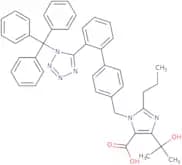

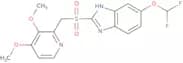


![5-(2-Cyclopropyl-1-(3-fluorophenyl)-2-oxoethyl)-4,5,6,7-tetrahydrothieno[3,2-c]pyridin-2-yl acetate](/_next/image/?url=https%3A%2Fstatic.cymitquimica.com%2Fproducts%2F3D%2Fthumb-webp%2FIC168303.webp&w=3840&q=75)
![1b-(4-Fluorophenyl)hexahydro-β,7-dihydroxy-7-(1-methylethyl)-1a-phenyl-7a-[(phenylamino)carbonyl]-…](/_next/image/?url=https%3A%2Fstatic.cymitquimica.com%2Fproducts%2F3D%2Fthumb-webp%2FIO76438.webp&w=3840&q=75)
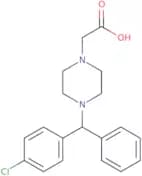
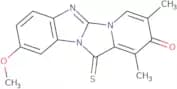
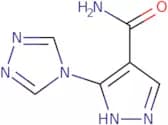
![D-[Pro]31-Tirzepatide](/_next/image/?url=https%3A%2Fstatic.cymitquimica.com%2Fproducts%2F3D%2Fthumb-webp%2FIP11028.webp&w=3840&q=75)
![[[5-[[(2-Aminoethyl)thio]methyl]furan-2-yl]methyl]dimethylamine](/_next/image/?url=https%3A%2Fstatic.cymitquimica.com%2Fproducts%2F3D%2Fthumb-webp%2FIA57830.webp&w=3840&q=75)

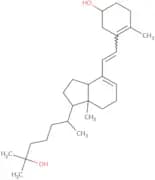
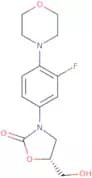
![5-Methoxy-2-[[(4-methoxy-3,5-dimethyl-2-pyridinyl)methyl]sulphonyl]-1H-benzimidazole N-oxide](/_next/image/?url=https%3A%2Fstatic.cymitquimica.com%2Fproducts%2F3D%2Fthumb-webp%2FIM57920.webp&w=3840&q=75)
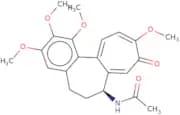
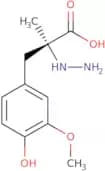
![N-(Aminosulphonyl)-3-[[[2-[(aminoiminomethyl)amino]-4-thiazolyl]methyl]thio]propanamide, hydrochlo…](/_next/image/?url=https%3A%2Fstatic.cymitquimica.com%2Fproducts%2F3D%2Fthumb-webp%2FIA58075.webp&w=3840&q=75)
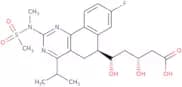
![2-Hydroxy-2-{4-[2-(hydroxyethoxy)ethyl]piperazin-1-yl}dithiazepin](/_next/image/?url=https%3A%2Fstatic.cymitquimica.com%2Fproducts%2F3D%2Fthumb-webp%2FFQ06935.webp&w=3840&q=75)
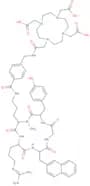
![N-(1-Oxopentyl)-N-[[2'-(2H-tetrazol-5-yl)[1,1'-biphenyl]-4-yl]methyl]-D-valine](/_next/image/?url=https%3A%2Fstatic.cymitquimica.com%2Fproducts%2F3D%2Fthumb-webp%2FIO22697.webp&w=3840&q=75)
![2-[[1-(Methylamino)-2-nitroethenyl]amino]-ethanethiol](/_next/image/?url=https%3A%2Fstatic.cymitquimica.com%2Fproducts%2F3D%2Fthumb-webp%2FIM183181.webp&w=3840&q=75)


![4-Amino-7-iodopyrrolo[2,1-f][1,2,4]triazine](/_next/image/?url=https%3A%2Fstatic.cymitquimica.com%2Fproducts%2F3D%2Fthumb-webp%2FFA170208.webp&w=3840&q=75)
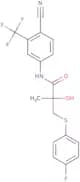
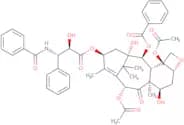
![2-(4-Dibenzo[b,f][1,4]thiazepin-11-yl-piperazin-1-yl)-ethanol](/_next/image/?url=https%3A%2Fstatic.cymitquimica.com%2Fproducts%2F3D%2Fthumb-webp%2FID57870.webp&w=3840&q=75)


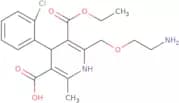


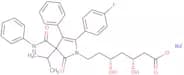
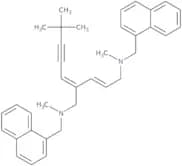
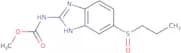
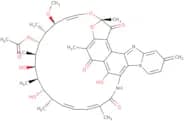

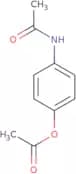
![[D-Phe22]-Tirzepatide](/_next/image/?url=https%3A%2Fstatic.cymitquimica.com%2Fproducts%2F3D%2Fthumb-webp%2FIP11026.webp&w=3840&q=75)
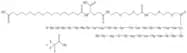
![3-[[[2-[(Aminoiminomethyl)amino]-4-thiazolyl]methyl]thio]-propanoic acid methyl ester](/_next/image/?url=https%3A%2Fstatic.cymitquimica.com%2Fproducts%2F3D%2Fthumb-webp%2FIA23223.webp&w=3840&q=75)
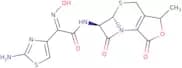
![N-[(1R)-1-(1-Naphthalenyl)ethyl]carbamic acid 3-[3-(trifluoromethyl)phenyl]propyl] ester](/_next/image/?url=https%3A%2Fstatic.cymitquimica.com%2Fproducts%2F3D%2Fthumb-webp%2FIN58184.webp&w=3840&q=75)
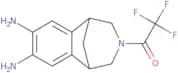
![5-(2-Ethoxyphenyl)-1-methyl-3-n-propyl-1,6-dihydro-7H-pyrazolo[4,3-d]pyrimidin-7-one](/_next/image/?url=https%3A%2Fstatic.cymitquimica.com%2Fproducts%2F3D%2Fthumb-webp%2FNE16544.webp&w=3840&q=75)
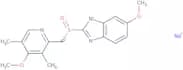
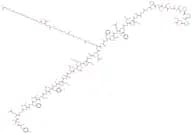
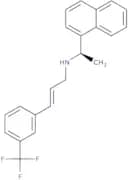
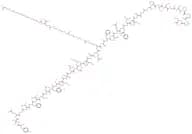
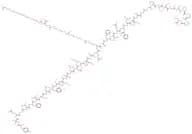
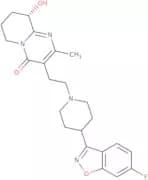
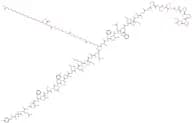

![5-Chloro-N-[[(5R)-2-oxo-3-[4-(3-oxo-4-morpholinyl)phenyl]-5-oxazolidinyl]methyl]-2-thiophenecarbox…](/_next/image/?url=https%3A%2Fstatic.cymitquimica.com%2Fproducts%2F3D%2Fthumb-webp%2FIC71688.webp&w=3840&q=75)
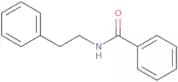
![(3R)-3-Amino-1-[5,6-dihydro-3-(trifluoromethyl)-1,2,4-triazolo[4,3-α]pyrazin-7(8H)-yl]-4-(2,3,5-tr…](/_next/image/?url=https%3A%2Fstatic.cymitquimica.com%2Fproducts%2F3D%2Fthumb-webp%2FIA183165.webp&w=3840&q=75)
![Bis-[[2-[(diaminomethylene)amino]thiazol-4-yl]methyl]disulfide](/_next/image/?url=https%3A%2Fstatic.cymitquimica.com%2Fproducts%2F3D%2Fthumb-webp%2FIB58076.webp&w=3840&q=75)
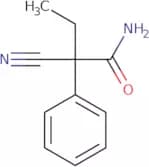
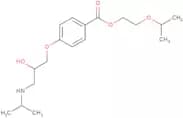
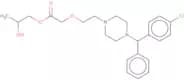
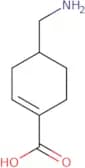
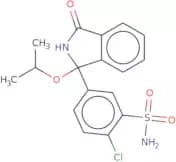
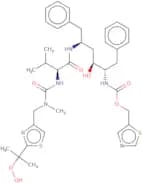
![2-[[3-(Trifluoromethyl)phenyl]amino] benzoic acid 2-hydroxyethyl ester](/_next/image/?url=https%3A%2Fstatic.cymitquimica.com%2Fproducts%2F3D%2Fthumb-webp%2FIT58093.webp&w=3840&q=75)
![4-[(3,4-Dimethoxyphenethyl)methylamino]-2-(3,4-dimethoxyphenyl)-2-isopropylbutyronitrile monohydro…](/_next/image/?url=https%3A%2Fstatic.cymitquimica.com%2Fproducts%2F3D%2Fthumb-webp%2FID20771.webp&w=3840&q=75)
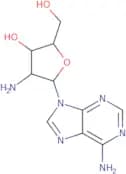
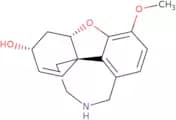

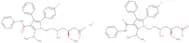
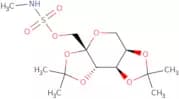
![2-Ethoxy-4-[2-[[(1R)-3-methyl-1-[2-(1-piperidinyl)phenyl]butyl]amino]-2-oxoethyl]benzoic acid ethy…](/_next/image/?url=https%3A%2Fstatic.cymitquimica.com%2Fproducts%2F3D%2Fthumb-webp%2FIE32567.webp&w=3840&q=75)

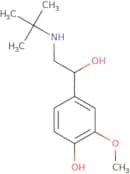
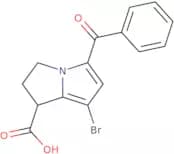

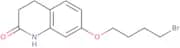
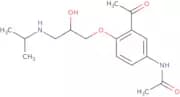
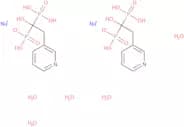
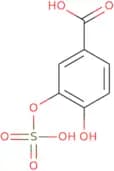
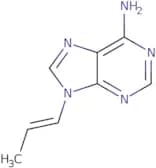
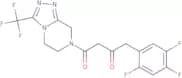
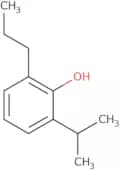
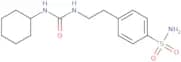
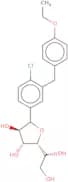
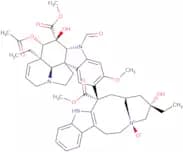
![N-[1-(S)-(-)-(1-Naphthyl)ethyl]-3-[3-(trifluoromethyl)phenyl]-1-aminopropane hydrochloride](/_next/image/?url=https%3A%2Fstatic.cymitquimica.com%2Fproducts%2F3D%2Fthumb-webp%2FIN58179.webp&w=3840&q=75)

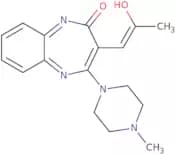
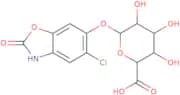
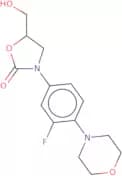
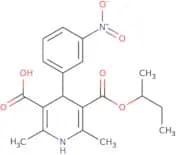
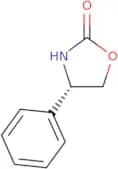
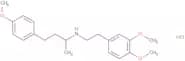
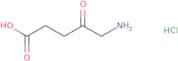

![2-[[[4-(3-Methoxypropoxy)-3-methyl-2-pyridinyl]methyl]thio]-1H-benzimidazole](/_next/image/?url=https%3A%2Fstatic.cymitquimica.com%2Fproducts%2F3D%2Fthumb-webp%2FIM57863.webp&w=3840&q=75)
![4-(1-Hydroxy-1-methylethyl)-2-propyl-1[4-[2-(tetrazol-5-yl)phenyl]phenyl]methyl imidazole-5-carbox…](/_next/image/?url=https%3A%2Fstatic.cymitquimica.com%2Fproducts%2F3D%2Fthumb-webp%2FIH57927.webp&w=3840&q=75)
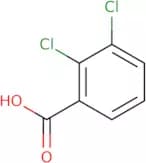
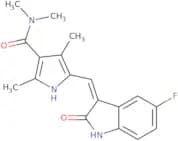
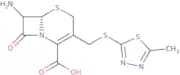

![5-Methoxy-2-[[(4-methoxy-3,5-dimethyl-2-pyridinyl)methyl]sulfinyl]-1H-benzimidazole N-oxide](/_next/image/?url=https%3A%2Fstatic.cymitquimica.com%2Fproducts%2F3D%2Fthumb-webp%2FIM57921.webp&w=3840&q=75)
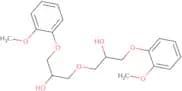
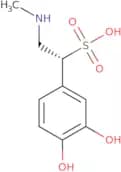
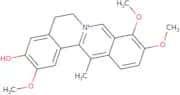
![[(2-Butoxyethoxy)ethyl] 2-[(trifluoromethyl)phenylamino]benzoate](/_next/image/?url=https%3A%2Fstatic.cymitquimica.com%2Fproducts%2F3D%2Fthumb-webp%2FIB58089.webp&w=3840&q=75)