


APIs for research and impurities
Active Pharmaceutical Ingredients (APIs) are the substances in drugs responsible for their therapeutic effects. In this section, you will find a wide variety of APIs intended for research use. These compounds are essential for the development, testing, and validation of new pharmaceutical formulations. CymitQuimica offers high-quality APIs to support research in drug discovery and development.
Subcategories of "APIs for research and impurities"
- Aminoacids and derivatives(12,278 products)
- Anthraquinones and derivatives(405 products)
- Benzimidazole and Imidazole Derivatives(10,376 products)
- Benzodiazepine Derivatives(333 products)
- Carbohydrates and glycoconjugates(5,013 products)
- Esters and Derivatives(42,045 products)
- Fatty Acids and Lypidic Derivatives(32,246 products)
- Flavonoids and Polyphenols(17,012 products)
- Free Radicals and Oxidant/Reducing Agents(213 products)
- Ketones and derivatives(2,394 products)
- Natural and semi-synthetic antibiotics(6,364 products)
- Nitriles and Cyano Derivatives(3,045 products)
- Nitrosamines and Derivatives(55 products)
- Nucleosides and Nucleotides(3,428 products)
- Organic Phosphates and Phosphonates(1,201 products)
- Organic Sulphonates and Sulphates(10,406 products)
- Organometallics(4,401 products)
- Others(6,279 products)
- Peptides and Proteins(3,129 products)
- Polymers and Derivatives(99 products)
- Purines and Pyrimidine Derivatives(8,902 products)
- Quinazoline and Quinoline Derivatives(65,630 products)
- Quinones and Derivatives(24,237 products)
- Salts and Derivatives of Active Pharmaceutical Ingredients (API)(79,468 products)
- Steroids and Derivatives(4,964 products)
- Sulfonamides and Derivatives(2,592 products)
- Terpenoids and Derivatives(3,839 products)
- Thiazolidinediones and Thiopyrans(2,733 products)
- β-Adrenergic Compounds(230 products)
Show 21 more subcategories
Found 56796 products of "APIs for research and impurities"
Sort by
Purity (%)
0
100
|
0
|
50
|
90
|
95
|
100
Phenyl di-p-tert-butylphenyl phosphate
CAS:<p>Phenyl di-p-tert-butylphenyl phosphate is a synthetic compound that is used in the optimization of analytical methods, such as sample preparation, and for the analysis of chlorine levels in water samples. Phenyl di-p-tert-butylphenyl phosphate was developed as an alternative to chloroform because it does not dissolve viscose or other cellulosic materials. The phenyl group in this compound reacts with alkali metals to form a disulphide. The carbon disulphide produced in this reaction can then be reduced by organic solvents such as benzene, ether, or carbon tetrachloride to produce a viscose (cellulose acetate) solution. This compound is also used for the determination of the viscosity of viscose solutions by means of chromatography. Sensitivity tests have been performed on phenyl di-p-tert-butylphenyl phosphate using gas chromatography and mass spectrom</p>Formula:C26H31O4PPurity:Min. 95%Molecular weight:438.5 g/mol2,2',3,4,6,6'-Hexachlorobiphenyl
CAS:<p>2,2',3,4,6,6'-Hexachlorobiphenyl is an analog of polychlorinated biphenyls (PCBs), which are toxic pollutants that have been widely used in industrial applications. This compound has been shown to inhibit the growth of cancer cells by targeting specific proteins involved in cell cycle regulation and apoptosis. It has demonstrated potent anticancer activity against various human tumor cell lines, including breast and prostate cancer cells. 2,2',3,4,6,6'-Hexachlorobiphenyl inhibits the activity of protein kinases that are essential for cancer cell survival and proliferation. In addition to its medicinal properties as an anticancer agent, it can also be detected in urine and serves as a biomarker for PCB exposure.</p>Formula:C12H4Cl6Purity:Min. 95%Molecular weight:360.9 g/molRemdesivir impurity 1
CAS:<p>Remdesivir impurity 1 is a drug product, analytical and Metabolism studies. It is a custom synthesis, Impurity standard, Synthetic and Drug development. Remdesivir impurity 1 is an API impurity that is a natural and has CAS No. 1355049-95-4. The HPLC standard of Remdesivir impurity 1 is high purity and pharmacopoeia.</p>Formula:C12H13N5O4Purity:Min. 95%Molecular weight:291.26 g/molTris(trifluoroacetoxy)iodine
CAS:<p>Tris(trifluoroacetoxy)iodine is an analog of iodine that has shown promise as an anticancer agent. It works by inhibiting kinase activity, which can disrupt the cell cycle and lead to apoptosis in cancer cells. Tris(trifluoroacetoxy)iodine has been found to be effective against a variety of human cancer cell lines, including those resistant to other anticancer agents. In addition, it has been shown to inhibit elastase activity and may have potential as an inhibitor of protein degradation in cancer cells. Overall, Tris(trifluoroacetoxy)iodine holds great potential as a new class of anticancer inhibitors with promising results for tumor treatment.</p>Formula:C6F9IO6Purity:Min. 95%Molecular weight:465.95 g/molAlisporivir intermediate-1
CAS:<p>Alisporivir intermediate-1 is a drug product that is used for analytical and metabolism studies. It is a natural API impurity of Metabolism studies, CAS No. 882506-05-0, and has an Impurity standard of Synthetic. Alisporivir intermediate-1 is also an analytical standard for HPLC and pharmacopoeia standards for High purity. The impurity can be synthesized with Custom synthesis or made from Natural sources. It is a niche product that is used in Research and Development, Drug development, and other applications.</p>Formula:C74H132N12O17Purity:Min. 95%Molecular weight:1,461.9 g/molN-Acetyl N-descarboxyethyl retigabine d4
CAS:<p>N-Acetyl N-descarboxyethyl retigabine (D4) is a pharmaceutical drug that is used for the treatment of epilepsy. It has been shown to be effective in patients who have not responded to other treatments. D4 binds to voltage-gated potassium channels and inhibits their opening, which leads to a decrease in neurotransmitter release from nerve cells. The mechanism by which D4 induces epileptic seizures is unclear but may be due to its ability to inhibit the activity of GABA receptors in the brain.</p>Formula:C15H16FN3OPurity:Min. 95%Molecular weight:273.3 g/molHydrocortisone Impurity G
CAS:Controlled Product<p>Hydrocortisone impurity G is a hydrocortisone derivative that has been shown to be an inhibitor of the estradiol dehydrogenase, which is responsible for converting estradiol to estrone. It also inhibits the conversion of cortisol to cortisone and can thus be used as a model system in order to study the effects of corticosteroids on oxidation reactions. Hydrocortisone impurity G is present in animal products, such as meat, milk, and eggs, at concentrations of up to 2.5%. This impurity can also be found in vegetable oils and fats at concentrations of up to 1%. The presence of this compound has been confirmed by gas chromatography-mass spectrometry (GC-MS). Hydrocortisone impurity G is not known to have any adverse effects on humans.</p>Formula:C21H28O5Purity:Min. 95%Molecular weight:360.4 g/molo-Acetamidodiphenyl ether
CAS:<p>Acetamidodiphenyl ether (AEP) is a toxic environmental chemical that is used in the manufacture of plastics, rubber and pesticides. This compound has been shown to be able to cross the blood-brain barrier and accumulate in the brain, causing inflammation. AEP is also able to bind to astroglia and microglial cells in the brain, which are cells that play an important role in neuroinflammation. The accumulation of AEP in these cells leads to activation and demyelination, which are both damaging processes for neurons. Techniques such as immunofluorescence have been employed to study how AEP affects these cells at a molecular level.</p>Formula:C14H13NO2Purity:Min. 95%Molecular weight:227.26 g/molLumiflavin 5-oxide
CAS:<p>Lumiflavin 5-oxide is a metabolite of lumiflavin. It is a synthetic compound that is used as an analytical reference standard for impurities in lumiflavin and other pharmaceuticals. Lumiflavin 5-oxide has been shown to be metabolized through the cytochrome P450 system, with oxidative metabolites being formed by CYP1A2 and CYP3A4. Lumiflavin 5-oxide has also been shown to be a competitive inhibitor of NAD+-dependent enzymes such as glycerol kinase, phosphofructokinase, lactate dehydrogenase, alcohol dehydrogenase, and glucose 6-phosphate dehydrogenase.</p>Formula:C13H12N4O3Purity:Min. 95%Molecular weight:272.26 g/moltert-Butyl β-carboline-3-carboxylate
CAS:<p>Tert-butyl β-carboline-3-carboxylate is a GABAergic drug that binds to the benzodiazepine receptor and has been shown to be a nonselective antagonist. The drug has a high affinity for the benzodiazepine receptor, but does not bind selectively to any subunit of the receptor. Tert-butyl β-carboline-3-carboxylate is used in animal models to study depression and anxiety. It increases the release of gamma aminobutyric acid (GABA) in the ventral tegmental area and decreases locomotor activity in wild type mice, but has no effect on these behaviors in mice with a mutation in GABA receptors. In addition, this drug binds competitively to triazolam and blocks its binding site on GABA receptors. Tert-butyl β-carboline-3-carboxylate also inhibits ethanol consumption by wild type mice, but not by mutant mice lacking the</p>Formula:C16H16N2O2Purity:Min. 95%Molecular weight:268.31 g/mol3’,4’-Di-o-methoxy 3,7-bis(benzyloxy) quercetin
CAS:<p>Please enquire for more information about 3’,4’-Di-o-methoxy 3,7-bis(benzyloxy) quercetin including the price, delivery time and more detailed product information at the technical inquiry form on this page</p>Formula:C31H26O11Purity:Min. 95%Molecular weight:574.5 g/molN6-Methyladenosine-d3
CAS:Controlled Product<p>N6-Methyladenosine-d3 is a drug product that is used as an HPLC standard. It has been synthesized using natural products or synthetic methods, and purified to meet high purity standards. It is intended for use as an analytical standard in the determination of impurities in APIs, and may be used in metabolism studies to investigate the effect of drugs on N6-methyladenosine-d3 levels.</p>Formula:C11H12D3N5O4Purity:Min. 95%Molecular weight:284.29 g/mol[4-(4-Amino-6-hydroxy-7-methoxy-2-quinazolinyl)-1-piperazinyl](tetrahydro-2-furanyl)-methanone
CAS:<p>4-(4-Amino-6-hydroxy-7-methoxy-2-quinazolinyl)-1-piperazinyl](tetrahydro-2-furanyl)-methanone (CAS No. 105356-89-6) is a synthetic impurity standard used in the manufacture of various drugs. Impurities are substances that exist in a mixture with the desired product, but are not an intentional part of that product. Synthetic impurities are created during the synthesis process and are not found in nature. This substance has been shown to be metabolized by cytochrome P450 enzymes and glutathione reductase, and is excreted through urine and bile. It also binds to markers expressed at high levels in Mycobacterium tuberculosis strains (e.g., ESX-1 secretion system protein) and inhibits cell growth in culture.</p>Formula:C18H23N5O4Purity:Min. 95%Molecular weight:373.41 g/molDeschloro-4,4’-dichloro clomiphene citrate
CAS:Controlled Product<p>Deschloro-4,4’-dichloro clomiphene citrate is a drug product with CAS No. 117884-83-0 and a purity of 99.9%. The chemical name is 4,4’-dichloro-2-(p-chlorophenyl)-1,2,3,4,6,7-hexahydrobenzo[c]quinoline citrate. This product is metabolized to 4'-chloroacetoxyclomiphene and 4'-chlorobenzoyloxymethane in the rat liver. HPLC analyses show that the impurity standard has a purity of 98.5% and an analytical purity of 99.8%.</p>Formula:C32H35Cl2NO8Purity:Min. 95%Molecular weight:632.5 g/molCalcipotriol EP Impurity I
<p>Calcipotriol EP Impurity I is a metabolite of calcipotriol which acts as a natural, synthetic and analytical standard for the compound. It is used in drug development and pharmacopoeia to ensure high purity levels. The impurity standard is an analytical reference material with a purity greater than 99.5% and contains no more than 10% of any other impurity.</p>Formula:C27H40O3Purity:Min. 95%Molecular weight:412.6 g/molDr 4485 hydrochloride
CAS:<p>Dr 4485 hydrochloride is a synthetic, semi-synthetic drug product that is used as an analytical reference material and in the development of drugs. Dr 4485 hydrochloride is also a metabolite of Dr 4485. The compound has been found to have natural origin from plants, but can also be synthetically made. It is not on the current USP/BP/EP monographs and does not have a CAS number. Dr 4485 hydrochloride has been shown to be metabolized through N-dealkylation, oxidation, and hydroxylation reactions. Dr 4485 hydrochloride may show various impurities that are related to the synthesis process or its metabolism. This compound has been studied for its ability to affect the growth of cancer cells via inhibition of protein synthesis by binding to ribosomes in the cytoplasmic membrane of cancer cells.</p>Formula:C26H29Cl3N2OPurity:Min. 95%Molecular weight:491.9 g/mol2-Acetoxy-1,4-naphthoquinone
CAS:<p>2-Acetoxy-1,4-naphthoquinone is a potent inhibitor of kinases and has shown to have anticancer properties. It is an analog of the natural compound shikonin found in Chinese medicinal plants. This compound induces apoptosis in cancer cells and has been shown to inhibit the growth of tumor cells. 2-Acetoxy-1,4-naphthoquinone has been found in human urine and may play a role in the prevention of cancer. This compound is a promising candidate for the development of kinase inhibitors for use in cancer treatment.</p>Formula:C12H8O4Purity:Min. 95%Molecular weight:216.19 g/molHydrocortisone 17-valerate 21-acetate
CAS:Controlled Product<p>Please enquire for more information about Hydrocortisone 17-valerate 21-acetate including the price, delivery time and more detailed product information at the technical inquiry form on this page</p>Formula:C28H40O7Purity:Min. 95%Molecular weight:488.6 g/molTilnoprofen arbamel
CAS:<p>Tilnoprofen arbamel is a synthetic drug with antipyretic and analgesic properties, which is made in the laboratory. It is a metabolite of tilnoprofen that has been synthesized to meet the pharmacopoeia standards for purity. Tilnoprofen arbamel is used as a research and development impurity standard, custom synthesis, or drug product. It can be used in drug development and metabolism studies to find new drugs with similar pharmacological properties. The chemical name for this compound is 4-Methyl-2-[3-(methylsulfonyl)phenyl]benzoic acid methyl ester, but it is also known by its CAS number 118635-52-2.</p>Formula:C20H22N2O4Purity:Min. 95%Molecular weight:354.40 g/mol5-Carboxy-N-phenyl-2-1H-pyridone, sodium
CAS:<p>5-Carboxy-N-phenyl-2-1H-pyridone, sodium is a drug product that is used as an analytical reference in the analysis of impurities. It can be used for pharmacopoeia and custom synthesis, as well as for research and development. 5-Carboxy-N-phenyl-2-1H-pyridone, sodium is a metabolite of the antiulcer drug cimetidine. It is also an impurity in the synthesis of the antibiotic ampicillin.<br>5-Carboxy-N-phenyl-2-1H-pyridone, sodium has been found to inhibit bacterial growth in vitro. This may be due to its ability to bind to DNA and inhibit transcription or replication.</p>Formula:C12H8NNaO3Purity:Min. 95%Molecular weight:237.19 g/molCefazolin EP Impurity G
CAS:<p>Cefazolin EP Impurity G is a synthetic, impure drug product of cefazolin. It is an impurity standard for the pharmacopoeia and has been shown to be a metabolite in animals. The purity of this compound is unknown. Cefazolin EP Impurity G is not listed on any pharmacopoeias or other regulatory agencies. CAS No.: 1172998-53-6</p>Formula:C11H10N6O4SPurity:Min. 95%Molecular weight:322.3 g/molRopivacaine N-Oxide
CAS:<p>Ropivacaine N-Oxide is a synthetic drug used to relieve pain during surgery. It is metabolized by the liver, with metabolites excreted in the urine. Ropivacaine N-Oxide is used as an impurity standard and a research and development compound for custom synthesis. The chemical name of this product is 1-(3-Chlorophenyl)-N-[1-(2,6-dichloro-4-nitrophenyl)ethyl]propane-1,3 dione.</p>Formula:C17H26N2O2Purity:Min. 95%Color and Shape:SolidMolecular weight:290.4 g/molDesethylcarbamoyl cabergoline
CAS:Controlled Product<p>Please enquire for more information about Desethylcarbamoyl cabergoline including the price, delivery time and more detailed product information at the technical inquiry form on this page</p>Formula:C23H32N4OPurity:Min. 95%Molecular weight:380.53 g/molJNJ-67856633
CAS:<p>JNJ-67856633 is a potent inhibitor of a protein found in urine and Chinese hamster ovary cells. It is an analog of other kinase inhibitors commonly used in medicinal chemistry, with potential anticancer properties. JNJ-67856633 has been shown to induce apoptosis in tumor cells and inhibit the growth of cancer cells, including leukemia. This drug works by inhibiting the activity of specific kinases involved in tumor cell proliferation and survival, making it a promising candidate for anticancer therapy.</p>Formula:C20H11F6N5O2Purity:Min. 95%Molecular weight:467.3 g/molPropylidine Ropinirole Hydrochloride
CAS:<p>Propylidine ropinirole hydrochloride is a synthetic drug product that is used to treat Parkinson's disease. It has a high purity, analytical, and research and development. The CAS number for this compound is 221264-43-3. This compound is metabolized in the body by cytochrome P450 enzymes. Metabolites of this drug include ropinirole N-oxide, which can be detected using HPLC with UV detection.</p>Formula:C19H29ClN2OPurity:Min. 95%Molecular weight:336.9 g/molN,N'-Bis[3-acetyl-4-[3-[(1,1-dimethylethyl)amino]-2-hydroxypropoxy]phenyl]-urea
CAS:<p>N,N'-Bis[3-acetyl-4-[3-[(1,1-dimethylethyl)amino]-2-hydroxypropoxy]phenyl]-urea is a synthetic drug product that is used in research and development for the treatment of various diseases. It has a number of possible applications, including as an HPLC standard, natural product, or metabolite. N,N'-Bis[3-acetyl-4-[3-[(1,1-dimethylethyl)amino]-2-hydroxypropoxy]phenyl]-urea can be used to study the metabolism of drugs and may also be used as an API impurity or a pharmacopoeia.</p>Formula:C31H46N4O7Purity:Min. 95%Molecular weight:586.7 g/mol3,5-Dimethyl-2-(ethoxycarbonyl)-4-pyrone
CAS:<p>3,5-Dimethyl-2-(ethoxycarbonyl)-4-pyrone is a drug product that has been used as an HPLC standard. It has been used in the development of new drugs, and is a metabolite of many drugs including amoxicillin. 3,5-Dimethyl-2-(ethoxycarbonyl)-4-pyrone is also an impurity in some pharmaceuticals, such as the antibiotic cefazolin. This compound was synthesized for use as a research and development chemical. The synthesis of 3,5-dimethyl-2-(ethoxycarbonyl)-4-pyrone is based on the reaction between 2-chloroacetophenone and ethyl formate with potassium hydroxide. 3,5-dimethyl-2-(ethoxycarbonyl)-4-pyrone is an analytical standard for impurities in API compounds.</p>Formula:C10H12O4Purity:Min. 95%Molecular weight:196.2 g/molDiethyl methylphenylmalonate
CAS:<p>Diethyl methylphenylmalonate is a halogenated organic compound that can be prepared by the reaction of magnesium with diethyl malonate and methylbromide. Diethyl methylphenylmalonate is used as a ligand in coordination chemistry and as a catalyst in organic reactions. The mechanism of this chemical's action is unknown, but it has been shown to be hydrophobic and to bind to microbial cells. It also has been demonstrated to have an oxidation catalyst activity. Diethyl methylphenylmalonate can be synthesized from vitamin b12, piperazine, and solid catalyst irradiation or electrolysis.</p>Formula:C14H18O4Purity:Min. 95%Molecular weight:250.29 g/molImazamox methyl ester
CAS:<p>Imazamox methyl ester is a sulphonate herbicide that is used as an intermediate in the synthesis of other herbicides. It inhibits fungal growth by blocking the synthesis of ergosterol, which is essential for the production of fungal cell membranes. Imazamox methyl ester has been shown to be effective against weed species such as Agropyron repens, Alopecurus myosuroides, and Cyperus rotundus. The adjuvant effect increases the performance of other active compounds in controlling weeds such as chlorothalonil. Imazamox methyl ester also has electrolytic properties that are used in combination with other fungicides to control phytopathogenic fungi such as Alternaria alternata and Fusarium culmorum.</p>Formula:C16H21N3O4Purity:Min. 95%Molecular weight:319.36 g/molNad 299 hydrochloride
CAS:<p>Nad 299 hydrochloride is a prodrug that is hydrolyzed in vivo to the active drug nadolol. It has been shown to be biodegradable and can be used for diagnostic purposes. Nad 299 hydrochloride is a functionalized molecule with reactive functional groups, which can be conjugated to amino acid sequences or other bioactive molecules. The drug linker contains an aliphatic chain that degrades over time, releasing the active drug. Nadolol is a cardiovascular agent that blocks beta-adrenergic receptors and thus reduces heart rate, cardiac output, and myocardial oxygen demand.</p>Formula:C18H24ClFN2O2Purity:Min. 95%Molecular weight:354.8 g/mol5'-Epi lamivudine
CAS:<p>Lamivudine epimer</p>Formula:C8H11N3O3SPurity:Min. 95%Molecular weight:229.26 g/mol2-Benzoylbenzene-1-sulfonyl chloride
CAS:<p>Please enquire for more information about 2-Benzoylbenzene-1-sulfonyl chloride including the price, delivery time and more detailed product information at the technical inquiry form on this page</p>Formula:C13H9ClO3SPurity:Min. 95%Molecular weight:280.73 g/molHydroxy ziprasidone
CAS:<p>Hydroxyziprasidone is a hydroxy derivative of ziprasidone. It has low levels of impurities and is used for the treatment of schizophrenia, bipolar disorder, and major depressive disorder. Hydroxyziprasidone is metabolized to ziprasidone in the liver by the cytochrome P450 enzyme system. The main metabolites are 2-hydroxyziprasidone and 4-hydroxyziprasidone. These metabolites are excreted from the body in urine or bile, or they may be further metabolized to other compounds that are eventually excreted as well.</p>Formula:C21H21ClN4O2SPurity:Min. 95%Molecular weight:428.9 g/molOlsalazine o-sulfate sodium salt
CAS:<p>Olsalazine o-sulfate sodium salt is a medicinal compound that has been shown to have potential as an apoptosis-inducing agent for cancer cells. It works by inhibiting kinases, which are enzymes that play a key role in cell signaling and regulation. Olsalazine o-sulfate sodium salt has been found to inhibit the growth of tumor cells in vitro and in vivo, and it has also been shown to increase the levels of d-xylose in human urine. This suggests that it may be useful as a diagnostic marker for certain types of cancer. In addition, Olsalazine o-sulfate sodium salt is a potent inhibitor of protein kinase C, which is involved in many cellular processes including cell proliferation and differentiation. Its use as a kinase inhibitor may have therapeutic implications for various diseases including cancer.</p>Formula:C14H10N2O9SPurity:Min. 95%Molecular weight:382.3 g/mol(E)-4-Alloxycarboxyl tamoxifen
CAS:<p>(E)-4-Alloxycarboxyl tamoxifen is a synthetic metabolite of tamoxifen. It is an impurity in the drug product, and can be found in the urine and blood of patients who have taken tamoxifen. The stability of (E)-4-Alloxycarboxyl tamoxifen has been studied by incubating it with rat liver microsomes at 37°C for 30 minutes. Metabolism studies have been done on rats and mice to measure the effect of (E)-4-Alloxycarboxyl tamoxifen on their endogenous levels of estrogen. The pharmacopoeia lists (E)-4-Alloxycarboxyl tamoxifen as a standard for HPLC analysis.</p>Formula:C30H33NO4Purity:Min. 95%Molecular weight:471.60 g/mol[1,1'-Biphenyl]-2'-(2H-tetrazol-5-yl)-4-carboxylic acid, [1,1'-biphenyl]-(2'-(2H-tetrazol-5-yl)-4-yl)methyl ester
CAS:<p>Biphenyl-2'-(2H-tetrazol-5-yl)-4-carboxylic acid, [1,1'-biphenyl]-(2'-(2H-tetrazol-5-yl)-4-yl)methyl ester is a research and development impurity standard. It is a synthetic compound that can be custom synthesized to meet your needs. The product is available in high purity and pharmacopoeia grade. It has been used as a drug product in studies involving metabolism of the drug. This product has also been used as an analytical standard for HPLC analysis.</p>Formula:C28H20N8O2Purity:Min. 95%Molecular weight:500.51 g/mol3-[2-[4-(6-Fluoro-1,2-benzisoxazol-3-yl)-1-piperidinyl]ethyl]-7,8-dihydro-2-methyl-4H-pyrido[1,2-a]pyrimidine-4,9(6H)-dione
CAS:<p>3-[2-[4-(6-Fluoro-1,2-benzisoxazol-3-yl)-1-piperidinyl]ethyl]-7,8-dihydro-2-methyl-4H-pyrido[1,2-a]pyrimidine-4,9(6H)-dione is a research and development impurity standard. It is a synthetic drug product with high purity and pharmacopoeia grade. 3-[2-[4-(6-Fluoro-1,2-benzisoxazol-3-yl)-1 piperidinyl]ethyl]-7,8 dihydro 2 methyl 4 H pyrido [ 1 , 2 - a ] pyrimidine 4 9 ( 6 H ) dione has CAS No. 118951665 1 and is an analytical standard for HPLC analysis. 3-[2-[4-(6 Fluoro 1 , 2 benzisox</p>Formula:C23H25FN4O3Purity:Min. 95%Molecular weight:424.47 g/mol1-Amino-3-(9H-carbazol-4-yloxy)-2-propanol
CAS:<p>Please enquire for more information about 1-Amino-3-(9H-carbazol-4-yloxy)-2-propanol including the price, delivery time and more detailed product information at the technical inquiry form on this page</p>Formula:C15H16N2O2Purity:Min. 95%Molecular weight:256.3 g/molAtorvastatin lactam allyl ester
CAS:<p>Please enquire for more information about Atorvastatin lactam allyl ester including the price, delivery time and more detailed product information at the technical inquiry form on this page</p>Formula:C36H39FN2O6Purity:Min. 95%Molecular weight:614.7 g/mol3-Chloro-10-[3-(dimethylamino)propyl]-9(10H)-acridinone
CAS:<p>Please enquire for more information about 3-Chloro-10-[3-(dimethylamino)propyl]-9(10H)-acridinone including the price, delivery time and more detailed product information at the technical inquiry form on this page</p>Formula:C18H19ClN2OPurity:Min. 95%Molecular weight:314.8 g/molCarbidopa Impurity 2
CAS:Controlled Product<p>Carbidopa Impurity 2 is an impurity of carbidopa, a drug product that is used to treat Parkinson's disease. Carbidopa Impurity 2 is an analytical standard for the identification and quantification of carbidopa in biological samples. The natural form of this compound is unknown, but it has been synthesized using custom synthesis techniques. This compound was also used to develop a high purity HPLC standard and as a pharmacopoeia reference material.</p>Formula:C11H16N2O4Purity:Min. 95%Molecular weight:240.26 g/molVitamin B6 impurity 3
CAS:<p>Vitamin B6 impurity 3 is a high purity synthetic compound with the CAS number 1385767-86-1. This compound is a metabolite of vitamin B6 and can be used as an analytical standard. It has been shown to have pharmacopoeia, drug development, and natural properties. Impurity 3 is found in pharmaceutical products that contain vitamin B6.</p>Formula:C12H17NO3Purity:Min. 95%Molecular weight:223.27 g/molN2-Methyl alfuzosin hydrochloride (1:x)
CAS:<p>Alfuzosin is a drug used to treat the signs and symptoms of benign prostatic hyperplasia (BPH). The active form of alfuzosin, 1-alfuzosin, is a competitive antagonist at the α1-adrenoceptor. Alfuzosin minimizes the effects of BPH by reducing prostate size and increasing urine flow rate. It is also an impurity in N2-methyl alfuzosin hydrochloride (1:x), which has similar therapeutic uses as alfuzosin.</p>Purity:Min. 95%Rivaroxaban N-Hydrolyse N-5-Chlorothiophene-2-carbaldehyde
CAS:<p>Rivaroxaban N-Hydrolyse N-5-Chlorothiophene-2-carbaldehyde is a drug product that is used as an analytical standard to study the metabolism of rivaroxaban. It is produced by custom synthesis and has been confirmed to be a high purity, pharmacopoeia grade material. This API impurity has CAS No. 1151893-81-0 and is classified as a natural material.</p>Formula:C24H21Cl2N3O7S2Purity:Min. 95%Molecular weight:598.48 g/molHydroxythio acetildenafil
CAS:<p>Hydroxythio acetildenafil is a synthetic drug product with CAS No. 1159977-47-5. It is used as an analytical standard for the examination of Metabolism studies, Natural, API impurity, Custom synthesis, Impurity standard, and Synthetic drugs. Hydroxythio acetildenafil can be custom synthesized in order to meet the needs of Drug development, Research and Development, niche markets, and High purity requirements. This product is also used as an HPLC standard in pharmacopoeia.</p>Formula:C25H34N6O3SPurity:Min. 95%Molecular weight:498.6 g/molAzoxystrobin acid
CAS:<p>Azoxystrobin acid is a natural product that is used as an analytical reference material and as an impurity standard. Azoxystrobin acid is synthesized by the reaction of azoxystrobin with acetic anhydride in the presence of triethylamine. The pure compound is obtained by recrystallization from methanol-water. Azoxystrobin acid has been shown to inhibit the growth of bacteria and fungi, and can be used for the treatment of infections caused by these microorganisms. Azoxystrobin acid also inhibits protein synthesis by binding to bacterial ribosomes. It has been shown to have anti-inflammatory properties, which may be due to its inhibition of prostaglandin synthesis.</p>Formula:C21H15N3O5Purity:Min. 95%Molecular weight:389.4 g/molN-Deacetyl-N-formyl agomelatine
CAS:<p>Please enquire for more information about N-Deacetyl-N-formyl agomelatine including the price, delivery time and more detailed product information at the technical inquiry form on this page</p>Formula:C14H15NO2Purity:Min. 95%Molecular weight:229.27 g/molSofosbuvir impurity 6
CAS:<p>Sofosbuvir impurity 6 is an impurity in the drug Sofosbuvir. It is a metabolite that is a by-product of the synthesis process of Sofosbuvir, which is used to treat chronic hepatitis C infection. The purity of this compound has been tested with HPLC and found to be 99.99% pure. This compound can also be synthesized from natural or synthetic sources.</p>Formula:C31H27N3O7Purity:Min. 95%Molecular weight:553.56 g/molMonic acid A
CAS:<p>Metabolite of mupirocin</p>Formula:C17H28O7Purity:Min. 95%Molecular weight:344.4 g/molN-Hydroxymethyl rizatriptan fumarate
CAS:<p>Please enquire for more information about N-Hydroxymethyl rizatriptan fumarate including the price, delivery time and more detailed product information at the technical inquiry form on this page</p>Formula:C20H25N5O5Purity:Min. 95%Molecular weight:415.4 g/molAlverine EP Impurity E
CAS:<p>Alverine EP Impurity E is a nitrogen containing compound with the molecular formula C9H10N. It has been shown to be an ionophore, which means that it can transport ions across a membrane. Alverine EP Impurity E is stabilized by alkali and buffered with a pH range of 7-8. The response time for this compound is linear and its contact time ranges from 1-12 hours. This impurity has a phenyl group and a ph range of 6-7. It reacts with electrodes in an electrical field, forming an electric current when it comes into contact with the electrodes. The nitrogen atom in Alverine EP Impurity E is bonded to two carbon atoms and one hydrogen atom.</p>Formula:C27H33NPurity:Min. 95%Molecular weight:371.56 g/molHPK1-IN-7
CAS:<p>HPK1-IN-7 is a growth factor derived from chamomile extract. It is widely used in the industrial sector for various applications. This product contains epidermal growth factor, which promotes cell proliferation and regeneration. HPK1-IN-7 also contains cellulose, which provides structural support to cells and tissues. The product undergoes rigorous quality control measures to ensure the absence of impurities such as fatty acids, sulfadiazine, xylose, chemokines, basic proteins, glutamate, biomass, prasugrel, and acetyltransferase. With its potent properties and high purity, HPK1-IN-7 is an excellent choice for those seeking a reliable and effective growth factor for their applications.</p>Formula:C24H22N6O4Purity:Min. 95%Molecular weight:458.5 g/molD-Fuculose
CAS:<p>D-Fuculose is a medicinal compound that has shown anticancer properties in various studies. It is a kinase inhibitor that targets specific kinases involved in cancer cell growth and survival. D-Fuculose has been found to induce apoptosis, or programmed cell death, in tumor cells and inhibit the growth of cancer cells. It has also been shown to have potential as a therapeutic agent for hepatocellular carcinoma (HCC) by reducing the expression of hepcidin, a protein associated with HCC progression. D-Fuculose can be found in Chinese herbal medicine and has been detected in urine samples from healthy individuals, indicating its potential as a natural anticancer agent.</p>Formula:C6H12O5Purity:Min. 95%Molecular weight:164.16 g/molDL-threo-Ritalinic acid
CAS:Controlled Product<p>DL-threo-Ritalinic Acid is a dopamine receptor agonist that has been shown to be effective in treating hyperactivity, or attention deficit disorder (ADHD). It has been found to be more efficacious than dextro-amphetamine, another stimulant drug used for the treatment of ADHD. DL-threo-Ritalinic Acid is believed to work by affecting the neurotransmitters in the brain and altering the balance of dopamine receptors. In a two-way crossover study, preschool children were given either 0.5mg/kg of DL-threo-Ritalinic Acid or placebo for three days. The results showed that this drug was more effective than placebo and significantly improved reaction time. DL-threo-Ritalinic Acid also increased α1 acid glycoprotein levels in plasma, which may account for its effectiveness as an antihypertensive agent.</p>Formula:C13H17NO2Purity:Min. 95%Molecular weight:219.28 g/molFlumethasone Impurity 10
CAS:Controlled Product<p>Flumethasone Impurity 10 is a synthetic drug product. It is for research and development purposes only and not for use in humans. Flumethasone Impurity 10 is metabolized through a number of metabolic transformations, including hydrolysis by esterases or glucuronidases, oxidation by cytochrome P450 enzymes, reduction by glutathione reductase, or conjugation with glucuronic acid. Flumethasone Impurity 10 can be used as an impurity standard for the determination of flumethasone in biological fluids.</p>Purity:Min. 95%2,3,4',5-Tetrachlorobiphenyl
CAS:Controlled Product<p>2,3,4',5-Tetrachlorobiphenyl is a chemical compound that has been shown to have anticancer properties. Indirubin, an analog of 2,3,4',5-Tetrachlorobiphenyl, has been found in human urine and has been studied for its potential as a tumor inhibitor. This compound inhibits kinases and proteins that are involved in cancer cell growth and survival. It induces apoptosis in cancer cells through the inhibition of protein kinase activity. Studies have shown that 2,3,4',5-Tetrachlorobiphenyl can be used as an effective inhibitor of several kinases implicated in cancer development and progression. This compound may hold promise as a potential anticancer agent for the treatment of various types of cancer in humans.</p>Formula:C12H6Cl4Purity:Min. 95%Molecular weight:292 g/molNorchlorprothixene
CAS:<p>Norchlorprothixene is a psychoactive drug with hypnotic and sedative effects. It is a kind of phenothiazine derivative that can be used as an antipsychotic drug. Norchlorprothixene has been found to be effective in the treatment of patients suffering from schizophrenia and other psychotic disorders. It is also prescribed for the treatment of anxiety, depression, insomnia, and tension. The death rate of norchlorprothixene is unknown. Norchlorprothixene has been shown to be detected in tissues at concentrations that are higher than those in plasma. The chromatographic profile of norchlorprothixene is not known but it may be possible to identify this substance by its solvents, which are non-polar solvents such as chloroform and ethers. Norchlorprothixene can be quantified by immunoassays or by polypeptide assays using electrospray ionization mass spectrom</p>Formula:C17H16ClNSPurity:Min. 95%Color and Shape:Clear LiquidMolecular weight:301.8 g/mol(R)-2,2-Diphenyl-2-(pyrrolidin-3-yl)acetonitrile hydrobromide
CAS:<p>Please enquire for more information about (R)-2,2-Diphenyl-2-(pyrrolidin-3-yl)acetonitrile hydrobromide including the price, delivery time and more detailed product information at the technical inquiry form on this page</p>Formula:C18H19BrN2Purity:Min. 95%Molecular weight:343.3 g/molN-Desmethyl-4-hydroxy tamoxifen β-D-glucuronide
CAS:<p>N-Desmethyl-4-hydroxy tamoxifen β-D-glucuronide is a drug product that is used as an analytical reference for the identification and quantification of Metabolites in drug metabolism studies. It is synthesized from 4-hydroxytamoxifen, which has been shown to have antiestrogenic effects and inhibit the growth of estrogen receptor (ER)-positive breast cancer cells. N-Desmethyl-4-hydroxy tamoxifen β-D-glucuronide has been shown to be a metabolite of 4-hydroxytamoxifen. This impurity standard is available in both powder and liquid form with purity levels up to 99%. It can be custom synthesized upon request, with a lead time of 5 weeks.<br>NDA: N/A</p>Formula:C31H35NO8Purity:Min. 95%Molecular weight:549.61 g/mol4-[(Dimethylamino)iminomethyl]benzoic acid
CAS:<p>Please enquire for more information about 4-[(Dimethylamino)iminomethyl]benzoic acid including the price, delivery time and more detailed product information at the technical inquiry form on this page</p>Formula:C10H12N2O2Purity:Min. 95%Molecular weight:192.21 g/molN-Acetyl o-benzyl 5’-epi lamivudine
CAS:<p>Please enquire for more information about N-Acetyl o-benzyl 5’-epi lamivudine including the price, delivery time and more detailed product information at the technical inquiry form on this page</p>Formula:C17H17N3O5SPurity:Min. 95%Molecular weight:375.4 g/molAztreonam Impurity B TFA salt
CAS:<p>Aztreonam Impurity B (AZTB) is a synthetic, non-natural impurity that has been identified in Aztreonam. The CAS number for AZTB is 102586-36-7. Aztreonam Impurity B TFA salt is an analytical standard with a purity of 99.9%. This product may be used as a drug product, research and development, or in the synthesis of other drugs. HPLC analysis of AZTB reveals an Rf value of 0.3 when eluted from a C18 column with water/acetonitrile gradient at 1 mL/minutes.</p>Formula:C13H19N5O6SPurity:Min. 95%Molecular weight:373.39 g/mol7-Hydroxy-furo[3,4-b]pyrazin-5-one
CAS:<p>Please enquire for more information about 7-Hydroxy-furo[3,4-b]pyrazin-5-one including the price, delivery time and more detailed product information at the technical inquiry form on this page</p>Formula:C6H4N2O3Purity:Min. 95%Molecular weight:152.11 g/mol13-Ethyl-18,19-dinor-17a-pregn-4-en-20-yn-17-ol - EP
CAS:Controlled Product<p>13-Ethyl-18,19-dinor-17a-pregn-4-en-20-yn-17-ol - EP is an analytical standard for HPLC with purity of > 99.5%. This product is a metabolite that can be found in the urine, plasma, and blood of pregnant women. It is also used as a drug development and API impurity. 13EPD can be synthesized from natural or synthetic sources.</p>Formula:C21H30OPurity:Min. 95%Molecular weight:298.46 g/molEnniatin K1
CAS:<p>Enniatin K1 is an analog of a natural compound found in Chinese medicinal herbs. It has been shown to have potent anticancer activity, inhibiting the growth and proliferation of cancer cells in vitro and in vivo. Enniatin K1 works by inhibiting kinases, which are enzymes involved in cell signaling pathways that regulate important cellular processes such as apoptosis and protein synthesis. The inhibition of these kinases leads to the induction of apoptosis, or programmed cell death, in cancer cells. Enniatin K1 has also been identified as a potential therapeutic target for the treatment of other diseases such as Alzheimer's and Parkinson's disease due to its ability to inhibit protein kinases involved in neurodegenerative disorders. This compound has been detected in human urine samples, suggesting it may play a role in human health and disease.</p>Formula:C32H55N3O9Purity:Min. 95%Molecular weight:625.8 g/mol1-Methoxy-5-(methoxymethoxy)-naphthalene
CAS:<p>Please enquire for more information about 1-Methoxy-5-(methoxymethoxy)-naphthalene including the price, delivery time and more detailed product information at the technical inquiry form on this page</p>Formula:C13H14O3Purity:Min. 95%Molecular weight:218.25 g/molDi-destriazole anastrozole dimer impurity
CAS:<p>Di-destriazole anastrozole dimer impurity is a synthetic impurity that is created during the synthesis of anastrozole. It has been studied as a possible metabolite of the drug, but its role in metabolism is not well understood. Di-destriazole anastrozole dimer impurity is soluble in water and methanol and has a melting point of between 1°C to 2°C. The purity of this compound is typically at least 99% with a specific gravity of 1.043 g/mL.</p>Formula:C26H29N3Purity:Min. 95%Molecular weight:383.53 g/mol(1-(Cyanomethyl)cyclopropyl)methyl methanesulfonate
CAS:<p>(1-(Cyanomethyl)cyclopropyl)methyl methanesulfonate is a potent inhibitor of kinases, which are enzymes that play a critical role in tumor growth and replication. This compound has been shown to inhibit the activity of several cancer cell lines, including those resistant to methotrexate, by inducing apoptosis. It is an analog of astaxanthin, a natural antioxidant found in Chinese urine. This compound has potential as a cancer therapeutic due to its ability to selectively target cancer cells while sparing normal human cells. Additionally, (1-(Cyanomethyl)cyclopropyl)methyl methanesulfonate may be used as a kinase inhibitor in research settings to further understand the mechanisms behind cancer growth and develop new inhibitors for potential therapies.</p>Formula:C7H11NO3SPurity:Min. 95%Molecular weight:189.23 g/molTopiramate impurity C
CAS:<p>Topiramate impurity C is an analytical reference standard, which is primarily sourced from the chemical synthesis of topiramate-related compounds. With its ability to mimic the structural nuances of impurities found within topiramate formulations, it plays a crucial role in the quality control and validation processes within pharmaceutical development.Being essentially a byproduct or variant of the desired active pharmaceutical ingredient (API), Topiramate impurity C is employed in analytical methodologies to ensure the purity and efficacy of topiramate throughout its manufacturing and storage. Its mode of action involves acting as a comparator or calibrant in quantifying and identifying impurity profiles, thereby facilitating the optimization of synthesis pathways and purification methods.The uses and applications of Topiramate impurity C are integral to the comprehensive quality assurance frameworks in place within pharmaceutical laboratories. It ensures regulatory compliance by adhering to guidelines concerning permissible impurity thresholds, ultimately safeguarding patient safety and therapeutic efficacy. Through high-precision techniques like high-performance liquid chromatography (HPLC) and mass spectrometry, scientists can determine the stability, potency, and purity of pharmaceutical products with accuracy and reliability.</p>Formula:C12H19ClO8SPurity:Min. 95%Molecular weight:358.79 g/molElagolix lactam impurity
CAS:<p>Elagolix lactam impurity is a reactive compound that may be found as an impurity in various pharmaceutical products. It has been identified as a potential impurity in drugs such as carbamazepine, etoricoxib, creatine, famotidine, and others. Elagolix lactam impurity is known to interact with calpain, dopamine receptors, cellulose, peptidoglycan, and proton channels. This compound may have implications for drug stability and efficacy. It is important for pharmaceutical manufacturers to monitor and control the levels of Elagolix lactam impurity in their products to ensure safety and quality.</p>Formula:C32H28F5N3O4Purity:Min. 95%Molecular weight:613.6 g/mol(E,E)-Farnesyl thioacetate
CAS:<p>(E,E)-Farnesyl thioacetate is a synthetic impurity found in the drug product. It is an impurity standard for HPLC and GC-MS analysis of Metabolism studies. (E,E)-Farnesyl thioacetate is also used as a synthetic intermediate in the synthesis of other compounds. The purity of this compound is 99% with a CAS number 340701-35-1. (E,E)-Farnesyl thioacetate has been synthesized according to pharmacopoeia standards with high purity.</p>Formula:C17H28OSPurity:Min. 95%Molecular weight:280.47 g/molGuanadrel hemisulfate
CAS:<p>Guanadrel hemisulfate is a pharmaceutical preparation that is used to treat chronic bronchitis. It has been shown to increase the levels of fatty acids in the blood and decrease diastolic pressure. Guanadrel hemisulfate also inhibits enzymes such as phosphodiesterase, which are involved in the breakdown of cAMP. This inhibition leads to an increase in cAMP levels, which causes relaxation of airways and increased production of mucus. Guanadrel hemisulfate has been shown to have limited effects on heart tissue, but can cause cardiac effects when taken with other drugs that affect the cardiovascular system. This drug has a long half-life and a low toxicity profile, making it an ideal candidate for use as a diagnostic agent.</p>Formula:C20H40N6O8SPurity:Min. 95%Molecular weight:524.6 g/molZanapezil
CAS:<p>Zanapezil is a human and Chinese analog of mirtazapine that has been studied for its potential anticancer properties. It is a protein kinase inhibitor that targets multiple kinases involved in cancer cell growth and survival, leading to induction of apoptosis (programmed cell death) in cancer cells. Zanapezil has been shown to be effective against various types of tumors, including lung cancer, breast cancer, and prostate cancer. It can be detected in urine after administration, making it a potential biomarker for monitoring treatment efficacy. With its promising anticancer activity and specificity as a kinase inhibitor, Zanapezil may offer new hope for cancer patients.</p>Formula:C25H32N2OPurity:Min. 95%Molecular weight:376.5 g/molrac 2-Isopropyl pentanoic acid
CAS:<p>Rac 2-isopropyl pentanoic acid (rac-2IP) is a natural product that has been shown to induce apoptosis in cancer cells. Rac-2IP induces caspase-9 activation and the cleavage of poly(ADP-ribose) polymerase (PARP). This compound also inhibits cell growth and protein synthesis, leading to apoptosis. Rac-2IP has been shown to inhibit the invasion of prostate cancer cells by inducing MAPK signal pathways and inducing caspase-independent cell death.</p>Formula:C8H16O2Purity:Min. 95%Color and Shape:PowderMolecular weight:144.21 g/molPTGR2-IN-1
CAS:Controlled Product<p>Please enquire for more information about PTGR2-IN-1 including the price, delivery time and more detailed product information at the technical inquiry form on this page</p>Formula:C19H22N2O2Purity:Min. 95%Molecular weight:310.4 g/molDes-acetyl apremilast
CAS:<p>Apremilast is a drug product that belongs to the class of drugs called phosphodiesterase 4 inhibitors. It acts by inhibiting the enzyme phosphodiesterase 4 (PDE4) and therefore blocks the degradation of specific signaling molecules, such as cyclic adenosine monophosphate (cAMP). Apremilast has been shown to have anti-inflammatory properties in preclinical studies and is being developed for the treatment of inflammatory diseases, including rheumatoid arthritis. Apremilast is not active against gram-positive bacteria or some other types of bacteria. Apremilast has been shown to have a low potential for drug interactions with other drugs metabolized by cytochrome P450 enzymes.</p>Formula:C20H22N2O6SPurity:Min. 95%Molecular weight:418.50 g/molDesfluoro impurity
CAS:<p>Desfluoro impurity is a drug product that is an analytical standard for the identification of impurities in API. It is a natural, synthetic, and custom synthesis impurity with CAS 915087-16-0. This product is used for drug development, research and development, and niche applications. Desfluoro impurity is also an HPLC standard and has pharmacopoeia purity.</p>Formula:C21H17F3N4O2SPurity:Min. 95%Color and Shape:PowderMolecular weight:446.45 g/mol(2S,3R)-3-Bromo-2-butanol acetate
CAS:<p>Please enquire for more information about (2S,3R)-3-Bromo-2-butanol acetate including the price, delivery time and more detailed product information at the technical inquiry form on this page</p>Formula:C6H11BrO2Purity:Min. 95%Molecular weight:195.05 g/mol2H-2-Ethyl-d5 candesartan cilexetil
CAS:<p>Please enquire for more information about 2H-2-Ethyl-d5 candesartan cilexetil including the price, delivery time and more detailed product information at the technical inquiry form on this page</p>Formula:C35H38N6O6Purity:Min. 95%Molecular weight:643.7 g/mol3-Dodecenal
CAS:<p>3-Dodecenal is a human analog that has been studied for its potential anticancer properties. It has been shown to induce apoptosis, or programmed cell death, in tumor cells. This medicinal compound acts as an inhibitor of protein kinases, which play a crucial role in regulating the cell cycle and are often overactive in cancer cells. 3-Dodecenal has shown promising results in inhibiting cancer cell growth in Chinese hamster ovary cells and may have potential as a natural alternative to traditional cancer treatments. In addition, this compound has been detected in human urine and is believed to have potential health benefits beyond its anticancer properties.</p>Formula:C12H22OPurity:Min. 95%Molecular weight:182.3 g/molMeclofenamate sodium hydrate
CAS:<p>Meclofenamate sodium hydrate is a non-steroidal anti-inflammatory drug that inhibits cyclooxygenase, lipoxygenase, and phospholipase A 2 . It has been shown to be effective in the treatment of many diseases such as rheumatoid arthritis, osteoarthritis, ankylosing spondylitis, and gout. Meclofenamate sodium hydrate is a potent inducer of polymorphonuclear leucocytes, which are cells involved in the inflammatory response. It also reduces the production of prostaglandins and leukotrienes by inhibiting cyclooxygenase and lipoxygenase enzymes. This agent is very potent in inhibiting diphosphatidylinositol 4-kinase (DPP IV), which is involved in the degradation of glucocorticoids.</p>Formula:C14H12Cl2NNaO3Purity:Min. 95%Molecular weight:336.1 g/molN-Methyllidocaine iodide
CAS:<p>N-Methyllidocaine iodide is a drug that is used to treat cardiac arrhythmias. It has been shown to inhibit the uptake of fatty acids into cardiac cells, which leads to an increase in diacylglycerol and a reduction in intracellular pH. This drug also has a depressant effect on heart function by inhibiting the depolarization of ventricular myocytes. N-Methyllidocaine iodide induces arrhythmia in animals and genetic ablation of the gene for fatty acid synthase enhances this effect.</p>Formula:C15H25IN2OPurity:Min. 95%Molecular weight:376.28 g/mol3-(Acetyloxy)octanedioic acid
CAS:<p>Please enquire for more information about 3-(Acetyloxy)octanedioic acid including the price, delivery time and more detailed product information at the technical inquiry form on this page</p>Formula:C10H16O6Purity:Min. 95%Molecular weight:232.23 g/mol2-(4-(Benzylamino)-2-ethylbutyl)-5,6-dimethoxy-2,3-dihydroinden-1-one hydrochloride
CAS:<p>2-(4-(Benzylamino)-2-ethylbutyl)-5,6-dimethoxy-2,3-dihydroinden-1-one hydrochloride is a drug product used as an analytical standard for HPLC. It is a natural metabolite from the metabolism of lisinopril and other prodrugs. This impurity is found in drugs that are metabolized by cytochrome P450 enzymes including lisinopril, captopril, enalapril and benazepril. The impurity may be present in drugs with a niche market such as captopril and benazepril or drugs with a high purity such as enalapril. 2-(4-(Benzylamino)-2-ethylbutyl)-5,6-dimethoxy-2,3-dihydroinden-1-one hydrochloride is typically synthesized by the reaction of 4-(benzylamino</p>Formula:C24H31NO3•HClPurity:Min. 95 Area-%Color and Shape:PowderMolecular weight:417.97 g/molrac-Keto labetalol
CAS:<p>Rac-keto labetalol is an active substance that belongs to the group of pyrazole derivatives. It is a racemic mixture of two enantiomers, (+)-labetalol and (-)-labetalol. Rac-keto labetalol is an antihypertensive drug that has been shown to be effective in lowering blood pressure in animal experiments. Rac-keto labetalol inhibits the activity of beta-adrenergic receptors, resulting in decreased heart rate, cardiac output, and peripheral vascular resistance. Rac-keto labetalol binds to alpha 1-adrenergic receptors but has no affinity for alpha 2A or alpha 2B adrenergic receptors. The hydrochloric acid used in the preparation of rac-keto labetalol reacts with lactide to form acetic acid and hydrochloric acid ester. This reaction is catalyzed by triphosgene, which also serves as a solvent for the</p>Formula:C19H22N2O3Purity:Min. 95%Molecular weight:326.4 g/mol5-(4-Methoxyphenyl)-3-methyl-1-oxa-3-azaspiro[5.5]undecane
CAS:<p>5-(4-Methoxyphenyl)-3-methyl-1-oxa-3-azaspiro[5.5]undecane is an analytical standard used in HPLC and GC. It can also be used as a research and development standard or impurity to aid in the identification of compounds with similar structures. 5-(4-Methoxyphenyl)-3-methyl-1-oxa-3-azaspiro[5.5]undecane has a purity of 99% and a melting point of 80°C. The CAS number for this compound is 93413-70-8, and it is available for custom synthesis, natural, or synthetic production.</p>Formula:C17H25NO2Purity:Min. 95%Molecular weight:275.39 g/mol2-(Naphthalen-2-ylmethyl)-4,5-dihydro-1H-imidazole
CAS:<p>2-(Naphthalen-2-ylmethyl)-4,5-dihydro-1H-imidazole is a medicinal compound that has shown promising results in cancer research. It works as an inhibitor of cyclin-dependent kinases, which are essential for cancer cell proliferation. This compound induces apoptosis in cancer cells by inhibiting the activity of certain proteins involved in tumor growth. Studies have shown that 2-(Naphthalen-2-ylmethyl)-4,5-dihydro-1H-imidazole analogs have potent anticancer activity and can inhibit the growth of human cancer cells. This compound has also been found to be present in urine samples from Chinese patients with cancer. Further research on this compound may lead to the development of new and effective treatments for various types of cancers.</p>Formula:C14H14N2Purity:Min. 95%Molecular weight:210.27 g/molLovastatin impurity F [ep]
CAS:<p>Please enquire for more information about Lovastatin impurity F [ep] including the price, delivery time and more detailed product information at the technical inquiry form on this page</p>Formula:C24H34O5Purity:Min. 95%Molecular weight:402.5 g/molPogostol
CAS:<p>Pogostol is a potent anticancer agent that has been shown to inhibit the growth of tumor cells in humans. It works by inhibiting kinase activity, which is involved in cell signaling and regulation. Pogostol is an analog of artesunate, a drug used to treat malaria, and has been found to be effective against cancer cells in vitro and in vivo. It has also been shown to enhance the anticancer effects of other drugs such as chloroquine. Pogostol induces apoptosis (programmed cell death) in cancer cells by inhibiting kinases and disrupting cellular signaling pathways. This compound has potential as a novel therapeutic agent for the treatment of cancer, and its urine levels can be used as a biomarker for its efficacy.</p>Formula:C15H26OPurity:Min. 95%Molecular weight:222.37 g/molRibosamine
CAS:<p>Ribosamine is a medicinal compound that has shown potential as an anticancer agent. It is a kinase inhibitor that targets specific proteins involved in cancer cell growth and survival. Ribosamine has been studied extensively in Chinese medicine and has been shown to induce apoptosis, or programmed cell death, in cancer cells. This compound has also demonstrated the ability to inhibit the growth of tumors by blocking the activity of certain enzymes involved in tumor progression. Ribosamine may also have therapeutic applications beyond cancer treatment, such as its ability to inhibit chitin synthesis and heparinase activity. Its unique properties make it a promising candidate for further research into novel cancer therapies.</p>Formula:C5H11NO4Purity:Min. 95%Molecular weight:149.15 g/molBenzylpenicillin diethylaminoethyl ester hydroiodide
CAS:<p>Benzylpenicillin diethylaminoethyl ester hydroiodide is a potent broad-spectrum antimicrobial agent that inhibits the growth of bacteria by inhibiting protein synthesis. It is used to treat microbial infections and has been shown to be effective against Streptococcus species, including Streptococcus pneumoniae, Streptococcus pyogenes, and Streptococcus viridans. Benzylpenicillin diethylaminoethyl ester hydroiodide binds to the 50S ribosome subunit of bacteria and prevents the formation of an antibiotic-inhibitor complex with the enzyme cell wall synthesis that is required for cell wall biosynthesis. This binding prevents protein synthesis and cell division.</p>Formula:C22H32IN3O4SPurity:Min. 95%Molecular weight:561.5 g/mol1-Hydroxy-ibuprofen - Mixture of diastereoisomers
CAS:<p>Ibuprofen is a nonsteroidal anti-inflammatory drug that is used to treat arthritis, rheumatoid arthritis, menstrual cramps and pain. Ibuprofen is a racemic mixture of two enantiomers, ibuprofen and S (+) -ibuprofen. The dextran sulfate method is an analytical method used to determine the concentration of ibuprofen in biological fluids such as human serum or urine. This test can be done by first treating the sample with trifluoroacetic acid (TFA) to convert ibuprofen to its glucuronide conjugate. The glucuronide conjugates are then deproteinized with hydrochloric acid, which converts them into their corresponding carboxylated derivatives. This conversion allows for the separation of ibuprofen from interfering substances using preparative hplc and quantification using mass spectrometry. Toxicity studies have been conducted on bacteria strains and inflammatory bowel</p>Formula:C13H18O3Purity:Min. 95%Color and Shape:White PowderMolecular weight:222.28 g/molDidemethyl rizatriptan hydrochloride
CAS:<p>Didemethyl rizatriptan hydrochloride is a potent anticancer agent that belongs to the indirubin analog family. It acts as a selective inhibitor of various kinases, including cyclin-dependent kinase (CDK), glycogen synthase kinase-3β (GSK-3β), and casein kinase 1 (CK1). This drug has been shown to induce apoptosis in various human cancer cell lines, including breast, prostate, and colon cancers. Didemethyl rizatriptan hydrochloride has also demonstrated significant tumor growth inhibition in animal models of cancer. Moreover, this drug can be detected in urine samples of Chinese patients with cancer who have received treatment with this inhibitor. Overall, didemethyl rizatriptan hydrochloride shows great promise as an effective protein kinase inhibitor for the treatment of cancer.</p>Formula:C13H16ClN5Purity:Min. 95%Molecular weight:277.75 g/molrac-Ibuprofen amide
CAS:<p>Ibuprofen amide is a nonsteroidal anti-inflammatory drug that belongs to the class of amides. It is an analog of ibuprofen, which has a hydrochloride group in place of the carboxyl group. Ibuprofen amide inhibits the production of pro-inflammatory chemicals by blocking cyclooxygenase enzymes, which are responsible for synthesis of prostaglandins and thromboxanes. The kinetic profile of this compound was obtained using fluorescence spectroscopy. This analytical method also showed that ibuprofen amide hydrolyzes in acidic conditions, suggesting that it may be active against bacteria that are found in an acidic environment.</p>Formula:C13H19NOPurity:Min. 98 Area-%Molecular weight:205.3 g/molPyrrolcarbonyltaloside
CAS:<p>Pyrrolcarbonyltaloside is a drug product that is used as an HPLC standard for the analysis of impurities in API. It is also used as a synthetic intermediate in the synthesis of other chemical compounds. Pyrrolcarbonyltaloside has been shown to have anti-inflammatory and analgesic properties, and may be useful as a treatment for cancer.</p>Formula:C11H15NO6Purity:Min. 95%Molecular weight:257.24 g/molPhenproxide
CAS:<p>Phenproxide is an analog of testosterone that has been used traditionally in Chinese medicine to treat tumors. It has been found to induce apoptosis in cancer cells by inhibiting kinases, which are enzymes that regulate cellular processes such as cell division and growth. Phenproxide has also been shown to inhibit the activity of somatostatin, a hormone that regulates the release of other hormones. This inhibition may contribute to its anti-cancer properties. In addition, Phenproxide has been shown to have an effect on hyaluronan metabolism, a substance involved in tissue repair and inflammation. It is excreted in urine and may be used as a potential biomarker for cancer diagnosis or monitoring.</p>Formula:C15H14ClNO4SPurity:Min. 95%Molecular weight:339.8 g/mol3-Hydroxy darifenacin
CAS:Controlled Product<p>3-Hydroxy darifenacin is a synthetic drug that is a prodrug of darifenacin. It has a niche application in the treatment of overactive bladder. This compound has been shown to be metabolized by CYP3A4 and CYP2D6. 3-Hydroxy darifenacin is an impurity standard for the HPLC assay of darifenacin and its metabolites.</p>Formula:C28H30N2O3Purity:Min. 95%Molecular weight:442.5 g/molPhyscion-d3
CAS:<p>Please enquire for more information about Physcion-d3 including the price, delivery time and more detailed product information at the technical inquiry form on this page</p>Formula:C16H12O5Purity:Min. 95%Molecular weight:287.28 g/molSulofenur
CAS:<p>Sulofenur is an analog of capsaicin, a compound found in chili peppers, that has been shown to have anticancer properties. It works by inhibiting kinases, enzymes that play a role in cell signaling and regulation. Sulofenur has been found to induce apoptosis, or programmed cell death, in cancer cells. It is a potent inhibitor of protein kinases and has been shown to be effective against a variety of tumors. In addition, Sulofenur has been tested in Chinese hamster ovary cells and human urine samples with promising results. Its potential as an anticancer agent makes it a valuable tool for cancer research and treatment.</p>Formula:C16H15ClN2O3SPurity:Min. 95%Molecular weight:350.8 g/mol(E,Z)-Epalrestat methyl ester
CAS:<p>(E,Z)-Epalrestat methyl ester is a drug product that is custom-synthesized for research and development purposes. It is a natural metabolite of (E,Z)-epalrestat acid. The chemical name for this compound is 3-[(2-chlorophenyl)methyl]-N-(1H-indol-3-ylmethylene)malonamide. The molecular weight of this compound is 284.87 g/mol and it has an empirical formula of C24H27ClN2O2. It has been found to inhibit the activity of phosphodiesterase (PDE), which plays a role in the breakdown of cyclic nucleotides such as cAMP and cGMP. This product has high purity and analytical data that can be used for metabolism studies or clinical trials.</p>Formula:C16H15NO3S2Purity:Min. 95%Molecular weight:333.43 g/mol2,3,3',4',6-Pentachlorobiphenyl
CAS:Controlled Product<p>2,3,3',4',6-Pentachlorobiphenyl (PCB-126) is an inhibitor of tumor growth and cancer cell proliferation. It has been shown to induce apoptosis in Chinese hamster ovary cells and inhibit protein kinase C activity. PCB-126 is an analog of caffeine and has been found in human urine samples. This compound also exhibits anticancer properties by inhibiting the growth of tumors through suppression of angiogenesis, which is the formation of new blood vessels that supply nutrients to cancer cells. Additionally, PCB-126 has been shown to inhibit the secretion of oxytocin, which may contribute to its anticancer effects. Overall, PCB-126 is a potent inhibitor with promising potential for cancer treatment.</p>Formula:C12H5Cl5Purity:Min. 95%Molecular weight:326.4 g/molN-[(3-Trifluoromethyl)phenyl)propyl] cinacalcet HCl
CAS:<p>N-[(3-Trifluoromethyl)phenyl)propyl] cinacalcet HCl is an analytical standard that is used as a HPLC impurity standard and an impurity in the synthesis of pharmaceutical drugs. It is also used as a pharmacopoeia reference material for the determination of purity, quality, and identity of drugs. This compound has been assigned a CAS number of 1271930-15-4 (free base). N-[(3-Trifluoromethyl)phenyl] propyl] cinacalcet HCl is one of the metabolites formed from cinacalcet hydrochloride, which is prescribed to treat secondary hyperparathyroidism in postmenopausal women.</p>Formula:C32H31F6N·HClPurity:Min. 95%Molecular weight:580.05 g/molBenzamide-d5
CAS:<p>Please enquire for more information about Benzamide-d5 including the price, delivery time and more detailed product information at the technical inquiry form on this page</p>Formula:C7H7NOPurity:Min. 95%Molecular weight:126.17 g/molL(+)-2-Amino-5-phosphonovaleric acid
CAS:<p>L-2-Amino-5-phosphonovaleric acid is an inhibitory neurotransmitter that binds to the GABAA receptor. It is used in the treatment of bladder disorders, such as urinary frequency, urgency, and incontinence. L-2-Amino-5-phosphonovaleric acid has been shown to have a depressant effect on the central nervous system and can cause symptoms such as nausea, vomiting, and headache. This drug also has antimicrobial properties due to its ability to inhibit bacterial enzyme activities. L-2-Amino-5-phosphonovaleric acid blocks glutamate receptors in mouse hippocampal cells by binding the alpha1 subunit of the GABAA receptor. This prevents the influx of calcium ions into cells and inhibits phosphorylation of protein kinase C. L(+)-2-Amino-5-phosphonovaleric acid also inhibits pentosan polysulfate sodium,</p>Formula:C5H12NO5PPurity:Min. 95%Molecular weight:197.13 g/molFlupranone
CAS:<p>Flupranone is an analog of capsaicin, a compound found in chili peppers. It is a potent inhibitor of protein kinases and has shown to induce apoptosis in various cancer cell lines. Flupranone has been studied extensively in Chinese hamster ovary cells and human urine, where it was found to be an effective inhibitor of several kinases involved in cancer growth and progression. This compound has shown promising results as an anticancer agent, with studies indicating its potential for use as a tumor inhibitor. Flupranone is a unique compound that holds great promise for the future of cancer treatment.</p>Formula:C20H24FN3O2Purity:Min. 95%Molecular weight:357.4 g/molEfavirenz-d5
CAS:<p>Please enquire for more information about Efavirenz-d5 including the price, delivery time and more detailed product information at the technical inquiry form on this page</p>Formula:C14H9ClF3NO2Purity:Min. 95%Molecular weight:320.7 g/mol2-Bromo-4-chloro-N-methyl-N-phenyl-butanamide
CAS:<p>2-Bromo-4-chloro-N-methyl-N-phenyl-butanamide is an analog of saxagliptin, a protein inhibitor that has been shown to induce apoptosis in cancer cells. This compound has demonstrated potent anticancer activity in vitro and in vivo, inhibiting the growth of tumor cells by targeting kinases involved in cell proliferation and survival. It has also been found to be effective against a variety of human cancer types, including breast, prostate, and lung cancer. Additionally, 2-Bromo-4-chloro-N-methyl-N-phenyl-butanamide has been shown to have potential as a urine biomarker for detecting early-stage Chinese bladder cancer. Overall, this compound shows promise as a potent inhibitor of cancer cell growth and may have important applications in the development of novel anticancer therapies.</p>Formula:C11H13BrClNOPurity:Min. 95%Molecular weight:290.58 g/molAcid red 119
CAS:<p>Acid red 119 is an anticancer agent that has been shown to inhibit the growth of human and Chinese cancer cells. It acts as a tumor inhibitor by inducing apoptosis, or programmed cell death, in cancer cells. Acid red 119 has also been found to be an effective kinase inhibitor, blocking the activity of certain proteins involved in cancer cell growth and proliferation. It is structurally similar to saxagliptin, an analog used in the treatment of diabetes. Acid red 119 may have potential as a therapeutic agent for cancer due to its ability to selectively target kinases and inhibit their activity. Additionally, it can be detected in urine samples, making it a useful tool for monitoring treatment efficacy.</p>Formula:C31H25N5Na2O6S2Purity:Min. 95%Molecular weight:673.7 g/mol4-(1-Hydroxy-1-methylethyl)-2-propyl-1-[[2'-[2-(triphenylmethyl)-2H-tetrazol-5-yl][1,1'-biphenyl]-4-yl]methyl]-(5-methyl-2-oxo-1,3-d ioxol-4-yl)1H-Imidazole-5-carboxylic acid methyl ester
CAS:<p>Medoxomil is a magnetic resonance imaging contrast agent that belongs to the class of organic compounds called tetrazoles. Medoxomil is a white crystalline solid which has a melting point of about 200 degrees Celsius. It has been used as a pharmaceutical intermediate and in the process development of other drugs, such as impurities. Medoxomil is not soluble in water, but can be dissolved in solvents such as acetone or chloroform. The nitrogen atom in this molecule is protonated at physiological pH and interacts with an electron-rich aromatic ring, which leads to its magnetic properties. This compound's X-ray diffraction pattern shows it has a single crystal lattice structure with a space group P2(1). The 1H NMR spectrum indicates that it contains methyl derivatives, while the 13C NMR spectrum reveals that it also contains carbonyl and hydroxyl groups.</p>Formula:C48H44N6O6Purity:Min. 95%Molecular weight:800.9 g/mol1-[(4-Chlorophenyl)phenylmethyl]-4-(phenylsulfonyl)piperazine
CAS:<p>Please enquire for more information about 1-[(4-Chlorophenyl)phenylmethyl]-4-(phenylsulfonyl)piperazine including the price, delivery time and more detailed product information at the technical inquiry form on this page</p>Formula:C23H23ClN2O2SPurity:Min. 95%Molecular weight:427 g/mol2,2'-(1,4-Piperazinediyl)bis[6,7-dimethoxy-4-quinazolinamine]
CAS:<p>2,2'-(1,4-Piperazinediyl)bis[6,7-dimethoxy-4-quinazolinamine] is a chemical compound that is used as a lead to develop new drugs against malaria. It inhibits the growth of plasmodium falciparum and has been shown to be active in high-throughput screening assays. 2,2'-(1,4-Piperazinediyl)bis[6,7-dimethoxy-4-quinazolinamine] may serve as an active molecule for the treatment of malaria in combination with other antiplasmodial agents. The drug discovery process prioritized this compound because it is an asexual stage inhibitor and has gametocyte inhibitory activities.</p>Formula:C24H28N8O4Purity:Min. 95%Molecular weight:492.53 g/mol3,4-Dihydro-7-(3’carboxy)propoxy-2(1H)-quinolinone
CAS:Controlled Product<p>Please enquire for more information about 3,4-Dihydro-7-(3’carboxy)propoxy-2(1H)-quinolinone including the price, delivery time and more detailed product information at the technical inquiry form on this page</p>Formula:C13H15NO4Purity:Min. 95%Color and Shape:PowderMolecular weight:249.26 g/molEstriol trisulfate-ammonium salt
CAS:<p>Estriol trisulfate-ammonium salt is a potent anticancer agent that has been shown to inhibit tumor growth and induce apoptosis in cancer cells. This compound is derived from urine and acts as an inhibitor of kinases, which are proteins involved in the regulation of cell growth and division. Estriol trisulfate-ammonium salt is an analog of quetiapine, a drug used to treat schizophrenia and bipolar disorder. It has been found to be effective against various types of cancer in Chinese hamster ovary cells and human tumor cell lines. The compound works by inhibiting the activity of specific kinases involved in cancer cell proliferation, making it a promising candidate for targeted cancer therapy.</p>Formula:C18H24O12S3Purity:Min. 95%Molecular weight:528.6 g/molCarbamazepine-10,11-epoxide-d10 (rings-d10)
CAS:Controlled Product<p>Carbamazepine-10,11-epoxide-d10 (rings-d10) is a metabolite of carbamazepine that has been shown to have pharmacological properties similar to those of the parent compound. It is used in drug development, metabolism studies, and as an impurity standard for pharmaceutical products. Carbamazepine-10,11-epoxide-d10 (rings-d10) is not found in nature and can be synthesized from carbamazepine. This metabolite has a purity of at least 98% and may be used as an analytical standard or as a research and development compound for pharmacopoeia.</p>Formula:C15H2D10N2O2Purity:Min. 95%Molecular weight:262.33 g/molUlimorelin hydrochloride hydrate
CAS:<p>Ulimorelin hydrochloride hydrate is an inhibitor that has been shown to selectively induce apoptosis in cancer cells. This medicinal compound is a protein analog that inhibits the activity of kinases, which are enzymes that play a critical role in tumor growth and progression. Ulimorelin hydrochloride hydrate has been tested on human cancer cell lines and has demonstrated potent anticancer activity. Additionally, it has been found to have inhibitory effects on Chinese hamster ovary (CHO) cells, which suggests potential therapeutic applications beyond cancer treatment. Ulimorelin hydrochloride hydrate is excreted primarily via urine and may be the basis for future research in developing new kinase inhibitors for treating various types of cancer.</p>Formula:C30H42ClFN4O5Purity:Min. 95%Molecular weight:593.1 g/molcis-4-[[(2-Amino-3,5-dibromophenyl)methyl]amino]cyclohexanol
CAS:<p>Cis-4-[[(2-Amino-3,5-dibromophenyl)methyl]amino]cyclohexanol (cis-DBCL) is a drug that has been shown to be effective in the treatment of lung diseases. It has been shown to improve lung function and reduce the amount of lung damage caused by surfactant deficiency in rats. Cis-DBCL also improves endothelial function and reduces inflammation in mice with chronic pulmonary fibrosis. The antiinflammatory effect of cis-DBCL is due to its ability to inhibit the production of prostaglandin E2 and nitric oxide.</p>Formula:C13H18Br2N2OPurity:Min. 95%Molecular weight:378.1 g/molL-693,403 Maleate
CAS:<p>L-693,403 Maleate is an analytical and research chemical with a purity of > 99%. L-693,403 Maleate is used as an impurity standard for HPLC analysis and drug development. It can also be used as a reference standard in the production of APIs. L-693,403 Maleate is an impurity in the synthesis of several drugs, including clozapine, fluoxetine, and loratadine. The natural form of L-693,403 Maleate can be found in the leaves of the plant Acacia holosericea. Synthetic L-693,403 Maleate can be synthesized from 3-(4'-chlorophenyl)propionic acid.</p>Formula:C24H27NO4Purity:Min. 95%Molecular weight:393.5 g/mol1-(3'-Pyridylmethyl)-3-(4'-nitrophenyl)urea
CAS:<p>1-(3'-Pyridylmethyl)-3-(4'-nitrophenyl)urea is a medicinal compound that has been used in Chinese traditional medicine for its tumor-fighting properties. It acts as a potent inhibitor of protein kinases, which are enzymes involved in cell signaling and proliferation. This analog has been shown to induce apoptosis, or programmed cell death, in cancer cells by inhibiting the activity of specific kinases. The compound has also demonstrated anticancer activity in human cancer cell lines and may have potential as a therapeutic agent for the treatment of various types of cancer. Additionally, 1-(3'-Pyridylmethyl)-3-(4'-nitrophenyl)urea can be detected in urine and may serve as a biomarker for kinase inhibitor activity.</p>Formula:C13H11N3O4Purity:Min. 95%Molecular weight:273.24 g/molApixaban rc G
CAS:<p>Please enquire for more information about Apixaban rc G including the price, delivery time and more detailed product information at the technical inquiry form on this page</p>Formula:C27H29BrN4O5Purity:Min. 95%Molecular weight:569.4 g/molSulfo EGS
CAS:<p>Sulfo EGS is a potent analog that has shown promising anticancer activity in various human cancer cell lines. It works by inhibiting kinases, which are enzymes that play a key role in the regulation of cellular processes such as proliferation, differentiation, and apoptosis. Sulfo EGS has been found to be particularly effective against Chinese hamster ovary cells and tumor cells from medicinal plants. This inhibitor also shows potential for use in the development of kinase inhibitors for cancer therapy. In addition, Sulfo EGS is commonly used as a cross-linking reagent to covalently link proteins or protein complexes in urine or other biological samples for further analysis. Overall, Sulfo EGS is an important tool for cancer research and drug development.</p>Formula:C18H18N2Na2O18S2Purity:Min. 95%Molecular weight:660.5 g/mol(-)-Nefopam
CAS:<p>(-)-Nefopam is a medicinal compound that acts as an inhibitor of kinases, which are enzymes involved in many cellular processes. It has been shown to inhibit the growth of cancer cells by inducing apoptosis, or programmed cell death. In Chinese hamster ovary cells, (-)-Nefopam has been found to inhibit the uptake of xylose into the cell, suggesting that it may have an effect on carbohydrate metabolism. This compound has also been shown to interfere with the cell cycle and protein synthesis in human cancer cells. Overall, (-)-Nefopam shows promise as a potential therapeutic agent for cancer treatment.</p>Formula:C17H19NOPurity:Min. 95%Molecular weight:253.34 g/mol4-(Diphenylmethylene)-1-methylpiperidine
CAS:<p>Please enquire for more information about 4-(Diphenylmethylene)-1-methylpiperidine including the price, delivery time and more detailed product information at the technical inquiry form on this page</p>Formula:C19H21NPurity:Min. 95%Molecular weight:263.4 g/mol1,4-Bis(2,3,4-trimethoxybenzyl)piperazine
CAS:Controlled Product<p>1,4-Bis(2,3,4-trimethoxybenzyl)piperazine (1,4BTMP) is a piperazine derivative that has been shown to have inotropic properties. 1,4BTMP appears to increase the force of contraction of the heart muscle by increasing intracellular calcium levels. This drug may also be useful in the treatment of ventricular fibrillation and other arrhythmias. It has been shown that 1,4BTMP protects against lipid peroxidation induced by hydrogen chloride and hydrochloric acid in isolated rat hearts. In addition, this compound has been shown to inhibit creatine kinase activity and reduce lipid peroxide formation.</p>Formula:C24H34O6Purity:Min. 95%Molecular weight:418.52 g/molBiprofen-d3
CAS:<p>Biprofen-d3 is a potent inhibitor of kinases that has shown promising results in the treatment of cancer. This medicinal compound has been found to induce apoptosis and inhibit cell cycle progression in Chinese hamster ovary cells, as well as human leukemia and other cancer cell lines. Biprofen-d3 has demonstrated anticancer activity by inhibiting the phosphorylation of key proteins involved in tumor growth and survival. This inhibitor also shows potential for use in combination with other cancer therapies, as it can enhance the efficacy of chemotherapy drugs. Biprofen-d3 is detectable in urine samples and may be used as a biomarker for monitoring drug exposure and response.</p>Formula:C15H14O2Purity:Min. 95%Molecular weight:229.29 g/molCeftazidime impurity H
CAS:<p>Ceftazidime impurity H is a by-product that can be found in the synthesis of ceftazidime. It has been detected using magnetic separation and UV detection. Ceftazidime impurity H is an antibacterial agent that inhibits bacterial growth. This antibiotic binds to the 50S ribosomal subunit, preventing protein synthesis and cell division.</p>Formula:C23H24N6O7S2Purity:Min. 95%Molecular weight:560.6 g/molN-(4-Benzyloxy)benzyl o-tert-butyldimethylsilyl ractopamine
CAS:<p>N-(4-Benzyloxy)benzyl o-tert-butyldimethylsilyl ractopamine is a compound that contains impurities commonly found in chamomile extract, ticagrelor, methanol, tocopherol, sulfadiazine, xylose, basic proteins, growth factors, chemokines, glutamate, industrial chemicals, cellulose, fatty acids, and acetyltransferases. This compound is used in various industries for different purposes due to its versatility and wide range of applications. It can be utilized in the production of pharmaceuticals, cosmetics, and other consumer goods. Its unique chemical composition makes it an essential component in many manufacturing processes.</p>Formula:C38H49NO4SiPurity:Min. 95%Molecular weight:611.9 g/molN-(1-Hydroxy-9H-fluoren-2-yl)-acetamide
CAS:<p>N-(1-Hydroxy-9H-fluoren-2-yl)-acetamide is an anticancer agent that functions as a kinase inhibitor. It has been shown to inhibit the growth of cancer cells in both Chinese hamster ovary and human cell lines. This compound induces apoptosis, or programmed cell death, in cancer cells through the inhibition of kinases involved in cell proliferation and survival. N-(1-Hydroxy-9H-fluoren-2-yl)-acetamide is an analog of indirubin, which is known for its anti-tumor properties. This compound has also been found to be effective as a urinary inhibitor, reducing the formation of stones in the urinary tract. Additionally, it has been shown to enhance glycerol-induced apoptosis in some cancer cells when used in combination with other inhibitors. Overall, N-(1-Hydroxy-9H-fluoren-2-yl)-acetamide holds great promise as a potential treatment option for various types of</p>Formula:C15H13NO2Purity:Min. 95%Molecular weight:239.27 g/molTenofovir dimer triethylammonium salt
CAS:<p>Tenofovir dimer triethylammonium salt is a potent inhibitor of protein kinase that has been shown to induce apoptosis in cancer cells. This Chinese medicinal analog has been found to be effective against various types of cancer, including bladder, prostate, and breast cancer. Tenofovir dimer triethylammonium salt works by inhibiting the activity of enzymes involved in cell cycle regulation and inducing cell death through apoptotic pathways. This drug is also an effective inhibitor of HIV-1 replication and is used as an antiviral agent. In addition to being an anticancer and antiviral drug, Tenofovir dimer triethylammonium salt has also been reported to have potential therapeutic applications for other diseases such as hepatitis B virus infection and osteoporosis.</p>Formula:C18H26N10O7P2Purity:Min. 95%Molecular weight:556.4 g/molEnalapril maleate impurity A
CAS:<p>Enalapril maleate impurity A is an enzyme inhibitor that blocks the action of angiotensin-converting enzyme (ACE). ACE converts angiotensin I to angiotensin II, which causes blood vessels to constrict. Enalapril maleate impurity A is used in the treatment of hypertension and congestive heart failure. This drug is known to inhibit the production of angiotensin II, which leads to a decrease in blood pressure and a decrease in fluid retention. Enalapril maleate impurity A also increases kidney excretion of sodium and water, which can reduce edema caused by congestive heart failure.</p>Formula:C24H32N2O9Purity:Min. 95%Molecular weight:492.52 g/mol3-(3-Aminopropyl)benzoic acid hydrochloride
CAS:<p>3-(3-Aminopropyl)benzoic acid hydrochloride is a chemical compound that is commonly used as an impurity in various industries. It has been found to have inhibitory effects on the growth of Pseudomonas aeruginosa, a common pathogenic bacteria. Additionally, it has been shown to interact with other compounds such as sulfadiazine, glutamate, fatty acids, and basic proteins. This compound is soluble in methanol and has been used in the production of chemokines, ticagrelor, chamomile extract, cellulose biomass, xylose, and tocopherol. Its versatile nature makes it a valuable component in many industrial processes.</p>Formula:C10H14ClNO2Purity:Min. 95%Molecular weight:215.67 g/molProbimane
CAS:<p>Probimane is an anticancer drug that belongs to the class of kinase inhibitors. It is a synthetic analog of the Chinese herb, curcumol, and has been shown to inhibit the growth of tumor cells in vitro and in vivo. Probimane targets cyclin-dependent kinases (CDKs) and other protein kinases involved in cell cycle regulation, leading to apoptosis or programmed cell death. This drug has demonstrated potent activity against a range of human cancer cell lines, including breast, lung, and colon cancer. Probimane has also been found to be excreted in urine, making it a potential candidate for non-invasive monitoring of treatment efficacy.</p>Formula:C21H34N6O6Purity:Min. 95%Molecular weight:466.5 g/mol6,7,8,9-Tetrahydro-3-[2-[4-(6-methoxy-1,2-benzisoxazol-3-yl)-1-piperidinyl]ethyl]-2-methyl-4H-pyrido[1,2-a]pyrimidin-4-one
CAS:<p>A custom synthesis of 6,7,8,9-tetrahydro-3-[2-[4-(6-methoxy-1,2-benzisoxazol-3-yl)-1-piperidinyl]ethyl]-2-methyl-4H-[1]pyrido[1,2-a]pyrimidin-4one<br>A synthetic analog of the natural product erythromycin A.<br>Metabolite: 3-[2-[4-(6-Methoxybenzo[d][1,3]dioxol-5(4H)-yl)-1piperidinyl)ethyl]-6,7,8,9 tetrahydro 4H pyrido [1',2' a] pyrimidin 4 one<br>Impurity: 1-(6 methoxy benzisoxazol 3 yl) piperidine<br>Custom synthesis: yes<br>High purity: yes</p>Formula:C24H30N4O3Purity:Min. 95%Molecular weight:422.52 g/molNitromifene citrate
CAS:<p>Nitromifene citrate is a nonsteroidal drug that inhibits the enzyme fatty acid synthase, thereby preventing the production of prostaglandins. It has been shown to inhibit tumor growth in mice and to be effective against autoimmune diseases, such as rheumatoid arthritis and multiple sclerosis. Nitromifene citrate also binds to neurokinin-1 receptor and inhibits tissue culture granulosa cells. This drug has been shown to have clinical significance in the treatment of breast cancer. Nitromifene citrate is metabolized by the liver and is taken up into the brain where it can affect brain functions, such as emotional behavior or memory. Nitromifene citrate is synthesized by cultured cells in vitro and has been used for research purposes in vivo.</p>Formula:C33H36N2O11Purity:Min. 95%Molecular weight:636.6 g/molPencyclovir Impurity 1
CAS:<p>Pencyclovir Impurity 1 is a drug product that is used as an analytical reference for metabolism studies. It is not a natural product, but it can be custom synthesized and has been shown to inhibit the growth of certain types of viruses. Pencyclovir Impurity 1 binds with DNA and inhibits the synthesis of RNA and protein, which are necessary for cell division. The purity level of this drug product should be at least 98%. This impurity can be found in the CAS number 100199-40-4.</p>Formula:C10H14CIN5O2Purity:Min. 95%Molecular weight:375.17 g/molN-Isopropylnoradrenochrome
CAS:<p>N-Isopropylnoradrenochrome is used as a fluorescent substrate for hydroxylamine. It has also been shown to be a useful catalyst for the synthesis of alkali metal hydrazides and to have hypotensive properties. N-Isopropylnoradrenochrome has been used in the synthesis of pharmaceutical preparations, such as migraine prophylaxis, and yields an hydrazone when irradiated with light.</p>Formula:C11H13NO3Purity:Min. 95%Molecular weight:207.23 g/molEdoxaban 4-carboxylic acid hydrochloride
CAS:<p>Edoxaban 4-carboxylic acid hydrochloride is a drug product with high purity. It has been synthesized using natural ingredients and is an analytical standard. The metabolite of edoxaban 4-carboxylic acid hydrochloride is the substance CAS No. 834919-19-6, which is also a metabolite for other drugs. Edoxaban 4-carboxylic acid hydrochloride can be used in drug development and pharmacopoeia research, as well as in niche areas such as HPLC standards and analytical research.</p>Formula:C22H25ClN6O5SPurity:Min. 95%Molecular weight:521 g/molUlifloxacin acyl-β-D-glucuronide
CAS:<p>Ulifloxacin acyl-β-D-glucuronide is an inhibitor of protein kinases that has been shown to induce apoptosis in cancer cells. This compound is a metabolite of ulifloxacin, a fluoroquinolone antibiotic used to treat urinary tract infections. Ulifloxacin acyl-β-D-glucuronide has potent anticancer activity and has been shown to inhibit the growth of tumor cells in vitro. This compound is an analog of other kinase inhibitors and has been extensively studied in Chinese hamster ovary (CHO) cells, where it was found to be effective against various types of cancer. Ulifloxacin acyl-β-D-glucuronide also possesses toxin-binding properties and may have potential as an anti-toxin agent.</p>Formula:C22H24FN3O9SPurity:Min. 95%Molecular weight:525.5 g/molEnrofloxacin impurity C
CAS:<p>Enrofloxacin impurity C is an impurity of enrofloxacin, a drug product. It is a metabolite of enrofloxacin, which has been studied for its effects on the metabolism and pharmacokinetics of this drug. Enrofloxacin impurity C specifically inhibits the activity of CYP3A4 and CYP2C8 in vitro. Enrofloxacin impurity C also has been shown to have niche applications in analytical chemistry as an impurity standard for HPLC analyses.</p>Formula:C19H23N3O3Purity:Min. 95%Color and Shape:PowderMolecular weight:341.4 g/molSydowinin B
CAS:<p>Sydowinin B is a metabolite of the drug product, Sydowinin. It is an impurity in the API that can be generated during the synthesis of Sydowinin. Sydowinin B is intentionally created as a standard for HPLC analysis and as a reference material for other research and development studies. The purity of this compound is greater than 99% with less than 0.5% water content, making it suitable for use as a pharmacopoeia grade reagent.</p>Formula:C16H12O7Purity:Min. 95%Molecular weight:316.26 g/mol5-Hydroxydeferasirox
CAS:<p>Please enquire for more information about 5-Hydroxydeferasirox including the price, delivery time and more detailed product information at the technical inquiry form on this page</p>Formula:C21H15N3O5Purity:Min. 95%Molecular weight:389.4 g/molMKK7-COV-9
CAS:<p>MKK7-COV-9 is a potent inhibitor of kinases that plays a critical role in apoptosis, also known as programmed cell death. It has been extensively studied in Chinese and human tumor cells and has been shown to be an effective anticancer agent. MKK7-COV-9 is an analog of the cyclin-dependent kinase (CDK) inhibitors and has been found to inhibit the growth of cancer cells by blocking the activity of CDKs. This protein kinase inhibitor has also been found in urine samples from cancer patients, suggesting its potential as a biomarker for cancer diagnosis and treatment. The inhibitory effect of MKK7-COV-9 on tumor cell proliferation makes it a promising candidate for developing novel anticancer drugs.</p>Formula:C18H16N4O2Purity:Min. 95%Molecular weight:320.3 g/mol2,3,4-Trihydroxybenzaldehyde 2-benzylhydrazone
CAS:<p>Please enquire for more information about 2,3,4-Trihydroxybenzaldehyde 2-benzylhydrazone including the price, delivery time and more detailed product information at the technical inquiry form on this page</p>Formula:C14H14N2O3Purity:Min. 95%Molecular weight:258.27 g/mol(R)-Norfluoxetine phthalimide
CAS:<p>(R)-Norfluoxetine phthalimide is a metabolite of fluoxetine. It is an impurity in the drug product and is subject to USP 797> Metabolite Standard. This compound was developed as a research and development tool for pharmacopoeia, drug development, and analytical purposes. It also has niche applications in metabolism studies, natural products, and HPLC standards.</p>Formula:C24H18F3NO3Purity:Min. 95%Molecular weight:425.4 g/molDes-6-methoxyethanol erlotinib
CAS:<p>Please enquire for more information about Des-6-methoxyethanol erlotinib including the price, delivery time and more detailed product information at the technical inquiry form on this page</p>Formula:C19H17N3O3Purity:Min. 95%Molecular weight:335.4 g/mol(E/Z)-Trelnarizine dihydrochloride
CAS:<p>Please enquire for more information about (E/Z)-Trelnarizine dihydrochloride including the price, delivery time and more detailed product information at the technical inquiry form on this page</p>Formula:C28H32Cl2F2N2O2Purity:Min. 95%Molecular weight:537.5 g/molHydrolyzed pomalidomide M10
CAS:<p>Hydrolyzed pomalidomide M10 is an impurity standard that is used to generate the typical chromatographic profile of a drug product. It is a metabolite of pomalidomide, which is a chemotherapeutic drug used in the treatment of multiple myeloma. Hydrolyzed pomalidomide M10 has CAS number 918314-45-1 and is a natural or synthetic compound.<br>Hydrolyzed pomalidomide M10 has been shown to be an analytical standard for HPLC methods, as well as being an impurity standard for pharmacopoeia and custom synthesis. The high purity and potency of this compound make it ideal for drug development, research and analysis.</p>Formula:C13H13N3O5Purity:Min. 95%Molecular weight:291.26 g/molCinacalcet impurity E hydrochloride
CAS:<p>Cinacalcet is a drug product that is used for the treatment of secondary hyperparathyroidism in patients with chronic kidney disease. It is metabolized through a number of metabolic transformations, including hydrolysis by esterases or glucuronidases, oxidation by cytochrome P450 enzymes, reduction by glutathione reductase, or conjugation with glucuronic acid. The high frequency of human activity has been shown using a patch-clamp technique on human erythrocytes. Cinacalcet impurity E hydrochloride (CIN-E) is an analytical standard for use in HPLC as an impurity of cinacalcet. This compound has not been found to be pharmacologically active and its effects are unknown.</p>Formula:C22H25N·HClPurity:Min. 95%Molecular weight:339.9 g/molHexetidine impurity A
CAS:<p>Hexetidine impurity A is an impurity in the drug product that is not present in the natural extract. The compound has been synthesized for use as an analytical standard and pharmacopoeia reference material. Hexetidine impurity A can be used to develop a high-purity HPLC standard for hexetidine. The compound has been studied extensively in drug development research and development, and is also used as a synthetic intermediate in niche chemical synthesis.</p>Formula:C21H43N3Purity:Min. 95%Molecular weight:337.6 g/molN-Formyl Saxagliptin
<p>N-Formyl Saxagliptin is an analytical standard for HPLC. It is used as a drug development and API impurity in the pharmaceutical industry. It was synthesized by reacting formaldehyde with the amino acid L-glutamic acid, followed by purification to remove any other contaminants. The CAS number for this chemical is 57847-82-0.</p>Purity:Min. 95%2- (Diethylboryl)pyridine
CAS:<p>2- (Diethylboryl)pyridine is a custom synthesis drug product that is used in research and development for the treatment of cancer. 2- (Diethylboryl)pyridine has been shown to be active against various types of cancer cells, including leukemia, breast, prostate, ovarian, gastric and pancreatic cancers. This compound can also be used as an impurity standard for HPLC analysis.</p>Formula:C9H14BNPurity:Min. 95%Molecular weight:147.03 g/mol2,12-Dihydro-1,3-dimethyl-8-methoxy-12-thioxobenzo [4,5] pyrido [1,2-c] imidazo [1,2-a] imidazol-2-one
CAS:<p>2,12-Dihydro-1,3-dimethyl-8-methoxy-12-thioxobenzo [4,5] pyrido [1,2-c] imidazo [1,2-a] imidazol-2-one is a metabolite of the drug 2-[2-(4,5,-dihydroimidazo[1,2a]imidazol -2(3H)-yl)ethoxy]-N-(methylsulfonyl)benzamide. It can be used as an impurity standard for the manufacture of drugs and as a research chemical.</p>Formula:C16H13N3O2SPurity:Min. 95%Molecular weight:311.36 g/mol(1R,2S,6R,7S)-4-[[(1R,2S)-2-[[4-(1,2-Benzothiazol-3-yl)piperazin-1-yl]methyl]cyclohexyl]methyl]-4-azatricyclo[5.2.1.02,6]decane-3,5- dione
CAS:Controlled Product<p>(1R,2S,6R,7S)-4-[[(1R,2S)-2-[[4-(1,2-Benzothiazol-3-yl)piperazin-1-yl]methyl]cyclohexyl]methyl]-4-azatricyclo[5.2.1.02,6]decane-3,5- dione is a drug product for use in human and animal health. It is an analytical standard that has been synthesized from natural starting materials by the custom synthesis process. The impurities present are within the limits of the pharmacopoeia and it is used in HPLC as an impurity standard for this compound. It has been developed to research and develop niche drugs in drug development and research studies.</p>Formula:C28H36N4O2SPurity:Min. 95%Molecular weight:492.7 g/mol2-Azahypoxanthine sodium salt
CAS:<p>2-Azahypoxanthine sodium salt is a compound with a unique set of characteristics. It has been extensively studied and its properties have been thoroughly analyzed. The mass spectrum of 2-Azahypoxanthine sodium salt reveals its molecular structure and provides valuable information about its composition.</p>Formula:C4H2N5NaOPurity:Min. 95%Molecular weight:159.08 g/molKSI-3716
CAS:<p>KSI-3716 is a potent inhibitor of kinases, which are enzymes that play a critical role in cancer cell growth and survival. This inhibitor has been shown to be effective against Chinese and human kinases, making it a promising candidate for the treatment of various types of cancer. KSI-3716 is an analog of oseltamivir, a drug used to treat influenza. It has been found to induce apoptosis in tumor cells by inhibiting the activity of protein kinases. KSI-3716 also shows anticancer activity in vivo, as demonstrated by its ability to inhibit tumor growth in mice models. This inhibitor may have potential therapeutic applications for the treatment of cancer and other diseases related to kinase dysregulation.</p>Formula:C17H11BrCl2N2O2Purity:Min. 95%Molecular weight:426.1 g/molNileprost
CAS:<p>Nileprost is a medicinal inhibitor of protein kinases that has shown promising results in the treatment of cancer. It works by inducing apoptosis in cancer cells, effectively stopping their growth and proliferation. Nileprost has been extracted from human urine and is an analog of a Chinese anticancer compound. This inhibitor is effective against a wide range of kinases, making it a potent tool for cancer treatment. Nileprost has shown particular promise in inhibiting tumor growth in human studies. Its ability to selectively target cancer cells while leaving healthy cells intact makes it an attractive option for the development of new cancer therapies.</p>Formula:C22H33NO5Purity:Min. 95%Molecular weight:391.5 g/mol2,3-Dichloro-6-(2,4-dichlorophenoxy)phenol
CAS:<p>Please enquire for more information about 2,3-Dichloro-6-(2,4-dichlorophenoxy)phenol including the price, delivery time and more detailed product information at the technical inquiry form on this page</p>Formula:C12H6Cl4O2Purity:Min. 95%Molecular weight:324 g/mol2-Fluoro-α-(2-methyl-1-oxopropyl)-γ-oxo-N,β-diphenyl-benzenebutanamide
CAS:<p>2-Fluoro-alpha-(2-methyl-1-oxopropyl)-gamma-oxo-N,beta-diphenylbenzenebutanamide is a drug product that is an impurity from the synthesis of 2,6-dichloroquinazoline. It has been shown to have antihistaminic effects in rats. The impurity standard for this product is available for custom synthesis upon customer request.</p>Formula:C26H24FNO3Purity:Min. 95%Molecular weight:417.50 g/molEzetimibe fluoro isomer
CAS:<p>Ezetimibe fluoro isomer is a drug product that is used to research and develop new drugs. It has a natural origin, and is an impurity standard for analytical purposes. Ezetimibe fluoro isomer can also be synthesized in the laboratory. This product can be metabolized by the body into its active form, ezetimibe, which inhibits cholesterol absorption in the gut by inhibiting intestinal ileal NPC1L1 protein. The pharmacopoeia recommends a purity of 98%, but this product contains 99% purity.</p>Formula:C24H21F2NO3Purity:Min. 95%Molecular weight:409.4 g/molHaloperidol decanoate EP impurity K hydrochloride
CAS:Controlled Product<p>Please enquire for more information about Haloperidol decanoate EP impurity K hydrochloride including the price, delivery time and more detailed product information at the technical inquiry form on this page</p>Formula:C33H45ClFNO3•HClPurity:95%NmrMolecular weight:594.63 g/molOrtho-fingolimod
CAS:<p>Ortho-fingolimod is a drug product that is used to treat patients who have been shown to be responsive to fingolimod. It is a natural product, which has been synthesized and purified. The API impurity in the drug product is less than 0.5%, and the purity of the API is greater than 98%. Ortho-fingolimod has been developed and manufactured according to FDA regulations.</p>Formula:C19H33NO2Purity:Min. 95%Molecular weight:307.5 g/molMono(3-hydroxybutyl)phthalate-d4
CAS:<p>Mono(3-hydroxybutyl)phthalate-d4 is a research and development, impurity standard, custom synthesis, drug product, synthetic and high purity chemical that is used as an analytical standard in the pharmacopoeia. Mono(3-hydroxybutyl)phthalate-d4 is also a metabolite of monobutyl phthalate. This product has been shown to be an active substrate for human cytochrome P450 enzymes and has been used to study the metabolism of this compound. Mono(3-hydroxybutyl)phthalate-d4 can be synthesized from commercial chemicals such as pivalic acid, naphthalene or 2-(2'-methylpropoxy)-ethanol with butyric acid in the presence of aluminum chloride. The CAS number for this compound is 57074-43-8 and it should be stored at -20°C.</p>Formula:C12H10D4O5Purity:Min. 95%Molecular weight:242.26 g/molButyric difluocortolone
CAS:Controlled Product<p>Butyric difluocortolone is a research and development, impurity standard, custom synthesis, drug product, synthetic, high purity, pharmacopoeia, drug development, and CAS No. 61633-73-6. It has the following characteristics: Metabolite, niche analytical; Natural; Metabolism studies HPLC standard.</p>Purity:Min. 95%Donepezil benzyl bromide (donepezil impurity)
CAS:<p>Donepezil benzyl bromide is a by-product of donepezil hydrochloride, which is an industrially important drug used to treat Alzheimer's disease. It has been shown to be more efficient than its hydrochloride form. Donepezil benzyl bromide is a crystalline substance that is insoluble in water and soluble in organic solvents such as acetone or ethanol. The compound can be purified through recrystallization from an appropriate solvent.</p>Formula:C31H36BrNO3Purity:Min. 95%Molecular weight:550.53 g/molTriphenylmethanol
CAS:<p>Triphenylmethanol (TPM) is an inhibitor of the enzyme alcohol dehydrogenase. It is synthesized by reacting p-hydroxybenzoic acid with a hydroxyl group in the presence of trifluoroacetic acid and potassium carbonate. The reaction solution was then analyzed by x-ray crystallography, revealing the molecular structure of TPM. TPM binds to the metal ion in a hydroxyl group, preventing alcohol dehydrogenase from oxidizing ethanol to acetaldehyde. This mechanism also explains why TPM inhibits other enzymes that use this same metal ion cofactor such as carboxypeptidase A and aminopeptidase P, which are involved in protein synthesis and degradation.</p>Formula:C19H16OPurity:Min. 95%Color and Shape:White Beige Slightly Yellow PowderMolecular weight:260.33 g/molTyropanoate sodium
CAS:<p>Tyropanoate sodium is a radiocontrast agent that is used to produce images in diagnostic procedures. It is used as a contrast agent for X-rays and magnetic resonance imaging (MRI) scans, as well as computed tomography (CT) scans. Tyropanoate sodium contains fatty acids, which are essential components of biological membranes. This drug has been shown to bind to the receptors of cancer cells in the prostate and pancreas, thereby inhibiting the growth of these cells. Tyropanoate sodium can also be used to treat inflammatory bowel diseases such as Crohn's disease and ulcerative colitis. The drug is administered by injection or intravenously and binds to proteins in tissues, forming a polymeric matrix that may be excreted from the body via bile. Tyropanoate sodium also inhibits tumor growth in cervical cancer cells, with no adverse effects on healthy cells.</p>Formula:C15H17I3NNaO3Purity:Min. 95%Molecular weight:663 g/molThymine-d4
CAS:<p>Thymine-d4 is a medicinal compound that has been found to be an effective inhibitor of cancer cell growth. It is a deuterated analog of thymine, which is a pyrimidine base found in DNA. Thymine-d4 has been shown to induce apoptosis in Chinese hamster ovary (CHO) cells and other cancer cell lines. It is an anticancer agent that works by inhibiting protein kinases, which are enzymes involved in the regulation of cell growth and division. Thymine-d4 has also been detected in human urine, suggesting that it may have potential as a diagnostic marker for certain cancers. This inhibitor has shown promising results in preclinical studies as a potential therapeutic agent for the treatment of tumors.</p>Formula:C5H6N2O2Purity:Min. 95%Molecular weight:130.14 g/molCefazolinamide
CAS:<p>Please enquire for more information about Cefazolinamide including the price, delivery time and more detailed product information at the technical inquiry form on this page</p>Formula:C14H15N9O3S3Purity:Min. 95%Molecular weight:453.5 g/mola,a,a',a'-Tetramethyl-5-(dibromomethyl)-1,3-benzenediacetonitrile
CAS:<p>Tetramethyl-1,3-benzenediacetonitrile is a synthetic chemical that is used as an impurity in the synthesis of pharmaceuticals. It can be found in drug products and is used as an analytical standard for HPLC analysis. Tetramethyl-1,3-benzenediacetonitrile can also be found in natural sources such as plants and fungi. The metabolite has been studied for its metabolism and pharmacological properties. Tetramethyl-1,3-benzenediacetonitrile is not regulated by any pharmacopoeia standards.</p>Formula:C15H16Br2N2Purity:Min. 95%Molecular weight:384.11 g/mol2-[[(4-Methoxy-3-methyl-2-pyridinyl)methyl]sulfinyl]-1H-benzimidazole
CAS:<p>2-[(4-Methoxy-3-methyl-2-pyridinyl)methyl]sulfinyl]-1H-benzimidazole is a synthetic, impurity standard that is used in the synthesis of drug products. It has been shown to inhibit the metabolism of drugs and may be used as a marker for drug metabolism. This compound may also be used as a marker in analytical studies to assess the purity of a drug product. 2-[(4-Methoxy-3-methyl-2-pyridinyl)methyl]sulfinyl]-1H-benzimidazole has not been evaluated for safety or efficacy.</p>Formula:C15H15N3O2SPurity:Min. 95%Molecular weight:301.36 g/molN-Desmethyl N-hydroxymethyl regorafenib
CAS:<p>N-Desmethyl N-hydroxymethyl regorafenib is a drug product that is used in the development of new drugs. It is a chemical intermediate that has been synthesized to produce a desired metabolite. The molecule contains two methyl groups, two hydroxyl groups, and one carboxylic acid group on the aromatic ring. This product has been purified to high purity by analytical methods.</p>Formula:C21H15ClF4N4O4Purity:Min. 95%Molecular weight:498.80 g/molSeco everolimus B
CAS:<p>Seco everolimus B is a drug product that has not been approved by the FDA. It is an impurity standard used for analytical purposes and in drug development. It is a synthetic, natural, and pharmacopoeia-grade impurity. The CAS number of this product is 769905-89-7. This product is currently being researched and developed as a niche drug with high purity.</p>Formula:C53H85NO15Purity:Min. 95%Molecular weight:976.24 g/molDidesmethylchlorpromazine hydrochloride
CAS:<p>Didesmethylchlorpromazine hydrochloride is an antitumor agent that is resistant to multidrug resistance. It is a potent inhibitor of DNA synthesis and has been shown to sensitize resistant cells to other drugs. Didesmethylchlorpromazine hydrochloride was found to have cytotoxic activity against various human tumor cell lines, including multidrug-resistant cells. However, it did not show any significant activity against normal cells.</p>Formula:C15H16Cl2N2SPurity:Min. 95%Molecular weight:327.3 g/molNaproxen EP Impurity D
CAS:<p>Naproxen EP Impurity D is a research and development impurity standard that is used for pharmacopoeia drug product, synthetic, high purity, and analytical purposes. Naproxen EP Impurity D is a metabolite of naproxen and has been shown to be an active form of the drug in animal studies. The CAS number for Naproxen EP Impurity D is 116883-62-6.</p>Formula:C14H13IO3Purity:Min. 95%Molecular weight:356.16 g/molBupropion impurity 9
CAS:<p>Bupropion impurity 9 is a diphosphate and it has novel, high quality, DNA. CAS No. 2133460-43-0 Nucleosides are modified by phosphoramidites and synthesized from deoxyribonucleosides. Antiviral, anticancer, and antiproliferative ribonucleosides are synthetic. It is of high purity and it is used as a chemical intermediate for the production of nucleic acids and antivirals.</p>Formula:C12H14ClNO3SPurity:Min. 95%Molecular weight:287.76 g/molEurycomanol
CAS:<p>Eurycomanol is a potent anticancer compound that has been extensively studied for its medicinal properties. It is an analog of the Chinese herb Tongkat Ali, which has traditionally been used to treat a variety of ailments. Eurycomanol works by inhibiting specific kinases and proteins that are involved in cancer cell growth and proliferation. This inhibition leads to apoptosis, or programmed cell death, in tumor cells. Eurycomanol has been shown to be effective against a range of human cancers and cancer cell lines, making it a promising candidate for future cancer treatments. Additionally, eurycomanol can be detected in urine samples, making it a potential biomarker for cancer diagnosis and monitoring.</p>Formula:C20H26O9Purity:Min. 95%Molecular weight:410.4 g/mol2-(Sulfoacetamido) dimoxystrobin acetic acid disodium
CAS:<p>2-(Sulfoacetamido) dimoxystrobin acetic acid disodium is a drug product that is an impurity of the API 2,5-dimethoxy-4-hydroxyphenylacetic acid. The CAS number for this impurity is 1196157-87-5. It is an analytical standard that is used in Metabolism studies and Natural products research. This compound is a Synthetic and Custom synthesis. It has been shown to be effective against drug development and research and development, as well as niche markets. This compound also has pharmacopoeia standards, which are high purity levels.</p>Formula:C12H13NNa2O6SPurity:Min. 95%Molecular weight:345.28 g/molAllopurinol impurity E
CAS:<p>This product is a synthetic impurity of Allopurinol. It is a cyclization reaction product of dimethylhydrazine and allopurinol in the presence of an organic solvent such as DMF.</p>Formula:C7H9N3O3Purity:Min. 95%Molecular weight:183.16 g/molO4-Desmethyl O3-desethyl apremilast
CAS:<p>Please enquire for more information about O4-Desmethyl O3-desethyl apremilast including the price, delivery time and more detailed product information at the technical inquiry form on this page</p>Formula:C19H18N2O7SPurity:Min. 95%Molecular weight:418.4 g/molFluorindine
CAS:<p>Fluorindine is a medicinal compound that has shown promise in inhibiting the growth of cancer cells. It works by targeting specific kinases involved in cell cycle regulation and inducing apoptosis, or programmed cell death, in tumor cells. Fluorindine has been tested on human and Chinese hamster cells and has shown potent anticancer activity. It also acts as an inhibitor of nintedanib, a protein kinase inhibitor that is used to treat certain types of cancer. In addition, Fluorindine has been found to have potential for use as an anticancer drug due to its ability to inhibit the activity of apomorphine, a protein involved in cancer cell growth. Overall, Fluorindine has promising potential as a novel therapeutic agent for the treatment of cancer.</p>Formula:C5H4FInPurity:Min. 95%Molecular weight:197.9 g/molUSP7-IN-3
CAS:<p>Please enquire for more information about USP7-IN-3 including the price, delivery time and more detailed product information at the technical inquiry form on this page</p>Formula:C29H31F3N6O3Purity:Min. 95%Molecular weight:568.6 g/mol(S)-Cy-BINAP
CAS:<p>Please enquire for more information about (S)-Cy-BINAP including the price, delivery time and more detailed product information at the technical inquiry form on this page</p>Formula:C44H56P2Purity:Min. 95%Molecular weight:646.9 g/molN,5-Dibenzyl-5-hydroxy-indole-3-glyoxylamide
CAS:<p>N,5-Dibenzyl-5-hydroxy-indole-3-glyoxylamide is a drug product that can be used as an analytical reference standard and an impurity standard. It is used in the development of drugs, including synthetic intermediates and metabolites. N,5-Dibenzyl-5-hydroxy-indole-3-glyoxylamide is a natural metabolite. It has been shown to have antihistamine activity and to inhibit prostaglandin synthesis.</p>Formula:C24H20N2O3Purity:Min. 95%Molecular weight:384.43 g/molDescyclopropyl lenvatinib
CAS:<p>Descyclopropyl lenvatinib is a synthetic drug candidate that is being developed for the treatment of cancer. It is a metabolite of lenvatinib and has shown to have similar pharmacological activity, including inhibition of protein synthesis. Descyclopropyl lenvatinib also has been shown to inhibit the metabolism of other drugs, such as irinotecan, which may be due to its ability to inhibit cytochrome P450 enzymes.</p>Formula:C18H15ClN4O4Purity:Min. 95%Molecular weight:386.80 g/mol(2S,4R)-Fosinopril sodium salt
CAS:<p>(2S,4R)-Fosinopril sodium salt is a prodrug that is converted to the active form fosinopril in the body. It is used to treat high blood pressure and heart failure. Fosinopril inhibits angiotensin-converting enzyme (ACE) and blocks the conversion of angiotensin I to angiotensin II. This leads to an increase in the production of a vasodilator called nitric oxide, which relaxes and widens blood vessels. Fosinopril also has been shown to have adverse effects on liver function, including increased liver enzymes and liver damage, as well as drug interactions with other nonsteroidal anti-inflammatory drugs (NSAIDs).</p>Formula:C30H45NNaO7PPurity:Min. 95%Molecular weight:585.64 g/mol1-C-4-Chloro-3-[(4-ethoxyphenyl)methyl]phenyl]-D-glucopyranose
CAS:<p>1-C-4-Chloro-3-[(4-ethoxyphenyl)methyl]phenyl]-D-glucopyranose is a natural product. It is an API impurity that has been synthesized by the custom synthesis process. 1-C-4-Chloro-3-[(4-ethoxyphenyl)methyl]phenyl]-D-glucopyranose has been shown to have pharmacological activity in research and development studies and as a potential drug product.</p>Formula:C21H25ClO7Purity:Min. 95%Molecular weight:424.87 g/mol(R)-Cy-BINAP
CAS:<p>Please enquire for more information about (R)-Cy-BINAP including the price, delivery time and more detailed product information at the technical inquiry form on this page</p>Formula:C44H56P2Purity:Min. 95%Molecular weight:646.9 g/molNaproxen Impurity C
CAS:<p>Naproxen Impurity C is an analytical impurity that is found in Naproxen. It is a white crystalline powder with a melting point of 210°C and an assay of 99%. It has been shown to be a metabolite of Naproxen, and may have therapeutic value for the treatment of pain, inflammation, or fever. The purity of this product has been verified by HPLC analysis.</p>Formula:C14H13BrO3Purity:Min. 95%Molecular weight:309.16 g/molN,N-Dimethylsulfonyl dofetilide
CAS:<p>N,N-Dimethylsulfonyl dofetilide is a research and development impurity with no known drug product. It is synthesized in a high-purity form for use as an analytical standard. N,N-Dimethylsulfonyl dofetilide is not found in any pharmacopoeia. This compound has been used in metabolite studies and HPLC standards.</p>Formula:C21H31N3O9S4Purity:Min. 95%Molecular weight:597.80 g/molNilotinib N-oxide
CAS:<p>Nilotinib N-oxide is a bosutinib metabolite that is categorized as a profile 1B inhibitor. It has a chemical structure similar to imatinib and dasatinib. The metabolite of nilotinib N-oxide, which is an active form, focuses on the inhibition of chronic myeloid leukemia (CML) cells by targeting the oncoprotein BCR-ABL. Nilotinib N-oxide has been shown to have cardiac toxicity, which may be due to its ability to inhibit the synthesis of uridine and reduce thrombocytopenia. It also has the potential for toxicities such as pancreatitis and hepatotoxicity.</p>Formula:C28H22F3N7O2Purity:Min. 95%Molecular weight:545.5 g/molNociceptin (1-7)
CAS:<p>Nociceptin (1-7) is a drug product that is a natural, API impurity, and an impurity standard. It is used in research and development for the study of drug metabolism and pharmacopoeia for high purity standards in HPLC analysis. Nociceptin (1-7) is also synthesized as a synthetic compound with the CAS number 178249-42-8.</p>Formula:C31H41N7O9Purity:Min. 95%Molecular weight:655.7 g/mol2-Cyclohexyl-2-(4-methoxyphenyl)-N,N-dimethylethanamine
CAS:Controlled Product<p>2-Cyclohexyl-2-(4-methoxyphenyl)-N,N-dimethylethanamine is a synthetic research and development impurity standard. This compound is used as an analytical reference in pharmacopoeia to determine the purity of synthesized drugs. 2-Cyclohexyl-2-(4-methoxyphenyl)-N,N-dimethylethanamine is also a metabolite of other compounds and can be used for metabolism studies.</p>Formula:C17H27NOPurity:Min. 95%Molecular weight:261.4 g/mol2-(Propylamino)-propiotoluidid-hydrochlorid
CAS:<p>2-(Propylamino)-propiotoluidid-hydrochlorid is a drug product that is used as an analytical standard for the determination of impurities in pharmaceuticals. It is a synthetic, natural, and research and development metabolite with niche applications. This product has been shown to be pharmacologically active in metabolism studies on animals. CAS No. 35891-99-7</p>Formula:C13H21ClN2OPurity:Min. 95%Molecular weight:256.77 g/molCDC25B-IN-1
CAS:<p>Please enquire for more information about CDC25B-IN-1 including the price, delivery time and more detailed product information at the technical inquiry form on this page</p>Formula:C20H19NO3Purity:Min. 95%Molecular weight:321.4 g/molCladribine Impurity D
CAS:<p>Cladribine Impurity D is a polymerase chain reaction (PCR) diagnostic agent that is used to identify the presence of Cladribine in the blood. Cladribine Impurity D binds to an RNA polymerase enzyme, which prevents it from synthesizing DNA and RNA, resulting in a lack of cell proliferation. This drug has been shown to be effective in treating bowel disease and solid tumours. It also has a number of side effects including interactions with other medications, such as natural compounds and autoimmune diseases, as well as bronchiolitis obliterans and lymphoma. Cladribine Impurity D also interacts with the IL-2 receptor on cells, which may cause allergic reactions. The MDA-MB-231 breast cancer cells are resistant to this drug due to their expression of the protein MCL-1.</p>Formula:C10H12ClN5O3Purity:Min. 95%Molecular weight:285.69 g/molCarmoxirole hydrochloride
CAS:<p>Carmoxirole hydrochloride is a hypoglycemic agent that is used in the treatment of type II diabetes. It is an analog of pergolide mesylate, which is a dopamine receptor agonist and has been shown to cause carcinogenesis in laboratory animals. Carmoxirole hydrochloride is synthesized from the reaction of 3-hydroxy-2-quinuclidinyl benzilate with chloroacetaldehyde, followed by hydrolysis of the ester linkages with hydrochloric acid. It has a particle size of less than 10 μm and exhibits high lipophilicity as it passes through cell membranes and into the intracellular fluid. The drug acts on all types of receptors, including alpha 1-, alpha 2-, beta 1-, beta 2-, and dopaminergic receptors.</p>Formula:C24H27ClN2O2Purity:Min. 95%Molecular weight:410.9 g/molBenserazide EP Impurity B hydrochloride
<p>Please enquire for more information about Benserazide EP Impurity B hydrochloride including the price, delivery time and more detailed product information at the technical inquiry form on this page</p>Formula:C17H21N3O8•HClPurity:Min. 95%Molecular weight:431.83 g/molPravastatin diol lactone
CAS:<p>Pravastatin diol lactone is a lipase inhibitor that prevents the hydrolysis of triglycerides in the intestines. It also inhibits the synthesis of cholesterol by inhibiting hydroxymethylglutaryl-coenzyme A (HMG-CoA) reductase. Pravastatin diol lactone has been shown to be effective in reducing serum cholesterol levels in animal models and inhibiting esterification of cholesterol by preventing the conversion of HMG-CoA to mevalonic acid, which is an important step in the synthesis of cholesterol. Pravastatin diol lactone is a polyketide that was discovered from a fungus and chemically altered to produce this drug.</p>Formula:C18H26O5Purity:Min. 95%Molecular weight:322.4 g/molOrnidazole-hydroxy
CAS:<p>Ornidazole-hydroxy is a drug product that is manufactured using HPLC. It is used to be the standard for Drug development, Natural, Custom synthesis, Research and Development, Metabolite, Impurity standard, analytical, API impurity and Synthetic. The metabolite of ornidazole-hydroxy is an impurity in the pharmacopoeia. Ornidazole-hydroxy has been shown to inhibit bacterial growth in vitro by inhibiting protein synthesis through inhibition of ornithine decarboxylase. Ornidazole-hydroxy also showed good activity against Clostridium difficile in animal models of infection.</p>Formula:C7H10ClN3O4Purity:Min. 95%Molecular weight:235.62 g/molGW300657X
CAS:<p>GW300657X is an indirubin analog that has been shown to act as a potent inhibitor of tumor growth in Chinese hamster ovary cells. It has also demonstrated anticancer activity in human cancer cell lines by inducing apoptosis, or programmed cell death. GW300657X targets kinases and proteins involved in the regulation of cell division and proliferation, making it a promising candidate for cancer treatment. This compound can be detected in urine after administration, indicating its potential for clinical use. As a kinase inhibitor, GW300657X shows great potential in the development of new cancer therapies.</p>Formula:C21H18N6O4SPurity:Min. 95%Molecular weight:450.5 g/mol3-[2-[4-(1,2-Benzisoxazol-3-yl)-1-piperidinyl]ethyl]-6,7,8,9-tetrahydro-2-methyl-4H-pyrido[1,2-a]pyrimidin-4-one
CAS:<p>3-[2-[4-(1,2-Benzisoxazol-3-yl)-1-piperidinyl]ethyl]-6,7,8,9-tetrahydro-2-methyl-4H-pyrido[1,2-a]pyrimidin-4-one is an analog of the antibacterial drug cefuroxime. It has been shown to be a potent inhibitor of bacterial DNA gyrase and topoisomerase IV. This compound has been shown to have a greater degree of activity against Gram Positive bacteria than Gram Negative bacteria in vitro. 3-[2-[4-(1,2-Benzisoxazol-3-yl)-1-piperidinyl]ethyl]-6,7,8,9-tetrahydro-- 2 -methyl-- 4H-- pyrido[1,2-- a]pyrimidin-- 4 -one is not active against acid</p>Formula:C23H28N4O2Purity:Min. 95%Molecular weight:392.49 g/mol
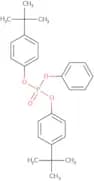

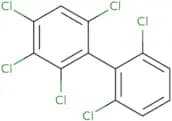
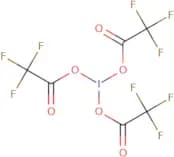
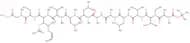
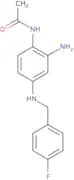
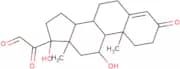
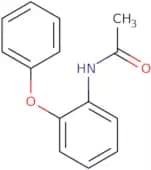
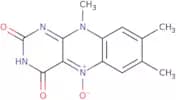
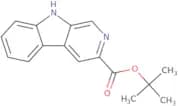
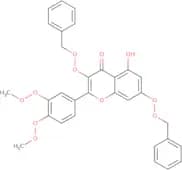
-methanone](/_next/image/?url=https%3A%2Fstatic.cymitquimica.com%2Fproducts%2F3D%2Fthumb-webp%2FIA63846.webp&w=3840&q=75)
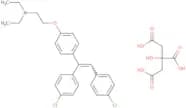

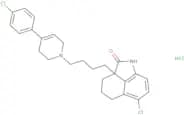

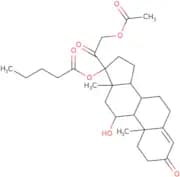
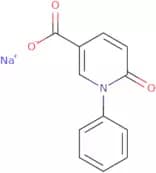
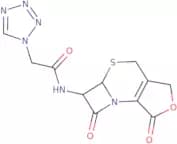
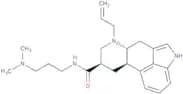
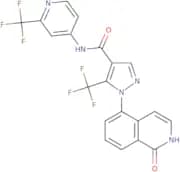
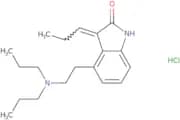
![N,N'-Bis[3-acetyl-4-[3-[(1,1-dimethylethyl)amino]-2-hydroxypropoxy]phenyl]-urea](/_next/image/?url=https%3A%2Fstatic.cymitquimica.com%2Fproducts%2F3D%2Fthumb-webp%2FAFA57940.webp&w=3840&q=75)
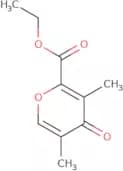
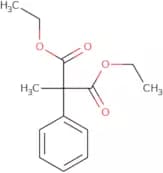
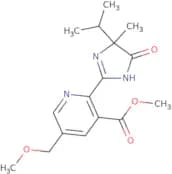
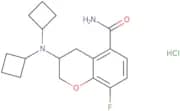
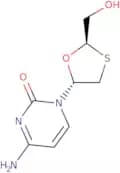

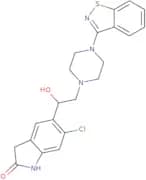
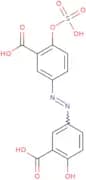
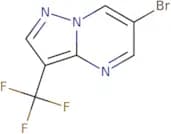
![[1,1'-Biphenyl]-2'-(2H-tetrazol-5-yl)-4-carboxylic acid, [1,1'-biphenyl]-(2'-(2H-tetrazol-5-yl)-4-…](/_next/image/?url=https%3A%2Fstatic.cymitquimica.com%2Fproducts%2F3D%2Fthumb-webp%2FIB18639.webp&w=3840&q=75)
![3-[2-[4-(6-Fluoro-1,2-benzisoxazol-3-yl)-1-piperidinyl]ethyl]-7,8-dihydro-2-methyl-4H-pyrido[1,2-a…](/_next/image/?url=https%3A%2Fstatic.cymitquimica.com%2Fproducts%2F3D%2Fthumb-webp%2FIF24786.webp&w=3840&q=75)
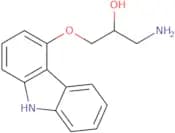

![3-Chloro-10-[3-(dimethylamino)propyl]-9(10H)-acridinone](/_next/image/?url=https%3A%2Fstatic.cymitquimica.com%2Fproducts%2F3D%2Fthumb-webp%2FIWC02821.webp&w=3840&q=75)
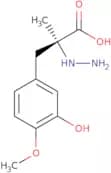


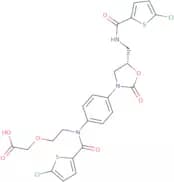
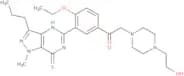

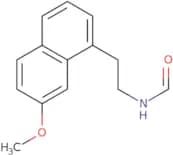
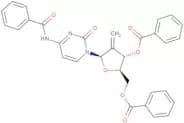
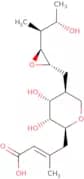

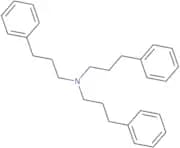
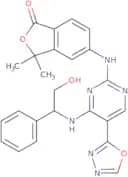
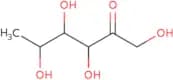
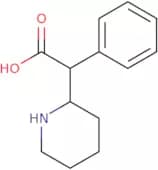
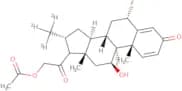
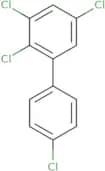
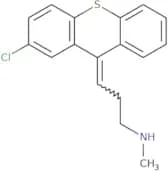
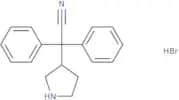
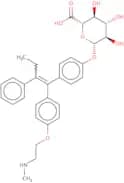
![4-[(Dimethylamino)iminomethyl]benzoic acid](/_next/image/?url=https%3A%2Fstatic.cymitquimica.com%2Fproducts%2F3D%2Fthumb-webp%2FUJA25776.webp&w=3840&q=75)
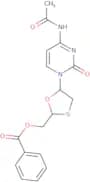
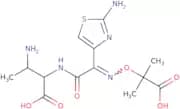
![7-Hydroxy-furo[3,4-b]pyrazin-5-one](/_next/image/?url=https%3A%2Fstatic.cymitquimica.com%2Fproducts%2F3D%2Fthumb-webp%2FQJB06150.webp&w=3840&q=75)
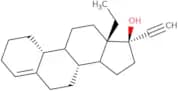
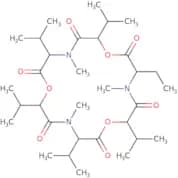
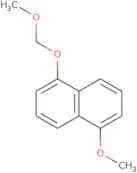
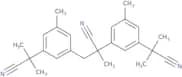
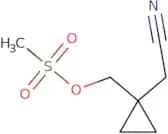

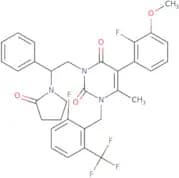
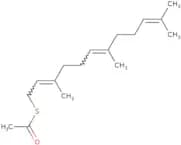
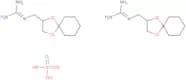
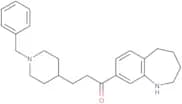
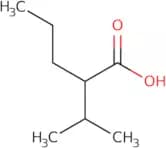
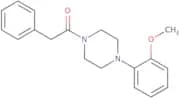
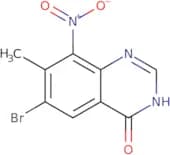
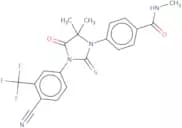
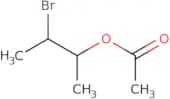
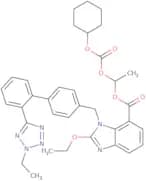

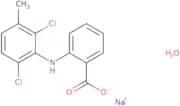
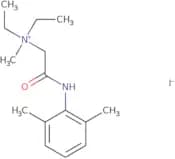
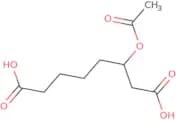
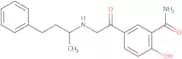
![5-(4-Methoxyphenyl)-3-methyl-1-oxa-3-azaspiro[5.5]undecane](/_next/image/?url=https%3A%2Fstatic.cymitquimica.com%2Fproducts%2F3D%2Fthumb-webp%2FIM28679.webp&w=3840&q=75)
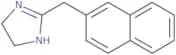
![Lovastatin impurity F [ep]](/_next/image/?url=https%3A%2Fstatic.cymitquimica.com%2Fproducts%2F3D%2Fthumb-webp%2FYRB97304.webp&w=3840&q=75)
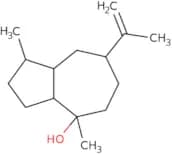
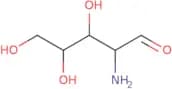
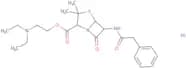
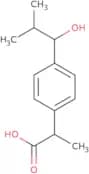
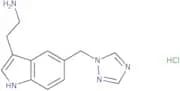
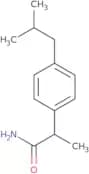
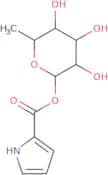
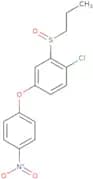
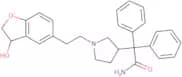
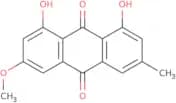
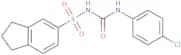
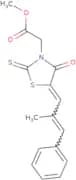
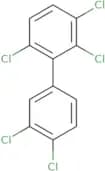
![N-[(3-Trifluoromethyl)phenyl)propyl] cinacalcet HCl](/_next/image/?url=https%3A%2Fstatic.cymitquimica.com%2Fproducts%2F3D%2Fthumb-webp%2FIT106469.webp&w=3840&q=75)
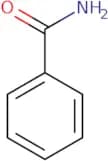

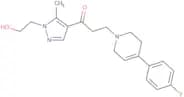
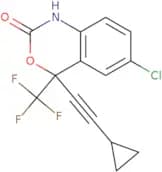
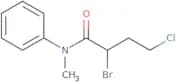
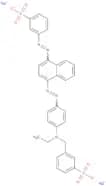
![4-(1-Hydroxy-1-methylethyl)-2-propyl-1-[[2'-[2-(triphenylmethyl)-2H-tetrazol-5-yl][1,1'-biphenyl]-…](/_next/image/?url=https%3A%2Fstatic.cymitquimica.com%2Fproducts%2F3D%2Fthumb-webp%2FIH139102.webp&w=3840&q=75)
![1-[(4-Chlorophenyl)phenylmethyl]-4-(phenylsulfonyl)piperazine](/_next/image/?url=https%3A%2Fstatic.cymitquimica.com%2Fproducts%2F3D%2Fthumb-webp%2FRFC05252.webp&w=3840&q=75)
![2,2'-(1,4-Piperazinediyl)bis[6,7-dimethoxy-4-quinazolinamine]](/_next/image/?url=https%3A%2Fstatic.cymitquimica.com%2Fproducts%2F3D%2Fthumb-webp%2FIP27062.webp&w=3840&q=75)

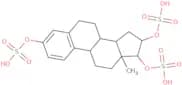
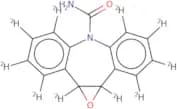
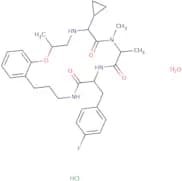
![cis-4-[[(2-Amino-3,5-dibromophenyl)methyl]amino]cyclohexanol](/_next/image/?url=https%3A%2Fstatic.cymitquimica.com%2Fproducts%2F3D%2Fthumb-webp%2FIA156916.webp&w=3840&q=75)
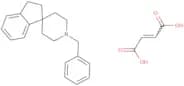

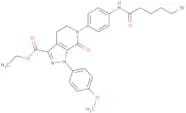

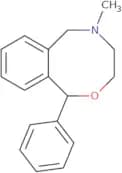
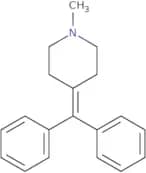
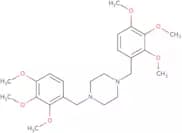
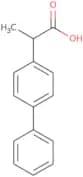
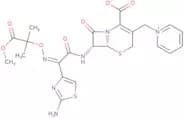
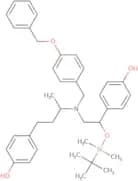
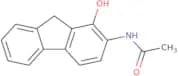
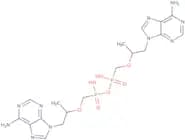
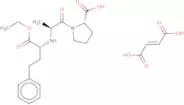
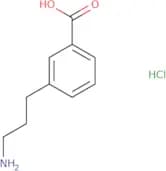
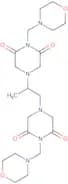
![6,7,8,9-Tetrahydro-3-[2-[4-(6-methoxy-1,2-benzisoxazol-3-yl)-1-piperidinyl]ethyl]-2-methyl-4H-pyri…](/_next/image/?url=https%3A%2Fstatic.cymitquimica.com%2Fproducts%2F3D%2Fthumb-webp%2FIT81401.webp&w=3840&q=75)
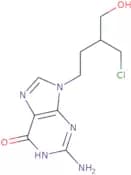
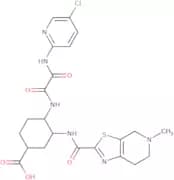

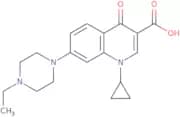
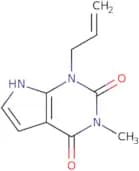
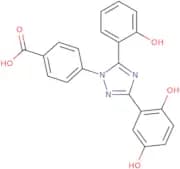
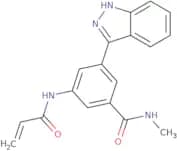
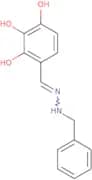
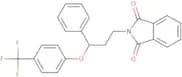
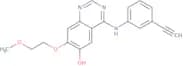
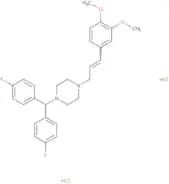
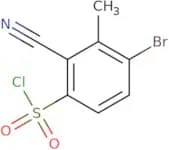
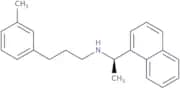
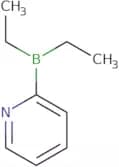
![2,12-Dihydro-1,3-dimethyl-8-methoxy-12-thioxobenzo [4,5] pyrido [1,2-c] imidazo [1,2-a] imidazol-2…](/_next/image/?url=https%3A%2Fstatic.cymitquimica.com%2Fproducts%2F3D%2Fthumb-webp%2FID57924.webp&w=3840&q=75)
![(1R,2S,6R,7S)-4-[[(1R,2S)-2-[[4-(1,2-Benzothiazol-3-yl)piperazin-1-yl]methyl]cyclohexyl]methyl]-4-…](/_next/image/?url=https%3A%2Fstatic.cymitquimica.com%2Fproducts%2F3D%2Fthumb-webp%2FUHA86182.webp&w=3840&q=75)
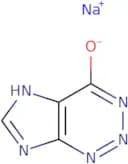
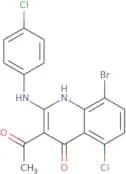

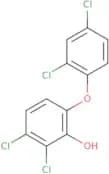
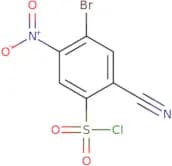
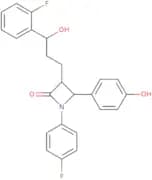

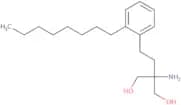

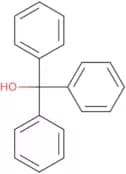
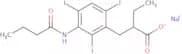
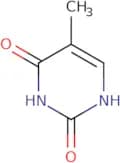

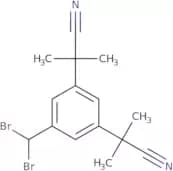
![2-[[(4-Methoxy-3-methyl-2-pyridinyl)methyl]sulfinyl]-1H-benzimidazole](/_next/image/?url=https%3A%2Fstatic.cymitquimica.com%2Fproducts%2F3D%2Fthumb-webp%2FIM21228.webp&w=3840&q=75)
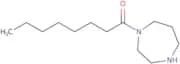
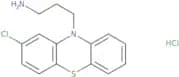

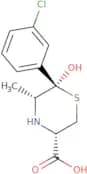
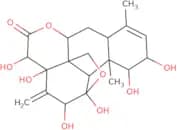

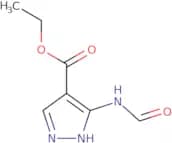
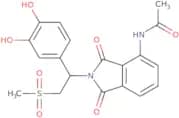

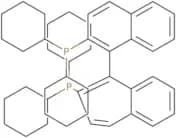
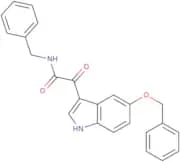
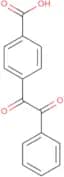

![1-C-4-Chloro-3-[(4-ethoxyphenyl)methyl]phenyl]-D-glucopyranose](/_next/image/?url=https%3A%2Fstatic.cymitquimica.com%2Fproducts%2F3D%2Fthumb-webp%2FIC181108.webp&w=3840&q=75)
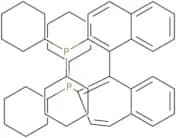
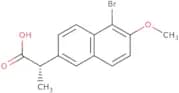
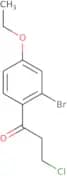
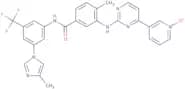
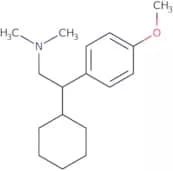
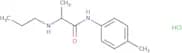
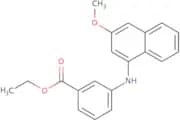
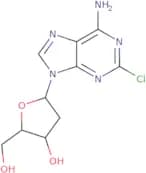
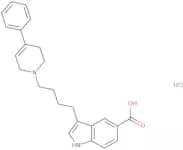
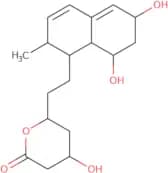
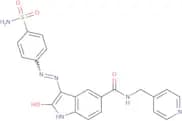
![3-[2-[4-(1,2-Benzisoxazol-3-yl)-1-piperidinyl]ethyl]-6,7,8,9-tetrahydro-2-methyl-4H-pyrido[1,2-a]p…](/_next/image/?url=https%3A%2Fstatic.cymitquimica.com%2Fproducts%2F3D%2Fthumb-webp%2FIB21194.webp&w=3840&q=75)