


APIs for research and impurities
Active Pharmaceutical Ingredients (APIs) are the substances in drugs responsible for their therapeutic effects. In this section, you will find a wide variety of APIs intended for research use. These compounds are essential for the development, testing, and validation of new pharmaceutical formulations. CymitQuimica offers high-quality APIs to support research in drug discovery and development.
Subcategories of "APIs for research and impurities"
- Aminoacids and derivatives(12,278 products)
- Anthraquinones and derivatives(405 products)
- Benzimidazole and Imidazole Derivatives(10,376 products)
- Benzodiazepine Derivatives(333 products)
- Carbohydrates and glycoconjugates(5,013 products)
- Esters and Derivatives(42,045 products)
- Fatty Acids and Lypidic Derivatives(32,246 products)
- Flavonoids and Polyphenols(17,012 products)
- Free Radicals and Oxidant/Reducing Agents(213 products)
- Ketones and derivatives(2,394 products)
- Natural and semi-synthetic antibiotics(6,363 products)
- Nitriles and Cyano Derivatives(3,045 products)
- Nitrosamines and Derivatives(55 products)
- Nucleosides and Nucleotides(3,427 products)
- Organic Phosphates and Phosphonates(1,201 products)
- Organic Sulphonates and Sulphates(10,406 products)
- Organometallics(4,401 products)
- Others(6,279 products)
- Peptides and Proteins(3,128 products)
- Polymers and Derivatives(99 products)
- Purines and Pyrimidine Derivatives(8,901 products)
- Quinazoline and Quinoline Derivatives(65,630 products)
- Quinones and Derivatives(24,237 products)
- Salts and Derivatives of Active Pharmaceutical Ingredients (API)(79,464 products)
- Steroids and Derivatives(4,964 products)
- Sulfonamides and Derivatives(2,592 products)
- Terpenoids and Derivatives(3,839 products)
- Thiazolidinediones and Thiopyrans(2,733 products)
- β-Adrenergic Compounds(230 products)
Show 21 more subcategories
Found 56790 products of "APIs for research and impurities"
Sort by
Purity (%)
0
100
|
0
|
50
|
90
|
95
|
100
Colterol-d9
CAS:<p>Please enquire for more information about Colterol-d9 including the price, delivery time and more detailed product information at the technical inquiry form on this page</p>Formula:C12H19NO3Purity:Min. 95%Molecular weight:234.34 g/molDiclomezin
CAS:<p>Diclomezin is a medicinal analog that has been shown to inhibit the activity of tumor kinases in human cancer cells. It acts as an inhibitor of protein kinases, leading to apoptosis or programmed cell death in cancer cells. Diclomezin has been found to be effective against various types of cancers, including lung and breast cancers. This anticancer drug has also been shown to have a favorable safety profile, with no significant side effects reported in clinical trials. Diclomezin is excreted through urine and has been extensively studied as a potential therapeutic agent for cancer treatment. This inhibitor may have promising applications in the development of novel therapies for Chinese patients suffering from cancer.</p>Formula:C11H8Cl2N2OPurity:Min. 95%Molecular weight:255.1 g/molN-(3-hydroxytricyclo[3.3.1.1]dec-1-yl)glycyl-L-prolinamide
CAS:<p>N-(3-hydroxytricyclo[3.3.1.1]dec-1-yl)glycyl-L-prolinamide is a metabolite that is formed when the drug product, ticagrelor, undergoes metabolism in the liver. Ticagrelor is a prodrug that requires conversion to its active form, which is N-(3-hydroxytricyclo[3.3.1.1]dec-1-yl)glycyl-L-prolinamide, before it can be used as a platelet inhibitor and antiplatelet agent for the prevention of thrombotic events such as heart attack and stroke. It has been shown to have an excellent stability profile and high purity when produced by HPLC or synthesized using the latest methodology under GMP conditions.</p>Purity:Min. 95%SLMP53-1
CAS:<p>SLMP53-1 is an anticancer agent that has been shown to induce apoptosis in cancer cells. It works by inhibiting kinases, which are enzymes involved in cell signaling pathways that regulate cell growth and division. SLMP53-1 has been found to be effective against a variety of tumors, including those of the bladder, breast, and lung. In addition, it has shown promising results as a potential treatment for Chinese hamster ovary (CHO) cells and human cancer cell lines. SLMP53-1 is also an analog of hepcidin, a protein that regulates iron metabolism in the body. Its unique structure allows it to bind specifically to cancer cells without affecting healthy cells, making it a promising candidate for targeted cancer therapy.</p>Formula:C20H18N2O2Purity:Min. 95%Molecular weight:318.4 g/mol3-Methyl pseudoephedrine
CAS:Controlled Product<p>3-Methyl pseudoephedrine is a psychoactive substance that is found in the leaves of the plant Ephedra sinica. 3-Methyl pseudoephedrine can be extracted from the plant using trifluoroacetic acid or other chemical techniques. It can be used to treat asthma and nasal congestion. 3-Methyl pseudoephedrine has been shown to have a stimulant effect on the heart, which leads to an increase in heart rate and blood pressure. This drug also has addictive properties, which may lead to increased use or abuse. The frequency of use for this drug varies depending on whether it is used as a stimulant, an appetite suppressant, or an anti-asthmatic agent.</p>Formula:C11H18ClNOPurity:Min. 95%Molecular weight:215.72 g/molTrans-2-methyl-3-(5'-carboxy-3'-methyl-2'-pentenyl)-1,4-naphthoquinone
CAS:<p>Trans-2-methyl-3-(5'-carboxy-3'-methyl-2'-pentenyl)-1,4-naphthoquinone is a synthetic impurity standard used as a research and development, impurity standard, and custom synthesis. It is also used in the production of drug product and in drug development. Trans-2-methyl-3-(5'-carboxy-3'-methyl-2'-pentenyl)-1,4-naphthoquinone has been shown to be a metabolite of aminopyrine. Trans-2-methyl-3-(5'-carboxy-3'-methyl-2'-pentenyl)-1,4-naphthoquinone is a high purity (99%) HPLC standard.</p>Formula:C18H18O4Purity:90% MinMolecular weight:298.33 g/mol(S)-4,5,6,7-Tetrahydro-N2,N6-propionyl-2,6-benzothiazolediamine
CAS:<p>(S)-4,5,6,7-Tetrahydro-N2,N6-propionyl-2,6-benzothiazolediamine is an analytical standard that is used in the research and development of drugs. It has a purity of 99.9%, and the CAS number is 1346617-47-7. This compound can be used as a reference substance to identify other impurities in drug products. The compound is also used as an HPLC standard for verifying the purity of raw materials or intermediates on a high performance liquid chromatography system.</p>Formula:C13H19N3O2SPurity:Min. 95%Molecular weight:281.38 g/mol[6-(4-Phenylbutoxy)hexyl]benzylamine hydrochloride
CAS:<p>Please enquire for more information about [6-(4-Phenylbutoxy)hexyl]benzylamine hydrochloride including the price, delivery time and more detailed product information at the technical inquiry form on this page</p>Formula:C23H34ClNOPurity:Min. 95%Molecular weight:376 g/molSimotinib
CAS:<p>Simotinib is a kinase inhibitor that has shown promising results in the treatment of various types of cancer. It targets specific proteins that are involved in the growth and survival of tumor cells, leading to apoptosis (cell death) and inhibition of cancer cell proliferation. This medicinal compound is an analog of cyclin-dependent kinases inhibitors and has been extensively studied in Chinese patients with lung cancer. Simotinib works by blocking the activity of certain enzymes that promote tumor growth, making it an effective anticancer agent. It has also been found to have potential therapeutic applications in other types of cancer, including breast and prostate cancer. Overall, Simotinib shows great promise as a targeted therapy for cancer treatment.</p>Formula:C25H26ClFN4O4Purity:Min. 95%Molecular weight:500.9 g/molrac Clavam-2-carboxylic acid sodium salt
CAS:<p>Please enquire for more information about rac Clavam-2-carboxylic acid sodium salt including the price, delivery time and more detailed product information at the technical inquiry form on this page</p>Formula:C6H6NNaO4Purity:Min. 95%Molecular weight:179.11 g/molTolvaptan γ-oxobutanoic acid impurity
CAS:<p>Tolvaptan is a drug that is used for the treatment of hyponatremia. It is classified as an anti-diuretic, which blocks the release of water from the kidneys and can lead to increased levels of sodium in the blood. Tolvaptan has been shown to be metabolized by cytochrome P450 enzymes, forming the gamma-oxobutanoic acid impurity (tolvaptan-goc). This impurity has been found to have similar pharmacological activity to tolvaptan, but with a longer half-life. The gamma-oxobutanoic acid impurity may be detected in urine using HPLC techniques and can be used as an analytical standard or as a reference material for research and development purposes.</p>Formula:C26H23ClN2O5Purity:Min. 95%Molecular weight:478.90 g/molResolvin E2
CAS:<p>Resolvin E2 is an analog of a protein found in human urine that has been shown to have anticancer properties. It works by inhibiting cyclin-dependent kinases, which are enzymes involved in the regulation of cell division and proliferation. Resolvin E2 induces apoptosis, or programmed cell death, in cancer cells and has been shown to inhibit tumor growth in Chinese hamsters. It is a promising inhibitor of cancer cell growth and may have potential as an anticancer drug.</p>Formula:C20H30O4Purity:Min. 95%Molecular weight:334.4 g/molN-(2,4-Dichlorophenyl)-2-hydroxy-2-methyl-3-(phenylsulfonyl)propanamide
CAS:<p>2-Hydroxymethyl-3-(phenylsulfonyl)propanamide (HMPPA) is a metabolite of n-(2,4-dichlorophenyl)-2-hydroxy-2-methylpropanamide (DCPAMP), an impurity of the drug product. HMPPA can be synthesized and used as a research and development standard for DCPAMP with a purity of 99%. It is also used as a standard in pharmacopoeia and to develop drugs.</p>Formula:C16H15Cl2NO4SPurity:Min. 95%Molecular weight:388.3 g/molGabapentin EP Impurity E
CAS:<p>Impurity EP is a research and development impurity that is used as a drug product impurity in the synthesis of the active pharmaceutical ingredient, gabapentin. It has been shown to be a metabolite of gabapentin. The purity of this compound is determined by HPLC analysis. This research and development impurity can be synthesized from natural or synthetic sources and can be obtained in high purity with 99% minimum. Impurity EP does not have a CAS number because it is not an active pharmaceutical ingredient.</p>Purity:Min. 95%(5α)-Androst-9(11)-ene-3,17-dione
CAS:<p>5α-Androst-9(11)-ene-3,17-dione is a drug product that has been custom synthesized for research and development purposes. This compound is a natural metabolite of testosterone. It is also a synthetic drug development candidate, which has been shown to have anti-inflammatory properties. 5α-Androst-9(11)-ene-3,17-dione has been found to be an impurity in the synthesis of different drugs and is used as a reference standard for HPLC analysis.</p>Formula:C19H26O2Purity:Min. 95%Molecular weight:286.40 g/molMethyl 6-phenyl-5-(p-tolyl)picolinate
CAS:<p>Methyl 6-phenyl-5-(p-tolyl)picolinate is a metabolite that is produced when the drug phenacetin (acetanilide) is broken down in the body. It has been used as a standard for HPLC, as well as an impurity in certain drugs. This compound has been shown to be a nicotinic acetylcholine receptor agonist, and it has been used to study the pharmacological properties of this receptor.</p>Formula:C20H17NO2Purity:Min. 95%Molecular weight:303.4 g/molRegaloside H
CAS:<p>Regaloside H is a medicinal compound found in urine that has shown promising results in the treatment of cancer. It works by inducing apoptosis, or programmed cell death, in cancer cells. Regaloside H has been shown to inhibit kinase activity, which is involved in cell cycle regulation and proliferation. This inhibitor effect makes it a potential candidate for anticancer therapy. In Chinese medicine, Regaloside H has been used as an herbal remedy for treating tumors. Studies have shown that it can target specific kinases that are overexpressed in certain types of human cancers, making it a potentially effective treatment option for cancer patients. Overall, Regaloside H represents a promising new avenue for the development of novel anticancer therapies.</p>Formula:C18H24O10Purity:Min. 95%Molecular weight:400.4 g/molAdefovir dipivoxil dimer
CAS:<p>Adefovir dipivoxil dimer is a synthetic and natural product that is used as an analytical standard for HPLC, as well as in the development of new drug products. It is also used to identify impurities in API. Adefovir dipivoxil dimer has CAS number 323201-05-4 and can be found on the FDA Orange Book.</p>Formula:C41H64N10O16P2Purity:Min. 95%Molecular weight:1,014.95 g/mol(S)-(E,Z)-1-(4-Chlorobenzylideneamino)-3-chloropropan-2-ol
CAS:<p>Please enquire for more information about (S)-(E,Z)-1-(4-Chlorobenzylideneamino)-3-chloropropan-2-ol including the price, delivery time and more detailed product information at the technical inquiry form on this page</p>Formula:C10H11Cl2NOPurity:Min. 95%Molecular weight:232.1 g/mol1,3-Benzodioxol-5-yl[4-(2-chloroethoxy)phenyl]methanone
CAS:<p>1,3-Benzodioxol-5-yl[4-(2-chloroethoxy)phenyl]methanone (1,3-BDE) is a synthetic compound that is intended for use as an analytical reference standard. 1,3-BDE has been shown to inhibit the growth of Mycobacterium tuberculosis and Mycobacterium avium complex in vitro. This drug product is intended for research and development purposes only.</p>Formula:C16H13ClO4Purity:Min. 95%Molecular weight:304.72 g/molN-[(S)-(4-Nitrophenoxy)phenoxyphosphinyl]-L-alanine 2-ethylbutyl ester
CAS:<p>Remdesivir impurity</p>Formula:C21H27N2O7PPurity:Min. 95%Color and Shape:White Off-White PowderMolecular weight:450.42 g/molDesisobutyl-N-butyl bortezomib
CAS:<p>Desisobutyl-N-butyl bortezomib is a drug product that has been custom synthesized for the purpose of research and development. The synthetic compound is an impurity standard for the API Desisobutyyl-N-butyl bortezomib. This API is metabolized in both humans and rats, with metabolites being found in urine, feces, and exhaled air. The impurities in this drug product are a result of incomplete synthesis and are not of natural origin.</p>Formula:C19H25BN4O4Purity:Min. 95%Molecular weight:384.2 g/mol1-Hydroxy-ibuprofen - Mixture of diastereoisomers
CAS:<p>Ibuprofen is a nonsteroidal anti-inflammatory drug that is used to treat arthritis, rheumatoid arthritis, menstrual cramps and pain. Ibuprofen is a racemic mixture of two enantiomers, ibuprofen and S (+) -ibuprofen. The dextran sulfate method is an analytical method used to determine the concentration of ibuprofen in biological fluids such as human serum or urine. This test can be done by first treating the sample with trifluoroacetic acid (TFA) to convert ibuprofen to its glucuronide conjugate. The glucuronide conjugates are then deproteinized with hydrochloric acid, which converts them into their corresponding carboxylated derivatives. This conversion allows for the separation of ibuprofen from interfering substances using preparative hplc and quantification using mass spectrometry. Toxicity studies have been conducted on bacteria strains and inflammatory bowel</p>Formula:C13H18O3Purity:Min. 95%Color and Shape:White PowderMolecular weight:222.28 g/mol1-[2-[2-Hydroxy-3-(propylamino)propoxy]phenyl]-3-phenyl-2-propen-1-one
CAS:<p>N-Propyl-1-[2-[2-hydroxy-3-(propylamino)propoxy]phenyl]-3-phenyl-2-propenamide is a drug that belongs to the group of beta blockers. It inhibits the action of catecholamines on β receptors, which in turn reduces cardiac output, heart rate and myocardial oxygen consumption. N-Propyl-1-[2-[2-hydroxy-3-(propylamino)propoxy]phenyl]-3-phenyl-2-propenamide has been used in experimental studies to investigate its effects on metabolism.</p>Formula:C21H25NO3Purity:Min. 95%Molecular weight:339.43 g/molL-Threo-hex-2-enaric acid 1,4-lactone 6-methyl ester
CAS:<p>L-Threo-hex-2-enaric acid 1,4-lactone 6-methyl ester is a research and development compound. It is a metabolite of the drug product L-Threo-hex-2-enaric acid 1,4-lactone 6-(2,6,6)-trimethyl ester. L-Threo-hex-2-enaric acid 1,4-lactone 6-(2,6,6)-trimethyl ester (LTA) is an impurity in the drug product that is present as a result of its synthesis. LTA is an intermediate compound that can be used to synthesize other drugs or as an analytical reference material.</p>Formula:C7H8O7Purity:Min. 95%Molecular weight:204.13 g/mol(S)-2-Amino-3-(4-(4-hydroxy-3,5-diiodophenoxy)-3,5-diiodophenyl)-N-methylpropanamide
CAS:<p>(S)-2-Amino-3-(4-(4-hydroxy-3,5-diiodophenoxy)-3,5-diiodophenyl)-N-methylpropanamide is an analytical standard that is used as an impurity in the synthesis of a drug product. The purity of this compound is greater than 99%. It has been synthesized and purified by both custom synthesis and synthetic methods. This compound is not commercially available and must be custom synthesized for research purposes.</p>Formula:C16H14I4N2O3Purity:Min. 95%Molecular weight:789.91 g/molMoexipril-d5
CAS:<p>Please enquire for more information about Moexipril-d5 including the price, delivery time and more detailed product information at the technical inquiry form on this page</p>Formula:C27H34N2O7Purity:Min. 95%Molecular weight:503.6 g/molTrans-clopidogrel-mp ethyl ester derivative
CAS:<p>Please enquire for more information about Trans-clopidogrel-mp ethyl ester derivative including the price, delivery time and more detailed product information at the technical inquiry form on this page</p>Formula:C27H30ClNO6SPurity:Min. 95%Molecular weight:532 g/molCocsulin
CAS:<p>Cocsulin is a medicinal compound that has shown promising results in the treatment of cancer. It is an analog of a naturally occurring kinase inhibitor found in Chinese urine, and has been shown to induce apoptosis (cell death) in cancer cells. Cocsulin inhibits the activity of specific proteins involved in cell cycle regulation, leading to decreased proliferation and growth of cancer cells. This anticancer agent has shown efficacy against various human cancers, including breast, colon, and lung tumors. Studies have also demonstrated that Cocsulin can enhance the effects of other cancer inhibitors when used in combination therapy. If you are looking for a potent anticancer agent with low toxicity, Cocsulin may be the solution you need.</p>Formula:C35H34N2O5Purity:Min. 95%Molecular weight:562.7 g/mol(S)-3''-Hydroxy pravastatin sodium salt
CAS:<p>(S)-3''-Hydroxy pravastatin sodium salt is a drug product that is custom synthesized. It is the sodium salt of (S)-3''-hydroxypravastatin, which has been shown to be a natural product with high purity. The metabolite of (S)-3''-hydroxypravastatin sodium salt is 3'-hydroxypravastatin. This product can be used for analytical purposes as well as in pharmacopoeia, drug development, and research and development. It can also be used as an impurity standard for HPLC and GC analysis.</p>Formula:C23H35NaO8Purity:Min. 95%Molecular weight:462.51 g/molm-Glimepiride impurity
CAS:<p>m-Glimepiride impurity is a chemical substance that belongs to the sulfonylurea family. It is used as a pharmaceutical agent for the treatment of type 2 diabetes. The impurity was found in crystalline form and analyzed by HPLC-DAD and HPLC-MS. The purity of m-Glimepiride impurity was determined to be 99%. It is not known whether this impurity has any biological activity.</p>Formula:C24H34N4O5SPurity:Min. 95%Molecular weight:490.62 g/molMirtazapine bromide
CAS:<p>Mirtazapine bromide is a substance that belongs to the class of monohydrates. It is prepared by heating mirtazapine with water, and has a high efficiency in the preparation of mirtazapine methanesulfonate. Mirtazapine bromide has an enantiomerically pure form in solid state. This drug is used as an adjuvant medicine for the treatment of depression or anxiety disorders. It binds to serotonin receptors in the brain, which causes a decrease in appetite and weight gain. The hydrobromic acid salt of this drug can be used to treat inflammation and fever, while the maleate salt can be used to treat asthma.</p>Formula:C17H18BrN3Purity:Min. 95%Molecular weight:344.2 g/molLumiflavin 5-oxide
CAS:<p>Lumiflavin 5-oxide is a metabolite of lumiflavin. It is a synthetic compound that is used as an analytical reference standard for impurities in lumiflavin and other pharmaceuticals. Lumiflavin 5-oxide has been shown to be metabolized through the cytochrome P450 system, with oxidative metabolites being formed by CYP1A2 and CYP3A4. Lumiflavin 5-oxide has also been shown to be a competitive inhibitor of NAD+-dependent enzymes such as glycerol kinase, phosphofructokinase, lactate dehydrogenase, alcohol dehydrogenase, and glucose 6-phosphate dehydrogenase.</p>Formula:C13H12N4O3Purity:Min. 95%Molecular weight:272.26 g/mol8-Hydroxypinoresinol 4'-o-β-D-glucopyranoside
CAS:<p>Eucommia is a genus of trees in the family Eucommiaceae. The bark and leaves of eucommia have been shown to contain the compound 8-hydroxypinoresinol 4'-o-β-D-glucopyranoside. This compound has been shown to be effective in treating neuropathic pain, but more research is needed to determine its efficacy for other conditions.</p>Formula:C26H32O12Purity:Min. 95%Molecular weight:536.53 g/mol2-(4-(3-(2-(Trifluoromethyl)-10H-phenothiazin-10-yl)piperazin-1-yl)ethyl undecanoate
CAS:<p>2-(4-(3-(2-(Trifluoromethyl)-10H-phenothiazin-10-yl)piperazin-1-yl)ethyl undecanoate is an analytical standard used as a reference compound in the drug development process. It is also used as a pharmacopoeia standard and a custom synthesis. 2-(4-(3-(2-(Trifluoromethyl)-10H-phenothiazin-10-yl)piperazin-1-yl)ethyl undecanoate is synthesized from natural or synthetic sources. This product has been shown to have an impurity level of less than 1%. 2-(4-(3-(2-(Trifluoromethyl)-10H-phenothiazin-10-yl)piperazin-1-yl)ethyl undecanoate is not known to be metabolized by the human body and does not produce any metabolites.</p>Formula:C33H46F3N3O2SPurity:Min. 95%Molecular weight:605.80 g/mol4-Phenybutyl 2-carboxyethylphosphinic acid
CAS:<p>4-Phenybutyl 2-carboxyethylphosphinic acid is used as an analytical standard and has been shown to be a metabolite of other drugs. It is also used as an impurity standard for HPLC, and provides a niche for drug product development.</p>Formula:C12H17O4PPurity:Min. 95%Molecular weight:256.23 g/mol1,1'-[Hydroxypropane-1,3-diylbis(oxy-2,1-phenylene)]bis(3-phenylpropan-1-one)
CAS:<p>1,1'-[Hydroxypropane-1,3-diylbis(oxy-2,1-phenylene)]bis(3-phenylpropan-1-one) is an analytical standard for HPLC. It is a natural and synthetic metabolite of the drug product. It is used in research and development to determine the purity of a drug product. The CAS number is 1329643-40-4.</p>Formula:C33H32O5Purity:Min. 95%Molecular weight:508.6 g/molO-De(3-fluorobenzyl) lapatinib ditosylate
CAS:<p>O-De(3-fluorobenzyl) lapatinib ditosylate (OFLB) is a drug product that is supplied as a white to light yellow crystalline powder. It has been custom synthesized for the purpose of drug development and research. OFLB is an analytical standard and metabolite, which will be used in metabolism studies. This product is not intended for use in humans or animals.</p>Formula:C22H21ClN4O4S•(C7H8O3S)2Purity:Min. 95%Molecular weight:817.35 g/molSolifenacin EP impurity F succinate
CAS:<p>Solifenacin is an anti-cholinergic drug that has been shown to have a potent antagonistic effect on muscarinic receptors. It is used in the treatment of overactive bladder, urinary incontinence, and irritable bowel syndrome. Solifenacin succinate is a metabolite of solifenacin and it has been found to be an antagonist of M3 muscarinic receptors. The presence of solifenacin and its metabolites in wastewater can interfere with treatment processes by inhibiting the removal of other organic chemicals such as tamsulosin hydrochloride. Optimisation studies for solifenacin production have shown that famotidine can be used as a process aid to reduce solifenacin impurities. Famotidine is also an antagonist of M3 muscarinic receptors and can be used to remove solifenacin from wastewater. Analytes detected in wastewater samples include solifenacin, famot</p>Formula:C27H32N2O6Purity:Min. 95%Molecular weight:480.55 g/molEtoricoxib Dimer Impurity
<p>Etoricoxib is a non-steroidal anti-inflammatory drug that is used to treat the pain and inflammation of arthritis. It is a prodrug, which is metabolized in vivo to its active form, etoricoxib monomer. Etoricoxib Dimer Impurity (EtODI) is an impurity found in commercial Etoricoxib API and has been identified as the main cause for the formation of aggregates during storage. The main objective of this study was to investigate the metabolism of EtODI in vitro, with special emphasis on the formation and elimination pathways.</p>Formula:C31H27N3O4S2Purity:Min. 95%Molecular weight:569.7 g/molPerindopril acyl-b-D-glucuronide
CAS:<p>Metabolite of perindopril</p>Formula:C25H40N2O11Purity:Min. 95%Color and Shape:Off-white or pale yellow solid.Molecular weight:544.6 g/mol(-)-OSU-d7
CAS:<p>Please enquire for more information about (-)-OSU-d7 including the price, delivery time and more detailed product information at the technical inquiry form on this page</p>Formula:C15H23NO2SPurity:Min. 95%Molecular weight:288.5 g/mol5-(Aminosulfonyl)-2-methoxy-benzoic acid methyl ester
CAS:<p>5-(Aminosulfonyl)-2-methoxy-benzoic acid methyl ester is a synthetic compound that is used for pharmaceutical preparations. It is typically prepared by the reaction of ethylene and chloroacetic acid in the presence of an organic solvent. The reaction time can be adjusted to produce the desired amount of 5-(aminosulfonyl)-2-methoxy-benzoic acid methyl ester. This synthetic compound has been shown to have a high yield, with minimal contaminating impurities. It has also been shown to be effective in both pharmaceutical dosage and calibration.</p>Formula:C9H11NO5SPurity:Min. 95%Molecular weight:245.25 g/molCarbocisteine lactam sodium salt
CAS:<p>Carbocisteine is a drug that belongs to the class of non-steroidal anti-inflammatory drugs. It is used in the treatment of bronchial asthma, bronchitis, and chronic obstructive pulmonary disease. Carbocisteine has been shown to inhibit platelet aggregation and to reduce blood viscosity. Carbocisteine may also be classified as a drug that binds to octadecyl groups. In this way it can be used as an analytical reagent for substances with similar chemical structures.</p>Formula:C5H6NNaO3SPurity:Min. 95%Molecular weight:183.16 g/molTaiwanin C
CAS:<p>Taiwanin C is an analog of dabigatran, a potent inhibitor of kinases that has been shown to have anticancer properties. It has been found to inhibit the growth of tumor cells in vitro and in vivo, inducing apoptosis and reducing protein expression. Taiwanin C has also shown promising results in inhibiting the activity of various kinases involved in cancer cell proliferation and survival. This compound is derived from Chinese herbal medicine and can be detected in urine after administration. Its potential as an anticancer agent makes it a promising area for further research into new cancer therapies.</p>Formula:C20H12O6Purity:Min. 95%Molecular weight:348.3 g/mol25-Hydroxy previtamin D3
CAS:<p>25-Hydroxy previtamin D3 is a metabolite of vitamin D3. It is a natural compound that is synthesized in the skin by exposure to sunlight. 25-Hydroxylase activity converts vitamin D3 to 25-hydroxyvitamin D3, which then undergoes hydroxylation at position 1 by cytochrome P450 enzymes in the liver and kidney. 25-Hydroxy previtamin D3 can be used as an impurity standard for HPLC analysis of vitamin D compounds.</p>Purity:85%MinHSL-IN-1
CAS:<p>HSL-IN-1 is an inhibitor analog of nalbuphine that has shown potential as an anticancer agent. It works by inhibiting the activity of certain kinases that are involved in tumor growth and survival. HSL-IN-1 induces apoptosis, or programmed cell death, in cancer cells by disrupting their protein synthesis and causing DNA damage. This compound has been found to be effective against a variety of human cancers, including breast, lung, and colon cancer. HSL-IN-1 is derived from Chinese medicinal urine and is one of several promising inhibitors currently being studied for their potential use as anticancer agents.</p>Formula:C19H13BClF3N2O4Purity:Min. 95%Molecular weight:436.6 g/mol(E/Z)-FK-506 26,28-Allylic Ester Rearrangement Impurity
CAS:<p>The impurity is a natural product and an API impurity. The impurity is synthesized by the rearrangement of (E/Z)-FK-506 26,28-allylic ester. This impurity has been shown to be present in drug products at concentrations up to 0.0025% w/w. It is found in analytical samples at concentrations up to 0.02% w/w, which may be due to its use as a HPLC standard. The impurity has been studied for metabolism in rats and rabbits and is not metabolized by microsomal enzymes or conjugated with glucuronic acid. The compound has also been shown to have anti-inflammatory properties in mice models and has no cardiotoxic effects on Balb/c mice.</p>Formula:C44H69NO12Purity:Min. 95%Molecular weight:804.02 g/mol1,5-Bis(4-pyridyl)pentane
CAS:<p>1,5-Bis(4-pyridyl)pentane is a coordination polymer that can be used in the preparation of polymers. It is bifunctional and has coordination properties. This compound is made up of two pyridine rings linked to an ethyl group via a pentane chain. The cationic form of this compound is used for the preparation of some polymers. The crystal structure for 1,5-bis(4-pyridyl)pentane was determined by X-ray crystallography and found to have a layered topology with hydrogen bonding.</p>Formula:C15H18N2Purity:Min. 95%Molecular weight:226.32 g/mol(+)-Nefopam
CAS:<p>(+)-Nefopam is a medicinal analog that acts as an inhibitor of various kinases, including Chinese hamster ovary cell kinase and tumor-associated kinases. It has been shown to have anticancer effects by inhibiting the growth of cancer cells and inducing apoptosis. (+)-Nefopam is excreted primarily in urine and has been found to bind to proteins in human plasma. This potent inhibitor has promising potential for use as an anticancer drug in the future.</p>Formula:C17H19NOPurity:Min. 95%Molecular weight:253.34 g/molProcyanidin B2 3,3'-di-o-gallate
CAS:<p>Procyanidin B2 3,3'-di-o-gallate (PB2DOG) is a gallotannin that can be found in the leaves of the dogwood tree. It has dose-dependent effects on the serine protease activity of butanol, which is used as a model for pancreatic lipase. PB2DOG also inhibits the activity of viruses such as hepatitis C and herpes simplex virus type 1, and cancer cells such as du145 and japonica. PB2DOG has been shown to induce apoptosis in cancer cells by reducing DNA synthesis and inhibiting protein synthesis. The mechanism behind this effect is not fully understood, but it may be related to its ability to inhibit cCAAT/enhancer binding protein (C/EBP), an important transcription factor for cell proliferation.</p>Formula:C44H34O20Purity:Min. 95%Molecular weight:882.7 g/molDexamethasone EP Impurity K
CAS:Controlled Product<p>Dexamethasone EP Impurity K is an analytical standard for impurities in the drug product Dexamethasone EP. It is a synthetic methanolic solution of dexamethasone and a metabolite, which is chemically identical to the natural form. The purity of this impurity standard is 99.9%. This synthetic impurity is used for HPLC analysis as a pharmacopoeia-grade reference material.</p>Formula:C22H26O4Purity:Min. 95%Molecular weight:354.44 g/molStafib-2
CAS:<p>Stafib-2 is an analog inhibitor that has shown potent anticancer activity in human cancer cell lines. It works by inhibiting kinases, which are enzymes that play a key role in regulating cell growth and division. Stafib-2 has been shown to induce apoptosis, or programmed cell death, in Chinese hamster ovary cells and human cancer cells. This drug also inhibits the activity of elastin kinase, a protein that is involved in tumor growth and metastasis. Stafib-2 has potential as a targeted therapy for cancer treatment due to its ability to selectively inhibit specific kinases involved in cancer progression. Its unique mechanism of action makes it a promising candidate for further development as an anticancer agent.</p>Formula:C28H26N2O12P2Purity:Min. 95%Molecular weight:644.5 g/molDmab-anabaseine dihydrochloride
CAS:<p>Dmab-anabaseine dihydrochloride is an analytical reference standard for HPLC. It has been used as an impurity standard in the production of drugs and drug products. Dmab-anabaseine dihydrochloride is an impurity that can be found in the synthesis of Metabolite. The purity of this compound is 99% with a CAS number of 154149-38-9. Dmab-anabaseine dihydrochloride is natural or synthetic and it does not have any pharmacopoeia listings. Custom synthesis and research and development are some other uses for this product.</p>Formula:C19H23Cl2N3Purity:Min. 95%Molecular weight:364.3 g/molAE-3763
CAS:<p>AE-3763 is an inhibitor of kinases that has shown promise in the treatment of cancer. It is a small molecule that selectively inhibits the activity of certain kinases, which are enzymes involved in cell signaling pathways. AE-3763 has been found to induce apoptosis (programmed cell death) in cancer cells by blocking the activity of specific kinases. This compound has also been shown to inhibit tumor growth in animal models and to have anticancer effects in human cancer cell lines. AE-3763 can be detected in urine and has been studied extensively for its potential therapeutic use against various types of cancer, including breast, lung, and colon cancers. The compound is derived from d-xylose and was first identified as a potent kinase inhibitor by Chinese researchers.</p>Formula:C23H34F3N5O7Purity:Min. 95%Molecular weight:549.5 g/mol10-Allyl-2-chloro-phenothiazine
CAS:<p>10-Allyl-2-chloro-phenothiazine is a metabolite of the drug product, Clopidogrel. It is a white crystalline powder that is soluble in water and alcohol. 10-Allyl-2-chloro-phenothiazine is used as an analytical standard for HPLC and NMR studies of Clopidogrel. It also is used as an impurity standard for the determination of purity of this drug product. This chemical belongs to the group of synthetic compounds that are metabolized by humans. Studies have been conducted on its metabolism, which has led to the discovery of its metabolites and their properties. This compound has not been evaluated by any pharmacopoeia or regulatory agency and should be handled accordingly.</p>Formula:C15H12ClNSPurity:Min. 95%Molecular weight:273.8 g/molN2-Methyl alfuzosin hydrochloride (1:1)
CAS:<p>N2-Methyl alfuzosin hydrochloride (1:1) is a synthetic compound that is used as an impurity standard for the drug product Alfuzosin. It has been shown to be metabolized by the liver, and its metabolites are excreted through the bile. The N2-methyl group of this compound provides a marker for metabolism studies and it has been shown to inhibit bacterial growth in vitro.</p>Formula:C19H28ClN5O4Purity:Min. 95%Molecular weight:425.91 g/molEmtricitabine impurity 9
CAS:<p>Emtricitabine impurity 9 is an analytical standard that is used to calibrate HPLC instruments. It is a natural product, which is synthesized and purified. Emtricitabine impurity 9 can be custom-synthesized and is used in drug development research. This chemical compound has a purity of >98% and a CAS number of 20752-33-4. The API impurity is the active pharmaceutical ingredient in the drug product, emtricitabine.</p>Formula:C10H20OPurity:Min. 95%Molecular weight:156.26 g/mol4-[2-(5-Ethyl-2-pyridinyl)ethoxy]benzenepropanoic acid ethyl ester
CAS:<p>4-[2-(5-Ethyl-2-pyridinyl)ethoxy]benzenepropanoic acid ethyl ester is an analytical standard for metabolite identification and quantitation in human urine. It is a natural product, API impurity, or synthetic. This compound is used as a drug development tool to study metabolism studies and may be used as a custom synthesis or impurity standard. 4-[2-(5-Ethyl-2-pyridinyl)ethoxy]benzenepropanoic acid ethyl ester may be used in HPLC analysis to produce high purity and pharmacopoeia standards.</p>Formula:C20H25NO3Purity:Min. 95%Molecular weight:327.42 g/molD-Ribose-1-D
CAS:<p>D-Ribose-1-D is a medicinal compound that has been shown to have anticancer properties. It is a kinase inhibitor that prevents the activation of proteins involved in cancer cell growth and division. Studies have shown that D-Ribose-1-D induces apoptosis, or programmed cell death, in leukemia cells. It also inhibits the cell cycle, preventing cancer cells from dividing and growing. D-Ribose-1-D has potential as an effective treatment for human cancers and may be useful in combination with other inhibitors to enhance its anticancer effects. This compound can be found naturally in Chinese herbs and is excreted in urine after consumption.</p>Formula:C5H10O5Purity:Min. 95%Molecular weight:151.14 g/molPemetrexed impurity C
CAS:<p>Pemetrexed is a drug product that belongs to the group of drugs called antifolate agents. It is used in the treatment of cancer and is metabolized through a number of metabolic transformations, including hydrolysis by esterases or glucuronidases, oxidation by cytochrome P450 enzymes, reduction by glutathione reductase, or conjugation with glucuronic acid. The impurity C is a natural metabolite that can be found in urine as well as in plasma. This impurity has not been identified as a major metabolite of pemetrexed.</p>Formula:C40H40N10O13Purity:Min. 95%Molecular weight:868.81 g/mol(R,R)-Solifenacin succinate
CAS:<p>(R,R)-Solifenacin succinate is a pharmaceutical agent that acts as an antimuscarinic drug. It has been shown to be effective in wastewater treatment, where it was found to reduce the amount of solifenacin and optimised organic chemicals in the water. This drug has also been shown to have antagonist properties against the muscarinic receptor M3.</p>Formula:C23H26N2O2•C4H6O4Purity:Min. 95%Color and Shape:PowderMolecular weight:480.55 g/mol3-Amino-6-chloro-4-(4-pyridinyl)-2-quinolinone hydrazone
CAS:<p>Please enquire for more information about 3-Amino-6-chloro-4-(4-pyridinyl)-2-quinolinone hydrazone including the price, delivery time and more detailed product information at the technical inquiry form on this page</p>Formula:C15H13ClN4Purity:Min. 95%Molecular weight:284.74 g/mol22-Hydroxycholest-4-en-3-one
CAS:Controlled Product<p>22-Hydroxycholest-4-en-3-one is an analog that has been shown to have potent anticancer activity. It works by inhibiting kinase activity, which plays a key role in the regulation of cell cycle and apoptosis. This inhibitor has been found to induce apoptosis in cancer cells, leading to tumor regression. 22-Hydroxycholest-4-en-3-one has also been shown to inhibit protein synthesis and inhibit the growth of human cancer cell lines. In Chinese medicine, it is used for its medicinal properties and is present in urine as a natural metabolite. Its potential as an anticancer agent makes it a promising candidate for further research and development of cancer therapies.</p>Formula:C27H44O2Purity:Min. 95%Molecular weight:400.6 g/molRacecadotril Impurity G
CAS:<p>Racecadotril Impurity G is an analytical impurity found in the drug Racecadotril. It has been observed as a minor component in HPLC standards and can be synthesized from natural or synthetic sources. Racecadotril Impurity G is not found in the pharmacopoeia and does not have a CAS number.</p>Formula:C19H21NO3SPurity:Min. 95%Molecular weight:343.44 g/molNoralfentanil-d3 hydrochloride
CAS:Controlled Product<p>Noralfentanil-d3 hydrochloride is a highly selective and potent mu-opioid receptor agonist. It is used for the treatment of moderate to severe pain. Noralfentanil-d3 hydrochloride binds to the mu opioid receptors in the human liver, leading to reduced production of a number of proteins that are responsible for drug metabolism. Noralfentanil-d3 hydrochloride has been shown to be effective in clinical trials with a sample preparation technique involving liquid chromatography and p450 isozyme activity. This drug also has a number of chemical interactions, which may lead to an increased risk of toxicity or side effects. Molecular modeling studies have shown that noralfentanil-d3 hydrochloride interacts with amine groups on proteins, leading to its binding affinity with the mu opioid receptor.</p>Formula:C16H24N2O2Purity:Min. 95%Molecular weight:276.37 g/molPyrrolcarbonyltaloside
CAS:<p>Pyrrolcarbonyltaloside is a drug product that is used as an HPLC standard for the analysis of impurities in API. It is also used as a synthetic intermediate in the synthesis of other chemical compounds. Pyrrolcarbonyltaloside has been shown to have anti-inflammatory and analgesic properties, and may be useful as a treatment for cancer.</p>Formula:C11H15NO6Purity:Min. 95%Molecular weight:257.24 g/mol2,3,4-Trichloro-6-(2,4-dichlorophenoxy)phenol
CAS:<p>2,3,4-Trichloro-6-(2,4-dichlorophenoxy)phenol is a potent tumor inhibitor that has been shown to be effective against various types of cancer cells. It works by inhibiting the activity of certain proteins in the cell that are essential for cancer cell growth and survival. This compound has been tested on different cancer cell lines and has demonstrated apoptosis-inducing properties. In addition to its anticancer effects, 2,3,4-Trichloro-6-(2,4-dichlorophenoxy)phenol has also been found to have vitamin-like properties and is commonly found in Chinese urine as a natural anticancer agent. It regulates the cell cycle and plays an important role in preventing the growth and spread of cancer cells. Overall, this compound shows great potential as a therapeutic agent for the treatment of various types of cancer.</p>Formula:C12H5Cl5O2Purity:Min. 95%Molecular weight:358.4 g/molBaclofen inhouse impurity
CAS:<p>Baclofen inhouse impurity is an analog of baclofen that has been shown to have potent anticancer properties. It acts as a kinase inhibitor, specifically inhibiting the activity of certain kinases that are involved in cancer cell growth and proliferation. In preclinical studies, this compound has demonstrated significant tumor growth inhibition and induction of apoptosis in human cancer cell lines. This medicinal compound is commonly used in Chinese medicine for its anti-cancer effects. Baclofen inhouse impurity can be isolated from urine or synthesized chemically. Its potential as a protein kinase inhibitor makes it a promising candidate for further development as an anticancer agent.</p>Formula:C11H13ClN2O2Purity:Min. 95%Molecular weight:240.68 g/molHMR 1826
CAS:<p>HMR 1826 is an analog of a medicinal compound that has been shown to have potent anticancer activity. It is a protein kinase inhibitor that induces apoptosis in cancer cells, particularly those of Chinese origin. HMR 1826 has been shown to be effective against a variety of tumors, and it works by inhibiting kinases involved in cell growth and division. In addition, HMR 1826 has been found to be present in human urine, which suggests that it may have potential as a diagnostic tool for cancer. The development of HMR 1826 and other kinase inhibitors represents an exciting new approach to the treatment of cancer, and ongoing research continues to investigate their potential therapeutic applications.</p>Formula:C41H42N2O21Purity:Min. 95%Molecular weight:898.8 g/mol14-Epiandrographolide
CAS:<p>14-Epiandrographolide is a natural product that can be found in the plant Andrographis paniculata. It has been shown to have anti-inflammatory, anticancer, and antibacterial properties. 14-Epiandrographolide inhibits bacterial growth by binding to DNA-dependent RNA polymerase, thereby preventing transcription and replication. The high frequency of human activity has been shown using a patch-clamp technique on human erythrocytes. This active form is metabolized through a number of metabolic transformations, including hydrolysis by esterases or glucuronidases, oxidation by cytochrome P450 enzymes, reduction by glutathione reductase, or conjugation with glucuronic acid. Rifapentine also specifically binds to markers expressed at high levels in Mycobacterium tuberculosis strains (e.g., ESX-1 secretion system protein) and inhibits cell growth in culture.</p>Formula:C20H30O5Purity:Min. 95%Molecular weight:350.45 g/mol5-Nitro-2-(pyridin-4-yl)-2,3-dihydro-1H-isoindole-1,3-dione
CAS:<p>Please enquire for more information about 5-Nitro-2-(pyridin-4-yl)-2,3-dihydro-1H-isoindole-1,3-dione including the price, delivery time and more detailed product information at the technical inquiry form on this page</p>Formula:C13H7N3O4Purity:Min. 95%Molecular weight:269.21 g/mol2S-OMPT
CAS:<p>2S-OMPT is a protein that is expressed in the cell. It is involved in transcriptional regulation, and can be assayed using k562 cells. 2S-OMPT has been shown to be associated with cancer. It also increases resistance to chemotherapeutic agents by inhibiting cation channels or inducing apoptosis of leukemia cells. 2S-OMPT may also play an important role in intracellular calcium ion concentrations, as it binds to the extracellular domain of sphingosine kinase and inhibits its activity. This inhibition leads to decreased levels of intracellular calcium ions, which may modulate chemokine production by chemoresistant cancer cells.</p>Formula:C22H43O6PSPurity:Min. 95%Molecular weight:466.61 g/molMch-1 antagonist 1
CAS:<p>Mch-1 antagonist 1 is a drug product that is custom synthesized and is available in high purity. This compound is analytical, and it has been shown to be metabolized in vivo. Metabolism studies have been performed using this compound for the purposes of drug development. CAS No. 1039825-68-7 is the unique identification number for this compound, and it appears on the U.S. Drug Enforcement Administration's list of controlled substances as a natural product. It can be found in the pharmacopoeia as both a synthetic and natural product, with its synthetic form being an impurity standard for HPLC analysis. Mch-1 antagonist 1 has also been studied for its potential use in niche areas such as research and development of drugs or as an analytical standard for HPLC analysis.</p>Formula:C25H26N4O2Purity:Min. 95%Molecular weight:414.5 g/mol2''-Desethyl- 2''- vinyl Simvastatin
CAS:<p>2''-Desethyl- 2''- vinyl Simvastatin is a high purity, custom synthesis, impurity standard that is available for sale. The CAS number for this product is 1449248-72-9. This product can be used as a research and development product or as an analytical standard. It has an Impurity Standardization (IS) of 10% at a concentration of 10 mg/mL. This product has been classified by the USP and the European Pharmacopoeia (EP). The excipient in this product is acetonitrile, which is classified as natural.</p>Formula:C25H36O5Purity:Min. 95%Molecular weight:416.55 g/mol2-(4?-Chloro-2,3,4,5-tetrahydro-[1,1?-biphenyl]-4-yl)-3-hydroxynaphthalene-1,4-dione
CAS:<p>2-(4′-Chloro-2,3,4,5-tetrahydro-[1,1′-biphenyl]-4-yl)-3-hydroxynaphthalene-1,4-dione is a research and development impurity standard. It is a synthetic compound that is used as an impurity standard for the manufacture of drug product. 2-(4′-Chloro-2,3,4,5-tetrahydro-[1,1′-biphenyl]-4-yl)-3-hydroxynaphthalene-1,4-dione has high purity and can be used in pharmacopoeia and drug development studies to measure metabolism. 2-(4′-Chloro-2,3,4,5-tetrahydro-[1,1′-biphenyl]-4-yl)-3 -hydroxynaphthalene -1</p>Formula:C22H17ClO3Purity:Min. 95%Molecular weight:364.80 g/mol11,12-EET
CAS:<p>11,12-EET is an analog of the human protein that has been found to have potential medicinal benefits in the treatment of cancer. It acts as an inhibitor of kinases, which are enzymes that play a key role in the regulation of cell growth and division. 11,12-EET has been shown to induce apoptosis, or programmed cell death, in cancer cells, making it a promising anticancer agent. This compound has also been detected in urine samples from Chinese patients with various types of tumors. Ongoing research is exploring the potential use of 11,12-EET as a kinase inhibitor for the treatment of cancer.</p>Formula:C20H32O3Purity:Min. 95%Molecular weight:320.5 g/molrac-Trans-4-defluoro-4-ethoxy paroxetine hydrochloride
CAS:<p>Rac-trans-4-defluoro-4-ethoxy paroxetine hydrochloride is a drug product and an analytical standard. It can be used in the study of metabolism and natural products. Rac-trans-4-defluoro-4-ethoxy paroxetine hydrochloride is also an impurity standard in the synthesis of 4-(trans, trans)-4-(2,6 difluorobenzoyl)paroxetine hydrochloride. Rac-trans-4-defluoro-4-ethoxy paroxetine hydrochloride is a racemic mixture with a purity of 99%.</p>Formula:C21H26ClNO4Purity:Min. 95%Molecular weight:391.9 g/molAtorvastatin EP Impurity B
CAS:<p>Atorvastatin is a drug product that is designed for the treatment of dyslipidemia, hypercholesterolemia, and mixed dyslipidemia. It is an impurity in the drug product Atorvastatin EP. Impurity B is a natural metabolite that has been found to have a niche market as an analytical standard for HPLC. The metabolite can be synthesized with high purity and quality standards, which are suitable for use in pharmacopoeia and research and development.</p>Formula:C33H35N2O5Purity:Min. 95%Molecular weight:558.64 g/molAlverine EP Impurity D
<p>Alverine EP Impurity D is a synthetic impurity that is the result of the synthesis of Alverine EP. It is a metabolite that can be found in blood plasma and urine. This substance has been shown to have pharmacological activity, but its exact function is unknown. It is not present in natural sources and it does not have pharmacopoeia listing. Alverine EP Impurity D has been detected by HPLC analysis.END></p>Formula:C20H33NPurity:Min. 95%Molecular weight:287.48 g/molN-[(6-Chloropyridin-3-yl)methyl]-N-methylacetamide
CAS:<p>N-[(6-Chloropyridin-3-yl)methyl]-N-methylacetamide (CAS No. 864628-19-3) is a drug product that has a natural and synthetic origin. Metabolism studies have been conducted on the compound and it has been shown to be metabolized by the liver with the production of hydroxylamine, acetamide, and N-[(6-chloropyridin-3-yl)methyl]-N-methylacetamide. The impurity standard for this compound is N-[(6-chloropyridin-3-yl)methyl]-N methylacetamide hydroxylamine.</p>Formula:C9H11ClN2OPurity:Min. 95%Molecular weight:198.65 g/mol2,2',3,4,6,6'-Hexachlorobiphenyl
CAS:<p>2,2',3,4,6,6'-Hexachlorobiphenyl is an analog of polychlorinated biphenyls (PCBs), which are toxic pollutants that have been widely used in industrial applications. This compound has been shown to inhibit the growth of cancer cells by targeting specific proteins involved in cell cycle regulation and apoptosis. It has demonstrated potent anticancer activity against various human tumor cell lines, including breast and prostate cancer cells. 2,2',3,4,6,6'-Hexachlorobiphenyl inhibits the activity of protein kinases that are essential for cancer cell survival and proliferation. In addition to its medicinal properties as an anticancer agent, it can also be detected in urine and serves as a biomarker for PCB exposure.</p>Formula:C12H4Cl6Purity:Min. 95%Molecular weight:360.9 g/molSAR131675
CAS:<p>SAR131675 is a small molecule that potently inhibits angiotensin converting enzyme (ACE) and angiotensin receptor type 1 (AT1). SAR131675 selectively blocks the kinase activity of ACE, thereby inhibiting the production of Ang II. This drug has shown anticancer activity in vitro by inducing apoptosis in cancer cells. SAR131675 also has anti-herpes simplex virus activity, which may be due to its ability to inhibit viral DNA synthesis and/or stimulate cell death.</p>Formula:C18H22N4O4Purity:Min. 95%Molecular weight:358.4 g/molN-Acetyl-S-[4-(2-pyridinyl)benzyl]-L-cysteine
CAS:<p>Please enquire for more information about N-Acetyl-S-[4-(2-pyridinyl)benzyl]-L-cysteine including the price, delivery time and more detailed product information at the technical inquiry form on this page</p>Formula:C17H18N2O3SPurity:Min. 95%Molecular weight:330.4 g/molChlorthalidone impurity A
CAS:<p>Chlorthalidone impurity A is an impurity in Chlorthalidone. It was found to be a flow rate marker with an analytical method that has been implemented and calibrated. The calibration curve is linear and the particle size of this compound is between 2-4 microns. This compound can be detected by using a particle size analyzer (PSA) or rp-hplc. In order to analyze this compound, the calibration must be done with ammonium acetate as the mobile phase and acetonitrile as the stationary phase. The wavelength for detection is 220 nm and the runtime is 1 minute. Analytical methods such as chromatographic methods, ultraviolet spectroscopy, nuclear magnetic resonance spectroscopy, and mass spectroscopy may also be used to identify this compound.</p>Formula:C14H10ClNO5SPurity:Min. 95%Molecular weight:339.75 g/molMeropenem-d6
CAS:<p>Meropenem-d6 is an inhibitor that targets hepcidin, a protein involved in iron metabolism. It also inhibits kinase activity in human cells, which can play a role in tumor growth and apoptosis. Meropenem-d6 has been studied as a potential anticancer agent, showing promise in inhibiting the growth of cancer cells in Chinese hamsters. In addition to its anticancer properties, Meropenem-d6 has also been used as an inhibitor of ranitidine metabolism and excretion in urine. Overall, Meropenem-d6 holds potential for both cancer research and pharmaceutical development.</p>Formula:C17H19D6N3O5SPurity:90%MinColor and Shape:PowderMolecular weight:389.5 g/molVinorelbine N'B-oxide
CAS:<p>Vinorelbine N'B-oxide is a drug product that is used as an analytical or impurity standard. It is a natural product and its chemical structure has been determined by HPLC. Vinorelbine N'B-oxide is metabolized in vivo to vinorelbine and N'-desmethylvinorelbine, which are metabolites of vinorelbine. It has been shown to be useful for metabolism studies.</p>Formula:C45H54N4O9Purity:Min. 95%Molecular weight:794.93 g/mol7-o-Benzyl luteolin
CAS:<p>7-o-Benzyl luteolin is a synthetic compound that is used as an impurity standard for the pharmaceutical industry. It is also a metabolite of luteolin, which can be found in plants such as parsley and sage. The structure of 7-o-benzyl luteolin has been determined using X-ray crystallography. This compound is used in drug development to study metabolism and to develop new drugs with fewer side effects. 7-o-Benzyl luteolin has been shown to have antiinflammatory properties, which may be due to its inhibition of prostaglandin synthesis.END></p>Formula:C22H16O6Purity:Min. 95%Molecular weight:376.4 g/mol2-Acetoxy-1,4-naphthoquinone
CAS:<p>2-Acetoxy-1,4-naphthoquinone is a potent inhibitor of kinases and has shown to have anticancer properties. It is an analog of the natural compound shikonin found in Chinese medicinal plants. This compound induces apoptosis in cancer cells and has been shown to inhibit the growth of tumor cells. 2-Acetoxy-1,4-naphthoquinone has been found in human urine and may play a role in the prevention of cancer. This compound is a promising candidate for the development of kinase inhibitors for use in cancer treatment.</p>Formula:C12H8O4Purity:Min. 95%Molecular weight:216.19 g/molL-Valine 2-hydroxyethyl ester tosylate
CAS:<p>L-Valine 2-hydroxyethyl ester tosylate (L-V2HT) is a drug product that is synthesized by custom synthesis. It has high purity, analytical, and natural properties. L-V2HT is metabolized through a number of metabolic transformations, including hydrolysis by esterases or glucuronidases, oxidation by cytochrome P450 enzymes, reduction by glutathione reductase, or conjugation with glucuronic acid. The active form of L-V2HT is metabolized through a number of metabolic transformations, including hydrolysis by esterases or glucuronidases, oxidation by cytochrome P450 enzymes, reduction by glutathione reductase, or conjugation with glucuronic acid. L-V2HT also specifically binds to markers expressed at high levels in Mycobacterium tuberculosis strains (e.g., ESX-1 secretion system protein) and inhibits cell</p>Formula:C14H23NO6SPurity:Min. 95%Molecular weight:333.4 g/mol7-O-methyl ivermectin B1a
<p>7-O-methyl ivermectin is a drug product that is an analytical standard for the impurity 7-O-methyl ivermectin B1a. Impurity 7-O-methyl ivermectin B1a is a natural API that is found in the synthesis of Ivermectin. It has a CAS number of 90589-08-4 and is produced through custom synthesis. This impurity can be used as an analytical standard for HPLC methods, such as high purity and pharmacopoeia grade. 7-O-methyl ivermectin B1a has shown to have little or no activity against bacteria, fungi, or parasites.</p>Purity:Min. 95%Di-M-tolyl phosphate
CAS:<p>Di-M-tolyl phosphate is a phosphorus compound with a chemical formula of (CH3)2PO2. It has a melting point of –20 degrees Celsius and is insoluble in water, but soluble in organic solvents. Di-M-tolyl phosphate has optical properties that are modulated by temperature, morphology, and diffraction. FTIR spectra show protonation at temperatures below -10 degrees Celsius and imine formation at higher temperatures. Di-M-tolyl phosphate undergoes intramolecular hydrogen bonding to form pyrrole rings that may be responsible for its processability. This compound can be synthesized from monomers such as methanol and dimethyl ether via the process of electrophilic addition of phosphorus pentoxide to an imine or pyrrole ring system. The silicon affinity of this compound increases with the concentration of alkyl groups on the phosphorus atom.</p>Formula:C14H15O4PPurity:Min. 95%Molecular weight:278.24 g/mol4-Desmethyl-3-methyl celecoxib
CAS:<p>This compound is a drug product that is used as an analytical standard for the identification of impurities. This compound is also a Metabolism studies, Natural, API impurity, Custom synthesis, Impurity standard, Synthetic and Drug development research chemical. The CAS number for this compound is 170570-01-1 and it has HPLC standards with high purity. This compound is also a Synthetic and Pharmacopoeia Research Chemical with a niche market.</p>Formula:C17H14F3N3O2SPurity:Min. 95%Molecular weight:381.37 g/molS-Desmethyl-S-(2-hydroxy-2-methylpropyl) rosuvastatin tert-butyl ester
CAS:<p>S-Desmethyl-S-(2-hydroxy-2-methylpropyl) rosuvastatin tert-butyl ester is a drug product that is manufactured through custom synthesis. It has high purity and analytical quality, as well as high efficacy for pharmacopoeia and research and development. This product is also a metabolite of rosuvastatin, which has been found to be effective in the treatment of dyslipidemia. S-Desmethyl-S-(2-hydroxy-2-methylpropyl) rosuvastatin tert-butyl ester can be used as an impurity standard for HPLC analysis.</p>Formula:C29H42FN3O7SPurity:Min. 95%Molecular weight:595.7 g/molEthyl 2-methoxy-5-sulfamoylbenzoate
CAS:<p>Ethyl 2-methoxy-5-sulfamoylbenzoate is a research and development impurity standard. It is a white to off-white crystalline solid that is soluble in water. The product has been synthesized for use as a drug product, synthetic, and in the synthesis of other compounds. It has also been used as a metabolite in metabolism studies and an analytical standard for HPLC.</p>Formula:C10H13NO5SPurity:Min. 95%Molecular weight:259.28 g/molThiamine triphosphate
CAS:<p>Thiamine triphosphate is a coenzyme that plays an essential role in many biochemical reactions. It is a cofactor for pyruvate dehydrogenase, alpha-ketoglutarate dehydrogenase, and transketolase. Thiamine triphosphate is required for the production of acetyl-CoA from carbohydrates and amino acids. This coenzyme also participates in the synthesis of thiamin, which is necessary for maintaining normal nerve function. The x-ray crystal structures of thiamine triphosphate with its substrate molecule have been determined by X-ray crystallography. These structures are available at PDB ID 1TMP and 1THP. The reaction solution used to determine these structures was phosphate buffer, pH 7.0, at 30 degrees Celsius. The receptor activity of this enzyme has been studied using rat brain homogenates following incubation with various concentrations of prasugrel (a substrate molecule). Enzyme</p>Formula:C12H20N4O10P3SPurity:Min. 95%Molecular weight:505.3 g/molFenirofibrate acyl-β-D-glucuronide
CAS:<p>Please enquire for more information about Fenirofibrate acyl-β-D-glucuronide including the price, delivery time and more detailed product information at the technical inquiry form on this page</p>Formula:C23H25ClO10Purity:Min. 95%Molecular weight:496.9 g/molDexamethasone-17-ketone
CAS:Controlled Product<p>Please enquire for more information about Dexamethasone-17-ketone including the price, delivery time and more detailed product information at the technical inquiry form on this page</p>Formula:C20H25FO3Purity:Min. 95%Molecular weight:332.42 g/mol(S)-2-Amino-3-(3,5-diiodo-4-(4-methoxyphenoxy)phenyl propanoic acid
CAS:<p>(S)-2-Amino-3-(3,5-diiodo-4-(4-methoxyphenoxy)phenyl propanoic acid is a synthetic compound that is used as an impurity standard. It has been shown to be metabolized by cytochrome P450 enzyme system and its metabolites are excreted in the urine. This chemical can also act as an analytical reference for HPLC analysis of other compounds.</p>Formula:C16H15I2NO4Purity:Min. 95%Molecular weight:539.1 g/molN-(N-Benzoyl-L-tyrosyl)-L-alanine-13C6
CAS:<p>Please enquire for more information about N-(N-Benzoyl-L-tyrosyl)-L-alanine-13C6 including the price, delivery time and more detailed product information at the technical inquiry form on this page</p>Formula:C19H20N2O5Purity:Min. 95%Molecular weight:362.33 g/molIndoxacarb impurity 6
CAS:<p>Indoxacarb is a racemic compound that is used as an insecticide. It belongs to the class of carbamate insecticides and is marketed under the trade name of "Provaunt". Indoxacarb inhibits acetylcholinesterase, which leads to increased acetylcholine in the synapse, resulting in death. The production of indoxacarb has been optimized to yield a high-level of stereoselectivity. This optimization was achieved through a biocatalytic process that uses a strain of Escherichia coli with high stereoselectivity. This strain produces indoxacarb with a high level of stereoselectivity, which can be confirmed by NMR analysis.</p>Formula:C11H9ClO4Purity:Min. 95%Color and Shape:PowderMolecular weight:240.64 g/molRpr121056-d3
CAS:<p>Please enquire for more information about Rpr121056-d3 including the price, delivery time and more detailed product information at the technical inquiry form on this page</p>Formula:C33H38N4O8Purity:Min. 95%Molecular weight:621.7 g/mol(R)-Imazamox
CAS:<p>(R)-Imazamox is a medicinal compound that acts as a potent protein kinase inhibitor. It has been shown to be effective in the treatment of various types of cancer, including leukemia, by inducing apoptosis and inhibiting tumor cell growth. (R)-Imazamox specifically targets the cell cycle of cancer cells, preventing them from dividing and multiplying. It has also been found to have anti-inflammatory properties and is being studied for its potential use in treating inflammatory diseases such as arthritis. Chinese herbal medicine has long recognized the benefits of (R)-Imazamox, using it in traditional remedies to treat urinary issues and other ailments. Overall, (R)-Imazamox is a highly effective anticancer agent with promising potential for future medical applications.</p>Formula:C15H19N3O4Purity:Min. 95%Molecular weight:305.33 g/mol(+)-o-Desmethyl-N,N-bisdesmethyl tramadol
CAS:<p>(+)-o-Desmethyl-N,N-bisdesmethyl tramadol is a synthetic opioid analgesic. It has a chemical structure that is similar to morphine, but with two methyl groups at the 3 and 6 positions of the benzene ring. (+)-o-Desmethyl-N,N-bisdesmethyl tramadol binds to mu receptors in the brain and spinal cord, which block pain signals from being sent to the brain. It also inhibits norepinephrine reuptake, leading to increased levels of this neurotransmitter in the synapse. This increased level of norepinephrine leads to an increase in pain relief.</p>Formula:C13H19NO2Purity:Min. 95%Molecular weight:221.29 g/molBAMEA-O16B
CAS:<p>BAMEA-O16B is a human analog with potent anticancer properties. This Chinese medicinal compound has been shown to induce apoptosis in tumor cells and inhibit the growth of cancer cells. BAMEA-O16B acts as an inhibitor of protein kinases, which play a key role in cell cycle regulation and are often overexpressed in cancer cells. This compound has been found to be effective against a range of cancers, including breast, lung, and colon cancer. In addition, BAMEA-O16B has been shown to have low toxicity and is excreted primarily in urine. This makes it a promising candidate for further development as an anticancer therapy.</p>Formula:C56H111N3O6S6Purity:Min. 95%Molecular weight:1,114.9 g/molo-Methyl malathion α-monoacid
CAS:<p>Please enquire for more information about o-Methyl malathion α-monoacid including the price, delivery time and more detailed product information at the technical inquiry form on this page</p>Formula:C7H13O6PS2Purity:Min. 95%Molecular weight:288.3 g/molRiboflavin 4',5'-diphosphate
CAS:<p>Riboflavin 4',5'-diphosphate is a yellow crystalline powder that is soluble in water and has a molecular weight of 238.1. It is used as an analytical standard, Research and Development (R&D) and Drug development (DD) impurity in HPLC, as well as an impurity standard for pharmacopoeia. Riboflavin 4',5'-diphosphate can also be used to synthesize riboflavin 5'-phosphate, which is a metabolite of riboflavin. Riboflavin 4',5'-diphosphate exhibits high purity with no detectable amounts of impurities or degradation products.</p>Formula:C17H22N4O12P2Purity:Min. 95%Molecular weight:536.3 g/molEsmolol isopropyl amine hydrochloride
CAS:<p>Esmolol is a drug product that has been developed for the treatment of cardiac arrhythmias. It is an ester prodrug of esmolol, which is metabolized by hydrolysis to produce esmolol. Esmolol isopropyl amine hydrochloride (ESA) is an analytical standard used as a reference compound in HPLC methods. ESA is an impurity standard for API esmolol and CAS number 83356-59-6. Research on ESA has shown that it undergoes rapid metabolism to form metabolites that are detectable in plasma. Metabolism studies have shown that this drug has niche applications in the field of pharmacopoeia and high purity pharmaceuticals.</p>Formula:C18H28N2O3·HClPurity:Min. 95%Molecular weight:322.44 g/molBelinostat glucuronide
CAS:<p>Belinostat glucuronide is an analytical standard that is used in HPLC. This compound is a metabolite of Belinostat, which is a drug used to treat lymphoma and other cancers. Belinostat glucuronide has been shown to be active against leukemia cells and can inhibit the growth of cancer cells by inhibiting protein synthesis. It also inhibits the activity of topoisomerase I, II, and III.</p>Formula:C21H22N2O10SPurity:Min. 95%Molecular weight:494.50 g/mol4-Carboxy nevirapine
CAS:<p>4-Carboxy nevirapine is a synthetic drug product that is used as an analytical reference standard for the impurity 4-carboxynevirapine. It has been shown to have niche applications in pharmacopoeia and natural product research and development. The metabolite 4-carboxynevirapine can be synthesized from nevirapine which is found in the plant Cinchona officinalis. This metabolite has been extensively studied for its role in the metabolism of nevirapine and its possible therapeutic applications, such as its ability to inhibit HIV replication.</p>Formula:C15H12N4O3Purity:Min. 95%Molecular weight:296.28 g/molDefluoro paroxetine hydrochloride
CAS:<p>Please enquire for more information about Defluoro paroxetine hydrochloride including the price, delivery time and more detailed product information at the technical inquiry form on this page</p>Formula:C19H21NO3Purity:Min. 95%Molecular weight:311.4 g/molAcyclovir EP impurity R
CAS:<p>Acyclovir EP impurity R is a by-product of acyclovir, which has been shown to be stable in acidic and alkaline conditions. It is also linear with high reproducibility and low detection limits. Acyclovir EP impurity R can be detected using a validated RP-HPLC method with an acidified mobile phase. The compound is not photolyzed under the conditions of the assay. This impurity has been detected in batches of acyclovir that have been produced on two different production lines for more than 5 years without any changes in quality or yield.</p>Formula:C13H21CIN6O4Purity:Min. 95%Molecular weight:464.26 g/molN-Desmethyl (E)-α-hydroxy tamoxifen
CAS:<p>N-Desmethyl (E)-α-hydroxy tamoxifen is a metabolite of tamoxifen. This drug has been shown to be more reactive than its parent compound, with the potential for enhanced toxicity. N-Desmethyl (E)-α-hydroxy tamoxifen is thought to be responsible for the toxic effects of tamoxifen in women and rats. The metabolites are excreted in the bile, with 50% being reabsorbed from the gastrointestinal tract and then excreted into the urine. In human liver cells, N-desmethyl (E)-α-hydroxy tamoxifen inhibits the growth of cancer cells and induces apoptosis by binding to DNA. It also causes increased production of reactive oxygen species in liver cells, which may contribute to hepatotoxicity.</p>Formula:C25H27NO2Purity:Min. 95%Molecular weight:373.5 g/molFijimycin B
CAS:<p>Fijimycin B is a medicinal compound that acts as an inhibitor of kinases, which are proteins that play a crucial role in cancer cell growth and proliferation. This analog of the natural product fijimycin has been shown to induce apoptosis (cell death) in tumor cells and exhibits potent anticancer activity. Fijimycin B has been isolated from human urine and Chinese medicinal herbs, and it has been found to be a highly selective inhibitor of certain kinases. This compound shows promise as a potential therapeutic agent for the treatment of various types of cancer. Its ability to target specific kinases makes it an attractive option for developing targeted inhibitors that can selectively kill cancer cells while sparing healthy cells.</p>Formula:C42H66N8O11Purity:Min. 95%Molecular weight:859 g/mol(+)-Papaveroxinoline acetate
CAS:<p>Please enquire for more information about (+)-Papaveroxinoline acetate including the price, delivery time and more detailed product information at the technical inquiry form on this page</p>Formula:C26H31NO9Purity:Min. 95%Molecular weight:501.5 g/mol4'-(Bromomethyl)-[1,1'-biphenyl]-2-carboxylic acid
CAS:<p>4'-(Bromomethyl)-[1,1'-biphenyl]-2-carboxylic acid (4BMBCA) is a chemical compound that is used as an analytical method in drug discovery and development. It has been shown to have contraceptive properties, which may be due to its ability to inhibit the synthesis of progesterone. 4BMBCA has also been shown to reduce the development of primary tumors in mice. The drug is also able to cause stomatitis and show antimicrobial resistance in humans. Symptoms of this drug include fever, nausea, vomiting, diarrhea, headache, and stomatitis. 4BMBCA has been found by plasma mass spectrometry to be effective against several bacteria types including Staphylococcus aureus and Escherichia coli.</p>Formula:C14H11BrO2Purity:Min. 95%Molecular weight:291.14 g/molMoexipril methyl ester analog hydrochloride
CAS:<p>Moexipril methyl ester analog hydrochloride is a drug product that has been custom synthesized for research and development. It is a high purity, analytical grade compound with CAS No. 1356841-17-2. Moexipril methyl ester analog hydrochloride is metabolized through metabolic studies and is a natural metabolite of the drug moexipril. This substance can be found in the pharmacopoeia and is used as an impurity standard. Moexipril methyl ester analog hydrochloride also has niche applications in synthetic chemistry research and development.</p>Formula:C26H32N2O7•HClPurity:Min. 95%Color and Shape:PowderMolecular weight:521 g/mol3-(Formylamino)-1H-pyrazole-4-carboxamide
CAS:<p>This product is an organic compound that has a molecular formula of C6H7N3O2. It is a white solid with a melting point of 76.5 °C and an elution time of 7 minutes (range, 1-10 minutes). The detection method is based on the color change from yellow to blue in the presence of dimethylformamide (DMF). This product is used as a solvent for various chemical reactions and can be used in the synthesis of other products. 3-(Formylamino)-1H-pyrazole-4-carboxamide is used in analytical chemistry to determine substances such as pH, ionic strength, and concentration. In addition, this product can be used to quantify substances such as drugs or pharmaceuticals.</p>Formula:C5H6N4O2Purity:Min. 95%Color and Shape:White To Off-White SolidMolecular weight:154.13 g/molN-(Aminosulphonyl)-2-[[[2-[(Aminoiminomethyl)amino]-4-thiazolyl]methylsulphinyl]propanimidamide
CAS:<p>N-(Aminosulphonyl)-2-[[[2-[(aminoiminomethyl)amino]-4-thiazolyl]methylsulphinyl]propanimidamide (NTSX) is an analytical standard and a metabolite of the drug product N-(aminosulphonyl)-2-[[[2-[(aminothiazolyl)methyl]sulfinyl]propanimidamide (NTST). The CAS number is 109467-06-3. NTSX is a white to off-white crystalline powder that is soluble in water and has a molecular weight of 296.37. It has been shown to be active against ampicillin resistant strains of Staphylococcus aureus, but not against methicillin resistant strains. NTSX can be synthesized from the drug NTST or obtained as an impurity from the synthesis of NTST.</p>Formula:C8H15N7O3S3·C4H4O4Purity:Min. 95%Molecular weight:469.52 g/molPyridine-2-methanol methiodide
CAS:<p>Pyridine-2-methanol methiodide is a drug product that is used as an HPLC standard. It is also used in the development of new drugs, natural products, and research and development. Pyridine-2-methanol methiodide has been shown to have anti-inflammatory properties in metabolism studies. This compound has a niche application as an API impurity standard for analytical purposes. The CAS number for this compound is 3313-51-7. Synthetic methods are required to produce this substance. It is a high purity chemical with pharmacopoeia applications.</p>Formula:C7H10INOPurity:Min. 95%Molecular weight:251.06 g/molProfluthrin
CAS:<p>Profluthrin is a potent analog of the Chinese medicinal herb, Chrysanthemum indicum. It acts as an inhibitor of protein kinases involved in the regulation of cell cycle and apoptosis. Profluthrin has been shown to have anticancer properties by inducing apoptosis in cancer cells and inhibiting tumor growth. This compound also shows potential as a urinary inhibitor for the prevention of urinary tract infections. Its unique chemical structure allows it to act selectively on specific protein kinases, making it a promising candidate for targeted cancer therapy.</p>Formula:C17H18F4O2Purity:Min. 95%Molecular weight:330.32 g/mol2,3,4-Trihydroxybenzylhydrazine oxalic acid salt
CAS:<p>Metabolite of benserazide</p>Formula:C7H10N2O3·C2O4H2Purity:Min. 95%Molecular weight:260.2 g/mol4-(Diphenylmethylene)-1-methylpiperidine
CAS:<p>Please enquire for more information about 4-(Diphenylmethylene)-1-methylpiperidine including the price, delivery time and more detailed product information at the technical inquiry form on this page</p>Formula:C19H21NPurity:Min. 95%Molecular weight:263.4 g/mol(2S,4S)-4-Cyclohexyl-1-(1,3 dioxopentyl)-L-proline
CAS:Controlled Product<p>(4S)-4-Cyclohexyl-1-(1,3 dioxopentyl)-L-proline is a synthetic, non-natural amino acid. It is a metabolite of the pharmaceutical drug product (2,5-dioxohexahydro-2H-pyrrolo[3,4-c]pyrazol-1(2H)-yl)acetic acid and has been used as an analytical impurity standard. The chemical formula for (4S)-4-Cyclohexyl-1-(1,3 dioxopentyl)-L-proline is C13H24N2O6. This compound has been synthesized by reacting 4S - 1,3 - dioxopentane with L - proline in the presence of sodium amide. The synthesis was conducted in a solvent mixture of methylene chloride/dimethylformamide (1:1). The molecular</p>Formula:C16H25NO4Purity:Min. 95%Molecular weight:295.37 g/mol2-(3,4-Diethoxyphenyl)-3-hydroxy-4H-1-benzopyran-4-one
CAS:<p>Please enquire for more information about 2-(3,4-Diethoxyphenyl)-3-hydroxy-4H-1-benzopyran-4-one including the price, delivery time and more detailed product information at the technical inquiry form on this page</p>Formula:C19H18O5Purity:Min. 95%Molecular weight:326.3 g/mol11-[3-(Dimethylamino)propyl]-6,11-dihydrodibenz[b,e]oxepin-11-ol
CAS:<p>Dispersants are substances that are used to break up and disperse particles in a liquid. The dispersant 11-[3-(dimethylamino)propyl]-6,11-dihydrodibenz[b,e]oxepin-11-ol is an active substance that is used in the production of granules, tablets or other solidified forms of medicaments. It is a substance that has a physiologically active effect on humans and animals. This product can be applied as droplets or particles.</p>Formula:C19H23NO2Purity:Min. 95%Color and Shape:PowderMolecular weight:297.39 g/mol1-Hydroxy pioglitazone hydrochloride
CAS:<p>Pioglitazone is a thiazolidinedione antidiabetic agent that is used to treat type 2 diabetes. Pioglitazone has been shown to have the potential to attenuate insulin resistance and decrease hepatic glucose output. Pioglitazone has also been shown to inhibit many of the enzymes involved in the metabolism of glucose, such as glucokinase, phosphoenolpyruvate carboxykinase, and pyruvate dehydrogenase. In addition, pioglitazone has been shown to increase insulin sensitivity by increasing the number of insulin receptors on cell membranes. Pioglitazone has also been shown to reduce blood pressure through its effects on erythropoietin activity and nitric oxide production. This drug may act as an antioxidant by inhibiting peroxidation of lipids in the liver.<br>Pioglitazone has also been studied for its effect on nervous system diseases, such as Alzheimer's disease and X</p>Formula:C19H21ClN2O4SPurity:Min. 95%Molecular weight:408.9 g/molIbudilast-d3
CAS:<p>Please enquire for more information about Ibudilast-d3 including the price, delivery time and more detailed product information at the technical inquiry form on this page</p>Formula:C14H18N2OPurity:Min. 95%Molecular weight:234.33 g/molCephalexin diketopiperazine monoacid
CAS:<p>Please enquire for more information about Cephalexin diketopiperazine monoacid including the price, delivery time and more detailed product information at the technical inquiry form on this page</p>Formula:C16H19N3O5SPurity:Min. 95%Molecular weight:365.4 g/molHydroxythio acetildenafil
CAS:<p>Hydroxythio acetildenafil is a synthetic drug product with CAS No. 1159977-47-5. It is used as an analytical standard for the examination of Metabolism studies, Natural, API impurity, Custom synthesis, Impurity standard, and Synthetic drugs. Hydroxythio acetildenafil can be custom synthesized in order to meet the needs of Drug development, Research and Development, niche markets, and High purity requirements. This product is also used as an HPLC standard in pharmacopoeia.</p>Formula:C25H34N6O3SPurity:Min. 95%Molecular weight:498.6 g/mol3-Descyano febuxostat ethyl ester
CAS:<p>3-Descyano febuxostat ethyl ester is a synthetic, natural, and API impurity. 3-Descyano febuxostat ethyl ester is used as an analytical standard in drug development. It is also used as a custom synthesis, impurity standard and analytical reference material.</p>Formula:C17H21NO3SPurity:Min. 95%Molecular weight:319.40 g/molSodium picosulfate EP Impurity A
CAS:<p>Sodium picosulfate EP Impurity A is a drug product, analytical, Metabolism studies, Natural, API impurity, CAS No. 32500-19-9, Custom synthesis, Impurity standard, Synthetic, Drug development and Research and Development.</p>Formula:C18H14NNaO5SPurity:Min. 95%2-[(2,6-Dichlorophenyl)amino]benzeneacetic Acid 2-(carboxymethoxy)-2-oxoethyl ester
CAS:<p>2-[(2,6-Dichlorophenyl)amino]benzeneacetic Acid 2-(carboxymethoxy)-2-oxoethyl ester is a drug product that belongs to the class of Custom synthesis. It is a metabolite of loratadine, an antihistamine drug. The compound is a metabolite of loratadine, which is an antihistamine drug used for the treatment of allergies. It is produced by the oxidation of loratadine by cytochrome P450 enzymes and can be detected in urine at concentrations up to 5 ng/mL. 2-[(2,6-Dichlorophenyl)amino]benzeneacetic Acid 2-(carboxymethoxy)-2-oxoethyl ester has been shown to be effective in inhibiting the growth of bacteria that are resistant to penicillin and erythromycin.</p>Formula:C18H15Cl2NO6Purity:Min. 95%Molecular weight:412.22 g/molHydroxy dabrafenib
CAS:<p>Hydroxy dabrafenib is a drug product that has an analytical CAS number. It is a natural API impurity in the synthetic drug hydroxy dabrafenib. Hydroxy dabrafenib, also known as DAB-FEN-IB, is a synthetic drug with antioxidant and antiangiogenic properties. The compound inhibits the growth of cancerous cells by inhibiting the production of proteins vital for cell division. This drug product is used in research and development to assist in the discovery of new drugs.</p>Formula:C23H20F3N5O3S2Purity:Min. 95%Molecular weight:535.60 g/molFlutianil
CAS:<p>Flutianil is an analog of a medicinal compound that has been shown to have potent anticancer activity. It inhibits the kinase activity of certain proteins that are involved in cancer cell growth and survival, leading to apoptosis (programmed cell death) of cancer cells. Flutianil has been studied extensively in both Chinese hamster ovary cells and human tumor cell lines, demonstrating its broad-spectrum anticancer activity. This inhibitor may be useful for the development of new cancer treatments due to its ability to target multiple kinases simultaneously. Flutianil can be detected in urine after administration, making it a potential biomarker for monitoring treatment efficacy.</p>Formula:C19H14F4N2OS2Purity:Min. 95%Molecular weight:426.5 g/molPeraquinsin
CAS:<p>Peraquinsin is a potent anticancer drug that targets human protein kinases, which are enzymes involved in cell cycle regulation and apoptosis. It is an analog of a natural product found in urine, and has been shown to inhibit the activity of several kinases that are important for tumor growth. Peraquinsin is a promising inhibitor of cancer cell proliferation, with potential applications in medicinal chemistry. Its mechanism of action involves inhibiting the activity of specific protein kinases, leading to cell cycle arrest and apoptosis. This drug has shown great potential as an anticancer agent due to its ability to target multiple signaling pathways involved in cancer development and progression.</p>Formula:C23H28N4O4Purity:Min. 95%Molecular weight:424.5 g/mol(2S,2R,Trans)-saxagliptin
CAS:<p>(2S,2R,Trans)-saxagliptin is an analytical standard that is used in the development of drug products. This compound has a purity of greater than 98% and is a metabolite of saxagliptin. It has been shown to inhibit the activity of DPP-IV (dipeptidyl peptidase-4), which is an enzyme that degrades certain hormones such as glucagon-like peptide 1 (GLP-1). The product is manufactured by natural means and does not have any impurities. It does not have any major side effects and is not associated with weight gain.</p>Formula:C18H25N3O2Purity:Min. 95%Molecular weight:315.40 g/molAmlodipine besilate impurity B
CAS:<p>Amlodipine besilate impurity B is a metabolite of amlodipine besilate. It is an impurity that originates from the synthesis of amlodipine besilate, which is a calcium channel blocker used to treat high blood pressure. Amlodipine besilate impurity B can be synthesized or found in nature, depending on the desired purity and availability.</p>Formula:C29H32ClN3O7Purity:Min. 95%Molecular weight:570 g/mol7-Chloro-1-methyl-2,3,4,5-tetrahydro-1H-3-benzazepine
CAS:<p>Please enquire for more information about 7-Chloro-1-methyl-2,3,4,5-tetrahydro-1H-3-benzazepine including the price, delivery time and more detailed product information at the technical inquiry form on this page</p>Formula:C11H14ClNPurity:Min. 95%Molecular weight:195.69 g/mol7 S-Cefdinir
CAS:<p>7 S-Cefdinir is an oral cephalosporin antibiotic that binds to penicillin-binding proteins in the bacterial cell wall by competitive inhibition. This binding prevents the formation of an antibiotic-inhibitor complex with transpeptidase and transpeptidase, which are enzymes involved in peptidoglycan synthesis. 7 S-Cefdinir also inhibits pentapeptide cross-linking, which is necessary for the formation of peptidoglycan chains. 7 S-Cefdinir has bactericidal activity against a wide range of bacteria and acts as an antibacterial agent. It is active against erythromycin-resistant strains of Streptococcus pneumoniae and Mycoplasma pneumoniae, but not against methicillin-resistant Staphylococcus aureus (MRSA).</p>Formula:C14H13N5O5S2Purity:Min. 95%Molecular weight:395.42 g/molDha-paclitaxel
CAS:<p>Dha-paclitaxel is a synthetic, natural, and pharmacopoeia impurity standard. It is used as an analytical reference in HPLC to measure paclitaxel content. Dha-paclitaxel may be present in the drug product as a metabolite of paclitaxel. This impurity can be found in the urine or feces of patients who have received paclitaxel therapy.</p>Formula:C69H81NO15Purity:Min. 95%Molecular weight:1,164.40 g/mol6-Amino-N-(2,6-dimethylphenyl)hexanamide
CAS:<p>Please enquire for more information about 6-Amino-N-(2,6-dimethylphenyl)hexanamide including the price, delivery time and more detailed product information at the technical inquiry form on this page</p>Formula:C14H22N2OPurity:Min. 95%Molecular weight:234.34 g/molImidaprilat benzyl ester, (carbonylimidazolidine)tert-butyl ester
CAS:<p>Imidaprilat benzyl ester, (carbonylimidazolidine)tert-butyl ester is a drug product that is used to study the metabolism of drugs. Imidaprilat benzyl ester, (carbonylimidazolidine)tert-butyl ester is an impurity standard in the pharmacopoeia. It is also used as an analytical reference material and for research and development. This compound has a CAS number of 89460-20-8 and a molecular weight of 310.2 g/mol.</p>Formula:C29H37N3O6Purity:Min. 95%Molecular weight:523.60 g/molEnzalutamide Carboxylic Acid
CAS:<p>Enzalutamide Carboxylic Acid is a potent n-oxide derivative of Enzalutamide, which is used in the treatment of metastatic castration-resistant prostate cancer. It works by blocking the androgen receptor, thereby inhibiting the growth and spread of prostate cancer cells. Enzalutamide Carboxylic Acid is a carboxylic acid metabolite of Enzalutamide and abiraterone acetate. It has been shown to be effective in treating patients with castration-resistant prostate cancer who have failed previous treatments. This drug is also used in combination with other medications to treat metastatic castration-resistant prostate cancer. Enzalutamide Carboxylic Acid sulfate has been identified as a potential biomarker for predicting response to therapy in patients with metastatic castration-resistant prostate cancer.</p>Formula:C20H13F4N3O3SPurity:Min. 95%Molecular weight:451.39 g/molIsopropyl 2-(3-nitrobenzilidene)acetoacetate
CAS:<p>This isopropyl 2-(3-nitrobenzylidene)acetoacetate is a reaction solution that can be used to produce the antihypertensive drug, methyldopa. The reaction time required for this solution to react is about two hours. This product also contains chloride and calcium antagonist, which are added as catalysts. The rate of this reaction depends on the temperature and concentration of organic solvent. Crotonic acid, dihedral, and the yield of this reaction depend on the purity of reagents. Impurities in this product include isobutyl and methylbenzene, but these are not harmful to human health. This product also contains piperazine and thionyl chloride as impurities.</p>Formula:C14H15NO5Purity:Min. 95%Molecular weight:277.27 g/molN-Formyl-D-leucine (1S)-1-[[(2S,3S)-3-hexyl-4-oxo-2-oxetanyl]methyl]dodecyl ester
CAS:<p>N-Formyl-D-leucine (1S)-1-[[(2S,3S)-3-hexyl-4-oxo-2-oxetanyl]methyl]dodecyl ester is a research and development impurity standard that is used to assist in the production of high purity drug products. It is a synthetic compound that is metabolized in vivo to form N-formylglycine. This impurity standard can be used as a reference material for pharmacopoeia, drug development, and metabolic studies.</p>Formula:C29H53NO5Purity:Min. 95%Molecular weight:495.73 g/mol1-(2-Pyridinyl)cyclobutylamine
CAS:<p>Please enquire for more information about 1-(2-Pyridinyl)cyclobutylamine including the price, delivery time and more detailed product information at the technical inquiry form on this page</p>Formula:C9H12N2Purity:Min. 95%Molecular weight:148.2 g/molIsoginsenoside rh3
CAS:<p>Isoginsenoside Rh3 is a metabolite of the natural product ginseng. It has been reported to have anti-inflammatory properties in vitro and in vivo, but it has not been studied extensively. Isoginsenoside Rh3 is not found in the human body, but it is an impurity of Ginseng extract that is routinely measured by HPLC. The concentration of this metabolite can be used as a quality control measure for Ginseng extracts.</p>Formula:C36H60O7Purity:Min. 95%Molecular weight:604.9 g/molErgoline-8β-carboxylic acid methyl ester hydrochloride
CAS:<p>Ergoline-8β-carboxylic acid methyl ester hydrochloride is a drug product that has been developed for research and development. It is an analytical standard, impurity standard, and HPLC standard. Ergoline-8β-carboxylic acid methyl ester hydrochloride is a metabolite of ergometrine, which is an ergot alkaloid with pharmacological properties similar to those of ergonovine. Ergoline-8β-carboxylic acid methyl ester hydrochloride is used as an impurity in the synthesis of ergometrine. The purity of this compound meets the requirements of pharmacopoeia standards for use as an analytical reference substance.</p>Formula:C16H18N2O2•HClPurity:Min. 95%Color and Shape:PowderMolecular weight:306.79 g/molVitalethine
CAS:<p>Vitalethine is a protein analog that has been shown to induce apoptosis in cancer cells. It acts as a kinase inhibitor and specifically targets the hepcidin pathway, which is involved in tumor growth and metastasis. Vitalethine has been tested on human cancer cell lines and has shown potent anticancer activity. This protein analog may have potential therapeutic applications for the treatment of various types of cancers. Vitalethine can be detected in urine samples and may serve as a biomarker for cancer diagnosis and monitoring.</p>Formula:C12H22N4O6S2Purity:Min. 95%Molecular weight:382.5 g/mol2′,4′′-Bis-O-(trimethylsilyl)-erythromycin 9-[O-(1-ethoxy-1-methylethyl)oxime]
CAS:<p>Please enquire for more information about 2′,4′′-Bis-O-(trimethylsilyl)-erythromycin 9-[O-(1-ethoxy-1-methylethyl)oxime] including the price, delivery time and more detailed product information at the technical inquiry form on this page</p>Formula:C48H94N2O14Si2Purity:Min. 95%Molecular weight:979.44 g/molSudan R- d3
CAS:<p>Sudan R-d3 is a medicinal compound that acts as a kinase inhibitor, targeting kinases involved in cancer cell growth and proliferation. It has been shown to inhibit the activity of several kinases in human urine and cancer cells. Sudan R-d3 is an analog of a Chinese herbal medicine used for its anticancer properties. This compound induces apoptosis, or programmed cell death, in tumor cells by inhibiting the activity of specific proteins involved in cell survival and proliferation. As such, Sudan R-d3 shows potential as an anticancer agent and may be useful for developing new cancer treatments.</p>Formula:C17H14N2O2Purity:Min. 95%Molecular weight:281.32 g/molIvacaftor carboxylic acid lactone
CAS:<p>Ivacaftor is a drug product that is used for the treatment of cystic fibrosis. It is an active ingredient of Kalydeco, which is a combination therapy to treat cystic fibrosis. Ivacaftor is the first FDA-approved drug for the treatment of CF in patients with specific mutations. The metabolism of ivacaftor has been studied by analytical methods and it has been shown to have natural impurities. The API impurity and synthetic impurity standards are available for custom synthesis and can be ordered from a specialty manufacturer. Ivacaftor requires high purity and pharmacopoeia-grade standards for research and development as well as niche markets, such as HPLC standard or high purity.</p>Formula:C24H24N2O4Purity:Min. 95%Molecular weight:404.5 g/molSacubitril methyl ester
CAS:<p>Sacubitril methyl ester is a drug product that belongs to the group of angiotensin receptor blockers. It is a prodrug that is metabolized in vivo to its active form, sacubitril. Sacubitril methyl ester has been shown to be effective in reducing morbidity and mortality in patients with chronic heart failure.</p>Formula:C23H27NO5Purity:Min. 95%Color and Shape:PowderMolecular weight:397.47 g/molN-Acetyl-L-cystine
CAS:<p>N-Acetyl-L-cystine is a water soluble amino acid that has been approved for treatment of cystic fibrosis in adults and children older than six years. It is available as an aerosol, nebulized solution or oral capsule. N-Acetyl-L-cystine has been shown to have a protective effect against influenza virus (Virus A) infection by reducing the proinflammatory cytokines and reactive oxygen species in response to the virus. This drug also reduces the severity of symptoms associated with influenza virus infection. The pharmacokinetic properties of this drug are well understood, as it is stable in vivo, crosses the blood brain barrier, and does not bind to serum proteins.</p>Formula:C8H14N2O5S2Purity:Min. 95%Molecular weight:282.3 g/molFosfomycin trometamol EP impurity A disodium
CAS:<p>Fosfomycin trometamol EP impurity A disodium is a research and development impurity standard. It is a custom synthesis that is used as a drug product, synthetic, high purity, pharmacopoeia, drug development, metabolite, niche, analytical and natural. Fosfomycin trometamol EP impurity A disodium has been shown to have an HPLC standard and CAS No. 84954-80-3(free base).</p>Purity:Min. 95%Metroprolol succinate
CAS:Controlled Product<p>Metroprolol succinate is a prodrug of metoprolol. It is used for the treatment of high-sensitivity c-reactive protein, which is an inflammatory marker that indicates the presence and severity of atherosclerosis. Metoprolol succinate also has anti-inflammatory properties and can be used to treat cardiac disorders such as congestive heart failure. The drug inhibits the growth factor-β1 pathway in cardiac cells, which may be due to its ability to inhibit cellular proliferation by inducing apoptosis. This drug also has a protective effect on the skeleton, preventing bone loss and osteoporosis. Metroprolol succinate can be used in sample preparation for hydrochloric acid digestion or particle size analysis.</p>Formula:(C15H25NO3)2•C4H6O4Purity:Min. 95%Color and Shape:White PowderMolecular weight:652.82 g/molTofacitinib impurity 5
CAS:<p>Please enquire for more information about Tofacitinib impurity 5 including the price, delivery time and more detailed product information at the technical inquiry form on this page</p>Formula:C13H18ClN5Purity:Min. 95%Molecular weight:279.77 g/molCitalopram N-oxide hydrochloride
CAS:<p>Citalopram N-oxide hydrochloride is the n-oxide form of the antidepressant drug citalopram. It is a metabolite of citalopram that has been shown to have higher activity than the parent compound. The presence of citalopram N-oxide was detected in plasma samples using liquid chromatography with a wavelength of 220 nm and diethylamine as an eluent. Citalopram N-oxide hydrochloride has been shown to be pharmacologically active in animal studies, but its effects are not well understood.</p>Formula:C20H22FN2O2ClPurity:Min. 95%Color and Shape:SolidMolecular weight:376.135381-Stearoyl-2-arachidonoyl-sn-glycero-3-phosphoinositol
CAS:<p>1-Stearoyl-2-arachidonoyl-sn-glycero-3-phosphoinositol (1SA2AP) is a glycerophospholipid that is the major phosphatidylinositol in platelets. 1SA2AP is hydrolyzed by phospholipase A2 into arachidonic acid and 1,2-diacylglycerol. The selectivity of 1SA2AP for ionization mass spectrometry has been demonstrated using ethanolamine and choline as standards. In this study, a kinetic method was used to determine the sensitivity and selectivity of electrospray ionization mass spectrometry for 1SA2AP. Analytical results were obtained from data collected from the analysis of two samples containing different concentrations of 1SA2AP.</p>Formula:C47H83O13PPurity:Min. 95%Molecular weight:887.13 g/molFoxy 5 trifluoroacetic acid
CAS:<p>Foxy 5 trifluoroacetic acid is a nanofiber that can be used to create a cancer-fighting drug. It is made of polymers and has been shown to have the ability to absorb electromagnetic fields from all directions. Foxy 5 trifluoroacetic acid is packaged in a small, easy-to-handle container that releases the drug when the package is positioned against the tumor. This drug can be used for colon cancer and colorectal cancer because it targets only cells with efflux proteins, which are proteins that promote cancer cell metastasis. In addition, Foxy 5 trifluoroacetic acid has been shown to be effective against prostate and breast cancers by targeting specific receptors on these cells.</p>Formula:C26H42N6O12S2Purity:Min. 95%Molecular weight:694.8 g/molPregabalin inhouse impurity (RS-mme)
CAS:<p>Please enquire for more information about Pregabalin inhouse impurity (RS-mme) including the price, delivery time and more detailed product information at the technical inquiry form on this page</p>Formula:C11H20O4Purity:Min. 95%Molecular weight:216.27 g/molLurasidone sulfoxide
CAS:<p>Lurasidone sulfoxide is a molecule that inhibits the binding of ligands to the receptors in cells. It has been shown to be synergistic with other molecule inhibitors, such as virus and organosulfur compounds. Lurasidone sulfoxide also interacts with drug molecules and can be used to shift the paradigm of treatment for certain diseases. Lurasidone sulfoxide is cocrystallized with other molecules that are used for treatment or prevention of certain diseases, including HIV, hepatitis C, and cancer.</p>Formula:C28H36N4O3SPurity:Min. 95%Molecular weight:508.68 g/molDesethylene posaconazole N,N’-diformyl
CAS:<p>Desethylene posaconazole N,N’-diformyl is an analog of posaconazole that has been shown to have potential as an anticancer agent. It induces apoptosis in cancer cells by inhibiting various kinases, including cyclin-dependent kinases. Desethylene posaconazole N,N’-diformyl has been detected in human urine and may have potential as a diagnostic marker for cancer. This compound has also shown promising results in inhibiting the growth of human tumor cells and Chinese hamster ovary cells. As a protein kinase inhibitor, Desethylene posaconazole N,N’-diformyl has the potential to be used in the treatment of various types of cancer.</p>Formula:C37H40F2N8O6Purity:Min. 95%Molecular weight:730.8 g/molAmoxicillin EP Impurity G
CAS:<p>Amoxicillin EP Impurity G is an impurity of Amoxicillin. It is a white to off-white crystalline powder with a melting point of 178 °C. The compound is soluble in alcohol, chloroform, ether, and acetone. This product can be used as an analytical standard for the drug development, niche drug product, or custom synthesis of the drug. Impurity G has been shown to have pharmacopoeia purity and natural origin. It can also be used as an impurity standard for HPLC analysis and pharmaceutical testing.</p>Formula:C24H26N4O7SPurity:Min. 95%Molecular weight:514.55 g/mol2,3-Diphospho-D-glyceric acid pentasodium
CAS:<p>Please enquire for more information about 2,3-Diphospho-D-glyceric acid pentasodium including the price, delivery time and more detailed product information at the technical inquiry form on this page</p>Formula:C3H3Na5O10P2Purity:Min. 95%Molecular weight:375.95 g/molNascopine
CAS:<p>Nascopine is an analog of nifedipine that acts as a potent inhibitor of protein kinases. It has been shown to induce apoptosis in human cancer cells and inhibit the growth of tumors in Chinese hamsters. Nascopine is an anticancer drug that works by blocking the activity of kinases, which play a crucial role in cancer cell proliferation and survival. This drug has been found to be effective against a wide range of cancers, including breast, prostate, and lung cancer. In addition, Nascopine has been found in urine samples from cancer patients undergoing treatment with this drug. Its unique mechanism of action makes it a promising candidate for further development as an anticancer therapy.</p>Formula:C22H23NO7Purity:Min. 95%Molecular weight:413.4 g/molRemdesivir related compound 5
CAS:<p>Remdesivir related compound 5 is a plant extract that inhibits the growth of wheat. Remdesivir related compound 5 contains allelopathy, which is the ability to inhibit the growth of other plants by releasing substances from its roots or leaves. A study was conducted in which wheat seeds were treated with extracts of this plant and it was found that there was a significant decrease in the growth of the plants. This may be due to the inhibition of protein synthesis and cell division, as shown in other studies.</p>Formula:C21H27N2O7PPurity:Min. 95%Molecular weight:450.42 g/molGriseofulvic acid
CAS:<p>Griseofulvic acid is a molecule that encompasses an acidic chromatographic and plasma samples, urine metabolite, monocarboxylic acid, water molecule, pharmaceutical preparations, molecule, cancer and hyperproliferative. Griseofulvic acid is used for the treatment of autoimmune diseases and cancers. In addition to its use as an anticancer drug, griseofulvic acid has been shown to have immunosuppressive effects in cell cultures. The mechanism of action of griseofulvic acid in this regard may be due to its ability to disrupt DNA synthesis by binding to the purine bases in RNA and DNA molecules.</p>Formula:C16H15ClO6Purity:Min. 95%Molecular weight:338.74 g/molO4-Desmethyl O3-desethyl apremilast
CAS:<p>Please enquire for more information about O4-Desmethyl O3-desethyl apremilast including the price, delivery time and more detailed product information at the technical inquiry form on this page</p>Formula:C19H18N2O7SPurity:Min. 95%Molecular weight:418.4 g/molLeuprolide acetate ep impurity F
CAS:<p>Leuprolide acetate ep impurity F is a drug product that is an impurity standard for the leuprolide acetate API. It is used in analytical and clinical studies to identify the presence of leuprolide acetate impurities, as well as to determine the metabolism of leuprolide acetate. Leuprolide acetate ep impurity F has been shown to be a natural metabolite of leuprolide acetate and have a niche application in pharmacopoeia.</p>Formula:C61H85F3N16O14Purity:Min. 95%Molecular weight:1,323.4 g/molRemdesivir related compound 7
CAS:<p>Remdesivir related compound 7 is a drug product that is being synthesized for use in research and development. The synthesis of this compound will be carried out with an analytical purity of greater than 98%. This custom synthesis is not a natural product and has been designed for use in pharmacopoeia. Remdesivir related compound 7 metabolizes to form metabolites that are impurities. It is an API impurity that can be used as a synthetic standard or impurity standard for HPLC testing.</p>Formula:C15H17N5O4Purity:Min. 95%Molecular weight:331.33 g/molAmino albendazole sulfone
CAS:<p>Amino albendazole sulfone is an anthelmintic drug that is used to treat worm infestations in animals. It is the active metabolite of fenbendazole sulfone and has a terminal half-life of 12 hours in humans. Amino albendazole sulfone can be prepared by chromatographic methods, such as liquid chromatography or gas chromatography, and it can be analyzed with a fluorescence detector. This drug has been shown to have a concentration–time curve following administration to rats and results in an increase in the number of worms eliminated from the body.</p>Formula:C10H13N3O2SPurity:Min. 95%Molecular weight:239.3 g/molTris(trifluoroacetoxy)iodine
CAS:<p>Tris(trifluoroacetoxy)iodine is an analog of iodine that has shown promise as an anticancer agent. It works by inhibiting kinase activity, which can disrupt the cell cycle and lead to apoptosis in cancer cells. Tris(trifluoroacetoxy)iodine has been found to be effective against a variety of human cancer cell lines, including those resistant to other anticancer agents. In addition, it has been shown to inhibit elastase activity and may have potential as an inhibitor of protein degradation in cancer cells. Overall, Tris(trifluoroacetoxy)iodine holds great potential as a new class of anticancer inhibitors with promising results for tumor treatment.</p>Formula:C6F9IO6Purity:Min. 95%Molecular weight:465.95 g/molrac 6-Bromo phenylephrine hydrochloride
CAS:<p>Please enquire for more information about rac 6-Bromo phenylephrine hydrochloride including the price, delivery time and more detailed product information at the technical inquiry form on this page</p>Formula:C9H13BrClNO2Purity:Min. 95%Molecular weight:282.56 g/molPD-166285-d4
CAS:<p>Please enquire for more information about PD-166285-d4 including the price, delivery time and more detailed product information at the technical inquiry form on this page</p>Formula:C26H27Cl2N5O2Purity:Min. 95%Molecular weight:516.5 g/mol8-Hydroxyacyclovir
CAS:<p>8-Hydroxyacyclovir is an analog of acyclovir, a drug used to treat viral infections. It is a potent inhibitor of protein kinase and has been shown to induce apoptosis in cancer cells. This compound has anti-tumor activity and shows promise as an anticancer agent. In Chinese medicine, indirubin, which is structurally similar to 8-hydroxyacyclovir, has been used as an anticancer agent for centuries. 8-Hydroxyacyclovir inhibits the activity of kinases involved in cell division and growth, leading to the death of cancer cells. It has been detected in human urine after administration, making it a potential candidate for use as a therapeutic agent for cancer treatment.</p>Formula:C8H11N5O4Purity:Min. 95%Molecular weight:241.2 g/molFluticasone Impurity D
CAS:<p>Fluticasone Impurity D is a sulfoxide that is found in the drug fluticasone. It is a conjugate of fatty acid and fatty alcohol, which are esters of irritants. Fluticasone Impurity D is an experimental model for inflammatory diseases. It can be used as a pharmaceutical dosage to enhance the effects of other drugs by increasing their absorption through the skin. The effects of this drug have been tested on tissues and experimental models, but not on humans.</p>Purity:Min. 95%N-Methyl amisulpride
CAS:<p>N-Methyl amisulpride is a synthetic drug with antipsychotic properties. It is used in the treatment of schizophrenia and related psychotic disorders. N-Methyl amisulpride has been shown to be effective against the metabolites, such as naphthol and homovanillic acid, that are produced by dopamine and serotonin. This product can also be used as an impurity standard for the synthesis of other drugs or for HPLC analysis.</p>Formula:C18H29N3O4SPurity:Min. 95%Molecular weight:383.5 g/molGyromitrin
CAS:<p>Gyromitrin is a potent inhibitor of tumor growth and apoptosis in human cancer cells. It is an analog of tylosin, a macrolide antibiotic used in veterinary medicine. Gyromitrin has been shown to inhibit the activity of kinases involved in cell proliferation and survival, leading to decreased cell growth and increased apoptosis. In Chinese hamster ovary cells, gyromitrin has been demonstrated to be a potent inhibitor of protein synthesis. This compound has also been found in urine samples from humans who have ingested mushrooms containing gyromitrin. Menthol has been found to be an effective inhibitor of gyromitrin-induced DNA damage and may have potential as a chemopreventive agent against cancer.</p>Formula:C4H8N2OPurity:Min. 95%Molecular weight:100.12 g/molTecloftalam imide
CAS:<p>Tecloftalam imide is a drug product that is an analytical standard. It is a natural product, which can be obtained from the fermentation of Streptomyces sp. (CAS No. 26491-30-5). Tecloftalam imide is also an impurity in some APIs. It can be synthesized, and has been used as an impurity standard for HPLC, with a purity of >99%. Tecloftalam imide has been used in drug development and research and development. It has been shown to have niche applications in pharmacopoeia.</p>Formula:C14H3Cl6NO2Purity:Min. 95%Molecular weight:429.9 g/molRemdesivir impurity 14
<p>Remdesivir impurity 14 is a research and development product that belongs to the class of drugs. It is a synthetic metabolite with high purity. Remdesivir impurity 14 meets the pharmacopoeia standard for drug products and drug development. It has been synthesized to be used as an analytical standard for HPLC analysis of remdesivir. This product also has niche applications in metabolism studies, because it is a natural metabolite with its own metabolic pathway.</p>Formula:C18H18N5O7PPurity:Min. 95%Molecular weight:447.34 g/molPantoprazole impurity
CAS:<p>Pantoprazole is a proton pump inhibitor. It is used in the treatment of gastroesophageal reflux disease and other conditions involving excessive stomach acid production. The chemical name for Pantoprazole impurity is (E)-1-(4-chlorophenyl)ethyl-3-[(pyrrolidin-2-yl)oxy]propanediol. This substance is an enantiomer of pantoprazole, which has been determined to be inactive. Pantoprazole impurity can be identified by its melting point, crystallizing habit, and optical rotation. Active carbon filtration can be used to remove this substance from the final product.</p>Formula:C24H24F2N4O5SPurity:Min. 95%Molecular weight:518.53 g/molS-Nitroso-N-propionyl-D,L-penicillamine
CAS:<p>S-Nitroso-N-propionyl-D,L-penicillamine is a nitric oxide donor that can be used in the treatment of locomotor activity and renal injury. It has been shown to inhibit protein synthesis and growth factor production by light exposure. This drug has also been used to treat infectious diseases such as tuberculosis, as well as autoimmune diseases like lupus and lymphoproliferative disorders such as leukemia. S-Nitroso-N-propionyl-D,L-penicillamine is also used for the prevention of postoperative kidney damage after ischemia reperfusion during surgery. The drug was found to reduce the levels of neutrophils, which are cells that are responsible for inflammation. There have been no reports on its potential carcinogenicity or mutagenicity.</p>Formula:C8H14N2O4SPurity:Min. 95%Molecular weight:234.28 g/mol2-Des(5-methyl-1,3,4-oxadiazole-2-carboxamide) 2-(2-amino-2-oxoacetic acid) raltegravir
CAS:<p>Raltegravir is a drug that inhibits HIV-1 protease. It is an analytical standard for HPLC, and can be used in the development of drugs, including as an impurity standard. Raltegravir has shown promising results in clinical trials, but it is not available commercially. The chemical compound 2-des(5-methyl-1,3,4-oxadiazole-2-carboxamide) 2-(2-amino-2-oxoacetic acid) raltegravir has CAS No. 1064706-98-4 and is a natural product.</p>Formula:C18H19FN4O6Purity:Min. 95%Molecular weight:406.40 g/mol6-Bromo-8-cyclopentyl-5-methylquinazoline-2,7(3H,8H)-dione
CAS:<p>6-Bromo-8-cyclopentyl-5-methylquinazoline-2,7(3H,8H)-dione is a compound with antiviral properties. It belongs to the class of tenofovir and has been shown to inhibit the replication of certain viruses. This compound also exhibits calpain inhibitory activity, which may have potential therapeutic applications in conditions related to calpain dysregulation. Additionally, 6-Bromo-8-cyclopentyl-5-methylquinazoline-2,7(3H,8H)-dione has been studied for its impurities and interactions with other compounds such as etoricoxib, blonanserin, 27-hydroxycholesterol, peptidoglycan, cellulose, oxysterols, proton pump inhibitors like omeprazole or esomeprazole, dopamine antagonists like haloperidol or risperidone and nonsteroidal anti</p>Formula:C13H14BrN3O2Purity:Min. 95%Molecular weight:324.17 g/molPrizidilol
CAS:<p>Prizidilol is a medicinal inhibitor that has shown promising results as an anticancer agent. It works by inhibiting protein kinases, which are enzymes involved in cell cycle regulation and apoptosis. Prizidilol has been found to be effective against cancer cells in both Chinese hamster and human urine tumor models. This inhibitor has also been shown to have potential as an analog for other inhibitors used in cancer research. Its ability to induce apoptosis in cancer cells makes it a promising candidate for future cancer therapies.</p>Formula:C17H25N5O2Purity:Min. 95%Molecular weight:331.4 g/mol13-Cis-retinoic acid ethyl ester
CAS:Controlled Product<p>Please enquire for more information about 13-Cis-retinoic acid ethyl ester including the price, delivery time and more detailed product information at the technical inquiry form on this page</p>Formula:C22H32O2Purity:Min. 95%Molecular weight:328.5 g/molN-Demethyl-N-(ethylsuccinyl) erythromycin
<p>Please enquire for more information about N-Demethyl-N-(ethylsuccinyl) erythromycin including the price, delivery time and more detailed product information at the technical inquiry form on this page</p>Formula:C42H73NO16Purity:Min. 95%Molecular weight:848.03 g/molDL-threo-ritalinic acid lactam
CAS:<p>Please enquire for more information about DL-threo-ritalinic acid lactam including the price, delivery time and more detailed product information at the technical inquiry form on this page</p>Formula:C13H15NO3Purity:Min. 95%Molecular weight:233.26 g/mol(2R,2R,Cis)-saxagliptin
CAS:<p>(2R,2R,Cis)-saxagliptin is an analytical research and development (R&D) drug development API impurity HPLC standard that is a metabolite of saxagliptin. Saxagliptin is a drug product that has been approved for the treatment of type 2 diabetes. It has been shown to inhibit the activity of dipeptidyl peptidase-4 (DPP-4) in vitro and in vivo. Saxagliptin is a competitive inhibitor of DPP-4, which prevents it from breaking down incretin hormones such as glucagon-like peptide 1 (GLP-1). This results in increased levels of GLP-1, which improves blood glucose control. The purity level for this API impurity HPLC standard is high. Impurities are less than 0.5% and have been tested at various concentrations to ensure quality standards are met.</p>Formula:C18H25N3O2Purity:Min. 95%Molecular weight:315.40 g/mol5-Chloro-N-[3-[[(5-chloro-2-thienyl)carbonyl]amino]-2-hydroxypropyl]-N-[4-(3-oxo-4-morpholinyl)phenyl]-2-thiophenecarboxamide
CAS:<p>Please enquire for more information about 5-Chloro-N-[3-[[(5-chloro-2-thienyl)carbonyl]amino]-2-hydroxypropyl]-N-[4-(3-oxo-4-morpholinyl)phenyl]-2-thiophenecarboxamide including the price, delivery time and more detailed product information at the technical inquiry form on this page</p>Formula:C23H21Cl2N3O5S2Purity:Min. 95%Molecular weight:554.47 g/mol22,23-Dihydroavermectin B1b (Ivermectin B1b)
CAS:<p>Ivermectin is a drug that belongs to the anthelmintic class of drugs. It is active against roundworms, pinworms, and hookworms. Ivermectin has been shown to have an effect on autoimmune diseases such as multiple sclerosis, systemic lupus erythematosus, and rheumatoid arthritis by inhibiting the inflammatory response. The drug has been shown to inhibit matrix metalloproteinases in vitro and in vivo. The matrix effect is seen when the drug binds to proteins in the blood plasma or tissue matrix, where it inhibits their activity. This inhibition prevents the degradation of collagen, which can lead to tissue damage or renal failure. Ivermectin also binds to striatal dopamine receptors and inhibits dry weight gain in animals infected with Ostertagia ostertagi. Ivermectin is given orally in a single dose of 200 micrograms/kg body weight for treatment of intestinal worms (roundworm,</p>Formula:C47H72O14Purity:Min. 95%Molecular weight:861.07 g/molNaproxen Impurity C
CAS:<p>Naproxen Impurity C is an analytical impurity that is found in Naproxen. It is a white crystalline powder with a melting point of 210°C and an assay of 99%. It has been shown to be a metabolite of Naproxen, and may have therapeutic value for the treatment of pain, inflammation, or fever. The purity of this product has been verified by HPLC analysis.</p>Formula:C14H13BrO3Purity:Min. 95%Molecular weight:309.16 g/mol2-[(4-Chloro-3-methyl-2-pyridinyl)methylthio]-1H-benzimidazole
CAS:<p>2-[(4-Chloro-3-methyl-2-pyridinyl)methylthio]-1H-benzimidazole is a drug product. It is an impurity standard for the analytical determination of 2-[(4-chloro-3-methylpyridin)-2yl]thiohydantoin in pharmaceuticals and other chemical products. This compound is also used as a research and development (R&D) metabolite and impurity standard for the synthesis of 4-(4,5,6,7-tetrahydrobenzo[b]thiophen-2-yl)pyridine. The CAS number for this compound is 103312-62-5./END></p>Formula:C14H12ClN3SPurity:Min. 95%Molecular weight:289.78 g/mol1,2,3,4-Tetrahydro-2-[2-(4-hydroxyphenyl)-1-methylethyl]-4,6,8-isoquinolinetriol
CAS:Controlled Product<p>Tetrahydro-2-[2-(4-hydroxyphenyl)-1-methylethyl]-4,6,8-isoquinolinetriol is a synthetic compound that is used as an analytical reference standard for the detection of impurities in drugs. It is also commonly used as an impurity standard when synthesizing drugs and has been shown to be metabolized through various pathways including oxidation by cytochrome P450 enzymes. Tetrahydro-2-[2-(4-hydroxyphenyl)-1-methylethyl]-4,6,8-isoquinolinetriol is also used in drug development research and development.</p>Formula:C18H21NO4Purity:Min. 95%Molecular weight:315.36 g/molDM3-SMe
CAS:<p>Please enquire for more information about DM3-SMe including the price, delivery time and more detailed product information at the technical inquiry form on this page</p>Formula:C38H54ClN3O10S2Purity:Min. 95%Molecular weight:812.4 g/molDtpa-bma
CAS:<p>Dtpa-bma is an anticancer agent that acts as a kinase inhibitor. It has been shown to induce apoptosis in cancer cells by inhibiting the activity of kinases, which are enzymes that play a key role in cell signaling pathways. Dtpa-bma is an analog of Chinese hamster ovary (CHO) cell-derived ghrelin and is excreted in urine. This drug is effective against various types of cancer, including human tumors, and has been shown to inhibit tumor growth in vivo. Dtpa-bma is formulated as a cellulose-based resin for use in chromatography purification processes.</p>Formula:C16H29N5O8Purity:Min. 95%Molecular weight:419.43 g/molDC-5163
CAS:<p>DC-5163 is a protein analog that has shown potent anticancer activity in preclinical studies. It inhibits the activity of kinases, which are enzymes involved in cancer cell growth and survival. DC-5163 has been shown to induce apoptosis, or programmed cell death, in various types of cancer cells, including those from human tumors and Chinese hamster ovary cells. This compound also acts as a toxin for cancer cells by interfering with their ability to divide and grow. In addition, DC-5163 has shown promising results as an inhibitor of tumor growth in animal models. Its potential as a therapeutic agent for cancer treatment is currently being investigated.</p>Formula:C18H20ClN3OSPurity:Min. 95%Molecular weight:361.9 g/mol1-[2-(3-Chloro-2-hydroxypropoxy)phenyl]-3-phenyl-1-propanone
CAS:<p>1-[2-(3-Chloro-2-hydroxypropoxy)phenyl]-3-phenyl-1-propanone is a synthetic drug product. It is an impurity standard for HPLC, and drug development and research. This compound is also used as an analytical reference. The CAS number for this chemical is 165279-79-8.</p>Formula:C18H19ClO3Purity:Min. 95%Molecular weight:318.79 g/mol
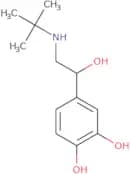

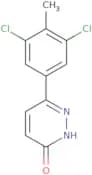
![N-(3-hydroxytricyclo[3.3.1.1]dec-1-yl)glycyl-L-prolinamide](/_next/image/?url=https%3A%2Fstatic.cymitquimica.com%2Fproducts%2F3D%2Fthumb-webp%2FIN176051.webp&w=3840&q=75)
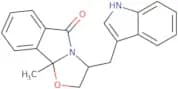
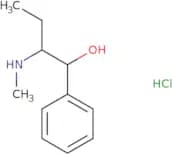
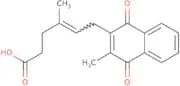
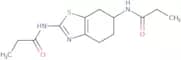
![[6-(4-Phenylbutoxy)hexyl]benzylamine hydrochloride](/_next/image/?url=https%3A%2Fstatic.cymitquimica.com%2Fproducts%2F3D%2Fthumb-webp%2FNGA92318.webp&w=3840&q=75)
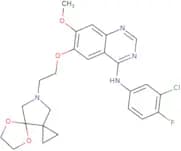

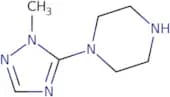
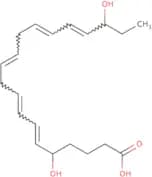
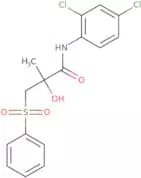
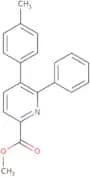
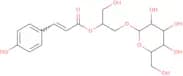
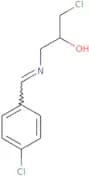
![1,3-Benzodioxol-5-yl[4-(2-chloroethoxy)phenyl]methanone](/_next/image/?url=https%3A%2Fstatic.cymitquimica.com%2Fproducts%2F3D%2Fthumb-webp%2FJKA14965.webp&w=3840&q=75)
![N-[(S)-(4-Nitrophenoxy)phenoxyphosphinyl]-L-alanine 2-ethylbutyl ester](/_next/image/?url=https%3A%2Fstatic.cymitquimica.com%2Fproducts%2F3D%2Fthumb-webp%2FFN176472.webp&w=3840&q=75)
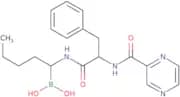
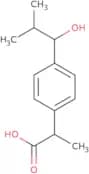
![1-[2-[2-Hydroxy-3-(propylamino)propoxy]phenyl]-3-phenyl-2-propen-1-one](/_next/image/?url=https%3A%2Fstatic.cymitquimica.com%2Fproducts%2F3D%2Fthumb-webp%2FIH63816.webp&w=3840&q=75)
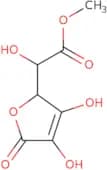
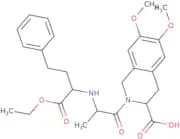
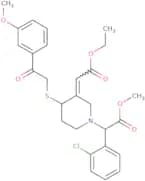
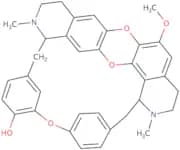
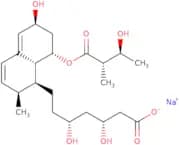
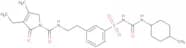
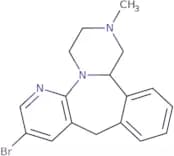
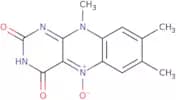
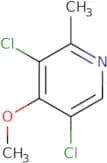
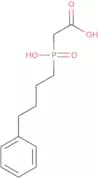
![1,1'-[Hydroxypropane-1,3-diylbis(oxy-2,1-phenylene)]bis(3-phenylpropan-1-one)](/_next/image/?url=https%3A%2Fstatic.cymitquimica.com%2Fproducts%2F3D%2Fthumb-webp%2FIH63819.webp&w=3840&q=75)

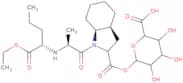
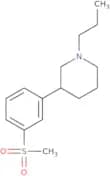
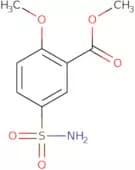
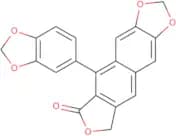
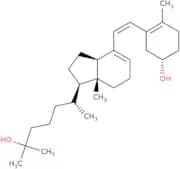
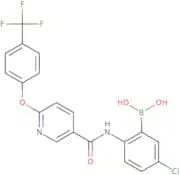
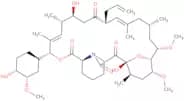
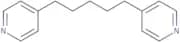
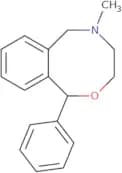
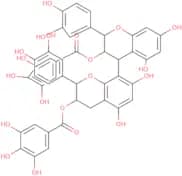
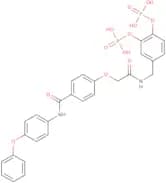
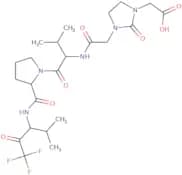
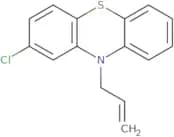

![4-[2-(5-Ethyl-2-pyridinyl)ethoxy]benzenepropanoic acid ethyl ester](/_next/image/?url=https%3A%2Fstatic.cymitquimica.com%2Fproducts%2F3D%2Fthumb-webp%2FIE23113.webp&w=3840&q=75)
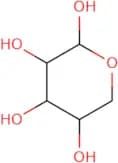


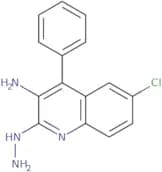
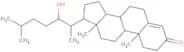
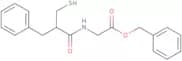
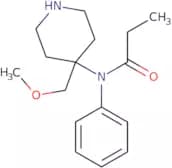
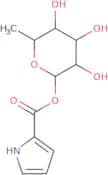
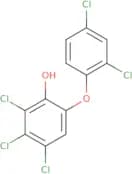
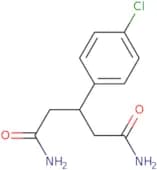

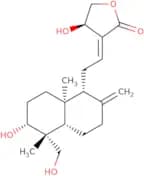
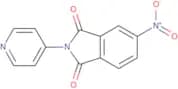

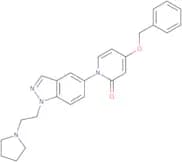
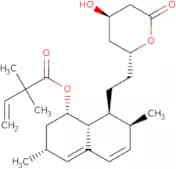
![2-(4?-Chloro-2,3,4,5-tetrahydro-[1,1?-biphenyl]-4-yl)-3-hydroxynaphthalene-1,4-dione](/_next/image/?url=https%3A%2Fstatic.cymitquimica.com%2Fproducts%2F3D%2Fthumb-webp%2FJXC46427.webp&w=3840&q=75)

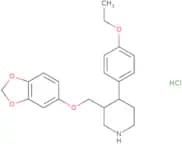
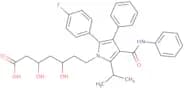
![N-[(6-Chloropyridin-3-yl)methyl]-N-methylacetamide](/_next/image/?url=https%3A%2Fstatic.cymitquimica.com%2Fproducts%2F3D%2Fthumb-webp%2FIC171311.webp&w=3840&q=75)
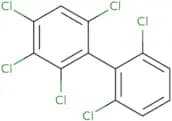
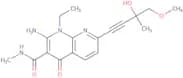
![N-Acetyl-S-[4-(2-pyridinyl)benzyl]-L-cysteine](/_next/image/?url=https%3A%2Fstatic.cymitquimica.com%2Fproducts%2F3D%2Fthumb-webp%2FRFC06809.webp&w=3840&q=75)
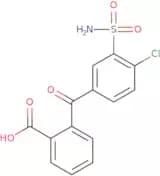
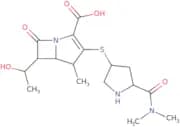
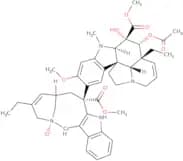

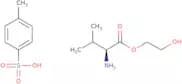
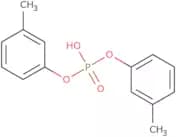
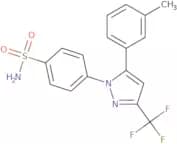
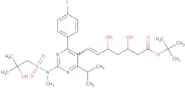
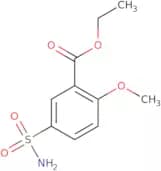
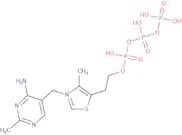
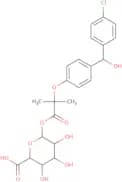

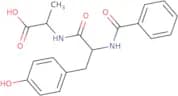
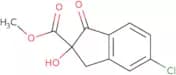
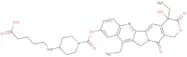
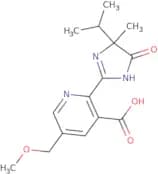
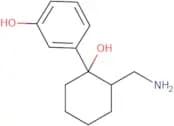

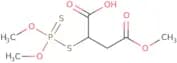
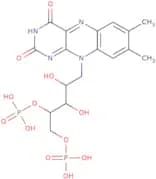
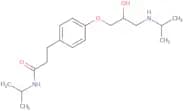

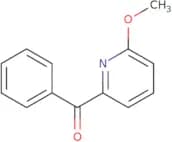
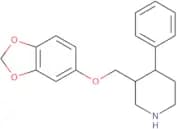
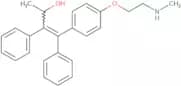

![4'-(Bromomethyl)-[1,1'-biphenyl]-2-carboxylic acid](/_next/image/?url=https%3A%2Fstatic.cymitquimica.com%2Fproducts%2F3D%2Fthumb-webp%2FIB19247.webp&w=3840&q=75)
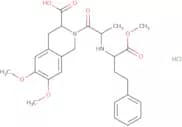
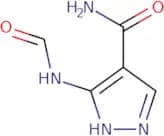
![N-(Aminosulphonyl)-2-[[[2-[(Aminoiminomethyl)amino]-4-thiazolyl]methylsulphinyl]propanimidamide](/_next/image/?url=https%3A%2Fstatic.cymitquimica.com%2Fproducts%2F3D%2Fthumb-webp%2FIA58086.webp&w=3840&q=75)
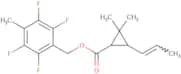
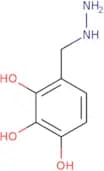
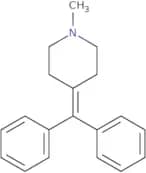
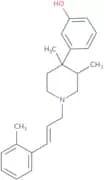
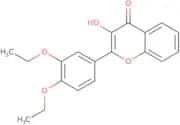
![11-[3-(Dimethylamino)propyl]-6,11-dihydrodibenz[b,e]oxepin-11-ol](/_next/image/?url=https%3A%2Fstatic.cymitquimica.com%2Fproducts%2F3D%2Fthumb-webp%2FID45253.webp&w=3840&q=75)
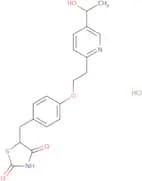
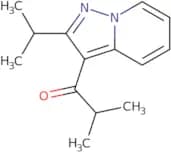
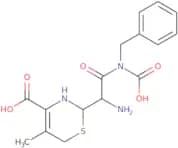
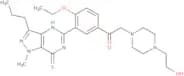
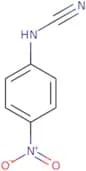
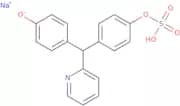
![2-[(2,6-Dichlorophenyl)amino]benzeneacetic Acid 2-(carboxymethoxy)-2-oxoethyl ester](/_next/image/?url=https%3A%2Fstatic.cymitquimica.com%2Fproducts%2F3D%2Fthumb-webp%2FID156912.webp&w=3840&q=75)
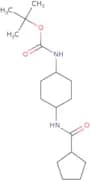
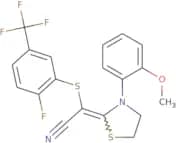
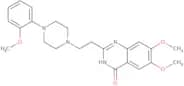
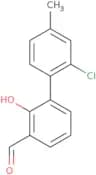
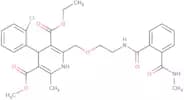

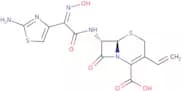


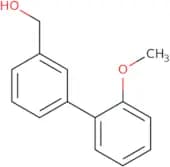
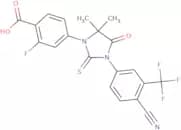
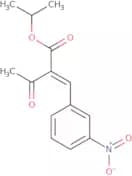
![N-Formyl-D-leucine (1S)-1-[[(2S,3S)-3-hexyl-4-oxo-2-oxetanyl]methyl]dodecyl ester](/_next/image/?url=https%3A%2Fstatic.cymitquimica.com%2Fproducts%2F3D%2Fthumb-webp%2FIF26578.webp&w=3840&q=75)
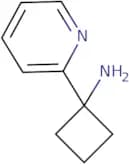
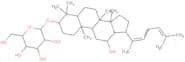


![2′,4′′-Bis-O-(trimethylsilyl)-erythromycin 9-[O-(1-ethoxy-1-methylethyl)oxime]](/_next/image/?url=https%3A%2Fstatic.cymitquimica.com%2Fproducts%2F3D%2Fthumb-webp%2FIB183163.webp&w=3840&q=75)
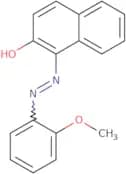
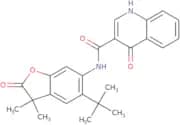
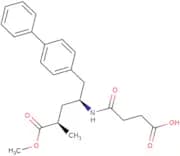
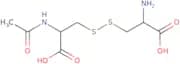
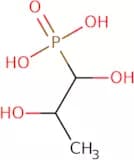
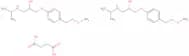
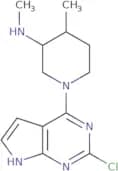
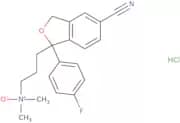
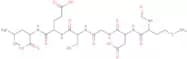
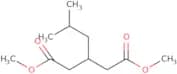
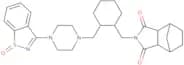
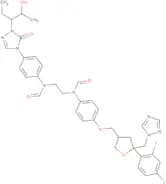
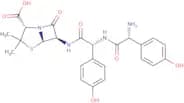
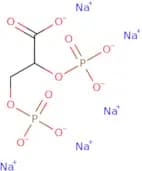
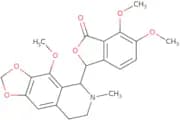
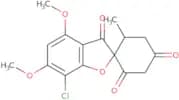
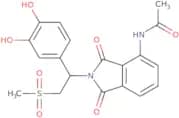
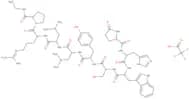
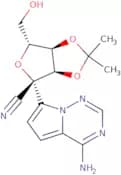
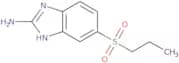
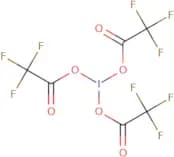
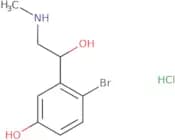
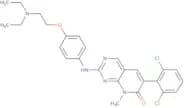
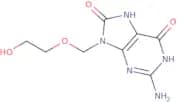

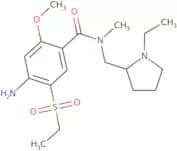
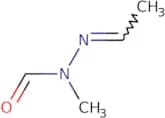
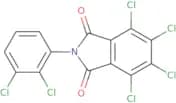
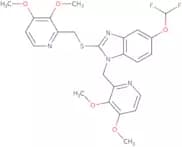
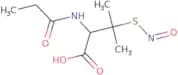
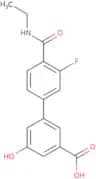
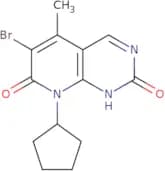
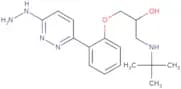


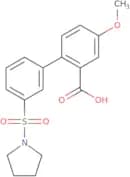
![5-Chloro-N-[3-[[(5-chloro-2-thienyl)carbonyl]amino]-2-hydroxypropyl]-N-[4-(3-oxo-4-morpholinyl)phe…](/_next/image/?url=https%3A%2Fstatic.cymitquimica.com%2Fproducts%2F3D%2Fthumb-webp%2FIC183209.webp&w=3840&q=75)
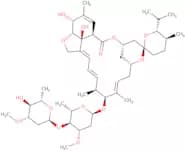
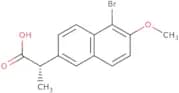
![2-[(4-Chloro-3-methyl-2-pyridinyl)methylthio]-1H-benzimidazole](/_next/image/?url=https%3A%2Fstatic.cymitquimica.com%2Fproducts%2F3D%2Fthumb-webp%2FIC21227.webp&w=3840&q=75)
![1,2,3,4-Tetrahydro-2-[2-(4-hydroxyphenyl)-1-methylethyl]-4,6,8-isoquinolinetriol](/_next/image/?url=https%3A%2Fstatic.cymitquimica.com%2Fproducts%2F3D%2Fthumb-webp%2FLGA04025.webp&w=3840&q=75)

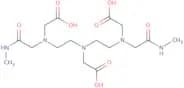
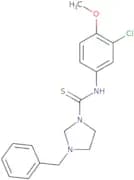
![1-[2-(3-Chloro-2-hydroxypropoxy)phenyl]-3-phenyl-1-propanone](/_next/image/?url=https%3A%2Fstatic.cymitquimica.com%2Fproducts%2F3D%2Fthumb-webp%2FIC21067.webp&w=3840&q=75)