Amino Acids (AA)
Amino acids (AAs) are the fundamental building blocks of proteins, playing a crucial role in various biological processes. These organic compounds are essential for protein synthesis, metabolic pathways, and cell signaling. In this category, you will find a comprehensive range of amino acids, including essential, non-essential, and modified forms, which are vital for research in biochemistry, molecular biology, and nutritional sciences. At CymitQuimica, we provide high-quality amino acids to support your research and development needs, ensuring accuracy and reliability in your experimental outcomes.
Subcategories of "Amino Acids (AA)"
- Amino Acid Derivatives(3,955 products)
- Amino Acid and Amino Acid Related Compounds(3,465 products)
- Amino Acids with Oxygen or Sulphur(168 products)
- Boc- Amino Acids(351 products)
- Fmoc Amino Acids(1,710 products)
Found 38248 products of "Amino Acids (AA)"
Sort by
Purity (%)
0
100
|
0
|
50
|
90
|
95
|
100
Indole-3-acetyl-L-valine
CAS:<p>Indole-3-acetyl-L-valine (IAV) is a naturally occurring amino acid that binds to the surface glycoprotein of wild-type viruses. It inhibits viral replication by inhibiting the production of basic proteins, which are necessary for viral life. IAV also has inhibitory properties against the toll-like receptor, which may be due to its ability to inhibit growth factor signaling. IAV has been shown to decrease the number of opportunistic fungal and bacterial infections in humans, with no adverse effects on human health. This drug has no effect on healthy cells and can be used as an adjuvant for the treatment of HIV and other viral infections.</p>Formula:C15H18N2O3Purity:Min. 95%Color and Shape:PowderMolecular weight:274.32 g/molMethyl 2-hydroxy-5-methoxybenzoate
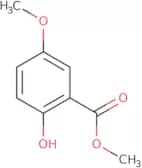
CAS:<p>Methyl 2-hydroxy-5-methoxybenzoate is a carbonyl compound that has the chemical formula CH3OOC(OH)CH2COOH. It has fluorescence properties and can be used to make other compounds by intramolecular hydrogen transfer, photophysical, and preparative methods. Methyl 2-hydroxy-5-methoxybenzoate is used in the production of salicylic acid and its derivatives. This compound is also used as a precursor for other organic compounds. Methyl 2-hydroxy-5-methoxybenzoate can be prepared by the reaction of methanol with methyl chloroacetate in diethyl ether or oxygen gas. The yields are about 80%.</p>Formula:C9H10O4Purity:Min. 90%Color and Shape:Clear LiquidMolecular weight:182.17 g/molN-(4-methylthio(3H-2,3,5-triazolyl))-3-phenylprop-2-enamide
CAS:<p>Please enquire for more information about N-(4-methylthio(3H-2,3,5-triazolyl))-3-phenylprop-2-enamide including the price, delivery time and more detailed product information at the technical inquiry form on this page</p>Formula:C12H12N4OSPurity:Min. 95%Color and Shape:PowderMolecular weight:260.32 g/molN-[6-Chloro-5-(2-methoxyphenoxy)-(2,2-bipyrimidine)4-4-yl]-(1,1-dimethylethyl)-benzenesulfonamide
CAS:<p>N-[6-Chloro-5-(2-methoxyphenoxy)-(2,2-bipyrimidine)4-4-yl]-(1,1-dimethylethyl)-benzenesulfonamide is a reagent that can be used as a reaction component in the synthesis of complex compounds. It has high quality and is a versatile building block for the synthesis of speciality chemicals. N-[6-Chloro-5-(2-methoxyphenoxy)-(2,2-bipyrimidine)4-4-yl]-(1,1-dimethylethyl)-benzenesulfonamide is also a useful intermediate in the synthesis of fine chemicals.</p>Formula:C25H24ClN5O4SPurity:Min. 95%Color and Shape:White PowderMolecular weight:526.01 g/molSuc-Ala-Ala-Pro-Phe-AMC
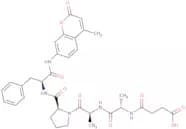
CAS:<p>Suc-Ala-Ala-Pro-Phe-AMC is a synthetic substrate for proteolytic enzymes. This substrate has been shown to be hydrolyzed by pancreatic trypsin and soybean trypsin with similar rates. Suc-Ala-Ala-Pro-Phe-AMC is also a substrate for erythrocyte eosinophil peroxidase, which has been shown to have an optimum pH of 5.0. The reaction mechanism of this substrate is not yet fully understood, but it may involve the formation of a Schiff base between the amino group on the proline residue and the carbonyl group on the AMC moiety. Suc-Ala-Ala-Pro-Phe-AMC also reacts with surface membranes and can be used as an indicator of protease activity.</p>Formula:C34H39N5O9Purity:Min. 98 Area-%Color and Shape:PowderMolecular weight:661.7 g/mol(2-Aminophenyl)-N-((((4-methoxyphenyl)amino)thioxomethyl)amino)formamide
CAS:<p>Please enquire for more information about (2-Aminophenyl)-N-((((4-methoxyphenyl)amino)thioxomethyl)amino)formamide including the price, delivery time and more detailed product information at the technical inquiry form on this page</p>Formula:C15H16N4O2SPurity:Min. 95%Color and Shape:PowderMolecular weight:316.38 g/molFmoc-L-propargylglycine
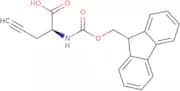
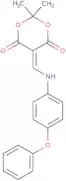
CAS:<p>Fmoc-L-propargylglycine is a cyclic peptide that is synthesized by chemical ligation. It has antiviral, anti-tumor, and anti-inflammatory activities. Fmoc-L-propargylglycine inhibits the growth of cancer cells in vitro. The mechanism of action is not fully understood, but it may involve the inhibition of cellular proliferation and the induction of apoptosis. This compound also inhibits epidermal growth factor (EGF) induced cell proliferation in caco-2 cells.</p>Formula:C20H17NO4Purity:Min. 98 Area-%Color and Shape:White PowderMolecular weight:335.35 g/mol2,2-dimethyl-5-(((4-phenoxyphenyl)amino)methylene)-1,3-dioxane-4,6-dione
CAS:<p>Please enquire for more information about 2,2-dimethyl-5-(((4-phenoxyphenyl)amino)methylene)-1,3-dioxane-4,6-dione including the price, delivery time and more detailed product information at the technical inquiry form on this page</p>Purity:Min. 95%1-[(5-Methoxy-1-methyl-1H-indol-3-yl)methyl]piperidine-4-carboxylic acid
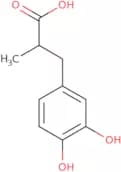
CAS:Controlled Product<p>Please enquire for more information about 1-[(5-Methoxy-1-methyl-1H-indol-3-yl)methyl]piperidine-4-carboxylic acid including the price, delivery time and more detailed product information at the technical inquiry form on this page</p>Formula:C17H22N2O3Purity:Min. 95%Molecular weight:302.37 g/mol2-Methyl-3-(3,4-dihydroxyphenyl)propanoic acid
CAS:<p>2-Methyl-3-(3,4-dihydroxyphenyl)propanoic acid (DOPA) is a prodrug that is converted to the active form 2-methyl-5,6-dihydroxyindole-3,4-dione (DIDO) by hydrazine. DIDO inhibits melanoma cells by binding to tyrosinase and inhibiting its activity. DOPA also has cytotoxic properties, which may be due to the production of oxidative metabolites such as hydrogen peroxide and free radicals. DIDO can also be metabolized into catechol and cyclized into quinone methides. DOPA can inhibit oxidation reactions in the cell line CCRF-CEM by preventing the oxidation of NADH to NAD+.</p>Formula:C10H12O4Purity:Min. 95%Color and Shape:PowderMolecular weight:196.2 g/mol4-Hydroxy-2-methylindole
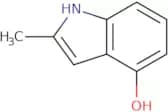
CAS:<p>4-Hydroxy-2-methylindole is an organic compound that belongs to the class of metal salts. It can be obtained as a white solid by reacting indole with alkali metal hydroxide or alkali metal carbonate in the presence of water at high temperatures. The reaction yields 4-hydroxy-2-methylindole and hydrogen chloride gas, which are removed by distillation. 4-Hydroxy-2-methylindole is used in the production of epichlorohydrin, which is a raw material for polyurethane resins and olefins.</p>Formula:C9H9NOPurity:Min. 95%Color and Shape:PowderMolecular weight:147.17 g/mol4-Fluoro-L-Tryptophan
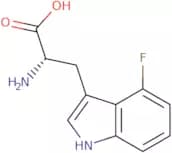
CAS:<p>4-Fluoro-L-tryptophan is an amino acid that is used in the synthesis of proteins. It has a number of uses in molecular biology, including the study of phosphatases, tryptophan synthetase, and mutant strains. 4-Fluoro-L-tryptophan can be used to study the interaction between subunits of these enzymes and to determine kinetic parameters. This compound has been shown to interact with magnetic resonance spectroscopy (NMR) and fluorescence measurements. The biosynthesis of 4-fluoro-L-tryptophan involves two steps: (1) incorporation into protein by tryptophanyl tRNA synthetase; and (2) conversion to tryptamine by phosphatase enzyme.</p>Formula:C11H11FN2O2Purity:Min. 95%Molecular weight:222.22 g/molMethyl 4-methoxyphenylpropionate
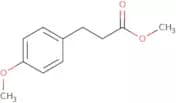
CAS:<p>Methyl 4-methoxyphenylpropionate is a pyridine derivative that is used as a solvent, reagent, and intermediate in organic synthesis. It has been shown to be a marker for aerosols in the environment and has been detected in the atmosphere of Beijing, China. The methyl ester can also be used to synthesize dienones and benzyl mesylates.</p>Formula:C11H14O3Purity:Min. 95%Color and Shape:PowderMolecular weight:194.23 g/molThiophene-2-glyoxylic acid
CAS:<p>Thiophene-2-glyoxylic acid is a reactive metabolite of thiophene that is formed from the environmental degradation of this compound. Thiophene-2-glyoxylic acid reacts with halides to form an electrophilic intermediate. This intermediate can react with a variety of nucleophiles, including the drug metabolites, leading to the formation of new compounds. Thiophene-2-glyoxylic acid has been shown to enhance the fluorescence properties of some organic compounds. It also has been shown to inhibit the metabolism of some drugs that are conjugated with acids and can be detected in plasma by mass spectrometry.</p>Formula:C6H4O3SPurity:Min. 95%Color and Shape:PowderMolecular weight:156.16 g/moltrans-2-Methyl-1,3-pentadiene
CAS:<p>Trans-2-methyl-1,3-pentadiene is a polymerized molecule that is derived from the β-unsaturated ketone. It has a molecular weight of 132.14 g/mol and an isolated yield of 10%. Trans-2-methyl-1,3-pentadiene has been shown to undergo cationic polymerization with lithium aluminum hydride (LAH) as the catalyst to form polymers. The two isomers are cis and trans and have different energy requirements for activation. This reaction can be done at room temperature in THF using potassium tetrachloroplatinate (KPtCl) as a catalyst. Trans-2-methyl-1,3 pentadiene can also be used for size exclusion chromatography in water or organic solvents such as cyclohexane or hexane.</p>Formula:C6H10Purity:90%MinMolecular weight:82.14 g/mol6-Methoxy-2-naphthaleneacetic acid
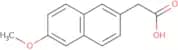
CAS:<p>6-Methoxy-2-naphthaleneacetic acid (6-MNA) is a nonsteroidal anti-inflammatory drug that is used to treat patients with chronic pain. 6-MNA has been shown to be an effective treatment for osteoarthritis, rheumatoid arthritis and other inflammatory conditions. It inhibits the production of prostaglandins and leukotrienes by inhibiting the enzyme cyclooxygenase, which is responsible for the conversion of arachidonic acid to these mediators. 6-MNA can also inhibit the activity of α1-acid glycoprotein and increase the activity of human serum albumin, which may contribute to its antiinflammatory effect. 6-MNA has several side effects including nausea, vomiting, diarrhea and abdominal pain. These adverse reactions are caused by inhibition of protein synthesis in the stomach lining, which leads to decreased production of mucus and bicarbonate ions.</p>Formula:C13H12O3Purity:Min. 95%Color and Shape:PowderMolecular weight:216.23 g/molZ-Val-Ala-Asn-AMC
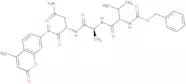
CAS:<p>Z-Val-Ala-Asn-AMC is a reagent that is used in the synthesis of complex compounds. It is a versatile building block, which can be used to make a wide range of compounds. It has been shown that Z-Val-Ala-Asn-AMC is an excellent reaction component for the synthesis of several important bioactive compounds.</p>Formula:C30H35N5O8Purity:Min. 98 Area-%Color and Shape:PowderMolecular weight:593.63 g/mol2-Nitro-p-phenylenediamine
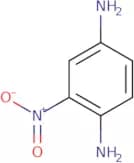
CAS:<p>2-Nitro-p-phenylenediamine is a chemical substance that can be used as a predictive biomarker for allergic reactions. It is an amine with the chemical formula C6H5CH2N2O2. It is soluble in water, ethanol, and ether, but insoluble in acetone and diethylether. 2-Nitro-p-phenylenediamine has been shown to cause cutaneous lesions in animal studies and has been classified as a possible human carcinogen by the International Agency for Research on Cancer (IARC). This compound was not mutagenic to bacteria or yeast strains tested, but it did cause chromosome aberrations in cultured human lymphocytes. The metabolite profile of 2-nitro-p-phenylenediamine has been studied in rats treated with this compound at different doses. When administered orally to rats at a dose of 50 mg/kg body weight per day, 2 nitro p phenylened</p>Formula:C6H7N3O2Purity:Min. 95%Color and Shape:PowderMolecular weight:153.14 g/molH-Glu-Glu-Leu-OH
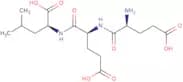
CAS:<p>H-Glu-Glu-Leu-OH is a vitamin that is essential for the production of hydroxyproline, which aids in the formation of collagen. It is also used to treat osteoarthritis and rheumatoid arthritis. H-Glu-Glu-Leu-OH is synthesized from glutamate, glutamic acid, and leucine in the liver and kidney. This reaction proceeds by two steps: first, glutamate carboxylase converts glutamate to α-ketoglutarate; then, aspartate aminotransferase converts α-ketoglutarate to aspartate semialdehyde. Aspartate semialdehyde is converted to H-Glu-Glu-Leu by an enzyme called glutamyl aminopeptidase. The reaction mechanism of this enzyme has been studied experimentally and theoretically using sodium bicarbonate (NaHCO) as a buffer. The sequential nature</p>Formula:C16H27N3O8Purity:Min. 95%Color and Shape:White Off-White PowderMolecular weight:389.40 g/molα-Methylanisalacetone
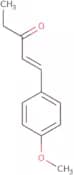
CAS:<p>Alpha-Methylanisalacetone is a chemical substance that is used as a reagent in the production of other chemicals. It is also an allergen and a sensitizer, which may cause health risks. Alpha-Methylanisalacetone can react with trifluoroacetic acid to form alpha-methylbenzeneacetic acid, which can be detected by an ionization detector. This reaction takes about 1 hour. The fluid extract from alpha-methylanisalacetone contains histidine, which reacts with the reagent 2,4-dinitrophenylhydrazine hydrochloride and produces dinitrophenylhydrazine. The analytical method for alpha-methylanisalacetone involves measuring the turbidity of the solution at 660 nm using a spectrophotometer.</p>Formula:C12H14O2Purity:Min. 95%Color and Shape:White PowderMolecular weight:190.24 g/mol6-Fluoro-1,2,3,4-tetrahydro-2-methylquinoline
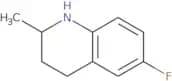
CAS:<p>6-Fluoro-1,2,3,4-tetrahydro-2-methylquinoline is an organocatalytic fluorine compound that has been investigated as a fluoroquinolone antibiotic. It is an enantiopure compound and has been shown to be effective in the treatment of bacterial infections. 6-Fluoro-1,2,3,4-tetrahydro-2-methylquinoline inhibits bacterial growth by binding to DNA gyrase and topoisomerase IV. 6FLMQ is a chiral molecule with two possible configurations (R or S), which can be determined from x-ray crystallography. The S configuration is more potent than the R configuration. 6FLMQ also binds with chloride ions to form a cationic complex that can be used for antibacterial activity against Gram negative bacteria such as Escherichia coli and Pseudomonas aeruginosa.<br>6FLMQ has</p>Formula:C10H12FNPurity:Min. 95%Color and Shape:PowderMolecular weight:165.21 g/mol(1-Methylpiperidin-2-yl)methanol
CAS:<p>(1-Methylpiperidin-2-yl)methanol is a gaseous organic acid that belongs to the piperazine class of compounds. It is used as an intermediate in the synthesis of various pharmaceuticals, including antipsychotics and antidepressants. (1-Methylpiperidin-2-yl)methanol has been shown to be an agonist of ganglion cells and can be used for the treatment of glaucoma. This compound also has shown to have anti-inflammatory properties, which may be due to its ability to inhibit nitric oxide production. Furthermore, (1-methylpiperidin-2-yl)methanol has been shown to inhibit 13c nuclear magnetic resonance spectroscopy with epoxides and hydroxyl groups. The reaction product is a crystalline solid with a molecular formula of C6H14O3N2, which corresponds to the molecular formula of 2-(dimethylam</p>Formula:C7H15NOPurity:Min. 95%Color and Shape:Clear LiquidMolecular weight:129.2 g/molFurosine dihydrochloride
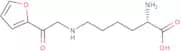
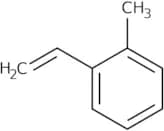
CAS:<p>Reference material for food analysis</p>Formula:C12H18N2O4•2HClPurity:Min. 98 Area-%Color and Shape:PowderMolecular weight:327.20 g/mol2-Methylstyrene
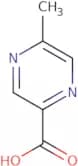
CAS:<p>2-Methylstyrene is a synthetic compound that is used in the manufacture of various industrial chemicals and plastics. It is produced by the catalytic polymerization of styrene with sodium salts, calcium stearate, and sodium carbonate. 2-Methylstyrene can also be synthesized from chloroacetic acid and hydrogen chloride. This chemical has been shown to undergo cationic polymerization when it reacts with an amine or a hydroxyl group. 2-Methylstyrene is soluble in organic solvents such as benzene or chloroform. It has been used as a film-forming polymer in analytical chemistry due to its high volatility and low viscosity.</p>Formula:C9H10Purity:Min. 95%Molecular weight:118.18 g/mol5-Methyl-2-pyrazinecarboxylic acid
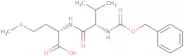
CAS:<p>5-Methyl-2-pyrazinecarboxylic acid is a natural compound that can be found in plants. It has been shown to have antidiabetic properties and to be useful as a fluorescence probe. 5-Methyl-2-pyrazinecarboxylic acid can be synthesized by the condensation of pyrazinamide with formaldehyde, followed by oxidation with sodium formate. The synthesis of 5-methyl-2-pyrazinecarboxylic acid can also be achieved by heating an aqueous solution of pyrazinamide at 100°C for 30 minutes. This process yields the desired product in high yield, which is then purified by recrystallization or column chromatography.</p>Formula:C6H6N2O2Purity:Min. 95%Color and Shape:PowderMolecular weight:138.12 g/molZ-Val-Met-OH
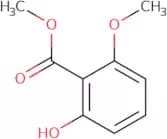
CAS:<p>Z-Val-Met-OH is a high purity synthetic compound that can be used as a research tool in cell biology, ion channels and peptides. This compound is an activator of the receptor for bradykinin and has been shown to inhibit the activity of protein kinase C. Z-Val-Met-OH is also a ligand for the acetylcholine receptor and has been shown to inhibit acetylcholinesterase, leading to an increase in acetylcholine levels. Z-Val-Met-OH binds to the receptor for insulin and can be used as an inhibitor of insulin release from pancreatic beta cells.</p>Formula:C18H26N2O5SPurity:Min. 95%Molecular weight:382.48 g/mol2-Hydroxy-6-methoxybenzoic acid methyl ester
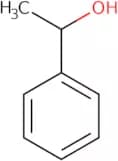
CAS:<p>2-Hydroxy-6-methoxybenzoic acid methyl ester is a biologically active molecule that has been shown to have antibacterial activity. It is structurally similar to the natural compound 2,6-dimethoxyphenol and can be used as a substitute for this compound in bioassays. The antibacterial activity of 2-hydroxy-6-methoxybenzoic acid methyl ester is due to its ability to inhibit enzymes involved in DNA repair and cell division. This compound also inhibits the growth of cancer cells and weevils by interfering with their metabolism.</p>Formula:C9H10O4Purity:Min. 95%Color and Shape:PowderMolecular weight:182.17 g/molα-Methylbenzyl alcohol
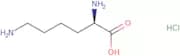
CAS:<p>Alpha-methylbenzyl alcohol is a fatty acid that is used as a chemical intermediate in the synthesis of pharmaceutical agents. It has been shown to inhibit phosphotungstic acid (PTA) hydrolysis and surface methodology, as well as to have carcinogenic potential. Alpha-methylbenzyl alcohol has also been found to be an inhibitor of phospholipase A2, which catalyzes the hydrolysis of glycerophospholipids into free fatty acids and lysophospholipids. Alpha-methylbenzyl alcohol inhibits the reaction by binding reversibly with the hydroxyl group on enzyme active site. The kinetic mechanism studies of alpha-methylbenzyl alcohol have revealed that it is a competitive inhibitor for enzymes such as protein kinase C and leucine aminopeptidase.</p>Formula:C8H10OPurity:Min. 95%Color and Shape:Clear LiquidMolecular weight:122.16 g/molD-Lysine HCl
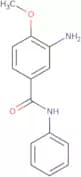
CAS:<p>D-Lysine HCl is an amino acid that is used as a dietary supplement for the treatment of L-lysine deficiency. It is a precursor to protein synthesis and has been shown to have an inhibitory effect on neuronal function. D-Lysine HCl can be synthesized from lysine by hydrolysis with hydrochloric acid in the presence of piperazine. This reaction produces dibenzoate and d-piperazine, which are then reacted with l-tartaric acid to form the final product. D-Lysine HCl is usually purified from this mixture by gel chromatography or ion exchange chromatography.</p>Formula:C6H14N2O2·HClColor and Shape:White PowderMolecular weight:182.65 g/mol3-Amino-4-methoxybenzanilide
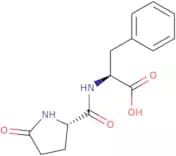
CAS:<p>3-Amino-4-methoxybenzanilide is a white, crystalline solid that is soluble in organic solvents. It reacts with hydrochloric acid to form hydrogen chloride and 3-amino-4-methoxybenzoic acid. 3-Amino-4-methoxybenzanilide is used as an analytical reagent for determining the chloride content of various materials. The heat energy needed for the reaction to occur optimally is between 55 and 75 degrees Celsius. The optimal reaction system includes hydrochloric acid, an organic solvent, and diazonium salt activated by hydrogen chloride gas. The reaction time is 2 hours at room temperature and the analytical method used is titrimetric analysis using triticum aestivum as the particle.</p>Formula:C14H14N2O2Purity:Min. 95%Color and Shape:PowderMolecular weight:242.27 g/molPyr-Phe-OH
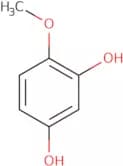
CAS:<p>Pyr-Phe-OH is a pyroglutamic acid derivative that can be used as a chromogenic reagent. Pyr-Phe-OH has been shown to have an acid sequence and is related to tryptic peptides. Pyr-Phe-OH is used in the analysis of proteins, such as haemoglobin, by means of phenacyl esters. Pyr-Phe-OH reacts with pepsin and other proteolytic enzymes, but not with phenacyl esters or thiols. This compound is also used as a crosslinker for alkylation reactions. The molecule contains an alkylate group and an amine group that are bonded by a carbon atom. Pyr-Phe-OH contains two amino acids: pyrrolysine and phenylalanine that are linked by an oxygen atom.<br>END></p>Formula:C14H16N2O4Purity:Min. 95%Color and Shape:White To Off-White SolidMolecular weight:276.29 g/mol4-Methoxyresorcinol
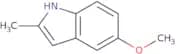
CAS:<p>4-Methoxyresorcinol is a chemical compound that has the molecular formula CHNO. It has a hydroxyl group in the 4-position and a methyl group on the 8-position. The intramolecular hydrogen of this molecule is denatured by heating to about 220°C. This process converts it into resorcinol, which is structurally similar but has different properties. 4-Methoxyresorcinol can be used as a polymerization initiator for polycarboxylic acid or quinoline derivatives, and its analytical methods are used in determining its structure.</p>Formula:C7H8O3Purity:Min. 95%Color and Shape:PowderMolecular weight:140.14 g/mol5-Methoxy-2-methylindole
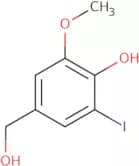
CAS:<p>5-Methoxy-2-methylindole is an organic solvent that has been shown to have a wide range of bioactive properties. It is used in the production of acetylcholine, which is an important neurotransmitter. 5-Methoxy-2-methylindole also reacts with chloride ions, which may be an important factor when considering the life cycles and bioactive substances of this molecule. The reaction yield depends on the pH of the solution. 5-Methoxy-2-methylindole can undergo chlorination reactions to form polychlorinated derivatives, which are used as petrochemicals. This molecule also has retinoid properties and can act as a proton donor or acceptor depending on whether it is protonated or deprotonated.</p>Formula:C10H11NOColor and Shape:PowderMolecular weight:161.2 g/mol4-Hydroxy-5-iodo-3-methoxybenzyl alcohol
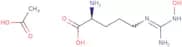
CAS:<p>4-Hydroxy-5-iodo-3-methoxybenzyl alcohol is a polymer that has been synthesized as a model compound for lignin. It is a synthetic compound, which has not been found in nature. 4-Hydroxy-5-iodo-3-methoxybenzyl alcohol is toxic to bacteria and fungi, but not to mammalian cells. The metabolic products of this compound have not yet been identified.</p>Formula:C8H9IO3Purity:Min. 95%Color and Shape:PowderMolecular weight:280.06 g/molN-γ-Hydroxy-L-arginine, acetate salt
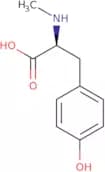
CAS:Controlled Product<p>N-gamma-Hydroxy-L-arginine, acetate salt is a fluorescent compound that is used for the measurement of dinucleotide phosphate. It is synthesized from L-arginine by an enzymatic reaction in order to activate its fluorescence. N-gamma-Hydroxy-L-arginine, acetate salt has been shown to bind to calmodulin and therefore may be used as a potential biomarker for cancer diagnosis. The binding constants of N-gamma-Hydroxy-L-arginine, acetate salt to calmodulin have been measured using fluorescence spectroscopy. The matrix effect was also investigated and it was found that the maximum intensity of the compound's fluorescence emission shifted with varying concentrations of ammonium sulfate. This shift in frequency depends on the concentration of ammonium sulfate added to the solution. N-gamma-Hydroxy-L-arginine, acetate salt has been</p>Formula:C8H18N4O5Purity:Min. 95 Area-%Color and Shape:Off-White PowderMolecular weight:250.25 g/molN-Methyl-L-tyrosine - Combretum collinum
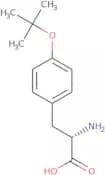
CAS:<p>N-Methyl-L-tyrosine is a molecule that has been studied as a potential treatment for Parkinson's disease. It is chemically related to the amino acid tyrosine and also shares some of its biological properties. N-Methyl-L-tyrosine inhibits the uptake of dopamine by dopamine transporters in cells, which reduces the symptoms of Parkinson's disease. The alkynyl group present in this molecule helps to improve the drug's binding affinity with proctolin, which is a substrate for proton pump inhibitors, and can be used to treat gastrointestinal problems. The clinical use of N-Methyl-L-tyrosine is limited due to its low oral bioavailability; however, it may be effective when administered intravenously or intramuscularly.</p>Formula:C10H13NO3Purity:Min. 95%Color and Shape:White PowderMolecular weight:195.22 g/molO-tert-Butyl-L-tyrosine
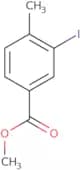
CAS:<p>O-tert-Butyl-L-tyrosine is a biostable, low molecular weight, hydrophobic, and diffraction active compound. It can be used as a solvent for chiral and non-chiral compounds. O-tert-Butyl-L-tyrosine has been shown to have biological function in the synthesis of peptides, proteins, and amides. This compound also has an effect on gelation and is often used in organic solvents.</p>Formula:C13H19NO3Purity:Min. 95%Color and Shape:SolidMolecular weight:237.29 g/molMethyl 3-iodo-4-methylbenzoate
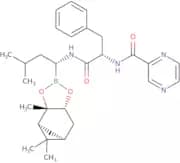
CAS:<p>Methyl 3-Iodo-4-methylbenzoate is a radiolabeled compound that can be used in the labeling of proteins and peptides. Methyl 3-Iodo-4-methylbenzoate can be used to study postoperative pain. It has been shown to bind to cannabinoid receptors, which may provide a new method for the treatment of pain. Methyl 3-Iodo-4-methylbenzoate is also an agonist of CB2 receptors, which are mainly found in the immune system and have been shown to have antiinflammatory properties. The efficiency of methyl 3-iodo-4 methylbenzoate as a radiolabeling agent is high, with low levels of radiation exposure to the patient. This compound has been shown to produce antibodies that bind specifically with opioid receptors, making it useful for research on opioid receptor ligands.</p>Formula:C9H9IO2Purity:Min. 95%Molecular weight:276.07 g/mol(1R)-(1S,2S,3R,5S)-Pinanediol-N-(N-pyrazinylphenylalaninoyl)-1-amino-3-methyl-butane-1-boronate
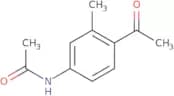
CAS:<p>(1R)-(1S,2S,3R,5S)-Pinanediol-N-(N-pyrazinylphenylalaninoyl)-1-amino-3-methyl-butane-1-boronate is a boronic acid derivative that has been shown to have an antiproliferative effect on cancer cells. It is a biodegradable, water soluble drug with a low toxicity profile. The maximum tolerated dose has been established in vivo studies and it can be used as an imaging agent for diagnosis. (1R)-(1S,2S,3R,5S)-Pinanediol-N-(N-pyrazinylphenylalaninoyl)-1-amino-3-methyl-butane-1-boronate may be used to treat cancers such as breast cancer or leukemia. This drug targets the proteasome and inhibits its activity by binding to the active site of the 20s</p>Formula:C29H39BN4O4Purity:Min. 95%Color and Shape:SolidMolecular weight:518.46 g/mol4'-Acetamido-2'-methylacetophenone
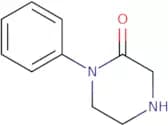
CAS:<p>4'-Acetamido-2'-methylacetophenone is a chemical compound that has been found to be useful in the synthesis of other compounds. It is an intermediate for the production of aniline and phenacetin, which are both reactive compounds. This product can also be used as a reagent for the synthesis of other chemicals and pharmaceuticals. CAS No. 34956-31-5</p>Formula:C11H13NO2Purity:Min. 95%Color and Shape:PowderMolecular weight:191.23 g/mol1-Phenyl-piperazin-2-one
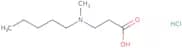
CAS:<p>1-Phenyl-piperazin-2-one is a versatile chemical that can be used as a building block in the synthesis of complex compounds. This compound is also used as a reagent and speciality chemical. It is an important intermediate in organic synthesis and has been used in the preparation of pharmaceuticals, pesticides, and herbicides. 1-Phenyl-piperazin-2-one can be prepared by reacting phenylacetonitrile with nitrous acid to form the nitrile followed by hydrolysis to produce the corresponding carboxylic acid.</p>Formula:C10H12N2OPurity:Min. 95%Color and Shape:PowderMolecular weight:176.22 g/mol3-(N-Methyl-N-pentylamino)propionic acid hydrochloride
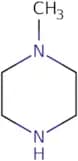
CAS:<p>Trichloroethylene is a chlorinated hydrocarbon that is primarily used as a solvent. The propionic acid is the monosodium salt of 3-(N-Methyl-N-pentylamino)propionic acid hydrochloride, which is an organic compound. The monohydrate and trichloride are two polymorphic forms of this substance. Acetone and unreacted Trichloroethylene are substances that may be formed during the chemical process. The alkaline form of Trichloroethylene may be obtained by refluxing the substance with sodium hydroxide in water or with potassium hydroxide in alcohol. This substance can also exist in a polymorphic form.</p>Formula:C9H20ClNO2Purity:Min. 95%Color and Shape:PowderMolecular weight:209.71 g/molN-Methylpiperazine
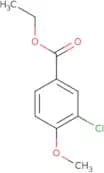
CAS:<p>N-Methylpiperazine is a piperazine derivative that contains a hydroxy group in the para position. It is used as a reagent in organic synthesis, and can be synthesized from ethylenediamine and formaldehyde or pyrocatechol. N-Methylpiperazine has been shown to inhibit the growth of squamous carcinoma by blocking the production of DNA and RNA. The chemical substance also inhibits the synthesis of protein, which is needed for cell division. N-Methylpiperazine also reacts with hydrogen fluoride to form stable complexes.</p>Formula:C5H12N2Purity:Min. 98 Area-%Color and Shape:Colorless Clear LiquidMolecular weight:100.16 g/mol3-Chloro-4-methoxybenzoic acid ethyl ester
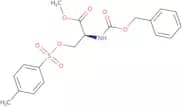
CAS:<p>3-Chloro-4-methoxybenzoic acid ethyl ester is a chemical compound that is used as a reactant in organic synthesis. It has shown high quality and can be used for research. 3-Chloro-4-methoxybenzoic acid ethyl ester can be used as a scaffold to make fine chemicals, pharmaceuticals, and other products. It has been shown to be useful in the synthesis of many complex compounds and as an intermediate or building block for chemical reactions.</p>Formula:C10H11ClO3Purity:Min. 95%Color and Shape:PowderMolecular weight:214.65 g/molZ-O-4-Toluenesulfonyl-L-serine methyl ester
CAS:<p>Z-O-4-Toluenesulfonyl-L-serine methyl ester is a new chemical substance that has been synthesized as a potential pharmaceutical formulation. It has been shown to have protective effects against ischemia reperfusion injury in rats, reducing the damage to muscle and other tissues caused by ischemia reperfusion. The mechanism of action may be due to glyceride release and creatine production, which can maintain perfusion during periods of ischemia. Z-O-4-Toluenesulfonyl-L-serine methyl ester has also been shown to be effective in preventing damage to platelets during induction of ischemia.</p>Formula:C19H21NO7SPurity:Min. 95%Color and Shape:PowderMolecular weight:407.44 g/mol3,4-Methylenedioxy-5-methoxycinnamic acid
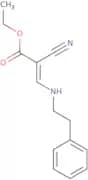
CAS:<p>3,4-Methylenedioxy-5-methoxycinnamic acid is a fine chemical that can be used as a versatile building block in the synthesis of many organic compounds. It is a useful intermediate for research chemicals, reaction components, and specialty chemicals. This compound can be used as a reagent for the synthesis of complex compounds. It has high purity and quality.</p>Formula:C11H10O5Purity:Min. 95%Color and Shape:PowderMolecular weight:222.19 g/molethyl 2-nitrilo-3-((2-phenylethyl)amino)prop-2-enoate
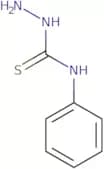
CAS:<p>Please enquire for more information about ethyl 2-nitrilo-3-((2-phenylethyl)amino)prop-2-enoate including the price, delivery time and more detailed product information at the technical inquiry form on this page</p>Purity:Min. 85%N-Phenylhydrazinecarbothioamide
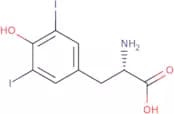
CAS:<p>N-Phenylhydrazinecarbothioamide is a chemical compound that is used in wastewater treatment. It is an organic molecule that is composed of hydrophobic and hydrophilic parts. The hydrophobic part, which contains the phenyl group, binds to the hydrophobic region of the cell membrane and causes the cell to lyse. The hydrophilic part has an affinity for water and can be used as an electrode material in electrochemical impedance spectroscopy. N-Phenylhydrazinecarbothioamide also has been shown to have antibacterial properties against human pathogens, including Mycobacterium tuberculosis, Clostridium perfringens, and Escherichia coli O157:H7. The compound has been shown to inhibit cervical cancer cells by inhibiting protein synthesis through inhibition of ribosomal activity and fragmentation assay analysis showed that N-phenylhydrazinecarbothioamide binds to copper ions at a coordination geometry of</p>Formula:C7H9N3SPurity:Min. 95%Color and Shape:SolidMolecular weight:167.23 g/mol3,5-Diiodo-L-tyrosine dihydrate
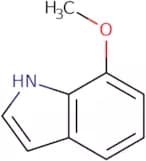
CAS:<p>There are many good reasons to eat fish and seafood, one of them is certainly the fact that they are rich in iodine salts, which are a fundamental for the endocrine activity of the thyroid gland. Iodine salts are enzymatically converted into molecular iodine, which adds to tyrosine residues in thyroglobulin forming diiodotyrosine. This is the first step towards the biosynthesis of thyroid hormones triodityronine T3 and tetraiodotyronine T4 which serve important regulatory functions in body metabolism and energy expenditure. Recently, the dietary introduction of potassium iodide and diiodotyrosine were compared in mice showing that diiodotyrosine can also be used effectively as food supplement preventing the potential damage from excessive intake of inorganic iodine salts.</p>Formula:C9H13I2NO5Purity:Min. 95.0 Area-%Molecular weight:469.02 g/mol7-Methoxy-1H-indole
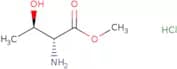
CAS:<p>7-Methoxy-1H-indole (7MI) is a synthetic compound that exhibits anti-inflammatory activity. It is an analog of the amino acid methionine found in proteins and its synthesis involves the condensation of a chlorinated alkyl acetate with an esterified hydrazide to form the corresponding amide. 7MI has been shown to inhibit both bacterial and mammalian protein synthesis, as well as to inhibit tumor cell growth. 7MI binds reversibly to the N7 atom of the adenine base in DNA, thereby inhibiting DNA replication through inhibition of DNA polymerase.</p>Formula:C9H9NOPurity:Min. 95%Color and Shape:Clear LiquidMolecular weight:147.17 g/molH-D-allo-Threonine methyl ester hydrochloride
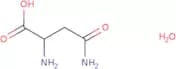
CAS:<p>H-D-allo-Threonine methyl ester hydrochloride is a speciality chemical that is used in research and development. It is an intermediate for the synthesis of other compounds, such as pharmaceuticals, pesticides, and fragrances. H-D-allo-Threonine methyl ester hydrochloride has been shown to be useful in the production of methanol and ethanol. This compound also has high quality and can be used as a reagent for other reactions.</p>Formula:C5H11NO3•HClPurity:Min. 95%Color and Shape:PowderMolecular weight:169.61 g/molDL-Asparagine monohydrate
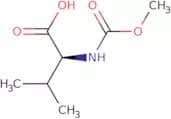
CAS:<p>DL-Asparagine monohydrate is a low potency amino acid that can be used as a biomarker for wastewater treatment. It has been shown to inhibit the activity of enzymes such as guanine nucleotide-binding proteins, toll-like receptors, and response elements. Asparagine also has inhibitory properties against tumour cells in solid tumours.</p>Formula:C4H10N2O4Color and Shape:PowderMolecular weight:150.14 g/mol(S)-2-((Methoxycarbonyl)amino)-3-methylbutanoic acid
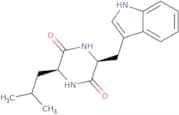
CAS:<p>(S)-2-((Methoxycarbonyl)amino)-3-methylbutanoic acid is a synthetic molecule that has been studied for its antiviral activity against hepatitis C virus. The compound was found to inhibit the replication of the virus, with an IC50 of 0.5 mM in cell culture studies. It also inhibited the replicon and reaction yield of the virus in vitro. (S)-2-((Methoxycarbonyl)amino)-3-methylbutanoic acid is effective against genotype 1 and 2, but not against genotype 3. It is active against a broad range of HCV isolates, including those resistant to other drugs such as ribavirin or telaprevir. The drug has been shown to be well tolerated in animals and humans. END></p>Formula:C7H13NO4Purity:Min. 95%Color and Shape:White PowderMolecular weight:175.18 g/molCyclo(-Leu-Trp)
CAS:<p>Cyclo(-Leu-Trp) is a sweetener that has been used in the food industry for many years. Cyclo(-Leu-Trp) is able to bind with quinine and form a complex that can be detected using analytical methods. Cyclo(-Leu-Trp) has been investigated as a ligand that may be able to bind to receptors on cancer cells, which could lead to new treatments for cancer. Cyclo(-Leu-Trp) also has amphipathic properties and can form liposomes at high concentrations. This molecule has also been studied for its ability to induce transduction of DNA into bacterial cells and cellular thermogenesis.</p>Formula:C17H21N3O2Purity:Min. 98 Area-%Color and Shape:PowderMolecular weight:299.37 g/mol2,3,5,6-Tetramethyl-1,4-phenylenediamine
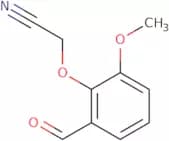
CAS:<p>2,3,5,6-Tetramethyl-1,4-phenylenediamine is a chemical compound that has been used in clinical pathology and plant physiology. The potential of this molecule as a photosynthetic agent has been studied extensively. It has also been shown to have biochemical properties that are similar to those of chlorophylls. 2,3,5,6-Tetramethyl-1,4-phenylenediamine is able to transfer electrons between molecules in the electron transport chain. It can be found in both prokaryotes and eukaryotes but not in plants or algae. 2,3,5,6-Tetramethyl-1,4-phenylenediamine may be toxic when ingested orally or inhaled and is capable of producing irreversible inhibition when it reacts with oxygen.</p>Formula:C10H16N2Purity:98 To 102%Color and Shape:White To Tan SolidMolecular weight:164.25 g/mol2-(2-formyl-6-methoxyphenoxy)acetonitrile
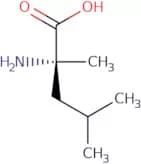
CAS:<p>Please enquire for more information about 2-(2-formyl-6-methoxyphenoxy)acetonitrile including the price, delivery time and more detailed product information at the technical inquiry form on this page</p>Formula:C10H9NO3Purity:Min. 95%Color and Shape:PowderMolecular weight:191.18 g/molα-Me-D-Leu-OH
CAS:<p>a-Me-D-Leu-OH is a versatile building block that is used as a reagent in the synthesis of complex compounds, research chemicals, and speciality chemicals. It is also a useful scaffold for drug design. This chemical is also widely used as an intermediate in organic syntheses.</p>Formula:C7H15NO2Purity:Min. 95%Color and Shape:PowderMolecular weight:145.2 g/mol2-Methylpyridine-4-boronic acid pinacol ester
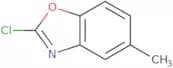
CAS:<p>Please enquire for more information about 2-Methylpyridine-4-boronic acid pinacol ester including the price, delivery time and more detailed product information at the technical inquiry form on this page</p>Formula:C12H18BNO2Purity:Min. 95%Molecular weight:219.09 g/mol2-Chloro-5-methyl-1,3-benzoxazole
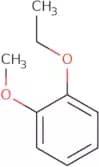
CAS:<p>2-Chloro-5-methyl-1,3-benzoxazole (CMB) is a regioselective synthetic intermediate that can be used to synthesize other compounds. It is produced by the reaction of chloromethyl methyl ether with anhydrous magnesium chloride in the presence of a solvent such as THF or diethyl ether. CMB can also be prepared by the reaction of 2,4,6-trichlorobenzoyl chloride with magnesium metal and a solvent such as THF or diethyl ether. This intermediate can be used in cross-coupling reactions with Grignard reagents to produce different compounds.</p>Formula:C8H6ClNOPurity:Min. 95 Area-%Color and Shape:PowderMolecular weight:167.59 g/mol1-Ethoxy-2-methoxybenzene
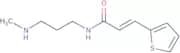
CAS:<p>1-Ethoxy-2-methoxybenzene is an organic compound that belongs to the class of phenols. It has been used as a solvent for pharmaceutical formulations, as an extractant for human serum, and as a demethylating agent in analytical chemistry. 1-Ethoxy-2-methoxybenzene is used in the presence of hydrochloric acid and morpholine to produce dibutyl ether from diethyl ether. This reaction is catalyzed by chloride ions, which are present at high concentrations in the solution. The linear response of this analytical method can be attributed to its acidic properties. The use of microwaves during this reaction allows for increased chemical yields and decreased time needed for the reaction to occur.</p>Formula:C9H12O2Purity:Min. 95%Color and Shape:Clear LiquidMolecular weight:152.19 g/mol(E)-N-(3-Methylaminopropyl)-2-thiopheneacrylamide
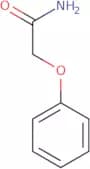
CAS:<p>(E)-N-(3-Methylaminopropyl)-2-thiopheneacrylamide is a high quality chemical that can be used as an intermediate in the synthesis of complex compounds. It is also a useful scaffold and building block for the synthesis of speciality chemicals with versatile reactions.</p>Formula:C11H16N2OSPurity:Min. 95%Color and Shape:Colorless Clear LiquidMolecular weight:224.32 g/mol2-Phenoxyacetamide
CAS:<p>2-Phenoxyacetamide is an acylating agent that reacts with a hydroxyl group by substitution to form an ester or amide. It is used in clinical studies to combat insulin resistance and metabolic disorders, such as cancer, inflammatory bowel disease, and diabetes. 2-Phenoxyacetamide has been shown to be effective against a number of bacterial species, including Pseudomonas aeruginosa and Cryptococcus neoformans. The drug also inhibits the production of monoamine neurotransmitters in the brain and has been shown to have anti-inflammatory properties.</p>Formula:C8H9NO2Purity:Min. 95%Color and Shape:PowderMolecular weight:151.16 g/molTertiapin
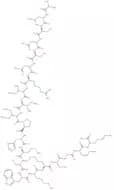
CAS:<p>Tertiapin is a synthetic bee venom peptide (Honey Bee, Apis mellifera) containing disulfide bonds between Cys3-Cys14 and Cys5-Cys18. It is an inward rectifier K+ channel blocker and also blocks the activity of calcium activated large conductance potassium channels. The pain and inflammation symptoms experienced after a bee sting is caused by this peptide even though bee venom also has the potential to treat pain and inflammation in conditions such as rheumatoid arthritis and multiple sclerosis.</p>Formula:C106H180N34O23S5Purity:Min. 95%Molecular weight:2,459.11 g/mol2,2-Dimethyl-3-phenylpropanoic acid
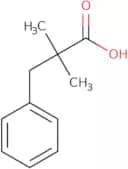
CAS:<p>2,2-Dimethyl-3-phenylpropanoic acid is a luteolytic agent that belongs to the group of phenylacetic acids. It has been shown to inhibit progesterone synthesis and induce regression of the estrous cycle in rats. 2,2-Dimethyl-3-phenylpropanoic acid is also able to bind with cytochrome P450 enzymes, which are involved in the metabolism of many drugs. This binding may lead to increased plasma concentrations of other drugs that are metabolized by cytochrome P450 enzymes, such as erythromycin and methyldopa.</p>Formula:C11H14O2Purity:Min. 95%Color and Shape:SolidMolecular weight:178.23 g/mol3-Methyl-2-benzothiazolinone hydrazone HCl
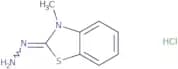
CAS:<p>3-Methyl-2-benzothiazolinone hydrazone HCl is a diazonium salt that reacts with the hydroxyl group of tyrosinase to produce a reactive intermediate. This hydrolysis reaction leads to the formation of a blue product, which can be detected by mass spectrometry. 3-Methyl-2-benzothiazolinone hydrazone HCl has been used in pharmaceutical preparations as an indicator for hydrochloric acid. It is an acidic compound and has been used in kinetic studies for moxifloxacin hydrochloride. The excipients are not disclosed.</p>Formula:C8H10ClN3SPurity:Min. 95%Color and Shape:White PowderMolecular weight:215.7 g/molN-Tosyl-L-alanine 3-indoxyl ester
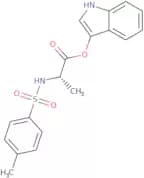
CAS:<p>N-Tosyl-L-alanine 3-indoxyl ester is applied specifically to urine samples. In the presence of leukocyte esterase, N-Tosyl-L-alanine-3-indoxyl ester will be hydrolysed to afford indoxyl. The sample is later exposed to diazonium salts that form azo dyes with the indoxyl. If sufficent indoxyl is formed, it indicates elevated numbers of white blood cells in the urine sample and this indicates that the host has contracted a urinary tract infection.</p>Formula:C18H18N2O4SPurity:Min. 98.0 Area-%Molecular weight:358.42 g/mol1,2-Dipalmitoyl-sn-glycero-3-phosphatidic acid sodium
CAS:<p>1,2-Dipalmitoyl-sn-glycero-3-phosphatidic acid sodium (DPPA) is a drug substance that has been used in primary culture to study the cell membrane of hepatocytes. This compound is a phospholipid with a cavity at one end and contains two hydroxy groups that can be conjugated to other molecules. It has been shown to be effective against Hepatitis B virus and mesenchymal stromal cells. DPPA has also been used as an adjuvant for gadolinium contrast agents for magnetic resonance imaging. Gadolinium may bind to the hydroxy groups on DPPA, which increases its birefringence and brightness on MRI scans.</p>Formula:C35H69Na2O8PPurity:Min. 98 Area-%Color and Shape:White PowderMolecular weight:694.87 g/molFmoc-Gly-Gly-OH
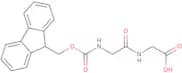
CAS:<p>Fmoc-Gly-Gly-OH is an Fmoc protected glycine derivative used in proteomics studies and in solid phase peptide synthesis. In the synthesis of antibody-drug conjugates (ADC), Fmoc-Gly-Gly-OH acts as a cleavable ADC linker. The protected head of Fmoc-Gly-Gly-OH allows expanding the chain of the peptide to produce polypeptides.</p>Formula:C19H18N2O5Purity:Min. 97 Area-%Color and Shape:PowderMolecular weight:354.36 g/mol3,4-Dimethoxy-2-methylphenylpropionic acid
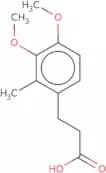
CAS:<p>3,4-Dimethoxy-2-methylphenylpropionic acid is a building block for organic synthesis. It has been used as a research chemical and as a reaction component in the synthesis of other chemicals. 3,4-Dimethoxy-2-methylphenylpropionic acid is also available at high purity levels and can be used as a reagent for analytical purposes.</p>Formula:C12H16O4Purity:Min. 95%Color and Shape:PowderMolecular weight:224.25 g/mol2,3-Diphospho-D-glyceric acid pentasodium salt
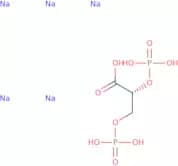
CAS:<p>2,3-Diphospho-D-glyceric acid pentasodium salt is a pyridine complex that is found in nature as a constant. It is also synthesized by humans and can be formed in the laboratory. 2,3-Diphospho-D-glyceric acid pentasodium salt is reactive and has been shown to be useful for producing radical species. This compound has been analysed in the human body at physiological concentrations and has been shown to interact with endogenous molecules such as lipids. The interaction of this compound with lipids could be due to its ability to form emulsions.</p>Formula:C3H3Na5O10P2Purity:Min. 95%Color and Shape:PowderMolecular weight:375.95 g/molEthyl 3-((4-chlorophenyl)amino)-5-methyl-2,4-thiazolecarboxylate
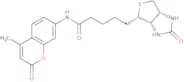
CAS:<p>Please enquire for more information about Ethyl 3-((4-chlorophenyl)amino)-5-methyl-2,4-thiazolecarboxylate including the price, delivery time and more detailed product information at the technical inquiry form on this page</p>Purity:Min. 90%N-D-Biotinyl-7-amino-4-methylcoumarin
CAS:<p>N-D-Biotinyl-7-amino-4-methylcoumarin is a fluorescent substrate that is used to measure the activity of biotinidase, an enzyme that catalyzes the hydrolysis of biotin. It is detectable by measuring fluorescence with a spectrophotometer. Biotinidase deficiency can be diagnosed by measuring the activity of this enzyme in biological fluids. This assay has been shown to be useful for diagnosing patients with deficient biotinidase activity.</p>Formula:C20H23N3O4SPurity:Min. 98 Area-%Color and Shape:PowderMolecular weight:401.48 g/mol3-Methyl 2H-furo[2,3-c]pyran-2-one
CAS:<p>3-Methyl 2H-furo[2,3-c]pyran-2-one (3MHFP) is a plant hormone that belongs to the group of butenolides. It is a karrikin and has been shown to have a variety of physiological effects in plants. 3MHFP binds to specific receptors on the plasma membrane, which causes an increase in Ca++ and K+ ion flow through cell membranes. This leads to inhibition of enzymes such as dehydrocostus lactone oxidase, which are involved in the production of reactive oxygen species (ROS). 3MHFP also affects seed germination, stimulating it at low concentrations and inhibiting it at high concentrations. The mechanisms underlying these effects are not fully understood, but may be due to its ability to regulate metabolism.</p>Formula:C8H6O3Purity:Min. 98 Area-%Color and Shape:Yellow PowderMolecular weight:150.13 g/mol3'-O-methylbrazilin
CAS:<p>3'-O-methylbrazilin is a naturally occurring phenolic compound, classified as a methoxy derivative of brazilin. This compound is derived from the heartwood of Caesalpinia sappan, a plant known for its traditional medicinal uses. The mode of action of 3'-O-methylbrazilin involves its potent antioxidant activity, where it effectively scavenges free radicals and inhibits oxidative stress at the cellular level.</p>Formula:C17H16O5Purity:Min. 95%Molecular weight:300.31 g/molL-Norleucine
CAS:<p>L-Norleucine is a non-essential amino acid that is structurally similar to leucine. It has been shown to have an inhibitory effect on the growth of resistant mutants in the coli K-12 strain. L-Norleucine binds strongly to amyloid proteins and may be used as a therapeutic agent for Alzheimer's disease. It has also been shown to be effective against congestive heart failure in vitro, which may be due to its ability to modulate monoamine neurotransmitters and increase the availability of nitric oxide. L-Norleucine may also be useful for the treatment of Parkinson's disease because it inhibits protein aggregation at low concentrations.</p>Formula:C6H13NO2Purity:Min. 95%Color and Shape:PowderMolecular weight:131.17 g/mol[(3-Methylphenyl)(phenyl)methyl]amine hydrochloride
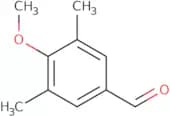
CAS:<p>[(3-Methylphenyl)(phenyl)methyl]amine hydrochloride is a useful building block in the synthesis of many organic compounds. It has been used extensively as a research chemical, and is often used as an intermediate to synthesize other chemicals. [(3-Methylphenyl)(phenyl)methyl]amine hydrochloride is also a versatile scaffold for drug design, and has shown anti-inflammatory properties.</p>Formula:C14H16ClNPurity:Min. 95 Area-%Color and Shape:PowderMolecular weight:233.74 g/mol3,5-Dimethyl-4-methoxybenzaldehyde
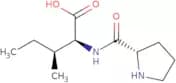
CAS:<p>3,5-Dimethyl-4-methoxybenzaldehyde is a high quality, versatile chemical that can be used as an intermediate to synthesize other fine chemicals. The compound can be reacted with various reagents to produce complex compounds. 3,5-Dimethyl-4-methoxybenzaldehyde can also be used as a building block to synthesize other useful compounds. This chemical has been shown to be a useful scaffold for the production of new compounds and has been used as a reaction component in research and development.</p>Formula:C10H12O2Purity:Min. 95%Color and Shape:PowderMolecular weight:164.2 g/molH-Pro-Ile-OH
CAS:<p>H-Pro-Ile-OH is an amino acid that is found in the mitochondria of cells. It is a prodrug that binds to angiotensin and blocks its conversion to angiotensin II, which has been shown to have blood pressure lowering effects. H-Pro-Ile-OH has been shown to be a competitive inhibitor of oligopeptidase, with a half maximal inhibitory concentration (IC50) of 0.5 mM, and has also been shown to have antihypertensive properties.</p>Formula:C11H20N2O3Purity:Min. 95%Color and Shape:PowderMolecular weight:228.29 g/molZ-Ile-Ser-OH
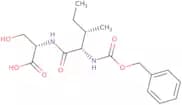
CAS:<p>Z-Ile-Ser-OH is a fine chemical that belongs to the group of useful scaffolds and versatile building blocks. It is a useful intermediate in research and as a reaction component in speciality chemicals. Z-Ile-Ser-OH has been shown to be an excellent reagent for complex compounds. This compound is used as a building block for pharmaceuticals, agrochemicals, and other chemicals. Z-Ile-Ser-OH has high quality and can be used as a research chemical or as an intermediate for other chemical syntheses.</p>Formula:C17H24N2O6Purity:Min. 95 Area-%Color and Shape:PowderMolecular weight:352.38 g/mol6-Methoxyindoline-2,3-dione
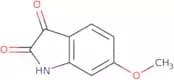
CAS:<p>6-Methoxyindoline-2,3-dione is an indole alkaloid that has been isolated from the leaves of plants in the genus Apiaceae. It is synthesized by a reaction system that involves the oxidation of 6-methoxyindole to the corresponding oxindole and subsequent reduction to the desired product. The cytotoxicity of 6-methoxyindoline-2,3-dione has been demonstrated using a fluorescent assay with cancer cells. The compound binds to and activates cb2 receptors, which are expressed on immune cells and have been shown to be involved in inflammatory processes.</p>Formula:C9H7NO3Purity:Min. 95%Color and Shape:PowderMolecular weight:177.16 g/molFmoc-(4-tert-butyloxycarbonyl)-L-phenylalanine
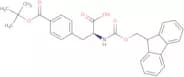
CAS:<p>Fmoc-(4-tert-butyloxycarbonyl)-L-phenylalanine is a chemical compound that is used as a building block in organic synthesis. This chemical has been shown to be useful as a reagent in the synthesis of natural products and pharmaceuticals, such as immunosuppressants and anticancer agents. Fmoc-(4-tert-butyloxycarbonyl)-L-phenylalanine is also used as an intermediate for the production of other chemicals, including pharmaceuticals, pesticides, and fragrance chemicals. The CAS number for this compound is 183070-44-2.</p>Formula:C29H29NO6Purity:Min. 95%Color and Shape:White PowderMolecular weight:487.54 g/molFmoc-di-n-butylglycine
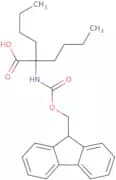
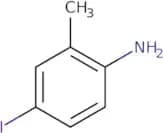
CAS:<p>Fmoc-di-n-butylglycine is a c1-8 alkyl that has been shown to have an antiinflammatory effect. It inhibits the phosphodiesterase enzyme, which is responsible for the degradation of cyclic adenosine monophosphate (cAMP), which increases levels of this molecule. This leads to increased activation of protein kinase A and protein kinase C, which are important in inflammatory pathways. Fmoc-di-n-butylglycine binds to the sodium channel, preventing it from opening and closing, thus inhibiting transmission of electrical signals. This drug has also been shown to inhibit potassium channels and hydrogen sulfate production by bacteria. Fmoc-di-n-butylglycine can be used as a model for the study of other drugs that act on sodium channels.</p>Formula:C25H31NO4Purity:Min. 95%Color and Shape:SolidMolecular weight:409.52 g/mol4-Iodo-2-methylaniline
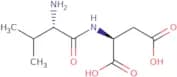
CAS:<p>The 4-Iodo-2-methylaniline is a synthetic molecule that belongs to the group of amines. It has been shown to bind to human protein and can be used for the synthesis of boronic acids and quinoline derivatives. 4-Iodo-2-methylaniline can be synthesized by reacting hydrochloric acid with sodium periodate, followed by addition of an aryl boronic acid. The reaction time is dependent on the nature of the reactant. The pharmacophore consists of a proton and an aryl boronic acid, which is responsible for binding with human protein.</p>Formula:C7H8INPurity:Min. 95%Color and Shape:PowderMolecular weight:233.05 g/molH-Val-Asp-OH
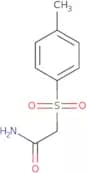
CAS:<p>H-Val-Asp-OH is a nucleotide that is an intermediate in the synthesis of tRNA. It is synthesized from H-Valine, Aspartic acid and Oxygen by the enzyme aminoacyl synthetase. The ribonucleotide H-Val-Asp-OH is used to elucidate the role of RNA polymerase in vitro transcription. It also plays a role in protein synthesis as it is an aminoacylated dipeptide with a 3’ terminal adenylate residue. This nucleotide can be incorporated into tRNA molecules by the enzyme aminoacyl tRNA synthetase.</p>Formula:C9H16N2O5Purity:(Elemental Analysis) Min. 95%Color and Shape:PowderMolecular weight:232.23 g/mol2-((4-Methylphenyl)sulfonyl)ethanamide
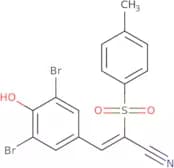
CAS:<p>2-((4-Methylphenyl)sulfonyl)ethanamide is an amide that has been shown to have antibacterial activity. It binds to the DNA of bacteria, inhibiting its replication and transcription. This drug also inhibits the growth of influenza virus in cell culture. 2-((4-Methylphenyl)sulfonyl)ethanamide is a sensor for chloride ions, which may be used as treatments for bacterial infections. This drug is also able to inhibit the replication of bacteria that are resistant to other antibiotics, such as penicillin. The unsaturated alkyl group on this molecule allows it to be activated by radiation treatment, which may be useful in the treatment of cancer cells or viral infections.</p>Formula:C9H11NO3SPurity:Min. 95%Color and Shape:PowderMolecular weight:213.25 g/mol3-(3,5-dibromo-4-hydroxyphenyl)-2-((4-methylphenyl)sulfonyl)prop-2-enenitrile
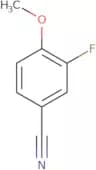
CAS:<p>Please enquire for more information about 3-(3,5-dibromo-4-hydroxyphenyl)-2-((4-methylphenyl)sulfonyl)prop-2-enenitrile including the price, delivery time and more detailed product information at the technical inquiry form on this page</p>Purity:Min. 95%3-Fluoro-4-methoxybenzonitrile
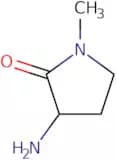
CAS:<p>3-Fluoro-4-methoxybenzonitrile is a ferroelectric liquid crystal chiral molecule. It can be synthesized industrially by the reaction of 3-fluoro-4-methoxybenzoyl chloride with sodium methoxide. The synthesis is scalable and leads to high yields. 3-Fluoro-4-methoxybenzonitrile has been used in the synthesis of other ferroelectric liquid crystals, such as 4-(3′,5′-diiodophenyl)pentaerythritol triacrylate and 3,5′-(1H,1′H) -dibenzothiophene. This compound also displays nematic phase behavior at room temperature when in contact with a nematic director. Polarization data for this substance are available from experiments on thin films.</p>Formula:C8H6FNOPurity:Min. 95%Color and Shape:PowderMolecular weight:151.14 g/mol3-Amino-1-methylpyrrolidin-2-one
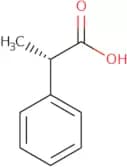
CAS:<p>3-Amino-1-methylpyrrolidin-2-one is a versatile building block that has many applications in the research field. It can be used as a reagent or a speciality chemical and as an intermediate in organic synthesis. 3-Amino-1-methylpyrrolidin-2-one is also used as a reaction component and scaffold for complex compounds. This chemical has CAS number 119329-48-5.</p>Formula:C5H10N2OPurity:Min. 98 Area-%Color and Shape:Clear LiquidMolecular weight:114.15 g/mol(S)-(+)-2-Phenylpropionic acid
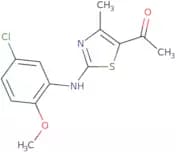
CAS:<p>(S)-(+)-2-Phenylpropionic acid is an organic solvent that is catalyzed by a hydroxy group. It has been shown to be active against bacterial strains in the presence of borohydride reduction and immobilized on polystyrene beads. The enzyme activities were stereoselectively inhibited in the presence of (R)-(-)2-phenylpropionic acid, which is an enantiomer of (S)-(+)2-phenylpropionic acid. This inhibition may be due to the ability of this compound to form a more stable radical coupling with fatty acids such as oleic acid. The reaction temperature can affect the stereoselectivity, with higher temperatures favoring (R)-(-)2-phenylpropionic acid.</p>Formula:C9H10O2Purity:Min. 98 Area-%Color and Shape:Clear LiquidMolecular weight:150.17 g/mol1-(3-((5-Chloro-2-methoxyphenyl)amino)-5-methyl-2,4-thiazolyl)ethan-1-one
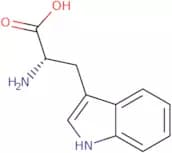
CAS:<p>Please enquire for more information about 1-(3-((5-Chloro-2-methoxyphenyl)amino)-5-methyl-2,4-thiazolyl)ethan-1-one including the price, delivery time and more detailed product information at the technical inquiry form on this page</p>Formula:C13H13ClN2O2SPurity:Min. 95%Molecular weight:296.77 g/molL-Tryptophan
CAS:<p>L-tryptophan is a non-essential amino acid that is used as a building block in the synthesis of proteins. It has been used in research and as a starting material for the production of other chemicals. L-tryptophan has also been shown to have antidepressant effects, although it is not approved by the FDA for this use. L-tryptophan can be found in protein-rich foods such as meat, eggs, and soybeans.</p>Formula:C11H12N2O2Purity:Min. 98.0 Area-%Molecular weight:204.23 g/molRef: 3D-T-8320
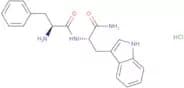
1kgTo inquire100gTo inquire250gTo inquire500gTo inquire2500gTo inquire-Unit-kgkgTo inquireH-Phe-Trp-NH2·HCl
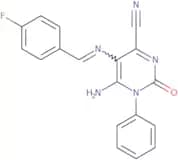
CAS:<p>H-Phe-Trp-NH2·HCl is a chemical reagent that is used as a reaction component in organic synthesis. H-Phe-Trp-NH2·HCl is a versatile building block, useful intermediate, and useful scaffold for the synthesis of complex compounds. It has been shown to be a fine chemical with high quality and high purity. CAS No. 38678-69-2.</p>Formula:C20H22N4O2•HClPurity:Min. 95%Color and Shape:SolidMolecular weight:386.88 g/mol5-(1-Aza-2-(4-fluorophenyl)vinyl)-4-imino-2-oxo-3-phenyl-1H-1,3-diazine-6-carbonitrile
CAS:<p>Please enquire for more information about 5-(1-Aza-2-(4-fluorophenyl)vinyl)-4-imino-2-oxo-3-phenyl-1H-1,3-diazine-6-carbonitrile including the price, delivery time and more detailed product information at the technical inquiry form on this page</p>Formula:C18H12FN5OPurity:Min. 95%Color and Shape:PowderMolecular weight:333.32 g/mol9-Fluoro-11β,17-Dihydroxy-16α-Methyl-3,20-Dioxopregna-1,4-Dien-21-Yl 2-[2-(2-Ethoxyethoxy)Ethoxy]Acetate
CAS:Controlled Product<p>Methylprednisolone is a corticosteroid that has been used for the treatment of many conditions, including asthma and arthritis. It is used to reduce inflammation and suppress the immune system. Methylprednisolone can be administered orally or as an injection. It is also used in the diagnosis of tumours, especially those that are difficult to diagnose by other means. Methylprednisolone may be given together with another drug called dexamethasone, which has synergistic effects. These drugs have been shown to cause death in animals with certain types of tumours. In humans, they can cause cutaneous lesions, such as follicle cysts and tnf-α expression in skin cells. This drug also causes a microsporum infection (a type of fungus) on the skin to grow more rapidly when it is applied topically, resulting in a larger diameter section than untreated areas.</p>Formula:C30H43FO9Purity:Min. 95%Molecular weight:566.66 g/mol2-Bromo-5-fluoro-6-methylpyridine
CAS:<p>2-Bromo-5-fluoro-6-methylpyridine is a versatile and useful building block that can be used to synthesize complex compounds. This compound is also a high quality chemical with a CAS number of 374633-38-2. It can be used as a reagent, which means it can be used in the laboratory for various chemical reactions, or as a speciality chemical. 2-Bromo-5-fluoro-6-methylpyridine is an intermediate in the synthesis of other chemicals and has been shown to have reactive groups on both ends of the molecule, making it useful for creating scaffolds for larger molecules.</p>Formula:C6H5BrFNPurity:Min. 95%Color and Shape:PowderMolecular weight:190.01 g/mol1-(4-bromophenyl)-2-((4-methylphenyl)sulfonyl)ethan-1-one
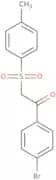
CAS:<p>Please enquire for more information about 1-(4-bromophenyl)-2-((4-methylphenyl)sulfonyl)ethan-1-one including the price, delivery time and more detailed product information at the technical inquiry form on this page</p>Purity:Min. 95%2-Methoxycinnamic acid
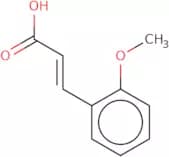
CAS:<p>2-Methoxycinnamic acid is a fine chemical that is used as a building block for research chemicals, pharmaceuticals, and other products. It is a versatile building block that can be used in the synthesis of complex compounds with diverse structures. 2-Methoxycinnamic acid is also an intermediate for the production of cinnamates, which are useful in the production of synthetic dyes.</p>Formula:C10H10O3Purity:Min. 95%Color and Shape:White PowderMolecular weight:178.18 g/mol4'-Methylpropiophenone
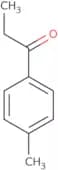
CAS:Controlled Product<p>4'-Methylpropiophenone is a molecule that is used in pharmaceutical preparations. It has been shown to have a high affinity for the extracellular site of NMDA receptors and is an effective inhibitor of the ion channel. 4'-Methylpropiophenone also inhibits the activity of the enzyme acetylcholinesterase, which leads to increased levels of acetylcholine in the synaptic cleft. This results in increased neurotransmission and has been shown to be effective in vitro. The reaction solution can be prepared by reacting piperidine hydrochloride with propiophenone.</p>Formula:C10H12OPurity:Min. 95%Color and Shape:Colorless Clear LiquidMolecular weight:148.2 g/mol2-(2,2-dimethylpropanoyl)-5-phenylpenta-2,4-dienenitrile
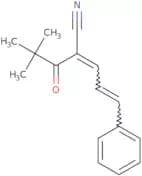
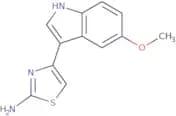
CAS:<p>Please enquire for more information about 2-(2,2-dimethylpropanoyl)-5-phenylpenta-2,4-dienenitrile including the price, delivery time and more detailed product information at the technical inquiry form on this page</p>Formula:C16H17NOPurity:Min. 95%Color and Shape:PowderMolecular weight:239.31 g/mol4-(5-Methoxy-1H-indol-3-yl)-1,3-thiazol-2-amine
CAS:<p>4-(5-Methoxy-1H-indol-3-yl)-1,3-thiazol-2-amine is a useful scaffold that can be used in the synthesis of drugs and other chemical compounds. 4-(5-Methoxy-1H-indol-3-yl)-1,3-thiazol-2-amine is a fine chemical with CAS no. 3624611454. It has been shown to react as a useful intermediate for the preparation of complex compounds. This compound has also been used in research as a reagent and reaction component.</p>Formula:C12H11N3OSPurity:Min. 95%Color and Shape:PowderMolecular weight:245.3 g/mol



![N-[6-Chloro-5-(2-methoxyphenoxy)-(2,2-bipyrimidine)4-4-yl]-(1,1-dimethylethyl)-benzenesulfonamide](/_next/image/?url=https%3A%2Fstatic.cymitquimica.com%2Fproducts%2F3D%2Fthumb-webp%2FFC20113.webp&w=3840&q=75)

![1-[(5-Methoxy-1-methyl-1H-indol-3-yl)methyl]piperidine-4-carboxylic acid](/_next/image/?url=https%3A%2Fstatic.cymitquimica.com%2Fproducts%2F3D%2Fthumb-webp%2FFM128176.webp&w=3840&q=75)







![3-Methyl 2H-furo[2,3-c]pyran-2-one](/_next/image/?url=https%3A%2Fstatic.cymitquimica.com%2Fproducts%2F3D%2Fthumb-webp%2FFM25390.webp&w=3840&q=75)

![[(3-Methylphenyl)(phenyl)methyl]amine hydrochloride](/_next/image/?url=https%3A%2Fstatic.cymitquimica.com%2Fproducts%2F3D%2Fthumb-webp%2FFM134405.webp&w=3840&q=75)
![9-Fluoro-11β,17-Dihydroxy-16α-Methyl-3,20-Dioxopregna-1,4-Dien-21-Yl 2-[2-(2-Ethoxyethoxy)Ethoxy]A…](/_next/image/?url=https%3A%2Fstatic.cymitquimica.com%2Fproducts%2F3D%2Fthumb-webp%2FFF103016.webp&w=3840&q=75)