Amino Acids (AA)
Amino acids (AAs) are the fundamental building blocks of proteins, playing a crucial role in various biological processes. These organic compounds are essential for protein synthesis, metabolic pathways, and cell signaling. In this category, you will find a comprehensive range of amino acids, including essential, non-essential, and modified forms, which are vital for research in biochemistry, molecular biology, and nutritional sciences. At CymitQuimica, we provide high-quality amino acids to support your research and development needs, ensuring accuracy and reliability in your experimental outcomes.
Subcategories of "Amino Acids (AA)"
- Amino Acid Derivatives(3,957 products)
- Amino Acid and Amino Acid Related Compounds(3,472 products)
- Amino Acids with Oxygen or Sulphur(168 products)
- Boc- Amino Acids(351 products)
- Fmoc Amino Acids(1,710 products)
Found 38265 products of "Amino Acids (AA)"
Sort by
Purity (%)
0
100
|
0
|
50
|
90
|
95
|
100
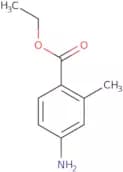
4-Amino-2-methylbenzoic acid ethyl ester
CAS:<p>4-Amino-2-methylbenzoic acid ethyl ester is a versatile building block that can be used in the synthesis of complex compounds. It has been shown to have a number of useful applications, such as in the synthesis of pharmaceuticals, research chemicals, and speciality chemicals. 4-Amino-2-methylbenzoic acid ethyl ester is also an important reagent for the production of high quality pharmaceuticals and intermediates. This chemical is also a useful scaffold for organic reactions.</p>Formula:C10H13NO2Purity:Min. 95%Molecular weight:179.22 g/molH-Gly-Phe-AMC
CAS:<p>H-Gly-Phe-AMC is a synthetic substrate that is used in homogeneous enzyme assays. This product has been shown to have inhibitory properties against proteolytic enzymes such as peptidases, which are enzymes that break down proteins. H-Gly-Phe-AMC is also reactive with collagen and has been shown to be useful in the study of biochemical properties of peptide hormones.</p>Formula:C21H21N3O4Purity:Min. 98 Area-%Color and Shape:PowderMolecular weight:379.41 g/mol4-Chloro-2-methylbenzyl alcohol
CAS:<p>4-Chloro-2-methylbenzyl alcohol is an organic compound that has a sensor and hydroxyl group. It is used in pest control as an insecticide. 4-Chloro-2-methylbenzyl alcohol has been shown to be effective against ants, cockroaches, and other insects. There are multiple instabilities of this compound, including low oxygen stability when exposed to air, which may lead to the degradation of this chemical. Impurities in 4-chloro-2-methylbenzyl alcohol may also lead to its instability as it reacts with alkali metals at high temperatures. The instability of 4-chloro-2-methylbenzyl alcohol can be reduced by storing it at low temperatures or by adding cryogenic substances such as liquid nitrogen or carbon dioxide gas.</p>Formula:C8H9ClOPurity:Min. 95%Molecular weight:156.61 g/mol3-Fluoro-DL-tyrosine
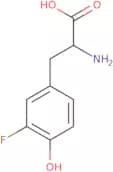
CAS:<p>3-Fluoro-DL-tyrosine is a model system for the study of tyrosine transfer reactions. It is used to study the reaction mechanism and kinetics of tyrosine transfer from a donor molecule to an acceptor molecule. 3-Fluoro-DL-tyrosine reacts with trifluoroacetic acid to form 3,4-dihydroxybenzoic acid, which is a chemical analog of tyrosine. The hydroxyl group on this molecule can react with the proton on the amino acid side chain, forming a covalent bond that does not break down under normal conditions. This reaction is reversible and has been shown to be catalyzed by polymerase chain reactions (PCR).</p>Formula:C9H10FNO3Purity:Min. 95%Color and Shape:PowderMolecular weight:199.18 g/molMethyl 5-amino-2-methylbenzoate
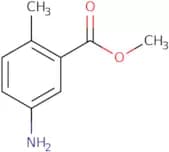
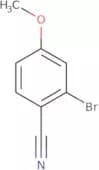
CAS:<p>Methyl 5-amino-2-methylbenzoate is a potent inhibitor of the B-Raf protein, which is involved in cell proliferation and differentiation. Methyl 5-amino-2-methylbenzoate has been shown to inhibit the growth of cancer cells in vitro and in vivo. Methyl 5-amino-2-methylbenzoate inhibits the activity of b-Raf (a protein that plays a role in cell proliferation and differentiation) by binding to its ATP site and blocking phosphorylation. This inhibition leads to decreased cellular activity, resulting in tumor regression. Methyl 5-amino-2-methylbenzoate also shows efficacy against other proteins, such as BclxL, HSP90, and NF1. It does this by inhibiting their ATP sites and preventing them from functioning properly. For these reasons, methyl 5-amino-2-methylbenzoate is considered a promising drug for fighting cancer.</p>Formula:C9H11NO2Purity:Min. 95%Color and Shape:PowderMolecular weight:165.19 g/mol2-Bromo-4-methoxybenzonitrile
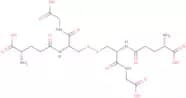
CAS:<p>2-Bromo-4-methoxybenzonitrile is a high quality reagent that is used as a versatile building block in the synthesis of complex organic compounds. It is a useful intermediate and can be used to form 2,4-dimethoxybenzaldehyde. This compound has been used as a reaction component in the production of pharmaceuticals, pesticides, and other fine chemicals. The chemical formula for 2-bromo-4-methoxybenzonitrile is C6H5BrO2.</p>Formula:C8H6BrNOPurity:Min. 95%Molecular weight:212.04 g/molL-Glutathione oxidized
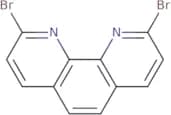
CAS:<p>Marker for oxidative stress; hydrogen acceptor in NADP and NADPH assay</p>Formula:C20H32N6O12S2Purity:Min. 98.0 Area-%Color and Shape:White PowderMolecular weight:612.64 g/mol2,9-Dibromo-1,10-phenanthroline
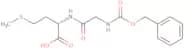
CAS:<p>2,9-Dibromo-1,10-phenanthroline is a molecule that has been shown to be an effective sensitizer for the photochemical conversion of chlorine dioxide to ozone. It has been used as a model compound in molecular orbital calculations and has been shown to enhance the yield of ozone by up to 3%. The emission spectrum of 2,9-dibromo-1,10-phenanthroline displays a peak at 362 nm, which lies in the ultraviolet region. The molecule is orthorhombic and crystallizes in space group P2/c with cell dimensions a = 17.8 Å and c = 18.7 Å.</p>Formula:C12H6Br2N2Purity:Min. 95%Color and Shape:White PowderMolecular weight:338 g/molZ-Gly-Met-OH
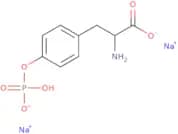
CAS:<p>Z-Gly-Met-OH is a buffer that can be used to create an acidic solution. It is often used in liquid chromatography and peptide synthesis. Z-Gly-Met-OH has been shown to have potential use as an enzyme inhibitor, specifically for proteases and peptidases. The hydrolyzed form of Z-Gly-Met-OH has been shown to bind zinc ions and could be used in the treatment of metal ion poisoning.</p>Formula:C15H20N2O5SPurity:Min. 95 Area-%Color and Shape:PowderMolecular weight:340.4 g/molPhospho-L-tyrosine disodium
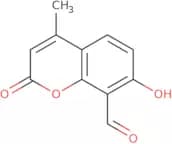
CAS:<p>Phospho-L-tyrosine disodium is a versatile building block that has many different uses in research. It is used as a reagent for the synthesis of other chemicals, such as vitamins, drugs and pesticides. The compound can be used to make high quality, useful intermediates for chemical reactions or as a reaction component. Phospho-L-tyrosine disodium is a speciality chemical that can be used in the production of many complex compounds. This product also has CAS number 1610350-91-8.</p>Formula:C9H10NNa2O6PPurity:Min. 95%Color and Shape:White PowderMolecular weight:305.13 g/mol7-Hydroxy-4-methyl-2-oxo-2H-chromene-8-carbaldehyde
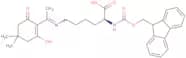
CAS:<p>7-Hydroxy-4-methyl-2-oxo-2H-chromene-8-carbaldehyde is an activated molecule that exhibits significant cytotoxicity to human liver cancer cells. It inhibits the mitochondrial membrane potential, leading to the release of cytochrome c and apoptosis induction. 7HMOCA has been shown to be a reactive molecule with benzimidazole derivative properties. This compound depletes cellular glutathione levels and increases intracellular reactive oxygen species (ROS) levels, which leads to DNA fragmentation, cell cycle arrest, and ultimately apoptosis induction when combined with other agents. The fluorescence properties of this molecule have enabled its detection in living cells without the need for additional reagents or labeling.</p>Formula:C11H8O4Purity:Min. 95 Area-%Color and Shape:White PowderMolecular weight:204.18 g/molN-α-Fmoc-Nε-1-(4,4-dimethyl-2,6-dioxocyclohex-1-ylidene)ethyl-L-lysine
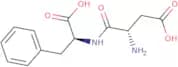
CAS:<p>N-alpha-Fmoc-Nepsilon-1-(4,4-dimethyl-2,6-dioxocyclohex-1-ylidene)ethyl-L-lysine is a synthetic amide with a peptide backbone. It has been shown to have anti tumor activity in vivo and in vitro against a variety of solid tumor xenografts. The compound was conjugated to the integrin receptor ligand RGD, which is expressed on the surface of various types of cancer cells. This modification increased the uptake of N-alpha-Fmoc-Nepsilon-1-(4,4 dimethyl 2,6 dioxocyclohex1 ylidene)ethyl L lysine by leukemia cells and solid tumor xenografts.</p>Formula:C31H36N2O6Purity:Min. 98 Area-%Color and Shape:Slightly Yellow PowderMolecular weight:532.63 g/molH-Asp-Phe-OH
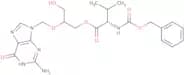
CAS:<p>H-Asp-Phe-OH is a diagnostic agent that contains the amino acid aspartame and a hydroxyl group. It is hydrolyzed in the body to form aspartic acid, phenylalanine, and methanol. The methyl ester of H-Asp-Phe-OH is hydrochloride. This compound has been used to study locomotor activity in mice and rats. Aspartame has also been shown to be an inhibitor of certain enzymes, such as fatty acid synthase, which is associated with human pathogens. The lc-ms/ms method has been used to detect H-Asp-Phe-OH metabolites in human serum samples. In addition, this compound can be used for the diagnosis of diseases such as diabetes mellitus type 2 and Alzheimer’s disease by measuring uptake into cells at enzyme activities.</p>Formula:C13H16N2O5Purity:Min. 95%Color and Shape:White PowderMolecular weight:280.28 g/molN-Cbz-L-valinyl-ganciclovir
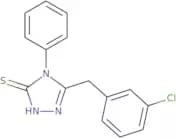
CAS:<p>N-Cbz-L-valinyl-ganciclovir is a prodrug of ganciclovir. It is synthesized by reacting the amino acid L-valine with the nucleoside analogue ganciclovir in an organic solvent. The product can be purified by filtration and crystallizing using hydrochloric acid and then recrystallized from a mixture of chloroform and trimethylsulfonium chloride. N-Cbz-L-valinyl-ganciclovir is more stable than ganciclovir, which has been shown to be degraded by urea hydrolase. This product can also be recycled after it has been used.</p>Formula:C22H28N6O7Purity:Min. 97 Area-%Color and Shape:PowderMolecular weight:488.49 g/mol3-((3-chlorophenyl)methyl)-4-phenyl-1,2,4-triazoline-5-thione
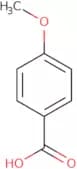
CAS:<p>Please enquire for more information about 3-((3-chlorophenyl)methyl)-4-phenyl-1,2,4-triazoline-5-thione including the price, delivery time and more detailed product information at the technical inquiry form on this page</p>Purity:Min. 95%4-Methoxybenzoic acid
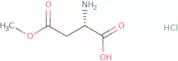
CAS:<p>4-Methoxybenzoic acid is a phenolic compound, which is used in the production of bisphenol A. It can also be found as an intermediate in the synthesis of other compounds, such as protocatechuic acid and pachymic acid. 4-Methoxybenzoic acid can be found naturally in a variety of plants, including cranberries. This compound has been shown to inhibit the growth of bacteria by disrupting their cell walls and inhibiting protein synthesis. 4-Methoxybenzoic acid has also been shown to have anti-inflammatory properties, which may be due to its ability to inhibit prostaglandin synthesis.</p>Formula:C8H8O3Purity:Min. 95%Color and Shape:White PowderMolecular weight:152.15 g/molL-Aspartic acid b-methyl ester hydrochloride
CAS:<p>L-Aspartic acid b-methyl ester hydrochloride is a high quality, versatile building block that can be used as a reaction component in the synthesis of complex compounds. L-Aspartic acid b-methyl ester hydrochloride is a useful scaffold for the preparation of novel fine chemicals and research chemicals with potential uses as pharmaceuticals, pesticides, and agricultural chemicals. It can also be used as an intermediate in the preparation of some natural products or industrial chemicals. L-Aspartic acid b-methyl ester hydrochloride has a CAS number of 16856-13-6.</p>Formula:C5H9NO4·HClColor and Shape:White PowderMolecular weight:183.59 g/mol1-(3-Methylphenyl)ethanol
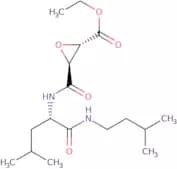
CAS:<p>1-(3-Methylphenyl)ethanol is an organic compound that has a hydroxyl group, homochiral carbonyl group, and aromatic hydrocarbon. It is a product of the catalysed reaction between a hydroxyl compound and an alkyne molecule. The reaction mechanism begins with the formation of an imine intermediate. This intermediate then undergoes a double displacement to form the desired product and regenerate the catalyst. 1-(3-Methylphenyl)ethanol can be used as a building block for other organic compounds, such as epoxides or esters.</p>Formula:C9H12OPurity:Min. 95%Color and Shape:Clear LiquidMolecular weight:136.19 g/mol(2S,3S)-trans-Epoxysuccinyl-L-leucylamido-3-methylbutane ethyl ester
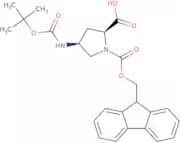
CAS:<p>Inhibitor of cathepsins</p>Formula:C17H30N2O5Purity:Min. 95%Color and Shape:PowderMolecular weight:342.43 g/molBoc-(2S,4S)-4-amino-1-Fmoc-pyrrolidine-2-carboxylic acid
CAS:<p>Useful chiral building block</p>Formula:C25H28N2O6Purity:Min. 95%Molecular weight:452.5 g/mol6-Amino-3,4-methylenedioxyacetophenone HCl
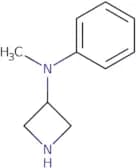
CAS:<p>Please enquire for more information about 6-Amino-3,4-methylenedioxyacetophenone HCl including the price, delivery time and more detailed product information at the technical inquiry form on this page</p>Formula:C9H10ClNO3Purity:Min. 95%Color and Shape:PowderMolecular weight:215.63 g/molN-Methyl-N-phenylazetidin-3-amine hydrochloride
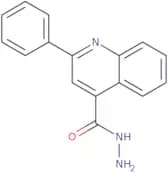
CAS:<p>N-Methyl-N-phenylazetidin-3-amine hydrochloride is a white solid with a melting point of 175°C. It is soluble in water, ethanol, and ether. N-Methyl-N-phenylazetidin-3-amine hydrochloride is an intermediate for the synthesis of chemical compounds that are used in research and development. This compound can be used as a building block to create complex compounds with biological activity. It can also be used as a scaffold to create novel chemical compounds that have not been observed before. The quality of this chemical is high, making it suitable for research purposes.</p>Formula:C10H15N2ClPurity:Min. 95%Color and Shape:Solid.Molecular weight:198.69 g/mol2-Phenylquinoline-4-carbohydrazide
CAS:<p>2-Phenylquinoline-4-carbohydrazide is an antibacterial agent that binds to bacterial DNA gyrase and topoisomerase, which are enzymes that maintain the integrity of bacterial DNA. It also has significant anti-inflammatory activity and can be used for the treatment of skin disorders, such as acne. 2-Phenylquinoline-4-carbohydrazide has been shown to induce apoptosis in human dermal fibroblast cells. This drug has been shown to have anticancer activity in vitro and in vivo. The anticancer activity of this drug may be due to its ability to inhibit cancer cell proliferation by binding to DNA gyrase and topoisomerase, which are enzymes that maintain the integrity of bacterial DNA.</p>Formula:C16H13N3OPurity:Min. 95%Molecular weight:263.29 g/mol2-Amino-N-methylbenzamide
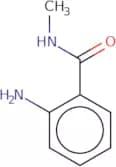
CAS:<p>2-Amino-N-methylbenzamide is a benzodiazepine receptor antagonist that has been shown to inhibit the proliferation of cancer cells in vitro. 2-Amino-N-methylbenzamide binds to the benzodiazepine receptor, which is found in cell nuclei and is involved in controlling the process of cell division. Benzodiazepines are a class of drugs that work by increasing the activity of GABA, which reduces neuronal excitability. 2-Amino-N-methylbenzamide prevents this activity by binding to the benzodiazepine receptor, preventing GABA from binding to its receptors and thereby inhibiting neuronal excitability. This drug has also been shown to inhibit cancer growth through an anthranilic acid derivative, methyl anthranilate. Methyl anthranilate inhibits DNA synthesis and induces apoptosis in cancer cells, leading to cell death.</p>Formula:C8H10N2OPurity:Min. 95%Color and Shape:PowderMolecular weight:150.18 g/mol3-[[(2S,4S)-4-[4-(3-Methyl-1-phenyl-1H-pyrazol-5-yl)-1-piperazinyl]-2-pyrrolidinyl]carbonyl]-thiazolidine hydrobromide(2:5)
CAS:<p>Canagliflozin is a pharmaceutical drug that is used to treat type 2 diabetes. It is an oral medication that works by blocking the absorption of glucose in the intestine, which lowers blood sugar levels and improves insulin sensitivity. Canagliflozin has been shown to have a number of effects on metabolism, including increased bile acid production and decreased fat absorption. This drug also has a number of side effects, including diarrhea, nausea, and vomiting. Canagliflozin is used in combination with metformin or insulin for the treatment of type 2 diabetes. The drug's most common side effect is diarrhea, which can be managed by eating more fiber-rich foods and drinking plenty of fluids.</p>Formula:(C22H30N6OS)2•(HBr)5Purity:Min. 95%Color and Shape:White/Off-White SolidMolecular weight:1,257.72 g/mol(3-glycidoxypropyl)methyldimethoxysilane
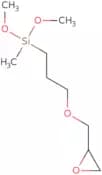
CAS:<p>3-Glycidoxypropyl methyldimethoxysilane (3-GPMDMS) is a compound that belongs to the group of organosilicon compounds. It is an organic solvent that has been used for the activation energy of ring-opening reactions. 3-GPMDMS is also suitable for immobilizing polysaccharides, proteins, and enzymes on surfaces or in polymer matrices. 3-GPMDMS has been used to produce polymers with high molecular weight and a wide range of molecular weights by polymerization. 3-GPMDMS can be synthesized by reacting glycidoxypropyltrimethoxysilane with methanol in the presence of hydrochloric acid. The chemical structure includes methoxy groups connected to silicon atoms via methylphenyl groups. 3-GPMDMS has been shown to exhibit excellent magnetic resonance properties and be a potential candidate for use as nanomaterials. It</p>Formula:C9H20O4SiPurity:Min. 95%Molecular weight:220.34 g/molN-α-Boc-N-ε-Fmoc-L-lysine
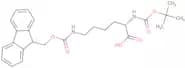
CAS:<p>N-alpha-Boc-N-epsilon-Fmoc-L-lysine is a cyclic peptide that has antimicrobial properties. The peptide is synthesized from the amino acid lysine and contains a sequence of lysine residues. N-alpha-Boc-N-epsilon-Fmoc-L-lysine can be used to treat herpes simplex virus infections and influenza virus infections. It also has the potential to neutralize glycopeptide antibiotics, such as vancomycin, by binding to their cell wall targets and interfering with the function of these molecules. In addition, this peptide can be used to manufacture insulin analogues with improved pharmacokinetic properties and increased stability in blood plasma.</p>Formula:C26H32N2O6Purity:Min. 95%Color and Shape:White To Off-White SolidMolecular weight:468.54 g/mol4-Hydroxy-5-iodo-3-methoxybenzyl alcohol
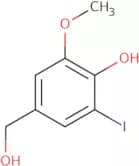
CAS:<p>4-Hydroxy-5-iodo-3-methoxybenzyl alcohol is a polymer that has been synthesized as a model compound for lignin. It is a synthetic compound, which has not been found in nature. 4-Hydroxy-5-iodo-3-methoxybenzyl alcohol is toxic to bacteria and fungi, but not to mammalian cells. The metabolic products of this compound have not yet been identified.</p>Formula:C8H9IO3Purity:Min. 95%Color and Shape:PowderMolecular weight:280.06 g/mol1-(2-Methoxyphenyl)-2-nitroethane
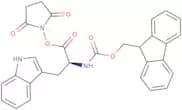
CAS:<p>1-(2-Methoxyphenyl)-2-nitroethane is a natural alkaloid that is found in the plant Piper methysticum. This compound has been shown to inhibit the transformation of nitroalkenes to nitropropene and nitrobenzene. The synthetic studies on this compound are mainly focused on its effects on other nitroalkenes. It has been shown that 1-(2-methoxyphenyl)-2-nitroethane can be used as an inhibitor of cyclization reactions, such as the synthesis of indole alkaloids, which are important in many pharmacological processes and biological systems.</p>Formula:C9H9NO3Purity:Min. 95%Color and Shape:PowderMolecular weight:179.17 g/molNα-Fmoc-L-tryptophan N-hydroxysuccinimide ester
CAS:<p>Nα-Fmoc-L-tryptophan N-hydroxysuccinimide ester is a chiral molecule that has a hydroxyl group and an amino group. It is used in the synthesis of peptides and proteins, as well as other organic compounds. The synthetic process of Nα-Fmoc-L-tryptophan N-hydroxysuccinimide ester can be divided into three steps: (1) the preparation of the Fmoc protected amino acid, (2) the coupling reaction with the amino acid to form a peptide bond, and (3) removal of the protecting group. This synthetic process is long acting because it is stable against hydrolysis by water.</p>Formula:C30H25N3O6Purity:Min. 95%Color and Shape:PowderMolecular weight:523.54 g/mol2-Methyl-2-adamantanol
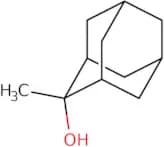
CAS:<p>2-Methyl-2-adamantanol is a chemical compound with the molecular formula CH(CH)COOH. It is a colorless liquid that boils at 109°C and freezes at -78°C. This compound has been used as an additive to gasoline, in cosmetics, as a solvent for polymers, and as a fuel. 2-Methyl-2-adamantanol is synthesized by the reaction of 1-adamantanol with hydrogen chloride gas in the presence of dimethylformamide. The product can be purified by recrystallizing it from methanol or chloroform. The structure of this compound was determined using X-ray crystallography. 2-Methyl-2-adamantanol is an alicyclic molecule that contains two methyl groups (-CH3) on adjacent carbons (C). It also has a hydrogen bond between the two methyl groups on C1 and C2. This compound has been</p>Formula:C11H18OPurity:Min. 95%Color and Shape:PowderMolecular weight:166.1 g/molD-Proline amide
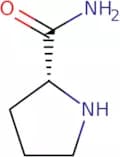
CAS:<p>Intermediate in the synthesis of vildagliptin</p>Formula:C5H10N2OPurity:Min. 95%Color and Shape:PowderMolecular weight:114.15 g/mol4-Hydroxy-2-methylbenzaldehyde
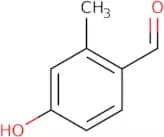
CAS:<p>4-Hydroxy-2-methylbenzaldehyde is an organic compound that is a colourless to yellow liquid with a characteristic odor. It has antibacterial activity and can be used as a natural product. The yield of this compound from staphylococcus is about 50%. When 4-hydroxy-2-methylbenzaldehyde reacts with chalcone, it forms the hydroxychalcones. This process can be used to identify the presence of 4-hydoxy-2-methylbenzaldehyde in many different organisms. The phenolic ring in this compound can undergo formylation, which means it can be oxidized to form formic acid. This process also occurs in soil bacteria and may account for some of its antibacterial properties.</p>Formula:C8H8O2Purity:Min. 95%Color and Shape:PowderMolecular weight:136.15 g/molN-α-Tosyl-L-lysine chloromethyl ketone HCl
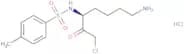
CAS:<p>N-alpha-Tosyl-L-lysine chloromethyl ketone HCl is a chemical compound that binds to DNA. It has been shown to induce neuronal death and caspase-independent cell death in HL60 cells. The compound can also be used as a biochemical probe to study the apoptosis pathway. N-alpha-Tosyl-L-lysine chloromethyl ketone HCl is currently being investigated as an antiinflammatory agent for chronic coughs due to its ability to inhibit proteases.</p>Formula:C14H21ClN2O3S·HClPurity:Min. 95%Color and Shape:PowderMolecular weight:369.31 g/mol2-Bromo-3'-methoxyacetophenone
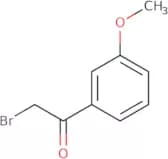
CAS:<p>2-Bromo-3'-methoxyacetophenone is a reactive compound that has been used as an antiplatelet drug. It is a prodrug of vicagrel, which inhibits the platelet aggregation by blocking the conversion of ADP to ATP. It also has been shown to inhibit the growth of cryptococcus neoformans. This compound binds to matrix proteins and disrupts their structure, leading to a decrease in platelet adhesion. 2-Bromo-3'-methoxyacetophenone has been shown to be metabolized through a number of metabolic transformations, including hydrolysis by esterases or glucuronidases, oxidation by cytochrome P450 enzymes, reduction by glutathione reductase, or conjugation with glucuronic acid. The biological properties of this drug are complex and depend on its concentration and duration of exposure. Its effect on platelet aggregation is due to its ability to inhibit the activity of protein kin</p>Formula:C9H9BrO2Purity:Min. 95%Molecular weight:229.07 g/molL-Glutamic acid
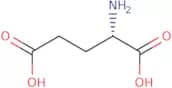
CAS:<p>Amino acid; neurotransmitter; flavor enhancer</p>Formula:C5H9NO4Color and Shape:Off-White Clear LiquidMolecular weight:147.13 g/molL-Valine benzyl ester hydrochloride
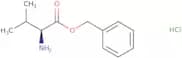
CAS:<p>L-Valine benzyl ester hydrochloride (LVEH) is a tetradecapeptide that is used as an analog of the natural peptide angiotensinogen. This synthetic compound has low molecular weight and hydrophobicity, which makes it an efficient drug for inducing hypertension in rats. LVEH has been shown to inhibit the production of angiotensin I and II, leading to a decrease in blood pressure. It also inhibits the degradation of endoplasmic reticulum protein angiotensinogen, which may be due to its inhibition of piperazine and piperidine. LVEH binds to mitochondria with high affinity, inhibiting ATP production and mitochondrial respiration.</p>Formula:C12H17NO2•HClPurity:Min. 95%Color and Shape:PowderMolecular weight:243.73 g/mol4-Chloro-7-methyl-7H-pyrrolo[2,3-d]pyrimidine
CAS:<p>4-Chloro-7-methyl-7H-pyrrolo[2,3-d]pyrimidine is a versatile building block for the synthesis of complex compounds. It can be used as a reagent in organic synthesis and has been shown to react with a range of functional groups including alcohols, amines, carboxylic acids, sulfonic acid esters and nitriles. 4-Chloro-7-methylpyrrolo[2,3-d]pyrimidine is an intermediate that can be used to synthesize other specialty chemicals such as pharmaceuticals.</p>Formula:C7H6ClN3Purity:Min. 95 Area-%Color and Shape:PowderMolecular weight:167.6 g/molN-Methyl-N-[(1,3,5-trimethyl-1H-pyrazol-4-yl)methyl]amine
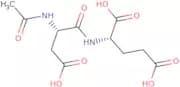
CAS:<p>Please enquire for more information about N-Methyl-N-[(1,3,5-trimethyl-1H-pyrazol-4-yl)methyl]amine including the price, delivery time and more detailed product information at the technical inquiry form on this page</p>Formula:C8H15N3Purity:Min. 95%Molecular weight:153.22 g/molN-Acetyl-L-aspartyl-L-glutamic acid
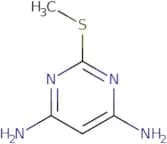
CAS:<p>N-Acetyl-L-aspartyl-L-glutamic acid is an amino acid that is used as a substrate in the biochemical assay for glutamate. It is also used to measure brain functions. NAAG is a low potency agonist of the NMDA receptor, which may contribute to neuronal death. NAAG is used as a model system to study bowel disease and eosinophil cationic protein. It has been shown to be effective in vitro against cancer cells and fungi. The structural analysis of NAAG has revealed that it contains an acidic group on its side chain, which can be detected with a pH indicator such as phenol red or bromocresol purple.</p>Formula:C11H16N2O8Purity:Min. 95 Area-%Color and Shape:White Off-White PowderMolecular weight:304.25 g/mol2-Methylthiopyrimidine-4,6-diamine
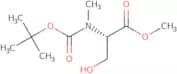
CAS:<p>2-Methylthiopyrimidine-4,6-diamine is a potent inhibitor of the enzyme DNA polymerase. It has shown to be effective against hepg2 cells and other cancer cells. The compound binds covalently to the active site of the enzyme, where it stabilizes the transition state and deshields the electrostatic field around the nucleophilic nitrogen atom. This interaction leads to a decreased affinity for ATP, which is required for DNA synthesis. 2-Methylthiopyrimidine-4,6-diamine also has antimalarial activity and inhibits amide bond formation in hepg2 cells.</p>Formula:C5H8N4SPurity:Min. 95%Color and Shape:PowderMolecular weight:156.21 g/molBoc-N-Me-Ser-OMe
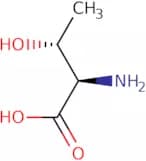
CAS:<p>Boc-N-Me-Ser-OMe is a fine chemical that is used as a building block for the synthesis of a wide range of organic compounds. It is also used as an intermediate in the synthesis of complex compounds and is often used as a reaction component. Boc-N-Me-Ser-OMe has been shown to be useful in the synthesis of pharmaceuticals, agrochemicals, and other chemicals. This compound has been identified by its CAS number: 122902-81-2.</p>Formula:C10H19NO5Purity:Min. 95%Color and Shape:PowderMolecular weight:233.26 g/molD(-)-allo-Threonine
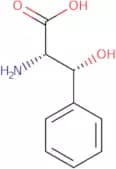
CAS:<p>D(-)-allo-Threonine is an amino acid with a hydroxyl group. It has been synthesized in an asymmetric synthesis and its biological properties have been studied in the context of monoclonal antibodies. D(-)-allo-Threonine has shown to be an inhibitor of enzymes involved in fatty acid biosynthesis, including 3-hydroxyacyl coenzyme A synthase, acetoacetyl-CoA reductase, and 3-ketoacyl CoA thiolase. This amino acid also inhibits the polymerase chain reaction (PCR) and has been found to be a competitive inhibitor of the enzyme ribonucleotide reductase. D(-)-allo-Threonine is also a constituent of proteins that play a role in plant physiology and structural biology.</p>Formula:C4H9NO3Purity:Min. 95%Color and Shape:White PowderMolecular weight:119.12 g/molL-threo-Phenylserine
CAS:<p>L-threo-Phenylserine is a naturally occurring amino acid that is synthesized in the human body. It can be found in the brain and muscles, where it is used for protein synthesis. L-threo-phenylserine has been shown to be an effective oxygen nucleophile and can catalyze the hydrolysis of hydrogen fluoride. This compound has also been shown to have biological activity in vitro as well as structural properties that are useful for conformational analysis and structural biology research. L-threo-phenylserine may also have potential medical applications, such as its use as a treatment for mental disorders and epilepsy.</p>Formula:C9H11NO3Purity:Min. 95%Color and Shape:White To Off-White SolidMolecular weight:181.19 g/molN-Methyl-N-vinylacetamide
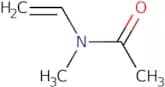
CAS:<p>N-Methyl-N-vinylacetamide is a colorless liquid with a boiling point of 105.6°C. It is produced by the reaction of acetamide and vinyl chloride in the presence of hydrochloric acid, glycol ether, and methyl ethyl ketone. The viscosity of this compound is low, which makes it an ideal solvent for paints and coatings. N-Methyl-N-vinylacetamide also has genetic damaging effects and can cause mutations in bacteria that are exposed to this compound in high concentrations. This product has an unusual chemical structure due to its hydrogen bonding interactions.br>br><br>br>br><br>Hydrogen bonds are weak intermolecular forces between polar molecules, such as water or alcohols, that are formed by the attraction between a partially positive hydrogen atom on one molecule and the negative end of another nearby molecule. Hydrogen bonds stabilize certain molecular structures because they provide partial shielding from electrostatic interactions with</p>Formula:C5H9NOPurity:Min. 97.5%Color and Shape:Clear LiquidMolecular weight:99.13 g/mol1-O-Tetradecyl-rac-glycerol
CAS:<p>1-O-Tetradecyl-rac-glycerol is a fatty acid ester that is used as a conditioning agent and a hydroxylated alcohol. The fatty acid ester is derived from 1-O-tetradecanoyl-racemic glycerol, which is an ester of the fatty acids, oleic acid and palmitic acid. The hydroxy group on the molecule allows it to be soluble in water. It also has transport properties because it can dissolve in lipids and penetrate hair follicles. It can also act as a solid catalyst for citric acid production and malic acid production because of its hydroxyl groups.</p>Formula:C17H36O3Purity:Min. 95 Area-%Color and Shape:PowderMolecular weight:288.47 g/molL-b-Phenyllactic acid
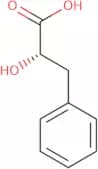
CAS:<p>L-b-Phenyllactic acid is a monocarboxylic acid that is found in urine. It has an inhibitory effect on the binding of certain inhibitors, such as fatty acids and malic acid, to their receptors. L-b-Phenyllactic acid also inhibits the binding of some drugs, such as L-DOPA, to their receptors. This inhibition may be due to hydrogen bonding or receptor binding interactions with specific amino acids in the receptor protein. L-b-Phenyllactic acid has been shown to have cytotoxic effects on leukemia cells and is used for animal experiments.</p>Formula:C9H10O3Purity:Min. 95%Color and Shape:PowderMolecular weight:166.17 g/mol2-Methylphenylacetone
CAS:<p>2-Methylphenylacetone (2MP) is a cocatalyst that is used in cross-coupling reactions. It has been shown to be an effective methyl donor and titanium oxide activator. 2MP is also used in the dehydrogenative coupling of acetone and toluene, which leads to the formation of aliphatic products with nature and mechanisms of reactivity similar to those observed in benzene.</p>Formula:C10H12OPurity:Min. 95%Color and Shape:LiquidMolecular weight:148.2 g/mol(D-Ser2)-Leu-Enkephalin-Thr
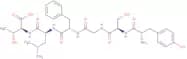
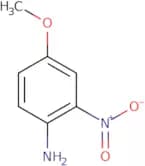
CAS:<p>(D-Ser2)-Leu-Enkephalin-Thr H-Tyr-D-Ser-Gly-Phe-Leu-Thr-OH is a cyclic peptide that has been shown to activate the κ-opioid receptor. The peptide has been used in studies of the intracellular calcium concentration and glomerular filtration rate in kidney cells, as well as the antinociceptive effects of opioid drugs on mice. This drug has also been shown to have effects on cyclic AMP levels and α 1 -adrenergic receptors in neuro2a cells.</p>Formula:C33H46N6O10Purity:Min. 95%Color and Shape:SolidMolecular weight:686.75 g/mol4-Methoxy-2-nitroaniline
CAS:<p>4-Methoxy-2-nitroaniline is a molecule that has been shown to be able to form an intramolecular hydrogen bond with the 5' carbon of the sugar ring. This reaction leads to the formation of an alkoxy radical, which reacts with chloride ions in acidic conditions. The formation of this intermediate product is reversible, and can be used for analysis of hydrochloric acid. 4-Methoxy-2-nitroaniline has also been shown to react with diazonium salt in the presence of acid, forming a molecule that contains two amines. This reaction can be reversed by adding hydrogen chloride to the solution and analyzing the solution's acidity.</p>Formula:C7H8N2O3Purity:Min. 98 Area-%Color and Shape:PowderMolecular weight:168.15 g/molN-Nitroso-N-phenylhydroxylamine aluminium
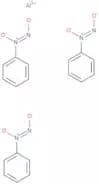
CAS:<p>N-Nitroso-N-phenylhydroxylamine aluminium (NNPA) is a nitrated organic compound that belongs to the thioxanthone family. It is a colorless, oily liquid that has a strong odor of hydrochloric acid. NNPA is used in the production of polyester resins and coatings, as well as in the manufacture of methacrylate polymers. The reaction system for this compound consists of aluminum chloride and calcium carbonate. This substance can be prepared by reacting trimethylolpropane with methacrylates and magnesium in an organic solvent such as isopropyl alcohol or acetone. NNPA can also be synthesized by reacting zinc powder with ammonium bicarbonate, followed by carbamoylation with an organic amine such as isopropylcarbamate.</p>Formula:C18H15AlN6O6Purity:Min. 95%Color and Shape:White PowderMolecular weight:438.33 g/mol3-Methyl-5-isoxazoleacetic acid
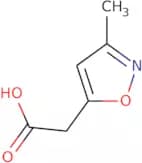
CAS:<p>Please enquire for more information about 3-Methyl-5-isoxazoleacetic acid including the price, delivery time and more detailed product information at the technical inquiry form on this page</p>Formula:C6H7NO3Purity:Min. 95%Molecular weight:141.12 g/molHead activator (7-11) acetate
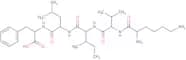
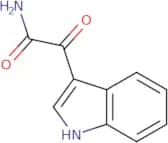
CAS:<p>Please enquire for more information about Head activator (7-11) acetate including the price, delivery time and more detailed product information at the technical inquiry form on this page</p>Formula:C32H54N6O6•(C2H4O2)xPurity:Min. 95%Molecular weight:618.81 g/molIndole-3-glyoxylamide
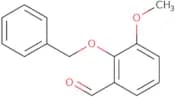
CAS:<p>Indole-3-glyoxylamide is a synthetic compound that was originally developed as a potential anti-cancer drug. It has been shown to inhibit glycogen synthase kinase 3 (GSK-3) and thereby reduce the production of proinflammatory cytokines in bowel disease. Indole-3-glyoxylamide also inhibits inflammatory bowel disease by inhibiting secretory phospholipase A2, which prevents the release of arachidonic acid from phospholipids. This synthesis is required for the production of prostaglandins and leukotrienes, which are involved in the inflammatory process. The compound has been shown to have immunomodulatory effects in chronic bronchitis, with an inhibitory effect on neutrophil chemotaxis, macrophage activity, and cytokine production. Indole-3-glyoxylamide has also been shown to be effective against cancer cells in vitro and in vivo animal models. It is metabolized through</p>Formula:C10H8N2O2Purity:Min. 95%Color and Shape:PowderMolecular weight:188.18 g/mol2-Benzyloxy-3-methoxybenzaldehyde
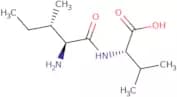
CAS:<p>2-Benzyloxy-3-methoxybenzaldehyde is an enantiopure compound that has been shown to have antiproliferative effects on cancer cells. It was also found to have a strong binding affinity for DNA and protein. The antiproliferative effects of 2-Benzyloxy-3-methoxybenzaldehyde were found to be due to its ability to bind to dna and inhibit the enzyme activity of pyrazine-2-carboxylic acid, leading to a decrease in the production of proteins vital for cell division. 2-Benzyloxy-3-methoxybenzaldehyde has been shown to have anticancer activity against colorectal cancer cells and may serve as a lead compound for future drug development.</p>Formula:C15H14O3Purity:Min. 95%Molecular weight:242.27 g/molH-Ile-Val-OH
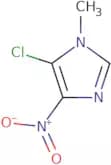
CAS:<p>H-Ile-Val-OH is an inhibitor of the enzyme catalysis in cancer cells. The mechanism of inhibition is likely to be competitive with respect to the substrate and reversible by addition of exogenous substrate. The IC50 values for H-Ile-Val-OH were determined in uptake assays and found to be around 100 μM. The IC50 values for H-Ile-Val-OH were also determined in x-ray diffraction data and found to be around 10 μM. H-Ile-Val-OH has been shown to inhibit squamous carcinoma cell growth, which may be due to its ability to inhibit protein synthesis.</p>Formula:C11H22N2O3Purity:Min. 95%Molecular weight:230.3 g/mol5-Chloro-1-methyl-4-nitroimidazole
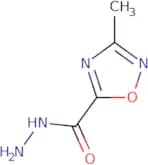
CAS:<p>5-Chloro-1-methyl-4-nitroimidazole (5C1MI) is a fatty acid that is synthesized by the reaction of phosphorus pentachloride and an aliphatic hydrocarbon. It has been shown to be effective in treating women with breast cancer. 5C1MI blocks the activity of a protein called HER2, which promotes tumor growth. The drug has been shown to cause an increase in the number of circulating lymphocytes and natural killer cells, as well as an increase in the production of antibodies in mice. These effects are likely caused by 5C1MI's ability to inhibit the proliferation of T cells and B cells. 5C1MI has also been shown to have a high solubility in water and low solubility in lipids, which makes it suitable for administration via intravenous injection.</p>Formula:C4H4ClN3O2Purity:Min. 95%Color and Shape:PowderMolecular weight:161.55 g/mol3-Methyl-1,2,4-oxadiazole-5-carbohydrazide
CAS:<p>3-Methyl-1,2,4-oxadiazole-5-carbohydrazide is a versatile building block that can be used to synthesize complex compounds. It is a high quality reagent and has been shown to be useful as a reaction component in the synthesis of pharmaceuticals and other research chemicals. 3-Methyl-1,2,4-oxadiazole-5-carbohydrazide is also an intermediate in the synthesis of 1-(3,4-methylenedioxyphenyl)-2-(1H)-pyridinone. CAS No.: 40019-29-2</p>Formula:C4H6N4O2Purity:Min. 95 Area-%Color and Shape:White Off-White PowderMolecular weight:142.12 g/molIndole-3-acetyl-L-valine
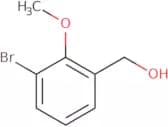
CAS:<p>Indole-3-acetyl-L-valine (IAV) is a naturally occurring amino acid that binds to the surface glycoprotein of wild-type viruses. It inhibits viral replication by inhibiting the production of basic proteins, which are necessary for viral life. IAV also has inhibitory properties against the toll-like receptor, which may be due to its ability to inhibit growth factor signaling. IAV has been shown to decrease the number of opportunistic fungal and bacterial infections in humans, with no adverse effects on human health. This drug has no effect on healthy cells and can be used as an adjuvant for the treatment of HIV and other viral infections.</p>Formula:C15H18N2O3Purity:Min. 95%Color and Shape:PowderMolecular weight:274.32 g/mol3-Bromo-2-methoxybenzyl alcohol
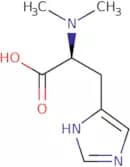
CAS:<p>3-Bromo-2-methoxybenzyl alcohol is a reaction component that is used in the synthesis of a number of chemical compounds. It has been shown to be a useful scaffold, with versatile building blocks and intermediates. 3-Bromo-2-methoxybenzyl alcohol is an intermediate for the synthesis of complex compounds such as antihypertensive drugs, anti-inflammatory agents, and immunosuppressant drugs. This compound also has a variety of uses in research including as a reagent for the determination of enzyme activity and as an analytical reference standard.</p>Formula:C8H9BrO2Purity:Min. 95%Color and Shape:PowderMolecular weight:217.06 g/molN,N-Dimethyl-histidine
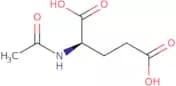
CAS:<p>N,N-Dimethyl-histidine is a zwitterion formed by the combination of two molecules of the amino acid histidine. It is a derivative of methylhistidine, which is a fungal metabolite. N,N-Dimethyl-histidine has been shown to be an injectable form of methylhistidine and can be used as a metabolic marker in animals and humans. The radioactivity level of N,N-Dimethyl-histidine can be measured using an electron spin resonance spectrometer. N,N-Dimethyl-histidine also has oxidizing properties that have been demonstrated in the oxidation of l-(3-[14C]methylaminopropyl)-3-[14C]methacryloxymethyl)benzene.</p>Formula:C8H13N3O2Purity:Min. 95%Color and Shape:White PowderMolecular weight:183.21 g/molN-Acetyl-D-glutamic acid
CAS:<p>N-Acetyl-D-glutamic acid is an amino acid that is the building block for proteins in the body. It is a product of the hydrolysis of glutamic acid and is used to treat metabolic disorders such as lysinuric protein intolerance, which blocks the body's ability to break down proteins. N-Acetyl-D-glutamic acid can be found in sources such as peptone, glutamate, and d-carnitine. It has optimum temperature range of 25°C to 45°C. This amino acid can be used as an optical pH indicator due to its red color under acidic conditions and blue color under basic conditions.</p>Formula:C7H11NO5Purity:Min. 95%Color and Shape:PowderMolecular weight:189.17 g/mol7-Amino-2-(4-methoxyphenyl)[1,2,4]triazolo[1,5-a]pyrimidin-5(4H)-one
CAS:<p>7-Amino-2-(4-methoxyphenyl)[1,2,4]triazolo[1,5-a]pyrimidin-5(4H)-one is a fine chemical that belongs to the category of versatile building blocks. It can be used as a reagent for research purposes and as a speciality chemical for the production of complex compounds. This compound is also an important building block for the synthesis of compounds with high quality and useful scaffolds.</p>Formula:C12H11N5O2Purity:Min. 95%Color and Shape:PowderMolecular weight:257.25 g/mol1-O-Hexadecyl-sn-glycero-3-phosphocholine
CAS:<p>1-O-Hexadecyl-sn-glycero-3-phosphocholine (1OHDGPC) is a compound that inhibits the uptake of oxidized LDL in neuronal cells and reduces neuronal death. 1OHDGPC also has antihypertensive activity, as it decreases systolic blood pressure. This compound is an antioxidant because it prevents the oxidation of LDL cholesterol, which is the main cause of atherosclerosis. 1OHDGPC has been shown to reduce the incidence of allergic reactions in animal studies. It also has been shown to have hydroxyl groups and fatty acid chains, which may contribute to its antioxidant properties.</p>Formula:C24H52NO6PColor and Shape:PowderMolecular weight:481.65 g/mol2-Amino-N-[2-(5-methoxy-1H-indol-3-yl)ethyl]acetamide hydrochloride
CAS:<p>2-Amino-N-[2-(5-methoxy-1H-indol-3-yl)ethyl]acetamide hydrochloride is a magnetic compound that has been shown to be an effective cancer antigen. It is a derivative of the amino acid sequence of α,β-unsaturated fatty acids and can be used as a dietary supplement. 2-Amino-N-[2-(5-methoxy-1H-indol-3-yl)ethyl]acetamide hydrochloride has been shown to bind to fatty acid receptors on the surface of antigen presenting cells (APCs). It also activates the immune system by activating APCs, which leads to the production of cytokines and chemokines. This compound has also been shown to stimulate T cells in culture, leading to activation and proliferation of tumor cells.</p>Formula:C13H17N3O2·HClPurity:Min. 95%Color and Shape:PowderMolecular weight:283.75 g/molCopper glycine
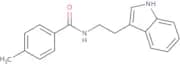
CAS:<p>Copper glycine is a complex enzyme that contains molybdenum, nitrogen and fatty acid. It is a metal chelate that binds to copper ions and prevents the oxidation of fatty acids. The complex has been shown to inhibit the activity of many different enzymes, including those from group P2 (e.g., pyruvate formate lyase) and nutrient solutions. Copper glycine has also been implicated in antimicrobial peptide synthesis.</p>Formula:C4H8N2O4CuPurity:Min. 95%Color and Shape:PowderMolecular weight:211.66 g/molN-(2-Indol-3-ylethyl)(4-methylphenyl)formamide
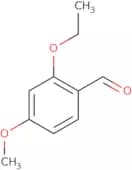
CAS:<p>Please enquire for more information about N-(2-Indol-3-ylethyl)(4-methylphenyl)formamide including the price, delivery time and more detailed product information at the technical inquiry form on this page</p>Formula:C18H18N2OPurity:Min. 95%Color and Shape:PowderMolecular weight:278.35 g/mol2-Ethoxy-4-methoxybenzaldehyde
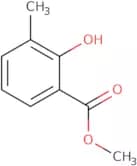
CAS:<p>2-Ethoxy-4-methoxybenzaldehyde is a volatile compound that has been shown to have medicinal properties. It is used to analyze the presence of alcohols and aldehydes in various products. The sensitivity of this compound was optimized by using an analytical method that involved solid phase microextraction (SPME) followed by gas chromatography (GC). The carcinogenicity of this compound was determined by exposing it to rats in a 2 year study, which showed no evidence of carcinogenicity. This compound can also be used as a phenolic or microextraction reagent for the headspace analysis of volatile compounds.</p>Formula:C10H12O3Purity:Min. 95%Color and Shape:PowderMolecular weight:180.2 g/molMethyl 3-methylsalicylate
CAS:<p>Methyl 3-methylsalicylate is a member of the class of organic compounds known as phenols. It has a molecular formula of C6H5OCH3 and a molecular weight of 126.08 g/mol. The compound possesses three methoxy groups, two hydroxyl groups, and one methyl group. Methyl 3-methylsalicylate is used in dyestuffs and as an intermediate in the synthesis of pyrazole derivatives. Methyl 3-methylsalicylate has been shown to induce behavioral responses in model organisms such as honeybees and ants, which may be due to its ability to affect their cuticular hydrocarbons.</p>Formula:C9H10O3Purity:Min. 95%Color and Shape:Colorless PowderMolecular weight:166.17 g/molFmoc-L-tert-leucine
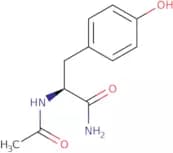
CAS:<p>Fmoc-L-tert-leucine is an amide that is used for the treatment of prostate cancer. Fmoc-L-tert-leucine has been shown to be effective in treating resistant prostate cancer cells in vivo, and it has been shown to inhibit the growth of prostate cancer cells in vitro. This drug also has a diagnostic effect on prostate cancer cells. The uptake of this drug by prostate cancer cells is dependent on the presence of caspase-9, which may be due to its ability to inhibit apoptosis.</p>Formula:C21H23NO4Purity:Min. 95%Color and Shape:White PowderMolecular weight:353.41 g/molAcetyl-L-tyrosine amide
CAS:<p>Acetyl-L-tyrosine amide is an analog of L-tyrosine that is used as an active substance in the field of uv absorption. Acetyl-L-tyrosine amide reacts with sodium hydroxide to form a soluble salt, which has been shown to have binding constants that are comparable to those of human serum. This compound also has fluorescence properties and can be used for the determination of neutral pH. The reaction products formed between acetyl-L-tyrosine amide and sodium hydroxide are hydrolyzed by acids and yield a molecule with rotameric properties. These rotameric properties can be modeled using a protein model without affecting the stability or function of the protein.</p>Formula:C11H14N2O3Purity:Min. 95%Color and Shape:PowderMolecular weight:222.24 g/mol1,2-Dimyristoyl-rac-glycerol
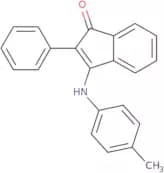
CAS:<p>1,2-Dimyristoyl-rac-glycerol (1,2-DMG) is a monomolecular fatty acid that has been found to inhibit the replication of herpes simplex virus. It binds to the surface glycoprotein and inhibits the release of diacylglycerol from the lipid membrane. 1,2-DMG also inhibits the activity of acyl chain enzymes, which are necessary for the synthesis of fatty acids in trypanosomes. This inhibition prevents the growth and proliferation of lung fibroblasts and may be beneficial in treating cancer. The ionisation mass spectrum shows that 1,2-DMG has a molecular weight of 270 Da. The binding affinity between 1,2-DMG and water is 9 x 10 M at room temperature.</p>Formula:C31H60O5Purity:Min. 90%Color and Shape:White PowderMolecular weight:512.81 g/mol3-((4-methylphenyl)amino)-2-phenylinden-1-one
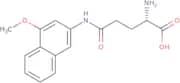
CAS:<p>Please enquire for more information about 3-((4-methylphenyl)amino)-2-phenylinden-1-one including the price, delivery time and more detailed product information at the technical inquiry form on this page</p>Purity:Min. 95%γ-Glutamyl-4-methoxy-β-naphthylamide
CAS:<p>Gamma-Glutamyl-4-methoxy-beta-naphthylamide is a versatile building block that can be used in the synthesis of a variety of complex compounds. It is a high quality chemical that is useful as an intermediate in organic syntheses and as a reagent in research. Gamma-Glutamyl-4-methoxy-beta-naphthylamide has been shown to be an effective scaffold for the preparation of other chemical substances.</p>Formula:C16H18N2O4Purity:Min. 95%Molecular weight:302.33 g/molFmoc-Leu-OH
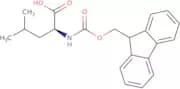
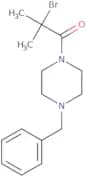
CAS:<p>Fmoc-Leu-OH is a fatty acid that contains a hydroxyl group. It is used in the synthesis of polymer drugs, especially sodium salt polymers. The activity of Fmoc-Leu-OH can be reversed with degarelix acetate, an irreversible inhibitor of ns3 protease. In addition to its use as an antidiabetic agent, Fmoc-Leu-OH has been shown to have immunomodulatory effects and antiinflammatory activity. In tumor treatment, Fmoc-Leu-OH has been shown to inhibit the growth of fat cells without affecting normal cells or causing any toxic side effects.</p>Formula:C21H23NO4Purity:Min. 98 Area-%Color and Shape:White PowderMolecular weight:353.41 g/mol1-Benzyl-4-(2-bromo-2-methylpropanoyl)piperazine
CAS:Controlled Product<p>Please enquire for more information about 1-Benzyl-4-(2-bromo-2-methylpropanoyl)piperazine including the price, delivery time and more detailed product information at the technical inquiry form on this page</p>Formula:C15H21BrN2OPurity:Min. 95%Molecular weight:325.24 g/molFmoc-L-homophenylalanine
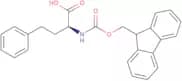
CAS:<p>Fmoc-L-homophenylalanine is a homophenylalanine analogue that inhibits the intracellular Ca2+ levels by binding to the ester linkages in the phospholipid membrane. This inhibits viral replication and has been shown to inhibit the replication of coronaviruses, such as SARS-CoV, and respiratory syncytial virus (RSV). Fmoc-L-homophenylalanine also inhibits lung fibroblasts from producing cytokines and chemokines, which may be due to its ability to inhibit methyl ketones, an important precursor for proinflammatory compounds. It also inhibits P. aeruginosa growth by preventing bacterial cells from synthesizing proteins and DNA.</p>Formula:C25H23NO4Purity:90%Color and Shape:PowderMolecular weight:401.45 g/molFmoc-β-Ala-4-amino-D-Phe(Boc)-OH
<p>Fmoc-beta-Ala-4-amino-D-Phe(Boc)-OH is a fine chemical that can be used as a building block in research, as a reagent for chemical synthesis, or as a speciality chemical. It is also a versatile building block that can be used to create other compounds. Fmoc-beta-Ala-4-amino-D-Phe(Boc)-OH is an intermediate compound and scaffold. This compound has been shown to react with ethyl chloroformate to yield the corresponding beta amino ester.</p>Formula:C32H35N3O7Purity:Min. 95%Color and Shape:White to off-white solid.Molecular weight:573.64 g/mol6-Fluoro-2-(2'-fluorobiphenyl-4-yl)-3-methylquinoline-4-carboxylic acid
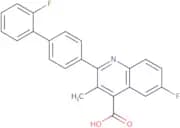
CAS:<p>Brequinar sodium is a drug that belongs to the class of quinoline carboxylic acid derivatives. It has been shown to be effective in the treatment of infectious diseases and bowel disease. Brequinar sodium inhibits bacterial growth by binding to DNA-dependent RNA polymerase, thereby preventing transcription and replication. The high frequency of human activity has been shown using a patch-clamp technique on human erythrocytes. This active form is metabolized through a number of metabolic transformations, including hydrolysis by esterases or glucuronidases, oxidation by cytochrome P450 enzymes, reduction by glutathione reductase, or conjugation with glucuronic acid. Brequinar also specifically binds to markers expressed at high levels in Mycobacterium tuberculosis strains (e.g., ESX-1 secretion system protein) and inhibits cell growth in culture.</p>Formula:C23H15F2NO2Purity:Min. 97 Area-%Color and Shape:White/Off-White SolidMolecular weight:375.37 g/mol2-Methyl-D-cysteine hydrochloride
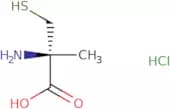
CAS:<p>2-Methyl-D-cysteine hydrochloride is a thiazolidine derivative that is produced by Streptomyces. It is an antibiotic that inhibits bacterial growth and has been shown to be effective against Staphylococcus aureus, Bacillus subtilis, and Escherichia coli. 2-Methyl-D-cysteine hydrochloride is synthesized by cyclocondensation of the amino acid cysteine with the triethylamine derivative desferrithiocin. The chirality of this compound can be modified with an enzyme from Streptomyces sp. This modification removes the sulfur atom from the molecule, which makes it more soluble in water.</p>Formula:C4H9NO2S·ClHPurity:Min. 95%Color and Shape:White PowderMolecular weight:171.65 g/molTos-Gly-Pro-Lys-pNA acetate
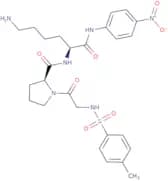
CAS:<p>Tos-Gly-Pro-Lys-pNA acetate is a peptide that has been shown to have inhibitory effects on serine proteases, such as fibrinogen. Tos-Gly-Pro-Lys-pNA acetate binds to the active site of serine proteases, which inhibits their activity and prevents them from cleaving fibrinogen. The rate of reaction is dependent on the concentration of enzyme inhibitors. For example, at low concentrations, the enzyme inhibitor will bind to only one or two sites on the serine protease, while at high concentrations it may bind to many sites. This molecule has been shown to be a potent inhibitor of human immunodeficiency virus (HIV) protease and is currently being studied for its use as a potential antiviral agent.</p>Formula:C26H34N6O7SPurity:Min. 95%Color and Shape:PowderMolecular weight:574.65 g/molN3-L-Leu-OH·BHA
CAS:<p>N3-L-Leu-OH·BHA is a complex compound that has been used as a precursor to other compounds, such as pyrrolidines. It is an intermediate in the synthesis of various pharmaceuticals and research chemicals, such as 4-methylpiperidine. N3-L-Leu-OH·BHA has been shown to be useful in the preparation of various speciality chemicals, including building blocks for polymers and reagents for organic synthesis.</p>Formula:C13H13N·C6H11N3O2Purity:Min. 95%Color and Shape:PowderMolecular weight:340.42 g/mol2,2,2-Trichloroethoxysulfuryl-N-methylimidazolium triflate
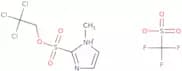
CAS:<p>2,2,2-Trichloroethoxysulfuryl-N-methylimidazolium triflate is an inhibitor of amyloidogenesis that has been shown to reduce the production of carbohydrates and oligosaccharides. It blocks the synthesis of chondroitin sulfate and galactose, which are required for tumor growth. 2,2,2-Trichloroethoxysulfuryl-N-methylimidazolium triflate also inhibits clotting by preventing the formation of thrombin from prothrombin. The reagents can be used in a variety of applications such as cell culture, clotting assays, and molecular biology.</p>Formula:C6H8Cl3N2O3S•CF3O3SPurity:Min. 95%Molecular weight:443.63 g/mol1,4-Phenylenediacrylic acid
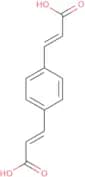
CAS:<p>1,4-Phenylenediacrylic acid is a yellow crystalline solid that has been shown to be carcinogenic in rodents. It is structurally similar to benzene and may have the same carcinogenic properties. 1,4-Phenylenediacrylic acid has been found to cause genetic damage in mammalian cells, which may lead to cancer. There are databases for carcinogenicity, mutagenicity, and toxicology of 1,4-Phenylenediacrylic acid. 1,4-Phenylenediacrylic acid also belongs to the subset of organic chemicals that are classified as carcinogens by IARC or NTP.</p>Formula:C12H10O4Purity:Min. 95%Color and Shape:Slightly Yellow PowderMolecular weight:218.21 g/mol2-Methyl-1,3-cyclohexanedione
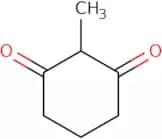
CAS:<p>2-Methyl-1,3-cyclohexanedione is an organic compound that has been used in the synthesis of a variety of drugs. The functional theory for this type of reaction is based on the conformational properties and steric interactions of the reactants. This compound can react with alkyl halides to form ethers or esters by using a lipase or boronic ester as a catalyst. 2-Methyl-1,3-cyclohexanedione has also been used in asymmetric syntheses and radiation damage studies. It is stable under acidic conditions and its carbonyl group can be replaced with a supercritical carbon dioxide group to make it more chemically stable.</p>Formula:C7H10O2Purity:Min. 98%Color and Shape:PowderMolecular weight:126.15 g/molNd-Pyrazinylcarbonyl-L-ornithine
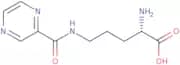
CAS:<p>Nd-Pyrazinylcarbonyl-L-ornithine is a versatile building block for the synthesis of complex compounds. This compound is used as a reagent for research and as a speciality chemical. It has been shown to be an intermediate in organic chemistry and as a reaction component in organic synthesis. Nd-Pyrazinylcarbonyl-L-ornithine is also useful as a scaffold in drug development, with its applications including antiviral agents, antibiotics, anticancer drugs, and antifungal drugs.</p>Formula:C10H14N4O3Purity:Min. 95%Color and Shape:SolidMolecular weight:238.24 g/mol4-Amino-N-((2R,3S)-3-amino-2-hydroxy-4-phenylbutyl)-N-ispobutylbenzenesulfonamide
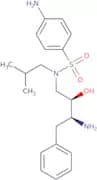
CAS:<p>4-Amino-N-((2R,3S)-3-amino-2-hydroxy-4-phenylbutyl)-N-isobutylbenzenesulfonamide is an amide that is used to treat HIV infections. It has been shown to have potent anti-viral activity against HIV infected cells in the laboratory and can inhibit the replication of HIV by interfering with the virus's ability to use the reverse transcriptase enzyme. 4ABAB has been shown to bind to the enzyme ribonuclease H (crth2), which is responsible for breaking down viral RNA. This binding prevents crth2 from cleaving viral RNA, thus inhibiting DNA synthesis and preventing cell death. 4ABAB also interferes with a hydrogen bond between ethyl group and the hydroxyl group on crth2, leading to a decrease in activity.</p>Formula:C20H29N3O3SPurity:Min. 95%Color and Shape:White PowderMolecular weight:391.53 g/molN-(2-Fluorophenyl)-N-[4-(4-Methyl-1,3-Thiazol-2-Yl)-1-(2-Thiophen-3-Ylethyl)Piperidin-4-Yl]Propanamide
CAS:Controlled Product<p>N-(2-Fluorophenyl)-N-[4-(4-methyl-1,3-thiazol-2-yl)-1-(2-thiophen-3-ylethyl)piperidin-4-yl]propanamide is a drug that is used for the treatment of cancer. This drug is hydrophobic and has a molecular weight of 455. It has been shown to be effective in treating cancer cells by binding to the cell membrane and inhibiting the proliferation of these cells. N-(2-Fluorophenyl)-N-[4-(4-methyl-1,3-thiazol-2-yl)-1-(2-thiophen-3-ylethyl)piperidin]-4-- yl]propanamide also inhibits tumor growth by reducing extracellular matrix production and inducing apoptosis in cancer cells. This drug has a fluorescent property and can be detected with an optical microscope at a</p>Formula:C24H28FN3OS2Purity:Min. 95%Molecular weight:457.63 g/molO-tert-Butyl-L-threonine tert-butyl ester acetate
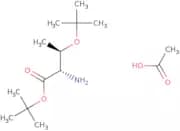
CAS:Controlled Product<p>O-tert-Butyl-L-threonine tert-butyl ester acetate salt is a crystalline solid that can be prepared by reacting threonine with an acid catalyst in the presence of volatile solvents such as isobutylene. It can also be prepared by reacting threonine with an acid catalyst in the presence of organic solvents such as dioxane. The tert-butyl ester acetate salt can be synthesized from O-tert-butyl L-threonine and acetate using superacid catalysts such as sulfuric acid. This process is simplified by using solvents such as dioxane, which are less corrosive than water or ethanol.</p>Formula:C14H29NO5Purity:Min. 95%Color and Shape:PowderMolecular weight:291.38 g/molDL-Asparagine monohydrate
CAS:<p>DL-Asparagine monohydrate is a white crystalline powder that is soluble in water. It has been used as a building block for the synthesis of various compounds and as a reaction component in chemical research.</p>Formula:C4H10N2O4Molecular weight:150.14 g/molL-Tyrosine disodium salt hydrate
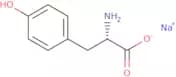
CAS:<p>L-Tyrosine is a precursor of thyroid hormones and catalyzes the conversion of iodide to iodine. It also converts 3-iodo-l-tyrosine to thyroxine. L-Tyrosine is used in vitro assays as an inhibitor of diiodination, a process that involves the use of hydrogen peroxide and produces iodinating agents such as 3-iodo-l-tyrosine. L-Tyrosine has been shown to inhibit peroxidase activity mediated by the enzyme myeloperoxidase. This inhibition may be due to its ability to act as an antioxidant.</p>Formula:C9H9NNa2O3·xH2OPurity:Min. 98 Area-%Color and Shape:PowderMolecular weight:225.15 g/molEtomidate
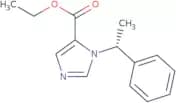
CAS:Controlled Product<p>Etomidate is a potent, non-competitive, centrally acting α-adrenergic receptor agonist that has been used as a diagnostic agent and anesthetic. It is also used in the treatment of diabetic neuropathy. Etomidate binds to the α-adrenergic receptors on the presynaptic membrane and blocks the release of norepinephrine. This prevents nerve impulses from being transmitted to the muscle cells, leading to relaxation of muscles. Etomidate also inhibits locomotor activity by inhibiting postsynaptic neurons in the spinal cord that are responsive to acetylcholine. Etomidate is not active against polymorphonuclear leucocytes or water vapor. The risk group for etomidate includes patients who have had intubations, those with systolic pressures greater than 120 mmHg, and those with heart rates greater than 100 beats per minute. The mechanism of action for etomidate is thought to be through formation of stable complexes with nitrogen atoms.</p>Formula:C14H16N2O2Purity:Min. 95%Color and Shape:PowderMolecular weight:244.29 g/molL-Leucine methyl ester hydrochloride
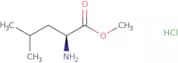
CAS:<p>L-Leucine methyl ester HCl is a monoclonal antibody that specifically binds to the hydroxyl group of human immunoglobulin. It is synthesized by reacting L-leucine with methylamine and hydrochloric acid, followed by hydrolysis of the ester and subsequent reaction with trifluoroacetic acid. The resulting product is purified by precipitation with ammonium sulfate and has a molecular weight of 476.3 Da. L-Leucine methyl ester HCl is used in pharmaceutical preparations for the treatment of amyloid protein-related diseases such as Alzheimer's disease, as well as cytosolic protein-related diseases such as leishmania and thp-1 cells.</p>Formula:C7H15NO2•HClPurity:Min. 95%Color and Shape:White PowderMolecular weight:181.66 g/molPhosphatidyl-L-serine
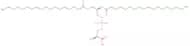
CAS:<p>Phosphatidyl-L-serine (Ptd-L-Ser) is a glycerophospholipid consisting of the amino acid serine connected to glycerol via a phosphodiester linkage and 2 fatty acids attached to the primary and secondary hydroxyls of the glycerol via ester linkages. Phosphatidyl-L-serine is a phospholipid component of the cell membrane and plays a key role in cell cycle signalling, specifically in relation to apoptosis. It has been suggested that dietary supplements of phosphatidyl-L-serine may reduce the risk of dementia and cognitive dysfunction in the elderly.</p>Formula:C42H82NO10PPurity:Min. 90%Color and Shape:PowderMolecular weight:792.07 g/molBis(2,2'-bipyridine)-4'-methyl-4-carboxybipyridine-ruthenium N-succinimidyl ester-bis(hexafluorophosphate)
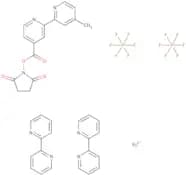
CAS:<p>Bis(2,2'-bipyridine)-4'-methyl-4-carboxybipyridine-ruthenium N-succinimidyl ester-bis(hexafluorophosphate) is a molecule that inhibits the activity of matrix metalloproteinases. It binds to the active site of the enzyme and blocks its activity. This drug has been shown to be effective in inhibiting the activity of MMPs in cells, but not in tissue culture because it does not cross cell membranes. Bis(2,2'-bipyridine)-4'-methyl-4-carboxybipyridine-ruthenium N-succinimidyl ester-bis(hexafluorophosphate) has also been shown to have a low detection limit and can detect low levels of matrix metalloproteinase activity in cells.</p>Formula:C36H29F12N7O4P2RuPurity:Min. 95%Color and Shape:PowderMolecular weight:1,014.66 g/molN-(4-methylthio(3H-2,3,5-triazolyl))-3-phenylprop-2-enamide
CAS:<p>Please enquire for more information about N-(4-methylthio(3H-2,3,5-triazolyl))-3-phenylprop-2-enamide including the price, delivery time and more detailed product information at the technical inquiry form on this page</p>Formula:C12H12N4OSPurity:Min. 95%Color and Shape:PowderMolecular weight:260.32 g/molFmoc-Thr(tBu)-D-Ser(Psi(Me,Me)pro)-OH
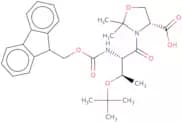
<p>Fmoc-Thr(tBu)-D-Ser(Psi(Me,Me)pro)-OH is a speciality chemical that is used as a reagent for peptide synthesis. It is also useful in the synthesis of complex compounds and scaffolds. This compound has high quality with a CAS number of 56610-81-8. Fmoc-Thr(tBu)-D-Ser(Psi(Me,Me)pro)-OH is a versatile building block that can be used in reactions involving amines and carboxylic acids. Fmoc-Thr(tBu)-D-Ser(Psi(Me,Me)pro)-OH is an intermediate that can be used in the synthesis of many different compounds.</p>Formula:C29H36N2O7Purity:Min. 95%Color and Shape:PowderMolecular weight:524.61 g/molVal-Cit-PAB-OH
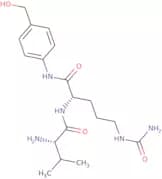
CAS:<p>The Val-Cit-PAB linker is an activated peptide linker that is cleaved by cathepsin B. It enables the selective intracellular release of attached drugs in ADC applications.</p>Formula:C18H29N5O4Purity:Min. 95%Color and Shape:PowderMolecular weight:379.45 g/molZinc methionine sulfate
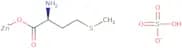
CAS:<p>Zinc methionine sulfate is a dietary supplement that has been shown to be effective in the treatment of polycystic ovarian syndrome. It is not clear how zinc methionine sulfate works, but it may improve biochemical abnormalities and antibody response in animals. Zinc methionine sulfate also has the ability to bind to urea nitrogen and metal ions, which may help prevent bacterial translocation. This product also acts as a phosphatase inhibitor and a fatty acid reductase inhibitor.</p>Formula:C5H11NO6S2ZnColor and Shape:White PowderMolecular weight:310.66 g/molH-Gly-pro-pNA.p-tosylate
CAS:<p>H-Gly-pro-pNA.p-tosylate is a monoclonal antibody that recognizes the amino acid sequence of hepatitis C virus (HCV) p7 protein. It can be used for the diagnosis of HCV infection and has been shown to have a high specificity and sensitivity for detection in liver cells. H-Gly-pro-pNA.p-tosylate is not an enzyme, but it does inhibit protease activity in hepatic tissues and cancer tissues. It has also been shown to be active against wild type strains of bacteria and can be used as a diagnostic agent for bacterial strains.</p>Formula:C13H16N4O4•C7H8O3SPurity:Min. 95%Color and Shape:PowderMolecular weight:464.49 g/mol




![3-[[(2S,4S)-4-[4-(3-Methyl-1-phenyl-1H-pyrazol-5-yl)-1-piperazinyl]-2-pyrrolidinyl]carbonyl]-thiaz…](/_next/image/?url=https%3A%2Fstatic.cymitquimica.com%2Fproducts%2F3D%2Fthumb-webp%2FFM61598.webp&w=3840&q=75)

![4-Chloro-7-methyl-7H-pyrrolo[2,3-d]pyrimidine](/_next/image/?url=https%3A%2Fstatic.cymitquimica.com%2Fproducts%2F3D%2Fthumb-webp%2FFC140698.webp&w=3840&q=75)
![N-Methyl-N-[(1,3,5-trimethyl-1H-pyrazol-4-yl)methyl]amine](/_next/image/?url=https%3A%2Fstatic.cymitquimica.com%2Fproducts%2F3D%2Fthumb-webp%2FFM112110.webp&w=3840&q=75)



![7-Amino-2-(4-methoxyphenyl)[1,2,4]triazolo[1,5-a]pyrimidin-5(4H)-one](/_next/image/?url=https%3A%2Fstatic.cymitquimica.com%2Fproducts%2F3D%2Fthumb-webp%2FFA134729.webp&w=3840&q=75)

![2-Amino-N-[2-(5-methoxy-1H-indol-3-yl)ethyl]acetamide hydrochloride](/_next/image/?url=https%3A%2Fstatic.cymitquimica.com%2Fproducts%2F3D%2Fthumb-webp%2FFA116384.webp&w=3840&q=75)




![N-(2-Fluorophenyl)-N-[4-(4-Methyl-1,3-Thiazol-2-Yl)-1-(2-Thiophen-3-Ylethyl)Piperidin-4-Yl]Propana…](/_next/image/?url=https%3A%2Fstatic.cymitquimica.com%2Fproducts%2F3D%2Fthumb-webp%2FFF102591.webp&w=3840&q=75)