Amino Acids (AA)
Amino acids (AAs) are the fundamental building blocks of proteins, playing a crucial role in various biological processes. These organic compounds are essential for protein synthesis, metabolic pathways, and cell signaling. In this category, you will find a comprehensive range of amino acids, including essential, non-essential, and modified forms, which are vital for research in biochemistry, molecular biology, and nutritional sciences. At CymitQuimica, we provide high-quality amino acids to support your research and development needs, ensuring accuracy and reliability in your experimental outcomes.
Subcategories of "Amino Acids (AA)"
- Amino Acid Derivatives(3,957 products)
- Amino Acid and Amino Acid Related Compounds(3,472 products)
- Amino Acids with Oxygen or Sulphur(168 products)
- Boc- Amino Acids(351 products)
- Fmoc Amino Acids(1,710 products)
Found 38265 products of "Amino Acids (AA)"
Sort by
Purity (%)
0
100
|
0
|
50
|
90
|
95
|
100
Lauroyl lysine
CAS:<p>Lauroyl lysine (N6-Lauroyl-L-lysine) functions as skin and hair conditioning agents and as surfactants-cleansing agents in personal care products.</p>Formula:C18H36N2O3Purity:99.18%Color and Shape:White To Off-White Solid With Characteristic Faint OdorMolecular weight:328.49Boc-Glu(OBzl)-PAM resin (200-400 mesh)
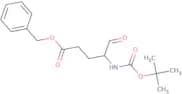
<p>Please enquire for more information about Boc-Glu(OBzl)-PAM resin (200-400 mesh) including the price, delivery time and more detailed product information at the technical inquiry form on this page</p>Purity:Min. 95%2-Amino-5-methoxypyridine
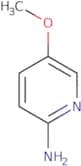
CAS:<p>2-Amino-5-methoxypyridine (2AM5MP) is a synthetic compound that is used to study the nicotinic acetylcholine receptor. It has been shown that 2AM5MP can be used as an agonist for the nicotinic acetylcholine receptor, which may be due to its ability to act as a substrate for amine oxidase. This compound has been shown to have anti-cancer properties and fluoresce when exposed to positron emission tomography (PET) scans. The anti-cancer effects of 2AM5MP are thought to be due to its ability to inhibit cancer cell proliferation and induce cancer cell apoptosis.</p>Formula:C6H8N2OPurity:Min. 95%Molecular weight:124.14 g/molH-Glu-His-bNA
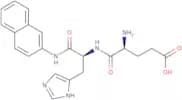
CAS:<p>Please enquire for more information about H-Glu-His-bNA including the price, delivery time and more detailed product information at the technical inquiry form on this page</p>Formula:C21H23N5O4Purity:Min. 95%Molecular weight:409.44 g/molH-Val-Met-OH
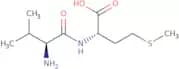
CAS:<p>H-Val-Met-OH is a synthetic compound that was created to have a structure similar to the natural amino acid histidine. The synthesis of H-Val-Met-OH was achieved by reacting 2,5-diaminopentane with formaldehyde in the presence of cellulose acetate as a reaction medium. This process produced a white solid material that was then purified using chromatography. The purity and yield were confirmed by high performance liquid chromatography (HPLC) analysis and nuclear magnetic resonance (NMR). In vitro studies showed that H-Val-Met-OH promotes brain derived neurotrophic factor (BDNF) production in healthy Chinese adults. Clinical data also suggest that H-Val-Met-OH has beneficial effects on cognitive function in patients with mild cognitive impairment or Alzheimer's disease. Additionally, this compound has been shown to promote BDNF production in cultured mouse hippocampal neurons and enhance spatial memory retention in CD1 mice.</p>Formula:C10H20N2O3SPurity:Min. 95%Molecular weight:248.34 g/molCRAMP-18 (mouse) trifluoroacetate salt
CAS:<p>Please enquire for more information about CRAMP-18 (mouse) trifluoroacetate salt including the price, delivery time and more detailed product information at the technical inquiry form on this page</p>Formula:C101H171N27O24Purity:Min. 95%Molecular weight:2,147.61 g/molN,N'-Methylenediacrylamide
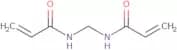
CAS:<p>N,N'-Methylenediacrylamide is a water-soluble compound that has been used as a fluorescent probe for hydrogen bonding. It has been shown to have different phase transition temperatures in different solvents and can be used as an experimental model for studying the effects of temperature on the behavior of water molecules. N,N'-Methylenediacrylamide reacts with hydrochloric acid to form the fatty acid N,N'-methylenebis(3-chloroacrylic acid) under acidic conditions. This reaction is reversible, and the reverse process can be catalyzed by sodium citrate or human serum. When exposed to radiation or surface methodology, it emits light at a wavelength of 350 nm.</p>Formula:C7H10N2O2Purity:Min. 95%Color and Shape:White Clear LiquidMolecular weight:154.17 g/mol(Des-Tyr1)-Leu-Enkephalin
CAS:<p>Des-Tyr1-Leu-Enkephalin H-Gly-Gly-Phe-Leu-OH is a synthetic opioid peptide that acts as a neuroprotective agent and has been shown to enhance the expression of nerve growth factor. It also has immunomodulatory effects by interacting with opioid receptors and regulating the production of inflammatory cytokines. Des-Tyr1-Leu-Enkephalin H-Gly-Gly-Phe-Leu-OH binds to opioid receptors in the central nervous system, thereby triggering a response that leads to pain relief and suppression of cough reflexes. This peptide has been shown to be effective in clinical trials for patients with neuropathic pain or postoperative ileus. It also shows promise as an analgesic for cancer patients with chronic pain, although this use is still experimental.</p>Formula:C19H28N4O5Purity:Min. 95%Molecular weight:392.45 g/molH-D-Leu-pNA
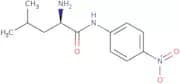
CAS:<p>Please enquire for more information about H-D-Leu-pNA including the price, delivery time and more detailed product information at the technical inquiry form on this page</p>Formula:C12H17N3O3Purity:Min. 95%Molecular weight:251.28 g/molH-Ala-Ala-Pro-OH
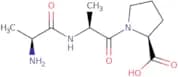
CAS:<p>H-Ala-Ala-Pro-OH is a peptide. It is an inhibitor of chymotrypsin, which is an enzyme that breaks down proteins in the stomach. H-Ala-Ala-Pro-OH inhibits this enzyme by forming a covalent bond with the serine residue of chymotrypsin. The inhibition constant (Ki) for H-Ala-Ala-Pro-OH is 8.6 mM, and it has been shown to be stable at pH 2, 4, and 7.</p>Formula:C11H19N3O4Purity:Min. 95%Molecular weight:257.29 g/molFmoc-p-phenyl-L-phenylalanine
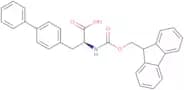
CAS:<p>Fmoc-p-phenyl-L-phenylalanine (FMPP) is a fluorescent probe that can be used to detect and diagnose damage in tissues. It is a small molecule that has been shown to bind to myocytes and cardiac tissues, specifically targeting skeletal and cardiac muscle. FMPP binds to the amino acid phenylalanine, which is found in high concentrations in cardiac tissue. This binding causes an increase in fluorescence, which can be detected by light microscopy or flow cytometry. FMPP has been used to detect damage in heart muscles of mice with dilated cardiomyopathy and also as a probe for myocardial infarctions in humans.</p>Formula:C30H25NO4Purity:Min. 98 Area-%Color and Shape:PowderMolecular weight:463.52 g/molSuc-Ala-Ala-Pro-Phe-SBzl
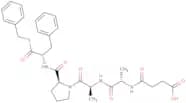
CAS:<p>Suc-Ala-Ala-Pro-Phe-SBzl is a synthetic peptide with a sequence similar to the signal peptide of procarboxypeptidase B2. It has been shown that Suc-Ala-Ala-Pro-Phe-SBzl can be used as a diagnostic tool for pancreatic cancer, because it is found in higher concentrations in the blood of patients with pancreatic cancer. This peptide also has an affinity for metal ions, which allows it to be used as a probe to detect the presence of these ions in solution. Suc-Ala-Ala-Pro-Phe-SBzl binds to human immunoglobulin G (IgG) and can be used in analytical methods that use x ray diffraction data.</p>Formula:C31H38N4O7SPurity:Min. 95%Molecular weight:610.72 g/mol(Gly22)-Amyloid b-Protein (1-40) trifluoroacetate salt
CAS:<p>Please enquire for more information about (Gly22)-Amyloid b-Protein (1-40) trifluoroacetate salt including the price, delivery time and more detailed product information at the technical inquiry form on this page</p>Formula:C191H291N53O56SPurity:Min. 95%Molecular weight:4,257.74 g/molRanalexin
CAS:<p>Ranalexin is a peptide antibiotic that has been isolated from the fungus Penicillium patulum. It is an antimicrobial peptide and has shown antibacterial efficacy against gram-positive bacteria, including methicillin-resistant Staphylococcus aureus and Enterococcus faecalis. Ranalexin binds to bacterial membrane receptors, leading to rapid cell death. The biological properties of ranalexin are still being studied in order to determine its mechanism of action.</p>Formula:C97H167N23O22S3Purity:Min. 95%Molecular weight:2,103.7 g/molH-Arg-Leu-OH acetate salt
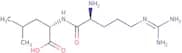
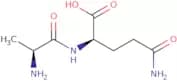
CAS:<p>H-Arg-Leu-OH acetate salt is a synthetic version of the natural amino acid Arginine. It has been shown to have anti-inflammatory effects and to inhibit the growth of cancer cells in cell culture. H-Arg-Leu-OH acetate salt also inhibits the production of messenger RNA that leads to the synthesis of inflammatory proteins and growth factors, as well as light emission, which may be due to its effect on response elements in cells.</p>Formula:C12H25N5O3Purity:Min. 95%Molecular weight:287.36 g/molH-Ala-D-Gln-OH
CAS:<p>Please enquire for more information about H-Ala-D-Gln-OH including the price, delivery time and more detailed product information at the technical inquiry form on this page</p>Formula:C8H15N3O4Purity:Min. 95%Molecular weight:217.22 g/molH-Arg-Asn-Ile-Ala-Glu-Ile-Ile-Lys-Asp-Ile-OH
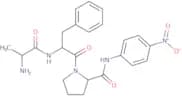
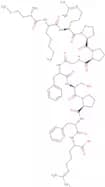
CAS:<p>Arg-Asn-Ile-Ala-Glu-Ile-Ile-Lys-Asp is a synthetic peptide that was designed to be unidirectional in its metabolic activity. This peptide has been shown to stimulate nerve growth and promote axonal outgrowth. It can also be used to treat neuropathic pain and other conditions related to the nervous system. The Arg-Asn-Ile-Ala-Glu sequence has been shown to increase nerve growth factor synthesis, which promotes axonal outgrowth. This sequence may also have potential as an antiadhesive or antiinflammatory agent since it may inhibit the interactions of inflammatory cells with the endothelium.</p>Formula:C52H93N15O16Purity:Min. 95%Molecular weight:1,184.39 g/molH-Ala-Phe-Pro-pNA
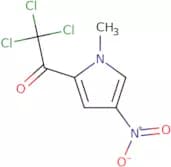
CAS:<p>Please enquire for more information about H-Ala-Phe-Pro-pNA including the price, delivery time and more detailed product information at the technical inquiry form on this page</p>Formula:C23H27N5O5Purity:Min. 95%Molecular weight:453.49 g/mol1-Methyl-4-nitro-2-(trichloroacetyl)-1H-pyrrole
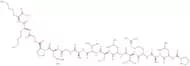
CAS:<p>1-Methyl-4-nitro-2-(trichloroacetyl)-1H-pyrrole is an organic compound that is used in the synthesis of carboxylic acid derivatives. It is a synthetic intermediate, which can be converted to other compounds by intramolecular hydrogen bonding. The efficiency of this method has been shown through a number of experiments. In nature, 1-methyl-4-nitro-2-(trichloroacetyl)-1H-pyrrole may be found as a hydrogen bond donor.</p>Formula:C7H5Cl3N2O3Purity:Min. 95%Molecular weight:271.48 g/molBiotinyl-(Gln1)-Gastrin I (human) Biotinyl-Gln-Gly-Pro-Trp-Leu-Glu-Glu-Glu-Glu-Glu-Ala-Tyr-Gly-Trp-Met-Asp-Phe-NH2
CAS:<p>Please enquire for more information about Biotinyl-(Gln1)-Gastrin I (human) Biotinyl-Gln-Gly-Pro-Trp-Leu-Glu-Glu-Glu-Glu-Glu-Ala-Tyr-Gly-Trp-Met-Asp-Phe-NH2 including the price, delivery time and more detailed product information at the technical inquiry form on this page</p>Formula:C107H141N23O33S2Purity:Min. 95%Molecular weight:2,341.53 g/molSyntide 2 trifluoroacetate salt
CAS:<p>Syntide 2 is a diacylglycerol, which has been found to have a number of biochemical properties. It is an activator of protein kinase C and has been shown to be reactive in vitro assays. Syntide 2 has also been found to activate the light chain kinase in plant physiology. This compound has also been shown to promote neuronal death and may have a role in transcriptional regulation. Syntide 2 is used as a model system for studying the physiological function of α subunit-containing proteins.</p>Formula:C68H122N20O18Purity:Min. 95%Molecular weight:1,507.82 g/molH-Ala-Ala-Ala-Tyr-OH
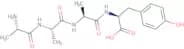
CAS:<p>H-Ala-Ala-Ala-Tyr-OH is a peptidic substrate that is used in assays to measure the activity of proteases. It has been shown to be a good substrate for neutrophil elastase and can be used to measure the activity of this enzyme. H-Ala-Ala-Ala-Tyr-OH has also been shown to be a reference compound for fluorescence measurements, which can be used for labeling or profiling. The fluorescence emission spectrum is constant over a wide range of pH and ionic strength, making it an ideal substrate for measuring protease activity.</p>Formula:C18H26N4O6Purity:Min. 95%Molecular weight:394.42 g/molH-Arg-ε-aminocaproyl-Arg-ε-aminocaproyl-Arg-ε-aminocaproyl-Arg-ε-aminocaproyl-Arg-ε-aminocaproyl-Arg-e psilon-aminocaproyl-Arg-OH trifluoroacetate salt
CAS:<p>Please enquire for more information about H-Arg-epsilon-aminocaproyl-Arg-epsilon-aminocaproyl-Arg-epsilon-aminocaproyl-Arg-epsilon-aminocaproyl-Arg-epsilon-aminocaproyl-Arg-e psilon-aminocaproyl-Arg-OH trifluoroacetate salt including the price, delivery time and more detailed product information at the technical inquiry form on this page</p>Formula:C78H152N34O14Purity:Min. 95%Molecular weight:1,790.26 g/mol(Sar 9,Met(O2)11)-Substance P
CAS:<p>Substance P is a neuropeptide that is found in the brain and throughout the peripheral nervous system. It has been found to be involved in numerous physiological processes, including pain transmission, vasodilation, and inflammation. Substance P binds to neurokinin-1 receptor (NK-1R) with high affinity. NK-1R has been shown to be localized on cells of the submandibular gland and salivary gland. Techniques such as binding experiments have shown that substance P binds to NK-1R with high affinity and is therefore likely involved in salivation and other functions of these glands.</p>Formula:C64H100N18O15SPurity:Min. 95%Molecular weight:1,393.66 g/molIL-8 Inhibitor
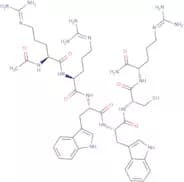
CAS:<p>IL-8 Inhibitor Ac-Arg-Arg-Trp-Trp-Cys-Arg-NH2 is a molecule that blocks the receptor for IL-8, a c-c chemokine. This leads to reduced inflammation and decreased activation of cells in the inflammatory process. IL-8 Inhibitor Ac-Arg-Arg-Trp-Trp-Cys--Arg--NH2 has been shown to be effective in reducing chronic bronchitis and pancreatitis in animal models. The effective dose for IL 8 inhibitor is not yet known.</p>Formula:C45H66N18O7SPurity:Min. 95%Molecular weight:1,003.19 g/molAnnexin A1 (1-11) (dephosphorylated) (human, bovine, chicken, porcine) trifluoroacetate salt
CAS:<p>Annexin A1 (1-11) is a peptide that is part of the annexin family. It is involved in the degranulation of cells and inhibits inflammation by inhibiting the production of pro-inflammatory cytokines. Annexin A1 (1-11) has been shown to be an anti-inflammatory compound as it binds to phospholipids on the surface of neutrophils, leading to inhibition of their chemotaxis and phagocytosis. This peptide also interacts with other annexins and prevents apoptosis by blocking caspase activity. Finally, it has been found that annexin A1 (1-11) can promote the healing of wounds in mice by accelerating reepithelialization and reducing scar formation. The concentration required for these effects are nanomolar concentrations.</p>Formula:C63H94N14O17SPurity:Min. 95%Molecular weight:1,351.57 g/molBpoc-Gly-OH·DCHA
CAS:Controlled Product<p>Please enquire for more information about Bpoc-Gly-OH·DCHA including the price, delivery time and more detailed product information at the technical inquiry form on this page</p>Formula:C18H19NO4·C12H23NPurity:Min. 95%Molecular weight:494.67 g/molBradykinin-Like Neuropeptide (Aplysia californica) trifluoroacetate salt
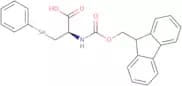
CAS:<p>Please enquire for more information about Bradykinin-Like Neuropeptide (Aplysia californica) trifluoroacetate salt including the price, delivery time and more detailed product information at the technical inquiry form on this page</p>Formula:C53H98N24O14SPurity:Min. 95%Molecular weight:1,327.56 g/molFmoc-L-Sec(phenyl)-OH
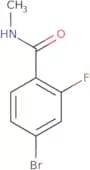
CAS:<p>Please enquire for more information about Fmoc-L-Sec(phenyl)-OH including the price, delivery time and more detailed product information at the technical inquiry form on this page</p>Formula:C24H21NO4SePurity:Min. 95%Molecular weight:466.39 g/mol4-Bromo-2-fluoro-N-methylbenzamide
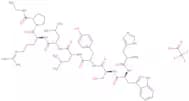
CAS:<p>4-Bromo-2-fluoro-N-methylbenzamide is an impurity in the pharmaceutical drug nilutamide. It is a ligand that binds to the androgen receptor and inhibits the binding of dihydrotestosterone, reducing its effect on prostate cells. 4-Bromo-2-fluoro-N-methylbenzamide has been shown to have pharmacokinetic properties similar to nilutamide, which is a drug used for treating prostate cancer. This impurity is also found in small quantities in other drugs including cyclobutanone, 2-aminoisobutyric acid, and chloral hydrate. The elucidation of these impurities can help regulate the quality of pharmaceutical drugs.</p>Formula:C8H7BrFNOPurity:Min. 95%Color and Shape:White Off-White PowderMolecular weight:232.05 g/mol(Des-Pyr 1,Des-Gly10,D-Leu6,Pro-NHEt 9)-LHRH trifluoroacetate salt
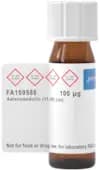
CAS:<p>Please enquire for more information about (Des-Pyr 1,Des-Gly10,D-Leu6,Pro-NHEt 9)-LHRH trifluoroacetate salt including the price, delivery time and more detailed product information at the technical inquiry form on this page</p>Formula:C54H79N15O10Purity:Min. 95%Molecular weight:1,098.3 g/molAdrenomedullin (11-50) (rat)
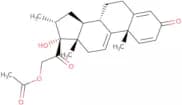
CAS:<p>Please enquire for more information about Adrenomedullin (11-50) (rat) including the price, delivery time and more detailed product information at the technical inquiry form on this page</p>Formula:C194H304N58O59S4Purity:Min. 95%Molecular weight:4,521.11 g/mol17-α,21-Dihydroxy-16-a-methylpregna-1,4,9(11)-triene-3,20-dione 21-acetate
CAS:Controlled Product<p>Please enquire for more information about 17-alpha,21-Dihydroxy-16-a-methylpregna-1,4,9(11)-triene-3,20-dione 21-acetate including the price, delivery time and more detailed product information at the technical inquiry form on this page</p>Formula:C24H30O5Purity:Min. 95%Molecular weight:398.49 g/molAcetyl-Hirudin (53-65) (sulfated) Ac-Asp-Gly-Asp-Phe-Glu-Glu-Ile-Pro-Glu-Glu-Tyr(SO3H)-Leu-Gln-OH
CAS:<p>Acetyl-Hirudin 53-65 (sulfated) Ac-Asp-Gly-Asp-Phe-Glu-Glu-Ile-Pro-Glu-Glu-Tyr(SO3H)-Leu-Gln-OH is an anticoagulant drug that is used to prevent blood clots. It has been shown to inhibit thrombin and dextran sulfate, a substance that can cause blood clots. Acetyl Hirudin 53–65 (sulfated) Ac Asp Gly Asp Phe Glu Glu Ile Pro Glu Glu Tyr (SO3H) Leu Gln OH also prevents the formation of new blood clots by inhibiting the expression of certain proteins such as epidermal growth factor, monoclonal antibody, and fibrinogen. The molecular weight of this compound is about 8,000 Daltons.</p>Formula:C72H100N14O32SPurity:Min. 95%Molecular weight:1,705.71 g/molHistatin-8
CAS:<p>Please enquire for more information about Histatin-8 including the price, delivery time and more detailed product information at the technical inquiry form on this page</p>Formula:C70H99N25O17Purity:Min. 95%Molecular weight:1,562.69 g/molBoc-δ-azido-Nva-OH·DCHA
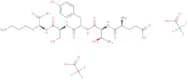
CAS:<p>Please enquire for more information about Boc-delta-azido-Nva-OH·DCHA including the price, delivery time and more detailed product information at the technical inquiry form on this page</p>Formula:C10H18N4O4·C12H23NPurity:Min. 95%Molecular weight:439.59 g/molH-Glu-Thr-Tyr-Ser-Lys-OH·2 TFA
CAS:<p>Please enquire for more information about H-Glu-Thr-Tyr-Ser-Lys-OH·2 TFA including the price, delivery time and more detailed product information at the technical inquiry form on this page</p>Formula:C27H42N6O11·2C2HF3O2Purity:Min. 95%Molecular weight:854.7 g/molH-Met-Gly-Gly-OH
CAS:<p>H-Met-Gly-Gly-OH is a tripeptide that has been synthesized and is used in microassays to measure the activity of methionine aminopeptidase. This enzyme hydrolyzes peptides with N-terminal amino acids such as methionine, which are derived from proteins. The activity of methionine aminopeptidase can be determined by measuring the release of H2O2, which is proportional to the concentration of peptides in the sample. The assay measures the change in absorbance at 340 nm on a spectrophotometer as a result of H2O2 production.</p>Formula:C9H17N3O4SPurity:Min. 95%Molecular weight:263.32 g/molH-Gly-Pro-Arg-Pro-NH2 acetate salt
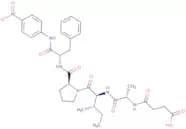
CAS:<p>H-Gly-Pro-Arg-Pro-NH2 acetate salt is a peptide with antiplatelet activity. It has been shown to inhibit the interaction between fibrinogen and platelets, which leads to the inhibition of thrombin formation and subsequent clotting. The amide bond in this peptide is susceptible to hydrolysis by enzymes such as phospholipase A2, which means that it can be broken down into smaller fragments that have different biological activities. H-Gly-Pro-Arg-Pro-NH2 acetate salt has been shown to inhibit the growth of babesia microti, a causative agent of babesiosis in cattle, through lysis of infected erythrocytes. This drug also inhibits the growth of hemagglutinating virus type 3 (HV3) and filovirus, two viruses that are not yet fully understood.</p>Formula:C18H32N8O4Purity:Min. 95%Molecular weight:424.5 g/molSuc-Ala-Ile-Pro-Phe-pNA
CAS:<p>Cyclosporine is a cyclic peptide that is used as an immunosuppressive drug. It binds to the cytosolic protein phosphatase, preventing its activation. Cyclosporine also binds to other proteins in the cell, such as casein kinase II and cyclophilin, leading to changes in cellular function. It has been shown to inhibit the production of cytokines and other inflammatory mediators by inhibiting tyrosine kinase activity. Cyclosporine is metabolized into FK506, which has a similar structure but greater potency than cyclosporine. The mechanism of action for FK506 is not fully understood but it appears to be related to its ability to bind to tyrosine kinases and inhibit their activity.</p>Formula:C33H42N6O9Purity:Min. 95%Molecular weight:666.72 g/molPreptin (rat) trifluoroacetate salt
CAS:<p>Please enquire for more information about Preptin (rat) trifluoroacetate salt including the price, delivery time and more detailed product information at the technical inquiry form on this page</p>Formula:C181H268N48O51Purity:Min. 95%Molecular weight:3,932.36 g/molHCV Nucleoprotein (88-96)
CAS:<p>Please enquire for more information about HCV Nucleoprotein (88-96) including the price, delivery time and more detailed product information at the technical inquiry form on this page</p>Formula:C46H60N12O13Purity:Min. 95%Molecular weight:989.04 g/moluPAR (84-95) (human) trifluoroacetate salt
CAS:<p>Please enquire for more information about uPAR (84-95) (human) trifluoroacetate salt including the price, delivery time and more detailed product information at the technical inquiry form on this page</p>Formula:C62H98N18O20SPurity:Min. 95%Molecular weight:1,447.62 g/molFITC-Tyr-Val-Ala-Asp-Ala-Pro-Lys(Dnp)-OH (Contains FITC isomer I)
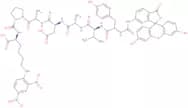
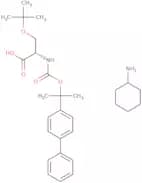
CAS:<p>Please enquire for more information about FITC-Tyr-Val-Ala-Asp-Ala-Pro-Lys(Dnp)-OH (Contains FITC isomer I) including the price, delivery time and more detailed product information at the technical inquiry form on this page</p>Formula:C62H67N11O20SPurity:Min. 95%Molecular weight:1,318.32 g/molBpoc-Ser(tBu)-OH·CHA
CAS:<p>Please enquire for more information about Bpoc-Ser(tBu)-OH·CHA including the price, delivery time and more detailed product information at the technical inquiry form on this page</p>Formula:C23H29NO5·C6H13NPurity:Min. 95%Molecular weight:498.65 g/molAmyloid β-Protein (1-40) (scrambled) trifluoroacetate salt
CAS:<p>Please enquire for more information about Amyloid beta-Protein (1-40) (scrambled) trifluoroacetate salt including the price, delivery time and more detailed product information at the technical inquiry form on this page</p>Formula:C194H295N53O58SPurity:Min. 95%Molecular weight:4,329.81 g/molZ-Ile-Trp-OH
CAS:<p>Please enquire for more information about Z-Ile-Trp-OH including the price, delivery time and more detailed product information at the technical inquiry form on this page</p>Formula:C25H29N3O5Purity:Min. 95%Molecular weight:451.51 g/molAcetyl-(D-Phe2)-GRF (1-29) amide (human) trifluoroacetate salt
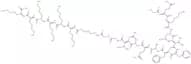
CAS:<p>Please enquire for more information about Acetyl-(D-Phe2)-GRF (1-29) amide (human) trifluoroacetate salt including the price, delivery time and more detailed product information at the technical inquiry form on this page</p>Formula:C157H252N44O43SPurity:Min. 95%Molecular weight:3,476.02 g/molGly-Amyloid b-Protein (15-25)-Gly-ε-aminocaproyl(-Lys)6
CAS:<p>Please enquire for more information about Gly-Amyloid b-Protein (15-25)-Gly-epsilon-aminocaproyl(-Lys)6 including the price, delivery time and more detailed product information at the technical inquiry form on this page</p>Formula:C105H178N28O26Purity:Min. 95%Molecular weight:2,248.71 g/molAcetyl-Amylin (8-37) (human)
CAS:<p>Please enquire for more information about Acetyl-Amylin (8-37) (human) including the price, delivery time and more detailed product information at the technical inquiry form on this page</p>Formula:C140H218N42O46Purity:Min. 95%Molecular weight:3,225.48 g/mol(Des-Ser3)-ACTH (1-24) (human, bovine, rat) trifluoroacetate salt
<p>Please enquire for more information about (Des-Ser3)-ACTH (1-24) (human, bovine, rat) trifluoroacetate salt including the price, delivery time and more detailed product information at the technical inquiry form on this page</p>Formula:C133H205N39O29SPurity:Min. 95%Molecular weight:2,846.36 g/molH-D-Leu-Tyr-OH
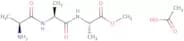
CAS:<p>H-D-Leu-Tyr-OH is a biochemically reactive compound that can undergo a number of reactions with other substrates. It is an amide that is converted to the tripeptides, H-D-leu-tyr and H-D-Phe-Lys, by hydrolysis in the liver. It is also converted to the condensation products, H-D-leu and H2NCH2COOH, by hydrochloric acid or metal ions. The formation rate of this compound depends on its concentration. The rate of reaction increases with increased substrate concentrations. This compound has an acidic pH and binds to a bidentate ligand, histidine.</p>Formula:C15H22N2O4Purity:Min. 95%Molecular weight:294.35 g/molH-Ala-Ala-Ala-OMe acetate salt
CAS:Controlled Product<p>Please enquire for more information about H-Ala-Ala-Ala-OMe acetate salt including the price, delivery time and more detailed product information at the technical inquiry form on this page</p>Formula:C10H19N3O4Purity:Min. 95%Molecular weight:245.28 g/molHe-LWamide II
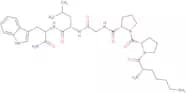
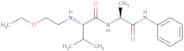
CAS:<p>He-LWamide II is a neuropeptide that is found in the hydrozoa, cnidarians, and anthozoa. It is an endogenous hormone that is produced by the planula stage of development. He-LWamide II inhibits muscle contractions and can be used as a model system for studying the effects of neuropeptides on invertebrate development. The developmental effects of this peptide have been studied in animals and humans, including its role in regulating the maturation of eggs and spermatozoa. He-LWamide II also has inhibitory effects on the nervous system and muscles.</p>Formula:C35H53N9O6Purity:Min. 95%Molecular weight:695.85 g/molN-2-Ethoxyethyl-Val-Ala-anilide
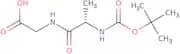
CAS:<p>Please enquire for more information about N-2-Ethoxyethyl-Val-Ala-anilide including the price, delivery time and more detailed product information at the technical inquiry form on this page</p>Formula:C18H29N3O3Purity:Min. 95%Molecular weight:335.44 g/molBoc-Ala-Gly-OH
CAS:<p>Boc-Ala-Gly-OH is a synthetic chemotactic peptide. It was originally synthesized in the form of an N-terminal amide and conjugated to a variety of carrier proteins, including bovine serum albumin, ovalbumin, thyroglobulin, and keyhole limpet hemocyanin. Boc-Ala-Gly-OH has been shown to stimulate the growth of various cell types including platelets and erythrocytes, as well as to inhibit tumor growth.</p>Formula:C10H18N2O5Purity:Min. 95%Molecular weight:246.26 g/molH-Gly-Arg-Gly-Glu-Ser-OH trifluoroacetate salt
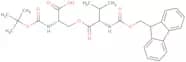
CAS:<p>Please enquire for more information about H-Gly-Arg-Gly-Glu-Ser-OH trifluoroacetate salt including the price, delivery time and more detailed product information at the technical inquiry form on this page</p>Formula:C18H32N8O9Purity:Min. 95%Molecular weight:504.5 g/molBoc-Ser(Val-Fmoc)-OH
CAS:<p>Boc-Ser(Val-Fmoc)-OH is a biomolecule that is used for the synthesis of peptides. It has been shown to be an efficient synthetic method for the synthesis of peptides and isopeptides. The use of this biomolecule in peptide synthesis allows for the production of large quantities of peptides without racemization or epimerization that can occur with other methods. This synthetic method provides a means to produce both amino acid and dipeptide sequences, as well as the incorporation of non-natural amino acids.</p>Formula:C28H34N2O8Purity:Min. 95%Molecular weight:526.58 g/molMca-Pro-Leu-Gly-Leu-Glu-Glu-Ala-Dap (Dnp)-NH2 trifluoroacetate salt
CAS:<p>Please enquire for more information about Mca-Pro-Leu-Gly-Leu-Glu-Glu-Ala-Dap (Dnp)-NH2 trifluoroacetate salt including the price, delivery time and more detailed product information at the technical inquiry form on this page</p>Formula:C53H70N12O20Purity:Min. 95%Molecular weight:1,195.19 g/molOrcokinin
CAS:<p>Orcokinin H-Asn-Phe-Asp-Glu-Ile-Asp-Arg-Ser-Gly-Phe-Gly-Phe is a peptide that was synthesized in the laboratory. It has been shown to have receptor activity and to stimulate locomotor activity in experimental models. Orcokinin H is a member of the family of peptide hormones that are present in mammals. The peptide sequence contains six amino acids, four of which are hydrophobic and two polar, with a single hydroxyl group. These features make this molecule an excellent candidate for use as a model system for studying amyloid protein aggregation and its physiological function.</p>Formula:C67H92N18O23Purity:Min. 95%Molecular weight:1,517.55 g/molN-Methylmorpholine N-oxide - 50% w/w aqueous solution
CAS:<p>N-Methylmorpholine N-oxide is an activated cellulose product. It is used for the treatment of autoimmune diseases and can be used as a reagent to synthesize fatty acid esters. This drug has been shown to have low water permeability, meaning it does not readily diffuse through membranes, which may be due to its high hydrochloric acid content.</p>Formula:C5H11NO2Purity:Min. 95%Color and Shape:Clear LiquidMolecular weight:117.15 g/molH-Pro-Pro-Pro-Gly-Met-Arg-Pro-Pro-OH trifluoroacetate salt
CAS:<p>Please enquire for more information about H-Pro-Pro-Pro-Gly-Met-Arg-Pro-Pro-OH trifluoroacetate salt including the price, delivery time and more detailed product information at the technical inquiry form on this page</p>Formula:C38H61N11O9SPurity:Min. 95%Molecular weight:848.03 g/molPACAP-27 (human, mouse, ovine, porcine, rat) trifluoroacetate salt
CAS:<p>Trifluoroacetate salt</p>Formula:C142H224N40O39SPurity:Min. 95%Molecular weight:3,147.61 g/molH-Phe-Leu-Glu-Glu-Val-OH
CAS:<p>H-Phe-Leu-Glu-Glu-Val-OH is a synthetic amino acid molecule that is used as a substrate for protein synthesis. The solubilized and biochemically active H-Phe-Leu-Glu-Glu-Val-OH can be prepared by the reaction of glutamic acid with phenylalanine, leucine, and glycine. This product is an irreversible enzyme that has been conjugated to a linker to form a reversible linkage. A spectrometer can be used to analyze the chemical structure of this compound. It is soluble in water and has a molecular weight of 310. It contains two carboxyl groups and one amino group that are linked by amide bonds.</p>Formula:C30H45N5O10Purity:Min. 95%Molecular weight:635.71 g/molH-Ala-Tyr-OEt·HCl
CAS:<p>Please enquire for more information about H-Ala-Tyr-OEt·HCl including the price, delivery time and more detailed product information at the technical inquiry form on this page</p>Formula:C14H20N2O4·HClPurity:Min. 95%Molecular weight:316.78 g/molUroguanylin Topoisomer A (human) trifluoroacetate salt
CAS:<p>Trifluoroacetate salt</p>Formula:C64H102N18O26S4Purity:Min. 95%Molecular weight:1,667.86 g/molH-Asp(OtBu)-2-chlorotrityl resin (200-400 mesh) (Low Substitution)
<p>Please enquire for more information about H-Asp(OtBu)-2-chlorotrityl resin (200-400 mesh) (Low Substitution) including the price, delivery time and more detailed product information at the technical inquiry form on this page</p>Purity:Min. 95%Met-Lys-Bradykinin
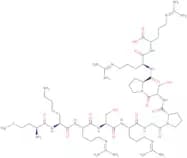
CAS:<p>Met-Lys-Bradykinin is a synthetic peptide with the amino acid sequence Met-Lys-Arg-Pro-Gly-Phe-Ser-Pro-Phe-Arg. It has been shown to have cytosolic Ca2+ release activity, protease activity, and vasodilator activities. The peptide also has binding affinity for human immunoglobulin G (IgG) and is able to form complexes with soybean trypsin.</p>Formula:C61H94N18O13SPurity:Min. 95%Molecular weight:1,319.58 g/molH-trans-4,5-Dehydro-DL-Lys-OH·2 HCl
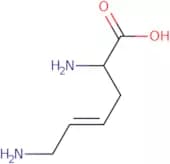
CAS:<p>Please enquire for more information about H-trans-4,5-Dehydro-DL-Lys-OH·2 HCl including the price, delivery time and more detailed product information at the technical inquiry form on this page</p>Formula:C6H12N2O2·2HClPurity:Min. 95%Molecular weight:217.09 g/molGlutathione-monoethyl ester (reduced)
CAS:<p>Glutathione-monoethyl ester (reduced) H-Glu(Cys-Gly-OEt)-OH is a polymerase chain reaction (PCR) enhancer that consists of a glutathione monoester and an ethyl ester. Glutathione monoethyl ester (reduced) H-Glu(Cys-Gly-OEt)-OH is used as a cancer therapeutics agent in the treatment of cells with high levels of reactive oxygen species. It also inhibits drug efflux from cells and induces apoptosis in endothelial cells, which can lead to the inhibition of tumor growth. Glutathione monoethyl ester (reduced) H-Glu(Cys-Gly-OEt)-OH has been shown to cause changes in intracytoplasmic sperm and protein thiols in PC12 cells, which may be related to its ability to inhibit cell proliferation.</p>Formula:C12H21N3O6SPurity:Min. 95%Molecular weight:335.38 g/molZ-Pro-Leu-OH
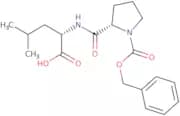
CAS:<p>The compound Z-Pro-Leu-OH is a peptidomimetic that has been shown to be an effective inhibitor of the enzyme l-amino acid oxidase, which catalyzes the oxidation of l-amino acids. This inhibition may be due to the protonation of the substrate and/or solvents in the enzyme active site. The molecule is hydrophobic, making it suitable for use in simulations and theoretical studies. Furthermore, this compound is identifiable by its retention time on high performance liquid chromatography (HPLC) and can be rationalized by its amide group.</p>Formula:C19H26N2O5Purity:Min. 95%Molecular weight:362.42 g/mol3-Amino-2-methoxy-dibenzofuran
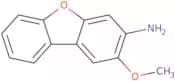
CAS:<p>3-Amino-2-methoxy-dibenzofuran (3AMD) is a cytotoxic agent that is used in the treatment of bladder carcinoma. 3AMD inhibits DNA synthesis, leading to cell death by inhibiting the production of proteins vital for cell division. 3AMD has been shown to be a potent inhibitor of cyclen-dependent kinases and to induce DNA damage in human cells. 3AMD also has significant cytotoxicity against malignant cells and has been shown to inhibit the growth of tumours in mice. 3AMD may have carcinogenic potential due to its structural similarity with other carcinogens such as aniline and aminobiphenyl.</p>Purity:Min. 95%Molecular weight:213.23 g/molHIV (gp120) Fragment (308-331)
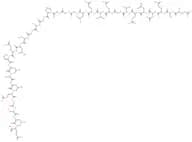
CAS:<p>HIV is a type of virus that causes AIDS. HIV infects the cells of the human immune system, destroying them and making the body vulnerable to infections from other types of viruses and bacteria. The gp120 protein is an envelope glycoprotein that mediates binding to the CD4 receptor on host T-helper cells and induces fusion of viral and cellular membranes. The gp120 protein has been studied using a variety of methods, including neutralizing antibody binding experiments, enzyme-linked immunosorbent assays (ELISA), Western blotting, peptide mapping, and density lipoprotein binding assays. This fragment contains residues 308-331 in a human immunodeficiency virus (HIV) type 1 gp120 protein.</p>Formula:C114H199N41O31Purity:Min. 95%Molecular weight:2,640.06 g/molLeptin (138-167) (human)
CAS:<p>Please enquire for more information about Leptin (138-167) (human) including the price, delivery time and more detailed product information at the technical inquiry form on this page</p>Formula:C141H224N37O47S2Purity:Min. 95%Molecular weight:3,253.64 g/molZ-Val-Ala-OMe
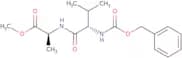
CAS:<p>Z-Val-Ala-OMe is an anti-leishmanial agent that has been shown to be a more efficient method for the treatment of leishmaniasis than current treatments. It inhibits the growth of Leishmania by inhibiting serine proteases, which are involved in the formation of amorphous material on the surface of these parasites. Z-Val-Ala-OMe is active against both subtilis and licheniformis, with a residue half life of 3 hours at pH 5.5 and 20 degrees Celsius. This drug binds to the surface of Leishmania parasites and inhibits their ability to metabolize phosphite into ethyl esters.<br>The kinetic data obtained from Z-Val-Ala-OMe was measured using immobilized cells in a microtiter plate assay system. The data collected was used to generate a graph showing an initial burst phase followed by a linear phase for up to 72 hours post incubation with the drug</p>Formula:C17H24N2O5Purity:Min. 95%Molecular weight:336.38 g/molC-Peptide (human) trifluoroacetate salt
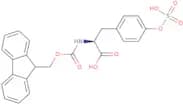
CAS:<p>C-Peptide is a monoclonal antibody that binds to the β-cell and inhibits insulin release. It has been used in diagnosis of type 1 diabetes mellitus. C-Peptide is a hormone that regulates blood glucose levels by controlling the rate of glucose production in the liver, as well as by inhibiting the breakdown of glycogen in the liver. The C-terminal amino acid sequence Glu-Ala-Glu-Asp-Leu-Gln-Val-Gly-Gln-Val-Glu -Leu-Gly can be cleaved from the peptide by trifluoroacetic acid to yield free Gln, which can then be detected using mass spectrometry. Growth factors such as IGF1, FGF21, and HGF have been shown to increase C peptide levels in diabetic patients.</p>Formula:C129H211N35O48Purity:Min. 95%Molecular weight:3,020.26 g/molFmoc-Tyr(SO3H)-OH barium salt
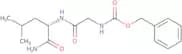
CAS:<p>Please enquire for more information about Fmoc-Tyr(SO3H)-OH barium salt including the price, delivery time and more detailed product information at the technical inquiry form on this page</p>Formula:C24H21NO8SPurity:Min. 95%Molecular weight:483.49 g/molZ-Gly-Leu-NH2
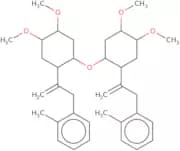
CAS:<p>Z-Gly-Leu-NH2 is a synthetic peptide that has been designed to mimic the amino acid sequence of casein. It is a metalloendopeptidase inhibitor and can be used in the synthesis of proteins. Z-Gly-Leu-NH2 inhibits the activity of subtilisin, which is a proteolytic enzyme. The inhibition of subtilisin by Z-Gly-Leu-NH2 prevents the hydrolysis of peptide bonds in protein substrates. This inhibition leads to an increase in molecular weight and molecular weight distribution, as well as an increase in the number of high molecular weight peaks on chromatograms. This peptide also has serine protease inhibitory activity and can be used as a synthetic substrate for kinetic studies.</p>Formula:C16H23N3O4Purity:Min. 95%Molecular weight:321.37 g/mol2-(4,5-Dimethoxy-2-(1-((2-methylphenyl)methyl)vinyl)cyclohexyl)ether
CAS:<p>2-(4,5-Dimethoxy-2-(1-((2-methylphenyl)methyl)vinyl)cyclohexyl)ether is a versatile building block for the synthesis of complex compounds. It is also an intermediate in the synthesis of useful scaffolds and reaction components. This compound has a high quality and can be used as a reagent or research chemicals.</p>Formula:C36H50O5Purity:Min. 95%Molecular weight:562.78 g/molCortistatin-29 (human) trifluoroacetate salt
CAS:<p>Please enquire for more information about Cortistatin-29 (human) trifluoroacetate salt including the price, delivery time and more detailed product information at the technical inquiry form on this page</p>Formula:C149H223N47O42S3Purity:Min. 95%Molecular weight:3,440.85 g/molLHRH hydrochloride salt
CAS:<p>LHRH is a hormone that has been used to treat endometriosis, prostate cancer, and ovarian cysts. It is an agonist of the gonadotropin-releasing hormone receptor (GnRH receptor). LHRH binds to the GnRH receptor in the pituitary gland and stimulates the release of follicle-stimulating hormone and luteinizing hormone. This leads to increased production of estrogen and testosterone. LHRH has been shown to be effective in treating infectious diseases such as tuberculosis and HIV/AIDS. LHRH can also be used as a diagnostic aid for determining whether or not a tumor is cancerous by measuring its protein content.</p>Formula:C55H75N17O13·xHClPurity:Min. 95%Molecular weight:1,182.29 g/molH-Gly-Arg-Gly-Asp-Ser-Pro-Lys-OH
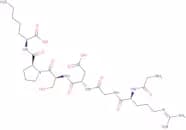
CAS:<p>H-Gly-Arg-Gly-Asp-Ser-Pro-Lys-OH is a peptide that has been shown to have chemotactic activity for monocytes and polymorphonuclear leucocytes, which are cells that participate in the inflammatory response. It also has biological properties that are reactive with hydroxyl groups and can be used to generate monoclonal antibodies. H-Gly-Arg-Gly-Asp-Ser-Pro-Lys-OH has been shown to stimulate the migration of galleria mellonella larvae, suggesting it may have potential as an antiinflammatory agent.</p>Formula:C28H49N11O11Purity:Min. 95%Molecular weight:715.76 g/molH-Trp-Gly-Gly-Tyr-OH
CAS:<p>Please enquire for more information about H-Trp-Gly-Gly-Tyr-OH including the price, delivery time and more detailed product information at the technical inquiry form on this page</p>Formula:C24H27N5O6Purity:Min. 95%Molecular weight:481.5 g/molEthyl 2-oxo-4-phenylbutyrate
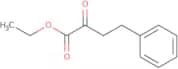
CAS:<p>Ethyl 2-oxo-4-phenylbutyrate is a compound that belongs to the class of ester compounds. This molecule is found in cells grown in recombinant cultures and has been identified by its FTIR spectroscopy. Ethyl 2-oxo-4-phenylbutyrate inhibits the growth of candida glabrata by inhibiting an enzyme, which is involved in the conversion of glucose to acetoin. The mechanism for this inhibition is believed to be due to cinchonidine, which reacts with chloride ions. The chemical stability of ethyl 2-oxo-4-phenylbutyrate has been shown by its ability to withstand acidic pH and high concentrations of chloride ions without decomposing. Ethyl 2-oxo-4-phenylbutyrate also inhibits the synthesis of proteins and enzymes, although it does not inhibit DNA replication or transcription.</p>Formula:C12H14O3Purity:Min. 95%Molecular weight:206.24 g/molH-Asp-Asp-Asp-Asp-OH
CAS:<p>Please enquire for more information about H-Asp-Asp-Asp-Asp-OH including the price, delivery time and more detailed product information at the technical inquiry form on this page</p>Formula:C16H22N4O13Purity:Min. 95%Molecular weight:478.37 g/molAc-Asp-Tyr(PO3H2)-Val-Pro-Met-Leu-NH2
CAS:<p>Please enquire for more information about Ac-Asp-Tyr(PO3H2)-Val-Pro-Met-Leu-NH2 including the price, delivery time and more detailed product information at the technical inquiry form on this page</p>Formula:C36H56N7O13PSPurity:Min. 95%Molecular weight:857.91 g/mol1-O-Octadecyl-2-O-acetyl-sn-glycero-3-phosphocholine
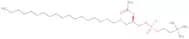
CAS:<p>1-O-Octadecyl-2-O-acetyl-sn-glycero-3-phosphocholine (OGPC) is a phospholipid that has been shown to be an effective drug in the treatment of chronic arthritis. It is a potent antagonist of the inflammatory response, and has been shown to inhibit the production of inflammatory cytokines such as tumour necrosis factor alpha (TNFα). OGPC has been used in cell culture studies, which have shown that it inhibits IL2 receptor binding and TNFα release by human monocytes. Clinical studies have also shown that OGPC can be used to treat arthritis.</p>Formula:C28H58NO7PPurity:Min. 95%Molecular weight:551.74 g/molFmoc-N-methyl-L-valine
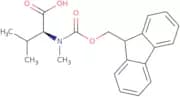
CAS:<p>Fmoc-N-methyl-L-valine is a synthetic immunosuppressant that acts by inhibiting the production of cytokines and other inflammatory mediators. It binds to the enzyme cyclooxygenase, which is involved in the synthesis of prostaglandins and thromboxanes. Fmoc-N-methyl-L-valine has been shown to be effective against gram-positive bacteria. This compound also inhibits xanthine oxidase and may act as an analog for azathioprine, which is used in the treatment of autoimmune diseases such as rheumatoid arthritis. The reaction mechanism for this compound is not well understood but appears to involve a nucleophilic attack on a benzoquinoneiminium cation formed from the attack on an electron deficient benzene ring with a triphosgene electrophile.</p>Formula:C21H23NO4Purity:Min. 95%Molecular weight:353.41 g/molBoc-Cholecystokinin Octapeptide (desulfated)
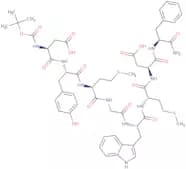
CAS:<p>Please enquire for more information about Boc-Cholecystokinin Octapeptide (desulfated) including the price, delivery time and more detailed product information at the technical inquiry form on this page</p>Formula:C54H70N10O15S2Purity:Min. 95%Molecular weight:1,163.32 g/mol(Sar 1,Ile4·8)-Angiotensin II trifluoroacetate salt
CAS:<p>Please enquire for more information about (Sar 1,Ile4·8)-Angiotensin II trifluoroacetate salt including the price, delivery time and more detailed product information at the technical inquiry form on this page</p>Formula:C43H75N13O9Purity:Min. 95%Molecular weight:918.14 g/molBoc-L-glutamic acid γ-methyl ester
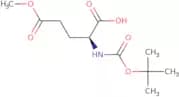
CAS:<p>Boc-L-glutamic acid gamma-methyl ester is a conjugate of glutamic acid and methyl ester. It has been shown to have neuroprotective properties by inhibiting the hydrophobic effect, which is the driving force for protein aggregation. This drug can be used as a treatment for neurodegenerative diseases such as Alzheimer's disease, Parkinson's disease, and Huntington's disease. Boc-L-glutamic acid gamma-methyl ester binds with an alkyl group to the glutamate residue on the side chain of a model protein. The fluoroquinolone was found to be more potent than other drugs in this class because it has a higher affinity for glutamate residues.</p>Formula:C11H19NO6Purity:Min. 95%Molecular weight:261.27 g/mol(Pyr 3)-Amyloid b-Protein (3-40) trifluoroacetate salt
CAS:<p>Please enquire for more information about (Pyr 3)-Amyloid b-Protein (3-40) trifluoroacetate salt including the price, delivery time and more detailed product information at the technical inquiry form on this page</p>Formula:C187H283N51O53SPurity:Min. 95%Molecular weight:4,125.63 g/molLHRH (free acid) trifluoroacetate salt
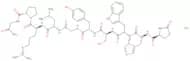
CAS:<p>LHRH (free acid) trifluoroacetate salt Pyr-His-Trp-Ser-Tyr-Gly-Leu-Arg-Pro-Gly-OH trifluoroacetate salt is a decapeptide that is the most potent form of the hormone luteinizing hormone releasing hormone (LHRH). It has been shown to bind to surface receptors and activate a G protein, which activates adenyl cyclase. This leads to increased levels of cyclic adenosine monophosphate (cAMP) in cells. LHRH also binds to blood vessels and causes vasodilation. LHRH also binds to pyroglutamic acid, which is an amino acid found in peptides that have affinity for peptidases. This binding causes the release of peptidases from the cell membrane, uncovers receptor sites, and increases cAMP production. LHRH has also been shown to inhibit kidney function</p>Formula:C55H74N16O14Purity:Min. 95%Molecular weight:1,183.28 g/molH-Tyr-Glu-Trp-OH
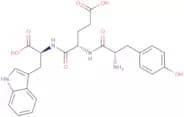
CAS:<p>Tyrosine is a non-essential amino acid that is an important component of proteins. It can also be synthesized in the body from the essential amino acid phenylalanine. Tyrosine is found in many foods and is made by plants, bacteria, and animals. The most common form of tyrosine in food is L-tyrosine. H-Tyr-Glu-Trp-OH is a neurotrophic factor that interacts with tyrosine kinase receptors to promote neuron survival and function. H-Tyr-Glu-Trp-OH has been shown to have neuroprotective effects in neonatal rats, preventing neuronal death due to genetic ablation or biochemical inhibition of neurotransmitter release.<br>Synaptic transmission refers to the propagation of nerve impulses across synapses, which are gaps between neurons. Neurotrophic factors are proteins produced by neurons that regulate the growth and maintenance of neurons.END> END></p>Formula:C25H28N4O7Purity:Min. 95%Molecular weight:496.51 g/molAc-Met-AMC
CAS:<p>Ac-Met-AMC is a nucleoside analog that is an active inhibitor of the enzyme DNA polymerase. This drug has been shown to be effective in preventing the growth of cancer cells in tissue cultures, and it has also been used to study the relationship between isoforms and oxygenated species. Ac-Met-AMC binds to the cytosolic side of the enzyme, which reduces its activity, but this binding does not affect the enzyme's ability to bind substrate or ATP. Ac-Met-AMC has been shown to hydrolyze with a rate constant of 6 x 10 M(-1) s(-1).</p>Formula:C17H20N2O4SPurity:Min. 95%Molecular weight:348.42 g/molAtrial Natriuretic Factor (3-28) (human, bovine, porcine)
CAS:<p>Please enquire for more information about Atrial Natriuretic Factor (3-28) (human, bovine, porcine) including the price, delivery time and more detailed product information at the technical inquiry form on this page</p>Formula:C118H187N43O36S3Purity:Min. 95%Molecular weight:2,880.21 g/mol(R)-methyl pyrrolidine-3-carboxylate hydrochloride
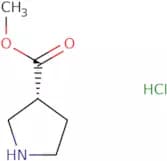
CAS:<p>Please enquire for more information about (R)-methyl pyrrolidine-3-carboxylate hydrochloride including the price, delivery time and more detailed product information at the technical inquiry form on this page</p>Purity:Min. 95%GM-CSF (17-31)
CAS:<p>Please enquire for more information about GM-CSF (17-31) including the price, delivery time and more detailed product information at the technical inquiry form on this page</p>Formula:C73H129N27O24Purity:Min. 95%Molecular weight:1,768.97 g/molBoc-cys(Npys)-oh
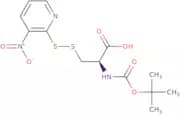
CAS:<p>Boc-cys(Npys)-oh is an active substance that inhibits the growth of mouse tumors and has been shown to inhibit a number of different biological processes. It is a cross-linking agent for amino acids and has been shown to have an inhibitory effect on the synthesis of proteins by blocking the formation of disulfide bonds. This compound belongs to the class of chemicals known as sulfonamides, which are used in the treatment of bacterial infections. Boc-cys(Npys)-oh also specifically binds to antigen sites on cells, inhibiting their growth, and can be used as an antitumor agent. The molecule can be chemically linked with other molecules such as trifluoroacetic acid (TFA), resulting in a product with different properties than those found in Boc-cys(Npys)-oh. The chemical ligation process is used to produce subcutaneous tumors in mice that are then treated with hydrogen fluoride (</p>Formula:C13H17N3O6S2Purity:Min. 95%Color and Shape:Off-White PowderMolecular weight:375.42 g/molH-Gly-Tyr-NH2 acetate salt
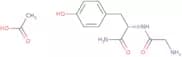
CAS:Controlled Product<p>Please enquire for more information about H-Gly-Tyr-NH2 acetate salt including the price, delivery time and more detailed product information at the technical inquiry form on this page</p>Formula:C13H19N3O5Purity:Min. 95%Molecular weight:297.31 g/mol