Amino Acids (AA)
Amino acids (AAs) are the fundamental building blocks of proteins, playing a crucial role in various biological processes. These organic compounds are essential for protein synthesis, metabolic pathways, and cell signaling. In this category, you will find a comprehensive range of amino acids, including essential, non-essential, and modified forms, which are vital for research in biochemistry, molecular biology, and nutritional sciences. At CymitQuimica, we provide high-quality amino acids to support your research and development needs, ensuring accuracy and reliability in your experimental outcomes.
Subcategories of "Amino Acids (AA)"
- Amino Acid Derivatives(3,955 products)
- Amino Acid and Amino Acid Related Compounds(3,466 products)
- Amino Acids with Oxygen or Sulphur(168 products)
- Boc- Amino Acids(351 products)
- Fmoc Amino Acids(1,710 products)
Found 38249 products of "Amino Acids (AA)"
Sort by
Purity (%)
0
100
|
0
|
50
|
90
|
95
|
100
(Des-Gly10,D-Tyr5,D-His(Bzl)6,Pro-NHEt 9)-LHRH trifluoroacetate salct
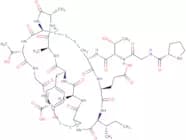
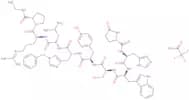
CAS:<p>Please enquire for more information about (Des-Gly10,D-Tyr5,D-His(Bzl)6,Pro-NHEt 9)-LHRH trifluoroacetate salct including the price, delivery time and more detailed product information at the technical inquiry form on this page</p>Formula:C66H86N18O12Purity:Min. 95%Molecular weight:1,323.5 g/mol(Pro30,Tyr32,Leu34)-Neuropeptide Y (28-36)
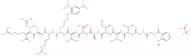
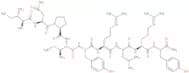
CAS:<p>Please enquire for more information about (Pro30,Tyr32,Leu34)-Neuropeptide Y (28-36) including the price, delivery time and more detailed product information at the technical inquiry form on this page</p>Formula:C57H91N17O12Purity:Min. 95%Molecular weight:1,206.44 g/molBoc-Ala-Gly-Gly-OH
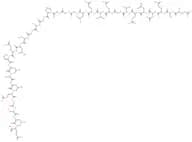
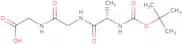
CAS:<p>Boc-Ala-Gly-Gly-OH is a reactive compound that can be used to synthesize antibiotics. It can be used for the production of diazide, which is an antibiotic that inhibits bacterial growth by binding to DNA and preventing its replication. Boc-Ala-Gly-Gly-OH also has been used for the preparation of urethanes, which are used as coatings for medical devices or catheters. This compound is chiral and has been shown to have stereogenic properties in catalytic asymmetric epoxidation reactions.</p>Formula:C12H21N3O6Purity:Min. 95%Molecular weight:303.31 g/molZ-Ala-Ala-Asn-AMC
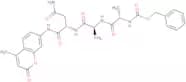
CAS:<p>Z-Ala-Ala-Asn-AMC is a molecule that is an analog of the amino acid alanine. It has been shown to be effective in inhibiting cancer cell viability and inducing apoptosis in MDA-MB-231 breast cancer cells, which can inhibit tumor growth. This molecule also inhibits protease activity, protein synthesis, and tubule cell proliferation. Z-Ala-Ala-Asn-AMC has applicability in the treatment of cancers and inflammatory diseases.</p>Formula:C28H31N5O8Purity:Min. 98 Area-%Color and Shape:PowderMolecular weight:565.57 g/molTos-Gly-Pro-Arg-AMC·HCl
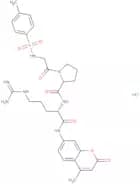
CAS:<p>Please enquire for more information about Tos-Gly-Pro-Arg-AMC·HCl including the price, delivery time and more detailed product information at the technical inquiry form on this page</p>Formula:C30H37N7O7S·HClPurity:Min. 95%Molecular weight:676.18 g/molH-Gly-Pen-Gly-Arg-Gly-Asp-Ser-Pro-Cys-Ala-OH trifluoroacetate salt (Disulfide bond between Pen2 and Cys9)
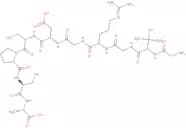
CAS:<p>Gly-Pen-Gly-Arg-Gly-Asp-Ser-Pro-Cys (GPEG) is a peptide that modulates the function of muscle cells and is present in collagen. GPEG has been shown to improve oxidative damage, which occurs during exercise. The effect of GPEG on muscle cells is dependent on the dose. Low doses of GPEG activate proteins that are involved in transcription and increases the synthesis of oxidative enzymes, while high doses inhibit these proteins. GPEG also modulates integrin receptor expression and decreases fibronectin production by vascular smooth muscle cells.</p>Formula:C35H57N13O14S2Purity:Min. 95%Molecular weight:948.04 g/molCathelicidin LL 37
CAS:<p>LL-37 is a potent antimicrobial peptide that has been shown to be effective against cancer cells and is currently being investigated as a potential antineoplastic agent. LL-37 binds to the leukocyte receptor, which leads to chemotaxis, increased expression of p53 and apoptosis. LL-37 also induces apoptotic cell death in epithelial tissues, both in vitro and in vivo. This peptide has been shown to induce death in cancer cells, as well as cell death in other types of cells.</p>Formula:C205H340N60O53Purity:Min. 95%Molecular weight:4,493.27 g/molH-Lys-Pro-4MbNA·2 HCl
CAS:<p>Please enquire for more information about H-Lys-Pro-4MbNA·2 HCl including the price, delivery time and more detailed product information at the technical inquiry form on this page</p>Formula:C22H30N4O3·2HClPurity:Min. 95%Molecular weight:471.42 g/molSuc-Ala-Trp-Pro-Phe-pNA
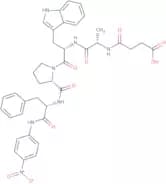
CAS:<p>Suc-Ala-Trp-Pro-Phe-pNA is a cyclosporine analog that inhibits the activity of protein isomerases. It has been shown to inhibit the phosphatase activity of casein and stabilize peptide bonds in bovine serum albumin. Suc-Ala-Trp-Pro-Phe-pNA can also be used as a substrate for tyrosine kinase and amide bond formation. Suc-Ala-Trp-Pro-Phe-pNA is an inhibitor of FK506 binding to its receptor, which may be due to its ability to compete with tyrosine residues for binding sites. This compound also exhibits stabilization effects on protein structures by inhibiting the degradation of proteins by proteolytic enzymes or other chemical agents.</p>Formula:C38H41N7O9Purity:Min. 95%Molecular weight:739.77 g/molFmoc-Ala-Pro-OH
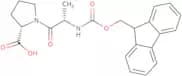
CAS:<p>Fmoc-Ala-Pro-OH is a peroxide that can be used as a radical initiator for the synthesis of polymers, such as polypropylene. It has been shown to catalyze the oxidation of hydrogen peroxide by a phenoxy group to form radicals. The rate of formation of these radicals is highly dependent on the number and location of proline residues in the molecule. Fmoc-Ala-Pro-OH is chemically stable and does not react with oxygen or light.</p>Formula:C23H24N2O5Purity:Min. 95%Molecular weight:408.45 g/molH-D-Lys-NH2·2 HCl
CAS:<p>Please enquire for more information about H-D-Lys-NH2·2 HCl including the price, delivery time and more detailed product information at the technical inquiry form on this page</p>Formula:C6H15N3O·2HClPurity:Min. 95%Molecular weight:218.12 g/molH-Lys-Gln-Ala-Gly-Asp-Val-OH
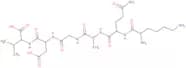
CAS:<p>H-Lys-Gln-Ala-Gly-Asp-Val-OH is a synthetic peptide that is used as a research tool. It is synthesized by recombinant e. coli cells and has been shown to have strong affinity for the specific ligand, fluorescence and microbial assays. This synthetic peptide is hydrophilic and can be detected using confocal microscopy. It also exhibits biodegradability in an e. coli environment, which may be due to its lysine residue.</p>Formula:C25H44N8O10Purity:Min. 95%Molecular weight:616.66 g/molBoc-Thr(Ala-Fmoc)-OH
CAS:<p>Please enquire for more information about Boc-Thr(Ala-Fmoc)-OH including the price, delivery time and more detailed product information at the technical inquiry form on this page</p>Formula:C27H32N2O8Purity:Min. 95%Color and Shape:PowderMolecular weight:512.55 g/mol(Tyr38,Phe42·46)-Osteocalcin (38-49) (human)
CAS:<p>Please enquire for more information about (Tyr38,Phe42·46)-Osteocalcin (38-49) (human) including the price, delivery time and more detailed product information at the technical inquiry form on this page</p>Formula:C73H101N19O17Purity:Min. 95%Molecular weight:1,516.7 g/molH-Asn(Trt)-2-chlorotrityl resin (200-400 mesh) (Low Substitution)
<p>Please enquire for more information about H-Asn(Trt)-2-chlorotrityl resin (200-400 mesh) (Low Substitution) including the price, delivery time and more detailed product information at the technical inquiry form on this page</p>Purity:Min. 95%Ac-Leu-Glu-Thr-Asp-AFC
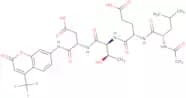
CAS:<p>Please enquire for more information about Ac-Leu-Glu-Thr-Asp-AFC including the price, delivery time and more detailed product information at the technical inquiry form on this page</p>Formula:C31H38F3N5O12Purity:Min. 95%Molecular weight:729.66 g/molH-Val-Leu-Ser-Glu-Gly-OH
CAS:<p>H-Val-Leu-Ser-Glu-Gly-OH is a polypeptide that is hydrophobic and has carboxypeptidase activity. It hydrolyzes anions, such as the penicillin G, which has been shown to have a high affinity for this enzyme. H-Val-Leu-Ser-Glu-Gly-OH has also been shown to interact with other proteins through hydrophobic interactions. When used in high concentrations, it can be used to filter out substances that are hydrophobic. It can also be used to hydrolyze anions and divalent ions, such as copper and zinc.</p>Formula:C21H37N5O9Purity:Min. 95%Molecular weight:503.55 g/molGalanin (1-16) (mouse, porcine, rat)
CAS:<p>Please enquire for more information about Galanin (1-16) (mouse, porcine, rat) including the price, delivery time and more detailed product information at the technical inquiry form on this page</p>Formula:C78H116N20O21Purity:Min. 95%Molecular weight:1,669.88 g/molH-Gly-Arg-pNA·2 HCl
CAS:<p>Please enquire for more information about H-Gly-Arg-pNA·2 HCl including the price, delivery time and more detailed product information at the technical inquiry form on this page</p>Formula:C14H21N7O4·2HClPurity:Min. 95%Molecular weight:424.28 g/molpTH (18-48) (human)
CAS:<p>Please enquire for more information about pTH (18-48) (human) including the price, delivery time and more detailed product information at the technical inquiry form on this page</p>Formula:C156H251N47O43SPurity:Min. 95%Molecular weight:3,505.02 g/mol(Ala1·3·11·15)-Endothelin-1 trifluoroacetate salt
CAS:<p>(Ala1·3·11·15)-Endothelin-1 trifluoroacetate salt H-Ala-Ser-Ala-Ser-Ser-Leu-Met-Asp-Lys-Glu-Ala-Val-Tyr-Phe-Ala-His-Leu) is a phorbol ester, which is an analog of endothelin. It has been shown to inhibit the production of proinflammatory cytokines and chemokines in vitro and in vivo. This compound also inhibits the migration and proliferation of vascular endothelial cells, which may be due to its ability to suppress Ca2+ concentration. (Ala1·3·11·15)-Endothelin -1 trifluoroacetate salt H-) can also be used as a fluorescent marker for immunohistochemical studies on tissues such as vessels and gastrointestinal tissues. The localization of this drug can be observed by microscopy techniques such as</p>Formula:C109H163N25O32SPurity:Min. 95%Molecular weight:2,367.68 g/mol(Des-Asp187,Met186)-Melanocyte Protein PMEL 17 (185-193) (human, bovine, mouse) trifluoroacetate salt
CAS:<p>Please enquire for more information about (Des-Asp187,Met186)-Melanocyte Protein PMEL 17 (185-193) (human, bovine, mouse) trifluoroacetate salt including the price, delivery time and more detailed product information at the technical inquiry form on this page</p>Formula:C43H69N9O11SPurity:Min. 95%Molecular weight:920.13 g/mol(Cys18)-Atrial Natriuretic Factor (4-18) amide (mouse, rabbit, rat) trifluoroacetate salt
CAS:<p>Please enquire for more information about (Cys18)-Atrial Natriuretic Factor (4-18) amide (mouse, rabbit, rat) trifluoroacetate salt including the price, delivery time and more detailed product information at the technical inquiry form on this page</p>Formula:C64H107N25O19S2Purity:Min. 95%Molecular weight:1,594.82 g/molH-Ser-Ile-Gly-Ser-Leu-Ala-Lys-OH trifluoroacetate salt
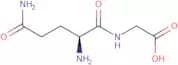
CAS:<p>H-Ser-Ile-Gly-Ser-Leu-Ala-Lys-OH trifluoroacetate salt is a recombinant, fluorescent, hydrazide, labile protein that has been synthesized with a murine amino acid sequence. This protein has been shown to be reactive with the cytokine IL2 and can be used for labeling of cells or proteins in cytometric analysis. The N-terminal end of this protein is acidic, allowing for it to react with periodate or hydroxylamine for tagging purposes.</p>Formula:C29H54N8O10Purity:Min. 95%Molecular weight:674.79 g/molH-Gln-Gly-OH
CAS:<p>H-Gln-Gly-OH is a proteolytic enzyme that cleaves peptide bonds in proteins. It is an enzyme that is involved in inflammatory diseases, as it has been shown to inhibit the production of messenger RNA (mRNA) and protein synthesis. H-Gln-Gly-OH also has anti-inflammatory properties. It has been shown to inhibit the production of amines from the amino acid arginine, which may be linked to its anti-inflammatory effects. This enzyme does not have a specific role in human metabolism and is found in human liver and other tissues. The structural analysis of this enzyme reveals that it contains a carbonyl group and an amide group with acidic properties. H-Gln-Gly-OH has been implicated in autoimmune diseases and infectious diseases, as it has been found in Streptococcus pyogenes, Mycoplasma pneumoniae, Borrelia burgdorferi, Coxiella burnetii</p>Formula:C7H13N3O4Purity:Min. 95%Molecular weight:203.2 g/molH-Ala-His-OH
CAS:<p>H-Ala-His-OH is a dietary supplement that contains histidine and alanine. Histidine is an amino acid involved in protein synthesis, which is a process that produces proteins from amino acids. H-Ala-His-OH has shown to inhibit chemical reactions involving histidine, such as the conversion of histidine to urocanic acid by bacterial enzymes. The uptake of H-Ala-His-OH has been shown to be increased by creatine supplementation, which may be due to the ability of creatine to increase cellular energy levels. Magnetic resonance spectroscopy (MRS) analysis has shown that H-Ala-His-OH increases glutamine levels in the brain. This may be due to its ability to cross the blood brain barrier and affect glutamate transport through the blood brain barrier.</p>Formula:C9H14N4O3Purity:Min. 95%Molecular weight:226.23 g/molAnti-Inflammatory Peptide 1
CAS:<p>Anti-Inflammatory Peptide 1 is a peptide that has been shown to have anti-inflammatory properties. It is synthesized from H-Met-Gln-Met-Lys-Lys-Val-Leu-Asp-Ser-OH, with the hydroxyl group linked by an ester bond to the N terminal of the peptide. Antiinflammatory peptides can be used as potential biomarkers for inflammatory diseases or as a treatment for these diseases.</p>Formula:C45H82N12O14S2Purity:Min. 95%Molecular weight:1,079.34 g/mol(Nle 8·18,Tyr34)-pTH (3-34) amide (bovine)
CAS:<p>Please enquire for more information about (Nle 8·18,Tyr34)-pTH (3-34) amide (bovine) including the price, delivery time and more detailed product information at the technical inquiry form on this page</p>Formula:C177H279N53O48Purity:Min. 95%Molecular weight:3,917.44 g/molFmoc-Gly-Ser(Psi(Me ,Me)pro)-OH
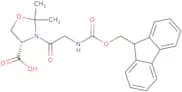
CAS:<p>Please enquire for more information about Fmoc-Gly-Ser(Psi(Me ,Me)pro)-OH including the price, delivery time and more detailed product information at the technical inquiry form on this page</p>Formula:C23H24N2O6Purity:Min. 95%Molecular weight:424.45 g/mol(Ser(Ac)3)-Ghrelin (mouse, rat) trifluoroacetate salt
CAS:<p>Please enquire for more information about (Ser(Ac)3)-Ghrelin (mouse, rat) trifluoroacetate salt including the price, delivery time and more detailed product information at the technical inquiry form on this page</p>Formula:C141H233N45O42Purity:Min. 95%Molecular weight:3,230.64 g/mol([D2]Gly4)-Cholecystokinin Octapeptide (sulfated) ammonium salt
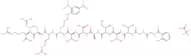
<p>Please enquire for more information about ([D2]Gly4)-Cholecystokinin Octapeptide (sulfated) ammonium salt including the price, delivery time and more detailed product information at the technical inquiry form on this page</p>Formula:C49H60D2N10O16S3Purity:Min. 95%Molecular weight:1,145.28 g/molH-D-Phg-Leu-OH
CAS:<p>H-D-Phg-Leu-OH is a protein that has been shown to have protease activity. It is encoded by the gene for human mitochondrial protein. H-D-Phg-Leu-OH is involved in the adsorption mechanism of proteins in cells, which may be due to its ability to form disulfide bonds with other molecules. H-D-Phg-Leu-OH also has the ability to bind specifically to antibodies and monoclonal antibodies that are directed against it. The biological function of this protein is not known, but it has been found that it is differentially expressed between women and men. Studies using a polymerase chain reaction showed that H-D-Phg-Leu-OH was upregulated in cancer cells and its expression increased with increasing body mass index (BMI).</p>Formula:C14H20N2O3Purity:Min. 95%Molecular weight:264.32 g/molStresscopin-Related Peptide (human)
CAS:<p>Please enquire for more information about Stresscopin-Related Peptide (human) including the price, delivery time and more detailed product information at the technical inquiry form on this page</p>Formula:C205H358N68O57Purity:Min. 95%Molecular weight:4,687.46 g/molFmoc-N-methylglycine
CAS:<p>Fmoc-N-methylglycine is a modified form of the amino acid glycine, which has been modified to include a reactive group that can be used to link other molecules. This molecule has gram-negative bacterial activity and exhibits potent antibacterial activity against many gram-positive bacteria. Fmoc-N-methylglycine is also an antimicrobial peptide with binding constants in the nanomolar range. It is also an agent that binds to serotonin, which may explain its effects on mood and sleep. Fmoc-N-methylglycine can be synthesized using stepwise solid phase synthesis methods or by conjugation with other molecules.</p>Formula:C18H17NO4Purity:Min. 95%Molecular weight:311.33 g/mol4-Methylsulphonylaniline
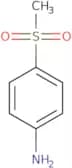
CAS:<p>4-Methylsulphonylaniline is a reactive compound that can be used as an anticancer agent. It is a quinoline derivative and has been found to have potent antitumor activity against various cancer cell lines, including those resistant to other anticancer agents. The activation energy of this compound is high at 93 kcal/mol and it has been found to react with dimethylformamide (DMF) in the reaction mechanism. 4-Methylsulphonylaniline has also been shown to inhibit the growth of tumor cells in mice by inhibiting DNA synthesis. This molecule also causes DNA damage in cultured cells. 4-Methylsulphonylaniline may also cause environmental pollution because it reacts with sulfadiazine, which is a drug used for the treatment of chronic infections caused by bacteria such as Salmonella typhi and Mycobacterium tuberculosis, leading to the release of methyl sulfone, which can be toxic to aquatic</p>Formula:C7H9NO2SPurity:Min. 95%Molecular weight:171.22 g/molApelin-12 (human, bovine, mouse, rat)
CAS:<p>Apelin-12 is a peptide hormone that belongs to the group of apelin family. It is an endogenous agonist for the apelin receptor and has been shown to affect metabolic and cardiovascular regulation. Apelin-12 has been found to increase systolic blood pressure, which may be due to its ability to inhibit the synthesis of nitric oxide in the heart. It also exhibits anti-inflammatory properties, which have been shown in vivo using a model of colitis induced by dextran sulfate sodium (DSS). The biological properties of this hormone are not yet fully understood. However, it is known that it has effects on cardiac contractility and myocardial infarct size in vivo. Further investigation into this protein's role in inflammatory diseases and metabolic disorders may lead to new treatments for these conditions.</p>Formula:C64H103N21O14SPurity:Min. 95%Molecular weight:1,422.7 g/molH-Tyr-Tyr-Tyr-OMe
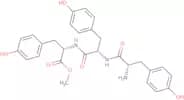
CAS:<p>H-Tyr-Tyr-Tyr-OMe is a chiral, fluorinated, enantiomeric molecule that is synthesized by the reaction of an aryloxybenzene with tetrahydropyran and chlorine. This product has been used in asymmetric synthesis as a building block for pyrazole derivatives. It has also been used to produce alcohols and dialkylamino compounds.</p>Formula:C28H31N3O7Purity:Min. 95%Molecular weight:521.56 g/mol(His(1-Me)2)-LHRH trifluoroacetate salt
CAS:<p>Please enquire for more information about (His(1-Me)2)-LHRH trifluoroacetate salt including the price, delivery time and more detailed product information at the technical inquiry form on this page</p>Formula:C56H77N17O13Purity:Min. 95%Molecular weight:1,196.32 g/molSuc-Ala-Ala-Val-AMC
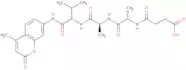
CAS:<p>Please enquire for more information about Suc-Ala-Ala-Val-AMC including the price, delivery time and more detailed product information at the technical inquiry form on this page</p>Formula:C25H32N4O8Purity:Min. 95%Molecular weight:516.54 g/molHSV-1 Glycoprotein (gB) (497-507)
CAS:<p>Please enquire for more information about HSV-1 Glycoprotein (gB) (497-507) including the price, delivery time and more detailed product information at the technical inquiry form on this page</p>Formula:C59H91N15O18Purity:Min. 95%Molecular weight:1,298.44 g/molZ-L-Valine N-hydroxysuccinimide ester
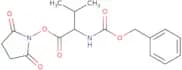
CAS:<p>Z-L-Valine N-hydroxysuccinimide ester is a synthetic δ opioid ligand that has been shown to have potent inhibitory activity against casein. The compound has also been shown to have high affinity for opioid receptors and δ opioid receptors, which may be due to its ability to form supramolecular complexes with these proteins. Z-L-Valine N-hydroxysuccinimide ester binds to the receptor binding site of the protein, preventing it from interacting with other molecules. It is not selective for one receptor over another and can bind to both the δ and μ opioid receptors. This synthetic substance may be used as a lead compound in drug development.</p>Formula:C17H20N2O6Purity:Min. 95%Molecular weight:348.35 g/mol3-Methoxybenzyl chloride
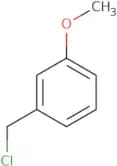
CAS:<p>3-Methoxybenzyl chloride is a polymer conjugate that has the chemical formula C6H5CH2ClO. It reacts with hydroxy groups to form ester bonds. The compound was synthesized by reacting 3-methoxybenzyl chloride with hydrochloric acid in vitro, and the resulting product was found to have antimicrobial properties. In vivo studies have shown that this compound binds to receptors in rat striatal tissue. 3-Methoxybenzyl chloride also showed fluorescence properties when exposed to ultraviolet light and can be used for molecular modeling. Titration calorimetry has been used to study the thermal stability of this polymer conjugate.</p>Formula:C8H9ClOPurity:Min. 95%Molecular weight:156.61 g/molN-Benzoyl-L-leucine-β-naphthylamide
CAS:<p>N-Benzoyl-L-leucine-beta-naphthylamide is a chromogenic substrate for transpeptidase. It is hydrolyzed to L-phenylalanine and 2-naphthylamine, which react with the chromogen to produce a color change. The reaction occurs in both spermatozoa and epithelial cells, but can be inhibited by aminopeptidase and peptidase. This substrate is used as a marker for spermatozoa in semen analysis.</p>Formula:C23H24N2O2Purity:Min. 95%Color and Shape:PowderMolecular weight:360.45 g/molPhenylac-Leu-Asp-Phe-D-Pro-NH2
CAS:<p>Phenylac-Leu-Asp-Phe-D-Pro-NH2 is a molecule that inhibits the inflammatory response by binding to the active site of proteinase 3. It has been shown to be effective in treating bowel disease, such as Crohn's disease, and also shows potential for use in other inflammatory diseases, including autoimmune diseases and blood disorders. Phenylac-Leu-Asp-Phe-D-Pro-NH2 is an inhibitor of proprotein convertase 3 (PC3) and has been shown to inhibit the activity of PC3 in vitro. This inhibition leads to reduced production of inflammatory cytokines and decreased inflammation in animal models. Clinical studies have demonstrated that phenylacetic acid ester derivatives are safe for use in humans.</p>Formula:C32H41N5O7Purity:Min. 95%Molecular weight:607.7 g/mol(Phe4)-Dermorphin (1-4) amide
CAS:<p>Dermorphin is a peptide that is derived from the proenkephalin gene. It is an opioid analgesic and has been shown to be effective in the treatment of hernias. Dermorphin has also been shown to inhibit platelet aggregation and blood coagulation, making it an antithrombotic therapy. The structure of dermorphin has been determined using a hydroxy group as the reactive site for synthesis and molecular modelling techniques. Dermorphin has also been shown to have an active oxygen species selectivity index (a measure of antioxidant activity) higher than those of other drugs in its class, which makes it suitable for use as a sealant in abdominal surgery.</p>Formula:C30H35N5O5Purity:Min. 95%Molecular weight:545.63 g/mol1-Methylbiguanide sulfate
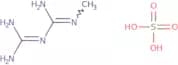
CAS:<p>Please enquire for more information about 1-Methylbiguanide sulfate including the price, delivery time and more detailed product information at the technical inquiry form on this page</p>Formula:C4H8N8H2SO4Purity:Min. 95%Molecular weight:266.24 g/molMozavaptan
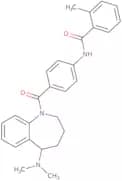
CAS:Controlled Product<p>Mozavaptan is a pharmacological agent that acts as a vasopressin V2 receptor antagonist. It is derived through synthetic chemical processes designed to target specific neurohormonal pathways in the body. Mozavaptan exerts its effects by inhibiting the action of vasopressin, a hormone that promotes water reabsorption in the kidneys. By blocking the vasopressin receptors, it enhances water excretion and corrects imbalances in electrolyte levels, particularly addressing conditions like hyponatremia.</p>Formula:C27H29N3O2Purity:Min. 98 Area-%Color and Shape:PowderMolecular weight:427.54 g/molH-Glu-Ala-OH
CAS:<p>H-Glu-Ala-OH is a human protein that belongs to the family of glycosylated proteins. It is expressed in the cells of the ovary and is a member of the insulin-like growth factor (IGF) superfamily. H-Glu-Ala-OH binds to lectins in mammalian cells, which may be due to its sulfoxide group. This protein has been shown to have dehydrogenase activity and polymerase chain reaction (PCR) amplification properties. H-Glu-Ala-OH has also been shown to inhibit growth in cell culture and promote apoptosis, which may be due to its ability to regulate IGF levels in mammalian cells.br>br><br>br>br><br>This protein is found at high levels in ovarian cancer cells and serum from patients with ovarian cancer. The sequence of this protein has been determined using mass spectrometry analysis on ovary extracts and on cDNA derived from human embryonic kidney (</p>Formula:C8H14N2O5Purity:Min. 95 Area-%Color and Shape:PowderMolecular weight:218.21 g/mol2-Iodo-5-methoxybenzoic acid
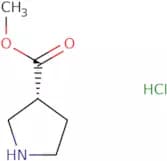
CAS:<p>2-Iodo-5-methoxybenzoic acid is a macrocyclic compound that has been synthesized in the Wittig reaction. It was first prepared by catalyzed intramolecular aryl demethylation of 2-iodo-5-nitrobenzoic acid, followed by coupling with methyl vinyl ketone. The cytotoxic activity of this compound is due to its ability to inhibit the synthesis of protein and DNA and induce apoptosis. This molecule has been shown to be effective against liverworts and ethers.</p>Formula:C8H7IO3Purity:Min. 95%Color and Shape:PowderMolecular weight:278.04 g/mol(R)-methyl pyrrolidine-3-carboxylate hydrochloride
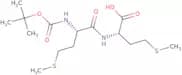
CAS:<p>Please enquire for more information about (R)-methyl pyrrolidine-3-carboxylate hydrochloride including the price, delivery time and more detailed product information at the technical inquiry form on this page</p>Purity:Min. 95%Boc-Met-Met-OH
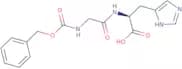
CAS:<p>Please enquire for more information about Boc-Met-Met-OH including the price, delivery time and more detailed product information at the technical inquiry form on this page</p>Formula:C15H28N2O5S2Purity:Min. 95%Molecular weight:380.53 g/molZ-Gly-His-OH
CAS:<p>Please enquire for more information about Z-Gly-His-OH including the price, delivery time and more detailed product information at the technical inquiry form on this page</p>Formula:C16H18N4O5Purity:Min. 95%Molecular weight:346.34 g/molGuanylin (human)
CAS:<p>Please enquire for more information about Guanylin (human) including the price, delivery time and more detailed product information at the technical inquiry form on this page</p>Formula:C58H87N15O21S4Purity:Min. 95%Molecular weight:1,458.66 g/molN-Me-Abz-Amyloid β/A4 Protein Precursor770 (708-715)-Lys(Dnp)-D-Arg-D-Arg-D-Arg amide trifluoroacetate salt
CAS:<p>Please enquire for more information about N-Me-Abz-Amyloid beta/A4 Protein Precursor770 (708-715)-Lys(Dnp)-D-Arg-D-Arg-D-Arg amide trifluoroacetate salt including the price, delivery time and more detailed product information at the technical inquiry form on this page</p>Formula:C70H116N26O18Purity:Min. 95%Molecular weight:1,609.83 g/molFmoc-Val-Ser(Psi(Me,Me)pro)-OH
CAS:<p>Please enquire for more information about Fmoc-Val-Ser(Psi(Me,Me)pro)-OH including the price, delivery time and more detailed product information at the technical inquiry form on this page</p>Formula:C26H30N2O6Purity:Min. 95%Molecular weight:466.53 g/molMitogenic Pentapeptide Palmitoyl-Cys((RS)-2,3-di(palmitoyloxy)-propyl)-Ser-Ser-Asn-Ala-OH
CAS:<p>Mitogenic Pentapeptide Palmitoyl-Cys((RS)-2,3-di(palmitoyloxy)-propyl)-Ser-Ser-Asn-Ala-OH is a synthetic pentapeptide that can be used to induce cell proliferation and antibody production. This peptide has been used in clinical trials with regulatory approval for use in humans. It has been shown to promote antibody response in animal experiments and to be active against tumor cells in tissue culture and cell cultures. Mitogenic Pentapeptide Palmitoyl-Cys((RS)-2,3-di(palmitoyloxy)-propyl)-Ser-Ser-Asn-Ala-OH also activated the monoclonal antibodies produced by hybridoma cells.</p>Formula:C67H124N6O14SPurity:Min. 95%Molecular weight:1,269.8 g/molC-Peptide (human) trifluoroacetate salt
CAS:<p>C-Peptide is a monoclonal antibody that binds to the β-cell and inhibits insulin release. It has been used in diagnosis of type 1 diabetes mellitus. C-Peptide is a hormone that regulates blood glucose levels by controlling the rate of glucose production in the liver, as well as by inhibiting the breakdown of glycogen in the liver. The C-terminal amino acid sequence Glu-Ala-Glu-Asp-Leu-Gln-Val-Gly-Gln-Val-Glu -Leu-Gly can be cleaved from the peptide by trifluoroacetic acid to yield free Gln, which can then be detected using mass spectrometry. Growth factors such as IGF1, FGF21, and HGF have been shown to increase C peptide levels in diabetic patients.</p>Formula:C129H211N35O48Purity:Min. 95%Molecular weight:3,020.26 g/molH-Lys-Pro-OH hydrochloride salt
CAS:<p>H-Lys-Pro-OH hydrochloride salt is a monoclonal antibody that is used to treat psychotic disorders. It blocks the binding of gamma-aminobutyric acid (GABA) to its receptor, which reduces neuronal activity and has a calming effect on the central nervous system. H-Lys-Pro-OH hydrochloride salt also inhibits the phosphatase enzyme and prevents it from breaking down phosphotungstic acid, which is used in this process. The antibody also binds to the analog of gamma aminobutyric acid, preventing it from binding with its receptor. H-Lys-Pro-OH hydrochloride salt may be advantageous in treating kidney fibrosis because it prevents cell proliferation and growth in tissue cultures by inhibiting enzymes involved in collagen synthesis. H-Lys-Pro-OH hydrochloride salt may also be useful as an antitumor agent because it inhibits tumor growth by blocking uptake and replication of DNA.</p>Formula:C11H21N3O3Purity:Min. 95%Molecular weight:243.3 g/mol1,2-Distearoyl-sn-glycero-3-phosphatidic acid·disodium salt
CAS:<p>Please enquire for more information about 1,2-Distearoyl-sn-glycero-3-phosphatidic acid·disodium salt including the price, delivery time and more detailed product information at the technical inquiry form on this page</p>Formula:C39H75Na2O8PPurity:Min. 95%Molecular weight:748.96 g/molFor-DL-Met-OH
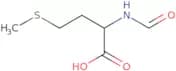
CAS:<p>For-DL-Met-OH is a colony-stimulating factor that belongs to the group of pharmacokinetic properties. It has been shown to have an effect on white blood cell production in patients with radiation therapy, and is also effective against Pseudomonas aeruginosa, which is an important pathogen in chronic lung disease. For-DL-Met-OH has been found to be effective when administered intravenously and orally in this indication. The compound acts by binding to the target tissue cyclic peptide receptor and acylation reaction with the antibiotic. It has been found that For-DL-Met-OH can be synthesized using a neutral pH process and polypeptide synthesis.</p>Formula:C6H11NO3SPurity:Min. 95%Molecular weight:177.22 g/molH-D-Glu(pNA)-OH
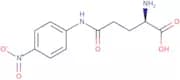
CAS:<p>Please enquire for more information about H-D-Glu(pNA)-OH including the price, delivery time and more detailed product information at the technical inquiry form on this page</p>Formula:C11H13N3O5Purity:Min. 95%Molecular weight:267.24 g/molZ-Leu-Ser-OMe
CAS:<p>Please enquire for more information about Z-Leu-Ser-OMe including the price, delivery time and more detailed product information at the technical inquiry form on this page</p>Formula:C18H26N2O6Purity:Min. 95%Molecular weight:366.41 g/molH-Cys(Trt)-2-chlorotrityl resin (200-400 mesh)
<p>Please enquire for more information about H-Cys(Trt)-2-chlorotrityl resin (200-400 mesh) including the price, delivery time and more detailed product information at the technical inquiry form on this page</p>Purity:Min. 95%HIV-1 tat Protein (1-9)
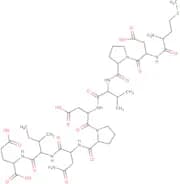
CAS:<p>Tat is a protein from the human immunodeficiency virus type 1 (HIV-1) that is responsible for the regulation of viral gene expression. Tat binds to a cellular receptor, CD4, and enters the cell. The Tat protein forms a ternary complex with transcription factors and RNA polymerase II. This complex then binds to promoter regions of HIV genes and initiates transcription. Tat has been postulated to modulate immune functions such as chemokine production, T-cell activation, and macrophage activation. The HIV-1 tat Protein (1-9) H-Met-Asp-Pro-Val-Asp-Pro-Asn-Ile-Glu-OH has been shown to have an effect on the immune system by affecting chemokines and other immune functions.</p>Formula:C43H68N10O17SPurity:Min. 95%Molecular weight:1,029.12 g/mol6-Chloro-2-methylbenzoic acid
CAS:<p>6-Chloro-2-methylbenzoic acid is a methyl ester that is used in the synthesis of 2-chloro-6-fluorobenzaldehyde. This chemical reacts with hydrogen peroxide to produce chloride and 2,6-dichlorobenzoic acid. The compound can also be synthesized from 2,6-dichlorobenzaldehyde and methoxyethanol. 6CMB has been shown to react with anions such as Cl-, Br-, NO2-, SO3H, and PO3H2 to form organic carboxylates or sulfoxides. It has also been shown to be a byproduct of the reaction between chloral hydrate and potassium permanganate.</p>Formula:C8H7ClO2Purity:90%Color and Shape:PowderMolecular weight:170.59 g/molH-Val-Arg-Lys-Arg-Thr-Leu-Arg-Arg-Leu-OH
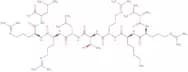
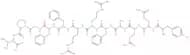
CAS:<p>H-Val-Arg-Lys-Arg-Thr-Leu-Arg-Arg-Leu (HVLAHR) is a synthetic peptide that has been shown to have antiinflammatory properties. The peptide binds to the epidermal growth factor receptor (EGFR) and inhibits the production of proinflammatory cytokines and chemokines, such as IL1α, IL6, IL8, and TNFα. HVLAHR also binds to calmodulin and inhibits protein kinase C (PKC) activity. It has been shown that this peptide has neuroprotective effects in vitro by binding to neurogranin and inhibiting protein phosphorylation. HVLAHR can be used as a model organism in vitro to study protein kinase activity.</p>Formula:C51H100N22O11Purity:Min. 95%Molecular weight:1,197.48 g/molZ-D-Phe-Phe-Gly-OH
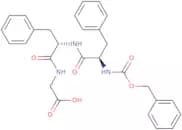
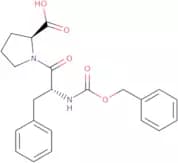
CAS:<p>Z-D-Phe-Phe-Gly-OH is a lysosomal carboxypeptidase that hydrolyzes peptides at the C terminus of proteins. It has a wide substrate specificity and can hydrolyze Z-D-Phe-Phe-Gly, Z-Arg-Lys, and L-Arg. This enzyme has been shown to have ion exchange chromatography activity. The elution profile for this enzyme on a sephadex G-100 column was found to have an optimum pH of 7.5 and elutes at a salt concentration of 0.5M NaCl. Carboxypeptidases are enzymes that cleave at the C terminus of proteins to produce smaller peptides or amino acids. They are involved in digestion, blood clotting, and cell signaling processes.</p>Formula:C28H29N3O6Purity:Min. 95%Color and Shape:White Off-White PowderMolecular weight:503.55 g/molZ-D-Phe-Pro-OH
CAS:<p>D-Phe-Pro-OH is a tripeptide that is reversibly inactivated by methanol, chloromethyl ketone, and boronate esters. It can be used as an affinity label for the detection of aldehydes. This compound has been shown to be an inhibitor of protein synthesis and cell growth. It has also been used to synthesize analogs with similar properties, such as Z-D-Phe-Pro-OH.</p>Formula:C22H24N2O5Purity:Min. 95%Molecular weight:396.44 g/molBiotinyl-(Glu1)-Gastrin I (human) Biotinyl-Glu-Gly-Pro-Trp-Leu-Glu-Glu-Glu-Glu-Glu-Ala-Tyr-Gly-Trp-Met-Asp-Phe-NH2
CAS:<p>Please enquire for more information about Biotinyl-(Glu1)-Gastrin I (human) Biotinyl-Glu-Gly-Pro-Trp-Leu-Glu-Glu-Glu-Glu-Glu-Ala-Tyr-Gly-Trp-Met-Asp-Phe-NH2 including the price, delivery time and more detailed product information at the technical inquiry form on this page</p>Formula:C107H140N22O34S2Purity:Min. 95%Molecular weight:2,342.52 g/molAc-Gly-Asp-Tyr-Ser-His-Cys-Ser-Pro-Leu-Arg-Tyr-Tyr-Pro-Trp-Trp-Lys-Cys-Thr-Tyr-Pro-Asp-Pro-Glu-Gly-Gly-Gly-NH2 trifluoroacetate salt (Disulfide bond)
CAS:<p>Please enquire for more information about Ac-Gly-Asp-Tyr-Ser-His-Cys-Ser-Pro-Leu-Arg-Tyr-Tyr-Pro-Trp-Trp-Lys-Cys-Thr-Tyr-Pro-Asp-Pro-Glu-Gly-Gly-Gly-NH2 trifluoroacetate salt (Disulfide bond) including the price, delivery time and more detailed product information at the technical inquiry form on this page</p>Formula:C141H185N35O40S2Purity:Min. 95%Molecular weight:3,074.32 g/molAc-α-benzyl-muramyl-Ala-D-Glu(Lys(trans-(3-nitrocinnamoyl))-NH2)-NH2
CAS:<p>Please enquire for more information about Ac-alpha-benzyl-muramyl-Ala-D-Glu(Lys(trans-(3-nitrocinnamoyl))-NH2)-NH2 including the price, delivery time and more detailed product information at the technical inquiry form on this page</p>Formula:C41H56N8O14Purity:Min. 95%Molecular weight:884.93 g/mol(Des-Ser1)-Cerebellin
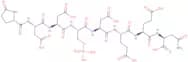
CAS:<p>Please enquire for more information about (Des-Ser1)-Cerebellin including the price, delivery time and more detailed product information at the technical inquiry form on this page</p>Formula:C66H108N22O21Purity:Min. 95%Molecular weight:1,545.7 g/molDNA Transcription Inhibitory Peptide Pyr-Asp-Asp-Ser(PO3H2)-Asp-Glu-Glu-Asn-OH
CAS:<p>Please enquire for more information about DNA Transcription Inhibitory Peptide Pyr-Asp-Asp-Ser(PO3H2)-Asp-Glu-Glu-Asn-OH including the price, delivery time and more detailed product information at the technical inquiry form on this page</p>Formula:C34H48N9O25PPurity:Min. 95%Molecular weight:1,013.76 g/molEnterotoxin STp (E. coli) trifluoroacetate salt
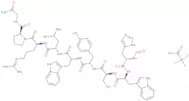
CAS:Controlled Product<p>Please enquire for more information about Enterotoxin STp (E. coli) trifluoroacetate salt including the price, delivery time and more detailed product information at the technical inquiry form on this page</p>Formula:C81H110N20O26S6Purity:Min. 95%Molecular weight:1,972.26 g/molFormyl-(D-Trp6)-LHRH (2-10) trifluoroacetate salt
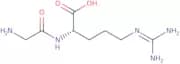
CAS:<p>Please enquire for more information about Formyl-(D-Trp6)-LHRH (2-10) trifluoroacetate salt including the price, delivery time and more detailed product information at the technical inquiry form on this page</p>Formula:C60H77N17O12Purity:Min. 95%Molecular weight:1,228.36 g/molH-Gly-Arg-OH
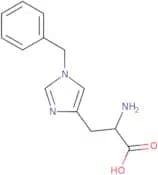
CAS:<p>H-Gly-Arg-OH is a hydrophobic molecule that is structurally similar to the amino acid composition of casein. It has been shown to be an efficient method for the isolation of casein from milk. H-Gly-Arg-OH binds reversibly to casein and can be used as a reagent in immunoaffinity chromatography and filtration. The residue obtained after enzymatic activity can be used for polyacrylamide gel electrophoresis.</p>Formula:C8H17N5O3Purity:Min. 95%Molecular weight:231.25 g/molH-D-His(Bzl)-OH
CAS:<p>Please enquire for more information about H-D-His(Bzl)-OH including the price, delivery time and more detailed product information at the technical inquiry form on this page</p>Formula:C13H15N3O2Purity:Min. 95%Molecular weight:245.28 g/molH-Ala-D-Glu(Lys-D-Ala-D-Ala-OH)-OH
CAS:<p>Teicoplanin is an amide-linked glycopeptide antibiotic that binds to the bacterial cell wall. It is used for the treatment of infections caused by staphylococci and p. aeruginosa, which are resistant to other antibiotics. The drug binds to a specific site on the bacterial cell wall, forming a coordination complex with the peptidoglycan layer and making it easier for water molecules to penetrate the cell wall. This leads to increased rates of cell death by osmosis. Teicoplanin enhances the activity of other antibiotics against Gram-positive bacteria by preventing their binding to penicillin-binding proteins in the bacterial cell walls.</p>Formula:C20H36N6O8Purity:Min. 95%Molecular weight:488.54 g/molBoc-Pro-Gly-OH
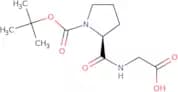
CAS:<p>Boc-Pro-Gly-OH is a synthetic tetrapeptide that is used as a substrate molecule to study collagen hydroxylases. It has been shown to be an excellent substrate for the enzyme collagenase, and its chemical data indicates that it is bound by metal ions. The technique of dichroism was used to confirm the secondary structure of Boc-Pro-Gly-OH. This tetrapeptide has four amino acids, which are proline, glycine, histidine, and hydroxyproline.</p>Formula:C12H20N2O5Purity:Min. 95%Molecular weight:272.3 g/mol2-Phenylpropionic acid
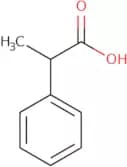
CAS:<p>2-Phenylpropionic acid is a reactive chemical that can be synthesized by an asymmetric process. It has been used in the synthesis of nonsteroidal anti-inflammatory drugs, as it inhibits the activity of cyclooxygenase and lipoxygenase enzymes. This chemical also binds to the hydroxyl group on target proteins, inhibiting their function. 2-Phenylpropionic acid is metabolized by microbial metabolism and can inhibit the activity of drug-metabolizing enzymes such as CYP3A4 and CYP2D6. It may also interact with other drugs that are processed by these enzymes, including warfarin and carbamazepine. 2-Phenylpropionic acid is a competitive inhibitor that binds to the active site of an enzyme and blocks its access to its substrate molecule. The binding of 2-phenylpropionic acid to enzyme's active site prevents the reactant from entering and reacting with the enzyme, thereby preventing a</p>Formula:C9H10O2Purity:Min. 95%Color and Shape:Colorless Clear LiquidMolecular weight:150.17 g/molZ-Phe-OBzl
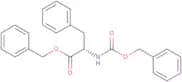
CAS:<p>Z-Phe-OBzl is an opioid drug that has been used as a research tool for studying the effects of opioid drugs on the nervous system. Z-Phe-OBzl is a synthetic peptide with a high affinity for opioid receptors. It has been shown to be a potent natural product antagonist and endogenous agonist, which may be useful in the treatment of pain. The oral bioavailability of Z-Phe-OBzl has also been reported to be greater than 90%.</p>Formula:C24H23NO4Purity:Min. 95%Molecular weight:389.44 g/molAbz-Amyloid β/A4 Protein Precursor770 (708-715)-Lys(Dnp)-D-Arg-D-Arg-D-Arg amide trifluoroacetate salt
CAS:<p>Please enquire for more information about Abz-Amyloid beta/A4 Protein Precursor770 (708-715)-Lys(Dnp)-D-Arg-D-Arg-D-Arg amide trifluoroacetate salt including the price, delivery time and more detailed product information at the technical inquiry form on this page</p>Formula:C69H114N26O18Purity:Min. 95%Molecular weight:1,595.81 g/molAc-Gln-NH2
CAS:<p>Ac-Gln-NH2 is a multifunctional protein that has been covalently immobilized on the surface of a glass fiber. It can be used to immobilize enzymes and other proteins, as well as being able to function as an enzyme itself. Ac-Gln-NH2 has been shown to conjugate with various molecules, including antibodies, DNA, and proteins. The immobilizing process involves cross-linking the protein to the glass surface through a chemical method that uses reagents such as glutaraldehyde or epoxy resin. Immobilization of Ac-Gln-NH2 onto a glass surface allows for easier use in applications such as diagnostics and industrial processes.</p>Formula:C7H13N3O3Purity:Min. 95%Molecular weight:187.2 g/molCyclo(-Met-Met)
CAS:<p>Cyclo(-Met-Met) is a cyclic peptide that has been shown to inhibit the proliferation of cancer cells. Cyclo(-Met-Met) binds to the active site of an enzyme and reversibly inhibits its activity. The amide bond in this peptide can be hydrolyzed by hydroxyl ion or catalysed by hydroxyl ion. In this study, cyclo(-Met-Met) was found to inhibit the growth of cancer cells in a dose-dependent manner.</p>Formula:C10H18N2O2S2Purity:Min. 95%Molecular weight:262.39 g/molCortistatin-29 (human) trifluoroacetate salt
CAS:<p>Please enquire for more information about Cortistatin-29 (human) trifluoroacetate salt including the price, delivery time and more detailed product information at the technical inquiry form on this page</p>Formula:C149H223N47O42S3Purity:Min. 95%Molecular weight:3,440.85 g/mol1-(4-Hydroxy-3-methoxyphenyl)-2-nitroethene
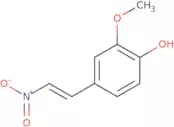
CAS:<p>1-(4-Hydroxy-3-methoxyphenyl)-2-nitroethene is an experimental molecule that was not previously known to exist. The intramolecular reaction of 1,4-dihydroxynitrobenzene and glyoxylic acid yields the product. It is a phenolic compound with biological activity, which has been shown to inhibit glycosidases and alkaloids.</p>Formula:C9H9NO4Purity:Min. 95%Color and Shape:SolidMolecular weight:195.17 g/molH-Thr(tBu)-pNA
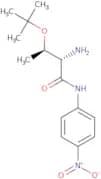
CAS:<p>Please enquire for more information about H-Thr(tBu)-pNA including the price, delivery time and more detailed product information at the technical inquiry form on this page</p>Formula:C14H21N3O4Purity:Min. 95%Molecular weight:295.33 g/mol3’’’-Epi-Empagliflozin
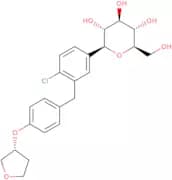
CAS:<p>Please enquire for more information about 3’’’-Epi-Empagliflozin including the price, delivery time and more detailed product information at the technical inquiry form on this page</p>Formula:C23H27ClO7Purity:95% MinColor and Shape:PowderMolecular weight:450.91 g/mol3-Hydroxy-5-methylpyridine
CAS:<p>3-Hydroxy-5-methylpyridine (3HMP) is a chemical substance that has been classified as an amine. It is a product of the metabolism of purines, which are nitrogenous bases found in DNA and RNA. 3HMP is produced by aerogenic bacteria (such as Enterobacter), and can be used to estimate the number of these bacteria present in water samples. 3HMP has been shown to have antiviral properties against influenza virus, and can be used as a biomarker for the presence of other viruses in animals. 3HMP also has mineralization properties, which have been studied extensively, particularly with regards to pancreatic disease.</p>Formula:C6H7NOPurity:Min. 95%Color and Shape:PowderMolecular weight:109.13 g/molAc-Asp-Arg-Val-Tyr-Ile-His-Pro-Phe-His-Leu-Val-Ile-His-Asn-OH
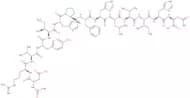
CAS:<p>Please enquire for more information about Ac-Asp-Arg-Val-Tyr-Ile-His-Pro-Phe-His-Leu-Val-Ile-His-Asn-OH including the price, delivery time and more detailed product information at the technical inquiry form on this page</p>Formula:C85H124N24O20Purity:Min. 95%Molecular weight:1,802.04 g/molN-Boc-4-piperidineacetaldehyde
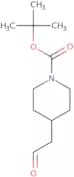
CAS:<p>N-Boc-4-piperidineacetaldehyde is a chiral, stable, and readily available aldehyde. It has been used in the synthesis of various biologically active molecules including imidazolidinones, which are important for their use as catalysts in organic chemistry. The synthesis of this molecule by the condensation of 4-piperidineacetic acid with acetaldehyde followed by reduction with sodium borohydride is an example of this type of reaction. N-Boc-4-piperidineacetaldehyde can be used to synthesize imines and linkers that are covalently bonded to the protein backbone. This molecule also has conformational stability and is not susceptible to oxidation or radiation damage.</p>Formula:C12H21NO3Purity:Min. 95%Molecular weight:227.3 g/molBz-Nle-Lys-Arg-Arg-AMC trifluoroacetate salt
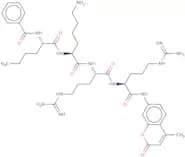
CAS:<p>Please enquire for more information about Bz-Nle-Lys-Arg-Arg-AMC trifluoroacetate salt including the price, delivery time and more detailed product information at the technical inquiry form on this page</p>Formula:C41H60N12O7·C2HF3O2Purity:Min. 95%Color and Shape:White PowderMolecular weight:832.99 g/molCyclo(-D-His-Pro)
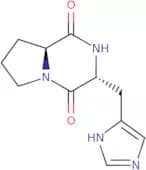
CAS:<p>Please enquire for more information about Cyclo(-D-His-Pro) including the price, delivery time and more detailed product information at the technical inquiry form on this page</p>Formula:C11H14N4O2Purity:Min. 95%Molecular weight:234.25 g/molNeuropeptide EI (human, mouse, rat) trifluoroacetate salt
CAS:<p>Neuropeptide EI is a cyclic peptide that has been shown to have receptor activity in the caudate putamen, as well as locomotor activity and metabolic rate. Neuropeptide EI has also been shown to inhibit lymphatic vessels and amide sequences in fat cells. It has been shown to have various biological functions, such as an anti-inflammatory agent, an analgesic, and a chemotherapeutic agent. It is active against cancer cells and autoimmune diseases, but is inactive against bacteria.</p>Formula:C63H98N16O23Purity:Min. 95%Molecular weight:1,447.55 g/molH-Pro-His-Phe-OH
CAS:<p>H-Pro-His-Phe-OH is a proteolytic enzyme that belongs to the group of serine proteases. It is a member of the subtilisin family and has been used in research for its ability to cleave proteins at random. H-Pro-His-Phe-OH has been shown to hydrolyze lactococcal proteinase and other serine proteases, such as trypsin, chymotrypsin, and elastase.</p>Formula:C20H25N5O4Purity:Min. 95%Molecular weight:399.44 g/mol(Des-Gly10,D-His(Bzl)6,D-Leu7,Pro-NHEt 9)-LHRH acetate salt
CAS:Controlled Product<p>Please enquire for more information about (Des-Gly10,D-His(Bzl)6,D-Leu7,Pro-NHEt 9)-LHRH acetate salt including the price, delivery time and more detailed product information at the technical inquiry form on this page</p>Formula:C66H86N18O12Purity:Min. 95%Molecular weight:1,323.5 g/molFor-Nle-Leu-Phe-Nle-Tyr-Lys-OH
CAS:<p>For-Nle-Leu-Phe-Nle-Tyr-Lys-OH is an amino acid sequence that is a proteolytic fragment of the erythrocyte membrane protein band 3. It has been shown to be able to inhibit the activity of cytosolic calcium and actin filament polymerization, as well as inhibiting apoptosis in human polymorphonuclear leukocytes (PMNL). This compound has been found to be effective in preventing uptake of bacteria by neutrophils, which may be due to its ability to alter the pH gradient across the membrane and increase intracellular calcium levels. For-Nle-Leu-Phe-Nle-Tyr-Lys-OH also inhibits diacylglycerol synthesis, which may contribute to its antiinflammatory effects.</p>Formula:C43H65N7O9Purity:Min. 95%Molecular weight:824.02 g/molFA-Ala-Arg-OH
CAS:<p>F-Ala-Arg-OH is a peptide hormone that has been shown to have antitumor, antiinflammatory, and antidiabetic properties. The peptide hormone binds to the creatine kinase enzyme and inhibits its activity, which leads to a decrease in phosphocreatine levels in the human serum. F-Ala-Arg-OH does not inhibit lysine residues of the creatine kinase enzyme. This inhibition can be reversed by adding ATP or adding an activator. F-Ala-Arg-OH also inhibits cancer cells through apoptosis. This inhibition of cancer cells may be due to the ability of this peptide to bind to lysine residues on cell membranes and activate them. F-Ala-Arg-OH is also able to destroy tumor cells by binding to their mitochondria and inducing their lysis.</p>Formula:C16H23N5O5Purity:Min. 95%Molecular weight:365.38 g/molHymenistatin I Cyclo(-Pro-Pro-Tyr-Val-Pro-Leu-Ile-Ile)
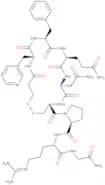
CAS:<p>Hymenistatin I is a cyclic peptide that is synthesized from the natural amino acid L-proline. It has been shown to inhibit tumor growth and is used in the treatment of bladder cancer. The synthesis of Hymenistatin I begins with the protection of proline as an N-tert-butyloxycarbonyl derivative, followed by a sequence of coupling reactions. This synthetic process involves the use of a linker, such as tetrazole or succinimidyl ester, for example. The final product can then be purified by HPLC analysis. Hymenistatin I inhibits calcineurin inhibitor, which are immunosuppressive agents that are used to treat lymphocytic leukemia and other autoimmune diseases.</p>Formula:C47H72N8O9Purity:Min. 95%Molecular weight:893.12 g/mol(Deamino-Cys1,b-(3-pyridyl)-D-Ala2,Arg8)-Vasopressin trifluoroacetate salt
CAS:<p>DDAVP is an analogue of vasopressin, which belongs to the class of inositol phosphates. It is a potent agonist for the V1 receptor and has a higher affinity for this receptor than vasopressin. DDAVP also has antagonist properties at the V2 receptor. The biological activity of DDAVP is mediated by its ability to increase phospholipase A2 activity and cause the release of arachidonic acid from membrane phospholipids. This activation causes an increase in prostaglandin synthesis, leading to increased vascular permeability and hypotension. DDAVP may also have antidiuretic effects due to its antagonism of oxytocin receptors.</p>Formula:C45H63N15O11S2Purity:Min. 95%Molecular weight:1,054.21 g/mol









![([D2]Gly4)-Cholecystokinin Octapeptide (sulfated) ammonium salt](/_next/image/?url=https%3A%2Fstatic.cymitquimica.com%2Fproducts%2F3D%2Fthumb-webp%2FFG110020.webp&w=3840&q=75)