Amino Acids (AA)
Amino acids (AAs) are the fundamental building blocks of proteins, playing a crucial role in various biological processes. These organic compounds are essential for protein synthesis, metabolic pathways, and cell signaling. In this category, you will find a comprehensive range of amino acids, including essential, non-essential, and modified forms, which are vital for research in biochemistry, molecular biology, and nutritional sciences. At CymitQuimica, we provide high-quality amino acids to support your research and development needs, ensuring accuracy and reliability in your experimental outcomes.
Subcategories of "Amino Acids (AA)"
- Amino Acid Derivatives(3,957 products)
- Amino Acid and Amino Acid Related Compounds(3,472 products)
- Amino Acids with Oxygen or Sulphur(168 products)
- Boc- Amino Acids(351 products)
- Fmoc Amino Acids(1,710 products)
Found 38265 products of "Amino Acids (AA)"
Sort by
Purity (%)
0
100
|
0
|
50
|
90
|
95
|
100
Bz-Phe-Val-Arg-pNA·HCl
CAS:<p>Bz-Phe-Val-Arg-pNA·HCl is an antibacterial agent that inhibits the synthesis of bacterial cell wall peptidoglycan by binding to the enzyme UDP-N-acetylmuramyl-L-alanyl-D-glutamate synthase. This compound has been shown to inhibit the growth of Gram negative bacteria and atypical bacteria, such as Staphylococcus aureus and Enterococcus faecalis. Bz-Phe-Val-Arg has also been shown to have immunomodulatory properties, which may be due to its ability to modify cellular immunity.</p>Formula:C33H40N8O6·HClPurity:Min. 95%Molecular weight:681.18 g/molBOC-D-Ser-OH
CAS:<p>BOC-D-Ser-OH is a synthetic amino acid with an acetylated serine side chain. It is used in the synthesis of glycosidic bonds. BOC-D-Ser-OH reacts with sodium hydrogen carbonate to form the sodium salt of D-serine, which can be used to produce glycoconjugates or as a model protein. The reaction yield is low and can be improved by adding acetyl groups to the substrate, such as galactose. Glycosidic bonds are formed by transfer reactions between nucleophilic hydroxyl groups on sugar molecules and electrophilic amino groups on proteins. The glycoconjugates produced by this reaction have been shown to have anticancer activity in animal models.</p>Formula:C8H15NO5Purity:Min. 95%Molecular weight:205.21 g/mol4-Phenoxybutyric acid
CAS:Controlled Product<p>4-Phenoxybutyric acid is a molecule that is produced by filamentous fungi. It has been shown to inhibit the growth of many bacteria, including Staphylococcus aureus, Salmonella typhimurium, and Enterobacter aerogenes. 4-Phenoxybutyric acid binds to the receptor on the surface of the bacterial cell membrane and prevents it from functioning correctly. It also prevents the production of proteins necessary for growth and survival. This inhibition leads to a loss of energy in the cell, which eventually leads to death. The molecule has been shown to be effective in inhibiting bacteria even if they are resistant to antibiotics. 4-Phenoxybutyric acid has been shown to be more efficient than other methods for microbial biotransformation, such as dispersive solid-phase extraction or liquid-liquid extraction.</p>Formula:C10H12O3Purity:Min. 95%Molecular weight:180.2 g/mol2-Methyl-3,5-dinitrobenzonitrile
CAS:<p>2-Methyl-3,5-dinitrobenzonitrile is a nitro compound that is used as a coccidiostat in the poultry industry. It inhibits the development of coccidiosis in chickens by preventing the growth of protozoa. 2-Methyl-3,5-dinitrobenzonitrile binds to DNA and RNA and prevents protein synthesis, thereby inhibiting cell division and causing death. This drug has been shown to be an analog of benzene, hexane, and pyridine. The structural analysis of this molecule reveals that it contains two nitro groups attached to a benzene ring. One nitro group is located on each methyl group. The hydrogen atoms are replaced by fluorine atoms with one hydrogen atom being replaced by chloride atom. The other nitro group is located on the 3rd carbon on the right side of the benzene ring. This molecule also contains three chlorine atoms which are attached to two adjacent carbons</p>Formula:C8H5N3O4Purity:Min. 95%Molecular weight:207.14 g/mol4-(N-Methylamino)phenylboronic acid pinacol ester
CAS:<p>Please enquire for more information about 4-(N-Methylamino)phenylboronic acid pinacol ester including the price, delivery time and more detailed product information at the technical inquiry form on this page</p>Formula:C13H20BNO2Purity:Min. 95%Molecular weight:233.11 g/mol1-Hexyl-4-phenylpiperazine
CAS:Controlled Product<p>Please enquire for more information about 1-Hexyl-4-phenylpiperazine including the price, delivery time and more detailed product information at the technical inquiry form on this page</p>Formula:C16H26N2Purity:Min. 95%Molecular weight:246.39 g/mol1-(4-Amino-3,5-dichloro-phenyl)-2-bromo-ethanone
CAS:<p>Please enquire for more information about 1-(4-Amino-3,5-dichloro-phenyl)-2-bromo-ethanone including the price, delivery time and more detailed product information at the technical inquiry form on this page</p>Formula:C8H6BrCl2NOPurity:Min. 95%Molecular weight:282.95 g/mol2-Bromo-4-methyl-1,3-thiazole
CAS:<p>2-Bromo-4-methyl-1,3-thiazole is a diazotization agent that reacts with nitrogen and forms a terminal nitro group. This reaction system is used in the formation of diazo compounds and the synthesis of dyes. 2-Bromo-4-methyl-1,3-thiazole can be used to generate nitrogen oxide, which is a precursor for the manufacture of various types of nitro compounds. It also reacts with metal oxides to produce metal nitrates.</p>Purity:Min. 95%(R)-(-)-2-Methylglutaric Acid
CAS:<p>Please enquire for more information about (R)-(-)-2-Methylglutaric Acid including the price, delivery time and more detailed product information at the technical inquiry form on this page</p>Formula:C6H10O4Purity:Min. 95%Molecular weight:146.14 g/mol3-(Dimethylamino)-1-(1-methyl-1H-indol-2-yl)prop-2-en-1-one
CAS:Controlled Product<p>Please enquire for more information about 3-(Dimethylamino)-1-(1-methyl-1H-indol-2-yl)prop-2-en-1-one including the price, delivery time and more detailed product information at the technical inquiry form on this page</p>Formula:C14H16N2OPurity:Min. 95%Molecular weight:228.29 g/molrac-N-ethyl-4-methyl cathinone hydrochloride
CAS:Controlled Product<p>Please enquire for more information about rac-N-ethyl-4-methyl cathinone hydrochloride including the price, delivery time and more detailed product information at the technical inquiry form on this page</p>Formula:C12H18ClNOPurity:Min. 95%Molecular weight:227.73 g/molBoc-Dap (Z)-OH
CAS:<p>Boc-Dap (Z)-OH is a tert-butyl ester of dipeptide that has been synthesized as a mimetic of the natural amino acid L-dap, which is an important component of the precursor molecule for the synthesis of polyamides. The Boc-Dap (Z)-OH is synthesized by reacting dodecane with a mixture of t-Boc protected α,α'-diaminoethane and t-Boc protected N,N'-diisopropylcarbodiimide hydrochloride. This reaction produces Boc-Dap (Z)-OH in high yield with an excellent purity.</p>Formula:C16H22N2O6Purity:Min. 95%Molecular weight:338.36 g/mol1,2-Dilauroyl-sn-glycero-3-phosphocholine
CAS:<p>The liposome is a spherical lipid bilayer that encloses an aqueous interior. It is used in the treatment of hyperproliferative diseases, such as cancer, and infectious diseases. The lipid bilayer membrane of the liposomes are made up of phospholipids, mostly phosphatidylcholine, with cholesterol or other molecules added to increase stability. The liposome is composed of two layers: the external layer which includes the phosphate head groups and hydrophilic polymers, and the internal layer which includes the hydrophobic fatty acid tails. Liposomes can be manipulated to target specific cells by adding proteins to either side of the membrane. These proteins are called targeting factors and they usually bind to receptors on the surface of cells that have particular features (e.g., CD4+ T-cells). This drug is toxic because it causes significant cytotoxicity when exposed to various types of cells at a concentration greater than 1 mM. There is significant</p>Formula:C32H64NO8PPurity:Min. 95%Molecular weight:621.83 g/molBoc-L-Lys(Me)2-OH
CAS:<p>Please enquire for more information about Boc-L-Lys(Me)2-OH including the price, delivery time and more detailed product information at the technical inquiry form on this page</p>Formula:C13H26N2O4Purity:Min. 95%Molecular weight:274.36 g/molTetradecafluoro-2-methylpentane
CAS:Controlled Product<p>Tetradecafluoro-2-methylpentane is a fluorinated hydrocarbon that is used in synthetic chemistry. It has been shown to inhibit the growth of cancer cells and leaves. Tetradecafluoro-2-methylpentane has also been shown to be an anthropogenic emission and may contribute to global warming. The chemical is classified as a cyclic hydrocarbon, which means it contains two or more rings of carbon atoms. Cyclic hydrocarbons are generally toxic because they disrupt normal cellular function through interference with cell membranes, protein synthesis, and DNA replication.</p>Formula:C6F14Purity:Min. 95%Molecular weight:338.04 g/mol1-N-Boc-pyrrolidine-3-(S)-methylcarboxylate
CAS:<p>Please enquire for more information about 1-N-Boc-pyrrolidine-3-(S)-methylcarboxylate including the price, delivery time and more detailed product information at the technical inquiry form on this page</p>Formula:C11H19NO4Purity:Min. 95%Molecular weight:229.27 g/mol1-tert-Butyl 2-methyl 4-oxopiperidine-1,2-dicarboxylate
CAS:<p>Please enquire for more information about 1-tert-Butyl 2-methyl 4-oxopiperidine-1,2-dicarboxylate including the price, delivery time and more detailed product information at the technical inquiry form on this page</p>Purity:Min. 95%2-Methylbenzenesulfonamide
CAS:<p>2-Methylbenzenesulfonamide is a chemical compound that has been shown to induce apoptosis in bladder cancer cells. It is an acid conjugate of the drug 2-methylbenzene-1,4-sulfonamide and it can be used for the treatment of bladder cancer. The compound binds to the apoptosis protein and inhibits its function, leading to cell death. The cytotoxic effects of 2-methylbenzenesulfonamide have been shown in short term toxicity studies in rats. In long term animal studies, this compound showed no adverse effects on the liver or kidneys, but did show some indication of reproductive toxicity. 2-Methylbenzenesulfonamide is not mutagenic and does not affect male fertility when given orally at doses up to 2000 mg/kg body weight for 90 days. 2-Methylbenzenesulfonamide binds to receptors on the surface of cancerous cells and induces apoptosis by inhib</p>Formula:C7H9NO2SPurity:Min. 95%Molecular weight:171.03544-Methoxyphenylacetylene
CAS:<p>4-Methoxyphenylacetylene is a phosphane that has been extensively studied for its reactivity in cross-coupling reactions with electron-deficient olefins. 4-Methoxyphenylacetylene has been shown to react with chlorides and form an intermediate chloride, which reacts with an olefin to form an ether. X-ray crystal structures of the reaction mechanism have been determined. The transfer mechanism involves nucleophilic attack of chloride on the phosphorus atom followed by elimination of hydrogen chloride from the phosphorus. The reaction product is an ether.</p>Formula:C9H8OPurity:Min. 95%Color and Shape:White Clear LiquidMolecular weight:132.16 g/mol2-(Chloromethyl)-3-(2-methoxyphenyl)quinazolin-4(3H)-one
CAS:Controlled Product<p>Please enquire for more information about 2-(Chloromethyl)-3-(2-methoxyphenyl)quinazolin-4(3H)-one including the price, delivery time and more detailed product information at the technical inquiry form on this page</p>Formula:C16H13ClN2O2Purity:Min. 95%Molecular weight:300.74 g/molD-Homoleucine HCl
CAS:<p>Please enquire for more information about D-Homoleucine HCl including the price, delivery time and more detailed product information at the technical inquiry form on this page</p>Formula:C7H15NO2·HClPurity:Min. 95%Color and Shape:White PowderMolecular weight:181.66 g/molrac-prolinol
CAS:<p>Rac-prolinol is a picolinic acid derivative that has been shown to inhibit the production of pyrrolidinecarboxylic acid in the form of l-tartaric acid. This inhibition is due to the formation of a hydrogen bond with the hydroxyl group on the substrate molecule, which prevents its conversion into pyrrolidinecarboxylic acid. Rac-prolinol has also been shown to inhibit collagen production in cells. Rac-prolinol binds to receptors that are involved in regulating cell proliferation and differentiation, including transforming growth factor beta receptor and epidermal growth factor receptor. It inhibits collagen synthesis by acting as a competitive inhibitor of proline hydroxylase, an enzyme responsible for catalyzing proline into hydroxyproline. The molecule also inhibits DNA synthesis by binding to the erythrocyte membrane skeleton and blocking ATP synthesis.</p>Formula:C5H11NOPurity:Min. 95%Molecular weight:101.15 g/mol3-(4-Methyl-1,4-diazepan-1-yl)propanoic acid
CAS:<p>Please enquire for more information about 3-(4-Methyl-1,4-diazepan-1-yl)propanoic acid including the price, delivery time and more detailed product information at the technical inquiry form on this page</p>Formula:C9H18N2O2Purity:Min. 95%Molecular weight:186.25 g/molHaloxyfop-P-methyl
CAS:<p>Haloxyfop-P-methyl is a herbicide that inhibits the growth of Gram-positive bacteria by inhibiting protein synthesis. Haloxyfop-P-methyl has been shown to inhibit the production of inflammatory genes in hispidum, an experimental bacterial strain. This herbicide also has an inhibitory effect on testicular cells and animals, which may be due to its ability to interfere with the production of prostaglandins. It is used for weed control in cereals such as triticum aestivum and lc-ms/ms method for plant analysis. The chemical structure of haloxyfop includes a methyl group and two oxyfluorine groups. Haloxyfop-P-methyl is soluble in n-dimethyl formamide (DMF) and fluoresces under UV light.</p>Formula:C16H13ClF3NO4Purity:Min. 95%Color and Shape:Clear LiquidMolecular weight:375.73 g/molN-Boc-erythro-L-β-methylphenylalanine
CAS:<p>Please enquire for more information about N-Boc-erythro-L-beta-methylphenylalanine including the price, delivery time and more detailed product information at the technical inquiry form on this page</p>Formula:C15H21NO4Purity:Min. 95%Molecular weight:279.33 g/molrac-4'-Methyl ketoprofen
CAS:<p>Please enquire for more information about rac-4'-Methyl ketoprofen including the price, delivery time and more detailed product information at the technical inquiry form on this page</p>Formula:C17H16O3Purity:Min. 95%Color and Shape:PowderMolecular weight:268.31 g/molAcetyl-ACTH (3-24) (human, bovine, rat) trifluoroacetate salt
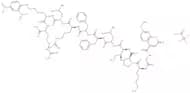
CAS:<p>Please enquire for more information about Acetyl-ACTH (3-24) (human, bovine, rat) trifluoroacetate salt including the price, delivery time and more detailed product information at the technical inquiry form on this page</p>Formula:C126H198N38O28SPurity:Min. 95%Molecular weight:2,725.23 g/mol(S)-1,2,3,4-Tetrahydro-5-methoxy-N-propyl-2-naphthalenamine hydrochloride
CAS:Controlled Product<p>Please enquire for more information about (S)-1,2,3,4-Tetrahydro-5-methoxy-N-propyl-2-naphthalenamine hydrochloride including the price, delivery time and more detailed product information at the technical inquiry form on this page</p>Formula:C14H22ClNOPurity:Min. 95%Molecular weight:255.78 g/mol1-Methylcyclopropane-1-carboxylic acid
CAS:<p>1-Methylcyclopropane-1-carboxylic acid is a reactive, stereoisomeric amide with an alkaline metal. It can be prepared by the reaction of methoxide and nitrobenzene in the presence of a base such as potassium hydroxide. 1-Methylcyclopropane-1-carboxylic acid has been shown to have potent antitumor activity against solid tumors in vivo. This compound was also shown to inhibit the growth of human prostate cancer cells in vitro. Additionally, 1-methylcyclopropane-1-carboxylic acid has been shown to inhibit the generation of reactive oxygen species (ROS) from xylene and other aromatic hydrocarbons, which may be due to its ability to nitrosylate these compounds and prevent them from reacting with oxygen.</p>Formula:C5H8O2Purity:Min. 95%Molecular weight:100.12 g/mol2-Dehydro-3-methoxy tibolone
CAS:Controlled Product<p>Please enquire for more information about 2-Dehydro-3-methoxy tibolone including the price, delivery time and more detailed product information at the technical inquiry form on this page</p>Formula:C22H30O2Purity:Min. 95%Molecular weight:326.47 g/mol2-Ethyl-2-phenylmalonamide
CAS:<p>2-Ethyl-2-phenylmalonamide (2-EPMA) is a metabolite of primidone that acts as an inhibitor of glutamate dehydrogenase and may be used in the treatment of epilepsy. It has been shown to be effective in treating seizures caused by carbamazepine, phenobarbital, or phenytoin. 2-EPMA is also used to measure enzyme activities in serum, which can be used as a diagnostic tool for liver diseases. 2-EPMA is typically prepared for use as an enzyme inhibitor by diluting it with high salt or human serum. This compound may have carcinogenic potential and should not be administered with single doses greater than 100 mg/kg body weight. 2-EPMA interacts with many other drugs such as phenobarbital, phenytoin, and carbamazepine.</p>Formula:C11H14N2O2Purity:Min. 95%Molecular weight:206.24 g/molN-(6-Phenylhexyl)-5-chloro-1-naphthalenesulfonamide
CAS:<p>N-(6-Phenylhexyl)-5-chloro-1-naphthalenesulfonamide is a dibutyryl camp analog that has been shown to inhibit the L-type calcium channel in a dose-dependent manner. It has an effect on both spermatozoa and glioma cells, with its most significant effect being inhibition of the intracellular calcium ion. This drug inhibits the growth rate of these cells, which may be due to its ability to activate adrenergic receptors and cause increased intracellular calcium ion levels. N-(6-Phenylhexyl)-5-chloro-1-naphthalenesulfonamide also slows the cycle of the cell, which may be due to a kinetic effect.</p>Formula:C22H24ClNO2SPurity:Min. 95%Molecular weight:401.95 g/molZ-NH-PEG6-CH2CH2COOH
<p>Z-NH-PEG6-CH2CH2COOH is a PEG compound with two different functional groups (also known as heterobifunctional). Unlike homobifunctional PEG compounds (same functional group on both ends), this type of compounds are more versatile as have two different anchor points. Z-NH-PEG6-CH2CH2COOH is used as a linker and spacer to add a PEG moiety, via pegylation (a bioconjugation technique) to proteins, peptides, oligonucleotides, small molecules and nanoparticles.</p>Formula:C23H37NO10Purity:Min. 95%Molecular weight:487.54 g/mol4-Chloro-6-methylnicotinic acid
CAS:<p>4-Chloro-6-methylnicotinic acid (4C6MNA) is a chemical substance that is used in the study of plant leaves and their permeability. This substance has been found to be an excellent indicator of chlorophyll content, as it stains leaf cells with a green color. 4C6MNA is taken up by healthy plant cells and mitochondria, where it binds to the chromophore molecule in the mitochondria. The binding of 4C6MNA to the chromophore molecule leads to the production of fluorescence, which can be detected via microscopy. This substance has been used for laser microbeam studies on natural leaves and tobacco plants.</p>Formula:C7H6CINO2Purity:Min. 95%Molecular weight:275.04 g/molD-Glyceric acid calcium dihydrate
CAS:<p>Please enquire for more information about D-Glyceric acid calcium dihydrate including the price, delivery time and more detailed product information at the technical inquiry form on this page</p>Formula:C3H6O4•Ca0•H2OPurity:Min. 95%Molecular weight:288.26 g/molH2N-PEG12-OH
CAS:<p>H2N-PEG12-OH is a PEG polymer categorised as monofunctional (OH-PEG-X). Used as a linker, H2N-PEG12-OH is used to attached PEG to proteins, peptides, oligonucleotides, nanoparticles and small molecules via pegylation, a bioconjugation technique.</p>Formula:C24H51NO12Purity:Min. 95%Molecular weight:545.66 g/molN-Ethyl-N-[(heptadecafluorooctyl)sulphonyl]glycine
CAS:Controlled Product<p>N-Ethyl-N-[(Heptadecafluorooctyl)sulphonyl]glycine is a high-concentration environmental pollutant that has been detected in the environment and human blood plasma. This chemical is a member of the class of polyfluoroalkyl substances (PFASs), which are used as surfactants in many industrial processes, including the manufacture of paper, textiles, and paints. PFASs are also present in foods such as meat, butter, and eggs. N-Ethyl-N-[(Heptadecafluorooctyl)sulphonyl]glycine has been shown to have trophic effects on invertebrates and can be measured using a triple-quadrupole mass spectrometer with reaction monitoring. This chemical is not suspected to be carcinogenic or toxic to humans because it does not react with DNA or proteins. The health effects of this substance are still</p>Formula:C12H8F17NO4SPurity:Min. 95%Color and Shape:PowderMolecular weight:585.24 g/molH-Arg-Gln-OH hydrochloride salt
CAS:<p>H-Arg-Gln-OH is a growth factor that has been shown to be effective in the genetic ablation of mice. This growth factor is taken up by cells via receptor activity and stimulates DNA synthesis and cell division. H-Arg-Gln-OH has been shown to be successful in the treatment of congenital heart disease. The onset latency is site specific and low energy, which means that it can be used for noninvasive treatments.</p>Formula:C11H22N6O4Purity:Min. 95%Molecular weight:302.33 g/mol3-Methyl-p-anizaldehyde
CAS:<p>3-Methyl-p-anizaldehyde is a vanillyl alcohol, which is a natural compound that can be found in vanilla beans. It has been used in the synthesis of vanillic acid and lactams. 3-Methyl-p-anizaldehyde has been shown to react with alkyl halides to form alkylated products. These reactions are catalyzed by an enzyme called alcohol dehydrogenase. This enzyme binds to the hydroxyl group on the 3 position of the vanillin molecule, which is then oxidized to form a functional group called an acetate ester. The reaction occurs at low temperatures and can result in optical activity if it produces a chiral product. 3-Methyl-p-anizaldehyde also reacts with ecteinascidins, which are marine natural products that have potent cytotoxic properties against cancer cells.</p>Formula:C9H10O2Purity:Min. 95%Molecular weight:150.17 g/molN-α-Z-L-lysine benzyl ester benzenesulfonate salt
CAS:<p>Please enquire for more information about N-alpha-Z-L-lysine benzyl ester benzenesulfonate salt including the price, delivery time and more detailed product information at the technical inquiry form on this page</p>Formula:C27H32N2O7SPurity:Min. 95%Molecular weight:528.62 g/mol1-Boc-4-aminopiperidine-4-carboxylic acid
CAS:<p>Please enquire for more information about 1-Boc-4-aminopiperidine-4-carboxylic acid including the price, delivery time and more detailed product information at the technical inquiry form on this page</p>Formula:C11H20N2O4Purity:Min. 95%Color and Shape:White To Beige SolidMolecular weight:244.29 g/molEthyl 1-N-Boc-3-oxopiperidine-4-carboxylate
CAS:<p>Please enquire for more information about Ethyl 1-N-Boc-3-oxopiperidine-4-carboxylate including the price, delivery time and more detailed product information at the technical inquiry form on this page</p>Formula:C13H21NO5Purity:Min. 95%Molecular weight:271.31 g/mol1-Phenyl-1H-pyrazole-4-carbaldehyde
CAS:<p>1-Phenyl-1H-pyrazole-4-carbaldehyde is an antibacterial agent that has been shown to have bactericidal activity against bacteria. It inhibits the growth of bacteria by binding to the pyrazole ring in the bacterial cell wall and blocking the formation of a hydrogen bond. 1-Phenyl-1H-pyrazole-4-carbaldehyde has been shown to be effective against methicillin resistant Staphylococcus aureus (MRSA) and Ciprofloxacin resistant Pseudomonas aeruginosa isolates, but not against Mycobacterium tuberculosis or Mycobacterium avium complex.</p>Formula:C10H8N2OPurity:Min. 95%Molecular weight:172.18 g/mol1-Methyl-2-(piperazin-1-ylcarbonyl)-1H-indole hydrochloride
CAS:Controlled Product<p>Please enquire for more information about 1-Methyl-2-(piperazin-1-ylcarbonyl)-1H-indole hydrochloride including the price, delivery time and more detailed product information at the technical inquiry form on this page</p>Formula:C14H17N3OPurity:Min. 95%Molecular weight:243.3 g/mol1-[2-(5-Methyl-1H-indol-3-yl)ethyl]-5-oxopyrrolidine-3-carboxylic acid
CAS:Controlled Product<p>Please enquire for more information about 1-[2-(5-Methyl-1H-indol-3-yl)ethyl]-5-oxopyrrolidine-3-carboxylic acid including the price, delivery time and more detailed product information at the technical inquiry form on this page</p>Formula:C16H18N2O3Purity:Min. 95%Molecular weight:286.33 g/mol1H-Indene-1-methanamine, 2,3-dihydro-
CAS:Indene-1-methanamine is a drug that has been used for the treatment of neurologic disorders and is an ester of aliphatic hydrocarbons. It has been shown to have antidepressant effects in animal models, which may be due to its ability to bind to 5-HT1A receptors. Indene-1-methanamine also has antimicrobial properties and can be used for treating bladder infections as well as cancer. This drug binds to the quinolizine site on bacterial DNA gyrase, which inhibits DNA synthesis and leads to cell death.Formula:C10H13N·HClPurity:90%MinMolecular weight:183.68 g/molN6-(1-Deoxy-D-fructos-1-yl)-N2-[(phenylmethoxy)carbonyl]-L-lysine
CAS:<p>Please enquire for more information about N6-(1-Deoxy-D-fructos-1-yl)-N2-[(phenylmethoxy)carbonyl]-L-lysine including the price, delivery time and more detailed product information at the technical inquiry form on this page</p>Formula:C20H30N2O9Purity:Min. 95%Molecular weight:442.46 g/molH-Leu-2-chlorotrityl resin
CAS:<p>Please enquire for more information about H-Leu-2-chlorotrityl resin including the price, delivery time and more detailed product information at the technical inquiry form on this page</p>Purity:Min. 95%1-(5-Methyl-1,2,4-oxadiazol-3-yl)cyclohexanamine hydrochloride
CAS:Controlled Product<p>Please enquire for more information about 1-(5-Methyl-1,2,4-oxadiazol-3-yl)cyclohexanamine hydrochloride including the price, delivery time and more detailed product information at the technical inquiry form on this page</p>Formula:C9H16N3OClPurity:Min. 95%Molecular weight:217.7 g/mol1-[(1-Methyl-1H-pyrazol-4-yl)methyl]piperazine
CAS:Controlled Product<p>Please enquire for more information about 1-[(1-Methyl-1H-pyrazol-4-yl)methyl]piperazine including the price, delivery time and more detailed product information at the technical inquiry form on this page</p>Formula:C9H16N4Purity:Min. 95%Molecular weight:180.25 g/mol(S)-5,6,6a,7-Tetrahydro-6-methyl- 4H-dibenzo[de,g]quinoline-10,11-diol hydrochloride
CAS:Controlled Product<p>Please enquire for more information about (S)-5,6,6a,7-Tetrahydro-6-methyl- 4H-dibenzo[de,g]quinoline-10,11-diol hydrochloride including the price, delivery time and more detailed product information at the technical inquiry form on this page</p>Formula:C17H17NO2·HClPurity:Min. 95%Color and Shape:SolidMolecular weight:303.78 g/molZ-L-leucine-N-hydroxysuccinimide ester
CAS:<p>Please enquire for more information about Z-L-leucine-N-hydroxysuccinimide ester including the price, delivery time and more detailed product information at the technical inquiry form on this page</p>Formula:C18H22N2O6Purity:Min. 95%Molecular weight:362.38 g/mol1-Methyl-1,3-dihydro-2H-imidazol-2-one
CAS:<p>1-Methyl-1,3-dihydro-2H-imidazol-2-one is a chemical compound with the formula CHN. It has been used as a precursor to other compounds and can be prepared by reaction of methanol with chlorine or chloramine. 1,3-Dihydroimidazole reacts with UV light to generate photoproducts that contain pyrimidine or pyridinium rings. It is also reactive with chloride ion and can be used as a raw material for organic synthesis. 1,3-Dihydroimidazole can also be synthesized from chlorinated methanesulfonate esters.</p>Formula:C4H6N2OPurity:Min. 95%Molecular weight:98.1 g/mol(R)-3-Methylmorpholine
CAS:<p>(R)-3-Methylmorpholine is a potent inhibitor of phosphoinositide 3-kinases (PI3Ks) that have been implicated in the development and progression of cancer. It inhibits the PI3Ks at low concentrations, which may result in cell death. This drug also has an anti-inflammatory effect on cancer cells by inhibiting the production of lipids that promote inflammation. The pharmacokinetic properties of (R)-3-methylmorpholine include oral absorption, with a half-life of about 2 hours. In addition, it is well tolerated and does not cause any adverse side effects such as nausea or vomiting.</p>Formula:C5H11NOPurity:Min. 95%Molecular weight:101.15 g/mol1,1,1-Trichloro-3-(1-methyl-1H-benzimidazol-2-yl)propan-2-ol
CAS:Controlled Product<p>Please enquire for more information about 1,1,1-Trichloro-3-(1-methyl-1H-benzimidazol-2-yl)propan-2-ol including the price, delivery time and more detailed product information at the technical inquiry form on this page</p>Formula:C11H11Cl3N2OPurity:Min. 95%Molecular weight:293.58 g/molL-Methionine sulfoxide
CAS:<p>Methionine sulfoxide is a methionine that has been oxidized to methionine sulfoxide. Methionine sulfoxides are produced through protein oxidation, which is the chemical process of reacting with oxygen in the air or other compounds to form an organic peroxide and superoxide radical. Methionine sulfoxides are found in proteins and are formed as a result of oxidative stress on cells and tissues. The rate constant for the conversion of methionine to methionine sulfoxide is 0.01983 min-1 at pH 7, 25°C. There are two methods of detection: chemiluminescence method and chromatographic analysis. In addition, methionine sulfoxides have natural antioxidant properties that can be used to treat diseases such as Alzheimer's disease and Parkinson's disease, as well as cancer treatments. Methionine sulfoxides have been shown to have a significant effect on wild-type strains of bacteria, reducing their growth rates</p>Formula:C5H11NO3SPurity:Min. 98 Area-%Color and Shape:White PowderMolecular weight:165.21 g/mol5-(5-Chloro-1-methyl-1H-benzimidazol-2-yl)pentanoic acid
CAS:Controlled Product<p>Please enquire for more information about 5-(5-Chloro-1-methyl-1H-benzimidazol-2-yl)pentanoic acid including the price, delivery time and more detailed product information at the technical inquiry form on this page</p>Formula:C13H15ClN2O2Purity:Min. 95%Molecular weight:266.72 g/mol2-Methylthio-4-hydroxypyrimidine
CAS:<p>2-Methylthio-4-hydroxypyrimidine is a protonated thione that inhibits the growth of bacteria, including Streptococcus faecalis. It has been shown to have an inhibitory effect on UV absorption and halide ions, such as mercury chloride. 2-Methylthio-4-hydroxypyrimidine is an analog of pyrimidine nucleosides and has a constant and regiospecific synthesis. The compound has also demonstrated antibacterial activity against bacteria, such as Staphylococcus aureus, Enterobacter aerogenes, Pseudomonas aeruginosa, Proteus vulgaris, Salmonella typhimurium, Escherichia coli, and Shigella flexneri.</p>Formula:C5H6N2OSPurity:Min. 95%Molecular weight:142.18 g/mol(S)-(+)-2-Phenylglycine amide
CAS:<p>(S)-(+)-2-Phenylglycine amide is a racemic mixture of the (R) and (S) enantiomers. It is an inhibitor of the enzyme, racemase, which converts one type of amino acid to another. This inhibition prevents allergic reactions that can be caused by acylation reactions or ph profiles in the body. The amino acid composition of this drug is unique because it contains an ester hydrochloride group, which does not exist in other drugs. The kinetic and thermodynamic properties of (S)-(+)-2-phenylglycine amide have been studied extensively, but there are no reports on its ability to inhibit inflammatory diseases. However, it has been shown that the β-amino acid in this drug can inhibit amide hydroxamic acids and stereoselective hydroxamic acids.</p>Formula:C8H10N2OPurity:Min. 95%Molecular weight:150.18 g/mol5-Boc-octahydro-pyrrolo[3,4-c]pyridine
CAS:<p>Please enquire for more information about 5-Boc-octahydro-pyrrolo[3,4-c]pyridine including the price, delivery time and more detailed product information at the technical inquiry form on this page</p>Formula:C12H22N2O2Purity:Min. 95%Molecular weight:226.32 g/mol1-(2-Methoxybenzyl)piperazine
CAS:Controlled Product<p>1-(2-Methoxybenzyl)piperazine (1-MBP) is a multitarget drug that has been shown to have medicinal properties. It inhibits the cholinergic system, which is involved in memory and cognition, as well as pathways such as the inflammatory response and amyloid production. 1-MBP has been shown to inhibit acetylcholinesterase, an enzyme that breaks down acetylcholine, thus increasing the amount of acetylcholine available for signaling. 1-MBP also inhibits cholinesterase, which increases the amount of acetylcholine in the brain. This drug may have synergistic effects with other drugs for Alzheimer's disease, such as donepezil and tacrine. 1-MBP has been used in optimization studies to find new potential treatments for Alzheimer's disease by targeting different aspects of its pathogenesis.</p>Formula:C12H18N2OPurity:Min. 95%Color and Shape:PowderMolecular weight:206.28 g/molCyclo(-Gly-L-Phe)
CAS:<p>Cyclo(-Gly-L-Phe) is a cyclic peptide with hydroxyl group at the C-terminal. It has been shown to have high uptake and cytotoxicity in intestinal cells. The uptake of Cyclo(-Gly-L-Phe) was found to be reversed phase high performance liquid chromatography (RP-HPLC). Cyclo(-Gly-L-Phe) is also cytotoxic to coryneform, caco2, and HeLa cells and inhibits cellular protein synthesis through inhibition of ribosome function.</p>Formula:C11H12N2O2Purity:Min. 95%Color and Shape:PowderMolecular weight:204.23 g/mol(Asp371)-Tyrosinase (369-377) (human) acetate salt
CAS:<p>Tyrosinase protein:<br>Peptide Tyrosinase (Asp371) – HLA-A*0201 (YMDGTMSQV) is a human tyrosinase-derived (369-377) peptide by posttranslational conversion of the sequence YMNGTMSQV. Tyrosinase is an oxidase membrane-bound protein. Tyrosinase play a key role in the melanin synthesis pathway. Tyrosinase is presented on the surface of HLA-A*02:01 melanomas and also expressed in melanocytes. Tyrosinase has been still suggested to be a tumor antigen and might be implicated in improvement of immunotherapeutic strategies such as for efficient anticancer vaccine development.<br>Applications of Peptide Tyrosinase (Asp371) – HLA-A*0201 (YMDGTMSQV):<br>Peptide Tyrosinase (Asp371) – HLA-A*0201 (YMDGTMSQV) is used to stimulate specific cytotoxic T lymphocytes (CTL) in PBMCs and then to analyze CTL response especially the cytokine production by ELISPOT assay. Peptide Tyrosinase (Asp371) – HLA-A*0201 (YMDGTMSQV) is also involved in experimental therapies of metastatic melanoma by allogeneic hematopoietic stem cell transplantation. In fact, cytotoxic T cells were generated from peripherical blood mononuclear cells (PBMCs) of HLA-A*02:01 healthy donors after being stimulated by injection of Asp371 antigen (2). This strategy raises issues which concern the graft versus tumor (GvT) effect and graft versus host disease (GvHD).</p>Formula:C42H66N10O16S2Purity:Min. 95%Molecular weight:1,031.16 g/mol2-Oxo-3-hydroxy-N-methyl-N-propyl D-lysergamide
CAS:Controlled Product<p>2-Oxo-3-hydroxy-N-methyl-N-propyl D-lysergamide (2OMD) is a metabolite of the drug lysergic acid diethylamide (LSD). It can be detected in urine, blood, and saliva. The detection time in urine is approximately 3 hours after ingestion. 2OMD can be found by chromatography techniques, such as thin layer chromatography or high performance liquid chromatography. It can also be detected using mass spectrometric techniques, such as gas chromatography/mass spectrometry or liquid chromatography/mass spectrometry. 2OMD can also be detected in urine samples by calibrations with standards of known concentration and by the use of analytical methods such as gas chromatography/mass spectroscopy.</p>Formula:C20H25N3O3Purity:Min. 95%Molecular weight:355.43 g/mol1-(3-Methoxyphenyl)piperazine dihydrochloride
CAS:Controlled Product<p>Please enquire for more information about 1-(3-Methoxyphenyl)piperazine dihydrochloride including the price, delivery time and more detailed product information at the technical inquiry form on this page</p>Formula:C11H18Cl2N2OPurity:Min. 95%Color and Shape:PowderMolecular weight:265.18 g/mol(2S,3S,5S)-5-[(N-Formyl-L-leucyl)oxy]-2-hexyl-3-hydroxyhexadecanoic acid
CAS:<p>Please enquire for more information about (2S,3S,5S)-5-[(N-Formyl-L-leucyl)oxy]-2-hexyl-3-hydroxyhexadecanoic acid including the price, delivery time and more detailed product information at the technical inquiry form on this page</p>Formula:C29H55NO6Purity:Min. 95%Molecular weight:513.75 g/mol6-Bromo-3-phenylquinazoline-2,4(1H,3H)-dione
CAS:Controlled Product<p>Please enquire for more information about 6-Bromo-3-phenylquinazoline-2,4(1H,3H)-dione including the price, delivery time and more detailed product information at the technical inquiry form on this page</p>Formula:C14H9BrN2O2Purity:Min. 95%Molecular weight:317.14 g/mol2-[4-(2-Methylpropenyl)phenyl]propionic acid
CAS:<p>2-[4-(2-Methylpropenyl)phenyl]propionic acid is an analgesic and antipyretic agent. It has been shown to have antiinflammatory properties, which are mediated through inhibition of prostaglandin synthesis. This agent binds to the enzyme cyclooxygenase and inhibits the biosynthesis of prostaglandins that are responsible for inflammation. 2-[4-(2-Methylpropenyl)phenyl]propionic acid also has optical antipyretic activity, which may be due to its ability to inhibit the release of prostaglandins from arachidonic acid in the hypothalamus. The optical antipyretic activity is most likely due to the enantiomers that this drug contains. 2-[4-(2-Methylpropenyl)phenyl]propionic acid has a pharmacologic profile that includes analgesic and antipyretic activities.END>></p>Formula:C13H16O2Purity:Min. 95%Color and Shape:PowderMolecular weight:204.26 g/molFmoc-4-(3-carboxymethyl-2-keto-one-benzimidazolyl)piperidine
CAS:Controlled ProductPlease enquire for more information about Fmoc-4-(3-carboxymethyl-2-keto-one-benzimidazolyl)piperidine including the price, delivery time and more detailed product information at the technical inquiry form on this pageFormula:C29H27N3O5Purity:Min. 95%Molecular weight:497.54 g/molN-Pyrazinylcarbonyl-L-phenylalanine methyl ester
CAS:<p>Please enquire for more information about N-Pyrazinylcarbonyl-L-phenylalanine methyl ester including the price, delivery time and more detailed product information at the technical inquiry form on this page</p>Formula:C15H15N3O3Purity:Min. 95%Molecular weight:285.3 g/molH-Cys(Me)-OH
CAS:<p>H-Cys(Me)-OH is an organosulfur compound that contains a sulfhydryl group. It is used as a model system for the study of the p2 group of compounds in nitrogen chemistry and enzyme activity. H-Cys(Me)-OH has been shown to have anti-inflammatory properties, which may be due to its ability to inhibit prostaglandin synthesis. The compound also exhibits carcinogenic potential, as it induces mitochondrial membrane depolarization and kidney bean necrosis in rats when administered at high doses.</p>Formula:C4H9NO2SPurity:Min. 95 Area-%Molecular weight:135.19 g/mol2-Methyl butyric acid
CAS:<p>2-Methyl butyric acid is a fatty acid that is produced by the fungus Monascus purpureus. 2-Methyl butyric acid has been shown to inhibit the activity of a number of enzymes in gland cells, including proteases, lipases, and amylases. This effect may be due to its ability to inhibit lipid peroxidation. Further research into the metabolic profiles of 2-methyl butyric acid has shown that it inhibits the activity of enzymes involved in fatty acid synthesis and metabolism, such as tiglic acid synthase and ketoacyl CoA reductase. It also shows some potential as a solid catalyst for kinetic studies.</p>Formula:C5H10O2Purity:Min. 95%Color and Shape:Clear LiquidMolecular weight:102.13 g/mol2-Phenylpropan-1-amine hydrochloride
CAS:Controlled Product<p>Please enquire for more information about 2-Phenylpropan-1-amine hydrochloride including the price, delivery time and more detailed product information at the technical inquiry form on this page</p>Formula:C9H14ClNPurity:Min. 95%Molecular weight:171.67 g/mol4-Chloro-2-methylbenzenesulfonyl chloride
CAS:<p>Please enquire for more information about 4-Chloro-2-methylbenzenesulfonyl chloride including the price, delivery time and more detailed product information at the technical inquiry form on this page</p>Formula:C7H6Cl2O2SPurity:Min. 95%Molecular weight:225.09 g/molAcetyl-L-isoleucine
CAS:<p>Acetyl-L-isoleucine is a molecule that has been shown to inhibit the dehydrogenase enzyme. It can be synthesized from acetyl chloride and isomers of L-isoleucine in the presence of a metal catalyst, such as trifluoromethanesulfonic acid. Acetyl-L-isoleucine can also be used in protein synthesis and hydrolysis reactions. The ability of this molecule to bind to metal ions may also account for its antioxidant properties.</p>Formula:C8H15NO3Purity:Min. 95%Molecular weight:173.21 g/mol2-(2-Methyl-1H-indol-3-yl)ethanamine oxalate
CAS:Controlled Product<p>Please enquire for more information about 2-(2-Methyl-1H-indol-3-yl)ethanamine oxalate including the price, delivery time and more detailed product information at the technical inquiry form on this page</p>Formula:C13H16N2O4Purity:Min. 95%Molecular weight:264.28 g/molN-Methyl-5H-dibenzo[a,d]cycloheptene-5-propylamine hydrochloride
CAS:Controlled Product<p>N-Methyl-5H-dibenzo[a,d]cycloheptene-5-propylamine hydrochloride (NMBPD) is a drug with anti-inflammatory properties that belongs to the class of tricyclic antidepressants. It has been shown to have synergistic effects with synthetic matrix in vitro. This drug also has receptor activity and can be used to treat infectious diseases such as HIV and tuberculosis. NMBPD is excreted in the urine, which can lead to kidney fibrosis. The drug is metabolized by α1-acid glycoprotein, which may be related to its potential adverse effects on the liver and kidneys. The analytical method for quantification of NMBPD includes gas chromatography with mass spectrometry detection (GC/MS).</p>Formula:C19H22ClNPurity:Min. 95%Color and Shape:PowderMolecular weight:299.84 g/mol17,21Dihydroxy-16β-methylpregna-1,4,9(11)-triene-3,20-dione
CAS:Controlled Product<p>Please enquire for more information about 17,21Dihydroxy-16beta-methylpregna-1,4,9(11)-triene-3,20-dione including the price, delivery time and more detailed product information at the technical inquiry form on this page</p>Formula:C22H28O4Purity:Min. 95%Molecular weight:356.46 g/mol(±)-N-Methyl-p-methoxyamphetamine
CAS:Controlled Product<p>(±)-N-Methyl-p-methoxyamphetamine (MEM) is a synthetic cannabinoid that is used as an ingredient in the manufacture of designer drugs. MEM can be detected by gas chromatography and mass spectrometry, although it is not possible to distinguish MEM from other synthetic cannabinoids by these methods. MEM produces no significant adverse effects on human liver, but may have serious adverse effects on the heart and blood vessels. The drug can be found in urine samples with a chemical ionization detector or electrochemical detector. <br>The analytical method for MEM detection is based on liquid chromatography-tandem mass spectrometry (LC/MS/MS). The LC/MS/MS technique separates and identifies compounds by creating ions through the use of an electric field. This method has been shown to accurately detect MEM, while also eliminating false positives due to its specificity.</p>Formula:C11H17NOPurity:Min. 95%Molecular weight:179.26 g/molD,L-Alanosine sodium salt
<p>Please enquire for more information about D,L-Alanosine sodium salt including the price, delivery time and more detailed product information at the technical inquiry form on this page</p>Formula:C3H6N3NaO4Purity:Min. 95%Molecular weight:171.09 g/mol4-Amino-2-methylphenylboronic acid, pinacol ester
CAS:<p>Please enquire for more information about 4-Amino-2-methylphenylboronic acid, pinacol ester including the price, delivery time and more detailed product information at the technical inquiry form on this page</p>Formula:C13H20BNO2Purity:Min. 95%Molecular weight:233.11 g/mol5-(2-Aminopropyl)-2-methoxybenzenesulphonamide
CAS:Controlled Product<p>5-(2-Aminopropyl)-2-methoxybenzenesulphonamide is a trimethyl derivative of the aminopropyl group. It is used as a reagent to introduce hydroxymethyl groups into organic compounds. 5-(2-Aminopropyl)-2-methoxybenzenesulphonamide reacts with hydrochloric acid and an organic solvent in the preparation process. In the Friedel-Crafts reaction, 5-(2-Aminopropyl)-2-methoxybenzenesulphonamide reacts with d-alanine to form an optical isomer, which can be converted to its racemic form by ammonolysis. This compound is also used as a prostatic agent and an amide in the synthesis of benzene and phenoxymethyl alcohols.</p>Formula:C10H16N2O3SPurity:Min. 95%Molecular weight:244.31 g/mol(5-Methoxy-1-methyl-1H-benzimidazol-2-yl)methanol
CAS:Controlled Product<p>Please enquire for more information about (5-Methoxy-1-methyl-1H-benzimidazol-2-yl)methanol including the price, delivery time and more detailed product information at the technical inquiry form on this page</p>Formula:C10H12N2O2Purity:Min. 95%Molecular weight:192.21 g/molN-Methylaniline
CAS:<p>N-Methylaniline is a chemical compound that is used in the treatment of wastewater. It can be synthesized by reacting acetaldehyde with ammonia and ethyl chloride. The adsorption of N-methylaniline onto a Langmuir monolayer was studied using electrochemical impedance spectroscopy (EIS). The kinetic energy of N-methylaniline molecules was found to be lower than water vapor molecules, which may explain its high detection sensitivity.</p>Formula:C7H9NPurity:Min. 95%Molecular weight:107.15 g/mol1-(1,1-Dimethylethyl) hydrogen N-[20-(1,1-dimethylethoxy)-1,20-dioxoeicosyl]-L-glutamate
CAS:<p>Please enquire for more information about 1-(1,1-Dimethylethyl) hydrogen N-[20-(1,1-dimethylethoxy)-1,20-dioxoeicosyl]-L-glutamate including the price, delivery time and more detailed product information at the technical inquiry form on this page</p>Formula:C33H61NO7Purity:Min. 95%Molecular weight:583.84 g/molH-Leucinol-2-chlorotrityl resin
<p>Please enquire for more information about H-Leucinol-2-chlorotrityl resin including the price, delivery time and more detailed product information at the technical inquiry form on this page</p>Purity:Min. 95%Color and Shape:Light (Or Pale) Yellow To Brown Solid2,5-Dibromo-3-methylthiophene
CAS:<p>2,5-Dibromo-3-methylthiophene is a small molecule that has been shown to have anti-bacterial properties. It reacts with the bacterial cell membrane, disrupting the bacteria's ability to function and causing it to die. 2,5-Dibromo-3-methylthiophene can be used as an antibacterial agent in medicine or cosmetics. The chemical structure of 2,5-dibromo-3-methylthiophene is similar to that of oxadiazole and 5H-[1]benzothiazol[5,4,-d][1,2]oxazole and it has been shown that these compounds can also be used for antibacterial purposes. The anti-bacterial activity of 2,5-dibromo-3-methylthiophene is due to its functional groups which are reactive with metal ions such as Cu(II) and Fe(III).</p>Formula:C5H4Br2SPurity:Min. 95%Molecular weight:255.96 g/mol3-Methylphenethylamine
CAS:Controlled Product<p>3-Methylphenethylamine is a synthetic amine that is used in the production of 3-methylphenethylamine hydrochloride. It has been shown to have a wide range of pharmacological effects, including increasing blood pressure, heart rate, and respiration. This drug also has an antitussive effect and can be used to treat asthma symptoms. 3-Methylphenethylamine can be synthesized by reacting phenylethylamine with formaldehyde and hydrogen chloride gas in the presence of alcohol or sodium hydroxide solution.</p>Formula:C9H13NPurity:Min. 95%Molecular weight:135.21 g/mol2-Methoxy-5-methylsulfonylbenzoicacid
CAS:<p>2-Methoxy-5-methylsulfonylbenzoic acid is an organic compound that can be used as a pharmaceutical intermediate. It has been used to synthesize diagnostic agents and drugs such as isradipine and sarpogrelate hydrochloride. 2-Methoxy-5-methylsulfonylbenzoic acid is also used as an intermediate in the synthesis of bortezomib, a drug that inhibits the proteasome. This product contains impurities that may interfere with its use as a pharmaceutical preparation. The flow rate of this product is sensitive to changes in temperature and pressure.</p>Formula:C9H10O5SPurity:Min. 95%Molecular weight:230.24 g/mol2-Methyl-5-Benzothiazolol
CAS:<p>2-Methyl-5-benzothiazolol is a compound that has photophysical properties. It is soluble in organic solvents and can be used in techniques such as photochemical, fluorescence, crystallography, and MALDI-TOF. 2-Methyl-5-benzothiazolol has been shown to inhibit the formation of amyloid fibrils in the brain microvasculature endothelium of mice. This drug also inhibits the production of cyclotriphosphazene from bacteria. 2-Methyl-5-benzothiazolol can be synthesized from cyclotriphosphazene with benzaldehyde and methylamine. 2-Methyl-5-benzothiazolol has been shown to have anti cancer activity by inhibiting cell proliferation through apoptosis induction. It can also inhibit viral replication by interfering with viral protein synthesis at concentrations below those needed for inhibition of host cell</p>Formula:C8H7NSOPurity:Min. 95%Molecular weight:165.21 g/mol2-(2-Methoxyphenoxy)ethanol
CAS:<p>2-(2-Methoxyphenoxy)ethanol (2-MPE) is a metabolite of propanediol, which is a precursor in the synthesis of polyurethanes. 2-MPE can be oxidized by monooxygenases to form syringyl and other reactive metabolites. Basic hydrolysis may also produce monomers such as phenols, alcohols, and carboxylic acids. Syringyl is one of the metabolic products of 2-MPE, which has been shown to be resistant to degradation by basidiomycete fungi.</p>Formula:C9H12O3Purity:Min. 95%Molecular weight:168.19 g/mol5[(R)-(2-Aminopropyl)]-2-methoxybenzenesulfonamide hydrochloride
CAS:Controlled Product<p>Please enquire for more information about 5[(R)-(2-Aminopropyl)]-2-methoxybenzenesulfonamide hydrochloride including the price, delivery time and more detailed product information at the technical inquiry form on this page</p>Formula:C10H17ClN2O3SPurity:Min. 95%Molecular weight:280.77 g/mol(S)-1-Z-2-tert-butyl-3-methyl-4-imidazolidinone
CAS:<p>Please enquire for more information about (S)-1-Z-2-tert-butyl-3-methyl-4-imidazolidinone including the price, delivery time and more detailed product information at the technical inquiry form on this page</p>Formula:C16H22N2O3Purity:Min. 95%Molecular weight:290.36 g/molIndole-3-acetyl-L-phenylalanine
CAS:<p>Indole-3-acetyl-L-phenylalanine is a plant growth regulator that inhibits the transport of auxin in the plant. It is used as a regulatory agent to inhibit the growth of plants by interfering with their natural regulatory mechanisms. Indole-3-acetyl-L-phenylalanine is an effective inhibitor of auxin transport and has been shown to have an inhibitory effect on plant growth. This compound also binds to acid conjugates, which are found in plants, and blocks their ability to bind to auxin receptors, preventing them from activating the cell's responses. This inhibition leads to decreased cell division and reduced root growth.</p>Formula:C19H18N2O3Color and Shape:PowderMolecular weight:322.36 g/mol5-Bromo-2-methoxyphenethylamine hydrobromide
CAS:Controlled Product<p>Please enquire for more information about 5-Bromo-2-methoxyphenethylamine hydrobromide including the price, delivery time and more detailed product information at the technical inquiry form on this page</p>Formula:C9H13Br2NOPurity:Min. 95%Molecular weight:311.01 g/moltrans-Methyl crotonate
CAS:<p>Trans-methyl crotonate (trans-Methyl crotonate) is a dimethyl fumarate that is used as an analytical reagent for the determination of fatty acids. This reagent is prepared by an asymmetric synthesis and has been shown to be a potential candidate for the treatment of infectious diseases because it inhibits cell growth in the presence of oxygen. The reaction mechanism is not yet fully understood, but it has been found to inhibit glycol ethers and esters, which may play a role in its anti-inflammatory activities. Trans-methyl crotonate has also been shown to have kinetic properties that are dependent on its structure.</p>Formula:C5H8O2Purity:Min. 95%Molecular weight:100.12 g/mol1-(1-Methyl-1H-indazol-3-yl)ethanone
CAS:Controlled Product<p>Please enquire for more information about 1-(1-Methyl-1H-indazol-3-yl)ethanone including the price, delivery time and more detailed product information at the technical inquiry form on this page</p>Purity:Min. 95%cis-4-Methylcyclohexylamine
CAS:<p>Cis-4-Methylcyclohexylamine is a cyclic amine that is found in the form of its decarboxylated derivative, 4-methylcyclohexanamine, which is used as an inhibitor for various enzymes. The methyl group on the cyclohexane ring is responsible for the compound's activity. Magnetic resonance spectroscopy has shown that cis-4-Methylcyclohexylamine binds to the active site of carbonyl reductase and inhibits its enzymatic activity, thereby blocking a step in the citric acid cycle. Cis-4-Methylcyclohexylamine has also been shown to have anti-inflammatory effects by inhibiting protein kinase C (PKC) and NFkB activation.</p>Formula:C7H15NPurity:Min. 95%Molecular weight:113.2 g/molN-Methylpiperidinyl-2-methyl benzilate
CAS:Controlled Product<p>Please enquire for more information about N-Methylpiperidinyl-2-methyl benzilate including the price, delivery time and more detailed product information at the technical inquiry form on this page</p>Formula:C21H25NO3Purity:Min. 95%Molecular weight:339.43 g/molN-[2-[4-(Aminosulfonyl)-phenyl]-ethyl]-5-methyl-2-pyrazinecarboxamide
CAS:<p>Fluoxetine is a potent inhibitor of the enzyme cytochrome P450 (CYP) 2C19. The inhibition of CYP2C19 by fluoxetine may lead to an increase in the plasma concentration of other drugs that are metabolized by this enzyme, such as glipizide and hydroxycyclohexyl. Fluoxetine inhibits human uric acid secretion and increases plasma concentrations of uric acid. This drug also inhibits human erythrocyte dihydropyrimidine dehydrogenase, leading to increased blood levels of pyrimidines, especially cytotoxic ones like 6-fluoro-3-indoxyl-beta-D-galactopyranoside. Fluoxetine has been shown to have a protective effect against acetaminophen toxicity in rats because it enhances the conversion of acetaminophen to its less toxic metabolite N-acetylcysteine.</p>Formula:C14H16N4O3SPurity:Min. 95%Color and Shape:White To Off-White SolidMolecular weight:320.37 g/mol3,5-Dibromo-6-methylpyrazin-2-amine
CAS:<p>Please enquire for more information about 3,5-Dibromo-6-methylpyrazin-2-amine including the price, delivery time and more detailed product information at the technical inquiry form on this page</p>Formula:C5H5Br2N3Purity:Min. 95%Molecular weight:266.92 g/molR-2-Methylaziridine
CAS:Controlled Product<p>R-2-Methylaziridine is a diastereomer of R-Methylaziridine. The diastereomers are chiral and have different chemical properties. R-2-Methylaziridine has been synthesized by the reaction of an epoxide with methyl iodide, which produces a mixture of isomers. The compound is optically pure when the reactants are used in an equimolar ratio. <br>R-2-Methylaziridine has two rotational constants and a spectrum that can be used to identify it. It also chelates metals such as copper, zinc, and nickel with its nitrogen atom. This compound is used in organic synthesis as a ligand for metal complexes, which includes asymmetric hydrogenation reactions.</p>Formula:C3H7NPurity:Min. 95%Molecular weight:57.09 g/mol9-Chloro-11β,17,21-trihydroxy-16β-methylpregna-1,4-diene-3,20-dione 17-valerate
CAS:Controlled Product<p>Prednisolone is a synthetic corticosteroid that is used in the treatment of a number of lung diseases, including asthma. Prednisolone is used to decrease the inflammation and swelling around the airways and lungs. Prednisolone is used to treat certain skin conditions, such as eczema and dermatitis. This drug also decreases the activity of the immune system by inhibiting production of substances that cause inflammation. The onset of action for prednisolone is typically one day with a duration of up to two weeks. It has been shown to be more effective when taken orally than when applied topically. It may be taken with or without food and can be given as an oral or an intravenous dose. Prednisolone tablets must be dissolved in water before they are placed under the tongue (sublingual). The tablets will dissolve quickly under the tongue, releasing prednisolone into your bloodstream. Enteric-coated tablets should not be crushed or chewed</p>Formula:C27H37ClO6Purity:Min. 95%Molecular weight:493.03 g/mol5,5'-Dithiobis(1-phenyl-1H-tetrazole)
CAS:<p>5,5'-Dithiobis(1-phenyl-1H-tetrazole) is a corrosion inhibitor that is used in electrochemical methods to study interactions between ions and molecules. It can be used as an inhibitor molecule in the desulfurization of coal. The molecular geometry of 5,5'-dithiobis(1-phenyl-1H-tetrazole) is centrosymmetric with a dihedral angle of 120°. This compound has been shown to have strong interaction with chloride ions. 5,5'-Dithiobis(1-phenyl-1H-tetrazole) is also used to inhibit the corrosion of metals by chlorine atoms.</p>Formula:C14H10N8S2Purity:95%NmrMolecular weight:354.42 g/mol1-(4-Chlorophenyl)-3-phenyl-1H-pyrazole-5-carboxylic acid
CAS:Controlled Product<p>Please enquire for more information about 1-(4-Chlorophenyl)-3-phenyl-1H-pyrazole-5-carboxylic acid including the price, delivery time and more detailed product information at the technical inquiry form on this page</p>Formula:C16H11ClN2O2Purity:Min. 95%Color and Shape:PowderMolecular weight:298.72 g/mol6-O-Methyl codeine
CAS:Controlled Product<p>6-O-Methyl codeine is a drug that belongs to the class of opioid analgesics. It is used to treat severe pain and coughing in patients with infectious diseases, such as pneumonia or bronchitis. 6-O-Methyl codeine may be administered by mouth, intravenously, or intramuscularly. The mechanism of action of this drug is not fully understood, but it has been shown to decrease respiratory rate in some animal studies. 6-O-Methyl codeine also has an effect on the central nervous system and may cause dizziness, drowsiness, nausea, vomiting and constipation. This drug is metabolized through oxidative reactions with oxygenated molecules like fluorine or hydrogenated aromatic hydrocarbons. 6-O-Methyl codeine is a prodrug that can be converted into morphine following cleavage by liver enzymes.</p>Formula:C19H23NO3Purity:Min. 95%Molecular weight:313.39 g/mol2-(2-Methyl-1H-imidazol-1-yl)ethanol
CAS:<p>2-(2-Methyl-1H-imidazol-1-yl)ethanol is a synthetic intermediate that has been used to synthesize antibiotics and antiviral agents. It has a terminal half-life of about 2 days and its pharmacokinetics are linear with an oral dose range from 10 to 100 mg/kg. The fruit extract of Camptotheca acuminata contains alkaloids, which can be converted into 2-(2-methyl-1H-imidazol-1-yl)ethanol by alkalization. 2-(2-Methyl-1H-imidazol-1-yl)ethanol is effective against hordeolum, acne, and infectious diseases caused by viruses such as herpes simplex. This drug has antibacterial properties and can be used in the treatment of bacterial infections such as staphylococcal skin infections, streptococcal throat infections, or gonorrhea. Dehydration is an</p>Formula:C6H10N2OPurity:Min. 95%Molecular weight:126.16 g/molH-Gln-pNA trifluoroacetate
<p>Please enquire for more information about H-Gln-pNA trifluoroacetate including the price, delivery time and more detailed product information at the technical inquiry form on this page</p>Formula:C11H14N4O4•(C2HF3O2)xPurity:Min. 95%1-(4-Methoxy-pyridin-2-yl)-ethanone
CAS:<p>Please enquire for more information about 1-(4-Methoxy-pyridin-2-yl)-ethanone including the price, delivery time and more detailed product information at the technical inquiry form on this page</p>Formula:C8H9NO2Purity:Min. 95%Molecular weight:151.16 g/mol2-(4-Fluorophenyl)-5-[(5-iodo-2-methylphenyl)methyl]thiophene
CAS:<p>Intermediate in the synthesis of canagliflozin</p>Formula:C18H14FISPurity:Min. 95%Molecular weight:408.27 g/mol2-Valeryl-17'-estradiol 17-valerate
CAS:Controlled Product<p>Please enquire for more information about 2-Valeryl-17'-estradiol 17-valerate including the price, delivery time and more detailed product information at the technical inquiry form on this page</p>Formula:CHOPurity:Min. 95%O-tert-Butyl-L-trans-4-hydroxyproline
CAS:<p>Please enquire for more information about O-tert-Butyl-L-trans-4-hydroxyproline including the price, delivery time and more detailed product information at the technical inquiry form on this page</p>Formula:C9H17NO3Purity:Min. 95%Molecular weight:187.24 g/mol17-Methylene-4-androsten-3-one
CAS:Controlled Product<p>17-Methylene-4-androsten-3-one is a natural steroid that belongs to the class of 17,20-lyase. This compound has been reported as an endogenous metabolite in human urine, plasma, and cerebrospinal fluid. It has been detected at low concentrations in the brain and liver. The nmr spectrum of 17-methylene-4-androsten-3-one displays a singlet at δ 3.2 ppm for the C=C double bond, which is characteristic of the A ring.<br>17 methylene 4 androsten 3 one is found in human urine, plasma, and cerebrospinal fluid with a concentration of 0.1 ng/ml. The nmr spectrum displays a singlet at δ 3.2 ppm for the C=C double bond which is characteristic of the A ring.</p>Formula:C20H28OPurity:Min. 95%Molecular weight:284.44 g/mol5-Methylpyridine-2-boronicacid
CAS:<p>Please enquire for more information about 5-Methylpyridine-2-boronicacid including the price, delivery time and more detailed product information at the technical inquiry form on this page</p>Formula:C6H8BNO2Purity:Min. 95%Molecular weight:136.94 g/molN-Methyl-4-nitroaniline
CAS:Controlled Product<p>Intermediate in the synthesis of nintedanib</p>Formula:C7H8N2O2Purity:Min. 95%Molecular weight:152.15 g/molβ-Alanine amide HCl
CAS:<p>Beta-alanine amide HCl is a research chemical that belongs to the class of beta-amino acid derivatives. Beta-alanine amide HCl is an activator of nucleophiles and can be used in analytical chemistry as an indicator for chloride ions. It has been shown to react with asparagine, yielding beta-alanine and ammonia. The reaction system can be analysed by measuring the elimination of a hydrogen chloride ion from the beta-alanine amide HCl molecule and the subsequent increase in pH. The analytical method has also been used to measure concentrations of deamination reactions and redox potentials at high concentrations.</p>Formula:C3H8N2O·HClPurity:Min. 95%Color and Shape:White PowderMolecular weight:124.57 g/mol2-methyl-3-(tributylstannyl) benzothiophene
CAS:Controlled Product<p>Please enquire for more information about 2-methyl-3-(tributylstannyl) benzothiophene including the price, delivery time and more detailed product information at the technical inquiry form on this page</p>Purity:Min. 95%3-Bromo-7-hydroxy-4-methylchromen-2-one
CAS:<p>3-Bromo-7-hydroxy-4-methylchromen-2-one is an organic compound with the molecular formula CHBrNO. It is a colorless solid that is soluble in organic solvents. 3-Bromo-7-hydroxy-4-methylchromen-2-one has shown antiviral activity against the pandemic Covid 19 virus, as well as activity against influenza A and B viruses. This compound also has been shown to be active against methicillin resistant Staphylococcus aureus (MRSA) and Clostridium perfringens. 3BRMCHM2O binds to DNA by covalent binding and inhibits the synthesis of RNA, causing cell death in bacteria. The compound can be accessed through two routes: one involving phenylhydrazine and hydrazines, and another involving ionic liquids and ionic reagents. The reaction time for this reaction is very short (10 minutes</p>Formula:C10H7BrO3Purity:Min. 95%Molecular weight:255.06 g/molN,N'-Di-(4-methyl-phenyl)-N,N'-diphenyl-1,4-phenylendiamine
CAS:<p>Please enquire for more information about N,N'-Di-(4-methyl-phenyl)-N,N'-diphenyl-1,4-phenylendiamine including the price, delivery time and more detailed product information at the technical inquiry form on this page</p>Formula:C32H28N2Purity:Min. 95%Molecular weight:440.58 g/mol2-Amino-4-(methylamino)-butanoic acid dihydrochloride
CAS:<p>Please enquire for more information about 2-Amino-4-(methylamino)-butanoic acid dihydrochloride including the price, delivery time and more detailed product information at the technical inquiry form on this page</p>Formula:C5H12N2O2•(HCl)2Purity:Min. 95%Molecular weight:205.08 g/mol4-Chloro-2-phenylquinazoline
CAS:<p>4-Chloro-2-phenylquinazoline is a ligand that inhibits the growth of bacteria by binding to their DNA. It has a molecular weight of 242.6 g/mol, and can be synthesized in two steps from 2-phenylaniline and o-chloroacetophenone. The pharmacokinetic properties of this compound have been studied using magnetic nanoparticles. 4-Chloro-2-phenylquinazoline has been shown to inhibit cancer cells and also has anti-inflammatory properties, which may be due to its ability to inhibit prostaglandin synthesis. This ligand binds to the nitrogen nucleophiles on the bacterial cell wall (e.g., trichophyton mentagrophytes) and prevents them from reacting with chlorine atoms in the environment, thus inhibiting bacterial growth.</p>Formula:C14H9ClN2Purity:Min. 95%Color and Shape:White PowderMolecular weight:240.69 g/mol2-Chloro-1-(5-methoxy-1,2-dimethyl-1H-indol-3-yl)ethanone
CAS:Controlled Product<p>Please enquire for more information about 2-Chloro-1-(5-methoxy-1,2-dimethyl-1H-indol-3-yl)ethanone including the price, delivery time and more detailed product information at the technical inquiry form on this page</p>Formula:C13H14ClNO2Purity:Min. 95%Molecular weight:251.71 g/mol4-Formyl-3-methoxy-phenyloxymethyl polystyrene resin (200-400 mesh)
<p>Please enquire for more information about 4-Formyl-3-methoxy-phenyloxymethyl polystyrene resin (200-400 mesh) including the price, delivery time and more detailed product information at the technical inquiry form on this page</p>Purity:Min. 95%4-Methylcatechol
CAS:<p>4-Methylcatechol is a plant compound that has been shown to have neurotrophic and anticarcinogenic properties. It is a natural product that can be found in the bark of the cinchona tree, and it has been used as an additive in skin care products for its antioxidant properties. 4-Methylcatechol has been shown to have anti-inflammatory effects and inhibit the growth of cancer cells in vitro. It also shows potential for the treatment of diabetic neuropathy, due to its ability to inhibit acetylcholine esterase activity. 4-Methylcatechol is a neurotrophic factor that affects cell nuclei and protein synthesis. This compound acts by binding with DNA, preventing DNA polymerase from adding new bases during replication. This effect inhibits RNA synthesis, which leads to cell death after prolonged exposure. In addition, 4-methylcatechol may be carcinogenic when administered orally or topically on skin cells in vivo or when applied ex</p>Formula:C7H8O2Purity:Min. 95%Molecular weight:124.14 g/molMethyl (3S)-3-aminopent-4-ynoate hydrochloride
CAS:<p>Please enquire for more information about Methyl (3S)-3-aminopent-4-ynoate hydrochloride including the price, delivery time and more detailed product information at the technical inquiry form on this page</p>Formula:C6H9NO2•HClPurity:Min. 95%Molecular weight:163.6 g/molmPEG8-OH
CAS:<p>mPEG8-OH is a PEG polymer categorised as monofunctional (OH-PEG-X). Used as a linker, mPEG8-OH is used to attached PEG to proteins, peptides, oligonucleotides, nanoparticles and small molecules via pegylation, a bioconjugation technique.</p>Formula:C17H36O9Purity:Min. 95%Molecular weight:384.46 g/molBoc-L-Tyr(Bzl)-Merrifield Resin
<p>Please enquire for more information about Boc-L-Tyr(Bzl)-Merrifield Resin including the price, delivery time and more detailed product information at the technical inquiry form on this page</p>Purity:Min. 95%3-Methyl-1H-indazol-5-yl-5-boronic acid
CAS:<p>Please enquire for more information about 3-Methyl-1H-indazol-5-yl-5-boronic acid including the price, delivery time and more detailed product information at the technical inquiry form on this page</p>Formula:C8H9BN2O2Purity:Min. 95%Molecular weight:175.98 g/molIndoleacetyl phenylalanine
CAS:<p>Indoleacetyl phenylalanine is an indole-acetyl-amino acid involved in regulating auxin activity.</p>Formula:C19H18N2O3Purity:98%Color and Shape:SolidMolecular weight:322.36γ-Methylleucine
CAS:<p>Gamma-Methylleucine (2-Amino-3-tert-butylpropionic acid) is an auxiliary for copper-catalyzed asymmetric Michael reactions.</p>Formula:C7H15NO2Purity:≥98%Color and Shape:SolidMolecular weight:145.2Fmoc-5-aminopentanoic acid
CAS:<p>Fmoc-5-aminopentanoic acid: alkane, Fmoc-protected amine, carboxyl group, PROTAC linker, deprotects to free amine, forms amides with activators.</p>Formula:C20H21NO4Color and Shape:SolidMolecular weight:339.39N-Acetylserine
CAS:<p>N-Acetylserine (N-Acetyl-L-serine) serves as the physiological inducer of cysteine biosynthesis by binding to the CysB apoprotein and stimulating cysJIH</p>Formula:C5H9NO4Purity:99.28%Color and Shape:SolidMolecular weight:147.13N-Oleoyl Leucine
CAS:<p>N-Oleoyl Leucine (Oleoyl-L-leucine) is an N-fatty acyl amino acid present in plasma.</p>Formula:C24H45NO3Purity:98.25%Color and Shape:SolidMolecular weight:395.62Lombricine
CAS:<p>Lombricine, as a phosphodiester of 2-guanidinoethanol and D-serine in structure, is a phosphagen that is unique to earthworms.</p>Formula:C6H15N4O6PColor and Shape:SolidMolecular weight:270.18Statine
CAS:<p>Statine is a protease inhibitor that is active against pepsin and other acid proteases.</p>Formula:C8H17NO3Purity:98%Color and Shape:SolidMolecular weight:175.23Fmoc-Phe-Phe-OH
CAS:<p>Fmoc-Phe-Phe-OH is a supramolecular compound that has been synthesized and characterized. It is a carboxylic acid with an amino group at the end of the side chain. Fmoc-Phe-Phe-OH has been shown to be an effective antioxidant, which is due to its ability to regenerate other antioxidants in the body. It also has regenerative properties, as it can be used for cell culture, skin cells, and optical properties. Fmoc-Phe-Phe-OH also has antidiabetic effects, as it can inhibit glucose production by pancreatic beta cells.</p>Formula:C33H30N2O5Purity:Min. 95%Color and Shape:PowderMolecular weight:534.6 g/molN-α-Tosyl-L-lysine chloromethyl ketone hydrochloride
CAS:<p>N-alpha-Tosyl-L-lysine chloromethyl ketone hydrochloride inhibits trypsin-like proteases and IFN-γ activities.</p>Formula:C14H22Cl2N2O3SPurity:97.44%Color and Shape:PowderMolecular weight:369.31Alitame
CAS:<p>Alitame is a high-intensity sweetener and sugar substitute widely used in biochemical experiments and drug synthesis research.</p>Formula:C14H25N3O4SPurity:98%Color and Shape:SolidMolecular weight:331.43Allylglycine
CAS:<p>Allylglycine is a glutamate decarboxylase inhibitor and a GAMMA-AMINOBUTYRIC ACID antagonist. It is used to induce convulsions in experimental animals.</p>Formula:C5H9NO2Purity:98%Color and Shape:SolidMolecular weight:115.138-Chloro-1-methyl-6-phenyl-4H-Imidazo[1,5-a][1,4]benzodiazepine
CAS:Controlled Product<p>Please enquire for more information about 8-Chloro-1-methyl-6-phenyl-4H-Imidazo[1,5-a][1,4]benzodiazepine including the price, delivery time and more detailed product information at the technical inquiry form on this page</p>Formula:C18H14ClN3Purity:Min. 95%Molecular weight:307.78 g/molThialysine HCl
CAS:<p>Thialysine HCl is a cytotoxic cysteine derivative that inhibits Escherichia coli, acting as a protein synthesis inhibitor and metabolite.</p>Formula:C5H13ClN2O2SColor and Shape:SolidMolecular weight:200.69N-Monoacetylcystine
CAS:<p>N-Monoacetylcystine is a paracetamol poisoning antidote. It is used in the treatment of influenza A virus pandemic.</p>Formula:C8H14N2O5S2Purity:98%Color and Shape:SolidMolecular weight:282.34L-4FPG
CAS:<p>L-4FPG is a Glycine derivative, inhibits the neutral amino acid transporters ASCT1 and ASCT2.</p>Formula:C8H8FNO2Purity:99.26%Color and Shape:SolidMolecular weight:169.15Boc-Glu(OBzl)-OSu
CAS:<p>Boc-Glu(OBzl)-OSu can be used for the synthesis of solid phase peptides containing benzyl glutamate residues.</p>Formula:C21H26N2O8Color and Shape:SolidMolecular weight:434.44N-(α-Linolenoyl) Tyrosine
CAS:<p>Certain chronic neurologic disorders, such as Parkinson's disease, are caused by an insufficiency of the neurotransmitter dopamine secondary to the degeneration</p>Formula:C27H39NO4Color and Shape:SolidMolecular weight:441.6A 924
CAS:<p>A 924 is an amino acid derivative with antineoplastic activity.</p>Formula:C30H57N7O11Color and Shape:SolidMolecular weight:691.81L-5-BromoTryptophan
CAS:<p>L-5-BromoTryptophan (5-BrW) is an analog of the tryptophan (Trp) effector and inhibits the gelation of hemoglobin S.</p>Formula:C11H11BrN2O2Purity:99.86%Color and Shape:SolidMolecular weight:283.12MSPG
CAS:<p>mGlu receptor antagonist</p>Formula:C9H11NO5SPurity:98%Color and Shape:SolidMolecular weight:245.25(Nle 8·21,Tyr34)-pTH (1-34) amide (rat)
CAS:<p>Please enquire for more information about (Nle 8·21,Tyr34)-pTH (1-34) amide (rat) including the price, delivery time and more detailed product information at the technical inquiry form on this page</p>Formula:C182H296N56O48Purity:Min. 95%Molecular weight:4,036.65 g/mol(Lys(Z)2)-Tuftsin
CAS:<p>Please enquire for more information about (Lys(Z)2)-Tuftsin including the price, delivery time and more detailed product information at the technical inquiry form on this page</p>Formula:C29H46N8O8Purity:Min. 95%Molecular weight:634.72 g/mol(Des-Arg9,Leu8)-Bradykinin
CAS:<p>Bradykinin is a peptide hormone that is produced in the body and has been found to be involved in many physiological processes. Bradykinin is formed from the cleavage of a larger protein, kininogen, by the enzyme kallikrein. Bradykinin binds to two types of receptors, B1 and B2. This antibody reacts with both types of receptor. The B2 receptor is found mainly on muscle cells and causes contraction, while the B1 receptor is found mainly on endothelial cells and causes vasodilation. The maximal response of bradykinin occurs when it binds to extracellular receptors. When knockout mice lack either type of bradykinin receptor they have an increased inflammatory response following injection with carrageenan or formaldehyde.</p>Formula:C41H63N11O10Purity:Min. 95%Molecular weight:870.01 g/molBiotinyl-(Des-Bromo)-Neuropeptide B (1-23) (human) trifluoroacetate salt
CAS:<p>Please enquire for more information about Biotinyl-(Des-Bromo)-Neuropeptide B (1-23) (human) trifluoroacetate salt including the price, delivery time and more detailed product information at the technical inquiry form on this page</p>Formula:C117H176N32O32SPurity:Min. 95%Molecular weight:2,574.91 g/molAc-Tyr-Phe-OH
CAS:<p>This synthetic peptide is an acceptor of protons and has a molecular weight of 904. It is one of the most potent proton donors known to date and has been shown to be effective in iontophoresis experiments. Ac-Tyr-Phe-OH has been found to have a bitter taste, which may limit its use as a drug candidate. However, it could be used as a screening tool to identify compounds that are likely to have a bitter taste, but without the need for extensive animal testing.</p>Formula:C20H22N2O5Purity:Min. 95%Molecular weight:370.4 g/molZ-Asp(OMe)-Glu(OMe)-Val-DL-Asp(OMe)-fluoromethylketone
CAS:<p>Z-Asp(OMe)-Glu(OMe)-Val-DL-Asp(OMe)-fluoromethylketone is a small molecule that has been shown to induce apoptosis in cultured cells. It is a caspase-3 inhibitor, which prevents the activation of the caspase cascade and protects cells from oxidative injury. Low doses of Z-Asp(OMe)-Glu(OMe)-Val-DL-Asp(OMe)-fluoromethylketone have been shown to induce apoptosis in cultured cells, with no significant cytotoxicity at high doses. The mechanism of action for this agent is not yet known, but it may promote mitochondrial membrane potential loss and neuronal death by binding to DNA, or induce cell death through a caspase-independent pathway.</p>Formula:C30H41FN4O12Purity:Min. 95%Molecular weight:668.66 g/molAngiotensin II acetate salt
CAS:Controlled Product<p>Angiotensin II is a hormone that is produced in the kidneys and acts on the blood vessels, heart, and other tissues. It is also known as angiotensin II acetate salt H-Asp-Arg-Val-Tyr-Ile-His-Pro-Phe-OH acetate salt. Angiotensin II can increase blood pressure by constricting blood vessels and causing the release of aldosterone from the adrenal glands. This hormone also causes smooth muscle contraction in various organs, including the intestines. The synthesis of angiotensin II occurs through two different pathways: one involving renin and another involving prorenin. The renin pathway begins with renin converting angiotensinogen into angiotensin I, which is then converted to angiotensin II by angiotensins I converting enzyme (ACE). Angiotensin II has been shown to increase protein phosphorylation in myosin, leading to increased</p>Formula:C50H71N13O12·xC2H4O2Purity:Min. 95%Color and Shape:White SolidMolecular weight:1,046.18 g/molBuccalin trifluoroacetate salt
CAS:<p>Buccalin is a cholinergic pharmaceutical drug that has been shown to have metabolic, growth factor, and chemotactic activities. It has been used in the treatment of various autoimmune diseases and infectious diseases. The mechanism of action for buccalin is unknown. Buccalin has been shown to have receptor activity in a variety of diagnostic agents such as monoclonal antibodies and fatty acids. It binds to acetylcholine receptors at the neuromuscular junction, leading to activation of muscle fibers by acetylcholine release from nerve endings.</p>Formula:C45H72N12O15SPurity:Min. 95%Molecular weight:1,053.19 g/molH-D-Ile-Phe-Lys-pNA trifluoroacetate salt
CAS:<p>Please enquire for more information about H-D-Ile-Phe-Lys-pNA trifluoroacetate salt including the price, delivery time and more detailed product information at the technical inquiry form on this page</p>Formula:C27H38N6O5Purity:Min. 95%Molecular weight:526.63 g/molN-α-Fmoc-Nβ-allyloxycarbonyl-L-2,3-diaminopropionic acid
CAS:<p>Please enquire for more information about N-alpha-Fmoc-Nbeta-allyloxycarbonyl-L-2,3-diaminopropionic acid including the price, delivery time and more detailed product information at the technical inquiry form on this page</p>Formula:C22H22N2O6Purity:Min. 95%Molecular weight:410.53 g/molAc-Pro-Leu-Gly-OH
CAS:<p>Ac-Pro-Leu-Gly-OH is a synthetic peptide that has been shown to be an effective crosslinker for thiols. Ac-Pro-Leu-Gly-OH is a water soluble, acidic peptide and can be used in biological systems as a crosslinker.</p>Formula:C15H25N3O5Purity:Min. 95%Molecular weight:327.38 g/molBoc-Asp(OtBu)-ONp
CAS:<p>Please enquire for more information about Boc-Asp(OtBu)-ONp including the price, delivery time and more detailed product information at the technical inquiry form on this page</p>Formula:C19H26N2O8Purity:Min. 95%Molecular weight:410.42 g/molFmoc-Trp(Boc)-Thr(Psi(Me,Me)pro)-OH
CAS:<p>Please enquire for more information about Fmoc-Trp(Boc)-Thr(Psi(Me,Me)pro)-OH including the price, delivery time and more detailed product information at the technical inquiry form on this page</p>Formula:C38H41N3O8Purity:Min. 95%Molecular weight:667.75 g/molBoc-Phe-Tyr-OH
CAS:<p>Boc-Phe-Tyr-OH is a pancreatic enzyme that has been shown to be stable in the presence of buffers and tissues. It is used for the treatment of cancer and pancreatic diseases, such as cystic fibrosis and diabetes. Boc-Phe-Tyr-OH has been shown to have high uptake rates in caco-2 cells, which are human intestinal cells that are used to study drug transport. This compound also has an inhibitory effect on cell proliferation and DNA synthesis.</p>Formula:C23H28N2O6Purity:Min. 95%Molecular weight:428.48 g/mol4-Methylsalicylamide
CAS:<p>4-Methylsalicylamide is a chemical compound that belongs to the class of isonicotinic amides. It is a potent anti-inflammatory agent with minimal inhibitory concentration (MIC) values of 4 µg/mL for gram-positive bacteria and 8 µg/mL for gram-negative bacteria. This compound has been shown to be effective against methicillin-resistant Staphylococcus aureus (MRSA) and Clostridium perfringens, although is not active against acid-fast bacteria such as Mycobacterium tuberculosis or Mycobacterium avium complex. 4-Methylsalicylamide has been shown to have an inhibitory effect on ring-opening, which may be due to its ability to acetylate mitochondrial membranes, altering the membrane potential. The molecular modeling studies also showed that 4MSAM binds at the same site as antibiotics such as penicillin and erythromycin in bacterial ribos</p>Formula:C8H9NO2Purity:Min. 95%Color and Shape:PowderMolecular weight:151.16 g/molZ-Gly-Ile-OH
CAS:<p>Please enquire for more information about Z-Gly-Ile-OH including the price, delivery time and more detailed product information at the technical inquiry form on this page</p>Formula:C16H22N2O5Purity:Min. 95%Molecular weight:322.36 g/molH-Gly-Leu-Gly-Leu-OH
CAS:<p>Please enquire for more information about H-Gly-Leu-Gly-Leu-OH including the price, delivery time and more detailed product information at the technical inquiry form on this page</p>Formula:C16H30N4O5Purity:Min. 95%Molecular weight:358.43 g/molH-Gly-Gly-Arg-anilide acetate salt
CAS:<p>Please enquire for more information about H-Gly-Gly-Arg-anilide acetate salt including the price, delivery time and more detailed product information at the technical inquiry form on this page</p>Formula:C16H25N7O3Purity:Min. 95%Molecular weight:363.42 g/molH-Ser-Ile-Lys-Val-Ala-Val-OH
CAS:<p>H-Ser-Ile-Lys-Val-Ala-Val-OH is a peptide that is synthesized from the amino acid sequence of the human skin cells. It has been shown to be effective in inhibiting bacterial growth and inducing death in bacteria. This peptide binds to the bacterial cell wall and inhibits its growth. The polymer film can be used for the delivery of H-Ser-Ile-Lys-Val-Ala-Val-OH in the form of lamellar, galacturonic acid, collagen, or lipid nanoparticles. The lamellar phase can be prepared by using water as solvent and lipids as surfactant. The lipid nanoparticle formulation consists of a core material (e.g., cholesterol) surrounded by a lipid bilayer composed of phospholipids or glycolipids with H Ser Ile Lys Val Ala Val OH incorporated into it. This peptide has also been shown to have skin care properties when</p>Formula:C28H53N7O8Purity:Min. 95%Molecular weight:615.76 g/molCRF (6-33) (human, rat)
CAS:<p>CRF (6-33) is a neuropeptide that is found in the human cerebral cortex and rat liver. It has been shown to inhibit protein synthesis and sequenced by Edmond H. Fischer, who also discovered corticotropin-releasing factor (CRF). CRF (6-33) binds to its receptor CRFR1, which activates phospholipase C and generates inositol 1,4,5-triphosphate. This leads to the release of calcium from intracellular stores and the activation of protein kinase C. The release of calcium ions into the cytosol causes an increase in intracellular levels of cAMP, which activates a series of reactions responsible for the cellular effects of CRF. CRF (6-33) has been shown to be involved in depression by controlling neurotransmitter levels.br></p>Formula:C141H231N41O43SPurity:Min. 95%Molecular weight:3,220.66 g/molZ-Asp(ONp)-OBzl
CAS:<p>Z-Asp(ONp)-OBzl is a synthetic compound with minimal side-chain that can be used as a condensation and deprotection reagent in the synthesis of peptides. It functions to selectively cleave the N-terminal amino group from an unprotected peptide. This side chain is not present on natural amino acids and therefore provides selectivity for the N-terminal amino acid. Z-Asp(ONp)-OBzl has been found to be a more controllable and selective alternative to other deprotection reagents such as DBU, DCC, or TFA. The use of this reagent in peptide synthesis has been shown to provide high yields of unblocked chains with minimal side reactions.</p>Formula:C25H22N2O8Purity:Min. 95%Molecular weight:478.45 g/molH-Met-His-OH
CAS:<p>H-Met-His-OH is a metabolite of methionine, which has been shown to have insulin sensitizing effects. H-Met-His-OH is produced from the reaction of methionine with hydrochloric acid and water molecule. This compound has been shown to modulate glucose metabolism by increasing insulin sensitivity in diabetic rats. It has also been shown to be able to increase estradiol levels in female mice, which may be due to its ability to inhibit protein synthesis. H-Met-His-OH also binds to histidine residues on the protein surface and may regulate protein kinetics via an unidentate mechanism.</p>Formula:C11H18N4O3SPurity:Min. 95%Molecular weight:286.35 g/molDynorphin A (1-9)
CAS:<p>Dynorphin A (1-9) H-Tyr-Gly-Gly-Phe-Leu-Arg-Arg-Ile-Arg-OH is a substrate binding inhibitor that blocks potassium channels. Dynorphin A (1-9) H-Tyr-Gly-Gly-Phe-Leu Arg Arg Ile Arg OH binds to the d -alanine site of the potassium channel and inhibits glutamate release from presynaptic terminals. Dynorphin A (1 9) H Tyr Gly Gly Phe Leu Arg Arg Ile Arg OH has been shown to be a potent inhibitor of aminopeptidase activity in vitro, which may be due to its affinity for the substrate binding site on the enzyme. Its inhibition of aminopeptidase activity may lead to an increase in opioid peptides such as dynorphins and enkephalins. Dynorphin A (1 9) H Tyr Gly Gly Phe</p>Formula:C52H84N18O11Purity:Min. 95%Molecular weight:1,137.34 g/molH-Lys-Asn-Asn-Gln-Lys-Ser-Glu-Pro-Leu-Ile-Gly-Arg-Lys-Lys-Thr-OH
CAS:<p>Please enquire for more information about H-Lys-Asn-Asn-Gln-Lys-Ser-Glu-Pro-Leu-Ile-Gly-Arg-Lys-Lys-Thr-OH including the price, delivery time and more detailed product information at the technical inquiry form on this page</p>Formula:C74H133N25O23Purity:Min. 95%Molecular weight:1,741 g/molH-Lys-Gln-Ala-Gly-Asp-Val-OH
CAS:<p>H-Lys-Gln-Ala-Gly-Asp-Val-OH is a synthetic peptide that is used as a research tool. It is synthesized by recombinant e. coli cells and has been shown to have strong affinity for the specific ligand, fluorescence and microbial assays. This synthetic peptide is hydrophilic and can be detected using confocal microscopy. It also exhibits biodegradability in an e. coli environment, which may be due to its lysine residue.</p>Formula:C25H44N8O10Purity:Min. 95%Molecular weight:616.66 g/molH-2,6-Difluoro-Phe-OH·HCl
CAS:<p>Please enquire for more information about H-2,6-Difluoro-Phe-OH·HCl including the price, delivery time and more detailed product information at the technical inquiry form on this page</p>Formula:C9H9F2NO2·HClPurity:Min. 95%Molecular weight:237.63 g/molCys-Gly-His-Gly-Asn-Lys-Ser-Amyloid b-Protein (33-40) trifluoroacetate salt
CAS:<p>Please enquire for more information about Cys-Gly-His-Gly-Asn-Lys-Ser-Amyloid b-Protein (33-40) trifluoroacetate salt including the price, delivery time and more detailed product information at the technical inquiry form on this page</p>Formula:C58H99N19O18S2Purity:Min. 95%Molecular weight:1,414.66 g/molFmoc-Tyr-Ala-OH
CAS:<p>Fmoc-Tyr-Ala-OH is a biochemical that is expressed in mammalian cells. It has been shown to activate enzymes and the production of proteins, which are essential for cell growth. Fmoc-Tyr-Ala-OH is also proteolytic and hydrolyzing, meaning it can be used to cleave proteins into smaller pieces. It has been shown to have acidic and neutral properties at different pH levels. This enzyme also has an inhibitory effect on the production of monoclonal antibodies in mcf-7 cells, which are derived from mouse mammary epithelial cells.</p>Formula:C27H26N2O6Purity:Min. 95%Molecular weight:474.51 g/molAc-Leu-Glu-His-Asp-AMC trifluoroacetate salt
CAS:<p>Ac-Leu-Glu-His-Asp-AMC trifluoroacetate salt is a synthetic peptide that is derived from the amino acid sequence of caspases. Ac-Leu-Glu-His-Asp-AMC trifluoroacetate salt induces apoptosis in insect and E. coli cells by protease activity, which leads to cell death. The sequence of this peptide is found in Drosophila melanogaster and has been shown to induce apoptosis in insect cells. Caspases are enzymes that regulate apoptosis and play a key role in cell death.</p>Formula:C33H41N7O11Purity:Min. 95%Molecular weight:711.72 g/molN-Heptyl-Hyp-OH
CAS:<p>The synthesis of N-heptyl-hyp-OH is a chiral resolution process for the preparation of the enantiomers of heptanol. The enantioselective synthesis of this compound is achieved by converting the racemic mixture to an optically active form by means of a chiral auxiliary, followed by protection and hydrolysis. This method produces an optically pure product in high yield.</p>Formula:C12H23NO3Purity:Min. 95%Molecular weight:229.32 g/molH-Glu-Leu-Asp-[(2R,4S,5S)-5-amino-4-hydroxy-2,7-dimethyl-octanoyl]-Ala-Glu-Phe-OH
CAS:<p>Please enquire for more information about H-Glu-Leu-Asp-[(2R,4S,5S)-5-amino-4-hydroxy-2,7-dimethyl-octanoyl]-Ala-Glu-Phe-OH including the price, delivery time and more detailed product information at the technical inquiry form on this page</p>Formula:C42H65N7O15Purity:Min. 95%Molecular weight:908 g/mol(Deamino-Cys3, Nle 4,Arg5,D-2-Nal 7,Cys11)-a-MSH (3-11) amide trifluoroacetate salt
CAS:<p>Please enquire for more information about (Deamino-Cys3, Nle 4,Arg5,D-2-Nal 7,Cys11)-a-MSH (3-11) amide trifluoroacetate salt including the price, delivery time and more detailed product information at the technical inquiry form on this page</p>Formula:C56H76N18O9S2Purity:Min. 95%Molecular weight:1,209.45 g/molH-Nle-Arg-Phe-NH2 acetate salt
CAS:<p>Please enquire for more information about H-Nle-Arg-Phe-NH2 acetate salt including the price, delivery time and more detailed product information at the technical inquiry form on this page</p>Formula:C21H35N7O3Purity:Min. 95%Molecular weight:433.55 g/molFmoc-b-(2-thienyl)-L-alanine
CAS:<p>Please enquire for more information about Fmoc-b-(2-thienyl)-L-alanine including the price, delivery time and more detailed product information at the technical inquiry form on this page</p>Formula:C22H19NO4SPurity:Min. 95%Molecular weight:393.46 g/molNFAT Inhibitor trifluoroacetate salt
CAS:<p>NFAT Inhibitor trifluoroacetate salt H-Met-Ala-Gly-Pro-His-Pro-Val-Ile-Val-Ile-Thr-Gly-Pro-His-Glu-Glu (NFAT) is an inhibitor drug that has been shown to inhibit the nuclear factor of activated T cells (NFAT). NFAT is a transcriptional regulator that controls the expression of inflammatory genes in macrophages and other cell types. NFAT inhibitors have been shown to be effective for treating bowel diseases, such as ulcerative colitis and Crohn's disease, by inhibiting the activation of macrophages. NFAT inhibitors are also used in vitro as a tool for studying cellular signaling pathways. The most common type of NFAT inhibitor is fluconazole, which blocks calcineurin activity and prevents the activation of NFAT. However, other types of inhibitors are being developed, including mmp9 activity or</p>Formula:C75H118N20O22SPurity:Min. 95%Molecular weight:1,683.93 g/mol(Glu2)-TRH Pyr-Glu-Pro-NH2
CAS:<p>(Glu2)-TRH Pyr-Glu-Pro-NH2 is a colony-stimulating factor that has been shown to play a role in fertility and energy metabolism. It is also involved in the regulation of physiological functions, such as spermatozoa motility and enzyme inhibitors. (Glu2)-TRH Pyr-Glu-Pro-NH2 binds to its receptor on the surface of cells and stimulates cell growth. The biological function of this drug is not yet known.</p>Formula:C15H22N4O6Purity:Min. 95%Molecular weight:354.36 g/molHSV-1-amide UL 26 Open Reading Frame (242-255)
CAS:<p>Please enquire for more information about HSV-1-amide UL 26 Open Reading Frame (242-255) including the price, delivery time and more detailed product information at the technical inquiry form on this page</p>Formula:C80H117N21O20SPurity:Min. 95%Molecular weight:1,724.98 g/mol2-Chloro-6-methoxypyridine
CAS:<p>2-Chloro-6-methoxypyridine (2CMP) is a potent antagonist that binds to copper chloride, inhibiting its ability to activate aryl chlorides. This chemical has been shown to have anti-angiogenic effects in human cancer cells and can be used for the treatment of cancer. 2CMP has also been shown to be effective at blocking angiogenesis in mice with breast cancer. 2CMP is synthesized through an asymmetric synthesis process, which involves the use of a dipole and molecular docking analysis.</p>Formula:C6H6ClNOPurity:Min. 95%Color and Shape:Clear LiquidMolecular weight:143.57 g/molBoc-Ser(Leu-Fmoc)-OH
CAS:<p>Boc-Ser(Leu-Fmoc)-OH is a peptide that has been synthesized using the Fmoc strategy. The peptide has been synthesized in an efficient manner and it is an epimer of Boc-Ser(Leu-OH).</p>Formula:C29H36N2O8Purity:Min. 95%Molecular weight:540.6 g/molH-Gly-Gly-bNA·HBr
CAS:<p>Please enquire for more information about H-Gly-Gly-bNA·HBr including the price, delivery time and more detailed product information at the technical inquiry form on this page</p>Formula:C14H15N3O2·HBrPurity:Min. 95%Molecular weight:338.2 g/mol(Tyr38,Phe42·46)-Osteocalcin (38-49) (human)
CAS:<p>Please enquire for more information about (Tyr38,Phe42·46)-Osteocalcin (38-49) (human) including the price, delivery time and more detailed product information at the technical inquiry form on this page</p>Formula:C73H101N19O17Purity:Min. 95%Molecular weight:1,516.7 g/molBoc-His(Trt)-OH
CAS:<p>Boc-His(Trt)-OH is a chemical compound that has been used in the laboratory to study uptake and binding of compounds. It is stable in complex with albumin, which has led to its use as a model system for studying hepatic steatosis. This chemical can be synthesized by solid-phase synthesis with trifluoroacetic acid and polypeptide synthesis. FT-IR spectroscopy has been used to characterize Boc-His(Trt)-OH, revealing its chemical diversity.</p>Formula:C30H31N3O4Purity:Min. 95%Color and Shape:PowderMolecular weight:497.58 g/molH-Tyr(SO3H)-OH sodium salt
CAS:<p>Please enquire for more information about H-Tyr(SO3H)-OH sodium salt including the price, delivery time and more detailed product information at the technical inquiry form on this page</p>Formula:C9H11NO6SPurity:Min. 95%Molecular weight:261.25 g/molH-Tyr-Thr-NH2 hydrochloride salt
CAS:<p>Please enquire for more information about H-Tyr-Thr-NH2 hydrochloride salt including the price, delivery time and more detailed product information at the technical inquiry form on this page</p>Formula:C13H19N3O4Purity:Min. 95%Molecular weight:281.31 g/molBoc-Asp(OBzl)-chloromethylketone
CAS:<p>Boc-Asp(OBzl)-chloromethylketone is a synthetic molecule that is immunoreactive with gp120, the virus protein. It has been shown to inhibit the proliferation of human neuroblastoma cells and induce cell death. This compound also has an effect on cytokine production in vitro. This drug is currently being studied as a potential treatment for HIV infection. Boc-Asp(OBzl)-chloromethylketone binds to the receptor type and viral type, which are essential for the virus life cycle and induces antibody production in vivo.</p>Formula:C17H22ClNO5Purity:Min. 95%Molecular weight:355.81 g/mol(Des-Gly10,tBu-D-Gly6,Pro-NHEt 9)-LHRH trifluoroacetate
CAS:<p>(Des-Gly10, tBu-D-Gly6,Pro-NHEt 9)-LHRH trifluoroacetate salt Pyr-His-Trp-Ser-Tyr-tBu-D-Gly-Leu-Arg-Pro-NHEt trifluoroacetate salt is a synthetic hormone that is the active form of luteinizing hormone releasing hormone (LHRH), a gonadotropin releasing hormone (GnRH). It has been used in the diagnosis and treatment of prostate cancer. The drug is also used to treat endometriosis and other conditions. It can be administered by injection or as an intranasal spray. The drug inhibits follicular growth and fertility by downregulating estradiol benzoate production.</p>Formula:C59H84N16O12•(C2HF3O2)xPurity:Min. 95%Color and Shape:PowderMolecular weight:1,209.4 g/molAc-Pro-Leu-Gly-[(S)-2-mercapto-4-methyl-pentanoyl]-Leu-Gly-OEt
CAS:<p>Please enquire for more information about Ac-Pro-Leu-Gly-[(S)-2-mercapto-4-methyl-pentanoyl]-Leu-Gly-OEt including the price, delivery time and more detailed product information at the technical inquiry form on this page</p>Formula:C31H53N5O8SPurity:Min. 95%Molecular weight:655.85 g/molGlutaryl-Phe-bNA
CAS:<p>Please enquire for more information about Glutaryl-Phe-bNA including the price, delivery time and more detailed product information at the technical inquiry form on this page</p>Formula:C24H24N2O4Purity:Min. 99 Area-%Molecular weight:404.46 g/molBiotinyl-LL-37 amide trifluoroacetate salt
CAS:<p>Please enquire for more information about Biotinyl-LL-37 amide trifluoroacetate salt including the price, delivery time and more detailed product information at the technical inquiry form on this page</p>Formula:C215H355N63O54SPurity:Min. 95%Molecular weight:4,718.58 g/molMca-Gly-Lys-Pro-Ile-Leu-Phe-Phe-Arg-Leu-Lys(Dnp)-D-Arg-NH2 trifluoroacetate salt
CAS:<p>Please enquire for more information about Mca-Gly-Lys-Pro-Ile-Leu-Phe-Phe-Arg-Leu-Lys(Dnp)-D-Arg-NH2 trifluoroacetate salt including the price, delivery time and more detailed product information at the technical inquiry form on this page</p>Formula:C85H122N22O19Purity:Min. 95%Molecular weight:1,756.02 g/molFGF basic (119-126) (human, mouse, rabbit, rat)
CAS:<p>Please enquire for more information about FGF basic (119-126) (human, mouse, rabbit, rat) including the price, delivery time and more detailed product information at the technical inquiry form on this page</p>Formula:C44H76N14O12Purity:Min. 95%Molecular weight:993.16 g/molAcetyl-(Cys(Acm)33·42)-EGF (33-42) amide (mouse)
CAS:<p>Please enquire for more information about Acetyl-(Cys(Acm)33·42)-EGF (33-42) amide (mouse) including the price, delivery time and more detailed product information at the technical inquiry form on this page</p>Formula:C51H82N16O17S2Purity:Min. 95%Molecular weight:1,255.43 g/mol
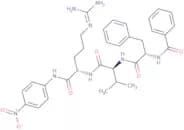

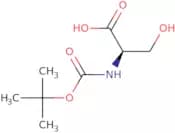
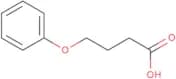
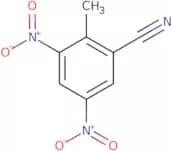
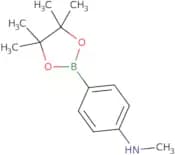
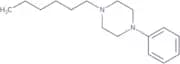
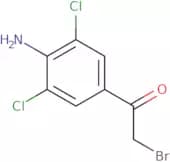
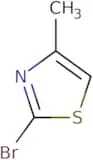
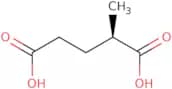
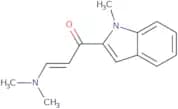
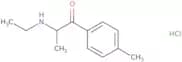
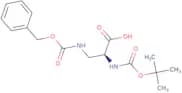
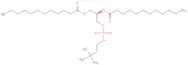
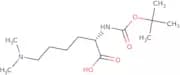
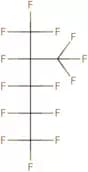
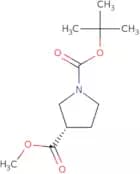
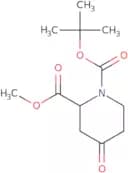
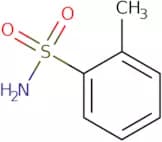
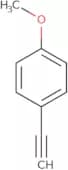
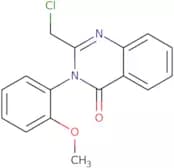
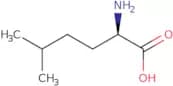
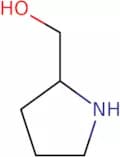
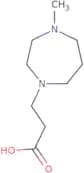
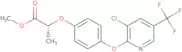
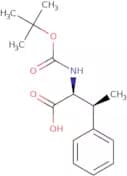
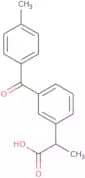
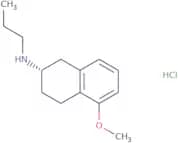
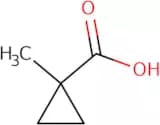
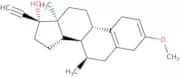
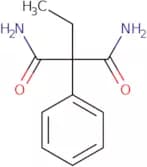

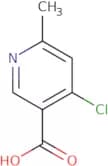
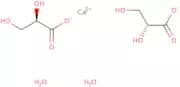

![N-Ethyl-N-[(heptadecafluorooctyl)sulphonyl]glycine](/_next/image/?url=https%3A%2Fstatic.cymitquimica.com%2Fproducts%2F3D%2Fthumb-webp%2FFE91897.webp&w=3840&q=75)
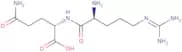
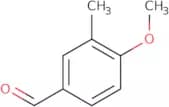
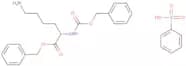

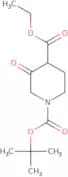
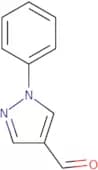
![1-[2-(5-Methyl-1H-indol-3-yl)ethyl]-5-oxopyrrolidine-3-carboxylic acid](/_next/image/?url=https%3A%2Fstatic.cymitquimica.com%2Fproducts%2F3D%2Fthumb-webp%2FFM119447.webp&w=3840&q=75)
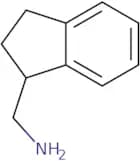
![N6-(1-Deoxy-D-fructos-1-yl)-N2-[(phenylmethoxy)carbonyl]-L-lysine](/_next/image/?url=https%3A%2Fstatic.cymitquimica.com%2Fproducts%2F3D%2Fthumb-webp%2FFD184014.webp&w=3840&q=75)


![1-[(1-Methyl-1H-pyrazol-4-yl)methyl]piperazine](/_next/image/?url=https%3A%2Fstatic.cymitquimica.com%2Fproducts%2F3D%2Fthumb-webp%2FFM112287.webp&w=3840&q=75)
![(S)-5,6,6a,7-Tetrahydro-6-methyl- 4H-dibenzo[de,g]quinoline-10,11-diol hydrochloride](/_next/image/?url=https%3A%2Fstatic.cymitquimica.com%2Fproducts%2F3D%2Fthumb-webp%2FFT46165.webp&w=3840&q=75)
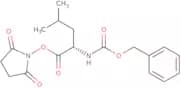


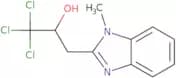
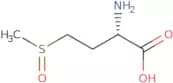
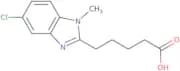
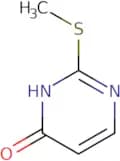
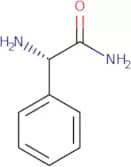
![5-Boc-octahydro-pyrrolo[3,4-c]pyridine](/_next/image/?url=https%3A%2Fstatic.cymitquimica.com%2Fproducts%2F3D%2Fthumb-webp%2FFB147002.webp&w=3840&q=75)
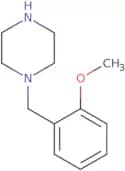
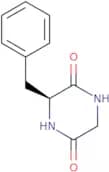
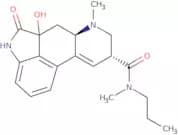
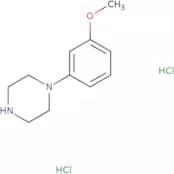
![(2S,3S,5S)-5-[(N-Formyl-L-leucyl)oxy]-2-hexyl-3-hydroxyhexadecanoic acid](/_next/image/?url=https%3A%2Fstatic.cymitquimica.com%2Fproducts%2F3D%2Fthumb-webp%2FFF23586.webp&w=3840&q=75)
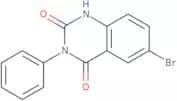
![2-[4-(2-Methylpropenyl)phenyl]propionic acid](/_next/image/?url=https%3A%2Fstatic.cymitquimica.com%2Fproducts%2F3D%2Fthumb-webp%2FFM25939.webp&w=3840&q=75)
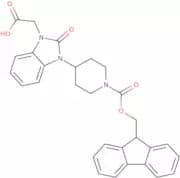

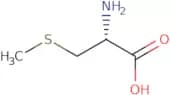
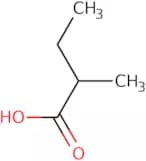
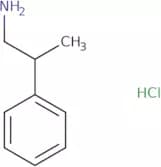
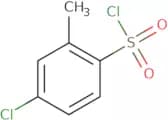
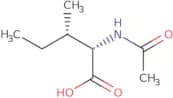
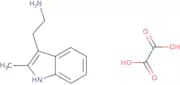
![N-Methyl-5H-dibenzo[a,d]cycloheptene-5-propylamine hydrochloride](/_next/image/?url=https%3A%2Fstatic.cymitquimica.com%2Fproducts%2F3D%2Fthumb-webp%2FFN76683.webp&w=3840&q=75)
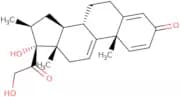

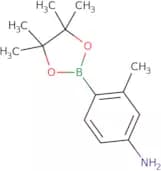


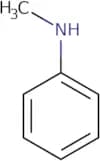
![1-(1,1-Dimethylethyl) hydrogen N-[20-(1,1-dimethylethoxy)-1,20-dioxoeicosyl]-L-glutamate](/_next/image/?url=https%3A%2Fstatic.cymitquimica.com%2Fproducts%2F3D%2Fthumb-webp%2FFD184008.webp&w=3840&q=75)
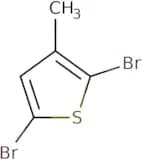
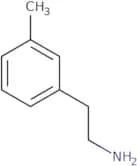
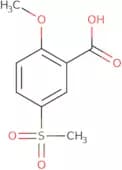
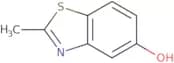
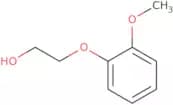
![5[(R)-(2-Aminopropyl)]-2-methoxybenzenesulfonamide hydrochloride](/_next/image/?url=https%3A%2Fstatic.cymitquimica.com%2Fproducts%2F3D%2Fthumb-webp%2FFA17834.webp&w=3840&q=75)
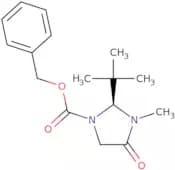
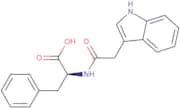
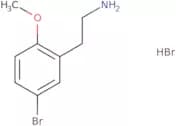
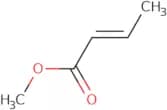
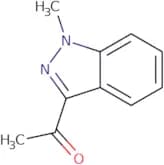

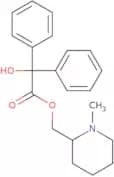
![N-[2-[4-(Aminosulfonyl)-phenyl]-ethyl]-5-methyl-2-pyrazinecarboxamide](/_next/image/?url=https%3A%2Fstatic.cymitquimica.com%2Fproducts%2F3D%2Fthumb-webp%2FFA150607.webp&w=3840&q=75)
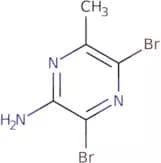


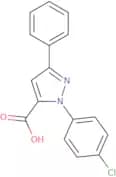
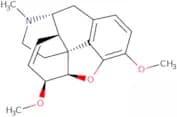

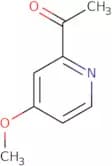
![2-(4-Fluorophenyl)-5-[(5-iodo-2-methylphenyl)methyl]thiophene](/_next/image/?url=https%3A%2Fstatic.cymitquimica.com%2Fproducts%2F3D%2Fthumb-webp%2FFF34928.webp&w=3840&q=75)
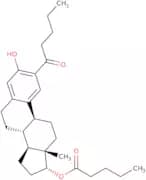
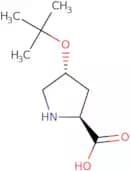
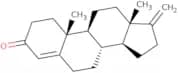
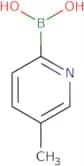
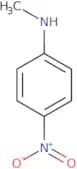


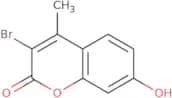

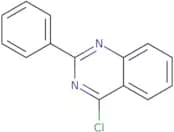

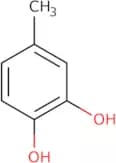

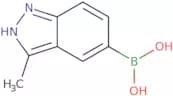


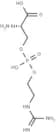

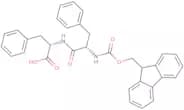

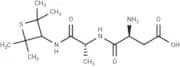

![8-Chloro-1-methyl-6-phenyl-4H-Imidazo[1,5-a][1,4]benzodiazepine](/_next/image/?url=https%3A%2Fstatic.cymitquimica.com%2Fproducts%2F3D%2Fthumb-webp%2FFC159452.webp&w=3840&q=75)
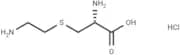
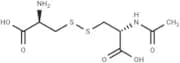

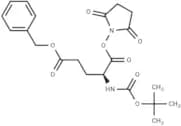
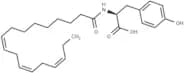
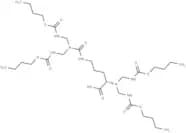
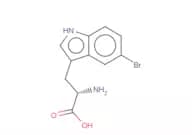


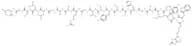
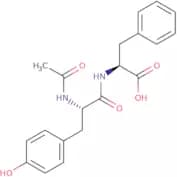
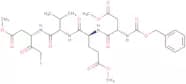
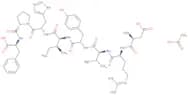

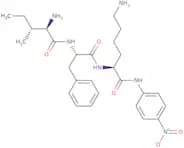
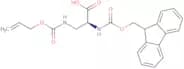
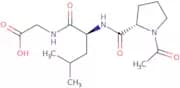


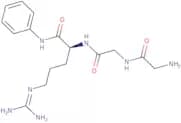
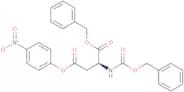
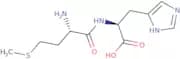

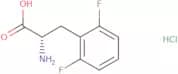
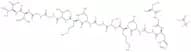

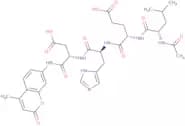

![H-Glu-Leu-Asp-[(2R,4S,5S)-5-amino-4-hydroxy-2,7-dimethyl-octanoyl]-Ala-Glu-Phe-OH](/_next/image/?url=https%3A%2Fstatic.cymitquimica.com%2Fproducts%2F3D%2Fthumb-webp%2FFG111094.webp&w=3840&q=75)
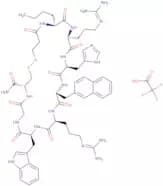
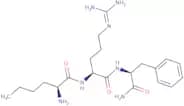
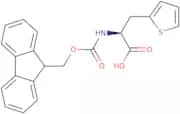
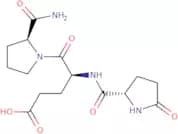

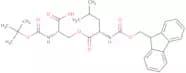
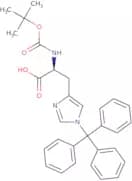
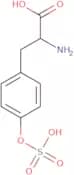
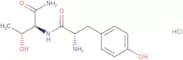
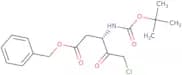
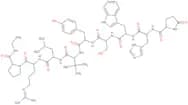
![Ac-Pro-Leu-Gly-[(S)-2-mercapto-4-methyl-pentanoyl]-Leu-Gly-OEt](/_next/image/?url=https%3A%2Fstatic.cymitquimica.com%2Fproducts%2F3D%2Fthumb-webp%2FFA110006.webp&w=3840&q=75)