Amino Acids (AA)
Amino acids (AAs) are the fundamental building blocks of proteins, playing a crucial role in various biological processes. These organic compounds are essential for protein synthesis, metabolic pathways, and cell signaling. In this category, you will find a comprehensive range of amino acids, including essential, non-essential, and modified forms, which are vital for research in biochemistry, molecular biology, and nutritional sciences. At CymitQuimica, we provide high-quality amino acids to support your research and development needs, ensuring accuracy and reliability in your experimental outcomes.
Subcategories of "Amino Acids (AA)"
- Amino Acid Derivatives(3,955 products)
- Amino Acid and Amino Acid Related Compounds(3,465 products)
- Amino Acids with Oxygen or Sulphur(168 products)
- Boc- Amino Acids(351 products)
- Fmoc Amino Acids(1,710 products)
Found 38248 products of "Amino Acids (AA)"
Sort by
Purity (%)
0
100
|
0
|
50
|
90
|
95
|
100
Boc-glu(OtBu)-OH
CAS:<p>Boc-glu(OtBu)-OH is a synthetic substrate that is used in chemical diversity studies. It has been shown to be an important model system for the study of disaccharide uptake and metabolism. This substrate binds to lectins, which are proteins found on the surface of cells. Boc-glu(OtBu)-OH binds to oligosaccharides and human cervical carcinoma cells, as well as amide groups. Analytical methods have been developed to measure its uptake and metabolism.</p>Formula:C14H25NO6Purity:Min. 98 Area-%Color and Shape:White Off-White PowderMolecular weight:303.35 g/molFmoc-Gly-(Dmb)Gly-OH
CAS:<p>Fmoc-Gly-(Dmb)Gly-OH is a synthetic peptide that modulates cellular activity. It encompasses a wide range of activities, such as cancer cell growth and restenosis, fibroid tumors and bowel disease. Fmoc-Gly-(Dmb)Gly-OH has been shown to be an effective chemotherapeutic agent in the treatment of age-related macular degeneration and retinopathy. It also inhibits inflammatory bowel disease and infarction by restricting the production of inflammatory cytokines, such as TNFα, IL1β, and IL6. Fmoc-Gly-(Dmb)Gly-OH can be used to treat endometriosis by inhibiting angiogenesis in the uterus.</p>Formula:C28H28N2O7Purity:Min. 95%Molecular weight:504.53 g/molMetorphamide (free acid)
CAS:<p>Please enquire for more information about Metorphamide (free acid) including the price, delivery time and more detailed product information at the technical inquiry form on this page</p>Formula:C44H68N14O10SPurity:Min. 95%Molecular weight:985.17 g/mol2-Cyclohexyl-2-hydroxy-phenylacetic acid
CAS:<p>2-Cyclohexyl-2-hydroxy-phenylacetic acid is a potent inhibitor of the cholinergic muscarinic receptors. It has been used as an anticholinergic drug and in pharmaceutical preparations for the treatment of inflammatory diseases. 2-Cyclohexyl-2-hydroxy-phenylacetic acid is used to treat urinary incontinence, although it can also cause constipation. Side effects of 2-cyclohexyl-2-hydroxy phenylacetic acid include headache, drowsiness, dry mouth, and blurred vision. 2 CPHPA is an inorganic acid that reacts with phosphorus pentachloride to form an organic phosphate ester called pentachlorophosphoric acid (PCPA). This reaction can be reversed by adding hydrochloric acid. The PCPA salt of 2 CPHPA is called diethylamine salt.</p>Formula:C14H18O3Purity:Min. 95%Molecular weight:234.29 g/molFmoc-Gly-Ser(Psi(Me ,Me)pro)-OH
CAS:<p>Please enquire for more information about Fmoc-Gly-Ser(Psi(Me ,Me)pro)-OH including the price, delivery time and more detailed product information at the technical inquiry form on this page</p>Formula:C23H24N2O6Purity:Min. 95%Molecular weight:424.45 g/molZ-Val-Phe-OMe
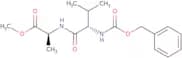
CAS:<p>Z-Val-Phe-OMe is an efficient method for the synthesis of a benzyl ester, which is a precursor to the anti-leishmanial drug Z-Val-Phe. The reaction is carried out in chloroform in the presence of ethyl or benzyl esters and ammonium chloride. This methodology was developed to provide a systematic approach to synthesize this compound. The reaction proceeds through a serine protease catalyzed hydrolysis of the amide bond on the surface of leishmania. Kinetic data shows that Z-Val-Phe-OMe has an IC50 value of 0.87 μM for leishmania and is more active than Z-Val-Phe against L. major, L. mexicana, and L. braziliensis strains.</p>Formula:C23H28N2O5Purity:Min. 95%Molecular weight:412.48 g/mol2-(Aminomethyl)-2-methyl-1,3-propanediamine trihydrochloride
CAS:<p>Please enquire for more information about 2-(Aminomethyl)-2-methyl-1,3-propanediamine trihydrochloride including the price, delivery time and more detailed product information at the technical inquiry form on this page</p>Formula:C5H15N3•(HCl)3Purity:Min. 95%Color and Shape:PowderMolecular weight:226.57 g/molFluorogenic Human CMV Protease Substrate trifluoroacetate salt
CAS:<p>Please enquire for more information about Fluorogenic Human CMV Protease Substrate trifluoroacetate salt including the price, delivery time and more detailed product information at the technical inquiry form on this page</p>Formula:C73H109N23O18SPurity:Min. 95%Molecular weight:1,628.86 g/molH-Pro-Lys-OH acetate salt
CAS:<p>H-Pro-Lys-OH acetate salt is a synthetic compound that is specific for histidine residues. It catalyzes the hydrolysis of fibrinogen to form fibrin, which can be used in the formation of blood clots. This molecule has been shown to have a number of sequences and acid analysis. H-Pro-Lys-OH acetate salt can be used as an additive in food products. The incubation process should be done at pH 4.5 and the reaction should be stopped by adding tripeptides followed by using ion-exchange chromatography or SDS polyacrylamide gel electrophoresis to analyze the amino acids present in the product.</p>Formula:C11H21N3O3Purity:Min. 95%Molecular weight:243.3 g/molAc-Glu-Glu-Val-Val-Ala-Cys-pNA
CAS:<p>Please enquire for more information about Ac-Glu-Glu-Val-Val-Ala-Cys-pNA including the price, delivery time and more detailed product information at the technical inquiry form on this page</p>Formula:C34H50N8O13SPurity:Min. 95%Molecular weight:810.87 g/mol(1-Methyl-1H-pyrazol-4-yl)boronic acid
CAS:<p>(1-Methyl-1H-pyrazol-4-yl)boronic acid is a boronic acid that has been used for the synthesis of a number of heterocyclic compounds. Boronic acids are commonly used to synthesize phosphine ligands, which are reactive and can be used in cross-coupling reactions with organic halides, triflates, and tosylates. The efficiency of the reaction depends on the functional group present on the boron atom. (1-Methyl-1H-pyrazol-4-yl)boronic acid can inhibit the activity of many types of enzymes, including those involved in bacterial DNA synthesis and protein synthesis. (1-Methyl-1H-pyrazol-4-yl)boronic acid has been shown to have pharmacokinetic properties that depend on its ionization state.</p>Formula:C4H7BN2O2Purity:Min. 95%Molecular weight:125.92 g/molH-Glu-Glu-OH
CAS:<p>H-Glu-Glu-OH is an organic acid that has proteolytic and gene product properties. It is a hyperactive compound that can be used as a sample preparation reagent for the detection of glutamic acid in proteins. H-Glu-Glu-OH inhibits protein synthesis by binding to ribosomes, which are responsible for the production of proteins in the cell, and prevents their function. Magnetic resonance spectroscopy has been used to investigate the uptake of H-Glu-Glu-OH into mammalian cells and ovarian follicles.</p>Formula:C10H16N2O7Purity:Min. 95 Area-%Color and Shape:White PowderMolecular weight:276.24 g/mol6-Methoxy-2,3,4,9-tetrahydro-1H-β-carbolin-1-one
CAS:<p>6-Methoxy-2,3,4,9-tetrahydro-1H-beta-carbolin-1-one is a β-carboline alkaloid that is structurally related to harmaline and tetrahydroharmine. It has been shown to have antidepressant activity in animals. 6-Methoxy-2,3,4,9-tetrahydro-1H-beta-carbolin-1-one was analyzed by GC/MS and found to be present in the leaves of plants from the genus Tetraclinis. 6MHBC was also identified as a metabolite of diazepam in rat urine after administration of a single oral dose of 10 mg/kg diazepam. The observed β carboline metabolite was determined to be 6MHBC.</p>Formula:C12H12N2O2Purity:Min. 95%Molecular weight:216.24 g/molBoc-Glu-OFm
CAS:<p>Please enquire for more information about Boc-Glu-OFm including the price, delivery time and more detailed product information at the technical inquiry form on this page</p>Formula:C24H27NO6Purity:Min. 95%Molecular weight:425.47 g/molDynorphin A (1-8) acetate salt
CAS:<p>Dynorphin A (1-8) acetate salt H-Tyr-Gly-Gly-Phe-Leu-Arg-Arg-Ile-OH acetate salt is a synthetic, nonpeptide opioid agonist. It binds to the delta receptor and inhibits nociception in the central nervous system. This compound has been shown to produce acute phase and subchronic toxicity in rats and has been shown to possess antinociceptive effects in mice. Dynorphin A (1-8) acetate salt H-Tyr-Gly-Gly-Phe-Leu-Arg-Arg-Ile-OH acetate salt has also been shown to antagonize the enzyme inhibitors of phospholipase A2, cyclooxygenase, and lipoxygenase.<br>MECHANISM OF ACTION: Dynorphin A (1–8) is an endogenous peptide that modulates neurotransmission at the</p>Formula:C46H72N14O10Purity:Min. 95%Molecular weight:981.15 g/molL-Lysine L-malate
CAS:<p>L-Lysine L-malate is a chemical compound that is used in wastewater treatment. It inhibits the activity of enzymes such as carbon disulphide oxidase, copper complexes, and cationic surfactants. L-Lysine L-malate can be synthesized from sodium citrate and malonic acid by reacting with hydrogen peroxide to form a bicyclic heterocycle. This compound has been shown to have biological effects on metabolic disorders in animal studies, which may be due to its ability to inhibit the synthesis of fatty acids and proteins. The adsorption mechanism for this product is unknown.</p>Formula:C6H14N2O2·C4H6O5Purity:Min. 95%Color and Shape:White PowderMolecular weight:280.28 g/molSubstance P (4-11)
CAS:<p>Substance P (4-11) H-Pro-Gln-Gln-Phe-Phe-Gly-Leu-Met-NH2 is a fluorescent peptide that binds to calcium and chloride ions. It has been shown to have an affinity for both peptide and calmodulin binding. This peptide has also been shown to be highly heat stable and can be used in a wide range of temperatures. The substance P (4-11) sequence is found in porcine, rat, bovine, and human proteins. The amino acid sequence is composed of 4 amino acids: proline, glutamine, phenylalanine, and leucine. This peptide's optimum pH is 7.5 with a temperature range of 35°C to 45°C. It has been shown that the activity of this peptide decreases as the concentration increases. It has also been shown to be susceptible to aminopeptidases at high concentrations or when</p>Formula:C46H67N11O10SPurity:Min. 95%Molecular weight:966.16 g/mol(H-Asp-Glu-Val-Asp)2-Rhodamine 110 trifluoroacetate salt
CAS:<p>Please enquire for more information about (H-Asp-Glu-Val-Asp)2-Rhodamine 110 trifluoroacetate salt including the price, delivery time and more detailed product information at the technical inquiry form on this page</p>Formula:C56H66N10O23Purity:Min. 95%Molecular weight:1,247.18 g/molN-Me-Val-Leu-anilide
CAS:<p>Please enquire for more information about N-Me-Val-Leu-anilide including the price, delivery time and more detailed product information at the technical inquiry form on this page</p>Formula:C18H29N3O2Purity:Min. 95%Molecular weight:319.44 g/molH-Leu-Leu-NH2·HCl
CAS:<p>Please enquire for more information about H-Leu-Leu-NH2·HCl including the price, delivery time and more detailed product information at the technical inquiry form on this page</p>Formula:C12H25N3O2·HClPurity:Min. 95%Molecular weight:279.81 g/molC5a Anaphylatoxin (37-53) (human) trifluoroacetate salt
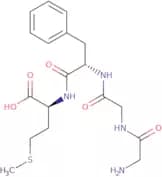
CAS:<p>Please enquire for more information about C5a Anaphylatoxin (37-53) (human) trifluoroacetate salt including the price, delivery time and more detailed product information at the technical inquiry form on this page</p>Formula:C82H141N27O22SPurity:Min. 95%Molecular weight:1,889.23 g/molH-Gly-Gly-Met-OH
CAS:<p>H-Gly-Gly-Met-OH is a hydrophobic amino acid with a decelerated reaction. It has been shown to modulate the growth of organisms, such as Staphylococcus aureus and Streptococcus pneumoniae. This molecule also has aspirin-like activity against S. aureus and can be used for cavity prevention. H-Gly-Gly-Met-OH is effective in inhibiting the growth of S. aureus, but not against Streptococcus pneumoniae. The test organism used in this study was Escherichia coli K12. H-Gly-Gly-Met-OH has been shown to have sequences that are similar to those found in kinetically slow peptides and tripeptides, which may explain its stability when encapsulated in liposomes for oral administration.</p>Formula:C9H17N3O4SPurity:Min. 95%Molecular weight:263.32 g/molSubstance P (6-11)
CAS:<p>Substance P (6-11) H-Gln-Phe-Phe-Gly-Leu-Met-NH2 is a fatty acid with a molecular weight of 609.82 Da. It is an immune reaction and antinociceptive agent, which also has the ability to stimulate protein synthesis in the central nervous system. Substance P (6-11) H-Gln-Phe-Phe-Gly-Leu-Met-NH2 binds to neurokinin receptor type 1, which is involved in syncytial virus infection and rotarod test.</p>Formula:C36H52N8O7SPurity:Min. 95%Molecular weight:740.91 g/mol4-[(4-Methylpiperazin-1-yl)methyl]benzoic acid
CAS:<p>4-[(4-Methylpiperazin-1-yl)methyl]benzoic acid is an organic compound. It is a white solid that is insoluble in water but soluble in organic solvents. The molecule has a molecular weight of 224.8 g/mol and contains a carbonyl group and amine functional groups. 4-[(4-Methylpiperazin-1-yl)methyl]benzoic acid can be prepared by the acylation of 4-(aminomethyl)-benzoic acid with imidazole hydrochloride in the presence of sodium carbonate as a base.</p>Formula:C13H18N2O2Purity:Min. 95%Molecular weight:234.29 g/molFA-Gly-Leu-NH2
CAS:<p>FA-Gly-Leu-NH2 is an amide that inhibits the activity of metalloproteases by binding to the zinc ion in the active site. It was shown to inhibit protease activity and protein synthesis in armillaria. This compound also showed irreversible inhibition of thermolysin, a serine protease, and protein synthesis in yeast. The biological properties of FA-Gly-Leu-NH2 were studied using a synthetic substrate for thermolysin, which led to the conclusion that this inhibitor has potential as a therapeutic agent for inflammatory diseases.</p>Formula:C15H21N3O4Purity:Min. 95%Molecular weight:307.35 g/molH-Lys(Mtt)-2-chlorotrityl resin (200-400 mesh)
<p>Please enquire for more information about H-Lys(Mtt)-2-chlorotrityl resin (200-400 mesh) including the price, delivery time and more detailed product information at the technical inquiry form on this page</p>Purity:Min. 95%Osteostatin (1-5) amide (human, bovine, dog, horse, mouse, rabbit, rat) trifluoroacetate salt
CAS:<p>Please enquire for more information about Osteostatin (1-5) amide (human, bovine, dog, horse, mouse, rabbit, rat) trifluoroacetate salt including the price, delivery time and more detailed product information at the technical inquiry form on this page</p>Formula:C27H42N10O7Purity:Min. 95%Molecular weight:618.69 g/molBiotinyl-(Leu8,D-Trp22,Tyr25)-Somatostatin-28 trifluoroacetate salt
CAS:<p>Please enquire for more information about Biotinyl-(Leu8,D-Trp22,Tyr25)-Somatostatin-28 trifluoroacetate salt including the price, delivery time and more detailed product information at the technical inquiry form on this page</p>Formula:C148H223N43O42S3Purity:Min. 95%Molecular weight:3,372.82 g/molH-Pro-Thr-His-Ile-Lys-Trp-Gly-Asp-OH
CAS:<p>H-Pro-Thr-His-Ile-Lys-Trp-Gly-Asp-OH is a potent inhibitor of platelet activation, which is induced by nitroprusside. In vitro studies have shown that this peptide inhibits the expression of growth factors, such as platelet derived growth factor (PDGF), and inhibits PDGF activity. This peptide also has an inhibitory effect on nitroprusside, which may be due to its ability to inhibit PDGF expression. The inhibition of PDGF by this peptide may result in the potentiation of the effects of nitroprusside on blood pressure.</p>Formula:C44H64N12O12Purity:Min. 95%Molecular weight:953.05 g/molH-Pro-His-Leu-OH
CAS:<p>H-Pro-His-Leu-OH is a tripeptide with a sequence of L-proline, H-histidine, and D-leucine. It is an experimental substrate for peptide transporters and has been shown to be taken up by E. coli. This peptide is specific for Borrelia burgdorferi, the organism that causes Lyme disease.</p>Formula:C17H27N5O4Purity:Min. 95%Molecular weight:365.43 g/molAc-D-Lys-OH
CAS:<p>Nicotinamide is a form of vitamin B3 that has been shown to inhibit the growth of Giardia lamblia trophozoites. Nicotinamide also inhibits the sirtuins and has been shown to inhibit cell cycle control in microorganisms. It inhibits transcriptional activity by competing with nicotinamide adenine dinucleotide for binding sites on DNA and prevents the formation of nicotinamide-adenine dinucleotide complexes, which are needed for DNA synthesis. Nicotinamide also binds to metronidazole, causing it to be inactive as an antimicrobial agent. The mechanism of action of nicotinamide may be due to its ability to bind and inactivate metronidazole, thereby preventing it from functioning as an anti-microbial agent.</p>Formula:C8H16N2O3Purity:Min. 95%Molecular weight:188.22 g/molH-Val-Lys-Lys-Arg-OH acetate salt
CAS:Controlled Product<p>Please enquire for more information about H-Val-Lys-Lys-Arg-OH acetate salt including the price, delivery time and more detailed product information at the technical inquiry form on this page</p>Formula:C23H47N9O5Purity:Min. 95%Molecular weight:529.68 g/molH-Ala-Ala-Pro-Ala-OH
CAS:<p>H-Ala-Ala-Pro-Ala-OH is a tetrapeptide that inhibits elastase, an enzyme that breaks down elastin. This compound has been shown to have anti-elastolytic activity in vitro and in vivo. H-Ala-Ala-Pro-Ala-OH was administered intraperitoneally to hamsters with induced emphysema, resulting in a decrease of elastin abnormalities and improvement of the ultrastructure of the lungs. It also improves pancreatic morphology and function in porcine pancreatitis models.</p>Formula:C14H24N4O5Purity:Min. 95%Molecular weight:328.36 g/molHIV-1 rev Protein (34-50)
CAS:<p>Please enquire for more information about HIV-1 rev Protein (34-50) including the price, delivery time and more detailed product information at the technical inquiry form on this page</p>Formula:C97H173N51O24Purity:Min. 95%Molecular weight:2,437.74 g/molZ-Gly-Leu-NH2
CAS:<p>Z-Gly-Leu-NH2 is a synthetic peptide that has been designed to mimic the amino acid sequence of casein. It is a metalloendopeptidase inhibitor and can be used in the synthesis of proteins. Z-Gly-Leu-NH2 inhibits the activity of subtilisin, which is a proteolytic enzyme. The inhibition of subtilisin by Z-Gly-Leu-NH2 prevents the hydrolysis of peptide bonds in protein substrates. This inhibition leads to an increase in molecular weight and molecular weight distribution, as well as an increase in the number of high molecular weight peaks on chromatograms. This peptide also has serine protease inhibitory activity and can be used as a synthetic substrate for kinetic studies.</p>Formula:C16H23N3O4Purity:Min. 95%Molecular weight:321.37 g/molFmoc-Lys(N3)-OH
CAS:<p>Fmoc-Lys(N3)-OH is a glutamic acid molecule with a specific lysine and histidine residue. It has been shown to be cytotoxic in vitro, specifically targeting cancer cells. Fmoc-Lys(N3)-OH can be conjugated to vancomycin or other molecules that are not normally cell permeable for the treatment of neurodegenerative diseases. The divalent nature of this molecule allows it to cross the blood-brain barrier. Solid phase synthesis is used to produce this compound, which is then purified by chromatography and characterized by mass spectrometry.</p>Formula:C21H22N4O4Purity:Min. 95%Molecular weight:394.42 g/molZ-Ala-Ala-Asn-AMC
CAS:<p>Z-Ala-Ala-Asn-AMC is a molecule that is an analog of the amino acid alanine. It has been shown to be effective in inhibiting cancer cell viability and inducing apoptosis in MDA-MB-231 breast cancer cells, which can inhibit tumor growth. This molecule also inhibits protease activity, protein synthesis, and tubule cell proliferation. Z-Ala-Ala-Asn-AMC has applicability in the treatment of cancers and inflammatory diseases.</p>Formula:C28H31N5O8Purity:Min. 98 Area-%Color and Shape:PowderMolecular weight:565.57 g/mol(D-Pen 2,p-chloro-Phe4,D-Pen 5)-Enkephalin
CAS:<p>D-Pen 2,p-chloro-Phe4,D-Pen 5)-Enkephalin H-Tyr-D-Pen-Gly-p-chloro-Phe-D-Pen (Disulfide bond) is a peptide that belongs to the family of opioid drugs. It has low potency and is used in pharmacological studies as a nonselective antagonist of δ-, μ-, and κ-(kappa) receptors. This drug blocks pain by binding to the same receptor sites that are activated by endogenous opioids and has been shown to be effective against both inflammatory and neuropathic pain. DPDPE has also been shown to have a high safety profile with minimal side effects.</p>Formula:C30H38ClN5O7S2Purity:Min. 95%Molecular weight:680.24 g/molH-D-Ser(SO3H)-OH
CAS:<p>Please enquire for more information about H-D-Ser(SO3H)-OH including the price, delivery time and more detailed product information at the technical inquiry form on this page</p>Formula:C3H7NO6SPurity:Min. 95%Molecular weight:185.16 g/molEndothelial-Monocyte-Activating Polypeptide II-Derived Peptide
CAS:<p>Please enquire for more information about Endothelial-Monocyte-Activating Polypeptide II-Derived Peptide including the price, delivery time and more detailed product information at the technical inquiry form on this page</p>Formula:C81H142N26O22Purity:Min. 95%Molecular weight:1,832.16 g/molVIP Receptor-Binding Inhibitor L-8-K trifluoroacetate salt
CAS:<p>Please enquire for more information about VIP Receptor-Binding Inhibitor L-8-K trifluoroacetate salt including the price, delivery time and more detailed product information at the technical inquiry form on this page</p>Formula:C50H77N9O12SPurity:Min. 95%Molecular weight:1,028.27 g/molFA-Phe-Val-NH2
CAS:<p>Please enquire for more information about FA-Phe-Val-NH2 including the price, delivery time and more detailed product information at the technical inquiry form on this page</p>Formula:C21H25N3O4Purity:Min. 95%Molecular weight:383.44 g/molH-Ile-2-chlorotrityl resin (200-400 mesh) (Low Substitution)
<p>Please enquire for more information about H-Ile-2-chlorotrityl resin (200-400 mesh) (Low Substitution) including the price, delivery time and more detailed product information at the technical inquiry form on this page</p>Purity:Min. 95%Fmoc-Leu-Wang resin (200-400 mesh)
<p>Please enquire for more information about Fmoc-Leu-Wang resin (200-400 mesh) including the price, delivery time and more detailed product information at the technical inquiry form on this page</p>Purity:Min. 95%H-Trp-Phe-Tyr-Ser(PO3H2)-Pro-Arg-pNA trifluoroacetate salt
CAS:<p>Please enquire for more information about H-Trp-Phe-Tyr-Ser(PO3H2)-Pro-Arg-pNA trifluoroacetate salt including the price, delivery time and more detailed product information at the technical inquiry form on this page</p>Formula:C49H59N12O13PPurity:Min. 95%Molecular weight:1,055.04 g/molFmoc-4-methoxy-4'-(γ-carboxypropyloxy)-benzhydrylamine linked to Alanyl-aminomethyl resin (200-400 mesh)
<p>Please enquire for more information about Fmoc-4-methoxy-4'-(gamma-carboxypropyloxy)-benzhydrylamine linked to Alanyl-aminomethyl resin (200-400 mesh) including the price, delivery time and more detailed product information at the technical inquiry form on this page</p>Purity:Min. 95%MAGE-1 Antigen (161-169) (human) acetate salt
CAS:<p>MAGE-1 is a costimulatory molecule that is expressed on the surface of antigen presenting cells. It has been shown to be a very potent target for monoclonal antibodies. MAGE-1 can be used as an antigen in diagnostic tests, such as ELISA and Western blotting. It can also be used to generate monoclonal antibodies for use as therapeutic agents in cancer therapy and for the treatment of viral infections such as influenza virus. The MAGE-1 antigen has been shown to have high affinity binding with the paratope of Papilloma virus, which may help explain its clinical relevance in these diseases.</p>Formula:C41H57N11O17Purity:Min. 95%Molecular weight:975.96 g/molDynorphin A (1-6)
CAS:<p>Please enquire for more information about Dynorphin A (1-6) including the price, delivery time and more detailed product information at the technical inquiry form on this page</p>Formula:C34H49N9O8Purity:Min. 95%Molecular weight:711.81 g/molH-Gly-Asp-Gly-OH
CAS:<p>H-Gly-Asp-Gly-OH is a tripeptide with an amino acid sequence of H-Gly-Asp-Gly. It has the following constants:</p>Formula:C8H13N3O6Purity:Min. 95%Molecular weight:247.21 g/molCortistatin-17 (human) trifluoroacetate salt
CAS:<p>Please enquire for more information about Cortistatin-17 (human) trifluoroacetate salt including the price, delivery time and more detailed product information at the technical inquiry form on this page</p>Formula:C96H139N27O24S3Purity:Min. 95%Molecular weight:2,151.5 g/molBiotinyl-Angiotensin I/II (1-7) Biotinyl-Asp-Arg-Val-Tyr-Ile-His-Pro-OH
CAS:<p>Please enquire for more information about Biotinyl-Angiotensin I/II (1-7) Biotinyl-Asp-Arg-Val-Tyr-Ile-His-Pro-OH including the price, delivery time and more detailed product information at the technical inquiry form on this page</p>Formula:C51H76N14O13SPurity:Min. 95%Molecular weight:1,125.3 g/molCecropin B (free acid) trifluoroacetate salt
CAS:<p>Please enquire for more information about Cecropin B (free acid) trifluoroacetate salt including the price, delivery time and more detailed product information at the technical inquiry form on this page</p>Formula:C176H301N51O42SPurity:Min. 95%Molecular weight:3,835.66 g/molFmoc-D-Cys(Bzl)-OH
CAS:<p>The compound Fmoc-D-Cys(Bzl)-OH is a chiral homologue of the protonated amino acid D-Cys. The configuration of the proton in this molecule has been determined by proton nmr experiments. This compound is synthesized from the racemic mixture by reductive amination and deprotonation with sodium borohydride. The reagents are an organophosphate and an ester, which react in order to form a new carbon-carbon bond. The postulated enantiomers are screened for their activity against phospholipase A2, which cleaves ester bonds on phospholipids. One enantiomer has been shown to have more potent activity than its counterpart, suggesting that it is the desired product.</p>Formula:C25H23NO4SPurity:Min. 95%Molecular weight:433.52 g/molPyr-Gly-OH
CAS:<p>Pyr-Gly-OH is a metabolite of the amino acid glutamate. It has been shown that this metabolite is formed by a non-enzymatic dehydration of glutamate. This compound has been shown to be effective in treating bowel disease and cancer, as well as stimulating the production of fibrinogen in the blood. Pyr-Gly-OH has also been found to have anti-inflammatory effects and an increased effect on glutamic receptors.</p>Formula:C7H10N2O4Purity:Min. 95%Molecular weight:186.17 g/molBoc-Ala-Gly-Gly-OH
CAS:<p>Boc-Ala-Gly-Gly-OH is a reactive compound that can be used to synthesize antibiotics. It can be used for the production of diazide, which is an antibiotic that inhibits bacterial growth by binding to DNA and preventing its replication. Boc-Ala-Gly-Gly-OH also has been used for the preparation of urethanes, which are used as coatings for medical devices or catheters. This compound is chiral and has been shown to have stereogenic properties in catalytic asymmetric epoxidation reactions.</p>Formula:C12H21N3O6Purity:Min. 95%Molecular weight:303.31 g/molMca-Pro-Leu-Gly-Pro-D-Lys(Dnp)-OH
CAS:<p>Please enquire for more information about Mca-Pro-Leu-Gly-Pro-D-Lys(Dnp)-OH including the price, delivery time and more detailed product information at the technical inquiry form on this page</p>Formula:C42H52N8O14Purity:Min. 95%Molecular weight:892.91 g/mol1-(3-Chloro-4-methoxyphenyl)acetone
CAS:<p>1-(3-Chloro-4-methoxyphenyl)acetone is a white solid with a melting point of 60-61°C. It is a versatile building block that can be used in the synthesis of complex compounds and as a reaction component for the preparation of speciality chemicals. 1-(3-Chloro-4-methoxyphenyl)acetone has been studied extensively as an intermediate for the synthesis of pharmaceuticals, including acetaminophen and amoxicillin. This compound also has uses in research laboratories and as a reagent in organic synthesis.</p>Formula:C10H11ClO2Purity:Min. 95%Molecular weight:198.65 g/molH-Ala-Ala-Pro-pNA·HCl
CAS:<p>Please enquire for more information about H-Ala-Ala-Pro-pNA·HCl including the price, delivery time and more detailed product information at the technical inquiry form on this page</p>Formula:C17H23N5O5·HClPurity:Min. 95%Molecular weight:413.86 g/molAmyloid b-Protein (1-40) amide trifluoroacetate salt
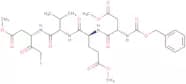
CAS:<p>Please enquire for more information about Amyloid b-Protein (1-40) amide trifluoroacetate salt including the price, delivery time and more detailed product information at the technical inquiry form on this page</p>Formula:C194H296N54O57SPurity:Min. 95%Molecular weight:4,328.82 g/molZ-Leu-Glu(OMe)-Thr-DL-Asp(OMe)-fluoromethylketone
CAS:<p>Please enquire for more information about Z-Leu-Glu(OMe)-Thr-DL-Asp(OMe)-fluoromethylketone including the price, delivery time and more detailed product information at the technical inquiry form on this page</p>Formula:C30H43FN4O11Purity:Min. 95%Molecular weight:654.68 g/molFmoc-3-(2-naphthyl)-L-alanine
CAS:<p>Fmoc-3-(2-naphthyl)-L-alanine is a supramolecular compound that functions as an inhibitor of prostate cancer cells. It inhibits the uptake of metal chelates by prostate cancer cells and stabilizes them, which may lead to a diagnostic and therapeutic agent for prostate cancer. Fmoc-3-(2-naphthyl)-L-alanine has also been shown to inhibit the growth of human serum prostate cancer cells in vitro and in vivo models. This molecule is a bifunctional compound that can be used as both an antigen and a surrogate for cytosolic prostate specific antigen (PSA) levels. Fmoc-3-(2-naphthyl)-L-alanine has been shown to bind to the PSA protein, which is normally found on the surface of prostate epithelial cells. This binding prevents it from being released into the blood circulation, where it would otherwise be measured by a PSA test</p>Formula:C28H23NO4Purity:Min. 95%Color and Shape:PowderMolecular weight:437.49 g/molEndomorphin-2 trifluoroacetate salt
CAS:<p>Endomorphin-2 is a cyclic peptide that is the endogenous ligand for the neurokinin-1 receptor and kappa-opioid receptors. It has been shown to have analgesic, anti-inflammatory, and antidiarrheal properties. Endomorphin-2 also has been shown to inhibit platelet aggregation and vasoconstriction in vivo. The biological activities of endomorphin-2 are similar to those of endomorphin-1, but it differs structurally in that it contains a single intramolecular hydrogen bond between the amide nitrogen of Tyr and Pro. This intramolecular hydrogen bond may be responsible for the high potency of endomorphin-2, as well as its conformational stability.</p>Formula:C32H37N5O5Purity:Min. 95%Molecular weight:571.67 g/molBiotinyl-Substance P trifluoroacetate salt
CAS:<p>Biotinyl-Substance P trifluoroacetate salt Biotinyl-Arg-Pro-Lys-Pro-Gln-Gln-Phe-Phe-Gly-Leu-Met-NH2 trifluoroacetate salt is a biotin conjugated Substance P analog. It is designed to bind to the amino acid sequences in the brain that are responsible for controlling and regulating pain. The drug's amino acid sequence was designed by accessing databases of amino acid sequences from all known organisms. The drug is administered as a sequence of cassettes, each containing an acid molecule that can be transferred to cells through nucleotide transfer.</p>Formula:C73H112N20O15S2Purity:Min. 95%Molecular weight:1,573.93 g/molH-Tyr-Tyr-Tyr-Tyr-Tyr-Tyr-OH trifluoroacetate salt
CAS:<p>The compound H-Tyr-Tyr-Tyr-Tyr-Tyr-Tyr-OH trifluoroacetate salt is a synthetic antigen for use in the production of immunoadsorbent conjugates. It is a postulated fluorescence molecule that interacts with specific antibodies to form an antigen. This antigen can be used as a probe for detecting antibodies in biological fluids and tissues by fluorescence microscopy and has been shown to have no antigenicity in skin reactions.</p>Formula:C54H56N6O13Purity:Min. 95%Molecular weight:997.06 g/molZ-Gly-Gly-Gly-OSu
CAS:<p>Please enquire for more information about Z-Gly-Gly-Gly-OSu including the price, delivery time and more detailed product information at the technical inquiry form on this page</p>Formula:C18H20N4O8Purity:Min. 95%Molecular weight:420.37 g/molAc-Glu-Asp(EDANS)-Lys-Pro-Ile-Leu-Phe-Phe-Arg-Leu-Gly-Lys(DABCYL)-Glu-NH2 trifluoroacetate salt
CAS:<p>Please enquire for more information about Ac-Glu-Asp(EDANS)-Lys-Pro-Ile-Leu-Phe-Phe-Arg-Leu-Gly-Lys(DABCYL)-Glu-NH2 trifluoroacetate salt including the price, delivery time and more detailed product information at the technical inquiry form on this page</p>Formula:C104H146N24O23SPurity:Min. 95%Molecular weight:2,132.49 g/molH-Val-Met-OH
CAS:<p>H-Val-Met-OH is a synthetic compound that was created to have a structure similar to the natural amino acid histidine. The synthesis of H-Val-Met-OH was achieved by reacting 2,5-diaminopentane with formaldehyde in the presence of cellulose acetate as a reaction medium. This process produced a white solid material that was then purified using chromatography. The purity and yield were confirmed by high performance liquid chromatography (HPLC) analysis and nuclear magnetic resonance (NMR). In vitro studies showed that H-Val-Met-OH promotes brain derived neurotrophic factor (BDNF) production in healthy Chinese adults. Clinical data also suggest that H-Val-Met-OH has beneficial effects on cognitive function in patients with mild cognitive impairment or Alzheimer's disease. Additionally, this compound has been shown to promote BDNF production in cultured mouse hippocampal neurons and enhance spatial memory retention in CD1 mice.</p>Formula:C10H20N2O3SPurity:Min. 95%Molecular weight:248.34 g/molHexanoyl-(Ala19,Lys27·28)-VIP (free acid) trifluoroacetate salt
<p>Please enquire for more information about Hexanoyl-(Ala19,Lys27·28)-VIP (free acid) trifluoroacetate salt including the price, delivery time and more detailed product information at the technical inquiry form on this page</p>Formula:C153H250N44O43SPurity:Min. 95%Molecular weight:3,425.96 g/molBig Endothelin-1 (human)
CAS:<p>Please enquire for more information about Big Endothelin-1 (human) including the price, delivery time and more detailed product information at the technical inquiry form on this page</p>Formula:C189H282N48O56S5Purity:Min. 95%Molecular weight:4,282.88 g/mol(D-Lys6)-LHRH trifluoroacetate salt
CAS:<p>Please enquire for more information about (D-Lys6)-LHRH trifluoroacetate salt including the price, delivery time and more detailed product information at the technical inquiry form on this page</p>Formula:C59H84N18O13·xC2HF3O2Purity:Min. 95%Color and Shape:White To Off-White SolidMolecular weight:1,253.41 g/molAdrenomedullin (16-31) (human, pig)
CAS:<p>Please enquire for more information about Adrenomedullin (16-31) (human, pig) including the price, delivery time and more detailed product information at the technical inquiry form on this page</p>Formula:C82H129N25O21S2Purity:Min. 95%Molecular weight:1,865.19 g/molH-Tyr(tBu)-2-chlorotrityl resin (200-400 mesh) (Low Substitution)
<p>Please enquire for more information about H-Tyr(tBu)-2-chlorotrityl resin (200-400 mesh) (Low Substitution) including the price, delivery time and more detailed product information at the technical inquiry form on this page</p>Purity:Min. 95%H-Ala-Ala-Lys-OH hydrochloride salt
CAS:<p>H-Ala-Ala-Lys-OH hydrochloride salt is a tripeptide with a reactive side chain. The protonated form of the molecule can be analyzed by acid analysis, and the ligand can be synthesized in a laboratory. Amino acid analysis has shown that this tripeptide contains lysine residues, which are important for binding to the peptide transporter. This compound is taken up through the intestine and is found in porcine tissue. H-Ala-Ala-Lys-OH hydrochloride salt has been used as a model compound in structural studies of peptide transporters.</p>Formula:C12H24N4O4Purity:Min. 95%Molecular weight:288.34 g/molFmoc-4-(neopentyloxysulfonyl)-Abu-OH (S)-2-(Fmoc-amino)-4-neopentyloxysulfonyl-butyric acid
CAS:<p>Please enquire for more information about Fmoc-4-(neopentyloxysulfonyl)-Abu-OH (S)-2-(Fmoc-amino)-4-neopentyloxysulfonyl-butyric acid including the price, delivery time and more detailed product information at the technical inquiry form on this page</p>Formula:C24H29NO7SPurity:Min. 95%Molecular weight:475.56 g/molRetrocyclin-1 trifluoroacetate salt
CAS:<p>Retrocyclin-1 trifluoroacetate salt is a synthetic antimicrobial peptide, which is derived from humanized sequences based on the theta-defensin family, originally found in certain primates. Retrocyclin-1 is particularly notable for its circular structure which contributes to its stability and biological activity. The peptide is produced through a process of solid-phase peptide synthesis, designed to mimic the native cyclic conformation of natural theta-defensins.</p>Formula:C74H128N30O18S6Purity:Min. 95%Molecular weight:1,918.4 g/mol(D-Trp6)-LHRH (2-10) trifluoroacetate salt
CAS:<p>Please enquire for more information about (D-Trp6)-LHRH (2-10) trifluoroacetate salt including the price, delivery time and more detailed product information at the technical inquiry form on this page</p>Formula:C59H77N17O11Purity:Min. 95%Molecular weight:1,200.35 g/molSuc-Val-Pro-Phe-SBzl
CAS:<p>Suc-Val-Pro-Phe-SBzl is a synthetic subtilisin that has been modified to have an enhanced binding affinity for the enzyme's substrate. The enzyme's specificity and reactivity has been improved by adding a chloromethyl ketone group to the amino acid sequence. Suc-Val-Pro-Phe-SBzl is a serine protease inhibitor and has been shown to inhibit the activity of subtilisins, including subtilisin BPN' and Bacillus amyloliquefaciens subtilisin. It also inhibits peptidases and proteinases, which may be due to its ability to bind to the active site of these enzymes.</p>Formula:C30H37N3O6SPurity:Min. 95%Molecular weight:567.7 g/mol(D-Ala3)-Dynorphin A (1-11) amide trifluoroacetate salt
CAS:<p>Please enquire for more information about (D-Ala3)-Dynorphin A (1-11) amide trifluoroacetate salt including the price, delivery time and more detailed product information at the technical inquiry form on this page</p>Formula:C64H106N22O12Purity:Min. 95%Molecular weight:1,375.67 g/molH-Lys-Lys-Lys-Lys-OH acetate salt
CAS:<p>H-Lys-Lys-Lys-Lys-OH acetate salt is a fatty acid that has been shown to form stable complexes with DNA and act as an intercalator. It also provides a repair mechanism for DNA, which may be due to its ability to bind to stem cell factor (SCF) and increase the proliferation of stem cells. H-Lys-Lys-Lys-Lys-OH acetate salt has significant cytotoxicity against viruses, such as human immunodeficiency virus type 1 (HIV1) and human papilloma virus type 16. This drug can also be used as an adjuvant in monoclonal antibody production by stimulating the production of antibodies from mouse spleen cells. H-Lys-Lys-Lys-Lys-OH acetate salt has been shown to inhibit the growth of E. coli K12 and Bacteria Corynebacterium diphtheriae, both of</p>Formula:C24H50N8O5Purity:Min. 95%Molecular weight:530.7 g/molGRPP (human) trifluoroacetate salt
CAS:<p>Please enquire for more information about GRPP (human) trifluoroacetate salt including the price, delivery time and more detailed product information at the technical inquiry form on this page</p>Formula:C136H215N41O58SPurity:Min. 95%Molecular weight:3,384.47 g/molMyelin Proteolipid Protein (139-151) (depalmitoylated) (human, bovine, dog, mouse, rat) trifluoroacetate salt
CAS:<p>MPLP(139-151) is a peptide that is derived from the myelin proteolipid protein (PLP). MPLP(139-151) has been shown to inhibit macrophage inflammatory in vitro and brain inflammation in vivo. The inhibition of macrophages was mediated by the induction of apoptosis and inhibition of NF-κB. MPLP(139-151) also induced regression of experimental autoimmune encephalomyelitis in mice, which suggests that it might be useful as a therapeutic agent for multiple sclerosis or other inflammatory diseases.</p>Formula:C72H104N20O16SPurity:Min. 95%Molecular weight:1,537.79 g/molAngiogenin (108-122)
CAS:<p>Please enquire for more information about Angiogenin (108-122) including the price, delivery time and more detailed product information at the technical inquiry form on this page</p>Formula:C78H125N25O23Purity:Min. 95%Molecular weight:1,780.98 g/mol(Trp11,D-Phe15·16)-SDF-1 (7-16) (Dimer) (human, cat, mouse) trifluoroacetate salt
<p>Please enquire for more information about (Trp11,D-Phe15·16)-SDF-1 (7-16) (Dimer) (human, cat, mouse) trifluoroacetate salt including the price, delivery time and more detailed product information at the technical inquiry form on this page</p>Formula:C134H180N34O26S2Purity:Min. 95%Molecular weight:2,747.21 g/molHIV-1 gag Protein p24 (65-73) (isolates MAL/U455) trifluoroacetate salt
CAS:<p>Please enquire for more information about HIV-1 gag Protein p24 (65-73) (isolates MAL/U455) trifluoroacetate salt including the price, delivery time and more detailed product information at the technical inquiry form on this page</p>Formula:C44H79N11O14S2Purity:Min. 95%Molecular weight:1,050.3 g/molN-[(2RS,3RS)-2,3,4-Trihydroxy-butyl]-Val-Leu-anilide
CAS:<p>Please enquire for more information about N-[(2RS,3RS)-2,3,4-Trihydroxy-butyl]-Val-Leu-anilide including the price, delivery time and more detailed product information at the technical inquiry form on this page</p>Formula:C21H35N3O5Purity:Min. 95%Molecular weight:409.52 g/molH-Pro-Phe-OH
CAS:<p>H-Pro-Phe-OH is a synthetic peptide that is used in the treatment of high blood pressure. It has been shown to decrease blood pressure by increasing the production of nitric oxide and by decreasing activity of angiotensin converting enzyme, which are factors that have an influence on blood pressure. H-Pro-Phe-OH has been shown to be effective for treating HIV infection and amyloidosis. H-Pro-Phe-OH binds to collagen and increases its production in tissues, which may be responsible for its antihypertensive effects. It also inhibits the growth of bacteria by binding to their cell walls and inhibiting their protein synthesis. The metabolic products of H-Pro-Phe-OH are not yet known, but it is thought that they may contain hydroxyproline or hydroxylysine residues.</p>Formula:C14H18N2O3Purity:Min. 95%Color and Shape:White PowderMolecular weight:262.3 g/molMastoparan 17 (free acid)
CAS:<p>Please enquire for more information about Mastoparan 17 (free acid) including the price, delivery time and more detailed product information at the technical inquiry form on this page</p>Formula:C70H131N19O16Purity:Min. 95%Molecular weight:1,494.91 g/molCyclo(-Pro-Thr)
CAS:<p>Cyclo(-Pro-Thr) is a cyclic peptide that is derived from the amino acid sequence of serotonin. Cyclo(-Pro-Thr) has been detected in human urine, and it is possible that this compound may be formed by the hydrolysis of serotonin by enzymes such as pipecolate oxidase. The presence of cyclo(-Pro-Thr) in human urine has been correlated with the occurrence of stomach ulcers, which are caused by substances such as famotidine and other proton pump inhibitors. Cyclo(-Pro-Thr) has also been found to inhibit the production of gamma-aminobutyric acid (GABA), which is an important neurotransmitter for controlling muscle tone, blood pressure, and anxiety.</p>Formula:C9H14N2O3Purity:Min. 95%Molecular weight:198.22 g/molL-Alanine ethyl ester HCl
CAS:<p>L-Alanine ethyl ester HCl is a compound that belongs to the group of amino acids. It is an aliphatic, non-essential amino acid that is classified as a non-polar and hydrophobic amino acid. L-Alanine ethyl ester HCl has been shown to have biological properties that are similar to those of L-alanine on tissue culture cells, including receptor activity and protein synthesis. L-Alanine ethyl ester HCl also has antiviral properties against infectious bacteria such as Escherichia coli and chlamydia, which may be due to its ability to inhibit the synthesis of bacterial proteins required for replication. L-Alanine ethyl ester HCl can be used in wastewater treatment as it reacts with hydrochloric acid in water to produce salt and ethanol.</p>Formula:C5H11NO2·HClPurity:Min. 95%Color and Shape:White PowderMolecular weight:153.61 g/molH-Ile-Arg-OH acetate salt
CAS:<p>H-Ile-Arg-OH acetate salt is an antioxidant that belongs to the group of amino acids. It has been shown to have antioxidative activity in vitro, as well as interaction with radicals and free radicals. Cryo-electron microscopy was used to show this compound's radical scavenging activity. H-Ile-Arg-OH acetate salt has also been found to have antioxidative properties in eukaryotes. This compound is composed of two isomers: H-Ile and Arg. The hydroxyl group on the H-Ile isomer gives this compound its antioxidative properties, while the Arg isomer possesses hydrolytic properties. The subunits are linked together by a peptide bond between the carboxyl group on Arg and the amine group on H-Ile. In addition, H-Ile has an -OH hydroxyl group that can be scavenged by hydroxyl radicals, which provides antioxidative activity.</p>Formula:C12H25N5O3Purity:Min. 95%Molecular weight:287.36 g/molZ-Gly-Pro-Arg-pNA acetate salt
CAS:Controlled Product<p>Please enquire for more information about Z-Gly-Pro-Arg-pNA acetate salt including the price, delivery time and more detailed product information at the technical inquiry form on this page</p>Formula:C27H34N8O7·C2H4O2Purity:Min. 98 Area-%Color and Shape:PowderMolecular weight:642.66 g/mol(Tyr(Me)21)-Neuropeptide Y (human, rat) trifluoroacetate salt
CAS:<p>Please enquire for more information about (Tyr(Me)21)-Neuropeptide Y (human, rat) trifluoroacetate salt including the price, delivery time and more detailed product information at the technical inquiry form on this page</p>Formula:C190H287N55O57SPurity:Min. 95%Molecular weight:4,285.71 g/molFmoc-Leu-Thr(Psi(Me,Me)pro)-OH
CAS:<p>Please enquire for more information about Fmoc-Leu-Thr(Psi(Me,Me)pro)-OH including the price, delivery time and more detailed product information at the technical inquiry form on this page</p>Formula:C28H34N2O6Purity:Min. 95%Molecular weight:494.58 g/molPerfluoro-N-(4-methylcyclohexyl)piperidine
CAS:Controlled Product<p>Perfluoro-N-(4-methylcyclohexyl)piperidine (4-FPP) is a fluorine compound that has been shown to inhibit the enzymatic activity of tyrosine kinases. It is a potent inhibitor of both human and murine tyrosine kinases, but it does not bind to bacterial tyrosine kinase domains. 4-FPP has been used in clinical studies as an anti-cancer drug, although it's clinical relevance remains unclear. It has also been shown to be effective against the influenza virus by inhibiting the synthesis of viral proteins that are involved in replication. The chemical structure of 4-FPP contains a carbonyl group that can react with other compounds through a photochemical process. This reaction is thought to result in the development of new drugs with similar biochemical properties to 4-FPP.</p>Formula:C12F23NPurity:Min. 95%Color and Shape:Clear LiquidMolecular weight:595.1 g/mol(Pro30,Tyr32,Leu34)-Neuropeptide Y (28-36)
CAS:<p>Please enquire for more information about (Pro30,Tyr32,Leu34)-Neuropeptide Y (28-36) including the price, delivery time and more detailed product information at the technical inquiry form on this page</p>Formula:C57H91N17O12Purity:Min. 95%Molecular weight:1,206.44 g/molpTH (1-37) (human) trifluoroacetate salt
CAS:<p>Please enquire for more information about pTH (1-37) (human) trifluoroacetate salt including the price, delivery time and more detailed product information at the technical inquiry form on this page</p>Formula:C195H316N58O54S2Purity:Min. 95%Molecular weight:4,401.09 g/mol(Pen 5)-Urotensin II (4-11) (human) trifluoroacetate salt
CAS:<p>Please enquire for more information about (Pen 5)-Urotensin II (4-11) (human) trifluoroacetate salt including the price, delivery time and more detailed product information at the technical inquiry form on this page</p>Formula:C52H68N10O12S2Purity:Min. 95%Molecular weight:1,089.29 g/molFmoc-Lys(Boc)-Thr(Psi(Me ,Me)pro)-OH
CAS:<p>Please enquire for more information about Fmoc-Lys(Boc)-Thr(Psi(Me ,Me)pro)-OH including the price, delivery time and more detailed product information at the technical inquiry form on this page</p>Formula:C33H43N3O8Purity:Min. 95%Molecular weight:609.71 g/molZ-Ala-Ala-NH2
CAS:<p>Z-Ala-Ala-NH2 is a peptide that has been modified. Z-Ala-Ala-NH2 is a hydrolase and has the ability to hydrolyze peptides. It can be used in organic solvents as an unmodified hydrolase, or it can be modified with a nucleophile (such as an amine) to produce an active hydrolase. The unmodified form of Z-Ala-Ala-NH2 has been shown to have high yields and specificity for peptidyl substrates. This modification is also useful for the synthesis of amide bonds in peptides, which are more stable than ester bonds.</p>Formula:C14H19N3O4Purity:Min. 95%Molecular weight:293.32 g/mol5-Amino-2-methoxybenzonitrile
CAS:<p>Please enquire for more information about 5-Amino-2-methoxybenzonitrile including the price, delivery time and more detailed product information at the technical inquiry form on this page</p>Formula:C8H8N2OPurity:Min. 95%Molecular weight:148.16 g/molPeptide 810
CAS:<p>Peptide 810 is a growth factor that binds to the insulin receptor on the surface of cells. It has been shown to inhibit apoptosis in beta cells by binding to the insulin receptor and inhibiting phosphorylation of the insulin receptor at tyrosine residue 1135, thereby preventing apoptosis. This peptide also binds to other receptors, such as kinase and factor receptors, which are involved in regulating cell proliferation. Peptide 810 is secreted by recombinant proteins, and genetic analyses have shown that it is active against P. aeruginosa. It has also been used as a diagnostic tool for infectious diseases and has been used in assays for kinase receptors and factor receptors. The gene product of this peptide has been expressed in staphylococcus aureus cells, which have been tested as a vaccine against cancer.</p>Formula:C59H91N13O17SPurity:Min. 95%Molecular weight:1,286.5 g/molH-Thr-Thr-pNA
CAS:<p>Please enquire for more information about H-Thr-Thr-pNA including the price, delivery time and more detailed product information at the technical inquiry form on this page</p>Formula:C14H20N4O6Purity:Min. 95%Molecular weight:340.33 g/molAc-Cys(farnesyl)-OMe
CAS:<p>Ac-Cys(farnesyl)-OMe is a synthetic, methyl esterification product of farnesol and acetic acid. It is a protease activity inhibitor that has been shown to have bone resorption activity in rats. Ac-Cys(farnesyl)-OMe has been shown to inhibit the enzyme farnesyltransferase, which is involved in the posttranslational modification of proteins. This inhibition blocks the synthesis of sterols, which are necessary for bone resorption. Ac-Cys(farnesyl)-OMe has been shown to be active against multidrug resistant bacteria and may be used as an agent for treatment or prevention of heart disease.</p>Formula:C21H35NO3SPurity:Min. 95%Molecular weight:381.57 g/molBoc-L-isoleucine
CAS:<p>Please enquire for more information about Boc-L-isoleucine including the price, delivery time and more detailed product information at the technical inquiry form on this page</p>Formula:C11H21NO4Purity:Min. 95%Molecular weight:231.29 g/mol(Tyr1)-TRAP-7 trifluoroacetate salt
CAS:<p>Please enquire for more information about (Tyr1)-TRAP-7 trifluoroacetate salt including the price, delivery time and more detailed product information at the technical inquiry form on this page</p>Formula:C45H67N11O10Purity:Min. 95%Molecular weight:922.08 g/molH-Asp-Ala-His-Lys-OH
CAS:<p>Please enquire for more information about H-Asp-Ala-His-Lys-OH including the price, delivery time and more detailed product information at the technical inquiry form on this page</p>Formula:C19H31N7O7Purity:Min. 95%Molecular weight:469.49 g/molN-α-Z-L-ornithine
CAS:<p>N-alpha-Z-L-ornithine (NALO) is an amino acid with the chemical formula CHNO, which is also known as 2-(aminoethoxy)ethanol. It is used to synthesize peptides and proteins. NALO has been shown to be a potent inhibitor of arginine biosynthesis in E. coli and yeast cells, but not in mammalian cells. This inhibition leads to an accumulation of L-ornithine, which is necessary for the synthesis of polyamines that are important for cell growth and replication.</p>Formula:C13H18N2O4Purity:Min. 95%Molecular weight:266.29 g/molFmoc-L-aspartic acid β-allyl ester
CAS:<p>Fmoc-L-aspartic acid beta-allyl ester is a specific interaction between an amide and an enzyme target. It has been shown to have anti-inflammatory properties by inhibiting the activity of COX-2, which inhibits the production of prostaglandins. Fmoc-L-aspartic acid beta-allyl ester is a cyclic peptide with a lactam ring system that has been synthesized in a stepwise manner on a solid phase. This molecule interacts with cell line A549 and blocks the proliferation of cancer cells. Fmoc-L-aspartic acid beta-allyl ester also contains a disulfide bond that stabilizes its structure.</p>Formula:C22H21NO6Purity:Min. 95%Molecular weight:395.41 g/molBexagliflozin
CAS:<p>Bexagliflozin is a drug that is used to treat type II diabetes in adults. It helps to control blood sugar levels by inhibiting the enzyme DPP-IV and increasing insulin release from the pancreas. Bexagliflozin has been shown to be effective in lowering blood sugar levels in patients with chronic kidney disease and cancer, as well as those with a body mass index (BMI) of 30 or higher. This drug is an oral hypoglycaemic agent that can be used for diagnostic purposes. It has also been shown to be clinically effective for the treatment of diabetic nephropathy and diabetic retinopathy. The enantiomers of bexagliflozin can be differentiated according to their pharmacological properties, which may allow for more targeted therapy.</p>Formula:C24H29ClO7Purity:Min. 95%Molecular weight:464.94 g/molFmoc-α-amino-D-Gly(Boc)-OH
CAS:<p>Please enquire for more information about Fmoc-α-amino-D-Gly(Boc)-OH including the price, delivery time and more detailed product information at the technical inquiry form on this page</p>Formula:C22H24N2O6Purity:Min. 95%Molecular weight:412.44 g/molAc-Phe-Gly-pNA
CAS:<p>Ac-Phe-Gly-pNA is a peptidyl prodrug that has been shown to have proteolytic activity against cells of the malignant phenotype. Ac-Phe-Gly-pNA is converted to an active form by serine proteases, which are found on the surface of trophozoites and in cancerous cells. The sequence of Ac-Phe-Gly-pNA is homologous with a protein found in Giardia lamblia, and it has been shown to be active against this parasite. Ac-Phe-Gly-pNA can also be detected with fluorogenic substrates and aminopeptidase activity.</p>Formula:C19H20N4O5Purity:Min. 95%Molecular weight:384.39 g/molBoc-Ala-Ala-Phe-pNA
CAS:<p>Please enquire for more information about Boc-Ala-Ala-Phe-pNA including the price, delivery time and more detailed product information at the technical inquiry form on this page</p>Formula:C26H33N5O7Purity:Min. 95%Molecular weight:527.57 g/molBz-Ile-Glu-Gly-Arg-pNA acetate salt
CAS:<p>Bz-Ile-Glu-Gly-Arg-pNA acetate salt is an anticoagulant that binds to heparin. It has been shown to inhibit protease activity in soybean trypsin by binding to the active site of the enzyme. Bz-Ile-Glu-Gly-Arg-pNA acetate salt has also been shown to have a molecular weight of heparin and a protein synthesis inhibition rate of fibrinogen, which is responsible for coagulation.</p>Formula:C32H43N9O9Purity:Min. 95%Molecular weight:697.74 g/molZ-β-Ala-Gly-Gly-OH
CAS:<p>Please enquire for more information about Z-beta-Ala-Gly-Gly-OH including the price, delivery time and more detailed product information at the technical inquiry form on this page</p>Formula:C15H19N3O6Purity:Min. 95%Molecular weight:337.33 g/molHistogranin
CAS:<p>Histogranin H is a glycoprotein that is secreted by gland cells. Histogranin H has been shown to have pharmacological effects on locomotor activity and pain in animal models. This protein has also been shown to inhibit cancer growth in vitro and in vivo. In addition, it has a protective effect on the central nervous system, which may be due to its ability to increase the expression of brain-derived neurotrophic factor (BDNF). It also inhibits the proliferation of glioma cells, which are cancerous tumors that originate from glial cells in the brain. Histogranin H binds to histone proteins and glutamate receptors, which leads to an antinociceptive effect when injected into rats. The antinociceptive effect of this protein is attenuated by trypsin treatment. Histogranin H has also been shown to have an analgesic effect when injected into rats with chronic pain models.</p>Formula:C78H119N21O21SPurity:Min. 95%Molecular weight:1,718.97 g/molH-Ala-Ala-Pro-Val-chloromethylketone
CAS:<p>H-Ala-Ala-Pro-Val-chloromethylketone is a hydrogen peroxide prodrug that is activated by the enzyme chloromethyl ketone. This drug has been shown to be active against schistosoma and pancreatic cancer cells, as well as in activating peroxide. HAPV may also have an effect on immunity and leukocytes, which could be due to its ability to sensitize these cells to damage caused by other agents, or through the hydrolytic enzymes it generates.</p>Formula:C17H29ClN4O4Purity:Min. 95%Molecular weight:388.89 g/molEnterostatin (human, mouse, rat) acetate salt
CAS:<p>Enterostatin is a peptide hormone that inhibits the release of insulin, gastric acid and pancreatic juices. Enterostatin has been shown to have a number of biological properties, including an anti-obesity effect in humans. In mice, enterostatin has been shown to decrease food intake, increase energy expenditure and weight loss. Enterostatin also decreases the levels of serum cholesterol and triglycerides in rats. This drug has a number of pharmacological activities including inhibition of platelet aggregation and vasodilation. Enterostatin is related to peptide hormones such as ghrelin, which stimulates appetite, and cholecystokinin (CCK), which reduces appetite. It may be used as an alternative treatment for obesity or metabolic disorders like diabetes mellitus type 2 or hyperlipidaemia.</p>Formula:C21H36N8O6Purity:Min. 95%Molecular weight:496.56 g/molPACAP-38 (6-38) (human, chicken, mouse, ovine, porcine, rat) trifluoroacetate salt
CAS:<p>Please enquire for more information about PACAP-38 (6-38) (human, chicken, mouse, ovine, porcine, rat) trifluoroacetate salt including the price, delivery time and more detailed product information at the technical inquiry form on this page</p>Formula:C182H300N56O45SPurity:Min. 95%Molecular weight:4,024.75 g/molZ-Val-Lys-Lys-Arg-4MbNA hydrochloride salt
CAS:<p>Z-Val-Lys-Lys-Arg-4MbNA is a synthetic peptide that is used for staining of fixed cells. It binds to lysosomal membrane proteins and stains with a red color when reacted with a chromogen. This product is used as an intermediate in the production of monoclonal antibodies. Z-Val-Lys-Lys-Arg-4MbNA is also used to detect lysosomes in unfixed cells by histochemically staining the reaction product with a solution of buffers and biochemical, following incubation at 37°C for 24 hours. This product has been shown to bind to cellular morphology, fibroblasts, and stained tissue sections.</p>Formula:C42H62N10O7Purity:Min. 95%Molecular weight:819 g/molCART (55-76) (rat) trifluoroacetate salt
CAS:<p>Please enquire for more information about CART (55-76) (rat) trifluoroacetate salt including the price, delivery time and more detailed product information at the technical inquiry form on this page</p>Formula:C107H166N26O33S3Purity:Min. 95%Molecular weight:2,440.82 g/molGinseng Tetrapeptide
CAS:<p>Please enquire for more information about Ginseng Tetrapeptide including the price, delivery time and more detailed product information at the technical inquiry form on this page</p>Formula:C18H33N7O7Purity:Min. 95%Molecular weight:459.5 g/molCyclo(leu-leu)
CAS:<p>Cyclo(leu-leu) is a glycosidase inhibitor that has been shown to have an inhibitory effect on the biosynthesis of aminoacylated proteins. Cyclo (leu-leu) is derived from the wild-type strain of a fungus, which is a genus of endophytic fungi. This compound inhibits the synthesis of proteins by binding to glycosylated amino acid residues and preventing their hydrolysis. Cyclo (leu-leu) also has homologous regions with mellein, which is another type of glycosidase inhibitor that binds to the enzyme protein kinase C, inhibiting protein synthesis and leading to cell death.</p>Formula:C12H22N2O2Purity:Min. 95%Molecular weight:226.32 g/molAc-Glu-pNA
CAS:<p>Ac-Glu-pNA is a synthetic substrate that is used in protease assays. Its amino acid sequence contains reactive groups, such as the carboxy terminal, that are cleaved by proteases. Ac-Glu-pNA has been shown to be a good substrate for thermophilic and licheniformis proteases and has been reported to be stable at neutral pH values.</p>Formula:C13H15N3O6Purity:Min. 95%Molecular weight:309.27 g/molFmoc-L-glutamic acid γ-methyl ester
CAS:<p>Please enquire for more information about Fmoc-L-glutamic acid gamma-methyl ester including the price, delivery time and more detailed product information at the technical inquiry form on this page</p>Formula:C21H21NO6Purity:Min. 95%Molecular weight:383.39 g/molFA-Phe-Phe-OH
CAS:<p>FA-Phe-Phe-OH is a synthetic substrate for the polymerase chain reaction. It has been used in diagnostic tests to identify bacterial or viral infections and to diagnose cancer. This molecule is a mixture of three amino acids: phenylalanine, phenylalanine, and phenylalanine. FA-Phe-Phe-OH is not active against Gram-positive bacteria, but it can be used as an antibiotic against Gram-negative bacteria. The transport properties of this molecule have been shown to be radial and actin filament dependent because it binds to FtsZ proteins at the division site of the cell.</p>Formula:C25H24N2O5Purity:Min. 95%Molecular weight:432.47 g/molZ-Leu-Phe-NH2
CAS:<p>Please enquire for more information about Z-Leu-Phe-NH2 including the price, delivery time and more detailed product information at the technical inquiry form on this page</p>Formula:C23H29N3O4Purity:Min. 95%Molecular weight:411.49 g/molFmoc-D-Arg(Pbf)-Wang resin (200-400 mesh)
<p>Please enquire for more information about Fmoc-D-Arg(Pbf)-Wang resin (200-400 mesh) including the price, delivery time and more detailed product information at the technical inquiry form on this page</p>Purity:Min. 95%Boc-4-phosphono-Phe(Et)2-OH
CAS:<p>Please enquire for more information about Boc-4-phosphono-Phe(Et)2-OH including the price, delivery time and more detailed product information at the technical inquiry form on this page</p>Formula:C18H28NO7PPurity:Min. 95%Molecular weight:401.39 g/molH-Gly-Arg-Gly-Glu-Ser-Pro-OH
CAS:<p>H-Gly-Arg-Gly-Glu-Ser-Pro-OH is a peptide fragment of collagen that has been used in research to study the effects of this protein on fibrosis, bowel disease, and autoimmune diseases. It has also been found to be able to activate stem cells and is being studied for its application as a cell factor. This peptide fragment inhibits the growth of Candida glabrata by stimulating the production of growth factors such as β1 and colony stimulating factor. It also stimulates the production of integrin receptors, which are important for cell adhesion. H-Gly-Arg-Gly-Glu-Ser-Pro-OH has also been shown to have an antiviral effect in vivo models.</p>Formula:C23H39N9O10Purity:Min. 95%Molecular weight:601.61 g/molp60 v-src (137-157)
CAS:<p>Please enquire for more information about p60 v-src (137-157) including the price, delivery time and more detailed product information at the technical inquiry form on this page</p>Formula:C111H168N30O35Purity:Min. 95%Molecular weight:2,482.7 g/mol(Deamino-Cys1,Val4,D-Arg8)-Vasopressin
CAS:<p>Vasopressin 3-mercaptopropionyl-Tyr-Phe-Val-Asn-Cys-Pro-D-Arg-Gly-NH2 is a peptide hormone that is involved in the regulation of water balance and blood pressure. It is a vasoconstrictor and has been shown to have an inhibitory effect on cellular targets such as soluble guanylate cyclase, which are involved in the synthesis of cGMP. Vasopressin 3-mercaptopropionyl-Tyr-Phe-Val-Asn-Cys Pro D Arg Gly NH2 also binds to the oxytocin receptor, which may be responsible for its vasodilatory effect.</p>Formula:C46H65N13O11S2Purity:Min. 95%Molecular weight:1,040.22 g/mol4-[(4-Nitrophenyl)-azo]-phenol
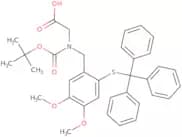
CAS:<p>4-[(4-Nitrophenyl)-azo]-phenol is a molecular compound that has a nitro group, an azo group, and a phenolic hydroxyl group. It's also known as nitrophenyl diazonium salt. 4-[(4-Nitrophenyl)-azo]-phenol is used in the synthesis of other compounds such as dyes and pharmaceuticals. The magnetic resonance spectroscopy and optical microscope techniques were used to study the chemical structure of 4-[(4-Nitrophenyl)-azo]-phenol. The titration method was used to determine the purity of this compound. 4-[(4-Nitrophenyl)-azo]-phenol has been shown to have mesomorphic properties, which are exhibited by its ability to be either solid or liquid at room temperature (25°C). This property may be due to its functional groups that stabilize it in both states.</p>Purity:Min. 95%Boc-(Dmmb(Trt))Gly-OH
CAS:<p>Please enquire for more information about Boc-(Dmmb(Trt))Gly-OH including the price, delivery time and more detailed product information at the technical inquiry form on this page</p>Formula:C35H37NO6SPurity:Min. 95%Molecular weight:599.74 g/molLQEQ-19 (mouse, rat) trifluoroacetate salt
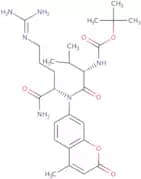
CAS:<p>Please enquire for more information about LQEQ-19 (mouse, rat) trifluoroacetate salt including the price, delivery time and more detailed product information at the technical inquiry form on this page</p>Formula:C106H165N29O34Purity:Min. 95%Molecular weight:2,389.62 g/molBoc-Val-Arg-AMC•HCl
CAS:<p>Please enquire for more information about Boc-Val-Arg-AMC•HCl including the price, delivery time and more detailed product information at the technical inquiry form on this page</p>Formula:C26H38N6O6•HClPurity:Min. 95%Color and Shape:PowderMolecular weight:567.08 g/molFmoc-Cys(tBu)-Wang resin (200-400 mesh)
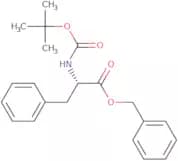
<p>Please enquire for more information about Fmoc-Cys(tBu)-Wang resin (200-400 mesh) including the price, delivery time and more detailed product information at the technical inquiry form on this page</p>Purity:Min. 95%Boc-Phe-OBzl
CAS:<p>Please enquire for more information about Boc-Phe-OBzl including the price, delivery time and more detailed product information at the technical inquiry form on this page</p>Formula:C21H25NO4Purity:Min. 95%Molecular weight:355.43 g/molAtrial Natriuretic Factor (3-28) (human, bovine, porcine)
CAS:<p>Please enquire for more information about Atrial Natriuretic Factor (3-28) (human, bovine, porcine) including the price, delivery time and more detailed product information at the technical inquiry form on this page</p>Formula:C118H187N43O36S3Purity:Min. 95%Molecular weight:2,880.21 g/molNeuropeptide F trifluoroacetate salt
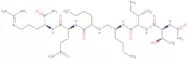
CAS:<p>Please enquire for more information about Neuropeptide F trifluoroacetate salt including the price, delivery time and more detailed product information at the technical inquiry form on this page</p>Formula:C210H328N58O58Purity:Min. 95%Molecular weight:4,593.21 g/molAc-Thr-Ile-Nle-psi(CH2NH) Nle-Gln-Arg-NH2
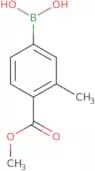
CAS:<p>Ac-Thr-Ile-Nle-psi(CH2NH) Nle-Gln-Arg-NH2 is a protease inhibitor that prevents the breakdown of proteins by inhibiting the activity of proteases. It binds to the active site of these enzymes and blocks the access of other substrates. Ac-Thr-Ile-Nle-psi(CH2NH) Nle-Gln-Arg-NH2 has been shown to bind to a number of proteases, including serine, cysteine, aspartic acid, and metalloendoproteases. It inhibits the hydrolysis of peptide bonds in proteins by binding to the active site and blocking access to other substrates. The chemical structure is hydrophobic due to presence of a hydroxy group that can interact with hydrophobic regions on proteins. Acetylation at position Thr1 is important for its inhibitory activity against certain proteases such as</p>Formula:C35H67N11O8Purity:Min. 95%Molecular weight:769.98 g/mol(4-(Methoxycarbonyl)-3-Methylphenyl)boronic acid
CAS:<p>Please enquire for more information about (4-(Methoxycarbonyl)-3-Methylphenyl)boronic acid including the price, delivery time and more detailed product information at the technical inquiry form on this page</p>Formula:C9H11BO4Purity:Min. 95%Molecular weight:193.99 g/molH-Phe-Pro-Arg-OH
CAS:<p>H-Phe-Pro-Arg-OH is an active analogue of the natural amino acid, lysine. It has been shown to inhibit protein synthesis by binding to the lysine residues in proteins. This inhibition blocks the hydrophobic effect that is necessary for proper folding of newly synthesized proteins. Lysine's role in protein synthesis also extends to spermatozoa and blood clotting, which are inhibited by H-Phe-Pro-Arg-OH. The inhibition of lysine residues in human serum fibrinogen and thrombin may lead to a reduction in their ability to form clots. H-Phe-Pro-Arg-OH has also been shown to be an anticoagulant and thermodynamic data supports this conclusion. X ray crystal structures and titration calorimetry have confirmed that this compound binds to lysine residues with high affinity and specificity.</p>Formula:C20H30N6O4Purity:Min. 95%Molecular weight:418.49 g/mol(Des-Tyr1)-Met-Enkephalin
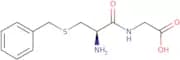
CAS:<p>Des-Tyr1-Met-Enkephalin H-Gly-Gly-Phe-Met-OH is a peptide that is derived from the endorphin family. It has been shown to have both amnestic and enkephalin effects, which may be due to its antagonistic effect on naloxone. This endogenous peptide has been studied in a dose response curve, with an increase in amnesia and decrease in memory retention as the dose increases. Des-Tyr1-Met-Enkephalin H-Gly-Gly-Phe-Met-OH also binds to receptors at the same sites as other substances such as epinephrine, β endorphin, and behavioral effects are observed.</p>Formula:C18H26N4O5SPurity:Min. 95%Molecular weight:410.49 g/molH-Cys(Bzl)-Gly-OH trifluoroacetic acid
CAS:<p>Please enquire for more information about H-Cys(Bzl)-Gly-OH trifluoroacetic acid including the price, delivery time and more detailed product information at the technical inquiry form on this page</p>Formula:C12H16N2O3S•(CF3CO2H)xPurity:Min. 95%Molecular weight:268.33 g/molFmoc-4-phosphono-Phe(Bzl)-OH
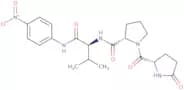
CAS:<p>Fmoc-4-phosphono-Phe(Bzl)-OH is an efficient solid phase peptide synthesizer. It has been used in the synthesis of a variety of peptides, including those with short sequences and bulky side chains. Fmoc-4-phosphono-Phe(Bzl)-OH is an efficient synthesis reagent for the solid phase peptide synthesis of small or medium size peptides, which are difficult to synthesize with other methods.</p>Formula:C31H28NO7PPurity:Min. 95%Molecular weight:557.53 g/molPyr-Pro-Val-pNA trifluoroacetate salt
CAS:<p>Pyr-Pro-Val-pNA is a synthetic peptide that is structurally homologous to the proteases serine and chymotrypsin. This peptide has been shown to have proteolytic activity on fibronectin, n-terminal of angiotensin, and epithelium. Pyr-Pro-Val-pNA also causes an inflammatory response in leukocytes and shigella.</p>Formula:C21H27N5O6Purity:Min. 95%Molecular weight:445.47 g/molFmoc-Dap(Adpoc)-OH
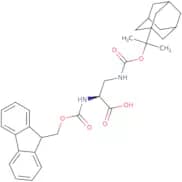
CAS:<p>Please enquire for more information about Fmoc-Dap(Adpoc)-OH including the price, delivery time and more detailed product information at the technical inquiry form on this page</p>Formula:C32H38N2O6Purity:Min. 95%Molecular weight:546.65 g/molZ-Pro-Arg-AMC·HCl
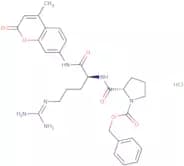
CAS:<p>Please enquire for more information about Z-Pro-Arg-AMC·HCl including the price, delivery time and more detailed product information at the technical inquiry form on this page</p>Formula:C29H34N6O6·HClPurity:Min. 95%Molecular weight:599.08 g/molCholecystokinin Octapeptide (1-3) (desulfated)
CAS:<p>Cholecystokinin Octapeptide (1-3) (desulfated) is a research chemical that has various applications in the field of chemistry and biology. This compound contains a hydrogen atom that plays a crucial role in solvation processes. It can be used in supercritical reactions due to its ability to interact with hydroxyl groups on metallic surfaces like silicon substrates. Additionally, Cholecystokinin Octapeptide (1-3) (desulfated) is utilized in thiol-ene reactions and chromatographic separations.</p>Formula:C18H25N3O7SPurity:Min. 95%Molecular weight:427.47 g/molAmyloid Dan Protein (1-34) trifluoroacetate salt
CAS:<p>Please enquire for more information about Amyloid Dan Protein (1-34) trifluoroacetate salt including the price, delivery time and more detailed product information at the technical inquiry form on this page</p>Formula:C185H268N48O51S2Purity:Min. 95%Molecular weight:4,044.53 g/molZ-Val-Ala-OMe
CAS:<p>Z-Val-Ala-OMe is an anti-leishmanial agent that has been shown to be a more efficient method for the treatment of leishmaniasis than current treatments. It inhibits the growth of Leishmania by inhibiting serine proteases, which are involved in the formation of amorphous material on the surface of these parasites. Z-Val-Ala-OMe is active against both subtilis and licheniformis, with a residue half life of 3 hours at pH 5.5 and 20 degrees Celsius. This drug binds to the surface of Leishmania parasites and inhibits their ability to metabolize phosphite into ethyl esters.<br>The kinetic data obtained from Z-Val-Ala-OMe was measured using immobilized cells in a microtiter plate assay system. The data collected was used to generate a graph showing an initial burst phase followed by a linear phase for up to 72 hours post incubation with the drug</p>Formula:C17H24N2O5Purity:Min. 95%Molecular weight:336.38 g/molPeptide WE-14
CAS:<p>Peptide WE-14 H-Trp-Ser-Lys-Met-Asp-Gln-Leu-Ala-Lys-Glu-Leu-Thr-Ala-Glu is a tetradecapeptide that is a candidate for the diagnosis of pancreatic cancer. It has been shown to localize to the pancreas and other tissues in immunohistochemical studies. This peptide was found to be present in chromaffin cells and ileal tissue, which are associated with pancreatic cancer. Peptide WE14 H Trp Ser Lys Met Asp Gln Leu Ala Lys Glu Leu Thr Ala Glu also binds to markers expressed at high levels in pancreatic cancers such as insulinoma, endocrine tumor, and neuroendocrine tumor.</p>Formula:C72H116N18O24SPurity:Min. 95%Molecular weight:1,649.86 g/molMethylenedi-p-phenyl diisocyanate
CAS:<p>Methylenedi-p-phenyl diisocyanate (MDI) is a glycol ether, which is a potent inducer of allergic reactions. It can be found in polyurethane foam insulation and in the production of diphenyl and diisocyanate. MDI has been shown to cause asthma, skin inflammation, and other respiratory problems. MDI is highly toxic to aquatic life and can cause long term effects on fish populations. The toxicity of MDI depends on the concentration and duration of exposure, as well as the species that it is administered to. High concentration exposure for a short period of time will result in death by respiratory failure or cardiac arrest. Longer exposure at lower concentrations may lead to liver, kidney, lung damage or cancerous tumor development.</p>Formula:C15H10N2O2Purity:Min. 95%Molecular weight:250.25 g/mol5-FAM-Woodtide trifluoroacetate salt
CAS:<p>Please enquire for more information about 5-FAM-Woodtide trifluoroacetate salt including the price, delivery time and more detailed product information at the technical inquiry form on this page</p>Formula:C89H133N21O26SPurity:Min. 95%Molecular weight:1,945.2 g/molBoc-L-valine
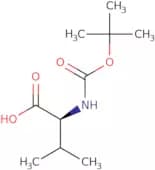
CAS:<p>Boc-L-Valine is a model system for the synthesis of peptides. This compound is synthesized in a liquid phase and then purified by column chromatography. It has an antimicrobial activity against Gram-positive bacteria such as Staphylococcus aureus and Escherichia coli, but not against Gram-negative bacteria such as Proteus vulgaris or Pseudomonas aeruginosa. Boc-L-Valine is also used to study the binding of inhibitors and ferrocenes.</p>Formula:C10H19NO4Purity:Min. 95%Color and Shape:White PowderMolecular weight:217.3 g/molBoc-L-Nitroarginine
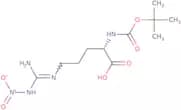
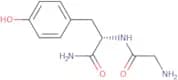
CAS:<p>Boc-L-Nitroarginine is a nitric oxide synthase inhibitor that belongs to the class of drugs called nitric oxide inhibitors. It is a potent inhibitor of nitric oxide synthase, preventing the production of nitric oxide from arginine. The drug has been shown to have therapeutic effects in the treatment of cancer, diabetes mellitus, and other diseases. Boc-L-Nitroarginine inhibits tumor angiogenesis by blocking endothelial cell proliferation and migration. It also inhibits insulin secretion, leading to an improved glycemic control in diabetic patients. Boc-L-Nitroarginine can be used as a hydrogenation reducing agent for the synthesis of imatinib and palladium catalysts for hydrogenation reactions.</p>Formula:C11H21N5O6Purity:Min. 95%Color and Shape:PowderMolecular weight:319.31 g/molH-Gly-Tyr-NH2·HCl
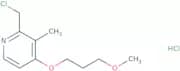
CAS:<p>H-Gly-Tyr-NH2·HCl is a peptide that has been shown to have an inhibitory effect on 5-hydroxytryptamine (5-HT) receptors. It can be used as a diluent for pharmaceuticals and as a potential treatment for autoimmune diseases, which are caused by the immune system attacking healthy cells. H-Gly-Tyr-NH2·HCl has also been shown to have antiestrogenic effects in breast cancer cells. This compound may be useful for treating inflammation associated with infectious diseases, such as Stenotrophomonas maltophilia, and other inflammatory diseases, such as inflammatory bowel disease. The amide group in this peptide may also be important for its antimicrobial properties against gram negative bacteria, such as Escherichia coli.</p>Formula:C11H15N3O3·HClPurity:Min. 95%Molecular weight:273.72 g/mol2-Chloromethyl-4-(3-methoxypropoxy)-3-methylpyridine hydrochloride
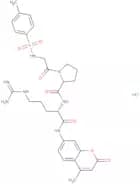
CAS:<p>Please enquire for more information about 2-Chloromethyl-4-(3-methoxypropoxy)-3-methylpyridine hydrochloride including the price, delivery time and more detailed product information at the technical inquiry form on this page</p>Formula:C11H17Cl2NO2Purity:Min. 95%Molecular weight:266.16 g/molTos-Gly-Pro-Arg-AMC·HCl
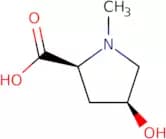
CAS:<p>Please enquire for more information about Tos-Gly-Pro-Arg-AMC·HCl including the price, delivery time and more detailed product information at the technical inquiry form on this page</p>Formula:C30H37N7O7S·HClPurity:Min. 95%Molecular weight:676.18 g/molN-Methyl-L-trans-4-hydroxyproline hydrochloride
CAS:<p>N-Methyl-L-trans-4-hydroxyproline hydrochloride is a bioactive compound that is present in the leaves of Semecarpifolia. It has been found to have antioxidant and anti-inflammatory properties. The chemical structure of N-methyl-L-trans-4-hydroxyproline hydrochloride is cyclic, butanamide, hexane, ethanolic extracts, and semecarpifolia. The family Meliaceae includes species such as Eucalyptus, which produces the bioactive compound cineole. Solvents used in this process are hexane and ethanolic extracts.</p>Formula:C6H11NO3·HClPurity:Min. 95%Color and Shape:PowderMolecular weight:181.62 g/mol(Des-Gly10,Ser(Ac)4,D-Leu6,Pro-NHEt 9)-LHRH trifluoroacetate salt
<p>Please enquire for more information about (Des-Gly10,Ser(Ac)4,D-Leu6,Pro-NHEt 9)-LHRH trifluoroacetate salt including the price, delivery time and more detailed product information at the technical inquiry form on this page</p>Formula:C61H86N16O13Purity:Min. 95%Molecular weight:1,251.44 g/molH-Ser-Asn-OH
CAS:<p>H-Ser-Asn-OH is a fatty acid that belongs to the amide group. It has an inhibitory effect on bacterial membranes, which can be seen in the x-ray crystal structures of H-Ser-Asn-OH cocrystallized with lipids from the bacterial membrane. The inhibition of bacterial membranes is due to its ability to bind strongly to the phospholipid head group and reduce the fluidity of the membrane. H-Ser-Asn-OH has also been shown to have a diagnostic effect on tissues and monolayers in vitro.</p>Formula:C7H13N3O5Purity:Min. 95%Molecular weight:219.2 g/molMca-(endo-1a-Dap (Dnp))-TNF-a (-5 to +6) amide (human) trifluoroacetate salt
CAS:<p>Please enquire for more information about Mca-(endo-1a-Dap (Dnp))-TNF-a (-5 to +6) amide (human) trifluoroacetate salt including the price, delivery time and more detailed product information at the technical inquiry form on this page</p>Formula:C69H103N23O24Purity:Min. 95%Molecular weight:1,638.7 g/molH-β-Ala-Val-OH
CAS:<p>H-beta-Ala-Val-OH is a synthetic amino acid that has been positioned in the beta helix of a crystallographic protein. It has a helical structure with an alpha carbon backbone. The dipeptide is water soluble and dipeptides are found in helices, which are hydrogen bonded to other helices. H-beta-Ala-Val-OH also has supramolecular properties, which means it can form structures on its own that are not dependent on other molecules.</p>Formula:C8H16N2O3Purity:Min. 95%Molecular weight:188.22 g/molBoc-L-tyrosine methyl ester
CAS:<p>Boc-L-tyrosine methyl ester is a synthetic amino acid that can be used in the production of peptides and proteins. It has been shown to have a high uptake and hydroxyl group, which allows for the synthesis of dopamine. The kinetic study of Boc-L-tyrosine methyl ester in agarose gels has shown that it has a high affinity for dopamine. Boc-L-tyrosine methyl ester has also been used as an intermediate for the synthesis of peptides and proteins. It is not active against cancer cells but has been used to induce matrix metalloproteinase (MMP) activity in Mcf-7 cells.</p>Formula:C15H21NO5Purity:Min. 95%Color and Shape:White PowderMolecular weight:295.33 g/molAbz-Gly-Ala-Ala-Pro-Phe-3-nitro-Tyr-Asp-OH trifluoroacetate salt
CAS:<p>Please enquire for more information about Abz-Gly-Ala-Ala-Pro-Phe-3-nitro-Tyr-Asp-OH trifluoroacetate salt including the price, delivery time and more detailed product information at the technical inquiry form on this page</p>Formula:C42H49N9O14Purity:Min. 95%Molecular weight:903.89 g/mol(Arg17)-Amyloid b-Protein (1-42) trifluoroacetate salt
CAS:<p>Please enquire for more information about (Arg17)-Amyloid b-Protein (1-42) trifluoroacetate salt including the price, delivery time and more detailed product information at the technical inquiry form on this page</p>Formula:C203H312N58O60SPurity:Min. 95%Molecular weight:4,557.07 g/mol4-Bromo-2-methylbut-1-ene
CAS:<p>4-Bromo-2-methylbut-1-ene is an alkylating agent that reacts with DNA, RNA and proteins. It has been shown to be effective in the treatment of bladder cancer. 4-Bromo-2-methylbut-1-ene is used as a trifluoride source for boron trifluoride etherate, which is then reacted with plant tissues. This reaction yields a prenyl group, which can be further processed to yield an alkynyl group. The alkynyl group can be reacted with anhydrous sodium to form a chloride salt. This salt can then react with carbon monoxide to form a carbone molecule, which is the final product of this chemical process.</p>Purity:Min. 95%FA-Lys-Leu-OH
CAS:<p>Please enquire for more information about FA-Lys-Leu-OH including the price, delivery time and more detailed product information at the technical inquiry form on this page</p>Formula:C19H29N3O5Purity:Min. 95%Molecular weight:379.45 g/molPeptide 6A
CAS:<p>Peptide 6A is a cyclic peptide that has been shown to have analgesic and anti-inflammatory effects. It is synthesized by conjugating the amino acid alanine to the N-terminal of arginine, which leads to a polymer conjugate. The cyclic peptide has been shown to inhibit pain responses in anesthetized animals as well as inhibit blood pressure in rats with hypertension. In addition, it showed significant vasodilatory effects and inhibited sodium citrate induced platelet aggregation. Treatment with peptide 6A also decreases fibrinogen levels in humans and showed radical scavenging activities in human serum.</p>Formula:C23H43N9O6Purity:Min. 95%Molecular weight:541.64 g/molFmoc-Thr(PO3H2)-OH
CAS:<p>Please enquire for more information about Fmoc-Thr(PO3H2)-OH including the price, delivery time and more detailed product information at the technical inquiry form on this page</p>Formula:C19H20NO8PPurity:Min. 95%Molecular weight:421.34 g/molH-Gly-Phe-Leu-OH
CAS:<p>H-Gly-Phe-Leu-OH is a hydrophobic amino acid and homologue of the natural amino acid histidine. It is an organic compound that is used in the synthesis of peptides and proteins. This compound can be synthesized by reacting ethyl esters with glycine, phenylalanine, and leucine. H-Gly-Phe-Leu-OH has been shown to be active against organisms such as Staphylococcus aureus, Escherichia coli, and Bacillus subtilis. The effectiveness of this compound may be due to its ability to bind to various sites on the organism's cell wall. It also has been shown to have antiplatelet activity similar to aspirin.</p>Formula:C17H25N3O4Purity:Min. 95%Molecular weight:335.4 g/molH-D-Met-D-Met-OH
CAS:<p>Please enquire for more information about H-D-Met-D-Met-OH including the price, delivery time and more detailed product information at the technical inquiry form on this page</p>Formula:C10H20N2O3S2Purity:Min. 95%Molecular weight:280.41 g/molpTH-Related Protein (1-34) amide (human, mouse, rat) trifluoroacetate salt
CAS:<p>Parathyroid hormone-related protein (PTHrP) is a peptide hormone produced by the parathyroid gland that functions as a phosphatase, inhibiting alkaline phosphatase. It also has an inhibitory effect on osteoclastic bone resorption and stimulates osteoblastic bone formation. PTHrP has been shown to be useful in treating osteoporosis and Paget's disease. It also has been used in conjunction with dexamethasone to treat patients with malignancies of the head and neck. PTHrP is an inhibitor of protein kinase A and phosphodiesterases, which are enzymes that regulate cellular processes such as proliferation and differentiation.</p>Formula:C180H288N58O47Purity:Min. 95%Molecular weight:4,016.58 g/molN-Hydroxy-2-phenyl-acetamide
CAS:<p>N-Hydroxy-2-phenyl-acetamide is a metalloprotease inhibitor that binds to the active site of the enzyme, thereby preventing it from binding with its natural substrate. This drug has been shown to inhibit the production of TNF-α in mice with autoimmune diseases and may be able to inhibit other proinflammatory mediators. N-Hydroxy-2-phenyl-acetamide has been shown to bind to a water molecule and an aliphatic hydrocarbon in order to form a hydrogen bond. This coordination complex inhibits the activity of matrix metalloproteinases, which are enzymes that break down collagen, elastin, and other proteins in the extracellular matrix. N-Hydroxy-2-phenyl-acetamide is not active against acid complexes or tnfα.</p>Formula:C8H9NO2Purity:Min. 95%Color and Shape:White Yellow PowderMolecular weight:151.16 g/molH-Leu-Arg-Arg-Arg-Arg-Phe-D-Ala-Phe-Cys(NPys)-NH2
CAS:<p>Please enquire for more information about H-Leu-Arg-Arg-Arg-Arg-Phe-D-Ala-Phe-Cys(NPys)-NH2 including the price, delivery time and more detailed product information at the technical inquiry form on this page</p>Formula:C59H92N24O11S2Purity:Min. 95%Molecular weight:1,377.65 g/molZ-Gly-Gly-Phe-bNA
CAS:<p>Please enquire for more information about Z-Gly-Gly-Phe-bNA including the price, delivery time and more detailed product information at the technical inquiry form on this page</p>Formula:C31H30N4O5Purity:Min. 95%Molecular weight:538.59 g/molNeurotensin (8-13)
CAS:<p>Neurotensin is a peptide that regulates the activity of the hypothalamus and pituitary gland. Neurotensin is synthesized from prepro-neurotensin, which is cleaved to produce neurotensin (8-13) H-Arg-Arg-Pro-Tyr-Ile-Leu-OH. It is a member of the tachykinins family of neuropeptides, which are characterized by a conserved disulfide bond. Neurotensin has been shown to increase locomotor activity in mice and rats and may be involved in pain perception. Neurotensin also binds to receptors on nerve cells, including the enkephalin receptor, with high affinity. This binding leads to an inhibition of release of neurotransmitters such as dopamine, serotonin, and acetylcholine by neurons.</p>Formula:C38H64N12O8Purity:Min. 95%Molecular weight:816.99 g/molACTH (3-24) (human, bovine, rat) trifluoroacetate salt
CAS:<p>Please enquire for more information about ACTH (3-24) (human, bovine, rat) trifluoroacetate salt including the price, delivery time and more detailed product information at the technical inquiry form on this page</p>Formula:C124H196N38O27SPurity:Min. 95%Molecular weight:2,683.19 g/molZ-Phe-Gly-Phe-Gly-OH
CAS:<p>Please enquire for more information about Z-Phe-Gly-Phe-Gly-OH including the price, delivery time and more detailed product information at the technical inquiry form on this page</p>Formula:C30H32N4O7Purity:Min. 95%Molecular weight:560.6 g/molAc-Tyr-Phe-OH
CAS:<p>This synthetic peptide is an acceptor of protons and has a molecular weight of 904. It is one of the most potent proton donors known to date and has been shown to be effective in iontophoresis experiments. Ac-Tyr-Phe-OH has been found to have a bitter taste, which may limit its use as a drug candidate. However, it could be used as a screening tool to identify compounds that are likely to have a bitter taste, but without the need for extensive animal testing.</p>Formula:C20H22N2O5Purity:Min. 95%Molecular weight:370.4 g/molZ-Asp(OMe)-Glu(OMe)-Val-DL-Asp(OMe)-fluoromethylketone
CAS:<p>Z-Asp(OMe)-Glu(OMe)-Val-DL-Asp(OMe)-fluoromethylketone is a small molecule that has been shown to induce apoptosis in cultured cells. It is a caspase-3 inhibitor, which prevents the activation of the caspase cascade and protects cells from oxidative injury. Low doses of Z-Asp(OMe)-Glu(OMe)-Val-DL-Asp(OMe)-fluoromethylketone have been shown to induce apoptosis in cultured cells, with no significant cytotoxicity at high doses. The mechanism of action for this agent is not yet known, but it may promote mitochondrial membrane potential loss and neuronal death by binding to DNA, or induce cell death through a caspase-independent pathway.</p>Formula:C30H41FN4O12Purity:Min. 95%Molecular weight:668.66 g/molSuc-Ala-Pro-Ala-AMC
CAS:<p>Suc-Ala-Pro-Ala-AMC is a synthetic peptide that is used as a fluorescent substrate to measure the activity of serine proteases. It is used in plant physiology and has been shown to be effective in the treatment of inflammatory diseases. Suc-Ala-Pro-Ala-AMC is an acidic molecule with a pKa of 3.1. This means it can exist as both a zwitterion, with a positive charge on one end and negative charge on the other, or as an ionized molecule with both ends having a negative charge. The zwitterionic form is more stable than the ionized form at low pH levels and will therefore be present at higher concentrations at lower pH values. Suc-Ala-Pro-Ala-AMC shows proteolytic activity against peptidases such as papain, bromelain, trypsin, and chymotrypsin. It also binds to neutroph</p>Formula:C25H30N4O8Purity:Min. 95%Molecular weight:514.53 g/molSecretin (porcine) acetate salt
CAS:Controlled Product<p>Secretin acetate salt H-His-Ser-Asp-Gly-Thr-Phe-Thr-Ser-Glu-Leu-Ser-Arg-Leu-Arg-Asp-Ser-Ala is a peptide that is secreted by the pancreas in response to the ingestion of food. Secretin stimulates the release of water and bicarbonate from the pancreas, as well as stimulating the gallbladder to contract, which results in increased flow of bile. Secretin also inhibits gastric acid secretion, slows intestinal motility, and stimulates pancreatic enzyme secretion. The amino acid sequence of this peptide is identical to that of leuprolide acetate (Lupron) and goserelin acetate (Zoladex), which are synthetic analogs with similar biological activity. This peptide can be synthesized on a solid phase or in solution phase. Solid phase synthesis involves attaching amino acids</p>Formula:C130H220N44O41Purity:Min. 95%Molecular weight:3,055.41 g/molSPLUNC1 (22-39) trifluoroacetate salt
CAS:<p>Please enquire for more information about SPLUNC1 (22-39) trifluoroacetate salt including the price, delivery time and more detailed product information at the technical inquiry form on this page</p>Formula:C82H135N21O25Purity:Min. 95%Molecular weight:1,815.08 g/mol(D-Ala2,N-Me-Phe4,methionin(O)-ol5)-Enkephalin trifluoroacetate salt
CAS:<p>D-Ala2,N-Me-Phe4,methionin(O)-ol5)-Enkephalin trifluoroacetate salt H-Tyr-D-Ala-Gly-N-Me-Phe-methionin(O)-ol trifluoroacetate salt is an analog of the endocannabinoid neurotransmitter, anandamide. It has been shown to be effective in the treatment of autoimmune diseases such as multiple sclerosis and inflammatory bowel disease. D-(3R)-3-[(1S,2R,3R,5R) -3-[2-(2,6 dichlorophenyl)ethenyl] -1H -indole]-1 -butanamine trifluoroacetate salt has been shown to inhibit the replication of a number of viruses including human immunodeficiency virus type 1 (HIV). This drug also inhibits the growth of organisms that are resistant</p>Formula:C29H41N5O7SPurity:Min. 95%Molecular weight:603.73 g/molDL-Methionine methylsulfonium chloride
CAS:<p>DL-Methionine methylsulfonium chloride is a fine chemical that has many uses. It can be used as a versatile building block for research and synthesis of complex compounds, or as an intermediate for the production of speciality chemicals. DL-Methionine methylsulfonium chloride is also useful as a reaction component in organic synthesis and as a reagent in analytical chemistry. It is often used to introduce methionine residues into proteins, which are then used for structural studies and protein engineering. The quality of this compound is high and it has CAS number 3493-12-7.</p>Formula:C6H14ClNO2SColor and Shape:White PowderMolecular weight:199.7 g/molNeuropeptide Y (free acid) (human, rat) trifluoroacetate salt
CAS:<p>Please enquire for more information about Neuropeptide Y (free acid) (human, rat) trifluoroacetate salt including the price, delivery time and more detailed product information at the technical inquiry form on this page</p>Formula:C189H284N54O58SPurity:Min. 95%Molecular weight:4,272.67 g/molFmoc-Ile-Gly-OH
CAS:<p>Please enquire for more information about Fmoc-Ile-Gly-OH including the price, delivery time and more detailed product information at the technical inquiry form on this page</p>Formula:C23H26N2O5Purity:Min. 95%Molecular weight:410.46 g/molH-Tyr-Leu-OH
CAS:<p>H-Tyr-Leu-OH is a peptide that has been shown to have regulatory effects on the synthesis of dopamine and 5-hydroxytryptamine (5HT), which is responsible for mood, appetite, and sleep. H-Tyr-Leu-OH is an orally active compound that has antidepressant-like activity in animals. It has also been shown to have antiobesity effects by regulating the secretion of proctolin from the pancreas. H-Tyr-Leu-OH has a pH optimum of 7, which is neutral. This compound can be used in cell culture experiments to study the effect of pH on enzyme preparations.</p>Formula:C15H22N2O4Purity:Min. 95%Molecular weight:294.35 g/mol(Des-Gly10,D-Trp6,Pro-NHEt 9)-LHRH (sea bream)
CAS:<p>Please enquire for more information about (Des-Gly10,D-Trp6,Pro-NHEt 9)-LHRH (sea bream) including the price, delivery time and more detailed product information at the technical inquiry form on this page</p>Formula:C61H76N14O13Purity:Min. 95%Molecular weight:1,213.34 g/mol3,5-Diiodo-L-tyrosine
CAS:<p>3,5-Diiodo-L-tyrosine (3DILT) is an iodinated amino acid that can be used as a marker for human immunodeficiency virus (HIV) infection. It is synthesized by the reaction of 3,5-diiodotyrosine with L-tyrosine in the presence of a metal chelate and dinucleotide phosphate. This reaction proceeds via nucleophilic substitution on the aromatic ring with an iodide ion. The product is then purified to remove unreacted 3,5-diiodotyrosine and the metal chelate. 3DILT reacts with antibodies in a luminescence immunoassay to produce light that can be detected. The detection limit of this assay is 10 pg/mL.</p>Formula:C9H9I2NO3Purity:Min. 95%Molecular weight:432.98 g/molZ-Val-Lys-Met-AMC acetate salt
CAS:<p>Bortezomib is a proteasome inhibitor that binds to the catalytic site of the proteasome and inhibits its activity. Bortezomib is used as an anticancer agent to treat multiple myeloma, T-cell lymphomas, and other cancers. It has been shown to inhibit the growth of cancer cells and slow tumor progression in animal models. The drug has also been shown to decrease insulin resistance in mice with high blood sugar levels by inhibiting histone deacetylase (HDAC). This inhibition leads to increased expression of genes that are involved in glucose metabolism and decreased expression of genes that regulate fat production.<br>The drug also binds tightly to the insulin receptor, which may lead to improved glucose uptake into cells.</p>Formula:C34H45N5O7SPurity:Min. 95%Molecular weight:667.82 g/molH-Thr-Lys-Tyr-OH
CAS:<p>H-Thr-Lys-Tyr-OH is a synthetic peptide that has been used in the research of antigen, antibody and sequence. The intramolecular bond between the amino acids H-Thr-Lys-Tyr-OH has been shown to be stable up to pH 8.5 and alkaline conditions, making it suitable for use in a variety of different experiments. This peptide has also been used as an immunogen to generate antibodies against specific antigens or as a probe for sequence analysis.</p>Formula:C19H30N4O6Purity:Min. 95%Molecular weight:410.46 g/molRecA-Like Protein (193-212)
CAS:<p>Please enquire for more information about RecA-Like Protein (193-212) including the price, delivery time and more detailed product information at the technical inquiry form on this page</p>Formula:C93H152N28O29S2Purity:Min. 95%Molecular weight:2,190.51 g/molH-Leu-Gly-bNA
CAS:<p>H-Leu-Gly-bNA is a chromogenic, dipeptide, which has been shown to react with 2-naphthylamine in the presence of condensation agents and carboxylic acid to form a carboxy group. The amino group on the terminal Leu residue reacts with the carboxy group to form an amide bond. This reaction is used as a method for detecting bNA.</p>Formula:C18H23N3O2Purity:Min. 95%Molecular weight:313.39 g/molZ-Phe-Ala-diazomethylketone
CAS:<p>Z-Phe-Ala-diazomethylketone is a molecule that belongs to the class of hydrolase inhibitors. It has been shown to have inhibitory properties against trichomonas vaginalis and proteolytic activity against liver cells. Z-Phe-Ala-diazomethylketone also has a kinetic energy of 11.2 kcal/mol, which is higher than most protease inhibitors. This molecule has been shown to be effective as a cell vaccine in wild-type mice and as a protease inhibitor in brain cells. The optimal ph for this molecule is 7.5, which corresponds to its pKa value of 5.1.</p>Formula:C21H22N4O4Purity:Min. 95%Molecular weight:394.42 g/molZ-Gly-Ile-OH
CAS:<p>Please enquire for more information about Z-Gly-Ile-OH including the price, delivery time and more detailed product information at the technical inquiry form on this page</p>Formula:C16H22N2O5Purity:Min. 95%Molecular weight:322.36 g/molZ-Ala-His-OH
CAS:<p>Z-Ala-His-OH is a peptide consisting of three amino acids. It has been shown to have an optimal activity at pH 4.5, and can be recycled. Z-Ala-His-OH is synthesized by introducing the amino acid building blocks into a reaction system, where they are systematically introduced at different positions in order to produce the desired peptide sequence. Z-Ala-His-OH is an ionizable molecule that shows high affinity for the active site of its target enzyme. This property makes it useful in solvents with low dielectric constants, such as water or organic solvents with acidic properties. The kinetic behavior of this molecule has been studied systematically by measuring its rate of reaction in different solvents with different pH values and concentrations of reactants.END></p>Formula:C17H20N4O5Purity:Min. 95%Molecular weight:360.36 g/molDynorphin A (1-9)
CAS:<p>Dynorphin A (1-9) H-Tyr-Gly-Gly-Phe-Leu-Arg-Arg-Ile-Arg-OH is a substrate binding inhibitor that blocks potassium channels. Dynorphin A (1-9) H-Tyr-Gly-Gly-Phe-Leu Arg Arg Ile Arg OH binds to the d -alanine site of the potassium channel and inhibits glutamate release from presynaptic terminals. Dynorphin A (1 9) H Tyr Gly Gly Phe Leu Arg Arg Ile Arg OH has been shown to be a potent inhibitor of aminopeptidase activity in vitro, which may be due to its affinity for the substrate binding site on the enzyme. Its inhibition of aminopeptidase activity may lead to an increase in opioid peptides such as dynorphins and enkephalins. Dynorphin A (1 9) H Tyr Gly Gly Phe</p>Formula:C52H84N18O11Purity:Min. 95%Molecular weight:1,137.34 g/mol
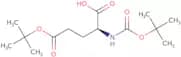

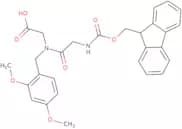
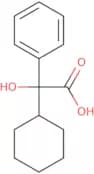
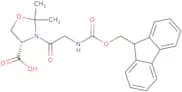
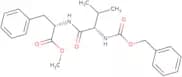
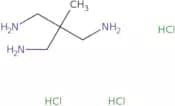


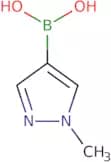
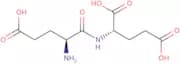

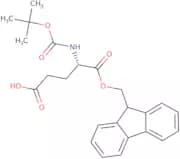
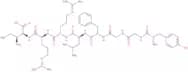
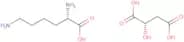
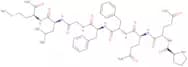
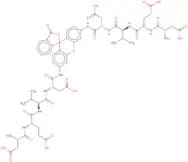
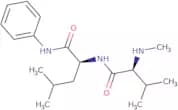
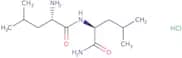


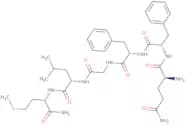
![4-[(4-Methylpiperazin-1-yl)methyl]benzoic acid](/_next/image/?url=https%3A%2Fstatic.cymitquimica.com%2Fproducts%2F3D%2Fthumb-webp%2FFM136767.webp&w=3840&q=75)
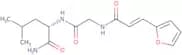

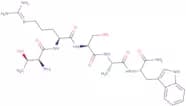
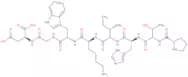
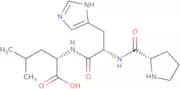
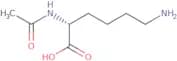
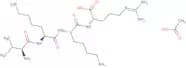
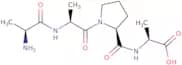
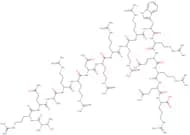
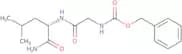

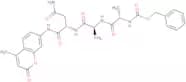
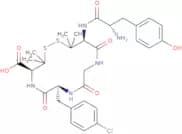
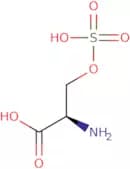
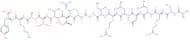
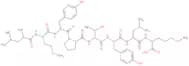
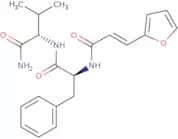

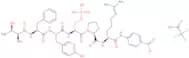

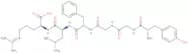
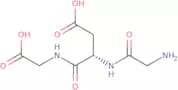


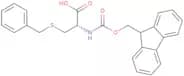
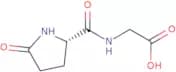
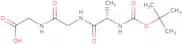
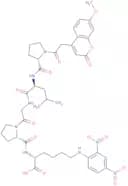
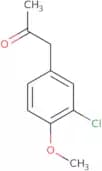
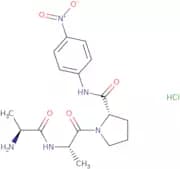

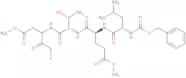
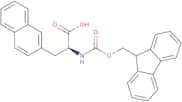
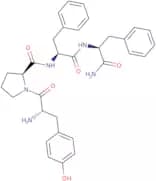
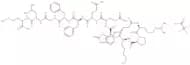
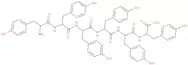


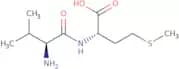
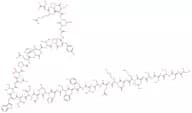
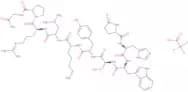
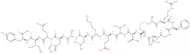
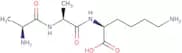

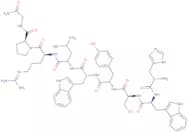
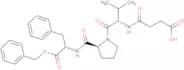
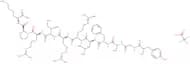
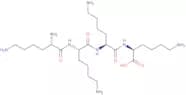
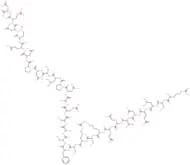
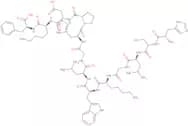


![N-[(2RS,3RS)-2,3,4-Trihydroxy-butyl]-Val-Leu-anilide](/_next/image/?url=https%3A%2Fstatic.cymitquimica.com%2Fproducts%2F3D%2Fthumb-webp%2FFT108329.webp&w=3840&q=75)
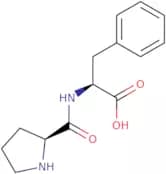

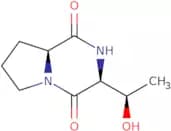
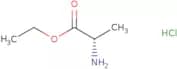


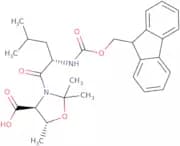
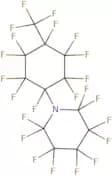
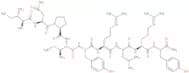
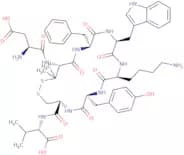

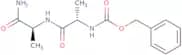
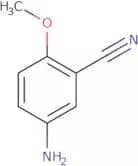

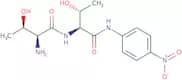
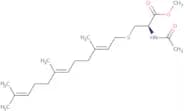


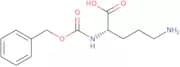
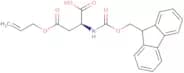
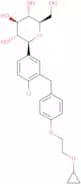
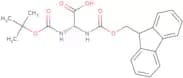

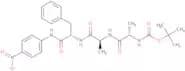
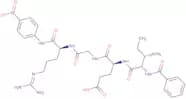
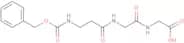
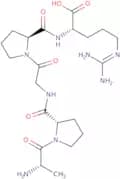
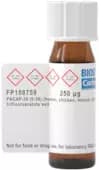
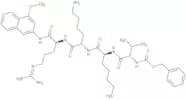
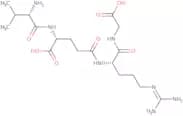


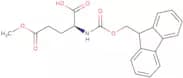
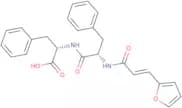
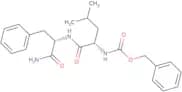



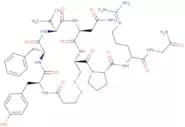
![4-[(4-Nitrophenyl)-azo]-phenol](/_next/image/?url=https%3A%2Fstatic.cymitquimica.com%2Fproducts%2F3D%2Fthumb-webp%2FFN31052.webp&w=3840&q=75)