Amino Acids (AA)
Amino acids (AAs) are the fundamental building blocks of proteins, playing a crucial role in various biological processes. These organic compounds are essential for protein synthesis, metabolic pathways, and cell signaling. In this category, you will find a comprehensive range of amino acids, including essential, non-essential, and modified forms, which are vital for research in biochemistry, molecular biology, and nutritional sciences. At CymitQuimica, we provide high-quality amino acids to support your research and development needs, ensuring accuracy and reliability in your experimental outcomes.
Subcategories of "Amino Acids (AA)"
- Amino Acid Derivatives(3,955 products)
- Amino Acid and Amino Acid Related Compounds(3,465 products)
- Amino Acids with Oxygen or Sulphur(168 products)
- Boc- Amino Acids(351 products)
- Fmoc Amino Acids(1,710 products)
Found 38248 products of "Amino Acids (AA)"
Sort by
Purity (%)
0
100
|
0
|
50
|
90
|
95
|
100
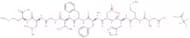
H-D-Pro-Pro-Glu-NH2 trifluoroacetate salt
CAS:<p>Please enquire for more information about H-D-Pro-Pro-Glu-NH2 trifluoroacetate salt including the price, delivery time and more detailed product information at the technical inquiry form on this page</p>Formula:C15H24N4O5Purity:Min. 95%Molecular weight:340.38 g/molCRF (6-33) (human, rat)
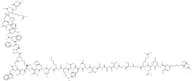
CAS:<p>CRF (6-33) is a neuropeptide that is found in the human cerebral cortex and rat liver. It has been shown to inhibit protein synthesis and sequenced by Edmond H. Fischer, who also discovered corticotropin-releasing factor (CRF). CRF (6-33) binds to its receptor CRFR1, which activates phospholipase C and generates inositol 1,4,5-triphosphate. This leads to the release of calcium from intracellular stores and the activation of protein kinase C. The release of calcium ions into the cytosol causes an increase in intracellular levels of cAMP, which activates a series of reactions responsible for the cellular effects of CRF. CRF (6-33) has been shown to be involved in depression by controlling neurotransmitter levels.br></p>Formula:C141H231N41O43SPurity:Min. 95%Molecular weight:3,220.66 g/molH-Pro-Val-Asp-OH
CAS:<p>Please enquire for more information about H-Pro-Val-Asp-OH including the price, delivery time and more detailed product information at the technical inquiry form on this page</p>Formula:C14H23N3O6Purity:Min. 95%Molecular weight:329.35 g/molEnantio-PAF C-16
CAS:<p>Enantio-PAF C-16, or 3-O-Hexadecyl-2-O-acetyl-sn-glycero-1-phosphocholine, is a biologically inactive enatiomer of platelet-activating factor (PAF). It is a PAF receptor agonist.</p>Formula:C26H54NO7PPurity:Min. 95%Molecular weight:523.68 g/molBiotinyl-MCH (salmon) trifluoroacetate salt
CAS:<p>Please enquire for more information about Biotinyl-MCH (salmon) trifluoroacetate salt including the price, delivery time and more detailed product information at the technical inquiry form on this page</p>Formula:C99H153N29O26S5Purity:Min. 95%Molecular weight:2,325.78 g/molZ-Ile-Glu(OMe)-Thr-DL-Asp(OMe)-fluoromethylketone
CAS:<p>Z-Ile-Glu(OMe)-Thr-DL-Asp(OMe)-fluoromethylketone is an apoptosis inducer that belongs to the category of small molecules. It has been shown to induce apoptosis in cells by binding to DNA and inhibiting transcription, leading to DNA fragmentation and the activation of caspase-8. Z-Ile-Glu(OMe)-Thr-DL-Asp(OMe)-fluoromethylketone has also been shown to have a synergistic effect on cells when combined with other potent inducers of apoptosis. This drug binds to toll receptors (TLR) and IL2 receptors, which are important for cell signaling pathways.</p>Formula:C30H43FN4O11Purity:Min. 95%Molecular weight:654.68 g/molMethyl 3-amino-2-phenylpropanoate HCl
CAS:<p>Methyl 3-amino-2-phenylpropanoate HCl is a chemical intermediate that is synthesized in the biosynthesis of scopolamine and tenellin. It has been found to be an isotopically labeled analog of tropane alkaloids, which are a class of natural products that includes atropine, hyoscyamine, and scopolamine. Methyl 3-amino-2-phenylpropanoate HCl is one of many compounds that can provide structural insights into the biosynthesis and metabolism of these compounds.</p>Formula:C10H13NO2·HClPurity:Area-% Min. 95 Area-%Color and Shape:PowderMolecular weight:215.68 g/mol(R)-(+)-2-Methyl-CBS-oxazaborolidine
CAS:<p>(R)-(+)-2-Methyl-CBS-oxazaborolidine is a dpp-iv inhibitor that is a β-unsaturated ketone. It has been shown to inhibit the enzyme histone lysine demethylase, which may be involved in the regulation of bone mass. This compound also has a pharmacokinetic profile that is characterized by high oral bioavailability, low plasma protein binding, and rapid metabolism by liver enzymes. The reaction mechanism for this compound is based on the formation of an enolate carbanion. (R)-(+)-2-Methyl-CBS-oxazaborolidine can be synthesized with high stereoselectivity and yields from reactions with simple starting materials. This synthetic route also has a number of advantages over other methods: it does not require any protecting groups, it does not use toxic solvents such as dichloromethane or chloroform, and it can be performed in anhydrous conditions</p>Formula:C18H20BNOPurity:Min. 95%Color and Shape:SolidMolecular weight:277.17 g/molpTH (1-34) (rat)
CAS:<p>Please enquire for more information about pTH (1-34) (rat) including the price, delivery time and more detailed product information at the technical inquiry form on this page</p>Formula:C180H291N55O48S2Purity:Min. 95%Molecular weight:4,057.71 g/molH-Arg-Phe-OH acetate salt
CAS:<p>H-Arg-Phe-OH Acetate Salt is a peptide that has the amino acids H, Arg, Phe and OH. It is a stable complex with amines and is effective in reducing blood pressure. The binding constants are high, which means that it can be used as an antihypertensive agent. A study on the haemodynamic effects of H-Arg-Phe-OH Acetate Salt showed that it could inhibit the release of noradrenaline levels in the body. The reaction mechanism for H-Arg-Phe-OH Acetate Salt is functional groups plus fatty acids; kidney bean is one of its sources.</p>Formula:C15H23N5O3Purity:Min. 95%Molecular weight:321.38 g/molFmoc-D-Ala-OH
CAS:<p>Fmoc-D-Ala-OH is a synthetic cyclic peptide that has been shown to have anticancer properties. This compound was synthesized by solid-phase chemistry and exhibits an inhibitory effect on cancer cells. Fmoc-D-Ala-OH blocks the synthesis of proteins in cancer cells, leading to cell death. It also inhibits the activity of serine proteases such as degarelix acetate, which are important for cancer cell growth and metastasis.</p>Formula:C18H17NO4Purity:Min. 95%Color and Shape:PowderMolecular weight:311.33 g/molZ-Gly-Leu-Ala-OH
CAS:<p>The peptide Z-Gly-Leu-Ala-OH is a reactive substance that is generated by the cleavage of casein kinase II. The peptide has been shown to have cytotoxic effects on Hodgkin's lymphoma cells, and also induces apoptosis in these cells. This peptide binds to mitochondria and causes mitochondrial damage, as well as generating reactive oxygen species (ROS) in the cell. ROS generation is dependent on oxygen species.</p>Formula:C19H27N3O6Purity:Min. 95%Molecular weight:393.43 g/molH-Leu-Gly-Arg-Ser-Gly-Gly-Asp-Ile-Ile-Lys-Lys-Met-Gln-Thr-Leu-OH
CAS:<p>Please enquire for more information about H-Leu-Gly-Arg-Ser-Gly-Gly-Asp-Ile-Ile-Lys-Lys-Met-Gln-Thr-Leu-OH including the price, delivery time and more detailed product information at the technical inquiry form on this page</p>Formula:C69H125N21O21SPurity:Min. 95%Molecular weight:1,616.93 g/molH-Leu-Leu-Tyr-OH
CAS:<p>H-Leu-Leu-Tyr-OH is a water soluble polymer that is produced by the enzymatic polymerization of L-leucine and L-tyrosine. This polymer is cytotoxic and has been shown to bind to DNA in the cell nucleus, as well as inhibit protein synthesis. H-Leu-Leu-Tyr-OH was developed as an alternative to polyethylene glycol (PEG) due to its low toxicity, high biocompatibility, and ability to be easily synthesized.</p>Formula:C21H33N3O5Purity:Min. 95%Molecular weight:407.5 g/molZ-Trp-Ala-OH
CAS:<p>Z-Trp-Ala-OH is an imidazolide that is used as a potassium supplement. It has the potential to be used in the treatment of epilepsy, but more research is needed to determine its safety and efficacy.</p>Formula:C22H23N3O5Purity:Min. 95%Molecular weight:409.44 g/molFmoc-3-(2-naphthyl)-L-alanine
CAS:<p>Fmoc-3-(2-naphthyl)-L-alanine is a supramolecular compound that functions as an inhibitor of prostate cancer cells. It inhibits the uptake of metal chelates by prostate cancer cells and stabilizes them, which may lead to a diagnostic and therapeutic agent for prostate cancer. Fmoc-3-(2-naphthyl)-L-alanine has also been shown to inhibit the growth of human serum prostate cancer cells in vitro and in vivo models. This molecule is a bifunctional compound that can be used as both an antigen and a surrogate for cytosolic prostate specific antigen (PSA) levels. Fmoc-3-(2-naphthyl)-L-alanine has been shown to bind to the PSA protein, which is normally found on the surface of prostate epithelial cells. This binding prevents it from being released into the blood circulation, where it would otherwise be measured by a PSA test</p>Formula:C28H23NO4Purity:Min. 95%Color and Shape:PowderMolecular weight:437.49 g/molMca-Pro-Leu-Gly-Leu-Dap (Dnp)-Ala-Arg-NH2 trifluoroacetate salt
CAS:<p>Please enquire for more information about Mca-Pro-Leu-Gly-Leu-Dap (Dnp)-Ala-Arg-NH2 trifluoroacetate salt including the price, delivery time and more detailed product information at the technical inquiry form on this page</p>Formula:C49H68N14O15Purity:Min. 95%Molecular weight:1,093.15 g/molH-Ser-Asn-OH
CAS:<p>H-Ser-Asn-OH is a fatty acid that belongs to the amide group. It has an inhibitory effect on bacterial membranes, which can be seen in the x-ray crystal structures of H-Ser-Asn-OH cocrystallized with lipids from the bacterial membrane. The inhibition of bacterial membranes is due to its ability to bind strongly to the phospholipid head group and reduce the fluidity of the membrane. H-Ser-Asn-OH has also been shown to have a diagnostic effect on tissues and monolayers in vitro.</p>Formula:C7H13N3O5Purity:Min. 95%Molecular weight:219.2 g/molH-His-Pro-NH2·2 HBr
CAS:<p>Please enquire for more information about H-His-Pro-NH2·2 HBr including the price, delivery time and more detailed product information at the technical inquiry form on this page</p>Formula:C11H17N5O2·2HBrPurity:Min. 95%Molecular weight:413.11 g/mol3-Methylthiopropionic acid
CAS:<p>3-Methylthiopropionic acid is a bacterial metabolite that can serve as an alternative carbon source for the production of amino acids. 3-Methylthiopropionic acid is used to study the effect of matrix on enzyme activities, and has been shown to have protein-binding properties. The compound also serves as a precursor in the synthesis of tiglic acid, which is a lysine precursor. 3-Methylthiopropionic acid has been found to be effective in slowing the growth of cancer cells. It has been shown to inhibit fatty acid synthesis, and may also inhibit methionine synthetase activity and cell proliferation.</p>Formula:C4H8O2SPurity:Min. 95%Color and Shape:Colourless To Pale Yellow LiquidMolecular weight:120.17 g/molZ-Phe-Ala-diazomethylketone
CAS:<p>Z-Phe-Ala-diazomethylketone is a molecule that belongs to the class of hydrolase inhibitors. It has been shown to have inhibitory properties against trichomonas vaginalis and proteolytic activity against liver cells. Z-Phe-Ala-diazomethylketone also has a kinetic energy of 11.2 kcal/mol, which is higher than most protease inhibitors. This molecule has been shown to be effective as a cell vaccine in wild-type mice and as a protease inhibitor in brain cells. The optimal ph for this molecule is 7.5, which corresponds to its pKa value of 5.1.</p>Formula:C21H22N4O4Purity:Min. 95%Molecular weight:394.42 g/molMast Cell Degranulating (MCD) Peptide HR-1
CAS:<p>Please enquire for more information about Mast Cell Degranulating (MCD) Peptide HR-1 including the price, delivery time and more detailed product information at the technical inquiry form on this page</p>Formula:C71H133N19O15Purity:Min. 95%Molecular weight:1,492.93 g/molL-Glutamic acid 5-benzyl ester
CAS:<p>L-Glutamic acid 5-benzyl ester is an amino acid that has been synthesized to have a lysine residue. It is an ester hydrochloride and has been shown to have broad-spectrum antimicrobial properties. L-glutamic acid 5-benzyl ester's antimicrobial activity is thought to be due to its chemical structure which allows it to act as an antimicrobial peptide, binding to receptors on the surface of bacterial cells and inhibiting their growth. L-glutamic acid 5-benzyl ester also inhibits osteogenic genes in cervical cancer cells, but not in normal cells.</p>Formula:C12H15NO4Purity:Min. 95%Color and Shape:White Off-White PowderMolecular weight:237.25 g/molH-β-Ala-Ala-OH
CAS:<p>Please enquire for more information about H-beta-Ala-Ala-OH including the price, delivery time and more detailed product information at the technical inquiry form on this page</p>Formula:C6H12N2O3Purity:Min. 95%Molecular weight:160.17 g/molH-D-Met-Met-OH
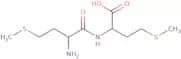
CAS:<p>H-D-Met-Met-OH is a synthetic compound, which is an optical isomer of DL-methionine. It has been shown to have the same biochemical and dietary concentrations as DL-methionine. H-D-Met-Met-OH has also been shown to have a linear response in bioassays, assays and other biochemical pathways. The thermodynamic properties of this compound are also similar to those of DL-methionine, although it is not as stable. This compound can be used as a substitute for DL-methionine because it has an identical chemical structure and can be converted into L -methionine by the enzyme methioninase.</p>Formula:C10H20N2O3S2Purity:Min. 95%Molecular weight:280.41 g/mol(Arg8)-Vasopressin (4-9)
CAS:<p>Please enquire for more information about (Arg8)-Vasopressin (4-9) including the price, delivery time and more detailed product information at the technical inquiry form on this page</p>Formula:C25H44N12O8SPurity:Min. 95%Molecular weight:672.76 g/molH-Glu(EDANS)-Lys-Pro-Ala-Lys-Phe-Phe-Arg-Leu-Lys(DABCYL)-NH2 trifluoroacetate salt
CAS:<p>Please enquire for more information about H-Glu(EDANS)-Lys-Pro-Ala-Lys-Phe-Phe-Arg-Leu-Lys(DABCYL)-NH2 trifluoroacetate salt including the price, delivery time and more detailed product information at the technical inquiry form on this page</p>Formula:C88H124N22O15SPurity:Min. 95%Molecular weight:1,762.13 g/molZ-Ala-Ala-NH2
CAS:<p>Z-Ala-Ala-NH2 is a peptide that has been modified. Z-Ala-Ala-NH2 is a hydrolase and has the ability to hydrolyze peptides. It can be used in organic solvents as an unmodified hydrolase, or it can be modified with a nucleophile (such as an amine) to produce an active hydrolase. The unmodified form of Z-Ala-Ala-NH2 has been shown to have high yields and specificity for peptidyl substrates. This modification is also useful for the synthesis of amide bonds in peptides, which are more stable than ester bonds.</p>Formula:C14H19N3O4Purity:Min. 95%Molecular weight:293.32 g/molNps-Val-OH·DCHA
CAS:Controlled Product<p>Please enquire for more information about Nps-Val-OH·DCHA including the price, delivery time and more detailed product information at the technical inquiry form on this page</p>Formula:C11H14N2O4S·C12H23NPurity:Min. 95%Molecular weight:451.62 g/molSubstance P (5-11) trifluoroacetate salt
CAS:<p>Substance P is a bifunctional neuropeptide that acts as both a neurotransmitter and a neurohormone. The amino acid sequence of Substance P is H-Gln-Gln-Phe-Phe-Gly-Leu-Met-NH2. It is found in the brain and spinal cord, but also in other tissues such as the parotid gland and stomach. This peptide is released from nerve cells when they are stimulated by pain or anxiety, and it causes contraction of smooth muscles in the lungs, uterus, and gastrointestinal tract. Animal studies have shown that Substance P can be toxic to neonatal animals, leading to hypothyroidism and death. In vitro studies have shown that this peptide can induce the growth of glioma cells and tumors.</p>Formula:C41H60N10O9SPurity:Min. 95%Molecular weight:869.04 g/molH-Arg-ε-aminocaproyl-Arg-ε-aminocaproyl-Arg-ε-aminocaproyl-Arg-ε-aminocaproyl-Arg-ε-aminocaproyl-Arg-e psilon-aminocaproyl-Arg-OH trifluoroacetate salt
CAS:<p>Please enquire for more information about H-Arg-epsilon-aminocaproyl-Arg-epsilon-aminocaproyl-Arg-epsilon-aminocaproyl-Arg-epsilon-aminocaproyl-Arg-epsilon-aminocaproyl-Arg-e psilon-aminocaproyl-Arg-OH trifluoroacetate salt including the price, delivery time and more detailed product information at the technical inquiry form on this page</p>Formula:C78H152N34O14Purity:Min. 95%Molecular weight:1,790.26 g/molAc-Phe-Lys-OH
CAS:<p>Ac-Phe-Lys-OH is a synthetic peptide that mimics the lysine side chain of L-lysine. It has been shown to be cytotoxic to cancer cells and cardiac cells, with the formation rate of Ac-Phe-Lys-OH being dependent on the concentration of glycolaldehyde. The reaction yield for Ac-Phe-Lys-OH is also dependent on creatine kinase activity. Acetylation of Ac-Phe-Lys-OH reduces its cytotoxicity and increases its solubility in water.</p>Formula:C17H25N3O4Purity:Min. 95%Molecular weight:335.4 g/molNeuropeptide S (rat) trifluoroacetate salt
CAS:<p>Please enquire for more information about Neuropeptide S (rat) trifluoroacetate salt including the price, delivery time and more detailed product information at the technical inquiry form on this page</p>Formula:C95H160N34O27Purity:Min. 95%Molecular weight:2,210.5 g/molSuc-Phe-Leu-Phe-SBzl
CAS:<p>Suc-Phe-Leu-Phe-SBzl is a protease inhibitor that blocks the activity of serine proteases and inhibits protein synthesis. It has been shown to be active against a number of proteases, such as trypsin, chymotrypsin, elastase, and cathepsin G. Suc-Phe-Leu-Phe-SBzl has been reported to inhibit the activity of serine proteases at low concentrations but not at high concentrations. This drug also has a potent effect on cellular organelles such as mitochondria and lysosomes. The enzyme inhibition property of Suc-Phe-Leu-Phe-SBzl is due to its ability to bind strongly to proteins with hydrophobic amino acid residues in their active site.</p>Formula:C35H41N3O6SPurity:Min. 95%Molecular weight:631.78 g/mol(D-His2,D-Ser(tBu)6,Azagly10)-LHRH
CAS:<p>Please enquire for more information about (D-His2,D-Ser(tBu)6,Azagly10)-LHRH including the price, delivery time and more detailed product information at the technical inquiry form on this page</p>Formula:C59H84N18O14Purity:Min. 95%Molecular weight:1,269.41 g/molFmoc-S-trityl-D-cysteine
CAS:<p>Fmoc-S-trityl-D-cysteine (Fmoc-SC) is a modified amino acid that is used in the synthesis of biomolecules. It can be synthesized using a stepwise process, starting with the reaction between cysteine and trityl chloride. Fmoc-SC has been shown to inhibit mitochondrial membrane potential and cell growth in cancer cells. Additionally, it has pharmacokinetic properties that make it suitable for intravenous administration. Fmoc-SC can also be used to modify proteins by reacting with hydroxyl groups on lysine residues and other nucleophiles, as well as to inhibit histone deacetylases (HDACs), which are enzymes that regulate transcriptional activity.</p>Formula:C37H31NO4SPurity:Min. 95%Color and Shape:PowderMolecular weight:585.71 g/molAngiogenin (108-123)
CAS:<p>Please enquire for more information about Angiogenin (108-123) including the price, delivery time and more detailed product information at the technical inquiry form on this page</p>Formula:C83H132N26O24Purity:Min. 95%Molecular weight:1,878.1 g/molBz-Asn-Gly-Thr-NH2
CAS:<p>Please enquire for more information about Bz-Asn-Gly-Thr-NH2 including the price, delivery time and more detailed product information at the technical inquiry form on this page</p>Formula:C17H23N5O6Purity:Min. 95%Molecular weight:393.39 g/mol(D-Lys6)-LHRH trifluoroacetate salt
CAS:<p>Please enquire for more information about (D-Lys6)-LHRH trifluoroacetate salt including the price, delivery time and more detailed product information at the technical inquiry form on this page</p>Formula:C59H84N18O13·xC2HF3O2Purity:Min. 95%Color and Shape:White To Off-White SolidMolecular weight:1,253.41 g/molMca-Gly-Ala-Lys-Arg-His-Arg-Lys-Val-NH2 trifluoroacetate salt
<p>Please enquire for more information about Mca-Gly-Ala-Lys-Arg-His-Arg-Lys-Val-NH2 trifluoroacetate salt including the price, delivery time and more detailed product information at the technical inquiry form on this page</p>Formula:C52H83N19O12Purity:Min. 95%Molecular weight:1,166.34 g/molH-Ala-His-Ala-OH acetate salt
CAS:<p>Please enquire for more information about H-Ala-His-Ala-OH acetate salt including the price, delivery time and more detailed product information at the technical inquiry form on this page</p>Formula:C12H19N5O4Purity:Min. 95%Molecular weight:297.31 g/molH-Trp-Gly-Gly-Tyr-OH
CAS:<p>Please enquire for more information about H-Trp-Gly-Gly-Tyr-OH including the price, delivery time and more detailed product information at the technical inquiry form on this page</p>Formula:C24H27N5O6Purity:Min. 95%Molecular weight:481.5 g/molZ-Gly-Leu-NH2
CAS:<p>Z-Gly-Leu-NH2 is a synthetic peptide that has been designed to mimic the amino acid sequence of casein. It is a metalloendopeptidase inhibitor and can be used in the synthesis of proteins. Z-Gly-Leu-NH2 inhibits the activity of subtilisin, which is a proteolytic enzyme. The inhibition of subtilisin by Z-Gly-Leu-NH2 prevents the hydrolysis of peptide bonds in protein substrates. This inhibition leads to an increase in molecular weight and molecular weight distribution, as well as an increase in the number of high molecular weight peaks on chromatograms. This peptide also has serine protease inhibitory activity and can be used as a synthetic substrate for kinetic studies.</p>Formula:C16H23N3O4Purity:Min. 95%Molecular weight:321.37 g/molH-D-Tyr(tBu)-allyl ester·HCl
CAS:<p>Please enquire for more information about H-D-Tyr(tBu)-allyl ester·HCl including the price, delivery time and more detailed product information at the technical inquiry form on this page</p>Formula:C16H23NO3·HClPurity:Min. 95%Molecular weight:313.82 g/molH-D-Thr-OBzl·oxalate (1:1)
CAS:<p>Please enquire for more information about H-D-Thr-OBzl·oxalate (1:1) including the price, delivery time and more detailed product information at the technical inquiry form on this page</p>Formula:C11H15NO3·C2H2O4Purity:Min. 95%Molecular weight:299.28 g/molH-Pro-Pro-Pro-OH
CAS:<p>H-Pro-Pro-Pro-OH is a synthetic peptide that inhibits the production of reactive oxygen species (ROS) by acting as an antioxidant. It has been shown to have a protective effect on cells, preventing cell death and promoting cell survival. H-Pro-Pro-Pro-OH also has a significant inhibitory effect on superoxide radical production in nanotubes and photoreceptors. It can be used to prevent the oxidation of α-tocopherol, which is a lipid soluble vitamin found in vegetable oils. The three amino acids in the sequence are hydrolysed to proline, which is an essential amino acid for human metabolism, and two dipeptides with chemical structures similar to those found in natural peptides. The peptide was synthesized from proline, histidine and arginine. This molecule can be detected using polyacrylamide gel electrophoresis and fluorescence microscopy with enhanced optical properties as a chromophore.</p>Formula:C15H23N3O4Purity:Min. 95%Molecular weight:309.36 g/molCarbamoyl-Asp-OH·magnesium salt/Carbamoyl-Asp-OH·dipotassium salt (1:1)
CAS:<p>Carbamoyl-Asp-OH·magnesium salt/Carbamoyl-Asp-OH·dipotassium salt (1:1) is a derivate of p-hydroxybenzoic acid that has been shown to inhibit leukotriene receptor antagonists and basic proteins. It has been found in urine samples, but its function is not yet known. The uptake of this molecule may be a potential biomarker for the diagnosis of orotic aciduria and HIV infection. Carbamoyl-Asp-OH·magnesium salt/Carbamoyl-Asp-OH·dipotassium salt (1:1) has also been shown to be an inhibitor of intramolecular hydrogen transfer reactions in model systems.</p>Formula:C10H12K2MgN4O10Purity:Min. 95%Molecular weight:450.72 g/molAcetyl-Hirudin (54-65) (sulfated)
CAS:<p>Please enquire for more information about Acetyl-Hirudin (54-65) (sulfated) including the price, delivery time and more detailed product information at the technical inquiry form on this page</p>Formula:C68H95N13O29SPurity:Min. 95%Color and Shape:PowderMolecular weight:1,590.62 g/molH-Lys(Z)-AMC·HCl
CAS:<p>Please enquire for more information about H-Lys(Z)-AMC·HCl including the price, delivery time and more detailed product information at the technical inquiry form on this page</p>Formula:C24H27N3O5·HClPurity:Min. 95%Molecular weight:473.95 g/mol(Gly21)-Amyloid b-Protein (1-40) trifluoroacetate salt
CAS:<p>Please enquire for more information about (Gly21)-Amyloid b-Protein (1-40) trifluoroacetate salt including the price, delivery time and more detailed product information at the technical inquiry form on this page</p>Formula:C193H293N53O58SPurity:Min. 95%Molecular weight:4,315.78 g/molZ-Homoarg (Pbf)-OH
CAS:<p>Please enquire for more information about Z-Homoarg (Pbf)-OH including the price, delivery time and more detailed product information at the technical inquiry form on this page</p>Formula:C28H38N4O7SPurity:Min. 95%Molecular weight:574.69 g/molPreangiotensinogen (11-14) (human) acetate salt
CAS:<p>Please enquire for more information about Preangiotensinogen (11-14) (human) acetate salt including the price, delivery time and more detailed product information at the technical inquiry form on this page</p>Formula:C21H35N7O6Purity:Min. 95%Molecular weight:481.55 g/mol(His(1-Me)2)-TRH Pyr-His(1-Me)-Pro-NH2
CAS:<p>Please enquire for more information about (His(1-Me)2)-TRH Pyr-His(1-Me)-Pro-NH2 including the price, delivery time and more detailed product information at the technical inquiry form on this page</p>Formula:C17H24N6O4Purity:Min. 95%Molecular weight:376.41 g/molAc-Phg-OMe
CAS:<p>Please enquire for more information about Ac-Phg-OMe including the price, delivery time and more detailed product information at the technical inquiry form on this page</p>Formula:C11H13NO3Purity:Min. 95%Molecular weight:207.23 g/molH-Ile-Ile-Ile-OH acetate salt
CAS:<p>Please enquire for more information about H-Ile-Ile-Ile-OH acetate salt including the price, delivery time and more detailed product information at the technical inquiry form on this page</p>Formula:C18H35N3O4Purity:Min. 95%Molecular weight:357.49 g/molpTH (1-31) amide (human)
CAS:<p>pTH (1-31) amide is a polymer conjugate that is used to treat osteoporosis. It has been shown to be effective in reducing the risk of fracture and increasing bone mineral density in animals. The compound binds to the extracellular domain of the estrogen receptor, altering its conformation and preventing it from interacting with other proteins in the nucleus. pTH (1-31) amide has also been shown to reduce blood pressure in animals by inhibiting angiotensin-converting enzyme. Clinical data on this drug are limited, but it has been well tolerated so far.</p>Formula:C162H270N50O46S2Purity:Min. 95%Molecular weight:3,718.32 g/mol(Deamino-Pen 1,Val4,D-Arg8)-Vasopressin
CAS:<p>Vasopressin is a peptide hormone that regulates water balance. It is synthesized in the hypothalamus and stored in the posterior pituitary gland, from where it is released when blood pressure falls. Vasopressin binds to V1 receptors in the kidney and vascular smooth muscle cells, causing vasoconstriction and increased blood pressure. Vasopressin also stimulates phosphatidic acid synthesis and hypotension, which are mediated through V2 receptors. Vasopressin has been found to be effective against cardiac arrest and myocardial infarction in animals. This drug has also been shown to stimulate the paraventricular nucleus of the hypothalamus and inhibit sympathetic activity in ganglia.</p>Formula:C48H69N13O11S2Purity:Min. 95%Molecular weight:1,068.27 g/molFA-Phe-Lys-OH·HCl
CAS:<p>Please enquire for more information about FA-Phe-Lys-OH·HCl including the price, delivery time and more detailed product information at the technical inquiry form on this page</p>Formula:C22H27N3O5•HClPurity:Min. 95%Molecular weight:449.93 g/molH-Ile-2-chlorotrityl resin (200-400 mesh) (Low Substitution)
<p>Please enquire for more information about H-Ile-2-chlorotrityl resin (200-400 mesh) (Low Substitution) including the price, delivery time and more detailed product information at the technical inquiry form on this page</p>Purity:Min. 95%Z-Leu-Leu-Arg-AMC
CAS:<p>Z-Leu-Leu-Arg-AMC is a proteolytic substrate that is used to study the activation of Th17 cells. It activates these cells by binding to the antigen peptide and protease activity, which are involved in the immune response. Z-Leu-Leu-Arg-AMC has been shown to induce autoimmune diseases in mice, as well as other conditions such as chronic inflammation and obesity. This compound also has a potential drug target for neutralizing acidity, which could be useful in treating cancer and other diseases. Z-Leu-Leu-Arg-AMC is stable at acidic pHs and can be used for biochemical studies of proteases at acidic pHs.</p>Formula:C36H49N7O7Purity:Min. 95%Color and Shape:PowderMolecular weight:691.82 g/molBiotinyl-Pancreatic Polypeptide (human) trifluoroacetate salt
CAS:<p>Please enquire for more information about Biotinyl-Pancreatic Polypeptide (human) trifluoroacetate salt including the price, delivery time and more detailed product information at the technical inquiry form on this page</p>Formula:C195H301N55O56S3Purity:Min. 95%Molecular weight:4,408.01 g/molMeOSuc-Ala-Ala-Pro-Ala-chloromethylketone
CAS:<p>MeOSuc-Ala-Ala-Pro-Ala-chloromethylketone is a peptidyl substrate for the enzyme carboxypeptidase A. This substrate has a high specificity for carboxypeptidase A and does not bind to other enzymes such as carboxypeptidase B, D, or L. The hydrophobic nature of this substrate has been shown in both hamsters and macaques. MeOSuc-Ala-Ala-Pro-Ala-chloromethylketone also shows cardiovascular effects in both animal models. It is possible that this effect is due to the proteolytic activity of the enzyme. More research needs to be done to identify the sequence of this peptide and how it may affect humans.</p>Formula:C20H31ClN4O7Purity:Min. 95%Molecular weight:474.94 g/mol(D-Ser4)-LHRH trifluoroacetate salt
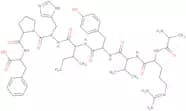
CAS:<p>Please enquire for more information about (D-Ser4)-LHRH trifluoroacetate salt including the price, delivery time and more detailed product information at the technical inquiry form on this page</p>Formula:C55H75N17O13Purity:Min. 95%Molecular weight:1,182.29 g/molBiotinyl-Angiotensin I/II (1-7) Biotinyl-Asp-Arg-Val-Tyr-Ile-His-Pro-OH
CAS:<p>Please enquire for more information about Biotinyl-Angiotensin I/II (1-7) Biotinyl-Asp-Arg-Val-Tyr-Ile-His-Pro-OH including the price, delivery time and more detailed product information at the technical inquiry form on this page</p>Formula:C51H76N14O13SPurity:Min. 95%Molecular weight:1,125.3 g/molBrain Injury Derived Neurotrophic Peptide
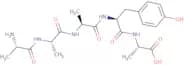
CAS:<p>Brain Injury Derived Neurotrophic Peptide H-Glu-Ala-Leu-Glu-Leu-Ala-Arg-Gly-Ala-Ile-Phe-Gln-Ala-NH2 is a growth factor that has been shown to have antiinflammatory and immunosuppressive effects in autoimmune diseases. It also has the ability to bind to peptides, proteins, and particle surfaces. This peptide has been shown to be effective against cancer cells by inhibiting tumor growth and increasing the effectiveness of radiation therapy. Brain Injury Derived Neurotrophic Peptide H-Glu-Ala-Leu-Glu-Leu-Ala Arg Gly Ala Ile Phe Gln Ala NH2 is also an immunosuppressant that can reduce inflammation caused by infectious diseases such as HIV/AIDS.</p>Formula:C62H102N18O18Purity:Min. 95%Molecular weight:1,387.58 g/molH-Ala-Ala-Ala-Tyr-OH
CAS:<p>H-Ala-Ala-Ala-Tyr-OH is a peptidic substrate that is used in assays to measure the activity of proteases. It has been shown to be a good substrate for neutrophil elastase and can be used to measure the activity of this enzyme. H-Ala-Ala-Ala-Tyr-OH has also been shown to be a reference compound for fluorescence measurements, which can be used for labeling or profiling. The fluorescence emission spectrum is constant over a wide range of pH and ionic strength, making it an ideal substrate for measuring protease activity.</p>Formula:C18H26N4O6Purity:Min. 95%Molecular weight:394.42 g/molH-Phe-D-Pro-OH·HCl
CAS:<p>Please enquire for more information about H-Phe-D-Pro-OH·HCl including the price, delivery time and more detailed product information at the technical inquiry form on this page</p>Formula:C14H18N2O3·HClPurity:Min. 95%Molecular weight:298.77 g/molHIV-1 gag Protein p17 (76-84) acetate salt
CAS:<p>Acetate salt of HIV-1 gag Protein p17 (76-84) is a reactive acridone, hydrocarbon, nitrogen atom and hydrates that is injected to regulate depression. Acetate salt of HIV-1 gag Protein p17 (76-84) has been shown to bind to the telomerase enzyme and inhibit cancer cell growth. Acetate salt of HIV-1 gag Protein p17 (76-84) also has a role in regulating metabolism in cells. Acetate salt of HIV-1 gag Protein p17 (76-84) has been shown to have solvating properties and can be used as a heterocyclic ring section in gas phase reactions.</p>Formula:C44H72N10O15Purity:Min. 95%Molecular weight:981.1 g/mol3,5-Dichloro-4-methylpyridine
CAS:<p>Please enquire for more information about 3,5-Dichloro-4-methylpyridine including the price, delivery time and more detailed product information at the technical inquiry form on this page</p>Formula:C6H5Cl2NPurity:Min. 95%Molecular weight:162.02 g/molTLQP-21 (human) trifluoroacetate salt
CAS:<p>Please enquire for more information about TLQP-21 (human) trifluoroacetate salt including the price, delivery time and more detailed product information at the technical inquiry form on this page</p>Formula:C110H176N40O27Purity:Min. 95%Molecular weight:2,490.83 g/molH-Leu-2-chlorotrityl resin (200-400 mesh) (Low Substitution)
<p>Please enquire for more information about H-Leu-2-chlorotrityl resin (200-400 mesh) (Low Substitution) including the price, delivery time and more detailed product information at the technical inquiry form on this page</p>Purity:Min. 95%Ac-Trp-Glu-His-Asp-AFC trifluoroacetate salt
CAS:<p>Please enquire for more information about Ac-Trp-Glu-His-Asp-AFC trifluoroacetate salt including the price, delivery time and more detailed product information at the technical inquiry form on this page</p>Formula:C38H37F3N8O11Purity:Min. 95%Molecular weight:838.74 g/molFmoc-Gly-(Dmb)Gly-OH
CAS:<p>Fmoc-Gly-(Dmb)Gly-OH is a synthetic peptide that modulates cellular activity. It encompasses a wide range of activities, such as cancer cell growth and restenosis, fibroid tumors and bowel disease. Fmoc-Gly-(Dmb)Gly-OH has been shown to be an effective chemotherapeutic agent in the treatment of age-related macular degeneration and retinopathy. It also inhibits inflammatory bowel disease and infarction by restricting the production of inflammatory cytokines, such as TNFα, IL1β, and IL6. Fmoc-Gly-(Dmb)Gly-OH can be used to treat endometriosis by inhibiting angiogenesis in the uterus.</p>Formula:C28H28N2O7Purity:Min. 95%Molecular weight:504.53 g/molH-DL-Ala-DL-Ala-OH
CAS:<p>H-DL-Ala-DL-Ala-OH is a chemical that belongs to the group of amides. It has been shown to have an inhibitory effect on the growth of bacteria in vitro. The molecular weight and stability of H-DL-Ala-DL-Ala-OH are greater than those of vancomycin, which may be due to its higher nitrogen content. This chemical can be used as a model system for studying the reaction mechanism and structure of vancomycin, including the formation of intramolecular hydrogen bonds and carbonyl oxygens. H-DL-Ala-DL-Ala-OH also has antibiotic properties that are similar to penicillin.</p>Formula:C6H12N2O3Purity:Min. 95%Color and Shape:White PowderMolecular weight:160.17 g/molFA-Arg-Leu-OH
CAS:<p>Please enquire for more information about FA-Arg-Leu-OH including the price, delivery time and more detailed product information at the technical inquiry form on this page</p>Formula:C19H29N5O5Purity:Min. 95%Molecular weight:407.46 g/molBoc-Ala-Ala-Asp-pNA
CAS:<p>Boc-Ala-Ala-Asp-pNA is a peptide that has been shown to have cytotoxic activity against the leukemia cell line, basophilic leukemia (BL). It also inhibits hemolytic activity and cytolysin production by staphylococcus. This peptide is expressed in the sequence of Boc-Ala-Ala-Asp and is composed of 20 amino acids. The Boc-Ala sequence has been shown to be involved in apoptosis, while Asp and pNA are responsible for inhibiting hemolytic activity. Functional assays have demonstrated that this peptide has a strong inhibitory effect on the growth of bacteria, including strains of subtilis and hybridization.</p>Formula:C21H29N5O9Purity:Min. 95%Molecular weight:495.48 g/molN-Heptyl-Hyp-OH
CAS:<p>The synthesis of N-heptyl-hyp-OH is a chiral resolution process for the preparation of the enantiomers of heptanol. The enantioselective synthesis of this compound is achieved by converting the racemic mixture to an optically active form by means of a chiral auxiliary, followed by protection and hydrolysis. This method produces an optically pure product in high yield.</p>Formula:C12H23NO3Purity:Min. 95%Molecular weight:229.32 g/molCyclolinopeptide B Cyclo(-Pro-Pro-Phe-Phe-Val-Ile-Met-Leu-Ile)
CAS:<p>Please enquire for more information about Cyclolinopeptide B Cyclo(-Pro-Pro-Phe-Phe-Val-Ile-Met-Leu-Ile) including the price, delivery time and more detailed product information at the technical inquiry form on this page</p>Formula:C56H83N9O9SPurity:Min. 95%Molecular weight:1,058.38 g/molBoc-Ala-D-Glu-NH2
CAS:<p>Please enquire for more information about Boc-Ala-D-Glu-NH2 including the price, delivery time and more detailed product information at the technical inquiry form on this page</p>Formula:C13H23N3O6Purity:Min. 95%Molecular weight:317.34 g/molZ-Asp(OtBu)-ONp
CAS:<p>Please enquire for more information about Z-Asp(OtBu)-ONp including the price, delivery time and more detailed product information at the technical inquiry form on this page</p>Formula:C22H24N2O8Purity:Min. 95%Molecular weight:444.43 g/molAc-Phe-Trp-OH
CAS:<p>Please enquire for more information about Ac-Phe-Trp-OH including the price, delivery time and more detailed product information at the technical inquiry form on this page</p>Formula:C22H23N3O4Purity:Min. 95%Molecular weight:393.44 g/molMeOSuc-Gly-Leu-Phe-AMC
CAS:<p>MeOSuc-Gly-Leu-Phe-AMC is a fluorescent substrate that is used in the study of proteasomes. It binds to reticulums, cytoplasmic proteins, and antigen receptors on the surface of lymphocytes. The MeOSuc-Gly-Leu-Phe-AMC substrate is cleaved by the proteasome into AMC and Gly-Leu fragments. These fragments can be detected using fluorescence spectroscopy or a fluorimeter. This product has been shown to be active against Lymphocytic Choriomeningitis Virus (LCMV).</p>Formula:C32H38N4O8Purity:Min. 95%Molecular weight:606.67 g/molFmoc-Ala-Wang resin (200-400 mesh)
<p>Wang resins are the standard supports for the synthesis of peptide acids by solid phase synthesis (SPS) using the Fmoc strategy.Fmoc protected amino acids are linked to Polystyrene-PHB - which is Wang resin consisting of 1% crosslinked polystyrene functionalized with the TFA labile p-benzyloxybenzyl alcohol linker.</p>Purity:Min. 95%HIV-1 gag Protein p24 (65-73) (isolates MAL/U455) trifluoroacetate salt
CAS:<p>Please enquire for more information about HIV-1 gag Protein p24 (65-73) (isolates MAL/U455) trifluoroacetate salt including the price, delivery time and more detailed product information at the technical inquiry form on this page</p>Formula:C44H79N11O14S2Purity:Min. 95%Molecular weight:1,050.3 g/molH-Lys-Phe-Gly-Lys-OH acetate salt
CAS:<p>Please enquire for more information about H-Lys-Phe-Gly-Lys-OH acetate salt including the price, delivery time and more detailed product information at the technical inquiry form on this page</p>Formula:C23H38N6O5Purity:Min. 95%Molecular weight:478.59 g/molFmoc-Lys(Boc)-Pro-OH
CAS:<p>Fmoc-Lys(Boc)-Pro-OH is a residue that is used in the optimization of peptide synthesis. It is an acid labile protecting group that can be removed by treatment with trichloroacetic acid or hydrogen fluoride. Fmoc-Lys(Boc)-Pro-OH can be used for chemical ligation to other protected amino acids, such as Boc-Lys(Bzl)-OH, to form peptides. The residue has been shown to be useful in systematic optimization of peptide pairings and in the stepwise synthesis of peptides. The residue has also been shown to have a high yield and purity when synthesized by x-ray crystallography.<br>Fmoc-Lys(Boc)-Pro-OH is an amino acid with a molecular weight of 120 Da and consists of two alpha amino acids, L -lysine and L -proline, joined by a peptide bond.</p>Formula:C31H39N3O7Purity:Min. 95%Molecular weight:565.66 g/mol2-Methylpyridine-4-boronic acid
CAS:<p>2-Methylpyridine-4-boronic acid is a reactive molecule that has been used in post-column derivatization and vivo studies. It has been shown to be reactive with mass spectrometric analysis, cancer assays, proteomics, and tumorigenic sample preparation. It also has been shown to have a molecular target of the cytochrome P450 reductase (CPR), which is involved in the metabolism of drugs and other xenobiotics. 2-Methylpyridine-4-boronic acid binds to CPR and inhibits its enzymatic activity, thereby affecting the metabolism of xenobiotics.</p>Formula:C6H8BNO2Purity:Min. 95%Color and Shape:White PowderMolecular weight:136.94 g/molH-Arg-Trp-NH2·2 HCl
CAS:<p>Please enquire for more information about H-Arg-Trp-NH2·2 HCl including the price, delivery time and more detailed product information at the technical inquiry form on this page</p>Formula:C17H25N7O2·2HClPurity:Min. 95%Molecular weight:432.35 g/molZ-Ala-Pro-Phe-chloromethylketone
CAS:<p>Z-Ala-Pro-Phe-chloromethylketone is a cytosolic protein that performs its function by denaturing proteins and is localized in the cytosol. It has been shown to be active against a number of bacteria, including Bacillus licheniformis and Listeria monocytogenes, as well as some fungi. Z-Ala-Pro-Phe-chloromethylketone targets the membrane potential in mitochondria and chloromethyl ketone is a strategy for inhibiting membrane potential in mitochondria. The x-ray diffraction data show that this protein forms a molecule with an alpha helix structure. It binds to the mitochondrial inner membrane by ligation and inhibits mitochondrial membrane potential.</p>Formula:C26H30ClN3O5Purity:Min. 95%Molecular weight:499.99 g/molH-Phe-Pro-Ala-pNA
CAS:<p>Please enquire for more information about H-Phe-Pro-Ala-pNA including the price, delivery time and more detailed product information at the technical inquiry form on this page</p>Formula:C23H27N5O5Purity:Min. 95%Molecular weight:453.49 g/mol3-Hydroxy-3-methylglutaric acid
CAS:<p>3-Hydroxy-3-methylglutaric acid is an organic acid that is a valuable intermediate in the chemical production of epidermal growth factor. 3-Hydroxy-3-methylglutaric acid also has been shown to be useful as a reagent for the detection of bacterial strains, including E. coli, Salmonella enterica, and Pseudomonas aeruginosa. The enzyme activities of 3-hydroxy-3-methylglutaric acid are not well understood, but it has been shown to have effects on congestive heart failure and bowel disease. 3-Hydroxy-3-methylglutaric acid may be used in the treatment of inflammatory bowel disease due to its ability to inhibit certain enzymes responsible for inflammation and pain. The long term toxicity and symptoms associated with 3-hydroxy-3-methylglutaric acid have not yet been studied, but it has been shown to have no effect on cardiac function</p>Formula:C6H10O5Purity:Min. 95%Molecular weight:162.14 g/molFibronectin Adhesion-Promoting Peptide trifluoroacetate salt
CAS:<p>Fibronectin Adhesion-Promoting Peptide trifluoroacetate salt H-Trp-Gln-Pro-Pro-Arg-Ala-Arg-Ile-OH trifluoroacetate salt (FAP) is a synthetic peptide that promotes fibronectin adhesion. It binds to the amino acid sequence in the C terminal end of fibronectin, which is known to be responsible for binding to actin filaments and growth factors. FAP has been shown to promote wound healing by stimulating the proliferation of corneal epithelial cells in vitro. The mechanism of action of FAP may be due to its ability to bind to chloride ions, which are involved in the regulation of cell proliferation and migration.</p>Formula:C47H74N16O10Purity:Min. 95%Molecular weight:1,023.19 g/molAc-Tyr(PO3H2)-Glu-Glu-Ile-Glu-OH
CAS:<p>Ac-Tyr(PO3H2)-Glu-Glu-Ile-Glu-OH is a nucleic acid sensor that can be used to detect the presence of specific nucleic acids (DNA or RNA) in a sample. Ac-Tyr(PO3H2)-Glu-Glu-Ile-Glu-OH binds to nucleic acids, and then emits fluorescence when irradiated with light at a wavelength of 350 nm. Ac-Tyr(PO3H2)-Glu-Glu-Ile-Glu-OH can be used as an assay for the detection of specific DNA sequences, such as those found in single nucleotide polymorphisms (SNPs).</p>Formula:C32H46N5O17PPurity:Min. 95%Molecular weight:803.7 g/mol(Ala2)-Leu-Enkephalin
CAS:<p>Leu-enkephalin is an opioid peptide that is a neurotransmitter in the brain. It is synthesized from the proenkephalin precursor and acts on δ-opioid receptors and kappa-opioid receptors. Leu-enkephalin has been shown to have physiological effects such as analgesia, hypothermia, hyperalgesia, and decreased gastrointestinal motility. Leu-enkephalin also inhibits voltage-dependent calcium channels in neuronal cells by binding to them with high affinity. The binding of leu-enkephalin to these channels affects their function and leads to neuronal death. Disulfide bonds are formed between cysteine residues on leu-enkephalin to stabilize this protein's structure.</p>Formula:C29H39N5O7Purity:Min. 95%Molecular weight:569.65 g/molOxyntomodulin (bovine, dog, porcine) trifluoroacetate salt
CAS:<p>Please enquire for more information about Oxyntomodulin (bovine, dog, porcine) trifluoroacetate salt including the price, delivery time and more detailed product information at the technical inquiry form on this page</p>Formula:C192H295N59O60SPurity:Min. 95%Molecular weight:4,421.82 g/molFluorescein-6-carbonyl-Asp(OMe)-Glu(OMe)-Val-DL-Asp(OMe)-fluoromethylketone
CAS:<p>Please enquire for more information about Fluorescein-6-carbonyl-Asp(OMe)-Glu(OMe)-Val-DL-Asp(OMe)-fluoromethylketone including the price, delivery time and more detailed product information at the technical inquiry form on this page</p>Formula:C43H45FN4O16Purity:Min. 95%Molecular weight:892.83 g/molH-D-Phe-D-Phe-OH
CAS:<p>H-D-Phe-D-Phe-OH is a polypeptide that contains 24 amino acids. It is synthesized by the filamentous fungus, Aspergillus niger, and has been found to be an optimal substrate for aminopeptidase. H-D-Phe-D-Phe-OH has also been shown to be a homolog of the halophilic enzyme from Halobacterium salinarum.</p>Formula:C18H20N2O3Purity:Min. 95%Molecular weight:312.36 g/molGRPP (human) trifluoroacetate salt
CAS:<p>Please enquire for more information about GRPP (human) trifluoroacetate salt including the price, delivery time and more detailed product information at the technical inquiry form on this page</p>Formula:C136H215N41O58SPurity:Min. 95%Molecular weight:3,384.47 g/molL-Lysine acetate
CAS:Controlled Product<p>L-Lysine acetate is a precursor of L-lysine and is used in the treatment of cancers. It has been shown to promote the growth of pluripotent cells, which can differentiate into any tissue type. L-Lysine acetate promotes cellular transformation by increasing the expression of growth factor-β1 in cells. This compound also enhances cellular physiology, energy metabolism, and protein degradation. L-Lysine acetate inhibits the ubiquitin ligases that are involved in protein degradation, leading to an increase in cell proliferation. The use of L-Lysine acetate has shown promising results for the treatment of infectious diseases such as HIV/AIDS and tuberculosis. L-Lysine acetate blocks the replication of human immunodeficiency virus (HIV) by inhibiting reverse transcriptase activity and blocking its DNA chain elongation process.</p>Formula:C8H18N2O4Purity:Min. 95%Color and Shape:PowderMolecular weight:206.24 g/mol5-Fluoro-2-methoxyphenylacetone
CAS:<p>5-Fluoro-2-methoxyphenylacetone is a chemical with a wide array of applications in research and industry. It is a versatile building block, useful intermediate, and reagent for organic synthesis. This compound has been used as a starting material in the synthesis of other compounds. CAS No. 1017082-10-8</p>Formula:C10H11FO2Color and Shape:PowderMolecular weight:182.19 g/molH-Gly-Leu-Leu-Gly-OH
CAS:<p>Please enquire for more information about H-Gly-Leu-Leu-Gly-OH including the price, delivery time and more detailed product information at the technical inquiry form on this page</p>Formula:C16H30N4O5Purity:Min. 95%Molecular weight:358.43 g/molH-Pro-Pro-Pro-Pro-OH
CAS:<p>H-Pro-Pro-Pro-Pro-OH is a proteolytic enzyme that has been shown to have potential applications in drug design. The enzyme is able to cleave proteins, such as albumin, at different sites. It can be used to optimize the design of therapeutic drugs by highlighting the parameters that are important for successful protein cleavage. The enzyme has also been shown to have toxicological properties and interacts with serum albumin. H-Pro-Pro-Pro-Pro-OH is a protease that can be found in human serum.</p>Formula:C20H30N4O5Purity:Min. 95%Molecular weight:406.48 g/molNeuropeptide Y (1-24) amide (human, rat) trifluoroacetate salt
CAS:<p>Please enquire for more information about Neuropeptide Y (1-24) amide (human, rat) trifluoroacetate salt including the price, delivery time and more detailed product information at the technical inquiry form on this page</p>Formula:C116H170N30O40SPurity:Min. 95%Molecular weight:2,656.84 g/molH-Ser-Met-OH
CAS:<p>Glycyl-l-leucine is a muscle protein that belongs to the group of glycyl amino acids. It has been shown to have cortisone activity, which causes it to function as a suppressant. Glycyl-l-leucine binds to iron and prevents its oxidation, thereby preventing the formation of reactive oxygen species. Glycyl-l-leucine also has the ability to chelate iron, which can cause it to have antioxidant functions. The pH optimum for this compound is acidic and it is not active in neutral pH environments. This compound is found in fetal bovine serum and may be present in some food products such as chocolate milk or cheese. Glycyl-l-leucine may be used as an immobilizing agent for enzymes because it does not denature proteins at high concentrations.END></p>Formula:C8H16N2O4SPurity:Min. 95%Molecular weight:236.29 g/molAc-Leu-pNA
CAS:<p>Ac-Leu-pNA is a peptide that is isolated from pyrococcus furiosus. It has the ability to inhibit serine proteases, including trypsin and chymotrypsin, by forming hydrogen bonds with their active site. Ac-Leu-pNA also inhibits the activity of the enzyme proteasome, which breaks down proteins in cells. This inhibition is due to its ability to bind to the ubiquitin-proteasome system (UPS) and block the enzymatic reaction. Ac-Leu-pNA has been shown to have a blood pressure lowering effect in humans.</p>Formula:C14H19N3O4Purity:Min. 95%Molecular weight:293.32 g/molMethyl 4-(3-methoxyphenyl)-6-methyl-2-thioxo-1,2,3,4-tetrahydropyrimidine-5-carboxylate
CAS:<p>Please enquire for more information about Methyl 4-(3-methoxyphenyl)-6-methyl-2-thioxo-1,2,3,4-tetrahydropyrimidine-5-carboxylate including the price, delivery time and more detailed product information at the technical inquiry form on this page</p>Formula:C14H16N2O3SPurity:85%MinMolecular weight:292.35 g/mol(2R,3S)-3-Amino-2-hydroxy-3-phenylpropanoic acid hydrochloride
CAS:<p>(2R,3S)-3-Amino-2-hydroxy-3-phenylpropanoic acid hydrochloride is an organic compound that is used in the manufacture of taxol, an anticancer drug. It is synthesized by reacting chloroacetic acid with a metal hydroxide, such as sodium hydroxide or potassium hydroxide. The reaction proceeds spontaneously to form the enantiomerically pure (2R,3S) form and unreacted (2S,3R) form. The (2R,3S) enantiomer has been found to be more reactive than the (2S,3R) form. Quaternary ammonium salts are formed when the (2R,3S) enantiomer reacts with quaternary ammonium compounds such as benzyltrimethylammonium chloride. This compound can also be used in catalytic reactions to produce drugs such as carbapenems and pen</p>Formula:C9H12ClNO3Purity:Min. 95%Molecular weight:217.65 g/molH-Lys-Pro-Tyr-OH acetate salt
CAS:<p>Please enquire for more information about H-Lys-Pro-Tyr-OH acetate salt including the price, delivery time and more detailed product information at the technical inquiry form on this page</p>Formula:C20H30N4O5Purity:Min. 95%Molecular weight:406.48 g/molFmoc-D-Leu-Wang resin (200-400 mesh)
<p>Please enquire for more information about Fmoc-D-Leu-Wang resin (200-400 mesh) including the price, delivery time and more detailed product information at the technical inquiry form on this page</p>Purity:Min. 95%H-Pro-Gly-Pro-OH
CAS:<p>H-Pro-Gly-Pro-OH is a peptide that is derived from the sequence of human proline-glycine-proline (HGP). It has been shown to have a number of physiological activities, including anti-inflammatory effects. This peptide can be used as a model compound for inflammatory genes and proteins. H-Pro-Gly-Pro-OH has been shown to inhibit the synthesis of inflammatory cytokines in mouse splenocytes and neutrophil recruitment in wild type mice. HGP also suppresses chemotactic activity and inhibits neutrophil migration in an experimental model. HGP has also been shown to reduce intracellular calcium concentration in cerebellar granule cells, which may be due to its ability to inhibit protein synthesis.</p>Formula:C12H19N3O4Purity:Min. 95%Molecular weight:269.3 g/molMyelin Proteolipid Protein (139-151) (depalmitoylated) (human, bovine, dog, mouse, rat) trifluoroacetate salt
CAS:<p>MPLP(139-151) is a peptide that is derived from the myelin proteolipid protein (PLP). MPLP(139-151) has been shown to inhibit macrophage inflammatory in vitro and brain inflammation in vivo. The inhibition of macrophages was mediated by the induction of apoptosis and inhibition of NF-κB. MPLP(139-151) also induced regression of experimental autoimmune encephalomyelitis in mice, which suggests that it might be useful as a therapeutic agent for multiple sclerosis or other inflammatory diseases.</p>Formula:C72H104N20O16SPurity:Min. 95%Molecular weight:1,537.79 g/mol(Trp11,D-Phe15·16)-SDF-1 (7-16) (Dimer) (human, cat, mouse) trifluoroacetate salt
<p>Please enquire for more information about (Trp11,D-Phe15·16)-SDF-1 (7-16) (Dimer) (human, cat, mouse) trifluoroacetate salt including the price, delivery time and more detailed product information at the technical inquiry form on this page</p>Formula:C134H180N34O26S2Purity:Min. 95%Molecular weight:2,747.21 g/molZ-Lys-Leu-OH
CAS:<p>Please enquire for more information about Z-Lys-Leu-OH including the price, delivery time and more detailed product information at the technical inquiry form on this page</p>Formula:C20H31N3O5Purity:Min. 95%Molecular weight:393.48 g/molH-Glu-Ala-pNA
CAS:<p>Please enquire for more information about H-Glu-Ala-pNA including the price, delivery time and more detailed product information at the technical inquiry form on this page</p>Formula:C14H18N4O6Purity:Min. 95%Molecular weight:338.32 g/molL-Tyrosine dipotassium
CAS:<p>L-Tyrosine dipotassium salt is a high quality, reagent, complex compound, useful intermediate and fine chemical. It is a useful scaffold that can be used in the synthesis of various important natural products. L-Tyrosine dipotassium salt is a versatile building block that has been widely applied in research on the development of new drugs, such as antiviral agents and antibiotics. L-Tyrosine dipotassium salt can act as a reaction component for many organic reactions. It also has applications in many areas such as medicine, food production, and environmental protection.</p>Formula:C9H11NO3•K2Purity:Min. 95%Molecular weight:259.39 g/molZ-Gly-Pro-Phe-Pro-Leu-OH
CAS:<p>Please enquire for more information about Z-Gly-Pro-Phe-Pro-Leu-OH including the price, delivery time and more detailed product information at the technical inquiry form on this page</p>Formula:C35H45N5O8Purity:Min. 95%Molecular weight:663.76 g/molPAR-2 (1-6) amide (human) (scrambled) trifluoroacetate salt
CAS:<p>Please enquire for more information about PAR-2 (1-6) amide (human) (scrambled) trifluoroacetate salt including the price, delivery time and more detailed product information at the technical inquiry form on this page</p>Formula:C28H54N8O7Purity:Min. 95%Molecular weight:614.78 g/mol5-Amino-2-methoxyisonicotinic acid
CAS:<p>5-Amino-2-methoxyisonicotinic acid is a carboxylic acid that is used in the synthesis of aminopyridines. The compound can be synthesized from formamidine acetate and diethyl dicarbonate. This process involves lithiation, followed by addition of an amine and finally conversion to the desired product with formamidine acetate. 5-Amino-2-methoxyisonicotinic acid can also be synthesized from formamide and diethyl ether. 5-Amino-2-methoxyisonicotinic acid is an analog of 2,4,6-trimethylaniline and has been shown to have similar properties to this compound, including strong basicity.</p>Formula:C7H8N2O3Purity:Min. 95%Molecular weight:168.15 g/molH-DL-Met-bNA·HCl
CAS:<p>Please enquire for more information about H-DL-Met-bNA·HCl including the price, delivery time and more detailed product information at the technical inquiry form on this page</p>Formula:C15H18N2OS·HClPurity:Min. 95%Molecular weight:310.84 g/mol(Ser8)-GLP-1 (7-36) amide (human, bovine, guinea pig, mouse, rat) trifluoroacetate salt
CAS:<p>Please enquire for more information about (Ser8)-GLP-1 (7-36) amide (human, bovine, guinea pig, mouse, rat) trifluoroacetate salt including the price, delivery time and more detailed product information at the technical inquiry form on this page</p>Formula:C149H226N40O46Purity:Min. 95%Molecular weight:3,313.63 g/molN-Methyl-1,2-phenylenediamine dihydrochloride
CAS:<p>N-Methyl-1,2-phenylenediamine dihydrochloride (NMP) is a synthetic compound that is used as the precursor to various pharmaceuticals, such as the antihypertensive drug clonidine. NMP can be synthesized from benzene and ammonia or phenylmagnesium bromide. It is carcinogenic in animals and humans, and has been shown to cause DNA damage and cell apoptosis. The chemical has a high potential for nitrosation reactions when exposed to nitrites. This reaction produces nitric oxide, which is cytotoxic and can lead to liver cancer in rats.<br>The synthesis of NMP generates impurities such as methanol solvent, sodium sulfide, and hydrogen chloride gas. These impurities are often found in recycled NMP due to incomplete removal during processing.</p>Formula:C7H12Cl2N2Purity:Min. 95%Color and Shape:PowderMolecular weight:195.09 g/molNeurotensin acetate salt Pyr-Leu-Tyr-Glu-Asn-Lys-Pro-Arg-Arg-Pro-Tyr-Ile-Leu-OH acetate salt
CAS:<p>Neurotensin is a peptide hormone that regulates the release of other hormones and neurotransmitters, such as dopamine. It has been shown to be able to regulate appetite and bowel disease in animal models. Neurotensin acetate salt Pyr-Leu-Tyr-Glu-Asn-Lys-Pro-Arg-Arg-Pro-Tyr-Ile-Leu-OH acetate salt is a neurotensin molecule with an acetate group attached to it. This molecule is completely soluble in water and has been shown to have no effect on energy metabolism or polymerase chain reactions.</p>Formula:C78H121N21O20Purity:Min. 95%Molecular weight:1,672.92 g/molGalanin Message Associated Peptide (16-41) amide
CAS:<p>Please enquire for more information about Galanin Message Associated Peptide (16-41) amide including the price, delivery time and more detailed product information at the technical inquiry form on this page</p>Formula:C134H219N35O37SPurity:Min. 95%Molecular weight:2,944.45 g/molAmyloid Precursor Frameshift Mutant C-Terminal Peptide trifluoroacetate salt
CAS:<p>Please enquire for more information about Amyloid Precursor Frameshift Mutant C-Terminal Peptide trifluoroacetate salt including the price, delivery time and more detailed product information at the technical inquiry form on this page</p>Formula:C44H81N17O16Purity:Min. 95%Molecular weight:1,104.22 g/molH-Ser-Gln-OH
CAS:<p>H-Ser-Gln-OH is an analog of the amino acid serine. It is a programmed protein that is responsible for DNA damage and is incrementally produced during radiation therapy. This protein phosphorylates at the end of a homologous sequence, which damages the DNA strand. H-Ser-Gln-OH can also phosphorylate other proteins, leading to cell death by apoptosis or necrosis. The rate of H-Ser-Gln-OH production may be increased in plants by photorespiration and endoreduplication, as well as by reactive oxygen species (ROS). The production of H-Ser-Gln-OH can be inhibited by hydrogen peroxide scavengers such as catalase or superoxide dismutase.</p>Formula:C8H15N3O5Purity:Min. 95%Molecular weight:233.22 g/molPyr-Pro-Val-pNA trifluoroacetate salt
CAS:<p>Pyr-Pro-Val-pNA is a synthetic peptide that is structurally homologous to the proteases serine and chymotrypsin. This peptide has been shown to have proteolytic activity on fibronectin, n-terminal of angiotensin, and epithelium. Pyr-Pro-Val-pNA also causes an inflammatory response in leukocytes and shigella.</p>Formula:C21H27N5O6Purity:Min. 95%Molecular weight:445.47 g/mol(Lys4)-Sarafotoxin C acetate salt
CAS:<p>A component of snake venom, this product contains disulfide bonds between Cys1 and Cys15/Cys3 and Cys11. <br>Due to their structural and functional homology to the endothelin peptides, Sarafotoxins can enhance vasoconstriction through stimulating the class A G-protein-coupled, endothelin ETA and ETB receptors. This in turn leads to left ventricular dysfunction and bronchoconstriction.</p>Formula:C105H153N27O36S5Purity:Min. 95%Molecular weight:2,529.83 g/mol(N-Me-D-Phe7)-Bradykinin
CAS:<p>Please enquire for more information about (N-Me-D-Phe7)-Bradykinin including the price, delivery time and more detailed product information at the technical inquiry form on this page</p>Formula:C55H77N15O11Purity:Min. 95%Molecular weight:1,124.29 g/molCholecystokinin Octapeptide (1-3) (desulfated)
CAS:<p>Cholecystokinin Octapeptide (1-3) (desulfated) is a research chemical that has various applications in the field of chemistry and biology. This compound contains a hydrogen atom that plays a crucial role in solvation processes. It can be used in supercritical reactions due to its ability to interact with hydroxyl groups on metallic surfaces like silicon substrates. Additionally, Cholecystokinin Octapeptide (1-3) (desulfated) is utilized in thiol-ene reactions and chromatographic separations.</p>Formula:C18H25N3O7SPurity:Min. 95%Molecular weight:427.47 g/molH-Phe-Gly-His-p-nitro-Phe-Phe-Ala-Phe-OMe
CAS:<p>H-Phe-Gly-His-p-nitro-Phe-Phe-Ala-Phe-OMe is a protonated amino acid. It has been shown to have a high affinity for the histidine subsite of human thrombin. This compound has been found to have a kinetic rate of hydrolysis that is competitive with that of aspartic acid, but slower than that of valine. H-Phe-Gly-His-p-nitro-Phe--Phe--Ala--Phe--OMe also functions as an anticoagulant and inhibits clotting by inhibiting the conversion of fibrinogen to fibrin.</p>Formula:C48H54N10O10Purity:Min. 95%Molecular weight:931 g/molBoc-Met-Enkephalin
CAS:<p>Boc-Met-Enkephalin is a hexapeptide that is derived from the amino acid Met. It is related to the opioid peptide Met-enkephalin, which has been shown to be involved in pain modulation and emotional responses such as fear and pleasure. Boc-Met-Enkephalin was synthesized by coupling two different fragments through an amide bond. The sequential order of these fragments was determined by high-resolution NMR spectroscopy. The carbonyl groups on the peptides were identified by using heteronuclear 2D correlation experiments. This sequence of carbons was demonstrated with 13C and 15N spectroscopy, in which it was found that there are three molecules of methylene carbon per molecule of Boc-Met-Enkephalin.</p>Formula:C32H43N5O9SPurity:Min. 95%Molecular weight:673.78 g/molFmoc-N-Me-Arg(Pbf)-OH
CAS:<p>Fmoc-N-Me-Arg(Pbf)-OH is a radiopharmaceutical that is used in binding assays for the detection of cancer. It is a synthetic analog of the natural amino acid, lysine. The Fmoc group attaches to the terminal amine on one end of the molecule and is linked to the carboxylic acid on the other end through an ester bond. This allows for attachment of different drugs or other molecules to create a variety of analogs. Fmoc-N-Me-Arg(Pbf)-OH has been shown to have good binding properties with respect to cancer cells in vivo and diagnostic applications.</p>Formula:C35H42N4O7SPurity:Min. 95%Color and Shape:White PowderMolecular weight:662.8 g/molMast Cell Degranulating (MCD) Peptide HR-2
CAS:<p>Please enquire for more information about Mast Cell Degranulating (MCD) Peptide HR-2 including the price, delivery time and more detailed product information at the technical inquiry form on this page</p>Formula:C77H135N17O14Purity:Min. 95%Molecular weight:1,523 g/mol2-Isobutyl-3-methoxypyrazine
CAS:<p>2-Isobutyl-3-methoxypyrazine is a hydrophobic compound that is not soluble in water. It has a bound form and can be titrated with calorimetry. 2-Isobutyl-3-methoxypyrazine is synthesized by reacting 2,2,4-trimethylpentane with methoxyacetone in the presence of sodium methylate. The compound has been detected as an odorant in numerous plant species and is believed to play a role in plant physiology. 2-Isobutyl-3-methoxypyrazine has been shown to have potent antiviral activity against infectious diseases such as HIV, herpes simplex virus type 1 (HSV1), and varicella zoster virus (VZV). This specific antiviral activity may be due to its ability to bind fatty acids by hydrogen bonds, which may interfere with the synthesis of viral membranes.</p>Formula:C9H14N2OPurity:Min. 95%Molecular weight:166.22 g/molH-Thr-Arg-Asn-Tyr-Tyr-Val-Arg-Ala-Val-Leu-OH
CAS:<p>Please enquire for more information about H-Thr-Arg-Asn-Tyr-Tyr-Val-Arg-Ala-Val-Leu-OH including the price, delivery time and more detailed product information at the technical inquiry form on this page</p>Formula:C57H91N17O15Purity:Min. 95%Molecular weight:1,254.44 g/molAc-tBu-Gly-tBu-Gly-Asn(Me)2-Ala-AMC
CAS:<p>Please enquire for more information about Ac-tBu-Gly-tBu-Gly-Asn(Me)2-Ala-AMC including the price, delivery time and more detailed product information at the technical inquiry form on this page</p>Formula:C33H50N6O8Purity:Min. 95%Molecular weight:658.79 g/mol4-Nitro-Z-Gly-Trp-Gly-OH
CAS:<p>Please enquire for more information about 4-Nitro-Z-Gly-Trp-Gly-OH including the price, delivery time and more detailed product information at the technical inquiry form on this page</p>Formula:C23H23N5O8Purity:Min. 95%Molecular weight:497.46 g/molZ-Phe-Leu-OH
CAS:<p>Z-Phe-Leu-OH is a protease inhibitor that belongs to the group of peptidyl-protease inhibitors. It inhibits the activity of a wide range of proteases and is specifically active against carboxypeptidases A and B. Z-Phe-Leu-OH has been shown to be specific for these enzymes, with no inhibitory activity against other proteases such as aminopeptidases, serine proteases, or metalloproteases. The amino acid composition of this protease inhibitor is different from other inhibitors that have been studied in detail. This agent was found to be more effective than phenylmethylsulfonyl fluoride (PMSF) at inhibiting carboxypeptidase A and B.<br>Z-Phe-Leu-OH has been shown to be an acidic compound with a pKa of 5.5; however, it does not react with chloromethyl ketone</p>Formula:C23H28N2O5Purity:Min. 95%Molecular weight:412.48 g/molTRAP-6 amide trifluoroacetate salt
CAS:<p>Protease-activated receptor 1 (PAR-1) selective activating peptide, TFA salt. 98%.</p>Formula:C34H57N11O8Purity:Min. 95%Color and Shape:PowderMolecular weight:747.89 g/molZ-Phe-Leu-Glu-pNA
CAS:<p>Z-Phe-Leu-Glu-pNA is a synthetic substrate for proteolytic enzymes. This peptide is an optimal substrate for polymerase chain reaction (PCR) due to its high concentration of serine and reactive site. Z-Phe-Leu-Glu-pNA has been used as a synthetic substrate in the study of proteolytic enzymes, including trypsin treatment, subtilisin and chymotrypsin. This peptide has also been studied in clinical trials as a potential treatment for hormone disorders such as prostate cancer and breast cancer.</p>Formula:C34H39N5O9Purity:Min. 95%Color and Shape:PowderMolecular weight:661.7 g/molH-Ala-Phe-pNA·HCl
CAS:<p>Please enquire for more information about H-Ala-Phe-pNA·HCl including the price, delivery time and more detailed product information at the technical inquiry form on this page</p>Formula:C18H20N4O4·HClPurity:Min. 95%Molecular weight:392.84 g/molCyclo(-Ala-Gln)
CAS:<p>Cyclo(-Ala-Gln) is a cyclic dipeptide that is used in the bioscience industry for analytical purposes. It can be analyzed using liquid chromatography mass spectrometry. Cyclo(-Ala-Gln) is a bioactive molecule that has been shown to inhibit the growth of bacteria, such as Staphylococcus aureus and E. coli. It also has an effect on cancer cells and has been shown to have anti-inflammatory properties.</p>Formula:C8H13N3O3Purity:Min. 95%Molecular weight:199.21 g/molAmyloid β-Protein (3-40) trifluoroacetate salt
CAS:<p>Please enquire for more information about Amyloid beta-Protein (3-40) trifluoroacetate salt including the price, delivery time and more detailed product information at the technical inquiry form on this page</p>Formula:C187H285N51O54SPurity:Min. 95%Molecular weight:4,143.64 g/molAc-Ala-Leu-Cys-Asp-Asp-Pro-Arg-Val-Asp-Arg-Trp-Tyr-Cys-Gln-Phe-Val-Glu-Gly-NH2 (Disulfide bond)
CAS:<p>Please enquire for more information about Ac-Ala-Leu-Cys-Asp-Asp-Pro-Arg-Val-Asp-Arg-Trp-Tyr-Cys-Gln-Phe-Val-Glu-Gly-NH2 (Disulfide bond) including the price, delivery time and more detailed product information at the technical inquiry form on this page</p>Formula:C97H139N27O29S2Purity:Min. 95%Molecular weight:2,211.44 g/molH-Lys-Gly-Asp-Ser-OH trifluoroacetate salt
CAS:<p>Please enquire for more information about H-Lys-Gly-Asp-Ser-OH trifluoroacetate salt including the price, delivery time and more detailed product information at the technical inquiry form on this page</p>Formula:C15H27N5O8Purity:Min. 95%Molecular weight:405.4 g/moltert-Butyl6-[(1e)-2-[4-(4-fluorophenyl)-6-(1-methylethyl)-2-[methyl(methylsulfonyl)amino]-5-pyrimidinyl]ethenyl]-2,2-dimethyl-1,3-di oxane-4-acetate
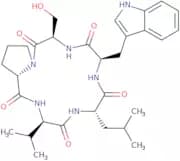
CAS:<p>Please enquire for more information about tert-Butyl6-[(1e)-2-[4-(4-fluorophenyl)-6-(1-methylethyl)-2-[methyl(methylsulfonyl)amino]-5-pyrimidinyl]ethenyl]-2,2-dimethyl-1,3-di oxane-4-acetate including the price, delivery time and more detailed product information at the technical inquiry form on this page</p>Formula:C29H40FN3O6SPurity:Min. 95%Molecular weight:577.71 g/molCyclo(-D-Ser-Pro-D-Val-Leu-D-Trp)
CAS:<p>Please enquire for more information about Cyclo(-D-Ser-Pro-D-Val-Leu-D-Trp) including the price, delivery time and more detailed product information at the technical inquiry form on this page</p>Formula:C30H42N6O6Purity:Min. 95%Molecular weight:582.69 g/molH-β-Ala-Gly-OH
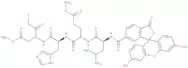
CAS:<p>H-beta-Ala-Gly-OH is a monoclinic crystalline compound. It is soluble in water and slightly soluble in ethanol, acetone, and benzene. The solubility of this compound depends on the pH of the solution as well as the presence of glycine. H-beta-Ala-Gly-OH has an upfield shift when protonated, making it useful for analytical purposes. This compound can be used to prepare glycine methyl ester by reacting with methanol or hydrochloric acid.</p>Formula:C5H10N2O3Purity:Min. 95%Molecular weight:146.14 g/molFluorescein-6-carbonyl-Leu-Glu(OMe)-His-DL-Asp(OMe)-fluoromethylketone
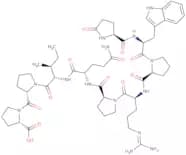
CAS:<p>Please enquire for more information about Fluorescein-6-carbonyl-Leu-Glu(OMe)-His-DL-Asp(OMe)-fluoromethylketone including the price, delivery time and more detailed product information at the technical inquiry form on this page</p>Formula:C45H47FN6O14Purity:Min. 95%Molecular weight:914.89 g/molBPP 9a Pyr-Trp-Pro-Arg-Pro-Gln-Ile-Pro-Pro-OH
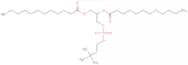
CAS:<p>BPP 9a is an enzyme inhibitor that binds to the active site of angiotensin-converting enzyme (ACE) and blocks its activity. It is a nonsteroidal anti-inflammatory drug that has been shown to be effective in reducing inflammation and pain associated with arthritis, osteoarthritis, gout, and menstrual cramps. BPP 9a has also been shown to reduce blood pressure in a dose-dependent manner, which may be due to its ability to inhibit the synthesis of angiotensin II from angiotensin I. This inhibition may lead to decreased vascular tone and blood pressure. BPP 9a has also been shown to have beneficial effects on bowel disease and polymerase chain reaction (PCR) analysis of DNA.</p>Formula:C53H76N14O12Purity:Min. 95%Molecular weight:1,101.26 g/mol1,2-Dilauroyl-rac-glycero-3-phosphocholine
CAS:<p>1,2-Dilauroyl-rac-glycero-3-phosphocholine (DLPC) is a synthetic phospholipid that exhibits significant cytotoxicity against hyperproliferative cells. DLPC has been shown to inhibit the activity of the enzyme sphingosine 2-phosphate (S2P) and cell factor, both of which are important in signal transduction pathways. DLPC is capable of inducing phase transition at a temperature close to body temperature, making it biocompatible for use as a topical or injectable drug. It has also been shown to be effective in treating infectious diseases such as HIV and malaria, due to its ability to bind with basic proteins found on the surface of these viruses.</p>Formula:C32H64NO8PPurity:Min. 95%Molecular weight:621.83 g/mol(N-Me-Phe7)-Neurokinin B trifluoroacetate salt
CAS:<p>Please enquire for more information about (N-Me-Phe7)-Neurokinin B trifluoroacetate salt including the price, delivery time and more detailed product information at the technical inquiry form on this page</p>Formula:C60H81N13O14S2Purity:Min. 95%Molecular weight:1,272.5 g/molBiotinyl-Neuromedin S (human) trifluoroacetate salt
CAS:<p>Please enquire for more information about Biotinyl-Neuromedin S (human) trifluoroacetate salt including the price, delivery time and more detailed product information at the technical inquiry form on this page</p>Formula:C183H279N55O46SPurity:Min. 95%Molecular weight:4,017.58 g/molSyndyphalin SD-33
CAS:<p>Please enquire for more information about Syndyphalin SD-33 including the price, delivery time and more detailed product information at the technical inquiry form on this page</p>Formula:C25H34N4O5SPurity:Min. 95%Molecular weight:502.63 g/molH-Arg-Pro-pNA trifluoroacetate salt
CAS:Controlled Product<p>Please enquire for more information about H-Arg-Pro-pNA trifluoroacetate salt including the price, delivery time and more detailed product information at the technical inquiry form on this page</p>Formula:C17H25N7O4Purity:Min. 95%Molecular weight:391.43 g/molAbz-Gly-Ala-Ala-Pro-Phe-3-nitro-Tyr-Asp-OH trifluoroacetate salt
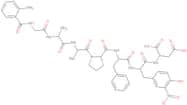
CAS:<p>Please enquire for more information about Abz-Gly-Ala-Ala-Pro-Phe-3-nitro-Tyr-Asp-OH trifluoroacetate salt including the price, delivery time and more detailed product information at the technical inquiry form on this page</p>Formula:C42H49N9O14Purity:Min. 95%Molecular weight:903.89 g/molH-Leu-Arg-Pro-OH
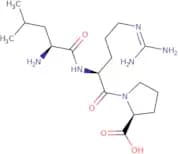
CAS:<p>Please enquire for more information about H-Leu-Arg-Pro-OH including the price, delivery time and more detailed product information at the technical inquiry form on this page</p>Formula:C17H32N6O4Purity:Min. 95%Molecular weight:384.47 g/molOctreotide trifluoroacetate salt (Dimer, Antiparallel) (
<p>Please enquire for more information about Octreotide trifluoroacetate salt (Dimer, Antiparallel) ( including the price, delivery time and more detailed product information at the technical inquiry form on this page</p>Formula:C98H132N20O20S4Purity:Min. 95%Molecular weight:2,038.48 g/mol1-O-Octadecyl-2-O-methyl-rac-glycero-3-phosphocholine
CAS:<p>Edelfosine is a phospholipid that selectively binds to nuclear DNA, leading to apoptosis. It also binds to the G-protein coupled receptors and inhibits the release of Ca2+ from intracellular stores. Edelfosine has been shown to inhibit the growth of Leishmania in vitro as well as in vivo. This drug is being studied for its potential use in inflammatory bowel diseases, such as Crohn's disease and ulcerative colitis.</p>Formula:C27H58NO6PPurity:Min. 95%Molecular weight:523.73 g/mol(4S,5R)-3-Benzoyl-2-(4-methoxyphenyl)-4-phenyl-5-oxazolidinecarboxylic acid
CAS:<p>Please enquire for more information about (4S,5R)-3-Benzoyl-2-(4-methoxyphenyl)-4-phenyl-5-oxazolidinecarboxylic acid including the price, delivery time and more detailed product information at the technical inquiry form on this page</p>Formula:C24H21NO5Purity:Min. 95%Color and Shape:White To Off-White SolidMolecular weight:403.43 g/mol3-(3-Bromo-4-hydroxy-5-methoxyphenyl)acrylic acid
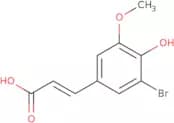
CAS:<p>3-(3-Bromo-4-hydroxy-5-methoxyphenyl)acrylic acid is a polyphenol that can be found in plants and food. It has been shown to have antimicrobial properties against certain bacteria and fungi, such as Staphylococcus aureus, Clostridium perfringens, and Candida albicans. 3-(3-Bromo-4-hydroxy-5-methoxyphenyl)acrylic acid is synthesized by means of the condensation of p-coumaric acid with acrylic acid in the presence of a base catalyst. This compound undergoes biotransformations such as hydroxylation and oxidation to form 3-(3,4′-dihydroxyphenyl)acrylic acid (DHPAA). The compound is also able to react with other phenolic compounds such as cinnamic acid under certain conditions.</p>Formula:C10H9BrO4Purity:Min. 95%Color and Shape:PowderMolecular weight:273.08 g/molMet(O)14-Exenatide trifluoroacetate salt
CAS:<p>Please enquire for more information about Met(O)14-Exenatide trifluoroacetate salt including the price, delivery time and more detailed product information at the technical inquiry form on this page</p>Formula:C184H282N50O61SPurity:Min. 95%Molecular weight:4,202.57 g/molTyr-α-CGRP (human) trifluoroacetate salt
CAS:<p>Please enquire for more information about Tyr-alpha-CGRP (human) trifluoroacetate salt including the price, delivery time and more detailed product information at the technical inquiry form on this page</p>Formula:C172H276N52O51S2Purity:Min. 95%Molecular weight:3,952.48 g/molHCV NS4A Protein (21-34) (JT strain) trifluoroacetate salt
CAS:<p>Please enquire for more information about HCV NS4A Protein (21-34) (JT strain) trifluoroacetate salt including the price, delivery time and more detailed product information at the technical inquiry form on this page</p>Formula:C63H116N20O17Purity:Min. 95%Molecular weight:1,425.72 g/molH-D-Met-D-Met-OH
CAS:<p>Please enquire for more information about H-D-Met-D-Met-OH including the price, delivery time and more detailed product information at the technical inquiry form on this page</p>Formula:C10H20N2O3S2Purity:Min. 95%Molecular weight:280.41 g/molH-Thr-Pro-OH·HCl
CAS:<p>Please enquire for more information about H-Thr-Pro-OH·HCl including the price, delivery time and more detailed product information at the technical inquiry form on this page</p>Formula:C9H16N2O4·HClPurity:Min. 95%Molecular weight:252.7 g/molBig Endothelin-1 (porcine)
CAS:<p>Please enquire for more information about Big Endothelin-1 (porcine) including the price, delivery time and more detailed product information at the technical inquiry form on this page</p>Formula:C193H289N49O58S5Purity:Min. 95%Molecular weight:4,383.99 g/molH-Gly-Phe-NH2 acetate salt
CAS:<p>Please enquire for more information about H-Gly-Phe-NH2 acetate salt including the price, delivery time and more detailed product information at the technical inquiry form on this page</p>Formula:C11H15N3O2·C2H4O2Purity:Min. 95%Molecular weight:281.31 g/mol(D-Arg2,Lys4)-Dermorphin (1-4) amide
CAS:<p>Dermorphin is a neuropeptide that has been shown to reduce cortisol levels in badgers and has been shown to have biological activity in vitro. Dermorphin also has a number of pharmacokinetic properties, including water solubility, lipid solubility, and oral bioavailability. The drug binds to δ receptors and inhibits the enzyme activities of rat liver microsomes. Dermorphin is used as an analgesic for bowel disease, such as inflammatory bowel disease or hypogaea. Dermorphin has antinociceptive properties (pain-relieving).</p>Formula:C30H45N9O5Purity:Min. 95%Molecular weight:611.74 g/molFmoc-Gly-Wang resin (100-200 mesh)
<p>Please enquire for more information about Fmoc-Gly-Wang resin (100-200 mesh) including the price, delivery time and more detailed product information at the technical inquiry form on this page</p>Purity:Min. 95%(β-Ala70)-C3a (70-77)
CAS:<p>Please enquire for more information about (Beta-Ala70)-C3a (70-77) including the price, delivery time and more detailed product information at the technical inquiry form on this page</p>Formula:C35H61N13O10Purity:Min. 95%Molecular weight:823.94 g/molFor-Met-Phe-OH
CAS:<p>For-Met-Phe-OH is a synthetic peptide that mimics the amino acid sequence of the human body's natural collagen. It is used as a building block for developing collagen gels, which are used in clinical pathology to identify and quantify cells. For-Met-Phe-OH has been shown to stimulate colony-stimulating factor, which regulates cell proliferation and differentiation. This peptide also plays a role in cell signaling pathways that regulate cell growth and differentiation. For-Met-Phe-OH has been shown to have anti-inflammatory effects by inhibiting the production of inflammatory cytokines.</p>Formula:C15H20N2O4SPurity:Min. 95%Molecular weight:324.4 g/molGastric Inhibitory Polypeptide (1-30) amide (porcine)
CAS:<p>Please enquire for more information about Gastric Inhibitory Polypeptide (1-30) amide (porcine) including the price, delivery time and more detailed product information at the technical inquiry form on this page</p>Formula:C162H245N41O47SPurity:Min. 95%Molecular weight:3,550.99 g/molTyr-(D-Dab 4,Arg5,D-Trp8)-cyclo-Somatostatin-14 (4-11) trifluoroacetate salt
CAS:<p>Please enquire for more information about Tyr-(D-Dab 4,Arg5,D-Trp8)-cyclo-Somatostatin-14 (4-11) trifluoroacetate salt including the price, delivery time and more detailed product information at the technical inquiry form on this page</p>Formula:C67H85N15O11Purity:Min. 95%Molecular weight:1,276.49 g/molFibronectin Fragment (1376-1380) trifluoroacetate salt
CAS:<p>Please enquire for more information about Fibronectin Fragment (1376-1380) trifluoroacetate salt including the price, delivery time and more detailed product information at the technical inquiry form on this page</p>Formula:C24H39N11O8Purity:Min. 95%Molecular weight:609.64 g/mol(R,S)-α-Amino-3-hydroxy-5-methyl-4-isoxazolepropionic acid hydrobromide
CAS:<p>(R,S)-AMPA is a synthetic analog of the excitatory neurotransmitter glutamate, specifically designed to activate AMPA receptors, a subtype of ionotropic glutamate receptors. These receptors are pivotal in mediating fast synaptic transmission in the central nervous system. (R,S)-AMPA serves as a prototypical agonist for AMPA receptors, facilitating the study of receptor function and synaptic plasticity.</p>Formula:C7H10N2O4•HBrPurity:Min. 95%Molecular weight:267.08 g/molSecretin (porcine) acetate salt
CAS:Controlled Product<p>Secretin acetate salt H-His-Ser-Asp-Gly-Thr-Phe-Thr-Ser-Glu-Leu-Ser-Arg-Leu-Arg-Asp-Ser-Ala is a peptide that is secreted by the pancreas in response to the ingestion of food. Secretin stimulates the release of water and bicarbonate from the pancreas, as well as stimulating the gallbladder to contract, which results in increased flow of bile. Secretin also inhibits gastric acid secretion, slows intestinal motility, and stimulates pancreatic enzyme secretion. The amino acid sequence of this peptide is identical to that of leuprolide acetate (Lupron) and goserelin acetate (Zoladex), which are synthetic analogs with similar biological activity. This peptide can be synthesized on a solid phase or in solution phase. Solid phase synthesis involves attaching amino acids</p>Formula:C130H220N44O41Purity:Min. 95%Molecular weight:3,055.41 g/molBradykinin (1-5) trifluoroacetate salt
CAS:<p>Bradykinin (1-5) trifluoroacetate salt H-Arg-Pro-Pro-Gly-Phe-OH is a peptide that has been shown to have anti-cancer properties. The effect of Bradykinin (1-5) trifluoroacetate salt H-Arg-Pro-Pro-Gly-Phe-OH on prostate cancer cells was studied in vitro by measuring the extent of cell growth. The results showed a dose dependent decrease in tumor growth rate, suggesting that this peptide may be useful as an adjuvant therapy for prostate cancer. Bradykinin (1-5) trifluoroacetate salt H-Arg-Pro-Pro-Gly-Phe has also been shown to inhibit diabetic nephropathy and reduce proteinuria in diabetic patients. This peptide may also be used to diagnose prostate cancer because it binds to the thrombin receptor, which is present on cancer cells but not</p>Formula:C27H40N8O6Purity:Min. 95%Molecular weight:572.66 g/molMca-Pro-b-cyclohexyl-Ala-Gly-Nva-His-Ala-Dap (Dnp)-NH2 trifluoroacetate salt
CAS:<p>Please enquire for more information about Mca-Pro-b-cyclohexyl-Ala-Gly-Nva-His-Ala-Dap (Dnp)-NH2 trifluoroacetate salt including the price, delivery time and more detailed product information at the technical inquiry form on this page</p>Formula:C51H65N13O15Purity:Min. 95%Molecular weight:1,100.14 g/molZ-Asp-Glu-Val-Asp-chloromethylketone
CAS:<p>Z-Asp-Glu-Val-Asp-chloromethylketone is a reactive compound that inhibits the activity of proteases and induces neuronal death. Z-Asp-Glu-Val-Asp-chloromethylketone has been shown to induce necrotic cell death in malignant brain cells and has neurotrophic properties. It also causes mitochondrial membrane depolarization, which leads to mitochondrial cytochrome c release and subsequent apoptosis. The reaction mechanism is still unclear but it may involve hydrogen bonding between the ketone group and the amide nitrogen atom of the aspartate residue.</p>Formula:C27H35ClN4O12Purity:Min. 95%Molecular weight:643.04 g/mol4-Amino-5-methoxy-2-methylbenzenesulfonic acid
CAS:<p>4-Amino-5-methoxy-2-methylbenzenesulfonic acid is a compound that has been used as an additive to analytical reagents in order to improve their sensitivity. This compound is used as the sodium salt, which is water soluble and has a high degree of reproducibility. 4-Amino-5-methoxy-2-methylbenzenesulfonic acid has also been used for the validation of analytical methods, including calibration and cytotoxicity testing. The validation procedure includes colorants, spectra analysis, impurities, and solvents.</p>Formula:C8H11NO4SPurity:Min. 95%Color and Shape:PowderMolecular weight:217.24 g/molH-Cys-Arg-Gly-Asp-Phe-Pro-Ala-Ser-Ser-Cys-OH (Disulfide bond)
CAS:<p>Please enquire for more information about H-Cys-Arg-Gly-Asp-Phe-Pro-Ala-Ser-Ser-Cys-OH (Disulfide bond) including the price, delivery time and more detailed product information at the technical inquiry form on this page</p>Formula:C41H61N13O15S2Purity:Min. 95%Molecular weight:1,040.13 g/molBoc-(R)-2-methoxyphenylglycine
CAS:<p>Please enquire for more information about Boc-(R)-2-methoxyphenylglycine including the price, delivery time and more detailed product information at the technical inquiry form on this page</p>Formula:C14H19NO5Purity:Min. 95%Molecular weight:281.3 g/mol(Des-Gly10,D-Ala6,Pro-NHEt 9)-LHRH II (chicken)
CAS:<p>Please enquire for more information about (Des-Gly10,D-Ala6,Pro-NHEt 9)-LHRH II (chicken) including the price, delivery time and more detailed product information at the technical inquiry form on this page</p>Formula:C61H72N16O12Purity:Min. 95%Molecular weight:1,221.33 g/molH(-Asn-Pro-Asn-Ala)2-OH
CAS:<p>Please enquire for more information about H(-Asn-Pro-Asn-Ala)2-OH including the price, delivery time and more detailed product information at the technical inquiry form on this page</p>Formula:C32H50N12O13Purity:Min. 95%Molecular weight:810.81 g/molLHRH (1-6) amide Pyr-His-Trp-Ser-Tyr-Gly-NH2
CAS:<p>Please enquire for more information about LHRH (1-6) amide Pyr-His-Trp-Ser-Tyr-Gly-NH2 including the price, delivery time and more detailed product information at the technical inquiry form on this page</p>Formula:C36H42N10O9Purity:Min. 95%Molecular weight:758.78 g/molAngiotensin A trifluoroacetate salt
CAS:<p>Angiotensin A trifluoroacetate salt H-Ala-Arg-Val-Tyr-Ile-His-Pro-Phe-OH is a drug that has been shown to be effective in treating chronic kidney disease and heart failure. It is a synthetic peptide that mimics the activity of angiotensin II, an important regulator of blood pressure. Angiotensin A trifluoroacetate salt H-Ala-Arg-Val-Tyr-Ile-His-Pro-Phe-OH binds to the angiotensin receptor, which causes vasoconstriction and increases the release of soluble guanylate cyclase. This drug also inhibits the production of matrix metalloproteinases, which break down collagen and other extracellular proteins.</p>Formula:C49H71N13O10Purity:Min. 95%Molecular weight:1,002.17 g/molH-Thr-Lys-Tyr-OH
CAS:<p>H-Thr-Lys-Tyr-OH is a synthetic peptide that has been used in the research of antigen, antibody and sequence. The intramolecular bond between the amino acids H-Thr-Lys-Tyr-OH has been shown to be stable up to pH 8.5 and alkaline conditions, making it suitable for use in a variety of different experiments. This peptide has also been used as an immunogen to generate antibodies against specific antigens or as a probe for sequence analysis.</p>Formula:C19H30N4O6Purity:Min. 95%Molecular weight:410.46 g/molFmoc-Ala-Cys(Psi(Me ,Me)pro)-OH
<p>Please enquire for more information about Fmoc-Ala-Cys(Psi(Me ,Me)pro)-OH including the price, delivery time and more detailed product information at the technical inquiry form on this page</p>Formula:C24H26N2O5SPurity:Min. 95%Molecular weight:454.54 g/molAc-Asp-Arg-Leu-Asp-Ser-OH
CAS:<p>Ac-Asp-Arg-Leu-Asp-Ser-OH is a peptide that has been synthesized to mimic the activity of aspartic acid. It has been shown to have prophylactic and/or therapeutic effects on infectious diseases and autoimmune diseases. Ac-Asp-Arg-Leu-Asp-Ser-OH may be used for the treatment of cancer, inflammatory diseases, and neurodegenerative diseases. Ac-Asp-Arg-Leu-Asp-Ser OH also acts as a cryoprotectant and diluent in drug development.</p>Formula:C25H42N8O12Purity:Min. 95%Molecular weight:646.65 g/molAc-Trp-NHMe
CAS:<p>Ac-Trp-NHMe is a hydrogen bond acceptor, which is a functional group that can form hydrogen bonds with other molecules. It is found in proteins and has been extensively studied by protein data bank. The amide group of Ac-Trp-NHMe forms a hydrogen bond with the carbonyl group of the amino acid tryptophan. The molecule has been used as a model system for studying the fluorescence properties of tryptophan, and to understand vibrational spectra. Ac-Trp-NHMe has also been shown to be an important chemical in plants, where it is involved in the formation of the dry weight of plants and water molecules.</p>Formula:C14H17N3O2Purity:Min. 95%Molecular weight:259.3 g/mol(Tyr0)-Fibrinopeptide A (human)
CAS:<p>Please enquire for more information about (Tyr0)-Fibrinopeptide A (human) including the price, delivery time and more detailed product information at the technical inquiry form on this page</p>Formula:C72H106N20O28Purity:Min. 95%Molecular weight:1,699.73 g/molLys-(Des-Arg9)-Bradykinin trifluoroacetate salt
CAS:<p>Lys-(Des-Arg9)-Bradykinin trifluoroacetate salt H-Lys-Arg-Pro-Pro-Gly-Phe-Ser-Pro-Phe-OH trifluoroacetate salt (KBP) is a peptide that increases blood pressure by binding to the b2 receptor. This drug has been shown to be a potent pressor in animals and humans, with a concentration response curve similar to that of epinephrine. KBP binds to the extracellular domain of the b2 receptor, which activates this receptor and promotes the release of growth factors, such as epidermal growth factor (EGF). The high affinity of KBP for the b2 receptor is thought to be due to its ability to sequester EGF.</p>Formula:C50H73N13O11Purity:Min. 95%Molecular weight:1,032.2 g/molH-Ala-Ala-Ala-Tyr-Ala-OH
CAS:<p>Please enquire for more information about H-Ala-Ala-Ala-Tyr-Ala-OH including the price, delivery time and more detailed product information at the technical inquiry form on this page</p>Formula:C21H31N5O7Purity:Min. 95%Molecular weight:465.5 g/molGLP-2 (1-34) (human) trifluoroacetate salt
CAS:<p>Structure/Function: human; Trifluoroacetate salt</p>Formula:C171H266N48O56SPurity:Min. 95%Molecular weight:3,922.3 g/mol1-O-Octadecyl-sn-glycerol
CAS:<p>1-O-Octadecyl-sn-glycerol (1ODG) is a dietary lipid that is absorbed by the gastrointestinal tract and transported to the liver. It is used in cell culture as a substitute for lipids that are not available or cannot be used for experiments. 1ODG is also found in human lung and colon tissues, where it may act as a growth factor. 1ODG has been shown to inhibit herpes simplex virus type I (HSV-1) replication in cultured cells by increasing intracellular calcium levels and inhibiting viral DNA synthesis. It can also increase fatty acid synthesis and induce cellular proliferation of tissue culture cells, such as lung fibroblasts.</p>Formula:C21H44O3Purity:Min. 95%Molecular weight:344.57 g/molAc-Tyr-Val-Ala-Asp-aldehyde (pseudo acid)
CAS:<p>Ac-Tyr-Val-Ala-Asp-aldehyde is a sesquiterpene lactone that has been shown to have anti-inflammatory properties. It inhibits the inflammatory response by inhibiting the production of pro-inflammatory cytokines and chemokines, such as IL1β, IL6, and TNFα. Ac-Tyr-Val-Ala-Asp-aldehyde also inhibits the activity of cyclooxygenase 2 (COX2) and lipoxygenase (LOX), which are enzymes that produce prostaglandins from arachidonic acid. Acetylsalicylic acid is an example of a drug with similar properties. Acetylsalicylic acid has been shown to inhibit the growth of cancer cells in tissue culture studies and in animal models. This compound may also be used to treat bowel disease, congestive heart failure, or other diseases that are characterized by increased apoptosis.</p>Formula:C23H32N4O8Purity:Min. 95%Molecular weight:492.52 g/molCRAMP (mouse) trifluoroacetate salt
CAS:<p>Please enquire for more information about CRAMP (mouse) trifluoroacetate salt including the price, delivery time and more detailed product information at the technical inquiry form on this page</p>Formula:C178H302N50O46Purity:Min. 95%Molecular weight:3,878.61 g/molH-Asp-Phe-NH2
CAS:<p>H-Asp-Phe-NH2 is a carboxy terminal amide of angiotensin, which is a peptide hormone. It is an analog of angiotensin II, which has been shown to have a number of therapeutic effects in the treatment of infectious diseases and cancer. H-Asp-Phe-NH2 has been shown to activate the angiotensin system by binding to serine protease, thereby regulating blood pressure and body fluid levels. This drug also has anti-inflammatory properties that may be due to its ability to inhibit prostaglandin synthesis. The optimal pH for this chemical reaction is 7.5. Structural studies on this compound have revealed that it can form hydrogen bonds with amino acids in proteins and tissues such as cysteine, histidine, and lysine.</p>Formula:C13H17N3O4Purity:Min. 95%Molecular weight:279.29 g/mol4-Methylbenzyl acetate
CAS:<p>4-Methylbenzyl acetate is a monocarboxylic acid that is an oxidation product of benzyl esters. It has been found to be a suitable catalyst for the oxidation of wastewater containing monocarboxylic acids, including acetic acid, propionic acid and butyric acid. The catalytic mechanism of 4-methylbenzyl acetate was found to be an acylation reaction in which the carboxyl group of 4-methylbenzyl acetate acts as an acylating agent with the hydrogen atom of the substrate. The reaction mechanism for this process is similar to that for other types of carboxylic acids, such as propionate and butyrate. 4-Methylbenzyl acetate also has functional groups that allow it to act as both a base and a nucleophile in addition to its ability to act as an acylating agent.</p>Formula:C10H12O2Purity:Min. 95%Molecular weight:164.2 g/mol
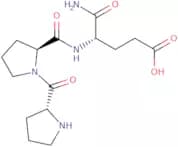

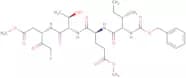
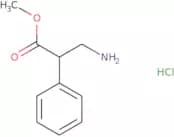
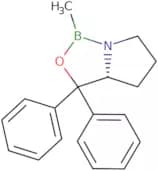

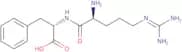
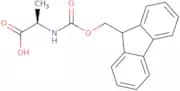
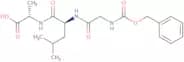


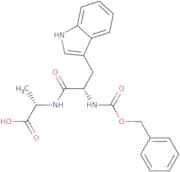
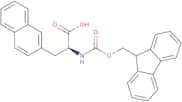
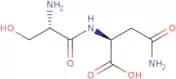
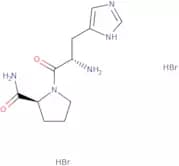
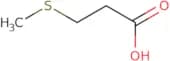
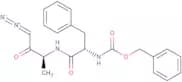
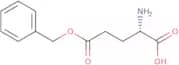
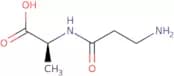
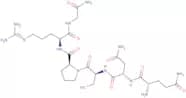
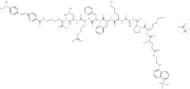
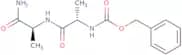
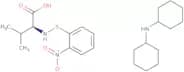


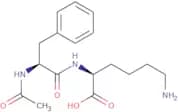
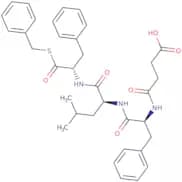

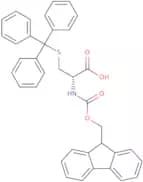
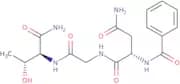
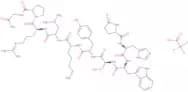

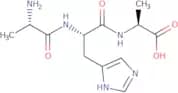

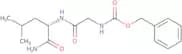
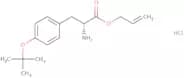


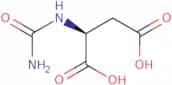

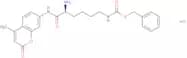
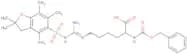
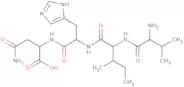
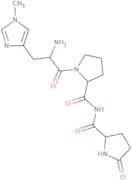
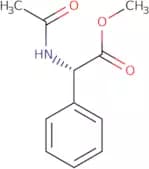

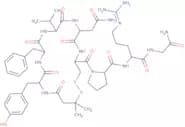
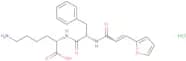
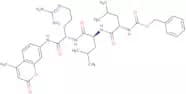
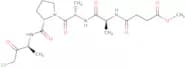

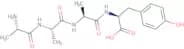
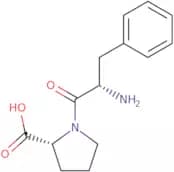
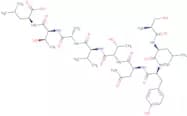
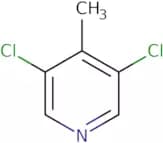
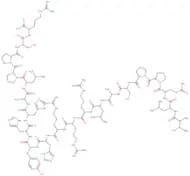
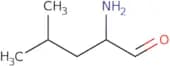
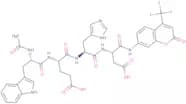
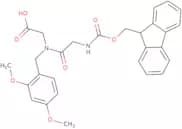


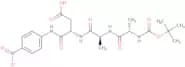

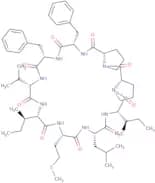
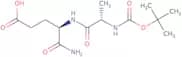
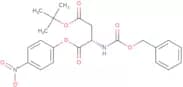
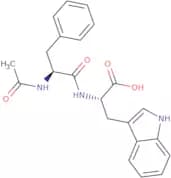


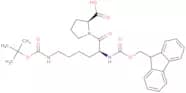
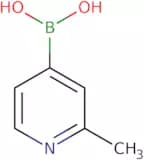

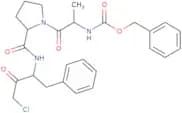
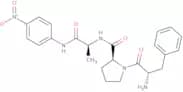
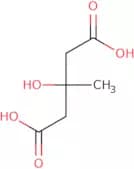
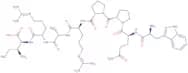


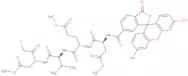
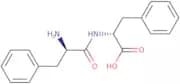
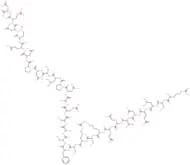

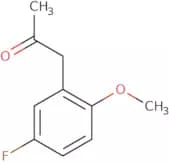
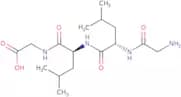
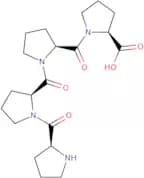
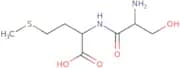

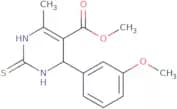
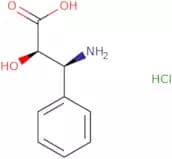
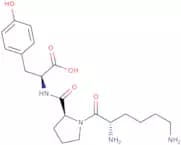
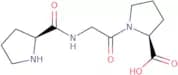
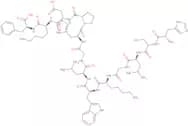

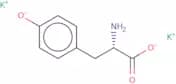


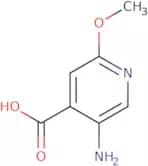


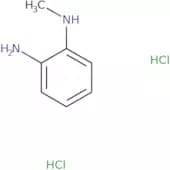

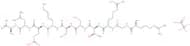
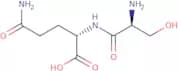
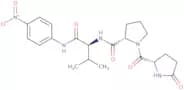

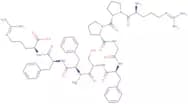
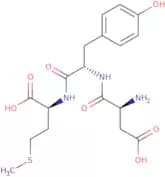
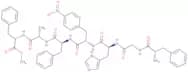
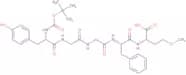
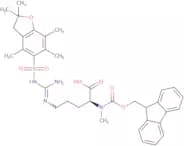
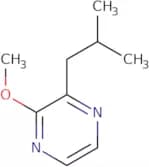


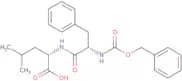
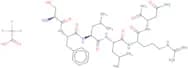
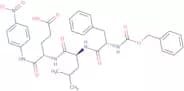
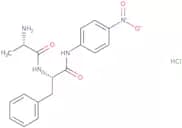

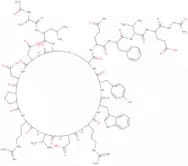
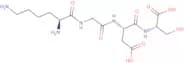
![tert-Butyl6-[(1e)-2-[4-(4-fluorophenyl)-6-(1-methylethyl)-2-[methyl(methylsulfonyl)amino]-5-pyrimi…](/_next/image/?url=https%3A%2Fstatic.cymitquimica.com%2Fproducts%2F3D%2Fthumb-webp%2FFB148489.webp&w=3840&q=75)