Amino Acids (AA)
Amino acids (AAs) are the fundamental building blocks of proteins, playing a crucial role in various biological processes. These organic compounds are essential for protein synthesis, metabolic pathways, and cell signaling. In this category, you will find a comprehensive range of amino acids, including essential, non-essential, and modified forms, which are vital for research in biochemistry, molecular biology, and nutritional sciences. At CymitQuimica, we provide high-quality amino acids to support your research and development needs, ensuring accuracy and reliability in your experimental outcomes.
Subcategories of "Amino Acids (AA)"
- Amino Acid Derivatives(3,957 products)
- Amino Acid and Amino Acid Related Compounds(3,472 products)
- Amino Acids with Oxygen or Sulphur(168 products)
- Boc- Amino Acids(351 products)
- Fmoc Amino Acids(1,710 products)
Found 38265 products of "Amino Acids (AA)"
Sort by
Purity (%)
0
100
|
0
|
50
|
90
|
95
|
100
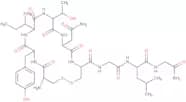
([ring-D5]Phe3)-Octreotide acetate salt
CAS:Controlled Product<p>Please enquire for more information about ([ring-D5]Phe3)-Octreotide acetate salt including the price, delivery time and more detailed product information at the technical inquiry form on this page</p>Formula:C49H61D5N10O10S2Purity:Min. 95%Molecular weight:1,024.27 g/molFmoc-Phe-Pro-OH
CAS:<p>Fmoc-Phe-Pro-OH is a sensor molecule that has been used in supramolecular, nanostructured, and biological applications. It is a supramolecular self-assembly process that can be applied to sensors, devices, and modules. Fmoc-Phe-Pro-OH can be used as a biological source for sensing bacteria or other molecules of interest. The structural properties of Fmoc-Phe-Pro-OH have been studied extensively and it has been found to have favorable properties for use in humans. Advances in this field are ongoing with the hope of improving the understanding of biological systems and human health.</p>Formula:C29H28N2O5Purity:Min. 95%Molecular weight:484.54 g/molBoc-Ala-D-Glu(OBzl)-NH2
CAS:<p>Please enquire for more information about Boc-Ala-D-Glu(OBzl)-NH2 including the price, delivery time and more detailed product information at the technical inquiry form on this page</p>Formula:C20H29N3O6Purity:Min. 95%Molecular weight:407.46 g/mol12-(Boc-aminooxy)-dodecanoic acid
CAS:<p>Please enquire for more information about 12-(Boc-aminooxy)-dodecanoic acid including the price, delivery time and more detailed product information at the technical inquiry form on this page</p>Formula:C17H33NO5Purity:Min. 95%Molecular weight:331.45 g/molFmoc-Lys(Boc)-Cys(Psi(Dmp,H)pro)-OH
CAS:<p>Please enquire for more information about Fmoc-Lys(Boc)-Cys(Psi(Dmp,H)pro)-OH including the price, delivery time and more detailed product information at the technical inquiry form on this page</p>Formula:C38H45N3O9SPurity:Min. 95%Molecular weight:719.84 g/molH-Lys(Boc)-2-chlorotrityl resin (200-400 mesh) (Low Substitution)
<p>Please enquire for more information about H-Lys(Boc)-2-chlorotrityl resin (200-400 mesh) (Low Substitution) including the price, delivery time and more detailed product information at the technical inquiry form on this page</p>Purity:Min. 95%(D-2-Nal 5,Cys6·11,Tyr7,D-Trp8,Val10, 2-Nal 12)-Somatostatin-14 (5-12) amide trifluoroacetate salt
CAS:<p>Please enquire for more information about (D-2-Nal 5,Cys6·11,Tyr7,D-Trp8,Val10, 2-Nal 12)-Somatostatin-14 (5-12) amide trifluoroacetate salt including the price, delivery time and more detailed product information at the technical inquiry form on this page</p>Formula:C63H73N11O9S2Purity:Min. 95%Molecular weight:1,192.45 g/molBoc-Homoarg (Et)2-OH (symmetrical) hydrochloride salt
CAS:<p>Please enquire for more information about Boc-Homoarg (Et)2-OH (symmetrical) hydrochloride salt including the price, delivery time and more detailed product information at the technical inquiry form on this page</p>Formula:C16H32N4O4Purity:Min. 95%Molecular weight:344.45 g/molBoc-Cys(Mob)-OSu
CAS:<p>Please enquire for more information about Boc-Cys(Mob)-OSu including the price, delivery time and more detailed product information at the technical inquiry form on this page</p>Formula:C20H26N2O7SPurity:Min. 95%Molecular weight:438.5 g/molN-Boc-L-proline
CAS:<p>N-Boc-L-proline is a proline derivative that has been synthesized as a drug candidate for cancer treatment. It has been shown to inhibit the activity of the enzyme, buserelin, which is involved in the synthesis of histamine and other substances. N-Boc-L-proline has also been shown to cause neuronal death by hydrogen bond formation with nitrogen nucleophiles in the brain, leading to apoptosis. The chromatographic method was used to analyze reaction products from N-Boc-L-proline with sodium carbonate. This compound has solubility data and an intramolecular hydrogen bond that can be detected by nmr spectroscopy. Trifluoroacetic acid was used as a solvent for this experiment.</p>Formula:C10H17NO4Purity:Min. 95%Color and Shape:White PowderMolecular weight:215.25 g/molBoc-epi-statine (3R,4S)-4-(Boc-amino)-3-hydroxy-6-methyl-heptanoic acid
CAS:<p>Please enquire for more information about Boc-epi-statine (3R,4S)-4-(Boc-amino)-3-hydroxy-6-methyl-heptanoic acid including the price, delivery time and more detailed product information at the technical inquiry form on this page</p>Formula:C13H25NO5Purity:Min. 95%Molecular weight:275.34 g/molH-Lys-Ser-OH·HCl
CAS:<p>Please enquire for more information about H-Lys-Ser-OH·HCl including the price, delivery time and more detailed product information at the technical inquiry form on this page</p>Formula:C9H19N3O4·HClPurity:Min. 95%Molecular weight:269.73 g/molAQEE-30 (human) trifluoroacetate salt
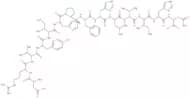
CAS:<p>Please enquire for more information about AQEE-30 (human) trifluoroacetate salt including the price, delivery time and more detailed product information at the technical inquiry form on this page</p>Formula:C157H252N48O56Purity:Min. 95%Molecular weight:3,707.97 g/molH-Asp-Arg-Val-Tyr-Ile-His-Pro-Phe-His-Leu-Leu-Val-Tyr-Ser-OH
CAS:<p>H-Asp-Arg-Val-Tyr-Ile-His-Pro-Phe-His-Leu-Leu-Val-Tyr-Ser-OH is a synthetic peptide that has been shown to inhibit the production of angiotensin and angiotensinogen by interfering with the binding of its receptor. It has also been shown to inhibit the production of proinflammatory cytokines, such as tumor necrosis factor alpha (TNFα), interleukin 1beta (IL1β), and IL6, in human macrophages. HAVY can also inhibit toll like receptor 4 mediated inflammatory responses in vivo. HAVY is an inhibitor of angiotensin II type 1 receptor activity, which may be useful in treating cardiovascular diseases such as atherosclerotic lesions, hypertension, and bowel disease.</p>Formula:C85H123N21O20Purity:Min. 95%Molecular weight:1,759.02 g/molH-Phe-Gly-Gly-OH
CAS:<p>H-Phe-Gly-Gly-OH is a phosphatase enzyme inhibitor that acts as a competitive inhibitor of serine/threonine phosphatases. It has been shown to inhibit the activity of protein data, which are enzymes that catalyze the hydrolysis of phosphate groups from proteins. This inhibition of protein data leads to an increase in the levels of protein kinase A (PKA) and cyclic AMP (cAMP) in human serum. H-Phe-Gly-Gly-OH also inhibits an enzyme called phospholipase A2, which is responsible for fatty acid metabolism, leading to an accumulation of fatty acids in cells. It has been shown that H-Phe-Gly-Gly-OH has anticancer activity against meningioma and squamous carcinoma cells in humans.</p>Formula:C13H17N3O4Purity:Min. 95%Molecular weight:279.29 g/molFmoc-Gln(Trt)-Thr(Psi(Me ,Me)pro)-OH
CAS:<p>Please enquire for more information about Fmoc-Gln(Trt)-Thr(Psi(Me ,Me)pro)-OH including the price, delivery time and more detailed product information at the technical inquiry form on this page</p>Formula:C46H45N3O7Purity:Min. 95%Molecular weight:751.87 g/molH-Ala-Gly-Tyr-NH2 acetate salt
CAS:<p>Please enquire for more information about H-Ala-Gly-Tyr-NH2 acetate salt including the price, delivery time and more detailed product information at the technical inquiry form on this page</p>Formula:C14H20N4O4Purity:Min. 95%Molecular weight:308.33 g/molAcetyl-(D-Phe2,Lys15,Arg16,Leu27)-VIP (1-7)-GRF (8-27) trifluoroacetate salt
CAS:<p>Please enquire for more information about Acetyl-(D-Phe2,Lys15,Arg16,Leu27)-VIP (1-7)-GRF (8-27) trifluoroacetate salt including the price, delivery time and more detailed product information at the technical inquiry form on this page</p>Formula:C150H246N44O38Purity:Min. 95%Molecular weight:3,273.83 g/molBzl-Nle-OH
CAS:<p>Please enquire for more information about Bzl-Nle-OH including the price, delivery time and more detailed product information at the technical inquiry form on this page</p>Formula:C13H19NO2Purity:Min. 95%Molecular weight:221.3 g/molCyclo(-D-Tyr-Arg-Gly-Asp-Cys(carboxymethyl)-OH) sulfoxide
CAS:<p>Please enquire for more information about Cyclo(-D-Tyr-Arg-Gly-Asp-Cys(carboxymethyl)-OH) sulfoxide including the price, delivery time and more detailed product information at the technical inquiry form on this page</p>Formula:C26H36N8O11SPurity:Min. 95%Molecular weight:668.68 g/molFmoc-Cys(Trt)-Wang resin (200-400 mesh)
<p>Please enquire for more information about Fmoc-Cys(Trt)-Wang resin (200-400 mesh) including the price, delivery time and more detailed product information at the technical inquiry form on this page</p>Purity:Min. 95%H-Ile-Trp-OH
CAS:<p>H-Ile-Trp-OH is an acetylcholine esterase inhibitor that has been shown to have potent inhibitory activity against lorazepam. It binds to the active site of the enzyme, preventing it from breaking down acetylcholine and other neurotransmitters in the brain. H-Ile-Trp-OH is also a potent inhibitor of stenotrophomonas maltophilia, which is a bacterium found in chronic bronchitis patients. The drug has been tested in clinical studies for use as an immunomodulatory agent but has not yet been approved for this purpose.</p>Formula:C17H23N3O3Purity:Min. 95%Molecular weight:317.38 g/molZ-N-Me-Thr(tBu)-OH·CHA
CAS:<p>Please enquire for more information about Z-N-Me-Thr(tBu)-OH·CHA including the price, delivery time and more detailed product information at the technical inquiry form on this page</p>Formula:C17H25NO5·C6H13NPurity:Min. 95%Molecular weight:422.56 g/molN-Acetyl-DL-leucine
CAS:<p>N-Acetyl-DL-leucine is a non-protein amino acid that has been shown to have a variety of pharmacological effects. It has been found to reduce neuronal death and protect against cerebellar damage. N-Acetyl-DL-leucine acts by binding to the alpha subunit of the glutamate receptor, which increases its affinity for glutamate. This leads to an increased response in neuronal cells, and the prevention of neurotoxicity. N-acetyl-l-leucine has also been shown to be effective as a treatment for vestibular disorders. However, it is only soluble at high concentrations in water, so it cannot be taken orally without first being dissolved in alcohol or another solvent.</p>Formula:C8H15NO3Purity:Min. 95%Color and Shape:PowderMolecular weight:173.21 g/molIsoprenaline sulphate dihydrate
CAS:<p>4-[1-Hydroxy-2-[(1-methylethyl)amino]ethyl]-1,2-benzenediol sulfate dihydrate (benserazide) is a cholinergic agent that has been shown to increase the release of acetylcholine by acting as an agonist at nicotinic receptors. It increases the amount of acetylcholine released in the brain and can be used for the treatment of Alzheimer's disease. Benserazide has also been shown to have a depressant effect on the respiratory system, which can be beneficial for lung diseases. This drug also has anti-inflammatory properties and can inhibit growth factor synthesis.</p>Formula:C22H34N2O6·H2SO4·2H2OPurity:Min. 95%Color and Shape:PowderMolecular weight:520.59 g/molAc-Lys-D-Ala-D-lactic acid·acetate
CAS:Controlled Product<p>Please enquire for more information about Ac-Lys-D-Ala-D-lactic acid·acetate including the price, delivery time and more detailed product information at the technical inquiry form on this page</p>Formula:C14H25N3O6·C2H4O2Purity:Min. 95%Molecular weight:391.42 g/molDiphenyl(4-phenylthio)phenylsufonium hexafluorophosphate
CAS:<p>Diphenyl(4-phenylthio)phenylsufonium hexafluorophosphate is a photoinitiator that is used in photopolymerization. It absorbs light at around 800 nm and emits light at around 810 nm. The initiator has a low molecular weight and is soluble in organic solvents, which makes it suitable for polymerization of acrylate monomers. Diphenyl(4-phenylthio)phenylsufonium hexafluorophosphate can be synthesized by the reaction of diphenyliodonium hexafluorophosphate with phenyldithiocarbonyl chloride.</p>Formula:C24H19S2•PF6Purity:Min. 95%Color and Shape:PowderMolecular weight:516.5 g/molNeuromedin U-25 (porcine) trifluoroacetate salt
CAS:<p>Please enquire for more information about Neuromedin U-25 (porcine) trifluoroacetate salt including the price, delivery time and more detailed product information at the technical inquiry form on this page</p>Formula:C144H217N43O37Purity:Min. 95%Molecular weight:3,142.53 g/molH-Glu-Gly-Arg-pNA acetate salt
CAS:Controlled Product<p>Please enquire for more information about H-Glu-Gly-Arg-pNA acetate salt including the price, delivery time and more detailed product information at the technical inquiry form on this page</p>Formula:C19H28N8O7Purity:Min. 95%Molecular weight:480.48 g/molFmoc-D-Asn(Trt)-Wang resin (200-400 mesh)
<p>Please enquire for more information about Fmoc-D-Asn(Trt)-Wang resin (200-400 mesh) including the price, delivery time and more detailed product information at the technical inquiry form on this page</p>Purity:Min. 95%4-Methyl-benzhydrylamine resin (100-200 mesh)·HCl
<p>Please enquire for more information about 4-Methyl-benzhydrylamine resin (100-200 mesh)·HCl including the price, delivery time and more detailed product information at the technical inquiry form on this page</p>Purity:Min. 95%3-(4-Methylphenyl)-5-(trifluoromethyl)pyrazole
CAS:<p>Please enquire for more information about 3-(4-Methylphenyl)-5-(trifluoromethyl)pyrazole including the price, delivery time and more detailed product information at the technical inquiry form on this page</p>Formula:C11H9F3N2Purity:Min. 95%Molecular weight:226.2 g/molTRAP-7 trifluoroacetate salt
CAS:<p>TRAP-7 is a guanine nucleotide-binding protein that belongs to the polymerase chain reaction (PCR) family of DNA polymerases. It is a biocompatible polymer with physiological effects on basic fibroblast cells. TRAP-7 has been shown to have a role in the regulation of platelet activation, neuronal death, and thrombin receptor activity. The polyvinyl chloride (PVC) membrane used in this product is also biocompatible, and it can be used for applications such as cell culture surfaces and medical devices.</p>Formula:C39H63N11O10Purity:Min. 95%Molecular weight:845.99 g/mol2-Phenyl-5-benzimidazolesulfonic acid
CAS:<p>2-Phenyl-5-benzimidazolesulfonic acid is a chemical compound that has been shown to have stability in vitro. It was used as a skin cancer treatment in the past, but is now mainly used as an analytical reagent. It has been shown to be effective against coumarin derivatives and enzyme activities. 2-Phenyl-5-benzimidazolesulfonic acid can be used as a chelating agent for metals and also binds to zirconium oxide, which is one of the materials used in radiation shielding. The compound can also be used for wastewater treatment and polymerase chain reaction (PCR) analysis. This compound can be synthesized using sodium salts, solid phase microextraction (SPME), and sodium citrate in order to form the benzene ring. The synthesis can then be completed by adding two phenyl groups onto the benzene ring with various reactions such as transfer reactions or radiation. Finally,</p>Formula:C13H10N2O3SPurity:Min. 95%Molecular weight:274.3 g/molHuman CMV Assemblin Protease Inhibitor
CAS:<p>Please enquire for more information about Human CMV Assemblin Protease Inhibitor including the price, delivery time and more detailed product information at the technical inquiry form on this page</p>Formula:C46H86N18O14Purity:Min. 95%Molecular weight:1,115.29 g/mol4-[4-(4-Methyloxy-phenyl)-piperazin-1-yl]-phenylamine
CAS:<p>4-Methyloxy-phenyl)-piperazin-1-yl]-phenylamine is an organic compound that has a reactive silicon group. It contains two phenyl groups, one of which is attached to the silicon. This compound exhibits phase equilibrium in water and can be used as a monomer for fabricating inorganic materials with orderly patterns, such as glass and metal oxides. This product also has impurities and can be grown at different rates depending on the conditions, such as temperature. The optical properties of 4-methyloxy-phenyl)-piperazin-1-yl]-phenylamine are dependent on its environment and it has been shown to have exothermic properties when reacting with iron powder.</p>Formula:C17H21N3OPurity:Min. 95%Molecular weight:283.37 g/molApelin-36 (1-16) amide (human) trifluoroacetate salt
CAS:<p>Please enquire for more information about Apelin-36 (1-16) amide (human) trifluoroacetate salt including the price, delivery time and more detailed product information at the technical inquiry form on this page</p>Formula:C74H117N27O20Purity:Min. 95%Molecular weight:1,704.89 g/molIloprost
CAS:<p>Iloprost is a cyclase inhibitor that is used to treat pulmonary hypertension. It relaxes the smooth muscle cells in the lungs, which causes an increase in blood flow and oxygen levels to the heart and other organs. Iloprost also decreases the production of PGE2 and lowers blood pressure. Iloprost has been shown to be effective in treating chronic viral hepatitis and pulmonary diseases such as primary pulmonary hypertension. This drug can cause hypotension, so it should not be taken by patients with low blood pressure or those who are taking other drugs that can cause hypotension.</p>Formula:C22H32O4Purity:Min. 95%Color and Shape:Solidified MassMolecular weight:360.49 g/molGRP (14-27) (human, porcine, canine) trifluoroacetate salt
CAS:<p>GRP (14-27) is a synthetic peptide that has an inhibitory effect on the growth of pancreatic cancer cells. It also inhibits the development of primary tumors in hamsters and inhibits tumor metastasis. GRP (14-27) binds to the cell surface receptor on T cells, which is responsible for mediating immune responses against tumors. GRP (14-27) has been shown to suppress tumor growth through immunoreactivity and has been found to be effective against a variety of cancers when used as an adjuvant therapy.</p>Formula:C75H110N24O16S2Purity:Min. 95%Molecular weight:1,667.96 g/mol(Lys18)-Pseudin-2 trifluoroacetate salt
CAS:<p>Please enquire for more information about (Lys18)-Pseudin-2 trifluoroacetate salt including the price, delivery time and more detailed product information at the technical inquiry form on this page</p>Formula:C122H203N37O32Purity:Min. 95%Molecular weight:2,700.15 g/molH-Asp(Phe-OH)-OH
CAS:<p>Aspartame is a synthetic, sweetener that is used as a sugar substitute in diet products. It was discovered by accident in 1965 when James Schlatter, a chemist of G.D. Searle Company, was testing an anti-ulcer drug and l-phenylalanine methyl ester on his finger and tasted the sweetness on his fingers. Aspartame is composed of two amino acids: aspartic acid and phenylalanine. The aspartic acid is made up of a carboxylic acid group with an amide functional group. Aspartame can be found in many foods including chewing gum and diet sodas. It has been shown to have no carcinogenic effects or adverse effects on reproduction function in animal studies.</p>Formula:C13H16N2O5Purity:Min. 95%Color and Shape:White To Off-White SolidMolecular weight:280.28 g/mol(Met(O2)35)-Amyloid b-Protein (1-42)
CAS:<p>Please enquire for more information about (Met(O2)35)-Amyloid b-Protein (1-42) including the price, delivery time and more detailed product information at the technical inquiry form on this page</p>Formula:C203H311N55O62SPurity:Min. 95%Molecular weight:4,546.04 g/mol(3,4-Dehydro-Pro3)-Tuftsin
CAS:<p>Please enquire for more information about (3,4-Dehydro-Pro3)-Tuftsin including the price, delivery time and more detailed product information at the technical inquiry form on this page</p>Formula:C21H38N8O6Purity:Min. 95%Molecular weight:498.58 g/molH-Asn-Pro-Glu-Tyr(PO3H2)-OH
CAS:<p>Please enquire for more information about H-Asn-Pro-Glu-Tyr(PO3H2)-OH including the price, delivery time and more detailed product information at the technical inquiry form on this page</p>Formula:C23H32N5O12PPurity:Min. 95%Molecular weight:601.5 g/molACTH (1-39) (guinea pig)
CAS:<p>Please enquire for more information about ACTH (1-39) (guinea pig) including the price, delivery time and more detailed product information at the technical inquiry form on this page</p>Formula:C206H308N56O58SPurity:Min. 95%Molecular weight:4,529.06 g/molZ-Lys(Ac)-NH2
CAS:<p>Please enquire for more information about Z-Lys(Ac)-NH2 including the price, delivery time and more detailed product information at the technical inquiry form on this page</p>Formula:C16H23N3O4Purity:Min. 95%Molecular weight:321.37 g/molAutocamtide-2-Related Inhibitory Peptide
CAS:<p>Please enquire for more information about Autocamtide-2-Related Inhibitory Peptide including the price, delivery time and more detailed product information at the technical inquiry form on this page</p>Formula:C64H116N22O19Purity:Min. 95%Molecular weight:1,497.74 g/mol2-Bromo-5-hydroxy-4-methoxybenzaldehyde
CAS:<p>2-Bromo-5-hydroxy-4-methoxybenzaldehyde is a death pathway inhibitor that has been shown to have radiosensitizing effects in vitro. It has also been found to inhibit the expression of matrix metalloproteinase (MMP) in human glioma cells and in a rat model of cerebral ischemia. This compound may be used as a potential chemotherapeutic agent for the treatment of cancer. 2-Bromo-5-hydroxy-4-methoxybenzaldehyde inhibits cell proliferation by inducing apoptosis, or programmed cell death, which may be due to its ability to suppress MMP activity.</p>Formula:C8H7BrO3Purity:Min. 95%Color and Shape:PowderMolecular weight:231.04 g/molPhacolysine sodium salt
CAS:<p>Phacolysine sodium salt is a drug that activates the choroidal neovascularization receptor. It has been shown to inhibit the growth of tumors by synchronous fluorescence and disulfide bond binding. Phacolysine sodium salt has shown clinical efficacy in the treatment of choroidal neovascularization, with an average success rate of 75%. It has also been shown to be effective in treating other types of cancer, such as prostate cancer. In addition, it has antioxidative properties and can inhibit prostaglandin synthesis. This medicine is sometimes used in combination with ondansetron hydrochloride and benzalkonium chloride for pharmacological treatment.</p>Formula:C18H10N4Na2O6S2Purity:Min. 95%Color and Shape:Red PowderMolecular weight:488.41 g/molH-β-Ala-Phe-OH
CAS:<p>H-beta-Ala-Phe-OH is a synthetic dipeptide that is positioned at the C terminus of the l-phenylalanine residue. It has two residues, H and beta-Ala, which are connected by a peptide bond between the carboxyl group of beta-Ala and the amino group of phenylalanine. The crystallographic structure of this molecule shows that it adopts a helical conformation with hydrogen bonds between adjacent helices. This water-soluble molecule has been shown to have antihypertensive properties in animal studies.</p>Formula:C12H16N2O3Purity:Min. 95%Color and Shape:PowderMolecular weight:236.27 g/molAllatotropin
CAS:<p>Allatotropin is a diagnostic agent that belongs to the class of antimicrobial peptides. It has been shown to have strong activity against Gram-positive and Gram-negative bacteria. Allatotropin inhibits the growth of bacteria by binding to the external membrane, disrupting its integrity. Allatotropin also has been shown to increase gamma-aminobutyric acid levels in brain tissue and galleria mellonella larvae when injected subcutaneously. This may be due to its ability to activate GABA receptors. Allatotropin can be synthesized in vitro by combining β-amino acids with fatty acids and terminal residues, such as lysine, arginine, and glutamine, under conditions that mimic those found in living cells. This synthetic process yields a mixture of allatotropins with varying chain lengths and amino acid sequences.</p>Formula:C65H103N19O17S2Purity:Min. 95%Molecular weight:1,486.76 g/molZ-Ile-Met-OH
CAS:<p>Z-Ile-Met-OH is a synthetic protease that has been used in the immobilization of κ-carrageenan. The endopeptidase activity of this protease was proved to be higher than that of trypsin and chymotrypsin. It can also be used as an immobilized enzyme for the hydrolysis of polyacrylamide.</p>Formula:C19H28N2O5SPurity:Min. 95%Molecular weight:396.5 g/mol(H-Cys-pNA)2 (Disulfide bond)
CAS:<p>H-Cys-pNA is a labile molecule that has been used as a substrate for aminopeptidase activity. It is a competitive inhibitor of aminopeptidase and binds to the active site of the enzyme, preventing it from cleaving peptides from their amino acids. H-Cys-pNA has been shown to inhibit oxytocin release by binding to the oxytocin receptor in rat brain tissue. This molecule also inhibits the growth of dysgerminoma cells in vitro and blocks cell division. H-Cys-pNA is susceptible to proteolytic degradation and may be degraded by polyacrylamide gel electrophoresis, which can be used for its analysis on polyacrylamide gels.</p>Formula:C18H20N6O6S2Purity:Min. 95%Molecular weight:480.52 g/molAlarin (human) trifluoroacetate salt
CAS:<p>Alarin is a human protein that was originally developed as an antiserum to seal wounds. It is used in the manufacture of pharmaceuticals, such as vaccines and serums. Alarin has also been used in immunoassays for the detection of antibodies in blood, serum, and other body fluids. Alarin is a protein that can be biotinylated and used as a substrate for peroxidase-conjugated streptavidin. This allows it to be utilized in enzyme-linked immunosorbent assay (ELISA) tests.</p>Formula:C127H205N43O35Purity:Min. 95%Molecular weight:2,894.26 g/molN-Me-Thr(Bzl)-OH·HCl
CAS:<p>N-Me-Thr(Bzl)-OH·HCl is a soluble, hydroformylation catalyst with alkenyl and sulfonated substituents. It is used as a hydrogenation catalyst in the industrial production of polymers, detergents, and other organic chemicals. It can also be used to catalyze the reduction of carbonyl groups to alcohols in organic synthesis.<br>N-Me-Thr(Bzl)-OH·HCl is insoluble in water and can be converted into an insoluble form by reacting with HCl or NaOH. This product has been shown to have radical properties that allow it to catalyze the hydrogenation of alkenes and alkynes.</p>Formula:C12H17NO3·HClPurity:Min. 95%Molecular weight:259.73 g/molH-Ala-Pro-Gly-OH
CAS:<p>Glycine is a small, sweet-tasting amino acid that is used in the biosynthesis of proteins. It has three linkages: an amide linkage to proline, and an ester linkage to alanine. The l-glycine molecule exists as two possible tautomers, the enol and keto forms. The enol form predominates at physiological pH; however, at very low pH, the keto form predominates. Glycine also has a cyclic structure and can be classified as a tripeptide.</p>Formula:C10H17N3O4Purity:Min. 95%Molecular weight:243.26 g/mol2,4-Dichloro-5-methoxyaniline
CAS:<p>2,4-Dichloro-5-methoxyaniline (2,4-DMA) is a trifluoroacetic acid derivative that inhibits the growth of cancer cells by interfering with cellular processes such as DNA replication and protein synthesis. It has been shown to have anticancer activity in vitro and in vivo. In addition, 2,4-DMA can inhibit the growth of cancer cells by preventing epidermal growth factor from binding to its receptor on the cell surface. A recent study showed that 2,4-DMA has anti-angiogenic properties and can prevent tumor growth by inhibiting bcr-abl kinase activity. 2,4-DMA also has an acidic property which may be due to its conversion of trifluoroacetic acid into hydrogen fluoride (HF) and hydrogen chloride (HCl).<br>2,4-Dichloro-5-methoxyaniline was approved for use in Japan</p>Formula:C7H7Cl2NOPurity:Min. 95%Color and Shape:White To Pink SolidMolecular weight:192.04 g/mol(R)-2-Hydroxy-4-phenylbutyric acid ethyl ester
CAS:<p>(R)-2-Hydroxy-4-phenylbutyric acid ethyl ester is a chiral compound that can be synthesized by an asymmetric synthesis reaction. The compound has been shown to inhibit the enzyme phosphodiesterase, which plays a role in the regulation of cardiac function. (R)-2-Hydroxy-4-phenylbutyric acid ethyl ester has also been shown to induce proliferation of recombinant cells and to bind to monoclonal antibodies against human C5a receptor. It is soluble in organic solvents such as isooctane or pyridine and stable under acidic or basic conditions.</p>Formula:C12H16O3Purity:Min. 95%Color and Shape:LiquidMolecular weight:208.25 g/molH-Ala-Phe-Gly-OH
CAS:<p>Please enquire for more information about H-Ala-Phe-Gly-OH including the price, delivery time and more detailed product information at the technical inquiry form on this page</p>Formula:C14H19N3O4Purity:Min. 95%Molecular weight:293.32 g/molH-Glu(Trp-OH)-OH
CAS:<p>H-Glu(Trp-OH)-OH is a synthetic immunomodulator that is used in vitro to study the immune system. H-Glu(Trp-OH)-OH has been shown to stimulate the production of antibodies by polyclonal antibodies, which inhibits the growth of bacteria. H-Glu(Trp-OH)-OH has also been shown to have anti-inflammatory properties and can inhibit lung damage caused by radiation. H-Glu(Trp-OH)-OH is not active against tuberculosis or other infectious diseases in animals because it does not cause an increase in phagocytic cells or leukocytes.</p>Formula:C16H19N3O5Purity:Min. 95%Molecular weight:333.34 g/molZ-Asp(OtBu)-bromomethylketone
CAS:<p>Please enquire for more information about Z-Asp(OtBu)-bromomethylketone including the price, delivery time and more detailed product information at the technical inquiry form on this page</p>Formula:C17H22BrNO5Purity:Min. 95%Molecular weight:400.26 g/molAc-Gly-Arg-Gly-NH2
CAS:<p>Please enquire for more information about Ac-Gly-Arg-Gly-NH2 including the price, delivery time and more detailed product information at the technical inquiry form on this page</p>Formula:C12H23N7O4Purity:Min. 95%Molecular weight:329.36 g/molHIV (gp120) Antigenic Peptide trifluoroacetate salt
CAS:<p>Please enquire for more information about HIV (gp120) Antigenic Peptide trifluoroacetate salt including the price, delivery time and more detailed product information at the technical inquiry form on this page</p>Formula:C117H211N41O31SPurity:Min. 95%Molecular weight:2,720.25 g/molH-Gly-D-Tyr-OH
CAS:<p>Please enquire for more information about H-Gly-D-Tyr-OH including the price, delivery time and more detailed product information at the technical inquiry form on this page</p>Formula:C11H14N2O4Purity:Min. 95%Molecular weight:238.24 g/molChemotactic Domain of Elastin
CAS:<p>Chemotactic domain of elastin is a peptide with chemotactic activity. It is an amino acid sequence derived from the elastin protein, which is a major component of the extracellular matrix in connective tissue. Chemotactic domain of elastin has been shown to be a receptor molecule that binds to cells and induces chemotaxis. The chemotactic domain of elastin is also found in vivo and can be used as a model system for studying the behavior of cells in tissues. Structural analysis of this peptide has shown it to have an intramolecular hydrogen bond, which may explain its ability to withstand harsh conditions such as heat and pH changes.</p>Formula:C22H38N6O7Purity:Min. 95%Molecular weight:498.57 g/molH-Gly-His-Arg-Pro-NH2 acetate salt
CAS:<p>Please enquire for more information about H-Gly-His-Arg-Pro-NH2 acetate salt including the price, delivery time and more detailed product information at the technical inquiry form on this page</p>Formula:C19H32N10O4Purity:Min. 95%Molecular weight:464.52 g/molCecropin A
CAS:<p>Cecropin A is an antimicrobial peptide, which is derived from the immune systems of insects, specifically moths. It displays potent antimicrobial properties through its ability to disrupt bacterial cell membranes, leading to cell lysis and death. This peptide primarily targets Gram-negative bacteria but is also effective against some Gram-positive strains. Cecropin A has garnered significant scientific interest due to its potential applications in developing new antimicrobial agents, particularly in the face of increasing antibiotic resistance. By integrating Cecropin A into therapeutic strategies, researchers aim to broaden the spectrum of antimicrobial options available for use in both clinical and agricultural settings, offering a promising avenue for future drug development.</p>Formula:C184H313N53O46Purity:Min. 95%Molecular weight:4,003.78 g/molFmoc-His(1-Trt)-Wang resin (100-200 mesh)
<p>Please enquire for more information about Fmoc-His(1-Trt)-Wang resin (100-200 mesh) including the price, delivery time and more detailed product information at the technical inquiry form on this page</p>Purity:Min. 95%Biotinyl-(Gln1)-LHRH trifluoroacetate salt Biotinyl-Gln-His-Trp-Ser-Tyr-Gly-Leu-Arg-Pro-Gly-NH2 trifluoroacetate salt
CAS:<p>Please enquire for more information about Biotinyl-(Gln1)-LHRH trifluoroacetate salt Biotinyl-Gln-His-Trp-Ser-Tyr-Gly-Leu-Arg-Pro-Gly-NH2 trifluoroacetate salt including the price, delivery time and more detailed product information at the technical inquiry form on this page</p>Formula:C65H92N20O15SPurity:Min. 95%Molecular weight:1,425.62 g/molDABCYL-(Asn670,Leu671)-Amyloid b/A4 Protein Precursor770 (667-675)-EDANS ammonium salt
CAS:<p>Please enquire for more information about DABCYL-(Asn670,Leu671)-Amyloid b/A4 Protein Precursor770 (667-675)-EDANS ammonium salt including the price, delivery time and more detailed product information at the technical inquiry form on this page</p>Formula:C71H91N15O21SPurity:Min. 95%Molecular weight:1,522.64 g/mol(S,S)-(-)-Bis(a-methylbenzyl)amine Hcl
CAS:<p>Please enquire for more information about (S,S)-(-)-Bis(a-methylbenzyl)amine Hcl including the price, delivery time and more detailed product information at the technical inquiry form on this page</p>Formula:C16H19N·HClPurity:Min. 95%Molecular weight:261.79 g/molMacrophage Inhibitory Peptide
CAS:<p>Macrophage inhibitory peptide H-Thr-Lys-Pro-OH is a human immunoglobulin that has been shown to have antimicrobial activity against a wide range of microbes. It is asymmetric and the side chain at position Thr is protonated, while the corresponding Lys side chain is not. Macrophage inhibitory peptide H-Thr-Lys-Pro-OH binds to the acidic corneal endothelial cells, which are important for maintaining a healthy eye surface. This peptide also activates human macrophages and basic fibroblast cells and inhibits HIV infection in monoclonal antibody mice.</p>Formula:C15H28N4O5Purity:Min. 95%Molecular weight:344.41 g/molH-Ser-Gln-Asn-Phe-psi(CH2NH)Pro-Ile-Val-Gln-OH
CAS:<p>Please enquire for more information about H-Ser-Gln-Asn-Phe-psi(CH2NH)Pro-Ile-Val-Gln-OH including the price, delivery time and more detailed product information at the technical inquiry form on this page</p>Formula:C42H67N11O12Purity:Min. 95%Molecular weight:918.05 g/mol(R)-1-Boc-3-Aminopyrrolidine
CAS:<p>(R)-1-Boc-3-Aminopyrrolidine is a small molecule that inhibits 3-kinase. It has been shown to bind to the ATP binding site of PI3Kδ and inhibit its activity. This results in the inhibition of phosphoinositide production, which leads to decreased cell proliferation and survival. (R)-1-Boc-3-Aminopyrrolidine has also been shown to have selectivity for isoform α over β, γ, and δ. The drug binds specifically to the ATP binding site on PI3Kδ, but does not disrupt other interactions such as hydrogen bonding or pi stacking interactions with residues in the vicinity of the ATP binding site. The IC50 values for (R)-1-Boc-3-Aminopyrrolidine were determined using siRNA knockdown experiments against human isoform α PI3Kδ.</p>Formula:C9H18N2O2Purity:Min. 95%Molecular weight:186.25 g/molAc-Arg-Cys-Met-5-aminopentanoyl-Arg-Val-Tyr-5-aminopentanoyl-Cys-NH2 trifluoroacetate salt (Disulfide bond)
CAS:<p>Please enquire for more information about Ac-Arg-Cys-Met-5-aminopentanoyl-Arg-Val-Tyr-5-aminopentanoyl-Cys-NH2 trifluoroacetate salt (Disulfide bond) including the price, delivery time and more detailed product information at the technical inquiry form on this page</p>Formula:C49H82N16O11S3Purity:Min. 95%Molecular weight:1,167.47 g/molpTH (73-84) (human)
CAS:<p>Please enquire for more information about pTH (73-84) (human) including the price, delivery time and more detailed product information at the technical inquiry form on this page</p>Formula:C54H96N16O19Purity:Min. 95%Molecular weight:1,273.44 g/molMet-Lys-Bradykinin
CAS:<p>Met-Lys-Bradykinin is a synthetic peptide with the amino acid sequence Met-Lys-Arg-Pro-Gly-Phe-Ser-Pro-Phe-Arg. It has been shown to have cytosolic Ca2+ release activity, protease activity, and vasodilator activities. The peptide also has binding affinity for human immunoglobulin G (IgG) and is able to form complexes with soybean trypsin.</p>Formula:C61H94N18O13SPurity:Min. 95%Molecular weight:1,319.58 g/molMethoxycarbonyl-Lys(Z)-Gly-Arg-pNA hydrochloride salt
CAS:<p>Please enquire for more information about Methoxycarbonyl-Lys(Z)-Gly-Arg-pNA hydrochloride salt including the price, delivery time and more detailed product information at the technical inquiry form on this page</p>Formula:C30H41N9O9Purity:Min. 95%Molecular weight:671.7 g/mol((R)-4-Hydroxy-4-methyl-Orn (5-TAMRA)7)-Phalloidin
<p>Please enquire for more information about ((R)-4-Hydroxy-4-methyl-Orn (5-TAMRA)7)-Phalloidin including the price, delivery time and more detailed product information at the technical inquiry form on this page</p>Formula:C60H69N11O14SPurity:Min. 95%Molecular weight:1,200.32 g/molH-Phe-Leu-Glu-Glu-Val-OH
CAS:<p>H-Phe-Leu-Glu-Glu-Val-OH is a synthetic amino acid molecule that is used as a substrate for protein synthesis. The solubilized and biochemically active H-Phe-Leu-Glu-Glu-Val-OH can be prepared by the reaction of glutamic acid with phenylalanine, leucine, and glycine. This product is an irreversible enzyme that has been conjugated to a linker to form a reversible linkage. A spectrometer can be used to analyze the chemical structure of this compound. It is soluble in water and has a molecular weight of 310. It contains two carboxyl groups and one amino group that are linked by amide bonds.</p>Formula:C30H45N5O10Purity:Min. 95%Molecular weight:635.71 g/molMca-Pro-Leu-Gly-Leu-Glu-Glu-Ala-Dap (Dnp)-NH2 trifluoroacetate salt
CAS:<p>Please enquire for more information about Mca-Pro-Leu-Gly-Leu-Glu-Glu-Ala-Dap (Dnp)-NH2 trifluoroacetate salt including the price, delivery time and more detailed product information at the technical inquiry form on this page</p>Formula:C53H70N12O20Purity:Min. 95%Molecular weight:1,195.19 g/molH-Leu-His-OH
CAS:<p>H-Leu-His-OH is a peptide that has been shown to have ovarian activity. It binds to the epidermal growth factor receptor and inhibits the function of this receptor, thereby inhibiting cellular proliferation. H-Leu-His-OH has also been shown to inhibit follicular growth in mice, which may be due to its ability to inhibit follicle stimulating hormone (FSH) production. This peptide also has a potential use for cancer treatment when administered with estradiol benzoate. In addition, it has been shown that H-Leu-His-OH can be used as an antigen in animals and humans for the development of an anti-idiotypic vaccine against autoimmune diseases such as Graves' disease. H-Leu-His-OH is active at physiological levels and clinical relevance has not yet been determined.</p>Formula:C12H20N4O3Purity:Min. 95%Molecular weight:268.31 g/molHe-LWamide II
CAS:<p>He-LWamide II is a neuropeptide that is found in the hydrozoa, cnidarians, and anthozoa. It is an endogenous hormone that is produced by the planula stage of development. He-LWamide II inhibits muscle contractions and can be used as a model system for studying the effects of neuropeptides on invertebrate development. The developmental effects of this peptide have been studied in animals and humans, including its role in regulating the maturation of eggs and spermatozoa. He-LWamide II also has inhibitory effects on the nervous system and muscles.</p>Formula:C35H53N9O6Purity:Min. 95%Molecular weight:695.85 g/molH-D-Met(O2)-OH
CAS:<p>H-D-Met(O2)-OH is an amino acid that is naturally occurring in the human body. It can be found in dietary sources such as milk, eggs, and meat. This amino acid is a building block for proteins and also has a number of metabolic pathways. H-D-Met(O2)-OH isomerizes to form D-Met(O2)-OH and L-Met(O2)-OH through enzymatic reactions. These isomers have different biological effects, with L-Met(O2)-OH being more potent than D-Met(O2)-OH. The enzyme that catalyzes this reaction is called synthetase. H-D-Met(O2)-OH can be used as a supplement to increase muscle mass or as a treatment for gluconeogenesis disorders such as diabetes mellitus type 2.</p>Formula:C5H11NO4SPurity:Min. 95%Molecular weight:181.21 g/molH-Ala-Ala-Ala-OMe acetate salt
CAS:Controlled Product<p>Please enquire for more information about H-Ala-Ala-Ala-OMe acetate salt including the price, delivery time and more detailed product information at the technical inquiry form on this page</p>Formula:C10H19N3O4Purity:Min. 95%Molecular weight:245.28 g/molFmoc-D-Asp(OtBu)-(Hmb)Gly-OH
CAS:<p>Please enquire for more information about Fmoc-D-Asp(OtBu)-(Hmb)Gly-OH including the price, delivery time and more detailed product information at the technical inquiry form on this page</p>Formula:C33H36N2O9Purity:Min. 95%Molecular weight:604.65 g/mol4-(2',4'-Dimethoxyphenyl-Fmoc-aminomethyl)-phenoxymethyl-polystyrene resin (200-400 mesh)
<p>Please enquire for more information about 4-(2',4'-Dimethoxyphenyl-Fmoc-aminomethyl)-phenoxymethyl-polystyrene resin (200-400 mesh) including the price, delivery time and more detailed product information at the technical inquiry form on this page</p>Purity:Min. 95%Pseudin-2 trifluoroacetate salt
CAS:<p>Please enquire for more information about Pseudin-2 trifluoroacetate salt including the price, delivery time and more detailed product information at the technical inquiry form on this page</p>Formula:C122H202N36O32Purity:Min. 95%Molecular weight:2,685.13 g/molGly-Amyloid b-Protein (15-25)-Gly-ε-aminocaproyl(-Lys)6
CAS:<p>Please enquire for more information about Gly-Amyloid b-Protein (15-25)-Gly-epsilon-aminocaproyl(-Lys)6 including the price, delivery time and more detailed product information at the technical inquiry form on this page</p>Formula:C105H178N28O26Purity:Min. 95%Molecular weight:2,248.71 g/molBoc-Met-Pro-OH
CAS:<p>Boc-Met-Pro-OH is a peptide that can be synthesized by condensation of the amino acid methanol with the carboxylic acid proline. This reaction yields Boc-Met-Pro-OH, which can be monitored via thin layer chromatography. The side chain on Boc-Met-Pro-OH is analogous to that of cholecystokinin and this class of peptides are derived from the amide bond. Condensation reactions catalyzed by papain or methyl esters result in the formation of an amide bond between two amino acids. These reactions also produce Boc-Met-Pro-OH because it has an amide bond.</p>Formula:C15H26N2O5SPurity:Min. 95%Molecular weight:346.44 g/molFITC-Tyr-Val-Ala-Asp-Ala-Pro-Lys(Dnp)-OH (Contains FITC isomer I)
CAS:<p>Please enquire for more information about FITC-Tyr-Val-Ala-Asp-Ala-Pro-Lys(Dnp)-OH (Contains FITC isomer I) including the price, delivery time and more detailed product information at the technical inquiry form on this page</p>Formula:C62H67N11O20SPurity:Min. 95%Molecular weight:1,318.32 g/mol(D-Leu6)-LHRH (1-8) (free acid) trifluoroacetate salt
CAS:<p>Please enquire for more information about (D-Leu6)-LHRH (1-8) (free acid) trifluoroacetate salt including the price, delivery time and more detailed product information at the technical inquiry form on this page</p>Formula:C52H72N14O12Purity:Min. 95%Molecular weight:1,085.22 g/molFor-Met-Leu-pNA
CAS:<p>Please enquire for more information about For-Met-Leu-pNA including the price, delivery time and more detailed product information at the technical inquiry form on this page</p>Formula:C18H26N4O5SPurity:Min. 95%Molecular weight:410.49 g/molPreptin (rat) trifluoroacetate salt
CAS:<p>Please enquire for more information about Preptin (rat) trifluoroacetate salt including the price, delivery time and more detailed product information at the technical inquiry form on this page</p>Formula:C181H268N48O51Purity:Min. 95%Molecular weight:3,932.36 g/mol4-Bromo-3-methoxypyridine
CAS:<p>Please enquire for more information about 4-Bromo-3-methoxypyridine including the price, delivery time and more detailed product information at the technical inquiry form on this page</p>Formula:C6H6BrNOPurity:Min. 95%Molecular weight:188.02 g/molSuc-Ala-Ile-Pro-Phe-pNA
CAS:<p>Cyclosporine is a cyclic peptide that is used as an immunosuppressive drug. It binds to the cytosolic protein phosphatase, preventing its activation. Cyclosporine also binds to other proteins in the cell, such as casein kinase II and cyclophilin, leading to changes in cellular function. It has been shown to inhibit the production of cytokines and other inflammatory mediators by inhibiting tyrosine kinase activity. Cyclosporine is metabolized into FK506, which has a similar structure but greater potency than cyclosporine. The mechanism of action for FK506 is not fully understood but it appears to be related to its ability to bind to tyrosine kinases and inhibit their activity.</p>Formula:C33H42N6O9Purity:Min. 95%Molecular weight:666.72 g/molH-Gly-Pro-Arg-Pro-NH2 acetate salt
CAS:<p>H-Gly-Pro-Arg-Pro-NH2 acetate salt is a peptide with antiplatelet activity. It has been shown to inhibit the interaction between fibrinogen and platelets, which leads to the inhibition of thrombin formation and subsequent clotting. The amide bond in this peptide is susceptible to hydrolysis by enzymes such as phospholipase A2, which means that it can be broken down into smaller fragments that have different biological activities. H-Gly-Pro-Arg-Pro-NH2 acetate salt has been shown to inhibit the growth of babesia microti, a causative agent of babesiosis in cattle, through lysis of infected erythrocytes. This drug also inhibits the growth of hemagglutinating virus type 3 (HV3) and filovirus, two viruses that are not yet fully understood.</p>Formula:C18H32N8O4Purity:Min. 95%Molecular weight:424.5 g/molH-Glu-Thr-Tyr-Ser-Lys-OH·2 TFA
CAS:<p>Please enquire for more information about H-Glu-Thr-Tyr-Ser-Lys-OH·2 TFA including the price, delivery time and more detailed product information at the technical inquiry form on this page</p>Formula:C27H42N6O11·2C2HF3O2Purity:Min. 95%Molecular weight:854.7 g/molHistatin-8
CAS:<p>Please enquire for more information about Histatin-8 including the price, delivery time and more detailed product information at the technical inquiry form on this page</p>Formula:C70H99N25O17Purity:Min. 95%Molecular weight:1,562.69 g/molPAR-2 (6-1) amide (human) trifluoroacetate salt
CAS:<p>Please enquire for more information about PAR-2 (6-1) amide (human) trifluoroacetate salt including the price, delivery time and more detailed product information at the technical inquiry form on this page</p>Formula:C28H54N8O7Purity:Min. 95%Molecular weight:614.78 g/molN-((RS)-2-Hydroxy-propyl)-Val-Leu-anilide
CAS:<p>Please enquire for more information about N-((RS)-2-Hydroxy-propyl)-Val-Leu-anilide including the price, delivery time and more detailed product information at the technical inquiry form on this page</p>Formula:C20H33N3O3Purity:Min. 95%Molecular weight:363.49 g/molBpoc-Gly-OH·DCHA
CAS:Controlled Product<p>Please enquire for more information about Bpoc-Gly-OH·DCHA including the price, delivery time and more detailed product information at the technical inquiry form on this page</p>Formula:C18H19NO4·C12H23NPurity:Min. 95%Molecular weight:494.67 g/mol(D-Lys3)-GHRP-6
CAS:<p>D-Lys3-GHRP-6 is a synthetic peptide that has been shown to stimulate cellular proliferation and inhibit apoptosis in cell culture. D-Lys3-GHRP-6 binds to the ghrelin receptor, which is found on cells in the stomach and pancreas, as well as in the brain. This binding stimulates the release of cytosolic calcium and enhances protein synthesis. D-Lys3-GHRP-6 also stimulates growth factor production and increases body fat mass in animals.</p>Formula:C49H63N13O6Purity:Min. 95%Molecular weight:930.11 g/molH-Tyr-Tyr-Phe-OH acetate salt
CAS:<p>H-Tyr-Tyr-Phe-OH acetate salt is a reaction product of the matrix-assisted laser desorption ionization (MALDI) technique. It is an analog of tyrosine, with a hydroxyl group substituted for the amino group. The protonation state of this molecule has been determined by the hydration constant and the centroid to be a neutral pH. Using hydrogen bonding, H-Tyr-Tyr-Phe-OH acetate salt binds to the mitochondria in cells, which may lead to a higher rate of reaction.</p>Formula:C27H29N3O6Purity:Min. 95%Molecular weight:491.54 g/molH-Gly-Phe-Arg-Gly-Asp-Gly-Gln-OH
CAS:<p>Arg-gly-asp is a synthetic peptide that has been shown to have biological activity in vitro. This peptide is an agonist of the receptor for extracellular matrix proteins, such as fibronectin and vitronectin. It has been shown to reversibly inhibit the binding of fibronectin and vitronectin to immobilized antibody in vitro and also to inhibit endometrial cell proliferation in vivo. Arg-gly-asp was found to be dose-dependent with a maximal effect at 1 microgram/mL.</p>Formula:C30H45N11O11Purity:Min. 95%Molecular weight:735.75 g/molIL-8 Inhibitor
CAS:<p>IL-8 Inhibitor Ac-Arg-Arg-Trp-Trp-Cys-Arg-NH2 is a molecule that blocks the receptor for IL-8, a c-c chemokine. This leads to reduced inflammation and decreased activation of cells in the inflammatory process. IL-8 Inhibitor Ac-Arg-Arg-Trp-Trp-Cys--Arg--NH2 has been shown to be effective in reducing chronic bronchitis and pancreatitis in animal models. The effective dose for IL 8 inhibitor is not yet known.</p>Formula:C45H66N18O7SPurity:Min. 95%Molecular weight:1,003.19 g/mol1-Methyl-4-nitro-2-(trichloroacetyl)-1H-pyrrole
CAS:<p>1-Methyl-4-nitro-2-(trichloroacetyl)-1H-pyrrole is an organic compound that is used in the synthesis of carboxylic acid derivatives. It is a synthetic intermediate, which can be converted to other compounds by intramolecular hydrogen bonding. The efficiency of this method has been shown through a number of experiments. In nature, 1-methyl-4-nitro-2-(trichloroacetyl)-1H-pyrrole may be found as a hydrogen bond donor.</p>Formula:C7H5Cl3N2O3Purity:Min. 95%Molecular weight:271.48 g/molH-His-Leu-Pro-Pro-Pro-Val-His-Leu-Pro-Pro-Pro-Val-OH
CAS:<p>Please enquire for more information about H-His-Leu-Pro-Pro-Pro-Val-His-Leu-Pro-Pro-Pro-Val-OH including the price, delivery time and more detailed product information at the technical inquiry form on this page</p>Formula:C64H98N16O13Purity:Min. 95%Molecular weight:1,299.56 g/molH-Gly-His-OH
CAS:<p>H-Gly-His-OH is a cationic surfactant that can be used as an emulsifying agent, dispersing agent, or wetting agent. It has been shown to form model complexes with hydrogen bond strength and the ability to bind to nitrogen atoms. H-Gly-His-OH has been detected in a detectable concentration of 0.01% in neutral pH and at least 0.1% in acidic pH. The chemical shift of the proton NMR spectra for H-Gly-His-OH are found at 8.5 ppm (δ) and 8.2 ppm (δ). Magnetic resonance spectroscopy performed on ternary mixtures containing H-Gly-His-OH show peaks at δ 2.6 ppm and δ 1.9 ppm from the amide protons of the His residue, which are characteristic for this molecule's chemical structure.</p>Formula:C8H12N4O3Purity:Min. 95%Molecular weight:212.21 g/molH-Ala-Phe-Pro-pNA
CAS:<p>Please enquire for more information about H-Ala-Phe-Pro-pNA including the price, delivery time and more detailed product information at the technical inquiry form on this page</p>Formula:C23H27N5O5Purity:Min. 95%Molecular weight:453.49 g/molH-Arg-Leu-OH acetate salt
CAS:<p>H-Arg-Leu-OH acetate salt is a synthetic version of the natural amino acid Arginine. It has been shown to have anti-inflammatory effects and to inhibit the growth of cancer cells in cell culture. H-Arg-Leu-OH acetate salt also inhibits the production of messenger RNA that leads to the synthesis of inflammatory proteins and growth factors, as well as light emission, which may be due to its effect on response elements in cells.</p>Formula:C12H25N5O3Purity:Min. 95%Molecular weight:287.36 g/molH-Trp-Asp-OH trifluoroacetic acid
CAS:<p>H-Trp-Asp-OH trifluoroacetic acid is a protein that is localized in the kinase domain of the gene product. It has been shown to activate leishmania and human serum regulatory proteins. H-Trp-Asp-OH trifluoroacetic acid binds to guanine nucleotide binding proteins in the nuclear DNA, which may play a role in mitotic checkpoint control. This protein has also been shown to have basic properties and may be involved in plant metabolism.</p>Formula:C17H18N3O7F3Purity:Min. 95%Molecular weight:319.31 g/mol(D-Ala6)-LHRH acetate salt Pyr-His-Trp-Ser-Tyr-D-Ala-Leu-Arg-Pro-Gly-NH2 acetate salt
CAS:<p>Please enquire for more information about (D-Ala6)-LHRH acetate salt Pyr-His-Trp-Ser-Tyr-D-Ala-Leu-Arg-Pro-Gly-NH2 acetate salt including the price, delivery time and more detailed product information at the technical inquiry form on this page</p>Formula:C56H77N17O13Purity:Min. 95%Molecular weight:1,196.32 g/molRanamargarin
CAS:<p>Ranamargarin H-Asp-Asp-Ala-Ser-Asp-Arg-Ala-Lys-Lys-Phe-Tyr-Gly-Leu-Met-NH2 is a compound that has been shown to bind to the dopamine receptor in rats. It has been shown to have low potency and is not active in clinical trials. Ranamargarin H-Asp-Asp-Ala-Ser--Asp--Arg--Ala--Lys--Lys--Phe--Tyr--Gly--Leu---Met---NH2 has also been shown to inhibit the production of dopamine in animals and humans, with a maximal response at concentrations of 10 nM. The biological properties of this compound are still being researched, but it appears that it can be used as a lead for developing new drugs for treating Parkinson's disease.</p>Formula:C70H110N20O22SPurity:Min. 95%Molecular weight:1,615.81 g/mol(Des-Tyr1)-Leu-Enkephalin
CAS:<p>Des-Tyr1-Leu-Enkephalin H-Gly-Gly-Phe-Leu-OH is a synthetic opioid peptide that acts as a neuroprotective agent and has been shown to enhance the expression of nerve growth factor. It also has immunomodulatory effects by interacting with opioid receptors and regulating the production of inflammatory cytokines. Des-Tyr1-Leu-Enkephalin H-Gly-Gly-Phe-Leu-OH binds to opioid receptors in the central nervous system, thereby triggering a response that leads to pain relief and suppression of cough reflexes. This peptide has been shown to be effective in clinical trials for patients with neuropathic pain or postoperative ileus. It also shows promise as an analgesic for cancer patients with chronic pain, although this use is still experimental.</p>Formula:C19H28N4O5Purity:Min. 95%Molecular weight:392.45 g/molH-Gly-Pro-Pro-OH trifluoroacetate salt
CAS:<p>H-Gly-Pro-Pro-OH trifluoroacetate salt is an amide with a high specificity and low energy. This compound is activated by sequences of collagen, which may be due to its ability to hydrate intracellular calcium concentrations. H-Gly-Pro-Pro-OH trifluoroacetate salt has been shown to have polymerase chain activation activity in the presence of lysine residues, and it can bind to regulatory sites on DNA. H-Gly-Pro-Pro-OH trifluoroacetate salt has also been shown to have hydroxyproline hydroxylase activity, which leads to a helical structure.</p>Formula:C12H19N3O4Purity:Min. 95%Molecular weight:269.3 g/molPAR-3 (1-6) amide (mouse) trifluoroacetate salt
CAS:<p>Please enquire for more information about PAR-3 (1-6) amide (mouse) trifluoroacetate salt including the price, delivery time and more detailed product information at the technical inquiry form on this page</p>Formula:C25H36N8O8Purity:Min. 95%Molecular weight:576.6 g/molZ-D-Ala-Phe-OH
CAS:<p>Please enquire for more information about Z-D-Ala-Phe-OH including the price, delivery time and more detailed product information at the technical inquiry form on this page</p>Formula:C20H22N2O5Purity:Min. 95%Molecular weight:370.4 g/mol(S)-9,10-Difluoro-2,3-dihydro-3-methyl-7-oxo-7H-pyrido[1,2,3-de]-1,4-benzoxazine-6-carboxylic acid ethyl ester
CAS:<p>(S)-9,10-Difluoro-2,3-dihydro-3-methyl-7-oxo-7H-pyrido[1,2,3-de]-1,4-benzoxazine-6-carboxylic acid ethyl ester is an acidic substance that can be produced by the amination of piperazine with chloroacetic acid. The reaction solution is heated to a temperature of about 120°C for about 30 minutes and then cooled to room temperature. The product precipitates as a white solid. This compound has been shown to have antibacterial activity against methicillin resistant Staphylococcus aureus (MRSA) in plates.</p>Formula:C15H13F2NO4Purity:Min. 95%Molecular weight:309.26 g/molUrocortin (rat) trifluoroacetate salt
CAS:<p>Trifluoroacetate salt</p>Formula:C206H338N62O64Purity:Min. 95%Molecular weight:4,707.27 g/molH-Cys(Fm)-OH
CAS:<p>Please enquire for more information about H-Cys(Fm)-OH including the price, delivery time and more detailed product information at the technical inquiry form on this page</p>Formula:C17H17NO2SPurity:Min. 95%Molecular weight:299.39 g/mol(Des-Gly10,D-His2,D-Leu6,Pro-NHEt 9)-LHRH
CAS:<p>Please enquire for more information about (Des-Gly10,D-His2,D-Leu6,Pro-NHEt 9)-LHRH including the price, delivery time and more detailed product information at the technical inquiry form on this page</p>Formula:C59H84N16O12Purity:Min. 95%Molecular weight:1,209.4 g/molFmoc-Leu-Cys(Psi(Dmp,H)pro)-OH
CAS:<p>Please enquire for more information about Fmoc-Leu-Cys(Psi(Dmp,H)pro)-OH including the price, delivery time and more detailed product information at the technical inquiry form on this page</p>Formula:C33H36N2O7SPurity:Min. 95%Molecular weight:604.71 g/molCholecystokinin Octapeptide (desulfated)
CAS:<p>Cholecystokinin octapeptide (CCK-8) is a peptide hormone that is secreted from the pancreas. It is a conjugate of CCK and desulfated cholinesterase, which has been shown to have surfactant properties. The concentration-response curves for CCK-8 are biphasic, with an initial increase in contractility followed by a decrease. This response is caused by activation of both the B2 and B1 receptors in the paraventricular nucleus of the hypothalamus and subsequently release of pancreatic enzymes into the bloodstream. CCK-8 has also been shown to stimulate protein synthesis in gland cells such as those found in the pancreas.</p>Formula:C49H62N10O13S2Purity:Min. 95%Molecular weight:1,063.21 g/molFmoc-p-phenyl-D-phenylalanine
CAS:<p>Please enquire for more information about Fmoc-p-phenyl-D-phenylalanine including the price, delivery time and more detailed product information at the technical inquiry form on this page</p>Formula:C30H25NO4Purity:Min. 95%Molecular weight:463.52 g/molAc-Gln-Gln-OH
CAS:<p>Glutamine is a non-essential amino acid that is found in the cell in large amounts. It functions as a precursor of glutamate, an important neurotransmitter and intermediate in protein synthesis. Glutamine also has antioxidant properties, which may be due to its ability to donate hydrogen atoms or act as a reducing agent. Glutamine can be synthesized by glutaminase from glutamate and ammonia, but it can also be obtained from dietary sources. The uptake of glutamine is rapid at low concentrations, but becomes slower at higher concentrations. Glutamine is catabolized by the liver and kidney into glutamate and ammonia.<br>Glutamate dehydrogenase (GLDH) catalyzes the conversion of glutamate to α-ketoglutarate, producing NADH and H+.<br>The genetic mechanisms underlying the synthesis of glutamine are not well understood; however, one hypothesis states that glutamine could be synthesized from alpha-ketoglutarate via the reverse transamination reaction during periods when glucose</p>Formula:C12H20N4O6Purity:Min. 95%Molecular weight:316.31 g/mol((R)-4-Hydroxy-4-methyl-Orn7)-phalloidin
CAS:<p>Please enquire for more information about ((R)-4-Hydroxy-4-methyl-Orn7)-phalloidin including the price, delivery time and more detailed product information at the technical inquiry form on this page</p>Formula:C35H49N9O10SPurity:Min. 95%Color and Shape:PowderMolecular weight:787.88 g/molFmoc-Pro-Pro-Pro-OH
CAS:<p>Please enquire for more information about Fmoc-Pro-Pro-Pro-OH including the price, delivery time and more detailed product information at the technical inquiry form on this page</p>Formula:C30H33N3O6Purity:Min. 95%Molecular weight:531.6 g/molPolistes Mastoparan
CAS:<p>Polistes mastoparan is a peptide that was extracted from the venom of the European beewolf. It has been shown to have high affinity for tumor cells and can be used as a diagnostic agent. Polistes mastoparan has also been shown to have anti-inflammatory properties and inhibit the formation rate of glycopeptide antibiotics. This peptide can bind to calmodulin, which may be due to its β-amino acid sequence. Polistes mastoparan inhibits the growth of Stenotrophomonas maltophilia in vitro by binding to fatty acids on the cell membrane.</p>Formula:C77H127N21O18Purity:Min. 95%Molecular weight:1,634.96 g/mol(Nle 8·18,Tyr34)-pTH (7-34) amide (bovine)
CAS:<p>Please enquire for more information about (Nle 8·18,Tyr34)-pTH (7-34) amide (bovine) including the price, delivery time and more detailed product information at the technical inquiry form on this page</p>Formula:C158H248N48O49Purity:Min. 95%Molecular weight:3,603.95 g/molProlactin-Releasing Peptide (1-31) (rat)
CAS:<p>Please enquire for more information about Prolactin-Releasing Peptide (1-31) (rat) including the price, delivery time and more detailed product information at the technical inquiry form on this page</p>Formula:C156H242N54O43SPurity:Min. 95%Molecular weight:3,593.99 g/molAmyloid b-Protein (1-40) amide trifluoroacetate salt
CAS:<p>Please enquire for more information about Amyloid b-Protein (1-40) amide trifluoroacetate salt including the price, delivery time and more detailed product information at the technical inquiry form on this page</p>Formula:C194H296N54O57SPurity:Min. 95%Molecular weight:4,328.82 g/molN-Me-D-Ala-OMe·HCl
CAS:<p>Please enquire for more information about N-Me-D-Ala-OMe·HCl including the price, delivery time and more detailed product information at the technical inquiry form on this page</p>Formula:C5H11NO2·HClPurity:Min. 95%Molecular weight:153.61 g/molAc-Leu-Val-Lys-aldehyde
CAS:<p>Please enquire for more information about Ac-Leu-Val-Lys-aldehyde including the price, delivery time and more detailed product information at the technical inquiry form on this page</p>Formula:C19H36N4O4Purity:Min. 95%Molecular weight:384.51 g/molH-D-Phe-Met-Arg-Phe-NH2 trifluoroacetate salt
CAS:<p>Please enquire for more information about H-D-Phe-Met-Arg-Phe-NH2 trifluoroacetate salt including the price, delivery time and more detailed product information at the technical inquiry form on this page</p>Formula:C29H42N8O4SPurity:Min. 95%Molecular weight:598.76 g/mol1-Fluoro-3-phenylpropan-2-amine
CAS:Controlled Product<p>Please enquire for more information about 1-Fluoro-3-phenylpropan-2-amine including the price, delivery time and more detailed product information at the technical inquiry form on this page</p>Formula:C9H12FNPurity:Min. 95%Color and Shape:Clear LiquidMolecular weight:153.2 g/molL-Alanine ethyl ester HCl
CAS:<p>L-Alanine ethyl ester HCl is a compound that belongs to the group of amino acids. It is an aliphatic, non-essential amino acid that is classified as a non-polar and hydrophobic amino acid. L-Alanine ethyl ester HCl has been shown to have biological properties that are similar to those of L-alanine on tissue culture cells, including receptor activity and protein synthesis. L-Alanine ethyl ester HCl also has antiviral properties against infectious bacteria such as Escherichia coli and chlamydia, which may be due to its ability to inhibit the synthesis of bacterial proteins required for replication. L-Alanine ethyl ester HCl can be used in wastewater treatment as it reacts with hydrochloric acid in water to produce salt and ethanol.</p>Formula:C5H11NO2·HClPurity:Min. 95%Color and Shape:White PowderMolecular weight:153.61 g/molH-Ile-Arg-OH acetate salt
CAS:<p>H-Ile-Arg-OH acetate salt is an antioxidant that belongs to the group of amino acids. It has been shown to have antioxidative activity in vitro, as well as interaction with radicals and free radicals. Cryo-electron microscopy was used to show this compound's radical scavenging activity. H-Ile-Arg-OH acetate salt has also been found to have antioxidative properties in eukaryotes. This compound is composed of two isomers: H-Ile and Arg. The hydroxyl group on the H-Ile isomer gives this compound its antioxidative properties, while the Arg isomer possesses hydrolytic properties. The subunits are linked together by a peptide bond between the carboxyl group on Arg and the amine group on H-Ile. In addition, H-Ile has an -OH hydroxyl group that can be scavenged by hydroxyl radicals, which provides antioxidative activity.</p>Formula:C12H25N5O3Purity:Min. 95%Molecular weight:287.36 g/molFmoc-Pro-Wang resin (100-200 mesh)
<p>Please enquire for more information about Fmoc-Pro-Wang resin (100-200 mesh) including the price, delivery time and more detailed product information at the technical inquiry form on this page</p>Purity:Min. 95%Big Endothelin-1 fragment (22-38) (human)
CAS:<p>Please enquire for more information about Big Endothelin-1 fragment (22-38) (human) including the price, delivery time and more detailed product information at the technical inquiry form on this page</p>Formula:C80H125N23O25Purity:Min. 95%Molecular weight:1,808.99 g/mol(Tyr(Me)21)-Neuropeptide Y (human, rat) trifluoroacetate salt
CAS:<p>Please enquire for more information about (Tyr(Me)21)-Neuropeptide Y (human, rat) trifluoroacetate salt including the price, delivery time and more detailed product information at the technical inquiry form on this page</p>Formula:C190H287N55O57SPurity:Min. 95%Molecular weight:4,285.71 g/molDynorphin A (1-10) amide
CAS:<p>Dynorphin A (1-10) amide H-Tyr-Gly-Gly-Phe-Leu-Arg-Arg-Ile-Arg-Pro-NH2 is an analog of dynorphin A. It is a peptide that has been shown to be effective in reducing blood pressure and stress levels in animals. Dynorphin A (1-10) amide H-Tyr-Gly-Gly-Phe-Leu-Arg - Arg - Ile - Arg - Pro - NH2 also has analgesic properties and may be useful for the treatment of cardiac diseases.</p>Formula:C57H92N20O11Purity:Min. 95%Molecular weight:1,233.47 g/molAbz-Ala-Gly-Leu-Ala-p-nitrobenzylamide
CAS:<p>Benzamidine is a benzamidase inhibitor that competitively binds to bacterial enzymes such as metalloendopeptidases and matrix metalloproteinases. It inhibits the degradation of collagen, resulting in a higher concentration of soluble extract. This drug also has an effect on spermatozoa, which may be due to its ability to inhibit bacterial enzymes that are involved with uptake and preload. Benzamidine has been shown to have a pH optimum of 8-9 and is most active at this pH range.</p>Formula:C28H37N7O7Purity:Min. 95%Molecular weight:583.64 g/molAc-muramyl-Ala-Glu-NH2
CAS:<p>Please enquire for more information about Ac-muramyl-Ala-Glu-NH2 including the price, delivery time and more detailed product information at the technical inquiry form on this page</p>Formula:C19H32N4O11Purity:Min. 95%Molecular weight:492.48 g/molZ-Phe-Val-OH
CAS:<p>Z-Phe-Val-OH is an optical isomer of the molecule Z-Val-OH. It can be synthesized from the reactants Isobutyl, Chloroformate, and Hydrophobic. This synthetic product has been shown to have high yields and specificities. The chiral center in this molecule causes it to rotate light in one direction or another, which means that it can be used to create a spectrum of colors. The synthesis of this molecule takes place in a kinetically controlled manner. When mixed with amines, carboxylic acids, and tripeptides, this compound will form a tripeptide bond with two amino acids on either side of the peptide chain.</p>Formula:C22H26N2O5Purity:Min. 95%Molecular weight:398.45 g/molPerfluoro-N-(4-methylcyclohexyl)piperidine
CAS:Controlled Product<p>Perfluoro-N-(4-methylcyclohexyl)piperidine (4-FPP) is a fluorine compound that has been shown to inhibit the enzymatic activity of tyrosine kinases. It is a potent inhibitor of both human and murine tyrosine kinases, but it does not bind to bacterial tyrosine kinase domains. 4-FPP has been used in clinical studies as an anti-cancer drug, although it's clinical relevance remains unclear. It has also been shown to be effective against the influenza virus by inhibiting the synthesis of viral proteins that are involved in replication. The chemical structure of 4-FPP contains a carbonyl group that can react with other compounds through a photochemical process. This reaction is thought to result in the development of new drugs with similar biochemical properties to 4-FPP.</p>Formula:C12F23NPurity:Min. 95%Color and Shape:Clear LiquidMolecular weight:595.1 g/molDABCYL-TNF-α-EDANS (-4 to +6) (human) trifluoroacetate salt
CAS:<p>DABCYL-TNF-alpha-EDANS (-4 to +6) (human) trifluoroacetate salt is a fine chemical that has been shown to be useful in research. It is a versatile building block for the synthesis of complex compounds and can be used as a reaction component for the synthesis of speciality chemicals. The compound is a high quality reagent, which can be used as an intermediate for the synthesis of other chemical compounds.</p>Formula:C70H104N22O18S·C2HF3O2Purity:Min. 95%Color and Shape:Red SolidMolecular weight:1,687.8 g/molBQ-610 Azepane-1-carbonyl-Leu-D-Trp(For)-D-Trp-OH
CAS:<p>BQ-610 is a novel peptide that has been shown to reduce the severity of mucosal inflammation in animal models of inflammatory bowel disease. It functions by binding to myofibroblasts, which are cells that produce an extracellular matrix and collagen. BQ-610 also blocks signalling pathways that are responsible for the production of TNF-α, MMP-2, and other molecules involved in the pathogenesis of inflammatory bowel disease. BQ-610 is effective at reducing inflammation in animal models of colitis, but not in human colonic epithelial cells or human colonic tissue.</p>Formula:C36H44N6O6Purity:Min. 95%Molecular weight:656.77 g/mol(Pen 5)-Urotensin II (4-11) (human) trifluoroacetate salt
CAS:<p>Please enquire for more information about (Pen 5)-Urotensin II (4-11) (human) trifluoroacetate salt including the price, delivery time and more detailed product information at the technical inquiry form on this page</p>Formula:C52H68N10O12S2Purity:Min. 95%Molecular weight:1,089.29 g/molIGF-I (1-3)
CAS:<p>IGF-I (1-3) H-Gly-Pro-Glu-OH is a synthetic peptide that has been shown to be effective in treating neuronal death caused by glutamate. It binds to calcium ions and inhibits the activity of gamma-aminobutyric acid, which is an inhibitory neurotransmitter. IGF-I (1-3) H-Gly-Pro-Glu-OH also blocks fatty acid synthesis, leading to necrotic cell death. In vitro assays have shown that this drug can protect against blood group O erythrocytes from pyridoxal phosphate oxidation and protocatechuic acid binding. This drug has also been shown to increase locomotor activity in mice, as well as improve motor function in rats with experimental stroke.<br>IGF-I (1-3) H-Gly-Pro-Glu-OH is synthesized using a polymerase chain reaction technique and consists of amino acids 1 through 3 of</p>Formula:C12H19N3O6Purity:Min. 95%Molecular weight:301.3 g/molH-β-Ala-Lys-OH·HCl
CAS:<p>Please enquire for more information about H-beta-Ala-Lys-OH·HCl including the price, delivery time and more detailed product information at the technical inquiry form on this page</p>Formula:C9H19N3O3·HClPurity:Min. 95%Molecular weight:253.73 g/molFmoc-Lys(Boc)-Thr(Psi(Me ,Me)pro)-OH
CAS:<p>Please enquire for more information about Fmoc-Lys(Boc)-Thr(Psi(Me ,Me)pro)-OH including the price, delivery time and more detailed product information at the technical inquiry form on this page</p>Formula:C33H43N3O8Purity:Min. 95%Molecular weight:609.71 g/molDynorphin A (1-13) amide trifluoroacetate salt
CAS:<p>Please enquire for more information about Dynorphin A (1-13) amide trifluoroacetate salt including the price, delivery time and more detailed product information at the technical inquiry form on this page</p>Formula:C75H127N25O14Purity:Min. 95%Molecular weight:1,602.97 g/molH-Ser-Val-OH
CAS:<p>H-Ser-Val-OH is a peptide that acts as a serotonin reuptake inhibitor. It has been shown to have antiangiogenic properties, which may be due to its ability to bind with the 5HT2A receptor and inhibit angiogenesis. H-Ser-Val-OH has also been shown to inhibit the growth of tumor cells in culture by binding to the peptide binding site on the growth factor receptor. H-Ser-Val-OH can be used for cancer therapy by increasing radiation sensitivity and inhibiting tumor perfusion.</p>Formula:C8H16N2O4Purity:Min. 95%Molecular weight:204.22 g/mol3-Hydroxy-4-methyl-2-nitro-benzoic acid
CAS:<p>3-Hydroxy-4-methyl-2-nitrobenzoic acid is an analog of the natural substrate for the enzyme nitroreductase. It can be used in oxidative coupling reactions to generate a covalently bonded product, which is immobilized on sepharose. 3-Hydroxy-4-methyl-2-nitrobenzoic acid has a high affinity for nucleic acids and can be used in biospecific assays. The chromophore of 3-hydroxy-4-methyl-2-nitrobenzoic acid is easily oxidized, leading to its use in nitroreduction reactions in which a nitro group is reduced to an amino group.</p>Purity:Min. 95%H-Pro-Phe-Lys-OH acetate salt
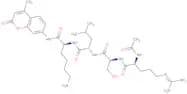
CAS:<p>Please enquire for more information about H-Pro-Phe-Lys-OH acetate salt including the price, delivery time and more detailed product information at the technical inquiry form on this page</p>Formula:C20H30N4O4Purity:Min. 95%Molecular weight:390.48 g/molAc-Lys-Gln-Lys-Leu-Arg-AMC trifluoroacetate salt
CAS:<p>Please enquire for more information about Ac-Lys-Gln-Lys-Leu-Arg-AMC trifluoroacetate salt including the price, delivery time and more detailed product information at the technical inquiry form on this page</p>Formula:C41H66N12O9Purity:Min. 95%Molecular weight:871.04 g/molHomo-L-tyrosine hydrobromide
CAS:<p>Homo-L-tyrosine hydrobromide (HLTB) is a prodrug that is converted to L-3,4-dihydroxyphenylalanine (L-dopa) in vivo. It is used as an immunomodulator by stimulating the immune system and reducing inflammation. HLTB has been shown to have anti-inflammatory effects on the production of cytokines and chemokines, which are important for tumor growth and metastasis. HLTB is also known to inhibit tyrosine kinase, which plays a role in the development of some cancers.</p>Formula:C10H14BrNO3Purity:Min. 95%Molecular weight:276.13 g/molH-Met-Met-OH
CAS:<p>H-Met-Met-OH is a dietary supplement that has been shown to have a variety of health benefits in animals. It has been shown to increase the production of tnf-α and other fatty acids, which are known to play a role in cellular physiology. H-Met-Met-OH also has the ability to inhibit protein synthesis and this is thought to be due to its transport properties as well as its reaction products. H-Met-Met-OH can be taken orally or given through explants, either orally or by injection.</p>Formula:C10H20N2O3S2Purity:Min. 95%Color and Shape:White PowderMolecular weight:280.41 g/mol(R)-Omeprazole
CAS:<p>Omeprazole is a proton pump inhibitor that inhibits gastric acid secretion by binding to the H+/K+ ATPase enzyme in the secretory canaliculi of the parietal cells. Omeprazole has been shown to have a protective effect in animal models against infection with Salmonella enterica serovar Typhimurium, and also protects against ulcers caused by Helicobacter pylori infection. Omeprazole is used as an adjunct treatment for patients with non-infectious gastroesophageal reflux disease (GERD) or active duodenal ulcers. It has also been used for the prevention of stress-related mucosal damage in critically ill patients, although it is not approved for this use. Omeprazole can be administered orally or by injection. When administered orally, omeprazole may cause gastrointestinal side effects such as nausea, abdominal pain, and diarrhea. Omeprazole can interact with other drugs such</p>Formula:C17H19N3O3SPurity:Min. 95%Color and Shape:Off-White PowderMolecular weight:345.42 g/mol5-Amino-2-methoxybenzonitrile
CAS:<p>Please enquire for more information about 5-Amino-2-methoxybenzonitrile including the price, delivery time and more detailed product information at the technical inquiry form on this page</p>Formula:C8H8N2OPurity:Min. 95%Molecular weight:148.16 g/molPeptide 810
CAS:<p>Peptide 810 is a growth factor that binds to the insulin receptor on the surface of cells. It has been shown to inhibit apoptosis in beta cells by binding to the insulin receptor and inhibiting phosphorylation of the insulin receptor at tyrosine residue 1135, thereby preventing apoptosis. This peptide also binds to other receptors, such as kinase and factor receptors, which are involved in regulating cell proliferation. Peptide 810 is secreted by recombinant proteins, and genetic analyses have shown that it is active against P. aeruginosa. It has also been used as a diagnostic tool for infectious diseases and has been used in assays for kinase receptors and factor receptors. The gene product of this peptide has been expressed in staphylococcus aureus cells, which have been tested as a vaccine against cancer.</p>Formula:C59H91N13O17SPurity:Min. 95%Molecular weight:1,286.5 g/molAtriopeptin III (rat)
CAS:<p>Atriopeptin III is a peptide hormone that belongs to the atrial natriuretic peptide group. It is an analog of atrial natriuretic peptide (ANP), which regulates blood pressure and sodium excretion, and has minimal toxicity. The disulfide bond between Cys-Cys and Cys-Gly on the N terminus of Atriopeptin III is necessary for its activity. The enzyme responsible for this disulfide bond formation is thioredoxin reductase, which is found in the cytoplasm of cells. Atriopeptin III has been shown to inhibit cyclase activity in renal proximal tubular cells, as well as congestive heart failure in rats. It also inhibits fatty acid synthesis by inhibiting carnitine acyltransferase I, leading to increased levels of free fatty acids and diacylglycerols in the blood plasma.</p>Formula:C107H165N35O34S2Purity:Min. 95%Molecular weight:2,549.8 g/molH-Lys(Boc)-2-chlorotrityl resin (200-400 mesh)
<p>Please enquire for more information about H-Lys(Boc)-2-chlorotrityl resin (200-400 mesh) including the price, delivery time and more detailed product information at the technical inquiry form on this page</p>Purity:Min. 95%Osteostatin amide trifluoroacetate
CAS:<p>Please enquire for more information about Osteostatin amide trifluoroacetate including the price, delivery time and more detailed product information at the technical inquiry form on this page</p>Formula:C142H229N43O57•(C2HF3O2)xPurity:Min. 95%Molecular weight:3,450.59 g/molAcetyl-Amylin (8-37) (mouse, rat)
CAS:<p>Please enquire for more information about Acetyl-Amylin (8-37) (mouse, rat) including the price, delivery time and more detailed product information at the technical inquiry form on this page</p>Formula:C142H229N43O44Purity:Min. 95%Molecular weight:3,242.6 g/molN-Boc-cis-3,4-methylene D-proline
CAS:<p>Please enquire for more information about N-Boc-cis-3,4-methylene D-proline including the price, delivery time and more detailed product information at the technical inquiry form on this page</p>Formula:C11H17NO4Purity:Min. 95%Molecular weight:227.26 g/molSuc-Ala-Ala-Pro-Phe-2,4-difluoroanilide
CAS:<p>Please enquire for more information about Suc-Ala-Ala-Pro-Phe-2,4-difluoroanilide including the price, delivery time and more detailed product information at the technical inquiry form on this page</p>Formula:C30H35F2N5O7Purity:Min. 95%Molecular weight:615.63 g/molZ-Lys-Pro-4MbNA formiate salt
CAS:<p>Please enquire for more information about Z-Lys-Pro-4MbNA formiate salt including the price, delivery time and more detailed product information at the technical inquiry form on this page</p>Formula:C30H36N4O5Purity:Min. 95%Molecular weight:532.63 g/molFmoc-L-α-aminobutyric acid
CAS:<p>Fmoc-L-alpha-aminobutyric acid is a synthetic amino acid that is used as a linker in solid-phase peptide synthesis. It is also used to synthesize analogs of the serine protease NS3, which are postulated to inhibit hepatitis C virus replication by preventing the release of viral RNA from infected cells. Fmoc-L-alpha-aminobutyric acid has been shown to have anti-viral activity against the influenza virus and HIV.</p>Formula:C19H19NO4Purity:Min. 98 Area-%Color and Shape:PowderMolecular weight:325.36 g/mol4-(4-Phenylbutoxy)benzoic acid
CAS:<p>4-(4-Phenylbutoxy)benzoic acid is an organic compound that is produced by the reaction of 4-hydroxybenzoic acid with a Grignard reagent. The 4-hydroxybenzoic acid reacts with magnesium to form magnesium chloride and p-hydroxybenzoic acid, which then reacts with a Grignard reagent to form the desired product. This compound has been used in wastewater treatment and as an intermediate in the synthesis of dyes, perfumes, and pharmaceuticals. 4-(4-Phenylbutoxy)benzoic acid has also been used as a starting material for synthesizing other compounds such as chlorobenzene and p-hydroxybenzoic acid.</p>Formula:C17H18O3Purity:Min. 95%Molecular weight:270.32 g/molLIP2 (human) trifluoroacetate salt
<p>Please enquire for more information about LIP2 (human) trifluoroacetate salt including the price, delivery time and more detailed product information at the technical inquiry form on this page</p>Formula:C184H288N58O58Purity:Min. 95%Molecular weight:4,240.61 g/molFmoc-α-amino-D-Gly(Boc)-OH
CAS:<p>Please enquire for more information about Fmoc-α-amino-D-Gly(Boc)-OH including the price, delivery time and more detailed product information at the technical inquiry form on this page</p>Formula:C22H24N2O6Purity:Min. 95%Molecular weight:412.44 g/mol3-Methyldihydrofuran-2,5-dione
CAS:<p>3-Methyldihydrofuran-2,5-dione is a diterpenoid alkaloid found in the plant Dictamnus albus. This compound has been shown to have metal chelating properties and can be used as an asymmetric synthesis intermediate. 3-Methyldihydrofuran-2,5-dione reacts with diazonium salt to form a high resistance molecule that is highly reactive. This chemical reacts with hydroxyl groups, amide groups, or methyl ethyl groups. The structure of this compound consists of nitrogen atoms and anhydride bonds. 3-Methyldihydrofuran-2,5-dione has been shown to exhibit electrochemical impedance spectroscopy (EIS) characteristics similar to those of other molecules that are known to be reactive.</p>Formula:C5H6O3Purity:Min. 95%Molecular weight:114.1 g/mol2-Hydroxy-5-methoxybenzimidazole
CAS:<p>Please enquire for more information about 2-Hydroxy-5-methoxybenzimidazole including the price, delivery time and more detailed product information at the technical inquiry form on this page</p>Formula:C8H8N2O2Purity:Min. 95%Molecular weight:164.16 g/molZ-Phe-His-Leu-OH
CAS:<p>Z-Phe-His-Leu-OH is a monoclonal antibody that is used in the diagnosis and treatment of prostate cancer. This drug binds to the extracellular domain of the human prostate epithelial cell antigen (PSA), which is overexpressed in prostate cancers. Z-Phe-His-Leu-OH can be used in combination with other drugs for the treatment of prostate hyperplasia, such as angiotensin II receptor antagonists or 5α reductase inhibitors. The conformational epitope of this antibody has been demonstrated by immunohistochemical analysis on human tissues.</p>Formula:C29H35N5O6Purity:Min. 95%Molecular weight:549.62 g/molH-Glu(D-Glu-OH)-OH
CAS:<p>Please enquire for more information about H-Glu(D-Glu-OH)-OH including the price, delivery time and more detailed product information at the technical inquiry form on this page</p>Formula:C10H16N2O7Purity:Min. 95%Molecular weight:276.24 g/molGastrin I (rat) trifluoroacetate salt
CAS:<p>Trifluoroacetate salt</p>Formula:C94H128N22O31S2Purity:Min. 95%Molecular weight:2,126.28 g/molHistogranin
CAS:<p>Histogranin H is a glycoprotein that is secreted by gland cells. Histogranin H has been shown to have pharmacological effects on locomotor activity and pain in animal models. This protein has also been shown to inhibit cancer growth in vitro and in vivo. In addition, it has a protective effect on the central nervous system, which may be due to its ability to increase the expression of brain-derived neurotrophic factor (BDNF). It also inhibits the proliferation of glioma cells, which are cancerous tumors that originate from glial cells in the brain. Histogranin H binds to histone proteins and glutamate receptors, which leads to an antinociceptive effect when injected into rats. The antinociceptive effect of this protein is attenuated by trypsin treatment. Histogranin H has also been shown to have an analgesic effect when injected into rats with chronic pain models.</p>Formula:C78H119N21O21SPurity:Min. 95%Molecular weight:1,718.97 g/mol(2S,4R)-Fmoc-Mpt(Trt)-OH
CAS:<p>Please enquire for more information about (2S,4R)-Fmoc-Mpt(Trt)-OH including the price, delivery time and more detailed product information at the technical inquiry form on this page</p>Formula:C39H33NO4SPurity:Min. 95%Color and Shape:PowderMolecular weight:611.75 g/molBiotinyl-Obestatin (human) trifluoroacetate salt
CAS:<p>Please enquire for more information about Biotinyl-Obestatin (human) trifluoroacetate salt including the price, delivery time and more detailed product information at the technical inquiry form on this page</p>Formula:C126H190N34O35SPurity:Min. 95%Molecular weight:2,773.13 g/molZ-N-Me-Ser(tBu)-OH·DCHA
CAS:<p>Please enquire for more information about Z-N-Me-Ser(tBu)-OH·DCHA including the price, delivery time and more detailed product information at the technical inquiry form on this page</p>Formula:C16H23NO5·C12H23NPurity:Min. 95%Molecular weight:490.68 g/mol(1,10-Phenanthroline)tris[4,4,4-trifluoro-1-(2-thienyl)-1,3-butanedionato]europium(III)
CAS:<p>(1,10-Phenanthroline)tris[4,4,4-trifluoro-1-(2-thienyl)-1,3-butanedionato]europium(III) is a luminescent europium complex that is used in the development of microcapsules for fluorescence microscopy. The (1,10-phenanthroline) ligand is a chelate molecule that can be exchanged with other ligands to change the optical properties of the complex. The fluorescence microscope detects the emitted light at 488 nm and 514 nm wavelengths. The luminescent europium complex emits light when it binds to an organic molecule such as vinyl alcohol or water vapor. Ternary complexes are formed between the europium ion and two different ligands. Optical properties depend on the type of ligands present in these ternary complexes. This product has been shown to have chemical structures that are similar to those</p>Purity:Min. 95%(Thr4,Gly7)-Oxytocin
CAS:<p>Oxytocin is a hormone that is released from the pituitary gland. It has been shown to have a variety of biological effects, including stimulation of uterine contractions, breast milk production, and social behaviors such as bonding and sexual behavior. Oxytocin has also been shown to regulate the release of gamma-aminobutyric acid (GABA) in the brain. This effect may be due to oxytocin's ability to stimulate GABA receptors. In addition, oxytocin can inhibit lipolysis by inhibiting the release of fatty acids from adipose tissue. The effect on fatty acid release is due to an inhibition of phosphodiesterase activity. Oxytocin can also cause membrane hyperpolarization by increasing potassium ion flow through channels in the cell membrane. Oxytocin has also been shown to act as a growth factor for certain types of cells, such as smooth muscle cells and osteoblasts.</p>Formula:C39H61N11O12S2Purity:Min. 95%Molecular weight:940.1 g/molAc-Tyr-Phe-OMe
CAS:<p>Please enquire for more information about Ac-Tyr-Phe-OMe including the price, delivery time and more detailed product information at the technical inquiry form on this page</p>Formula:C21H24N2O5Purity:Min. 95%Molecular weight:384.43 g/molCART (55-76) (rat) trifluoroacetate salt
CAS:<p>Please enquire for more information about CART (55-76) (rat) trifluoroacetate salt including the price, delivery time and more detailed product information at the technical inquiry form on this page</p>Formula:C107H166N26O33S3Purity:Min. 95%Molecular weight:2,440.82 g/molH-His(1-Trt)-2-chlorotrityl resin (200-400 mesh) (Low Substitution)
<p>Please enquire for more information about H-His(1-Trt)-2-chlorotrityl resin (200-400 mesh) (Low Substitution) including the price, delivery time and more detailed product information at the technical inquiry form on this page</p>Purity:Min. 95%Suc-Ala-Phe-Lys-AMC acetate
CAS:<p>Suc-Ala-Phe-Lys-AMC acetate salt is a fatty acid that is metabolized by the enzyme plasminogen activator inhibitor 1 (PAI-1) to form AMC. It is used as a marker for PAI-1 activity in plasma, as well as in other extracellular fluids. Suc-Ala-Phe-Lys-AMC acetate salt has been shown to be effective in treating diseases caused by low blood sugar levels, such as diabetes mellitus type 2. Studies have also shown that it can be used to monitor the progress of metabolic disorders such as obesity and type 2 diabetes mellitus.</p>Formula:C32H39N5O8•C2H4O2Purity:Min. 95%Color and Shape:PowderMolecular weight:681.73 g/molH-Asp-Arg-Val-Tyr-Ile-His-Pro-Phe-His-Leu-Val-Ile-His-Asn-OH
CAS:<p>Please enquire for more information about H-Asp-Arg-Val-Tyr-Ile-His-Pro-Phe-His-Leu-Val-Ile-His-Asn-OH including the price, delivery time and more detailed product information at the technical inquiry form on this page</p>Formula:C83H122N24O19Purity:Min. 95%Molecular weight:1,760.01 g/molActivated Protein C (390-404) (human)
CAS:<p>Please enquire for more information about Activated Protein C (390-404) (human) including the price, delivery time and more detailed product information at the technical inquiry form on this page</p>Formula:C91H130N22O23Purity:Min. 95%Molecular weight:1,900.14 g/molGinseng Tetrapeptide
CAS:<p>Please enquire for more information about Ginseng Tetrapeptide including the price, delivery time and more detailed product information at the technical inquiry form on this page</p>Formula:C18H33N7O7Purity:Min. 95%Molecular weight:459.5 g/molCyclo(leu-leu)
CAS:<p>Cyclo(leu-leu) is a glycosidase inhibitor that has been shown to have an inhibitory effect on the biosynthesis of aminoacylated proteins. Cyclo (leu-leu) is derived from the wild-type strain of a fungus, which is a genus of endophytic fungi. This compound inhibits the synthesis of proteins by binding to glycosylated amino acid residues and preventing their hydrolysis. Cyclo (leu-leu) also has homologous regions with mellein, which is another type of glycosidase inhibitor that binds to the enzyme protein kinase C, inhibiting protein synthesis and leading to cell death.</p>Formula:C12H22N2O2Purity:Min. 95%Molecular weight:226.32 g/molNectofibrin Hexapeptide (rat)
CAS:<p>Nectofibrin Hexapeptide is a peptide that interacts with the antigen-binding site of an antibody. It has been shown to be able to bind to the ovary cells of rats and may have diagnostic value in autoimmune diseases such as idiopathic thrombocytopenic purpura. The sequence of this molecule is Arg-Gly-Asp, which shows complementarity with the receptor binding site on the ovary cells. This peptide could be used for immunotherapy or diagnostics in autoimmune diseases.</p>Formula:C32H47N7O9Purity:Min. 95%Molecular weight:673.76 g/molFmoc-Ile-OH
CAS:<p>Fmoc-Ile-OH is a cyclic peptide that has shown cytotoxic activity against cultured human brain cells. It is also an inhibitor of dipeptidyl peptidase IV (DPP-IV) and inhibits the breakdown of proteins in the brain, such as insulin. Fmoc-Ile-OH binds to the active site of DPP-IV and prevents it from binding to its substrate, thereby inhibiting the enzyme's activity. The inhibition of DPP-IV leads to increased levels of protein in the brain, which may be beneficial for people with Alzheimer's disease. Fmoc-Ile-OH is synthesized on a solid phase by coupling an amino acid with a protected carboxylic acid to yield a protected amide. This product can be used as an encapsulating agent for atosiban, a drug that is used to treat preterm labor.END>></p>Formula:C21H23NO4Purity:Min. 98 Area-%Color and Shape:White Off-White PowderMolecular weight:353.41 g/molH-β,β-Dicyclohexyl-DL-Ala-OH
CAS:<p>Please enquire for more information about H-beta,beta-Dicyclohexyl-DL-Ala-OH including the price, delivery time and more detailed product information at the technical inquiry form on this page</p>Formula:C15H27NO2Purity:Min. 95%Molecular weight:253.38 g/molZ-Leu-Phe-NH2
CAS:<p>Please enquire for more information about Z-Leu-Phe-NH2 including the price, delivery time and more detailed product information at the technical inquiry form on this page</p>Formula:C23H29N3O4Purity:Min. 95%Molecular weight:411.49 g/molAc-Arg-Ser-Leu-Lys-AMC trifluoroacetate salt
CAS:<p>Please enquire for more information about Ac-Arg-Ser-Leu-Lys-AMC trifluoroacetate salt including the price, delivery time and more detailed product information at the technical inquiry form on this page</p>Formula:C33H51N9O8•C2HF3O2Purity:Min. 95 Area-%Color and Shape:PowderMolecular weight:815.83 g/molBoc-4-phosphono-Phe(Et)2-OH
CAS:<p>Please enquire for more information about Boc-4-phosphono-Phe(Et)2-OH including the price, delivery time and more detailed product information at the technical inquiry form on this page</p>Formula:C18H28NO7PPurity:Min. 95%Molecular weight:401.39 g/molH-Gly-Arg-Gly-Glu-Ser-Pro-OH
CAS:<p>H-Gly-Arg-Gly-Glu-Ser-Pro-OH is a peptide fragment of collagen that has been used in research to study the effects of this protein on fibrosis, bowel disease, and autoimmune diseases. It has also been found to be able to activate stem cells and is being studied for its application as a cell factor. This peptide fragment inhibits the growth of Candida glabrata by stimulating the production of growth factors such as β1 and colony stimulating factor. It also stimulates the production of integrin receptors, which are important for cell adhesion. H-Gly-Arg-Gly-Glu-Ser-Pro-OH has also been shown to have an antiviral effect in vivo models.</p>Formula:C23H39N9O10Purity:Min. 95%Molecular weight:601.61 g/mol
![([ring-D5]Phe3)-Octreotide acetate salt](/_next/image/?url=https%3A%2Fstatic.cymitquimica.com%2Fproducts%2F3D%2Fthumb-webp%2FFR110015.webp&w=3840&q=75)


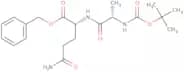

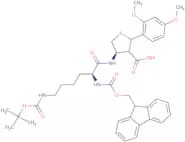

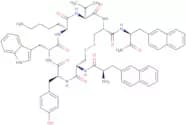
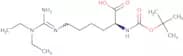
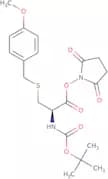
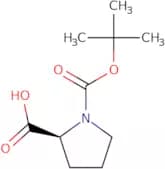
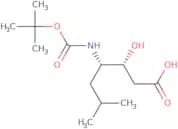
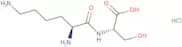
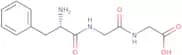
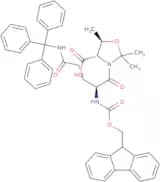

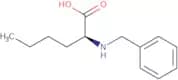



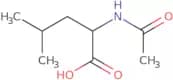
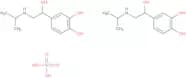
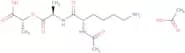
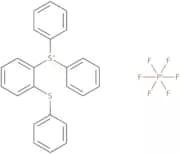

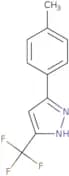
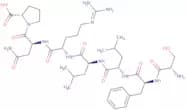
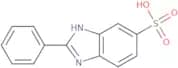
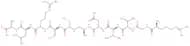
![4-[4-(4-Methyloxy-phenyl)-piperazin-1-yl]-phenylamine](/_next/image/?url=https%3A%2Fstatic.cymitquimica.com%2Fproducts%2F3D%2Fthumb-webp%2FFM25923.webp&w=3840&q=75)
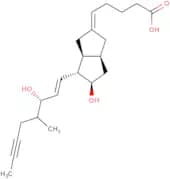

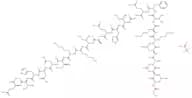
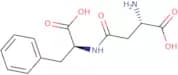

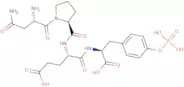

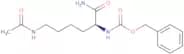

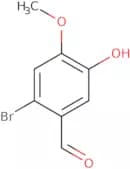
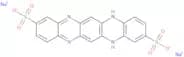


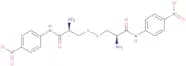
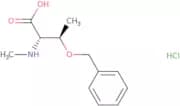

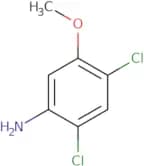
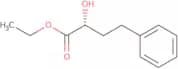
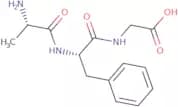
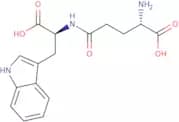
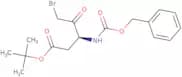
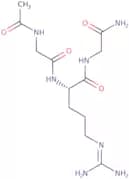


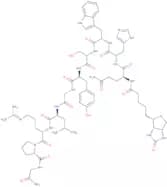

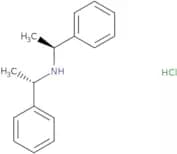
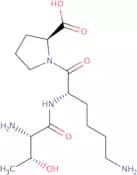
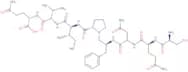
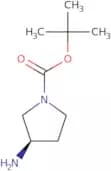
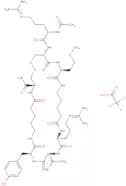

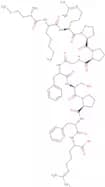
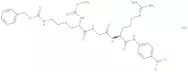


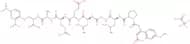
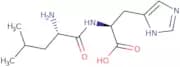
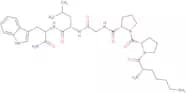
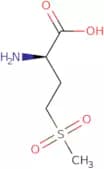
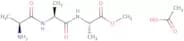
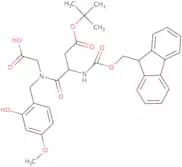


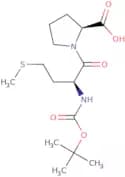
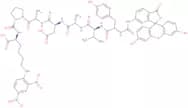
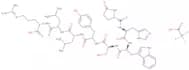
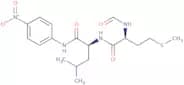
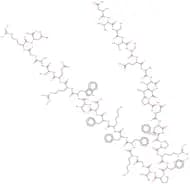
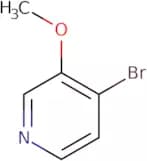
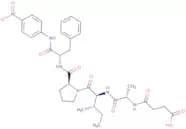

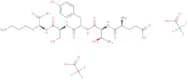
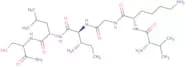
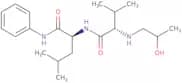

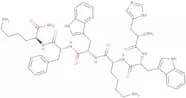
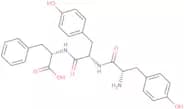
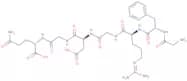
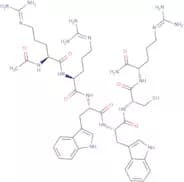
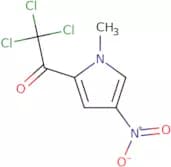
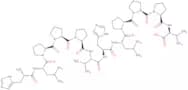
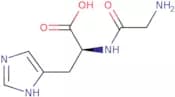
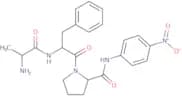
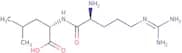
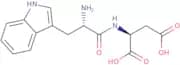
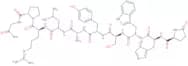
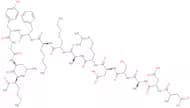


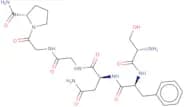
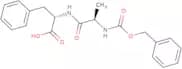
![(S)-9,10-Difluoro-2,3-dihydro-3-methyl-7-oxo-7H-pyrido[1,2,3-de]-1,4-benzoxazine-6-carboxylic acid…](/_next/image/?url=https%3A%2Fstatic.cymitquimica.com%2Fproducts%2F3D%2Fthumb-webp%2FFD21854.webp&w=3840&q=75)

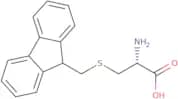
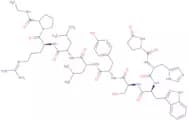
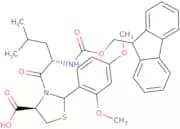

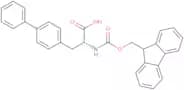
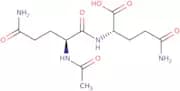

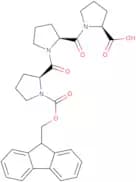

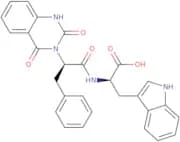

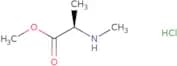
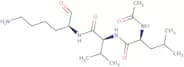

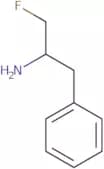
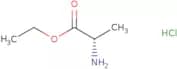

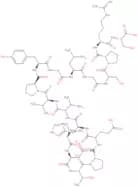
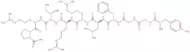
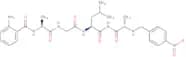
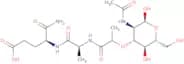

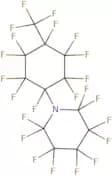
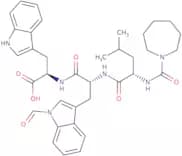
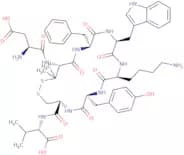


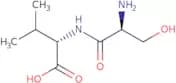
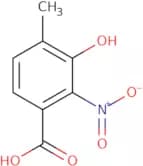
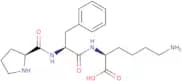
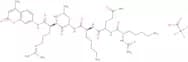
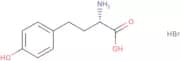
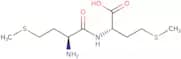

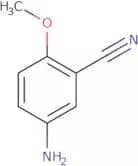

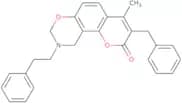

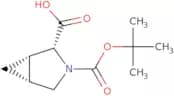
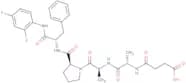
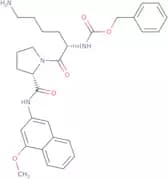
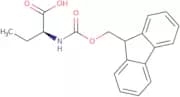
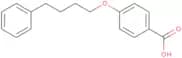
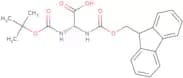
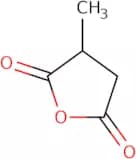
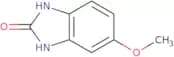

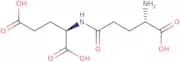
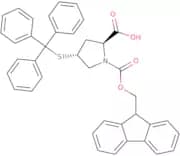

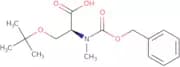
![(1,10-Phenanthroline)tris[4,4,4-trifluoro-1-(2-thienyl)-1,3-butanedionato]europium(III)](/_next/image/?url=https%3A%2Fstatic.cymitquimica.com%2Fproducts%2F3D%2Fthumb-webp%2FFP62129.webp&w=3840&q=75)