Amino Acids (AA)
Amino acids (AAs) are the fundamental building blocks of proteins, playing a crucial role in various biological processes. These organic compounds are essential for protein synthesis, metabolic pathways, and cell signaling. In this category, you will find a comprehensive range of amino acids, including essential, non-essential, and modified forms, which are vital for research in biochemistry, molecular biology, and nutritional sciences. At CymitQuimica, we provide high-quality amino acids to support your research and development needs, ensuring accuracy and reliability in your experimental outcomes.
Subcategories of "Amino Acids (AA)"
- Amino Acid Derivatives(3,955 products)
- Amino Acid and Amino Acid Related Compounds(3,436 products)
- Amino Acids with Oxygen or Sulphur(168 products)
- Boc- Amino Acids(351 products)
- Fmoc Amino Acids(1,710 products)
Found 38216 products of "Amino Acids (AA)"
Sort by
Purity (%)
0
100
|
0
|
50
|
90
|
95
|
100
(4S,5R)-4-Methyl-5-phenyloxazolidin-2-one
CAS:<p>(4S,5R)-4-Methyl-5-phenyloxazolidin-2-one is an amide that is prepared by the reaction of piperidine and benzyl chloride. It is a chiral compound with (4S,5R) configuration and has a basic hydrolysis. The compound was optimized for its synthesis by using different solvents. This amide has been used in the transfer of methyl groups to different substrates. It also has been used in asymmetric synthesis as a chiral auxiliary for the preparation of enantiopure sulfinyl compounds.</p>Formula:C10H11NO2Purity:Min. 95%Molecular weight:177.2 g/molMca-Pro-Lys-Pro-Leu-Ala-Leu-Dap (Dnp)-Ala-Arg-NH2 trifluoroacetate salt
CAS:<p>Please enquire for more information about Mca-Pro-Lys-Pro-Leu-Ala-Leu-Dap (Dnp)-Ala-Arg-NH2 trifluoroacetate salt including the price, delivery time and more detailed product information at the technical inquiry form on this page</p>Formula:C61H89N17O17Purity:Min. 95%Molecular weight:1,332.46 g/molH-Gly-p-iodo-Phe-Trp-OH trifluoroacetate salt
CAS:<p>Please enquire for more information about H-Gly-p-iodo-Phe-Trp-OH trifluoroacetate salt including the price, delivery time and more detailed product information at the technical inquiry form on this page</p>Formula:C22H23IN4O4Purity:Min. 95%Molecular weight:534.35 g/molBiotinyl-ε-aminocaproyl-D-Phe-Pro-Arg-chloromethylketone
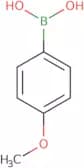
CAS:<p>Please enquire for more information about Biotinyl-epsilon-aminocaproyl-D-Phe-Pro-Arg-chloromethylketone including the price, delivery time and more detailed product information at the technical inquiry form on this page</p>Formula:C37H56ClN9O6SPurity:Min. 95%Molecular weight:790.42 g/mol3-Methoxyphenylboronic acid
CAS:<p>3-Methoxyphenylboronic acid is a photophysical molecule that can be used as an analytical reagent in plant physiology and analytical chemistry. 3-Methoxyphenylboronic acid reacts reversibly with copper ions to form a complex. The binding constants of the copper complex depend on the pH of the solution, which can be altered by adding a phosphate derivative to the solution. This reaction was investigated using cross-coupling techniques and showed that the binding constants for this complex are dependent on the type of solvent used. 3-Methoxyphenylboronic acid has also been used to measure glucose levels in blood samples.</p>Formula:C7H9BO3Purity:Min. 95%Color and Shape:White PowderMolecular weight:151.96 g/molHCV NS4A Protein (22-33) (FDA strain) trifluoroacetate salt
CAS:<p>Please enquire for more information about HCV NS4A Protein (22-33) (FDA strain) trifluoroacetate salt including the price, delivery time and more detailed product information at the technical inquiry form on this page</p>Formula:C54H99N15O14SPurity:Min. 95%Molecular weight:1,214.52 g/molStaphylococcus Aureus Protein A (SpA)-Derived Peptide
CAS:<p>Please enquire for more information about Staphylococcus Aureus Protein A (SpA)-Derived Peptide including the price, delivery time and more detailed product information at the technical inquiry form on this page</p>Formula:C68H118N20O22Purity:Min. 95%Molecular weight:1,567.79 g/molZ-Pro-Leu-Gly-NHOH
CAS:<p>Z-Pro-Leu-Gly-NHOH is a proteolytic enzyme that hydrolyzes collagen, an extracellular matrix protein. It is used in the workstation to extract proteins from biological samples such as mesenteric tissue or holothuria. The immobilized enzyme is prepared and stored on the workstation. The sample is then extracted by adding hydroxamic acids in a liquified state and separating the mixture using size exclusion chromatography. The proteolytic activity of Z-Pro-Leu-Gly-NHOH can be measured by its ability to hydrolyze collagen under alkaline conditions.</p>Formula:C21H30N4O6Purity:Min. 95%Molecular weight:434.49 g/molH-D-Asp(OtBu)-allyl ester·HCl
CAS:<p>Please enquire for more information about H-D-Asp(OtBu)-allyl ester·HCl including the price, delivery time and more detailed product information at the technical inquiry form on this page</p>Formula:C11H19NO4·HClPurity:Min. 95%Molecular weight:265.73 g/molBoc-Ala-Gly-Sar-OH
CAS:<p>Please enquire for more information about Boc-Ala-Gly-Sar-OH including the price, delivery time and more detailed product information at the technical inquiry form on this page</p>Formula:C13H23N3O6Purity:Min. 95%Molecular weight:317.34 g/mol1b-(4-Fluorophenyl)hexahydro-',7-dihydroxy-7-(1-methylethyl)-1a-phenyl-7a-[(phenylamino)carbonyl]-3H-oxireno[3,4]pyrrolo[2,1-b][1,3] oxazine-3-butanoic Acid
CAS:<p>Please enquire for more information about 1b-(4-Fluorophenyl)hexahydro-',7-dihydroxy-7-(1-methylethyl)-1a-phenyl-7a-[(phenylamino)carbonyl]-3H-oxireno[3,4]pyrrolo[2,1-b][1,3] oxazine-3-butanoic Acid including the price, delivery time and more detailed product information at the technical inquiry form on this page</p>Formula:C33H35FN2O7Purity:Min. 95%Molecular weight:590.64 g/molNe-Fmoc-L-lysine
CAS:<p>Ne-Fmoc-L-lysine is an amine with a homopolypeptide backbone. It is insoluble in water and has a low profile. Ne-Fmoc-L-lysine is synthesized using solid phase chemistry, which can be used for the synthesis of nanocarriers. It has been shown to interact with other molecules such as polymers and proteins. Ne-Fmoc-L-lysine can also be used in supramolecular architectures and oriented microscopy techniques.</p>Formula:C21H24N2O4Purity:Min. 95%Molecular weight:368.43 g/mol4,4-Difluoro-N-((1S)-3-oxo-1-phenylpropyl)cyclohexanecarboxa
CAS:<p>Please enquire for more information about 4,4-Difluoro-N-((1S)-3-oxo-1-phenylpropyl)cyclohexanecarboxa including the price, delivery time and more detailed product information at the technical inquiry form on this page</p>Formula:C16H19F2NO2Purity:Min. 95%Molecular weight:295.32 g/molTyr-Leptin (26-39) (human)
CAS:<p>Please enquire for more information about Tyr-Leptin (26-39) (human) including the price, delivery time and more detailed product information at the technical inquiry form on this page</p>Formula:C80H137N19O25Purity:Min. 95%Molecular weight:1,765.06 g/molH-Glu(Glu(Glu-OH)-OH)-OH trifluoroacetate salt
CAS:<p>H-Glu(Glu(Glu-OH)-OH)-OH trifluoroacetate salt is a casein that is used as a model system for pancreatic β-cells. It has been shown to induce cell apoptosis in malignant cells and sequences that are associated with the development of pancreatic cancer. H-Glu(Glu(Glu-OH)-OH)-OH trifluoroacetate salt also induces endothelial cell proliferation and decreases cell function, which may be due to its ability to promote uptake of this compound.</p>Formula:C15H23N3O10Purity:Min. 95%Molecular weight:405.36 g/molN-Boc-L-pyroglutamic acid ethyl ester
CAS:<p>N-Boc-L-pyroglutamic acid ethyl ester is a chiral building block that can be used for the preparation of amides. It is a good activating agent and is used to synthesize amide bonds from carboxylic acids. N-Boc-L-pyroglutamic acid ethyl ester can be used to synthesize sulfoxides and piperidines, which are ligands. It is also an amido, stereoselective and DPP-4 inhibitor. This chemical simplifies catalysis reactions by replacing the use of toxic solvents.</p>Formula:C12H19NO5Purity:Min. 95%Molecular weight:257.28 g/molFGF acidic I (102-111) (bovine brain)
CAS:<p>Please enquire for more information about FGF acidic I (102-111) (bovine brain) including the price, delivery time and more detailed product information at the technical inquiry form on this page</p>Formula:C59H82N16O13Purity:Min. 95%Molecular weight:1,223.38 g/molH-Lys(4-nitro-Z)-pyrrolidide·HCl
CAS:<p>Please enquire for more information about H-Lys(4-nitro-Z)-pyrrolidide·HCl including the price, delivery time and more detailed product information at the technical inquiry form on this page</p>Formula:C18H26N4O5·HClPurity:Min. 95%Molecular weight:414.88 g/mol5-Methoxy-3,4-dihydro-2H-pyrrole
CAS:<p>5-Methoxy-3,4-dihydro-2H-pyrrole is a chemical compound that contains a pyrrole ring. It can be found in the form of dehydrogenation and intramolecular hydrogen. 5-Methoxy-3,4-dihydro-2H-pyrrole has been shown to have antibacterial effects against Mycobacterium tuberculosis and other bacteria. 5-Methoxy-3,4-dihydro-2H-pyrrole also reacts with nitroacetate to form an aziridine, which is an intermediate in the synthesis of several pharmaceuticals. This chemical compound is used in the preparation of bipyrrole compounds such as naphthalene and alicyclic compounds such as nitrophenols.</p>Formula:C5H9NOPurity:Min. 95%Molecular weight:99.13 g/molH-Glu-Ala-pNA
CAS:<p>Please enquire for more information about H-Glu-Ala-pNA including the price, delivery time and more detailed product information at the technical inquiry form on this page</p>Formula:C14H18N4O6Purity:Min. 95%Molecular weight:338.32 g/molH-Gly-Arg-Ala-Asp-Ser-Pro-Lys-OH acetate salt
CAS:<p>Glycine-arginine-aspartate (GAA) is a mimic of the endothelium-derived vasoactive peptide, nitric oxide (NO). It has been shown to attenuate the inflammatory response by decreasing leukocyte adhesion and migration. GAA is also a potent inhibitor of vascular permeability and can attenuate edema in animal models. Studies have shown that GAA prevents microvascular damage following brain infarction. The mechanism of action for GAA is not fully understood, but it may be due to its ability to inhibit fibronectin breakdown, which leads to cerebral edema. GAA's activity on the endothelium may be due to its ability to mimic NO or inhibit sulfate synthesis.</p>Formula:C29H51N11O11Purity:Min. 95%Molecular weight:729.78 g/molMethyl 3,5-dichloro-4-methoxybenzoate
CAS:<p>Methyl 3,5-dichloro-4-methoxybenzoate is a fine chemical and useful building block for research chemicals. It belongs to the class of speciality chemicals and can be used as a reagent in organic synthesis. Methyl 3,5-dichloro-4-methoxybenzoate is a versatile building block that has been reported in the synthesis of many complex compounds. This compound can also be used as an intermediate or scaffold for medicinal chemistry applications.</p>Formula:C9H8Cl2O3Purity:Min. 95%Molecular weight:235.06 g/molOsteoblast Activating Peptide (mouse, rat) trifluoroacetate salt
CAS:<p>Please enquire for more information about Osteoblast Activating Peptide (mouse, rat) trifluoroacetate salt including the price, delivery time and more detailed product information at the technical inquiry form on this page</p>Formula:C120H196N38O37Purity:Min. 95%Molecular weight:2,763.07 g/molMca-(Asn670,Leu671)-Amyloid β/A4 Protein Precursor770 (667-675)-Lys(Dnp) ammonium acetate salt
CAS:<p>Please enquire for more information about Mca-(Asn670,Leu671)-Amyloid beta/A4 Protein Precursor770 (667-675)-Lys(Dnp) ammonium acetate salt including the price, delivery time and more detailed product information at the technical inquiry form on this page</p>Formula:C68H88N14O27Purity:Min. 95%Molecular weight:1,533.5 g/molZ-Val-Val-Nle-diazomethylketone
CAS:<p>Please enquire for more information about Z-Val-Val-Nle-diazomethylketone including the price, delivery time and more detailed product information at the technical inquiry form on this page</p>Formula:C25H37N5O5Purity:Min. 95%Molecular weight:487.59 g/molL-threo-(+)-2-Amino-1-(4-nitrophenyl)-1,3-propanediol
CAS:<p>L-threo-(+)-2-amino-1-(4-nitrophenyl)-1,3-propanediol is a functional group that is composed of a fatty acid and an amino acid. It has been shown to inhibit the growth of corynebacterium glutamicum bacteria by hydrolyzing their cell wall. This compound also inhibits the activity of bacterial enzymes that are involved in the synthesis of proteins. This functional group may be useful for the treatment of chronic lymphocytic leukemia and HIV infection.</p>Formula:C9H12N2O4Purity:Min. 95%Color and Shape:PowderMolecular weight:212.2 g/molSuc-Val-Pro-Phe-SBzl
CAS:<p>Suc-Val-Pro-Phe-SBzl is a synthetic subtilisin that has been modified to have an enhanced binding affinity for the enzyme's substrate. The enzyme's specificity and reactivity has been improved by adding a chloromethyl ketone group to the amino acid sequence. Suc-Val-Pro-Phe-SBzl is a serine protease inhibitor and has been shown to inhibit the activity of subtilisins, including subtilisin BPN' and Bacillus amyloliquefaciens subtilisin. It also inhibits peptidases and proteinases, which may be due to its ability to bind to the active site of these enzymes.</p>Formula:C30H37N3O6SPurity:Min. 95%Molecular weight:567.7 g/molH-Thr-Thr-pNA
CAS:<p>Please enquire for more information about H-Thr-Thr-pNA including the price, delivery time and more detailed product information at the technical inquiry form on this page</p>Formula:C14H20N4O6Purity:Min. 95%Molecular weight:340.33 g/mol(D-Trp6)-LHRH (2-10) trifluoroacetate salt
CAS:<p>Please enquire for more information about (D-Trp6)-LHRH (2-10) trifluoroacetate salt including the price, delivery time and more detailed product information at the technical inquiry form on this page</p>Formula:C59H77N17O11Purity:Min. 95%Molecular weight:1,200.35 g/mol(H-Cys-Val-OH)2 (Disulfide bond)
CAS:<p>Please enquire for more information about (H-Cys-Val-OH)2 (Disulfide bond) including the price, delivery time and more detailed product information at the technical inquiry form on this page</p>Formula:C16H30N4O6S2Purity:Min. 95%Molecular weight:438.56 g/mol(D-Trp11)-Neurotensin acetate salt
CAS:<p>Acetate salt</p>Formula:C80H122N22O19Purity:Min. 95%Molecular weight:1,695.96 g/mol(D-Lys6)-LHRH trifluoroacetate salt
CAS:<p>Please enquire for more information about (D-Lys6)-LHRH trifluoroacetate salt including the price, delivery time and more detailed product information at the technical inquiry form on this page</p>Formula:C59H84N18O13·xC2HF3O2Purity:Min. 95%Color and Shape:White To Off-White SolidMolecular weight:1,253.41 g/molAc-Thr-Ile-Nle-psi(CH2NH) Nle-Gln-Arg-NH2
CAS:<p>Ac-Thr-Ile-Nle-psi(CH2NH) Nle-Gln-Arg-NH2 is a protease inhibitor that prevents the breakdown of proteins by inhibiting the activity of proteases. It binds to the active site of these enzymes and blocks the access of other substrates. Ac-Thr-Ile-Nle-psi(CH2NH) Nle-Gln-Arg-NH2 has been shown to bind to a number of proteases, including serine, cysteine, aspartic acid, and metalloendoproteases. It inhibits the hydrolysis of peptide bonds in proteins by binding to the active site and blocking access to other substrates. The chemical structure is hydrophobic due to presence of a hydroxy group that can interact with hydrophobic regions on proteins. Acetylation at position Thr1 is important for its inhibitory activity against certain proteases such as</p>Formula:C35H67N11O8Purity:Min. 95%Molecular weight:769.98 g/molNeurotensin (1-8) Pyr-Leu-Tyr-Glu-Asn-Lys-Pro-Arg-OH
CAS:<p>Neurotensin (NT) is a peptide that has been implicated in the regulation of feeding behavior, cardiovascular function, and pain perception. The neurotensin receptor is a G-protein coupled receptor with seven transmembrane domains. Neurotensin binds to the receptor and activates it by inducing intracellular calcium mobilization and neurotransmitter release. This activation can be dose-dependent, as seen in experiments using rat brain slices incubated with different concentrations of NT. Neurotensin also induces maximal activation at low concentrations, which may be due to its ability to bind to both extracellular and intracellular receptors. NT binds selectively to ventral tegmental area neurons from rats, leading to increased spontaneous firing rates. Cancer cells have been shown to express high levels of neurotensin receptors on their surface membrane, which may contribute to tumorigenesis and metastasis. Neurodegenerative diseases such as Alzheimer’s disease are thought to involve alterations in the expression or</p>Formula:C46H71N13O14Purity:Min. 95%Molecular weight:1,030.14 g/molN-α-Fmoc-Nε-allyloxycarbonyl-D-lysine
CAS:<p>N-alpha-Fmoc-Nepsilon-allyloxycarbonyl-D-lysine is a medicament that is modified with an amino group at the alpha position. It is synthesized by modification of the chain with a ganirelix acetate. N-alpha-Fmoc-Nepsilon-allyloxycarbonyl-D-lysine can be used to produce ganirelix, which inhibits the release of follicle stimulating hormone (FSH). The chemical synthesis of this drug has been shown to be successful in large scale production, and it has been shown to be effective in treating patients with prostate cancer. Impurities in this drug have been found and treated by removing the methyl ester group from the lysine residue.</p>Formula:C25H28N2O6Purity:Min. 95%Molecular weight:452.5 g/molH-[15N]Tyr-OH
CAS:<p>H-[15N]Tyr-OH is a metabolite of tyrosine. It is the conjugate acid of propionic acid, and the conjugate base of 4-hydroxybenzyl. H-[15N]Tyr-OH is a phenylalanine and aromatic amino acid that has an aromatic ring with a phenyl substituent. This metabolite is hydroxy, which means it has one hydroxyl group on the phenyl ring. H-[15N]Tyr-OH binds to daphnia in vivo, causing death. The cause for this may be due to its ability to react with oxygen, forming reactive oxygen species (ROS).</p>Purity:Min. 95%H-Tyr-Tyr-Tyr-Tyr-Tyr-Tyr-OH trifluoroacetate salt
CAS:<p>The compound H-Tyr-Tyr-Tyr-Tyr-Tyr-Tyr-OH trifluoroacetate salt is a synthetic antigen for use in the production of immunoadsorbent conjugates. It is a postulated fluorescence molecule that interacts with specific antibodies to form an antigen. This antigen can be used as a probe for detecting antibodies in biological fluids and tissues by fluorescence microscopy and has been shown to have no antigenicity in skin reactions.</p>Formula:C54H56N6O13Purity:Min. 95%Molecular weight:997.06 g/molH-Phe-Leu-Arg-Phe-NH2 acetate salt
CAS:<p>H-Phe-Leu-Arg-Phe-NH2 acetate salt is a peptide that has been shown to inhibit neuronal activity in the Xenopus oocyte. This inhibition is biphasic and can be reversed by the addition of an excess of glutamate. It has been shown to have an inhibitory effect on the release of neurotransmitters from the isolated heart, ganglia, and subesophageal ganglion. The sequence of H-Phe-Leu-Arg-Phe-NH2 acetate salt has been determined as carboxy terminal. The physiological effects of H-Phe-Leu-Arg-Phe-NH2 acetate salt are related to its receptor binding properties.</p>Formula:C30H44N8O4Purity:Min. 95%Molecular weight:580.72 g/molH-Leu-Arg-Arg-Arg-Arg-Phe-D-Ala-Phe-Cys(NPys)-NH2
CAS:<p>Please enquire for more information about H-Leu-Arg-Arg-Arg-Arg-Phe-D-Ala-Phe-Cys(NPys)-NH2 including the price, delivery time and more detailed product information at the technical inquiry form on this page</p>Formula:C59H92N24O11S2Purity:Min. 95%Molecular weight:1,377.65 g/molEndomorphin-2 trifluoroacetate salt
CAS:<p>Endomorphin-2 is a cyclic peptide that is the endogenous ligand for the neurokinin-1 receptor and kappa-opioid receptors. It has been shown to have analgesic, anti-inflammatory, and antidiarrheal properties. Endomorphin-2 also has been shown to inhibit platelet aggregation and vasoconstriction in vivo. The biological activities of endomorphin-2 are similar to those of endomorphin-1, but it differs structurally in that it contains a single intramolecular hydrogen bond between the amide nitrogen of Tyr and Pro. This intramolecular hydrogen bond may be responsible for the high potency of endomorphin-2, as well as its conformational stability.</p>Formula:C32H37N5O5Purity:Min. 95%Molecular weight:571.67 g/molBiotinyl-MCH (salmon) trifluoroacetate salt
CAS:<p>Please enquire for more information about Biotinyl-MCH (salmon) trifluoroacetate salt including the price, delivery time and more detailed product information at the technical inquiry form on this page</p>Formula:C99H153N29O26S5Purity:Min. 95%Molecular weight:2,325.78 g/molH-Gly-Gly-Ala-Gly-OH
CAS:<p>Glycylglycine is a tetrapeptide antibiotic that belongs to the group of antibiotics. It is expressed in E. coli and has been shown to inhibit the growth of other bacteria through binding to metal ions, such as magnesium, which are necessary for their survival. Glycylglycine has also been shown to have a kinetic method with a high rate of inhibition. This compound was synthesized by an electrospray ionization process, and its enantiomeric form was detected using a spectrometer. The molecule has been found to be an overgrowth inhibitor in analytical chemistry studies.</p>Formula:C9H16N4O5Purity:Min. 95%Molecular weight:260.25 g/molN1-Glutathionyl-spermidine disulfide [
CAS:<p>N1-Glutathionyl-spermidine disulfide (N1-GS) is a molecule that has been shown to have clinical use in the treatment of chronic hepatitis C infection. The N1-GS molecule is composed of a glutathione (GSH) scaffold with two sulfhydryl groups and an amino acid side chain. N1-GS has a hydrophobic nature, which allows it to penetrate the cellular membrane and enter cells. It is also able to form hydrogen bonds and act as a catalyst for reactions. Fluorescence analysis revealed that this molecule is selective for disulfides over thiols, amines, or alcohols. Disulfides are very important in biological systems since they can be found in enzymes, proteins, and cellular membranes. The insolubility of the N1-GS molecule makes it difficult to analyze its structure using traditional methods such as gas chromatography or nuclear magnetic resonance spectroscopy. However, fluorescence</p>Formula:C34H66N12O10S2Purity:Min. 95%Molecular weight:867.09 g/mol2-Phenylacetamide
CAS:Controlled Product<p>2-Phenylacetamide is a nitro, acetate extract that has been shown to have antimicrobial activity. It can inhibit HIV infection and has been investigated as an antiviral drug. 2-Phenylacetamide binds to the 2-adrenergic receptor, which is found in high concentrations in the brain and inhibits the release of neurotransmitters. It also binds to κ-opioid receptors and sodium carbonate, which are found on cells throughout the body. The biological properties of this substance have not been fully elucidated but some studies suggest that it may be able to inhibit microbial metabolism or stimulate monoamine neurotransmitters.</p>Formula:C8H9NOPurity:Min. 95%Color and Shape:White PowderMolecular weight:135.16 g/molNeuropeptide Y (free acid) (human, rat) trifluoroacetate salt
CAS:<p>Please enquire for more information about Neuropeptide Y (free acid) (human, rat) trifluoroacetate salt including the price, delivery time and more detailed product information at the technical inquiry form on this page</p>Formula:C189H284N54O58SPurity:Min. 95%Molecular weight:4,272.67 g/molFmoc-Ser(tBu)-Ser(Psi(Me,Me)pro)-OH
CAS:<p>Please enquire for more information about Fmoc-Ser(tBu)-Ser(Psi(Me,Me)pro)-OH including the price, delivery time and more detailed product information at the technical inquiry form on this page</p>Formula:C28H34N2O7Purity:Min. 95%Molecular weight:510.58 g/molSuc-Val-Pro-Phe-4MbNA
CAS:<p>Please enquire for more information about Suc-Val-Pro-Phe-4MbNA including the price, delivery time and more detailed product information at the technical inquiry form on this page</p>Formula:C34H40N4O7Purity:Min. 95%Molecular weight:616.7 g/molH-Asn-bNA
CAS:<p>Please enquire for more information about H-Asn-bNA including the price, delivery time and more detailed product information at the technical inquiry form on this page</p>Formula:C14H15N3O2Purity:Min. 95%Molecular weight:257.29 g/molMyelin Basic Protein (83-99) (bovine) trifluoroacetate salt
CAS:<p>Please enquire for more information about Myelin Basic Protein (83-99) (bovine) trifluoroacetate salt including the price, delivery time and more detailed product information at the technical inquiry form on this page</p>Formula:C93H143N25O24Purity:Min. 95%Molecular weight:1,995.28 g/mol1-Methyl-1H-imidazole-5-carboxylic acid
CAS:<p>1-Methyl-1H-imidazole-5-carboxylic acid is an amide that is used as a hardener in medicines. It can be synthesized by the reaction of ethyl formate with thionyl chloride and imidazoles. The yield of this product is high, and it can be produced in different stereoisomeric forms. 1-Methyl-1H-imidazole-5-carboxylic acid is used to produce other medicines, such as painkillers, tranquilizers, diuretics, and antibiotics. This product has been shown to have a number of health benefits, including reducing cholesterol levels and blood pressure.</p>Formula:C5H6N2O2Purity:Min. 95%Molecular weight:126.11 g/molBoc-Arg-Val-Arg-Arg-AMC acetate salt
CAS:Controlled Product<p>Boc-Arg-Val-Arg-Arg-AMC acetate salt is a protease inhibitor that belongs to the group of basic proteins. It inhibits the action of serine proteases, which are enzymes that break down proteins in cells. Boc-Arg-Val-Arg-Arg-AMC acetate salt has been shown to inhibit leishmania and tumor cell growth. It also inhibits cancer cell proliferation and metastasis. The inhibition of these cancer cell lines by Boc-Arg-Val-Arg-Arg-AMC acetate salt may be due to its ability to inhibit protein synthesis, which is vital for tumor cell growth. Boc Arg Val Arg Arg AMC acetate salt also induces apoptosis (cell death) in some cancer cells through the activation of caspase 3, a cysteine protease that plays an important role in apoptosis signaling pathways.</p>Formula:C38H62N14O8Purity:Min. 95%Molecular weight:842.99 g/molFmoc-Cys(NPys)-OH
CAS:<p>Fmoc-Cys(NPys)-OH is a disulfide with a cyclic structure that can be used in the synthesis of peptides. It reacts efficiently with thiols to form stable, covalent bonds and can be used as an efficient ligation reagent for cyclic peptides. Fmoc-Cys(NPys)-OH is also useful for the synthesis of biomolecules because it has a systematic nature and does not react with other reactive groups on the molecule. It has been shown to have high reactivity towards oxytocin, which is important for its function in triggering labor contractions.</p>Formula:C23H19N3O6S2Purity:Min. 95%Color and Shape:White SolidMolecular weight:497.55 g/molFmoc-D-Cys(Bzl)-OH
CAS:<p>The compound Fmoc-D-Cys(Bzl)-OH is a chiral homologue of the protonated amino acid D-Cys. The configuration of the proton in this molecule has been determined by proton nmr experiments. This compound is synthesized from the racemic mixture by reductive amination and deprotonation with sodium borohydride. The reagents are an organophosphate and an ester, which react in order to form a new carbon-carbon bond. The postulated enantiomers are screened for their activity against phospholipase A2, which cleaves ester bonds on phospholipids. One enantiomer has been shown to have more potent activity than its counterpart, suggesting that it is the desired product.</p>Formula:C25H23NO4SPurity:Min. 95%Molecular weight:433.52 g/molFibronectin Receptor Peptide (124-131)
CAS:<p>Please enquire for more information about Fibronectin Receptor Peptide (124-131) including the price, delivery time and more detailed product information at the technical inquiry form on this page</p>Formula:C49H72N8O15SPurity:Min. 95%Molecular weight:1,045.21 g/molAntho-RPamide III·HCl Pyr-Val-Lys-Leu-Tyr-Arg-Pro-NH2·HCl
CAS:<p>Please enquire for more information about Antho-RPamide III·HCl Pyr-Val-Lys-Leu-Tyr-Arg-Pro-NH2·HCl including the price, delivery time and more detailed product information at the technical inquiry form on this page</p>Formula:C42H68N12O9·HClPurity:Min. 95%Molecular weight:921.53 g/molPhenylacetyl-(D-Arg2·28,p-chloro-Phe6,Arg9, Abu 15, Nle 27, Homoarg 29)-GRF (1-29) amide (human)
CAS:<p>Please enquire for more information about Phenylacetyl-(D-Arg2·28,p-chloro-Phe6,Arg9, Abu 15, Nle 27, Homoarg 29)-GRF (1-29) amide (human) including the price, delivery time and more detailed product information at the technical inquiry form on this page</p>Formula:C170H280ClN53O41Purity:Min. 95%Molecular weight:3,757.83 g/molFor-Ala-Ala-Pro-Abu-SBzl
CAS:<p>Please enquire for more information about For-Ala-Ala-Pro-Abu-SBzl including the price, delivery time and more detailed product information at the technical inquiry form on this page</p>Formula:C23H32N4O5SPurity:Min. 95%Molecular weight:476.59 g/mol1,9-Dimethyl-methylene blue zinc chloride
CAS:<p>1,9-Dimethyl-methylene blue zinc chloride double salt is a fluorescent dye that has been used in the study of hyaluronic acid and mesenchymal stem cells. The compound absorbs light at a wavelength of 580 nm, which is the same as the absorption wavelength for hyaluronic acid and mesenchymal stem cells. 1,9-Dimethyl-methylene blue zinc chloride double salt can be used to measure the amount of these compounds in tissues. This dye also shows sensitivity to artifacts such as hemolysis and lipemia, making it useful for research purposes.</p>Formula:(C18H22ClN3S)2•ZnCl2Purity:Min. 95%Color and Shape:PowderMolecular weight:832.11 g/molTIMP-2 (145-168) (human, bovine) trifluoroacetate salt
<p>Please enquire for more information about TIMP-2 (145-168) (human, bovine) trifluoroacetate salt including the price, delivery time and more detailed product information at the technical inquiry form on this page</p>Formula:C131H189N33O35S3Purity:Min. 95%Molecular weight:2,882.3 g/molNeuropeptide W-30 (human) trifluoroacetate salt
CAS:<p>Please enquire for more information about Neuropeptide W-30 (human) trifluoroacetate salt including the price, delivery time and more detailed product information at the technical inquiry form on this page</p>Formula:C165H249N49O37SPurity:Min. 95%Molecular weight:3,543.12 g/molSubstance P (2-11)
CAS:<p>Substance P (2-11) H-Pro-Lys-Pro-Gln-Gln-Phe-Phe-Gly-Leu-Met-NH2 is a peptide that is the product of proteolytic cleavage of substance P. It binds to the neurokinin receptor and induces degranulation in mast cells and sensory neurons. It has been used as a diagnostic tool for mast cell degranulation. Substance P (2-11) H-Pro-Lys-Pro-Gln-Gln-Phe has also been used to assess lung function in anesthetized animals, circulations in muscle, and changes in perfusion during surgical procedures.</p>Formula:C57H86N14O12SPurity:Min. 95%Molecular weight:1,191.45 g/molH-Pro-His-Pro-Phe-His-Phe-Phe-Val-Tyr-Lys-OH
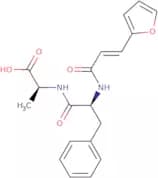
CAS:<p>H-Pro-His-Pro-Phe-His-Phe-Phe-Val-Tyr-Lys-OH is a monoclonal antibody that has been shown to inhibit the activity of enalaprilat, which is an enzyme inhibitor. H-Pro-His-Pro-Phe-His-Phe-Phe-Val--Tyr--Lys--OH binds to the active site of the enzyme and inhibits its activity. This drug has been shown to be effective against a number of infectious diseases, including HIV. It has also been shown to have diagnostic utility for renal function and congestive heart failure. H--Pro--His--Pro--Phe--His--Phe--Phe--Val----Tyr----Lys----OH has also been shown to inhibit protease activity in vitro. The biocompatible polymer coating used in this drug prevents degradation by enzymes in the body and enhances its stability in vivo.</p>Formula:C69H87N15O12Purity:Min. 95%Molecular weight:1,318.52 g/molAc-Phe-Phe-OH
CAS:<p>Please enquire for more information about Ac-Phe-Phe-OH including the price, delivery time and more detailed product information at the technical inquiry form on this page</p>Formula:C20H22N2O4Purity:Min. 95%Molecular weight:354.4 g/mol2-(Aminomethyl)-2-methyl-1,3-propanediamine trihydrochloride
CAS:<p>Please enquire for more information about 2-(Aminomethyl)-2-methyl-1,3-propanediamine trihydrochloride including the price, delivery time and more detailed product information at the technical inquiry form on this page</p>Formula:C5H15N3•(HCl)3Purity:Min. 95%Color and Shape:PowderMolecular weight:226.57 g/molL-Tyrosine methyl ester hydrochloride
CAS:<p>L-Tyrosine methyl ester hydrochloride is a synthetic compound that has been shown to have anti-thrombotic and anti-inflammatory properties. In particular, L-Tyrosine methyl ester hydrochloride inhibits the activity of thrombin, which is an enzyme involved in the coagulation process. It has also been shown to be effective against solid tumours and cell cultures. L-Tyrosine methyl ester hydrochloride is used as a pharmaceutical preparation for the treatment of osteoarthritis, rheumatoid arthritis, and other inflammatory disorders. It is also used as a precursor in the synthesis of amino acid compounds such as L-DOPA.</p>Formula:C10H14ClNO3Purity:Min. 95%Molecular weight:231.68 g/molZ-Trp-Val-OH trifluoroacetic acid
CAS:<p>Please enquire for more information about Z-Trp-Val-OH trifluoroacetic acid including the price, delivery time and more detailed product information at the technical inquiry form on this page</p>Formula:C24H27N3O5•CF3CO2HPurity:Min. 95%Molecular weight:437.49 g/molFmoc-Leu-Wang resin (200-400 mesh)
<p>Please enquire for more information about Fmoc-Leu-Wang resin (200-400 mesh) including the price, delivery time and more detailed product information at the technical inquiry form on this page</p>Purity:Min. 95%C-Peptide 2 (rat) trifluoroacetate salt
CAS:<p>Please enquire for more information about C-Peptide 2 (rat) trifluoroacetate salt including the price, delivery time and more detailed product information at the technical inquiry form on this page</p>Formula:C135H222N38O49Purity:Min. 95%Molecular weight:3,161.43 g/mol4-Bromophenylalanine
CAS:<p>4-Bromophenylalanine is a chemical compound that can be used as a spectroscopic probe to study the dynamics of protein synthesis. It is derived from 4-bromobenzaldehyde, which is oxidized by hydrogen peroxide in the presence of cytochrome P450 reductase and NADPH, yielding 4-bromophenylalanine. This compound has been shown to inhibit protein synthesis by binding reversibly to the synthetase during its synthetic cycle. The binding of 4-bromophenylalanine inhibits the synthesis of peptides with a C-terminal amide group. This inhibition leads to a decrease in the amount of functional groups present in proteins and an increase in the amount of buffers. These effects have been demonstrated through modelling studies using both model organisms and buffer solutions.</p>Formula:C9H10BrNO2Purity:Min. 95%Color and Shape:White PowderMolecular weight:244.09 g/molVIP Receptor-Binding Inhibitor L-8-K trifluoroacetate salt
CAS:<p>Please enquire for more information about VIP Receptor-Binding Inhibitor L-8-K trifluoroacetate salt including the price, delivery time and more detailed product information at the technical inquiry form on this page</p>Formula:C50H77N9O12SPurity:Min. 95%Molecular weight:1,028.27 g/molMca-Arg-Pro-Lys-Pro-Tyr-Ala-Nva-Trp-Met-Lys(Dnp)-NH2 trifluoroacetate salt
CAS:<p>Please enquire for more information about Mca-Arg-Pro-Lys-Pro-Tyr-Ala-Nva-Trp-Met-Lys(Dnp)-NH2 trifluoroacetate salt including the price, delivery time and more detailed product information at the technical inquiry form on this page</p>Formula:C79H105N19O19SPurity:Min. 95%Molecular weight:1,656.86 g/molMethyl 3-amino-2-phenylpropanoate HCl
CAS:<p>Methyl 3-amino-2-phenylpropanoate HCl is a chemical intermediate that is synthesized in the biosynthesis of scopolamine and tenellin. It has been found to be an isotopically labeled analog of tropane alkaloids, which are a class of natural products that includes atropine, hyoscyamine, and scopolamine. Methyl 3-amino-2-phenylpropanoate HCl is one of many compounds that can provide structural insights into the biosynthesis and metabolism of these compounds.</p>Formula:C10H13NO2·HClPurity:Area-% Min. 95 Area-%Color and Shape:PowderMolecular weight:215.68 g/molEndothelial-Monocyte-Activating Polypeptide II-Derived Peptide
CAS:<p>Please enquire for more information about Endothelial-Monocyte-Activating Polypeptide II-Derived Peptide including the price, delivery time and more detailed product information at the technical inquiry form on this page</p>Formula:C81H142N26O22Purity:Min. 95%Molecular weight:1,832.16 g/molH-D-Ser(SO3H)-OH
CAS:<p>Please enquire for more information about H-D-Ser(SO3H)-OH including the price, delivery time and more detailed product information at the technical inquiry form on this page</p>Formula:C3H7NO6SPurity:Min. 95%Molecular weight:185.16 g/molH-Pro-His-Leu-OH
CAS:<p>H-Pro-His-Leu-OH is a tripeptide with a sequence of L-proline, H-histidine, and D-leucine. It is an experimental substrate for peptide transporters and has been shown to be taken up by E. coli. This peptide is specific for Borrelia burgdorferi, the organism that causes Lyme disease.</p>Formula:C17H27N5O4Purity:Min. 95%Molecular weight:365.43 g/molFmoc-D-Asn(Mtt)-OH
CAS:<p>Please enquire for more information about Fmoc-D-Asn(Mtt)-OH including the price, delivery time and more detailed product information at the technical inquiry form on this page</p>Formula:C39H34N2O5Purity:Min. 95%Molecular weight:610.7 g/molAc-D-Lys-OH
CAS:<p>Nicotinamide is a form of vitamin B3 that has been shown to inhibit the growth of Giardia lamblia trophozoites. Nicotinamide also inhibits the sirtuins and has been shown to inhibit cell cycle control in microorganisms. It inhibits transcriptional activity by competing with nicotinamide adenine dinucleotide for binding sites on DNA and prevents the formation of nicotinamide-adenine dinucleotide complexes, which are needed for DNA synthesis. Nicotinamide also binds to metronidazole, causing it to be inactive as an antimicrobial agent. The mechanism of action of nicotinamide may be due to its ability to bind and inactivate metronidazole, thereby preventing it from functioning as an anti-microbial agent.</p>Formula:C8H16N2O3Purity:Min. 95%Molecular weight:188.22 g/molFMoc-L-4-BroMophenylalanine
CAS:<p>FMoc-L-4-BroMophenylalanine is a cell culture substrate that is used to study the interaction between peptides and hydrogels. It can be used as a fluorescent probe in peptide binding assays as well as for studies of protein folding. This product has been shown to be efficient at inducing gelation with other amino acids, such as aspartic acid, glycine, and arginine. FMoc-L-4-BroMophenylalanine also has potential applications for use in classifying peptides based on their charge and size.</p>Formula:C24H20BrNO4Purity:Min. 95%Molecular weight:466.32 g/molNeurotensin (9-13)
CAS:<p>Neurotensin (NT) is a peptide hormone that belongs to the family of amides and is found in the stomach, small intestine, and central nervous system. NT is an agonist of the neurotensin receptor and binds to allosteric binding sites on the receptor. Neurotensin (NT) is modified by proteolysis, which may be due to its acidic residue at position 9. This modification leads to increased affinity for the neurotensin receptor binding site. The pharmacokinetic properties of NT are not well-understood as it has been shown to have both high lipophilicity and low plasma protein binding rates. Neurotensin (NT) receptors have been shown to be G protein coupled receptors with different subtypes, such as NT1, NT2A, NT2B, and NT3.</p>Formula:C32H52N8O7Purity:Min. 95%Molecular weight:660.81 g/molH-Leu-Asn-OH
CAS:<p>H-Leu-Asn-OH is a water-soluble drug that belongs to the group of serotonin reuptake inhibitors. It is a radical prostatectomy drug that has been shown to have disease-modifying effects in patients with benign prostatic hyperplasia. H-Leu-Asn-OH has also been shown to be effective in treating HIV infection and cancer, as well as inhibiting the growth of cancer cells in cell culture. This compound is chemically stable and can be transported across the blood brain barrier. Clinical studies on H-Leu-Asn-OH have found it to be safe for use in humans.</p>Formula:C10H19N3O4Purity:Min. 95%Molecular weight:245.28 g/molD-Tryptophan methyl ester hydrochloride
CAS:<p>D-Tryptophan is an amino acid that is naturally produced by the human body and is also found in certain foods such as bananas, oats, and turkey. D-Tryptophan methyl ester hydrochloride is a synthetic form of this amino acid. It has been shown to inhibit cell growth and may have other physiological effects such as regulating mood or sleep patterns. This drug binds to the cavity of enzymes involved in the synthesis of proteins and nucleic acids, which prevents them from carrying out their normal functions. The binding constants for D-tryptophan methyl ester hydrochloride with these enzymes are stronger than those for natural d-tryptophan. The reaction solution was studied using UV absorption spectroscopy and showed that glycol ethers were more effective solvents than piperonal, which allowed for asymmetric synthesis. Molecular docking analysis has shown that D-tryptophan methyl ester hydrochloride binds to the enzyme cavity more tightly than</p>Formula:C12H14N2O2•HClPurity:Min. 95%Color and Shape:PowderMolecular weight:254.71 g/molHippuryl-His-Leu-OH
CAS:<p>Hippuryl-His-Leu-OH is a peptide that inhibits the activity of angiotensin converting enzyme (ACE) at a concentration of 50 μM. It has been shown to inhibit cyclase and other enzymes in vitro. The binding of this compound to ACE prevents the conversion of angiotensin I to angiotensin II, which is a potent vasoconstrictor. Hippuryl-His-Leu-OH also has inhibitory properties against atrial natriuretic peptide (ANP), and can be used as an antihypertensive agent. This drug has been shown to have growth factor β1 activities, and can be used for the treatment of cardiac diseases such as myocardial infarction. Structural analysis shows that this drug binds to the active site of ACE, inhibiting its activity by blocking access to substrate or by altering substrate specificity.</p>Formula:C21H27N5O5Purity:Min. 95%Color and Shape:White PowderMolecular weight:429.47 g/molN-Methyl-L-trans-4-hydroxyproline hydrochloride
CAS:<p>N-Methyl-L-trans-4-hydroxyproline hydrochloride is a bioactive compound that is present in the leaves of Semecarpifolia. It has been found to have antioxidant and anti-inflammatory properties. The chemical structure of N-methyl-L-trans-4-hydroxyproline hydrochloride is cyclic, butanamide, hexane, ethanolic extracts, and semecarpifolia. The family Meliaceae includes species such as Eucalyptus, which produces the bioactive compound cineole. Solvents used in this process are hexane and ethanolic extracts.</p>Formula:C6H11NO3·HClPurity:Min. 95%Color and Shape:PowderMolecular weight:181.62 g/mol(Ile3)-Pressinoic acid
CAS:<p>Ile3-pressinoic acid is an amide that is structurally similar to gamma-aminobutyric acid. It has dose-dependent effects on fatty acid synthesis and redox potential. Ile3-pressinoic acid is a leishmania molecule that can be used as a diagnostic agent for the disease, as well as a potential treatment in cell culture and animal models. It also has been shown to have receptor activity on peptide hormones, including oxytocin receptors.</p>Formula:C30H44N8O10S2Purity:Min. 95%Molecular weight:740.85 g/molH-Lys-Leu-OH acetate salt
CAS:<p>H-Lys-Leu-OH acetate salt is a derivatized amino acid ester that is used for the detection of lysine and leucine. It is used as an analyte in microextraction, with a sensitivity of 0.25 ng/mL, which can be increased to 0.5 ng/mL by derivatization. H-Lys-Leu-OH acetate salt has been used in the detection of acids and bases, particularly carboxylic acids and basic amino acids, respectively.</p>Formula:C12H25N3O3·C2H4O2Purity:Min. 95%Molecular weight:319.4 g/molH-Phe-Phe-Phe-Phe-OH
CAS:<p>Please enquire for more information about H-Phe-Phe-Phe-Phe-OH including the price, delivery time and more detailed product information at the technical inquiry form on this page</p>Formula:C36H38N4O5Purity:Min. 95%Molecular weight:606.71 g/molH-Leu-Val-Leu-Ala-pNA
CAS:<p>Please enquire for more information about H-Leu-Val-Leu-Ala-pNA including the price, delivery time and more detailed product information at the technical inquiry form on this page</p>Formula:C26H42N6O6Purity:Min. 95%Molecular weight:534.65 g/molNeuropeptide Y (human, rat) trifluoroacetate salt
CAS:<p>Please enquire for more information about Neuropeptide Y (human, rat) trifluoroacetate salt including the price, delivery time and more detailed product information at the technical inquiry form on this page</p>Formula:C189H285N55O57SPurity:Min. 95%Molecular weight:4,271.69 g/molAdipokinetic Hormone (Apis mellifera ligustica) TFA salt
CAS:<p>Adipokinetic hormone is a peptide hormone that has been shown to stimulate the metabolism of fat cells in laboratory animals. This peptide is produced by the gland cells of honeybees and is used to regulate the energy metabolism of honeybees and other insects. Adipokinetic hormone has been shown to increase locomotor activity, inhibit the growth of human pathogens, activate transfer reactions, and inhibit receptor activity. The biological properties of this hormone have not yet been fully elucidated.</p>Formula:C47H65N11O14•C2HF3O2Purity:Min. 95 Area-%Color and Shape:PowderMolecular weight:1,122.10 g/molZ-Ala-Ala-NH2
CAS:<p>Z-Ala-Ala-NH2 is a peptide that has been modified. Z-Ala-Ala-NH2 is a hydrolase and has the ability to hydrolyze peptides. It can be used in organic solvents as an unmodified hydrolase, or it can be modified with a nucleophile (such as an amine) to produce an active hydrolase. The unmodified form of Z-Ala-Ala-NH2 has been shown to have high yields and specificity for peptidyl substrates. This modification is also useful for the synthesis of amide bonds in peptides, which are more stable than ester bonds.</p>Formula:C14H19N3O4Purity:Min. 95%Molecular weight:293.32 g/molBoc-15-amino-4,7,10,13-tetraoxapentadecanoic acid
CAS:<p>Boc-15-amino-4,7,10,13-tetraoxapentadecanoic acid is a PEG compound with two different functional groups (also known as heterobifunctional). Unlike homobifunctional PEG compounds (same functional group on both ends), this type of compounds are more versatile as have two different anchor points. Boc-15-amino-4,7,10,13-tetraoxapentadecanoic acid is used as a linker and spacer to add a PEG moiety, via pegylation (a bioconjugation technique) to proteins, peptides, oligonucleotides, small molecules and nanoparticles.</p>Formula:C16H31NO8Purity:Min. 95%Molecular weight:365.42 g/molBoc-Ala-Gly-Gly-OH
CAS:<p>Boc-Ala-Gly-Gly-OH is a reactive compound that can be used to synthesize antibiotics. It can be used for the production of diazide, which is an antibiotic that inhibits bacterial growth by binding to DNA and preventing its replication. Boc-Ala-Gly-Gly-OH also has been used for the preparation of urethanes, which are used as coatings for medical devices or catheters. This compound is chiral and has been shown to have stereogenic properties in catalytic asymmetric epoxidation reactions.</p>Formula:C12H21N3O6Purity:Min. 95%Molecular weight:303.31 g/molZ-Ala-Ala-Asn-AMC
CAS:<p>Z-Ala-Ala-Asn-AMC is a molecule that is an analog of the amino acid alanine. It has been shown to be effective in inhibiting cancer cell viability and inducing apoptosis in MDA-MB-231 breast cancer cells, which can inhibit tumor growth. This molecule also inhibits protease activity, protein synthesis, and tubule cell proliferation. Z-Ala-Ala-Asn-AMC has applicability in the treatment of cancers and inflammatory diseases.</p>Formula:C28H31N5O8Purity:Min. 98 Area-%Color and Shape:PowderMolecular weight:565.57 g/molTos-Gly-Pro-Arg-AMC·HCl
CAS:<p>Please enquire for more information about Tos-Gly-Pro-Arg-AMC·HCl including the price, delivery time and more detailed product information at the technical inquiry form on this page</p>Formula:C30H37N7O7S·HClPurity:Min. 95%Molecular weight:676.18 g/molSuc-Ala-Glu-Pro-Phe-AMC
CAS:<p>Please enquire for more information about Suc-Ala-Glu-Pro-Phe-AMC including the price, delivery time and more detailed product information at the technical inquiry form on this page</p>Formula:C36H41N5O11Purity:Min. 95%Molecular weight:719.74 g/molCathelicidin LL 37
CAS:<p>LL-37 is a potent antimicrobial peptide that has been shown to be effective against cancer cells and is currently being investigated as a potential antineoplastic agent. LL-37 binds to the leukocyte receptor, which leads to chemotaxis, increased expression of p53 and apoptosis. LL-37 also induces apoptotic cell death in epithelial tissues, both in vitro and in vivo. This peptide has been shown to induce death in cancer cells, as well as cell death in other types of cells.</p>Formula:C205H340N60O53Purity:Min. 95%Molecular weight:4,493.27 g/molSuc-Ala-Trp-Pro-Phe-pNA
CAS:<p>Suc-Ala-Trp-Pro-Phe-pNA is a cyclosporine analog that inhibits the activity of protein isomerases. It has been shown to inhibit the phosphatase activity of casein and stabilize peptide bonds in bovine serum albumin. Suc-Ala-Trp-Pro-Phe-pNA can also be used as a substrate for tyrosine kinase and amide bond formation. Suc-Ala-Trp-Pro-Phe-pNA is an inhibitor of FK506 binding to its receptor, which may be due to its ability to compete with tyrosine residues for binding sites. This compound also exhibits stabilization effects on protein structures by inhibiting the degradation of proteins by proteolytic enzymes or other chemical agents.</p>Formula:C38H41N7O9Purity:Min. 95%Molecular weight:739.77 g/molNeuropeptide VF (124-131) (human) trifluoroacetate salt
CAS:<p>Neuropeptide VF (124-131) (human) trifluoroacetate salt H-Val-Pro-Asn-Leu-Pro-Gln-Arg-Phe-NH2 trifluoroacetate salt is a peptide that is synthesized in the hypothalamus and is involved in the regulation of gonadotropin secretion. It has been shown to inhibit cell growth in vitro and to have an inhibitory effect on cancer cells. This peptide also binds to receptors α, adenohypophyseal, cellular, testicular, vasoactive intestinal peptide, messenger RNA, estradiol benzoate, cancer, and progesterone receptor.</p>Formula:C45H72N14O10Purity:Min. 95%Molecular weight:969.14 g/molH-Met-AMC acetate salt
CAS:<p>Please enquire for more information about H-Met-AMC acetate salt including the price, delivery time and more detailed product information at the technical inquiry form on this page</p>Formula:C15H18N2O3SPurity:Min. 95%Molecular weight:306.38 g/mol3-Methylbenzofuran-2-carboxylic acid
CAS:<p>3-Methylbenzofuran-2-carboxylic acid is a dianion that binds to the cell membrane and inhibits bacterial growth. This compound has been shown to be active against bacteria at low concentrations. 3-Methylbenzofuran-2-carboxylic acid has been used as an antibacterial agent for the treatment of gram-negative bacteria such as Escherichia coli and Proteus mirabilis. It also inhibits the growth of gram-positive bacteria including Staphylococcus aureus, Streptococcus pneumoniae, and Enterococcus faecalis. The reaction temperature required for the synthesis of this compound is high, but it can be prepared at lower temperatures by using anhydrous acetonitrile in place of hydrochloric acid.</p>Formula:C10H8O3Purity:Min. 95%Color and Shape:White PowderMolecular weight:176.17 g/molN-Methyl-DL-alanine
CAS:<p>N-Methyl-DL-alanine is an amino acid that is also known as d-alanine. It is a precursor for the synthesis of other amino acids such as histidine, methionine, and arginine. N-Methyl-DL-alanine is found in the mitochondria of cells and plays a role in energy metabolism. It has been shown to be taken up by cells through an active transport process and can act as a competitive inhibitor of mitochondrial uptake. At physiological concentrations, N-methyl DL-alanine inhibits fatty acid oxidation by decreasing the activity of carnitine palmitoyltransferase I (CPT I) and enhancing lipid accumulation in the liver. N-Methyl DL-alanine has been shown to inhibit cycloleucin A production by acting as an inhibitor of fatty acid synthase (FAS).</p>Formula:C4H9NO2Purity:Min. 95%Color and Shape:White PowderMolecular weight:103.12 g/molFmoc-[ring-D5]Phe-OH
CAS:Controlled Product<p>Please enquire for more information about Fmoc-[ring-D5]Phe-OH including the price, delivery time and more detailed product information at the technical inquiry form on this page</p>Formula:C24H16D5NO4Purity:Min. 95%Molecular weight:392.46 g/mol4-Methoxybenzylboronic acid pinacolester
CAS:<p>Please enquire for more information about 4-Methoxybenzylboronic acid pinacolester including the price, delivery time and more detailed product information at the technical inquiry form on this page</p>Formula:C14H21BO3Purity:Min. 95%Molecular weight:248.13 g/molMCLV3 trifluoroacetate salt
CAS:<p>Please enquire for more information about MCLV3 trifluoroacetate salt including the price, delivery time and more detailed product information at the technical inquiry form on this page</p>Formula:C57H89N19O19Purity:Min. 95%Molecular weight:1,344.43 g/molFA-Gly-Val-NH2
CAS:<p>Please enquire for more information about FA-Gly-Val-NH2 including the price, delivery time and more detailed product information at the technical inquiry form on this page</p>Formula:C14H19N3O4Purity:Min. 95%Molecular weight:293.32 g/mol(Des-Gly10,D-Tyr5,D-Ser(tBu)6,Pro-NHEt 9)-LHRH acetate salt
CAS:Controlled Product<p>Please enquire for more information about (Des-Gly10,D-Tyr5,D-Ser(tBu)6,Pro-NHEt 9)-LHRH acetate salt including the price, delivery time and more detailed product information at the technical inquiry form on this page</p>Formula:C60H86N16O13Purity:Min. 95%Molecular weight:1,239.42 g/mol(Glu2)-TRH Pyr-Glu-Pro-NH2
CAS:<p>(Glu2)-TRH Pyr-Glu-Pro-NH2 is a colony-stimulating factor that has been shown to play a role in fertility and energy metabolism. It is also involved in the regulation of physiological functions, such as spermatozoa motility and enzyme inhibitors. (Glu2)-TRH Pyr-Glu-Pro-NH2 binds to its receptor on the surface of cells and stimulates cell growth. The biological function of this drug is not yet known.</p>Formula:C15H22N4O6Purity:Min. 95%Molecular weight:354.36 g/molpTH (2-34) (human) acetate salt
CAS:<p>Please enquire for more information about pTH (2-34) (human) acetate salt including the price, delivery time and more detailed product information at the technical inquiry form on this page</p>Formula:C178H286N54O49S2Purity:Min. 95%Molecular weight:4,030.64 g/molH-Asn(Trt)-2-chlorotrityl resin (200-400 mesh) (Low Substitution)
<p>Please enquire for more information about H-Asn(Trt)-2-chlorotrityl resin (200-400 mesh) (Low Substitution) including the price, delivery time and more detailed product information at the technical inquiry form on this page</p>Purity:Min. 95%H-Asp(OtBu)-2-chlorotrityl resin (200-400 mesh) (Low Substitution)
<p>Please enquire for more information about H-Asp(OtBu)-2-chlorotrityl resin (200-400 mesh) (Low Substitution) including the price, delivery time and more detailed product information at the technical inquiry form on this page</p>Purity:Min. 95%(Des-His6)-ACTH (1-24) (human, bovine, rat) trifluoroacetate salt
<p>Please enquire for more information about (Des-His6)-ACTH (1-24) (human, bovine, rat) trifluoroacetate salt including the price, delivery time and more detailed product information at the technical inquiry form on this page</p>Formula:C130H203N37O30SPurity:Min. 95%Molecular weight:2,796.3 g/molCyclo(-Glu-Glu)
CAS:<p>Please enquire for more information about Cyclo(-Glu-Glu) including the price, delivery time and more detailed product information at the technical inquiry form on this page</p>Formula:C10H14N2O6Purity:Min. 95%Molecular weight:258.23 g/molFmoc-Gly-Ser(Psi(Me ,Me)pro)-OH
CAS:<p>Please enquire for more information about Fmoc-Gly-Ser(Psi(Me ,Me)pro)-OH including the price, delivery time and more detailed product information at the technical inquiry form on this page</p>Formula:C23H24N2O6Purity:Min. 95%Molecular weight:424.45 g/molNα-(5-fluoro-2,4-dinitrophenyl)-D-leucinamide
CAS:<p>Nalpha-(5-fluoro-2,4-dinitrophenyl)-D-leucinamide is a chemical compound that inhibits the activity of proteases. It has been shown to inhibit leukemia cells and actinomycetes. This chemical binds to the active site of proteases, inhibiting the hydrolysis of peptides by blocking the access of water molecules to the reactive site. In addition, Nalpha-(5-fluoro-2,4-dinitrophenyl)-D-leucinamide can also be used as a fluorescent probe for protease activity in analytical methods. The product research on this compound has shown that it is a potent inhibitor of cyclic peptide synthetases and can be used as an anti-inflammatory agent.</p>Formula:C12H15FN4O5Purity:Min. 95%Color and Shape:Off-White To Yellow SolidMolecular weight:314.27 g/molHIV-1 tat Protein (1-9)
CAS:<p>Tat is a protein from the human immunodeficiency virus type 1 (HIV-1) that is responsible for the regulation of viral gene expression. Tat binds to a cellular receptor, CD4, and enters the cell. The Tat protein forms a ternary complex with transcription factors and RNA polymerase II. This complex then binds to promoter regions of HIV genes and initiates transcription. Tat has been postulated to modulate immune functions such as chemokine production, T-cell activation, and macrophage activation. The HIV-1 tat Protein (1-9) H-Met-Asp-Pro-Val-Asp-Pro-Asn-Ile-Glu-OH has been shown to have an effect on the immune system by affecting chemokines and other immune functions.</p>Formula:C43H68N10O17SPurity:Min. 95%Molecular weight:1,029.12 g/molZ-Thr(Bzl)-OH·DCHA
CAS:Controlled Product<p>Please enquire for more information about Z-Thr(Bzl)-OH·DCHA including the price, delivery time and more detailed product information at the technical inquiry form on this page</p>Formula:C19H21NO5·C12H23NPurity:Min. 95%Molecular weight:524.69 g/mol(Nle 8·18,Tyr34)-pTH (3-34) amide (bovine)
CAS:<p>Please enquire for more information about (Nle 8·18,Tyr34)-pTH (3-34) amide (bovine) including the price, delivery time and more detailed product information at the technical inquiry form on this page</p>Formula:C177H279N53O48Purity:Min. 95%Molecular weight:3,917.44 g/molSuc-Leu-Leu-Val-Tyr-pNA
CAS:<p>Please enquire for more information about Suc-Leu-Leu-Val-Tyr-pNA including the price, delivery time and more detailed product information at the technical inquiry form on this page</p>Formula:C36H50N6O10Purity:Min. 95%Molecular weight:726.82 g/molNuclear Factor NF-KB Inhibitor SN50 trifluoroacetate salt
CAS:<p>SN50 is a nuclear factor NF-KB inhibitor that blocks the activity of transcription factors that are involved in inflammation and cancer. SN50 inhibits protease activity, which may be due to its ability to bind to response elements on DNA, leading to cytosolic calcium release and activation of signal pathways. It also binds to endothelin-a receptor and induces apoptosis. SN50 has been shown to have anti-tumour effects in resistant breast cancer cells as well as reducing serum aminotransferase levels in rats. This drug also activates transcriptional regulation by binding toll-like receptors and inducing colony stimulating factors. SN50 also has cardioprotective properties, which may be due to its ability to inhibit fatty acid synthase in cardiomyocytes.</p>Formula:C129H230N36O29SPurity:Min. 95%Molecular weight:2,781.5 g/molStresscopin-Related Peptide (human)
CAS:<p>Please enquire for more information about Stresscopin-Related Peptide (human) including the price, delivery time and more detailed product information at the technical inquiry form on this page</p>Formula:C205H358N68O57Purity:Min. 95%Molecular weight:4,687.46 g/molH-Tyr-Tyr-Tyr-OMe
CAS:<p>H-Tyr-Tyr-Tyr-OMe is a chiral, fluorinated, enantiomeric molecule that is synthesized by the reaction of an aryloxybenzene with tetrahydropyran and chlorine. This product has been used in asymmetric synthesis as a building block for pyrazole derivatives. It has also been used to produce alcohols and dialkylamino compounds.</p>Formula:C28H31N3O7Purity:Min. 95%Molecular weight:521.56 g/molEndothelin-1 (human, bovine, dog, mouse, porcine, rat) trifluoroacetate salt
CAS:<p>Please enquire for more information about Endothelin-1 (human, bovine, dog, mouse, porcine, rat) trifluoroacetate salt including the price, delivery time and more detailed product information at the technical inquiry form on this page</p>Formula:C109H159N25O32S5·C2HF3O2Purity:Min. 95%Molecular weight:2,605.93 g/molH-Arg-Arg-Arg-OH acetate salt
CAS:<p>H-Arg-Arg-Arg-OH acetate salt is a polycarboxylic acid that is found in human immunoglobulins. It has been used as a synthetic substrate for the study of radiation enhancement. H-Arg-Arg-Arg-OH acetate salt is also an allergen and can cause allergic reactions, such as itching and swelling. This compound can be used to study the neutral pH, chemical reactions, protein synthesis, and the hydroxyl group.</p>Formula:C18H38N12O4Purity:Min. 95%Molecular weight:486.57 g/molHSV-1 Glycoprotein (gB) (497-507)
CAS:<p>Please enquire for more information about HSV-1 Glycoprotein (gB) (497-507) including the price, delivery time and more detailed product information at the technical inquiry form on this page</p>Formula:C59H91N15O18Purity:Min. 95%Molecular weight:1,298.44 g/molZ-L-Valine N-hydroxysuccinimide ester
CAS:<p>Z-L-Valine N-hydroxysuccinimide ester is a synthetic δ opioid ligand that has been shown to have potent inhibitory activity against casein. The compound has also been shown to have high affinity for opioid receptors and δ opioid receptors, which may be due to its ability to form supramolecular complexes with these proteins. Z-L-Valine N-hydroxysuccinimide ester binds to the receptor binding site of the protein, preventing it from interacting with other molecules. It is not selective for one receptor over another and can bind to both the δ and μ opioid receptors. This synthetic substance may be used as a lead compound in drug development.</p>Formula:C17H20N2O6Purity:Min. 95%Molecular weight:348.35 g/molH-Tyr-Phe-OH
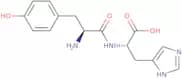
CAS:<p>H-Tyr-Phe-OH is a peptide that is derived from the amino acid sequence of human epidermal growth factor and has been shown to inhibit HIV infection in vitro. H-Tyr-Phe-OH binds to the dna binding site on the protein gp120, which is essential for viral binding to cells and subsequent infection. The peptide has also been shown to bind to serum aminotransferase levels and produce an antibody response in humans. This peptide has biological properties that may be useful for treatment of many infectious diseases, such as hepatitis and HIV infection.</p>Formula:C18H20N2O4Purity:Min. 95%Molecular weight:328.36 g/molN-Benzoyl-L-leucine-β-naphthylamide
CAS:<p>N-Benzoyl-L-leucine-beta-naphthylamide is a chromogenic substrate for transpeptidase. It is hydrolyzed to L-phenylalanine and 2-naphthylamine, which react with the chromogen to produce a color change. The reaction occurs in both spermatozoa and epithelial cells, but can be inhibited by aminopeptidase and peptidase. This substrate is used as a marker for spermatozoa in semen analysis.</p>Formula:C23H24N2O2Purity:Min. 95%Color and Shape:PowderMolecular weight:360.45 g/molNeuromedin S (human) trifluoroacetate salt
<p>Please enquire for more information about Neuromedin S (human) trifluoroacetate salt including the price, delivery time and more detailed product information at the technical inquiry form on this page</p>Formula:C173H265N53O44Purity:Min. 95%Molecular weight:3,791.29 g/mol(Phe4)-Dermorphin (1-4) amide
CAS:<p>Dermorphin is a peptide that is derived from the proenkephalin gene. It is an opioid analgesic and has been shown to be effective in the treatment of hernias. Dermorphin has also been shown to inhibit platelet aggregation and blood coagulation, making it an antithrombotic therapy. The structure of dermorphin has been determined using a hydroxy group as the reactive site for synthesis and molecular modelling techniques. Dermorphin has also been shown to have an active oxygen species selectivity index (a measure of antioxidant activity) higher than those of other drugs in its class, which makes it suitable for use as a sealant in abdominal surgery.</p>Formula:C30H35N5O5Purity:Min. 95%Molecular weight:545.63 g/molFmoc-D-Val-Wang resin (200-400 mesh)
<p>Please enquire for more information about Fmoc-D-Val-Wang resin (200-400 mesh) including the price, delivery time and more detailed product information at the technical inquiry form on this page</p>Purity:Min. 95%N-Methyl-2-fluoro-4-aminobenzamide
CAS:<p>N-Methyl-2-fluoro-4-aminobenzamide is a toxic compound that is commonly used as a reagent in chemical synthesis and research. It has been studied for its potential use in medicine, particularly in the treatment of castration-resistant prostate cancer. N-Methyl-2-fluoro-4-aminobenzamide acts as a nucleophilic agent, participating in reactions that involve the addition of an acyl group to a target molecule. Its stable formyl group allows for efficient reaction yields and reliable results. However, due to its toxic nature, caution must be exercised when handling this compound.</p>Formula:C8H9FN2OPurity:Min. 95%Molecular weight:168.17 g/molZ-Gly-Pro-Ala-OH
CAS:<p>Z-Gly-Pro-Ala-OH is a peptidase that hydrolyzes the terminal amino acids from the N-terminal of peptides and proteins. It is used as a drug therapy for neurodegenerative diseases. Z-Gly-Pro-Ala-OH has an acidic active site and can be synthesized in an on-line process. It can be monitored using a number of techniques, including monitoring by bovine serum, kinetic analysis, and analytical methods. The optimum pH for this enzyme is 5.5 to 7.0.</p>Formula:C18H23N3O6Purity:Min. 95%Molecular weight:377.39 g/mol2-Iodo-5-methoxybenzoic acid
CAS:<p>2-Iodo-5-methoxybenzoic acid is a macrocyclic compound that has been synthesized in the Wittig reaction. It was first prepared by catalyzed intramolecular aryl demethylation of 2-iodo-5-nitrobenzoic acid, followed by coupling with methyl vinyl ketone. The cytotoxic activity of this compound is due to its ability to inhibit the synthesis of protein and DNA and induce apoptosis. This molecule has been shown to be effective against liverworts and ethers.</p>Formula:C8H7IO3Purity:Min. 95%Color and Shape:PowderMolecular weight:278.04 g/molH-Arg-Arg-Arg-Arg-Arg-Arg-Arg-OH trifluoroacetate salt
CAS:<p>The Arg-Arg-Arg-Arg-Arg-Arg-Arg-Arg-OH trifluoroacetate salt is a biologically active form of arginine. It has been shown to inhibit the activity of both NS3 protease and NS4A protease from the hepatitis C virus (HCV). It also inhibits tumor cell growth in vitro, which may be due to its ability to upregulate epidermal growth factor receptor (EGFR) expression on tumor cells. The Arg-Arg-Arg-Arg-Arg-Arg-Arghydrogen trifluoroacetate salt is an inhibitor of estrogen receptor modulators that are used as therapeutic agents for breast cancer.</p>Formula:C42H86N28O8Purity:Min. 95%Molecular weight:1,111.32 g/molZ-D-Arg(Z)2-OH
CAS:<p>Please enquire for more information about Z-D-Arg(Z)2-OH including the price, delivery time and more detailed product information at the technical inquiry form on this page</p>Formula:C30H32N4O8Purity:Min. 95%Molecular weight:576.6 g/molBoc-Met-Met-OH
CAS:<p>Please enquire for more information about Boc-Met-Met-OH including the price, delivery time and more detailed product information at the technical inquiry form on this page</p>Formula:C15H28N2O5S2Purity:Min. 95%Molecular weight:380.53 g/mol(Des-Lys38)-M65 trifluoroacetate salt
CAS:<p>Please enquire for more information about (Des-Lys38)-M65 trifluoroacetate salt including the price, delivery time and more detailed product information at the technical inquiry form on this page</p>Formula:C199H314N62O60S5Purity:Min. 95%Molecular weight:4,695.33 g/molGM-CSF (96-112)
CAS:<p>Please enquire for more information about GM-CSF (96-112) including the price, delivery time and more detailed product information at the technical inquiry form on this page</p>Formula:C88H139N21O29SPurity:Min. 95%Molecular weight:1,987.24 g/molH-Met-2-chlorotrityl resin (200-400 mesh) (Low Substitution)
<p>Please enquire for more information about H-Met-2-chlorotrityl resin (200-400 mesh) (Low Substitution) including the price, delivery time and more detailed product information at the technical inquiry form on this page</p>Purity:Min. 95%Amyloid Bri Protein (1-23) trifluoroacetate salt
CAS:<p>Please enquire for more information about Amyloid Bri Protein (1-23) trifluoroacetate salt including the price, delivery time and more detailed product information at the technical inquiry form on this page</p>Formula:C116H175N31O35S2Purity:Min. 95%Molecular weight:2,627.95 g/mol4-Methylsulphonylaniline
CAS:<p>4-Methylsulphonylaniline is a reactive compound that can be used as an anticancer agent. It is a quinoline derivative and has been found to have potent antitumor activity against various cancer cell lines, including those resistant to other anticancer agents. The activation energy of this compound is high at 93 kcal/mol and it has been found to react with dimethylformamide (DMF) in the reaction mechanism. 4-Methylsulphonylaniline has also been shown to inhibit the growth of tumor cells in mice by inhibiting DNA synthesis. This molecule also causes DNA damage in cultured cells. 4-Methylsulphonylaniline may also cause environmental pollution because it reacts with sulfadiazine, which is a drug used for the treatment of chronic infections caused by bacteria such as Salmonella typhi and Mycobacterium tuberculosis, leading to the release of methyl sulfone, which can be toxic to aquatic</p>Formula:C7H9NO2SPurity:Min. 95%Molecular weight:171.22 g/molFmoc-D-Thr(tBu)-Wang resin (200-400 mesh)
<p>Please enquire for more information about Fmoc-D-Thr(tBu)-Wang resin (200-400 mesh) including the price, delivery time and more detailed product information at the technical inquiry form on this page</p>Purity:Min. 95%H-Ala-Pro-Arg-Thr-Pro-Gly-Gly-Arg-Arg-OH
CAS:<p>H-Ala-Pro-Arg-Thr-Pro-Gly-Gly-Arg-Arg-OH is a diacylglycerol that regulates the expression of genes and has been shown to modulate hematopoietic cells. This compound is a derivative of atypical proteins, which are proteins that have an atypical tertiary structure and do not possess a classical signal peptide or secretion signal. H-Ala-Pro-Arg-Thr-Pro-Gly-Gly-Arg-Arg -OH has been shown to be expressed in hematopoietic growth regulator domains, which may account for its pleiotropic effects on hematopoietic cells.</p>Formula:C39H70N18O11Purity:Min. 95%Molecular weight:967.09 g/molZ-Gly-Trp-OH
CAS:<p>Z-Gly-Trp-OH is a peptide that is synthesized by combining the amino acids glycine, alanine, and tryptophan. It is used in a variety of applications, including as an antimicrobial agent, sweetener, and health care product. Z-Gly-Trp-OH has been shown to have potential health benefits such as improved insulin sensitivity and prevention of cardiovascular disease. The strategies for synthesizing this peptide are dependent on the availability of different amino acid building blocks. For example, zinc ions may be used to catalyze the condensation of glycine with tryptophan.</p>Formula:C21H21N3O5Purity:Min. 95%Molecular weight:395.41 g/molH-Arg(Pbf)-OtBu·HCl
CAS:<p>Please enquire for more information about H-Arg(Pbf)-OtBu·HCl including the price, delivery time and more detailed product information at the technical inquiry form on this page</p>Formula:C23H38N4O5S·HClPurity:Min. 95%Color and Shape:PowderMolecular weight:519.1 g/molPKI-tide
CAS:<p>PKI-tide is a potent, selective inhibitor of the calcium/calmodulin-dependent protein kinase. It inhibits the activity of this enzyme and prevents the activation of other protein kinases by this enzyme. PKI-tide binds to the ATP site of the calcium/calmodulin-dependent protein kinase and blocks the binding of ATP and calmodulin. This inhibition prevents the phosphorylation of target proteins, including myosin light chain in muscle cells.</p>Formula:C85H149N31O24Purity:Min. 95%Molecular weight:1,989.29 g/molH-Val-Leu-OH·HCl
CAS:<p>H-Val-Leu-OH·HCl is a hydrolytic cleavage product of the covalent adduct of valproic acid and HCl. It is an acidic compound that can be produced by hydrolysis or by exposure to alcohols. This compound is also known as ethylene glycol monobutyl ether, which is formed when ethylene reacts with butanol. H-Val-Leu-OH·HCl has been shown to cause termination in animal experiments and has been detected in humans following alcohol exposure. It also has some toxic effects on animals such as liver damage, kidney damage, and death.</p>Formula:C11H22N2O3·HClPurity:Min. 95%Molecular weight:266.76 g/molBiphalin trifluoroacetate salt (
CAS:<p>Biphalin trifluoroacetate salt (H-Tyr-D-Ala-Gly-Phe-NH)2 trifluoroacetate salt is a peptide hormone. It has been shown to be an opioid that binds to the μ and δ opioid receptors and inhibits the production of inflammatory mediators. Biphalin trifluoroacetate salt (H-Tyr-D-Ala-Gly-Phe-NH)2 trifluoroacetate salt has also been shown to have neuroprotective effects. This drug has low potency and can only be used in vivo models. Biphalin trifluoroacetate salt (H-Tyr-D-Ala-Gly-Phe-NH)2 trifluoroacetate salt is not active against skin cancer cells, but does show activity against other types of cancer cells.</p>Formula:C46H56N10O10Purity:Min. 95%Molecular weight:909 g/molBiotinyl-(Glu1)-Gastrin I (human) Biotinyl-Glu-Gly-Pro-Trp-Leu-Glu-Glu-Glu-Glu-Glu-Ala-Tyr-Gly-Trp-Met-Asp-Phe-NH2
CAS:<p>Please enquire for more information about Biotinyl-(Glu1)-Gastrin I (human) Biotinyl-Glu-Gly-Pro-Trp-Leu-Glu-Glu-Glu-Glu-Glu-Ala-Tyr-Gly-Trp-Met-Asp-Phe-NH2 including the price, delivery time and more detailed product information at the technical inquiry form on this page</p>Formula:C107H140N22O34S2Purity:Min. 95%Molecular weight:2,342.52 g/molBoc-Ala-Pro-Nva-4-chloro-SBzl
CAS:<p>Please enquire for more information about Boc-Ala-Pro-Nva-4-chloro-SBzl including the price, delivery time and more detailed product information at the technical inquiry form on this page</p>Formula:C25H36ClN3O5SPurity:Min. 95%Molecular weight:526.09 g/molBoc-Thionoleu-1-(6-nitro)benzotriazolide
CAS:<p>Please enquire for more information about Boc-Thionoleu-1-(6-nitro)benzotriazolide including the price, delivery time and more detailed product information at the technical inquiry form on this page</p>Formula:C17H23N5O4SPurity:Min. 95%Molecular weight:393.46 g/molH-Arg-Phe-NH2 hydrochloride salt
CAS:<p>H-Arg-Phe-NH2 hydrochloride salt (H-RF) is a physiological agent that has been shown to have effects on the response element binding protein. H-RF is a small, water soluble molecule that has been shown to act as an agonist for peptides and cation channels in vitro. The peptides are involved in the regulation of cardiac function and locomotor activity, while the cation channel regulates the opening and closing of potassium channels. The binding of H-RF to these receptors leads to positive changes in energy metabolism, which may be due to its ability to activate ATPase. H-RF also binds strongly to disulfide bonds found in proteins such as peptide hormones and enzymes. These disulfide bonds are important for maintaining protein structure and function.</p>Formula:C15H24N6O2Purity:Min. 95%Molecular weight:320.39 g/molHippuryl-Gly-Gly-OH
CAS:<p>Hippuryl-Gly-Gly-OH is a small molecule that inhibits the growth of bacteria. It is an inhibitor of epidermal growth factor (EGF) that binds to EGF and blocks its ability to interact with cells. Hippuryl-Gly-Gly-OH also has anti-inflammatory properties and has been shown to be effective against inflammatory bowel disease in vitro. This drug also has been shown to inhibit the enzyme activities associated with inflammatory bowel disease, such as COX2 and iNOS, in human serum, as well as inhibiting the production of proinflammatory cytokines from human peripheral blood mononuclear cells.</p>Formula:C13H15N3O5Purity:Min. 95%Molecular weight:293.28 g/molH-Asn-Gln-Glu-Gln-Glu(EDANS)-Arg-OH trifluoroacetate salt
<p>Please enquire for more information about H-Asn-Gln-Glu-Gln-Glu(EDANS)-Arg-OH trifluoroacetate salt including the price, delivery time and more detailed product information at the technical inquiry form on this page</p>Formula:C42H62N14O16SPurity:Min. 95%Molecular weight:1,051.09 g/molBoc-D-Phe-Pro-OSu
CAS:<p>Please enquire for more information about Boc-D-Phe-Pro-OSu including the price, delivery time and more detailed product information at the technical inquiry form on this page</p>Formula:C23H29N3O7Purity:Min. 95%Molecular weight:459.49 g/molAnnexin A1 (1-11) (dephosphorylated) (human, bovine, chicken, porcine) trifluoroacetate salt
CAS:<p>Annexin A1 (1-11) is a peptide that is part of the annexin family. It is involved in the degranulation of cells and inhibits inflammation by inhibiting the production of pro-inflammatory cytokines. Annexin A1 (1-11) has been shown to be an anti-inflammatory compound as it binds to phospholipids on the surface of neutrophils, leading to inhibition of their chemotaxis and phagocytosis. This peptide also interacts with other annexins and prevents apoptosis by blocking caspase activity. Finally, it has been found that annexin A1 (1-11) can promote the healing of wounds in mice by accelerating reepithelialization and reducing scar formation. The concentration required for these effects are nanomolar concentrations.</p>Formula:C63H94N14O17SPurity:Min. 95%Molecular weight:1,351.57 g/molH-Met-Leu-OH
CAS:<p>H-Met-Leu-OH is a peptide that is a protonated form of the amino acid, methionine. It has been shown to have transient activity in the pancreas and testes. H-Met-Leu-OH is also a substrate for a number of enzymes including peptidases, which cleave it into smaller molecules. The presence of H-Met-Leu-OH in polyacrylamide gels can be detected by photooxidation or by using an electrophoresis method. H-Met-Leu-OH is used as a marker to show the purity of proteins and peptides during solubilization and electrophoresis.</p>Formula:C11H22N2O3SPurity:Min. 95%Molecular weight:262.37 g/mol4-Hydroxymethyl-5-methyl-2-phenylimidazole
CAS:<p>4-Hydroxymethyl-5-methyl-2-phenylimidazole is an impurity of phenoxy. It has a high resistance to acids and bases, and can be used in devices that require high purity. 4-Hydroxymethyl-5-methyl-2-phenylimidazole has a particle diameter of about 1 micron. This impurity is metastable, or stable only under certain conditions such as temperature and pressure. The high viscosity of this compound makes it useful for devices that require a high degree of stability at elevated temperatures. Immediate decomposition occurs when exposed to air due to the presence of naphthalene, phosphine, and silicon.</p>Formula:C11H12N2OPurity:Min. 95%Molecular weight:188.23 g/molAnti-Kentsin trifluoroacetate salt
CAS:<p>Please enquire for more information about Anti-Kentsin trifluoroacetate salt including the price, delivery time and more detailed product information at the technical inquiry form on this page</p>Formula:C22H45N11O6Purity:Min. 95%Molecular weight:559.66 g/molH-D-Leu-D-Leu-OH
CAS:<p>H-D-Leu-D-Leu-OH is a type of molecule that can be found in the human body. It is an amino acid with specificities and transport mechanisms that are not yet well understood. This compound is resistant to aminopeptidase activity and has been shown to have a ph optimum in the intestinal tract. Acetylation of this molecule may also have an effect on its transport rate, as it has been shown to affect the transport rate of D-tryptophan and D-alanine. H-D-Leu-D-Leu-OH is a type of molecule that can be found in the human body. It is an amino acid with specificities and transport mechanisms that are not yet well understood. This compound is resistant to aminopeptidase activity and has been shown to have a ph optimum in the intestinal tract. Acetylation of this molecule may also have an effect on its transport rate, as</p>Formula:C12H24N2O3Purity:Min. 95%Molecular weight:244.33 g/molFmoc-N-Me-Arg(Pbf)-OH
CAS:<p>Fmoc-N-Me-Arg(Pbf)-OH is a radiopharmaceutical that is used in binding assays for the detection of cancer. It is a synthetic analog of the natural amino acid, lysine. The Fmoc group attaches to the terminal amine on one end of the molecule and is linked to the carboxylic acid on the other end through an ester bond. This allows for attachment of different drugs or other molecules to create a variety of analogs. Fmoc-N-Me-Arg(Pbf)-OH has been shown to have good binding properties with respect to cancer cells in vivo and diagnostic applications.</p>Formula:C35H42N4O7SPurity:Min. 95%Color and Shape:White PowderMolecular weight:662.8 g/molSuc-Ala-Lys-Pro-Phe-pNA
CAS:<p>Suc-Ala-Lys-Pro-Phe-pNA is a casein that has been modified to contain additional lysine residues. This modification increases the protein’s stability, making it more resistant to hydrolysis by phosphatases. Suc-Ala-Lys-Pro-Phe-pNA also contains a peptide sequence that is homologous to a part of the endoplasmic reticulum chaperone FK506 binding protein (FKBP). The peptide sequence in this casein acts as an artificial chaperone and can be used in cell culture experiments to stabilize newly synthesized proteins.</p>Formula:C33H43N7O9Purity:Min. 95%Molecular weight:681.74 g/molAcetyl-Heme-Binding Protein 1 (1-21) (human) trifluoroacetate salt
CAS:<p>Please enquire for more information about Acetyl-Heme-Binding Protein 1 (1-21) (human) trifluoroacetate salt including the price, delivery time and more detailed product information at the technical inquiry form on this page</p>Formula:C116H176N26O30S2Purity:Min. 95%Molecular weight:2,478.93 g/molTRAP-6 amide trifluoroacetate salt
CAS:<p>Protease-activated receptor 1 (PAR-1) selective activating peptide, TFA salt. 98%.</p>Formula:C34H57N11O8Purity:Min. 95%Color and Shape:PowderMolecular weight:747.89 g/molFmoc-Ala-(Dmb)Gly-OH
CAS:<p>Please enquire for more information about Fmoc-Ala-(Dmb)Gly-OH including the price, delivery time and more detailed product information at the technical inquiry form on this page</p>Formula:C29H30N2O7Purity:Min. 95%Molecular weight:518.56 g/mol(Cys8·13)-Dynorphin A (1-13) amide
CAS:<p>Please enquire for more information about (Cys8·13)-Dynorphin A (1-13) amide including the price, delivery time and more detailed product information at the technical inquiry form on this page</p>Formula:C69H112N24O14S2Purity:Min. 95%Molecular weight:1,565.91 g/molH-Gly-Cys-OH
CAS:<p>H-Gly-Cys-OH is an amide that is structurally related to the nonapeptide, Gly-Pro-Cys. H-Gly-Cys-OH has been shown to be an efficient method for preparation of 3-mercaptopropionic acid. The nucleophilic attack of the thiol group on the carbonyl carbon atom in the amide bond leads to cleavage and formation of a disulfide bond. This reaction occurs spontaneously at room temperature with high efficiency and can be used for synthesis of 3-mercaptopropionic acid. H-Gly-Cys-OH has low bioavailability, which may be due to its primary amino group, which is not well absorbed by the intestinal epithelium.</p>Formula:C5H10N2O3SPurity:Min. 95%Molecular weight:178.21 g/molAngiotensin (1-12) (human) trifluoroacetate salt
CAS:<p>Please enquire for more information about Angiotensin (1-12) (human) trifluoroacetate salt including the price, delivery time and more detailed product information at the technical inquiry form on this page</p>Formula:C73H109N19O16Purity:Min. 95%Molecular weight:1,508.77 g/molH-Tyr-L-1,2,3,4-tetrahydroisoquinoline-3-carboxamide·HCl
CAS:<p>H-Tyr-L-1,2,3,4-tetrahydroisoquinoline-3-carboxamide·HCl is a monoclinic crystalline compound. It has a molecular weight of 607.14 and contains the dipeptide Tyr-Lys in its structure. H-Tyr-L-1,2,3,4-tetrahydroisoquinoline-3-carboxamide·HCl crystallizes in the P21/c space group and has an asymmetric unit cell with dimensions a=8.851 Å, b=7.965 Å and c=5.98 Å. This compound has been shown to have antibacterial properties against methicillin resistant Staphylococcus aureus (MRSA) isolates and Clostridium perfringens strains by inhibiting bacterial protein synthesis through inhibition of peptidyl transferase activity.</p>Formula:C19H21N3O3·HClPurity:Min. 95%Molecular weight:375.85 g/molN-(2-Carbamoyl-ethyl)-Val-Leu-anilide
CAS:<p>Please enquire for more information about N-(2-Carbamoyl-ethyl)-Val-Leu-anilide including the price, delivery time and more detailed product information at the technical inquiry form on this page</p>Formula:C20H32N4O3Purity:Min. 95%Molecular weight:376.49 g/molN-[(RS)-1-Carboxy-3-phenyl-propyl]-Ala-Ala-Phe-4-Abz-OH trifluoroacetate salt
CAS:<p>The N-[(RS)-1-carboxy-3-phenyl-propyl]-Ala-Ala-Phe-4-Abz-OH trifluoroacetate salt is a synthetic substrate for the study of metalloendopeptidase. This compound was used to develop a model system to study the function of human liver, and has been shown to inhibit the growth of PC12 cells. The N-[(RS)-1-Carboxy-3-phenyl-propyl]-Ala-Ala-Phe-4-Abz-OH trifluoroacetate salt is also an experimental model for congestive heart failure. This compound has been shown to increase glomerular filtration rate in experimental animals as well as basic fibroblast growth factor activity in cell culture by increasing intracellular calcium levels.</p>Formula:C32H36N4O7Purity:Min. 95%Molecular weight:588.65 g/mol(Tyr1)-pTH (1-34) (human) trifluoroacetate salt
CAS:<p>Please enquire for more information about (Tyr1)-pTH (1-34) (human) trifluoroacetate salt including the price, delivery time and more detailed product information at the technical inquiry form on this page</p>Formula:C189H295N55O51S2Purity:Min. 95%Molecular weight:4,217.84 g/moltert-Butyl6-[(1e)-2-[4-(4-fluorophenyl)-6-(1-methylethyl)-2-[methyl(methylsulfonyl)amino]-5-pyrimidinyl]ethenyl]-2,2-dimethyl-1,3-di oxane-4-acetate
CAS:<p>Please enquire for more information about tert-Butyl6-[(1e)-2-[4-(4-fluorophenyl)-6-(1-methylethyl)-2-[methyl(methylsulfonyl)amino]-5-pyrimidinyl]ethenyl]-2,2-dimethyl-1,3-di oxane-4-acetate including the price, delivery time and more detailed product information at the technical inquiry form on this page</p>Formula:C29H40FN3O6SPurity:Min. 95%Molecular weight:577.71 g/mol3-(Chloromethyl)-5-methylpyridine hydrochloride
CAS:<p>3-(Chloromethyl)-5-methylpyridine hydrochloride (3CMPH) is a chemical compound that is synthesized from chlorine and methylpyridine. 3CMPH can be produced by the reaction of chlorination with toluene or hydrogen chloride. The synthesis of 3CMPH is done in two steps: first, reacting toluene with chlorine gas at high temperature and pressure in the presence of sulfuric acid, followed by the addition of sulfuric acid to the resulting product. In the second step, hydrogen chloride reacts with methylpyridine in an alkaline solution, yielding 3-(chloromethyl)-5-methylpyridine hydrochloride as a white solid. 3CMPH has been shown to have antihistamine effects and can be used for treating allergies. It can also be used as a skin protectant against uv light and rupatadine.</p>Formula:C7H8ClN·HClPurity:Min. 95%Molecular weight:178.06 g/molH-Gly-Asp-Arg-Ala-Asp-Gly-Gln-Pro-Ala-Gly-Asp-Arg-Ala-Asp-Gly-Gln-Pro-Ala-OH
CAS:<p>Please enquire for more information about H-Gly-Asp-Arg-Ala-Asp-Gly-Gln-Pro-Ala-Gly-Asp-Arg-Ala-Asp-Gly-Gln-Pro-Ala-OH including the price, delivery time and more detailed product information at the technical inquiry form on this page</p>Formula:C68H108N26O29Purity:Min. 95%Molecular weight:1,753.74 g/molNeuropeptide FF (5-8) acetate salt
CAS:<p>Please enquire for more information about Neuropeptide FF (5-8) acetate salt including the price, delivery time and more detailed product information at the technical inquiry form on this page</p>Formula:C25H39N9O5Purity:Min. 95%Molecular weight:545.63 g/molH-Cys(4-methoxytrityl)-2-chlorotrityl resin (200-400 mesh)
<p>Please enquire for more information about H-Cys(4-methoxytrityl)-2-chlorotrityl resin (200-400 mesh) including the price, delivery time and more detailed product information at the technical inquiry form on this page</p>Purity:Min. 95%Procollagen Type I (212-216) H-Lys-Thr-Thr-Lys-Ser-OH
CAS:<p>Procollagen type I (212-216) H-Lys-Thr-Thr-Lys-Ser-OH is a tetrapeptide that is the most abundant component of human skin. It has been shown to have biological properties and can be synthesized in vitro. Procollagen type I (212-216) H-Lys-Thr-Thr-Lys-Ser-OH has an absorption maximum at 265 nm, which makes it suitable for use in uv protection creams. It also has a high chemical stability and can be stored for up to two years without degradation. Procollagen type I (212-216) H-Lys-Thr-Thr-Lys-Ser-OH is used as a substrate in cell culture to study protein synthesis and transcription, or polymerase chain reaction, technique. This peptide also inhibits the activity of proteases such as trypsin and chymotrypsin, making</p>Formula:C23H45N7O9Purity:Min. 95%Color and Shape:White Off-White PowderMolecular weight:563.65 g/molVIP Antagonist
CAS:<p>The VIP antagonist is a model system that has been shown to inhibit the activity of VIP in fetal bovine lung. The VIP antagonist has been shown to be effective against a variety of cancers, including colon cancer and prostate cancer. It also inhibits the production of cytosolic Ca2+ in human skin cells and has anti-inflammatory properties. The VIP antagonist's biological properties have been studied extensively, including its ability to induce neuronal death by inhibiting the release of neurotransmitters from neurons in culture.</p>Formula:C154H257N49O40SPurity:Min. 95%Molecular weight:3,467.06 g/molBoc-D-Ala-PAM resin (200-400 mesh)
<p>Please enquire for more information about Boc-D-Ala-PAM resin (200-400 mesh) including the price, delivery time and more detailed product information at the technical inquiry form on this page</p>Purity:Min. 95%N-(Fmoc-5-amino-3-oxa-pentyl)succinamic acid
CAS:<p>N-(Fmoc-5-amino-3-oxa-pentyl)succinamic acid is a high quality chemical that is used as an intermediate in the production of pharmaceuticals and other fine chemicals. It is also a reagent for use in peptide synthesis. N-(Fmoc-5-amino-3-oxa-pentyl)succinamic acid has a CAS No. 669073-62-5 and can be used as a useful scaffold for the production of complex compounds. This compound is also useful for research purposes, due to its versatility as a building block with speciality chemical applications.</p>Formula:C23H26N2O6Purity:Min. 95%Molecular weight:426.46 g/molOM99-2trifluoroacetate salt
CAS:<p>Please enquire for more information about OM99-2trifluoroacetate salt including the price, delivery time and more detailed product information at the technical inquiry form on this page</p>Formula:C41H64N8O14Purity:Min. 95%Molecular weight:892.99 g/molH-Leu-Leu-Leu-Phe-OMe·HCl
CAS:<p>Please enquire for more information about H-Leu-Leu-Leu-Phe-OMe·HCl including the price, delivery time and more detailed product information at the technical inquiry form on this page</p>Formula:C28H46N4O5·HClPurity:Min. 95%Molecular weight:555.15 g/molPeptide WE-14
CAS:<p>Peptide WE-14 H-Trp-Ser-Lys-Met-Asp-Gln-Leu-Ala-Lys-Glu-Leu-Thr-Ala-Glu is a tetradecapeptide that is a candidate for the diagnosis of pancreatic cancer. It has been shown to localize to the pancreas and other tissues in immunohistochemical studies. This peptide was found to be present in chromaffin cells and ileal tissue, which are associated with pancreatic cancer. Peptide WE14 H Trp Ser Lys Met Asp Gln Leu Ala Lys Glu Leu Thr Ala Glu also binds to markers expressed at high levels in pancreatic cancers such as insulinoma, endocrine tumor, and neuroendocrine tumor.</p>Formula:C72H116N18O24SPurity:Min. 95%Molecular weight:1,649.86 g/molHIV (gp120) Fragment (318-327)
CAS:<p>Please enquire for more information about HIV (gp120) Fragment (318-327) including the price, delivery time and more detailed product information at the technical inquiry form on this page</p>Formula:C48H80N16O12Purity:Min. 95%Molecular weight:1,073.25 g/molAc-(6-O-stearoyl)-muramyl-Ala-D-Glu-NH2
CAS:<p>Please enquire for more information about Ac-(6-O-stearoyl)-muramyl-Ala-D-Glu-NH2 including the price, delivery time and more detailed product information at the technical inquiry form on this page</p>Formula:C37H66N4O12Purity:Min. 95%Color and Shape:White To Off-White SolidMolecular weight:758.94 g/molBradykinin (1-5) trifluoroacetate salt
CAS:<p>Bradykinin (1-5) trifluoroacetate salt H-Arg-Pro-Pro-Gly-Phe-OH is a peptide that has been shown to have anti-cancer properties. The effect of Bradykinin (1-5) trifluoroacetate salt H-Arg-Pro-Pro-Gly-Phe-OH on prostate cancer cells was studied in vitro by measuring the extent of cell growth. The results showed a dose dependent decrease in tumor growth rate, suggesting that this peptide may be useful as an adjuvant therapy for prostate cancer. Bradykinin (1-5) trifluoroacetate salt H-Arg-Pro-Pro-Gly-Phe has also been shown to inhibit diabetic nephropathy and reduce proteinuria in diabetic patients. This peptide may also be used to diagnose prostate cancer because it binds to the thrombin receptor, which is present on cancer cells but not</p>Formula:C27H40N8O6Purity:Min. 95%Molecular weight:572.66 g/mol(D-Lys16)-ACTH (1-24) (human, bovine, rat) trifluoroacetate salt
CAS:<p>Please enquire for more information about (D-Lys16)-ACTH (1-24) (human, bovine, rat) trifluoroacetate salt including the price, delivery time and more detailed product information at the technical inquiry form on this page</p>Formula:C136H210N40O31SPurity:Min. 95%Molecular weight:2,933.44 g/molH-Asp(Leu-OH)-OH
CAS:<p>H-Asp(Leu-OH)-OH is a bioactive molecule that can induce apoptosis in cancer cells. Mechanistically, this compound induces apoptosis by increasing the amount of reactive oxygen species (ROS) and reducing mitochondrial membrane potential in cancer cells. The anti-cancer activity of H-Asp(Leu-OH)-OH has been shown to be dose dependent and it has been observed to cause vacuolization in kidney cells. Chemical compositions show that H-Asp(Leu-OH)-OH is composed of Aspartic acid, Leucine, and Hydroxyl groups.</p>Formula:C10H18N2O5Purity:Min. 95%Molecular weight:246.26 g/molAxltide trifluoroacetate salt
CAS:<p>Please enquire for more information about Axltide trifluoroacetate salt including the price, delivery time and more detailed product information at the technical inquiry form on this page</p>Formula:C63H107N19O20S2Purity:Min. 95%Molecular weight:1,514.77 g/molBoc-Phe-OBzl
CAS:<p>Please enquire for more information about Boc-Phe-OBzl including the price, delivery time and more detailed product information at the technical inquiry form on this page</p>Formula:C21H25NO4Purity:Min. 95%Molecular weight:355.43 g/molSuc-Ala-Ala-Phe-pNA
CAS:<p>Suc-Ala-Ala-Phe-pNA is a peptide that is being studied for its potential to act as an anticancer agent. It inhibits the growth of tumor cells by binding to the neurokinin receptor and thereby blocking the production of substances such as epidermal growth factor, which promote tumor growth. Suc-Ala-Ala-Phe-pNA also has been shown to inhibit the activity of enzymes involved in glucocorticoid receptors, which are proteins that play a key role in regulating the immune response. This peptide also has been shown to be active against mouse skin cells and human prostate cancer cells. In addition, it is believed that this peptide may be useful in gene therapy because it can induce apoptosis in tumor cells without affecting normal tissue.</p>Formula:C25H29N5O8Purity:Min. 95%Molecular weight:527.53 g/molLHRH (1-6) amide Pyr-His-Trp-Ser-Tyr-Gly-NH2
CAS:<p>Please enquire for more information about LHRH (1-6) amide Pyr-His-Trp-Ser-Tyr-Gly-NH2 including the price, delivery time and more detailed product information at the technical inquiry form on this page</p>Formula:C36H42N10O9Purity:Min. 95%Molecular weight:758.78 g/molAngiotensin A trifluoroacetate salt
CAS:<p>Angiotensin A trifluoroacetate salt H-Ala-Arg-Val-Tyr-Ile-His-Pro-Phe-OH is a drug that has been shown to be effective in treating chronic kidney disease and heart failure. It is a synthetic peptide that mimics the activity of angiotensin II, an important regulator of blood pressure. Angiotensin A trifluoroacetate salt H-Ala-Arg-Val-Tyr-Ile-His-Pro-Phe-OH binds to the angiotensin receptor, which causes vasoconstriction and increases the release of soluble guanylate cyclase. This drug also inhibits the production of matrix metalloproteinases, which break down collagen and other extracellular proteins.</p>Formula:C49H71N13O10Purity:Min. 95%Molecular weight:1,002.17 g/mol(H-Asp-Glu-Val-Asp)2-Rhodamine 110 trifluoroacetate salt
CAS:<p>Please enquire for more information about (H-Asp-Glu-Val-Asp)2-Rhodamine 110 trifluoroacetate salt including the price, delivery time and more detailed product information at the technical inquiry form on this page</p>Formula:C56H66N10O23Purity:Min. 95%Molecular weight:1,247.18 g/molMca-Lys-Pro-Leu-Gly-Leu-Dap (Dnp)-Ala-Arg-NH2 trifluoroacetate salt
CAS:<p>Please enquire for more information about Mca-Lys-Pro-Leu-Gly-Leu-Dap (Dnp)-Ala-Arg-NH2 trifluoroacetate salt including the price, delivery time and more detailed product information at the technical inquiry form on this page</p>Formula:C55H80N16O16Purity:Min. 95%Molecular weight:1,221.32 g/molFA-Phe-Ala-OH
CAS:<p>F-Phe-Ala-OH is a peptidyl amide that is ionizable at physiological pH. It has a constant and kinetic residue, as well as a hydrophobic, uncharged, and carboxypeptidase activity. F-Phe-Ala-OH catalyzes transpeptidation reactions between the amino acid residues of proteins. This reaction involves the elimination of one water molecule from the peptide bond to form an amine and an imine, which are then hydrolyzed to form the new peptide bond. The optimum pH for this catalysis is acidic.</p>Formula:C19H20N2O5Purity:Min. 95%Molecular weight:356.37 g/molProcathepsin B (26-50) (rat)
CAS:<p>Please enquire for more information about Procathepsin B (26-50) (rat) including the price, delivery time and more detailed product information at the technical inquiry form on this page</p>Formula:C123H198N34O33SPurity:Min. 95%Molecular weight:2,713.16 g/molH-Tyr-His-OH
CAS:<p>H-Tyr-His-OH is a trifluoroacetic acid derivative that is a histidine odorant. It can be used as a substitute for histidine in the detection of blood pressure, due to its ability to bind to nitric oxide and histidine receptors. H-Tyr-His-OH has been shown to have immunological properties, and it has been used as an immunogen in the production of monoclonal antibodies against human erythrocytes. H-Tyr-His-OH is also considered to be a potential biomarker because it can be detected by LC-MS/MS methods.</p>Formula:C15H18N4O4Purity:Min. 95%Molecular weight:318.33 g/mol4-Methoxyphenyl boronic acid
CAS:<p>4-Methoxyphenyl boronic acid is a molecule with a hydroxyl group and a boronic acid. It is synthesized by reacting biphenyl with trifluoroacetic acid in the presence of sodium carbonate and palladium-catalyzed coupling. 4-Methoxyphenyl boronic acid has shown to bind to the receptor for fatty acids, which may be due to its structural similarity to p-hydroxybenzoic acid. The protonated form of this molecule has been shown to react with an electrophilic carbon atom and an electron-deficient alkyl or vinyl halide, resulting in ring formation. This reaction is known as the Suzuki coupling reaction.</p>Formula:C7H9BO3Purity:Min. 95%Color and Shape:PowderMolecular weight:151.96 g/mol
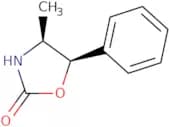

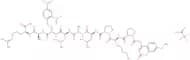
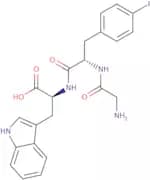
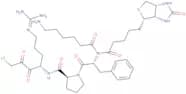
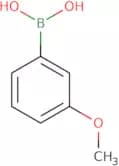
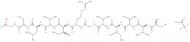
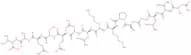
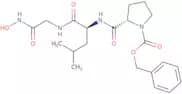
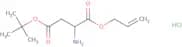
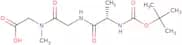
![1b-(4-Fluorophenyl)hexahydro-',7-dihydroxy-7-(1-methylethyl)-1a-phenyl-7a-[(phenylamino)carbonyl]-…](/_next/image/?url=https%3A%2Fstatic.cymitquimica.com%2Fproducts%2F3D%2Fthumb-webp%2FFF171220.webp&w=3840&q=75)

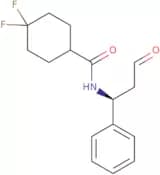

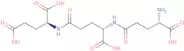
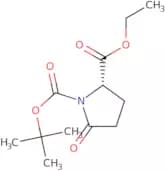
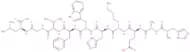

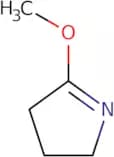

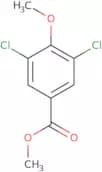

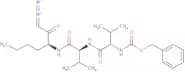
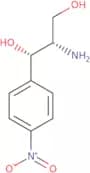
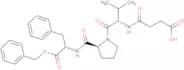
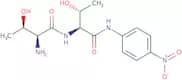
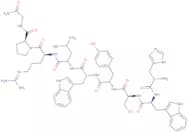
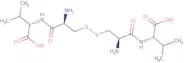
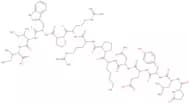
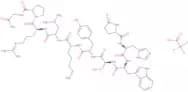
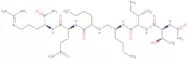
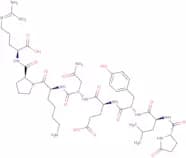
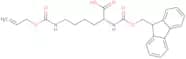
![H-[15N]Tyr-OH](/_next/image/?url=https%3A%2Fstatic.cymitquimica.com%2Fproducts%2F3D%2Fthumb-webp%2FFT107850.webp&w=3840&q=75)
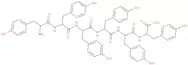
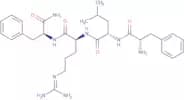
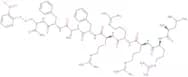
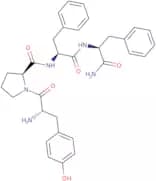
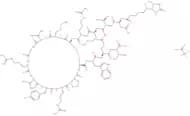
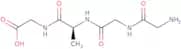
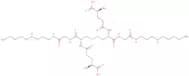
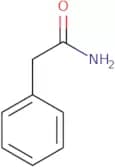
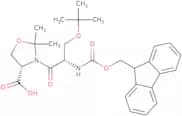
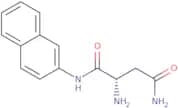
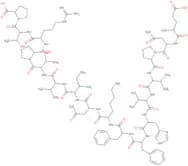
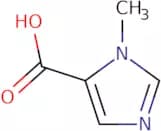
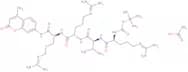
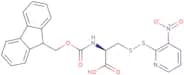
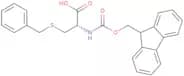
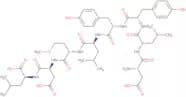

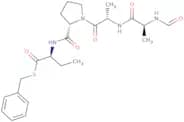
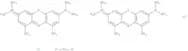
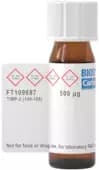
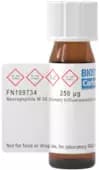


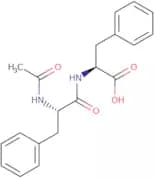
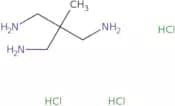
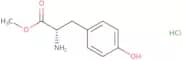


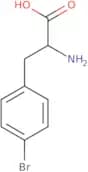
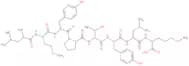
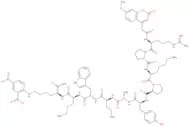
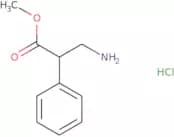
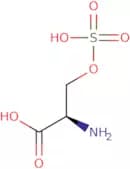
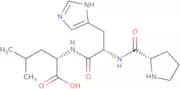
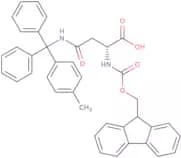
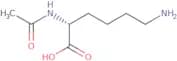
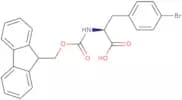
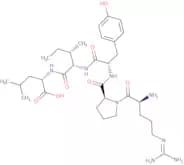
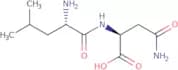

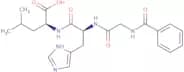
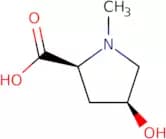
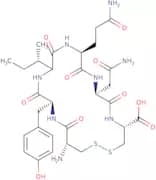
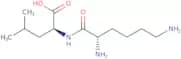
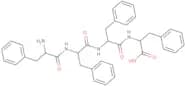
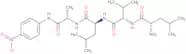
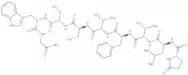
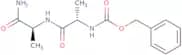

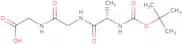
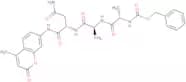
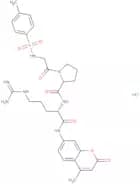
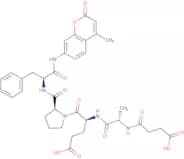
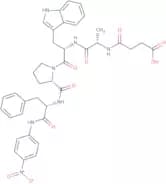
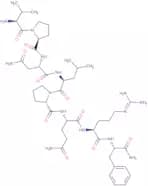

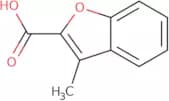
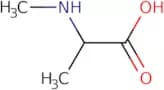
![Fmoc-[ring-D5]Phe-OH](/_next/image/?url=https%3A%2Fstatic.cymitquimica.com%2Fproducts%2F3D%2Fthumb-webp%2FFF111391.webp&w=3840&q=75)
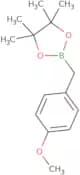

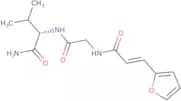
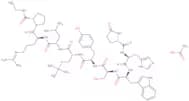
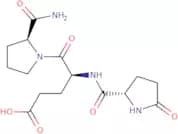
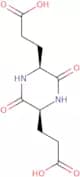
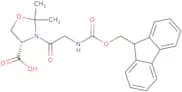
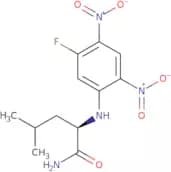
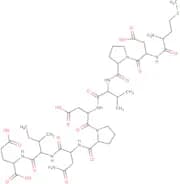
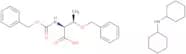
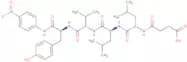

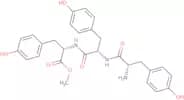

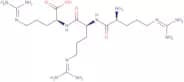
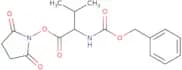
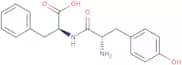



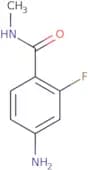
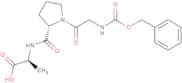

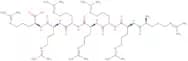

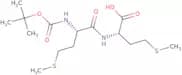

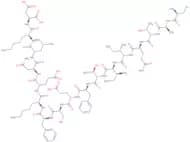
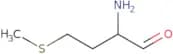
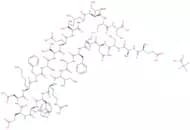
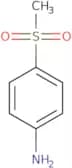
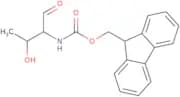
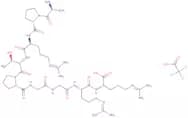
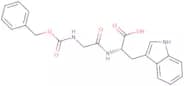
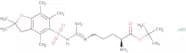

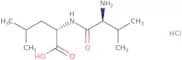
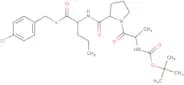
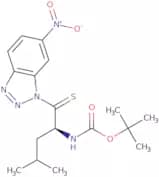
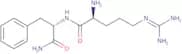
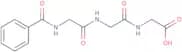
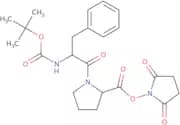

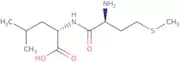
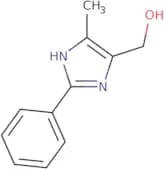
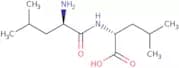
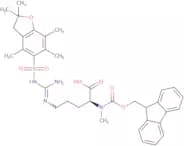
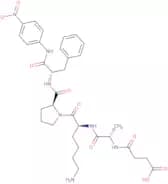
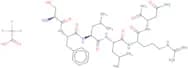
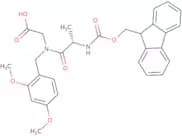
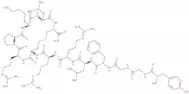
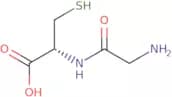

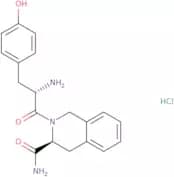
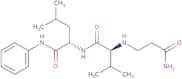
![N-[(RS)-1-Carboxy-3-phenyl-propyl]-Ala-Ala-Phe-4-Abz-OH trifluoroacetate salt](/_next/image/?url=https%3A%2Fstatic.cymitquimica.com%2Fproducts%2F3D%2Fthumb-webp%2FFR111118.webp&w=3840&q=75)
![tert-Butyl6-[(1e)-2-[4-(4-fluorophenyl)-6-(1-methylethyl)-2-[methyl(methylsulfonyl)amino]-5-pyrimi…](/_next/image/?url=https%3A%2Fstatic.cymitquimica.com%2Fproducts%2F3D%2Fthumb-webp%2FFB148489.webp&w=3840&q=75)