Amino Acids (AA)
Amino acids (AAs) are the fundamental building blocks of proteins, playing a crucial role in various biological processes. These organic compounds are essential for protein synthesis, metabolic pathways, and cell signaling. In this category, you will find a comprehensive range of amino acids, including essential, non-essential, and modified forms, which are vital for research in biochemistry, molecular biology, and nutritional sciences. At CymitQuimica, we provide high-quality amino acids to support your research and development needs, ensuring accuracy and reliability in your experimental outcomes.
Subcategories of "Amino Acids (AA)"
- Amino Acid Derivatives(3,969 products)
- Amino Acid and Amino Acid Related Compounds(3,474 products)
- Amino Acids with Oxygen or Sulphur(168 products)
- Boc- Amino Acids(351 products)
- Fmoc Amino Acids(1,710 products)
Found 38282 products of "Amino Acids (AA)"
Sort by
Purity (%)
0
100
|
0
|
50
|
90
|
95
|
100
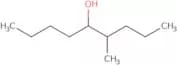
4-Methyl-5-nonanol
CAS:<p>4-Methyl-5-nonanol is a synthetic pheromone that is used in the analytical methods of weevil traps. The odorant binding proteins on the surface of the weevil are attracted to this chemical, which binds to them through hydrophobic interactions. This trap is stereoselective, as it only attracts male weevils. 4-Methyl-5-nonanol has been shown to have a high specificity and sensitivity as an analytical tool for weevil traps, with no cross reactivity with other insects such as beetles or ants.</p>Formula:C10H22OPurity:Min. 95%Color and Shape:Clear LiquidMolecular weight:158.28 g/mol4-Methylsalicylic acid
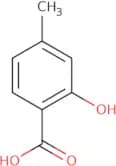
CAS:<p>4-Methylsalicylic acid is a chemical compound that belongs to the group of salicylates. It is an organic compound with a molecular weight of 96.12 g/mol and the chemical formula C8H8O3. The epoxidation of 4-methylsalicylic acid occurs through the use of catalysts, such as zinc oxide and manganese dioxide, which are not functionalized. The addition of these catalysts causes a reaction between the methyl group and the hydroxyl group in 4-methylsalicylic acid, forming methyl salicylate. This product is also used as a chiral building block for other compounds, such as axial chirality and olefins.</p>Formula:C8H8O3Purity:Min. 98 Area-%Color and Shape:PowderMolecular weight:152.15 g/moltrans-3-Hydroxy-L-proline
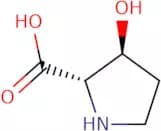
CAS:<p>Please enquire for more information about trans-3-Hydroxy-L-proline including the price, delivery time and more detailed product information at the technical inquiry form on this page</p>Formula:C5H9NO3Purity:Min. 95%Color and Shape:White PowderMolecular weight:131.13 g/molN-(4-Methylphenyl)-2-phenylacetamide
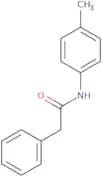
CAS:<p>2-Phenylacetamide is a solvent that can be used as a component in alkylation reactions. It is commonly used as a component of chlorinated solvents and has been shown to catalyze the reaction with benzyl chloride. 2-Phenylacetamide can be used to produce solar cells by sensitizing the surface of silicon wafers with this solvent. Researchers have also studied the alkylation reaction of phenylacetamide with methyl iodide and benzyl chloride, which can be carried out at room temperature and does not require any catalyst. This reaction was found to proceed well under gas chromatographic conditions.</p>Formula:C15H15NOPurity:Min. 95%Molecular weight:225.29 g/mol4-Methyl-1H-1,2,3-benzotriazole
CAS:<p>4-Methyl-1H-1,2,3-benzotriazole is a corrosion inhibitor that is used in the treatment of wastewater. It has been shown to have synergic effects with other corrosion inhibitors such as benzotriazole, glycol ethers, and sodium citrate. 4-Methyl-1H-1,2,3-benzotriazole also inhibits organic matter degradation by acting as an inhibitor. This compound has been shown to adsorb on Langmuir monolayers at low concentrations and can be used as an analytical method for copper ions. The adsorption of 4-methylbenzotriazole onto metal hydroxides was found to be dependent on pH and the presence of other ions in solution.</p>Formula:C7H7N3Purity:Min. 95%Color and Shape:PowderMolecular weight:133.15 g/molL-Cysteine hydrochloride hydrate
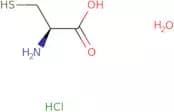
CAS:<p>L-Cysteine hydrochloride hydrate is an amino acid that belongs to the group of antimicrobial agents. It is a precursor in the biosynthesis of proteins and nucleic acids. L-Cysteine hydrochloride hydrate inhibits bacterial growth by reacting with iron and forming an insoluble complex that cannot be used for metabolic processes. Cysteine also reacts with dehydroascorbic acid to form a fluorescent compound, which can be detected using fluorescence probe and fluorometric methods. This reaction is pH dependent, with a lower pH favoring the formation of the fluorescent product. The optimum pH for this reaction is approximately 7.0-8.5, at which point it is most effective against bacteria such as Escherichia coli, Pseudomonas aeruginosa, and Staphylococcus aureus.</p>Formula:C3H7NO2S·HCl·xH2OColor and Shape:PowderMolecular weight:157.62 g/molDL-Methionine-DL-sulfoximine
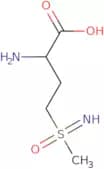
CAS:<p>DL-Methionine sulfoximine is a drug that blocks the synthesis of glutathione, an important antioxidant and detoxifying agent. DL-Methionine sulfoximine may be useful in preventing or treating eye disorders, such as age-related macular degeneration and retinitis pigmentosa. It also has been shown to have beneficial effects in animal models of epilepsy, Alzheimer’s disease, Parkinson's disease, and stroke. DL-Methionine sulfoximine has been shown to have beneficial effects in animal models of epilepsy, Alzheimer’s disease, Parkinson's disease, and stroke. This drug is being studied for its potential use in metabolic disorders such as diabetes and obesity.</p>Formula:C5H12N2O3SPurity:Min. 95%Color and Shape:White PowderMolecular weight:180.23 g/molPAR-3 (1-6) (human) trifluoroacetate salt
CAS:<p>Please enquire for more information about PAR-3 (1-6) (human) trifluoroacetate salt including the price, delivery time and more detailed product information at the technical inquiry form on this page</p>Formula:C29H45N9O8Purity:Min. 95%Molecular weight:647.72 g/molMethyl 5-allyl-2-hydroxy-3-methoxybenzoate
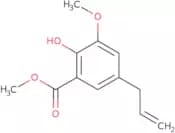
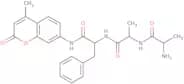
CAS:<p>Methyl 5-allyl-2-hydroxy-3-methoxybenzoate is a chemical compound that belongs to the class of organic compounds known as esters. It is a colorless crystalline solid, which has been found to be useful in the synthesis of other chemical compounds. Methyl 5-allyl-2-hydroxy-3-methoxybenzoate is stable at high temperatures and it was found to be catalytic in reactions involving carbonates. The crystal structure of methyl 5-allyl-2-hydroxy-3-methoxybenzoate has been analyzed using XRD and FTIR spectroscopy. The product yields have been determined by GC analysis and IR spectroscopy.</p>Formula:C12H14O4Purity:Min. 95%Color and Shape:PowderMolecular weight:222.24 g/molH-Ala-Ala-Phe-AMC
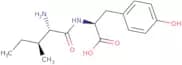
CAS:<p>Fluorogenic substrate for protease</p>Formula:C25H28N4O5Purity:Min. 99 Area-%Color and Shape:White PowderMolecular weight:464.51 g/molIle-Tyr-OH
CAS:<p>Ile-Tyr-OH is a synthetic amino acid that is structurally similar to the amino acids ile and tyrosine. It has been shown to have potent inhibitory activity against noradrenaline and dopamine. Ile-Tyr-OH inhibits the synthesis of hydrogen bonds, which are essential for maintaining the shape of proteins. This prevents proteins from folding into their correct three dimensional structure, leading to an increase in blood pressure. Ile-Tyr-OH has also been shown to reduce intestinal transit time and decrease intestinal motility.</p>Formula:C15H22N2O4Purity:Min. 95%Molecular weight:294.35 g/molLL-37 TFA
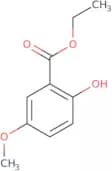
<p>LL-37 TFA is a reagent, complex compound and useful intermediate for the fine chemical and pharmaceutical industries. It is also an important building block for the synthesis of other chemicals. LL-37 TFA has CAS No. 71428-08-9, which is a speciality chemical that can be used in research as well as in many different reactions. The versatility of this compound makes it a very useful building block for the synthesis of other chemicals.</p>Formula:C205H340N60O53•xC2HF3O2Purity:Min. 95 Area-%Color and Shape:PowderMolecular weight:4,493.25 g/molEthyl 2-hydroxy-5-methoxybenzoate
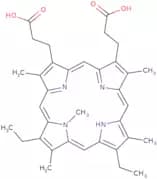
CAS:<p>Ethyl 2-hydroxy-5-methoxybenzoate (EHMB) is a phenolic compound that belongs to the group of salicylic acid. It is a natural product present in crucifers such as cabbage, broccoli, and cauliflower. EHMB has been shown to induce apoptosis in human leukemia cells through the inhibition of DNA methylation. The results showed that EHMB induces apoptosis in human leukemia cells by targeting the epigenetic regulator protein MLL1, which inhibits DNA methyltransferase 1 activity and leads to decreased levels of 5mC. EHMB also induces apoptosis in lung cancer cells by inhibiting cell proliferation and inducing cell death through the inhibition of GTPase activity, which leads to decreased levels of cyclin D1 and increased levels of p27. EHMB also regulates stem cell function by modulating gene expression; it has been shown that this compound can promote stem cell-like properties in mouse embryonic fibrobl</p>Formula:C10H12O4Purity:Min. 95%Color and Shape:Clear LiquidMolecular weight:196.2 g/molN-Methyl mesoporphyrin IX
CAS:<p>N-Methyl mesoporphyrin IX is a molecule that inhibits the activity of enzymes such as carboxylesterases, proteases, and aminopeptidases. It binds to the active site of these enzymes and blocks the enzyme's activity. N-Methyl mesoporphyrin IX has been shown to inhibit cancer cells in humans and can be used as an adjunct treatment for cancer. This drug also has anti-inflammatory properties due to its ability to inhibit prostaglandins synthesis. N-Methyl mesoporphyrin IX has been shown to have an effect on plant physiology by inhibiting plant growth and photosynthesis. N-Methyl mesoporphyrin IX is also able to enhance hybridization reactions between dsDNA duplexes, which may be useful in research involving DNA sequencing or gene mapping.</p>Formula:C35H40N4O4Purity:Min. 95%Color and Shape:PowderMolecular weight:580.72 g/mol4',6-Diamidino-2-phenylindole 2HCl
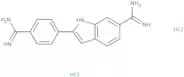
CAS:<p>4',6-Diamidino-2-phenylindole 2HCl (DAB) is a chemical compound used as a histological stain to detect and identify different types of cancer cells. It has been shown to have cytotoxic activity against cancer cells in vitro, but not normal cells. DAB inhibits the growth of cancer cells by disrupting the mitochondrial membrane potential, leading to the release of cytochrome c and apoptosis. The use of this substance has shown that it is not toxic to maternal blood or embryonic tissues. DAB binds to nuclear DNA and polymerase chain reaction products, providing an accurate way to measure cancer cell proliferation.</p>Formula:C16H17Cl2N5Purity:Min. 97.5 Area-%Color and Shape:Yellow PowderMolecular weight:350.25 g/mol2-Chloro-5-methyl-1,4-benzoquinone
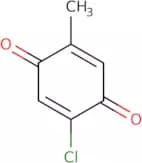
CAS:<p>2-Chloro-5-methyl-1,4-benzoquinone is a heterocyclic organic compound with the molecular formula CHClO. It is a crystalline solid that occurs in two forms, the alpha and beta forms. The alpha form consists of an asymmetric unit containing two fused rings, one with five carbon atoms and another with six. The beta form has a similar structure but the ring with six carbon atoms is replaced by a carbon atom substituted for sulfur. 2-Chloro-5-methyl-1,4-benzoquinone can be used as an emulsifying agent or to produce benzoquinone by oxidation of hydroquinone or by electrochemical reduction of methylene blue. This chemical also has been used as an electron acceptor in supramolecular chemistry studies.</p>Formula:C7H5ClO2Purity:Min. 95%Color and Shape:PowderMolecular weight:156.57 g/mol1,10-Phenanthroline monohydrate
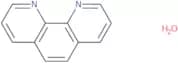
CAS:<p>1,10-Phenanthroline monohydrate is a metal chelate that binds to DNA by hydrogen bonds. It has been shown to have an intramolecular hydrogen and a linear calibration curve with a coefficient of determination (r2) of 0.998. The rate constant for the reaction of 1,10-phenanthroline monohydrate with DNA is 5.00 x 10 M-1 s-1 at 25°C in water and pH 7.4 buffer. The coordination geometry for 1,10-phenanthroline monohydrate is octahedral with the axial ligands occupying the equatorial positions and the equatorial ligands occupying the axial positions. This compound has been shown to be active against HL-60 cells, which causes cancerous transformations in vitro. Fluorescence spectrometry data shows that 1,10-phenanthroline monohydrate can bind to DNA in vitro but not in vivo.</p>Formula:C12H10N2OPurity:Min. 95%Color and Shape:Off-White PowderMolecular weight:198.22 g/molSuc-Ala-Ala-Ala-AMC
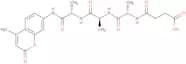
CAS:<p>Suc-Ala-Ala-Ala-AMC is a fluorogenic substrate that can be used to measure the activity of serine proteases. Suc-Ala-Ala-Ala-AMC has been shown to have high values in mammalian tissue. It also has high activity against many bacteria and fungi, as well as proteolytic enzymes such as collagenase and matrix metalloproteinase. This substrate is activated by phorbol esters and has an optimum pH of 5.5. Suc-Ala-Ala-Ala AMC is a model protein for determining the antibacterial efficacy of various antibiotics.</p>Formula:C23H28N4O8Purity:Min. 95%Color and Shape:PowderMolecular weight:488.49 g/mol4-Methylthiophenol
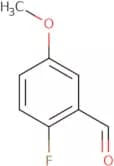
CAS:<p>4-Methylthiophenol is a colorless liquid that is soluble in water. It has a molecular weight of 98.12 and an empirical formula of C6H7O2S. 4-Methylthiophenol is used as an analytical reagent, solvent, and chemical intermediate. It exhibits hydrogen bonding interactions with sodium carbonate and trifluoroacetic acid and forms a salt with sodium carbonate. The molecule's stability increases when it interacts with amines and the presence of nucleophiles such as water or alcohols. 4-Methylthiophenol has been shown to be effective at enhancing the fluorescence signal emitted by amines, which makes it useful for laser ablation mass spectrometry (LA-MS). 4-Methylthiophenol can also be used for kinetic energy measurements using FTIR spectroscopy because it will absorb infrared light at 1680 cm−1 from the CO2 laser beam.</p>Formula:C7H8SPurity:Min. 95%Color and Shape:White PowderMolecular weight:124.2 g/mol2-fluoro-5-methoxybenzaldehyde
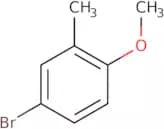
CAS:<p>2-fluoro-5-methoxybenzaldehyde is an asymmetric synthesis that has been shown to inhibit the growth of cancer cells by inhibiting a protein called MT2. 2-Fluoro-5-methoxybenzaldehyde is a nucleophilic compound and reacts with the electrophilic carbon in the enolate to form a sulfoxide, which can be hydrolyzed by acid. This reaction inhibits cancer cell growth as it prevents cellular metabolism and amino acid biosynthesis.</p>Formula:C8H7FO2Purity:Min. 95%Molecular weight:154.14 g/mol5-Bromo-2-methoxytoluene
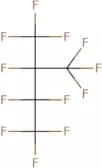
CAS:<p>5-Bromo-2-methoxytoluene is a bromoarene that reacts to form aziridines and phosphotungstic acid. It is used in the synthesis of polyaromatic compounds with steric interactions. 5-Bromo-2-methoxytoluene is also a functional group that can be used as an allosteric modulator. This compound also has stereoisomers that are chiral, meaning they have different structures despite being mirror images of each other. The carbonyl group on the 5-bromo compound is polar, which means it has a charge. The hydrogen bonds between this compound and other molecules are nonpolar, which means they do not have a charge and are more likely to form in a nonpolar solvent.</p>Formula:C8H9BrOPurity:Min. 95%Color and Shape:PowderMolecular weight:201.06 g/molPerfluoro-2-Methylbutane
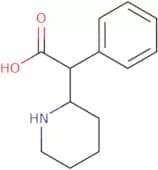
CAS:Controlled Product<p>Perfluoro-2-methylbutane is a pharmaceutical dosage form of a perfluorinated liquid. It is used in clinical practice for the treatment of chronic obstructive pulmonary disease (COPD), asthma, or other respiratory disorders. This drug is also used as an inhalation agent in the treatment of adults with acute bronchitis, emphysema, or other airway obstruction. Perfluoro-2-methylbutane has shown resistance to bacteria that are resistant to natural and synthetic polymers. The diameter of Perfluoro-2-methylbutane particles is between 2 and 10 micrometers and it has a viscosity of about 5 centipoise. It has been shown that the reaction time for this drug can be reduced by adding hexamer, which acts as a surfactant for the gas phase. The active substances in Perfluoro-2-methylbutane are unsaturated ketones such as 3-pentanone, 3-hex</p>Formula:C5F12Purity:Min. 95%Molecular weight:288.03 g/mol2-Phenyl-2-(2-piperidy)acetic acid
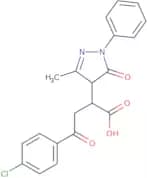
CAS:Controlled Product<p>Methylphenidate is a psychostimulant drug used to treat attention deficit hyperactivity disorder (ADHD) and narcolepsy. It is a prodrug of the active compound, 2-phenyl-2-(2-piperidin)acetic acid (Ritalinic acid), which inhibits the reuptake of dopamine and norepinephrine into the presynaptic neuron. Methylphenidate can be detected by LC-MS/MS in wastewater, providing an analytical method for predicting the presence of this substance in wastewater treatment plants. This drug has minimal toxicity in model organisms and can be metabolized by methylation to form a glucuronide conjugate. Methylphenidate has been shown to increase locomotor activity when administered at low doses, but not at high doses. At high doses, it increases locomotor activity up to 3 hours after administration and decreases locomotor activity 1 hour after administration.</p>Formula:C13H17NO2Purity:Min 98%Color and Shape:White PowderMolecular weight:219.28 g/mol4-(4-Chlorophenyl)-2-(3-methyl-5-oxo-1-phenyl(2-pyrazolin-4-yl))-4-oxobutanoic acid
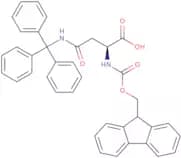
CAS:<p>Please enquire for more information about 4-(4-Chlorophenyl)-2-(3-methyl-5-oxo-1-phenyl(2-pyrazolin-4-yl))-4-oxobutanoic acid including the price, delivery time and more detailed product information at the technical inquiry form on this page</p>Purity:Min. 95%Fmoc-Asn(Trt)-OH
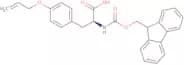
CAS:<p>Fmoc-Asn(Trt)-OH is a pegylated molecule synthesized by attaching a polyethylene glycol (PEG) to the terminal amino acids. It has been shown that Fmoc-Asn(Trt)-OH inhibits peptide synthesis by inhibiting the formation of an enzyme-substrate complex. This inhibition prevents the transfer of an amino acid from one protein chain to another, preventing the formation of a new chain and subsequent polymerization. Fmoc-Asn(Trt)-OH also has an inhibitory effect on polypeptide synthesis. The molecular weight of this compound is about 535 Daltons.</p>Formula:C38H32N2O5Purity:Min. 98 Area-%Color and Shape:White PowderMolecular weight:596.67 g/molFmoc-O-allyl-L-tyrosine
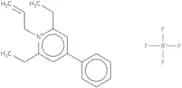
CAS:<p>Please enquire for more information about Fmoc-O-allyl-L-tyrosine including the price, delivery time and more detailed product information at the technical inquiry form on this page</p>Formula:C27H25NO5Purity:Min. 95%Color and Shape:PowderMolecular weight:443.49 g/molN-Propyl-1-ene-2,6-diethyl-4-phenylpyridinium tetrafluoroborate
CAS:<p>N-Propyl-1-ene-2,6-diethyl-4-phenylpyridinium tetrafluoroborate (NPEEDPBF) is a fine chemical that has been used as a building block in research and industrial chemistry. The synthesis of NPEEDPBF typically involves the reaction of diethyl phenylpyridinium bromide with n propyl iodide. It can be used as a reagent for organic syntheses and as an intermediate for other compounds. NPEEDPBF is also a versatile building block for complex compounds.</p>Formula:C18H22N•BF4Purity:Min. 95%Molecular weight:339.18 g/molL-a-Phosphatidyl-L-serine
CAS:<p>L-a-Phosphatidyl-L-serine is a chelator that is commonly used in the production of dabigatran etexilate mesylate, a medication used for anticoagulation. It has the ability to bind to hydrocarbons and other reactive species, preventing them from causing harm. L-a-Phosphatidyl-L-serine is also known to interact with potassium ions, which are essential for various biological processes. This compound is often used in research chemicals and has been found to have an inhibitory effect on potassium channels. Additionally, it has been shown to enhance the activity of fluoroquinolones, a class of antibiotics. Overall, L-a-Phosphatidyl-L-serine plays a crucial role as a target molecule in various applications related to anticoagulation and potassium regulation.</p>Formula:C42H82NO10PPurity:Min. 95%Color and Shape:PowderMolecular weight:792.07 g/molH-Glu(Abu-OH)-OH
CAS:<p>H-Glu(Abu-OH)-OH is a reaction component that is used in the synthesis of peptides, proteins, and other complex compounds. It has been shown to be an effective scaffold for the synthesis of a variety of useful compounds. H-Glu(Abu-OH)-OH can be used as a building block in the synthesis of peptides, proteins, and other complex molecules. This chemical also has many different applications in the pharmaceutical industry.</p>Formula:C9H16N2O5Purity:Min. 95 Area-%Color and Shape:Colorless PowderMolecular weight:232.23 g/molO-Phospho-DL-serine
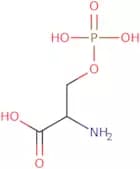
CAS:<p>O-Phospho-DL-serine is a nonprotein amino acid that is synthesized in plants and microorganisms. It is an intermediate in the metabolism of phosphoserine, which can be converted to phosphoserine by the enzyme phosphoserine phosphatase. O-Phospho-DL-serine has been shown to have anti-cancer properties, as it inhibits the growth of various human cancer cell lines by dephosphorylating and inhibiting protein kinases. O-Phospho-DL-serine also has a role in the activation of response elements and cytokines, especially in the presence of growth factors such as fibroblast growth factor β1 (FGFβ1).</p>Formula:C3H8NO6PPurity:Min. 95%Color and Shape:PowderMolecular weight:185.07 g/mol1-Boc-1,8-diaminooctane
CAS:<p>1-Boc-1,8-diaminooctane is a polymerase that is used in the synthesis of DNA. It has been shown to be able to cleave supercoiled DNA and bind to acidic surfaces. This compound is fluorescent and can form covalent adducts with nucleic acids. 1-Boc-1,8-diaminooctane also has a piperidine group, which can act as a linker for other molecules such as anthracene. 1-Boc-1,8-diaminooctane is a neutral pH compound that reacts well with biomolecules.</p>Formula:C13H28N2O2Purity:Min. 95%Color and Shape:PowderMolecular weight:244.37 g/mol3-Fluoro-DL-tyrosine
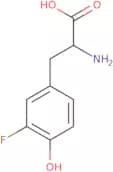
CAS:<p>3-Fluoro-DL-tyrosine is a model system for the study of tyrosine transfer reactions. It is used to study the reaction mechanism and kinetics of tyrosine transfer from a donor molecule to an acceptor molecule. 3-Fluoro-DL-tyrosine reacts with trifluoroacetic acid to form 3,4-dihydroxybenzoic acid, which is a chemical analog of tyrosine. The hydroxyl group on this molecule can react with the proton on the amino acid side chain, forming a covalent bond that does not break down under normal conditions. This reaction is reversible and has been shown to be catalyzed by polymerase chain reactions (PCR).</p>Formula:C9H10FNO3Purity:Min. 95%Color and Shape:PowderMolecular weight:199.18 g/mol2,9-Dibromo-1,10-phenanthroline
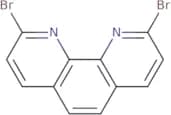
CAS:<p>2,9-Dibromo-1,10-phenanthroline is a molecule that has been shown to be an effective sensitizer for the photochemical conversion of chlorine dioxide to ozone. It has been used as a model compound in molecular orbital calculations and has been shown to enhance the yield of ozone by up to 3%. The emission spectrum of 2,9-dibromo-1,10-phenanthroline displays a peak at 362 nm, which lies in the ultraviolet region. The molecule is orthorhombic and crystallizes in space group P2/c with cell dimensions a = 17.8 Å and c = 18.7 Å.</p>Formula:C12H6Br2N2Purity:Min. 95%Color and Shape:White PowderMolecular weight:338 g/molZ-Gly-Met-OH
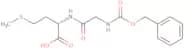
CAS:<p>Z-Gly-Met-OH is a buffer that can be used to create an acidic solution. It is often used in liquid chromatography and peptide synthesis. Z-Gly-Met-OH has been shown to have potential use as an enzyme inhibitor, specifically for proteases and peptidases. The hydrolyzed form of Z-Gly-Met-OH has been shown to bind zinc ions and could be used in the treatment of metal ion poisoning.</p>Formula:C15H20N2O5SPurity:Min. 95 Area-%Color and Shape:PowderMolecular weight:340.4 g/molH-Asp-Phe-OH
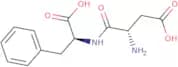
CAS:<p>H-Asp-Phe-OH is a diagnostic agent that contains the amino acid aspartame and a hydroxyl group. It is hydrolyzed in the body to form aspartic acid, phenylalanine, and methanol. The methyl ester of H-Asp-Phe-OH is hydrochloride. This compound has been used to study locomotor activity in mice and rats. Aspartame has also been shown to be an inhibitor of certain enzymes, such as fatty acid synthase, which is associated with human pathogens. The lc-ms/ms method has been used to detect H-Asp-Phe-OH metabolites in human serum samples. In addition, this compound can be used for the diagnosis of diseases such as diabetes mellitus type 2 and Alzheimer’s disease by measuring uptake into cells at enzyme activities.</p>Formula:C13H16N2O5Purity:Min. 95%Color and Shape:White PowderMolecular weight:280.28 g/molL-Aspartic acid b-methyl ester hydrochloride
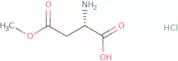
CAS:<p>L-Aspartic acid b-methyl ester hydrochloride is a high quality, versatile building block that can be used as a reaction component in the synthesis of complex compounds. L-Aspartic acid b-methyl ester hydrochloride is a useful scaffold for the preparation of novel fine chemicals and research chemicals with potential uses as pharmaceuticals, pesticides, and agricultural chemicals. It can also be used as an intermediate in the preparation of some natural products or industrial chemicals. L-Aspartic acid b-methyl ester hydrochloride has a CAS number of 16856-13-6.</p>Formula:C5H9NO4·HClColor and Shape:White PowderMolecular weight:183.59 g/mol(2S,3S)-trans-Epoxysuccinyl-L-leucylamido-3-methylbutane ethyl ester
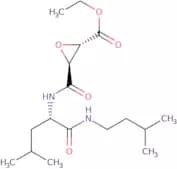
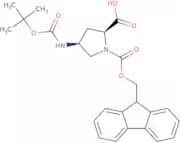
CAS:<p>Inhibitor of cathepsins</p>Formula:C17H30N2O5Purity:Min. 95%Color and Shape:PowderMolecular weight:342.43 g/molBoc-(2S,4S)-4-amino-1-Fmoc-pyrrolidine-2-carboxylic acid
CAS:<p>Useful chiral building block</p>Formula:C25H28N2O6Purity:Min. 95%Molecular weight:452.5 g/mol6-Amino-3,4-methylenedioxyacetophenone HCl
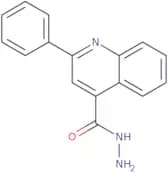
CAS:<p>Please enquire for more information about 6-Amino-3,4-methylenedioxyacetophenone HCl including the price, delivery time and more detailed product information at the technical inquiry form on this page</p>Formula:C9H10ClNO3Purity:Min. 95%Color and Shape:PowderMolecular weight:215.63 g/mol2-Phenylquinoline-4-carbohydrazide
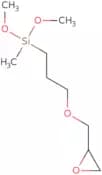
CAS:<p>2-Phenylquinoline-4-carbohydrazide is an antibacterial agent that binds to bacterial DNA gyrase and topoisomerase, which are enzymes that maintain the integrity of bacterial DNA. It also has significant anti-inflammatory activity and can be used for the treatment of skin disorders, such as acne. 2-Phenylquinoline-4-carbohydrazide has been shown to induce apoptosis in human dermal fibroblast cells. This drug has been shown to have anticancer activity in vitro and in vivo. The anticancer activity of this drug may be due to its ability to inhibit cancer cell proliferation by binding to DNA gyrase and topoisomerase, which are enzymes that maintain the integrity of bacterial DNA.</p>Formula:C16H13N3OPurity:Min. 95%Molecular weight:263.29 g/mol(3-glycidoxypropyl)methyldimethoxysilane
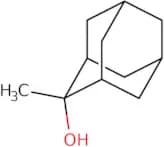
CAS:<p>3-Glycidoxypropyl methyldimethoxysilane (3-GPMDMS) is a compound that belongs to the group of organosilicon compounds. It is an organic solvent that has been used for the activation energy of ring-opening reactions. 3-GPMDMS is also suitable for immobilizing polysaccharides, proteins, and enzymes on surfaces or in polymer matrices. 3-GPMDMS has been used to produce polymers with high molecular weight and a wide range of molecular weights by polymerization. 3-GPMDMS can be synthesized by reacting glycidoxypropyltrimethoxysilane with methanol in the presence of hydrochloric acid. The chemical structure includes methoxy groups connected to silicon atoms via methylphenyl groups. 3-GPMDMS has been shown to exhibit excellent magnetic resonance properties and be a potential candidate for use as nanomaterials. It</p>Formula:C9H20O4SiPurity:Min. 95%Molecular weight:220.34 g/mol2-Methyl-2-adamantanol
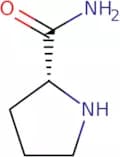
CAS:<p>2-Methyl-2-adamantanol is a chemical compound with the molecular formula CH(CH)COOH. It is a colorless liquid that boils at 109°C and freezes at -78°C. This compound has been used as an additive to gasoline, in cosmetics, as a solvent for polymers, and as a fuel. 2-Methyl-2-adamantanol is synthesized by the reaction of 1-adamantanol with hydrogen chloride gas in the presence of dimethylformamide. The product can be purified by recrystallizing it from methanol or chloroform. The structure of this compound was determined using X-ray crystallography. 2-Methyl-2-adamantanol is an alicyclic molecule that contains two methyl groups (-CH3) on adjacent carbons (C). It also has a hydrogen bond between the two methyl groups on C1 and C2. This compound has been</p>Formula:C11H18OPurity:Min. 95%Color and Shape:PowderMolecular weight:166.1 g/molD-Proline amide
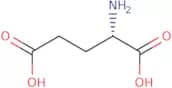
CAS:<p>Intermediate in the synthesis of vildagliptin</p>Formula:C5H10N2OPurity:Min. 95%Color and Shape:PowderMolecular weight:114.15 g/molL-Glutamic acid
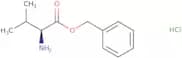
CAS:<p>Amino acid; neurotransmitter; flavor enhancer</p>Formula:C5H9NO4Color and Shape:Off-White Clear LiquidMolecular weight:147.13 g/molL-Valine benzyl ester hydrochloride
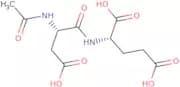
CAS:<p>L-Valine benzyl ester hydrochloride (LVEH) is a tetradecapeptide that is used as an analog of the natural peptide angiotensinogen. This synthetic compound has low molecular weight and hydrophobicity, which makes it an efficient drug for inducing hypertension in rats. LVEH has been shown to inhibit the production of angiotensin I and II, leading to a decrease in blood pressure. It also inhibits the degradation of endoplasmic reticulum protein angiotensinogen, which may be due to its inhibition of piperazine and piperidine. LVEH binds to mitochondria with high affinity, inhibiting ATP production and mitochondrial respiration.</p>Formula:C12H17NO2•HClPurity:Min. 95%Color and Shape:PowderMolecular weight:243.73 g/molN-Acetyl-L-aspartyl-L-glutamic acid
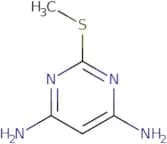
CAS:<p>N-Acetyl-L-aspartyl-L-glutamic acid is an amino acid that is used as a substrate in the biochemical assay for glutamate. It is also used to measure brain functions. NAAG is a low potency agonist of the NMDA receptor, which may contribute to neuronal death. NAAG is used as a model system to study bowel disease and eosinophil cationic protein. It has been shown to be effective in vitro against cancer cells and fungi. The structural analysis of NAAG has revealed that it contains an acidic group on its side chain, which can be detected with a pH indicator such as phenol red or bromocresol purple.</p>Formula:C11H16N2O8Purity:Min. 95 Area-%Color and Shape:White Off-White PowderMolecular weight:304.25 g/mol2-Methylthiopyrimidine-4,6-diamine
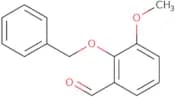
CAS:<p>2-Methylthiopyrimidine-4,6-diamine is a potent inhibitor of the enzyme DNA polymerase. It has shown to be effective against hepg2 cells and other cancer cells. The compound binds covalently to the active site of the enzyme, where it stabilizes the transition state and deshields the electrostatic field around the nucleophilic nitrogen atom. This interaction leads to a decreased affinity for ATP, which is required for DNA synthesis. 2-Methylthiopyrimidine-4,6-diamine also has antimalarial activity and inhibits amide bond formation in hepg2 cells.</p>Formula:C5H8N4SPurity:Min. 95%Color and Shape:PowderMolecular weight:156.21 g/mol2-Benzyloxy-3-methoxybenzaldehyde
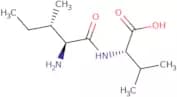
CAS:<p>2-Benzyloxy-3-methoxybenzaldehyde is an enantiopure compound that has been shown to have antiproliferative effects on cancer cells. It was also found to have a strong binding affinity for DNA and protein. The antiproliferative effects of 2-Benzyloxy-3-methoxybenzaldehyde were found to be due to its ability to bind to dna and inhibit the enzyme activity of pyrazine-2-carboxylic acid, leading to a decrease in the production of proteins vital for cell division. 2-Benzyloxy-3-methoxybenzaldehyde has been shown to have anticancer activity against colorectal cancer cells and may serve as a lead compound for future drug development.</p>Formula:C15H14O3Purity:Min. 95%Molecular weight:242.27 g/molH-Ile-Val-OH
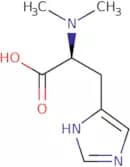
CAS:<p>H-Ile-Val-OH is an inhibitor of the enzyme catalysis in cancer cells. The mechanism of inhibition is likely to be competitive with respect to the substrate and reversible by addition of exogenous substrate. The IC50 values for H-Ile-Val-OH were determined in uptake assays and found to be around 100 μM. The IC50 values for H-Ile-Val-OH were also determined in x-ray diffraction data and found to be around 10 μM. H-Ile-Val-OH has been shown to inhibit squamous carcinoma cell growth, which may be due to its ability to inhibit protein synthesis.</p>Formula:C11H22N2O3Purity:Min. 95%Molecular weight:230.3 g/molN,N-Dimethyl-histidine
CAS:<p>N,N-Dimethyl-histidine is a zwitterion formed by the combination of two molecules of the amino acid histidine. It is a derivative of methylhistidine, which is a fungal metabolite. N,N-Dimethyl-histidine has been shown to be an injectable form of methylhistidine and can be used as a metabolic marker in animals and humans. The radioactivity level of N,N-Dimethyl-histidine can be measured using an electron spin resonance spectrometer. N,N-Dimethyl-histidine also has oxidizing properties that have been demonstrated in the oxidation of l-(3-[14C]methylaminopropyl)-3-[14C]methacryloxymethyl)benzene.</p>Formula:C8H13N3O2Purity:Min. 95%Color and Shape:White PowderMolecular weight:183.21 g/mol