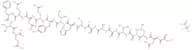
Amino Acids (AA)
Subcategories of "Amino Acids (AA)"
- Amino Acid Derivatives(4,017 products)
- Amino Acid and Amino Acid Related Compounds(3,490 products)
- Amino Acids with Oxygen or Sulphur(168 products)
- Boc- Amino Acids(351 products)
- Fmoc Amino Acids(1,710 products)
Found 38384 products of "Amino Acids (AA)"
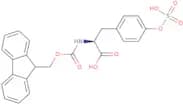
Fmoc-Tyr(SO3H)-OH barium salt
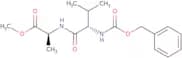
CAS:Please enquire for more information about Fmoc-Tyr(SO3H)-OH barium salt including the price, delivery time and more detailed product information at the technical inquiry form on this pageFormula:C24H21NO8SPurity:Min. 95%Molecular weight:483.49 g/molZ-Val-Ala-OMe
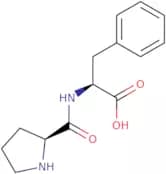
CAS:Z-Val-Ala-OMe is an anti-leishmanial agent that has been shown to be a more efficient method for the treatment of leishmaniasis than current treatments. It inhibits the growth of Leishmania by inhibiting serine proteases, which are involved in the formation of amorphous material on the surface of these parasites. Z-Val-Ala-OMe is active against both subtilis and licheniformis, with a residue half life of 3 hours at pH 5.5 and 20 degrees Celsius. This drug binds to the surface of Leishmania parasites and inhibits their ability to metabolize phosphite into ethyl esters. The kinetic data obtained from Z-Val-Ala-OMe was measured using immobilized cells in a microtiter plate assay system. The data collected was used to generate a graph showing an initial burst phase followed by a linear phase for up to 72 hours post incubation with the drugFormula:C17H24N2O5Purity:Min. 95%Molecular weight:336.38 g/molH-Pro-Phe-OH
CAS:H-Pro-Phe-OH is a synthetic peptide that is used in the treatment of high blood pressure. It has been shown to decrease blood pressure by increasing the production of nitric oxide and by decreasing activity of angiotensin converting enzyme, which are factors that have an influence on blood pressure. H-Pro-Phe-OH has been shown to be effective for treating HIV infection and amyloidosis. H-Pro-Phe-OH binds to collagen and increases its production in tissues, which may be responsible for its antihypertensive effects. It also inhibits the growth of bacteria by binding to their cell walls and inhibiting their protein synthesis. The metabolic products of H-Pro-Phe-OH are not yet known, but it is thought that they may contain hydroxyproline or hydroxylysine residues.Formula:C14H18N2O3Purity:Min. 95%Color and Shape:White PowderMolecular weight:262.3 g/molAngiogenin (108-123)
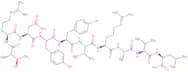
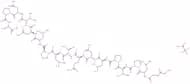
CAS:Please enquire for more information about Angiogenin (108-123) including the price, delivery time and more detailed product information at the technical inquiry form on this pageFormula:C83H132N26O24Purity:Min. 95%Molecular weight:1,878.1 g/molH-Thr-Arg-Asn-Tyr-Tyr-Val-Arg-Ala-Val-Leu-OH
CAS:Please enquire for more information about H-Thr-Arg-Asn-Tyr-Tyr-Val-Arg-Ala-Val-Leu-OH including the price, delivery time and more detailed product information at the technical inquiry form on this pageFormula:C57H91N17O15Purity:Min. 95%Molecular weight:1,254.44 g/molAloc-OSu
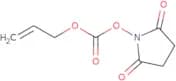
CAS:Aloc-OSu is a glycosylated glycopeptide antibiotic that belongs to the class of degradable antibiotics. The drug binds to the enzyme UDP-N-acetylglucosamine:glycoprotein glucosyltransferase, thereby inhibiting bacterial cell wall synthesis. Aloc-OSu has been shown to be effective against methicillin resistant Staphylococcus aureus (MRSA) and Clostridium perfringens, although is not active against acid-fast bacteria such as Mycobacterium tuberculosis or Mycobacterium avium complex. Aloc-OSu has shown anti-inflammatory properties, which may be due to its inhibition of prostaglandin synthesis.
Formula:C8H9NO5Purity:Min. 95%Molecular weight:199.16 g/molAc-His-His-Gly-His-OH
CAS:Ac-His-His-Gly-His-OH is a lysine ligand with an acetyl group and two histidine residues. Acetylation of the hydroxyl group on the lysine residue is necessary for binding to metal ions, such as protonation. This molecule has been shown to have five different protonation states at neutral pH. The protonated form has been found to be more soluble in water than the deprotonated form. Acetylation of both lysines in the molecule leads to hydrolytic cleavage of the amide bond, which causes it to become insoluble in water. Acetylation also alters chemical properties, such as changes in color; for example, this molecule exhibits dichroism when viewed under polarized light.Formula:C22H28N10O6Purity:Min. 95%Molecular weight:528.52 g/molAc-tBu-Gly-tBu-Gly-Asn(Me)2-Ala-AMC
CAS:Please enquire for more information about Ac-tBu-Gly-tBu-Gly-Asn(Me)2-Ala-AMC including the price, delivery time and more detailed product information at the technical inquiry form on this page
Formula:C33H50N6O8Purity:Min. 95%Molecular weight:658.79 g/molH-Asn-Arg-Val-Tyr-Val-His-Pro-Phe-OH
CAS:H-Asn-Arg-Val-Tyr-Val-His-Pro-Phe (HAV) is a small molecule that is a member of the ubiquitin ligase family. This drug has been shown to have a variety of biological effects, including cardiac and bowel disease, as well as hypertension. HAV has also been shown to reduce the risk of heart failure in people with chronic kidney disease. HAV binds to the protein PCSK9 and inhibits its function by binding to the epsilon site on PCSK9. This leads to an increase in low density lipoprotein cholesterol and a decrease in high density lipoprotein cholesterol levels. HAV also has an amide group that allows it to inhibit angiotensin II and act as a pressor agent.Formula:C49H70N14O11Purity:Min. 95%Molecular weight:1,031.17 g/molH-Gly-Phe-Ser-OH
CAS:H-Gly-Phe-Ser-OH is a substrate for thermolysin, an enzyme that catalyzes the hydrolysis of peptides to amino acids. It is modified by glycerol, which influences its affinity and nature. The residue can be either modified or unmodified with a specific chain length. The modifications of the residue are important in determining the specificity of the enzyme. H-Gly-Phe-Ser-OH has a high degree of hydrophobicity, which influences the catalytic reaction. This substrate can be used to determine enzyme specificity because it is not cleaved by enzymes such as trypsin and chymotrypsin.Formula:C14H19N3O5Purity:Min. 95%Molecular weight:309.32 g/molH-Gly-Ala-Asp-OH
CAS:H-Gly-Ala-Asp-OH is a pharmacological treatment for bacterial infection. The drug has been shown to be effective in treating the symptoms of bacterial infections, such as fever and headache, in animal models. H-Gly-Ala-Asp-OH binds to the GABA receptor and inhibits the production of GABA, which is an inhibitory neurotransmitter that regulates neuronal activity. This binding prevents the formation of an inhibitor complex with the enzyme decarboxylase that is required for GABA synthesis and thus inhibits protein synthesis and cell division.Formula:C9H15N3O6Purity:Min. 98 Area-%Color and Shape:PowderMolecular weight:261.23 g/molH-Ile-NHOH acetate salt
CAS:H-Ile-NHOH acetate salt is an inhibitor of l-amino acid metabolism. It is a competitive inhibitor of the enzyme L-amino acid oxidase, which catalyzes the conversion of l-amino acids to alpha-keto acids and ammonia. H-Ile-NHOH acetate salt has been shown to inhibit the growth of wild type C. glutamicum in a molecular modeling study. In addition, this compound has been shown to block messenger RNA (mRNA) synthesis in a mutant strain of C. glutamicum that does not have the frameshifting mutation. H-Ile-NHOH acetate salt is also known to be an inhibitor of fatty acid biosynthesis by blocking the activity of acyl carrier protein synthetase and acyl carrier protein reductase.
Formula:C6H14N2O2Purity:Min. 95%Molecular weight:146.19 g/molMca-Amyloid beta/A4 Protein Precursor770 (667-676)-Lys(Dnp)-Arg-Arg amide trifluoroacetate salt
CAS:Please enquire for more information about Mca-Amyloid beta/A4 Protein Precursor770 (667-676)-Lys(Dnp)-Arg-Arg amide trifluoroacetate salt including the price, delivery time and more detailed product information at the technical inquiry form on this pageFormula:C87H129N27O28SPurity:Min. 95%Molecular weight:2,033.19 g/molH-Ala-Phe-pNA·HCl
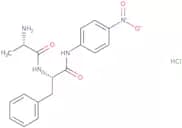
CAS:Please enquire for more information about H-Ala-Phe-pNA·HCl including the price, delivery time and more detailed product information at the technical inquiry form on this pageFormula:C18H20N4O4·HClPurity:Min. 95%Molecular weight:392.84 g/molH-Ala-D-Ala-Ala-OH
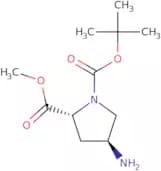
CAS:Please enquire for more information about H-Ala-D-Ala-Ala-OH including the price, delivery time and more detailed product information at the technical inquiry form on this pageFormula:C9H17N3O4Purity:Min. 95%Molecular weight:231.25 g/mol(2R,4S)-1-tert-Butyl 2-methyl4-aminopyrrolidine-1,2-dicarboxylate
CAS:Please enquire for more information about (2R,4S)-1-tert-Butyl 2-methyl4-aminopyrrolidine-1,2-dicarboxylate including the price, delivery time and more detailed product information at the technical inquiry form on this page
Formula:C11H20N2O4Purity:Min. 95%Molecular weight:244.29 g/mol(Val34)-Amyloid b-Protein (1-40) trifluoroacetate salt
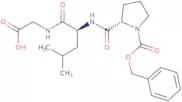
CAS:Please enquire for more information about (Val34)-Amyloid b-Protein (1-40) trifluoroacetate salt including the price, delivery time and more detailed product information at the technical inquiry form on this pageFormula:C193H293N53O58SPurity:Min. 95%Molecular weight:4,315.78 g/molZ-Pro-Leu-Gly-OH
CAS:Z-Pro-Leu-Gly-OH is a peptide that belongs to the class of amides, oxalate salts, and grignard reagents. It can be synthesized from the reaction between an oxalate salt and a grignard reagent. The synthesis of Z-Pro-Leu-Gly-OH is usually done by reacting an oxalate salt with a grignard reagent in presence of a ketone or ketomethylene.
Formula:C21H29N3O6Purity:Min. 95%Molecular weight:419.47 g/molAnantin (linear sequence) trifluoroacetate salt
CAS:Please enquire for more information about Anantin (linear sequence) trifluoroacetate salt including the price, delivery time and more detailed product information at the technical inquiry form on this page
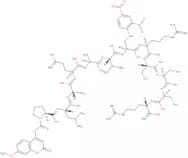
Formula:C90H113N21O25Purity:Min. 95%Molecular weight:1,888.99 g/molMca-Pro-Leu-Ala-Cys(Mob)-Trp-Ala-Arg-Dap (Dnp)-NH2 trifluoroacetate salt
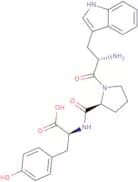
CAS:Please enquire for more information about Mca-Pro-Leu-Ala-Cys(Mob)-Trp-Ala-Arg-Dap (Dnp)-NH2 trifluoroacetate salt including the price, delivery time and more detailed product information at the technical inquiry form on this pageFormula:C66H82N16O17SPurity:Min. 95%Molecular weight:1,403.52 g/molH-Trp-Pro-Tyr-OH
CAS:The peptide H-Trp-Pro-Tyr-OH is a tripeptide with a dihedral angle of 180°. It has been studied by infrared and fluorescence spectroscopy, and the proton resonances have been assigned to H1, H2, and H3. The zwitterion form of this peptide is predicted to be more stable than the isomeric form due to its higher solvation energy. The peptide transporter in the intestinal tract has been shown to transport this peptide via an electrophilic mechanism.Formula:C25H28N4O5Purity:Min. 95%Molecular weight:464.51 g/molMca-(endo-1a-Dap (Dnp))-TNF-a (-5 to +6) amide (human) trifluoroacetate salt
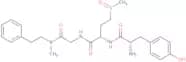
CAS:Please enquire for more information about Mca-(endo-1a-Dap (Dnp))-TNF-a (-5 to +6) amide (human) trifluoroacetate salt including the price, delivery time and more detailed product information at the technical inquiry form on this pageFormula:C69H103N23O24Purity:Min. 95%Molecular weight:1,638.7 g/molSyndyphalin SD-33
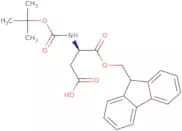
CAS:Please enquire for more information about Syndyphalin SD-33 including the price, delivery time and more detailed product information at the technical inquiry form on this pageFormula:C25H34N4O5SPurity:Min. 95%Molecular weight:502.63 g/molBoc-D-Asp-OFm
CAS:Please enquire for more information about Boc-D-Asp-OFm including the price, delivery time and more detailed product information at the technical inquiry form on this pageFormula:C23H25NO6Purity:Min. 95%Molecular weight:411.45 g/molH-Leu-Trp-Met-Arg-Phe-Ala-OH acetate salt
CAS:H-Leu-Trp-Met-Arg-Phe-Ala-OH acetate salt is a synthetic amino acid. It has been shown to be a substrate for peptidases and proteolytic enzymes, including serine protease. H-Leu-Trp-Met-Arg-Phe-Ala-OH acetate salt also has catalytic activity, which leads to the formation of methyl ketones. This product is used as an analytical reagent in the determination of specificities of proteolytic enzymes. It is also used to measure the activity of amyloid protein and peptidases.Formula:C40H58N10O7SPurity:Min. 95%Molecular weight:823.02 g/molBz-Arg-Gly-Phe-Phe-Pro-4MbetaNA·HCl
CAS:Please enquire for more information about Bz-Arg-Gly-Phe-Phe-Pro-4MbetaNA·HCl including the price, delivery time and more detailed product information at the technical inquiry form on this page
Formula:C49H55N9O7·HClPurity:Min. 95%Molecular weight:918.48 g/molH-D-Met-D-Met-OH
CAS:Please enquire for more information about H-D-Met-D-Met-OH including the price, delivery time and more detailed product information at the technical inquiry form on this pageFormula:C10H20N2O3S2Purity:Min. 95%Molecular weight:280.41 g/molH-Pro-Phe-Gly-Lys-OH acetate salt
CAS:Please enquire for more information about H-Pro-Phe-Gly-Lys-OH acetate salt including the price, delivery time and more detailed product information at the technical inquiry form on this pageFormula:C22H33N5O5Purity:Min. 95%Molecular weight:447.53 g/molpTH-Related Protein (1-34) amide (human, mouse, rat) trifluoroacetate salt
CAS:Parathyroid hormone-related protein (PTHrP) is a peptide hormone produced by the parathyroid gland that functions as a phosphatase, inhibiting alkaline phosphatase. It also has an inhibitory effect on osteoclastic bone resorption and stimulates osteoblastic bone formation. PTHrP has been shown to be useful in treating osteoporosis and Paget's disease. It also has been used in conjunction with dexamethasone to treat patients with malignancies of the head and neck. PTHrP is an inhibitor of protein kinase A and phosphodiesterases, which are enzymes that regulate cellular processes such as proliferation and differentiation.Formula:C180H288N58O47Purity:Min. 95%Molecular weight:4,016.58 g/molAmyloid beta-Protein (1-42) hydrochloride salt
CAS:Key subunit of extracellular plaques found in the brains of patients with Alzheimer's disease; Hydrochloride saltFormula:C203H311N55O60SPurity:Min. 95%Molecular weight:4,514.04 g/molMca-Arg-Pro-Lys-Pro-Val-Glu-Nva-Trp-Arg-Lys(Dnp)-NH2 trifluoroacetate salt
CAS:Please enquire for more information about Mca-Arg-Pro-Lys-Pro-Val-Glu-Nva-Trp-Arg-Lys(Dnp)-NH2 trifluoroacetate salt including the price, delivery time and more detailed product information at the technical inquiry form on this pageFormula:C78H110N22O20Purity:Min. 95%Molecular weight:1,675.84 g/molH-Gly-Phe-NH2 acetate salt
CAS:Please enquire for more information about H-Gly-Phe-NH2 acetate salt including the price, delivery time and more detailed product information at the technical inquiry form on this pageFormula:C11H15N3O2·C2H4O2Purity:Min. 95%Molecular weight:281.31 g/mol(Nle 8·18,Tyr34)-pTH (1-34) (human)
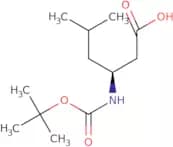
CAS:Please enquire for more information about (Nle 8·18,Tyr34)-pTH (1-34) (human) including the price, delivery time and more detailed product information at the technical inquiry form on this pageFormula:C183H295N55O52Purity:Min. 95%Molecular weight:4,097.64 g/molBoc-L-beta-homoleucine
CAS:Please enquire for more information about Boc-L-beta-homoleucine including the price, delivery time and more detailed product information at the technical inquiry form on this pageFormula:C12H23NO4Purity:Min. 95%Molecular weight:245.32 g/molFmoc-Lys(Boc)-Wang resin (100-200 mesh)
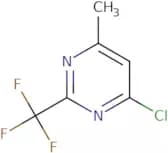
Please enquire for more information about Fmoc-Lys(Boc)-Wang resin (100-200 mesh) including the price, delivery time and more detailed product information at the technical inquiry form on this pagePurity:Min. 95%4-Chloro-6-methyl-2-trifluoromethylpyrimidine
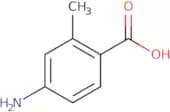
CAS:Please enquire for more information about 4-Chloro-6-methyl-2-trifluoromethylpyrimidine including the price, delivery time and more detailed product information at the technical inquiry form on this pageFormula:C6H4ClF3N2Purity:Min. 95%Molecular weight:196.56 g/mol4-Amino-2-methylbenzoic acid
CAS:4-Amino-2-methylbenzoic acid is a low molecular weight compound that has been shown to inhibit the neuraminidase enzyme. It interacts with the imine group of the enzyme and forms a covalent bond, which prevents the release of sialic acid from the terminal sugar residue of glycoproteins. The inhibition of this enzyme leads to decreased bacterial growth. 4-Amino-2-methylbenzoic acid has been shown to be active against Gram positive bacteria such as Staphylococcus aureus and Streptococcus pneumoniae, but not against Gram negative bacteria such as Escherichia coli or Pseudomonas aeruginosa. This compound is also able to inhibit the synthesis of c-reactive protein (CRP) in human erythrocytes.Formula:C8H9NO2Purity:Min. 95%Color and Shape:PowderMolecular weight:151.16 g/molH-Glu-Ala-Gly-Asp-Asp-Ile-Val-Pro-Cys-Ser-Met-Ser-Tyr-Thr-Trp-Thr-Gly-Ala-OH
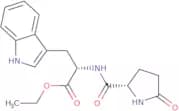
CAS:H-Glu-Ala-Gly-Asp-Asp-Ile-Val-Pro-Cys-Ser-Met-Ser-Tyr-Thr-Trp-Thr-Gly-Ala is a peptide that is synthesized and expressed in the laboratory. It has been shown to have a constant amino acid sequence, which can be used as a control for protein studies. This peptide is unreactive with surrounding environments and does not undergo photochemical reactions. HAGGS has also been shown to be thermostable, yielding high yields of protein from it. The reactive nature of this peptide makes it unsuitable for use in solvents other than water or buffers containing water. HAGGS has been shown to have proteolytic activity against the hepatitis virus, HIV, and influenza virus. This peptide's fluorescence emission maxima is at 270 nm, which allows it to be observed under UV light.Formula:C81H119N19O30S2Purity:Min. 95%Molecular weight:1,903.05 g/molPyr-Trp-OEt
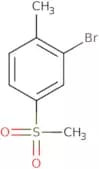
CAS:Please enquire for more information about Pyr-Trp-OEt including the price, delivery time and more detailed product information at the technical inquiry form on this pageFormula:C18H21N3O4Purity:Min. 95%Molecular weight:343.38 g/mol2-Bromo-1-methyl-4-(methylsulfonyl)benzene
CAS:Please enquire for more information about 2-Bromo-1-methyl-4-(methylsulfonyl)benzene including the price, delivery time and more detailed product information at the technical inquiry form on this pageFormula:C8H9BrO2SPurity:Min. 95%Molecular weight:249.13 g/mol(Des-Gly10,D-His(Bzl)6,Pro-NHEt 9)-LHRH acetate
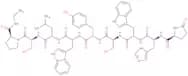
CAS:Controlled ProductDes-Gly10,D-His(Bzl)6,Pro-NHEt 9)-LHRH acetate salt Pyr-His-Trp-Ser-Tyr-D-His(Bzl)-Leu-Arg-Pro-NHEt acetate salt is a long acting analog of LHRH. It is a biocompatible polymeric drug that has been shown to have long term efficacy in treating various autoimmune diseases and infections. The drug's efficacy may be due to its ability to bind to the specific receptors on the surface of cells that are involved in the immune response. DesGly10,D-His(Bzl)6,ProNHEt9)-LHRH acetate salt Pyr His Trp Ser Tyr D His(Bzl)-Leu Arg Pro NHEt acetate salt is an analog of LHRH and has been shown to be effective in treating cancer and allergic symptoms as well.Formula:C66H86N18O12•(C2H4O2)xPurity:Min. 95%Molecular weight:1,323.5 g/molDynorphin B (1-9)
CAS:Please enquire for more information about Dynorphin B (1-9) including the price, delivery time and more detailed product information at the technical inquiry form on this pageFormula:C54H78N16O12Purity:Min. 95%Molecular weight:1,143.3 g/molAc-Trp-Glu-His-Asp-AMC
CAS:Ac-Trp-Glu-His-Asp-AMC is a monomer that is expressed by baculoviruses. Cryo-electron microscopy has shown that Ac-Trp-Glu-His-Asp-AMC oligomerizes in the presence of caspase inhibitors. This polypeptide also activates caspase 1, which is involved in the inflammatory response. The activation of this enzyme is dependent on the proteolytic activity of the polypeptide and its stereoisomers. Acetylcholine receptor antagonists, such as coumarin derivatives, inhibit the activity of Ac-Trp-Glu-His-Asp AMC and suppress inflammation.Formula:C38H40N8O11Purity:Min. 95%Molecular weight:784.77 g/molH-Phe-Gly-Gly-Phe-OH
CAS:H-Phe-Gly-Gly-Phe-OH is a tetrapeptide that is synthesized by the enzyme pepsin in a high concentration. Pepsin cleaves proline from the sequence (H-Phe-Gly) and replaces it with hydroxylated phenylalanine. The peptide is soluble in 0.1 M sodium acetate, pH 5.0, but precipitates at pH 4.0 or below. It binds to sephadex G100 but not to Sepharose CL4B or Sephadex G25M, and can be denatured by heating to 100°C for 10 minutes or by exposure to metal ions such as copper(II) sulfate. H-Phe-Gly-Gly-Phe-OH has been used as an analog for the amino acid sequence Gly-Leu in order to study its effects on receptor affinity and protein stability.br>br
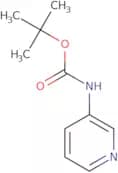
Formula:C22H26N4O5Purity:Min. 95%Molecular weight:426.47 g/mol3-(Boc-amino)pyridine
CAS:3-(Boc-amino)pyridine is a glycine derivative with a trigonal, chelate ring. It can be hydrolyzed by acid to form 3-aminopyridine. 3-(Boc-amino)pyridine has been shown to react with trimethyltin chloride to form an intramolecular complex in the presence of alkyllithiums. This reaction proceeds through lithiation and methylation of the carboxyl group of 3-(Boc-amino)pyridine. The interaction between 3-(Boc-amino)pyridine and trimethyltin chloride forms an antiaromatic six membered ring that resembles a benzene molecule.Formula:C10H14N2O2Purity:Min. 95%Molecular weight:194.23 g/molSecretin (porcine) acetate salt
CAS:Controlled ProductSecretin acetate salt H-His-Ser-Asp-Gly-Thr-Phe-Thr-Ser-Glu-Leu-Ser-Arg-Leu-Arg-Asp-Ser-Ala is a peptide that is secreted by the pancreas in response to the ingestion of food. Secretin stimulates the release of water and bicarbonate from the pancreas, as well as stimulating the gallbladder to contract, which results in increased flow of bile. Secretin also inhibits gastric acid secretion, slows intestinal motility, and stimulates pancreatic enzyme secretion. The amino acid sequence of this peptide is identical to that of leuprolide acetate (Lupron) and goserelin acetate (Zoladex), which are synthetic analogs with similar biological activity. This peptide can be synthesized on a solid phase or in solution phase. Solid phase synthesis involves attaching amino acidsFormula:C130H220N44O41Purity:Min. 95%Molecular weight:3,055.41 g/molZ-Asp-Glu-Val-Asp-chloromethylketone
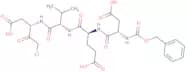
CAS:Z-Asp-Glu-Val-Asp-chloromethylketone is a reactive compound that inhibits the activity of proteases and induces neuronal death. Z-Asp-Glu-Val-Asp-chloromethylketone has been shown to induce necrotic cell death in malignant brain cells and has neurotrophic properties. It also causes mitochondrial membrane depolarization, which leads to mitochondrial cytochrome c release and subsequent apoptosis. The reaction mechanism is still unclear but it may involve hydrogen bonding between the ketone group and the amide nitrogen atom of the aspartate residue.Formula:C27H35ClN4O12Purity:Min. 95%Molecular weight:643.04 g/mol4-Amino-5-methoxy-2-methylbenzenesulfonic acid
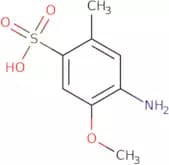
CAS:4-Amino-5-methoxy-2-methylbenzenesulfonic acid is a compound that has been used as an additive to analytical reagents in order to improve their sensitivity. This compound is used as the sodium salt, which is water soluble and has a high degree of reproducibility. 4-Amino-5-methoxy-2-methylbenzenesulfonic acid has also been used for the validation of analytical methods, including calibration and cytotoxicity testing. The validation procedure includes colorants, spectra analysis, impurities, and solvents.Formula:C8H11NO4SPurity:Min. 95%Color and Shape:PowderMolecular weight:217.24 g/molSPLUNC1 (22-39) trifluoroacetate salt
CAS:Please enquire for more information about SPLUNC1 (22-39) trifluoroacetate salt including the price, delivery time and more detailed product information at the technical inquiry form on this pageFormula:C82H135N21O25Purity:Min. 95%Molecular weight:1,815.08 g/molH-beta-Chloro-Ala-NHOH hydrochloride salt
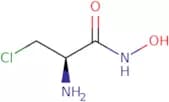
CAS:Please enquire for more information about H-beta-Chloro-Ala-NHOH hydrochloride salt including the price, delivery time and more detailed product information at the technical inquiry form on this page
Formula:C3H7ClN2O2Purity:Min. 95%Molecular weight:138.55 g/molPhe-Leu-OH
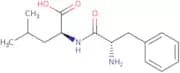
CAS:Phe-Leu-OH is an enzyme that has been found to be involved in the synthesis of meningococcal disease. In addition, it has been shown to have diagnostic potential for the detection of this disease. The enzyme is expressed on the surface of meningococci and produces a protein antigen which can be detected by the presence of antibodies in patient serum. Phe-Leu-OH is also involved in the synthesis of Phe-Leu amide, which may inhibit binding of inhibitor molecules to membrane channels. This activity may be related to its ability to cause a decrease in ion flow across cell membranes.Formula:C15H22N2O3Purity:Min. 95%Color and Shape:PowderMolecular weight:278.35 g/molH-Pro-Asn-OH
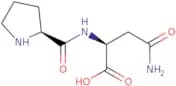
CAS:H-Pro-Asn-OH is a reactive functional group that is activated by the presence of acidic conditions. It can react with epoxides to form cyclic ethers. H-Pro-Asn-OH can be used in vitro studies to assess the activation of caspases, which are proteolytic enzymes that play a role in cell apoptosis. It has also been used for molecular imaging and as an antigen for immunotherapy in cancer treatment. This molecule has a reactive functional group on its side chain and reacts with epoxides to form cyclic ethers.Formula:C9H15N3O4Purity:Min. 95%Molecular weight:229.23 g/mol(Des-Gly10,D-Trp6,Pro-NHEt 9)-LHRH (sea bream)
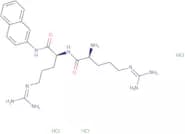
CAS:Please enquire for more information about (Des-Gly10,D-Trp6,Pro-NHEt 9)-LHRH (sea bream) including the price, delivery time and more detailed product information at the technical inquiry form on this pageFormula:C61H76N14O13Purity:Min. 95%Molecular weight:1,213.34 g/molH-Arg-Arg-bNA·3 HCl
CAS:Please enquire for more information about H-Arg-Arg-bNA·3 HCl including the price, delivery time and more detailed product information at the technical inquiry form on this page
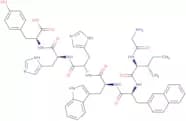
Formula:C22H33N9O2·3HClPurity:Min. 95%Molecular weight:564.94 g/molH-Gly-Ile-2-Nal-Trp-His-His-Tyr-OH
CAS:Please enquire for more information about H-Gly-Ile-2-Nal-Trp-His-His-Tyr-OH including the price, delivery time and more detailed product information at the technical inquiry form on this pageFormula:C53H60N12O9Purity:Min. 95%Molecular weight:1,009.12 g/molEndothelial-Monocyte-Activating Polypeptide II-Derived Peptide
CAS:Please enquire for more information about Endothelial-Monocyte-Activating Polypeptide II-Derived Peptide including the price, delivery time and more detailed product information at the technical inquiry form on this pageFormula:C81H142N26O22Purity:Min. 95%Molecular weight:1,832.16 g/molH-D-Ala-D-Ala-bNA·HCl
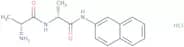
CAS:Please enquire for more information about H-D-Ala-D-Ala-bNA·HCl including the price, delivery time and more detailed product information at the technical inquiry form on this pageFormula:C16H19N3O2·HClPurity:Min. 95%Molecular weight:321.8 g/molH-Thr-Lys-Tyr-OH
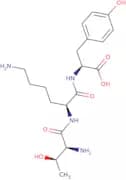
CAS:H-Thr-Lys-Tyr-OH is a synthetic peptide that has been used in the research of antigen, antibody and sequence. The intramolecular bond between the amino acids H-Thr-Lys-Tyr-OH has been shown to be stable up to pH 8.5 and alkaline conditions, making it suitable for use in a variety of different experiments. This peptide has also been used as an immunogen to generate antibodies against specific antigens or as a probe for sequence analysis.Formula:C19H30N4O6Purity:Min. 95%Molecular weight:410.46 g/molH-D-Ser(SO3H)-OH
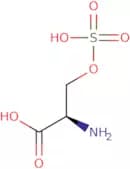
CAS:Please enquire for more information about H-D-Ser(SO3H)-OH including the price, delivery time and more detailed product information at the technical inquiry form on this pageFormula:C3H7NO6SPurity:Min. 95%Molecular weight:185.16 g/molSuc-Phe-Gly-Leu-betaNA
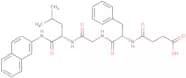
CAS:Suc-Phe-Gly-Leu-betaNA is a synthetic peptide that has been shown to bind to glutathione, an antioxidant. It is used in a method for determining the concentration of antioxidants in a sample by injection into the gas phase. The chemical ionisation (CI) and electrospray ionisation (ESI) are used to produce ions from the peptide. The compounds are then separated using chromatography before being quantified by measuring their mass using a mass spectrometer. This process is repeated until all of the antioxidant has been eluted from the column.Formula:C31H36N4O6Purity:Min. 95%Molecular weight:560.64 g/molZ-Ala-His-OH
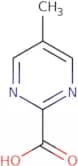
CAS:Z-Ala-His-OH is a peptide consisting of three amino acids. It has been shown to have an optimal activity at pH 4.5, and can be recycled. Z-Ala-His-OH is synthesized by introducing the amino acid building blocks into a reaction system, where they are systematically introduced at different positions in order to produce the desired peptide sequence. Z-Ala-His-OH is an ionizable molecule that shows high affinity for the active site of its target enzyme. This property makes it useful in solvents with low dielectric constants, such as water or organic solvents with acidic properties. The kinetic behavior of this molecule has been studied systematically by measuring its rate of reaction in different solvents with different pH values and concentrations of reactants.END>Formula:C17H20N4O5Purity:Min. 95%Molecular weight:360.36 g/mol5-Methylpyrimidine-2-carboxylic acid
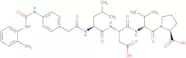
CAS:Please enquire for more information about 5-Methylpyrimidine-2-carboxylic acid including the price, delivery time and more detailed product information at the technical inquiry form on this pageFormula:C6H6N2O2Purity:Min. 95%Molecular weight:138.12 g/mol(4-((2-Methylphenyl)aminocarbonyl)-aminophenyl)acetyl-Fibronectin CS-1 Fragment (1980-1983)
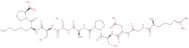
CAS:Please enquire for more information about (4-((2-Methylphenyl)aminocarbonyl)-aminophenyl)acetyl-Fibronectin CS-1 Fragment (1980-1983) including the price, delivery time and more detailed product information at the technical inquiry form on this pageFormula:C36H48N6O9Purity:Min. 95%Molecular weight:708.8 g/molH-Arg-Gly-Asp-Ser-Pro-Ala-Ser-Ser-Lys-Pro-OH
CAS:H-Arg-Gly-Asp-Ser-Pro-Ala-Ser-Ser-Lys-Pro-OH is a peptide that is derived from the sequence of fibronectin. It has been shown to be taken up by urchin cells, which are spherical and have a toroidal shape. This peptide also has modular properties and forms a particle with a pegylated molecule. The amino acid sequence of this peptide is unmodified. H-Arg-Gly-Asp-Ser-Pro-Ala-Ser-Ser-Lys Pro -OH is a synthetic ligand that can be used in the ligation of mesenchyme cells.Formula:C40H68N14O16Purity:Min. 95%Molecular weight:1,001.05 g/molH-Glu(OtBu)-2-chlorotrityl resin (200-400 mesh) (Low Substitution)
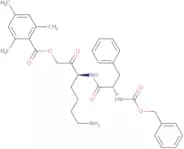
Please enquire for more information about H-Glu(OtBu)-2-chlorotrityl resin (200-400 mesh) (Low Substitution) including the price, delivery time and more detailed product information at the technical inquiry form on this pagePurity:Min. 95%Z-Phe-Lys-2,4,6-trimethylbenzoyloxy-methylketone trifluoroacetate salt
CAS:Z-Phe-Lys-2,4,6-trimethylbenzoyloxy-methylketone trifluoroacetate salt is a proteolytic enzyme that has been shown to have bone resorption and tissue destructive properties. It is active against porphyromonas and bactericidal against fibrinogen. Z-Phe-Lys-2,4,6-trimethylbenzoyloxy-methylketone trifluoroacetate salt also inhibits the formation of osteoclasts by inhibiting the uptake and protease activity of extracellular matrix proteins such as fibrinogen. This drug is currently being researched for possible use in the treatment of Alzheimer's Disease.Formula:C34H41N3O6Purity:Min. 95%Molecular weight:587.71 g/molH-Leu-Leu-Ala-OH
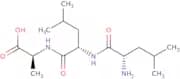
CAS:Please enquire for more information about H-Leu-Leu-Ala-OH including the price, delivery time and more detailed product information at the technical inquiry form on this pageFormula:C15H29N3O4Purity:Min. 95%Molecular weight:315.41 g/molFmoc-beta-cyclohexyl-D-alanine
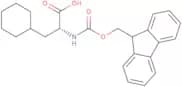
CAS:Fmoc-beta-cyclohexyl-D-alanine is a fragment of the cyclic peptide cyclohexylalanine and has been shown to inhibit cell growth in culture. It binds to DNA in a transcriptional manner and induces apoptosis, which is characterized by dna fragmentation. Fmoc-beta-cyclohexyl-D-alanine also inhibits extracellular signal-regulated kinase (ERK) activity, leading to reduced expression of antiapoptotic proteins such as Bcl2 and BclXL. This drug has been shown to induce apoptosis in cells that have been transfected with an antiapoptotic vector.Formula:C24H27NO4Purity:Min. 95%Molecular weight:393.48 g/molH-Arg-Phe-OH acetate salt
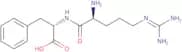
CAS:H-Arg-Phe-OH Acetate Salt is a peptide that has the amino acids H, Arg, Phe and OH. It is a stable complex with amines and is effective in reducing blood pressure. The binding constants are high, which means that it can be used as an antihypertensive agent. A study on the haemodynamic effects of H-Arg-Phe-OH Acetate Salt showed that it could inhibit the release of noradrenaline levels in the body. The reaction mechanism for H-Arg-Phe-OH Acetate Salt is functional groups plus fatty acids; kidney bean is one of its sources.
Formula:C15H23N5O3Purity:Min. 95%Molecular weight:321.38 g/molMbs-D-Arg-OH
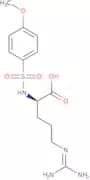
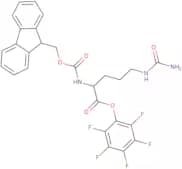
CAS:Please enquire for more information about Mbs-D-Arg-OH including the price, delivery time and more detailed product information at the technical inquiry form on this pageFormula:C13H20N4O5SPurity:Min. 95%Molecular weight:344.39 g/molFmoc-Cit-OPfp
CAS:Please enquire for more information about Fmoc-Cit-OPfp including the price, delivery time and more detailed product information at the technical inquiry form on this page
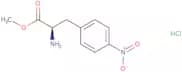
Formula:C27H22F5N3O5Purity:Min. 95%Molecular weight:563.47 g/mol4-Nitro-D-phenylalanine methyl ester hydrochloride
CAS:Please enquire for more information about 4-Nitro-D-phenylalanine methyl ester hydrochloride including the price, delivery time and more detailed product information at the technical inquiry form on this pageFormula:C10H14N2O4·HClPurity:Min. 95%Molecular weight:262.69 g/molH-Lys-Lys-Lys-Trp-Lys-Lys-Lys-OH acetate salt
CAS:Controlled ProductPlease enquire for more information about H-Lys-Lys-Lys-Trp-Lys-Lys-Lys-OH acetate salt including the price, delivery time and more detailed product information at the technical inquiry form on this pageFormula:C47H84N18O8Purity:Min. 95%Molecular weight:1,029.29 g/molNesfatin-1 (30-59) (human) trifluoroacetate salt
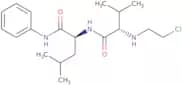
Please enquire for more information about Nesfatin-1 (30-59) (human) trifluoroacetate salt including the price, delivery time and more detailed product information at the technical inquiry form on this pageFormula:C167H263N41O54Purity:Min. 95%Molecular weight:3,709.12 g/molN-2-Chloroethyl-Val-Leu-anilide
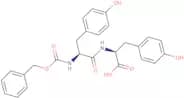
CAS:Please enquire for more information about N-2-Chloroethyl-Val-Leu-anilide including the price, delivery time and more detailed product information at the technical inquiry form on this pageFormula:C19H30ClN3O2Purity:Min. 95%Molecular weight:367.91 g/molZ-Tyr-Tyr-OH
CAS:Please enquire for more information about Z-Tyr-Tyr-OH including the price, delivery time and more detailed product information at the technical inquiry form on this page
Formula:C26H26N2O7Purity:Min. 95%Molecular weight:478.49 g/molPAR-4 (1-6) amide (human) trifluoroacetate salt
CAS:Please enquire for more information about PAR-4 (1-6) amide (human) trifluoroacetate salt including the price, delivery time and more detailed product information at the technical inquiry form on this page
Formula:C28H42N8O8Purity:Min. 95%Molecular weight:618.68 g/mol(Tyr0)-Atriopeptin II (rat)
CAS:Please enquire for more information about (Tyr0)-Atriopeptin II (rat) including the price, delivery time and more detailed product information at the technical inquiry form on this pageFormula:C107H165N35O34S2Purity:Min. 95%Molecular weight:2,549.8 g/molH-Trp(Boc)-2-chlorotrityl resin (200-400 mesh) (Low Substitution)
Please enquire for more information about H-Trp(Boc)-2-chlorotrityl resin (200-400 mesh) (Low Substitution) including the price, delivery time and more detailed product information at the technical inquiry form on this page
Purity:Min. 95%(DL-Isoser 1)-TRAP-6 trifluoroacetate salt
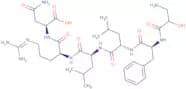
CAS:Please enquire for more information about (DL-Isoser 1)-TRAP-6 trifluoroacetate salt including the price, delivery time and more detailed product information at the technical inquiry form on this pageFormula:C34H56N10O9Purity:Min. 95%Molecular weight:748.87 g/molAc-N-Me-Tyr-Val-Ala-Asp-aldehyde (pseudo acid)
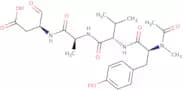
CAS:Please enquire for more information about Ac-N-Me-Tyr-Val-Ala-Asp-aldehyde (pseudo acid) including the price, delivery time and more detailed product information at the technical inquiry form on this pageFormula:C24H34N4O8Purity:Min. 95%Molecular weight:506.55 g/mol4-Abz-Gly-Pro-D-Leu-D-Ala-NHOH trifluoroacetate salt
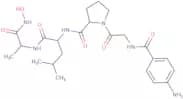
CAS:4-Abz-Gly-Pro-D-Leu-D-Ala-NHOH trifluoroacetate salt is a synthetic, hydroxamic acid that inhibits the activity of collagenase, gelatinase and stromelysin. It also has inhibitory activities against metalloproteinases, such as matrix metalloproteinases and serine proteinases. 4-Abz-Gly-Pro-D-Leu-D-Ala-NHOH trifluoroacetate salt has been shown to inhibit the production of proinflammatory cytokines in human skin fibroblasts. This agent also induces the production of granulocytes in vitro.Formula:C23H34N6O6Purity:Min. 95%Molecular weight:490.55 g/molH-Cys(NPys)-D-Arg-D-Arg-D-Arg-D-Arg-D-Arg-D-Arg-D-Arg-D-Arg-D-Arg-NH2 trifluoroacetate salt
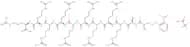
CAS:Please enquire for more information about H-Cys(NPys)-D-Arg-D-Arg-D-Arg-D-Arg-D-Arg-D-Arg-D-Arg-D-Arg-D-Arg-NH2 trifluoroacetate salt including the price, delivery time and more detailed product information at the technical inquiry form on this pageFormula:C62H118N40O12S2Purity:Min. 95%Molecular weight:1,679.99 g/molACTH (11-24)
CAS:ACTH is a hormone that belongs to the class of endogenous peptides. It is synthesized and secreted by the anterior pituitary gland in response to adrenocorticotropic hormone (ACTH) from the hypothalamus. ACTH has a high affinity for cells with receptors for ACTH and has been shown to stimulate cyclase activity, leading to increased production of cAMP. ACTH also binds to membranes and micelles, which are lipid bilayers with hydrophobic regions. The binding of ACTH at these sites alters the physical properties of these structures by increasing their permeability or solubility. This leads to changes in their functions, including modulation of membrane-bound enzymes such as adenylate cyclase activity.Formula:C77H134N24O16Purity:Min. 95%Molecular weight:1,652.04 g/molPancreastatin (33-48) (human) trifluoroacetate salt
CAS:Pancreastatin (33-48) is a synthetic, acidic, sulfated peptide that has been shown to have high activity against pancreatic cancer cells. Pancreastatin (33-48) has been synthesized by reacting an oligopeptide with glutamic acid and aspartic acid. The N-terminal of this peptide is amidated and contains a sulfate group. This molecule has been purified by SDS-polyacrylamide gel electrophoresis and the sulfate fractionation method. Pancreastatin (33-48) is able to inhibit the proliferation of pancreatic tumor cells in vitro, but it does not appear to be cytotoxic to normal pancreatic cells. In addition, pancreastatin (33-48) has also been shown to decrease tumor growth in vivo in mice bearing a transplanted human pancreatic tumor.Formula:C78H123N21O27SPurity:Min. 95%Molecular weight:1,819 g/molAcetyl-Calpastatin (184-210) (human)
CAS:Acetyl-Calpastatin (184-210) (human) Ac-Asp-Pro-Met-Ser-Ser-Thr-Tyr-Ile-Glu-Glu-Leu-Gly-Lys-Arg-Glu-Val-Thr-(184–210) is a protease inhibitor that inhibits the activity of calpain, an enzyme involved in the degradation of proteins. It has been used for the treatment of infectious diseases such as tuberculosis and autoimmune diseases such as multiple sclerosis. Acetylcalpastatin is synthesized from calpastatin, which is found in abundance in the central nervous system and skeletal muscle. Acetylcalpastatin has been shown to inhibit experimental models of the disease by interfering with the production of inflammatory mediators.Formula:C142H230N36O44SPurity:Min. 95%Molecular weight:3,177.63 g/mol(Des-octanoyl)-Ghrelin (human) trifluoroacetate salt
CAS:Trifluoroacetate saltFormula:C141H235N47O41Purity:Min. 95%Molecular weight:3,244.67 g/molFmoc-Lys(biotinyl)-Wang resin (200-400 mesh)
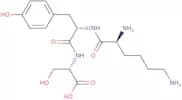
Please enquire for more information about Fmoc-Lys(biotinyl)-Wang resin (200-400 mesh) including the price, delivery time and more detailed product information at the technical inquiry form on this pagePurity:Min. 95%H-Lys-Tyr-Ser-OH
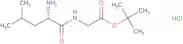
CAS:H-Lys-Tyr-Ser-OH is a molecule that is the product of a racemase enzyme. This molecule is an acid with a pKa of 2.6, which means that it can exist as either a D or L form at pH values less than 2.6. The D form is more stable and has greater solubility in water than the L form. H-Lys-Tyr-Ser-OH stabilizes the conformation of erythromycin and other antibiotics by binding to Murein, which is the cell wall component responsible for conferring resistance to these drugs.Formula:C18H28N4O6Purity:Min. 95%Molecular weight:396.44 g/molH-Leu-Gly-OtBu·HCl
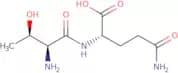
CAS:Please enquire for more information about H-Leu-Gly-OtBu·HCl including the price, delivery time and more detailed product information at the technical inquiry form on this pageFormula:C12H24N2O3·HClPurity:Min. 95%Molecular weight:280.79 g/molH-Thr-Gln-OH
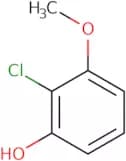
CAS:Clostridium is a genus of Gram-positive bacteria that includes many important human pathogens. Clostridium perfringens is the most common cause of food poisoning, and can be fatal if not treated. It causes necrotizing enteritis in infants, who have less resistance to the toxins produced by this bacterium. The pathogenesis of C. perfringens has been shown to involve proteolytic activity, which breaks down proteins into smaller parts, and autocatalytic activity, which releases enzymes from within the cell to digest its own peptidoglycan layer. Proteolytic activity has also been shown to be involved in the development of cancer and other diseases such as atherosclerosis and Alzheimer's disease. There are numerous interventions available for preventing or treating clostridium infections: chlorate, streptomycin, penicillin, erythromycin, tetracycline, metronidazole, fluoroquinolones such asFormula:C9H17N3O5Purity:Min. 95%Molecular weight:247.25 g/mol2-Chloro-3-methoxyphenol
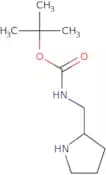
CAS:Please enquire for more information about 2-Chloro-3-methoxyphenol including the price, delivery time and more detailed product information at the technical inquiry form on this pageFormula:C7H7ClO2Purity:Min. 95%Molecular weight:158.58 g/mol2-(Boc-Aminomethyl)pyrrolidine
CAS:Please enquire for more information about 2-(Boc-Aminomethyl)pyrrolidine including the price, delivery time and more detailed product information at the technical inquiry form on this pageFormula:C10H20N2O2Purity:Min. 95%Molecular weight:200.28 g/mol(Des-Gly10,D-Ser4,D-Ser(tBu)6,Pro-NHEt 9)-LHRH acetate salt
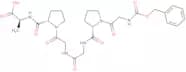
Please enquire for more information about (Des-Gly10,D-Ser4,D-Ser(tBu)6,Pro-NHEt 9)-LHRH acetate salt including the price, delivery time and more detailed product information at the technical inquiry form on this pageFormula:C60H86N16O13Purity:Min. 95%Molecular weight:1,239.42 g/molZ-Gly-Pro-Gly-Gly-Pro-Ala-OH
CAS:Z-Gly-Pro-Gly-Gly-Pro-Ala-OH is a synthetic substrate. It is used in tissue culture to measure collagenase activity, as well as in skin cells to measure the activity of v. anguillarum. The optimum pH for this substrate is 5.5 and it has been shown to be stable in high salt environments. This substrate also reacts with human liver granulosa cells and has been shown to have neutral pH properties. Z-Gly-Pro-Gly-Gly-Pro-Ala-OH is an enzyme substrate that is involved in many different enzyme activities including protein synthesis and hydrogen bonding.Formula:C27H36N6O9Purity:Min. 95%Molecular weight:588.61 g/molpTH-Related Protein (67-86) amide (human, bovine, dog, mouse, ovine, rat) trifluoroacetate salt
CAS:Please enquire for more information about pTH-Related Protein (67-86) amide (human, bovine, dog, mouse, ovine, rat) trifluoroacetate salt including the price, delivery time and more detailed product information at the technical inquiry form on this pageFormula:C108H173N27O35Purity:Min. 95%Molecular weight:2,409.69 g/molZ-Tyr-Leu-OH
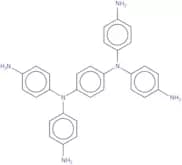
CAS:Please enquire for more information about Z-Tyr-Leu-OH including the price, delivery time and more detailed product information at the technical inquiry form on this pageFormula:C23H28N2O6Purity:Min. 95%Molecular weight:428.48 g/molN,N,N',N'-Tetrakis(4-aminophenyl)-1,4-phenylenediamine
CAS:TPD is a versatile building block and intermediate that is used as a research chemical and speciality chemical. TPD is an important and useful scaffold in organic chemistry, which can be used to produce various compounds. It is also a reagent for the synthesis of low-molecular-weight compounds with a wide range of applications, such as pharmaceuticals, agrochemicals, dyes, fragrances, etc. TPD is soluble in water and can be easily purified by recrystallization or column chromatography. TPD has been shown to have high quality and purity because it does not contain any impurities.Formula:C30H28N6Purity:Min. 95%Color and Shape:Brown PowderMolecular weight:472.59 g/molCys-CD36 (139-155) trifluoroacetate salt
CAS:Please enquire for more information about Cys-CD36 (139-155) trifluoroacetate salt including the price, delivery time and more detailed product information at the technical inquiry form on this pageFormula:C87H133N25O26SPurity:Min. 95%Molecular weight:1,977.21 g/molZ-Leu-Leu-Glu-AMC
CAS:Fluorogenic substrate for proteosome II
Formula:C35H44N4O9Purity:Min. 95%Molecular weight:664.75 g/mol