Peptides
Peptides are short chains of amino acids linked by peptide bonds, serving as important biological molecules that play key roles in cellular processes. They function as hormones, neurotransmitters, and signaling molecules, and are widely used in therapeutic and diagnostic applications. Peptides are also crucial in research for studying protein interactions, enzyme activities, and cell signaling pathways. At CymitQuimica, we provide a diverse selection of high-quality peptides to support your research and development needs in biotechnology and pharmaceuticals.
Subcategories of "Peptides"
Found 30372 products of "Peptides"
Sort by
Purity (%)
0
100
|
0
|
50
|
90
|
95
|
100
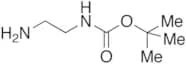
NH2-C2-NH-Boc
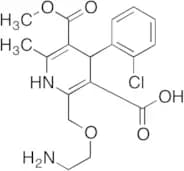
CAS:Controlled Product<p>Applications N-Boc-ethylenediamine is used in the synthesis of Thyronamine derivatives and analogs.<br> Not a dangerous good if item is equal to or less than 1g/ml and there is less than 100g/ml in the package<br>References Anon., et al.: J. Pharmacol., 58, 53 (1936), Boissier, J., et al.: Eur. J. Pharmacol., 22, 141 (1973), Nillne, E., et al.: J. Biol. Chem., 277, 48587 (2002),<br></p>Formula:C7H16N2O2Color and Shape:NeatMolecular weight:160.215-O-Desethyl Amlodipine
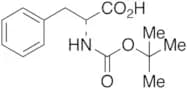
CAS:Controlled ProductFormula:C18H21ClN2O5Color and Shape:NeatMolecular weight:380.823Boc-D-Phenylalanine
CAS:Controlled Product<p>Applications Boc-D-Phenylalanine is used in the synthesis of benzo[de][1,7]napthyridinones as PARP1 inhibitors. Also it is an important reagent in the preparation of proline-containing, β-turn mimetic cycle tetrapeptides.<br>References Ye, Na. et al.: J. Med. Chem., 56, 2885 (2013); Chouhan, G. et al.: Org. Lett., 15, 1206 (2013);<br></p>Formula:C14H19NO4Color and Shape:NeatMolecular weight:265.3L-Pyroglutamic Acid 7-Amido-4-methylcoumarin
CAS:Controlled ProductFormula:C15H14N2O4Color and Shape:NeatMolecular weight:121.158L-Tryptophyl-L-arginyl-L-glutaminyl-L-alanyl-L-alanyl-L-phenylalanyl-L-valyl-L-α-aspartyl-L-seryl-L-tyrosine TFA Salt
CAS:Controlled Product<p>Applications L-Tryptophyl-L-arginyl-L-glutaminyl-L-alanyl-L-alanyl-L-phenylalanyl-L-valyl-L-α-aspartyl-L-seryl-L-tyrosine is a connexin mimetic peptide that inhibits pannexin-1 gap junctions.<br>References Wang, J., et al.: Am J Physiol 293, C1112 (2007); Pinheiro, A. R., et al.: Cell Commun Signal. 18, 11 (2013)<br></p>Formula:C58H79N15O16·XC2HF3O2Color and Shape:NeatMolecular weight:1242.34 +(114.02)xFmoc-NH-PEG8-CH2CH2COOH
CAS:Controlled ProductFormula:C34H49NO12Color and Shape:NeatMolecular weight:663.7521-Boc-amino-3,6,9-trioxaundecanyl-11-ol
CAS:Controlled Product<p>Applications 1-Boc-amino-3,6,9-trioxaundecanyl-11-ol (cas# 106984-09-2) is a compound useful in organic synthesis.<br></p>Formula:C13H27NO6Color and Shape:NeatMolecular weight:293.363,6-Diamino-9-[2-carboxy-4-[(2-propyn-1-ylamino)carbonyl]phenyl]-4,5-disulfoxanthylium Inner Salt (Mixture of regioisomers)
CAS:Controlled ProductFormula:C24H17N3O10S2Color and Shape:NeatMolecular weight:571.536N-Formyl-Met-Leu-Phe
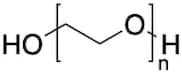
CAS:Controlled Product<p>Applications N-Formyl-Met-Leu-Phe is an inducer of superoxide release and agonist for FPR1.<br></p>Formula:C21H31N3O5SColor and Shape:NeatMolecular weight:437.55Poly(ethylene Glycol) ~30,000
CAS:Controlled Product<p>Applications Poly(ethylene Glycol) molecules of an average molecular mass of 30,000. Poly(ethylene Glycol) is used in various applications from industrial chemistry to biological chemistry. Recent research has shown PEG maintains the ability to aid the spinal cord injury recovery process, helping the nerve impulse conduction process in animals. In rats, it has been shown to aid in the repair of severed sciatic axons, helping with nerve damage recovery. It is industrially produced as a lubricating substance for various surfaces to reduce friction. PEG is also used in the preparation of vesicle transport systems in with application towards diagnostic procedures or drug delivery methods.<br>References Borgens, R. et al.: J. Neurosci. Res., 66, 1179 (2001); Stavisky, R. et al.: Neurosci. Lett., 376, 98 (2005); Nalam, P. et al.: Tribiol. Lett., 37, 541 (2010); Steinmetz, N. et al.: J. Am. Chem. Soc., 131, 17093 (2009); Li, X. et al.: J. Am. Chem. Soc., 133, 11147 (2011); Li, L. et al.: Int. J. Pharm., 447, 192 (2013);<br></p>Formula:H2O(C2H4O)nColor and Shape:White To Off-WhiteMolecular weight:62.07Mal-amido-peg6-NHS
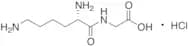
CAS:Controlled Product<p>Applications Mal-amido-peg6-NHS can be used as a crosslinking agent and modifier of DNA.<br>References Vogel, Katrin, et al.: Small, 9(2), 255-262 (2013);Talvitie, Elina, et al.: Carbohydrate Polymers, 89(3), 948-954 (2012)<br></p>Formula:C26H39N3O13Color and Shape:NeatMolecular weight:601.6H-Lys-Gly-OH bis-Hydrochloride
CAS:Controlled ProductFormula:C8H17N3O3HClColor and Shape:NeatMolecular weight:239.7N-[N-[(9H-Fluoren-9-ylmethoxy)carbonyl]-L-alanyl]-glycine
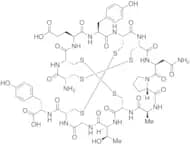
CAS:Controlled Product<p>Applications FMOC-ALA-GLY-OH (cas# 116747-54-7) is a useful research chemical.<br></p>Formula:C20H20N2O5Color and Shape:NeatMolecular weight:368.383Linaclotide
CAS:Controlled Product<p>Applications Linaclotide is a guanylate cyclase-C agonist currently being studied in Phase 3 trials for the treatment of irritable bowel syndrome with constipation.<br>References Chey, W.D., et al.: Am. J. Gastroenterol., 107, 1702 (2012); Rao, S., et al.: Am. J. Gastroentrol., 107, 1714 (2012); Brierley, S.M., et al.: Curr. Opinion. Pharmacol., 12, 632 (2012);<br></p>Formula:C59H79N15O21S6Color and Shape:NeatMolecular weight:1526.74Boc-Lys(Z)-OH N-Phenylmethoxycarbonyl
CAS:Controlled Product<p>Applications Boc-Lys(Z)-OH, is used in the synthesis of Isodesmosine Chloride (I815050), which is a component of elastin.<br>References Partridge, S., et al.: Nature, 209, 399 (1966),<br></p>Formula:C19H28N2O6Color and Shape:NeatMolecular weight:380.44(S)-3-Amino-4-(((S)-1-carboxyethyl)amino)-4-oxobutanoic Acid
CAS:Controlled ProductFormula:C7H12N2O5Color and Shape:NeatMolecular weight:204.181tert-Butyl 30-amino-4-oxo-7,10,13,16,19,22,25,28-octaoxa-2,3-diazatriacontanoate
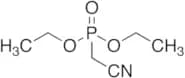
CAS:Controlled ProductFormula:C24H49N3O11Color and Shape:NeatMolecular weight:555.659Diethyl Cyanomethylphosphonate
CAS:Controlled Product<p>Applications A Wittig reagent.<br>References Laine, D., et al.: J. Med. Chem., 52, 5241 (2009), Nakao, A., et al.: Bioorg. Med. Chem. Lett., 19, 4607 (2009), Arakawa, Y., et al.: Chem. Pharm. Bull., 57, 167 (2009),<br></p>Formula:C6H12NO3PColor and Shape:NeatMolecular weight:177.142,3,4,6-Tetra-O-acetyl-a-D-mannopyranosyl-(N2-Fmoc)-L-threonine
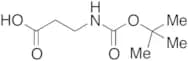
CAS:Controlled ProductFormula:C33H37NO14Color and Shape:NeatMolecular weight:671.645Boc-β-Ala-OH
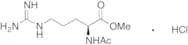
CAS:Controlled Product<p>Applications Boc-β-Ala-OH is a reagent used in the synthesis of quinazolines as platelet aggregation inhibitors and ligands of integrin.<br>References Krysko, A. et al.: Bioorg. Med. Chem. Lett., 26, 1839 (2016);<br></p>Formula:C8H15NO4Color and Shape:NeatMolecular weight:189.21N-Acetyl-L-arginine Methyl Ester Hydrochloride
CAS:Controlled Product<p>Applications N-Acetyl-L-arginine Methyl Ester is used in the synthetic route to biologically important L-arginine peptides.<br>References Levison, P.R., et al.: Synthetic Communic., 13, 167 (1983),<br></p>Formula:C9H18N4O3·ClHColor and Shape:NeatMolecular weight:266.725Leucyl-Phenylalanyl-Isoleucyl-Glutamyl-Tryptophyl-Leucyl-Lysine xTFA Salt
CAS:Controlled ProductFormula:C49H73N9O10•x(C2HF3O2)Color and Shape:NeatMolecular weight:948.1611402Z-Phe-Tyr-aldehyde
CAS:Controlled ProductFormula:C26H26N2O5Color and Shape:NeatMolecular weight:446.495M-PEG4-thiol
CAS:Controlled Product<p>Applications M-PEG4-THIOL (cas# 52190-55-3) is a useful research chemical.<br></p>Formula:C9H20O4SColor and Shape:NeatMolecular weight:224.32N-CBZ-Glycyl-L-proline 7-Amido-4-methylcoumarin
CAS:Controlled Product<p>Applications N-CBZ-Glycyl-L-proline 7-Amido-4-methylcoumarin is a fluorogenic substrate used for post-proline cleaving enzyme prolyl endopeptidase.<br>References J. Momand, S. Clarke Biochemistry 26, 7798, (1987)<br></p>Formula:C25H25N3O6Color and Shape:NeatMolecular weight:463.483Azido-PEG7-amine
CAS:Controlled Product<p>Applications AZIDO-PEG7-AMINE (cas# 1333154-77-0) is a useful research chemical.<br></p>Formula:C16H34N4O7Color and Shape:NeatMolecular weight:394.46o-Aminobenzoylglycyl-p-nitro-L-phenylalanyl-L-proline
CAS:Controlled ProductFormula:C23H25N5O7Color and Shape:NeatMolecular weight:483.474(E)-2,3,3-Trimethyl-4-nonene
CAS:Controlled ProductFormula:C12H24Color and Shape:NeatMolecular weight:168.319N-tert-Boc-D-alanine
CAS:Controlled Product<p>Applications N-tert-Boc-D-alanine is an N-Boc-protected form of D-Alanine (A480995). D-Alanine is an amino acid that is commonly found in bacteria, such as Streptococcus faecalis. It is essential for the biosynthesis of peptidoglycan crosslinking sub-units that are used for bacterial cell walls. D-Alanine is also known to cause cytotoxic oxidative stress in brain tumour cells.<br>References Ellsworth, B., et al.: Chem. Biol., 3, 37 (1996); Ferrari, E. et al.: Nat. Biotech., 3, 1003 (1985); Stegman, L., et al.: Human Gene Ther., 9, 185 (1998); Wood, W. & Gunsalus, I.: J. Biol. Chem., 190, 403 (1951)<br></p>Formula:C8H15NO4Color and Shape:NeatMolecular weight:189.21H-D-Ala-Gln-octadecyl Ester Hydrochloride
CAS:Controlled ProductFormula:C26H51N3O4•HClColor and Shape:NeatNα-Fmoc-Nε-biotinyl-L-lysine
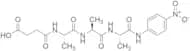
CAS:Controlled Product<p>Applications Nα-Fmoc-Nε-biotinyl-L-lysine is used in the synthesis of site-specific biotinylated probes.<br>References Macielag, M., et al.: Int. J. Pep. Protein Res., 44, 582 (1994)<br></p>Formula:C31H38N4O6SColor and Shape:NeatMolecular weight:594.72Suc-Ala-Ala-Ala-pNA
CAS:Controlled ProductFormula:C19H25N5O8Color and Shape:NeatMolecular weight:451.43Elastatinal
CAS:Controlled Product<p>Applications Elastatinal is an elastase inhibitor.<br></p>Formula:C21H36N8O7Color and Shape:NeatMolecular weight:512.56Poly(ethylene Glycol) ~40,000
CAS:<p>Applications Poly(ethylene Glycol) molecules of an average molecular mass of 40,000. Poly(ethylene Glycol) is used in various applications from industrial chemistry to biological chemistry. Recent research has shown PEG maintains the ability to aid the spinal cord injury recovery process, helping the nerve impulse conduction process in animals. In rats, it has been shown to aid in the repair of severed sciatic axons, helping with nerve damage recovery. It is industrially produced as a lubricating substance for various surfaces to reduce friction. PEG is also used in the preparation of vesicle transport systems in with application towards diagnostic procedures or drug delivery methods.<br>References Borgens, R. et al.: J. Neurosci. Res., 66, 1179 (2001); Stavisky, R. et al.: Neurosci. Lett., 376, 98 (2005); Nalam, P. et al.: Tribiol. Lett., 37, 541 (2010); Steinmetz, N. et al.: J. Am. Chem. Soc., 131, 17093 (2009); Li, X. et al.: J. Am. Chem. Soc., 133, 11147 (2011); Li, L. et al.: Int. J. Pharm., 447, 192 (2013);<br></p>Formula:H2O(C2H4O)nColor and Shape:White To Off-WhiteMolecular weight:62.071-(9H-Fluoren-9-yl)-3-oxo-2,7,10,13-tetraoxa-4-azahexadecan-16-oic Acid
CAS:Controlled Product<p>Applications 1-(9H-Fluoren-9-yl)-3-oxo-2,7,10,13-tetraoxa-4-azahexadecan-16-oic Acid has been used as a reactant for the preparation of vaccines.<br>References Kaiser, A., et. al.: Angew. Chem. Int. Edit., 48, 7551 (2009); Dziadek, S., et. al.: Angew. Chem. Int. Edit., 44, 7630 (2005); Cai, H., et. al.: Eur. J. Org. Chem., 2011, 3685 (2011); Nuhn, L., et. al.: Angew. Chem. Int. Edit. 52, 10652 (2013)<br></p>Formula:C24H29NO7Color and Shape:NeatMolecular weight:443.4923-Azido-3,6,9,12,15,18,21-Heptaoxatricosan-1-ol
CAS:Controlled Product<p>Applications 23-Azido-3,6,9,12,15,18,21-Heptaoxatricosan-1-ol is used in the synthesis of heterobifunctionalized oligo(ethylene glycol) linkers for use in drug delivery.<br>References Goswami, L. et al.: Org. Biomol. Chem., 11, 1116 (2013);<br></p>Formula:C16H33N3O8Color and Shape:NeatMolecular weight:395.449Amino-PEG4-alcohol
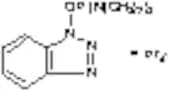
CAS:Controlled Product<p>Applications 1-Amino-3,6,9-trioxaundecanyl-11-ol (cas# 86770-74-3) is a compound useful in organic synthesis.<br></p>Formula:C8H19NO4Color and Shape:NeatMolecular weight:193.24Benzotriazol-1-yloxytris(dimethylamino)phosphonium Hexafluorophosphate
CAS:Controlled Product<p>Applications A peptide coupling reagent. Can be used in the preparation of phenyl esters of amino acids which have been shown to be valuable as blocked derivatives of amino acids in the field of peptide synthesis.<br> Not a dangerous good if item is equal to or less than 1g/ml and there is less than 100g/ml in the package<br>References Kenner, G.W., Seely, J., J. Am. Chem. Soc., 94, 3259 (1972), Castro, B., et al.: Tetrahedron Lett., 1219 (1975)<br></p>Formula:C12H22N6OP·F6PColor and Shape:NeatMolecular weight:442.281-[[7-(Dimethylamino)-3-oxo-3H-phenoxazin-1-yl]methyl]-1H-pyrrole-2,5-dione
CAS:Controlled ProductFormula:C19H15N3O4Color and Shape:NeatMolecular weight:349.34N-Acetyl-L-tyrosine Amide
CAS:Controlled Product<p>Applications N-Acetyl-L-tyrosine Amide is an analogue of L-tyrosine which stimulate the transport of L-Tyr, mainly by the ASC system.<br>References Jara, J.R., et al.: Melanoma Res., 1(1), 15 (1991),<br></p>Formula:C11H14N2O3Color and Shape:NeatMolecular weight:222.242,3,4,6-Tetra-O-acetyl-α-D-mannopyranosyl-Fmoc Serine
CAS:Controlled ProductFormula:C32H35NO14Color and Shape:NeatMolecular weight:657.619N-Boc-glycine
CAS:Controlled Product<p>Applications Used in the composition of drugs containing Ketoprofen, and Sodium hyaluronate as antiinflammatory agents.<br>References Bajusz, S., et al.: J. Med. Chem., 33, 1729 (1990), Dahlgren, A., et al.: Bioorg. Med. Chem., 10, 1829 (2002),<br></p>Formula:C7H13NO4Color and Shape:NeatMolecular weight:175.18(3S,8aS)-Hexahydro-3-[(1R)-1-hydroxyethyl]pyrrolo[1,2-a]pyrazine-1,4-dione
CAS:Controlled ProductFormula:C9H14N2O3Color and Shape:NeatMolecular weight:198.219Azido-PEG35 Amine
CAS:Controlled ProductFormula:C72H146N4O35Color and Shape:NeatMolecular weight:1627.935Boc-Phe-Ser-Arg-AMC
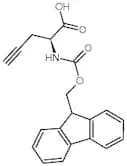
CAS:Controlled ProductFormula:C33H43N7O8Color and Shape:NeatMolecular weight:665.737Fmoc-l-propargylglycine
CAS:Controlled Product<p>Applications Fmoc-l-propargylglycine has been used to study the bioorthogonal chemical tagging of protein cholesterylation in living cells.<br>References William P. H., et al., ChemComm., 47, 4081-4083 (2011)<br></p>Formula:C20H17NO4Color and Shape:NeatMolecular weight:335.35n-Hexyltrioxyethylene
CAS:Controlled ProductFormula:C12H26O4Color and Shape:NeatMolecular weight:234.332(Fmoc-amino)-PEG6-carboxylic Acid (~90%)
CAS:Controlled Product<p>Applications (Fmoc-amino)-PEG6-carboxylic acid (CAS# 882847-34-9) is a useful building block used in the preparation of cyclic megamolecules, and in L- and D-oligopeptides with circularly polarized luminescence.<br>References Modica, J. A.; et al.: J. Am. Chem. Soc., 140, 6391 (2018); Nishikawa, T.; et al.: Org. Biomol. Chem., 13, 11426 (2015).<br></p>Formula:C30H41NO10Purity:~90%Color and Shape:NeatMolecular weight:575.65(+)-Biotin-ONP
CAS:Controlled Product<p>Applications D-Biotin 4-Ntrophenyl Ester, can be used in the preparation of biotin tagged ARC (adenosine-oligoarginine conjugate) derivative during cellular protein uptake studies.<br>References Chia-Ho Chu et. al; Scientific reports, 7(1), undefined (2017-7-14);<br></p>Formula:C16H19N3O5SColor and Shape:NeatMolecular weight:365.4Benzoyl-L-tyrosine 4-nitroanilide
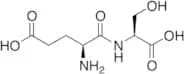
CAS:Controlled ProductFormula:C22H19N3O5Color and Shape:NeatMolecular weight:405.403Spaglumic Acid
CAS:Controlled Product<p>Applications Spaglumic Acid is a marker of neuronal integrity and was used in the detection of therapeutic values of antidrepressant treatments.<br>References Taylor, M.J., et al.: Int. J. Neuropharmacol., 15, 1541 (2012); Shi, D.X., et al.: J. Neurochem., 123, 971 (2012); Sun,W., et al.: Science., 339, 197 (2013);<br></p>Formula:C11H16N2O8Color and Shape:NeatMolecular weight:304.25β-Aspartylalanine
CAS:Controlled ProductFormula:C7H12N2O5Color and Shape:NeatMolecular weight:204.181L-Leucine 7-Amido-4-methylcoumarin
CAS:Controlled ProductFormula:C16H20N2O3Color and Shape:NeatMolecular weight:314.422(3S,4R,5R,6S)-6-Ethynyltetrahydro-2H-pyran-2,3,4,5-tetrayl Tetraacetate
CAS:Controlled ProductFormula:C15H18O9Color and Shape:NeatMolecular weight:342.298N-[1-(Cyano-2-ethoxy-2-oxoethylideneaminooxy)dimethylamino(morpholino)uronium Hexafluorophosphate
CAS:Controlled Product<p>Applications N-[1-(Cyano-2-ethoxy-2-oxoethylideneaminooxy)dimethylamino(morpholino)uronium Hexafluorophosphate is used as an efficient coupling agent in phosphonamidation reactions; used as coupling reagent in the synthesis of solid phase peptide<br>References Fredriksen, K., et al.: Eur. J. Org. Chem., 3, 474 (2016); Achyuthan, K., et al.: J. Pept. Sci., 21, 751 (2015);<br></p>Formula:C12H19N4O4·F6PColor and Shape:NeatMolecular weight:283.30(144.96)Nα-Boc-D-tryptophan
CAS:Controlled Product<p>Applications Nα-Boc-D-tryptophan is an N-Boc-protected form of D-Tryptophan (T947205). D-Tryptophan is an unnatural isomer of L-Tryptophan (T947210) and is classified as an essential amino acid. D-Tryptophan has been synthesized as part of some potent Oxytocin (Acetate: O878500) antagonists that treat preterm labour.<br>References Chan, Y. & Huang, K.: Am. J. Physiol., 224, 140 (1973); Evans, B., et al.: Proc. Nat. Acad. Sci., 83, 4918 (1986); Romero, R., et al.: Am. J. Obstet. Gynecol., 182, 1173 (2000)<br></p>Formula:C16H20N2O4Color and Shape:NeatMolecular weight:304.34(E)-6-Methyl-2-undecene
CAS:Controlled ProductFormula:C12H24Color and Shape:NeatMolecular weight:168.319Boc-Leu-Arg-Arg-AMC·2 HCl
CAS:Controlled ProductFormula:C33H52N10O7Color and Shape:NeatMolecular weight:700.829Caspase-1 Inhibitor I
CAS:Controlled ProductFormula:C23H32N4O8Color and Shape:NeatMolecular weight:492.522ZNF276 Blocking Peptide
<p>A synthetic peptide for use as a blocking control in assays to test for specificity of ZNF276 antibody, catalog no. 70R-8223</p>Purity:Min. 95%H-SLFLGILSV-OH
<p>CD20 (188-196) is a short part of a membrane phosphoprotein, CD20, which is expressed on the surface of B cells. CD20 receptor is an important target for immunotherapy against B cell lymphoma. CD20 epitopes are used in antibodies CD20 production, such as the production of the first monoclonal antibody to be approved for the treatment of lymphoma.<br>Applications of CD20 (188-196):<br>CD20 (188-196) is involved in research to generate cytotoxic T lymphocytes and stimulate CTL responses against B cell diseases. The production of specific T cells and IFN-γ are quantified by ELISPOT. CD20 (188-196) has been identified as a highly immunogenic HLA-A2 restricted peptide. Results suggest that CD20 (188-196) may serve in immunotherapeutic strategies especially for vaccine development against certain type of blood cancer.<br>CD20 (188-196) is also used in research on cell therapy as target for T cell receptor. In fact, T cells are modified in vivo to express specific T cell receptor and then inject modified cells in B cells cancer patient in order to recognized malignant B cells and treat them.</p>H-GLCTLVAML-OH
<p>EBV BMLF1 (280-288) is an epitope of the early lytic BMLF1 peptide of Epstein-Barr virus. EBV BMLF1 peptide presented by HLA-A*02:01 is one of the most immunogenic T-cell targets from the EBV proteome. EBV BMLF1 (280-288) can be used for the isolation and the stimulation of antigen-specific T cells.<br>Applications of EBV BMLF1 (280-288):<br>CD8+ cells have an important role in controlling Epstein-Barr virus infection. Indeed, the expansion of infected B cells is controlled by CD8+ cytotoxic T cells. Therefore, EBV BMLF1 (280-288) is important in study to detect EBV-specific CD8+ T cells by flow cytometry, per example in peripheral blood mononuclear cells of infected patients. EBV BMLF1 (280-288) is also used to analyze and measure the immune response and cytokine production in PBMCs cells to the virus with an application of ELISPOT assay.</p>H-SFLLRN-OH
<p>Thrombin Receptor Activator Peptide 6 (TRAP-6), also called Selective Protease-Activated Receptor 1 (PAR-1) Agonist, is an hexapeptide fragment of the thrombin receptor (residues 42-47).</p>H-DRV^YIHPFHL-OH
<p>Peptide H-DRV^YIHPFHL-OH is a heavy labelled form of Angiotensin I peptide with significant interest within the field academic and medical research. This peptide is available for purchase at Cymit Quimica in multiple sizes and with a specification of your choice.</p>β-Pompilidotoxin
CAS:<p>β-Pompilidotoxin is a neurotoxin that is found in the venom of the scorpion Pompilus. It binds to the ryanodine receptor, which is a type of calcium channel protein that regulates intracellular calcium levels. β-Pompilidotoxin blocks the release of calcium from the sarcoplasmic reticulum and inhibits the entry of calcium into cells by blocking voltage-gated sodium channels. It has been shown to be cytotoxic to ventricular myocytes and cerebellar purkinje neurons. β-Pompilidotoxin also has a physiological function in regulating glomerular filtration rate and preventing accumulation of intracellular calcium, which can lead to overload.</p>Formula:C71H124N22O17Purity:Min. 95%Molecular weight:1,557.9 g/molMucin-1 precursor (12-20)
<p>MUC1 (Mucin 1) protein is a type 1 transmembrane glycoprotein characterized by a large extracellular domain containing a variable number (up to 120) of 20-amino acid repeat sequences (PDTRPAPGSTAPPAHGVTSA) and a high glycosylation level on serine and threonine residues within each tandem repeat. MUC1 protein is expressed at the apical part of secretory epithelial cells and is involved in the protection of epithelial surfaces as well as intracellular signalling.<br>However, the aberrant MUC1 overexpression along with the modification of its glycosylation pattern has been associated with several carcinomas including more than 90% of breast and pancreas cancers as wells as hematologic malignancies such as multiple myelomas and lymphomas. These hallmarks make MUC1 highly immunogenic when its expressed in tumor cells and, thus, an attractive and broadly applicable target for cancer inmunotherapy.<br>MUC1 has indeed prompted research to develop T-cell vaccine strategies capable of inducing MUC1-specific cytotoxic T lymphocyte responses in cancer patients upon immunization with a MUC1 antigenic epitope. MUC1 epitopes presented by the HLA-A*0201 molecules are most studied and the capacity of MHC-restricted cytotoxic T lymphocytes (CTLs) to recognize MUC1-expressing tumor cells is assessed to validate the epitope.<br>The HLA-A2-restricted MUC1 (12-20) peptide (LLLLTVLTV) derives from the leader sequence of MUC1 protein and has demonstrated the ability to induce MUC1-specific CTL responses. Nevertheless, the immunodominant region of the tandem repeat domain (amino acids 950– 958, STAPPVHNV) has been also recognized by MUC1-specific CTLs in an antigen-specific and HLA-A2-restricted fashion.<br>The half maximal inhibitory concentrations (IC50) for the MUC1 (950– 958) peptide and the MUC1 (12-20) peptide have been determined using a competitive peptide inhibition assay and were 10.13 µg/ml and 10.89 µg/ml, respectively. Hence, these two peptides fall within the IC50 range for “medium binders”. Recently, It hase been reported that optimization of MUC1 (950– 958) peptides through specific amino acid substitution and/or aberrant glycosylation showed higher binding affinities, with IC50 ranging from 0.34 to 1.68 µg/ml. Thus, modified peptides can be considered as « high-affinity binders » which may serve for developing more efficient MUC1-specfic cancer vaccines</p>Formula:C48H89N9O12Molecular weight:984.28 g/molMAL-dPEG®12-Tris(-TFP Ester)3
<p>MAL-dPEG®12-Tris(-TFP Ester)3 is a PEG compound with two different functional groups (also known as heterobifunctional). Unlike homobifunctional PEG compounds (same functional group on both ends), this type of compounds are more versatile as have two different anchor points. MAL-dPEG®12-Tris(-TFP Ester)3 is used as a linker and spacer to add a PEG moiety, via pegylation (a bioconjugation technique) to proteins, peptides, oligonucleotides, small molecules and nanoparticles.</p>Formula:C65H81F12N3O25Purity:Min. 95%Molecular weight:1,532.32 g/molH-DAEFRHDSGYEVHHQKLVFFAEDVGSNKGAIIGLMVGGVVIA-OH
<p>Beta Amyloid peptides, also called Amyloid beta peptides (Abeta peptides) are the main component of amyloid peptide plaques in the brain of patients with Alzheimer's disease. sb-PEPTIDE provides a broad range of chemically synthesized amyloid beta peptides for Alzheimer's disease research. We supply Abeta peptides of different lengths and point-mutated versions. Do not hesitate to contact us for any information.</p>Relaxin H2 (human) trifluoroacetate salt
CAS:<p>Relaxin H2 is a hormone that is produced in the ovaries and has significant interactions with cyclase. It has been shown to bind to the receptor for relaxin and inhibit its activity. Relaxin H2 has been shown to be a potent inhibitor of cardiac growth factor-β1, which may contribute to its anti-fibrotic effects. This drug is also an inhibitor of fatty acid synthesis and can lead to metabolic disorders, such as glomerular filtration rate, by inhibiting the production of natriuretic peptide levels.</p>Formula:C256H408N74O74S8Purity:Min. 95%Molecular weight:5,962.95 g/molRBP4 Human
<p>RBP4 is a member of the retinol binding protein family. It binds to the retinoid X receptor, which is involved in ligand-dependent transcriptional regulation of gene expression. RBP4 has been shown to act as an inhibitor and activator of several different proteins, such as ion channels and receptors. It has also been used as a research tool for studying protein interactions, with high purity. RBP4 is used for life science research and antibody production.</p>Purity:Min. 95%SH3-domain GRB2-like 2, human, recombinant
<p>SH3-domain GRB2-like 2, human, recombinant is a protein that in humans is encoded by the SH3GLB2 gene. This protein is a member of the GRB2/SOS1 protein family and contains a SH3 domain. It has been reported to interact with Sos1 and Grb2, and to act as an activator for Ras-dependent signaling pathways. SH3GLB2 has been shown to be involved in the regulation of ion channels, such as calcium-activated potassium channels, and ligand-gated ion channels such as NMDA receptors. Antibodies against this protein are used as research tools for cell biology or immunoassays.<br>SH3GLB2 has also been shown to inhibit the growth of cancer cells by inhibiting their ability to proliferate and migrate.</p>Purity:Min. 95%Ras-Related C3 Botulinum Toxin Substrate 2, human, recombinant
<p>The Ras-related C3 botulinum toxin substrate (Rac2) is a protein that has been shown to be an inhibitor of RhoA and Rac1. Rac2 can also act as an activator for the small GTPase, CDC42. Rac2 is a member of the Ras superfamily and shares sequence similarity with other members of this family. Rac2 is a high purity, recombinant protein with a CAS number. It has been shown to inhibit the activity of RhoA, Rac1, and CDC42 in vitro. Rac2 can be used as a research tool or as an affinity reagent for antibody production.</p>Purity:Min. 95%Urocortin 2 (Rat)-ELISA Kit (1ea)
Urocortin 2 (Rat)-EIA Kit (1ea) is an antibody-based sandwich ELISA kit for the quantitative determination of Urocortin 2 in rat serum and other biological fluids. The assay utilizes a monoclonal antibody to Urocortin 2 to capture the target analyte and a biotinylated polyclonal antibody to Urocortin 2 to detect the captured analyte. The amount of Urocortin 2 in samples is determined by measuring the amount of biotin complexed with streptavidin. The Urocortin 2 (Rat)-EIA Kit (1ea) has been designed for use in conjunction with a spectrophotometer or fluorimeter.Purity:Min. 95%Thyroglobulin Heavy Tryptic Peptide Standard (4nmol)
<p>This Thyroglobulin Heavy Tryptic Peptide Standard is useful in protein identification and quantitation studies such as liquid chromatography-tandem mass spectrometry (LC-MS/MS). The use of tryptic peptides overcomes the challenges of quantifying serum thyroglobulin levels using immunoassays through removing the risk of interferences from Thyroglobulin antibodies. Thyroglobulin is a thyroid hormone production substrate and thus an important biomarker for differentiated thyroid cancer.</p>Purity:Min. 95%Big Endothelin-2 (Human, 1-38)
<p>Big Endothelin-2 is a 38 amino acid peptide formed as a result of furin cleavage of proendothelin which in turn is produced from EDN2 gene transcription. Due to the actions of the Endothelin-Converting Enzymes: ECE-1 and ECE-2, Big Endothelin-2 is converted into Endothelin-2 (ET-2) peptide. ET-2 has affinity for ETA and ETB G-protein coupled receptors which are found in a variety of tissues, including lungs, heart, kidneys, uterus and vasculature. It is believed that ET-2 is a potent vasoconstrictor and may play a role in cancer, immunology and heart failure. This product has is available as a 0.1mg vial.</p>Formula:C194H281N49O57S4Purity:Min. 95%Molecular weight:4,339.9 g/molInsulin II (Rat, Mouse)
CAS:<p>Insulin II is a peptide hormone that is secreted by the beta cells of the pancreas. Insulin II regulates glucose metabolism, promotes protein synthesis and inhibits lipolysis. It can be used as a research tool to study protein interactions, activators and ligands, receptor binding and ion channel activity. Insulin II can also be used to generate monoclonal antibodies against insulin II.<br>This product has the three code sequence: A-chain: Gly-Ile-Val-Asp-Gln-Cys-Cys-Thr-Ser-Ile-Cys-Ser-Leu-Tyr-Gln-Leu-Glu-Asn-Tyr-Cys-Asn ; B-chain:Phe-Val-Lys-Gln-His-Leu-Cys-Gly-Ser-His-Leu-Val-Glu-Ala-Leu-Tyr-Leu-Val-Cys-Gly-Glu-Arg-Gly-Phe-Phe-Tyr-Thr-Pro-Met-Ser, has the disulfide bonds: CysA6-CysA11, CysA7-CysB7, and CysA20-CysB19 and is available as a 50 µg vial.</p>Formula:C256H382N64O76S7Purity:Min. 95%Molecular weight:5,796.6 g/molThymine-DNA Glycosylase, human, recombinant
<p>Protein Thymine-DNA Glycosylase, human, recombinant is a recombinant protein that contains the same amino acid sequence as the natural protein. It is used as an activator in peptide research and as an antibody to identify DNA glycosylases. This recombinant protein can be used in the study of ion channels and cell biology. Protein Thymine-DNA Glycosylase, human, recombinant has been shown to inhibit the activity of a variety of receptors and ligands.</p>Purity:Min. 95%MPO Light Tryptic Peptide Standard (4 nmol)
<p>Standard for use in proteomics studies</p>Purity:Min. 95%Bz-Gly-Ala-Pro [Hippuryl-Alanyl-Proline]
CAS:Bz-Gly-Ala-Pro is a synthetic tripeptide. It has been shown to have a carboxypeptidase activity, which hydrolyzes the C terminal of peptides and proteins. Bz-Gly-Ala-Pro was found to be active at a pH range of 2.0 to 10.0, with optimum activity at pH 4.5 to 6.0. The enzyme was found to be stable in captopril perfusates and showed no inhibition from trypsin or pepsin digestion. This peptide binds specifically to the carboxy terminal amino acid of dietary proteins, such as casein, soy protein, and egg albumen, and may play an important role in intestinal digestion and absorption by acting on these sites as well as on other peptidases that are present in the intestinal tract.Formula:C17H21N3O5Purity:Min. 95%Molecular weight:347.37 g/molBromoacetamido-dPEG®12-Tris(-dPEG®11-Bromoacetamide)3
Bromoacetamido-dPEG®12-Tris(-dPEG®11-Bromoacetamide)3 is a PEG compound with two different functional groups (also known as heterobifunctional). Unlike homobifunctional PEG compounds (same functional group on both ends), this type of compounds are more versatile as have two different anchor points. Bromoacetamido-dPEG®12-Tris(-dPEG®11-Bromoacetamide)3 is used as a linker and spacer to add a PEG moiety, via pegylation (a bioconjugation technique) to proteins, peptides, oligonucleotides, small molecules and nanoparticles.Purity:Min. 95%Molecular weight:3,000.75 g/molH-AKAKSR-OH
<p>Peptide H-AKAKSR-OH is a Research Peptide with significant interest within the field academic and medical research. This peptide is available for purchase at Cymit Quimica in multiple sizes and with a specification of your choice.</p>H-NVNDVIAPAFVK-OH
<p>Peptide H-NVNDVIAPAFVK-OH is a Research Peptide with significant interest within the field academic and medical research. This peptide is available for purchase at Cymit Quimica in multiple sizes and with a specification of your choice.</p>H-LLSATDTLDEAER-OH
<p>Peptide H-LLSATDTLDEAER-OH is a Research Peptide with significant interest within the field academic and medical research. This peptide is available for purchase at Cymit Quimica in multiple sizes and with a specification of your choice.</p>H-AYGRKKRRQRRR-OH
<p>Peptide H-AYGRKKRRQRRR-OH is a Research Peptide with significant interest within the field academic and medical research. This peptide is available for purchase at Cymit Quimica in multiple sizes and with a specification of your choice.</p>PEP1
<p>Peptide PEP1 is a Research Peptide with significant interest within the field academic and medical research. This peptide is available for purchase at Cymit Quimica in multiple sizes and with a specification of your choice.</p>Cell Penetrating Peptide IMT-P8
Peptide Cell Penetrating Peptide IMT-P8 is a Research Peptide with significant interest within the field academic and medical research. This peptide is available for purchase at Cymit Quimica in multiple sizes and with a specification of your choice.Melanocyte Protein PMEL 17 (256-264) (human, bovine, mouse)
<p>Peptide Melanocyte Protein PMEL 17 (256-264) (human, bovine, mouse) is a Research Peptide with significant interest within the field academic and medical research. This peptide is available for purchase at Cymit Quimica in multiple sizes and with a specification of your choice.</p>






![3,6-Diamino-9-[2-carboxy-4-[(2-propyn-1-ylamino)carbonyl]phenyl]-4,5-disulfoxanthy…](/_next/image/?url=https%3A%2Fstatic.cymitquimica.com%2Fproducts%2FTR%2Fthumb-webp%2FA357490.webp&w=3840&q=75)


![N-[N-[(9H-Fluoren-9-ylmethoxy)carbonyl]-L-alanyl]-glycine](/_next/image/?url=https%3A%2Fstatic.cymitquimica.com%2Fproducts%2FTR%2Fthumb-webp%2FF657780.webp&w=3840&q=75)













![1-[[7-(Dimethylamino)-3-oxo-3H-phenoxazin-1-yl]methyl]-1H-pyrrole-2,5-dione](/_next/image/?url=https%3A%2Fstatic.cymitquimica.com%2Fproducts%2FTR%2Fthumb-webp%2FD474191.webp&w=3840&q=75)


![(3S,8aS)-Hexahydro-3-[(1R)-1-hydroxyethyl]pyrrolo[1,2-a]pyrazine-1,4-dione](/_next/image/?url=https%3A%2Fstatic.cymitquimica.com%2Fproducts%2FTR%2Fthumb-webp%2FC272100.webp&w=3840&q=75)








![Bz-Gly-Ala-Pro [Hippuryl-Alanyl-Proline]](/_next/image/?url=https%3A%2Fstatic.cymitquimica.com%2Fproducts%2F3D%2Fthumb-webp%2FSGP-3126.webp&w=3840&q=75)