Ácidos graxos
Subcategorias de "Ácidos graxos"
- Acilgliceróis/Glicerídeos(42 produtos)
- Eicosanóides(6 produtos)
- Ésteres de Ácidos graxos(950 produtos)
- Ácidos graxos Halogenados(32 produtos)
Foram encontrados 2463 produtos de "Ácidos graxos"
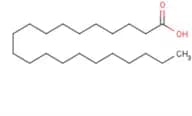
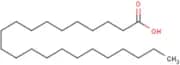
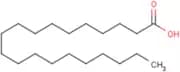
Heneicosanoic acid
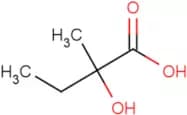
CAS:HEA (C21:0), a fatty acid in human milk and red blood cells, lubricates joint cartilage.Fórmula:C21H42O2Pureza:97.87% - 99.52%Cor e Forma:SolidPeso molecular:326.562-Hydroxy-2-methylbutanoic acid
CAS:2-Hydroxy-2-methylbutyric acid is an unusual metabolite found in the urine of patients with 2-hydroxyglutaric aciduria and maple syrup urine disease.Fórmula:C5H10O3Pureza:99.83%Cor e Forma:SolidPeso molecular:118.131-Hexadecanol
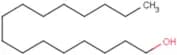
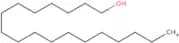
CAS:1-Hexadecanol (Hexadecan-1-ol), a fatty alcoholis, is utilized for making other chemicals.Fórmula:C16H34OPureza:99.39% - 99.88%Cor e Forma:Colourless Solid Paraffin LikePeso molecular:242.443-Methylglutaric acid
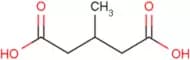
CAS:Methylglutaric acid, a leucine byproduct, is linked to two metabolic disorders, detected in patient urine.Fórmula:C6H10O4Pureza:98.64%Cor e Forma:SolidPeso molecular:146.14Tridecanedioic acid
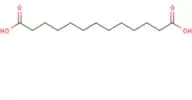
CAS:Tridecanedioic acid (Brassilic acid) is an unusual odd-numbered dicarboxylic acid that appears in the urines of children with neonatal adrenoleukodystrophy.Fórmula:C13H24O4Pureza:99.78%Cor e Forma:White FlakePeso molecular:244.33(S)-Leucic acid
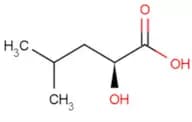
CAS:(S)-Leucic acid, a leucine metabolite in muscles, enhances muscle mass and recovery. It's a 2-hydroxycarboxylic acid used in bodybuilding.Fórmula:C6H12O3Pureza:98.44%Cor e Forma:SolidPeso molecular:132.16Docosanoic acid
CAS:Docosanoic acid (Behenic Acid) is a long-chain saturated fatty acid. It has been found in peanut and M. oleifera seed oils.Fórmula:C22H44O2Pureza:98%Cor e Forma:Waxy Solid Liquid Othersolid PelletslargecrystalsPeso molecular:340.58Tridecanoic acid
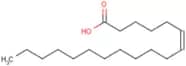
CAS:Tridecanoic acid: 13-carbon, saturated fatty acid in dairy and n-hexadecane biodegradation; phospholipase A2 substrate.Fórmula:C13H26O2Pureza:99.17% - 99.81%Cor e Forma:Off-White Or White Crystals Or PowderPeso molecular:214.34Petroselinic acid
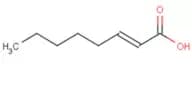
CAS:Petroselinic acid (5-Heptadecylene-1-carboxylic acid) is a monounsaturated omega-12 fatty acid found naturally in plant and animal oils and fats.Fórmula:C18H34O2Pureza:99.70% - 99.88%Cor e Forma:SolidPeso molecular:282.46(E)-Oct-2-enoic acid
CAS:(E)-Oct-2-enoic acid (2-Octenoate) is a organic acid produced by hepatic microsomal oxidation of aliphatic aldehydes and is a endogenous metabolite.Fórmula:C8H14O2Pureza:96.82% - 99.01%Cor e Forma:SolidPeso molecular:142.25-Methoxy-5-oxopentanoic acid
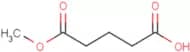
CAS:5-Methoxy-5-oxopentanoic acid (mono-Methyl glutarate) is a metabolite of dibasic esters(DBEs) by nasal respiratory and olfactory mucosae.Fórmula:C6H10O4Pureza:97.78%Cor e Forma:LiquidPeso molecular:146.14Citraconic acid
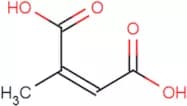
CAS:Citraconic acid (2-Methylmaleic Acid) is a dicarboxylic acid consisting of maleic acid having a methyl substituent at the 2-position.Fórmula:C5H6O4Pureza:99.18%Cor e Forma:SolidPeso molecular:130.1Octanoic acid
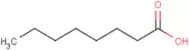
CAS:Octanoic acid (Caprylic acid) is found naturally in coconuts and breast milk. Caprylic acid is used in the production of esters used in perfumery.
Fórmula:C8H16O2Pureza:97.43% - 99.90%Cor e Forma:Colourless Liquid OilyPeso molecular:144.21Heptadecanoic acid
CAS:Heptadecanoic acid: a fatty acid mainly from dairy and meat, with 0.61% in milk fat and 0.83% in ruminant meat, marks dairy intake in humans.Fórmula:C17H34O2Pureza:99.78% - 99.87%Cor e Forma:Liquid OthersolidPeso molecular:270.45Arachidic acid
CAS:Arachidic acid (Icosanoic Acid) is a saturated fatty acid found naturally in fish and vegetable oils. It can be formed by the hydrogenation of arachidonic acid.
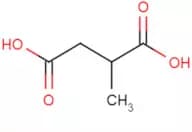
Fórmula:C20H40O2Pureza:99.86%Cor e Forma:Drypowder Othersolid Liquid OthersolidPeso molecular:312.532-Methylsuccinic acid
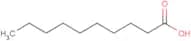
CAS:2-Methylsuccinic acid, a human metabolite, marks ethylmalonic encephalopathy with specific symptoms and genetic traits.Fórmula:C5H8O4Pureza:98.59% - 99.31%Cor e Forma:Physical Description White Or Yellowish Crystals Or Beige Powder (Ntp 1992)Peso molecular:132.11Decanoic Acid
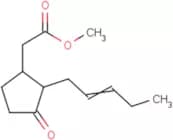
CAS:Decanoic Acid (Caprynic acid) acts as a non-competitive AMPA receptor antagonist.Fórmula:C10H20O2Pureza:98.59%Cor e Forma:Crystalline Solid SolidPeso molecular:172.26(±)-Methyl Jasmonate
CAS:Methyl 2-(3-oxo-2-(pent-2-en-1-yl)cyclopentyl)acetate ((±)-Jasmonic Acid methyl ester)induces the synthesis of proteinase inhibitors in plant leaves.Fórmula:C13H20O3Pureza:98.95% - 99.39%Cor e Forma:Colorless Liquid Clear To Pale Yellow LiquidPeso molecular:224.31-Hydroxyoctadecane
CAS:1-Hydroxyoctadecane (OctadecanolOctadecanol) is a fatty alcohol present in human and is normally incorporated into plasmalogen lipids.Fórmula:C18H38OPureza:99.91%Cor e Forma:Less Solid Paraffin LikePeso molecular:270.49Hexadecanedioic acid
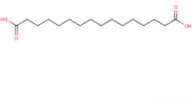
CAS:Hexadecanedioic acid (1,16-Hexadecanedioic acid) is a common saturated fatty acid found in animals, plants and microorganisms. It has antitumor activity.Fórmula:C16H30O4Pureza:99.42% - 99.89%Cor e Forma:SolidPeso molecular:286.412-(N,N-Dimethyl-N-propargylammonium)-1-bromoethane Bromide
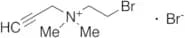
CAS:Produto ControladoApplications 2-(N,N-Dimethyl-N-propargylammonium)-1-bromoethane Bromide (cas# 911678-16-5) is a compound useful in organic synthesis.
Fórmula:C7H13BrN·BrCor e Forma:NeatPeso molecular:270.995a-Pregnane-3a,20a-diol
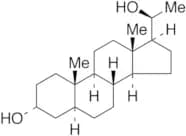
CAS:Produto ControladoApplications Progesterone metabolite.
References Beall, et al.: Biochem. J., 31, 35 (1937), Okuda, A., et al.: J. Biol. Chem., 259, 7519 (1984), Russell, D., et al.: Biochemistry, 31, 4737 (1992), Kondo, K., et al.: Eur. J. Biochem., 219, 357 (1994), Westerbacka, J., et al.: J. Clin. Endocrinol. Metab., 88, 4924 (2003),Fórmula:C21H36O2Cor e Forma:NeatPeso molecular:320.51a-Cortol
CAS:Produto ControladoStability Hygroscopic
Applications α-Cortol, is a derivative of Cortisone (C696500), a Glucocorticoid, and an anti-inflammatory agent.
References Honda, A., et al.: J. Biol. Chem., 268, 7759 (1993), Narko, K., et al.: J. Clin. Endocrinol. Metab., 86, 1765 (2001), Michael, A., et al.: Reproduction, 126, 425 (2003),Fórmula:C21H36O5Cor e Forma:NeatPeso molecular:368.51N-Hexadecanol-D31
CAS:Produto ControladoApplications N-Hexadecanol (2,2,3,3...16,16,16-D31, 98%) (cas# 203633-15-2) is a useful research chemical.
Fórmula:C16D31H3OCor e Forma:NeatPeso molecular:273.63Desacetyl Forskolin
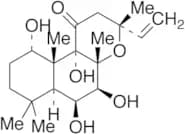
CAS:Produto ControladoApplications Desacetyl Forskolin is an analogue of Forskolin (F701800). Desacetyl Forskolin was tested for its ability to activate rat brain adenylate cyclase, activate detergent-solubilized rat brain adenylate cyclase, increase cyclic AMP in intact S49 wild-type cells, and inhibit the binding of 3H-forskolin to rat brain membranes.
References Desouza, N., et al.: Med. Res. Rev., 3, 201 (1983); Seamon, K., et al.: J. Med. Chem., 26, 436 (1983); Seguin, E., et al.: Planta Medica, 54, 4 (1988);Fórmula:C20H32O6Cor e Forma:NeatPeso molecular:368.461-Hexadecanol
CAS:Applications 1-Hexadecanol, is used in the cosmetic industry as an opacifier in shampoos, or as an emollient, emulsifier or thickening agent in the manufacture of skin creams and lotions.
References Smolinske S. C., et al.: Handbook Food Drug and Cosmetic Exipients, 75 (1992);Fórmula:C16H34OCor e Forma:White To Off-WhitePeso molecular:242.44Ethyl Palmitoleate-d5
CAS:Produto ControladoStability Light Sensitive
Applications Ethyl Palmitoleate-d5 is the isotope analog of Ethyl Palmitoleate. Ethyl Palmitoleate is used in biological studies for calcium relase-activated calcium channel blockade as a potential tool in antipancreatitis therapy.
References Gerasimenko, J.V., et al.: Proc. Natl. Acad. Sci. U.S.A., 110, 13186 (2013)Fórmula:C18H29D5O2Cor e Forma:Colourless OilyPeso molecular:287.49Glyceryl Trihexadecanoate-d98
CAS:Produto ControladoApplications Glyceryl Trihexadecanoate-d98 (CAS# 1219803-85-6) is a useful isotopically labeled research compound.
Fórmula:C51D98O6Cor e Forma:NeatPeso molecular:905.94(9Z)-9-Octadecen-1-ol, 85%
CAS:Applications (9Z)-9-Octadecen-1-ol, is an unsaturated fatty alcohol, that can be used a nonionic surfactant, emulsifier, emollient and thickener in skin creams, lotions and many other cosmetic products.
References Linh D.D, et al.: Int. J. Gre. Eng., 8, 748 (2011);Fórmula:C18H36OPureza:85%Cor e Forma:Colourless LiquidPeso molecular:268.48n-Hexadecane-d34
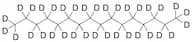
CAS:Produto ControladoApplications n-Hexadecane-d34 is the labeled compound of Hexadecane(H293630). Hexadecane has been used to prepare emulsions in water. It is also used as a substrate for the bacterial production of biosurfactants.
References Rang, M., et al.: J. Colloid Interface Sci., 209, 179 (1999); Hills, B., et al.: Magn. Reson. Imaging, 18, 319 (2000); Noordman, W., et al.: Appl. Environ. Microbiol., 68, 4502 (2002)Fórmula:C162H34Cor e Forma:ColourlessPeso molecular:260.65Methyl Palmitoleate
CAS:Applications Methyl Palmitoleate is used as a component in the preparation of a biodiesel fuels.
References Luo, H. et al.: Biores. Tech., 140, 337 (2013); Arias-Penaranda, M. et al.: Biores. Tech., 140, 158 (2013);Fórmula:C17H32O2Cor e Forma:ColourlessPeso molecular:268.43Isopropyl Palmitate
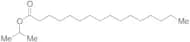
CAS:Applications Isopropyl Palmitate has been used in the preparation of a pseudolatex-membrane for ketoprofen transdermal drug delivery systems.
References Suksaeree, J., et. al.: Ind. Eng. Chem. Res., 52, 15847 (2013)Fórmula:C19H38O2Cor e Forma:ColourlessPeso molecular:298.5(9Z,12Z,15Z)-Octadeca-9,12,15-trien-1-ol (>90%)
CAS:Stability Light Sensitive
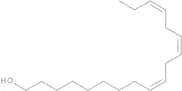
Applications (9Z,12Z,15Z)-octadeca-9,12,15-trien-1-ol is an essential oil component of Osmanthus fragrans.
References Hu, C., et al.: Huaxue Shiji, 32, 231 (2010); Tian, G., et al.: Anhui Nongye Kexue, 36, 7214 (2008)Fórmula:C18H32OPureza:>90%Cor e Forma:ColourlessPeso molecular:264.45Hexadecanamide
CAS:Produto ControladoApplications Hexadecanamide (cas# 629-54-9) is a useful research chemical.
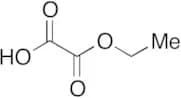
Fórmula:C16H33NOCor e Forma:NeatPeso molecular:255.45Oxalic Acid Ethyl Ester
CAS:Produto ControladoApplications Oxalic Acid Ethyl Ester is a useful synthetic intermediate. It is used to synthesize 2-substituted 3-aryl-4(3H)-quinazolinones with anticonvulsant activities. It is also used to prepare nonbenzamidine tetrazole derivatives as factor Xa inhibitors.
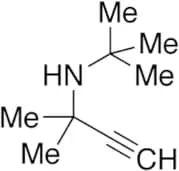
References Wolfe, J., et al.: J. Med. Chem., 33, 161 (1009); Quan, M., et al.: bioorg. Med. Chem. Lett., 13, 369 (2003)Fórmula:C4H6O4Cor e Forma:NeatPeso molecular:118.09N-tert-Butyl-1,1-dimethylpropargylamine
CAS:Produto ControladoApplications Used for cyclizations of propynyl compounds: a synthesis of 2,4-imidazolidinediones (hydantoins).
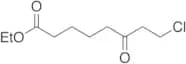
References Xie, J., et al.: Bioorg. Med. Chem., 15, 458 (2007),Fórmula:C9H17NCor e Forma:NeatPeso molecular:139.248-Chloro-6-oxo-octanoic Acid Ethyl Ester
CAS:Produto ControladoApplications Intermediate in the synthesis of Lipoic Acid and its derivatives.
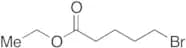
Fórmula:C10H17ClO3Cor e Forma:NeatPeso molecular:220.695-Bromopentanoic Acid Ethyl Ester
CAS:Produto ControladoApplications 5-Bromopentanoic Acid Ethyl Ester was used in the preparation of S(γ-Carboxypropyl)-DL-homocysteine and S(δ-Carboxybutyl)-DL-homocysteine. It was also used in the preparation of ethyl 5-azidovalerate.
References Awad, W.: J. Biol. Chem., 258, 12790 (1983); Li, Z., et al.: Tetrahedron Lett., 45, 3143 (2004)Fórmula:C7H13BrO2Cor e Forma:NeatPeso molecular:209.08Hexadecanal
CAS:Produto ControladoStability Air and Moisture sensitive
Applications It is used in the production of lipid and fatty acids.
References Cerniglia, C., et al.: J. Bacteriol., 118, 844 (1974), Leahy, J., et al.: Microbiolog. Rev., 54, 305 (1990),Fórmula:C16H32OCor e Forma:NeatPeso molecular:240.42rac cis-9,10-Epoxystearic Acid
CAS:Produto ControladoApplications An epoxy fatty acid found in Pneumocystis carinii lipids.
References Gibson, G., et al.: Xenobiotica, 19, 1123 (1989), Pellegrini, L., et al.: Plant Physiol., 103, 509 (1993), Scheller, U., et al.: J. Biol. Chem., 273, 32528 (1998), Tijet, N., et al.: Biochem. J., 332, 583 (1998),Fórmula:C18H34O3Cor e Forma:NeatPeso molecular:298.46Ethylene Glycol Monostearate
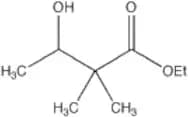
CAS:Produto ControladoFórmula:C20H40O3Cor e Forma:Off-WhitePeso molecular:328.533-Hydroxy-2,2-dimethylbutyric Acid Ethyl Ester
CAS:Produto ControladoApplications 3-Hydroxy-2,2-dimethylbutyric Acid Ethyl Ester (cas# 69737-23-1) is a compound useful in organic synthesis.
Fórmula:C8H16O3Cor e Forma:NeatPeso molecular:160.212-Morpholinecarboxylic Acid Ethyl Ester
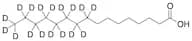
CAS:Produto ControladoFórmula:C7H13NO3Cor e Forma:NeatPeso molecular:159.18Hexadecanoic-9,9,10,10,11,11,12,12,13,13,14,14,15,15,16,16,16-d17 Acid
CAS:Produto ControladoApplications Hexadecanoic-9,9,10,10,11,11,12,12,13,13,14,14,15,15,16,16,16-d17 Acid (CAS# 81462-28-4) is a useful isotopically labeled research compound.
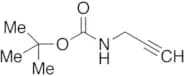
Fórmula:C16H15D17O2Cor e Forma:White To Off-WhitePeso molecular:273.53N-Boc-propargylamine
CAS:Produto ControladoApplications N-Boc-propargylamine is used in the preparation of triazolobenzylidene-thiazolopyrimidines which act as CDC25 phosphatase inhibitors. Also used in the synthesis of β-glucan polysaccharide analogs.
References Duval, R. et al.: J. Comb. Chem., 11, 947 (2009); Tanaka, H. et al.: Tetrahedron Lett., 53, 4104 (2012);Fórmula:C8H13NO2Cor e Forma:NeatPeso molecular:155.22-(5Z)-5-Tetradecen-1-yl-cyclobutanone
CAS:Produto ControladoFórmula:C18H32OCor e Forma:NeatPeso molecular:264.45Cetyl Stearate
CAS:Produto ControladoApplications Cetyl Stearate is a wax ester of stearic acid. Wax esters are esters between long chained fatty alcohols and fatty acids. Wax esters have significance in pharmaceutical and cosmetics applications and occur naturally in plants and animals. Stearate esters are used most frequently in the formulation of eye makeup, skin makeup, lipstick and skin care products.
References Wheatley, V., et al.: Biochem. J., 58, 167 (1954); Shichijo, S., et al.: Biochem. Med., 22, 256 (1979); Robosky, L., et al.: J. Lipid Res., 49, 686 (2008);Fórmula:C34H68O2Cor e Forma:NeatPeso molecular:508.9Hexadecafluoroheptane
CAS:Produto ControladoApplications Hexadecafluoroheptane, 98% (cas# 335-57-9) is a useful research chemical.
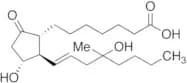
Fórmula:C7F16Cor e Forma:ColourlessPeso molecular:388.05Misoprostol Acid (10 mg in 1 mL Methyl Acetate)
CAS:Fórmula:C21H36O5Cor e Forma:Single SolutionPeso molecular:368.51Tetrahydro 11-Deoxycorticosterone
CAS:Produto ControladoApplications Tetrahydro 11-Deoxycorticosterone is a metabolite of 11-Deoxycorticosterone (DOC) (D232590).
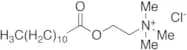
References Fedele, E., et al.: J. Neurochem., 75, 782 (2000), Adkins, C., et al.: J. Biol. Chem., 276, 38934 (2001), Erceg, S., et al.: Brain Res., 1036, 115 (2005),Fórmula:C21H34O3Cor e Forma:White To Off-WhitePeso molecular:334.49Lauroylcholine Chloride
CAS:Produto ControladoApplications Lauroylcholine Chloride (cas# 25234-60-0) is a compound useful in organic synthesis.
Fórmula:C17H36NO2·ClCor e Forma:NeatPeso molecular:321.93Palmitoyl-16,16,16-d3-L-carnitine Hydrochloride
CAS:Produto ControladoApplications Palmitoyl-16,16,16-d3-L-carnitine Hydrochloride is the isotope labelled analog of Palmitoyl-L-carnitine Hydrochloride (P155050); a long-chain fatty ester of carnitine which is accumulated and released into the circulation in fatty-acid oxidation defects.
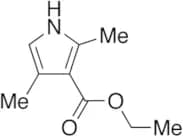
References Ventura, F., et al.: Clinica Chimica Acta, 281, 1 (1999); Pourfarzam, M., et al.: Clinical Chem,, 40, 2267 (1994); Schaefer, J., et al.: Pediatric Res., 37, 354 (1995)Fórmula:C23H43D3NO4•ClCor e Forma:NeatPeso molecular:439.092,4-Dimethyl-1H-pyrrole-3-carboxylic Acid Ethyl Ester
CAS:Produto ControladoApplications 2,4-Dimethyl-1H-pyrrole-3-carboxylic Acid Ethyl Ester is used in the preparation of blue pyrrole dyes. 2,4-Dimethyl-1H-pyrrole-3-carboxylic Acid Ethyl Ester is also used as an intermediate in the synthesis of receptor tyrosine kinase (RTK) inhibitors and their metabolites.
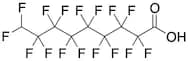
References Treibs, A. et al.: Lieb. Ann. Chem., 2, 289 (1978); Elsinghorst, P. et al.: J. Lab. Comp. Radiopharm., 52, 360 (2009);Fórmula:C9H13NO2Cor e Forma:NeatPeso molecular:167.219H-Hexadecafluorononanoic Acid
CAS:Produto ControladoApplications 9H-Hexadecafluorononanoic Acid (cas# 76-21-1) is a useful research chemical.
Fórmula:C9H2O2F16Cor e Forma:NeatPeso molecular:446.09Perhydrofarnesyl Acetone
CAS:Produto ControladoApplications Perhydrofarnesyl Acetone is used as a flavor and fragrance agent, it is often used in jasmine compositions.
References Toda, H. et al.: Dev. Food Sci., 17, 181 (1988); Maggi, F. et al.: Food Chem., 113, 216 (2009); Maggi, F. et al.: Chem. Biodiv., 8, 2057 (2011);Fórmula:C18H36OCor e Forma:ColourlessPeso molecular:268.48N-Succinimidyl Palmitate
CAS:Produto ControladoStability Moisture Sensitive; Store in Freezer, Hygroscopic
Applications N-hydroxysuccinimide ester of palmitic acid. Esters of N-hydroxysuccinimide have been used for the preparation of N-acylamino acids, aminoacyl-tRNA, coenzyme A, thioglycolic acid, ceramides, etc.
References Lapidot, Y., et al.: J. Lipid Res., 8, 142 (1967); Lapidot, Y., et al.: Biochim. Biophys. Acta, 145, 292 (1967); Al-Arif, A., et al.: J. Lipid Res., 10, 344 (1969); Ong, D.E., and Brady, R.N., J. Lipid Res., 13, 819 (1972)Fórmula:C20H35NO4Cor e Forma:NeatPeso molecular:353.5cis-7,10,13,16-Docosatetraenoic Acid Ethyl Ester-d5
CAS:Produto ControladoApplications cis-7,10,13,16-Docosatetraenoic Acid Ethyl Ester-d5 is an isotopic analog of cis-7,10,13,16-Docosatetraenoic Acid Ethyl Ester. cis-7,10,13,16-Docosatetraenoic Acid Ethyl Ester is an ethyl analog of cis-7,10,13,16-Docosatetraenoic Acid (D494510). cis-7,10,13,16-Docosatetraenoic Acid has been identified as a protein kinase inhibitor, affecting serotonin levels in studies.
References Mirnikjoo, B. et al.: J. Biol. Chem., 276, 10888 (2001);Fórmula:C24D5H35O2Cor e Forma:NeatPeso molecular:365.60411-Hydroxylauric Acid
CAS:Applications 11-Hydroxylauric Acid is used as a substrate to determine the functional expression and characterization of cytochrome P450 52A21.
References Kuehnel, K., et al.: Adv. Synthesis. Cata., 349, 1451 (2007); Kim, D.H., et al.: Arch. Biochem. Biophy., 464, 213 (2007);Fórmula:C12H24O3Cor e Forma:NeatPeso molecular:216.325,7-Docosadiynoic Acid
CAS:Produto ControladoApplications Amphiphilic molecule used in the synthesis of artificial cell membranes for diagnostics and therapeutics.
References Deckert, A.A., et al.: Langmuir, 11, 643 (1995); Charych, D., and Nagy, J.O.: Chemtech, 26(9), 24 (1996); Pan, J.J. and Charych, D.: Langmuir, 13, 1365 (1997)Fórmula:C23H38O2Cor e Forma:NeatPeso molecular:346.55Palmitoyl Chloride
CAS:Produto ControladoStability Moisture Sensitive
Applications Palmitoyl Chloride was used as a polymeric carriers for plasmid DNA (pDNA) delivery to 293T cells.
References Remant, B.K.C., et al.: J. Biomaterials. Sci. Poly. Ed., 22, 873 (2011); Allard, E., et al.: Int. J. Pharma., 379, 217 (2009);Fórmula:C16H31ClOCor e Forma:Light YellowPeso molecular:274.87Hexadecanal
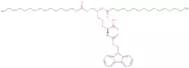
CAS:Hexadecanal is a chemical compound that belongs to the group of basic proteins. It is an intermediate in the synthesis of hexanol and hexadecanoic acid. Hexadecanal has been shown to have receptor activity on rat liver microsomes, as well as p450 activity. The physiological functions of this molecule are unknown, but it has been shown to have synergic effects with other bioactive phytochemicals such as sodium citrate.Fórmula:C16H32OPureza:Min. 95 Area-%Cor e Forma:White Off-White PowderPeso molecular:240.42 g/molFmoc-Cys((S)-2,3-di(palmitoyloxy)-propyl)-OH
CAS:Fmoc-Cys((S)-2,3-di(palmitoyloxy)-propyl)-OH is a reagent used in the synthesis of complex compounds. It is also a useful scaffold for the synthesis of speciality chemicals and versatile building blocks. This compound is an intermediate that can be used in the preparation of fine chemicals and pharmaceuticals. Fmoc-Cys((S)-2,3-di(palmitoyloxy)-propyl)-OH has a CAS number of 139573-78-7 and can be purchased as a high quality chemical.Fórmula:C53H83NO8SPureza:Min. 95 Area-%Cor e Forma:Slightly Yellow PowderPeso molecular:894.29 g/mol4-Bromo-2,6-pyridinedicarboxylic acid ethyl ester
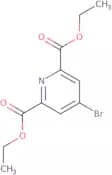
CAS:4-Bromo-2,6-pyridinedicarboxylic acid ethyl ester is a luminescent compound that emits light in the visible region of the spectrum. It can be used as a ligand for polymerized monolayers or as a bifunctional covalent coupling agent. The carboxylate group on 4-Bromo-2,6-pyridinedicarboxylic acid ethyl ester interacts with lanthanide metal ions to produce luminescence. This chemical also has low frequency emission and can be used for supramolecular interactions.Fórmula:C11H12BrNO4Pureza:Min. 95%Peso molecular:302.12 g/molPyruvic acid ethyl ester
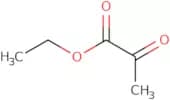
CAS:Ethyl pyruvate, also known as 2-oxo-propionic acid ethyl ester, is a colourless transparent liquid at room temperature with a fresh, sweet, floral aroma. Ethyl pyruvate is a novel anti-inflammatory agent for the treatment of critical inflammatory conditions as it has potent anti-inflammatory properties and tissue protection activity, in multiple animal models of disease including: pancreatitis, ischemia-reperfusion injury, sepsis, renal injury, and endotoxemia.Fórmula:C5H8O3Pureza:Min. 95%Cor e Forma:Colorless Clear LiquidPeso molecular:116.12 g/mol1,2-Dipalmitoyl-sn-glycero-3-phosphoethanolamine
CAS:1,2-Dipalmitoyl-sn-glycero-3-phosphoethanolamine is a phospholipid that plays an important role in many cellular processes. It is a major component of the lipid bilayer that surrounds cells and provides stability to the membrane. 1,2-Dipalmitoyl-sn-glycero-3-phosphoethanolamine can form hydrogen bonding interactions with other molecules in the cytoplasm. The redox potential of this compound is also high enough to allow it to participate in oxidation reactions. This phospholipid also has a phase transition temperature at which it changes from a liquid state to a solid state at room temperature. 1,2-Dipalmitoyl-sn-glycero-3-phosphoethanolamine can be used as a reaction mechanism for synthesizing glycosylated proteins or lipids. In vitro assays have been performed using this compound asFórmula:C37H74NO8PPeso molecular:691.96 g/mol2-Bromo-3-fluorobenzoic acid ethyl ester
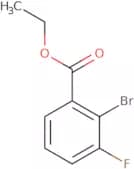
CAS:2-Bromo-3-fluorobenzoic acid ethyl ester is a versatile building block that can be used in the preparation of many different chemical compounds. It is a high quality chemical with a CAS number 1131040-49-7. 2-Bromo-3-fluorobenzoic acid ethyl ester is useful in the synthesis of complex compounds, and has been shown to be an effective reagent. This chemical has also been used as a reaction component and scaffold in research chemicals.Fórmula:C9H8BrFO2Pureza:Min. 95%Cor e Forma:PowderPeso molecular:247.06 g/mol2,3-Dihydroxy-4-methoxycinnamic acid ethyl ester
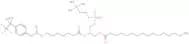
Please enquire for more information about 2,3-Dihydroxy-4-methoxycinnamic acid ethyl ester including the price, delivery time and more detailed product information at the technical inquiry form on this pagePureza:Min. 95%1-palmitoyl-2-(10-(4-((trifluoromethyl)diazirinyl)phenyl)-8-oxadecanoyl)-sn-glycero-3-phosphocholine
CAS:1-palmitoyl-2-(10-(4-((trifluoromethyl)diazirinyl)phenyl)-8-oxadecanoyl)-sn-glycero-3-phosphocholine (PPC) is a liposome that induces necrotic cell death. It binds to the mitochondria and inhibits adenine nucleotide translocation, leading to the loss of mitochondrial membrane potential and the release of cytosolic calcium. This leads to activation of proapoptotic proteins, such as Bax and Bak, which initiates caspase-independent apoptosis. PPC also induces light emission from phospholipid hydroperoxide decomposition, which can be used as a biomarker for cellular physiology.Fórmula:C41H68TF3N3O9PPureza:Min. 95%Peso molecular:837.98 g/mol2'-Hydroxy-5'-nitrohexadecanamide
CAS:2'-Hydroxy-5'-nitrohexadecanamide is a synthetic fatty acid derivative that inhibits lysosomal hydrolase, which is an enzyme that breaks down cellular lipids. This compound can be used as a diagnostic agent for the detection of certain types of cancer. 2'-Hydroxy-5'-nitrohexadecanamide reacts with the magnesium ion in the lysosome to form an insoluble precipitate, which then settles to the bottom of the test tube, allowing for easy detection of cells with high levels of lysosomal hydrolase.Fórmula:C22H36N2O4Pureza:Min. 95%Cor e Forma:PowderPeso molecular:392.53 g/mol4-Phenyl-2-pyrrolidone-3-carboxylic acid ethyl ester
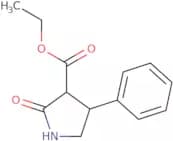
CAS:4-Phenyl-2-pyrrolidone-3-carboxylic acid ethyl ester is an organic compound. It is an intermediate in the synthesis of 2,4,6-trichloroisonicotinic acid and 2,4,6-trichloropyrimidine. The compound has a variety of uses as a reagent and building block for organic synthesis. 4-Phenyl-2-pyrrolidone-3-carboxylic acid ethyl ester is soluble in many solvents such as acetone, ethers and chloroform. It has a CAS number of 5245032. This chemical can be used as a speciality chemical or fine chemical to produce drugs.
Fórmula:C13H15NO3Pureza:Min. 95%Cor e Forma:PowderPeso molecular:233.26 g/mol3-Fluoro-4-hydroxybenzoic acid ethyl ester
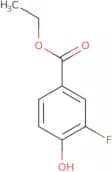
CAS:3-Fluoro-4-hydroxybenzoic acid ethyl ester is a versatile building block that is used as a reagent in organic synthesis. It has the CAS number 56355-21-6. This compound has been shown to be useful for the synthesis of various pharmaceuticals and other complex compounds, such as 3-fluoro-4-(2,2,2-trifluoroethoxy)benzoic acid ethyl ester.
Fórmula:C9H9FO3Pureza:Min. 95%Cor e Forma:PowderPeso molecular:184.16 g/molAscorbyl palmitate
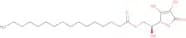
CAS:Ascorbyl palmitate is an ester of ascorbic acid and palmitic acid. It is a water-soluble antioxidant that has been shown to be safe for oral ingestion at doses of up to 3 grams per day. Ascorbyl palmitate is used in topical formulations to provide protection against sun damage, and also has been shown to have anti-inflammatory properties, which may be due to its inhibitory effect on the mcl-1 protein. Ascorbyl palmitate has a phase transition temperature at about 41°C. This compound can be used in pharmaceuticals for the treatment of infectious diseases caused by bacteria such as tuberculosis or herpes simplex virus type 1 (HSV-1). This chemical also has been shown to have physiological effects on bowel disease and toxicity studies show that it does not cause any adverse reactions in rats or rabbits when given orally.
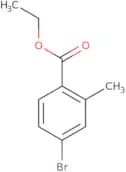
Fórmula:C22H38O7Pureza:Min 98%Cor e Forma:White PowderPeso molecular:414.53 g/mol4-Bromo-2-methylbenzoic acid ethyl ester
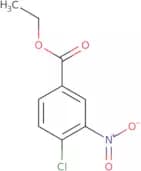
CAS:4-Bromo-2-methylbenzoic acid ethyl ester is a high quality and versatile building block. It is a useful intermediate in the synthesis of organic compounds, and can be used as a reaction component in the synthesis of complex compounds. 4-Bromo-2-methylbenzoic acid ethyl ester is also a useful scaffold for the construction of new chemical entities. It has been shown to react with potassium tert-butoxide to produce 4-(2,6-dimethylphenyl)piperidine (CAS No. 220389-34-4).Fórmula:C10H11BrO2Pureza:Min. 95%Cor e Forma:Clear LiquidPeso molecular:243.1 g/mol4-Chloro-3-nitrobenzoic acid ethyl ester
CAS:4-Chloro-3-nitrobenzoic acid ethyl ester is a six-membered, planar, hydrogen bond that has a crystal structure with a six-membered ring. It has hydrogen bonds and five-membered ring. The molecule is coplanar and oriented.Fórmula:C9H8ClNO4Pureza:Min. 95%Cor e Forma:PowderPeso molecular:229.62 g/mol4-Hydroxy-3-methoxybenzoic acid ethyl ester
CAS:4-Hydroxy-3-methoxybenzoic acid ethyl ester is a synthetic compound that is converted to protocatechuic acid, an antioxidant found in wine. It has been shown to have antioxidative properties in inflammatory bowel disease by inhibiting the formation of reactive oxygen species. Protocatechuic acid also inhibits the growth of bacterial strains such as Listeria monocytogenes and Bacillus cereus, which are often resistant to antibiotics. The mechanism of action is not well understood, but it may be due to its ability to inhibit the production of p-hydroxybenzoic acid, a precursor for bacterial cell wall synthesis. Protocatechuic acid also has anti-inflammatory properties and can be used as a bioactive phenolic in topical preparations such as creams or ointments.
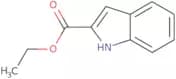
Fórmula:C10H12O4Pureza:Min. 95%Cor e Forma:PowderPeso molecular:196.2 g/molIndole-2-carboxylic acid ethyl ester
CAS:Indole-2-carboxylic acid ethyl ester is a synthetic compound that binds to cancer cells. It has been shown to inhibit the growth of leukemia cells and breast cancer cells in vitro. Indole-2-carboxylic acid ethyl ester inhibits the binding of collagen to cells, which may be due to its ability to bind to β-carboline alkaloids on collagen. The binding of indole-2-carboxylic acid ethyl ester with these alkaloids prevents them from binding to collagen, thereby preventing the formation of new collagen fibers. This drug also inhibits aldehyde production, which is important for DNA synthesis in cancer cells.Fórmula:C11H11NO2Pureza:Min. 95%Cor e Forma:PowderPeso molecular:189.21 g/mol7-[4-(4-Fluorophenyl)-6-(1-methylethyl)-2-(N-methyl-N-methylsulfonyl-amino)-pyrimidin-5-yl]-3,5-dihydroxy-hept-6-enoic acid ethyl es ter
CAS:Rosuvastatin is a statin drug that inhibits cholesterol synthesis by inhibiting the enzyme HMG-CoA reductase. Rosuvastatin has been shown to reduce high-sensitivity C-reactive protein (hsCRP) and low-density lipoprotein cholesterol (LDL-C), which are risk factors for cardiovascular disease, in patients with hypercholesterolemia. Rosuvastatin also has a high degree of potency and specificity for the HMG-CoA reductase enzyme and shows no significant cross-reactivity with other HMG-CoA reductase inhibitors. Rosuvastatin is metabolized by CYP3A4 and CYP2C9. Drugs that inhibit these enzymes may increase the plasma levels of rosuvastatin, while drugs that induce these enzymes may decrease the plasma levels of rosuvastatin.Fórmula:C24H32FN3O6SPureza:Min. 95%Cor e Forma:PowderPeso molecular:509.59 g/mol1-Hexadecanethiol
CAS:1-Hexadecanethiol (1-HDT) is a chemical substance that is used in the synthesis of polymers and as a reagent for surface modification. It has been shown to be an effective cationic surfactant with antimicrobial properties. 1-HDT has also been used to pattern surfaces and is found in water vapor, where it can react with oxygen to form 3-mercaptopropionic acid. 1-HDT reacts with thiols, alcohols, amines, and amino acids to form sulfides. In vitro assays have shown that 1-HDT can inhibit the growth of carboxy terminal protein polymer films. Chemical stability is dependent on the chemical species, which can be predicted by examining chemical structure and reactivity.Fórmula:C16H34SPureza:Min. 95%Cor e Forma:PowderPeso molecular:258.5 g/mol4-Amino-2-methylbenzoic acid ethyl ester
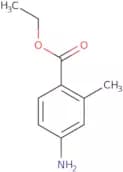
CAS:4-Amino-2-methylbenzoic acid ethyl ester is a versatile building block that can be used in the synthesis of complex compounds. It has been shown to have a number of useful applications, such as in the synthesis of pharmaceuticals, research chemicals, and speciality chemicals. 4-Amino-2-methylbenzoic acid ethyl ester is also an important reagent for the production of high quality pharmaceuticals and intermediates. This chemical is also a useful scaffold for organic reactions.Fórmula:C10H13NO2Pureza:Min. 95%Peso molecular:179.22 g/mol4-Hydroxy-3-nitrobenzoic acid ethyl ester
CAS:4-Hydroxy-3-nitrobenzoic acid ethyl ester is a small molecule that binds to DNA and RNA. It is cytotoxic, inhibiting cell growth in the presence of amides, nucleosides, or nucleotides. 4-Hydroxy-3-nitrobenzoic acid ethyl ester also inhibits the proliferation of cancer cells in culture. This drug has been shown to be effective against pancreatic cancer, ovarian cancer, and glioblastoma cells. The structure of this compound was elucidated by spectral analysis of its NMR and mass spectra data. It has yielded a 2780% increase in glioblastoma cell line growth rates when compared to control cells.Fórmula:C9H9NO5Pureza:Min. 95%Cor e Forma:PowderPeso molecular:211.17 g/mol3-Amino-4-methoxybenzoic acid ethyl ester
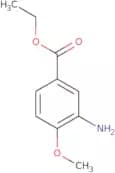
CAS:3-Amino-4-methoxybenzoic acid ethyl ester is a chemical building block that can be used in the synthesis of various organic compounds. It is an important reaction component, and can also be used as a reagent or useful scaffold. 3-Amino-4-methoxybenzoic acid ethyl ester is soluble in organic solvents and has a high quality. This chemical has been shown to be useful for research purposes.Fórmula:C10H13NO3Pureza:Min. 95%Cor e Forma:PowderPeso molecular:195.22 g/molHexadecanamide
CAS:Hexadecanamide is a reactive amide that has an optimum concentration of 1.5-2.0 M in water and a pH range of 3.0-8.0. Hexadecanamide is oxidized by an oxidation catalyst to form hexadecane, which can be analyzed by gas chromatography or high performance liquid chromatography. The oxidation reaction can be monitored under constant pressure conditions using electrochemical impedance spectroscopy. Hexadecanamide reacts with hydroxyl groups and fatty acids to form hexadecanoic acid, which can be analyzed using gas chromatography or high performance liquid chromatography. Hexadecanamide also reacts with viral life to form hexadecanoic acid, which can be analyzed using gas chromatography or high performance liquid chromatography. Hexadecanamide has been shown to have anti-inflammatory properties, which may be due to its ability to inhibit the production of pro-inflammatory cytokines such as histamine and leukotrienesFórmula:C16H33NOPureza:Min. 95%Cor e Forma:PowderPeso molecular:255.44 g/molFmoc-HomoGly(Propargyl)-OH
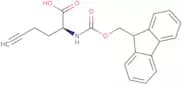
CAS:Fmoc-HomoGly(Propargyl)-OH is a useful scaffold that can be used as a building block for the synthesis of complex compounds. It is also a useful intermediate and research chemical that can be reacted with other building blocks to create new compounds. Fmoc-HomoGly(Propargyl)-OH has been shown to be a high quality reagent for the synthesis of other chemicals.
Fórmula:C21H19NO4Pureza:Min. 95%Cor e Forma:White PowderPeso molecular:349.38 g/mol3-Fluoro-6-nitrobenzoic acid ethyl ester
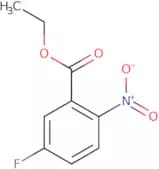
CAS:3-Fluoro-6-nitrobenzoic acid ethyl ester is a high quality chemical that is used as an intermediate in the synthesis of complex compounds. It is also a useful scaffold for the synthesis of other compounds and can be used as a building block in the production of speciality chemicals. 3-Fluoro-6-nitrobenzoic acid ethyl ester has many reactions that it participates in, such as being a reaction component for the synthesis of pharmaceuticals and agrochemicals. This compound is versatile enough to be used in research or for commercial purposes.Fórmula:C9H8FNO4Pureza:Min. 95%Cor e Forma:PowderPeso molecular:213.16 g/mol3-Aminocinnamic acid ethyl ester
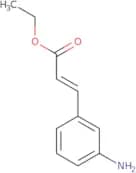
CAS:3-Aminocinnamic acid ethyl ester is a synthetic compound that is derived from pyridine and has a liriodenine ring. The synthesis of this compound starts with an olefinic coupling reaction, which yields an imine intermediate. The imine is hydrolyzed to yield the desired product. 3-Aminocinnamic acid ethyl ester can be found in plants such as liriodenine and liriodendronine, as well as in animal tissues. It also acts as a neurotransmitter and activates the nitrate receptor on nerves, which leads to increased blood pressure or heart rate. 3-Aminocinnamic acid ethyl ester also binds to the cation channel of benzoquinoline drugs and mediates their effects on the central nervous system.Fórmula:C11H13NO2Pureza:Min. 95%Cor e Forma:PowderPeso molecular:191.23 g/mol1,2-Dipalmitoyl-sn-glycero-3-phosphatidic acid sodium
CAS:1,2-Dipalmitoyl-sn-glycero-3-phosphatidic acid sodium (DPPA) is a drug substance that has been used in primary culture to study the cell membrane of hepatocytes. This compound is a phospholipid with a cavity at one end and contains two hydroxy groups that can be conjugated to other molecules. It has been shown to be effective against Hepatitis B virus and mesenchymal stromal cells. DPPA has also been used as an adjuvant for gadolinium contrast agents for magnetic resonance imaging. Gadolinium may bind to the hydroxy groups on DPPA, which increases its birefringence and brightness on MRI scans.Fórmula:C35H69Na2O8PPureza:Min. 98 Area-%Cor e Forma:White PowderPeso molecular:694.87 g/molGlycerol tripalmitate
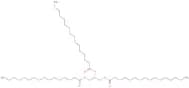
CAS:Glycerol tripalmitate is a triglyceride that is composed of three molecules of glycerol and one molecule of palmitic acid. It is used in the manufacture of sephadex g-100, a chromatographic material that separates proteins based on their size. Glycerol tripalmitate has been shown to have high chemical stability, which is important for its use as a pharmaceutical excipient. This substance also has a physiological function in the human body, including the production of lipids, such as fatty acids and triglycerides. Glycerol tripalmitate can be used to study phase transition temperature by using surface methodology. Carbonyl oxygens are present on the surface of this substance, which may have neurotrophic effects.Fórmula:C51H98O6Pureza:Min. 85 Area-%Cor e Forma:PowderPeso molecular:807.32 g/molPalmitoyl pentapeptide trifluoroacetic acid
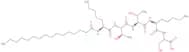
CAS:Palmitoyl pentapeptide trifluoroacetic acid is a synthetic molecule that has been shown to have antimicrobial and anti-inflammatory properties. It has been shown to reduce the activity of gsh-px, which is an enzyme involved in the metabolism of glutathione. This compound also inhibits the production of ATP in cells, which may be responsible for its cancer-inhibiting effects. Palmitoyl pentapeptide trifluoroacetic acid has been shown to inhibit skin cancer cell growth by interfering with fatty acid synthesis and increasing epidermal growth factor levels.Fórmula:C41H76N7O12Pureza:Min. 95%Cor e Forma:PowderPeso molecular:802.05 g/molEicosapentaenoic acid ethyl ester
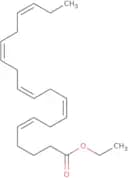
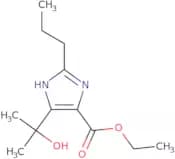
CAS:Eicosapentaenoic acid ethyl ester (EPA-E) is a natural compound that belongs to the group of polyunsaturated fatty acids. EPA-E has been shown to be an antioxidant, which prevents oxidative damage and reduces inflammation. It has been found to lower LDL cholesterol and triglycerides in clinical trials. EPA-E also decreases body mass index, hepatic steatosis, and symptoms of metabolic syndrome. The mechanism of action for these effects is not fully understood but may be due to increased activity of the enzyme spal2. EPA-E has been shown to have favorable biochemical properties in animal models of atherosclerosis.Fórmula:C22H34O2Pureza:Min. 96 Area-%Cor e Forma:Clear LiquidPeso molecular:330.5 g/mol4-(1-Hydroxy-1-methylethyl)-2-propyl-1H-imidazole-5-carboxylic acid ethyl ester
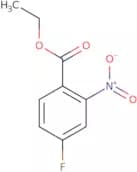
CAS:4-(1-Hydroxy-1-methylethyl)-2-propyl-1H-imidazole-5-carboxylic acid ethyl ester is a synthetic drug with pharmacological properties that are similar to those of the natural product medoxomil. It has been shown to be a potent blocker of the GABA receptor and is used for the treatment of epilepsy. 4-(1-Hydroxy-1-methylethyl)-2-propyl-1H-imidazole-5-carboxylic acid ethyl ester has been shown to be an inhibitor of rat liver microsomes and also has a high affinity for the enzyme cilexetil, which is responsible for the conversion of cilexetil into its active form.Fórmula:C12H20N2O3Pureza:Min. 95%Cor e Forma:PowderPeso molecular:240.3 g/mol4-Fluoro-2-nitrobenzoic acid ethyl ester
CAS:4-Fluoro-2-nitrobenzoic acid ethyl ester is a fine chemical that can be used as a reagent, intermediate compound, building block, scaffold and building block for speciality chemicals. It has been shown to be an effective chemical in the synthesis of 4-fluoro-2-nitrobenzoic acid, which is a versatile building block with many potential applications. 4-Fluoro-2-nitrobenzoic acid ethyl ester is also useful in reactions involving amines and alcohols as well as metal catalyzed reactions. This product has CAS No. 1072207-10-3.Fórmula:C9H8FNO4Pureza:(%) Min. 85%Cor e Forma:Clear LiquidPeso molecular:213.16 g/mol2-Fluoro-4-methylbenzoic acid ethyl ester
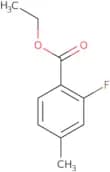
CAS:2-Fluoro-4-methylbenzoic acid ethyl ester is a versatile building block that is used in the synthesis of complex compounds with a wide variety of biological and chemical properties. This compound has been used as a reagent for research, as well as in the production of pharmaceuticals and other speciality chemicals. It has also been found to be useful in the synthesis of compounds with high quality. 2-Fluoro-4-methylbenzoic acid ethyl ester can be used as an intermediate in reactions, or as a scaffold for further synthesis. The CAS number for this compound is 500579-61-3.
Fórmula:C10H11FO2Pureza:Min. 95%Cor e Forma:Colourless LiquidPeso molecular:182.19 g/mol2-Fluoro-3-nitrobenzoic acid ethyl ester
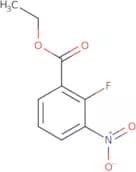
CAS:2-Fluoro-3-nitrobenzoic acid ethyl ester is a versatile, high quality building block with a number of uses in research and industry. It is an intermediate in the synthesis of a range of compounds, including pharmaceuticals and other fine chemicals. 2-Fluoro-3-nitrobenzoic acid ethyl ester is also used as a reagent for the synthesis of complex compounds, such as pharmaceuticals. This compound can be synthesized from readily available starting materials and has been shown to be useful for the preparation of scaffolds for organic synthesis. 2-Fluoro-3-nitrobenzoic acid ethyl ester is not listed on the Chemical Abstract Service (CAS) registry, but it does have an IUPAC name (2-(2,6-difluorophenyl)-5-(1,1,2,2 tetrafluoropropoxy)-3H-[1]py
Fórmula:C9H8FNO4Pureza:Min. 95%Cor e Forma:Off-White PowderPeso molecular:213.16 g/molPalmitoyldocosahexaenoyl phosphatidylcholine
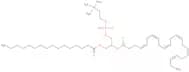
CAS:Palmitoyldocosahexaenoyl phosphatidylcholine (PC-S) is a fatty acid with six double bonds. It has been shown to induce osteogenic genes in human macrophages and can be used as a potential therapeutic agent for the treatment of bone diseases. PC-S also has anti-inflammatory properties, which is due to its ability to inhibit secretory phospholipase A2 (sPLA2). PC-S is structurally similar to the polyunsaturated fatty acid linoleic acid and has been found to have reactive properties. PC-S may be used as an adjuvant therapy for cancer and other diseases, such as Alzheimer's disease. Clinical studies are currently being conducted.Fórmula:C46H80NO8PPureza:Min. 95%Cor e Forma:PowderPeso molecular:806.1 g/mol2-Acetyl-3-oxo-butyric acid ethyl ester - 90%
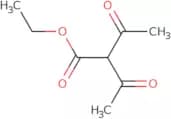
CAS:2-Acetyl-3-oxo-butyric acid ethyl ester (2ABEE) is a chemokine receptor antagonist that binds to the CCR5 receptor. It is a small molecule drug candidate with potential therapeutic value for HIV and other diseases. 2ABEE has been shown to be active against human immunodeficiency virus type 1 (HIV-1) in cell culture and animal models, as well as against influenza virus in mice. This compound also inhibits the production of chemokines, which are inflammatory proteins that recruit immune cells from the blood stream to the site of infection. In addition, 2ABEE is not toxic to healthy human cells, indicating that it may have fewer side effects than other anti-HIV drugs.Fórmula:C8H12O4Pureza:Min. 95%Cor e Forma:Clear LiquidPeso molecular:172.18 g/mol1-Palmitoyl-2-ω-(2-Diazo-3,3,3-Trifluoropropionyloxy)Lauroyl-Sn-Glycero-3-Phosphocholine
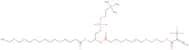
CAS:1-Palmitoyl-2-omega-(2-Diazo-3,3,3-Trifluoropropionyloxy)Lauroyl-Sn-Glycero-3-Phosphocholine is a potential therapy for pulmonary fibrosis. It is an admixture of two phospholipids containing the fatty acid palmitic acid and omega-(2,3,3,3,-trifluoroethoxy)acetyl lauroylglycerophosphocholine. The molecule is activated by carbon monoxide (CO), which converts it to a form that can be taken up by cells. CO has been shown to inhibit the growth of cells in culture and in animal models of pulmonary fibrosis. Treatment with the molecule also inhibits production of galacturonic acid and oligosaccharides from lysophosphatidylethanolamine and its derivatives.Fórmula:C39H71F3N3O10PPureza:Min. 95%Peso molecular:829.96 g/molEtomidate
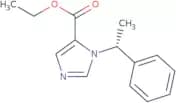
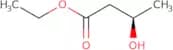
CAS:Produto ControladoEtomidate is a potent, non-competitive, centrally acting α-adrenergic receptor agonist that has been used as a diagnostic agent and anesthetic. It is also used in the treatment of diabetic neuropathy. Etomidate binds to the α-adrenergic receptors on the presynaptic membrane and blocks the release of norepinephrine. This prevents nerve impulses from being transmitted to the muscle cells, leading to relaxation of muscles. Etomidate also inhibits locomotor activity by inhibiting postsynaptic neurons in the spinal cord that are responsive to acetylcholine. Etomidate is not active against polymorphonuclear leucocytes or water vapor. The risk group for etomidate includes patients who have had intubations, those with systolic pressures greater than 120 mmHg, and those with heart rates greater than 100 beats per minute. The mechanism of action for etomidate is thought to be through formation of stable complexes with nitrogen atoms.Fórmula:C14H16N2O2Pureza:Min. 95%Cor e Forma:PowderPeso molecular:244.29 g/mol(R)-(-)-3-Hydroxybutyric acid ethyl ester
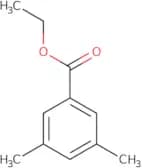
CAS:(R)-(-)-3-Hydroxybutyric acid ethyl ester is an enantiomer of 3-hydroxybutyric acid. It is synthesized from diethyl succinate in a one-pot, stereoselective, high-yield process by using asymmetric synthesis and hydrogenation. The reaction vessel used for this synthesis is a reaction solution that has been optimized to be resistant to high pressure and temperature. This product can be used as a renewable feedstock in the production of polyesters and other polymers.Fórmula:C6H12O3Pureza:Min. 95%Cor e Forma:Colorless Clear LiquidPeso molecular:132.16 g/mol3,5-Dimethylbenzoic acid ethyl ester
CAS:3,5-Dimethylbenzoic acid ethyl ester is a quinoline derivative that can be synthesised from the reaction of isobutyraldehyde with benzoic acid. This compound yields terminal alkynes and polynuclear compounds in reactions with metals. It can also be prepared by cross-coupling reactions of substituted benzoates with aminobenzoates as ligands. 3,5-Dimethylbenzoic acid ethyl ester is used in preparative chemistry to synthesise other organic compounds.Fórmula:C11H14O2Pureza:Min. 95%Cor e Forma:Clear LiquidPeso molecular:178.23 g/mol






























![7-[4-(4-Fluorophenyl)-6-(1-methylethyl)-2-(N-methyl-N-methylsulfonyl-amino)-pyrimidin-5-yl]-3,5-di…](/_next/image/?url=https%3A%2Fstatic.cymitquimica.com%2Fproducts%2F3D%2Fthumb-webp%2FFF35383.webp&w=3840&q=75)