Apoptosis
Subcategories of "Apoptosis"
- ASK(9 products)
- BCL(1 products)
- Caspase(154 products)
- FOXO1(2 products)
- IAP(67 products)
- Mdm2(12 products)
- PD-1/PD-L1(126 products)
- PDK(9 products)
- PERK(23 products)
- Serine/threonin kinase(17 products)
- Survivin(14 products)
- TNF(91 products)
- c-RET(61 products)
- p53(63 products)
Found 6170 products of "Apoptosis"
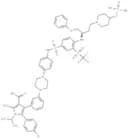
UBX1325
CAS:UBX1325, a potent Bcl-xL inhibitor, induces cell death in aging cells, useful for age-related eye disease research.
Formula:C53H59ClF3N6O10PS3Color and Shape:SolidMolecular weight:1159.69Bak BH3
Flu-BakBH3 peptide, derived from Bak's BH3 domain, binds tightly to a crucial pocket of Bcl-XL, essential for its anti-death role.Formula:C72H125N25O24Purity:98%Color and Shape:SolidMolecular weight:1724.9EGFR/HER2/DHFR-IN-3
EGFR/HER2/DHFR-IN-3 (compound 4c) serves as an efficacious dual inhibitor specifically targeting EGFR/HER2, exhibiting IC50 values of 0.138 μM for EGFR and 0.Purity:98%Color and Shape:Odour SolidHDAC6-IN-16
HDAC6-IN-16 (compound 5c), a quinazolin-4(3H)-one-based inhibitor of histone deacetylase 6 (HDAC6), demonstrates an anticancer effect by inhibiting colonyFormula:C23H19N3O3SPurity:98%Color and Shape:SolidMolecular weight:417.48SI-2
CAS:SI-2, a SRC-3 inhibitor, triggers breast cancer cell death (IC50: 3-20 nM), sparing normal cells.Formula:C15H15N5Purity:98.4%Color and Shape:SolidMolecular weight:265.31Ref: TM-T28773
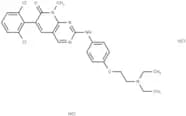
1mg358.00€5mg873.00€10mg1,161.00€25mg1,755.00€50mg2,358.00€100mg3,177.00€1mL*10mM (DMSO)800.00€PD0166285 dihydrochloride
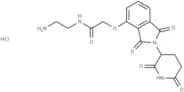
CAS:PD-166285 is an effective and broadly active inhibitor of protein tyrosine kinase.Formula:C26H29Cl4N5O2Color and Shape:SolidMolecular weight:585.35Thalidomide 4'-oxyacetamide-alkyl-C2-amine HCl
CAS:Thalidomide 4'-oxyacetamide-alkyl-C2-amine HCl is an E3 ligase ligand-linker conjugate containing the E3 ubiquitin ligase cereblon (CRBN) and linker.Formula:C17H19ClN4O6Purity:99.78%Color and Shape:SolidMolecular weight:410.81Apoptosis inducer 33
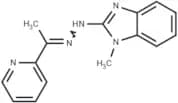
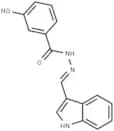
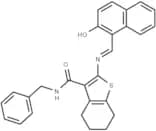
Apoptosisinducer 33 (compound H2) is a hydrazone derivative. It exhibits antioxidant and antimicrobial properties, capable of inhibiting the growth of Staphylococcus aureus, Escherichia coli, and Candida albicans. Additionally, Apoptosisinducer 33 can suppress tumor cell proliferation and induce apoptosis (apoptosis), making it useful for tumor research.Formula:C16H13N3O2Color and Shape:SolidMolecular weight:279.293JAK/HDAC-IN-2
JAK/HDAC-IN-2, a potent 2-amino-4-phenylaminopyrimidine dual-target inhibitor, effectively suppresses JAK1/2 and HDAC3/6 at nanomolar concentrations.Formula:C28H38N6O5SPurity:98%Color and Shape:SolidMolecular weight:570.72,2'-Dihydroxy chalcone
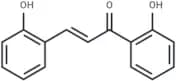
CAS:2,2'-Dihydroxy chalcone inhibits β-glucuronidase (IC50=1.6 μM) and lysozyme (IC50=1.4 μM), and fights E. coli, S. fowleri, S. albicans, S. aureus.Formula:C15H12O3Purity:99.70%Color and Shape:SolidMolecular weight:240.25PROTAC GPX4 degrader-1
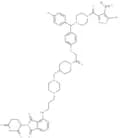
CAS:PROTAC GPX4 Degrader-1 (DC-2) is a PROTAC-based compound that efficiently degrades GPX4, demonstrating a degradation concentration (DC 50) of 0.03 μM in HT1080Formula:C50H57ClN10O10Color and Shape:SolidMolecular weight:993.5PROTAC KDM4 degrader-1
PROTACKDM4 degrader-1 (Compound 11) is a proteolysis-targeting chimera (PROTAC) degrader specifically designed for KDM4. It effectively degrades KDM4A-C while sparing KDM4D. In esophageal cancer cells, PROTACKDM4 degrader-1 demonstrates strong antiproliferative activity, inducing apoptosis and cell cycle arrest, and inhibits lysine demethylation of histone H3.Color and Shape:Odour SolidCS4
CS4 is a selective HDAC inhibitor, with IC50 values for HDAC1, HDAC6, HDAC8, HDAC4, and HDAC11 reported as 38 nM, 12 nM, 5.8 μM, 19 μM, and 61 μM, respectively. It enhances the acetylation of α-tubulin and histone 3 (histone 3). Additionally, CS4 activates PPARγ and blocks glycolysis (glycolysis). It induces cell cycle arrest at the G2 phase and triggers apoptosis (apoptosis), exhibiting anticancer effects both in vitro and in vivo.Color and Shape:Odour SolidMET/PDGFRA-IN-2
MET/PDGFRA-IN-2 (compound 8h) serves as an inhibitor of MET and PDGFRA proteins, promoting apoptosis in cells and impeding the proliferation of MET-positiveFormula:C29H29N7OPurity:98%Color and Shape:SolidMolecular weight:491.59cis,trans-Germacrone
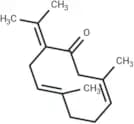
CAS:cis,trans-Germacrone is an antitumor, antioxidant isomer that inhibits lung cancer and affects Akt/MDM2/p53.Formula:C15H22OColor and Shape:SolidMolecular weight:218.33EM 163
CAS:EM 163是一种 TIR-TIR 相互作用抑制剂,它是MyD88蛋白的TIR(Toll/白细胞介素-1受体)结构域拟态。EM 163针对IL-1受体中的TIR 结构域,阻断与MyD88的相互作用。EM 163抑制葡萄球菌肠毒素B(SEB)引起的体内炎症细胞因子的产生。EM 163能保护小鼠免受SEB 冲击引起的死亡。在体外的大鼠海马神经元中,EM 163阻断p38的激活和IL-1β对化学诱导的长期电位(LTP)引发的蛋白质合成的抑制作用。Formula:C44H60IN5O4Purity:98.62%Color and Shape:SolidMolecular weight:849.88Ref: TM-T41142
1mg114.00€5mg264.00€10mg354.00€25mg592.00€50mg843.00€100mg1,144.00€500mg2,295.00€1mL*10mM (DMSO)414.00€BGC4
BGC4 is a gold(III) complex based on biphenyl. It inhibits human recombinant thioredoxin reductase (TrxR) with an IC50 of 10.7 μM, exhibits cytotoxicity with an IC50 of 5.4 μM in MDA-MB-231 cells, and induces apoptosis. Additionally, BGC4 demonstrates antitumor activity in mouse models.Formula:C30H32AuClF3N3Color and Shape:SolidMolecular weight:724.01AXL/Angiokinase-IN-1
AXL/Angiokinase-IN-1 (compound 11b) is an inhibitor of AXL/triple angiokinase, with an IC50 of 3.75 nM for AXL expression. This compound suppresses epithelial-mesenchymal transition (EMT) in Bxpc-3 cells and prevents metastasis in lung cancer cells. Additionally, AXL/Angiokinase-IN-1 impairs the functions of vascular and fibroblast cells and induces apoptosis in both cancer and fibroblast cells. It is characterized by low toxicity and favorable metabolic stability.Formula:C31H34ClN5O2Color and Shape:SolidMolecular weight:544.09dTAGV-1-NEG
CAS:Negative control for dTAGV-1.Formula:C68H90N6O14SColor and Shape:SolidMolecular weight:1247.56(R)-Q-VD-OPh
(R)-Q-VD-OPh is the less active enantiomer of Q-VD-OPha. Q-VD-OPha is an irreversible inhibitor of pan-caspase, with potent antiapoptotic properties.Formula:C26H25F2N3O6Purity:98%Color and Shape:SolidMolecular weight:513.49ElteN378
CAS:ElteN378: potently inhibits FKBP12 (Ki=0.5 nM), low weight, similar affinity to Rapamycin.Formula:C23H26N2O3Purity:99.06%Color and Shape:SolidMolecular weight:378.46Ref: TM-T9950
1mg167.00€5mg356.00€10mg528.00€25mg848.00€50mg1,153.00€100mg1,603.00€200mg2,142.00€1mL*10mM (DMSO)295.00€NF-κB-IN-19
NF-κB-IN-19 (Compound 8) is an NF-κB inhibitor. It effectively induces DNA damage in tumor cells through the NF-κB signaling pathway and promotes the production of reactive oxygen species (ROS), as well as induces autophagy and apoptosis. Additionally, NF-κB-IN-19 inhibits levels of VEGF and HIF-1α, exerting antiproliferative effects in tumor cells through the PI3K/AKT and STAT-3 pathways. It is also effective in overcoming cisplatin resistance and exhibits antitumor activity.Formula:C24H26Cl3F2N3O4PtColor and Shape:SolidMolecular weight:759.92ROCK/HDAC-IN-2
ROCK/HDAC-IN-2 (Compound C-9) is a dual inhibitor of ROCK/HDAC, characterized by IC50 values of 0.185 µM for HDAC6, 0.8 µM for ROCK1, and 0.7 µM for ROCK2. It effectively induces apoptosis and mitochondrial membrane potential alterations in cancer cells and demonstrates notable antitumor activity, making it useful for research in pancreatic ductal adenocarcinoma (PDAC) and triple-negative breast cancer (TNBC).Formula:C22H32N4O4SColor and Shape:SolidMolecular weight:448.58PROTAC CARM1/IKZF3 degrader-1
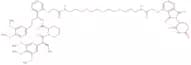
PROTAC CARM1/IKZF3 degrader-1 (Compound 074) inhibits CARM1, reducing the methylation level of its substrate BAF155. This PROTAC degrader works by degrading IKZF 1/3 via a CRBN-dependent mechanism. It suppresses MYC protein expression, thereby inhibiting the proliferation of various multiple myeloma cells. Additionally, PROTAC CARM1/IKZF3 degrader-1 can induce apoptosis in H929 cells and overcomes resistance to immunomodulatory drugs (IMiDs, such as pomalidomide). It is applicable for cancer and immunology research. (Pink: ligand for target protein CARM1/IKZF3 ligand 1; Active form of target protein ligand: EZM 2302; Black: linker; Blue: ligand for E3 ligase Cereblon Thalidomide 4-fluoride)Formula:C46H54ClN9O8Color and Shape:SolidMolecular weight:896.43MC-25B
MC-25B is a selective FKBP12 PROTAC degrader. It effectively degrades FKBP12 with a DC50 of 0.35 μM and a Dmax of 89%. MC-25B facilitates the degradation of nuclear-localized FKBP12 through a mechanism dependent on DCAF16.Formula:C65H92ClN7O14Color and Shape:SolidMolecular weight:1230.92GL392
GL392 is a senolytic agent that delivers the potent senescence-clearing compound Dasatinib specifically to senescent cells. By targeting the LBD domain, it binds lipofuscin in these cells and releases Dasatinib via an ester linkage, inducing apoptosis (Apoptosis) in senescent cells. Additionally, GL392 is encapsulated in PEO-b-PCL microcapsules to ensure efficient intracellular delivery while minimizing systemic toxicity. GL392 is applicable in cancer research.Formula:C55H52ClN13O5SColor and Shape:SolidMolecular weight:1042.6Hypoxia inducer-1
Hypoxia inducer-1 (Compound N6) is a NO donor compound that is orally active and activated under hypoxic conditions. It exhibits high selectivity in releasing NO, inhibiting apoptosis, necrosis, and elevated levels of reactive oxygen species (ROS) associated with hypoxia. It modulates vasodilation and shows protective effects in a mouse model of myocardial hypoxic injury, making it useful for coronary heart disease research.Formula:C14H12FN3O4Color and Shape:SolidMolecular weight:305.261PD-L1/VISTA-IN-2
PD-L1/VISTA-IN-2 (Compound S8) is an orally active dual inhibitor targeting PD-L1 and VISTA, with an IC50 of 1.4 μM for PD-L1 and a KD of 2.1 μM for VISTA. This compound can activate the tumor immune microenvironment, exerting anticancer effects.Formula:C22H22N2O3Color and Shape:SolidMolecular weight:362.42Moracin N
CAS:Moracin N, a ferroptosis inhibitor derived from mulberry leaves, exhibits neuroprotective activity by mitigating oxidative stress [1].Formula:C19H18O4Purity:98%Color and Shape:SolidMolecular weight:310.34Thalidomide-O-PEG2-propargyl
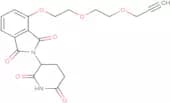
CAS:Thalidomide-O-PEG2-propargyl is a cereblon-based E3 ligase ligand with a PEG linker for PROTAC-induced protein degradation.Formula:C20H20N2O7Purity:98%Color and Shape:SolidMolecular weight:400.38TNF-α-IN-6
CAS:TNF-α-IN-6 is an orally efficacious allosteric inhibitor of TNFα ( K D = 6.8 nM).
Formula:C26H25N9O2Color and Shape:SolidMolecular weight:495.547CPTH2 (hydrochloride) (357649-93-5 free base)
CAS:CPTH2 is an inhibitor of the HAT activity of Gcn5.Formula:C14H15Cl2N3SPurity:98%Color and Shape:SolidMolecular weight:328.26FLT3-IN-29
FLT3-IN-29 (Compound MY-10) is an FLT3 inhibitor with IC50 values of 6.5 nM and 10.3 nM for FLT3-ITD and FLT3-D835Y mutants, respectively. It induces cell cycle arrest at the G0/G1 phase and effectively triggers apoptosis (Apoptosis). Additionally, FLT3-IN-29 reduces reactive oxygen species (ROS) and mitochondrial membrane potential (MMP), displaying anti-leukemic properties.Formula:C25H30N6O2Color and Shape:SolidMolecular weight:446.545Aloeresin G
CAS:Aloeresin G, a chromone glycoside isolated from Aloe, exhibits a moderate inhibitory effect on TNFα-induced NF-κB transcriptional activity, evidenced by an IC50Formula:C29H30O10Color and Shape:SolidMolecular weight:538.54HMGB1-IN-1
HMGB1-IN-1 (compound 6) exhibits potent inhibition of NO production in RAW264.7 cells, with an IC50 of 15.9 ± 0.6 μM, and effectively disrupts the HMGB1/NF-κB/Formula:C57H75N3O15Color and Shape:SolidMolecular weight:1042.22JAK05
JAK05 exhibits inhibitory activity against Helicobacter pylori, effectively suppressing strains J63, J196, and J107, with a MIC of 3-5 µg/mL. It shows affinity for binding to H+/K+-ATPase, COX-1/2, TNF-α, and PGE2, and possesses antioxidant and anti-inflammatory properties. In a rat model of ethanol-induced gastric ulcers, JAK05 demonstrates anti-ulcer activity.Formula:C27H27ClN4O9SColor and Shape:SolidMolecular weight:619.043Jacaric Acid
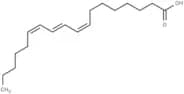
CAS:Conjugated 18-C ω-6 fatty acid from Jacaranda seeds, induces cancer cell apoptosis via oxidative stress; metabolizes to cytotoxic CLA.Formula:C18H30O2Color and Shape:SolidMolecular weight:278.436DRI-C21041 (DIEA)
DRI-C21041 DIEA serves as an inhibitor of CD40/CD40L interaction, exhibiting an inhibitory concentration (IC50) of 0.31 μM.Formula:C38H40N4O7SColor and Shape:SolidMolecular weight:696.81DHFR-IN-23
DHFR-IN-23 (compound 5) is a dual inhibitor of DNA binders/DHFR, exhibiting an IC50 value of 0.08 μM against hDHFR. It serves as an apoptosis inducer and is applicable in research on ER+ breast cancer.Color and Shape:Odour SolidAnti-inflammatory agent 61
Compound 5b (Anti-inflammatory agent 61) is a potent anti-inflammatory agent that diminishes TNF-α expression in LPS-induced inflammation within RAW 264.7 cellsColor and Shape:Odour SolidMepacrine
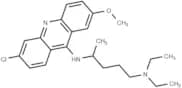
CAS:Mepacrine (Erion) is an acridine derivative formerly widely used as an antimalarial.Formula:C23H30ClN3OPurity:98.78%Color and Shape:Bright Yellow CrystalsMolecular weight:399.96Ref: TM-T24449
5mg35.00€10mg56.00€25mg101.00€50mg166.00€100mg259.00€200mg376.00€1mL*10mM (DMSO)37.00€PAK4-IN-3
PAK4-IN-3 (compound 27e) is a PAK4 inhibitor exhibiting an IC50 of 10 nM and demonstrates antiproliferative effects on A549 cells with an IC50 of 0.61μM.Purity:98%Color and Shape:Odour SolidVonlerizumab
Vonlerizumab (Anti-TNFRSF4/OX40/CD134 Antibody) is a humanized monoclonal antibody targeting OX40, used in tumor research.Purity:>95%Color and Shape:LiquidMolecular weight:145.22 kDaDesmethyl-WEHI-345 analog
CAS:Desmethyl-WEHI-345 analog, a protein kinase inhibitor, holds potential for colon cancer research.Formula:C22H23N7OColor and Shape:SolidMolecular weight:401.474Os30
Os30 is a potent fourth-generation EGFR inhibitor, specifically targeting the EGFRC797S-TK mutation with IC50 values of 18 nM for EGFRDel19/T790M/C797S TK andPurity:98%Color and Shape:Odour SolidEriosematin
CAS:Eriosematin has anti-proliferative and apoptosis-inducing properties and is a compound extracted from the root of Flemingia philippinensis in the Philippines.Formula:C19H20O4Purity:98%Color and Shape:SolidMolecular weight:312.36Topoisomerase II inhibitor 14
CAS:Topoisomerase II inhibitor 14: powerful anticancer agent that induces apoptosis, halts S phase, and lowers GSH, MDA, and NO levels.Formula:C15H11Cl2N5Purity:99.95%Color and Shape:SoildMolecular weight:332.19Apoptosis inducer 13
Apoptosis Inducer 13 (Compound Ru4) promotes apoptosis in cancer cells while also suppressing their migration and invasion.Formula:C59H54ClF6N8O4PRuPurity:98%Color and Shape:SolidMolecular weight:1220.6JPS014 TFA
JPS014 TFA, a benzamide-based Von Hippel-Lindau (VHL) E3-ligase proteolysis targeting chimera (PROTAC), effectively degrades class I histone deacetylase (HDACFormula:C48H60F3N7O9SPurity:98%Color and Shape:SolidMolecular weight:968.09EGFR/BRAFV600E-IN-3
EGFR/BRAFV600E-IN-3 is an inhibitor targeting EGFR, BRAFV600E, and EGFRT790M with IC50 values of 57 nM, 68 nM, and 9.70 nM, respectively.Formula:C25H18N4O3Purity:98%Color and Shape:SolidMolecular weight:422.44PH14
PH14, a dual PI3K/HDAC inhibitor, demonstrates potent inhibition with IC50 values of 20.3 nM for PI3Kα and 24.5 nM for HDAC3.Purity:98%Color and Shape:Odour SolidAntitumor agent-116
Antitumor Agent-116 (Compound 6C) is an anti-tumor agent that exhibits anti-proliferative properties and induces apoptosis.Formula:C31H23BrN4O4SPurity:98%Color and Shape:SolidMolecular weight:627.514-oxo-27-TBDMS Withaferin A
CAS:4-oxo-27-TBDMS Withaferin A, a withaferin A derivative, is an anticancer agent cytotoxic to A2780, not A2780/CP70.Formula:C34H50O6SiColor and Shape:SolidMolecular weight:582.853Dehydroaltenusin
CAS:Dehydroaltenusin is a selective eukaryotic DNA polymerase α inhibitor and a type of antibiotic produced by a fungus (IC50: 0.68 μM).Formula:C15H12O6Purity:98%Color and Shape:SolidMolecular weight:288.2553MB-PP1
CAS:3MB-PP1 is a bulky purine analog and a Polo-like kinase 1 (Plk1) inhibitor.Formula:C17H21N5Purity:99.96%Color and Shape:White SolidMolecular weight:295.38Ref: TM-T21678
5mg50.00€10mg92.00€25mg166.00€50mg255.00€100mg374.00€500mgTo inquire1mL*10mM (DMSO)55.00€PZ703b TFA
PZ703b TFA, a Bcl-xl PROTAC degradation agent, promotes apoptosis and halts bladder cancer cell proliferation, making it a pertinent investigative compound forFormula:C82H103ClF6N10O13S4Purity:98%Color and Shape:SolidMolecular weight:1714.46GLP-2(rat)
CAS:intestinal epithelium-specific growth factorFormula:C166H256N44O56SPurity:98%Color and Shape:SolidMolecular weight:3796.17Indinavir
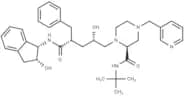
CAS:Indinavir is an HIV protease inhibitor,HAART. inhibits the activation of MMP-2 in endothelial cells and exhibits affinity for α7-nAchR and SARS-CoV-2 Mpro.
Formula:C36H47N5O4Color and Shape:SolidMolecular weight:613.79GPX4-IN-5
CAS:GPX4-IN-5 is a GPX4 inhibitor with antitumor activity.GPX4-IN-5 induces iron death and may be used for the treatment of triple negative breast cancer.Formula:C18H17ClFNO5Purity:99.58%Color and Shape:SoildMolecular weight:381.78Ref: TM-T77755
1mg48.00€5mg92.00€10mg147.00€25mg243.00€50mg353.00€100mg527.00€200mg750.00€1mL*10mM (DMSO)102.00€FKBP12 PROTAC dTAG-7
CAS:dTAG-7 selectively degrades BRD4 and FKBP12F36V by linking BET bromodomains to E3 ligase CRBN; it's a heterobifunctional degrader.Formula:C63H79N5O19Purity:98%Color and Shape:SolidMolecular weight:1210.32BT44
CAS:BT44, a potent second-gen GDNF mimetic, is a lead for treating neurodegeneration.Formula:C28H27F4N3O4SPurity:99.87%Color and Shape:SoildMolecular weight:577.59Ref: TM-T67733
1mg74.00€5mg160.00€10mg235.00€25mg424.00€50mg635.00€100mg924.00€1mL*10mM (DMSO)188.00€RIPK1-IN-30
RIPK1-IN-30 (compound 24) is a potent RIPK1 inhibitor with an IC50 of 2.01 μM. It demonstrates a protective effect in the HT-29 cell model of TSZ-induced necroptosis, with an EC50 of 6.77 μM.Formula:C27H25FN2O4Color and Shape:SolidMolecular weight:460.17984PARP1-IN-15
PARP1-IN-15 (Compound 6) is a PARP1 inhibitor that also inhibits tankyrase (TNKS) and promotes DNA double-strand breaks, leading to tumor cell apoptosis.Formula:C16H12N2O2Purity:98%Color and Shape:SolidMolecular weight:264.28JGB1741
CAS:JGB1741, a SIRT1 inhibitor (IC50=15µM), modulates apoptosis markers and p53 acetylation in breast cancer research.
Formula:C27H24N2O2SPurity:99.86%Color and Shape:SolidMolecular weight:440.56VTP50469 fumarate
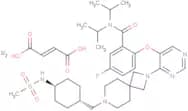
CAS:VTP50469 fumarate is a highly selective and orally active inhibitor of Menin-MLL interaction (Ki: 104 pM), and has potently anti-leukemia activity.Formula:C76H106F2N12O20S2Purity:98%Color and Shape:SolidMolecular weight:1609.86Thalidomide-O-amido-PEG4-propargyl
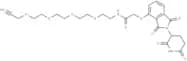
Thalidomide-O-amido-PEG4-propargyl is a polyethylene glycol (PEG)-based linker employed for the synthesis of proteolysis targeting chimeras (PROTACs)[1].Formula:C26H31N3O10Purity:98%Color and Shape:SolidMolecular weight:545.54Thalidomide-O-amido-C3-PEG3-C1-NH2
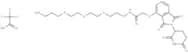
CAS:Thalidomide-based E3 ligase linker for PROTACs with a 3-unit PEG chain.Formula:C27H35F3N4O11Color and Shape:SolidMolecular weight:648.589VEGFR-2-IN-66
VEGFR-2-IN-66 (Compound 6) is an orally active VEGFR-2 inhibitor with an IC50 of 0.509 µM and an IC50 value of 7.48 μM for inhibiting MCF-7 cell proliferation. Its anticancer activity is exerted through cell cycle arrest, induction of apoptosis (Apoptosis), and modulation of gene expression, making it suitable for breast cancer research.Color and Shape:Odour SolidPoly(I:C):Kanamycin (1:1) sodium
Poly(I:C):Kanamycin (1:1) sodium is a complex.Poly(I:C) is a TLR3 and RIG-I/MDA5 agonist.Kanamycin is an antimicrobial,Gram-negative and positive bacteria.
Purity:99%Color and Shape:Solidα-Tubulin polymerization-IN-1
α-Tubulin polymerization-IN-1 (Compound 8l) functions as an inhibitor of α-tubulin polymerization. This compound modulates the NRF2/KEAP-1 signaling pathway and induces ROS production in PC-3 cells, leading to apoptosis. It inhibits the proliferation of PC-3 cells with a GI50 of 0.17 µM, causing cell cycle arrest in the G2/M phase. Additionally, α-Tubulin polymerization-IN-1 demonstrates antitumor activity in mouse models.Color and Shape:Odour SolidPROTAC AR-NTD degrader 1
PROTAC AR-NTD antagonist 1 (compound 18) is a small molecule belonging to the protein-targeting chimeras (PROTACs) that selectively targets the N-terminalFormula:C41H47ClN6O7Purity:98%Color and Shape:SolidMolecular weight:771.3Xerophilusin B
CAS:Xerophilusin B from Isodon xerophilus halts ESCC cell growth, causes G2/M arrest, and induces apoptosis.Formula:C20H26O5Color and Shape:SolidMolecular weight:346.42Stem bromelain
CAS:Stem bromelain: cysteine protease from pineapple stem with fibrinolytic, anti-inflammatory, antitumoral properties.Color and Shape:SolidRET ligand-1
CAS:RETligand-1 is a target protein ligand that specifically interacts with RET and can be utilized in the synthesis of the PROTAC LDD39.Formula:C28H24F2N6O3Color and Shape:SolidMolecular weight:530.525Lacto-N-fucopentaose I
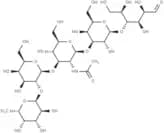
CAS:Lacto-N-fucopentaose I is a milk oligosaccharide.Formula:C32H55NO25Color and Shape:SolidMolecular weight:853.774Z-WEHD-FMK
CAS:Z-WEHD-FMK is a cell-permeable and irreversible inhibitor of caspase-1/5. It also shows a robust inhibitory effect on cathepsin B activity (IC50: 6 μM).Formula:C37H42FN7O10Purity:98%Color and Shape:SolidMolecular weight:763.78ADPM06
CAS:ADPM06: nonporphyrin PDT agent; leads in apoptosis, strong IC50 in µM against human tumors.Formula:C34H24BBr2F2N3O2Color and Shape:SolidMolecular weight:715.19Diazepinomicin
CAS:Diazepinomicin, from Micromonospora, blocks EGF-Ras-ERK pathway and induces apoptosis; an anti-tumor agent for K-Ras mutants.Formula:C28H34N2O4Purity:98%Color and Shape:SolidMolecular weight:462.58Ascochlorin
CAS:Ascochlorin, an isoprenoid antibiotic, inhibits STAT3 to combat tumors, induces apoptosis, and reduces inflammation.Formula:C23H29ClO4Purity:98%Color and Shape:SolidMolecular weight:404.93MRT-2359
CAS:"MRT-2359: Oral GSPT1 reducer, anti-cancer, targets NSCLC/SCLC, effective on MYC-driven cells."
Formula:C22H17F4N3O6Purity:98.69%Color and Shape:SoildMolecular weight:495.38AlbA-DCA
AlbA-DCA, a compound of Albiziabioside A and dichloroacetate, boosts ROS and reduces lactic acid in tumors, killing cancer cells and triggering apoptosis.Formula:C43H67Cl2NO12Purity:98%Color and Shape:SolidMolecular weight:860.9RIP1-IN-1
RIP1-IN-1 is an orally bioavailable RIP1 inhibitor with a high binding affinity (Kd: 110 nM). This compound exhibits significant activity against necroptosis and effectively suppresses necrosome formation by inhibiting the phosphorylation of RIP1, RIP3, and MLKL pathways. RIP1-IN-1 can inhibit necroptosis and is applicable in research on acute liver injury.Color and Shape:Odour SolidPI3Kα-IN-14
PI3Kα-IN-14 (compound F8), a potent PI3Kα inhibitor, exhibits an IC50 value of 0.14 nM and markedly diminishes mitochondrial membrane potential, resulting inPurity:98%Color and Shape:Odour SolidAc-VDVAD-CHO TFA
Ac-VDVAD-CHO (TFA) is a caspase-2/3 inhibitor with IC50 values of 46 nM and 15 nM, respectively.Color and Shape:Odour SolidShepherdin (79-87)
CAS:Shepherdin 79-87: Amino acid fragment 79-87 of Hsp90/Survivin antagonist with anticancer properties.Formula:C41H64N12O12SPurity:98%Color and Shape:SolidMolecular weight:949.09PTD-p65-P1 Peptide
PTD-p65-P1: a NF-kappaB inhibitor blocking activation from multiple inflammatory stimuli.Formula:C168H275N57O44SPurity:98%Color and Shape:SolidMolecular weight:3829.5p38-α MAPK-IN-8
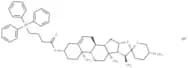
p38-α MAPK-IN-8 (Compound 13) is a lipophilic cationic derivative. It exhibits cytotoxicity toward various tumor cells, inducing cell cycle arrest and apoptosis, as well as increasing reactive oxygen species (ROS) production and causing mitochondrial membrane potential depolarization. Its antitumor activity may be related to the p38α MAPK pathway, making it a potential candidate for cancer research.Formula:C49H62BrO4PColor and Shape:SolidMolecular weight:825.892G-Glu-Val
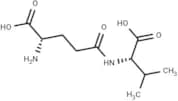
CAS:G-Glu-Val (γ-glutamyl-L-valine, H-Glu-Val -OH), a flavour-regulating dipeptide, is a major contributor to "mellow".
Formula:C10H18N2O5Color and Shape:SolidMolecular weight:246.26NecroIr2
NecroIr2, an iridium(III) compound, induces necroptosis in Cisplatin-resistant A549R lung cancer cells and disrupts mitochondria.Formula:C46H30ClIrN6O2Color and Shape:SolidMolecular weight:926.44Metronidazole hydrochloride
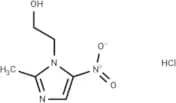
CAS:Oral nitroimidazole antibiotic; treats anaerobic infections; may cause inflammation and muscle contractions with long-term use.Formula:C6H10ClN3O3Color and Shape:SolidMolecular weight:207.62TD52 dihydrochloride
TD52 dihydrochloride, an Erlotinib derivative, inhibits protein phosphatase 2A and induces apoptosis in TNBC by disrupting CIP2A/PP2A/p-Akt signaling.Formula:C24H18Cl2N4Purity:97.23%Color and Shape:SoildMolecular weight:433.33Ac-YVAD-CHO acetate
Ac-YVAD-CHO acetate, potent reversible ICE and caspase-1 inhibitor; K_i: 3.0 nM (mouse), 0.76 nM (human); blocks IL-lβ production.Formula:C25H36N4O10Color and Shape:SolidMolecular weight:552.57Thalidomide-NH-PEG8-Ts
CAS:Thalidomide-NH-PEG8-Ts: a synthesized Thalidomide-PEG8 E3 ligase linker for PROTAC-mediated IDO1 degradation.Formula:C36H49N3O14SColor and Shape:SolidMolecular weight:779.86Ganoderic acid Mf
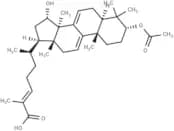
CAS:Ganoderic acid Mf: antitumor triterpenoid, arrests G1 cell cycle, selective for cancer cells, triggers apoptosis via mitochondria.Formula:C32H48O5Color and Shape:SolidMolecular weight:512.72Malformin A
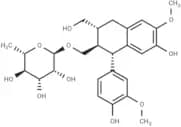
CAS:Malformin A, from A. niger, is a plant growth regulator and has anti-TMV and cancer cell cytotoxic properties. Intraperitoneal LD50 in mice is 3.1 mg/kg.Formula:C23H39N5O5S2Color and Shape:SolidMolecular weight:529.72Aviculin
CAS:Aviculin, a lignan glycoside, exhibits anticancer properties by inducing apoptosis in breast cancer cells with an IC50 of 75.47 μM.Formula:C26H34O10Color and Shape:SolidMolecular weight:506.54HJC0416 hydrochloride
CAS:HJC0416 hydrochloride: potent oral STAT3 inhibitor, better anticancer effects than Stattic, promising for breast cancer research.Formula:C18H18Cl2N2O4SColor and Shape:SolidMolecular weight:429.31Vallesiachotamine
CAS:Vallesiachotamine, a recognized monoterpene indole alkaloid, exhibits anti-tumor activity [1].Formula:C21H22N2O3Color and Shape:SolidMolecular weight:350.41SBP-0636457
CAS:SBP-0636457: SMAC mimetic, IAP inhibitor, binds BIR-domains (Ki=0.27μM), potential in tumor/cancer research.Formula:C25H36N4O4Color and Shape:SolidMolecular weight:456.587p53-HDM2-IN-1
p53-HDM2-IN-1 is a potent inhibitor of the p53-HDM2 protein-protein interaction, demonstrating an inhibitory concentration (IC 50) of 0.103 μM.Formula:C35H38F6N4O7SColor and Shape:SolidMolecular weight:772.75