Dyes, Stains and Tinctures
Subcategories of "Dyes, Stains and Tinctures"
- Acid Dyes(49 products)
- Azobenzenes(270 products)
- Azoic Dyes(7 products)
- Basic Dyes(27 products)
- Coumarin Dyes(72 products)
- Cyanine Dyes, Squarylium Dyes(53 products)
- DCM Dyes(4 products)
- Diarylethenes(12 products)
- Dipyrromethene Dyes(26 products)
- Direct Dyes(17 products)
- Disperse Dyes(2 products)
- Dye Sensitizers(12 products)
- Dyes(418 products)
- Dyes & Stains(911 products)
- Generating Insoluble Dyes(14 products)
- Generating Soluble Dyes(11 products)
- Hexaarylbiimidazole(4 products)
- Indicators(575 products)
- Mordant Dyes(10 products)
- Near-Infrared (NIR) Dyes(28 products)
- Oil Dyes(15 products)
- Other Stains and Dyes(2 products)
- Perylene Dyes(17 products)
- Photochromic Dyes(40 products)
- Phthalocyanine Dyes, Porphyrin Dyes(101 products)
- Quinacridone Dyes(8 products)
- Spiropyrans(16 products)
- Stains and Dyes(243 products)
- Stains and Dyes for Microscopy(5 products)
- Vat Dyes(5 products)
- Xanthene Dyes(67 products)
Found 758 products of "Dyes, Stains and Tinctures"
3-Bodipy-propanoic acid
CAS:Reactive fluorescent labeling reagentFormula:C14H15BF2N2O2Color and Shape:Red PowderMolecular weight:292.09 g/mol6-NBDG
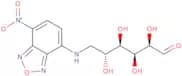
CAS:Nonhydrolyzable fluorescent glucose analog used to monitor glucose uptakeFormula:C12H14N4O8Purity:Min. 95%Color and Shape:PowderMolecular weight:342.26 g/molLuminol sodium salt
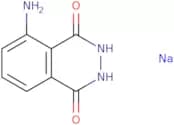
CAS:Chemiluminescence detection of biological residuesFormula:C8H6N3O2NaPurity:Min. 98 Area-%Color and Shape:White PowderMolecular weight:199.14 g/molRuthenium red
CAS:Ruthenium red is a potent inhibitor of the channel that mediates the release of Ca2+ from the endoplasmic reticulum into the cytosol. It also inhibits neuronal death induced by receptor activity. Ruthenium red has been shown to have inhibitory properties against p-nitrophenyl phosphate, an activator of protein kinase C and a stimulator of mitochondrial permeability transition. Ruthenium red has also been shown to inhibit dinucleotide phosphate-dependent phosphohydrolases and ryanodine receptors. Furthermore, it binds to nuclear DNA in prokaryotic cells and affects gene transcription.Formula:H42Cl6N14O2Ru3Purity:Min. 98%Color and Shape:PowderMolecular weight:786.35 g/molWST-5
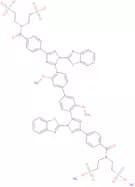
CAS:WST-5 is a colourless compounds which become coloured when reduced to WST-5 formazan forming a blue colour. Traditionally used as an indicator of cell metabolism in eukaryotes and prokaryotes, WST-5 functions as an artificial electron acceptor and thus detects dehydrogenase activities. The production of coloured formazan is irreversible and can be quantified using spectrophotometry.Formula:C52H46N12O16S6•Na2Purity:Min. 95%Color and Shape:PowderMolecular weight:1,333.37 g/mol5-Carboxy-X-rhodamine, succinimidyl ester
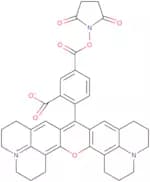
CAS:Single isomer of 5(6)-ROX. It is a fluorescent dye used in RT-PCR methods as an internal reference to determine fluorescence variation that is not associated with the amplification process (plastic of the wells, small differences in concentration or volume, instrument measurements). It produces a constant fluorescence emission signal during the PCR process that is used to normalise the emission produced by the reporter. The fluorescence signal is compatible with that of most reporters. It is used to label the 5â end of oligonucleotides as a reporter in the presence of a quencher at the 3â end (dual labelled probe). During amplification, the dye is cleaved, and the fluorescence increases proportionally with the amount of the specific sequence amplified during the PCR process. The development of the fluorescence signal is therefore specifically related to the amplification of the target sequence. 6-ROX with NHS-activated carboxylic acids reacts with primary amines.Formula:C37H33N3O7Purity:Min. 95%Color and Shape:Red To Violet To Black SolidMolecular weight:631.67 g/molTetrabromophenol blue
CAS:Tetrabromophenol blue is a model system for the study of the mechanism of action of protein-inhibiting drugs. It has been shown to inhibit cancer cells and human pathogens by binding to basic proteins in the cell membrane, thereby preventing their activity. Tetrabromophenol blue inhibits polymerase chain reaction (PCR) by acting as a competitive inhibitor with respect to DNA, and also inhibits fluorescein angiography by reducing the rate at which dye is taken up by cells. Tetrabromophenol blue binds to wild-type strains of bacteria and halts protein synthesis, but does not bind to mutant strains or human serum. This drug has been shown to be effective against hl-60 cells when used at physiological levels.Formula:C19H6Br8O5SPurity:Min. 95%Color and Shape:Brown PowderMolecular weight:985.55 g/molDimidium bromide
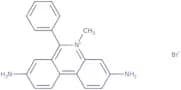
CAS:Dimidium bromide is a cationic surfactant that is used in detergent compositions. It is a magnesium salt of a fatty acid and has been shown to be effective against infectious diseases when it is used to clean contaminated surfaces. Dimidium bromide has been shown to be an effective antimicrobial agent, even in the presence of benzalkonium chloride, which is an inhibitor of antimicrobial agents. When dimidium bromide is combined with nitrogen atoms, it can enhance the antimicrobial activity against resistant bacteria. This compound also shows anti-inflammatory properties and can be used for wastewater treatment as well as for cell culture.Formula:C20H18BrN3Purity:Min. 95%Color and Shape:Red PowderMolecular weight:380.28 g/molSolvent yellow 2
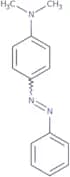
CAS:Solvent yellow 2 (SY2) is a fluorescent dye that can be used as a fluorescence probe in analytical methods. SY2 is an inhibitor of the polymerase chain reaction, which suggests that it may have inhibitory properties. SY2 binds to basic protein and inhibits enzymatic activity. It has been shown to have genotoxic activity and may cause DNA damage, but it does not affect cell viability. In addition, SY2 has been shown to be photostable and is not affected by matrix effects or biological studies.Formula:C14H15N3Purity:Min. 95%Color and Shape:Yellow PowderMolecular weight:225.29 g/mol6-Carboxytetramethyl rhodamine
CAS:6-Carboxytetramethyl rhodamine is a fluorescent dye that is used to measure the presence of cancer cells in urine samples. It binds to human protein and has been shown to be a useful probe for fluorescence measurements. 6-Carboxytetramethyl rhodamine has also been used as a fluorescence probe for the detection of proliferative diabetic retinopathy and michaelis–menten kinetics in cyclic peptides.
Formula:C25H22N2O5Purity:Min. 95%Color and Shape:PowderMolecular weight:430.45 g/molAlizarin Yellow GG
CAS:Acid-base indicator dye, textile dye, histology and staining, yellow/red colorFormula:C13H8N3NaO5Purity:Min. 95%Molecular weight:309.21 g/molTetrazolium blue chloride
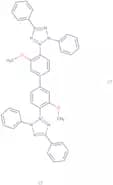
CAS:Tetrazolium blue chloride is a chemical compound that is used in the diagnosis of leukemia. It is a tetrazolium salt that reacts with reduced nicotinamide adenine dinucleotide (NADH) and produces an insoluble blue product. Tetrazolium blue chloride has been shown to be effective in treating human leukemic cells by causing DNA damage, which leads to cell death. Tetrazolium blue chloride has also been found to be an anti-inflammatory agent due to its ability to inhibit prostaglandin synthesis and production of reactive oxygen species.
Formula:C40H32N8O2·2ClPurity:90 To 110%Color and Shape:Yellow PowderMolecular weight:727.64 g/molDirect yellow PG
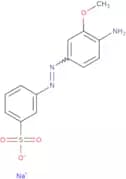
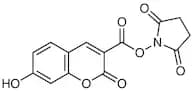
CAS:Direct yellow PG is a reactive dye with a medium-fast rate of migration in the presence of an electrolyte. It is used as a yellow dye for cotton and other cellulosic materials. Direct yellow PG has very high light resistance and is also resistant to washing, perspiration, and rubbing. The dye solution has a pH value between 6.5 and 8.5.Formula:C13H13N3O4S·NAPurity:Min. 95%Color and Shape:PowderMolecular weight:330.32 g/molN-Succinimidyl 7-Hydroxycoumarin-3-carboxylate
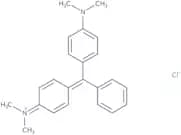
CAS:Formula:C14H9NO7Purity:>96.0%(T)(HPLC)Color and Shape:Light orange to Yellow to Green powder to crystalMolecular weight:303.23Basic Green 4
CAS:Malachite green is an ionic dye that is used as an antifungal in aquatic systems and as a colorant, with an absorption maximum of 617nm and a pKa of 6.9. The dye is green as a solid but is partially converted to a colorless nonionic form in neutral-pH solutions. The dye is completely ionised to a blue-green color under acidic conditions (pH<4) and converted to the colorless nonionic form under basic conditions (pH>10.1). Water solubility decreases as pH increases, as the nonionic form of the dye is more lipophilic.Formula:C23H25ClN2Purity:Min. 99%Color and Shape:Green PowderMolecular weight:364.91 g/molPatent Blue A
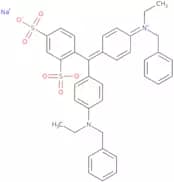
CAS:Patent Blue A is a blue pigment with a deep color, which is used in detergent compositions. This pigment has a hydroxyl group on the surface and can be synthesized by reacting zirconium oxide with quinoline derivatives in an acidic solution. Patent Blue A has been shown to have good dispersibility and stability. It is insoluble in water but soluble in organic solvents such as chloroform and benzene. It also shows good radiation resistance and thermodynamic stability, making it suitable for use in medical devices or other products exposed to radiation, such as blood culture plates.
Formula:C37H35N2O6S2NaPurity:Min. 95%Color and Shape:PowderMolecular weight:690.81 g/molAcid red 88, technical grade
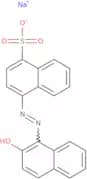
CAS:Acid red 88 is a synthetic dye that has been used as a colorant in food, textiles and cosmetics. It is also used in wastewater treatment to remove organic pollutants from water. Acid red 88 has shown to be toxic to aquatic organisms, including fish and crustaceans. It has also shown to be highly adsorptive and stable in the environment. The hydrochloric acid-catalyzed conversion of Acid red 88 yields stable complexes with metals such as nickel, copper and zinc. These metal complexes are more resistant to degradation by biological treatment than other metal complexes with Acid red 88. Synchronous fluorescence spectroscopy showed that diazonium salt reacts with Acid Red 88 to form a diazo compound that can react with amines or ammonia gas to form an azoxy compound. This reaction can be catalyzed by activated carbon or detergent compositions containing an amine or ammonia gas. The hydrogen bond between the hydroxyl group on the dye molecule and the hydrogen atomFormula:C20H13N2NaO4SPurity:Min. 95%Color and Shape:PowderMolecular weight:400.38 g/molChocolate brown HT
CAS:Chocolate Brown HT is a synthetic dye that is used in food, cosmetics, and pharmaceuticals. It is a carcinogen and has been shown to have alerting and activating effects on the central nervous system. It has been shown to be an effective additive for high-performance liquid chromatography due to its labile properties. A study has also demonstrated that this substance can mediate the production of reactive oxygen species, which are known for their role in cancer and other diseases. Chocolate Brown HT also has a statistically significant effect on betaine levels in rats, leading to increased levels of oxidative stress.Formula:C27H18N4Na2O9S2Purity:Min. 95%Color and Shape:Brown PowderMolecular weight:652.56 g/molBasic red 46, technical grade
CAS:Basic red 46 is a basic dye that can be used in the treatment of wastewater. It is cationic and has a high affinity for nitrogen atoms, which are often found in organic compounds. It has been shown to exhibit good stability while adsorbing to phosphorus pentoxide at pH > 10. Basic red 46 also has the ability to bind to polymerase chain reaction (PCR) products when present in an experimental model. The mechanism of this binding is still not well understood, but it may occur through adsorption or by chemical reactions with the DNA bases. Basic red 46's adsorption properties have been studied using surface methodology, which revealed that its kinetic energy was greater than that of other dyes.Formula:C18H21N6·BrPurity:Min. 95%Color and Shape:Red PowderMolecular weight:401.3 g/molAcid Blue 9
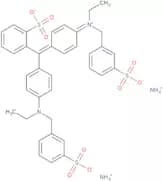
CAS:Acid Blue 9 is a reactive dye that is used in the textile industry. It has been shown to decrease photosynthetic activity and cause long-term toxicity in aquatic organisms, although it has not been found to be toxic to humans. Acid Blue 9 adsorbs onto surfaces of wastewater treatment plants and may be responsible for the degradation of enzyme activities. Acid Blue 9 is often used as an analytical method for electrochemical impedance spectroscopy.
Formula:C37H36N2O9S3·2NH3Purity:Min. 95%Color and Shape:PowderMolecular weight:782.95 g/mol