Polycyclic Compounds
Polycyclic compounds are organic molecules that contain multiple interconnected rings. These compounds include polycyclic aromatic hydrocarbons and other complex ring systems. They are significant in materials science, pharmaceuticals, and organic electronics. At CymitQuimica, we provide high-quality polycyclic compounds to support your research and industrial applications, ensuring reliable and effective results in your projects.
Subcategories of "Polycyclic Compounds"
- Acridines(97 products)
- Anthraquinones(533 products)
- Anthraquinonesulfonic Acids(16 products)
- Azobenzenes(270 products)
- Azonaphthalenes(98 products)
- Azoxybenzenes(12 products)
- Azulenes(11 products)
- Benzimidazoles(1,475 products)
- Benzodioxanes(27 products)
- Benzofurans(924 products)
- Benzothiophenes(700 products)
- Benzotriazoles(438 products)
- Binaphthyls(133 products)
- Carbazoles(462 products)
- Chromanes, Chromenes(480 products)
- Coumarins(1,122 products)
- Cyclophanes(11 products)
- Fluorenes and Fluorenones(381 products)
- Imidazopyridines(10 products)
- Indans(118 products)
- Indazoles(2,037 products)
- Indenes(22 products)
- Indoles(3,988 products)
- Indolines(119 products)
- Isatins(234 products)
- Isobenzofurans(17 products)
- N-Substituted Phthalimides(153 products)
- Naphthalenes(2,436 products)
- Naphthyridines(17 products)
- Naphtoquinone(2 products)
- Perylenes(36 products)
- Phenazines(25 products)
- Phthalazines(33 products)
- Phthalimide(153 products)
- Polycyclic Aromatic Hydrocarbons (PAHs)(270 products)
- Polyphenol(261 products)
- Pteridines(52 products)
- Pyrenes(87 products)
- Quinuclidine(1 products)
- Tetracenes(7 products)
Show 32 more subcategories
Found 4574 products of "Polycyclic Compounds"
Sort by
Purity (%)
0
100
|
0
|
50
|
90
|
95
|
100
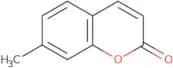
7-Methylcoumarin
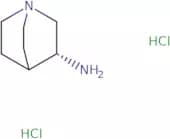
CAS:<p>7-Methylcoumarin is an organic compound classified as a coumarin derivative, which is sourced from various plants and synthesized chemically. Its basic structure consists of a benzopyrone, with a methyl group at the seventh position on the coumarin core, distinguishing it from naturally occurring coumarins.</p>Formula:C10H8O2Purity:Min. 95%Color and Shape:White PowderMolecular weight:160.17 g/mol(R)-(+)-3-Aminoquinuclidine dihydrochloride
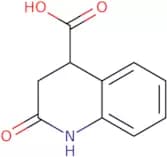
CAS:A building block; used for synthesis tryptophan 2,?3-?dioxygenase inhibitorsFormula:C7H14N2•(HCl)2Purity:Min. 95%Color and Shape:PowderMolecular weight:199.12 g/mol2-Oxo-1,2,3,4-tetrahydroquinoline-4-carboxylic acid
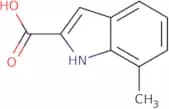
CAS:<p>2-Oxo-1,2,3,4-tetrahydroquinoline-4-carboxylic acid is a carboxylic acid that is an intermediate in the chemical synthesis of 2H and 3H tetrahydroquinolines. It can be synthesized by the oxidation of 2-(N,N-dimethylamino)benzaldehyde with hydrogen peroxide in methanol. The compound has been used to label animals for use in mass spectrometry studies and as a reactant in electron and nuclear magnetic resonance (NMR) spectroscopy experiments. In addition, 2-oxo-1,2,3,4-tetrahydroquinoline-4-carboxylic acid has been used to study equilibrium and reversible reactions as well as to identify the abundances of different spectral peaks. 2-Oxo-1,2,3,4-tetrahydroquinoline-4</p>Formula:C10H9NO3Purity:Min. 95%Molecular weight:191.18 g/mol7-Methylindole-2-carboxylic acid
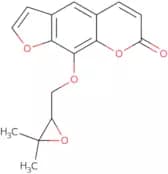
CAS:<p>7-Methylindole-2-carboxylic acid (7MICA) is an indole that can be synthesized by the condensation of phenylhydrazine and pyruvic acid. It has been used as a precursor in the synthesis of styphnates, picrates, and ethyl pyruvate. 7MICA is also known to have antimicrobial activity against gram positive bacteria.</p>Formula:C10H9NO2Purity:Min. 95%Color and Shape:PowderMolecular weight:175.18 g/mol(+/-)-Heraclenin
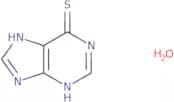
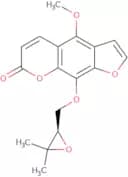
CAS:<p>(+/-)-Heraclenin is a naturally occurring coumarin, which is a class of organic compounds notable for diverse biological activities. This compound is primarily sourced from various plant species belonging to the family Apiaceae, such as Heracleum species. Coumarins like (+/-)-heraclenin are known for their ability to modify biological responses due to their chemical structure.</p>Formula:C16H14O5Purity:Min. 98 Area-%Color and Shape:PowderMolecular weight:286.28 g/mol6-Mercaptopurine hydrate
CAS:<p>6-Mercaptopurine is a purine analog that suppresses the production of white blood cells by inhibiting the enzyme thiopurine methyltransferase. It has been used to treat bowel disease and also for long-term suppression of the immune system in patients with autoimmune diseases. 6-Mercaptopurine is metabolized to 6-mercaptopurine, which is then converted to dinucleotide phosphate (dNTP) by group P2 enzymes. This conversion allows 6-mercaptopurine to inhibit dNTP synthesis and cell division. The effects of 6-mercaptopurine are potentiated when given in conjunction with azathioprine, another drug that inhibits purine metabolism. 6-Mercaptopurine is not active against human serum albumin or erythrocytes because it cannot be cleaved into an active form by these proteins. However, it does inhibit enzyme activities such as DNA polymerase, RNA polymerase, and protein</p>Formula:C5H4N4S•H2OPurity:Min. 97 Area-%Color and Shape:Yellow PowderMolecular weight:152.18 g/molByakangelicol
CAS:<p>Byakangelicol is a naturally occurring furanocoumarin, which is a type of organic compound found predominantly in the roots of certain plants, such as Angelica dahurica. This compound is synthesized through the plant's secondary metabolic pathways, primarily as a defense mechanism against herbivores and pathogens. Byakangelicol exerts its biological effects primarily through the inhibition of various enzymatic pathways, such as cytochrome P450s and monoamine oxidase, which are key in processes like drug metabolism and neurotransmitter regulation.</p>Formula:C17H16O6Purity:Min. 98 Area-%Color and Shape:PowderMolecular weight:316.31 g/mol1-Acetyl-5-bromoindole
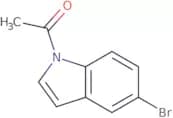
CAS:<p>1-Acetyl-5-bromoindole is a high quality reagent that is useful as an intermediate in the synthesis of a wide range of complex compounds. It can be used as a speciality chemical for research purposes or to make other chemicals. 1-Acetyl-5-bromoindole is also needed for the synthesis of indoles, which are useful scaffolds and building blocks in organic chemistry. This compound can be used to form reactions with other chemical compounds and can be used to create versatile building blocks.</p>Formula:C10H8BrNOPurity:Min. 95%Color and Shape:SolidMolecular weight:238.08 g/mol4-Hydroxy-3-phenylcoumarin
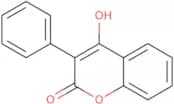
CAS:<p>4-Hydroxy-3-phenylcoumarin is an organic compound, which is a derivative of coumarin. It is synthetically derived through chemical modification processes that introduce a hydroxy group and a phenyl ring to the coumarin core structure. Its mechanism of action involves the inhibition of vitamin K epoxide reductase, an enzyme critical for the cyclic conversion of vitamin K. This inhibition prevents the activation of vitamin K-dependent clotting factors, thereby exerting its anticoagulant effects.</p>Formula:C15H10O3Purity:Min. 98 Area-%Color and Shape:PowderMolecular weight:238.24 g/molIndole-2-acetic acid
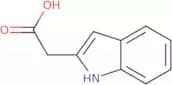
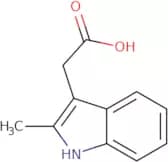
CAS:<p>Indole-2-acetic acid is a coumarin derivative that is found in plants and is used as a dietary supplement. It has been shown to have an inhibitory effect on photosynthetic activity and the growth of bacteria, fungi, and protozoa. Indole-2-acetic acid can be produced by chemical reactions involving aromatic hydrocarbons such as benzene or dioxane. It also inhibits the production of insulin in vivo and has been shown to reduce insulin resistance in rats.</p>Formula:C10H9NO2Purity:Min. 95%Color and Shape:PowderMolecular weight:175.18 g/mol2-Methylindole-3-acetic acid
CAS:<p>2-Methylindole-3-acetic acid is a molecule that has been shown to interact with membrane lipids and induce lipid peroxidation. It also interacts with the molecule creatinine, which is excreted in urine, and has been shown to increase urinary levels of creatinine. 2-Methylindole-3-acetic acid has been shown to have antioxidant activity by scavenging radicals and inhibiting lipid peroxidation. The mechanism for this activity is due to its ability to form hydrogen bonds with radicals and react with them, thereby removing them from the cell membrane. 2-Methylindole-3-acetic acid also interacts with receptor protein within the cell, targeting intracellular targets such as DNA and RNA molecules. This compound is an endogenous hormone that may reduce cholesterol levels in cells.<br>2-Methylindole-3-acetic acid was first isolated from the bark of "Indocalamus latifolius" (</p>Formula:C11H11NO2Purity:Min. 95%Molecular weight:189.21 g/mol2-Azabicyclo[2.2.1]hept-5-en-3-one
CAS:<p>2-Azabicyclo[2.2.1]hept-5-en-3-one is a carbocyclic nucleoside that is synthesized from cyclopentyl and organic solvent, imine, lactam, and fluorine. It has been shown to have potential as a prodrug for the treatment of cancer when it is converted to 2-azabicyclo[2.2.1]heptane by an enzyme called lactamase in the body. Molecular modeling studies show that this compound has a high level of fluidity and can be used in liquid chromatography methods. The enantiomer of this molecule has also been identified and is being studied as a possible drug candidate for the treatment of malaria.</p>Formula:C6H7NOPurity:Min. 95%Color and Shape:PowderMolecular weight:109.13 g/mol6-Azaspiro[2.5]octane hydrochloride
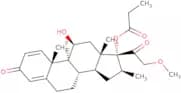
CAS:<p>6-Azaspiro[2.5]octane hydrochloride is a high quality, reagent, complex compound that is useful as an intermediate in the synthesis of various organic compounds. CAS No. 1037834-62-0 is a fine chemical with many applications including use as a building block and scaffold for speciality chemicals such as research chemicals and versatile building blocks for reactions. 6-Azaspiro[2.5]octane hydrochloride can be used for the synthesis of various compounds including pharmaceuticals, agrochemicals, flavors and fragrances, dyes and pigments, polymers and plasticizers, perfumes and flavorings, agricultural chemicals, surfactants, catalysts and solvents.</p>Formula:C7H14ClNPurity:Min. 95%Color and Shape:PowderMolecular weight:147.65 g/mol[(8S,9R,10S,11S,13S,14S,16S,17R)-9-Fluoro-11-Hydroxy-17-(2-Methoxyacetyl)-10,13,16-Trimethyl-3-Oxo-6,7,8,11,12,14,15,16-Octahydrocyc lopenta[a]Phenanthren-17-Yl] Propanoate
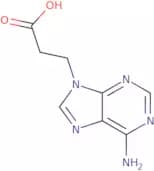
CAS:Controlled Product<p>Betamethasone is a corticosteroid that is used to treat inflammation, ankylosing spondylitis, and rheumatoid arthritis. It has been shown to have efficacy in the treatment of pediatric patients with asthma, as well as animal models of cardiac arrest and stroke. Betamethasone has also been shown to be effective in the treatment of potassium ion-associated death due to cardiac arrhythmia or repolarization abnormalities. This drug can be administered orally or topically; it binds to the glucocorticoid receptor on cells and modulates gene transcription. The primary mechanism of action for betamethasone is not fully understood but may involve inhibition of protein synthesis and suppression of inflammatory cells.</p>Formula:C26H35FO6Purity:Min. 95%Molecular weight:462.55 g/mol6-Amino-9H-purine-9-propanoic acid
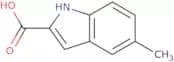
CAS:<p>6-Amino-9H-purine-9-propanoic acid is an acid lactam that belongs to the class of dihedral molecules. It is a colorless solid that crystallizes in plates, which have been shown to have a strong affinity for ammonium ions. 6-Amino-9H-purine-9-propanoic acid has been shown to be a substrate for the enzyme purine nucleoside phosphorylase, which catalyzes the phosphorolysis of nucleosides with the release of inorganic phosphate and ribose 5'-phosphate. The molecule can also react with electron radiation to form gamma rays, which may lead to its use as a molecular probe.</p>Formula:C8H9N5O2Purity:Min. 95%Color and Shape:PowderMolecular weight:207.19 g/mol5-Methylindole-2-carboxylic acid
CAS:<p>5-Methylindole-2-carboxylic acid (5MICA) is a synthetic compound that has been shown to be cytotoxic in vitro. It has been shown to inhibit the growth of multiple cancer cell lines, including hepatoma cells, and is currently being studied as a potential anticancer drug. 5MICA inhibits the synthesis of protein and RNA by binding to the ribosome. This inhibition leads to cell death by apoptosis. 5MICA also exhibits an antimicrobial effect against opportunistic fungal pathogens such as Candida albicans, Aspergillus fumigatus, and Cryptococcus neoformans. The mechanism for this inhibition is unknown but may involve inhibition of protein synthesis or other cellular processes.</p>Formula:C10H9NO2Purity:Min. 95%Color and Shape:PowderMolecular weight:175.18 g/molFuril
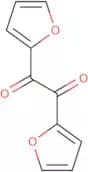
CAS:<p>Furil is a pharmaceutical preparation used for the treatment of metabolic disorders, such as hypertension and diabetes. Furil is an inhibitor of the enzyme acyl coenzyme A: diacylglycerol acyltransferase-2 (DGAT-2) which catalyses the formation of triacylglycerols from diacylglycerol and free fatty acids. Furil has been shown to have potent inhibitory activity against DGAT-2, with an IC50 value of 0.5 μM. Furil also inhibits the enzyme phosphodiesterase 4B (PDE4B), which plays a role in signal transduction and inflammation. Furil can be synthesized by reacting hydrogen chloride with 2-bromoacetophenone in a nonpolar solvent to form 2,4-dichlorobenzoyl chloride, followed by reaction with 3-furancarboxylic acid in methanol to produce furil. Furil</p>Formula:C10H6O4Purity:Min. 95%Color and Shape:Beige PowderMolecular weight:190.15 g/mol7-Bromoindole
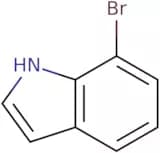
CAS:7-Bromoindole is a synthetic compound that has been used as an analog for indole. It has been shown to have some biological activity in vivo, but it is not known if this activity is due to the drug itself or its breakdown products. 7-Bromoindole can be decarboxylated under acid conditions and saponified with sodium hydroxide. The isolated yield of this reaction is about 2 grams per mole of reactant. 7-Bromoindole shows hemolytic activity against human pathogens such as Staphylococcus aureus and Escherichia coli, but not against Bacillus subtilis or Pseudomonas aeruginosa.Formula:C8H6BrNColor and Shape:PowderMolecular weight:196.04 g/mol3-Bromo-7-azaindole
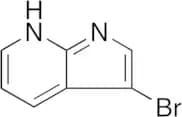
CAS:Controlled Product<p>Applications A reagent used in the preparation of biologically active Azaindoles.<br>References Minakata, S., et al.: J. Agric. Food Chem., 45, 2345 (1997),<br></p>Formula:C7H5BrN2Color and Shape:NeatMolecular weight:197.034-Chloro-2-ethoxyquinoline
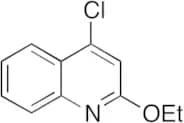
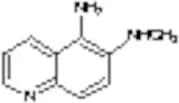
CAS:Controlled Product<p>Applications Quinoline derivative used in the preparation of compounds with anticonvulsant activity as well as compounds with potent antibacterial activity against gram-positive pathogens.<br>References Guo, L. et al.: Eur. J. Med. Chem., 44, 954 (2009); Jarvest, R.L. et al.: J. Med. Chem., 45, 1959 (2002);<br></p>Formula:C11H10ClNOColor and Shape:NeatMolecular weight:207.665-Amino-6-(methylamino)quinoline
CAS:Controlled Product<p>Stability Store in freezer at -20°C<br>Applications 5-Amino-6-(methylamino)quinoline (cas# 14204-98-9) is a compound useful in organic synthesis.<br></p>Formula:C10H11N3Color and Shape:NeatMolecular weight:173.216-Chloropurine, Hydrochloride
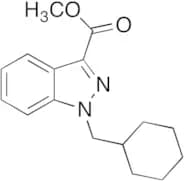
CAS:Controlled Product<p>Applications 6-Chloropurine, Hydrochloride (cas# 88166-54-5 ) is a compound useful in organic synthesis.<br></p>Formula:C5H3ClN4·ClHColor and Shape:NeatMolecular weight:191.018Methyl 1-(Cyclohexylmethyl)-1H-indazole-3-carboxylate
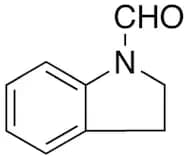
CAS:Controlled Product<p>Applications Methyl 1-(Cyclohexylmethyl)-1H-indazole-3-carboxylate is an intermediate in the synthesis of MDMB-CHMINACA (M203515), a synthetic cannabinoid with potential neurochemical effects at the CB1 receptor.<br>References Banister, S. ET AL.: ACS Chem. Neurosci., 7, 1241 (2016);<br></p>Formula:C16H20N2O2Color and Shape:NeatMolecular weight:272.34N-Formylindoline
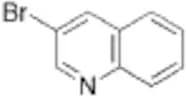
CAS:Controlled Product<p>Applications Indoline metabolite<br>References Lacroix, I., et al.: Nat. Prod. Lett., 7, 15 (1995), Yamada, Y., et al.: Chem. Pharm. Bull., 54, 788 (2006), Whitehead, T., et al.: App. Environ. Microbiol., 74, 1950 (2008),<br></p>Formula:C9H9NOColor and Shape:NeatMolecular weight:147.173-Bromoquinoline
CAS:Controlled Product<p>Applications 3-Bromoquinoline (cas# 5332-24-1) is a compound useful in organic synthesis.<br></p>Formula:C9H6BrNColor and Shape:NeatMolecular weight:208.053-Amino-4-bromo-5-phenylpyrazole
CAS:Controlled Product<p>Applications 3-Amino-4-bromo-5-phenylpyrazole (cas# 2845-78-5) is a compound useful in organic synthesis.<br></p>Formula:C9H8BrN3Color and Shape:NeatMolecular weight:238.081,4-Dioxa-8-azaspiro[4.5]decane-8-carboxylic Acid 1,1-Dimethylethyl Ester
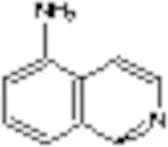
CAS:Controlled Product<p>Applications 1,4-Dioxa-8-azaspiro[4.5]decane-8-carboxylic Acid 1,1-Dimethylethyl Ester (cas# 123387-51-9) is a compound useful in organic synthesis.<br></p>Formula:C12H21NO4Color and Shape:NeatMolecular weight:243.35-Amino Isoquinoline
CAS:Controlled Product<p>Applications Used for synthesis of Rho kinase inhibitors.<br>References Biggadike, K., et al.: J. Med. Chem., 50, 6519 (2007), Cheng, Y., et al.: Bioorg. Med. Chem., 16, 4617 (2008),<br></p>Formula:C9H8N2Color and Shape:NeatMolecular weight:144.172-Chloroindole
CAS:Controlled Product<p>Stability Light Sensitive<br>Applications 2-Chloroindole is used to prepare 2-pyrrolidinone derivatives as anticonvulsants.<br>References Kenda, B., et al.: PCT Int. Appl. (2006), WO 2006128692 A2 20061207<br></p>Formula:C8H6ClNColor and Shape:NeatMolecular weight:151.593-Acetylindole
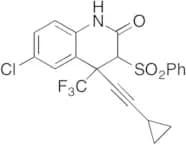
CAS:Controlled Product<p>Applications 3-acetylindole (cas# 703-80-0) is a useful research chemical.<br></p>Formula:C10H9NOColor and Shape:NeatMolecular weight:159.186-Chloro-4-(2-cyclopropylethynyl)-3,4-dihydro-3-(phenylsulfonyl)-4-(trifluoromethyl)-2(1H)-quinolinone
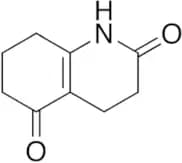
CAS:Controlled Product<p>Applications 6-Chloro-4-(2-cyclopropylethynyl)-3,4-dihydro-3-(phenylsulfonyl)-4-(trifluoromethyl)-2(1H)-quinolinone is an intermediate in the synthesis of novel quinolinones as HIV-1 reverse transcriptase inhibitors.<br>References Patel, M., et al.: Bioorg. Med. Chem. Lett., 11, 1943 (2001);<br></p>Formula:C21H15ClF3NO3SColor and Shape:NeatMolecular weight:453.864,6,7,8-Tetrahydro-2,5(1H,3H)-quinolinedione
CAS:Controlled Product<p>Applications 4,6,7,8-Tetrahydro-2,5(1H,3H)-quinolinedione (cas# 5057-12-5) is a compound useful in organic synthesis.<br></p>Formula:C9H11NO2Color and Shape:NeatMolecular weight:165.191,2-Diazabicyclo[2.2.2]octan-3-one
CAS:Controlled Product<p>Applications 1,2-Diazabicyclo[2.2.2]octan-3-one is an intermediate used in the synthesis of Bicyclo Risperidone (B382800), which is an impurity of Risperidone (R525000); a combined serotonin (5-HT2) and dopamine (D2) receptor antagonist.<br>References Jannssen, P.A.J., et al.: J. Pharmacol. Exp. Ther., 244, 685 (1988); Gelders, Y.G., et al.: Pharmacopsychiatry, 23, 206 (1990); Green, B.: Curr. Med. Res. Opin., 16, 57 (2000)<br></p>Formula:C6H10N2OColor and Shape:NeatMolecular weight:126.162-n-Butyl-d7-1,3-diazaspiro[4.4]non-1-en-4-one
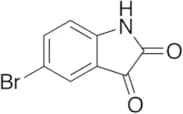
CAS:Controlled Product<p>Applications A labelled intermediate of Irbesartan (I751000).<br>References Gillis, J., et al.: Drugs, 54, 885 (1997), Chando, T., et al.: Drug Metab. Disps., 26, 408 (1998), Hines, J., et al.: Eur. J. Pharmacol., 384, 81 (1999)<br></p>Formula:C11H11D7N2OColor and Shape:NeatMolecular weight:201.325-Bromoisatin
CAS:Controlled Product<p>Applications Indole derivative<br></p>Formula:C8H4BrNO2Color and Shape:NeatMolecular weight:226.03[S-(R*,R*)]-2-[2-tert-Butyloxycarbonylamino-1-oxopropyl]-1,2,3,4-tetrahydro-3-isoquinolinecarboxylic Acid Phenylmethyl Ester
CAS:Controlled Product<p>Applications [S-(R*,R*)]-2-[2-tert-Butyloxycarbonylamino-1-oxopropyl]-1,2,3,4-tetrahydro-3-isoquinolinecarboxylic Acid Phenylmethyl Ester (cas# 92829-12-4) is a compound useful in organic synthesis.<br></p>Formula:C25H30N2O5Color and Shape:NeatMolecular weight:438.522-[(Diethylamino)methyl]indole Methiodide
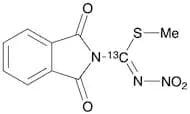
CAS:Controlled Product<p>Applications 2-[(Diethylamino)methyl]indole Methiodide is an intermediate in the preparation of carcinogenic indole derivatives.<br>References Eenkhoom, J.A., et al.: CND. J. Chem., 51, 792 (1973);<br></p>Formula:C14H21IN2Color and Shape:NeatMolecular weight:344.231,3-Dihydro-N-nitro-1,3-dioxo-2H-isoindole-2-carboximidothioic acid Methyl Ester-13C
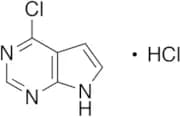
CAS:Controlled Product<p>Applications 1,3-Dihydro-N-nitro-1,3-dioxo-2H-isoindole-2-carboximidothioic acid Methyl Ester-13C is an intermediate used in the synthesis of Clothianidin-d3,13C1 (C588502), which is the isotope labelled analog of Clothianidin. Clothianidin is a neonicotinoid insecticide for use in food crops.<br>References Kamel, A., et al.: J. Agric. Food Chem., 58, 5926 (2010), Lynd, L., et al.: Energy Environ. Sci., 3, 1150 (2010), Cresswell, J., et al.: Ecotoxicology, 20, 149 (2011),<br></p>Formula:CC9H7N3O4SColor and Shape:NeatMolecular weight:266.2386-Chloro-7-deazapurine Hydrochloride
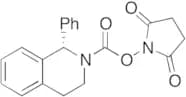
CAS:Controlled Product<p>Applications 6-Chloro-7-deazapurine Hydrochloride (cas# 1243346-92-0) is a compound useful in organic synthesis.<br></p>Formula:C6H5Cl2N3Color and Shape:NeatMolecular weight:190.03(1S)-3,4-Dihydro-1-phenyl-2(1H)-isoquinolinecarboxylic Acid 2,5-Dioxo-1-pyrrolidinyl Ester
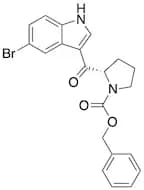
CAS:Controlled Product<p>Applications (1S)-3,4-Dihydro-1-phenyl-2(1H)-isoquinolinecarboxylic Acid 2,5-Dioxo-1-pyrrolidinyl Ester is an intermediate in the synthesis of ((R)-1-phenyl-3,4-dihydroisoquinolin-2(1H)-yl)((S)-1-phenyl-3,4-dihydroisoquinolin-2(1H)-yl)methanone (P309025). ((R)-1-phenyl-3,4-dihydroisoquinolin-2(1H)-yl)((S)-1-phenyl-3,4-dihydroisoquinolin-2(1H)-yl)methanone is a possible impurity of solifenacin (S676700) which is a muscarinic M3 receptor antagoinst. Solifenacin is used in treatment of urinary incontinence.<br>References Ikeda K., et al.: Arch. Pharmacol., 366, 97, (2002); Chapple, C.R., et al.: Br. J. Urol., 93, 303 (2004); Ohtake, A., et al.: Eur. J. Pharmacol., 492, 243 (2004); Brunton, S., et al.: Curr. Med. Res. Opin., 21, 71 (2005); Habb, F., et al.: Eur. Urol. 47, 376 (2005); Payne, C.K., et al.: Drugs, 66, 175 (2006)<br></p>Formula:C21H26O2Color and Shape:NeatMolecular weight:310.43(S)-Benzyl 2-(5-Bromo-1H-indole-3-carbonyl)pyrrolidine-1-carboxylate
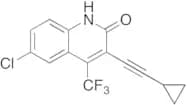
CAS:Controlled Product<p>Applications (S)-Benzyl 2-(5-Bromo-1H-indole-3-carbonyl)pyrrolidine-1-carboxylate is an intermediate in the synthesis of ent-Eletriptan (E505005), an enantiomeric impurity of the serotonin 5-HTIB/ID receptor agonist Eletriptan (E505000).<br>References Orita, A., et al.: Green Chem., 3, 13 (2001);<br></p>Formula:C21H19BrN2O3Color and Shape:NeatMolecular weight:427.296-Chloro-3-(cyclopropylethynyl)-4-(trifluoromethyl)quinolin-2(1H)-one
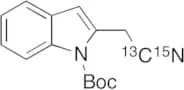
CAS:Controlled Product<p>Applications 6-Chloro-3-(cyclopropylethynyl)-4-(trifluoromethyl)quinolin-2(1H)-one is an intermediate in the synthesis of novel quinolinones as HIV-1 reverse transcriptase inhibitors.<br>References Patel, M., et al.: Bioorg. Med. Chem. Lett., 11, 1943 (2001);<br></p>Formula:C15H9ClF3NOColor and Shape:NeatMolecular weight:311.692-(Cyanomethyl)-1H-indole-1-carboxylic Acid tert-Butyl Ester-13C,15N
Controlled Product<p>Applications 2-(Cyanomethyl)-1H-indole-1-carboxylic Acid tert-Butyl Ester-13C,15N is an isotope labelled intermediate in the synthesis of endothelial lipase inhibitors.<br></p>Formula:CC14H1615NNO2Color and Shape:NeatMolecular weight:258.2861,1,2-Trimethyl-1H-benzo[e]indole-d6
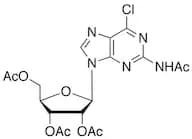
Controlled Product<p>Applications 1,1,2-Trimethyl-1H-benzo[e]indole-d6 is a labelled analogue of 1,1,2-Trimethyl-1H-benzo[e]indole (T896032). It is a useful research chemical.<br></p>Formula:C15D6H9NColor and Shape:NeatMolecular weight:215.3232-Acetamido-6-chloro-9-(2’,3’,5’-tri-O-acetyl-β-D-ribofuranosyl)purine
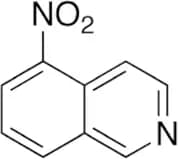
CAS:Controlled Product<p>Applications 2-Acetamido-6-chloro-9-(2’,3’,5’-tri-O-acetyl-β-D-ribofuranosyl)purine (cas# 137896-02-7) is a compound useful in organic synthesis.<br>References Matsuda, A., et al.: J. Med. Chem., 35, 241 (1992),<br></p>Formula:C18H20ClN5O8Color and Shape:NeatMolecular weight:469.835-Nitroisoquinoline
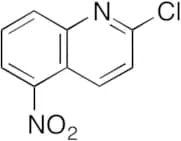
CAS:Controlled Product<p>Applications 5-Nitroisoquinoline (cas# 607-32-9) is a compound useful in organic synthesis.<br></p>Formula:C9H6N2O2Color and Shape:NeatMolecular weight:174.162-Chloro-5-nitroquinoline
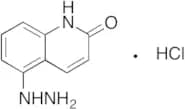
CAS:Controlled Product<p>Applications 2-Chloro-5-nitroquinoline is used in the synthesis of potent, orally active corticotropin-releasing factor-1 receptor antagonists.<br>References Takeda, K., et al.: BIoorg. Med. Chem., 20, 6559 (2012); Verheij, M.H.P., et al.: J. Med. Chem., 55, 8603 (2012); Takeda, K., et al.: Bioorg. Med. Chem. Lett., 22, 5372 (2012);<br></p>Formula:C9H5ClN2O2Color and Shape:NeatMolecular weight:208.65-Hydrazino-2(1H)-quinolinone Hydrochloride
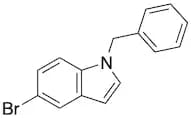
CAS:Controlled Product<p>Applications 5-Hydrazino-2(1H)-quinolinone Hydrochloride is an intermediate used in the synthesis of sodium-hydrogen exchanger type 1 inhibitor (NHE-1).<br></p>Formula:C9H10ClN3OColor and Shape:NeatMolecular weight:211.651-Benzyl-5-bromoindole
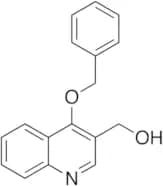
CAS:Controlled Product<p>Applications 1-Benzyl-5-bromoindole<br></p>Formula:C15H12BrNColor and Shape:NeatMolecular weight:286.1664-Hydroxy-3-quinolinemethanol Benzyl Ether
CAS:Controlled Product<p>Applications 4-Hydroxy-3-quinolinemethanol Benzyl Ether is a reactant used in the preparation of propanol and propylamine quinoline derivatives used as glucocorticoid ligands.<br></p>Formula:C17H15NO2Color and Shape:NeatMolecular weight:265.31

![2-Azabicyclo[2.2.1]hept-5-en-3-one](/_next/image/?url=https%3A%2Fstatic.cymitquimica.com%2Fproducts%2F3D%2Fthumb-webp%2FFA10344.webp&w=3840&q=75)
![6-Azaspiro[2.5]octane hydrochloride](/_next/image/?url=https%3A%2Fstatic.cymitquimica.com%2Fproducts%2F3D%2Fthumb-webp%2FFA141499.webp&w=3840&q=75)



![1,4-Dioxa-8-azaspiro[4.5]decane-8-carboxylic Acid 1,1-Dimethylethyl Ester](/_next/image/?url=https%3A%2Fstatic.cymitquimica.com%2Fproducts%2FTR%2Fthumb-webp%2FD485270.webp&w=3840&q=75)


![1,2-Diazabicyclo[2.2.2]octan-3-one](/_next/image/?url=https%3A%2Fstatic.cymitquimica.com%2Fproducts%2FTR%2Fthumb-webp%2FD417148.webp&w=3840&q=75)
![2-n-Butyl-d7-1,3-diazaspiro[4.4]non-1-en-4-one](/_next/image/?url=https%3A%2Fstatic.cymitquimica.com%2Fproducts%2FTR%2Fthumb-webp%2FB691033.webp&w=3840&q=75)
![[S-(R*,R*)]-2-[2-tert-Butyloxycarbonylamino-1-oxopropyl]-1,2,3,4-tetrahydro-3-isoquinolinecarboxyl…](/_next/image/?url=https%3A%2Fstatic.cymitquimica.com%2Fproducts%2FTR%2Fthumb-webp%2FB693505.webp&w=3840&q=75)
![2-[(Diethylamino)methyl]indole Methiodide](/_next/image/?url=https%3A%2Fstatic.cymitquimica.com%2Fproducts%2FTR%2Fthumb-webp%2FD460995.webp&w=3840&q=75)
![1,1,2-Trimethyl-1H-benzo[e]indole-d6](/_next/image/?url=https%3A%2Fstatic.cymitquimica.com%2Fproducts%2FTR%2Fthumb-webp%2FT896032.webp&w=3840&q=75)