Organometallic Ligands
Subcategories of "Organometallic Ligands"
- Buchwald Ligands(22 products)
- DPEN(4 products)
- DPHEN(4 products)
- JOSIPHOS(4 products)
- Phosphine(497 products)
- Porphirines(75 products)
Found 2889 products of "Organometallic Ligands"
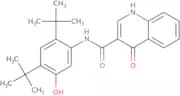
SU 0268
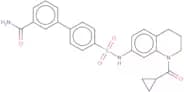
CAS:Inhibitor of 8-oxoguanine DNA glycosylase OGG1 with IC50 of 0.059 μM and excellent specificity over other DNA repair enzymes. OGG1 and its substrate 8-oxoguanine are involved in mutagenesis, genotoxicity, inflammation and cancer. The compound can cause accumulation of 8-oxoguanine in DNA in vitro and is a potent tool for the study of OGG1 biology.Formula:C26H25N3O4SPurity:Min. 95%Color and Shape:White PowderMolecular weight:475.56 g/molLomustine - Bio-X ™
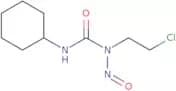
CAS:Lomustine is an alkylating agent that is used as chemotherapy for treating metastatic brain tumors and relapsed Hodgkin’s disease in combination with radiation treatments. This drug causes alkylation and cross-linking of DNA, thus inducing cytotoxicity. Furthermore, this drug inhibits DNA synthesis.
Formula:C9H16ClN3O2Purity:Min. 95%Color and Shape:PowderMolecular weight:233.7 g/molIdelalisib
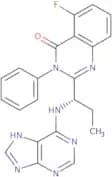
CAS:Idelalisib is a pharmaceutical drug that functions as a PI3Kδ inhibitor, developed through synthetic chemical processes. Its mode of action involves selectively targeting and inhibiting phosphatidylinositol 3-kinase delta (PI3Kδ), a lipid kinase that plays a crucial role in the signaling pathways responsible for cell proliferation, survival, and differentiation. By inhibiting this enzyme, Idelalisib effectively impedes pathways that are often hyperactivated in certain hematologic malignancies, thereby exerting antitumor effects.Formula:C22H18FN7OPurity:Min. 95%Color and Shape:PowderMolecular weight:415.42 g/molAfatinib - Bio-X ™
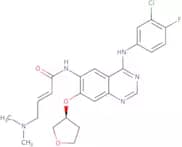
CAS:Afatinib is a small molecule that inhibits the activity of cellular kinases that are involved in the progression of cancer. It is an Irreversible inhibitor of three members of the ErbB family. This molecule binds covalently to cysteine 797 residue in HER2 and blocks downstream cellular signalling which inhibits cellular growth and promotes apoptosis. It has been researched for the treatment of non-small cell lung cancer (NSCLC), breast cancer, pancreatic cancer and colorectal cancer.Formula:C24H25ClFN5O3Purity:Min. 95%Color and Shape:PowderMolecular weight:485.94 g/molCarmustine - Bio-X ™
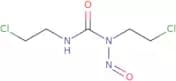
CAS:Carmustine is a DNA alkylating agent which also cross-links DNA. As a result, Carmustine disrupts the function of DNA, resulting in the arrest the cell cycle and apoptosis. Consequently these properties of Carmustine, in addition to its ability to easily transmit through the blood-brain barrier, means it can be used as a cancer treatment, treating cancers such as, breast, ovarian and pancreatic as well as lymphomas and leukemias. Furthermore Carmustine can contribute to cytotoxic effects through its ability to carbamoylate DNA repair enzymes and proteins.Formula:C5H9Cl2N3O2Purity:Min. 95%Color and Shape:PowderMolecular weight:214.05 g/molPitolisant hydrochloride
CAS:Pitolisant is an inverse agonist and antagonist of the histamine (H3) receptor. It acts as an allosteric modulator of the H3 receptor to increase the activity of histamine at the M1 receptor. Pitolisant has been used in the treatment of narcolepsy, schizophrenia and Alzheimer's disease. Its mechanism of action involves binding to the amide group on histamine, which increases its affinity for the H3 receptor and enhances its activity at this site. Pitolisant has been shown to improve cognitive ability and reduce fatigue in patients with Alzheimer's disease.
Formula:C17H26ClNO·HClPurity:Min. 95%Color and Shape:White Off-White PowderMolecular weight:332.31 g/molSU 11274
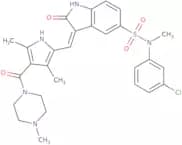
CAS:MET tyrosine kinase inhibitor; anti-proliferative; pro-apoptoticFormula:C28H30ClN5O4SPurity:Min. 95%Color and Shape:Yellow To Orange SolidMolecular weight:568.09 g/molCytochalasin D
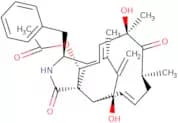
CAS:Inhibits actin polymerizationFormula:C30H37NO6Purity:Min. 95%Color and Shape:PowderMolecular weight:507.62 g/molLY 2886721
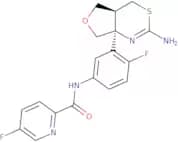
CAS:Inhibitor of BACE1 proteaseFormula:C18H16F2N4O2SPurity:Min. 98 Area-%Color and Shape:PowderMolecular weight:390.41 g/mol(R)-Bicalutamide
CAS:Androgen receptor antagonist; anti-cancer agentFormula:C18H14F4N2O4SPurity:Min. 95%Color and Shape:PowderMolecular weight:430.37 g/molDCC 2036
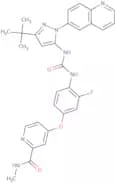
CAS:Inhibits multiple tyrosine kinases (Abl1, Src family kinases, Tie-2 and VEGFR-2)Formula:C30H28FN7O3Purity:Min. 95%Color and Shape:PowderMolecular weight:553.59 g/molPeiminine
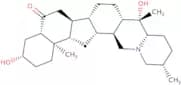
CAS:Inhibitor of TGF-α, CTGF, ERK1/2, NF-κB and FasL; anti-inflammatoryFormula:C27H43NO3Purity:Min. 98 Area-%Molecular weight:429.64 g/mol(+)-MK 801 maleate
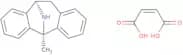
CAS:NMDA glutamate receptor antagonistFormula:C16H15N·C4H4O4Purity:Min. 98 Area-%Color and Shape:PowderMolecular weight:337.37 g/molSGC AAK1 1
CAS:Dual inhibitor of the adaptor protein 2-associated kinase 1 (AAK1) and BMP2-inducible kinase (BMP2K) with IC50 values of 270 nM and 1 μM, respectively. In a recent study, SGC AAK1 1 stabilised β-catenin, inhibited phosphorylation of the AP2 complex subunit mu protein (AP2M1) and activated Wnt signalling in in vitro experiments._x000D_Formula:C21H25N5O3SPurity:Min. 95%Color and Shape:SolidMolecular weight:427.52 g/molBIO
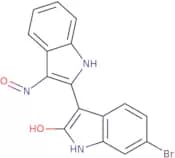
CAS:Specific inhibitor of glycogen synthase kinase 3 (GSK-3) with IC50 in low nanomolar range. Studies showed that BIO maintains self-renewal in embryonic stem cells (ESCs) as well as increases activity of β-catenin. In neonatal cardiomyocytes, BIO promotes cell cycle by stimulating cell entry into S phase as well as cytokinesis. In germline stem cells from female mice (FGSCs), BIO promoted proliferation and maintenance of FGSCs by activating β-catenin and up-regulating E-cadherin.Formula:C16H10BrN3O2Purity:Min. 95%Color and Shape:Red To Dark Red SolidMolecular weight:356.17 g/molTamibarotene
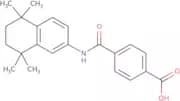
CAS:Retinoic acid receptor alpha agonist; antineoplasticFormula:C22H25NO3Purity:Min. 95%Molecular weight:351.44 g/molBrimonidine-D-tartrate
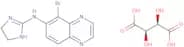
CAS:Brimonidine-D-tartrate is a selective alpha-2 adrenergic agonist, which is a pharmacological compound derived synthetically, targeting specific receptor subtypes in the adrenergic receptor family. Its mode of action involves reducing aqueous humor production and increasing uveoscleral outflow in the eye, thereby lowering intraocular pressure. Additionally, it induces peripheral vasoconstriction, playing a role in reducing redness in rosacea.Formula:C15H16BrN5O6Color and Shape:White PowderMolecular weight:442.22 g/molDapoxetine hydrochloride - Bio-X ™
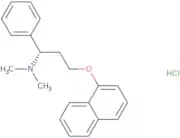
CAS:Controlled ProductDapoxetine is a drug that belongs to the group of selective serotonin reuptake inhibitors (SSRIs). It is used to treat premature ejaculation. This drug inhibits the serotonin transporter allowing for an increased action of serotonin at the postsynaptic cleft, thus promoting ejaculatory delay.Formula:C21H24ClNOPurity:Min. 98 Area-%Color and Shape:PowderMolecular weight:341.87 g/molEbselen
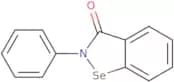
CAS:Ebselen is a non-toxic organoselenium compound with antioxidant, anti-inflammatory and cytoprotective properties. Ebselen is an inhibitor of lipoxygenases, nitric oxide (NO) synthases, protein kinase C, H+/K+-ATPase, thioredoxin reductase and NADPH oxidase. Recently, ebselen has been identified by several studies as a covalent inhibitor of the main protease Mpro from coronaviruses. For the SARS-CoV-2 main protease Mpro, the IC50 value is 0.67 μM and EC50 is 4.57 μM.Formula:C13H9NOSePurity:Min. 98 Area-%Color and Shape:PowderMolecular weight:274.18 g/molS26131
CAS:S26131 is an advanced glycation end product (AGE) inhibitor, which is a synthetic compound designed for laboratory research purposes. It is derived from chemical synthesis processes, offering a robust tool for investigating the biochemical pathways associated with glycation. Its mechanism of action involves the inhibition of AGE formation, which is a post-translational modification resulting from the non-enzymatic reaction between sugars and proteins or lipids. This biochemical modulation is vital for studying the implications of glycation in various physiological and pathological contexts.
Formula:C31H34N2O4Purity:Min. 95%Molecular weight:498.6 g/molLevetiracetam - Bio-X ™
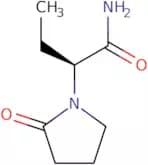
CAS:Controlled ProductLevetiracetam is a modulates the activity of the synaptic vesicle protein 2A (SV2A) in the brain and is used to treat epilepsy.It is not clear exactly how Levetiracetam affects the activity of SV2A and if this is through inhibiting the release of neurotransmitters. However, it is thought to work by binding to a specific site on SV2A, which interferes with its normal function and ultimately leads to changes in exocytosis. One of the postulated mechanisms of action is that this modulates glutamate release. Levetiracetam is used to treat certain types of seizures in people with epilepsy.
Levetiracetam is part of our Bio-X ™ Range. These products are aimed at life science researchers who need high quality ready-to-use products for assay development, screening or other R&D work. With a solubility datasheet and convenient vials, all of our Bio-X ™ products are in stock across our global warehouses for rapid delivery and ease of use.Formula:C8H14N2O2Purity:Min. 95%Color and Shape:PowderMolecular weight:170.21 g/molBAY 607550
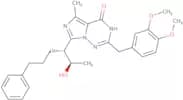
CAS:A selective and potent inhibitor of phosphodiesterase 2 (PDE2). Raises cAMP and cGMP levels in neurons, improves social recognition and object memory in murine animals. Reverses anxiolytic effects induced by oxidative stress in mice by blocking cGMP-PKG signaling.
Formula:C27H32N4O4Purity:Min. 95%Color and Shape:PowderMolecular weight:476.24236Tafluprost
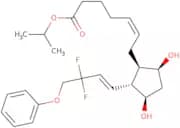
CAS:Prostanoid receptor agonist
Formula:C25H34F2O5Purity:Min. 95%Color and Shape:PowderMolecular weight:452.53 g/molMPEP
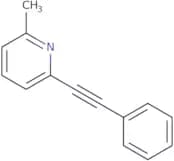
CAS:mGluR5 antagonist
Formula:C14H11NPurity:Min. 95%Color and Shape:White/Off-White SolidMolecular weight:193.24 g/molMotesanib
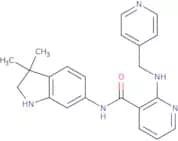
CAS:Inhibitor of VEGFR, PDGR, c-Kit and Ret; inhibitor of angiogenesisFormula:C22H23N5OPurity:Min. 95%Molecular weight:373.45 g/molKenpaullone
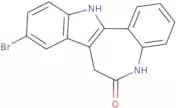
CAS:Inhibitor of glycogen synthase 3 (GSK-3) and cyclin-dependent kinases CDK1, CDK2 and CDK5. Kenpaullone can substitute transcription factor Klf4 in reprogramming of fibroblast to induced pluripotent stem cells when using the method of ectopic expression of transcriptional factors. In an in vitro model for Alzheimer’s disease, kenpaullone decreased production of amyloid beta peptides Aβ40 and Aβ42.
Formula:C16H11BrN2OPurity:Min. 95%Color and Shape:Yellow To Dark Yellow SolidMolecular weight:326.00548GSK 2606414
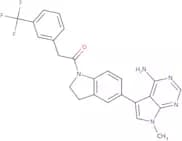
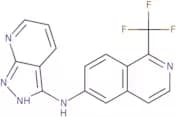
CAS:Inhibitor of EIF2AK3/PERK kinasesFormula:C24H20F3N5OPurity:Min. 95%Color and Shape:PowderMolecular weight:451.44 g/molAZD-7648
CAS:AZD-7648 is a selective inhibitor of DNA-dependent protein kinase (DNA-PK), which is a pivotal enzyme involved in the non-homologous end joining (NHEJ) pathway of DNA repair. This product is derived from extensive chemical synthesis and optimization, designed for its specificity and efficacy in inhibiting DNA-PK activity. The mode of action involves binding to the ATP-binding site of DNA-PK, thereby obstructing its ability to facilitate the repair of double-strand DNA breaks.Formula:C18H20N8O2Purity:Min. 98 Area-%Color and Shape:PowderMolecular weight:380.4 g/molAgomelatine - Bio-X ™
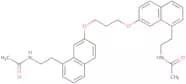
CAS:Controlled ProductAgomelatine is a potent agonist at melatonin receptors and an antagonist at serotonin receptors. It was designed to treat mood disorders, such as depression. It has been shown to improve mood by increasing the levels of certain neurotransmitters in the brain such as dopamine and noradrenaline. Agomelatine has beneficial phase-shifting effects in humans; it causes a sleep phase advance, a drop in body temperature, and an initial release of melatonin. According to controlled human studies, Agomelatine is equally effective at treating severe depression as the SSRI antidepressants paroxetine and sertraline.Formula:C15H17NO2Purity:Min. 95%Color and Shape:PowderMolecular weight:243.3 g/molSB 239063
CAS:Inhibits p38 MAP kinase; anti-inflammatory; neuroprotectiveFormula:C20H21FN4O2Purity:Min. 95%Color and Shape:PowderMolecular weight:368.4 g/molZileuton- Bio-X ™
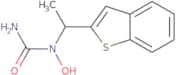
CAS:Zileuton is an inhibitor of the 5-lipoxygenase enzyme, thus preventing the leukotrienes LTE4, LDT4, LTB4 and LTC4 from being formed. This in turn reduces inflammation, bronchoconstriction and mucus secretion in the airways. As a result, Zileuton can be used in the treatment and management of asthma and allergic rhinitis. Studies have shown that Zileuton has the potential to reverse dementia-related brain damage.Formula:C11H12N2O2SPurity:(%) Min. 95%Color and Shape:PowderMolecular weight:236.29 g/mol17:0-20:4Pi (4) P
CAS:17:0-20:4Pi (4) P is a synthetic phosphoinositide, which is a type of phospholipid. It is typically sourced from laboratory synthesis, often incorporating stable isotopes or specific fatty acid chains to mimic natural compounds found in cell membranes. This product functions primarily as a probe in biochemical experiments, particularly for studying lipid signaling pathways within cells.
Formula:C46H88N2O16P2Purity:Min. 95%Molecular weight:987.14 g/molLovastatin - Bio-X ™
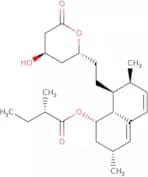
CAS:Lovastatin is an HMG-CoA reductase inhibitor that is used to lower LDL cholesterol levels and to aid in the management of cardiovascular diseases. Animal studies have demonstrated that this drug has vasculoprotective properties.Formula:C24H36O5Purity:Min. 95%Color and Shape:PowderMolecular weight:404.54 g/molSertindole
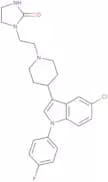
CAS:Antagonist of cardiac potassium channel HERG; anti-psychoticFormula:C24H26ClFN4OPurity:Min. 95%Color and Shape:PowderMolecular weight:440.94 g/molValiglurax
CAS:Potent and selective positive allosteric modulator (PAM) of metabotropic glutamate receptor mGlu4. Valiglurax is orally bioavailable and CNS-penetrant mGlu4 PAM in preclinical development for the Parkinson’s disease therapy and alleviation of the motor symptoms.Formula:C16H10F3N5Purity:Min. 95%Color and Shape:SolidMolecular weight:329.28 g/molElacridar
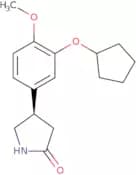
CAS:Inhibitor of ABC transporters; oral bioenhancer for anti-cancer therapyFormula:C34H33N3O5Purity:Min. 98 Area-%Color and Shape:Yellow PowderMolecular weight:563.64 g/molR-Rolipram
CAS:Inhibitor of PDE4 enzyme; anti-inflammatory
Formula:C16H21NO3Purity:Min. 95%Color and Shape:PowderMolecular weight:275.34 g/molIvabradine HCl - Bio-X ™
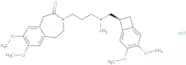
CAS:Ivabradine is a HCN channel blocker that is used to reduce the risk of hospitalization for worsening heart failure and used in the treatment of symptomatic heart failure. This drug acts by inhibiting the “funny” channel pacemaker current (If) which results in a lower heart rate and allows for more blood flow to the myocardium.Formula:C27H36N2O5•HClPurity:Min. 99 Area-%Color and Shape:PowderMolecular weight:505.05 g/molA 939572
CAS:Inhibitor of stearoyl-CoA desaturase SCD1 with IC50 of 6.3 nM, as measured in the SCD1-expressing human microsomes. A 939572 exhibited anticancer activity as it reduced cell proliferation and triggered cell killing in human non-small cell lung carcinoma cells. A 939572 inhibited tumour growth in an in vivo model for gastric carcinoma and reduced the oleic acid:stearic acid ratio in mouse liver and plasma.Formula:C20H22ClN3O3Purity:Min. 95%Color and Shape:PowderMolecular weight:387.86 g/molZiprasidone HCl monohydrate - Bio-X ™
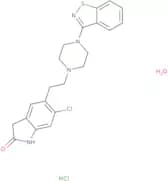
CAS:Controlled ProductZiprasidone is an atypical antipsychotic drug that is used to manage schizophrenia, bipolar mania, and agitation. This drug binds to serotonin and dopamine receptors. As a result it enhances modulation of mood and improves overall cognition.Formula:C21H21ClN4O2S•HCl•H2OPurity:Min. 95%Color and Shape:PowderMolecular weight:467.41 g/molKU-0063794
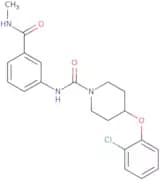
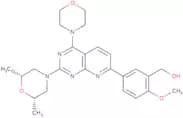
CAS:Inhibits mTORC1 and mTORC2 serine/threonine kinasesFormula:C25H31N5O4Purity:Min. 95%Color and Shape:White To Beige To Yellow SolidMolecular weight:465.54 g/molFonturacetam
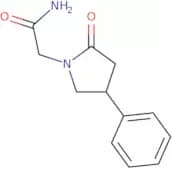
CAS:Controlled ProductPiracetam analog; AMPA receptor allosteric modulator
Formula:C12H14N2O2Purity:Min. 99 Area-%Molecular weight:218.25 g/molMCC 950 sodium
CAS:Inhibitor of NLRP3 inflammasome and suppressor of the inflammatory cytokine IL-1β secretion. The compound was tested in diabetic mice and was shown to decrease the incidence of cardiac arrythmias, which are common secondary complications in diabetes mellitus. MCC 950 has potential to reverse diabetes-induced pathologies in cardiac electrophysiology.Formula:C20H23N2O5S·NaPurity:Min. 98 Area-%Color and Shape:White PowderMolecular weight:426.46 g/molIvacaftor
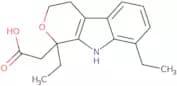
CAS:Activates CFTR channelsFormula:C24H28N2O3Purity:Min. 95%Color and Shape:White To Off-White SolidMolecular weight:392.49 g/molEtodolac - Bio-X ™
CAS:Etodolac is a non-steroidal anti-inflammatory drug (NSAID) used to treat osteoarthritis and rheumatoid arthritis. It is also used to treat acute pain. This drug works by inhibiting prostaglandin synthesis from the inhibition of the enzyme cyclooxygenase.Formula:C17H21NO3Purity:Min. 95%Color and Shape:PowderMolecular weight:287.35 g/molDMAT
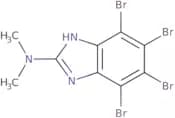
CAS:Inhibitor of protein kinase CK2
Formula:C9H7Br4N3Purity:Min. 95%Color and Shape:White PowderMolecular weight:476.79 g/molNAP
CAS:NAP is a neuroprotective peptide, which is derived from activity-dependent neuroprotective protein (ADNP), with a mechanism involving microtubule stabilization and neuronal protection. It exhibits the ability to protect neurons from various types of damage, including oxidative stress and conditions mimicking neurodegenerative diseases. NAP enhances axonal transport and increases the resilience of neurons to insults that would typically result in cell death. This peptide has shown promise in preclinical studies for its potential to halt or reverse cognitive decline, making it a focal point for research into therapeutic strategies for disorders like Alzheimer's disease and other tauopathies. The peptide operates by binding to microtubules, promoting stability, and facilitating efficient transport of cellular components. Studies have highlighted its role in traversing the blood-brain barrier, which makes it a viable candidate for central nervous system-targeted therapies. Researchers continue to explore its efficacy and possible applications in improving cognitive function and providing neuroprotection in aging populations.Purity:(Hplc-Ms) Min. 98 Area-%GDC 0941
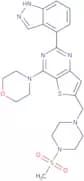
CAS:Pan-class I phosphatidylinositide 3-kinase (PI3K) inhibitor (IC50 = 3, 33, 3 and 75 nM at catalytic subunits p110α, p110β, p110δ and p110γ respectively). Inhibits proliferation in several cancer cell lines, such as glioblastoma, breast and prostate cancer cells. Has synergistic anti-cancer effect in combination with MEK/ERK kinase inhibitor GDC-0973 (cobimetinib).
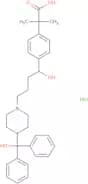
Formula:C23H27N7O3S2Purity:Min. 95%Color and Shape:White PowderMolecular weight:513.64 g/molFexofenadine HCl - Bio-X ™
CAS:Fexofenadine is a selective histamine-1 receptor antagonist that is used to treat the symptoms of seasonal allergies. It does not cross the blood-brain barrier and carries little-to-no activity at off targets. This drug binds to the inactive form of the H1 receptor and inhibits its activation and downstream effects.
Formula:C32H39NO4•HClColor and Shape:PowderMolecular weight:538.12 g/molPep2-8
Proprotein convertase subtilisin/kexin type 9 (PCSK9) is negative regulator of hepatic low-density lipoprotein (LDL) receptors by promoting their degradation. This leads to an increase in plasma levels of cholesterol-LDL (LDL-c). PCSK9 binds to the LDL receptor at the epidermal growth factor precursor homology domain A (EGF-A) which leads the receptor to be targeted for degradation. Natural loss of function mutations in PCSK9 have been linked to improved coronary health and lower cholesterol levels with reduced risk of coronary heart disease. This has led to further study to find inhibitors of PCSK9 with the hope that they may be clinically relevant in the future.As discussed, PCSK9 binds to EGF-A on the LDL receptor. A peptide named pep 2-8 is a mimic of EGF-A and binds PCSK9 in the same manner observed with the LDL receptor. Pep 2-8 is a potent selective competitive inhibitor of PCSK9. Pep 2-8 restores LDL receptor function and LDL uptake of PCSK9-treated HepG2 cells. This is still an active area of research to optimise inhibition of PCSK9 for cholesterol regulation.Pep 2-8 has also been utilised as an anchor peptide in phage-display experiments to bind an extension peptide library to the groove site.Peptide Ac-TVFTSWEEYLDWV-NH2 is a Research Peptide with significant interest within the field academic and medical research. This peptide is available for purchase at Cymit Quimica in multiple sizes and with a specification of your choice.
Purity:Min. 95%Molecular weight:1,714.8 g/mol