Organic Halides
Subcategories of "Organic Halides"
Found 20442 products of "Organic Halides"
N'-Cyanobenzenecarboximidamide hydrochloride
CAS:N-Cyanobenzenecarboximidamide hydrochloride (NCBCH) is an intermediate for the synthesis of azomethine dyes. It can be used to produce azo dyes with a methoxy group at the 3 position and a hydrogen atom at the 4 position. NCBCH is also an excellent substrate for chemical reactions involving fragmentation, extraction, or elimination. NCBCH can be synthesized from methyl ether and benzonitrile in the presence of benzamidine. The product is then treated with methanol to give a tautomeric mixture of benzyl and methyl ether.Formula:C8H7N3Purity:Min. 95%Molecular weight:145.16 g/mol2-Amino-2-(2-chlorophenyl)cyclohexan-1-one
CAS:Controlled Product2-Amino-2-(2-chlorophenyl)cyclohexan-1-one is an anesthetic drug that belongs to the group of ketamine. It is a chiral compound and has been shown to have central nervous system depressant effects, which are more pronounced than those of ketamine. This drug also affects the cardiovascular system and can cause respiratory depression. 2-Amino-2-(2-chlorophenyl)cyclohexan-1-one has been shown to be metabolized in humans by cytochrome P450 (CYP3A4). It may potentiate the effect of drugs that induce CYP3A4 activity such as erythromycin, rifampin, and phenobarbital. 2-Amino-2-(2-chlorophenyl)cyclohexan-1-one is not active against MRSA or methicillin resistant pseudomonas aeruginosa (MRFormula:C12H14ClNOPurity:Min. 95%Color and Shape:PowderMolecular weight:223.7 g/molN6-(1-Iminoethyl)-L-lysine hydrochloride
CAS:N6-(1-Iminoethyl)-L-lysine hydrochloride is an experimental drug that inhibits bacterial translocation, a process which occurs when bacteria from the gastrointestinal tract invade organs and tissues in the body that are not protected by a mucous barrier. It has been shown to be effective in reducing chronic pulmonary inflammation and fibrosis, as well as inhibiting emphysema-like lesions, in mice. N6-(1-Iminoethyl)-L-lysine hydrochloride also has anti-inflammatory effects on the skin and reduces the production of proinflammatory cytokines such as PGE2.Formula:C8H18ClN3O2Purity:Min. 95%Molecular weight:223.7 g/mol5-Fluoro-2-nitroaniline
CAS:5-Fluoro-2-nitroaniline is a sulfonated compound that acts as a growth factor. It has been shown to be effective in the treatment of cancer, especially in the epidermal growth factor receptor (EGFR) signaling pathway. 5-Fluoro-2-nitroaniline has also been shown to have antithrombotic properties and may be beneficial for cardiovascular diseases. This compound is an inhibitor of the human serum albumin binding site on EGFR and inhibits the activation of EGFR by its ligand, epidermal growth factor. The sulfonation reaction increases the polarity of the molecule, which has been attributed to increased activity against cancer cells.Formula:C6H5FN2O2Purity:Min. 95%Color and Shape:PowderMolecular weight:156.11 g/mol3b-Acetoxy-6a-chloroergosta-7,22-dien-5a-ol
CAS:Controlled ProductPlease enquire for more information about 3b-Acetoxy-6a-chloroergosta-7,22-dien-5a-ol including the price, delivery time and more detailed product information at the technical inquiry form on this pageFormula:C30H47ClO3Purity:Min. 95%Molecular weight:491.15 g/molCopper hexafluorosilicate
CAS:Copper hexafluorosilicate is a peroxide, which is used to produce reactive oxygen species. It has been shown to adsorb copper ions from solutions, and it can be used in texturing applications. Copper hexafluorosilicate is an ionic complex of copper and fluorosilicic acid. It is a hydrogenated form of the salt, a mixture of copper oxide and hydroxyl group. The complex is formed by the reaction of silver ions with ruthenium, which are then reduced to form a sulfate solution. This process produces metal-based particles that have potential applications in the treatment of silver-resistant bacteria or as catalysts for organic reactions.Formula:CuF6SiPurity:Min. 95%Color and Shape:Blue PowderMolecular weight:205.62 g/mol5-Bromo-2-chloro-3-fluoropyridine
CAS:5-Bromo-2-chloro-3-fluoropyridine is a catalytic reagent for the amination of anilines. It is extracted from coal tar, and is used in the manufacture of pesticides and pharmaceuticals. 5-Bromo-2-chloro-3-fluoropyridine has been shown to be an effective catalyst for the synthesis of functionalized adducts. This compound can also be used as a chemoselective agent in palladium catalysis, where it selectively adds hydrogen bromide to form aryl halides.Formula:C5H2BrCIFNPurity:Min. 95%Molecular weight:210.43 g/mol2,2-Difluoroethyl methyl ether
CAS:2,2-Difluoroethyl methyl ether (DEFME) is a nonpolar, hydrophobic compound that can be used as an alternative to isopentane. Radiative data show that DEFME has a higher thermal stability than isopentane, which makes it more suitable for use in high-temperature applications. DEFME has been shown to have synergistic effects with chlorine and amines in the presence of radiation. Furthermore, DEFME can be used to remove chlorinated organic compounds from contaminated water and soil. The chemical properties of DEFME are also ideal for use in polyolefin production and other polymerization processes. The chemical structure of DEFME is similar to that of methylamine and amines, which make it useful as an actuation gas in aerosol cans and other pressurized containers. The atmospheric lifetime of DEFME is long enough that it does not accumulate in the environment or cause environmental pollution when released into the atmosphere.Formula:C3H6F2OPurity:Min. 95%Molecular weight:96.08 g/mol2-Chloro-4-nitro-6-bromoaniline
CAS:2-Chloro-4-nitro-6-bromoaniline is a dispersive, linear range, ammonolysis and chloride free oxidant for wastewater treatment. This compound is effective at removing organic pollutants from wastewater and has been shown to be both environmentally safe and cost effective. 2-Chloro-4-nitro-6-bromoaniline is also used as a polymerization initiator in the production of polyester resins. It can be manufactured by recycling anilines by reacting them with bromine in the presence of an acid catalyst. 2CNBBA is used as a hydrogen bond acceptor in microextraction of chlorinated compounds from water samples.Formula:C6H4BrClN2O2Purity:Min. 95%Molecular weight:251.46 g/mol9,9-Dichlorofluorene
CAS:9,9-Dichlorofluorene is a bifluorenylidene that reacts with hydrochloric acid to form the trifluoroacetate anion. It is nucleophilic and can be used in organic synthesis to form carbon-fluorine bonds or chloroformates. 9,9-Dichlorofluorene also reacts with chloride ions to form the chloride anion. This reaction yields a high yield and has been used to synthesize other chemicals, including thioacetals and dimethylformamide. 9,9-Dichlorofluorene reacts with protonated nucleophiles in DMF and forms thioacetals following deprotection by hydrochloric acid. The reaction yield of this process is high and it has been extensively studied by NMR spectroscopy.Formula:C13H8Cl2Purity:Min. 95%Color and Shape:PowderMolecular weight:235.11 g/mol2-Amino-3,4-dihydro-7-methoxy-2H-1-naphthalenone, hydrochloride
CAS:Controlled ProductPlease enquire for more information about 2-Amino-3,4-dihydro-7-methoxy-2H-1-naphthalenone, hydrochloride including the price, delivery time and more detailed product information at the technical inquiry form on this pageFormula:C11H14ClNO2Purity:Min. 95%Molecular weight:227.69 g/molFluorescent Brightener 251
CAS:Fluorescent Brightener 251 is a quaternary ammonium salt that is used as a fluorescent whitening agent. It has been shown to be safe for use with human keratin and can be identified by its ultraviolet-visible spectra. This compound is a polybasic, anionic compound that is neutralized with a diluent and then chloride. The radiation emitted by the compound triggers the emission of visible light, which is what makes it fluorescent. Fluorescent Brightener 251 emits radiation in three wavelengths: 280 nm, 350 nm, and 420 nm. The evaporation rate of this compound depends on the counterions present in the solution. Fluorescent Brightener 251 undergoes a stepwise reaction with reactive compounds.Formula:C36H36N12O14S4•Na4Purity:Min. 95%Color and Shape:PowderMolecular weight:1,080.97 g/mol4-Bromo-2-phenylthiazole
CAS:4-Bromo-2-phenylthiazole is a reactive arylating agent that has been used in the Suzuki reaction to form biaryl compounds. It is also used in the synthesis of heterocycles and alkene cross-coupling reactions. The 4-bromo group can be replaced by other halides, such as chlorides, bromides, or iodides. The substituents on the phenyl ring can be varied to yield different products. Reactive groups are an important factor in optimizing yields and preventing side reactions. This molecule is a useful starting point for the synthesis of complex molecules with functional groups.Formula:C9H6BrNSPurity:Min. 95%Molecular weight:240.12 g/molMethyl 5-bromo-3-methylpicolinate
CAS:Please enquire for more information about Methyl 5-bromo-3-methylpicolinate including the price, delivery time and more detailed product information at the technical inquiry form on this page
Formula:C8H8BrNO2Purity:Min. 95%Molecular weight:230.06 g/mol3-Iodobenzyl bromide
CAS:3-Iodobenzyl bromide is a potent, selective antagonist of the adenosine A3 receptor. It has been shown to be effective in treating cervical cancer and cancer by inhibiting the growth of cancer cells. 3-Iodobenzyl bromide binds to the adenosine A3 receptor and blocks the binding of adenosine, thereby inhibiting its effects on other tissues. This drug has been shown to have little effect on other cellular receptors, making it a promising candidate for treating cancer without many side effects.
Formula:C7H6BrIPurity:Min. 95%Color and Shape:PowderMolecular weight:296.93 g/mol3-Bromo-4-pyridinecarboxylic acid
CAS:3-Bromo-4-pyridinecarboxylic acid is a naphthyridine derivative that is used in drug development. It is a crystalline solid that can be dissolved in organic solvents. 3-Bromo-4-pyridinecarboxylic acid has been shown to have antiinflammatory properties and can be used as an oxidant. 3-Bromo-4-pyridinecarboxylic acid is being investigated as a receptor subtype for inflammatory diseases, and it has also been used to study the mechanism of chronic inflammatory diseases.Formula:C6H4BrNO2Purity:Min. 95%Molecular weight:202.01 g/mol1,1-Dichloro-1-fluoro-methanesulfenylchloride
CAS:1,1-Dichloro-1-fluoro-methanesulfenylchloride is a hazardous chemical that belongs to the group of chlorine compounds. It has been used as an antibacterial agent in the past and has been shown to be effective against nematodes, helminths, and some microorganisms. It is also used as a solvent in the production of dyes and perfumes. 1,1-Dichloro-1-fluoro-methanesulfenylchloride is not active against bacteria that are resistant to sulfonic acids or amines.Formula:CCl3FSPurity:Min. 95%Color and Shape:Clear LiquidMolecular weight:169.43 g/mol4-Chloro bupropion fumarate
CAS:Controlled ProductPlease enquire for more information about 4-Chloro bupropion fumarate including the price, delivery time and more detailed product information at the technical inquiry form on this pageFormula:C17H21Cl2NO5Purity:Min. 95%Molecular weight:390.26 g/mol7-Bromobenzo[d]oxazole
CAS:Please enquire for more information about 7-Bromobenzo[d]oxazole including the price, delivery time and more detailed product information at the technical inquiry form on this pageFormula:C7H4BrNOPurity:Min. 95%Molecular weight:198.02 g/molBoc-D-aspartic acid β-9-fluorenylmethyl ester
CAS:Please enquire for more information about Boc-D-aspartic acid beta-9-fluorenylmethyl ester including the price, delivery time and more detailed product information at the technical inquiry form on this page
Formula:C23H25NO6Purity:Min. 95%Molecular weight:411.45 g/mol5-Bromo-1-Methyl-1H-indazol-3-amine
CAS:Please enquire for more information about 5-Bromo-1-Methyl-1H-indazol-3-amine including the price, delivery time and more detailed product information at the technical inquiry form on this pageFormula:C8H8BrN3Purity:Min. 95%Molecular weight:226.07 g/molTrifluoro acetic anhydride
CAS:Trifluoro acetic anhydride is a chemical compound that is used in the laboratory as a model system to study antimicrobial agents and the reaction mechanism of these compounds. It has been shown to have receptor activity against infectious diseases and enzyme activities against bacterial growth. Trifluoroacetic anhydride has also been shown to inhibit plasma mass spectrometry, which may be due to its ability to react with water vapor. The chemical inhibitor can be recovered and reused for other experiments.Formula:C4F6O3Purity:Min. 95%Color and Shape:Colorless Clear LiquidMolecular weight:210.03 g/molN-Methyl-N-[(1-methyl-1H-benzimidazol-2-yl)methyl]amine hydrochloride
CAS:Controlled ProductPlease enquire for more information about N-Methyl-N-[(1-methyl-1H-benzimidazol-2-yl)methyl]amine hydrochloride including the price, delivery time and more detailed product information at the technical inquiry form on this pageFormula:C10H13N3Purity:Min. 95%Molecular weight:175.23 g/molMethyl 3-bromoindole-6-carboxylate
CAS:Please enquire for more information about Methyl 3-bromoindole-6-carboxylate including the price, delivery time and more detailed product information at the technical inquiry form on this pageFormula:C10H8BrNO2Purity:Min. 95%Molecular weight:254.08 g/molMethyl 1-aminocyclohexanecarboxylate hydrochloride
CAS:Please enquire for more information about Methyl 1-aminocyclohexanecarboxylate hydrochloride including the price, delivery time and more detailed product information at the technical inquiry form on this pageFormula:C8H15NO2Purity:Min. 95%Molecular weight:157.21 g/molManganese dichloride
CAS:Manganese dichloride is a chemical compound that is used as an oxidation catalyst. It has been shown to have the ability to remove nitrogen from wastewater and to be used for the treatment of sodium carbonate in water. Manganese dichloride can also be used as a catalyst for the removal of volatile organic compounds from air or water. Manganese dichloride is also used in x-ray diffraction data, where it was found that this compound has a high crystallinity with α subunit and nitrogen atoms. This substance is not toxic to brain functions and does not react with water, which makes it suitable for use in wastewater treatment plants. Manganese dichloride has also been shown to have an anti-cancer effect on brain tumours and can inhibit epidermal growth factor (EGF).Formula:MnCl2Purity:Min. 95%Color and Shape:PowderMolecular weight:125.84 g/mol2-(N-Butylperfluorooctanesulfonamido)ethyl acrylate
CAS:Controlled ProductPlease enquire for more information about 2-(N-Butylperfluorooctanesulfonamido)ethyl acrylate including the price, delivery time and more detailed product information at the technical inquiry form on this pageFormula:C17H16F17NO4SPurity:Min. 95%Color and Shape:Clear LiquidMolecular weight:653.35 g/moln-Butyl bromide
CAS:n-Butyl bromide (n-BuBr) is a chemical that has been used in the laboratory for analytical purposes. It is also used as a solvent for sodium salts, nitrogen atoms, and other chemicals. n-Butyl bromide has been shown to cause bowel disease with hyoscine, glycol ethers, and antibodies. This effect may be due to the intramolecular hydrogen transfer reaction between the carboxylic acid group of butyl bromide and carboxylate groups in proteins. The clinical relevance of this interaction is not yet known. n-Butyl bromide also has inflammatory effects on the bowel that have been seen in animal models of inflammatory bowel disease.Formula:C4H9BrPurity:Min. 95%Color and Shape:Clear Colourless To Pale Yellow LiquidMolecular weight:137.02 g/mol2-Bromo-4-ethylbenzonitrile
CAS:Please enquire for more information about 2-Bromo-4-ethylbenzonitrile including the price, delivery time and more detailed product information at the technical inquiry form on this pageFormula:C9H8BrNPurity:Min. 95%Molecular weight:210.07 g/molTetrafluoro-1,4-benzoquinone
CAS:Tetrafluoro-1,4-benzoquinone is a second-order rate constant in the reaction of oxygen nucleophiles. It is a nonpolar solvent that can be used to oxidize hydrogen fluoride and trifluoromethanesulfonic acid. Tetrafluoro-1,4-benzoquinone is also an electron donor for fluorine atoms and has a redox potential of 1.72 V. Tetrafluoro-1,4-benzoquinone has been shown to have fluorescence properties and light emission in the ultraviolet range. It also reacts with hydroxyl groups to form tetrafluoroethylene oxide and carbonyl groups to form tetrafluoroethylene ketones. The binding constants for these reactions are 1.8 x 10 M -2 s and 6 x 10 M -2 s respectively. Tetrafluoro-1,4-benzoquinone has been shown to react with anilFormula:C6F4O2Purity:(19F-Nmr) Min. 95 Area-%Color and Shape:PowderMolecular weight:180.06 g/mol4,4''-Dibromo-p-terphenyl
CAS:4,4''-Dibromo-p-terphenyl is a polycyclic aromatic hydrocarbon that has been synthesized as a nanomaterial. This material has been studied by XPS and microscopy as well as by kinetic experiments. The energetics of the reaction have been studied using photoelectron spectroscopy. 4,4''-Dibromo-p-terphenyl dehalogenates organometallic compounds at a rate that can be calculated using rate equations. The mechanistic study of the reaction was done through synthesizing 4,4''-Dibromo-p-terphenyl.Purity:Min. 95%4-Bromo-2-chloro-1-ethenyl-benzene
CAS:Please enquire for more information about 4-Bromo-2-chloro-1-ethenyl-benzene including the price, delivery time and more detailed product information at the technical inquiry form on this pageFormula:C8H6BrClPurity:Min. 95%Molecular weight:217.49 g/mol(1,1-Dioxidotetrahydro-3-thienyl)hydrazine hydrochloride
CAS:Please enquire for more information about (1,1-Dioxidotetrahydro-3-thienyl)hydrazine hydrochloride including the price, delivery time and more detailed product information at the technical inquiry form on this pageFormula:C4H10N2O2SPurity:Min. 95%Molecular weight:150.2 g/mol9-Fluoro-11b,21-dihydroxy-16a-methylpregna-1,4-diene-3,20-dione
CAS:Controlled Product9-Fluoro-11b,21-dihydroxy-16a-methylpregna-1,4-diene-3,20-dione is a potent antiandrogen that is used to treat alopecia areata and other skin disorders. 9-Fluoro-11b,21-dihydroxy-16a-methylpregna-1,4-diene-3,20-dione has been shown to have an inhibitory effect on the growth of skin tumors in mice. This drug also has a protective effect against chemical stability. It binds to fatty acids and epidermal growth factor (EGF), which may be related to its ability to regulate transcriptional processes and inflammatory skin diseases.Formula:C22H29FO4Purity:Min. 95%Molecular weight:376.46 g/mol1-[2-(5-Fluoro-1H-indol-3-yl)ethyl]-5-oxopyrrolidine-3-carboxylic acid
CAS:Controlled ProductPlease enquire for more information about 1-[2-(5-Fluoro-1H-indol-3-yl)ethyl]-5-oxopyrrolidine-3-carboxylic acid including the price, delivery time and more detailed product information at the technical inquiry form on this pageFormula:C15H15FN2O3Purity:Min. 95%Molecular weight:290.29 g/mol3,4-Methylenedioxy amphetamine hydrochloride
CAS:Controlled Product3,4-Methylenedioxy amphetamine hydrochloride is an enantiomer of methylenedioxyamphetamine. It is a synthetic molecule that has been used as a drug and chemical intermediate. 3,4-MDA has not been detected in any natural products. 3,4-MDA is not soluble in water but is soluble in most organic solvents and oils. 3,4-MDA can be made into a non-polymeric form by adding acid to the molecule. The impurities are typically related to the solvent used during synthesis and include unreacted starting materials, side products from chemical reactions, and traces of other chemicals such as acetyl derivatives or polymers. 3,4-MDA can be assayed using high performance liquid chromatography (HPLC) with fluorescent detection; however, due to the impurities present in this substance it may be difficult to obtain a reliable result. There are two polymorphs for 3,4-MDA:
Formula:C10H14ClNO2Purity:Min. 95%Color and Shape:PowderMolecular weight:215.68 g/molDodecyl-N,N-dimethyl-N-ethylammonium bromide
CAS:Dodecyl-N,N-dimethyl-N-ethylammonium bromide is a cationic surfactant that can be used to treat microbial infections. It has been shown to be effective against influenza virus, tuberculosis, and other bacterial infections. Dodecyl-N,N-dimethyl-N-ethylammonium bromide is a reaction product of dodecanol and dimethyldodecylamine with silver ions. This surfactant has a benzyl group which provides biocompatibility. The surfactant also has a high affinity for water vapor, which means it will not react with the water in the human body. Dodecyl-N,N-dimethyl-N-ethylammonium bromide is used in titration calorimetry experiments to determine activation energies for reactions involving enzymes and catalysts.Formula:C16H36NBrPurity:Min. 95%Molecular weight:322.37 g/mol5-(Bromomethyl)-3-phenylisoxazole
CAS:5-(Bromomethyl)-3-phenylisoxazole is a methoxy-bromo analog of fluoroquinolones. It has the same mode of action as fluoroquinolones, binding to DNA and inhibiting bacterial topoisomerases (DNA gyrase and topoisomerase IV). The affinity of 5-(Bromomethyl)-3-phenylisoxazole for these enzymes is greater than that of the parent compound, which may account for its increased potency. 5-(Bromomethyl)-3-phenylisoxazole is synthesized by reacting biphenyl with a mixture of bromoethane and methyl iodide in an organic solvent.Formula:C10H8BrNOPurity:Min. 95%Molecular weight:238.08 g/molNonafluoro butanesulfonyl fluoride
CAS:Nonafluoro butanesulfonyl fluoride is a pyrimidine compound that has been used in toxicological studies. It has been shown to be an effective inhibitor of the enzyme 5-hydroxytryptophan decarboxylase, which converts 5-hydroxytryptophan to serotonin. Nonafluoro butanesulfonyl fluoride has also been shown to inhibit the growth of methyl ketones, hydroxyl group, and hydrogen bond in a reaction solution. The chemical stability of nonafluoro butanesulfonyl fluoride is relatively high and it is resistant to hydrolysis by common reagents. This compound is not mutagenic or carcinogenic in animal studies. The LD50 values for intravenous injection in rats are reported as greater than 2000 mg/kg.Formula:C4F10O2SPurity:Min. 95%Molecular weight:302.09 g/molN-Bromoacetamide
CAS:N-Bromoacetamide is a reactive chemical that can react with the sodium channel to produce a postulated effect. It has been shown to inhibit the kinetics of the sodium channel in whole-cell voltage clamp experiments. This inhibition is reversible and does not depend on the pH of the solution. Bromoacetamide has been shown to have an irreversible inhibition on potassium channels, which may be due to its ability to form covalent bonds with sulfhydryl groups. Bromoacetamide also inhibits voltage-gated calcium channels, but at a slower rate than it does for sodium channels. N-Bromoacetamide has been shown to be effective in pharmacological treatments for epilepsy, myasthenia gravis, and multiple sclerosis.
Formula:C2H4BrNOPurity:Min. 95%Color and Shape:PowderMolecular weight:137.96 g/mol6-Bromo-1H-indazol-3-yl-amine
CAS:6-Bromo-1H-indazol-3-yl-amine is an indazole derivative that has shown anti-cancer effects in vitro and in vivo. 6-Bromo-1H-indazol-3-yl-amine inhibits the proliferation of cancer cells, which may be due to its inhibition of cell cycle progression at the G2/M phase. It also inhibits the growth of tumor cells by inducing apoptosis. The drug's mechanism of action is not yet fully understood, but it has been shown to inhibit the activity of axitinib, a tyrosine kinase inhibitor. This drug has also shown anti-proliferative activities with acid catalysts and supramolecular systems. In addition, 6-bromo 1H indazol 3 yl amine contains functional groups such as nitro and pyrrole groups.Formula:C7H6BrN3Purity:Min. 95%Molecular weight:212.05 g/mol2,7-Dibromo-9,9-dihexylfluorene
CAS:2,7-Dibromo-9,9-dihexylfluorene is a vinyl monomer that can be used for the synthesis of polymers with light emitting properties. It has been shown to be an efficient cross-coupling agent for the synthesis of organic molecules. The monomer also emits light when excited by ultraviolet radiation.Purity:Min. 95%4-(2-Chlorophenyl)-9-methyl-6H-thieno[3,2-f][1,2,4]triazolo[4,3-a][1,4]diazepine-2-propanoic acid
CAS:Controlled ProductPlease enquire for more information about 4-(2-Chlorophenyl)-9-methyl-6H-thieno[3,2-f][1,2,4]triazolo[4,3-a][1,4]diazepine-2-propanoic acid including the price, delivery time and more detailed product information at the technical inquiry form on this pageFormula:C18H15ClN4O2SPurity:Min. 95%Molecular weight:386.86 g/mol4-(2-Chloroethyl)-1-(triphenylmethyl)-1H-imidazole
CAS:Controlled ProductPlease enquire for more information about 4-(2-Chloroethyl)-1-(triphenylmethyl)-1H-imidazole including the price, delivery time and more detailed product information at the technical inquiry form on this pageFormula:C24H21ClN2Purity:Min. 95%Molecular weight:372.89 g/mol2’-Nor thiamine hydrochloride
CAS:Please enquire for more information about 2’-Nor thiamine hydrochloride including the price, delivery time and more detailed product information at the technical inquiry form on this pageFormula:C11H16Cl2N4OSPurity:Min. 95%Molecular weight:323.24 g/molN,alpha-Dimethyl-2-thiopheneethanamine hydrochloride
CAS:Controlled ProductMethiopropamine is a synthetic psychoactive substance that has been associated with long-term health effects. It is used recreationally for its stimulant properties, such as increased alertness and wakefulness. Methiopropamine may cause paranoia and delusions, as well as other long-term effects. The drug can be detected in the urine for up to five days after ingestion. Methiopropamine is an amphetamine analogue of cathinone, which is a naturally occurring substance found in the khat plant. It is classified by the DEA as a Schedule I controlled substance in the United States.
Formula:C8H14ClNSPurity:Min. 95%Molecular weight:191.72 g/mol4-Chlorophenyl isocyanate
CAS:4-Chlorophenyl isocyanate (4CIN) is a chemical that belongs to the family of pyrazole compounds. It is used in the synthesis of dyes, pharmaceuticals, and agrochemicals. 4CIN has been shown to be able to inhibit protein synthesis in rat liver microsomes. This compound also has a high chemical stability and can withstand hydrochloric acid.Formula:C7H4ClNOPurity:Min 98%Color and Shape:White PowderMolecular weight:153.57 g/mol3,3-Diphenylpiperidine Hydrochloride
CAS:Please enquire for more information about 3,3-Diphenylpiperidine Hydrochloride including the price, delivery time and more detailed product information at the technical inquiry form on this pageFormula:C17H19N·HClPurity:Min. 95%Molecular weight:273.8 g/mol2,4-Difluoro-5-nitrobenzonitrile
CAS:2,4-Difluoro-5-nitrobenzonitrile is a chemical that has been found to have affinity for the central nervous system. It inhibits the reuptake of monoamines such as dopamine and serotonin. This chemical has been shown to be endogenously produced in humans and animals. 2,4-Difluoro-5-nitrobenzonitrile also inhibits the uptake of amines by blocking the activity of their respective transporters. The compound is an isomeric mixture of two possible structures, which differ in their position on the benzene ring. The first form is characterized by a low affinity for neurotransmitter receptors and therefore has low inhibitory properties on monoamine uptake. The second form has greater affinity for neurotransmitter receptors and therefore has greater inhibitory properties on monoamine uptake, although at higher concentrations it may lead to adverse effects on muscle tissue.
Formula:C7H2F2N2O2Purity:Min. 95%Color and Shape:PowderMolecular weight:184.1 g/molH-Arg-Gln-OH hydrochloride salt
CAS:H-Arg-Gln-OH is a growth factor that has been shown to be effective in the genetic ablation of mice. This growth factor is taken up by cells via receptor activity and stimulates DNA synthesis and cell division. H-Arg-Gln-OH has been shown to be successful in the treatment of congenital heart disease. The onset latency is site specific and low energy, which means that it can be used for noninvasive treatments.Formula:C11H22N6O4Purity:Min. 95%Molecular weight:302.33 g/mol2-(4-Methoxyphenyl)-2-(1-hydroxycyclohexyl)ethylamineHydrochloride
CAS:Please enquire for more information about 2-(4-Methoxyphenyl)-2-(1-hydroxycyclohexyl)ethylamineHydrochloride including the price, delivery time and more detailed product information at the technical inquiry form on this pageFormula:C15H24ClNO2Purity:Min. 95%Molecular weight:285.81 g/molS-Ethylisothio urea, hydrobromide
CAS:S-Ethylisothio urea, hydrobromide is a nitric oxide (NO) synthase inhibitor that prevents the conversion of arginine to NO. It has been shown to inhibit protein synthesis in cells, which may be due to its ability to inhibit guanylate cyclase and intracellular calcium concentrations. S-Ethylisothio urea, hydrobromide has been used in experimental models as an anti-inflammatory drug for the treatment of autoimmune diseases like rheumatoid arthritis. This compound also blocks the production of NO by inhibiting the oxygen transport system in the lungs, which is required for redox potential. S-Ethylisothio urea, hydrobromide is a cyclase inhibitor that prevents the conversion of dehydroascorbic acid to ascorbic acid. It can be used as an antioxidant by scavenging reactive oxygen species and preventing oxidative damage.Formula:C3H9BrN2SPurity:Min. 95%Molecular weight:185.09 g/mol1-Tributylstannyl-3,3,3-trifluoro-1-propyne
CAS:Controlled Product1-Tributylstannyl-3,3,3-trifluoro-1-propyne is an organic solvent that can be used as a reagent in the trifluoromethylation of hexane and diazomethane. It has been shown to be regioselective in the 1,3-dipolar cycloaddition of acetonitrile and oxide. It also reacts efficiently with aryl groups to produce yields.Formula:C15H27F3SnPurity:Min. 95%Molecular weight:383.08 g/mol(1S,3S)-Methyl 3-aminocyclobutane carboxylate hydrochloride
CAS:Please enquire for more information about (1S,3S)-Methyl 3-aminocyclobutane carboxylate hydrochloride including the price, delivery time and more detailed product information at the technical inquiry form on this page
Formula:C6H12ClNO2Purity:Min. 95%Molecular weight:165.62 g/molNoscapine hydrochloride hydrate
CAS:Noscapine is a drug used to treat bowel disease and as an antitussive. It is classified as a narcotic, but has no addictive properties. Noscapine inhibits the activity of nuclear dna polymerase, which prevents transcription of DNA into RNA. Its rate constant for hydrogen bonding interactions with DNA is 6 orders of magnitude slower than that of other drugs that inhibit this enzyme. Noscapine also inhibits the activity of protein kinases, which are enzymes that transfer a phosphate group from ATP to other proteins. Noscapine has been shown to bind to folate receptors on cells in culture, leading to an increase in chemiluminescence. This drug has also been shown to have anti-cancer effects on some cell lines in vitro by inhibiting the Bcl-2 protein.Formula:C22H24ClNO7·xH2OPurity:Min. 98 Area-%Color and Shape:White Off-White PowderMolecular weight:449.88 g/mol2-Bromo-N,N-dimethylethanamine hydrobromide
CAS:2-Bromo-N,N-dimethylethanamine hydrobromide is a quaternary ammonium salt that is used as an excipient in pharmaceutical formulations. It has been used to prepare conjugates for clinical diagnostics and can be used as a substrate in phosphorus pentoxide assays. This product is also an intermediate in the synthesis of paracyclophanes, which are stereoisomers of cyclopentane. 2-Bromo-N,N-dimethylethanamine hydrobromide has been shown to have anti-inflammatory properties and may be useful for the treatment of respiratory diseases. The drug also has potential in the treatment of Alzheimer's disease due to its ability to inhibit β-amyloid aggregation.Formula:C4H11Br2NPurity:Min. 95%Color and Shape:White PowderMolecular weight:232.94 g/mol2-(1-Adamantyl)pyrrolidine hydrochloride
CAS:Please enquire for more information about 2-(1-Adamantyl)pyrrolidine hydrochloride including the price, delivery time and more detailed product information at the technical inquiry form on this page
Formula:C14H23NPurity:Min. 95%Molecular weight:205.34 g/molN-(4-Fluorophenyl)piperidin-4-amine
CAS:Controlled ProductFentanyl is a synthetic opioid that is similar to morphine. It has been used in human studies for its analgesic effects. Fentanyl has been shown to have a high potential for abuse and can cause life-threatening respiratory depression. It can be administered orally, intravenously, or by inhalation. The drug is metabolized by the liver into several inactive metabolites. Fentanyl is an analog of the natural opioid peptide endorphin and binds to δ-opioid receptors in the central nervous system, which are involved in the regulation of pain. This drug also has antinociceptive properties at low doses and δ-opioid agonist activity at higher doses.
Formula:C11H15FN2Purity:Min. 95%Molecular weight:194.25 g/mol2-(Fluoromethyl)-3-(2-methylphenyl)-6-nitro-3H-quinazolin-4-one
CAS:Controlled ProductPlease enquire for more information about 2-(Fluoromethyl)-3-(2-methylphenyl)-6-nitro-3H-quinazolin-4-one including the price, delivery time and more detailed product information at the technical inquiry form on this page
Formula:C16H12FN3O3Purity:Min. 95%Molecular weight:313.28 g/mol5-Iodo-2,3-dihydro-1H-inden-2-amine hydrochloride hydrate
Controlled ProductPlease enquire for more information about 5-Iodo-2,3-dihydro-1H-inden-2-amine hydrochloride hydrate including the price, delivery time and more detailed product information at the technical inquiry form on this page
Formula:C9H13ClINOPurity:Min. 95%Molecular weight:313.56 g/molCyanuric chloride
CAS:Cyanuric chloride is a water treatment agent that is used to remove chlorine from wastewater. It reacts with chlorine, forming cyanuric acid which is then removed from the water. Cyanuric chloride also has the ability to bind to human serum albumin and enzymes in biological samples. This binding inhibits their activity and makes them unavailable for use by bacteria. The antibacterial efficacy of cyanuric chloride has been shown in a study where it was found to have high resistance against many types of bacteria, such as Escherichia coli, Staphylococcus aureus, and Klebsiella pneumoniae.Formula:C3Cl3N3Purity:Min. 95%Color and Shape:White/Off-White SolidMolecular weight:184.41 g/molDibromoisocyanuric acid
CAS:Dibromoisocyanuric Acid is an intermediate in the metabolism of fatty acids. It has been shown to inhibit fatty acid synthesis by inhibiting the transfer reactions of fatty acids from their acyl coenzyme A ester to carnitine, which is necessary for transport across the mitochondrial membrane. Dibromoisocyanuric Acid also inhibits monoclonal antibody production by monocytes and macrophages. Dibromoisocyanuric Acid may be used as a tumor suppressor in mice with tumors because it reduces gamma-aminobutyric acid levels, leading to increased locomotor activity and decreased body mass index.Formula:C3HBr2N3O3Purity:Min. 95%Color and Shape:PowderMolecular weight:286.87 g/molN-Ethyl-4-methoxy amphetamine hydrochloride
CAS:Controlled ProductPlease enquire for more information about N-Ethyl-4-methoxy amphetamine hydrochloride including the price, delivery time and more detailed product information at the technical inquiry form on this pageFormula:C12H20ClNOPurity:Min. 95%Molecular weight:229.75 g/mol3-(Bromomethyl)-1-methyl-1H-indazole
CAS:Controlled ProductPlease enquire for more information about 3-(Bromomethyl)-1-methyl-1H-indazole including the price, delivery time and more detailed product information at the technical inquiry form on this pageFormula:C9H9BrN2Purity:Min. 95%Molecular weight:225.09 g/mol7-Chloro-5-(2-chlorophenyl)-2-hydrazinyl-3H-1,4-benzodiazepine
CAS:Controlled ProductPlease enquire for more information about 7-Chloro-5-(2-chlorophenyl)-2-hydrazinyl-3H-1,4-benzodiazepine including the price, delivery time and more detailed product information at the technical inquiry form on this pageFormula:C15H12Cl2N4Purity:Min. 95%Molecular weight:319.19 g/molMethylbenzenethonium chloride
CAS:Methylbenzenethonium chloride is an antimicrobial agent that has been shown to inhibit the growth of leishmania and other parasitic protozoa. It has a high affinity for acidic surfaces, such as those found in the human body. Methylbenzenethonium chloride adsorbs strongly to the surface of bacteria, thereby inhibiting the attachment of these organisms to mucosal surfaces and preventing their adhesion to host cells. This compound also inhibits bacterial surface-associated enzymes, including DNA gyrase and DNA topoisomerase IV. Methylbenzenethonium chloride has been shown to be active against both gram-positive and gram-negative bacteria and is considered safe for use in humans with acute toxicities below 1%.
Formula:C28H44CINO2Purity:Min. 95%Molecular weight:565.57 g/mol3-Bromo-7-hydroxy-4-methylchromen-2-one
CAS:3-Bromo-7-hydroxy-4-methylchromen-2-one is an organic compound with the molecular formula CHBrNO. It is a colorless solid that is soluble in organic solvents. 3-Bromo-7-hydroxy-4-methylchromen-2-one has shown antiviral activity against the pandemic Covid 19 virus, as well as activity against influenza A and B viruses. This compound also has been shown to be active against methicillin resistant Staphylococcus aureus (MRSA) and Clostridium perfringens. 3BRMCHM2O binds to DNA by covalent binding and inhibits the synthesis of RNA, causing cell death in bacteria. The compound can be accessed through two routes: one involving phenylhydrazine and hydrazines, and another involving ionic liquids and ionic reagents. The reaction time for this reaction is very short (10 minutes
Formula:C10H7BrO3Purity:Min. 95%Molecular weight:255.06 g/mol(9b,11b)-Epoxy fluorometholone acetate
CAS:Please enquire for more information about (9b,11b)-Epoxy fluorometholone acetate including the price, delivery time and more detailed product information at the technical inquiry form on this page
Formula:C24H30O5Purity:Min. 95%Molecular weight:398.49 g/molCCT 241533
CAS:CCT 241533 is a Chinese herb that has been shown to have anti-cancer properties. It has been demonstrated to inhibit the growth of HL-60 cells and induce apoptosis in these cells. CCT 241533 also inhibits the proliferation of epidermal growth factor (EGF) and induces cell death in response to radiation. This drug also binds to toll-like receptors, which are proteins on the surface of cells that detect pathogens and initiate an immune response. CCT 241533 has been shown to inhibit polymerase chain reactions by competitive inhibition or by binding to DNA, preventing transcription or replication. CCT 241533 may be useful for the treatment of infectious diseases, such as tuberculosis, because it can bind to bacterial 16S ribosomal RNA and inhibit protein synthesis, leading to cell death by inhibiting the production of proteins vital for cell division.
CCT 241533 has been shown in animal studies to be effective against cervical cancer due to its ability to bindFormula:C23H27FN4O4Purity:Min. 95%Molecular weight:442.48 g/mol3-Methoxy methamphetamine hydrochloride
CAS:Controlled ProductPlease enquire for more information about 3-Methoxy methamphetamine hydrochloride including the price, delivery time and more detailed product information at the technical inquiry form on this pageFormula:C11H18ClNOPurity:Min. 95%Molecular weight:215.72 g/molDichloro(1,5-cyclooctadiene)palladium(II)
CAS:Controlled ProductDichloro(1,5-cyclooctadiene)palladium(II) is a stable metal complex in which the chlorine atom is coordinated to two benzyl groups and one palladium atom. The chloride ion is coordinated to the palladium atom through a strong coordinate bond. The chloride ion is also coordinated to the two benzyl groups by weaker coordinate bonds. In the presence of sodium carbonate, hydrogen chloride and nitrogen gas, dichloro(1,5-cyclooctadiene)palladium(II) reacts with hydrogen chloride to form stable complexes that are soluble in water. These complexes can be used as catalysts for organic reactions because they are able to transfer hydrogen atoms between molecules without breaking covalent bonds. Dichloro(1,5-cyclooctadiene)palladium(II) has been shown to have antibacterial activity against Staphylococcus aureus and Pseudomonas aeruginosaFormula:C8H12Cl2PdPurity:Min. 98%Molecular weight:285.51 g/molN-[4-Amino-3-(trifluoromethyl)phenyl]-2-methylpropanamide
CAS:Please enquire for more information about N-[4-Amino-3-(trifluoromethyl)phenyl]-2-methylpropanamide including the price, delivery time and more detailed product information at the technical inquiry form on this pageFormula:C11H13F3N2OPurity:Min. 95%Molecular weight:246.23 g/mol2-(Trifluoromethoxy)benzyl bromide
CAS:2-(Trifluoromethoxy)benzyl bromide is a computational study of ionic liquids with substitutions. The viscosity of the liquid was found to be dependent on the size of the substituent and the number of substitutions. The compound was found to be selective for one isomer over another due to its different structural features. Experimental studies have shown that 2-(trifluoromethoxy)benzyl bromide has high permeability in ionic liquids, which is a desired property in ionic liquids. Advances in this field have led to new compounds and more knowledge about the properties of ionic liquids.
Purity:Min. 95%4-Iodobenzotrifluoride
CAS:4-Iodobenzotrifluoride is a ligand that reacts with aluminium to form a cross-coupling reaction. 4-Iodobenzotrifluoride is used as a reagent in the synthesis of functional groups. The reaction mechanism for this process includes nucleophilic attack of the electrophilic aluminum, followed by protonation and reductive elimination. This process also occurs in nature when dimethyl fumarate is oxidized by molecular oxygen to produce 4-iodobenzotrifluoride.Formula:C7H4F3IPurity:Min. 95%Molecular weight:272.01 g/mol3-Bromo-2-methylbenzoic acid methyl ester
CAS:3-Bromo-2-methylbenzoic acid methyl ester is a serotonin transporter and reuptake inhibitor. It has selectivities for serotonin, dopamine and norepinephrine transporters. 3-Bromo-2-methylbenzoic acid methyl ester acts as a linker molecule in the synthesis of complex molecules like neurotransmitters. It is also a bifunctional molecule that can act as an antidepressant or anti-anxiety drug by increasing serotonin levels in the brain. 3-Bromo-2-methylbenzoic acid methyl ester’s function as a ligand is to bind to receptors on cells, which may be linked with its effects on depression and anxiety.Formula:C9H9BrO2Purity:Min. 95%Molecular weight:229.07 g/molEthyl 4,6-dichloronicotinate
CAS:Ethyl 4,6-dichloronicotinate (EDCN) is a hybrid drug that can be used as a clinical drug for the treatment of cancers. EDCN has been shown to have an antiproliferative effect in hematopoietic cells and tumor cells. It is also able to inhibit tyrosine kinase activity and cellular proliferation by inducing apoptosis. EDCN has been shown to be a potent inhibitor of cancer cell growth in vitro and in vivo, with IC50 values ranging from 1 to 10 μM. This drug is active against leukemia, lymphoma, breast cancer, prostate cancer, colorectal cancer, and other cancers that are sensitive to inhibition by tyrosine kinase inhibitors. EDCN binds reversibly to DNA with high affinity and specificity through hydrogen bonding interactions between the nucleobases on its aromatic ring system and the purine bases on dsDNA. This binding inhibits transcription by blocking access of RNA polymerase II to DNA templatesFormula:C8H7Cl2NO2Purity:Min. 95%Molecular weight:220.05 g/mol4'-Chloroacetophenone
CAS:4'-Chloroacetophenone is a chemical substance that is used in the synthesis of other substances. It has been shown to be an effective tool for cell-specific reactions, such as methyl ketones and benzaldehyde. 4'-Chloroacetophenone reacts with hydrochloric acid and palladium complexes to produce electron reduction, which leads to the activation of methyl ketones. This reaction provides a method for synthesizing molecules with a carbonyl group. The isolated yield of this reaction is dependent on the reaction solution temperature and concentration. The mechanism of this reaction appears to be Suzuki coupling reaction.Formula:C8H7ClOPurity:Min. 95%Color and Shape:Clear Colourless To Pale Yellow LiquidMolecular weight:154.59 g/mol(E)-5-(2-Bromovinyl)uracil
CAS:(E)-5-(2-Bromovinyl)uracil is a drug that has been shown to be effective against leukemic cells. It is a prodrug of 5-bromouracil, which is an antimetabolite and cytotoxic agent. (E)-5-(2-Bromovinyl)uracil has also been shown to be active against solid tumours, such as metastatic colorectal cancer, and bacteria. The mechanism of action involves the irreversible inhibition of the enzyme thymidylate synthase, which catalyzes the conversion of deoxyuridine monophosphate (dUMP) to thymidine monophosphate (dTMP). The drug binds to the dinucleotide phosphate pocket in the enzyme's active site and blocks access by dUMP. This leads to DNA synthesis errors, causing cell death. As a prodrug, it has low toxicity profiles and does not cause bone marrow suppression likeFormula:C6H5BrN2O2Purity:(¹H-Nmr) Min. 95 Area-%Color and Shape:Off-white to pale orange solid.Molecular weight:217.02 g/mol2-Amino-5-bromo-N-cyclohexyl-N-methylbenzylamine dihydrochloride
CAS:Please enquire for more information about 2-Amino-5-bromo-N-cyclohexyl-N-methylbenzylamine dihydrochloride including the price, delivery time and more detailed product information at the technical inquiry form on this pageFormula:C14H23BrCl2N2Purity:Min. 95%Color and Shape:PowderMolecular weight:370.16 g/mol2-Chloro-3-hydroxytoluene
CAS:2-Chloro-3-hydroxytoluene is a binder that is used in the treatment of filamentous fungi. It binds to the surface of the filamentous cell and prevents it from growing. 2-Chloro-3-hydroxytoluene has been shown to bind to muscle cells, which may be due to its acidic nature. This chemical also has a disinfectant effect on reticulum cells and muscle fibers.Formula:C7H7ClOPurity:Min. 95%Molecular weight:142.58 g/molDeschloro-1,2-dihydro-2-oxo clomiphene HCl
CAS:Controlled ProductPlease enquire for more information about Deschloro-1,2-dihydro-2-oxo clomiphene HCl including the price, delivery time and more detailed product information at the technical inquiry form on this pageFormula:C26H30ClNO2Purity:Min. 95%Molecular weight:423.97 g/molrac-N-ethyl-4-methyl cathinone hydrochloride
CAS:Controlled ProductPlease enquire for more information about rac-N-ethyl-4-methyl cathinone hydrochloride including the price, delivery time and more detailed product information at the technical inquiry form on this page
Formula:C12H18ClNOPurity:Min. 95%Molecular weight:227.73 g/mol4-Methyl(pentafluorosulfanyl)benzene
CAS:4-Methyl(pentafluorosulfanyl)benzene is a nitro-containing organic compound that can be synthesized by reacting bromoacetic acid with methylmagnesium chloride. This compound is an experimental intermediate in the synthesis of indazole and its analogs. The synthesis of 4-methyl(pentafluorosulfanyl)benzene has been used as a methodology to study the reactions of heterocyclic systems, as well as for the development of new biomolecules.Formula:C7H7F5SPurity:Min. 95%Color and Shape:Clear LiquidMolecular weight:218.19 g/mol4-Chloro-2-methylbenzenesulfonyl chloride
CAS:Please enquire for more information about 4-Chloro-2-methylbenzenesulfonyl chloride including the price, delivery time and more detailed product information at the technical inquiry form on this page
Formula:C7H6Cl2O2SPurity:Min. 95%Molecular weight:225.09 g/mol3-Fluorophenethylamine
CAS:Controlled Product3-Fluorophenethylamine is a fluorinated analog of phenethylamine that binds to the same receptors and has a similar effect on neurotransmitters as the parent compound. 3-Fluorophenethylamine inhibits the production of tumor necrosis factor-α (TNF-α) in vitro, which may be due to its ability to inhibit prostaglandin synthesis by binding to cyclooxygenase. This drug has also been shown to have anti-inflammatory effects that are mediated by inhibition of TNF-α production and activation of nuclear factor kappa B (NFκB) pathways in hippocampal neurons.Formula:C8H10FNPurity:Min. 95%Molecular weight:139.17 g/mol1-(3,4-Dichlorobenzyl)piperazine
CAS:Controlled Product1-(3,4-Dichlorobenzyl)piperazine is an amine that is used as a reagent in organic synthesis. It is a buffered, acidic compound that emits fluorescence under UV light. It has been shown to be an electron donor and electron acceptor. 1-(3,4-Dichlorobenzyl)piperazine reacts with phenylpiperazines in the presence of acid to form a mixture of phenylpiperazines with different aliphatic chains. The reaction is characterized by emission of fluorescence that can be measured using spectroscopy techniques.Formula:C11H14Cl2N2Purity:Min. 95%Molecular weight:245.15 g/molN-MethylethylamineHydrochloride
CAS:N-Methylethylamine hydrochloride (MEA) is a cytotoxic agent that inhibits the growth of tumor cells by inhibiting protein synthesis. It is classified as an acyl halide and can be methylated in the liver to form methylamine. MEA has been shown to inhibit the growth of rat liver microsomes when combined with 3-bromopropylamine hydrobromide, hydroxide solution, aminoguanidine, alkylsulfonyl, nitrogen atoms, and carbon source. MEA is also known to inhibit HIV infection in vitro by inhibiting deoxynucleotide triphosphate (dNTP) binding to reverse transcriptase.Formula:C3H9N•HClPurity:Min. 95%Molecular weight:95.57 g/mol1-Chloro-3,5-dimethyl adamantane
CAS:1-Chloro-3,5-dimethyl adamantane is a chemical compound that is used as a solvent in the synthesis of other compounds. It is created by hydrolyzing acetonitrile with hydrochloric acid and catalytic reduction with chlorine. This process can be done on an industrial scale, leading to the production of thousands of pounds per day. 1-Chloro-3,5-dimethyl adamantane itself is not toxic to humans or animals, but it has been shown to cause environmental pollution when mixed with salt during the reaction. The use of formamide as a solvent instead of acetonitrile can reduce this risk. !-- -->Formula:C12H19CIPurity:Min. 95%Molecular weight:302.19 g/mol9-Ethyl-8-iodo-6,6-dimethyl-11-oxo-6,11-dihydro-5H-benzo[b]carbazole-3-carbonitrile
CAS:Alectinib intermediateFormula:C21H17IN2OPurity:Min. 95%Color and Shape:White PowderMolecular weight:440.28 g/mol(4-Carboxybutyl)triphenylphosphonium bromide
CAS:(4-Carboxybutyl)triphenylphosphonium bromide (CTBP) is a chemical compound that is used as a mosquito oviposition inhibitor. CTBP is derived from tetrazole, an organic compound that has been shown to have insecticidal properties. The mechanism of action of CTBP may be due to its reactive nature and ability to form toxic reaction products with an alkanoic acid. This effect has been demonstrated in the mitochondria of mosquitoes, leading to death by interference with energy production. CTBP can also be detected at low levels, making it suitable for use as a pesticide. It has been shown to have no effect on mammals or other vertebrates, which makes it safe for humans and animals alike.Formula:C23H24BrO2PPurity:Min. 95%Color and Shape:Off-White PowderMolecular weight:443.31 g/molbeta-Alaninol 2-chlorotrityl resin
Please enquire for more information about beta-Alaninol 2-chlorotrityl resin including the price, delivery time and more detailed product information at the technical inquiry form on this pagePurity:Min. 95%2-Chloroquinolin-8-ol
CAS:2-Chloroquinolin-8-ol is a chemical compound that binds to the human serum albumin and has cytotoxic effects on cancer cells. It has been shown to be an inhibitor of survivin, a protein that can promote cancer cell survival. 2-Chloroquinolin-8-ol has also been shown to inhibit the proliferation of human epidermoid carcinoma cells in vitro. This agent also inhibits the growth of Trichophyton mentagrophytes, a fungus that causes tinea versicolor, by binding to the ribosomal RNA. The binding constants for 2-chloroquinolin-8-ol were determined using atomic orbital calculations and vibrational spectroscopy. It has also been shown to bind with high affinity to hepg2 cells and cervical cancer cells.Formula:C9H6ClNOPurity:Min. 95%Molecular weight:179.6 g/mol5-Methyl-4H-1,2,4-triazole-3-sulfonyl chloride
CAS:Please enquire for more information about 5-Methyl-4H-1,2,4-triazole-3-sulfonyl chloride including the price, delivery time and more detailed product information at the technical inquiry form on this pageFormula:C3H4ClN3O2SPurity:Min. 95%Color and Shape:White PowderMolecular weight:181.6 g/molZipeprol dihydrochloride
CAS:Controlled ProductZipeproldihydrochloride is a drug that belongs to the class of quinolones. It has been shown to have a high bioavailability in vivo, and it is rapidly absorbed through the gastrointestinal tract. Zipeproldihydrochloride has been shown to have antiviral and antibacterial properties in vitro. In vivo studies have shown that Zipeproldihydrochloride can be used for the treatment of autoimmune diseases and infectious diseases. The drug inhibits the activity of fatty acid synthase, which is an enzyme involved in synthesizing fatty acids from acetyl-CoA.Formula:C23H34Cl2N2O3Purity:Min. 95%Molecular weight:457.43 g/molCysteamine 2-chlorotrityl resin
Cysteamine 2-chlorotrityl resin is a synthetic polymer that is used in peptidomimetic synthesis. It has been shown to inhibit the growth of cancer cells, and has been studied as a potential therapeutic agent for cancer treatment. Cysteamine 2-chlorotrityl resin has also been studied as an adjuvant for immunotherapy strategies against cancers. Cysteamine 2-chlorotrityl resin interacts with the cell membrane, highlighting its diagnostic and therapeutic potentials.Color and Shape:Powder3-Chloro-4-methoxyphenylboronic acid
CAS:Please enquire for more information about 3-Chloro-4-methoxyphenylboronic acid including the price, delivery time and more detailed product information at the technical inquiry form on this pageFormula:C7H8BClO3Purity:Min. 95%Molecular weight:186.4 g/mol2,4-Dichloro-6-methyl-Benzenesulfonylchloride
CAS:Please enquire for more information about 2,4-Dichloro-6-methyl-Benzenesulfonylchloride including the price, delivery time and more detailed product information at the technical inquiry form on this page
Formula:C7H5Cl3O2SPurity:Min. 95%Molecular weight:259.54 g/mol2-Phenylpropan-1-amine hydrochloride
CAS:Controlled ProductPlease enquire for more information about 2-Phenylpropan-1-amine hydrochloride including the price, delivery time and more detailed product information at the technical inquiry form on this pageFormula:C9H14ClNPurity:Min. 95%Molecular weight:171.67 g/molZolazepam hydrochloride
CAS:Controlled ProductZolazepam is a benzodiazepine that has antinociceptive properties and is used as an anesthetic. The effective dose of zolazepam in humans is 5-10 mg intravenously, with a maximum dose of 25 mg. Zolazepam has been found to have no effect on systolic blood pressure or heart rate, but does cause significant reduction in terminal half-life. Zolazepam's antinociceptive effects are mediated through the inhibition of calcium ion channels, which results in decreased neuronal activity in the spinal cord and brainstem. Zolazepam causes sedation and immobilization by suppressing the function of neurons that control skeletal muscles. Zolazepam also has been shown to inhibit osteoclast formation, which may be beneficial for patients with metabolic bone diseases such as Paget's disease or osteoporosis.Purity:Min. 95%2-(2-Chlorophenyl)ethylamine
CAS:Controlled Product2-(2-Chlorophenyl)ethylamine is an amine that inhibits the production of proteins vital for cell division. It binds to bacterial 16S ribosomal RNA and inhibits protein synthesis, leading to cell death by inhibiting the production of proteins vital for cell division. 2-(2-Chlorophenyl)ethylamine has been shown to be effective against methicillin-resistant Staphylococcus aureus (MRSA) and Clostridium perfringens, although is not active against acid-fast bacteria such as Mycobacterium tuberculosis or Mycobacterium avium complex. 2-(2-Chlorophenyl)ethylamine has shown anti-inflammatory properties, which may be due to its inhibition of prostaglandin synthesis.Formula:C8H10ClNPurity:Min. 95%Molecular weight:155.62 g/mol3-Bromo-4-oxo-piperidine-1-carboxylic acid ethyl ester
CAS:3-Bromo-4-oxo-piperidine-1-carboxylic acid ethyl ester is a monoclinic crystal of the salt of 3-bromo-4-oxo-piperidine and 1,2-ethanediol. It is used as an intermediate in the synthesis of cisapride, a medication that regulates gastrointestinal motility. 3BOCEP has been shown to hydrolyze in the stomach with a rate constant of 2 x 10 M s. The bromination product is cisapride, which has been shown to regulate gastrointestinal motility by stimulating GI smooth muscle contractions.Formula:C8H12BrNO3Purity:Min. 95%Molecular weight:250.09 g/molMethyl 2,6-difluoronicotinate
CAS:Methyl 2,6-difluoronicotinate is a regioselective dopamine receptor antagonist. It is a carboxylic acid that reacts with esters to form a nucleophilic anion. Methyl 2,6-difluoronicotinate has been shown to be an effective dopamine D2 receptor antagonist in rats and monkeys. This drug was also able to inhibit the binding of dopamine to the D3 receptor in rat striatal synaptosomes. The regioselectivity of this drug allows for preferential binding at the D2 receptor over other sites such as the D1 or D4 receptors.Formula:C7H5F2NO2Purity:Min. 95%Molecular weight:173.12 g/mol6a-Bromo beclomethasone dipropionate
CAS:Controlled ProductPlease enquire for more information about 6a-Bromo beclomethasone dipropionate including the price, delivery time and more detailed product information at the technical inquiry form on this page
Formula:C28H36BrClO7Purity:Min. 95%Molecular weight:599.94 g/mol4-(4-fluorophenyl)butanoic Acid
CAS:Please enquire for more information about 4-(4-fluorophenyl)butanoic Acid including the price, delivery time and more detailed product information at the technical inquiry form on this pageFormula:C10H11FO2Purity:Min. 95%Molecular weight:182.19 g/mol2-Chlorophenyl cyclopentyl ketone
CAS:Controlled Product2-Chlorophenyl cyclopentyl ketone (2CCPK) is a synthetic, green, and scalable process for the preparation of cyclopentyl compounds. It has been used in analytical and preparative HPLC methods. 2CCPK is an acidic compound that can be analyzed by HPLC techniques. Preparative HPLC is used to isolate the product from impurities. The flow rate of 2CCPK can be determined using analytical HPLC techniques.
Formula:C12H13ClOPurity:Min. 95%Color and Shape:Clear LiquidMolecular weight:208.68 g/mol4-Chloro-3-(trifluoromethyl)phenyl isocyanate
CAS:4-Chloro-3-(trifluoromethyl)phenyl isocyanate (4CTFPI) is a phenoxy that has significant antiproliferative activity and can be used to treat cancer. It can inhibit the growth of tumor cells by suppressing the production of growth factors and binding to the receptor for these factors, which leads to inhibition of cell division. 4CTFPI also inhibits tumor growth through its ability to induce apoptosis in cancer cells. 4CTFPI has been shown to have antitumor effects on sarcoma cells in vitro and in vivo with a low toxicity profile. This compound is not active against bacterial infections or fungi, but it does not show any carcinogenic effects.Formula:C8H3ClF3NOPurity:Min. 95%Color and Shape:PowderMolecular weight:221.56 g/molSuberoyl chloride
CAS:Suberoyl chloride is a chemical compound with the molecular formula C6H6O2Cl. It is a trifluoroacetic acid ester and an acylation agent. Suberoyl chloride has been shown to be a potent inducer of autoimmunity and inflammatory responses in animal models. The biological properties of this compound are due to the presence of nitrogen atoms, which can form hydrogen bonds with water molecules, as well as its hydroxyl group and ester linkages. Suberoyl chloride also has been shown to have anti-tumor activity in vitro against k562 cells by inhibiting their growth through cell cycle arrest and induction of apoptosis.Formula:C8H12Cl2O2Purity:Min. 95%Molecular weight:211.09 g/mol2-Hydroxy-4-(trifluoromethyl)benzaldehyde
CAS:2-Hydroxy-4-(trifluoromethyl)benzaldehyde is an analgesic and anti-inflammatory agent that belongs to the pyrazole family. It has shown analgesic and anti-inflammatory effects in animal studies. 2-Hydroxy-4-(trifluoromethyl)benzaldehyde has been shown to be a potent inhibitor of cyclooxygenase (COX), which is responsible for prostaglandin synthesis, and as such, may have potential as a treatment for inflammatory conditions such as rheumatoid arthritis. This drug also inhibits the production of nitric oxide, which is involved in vasodilation and increased blood flow. 2-Hydroxy-4-(trifluoromethyl)benzaldehyde has been demonstrated to inhibit COX enzymes by forming a covalent bond with active site serine residues on the enzyme. The docked complex shows hydrogen bonding interactions between the hydroxyl group of 2
Formula:C8H5F3O2Purity:Min. 95%Molecular weight:190.12 g/mol2,4-Dichloro-5-trifluoromethylpyrimidine
CAS:2,4-Dichloro-5-trifluoromethylpyrimidine is a synthetic compound that can be used as an additive in plastics and cellulose. It is also used to produce 2,4-dichloro-5-(trifluoromethyl)pyrimidine, which has been shown to inhibit the growth of cancer cells. The methylating properties of 2,4-dichloro-5-(trifluoromethyl)pyrimidine have been shown to be useful for the production of amines. This chemical can also be used as a solvent due to its low boiling point.Formula:C5HCl2F3N2Purity:Min. 95%Color and Shape:Clear Colourless To Pale Yellow To Brown LiquidMolecular weight:216.98 g/mol4-Chlorotoluene
CAS:4-Chlorotoluene is a chemical substance that belongs to the class of p-hydroxybenzoic acid (PAH) and can be found in wastewater treatment. It can be synthesized by reacting hydrogen chloride with 4-chlorophenol. The reaction mechanism is based on the formation of reactive sites at nitrogen atoms, which are activated by kinetic energy in the form of hydrogen bonds. The reaction solution is then cooled to room temperature and mixed with an extraction solvent. This process is followed by a fluorescence detector, which measures the amount of PAHs in the solution.
Formula:C7H7ClPurity:Min. 95%Molecular weight:126.58 g/molBromoacetic acid-13C2
CAS:Please enquire for more information about Bromoacetic acid-13C2 including the price, delivery time and more detailed product information at the technical inquiry form on this pageFormula:C2H3BrO2Purity:Min. 95%Color and Shape:PowderMolecular weight:140.95 g/molN-Methyl-O-methyl-L-tyrosine hydrochloride
CAS:Controlled ProductN-Methyl-O-methyl-L-tyrosine hydrochloride (NMT) is an organic compound that is synthesized from D-alanine. It has been shown to inhibit the production of didemnin, a protein that regulates the cell cycle, in mcf-7 cells. NMT has also been shown to stop the growth of human breast cancer cells and increase the lifespan of mice with cancerous tumors. NMT is a macrocyclic molecule, which means it has a ring structure made up of at least six atoms. The conformation of this molecule may be cyclic or linear.Formula:C11H15NO3·HClPurity:Min. 95%Molecular weight:245.7 g/mol6-Amino-3-methylquinazolin-4(3H)-one hydrochloride
CAS:Controlled ProductPlease enquire for more information about 6-Amino-3-methylquinazolin-4(3H)-one hydrochloride including the price, delivery time and more detailed product information at the technical inquiry form on this pageFormula:C9H9N3OPurity:Min. 95%Molecular weight:175.19 g/mol2-Chloro-N-(2-oxotetrahydro-3-thienyl)acetamide
CAS:2-Chloro-N-(2-oxotetrahydro-3-thienyl)acetamide is a chemical compound that is used as an intermediate in the synthesis of other organic compounds. The impurities are minimized by using organic solvents such as acetone, pyridine, and tetrahydrofuran. The product can be precipitated by adding sodium carbonate or potassium carbonate to the solution, or it can be crystallized from a mixture of methanol and water. 2-Chloro-N-(2-oxotetrahydro-3-thienyl)acetamide is also soluble in ethers such as erdosteine and acetonitrile, which can be used to remove the last traces of water.Formula:C6H8ClNO2SPurity:Min. 95%Molecular weight:193.65 g/mol3-(6-Chloro-1-isopropyl-1H-benzimidazol-2-yl)propanoic acid
CAS:Controlled ProductPlease enquire for more information about 3-(6-Chloro-1-isopropyl-1H-benzimidazol-2-yl)propanoic acid including the price, delivery time and more detailed product information at the technical inquiry form on this pageFormula:C13H15ClN2O2Purity:Min. 95%Molecular weight:266.72 g/molPipradrolHydrochloride
CAS:Controlled ProductPipradrol Hydrochloride is a nonsteroidal anti-inflammatory drug (NSAID) that has been clinically used to treat symptoms of infectious diseases, autoimmune diseases and inflammatory diseases. It is a prodrug that is hydrolyzed to the active form, pipradrol in the body. Pipradrol Hydrochloride inhibits the cyclooxygenase enzymes COX 1 and COX 2, which are responsible for the formation of prostaglandins from arachidonic acid. Prostaglandins are involved in pain and inflammation. Pipradrol Hydrochloride has been shown to have an inhibitory effect on institutionalized geriatric patients with psychotic depression or depression.Formula:C18H22ClNOPurity:Min. 95%Molecular weight:303.83 g/mol2-Fluoro-4-(tributylstannyl)pyridine
CAS:Controlled ProductPlease enquire for more information about 2-Fluoro-4-(tributylstannyl)pyridine including the price, delivery time and more detailed product information at the technical inquiry form on this pageFormula:C17H30FNSnPurity:Min. 95%Molecular weight:386.14 g/mol4-Bromofuran-2-carbaldehyde
CAS:4-Bromofuran-2-carbaldehyde is a synthetic compound that has been shown to have antioxidant properties. It contains an electron-donating carbonyl group and an electron-withdrawing bromine atom. 4-Bromofuran-2-carbaldehyde is useful in the treatment of endophytic fungi infections, as it inhibits the synthesis of ergosterol, which is an important component of the fungal cell membrane. The molecule's conformational properties are also important for its biological activity, as they enable it to act as a chiral ligand by binding to proteins in a way that will inhibit their function. In addition, 4-bromofuran-2-carbaldehyde has been shown to be effective against cancer cells in vitro, particularly against MMCF7 cells. This may be due to its ability to bind to DNA and prevent transcription or replication of DNA strands.
Formula:C5H3BrO2Purity:Min. 95%Molecular weight:174.98 g/mol3-Nitrobenzyl bromide
CAS:3-Nitrobenzyl bromide (3NB) is a lectin that binds to the carbohydrate moieties of glycoproteins. It has been shown to inhibit protease activity and be an inhibitor of nitro group formation by reacting with sodium carbonate. 3NB has also been used in sample preparation for monoclonal antibody production. 3-Nitrobenzyl bromide can be used as a probe for hydrogen bonds, which may be due to its ability to form an intermolecular hydrogen bond with other molecules. 3NB inhibits fatty acid synthesis and cardiac contractile function, which is likely due to its inhibitory properties on hydrogen bonding.
Formula:C7H6BrNO2Purity:Min. 95%Color and Shape:Off-White PowderMolecular weight:216.03 g/mol2-Chloro-N-(3-cyano-4,5-dimethylthien-2-yl)acetamide
CAS:Please enquire for more information about 2-Chloro-N-(3-cyano-4,5-dimethylthien-2-yl)acetamide including the price, delivery time and more detailed product information at the technical inquiry form on this page
Formula:C9H9ClN2OSPurity:Min. 95%Molecular weight:228.7 g/mol1-(2-Fluorobenzyl)piperazine
CAS:Controlled Product1-(2-Fluorobenzyl)piperazine (1FP) is an inhibitor of cholinesterase, which is an enzyme that breaks down the neurotransmitter acetylcholine. It binds to the active site of the enzyme and prevents it from functioning. 1FP has a high affinity for benzylpiperazine (BZP), but lower affinity for phenylpiperazine (PP). The conformational kinetic study showed that 1FP inhibits BZP more effectively than PP. This is due to the fact that 1FP has a higher dihedral angle, making it more likely to bind in the active site of BZP.
Purity:Min. 95%1,2,4-Trichlorobenzene
CAS:1,2,4-Trichlorobenzene is a chemical compound that has been shown to have chronic oral toxicity in rats. The results of kinetic studies using rat liver microsomes suggest that the enzyme activities of fatty acid synthase and acetyl-CoA carboxylase are inhibited by 1,2,4-trichlorobenzene. This inhibition may be due to the effects of 1,2,4-trichlorobenzene on the activity of these enzymes' cofactors such as adenosine triphosphate (ATP) and nicotinamide adenine dinucleotide phosphate (NADPH). The leaf structure of plants can be altered by 1,2,4-trichlorobenzene. Hydrochloric acid (HCl) is produced when 1,2,4-trichlorobenzene reacts with water and this HCl may result in chain reactions with other chemicals. The surface methodology used
Formula:C6H3Cl3Purity:Min. 95%Molecular weight:181.45 g/mol(6-Chloro-1-isopropyl-1H-benzimidazol-2-yl)methanol
CAS:Controlled ProductPlease enquire for more information about (6-Chloro-1-isopropyl-1H-benzimidazol-2-yl)methanol including the price, delivery time and more detailed product information at the technical inquiry form on this pageFormula:C11H13ClN2OPurity:Min. 95%Molecular weight:224.69 g/mol3-Iodobenzoic acid methyl ester
CAS:3-Iodobenzoic acid methyl ester is a synthetic selenium compound that is used in the synthesis of fatty acids. It is also used as a radionuclide in the diagnosis of cancer and other diseases. 3-Iodobenzoic acid methyl ester can be taken orally or injected, but it should not be taken by pregnant women or those who are allergic to iodine. This product has been shown to have anti-cancer properties when given orally, although there are some potential side effects associated with usage. These side effects include nausea, vomiting, diarrhea, and an increase in urine production. 3-Iodobenzoic acid methyl ester is metabolized into toxic products such as biphenyl, which may cause an escalation of symptoms. The structural formula for this product is C8H7INOS2O2.Formula:C8H7IO2Purity:Min. 95%Color and Shape:PowderMolecular weight:262.04 g/mol4-Bromophenylethylamine HCl
CAS:Controlled ProductPlease enquire for more information about 4-Bromophenylethylamine HCl including the price, delivery time and more detailed product information at the technical inquiry form on this page
Formula:C8H10Br·HClPurity:Min. 95%Molecular weight:222.53 g/molHafnium(IV) Trifluoromethanesulfonate
CAS:Controlled ProductHafnium(IV) trifluoromethanesulfonate is a compound that has been used as an inhibitor in carbohydrate chemistry. Hafnium(IV) trifluoromethanesulfonate inhibits the reaction between malonic acid and acetic anhydride in an asymmetric synthesis, which results in a mixture of diastereomers. It also suppresses apoptosis by inhibiting the activation of caspase-3, which is one of the primary pathways for apoptosis. The mechanism behind this inhibition is not entirely clear but may be due to the hydroxyl group present on the aromatic hydrocarbon or its acidic nature. Hafnium(IV) trifluoromethanesulfonate has anticancer activity and has been shown to inhibit tumor growth in vivo with low toxicity.
Formula:C4F12HfO12S4Purity:Min. 95%Molecular weight:774.77 g/molR-(-)-Methamphetamine hydrochloride
CAS:Controlled ProductPlease enquire for more information about R-(-)-Methamphetamine hydrochloride including the price, delivery time and more detailed product information at the technical inquiry form on this pageFormula:C10H15N•HClPurity:Min. 95%Color and Shape:PowderMolecular weight:185.69 g/mol3-Chlorothiophene-2-carbonylchloride
CAS:3-Chlorothiophene-2-carbonylchloride (3C2CC) is a heterobicyclic compound that is a ligand for the amine receptor. It is also used as an intermediate in the synthesis of other heterocycles. 3C2CC has been shown to interact with amines to form a nitrene, which can be detected by luminescence or x-ray diffraction techniques. 3C2CC interacts with chloride ions to form a crystal that has a different x-ray diffraction pattern from the one obtained from chloride alone. The crystal structure of this complex was determined using x-ray crystallography.Formula:C5H2Cl2OSPurity:Min. 95%Color and Shape:PowderMolecular weight:181.04 g/mol(+)-(8,8-Dichlorocamphorylsulfonyl)oxaziridine
CAS:Please enquire for more information about (+)-(8,8-Dichlorocamphorylsulfonyl)oxaziridine including the price, delivery time and more detailed product information at the technical inquiry form on this pageFormula:C10H13Cl2NO3SPurity:Min. 95%Molecular weight:298.19 g/mol1-(4-Bromo-2,5-dimethoxybenzyl)piperazine
CAS:Controlled ProductPlease enquire for more information about 1-(4-Bromo-2,5-dimethoxybenzyl)piperazine including the price, delivery time and more detailed product information at the technical inquiry form on this page
Formula:C13H19BrN2O2Purity:Min. 95%Molecular weight:315.21 g/molTriarylsulfonium hexafluoroantimonate salts mixed - 50 wt. % in propylene carbonate
CAS:Triarylsulfonium hexafluoroantimonate salts mixed - 50 wt. % in propylene carbonate, also known as TAS-50, is a coating that is used in analytical chemistry and polymerization reactions. TAS-50 has been shown to be biocompatible and non-irritating to skin, eyes, or mucous membranes. It is a fluorescent compound that can be used for the detection of analytes in liquid samples. TAS-50 has been shown to have optical properties that are similar to those of glass. The coating has also been shown to have efficient methods for fabricating optical fibers with improved temperature resistance and radiation resistance.Formula:C60H47F18S5Sb3Purity:Min. 95%Color and Shape:Clear LiquidMolecular weight:1,635.6 g/mol1-[(2b,3a,5a,16b,17b)-17-Acetyloxy-3-hydroxy-2-(1-piperidinyl)androstan-16-yl]-1-methylpiperidinium bromide
CAS:1-[(2b,3a,5a,16b,17b)-17-Acetyloxy-3-hydroxy-2-(1-piperidinyl)androstan-16-yl]-1-methylpiperidinium bromide is a drug that has been shown to have an inhibitory effect on the neuromuscular system. It is used in clinical doses as a muscle relaxant and anesthetic. The drug binds to the acetylcholine receptor at the neuromuscular junction and blocks nerve impulses by inhibiting acetylcholine release. 1-[(2b,3a,5a,16b,17b)-17-Acetyloxy-3-hydroxy-2-(1-piperidinyl)androstan-16-yl]-1-methylpiperidinium bromide has a long half life and accumulates in the body with repeated administration. This accumulation can lead toFormula:C32H55BrN2O3Purity:Min. 95%Molecular weight:595.69 g/mol4-Bromo-2-fluoro-6-(trifluoromethyl)aniline
CAS:Please enquire for more information about 4-Bromo-2-fluoro-6-(trifluoromethyl)aniline including the price, delivery time and more detailed product information at the technical inquiry form on this pageFormula:C7H4BrF4NPurity:Min. 95%Color and Shape:Clear LiquidMolecular weight:258.01 g/mol2-Amino-5-ethylphenol hydrochloride
CAS:Please enquire for more information about 2-Amino-5-ethylphenol hydrochloride including the price, delivery time and more detailed product information at the technical inquiry form on this pageFormula:C8H12ClNOPurity:Min. 95%Molecular weight:173.64 g/mol1-(4-Chlorophenyl)cyclopropylamine
CAS:Please enquire for more information about 1-(4-Chlorophenyl)cyclopropylamine including the price, delivery time and more detailed product information at the technical inquiry form on this pageFormula:C9H10ClNPurity:Min. 95%Molecular weight:167.64 g/mol4-Iodo-2-methoxypyridine-3-carboxaldehyde
CAS:4-Iodo-2-methoxypyridine-3-carboxaldehyde is a disubstituted compound that has insulin-like properties. It inhibits the activity of the insulin receptor, which may contribute to its insulin-like growth factor effects. This inhibitor also targets the protein kinase, which is responsible for the response of cells to insulin. 4-Iodo-2-methoxypyridine 3 carboxaldehyde has been shown to inhibit IGF1R and malonate ion, and it may have potential as an oral treatment for diabetes.Formula:C7H6INO2Purity:Min. 95%Molecular weight:263.03 g/mol2-Fluoro-3-(trifluoromethyl)benzoic acid
CAS:2-Fluoro-3-(trifluoromethyl)benzoic acid is an amide that has been shown to inhibit the growth of Huh-7 human hepatoma cells, which express ABCA1. This compound has been shown to bind to and inhibit the activity of the enzyme acid hydrazide. It has also been shown to be active against methoxy functional assays and macrophage cell lines.Formula:C8H4F4O2Purity:Min. 95%Molecular weight:208.11 g/mol4-Fluorotropacocaine
CAS:Controlled Product4-Fluorotropacocaine is a synthetic, serotonergic compound that has been shown to have similar effects in the brain as diazepam. 4-Fluorotropacocaine has been postulated to be a supplement and is thought to have neuroprotective properties. It binds to serotonin receptors and inhibits the reuptake of serotonin by neurons. This inhibition causes an increase in the level of serotonin in the synaptic cleft, which can lead to symptoms such as nausea, vomiting, and headache. 4-Fluorotropacocaine may also inhibit dopamine reuptake leading to symptoms such as hallucinations, delusions, and confusion. Structural analogs of 4-fluorotropacocaine are often used in research studies because they can be synthesized with various substitutions on the benzene ring.Formula:C15H18FNO2Purity:Min. 95%Molecular weight:263.31 g/mol2-Ethylbutyryl chloride
CAS:2-Ethylbutyryl chloride is a growth regulator and plant hormone. It is a non-competitive inhibitor of the enzyme glutamate decarboxylase. 2-Ethylbutyryl chloride has been shown to be effective in treating horticultural crops, such as apples, peaches, and pears. This chemical also has pharmacokinetic properties that are unique to its structure. For example, it is eliminated by the liver and kidney quickly and completely, with a half-life of about 1 minute in mice. In addition, this chemical does not affect nitric oxide production or cause hemolysis in mouse models.Formula:C6H11ClOPurity:Min. 95%Molecular weight:134.6 g/molTetradecafluoro-2-methylpentane
CAS:Controlled ProductTetradecafluoro-2-methylpentane is a fluorinated hydrocarbon that is used in synthetic chemistry. It has been shown to inhibit the growth of cancer cells and leaves. Tetradecafluoro-2-methylpentane has also been shown to be an anthropogenic emission and may contribute to global warming. The chemical is classified as a cyclic hydrocarbon, which means it contains two or more rings of carbon atoms. Cyclic hydrocarbons are generally toxic because they disrupt normal cellular function through interference with cell membranes, protein synthesis, and DNA replication.Formula:C6F14Purity:Min. 95%Molecular weight:338.04 g/molN-Methylcarbonyl-2-chloroacetamidrazone
CAS:Please enquire for more information about N-Methylcarbonyl-2-chloroacetamidrazone including the price, delivery time and more detailed product information at the technical inquiry form on this pageFormula:C4H8ClN3O2Purity:Min. 95%Molecular weight:165.58 g/mol1-Fluoro-2-iodoethane
CAS:1-Fluoro-2-iodoethane is a molecule that has been observed by nuclear magnetic resonance spectroscopy. It is an enantiomer of ethane, and it can be used as a ligand for transition metals. 1-Fluoro-2-iodoethane reacts with chloride to produce 1,1'-dichloroethane, which is an agrochemical that can be used to introduce other molecules into plants. The reaction requires heat and activation; the activation process gives off vibrational energy. Thermodynamic activation occurs in the first stage of the reaction, when the reactants are mixed together. This process is irreversible and releases the activated product from its potential energy state.Formula:C2H4FIPurity:Min. 95%Color and Shape:Colorless Clear LiquidMolecular weight:173.96 g/mol[2-(1,2-Dimethyl-1H-indol-3-yl)ethyl]amine hydrochloride
CAS:Controlled ProductPlease enquire for more information about [2-(1,2-Dimethyl-1H-indol-3-yl)ethyl]amine hydrochloride including the price, delivery time and more detailed product information at the technical inquiry form on this page
Formula:C12H16N2Purity:Min. 95%Molecular weight:188.27 g/molOctafluoroadipoyl difluoride
CAS:Octafluoroadipoyl difluoride is an aliphatic hydrocarbon that is a surfactant and can be used as a coagulant. It contains the functional groups of chloride, aromatic acid, and triazine. Octafluoroadipoyl difluoride has been shown to have coagulation properties in addition to being a fluorinated compound with semipermeable membranes.Formula:C6F10O2Purity:Min. 95%Color and Shape:Clear LiquidMolecular weight:294.05 g/molDelta-9(11)-Fluorometholone acetate
CAS:Controlled ProductPlease enquire for more information about Delta-9(11)-Fluorometholone acetate including the price, delivery time and more detailed product information at the technical inquiry form on this page
Formula:C24H30O4Purity:Min. 95%Molecular weight:382.49 g/molBeta-CIT-FP
CAS:Controlled ProductMethyl (1R,2S,3S)-8-(3-Fluoropropyl)-3-(4-Iodophenyl)-8-Azabicyclo[3.2.1]Octane-2-Carboxylate is a potent dopamine receptor agonist with a high affinity for the D2 and D3 receptors in the brain. It has been shown to have antiparkinsonian effects in animal models of Parkinson's disease by increasing dopamine levels in the prefrontal cortex and striatum. This drug has also been shown to be effective in clinical studies for the diagnosis of Parkinson's disease. Methyl (1R,2S,3S)-8-(3-Fluoropropyl)-3-(4-Iodophenyl)-8-Azabicyclo[3.2.1]Octane-2-Carboxylate binds to both dopamine and serotonin receptors, which may account for its therapeutic effects on ParkinsonFormula:C18H23FINO2Purity:Min. 95%Molecular weight:431.28 g/molLithium difluoro(oxalato)borate
CAS:Lithium difluoro(oxalato)borate is an electron-microscopic corrosion inhibitor that belongs to the class of ester compounds. It is a solid compound that has been shown to be efficacious against oxidation products. The efficiency of this compound is dependent on the concentration and purity of lithium difluoro(oxalato)borate and the type of metal, such as steel or aluminum. Lithium difluoro(oxalato)borate can be used in rechargeable batteries, due to its transport properties, high salt tolerance, and low self-discharge rate. This compound has been shown to have functional groups that are capable of interacting with hydrogen fluoride in an organic solution.Formula:C2BF2O4•LiPurity:Min. 95%Molecular weight:143.77 g/molBenzylbis(triphenylphosphine)palladium(II) Chloride
CAS:Controlled ProductBenzylbis(triphenylphosphine)palladium(II) Chloride is an organic compound that contains a benzene and palladium complex. The anion of this compound is chloride and it has been used as a reagent in the preparation of nitroarenes, porphyrin complexes, and various other organic compounds. This salt is insoluble in water and organic solvents, and it has been used as a sensor for chloride ions. Benzylbis(triphenylphosphine)palladium(II) Chloride’s color changes from green to red in the presence of chloride ions, which can be detected by potentiometric titration or colorimetric analysis.Formula:C43H37ClP2PdPurity:Min. 95%Molecular weight:757.57 g/mol2-Bromo-6-chloropyridine
CAS:2-Bromo-6-chloropyridine is a synthetic, nucleophilic bidentate ligand that is used in the synthesis of vismodegib. It inhibits the growth of cancer cells by inhibiting a pathway that regulates cell division and differentiation. 2-Bromo-6-chloropyridine can be used as a cross-coupling agent for the synthesis of other chemicals. This chemical has pharmacokinetic properties and pharmacokinetic properties and can inhibit chloride channels, which may have an inhibitory effect on cancer cells. 2-Bromo-6-chloropyridine is also an effective inhibitor of nucleophilic substitutions, which are involved in many biological processes, such as DNA replication and protein synthesis.Formula:C5H3BrClNPurity:Min. 95%Molecular weight:192.44 g/mol3-fluoro-5-(trifluoromethyl)benzonitrile
CAS:Please enquire for more information about 3-fluoro-5-(trifluoromethyl)benzonitrile including the price, delivery time and more detailed product information at the technical inquiry form on this page
Formula:C8H3F4NPurity:Min. 95%Molecular weight:189.11 g/molO-tert-Butyl-D-serine methyl ester hydrochloride
CAS:Please enquire for more information about O-tert-Butyl-D-serine methyl ester hydrochloride including the price, delivery time and more detailed product information at the technical inquiry form on this pageFormula:C8H17NO3·HClPurity:Min. 95%Molecular weight:211.69 g/molImidazo[1,2-a]pyridin-8-ylamine dihydrochloride
CAS:Imidazo[1,2-a]pyridin-8-ylamine dihydrochloride is an arylation agent that reacts with nucleophiles to form an amide linkage. Imidazo[1,2-a]pyridin-8-ylamine dihydrochloride is used in the synthesis of carboxylic acid derivatives and other biomolecules. It can be used for selective functionalization of unsymmetrical carboxylic acids.
Formula:C7H7N3·2HClPurity:Min. 95%Molecular weight:206.07 g/mol(R)-N-Ethyl amphetamine hydrochloride
CAS:Controlled ProductPlease enquire for more information about (R)-N-Ethyl amphetamine hydrochloride including the price, delivery time and more detailed product information at the technical inquiry form on this page
Formula:C11H18ClNPurity:Min. 95%Molecular weight:199.72 g/mol(R)-Tetrahydro-2H-pyran-3-amine hydrochloride
CAS:Please enquire for more information about (R)-Tetrahydro-2H-pyran-3-amine hydrochloride including the price, delivery time and more detailed product information at the technical inquiry form on this pageFormula:C5H12ClNOPurity:Min. 95%Molecular weight:137.61 g/moltert-Butyl 4-(4-iodophenyl)tetrahydro-1(2H)-pyrazinecarboxylate
CAS:Controlled ProductPlease enquire for more information about tert-Butyl 4-(4-iodophenyl)tetrahydro-1(2H)-pyrazinecarboxylate including the price, delivery time and more detailed product information at the technical inquiry form on this pageFormula:C15H21IN2O2Purity:Min. 95%Molecular weight:388.24 g/mol3,4-Diaminobenzotrifluoride
CAS:3,4-Diaminobenzotrifluoride is a photophysical agent that emits light of a specific wavelength when irradiated with ultraviolet light. It has been shown to inhibit the growth of human cervical carcinoma cells in vitro and to cause apoptosis in these cells. 3,4-Diaminobenzotrifluoride also inhibits the proliferation of human liver and lung cancer cells in vitro. The mechanism by which this agent causes cell death is unknown. 3,4-Diaminobenzotrifluoride is an acid catalyst and stabilizes the chloride ion. This agent may inhibit DNA synthesis or affect proteins that are involved in signal transduction pathways for cell proliferation.Formula:C7H7F3N2Purity:Min. 95%Color and Shape:PowderMolecular weight:176.14 g/molS-[2-(Dimethylamino)ethyl]isothiourea Dihydrochloride
CAS:Controlled ProductS-[2-(Dimethylamino)ethyl]isothiourea Dihydrochloride is an inhibitor of tyrosinase, an enzyme that catalyzes the oxidation of tyrosine to dopa and dopaquinone. It binds to the active site of the enzyme and blocks its activity. S-[2-(Dimethylamino)ethyl]isothiourea Dihydrochloride has been shown to inhibit tyrosinase in animal experiments and in vitro studies, with a concentration-response curve that can be described by a Michaelis-Menten kinetic model. The inhibition of tyrosinase activity may be due to steric hindrance by the thiourea group or a covalent binding to amino acid residues on the protein surface. S-[2-(Dimethylamino)ethyl]isothiourea Dihydrochloride is also known as monomethyl auristatin E (MMAEFormula:C5H13N3S·2HClPurity:Min. 95%Molecular weight:220.16 g/mol1-(Azidomethyl)-3-fluorobenzene
CAS:1-(Azidomethyl)-3-fluorobenzene is a cycloaddition product that, when optimized, has a high efficiency for the synthesis of phosphine containing target compounds. The cycloaddition reaction is carried out in an organic solvent at room temperature with or without the addition of an external base. The reaction time can be varied from 10 minutes to 2 hours. The substituent on the azide and alkyne can be varied to produce different products. 1-(Azidomethyl)-3-fluorobenzene is catalyzed by copper(II) acetate and zinc chloride or copper(II) oxide and zinc chloride to form the desired phosphines.
Formula:C7H6FN3Purity:Min. 95%Molecular weight:151.14 g/mol4-(2-Fluorophenyl)-4-piperidinol
CAS:Please enquire for more information about 4-(2-Fluorophenyl)-4-piperidinol including the price, delivery time and more detailed product information at the technical inquiry form on this page
Formula:C11H14FNOPurity:Min. 95%Molecular weight:195.23 g/molD-2,4-Dichlorophenylalanine
CAS:Please enquire for more information about D-2,4-Dichlorophenylalanine including the price, delivery time and more detailed product information at the technical inquiry form on this pageFormula:C9H9NO2Cl2Purity:95%NmrMolecular weight:234.08 g/molArachidonoyl chloride
CAS:Arachidonoyl chloride is a chemical compound that belongs to the group of amides. It is used in biological studies for receptor binding and enzyme activities. Arachidonoyl chloride has been shown to inhibit insulin sensitivity by inhibiting the phosphorylation of tyrosine residues on insulin receptors, which are necessary for glucose transport into cells. The acyl chain of arachidonoyl chloride has a polyunsaturated fatty acid structure with two double bonds, which is important for its activity on the 2-arachidonoylglycerol (2-AG) pathway. The activation energy of arachidonoyl chloride is not yet known.
Formula:C20H31ClOPurity:Min. 95%Molecular weight:322.91 g/mol4,5-Dichloro-2-nitroaniline
CAS:4,5-Dichloro-2-nitroaniline is a chemical compound that has been shown to be an uncoupler of oxidative phosphorylation in ciliates. It is experimentally shown that the reaction yield for 4,5-Dichloro-2-nitroaniline is much higher than that of the corresponding methylbenzene. The two isomers are not detected in the gaseous phase, but only as products of thermal decomposition at high temperatures. Linear regression analysis and predictive models were used to evaluate the transfer and population growth rates at different temperatures. Narcosis was observed in rats exposed to 4,5-Dichloro-2-nitroaniline at concentrations greater than 0.1 ppm (0.1 mg/L).
Formula:C6H4Cl2N2O2Purity:Min. 95%Molecular weight:207.01 g/mol2-(tert-Butylamino)propiophenone hydrochloride
CAS:Controlled ProductPlease enquire for more information about 2-(tert-Butylamino)propiophenone hydrochloride including the price, delivery time and more detailed product information at the technical inquiry form on this pageFormula:C13H20ClNOPurity:Min. 95%Molecular weight:241.76 g/molTriphenylvinylphosphonium Bromide
CAS:Triphenylvinylphosphonium bromide is a model system that is used to study the reaction mechanism of hydroxyl group and hydrogen fluoride. It can be used to synthesize heterocycles such as quinolines. Triphenylvinylphosphonium bromide is also used in the synthesis of sodium salts, which are commonly used in the laboratory. This compound has been shown to have an effect on protein synthesis and crystalline cellulose, which is a carbohydrate polymer that can be hydrolyzed by enzymes. Triphenylvinylphosphonium bromide reacts with carbonyl groups and metal hydroxides, leading to biochemical properties such as carboxy groups and dimethyl fumarate. Triphenylvinylphosphonium bromide also inhibits non-nucleoside inhibitors, specifically 2',3'-dideoxyinosine (ddI).Formula:C20H18BrPPurity:Min. 95%Molecular weight:369.23 g/molBis(perfluorohexyl)phosphinic acid sodium salt
CAS:Please enquire for more information about Bis(perfluorohexyl)phosphinic acid sodium salt including the price, delivery time and more detailed product information at the technical inquiry form on this pageFormula:C12F26NaO2PPurity:Min. 95%Molecular weight:724.05 g/molBoc-L-aspartic acid a-9-fluorenylmethyl ester
CAS:Boc-L-aspartic acid a-9-fluorenylmethyl ester is a synthetic compound that mimics the structure of acetylcholine. It has been shown to be an efficient method for generating pseudopeptides and cyclic peptides. This compound may be used as a surrogate for acetylcholine in virus research, since it can bind to the same receptor. Boc-L-aspartic acid a-9-fluorenylmethyl ester has also been used to generate monoclonal antibodies that are neutralizing against foot-and-mouth disease viruses.Formula:C23H25NO6Purity:Min. 97 Area-%Molecular weight:411.45 g/mol3-Fluoro-4-hydroxybenzoic acid methyl ester
CAS:Please enquire for more information about 3-Fluoro-4-hydroxybenzoic acid methyl ester including the price, delivery time and more detailed product information at the technical inquiry form on this pageFormula:C8H7O3FPurity:Min. 95%Molecular weight:170.14 g/molα-(2,4-Dichlorophenyl)-1H-imidazole-1-ethanol
CAS:a-(2,4-Dichlorophenyl)-1H-imidazole-1-ethanol is an analytical reagent that is used to identify the presence of methylbenzene in a sample. It has been used as a drug target in schistosomiasis and interacting with imprinting genes. The synthetic method for this reagent includes sodium carbonate and methylbenzene, which are heated together at low energy to produce a-(2,4-Dichlorophenyl)-1H-imidazole-1-ethanol. The analytical method for this compound involves efficient methods such as high performance liquid chromatography and gas chromatography. Methylbenzene is dissolved in trifluoroacetic acid before being mixed with anhydrous potassium carbonate. This mixture is then heated to produce a-(2,4-Dichlorophenyl)-1H-imidazole-1-ethanol.Formula:C11H10Cl2N2OPurity:Min. 95%Color and Shape:White To Beige SolidMolecular weight:257.12 g/mol1-Benzyl-4-bromo-3,5-dimethyl-1H-pyrazole hydrochloride
CAS:Controlled ProductPlease enquire for more information about 1-Benzyl-4-bromo-3,5-dimethyl-1H-pyrazole hydrochloride including the price, delivery time and more detailed product information at the technical inquiry form on this pageFormula:C12H13BrN2Purity:Min. 95%Molecular weight:265.15 g/molMART-1 (26-35) (human) trifluoroacetate salt
CAS:Native Melan-A (26-35) decapeptide derives from the melanocyte lineage-specific protein Melan-A/MART-1, which is expressed in almost 75-100% of primary and metastatic melanomas. The region 26-35 of Melan-A protein acts as an antigenic peptide that is recognized by CD8+ tumor-reactive cytolytic T lymphocytes (CTLs) for designing antigen-specific cancer vaccines1. It has been shown that CD8+ Melan-A-specific CTLs isolated from melanoma patients efficiently lyse the Melan-A-expressing HLA-A*0201+ melanoma cell line. However, CTLs preferentially recognize the Melan-A (26-35) peptide as compared with the Melan-A (27-35) peptide. Moreover, the Melan-A (26-35) A27L analog (ELAGIGILTV) has a higher binding affinity to HLA-A*0201 than the native Melan-A (26-35) peptide (EAAGIGILTV), and consequently displays more potent antigenicity and immunogenicity. It has been reported that the concentration of Melan-A (26-35) A27L analog required to obtain 50% of maximal antigenic activity (EC50) is 0.01nM, whereas that of the native Melan-A (26-35) peptide is 0.25nM1. Therefore, the relative activity of Melan-A (26-35) A27L analog is 25 fold higher than that of the native Melan-A (26-35) peptide. Furthermore, functional competition assay has shown that the concentration of Melan-A (26-35) A27L analog required to achieve 50% inhibition (IC50) of tumor lysis is 2nM, which is 10 fold lower than that of the native Melan-A (26-35) peptide. Regarding peptide stability in human serum, the half-lifes (t1/2) of the native Melan-A (26-35) peptide and the A27L analog are quite similar (45 and 40min, respectively) as measured by HPLC-ESI-MS, but much higher than that of the Melan-A (27-35) nonapeptide (5min).Formula:C42H74N10O14Purity:Min. 95%Molecular weight:943.1 g/mol(R)-3-Amino-4-(2,4,5-trifluorophenyl)butanoic acid hydrochloride
CAS:Please enquire for more information about (R)-3-Amino-4-(2,4,5-trifluorophenyl)butanoic acid hydrochloride including the price, delivery time and more detailed product information at the technical inquiry form on this page
Formula:C10H10F3NO2·HClPurity:Min. 95%Molecular weight:269.65 g/mol[(5-Chloro-1-methyl-1H-benzimidazol-2-yl)methyl]amine hydrochloride
CAS:Controlled ProductPlease enquire for more information about [(5-Chloro-1-methyl-1H-benzimidazol-2-yl)methyl]amine hydrochloride including the price, delivery time and more detailed product information at the technical inquiry form on this pageFormula:C9H10ClN3Purity:Min. 95%Molecular weight:195.65 g/molo-Fluorobenzyl amine
CAS:o-Fluorobenzyl amine (o-FA) is an inhibitor of the HIV integrase enzyme. It forms a covalent bond with the active site of the enzyme and has been shown to be effective in inhibiting HIV replication in vitro. Impurities such as chloride, water molecule, hydrogen bond, and fluorine can be found in o-FA. o-FA has been shown to inhibit monoamine oxidase and may have other biological properties. o-FA also has an intramolecular hydrogen bond that is stabilized by a dihedral angle. The low energy of this compound makes it difficult to detect by chromatographic methods or spectrometry.Formula:C7H8FNPurity:Min. 95%Color and Shape:Clear LiquidMolecular weight:125.14 g/molEthyl 7-aminoheptanoate hydrochloride
CAS:Ethyl 7-aminoheptanoate hydrochloride is an antibiotic that belongs to the class of esters. It has been shown to inhibit the growth of bacteria in vitro, which is attributed to its ability to inhibit protein synthesis. This drug has been used as a chemical manipulator in animal experiments. Ethyl 7-aminoheptanoate hydrochloride binds to the ribosomal RNA of bacteria and prevents amino acid incorporation into proteins, which leads to cell death. The endpoint of this experiment was determined by counting the number of rotations on a rotator after treatment with ethyl 7-aminoheptanoate hydrochloride or saline solution. Treatment with ethyl 7-aminoheptanoate hydrochloride resulted in an increase in the number of rotations, which is indicative of bacterial death.Formula:C9H20ClNO2Purity:Min. 95%Molecular weight:209.71 g/mol2-(Chloromethyl)-1-(2-phenylethyl)-1H-benzimidazole
CAS:Controlled ProductPlease enquire for more information about 2-(Chloromethyl)-1-(2-phenylethyl)-1H-benzimidazole including the price, delivery time and more detailed product information at the technical inquiry form on this pageFormula:C16H15ClN2Purity:Min. 95%Molecular weight:270.76 g/mol1-Acetyl-5-bromoindol-3-ol
CAS:Please enquire for more information about 1-Acetyl-5-bromoindol-3-ol including the price, delivery time and more detailed product information at the technical inquiry form on this pageFormula:C10H8BrNO2Purity:Min. 95%Color and Shape:PowderMolecular weight:254.08 g/mol2-Bromo-4-methylacetaphenone
CAS:2-Bromo-4-methylacetophenone is a synthetic compound that inhibits bacterial growth through acetylation of the aromatic ring. It is used in the synthesis of imidazolidinones, which are a class of antibacterial drugs. 2-Bromo-4-methylacetophenone has shown inhibitory activity against MCF-7 breast carcinoma cells and mononuclear cells. It also has been synthesized from phenacyl bromide and potassium carbonate in anhydrous conditions. The crystal system for 2-bromo-4-methylacetophenone is tetragonal with space group P42/mnm.Formula:C9H9BrOPurity:Min. 95%Molecular weight:213.07 g/moltert-Butyl 2-(2-chloroethoxy)acetate
CAS:Please enquire for more information about tert-Butyl 2-(2-chloroethoxy)acetate including the price, delivery time and more detailed product information at the technical inquiry form on this page
Formula:C8H15ClO3Purity:Min. 95%Color and Shape:Clear, colourless liquid.Molecular weight:194.66 g/mol1-Bromo-3-(Pentafluorosulfanyl)Benzene
CAS:1-Bromo-3-(pentafluorosulfanyl)benzene is a molecule that can be used in the synthesis of biologically active compounds. It has been shown to have anti-inflammatory properties, which may be due to its ability to modulate the activity of 5-hydroxytryptamine (5-HT). The functionalities of 1-bromo-3-(pentafluorosulfanyl)benzene include cross-coupling (i.e., chemical reactions that join two or more substances together), protonation, and ligand binding. This molecule has been synthesized from 2,4,6-trifluorobenzonitrile and bromine. The isomers for this molecule are cis and trans, with the cis isomer being more active than the trans isomer. Techniques such as molecular modeling have also been used to study 1-bromo-3-(pentafluorosulfanyl)benFormula:C6H4BrF5SPurity:Min. 95%Molecular weight:283.06 g/mol5-Bromo-3-methylthiophene-2-carboxylic acid
CAS:5-bromo-3-methylthiophene-2-carboxylic acid (5BmtCA) is a potential therapeutic that has been shown to have the same estrogenic activity as estradiol. It may be used for the treatment of osteoporosis and other conditions associated with estrogen deficiency, including resorption and bone loss. 5BmtCA is an amide with two phenyl groups at the C3 position, which are bioisosteres of the sulfur in estradiol. The substitutions on these phenyl groups can be changed to produce analogs with different properties. For example, 5BmtCA may be substituted with a ketone group at position C3 to produce the corresponding ketone analog 5BmtCK. This compound would be expected to have reduced bone resorption activity relative to 5BmtCA.Formula:C6H5BrO2SPurity:Min. 95%Color and Shape:PowderMolecular weight:221.07 g/mol3-(3-Chlorophenyl)quinazoline-2,4(1H,3H)-dione
CAS:Controlled ProductPlease enquire for more information about 3-(3-Chlorophenyl)quinazoline-2,4(1H,3H)-dione including the price, delivery time and more detailed product information at the technical inquiry form on this pageFormula:C14H9ClN2O2Purity:Min. 95%Molecular weight:272.69 g/mol2-Bromo-1-(1,2,5-trimethyl-1H-indol-3-yl)propan-1-one
CAS:Controlled ProductPlease enquire for more information about 2-Bromo-1-(1,2,5-trimethyl-1H-indol-3-yl)propan-1-one including the price, delivery time and more detailed product information at the technical inquiry form on this pageFormula:C14H16BrNOPurity:Min. 95%Molecular weight:294.19 g/molL-Alanine amide hydrobromide
CAS:L-Alanine amide hydrobromide is a carboxylic acid that can be used as an antibacterial agent. It reacts with the amino group of l-tyrosine and alkylsulfonyl groups to form an amide. L-Alanine amide hydrobromide has been shown to inhibit bacterial growth in vitro, and it also has anti-inflammatory properties. The antibacterial activity of L-alanine amide hydrobromide is activated by reaction time, which may be due to its ability to react with the basic proteins found in bacteria. This drug also interacts with vinyl alcohol, which may be important for its immobilized application.
Formula:C3H8N2O·HBrPurity:Min. 95%Molecular weight:169.02 g/molDiethyl chlorophosphite
CAS:Controlled ProductBuilding block; reagent for conversion of alcohols to diethylphosphate estersFormula:C4H10ClO2PPurity:Min. 95.0 Area-%Color and Shape:Colorless Clear LiquidMolecular weight:156.55 g/mol(S)-4-Fluorophenylglycine
CAS:(S)-4-Fluorophenylglycine (FPG) is a drug that has been shown to have antipsychotic properties. FPG binds to the NS5B polymerase, which is an enzyme involved in the replication of viral dna. It also inhibits peptide binding in the active site of the enzyme, thereby preventing DNA synthesis. FPG has been shown to be effective against chronic schizophrenia and can be used as a treatment for this disorder. The drug is activated by uridine, which is converted into UMP by adenosine deaminase, which then reacts with FPG to form UMP-FPG. This compound has been shown to inhibit HIV replication in cell culture assays and animal models.Formula:C8H8FNO2Purity:Min. 95%Molecular weight:169.15 g/mol1-Chlorobutane
CAS:1-Chlorobutane is an antimicrobial agent that inhibits the growth of bacteria, fungi, and viruses. It binds to the receptor activity and prevents the binding of a ligand to its receptor. This can lead to autoimmune diseases such as hepatic steatosis or HIV infection. 1-Chlorobutane has been shown to inhibit the replication of HIV by preventing the expression of reverse transcriptase and protease enzymes in human serum. The mechanism of 1-chlorobutane is not well understood, but it may be due to its ability to react with chloride ions in water to form hypochlorous acid (HOCl). HOCl reacts with other molecules in solution, including ryanodine receptors and transfer reactions, which may lead to cell death.Formula:C4H9ClPurity:Min. 95%Molecular weight:92.57 g/mol2-Bromo-5,6-dihydro-8h-imidazo[1,2-a]pyrazine-7-carboxylic acid tert-butyl ester
CAS:Please enquire for more information about 2-Bromo-5,6-dihydro-8h-imidazo[1,2-a]pyrazine-7-carboxylic acid tert-butyl ester including the price, delivery time and more detailed product information at the technical inquiry form on this pageFormula:C11H16BrN3O2Purity:Min. 95%Molecular weight:302.17 g/mol9-Chloro-11beta,17,21-trihydroxy-16beta-methylpregna-1,4-diene-3,20-dione 17-valerate
CAS:Controlled ProductPrednisolone is a synthetic corticosteroid that is used in the treatment of a number of lung diseases, including asthma. Prednisolone is used to decrease the inflammation and swelling around the airways and lungs. Prednisolone is used to treat certain skin conditions, such as eczema and dermatitis. This drug also decreases the activity of the immune system by inhibiting production of substances that cause inflammation. The onset of action for prednisolone is typically one day with a duration of up to two weeks. It has been shown to be more effective when taken orally than when applied topically. It may be taken with or without food and can be given as an oral or an intravenous dose. Prednisolone tablets must be dissolved in water before they are placed under the tongue (sublingual). The tablets will dissolve quickly under the tongue, releasing prednisolone into your bloodstream. Enteric-coated tablets should not be crushed or chewed
Formula:C27H37ClO6Purity:Min. 95%Molecular weight:493.03 g/mol1H-Undecafluoropentane
CAS:1H-Undecafluoropentane is a reactive amide that selectively targets prostate cancer cells. It has been shown to have synergistic antitumor effects in combination with docetaxel. The mechanism of action for 1H-Undecafluoropentane is not yet known, but it has been speculated that it may be due to its ability to induce ferroptosis, an iron-dependent form of cell death. In addition, 1H-Undecafluoropentane has been shown to induce metabolic reprogramming in prostate cancer cells, which may lead to the production of reactive oxygen species (ROS) and subsequent cell death. 1H-Undecafluoropentane can also disrupt the microenvironment of prostate cancer cells by decreasing the pH and eliminating the presence of peroxides.
Formula:C5HF11Purity:Min. 95%Molecular weight:270.04 g/molBis(methyldiphenylphosphine)palladium(II) Dichloride
CAS:Controlled ProductBis(methyldiphenylphosphine)palladium(II) chloride is an aryl halide catalyst that is used in the preparation of aryl chlorides. It can be used for the synthesis of pharmaceuticals, agrochemicals, perfumes and other chemical compounds. This catalyst has been shown to be effective in the presence of chloride as well as aryl halides. The reaction can be performed in either the presence or absence of solvent. Methyldiphenylphosphine is soluble in organic solvents such as ether, benzene, and toluene.Formula:C26H26Cl2P2PdPurity:Min. 95%Molecular weight:577.76 g/mol2-Chloro-5-chloromethylthiazole
CAS:2-Chloro-5-chloromethylthiazole is an aliphatic hydrocarbon that has been used to chlorinate a variety of organic compounds. It reacts with hydrochloric acid and chlorine at low energy, producing chloride in the process. This chemical can be synthesized by reacting n-dimethyl formamide with hydrogen chloride. 2-Chloro-5-chloromethylthiazole can also be used as a crosslinking agent to react with the amine groups on proteins.Purity:Min. 95%4-Chloro-4'-hydroxybenzophenone
CAS:4-Chloro-4'-hydroxybenzophenone is a chemical intermediate that is used to produce p-hydroxybenzoic acid by acylation reaction with hydrochloric acid. The optimal reaction of 4-chloro-4'-hydroxybenzophenone with hydrochloric acid occurs at a temperature of 40 degrees Celsius and an excess of 2 equivalents of hydrochloric acid per equivalent of 4-chloro-4'-hydroxybenzophenone. This chemical intermediate has been shown to be an environmental pollutant, as it reacts in the atmosphere with ozone or other oxidizing agents to form hydrogen chloride and aluminium chloride. The transfer mechanism for this process is not yet well understood, but it may be due to demethylation followed by chlorination.Formula:C13H9ClO2Purity:Min. 95%Molecular weight:232.66 g/mol2-Methyl-4-chlorophenoxyacetic acid
CAS:2-Methyl-4-chlorophenoxyacetic acid is a sodium salt of 2-methyl-4-chlorophenoxyacetic acid. It is a herbicide that inhibits photosynthesis by disrupting the electron transport chain in chloroplasts. The hydroxyl group on the phenoxy ring is responsible for its herbicidal activity. 2-Methyl-4-chlorophenoxyacetic acid has been shown to cause significant cell death in tissue culture, which may be due to its ability to inhibit enzymes such as acetylcholinesterase, phosphodiesterase, and carboxypeptidase A2. This chemical also has carcinogenic potential, but no toxicological studies have been conducted in humans or animals.Formula:C9H9ClO3Purity:Min. 95%Molecular weight:200.62 g/mol1-(4-Fluorophenyl)-5-methyl-1H-pyrazole-4-carboxylic acid
CAS:Please enquire for more information about 1-(4-Fluorophenyl)-5-methyl-1H-pyrazole-4-carboxylic acid including the price, delivery time and more detailed product information at the technical inquiry form on this pageFormula:C11H9FN2O2Purity:Min. 95%Molecular weight:220.2 g/molH-Leucinol-2-chlorotrityl resin
Please enquire for more information about H-Leucinol-2-chlorotrityl resin including the price, delivery time and more detailed product information at the technical inquiry form on this page
Purity:Min. 95%Color and Shape:Light (Or Pale) Yellow To Brown Solid4-Chlorobenzoyl chloride
CAS:4-Chlorobenzoyl chloride (4ClBC) is an organic compound that has been used in the synthesis of new pharmaceuticals and as a chemical intermediate. 4ClBC is an asymmetric molecule that can be synthesized through a process called malonic acid synthesis. The reaction requires hydrochloric acid, hydrogen, and sodium carbonate. 4ClBC has shown antihypertensive activity in animal models. It also inhibits carcinoma cell lines and has been studied as a solid catalyst for hydrogen bonding interactions. This agent also has antimicrobial properties against bacteria such as staphylococcus and mycobacterium tuberculosis.Formula:C7H4Cl2OPurity:Min. 95%Molecular weight:175.01 g/molBromodimethylsulfonium bromide
CAS:Bromodimethylsulfonium bromide is a chemical that has been used as a diagnostic agent in the diagnosis of leukemia. It is also used for the treatment of cancer, although it has shown to be ineffective against some resistant mutants. Bromodimethylsulfonium bromide is an unsymmetrical ion with one proton and one bromine atom. It reacts with amines to form an alkylammonium cation, which in turn reacts with nucleophiles such as water or alcohols to form a glycosidic bond. This reaction is responsible for the tissue culture growth inhibition seen in cells treated with this compound. Bromodimethylsulfonium bromide also inhibits fatty acid synthesis by preventing the enzyme acyl-CoA synthase from functioning properly, which leads to decreased levels of cellular energy production. Bromodimethylsulfonium bromide's fluorescence properties can be observed in tissue culture
Formula:C2H6Br2SPurity:Min. 95%Molecular weight:221.94 g/mol4-Chloro-N-methylpiperidine
CAS:4-Chloro-N-methylpiperidine is an inorganic acid that can be used as a reagent for the synthesis of organic compounds. It is also an anticholinergic drug and a halogenating agent. 4-Chloro-N-methylpiperidine can be used to treat bronchial asthma, chronic obstructive pulmonary disease, and other respiratory disorders by inhibiting the production of histamine in the body. It also has antihistaminic effects that may be due to its ability to inhibit histamine release from mast cells or block H1 receptors. This drug also has antiallergic effects, which may be due to its ability to inhibit IgE synthesis or function. 4-Chloro-N-methylpiperidine is found in loratadine (Claritin), which is used for allergies, hives, and other allergic reactions.Formula:C6H12ClNPurity:Min. 95%Color and Shape:Clear LiquidMolecular weight:133.62 g/mol5-Bromo-N1-methylbenzene-1,2-diamine
CAS:Please enquire for more information about 5-Bromo-N1-methylbenzene-1,2-diamine including the price, delivery time and more detailed product information at the technical inquiry form on this pageFormula:C7H9BrN2Purity:Min. 95%Molecular weight:201.06 g/molZ-(R,S)-3-amino-7-chloro-5-(2-chlorophenyl)-2-oxo-1,4-benzodiazepine
CAS:Controlled ProductPlease enquire for more information about Z-(R,S)-3-amino-7-chloro-5-(2-chlorophenyl)-2-oxo-1,4-benzodiazepine including the price, delivery time and more detailed product information at the technical inquiry form on this pageFormula:C23H17N3O3Cl2Purity:Min. 95%Molecular weight:454.3 g/mol
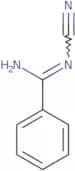

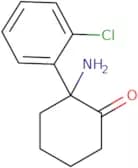
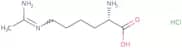
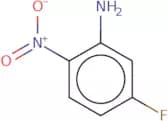
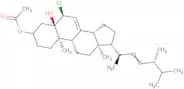
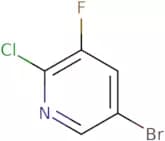
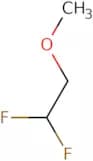
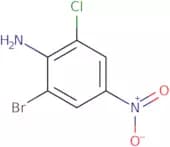
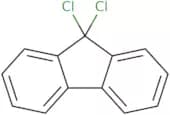
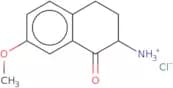
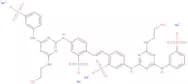

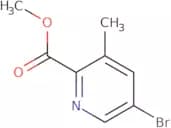
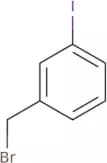
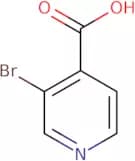
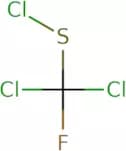
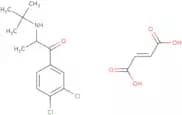
![7-Bromobenzo[d]oxazole](/_next/image/?url=https%3A%2Fstatic.cymitquimica.com%2Fproducts%2F3D%2Fthumb-webp%2FFB144368.webp&w=3840&q=75)
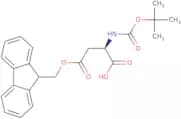

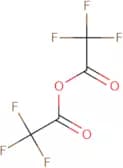
![N-Methyl-N-[(1-methyl-1H-benzimidazol-2-yl)methyl]amine hydrochloride](/_next/image/?url=https%3A%2Fstatic.cymitquimica.com%2Fproducts%2F3D%2Fthumb-webp%2FFM117084.webp&w=3840&q=75)
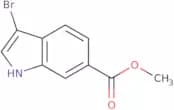


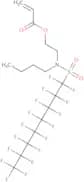
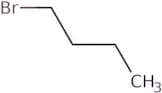
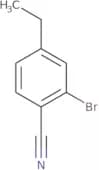
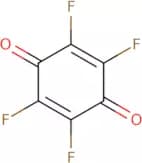

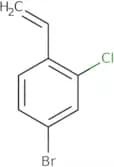
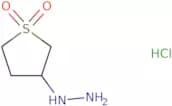
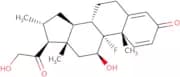
![1-[2-(5-Fluoro-1H-indol-3-yl)ethyl]-5-oxopyrrolidine-3-carboxylic acid](/_next/image/?url=https%3A%2Fstatic.cymitquimica.com%2Fproducts%2F3D%2Fthumb-webp%2FFF119448.webp&w=3840&q=75)
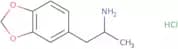

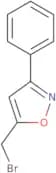
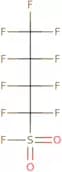
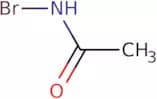
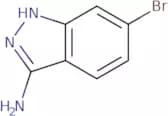

![4-(2-Chlorophenyl)-9-methyl-6H-thieno[3,2-f][1,2,4]triazolo[4,3-a][1,4]diazepine-2-propanoic acid](/_next/image/?url=https%3A%2Fstatic.cymitquimica.com%2Fproducts%2F3D%2Fthumb-webp%2FFC20336.webp&w=3840&q=75)
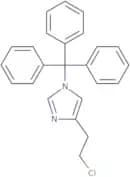
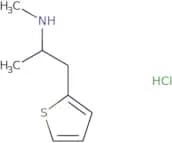
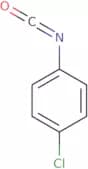


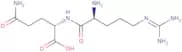
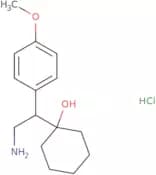
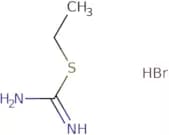
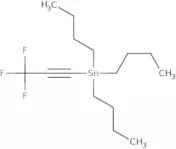
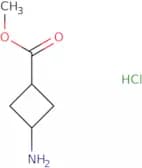
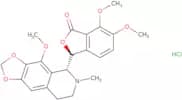
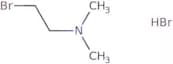
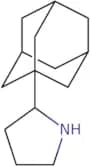
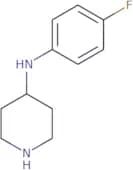
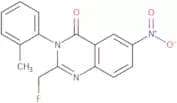

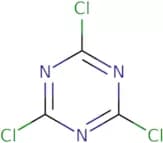
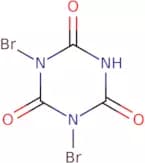
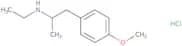
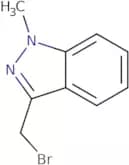
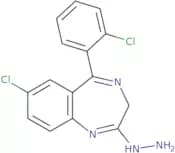
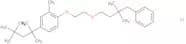
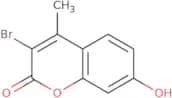
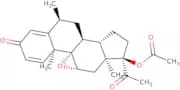


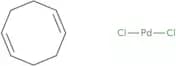
![N-[4-Amino-3-(trifluoromethyl)phenyl]-2-methylpropanamide](/_next/image/?url=https%3A%2Fstatic.cymitquimica.com%2Fproducts%2F3D%2Fthumb-webp%2FFA17485.webp&w=3840&q=75)
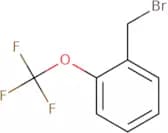
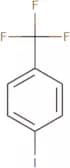

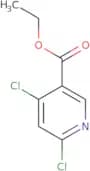
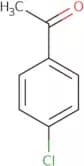
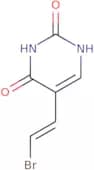
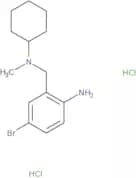
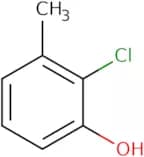

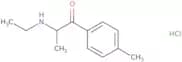
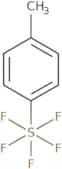
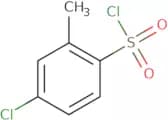
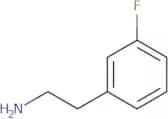
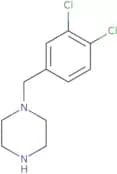

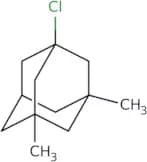
![9-Ethyl-8-iodo-6,6-dimethyl-11-oxo-6,11-dihydro-5H-benzo[b]carbazole-3-carbonitrile](/_next/image/?url=https%3A%2Fstatic.cymitquimica.com%2Fproducts%2F3D%2Fthumb-webp%2FFE137738.webp&w=3840&q=75)


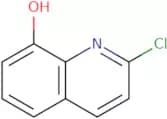
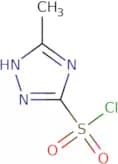

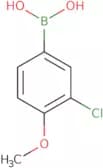
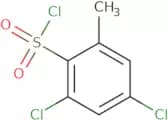
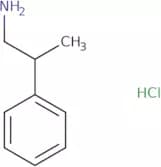
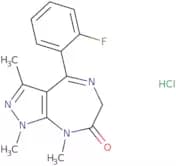
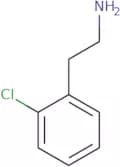
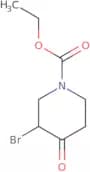
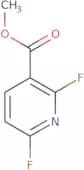
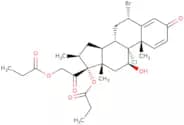
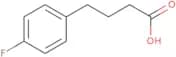
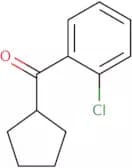
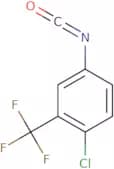
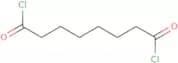
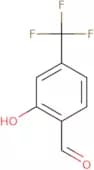
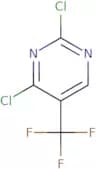
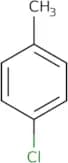

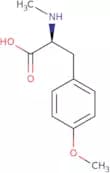
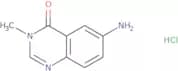
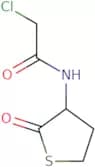

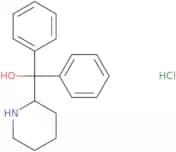
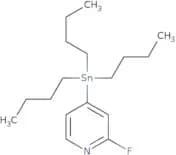
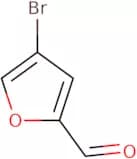

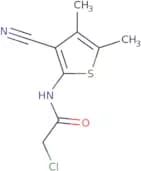

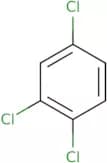
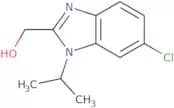
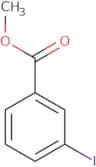

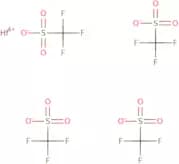
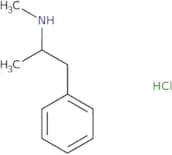

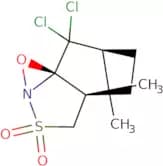

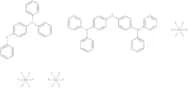
![1-[(2b,3a,5a,16b,17b)-17-Acetyloxy-3-hydroxy-2-(1-piperidinyl)androstan-16-yl]-1-methylpiperidiniu…](/_next/image/?url=https%3A%2Fstatic.cymitquimica.com%2Fproducts%2F3D%2Fthumb-webp%2FFA21131.webp&w=3840&q=75)
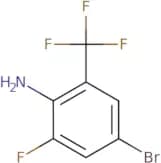
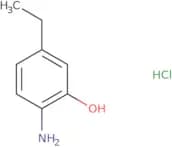
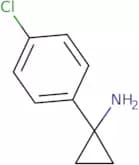
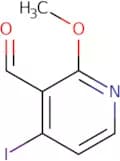
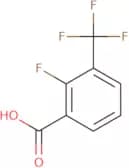
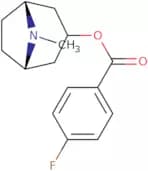
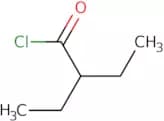
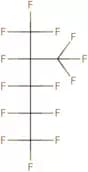
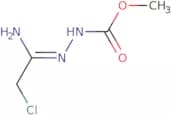
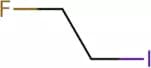
![[2-(1,2-Dimethyl-1H-indol-3-yl)ethyl]amine hydrochloride](/_next/image/?url=https%3A%2Fstatic.cymitquimica.com%2Fproducts%2F3D%2Fthumb-webp%2FFD135164.webp&w=3840&q=75)
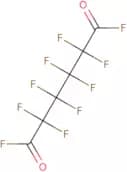

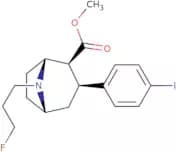
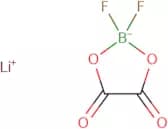
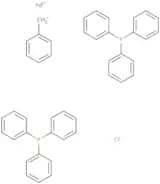
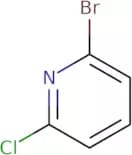


![Imidazo[1,2-a]pyridin-8-ylamine dihydrochloride](/_next/image/?url=https%3A%2Fstatic.cymitquimica.com%2Fproducts%2F3D%2Fthumb-webp%2FFI51744.webp&w=3840&q=75)
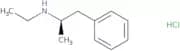

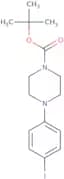

![S-[2-(Dimethylamino)ethyl]isothiourea Dihydrochloride](/_next/image/?url=https%3A%2Fstatic.cymitquimica.com%2Fproducts%2F3D%2Fthumb-webp%2FFD61318.webp&w=3840&q=75)
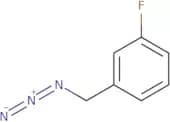
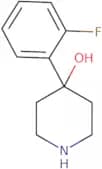
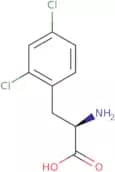
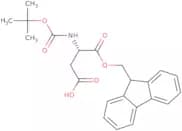
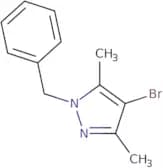
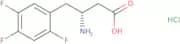
![[(5-Chloro-1-methyl-1H-benzimidazol-2-yl)methyl]amine hydrochloride](/_next/image/?url=https%3A%2Fstatic.cymitquimica.com%2Fproducts%2F3D%2Fthumb-webp%2FFC135791.webp&w=3840&q=75)
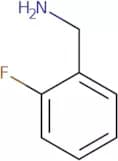



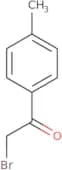
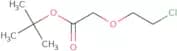
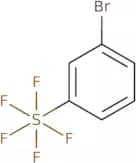
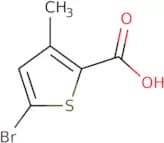
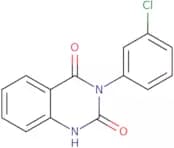
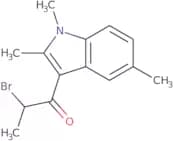

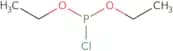
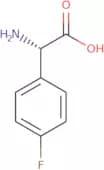
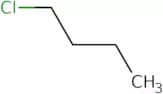
![2-Bromo-5,6-dihydro-8h-imidazo[1,2-a]pyrazine-7-carboxylic acid tert-butyl ester](/_next/image/?url=https%3A%2Fstatic.cymitquimica.com%2Fproducts%2F3D%2Fthumb-webp%2FFB163714.webp&w=3840&q=75)