


Organic Halides
Subcategories of "Organic Halides"
Found 20442 products of "Organic Halides"
Cyclohexyl chloroformate
CAS:Cyclohexyl chloroformate is a hydroxyl group that is used as a catalyst for organic reactions. It can also be used to prepare 5-ht2a receptor agonists, which are drugs that stimulate the activity of serotonin in the brain. Cyclohexyl chloroformate has been shown to induce chemiluminescence and has an inhibition constant of 2.6x10 M.
Formula:C7H11ClO2Purity:Min. 95%Molecular weight:162.61 g/mol1-(4-Chloro-3-Trifluoromethylphenyl)Piperazine
CAS:Controlled ProductPlease enquire for more information about 1-(4-Chloro-3-Trifluoromethylphenyl)Piperazine including the price, delivery time and more detailed product information at the technical inquiry form on this pageFormula:C11H12ClF3N2Purity:Min. 95%Molecular weight:264.67 g/mol4-Chloro-3-iodopyridin-2-amine
CAS:Please enquire for more information about 4-Chloro-3-iodopyridin-2-amine including the price, delivery time and more detailed product information at the technical inquiry form on this pageFormula:C5H4ClIN2Purity:Min. 95%Molecular weight:254.46 g/molCyclohexamine hydrochloride
CAS:Controlled ProductCyclohexamine hydrochloride is a potent non-selective muscarinic antagonist that has been used as an anesthetic for rodents for the past three decades. It binds to the muscarinic acetylcholine receptors and blocks the effects of acetylcholine, which are involved in regulating heart rate, blood pressure, and other cardiovascular functions. It is also used to treat Alzheimer's disease by blocking acetylcholine from binding to its receptor. Cyclohexamine hydrochloride can cause psychotic symptoms such as hallucinations and delusions when taken in high doses. It may also be toxic to the cerebral cortex when administered at high doses.Formula:C14H22ClNPurity:Min. 95%Molecular weight:239.78 g/mol[5-(Trifluoromethyl)-1,2-Oxazol-3-Yl]Methanol
CAS:Please enquire for more information about [5-(Trifluoromethyl)-1,2-Oxazol-3-Yl]Methanol including the price, delivery time and more detailed product information at the technical inquiry form on this pageFormula:C5H4F3NO2Purity:Min. 95%Molecular weight:167.09 g/mol2-Bromo-5-methylbenzoic acid
CAS:2-Bromo-5-methylbenzoic acid is an organic compound that can be synthesized in the laboratory. It is used as a starting material for synthesis of various quinazolinones, which are ionic liquid catalysts. 2-Bromo-5-methylbenzoic acid has also been shown to inhibit ethylene production from glycols and to act as a potential catalyst for the conversion of trifluoromethane into ionic liquids. The synthesis of 2-bromo-5-methylbenzoic acid is not well documented, but it can be made by reacting methyl bromide with benzaldehyde or acetone in the presence of sodium hydroxide or potassium hydroxide. This reaction produces bromobenzene, which reacts with phosphorus pentachloride to produce 2-bromo-5-methylbenzoic acid.
Formula:C8H7BrO2Purity:Min. 95%Color and Shape:PowderMolecular weight:215.04 g/mol1-[3-Chloro-5-(trifluoromethyl)phenyl]ethanone
CAS:Please enquire for more information about 1-[3-Chloro-5-(trifluoromethyl)phenyl]ethanone including the price, delivery time and more detailed product information at the technical inquiry form on this pageFormula:C9H6ClF3OPurity:Min. 95%Molecular weight:222.59 g/molUndecafluoro(nonafluorobutyl)cyclohexane
CAS:Controlled ProductUndecafluoro(nonafluorobutyl)cyclohexane is a perfluorinated compound that has been used as a cardioplegic solution for surgical procedures. It is highly membrane permeable and tissue plasminogen activator-inhibiting, which may promote thrombus formation. Undecafluoro(nonafluorobutyl)cyclohexane also has viscosity-reducing properties and potassium ion transport properties, making it an ideal agent for the prevention of reperfusion injury. The average particle diameter of this compound is about 0.05 microns (μm). The fatty acid composition of undecafluoro(nonafluorobutyl)cyclohexane consists of C6-C12 saturated and unsaturated bonds.Formula:C10F20Purity:Min. 95%Color and Shape:Colorless Clear LiquidMolecular weight:500.08 g/mol7-(2-Carbomethoxyethyl)-5-(2-chlorophenyl)-thieno-1,4-diazepin-2-one
CAS:Controlled ProductPlease enquire for more information about 7-(2-Carbomethoxyethyl)-5-(2-chlorophenyl)-thieno-1,4-diazepin-2-one including the price, delivery time and more detailed product information at the technical inquiry form on this pageFormula:C17H15ClN2O3SPurity:Min. 95%Molecular weight:362.83 g/molOlodaterol hydrochloride
CAS:Controlled ProductOlodaterol hydrochloride is a long-acting β2-agonist (LABA) used to treat asthma. It is a prodrug that is hydrolyzed in vivo to olodaterol, its active form. Olodaterol hydrochloride binds to the β2 receptor and activates adenylyl cyclase, resulting in increased levels of cAMP. This drug has been shown to have statistically significant improvement in lung function and bronchial responsiveness in vivo models. The most common adverse effects include headache, dizziness, and cough. Olodaterol hydrochloride has been shown to be effective for short-term treatment of asthma but does not show long-term efficacy or reduced need for pharmacological treatments.Formula:C21H26N2O5·HClPurity:Min. 95%Color and Shape:PowderMolecular weight:422.9 g/mol[3-(1-Isopropyl-1H-benzimidazol-2-yl)propyl]amine dihydrochloride
CAS:Controlled ProductPlease enquire for more information about [3-(1-Isopropyl-1H-benzimidazol-2-yl)propyl]amine dihydrochloride including the price, delivery time and more detailed product information at the technical inquiry form on this pageFormula:C13H19N3Purity:Min. 95%Molecular weight:217.31 g/mol1-(2,6-Dichlorobenzyl)piperazine
CAS:Controlled Product1-(2,6-Dichlorobenzyl)piperazine is a benzylpiperazine that emits light in the visible region. It is an acidic reagent that can be used as an electron donating agent in organic synthesis. 1-(2,6-Dichlorobenzyl)piperazine reacts with amines to form substituted phenylpiperazines. This reaction is widely used to investigate the structure and reactivity of amines. 1-(2,6-Dichlorobenzyl)piperazine reacts with phenols to form piperazines. It also reacts with aliphatic compounds to form a trifluoromethyl group.Formula:C11H14Cl2N2Purity:Min. 95%Molecular weight:245.15 g/mol4-Chlorobenzoyl chloride
CAS:4-Chlorobenzoyl chloride (4ClBC) is an organic compound that has been used in the synthesis of new pharmaceuticals and as a chemical intermediate. 4ClBC is an asymmetric molecule that can be synthesized through a process called malonic acid synthesis. The reaction requires hydrochloric acid, hydrogen, and sodium carbonate. 4ClBC has shown antihypertensive activity in animal models. It also inhibits carcinoma cell lines and has been studied as a solid catalyst for hydrogen bonding interactions. This agent also has antimicrobial properties against bacteria such as staphylococcus and mycobacterium tuberculosis.Formula:C7H4Cl2OPurity:Min. 95%Molecular weight:175.01 g/molBeta-CIT-FP
CAS:Controlled ProductMethyl (1R,2S,3S)-8-(3-Fluoropropyl)-3-(4-Iodophenyl)-8-Azabicyclo[3.2.1]Octane-2-Carboxylate is a potent dopamine receptor agonist with a high affinity for the D2 and D3 receptors in the brain. It has been shown to have antiparkinsonian effects in animal models of Parkinson's disease by increasing dopamine levels in the prefrontal cortex and striatum. This drug has also been shown to be effective in clinical studies for the diagnosis of Parkinson's disease. Methyl (1R,2S,3S)-8-(3-Fluoropropyl)-3-(4-Iodophenyl)-8-Azabicyclo[3.2.1]Octane-2-Carboxylate binds to both dopamine and serotonin receptors, which may account for its therapeutic effects on ParkinsonFormula:C18H23FINO2Purity:Min. 95%Molecular weight:431.28 g/mol1-Bromo-2,4,5-trifluorobenzene
CAS:1-Bromo-2,4,5-trifluorobenzene is a liquid crystal that can be used to synthesize amides in an asymmetric synthesis. It has been shown to react with nucleophiles such as β-amino acids or chloride ions to form an amide. This compound is also thermally stable and can be stored at room temperature. The structural formula of 1-bromo-2,4,5-trifluorobenzene is C6H3BrF3. Functional groups present on this molecule include a bromine atom (Br), three hydrogen atoms (H) and two fluorine atoms (F).Formula:C6H2BrF3Purity:Min. 95%Molecular weight:210.98 g/mol[2-(1,2-Dimethyl-1H-indol-3-yl)ethyl]amine hydrochloride
CAS:Controlled ProductPlease enquire for more information about [2-(1,2-Dimethyl-1H-indol-3-yl)ethyl]amine hydrochloride including the price, delivery time and more detailed product information at the technical inquiry form on this page
Formula:C12H16N2Purity:Min. 95%Molecular weight:188.27 g/mol1-Benzyl-3-carbethoxy-4-piperidone hydrochloride
CAS:1-Benzyl-3-carbethoxy-4-piperidone hydrochloride is a carboxylic acid that is used as a waterproofing agent in cyclohexane. It is absorbed by the skin and other tissues, which may lead to adverse effects on the body. Exposure to this compound has been shown to result in irritation of the skin, eyes, and respiratory tract, as well as changes in heart rate and blood pressure.Formula:C15H19NO3•HClPurity:Min. 95%Molecular weight:297.78 g/mol3,3,3-Trifluoro-1-propanol
CAS:3,3,3-Trifluoro-1-propanol is a chemical that is used in pharmaceutical dosage formulations. It has a relatively low toxicity and is not readily absorbed through the skin. 3,3,3-Trifluoro-1-propanol has been shown to be an effective inhibitor of fatty acid oxidation and protein synthesis. The structure of this compound consists of three carbon atoms connected by single bonds to one hydrogen atom each and one fluorine atom. This molecule also contains a hydroxyl group at one end and two nitrogen atoms at the other end. These nitrogen atoms are stabilized by intramolecular hydrogen bonds with the hydrogen atoms on the hydroxyl group. 3,3,3-Trifluoro-1-propanol can be used as a cationic polymerization catalyst for perfluoroalkyls and aromatic hydrocarbons.
Formula:C3H5F3OPurity:Min. 95%Molecular weight:114.07 g/molMercuric trifluoroacetate
CAS:Controlled ProductMercuric trifluoroacetate is an organic compound that contains mercury and a carboxylic acid. It is an acid that is formed when mercury reacts with hydrochloric acid. Mercuric trifluoroacetate has been shown to be effective in the synthesis of a number of organic compounds, including the nonsteroidal anti-inflammatory drug (NSAID) 3-hydroxyanthranilic acid. This compound also inhibits the production of prostaglandin E2 in human leukocytes, which may be related to its inhibitory properties on congestive heart failure. Mercuric trifluoroacetate can also cause autoimmune diseases in mice by suppressing the production of interleukin-4 and interleukin-10, which are cytokines involved in immune responses.
Formula:C4F6HgO4Purity:Min. 95%Molecular weight:426.62 g/mol2-Fluoro-3-(trifluoromethyl)benzoic acid
CAS:2-Fluoro-3-(trifluoromethyl)benzoic acid is an amide that has been shown to inhibit the growth of Huh-7 human hepatoma cells, which express ABCA1. This compound has been shown to bind to and inhibit the activity of the enzyme acid hydrazide. It has also been shown to be active against methoxy functional assays and macrophage cell lines.Formula:C8H4F4O2Purity:Min. 95%Molecular weight:208.11 g/molBis[2-(perfluorohexyl)ethyl]phosphate
CAS:Bis[2-(perfluorohexyl)ethyl] Phosphate is a perfluorinated, fluorinated chemical that is used in wastewater treatment. It is also found in human serum and organisms, as well as in the drinking water of some communities. Bis[2-(perfluorohexyl)ethyl] Phosphate has been detected in the maternal serum and urine of women who are pregnant or breast-feeding. It may be associated with adverse effects on neurodevelopmental outcomes in children. Bis[2-(perfluorohexyl)ethyl] Phosphate can be removed from drinking water by using an ultrasonic extraction system. This method uses sound waves to extract the chemical from water and other liquids and is effective at removing small amounts (less than 10 parts per billion). The analytical method for this compound is low detection, which means that it can only detect concentrations of up to 0.1 part per billion (ppb). However, this methodFormula:C16H9F26O4PPurity:Min. 95%Color and Shape:PowderMolecular weight:790.17 g/molN-Demethyltramadol hydrochloride
CAS:N-Demethyltramadol hydrochloride is a drug that belongs to the group of opioids. It is a metabolite of tramadol, which is an analgesic and antitussive. N-Demethyltramadol hydrochloride binds to opioid receptors in the brain and spinal cord, inhibiting the perception of pain and cough reflex. Tramadol was first synthesized in Germany in 1934 as an antidepressant, but its use was limited because it caused too many side effects. N-Demethyltramadol hydrochloride has been shown to be effective for treating long-term pain relief, but can cause addiction and dependency when used for long periods of time. The transformation of tramadol to n-demethyltramadol hydrochloride occurs in fruit, which may explain why this drug is found in wastewater samples from fruit processing plants.Formula:C15H23NO2·HClPurity:Min. 95%Molecular weight:285.81 g/mol2-Fluoro-4-(tributylstannyl)pyridine
CAS:Controlled ProductPlease enquire for more information about 2-Fluoro-4-(tributylstannyl)pyridine including the price, delivery time and more detailed product information at the technical inquiry form on this pageFormula:C17H30FNSnPurity:Min. 95%Molecular weight:386.14 g/molJ147
CAS:2,2,2-Trifluoroacetic acid 1-(2,4-dimethylphenyl)-2-[(3-methoxyphenyl)methylene]hydrazide is a neuroprotective drug that belongs to the class of hydrazides. It has been shown to have neurotrophic activity in vitro and in vivo and can be used for the treatment of conditions such as diabetic neuropathy or cancer tissues. 2,2,2-Trifluoroacetic acid 1-(2,4-dimethylphenyl)-2-[(3-methoxyphenyl)methylene]hydrazide also has anti-inflammatory properties and can be used for the treatment of autoimmune diseases. The drug's mechanism of action is not fully understood but is thought to involve monoamine neurotransmitters.Formula:C18H17F3N2O2Purity:Min. 95%Molecular weight:350.34 g/mol2,2,4-Trimethylpyrrolidine hydrochloride
CAS:Please enquire for more information about 2,2,4-Trimethylpyrrolidine hydrochloride including the price, delivery time and more detailed product information at the technical inquiry form on this pageFormula:C7H15NPurity:Min. 95%Molecular weight:113.2 g/mol4-Chloro-2-methylbenzenesulfonyl chloride
CAS:Please enquire for more information about 4-Chloro-2-methylbenzenesulfonyl chloride including the price, delivery time and more detailed product information at the technical inquiry form on this page
Formula:C7H6Cl2O2SPurity:Min. 95%Molecular weight:225.09 g/mol(-)-Ecgonine hydrochloride
CAS:Controlled Product(-)-Ecgonine hydrochloride is a benzoyl ester that is used as an analytical reagent. It is a precursor in the synthesis of cocaine and other drugs. Ecgonine hydrochloride can be extracted from plant sources, such as coca leaves or khat leaves, by acid-base extraction. It has been shown to have toxic effects on human serum and the liver, which may be due to its structural similarity to cocaine.Formula:C9H16ClNO3Purity:Min. 95%Molecular weight:221.68 g/molDiethyl Chlorothiophosphate
CAS:Diethyl chlorothiophosphate is a chlorinating agent that reacts with sodium carbonate to form diethyl phosphorochloridate. It is used as an analytical reagent and in the production of monoclonal antibodies. It has been shown to effectively inhibit protein synthesis in bacteria by reacting with amino groups, which are essential for protein formation. Diethyl chlorothiophosphate is also able to induce antibody responses in mice. This drug may be toxic if inhaled or ingested and may cause skin irritation.Formula:C4H10ClO2PSPurity:Min. 95%Molecular weight:188.61 g/molPiperazine-2-carboxylic acid methyl esterdihydrochloride
CAS:Piperazine-2-carboxylic acid methyl ester (PPCM) is a chemical compound that is used as an intermediate in the production of ethylenediamine and piperazine-2-carboxylic acid dihydrochloride. It is a white crystalline solid that can be synthesized by reacting ethylene diamine with piperazine-2-carboxylic acid. PPCM has been shown to inhibit the growth of bacteria, yeast, and fungi by inhibiting protein synthesis. This chemical also inhibits the production of proteins essential for respiration and cell wall formation.Formula:C6H14Cl2N2O2Purity:Min. 95%Molecular weight:217.09 g/mol7-Chloro-5-(2-chlorophenyl)-2-hydrazinyl-3H-1,4-benzodiazepine
CAS:Controlled ProductPlease enquire for more information about 7-Chloro-5-(2-chlorophenyl)-2-hydrazinyl-3H-1,4-benzodiazepine including the price, delivery time and more detailed product information at the technical inquiry form on this pageFormula:C15H12Cl2N4Purity:Min. 95%Molecular weight:319.19 g/mol3-[4-(3,4-Dichlorophenyl)piperazin-1-yl]-3-oxopropanenitrile
CAS:Controlled ProductPlease enquire for more information about 3-[4-(3,4-Dichlorophenyl)piperazin-1-yl]-3-oxopropanenitrile including the price, delivery time and more detailed product information at the technical inquiry form on this page
Formula:C13H13Cl2N3OPurity:Min. 95%Molecular weight:298.17 g/mol2-Cyclopentyl-4-chlorophenol
CAS:2-Cyclopentyl-4-chlorophenol is a synthetic fatty acid that is used as an antiviral agent. It inhibits the synthesis of fatty acids by inhibiting the conversion of 2,4-dienoyl CoA to 3-hydroxyacyl CoA. 2-Cyclopentyl-4-chlorophenol has been shown to be effective against a number of test organisms, including bacteria such as staphylococcus and virus such as herpes simplex virus. 2-Cyclopentyl-4-chlorophenol inhibits viral protein synthesis by blocking the action of host enzymes required for this process. The target cell for this drug is the host cell infected with a virus. This drug also has antihelminthic properties and can be used to treat parasitic infections caused by schistosoma haematobium and clonorchis sinensis worms. 2CPCP's structural formula is shown below:Formula:C11H13ClOPurity:Min. 95%Molecular weight:196.67 g/moltert-Butyl 4-chloro-5,6-dihydropyrido[3,4-d]pyrimidine-7(8H)-carboxylate
CAS:Please enquire for more information about tert-Butyl 4-chloro-5,6-dihydropyrido[3,4-d]pyrimidine-7(8H)-carboxylate including the price, delivery time and more detailed product information at the technical inquiry form on this pageFormula:C12H16ClN3O2Purity:Min. 95%Molecular weight:269.73 g/mol7-[(3R)-3-[(N-Acetyl)amino]-1-oxo-4-(2,4,5-trifluorophenyl)butyl]-5,6,7,8-tetrahydro-3-(trifluoromethyl)-1,2,4-triazolo[4,3-a]pyrazi ne
CAS:Please enquire for more information about 7-[(3R)-3-[(N-Acetyl)amino]-1-oxo-4-(2,4,5-trifluorophenyl)butyl]-5,6,7,8-tetrahydro-3-(trifluoromethyl)-1,2,4-triazolo[4,3-a]pyrazi ne including the price, delivery time and more detailed product information at the technical inquiry form on this pageFormula:C18H17F6N5O2Purity:Min. 95%Molecular weight:449.35 g/molBetacetylmethadol hydrochloride
CAS:Controlled ProductBetacetylmethadol hydrochloride is a pharmaceutical that belongs to the group of opioid analgesics. It is an active form of the prodrug, betacetylmethadol. Betacetylmethadol hydrochloride has a high addictive potential and can lead to overdose. The active agent in betacetylmethadol hydrochloride is oxycodone, which has been shown to have physiological activity. Oxycodone is metabolized by the liver into oxymorphone, which has similar effects as morphine. Oxymorphone binds to opioid receptors in the gastrointestinal tract and brain, decreasing pain and producing feelings of euphoria or pleasure. Betacetylmethadol hydrochloride also acts on other opioid receptors in the body such as those found in the central nervous system, spinal cord, and peripheral nervous system.Formula:C23H32ClNO2Purity:Min. 95%Molecular weight:389.96 g/molFluorobenzene
CAS:Fluorobenzene is a chemical compound that has the chemical formula CHF. It is a colorless liquid with a sweet odor. Fluorobenzene is an organic compound that is used in the synthesis of epidermal growth factor and other drugs. It also has shown anti-inflammatory activity and can be used to synthesize other organic compounds, such as amides, which are used in the production of pharmaceuticals. The reaction mechanism for this process has not been identified, but it may involve hydrogen bonding between the hydroxyl group of fluorobenzene and an electron-pair acceptor, such as oxygen or nitrogen.Formula:C6H5FPurity:Min. 95%Molecular weight:96.1 g/molMethyl bromopyruvate
CAS:Methyl bromopyruvate is a medication with various functions. It can be used to treat viral infections such as hepatitis and AIDS, as well as to treat psychosis and depression. Methyl bromopyruvate has been shown to be an effective antiviral agent that inhibits the synthesis of viral proteins by methylating their amino acids. Methyl bromopyruvate also inhibits the production of fatty acids by blocking the enzyme enolase, which catalyzes the conversion of 2-phosphoglycerate into phosphoenolpyruvate. This drug is metabolized in the liver through conjugation with glutathione or glucuronide or by oxidation to a reactive carbon-centered species. Methyl bromopyruvate is also used for treatment of insulin resistance in patients with type II diabetes mellitus.Formula:C4H5BrO3Purity:Min. 95%Color and Shape:Colourless To Yellow LiquidMolecular weight:180.98 g/mol1-Bromoicosane
CAS:1-Bromoicosane is a viscous, hydrophobic organic solvent with a high boiling point. It has been used as an additive in the production of polyurethanes and as a cross-linking agent in rubber and plastics. The viscosity of 1-bromoicosane can be increased by adding it to other solvents, such as xylene. 1-Bromoicosane is also used as an additive in paints and varnishes, where it increases the glossiness of the final product. This compound is also used to prevent corrosion on metal surfaces when mixed with zinc chloride or phosphonium salt. 1-Bromoicosane has been shown to have antioxidative activities against lipid peroxidation, hydrogen peroxide oxidation, and nitric oxide induced hemoglobin oxidation.Formula:C20H41BrPurity:Min. 95%Color and Shape:White PowderMolecular weight:361.44 g/mol6-Bromo-4-methoxy-1H-indazole
CAS:Please enquire for more information about 6-Bromo-4-methoxy-1H-indazole including the price, delivery time and more detailed product information at the technical inquiry form on this page
Formula:C8H7BrN2OPurity:Min. 95%Molecular weight:227.06 g/mol2,6-Dibromo-3-nitropyridine
CAS:2,6-Dibromo-3-nitropyridine is a chemical compound that has been shown to inhibit serine protease activity. The compound was shown to be an inhibitor of the enzyme trypsin, and showed some activity against a number of other proteases. 2,6-Dibromo-3-nitropyridine has also been shown to inhibit nucleophilic alkylation of DNA bases by 2,6-dichloroquinoxaline. 2,6-Dibromo-3-nitropyridine is a targeted inhibitor that binds to the active site of the enzyme and prevents the formation of an enzyme-substrate complex. This inhibition leads to a decrease in the production of proteins essential for cell division.Formula:C5H2Br2N2O2Purity:Min. 95%Molecular weight:281.89 g/mol1-(2-chloro-6-fluorophenyl)ethanone
CAS:Please enquire for more information about 1-(2-chloro-6-fluorophenyl)ethanone including the price, delivery time and more detailed product information at the technical inquiry form on this page
Formula:C8H6ClFOPurity:Min. 95%Molecular weight:172.58 g/mol5-Bromo-3-methyl-1H-indazole
CAS:5-Bromo-3-methyl-1H-indazole is an organic compound that is synthesized from lithium diisopropylamide and lithium. 5-Bromo-3-methyl-1H-indazole is a white solid with a melting point of 151°C. It reacts with anhydrous hydrogen bromide to form 5,5'-dibromoindazole. The molecular weight of this compound is 202.2 g/mol.Formula:C8H7BrN2Purity:Min. 95%Molecular weight:211.06 g/molBarium chloride anhydrous
CAS:Barium chloride anhydrous is a chemical compound with the formula BaCl2. It is soluble in water and has been used for wastewater treatment. The solubility of this compound increases as temperature decreases. Barium chloride anhydrous can also be used to measure the levels of calcium ions in cells and tissues, by measuring the fluorescence intensity produced when the compound reacts with Ca2+. This property has been utilized to study neuronal death and Ca2+ overload. Barium chloride anhydrous also exhibits biological properties, such as enzyme activity or the ability to bind coumarin derivatives. X-ray diffraction data have shown that BaCl2 consists of a cubic crystalline structure, with each barium ion coordinated by six chloride ions. In solution, BaCl2 dissociates into Ba2+ and Cl-. Water vapor may cause the formation of anhydrous sodium carbonate on surfaces of objects exposed to it. The structural analysis of this compound has been modeled using particle methods.
Formula:BaCl2Purity:Min. 95%Molecular weight:208.23 g/mol[2-(Methylsulfinyl)ethyl]amine hydrobromide
CAS:Please enquire for more information about [2-(Methylsulfinyl)ethyl]amine hydrobromide including the price, delivery time and more detailed product information at the technical inquiry form on this pageFormula:C3H9NOSPurity:90%MinMolecular weight:107.18 g/mol2,4,6-Trichloro-5-nitropyrimidine
CAS:2,4,6-Trichloro-5-nitropyrimidine is a purine derivative that inhibits the cell proliferation of cancer cells. It has been shown to inhibit the activity of kinases and to induce apoptosis in human cancer cells in vitro. This drug also has antiproliferative potential against erythrocytes and is being investigated as a treatment for renal disease. 2,4,6-Trichloro-5-nitropyrimidine shows inhibitory effects on the phosphorylation of roscovitine by ATP and may be used to treat patients with glomerulonephritis. 2,4,6-Trichloro-5-nitropyrimidine can be synthesized from 2,4,6-trichloropyrimidinethiol and nitric acid according to the following equation: CClNO + HNO → CClNOH + NO 2 Cl + 3 HNO
Formula:C4Cl3N3O2Purity:Min. 97 Area-%Molecular weight:228.42 g/mol2,5-Bis(2,2,2-trifluoroethoxy)benzoic acid
CAS:Please enquire for more information about 2,5-Bis(2,2,2-trifluoroethoxy)benzoic acid including the price, delivery time and more detailed product information at the technical inquiry form on this pageFormula:C11H8F6O4Purity:Min. 95%Color and Shape:PowderMolecular weight:318.17 g/molN'-Cyanobenzenecarboximidamide hydrochloride
CAS:N-Cyanobenzenecarboximidamide hydrochloride (NCBCH) is an intermediate for the synthesis of azomethine dyes. It can be used to produce azo dyes with a methoxy group at the 3 position and a hydrogen atom at the 4 position. NCBCH is also an excellent substrate for chemical reactions involving fragmentation, extraction, or elimination. NCBCH can be synthesized from methyl ether and benzonitrile in the presence of benzamidine. The product is then treated with methanol to give a tautomeric mixture of benzyl and methyl ether.Formula:C8H7N3Purity:Min. 95%Molecular weight:145.16 g/molIsomethadone hydrochloride
CAS:Controlled ProductIsomethadone hydrochloride is the drug substance in a solid oral dosage form. It is an active substance that can be used to treat inflammatory diseases and target tissue. Isomethadone hydrochloride is a type of natural polymer with a metal ion as its active ingredient. The absorption mechanism for this drug is not known, but it appears to work by causing dysfunction in the membranes of cells. Isomethadone hydrochloride has been shown to cause addiction in animals and humans, and may have potential toxic effects on liver function. Symptoms of Isomethadone hydrochloride overdose include: -Nausea and vomiting -Constipation -Loss of appetite -Headache -Drowsiness -Confusion -Muscle spasms -Tremors and seizuresFormula:C21H28ClNOPurity:Min. 95%Molecular weight:345.91 g/mol(R)-(-)-1-[(4-Chlorophenyl)phenylmethyl]piperazine
CAS:Controlled Product(R)-(-)-1-[(4-Chlorophenyl)phenylmethyl]piperazine is a chemical compound that belongs to the group of c1-4 alkyl, high yield. It has a chemical formula of C12H17ClN2O and an organic base. This compound is hydrolyzed in vivo to levocetirizine, its active form. (R)-(-)-1-[(4-Chlorophenyl)phenylmethyl]piperazine is an antihistamine that binds to H1 receptors in the central nervous system, which results in decreased production of histamine and other proinflammatory substances. It also has optical activity, with (+) being the active form.Formula:C17H19ClN2Purity:Min. 95%Molecular weight:286.8 g/mol2-Amino-2-(2-chlorophenyl)cyclohexan-1-one
CAS:Controlled Product2-Amino-2-(2-chlorophenyl)cyclohexan-1-one is an anesthetic drug that belongs to the group of ketamine. It is a chiral compound and has been shown to have central nervous system depressant effects, which are more pronounced than those of ketamine. This drug also affects the cardiovascular system and can cause respiratory depression. 2-Amino-2-(2-chlorophenyl)cyclohexan-1-one has been shown to be metabolized in humans by cytochrome P450 (CYP3A4). It may potentiate the effect of drugs that induce CYP3A4 activity such as erythromycin, rifampin, and phenobarbital. 2-Amino-2-(2-chlorophenyl)cyclohexan-1-one is not active against MRSA or methicillin resistant pseudomonas aeruginosa (MRFormula:C12H14ClNOPurity:Min. 95%Color and Shape:PowderMolecular weight:223.7 g/mol2-(Chloromethyl)benzoic acid
CAS:2-(Chloromethyl)benzoic acid (CMBA) is a reactive chemical that can be used as an oxidant or a carbanion. CMBA is activated by sulfinyl, alicyclic, and sulfoxides, which are organic compounds with one or more sulfur atoms. These reactions may be either alkylation or condensation reactions. The activated CMBA can then react with chlorine to form chlorinated products. This reaction can be catalyzed by low energy sources, such as light or heat.
Formula:C8H7ClO2Purity:Min. 95%Color and Shape:PowderMolecular weight:170.59 g/mol2,5-Diaminopyridine dihydrochloride
CAS:2,5-Diaminopyridine dihydrochloride is a compound that belongs to the class of hydroxamic acids. It is an intermediate in the synthesis of the anti-cancer drug, hydroxyurea (hydroxylamine). 2,5-Diaminopyridine dihydrochloride can be used as a cross-coupling reagent for coupling reactions with chlorinated and tritiated organic compounds. The efficiency of this reaction is dependent on the coulombic and mutagenic properties of 2,5-diaminopyridine dihydrochloride. 2,5-Diaminopyridine dihydrochloride has been shown to cause cancer in animal studies.Formula:C5H7N3•(HCl)2Purity:Min. 95%Molecular weight:182.05 g/molMethyl dichlorophosphite
CAS:Methyl dichlorophosphite is a chemical compound that is used as an antimicrobial agent. It reacts with hydroxyl groups on the surface of bacteria, forming a polymerase chain reaction (PCR) product that inhibits the growth and reproduction of bacteria. Methyl dichlorophosphite also reacts with β-amino acids to form amides, which are then hydrolyzed to produce fatty acids and phosphites. This chemical can be used as a solid catalyst for reactions involving alkylthio groups or amides.Formula:CH3Cl2OPPurity:Min. 95%Color and Shape:Clear LiquidMolecular weight:132.91 g/molN,N-Dimethyl-2-chloroacetamide
CAS:N,N-Dimethyl-2-chloroacetamide is a chlorinated organic compound that has a reaction rate of 1.4 × 10^6. It is used as a treatment for acrylonitrile poisoning, and it is also used in the synthesis of thienopyridine and cetirizine. N,N-Dimethyl-2-chloroacetamide reacts with an amine to produce an amide; this reaction takes place in an organic solvent with a dicarboxylate, such as ethyl acetate or butyl acetate. This reaction produces a solution that is colorless to pale yellow. The time required for the reaction to complete depends on the concentration of reactants and the type of solvent used.Formula:C4H8ClNOPurity:Min. 95%Molecular weight:121.57 g/mol2-Bromo-N,N-dimethylisonicotinamide
CAS:Please enquire for more information about 2-Bromo-N,N-dimethylisonicotinamide including the price, delivery time and more detailed product information at the technical inquiry form on this pageFormula:C8H9BrN2OPurity:Min. 95%Molecular weight:229.07 g/mol4-Bromo-2-fluorophenylisothiocyanate
CAS:Please enquire for more information about 4-Bromo-2-fluorophenylisothiocyanate including the price, delivery time and more detailed product information at the technical inquiry form on this pageFormula:C7H3BrFNSPurity:Min. 95%Color and Shape:PowderMolecular weight:232.07 g/molN6-(1-Iminoethyl)-L-lysine hydrochloride
CAS:N6-(1-Iminoethyl)-L-lysine hydrochloride is an experimental drug that inhibits bacterial translocation, a process which occurs when bacteria from the gastrointestinal tract invade organs and tissues in the body that are not protected by a mucous barrier. It has been shown to be effective in reducing chronic pulmonary inflammation and fibrosis, as well as inhibiting emphysema-like lesions, in mice. N6-(1-Iminoethyl)-L-lysine hydrochloride also has anti-inflammatory effects on the skin and reduces the production of proinflammatory cytokines such as PGE2.Formula:C8H18ClN3O2Purity:Min. 95%Molecular weight:223.7 g/molMethyl 4-amino-2-fluorobenzoate
CAS:Please enquire for more information about Methyl 4-amino-2-fluorobenzoate including the price, delivery time and more detailed product information at the technical inquiry form on this page
Formula:C8H8FNO2Purity:Min. 95%Molecular weight:169.15 g/mol2-Hydroxy-3-(Trifluoromethoxy)Benzaldehyde
CAS:2-Hydroxy-3-(trifluoromethoxy)benzaldehyde is a coordination compound that is used as a ligand. It has two-dimensional and crystal structures. The ligated molecule is usually coordinated to the metal ion, forming a dimer.Formula:C8H5F3O3Purity:Min. 95%Molecular weight:206.12 g/mol3-Bromopropionamide
CAS:3-Bromopropionamide is an antibacterial agent that inhibits bacterial growth by blocking the synthesis of proteins. It is a synthetic amide with significant antibacterial activity against S. aureus. 3-Bromopropionamide has been shown to be effective against drug-resistant bacteria, including those that are resistant to metalloid salts or alkylene compounds. This substance also has psychomimetic effects and may be useful for studying the kinetics of protein synthesis in cells. 3-Bromopropionamide can be used as a linker to attach other molecules to proteins, which could allow them to penetrate cell membranes more easily.Formula:C3H6ONBrPurity:Min. 95%Color and Shape:PowderMolecular weight:151.99 g/mol5-Fluoro-2-nitroaniline
CAS:5-Fluoro-2-nitroaniline is a sulfonated compound that acts as a growth factor. It has been shown to be effective in the treatment of cancer, especially in the epidermal growth factor receptor (EGFR) signaling pathway. 5-Fluoro-2-nitroaniline has also been shown to have antithrombotic properties and may be beneficial for cardiovascular diseases. This compound is an inhibitor of the human serum albumin binding site on EGFR and inhibits the activation of EGFR by its ligand, epidermal growth factor. The sulfonation reaction increases the polarity of the molecule, which has been attributed to increased activity against cancer cells.Formula:C6H5FN2O2Purity:Min. 95%Color and Shape:PowderMolecular weight:156.11 g/mol1-(2-Methoxylphenyl)-piperazine monohydrobromide
CAS:Controlled ProductPlease enquire for more information about 1-(2-Methoxylphenyl)-piperazine monohydrobromide including the price, delivery time and more detailed product information at the technical inquiry form on this pagePurity:Min. 95%Pentafluoropropionic anhydride
CAS:Pentafluoropropionic anhydride is a chemical compound that reacts with fatty acids to form trifluoroacetic acid. In analytical chemistry, it is used to determine the amount of fatty acids in biological samples. Pentafluoropropionic anhydride has been shown to react with human serum and rat striatal tissue to form carbon disulphide and hydrochloric acid. It reacts with amines in the sample preparation phase, forming receptor molecules that can be analyzed by gas chromatography-mass spectrometry.
Formula:C6F10O3Purity:Min. 95%Molecular weight:310.05 g/mol3-Bromo-2,4-dimethylthiophene
CAS:3-Bromo-2,4-dimethylthiophene is a reactive chemical that can reversibly change its color in the presence of uv light. The isomers of 3-bromo-2,4-dimethylthiophene are easily separated by uv irradiation and are characterized by their different spectral properties. This compound fluoresces with a maximum at 370 nm under a uv light source and has an absorption maximum at 360 nm. The photochromic properties of 3-bromo-2,4-dimethylthiophene are related to changes in the crystalline phase and light source. 3-Bromo-2,4-dimethylthiophene is used as a photochromic agent for uv radiation protection in glasses and contact lenses.Formula:C6H7BrSPurity:Min. 95%Molecular weight:191.09 g/molDechlorane 604 component A
CAS:Dechlorane 604 is a chemical that is used as an additive in some plastics. It has been detected in the environment and human populations, but the low detection limits make it difficult to determine if Dechlorane 604 is endocrine disruptor. Animal experiments have shown that Dechlorane 604 can bind to hormone receptors, but there are no studies on its effects on humans. There are database records for Dechlorane 604 and its metabolites, but these do not provide information on their toxicity. The analytical method for detecting Dechlorane 604 has been developed and validated by GC/MS-ECD analysis of ethane extracts from soil samples. This method is based on dispersive microextraction (SPME) with gas chromatography/mass spectrometry (GC/MS). In vitro studies have examined the effects of Dechlorane 604 on the elongatus nematode and dry weight measurements show that this chemical alters metabolism by altering fatty acid composition.Formula:C13H4Br4Cl6Purity:Min. 95%Color and Shape:PowderMolecular weight:692.5 g/mol3b-Acetoxy-6a-chloroergosta-7,22-dien-5a-ol
CAS:Controlled ProductPlease enquire for more information about 3b-Acetoxy-6a-chloroergosta-7,22-dien-5a-ol including the price, delivery time and more detailed product information at the technical inquiry form on this pageFormula:C30H47ClO3Purity:Min. 95%Molecular weight:491.15 g/mol1-(Pyridin-3-ylmethyl)piperazinetrihydrochloride
CAS:Controlled ProductPlease enquire for more information about 1-(Pyridin-3-ylmethyl)piperazinetrihydrochloride including the price, delivery time and more detailed product information at the technical inquiry form on this page
Formula:C10H18Cl3N3Purity:Min. 95%Molecular weight:286.63 g/mol1-(Chloroacetyl)-4-(4-chlorophenyl)piperazine
CAS:Controlled ProductPlease enquire for more information about 1-(Chloroacetyl)-4-(4-chlorophenyl)piperazine including the price, delivery time and more detailed product information at the technical inquiry form on this pageFormula:C12H14Cl2N2OPurity:Min. 95%Molecular weight:273.16 g/mol(S)-(+)-α-Fluoromethylhistidine dihydrochloride
CAS:(S)-(+)-a-Fluoromethylhistidine dihydrochloride is a maleate salt of (S)-(+)-a-fluoromethylhistidine that has been shown to have analgesic effects in rats. According to the plate test, the antinociceptive effect of (S)-(+)-a-fluoromethylhistidine dihydrochloride is dose-dependent and can be antagonized by histamine. Histamine levels were found to be statistically significantly elevated in response to the administration of (S)-(+)-a-fluoromethylhistidine dihydrochloride, suggesting that its antinociceptive effect may be due to an endogenous histamine release. The antagonist activity of this compound was also confirmed in vivo by blocking the modulatory effect of histamine on abdominal contractions in rats.Formula:C7H10FN3O2•(HCl)2Purity:Min. 95%Molecular weight:260.09 g/mol6-Deschloro-4-chloro cyproterone acetate
CAS:Controlled ProductPlease enquire for more information about 6-Deschloro-4-chloro cyproterone acetate including the price, delivery time and more detailed product information at the technical inquiry form on this page
Formula:C24H29ClO4Purity:Min. 95%Molecular weight:416.94 g/mol3,3'-Difluorobiphenyl
CAS:3,3'-Difluorobiphenyl is a liquid crystal composition that has been shown to have anisotropic properties. When 3,3'-difluorobiphenyl is mixed with other halides such as chloro- or bromo-halides, the liquid crystalline phase can be induced by the addition of ethylene. The anisotropic properties of these compositions make them useful in devices where orientation, reorientation and flow are important. 3,3'-Difluorobiphenyl has also been shown to catalyze the conversion of alcohols to esters and phenols.Formula:C12H8F2Purity:Min. 95%Molecular weight:190.19 g/molCopper hexafluorosilicate
CAS:Copper hexafluorosilicate is a peroxide, which is used to produce reactive oxygen species. It has been shown to adsorb copper ions from solutions, and it can be used in texturing applications. Copper hexafluorosilicate is an ionic complex of copper and fluorosilicic acid. It is a hydrogenated form of the salt, a mixture of copper oxide and hydroxyl group. The complex is formed by the reaction of silver ions with ruthenium, which are then reduced to form a sulfate solution. This process produces metal-based particles that have potential applications in the treatment of silver-resistant bacteria or as catalysts for organic reactions.Formula:CuF6SiPurity:Min. 95%Color and Shape:Blue PowderMolecular weight:205.62 g/molCaramiphen hydrochloride
CAS:Controlled ProductCaramiphen hydrochloride is a cholinergic drug that binds to acetylcholine receptors. It is used as an anti-inflammatory agent and for the treatment of ulcerative colitis, Crohn's disease, and postoperative ileus. Caramiphen hydrochloride can be administered orally or intravenously, with a maximum dose of 2 g per day. The most common side effect is diarrhea. Caramiphen hydrochloride has an inhibitory effect on voltage-gated sodium channels and stabilizes neuronal membranes by inhibiting the depolarization process. This drug also has a chloride channel blocking effect.
Formula:C18H27NO2·HClPurity:Min. 95%3-Bromopropanenitrile
CAS:3-Bromopropanenitrile (3BP) is a small molecule that has been shown to have agonistic activity against the adipocyte receptor, adiponectin. The potential of 3BP to be used as an anti-diabetic drug has also been explored, in particular its ability to lower blood sugar levels by inhibiting gluconeogenesis and enhancing glucose uptake. 3BP is an acrylonitrile derivative that is synthesized by alkylation of propanenitrile with bromine. It was found to be a potent inhibitor of population growth in E. coli K12.Formula:C3H4BrNPurity:Min. 95%Color and Shape:Colourless To Yellow LiquidMolecular weight:133.97 g/mol5-Bromo-3-methoxybenzaldehyde
CAS:5-Bromo-3-methoxybenzaldehyde is a type of growth factor that is synthesized by cancer cells. It has been shown to have anticancer activity when used in conjunction with other drugs. 5-Bromo-3-methoxybenzaldehyde has been shown to inhibit tumor growth in mice, which may be due to its ability to prevent the activation of PD-L1. This compound interacts with a tetranuclear ligand and can be activated by light.Formula:C8H7BrO2Purity:Min. 95%Color and Shape:PowderMolecular weight:215.04 g/mol2-Chloro-4-fluoropyridine-5-boronic acid, pinacol ester
CAS:Please enquire for more information about 2-Chloro-4-fluoropyridine-5-boronic acid, pinacol ester including the price, delivery time and more detailed product information at the technical inquiry form on this pageFormula:C11H14BClFNO2Purity:Min. 95%Molecular weight:257.5 g/molEthyl 4-chloroacetoacetate
CAS:Ethyl 4-chloroacetoacetate is a chiral organic compound that is synthesized by the asymmetric synthesis of ethyl chloroacetate. This reaction is performed in an organic solution, using sodium salts as the solvent. The expression plasmid and logarithmic growth phase are needed for the enzyme catalysis and stereoselective reactions. The reaction solution is recombined with hydrochloric acid and chiral compound to produce high yields of ethyl 4-chloroacetoacetate.Formula:C6H9ClO3Purity:Min. 95%Color and Shape:Colorless Clear LiquidMolecular weight:164.59 g/mol2-Chloro-1-(1,2-dimethyl-1H-indol-3-yl)ethanone
CAS:Controlled ProductPlease enquire for more information about 2-Chloro-1-(1,2-dimethyl-1H-indol-3-yl)ethanone including the price, delivery time and more detailed product information at the technical inquiry form on this pageFormula:C12H12ClNOPurity:Min. 95%Molecular weight:221.68 g/mol5-Bromo-2-chloro-3-fluoropyridine
CAS:5-Bromo-2-chloro-3-fluoropyridine is a catalytic reagent for the amination of anilines. It is extracted from coal tar, and is used in the manufacture of pesticides and pharmaceuticals. 5-Bromo-2-chloro-3-fluoropyridine has been shown to be an effective catalyst for the synthesis of functionalized adducts. This compound can also be used as a chemoselective agent in palladium catalysis, where it selectively adds hydrogen bromide to form aryl halides.Formula:C5H2BrCIFNPurity:Min. 95%Molecular weight:210.43 g/molBromodichloroacetonitrile
CAS:Bromodichloroacetonitrile (BCN) is a chemical with disinfectant properties. It is used in wastewater treatment, as it is able to destroy bacteria and viruses. BCN also has been shown to be effective against the Covid-19 pandemic. BCN can be used as an analytical reagent for the analysis of chloride ions in deionized water. The carcinogenic potential of BCN in humans is unknown, but it has been shown to cause bladder cancer in rats.Formula:C2BrCl2NPurity:Min. 95%Color and Shape:Colorless PowderMolecular weight:188.84 g/mol1,3-Dichloropropane
CAS:1,3-Dichloropropane is an aromatic hydrocarbon that is used in clinical chemistry as a solvent for the extraction of cholesterol. It has been shown to cause genotoxic effects in animals and humans. 1,3-Dichloropropane has been detected in the blood of CD-1 mice after exposure by inhalation or injection. The micronucleus test was used to detect these effects and found that 1,3-dichloropropane causes chromosomal aberrations. This chemical also affects the metabolic pathways of rats, causing changes in liver microsomes and increased levels of chloride ions.Formula:C3H6Cl2Purity:Min. 95%Molecular weight:112.99 g/mol2-(Chloromethyl)-1-(2-phenylethyl)-1H-benzimidazole
CAS:Controlled ProductPlease enquire for more information about 2-(Chloromethyl)-1-(2-phenylethyl)-1H-benzimidazole including the price, delivery time and more detailed product information at the technical inquiry form on this pageFormula:C16H15ClN2Purity:Min. 95%Molecular weight:270.76 g/mol2-Bromopropionyl chloride
CAS:2-Bromopropionyl chloride is an organic compound that contains a hydroxyl group and a bromine atom, which are attached to the same carbon atom. It is used as a synthetic intermediate in the ring-opening polymerization of ethylene oxide. 2-Bromopropionyl chloride has been shown to be active against tumour cell lines, but not normal cells. The mechanism of action is thought to be due to its ability to coordinate with amines, which may lead to inhibition of amino acid synthesis. 2-Bromopropionyl chloride can also be used as a fluorescence probe for fatty acids, which may be useful for biological studies or clinical response.Formula:C3H4BrClOPurity:Min. 95%Color and Shape:Clear LiquidMolecular weight:171.42 g/molMART-1 (26-35) (human) trifluoroacetate salt
CAS:Native Melan-A (26-35) decapeptide derives from the melanocyte lineage-specific protein Melan-A/MART-1, which is expressed in almost 75-100% of primary and metastatic melanomas. The region 26-35 of Melan-A protein acts as an antigenic peptide that is recognized by CD8+ tumor-reactive cytolytic T lymphocytes (CTLs) for designing antigen-specific cancer vaccines1. It has been shown that CD8+ Melan-A-specific CTLs isolated from melanoma patients efficiently lyse the Melan-A-expressing HLA-A*0201+ melanoma cell line. However, CTLs preferentially recognize the Melan-A (26-35) peptide as compared with the Melan-A (27-35) peptide. Moreover, the Melan-A (26-35) A27L analog (ELAGIGILTV) has a higher binding affinity to HLA-A*0201 than the native Melan-A (26-35) peptide (EAAGIGILTV), and consequently displays more potent antigenicity and immunogenicity. It has been reported that the concentration of Melan-A (26-35) A27L analog required to obtain 50% of maximal antigenic activity (EC50) is 0.01nM, whereas that of the native Melan-A (26-35) peptide is 0.25nM1. Therefore, the relative activity of Melan-A (26-35) A27L analog is 25 fold higher than that of the native Melan-A (26-35) peptide. Furthermore, functional competition assay has shown that the concentration of Melan-A (26-35) A27L analog required to achieve 50% inhibition (IC50) of tumor lysis is 2nM, which is 10 fold lower than that of the native Melan-A (26-35) peptide. Regarding peptide stability in human serum, the half-lifes (t1/2) of the native Melan-A (26-35) peptide and the A27L analog are quite similar (45 and 40min, respectively) as measured by HPLC-ESI-MS, but much higher than that of the Melan-A (27-35) nonapeptide (5min).Formula:C42H74N10O14Purity:Min. 95%Molecular weight:943.1 g/mol2-Amino-3,4-dihydro-7-methoxy-2H-1-naphthalenone, hydrochloride
CAS:Controlled ProductPlease enquire for more information about 2-Amino-3,4-dihydro-7-methoxy-2H-1-naphthalenone, hydrochloride including the price, delivery time and more detailed product information at the technical inquiry form on this pageFormula:C11H14ClNO2Purity:Min. 95%Molecular weight:227.69 g/mol[2-(1-Isobutyl-1H-benzimidazol-2-yl)ethyl]amine dihydrochloride
CAS:Controlled ProductPlease enquire for more information about [2-(1-Isobutyl-1H-benzimidazol-2-yl)ethyl]amine dihydrochloride including the price, delivery time and more detailed product information at the technical inquiry form on this pageFormula:C13H19N3Purity:Min. 95%Molecular weight:217.31 g/mol(4-Chlorophenyl)methanesulphonyl chloride
CAS:Please enquire for more information about (4-Chlorophenyl)methanesulphonyl chloride including the price, delivery time and more detailed product information at the technical inquiry form on this pageFormula:C7H6Cl2O2SPurity:Min. 95%Color and Shape:PowderMolecular weight:225.09 g/mol3,4-Dichlorophenylmagnesium bromide - 0.5M solution in tetrahydrofuran
CAS:3,4-Dichlorophenylmagnesium bromide - 0.5M solution in tetrahydrofuran is a chemical reagent that is used to produce methyl compounds. It is often used in the production of chlorinated compounds by substitution of chlorine atoms for hydrogen atoms on the carbon chain. 3,4-Dichlorophenylmagnesium bromide - 0.5M solution in tetrahydrofuran has a molecular structure that includes an electronegative chloro group and a titanium ligand. Acid catalysts are often used with this chemical to promote the reaction between the magnesium and halide ions, which produces methylation products. This may be done through x-ray analysis to determine the progress of the reaction.
Formula:C6H3BrCl2MgPurity:Min. 95%Color and Shape:Clear LiquidMolecular weight:250.2 g/mol4-Nitrobenzoyl chloride
CAS:4-Nitrobenzoyl chloride is an amide that has been shown to have a number of pharmacokinetic properties. It binds to the gamma-aminobutyric acid (GABA) receptor, and has been shown to be a potent inhibitor of GABA transaminase in vitro. The structure of 4-Nitrobenzoyl chloride has been determined by FT-IR spectroscopy. The kinetic data for this compound showed that it is a substrate for diazonium salt and chloride reactions. 4-Nitrobenzoyl chloride is also found in wastewater and can cause cutaneous lesions in rats with high doses. This amine reacts with nitrous acid to form nitro compounds, which are known to be carcinogenic.Formula:C7H4ClNO3Purity:Min. 95%Color and Shape:Slightly Yellow PowderMolecular weight:185.56 g/mol2-(3-fluorophenyl)pyrrolidine
CAS:Please enquire for more information about 2-(3-fluorophenyl)pyrrolidine including the price, delivery time and more detailed product information at the technical inquiry form on this pageFormula:C10H12FNPurity:Min. 95%Molecular weight:165.21 g/mol2-Amino-5-bromo-N-cyclohexyl-N-methylbenzylamine dihydrochloride
CAS:Please enquire for more information about 2-Amino-5-bromo-N-cyclohexyl-N-methylbenzylamine dihydrochloride including the price, delivery time and more detailed product information at the technical inquiry form on this pageFormula:C14H23BrCl2N2Purity:Min. 95%Color and Shape:PowderMolecular weight:370.16 g/mol(4-Bromophenyl)methanesulfonyl chloride
CAS:Please enquire for more information about (4-Bromophenyl)methanesulfonyl chloride including the price, delivery time and more detailed product information at the technical inquiry form on this page
Formula:C7H6BrClO2SPurity:Min. 95%Molecular weight:269.54 g/molL-Alaninol-2-chlorotrityl resin
Please enquire for more information about L-Alaninol-2-chlorotrityl resin including the price, delivery time and more detailed product information at the technical inquiry form on this page
Purity:Min. 95%Methyl 5-bromo-3-methylpicolinate
CAS:Please enquire for more information about Methyl 5-bromo-3-methylpicolinate including the price, delivery time and more detailed product information at the technical inquiry form on this page
Formula:C8H8BrNO2Purity:Min. 95%Molecular weight:230.06 g/molTriarylsulfonium hexafluoroantimonate salts mixed - 50 wt. % in propylene carbonate
CAS:Triarylsulfonium hexafluoroantimonate salts mixed - 50 wt. % in propylene carbonate, also known as TAS-50, is a coating that is used in analytical chemistry and polymerization reactions. TAS-50 has been shown to be biocompatible and non-irritating to skin, eyes, or mucous membranes. It is a fluorescent compound that can be used for the detection of analytes in liquid samples. TAS-50 has been shown to have optical properties that are similar to those of glass. The coating has also been shown to have efficient methods for fabricating optical fibers with improved temperature resistance and radiation resistance.Formula:C60H47F18S5Sb3Purity:Min. 95%Color and Shape:Clear LiquidMolecular weight:1,635.6 g/molN-[(1S)-1-(Aminocarbonyl)propyl]-4-chlorobutanamide
CAS:Please enquire for more information about N-[(1S)-1-(Aminocarbonyl)propyl]-4-chlorobutanamide including the price, delivery time and more detailed product information at the technical inquiry form on this pageFormula:C8H15ClN2O2Purity:Min. 95%Color and Shape:PowderMolecular weight:206.67 g/mol8-Chloro-1-methyl-6-phenyl-4H-Imidazo[1,5-a][1,4]benzodiazepine
CAS:Controlled ProductPlease enquire for more information about 8-Chloro-1-methyl-6-phenyl-4H-Imidazo[1,5-a][1,4]benzodiazepine including the price, delivery time and more detailed product information at the technical inquiry form on this pageFormula:C18H14ClN3Purity:Min. 95%Molecular weight:307.78 g/mol1,3,5-Trifluorotrichlorobenzene
CAS:Applications 1,3,5-Trifluorotrichlorobenzene is a useful reagent.
Formula:C6Cl3F3Molecular weight:235.42H-His(1-Trt)-2-chlorotrityl resin (200-400 mesh) (Low Substitution)
Please enquire for more information about H-His(1-Trt)-2-chlorotrityl resin (200-400 mesh) (Low Substitution) including the price, delivery time and more detailed product information at the technical inquiry form on this pagePurity:Min. 95%(3S)-3-(tert-Butoxycarbonyl)amino-1-chloro-4-phenyl-2-butanone
CAS:(3S)-3-(tert-Butoxycarbonyl)amino-1-chloro-4-phenyl-2-butanone is an organic compound that belongs to the class of carbonyl reductase. It is used as a catalyst for the transformation of secondary alcohols to ketones or aldehydes, including isopropyl alcohol. The reaction proceeds via an intermediate carboxylic acid. The enzyme has been found in various microorganisms, and can be purified from Bacillus megaterium and Streptomyces lividans. The enzyme’s activity can be inhibited by steric effects, metal ions, or other compounds. (3S)-3-(tert-Butoxycarbonyl)amino-1-chloro-4-phenyl-2-butanone crystallizes in two forms: one with the chiral center at the 3 position and one with it at the 4 position.Purity:Min. 95%Mca-Pro-Leu-Ala-Nva-Dap (Dnp)-Ala-Arg-NH2 trifluoroacetate salt
CAS:Please enquire for more information about Mca-Pro-Leu-Ala-Nva-Dap (Dnp)-Ala-Arg-NH2 trifluoroacetate salt including the price, delivery time and more detailed product information at the technical inquiry form on this pageFormula:C49H68N14O15Purity:Min. 95%Molecular weight:1,093.15 g/mol6-Bromonaphthalen-1-ol
CAS:6-Bromonaphthalen-1-ol is a compound that has shown antimicrobial and antifungal activity. It is the most potent of the naphthoxazines tested to date, with an MIC of 0.04 µg/ml against Escherichia coli. 6-Bromonaphthalen-1-ol was synthesized by reacting 1,2,4-trihydroxybenzene with bromine gas in the presence of mercuric chloride catalyst. The compound was hydrolyzed for elemental analysis and found to be C7H4BrO. Elemental analysis yielded a weight percentage of 71% carbon, 13% hydrogen, 3% bromine, and 12% oxygen. The x-ray diffraction pattern showed peaks at 2θ values of 22.3° (100), 26.5° (101), 33.7° (102), 40° (104), 44° (105) and 62°Formula:C10H7BrOPurity:Min. 95%Molecular weight:223.07 g/mol5-Chloro-2,1,3-benzothiadiazole
CAS:5-Chloro-2,1,3-benzothiadiazole is a drug substance that belongs to the group of benzothiadiazoles. It is an organic solvent that is used in the chloromethylation of aromatic compounds and as a chromatographic reagent. 5-Chloro-2,1,3-benzothiadiazole has been used in research studies on the chlorination of acetonitrile and chloride. This drug is synthesized by reacting benzene with selenium dioxide and sodium hydroxide. 5-Chloro-2,1,3-benzothiadiazole can be produced by reacting benzene with nitromethane and oxalic acid or by heating phthalic anhydride with a solution of potassium hydroxide in acetonitrile. The liquid chromatography method is used to separate this drug from impurities such as monochloride,Formula:C6H3ClN2SPurity:Min. 95%Molecular weight:170.62 g/mol(Trp3,Arg5)-Ghrelin (1-5) trifluoroacetate salt
CAS:Please enquire for more information about (Trp3,Arg5)-Ghrelin (1-5) trifluoroacetate salt including the price, delivery time and more detailed product information at the technical inquiry form on this pageFormula:C31H41N9O7Purity:Min. 95%Molecular weight:651.71 g/mol4-Bromobutyl acetate
CAS:4-Bromobutyl acetate is a nucleic acid that contains a hydroxyl group, two nitrogen atoms, and four carbon atoms. It is the acetic ester of 4-bromobutyric acid. 4-Bromobutyl acetate can be found in the nucleus of cells and in mitochondria. It has been shown to bind to p2y receptors on the surface of cells and is thought to have tuberculostatic activity in vitro. 4-Bromobutyl acetate has also been shown to inhibit viral replication by binding to template or molecule. This nucleic acid can be used as a sequencing template because it will form complementary base pairs with other molecules that contain complementary sequences of nucleic acids.Formula:C6H11BrO2Purity:Min. 95%Molecular weight:195.05 g/mol(Leu31,Pro34)-Neuropeptide Y (human, rat) trifluoroacetate salt
CAS:Please enquire for more information about (Leu31,Pro34)-Neuropeptide Y (human, rat) trifluoroacetate salt including the price, delivery time and more detailed product information at the technical inquiry form on this page
Formula:C189H284N54O56SPurity:Min. 95%Molecular weight:4,240.67 g/mol3-Bromopyridazine
CAS:3-Bromopyridazine is a dechlorinated derivative of pyridazine that has been used as an agrochemical. 3-Bromopyridazine can be synthesized by aminocarbonylation at the 3-position, which is a nucleophilic substitution reaction. It has been shown to yield high yields and to react with nucleophiles such as chlorine or heterocycles such as cinnoline. 3-Bromopyridazine can also be obtained by cross coupling of 2-bromoacetophenone with benzaldehyde and pyridine in the presence of copper. The resulting product is then reacted with sodium nitrite in hydrochloric acid to produce 3-bromopyridazine. This compound may have potential use as a chemical intermediate for other compounds, due to its chemical stability and its ability to undergo cross coupling reactions.Formula:C4H3BrN2Purity:Min. 95%Molecular weight:158.98 g/mol1H,1H,2H,2H-Heptadecafluorodecyl iodide
CAS:Controlled Product1H,1H,2H,2H-Heptadecafluorodecyl iodide is a volatile chemical that is used in the transport of various analytes. It can be used to detect alcohols and organic chemicals in the environment. 1H,1H,2H,2H-Heptadecafluorodecyl iodide has been sporadically found in the atmosphere of China.Formula:C10H4F17IPurity:Min. 95%Molecular weight:574.02 g/mol(Tyr1)-TRAP-7 trifluoroacetate salt
CAS:Please enquire for more information about (Tyr1)-TRAP-7 trifluoroacetate salt including the price, delivery time and more detailed product information at the technical inquiry form on this pageFormula:C45H67N11O10Purity:Min. 95%Molecular weight:922.08 g/molLys-Lys-IRS-1 (891-902) (dephosphorylated) (human) trifluoroacetate salt
CAS:Please enquire for more information about Lys-Lys-IRS-1 (891-902) (dephosphorylated) (human) trifluoroacetate salt including the price, delivery time and more detailed product information at the technical inquiry form on this pageFormula:C73H114N18O22Purity:Min. 95%Molecular weight:1,595.79 g/molCyclo(-Arg-Ala-Asp-D-Phe-Cys) trifluoroacetate salt
CAS:Please enquire for more information about Cyclo(-Arg-Ala-Asp-D-Phe-Cys) trifluoroacetate salt including the price, delivery time and more detailed product information at the technical inquiry form on this pageFormula:C25H36N8O7SPurity:Min. 95%Molecular weight:592.67 g/molAmyloid beta-Protein (1-16) trifluoroacetate salt
CAS:Amyloid beta-Protein (1-16) trifluoroacetate salt is a modified form of amyloid beta protein. It is synthesized by the modification of amino acids with trifluoroacetic acid and can be used to study the pathogenesis of Alzheimer's disease. Amyloid beta-Protein (1-16) trifluoroacetate salt has been shown to bind to β-amyloid, which is thought to be the main component of plaques in Alzheimer's disease. This binding inhibits the formation of β-amyloid aggregates, which are associated with neurotoxicity and neuronal cell death.Formula:C84H119N27O28Purity:Min. 95%Molecular weight:1,955.01 g/molAmyloid beta/A4 Protein Precursor770 (403-407) trifluoroacetate salt
CAS:Please enquire for more information about Amyloid beta/A4 Protein Precursor770 (403-407) trifluoroacetate salt including the price, delivery time and more detailed product information at the technical inquiry form on this pageFormula:C25H47N11O9SPurity:Min. 95%Molecular weight:677.78 g/mol(Lys18)-Pseudin-2 trifluoroacetate salt
CAS:Please enquire for more information about (Lys18)-Pseudin-2 trifluoroacetate salt including the price, delivery time and more detailed product information at the technical inquiry form on this pageFormula:C122H203N37O32Purity:Min. 95%Molecular weight:2,700.15 g/molGRP (14-27) (human, porcine, canine) trifluoroacetate salt
CAS:GRP (14-27) is a synthetic peptide that has an inhibitory effect on the growth of pancreatic cancer cells. It also inhibits the development of primary tumors in hamsters and inhibits tumor metastasis. GRP (14-27) binds to the cell surface receptor on T cells, which is responsible for mediating immune responses against tumors. GRP (14-27) has been shown to suppress tumor growth through immunoreactivity and has been found to be effective against a variety of cancers when used as an adjuvant therapy.Formula:C75H110N24O16S2Purity:Min. 95%Molecular weight:1,667.96 g/mol5,7-Dichloro-8-hydroxyquinaldine
CAS:5,7-Dichloro-8-hydroxyquinaldine is an antimicrobial agent that can be used to treat infections caused by Gram-negative bacteria. It has been shown to have a broad spectrum of activity against both aerobic and anaerobic bacteria. 5,7-Dichloro-8-hydroxyquinaldine is active against methicillin resistant Staphylococcus aureus (MRSA) and Enterococci species. The drug has been shown to be effective in treating tissue infections in women with menstrual blood flow due to its anti-inflammatory properties. This drug is not absorbed well into the body via oral administration and is not widely available outside of China.Formula:C10H7Cl2NOPurity:Min. 95%Color and Shape:PowderMolecular weight:228.07 g/mol4-Fluorobenzaldehyde oxime
CAS:4-Fluorobenzaldehyde oxime is a phenylhydrazine derivative that reacts with an aromatic amine to form a ternary complex. The reaction time for this process is short, and the yield of the product is high. 4-Fluorobenzaldehyde oxime also reacts with an aromatic amine to form an ion-pair. It can react with acidic hydrogen donors such as peracids and it also has high hydrogen bonding interactions. 4-Fluorobenzaldehyde oxime is used in pharmacological agents as well as other chemical reactions, including halogenation.
Formula:C7H6FNOPurity:Min. 95%Color and Shape:White PowderMolecular weight:139.13 g/molApelin-36 (1-16) amide (human) trifluoroacetate salt
CAS:Please enquire for more information about Apelin-36 (1-16) amide (human) trifluoroacetate salt including the price, delivery time and more detailed product information at the technical inquiry form on this pageFormula:C74H117N27O20Purity:Min. 95%Molecular weight:1,704.89 g/molAmyloid beta-Protein (35-25) trifluoroacetate salt
CAS:Please enquire for more information about Amyloid beta-Protein (35-25) trifluoroacetate salt including the price, delivery time and more detailed product information at the technical inquiry form on this pageFormula:C45H81N13O14SPurity:Min. 95%Color and Shape:PowderMolecular weight:1,060.27 g/molH-Lys(Boc)-2-chlorotrityl resin (200-400 mesh) (Low Substitution)
Please enquire for more information about H-Lys(Boc)-2-chlorotrityl resin (200-400 mesh) (Low Substitution) including the price, delivery time and more detailed product information at the technical inquiry form on this pagePurity:Min. 95%(D-2-Nal 5,Cys6·11,Tyr7,D-Trp8,Val10, 2-Nal 12)-Somatostatin-14 (5-12) amide trifluoroacetate salt
CAS:Please enquire for more information about (D-2-Nal 5,Cys6·11,Tyr7,D-Trp8,Val10, 2-Nal 12)-Somatostatin-14 (5-12) amide trifluoroacetate salt including the price, delivery time and more detailed product information at the technical inquiry form on this pageFormula:C63H73N11O9S2Purity:Min. 95%Molecular weight:1,192.45 g/molCyclobutanesulfonyl chloride
CAS:Cyclobutanesulfonyl chloride is a reagent that is used for the synthesis of 1-6-alkylcyclobutanes. It can be used to synthesize heterocyclic compounds, including those with high optical purity. Cyclobutanesulfonyl chloride has been shown to have antiviral and antiproliferative properties. It has also been shown to exhibit anticancer activity in vitro and in vivo. The mechanism of action for this compound is unclear, but it may inhibit protein synthesis by attacking the amino acid methionine in proteins or by inhibiting DNA replication.Formula:C4H7ClO2SPurity:Min. 95%Color and Shape:Clear LiquidMolecular weight:154.62 g/molPropamocarbHydrochloride
CAS:Propamocarb hydrochloride is a crystalline polymorph that has been found to be active against the bacterial strain. The mechanism of action is not yet known, but it may be due to inhibition of the enzyme carboxypeptidase A and/or an unknown biological function. Propamocarb hydrochloride has shown no significant toxicity in animal studies up to a dose of 2000 mg/kg. This compound has been studied as a potential treatment for tissue damage caused by inflammation and disease. In vitro experiments have shown that propamocarb hydrochloride is effective at inhibiting the growth of cancer cells in tissue culture, with high values (IC50) being seen at concentrations of 1-10 μM.
Formula:C9H21ClN2O2Purity:Min. 95%Molecular weight:224.73 g/mol1,2-Phenylene phosphorochloridite
CAS:1,2-Phenylene phosphorochloridite is a chemical that is an intermediate for the synthesis of perfluorinated compounds. It has been used as a precursor for the synthesis of biodiesel. The proton NMR spectrum shows three resonances: one at δ 3.8 ppm (J = 6 Hz) corresponding to the protons on the aromatic ring, one at δ 4.7 ppm (J = 6 Hz) corresponding to the protons on the chloro group, and one at δ 7.6 ppm (J = 2 Hz) corresponding to the protons on the methylene chain. This chemical can be prepared by reacting trifluoroacetic acid with phenol in a preparative method with nucleophilic substitution or by dehydrating fatty alcohols with halides in a dehydration reaction.
Formula:C6H4ClO2PPurity:Min. 95%Color and Shape:PowderMolecular weight:174.52 g/molNeuronostatin-19 (human, canine, porcine) trifluoroacetate salt
Please enquire for more information about Neuronostatin-19 (human, canine, porcine) trifluoroacetate salt including the price, delivery time and more detailed product information at the technical inquiry form on this page
Formula:C90H151N29O25Purity:Min. 95%Molecular weight:2,039.34 g/mol(Beta-Asp3)-VIP (human, mouse, rat) trifluoroacetate salt
CAS:Please enquire for more information about (Beta-Asp3)-VIP (human, mouse, rat) trifluoroacetate salt including the price, delivery time and more detailed product information at the technical inquiry form on this pageFormula:C147H238N44O42SPurity:Min. 95%Molecular weight:3,325.8 g/molBoc-Homoarg (Et)2-OH (symmetrical) hydrochloride salt
CAS:Please enquire for more information about Boc-Homoarg (Et)2-OH (symmetrical) hydrochloride salt including the price, delivery time and more detailed product information at the technical inquiry form on this pageFormula:C16H32N4O4Purity:Min. 95%Molecular weight:344.45 g/mol2-Amino-1-phenylpropan-1-one hydrochloride
CAS:Controlled Product2-Amino-1-phenylpropan-1-one hydrochloride is a chemical compound that can be used as an intermediate in the synthesis of ethyl formate. It is also a pharmaceutical intermediate, which is used to prepare triazine and alicyclic compounds. It has been shown to have potential use in the treatment of prostatic hypertrophy and heterocycle disorders. 2-Amino-1-phenylpropan-1-one hydrochloride has been found to be active in animals and humans and is not toxic to women or animals. This drug has shown no adverse effects on human health at doses up to 10 g/kg body weight.Formula:C9H11NO•HClPurity:Min. 95%Color and Shape:PowderMolecular weight:185.65 g/mol5-FAM-HIV-1 tat Protein (47-57) trifluoroacetate salt
CAS:Please enquire for more information about 5-FAM-HIV-1 tat Protein (47-57) trifluoroacetate salt including the price, delivery time and more detailed product information at the technical inquiry form on this pageFormula:C85H128N32O20Purity:Min. 95%Molecular weight:1,918.13 g/molH-Ser-Leu-Ser-Leu-Ser-Pro-Gly-OH trifluoroacetate salt
CAS:Please enquire for more information about H-Ser-Leu-Ser-Leu-Ser-Pro-Gly-OH trifluoroacetate salt including the price, delivery time and more detailed product information at the technical inquiry form on this pageFormula:C28H49N7O11Purity:Min. 95%Molecular weight:659.73 g/mol(D-Arg2)-Dermorphin (1-4) amide trifluoroacetate salt
CAS:Please enquire for more information about (D-Arg2)-Dermorphin (1-4) amide trifluoroacetate salt including the price, delivery time and more detailed product information at the technical inquiry form on this pageFormula:C26H36N8O5Purity:Min. 95%Molecular weight:540.61 g/molMethyl 2,2-difluoro-2-(fluorosulfonyl)acetate
CAS:Methyl 2,2-difluoro-2-(fluorosulfonyl)acetate is a chemical that belongs to the group of halides. It has a redox potential of -0.274 V (vs SCE). The methyl group in this chemical is substituted with a fluoro group and a sulfonyl group. The methyl 2,2-difluoro-2-(fluorosulfonyl)acetate has been shown to have receptor activity with dopamine as its agonist. This chemical also has an aromatic hydrocarbon ring and an oxygen atom. Methyl 2,2-difluoro-2-(fluorosulfonyl)acetate has been shown to be effective against cancer cells and may have metabolic disorders such as diabetes mellitus type II and Alzheimer's disease.Formula:C3H3F3O4SPurity:Min. 95%Color and Shape:Clear LiquidMolecular weight:192.11 g/mol1-(2,4-Dichlorobenzoyl)-2-(1-naphthoyl)hydrazine
CAS:Please enquire for more information about 1-(2,4-Dichlorobenzoyl)-2-(1-naphthoyl)hydrazine including the price, delivery time and more detailed product information at the technical inquiry form on this pageFormula:C18H12Cl2N2O2Purity:Min. 95%Molecular weight:359.21 g/molAQEE-30 (human) trifluoroacetate salt
CAS:Please enquire for more information about AQEE-30 (human) trifluoroacetate salt including the price, delivery time and more detailed product information at the technical inquiry form on this pageFormula:C157H252N48O56Purity:Min. 95%Molecular weight:3,707.97 g/molZ-Leu-Tyr-chloromethylketone
CAS:Z-Leu-Tyr-chloromethylketone is a peptide that binds to the reticulum and prevents the release of calcium ions. It is a chloromethyl ketone, which inhibits the L-type calcium channels in cells. Z-Leu-Tyr-chloromethylketone has been shown to block the influx of calcium ions into cytosolic compartments. This process leads to inhibition of protein synthesis and cell death by apoptosis.
Formula:C24H29ClN2O5Purity:Min. 95%Molecular weight:460.95 g/molTRAP-7 trifluoroacetate salt
CAS:TRAP-7 is a guanine nucleotide-binding protein that belongs to the polymerase chain reaction (PCR) family of DNA polymerases. It is a biocompatible polymer with physiological effects on basic fibroblast cells. TRAP-7 has been shown to have a role in the regulation of platelet activation, neuronal death, and thrombin receptor activity. The polyvinyl chloride (PVC) membrane used in this product is also biocompatible, and it can be used for applications such as cell culture surfaces and medical devices.Formula:C39H63N11O10Purity:Min. 95%Molecular weight:845.99 g/mol3-(4-Methylphenyl)-5-(trifluoromethyl)pyrazole
CAS:Please enquire for more information about 3-(4-Methylphenyl)-5-(trifluoromethyl)pyrazole including the price, delivery time and more detailed product information at the technical inquiry form on this pageFormula:C11H9F3N2Purity:Min. 95%Molecular weight:226.2 g/molAc-Lys-Gln-Lys-Leu-Arg-AMC trifluoroacetate salt
CAS:Please enquire for more information about Ac-Lys-Gln-Lys-Leu-Arg-AMC trifluoroacetate salt including the price, delivery time and more detailed product information at the technical inquiry form on this pageFormula:C41H66N12O9Purity:Min. 95%Molecular weight:871.04 g/mol2-Fluoroanisole
CAS:2-Fluoroanisole is an organic compound that is used in organic synthesis as a chiral auxiliary. It has been shown to inhibit the growth of cancer cells by binding to nucleophilic sites on the cell and preventing the formation of new proteins. 2-fluoroanisole is synthesized through a two-step process that begins with the asymmetric synthesis of the desired chiral molecule using a chiral catalyst and deuterium isotope. The second step involves converting 2-fluoroanisole into its more stable form, dodecanedioic acid, by treating it with hydrochloric acid or trifluoroacetic acid. The structural analysis of this molecule revealed that it contains two nucleophilic substitutions, which are likely responsible for its inhibitory properties.
Formula:C7H7FOPurity:Min. 95%Color and Shape:Clear LiquidMolecular weight:126.13 g/molHomo-L-tyrosine hydrobromide
CAS:Homo-L-tyrosine hydrobromide (HLTB) is a prodrug that is converted to L-3,4-dihydroxyphenylalanine (L-dopa) in vivo. It is used as an immunomodulator by stimulating the immune system and reducing inflammation. HLTB has been shown to have anti-inflammatory effects on the production of cytokines and chemokines, which are important for tumor growth and metastasis. HLTB is also known to inhibit tyrosine kinase, which plays a role in the development of some cancers.Formula:C10H14BrNO3Purity:Min. 95%Molecular weight:276.13 g/mol1-Acetyl-5-bromo-7-nitro-2,3-dihydro-1H-indole
CAS:The 1-Acetyl-5-bromo-7-nitro-2,3-dihydro-1H-indole is a water soluble molecule. It has a molecular weight of 230.3 and a chemical formula of C8H6N2O2Br. The 1A5B7N1 is an aromatic heterocyclic compound that contains a ring with five carbon atoms, three nitrogens, and one oxygen. The 1A5B7N1 is also known as the 5 Bromo 7 Nitro 2,3 Dihydro 1 H Indole or the 5 Bromo 7 Nitro 2,3 Dihydroindole. This molecule has been seen to have bioactive properties in many different ways including photolysis efficiency and molecular orbital.Formula:C10H9BrN2O3Purity:Min. 95%Molecular weight:285.09 g/molpTH (1-84) (dog) trifluoroacetate salt
Please enquire for more information about pTH (1-84) (dog) trifluoroacetate salt including the price, delivery time and more detailed product information at the technical inquiry form on this page
Formula:C414H672N122O128S2Purity:Min. 95%Molecular weight:9,470.64 g/mol1,1,2,2,2-Pentafluoroethanesulfonyl chloride
CAS:1,1,2,2,2-Pentafluoroethanesulfonyl Chloride (PFES) is a perfluorinated compound that reacts with hydrogen fluoride to produce a colorless solution. PFES has been shown to be an effective catalyst for the reaction of naphthalene and hydrogen chloride. In addition, PFES is used as a reagent in the synthesis of amides and other functional groups as well as being a precursor for the production of low energy fluoropolymers. It is also used in the manufacture of fire-fighting foams.Formula:C2ClF5O2SPurity:Min. 95%Color and Shape:Clear LiquidMolecular weight:218.53 g/mol1-Methyl-4-nitro-2-(trichloroacetyl)-1H-pyrrole
CAS:1-Methyl-4-nitro-2-(trichloroacetyl)-1H-pyrrole is an organic compound that is used in the synthesis of carboxylic acid derivatives. It is a synthetic intermediate, which can be converted to other compounds by intramolecular hydrogen bonding. The efficiency of this method has been shown through a number of experiments. In nature, 1-methyl-4-nitro-2-(trichloroacetyl)-1H-pyrrole may be found as a hydrogen bond donor.Formula:C7H5Cl3N2O3Purity:Min. 95%Molecular weight:271.48 g/mol(d(CH2)51,Tyr(Me)2,Arg8)-Vasopressin trifluoroacetate salt
CAS:The monoclonal antibody (mAb) is a recombinant protein that binds to the extracellular region of the vasopressin receptor. It is used in pharmacological research to study the physiological function and pharmacological effects of vasopressin. The mAb has been shown to be minimally toxic, with an LD50 value of greater than 10 mg/kg in mice. It has also been shown to inhibit viruses and inhibit drug-sensitive enzymes. This antibody can be used as a diagnostic tool for congestive heart disease, as well as in experimental models for studying the minimal toxicity and tumor treatment properties of various drugs.Formula:C52H74N14O12S2Purity:Min. 95%Molecular weight:1,151.36 g/mol3,5-Dichloro-4-methylpyridine
CAS:Please enquire for more information about 3,5-Dichloro-4-methylpyridine including the price, delivery time and more detailed product information at the technical inquiry form on this pageFormula:C6H5Cl2NPurity:Min. 95%Molecular weight:162.02 g/molH-p-Chloro-Phe-D-Cys-b-(3-pyridyl)-Ala-D-Trp-Lys-Val-Cys-p-chloro-Phe-NH2 trifluoroacetate salt (Disulfide bond)
CAS:Please enquire for more information about H-p-Chloro-Phe-D-Cys-b-(3-pyridyl)-Ala-D-Trp-Lys-Val-Cys-p-chloro-Phe-NH2 trifluoroacetate salt (Disulfide bond) including the price, delivery time and more detailed product information at the technical inquiry form on this pageFormula:C54H66Cl2N12O8S2Purity:Min. 95%Molecular weight:1,146.22 g/mol4,6-Dichloro-pyridin-3-ylamine
CAS:Please enquire for more information about 4,6-Dichloro-pyridin-3-ylamine including the price, delivery time and more detailed product information at the technical inquiry form on this pageFormula:C5H4Cl2N2Purity:Min. 95%Color and Shape:PowderMolecular weight:163 g/molSorbin (147-153) amide (porcine) trifluoroacetate salt
CAS:Please enquire for more information about Sorbin (147-153) amide (porcine) trifluoroacetate salt including the price, delivery time and more detailed product information at the technical inquiry form on this pageFormula:C33H58N10O9Purity:Min. 95%Molecular weight:738.88 g/molUrocortin (rat) trifluoroacetate salt
CAS:Trifluoroacetate saltFormula:C206H338N62O64Purity:Min. 95%Molecular weight:4,707.27 g/molH-Lys-Gly-Asp-Ser-OH trifluoroacetate salt
CAS:Please enquire for more information about H-Lys-Gly-Asp-Ser-OH trifluoroacetate salt including the price, delivery time and more detailed product information at the technical inquiry form on this page
Formula:C15H27N5O8Purity:Min. 95%Molecular weight:405.4 g/mol4,6-Dichloro-1H-pyrazolo[4,3-c]pyridine
CAS:4,6-Dichloro-1H-pyrazolo[4,3-c]pyridine is a reagent that has been used as a building block for the synthesis of other compounds. It is also used in the preparation of a variety of organic compounds. 4,6-Dichloro-1H-pyrazolo[4,3-c]pyridine is soluble in organic solvents such as chloroform and ethanol, and can be stored at room temperature. This compound reacts with acids to produce an acid chloride that are useful for the formation of amides and esters. This product has been shown to have a high quality and is suitable for use in research or development.Formula:C6H3Cl2N3Purity:Min. 95%Color and Shape:Yellow to beige solid.Molecular weight:188.01 g/molTGF alpha (1-50) (rat) trifluoroacetate salt
CAS:Please enquire for more information about TGF alpha (1-50) (rat) trifluoroacetate salt including the price, delivery time and more detailed product information at the technical inquiry form on this pageFormula:C244H361N71O71S6Purity:Min. 95%Molecular weight:5,617.31 g/mol2-Fluoro-5-formylbenzonitrile
CAS:Intermediate in the synthesis of olaparib (AZD2281)Formula:C8H4FNOPurity:90%Color and Shape:PowderMolecular weight:149.12 g/molPACAP-38 (human, mouse, ovine, porcine, rat) trifluoroacetate salt
CAS:PACAP-38 is a peptide that has been shown to have a variety of physiological effects, including the regulation of brain functions and immunological responses. PACAP-38 has been found to bind to toll-like receptor 4 (TLR4) in macrophages and neutrophils, which stimulates the production of proinflammatory cytokines. It also interacts with adenylate cyclase, which leads to an increase in cAMP levels. This may be the mechanism by which PACAP-38 regulates brain functions. The biological function of PACAP-38 is not yet clear but it may act as a signal peptide, regulating protein synthesis and gene expression.Formula:C203H331N63O53SPurity:Min. 95%Molecular weight:4,534.26 g/molAminoguanidine hydrochloride
CAS:Aminoguanidine hydrochloride is a basic compound that can be used as an anti-inflammatory drug. It has been shown to have a hypoglycemic effect, which may be due to its ability to increase the activity of glutathione peroxidase and glutathione reductase in experimental models. Aminoguanidine hydrochloride also inhibits the production of inflammatory cytokines such as TNF-α, IL-1β and IL-6. Experiments with transfected cells have shown that aminoguanidine hydrochloride induces neuronal death, which may be due to its ability to inhibit protein synthesis by interfering with ribosomal function.Formula:CH6N4·HClPurity:Min. 95%Color and Shape:White PowderMolecular weight:110.55 g/mol2-Chloro-3-methoxyphenol
CAS:Please enquire for more information about 2-Chloro-3-methoxyphenol including the price, delivery time and more detailed product information at the technical inquiry form on this pageFormula:C7H7ClO2Purity:Min. 95%Molecular weight:158.58 g/molUrocortin III (mouse) trifluoroacetate salt
CAS:Trifluoroacetate saltFormula:C186H312N52O52S2Purity:Min. 95%Molecular weight:4,172.92 g/mol4-Abz-Gly-Pro-D-Leu-D-Ala-NHOH trifluoroacetate salt
CAS:4-Abz-Gly-Pro-D-Leu-D-Ala-NHOH trifluoroacetate salt is a synthetic, hydroxamic acid that inhibits the activity of collagenase, gelatinase and stromelysin. It also has inhibitory activities against metalloproteinases, such as matrix metalloproteinases and serine proteinases. 4-Abz-Gly-Pro-D-Leu-D-Ala-NHOH trifluoroacetate salt has been shown to inhibit the production of proinflammatory cytokines in human skin fibroblasts. This agent also induces the production of granulocytes in vitro.Formula:C23H34N6O6Purity:Min. 95%Molecular weight:490.55 g/molpTH-Related Protein Splice Isoform 3 (140-173) (human) trifluoroacetate salt
CAS:Please enquire for more information about pTH-Related Protein Splice Isoform 3 (140-173) (human) trifluoroacetate salt including the price, delivery time and more detailed product information at the technical inquiry form on this pageFormula:C186H313N53O44S2Purity:Min. 95%Molecular weight:4,059.94 g/molFITC-epsilonAhx-Antennapedia Homeobox (43-58) amide trifluoroacetate salt
CAS:Please enquire for more information about FITC-epsilonAhx-Antennapedia Homeobox (43-58) amide trifluoroacetate salt including the price, delivery time and more detailed product information at the technical inquiry form on this pageFormula:C131H191N37O25S2Purity:Min. 95%Molecular weight:2,748.28 g/mol4-Nitro-D-phenylalanine methyl ester hydrochloride
CAS:Please enquire for more information about 4-Nitro-D-phenylalanine methyl ester hydrochloride including the price, delivery time and more detailed product information at the technical inquiry form on this pageFormula:C10H14N2O4·HClPurity:Min. 95%Molecular weight:262.69 g/mol9,9-Bis[4-(2-acryloyloxyethyloxy)phenyl]fluorene
CAS:9,9-Bis[4-(2-acryloyloxyethyloxy)phenyl]fluorene is a monofunctional, monomeric and optical initiator. It is a bifunctional molecule that can polymerize with other molecules to form polyesters. 9,9-Bis(4-acryloyloxyethyloxyphenyl)fluorene is also an element which can polymerize with other molecules to form polymers. This compound has been used in experiments for the study of optical properties such as refractive index and birefringence. The compound is liquid crystal and has been used for the study of liquid crystals as well.Formula:C35H30O6Purity:Min. 90.00%Color and Shape:Clear LiquidMolecular weight:546.61 g/molTRAP-6 amide trifluoroacetate salt
CAS:Protease-activated receptor 1 (PAR-1) selective activating peptide, TFA salt. 98%.Formula:C34H57N11O8Purity:Min. 95%Color and Shape:PowderMolecular weight:747.89 g/molAcetyl-(D-Phe2)-GRF (1-29) amide (human) trifluoroacetate salt
CAS:Please enquire for more information about Acetyl-(D-Phe2)-GRF (1-29) amide (human) trifluoroacetate salt including the price, delivery time and more detailed product information at the technical inquiry form on this pageFormula:C157H252N44O43SPurity:Min. 95%Molecular weight:3,476.02 g/molLuteinizing Hormone-Releasing Hormone Antagonist trifluoroacetate salt
CAS:Luteinizing Hormone-Releasing Hormone Antagonist trifluoroacetate salt is a potent antagonist of the luteinizing hormone-releasing hormone (LHRH) receptor. It is used specifically to treat platinum-resistant ovarian cancer, where it has been shown to be effective in reducing tumor size and volume. This drug has minimal toxicity and can be administered by injection or as a microcapsule. LHRH Antagonist trifluoroacetate salt is an analog of LHRH that has been modified so that it cannot cross the blood-brain barrier. It also binds to epidermal growth factor receptors, which are involved in cell proliferation, differentiation, and survival. Symptoms of overdose may include nausea, vomiting, headache, dizziness, seizures, and coma.Formula:C48H59ClN12O8Purity:Min. 95%Molecular weight:967.51 g/molMethyl 2-bromo-5-nitrobenzoate
CAS:Methyl 2-bromo-5-nitrobenzoate is a potent inhibitor of aspartyl proteases, which are enzymes that are involved in the breakdown of fibrinogen. It has been shown to inhibit the growth of Staphylococcus aureus and other bacteria. Methyl 2-bromo-5-nitrobenzoate is also a potent inhibitor of lactamase, an enzyme that catalyzes the hydrolysis of lactams. This compound has been shown to have biological properties such as antioxidant and anticancer activity. A heterocycle with two nitro groups on the methylene bridge, it is reactive.
Formula:C8H6BrNO4Purity:Min. 95%Molecular weight:260.04 g/mol(2R,4S)-4-Fluoropyrrolidine-2-carboxylic acid
CAS:Please enquire for more information about (2R,4S)-4-Fluoropyrrolidine-2-carboxylic acid including the price, delivery time and more detailed product information at the technical inquiry form on this pageFormula:C5H8FNO2Purity:Min. 95%Molecular weight:133.12 g/molAnthranilyl-HIV Protease Substrate III trifluoroacetate salt
CAS:Please enquire for more information about Anthranilyl-HIV Protease Substrate III trifluoroacetate salt including the price, delivery time and more detailed product information at the technical inquiry form on this pageFormula:C65H100N20O17Purity:Min. 95%Molecular weight:1,433.61 g/molOctreotide trifluoroacetate salt (Dimer, Antiparallel) (
Please enquire for more information about Octreotide trifluoroacetate salt (Dimer, Antiparallel) ( including the price, delivery time and more detailed product information at the technical inquiry form on this pageFormula:C98H132N20O20S4Purity:Min. 95%Molecular weight:2,038.48 g/molH-Pro-2-chlorotrityl resin (200-400 mesh) (High Substitution)
Please enquire for more information about H-Pro-2-chlorotrityl resin (200-400 mesh) (High Substitution) including the price, delivery time and more detailed product information at the technical inquiry form on this pagePurity:Min. 95%Mca-Arg-Pro-Lys-Pro-Val-Glu-Nva-Trp-Arg-Lys(Dnp)-NH2 trifluoroacetate salt
CAS:Please enquire for more information about Mca-Arg-Pro-Lys-Pro-Val-Glu-Nva-Trp-Arg-Lys(Dnp)-NH2 trifluoroacetate salt including the price, delivery time and more detailed product information at the technical inquiry form on this pageFormula:C78H110N22O20Purity:Min. 95%Molecular weight:1,675.84 g/mol5'-Fluoro-2'-hydroxyacetophenone
CAS:5'-Fluoro-2'-hydroxyacetophenone is a synthetic compound that has been shown to inhibit the growth of human pathogens. It is an antimicrobial agent that can be used as an alternative to antibiotics for the treatment of bacterial infections. 5'-Fluoro-2'-hydroxyacetophenone was synthesized by means of an asymmetric synthesis from 5-fluoro-2-methoxybenzaldehyde, which had been obtained through a chemical study. The functional group that this compound belongs to is amide and it has acidic, sulphonate, and vibrational properties. Hydrochloric acid can demethylate this compound to produce 2-hydroxyacetophenone, which can be converted into 2-methylpropionaldehyde by methylation.Formula:C8H7FO2Purity:Min. 95%Molecular weight:154.14 g/mol3-Chlorophenyl acetic acid
CAS:3-Chlorophenyl acetic acid is a compound that has resonance mass of 269. The compound reacts with HBr and water to produce 3-chlorobenzene, carbon dioxide and hydrogen chloride. A reaction product of this chemical is covid-19 pandemic (a type of drug). 3-Chlorophenyl acetic acid is an organic acid that can be found in tobacco plants. It has a molecular weight of 111.07 g/mol, and its molecular formula is C6H3ClO2. The compound can exist in two forms: cis-3-chloroacrylic acid and trans-3-chloroacrylic acid. One of the two forms isomers may be more efficient than the other form for a given reaction or application.Formula:C8H7ClO2Purity:Min. 95%Color and Shape:PowderMolecular weight:170.59 g/molLQEQ-19 (human) trifluoroacetate salt
Please enquire for more information about LQEQ-19 (human) trifluoroacetate salt including the price, delivery time and more detailed product information at the technical inquiry form on this pageFormula:C106H170N30O34Purity:Min. 95%Molecular weight:2,408.67 g/mol9,9-Dioctyl-7-dibromofluorene
CAS:9,9-Dioctyl-7-dibromofluorene is a linear polymer with an ethylene diamine backbone. It is a synthetic material that can be used for devices such as solar cells. 9,9-Dioctyl-7-dibromofluorene has been shown to have efficient light emission properties and high optical absorption in the visible region of the electromagnetic spectrum. The device efficiency of this material has been shown to be improved by substituent effects and reaction time.Formula:C29H40Br2Purity:Min. 95%Molecular weight:548.44 g/molH-Gly-Arg-Gly-Glu-Ser-OH trifluoroacetate salt
CAS:Please enquire for more information about H-Gly-Arg-Gly-Glu-Ser-OH trifluoroacetate salt including the price, delivery time and more detailed product information at the technical inquiry form on this pageFormula:C18H32N8O9Purity:Min. 95%Molecular weight:504.5 g/molEndothelin-2 (human, canine) trifluoroacetate
CAS:Trifluoroacetate saltFormula:C115H160N26O32S4Purity:Min. 95%Molecular weight:2,546.92 g/molProkineticin 2 Isoform 2 (human) trifluoroacetate salt
CAS:Prokineticin-2 is a protein that is encoded by the PROK2 gene. It has been shown to inhibit VEGF in vitro and to be anti-inflammatory. Prokineticin-2 binds to the receptor for colony stimulating factor 1 (CSF1) and promotes angiogenesis by inducing the production of angiogenic factors such as vascular endothelial growth factor (VEGF), erythropoietin, and granulocyte macrophage colony stimulating factor (GM-CSF). It also inhibits transcriptional regulation of genes involved in inflammation, including IL-10, which inhibits IL-12 production.Formula:C379H606N114O101S13Purity:Min. 95%Molecular weight:8,792.43 g/molAmyloid b-Protein (1-40) amide trifluoroacetate salt
CAS:Please enquire for more information about Amyloid b-Protein (1-40) amide trifluoroacetate salt including the price, delivery time and more detailed product information at the technical inquiry form on this pageFormula:C194H296N54O57SPurity:Min. 95%Molecular weight:4,328.82 g/mol4-Bromo-6-chloropyridazin-3(2H)-one
CAS:4-Bromo-6-chloropyridazin-3(2H)-one is a glycosylation inhibitor and nucleoside analog that can be used in the treatment of cancer. It inhibits the synthesis of deoxyribonucleotides from ribonucleotides by binding to the enzyme ribonucleotide reductase, which catalyzes the conversion of ribonucleotides to deoxynucleotides. 4-Bromo-6-chloropyridazin-3(2H)-one has been shown to inhibit glycosylation in rat liver cells. This drug also inhibits acetone and glycosidation, which are reactions that produce glucose from amino acids or carbohydrates. The crystallization process is also inhibited by this drug because it prevents the formation of nucleoside crystals, which are involved in DNA replication and cell division.
Formula:C4H2BrClN2OPurity:Min. 95%Molecular weight:209.43 g/molCys-Gly-Lys-Lys-Gly-Amyloid b-Protein (33-40) trifluoroacetate salt
CAS:Please enquire for more information about Cys-Gly-Lys-Lys-Gly-Amyloid b-Protein (33-40) trifluoroacetate salt including the price, delivery time and more detailed product information at the technical inquiry form on this pageFormula:C51H93N15O14S2Purity:Min. 95%Molecular weight:1,204.51 g/mol2-[(4-Chloro-2-nitrophenyl)azo]-N-(2-methoxyphenyl)-3-oxobutanamide
CAS:2-[(4-Chloro-2-nitrophenyl)azo]-N-(2-methoxyphenyl)-3-oxobutanamide is a chelating agent that has been used as a control agent in the manufacture of dyes, plastics, and rubber. It is also used as an additive in paints, textiles, and paper. 2-[(4-Chloro-2-nitrophenyl)azo]-N-(2-methoxyphenyl)-3-oxobutanamide is nonvolatile, nonflammable, and does not produce toxic byproducts when heated. This compound has low molecular weight with a molecular formula of C12H13NO5Cl. The structure of this compound includes two hydroxy groups (OH), one aliphatic hydrocarbon group (CH3), one carboxylic acid group (COOH), and three chlorine atoms (Cl). This product is soluble in waterFormula:C17H15ClN4O5Color and Shape:Yellow Clear LiquidMolecular weight:390.78 g/molEthylammonium Tetrafluoroborate
CAS:Controlled ProductEthylammonium tetrafluoroborate is an ionic liquid that is a colorless, nonvolatile liquid at room temperature. It has a melting point of -9 °C and a boiling point of 230 °C. This compound is soluble in water and organic solvents, but insoluble in diethyl ether. Ethylammonium tetrafluoroborate can be used as an electrolyte for lithium-ion batteries. The reversible oxidation reaction of ethylammonium tetrafluoroborate can be catalyzed by the addition of fluorine or carbonyl groups to the molecule. The NMR spectra of ethylammonium tetrafluoroborate show that it contains an alcohol group with a phase transition temperature near 35 °C and an activation energy near 15 kJ/mol. This compound also undergoes polymerization reactions with various types of monomers, such as vinyl acetate and methyl methacrylate,
Formula:C2H7BF4NPurity:Min. 95%Color and Shape:PowderMolecular weight:131.89 g/molH-Gln(Trt)-2-chlorotrityl resin (200-400 mesh) (Low Substitution)
Please enquire for more information about H-Gln(Trt)-2-chlorotrityl resin (200-400 mesh) (Low Substitution) including the price, delivery time and more detailed product information at the technical inquiry form on this pagePurity:Min. 95%Scandium(III)chloride hexahydrate
CAS:Scandium(III)chloride is an inorganic chemical that is soluble in water and has a high affinity for urine. Scandium(III)chloride is used to measure the uptake of lanthanum, inorganic metals, and organic acids in urine samples. It can also be used to measure the chloride content of urine. Scandium(III)chloride reacts with acids or alkene compounds to form an ionic compound that can be determined by spectrophotometry. The reaction rate depends on the glomerular filtration rate (GFR).Formula:Cl3ScPurity:Min. 95%Molecular weight:151.31 g/mol2-Bromo-5-hydroxy-4-methoxybenzaldehyde
CAS:2-Bromo-5-hydroxy-4-methoxybenzaldehyde is a death pathway inhibitor that has been shown to have radiosensitizing effects in vitro. It has also been found to inhibit the expression of matrix metalloproteinase (MMP) in human glioma cells and in a rat model of cerebral ischemia. This compound may be used as a potential chemotherapeutic agent for the treatment of cancer. 2-Bromo-5-hydroxy-4-methoxybenzaldehyde inhibits cell proliferation by inducing apoptosis, or programmed cell death, which may be due to its ability to suppress MMP activity.Formula:C8H7BrO3Purity:Min. 95%Color and Shape:PowderMolecular weight:231.04 g/molGLP-1 (7-36)-Lys(biotinyl) amide (human, bovine, guinea pig, mouse, rat) trifluoroacetate
CAS:Please enquire for more information about GLP-1 (7-36)-Lys(biotinyl) amide (human, bovine, guinea pig, mouse, rat) trifluoroacetate including the price, delivery time and more detailed product information at the technical inquiry form on this pageFormula:C165H252N44O48S•(C2HF3O2)xPurity:Min. 95%Molecular weight:3,652.1 g/molH-D-Ser-OBzl hydrochloride salt
CAS:H-D-Ser-OBzl hydrochloride salt is a monoclonal antibody that inhibits the activity of an enzyme called fatty acid synthase (FAS). It also binds to glycoconjugates, which are molecules that are involved in the inflammatory response. H-D-Ser-OBzl hydrochloride salt is used to treat various types of inflammatory diseases, such as arthritis and Crohn's disease. H-D-Ser-OBzl hydrochloride salt has been shown to inhibit tumor cell growth by binding to an enzyme called fatty acid synthase. H-D-Ser-OBzl hydrochloride salt also inhibits the production of inflammatory mediators, such as prostaglandins, leukotrienes and thromboxanes. The antiinflammatory effect of this drug may be due to its ability to inhibit prostaglandin synthesis.Formula:C10H13NO3Purity:Min. 95%Molecular weight:195.22 g/molNocistatin (bovine) trifluoroacetate salt
CAS:Please enquire for more information about Nocistatin (bovine) trifluoroacetate salt including the price, delivery time and more detailed product information at the technical inquiry form on this pageFormula:C82H135N21O32Purity:Min. 95%Molecular weight:1,927.07 g/mol2,4,6-Trifluorobenzoic acid
CAS:2,4,6-Trifluorobenzoic acid is a chemical compound that is an intermediate in the synthesis of stilbazole. It is prepared by chlorinating the 2,4,6-trichlorobenzoic acid with hydrogen peroxide and hydrochloric acid. The 2,4,6-trifluorobenzoic acid is then reduced to the desired product with sodium borohydride. This chemical has been detected in nature as a racemic mixture and can be used as a precursor in analytical methods for detecting other compounds. It is also used in dechlorination reactions to remove chlorine from organic molecules. This process can be monitored using UV detectors.Formula:C7H3F3O2Purity:Min. 95%Molecular weight:176.09 g/molBenzyltrimethylammonium dichloroiodate
CAS:Benzyltrimethylammonium dichloroiodate (BTMD) is an aliphatic hydrocarbon with a molecular weight of 278.32 g/mol. It has a basic fibroblast growth factor and has been shown to have anti-inflammatory properties. BTMD has also been shown to have a kinetic, reactive, and aromatic hydrocarbon as well as a carboxyl group. BTMD is postulated to bind to the serine protease and inhibit its activity, which may be due to the carbonyl group.Formula:C10H16Cl2INPurity:Min. 95%Color and Shape:Yellow solid.Molecular weight:348.05 g/mol4,4'-Dichlorodiphenylsulfone-3,3'-disulfonic acid disodium salt
CAS:Please enquire for more information about 4,4'-Dichlorodiphenylsulfone-3,3'-disulfonic acid disodium salt including the price, delivery time and more detailed product information at the technical inquiry form on this pageFormula:C12H6Cl2Na2O8S3Purity:Min. 95 Area-%Color and Shape:White Off-White PowderMolecular weight:491.25 g/molAmyloid Bri Protein Precursor277 (89-106) trifluoroacetate salt
CAS:Please enquire for more information about Amyloid Bri Protein Precursor277 (89-106) trifluoroacetate salt including the price, delivery time and more detailed product information at the technical inquiry form on this pageFormula:C87H141N21O30SPurity:Min. 95%Molecular weight:1,993.24 g/mol3-(Chloromethyl)-5-methylpyridine hydrochloride
CAS:3-(Chloromethyl)-5-methylpyridine hydrochloride (3CMPH) is a chemical compound that is synthesized from chlorine and methylpyridine. 3CMPH can be produced by the reaction of chlorination with toluene or hydrogen chloride. The synthesis of 3CMPH is done in two steps: first, reacting toluene with chlorine gas at high temperature and pressure in the presence of sulfuric acid, followed by the addition of sulfuric acid to the resulting product. In the second step, hydrogen chloride reacts with methylpyridine in an alkaline solution, yielding 3-(chloromethyl)-5-methylpyridine hydrochloride as a white solid. 3CMPH has been shown to have antihistamine effects and can be used for treating allergies. It can also be used as a skin protectant against uv light and rupatadine.Formula:C7H8ClN·HClPurity:Min. 95%Molecular weight:178.06 g/mol(D-Arg0, Hyp 3,D-Phe7)-Bradykinin trifluoroacetate salt
CAS:Bradykinin is a peptide hormone that has been found to act through the bradykinin receptor. It has also been found to be an antagonist of the receptor, as it inhibits the growth of cells that are stimulated by bradykinin. This drug can be used for the treatment of asthma and other inflammatory diseases. The sequence of this drug is D-Arg0, Hyp 3,D-Phe7)-Bradykinin trifluoroacetate salt H-D-Arg-Arg-Pro-Hyp-Gly-Phe-Ser-D-Phe-Phe-Arg-OH trifluoroacetate salt.Formula:C60H87N19O13Purity:Min. 95%Molecular weight:1,282.45 g/molAcetyl-(D-Phe2,Lys15,Arg16,Leu27)-VIP (1-7)-GRF (8-27) trifluoroacetate salt
CAS:Please enquire for more information about Acetyl-(D-Phe2,Lys15,Arg16,Leu27)-VIP (1-7)-GRF (8-27) trifluoroacetate salt including the price, delivery time and more detailed product information at the technical inquiry form on this pageFormula:C150H246N44O38Purity:Min. 95%Molecular weight:3,273.83 g/mol2-Bromooxazole
CAS:2-Bromooxazole is a synthetic compound that inhibits the translation of mRNA in pancreatic cancer cells by binding to the interleukin-1 receptor. It also inhibits diacylglycerol synthesis, which causes a reduction in the production of amide and fatty acid. 2-Bromooxazole has been shown to have an immunosuppressive effect on lymphocytic leukemia cells and chronic lymphocytic leukemia cells. This drug is currently being studied for its potential use as an anticancer agent.Formula:C3H2BrNOPurity:Min. 95%Molecular weight:147.96 g/molMethyl 6-chloronicotinate
CAS:Methyl 6-chloronicotinate is a quinoline derivative that has been shown to have cytotoxic effects. This compound inhibits the DNA repair protein O6-alkylguanine-DNA alkyltransferase (O6-AGAT) and induces apoptosis by binding to the cation channel and inhibiting the influx of calcium ions, which leads to an increase in intracellular calcium levels. Methyl 6-chloronicotinate also inhibits cancer cell proliferation through its interaction with the voltage-gated sodium channels and potassium channels, which leads to cell death. The molecular modeling study revealed that methyl 6-chloronicotinate binds to a deep hydrophobic pocket on the surface of hct116 cells, indicating that this drug may be a potential anticancer agent.Formula:C7H6ClNO2Purity:Min. 98 Area-%Color and Shape:PowderMolecular weight:171.58 g/mol4-[(4-Chlorophenyl)phenylmethyl]-1-piperazineethanol dihydrochloride
CAS:Please enquire for more information about 4-[(4-Chlorophenyl)phenylmethyl]-1-piperazineethanol dihydrochloride including the price, delivery time and more detailed product information at the technical inquiry form on this pageFormula:C19H23ClN2O•(HCl)2Purity:Min. 95%Molecular weight:403.77 g/mol
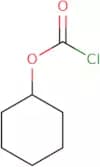


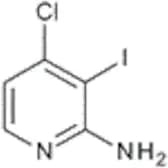

![[5-(Trifluoromethyl)-1,2-Oxazol-3-Yl]Methanol](/_next/image/?url=https%3A%2Fstatic.cymitquimica.com%2Fproducts%2F3D%2Fthumb-webp%2FFT89239.webp&w=3840&q=75)
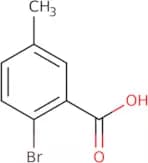
![1-[3-Chloro-5-(trifluoromethyl)phenyl]ethanone](/_next/image/?url=https%3A%2Fstatic.cymitquimica.com%2Fproducts%2F3D%2Fthumb-webp%2FFC90109.webp&w=3840&q=75)
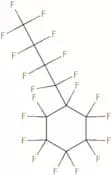

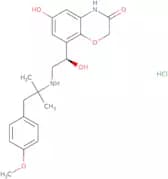
![[3-(1-Isopropyl-1H-benzimidazol-2-yl)propyl]amine dihydrochloride](/_next/image/?url=https%3A%2Fstatic.cymitquimica.com%2Fproducts%2F3D%2Fthumb-webp%2FFI126427.webp&w=3840&q=75)
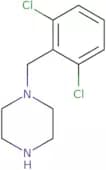
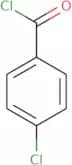
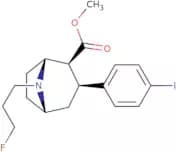
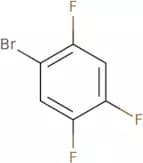
![[2-(1,2-Dimethyl-1H-indol-3-yl)ethyl]amine hydrochloride](/_next/image/?url=https%3A%2Fstatic.cymitquimica.com%2Fproducts%2F3D%2Fthumb-webp%2FFD135164.webp&w=3840&q=75)
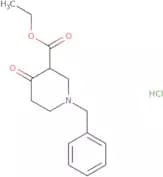
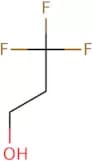
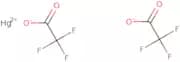
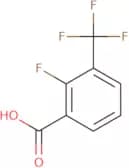
![Bis[2-(perfluorohexyl)ethyl]phosphate](/_next/image/?url=https%3A%2Fstatic.cymitquimica.com%2Fproducts%2F3D%2Fthumb-webp%2FFB84246.webp&w=3840&q=75)
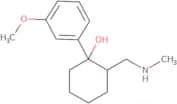
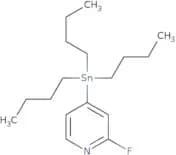
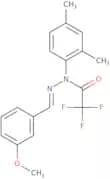
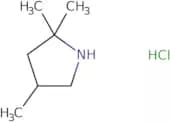
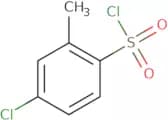
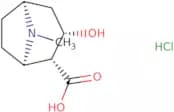
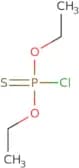
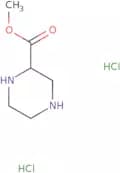
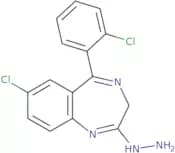
![3-[4-(3,4-Dichlorophenyl)piperazin-1-yl]-3-oxopropanenitrile](/_next/image/?url=https%3A%2Fstatic.cymitquimica.com%2Fproducts%2F3D%2Fthumb-webp%2FFD118649.webp&w=3840&q=75)
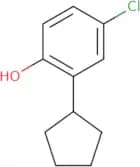
![tert-Butyl 4-chloro-5,6-dihydropyrido[3,4-d]pyrimidine-7(8H)-carboxylate](/_next/image/?url=https%3A%2Fstatic.cymitquimica.com%2Fproducts%2F3D%2Fthumb-webp%2FFB144255.webp&w=3840&q=75)
![7-[(3R)-3-[(N-Acetyl)amino]-1-oxo-4-(2,4,5-trifluorophenyl)butyl]-5,6,7,8-tetrahydro-3-(trifluorom…](/_next/image/?url=https%3A%2Fstatic.cymitquimica.com%2Fproducts%2F3D%2Fthumb-webp%2FFA104169.webp&w=3840&q=75)
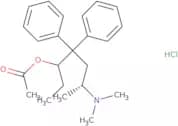
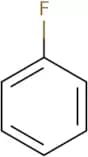
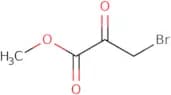

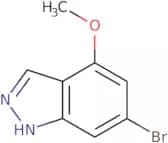


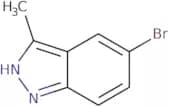

![[2-(Methylsulfinyl)ethyl]amine hydrobromide](/_next/image/?url=https%3A%2Fstatic.cymitquimica.com%2Fproducts%2F3D%2Fthumb-webp%2FFM121339.webp&w=3840&q=75)
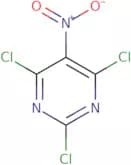
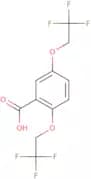
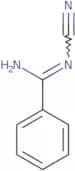

![(R)-(-)-1-[(4-Chlorophenyl)phenylmethyl]piperazine](/_next/image/?url=https%3A%2Fstatic.cymitquimica.com%2Fproducts%2F3D%2Fthumb-webp%2FFC53712.webp&w=3840&q=75)
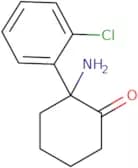
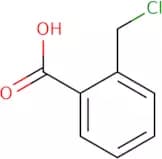

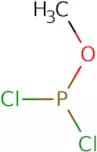
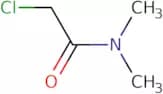
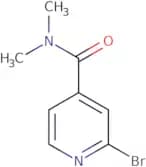
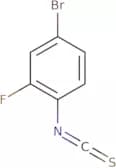
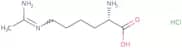
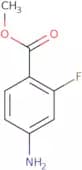
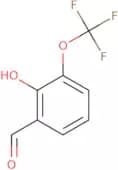
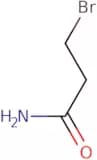
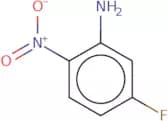
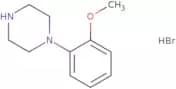
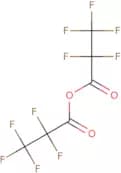

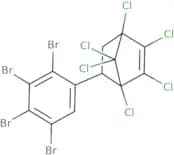
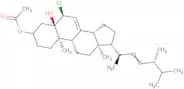
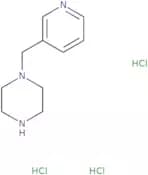
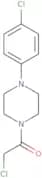
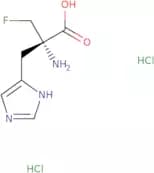
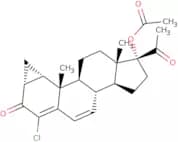
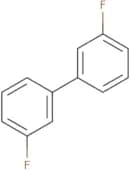
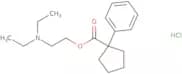
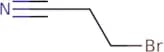
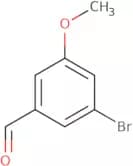
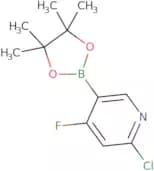
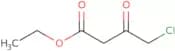
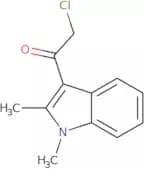
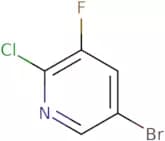
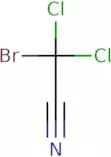
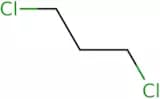

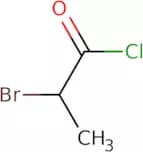
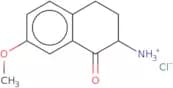
![[2-(1-Isobutyl-1H-benzimidazol-2-yl)ethyl]amine dihydrochloride](/_next/image/?url=https%3A%2Fstatic.cymitquimica.com%2Fproducts%2F3D%2Fthumb-webp%2FFI135795.webp&w=3840&q=75)
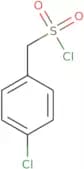
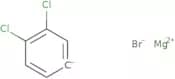
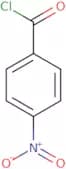

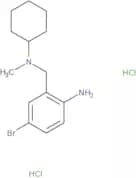
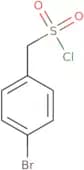
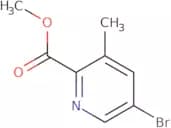
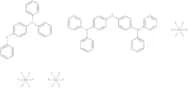
![N-[(1S)-1-(Aminocarbonyl)propyl]-4-chlorobutanamide](/_next/image/?url=https%3A%2Fstatic.cymitquimica.com%2Fproducts%2F3D%2Fthumb-webp%2FFA171302.webp&w=3840&q=75)
![8-Chloro-1-methyl-6-phenyl-4H-Imidazo[1,5-a][1,4]benzodiazepine](/_next/image/?url=https%3A%2Fstatic.cymitquimica.com%2Fproducts%2F3D%2Fthumb-webp%2FFC159452.webp&w=3840&q=75)
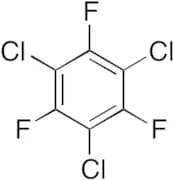


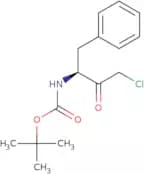
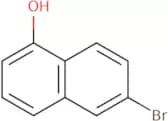
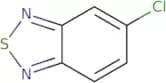

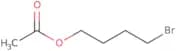

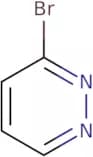


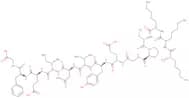
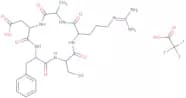
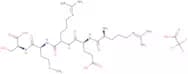


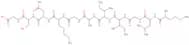

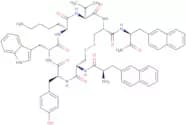


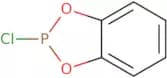

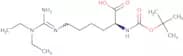
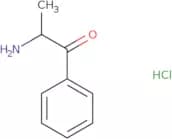
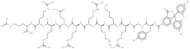

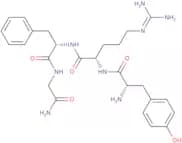

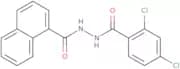
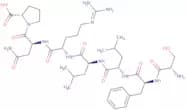
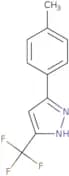
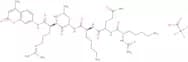
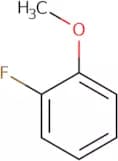
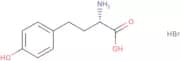
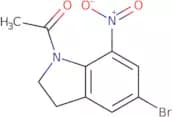

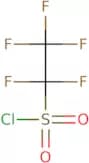
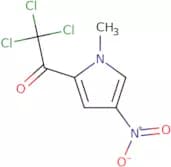
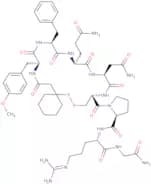
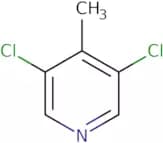


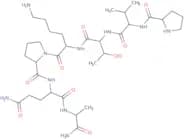

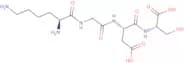
![4,6-Dichloro-1H-pyrazolo[4,3-c]pyridine](/_next/image/?url=https%3A%2Fstatic.cymitquimica.com%2Fproducts%2F3D%2Fthumb-webp%2FFD35292.webp&w=3840&q=75)
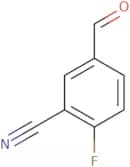
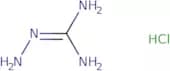
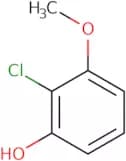
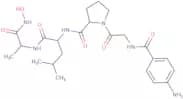

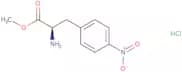
![9,9-Bis[4-(2-acryloyloxyethyloxy)phenyl]fluorene](/_next/image/?url=https%3A%2Fstatic.cymitquimica.com%2Fproducts%2F3D%2Fthumb-webp%2FFB149723.webp&w=3840&q=75)
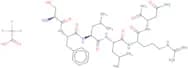


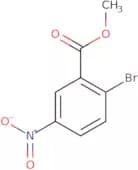
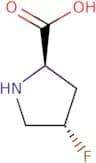
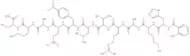

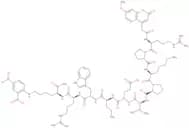

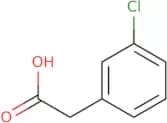
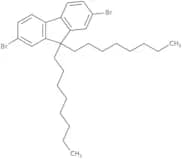

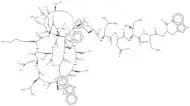


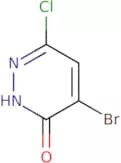
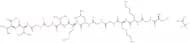
![2-[(4-Chloro-2-nitrophenyl)azo]-N-(2-methoxyphenyl)-3-oxobutanamide](/_next/image/?url=https%3A%2Fstatic.cymitquimica.com%2Fproducts%2F3D%2Fthumb-webp%2FFC149929.webp&w=3840&q=75)
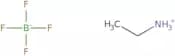
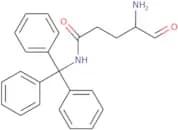

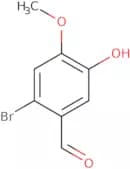

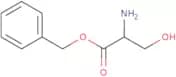


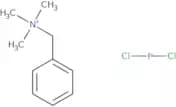
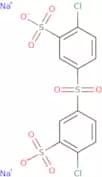
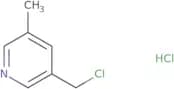

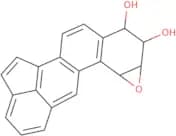
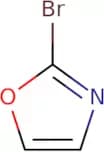

![4-[(4-Chlorophenyl)phenylmethyl]-1-piperazineethanol dihydrochloride](/_next/image/?url=https%3A%2Fstatic.cymitquimica.com%2Fproducts%2F3D%2Fthumb-webp%2FFC33627.webp&w=3840&q=75)